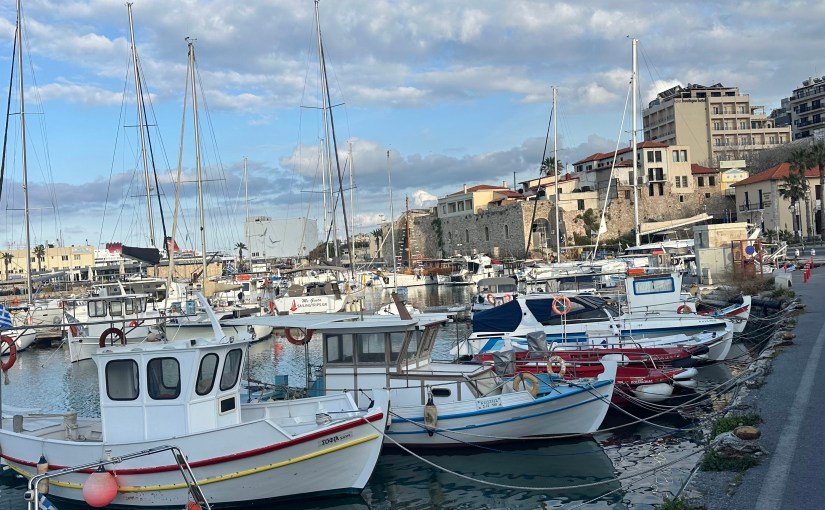
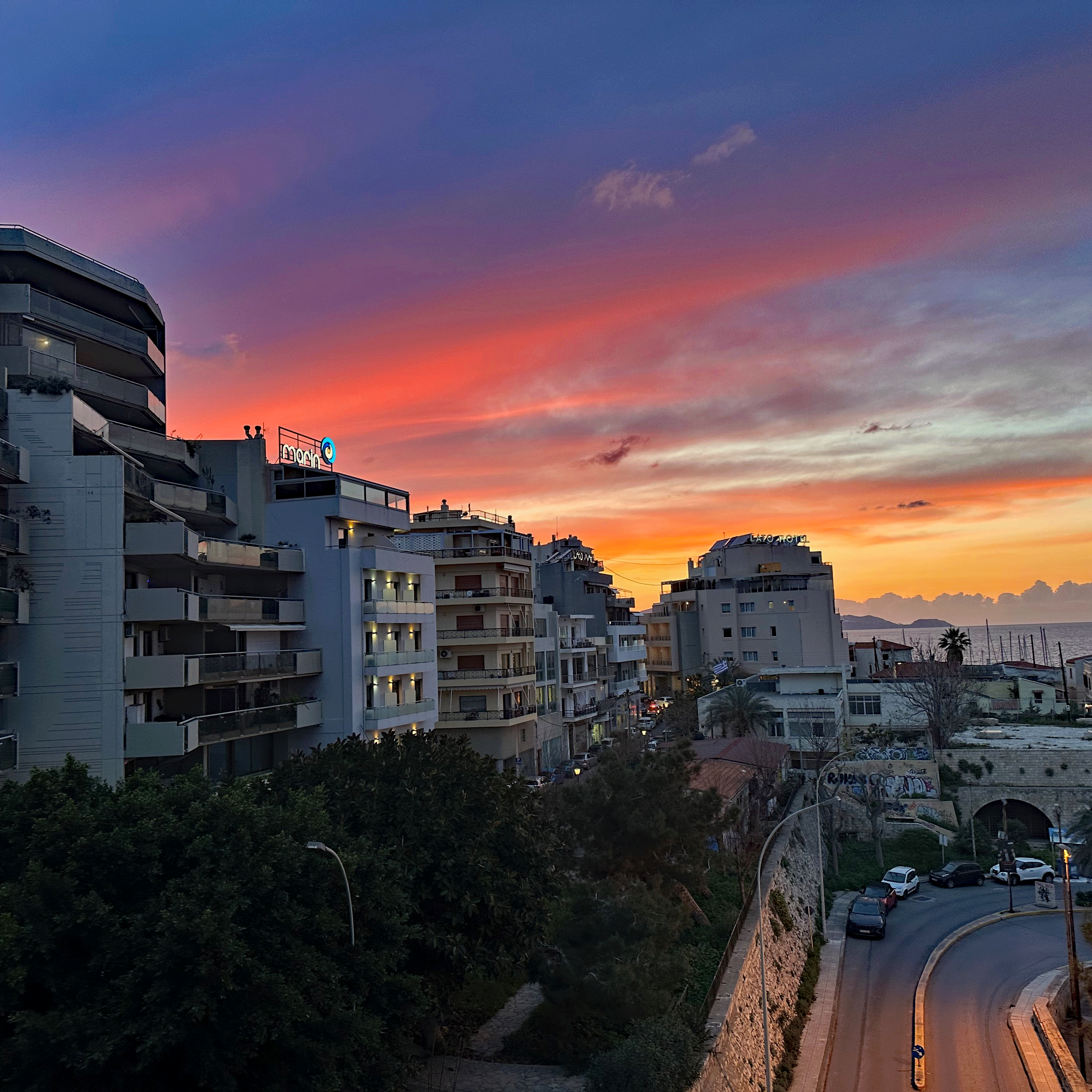
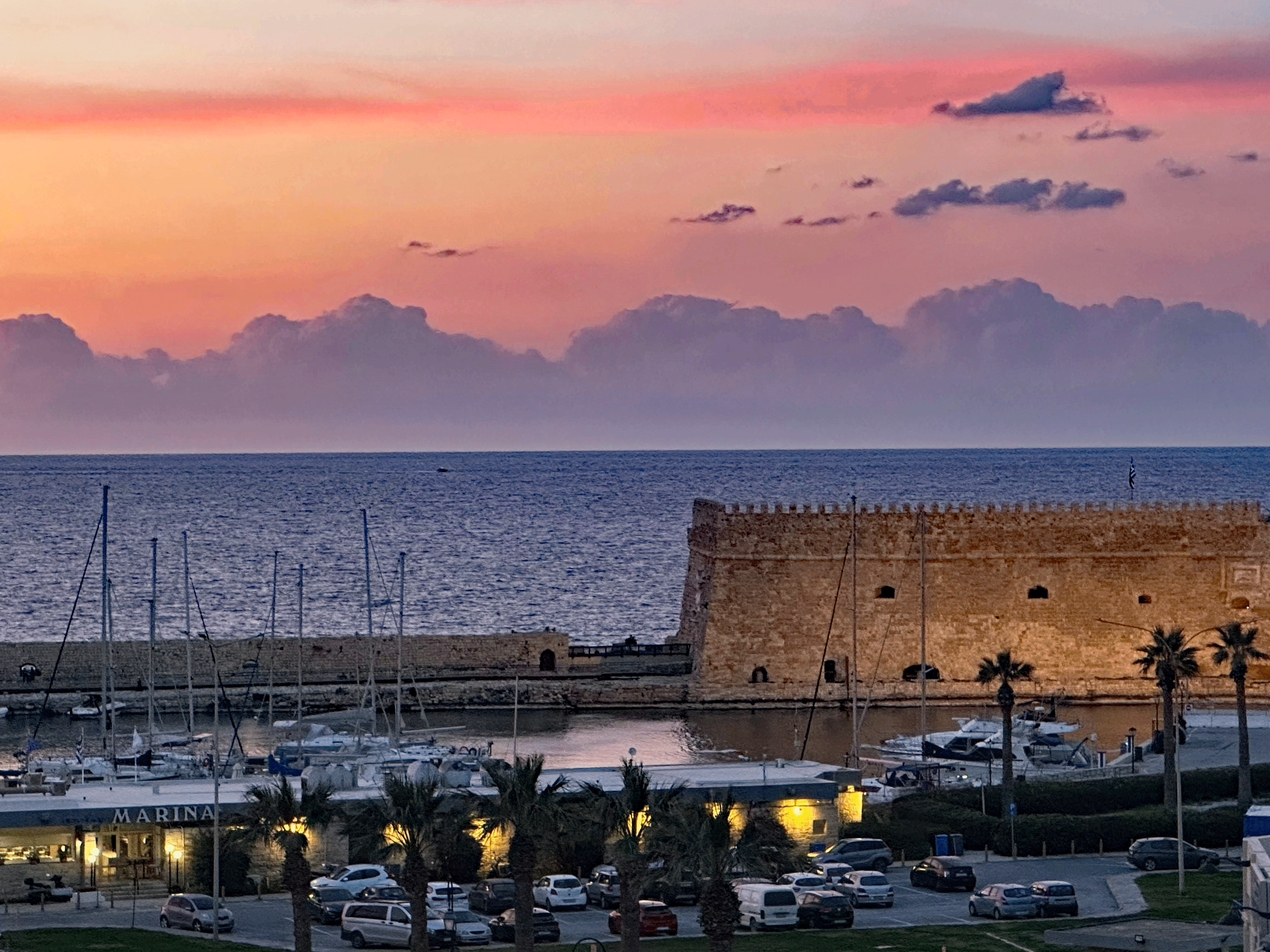
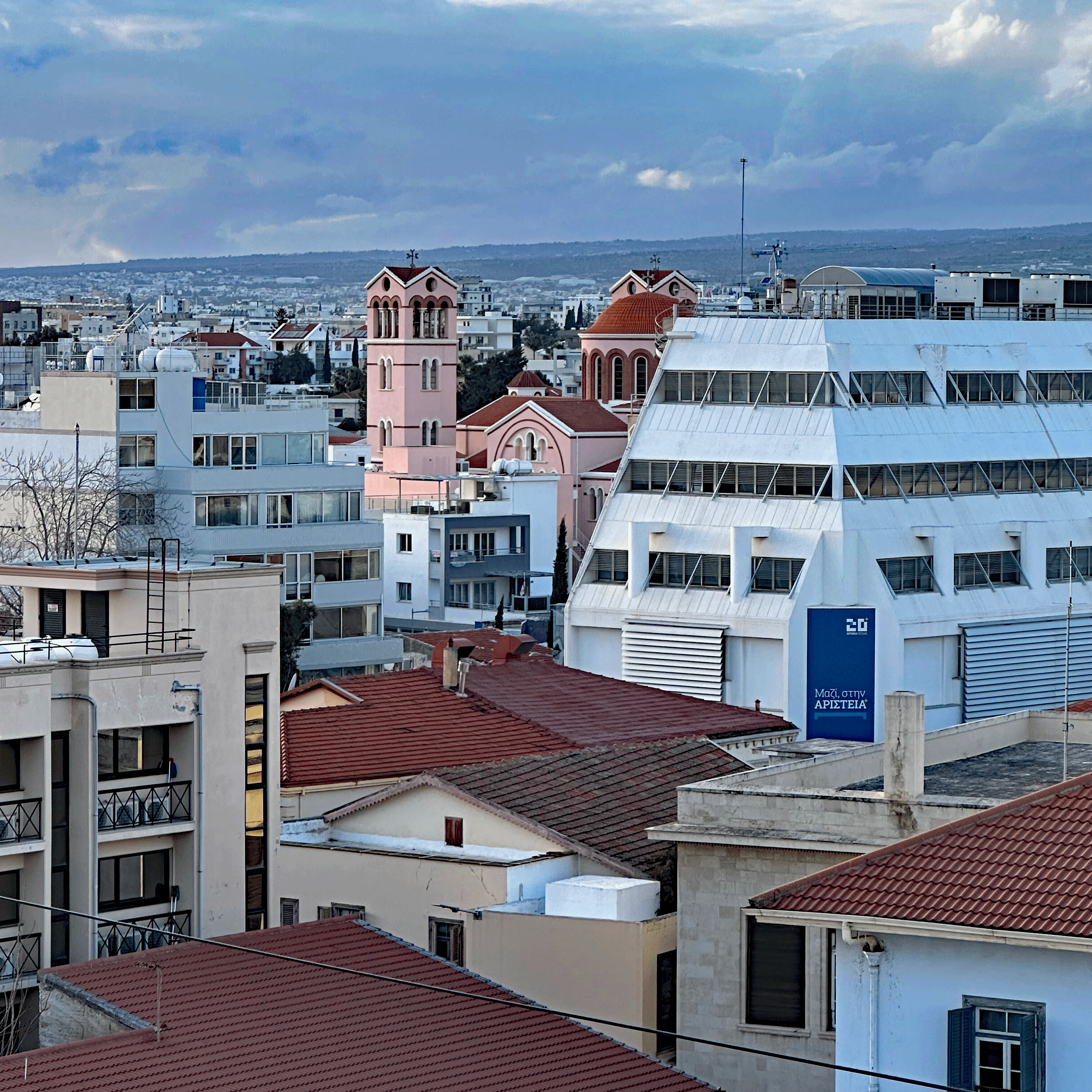
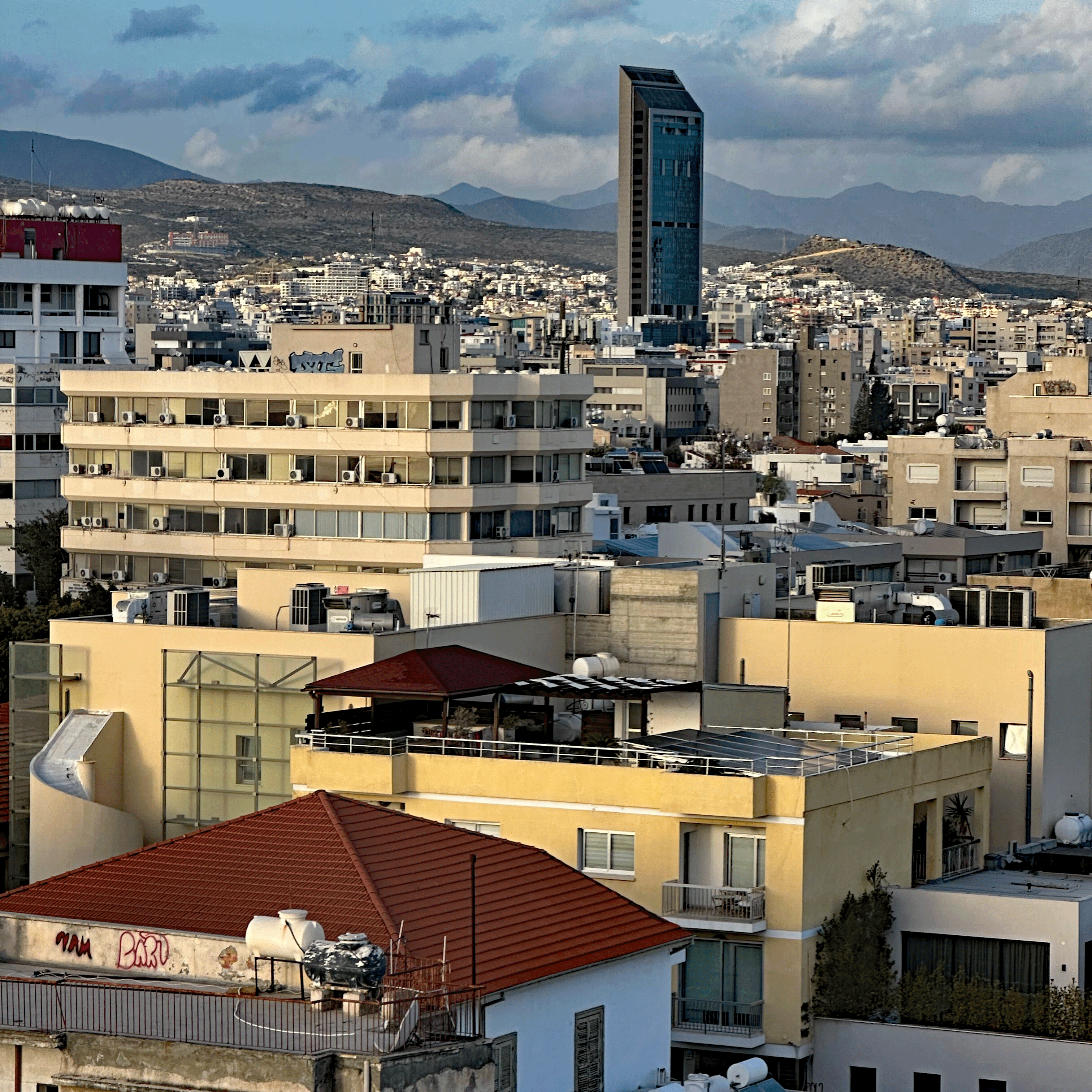
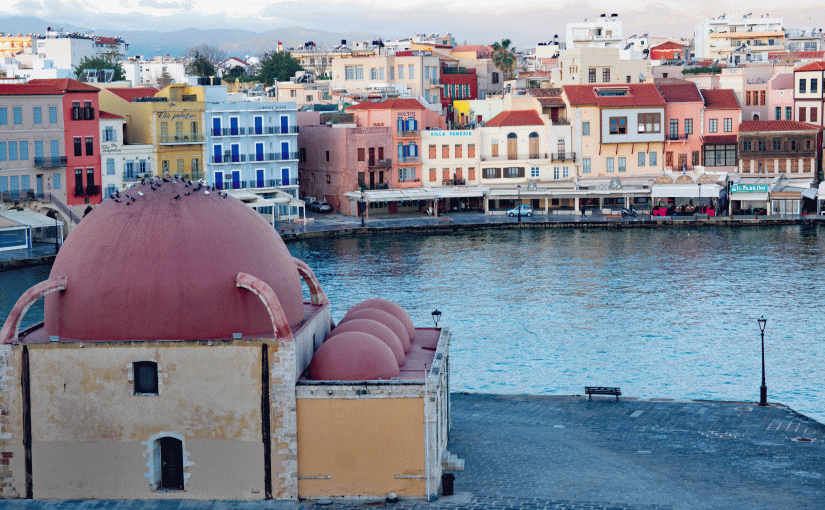
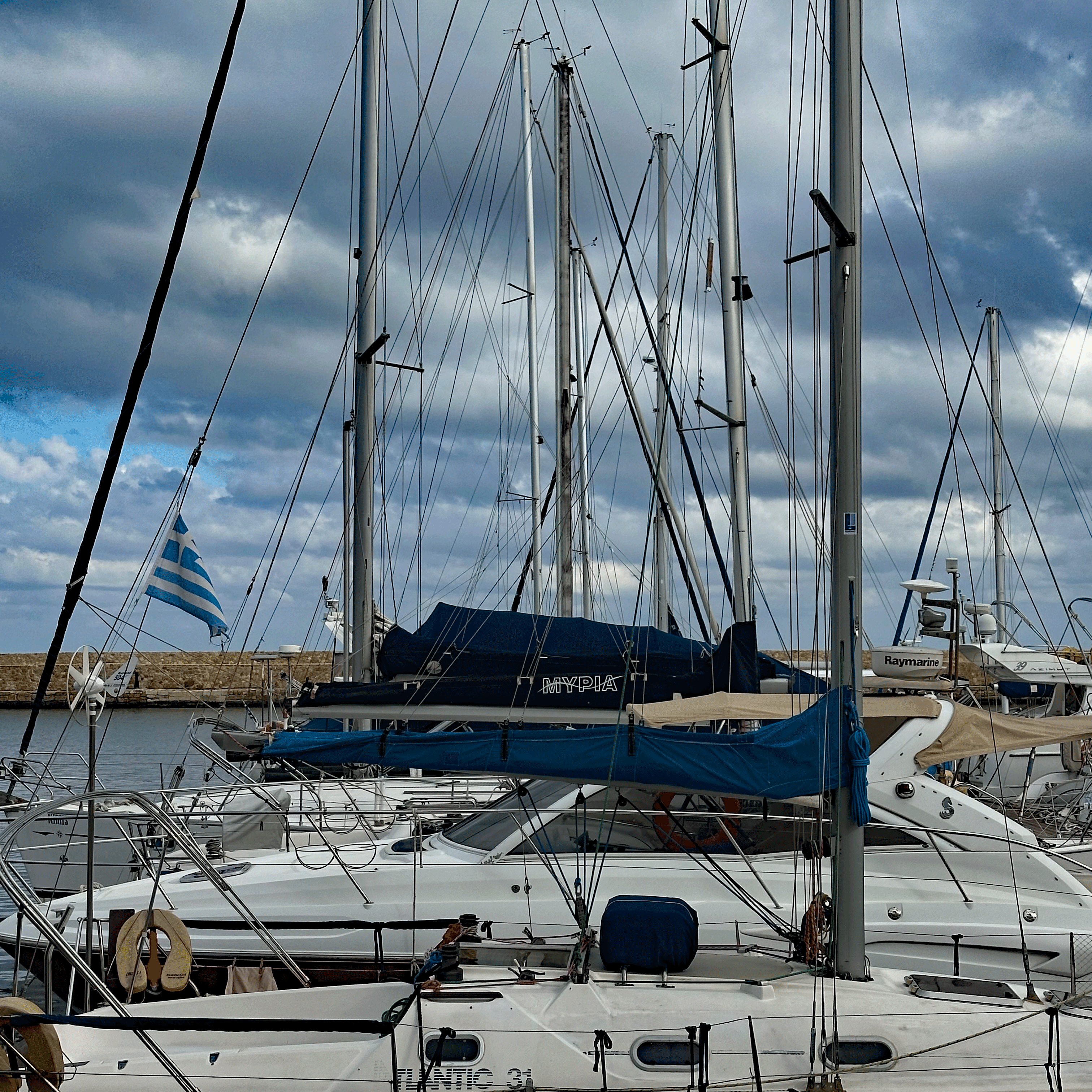
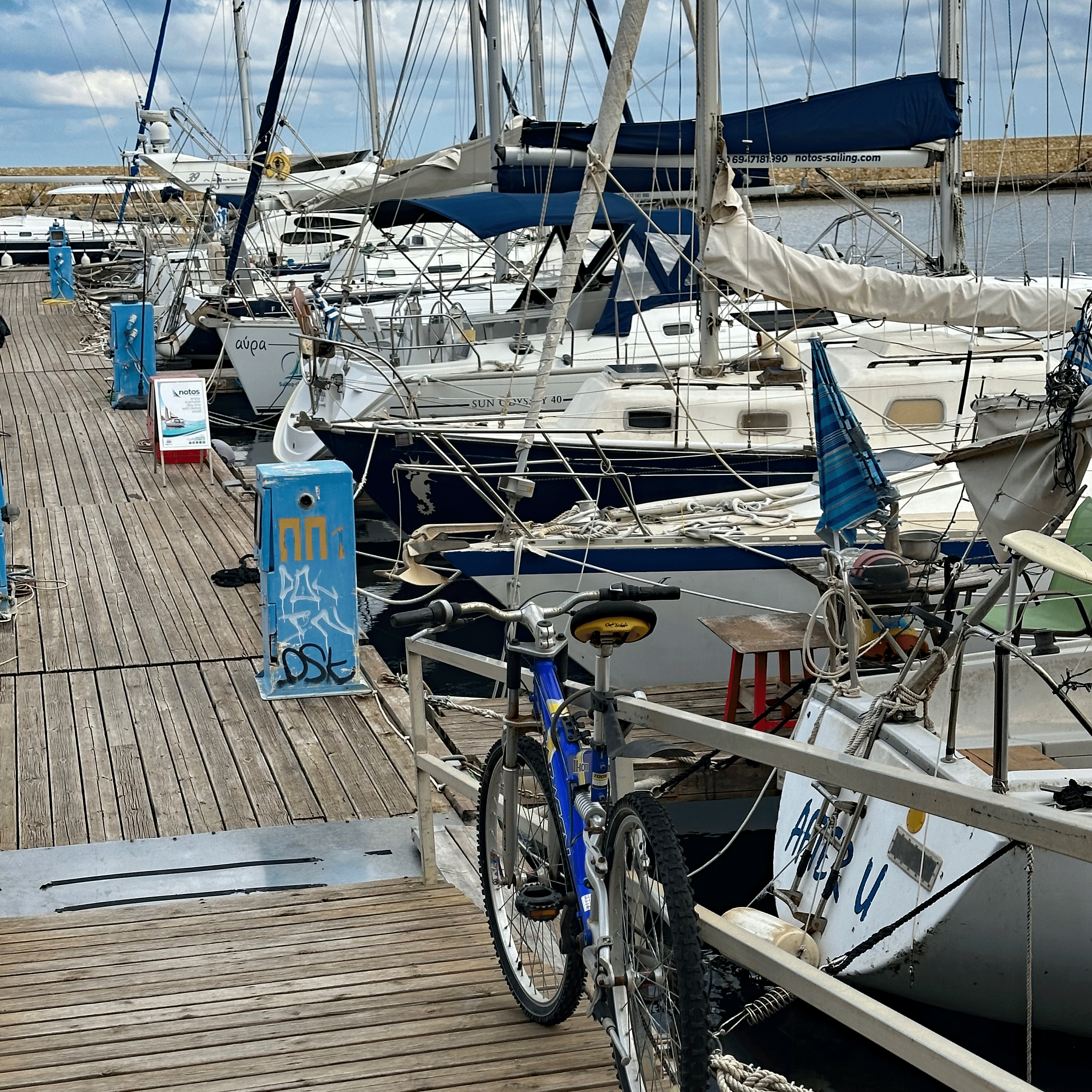
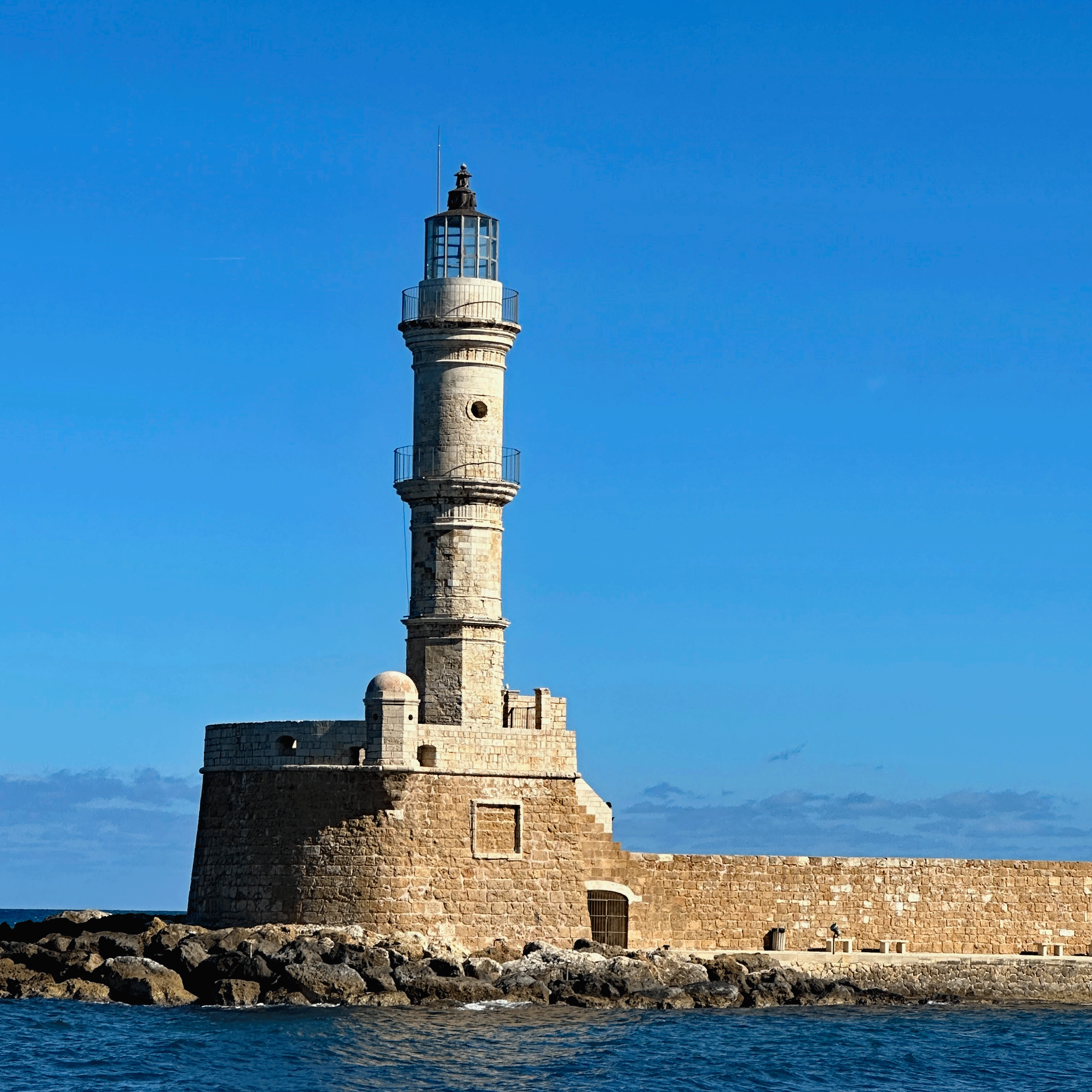
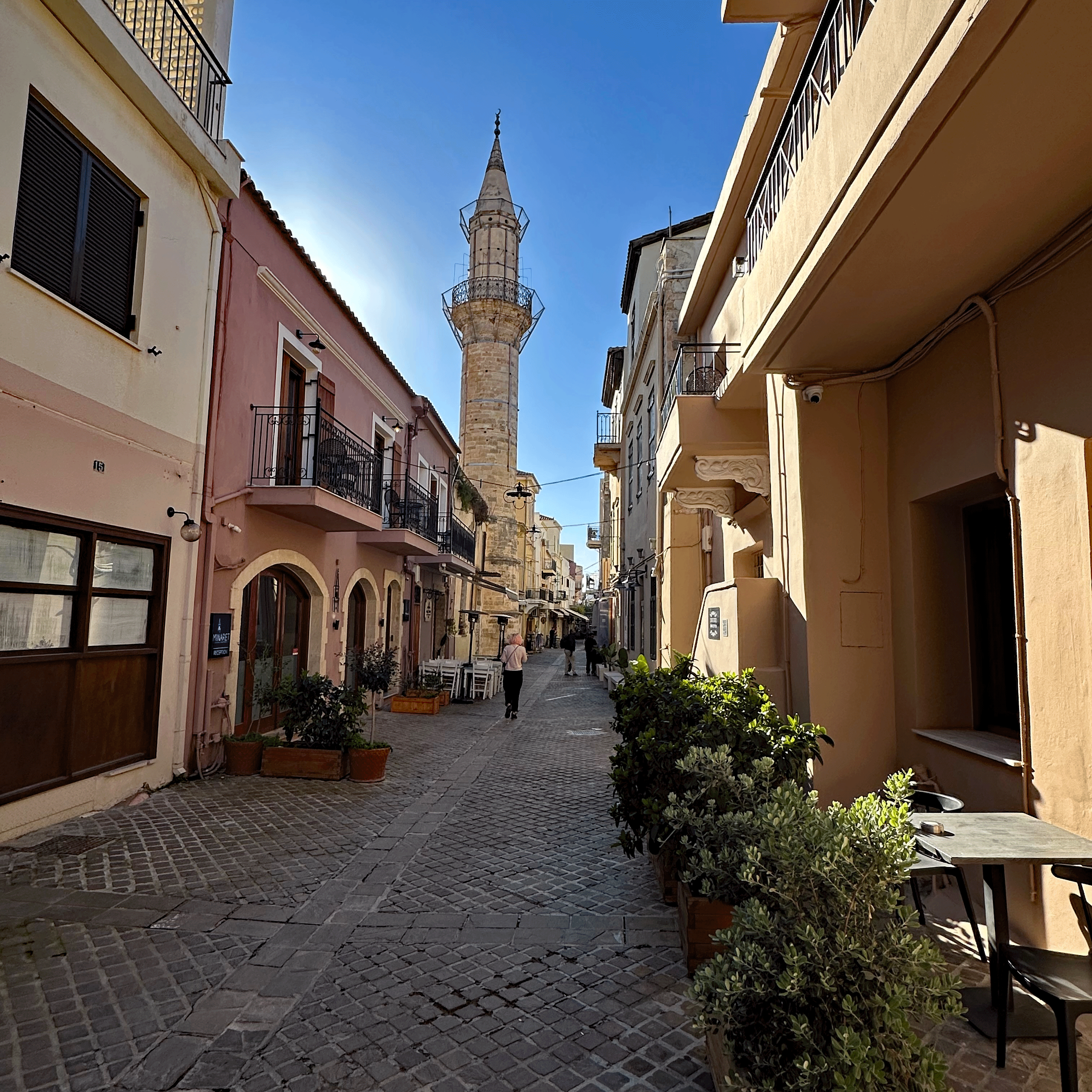
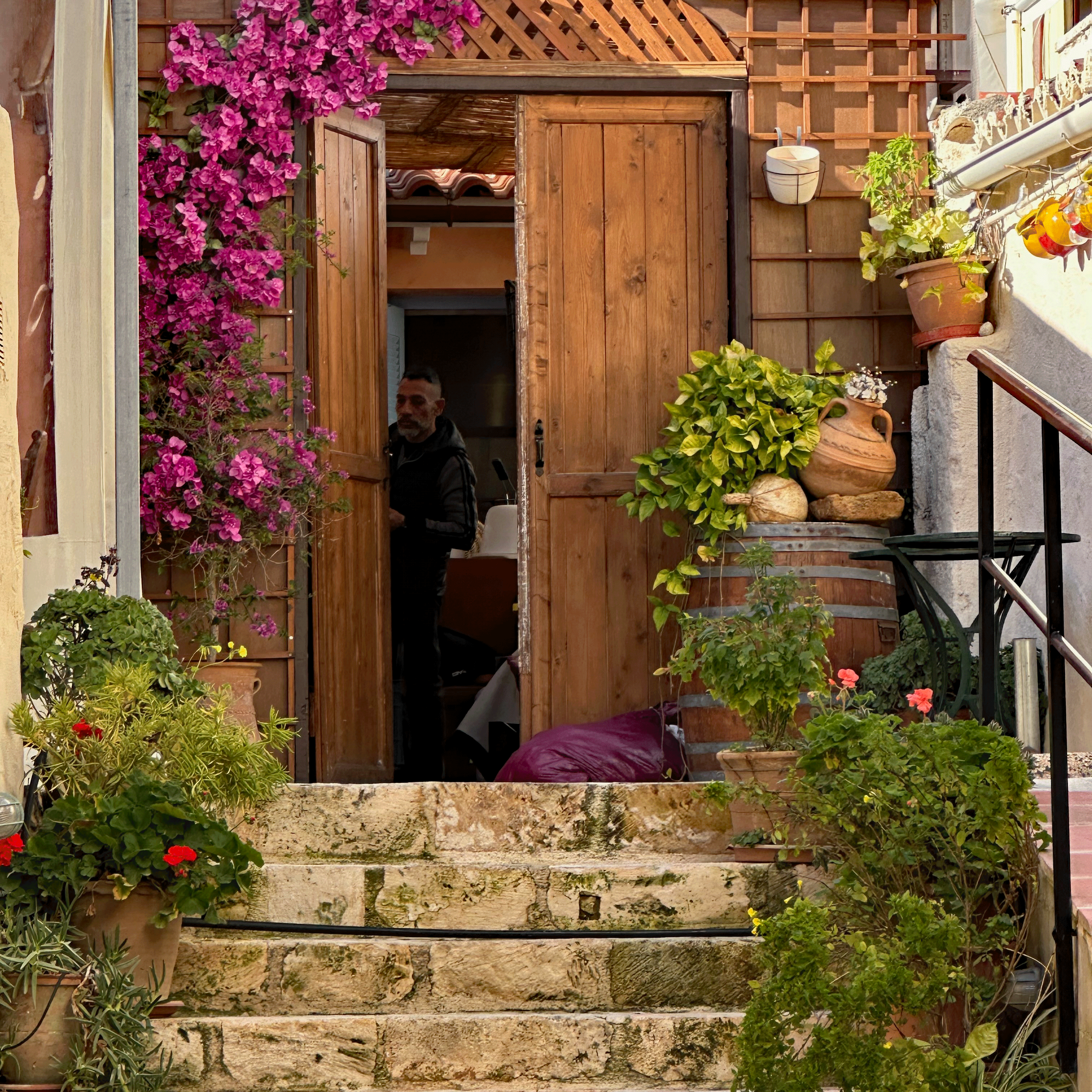
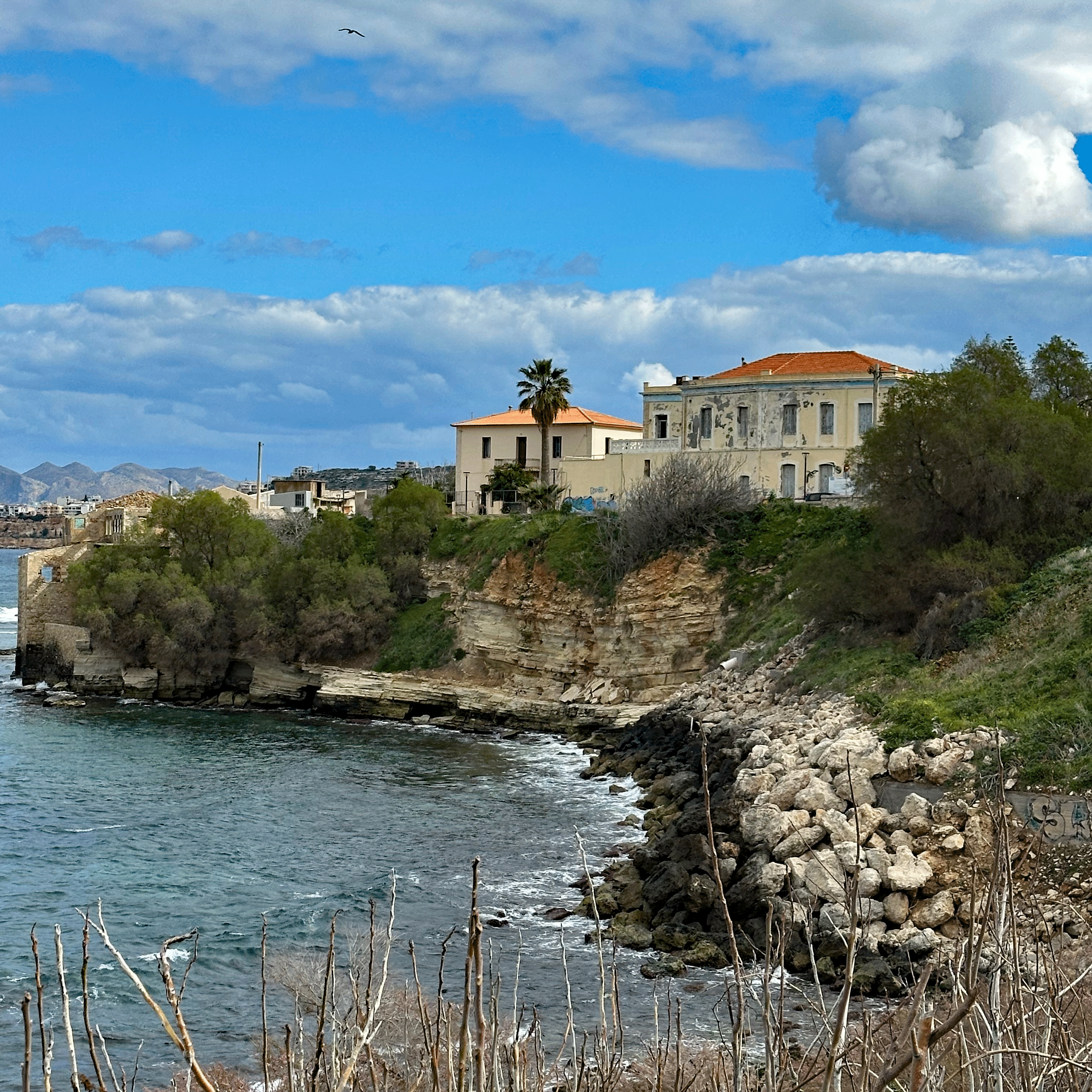
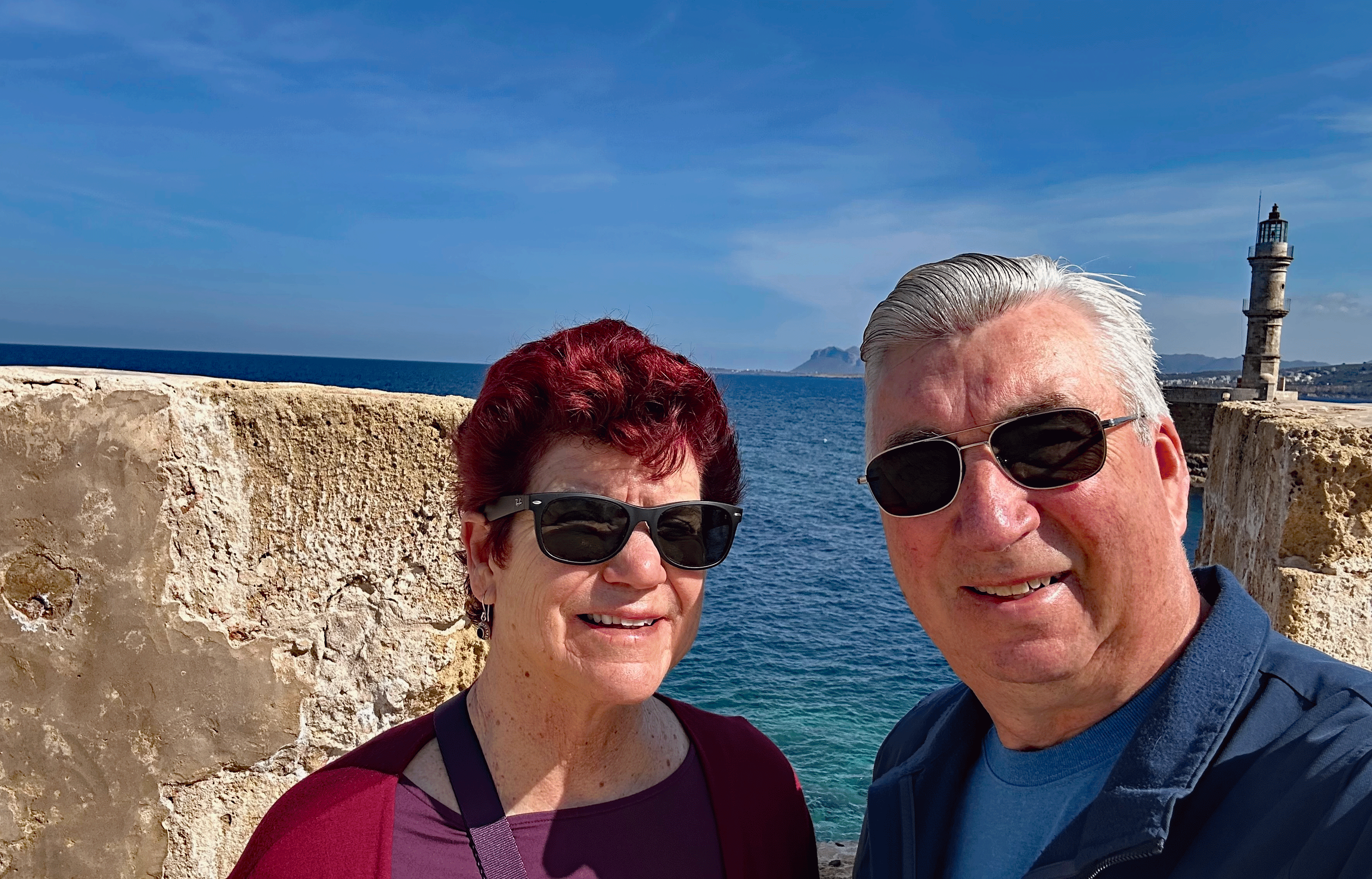
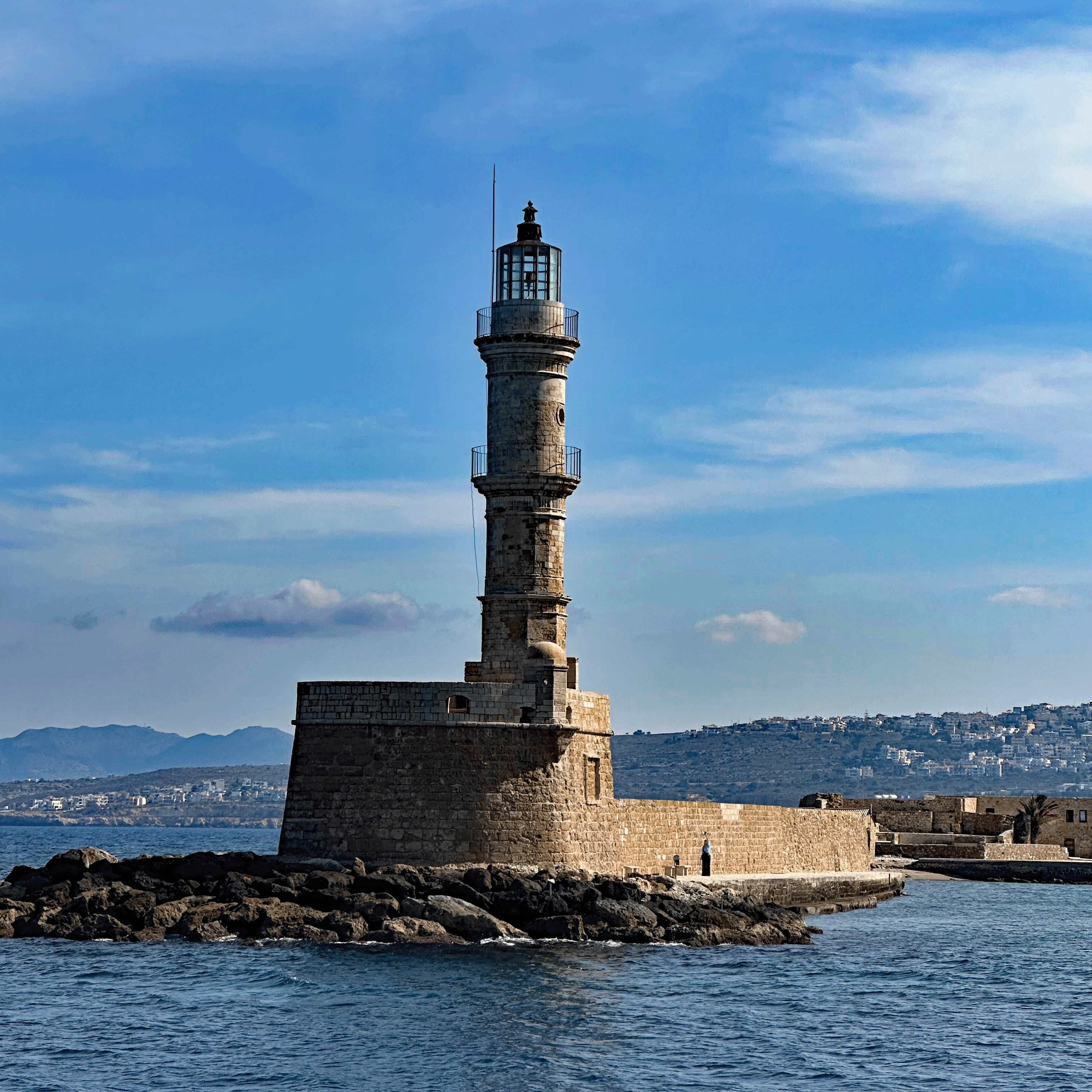
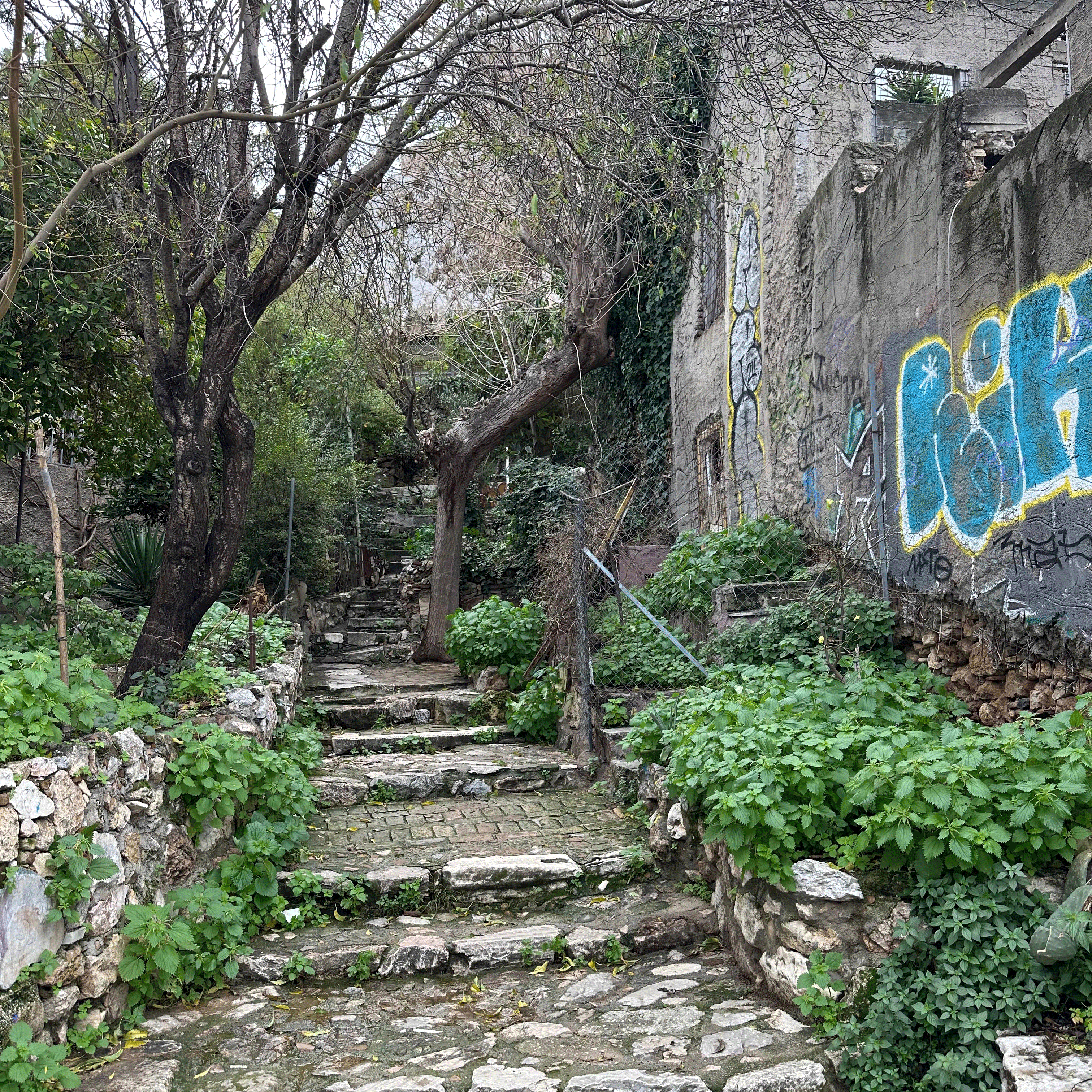
Heraklion is often dismissed as too big, too busy, too gritty, because many visitors come to Crete for the “beachier ” destinations. They may only see the Heraklion airport. Cruise passengers might spend a day. We stayed there for 5 days at the end of our 8 weeks of winter travel to Athens, Cyprus, and Crete in 2026. We stayed at the GDM Megaron Historical Monument, a hotel right across from the harbor, where we enjoyed a lovely room with a small balcony facing the harbor and the Koules Fortress. In summer this would be a very busy place, ( and more expensive), but in early March there are not many ferries running and no large cruise ships. The hotel staff was delighted to have guests, there weren’t many of us, but you couldn’t tell by the size of the breakfast spread. Try as I might, I couldn’t get around to trying everything, even once. There was a rooftop bar with fantastic views of the Sea of Crete and the city. Too chilly for the rooftop pool, but not for enjoying a coffee, a glass of wine, or a light meal.
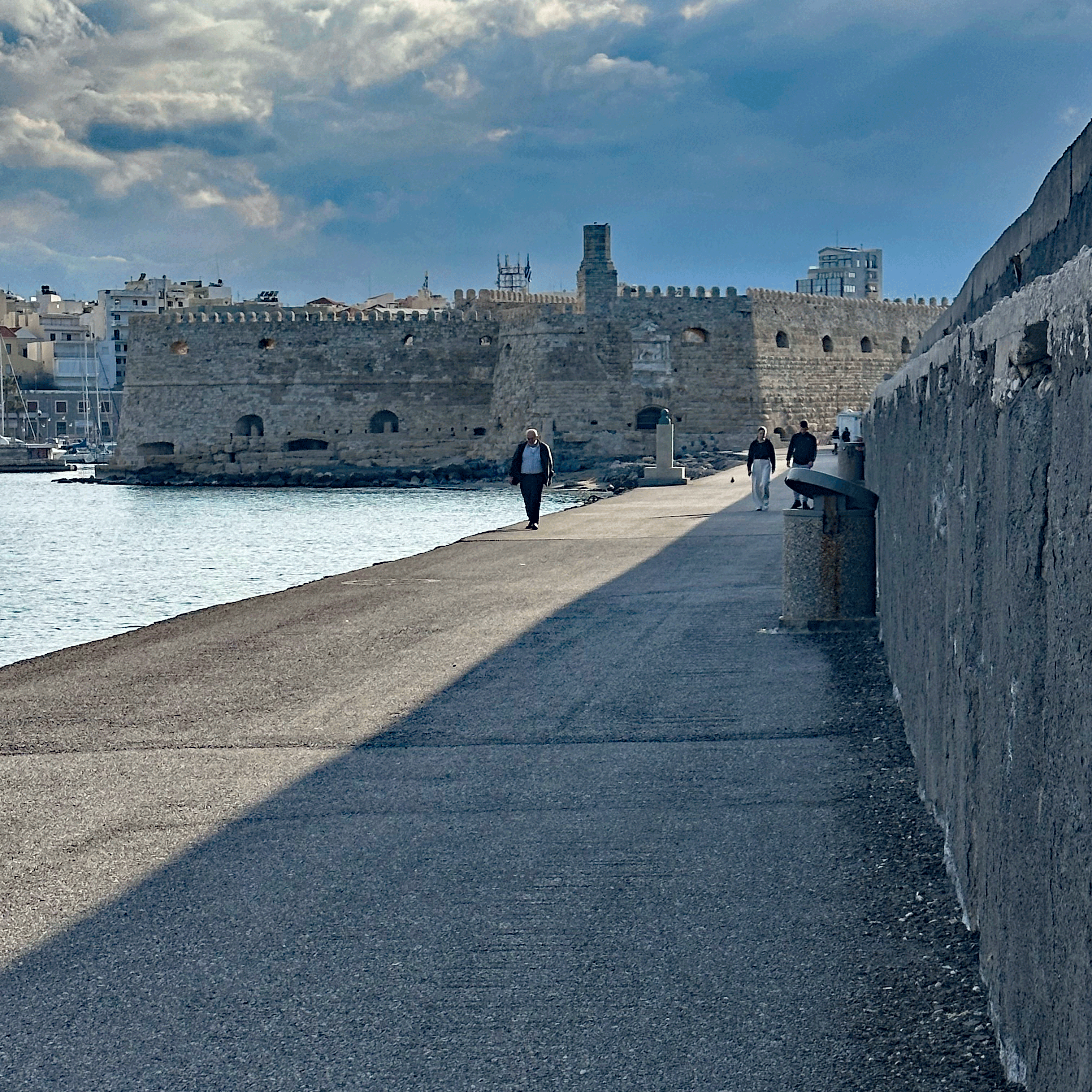
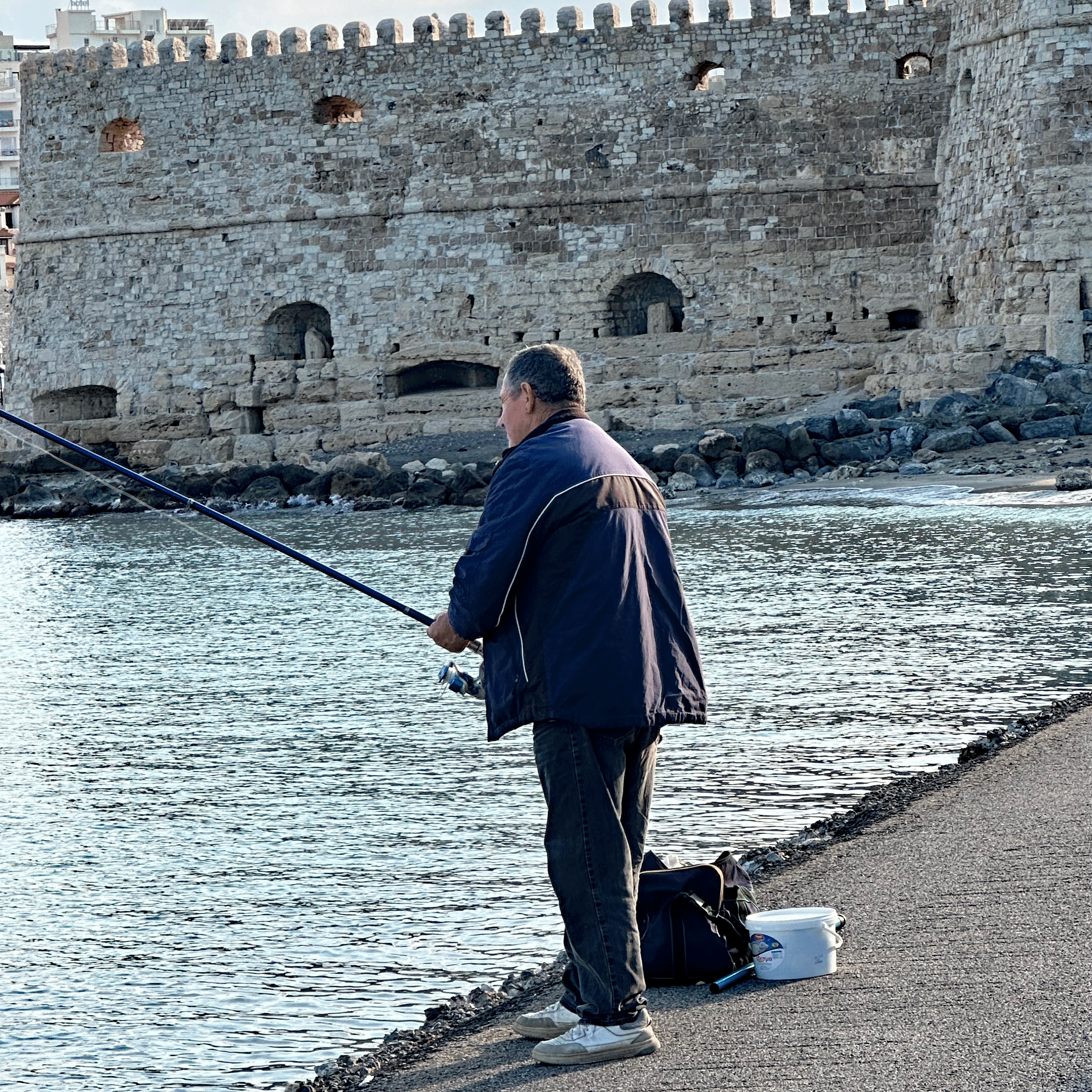
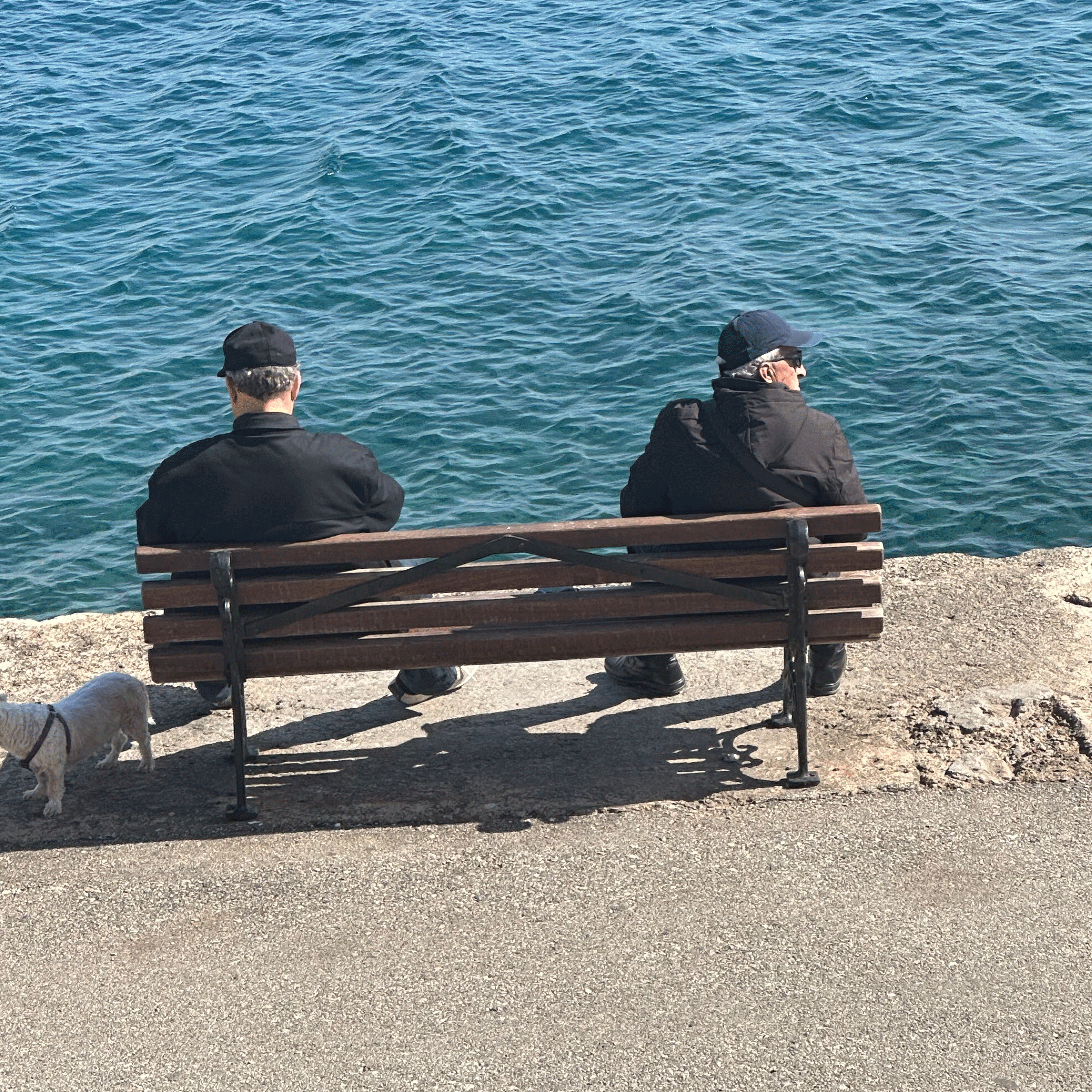
The harbor front is a popular jogging and strolling spot for both the locals and visitors. We took a walk there every day and loved seeing fishermen and local teenagers enjoying a private moment in the alcoves of the castle walls.
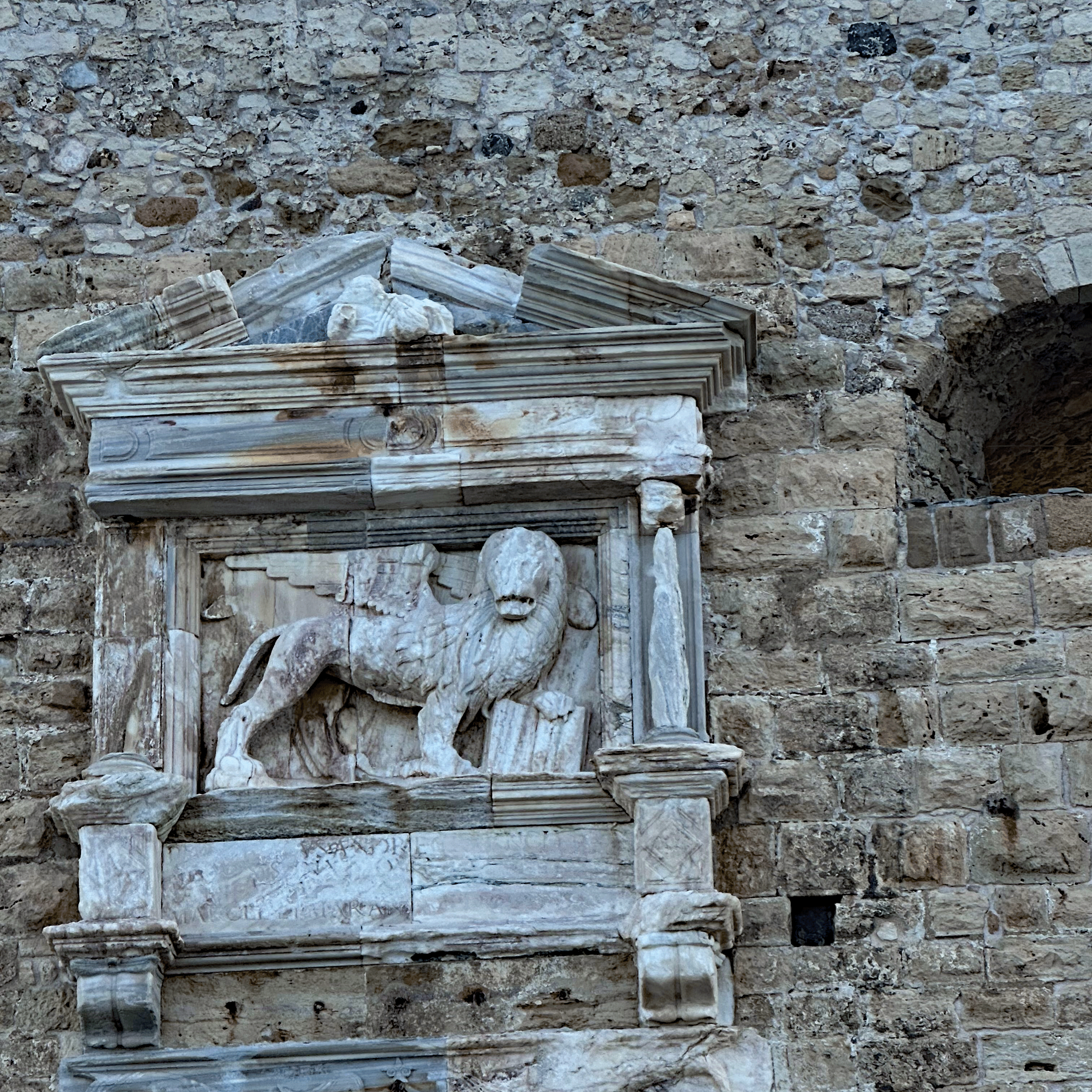
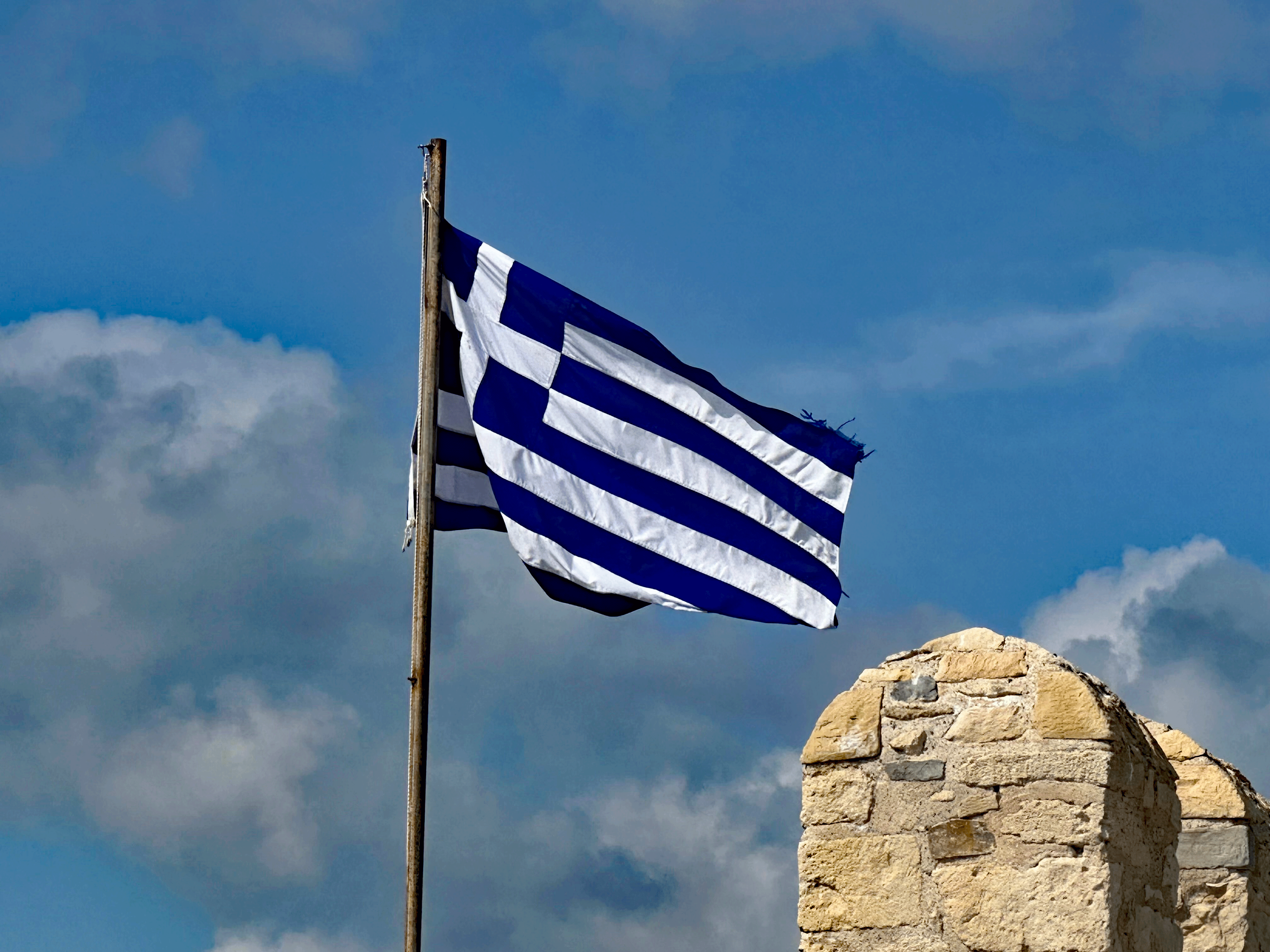
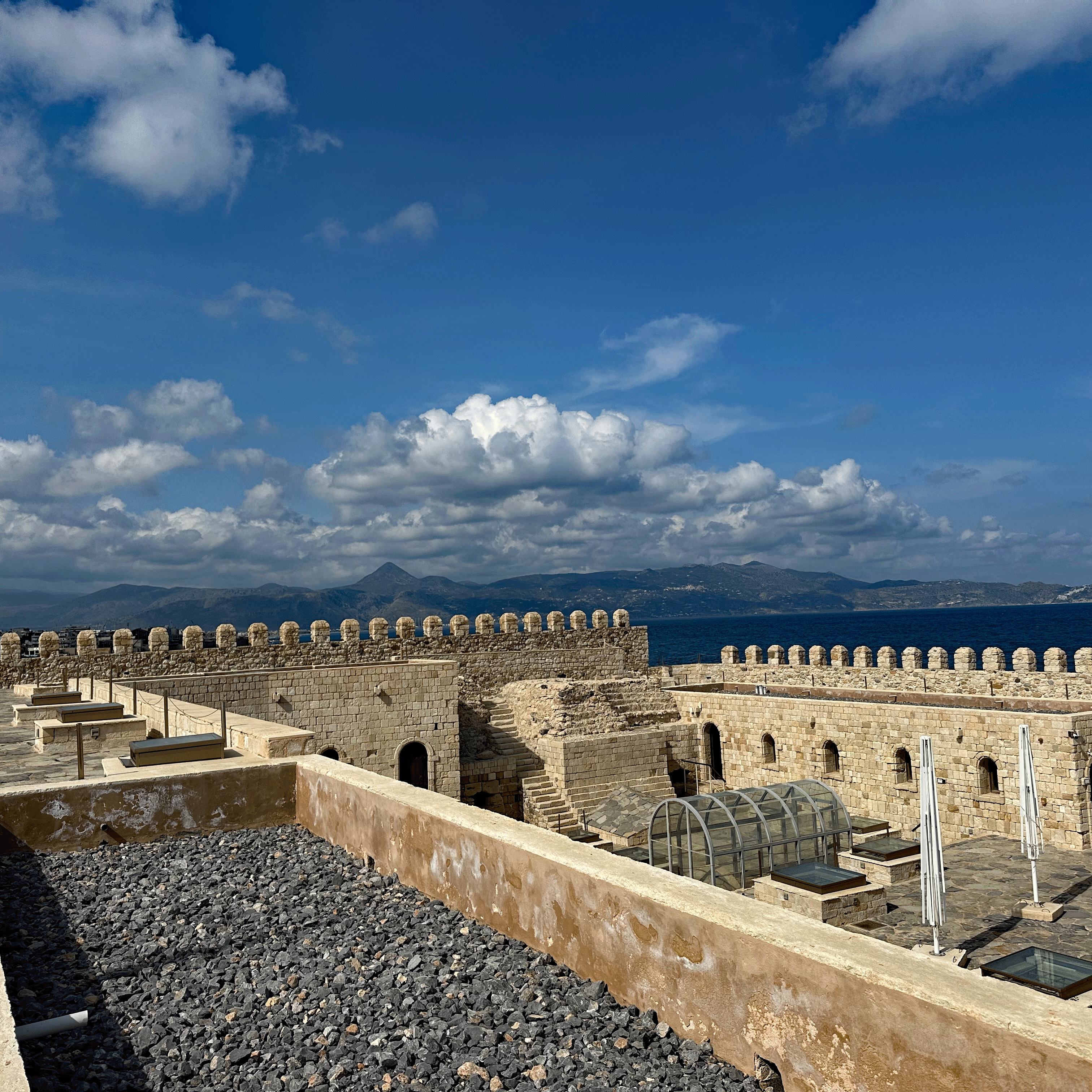
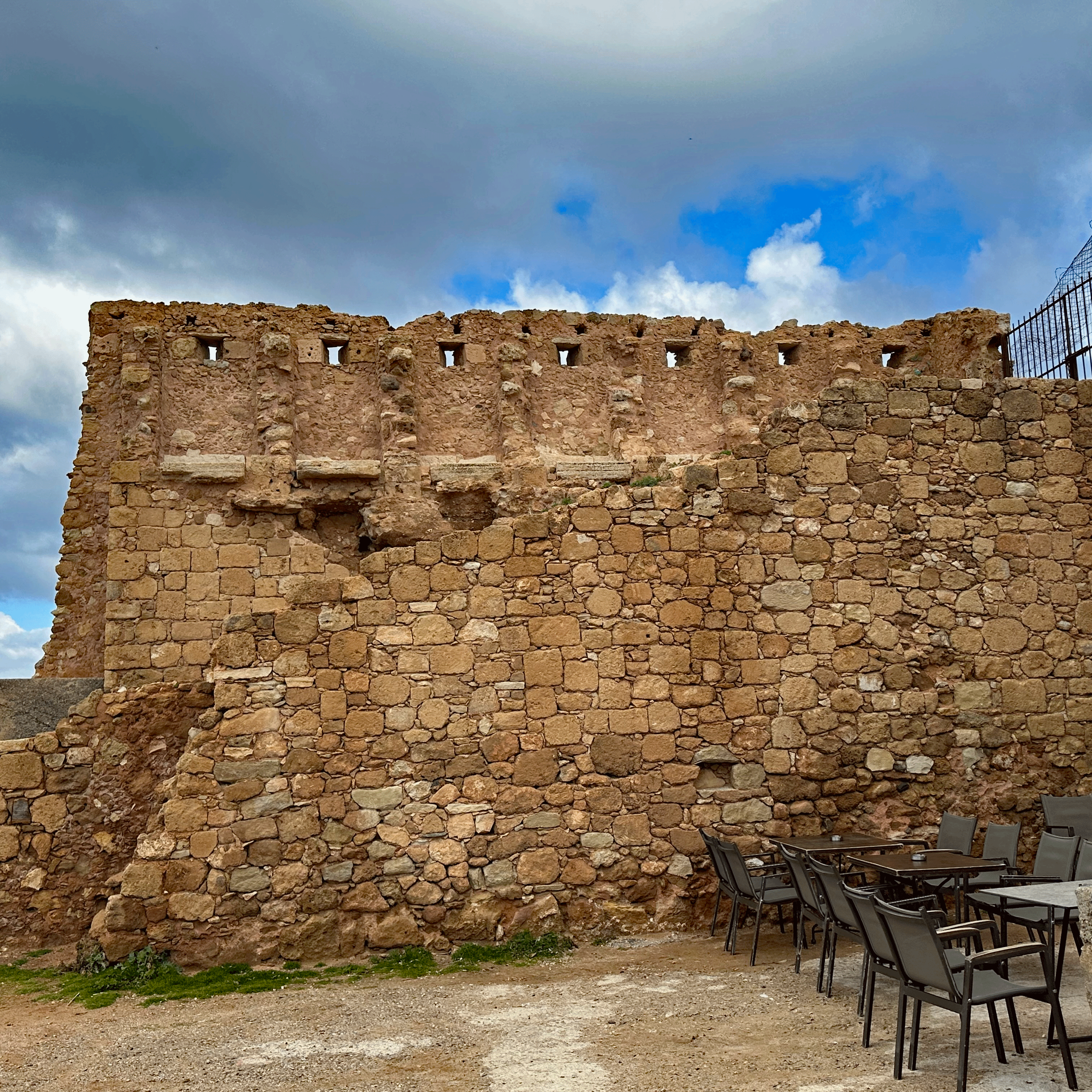
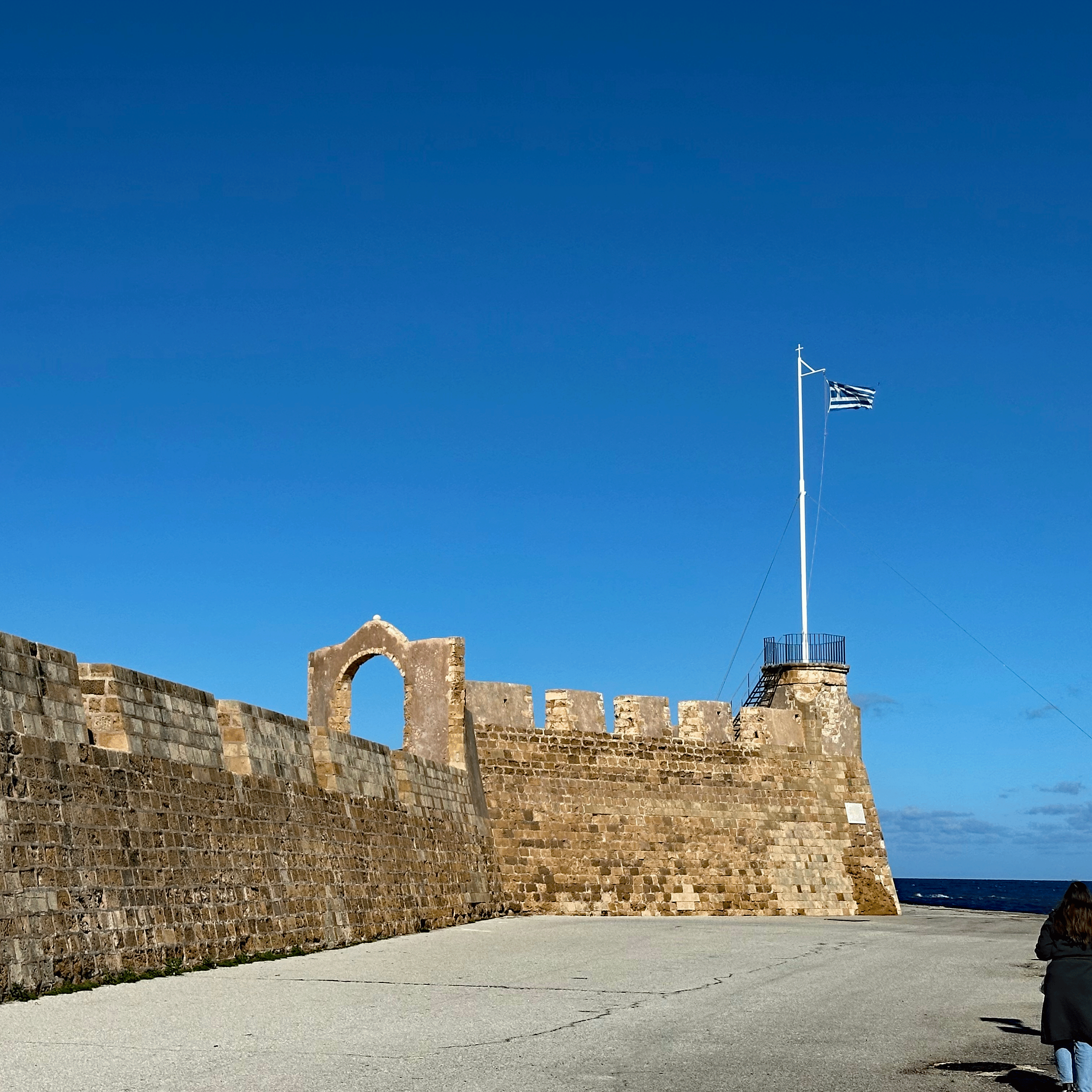
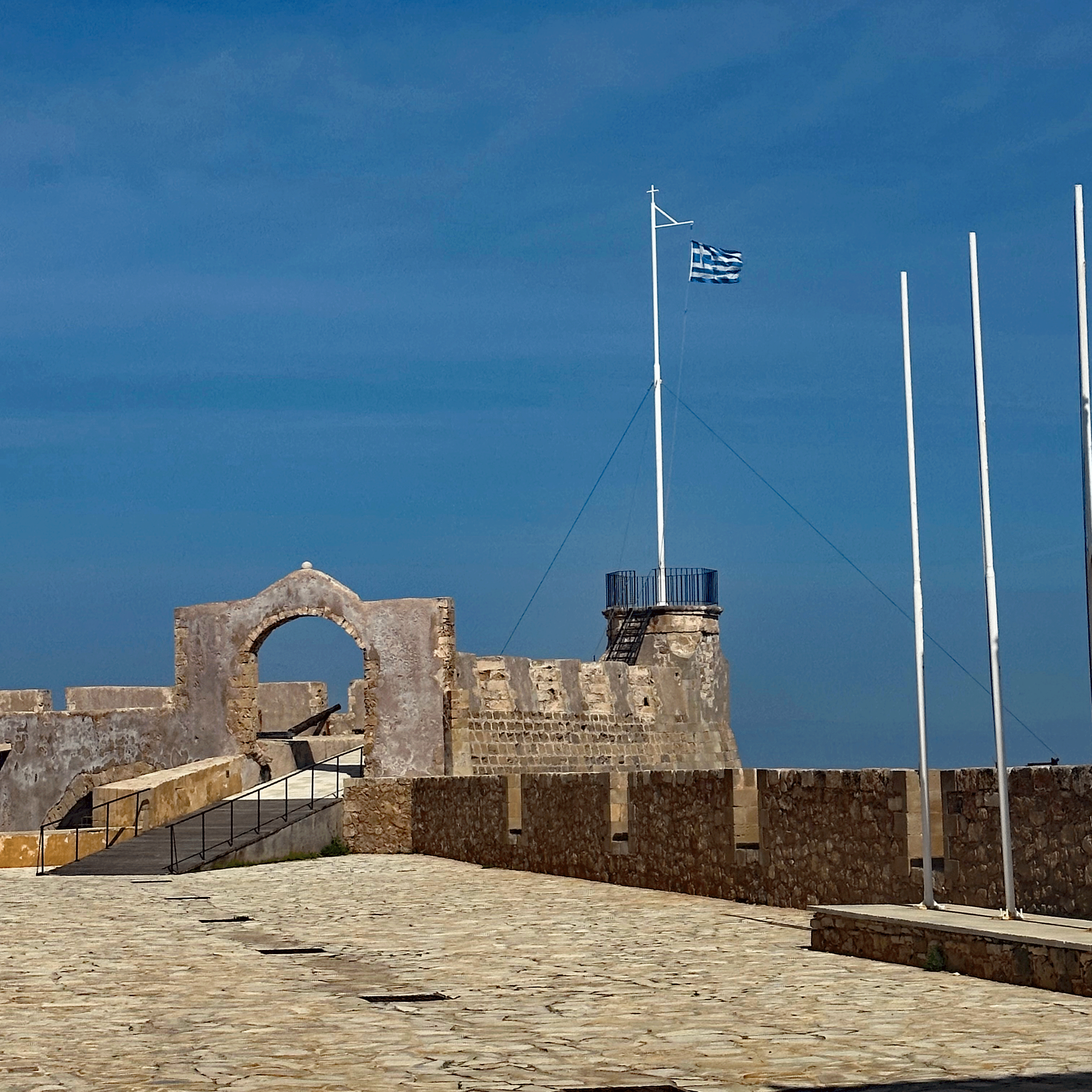
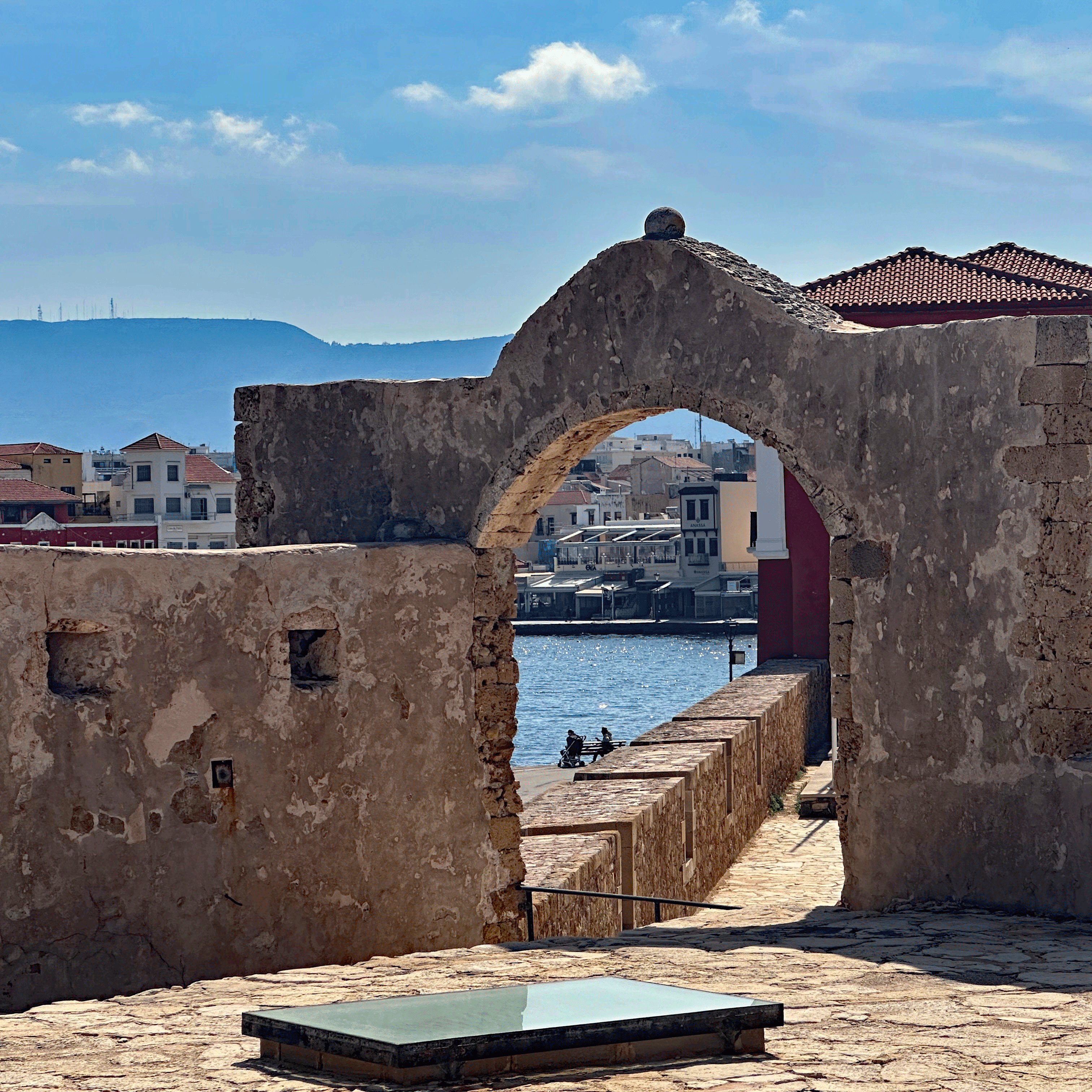
We spent one full morning touring the Koules Fortress, built by the Venetians during their occupation of Crete in the 16th century. Within the walls are some authentic displays to give you a feel for the castle’s heyday. The upper ramparts offer amazing views and photo ops.
Cannon BallsCannon DetailKoules Fortress (Castello a Mare)
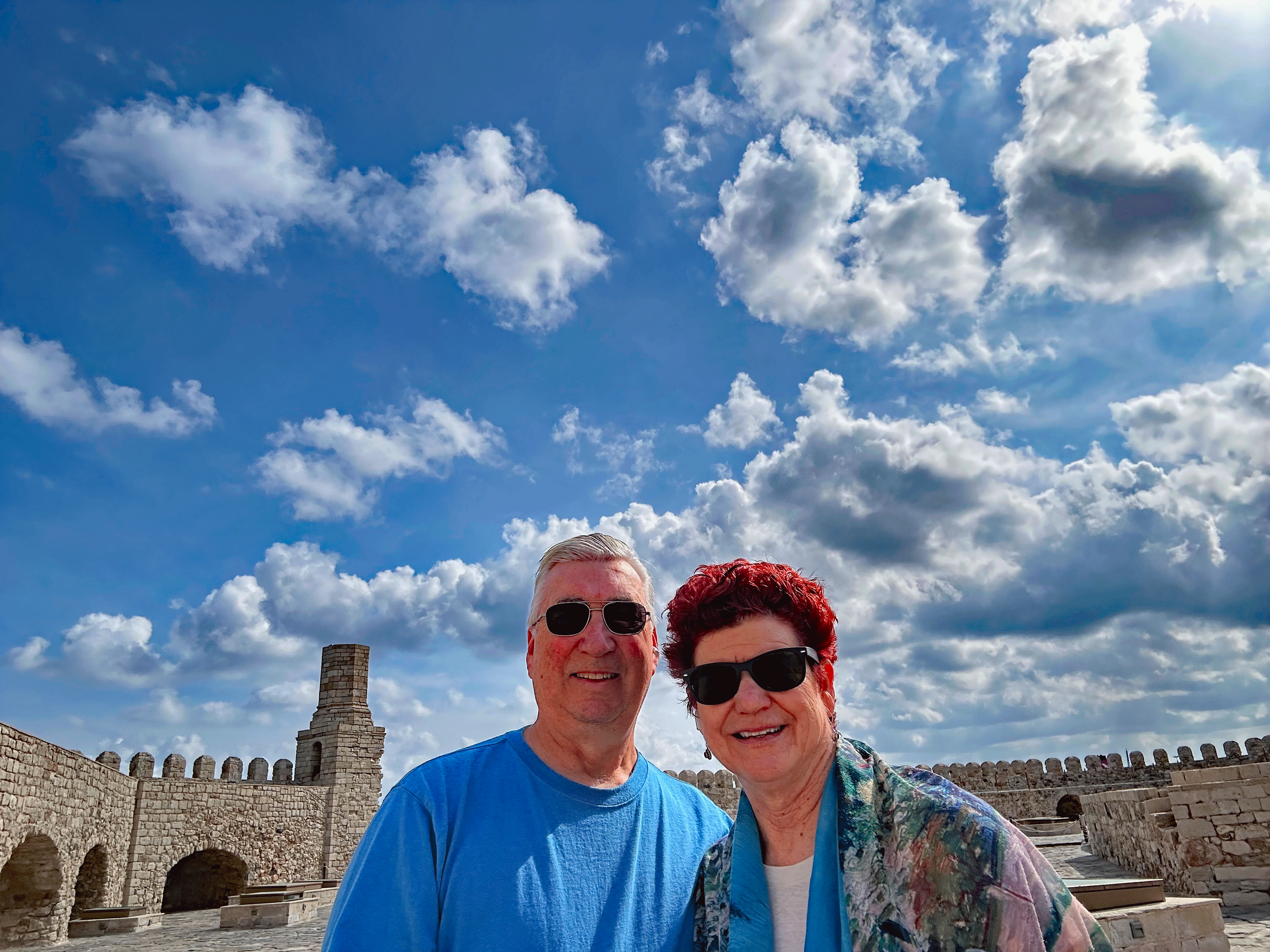
Enjoying the castle grounds almost by ourselves
ShipwreckShipwreck AnchorCastle EntranceHarbor View from Castle
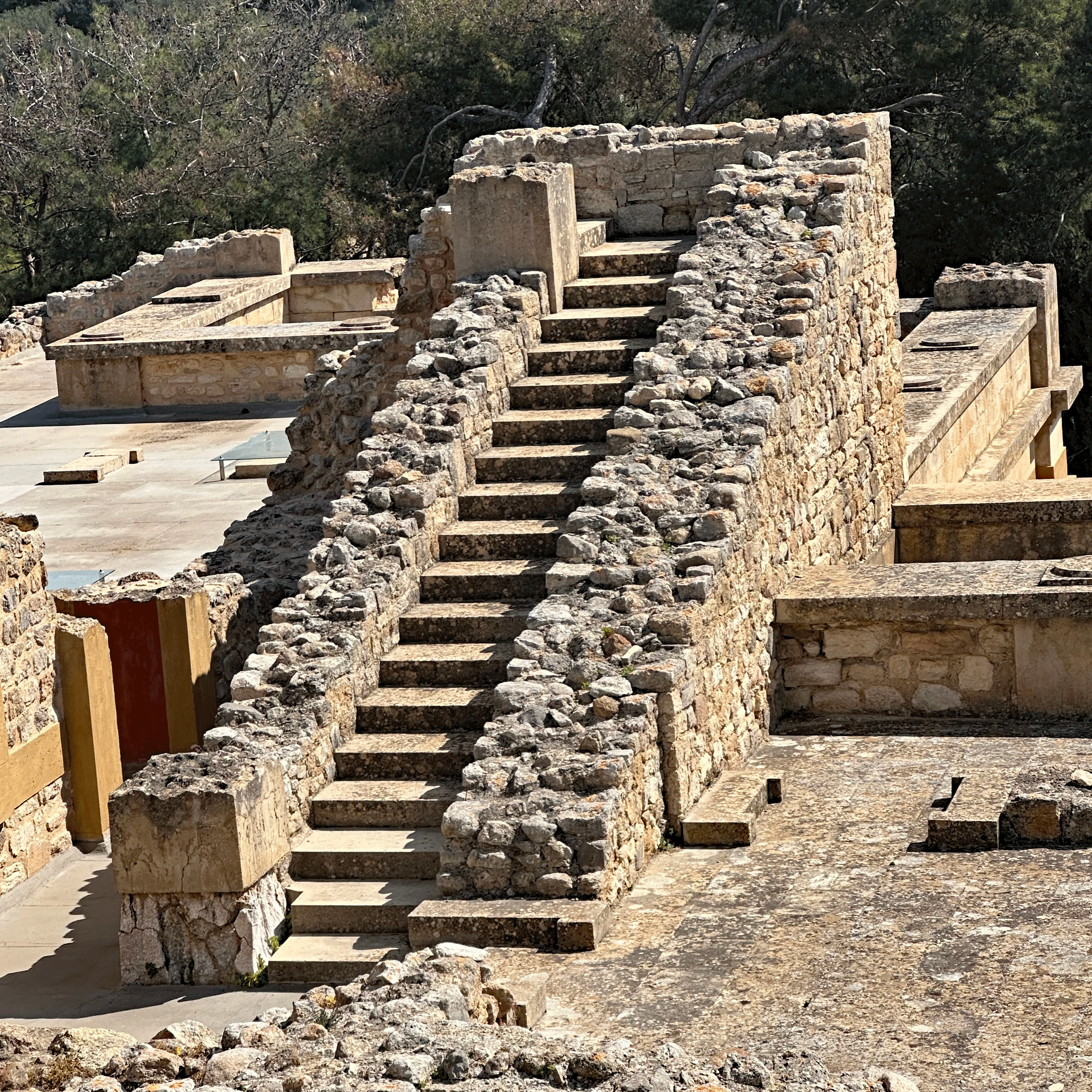
From Heraklion, it is a 25 minute drive to the Knossos Palace, an archeological site not to be missed. There is evidence of human inhabitants there in 7,000 BC (Neolithic Age). The palace remains date from the Bronze Age. Excavations that began in 1900 by Sir Arthur Evans indicate the original palace from the Minoan Civilization (circa1900BC ) was destroyed by an earthquake (circa 1700BC ) and rebuilt to serve as the leading center of Minoan, Crete until the Mycenaean Greeks conquered the Minoans around 1450 BC. The Palace was abandoned after 1350 BC, but the area was settled during the Greek and Roman periods.
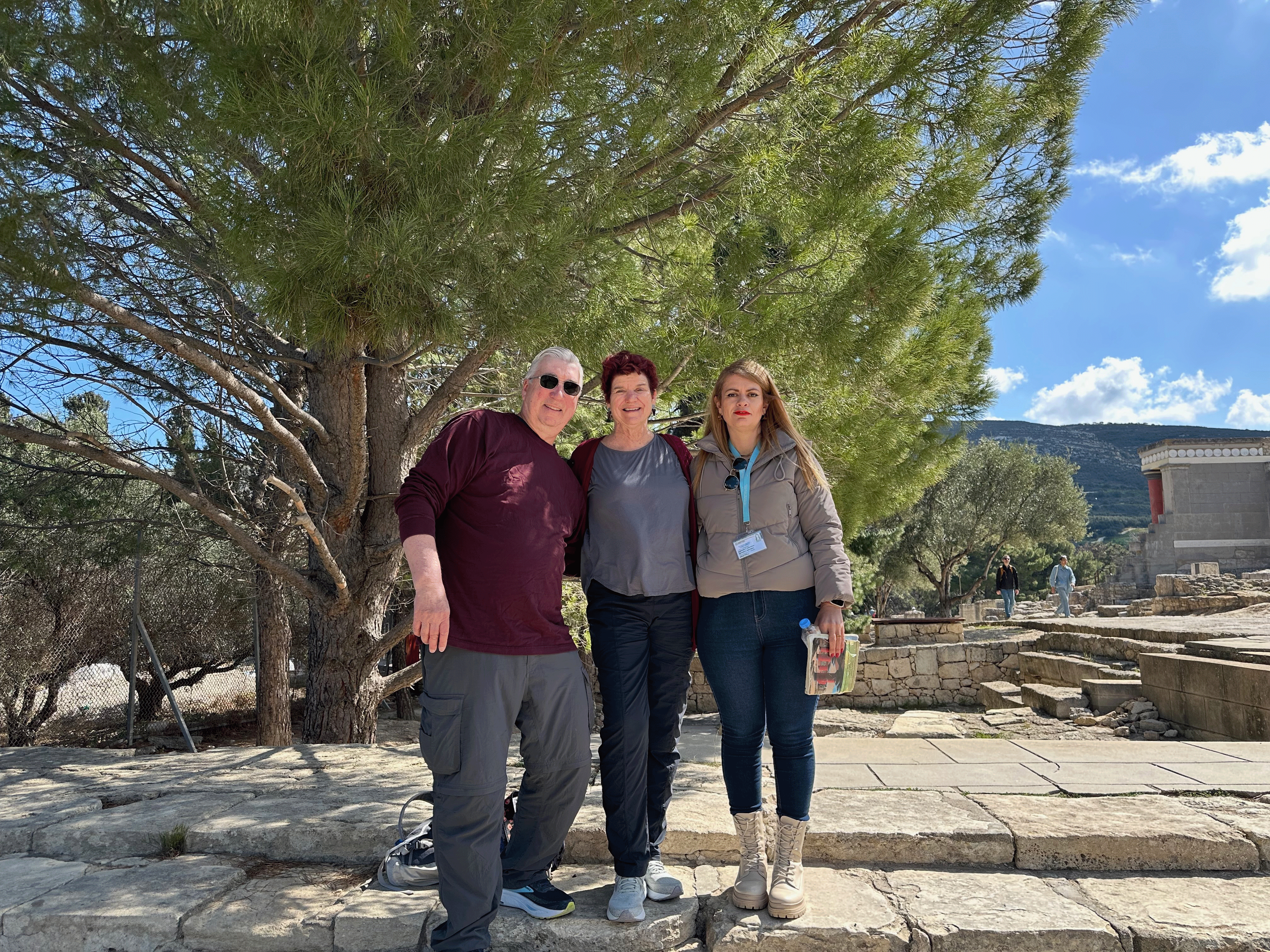
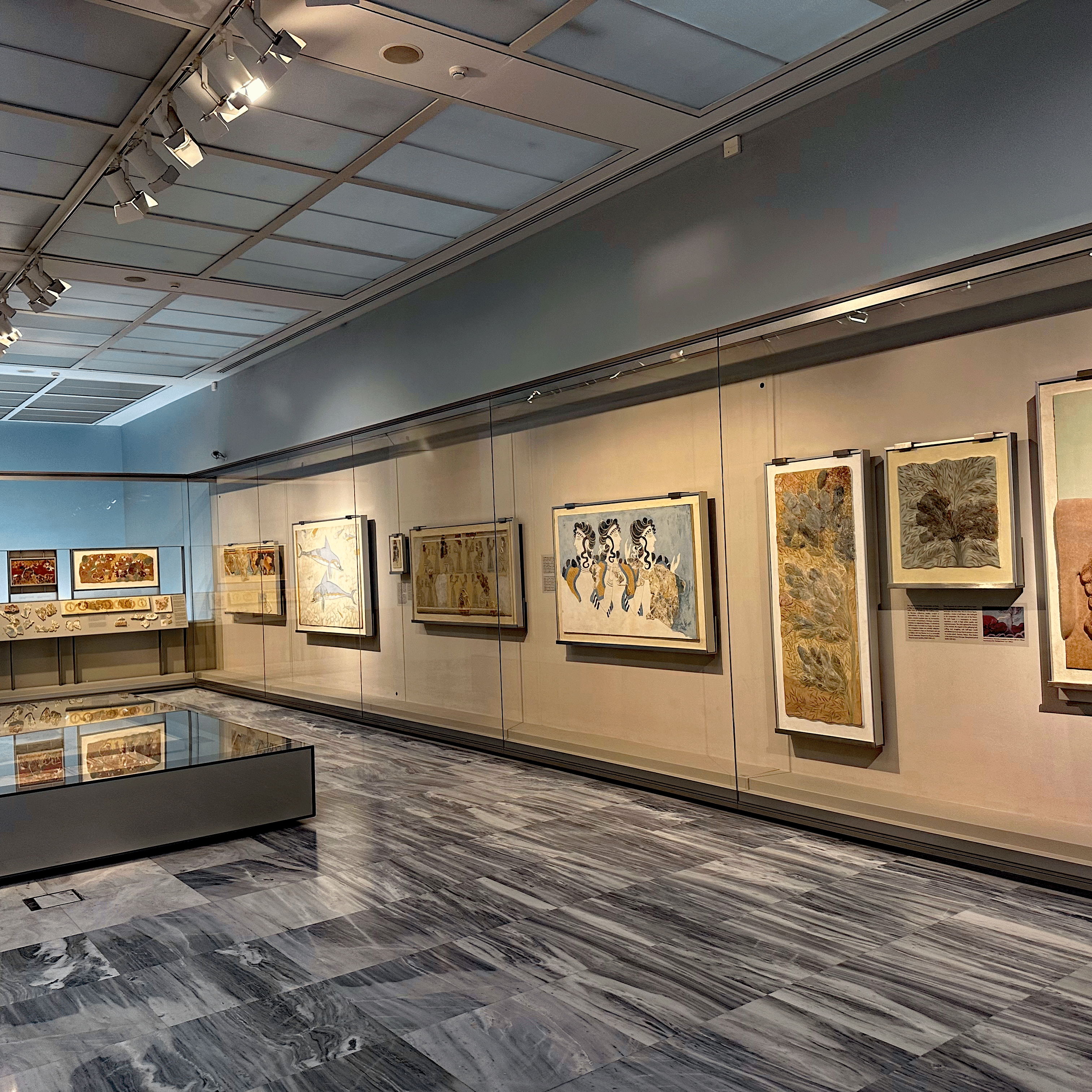
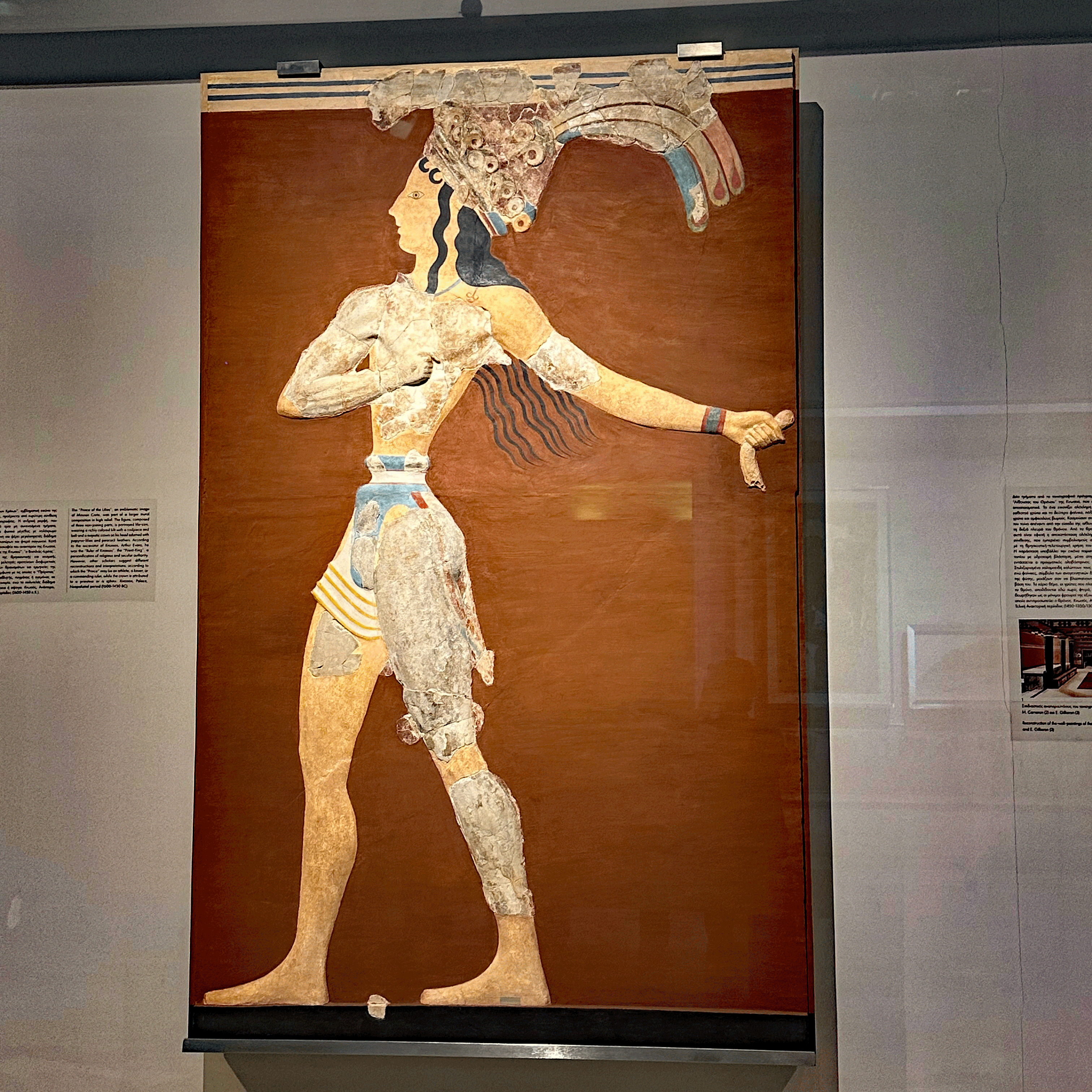
We were able to hire an official guide when we arrived. She is an archeologist and to us, it was well worth the cost to visit the site with her. She explained everything we were seeing, and even told us about some of the interiors that she has been inside, but that are not open to the public. Study and restoration of the palace continues. Many of the frescoes on the site are replicas. The originals are on display at The Heraklion Archeology Museum. I strongly recommend visiting both places.
Excavation has revealed that the palace was 5 stories tall with staircases, corridors, courtyards, and thousands of rooms. The sprawling design is believed to have led to the myth of the Labyrinth and the Minotaur. Everywhere in Greece, documented history is intertwined with mythology.
Knossos Palace had a sophisticated system of aqueducts carrying fresh spring water and closed drains removing sewage. Large storage jars were uncovered that held oil, wine, seeds, and dried fish. Like the walls, these jars were decorated with artistic motifs.
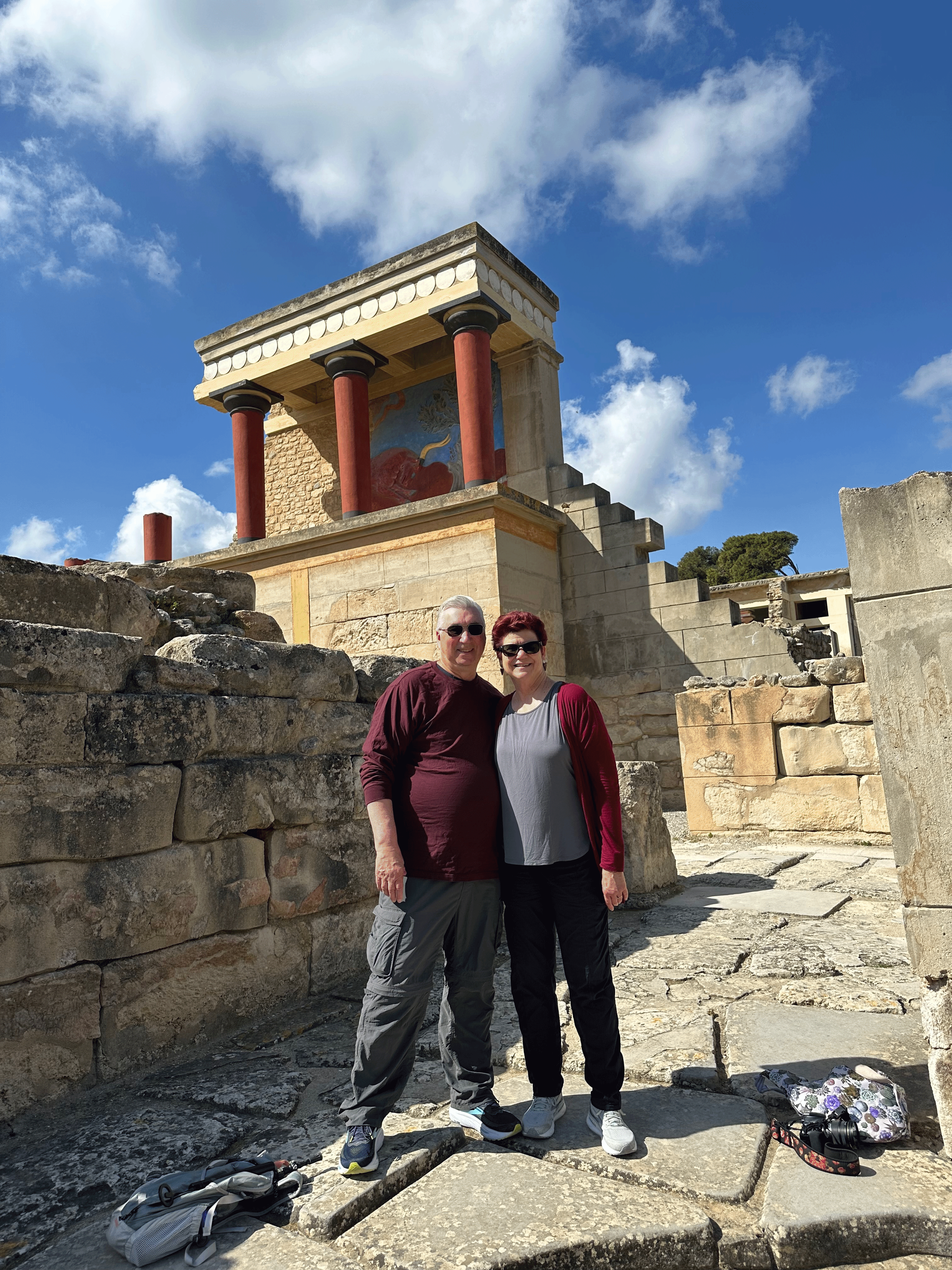
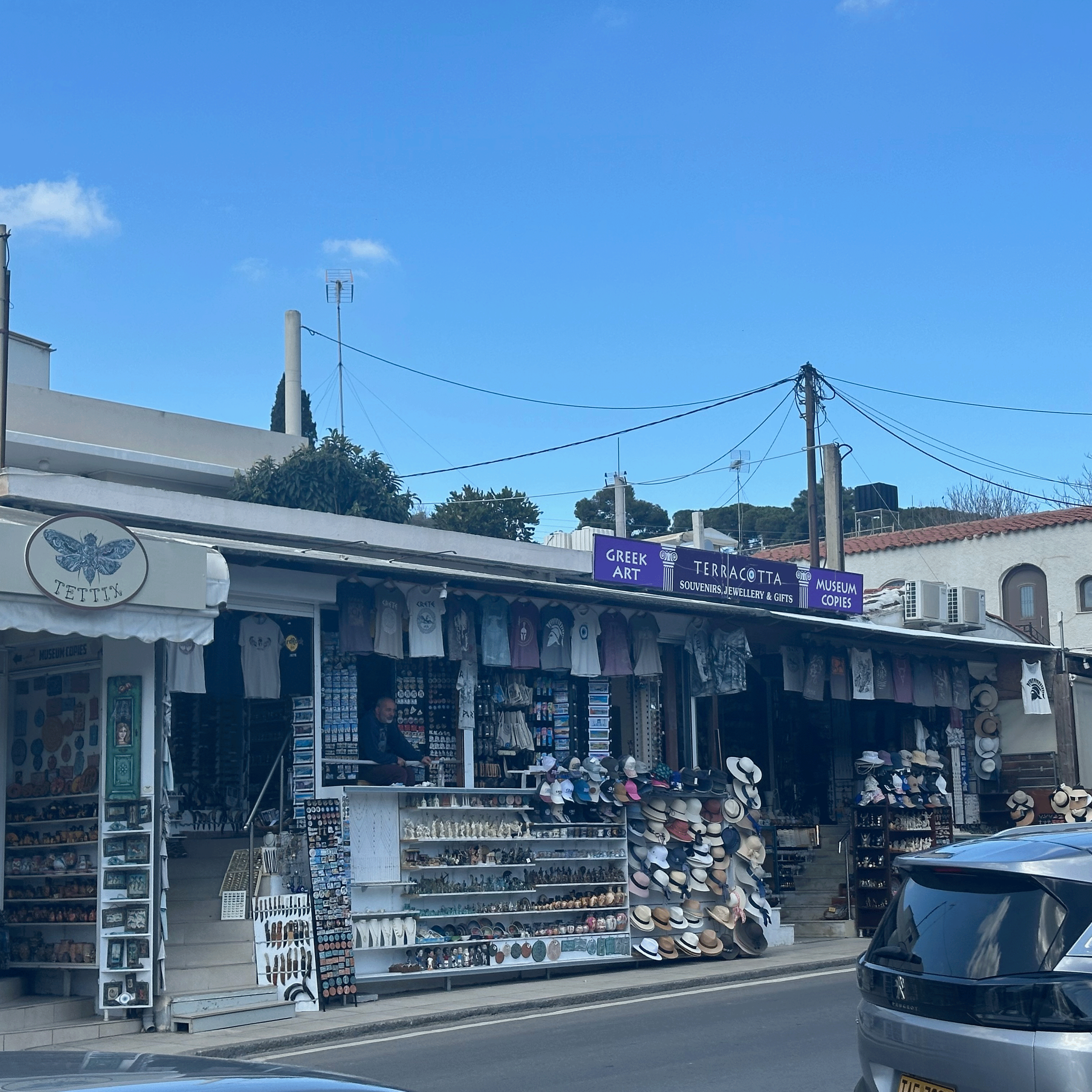
Below: Photos of Knossos Palace
Remains of a well dating to the Neolithic Age Age
Below: A bust of Sir Arthur— He has been criticized by some historians for jumping to conclusions and being overly-imaginative in his restoration work, but I for one, LOVE IT!
Palace of Knossos
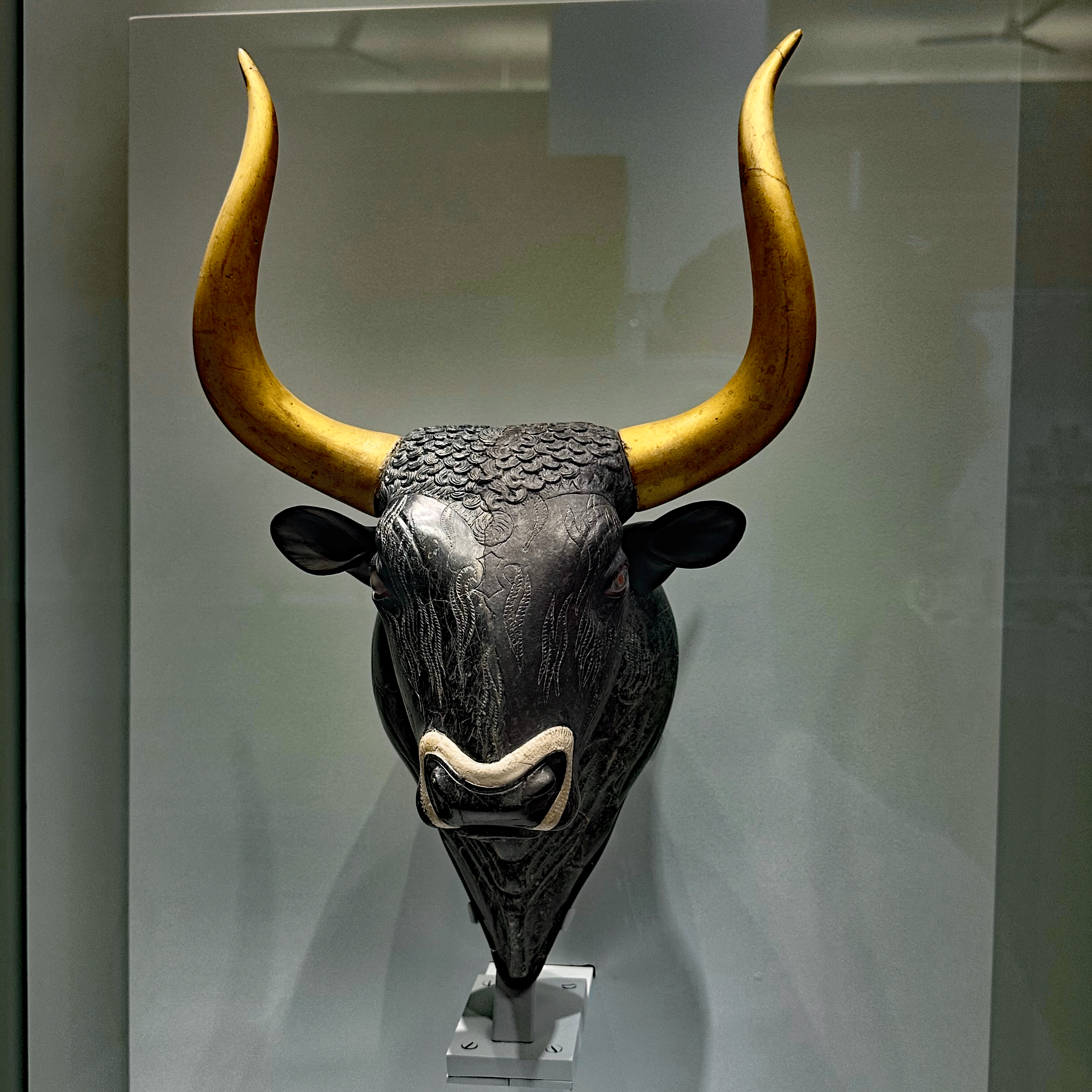
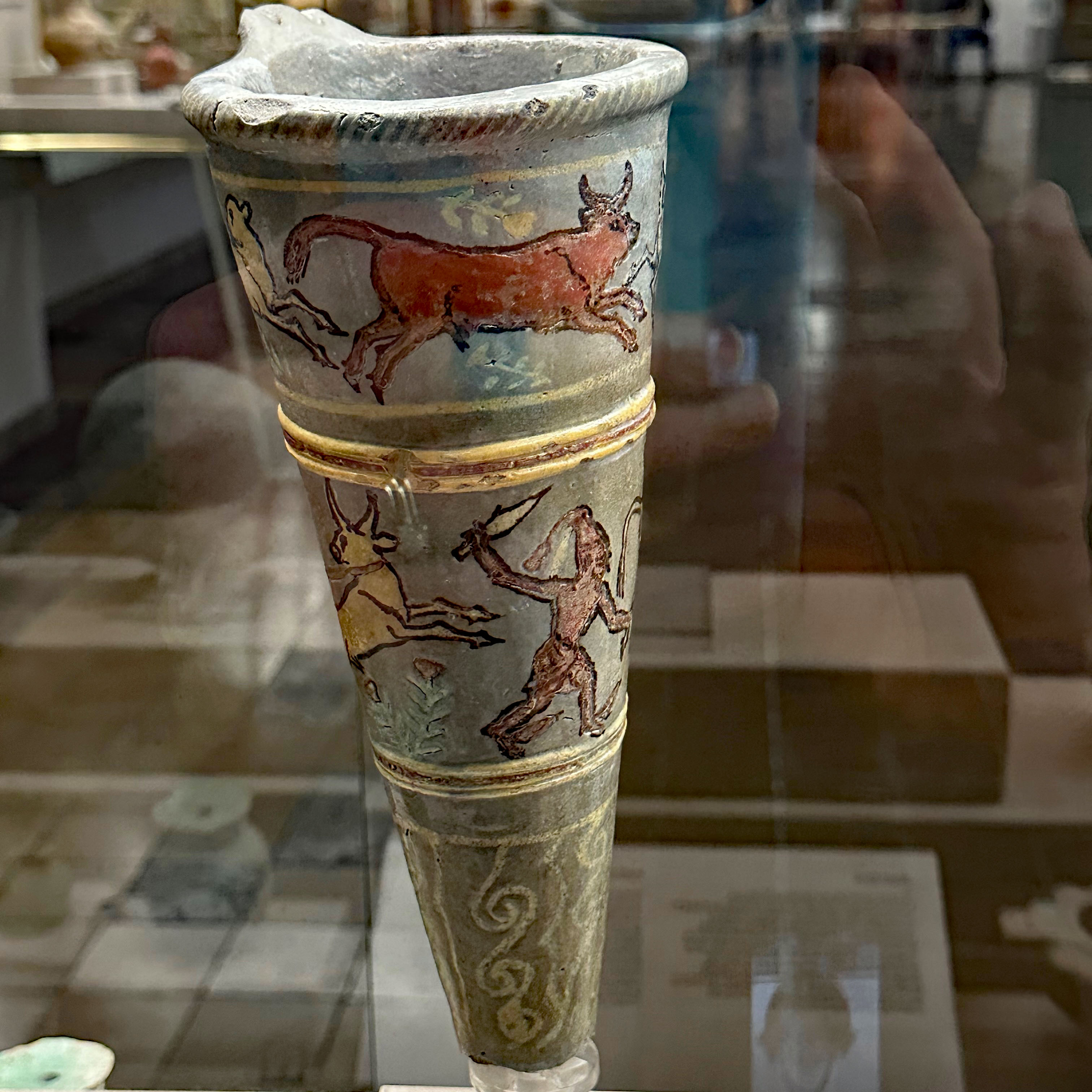
Bulls were a common subject in Minoan Art. Artifacts point to “bull jumping” as a sport or ritualistic practice. Frescoes and statues show athletes grabbing the horns and vaulting over a live bull.
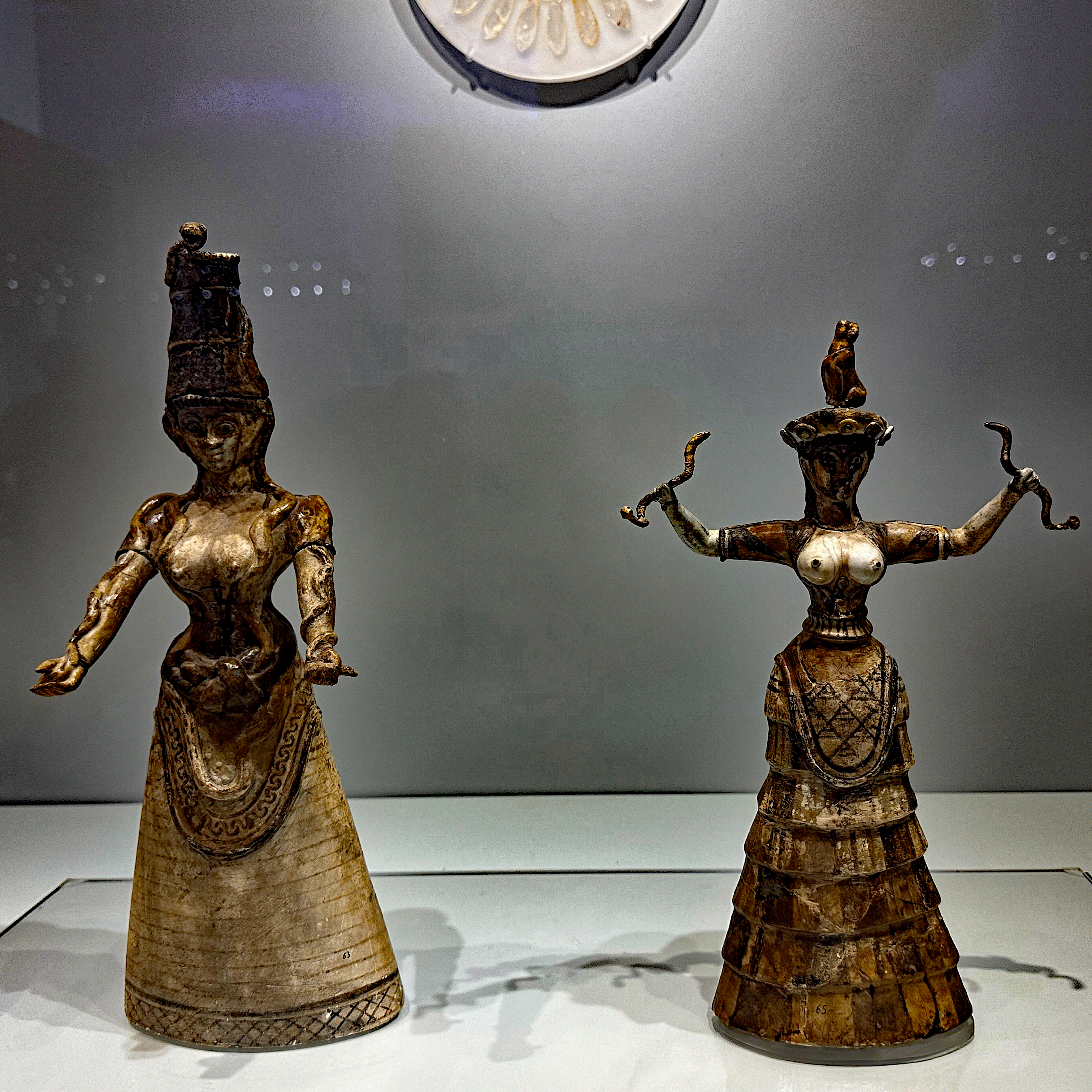
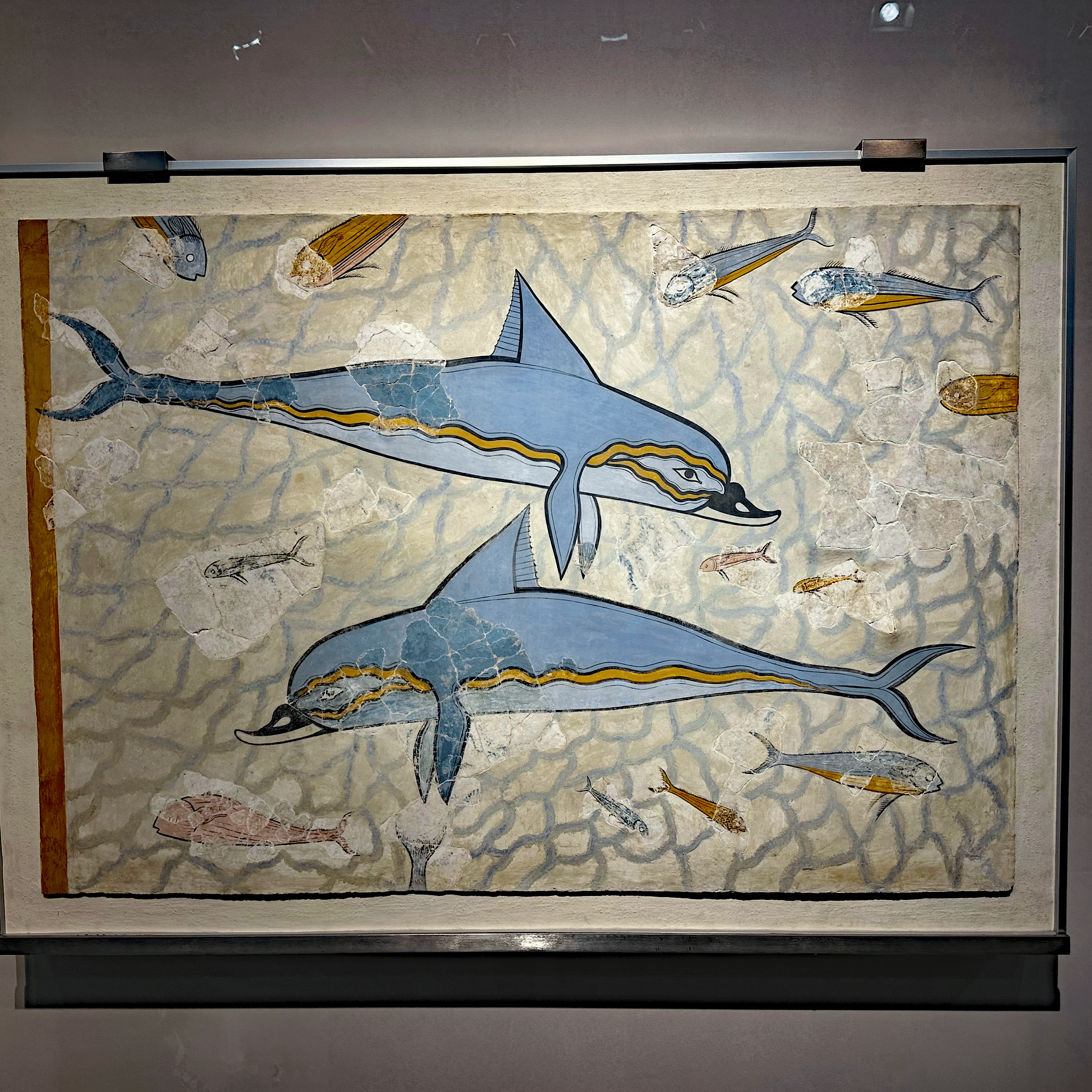
Heraklion Archeology Museum– Visit the museum for an up close look at the treasures found at Knossos.
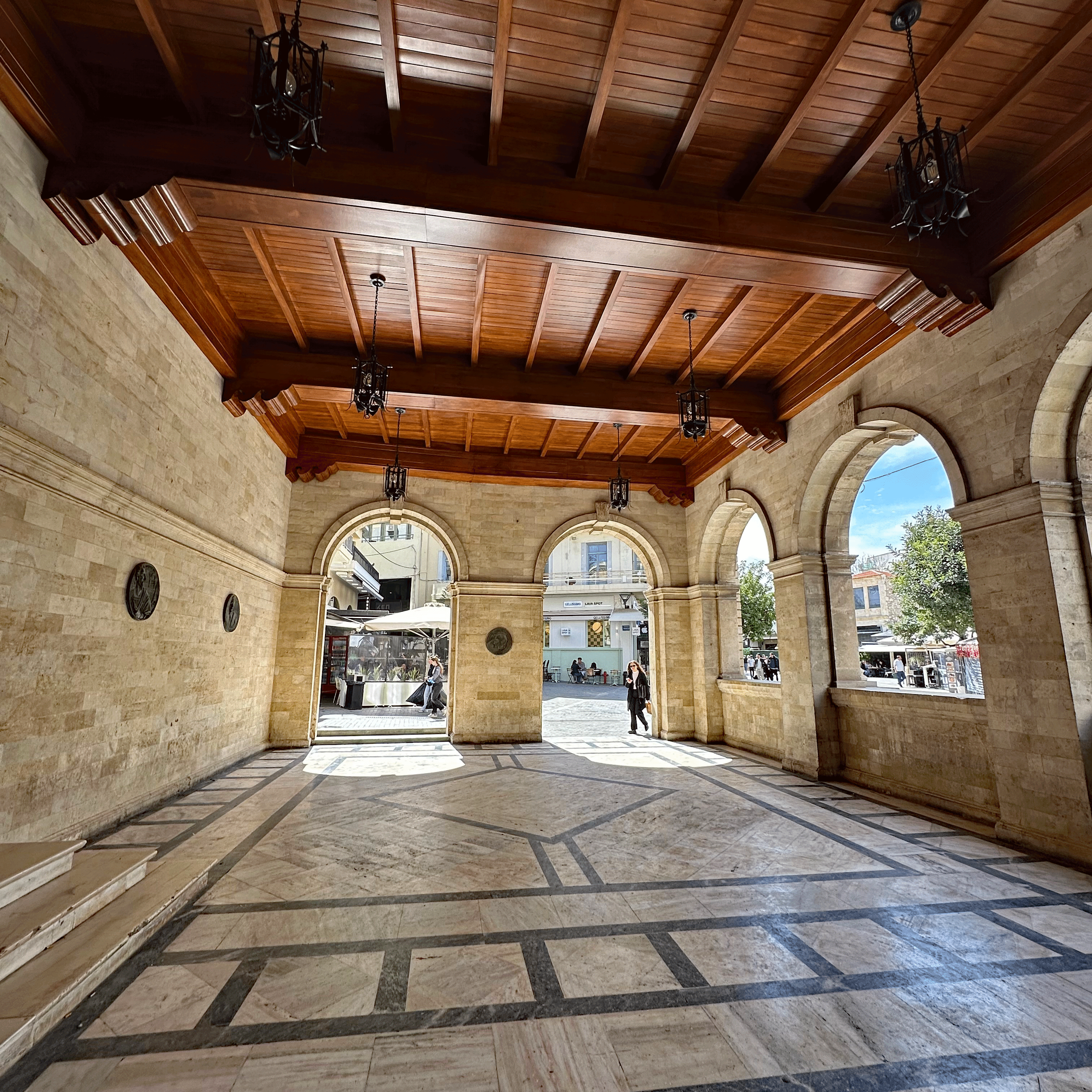
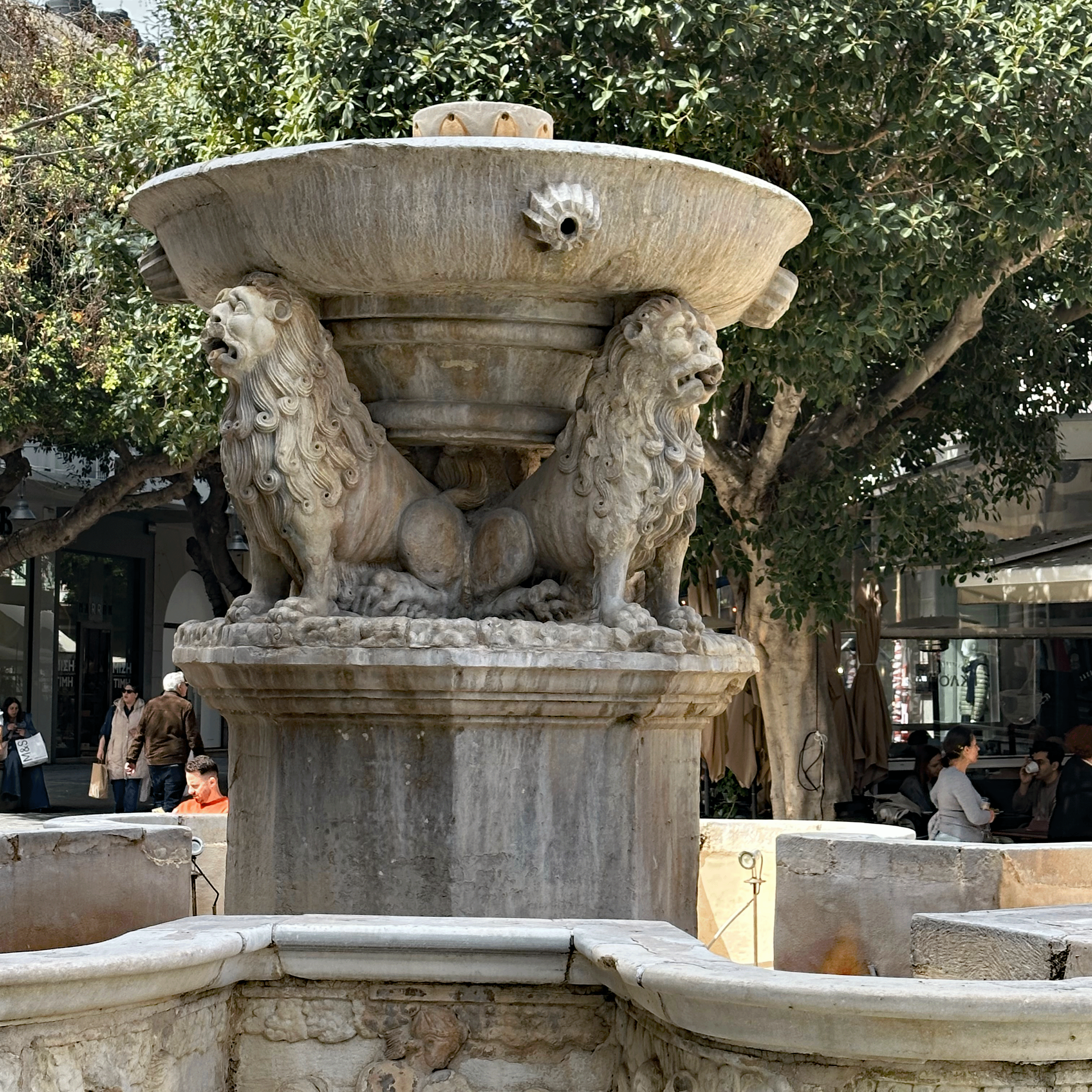
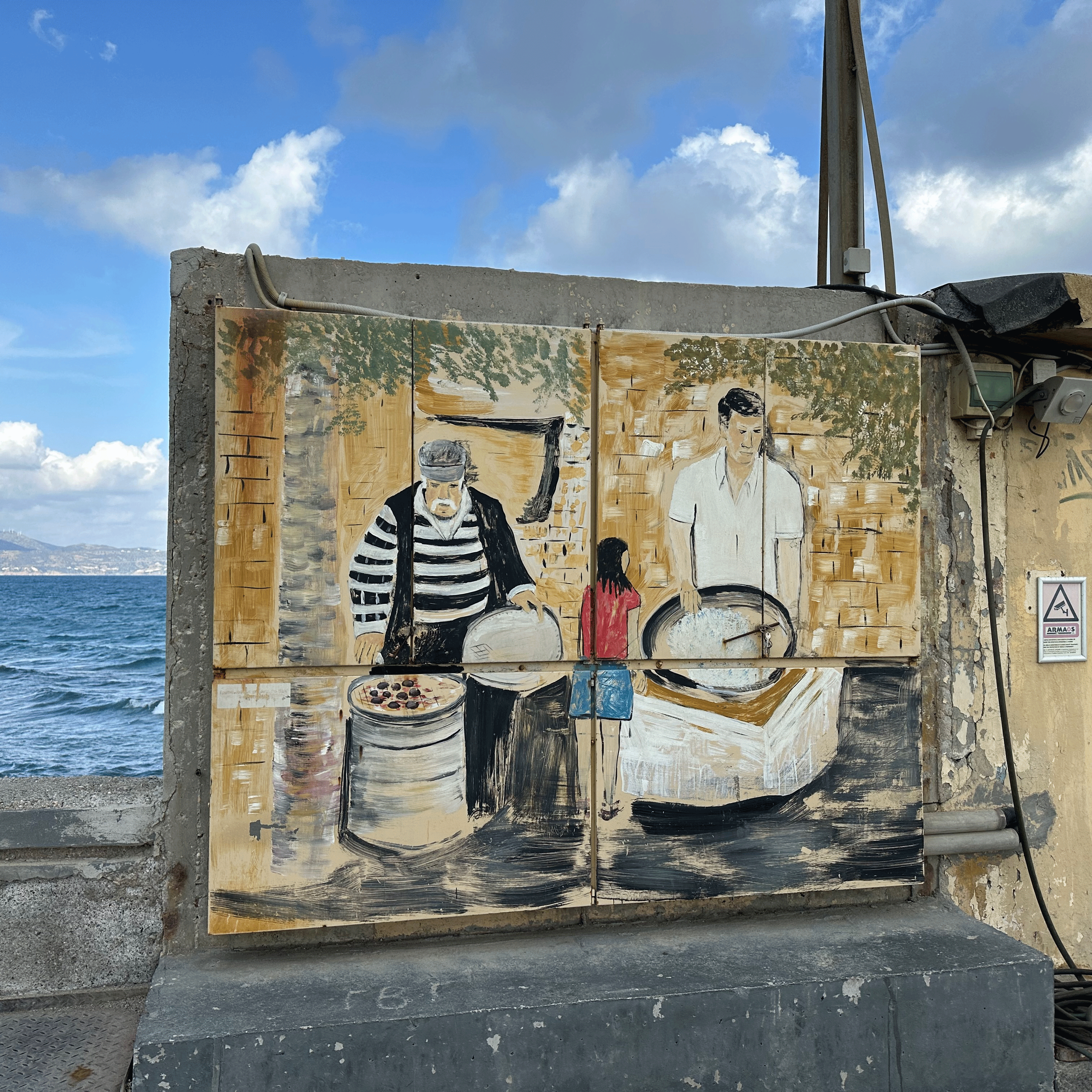
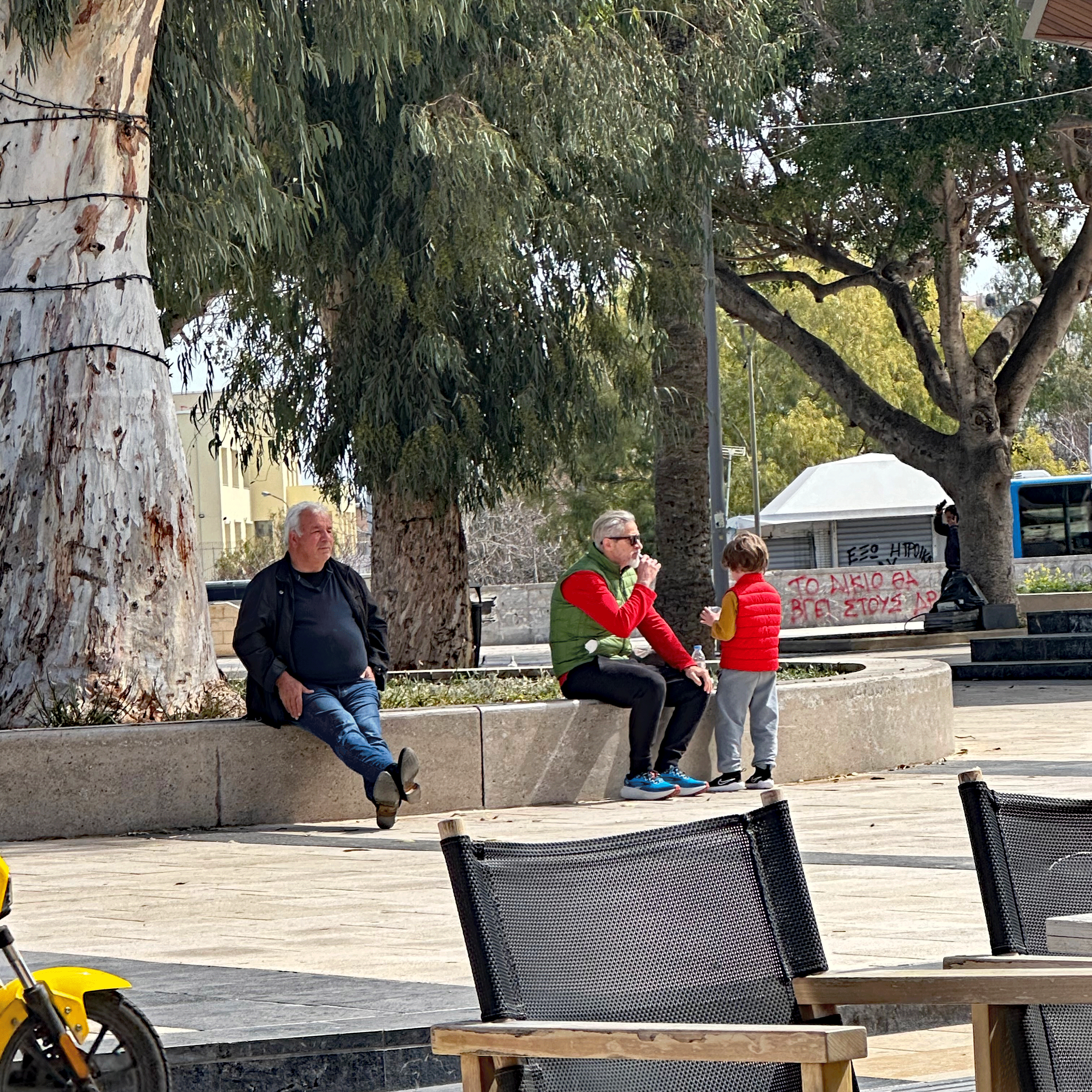
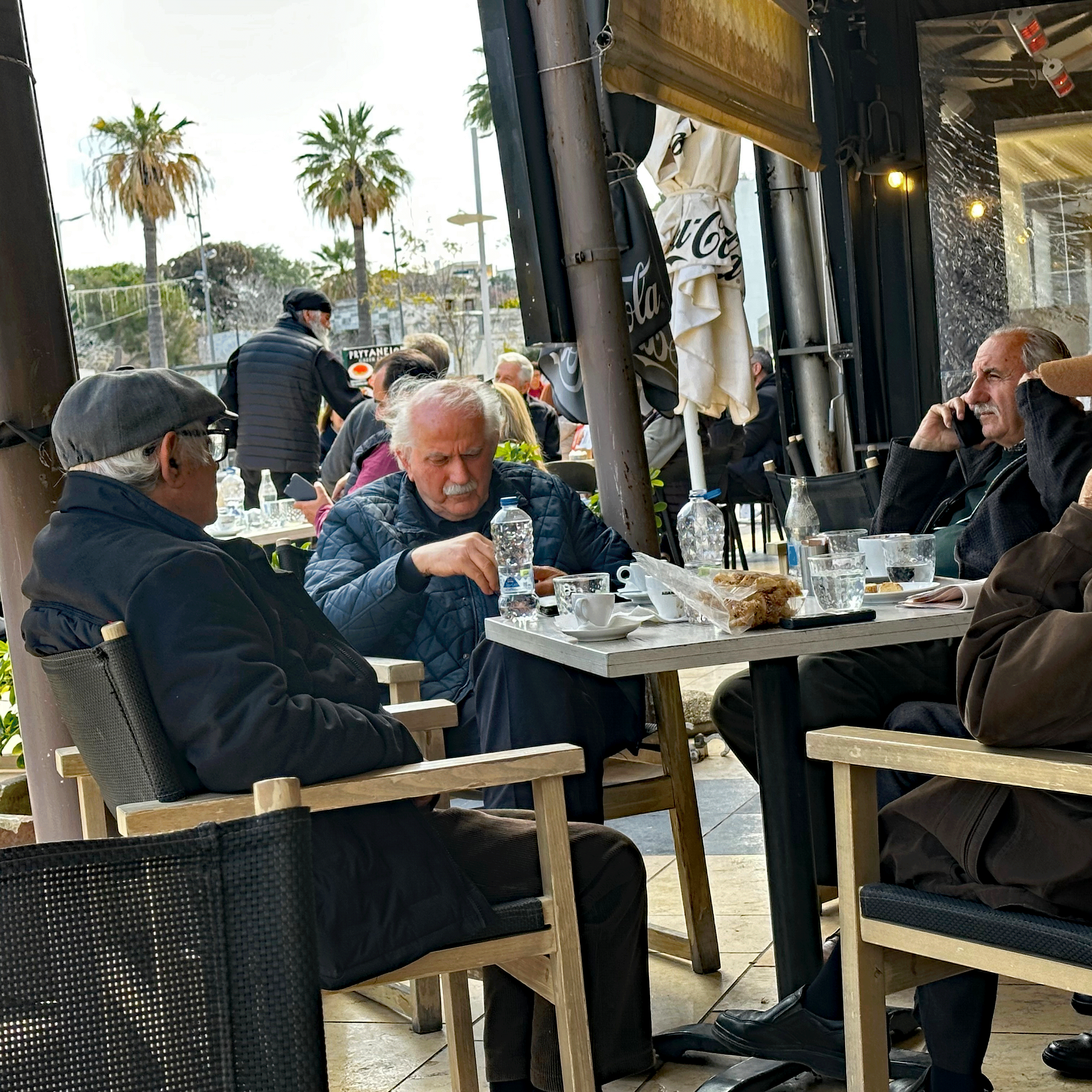
The city center of Heraklion is a pleasant area to stroll and to enjoy one of the many outdoor cafes. The locals all seem to have their favorite place to hang out and watch the parade of people enjoying the parks and plazas of their capital city.
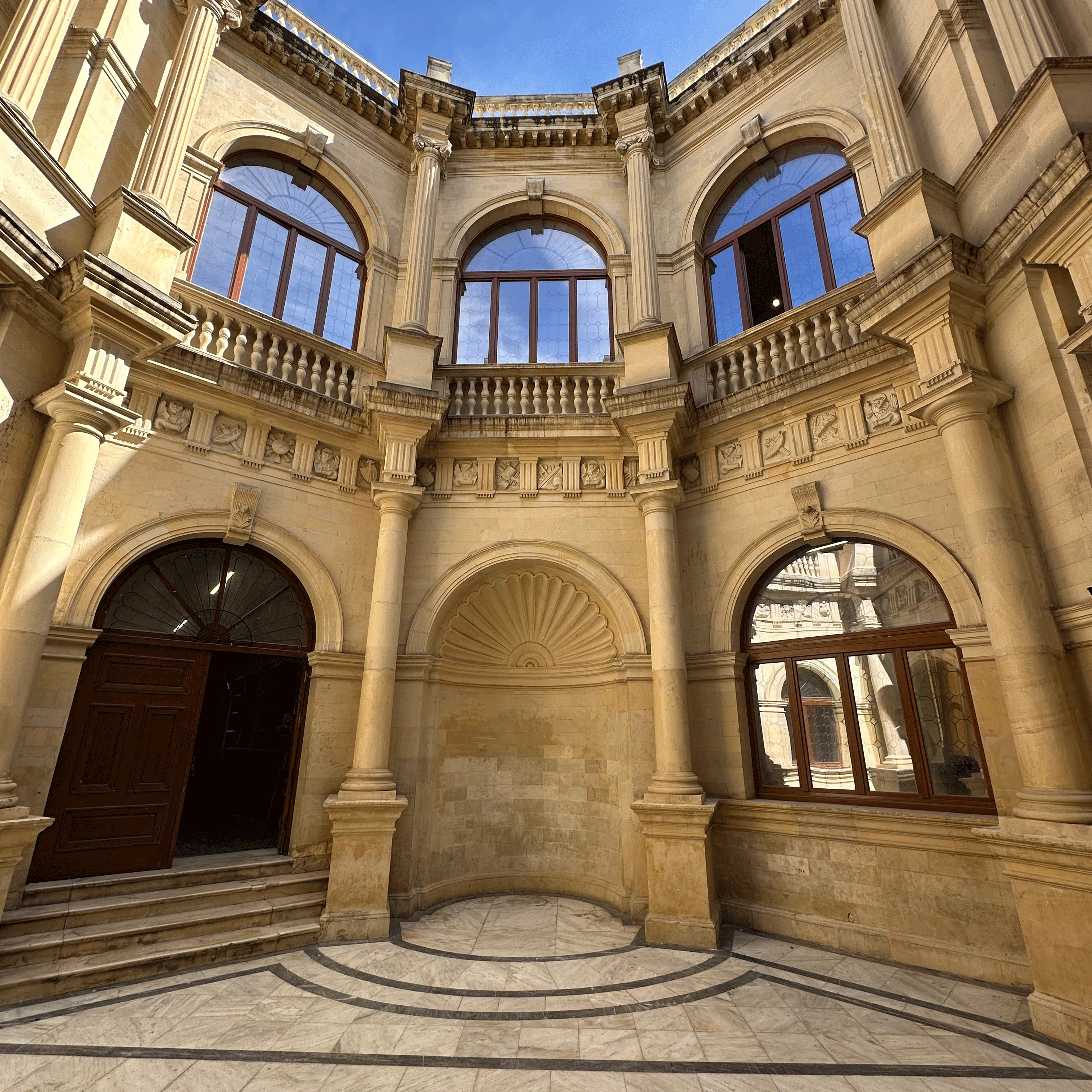
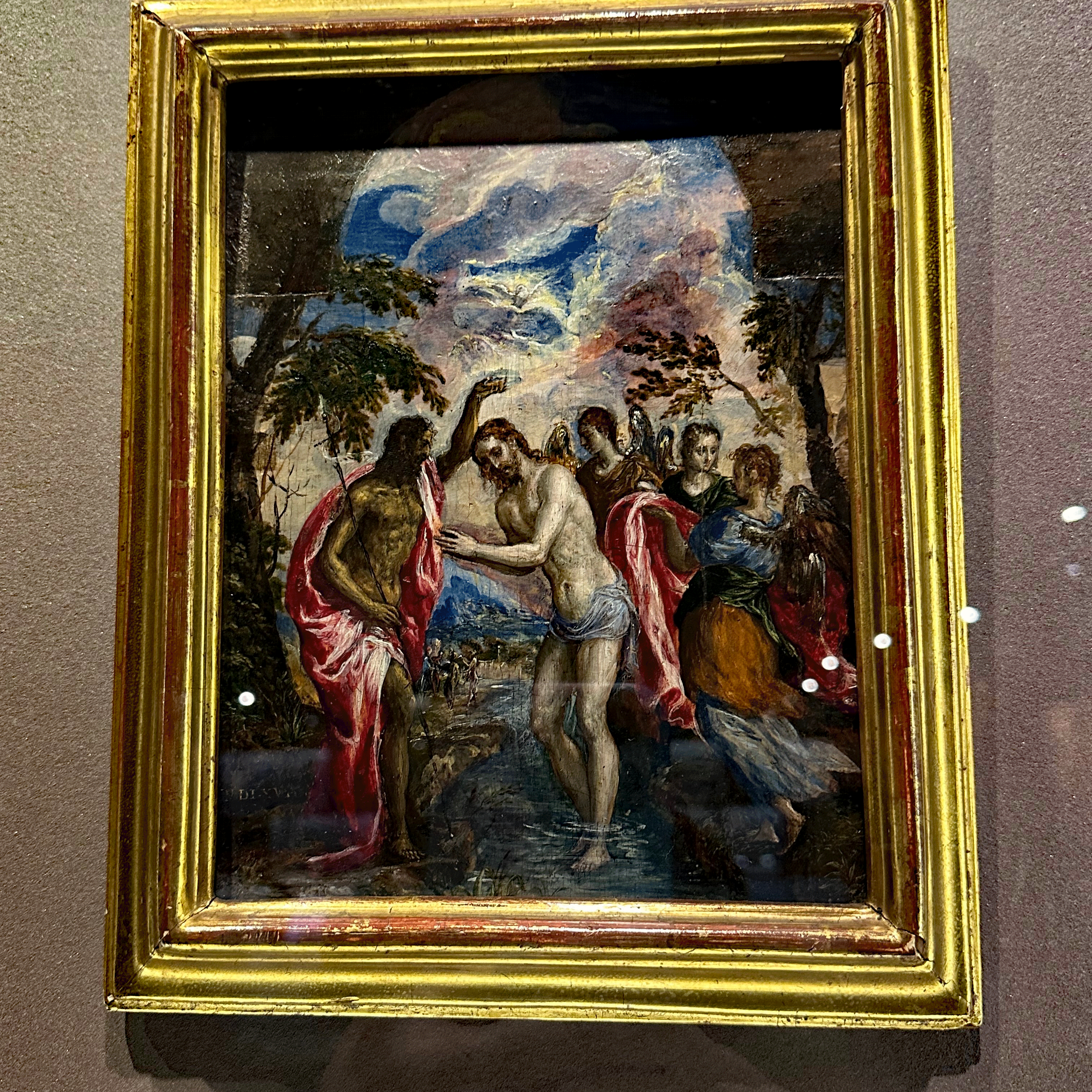
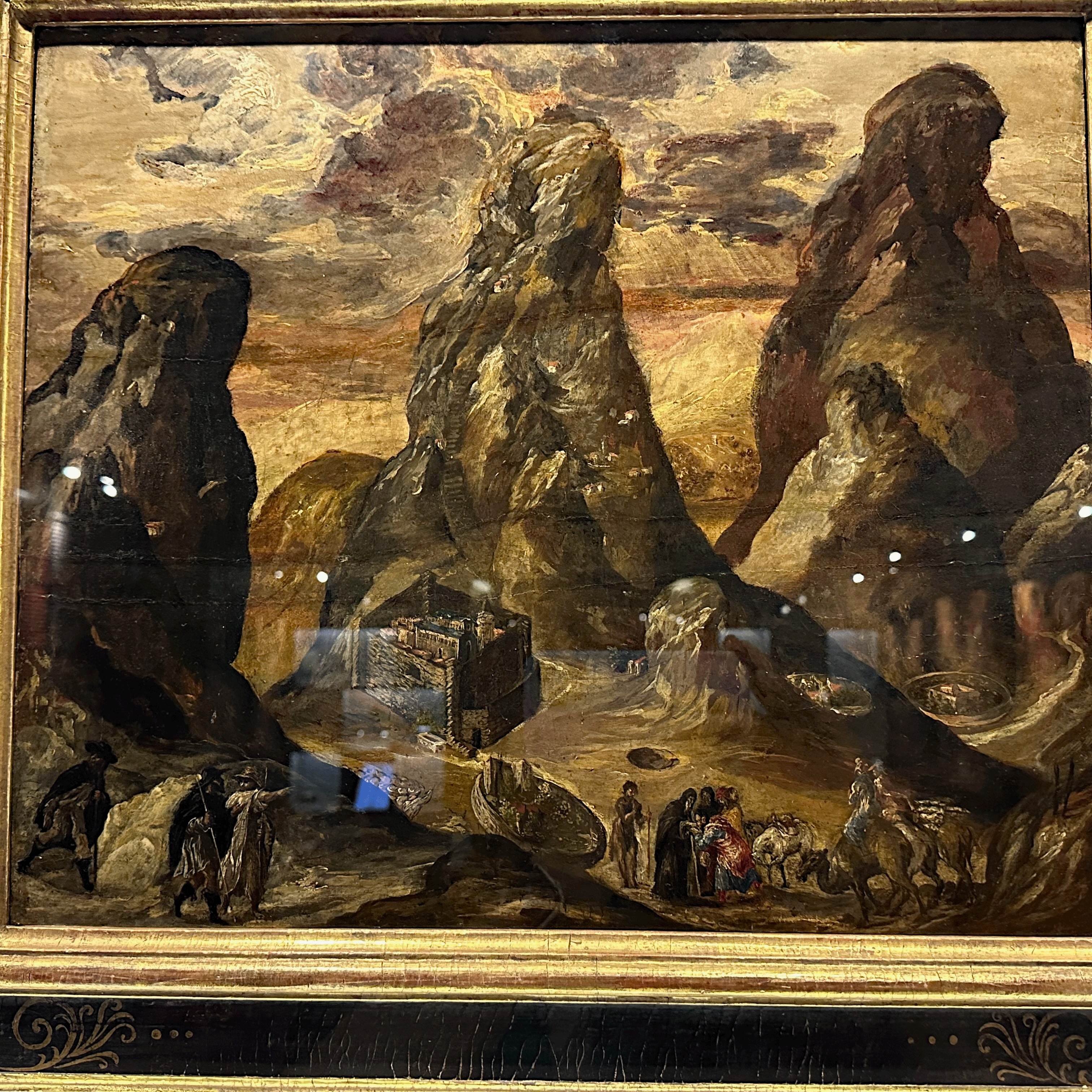
The Historical Museum of Crete in Heraklion is small, but it is THE PLACE to see 2 early works by El Greco (Domenikos Theotokopoulos) who was born in Crete. He later went to Italy and then to Spain, where he painted his well-known body of work.
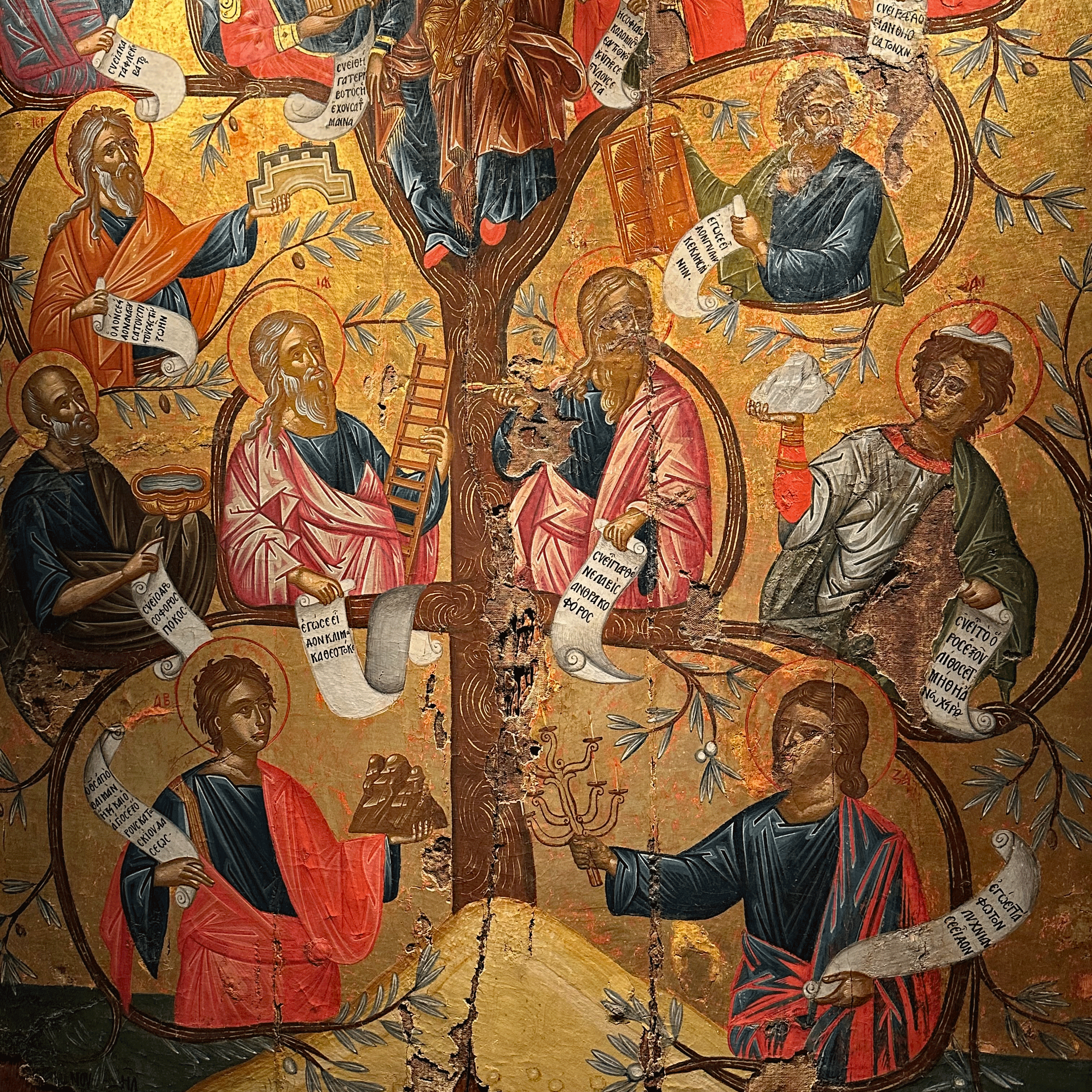
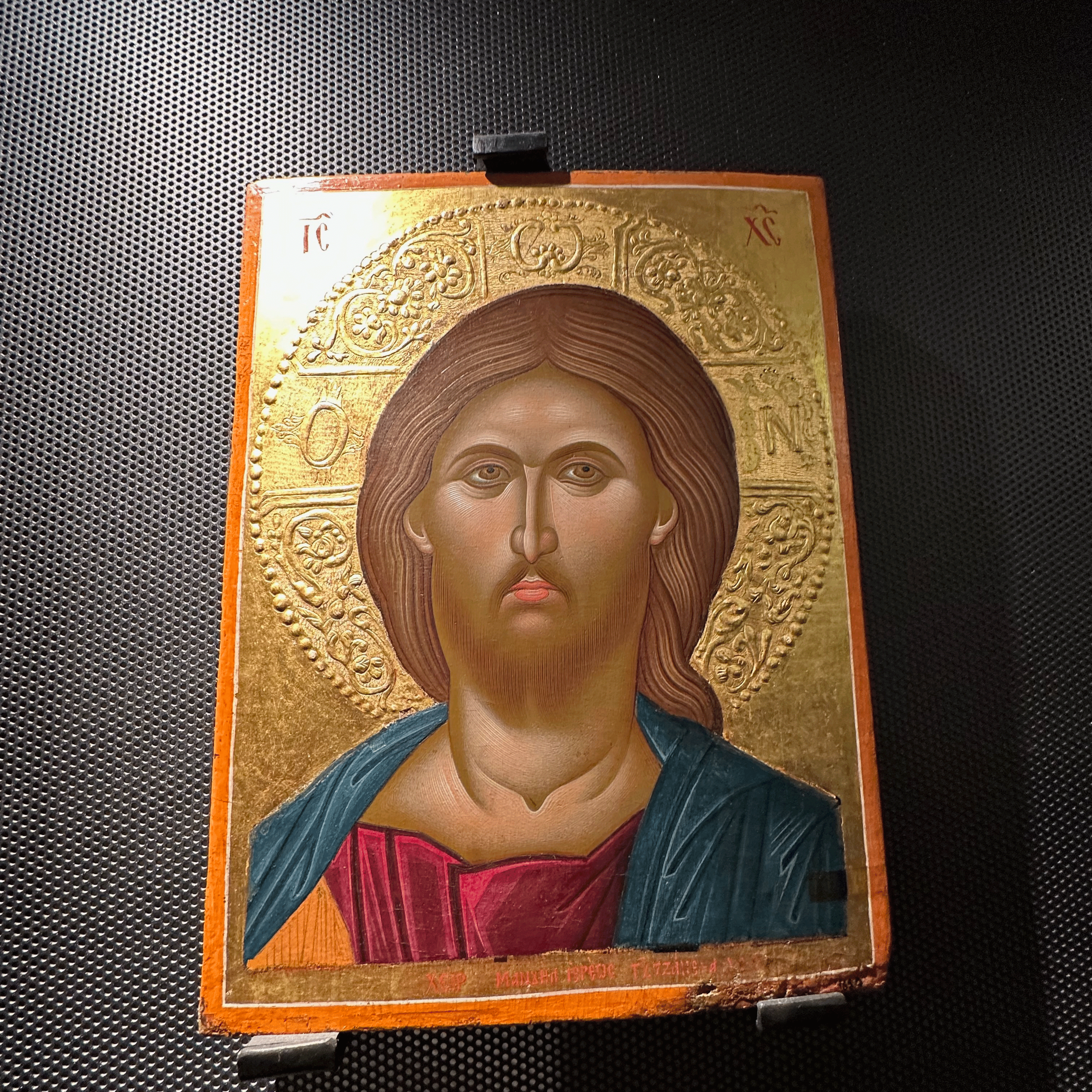
Below: “The Baptism of Christ” and “View of Mt. Sinai and the Monastery of St. Catherine” by El Greco and other museum icons.
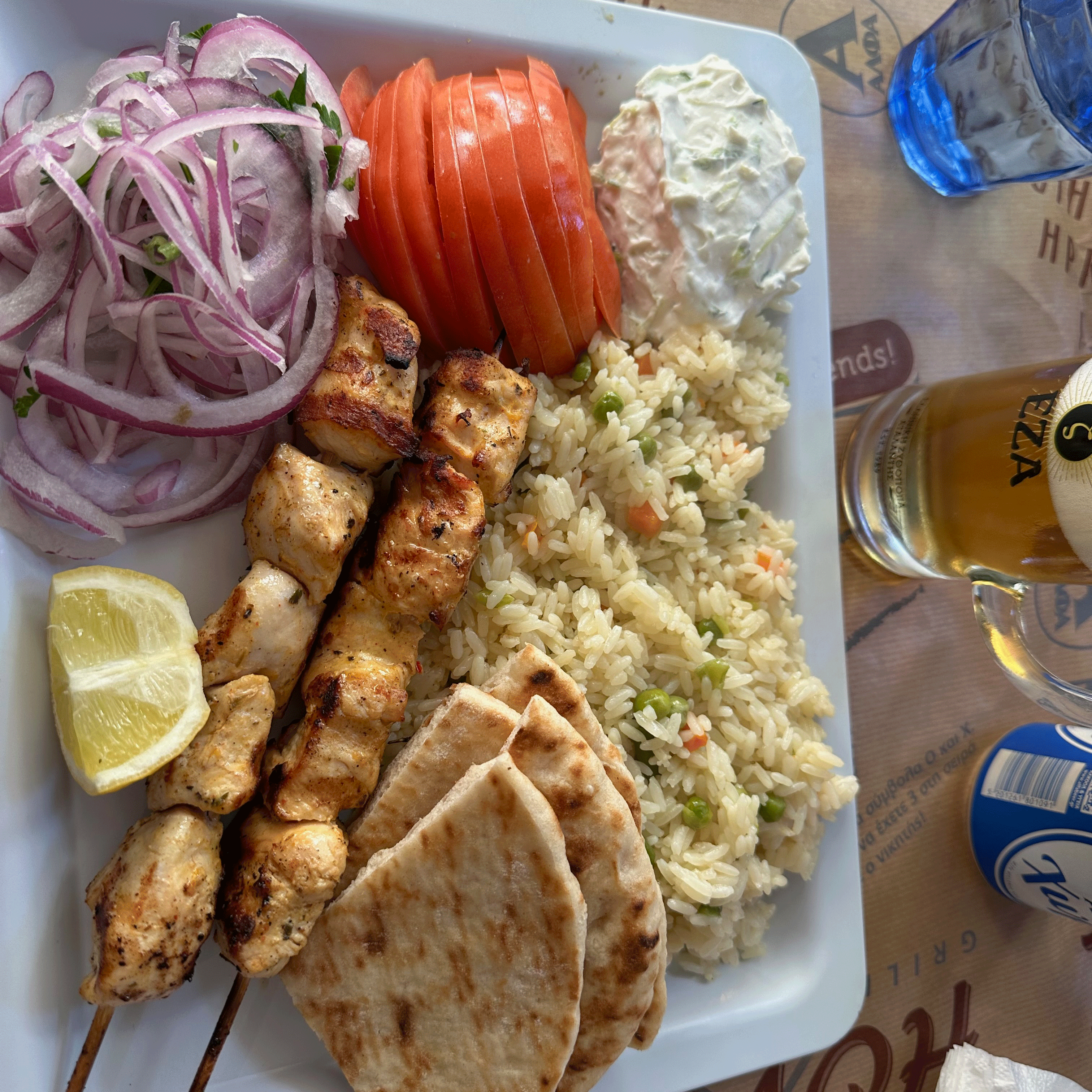
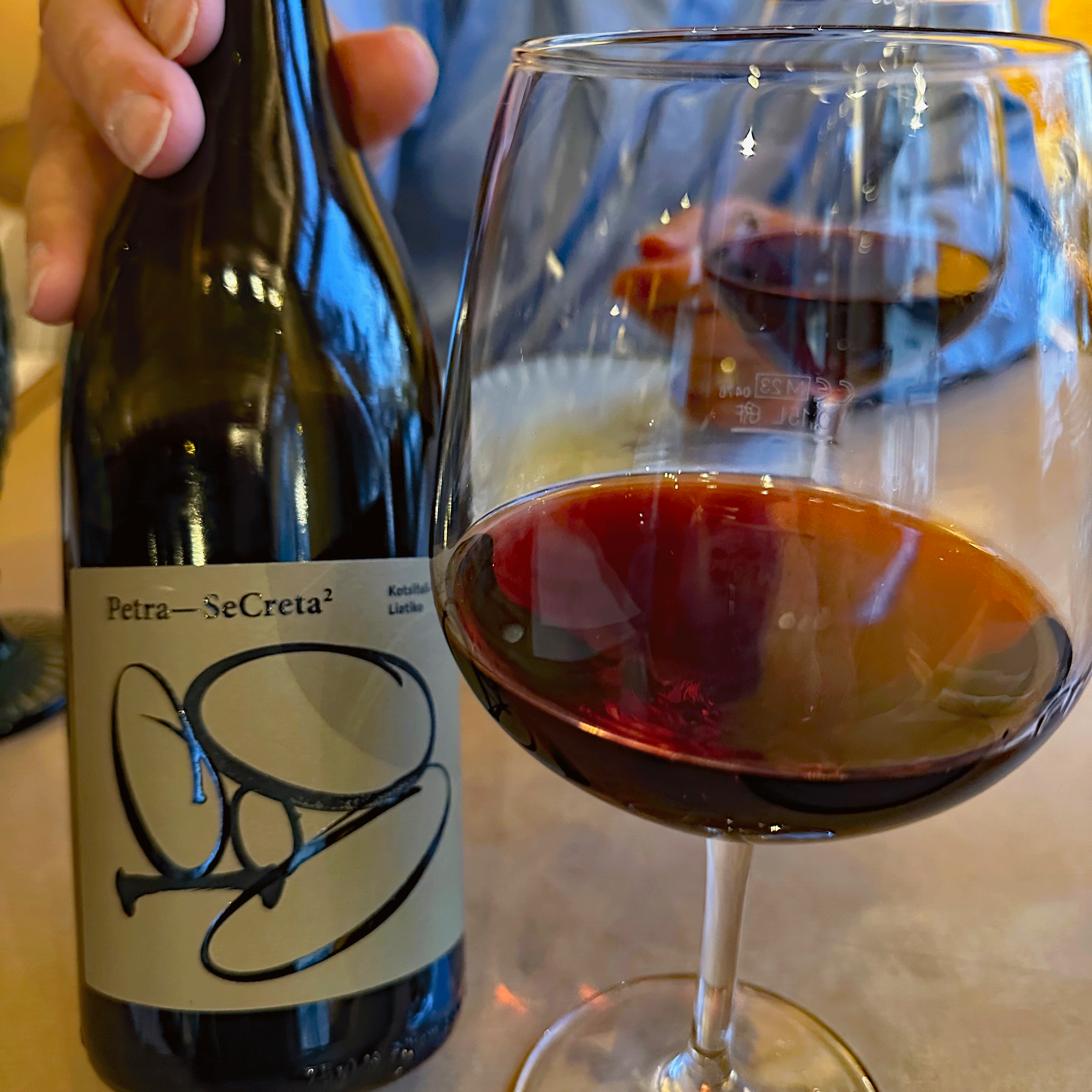
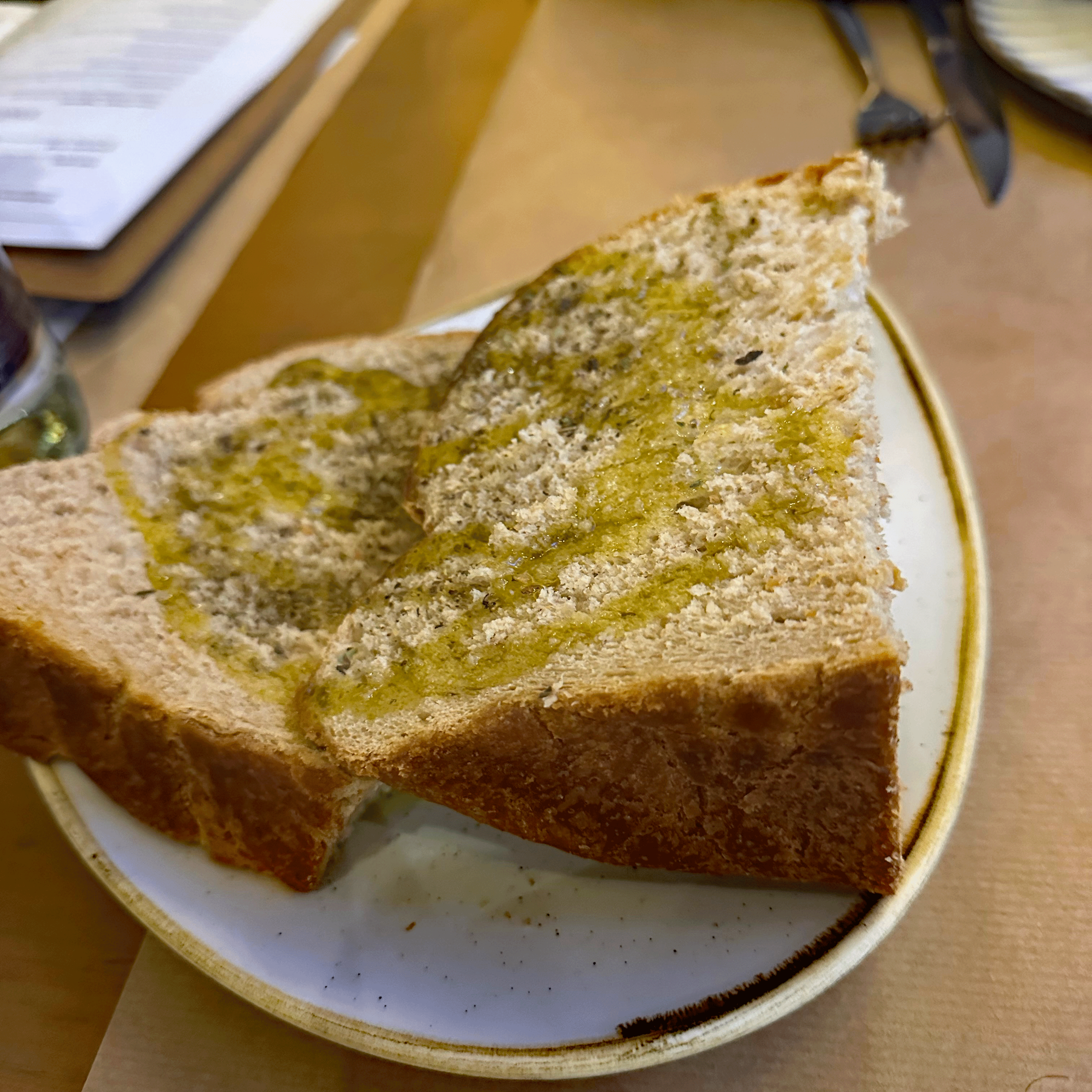
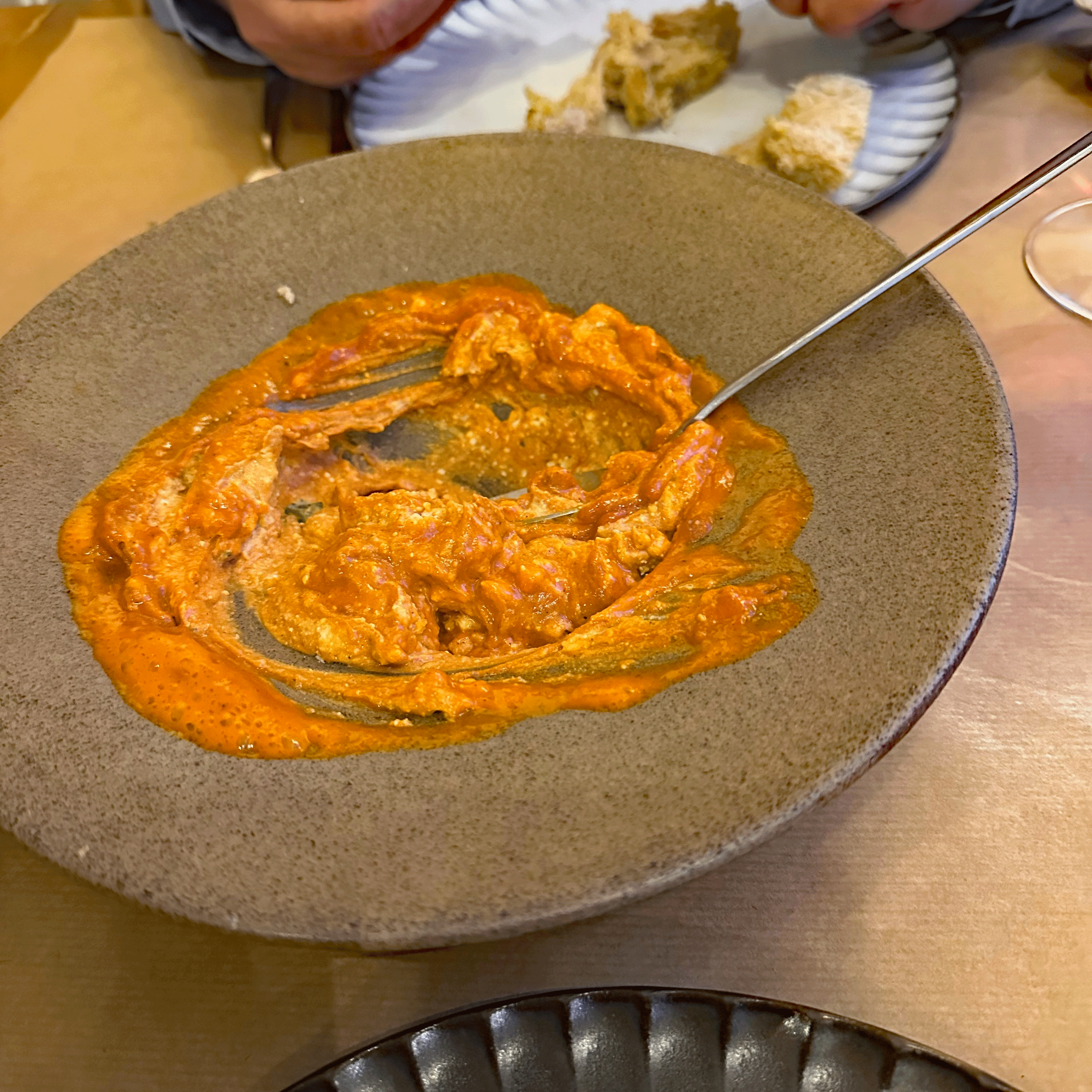
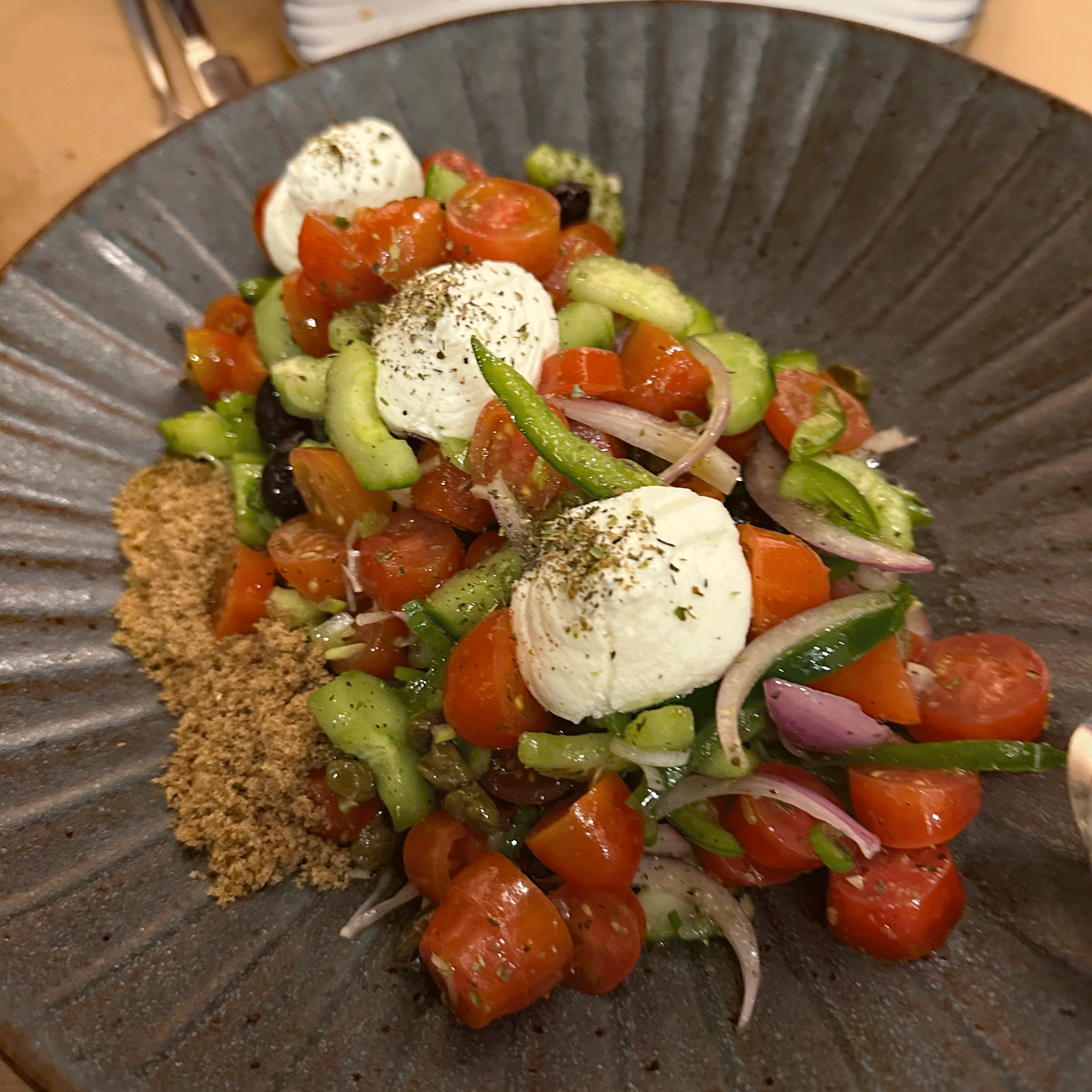
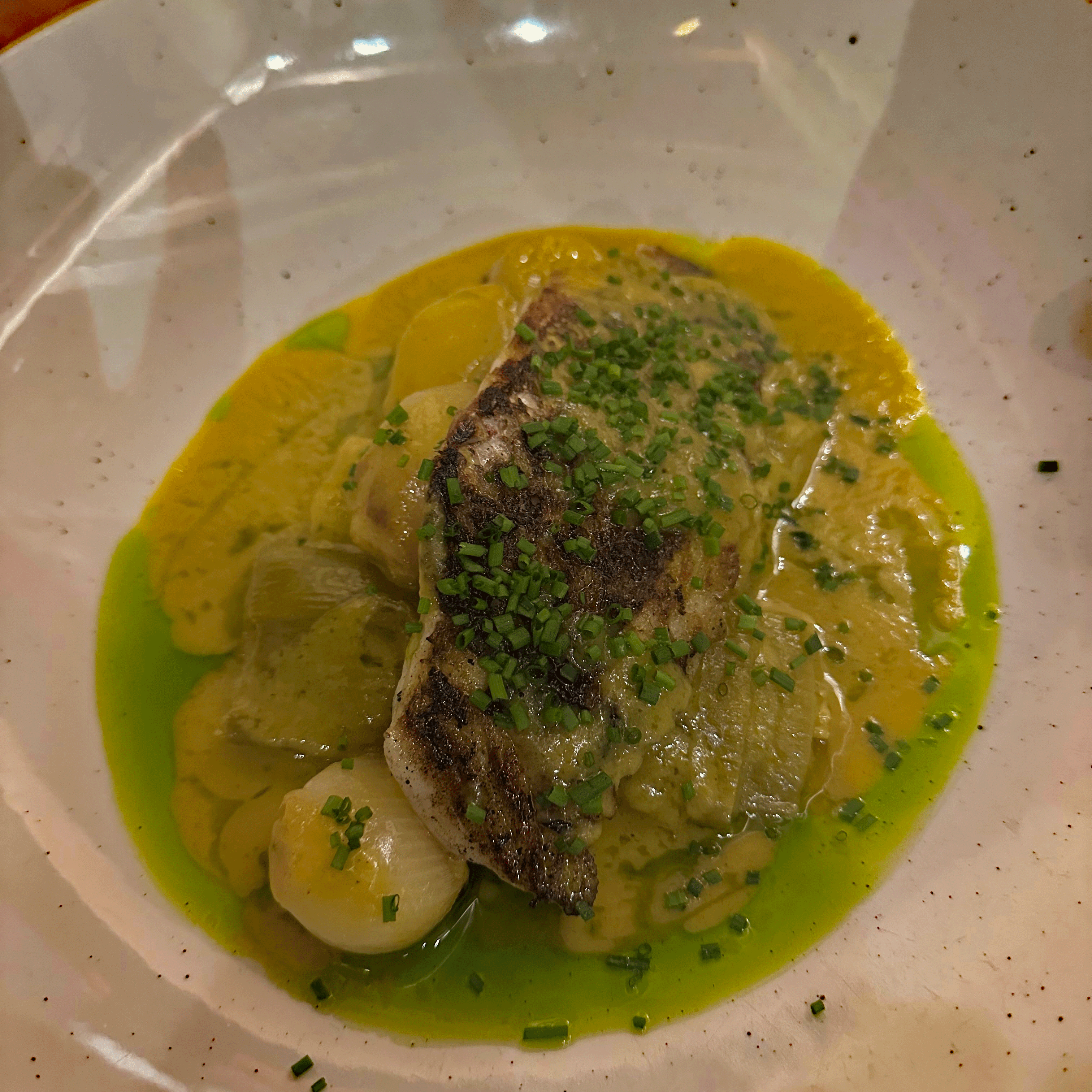
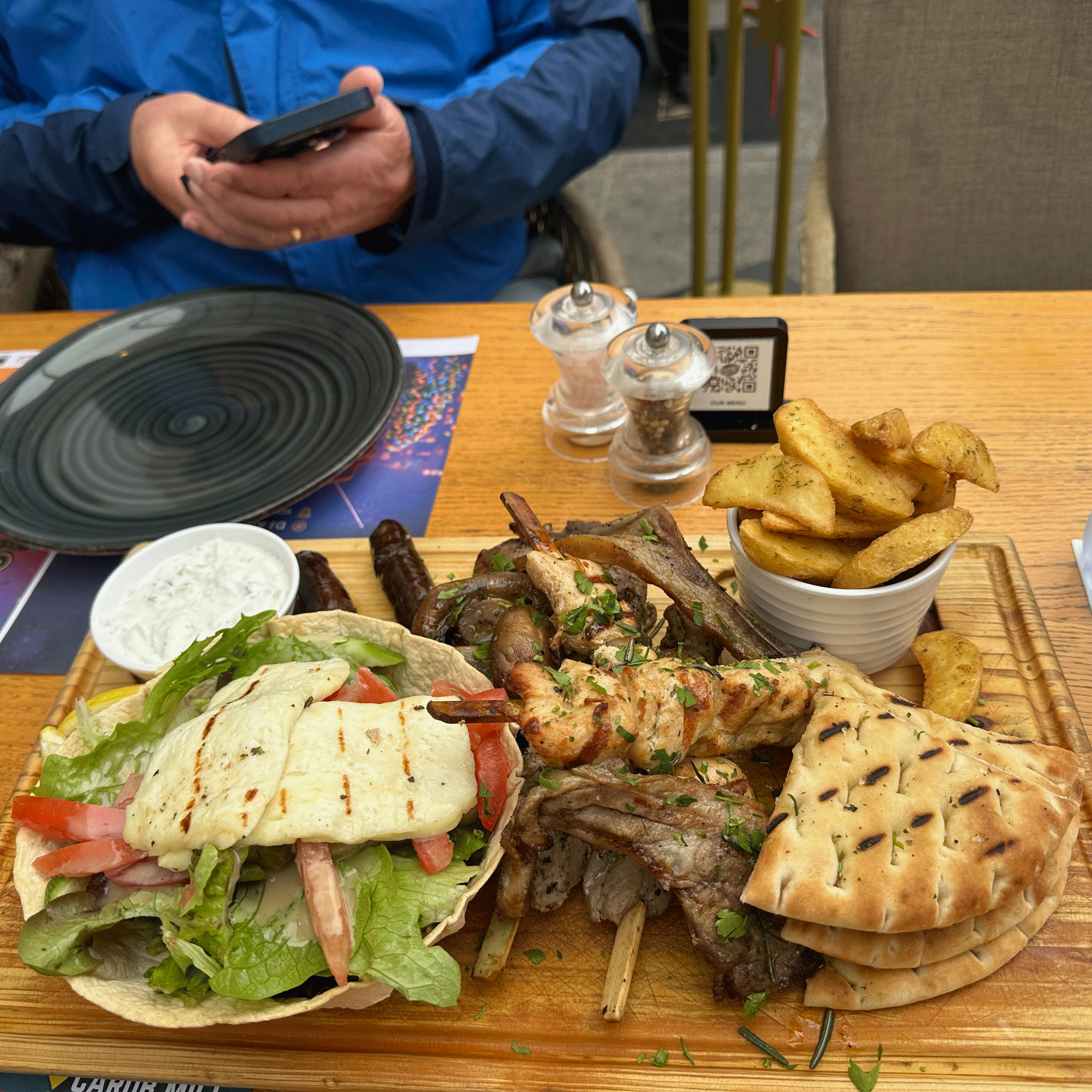
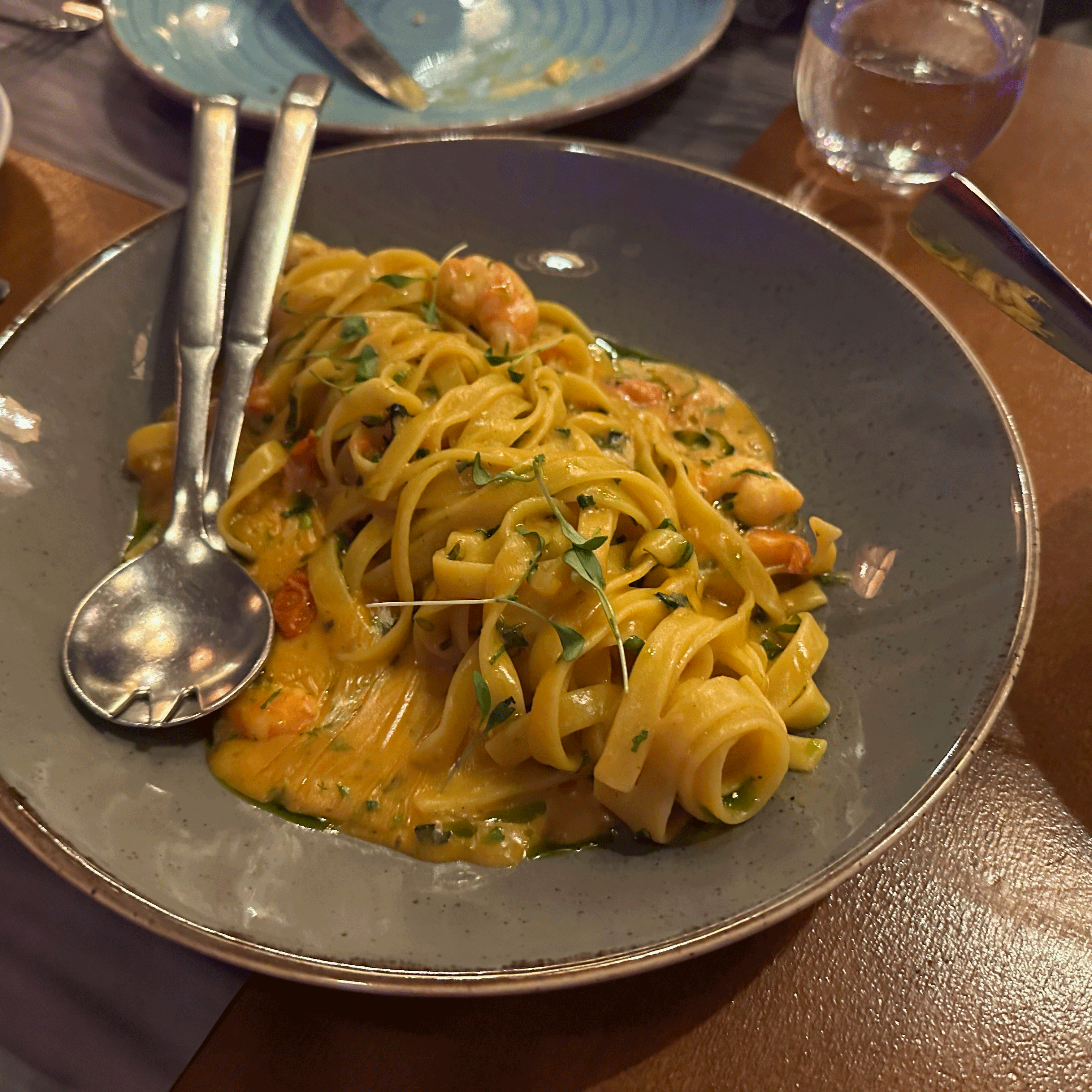
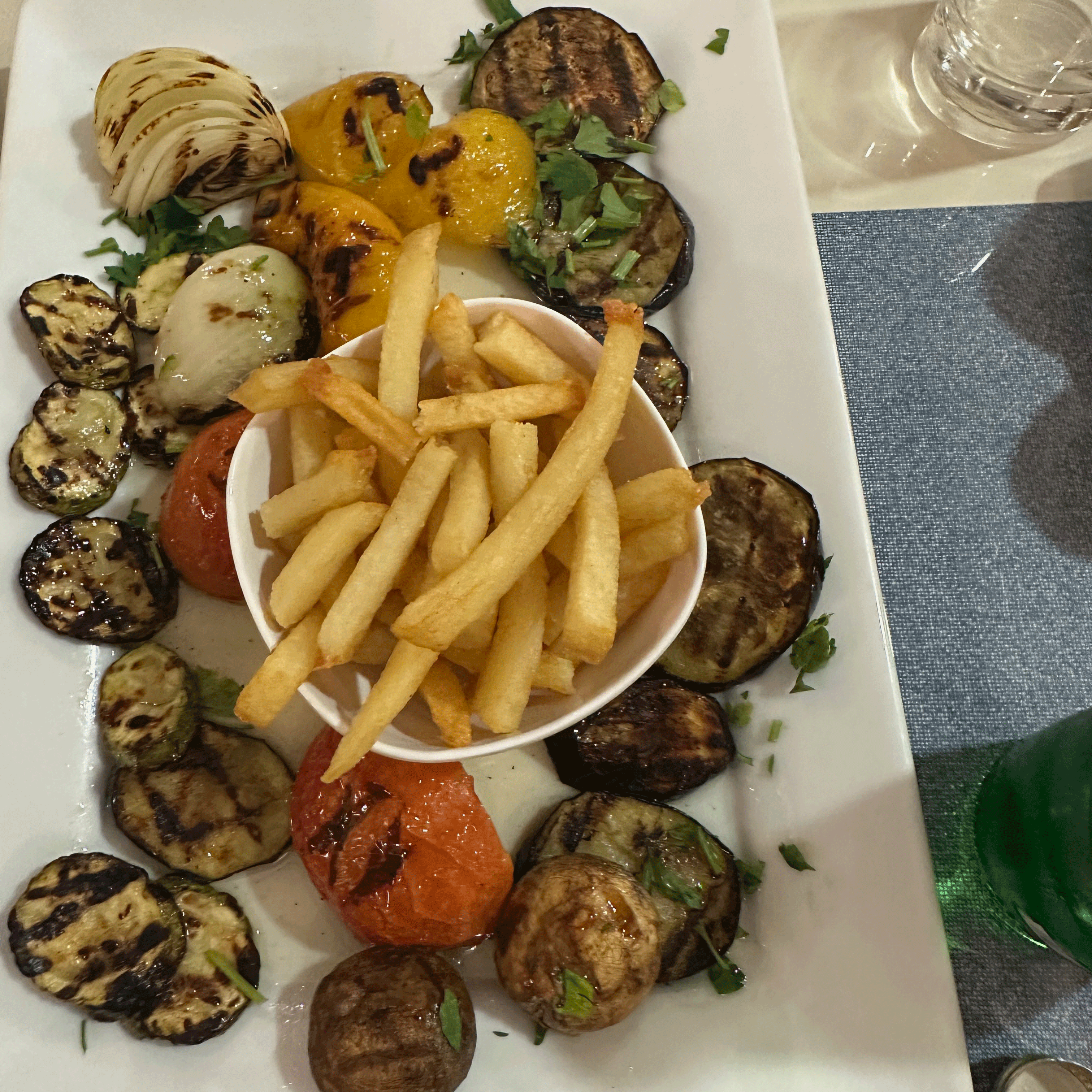
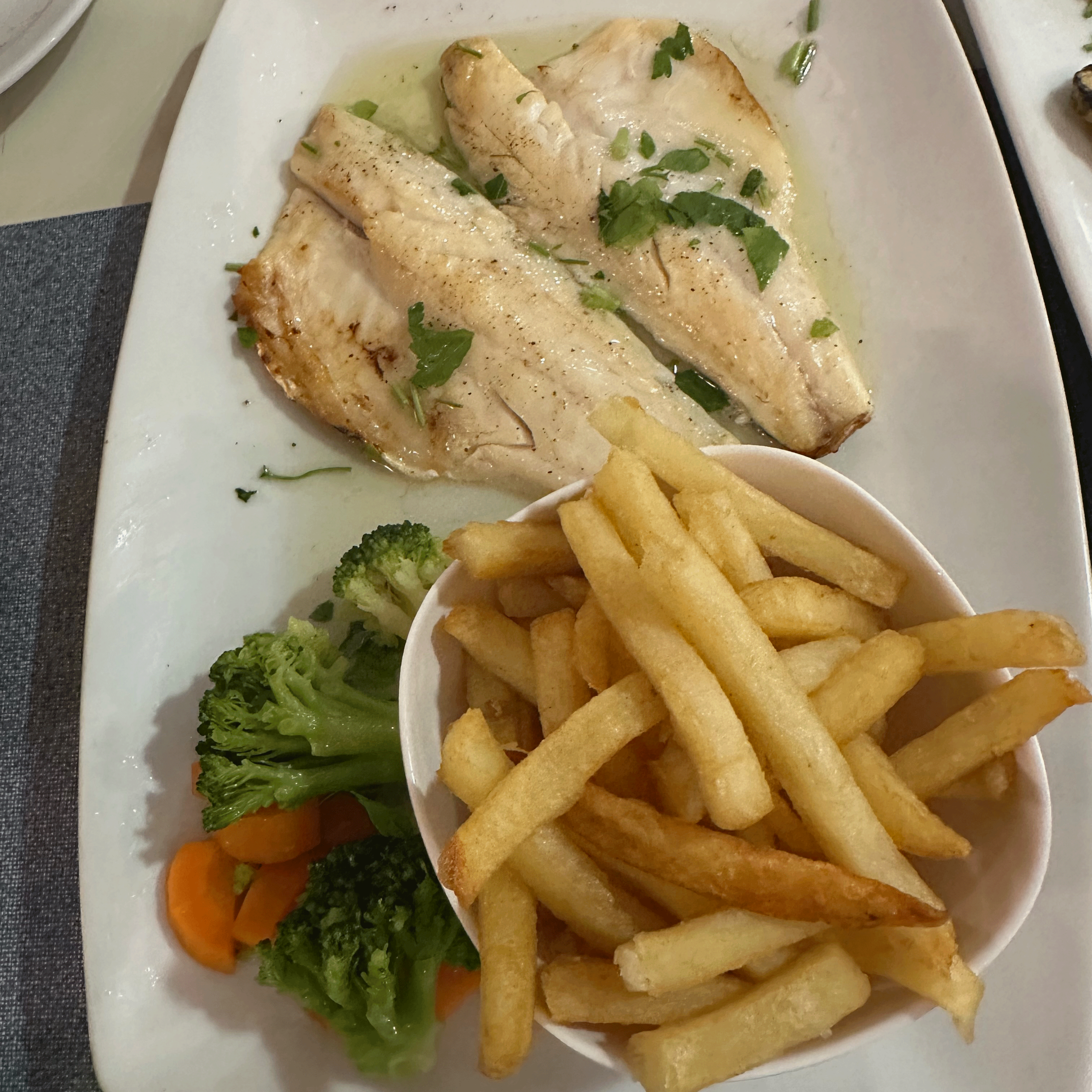
Dining in Heraklion is a treat. The local cuisine is fresh and seasonal from snack shops to fine dining. The bread has a home-baked heartiness and tastes fantastic with the local olive oil. Kabobs and seafood are great choices. The wine is tasty and complements the food.
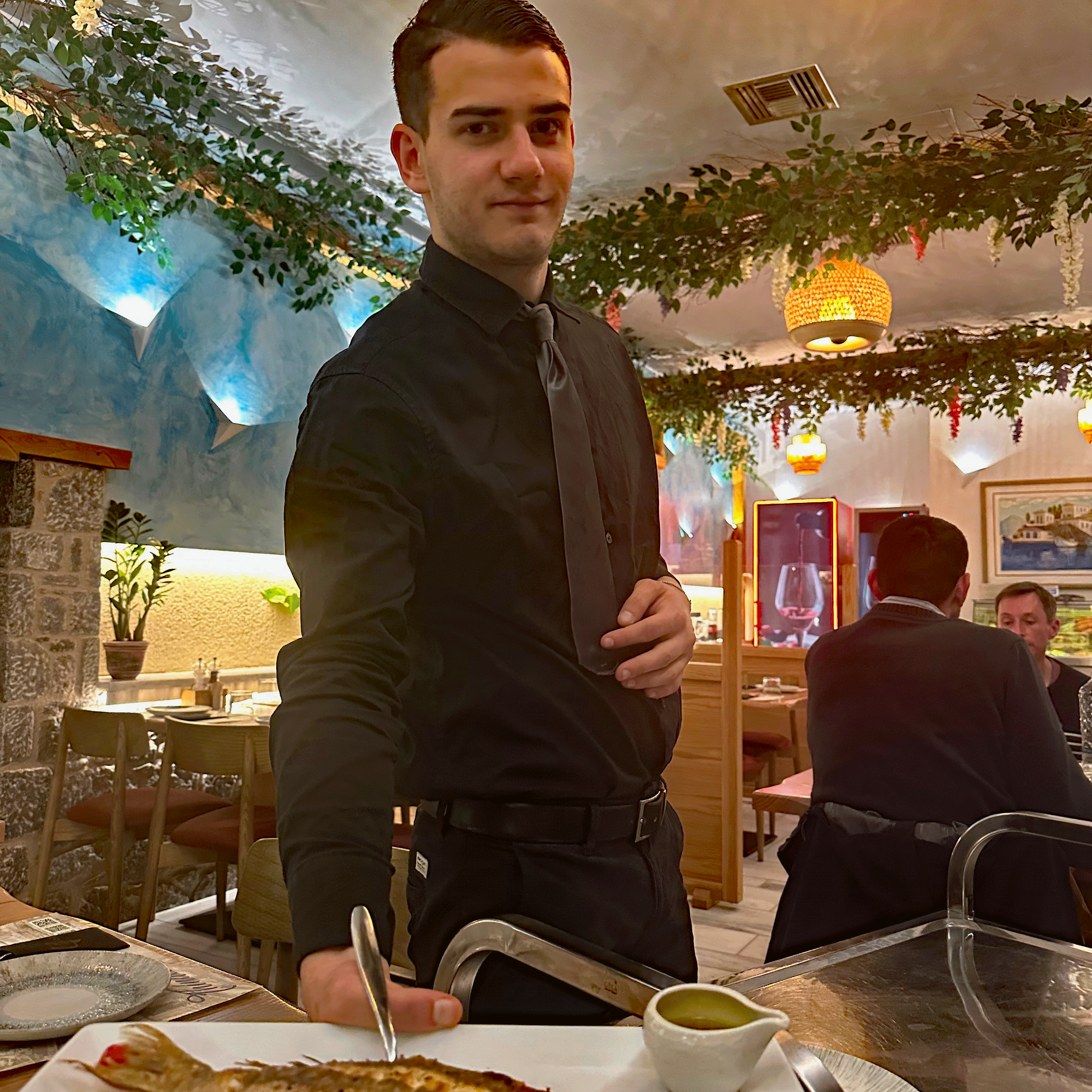
Peskesi is Heraklion’s most popular restaurant and is worth the hype. In a cozy rustic setting you will enjoy friendly service and high-quality cuisine.
Our stay in Heraklion was a great ending to our three weeks on Crete. From there, we flew back to Athens for a night before the journey home to Chicago.
After a week in Larnaca, we moved to Limassol for the next week. There was an intercity bus, but we opted to hire a taxi. Since we were splitting the cost, we splurged on door to door service. Cyprus highways are well-maintained, so if you don’t mind renting a car and driving, you can get from place to place pretty easily. Cyprus was a British colony, so they drive on the left.
As we entered Limassol, we could see it was a much bigger city than Larnaca, even though Larnaca is growing, due to its airport. In Limassol, construction cranes and skyscrapers are changing the skyline in the new part of the city. We wondered what was creating the growth. By talking to locals and doing online research, we learned that foreign money is pouring in from middle-eastern investors.
Our rental apartment was in the historic district of old Limassol. It was a little tricky to find and had a few quirks, but it was in a great location for walking and the view of the sea and the rooftops of the city was spectacular.
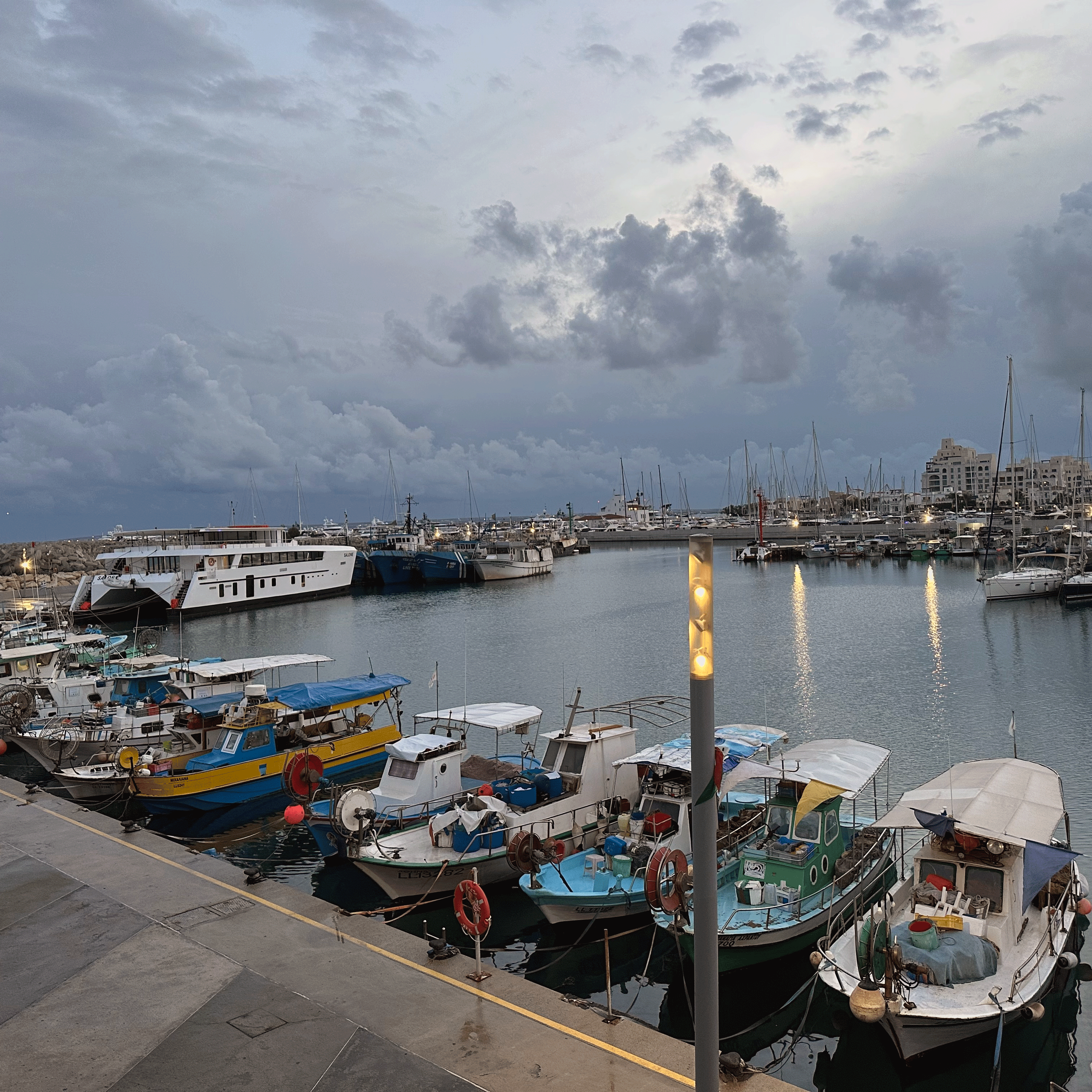
On our first evening, we walked to the area known as The Old Port. As its title would indicate, it once served as Limassol’s harbor. Nowadays, a deeper harbor accommodates larger cargo ships and cruise ships. The Old Port services sailboats, charter boats, and luxury yachts. It is also a lovely area for strolling and dining.
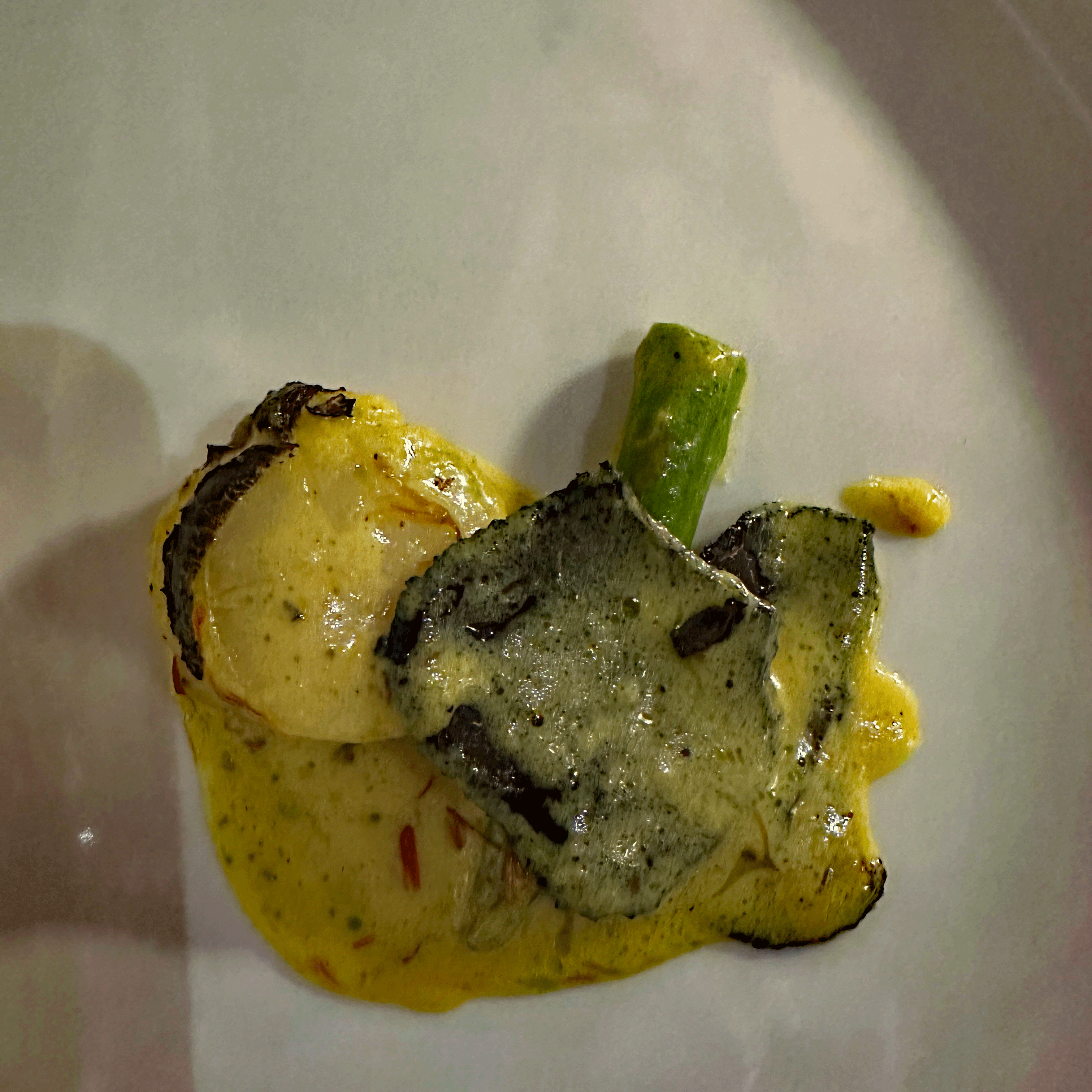
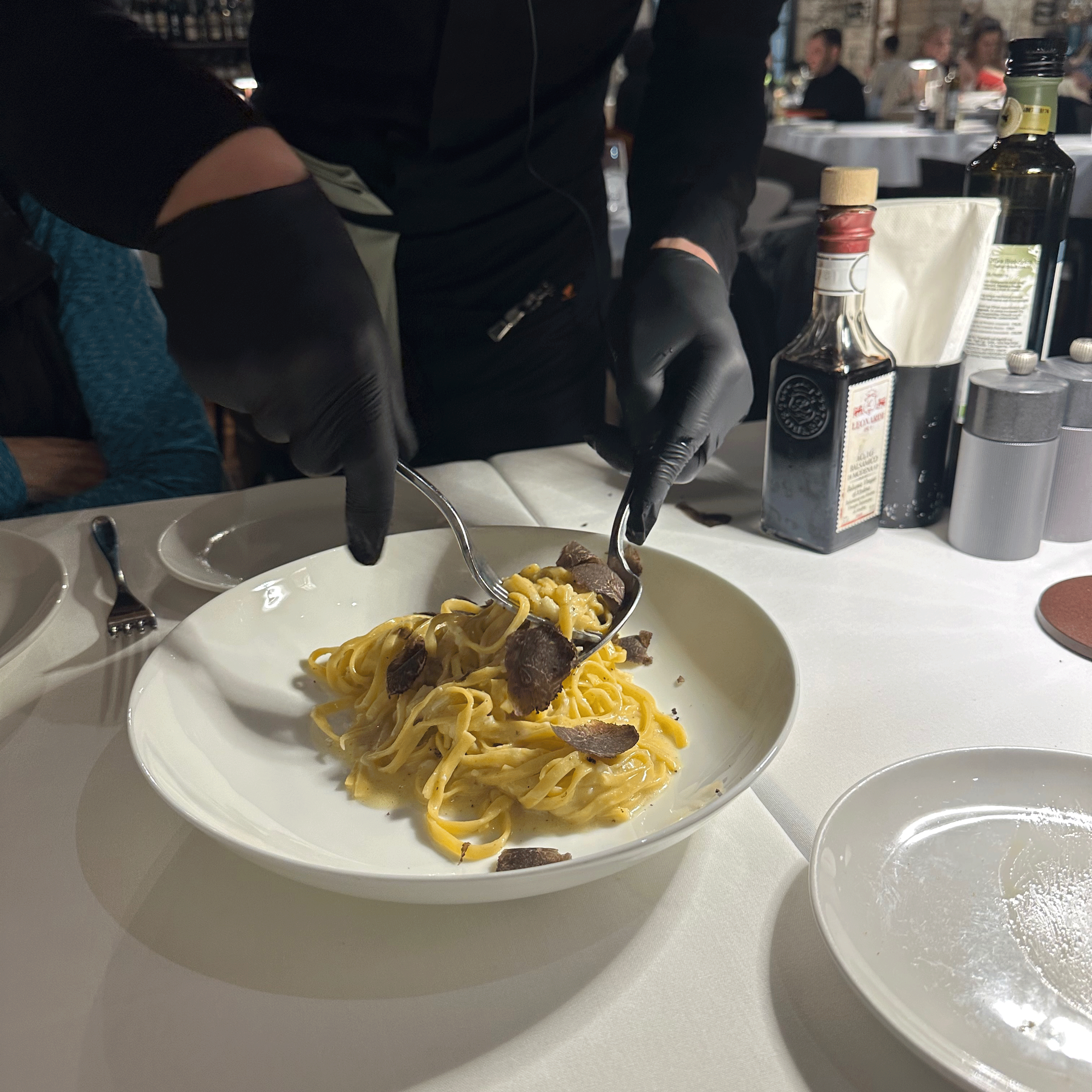
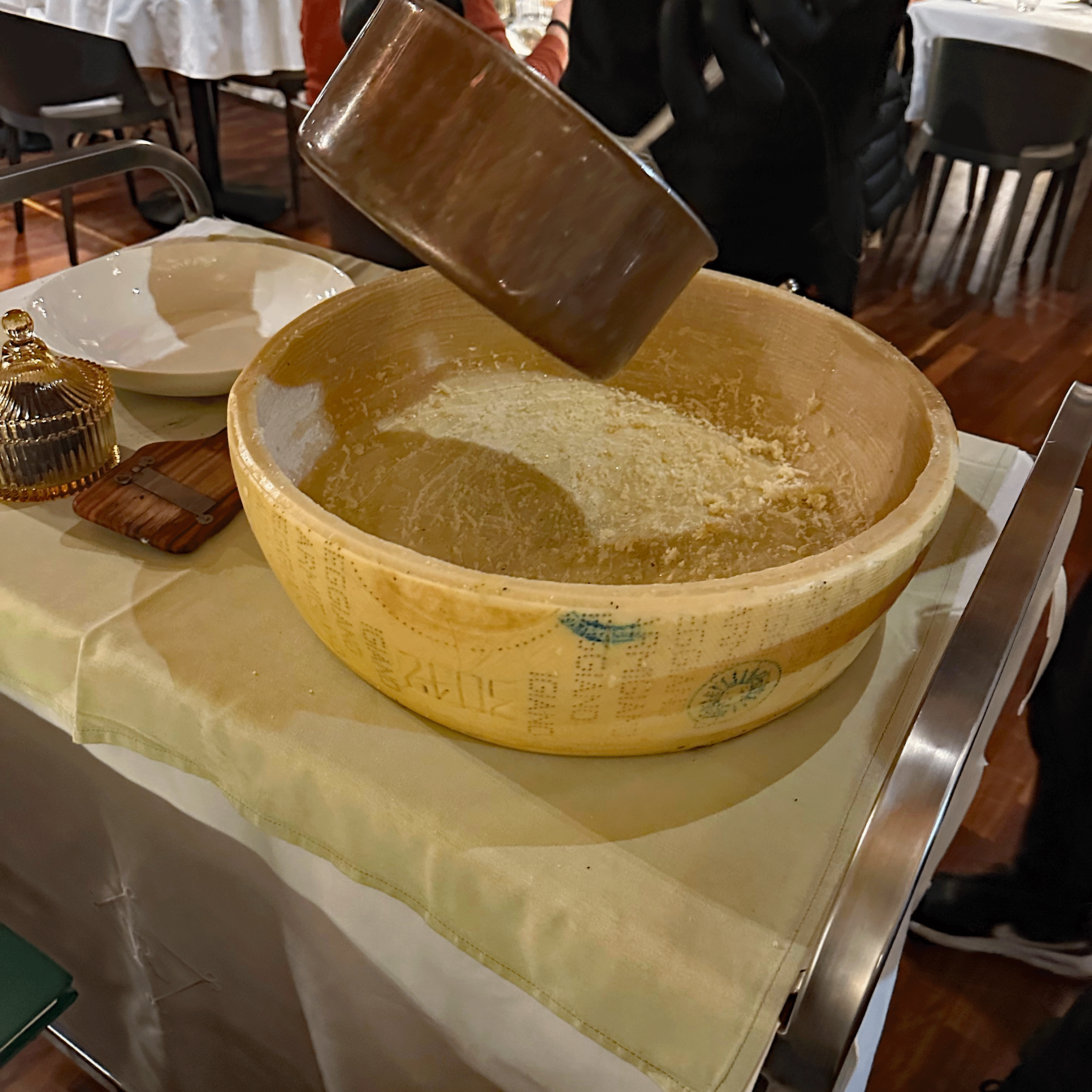
Our first dinner was at Tartufo, a beautiful Italian restaurant with fabulous food and elegant service. Limassol is a foodie paradise. There are numerous fine dining restaurants, gelato stands, corn on the cob carts, juice bars, and coffee shops with tempting bakery items. Outdoor seating is available everywhere.
Artichokes at TartufoPastaParmesan Shaved Tableside
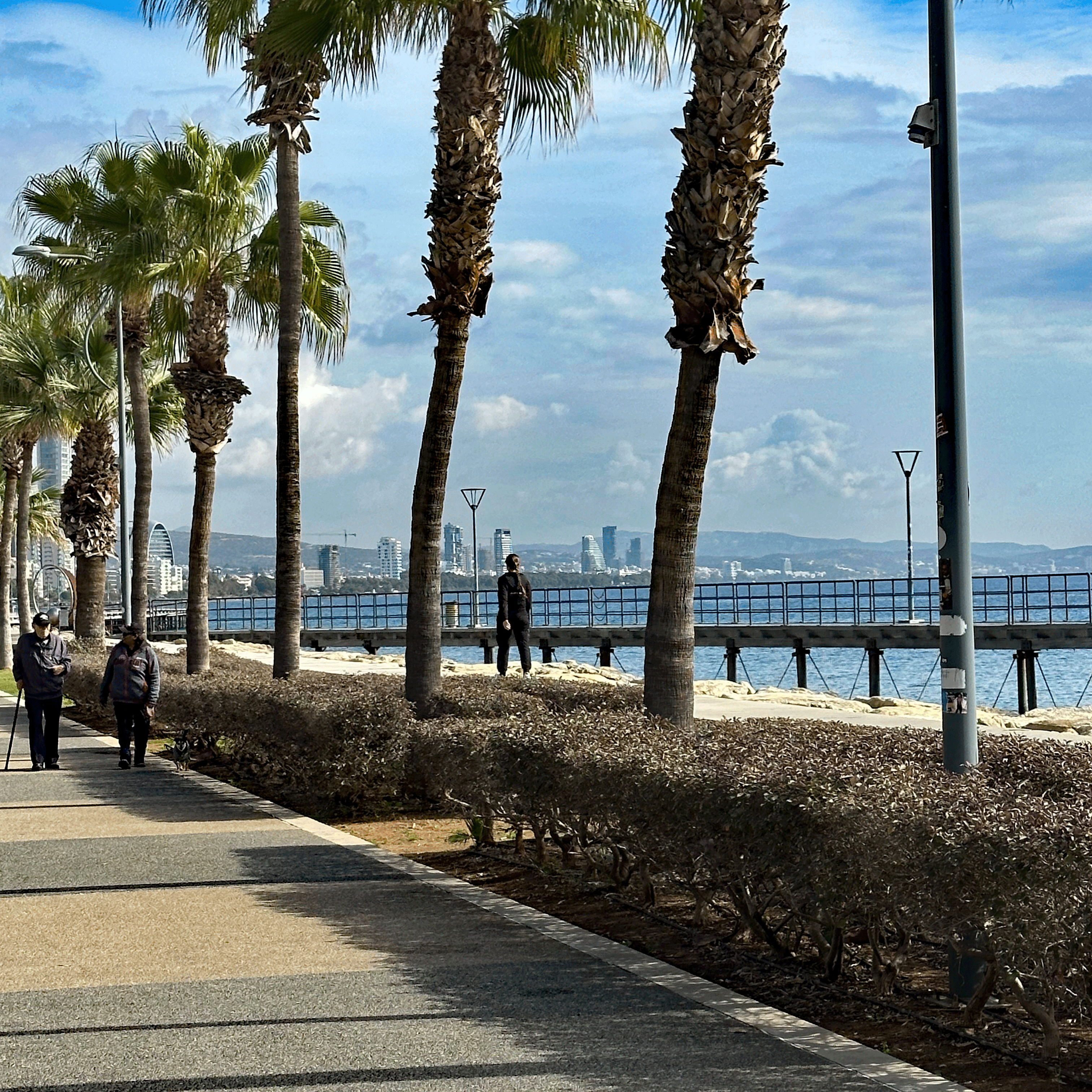
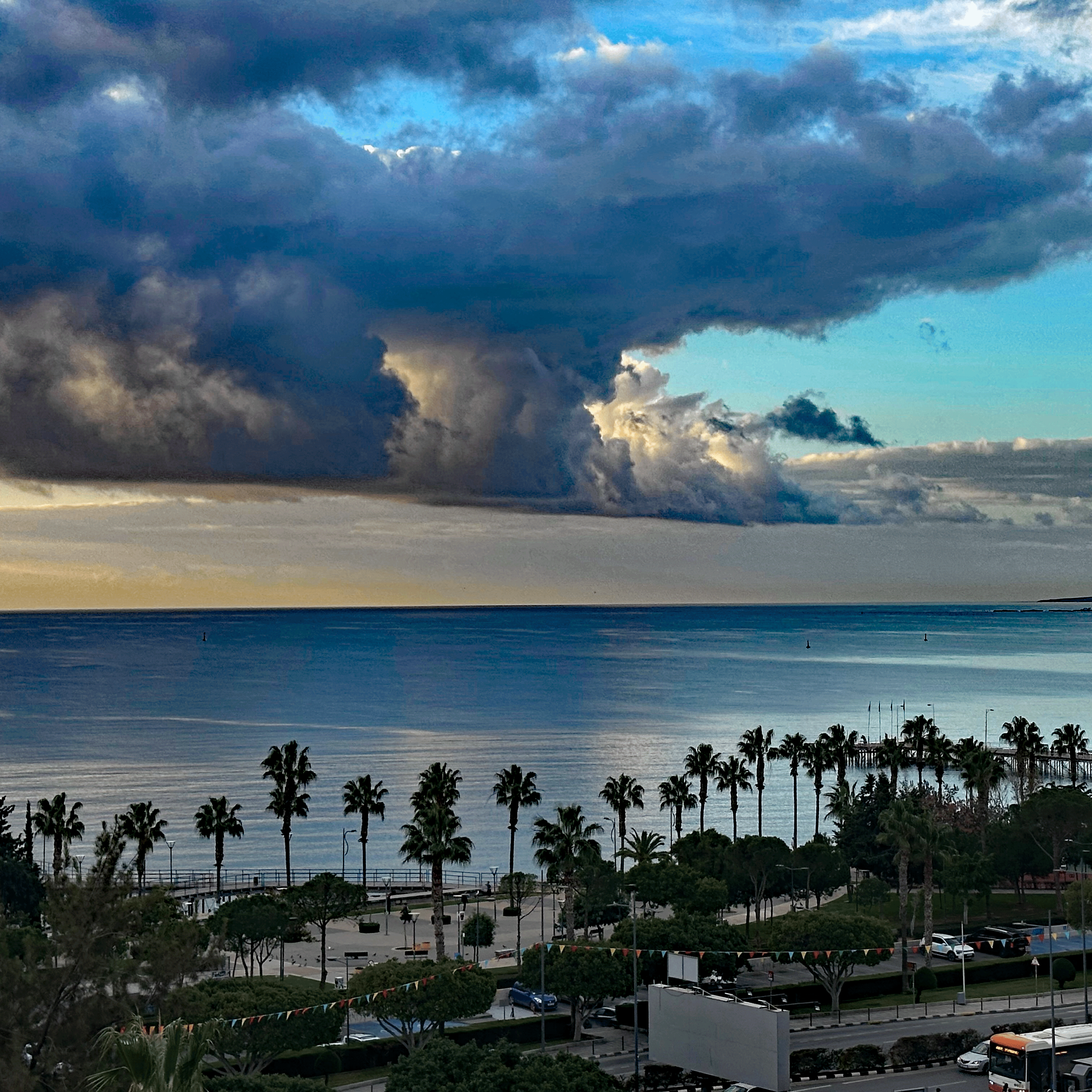
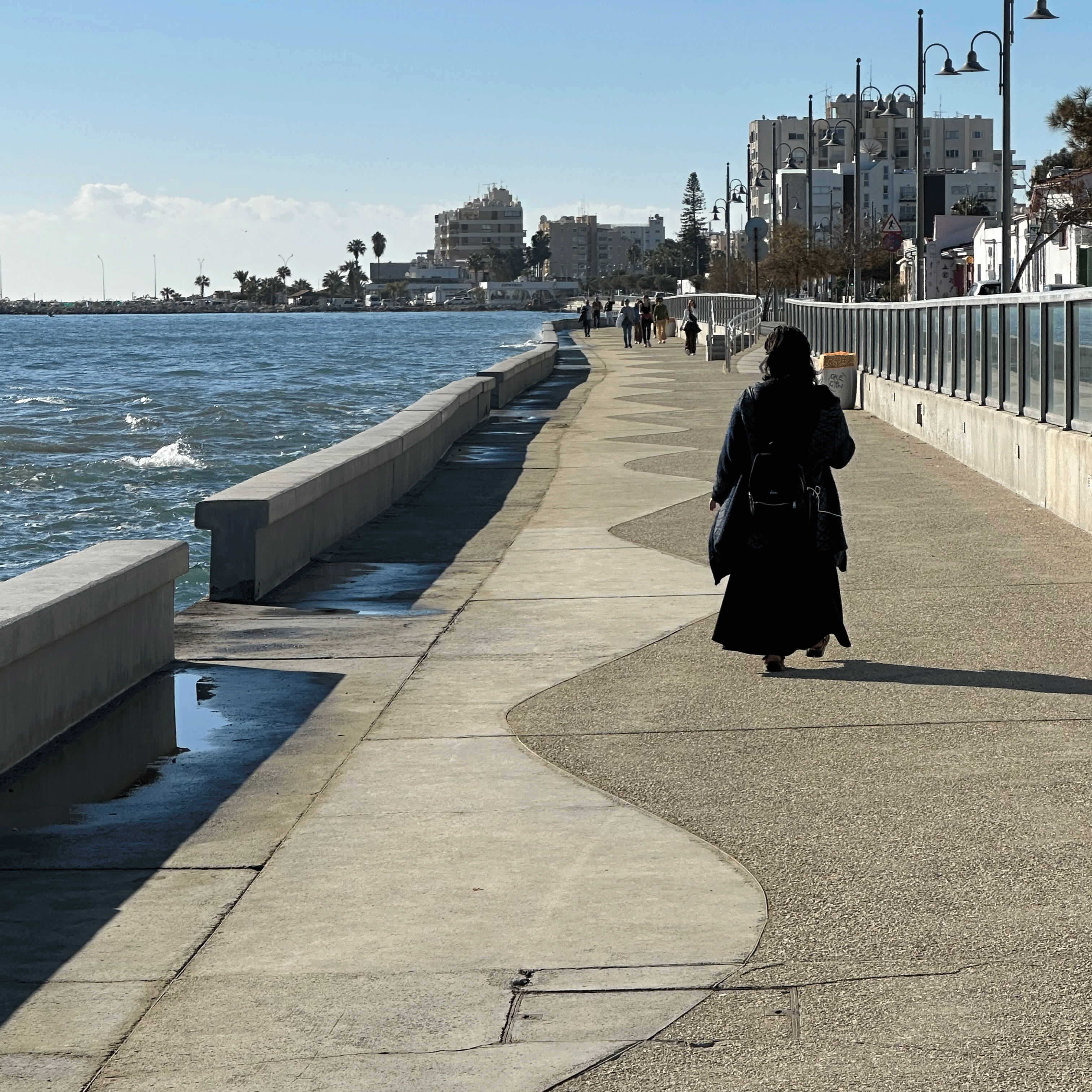
If you indulge in the wonderful food in Limassol like we did, you can walk it off along Limassol’s stunning seaside promenade. It was modernized by the British during their rule from 1878-1960. Much of the modernization of Limassol’s infrastructure took place during those years. There is a lot to see along the boardwalk and you can finish your walk with a leisurely coffee, while you soak in the sun and enjoy the view of the sea..
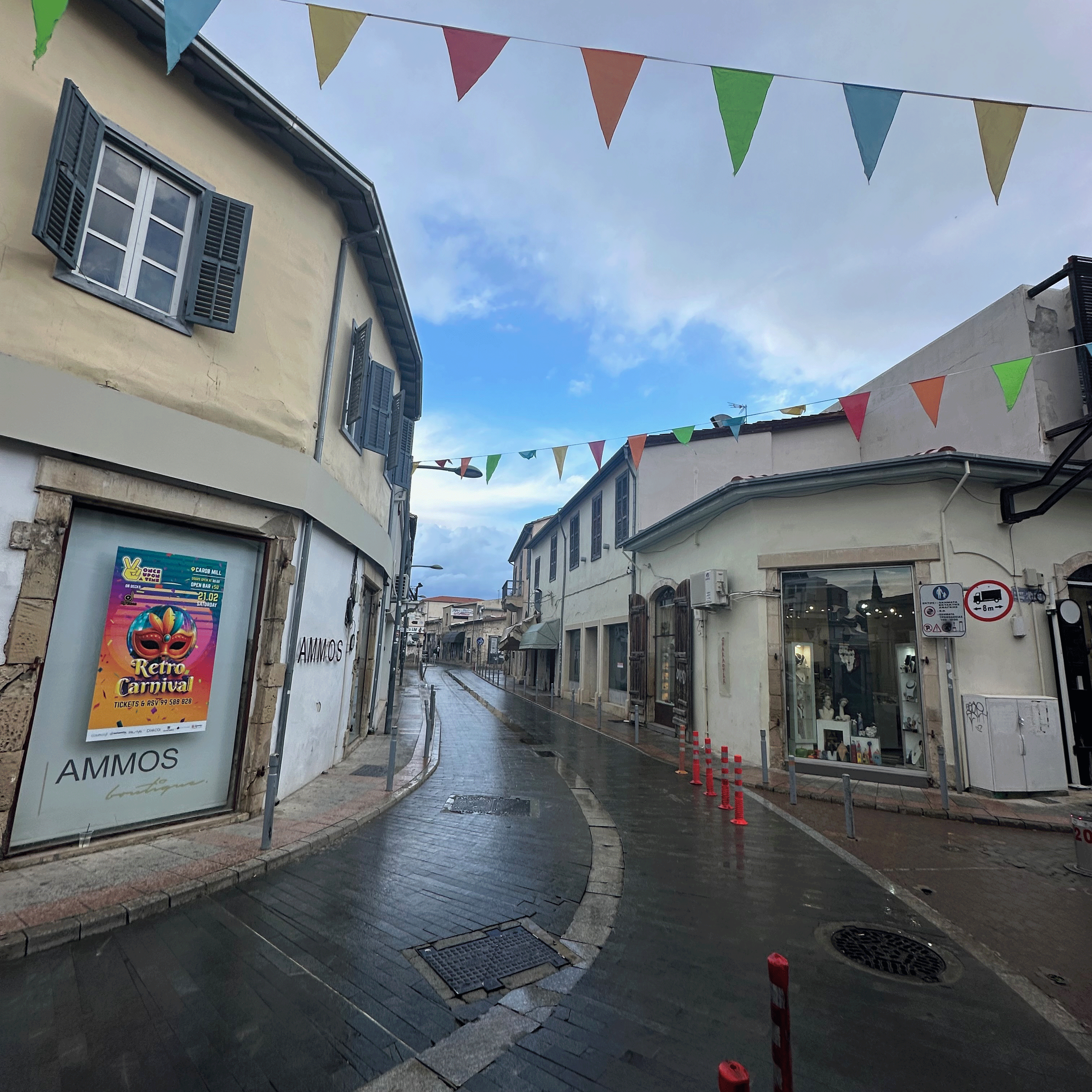
Below: Scenes Along Limassol’s Promenade
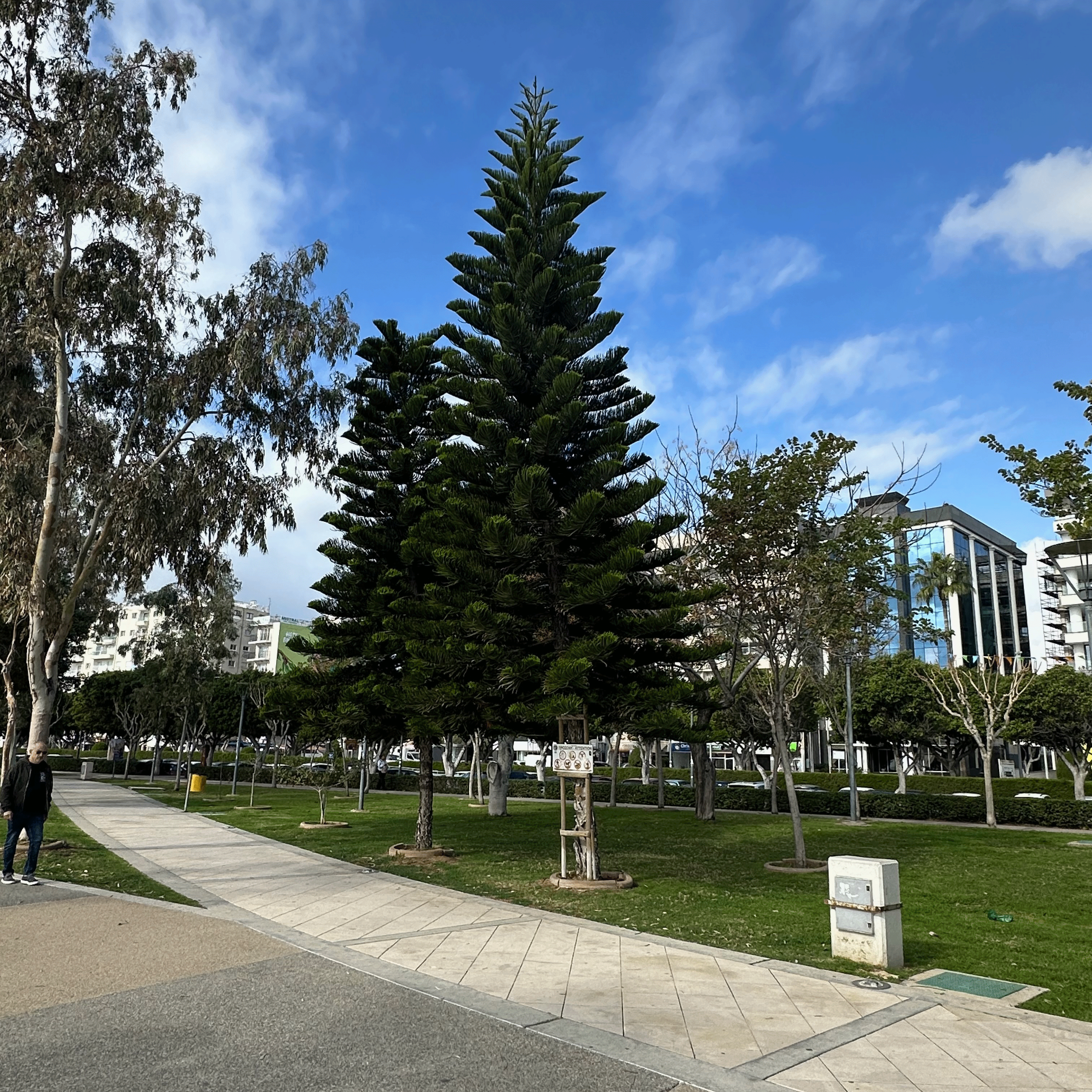
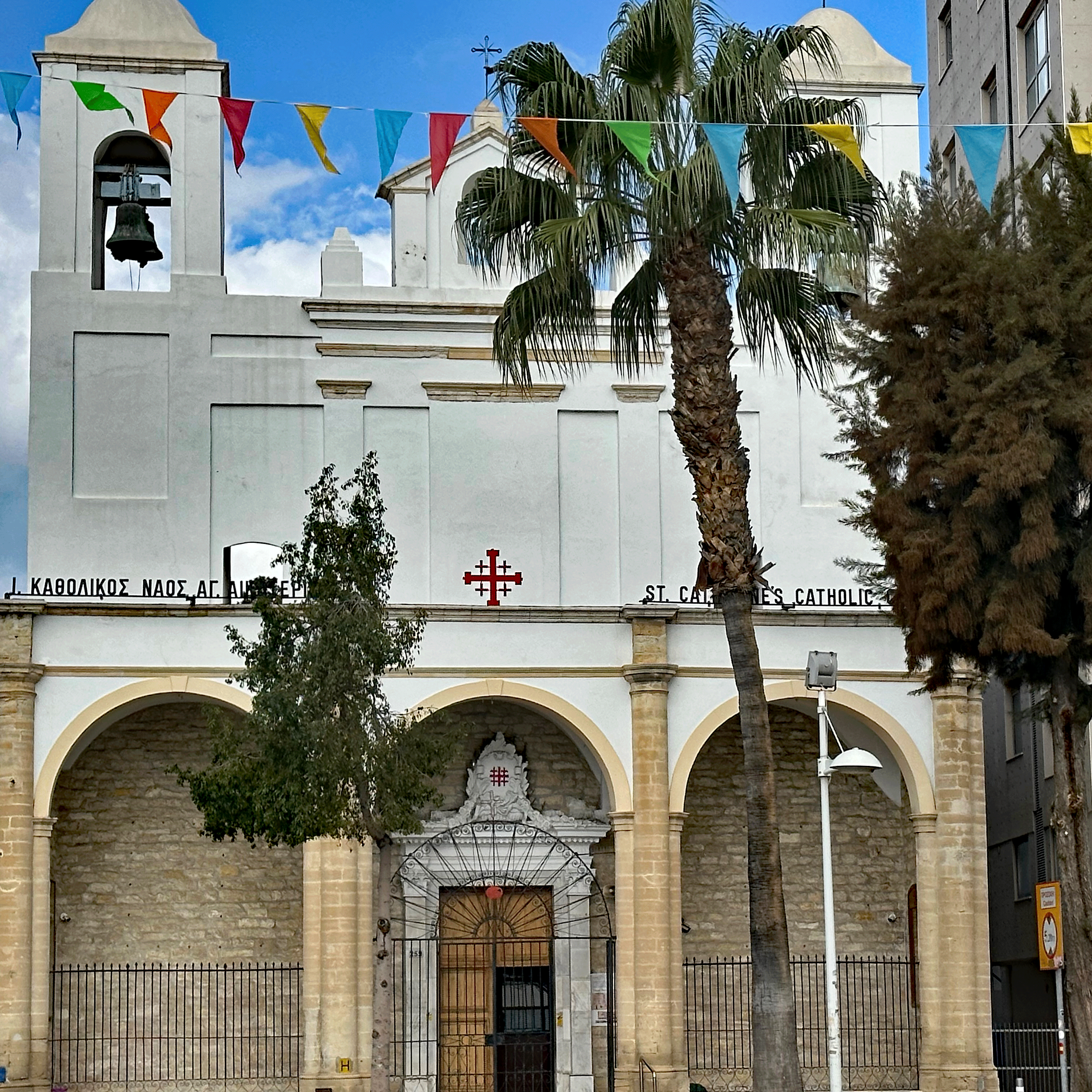
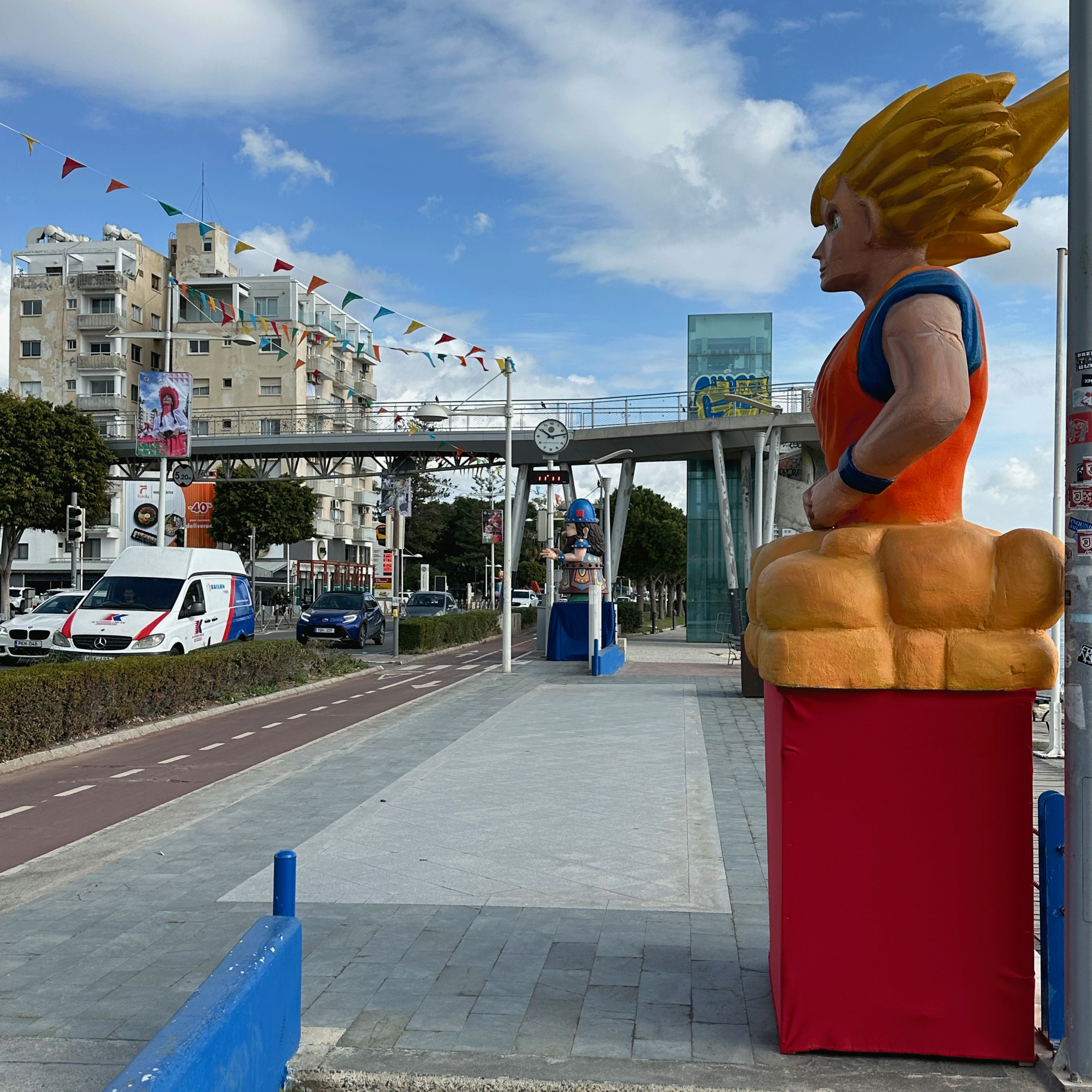
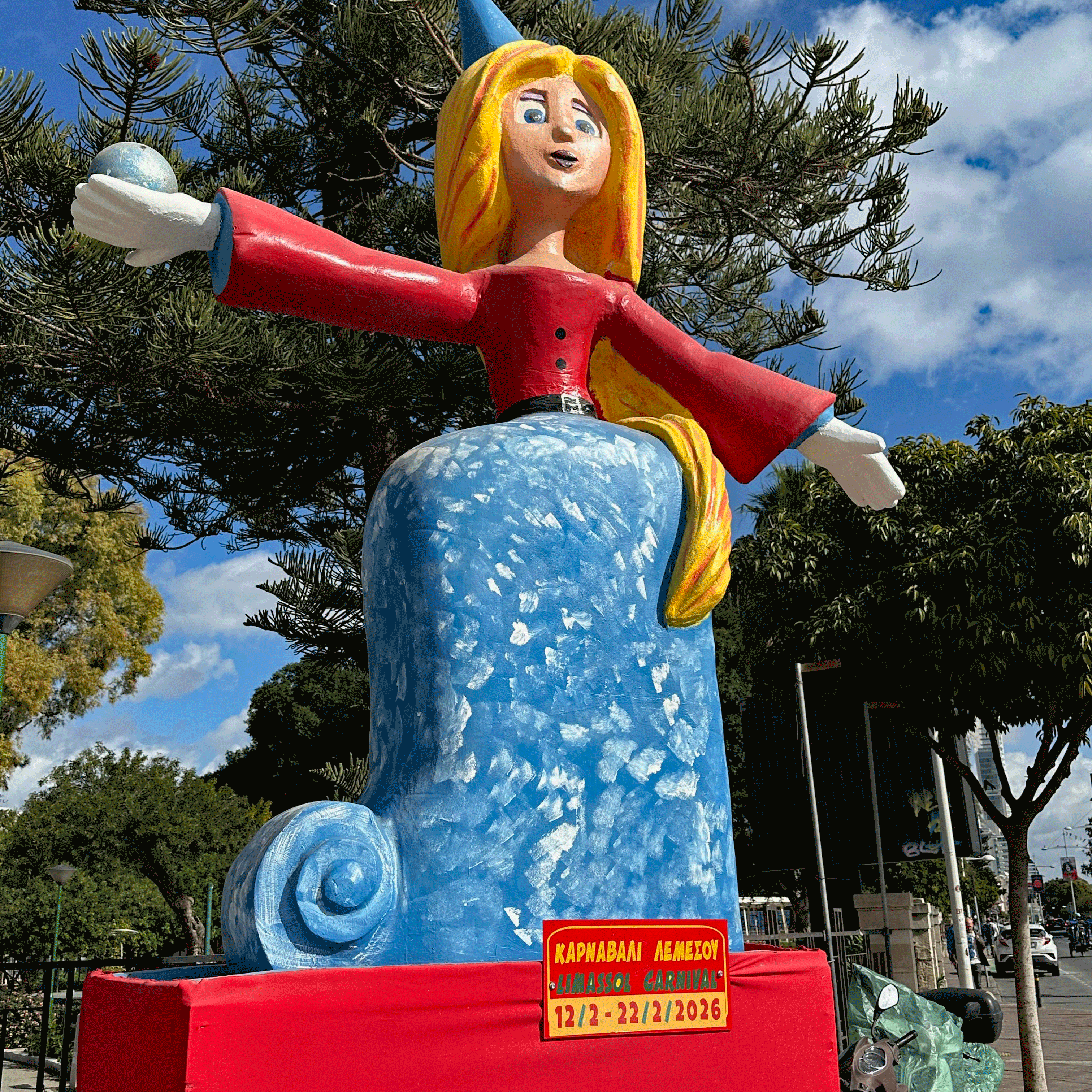
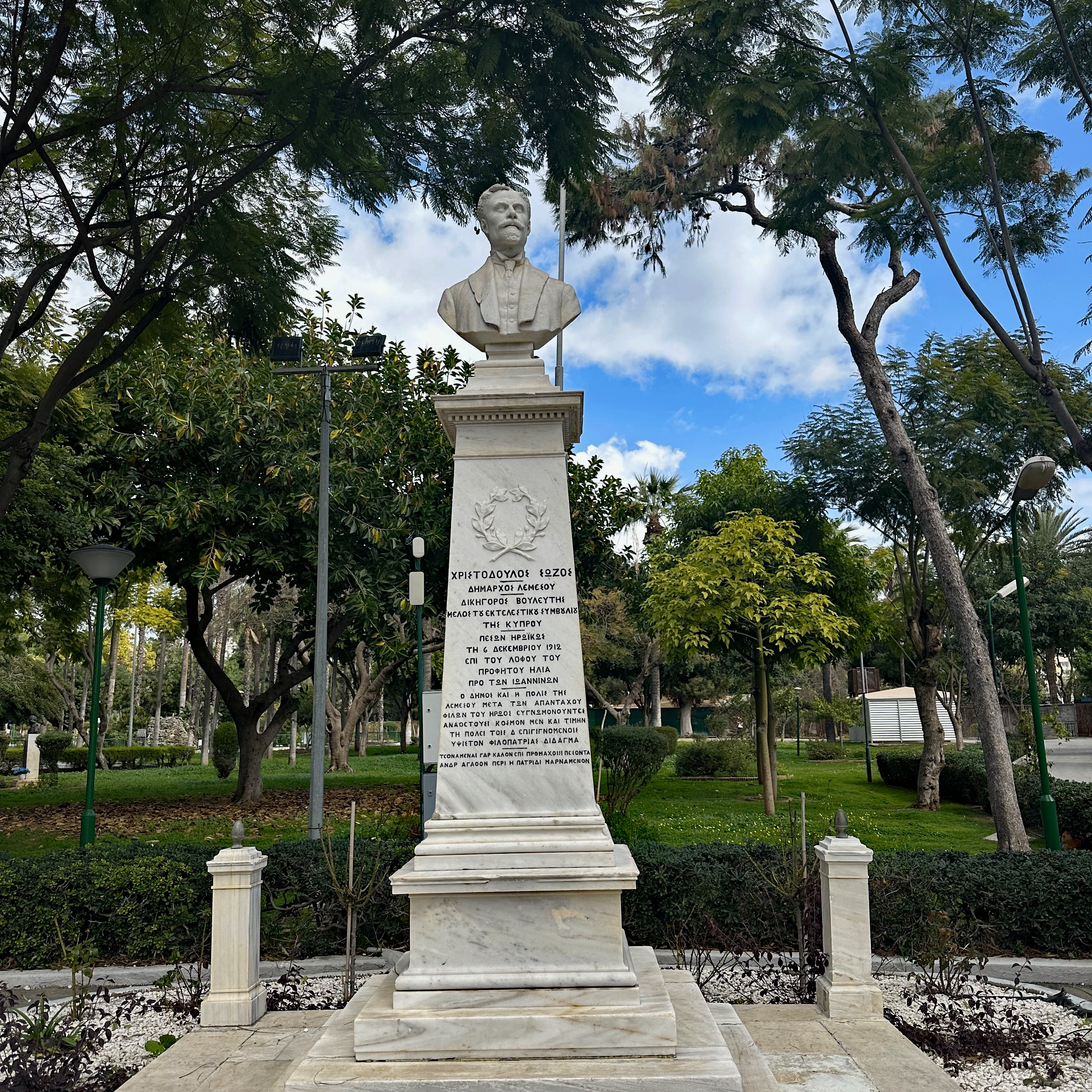
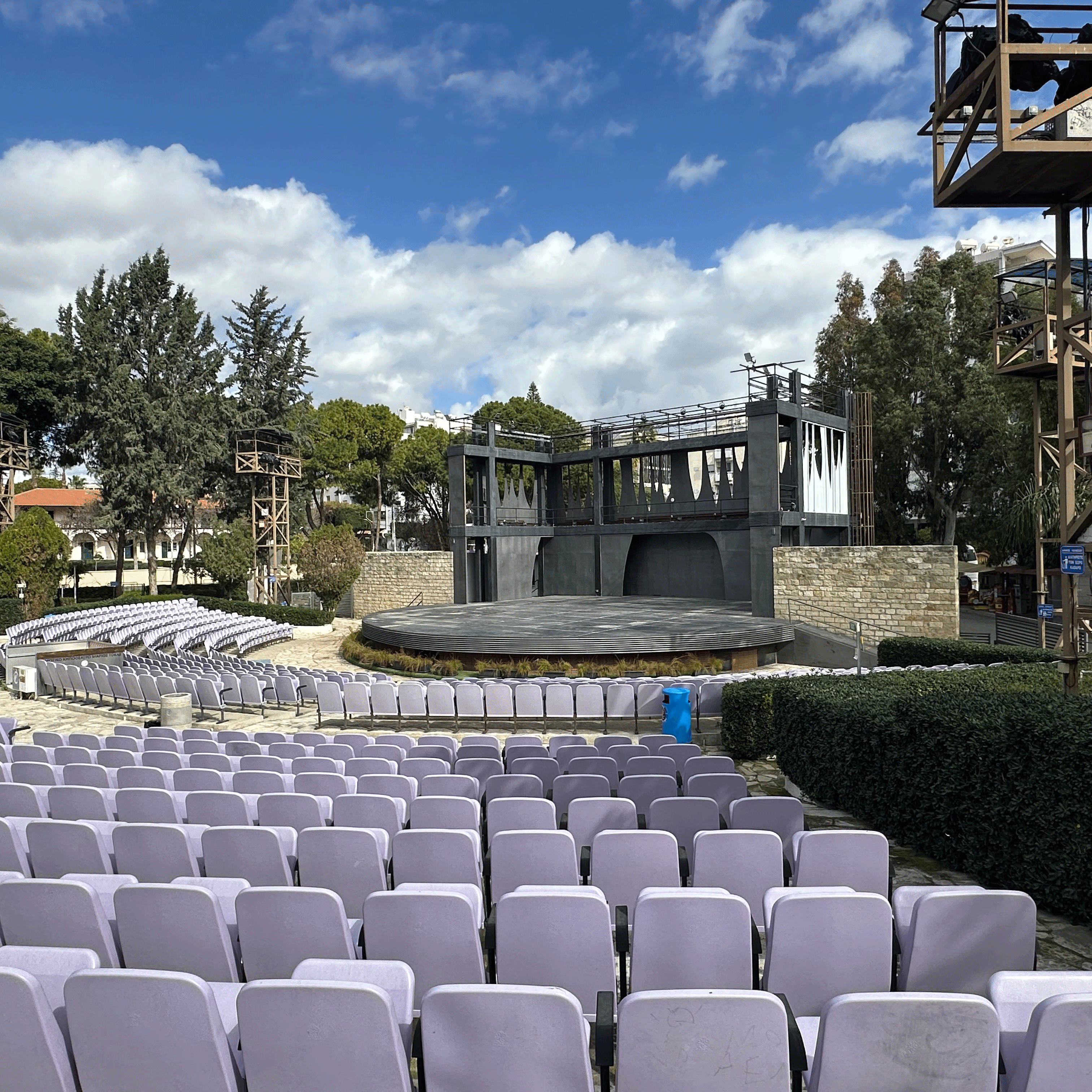
Carnival is ComingMunicipal GardensOutdoor Theatre
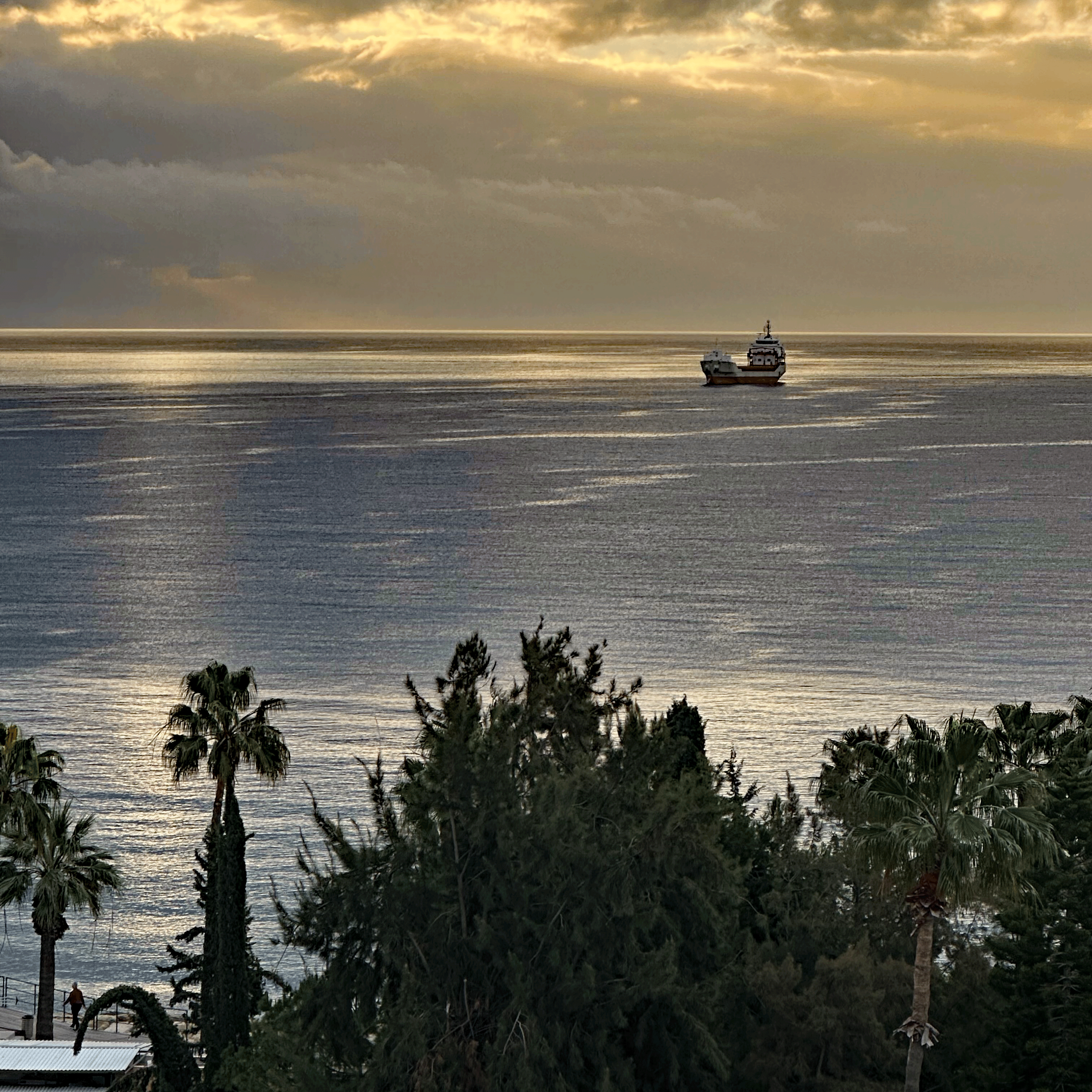
Below: Shots from our Rooftop Terrace
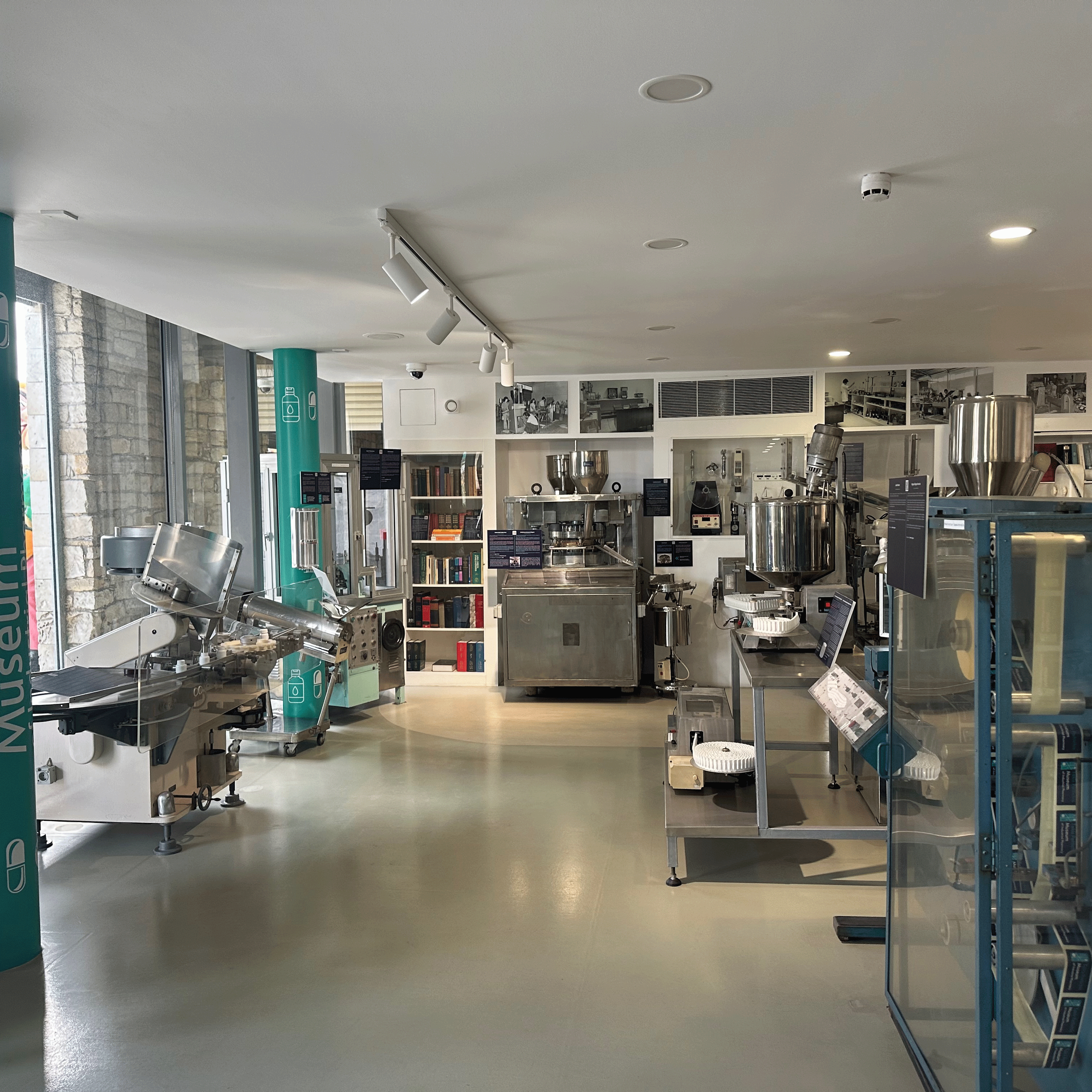
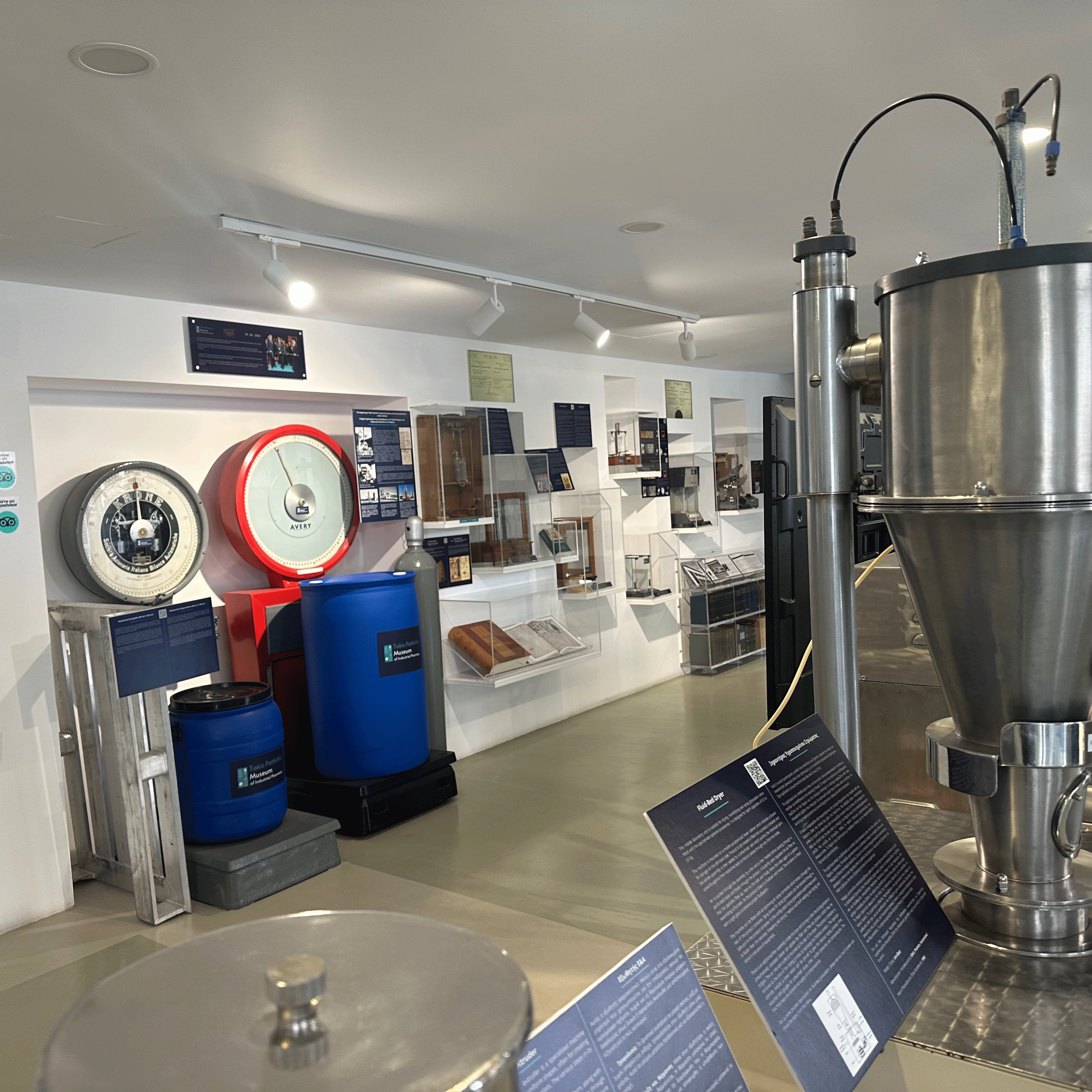
Below: The Cyprus Museum of Industrial Pharmacy
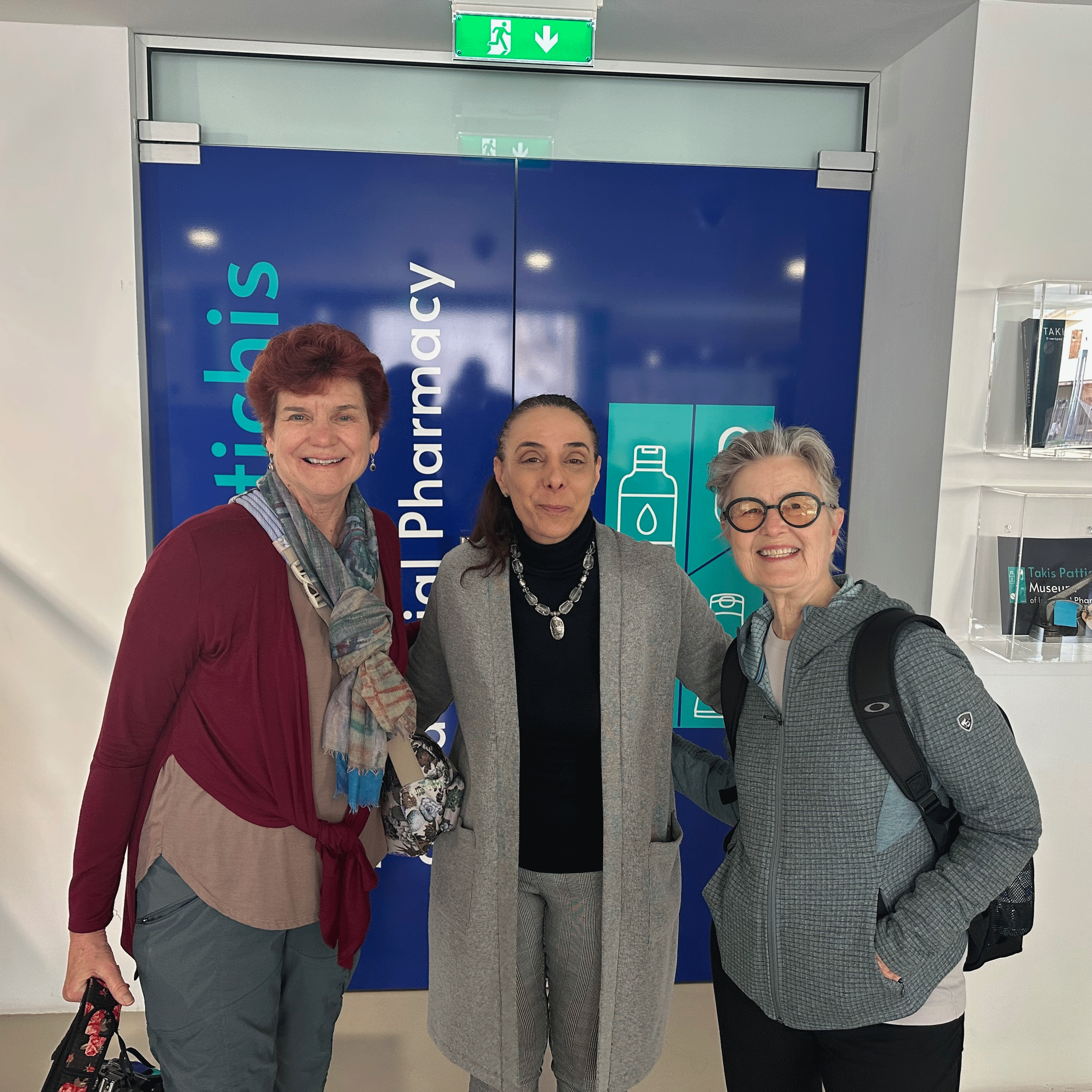
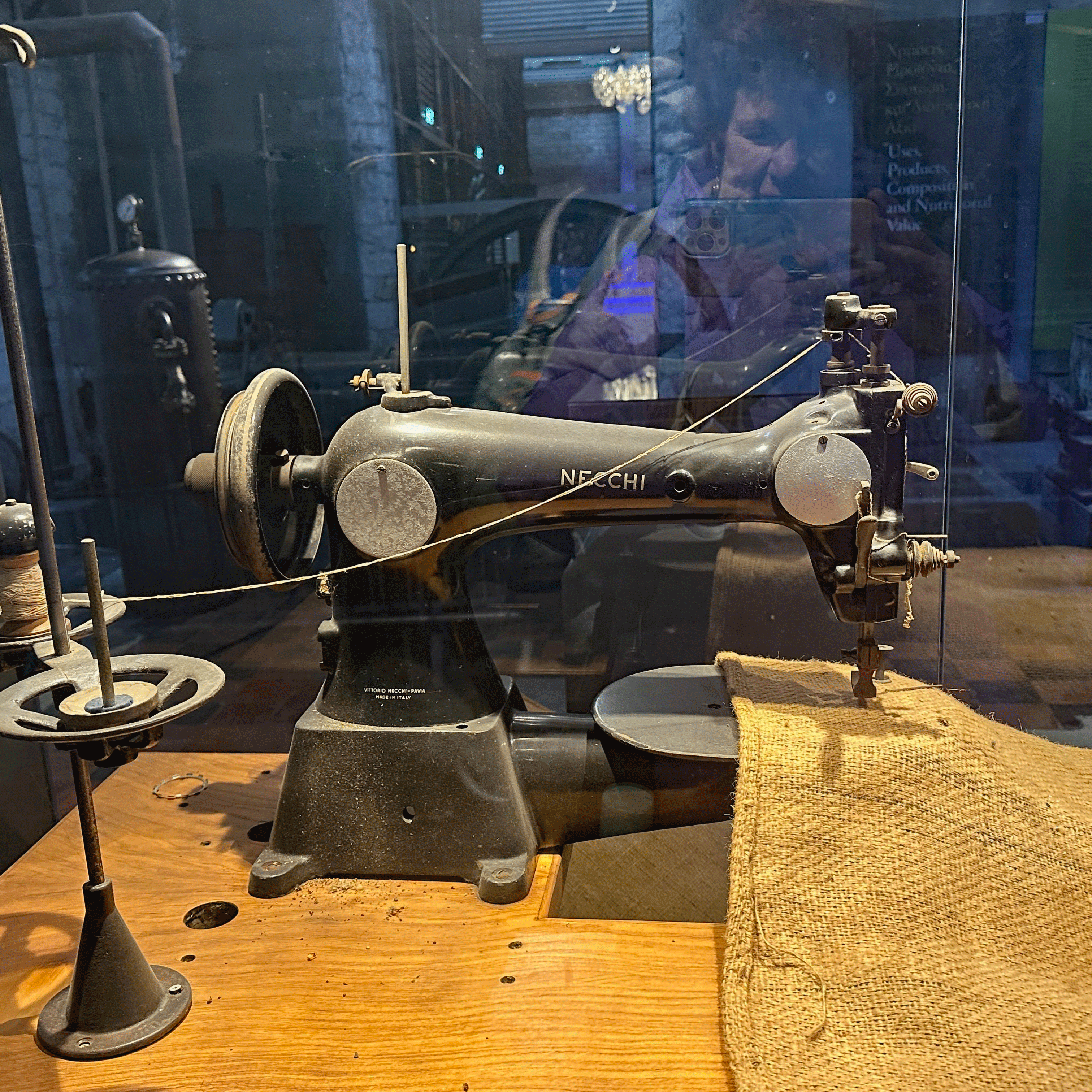
We discovered this unassuming museum near Limassol’s Castle and the curator gave us a private tour of the machinery that was used to formulate and package generic drugs. This equipment is now obsolete due to digitization, but Cyprus is still a leader in the generic drug industry. She proudly told us Cyprus is much more than tourism.
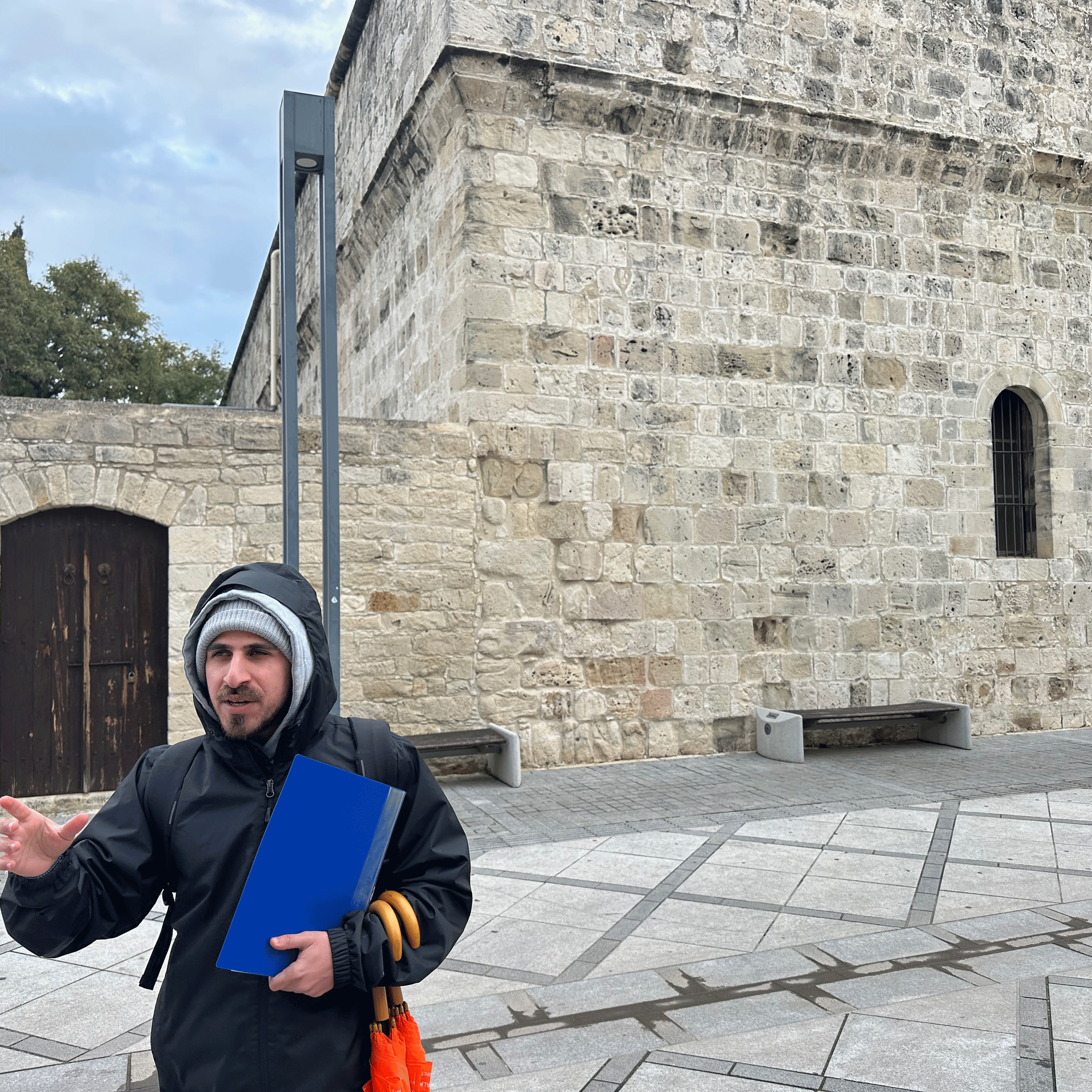
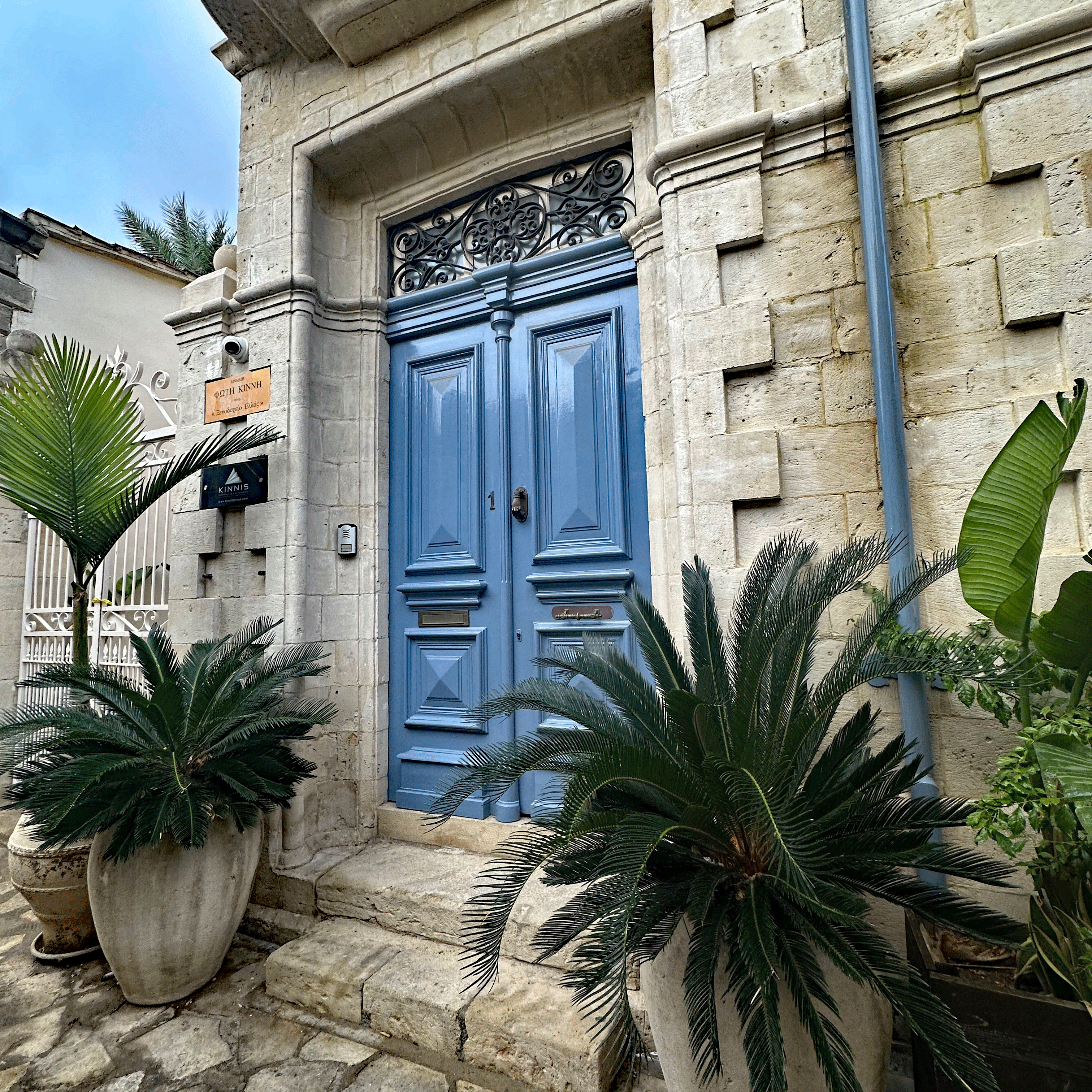
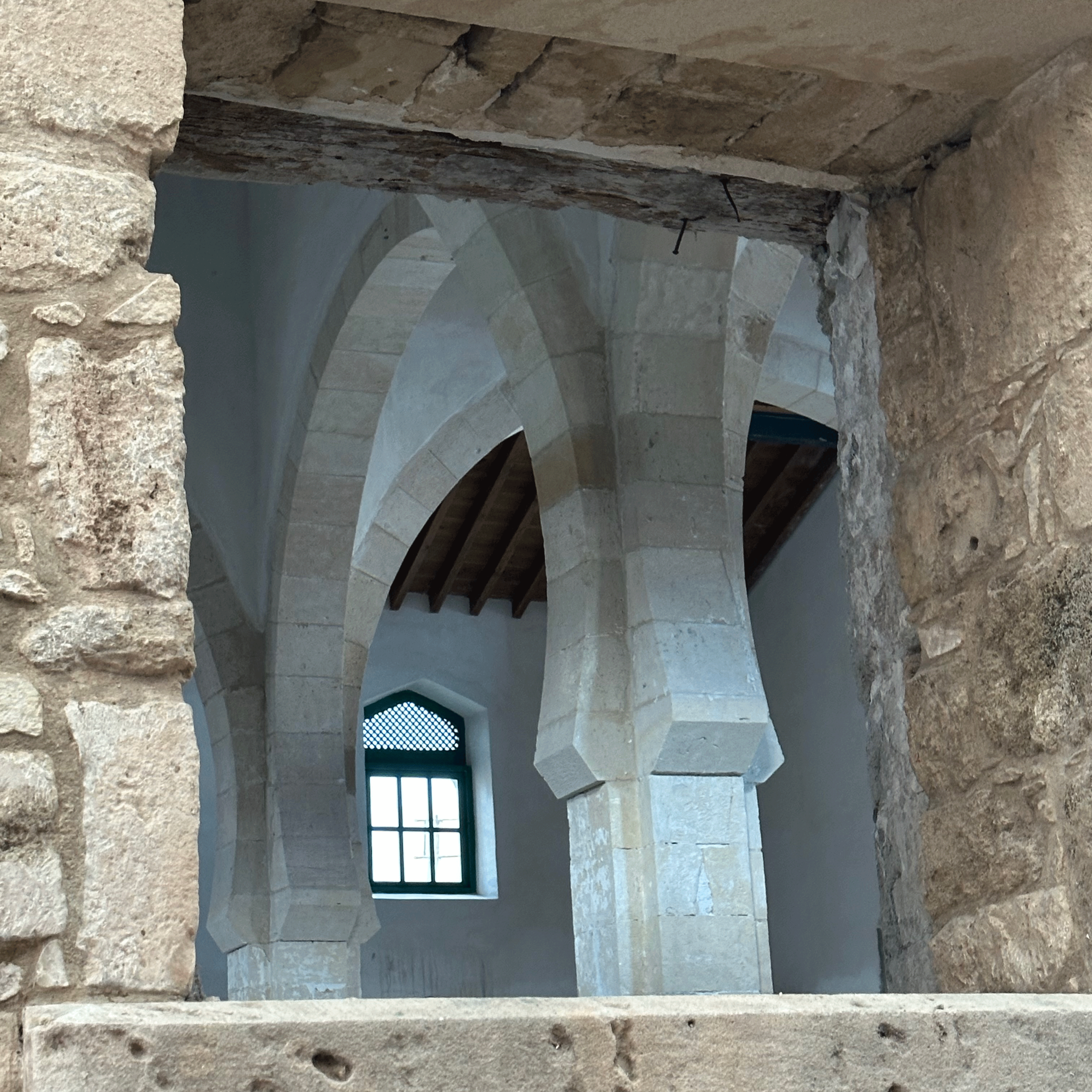
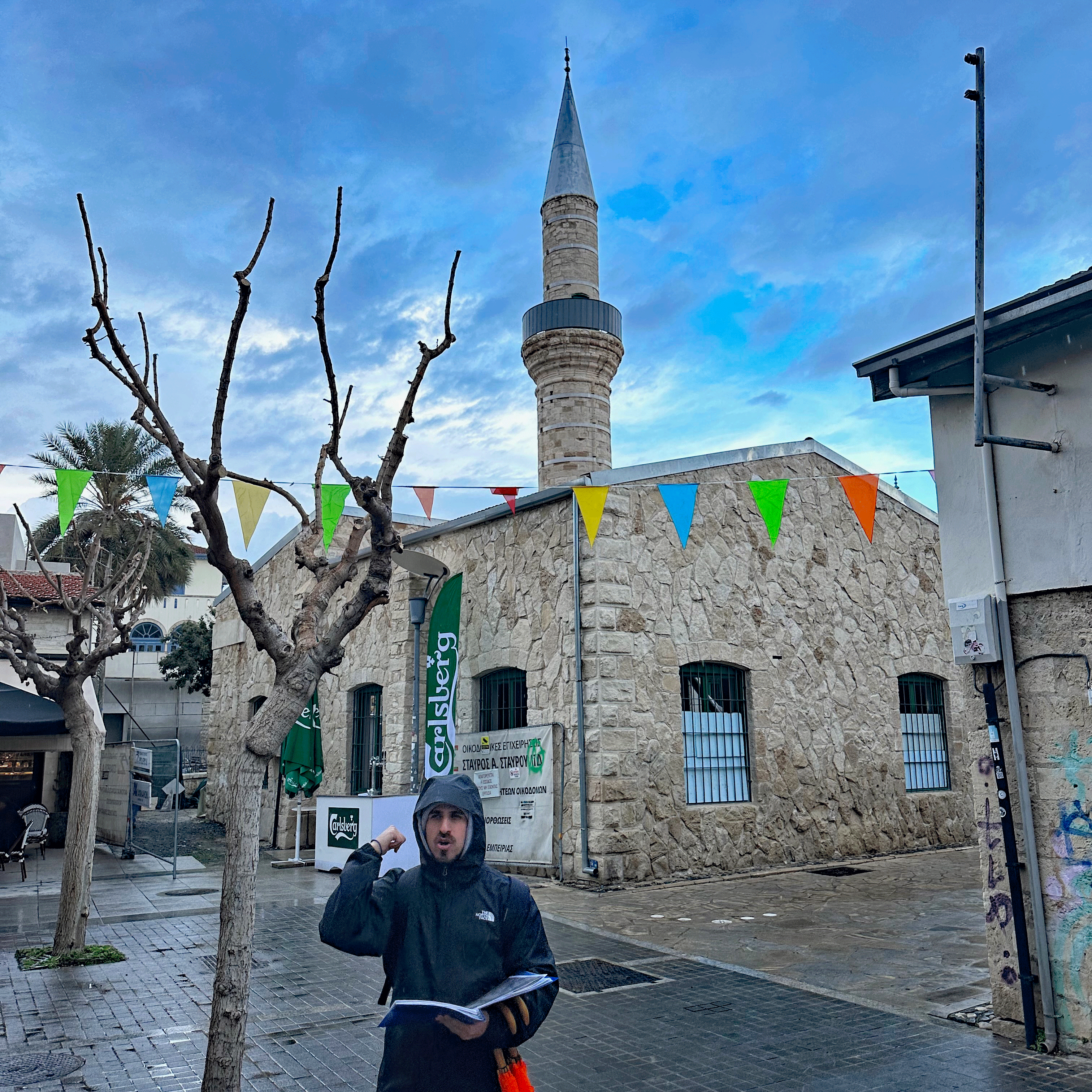
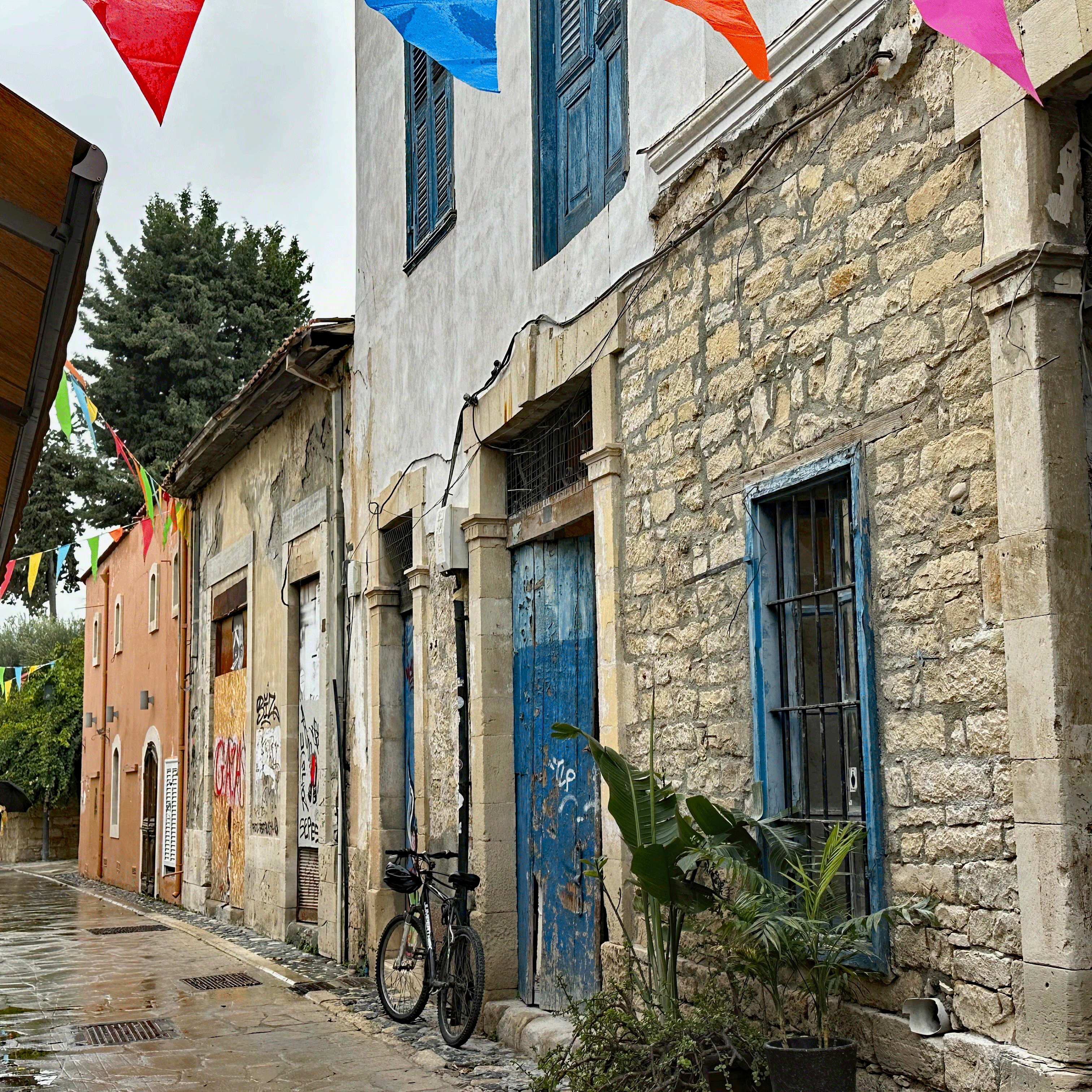
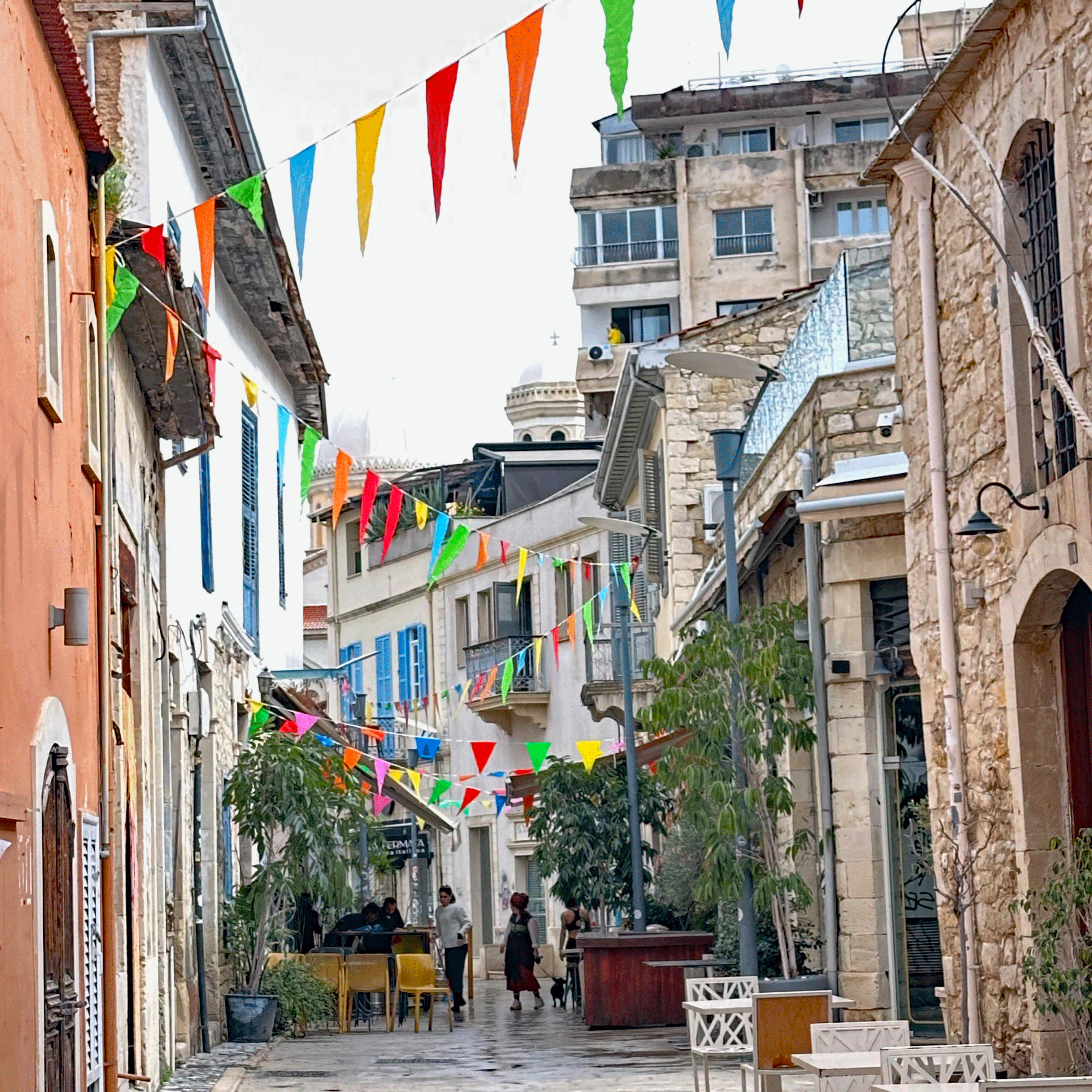
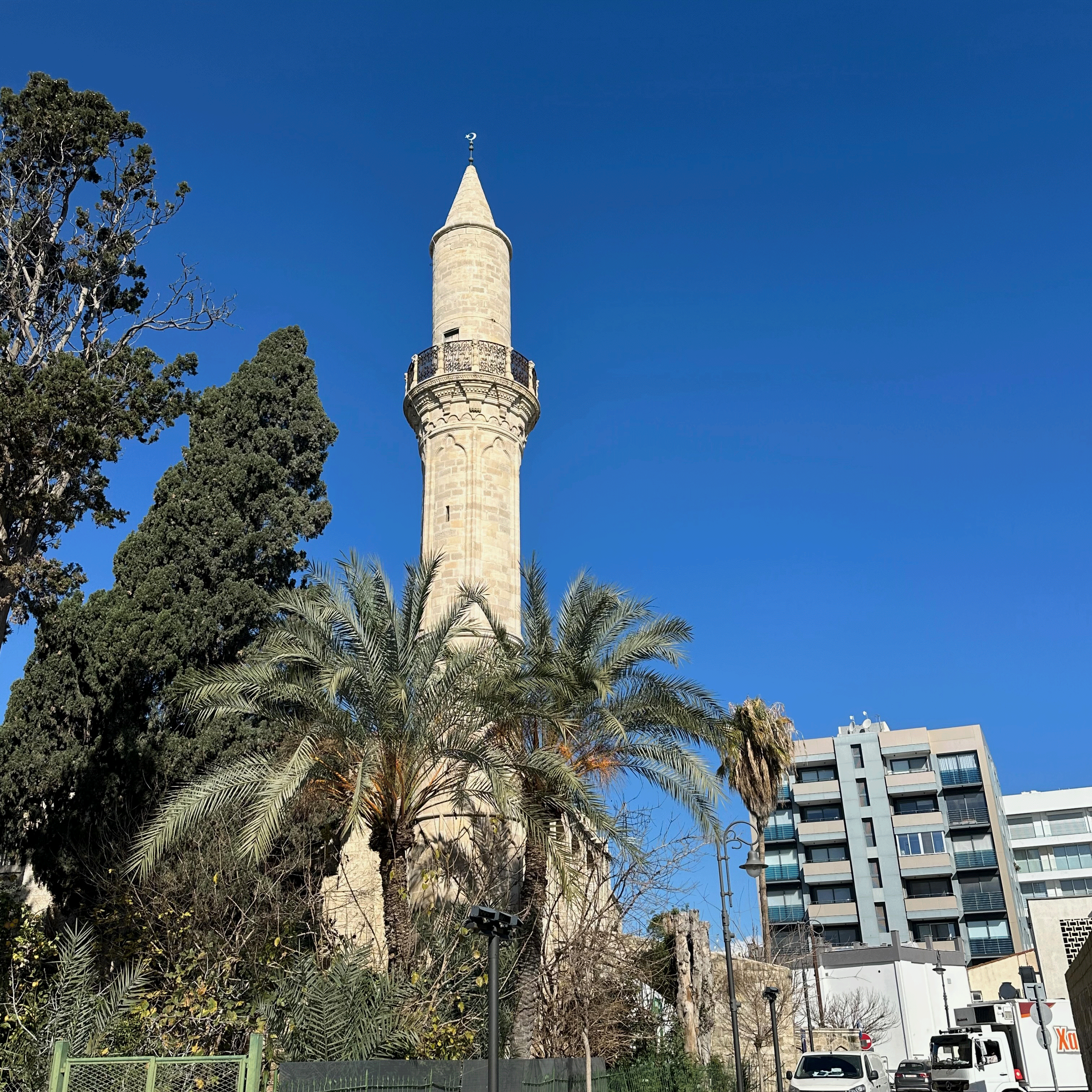
Old town Limassol is best enjoyed on foot. We took a walking tour and enjoyed the guided history of the buildings. We met our guide at the Limassol Castle , which was built during the Crusades (1191 AD), and according to legend, hosted the wedding of Richard the Lionhearted to Princess Berengaria. We passed homes and shops that have been restored from the Venetian Occupation (1489–1570) and the Ottoman Rule (1570–1878). We later returned to the castle to explore and to enjoy the views from the top.
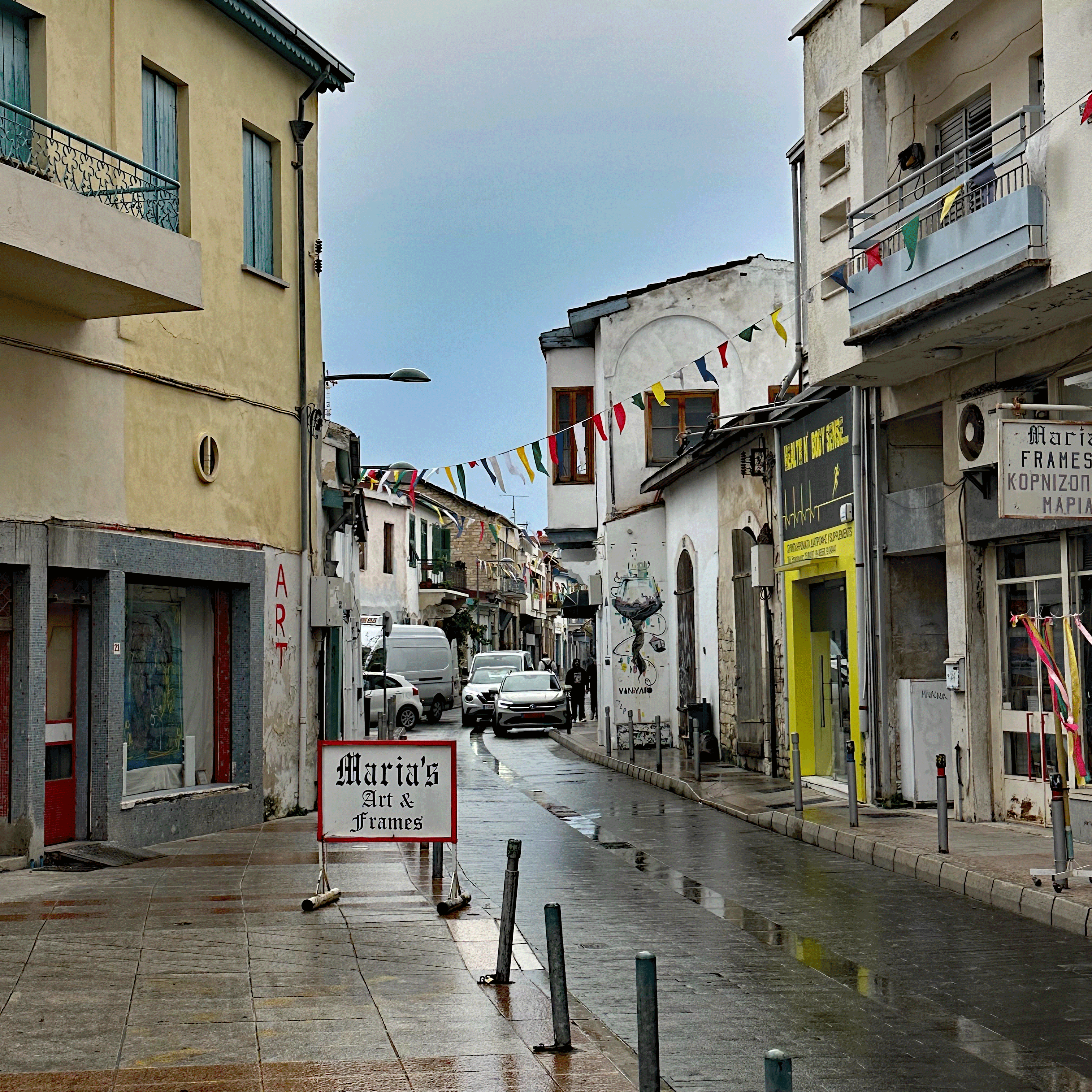
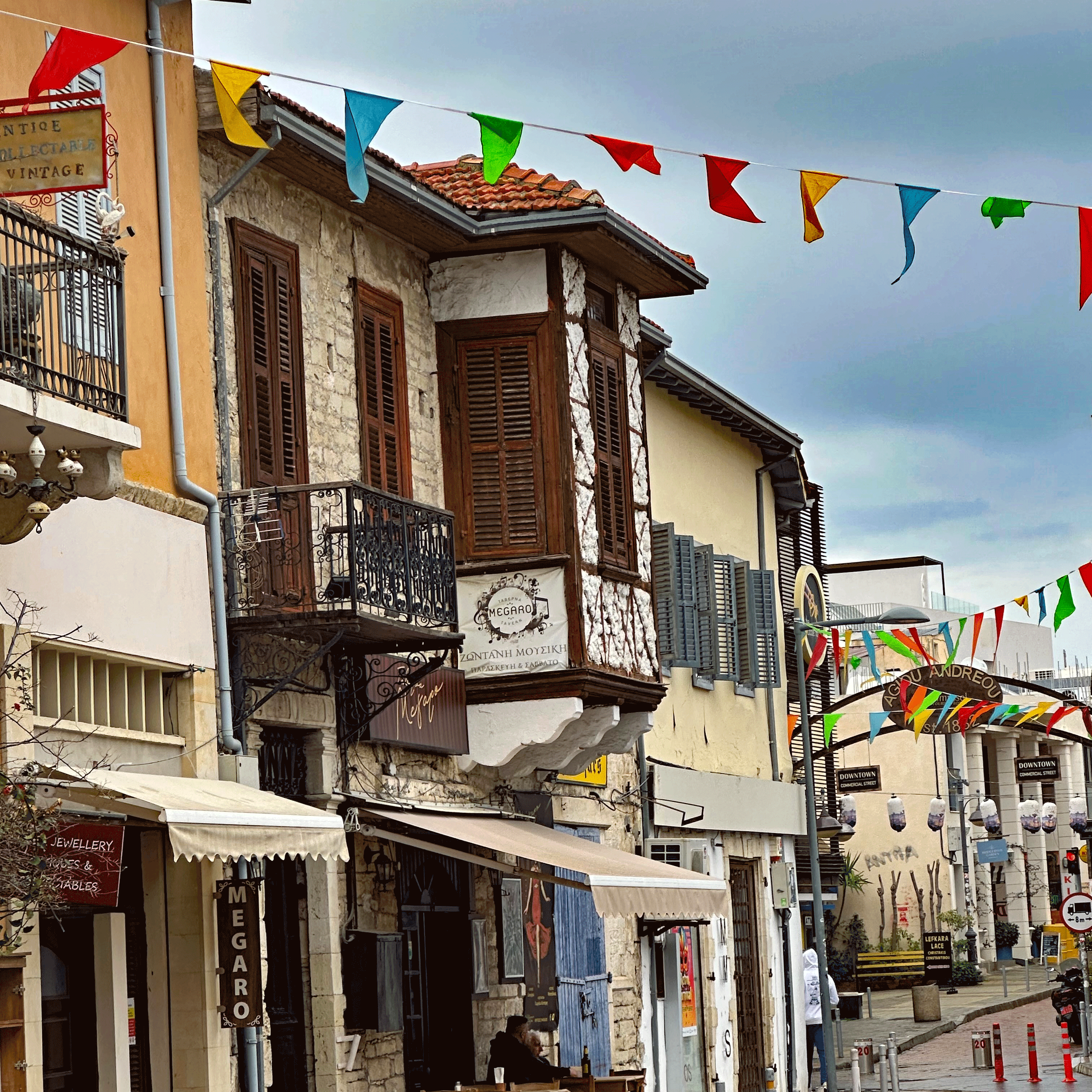
Below: Some Shots from our walking tour of the historic center
Former MosqueLocal Limestone Building
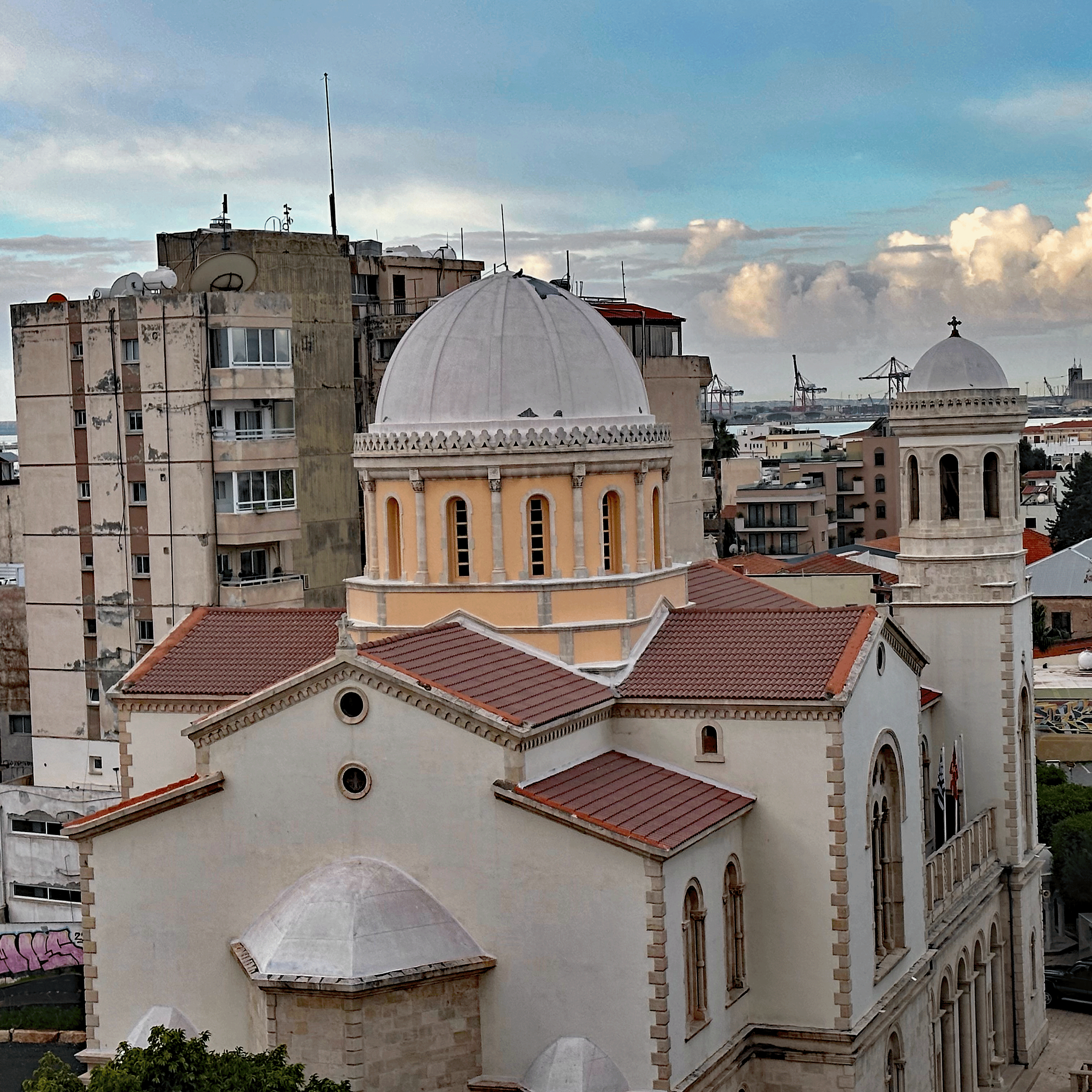
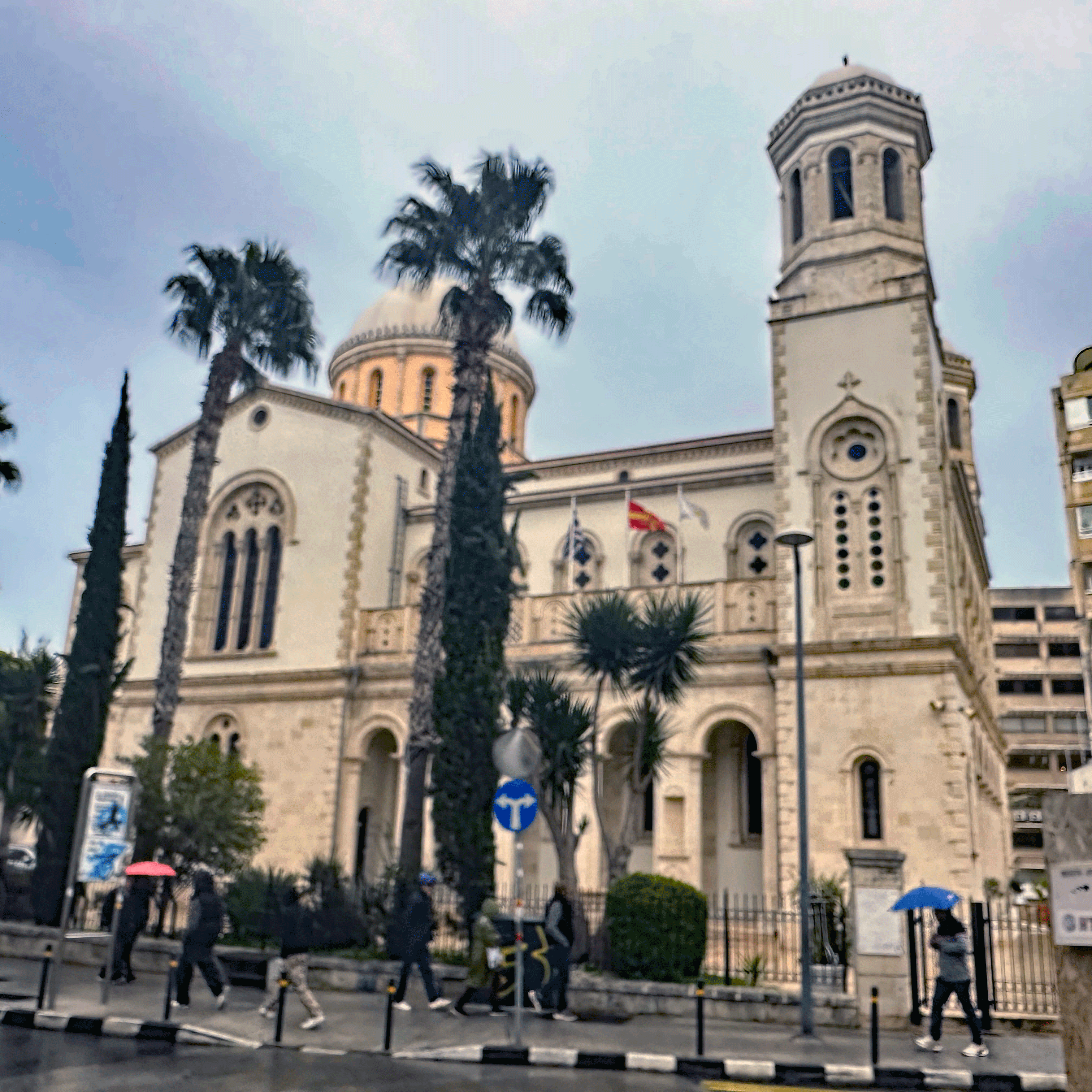
Below: Limassol’s Orthodox Cathedral (Ayia Napa)- Built on the site of an ancient Byzantine church in 1906.
Street SidePatio Side
Below: Contemporary Street Art of Limassol
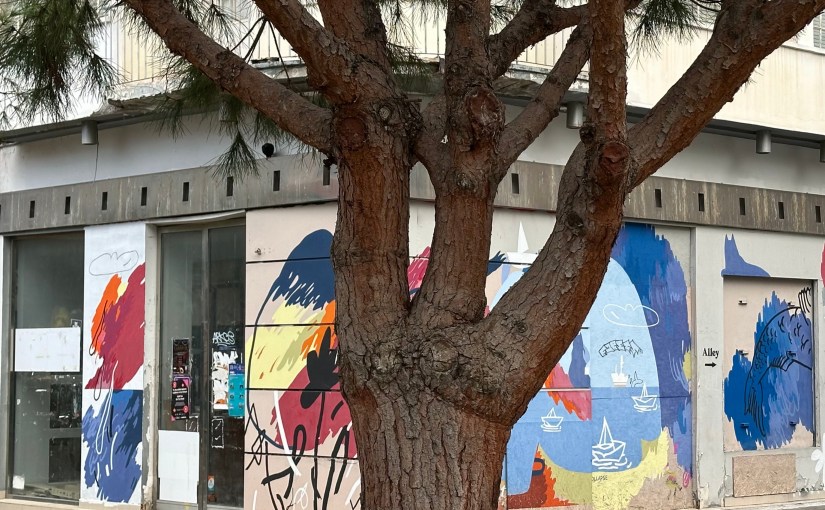
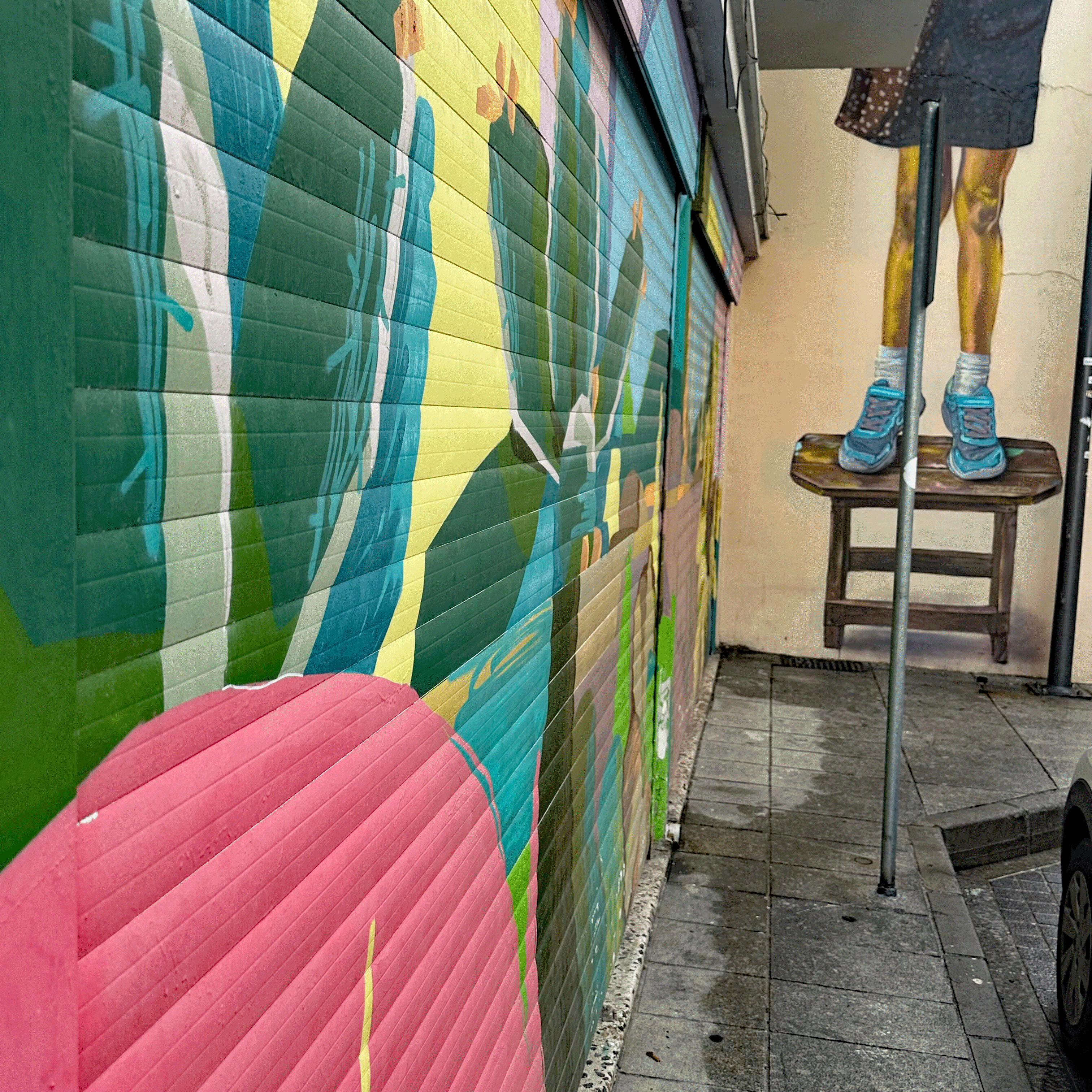
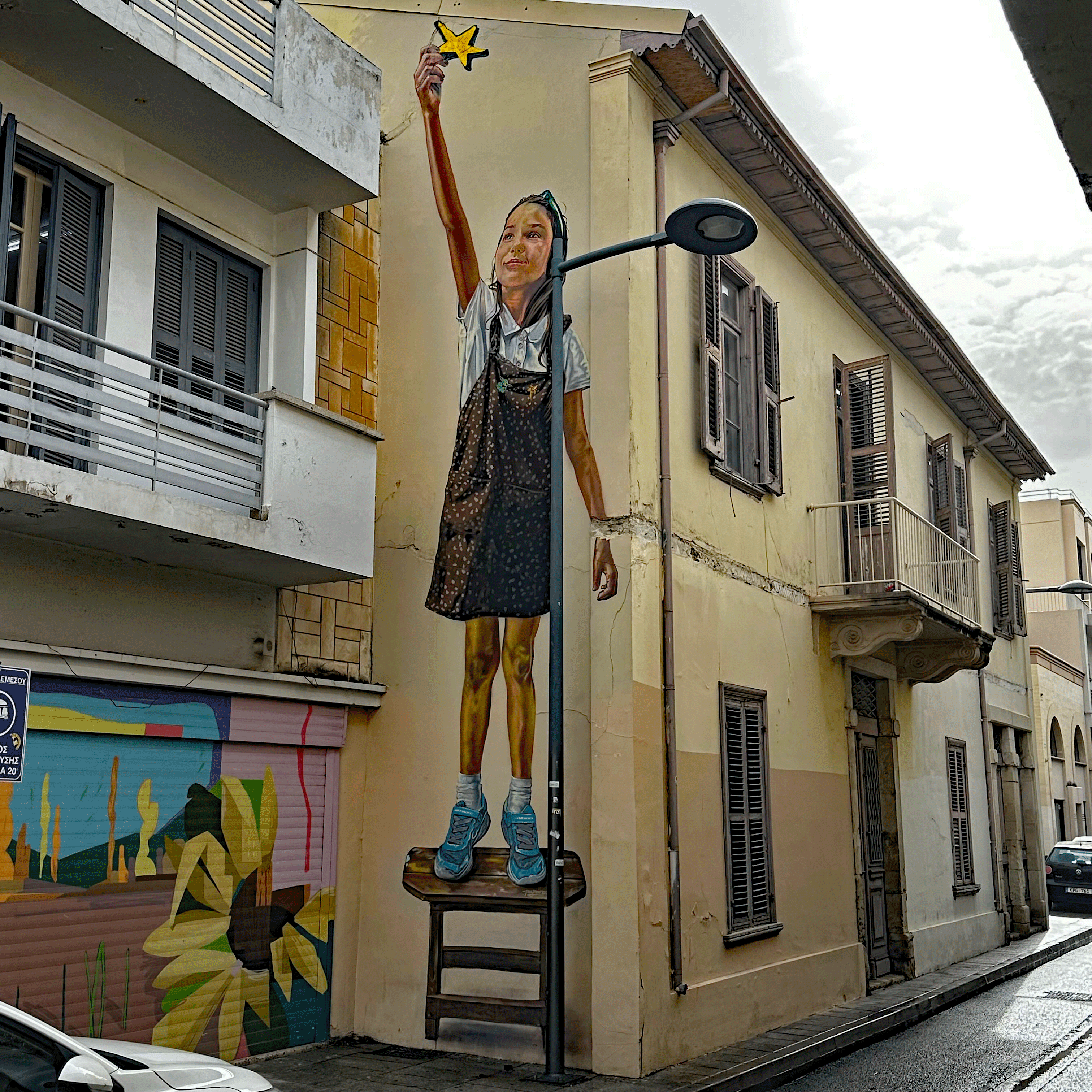
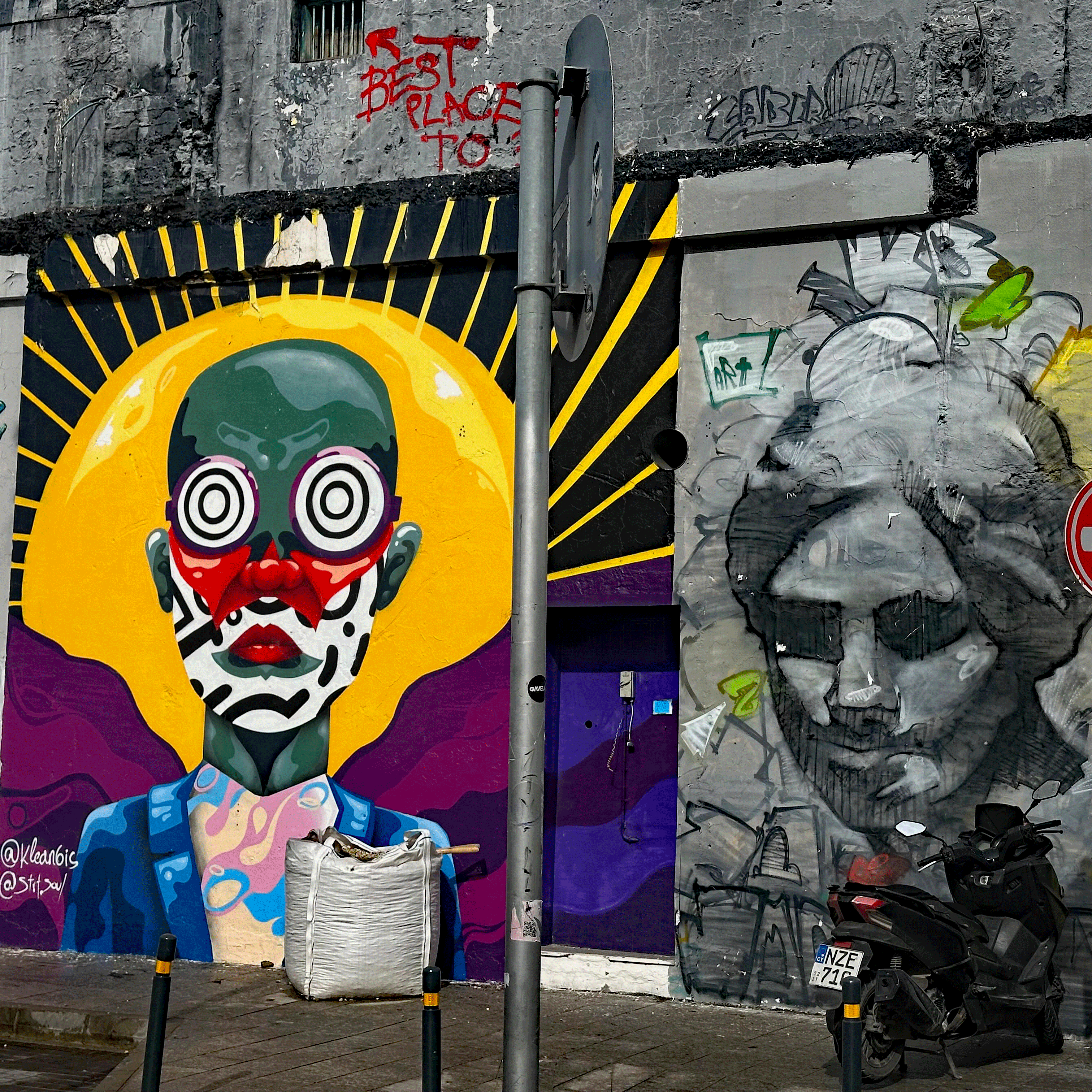
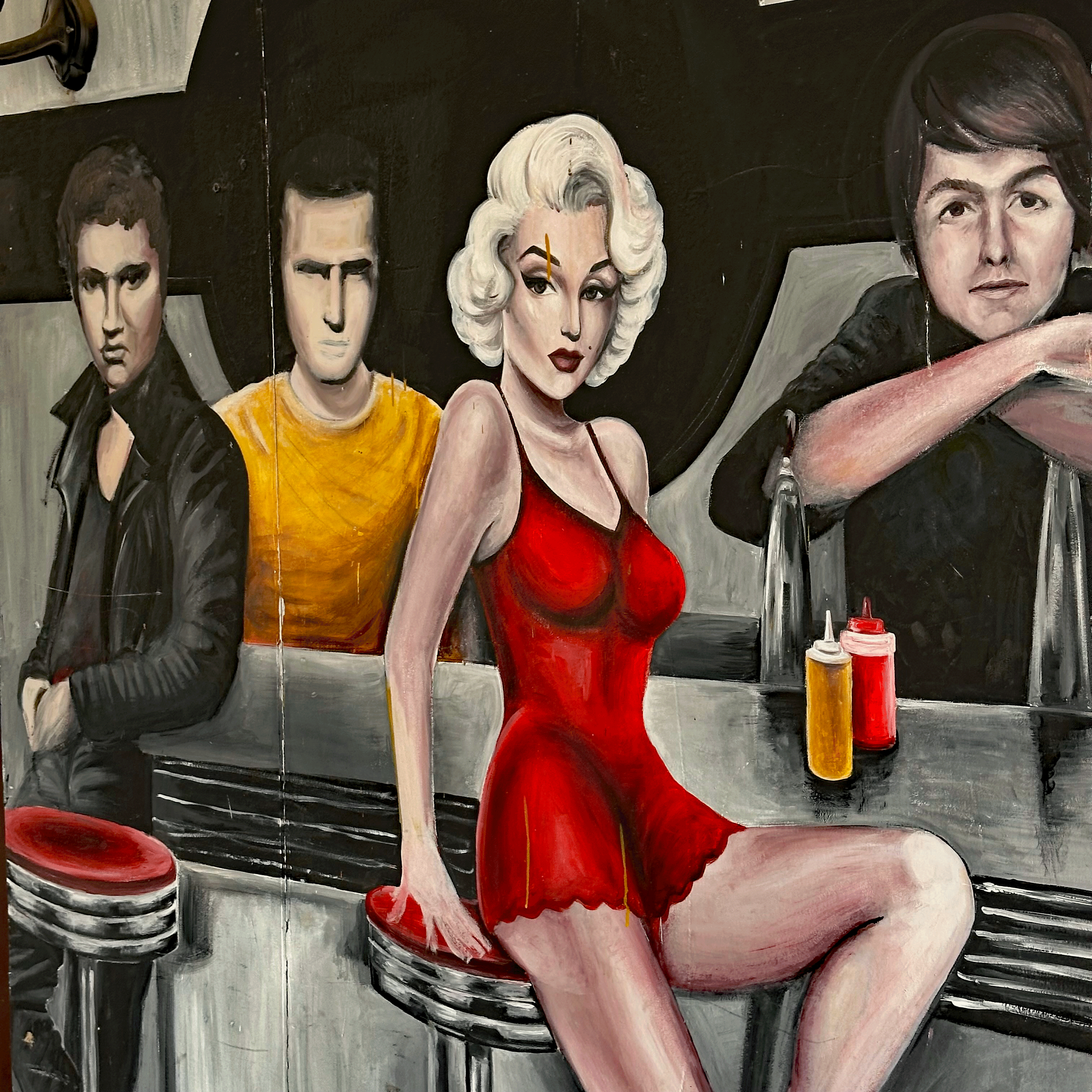
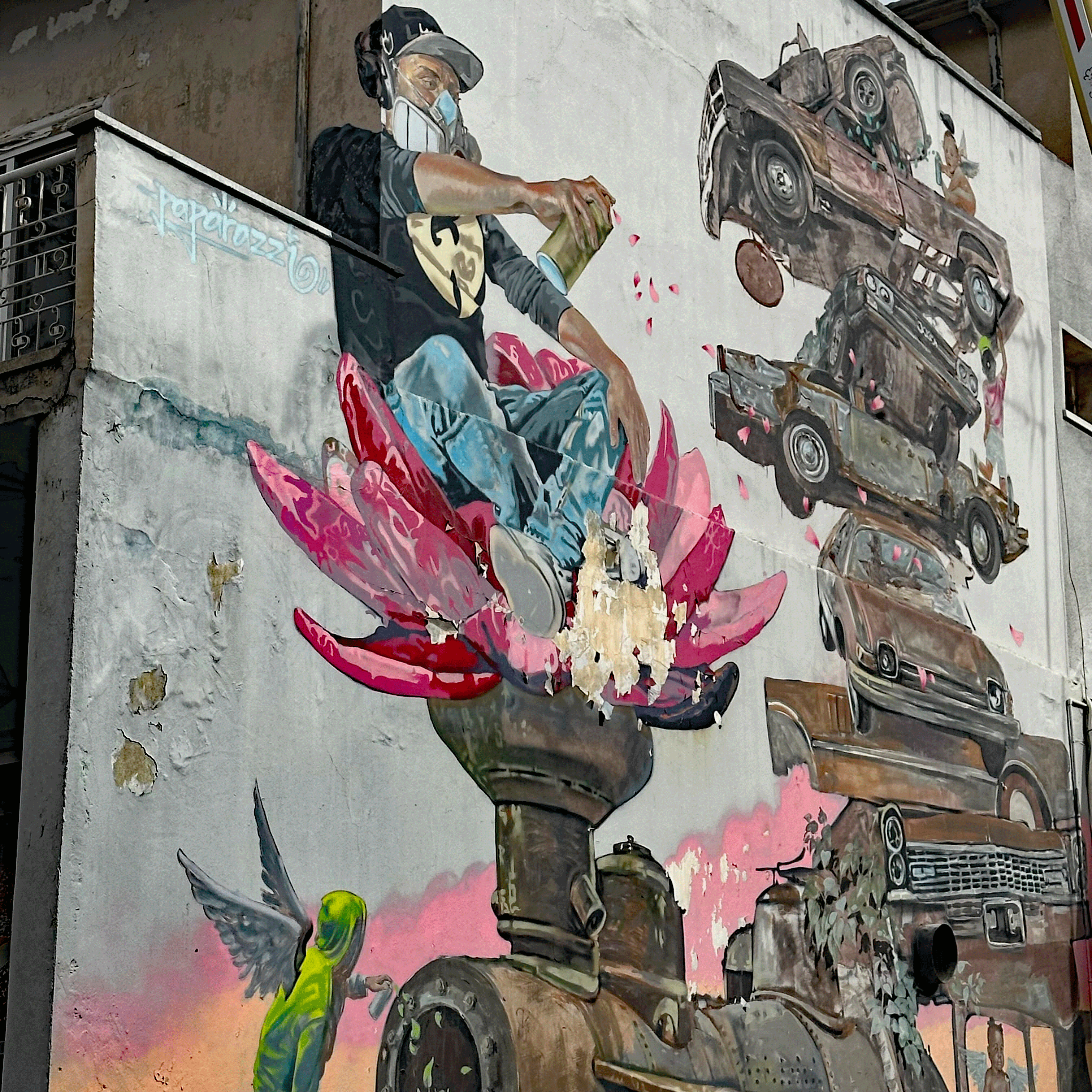
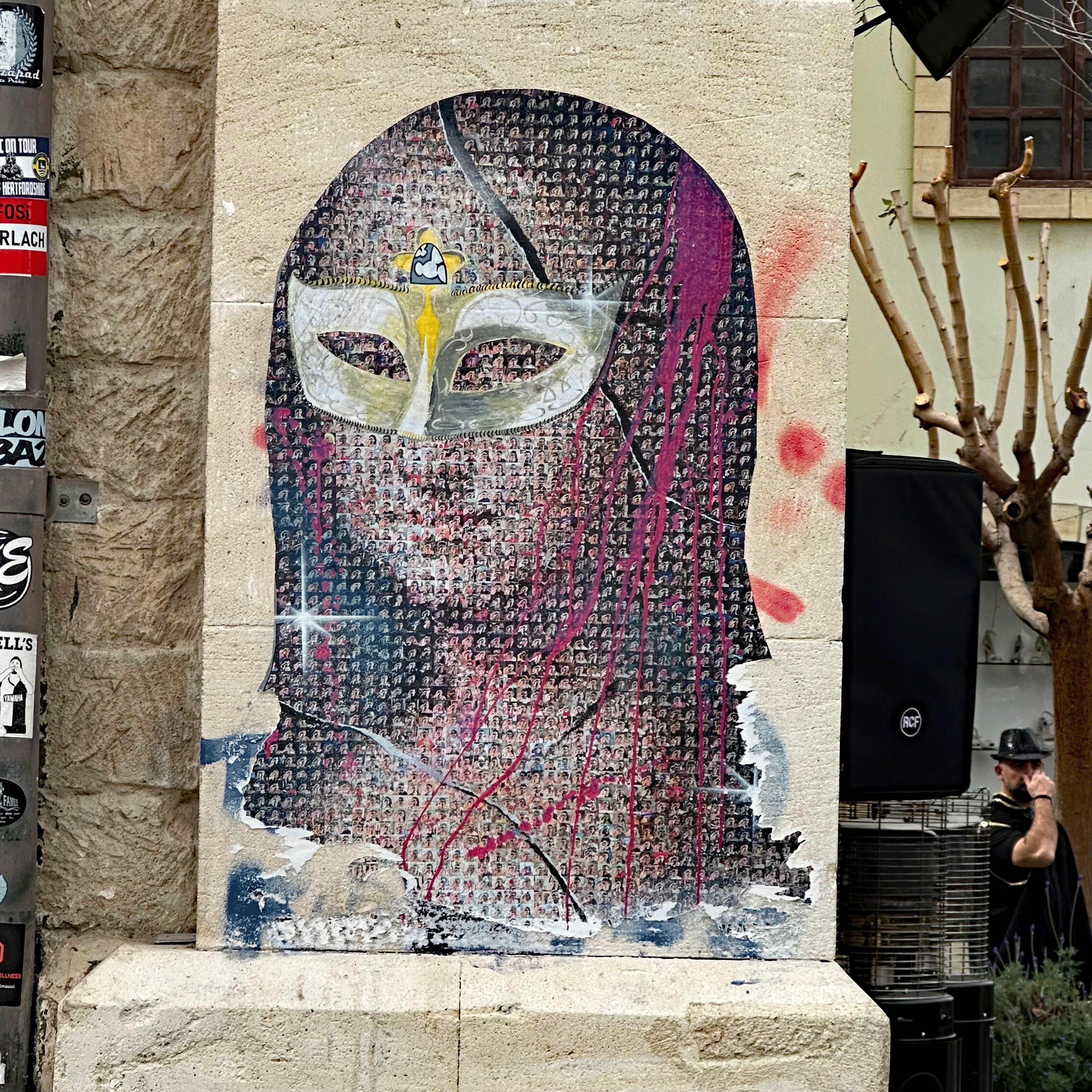
Sometimes, it is difficult to distinguish graffiti from art murals and advertising posters, but one of my favorite things is to walk through town in the early morning and photograph the street art that adorns the buildings.
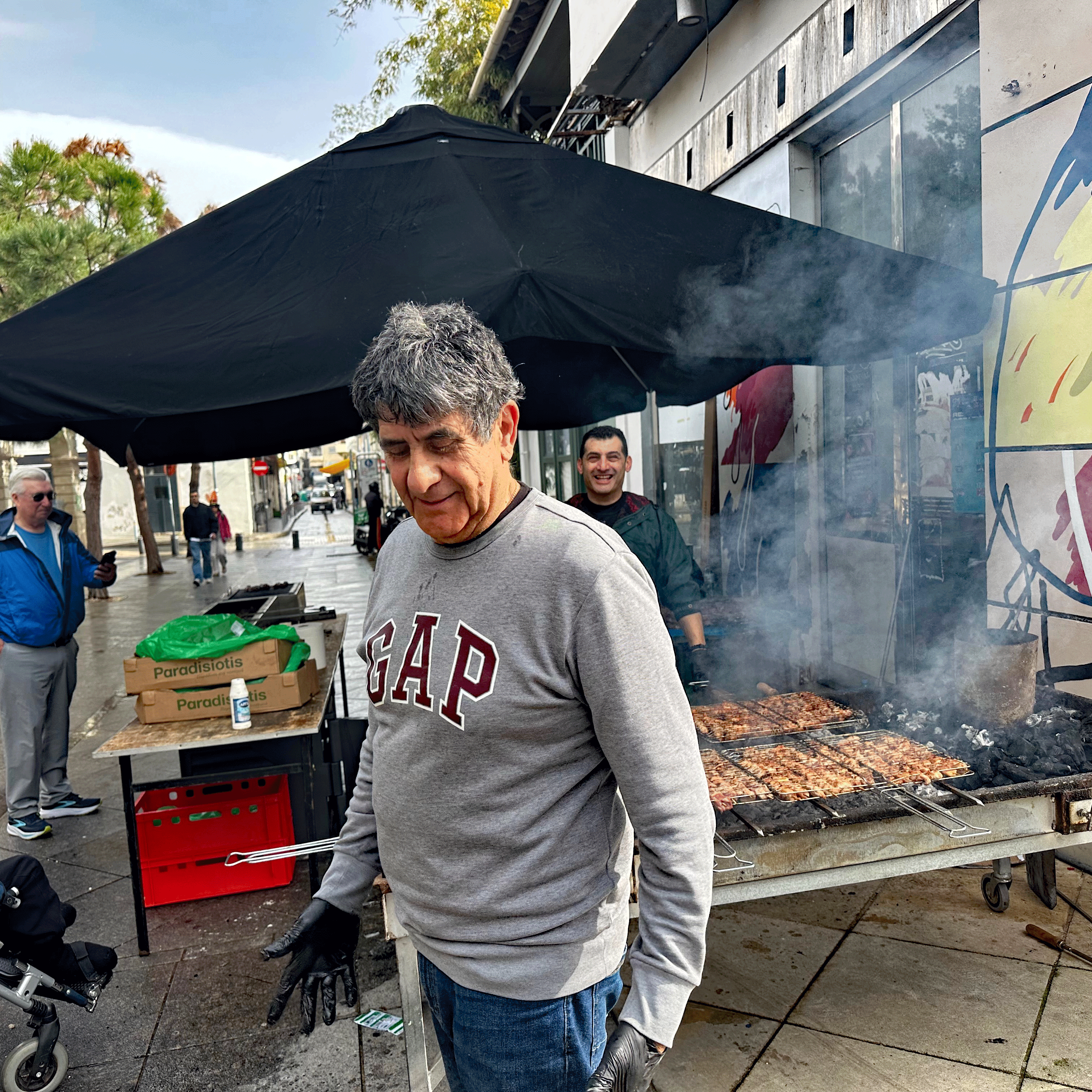
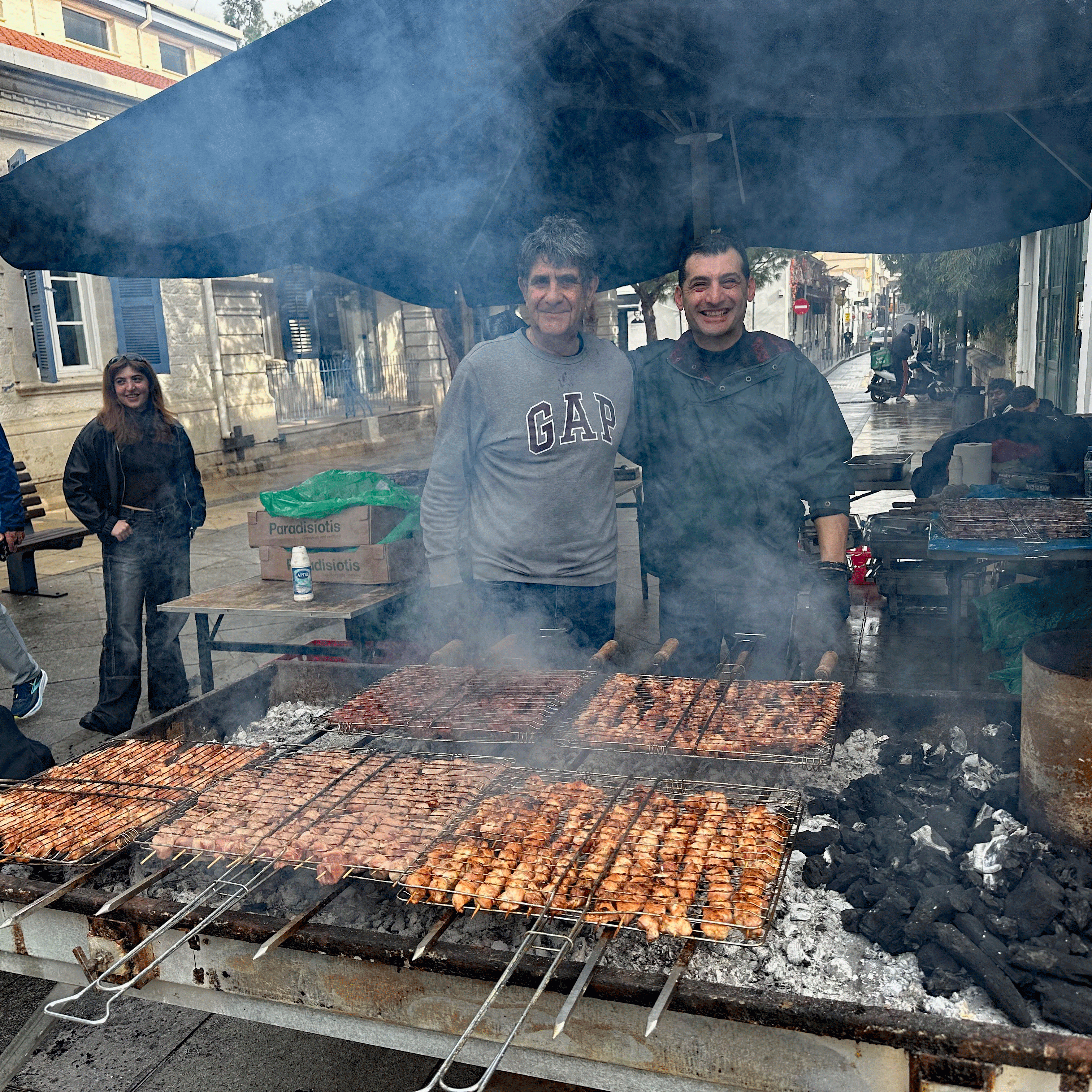
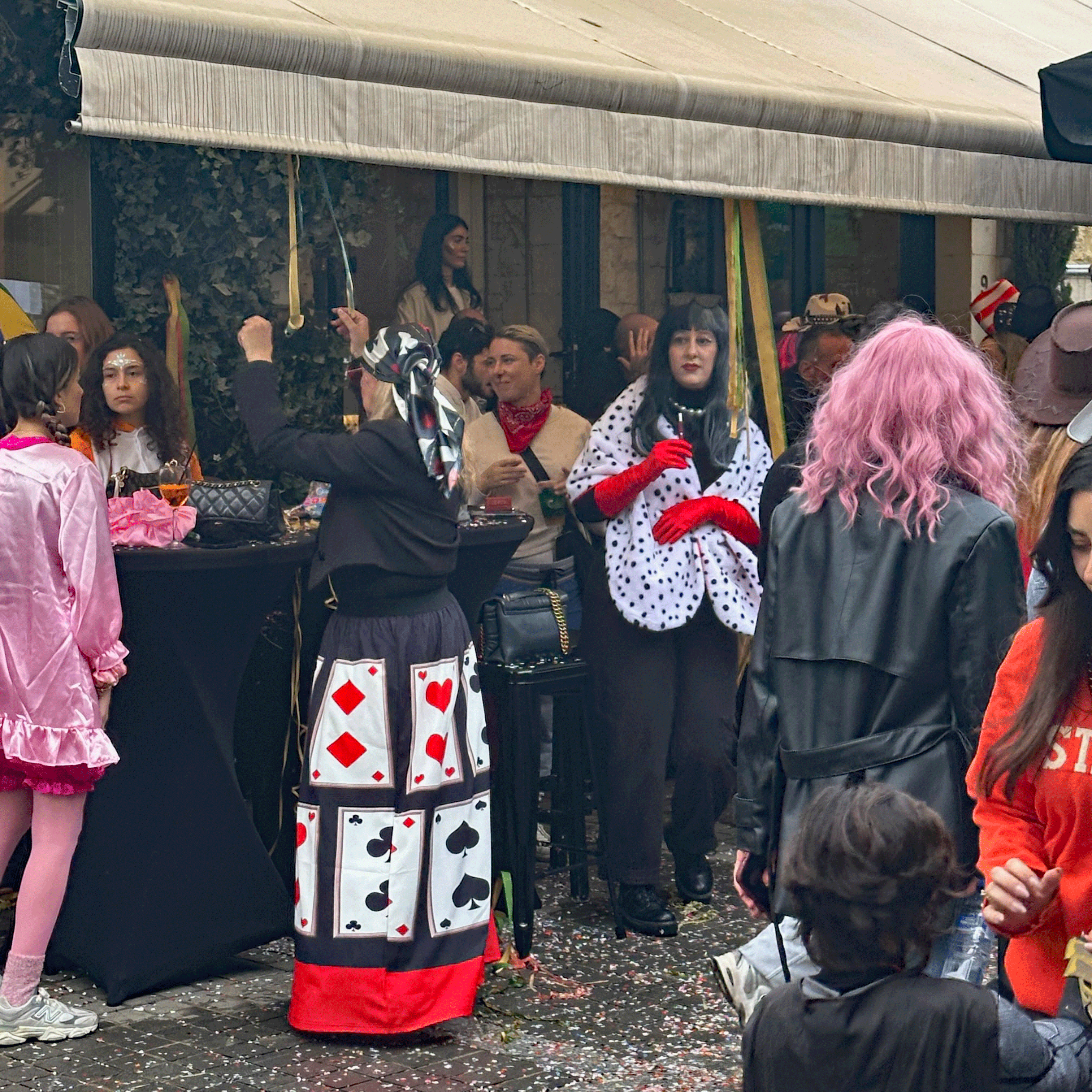
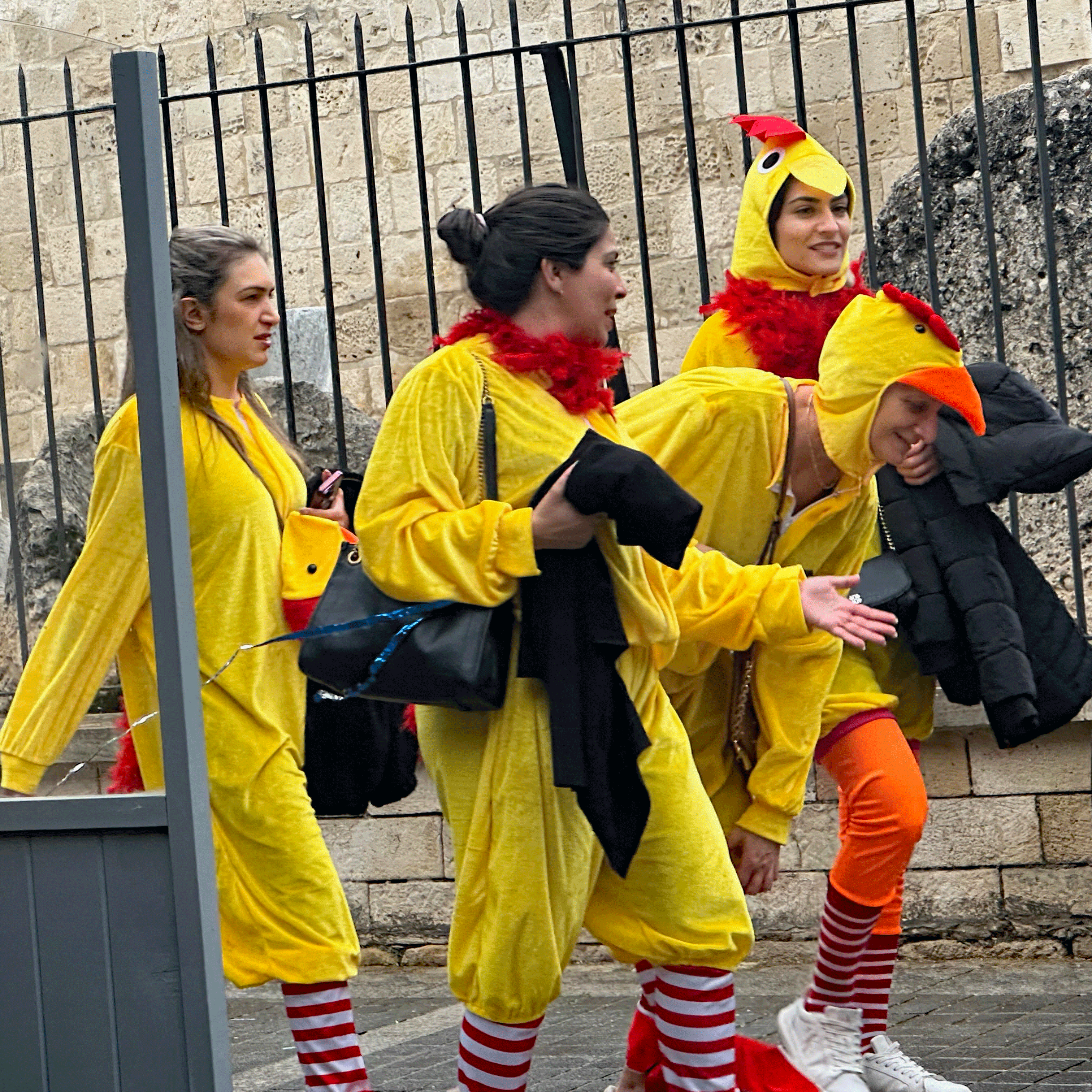
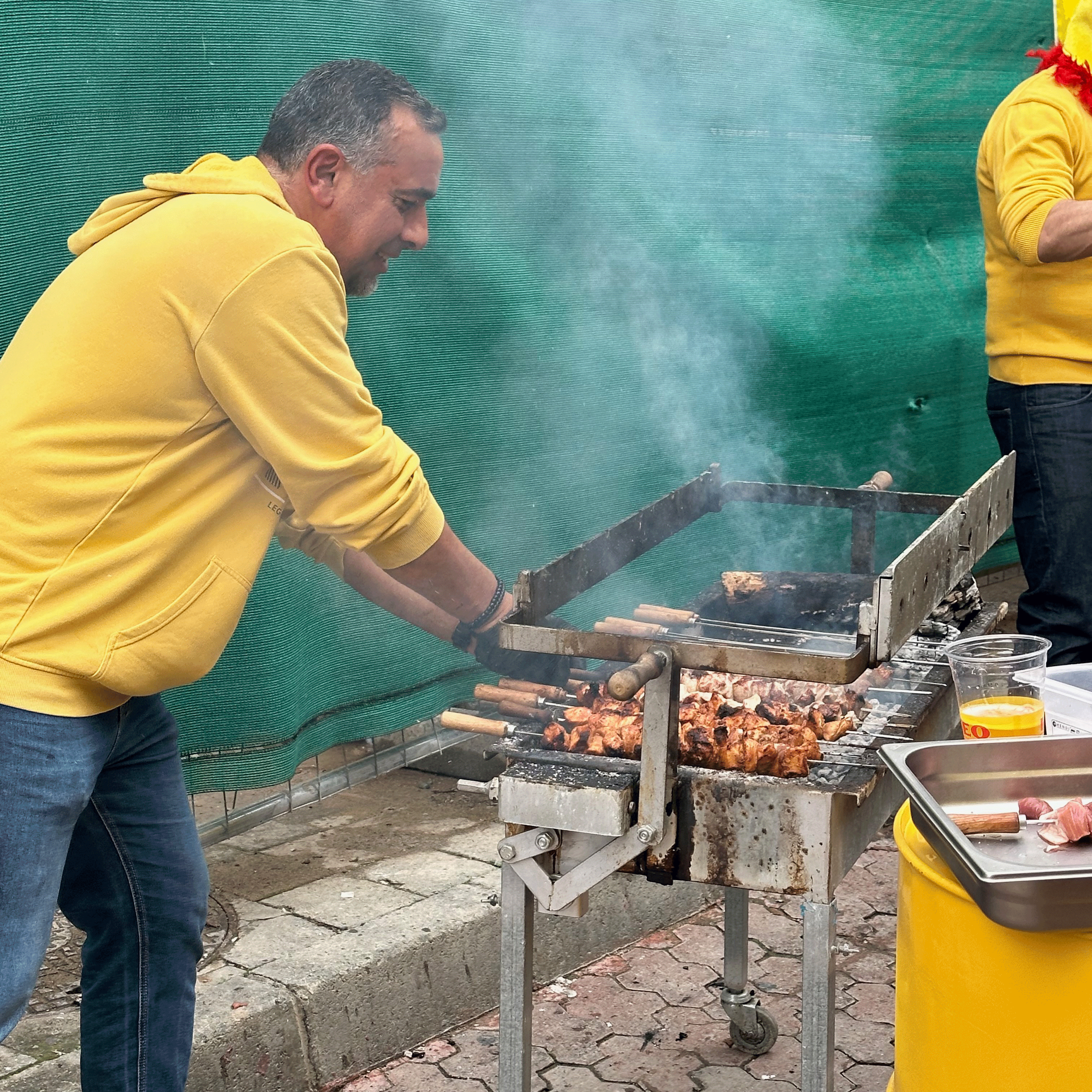
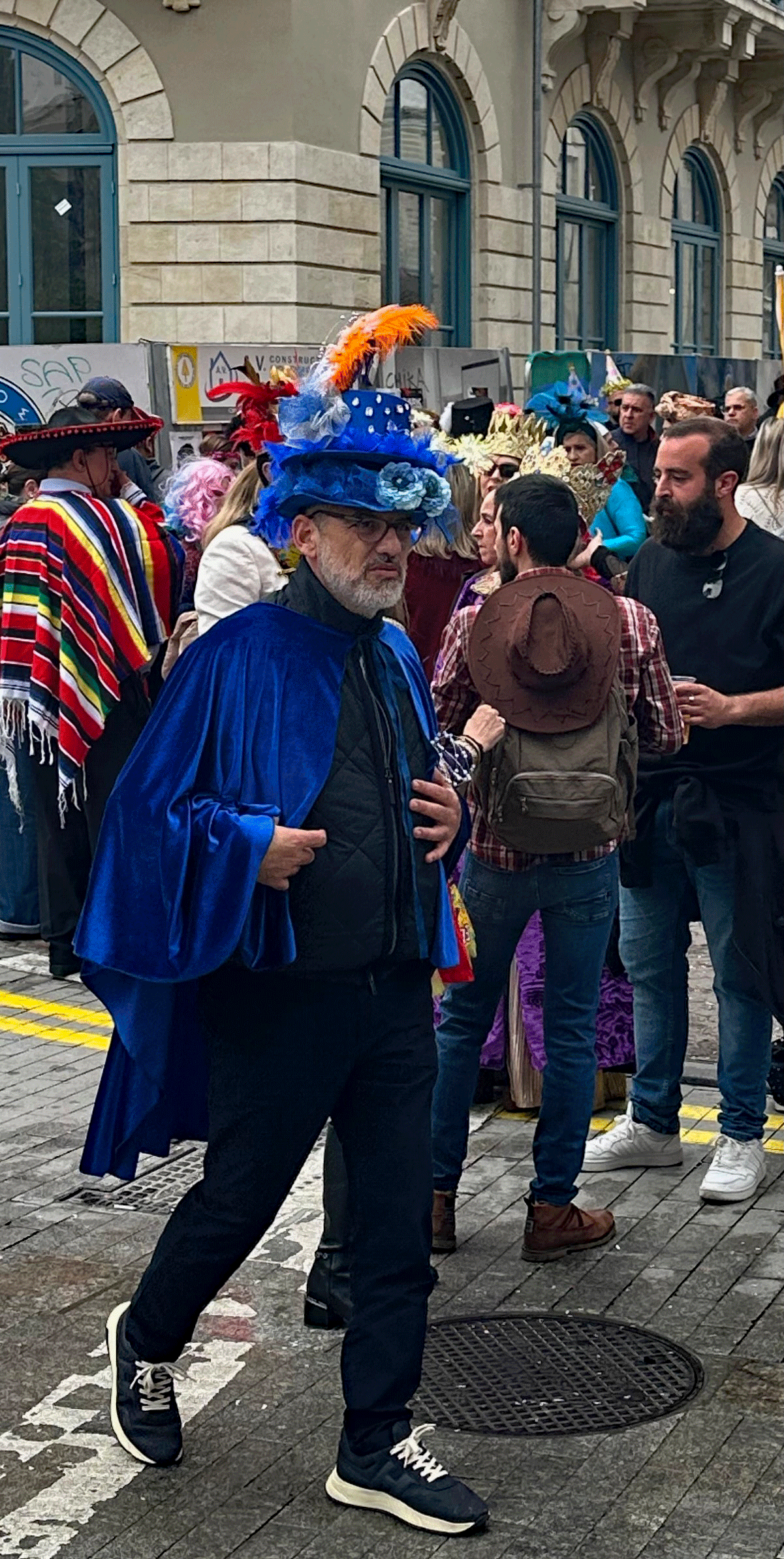
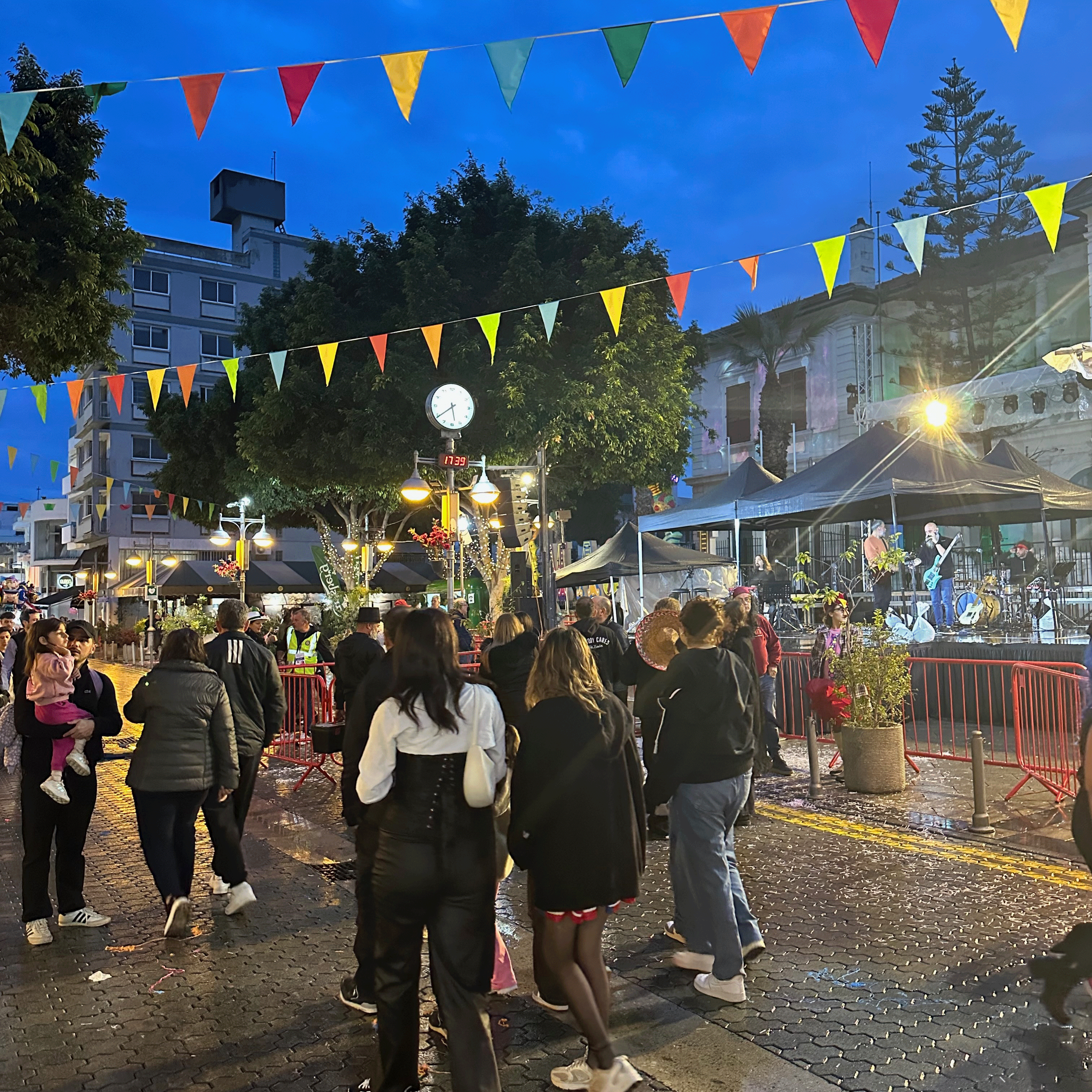
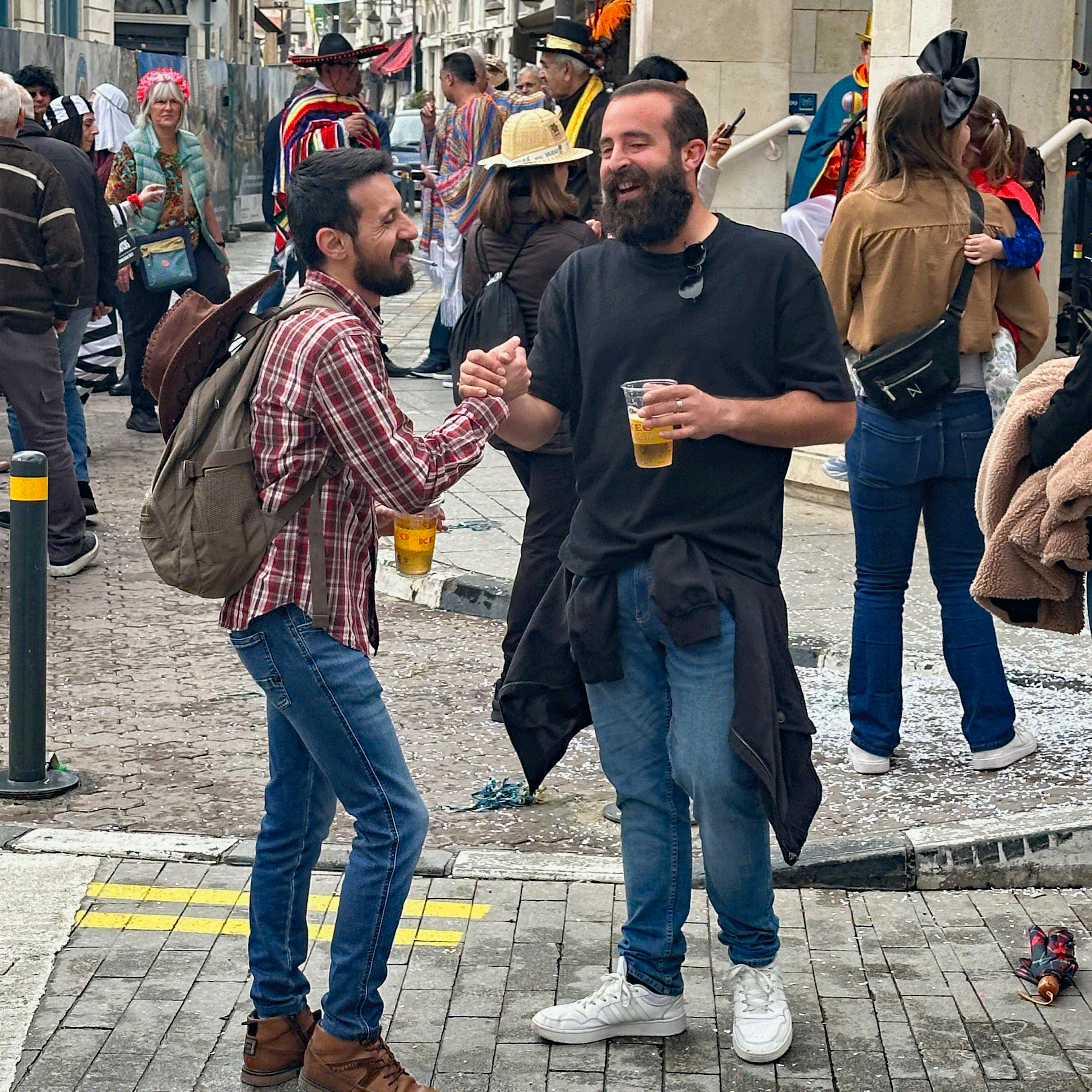
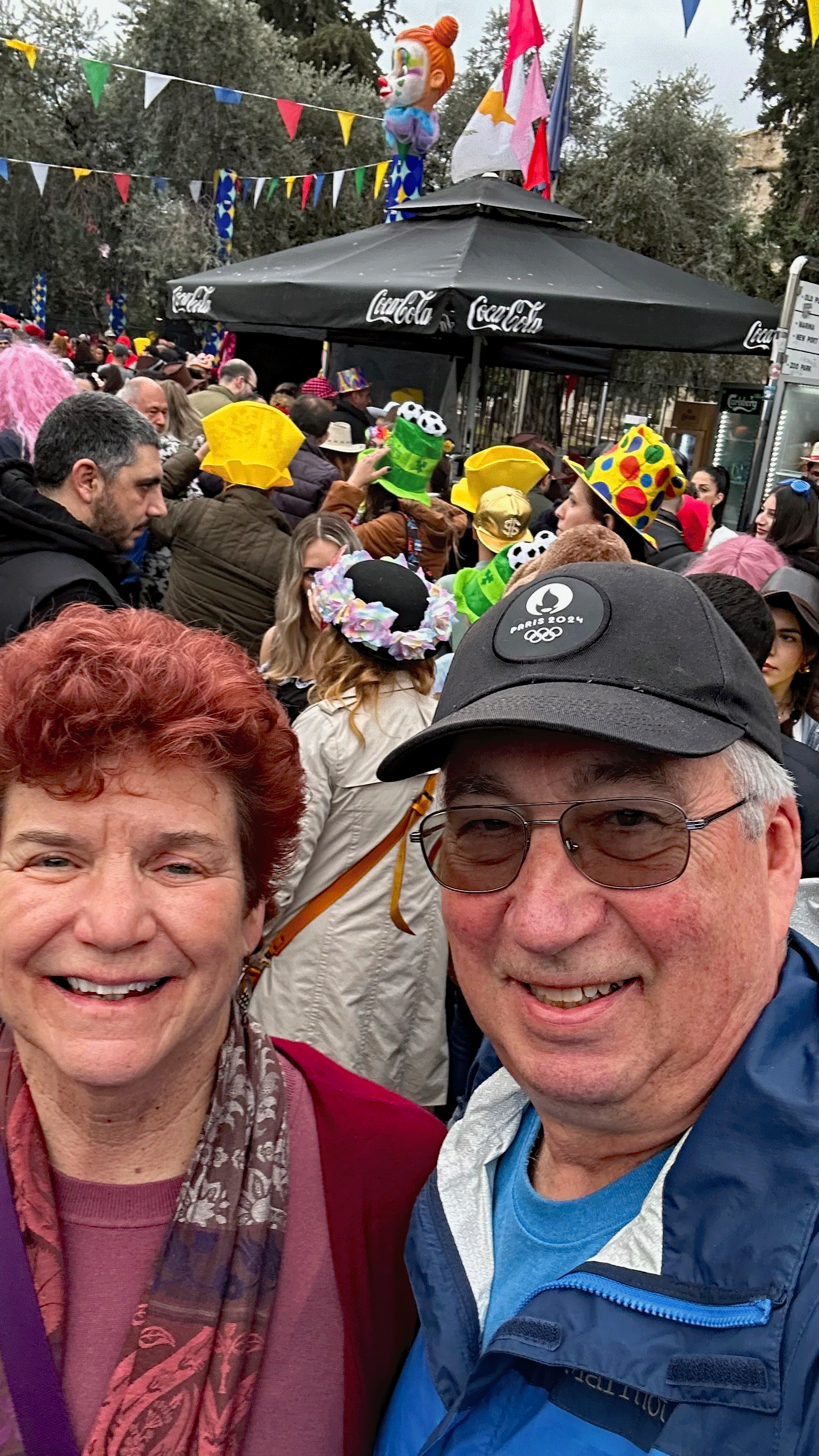
We unknowingly arrived in Limassol a few days before the start of Carnival, the festival that precedes Lent. The Greek Orthodox Church observes Easter on a different calendar date than the Western Church. The citizens of Limassol were happy to share their customs with us. Think of it as Mardi Gras- Cypriot style. On “Smoky Thursday” the grills come out to the street early and they start cooking the kabobs and putting the lamb on the spit. Smoke fills the air and people come out to party. The party lasts late into the night and continues all weekend.
Below: Smoky Thursday kicks off the Carnival festivities
Below: Boats in the harbor
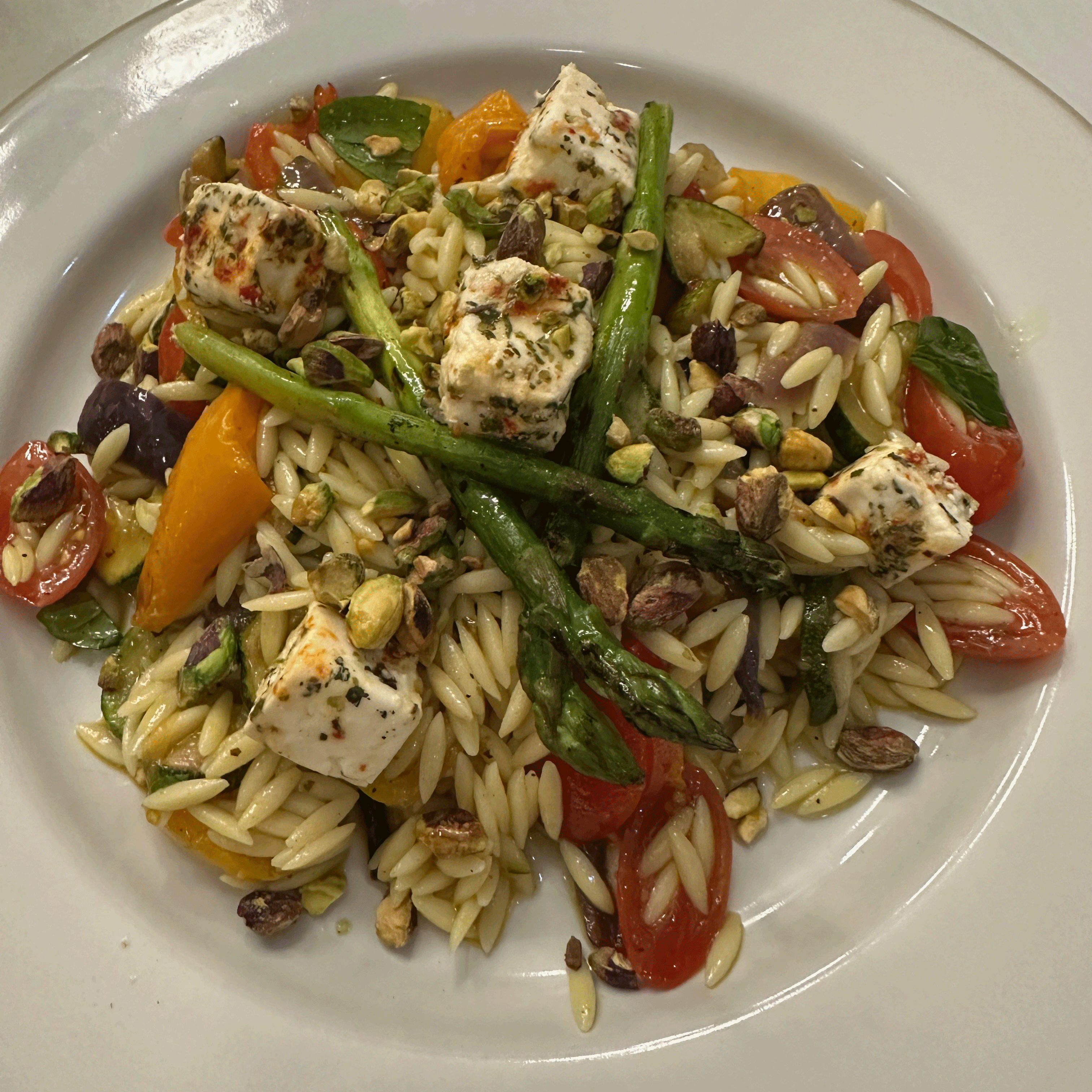
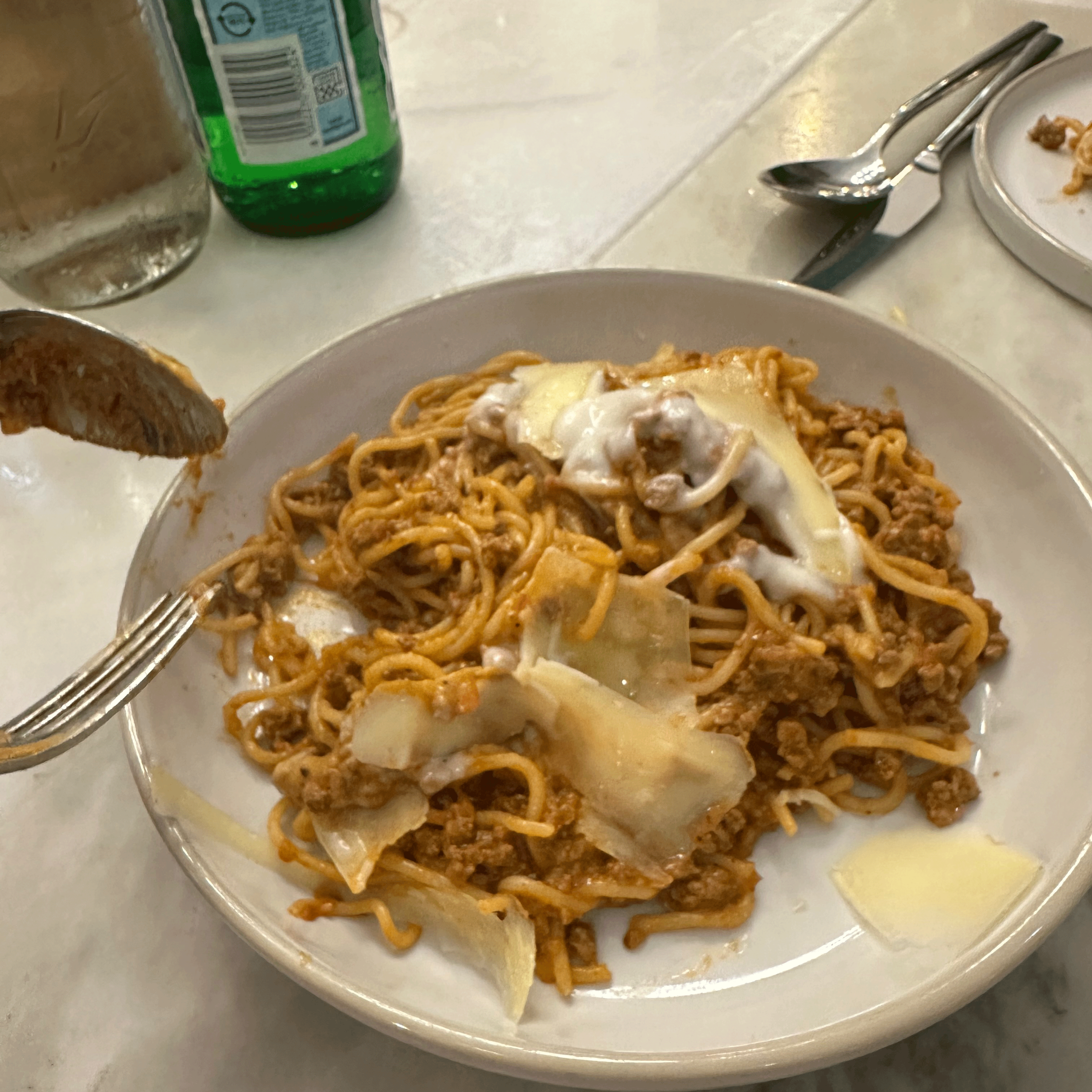
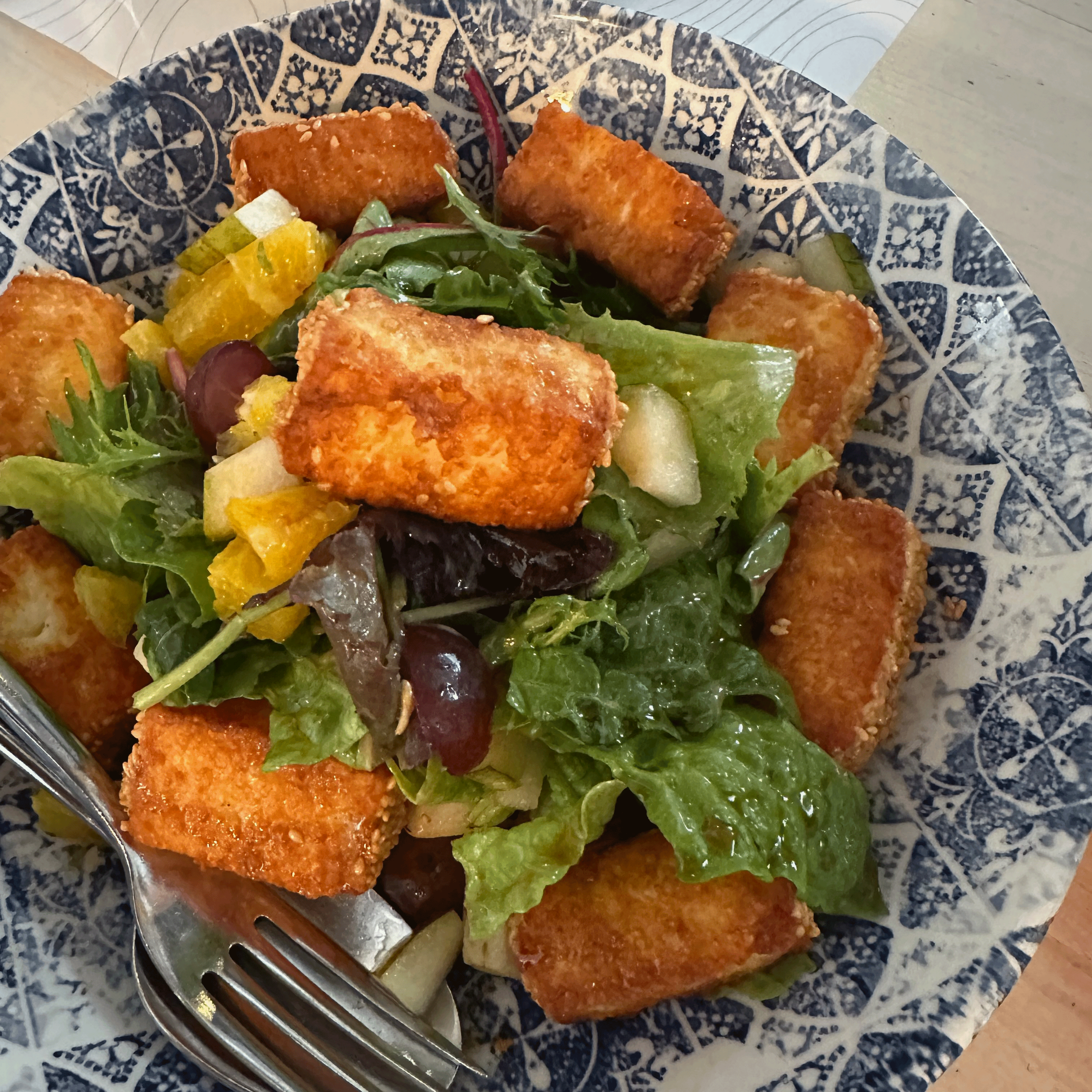
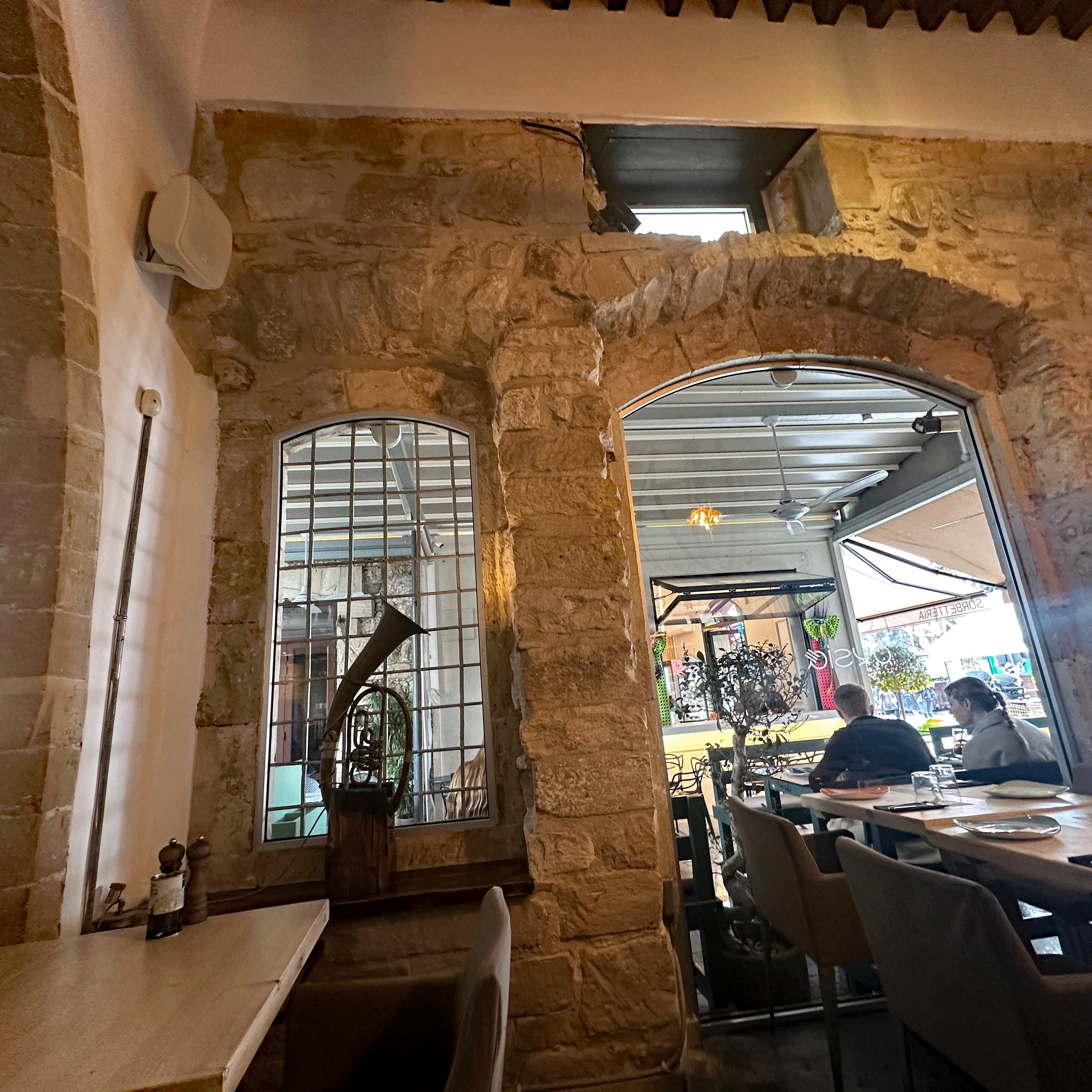
Below: More Great Food at Jamie Oliver and Oysia. We always share!
Orzo and Feta SaladFresh BologneseCypriot Salad and Saganaki
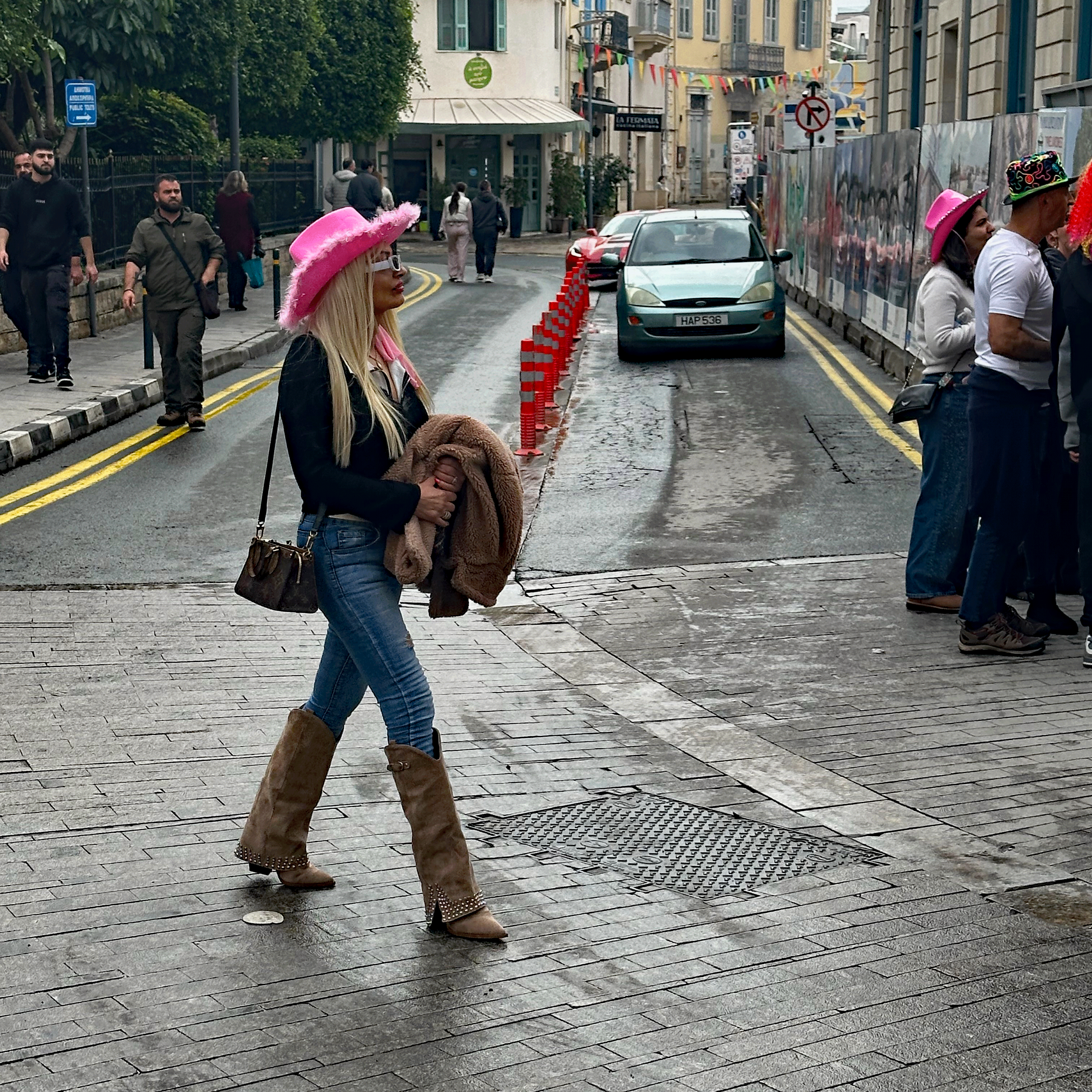
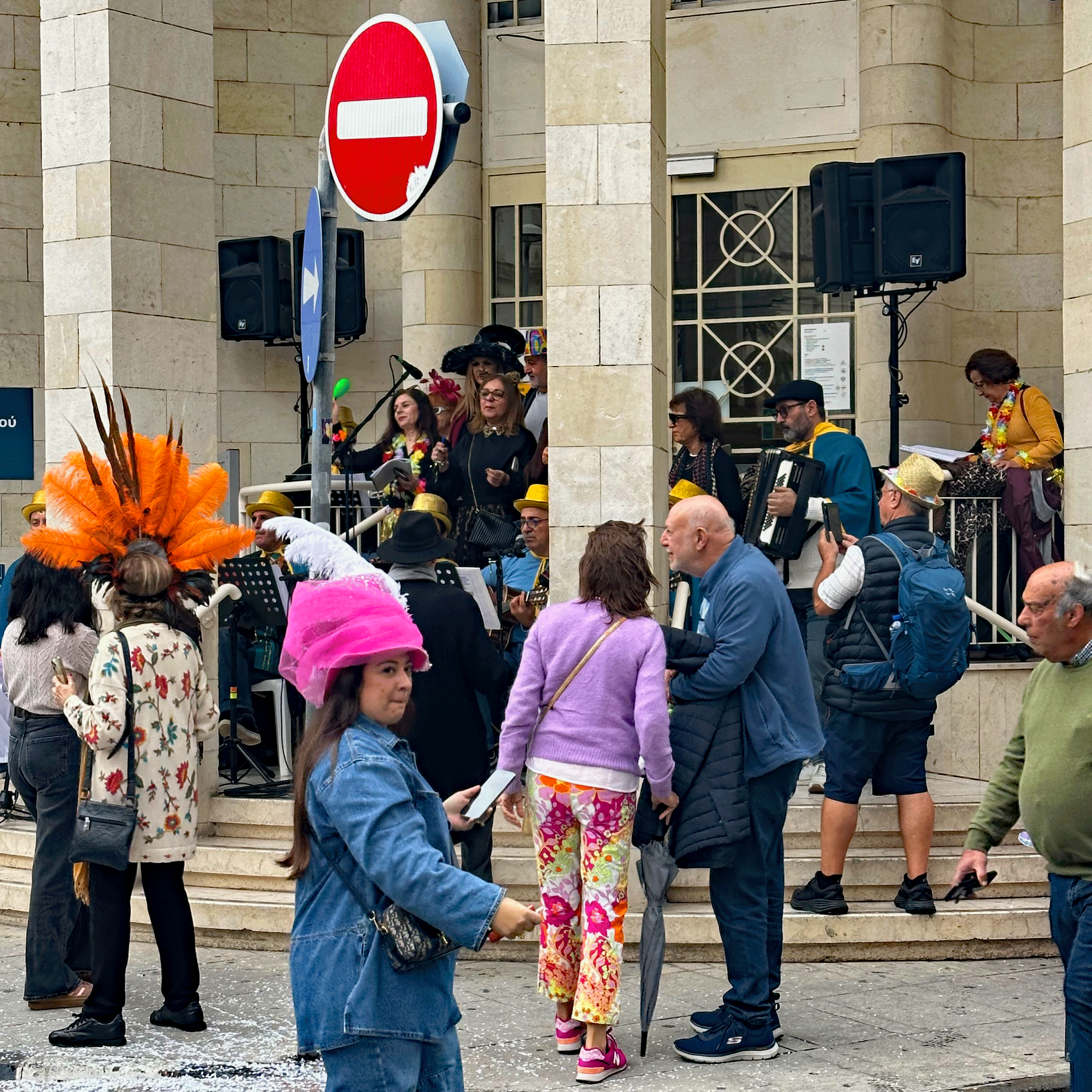
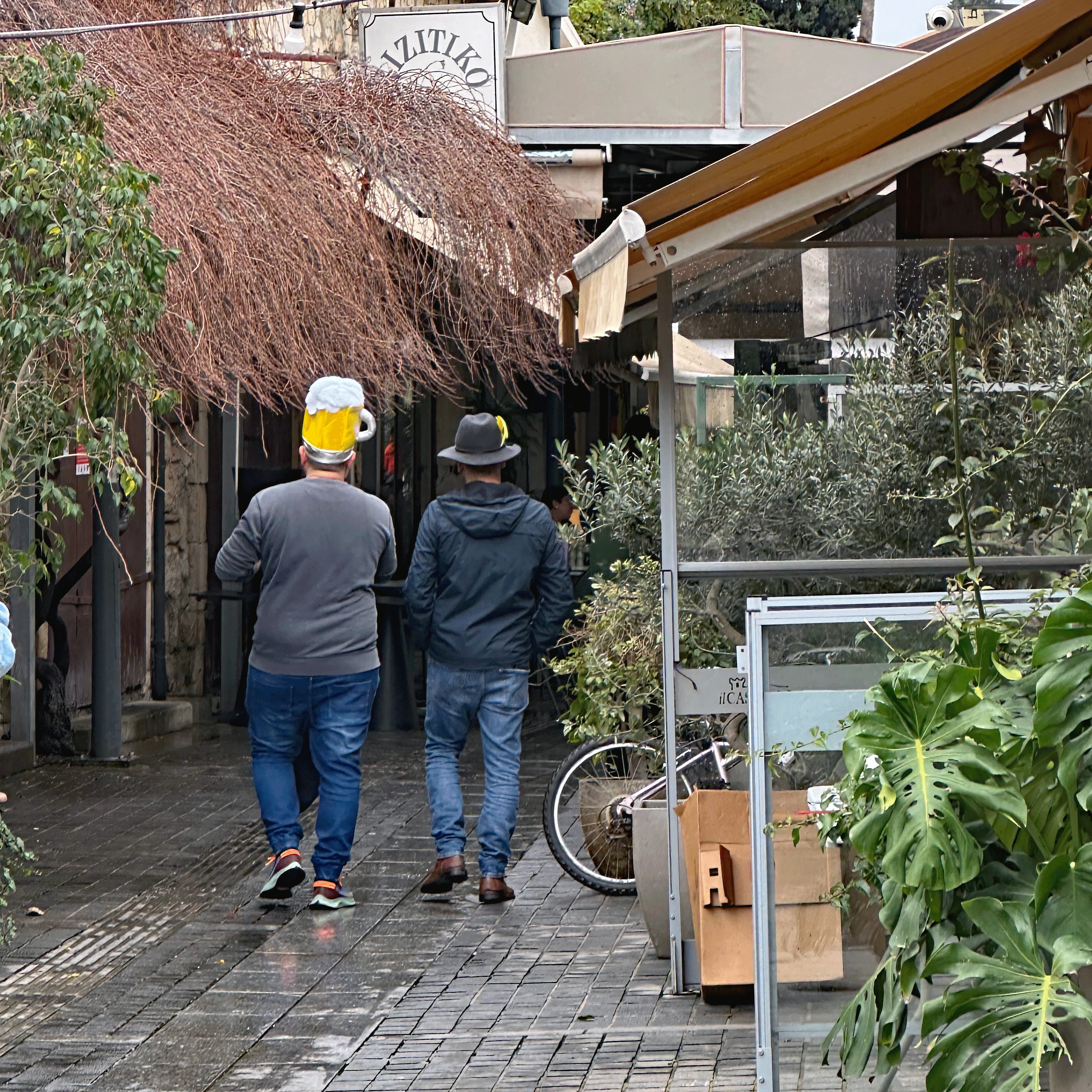
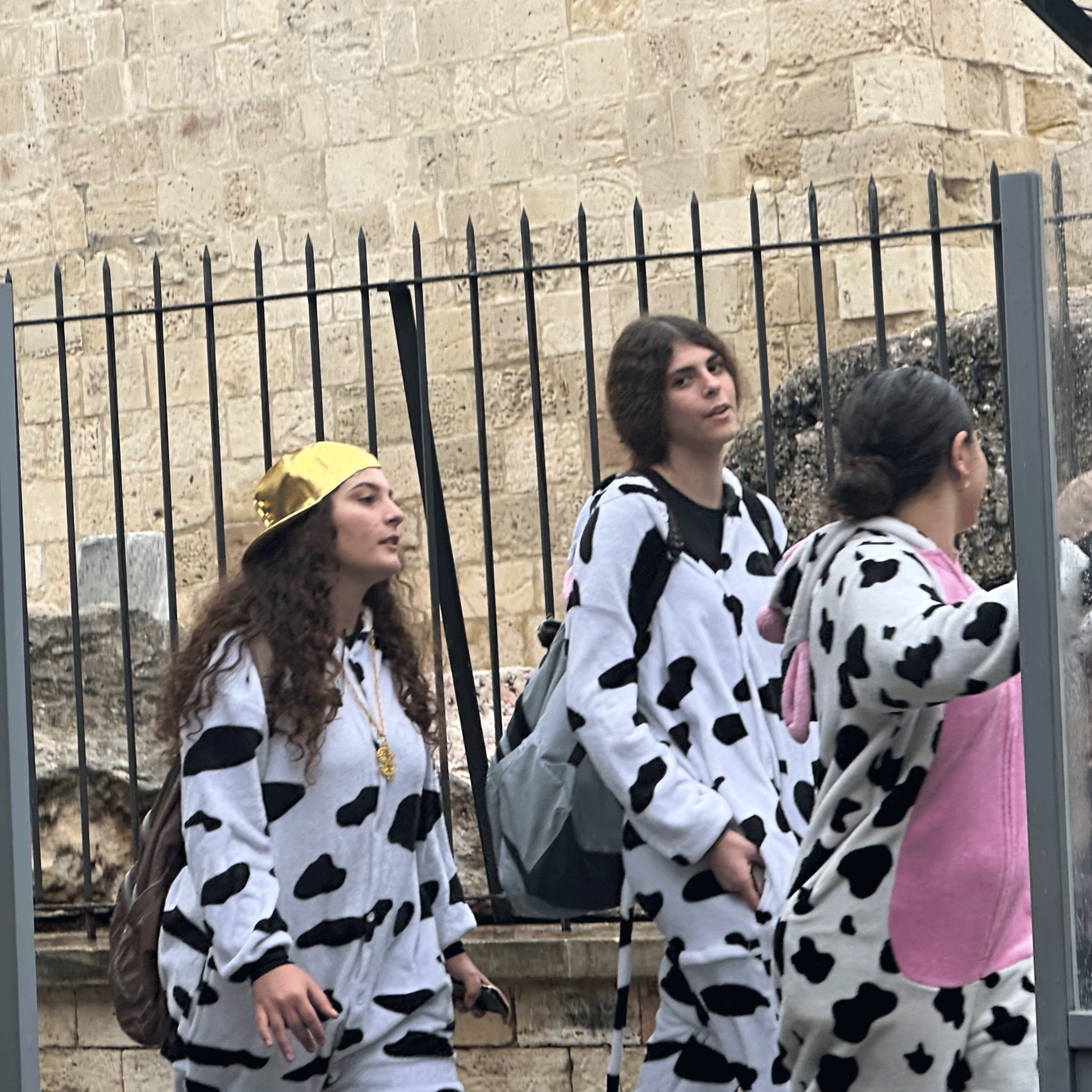
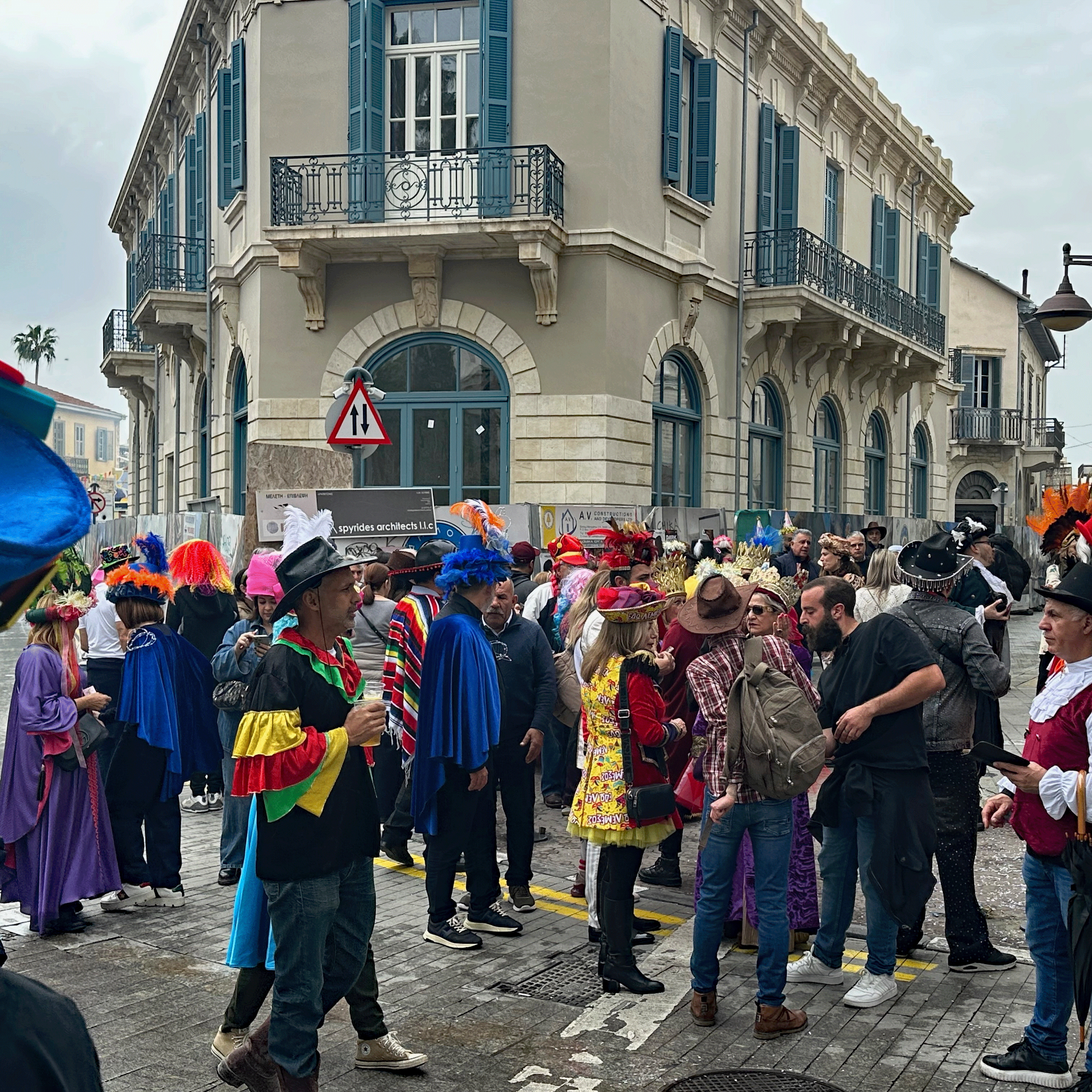
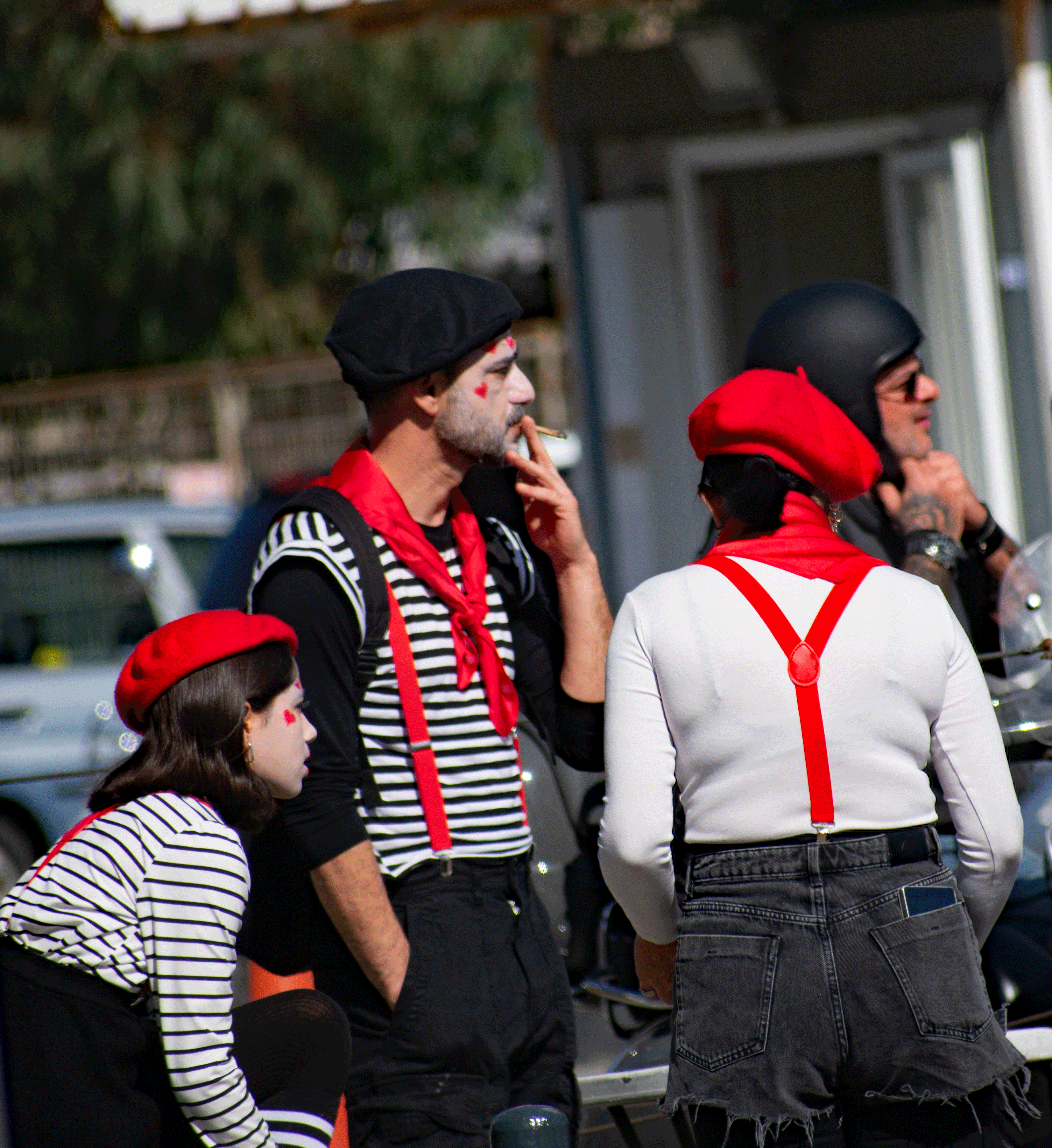
Below: Costumed Cypriots Celebrate Carnival
Paper Mache FiguresCarnival Cat
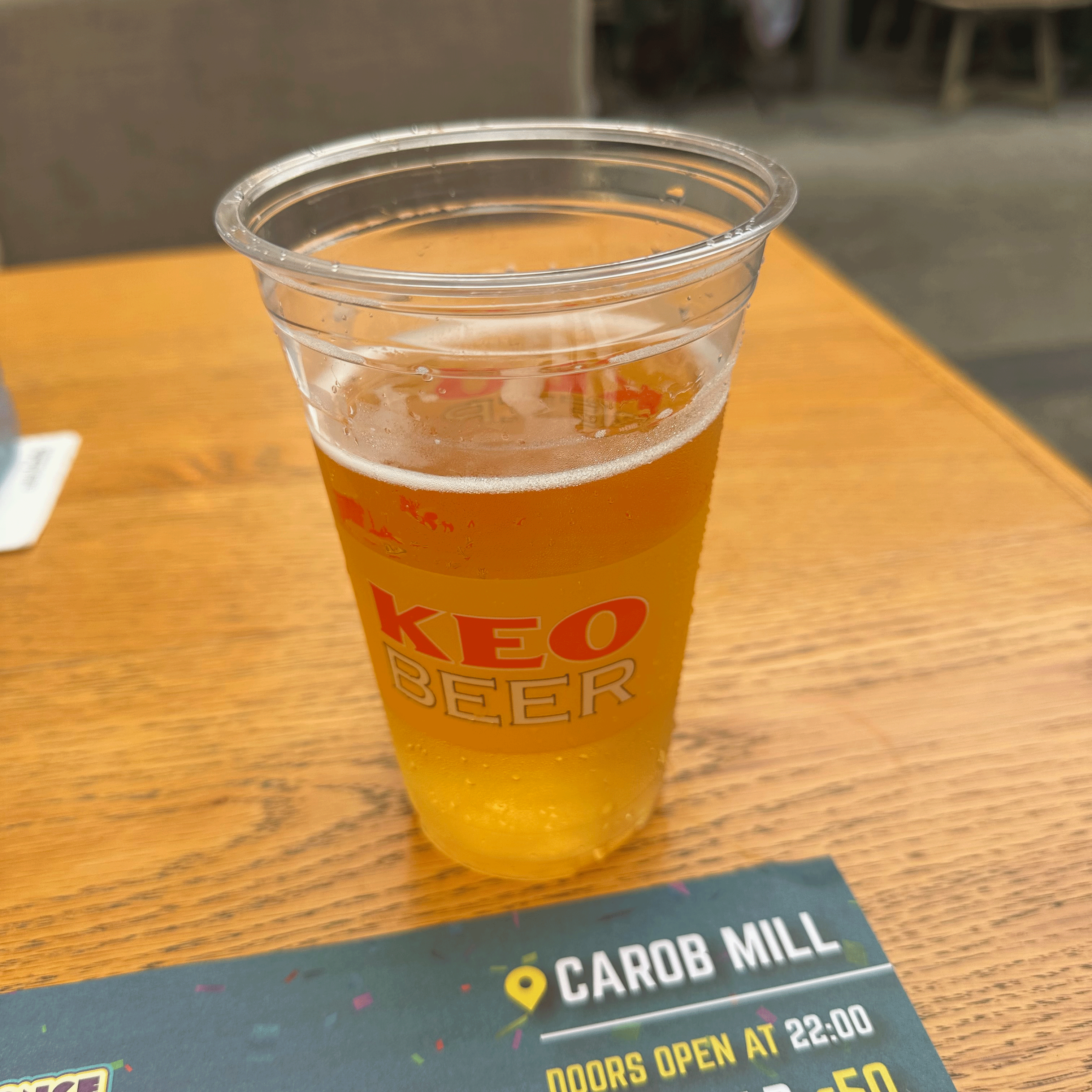
Music, Dancing, and the local brew at the town party.
Below: The Sunday Morning Family Parade
On Sunday, the festivities continued with the family parade. Families march in themed costumes and there is afternoon music, dancing, and food in the square.
We left town on “Green Monday” also known as “Clean Monday.” This is when Greeks and Cypriots begin the “Great Lent.” They observe Monday with picnics, fish, and abstinence from alcohol. Carnival was over and we were headed to Paphos. We loved Limassol.
Thank you for reading. I hope you enjoyed learning a little bit more about Cyprus.
I am an independent traveler and unpaid. My opinions are solely based on personal experience.
I must confess to knowing next to nothing about Cyprus prior to our trip there this winter. Its mild February temperatures were the main draw, and I had read some positive travel sites about it. The island is divided into Greek Cyprus in the south and Turkish Cyprus in the north. The Republic of Cyprus (Greek) is part of the EU. Turkish Cyprus is currently only recognized by Turkey.
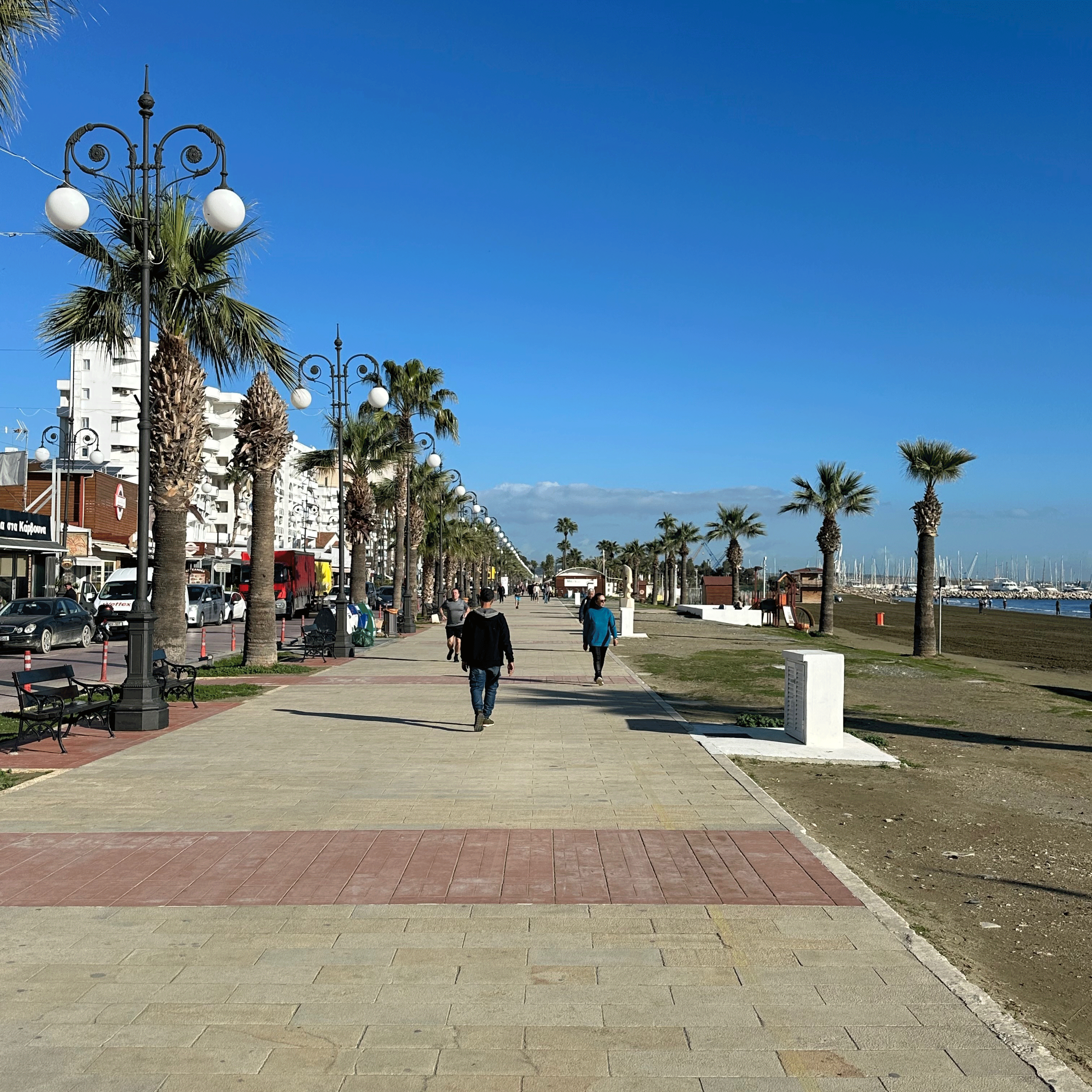
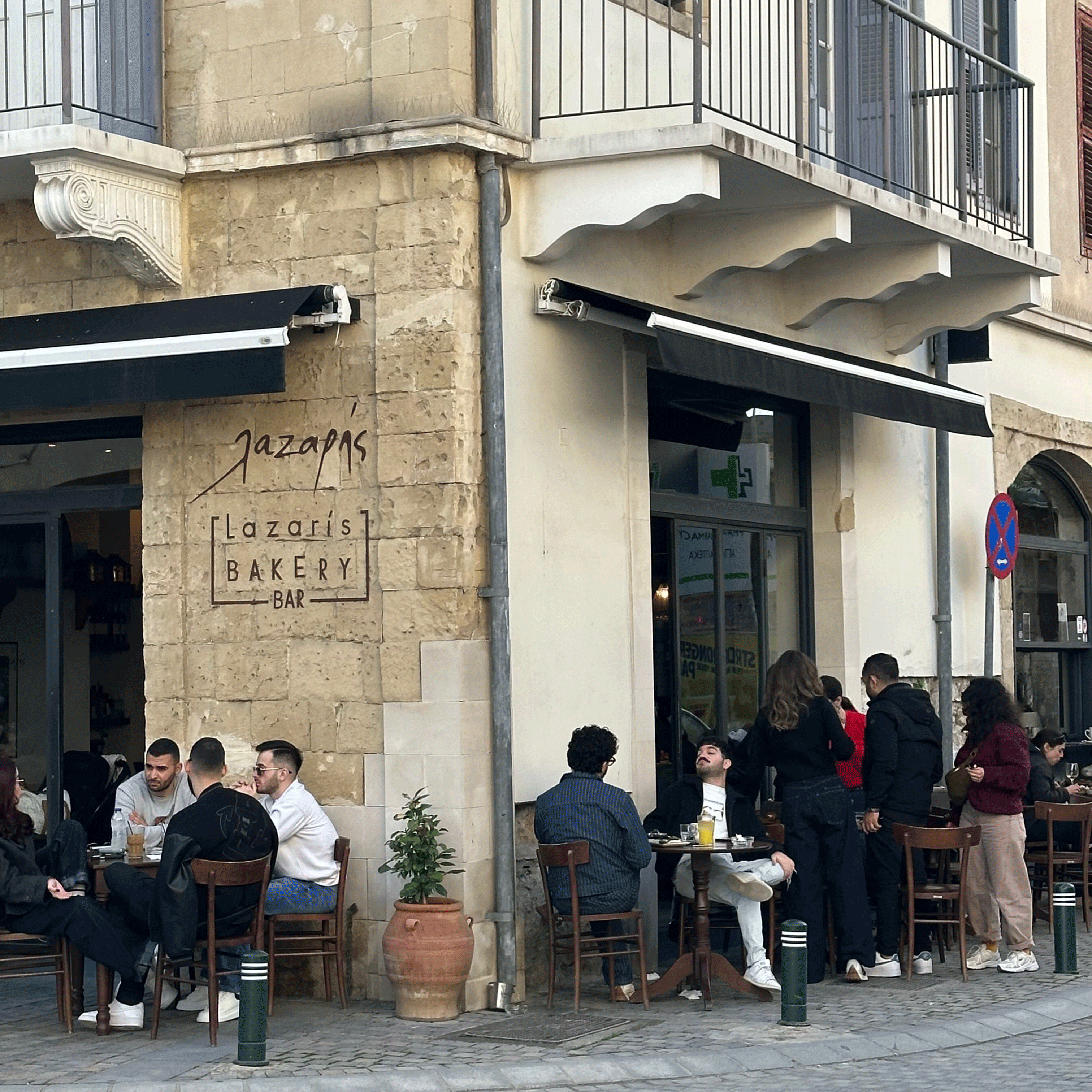
We flew Aegean Air from Athens to Larnaca, about an hour and a half flight. Larnaca Airport is small and easy to navigate. We had arranged a taxi driver through our Air B and B host and after a 30 minute ride, we arrived at Finikoudes Beach. Our rental apartment was perfectly situated along the boardwalk and had beautiful seaside views. We were walking distance to everything we needed. There was a well-stocked mini-mart next door, owned and operated by a delightful Cypriot family. Multiple dining options and coffee shops line the beachfront. I could drink coffee in a different spot every day. And it is always served with a cookie and a smile!
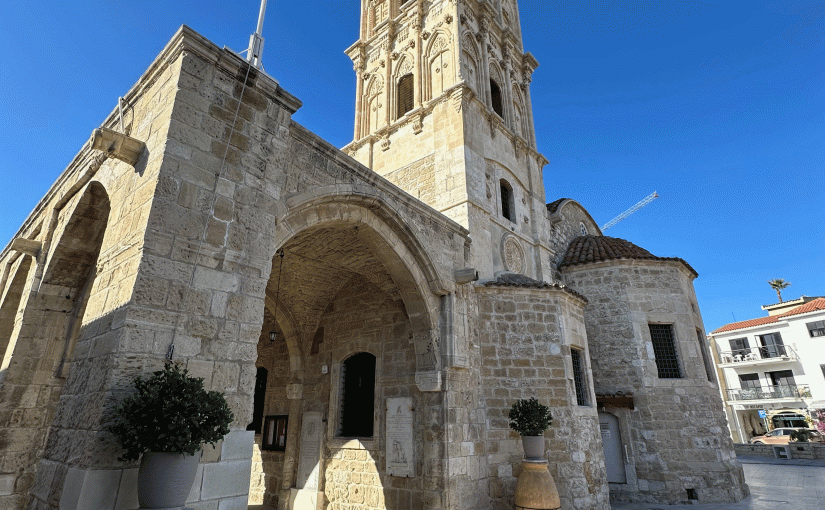
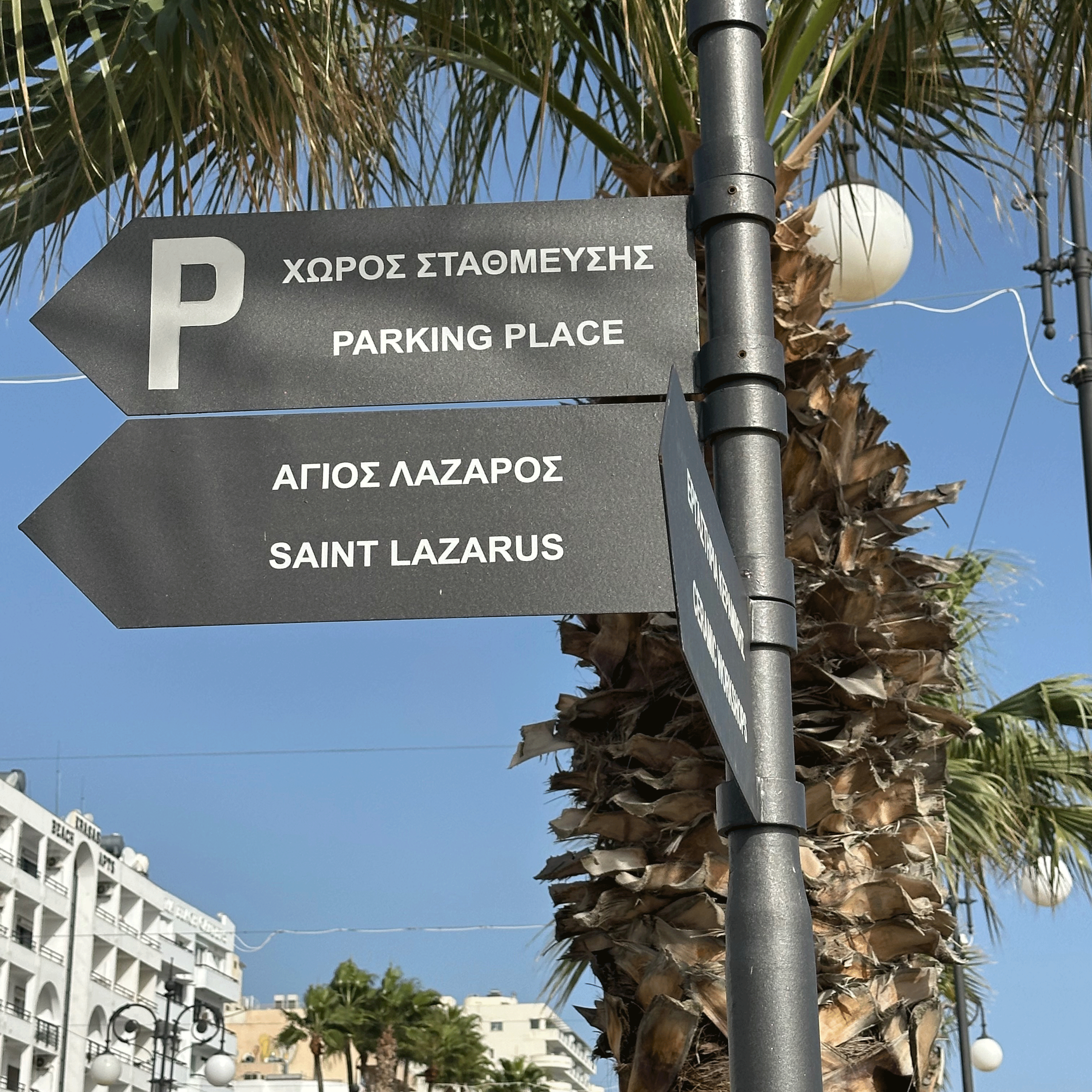
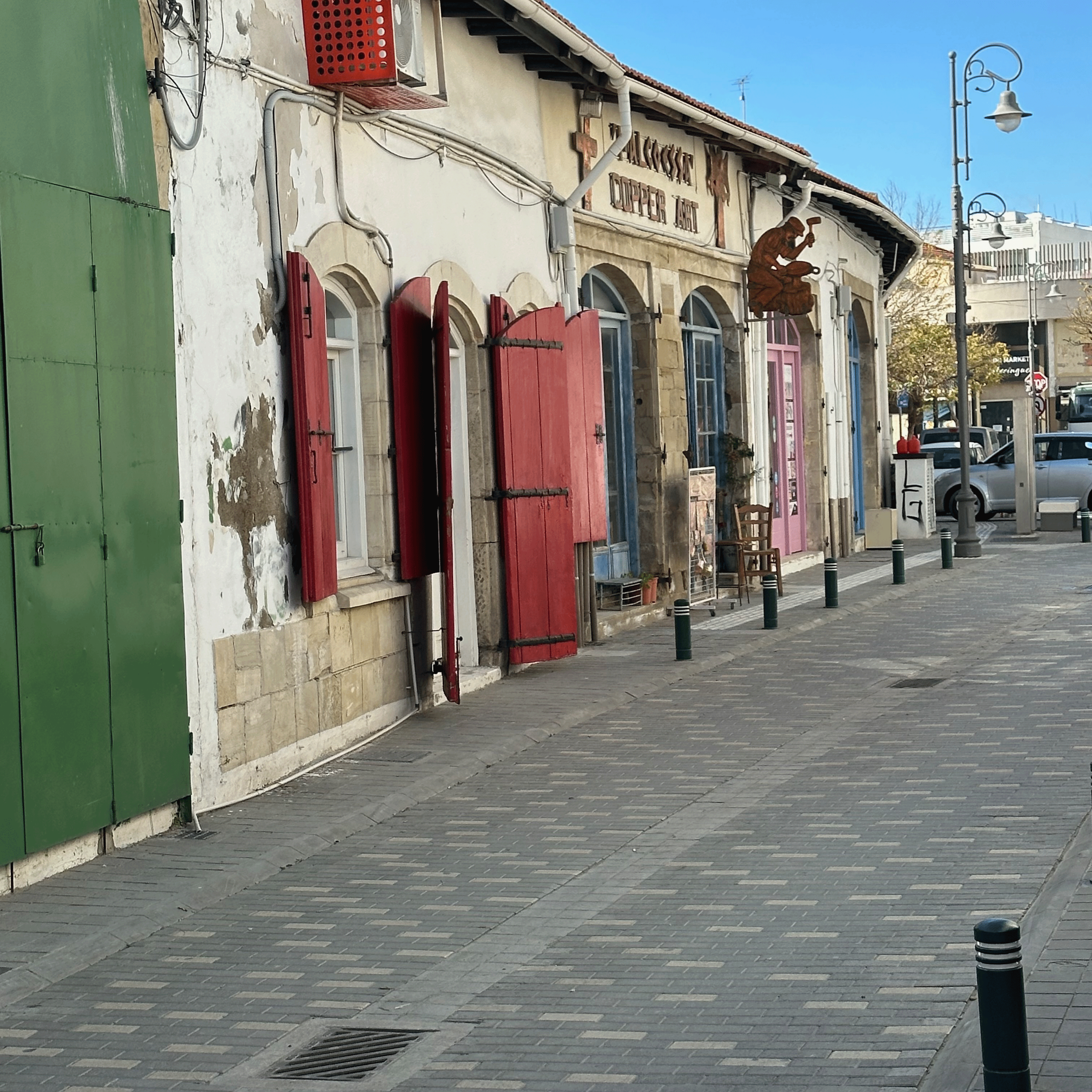
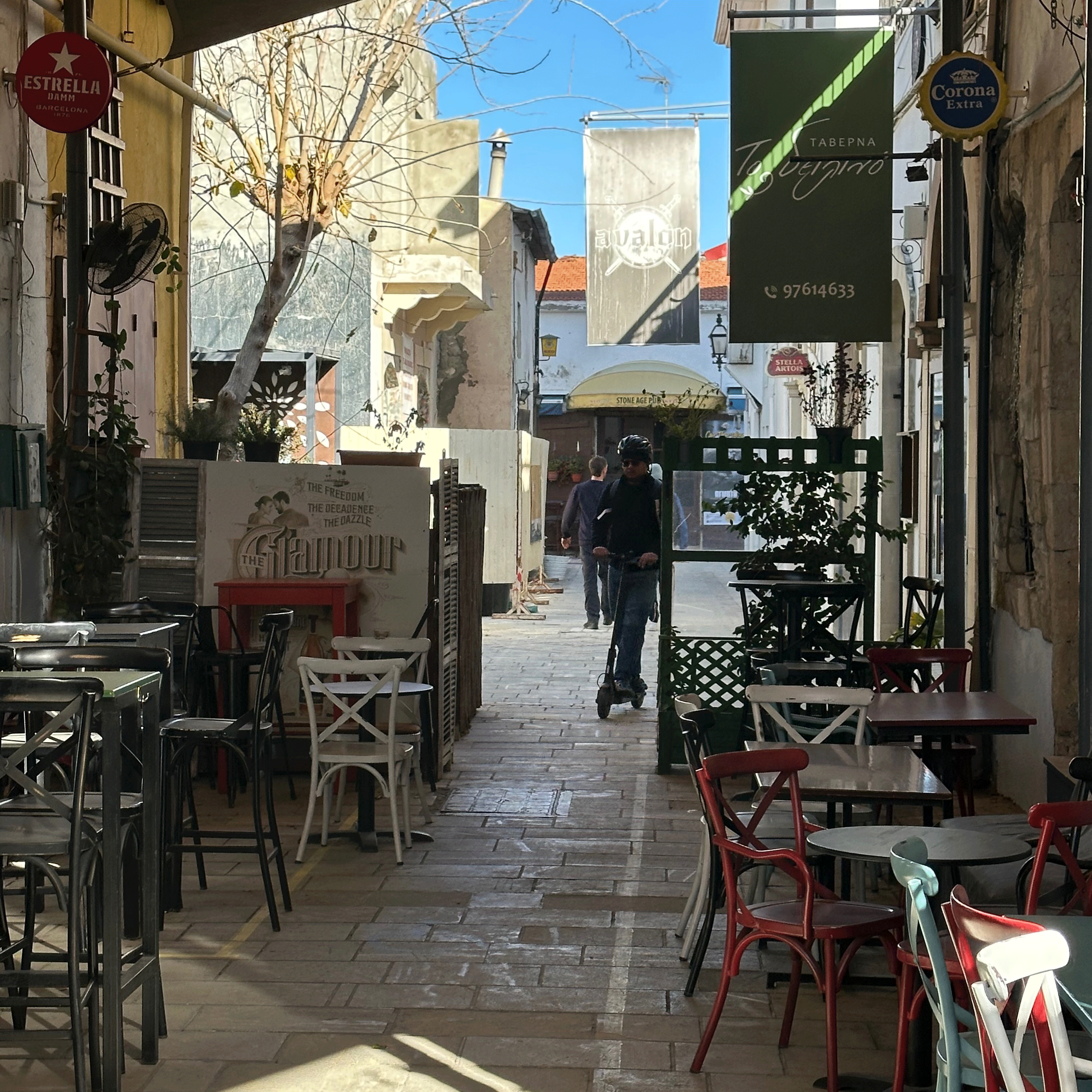
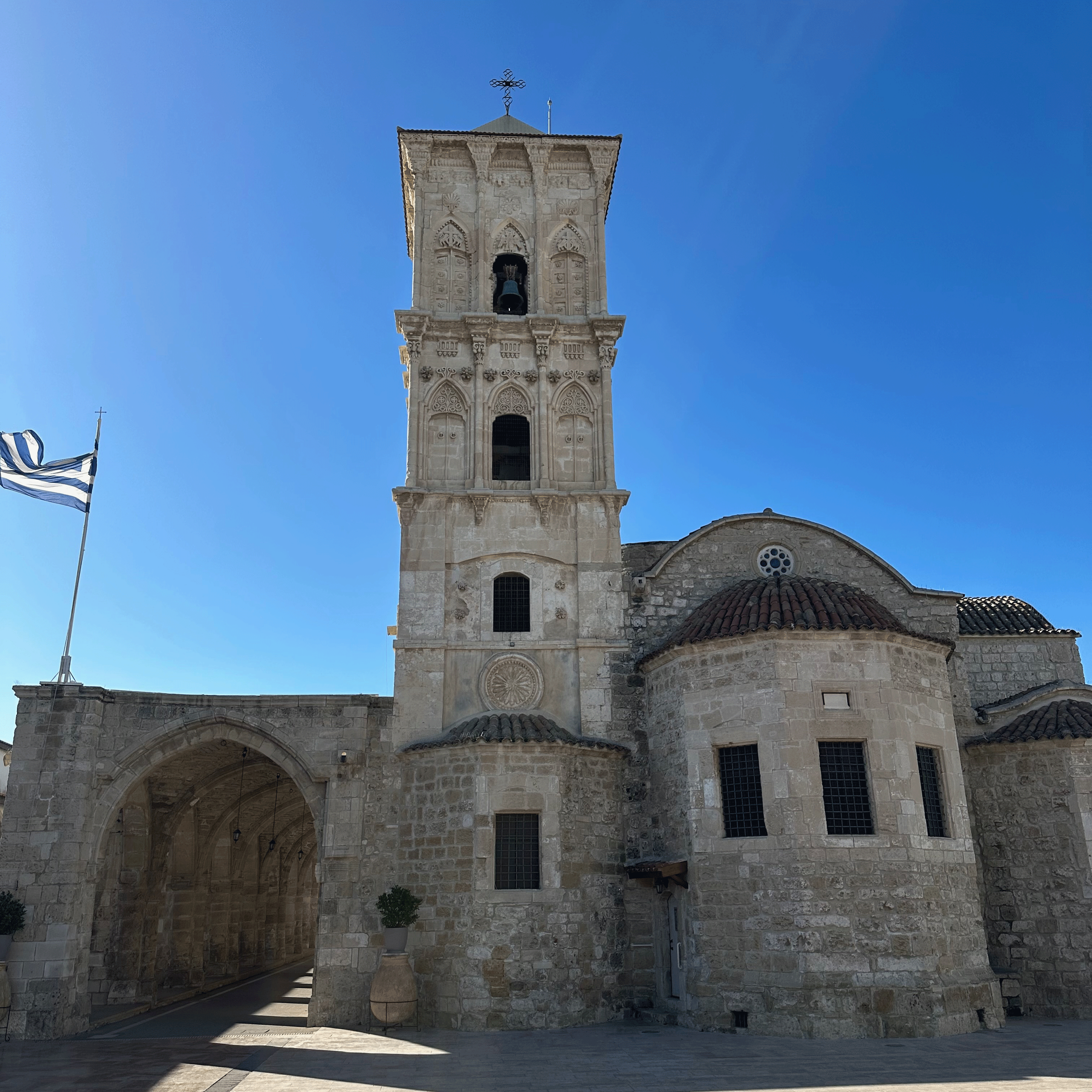
The historic old town is only a few streets from the beach. St. Lazarus Church and Monastery and the surrounding artisan shops give an old world vibe to the neighborhood that contrasts with the holiday atmosphere of the waterfront.
Larnaca is family-oriented. Prices are affordable for middle-class Greek Cypriots to go for a long weekend or a family vacation. It also attracts visitors and retirees from the UK and other European countries. Jobs in the hotel and restaurant industries attract immigrants from Sri Lanka, India, the Philippines, Vietnam, Eastern Europe, and the Middle East. All of which gives Larnaca a vibrant international vibe.
Away from the beach and the old town, the city of Larnaca is expanding outward and upward. Construction of new buildings seems to be everywhere: apartments, offices, and business hotels. With that, of course, comes traffic.
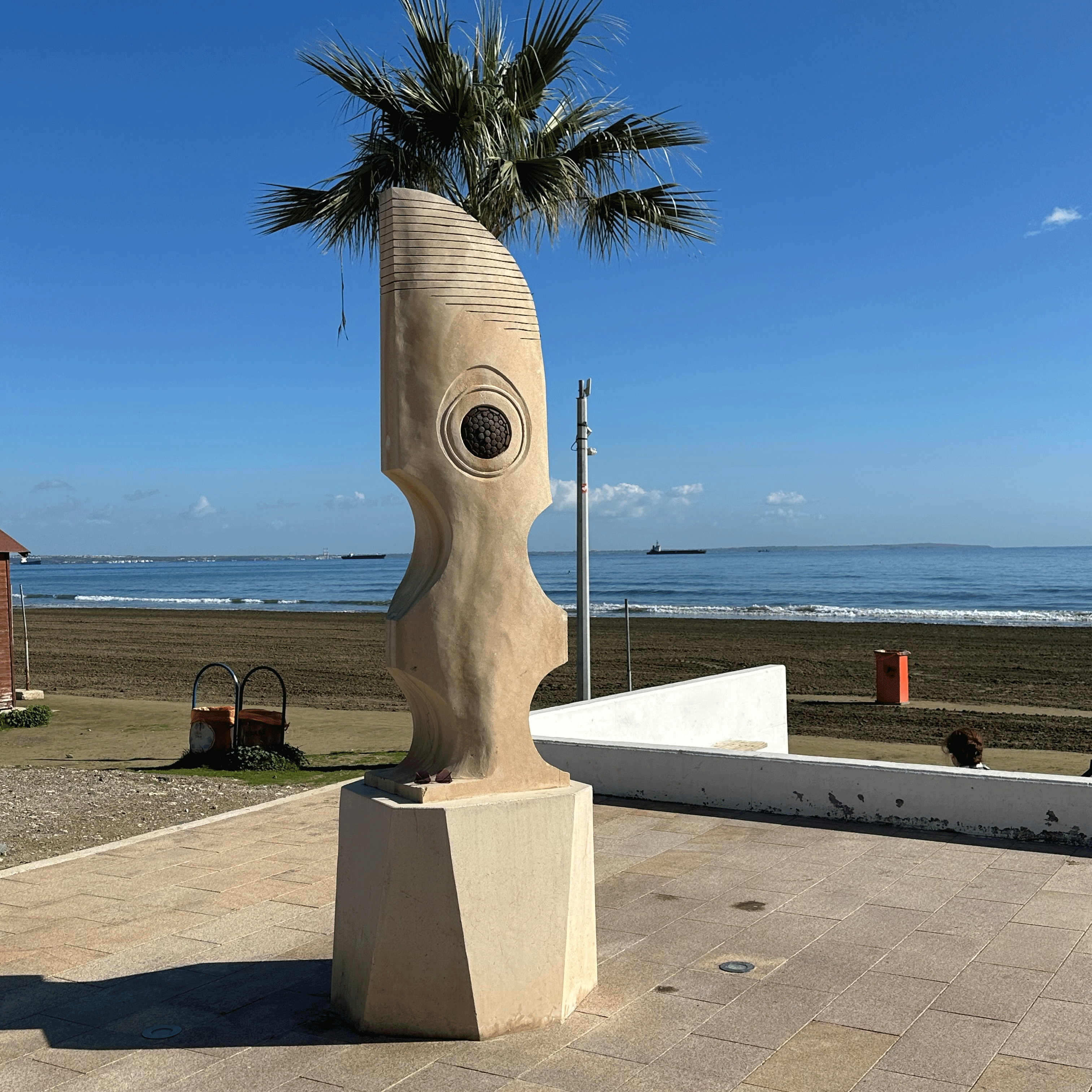
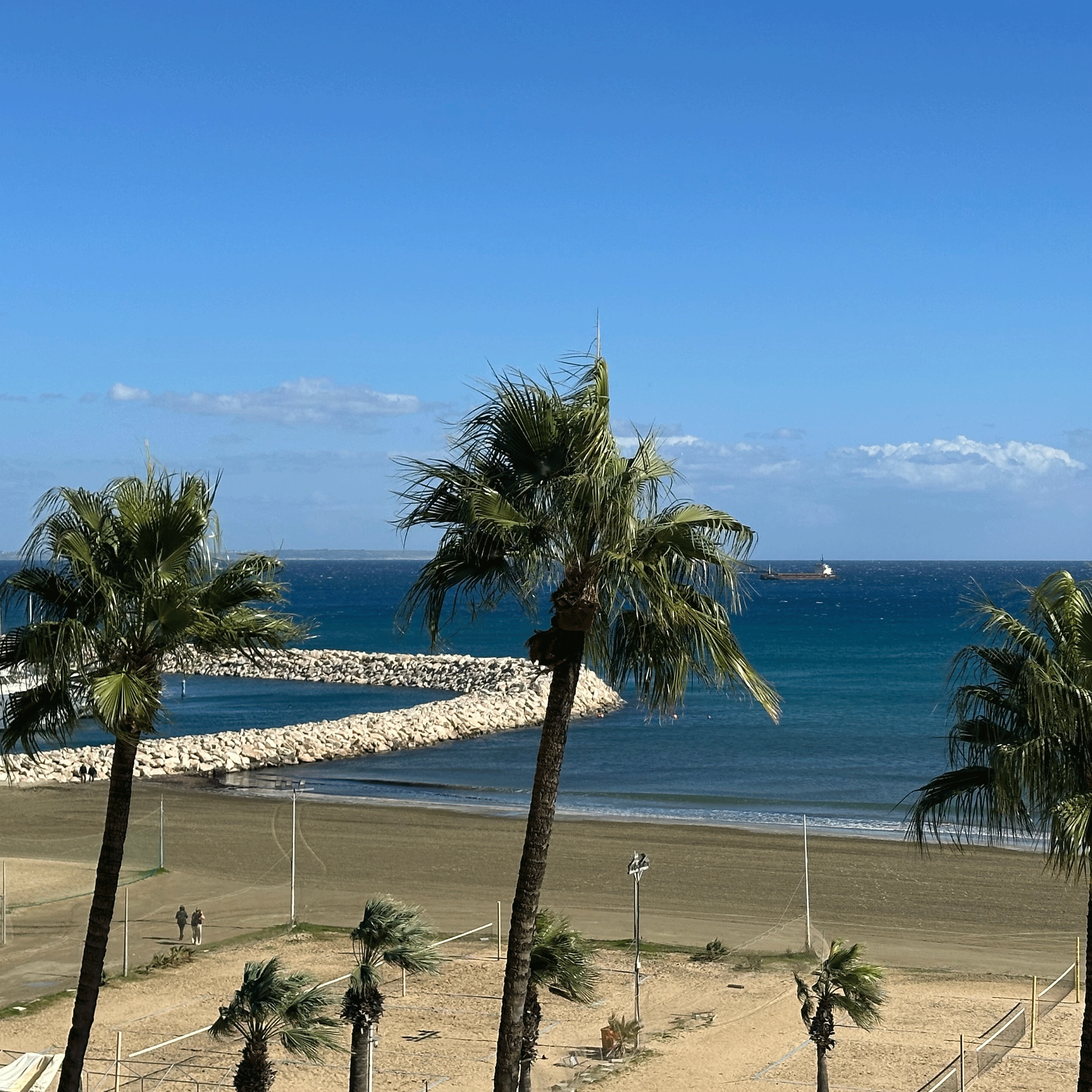
Below: Some scenes of the beach and the promenade.
View from our balcony
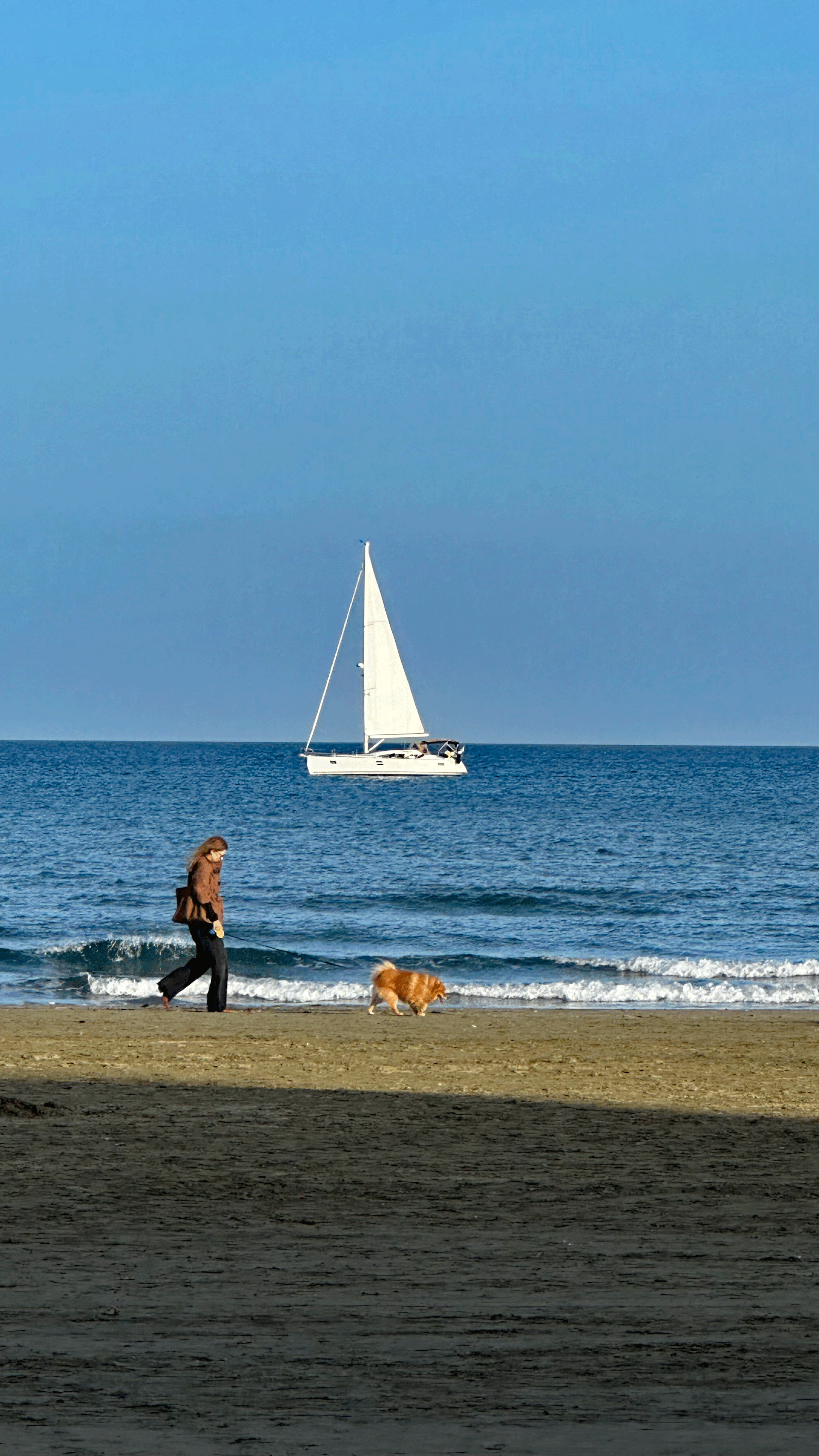
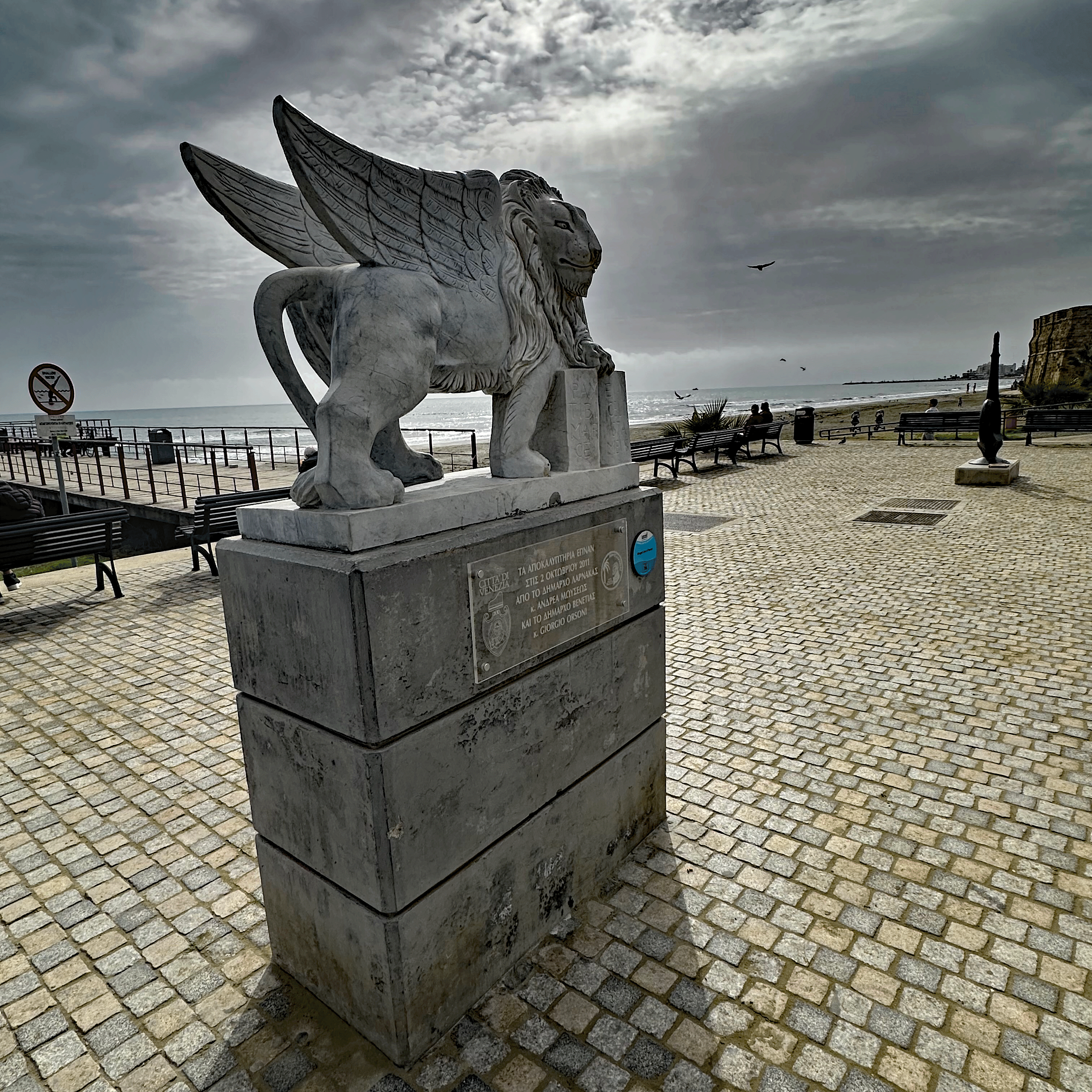
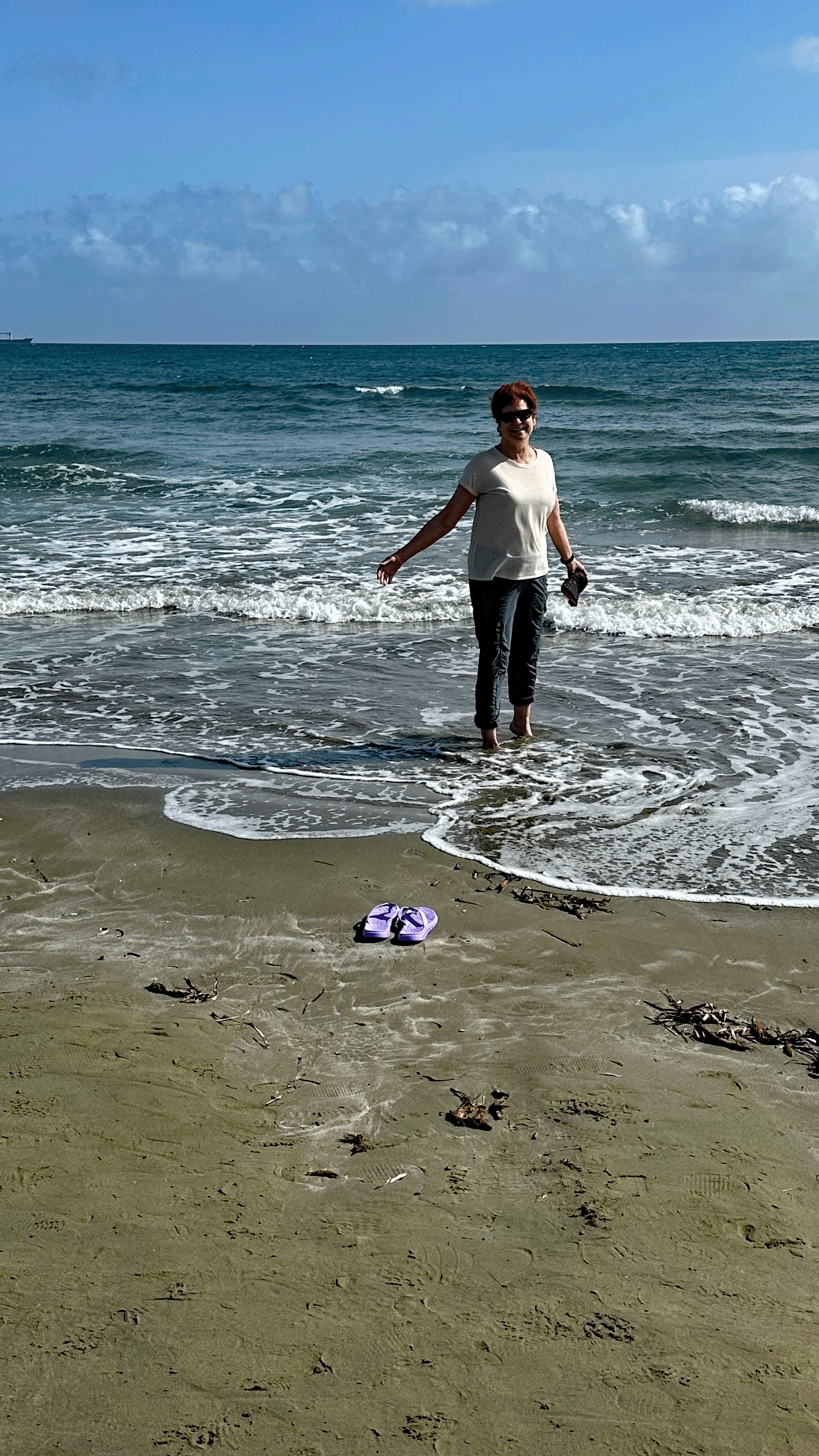
Finikudes Beach has a long stretch of fine golden sand and clean, clear water. I love the feel of the sand under my feet and the water on my toes. The Mediterranean is still pretty chilly in February, but some swimmers and waders brave it. Other popular activities include sailing, beach volleyball, pickleball, and cricket.
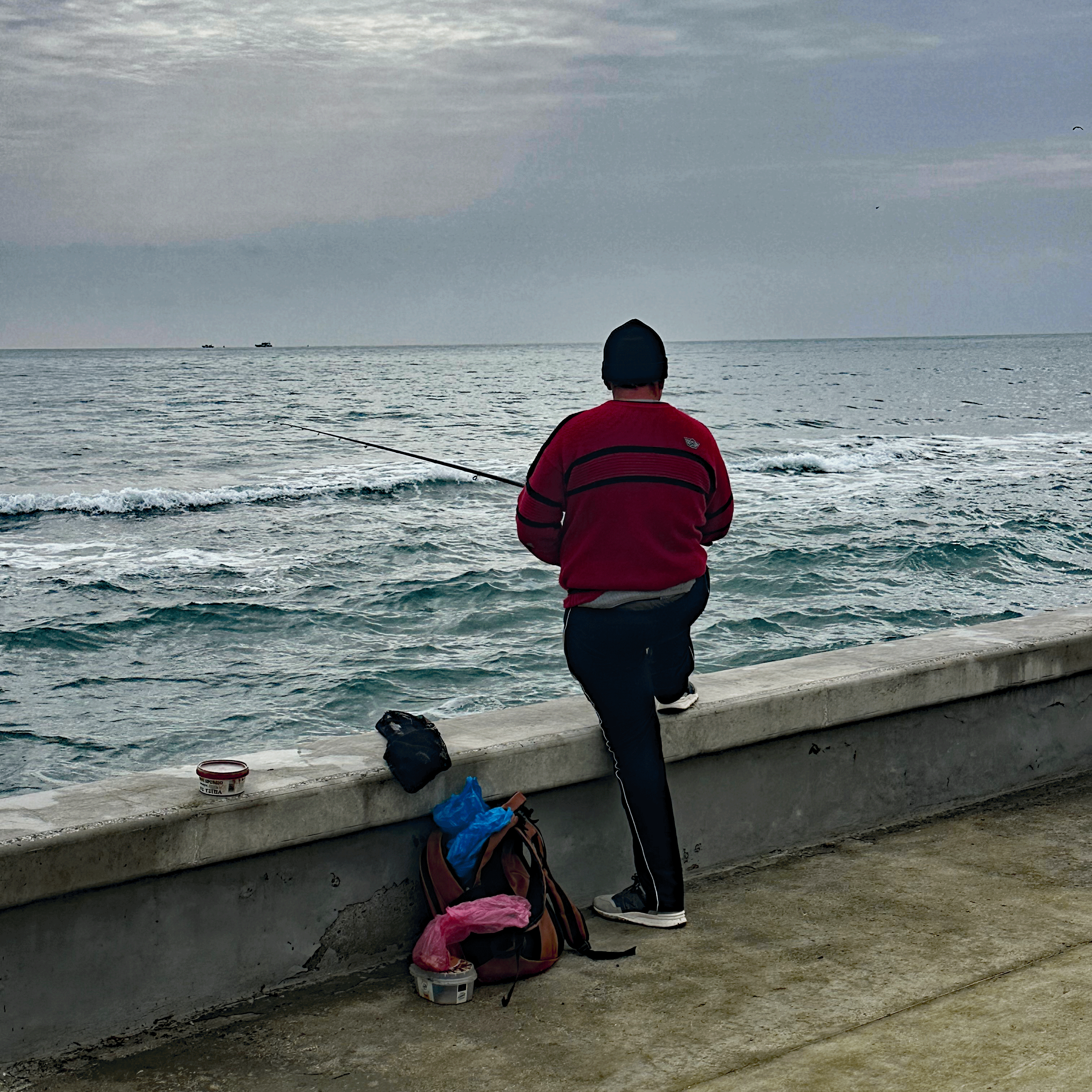
Good MorningFishin’Dipping my toes in the sea. No plunge for me!
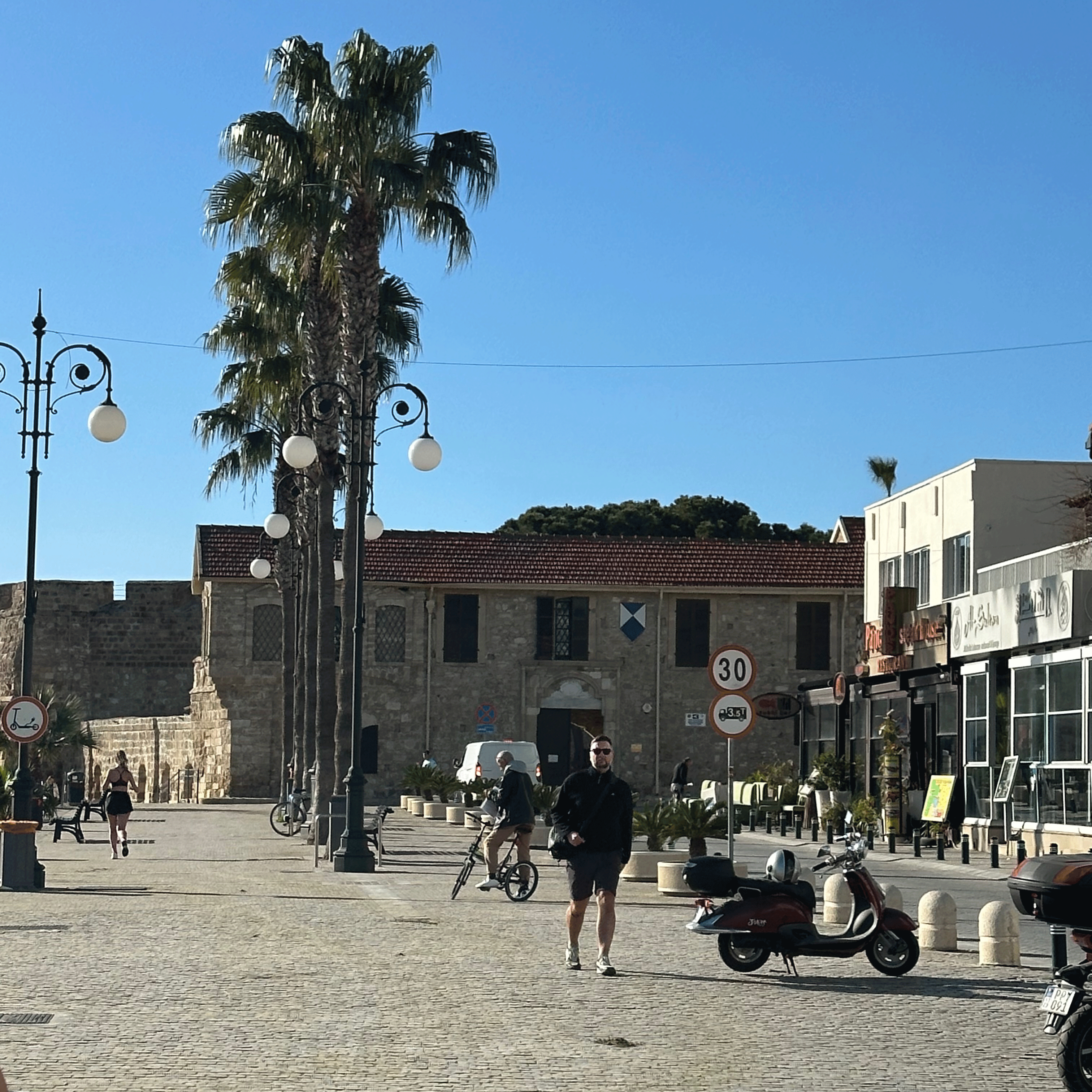
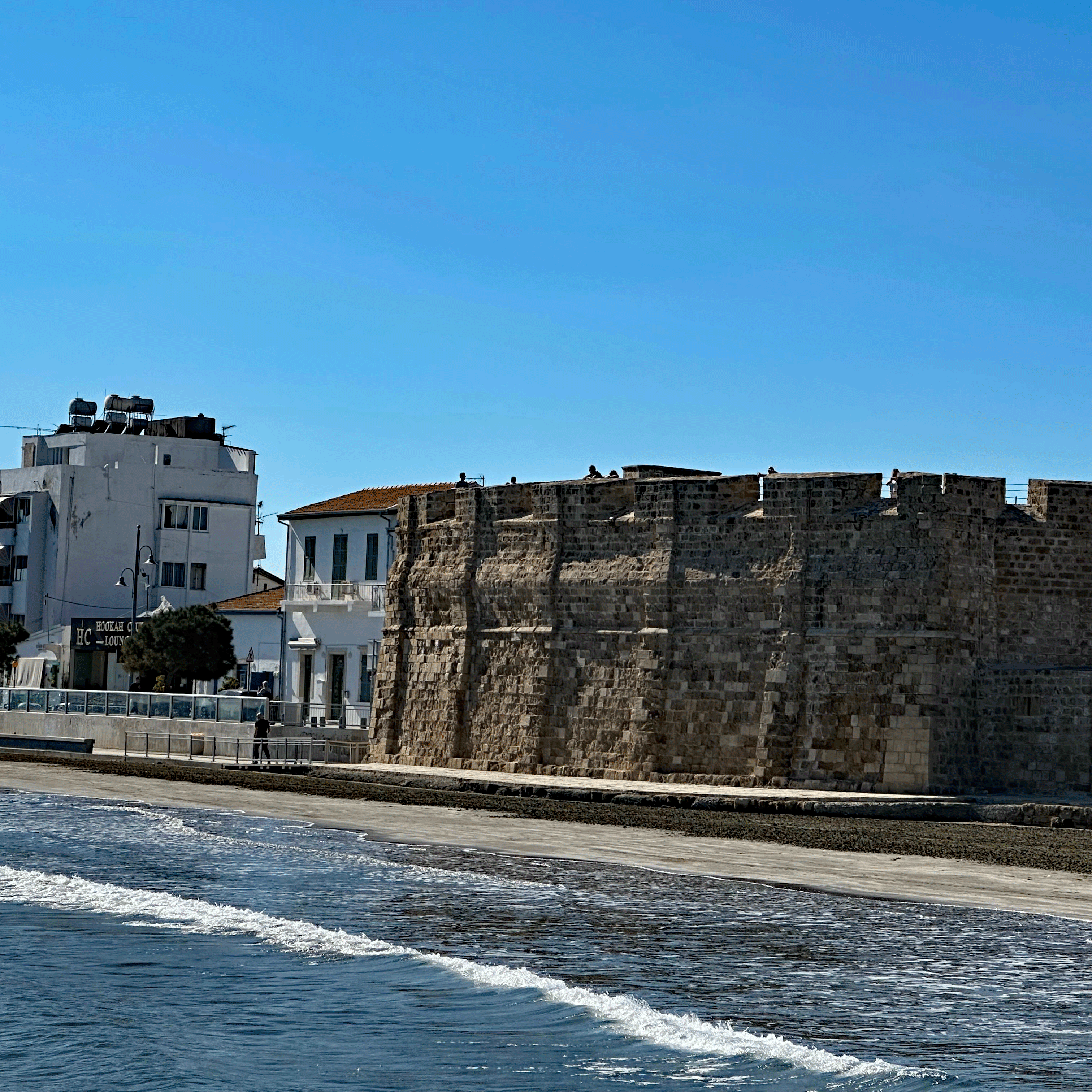
If you walk along the boardwalk, you will pass Larnaca Castle, a physical reminder of Larnaca’s long history. This has been a defensive site since Byzantine times, but the current fortress was likely built in the 1300’s AD, and then repurposed by the Ottoman’s in the 1600’s. Despite it’s uncertain provenance, it is worth the small entry fee (2 euros) and 20 minutes of your time to stroll the grounds and climb the ramparts for great views of the Mediterranean. There is a small museum with a few cabinets containing medieval artifacts and some wall displays of old photos of the harbor.
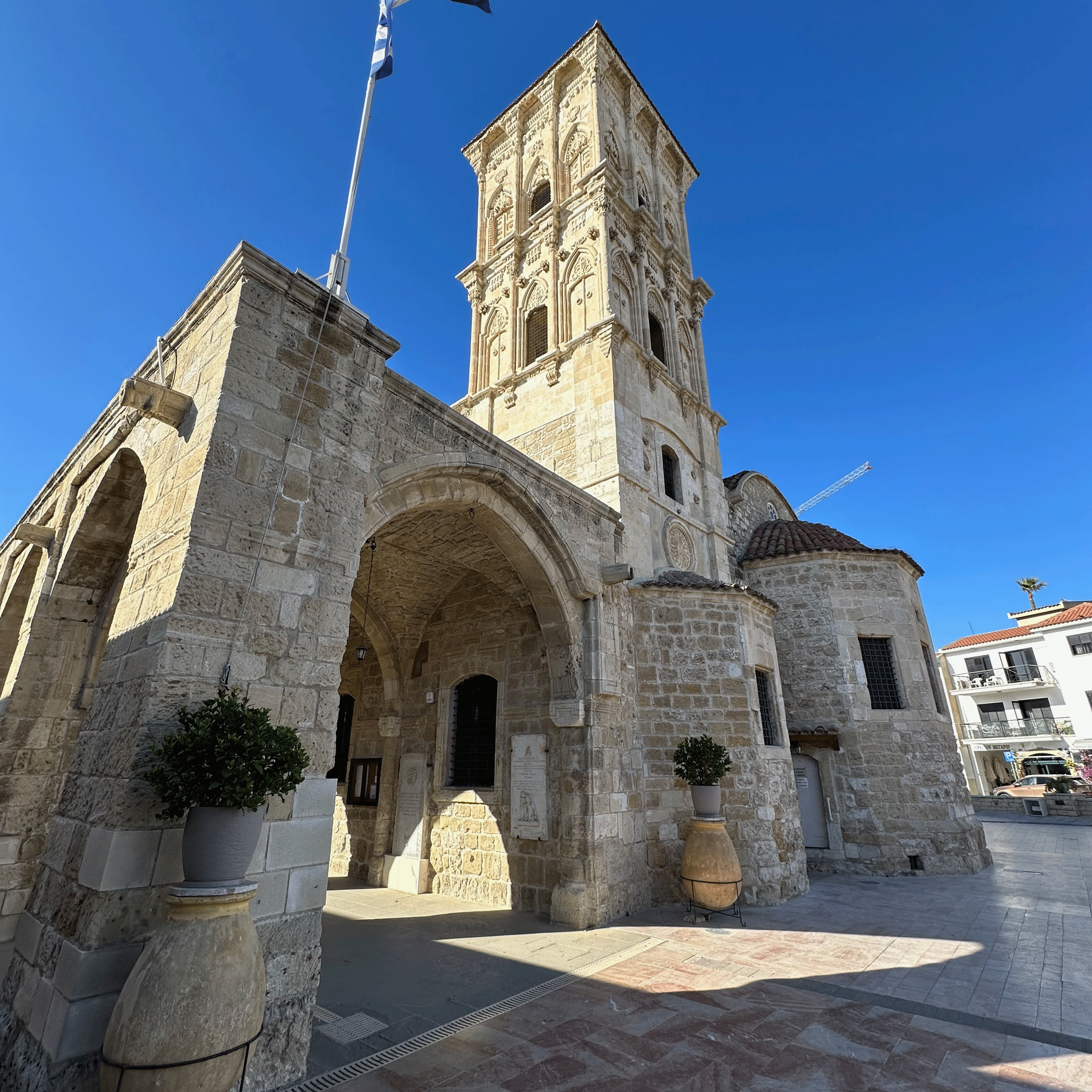
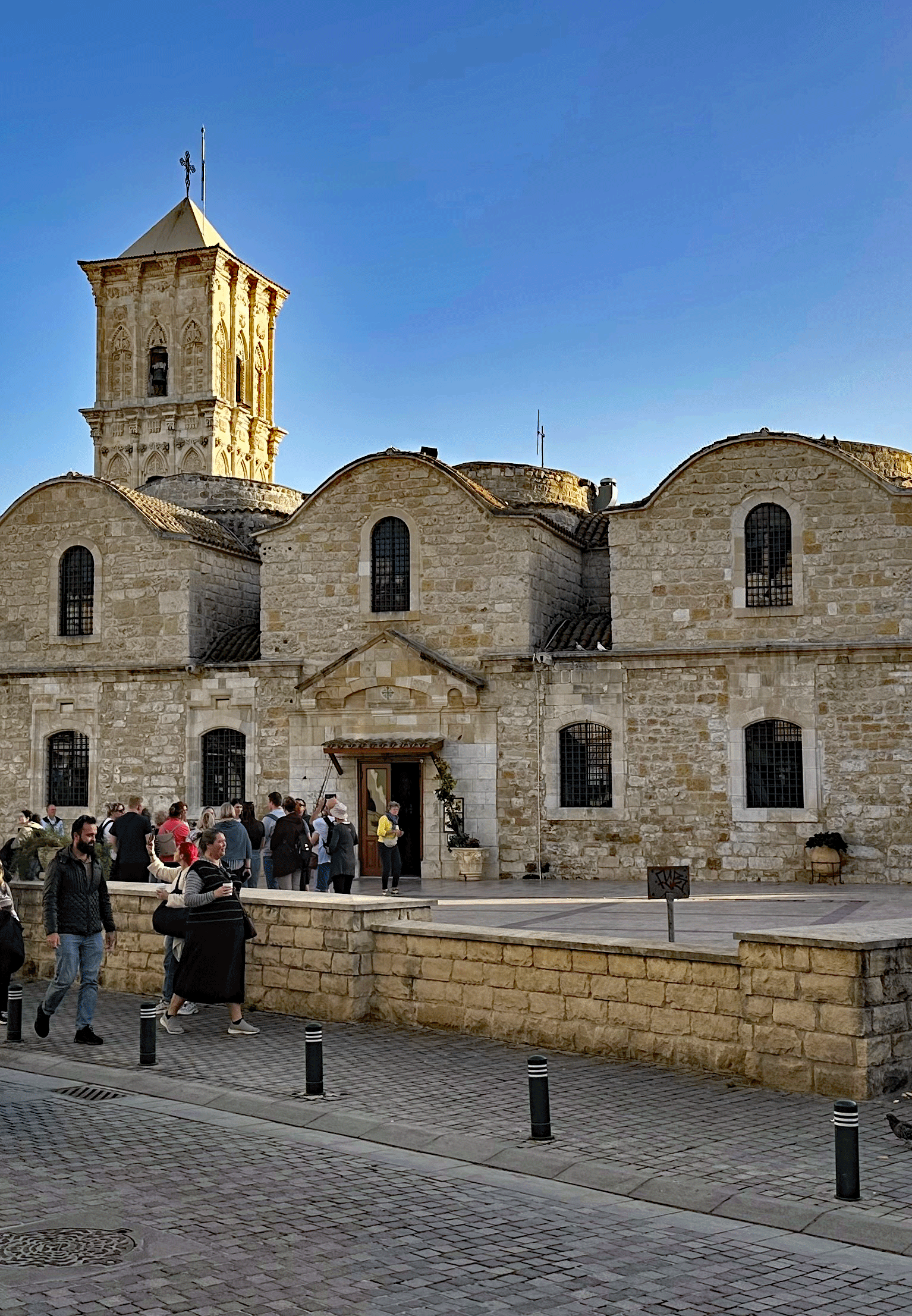
Medieval CastleCoffee CornerOld Town ShopsSt. Lazarus ChurchSt. Lazarus
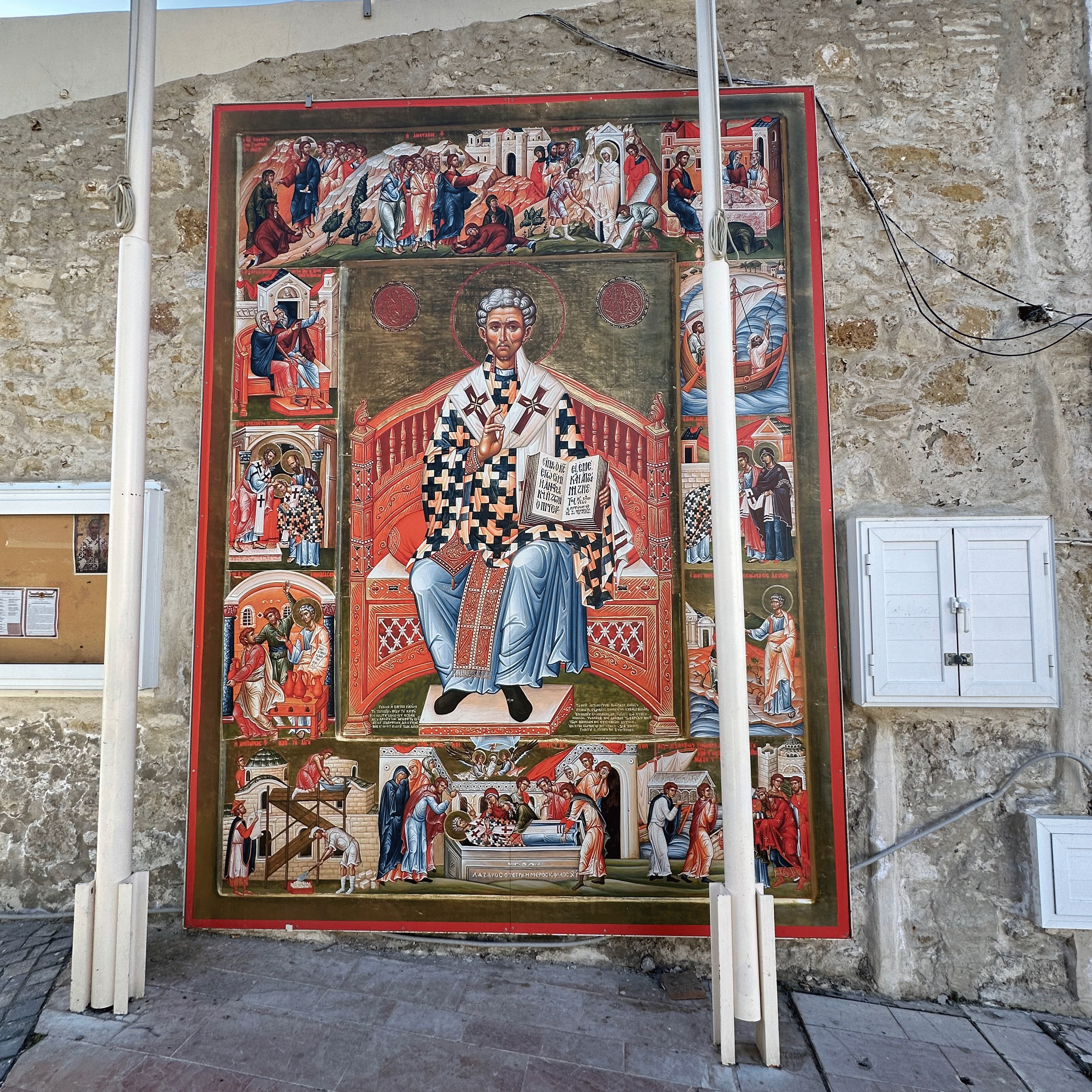
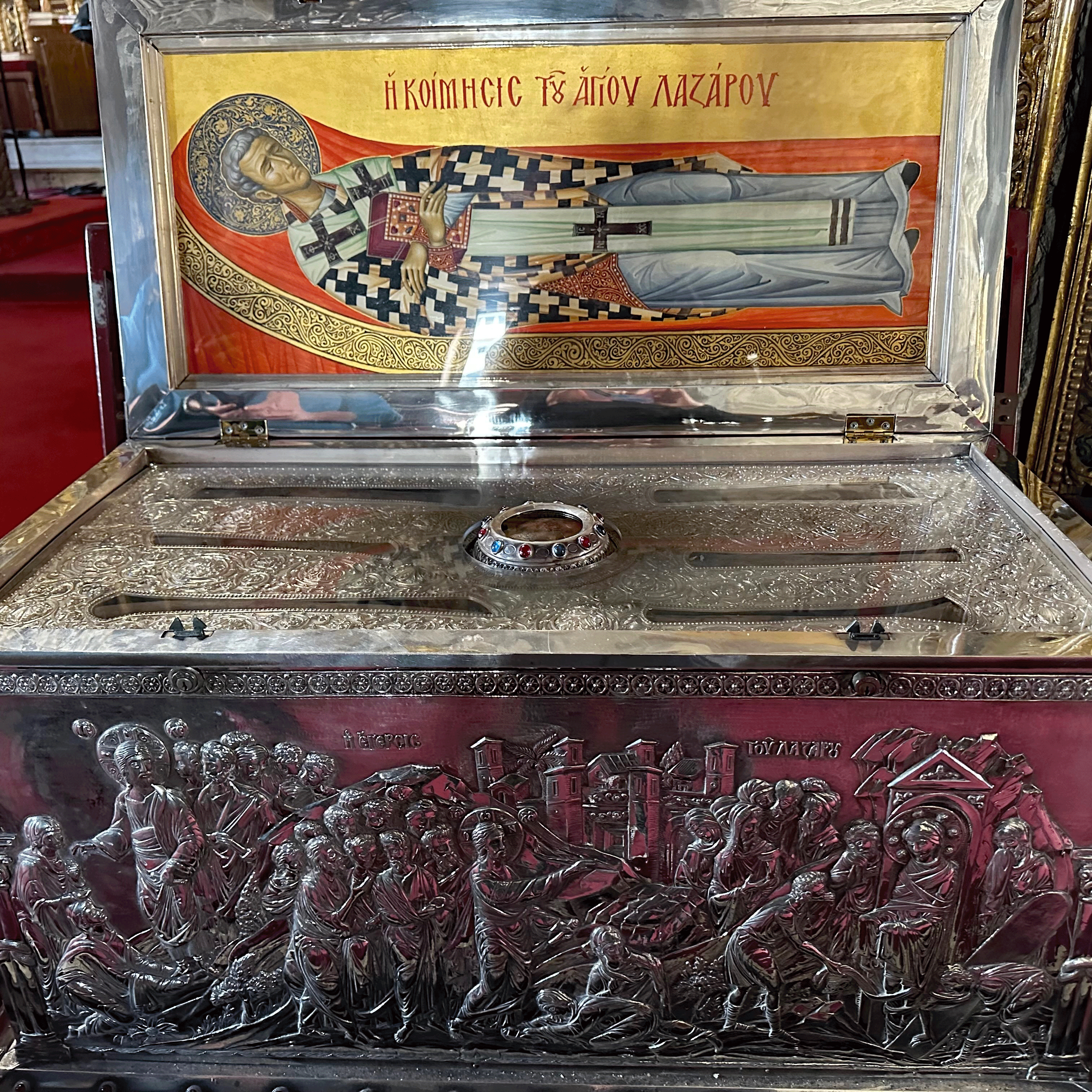
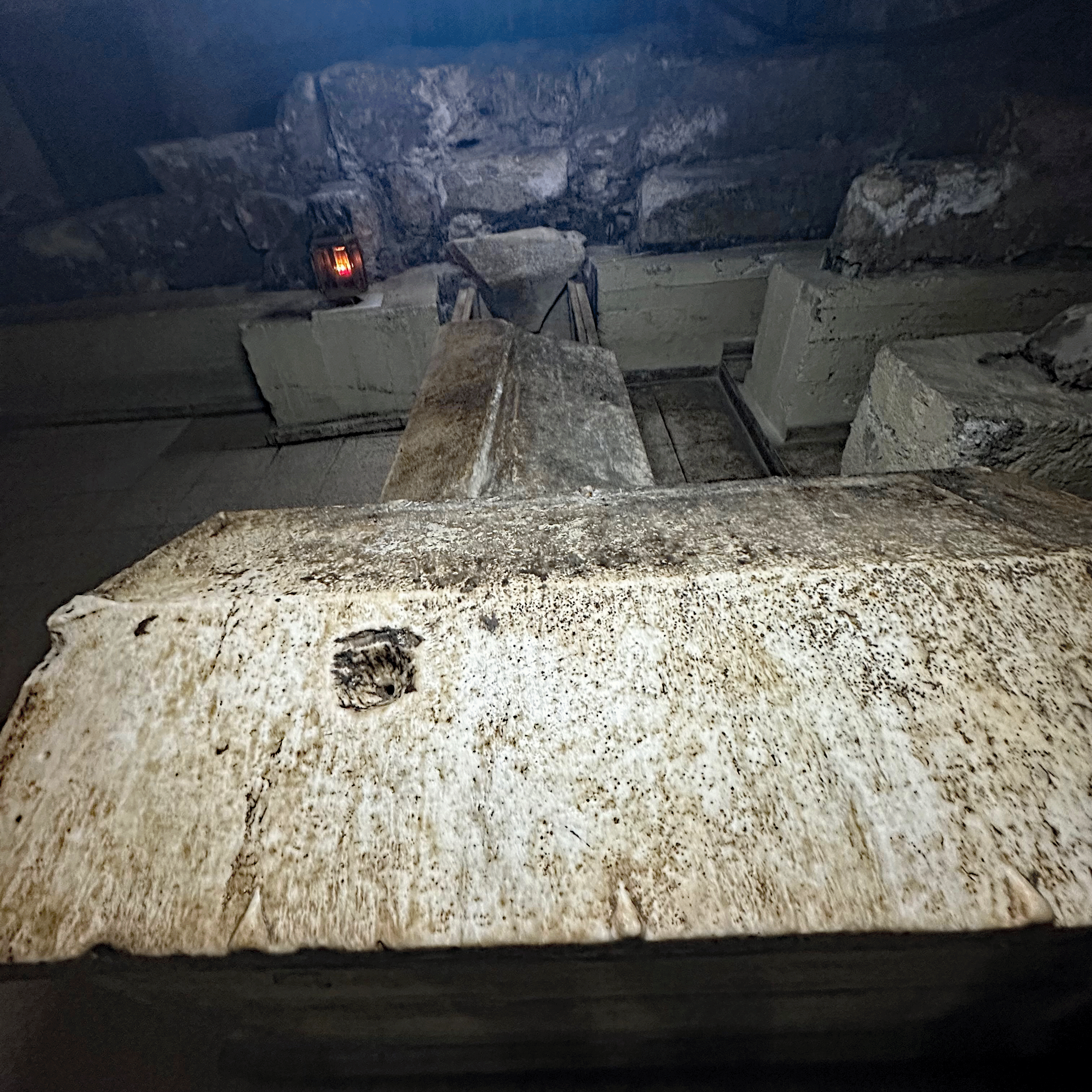
A couple of streets inland from the Castle is the Church and Monastery of St. Lazarus. The current church was built in 900 AD, but the story is much, much older. We visited the Church and the small Byzantine Museum in the former monastery. Inside of the beautiful Eastern Orthodox church is an ornate silver reliquary containing some bones of St. Lazarus. Below the main floor of the church is the tomb of St. Lazarus.
But wait, I wondered, recalling New Testament teachings. “THE Lazarus, brought back from the dead by Jesus?” Or a later in history Lazarus? There was a lack of helpful signage, so I approached the woman at the ticket counter of the museum.
“Good morning. I have a question.”
“Of course.”
“Is this THE Lazarus or were there two?”
“Yes, Lazarus of the Resurrection.”
“Brought back from the dead by Jesus?”
“Yes.”
“But, wait, how did he get here?”
“By boat. After the Crucifixion, he and his family came here. He became the Archbishop of Larnaca.”
Huh. Who knew? I followed up with some online research, and Church records corroborate the story. Here is a brief summary of what I found: (Wikipedia, History Hit, World History Encyclopedia)
-Lazarus, brother to Martha and Mary, and friend to Jesus, died of disease (circa 40 AD).
-After 4 days in a tomb in Bethany (near Jerusalem), Lazarus was resurrected by Jesus (John 11 )
-Fleeing persecution, he landed in KItion (present day Larnaca, Cyprus) He was ordained bishop by the Apostles Paul and Barnabus, and lived another 30 years. He was buried where his tomb lies today.
-In 890 AD, a marble sarcophagus was discovered with the inscription “Lazarus, friend of Christ.”
– Some (not all) of his relics were moved to Constantinople by Byzantine Emperor Leo VI, who ordered the construction of the church on top of the tomb. The church has suffered damage over the centuries, but careful restoration has been true to the original. It was converted to a mosque during the Ottoman Occupation (1571–1878), and then reinstated as an Eastern Orthodox church.
If you visit Larnaca, don’t skip this church. Besides its fascinating story, it is also gives you a chance to witness the local life away from the beach. The post office is across the street for anyone (besides me) who still mails postcards. There are two nice cafes in the church square, where you can choose a spot in the sun or the shade and enjoy a relaxing snack break.
Below: The Silver Reliquary and the Tomb of St. Lazarus in Larnaca
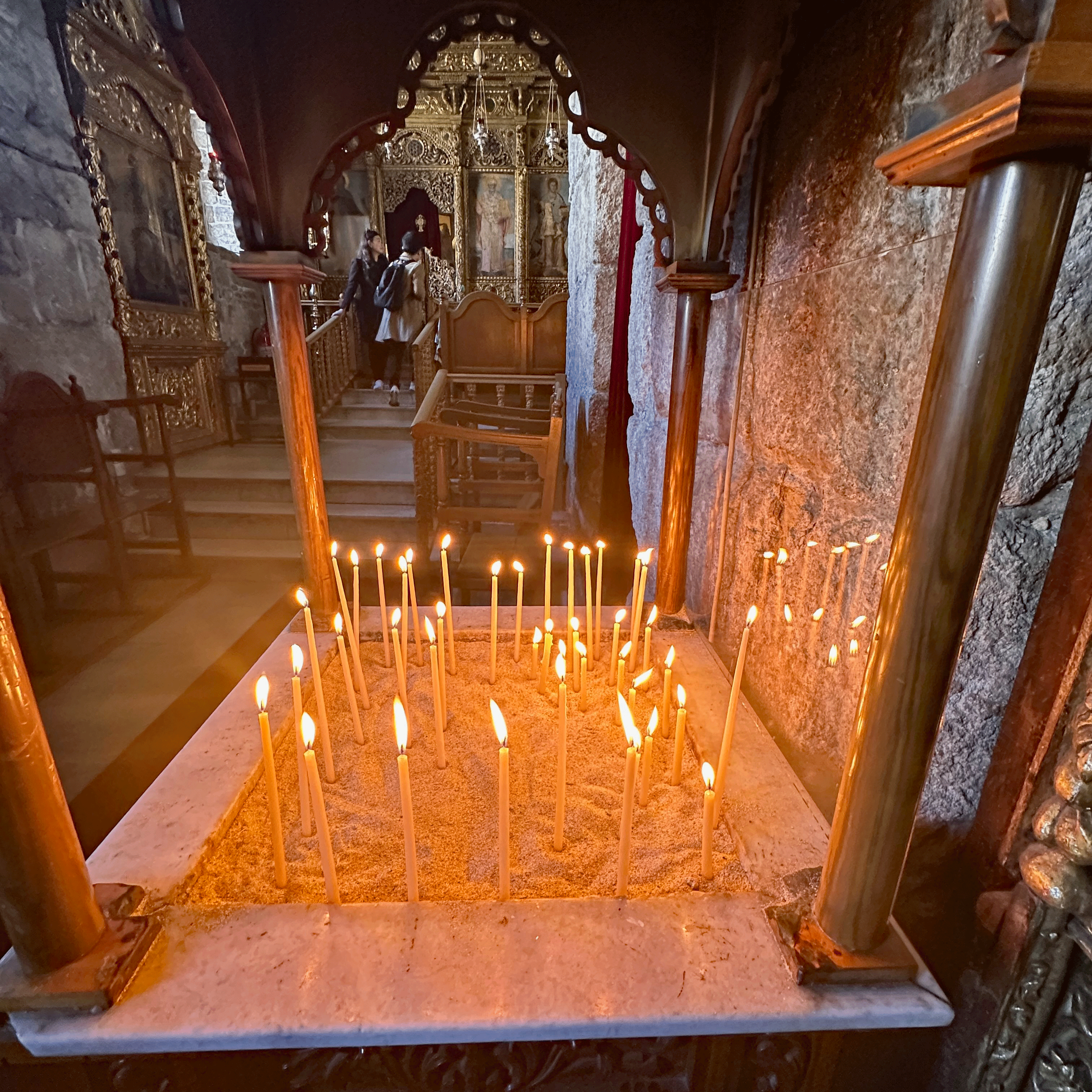
Relics of LazarusTomb of LazarusCandles at St. Lazarus Church
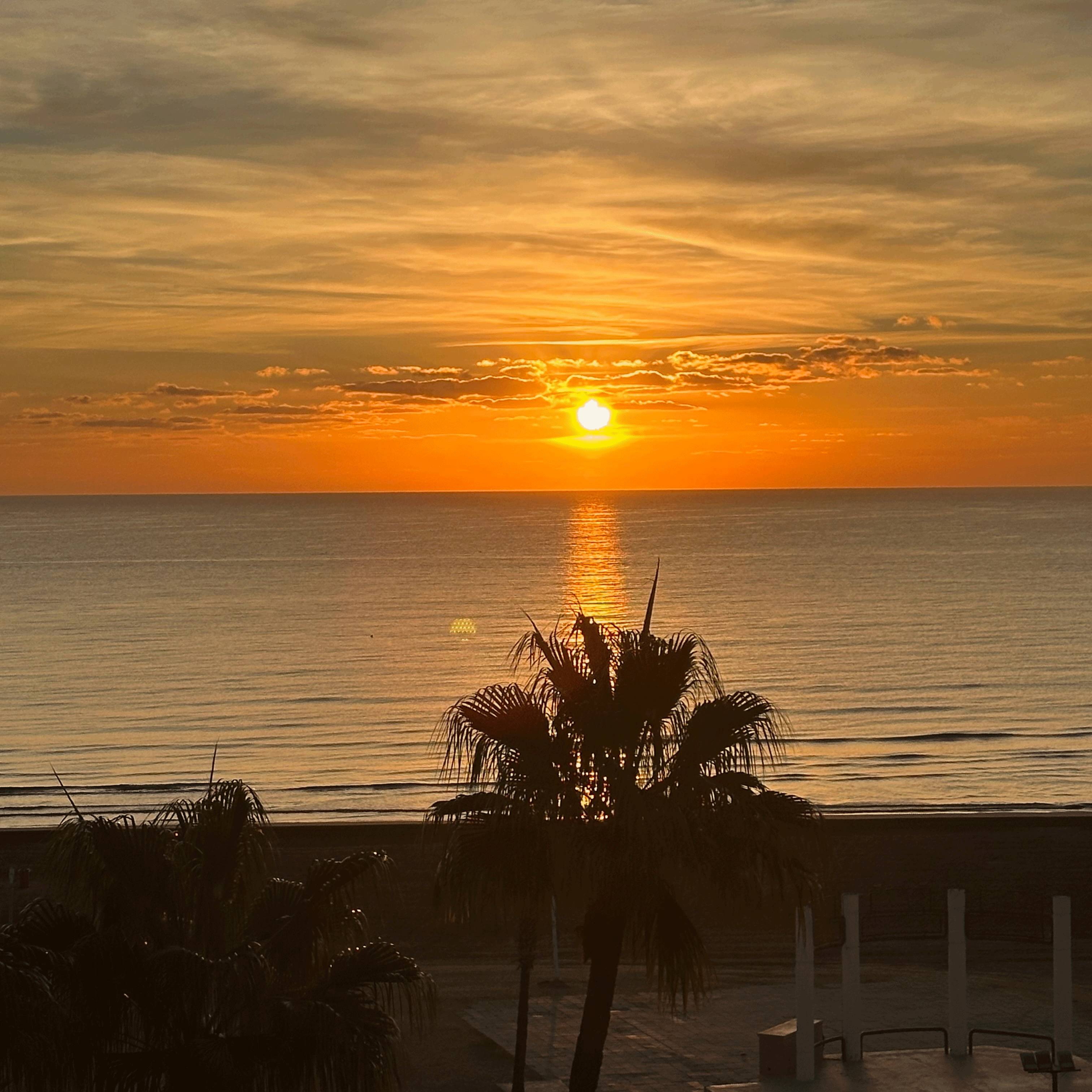
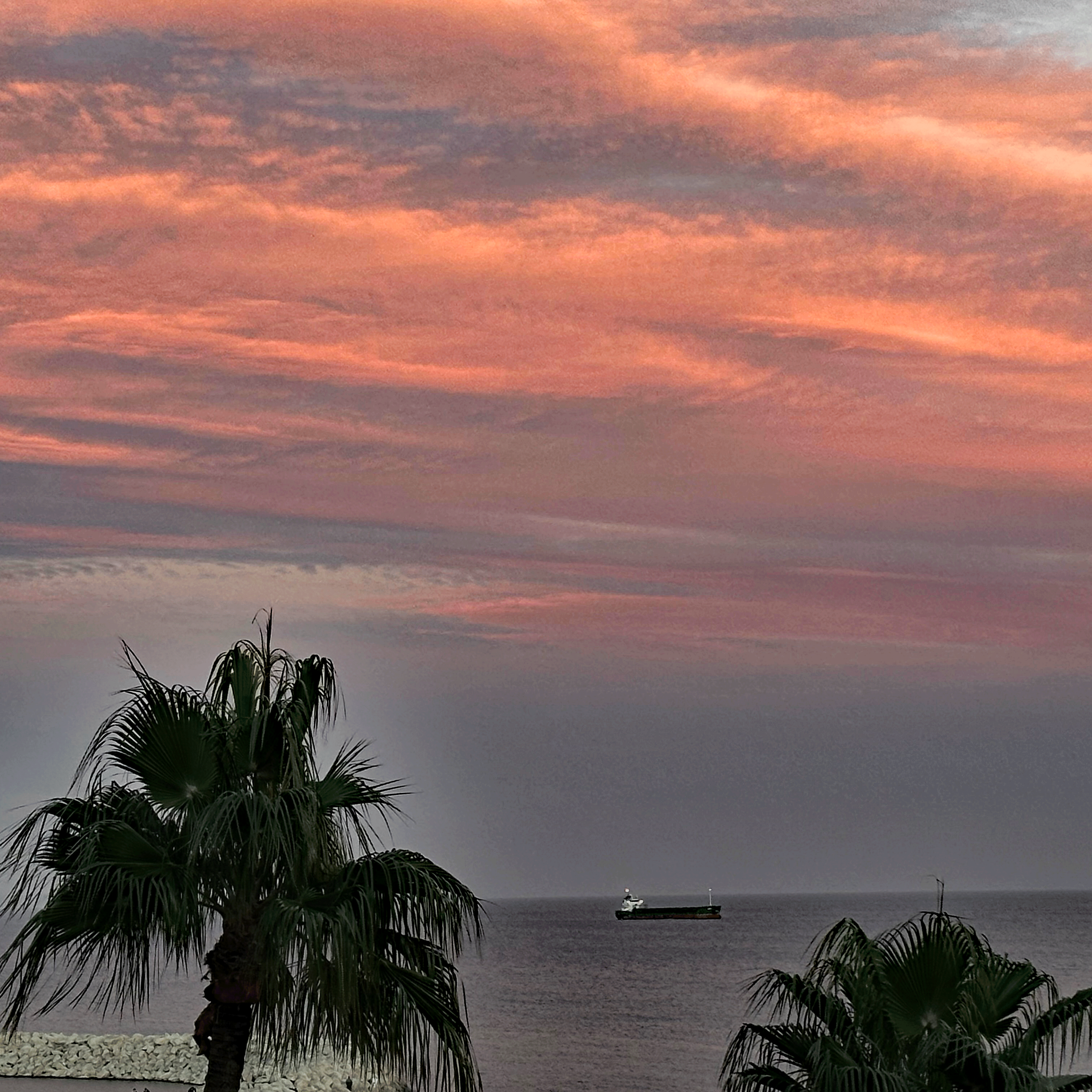
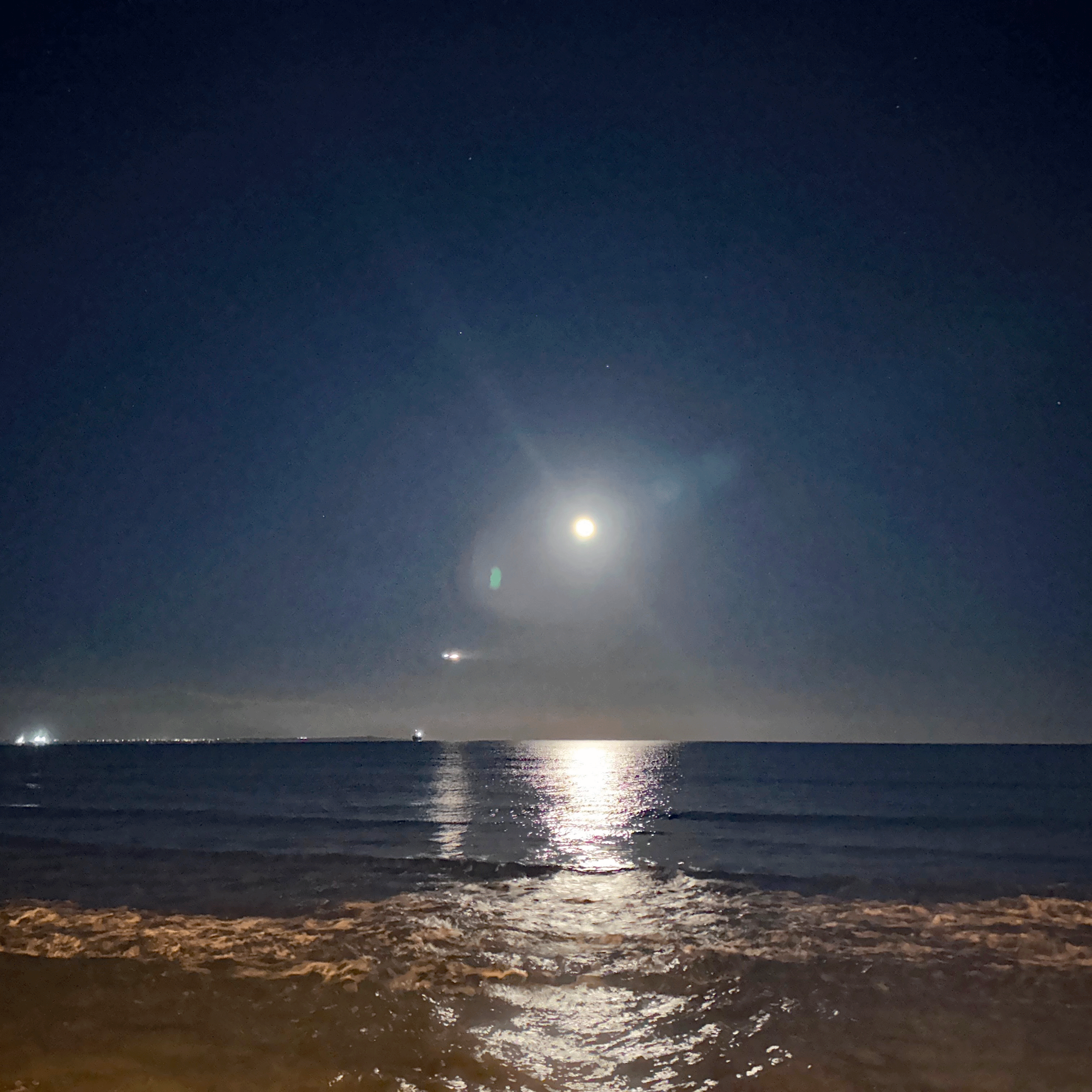
Below: Sunrise and Moonrise on the Mediterranean
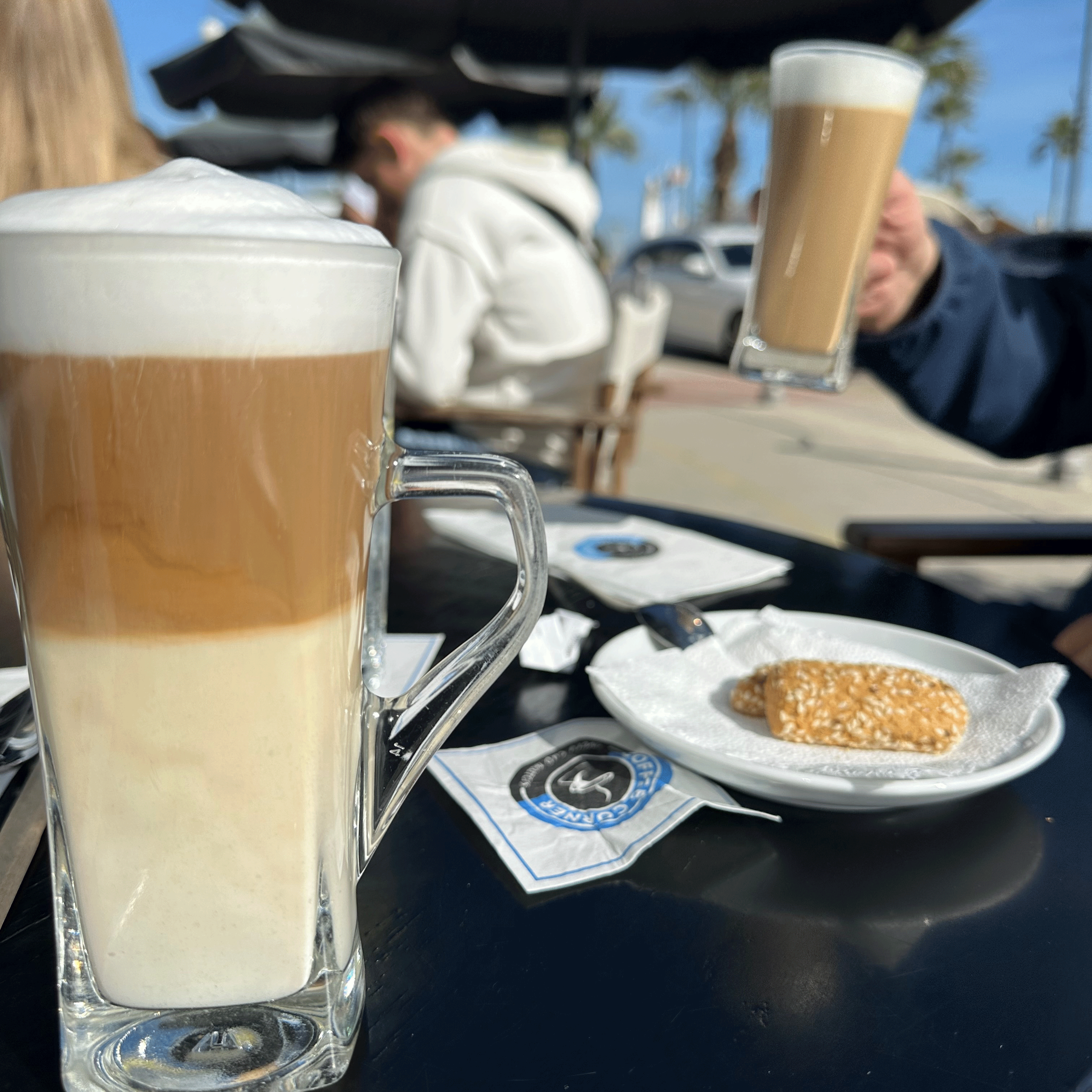
Below: Some photos of food and coffee we enjoyed in Larnaca. There were plenty of dining options a short walk from our home base. In the winter season, reservations are not necessary. Portions are generous, I recommend sharing.
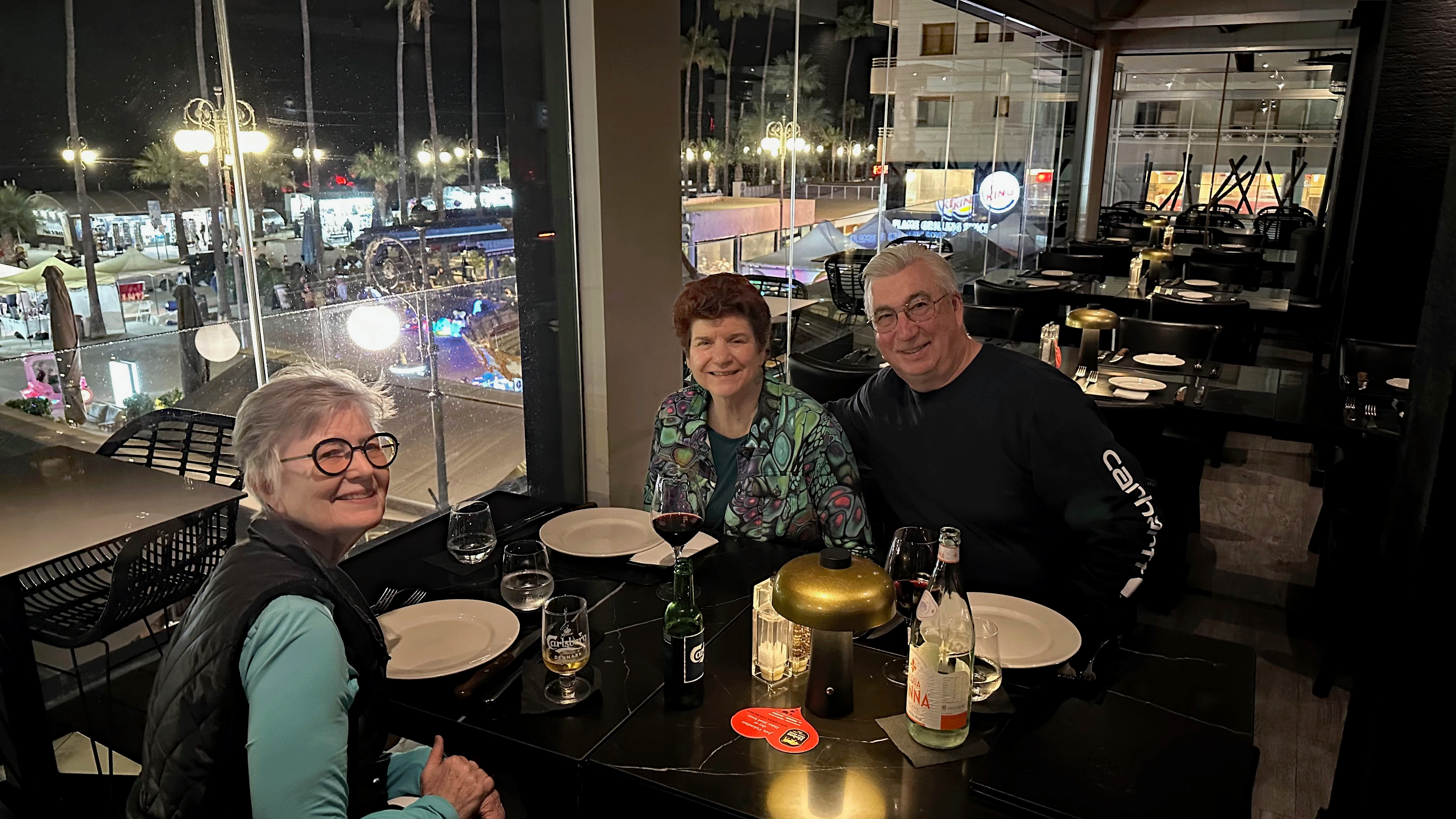
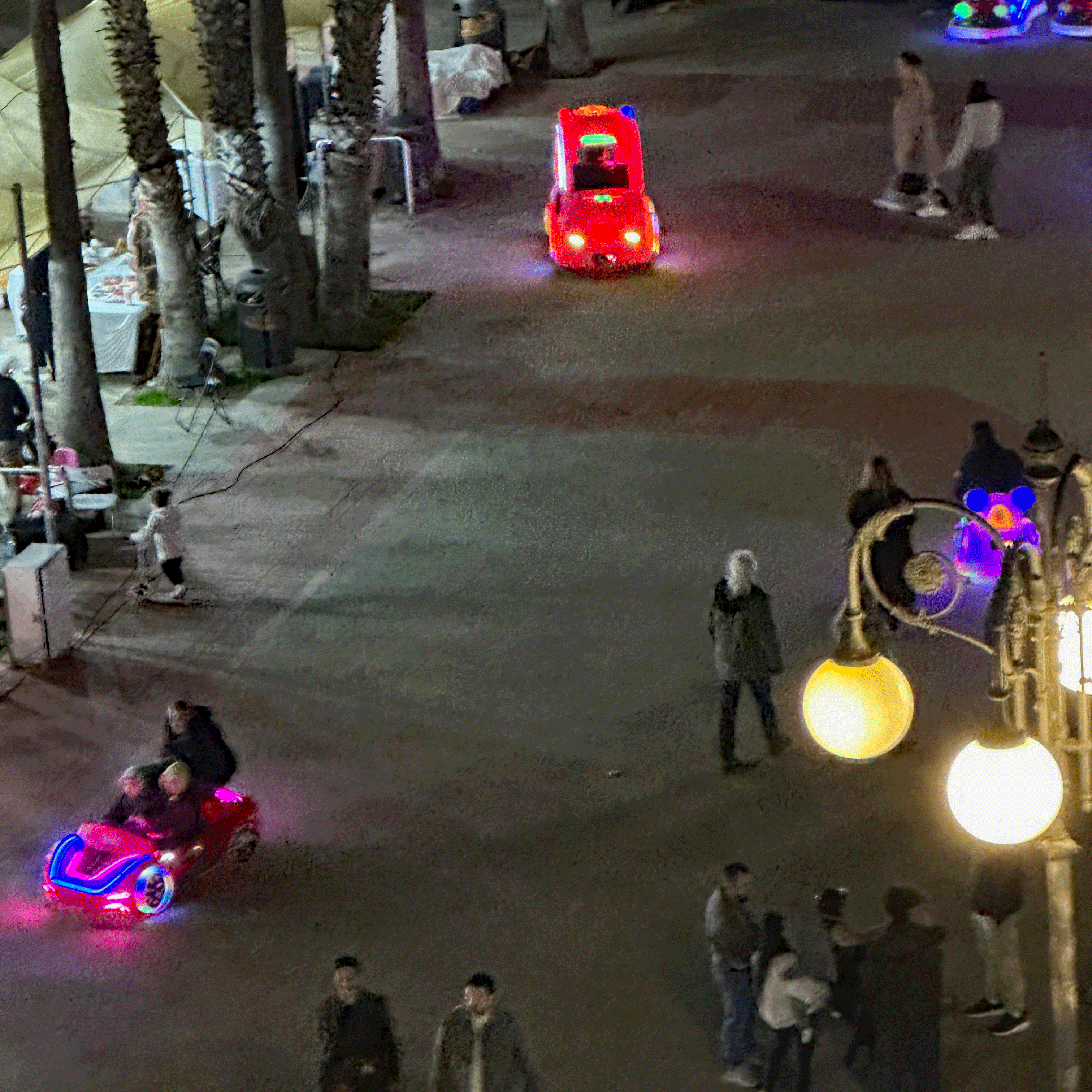
Celebrating on our final nightat Hobo’s SteakhouseFun Neon Motorized Cars for Kids
Daytrip to Nicosia
An hour bus ride from Larnaca is the capital city of Nicosia. I had read that it is the last divided city in existence, at least officially. There is a United Nations Demilitarized Zone and a Green Line. This sounded intriguing so we planned a day trip to Nicosia.
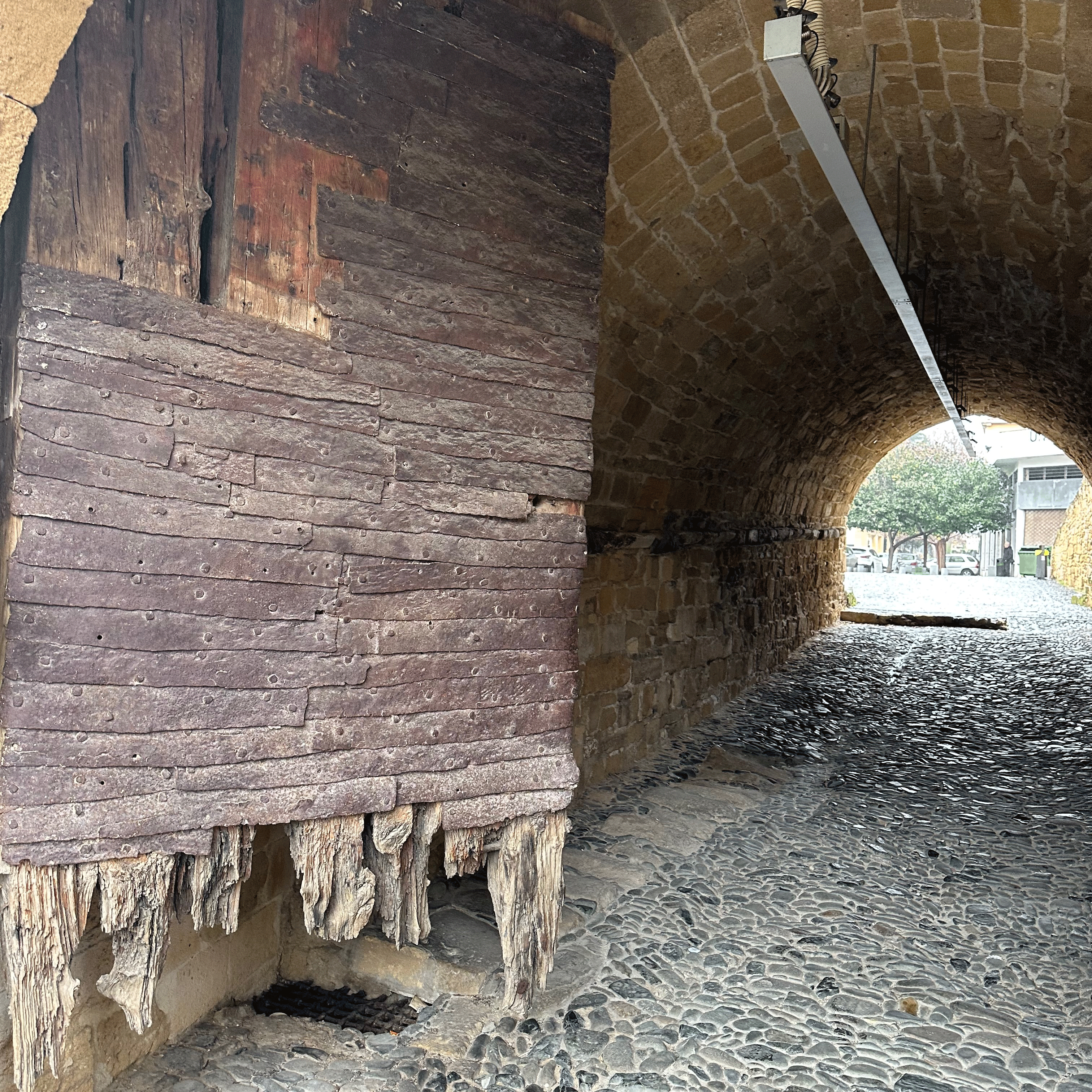
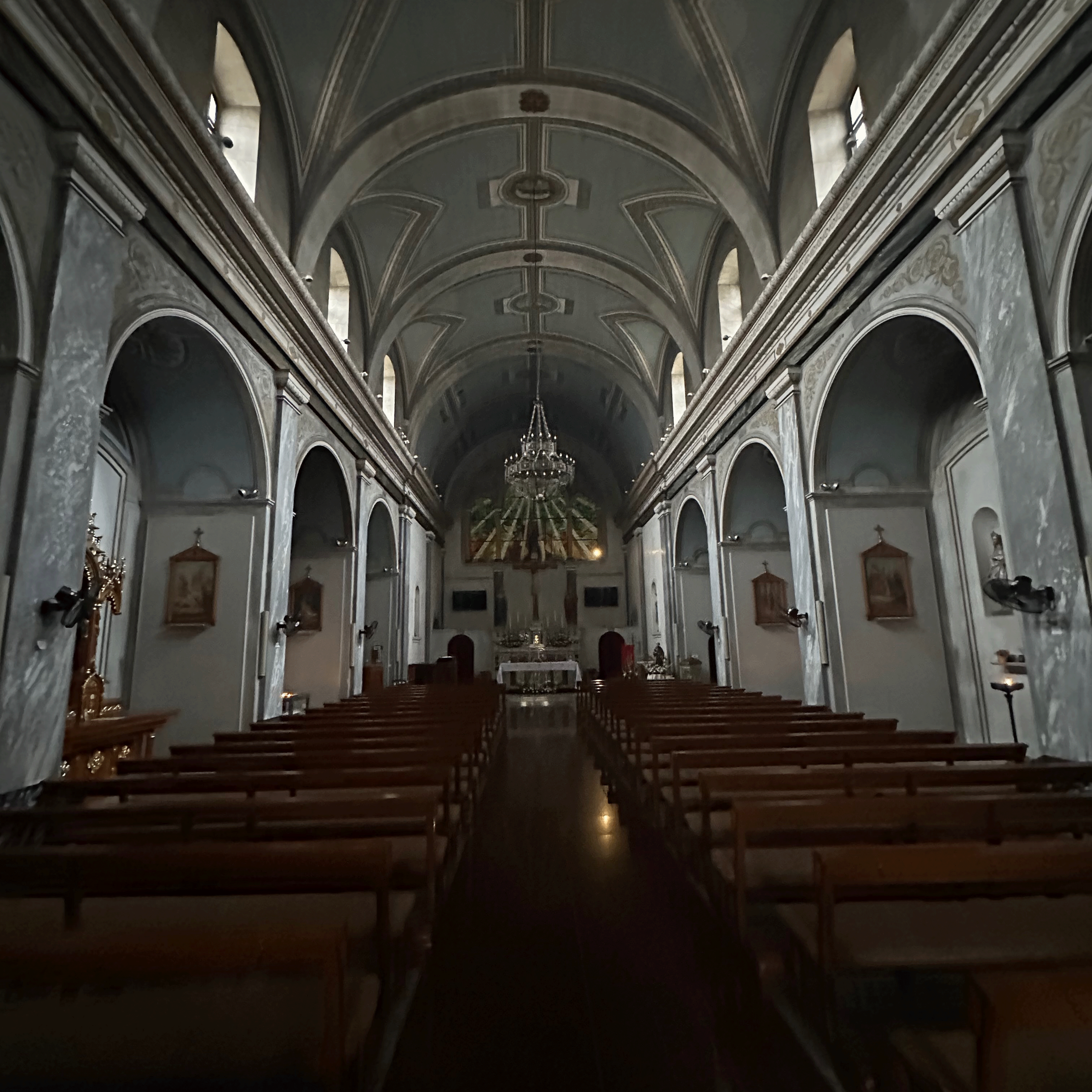
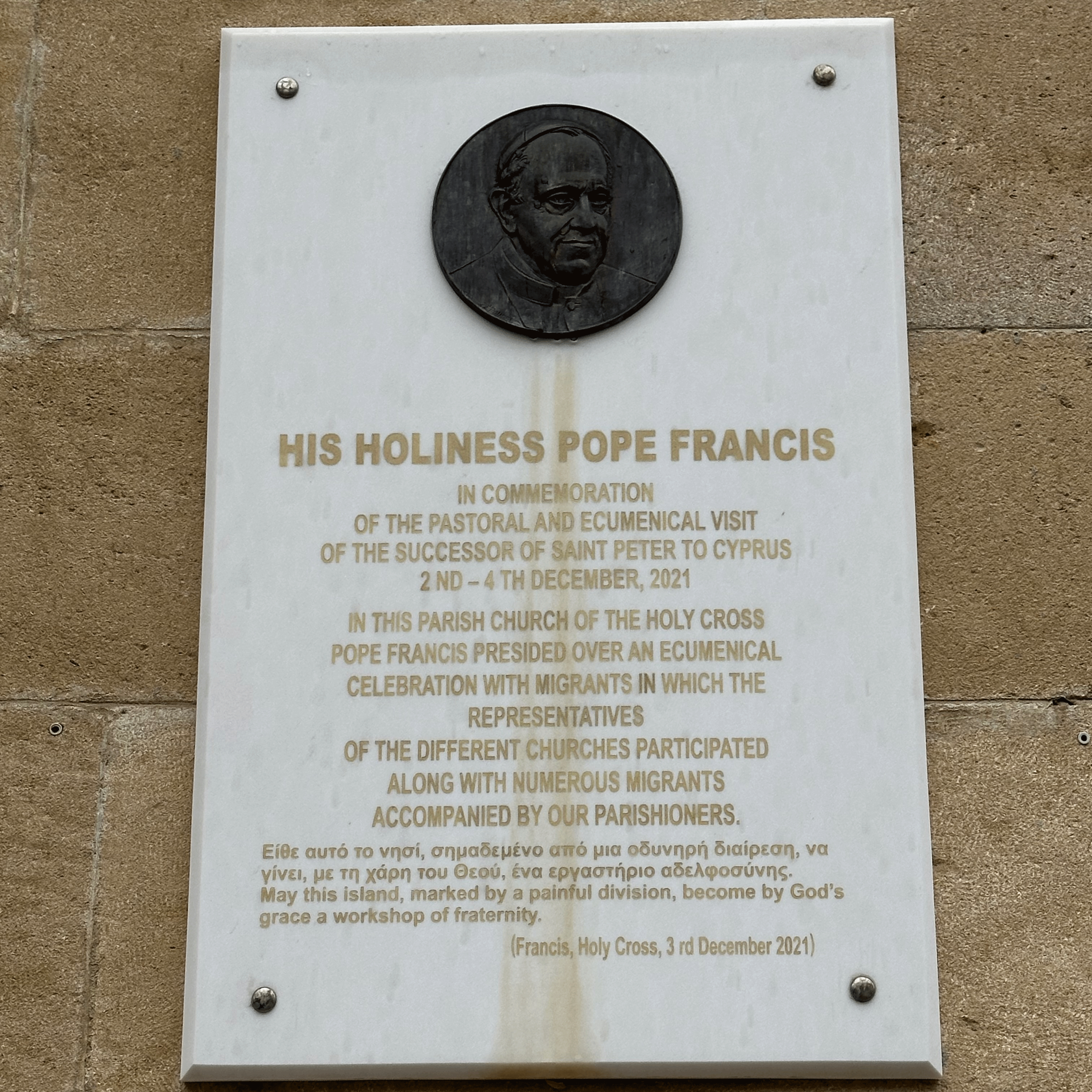
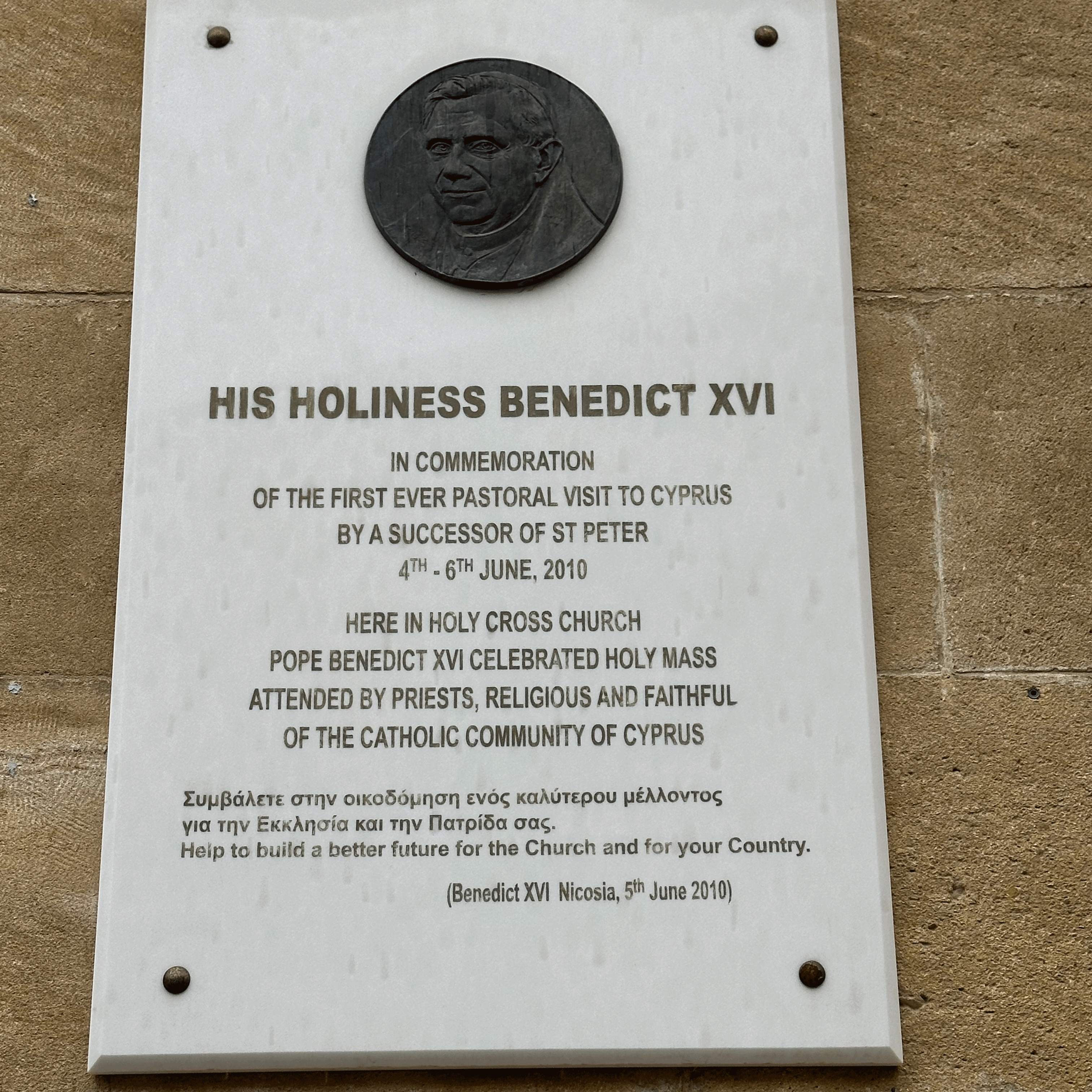
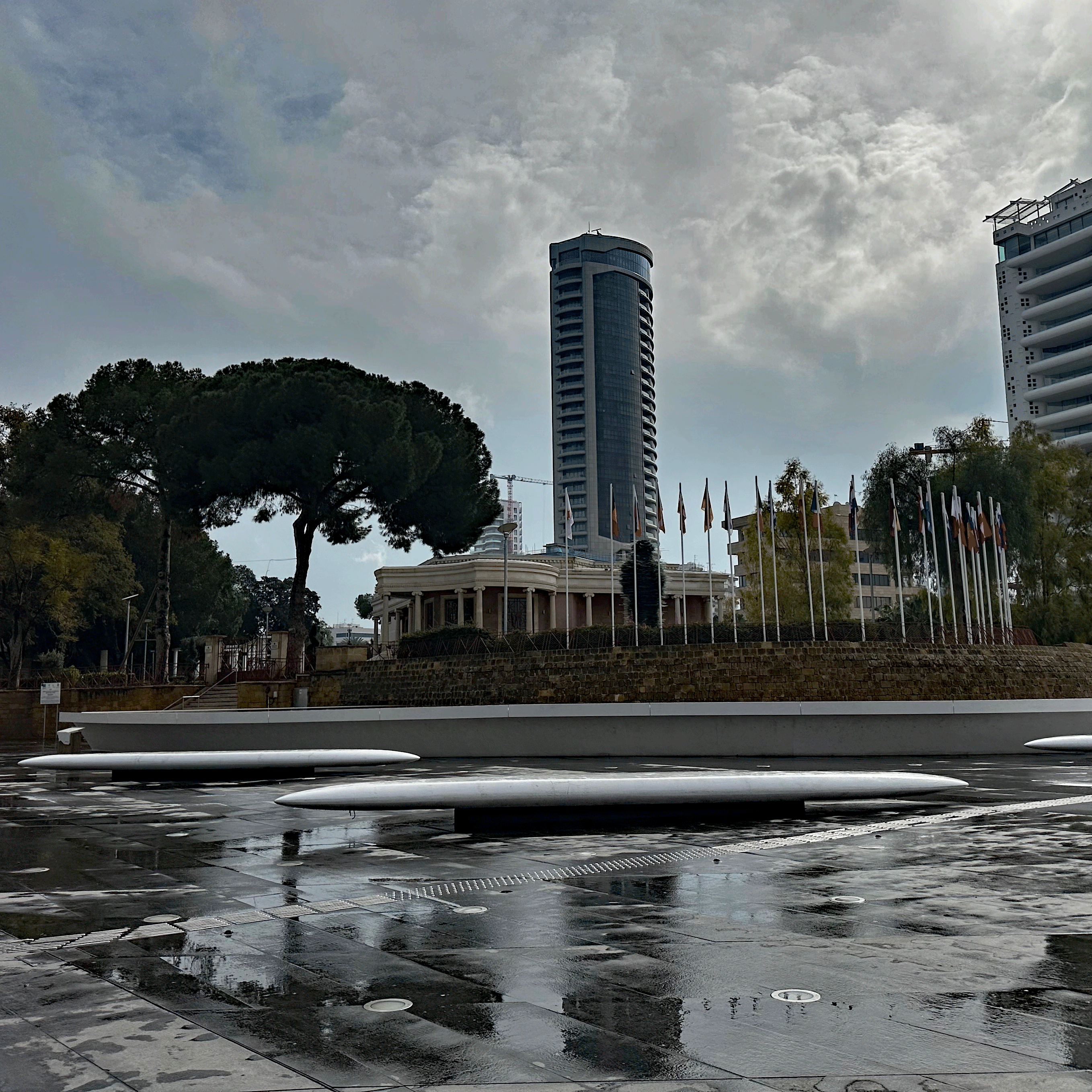
We bought our bus passes at the main terminal, a ten minute walk to the end of the promenade. The bus stop was right across the street from our apartment. It rained on the day we went; one of our few rain days in Cyprus. Unfortunately, nothing ever looks as good in the rain. We hunkered under our umbrella and walked from the bus depot to the Paphos Gate, the last city gate through the city walls built by the Venetians (1489-1571). We walked through the gate for an outside view of what’s left of the wall. There wasn’t much to see, so we headed back in. Near the gate, inside the walls, is The Church of the Holy Cross, a Catholic Church. There are still Roman Catholics in Cyprus, even though most of the country is Eastern Orthodox. The rear exit of the church is sealed as it is on the Turkish side. On a hill beyond the church, a Turkish flag was visible. Other than that, we saw no evidence of the divided city or UN Green Line.
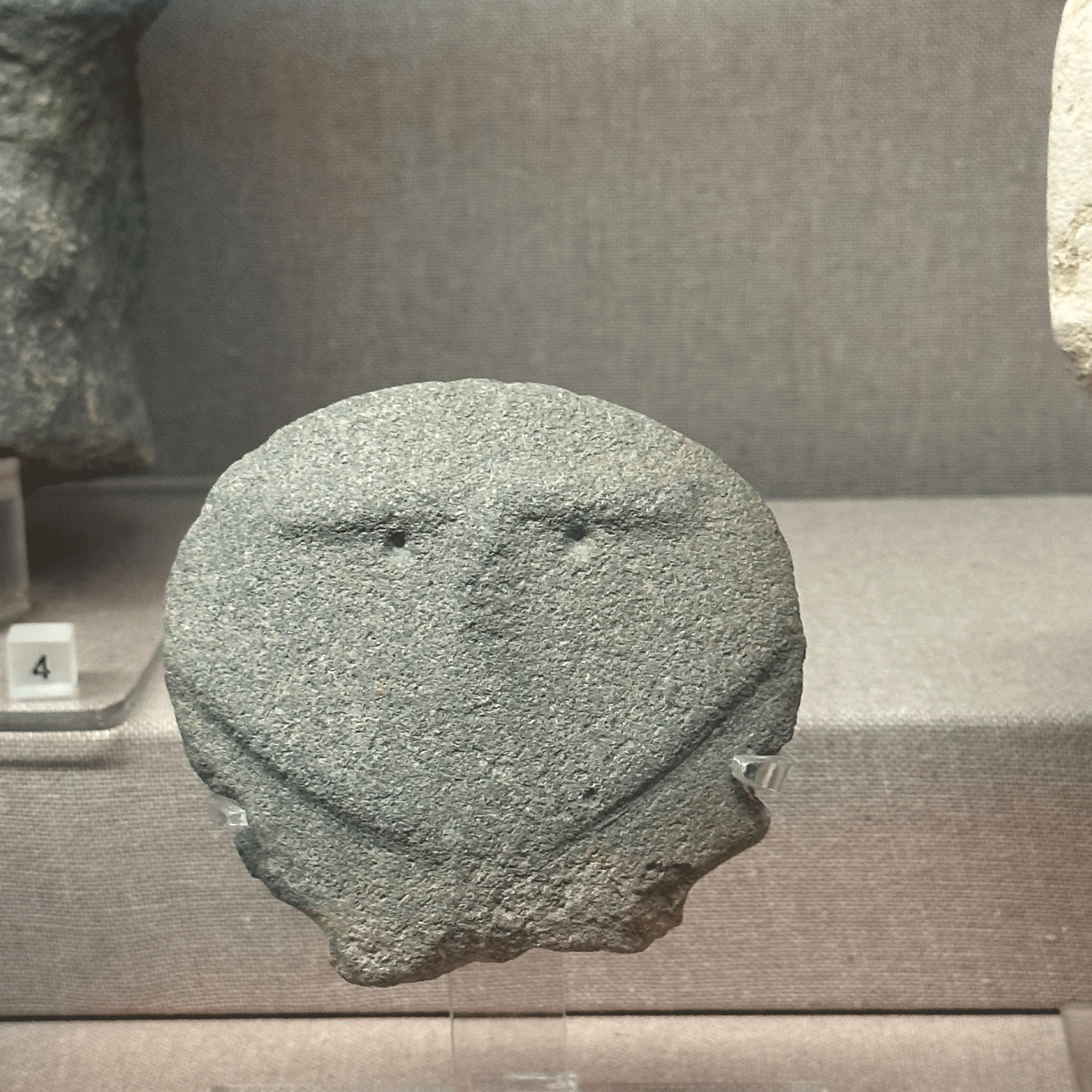
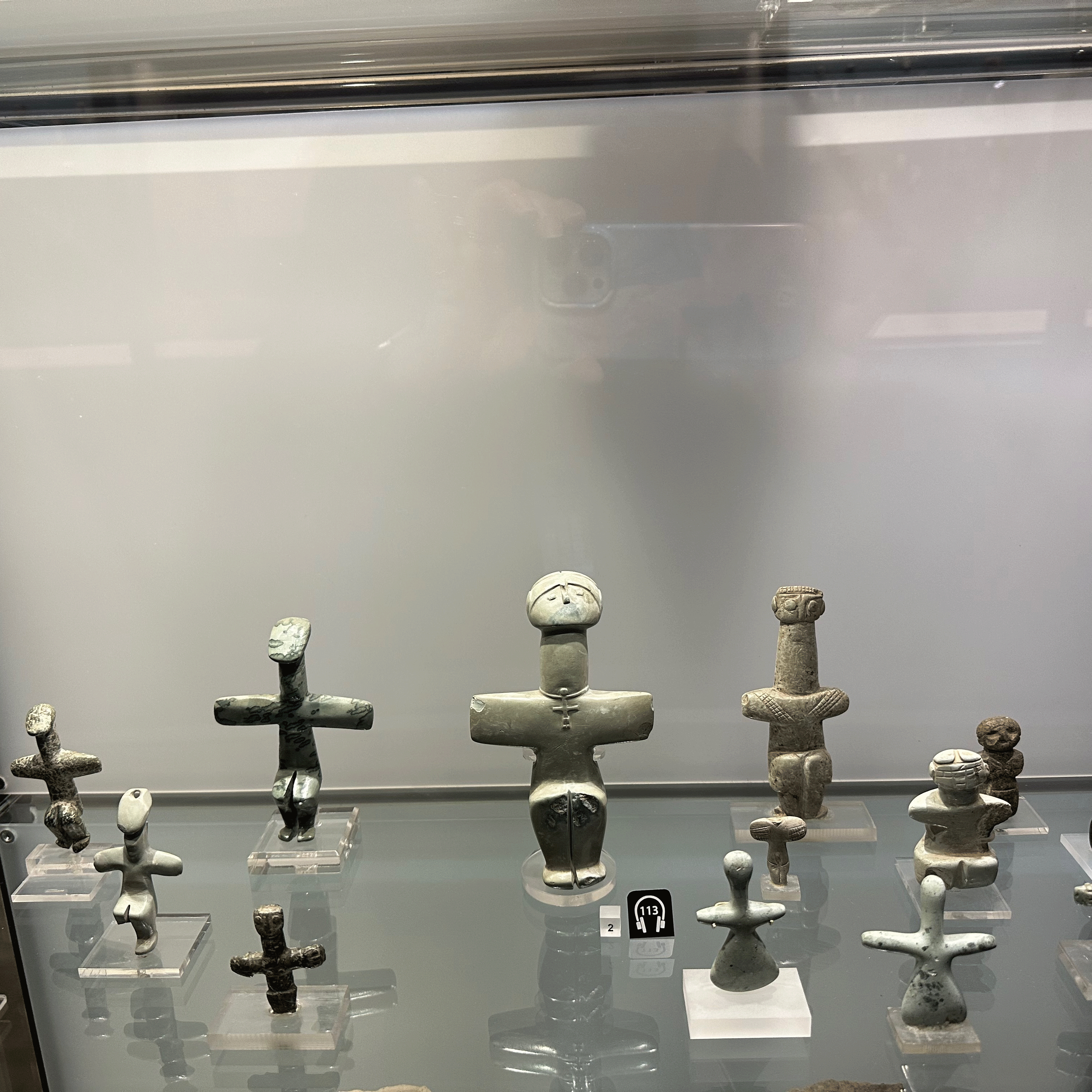
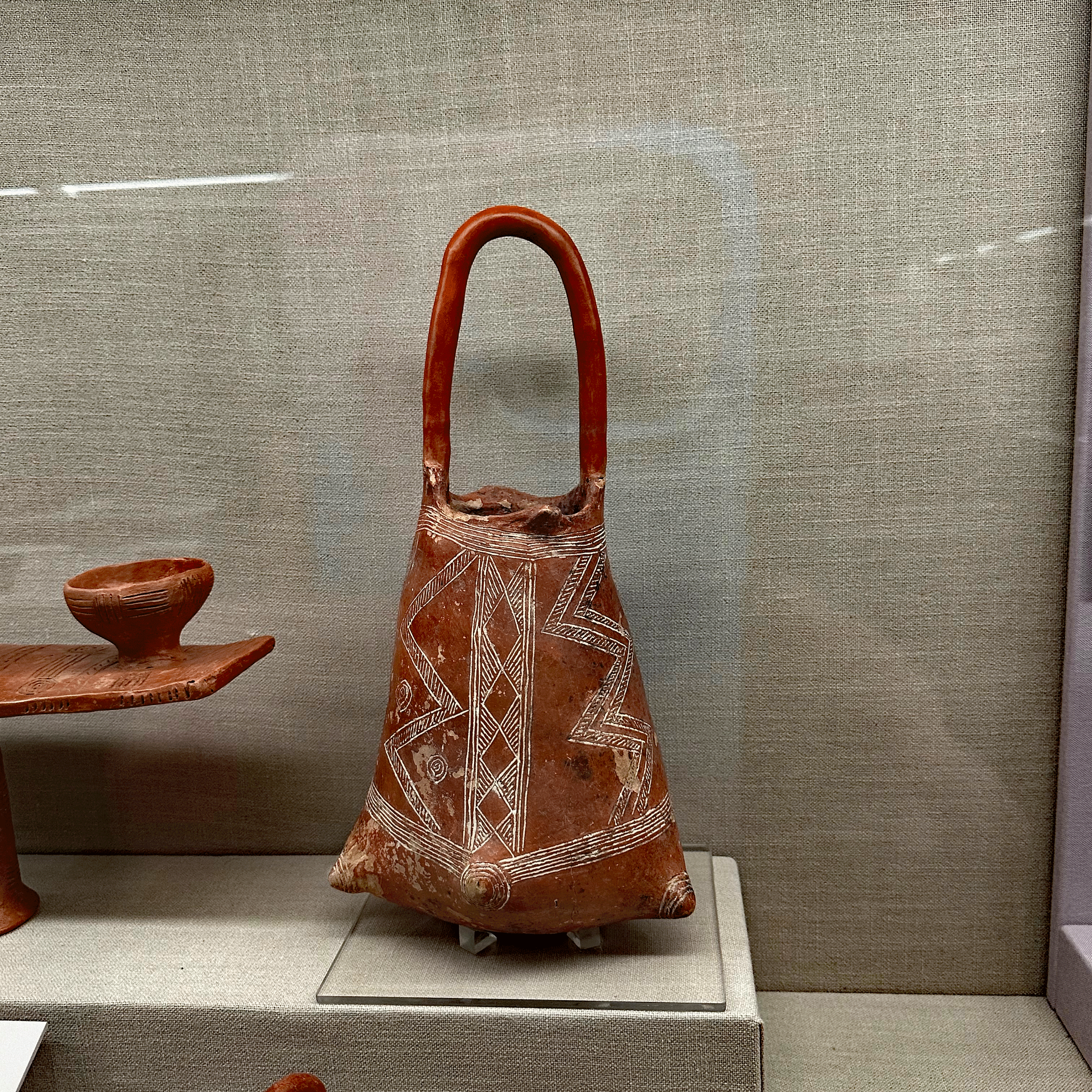
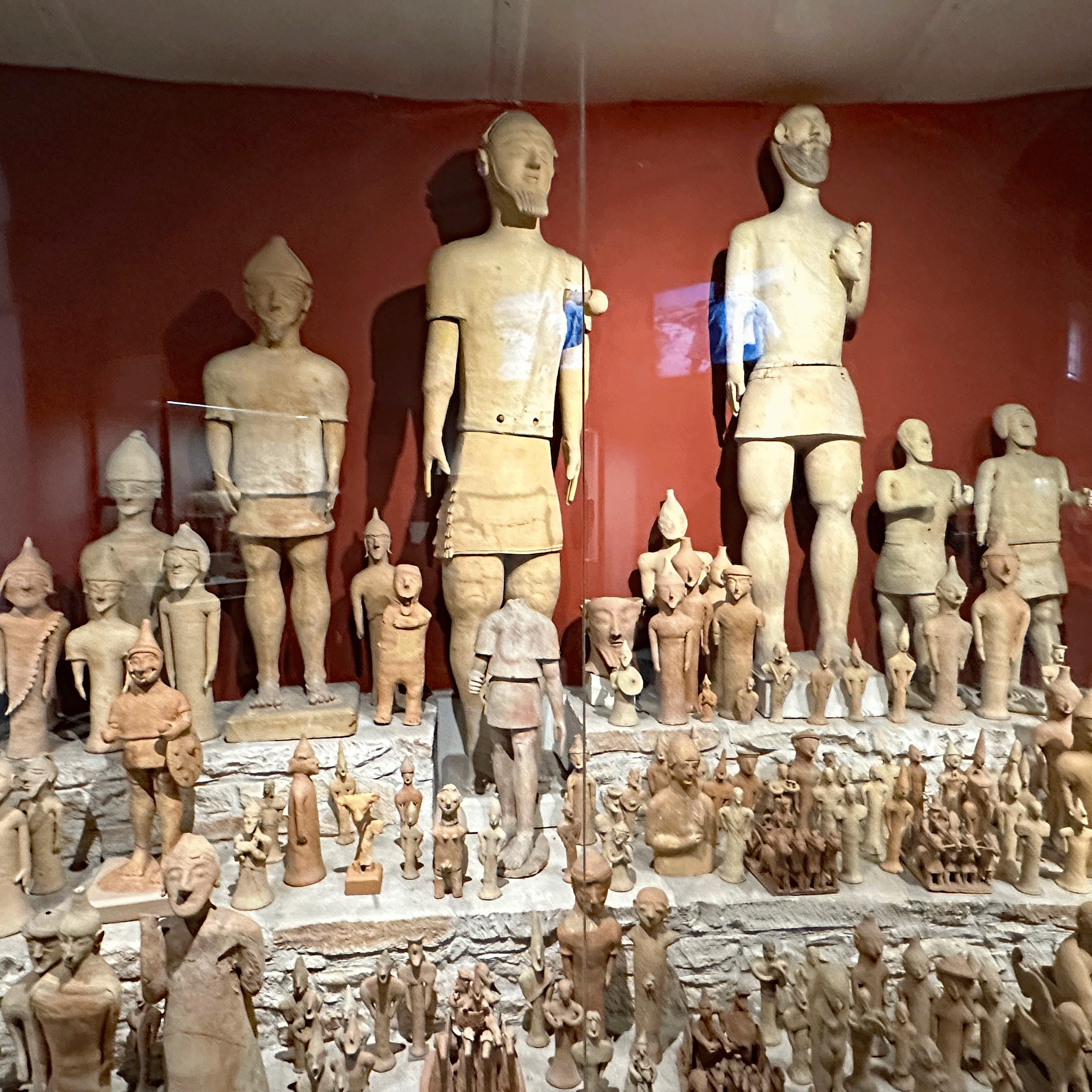
To get out of the rain, we headed to the Archeological Museum of Cyprus. This museum is a treat. Each gallery featured artifacts from a different time period in Cypriot history, so a walk through the museum is a visual walk through the island’s people from the Stone Age (10,00 BC) and Bronze Age (2400-1200 BC) through the Roman Empire (30 BC-600 AD). The audio guides are excellent , although a bit long winded for my taste. There were very few visitors, so we could take our time and get close to all of the displays. I was blown away by the scope of human history displayed here. These ancient people had a complex civilization. Cyprus was an important center for commerce during the Bronze Age, because they mined copper. This led to prosperous trading and a wealthy merchant class.
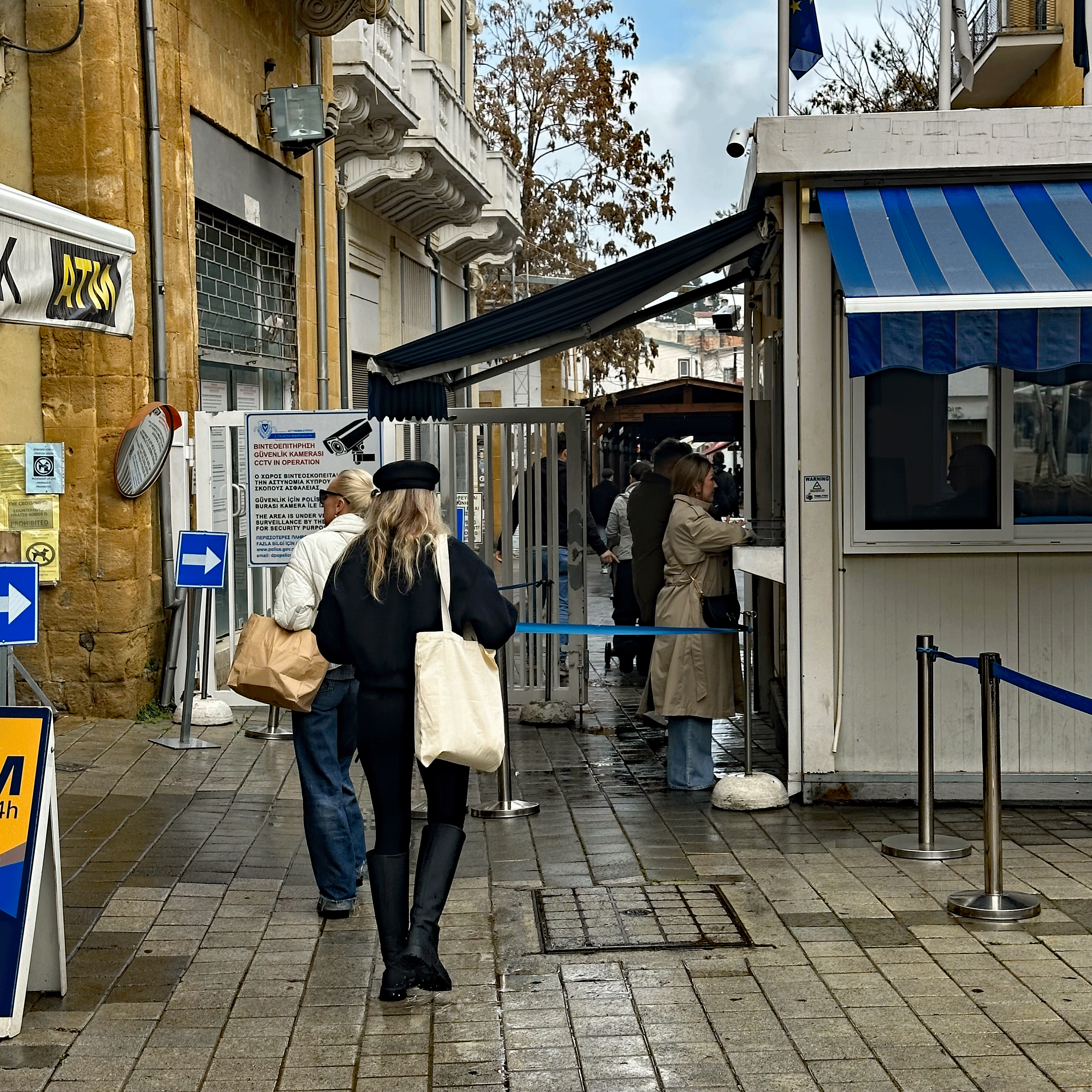
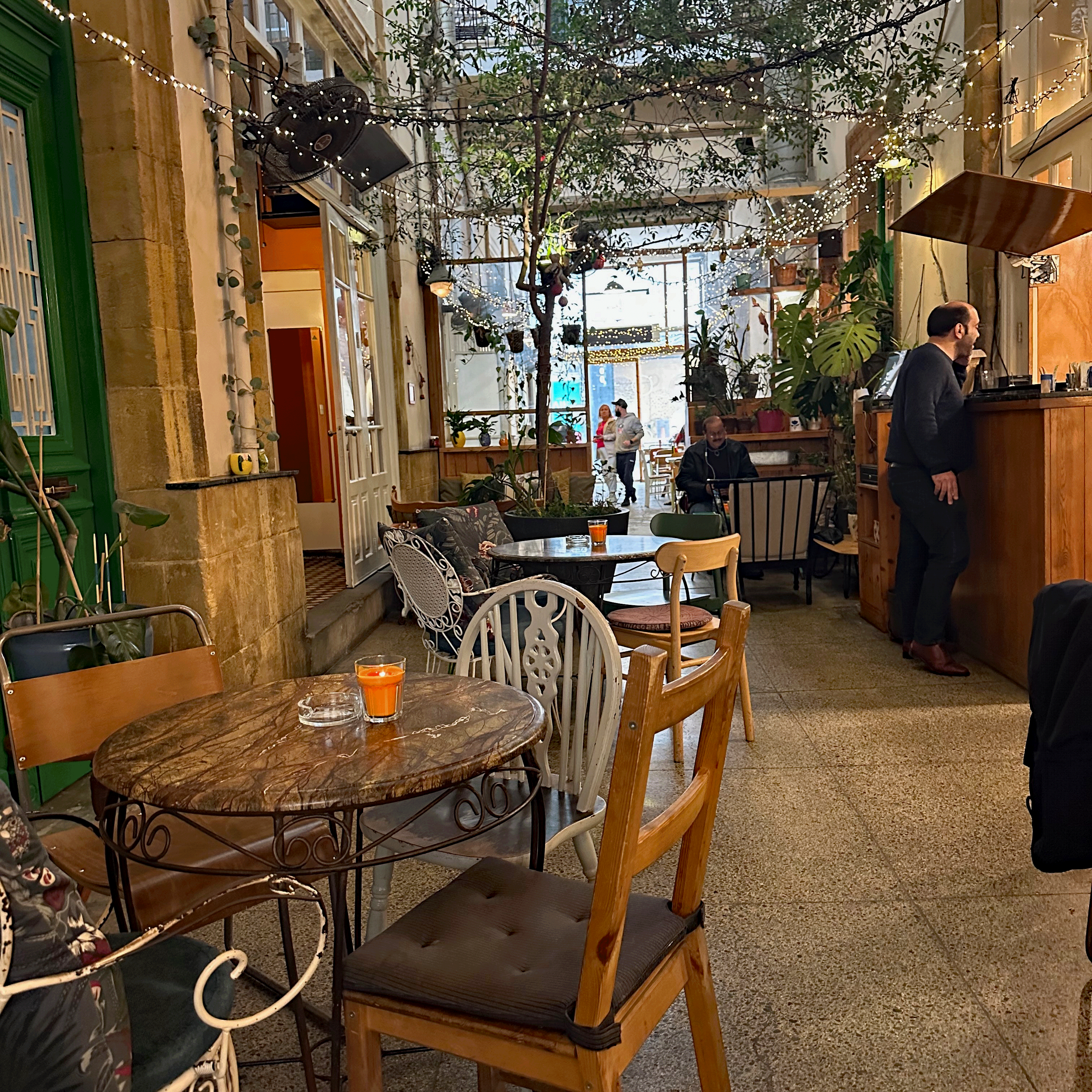
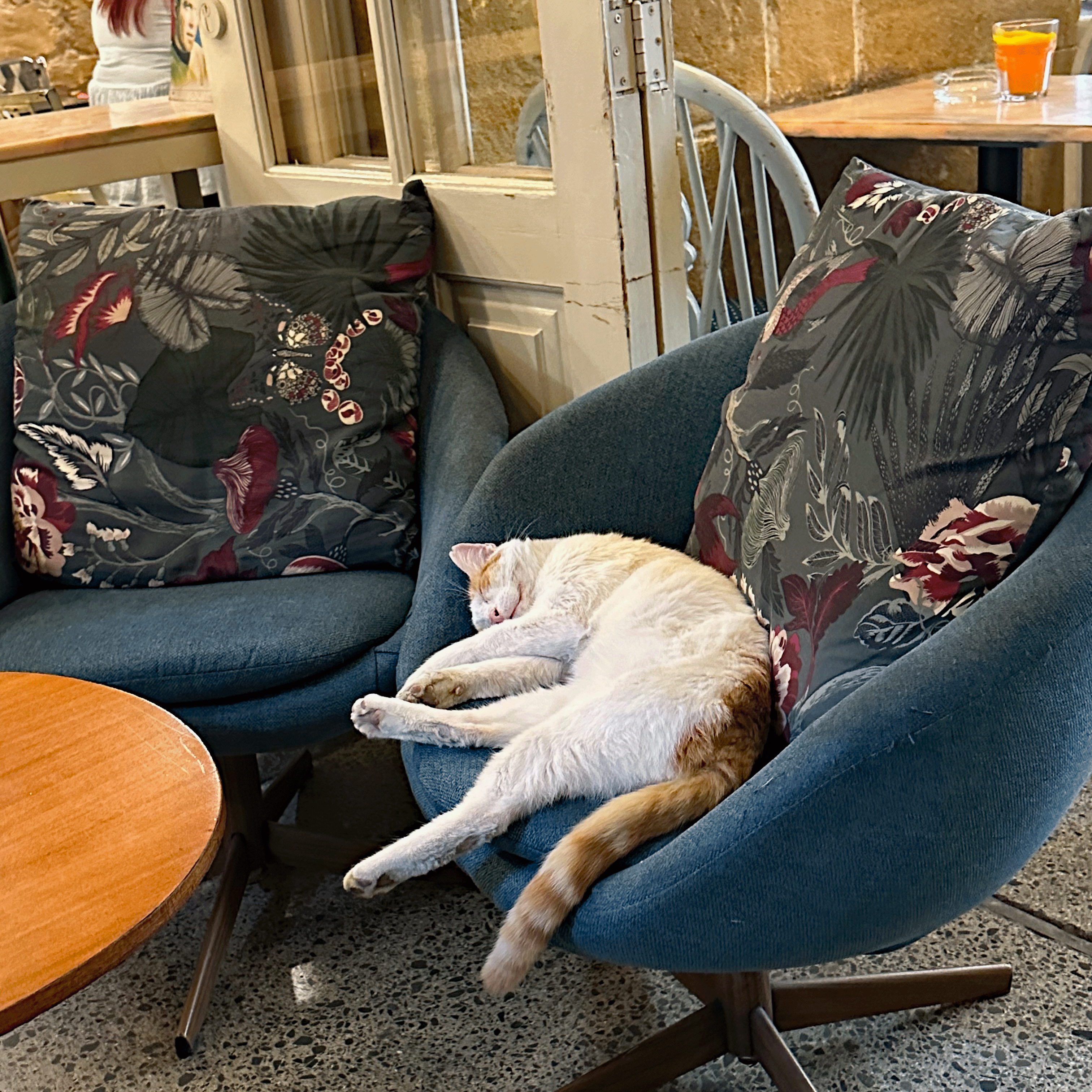
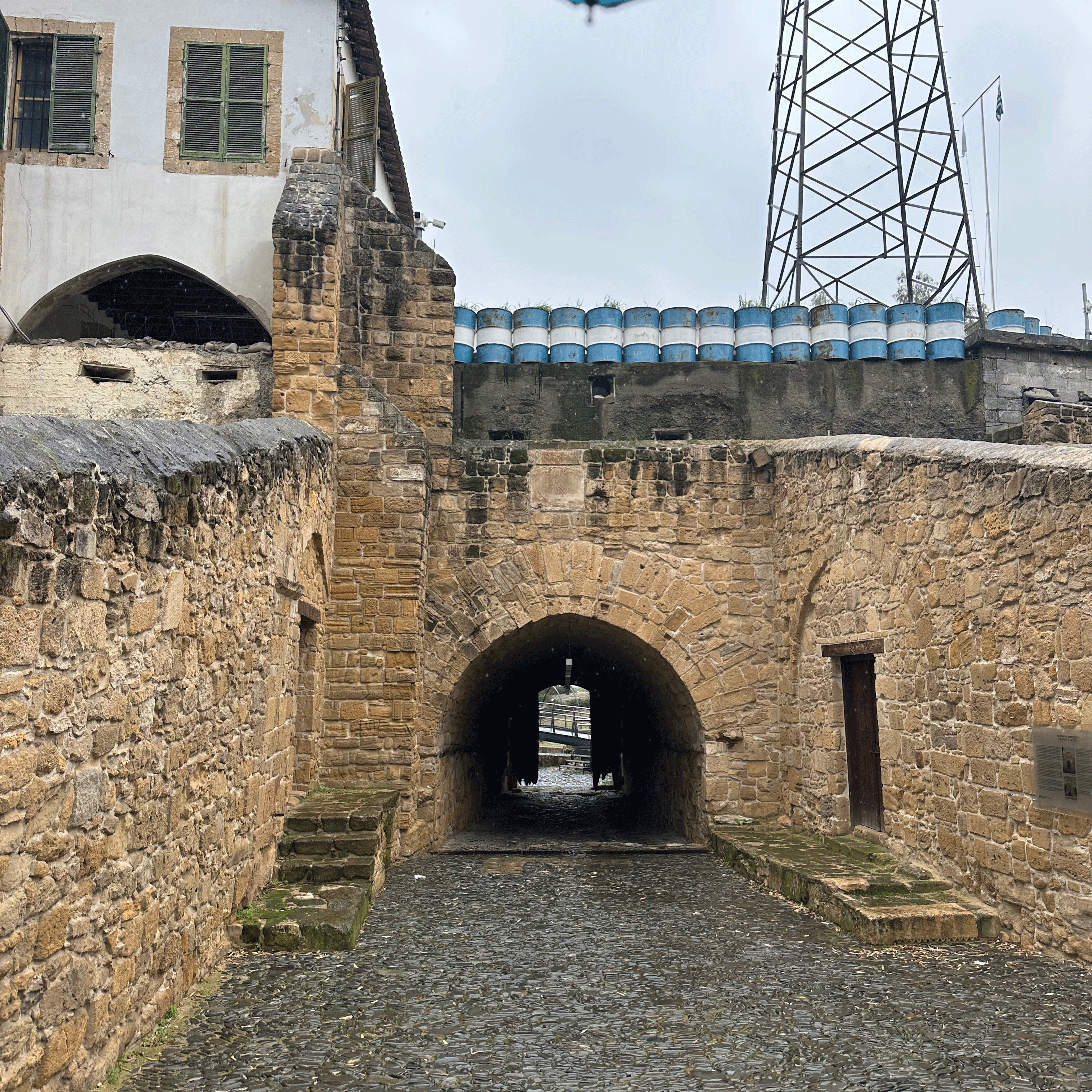
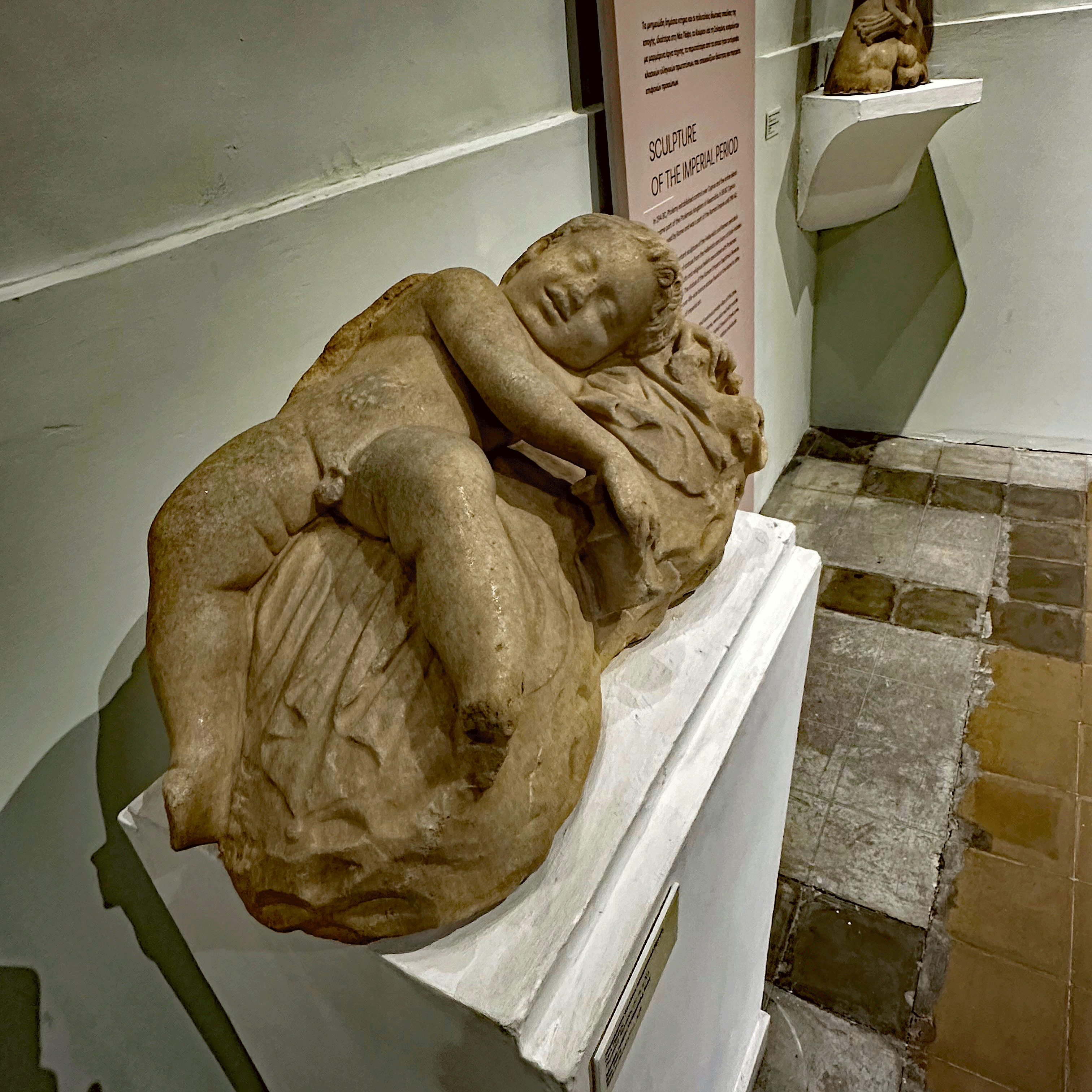
The Checkpoint to the Turkish SideBrunch in NicosiaCat NappingLast City GateNicosia’s Catholic ChurchThe Two Popes Were HereArcheology Museum of Cyprus (Neolithic)Fertility Figurines (circa 3,000BC )Ceramic (circa 2,000 BC)Terra Cotta Figurines (7th Century BC)Statue of Eros (Roman)Modern Nicosia
When we came out of the museum, the rain had let up. We walked toward the historic center in search of a coffee and some food. We found a cozy spot for a typical Cypriot brunch. Ledra Street is the pedestrian area lined with shops and restaurants. At one end of Ledra street is an unassuming booth. That is a checkpoint to enter the Turkish side. Although we had fully intended to cross, we realized we had left Larnaca without our passports. Those were safely stowed back at our apartment and we were carrying our passport cards, which might have sufficed, but we weren’t willing to chance it. Since we just toured Turkey last October, we weren’t too devastated. My passport has a Turkish stamp. Still, if you go to Nicosia, remember your passport! (and take some photos for me)
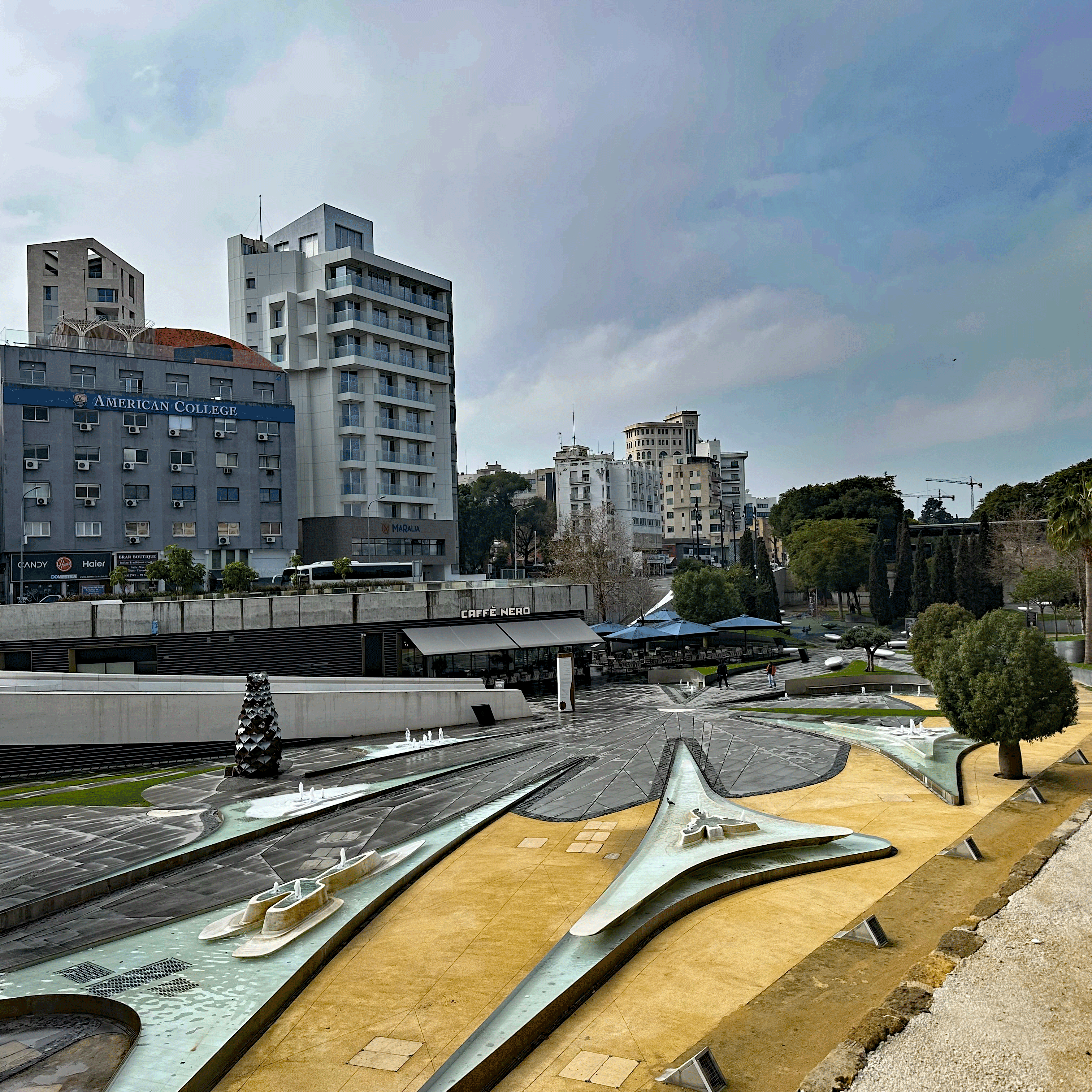
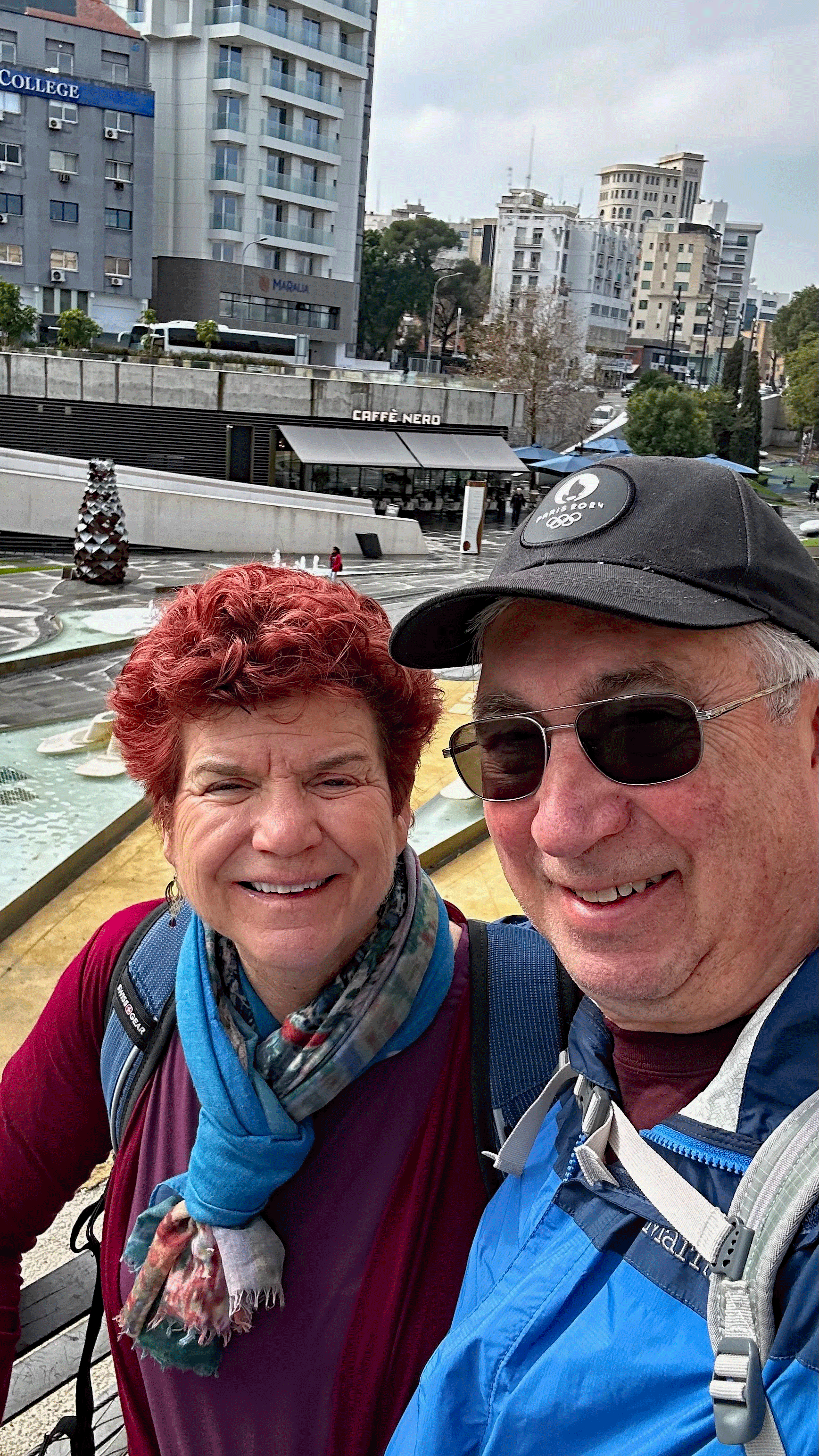
After brunch, we strolled to the nearby modern section of Nicosia.
From Larnaca, we are headed to the city of Limassol, Cyprus. Thank you for reading!
We flew from Paphos, Cyprus to Chania, Crete via Ryan Air. We arrived on time and after a quick baggage claim and passport inspection, we met Manolis, the taxi driver, arranged by our host. The drive from the airport was pleasant; we enjoyed seeing a little of the Cretan countryside with its rolling hills, olive trees, and vineyards.
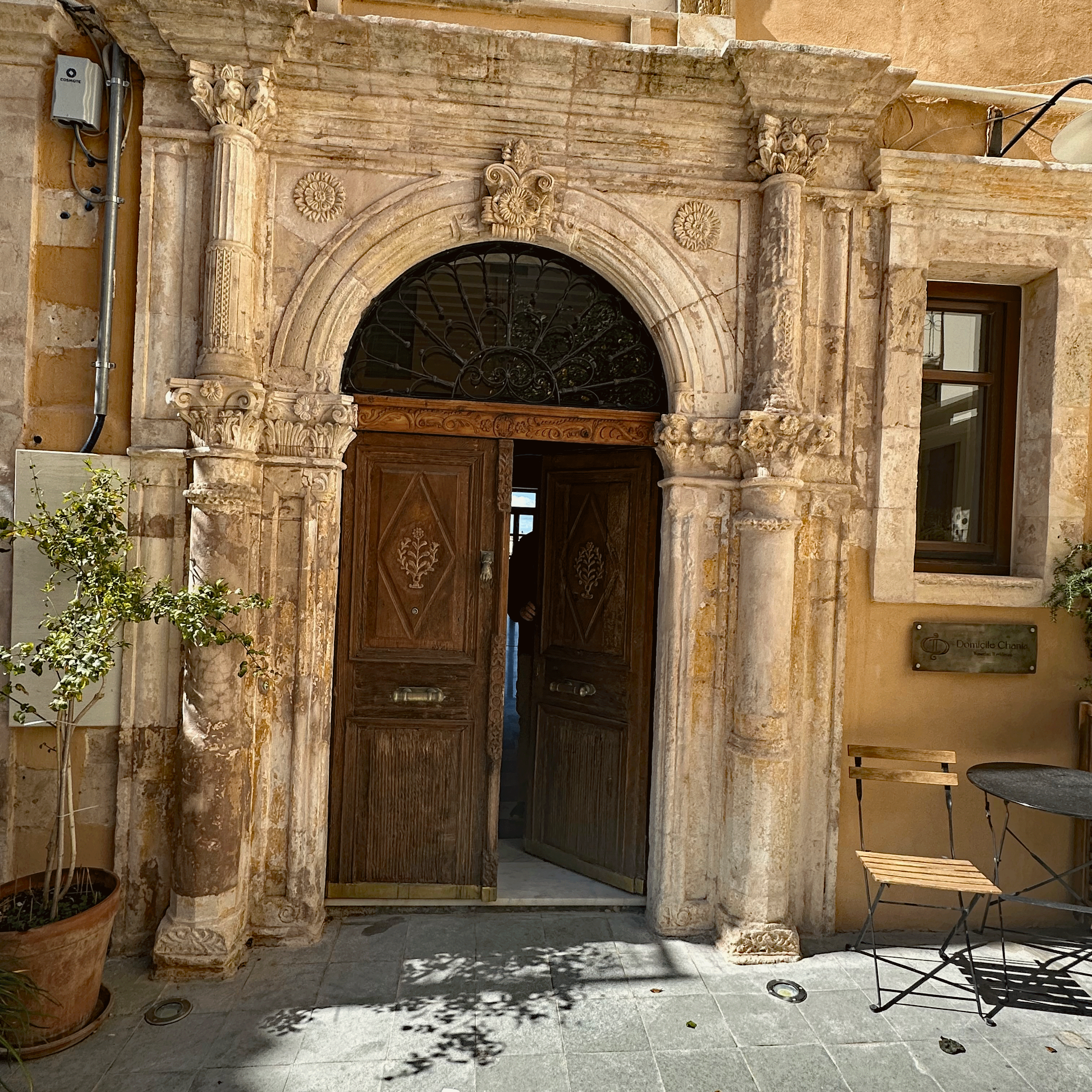
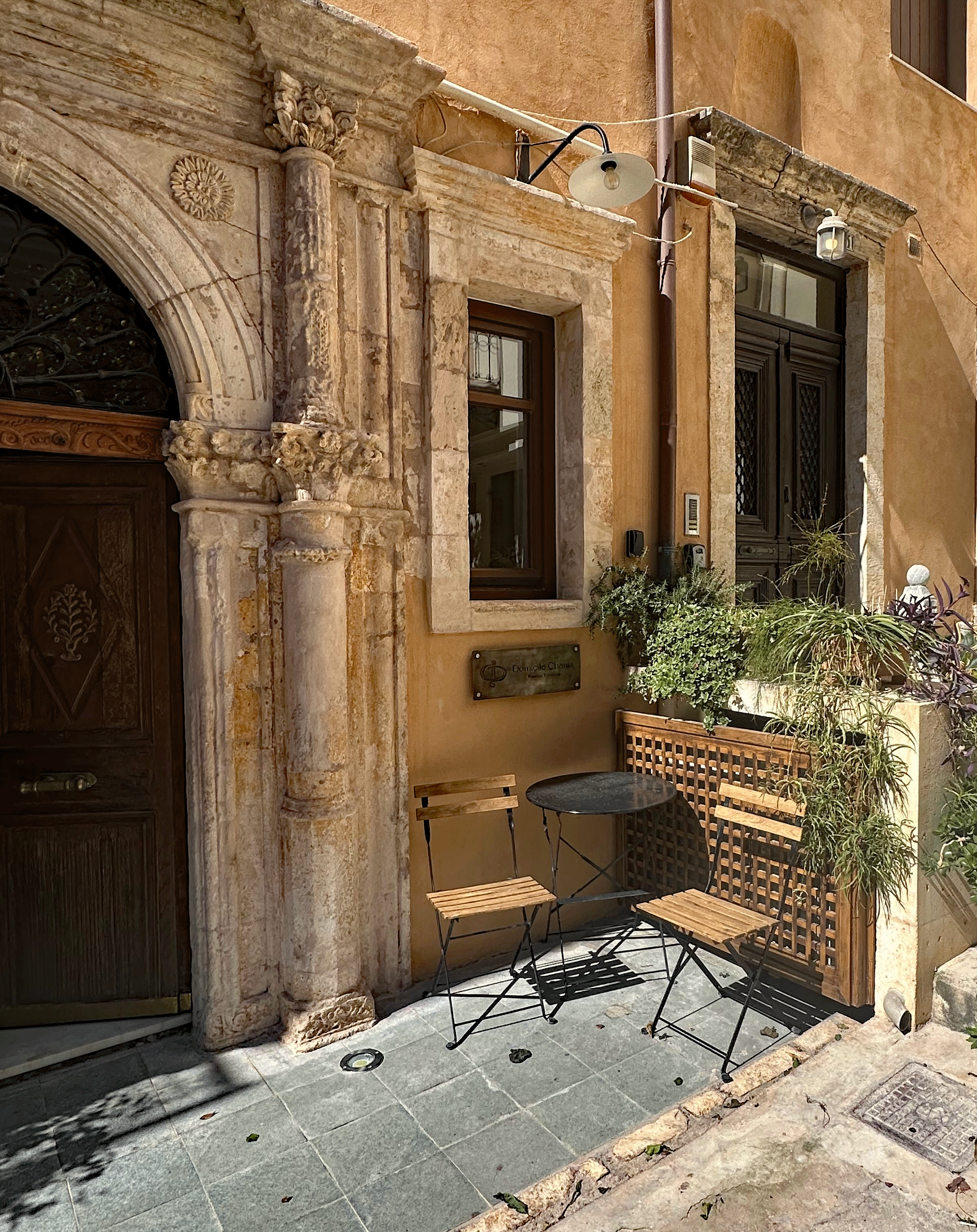
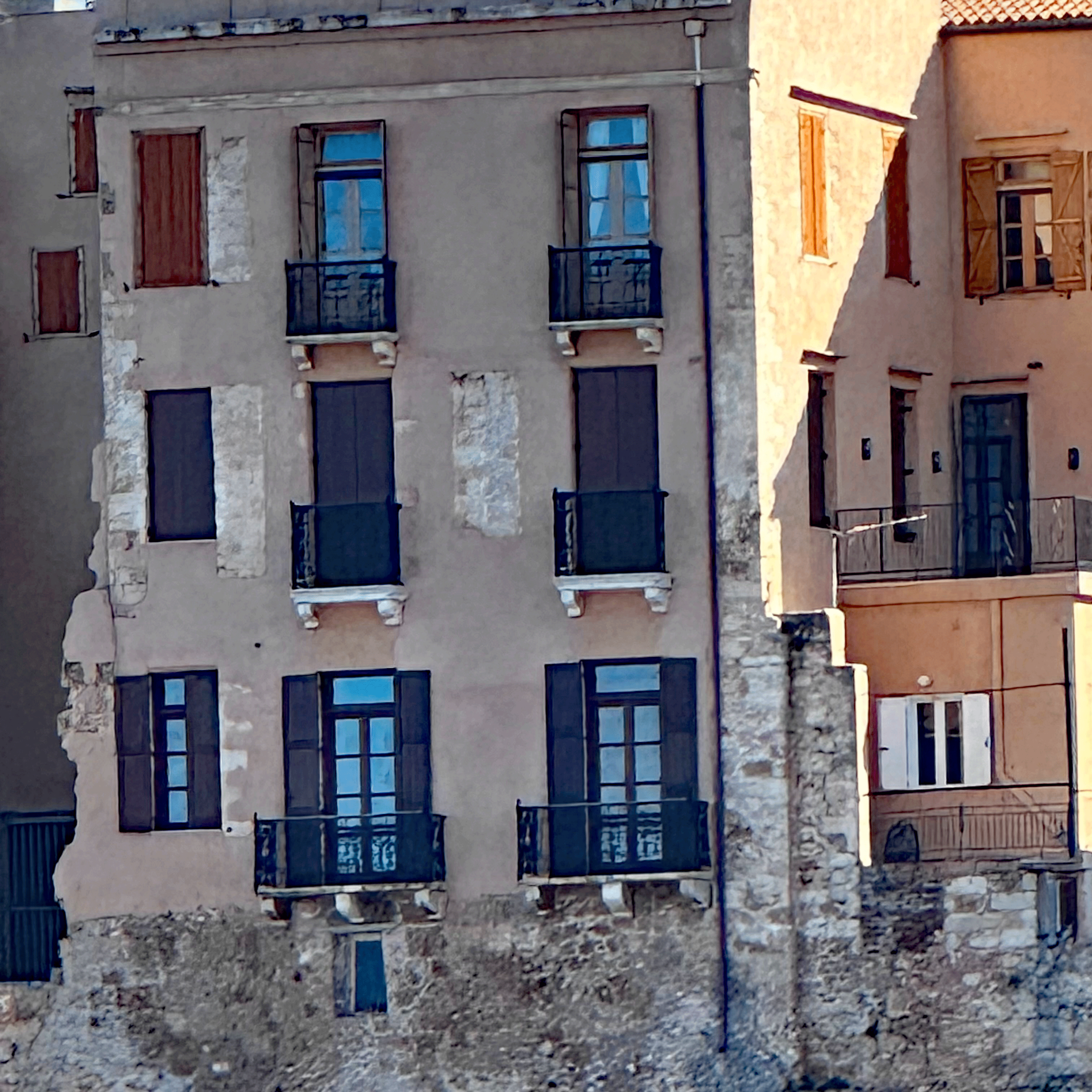
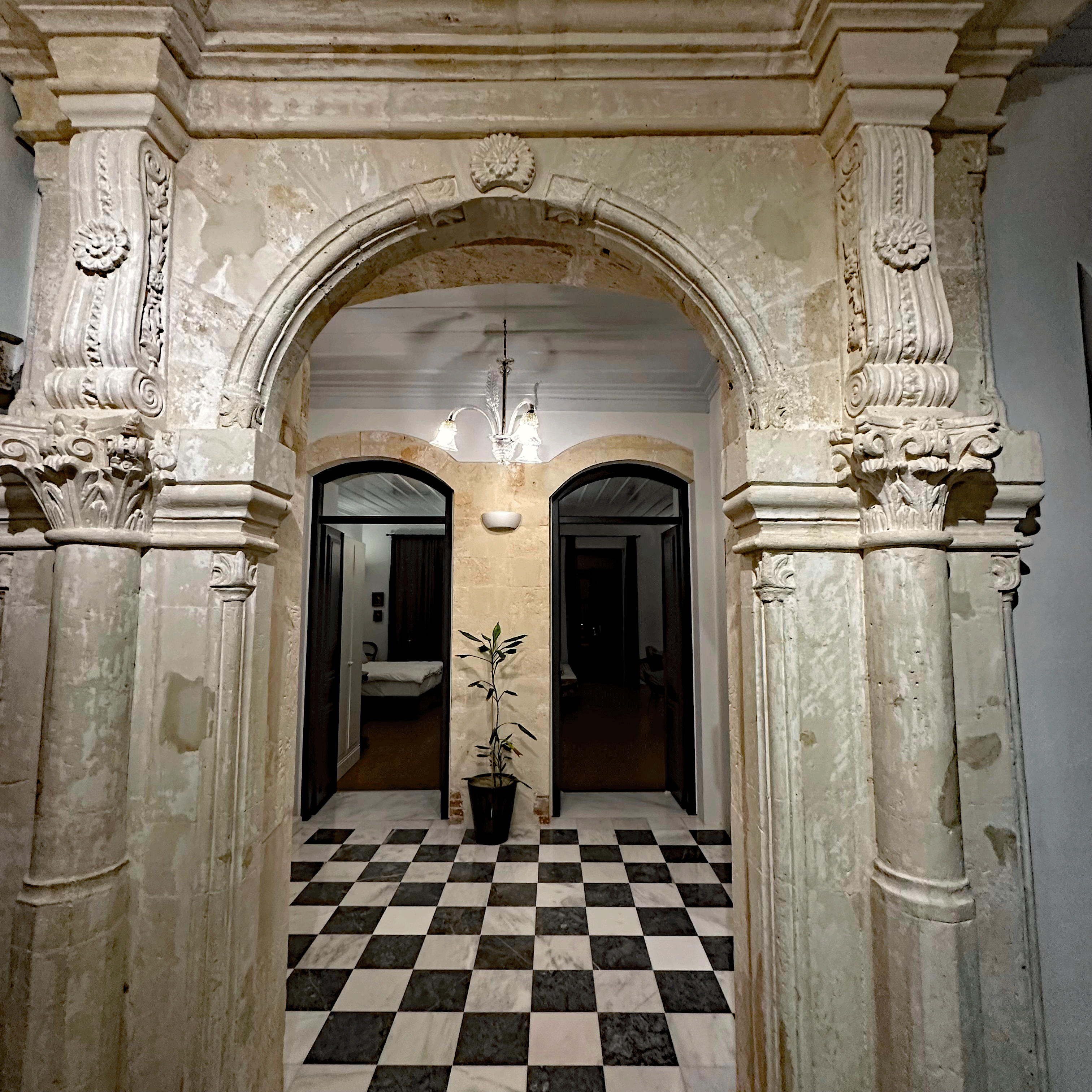
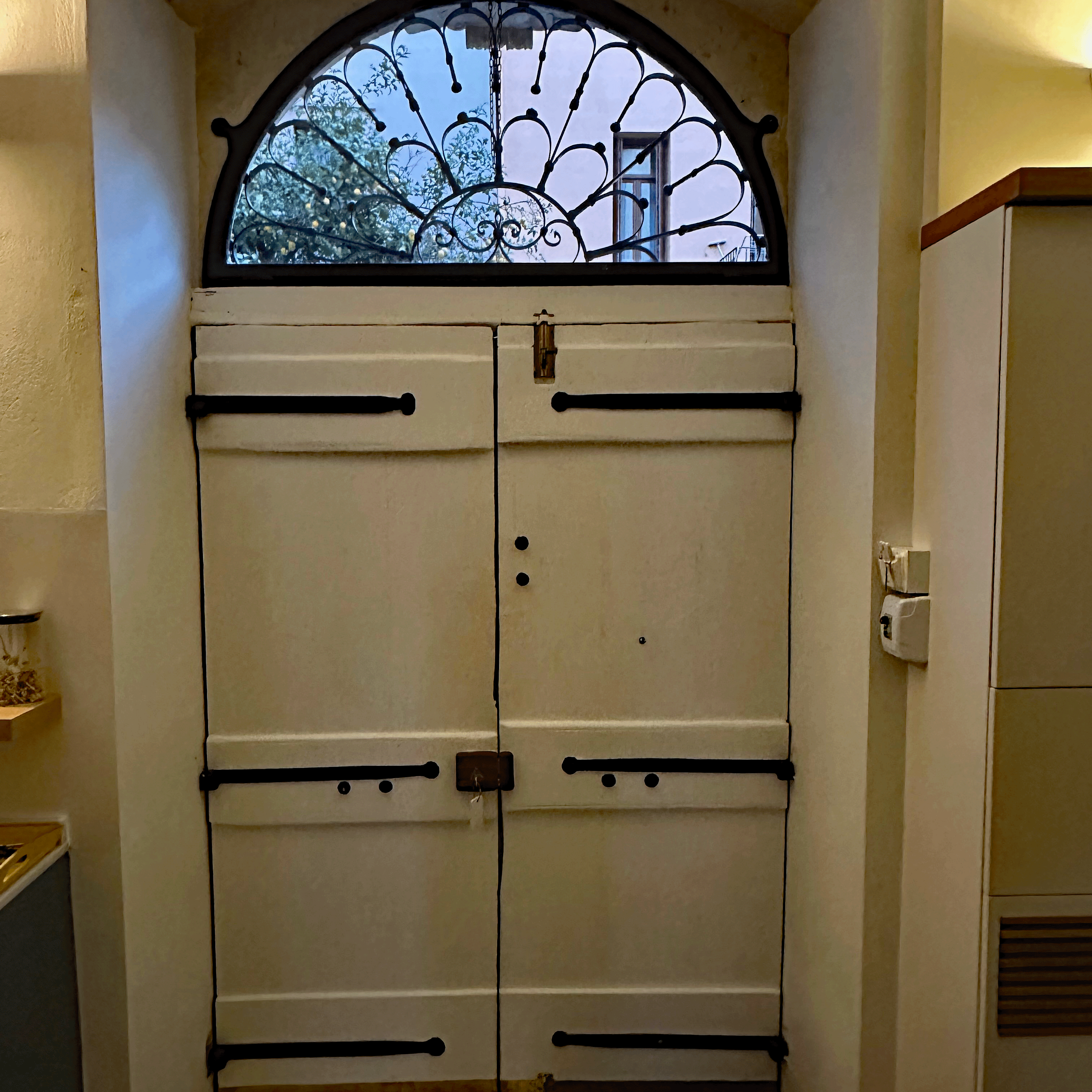
Tosis, our host met us on the street and carried my luggage, while expressing his pleasure to meet us and proudly pointing out the features of our home for the next ten days. The building belonged to a governor during the Venetian Occupation (13th-17th century). The first level was his office and library and living area was above. We are staying in the restored and refurbished archive area. In keeping with strict archeological standards, the stone archways are original, the ceiling heights and window frame measurements are as they were in the 1300’s. The balcony metalwork was reproduced to strict historical requirements. Even wall paint colors must be approved.The stone archways are original , the wooden entry door is 100 years old. The antique furnishings blend seamlessly with the modern amenities. Tosi had equipped the bathroom and kitchen with essential items to get us started, even homemade biscuits and jam and a bottle of his private label wine.
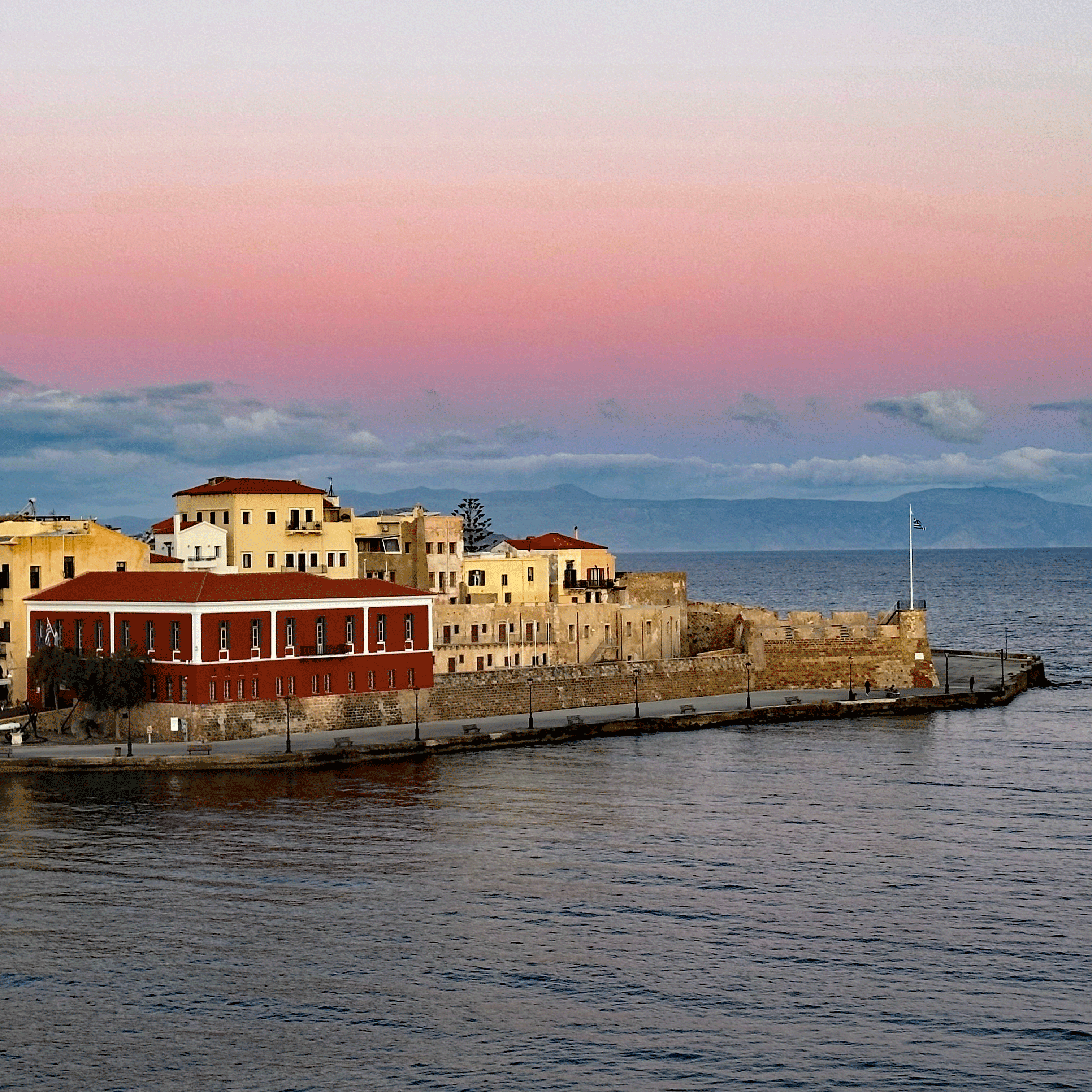
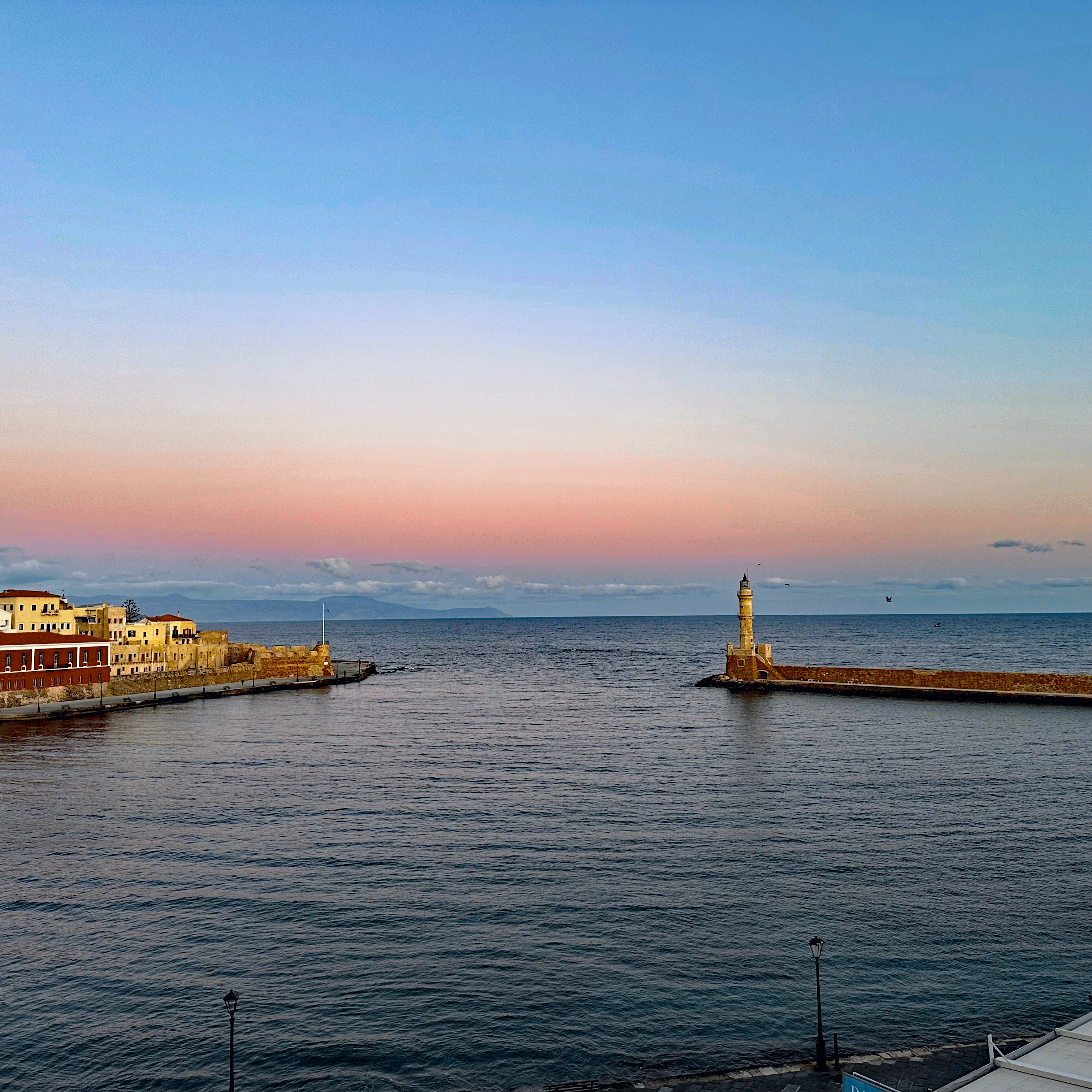
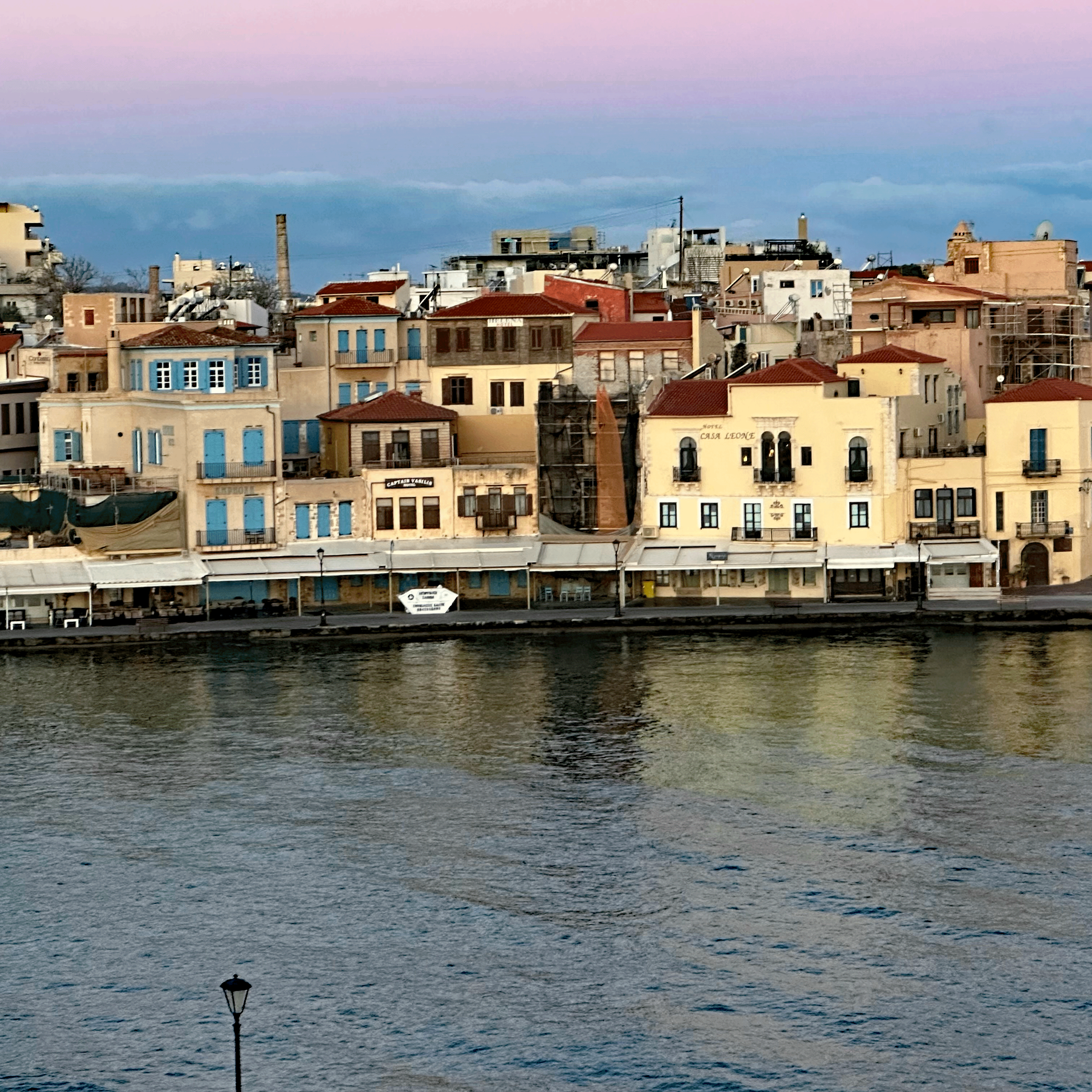
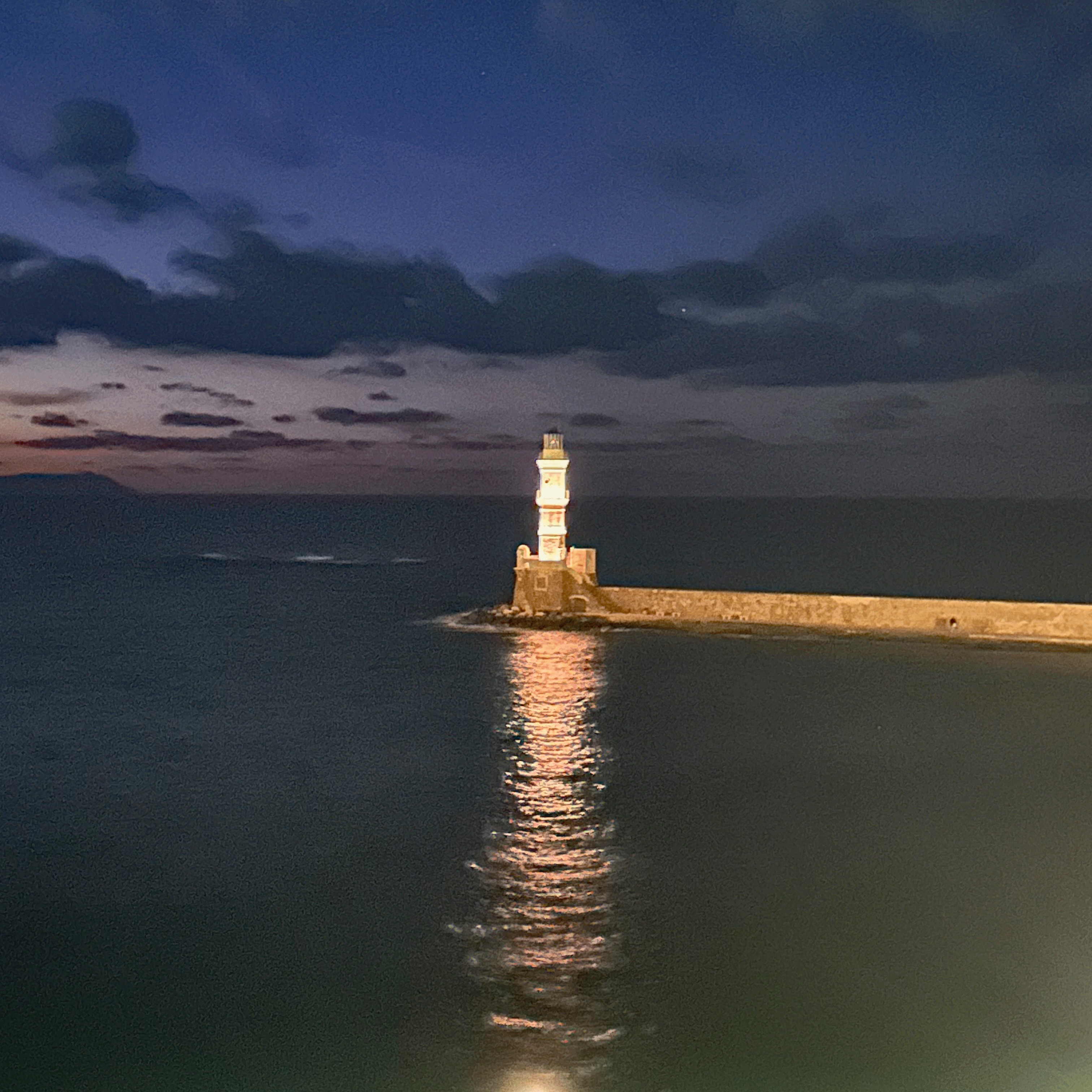
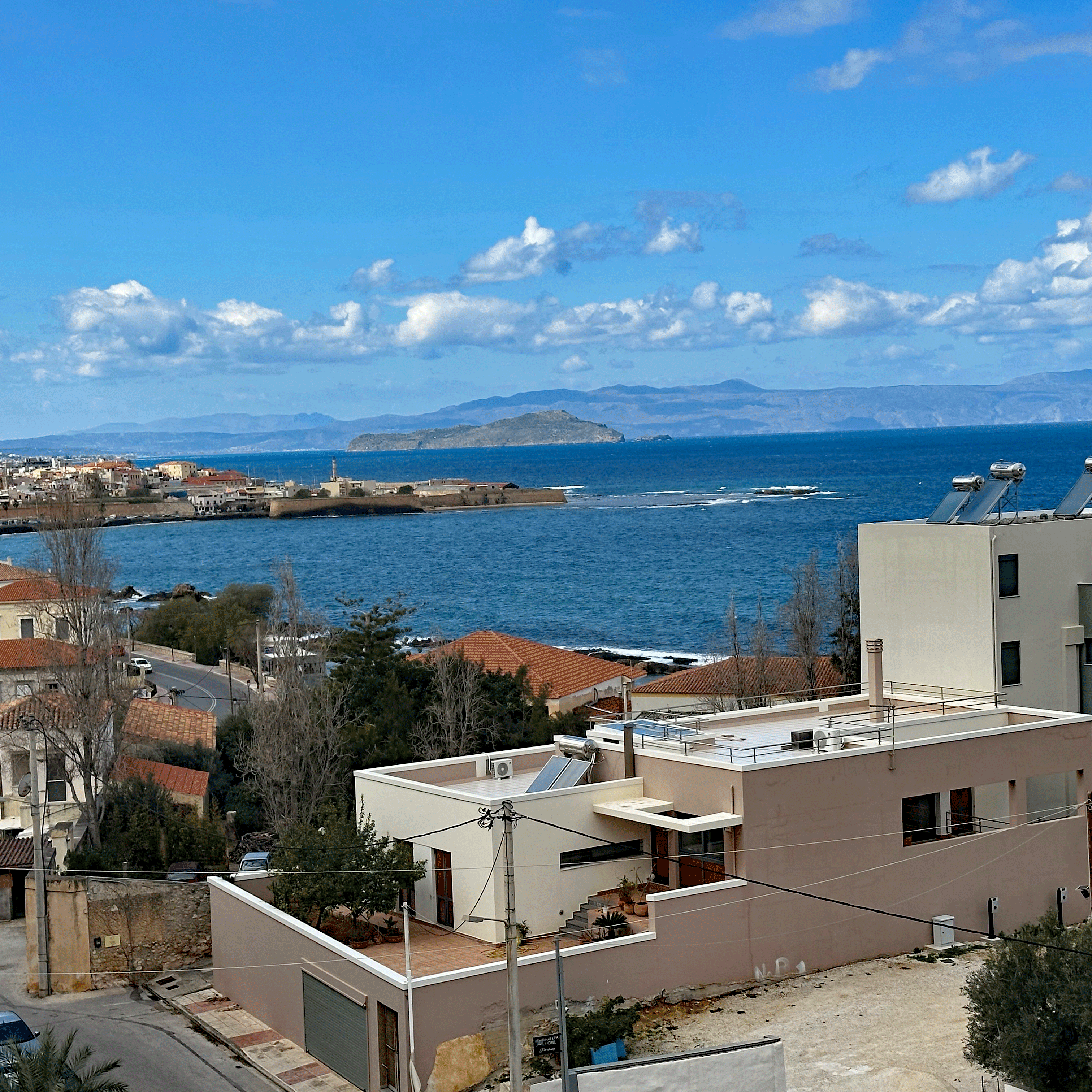
He proudly showed us the bedroom and living room, both with floor to ceiling glass doors that open out to small balconies that overlook the Venetian Harbor, the lighthouse and the Palazzo below. I feel like I’m living on a movie set. Bill looked out the window one morning to see tourists taking pictures of our balcony.
Below: Photos of our “Palazzo” and its Views
Our Courtyard EntranceOur view at dawnThe Palazzo BelowThe LighthouseAcross the HarborOur building from below (bottom level is ours)The 14th Century Arch between the kitchen and the front roomsNight View of the Lighthouse
We are in a great location for walking, so we take walks along the water and through town 2-3 times a day. Sometimes we have a destination, but mostly we just enjoy the sunshine and mild temperatures, stopping into a church, or a shop, or a charming local spot to enjoy a coffee.
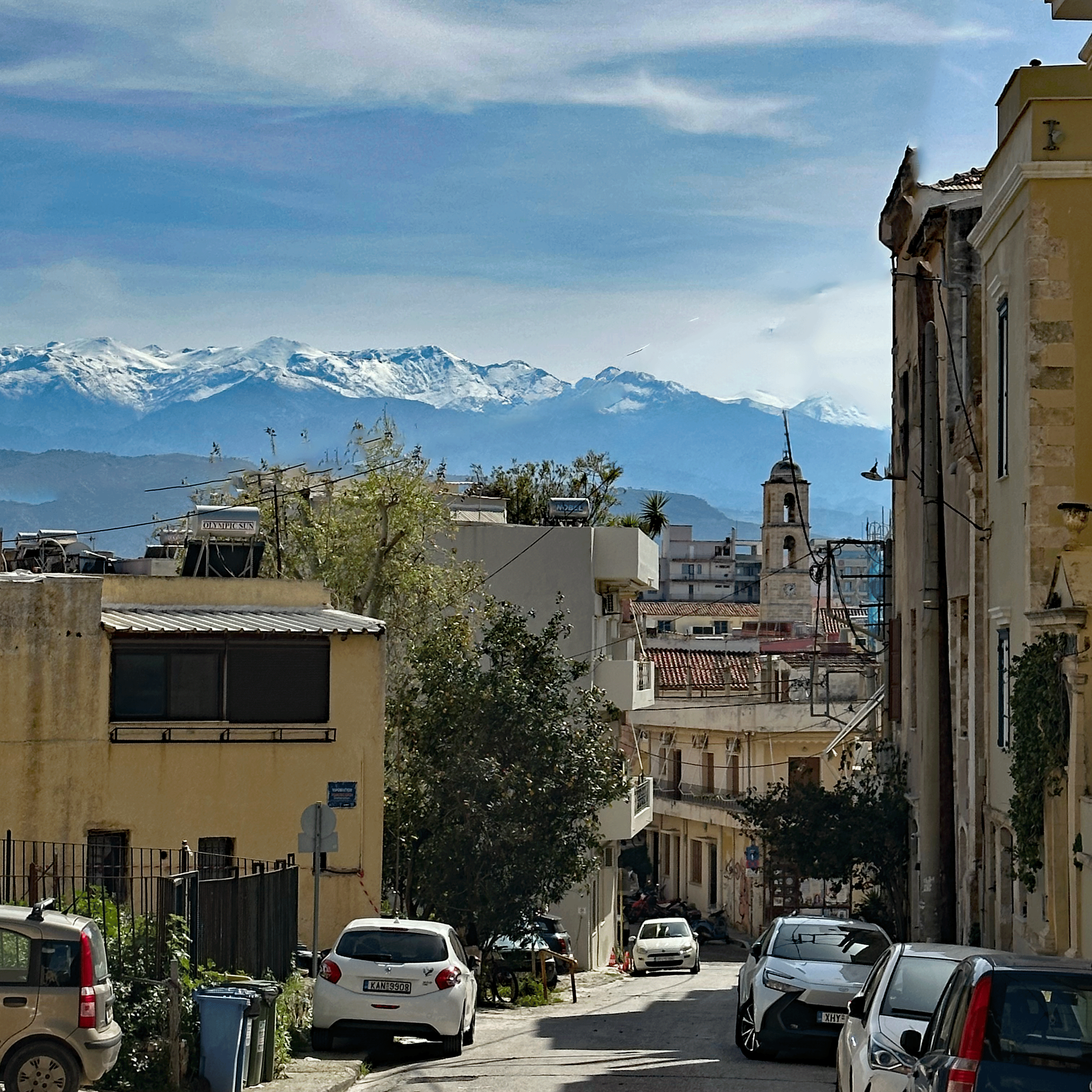
The Hill Down from our Place to Town
We took a walking tour with Iosif of Air B and B experiences. Being the off-season, the group tour was private. For two hours, he walked us through town, sharing the history of Chania, pointing out the architectural features of the buildings and the stories behind them. I can now distinguish a Venetian home from an Ottoman home. The iron balconies are Venetian homes and the wooden enclosures are Ottoman. The architectural styles mirror the lives of the women: Venetian ladies participated in village street life, while their Muslim neighbors remained cloistered inside of their homes.
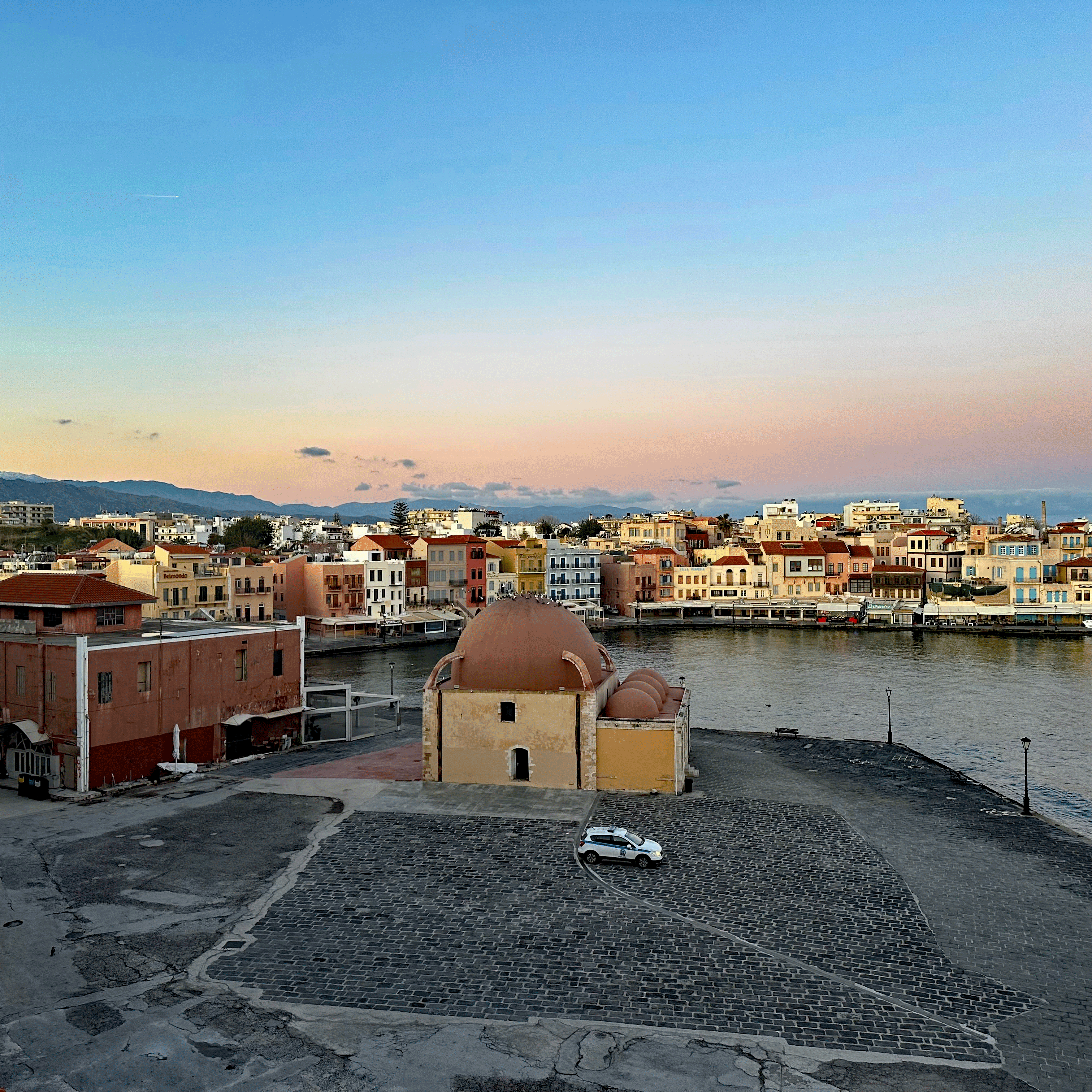
We left the “main drag” to stroll back alleys and narrow lanes, knowing we were walking on top of millennia of human history. Humans have lived and died in this part of the world since the Paleolithic Age. (more on that when we visit the Archeology Museum of Chania). Due to natural disasters (earthquakes and tsunamis) and wars, remains of the Byzantine era (330-1200 AD) and the subsequent Arab occupation (824-961 AD) are scarce, but parts of the original Byzantine city wall are still visible. Many more of Chania’s buildings from the Venetian (1204-1645 AD) and Ottoman (1645-1898 AD) occupations can be seen today. The different cultures are most obvious in the places of worship that have served as Orthodox churches or as mosques, at various times. Our tour finished with Greek coffee on the waterfront where old Greek men play backgammon with their friends.
Below: Some sites from our tour of Old Town, Chania
A glimpse of the original wallCathedral of MadonnaFreedom FighterOttomanByzantine WallThe Pasha’s Minaret (Agios Nikolaos)Left: Ottoman Right:VenetianGreek Orthodox Tower (Agios Nikolaos)Orthodox ChapelMinaretIslamic minaret and Christian bell towerOur GuideIosifAgios Nikolaos Church (rear patio)The Old PortVenetian Port WallsFortressOur exit doorSplantzia Quarter
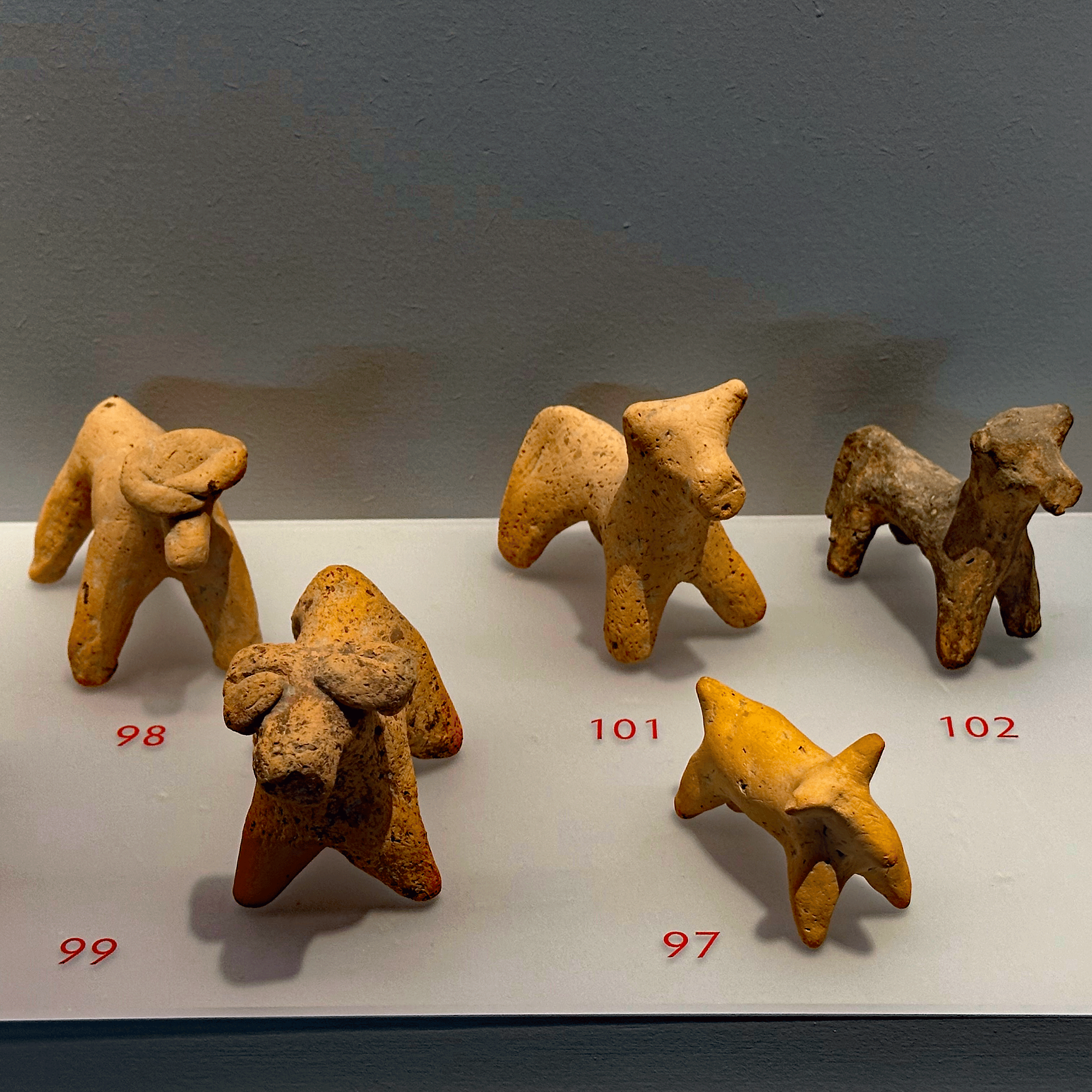
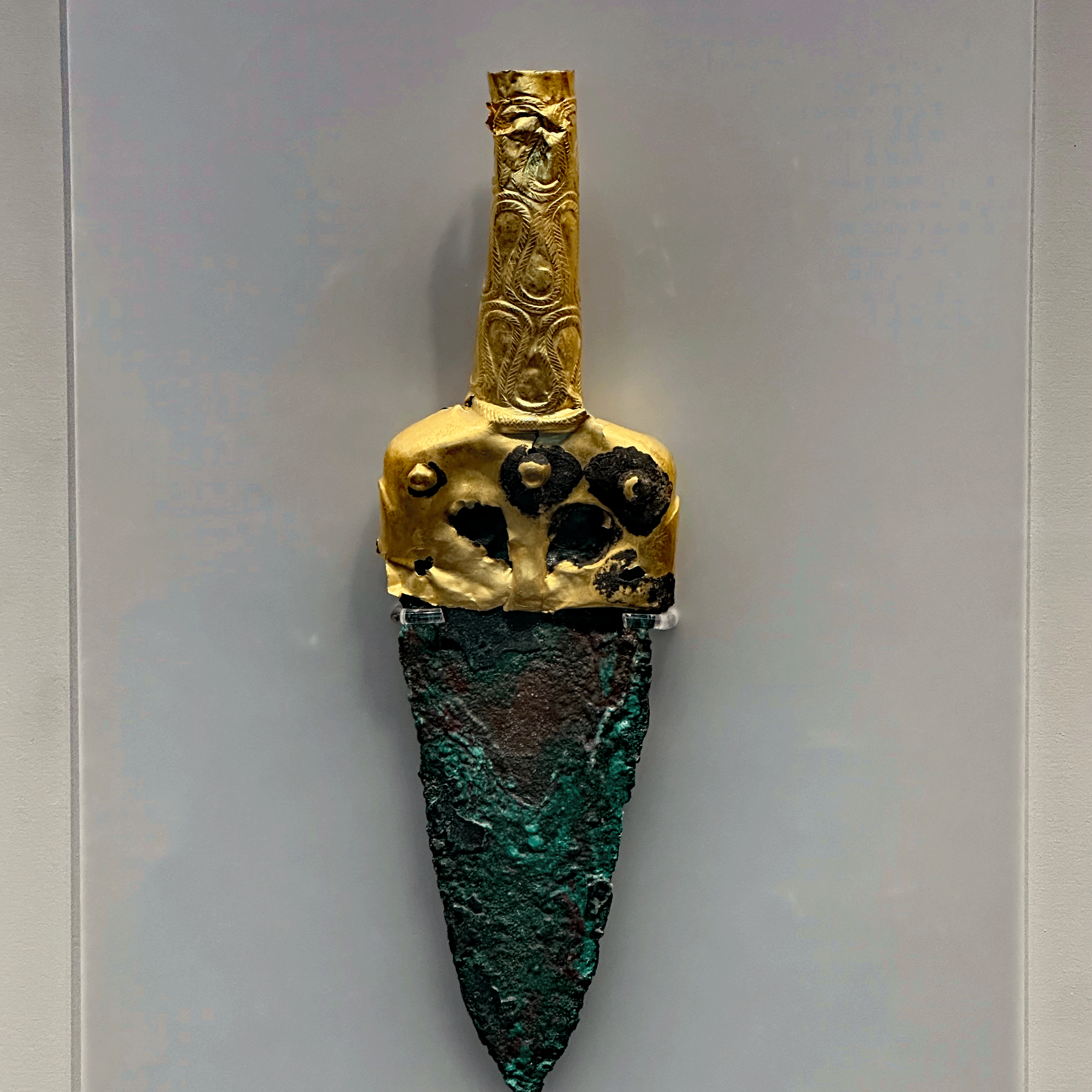
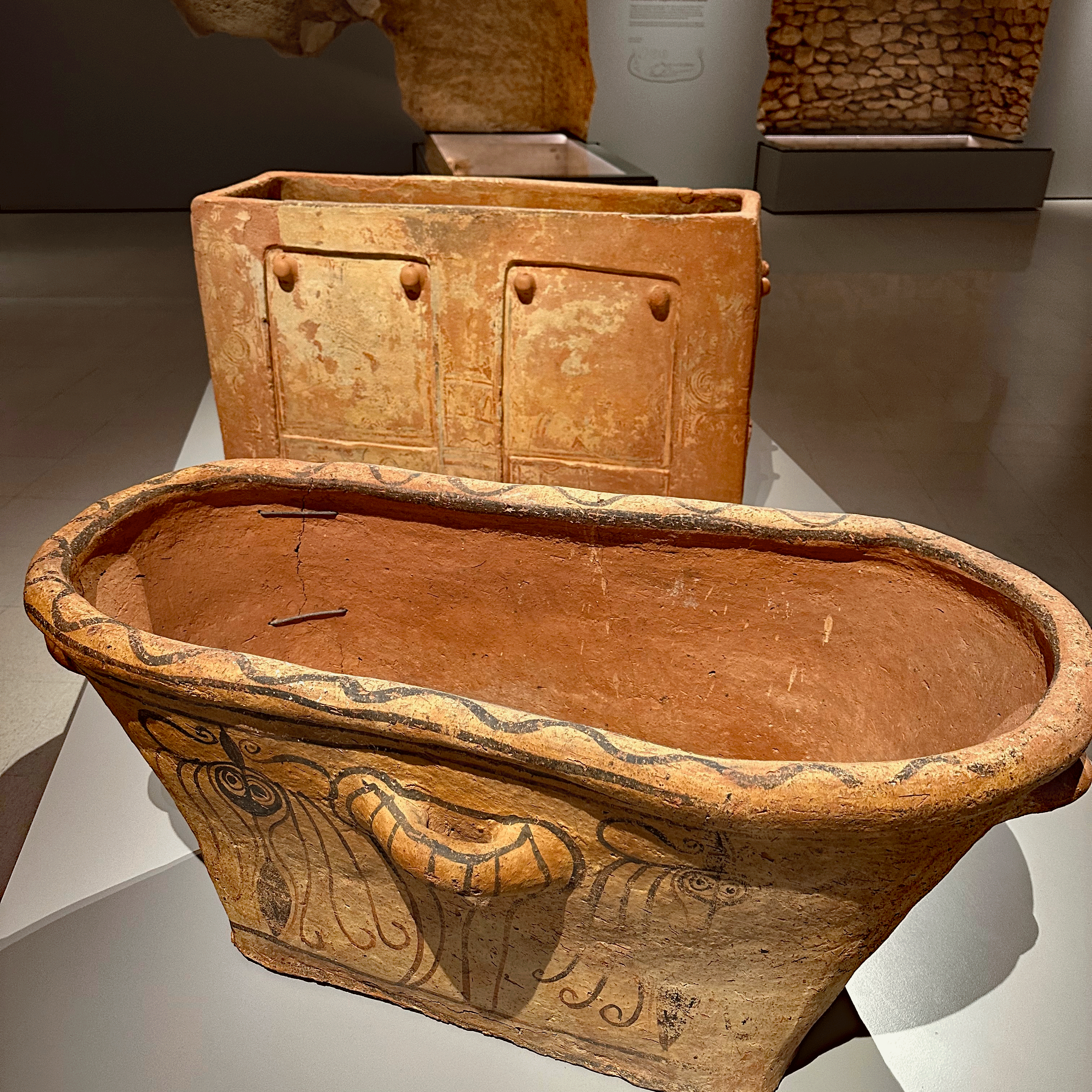
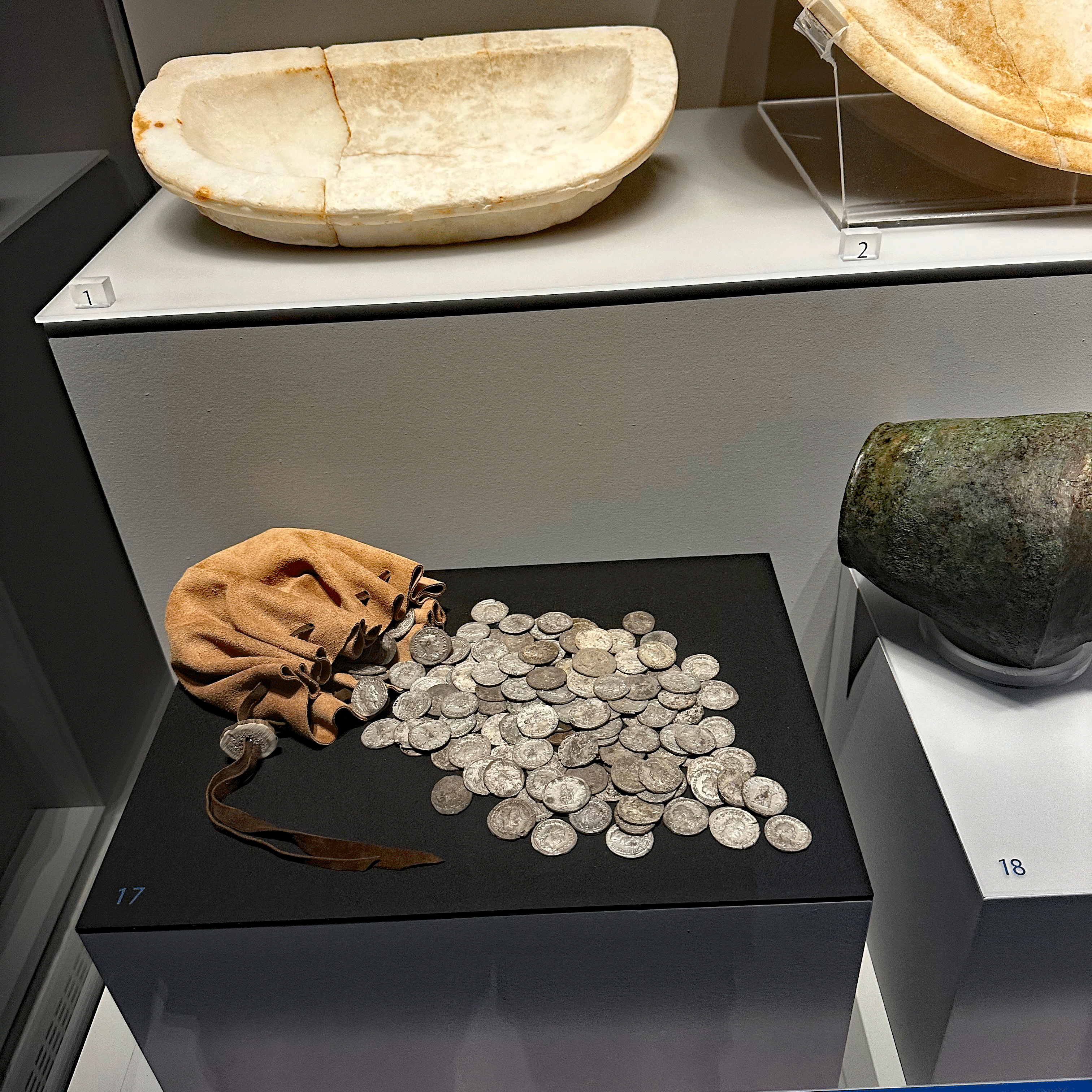
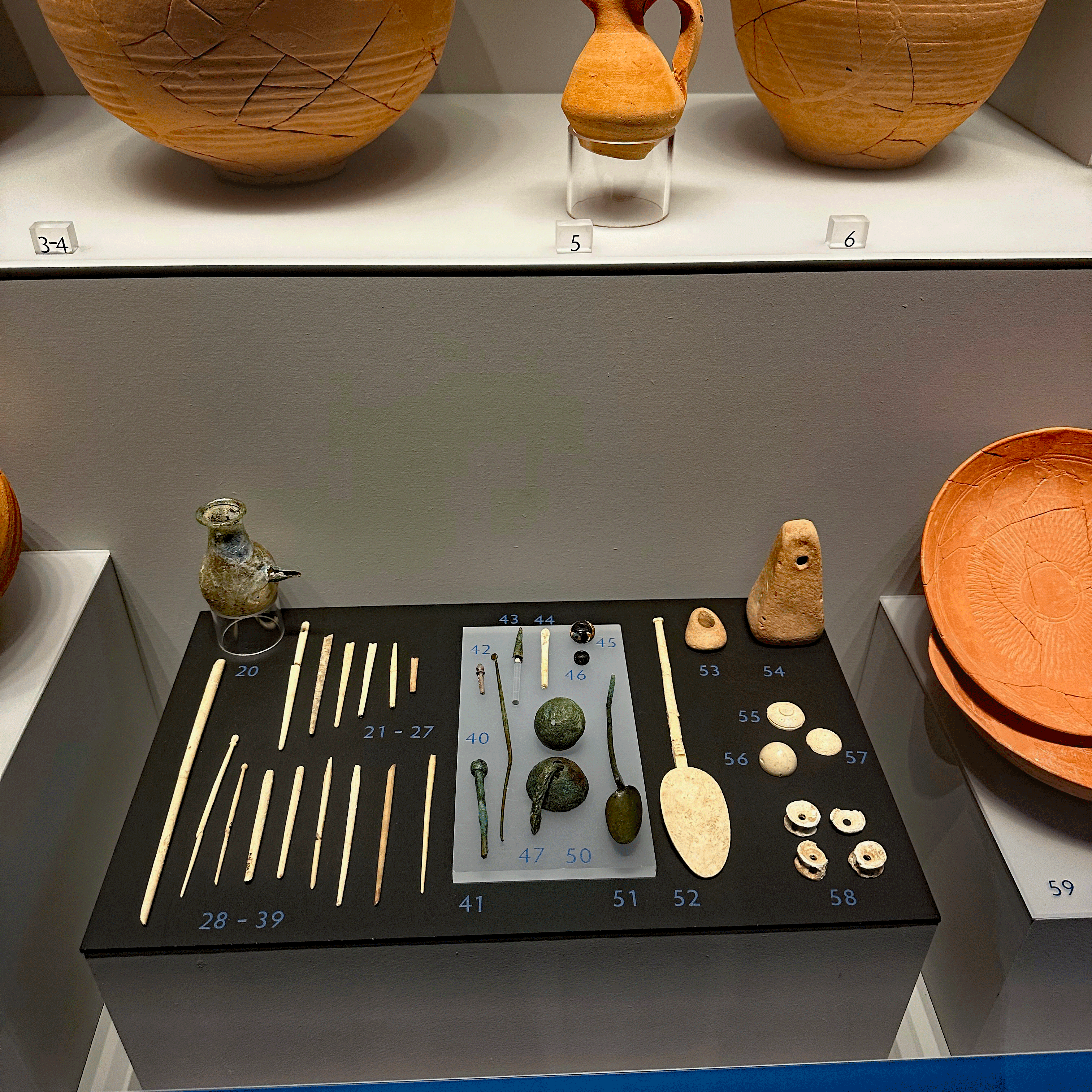
Iosif suggested we visit Chania’s Archeological Museum, so we made that our outing the next day. It was a 40 minute walk (with some uphill) to the opposite shore from the Venetian Port. The museum has a fine collection of local finds from the Stone Age through Roman times. The displays are nicely curated and the audio tour is very helpful. We especially appreciated the story of the Miser’s House in which an entire family fell victim to an earthquake in 365 AD, because instead of evacuating, they went back into the house to retrieve their valuables.
Below: Just a sampling of the items in the Archeology Museum.
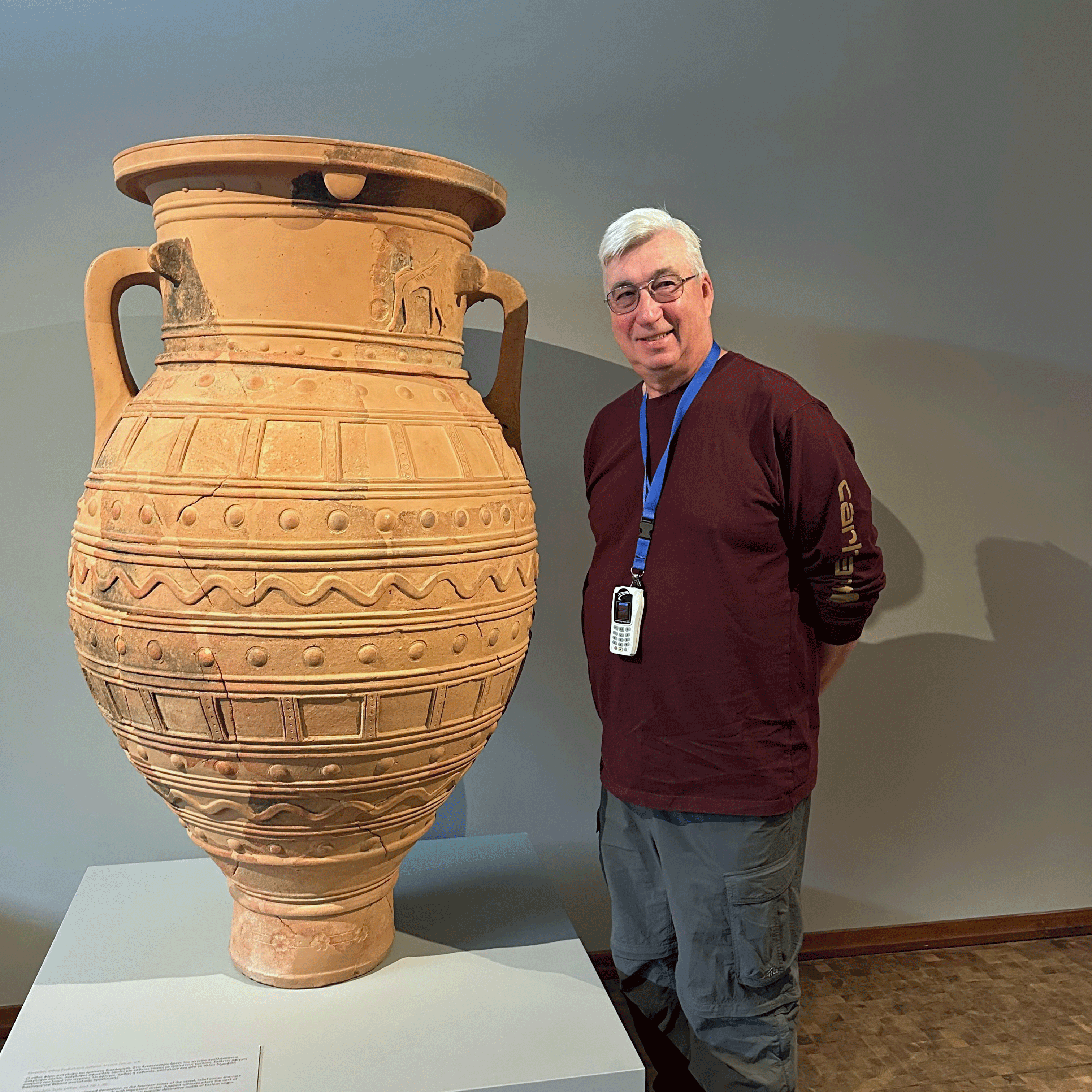
On the Walk to the MuseumRam Figurines (2100-1700 BC)Bronze Age Dagger (Early 2000 AD)Bathtub and Casket ( early AD)From Miser’s House (365 AD)Bone Sewing Needles (Miser’s House)Urn (mid-7th Century BC Bill (2026 AD)View from Museum Cafe
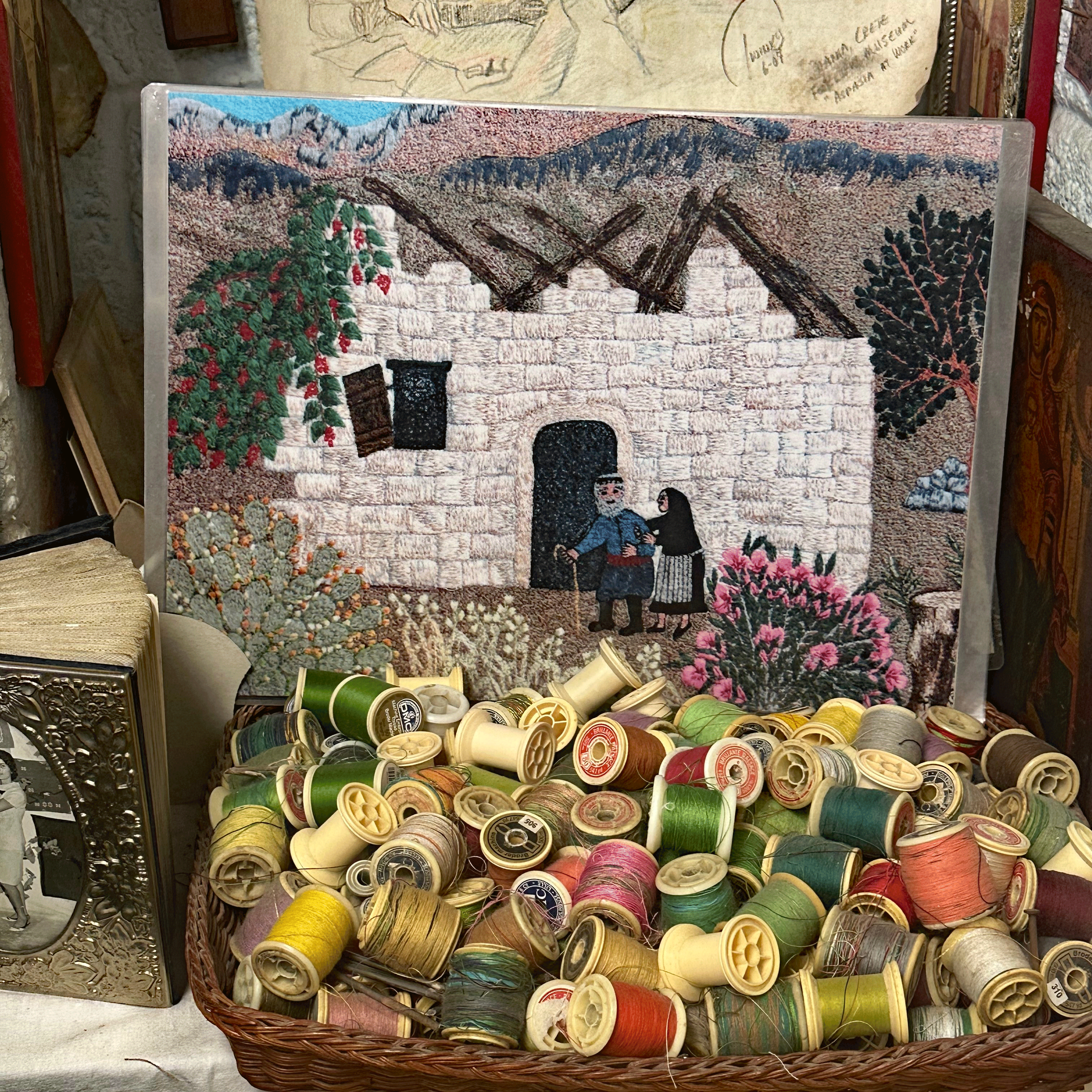
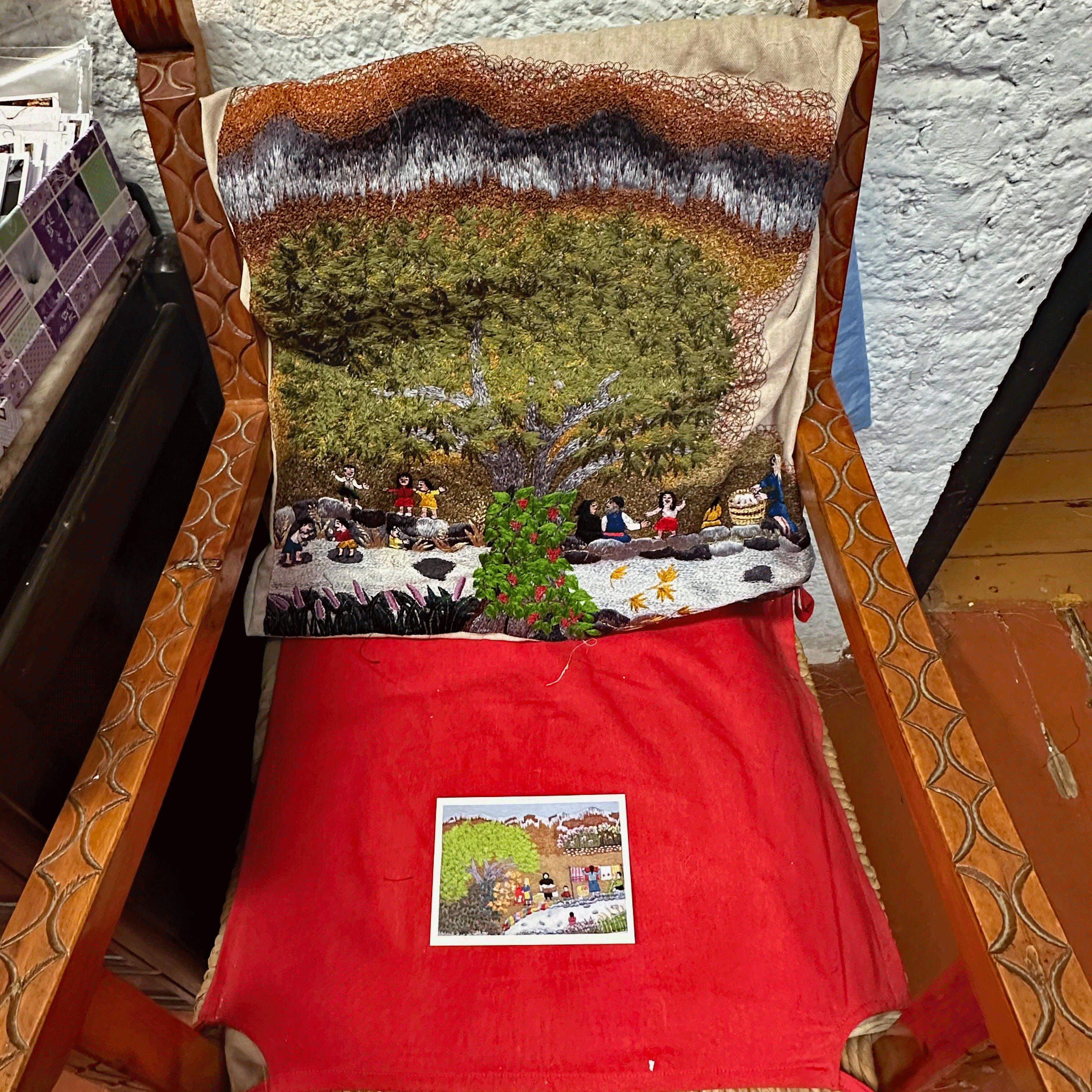
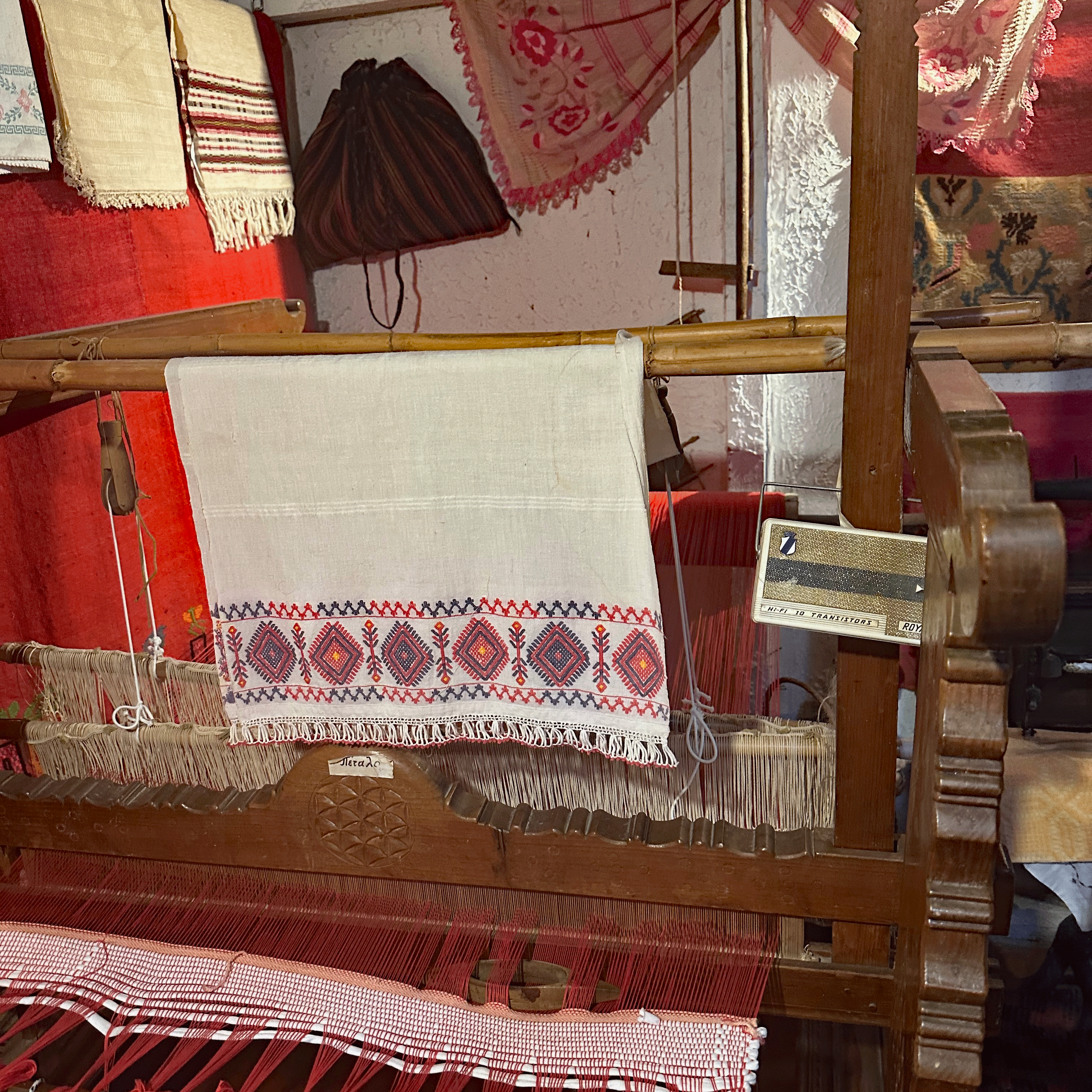
The Chania Folklore Museum is a funky little place next to the Catholic Church. It is filled with farming tools, vintage looms, sewing machines, flatirons, rugs, tapestries, and linens. When we visited, I was able to chat with a local crafter who sewed scenes of her home village from memory.
Below: Handmade Items from The Folklore Museum
Stitch ArtistryLoom Work
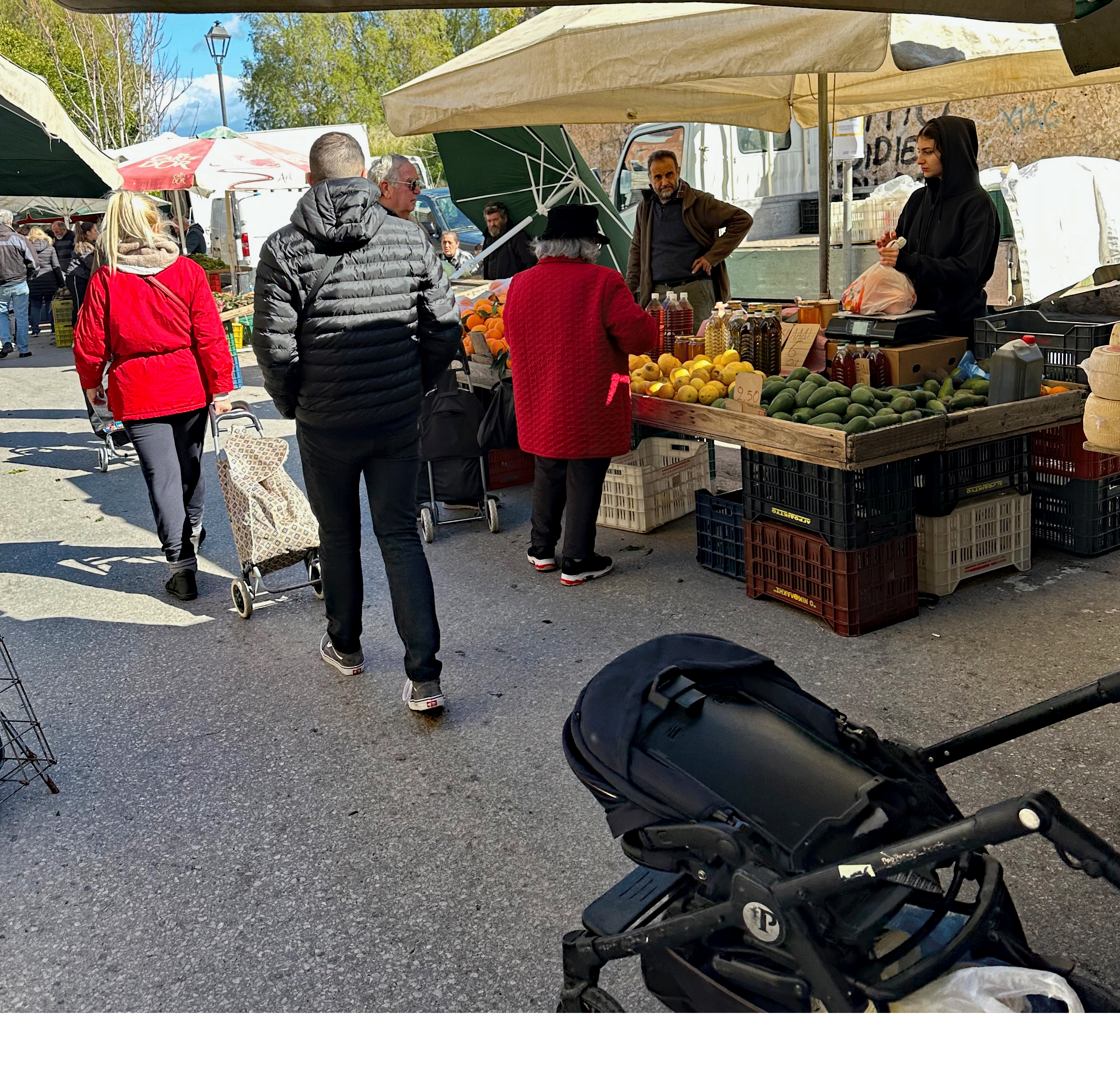
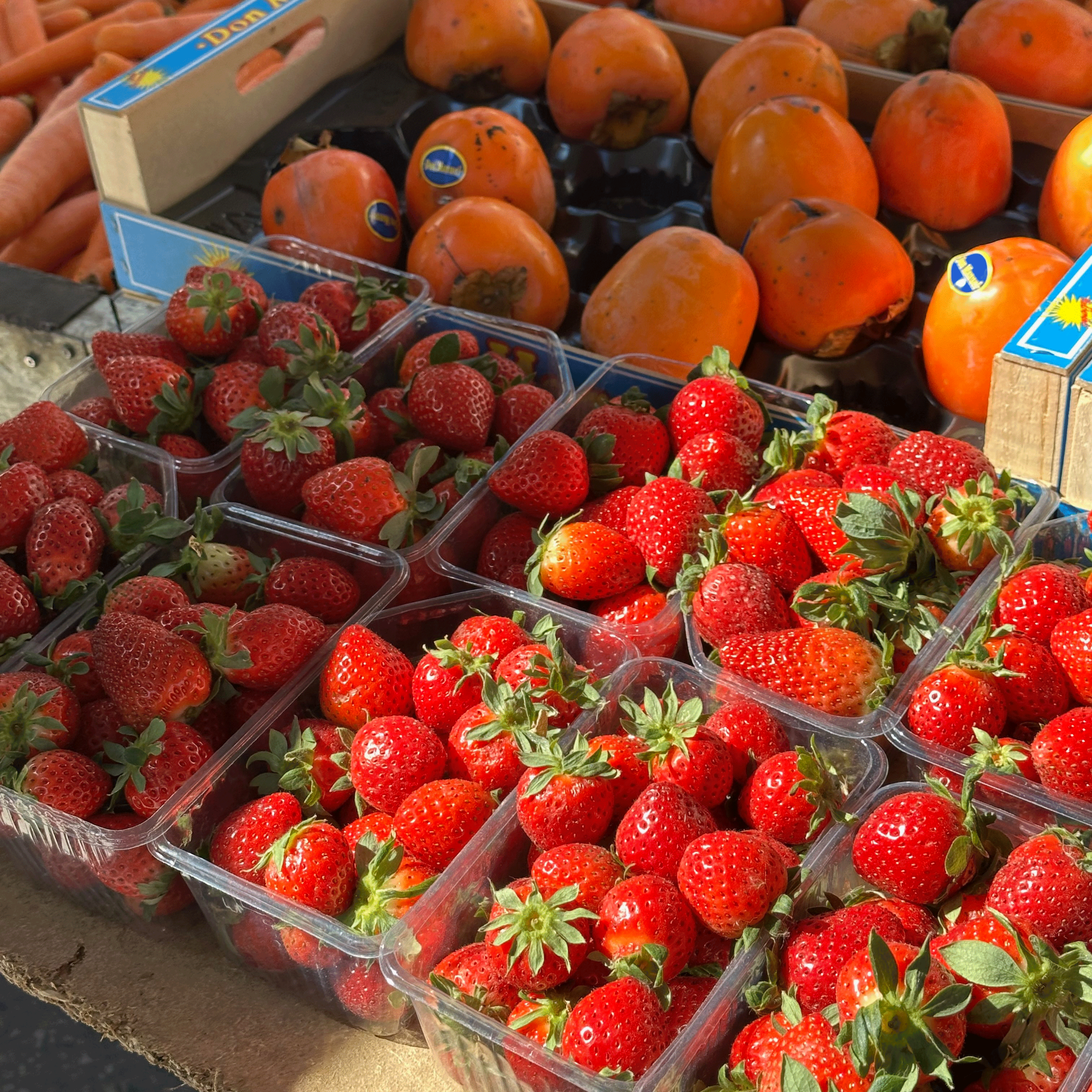
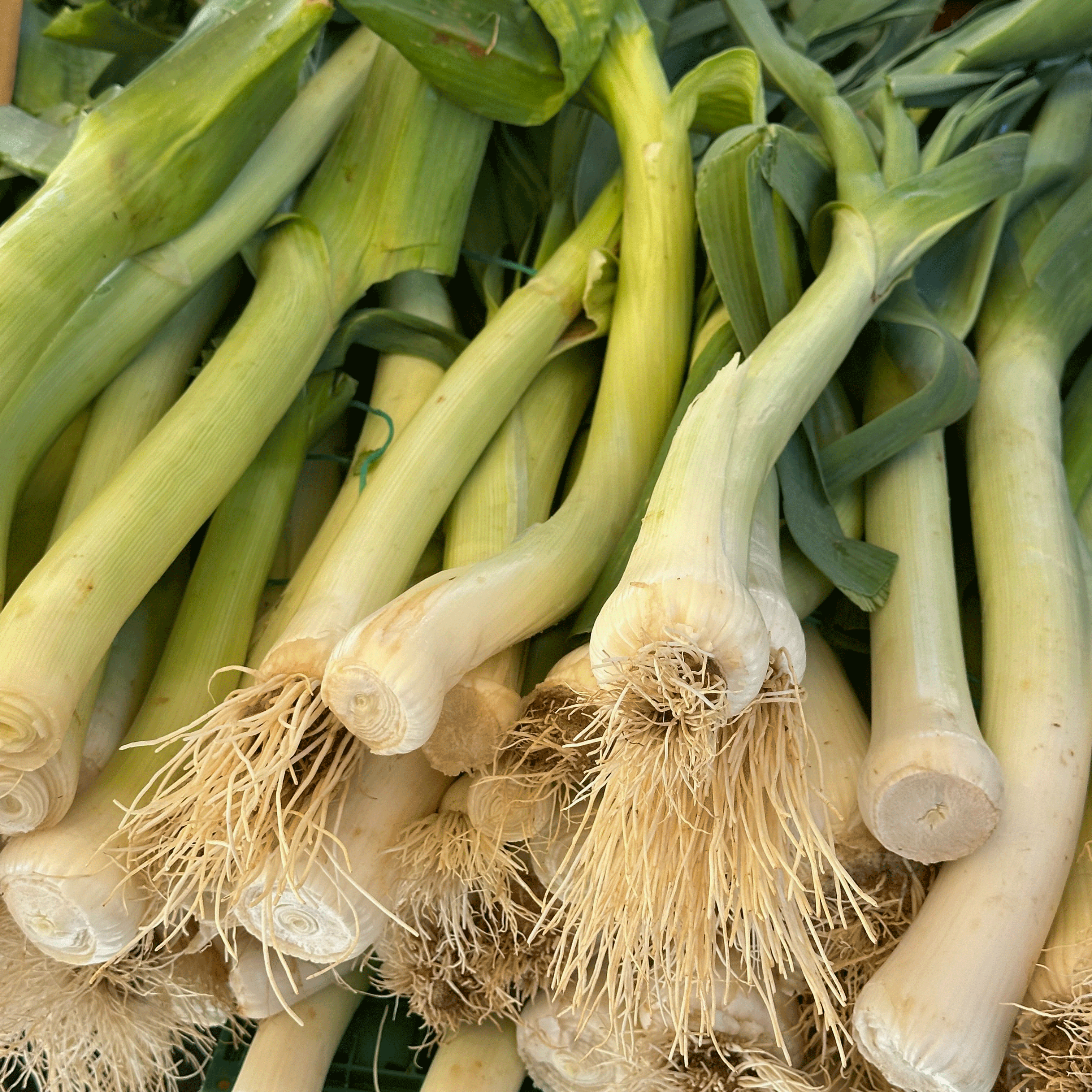
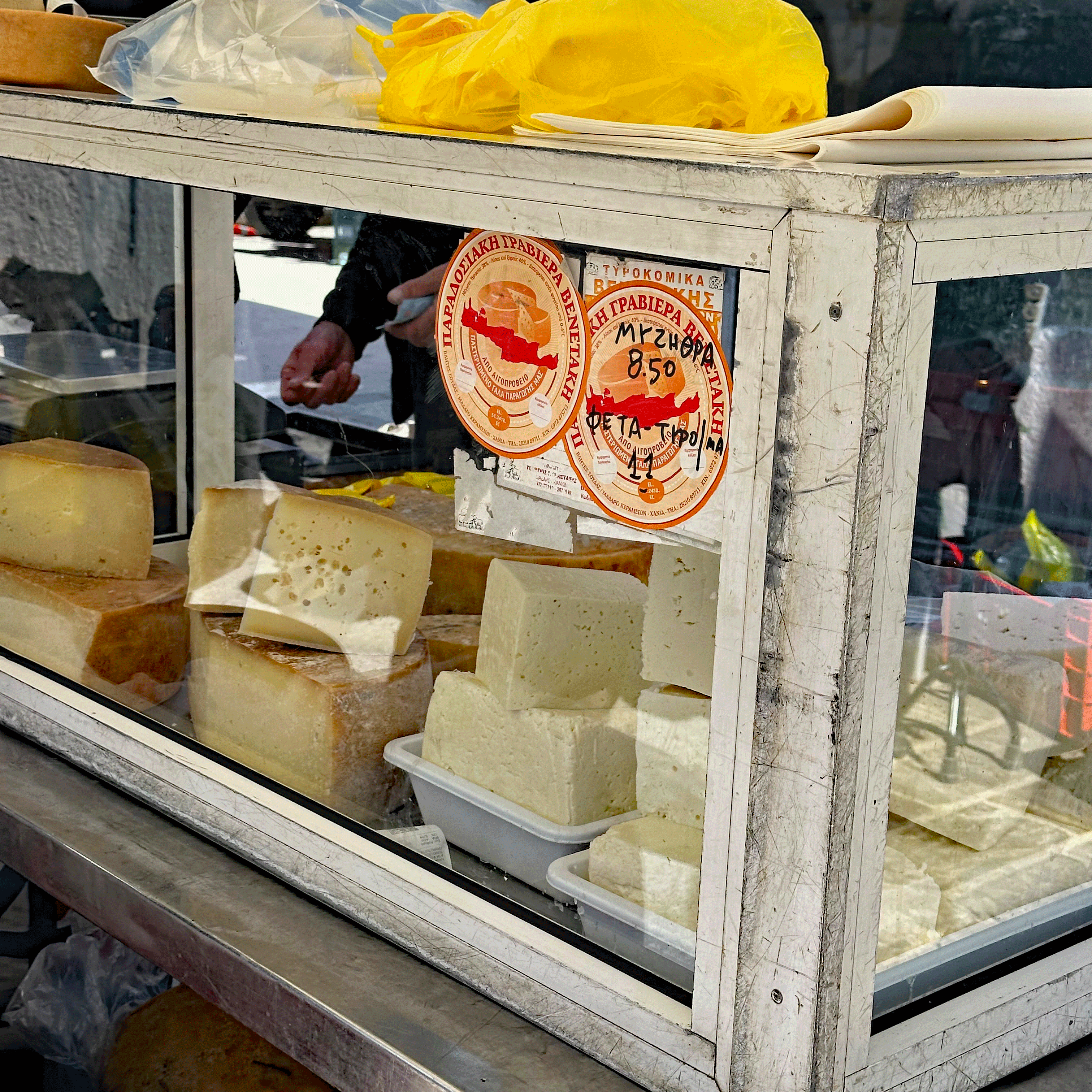
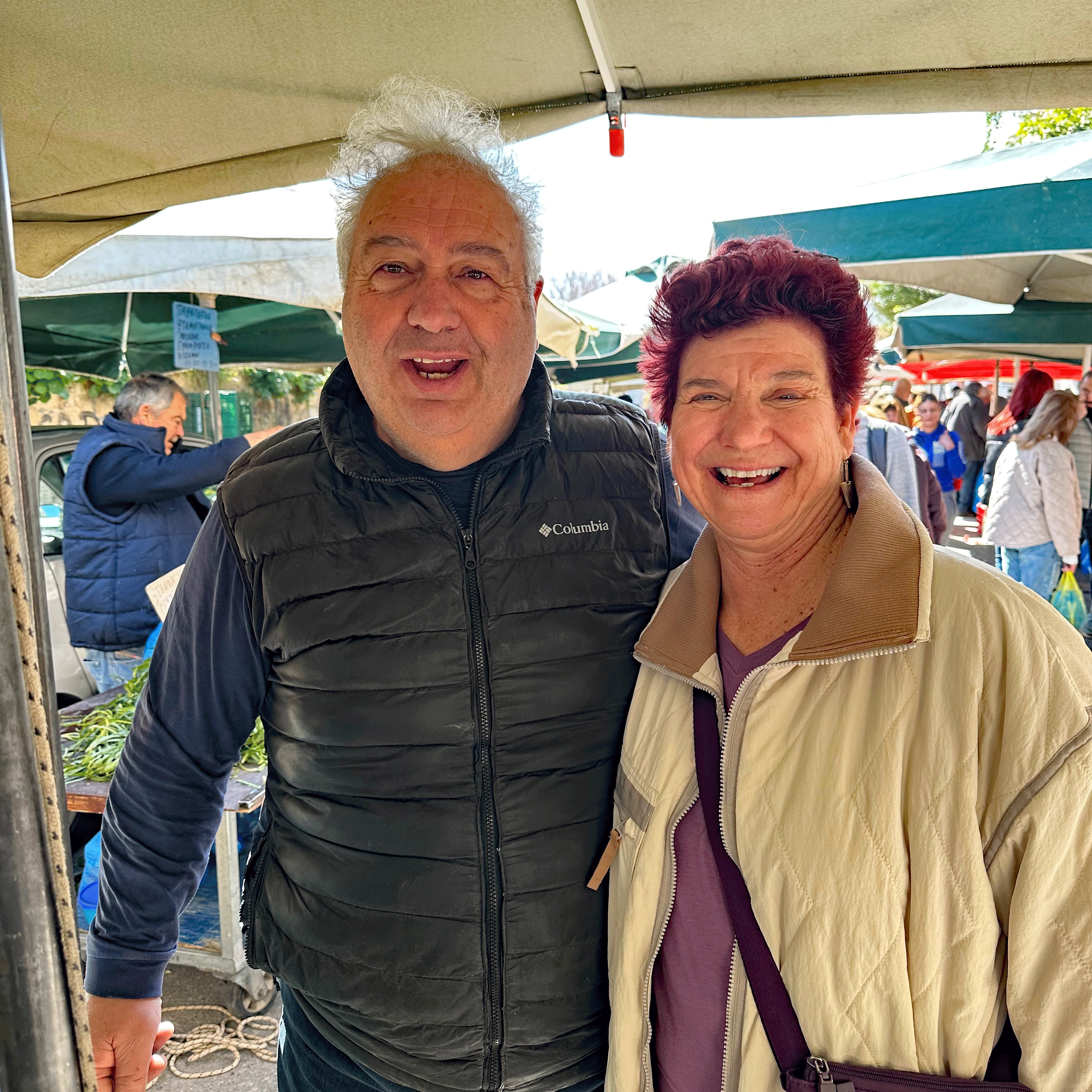
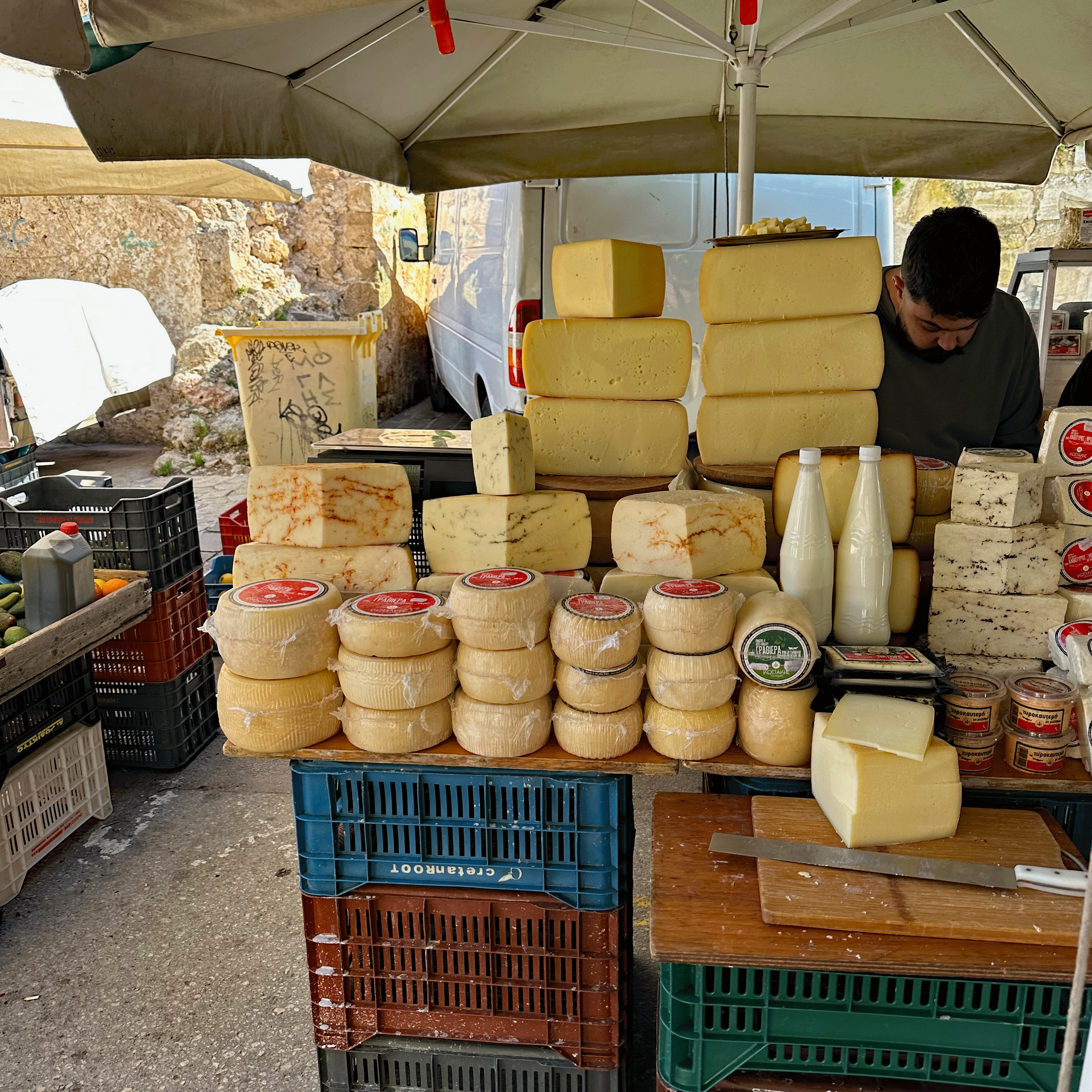
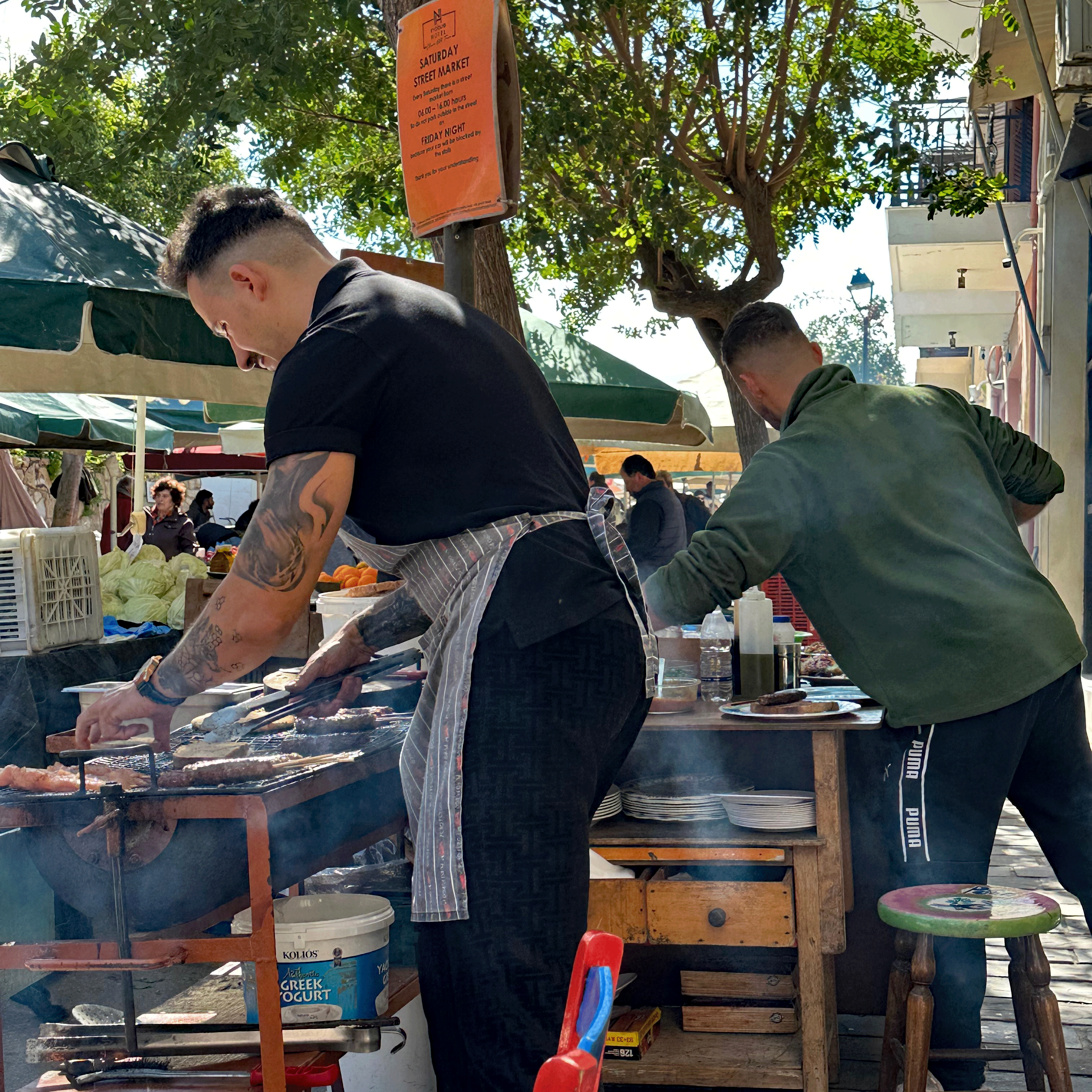
Another local experience in Chania is the Saturday Market. Fresh produce, olive oil, honey, and cheeses cover the tables lined up on two sides of Minoos Street. It is a great place to grab a fresh grilled souvlaki with a slice of bread for 1.5 euro; a little bit more for a “plate” and a beverage that is served at a sidewalk table, perfect for people watching. We met a nice Canadian couple there and have dinner plans with them tomorrow night.
Below: Market Photos
FennelGeri and the Cheese Guy
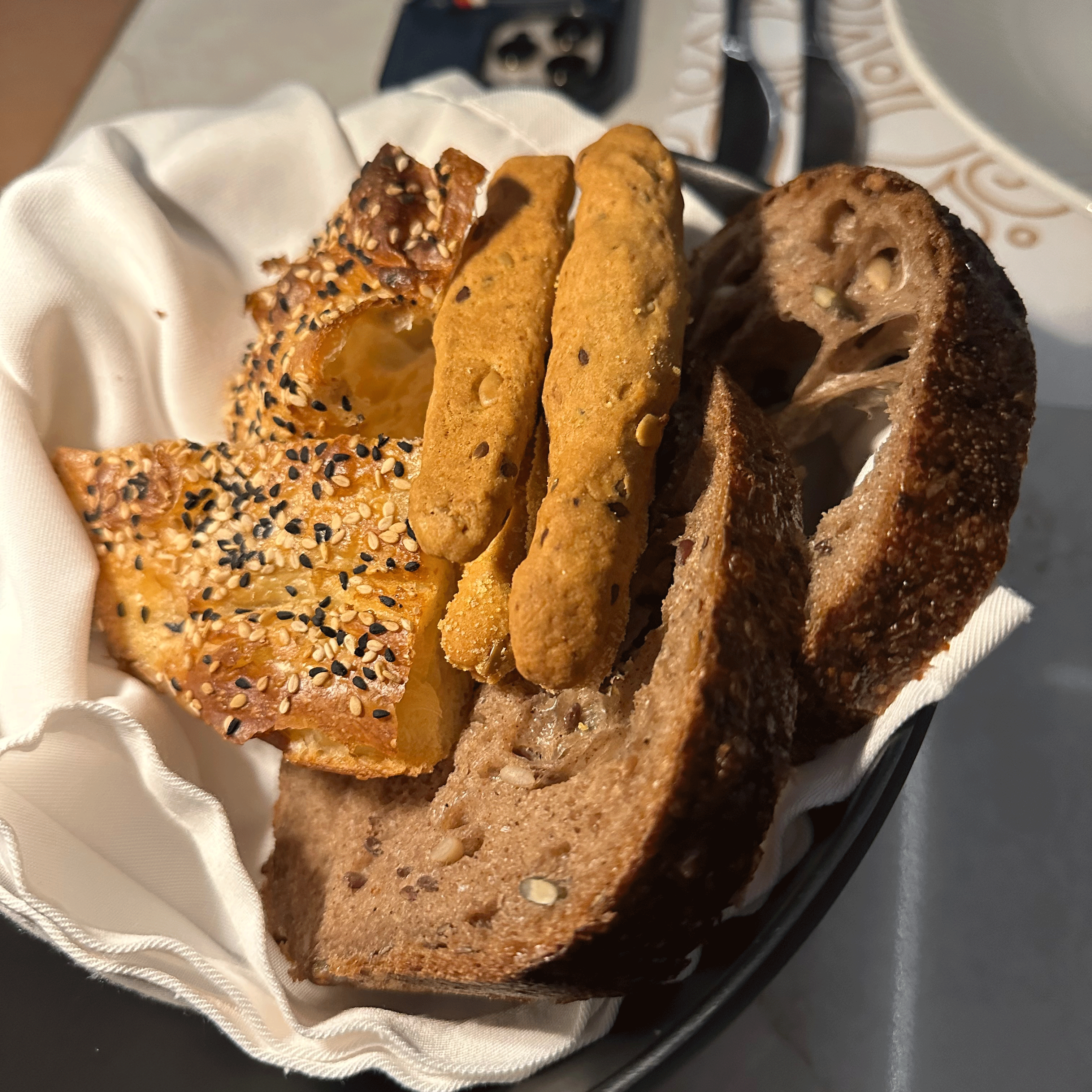
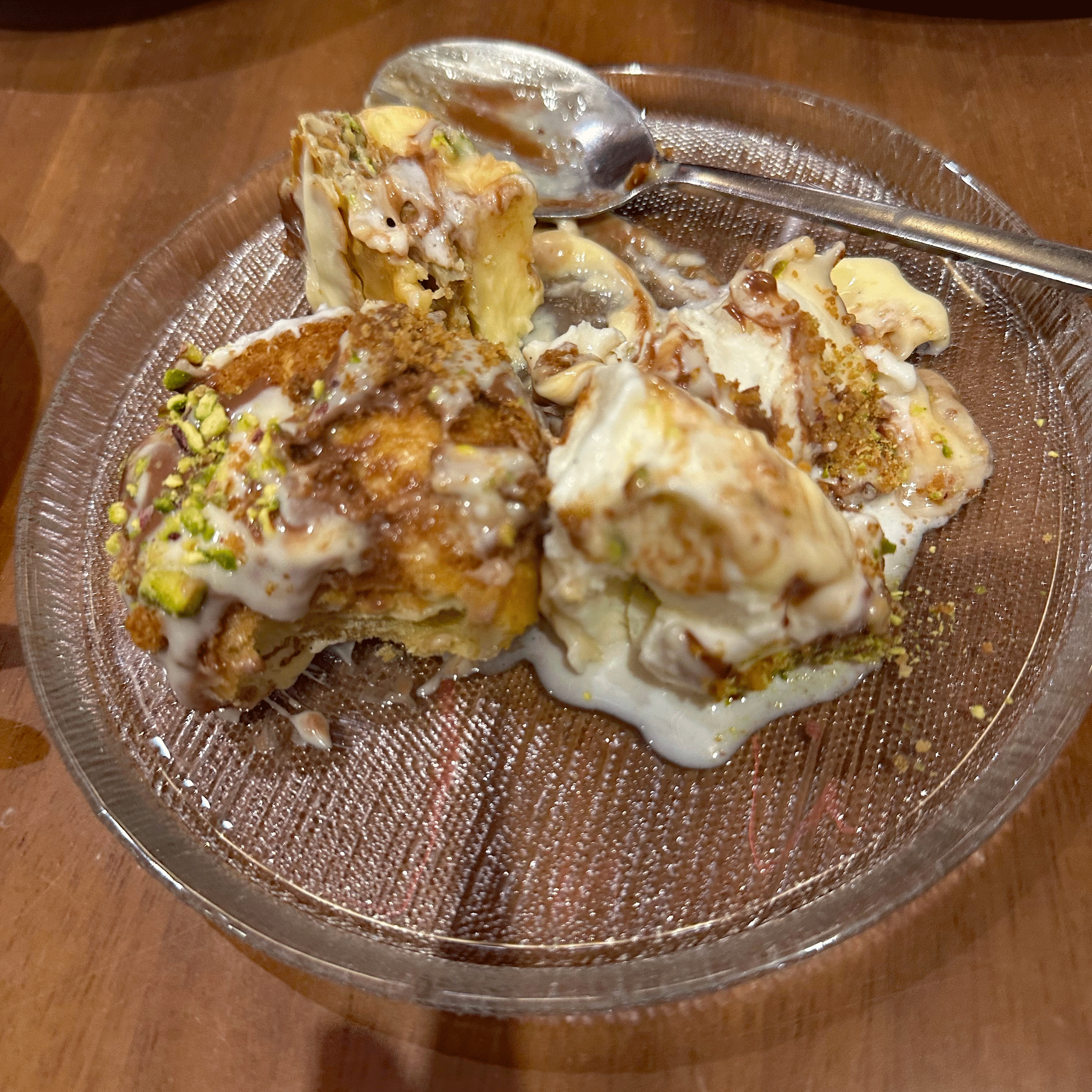
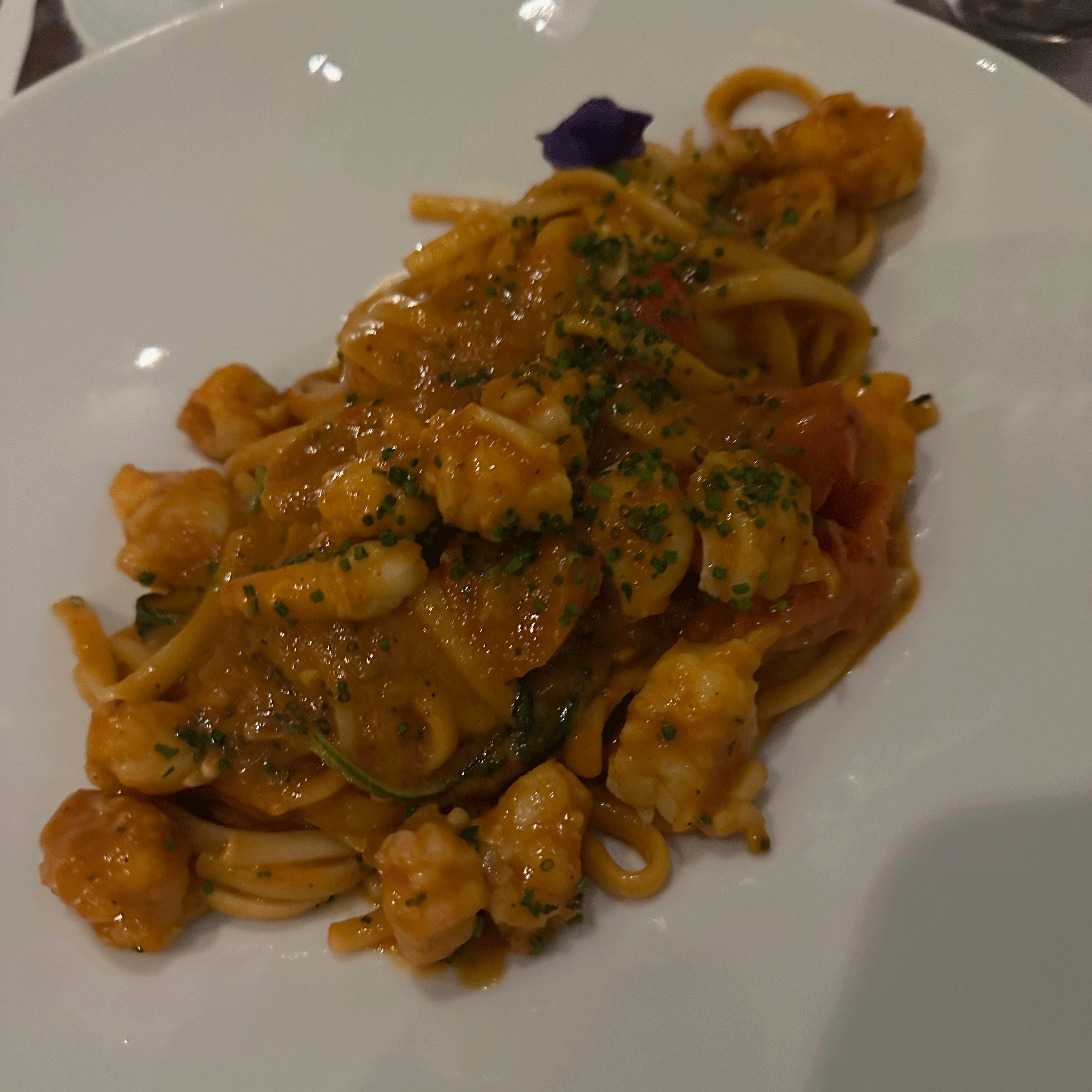
Chania has great dining options. Sadly, one of the downsides of winter travel is that many businesses shut down until the “season.” But not to worry, we have not gone hungry. There is still a variety of restaurants, taverns, and cafes to enjoy local Cretan specialties, fresh seafood, mouthwatering breads, dips, meat, pasta, vegetarian dishes, and sweets. Once the calendar turned to March, more places have opened. Be aware that portions are meant to be shared! Prices range from modest to fairly high end. We have yet to have a bad meal in Chania. I’m not a restaurant critic, but I’ll name a few of our favorites: Canale, AlmyVita, Manos, Pallas,
Below: Cretan Cuisine
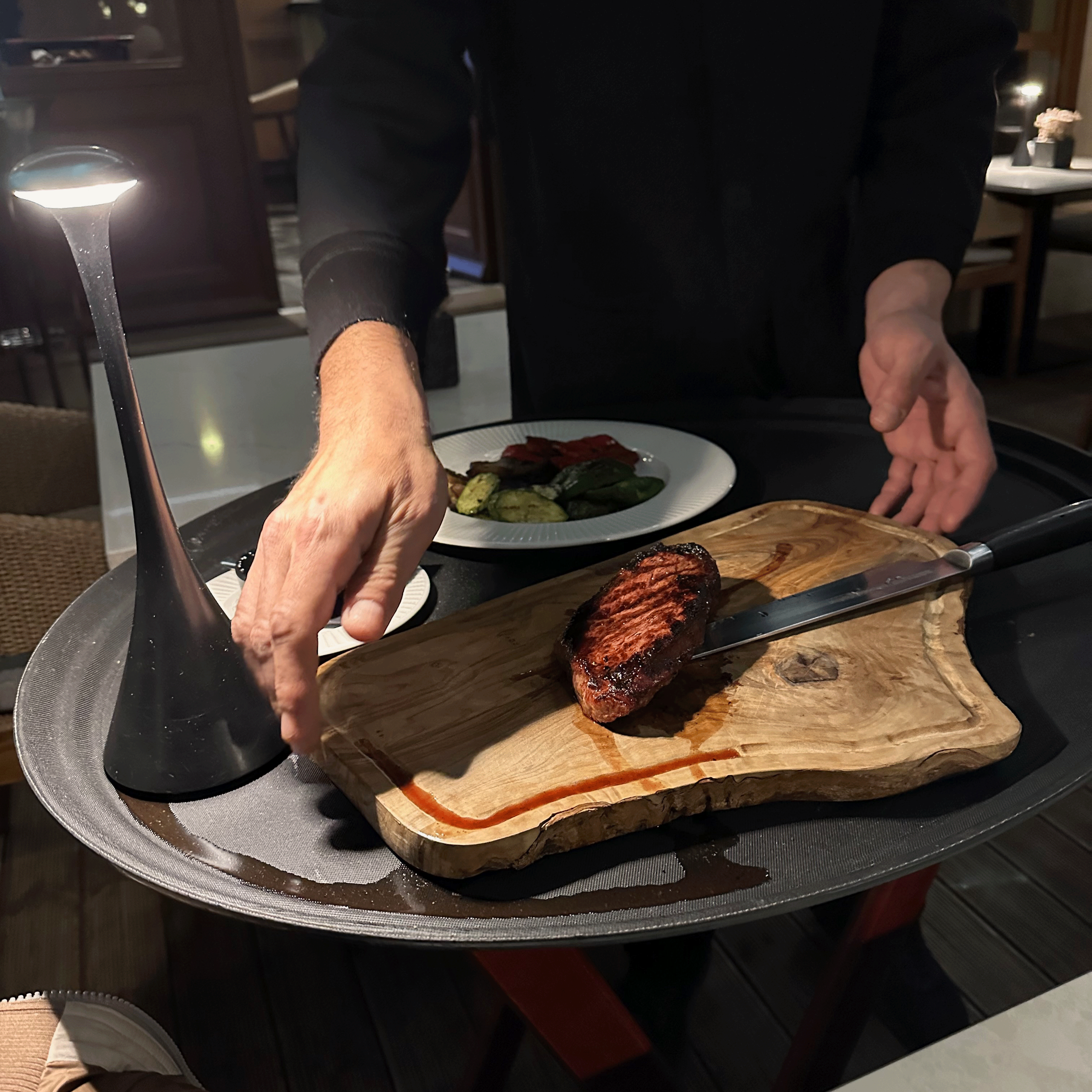
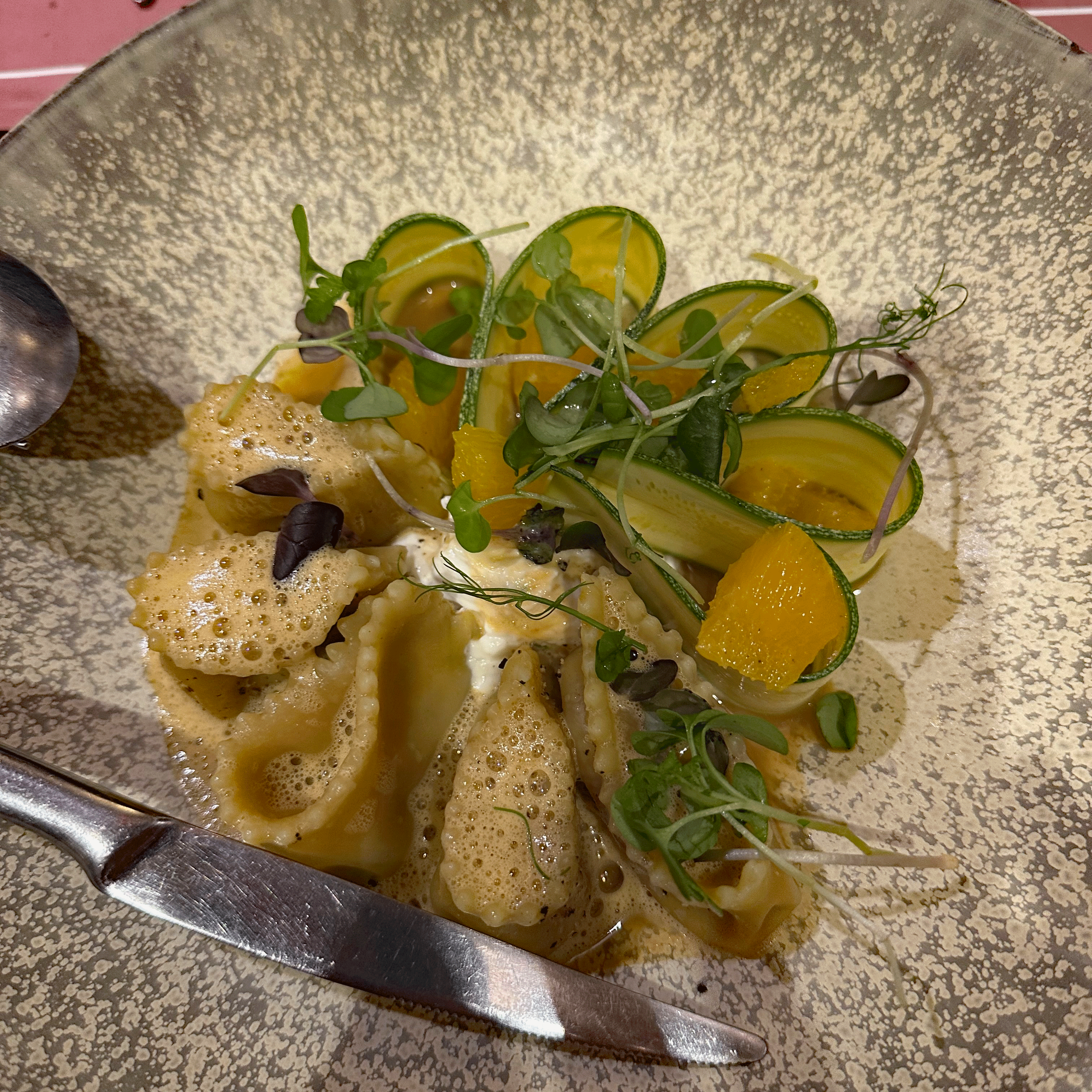
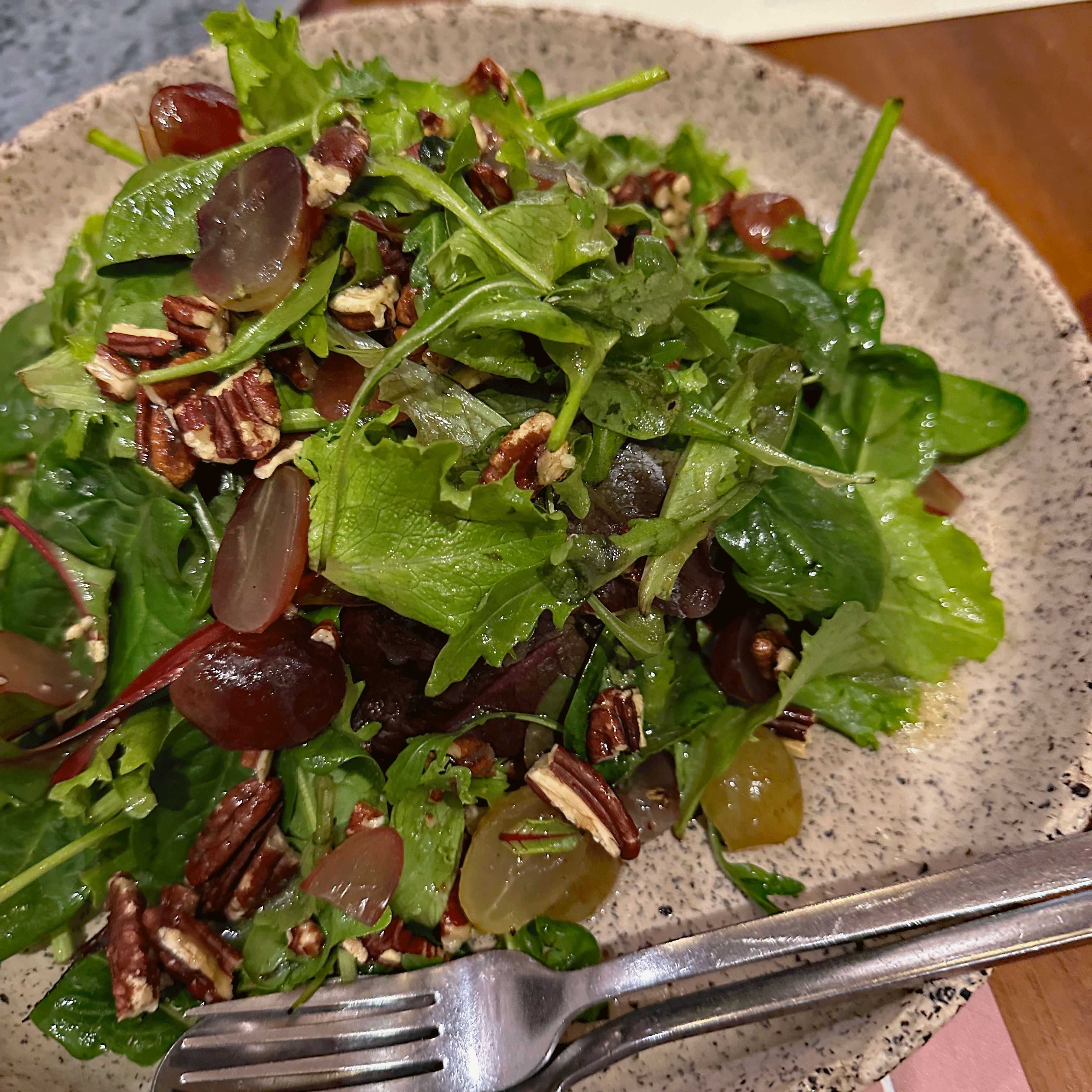
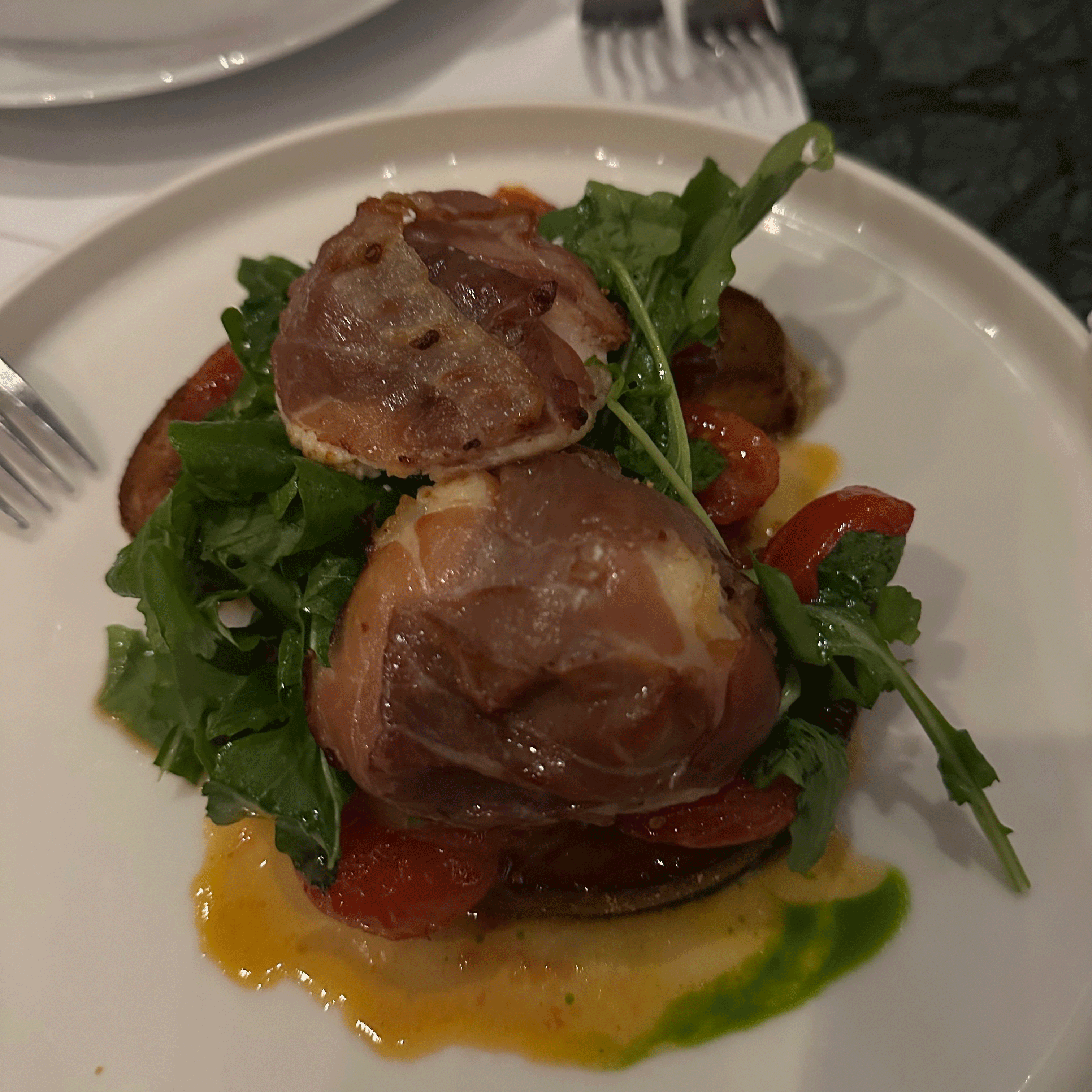
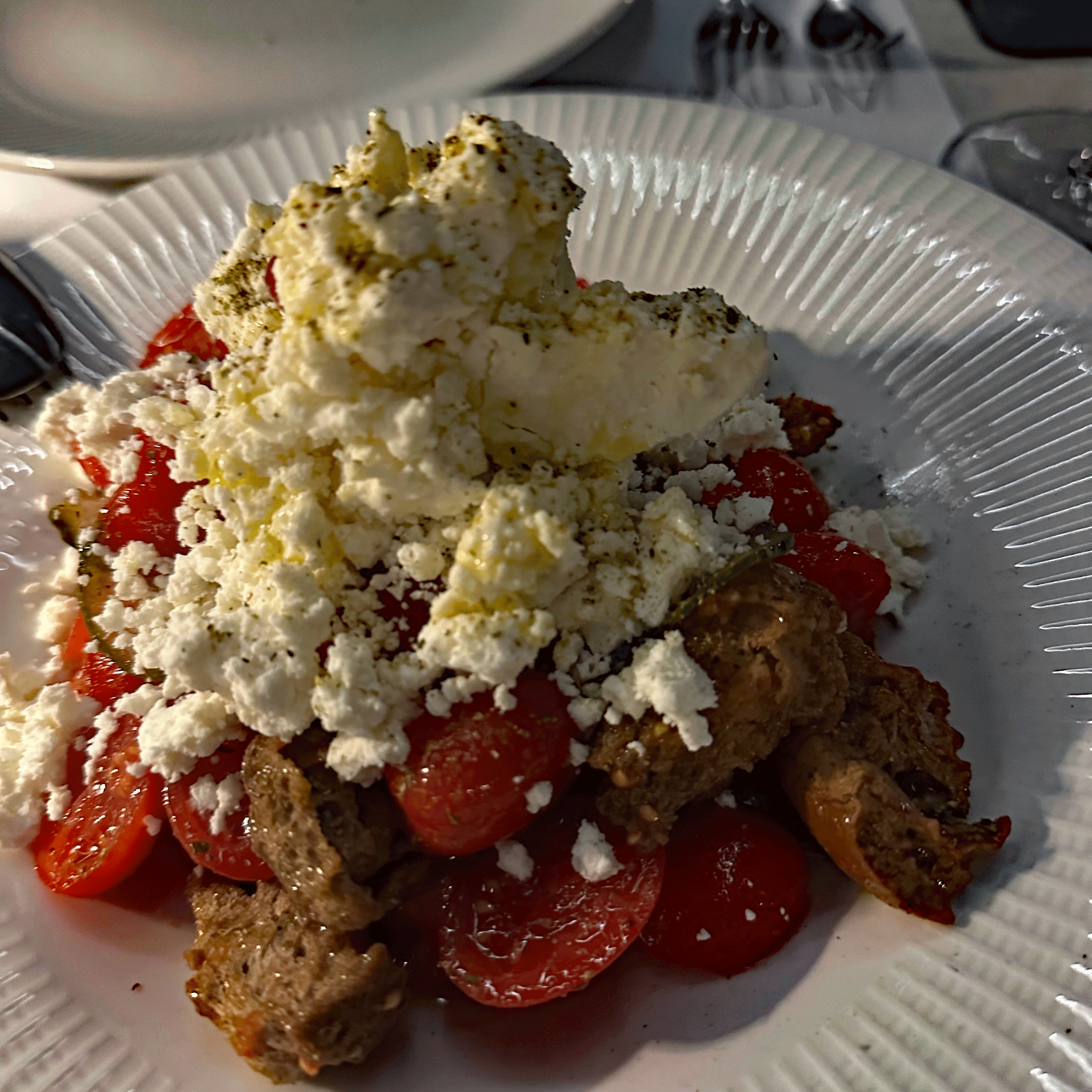
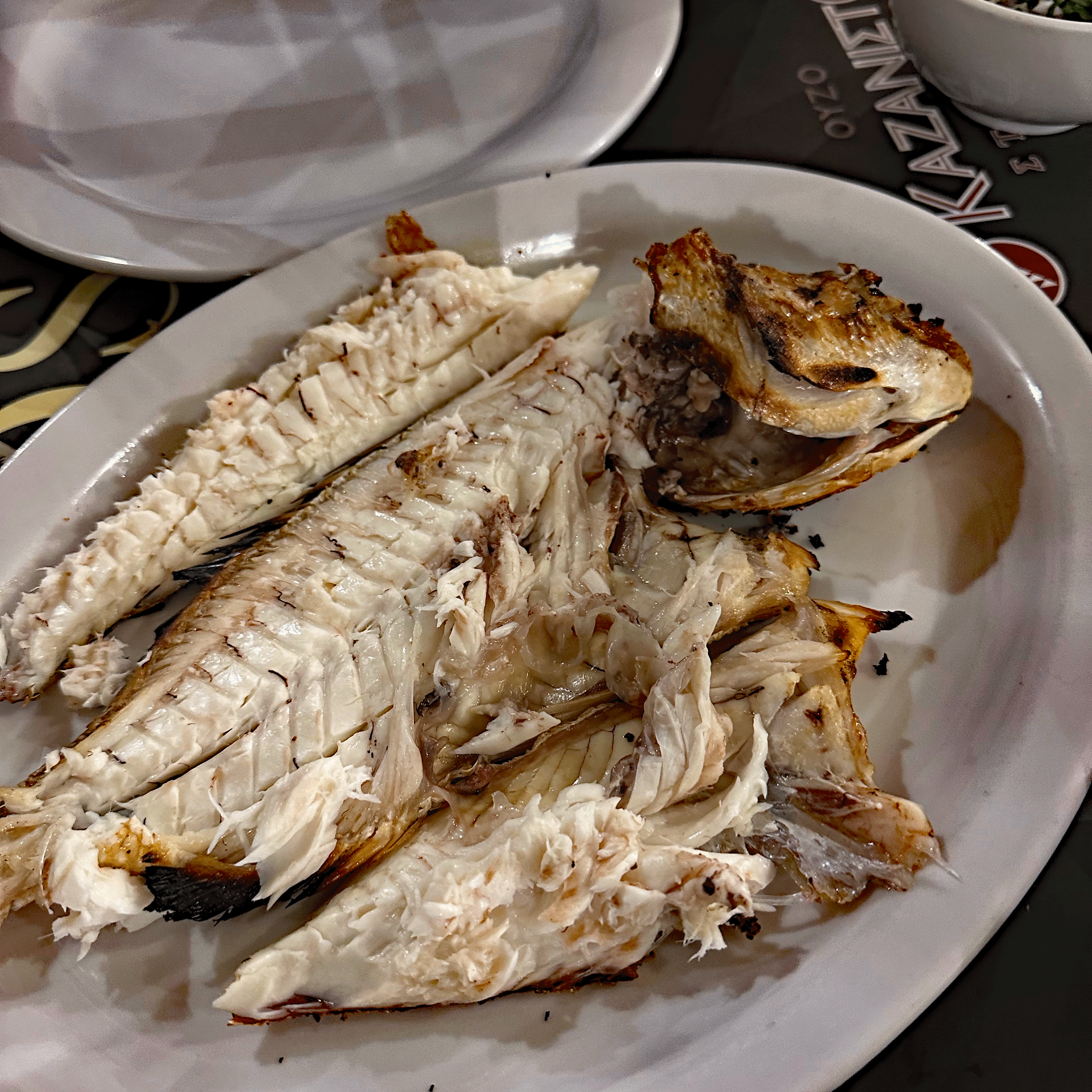
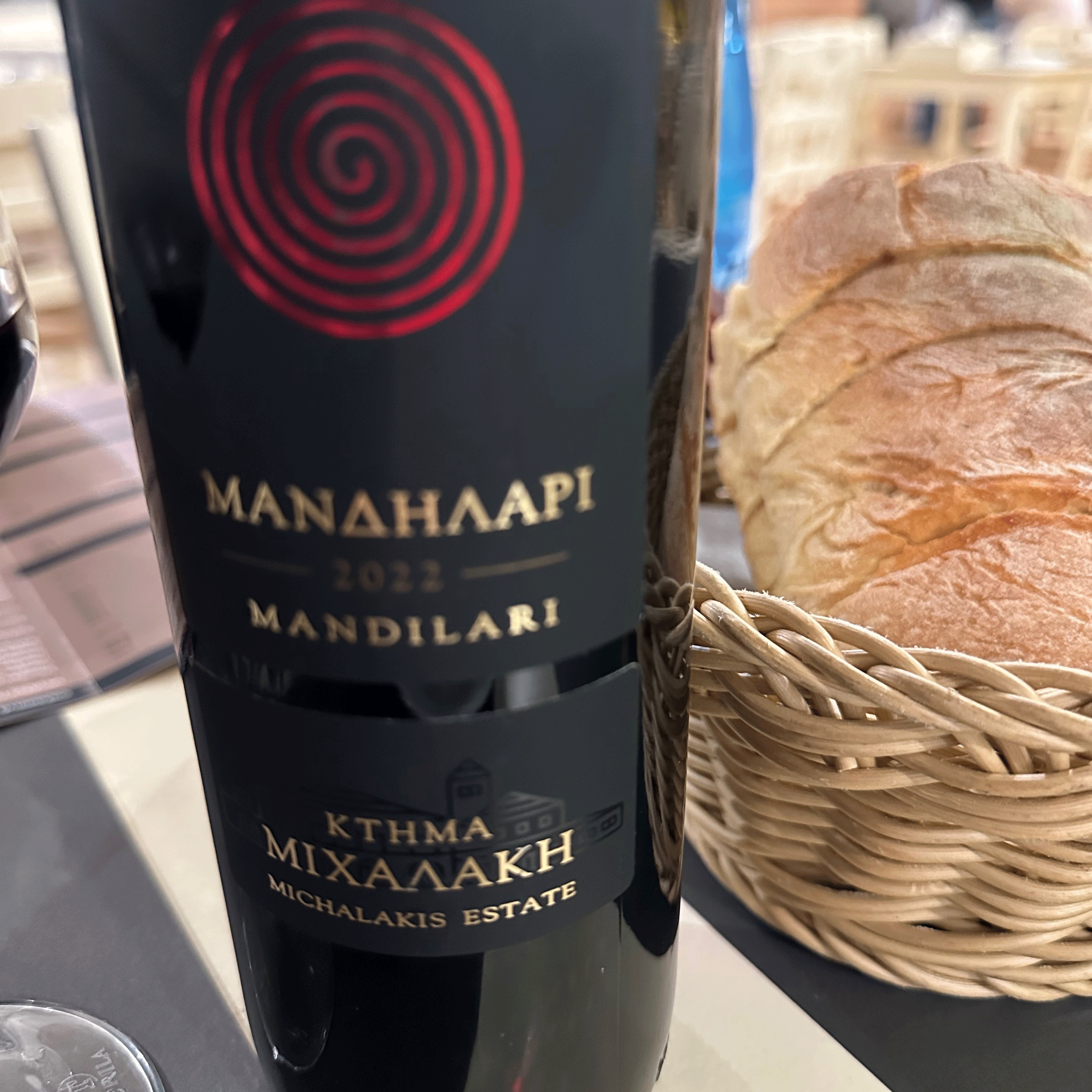
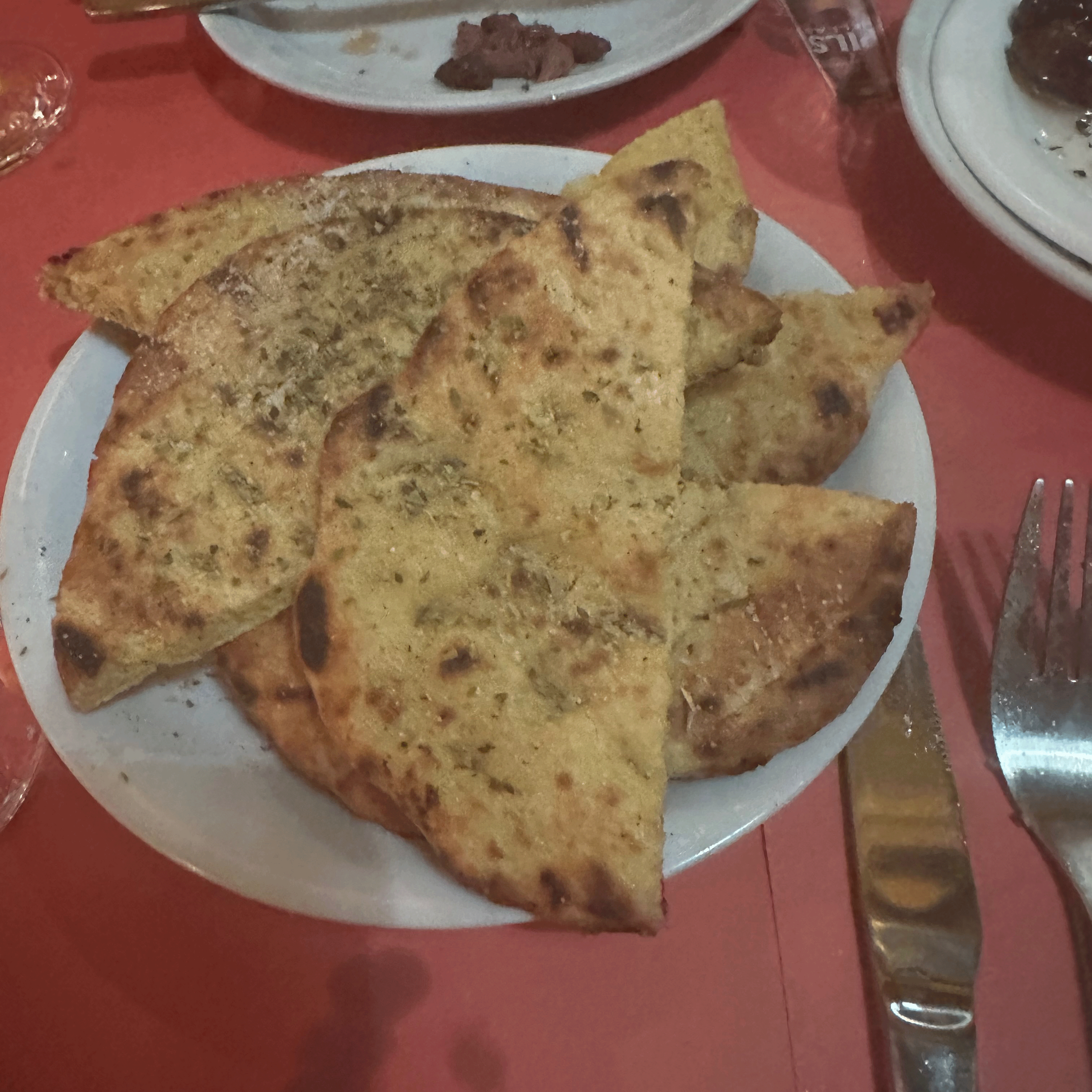
Bread basketDessertPasta with PrawnsSteakCrab RavioliPear SaladSalad with Goat Cheese and Carmelized OnionTomato and Feta Red SnapperLocal Red Wine
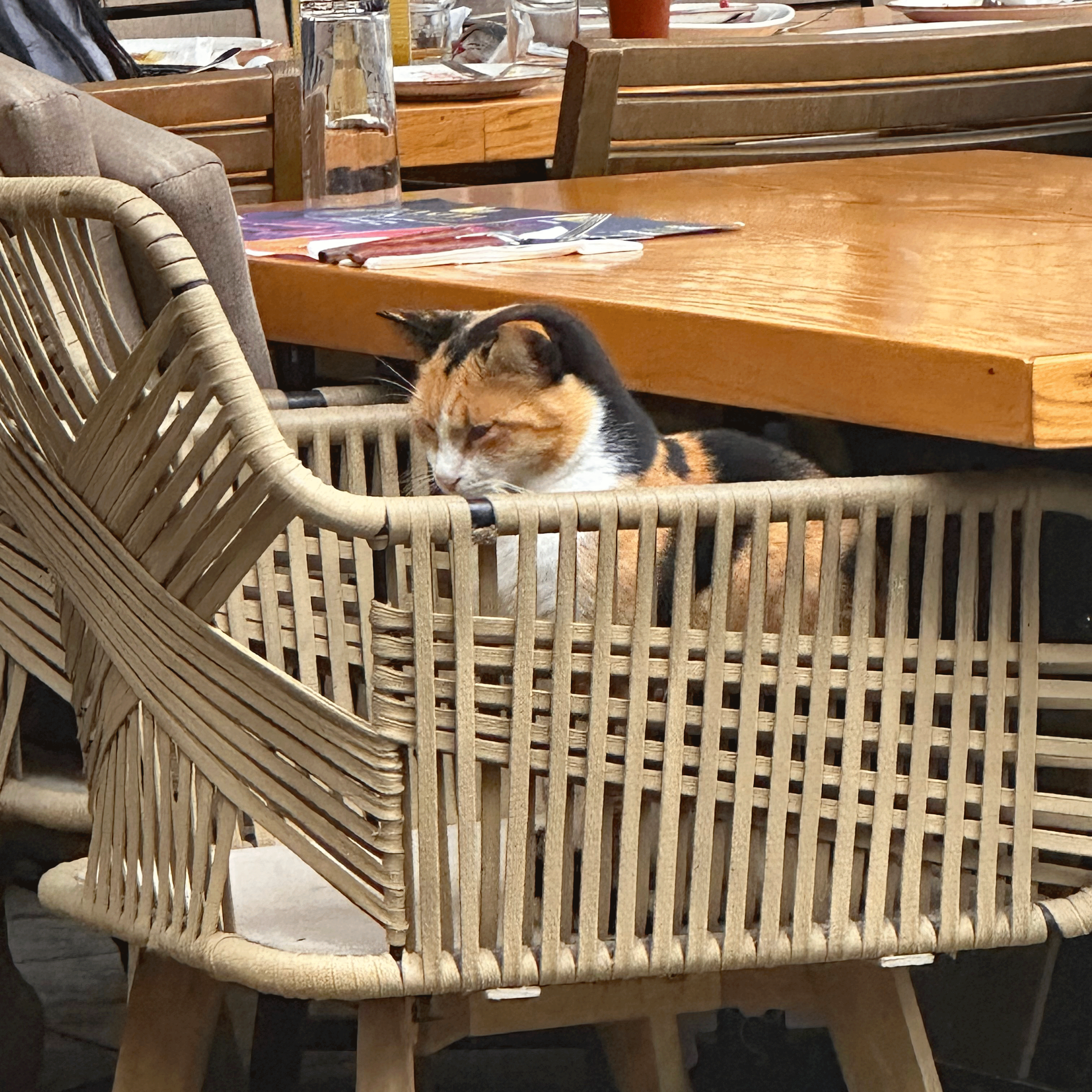
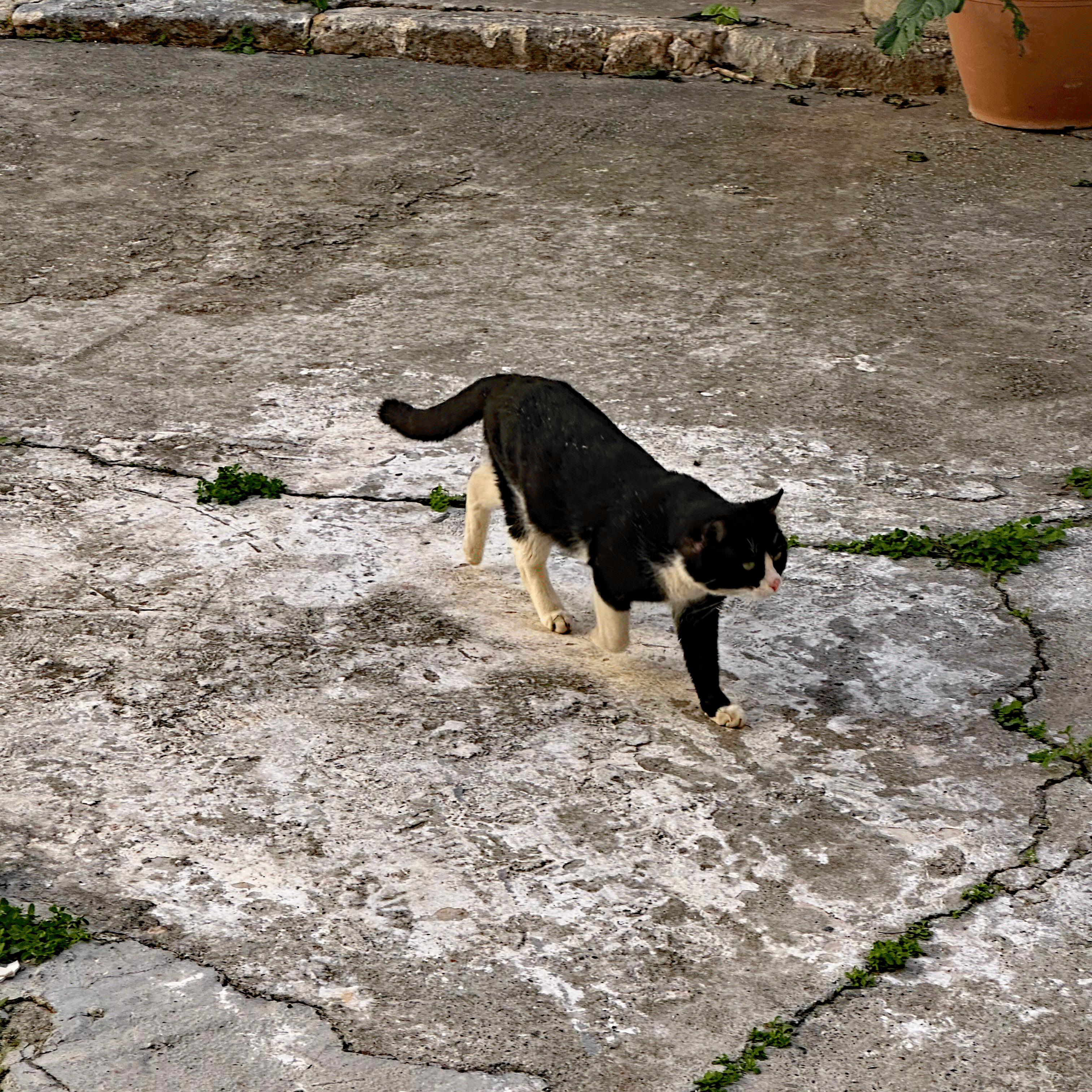
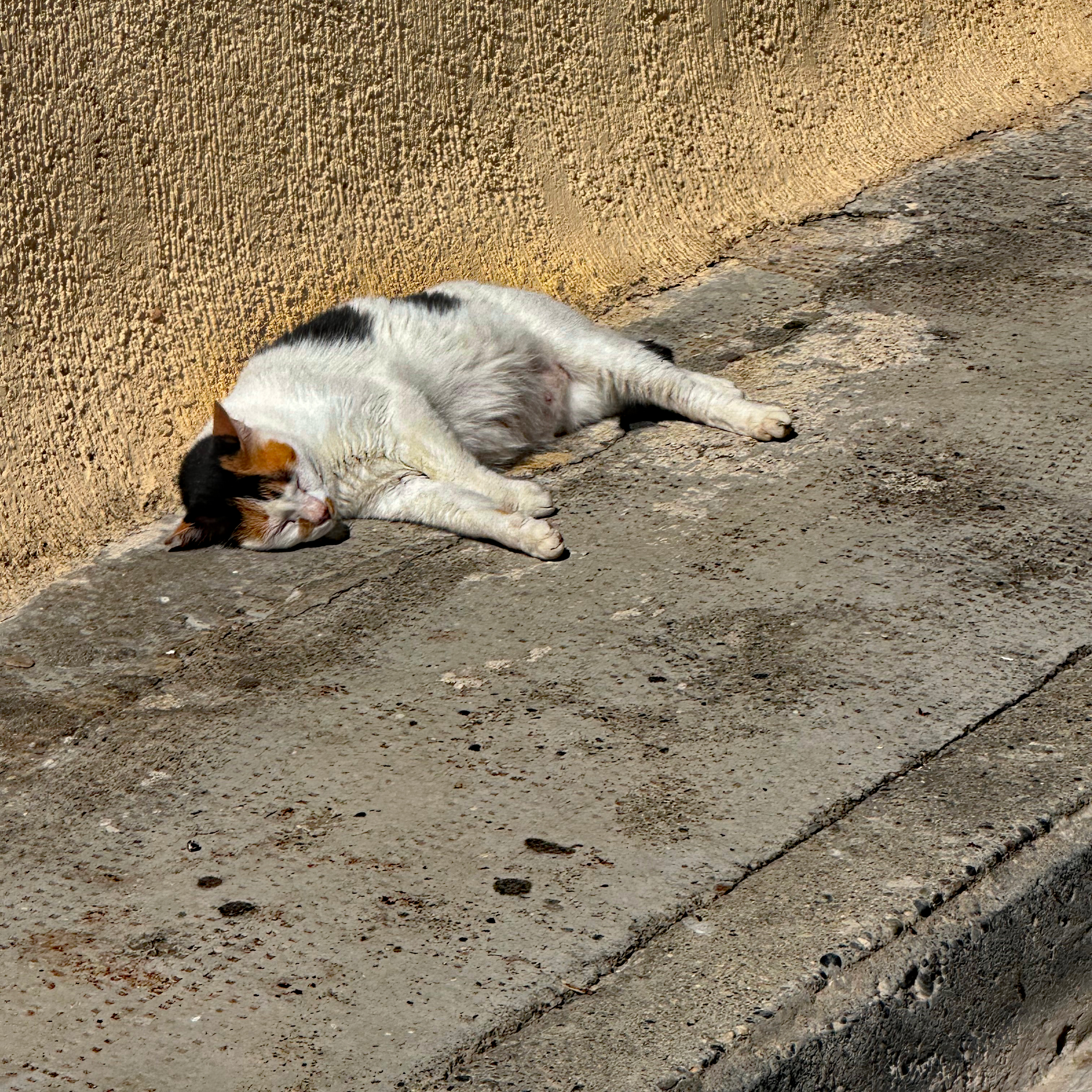
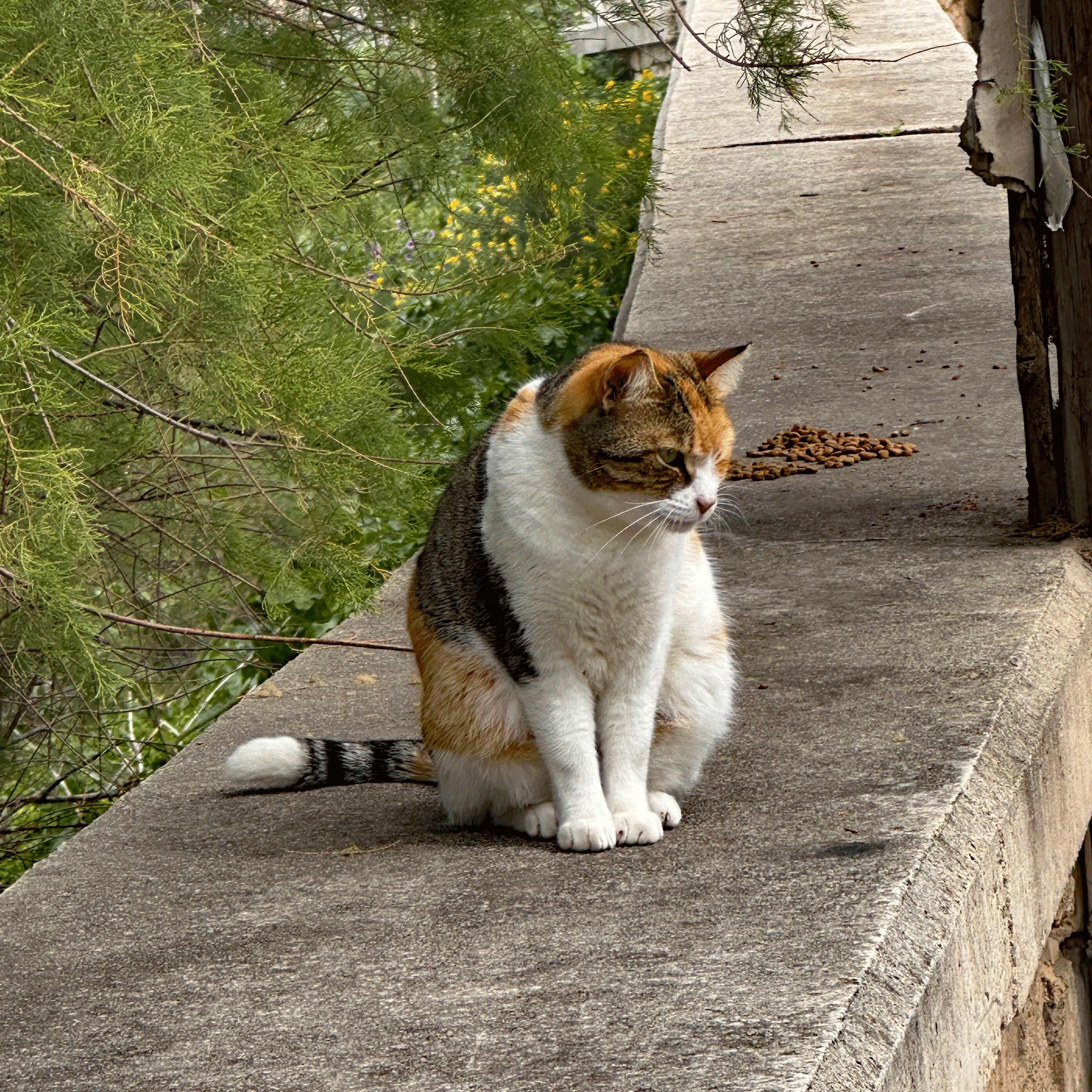
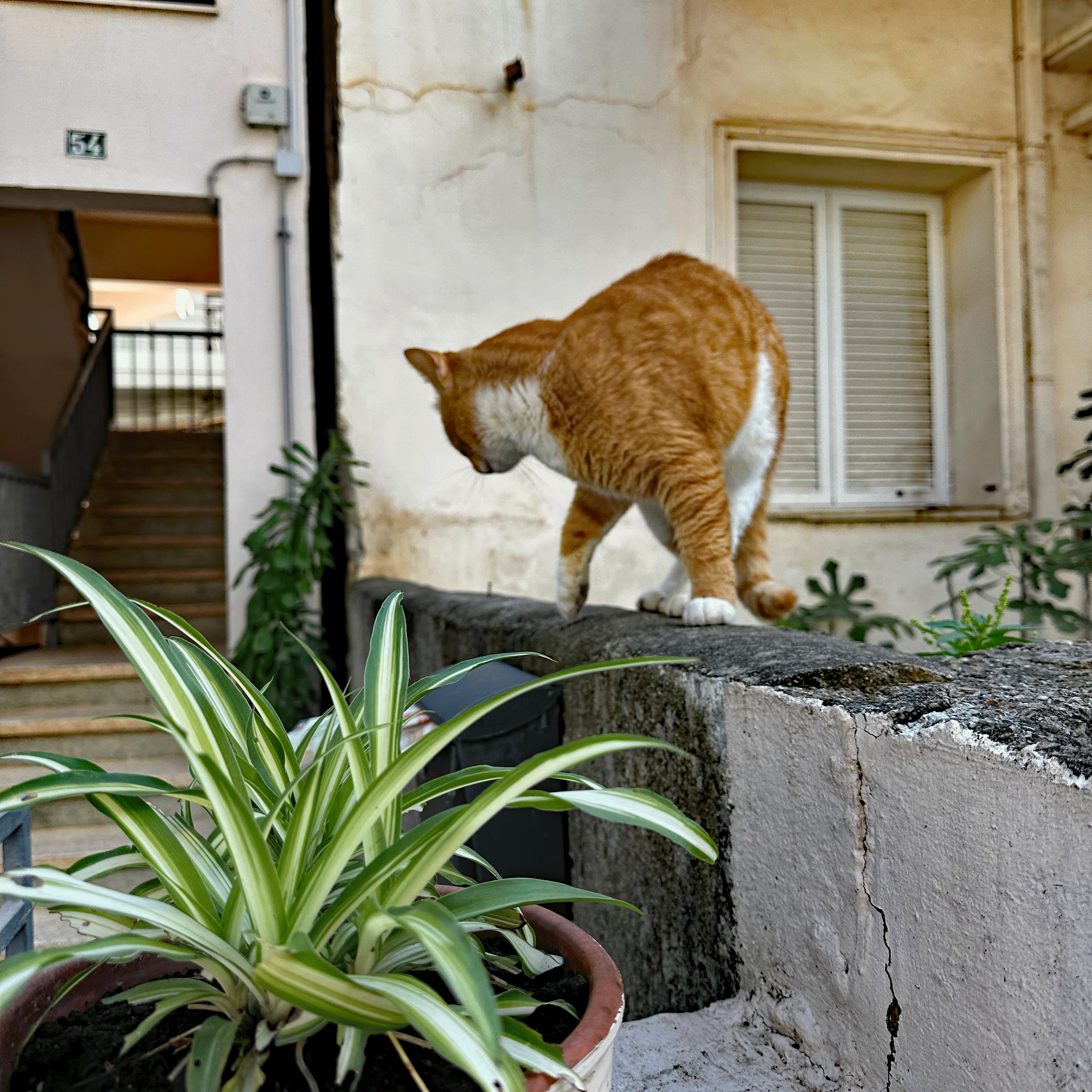
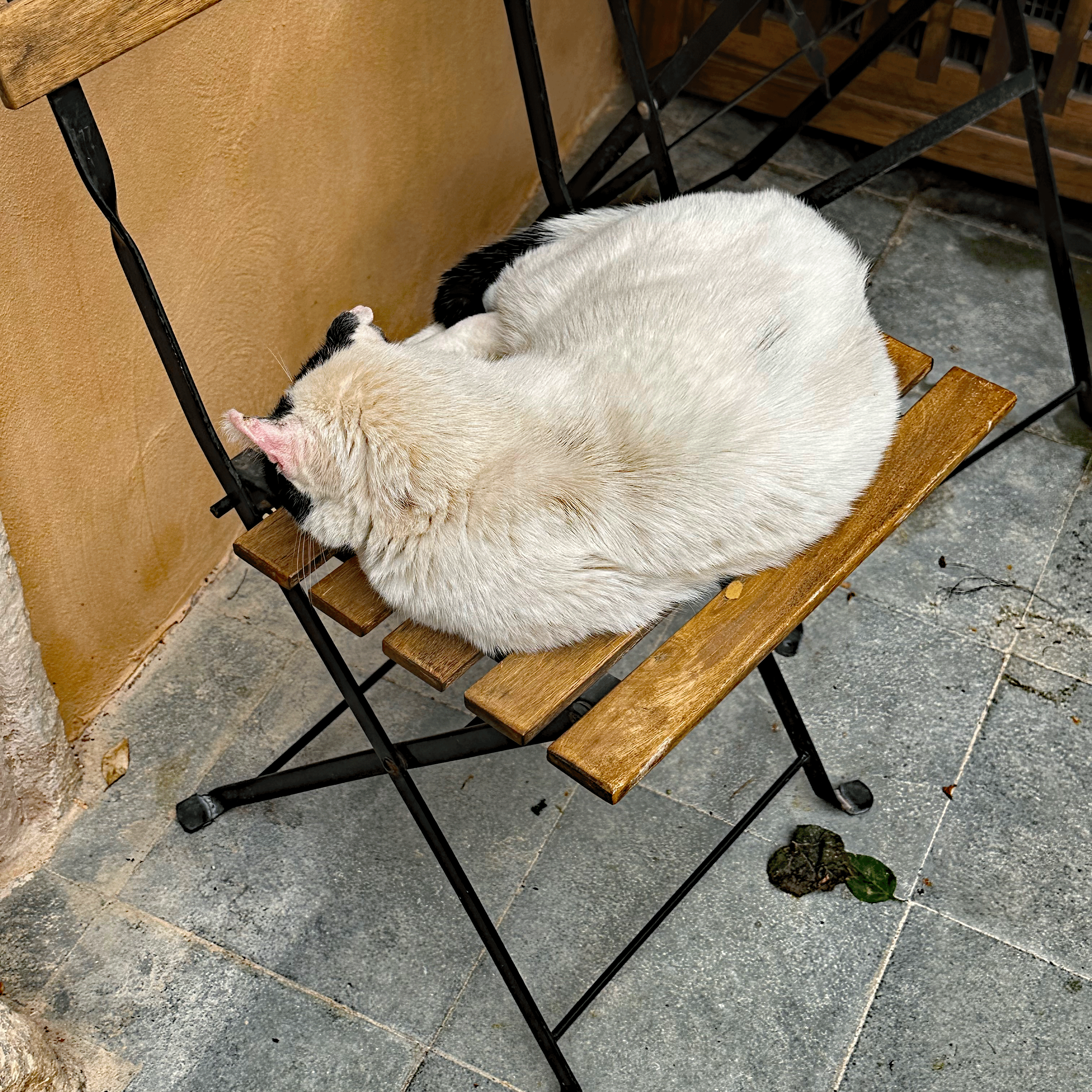
If you come to Crete, I hope you like cats. Just as on Cyprus, cats rule here. They mainly live outside and appear to have their turf. There are two that frequent our courtyard and get quite loud at times. I’m not sure if we are expected to feed them; that was not listed in the house rules. On cold nights, there is one who joins us at the door hoping for an invitation to enter. We have not succumbed, even though we once loved our own two cats.
Below: Cats of Crete
The Maritime Museum is also worth a visit. It has a number of ship models, a model of Chania during the Venetian Occupation, old photographs of the harbor, and rooms full of Crete’s naval history. Your ticket includes access to Firka Fortress with sweeping views of the harbor and lighthouse.
Below: Shots from the Maritime Museum and Firka Fortress:
Below: Black and White Photos of Chania
Former Hamam (Turkish Bath)
I hope you have enjoyed reading about Chania, Crete and that you are inspired to travel in whatever style works for you. Thank you for reading. Geri
I visited Athens as a college student in December, 1975. Bill had never been there, so we decided to make it our launch point for a winter abroad. Having immersed ourselves in the ancient worlds of Sicily and Turkey this past year, it seemed only logical to circle back to ancient Greece. Bill’s sister Betty joined us for the adventure.
I was curious to see if the city has changed much and to determine who has aged better, me, or the Parthenon. Now to be fair, the Parthenon has had a lot of work done, but she looks amazing for her 2,472 years of exposure to natural and human forces. My mere 70 years cannot compare.
We arrived in Athens at 3:00 am, local time after an actual 24 hours of travel. Our flight from Chicago to Munich, then Munich to Athens was delayed leaving O’Hare, and after an hour in flight, the captain announced that we were turning around, dumping fuel and returning to Chicago for repairs to the navigation system. This was a first for us and one I could do without. After 3-4 hours waiting in Chicago and missing our connection, we were once again on our way. In Munich, we faced another 4 plus hours before our next flight. Feeling bedraggled, we charmed (begged) our way into the Lufthansa Business Lounge for a daily fee of 50 euros each. It was well worth it for comfortable furniture and a buffet of food and drink options. The next flight was uneventful and we made it to our oasis of comfort: the Divani Palace Acropolis Hotel. I don’t get paid to say this: it was a lovely hotel with a good breakfast and a delightful staff. Quite the upgrade from my youth hostel experience 50 years ago.
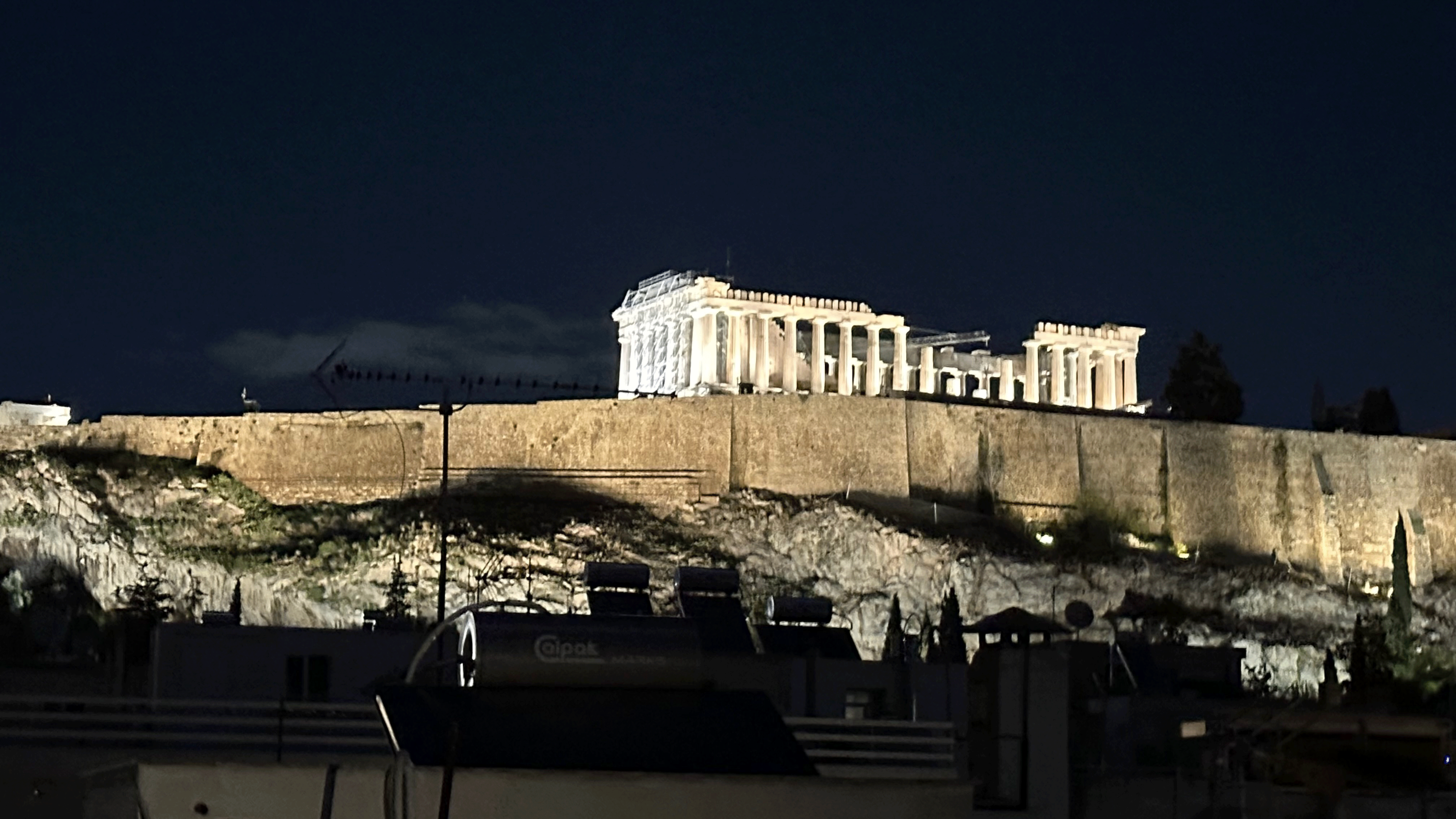
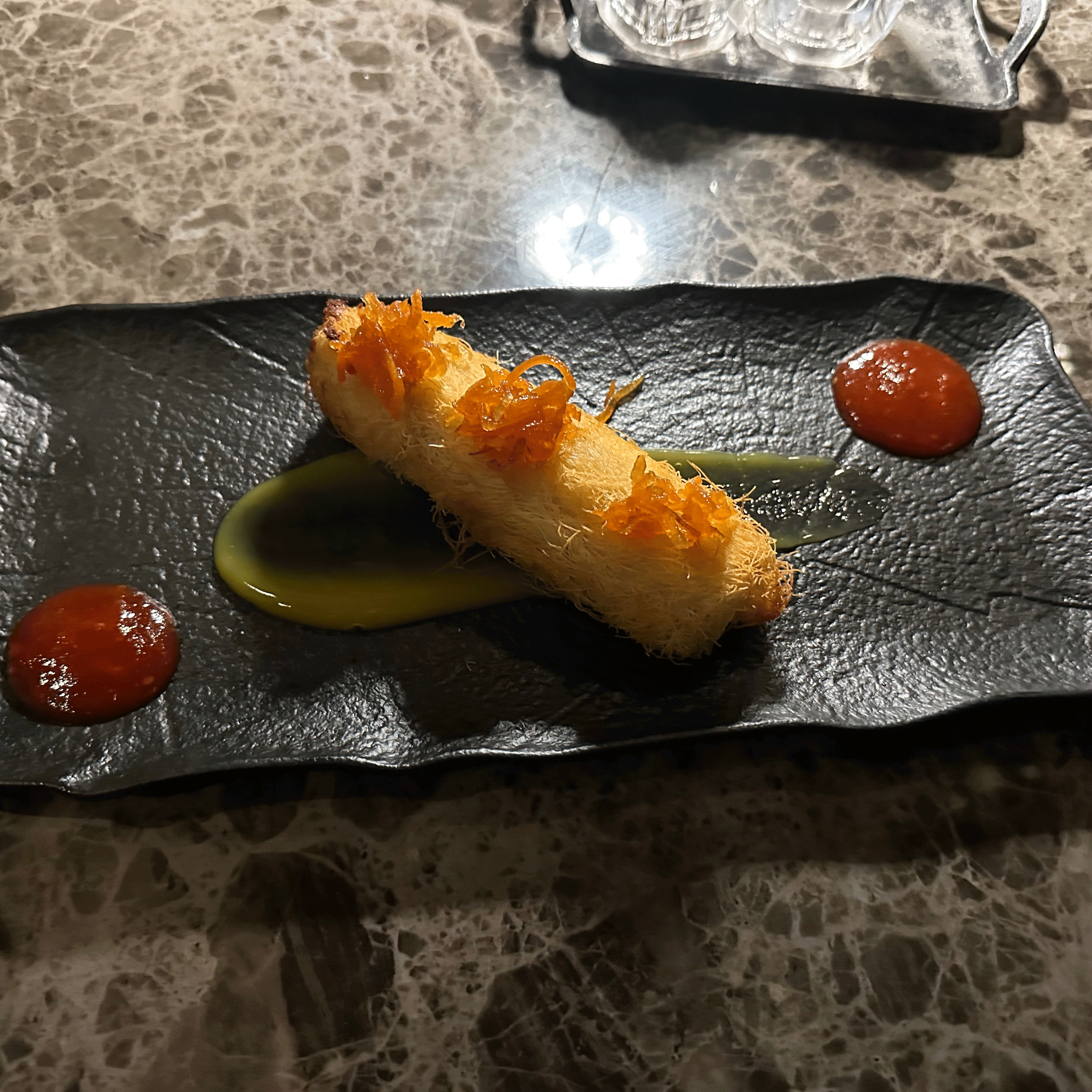
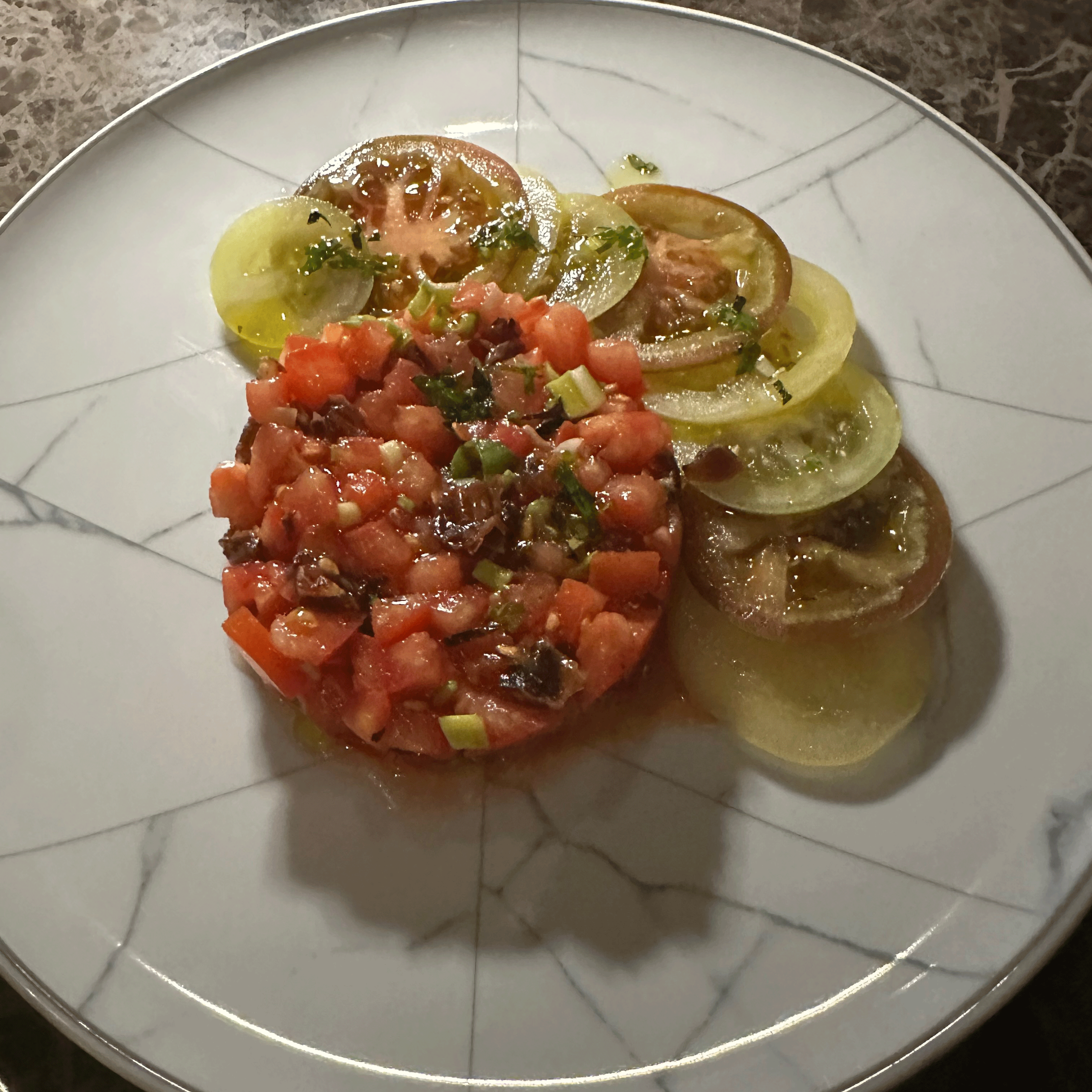
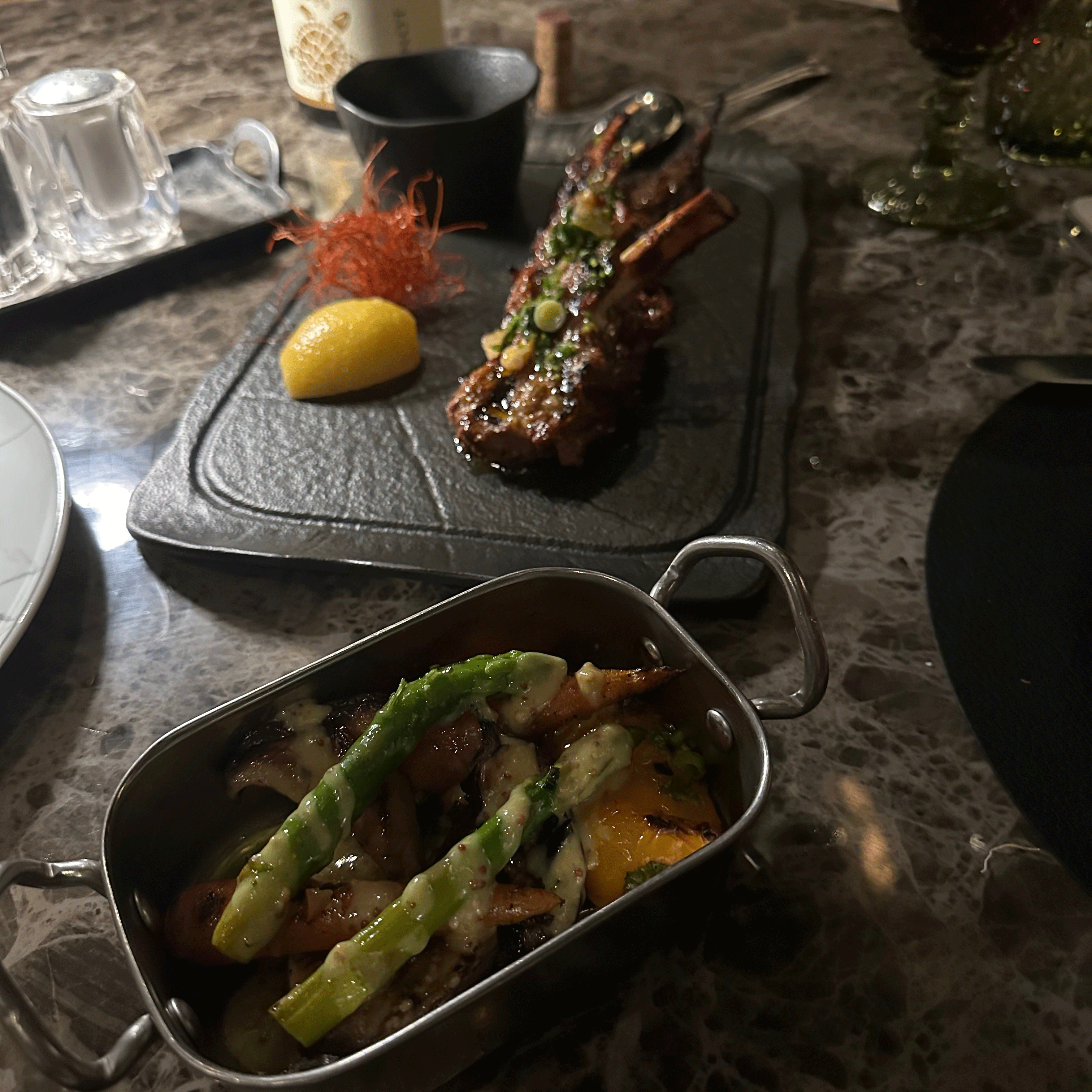
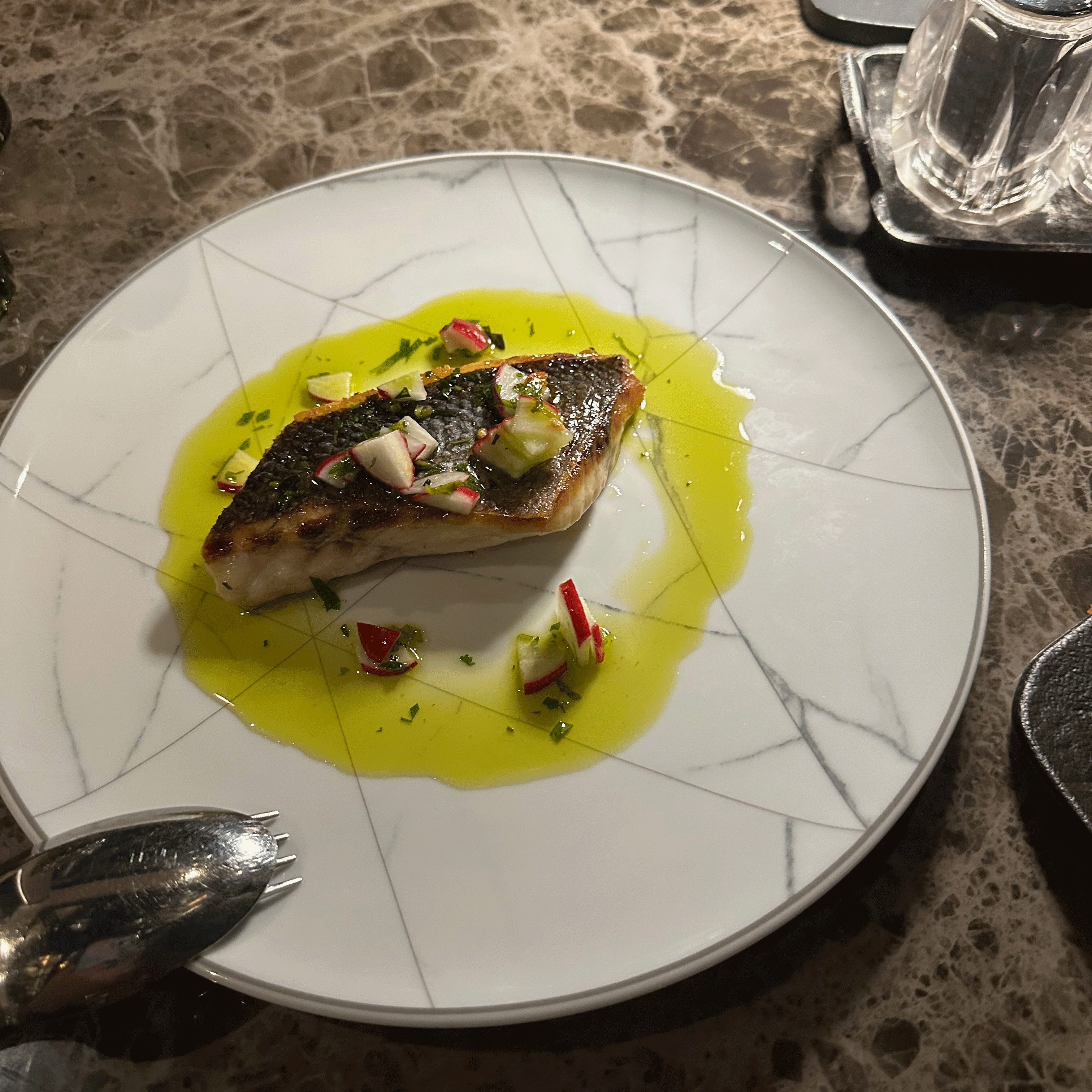
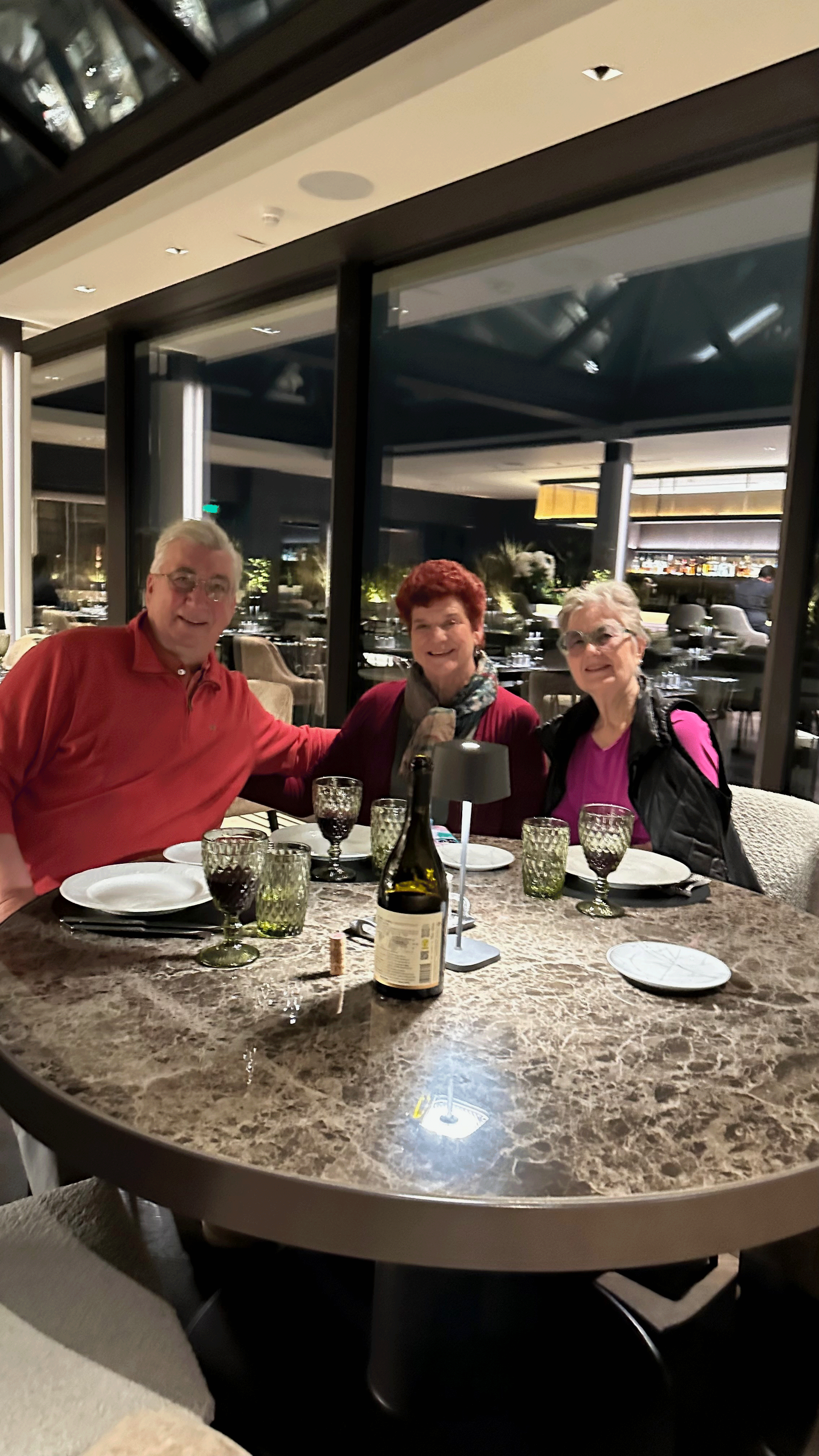
The next day was devoted to recovery: hydration, food, and rest. As a young traveler, I would have hit the ground running despite exhaustion, existing on street food and adrenaline. These days, we pace ourselves and can sometimes splurge on fine dining with a view. So, for our first dinner in Athens, that’s what we did.
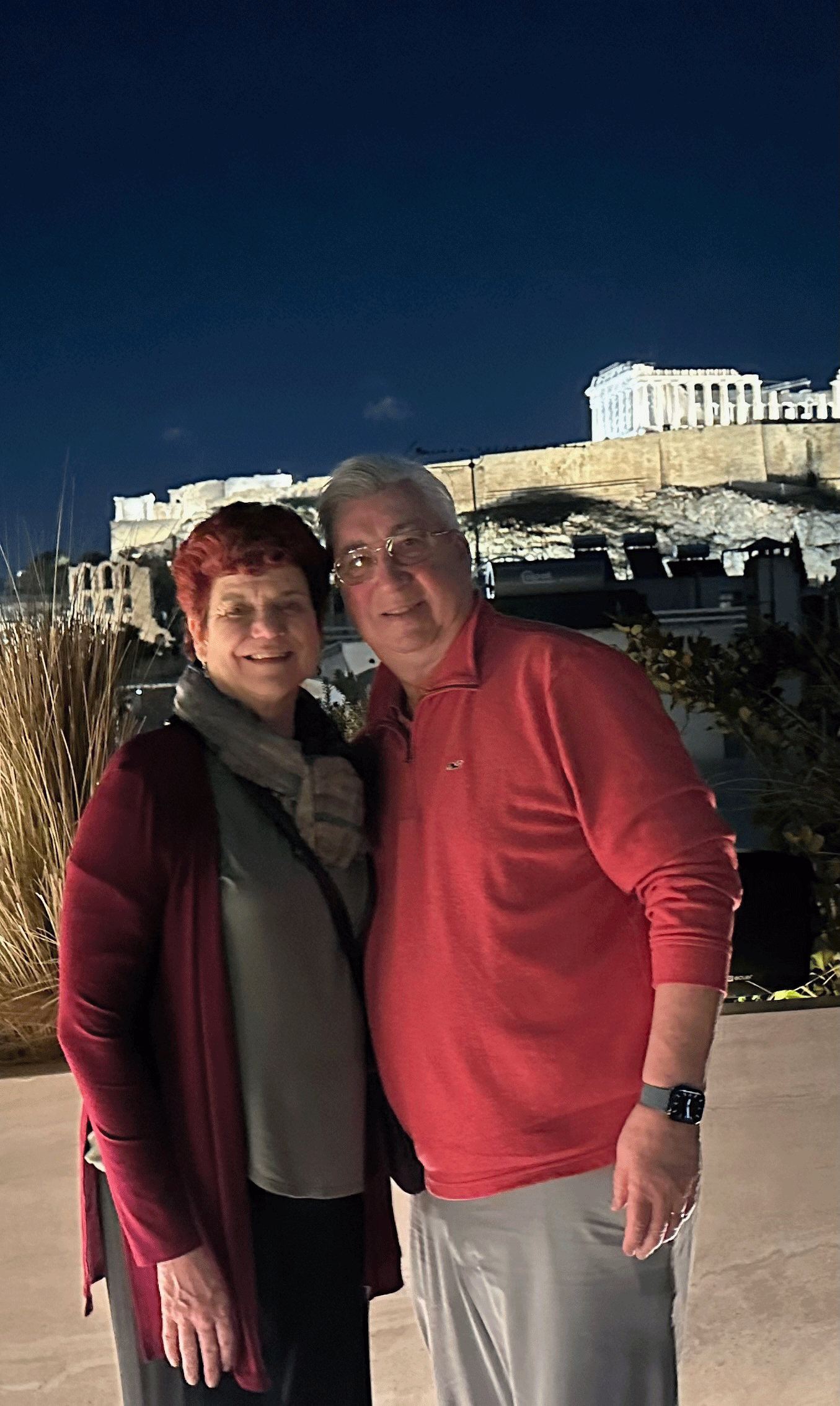
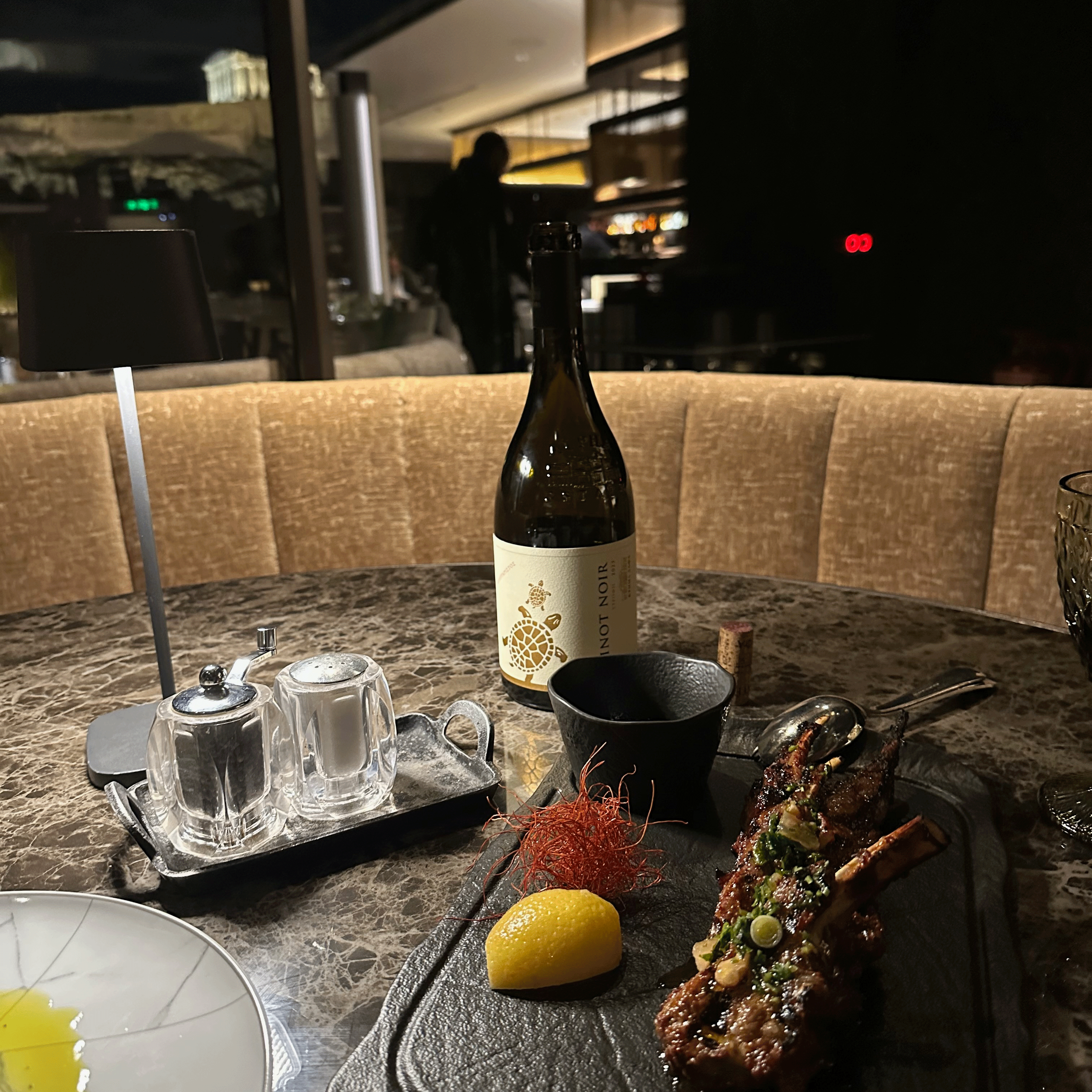
Night View of the ParthenonCheese pastryTomato TartarSea BassDinner at “Acropolis Secret”rooftopFirst Night Greek Red Wine
A Morning Tour of Athens
After our day of recharging and strolling around our neighborhood, we were ready to scale the Acropolis on a morning tour with Viator. Winter season resulted in our small group tour consisting of the three of us, a driver, and our guide Athena. On the short drive, she gave us an overview of the day’s itinerary and some background information on history, government, and mythology.
Acropolis, means “high city” in Greek. It is the focal point of Athens. No building may be more than 4 stories, so as not to block anyone’s view of the temples. We arrived in the parking lot, where we met Peggy, our guide for the Acropolis. We made small talk as we walked up through a park with manicured paths that have been graded and surfaced to accommodate the contemporary visitor. It was nothing like my memories of walking straight up the hill from the streets of the Plaka neighborhood. Peggy explained that the site was modernized in anticipation of the 2004 Summer Olympics in Athens. They even installed an elevator, but be aware it only holds 2 people at a time.
Before arriving at the entrance to the Parthenon complex, we paused to admire the view of the city below and to see the Odeon of Herodes Atticus, built during the Roman period (161 AD). It was built for musical performances, was restored in 1950, and today it hosts opera, theatre, and concerts during the Athens & Epidaurus Festival.
Odeon of Herodes Atticus
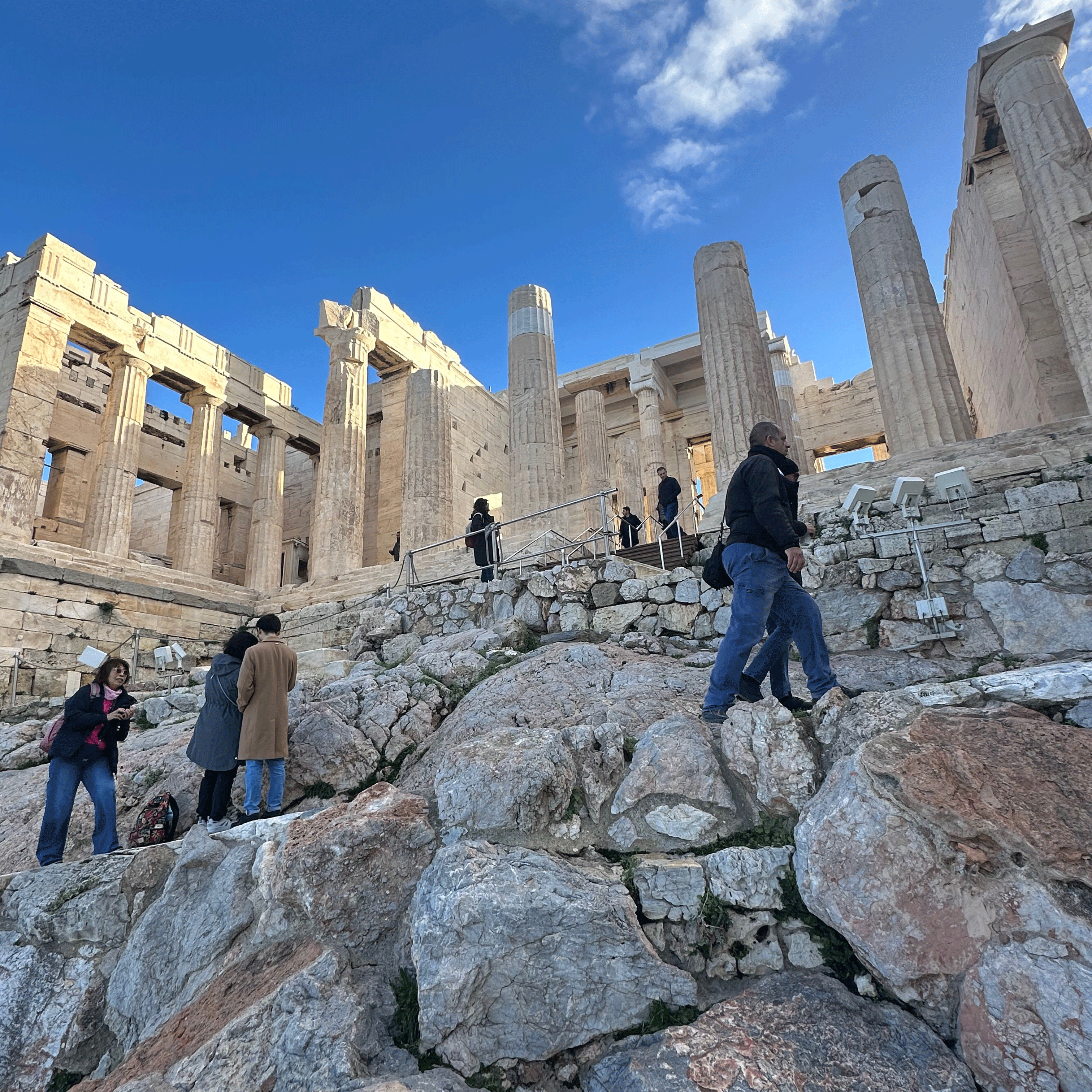
After admiring the Odeon below, it was time to look up to our left and back in time 500 years to ancient Greece. Peggy explained that we would climb the stairs to the ancient entrance gate to the temple site, the Propylaea. Ordinary Athenians could leave offerings at the gate and at the entrances of the individual temples, but only the priests and priestesses had access to temple interiors. Therefore, most of life’s day to day activities took place below the Acropolis at the Agora.
View from BelowVisitors Approaching the Entrance
It was a perfect morning with blue skies and sunlight reflecting off the marble columns. The temperature was comfortably cool and the comparatively small number of visitors allowed us time and space to take photos and to take in the ambience at a leisurely pace.
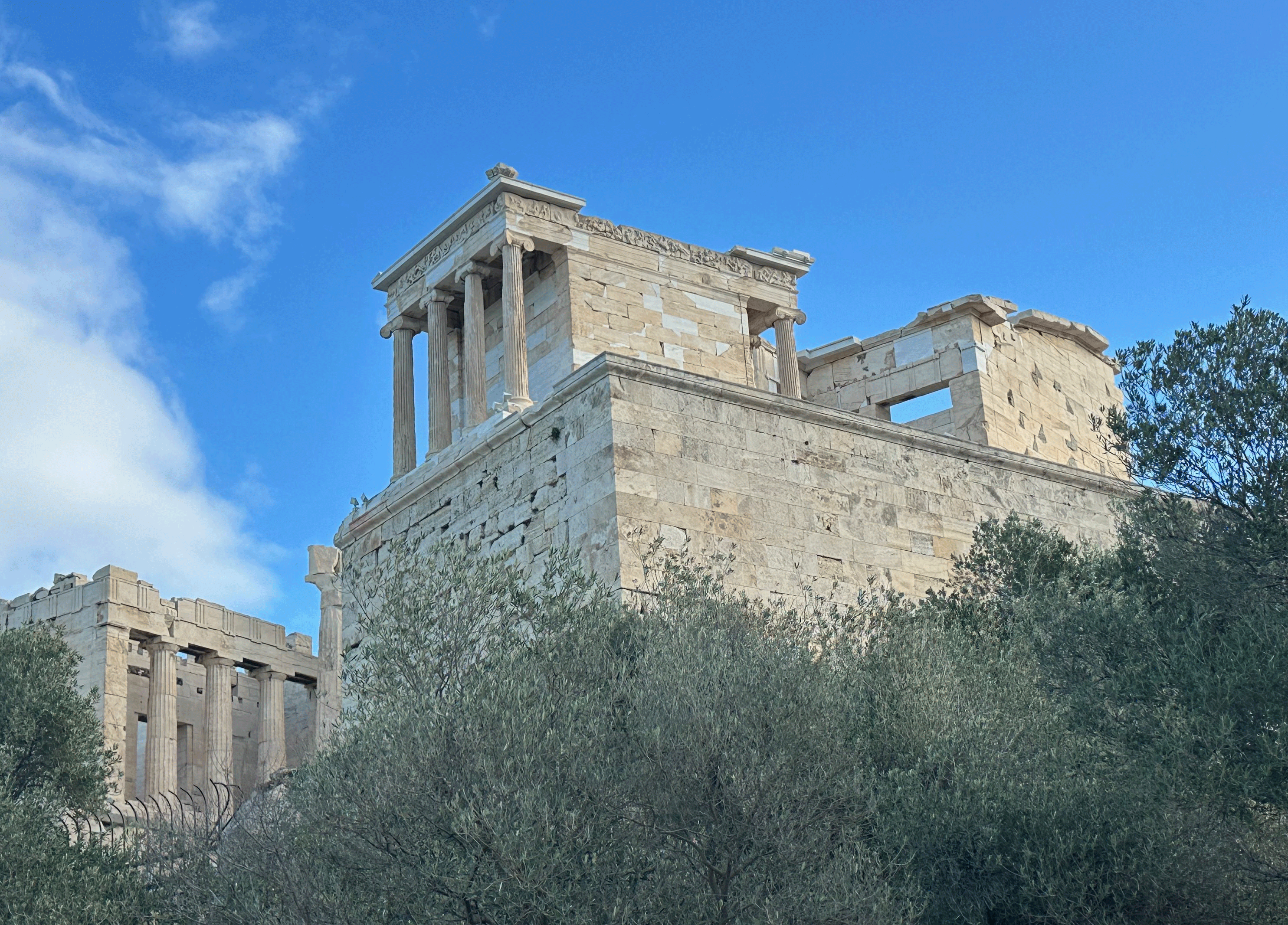
The first temple inside the complex is the Temple of Athena Nike, honoring Athena as a victor. It appears small by comparison to the others, but it is perfectly proportioned and beautifully restored.
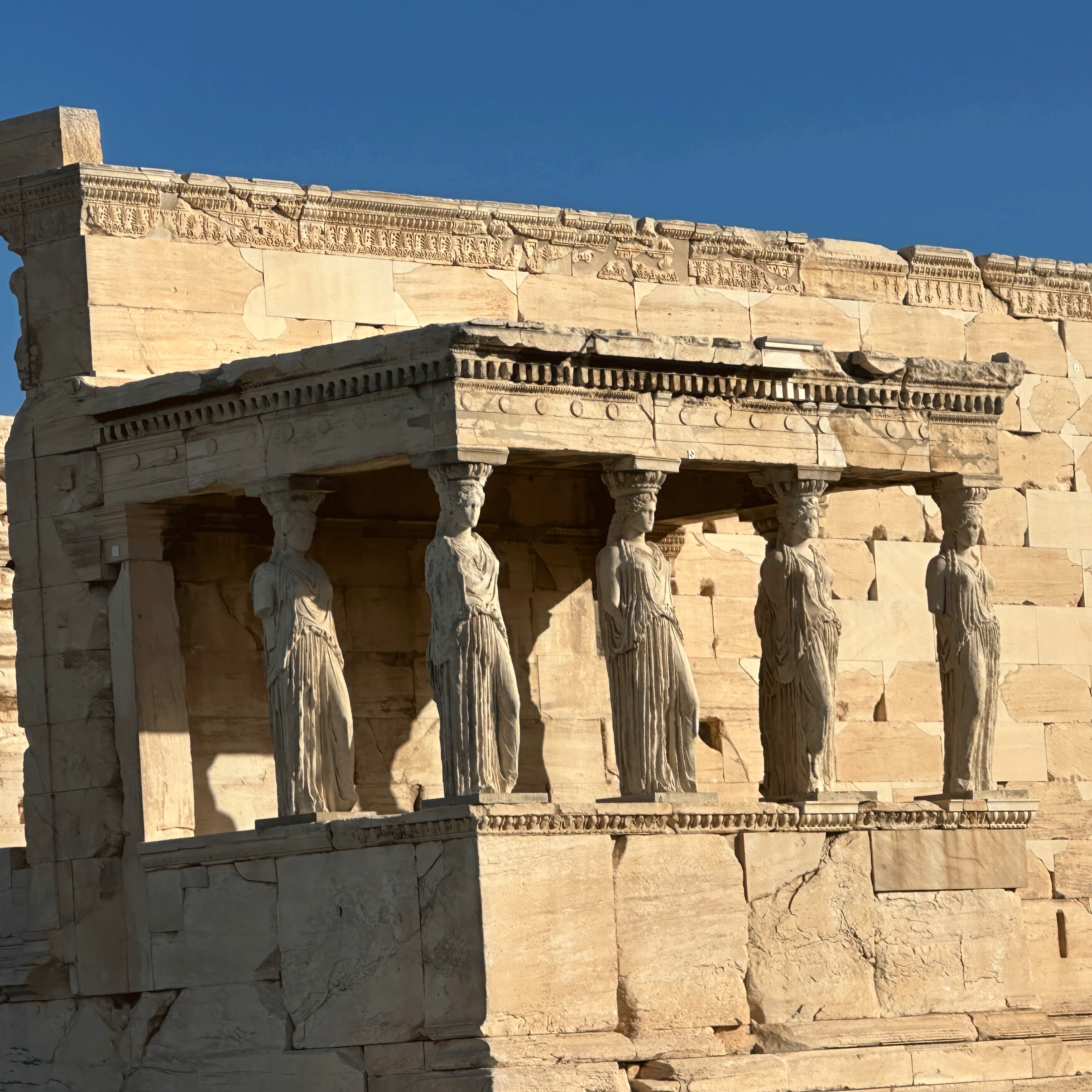
Another notable temple is the Erechtheion. Built around 410 BC on the ruins of a former temple, it was dedicated to both Athena and Poseidon, who according to legend, were in competition for control of the city (Earth vs. water). On the front right corner is the Porch of the Caryatids. The Caryatids are carved marble support columns. Originally, there were 6. The 5 you see today are replicas. We saw the restored originals in the Acropolis museum. (No photos allowed). If you have time, it is a worthwhile museum.
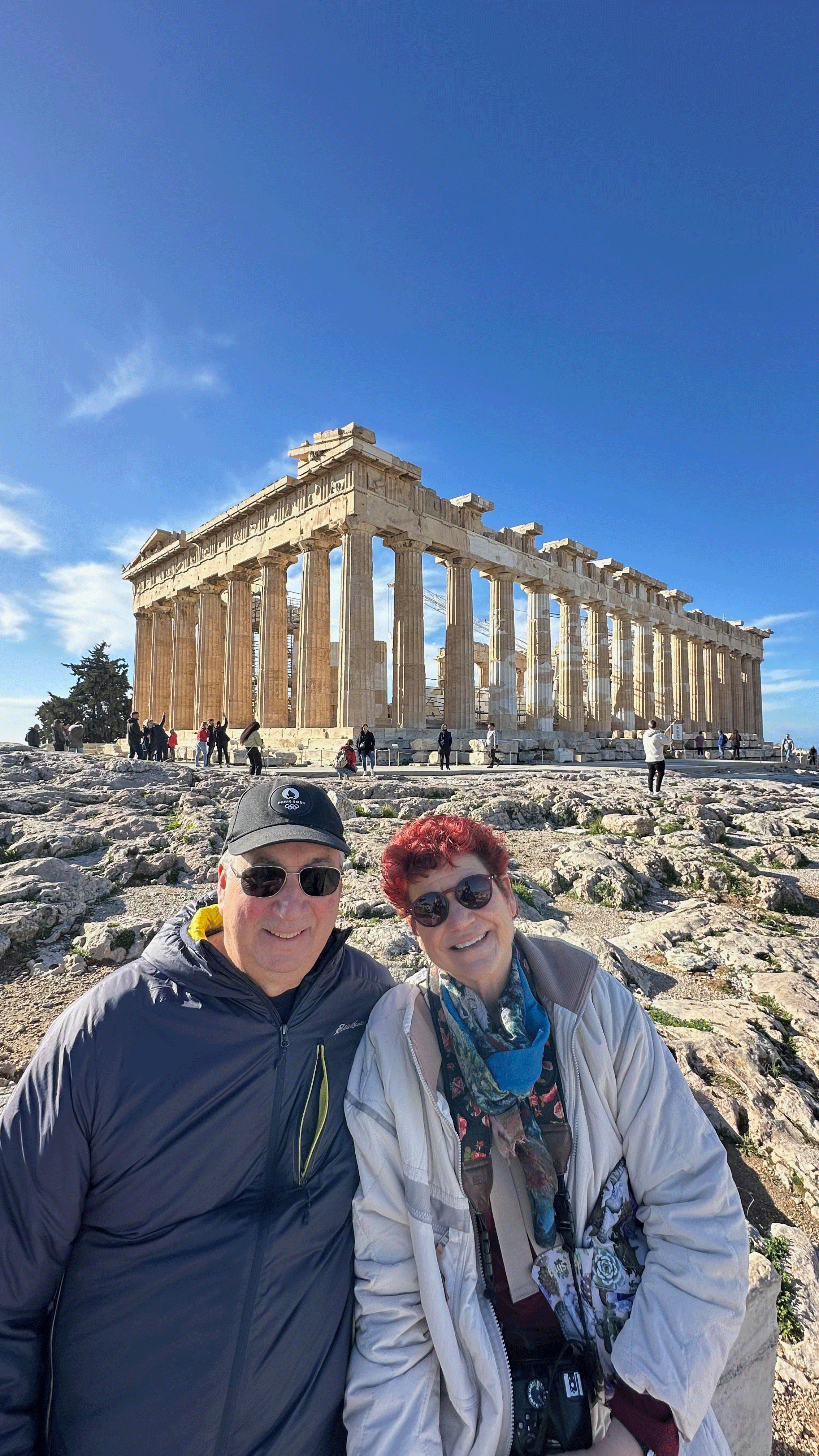
Finally, the largest and most recognizable temple is the Parthenon, built between 447–432 BCE to honor Athena Parthenos (the virgin) , daughter of Zeus, and the goddess protector of Athens. The Parthenon is as impressive as ever. It was planned to perfection to please the eye. The architects purposefully placed certain columns “off-kilter” to allow for optical illusions from a distance. Peggy explained the mathematics, the building materials, and the construction process to enhance our understanding. She showed us where a 40 foot statue of Athena once stood. Today, despite painstaking restoration work, the temple remains an empty shell. Scaffolding indicates the ongoing repairs that take place under strict UNESCO rules. It was designated a World Heritage Site in 1987,which explains why my memories from 1976 are of the rocky ruins of a once great temple all but abandoned. But then and now, to stand in front of the Parthenon is a momentous experience and one that may stay with you for 50 years. I am grateful that I was able to return to experience it once again.
Temples of the Acropolis
Temple of Athena NikeEntrance columnsCeiling of the EntranceThe Parthenon
The ErechtheionBill and Geri at the ParthenonThe Caryatids
The City Below the Acropolis
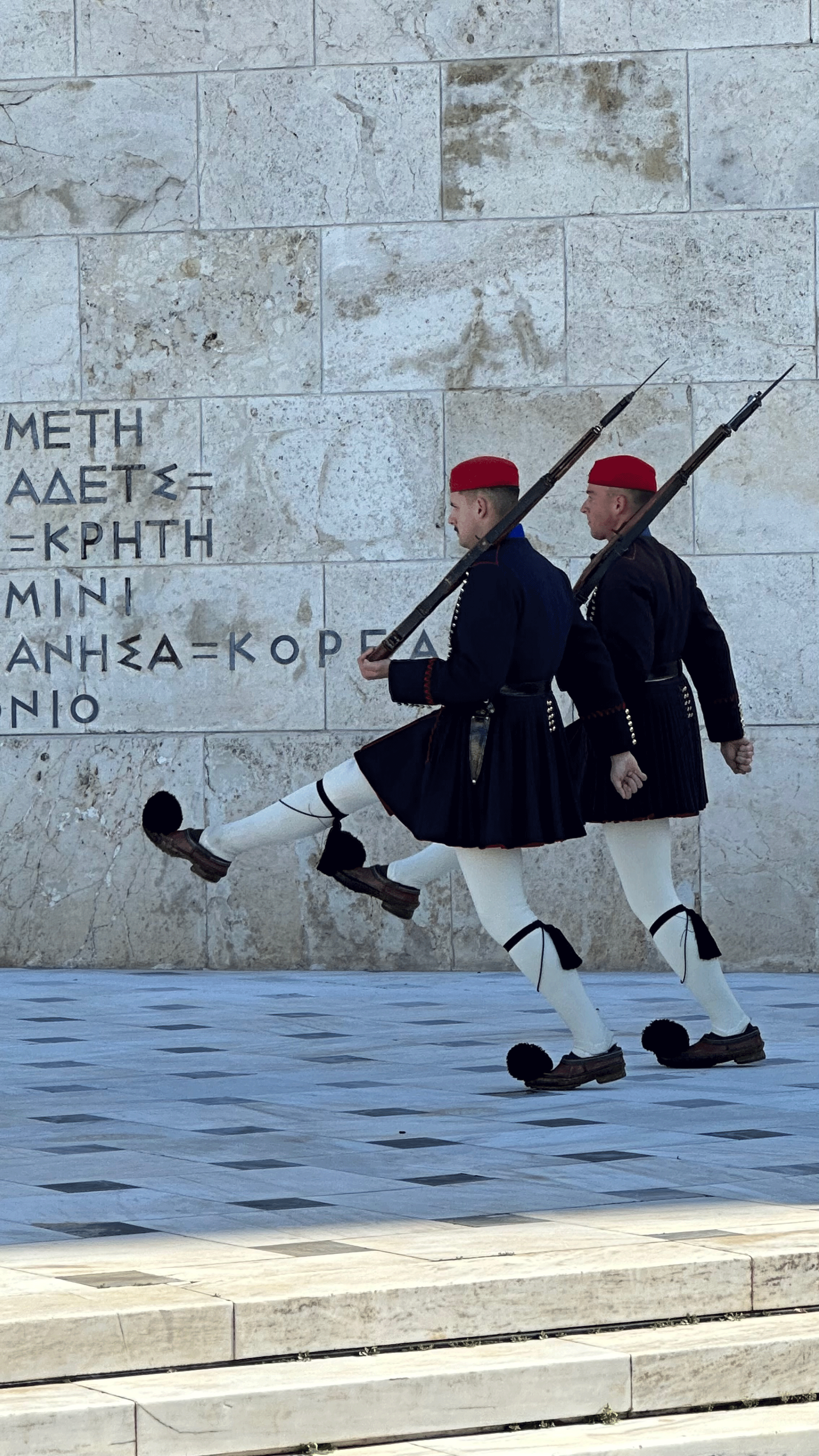
After the Acropolis, our tour made a quick stop at Parliament for the Changing of the Guard ceremony in front of the Tomb of the Unknown Soldier. The soldiers march in perfect synchronization, which appears to be more of a dance than a march.
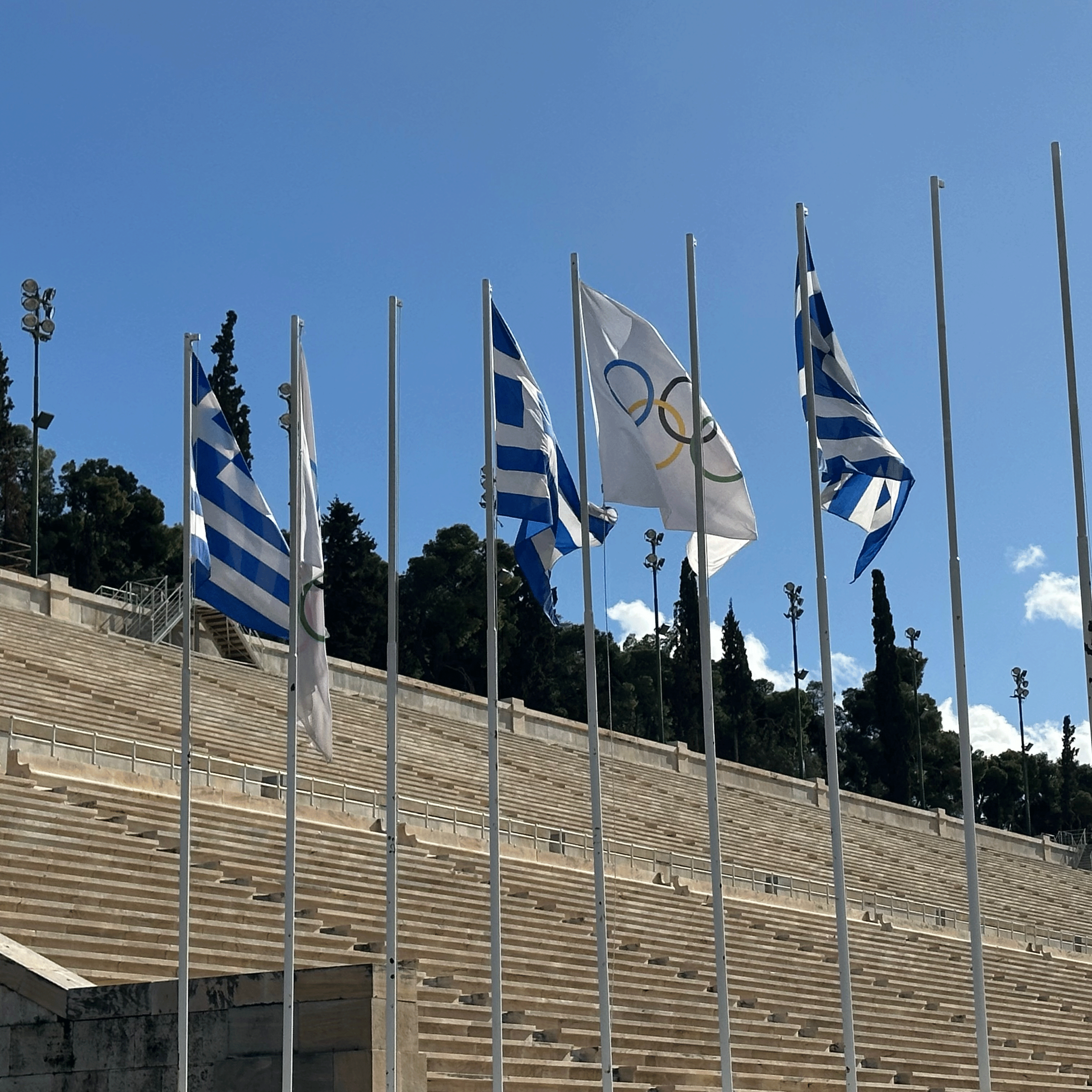
Next, we stopped to see the Olympic Stadium, built for the 2004 Athens Olympics. It was used for Opening Ceremonies and for the Discus competition. Today, it is a large concert venue and the finish line for the Athens Marathon. The Olympic Flame is kept at Olympia and makes the journey to the site of the Games. Currently, dual Olympic flames have been lit at Milan and Cortina, Italy for the 2026 Winter Games, a historic first.
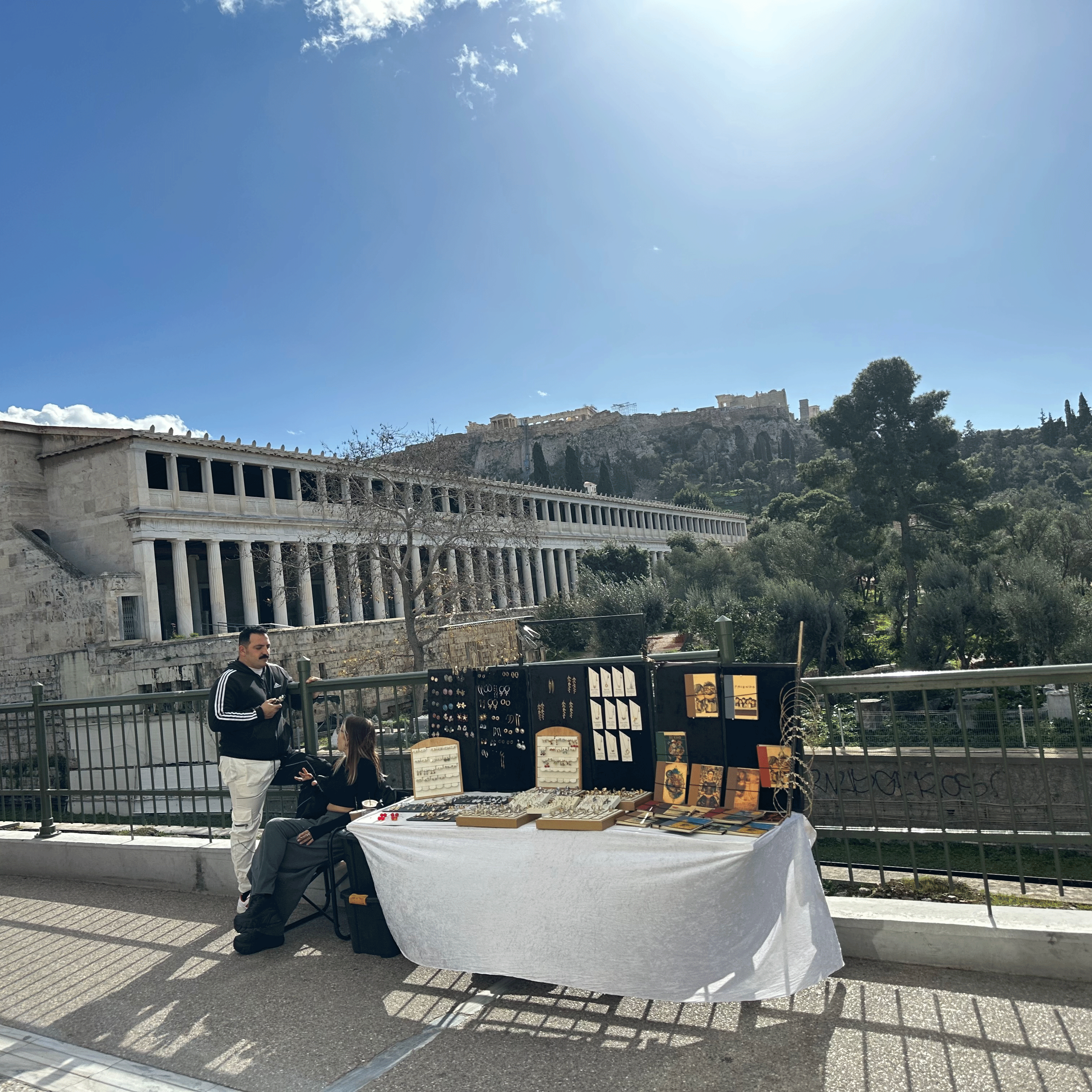
Changing of the GuardModern Olympic StadiumAncient AgoraAncient Agora (Acropolis in the background)
We then visited hectic Monastiraki Square and walked through the Monastiraki and Thissio neighborhoods that border the Ancient Agora. This was where ancient Athenians gathered, bought and sold goods, and exchanged ideas. Today, it continues to draw crowds, albeit tourists. Venders set up their souvenir stands where ancient Athenians once sold their goods.
Dining in Athens
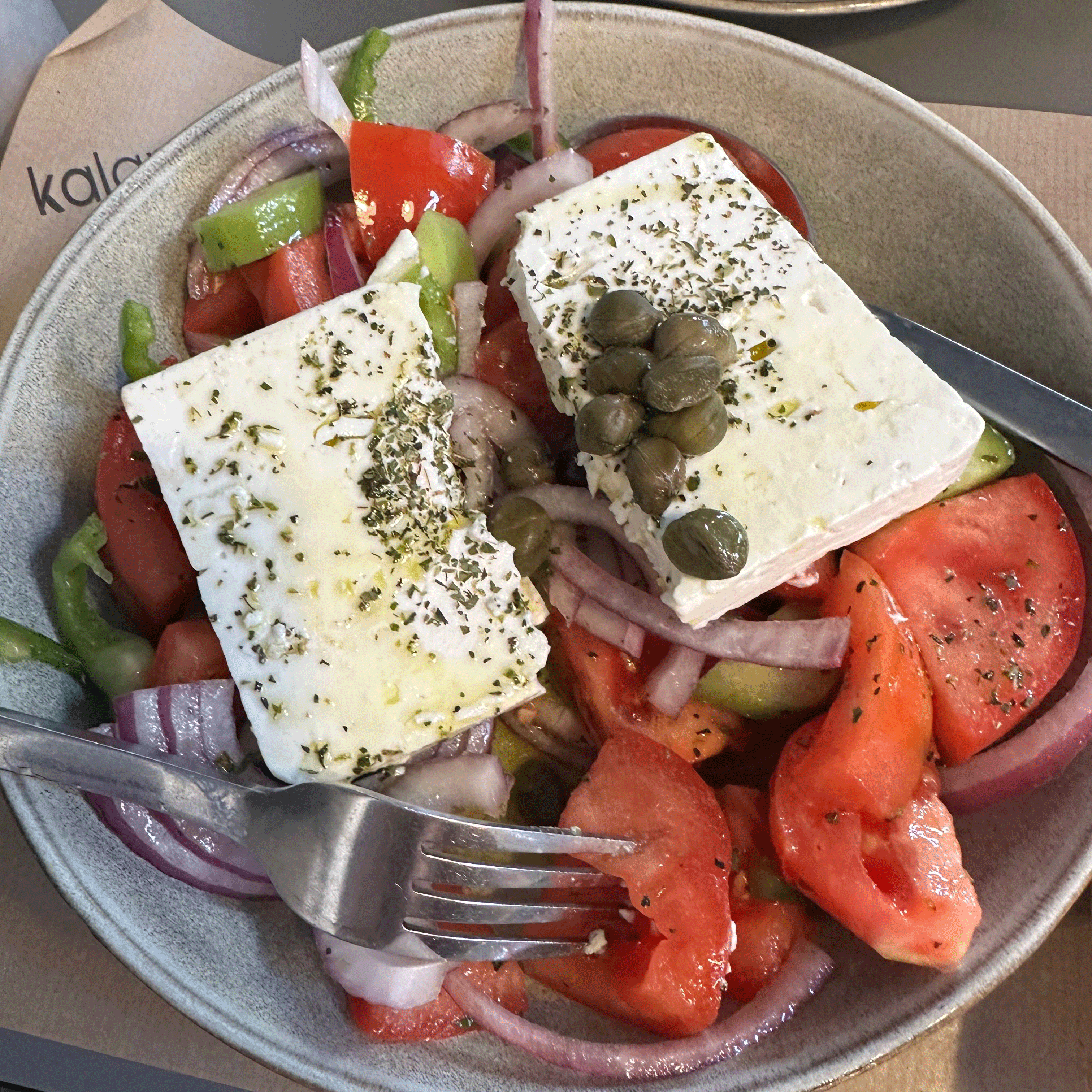
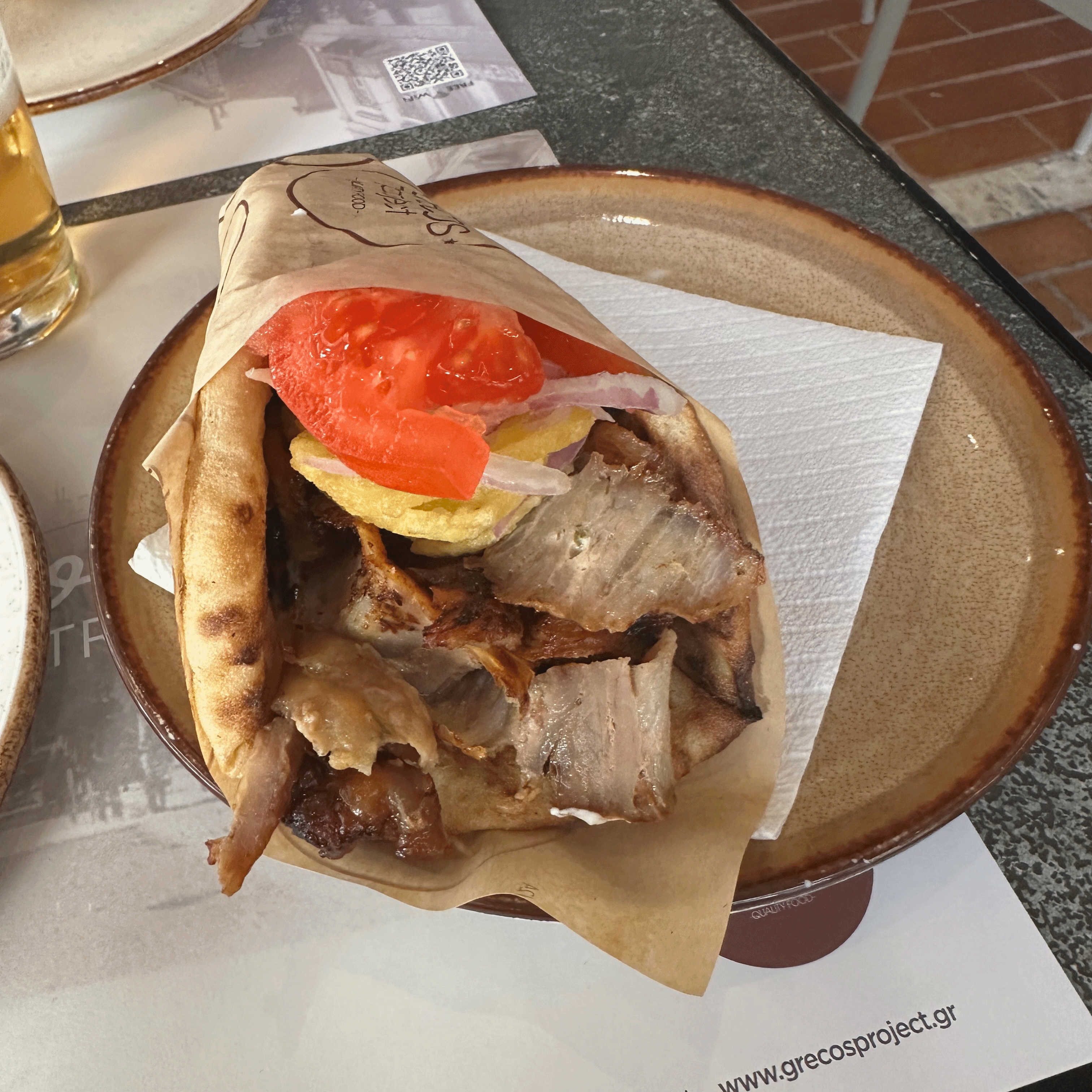
And now, for Greek food! I must say, we never had a bad meal in Athens. From fine dining to neighborhood taverns, or even a humble gyros sandwich at lunch, Greek food was always fresh, well-prepared, and served by truly friendly people. Prices, while not astoundingly cheap, were definitely cheaper than we are used to at home. Portions are large; sharing is best. Greek beer is pleasantly refreshing and Greek wine is very drinkable, while not necessarily memorable. The house wine is fine. Cheers!
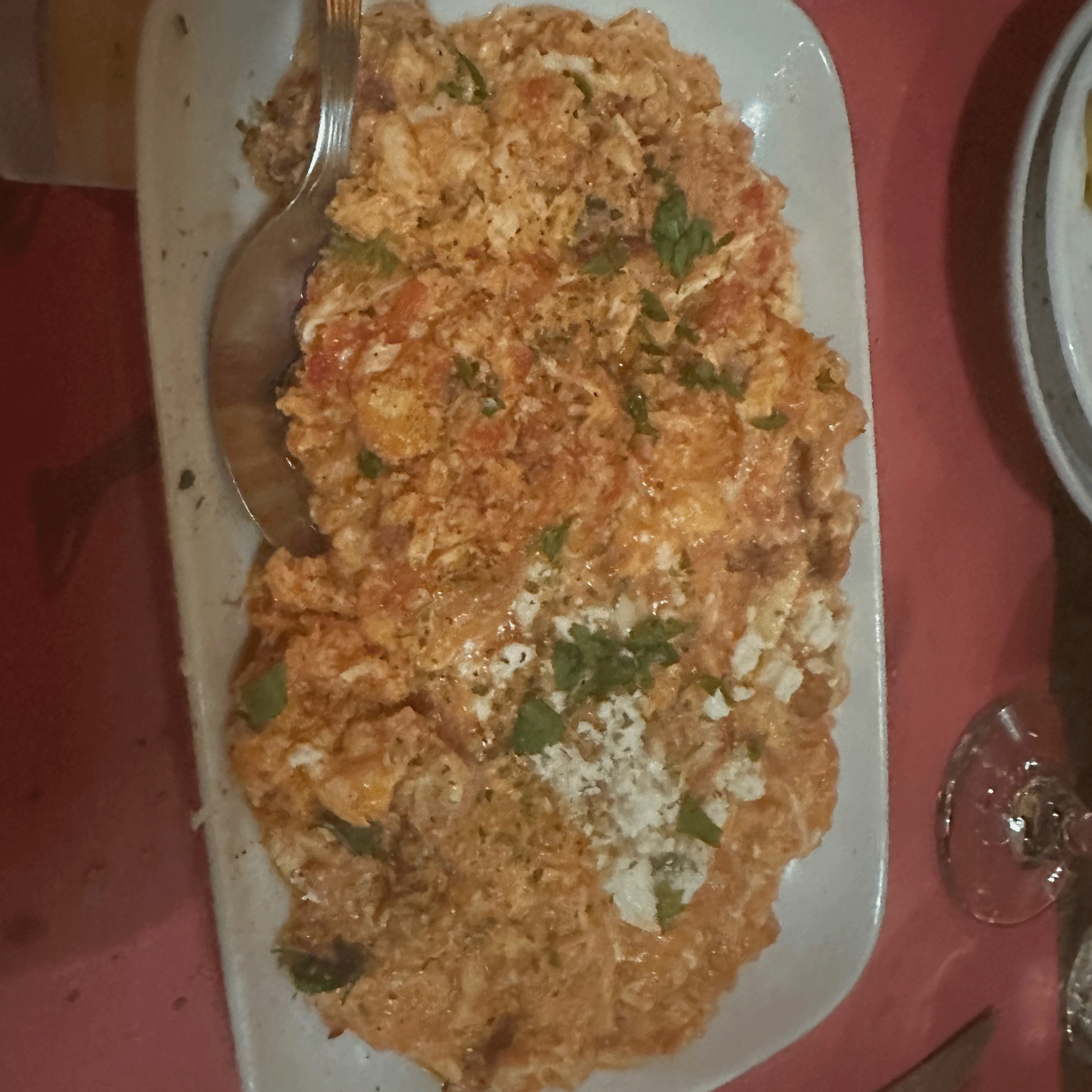
Chicken and Egg ScramblePitaMousakaTraditional Greek SaladGyros
A Sunset Tour
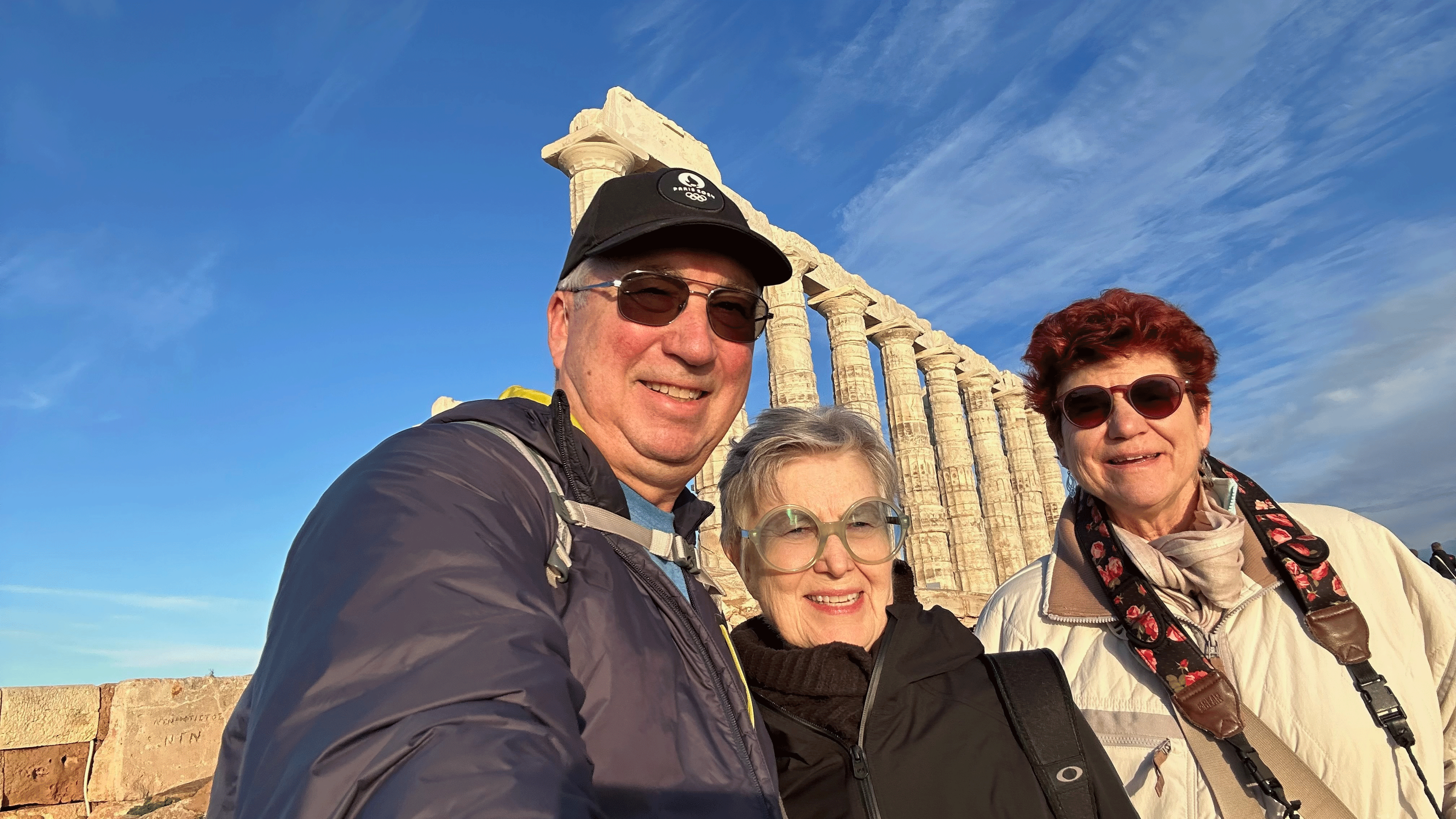
A one hour plus drive south of Athens is Cape Sounion, the site of the Temple of Poseidon. We chose a sunset tour with Viator to take us there. The temple was built around the same time as the Parthenon. 18 of its original 36 columns remain. Situated at the southernmost tip of the Attica Peninsula, it overlooks the Aegean Sea. It was a landmark for sailors and a place where they would pray to Poseidon, the god of the seas. The impressive structure is especially impressive in the golden hour before the sun sets over the water.
The Temple of Poseidon at Sunset
The Temple of Poseidon on the CliffBill, Betty, Geri at the Temple of Poseidon
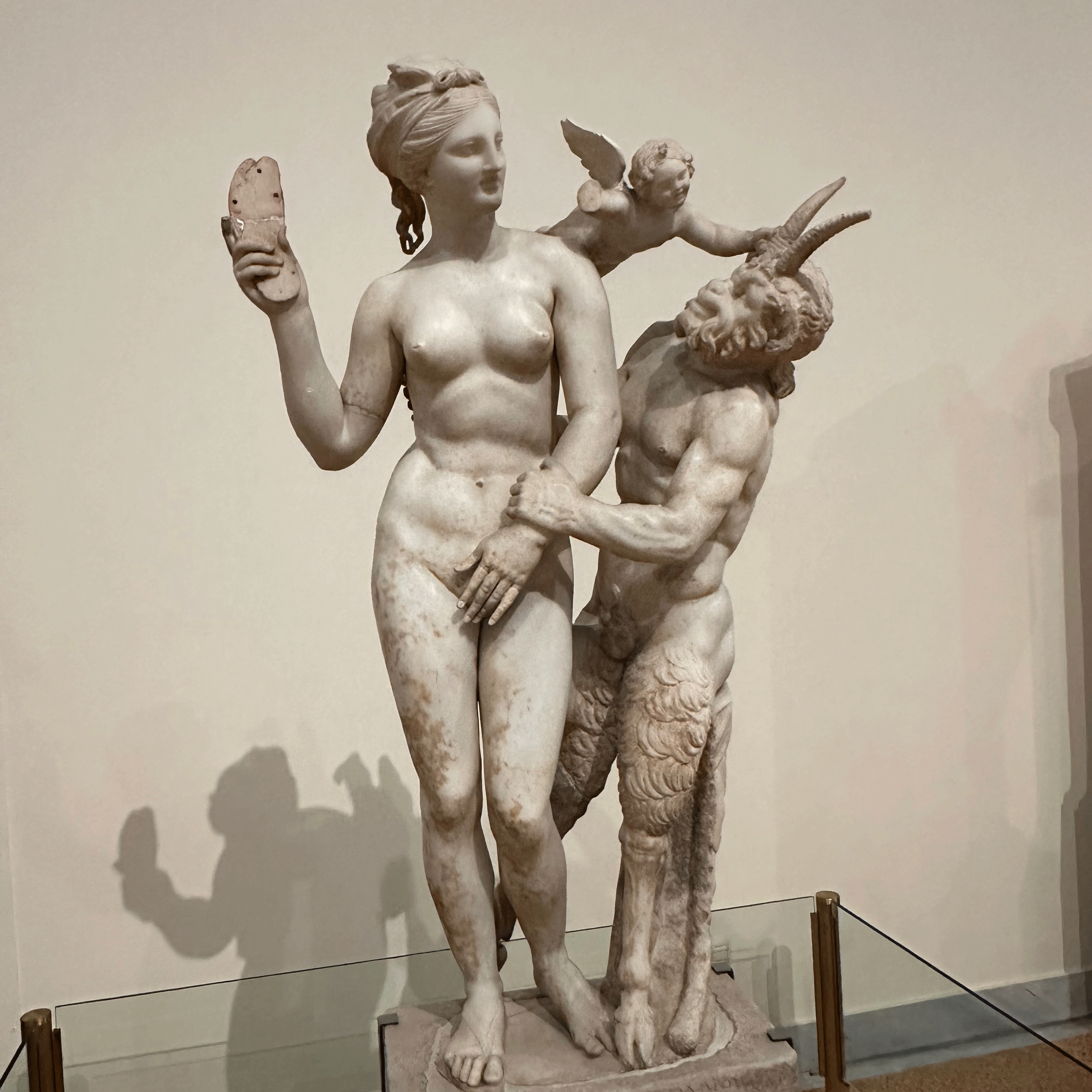
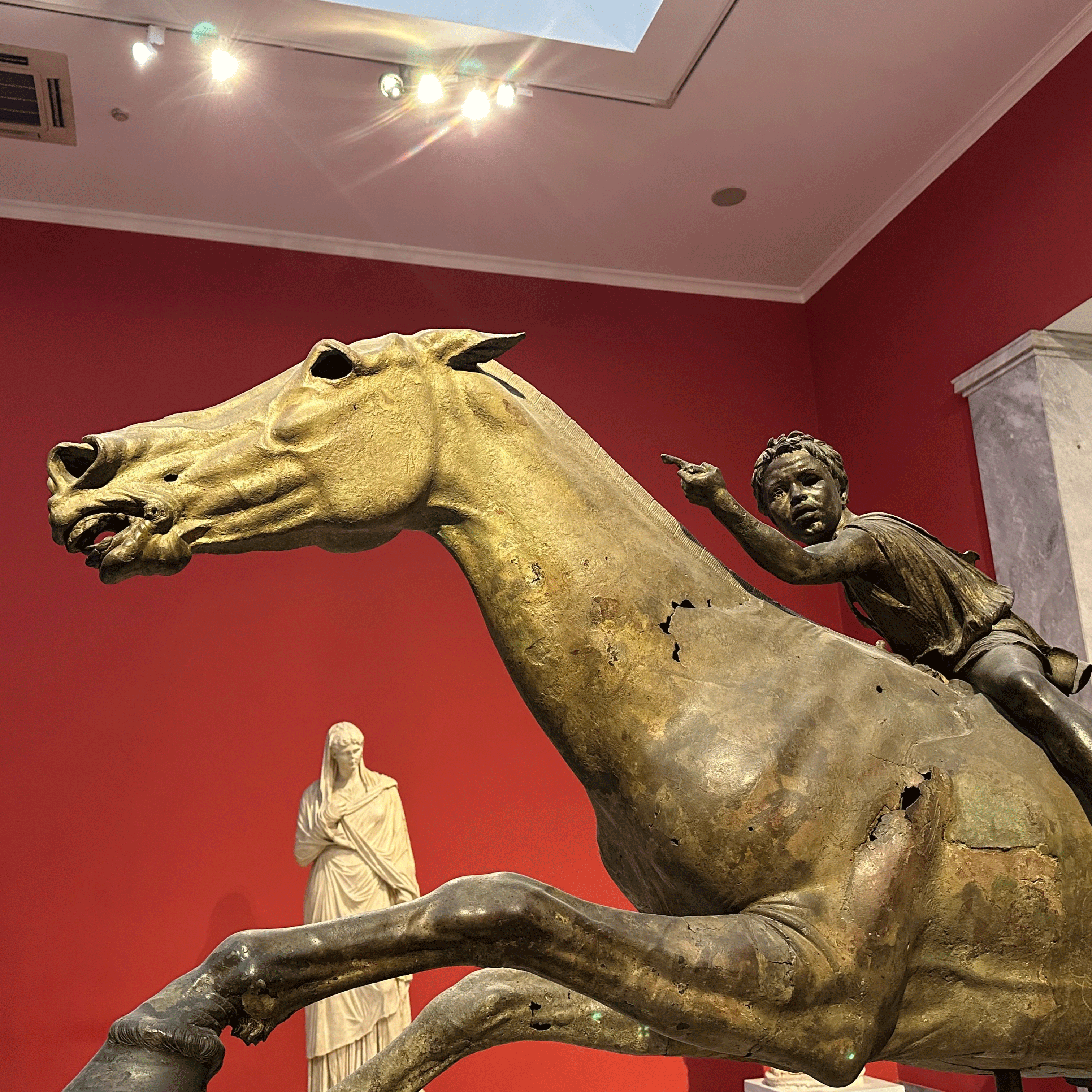
National Museum of Archeology
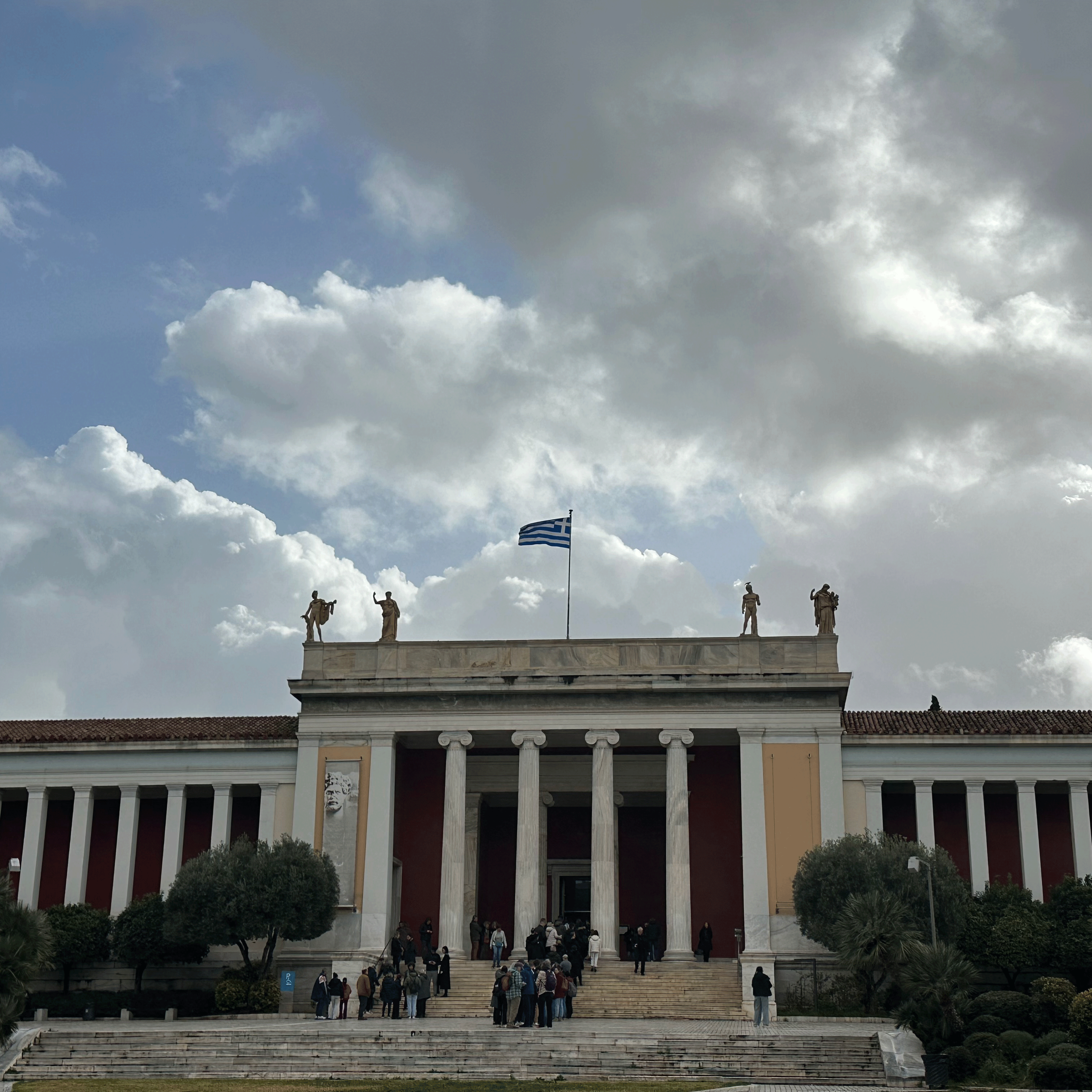
Rain was forecasted for Sunday, so we headed to the National Museum of Archeology for the morning. Sundays are free days, so there was a bit of a line at 10:00 am, but luckily the rain held off. We spent about 2 hours, but it would require a full day to see it all.
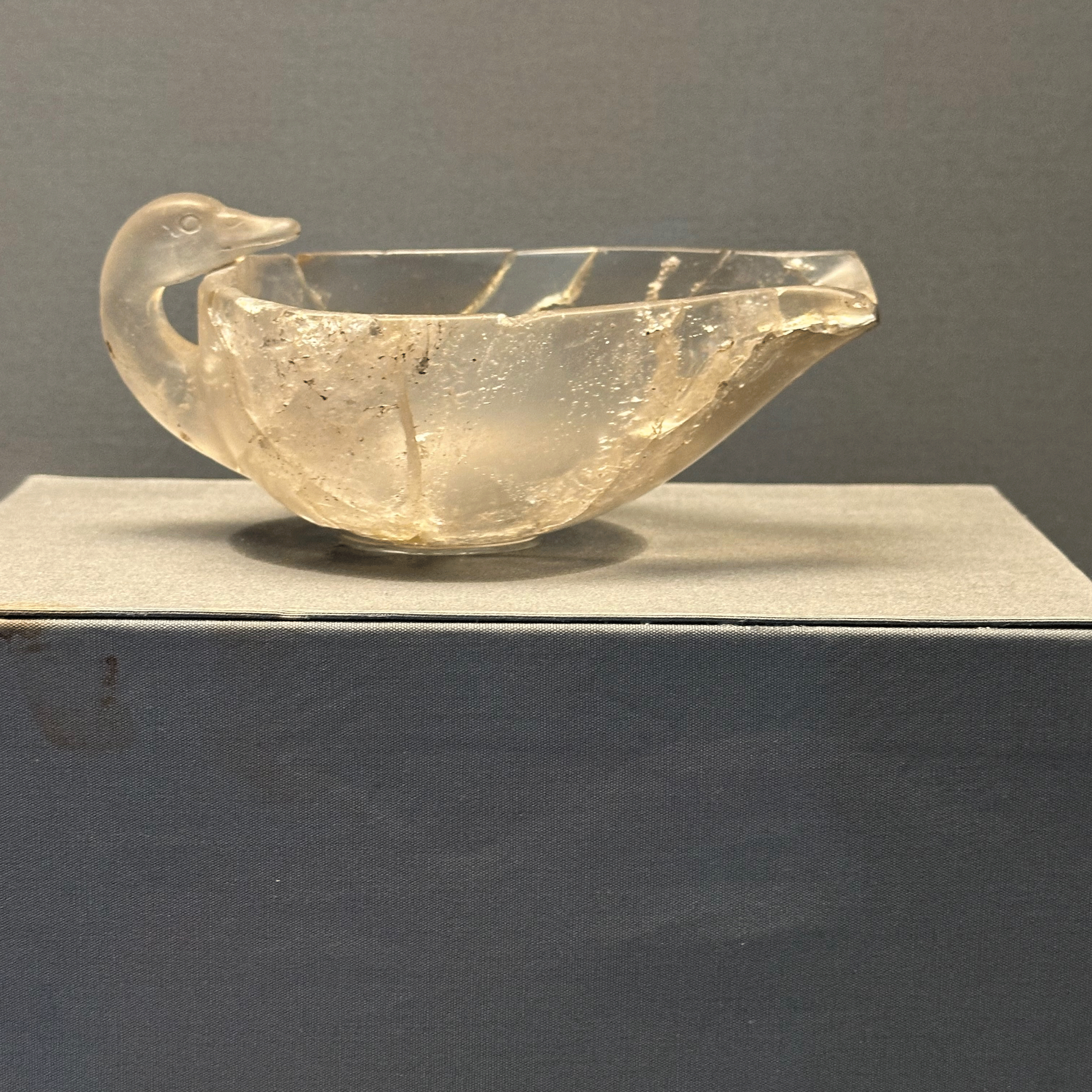
This museum houses Greek art from 7,00BC to 500AD. The rooms are arranged chronologically and I found the wall maps to be very helpful in understanding the scope and development of the Greek civilization. The museums audio tour is good; you will need your phone and earbuds.
Prehistoric Glass ArtAphrodite, Pan, and Eros (100 BC)Bronze Statue (circa 390 BC- rescued from a shipwreck)
While we were inside the museum, it rained quite heavily, but was tapering off when we exited. The line was really long by this time, snaking form the entrance, through the plaza out in front and down the sidewalk for blocks. I estimated a wait of 1-2 hours. We headed to Ermou Street in Athens’ historic center. Since my last time there, the area has been pedestrianized and features some high-end stores amid the souvenir stands. Restaurants and coffee shops line the sidewalk and they were doing a brisk business. We stopped for a gyros sandwich and a beverage to fuel us for a visit to Church. Uh, churches.
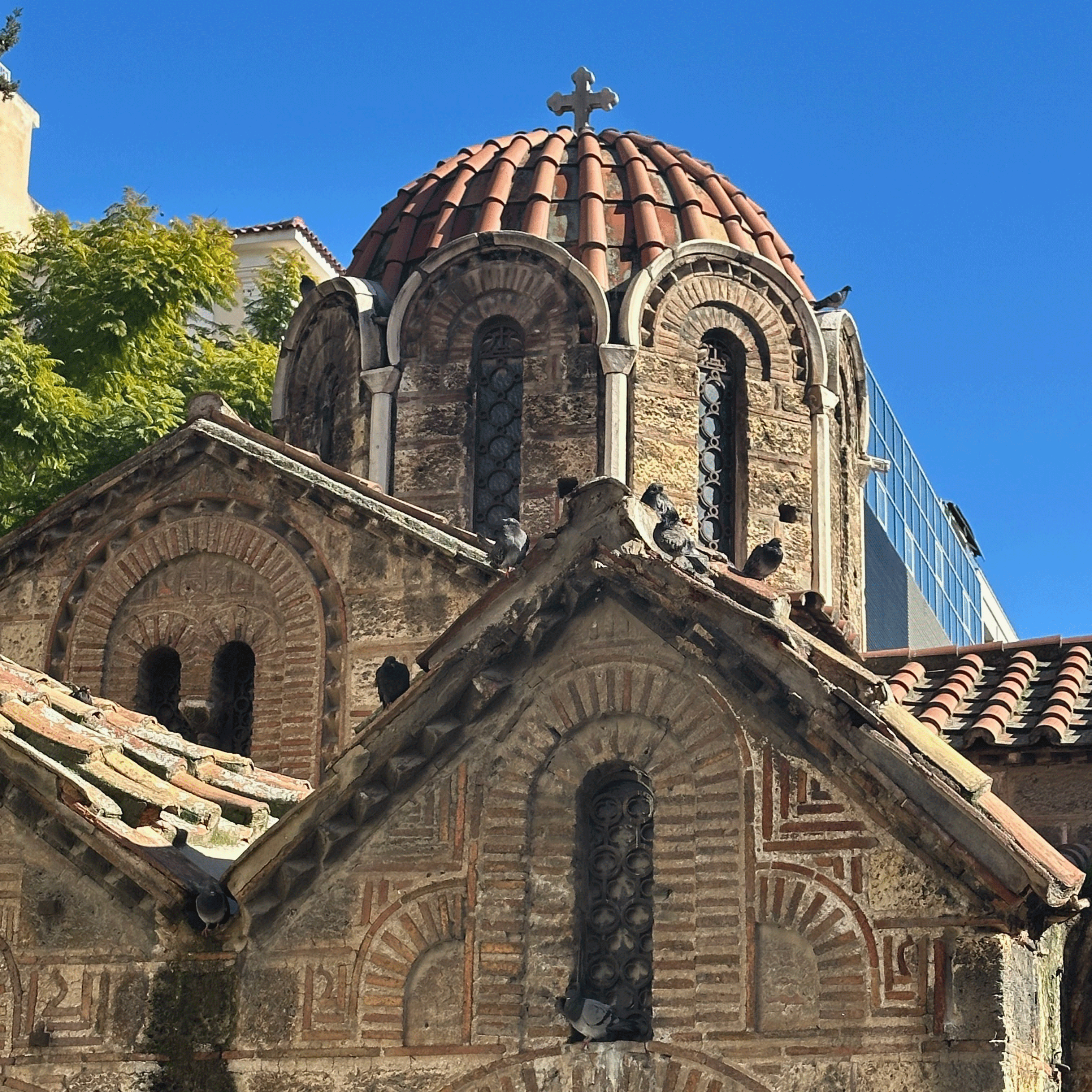
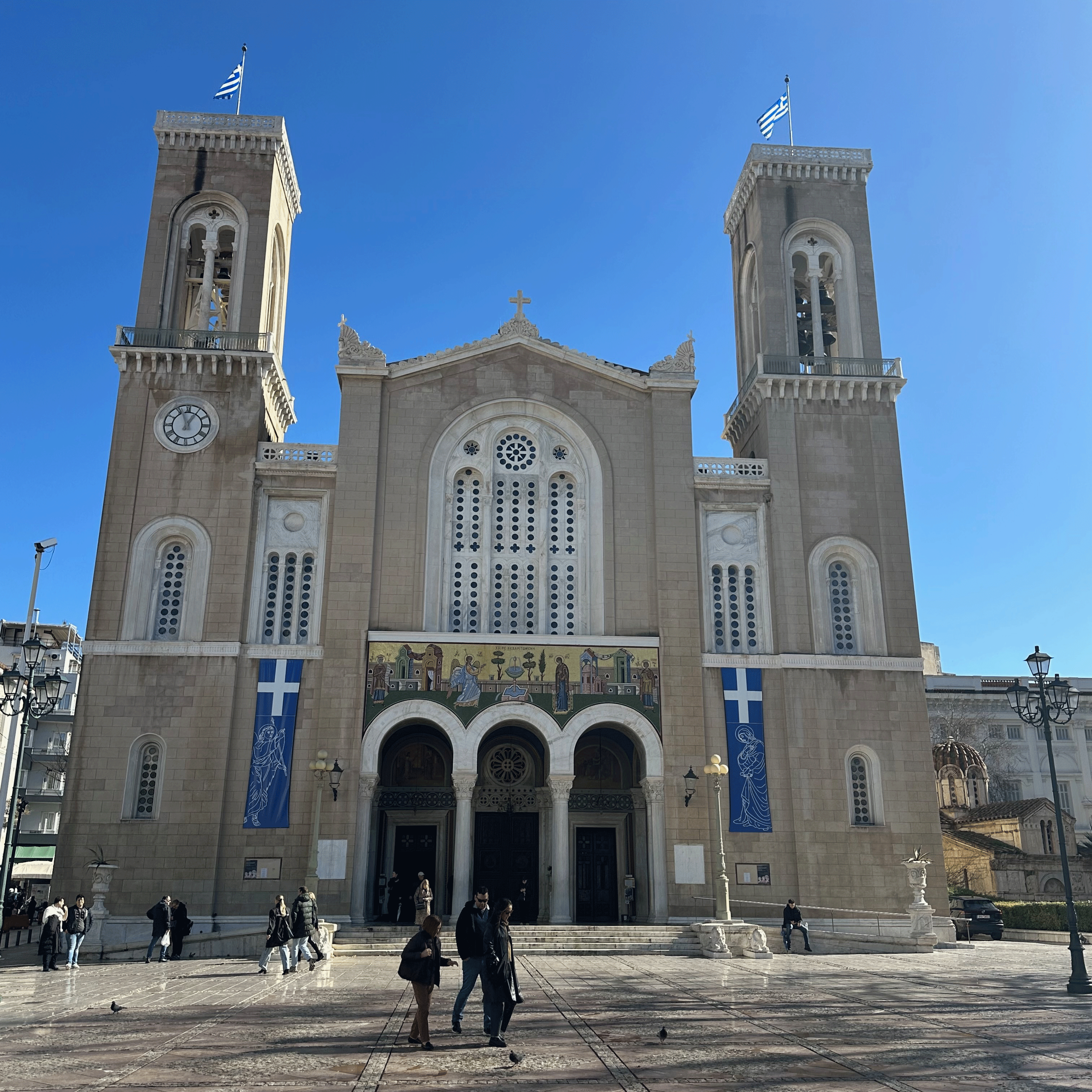
Panagia Kapnikarea on Ermou Street (11th century) and Athens Cathedral (mid 19th century)
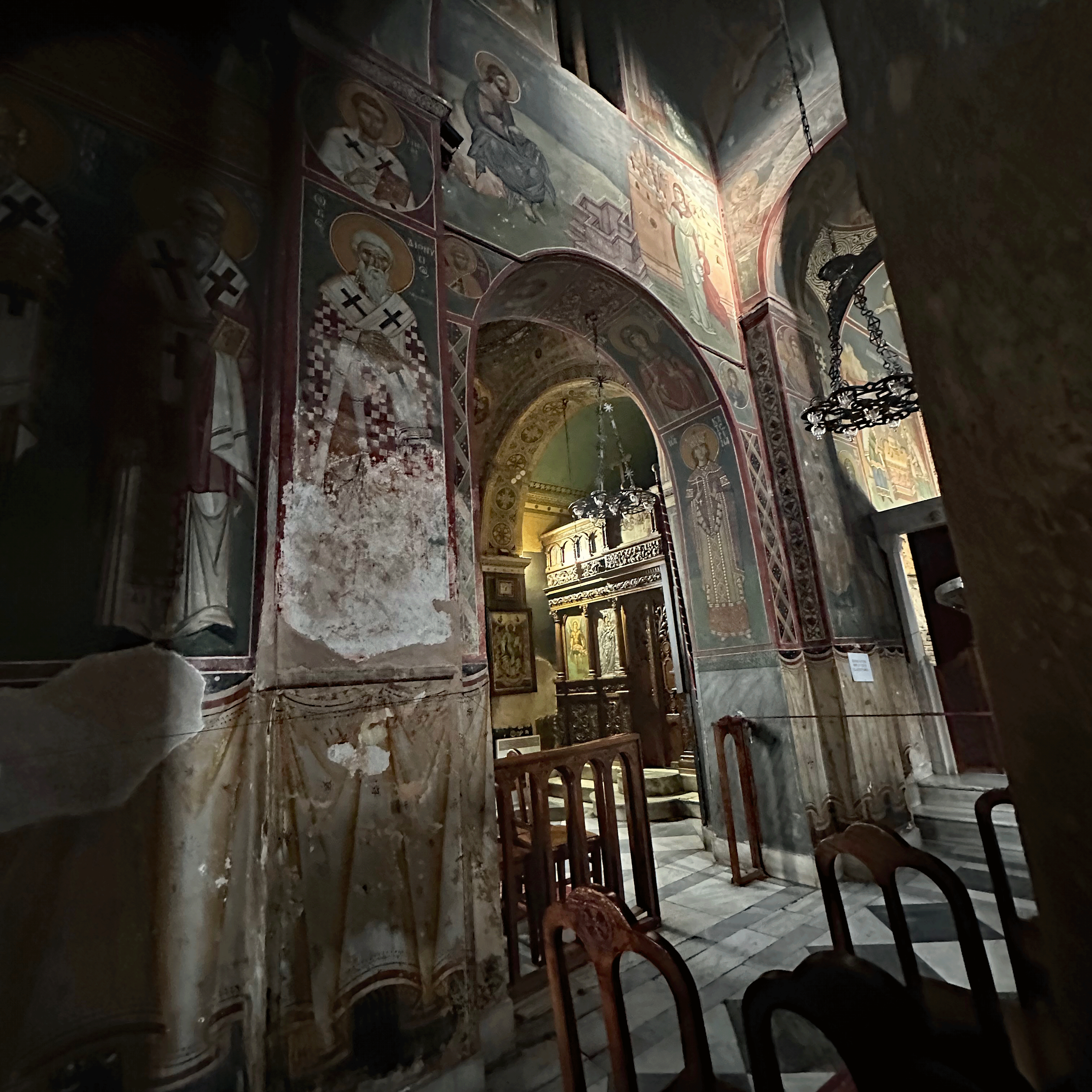
One of Athens’ oldest churches is the Panagia Kapnikarea. Built during the Byzantine era, it has survived and stands as a reminder of the flourishing culture and architecture of Athens during medieval times. It is an active Orthodox church today and visitors are welcome to visit the inside of the church and the basement displays of religious icons and treasures, except during services. This was explained to us by a member of the congregation who had stepped outside for a cigarette during the long Sunday service.
Panagia Kapnikarea ChurchInterior of Kapnikarea
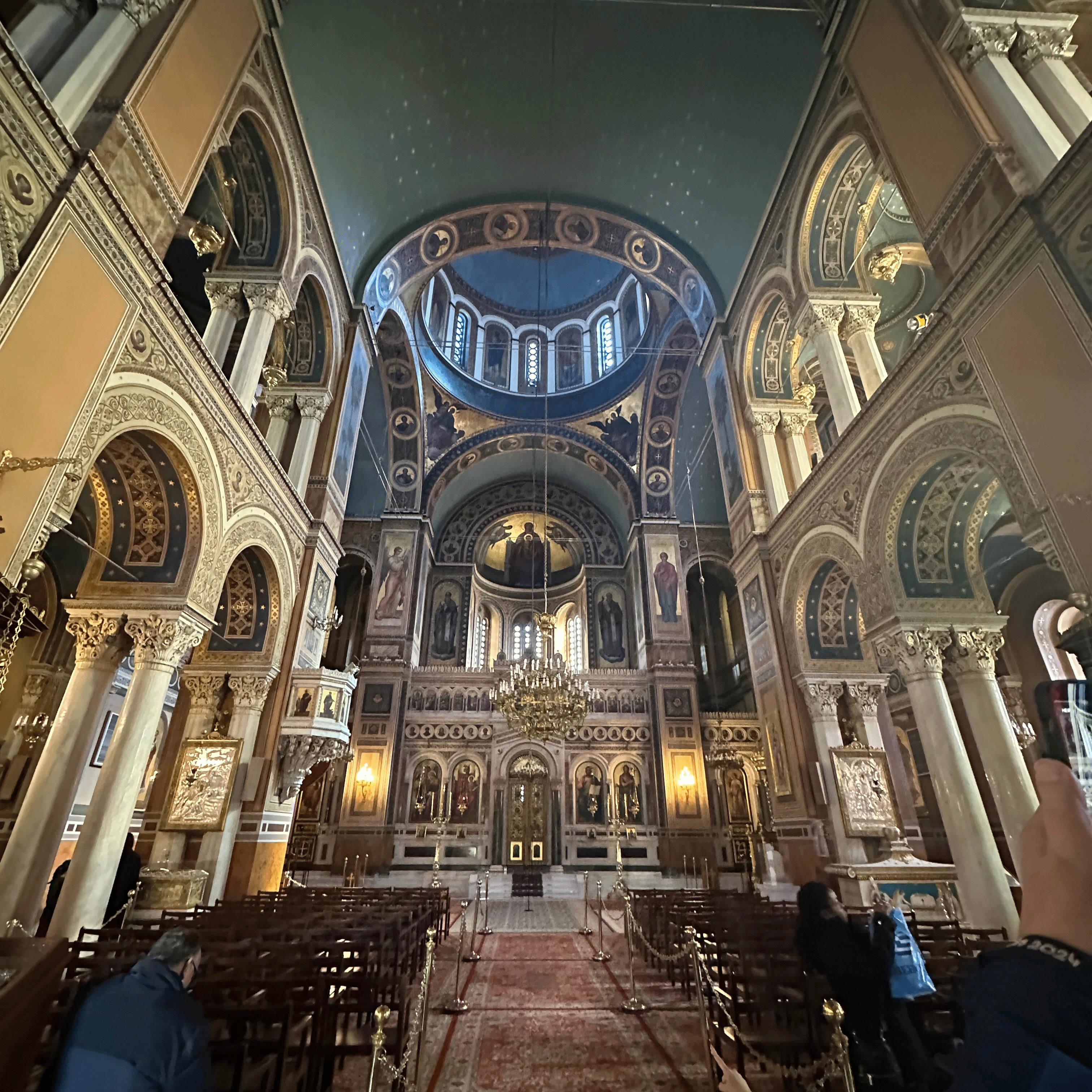
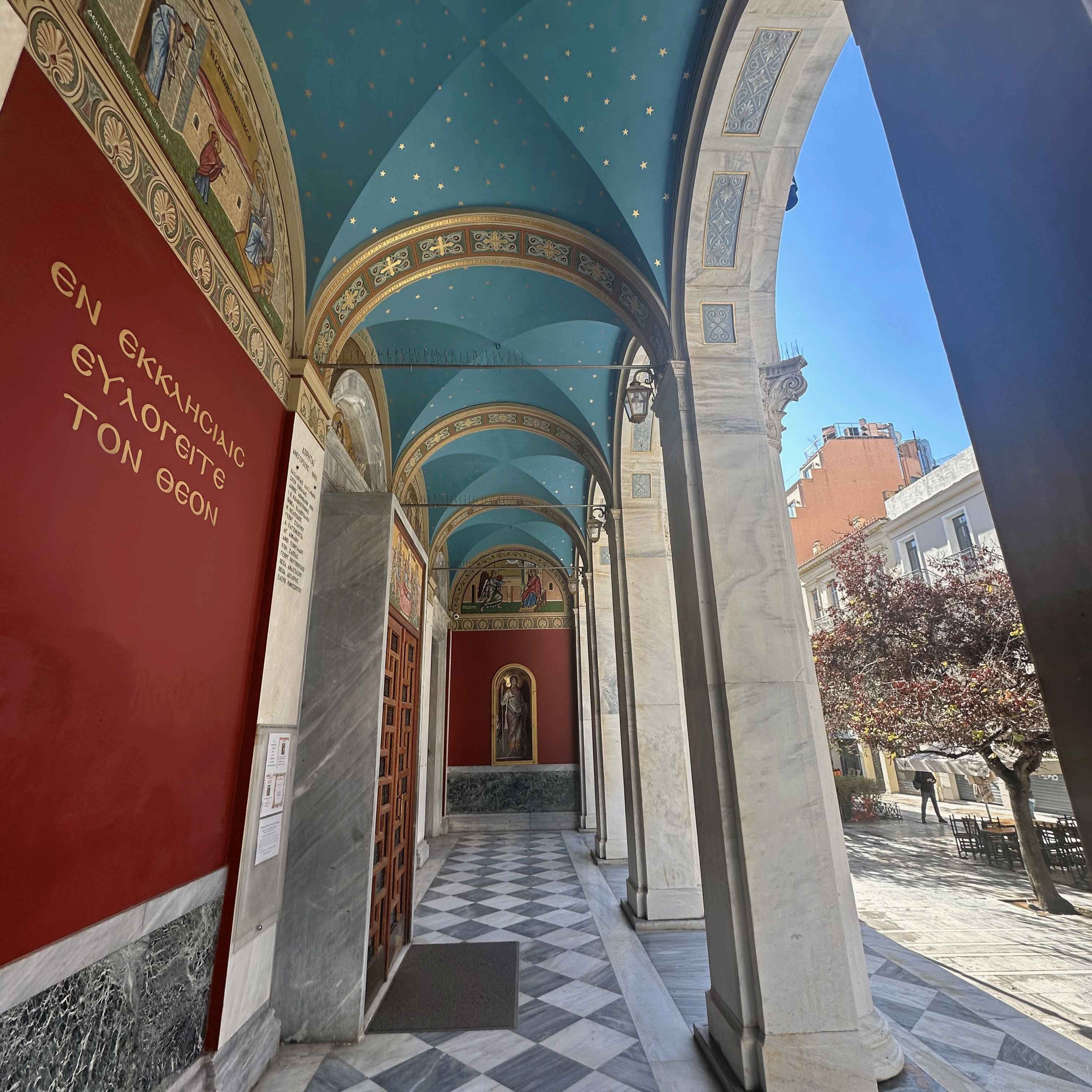
A short walk from the Byzantine church is the Athens Cathedral, which is the National Cathedral of Greece and seat of the Greek Orthodox Church. Building began in 1842 after independence from the Ottoman Turks, and was completed in 1862. Constructed with marble blocks salvaged from the ruins of churches throughout Athens, its style blends Neoclassical and Byzantine Revival Architecture. Formally named “The Church of the Annunciation of the Virgin Mary,” whose feast day is March 25, it is not likely coincidental that March 25th is also Greek Independence Day.
National Cathedral of Greece
Plaka- Athens’ Oldest Neighborhood
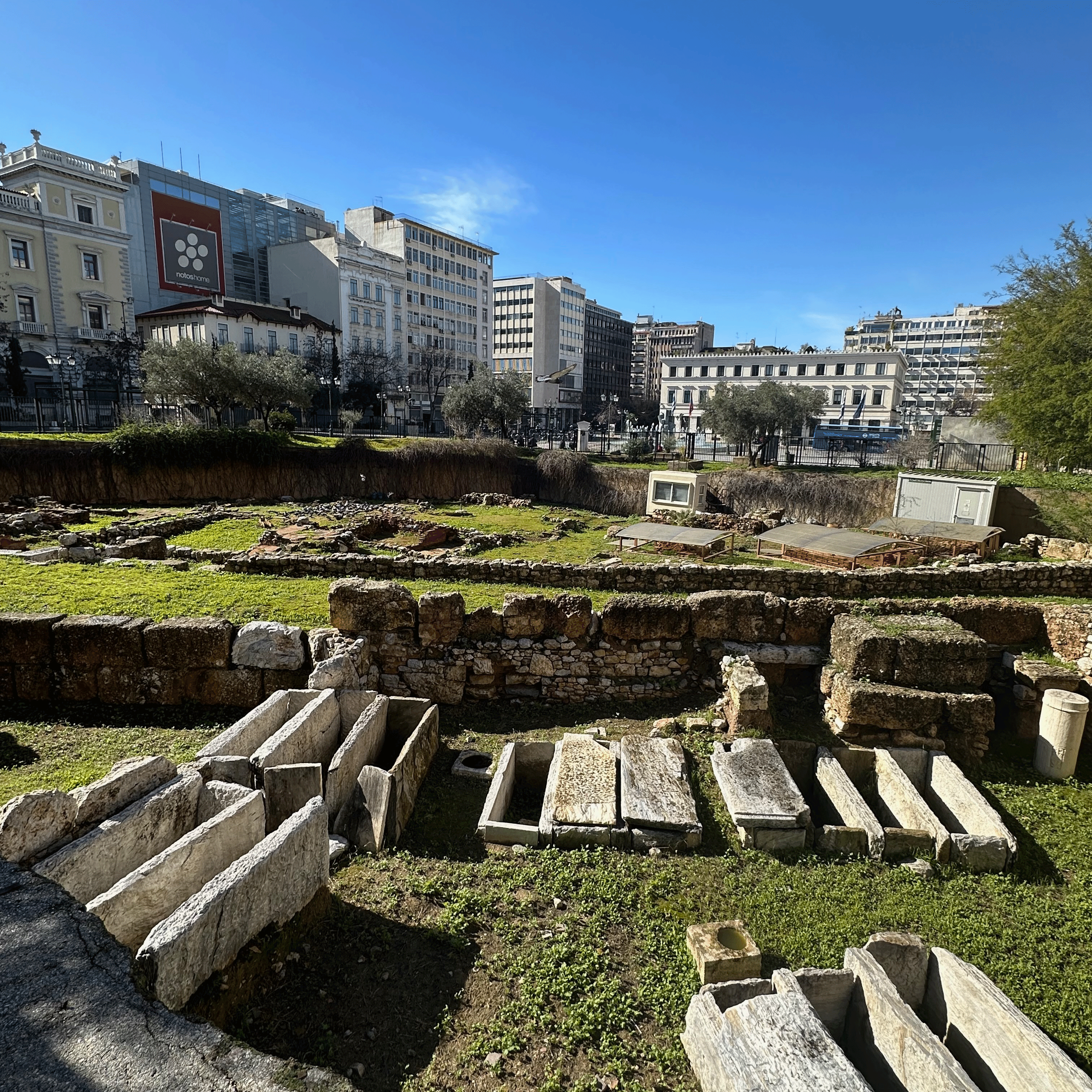
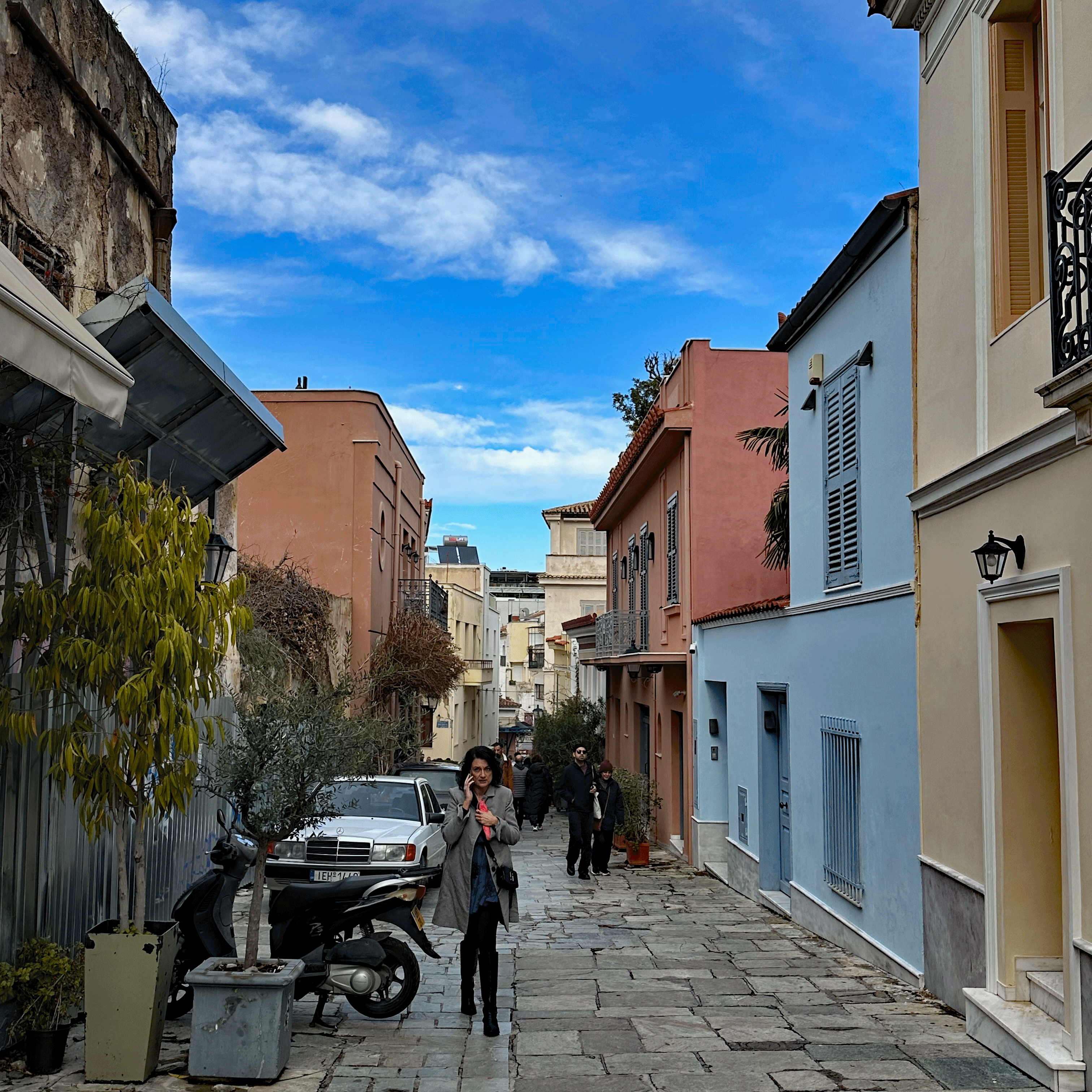
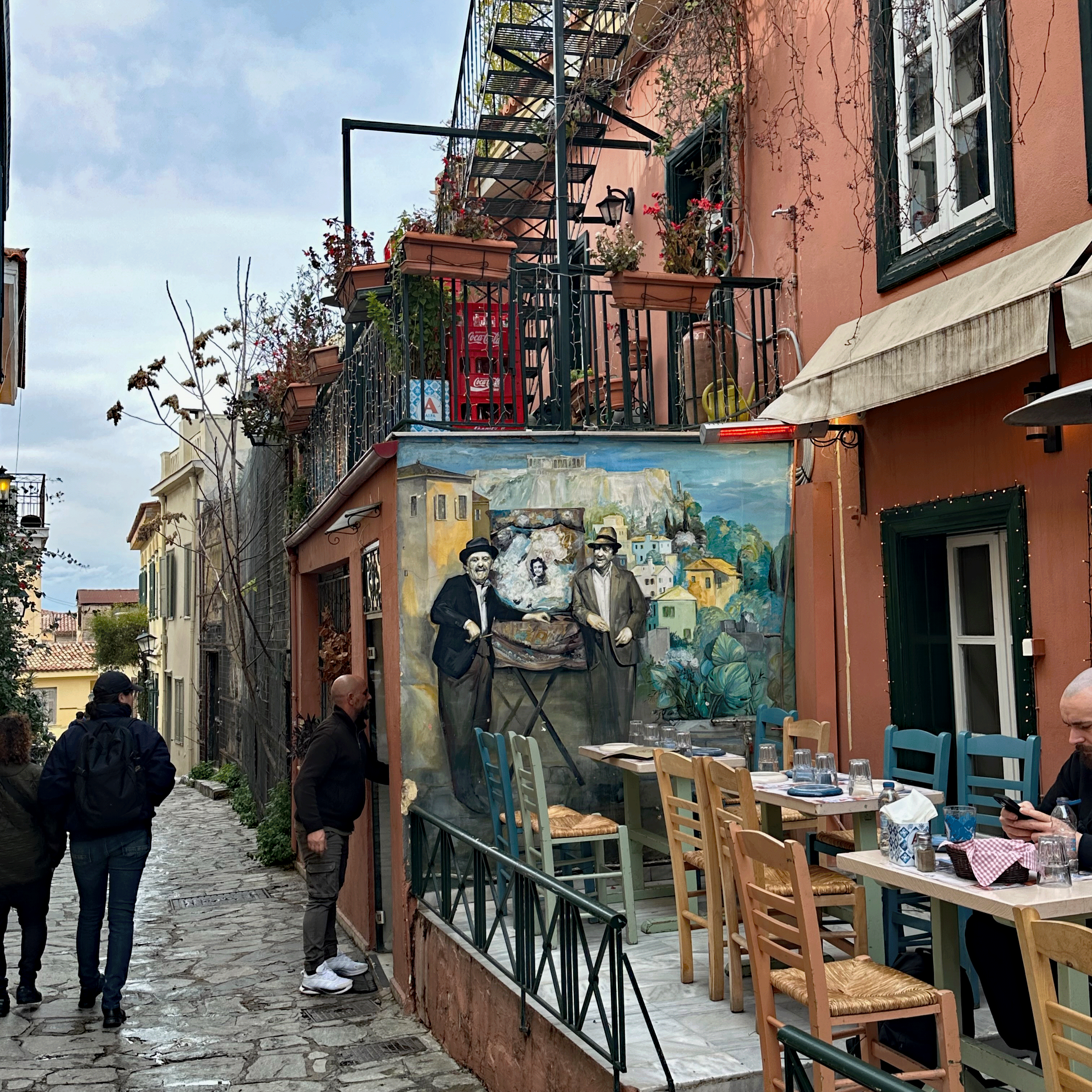
After a full day of touring, we strolled “home” through Plaka, the oldest continuously inhabited neighborhood of Athens. The walk involved a considerable number of stairs and squeezing through sidewalk cafes, but there were some delightful surprises along the way. Eventually, we emerged at the Acropolis Museum, a short distance from our hotel.
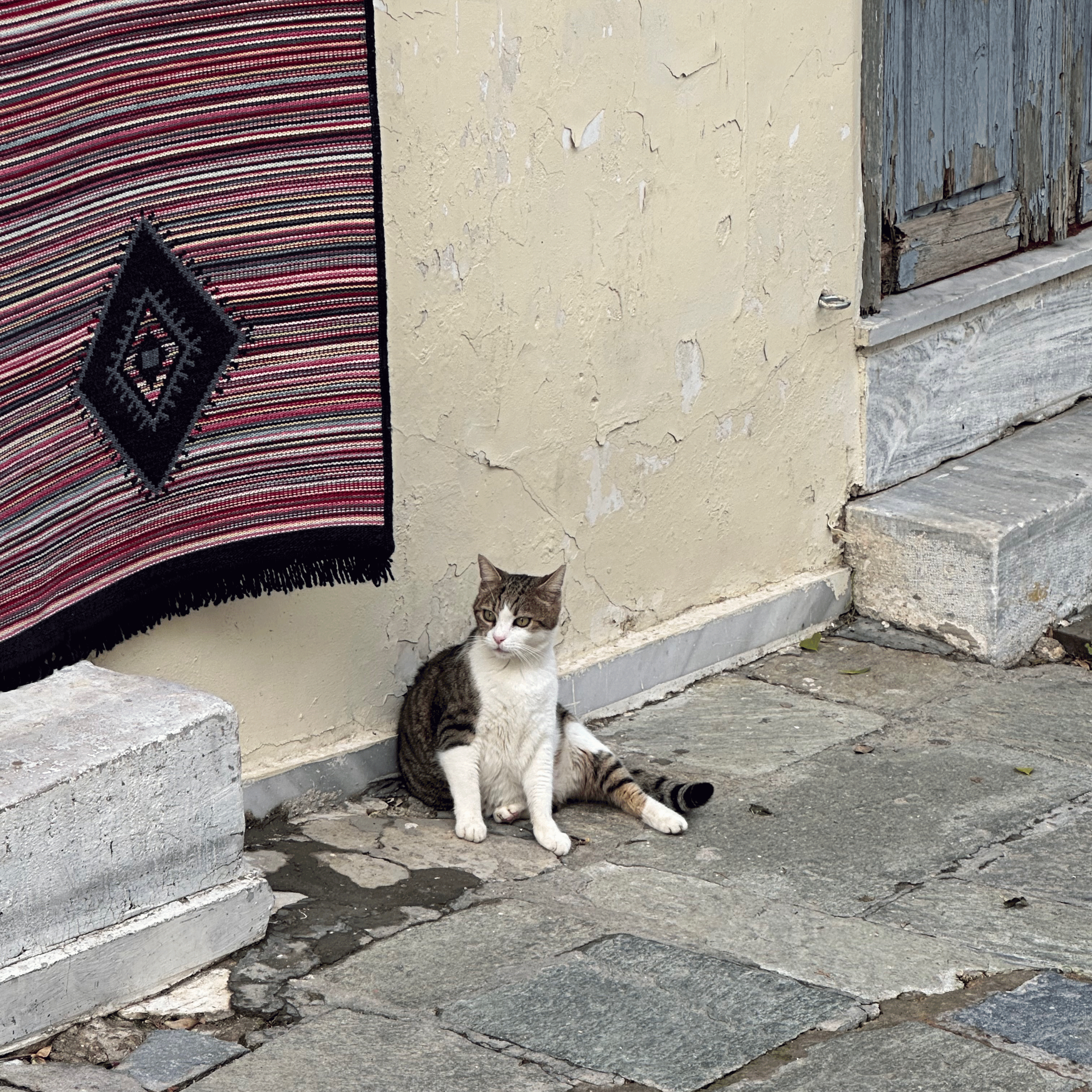
Ancient Burial GroundPlaka Cat
Athens is a city to be savored. You could whip through its major sites in a day or you could stay a bit longer and enjoy the sunshine, the food, and the people. It has certainly been built up and modernized in the last 50 years, yet New Athens blends gracefully with ancient Athens. Often when a foundation is dug for a new building, important archeological sites are uncovered and construction is halted or delayed indefinitely. There are challenges to protecting your heritage. The Greek people take great pride in their history and culture.
I hope you have enjoyed accompanying me on my Athens Adventure 2026. I am independent and unpaid. Photography and narratives are my own. Thank you for reading.