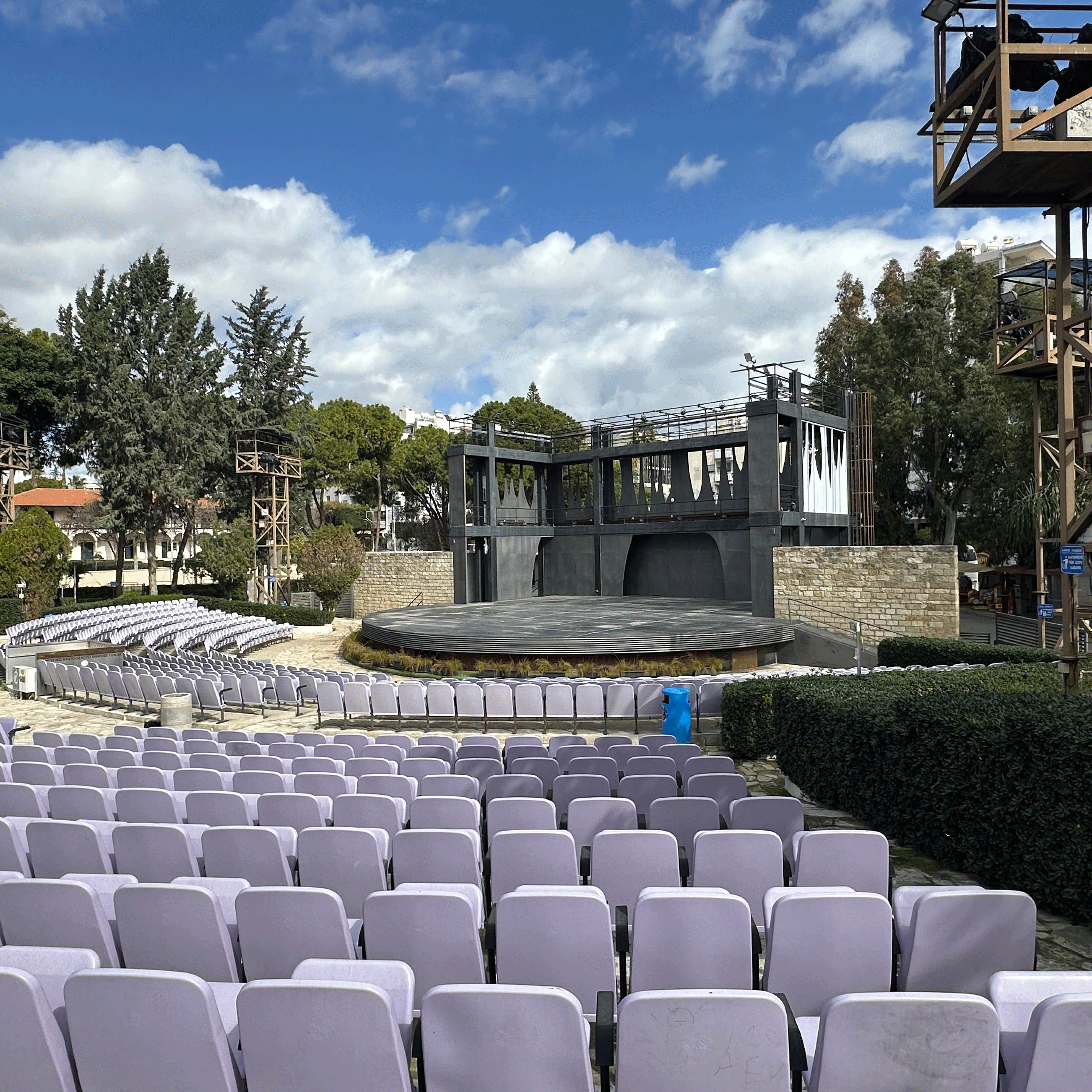
Cuisine, Culture, and Carnival in Limassol, Cyprus

February 2026

After a week in Larnaca, we moved to Limassol for the next week. There was an intercity bus, but we opted to hire a taxi. Since we were splitting the cost, we splurged on door to door service. Cyprus highways are well-maintained, so if you don’t mind renting a car and driving, you can get from place to place pretty easily. Cyprus was a British colony, so they drive on the left.

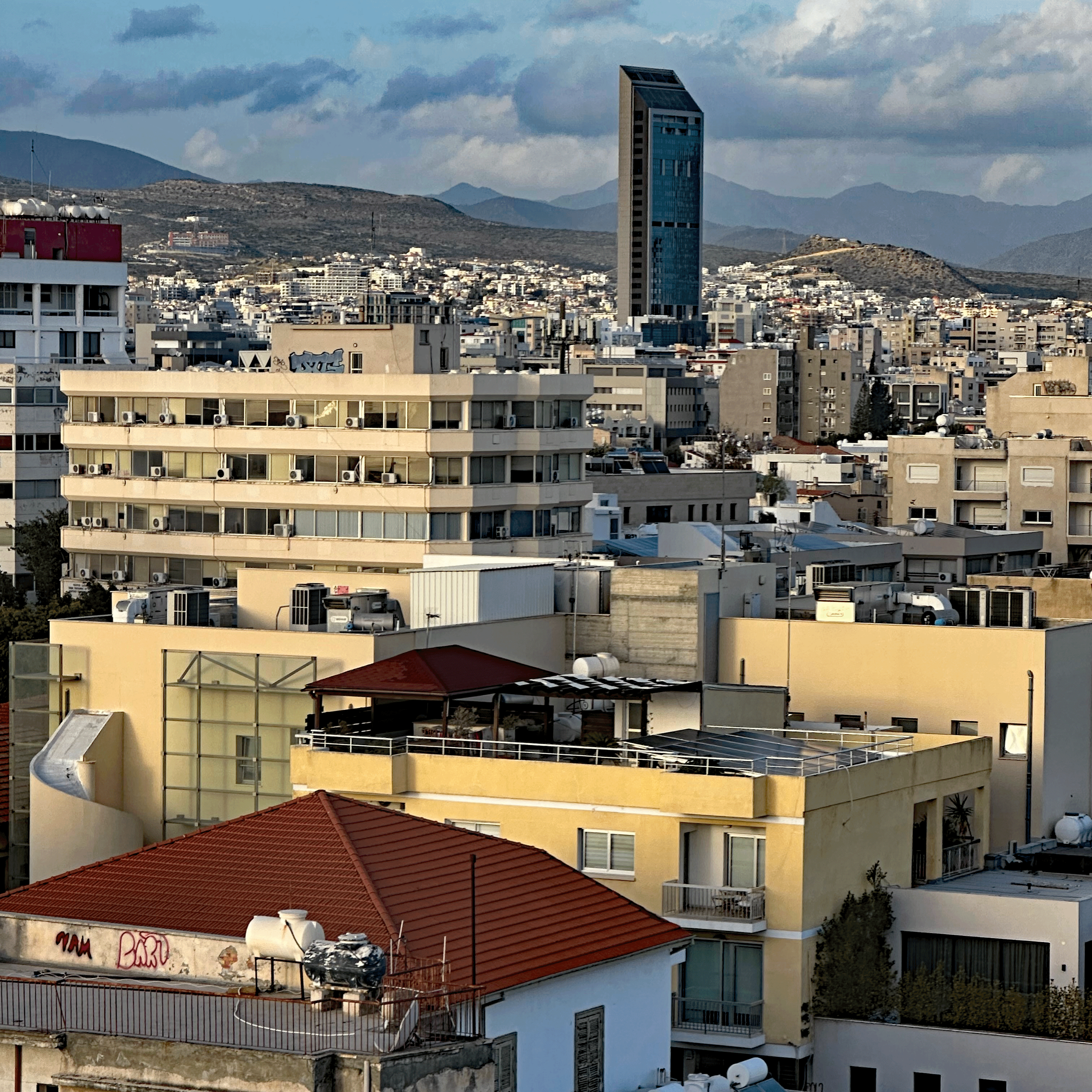
As we entered Limassol, we could see it was a much bigger city than Larnaca, even though Larnaca is growing, due to its airport. In Limassol, construction cranes and skyscrapers are changing the skyline in the new part of the city. We wondered what was creating the growth. By talking to locals and doing online research, we learned that foreign money is pouring in from middle-eastern investors.

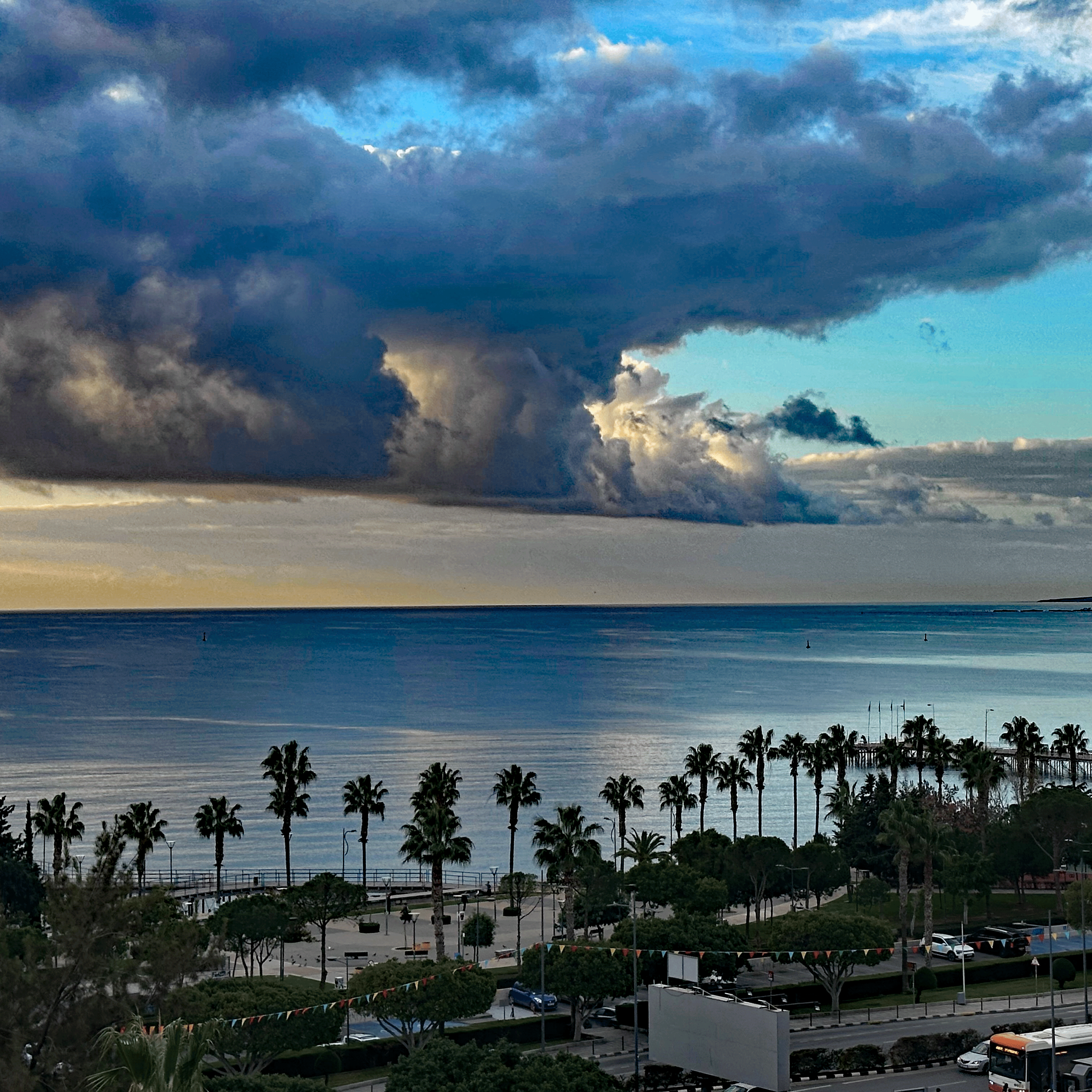
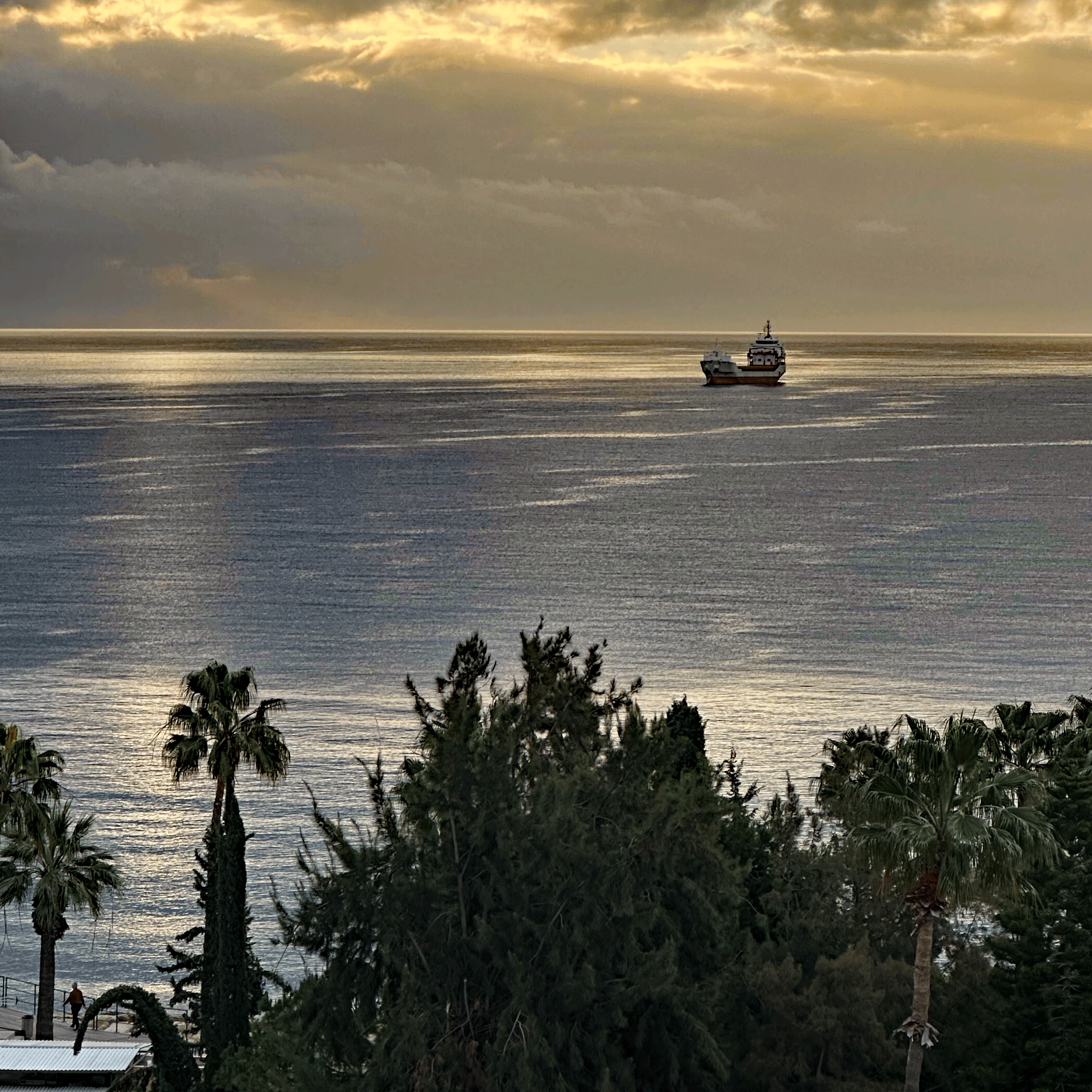
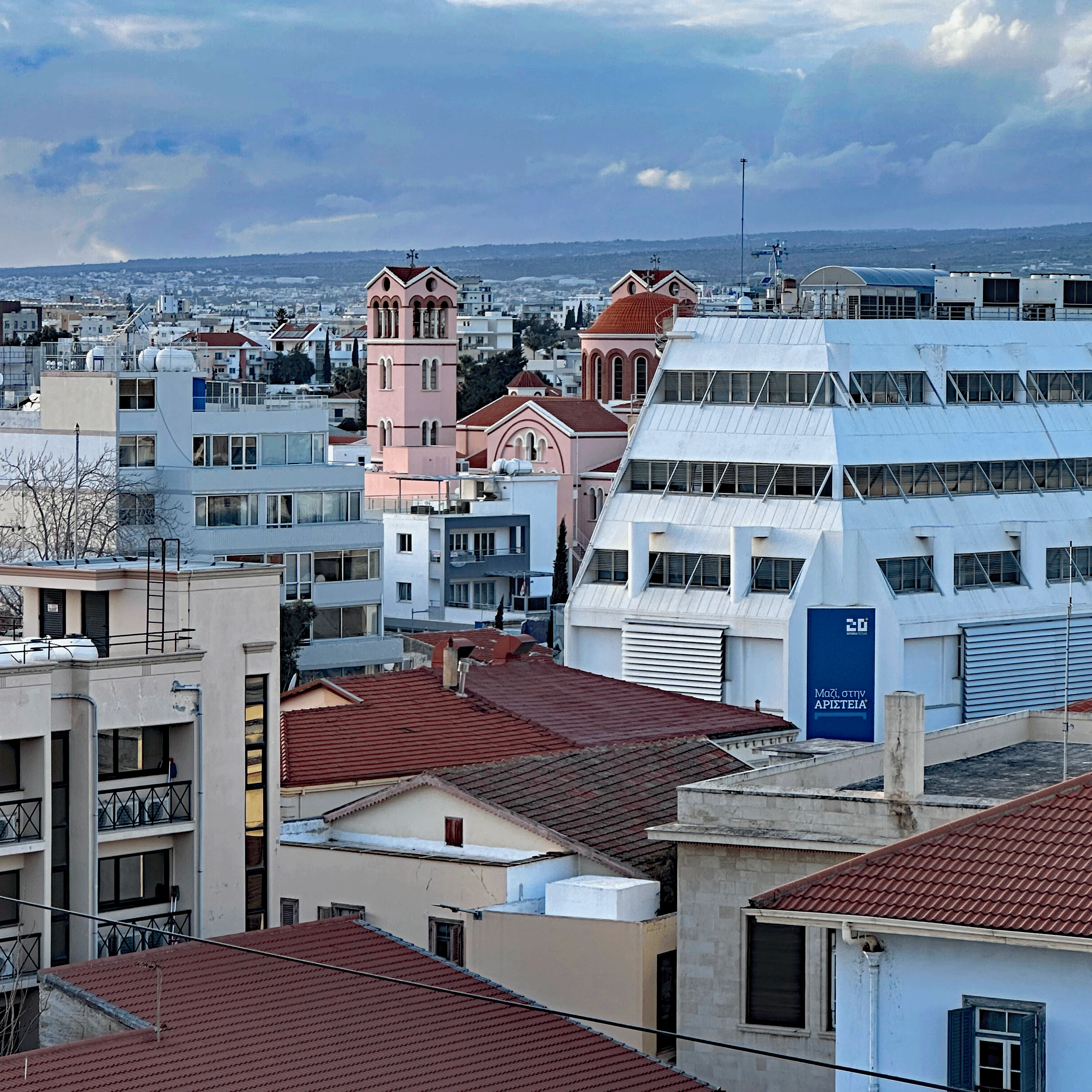
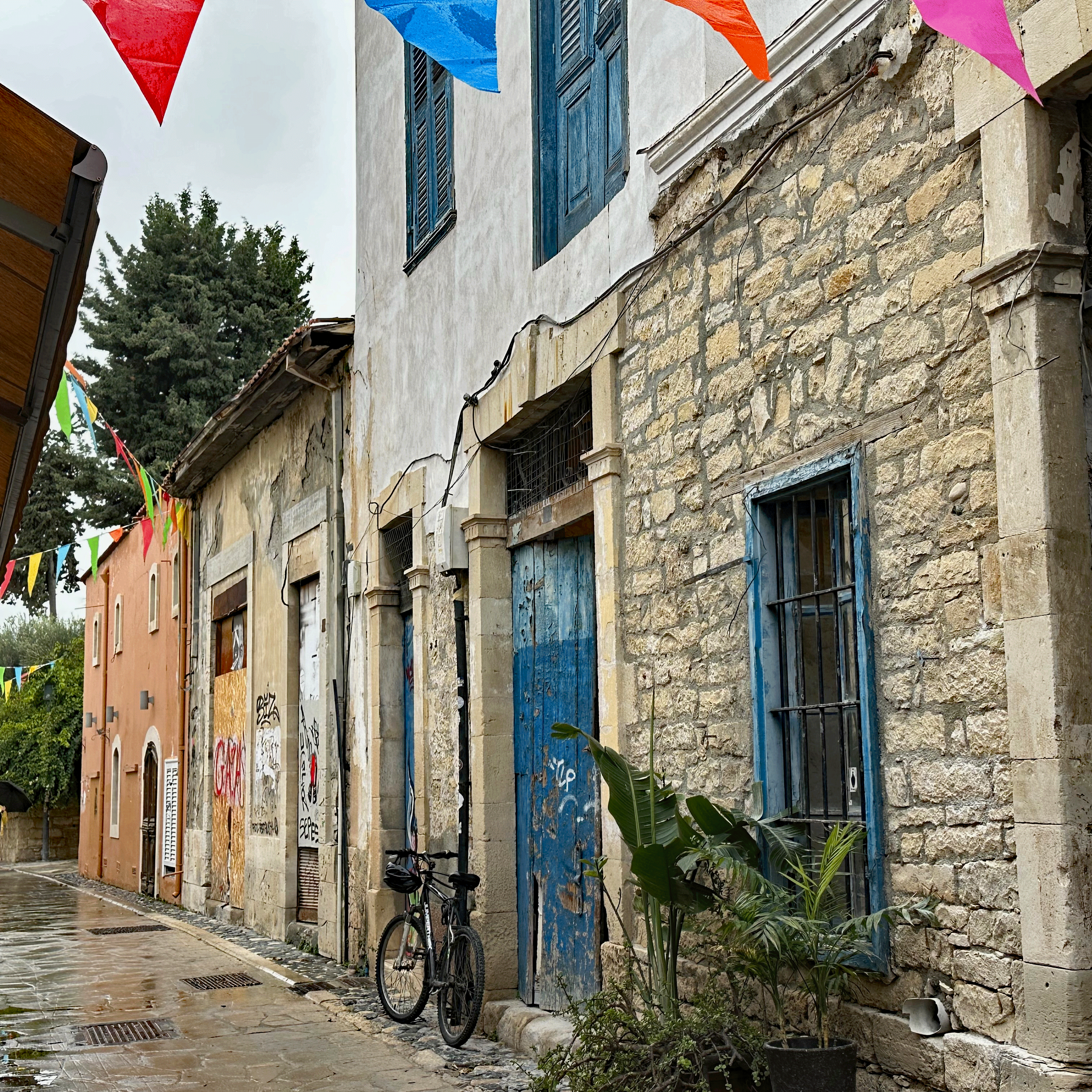
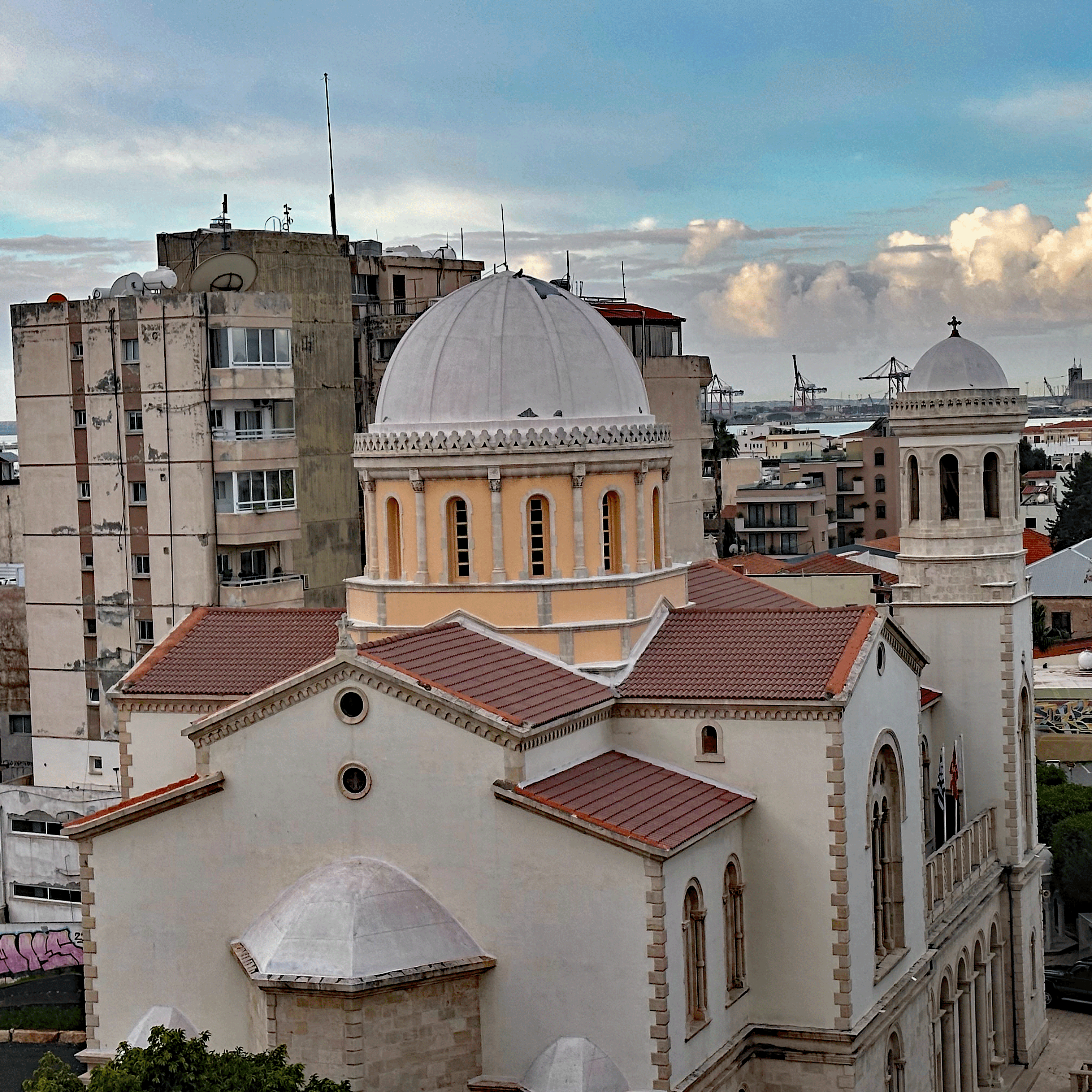
Our rental apartment was in the historic district of old Limassol. It was a little tricky to find and had a few quirks, but it was in a great location for walking and the view of the sea and the rooftops of the city was spectacular.

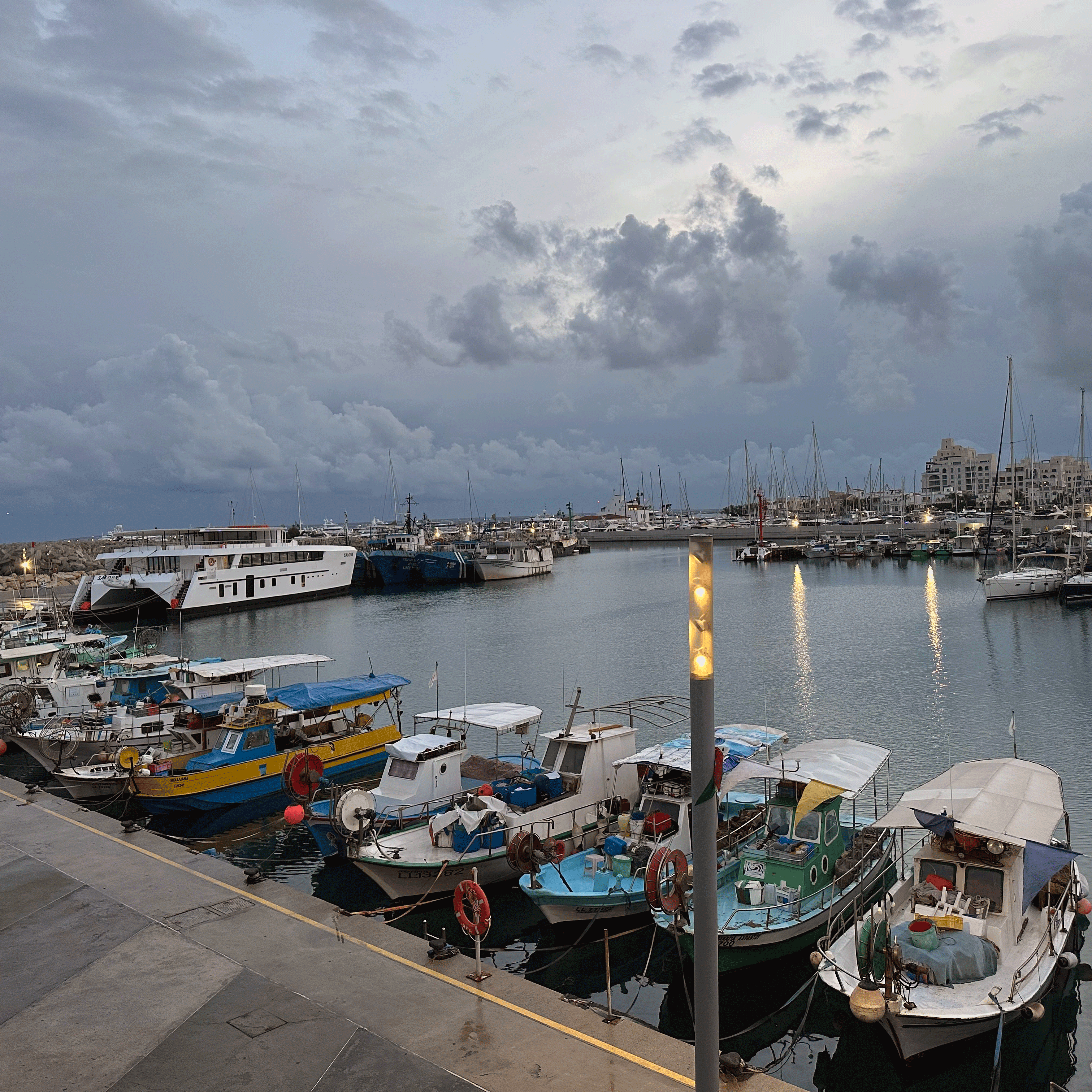
On our first evening, we walked to the area known as The Old Port. As its title would indicate, it once served as Limassol’s harbor. Nowadays, a deeper harbor accommodates larger cargo ships and cruise ships. The Old Port services sailboats, charter boats, and luxury yachts. It is also a lovely area for strolling and dining.

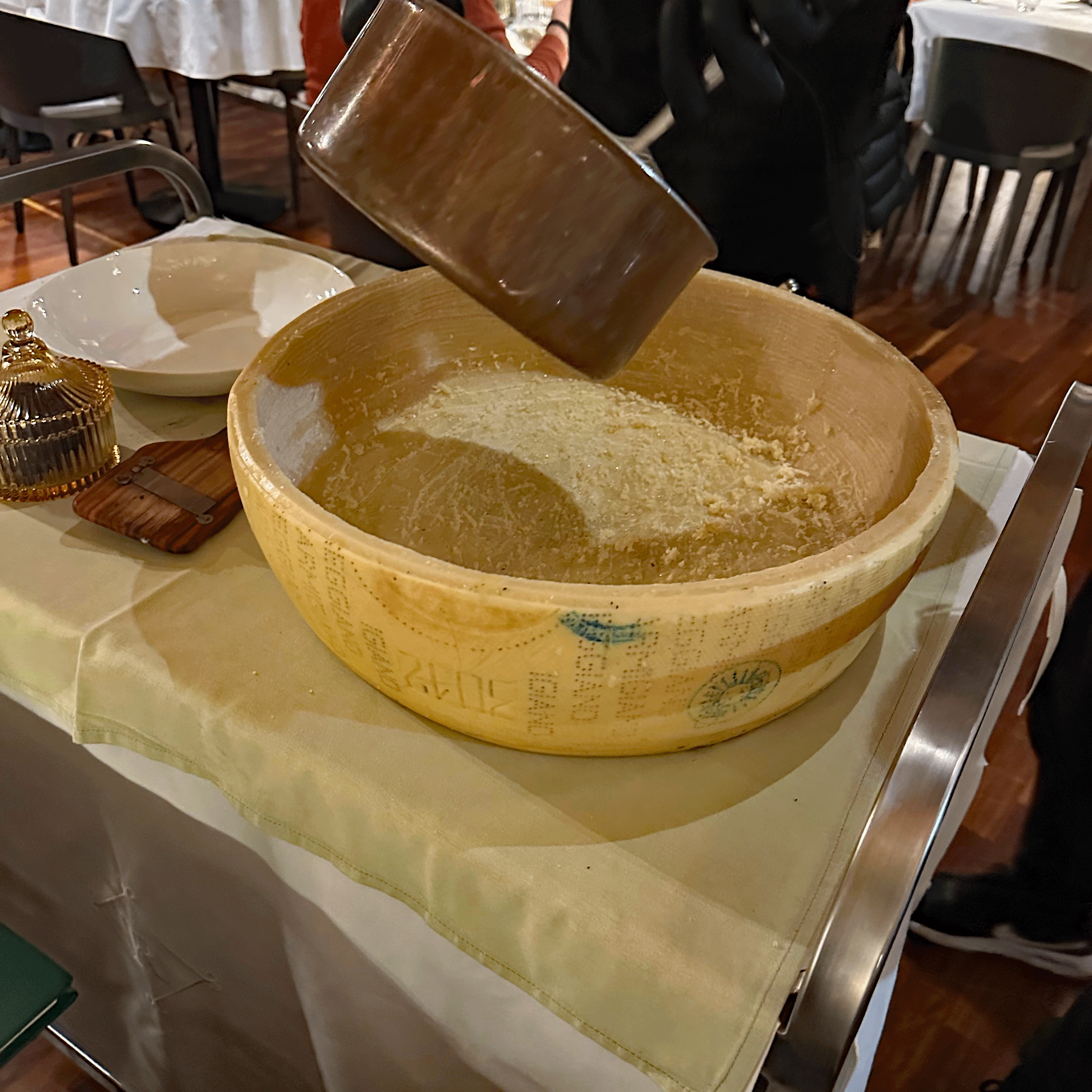
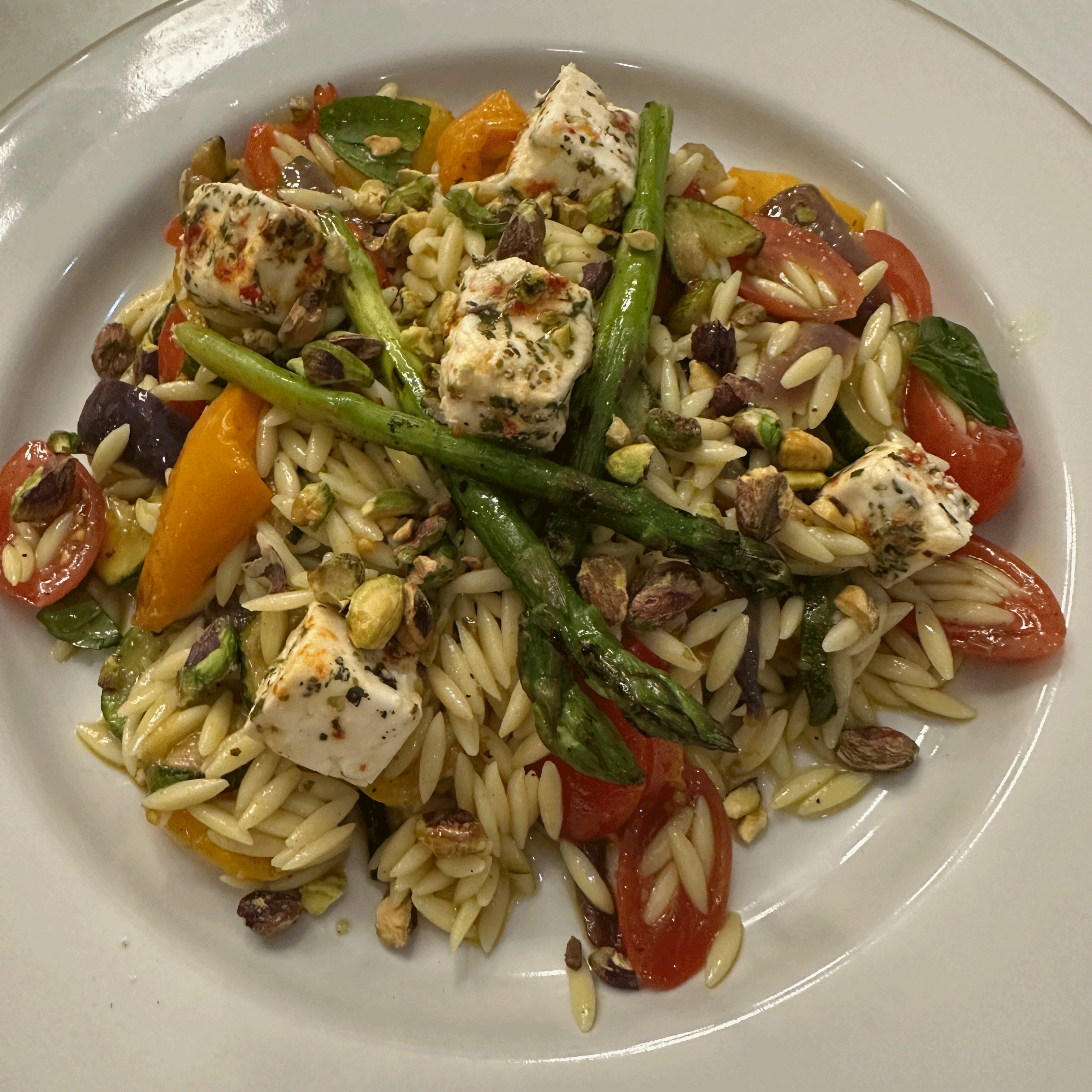
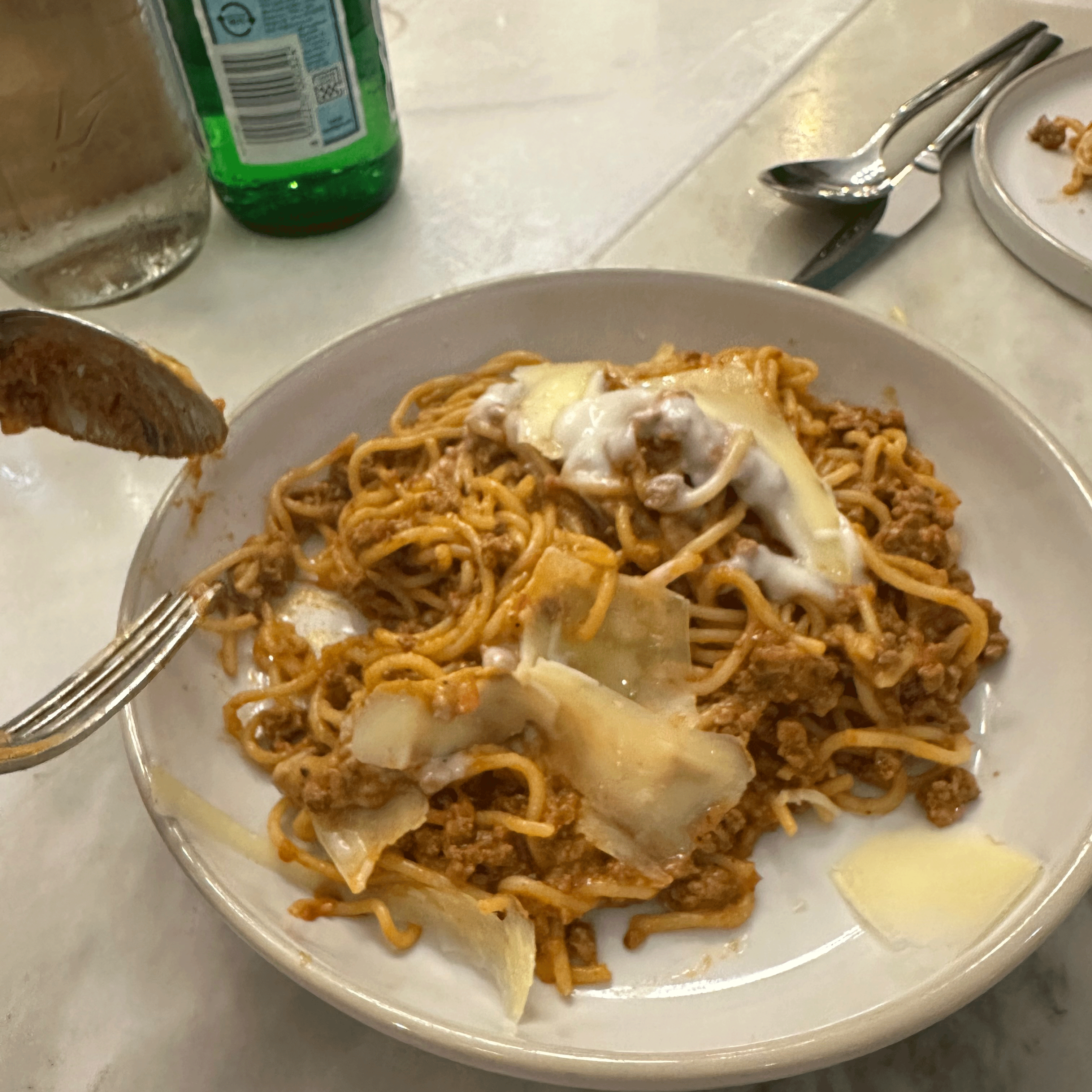
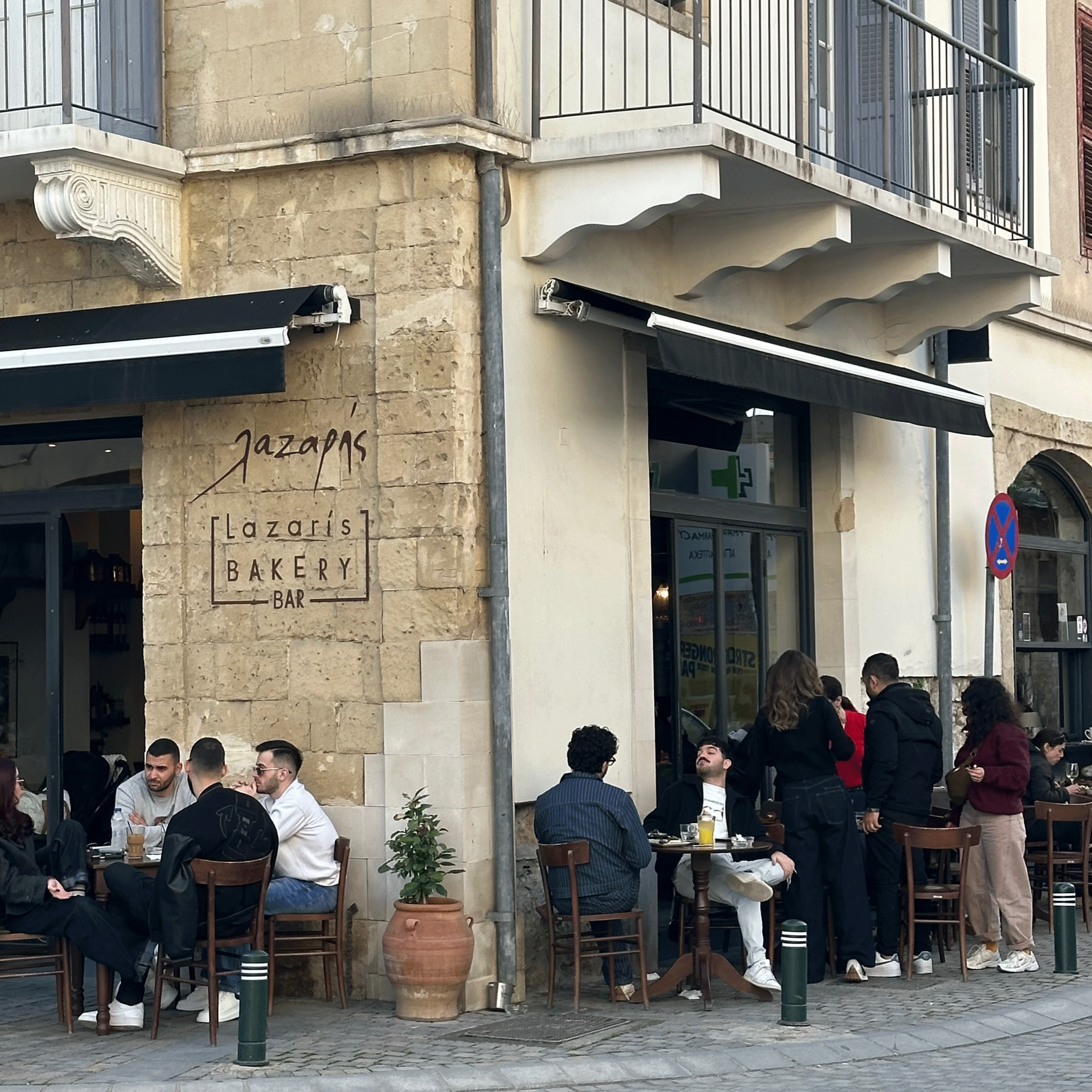
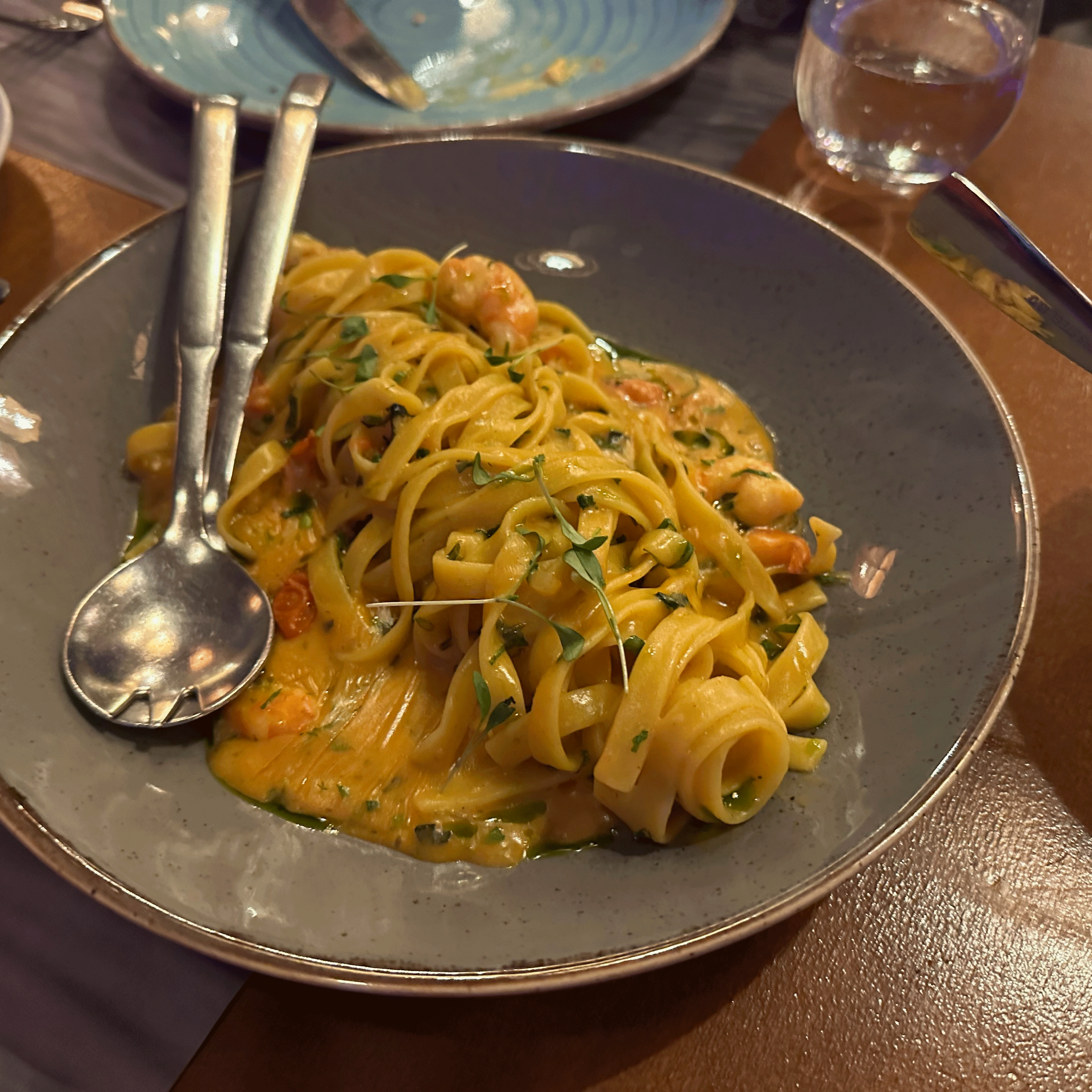
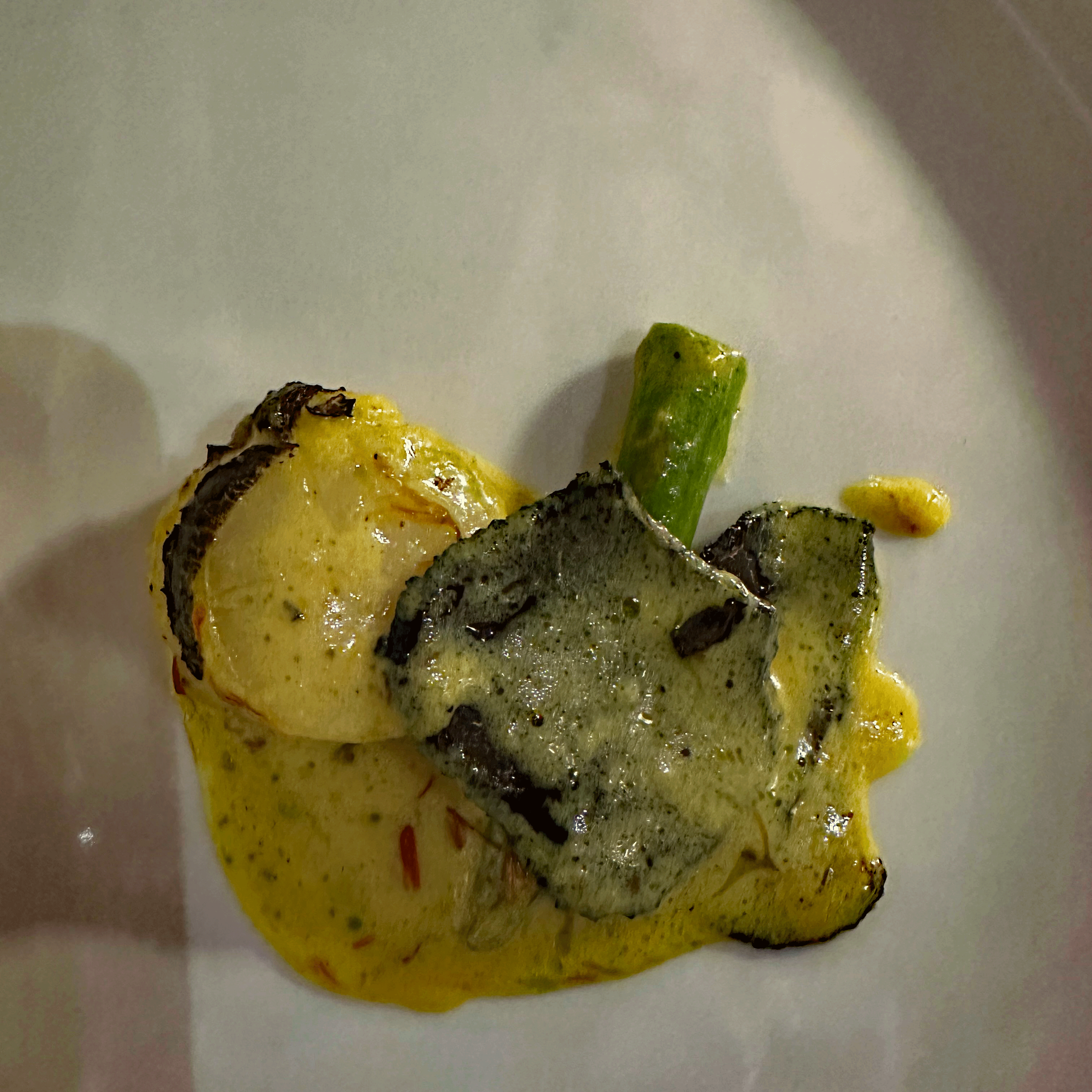
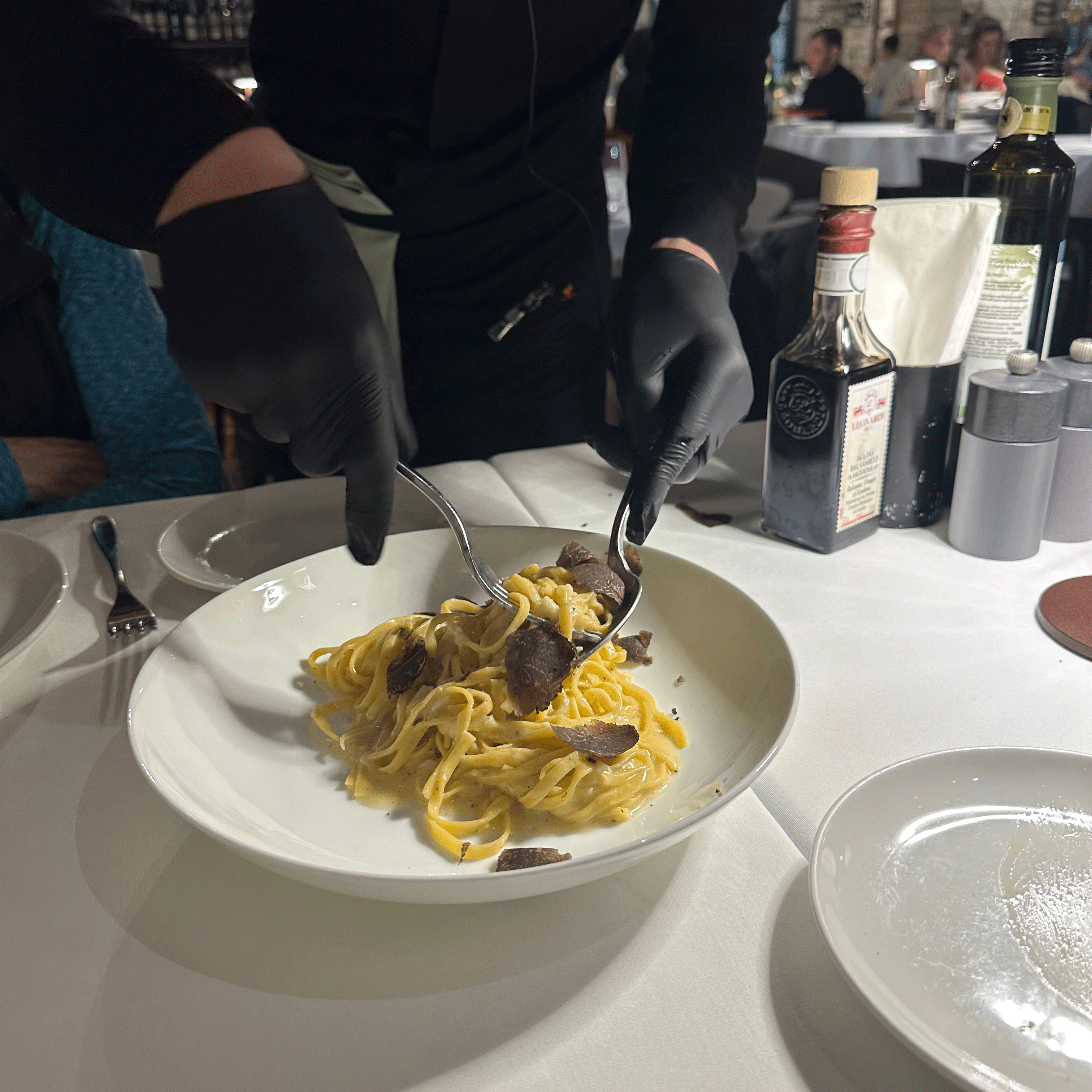
Our first dinner was at Tartufo, a beautiful Italian restaurant with fabulous food and elegant service. Limassol is a foodie paradise. There are numerous fine dining restaurants, gelato stands, corn on the cob carts, juice bars, and coffee shops with tempting bakery items. Outdoor seating is available everywhere.
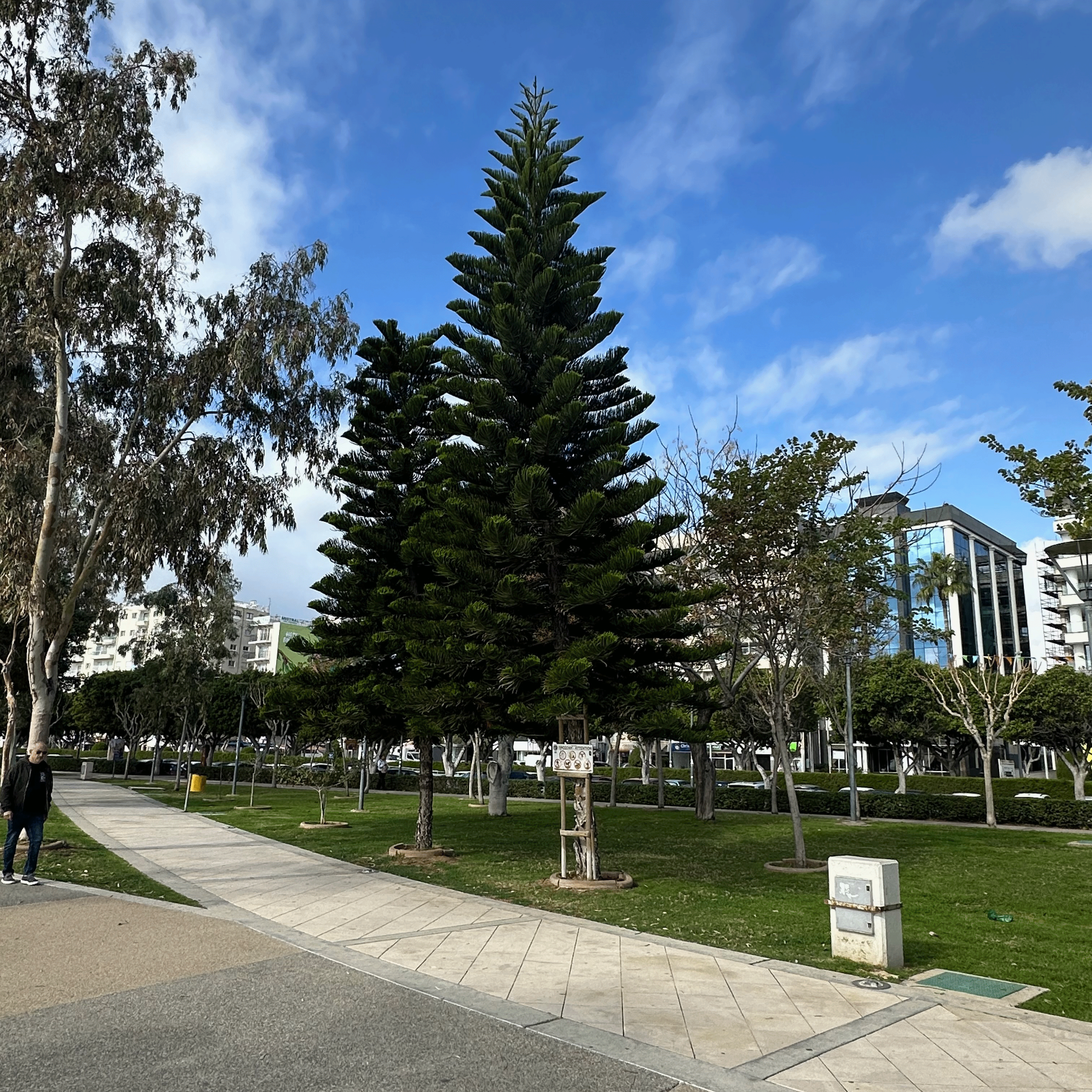
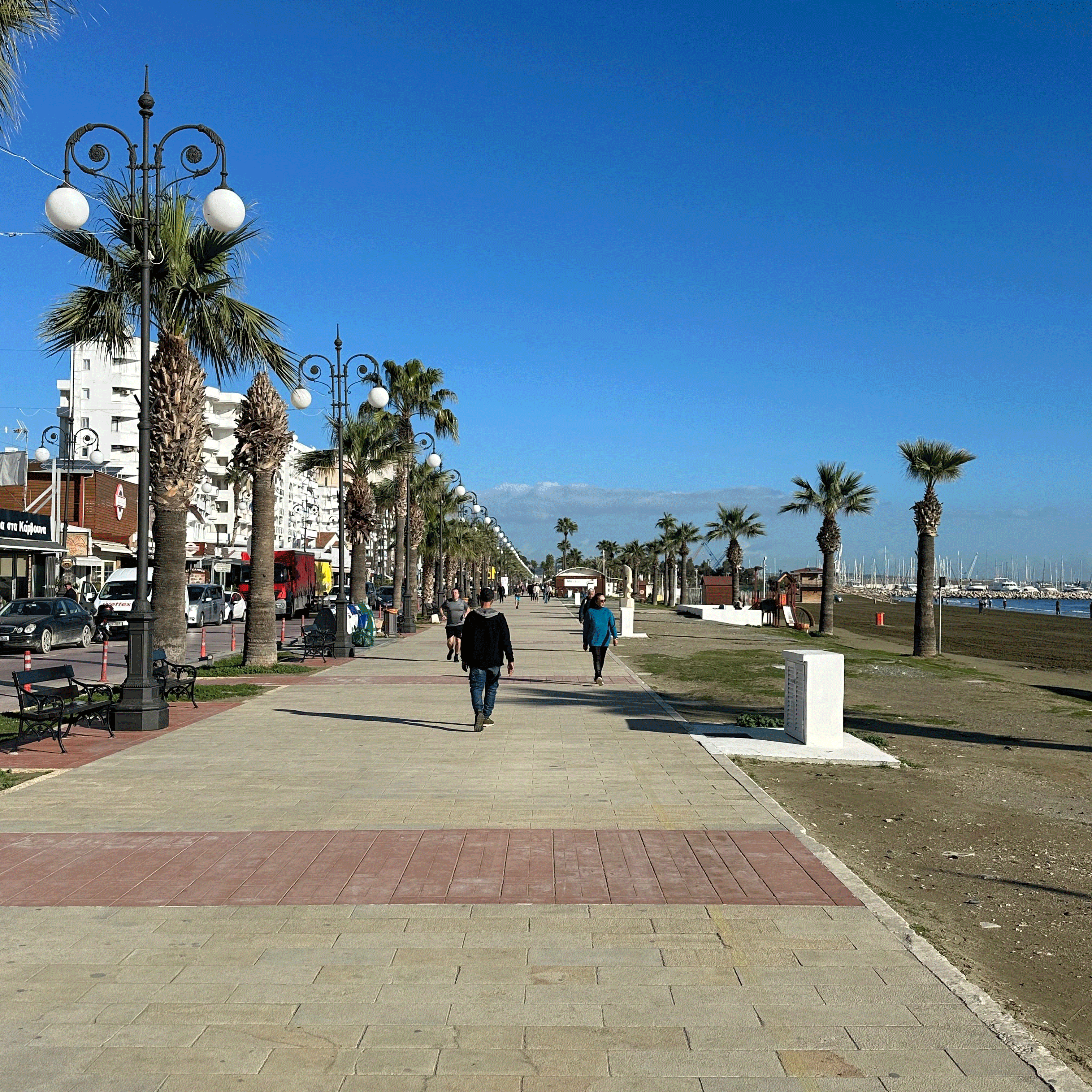
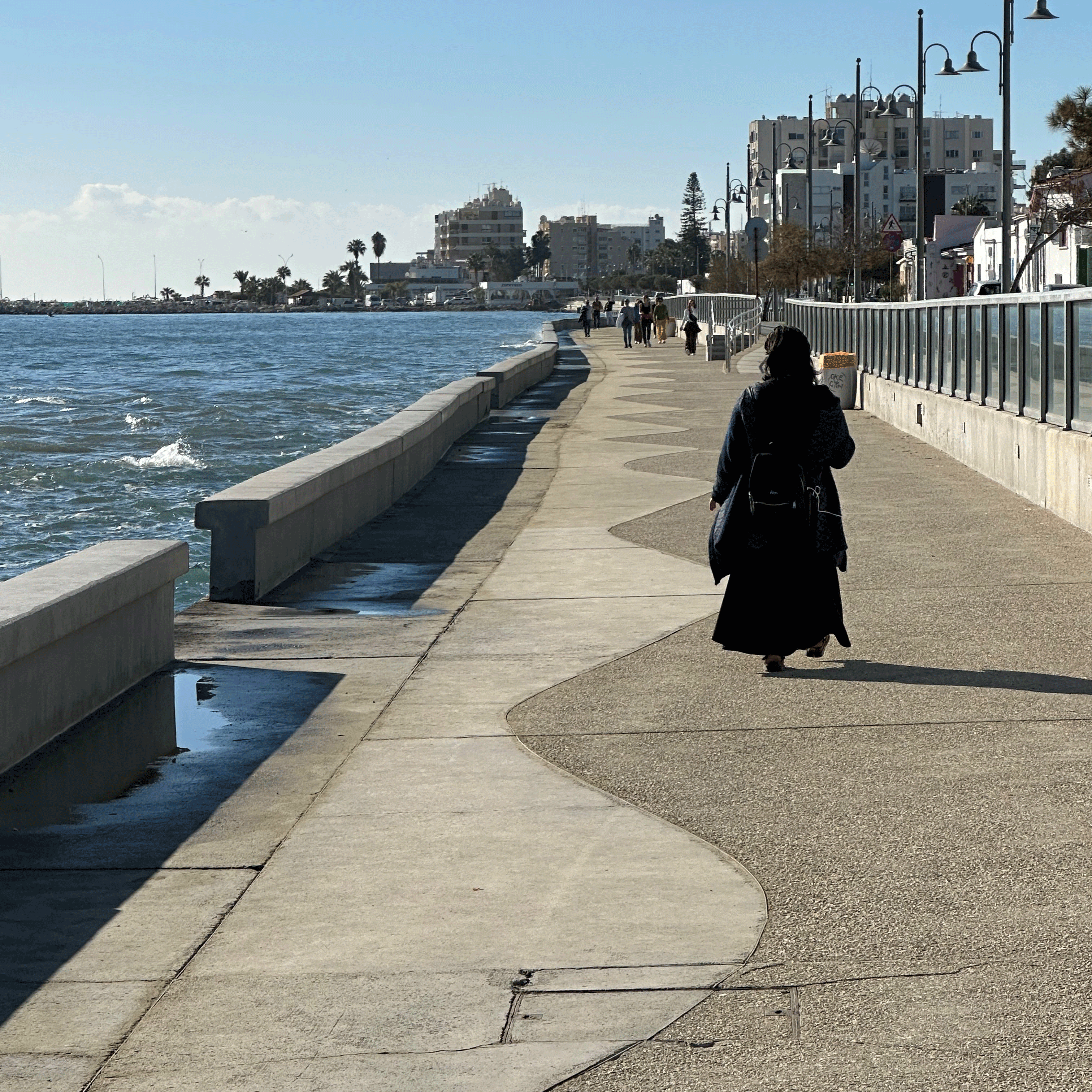
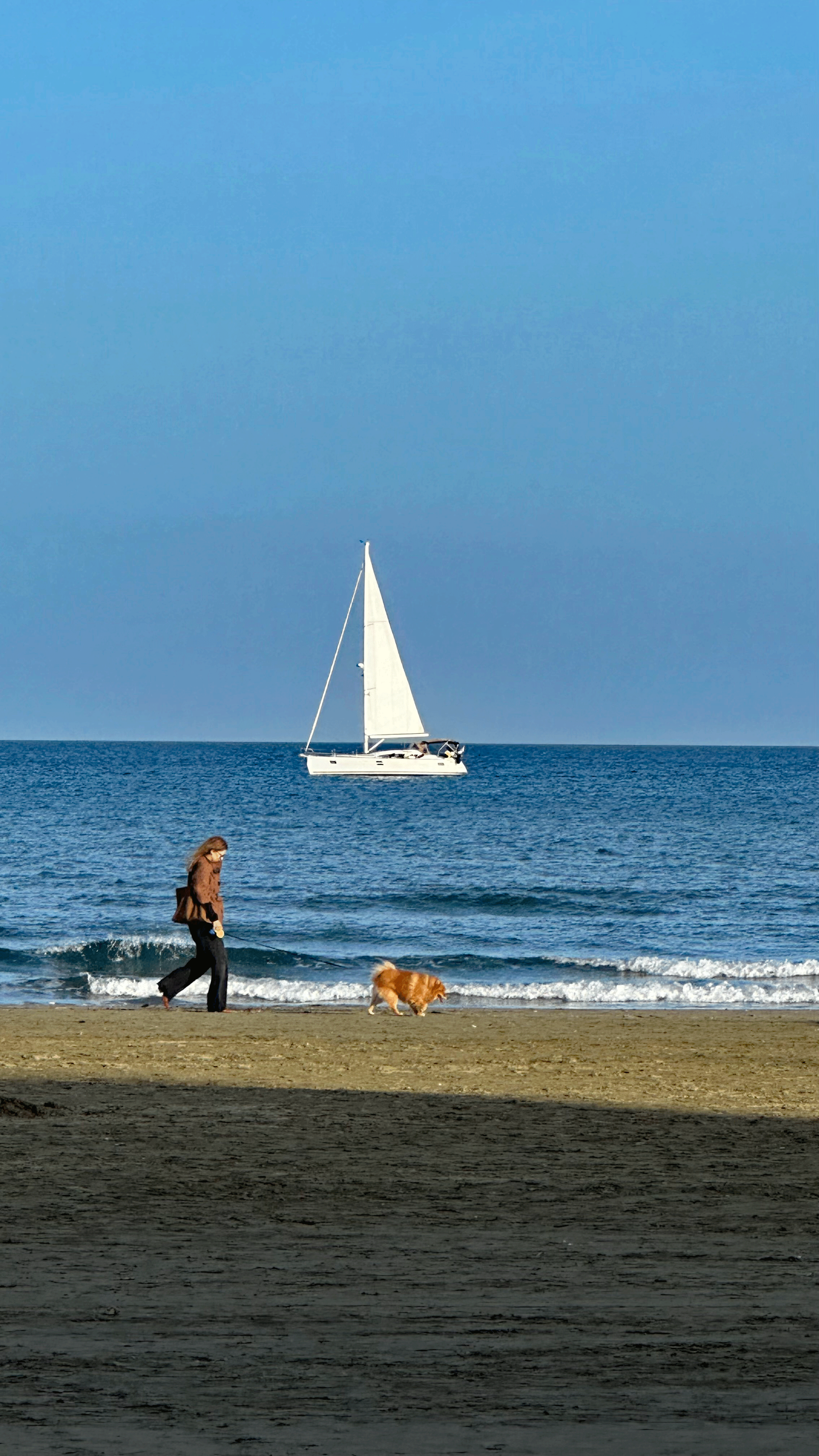
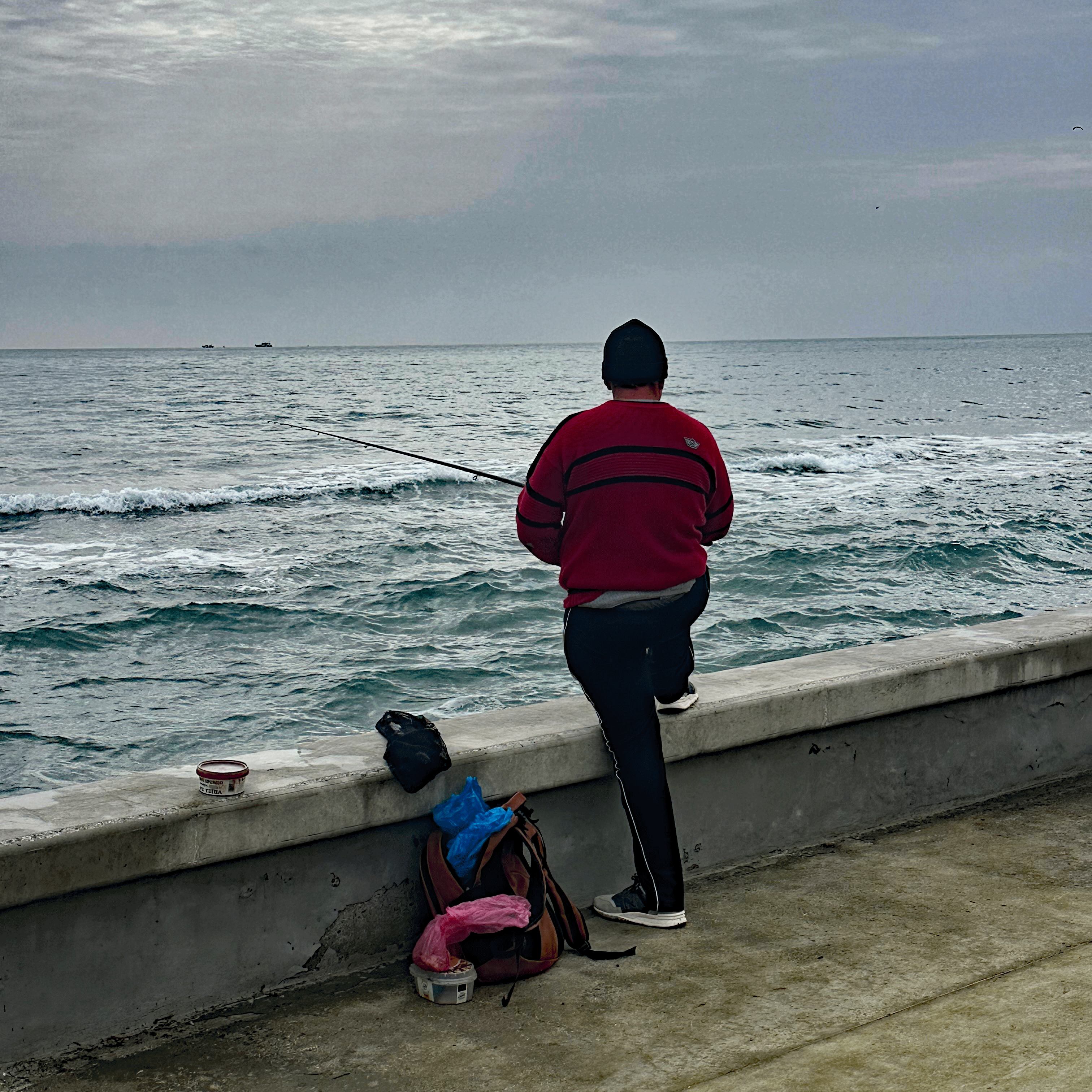
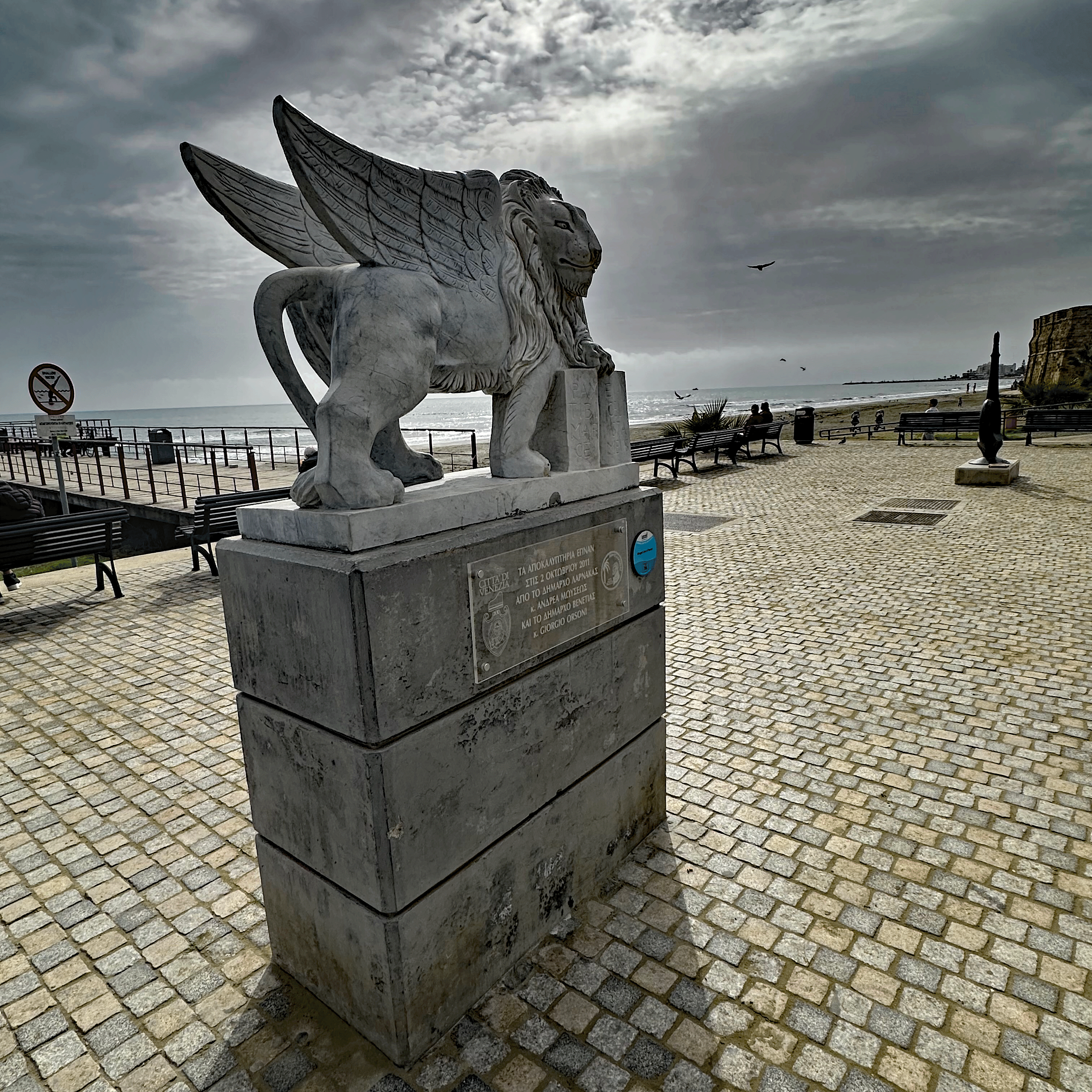
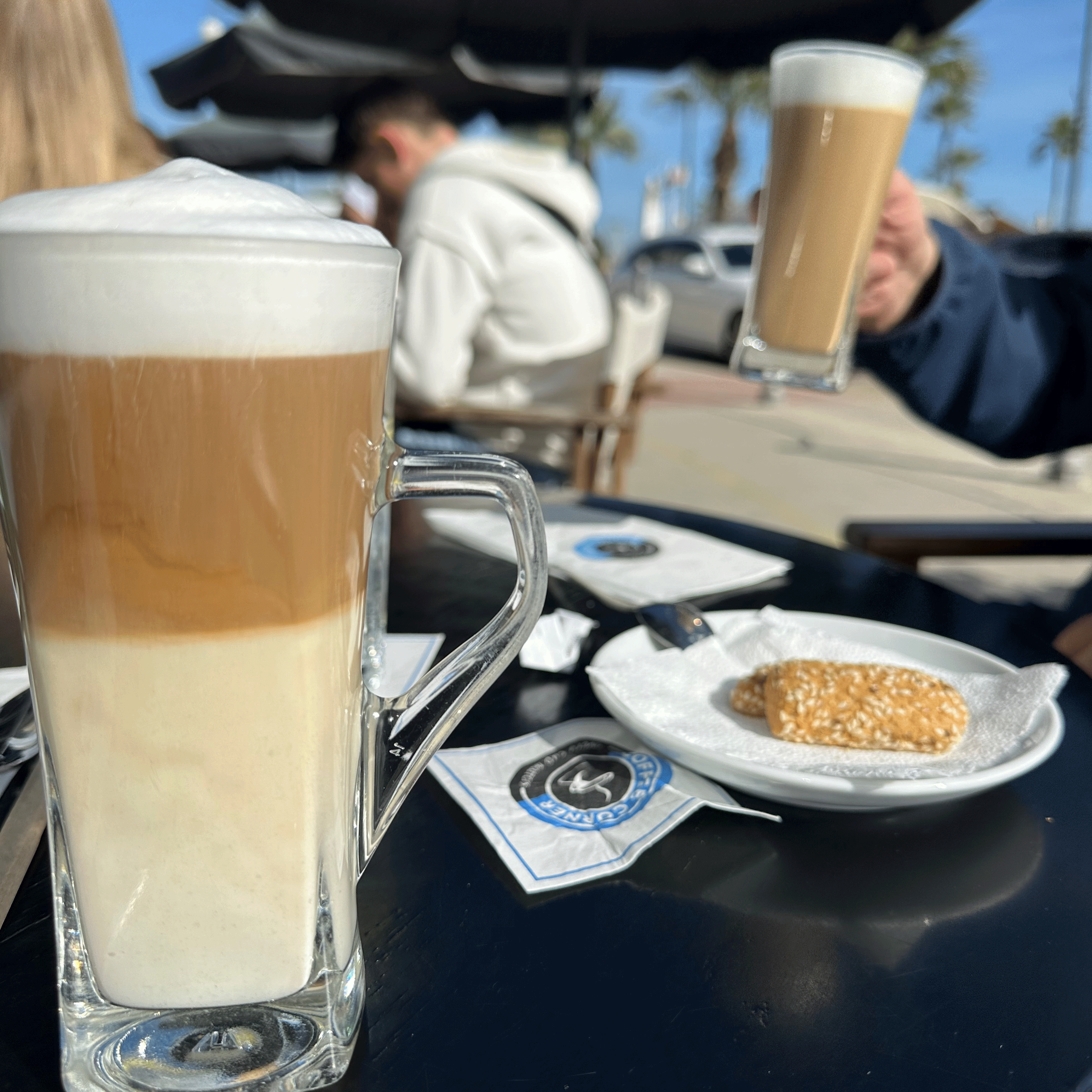
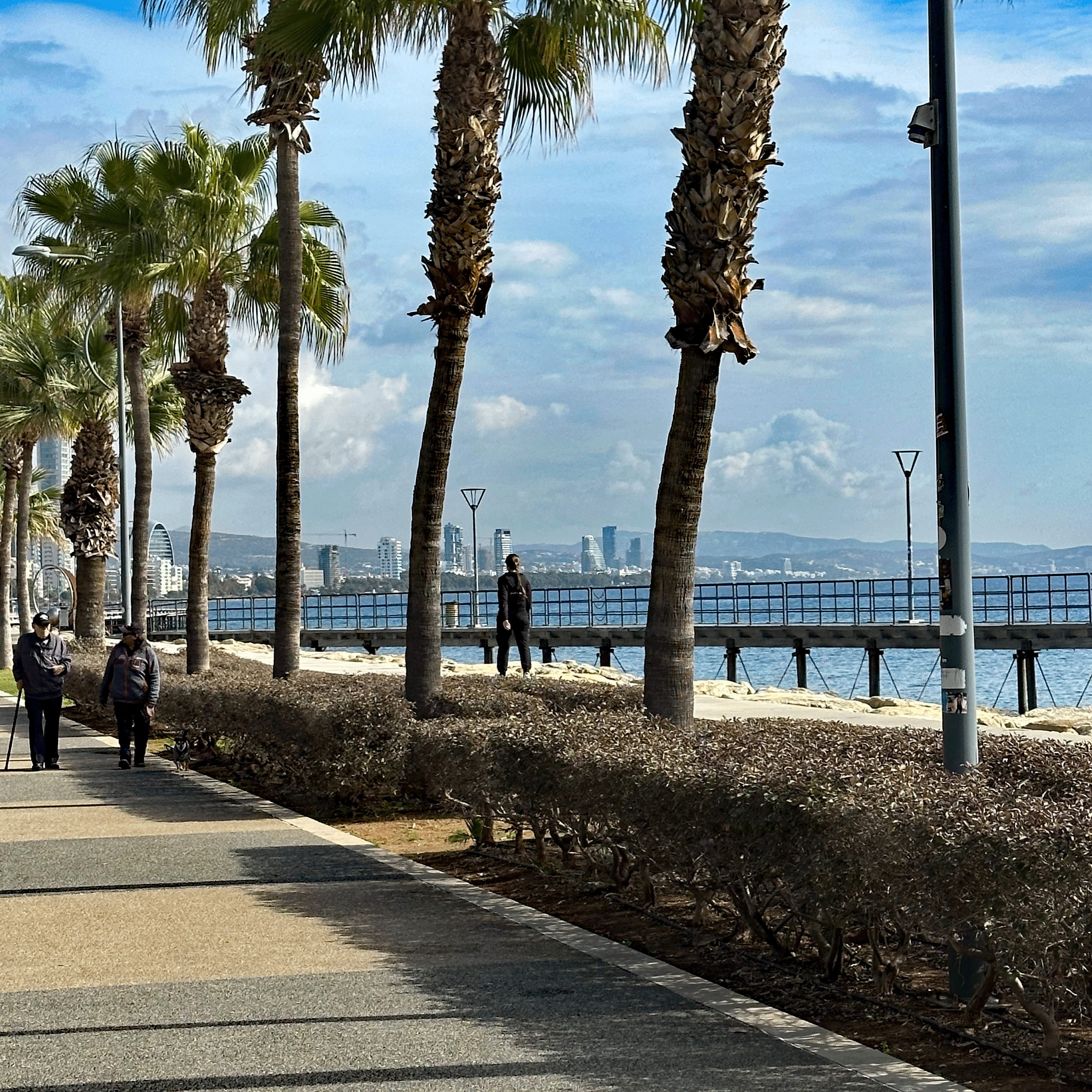
If you indulge in the wonderful food in Limassol like we did, you can walk it off along Limassol’s stunning seaside promenade. It was modernized by the British during their rule from 1878-1960. Much of the modernization of Limassol’s infrastructure took place during those years. There is a lot to see along the boardwalk and you can finish your walk with a leisurely coffee, while you soak in the sun and enjoy the view of the sea..

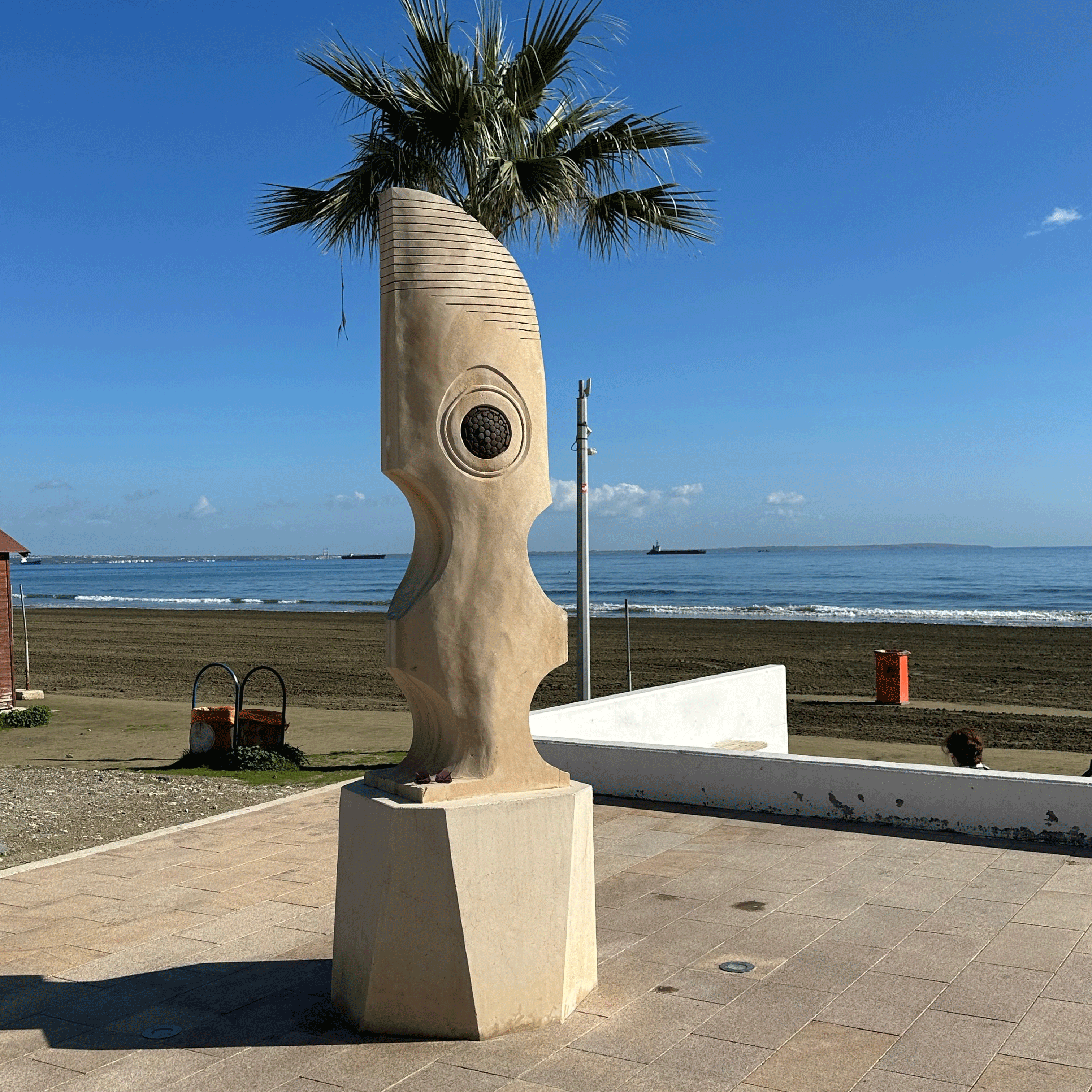
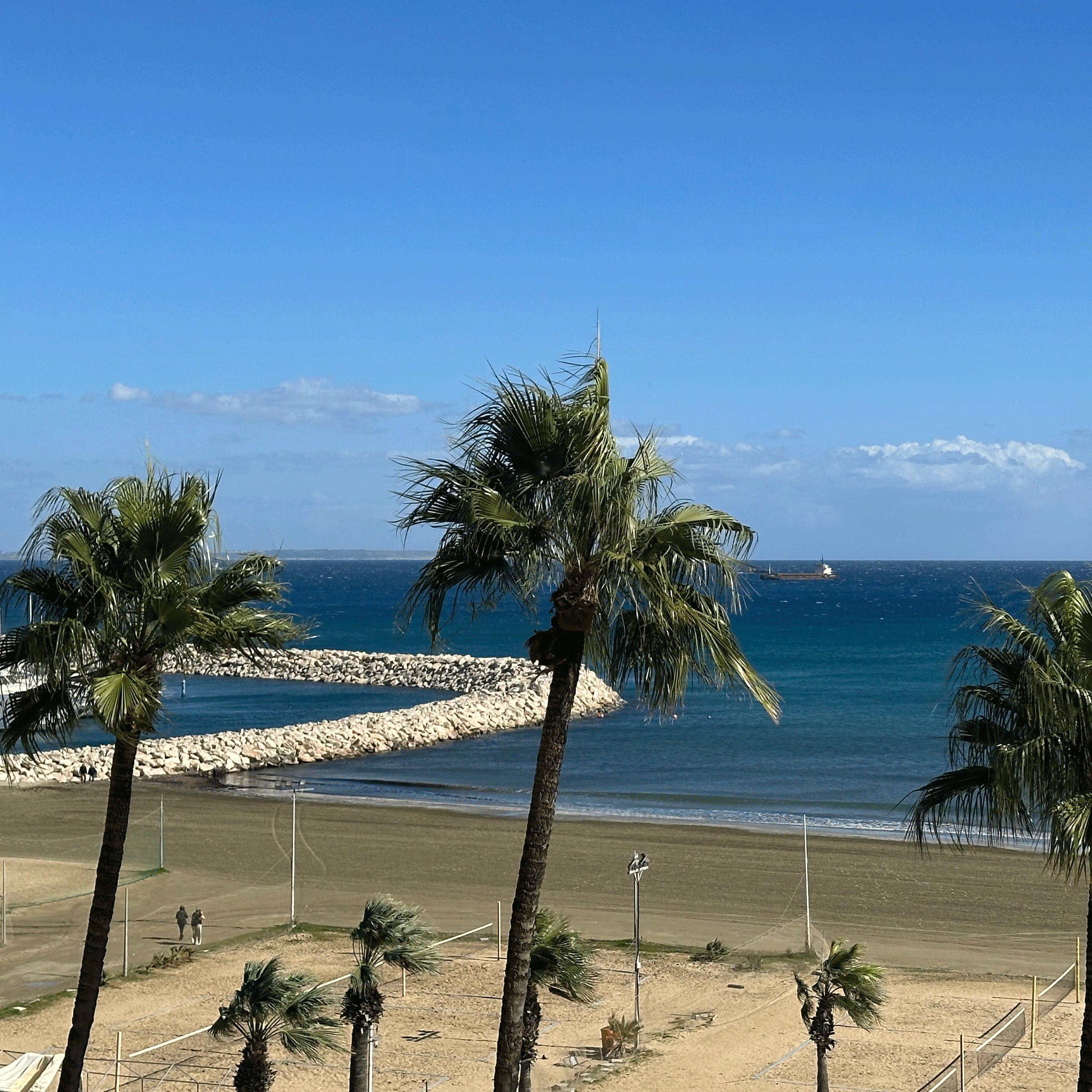
Below: Scenes Along Limassol’s Promenade
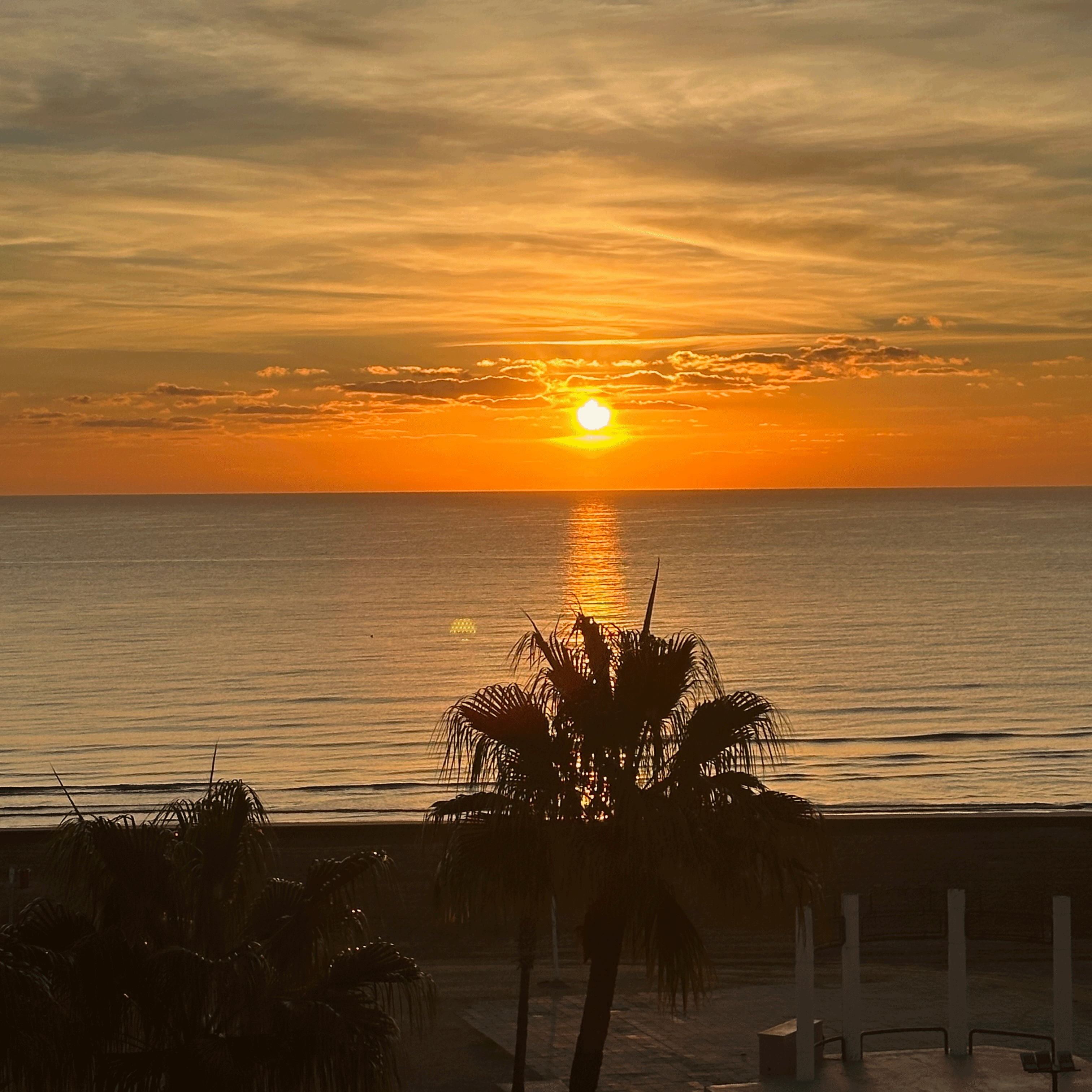
Below: Shots from our Rooftop Terrace
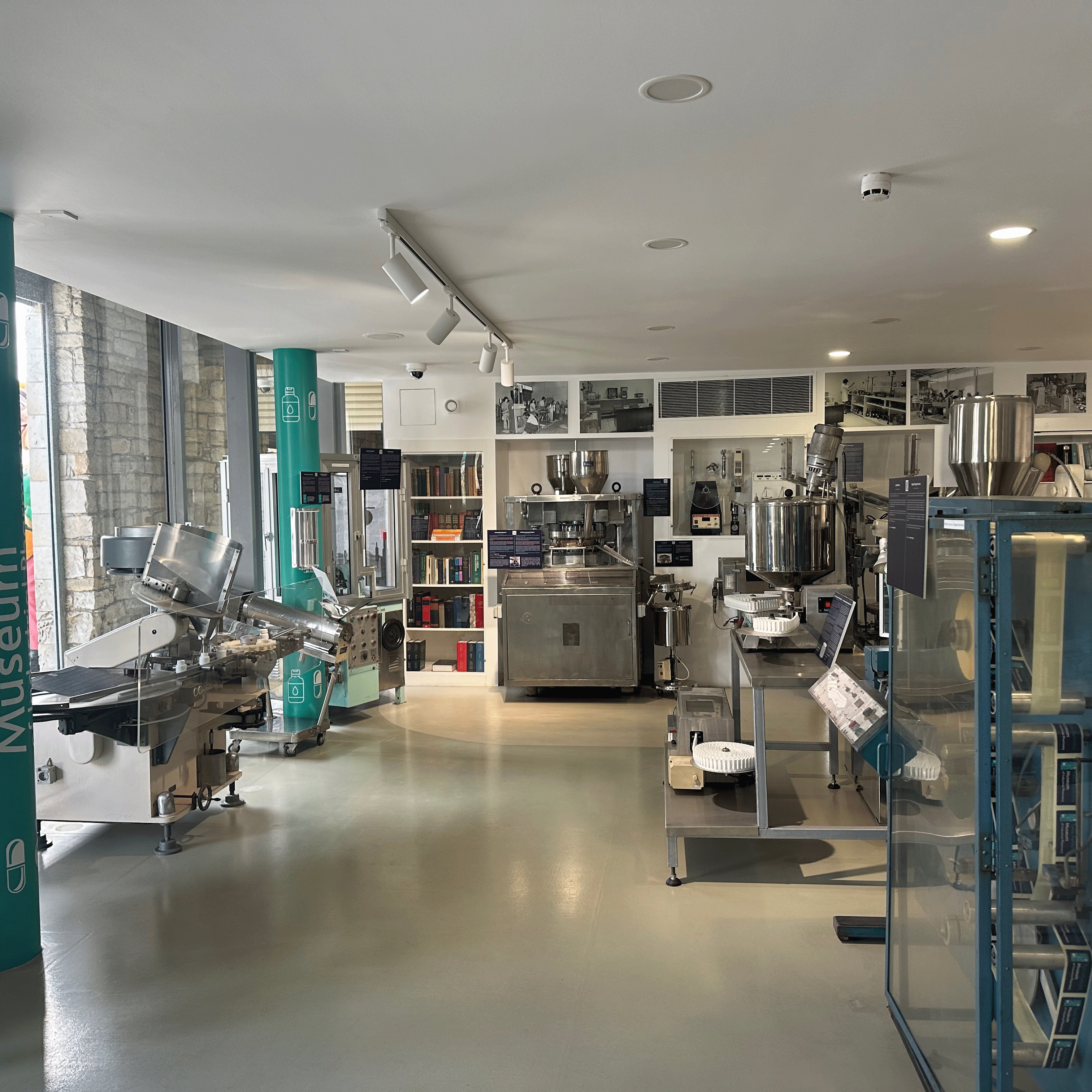
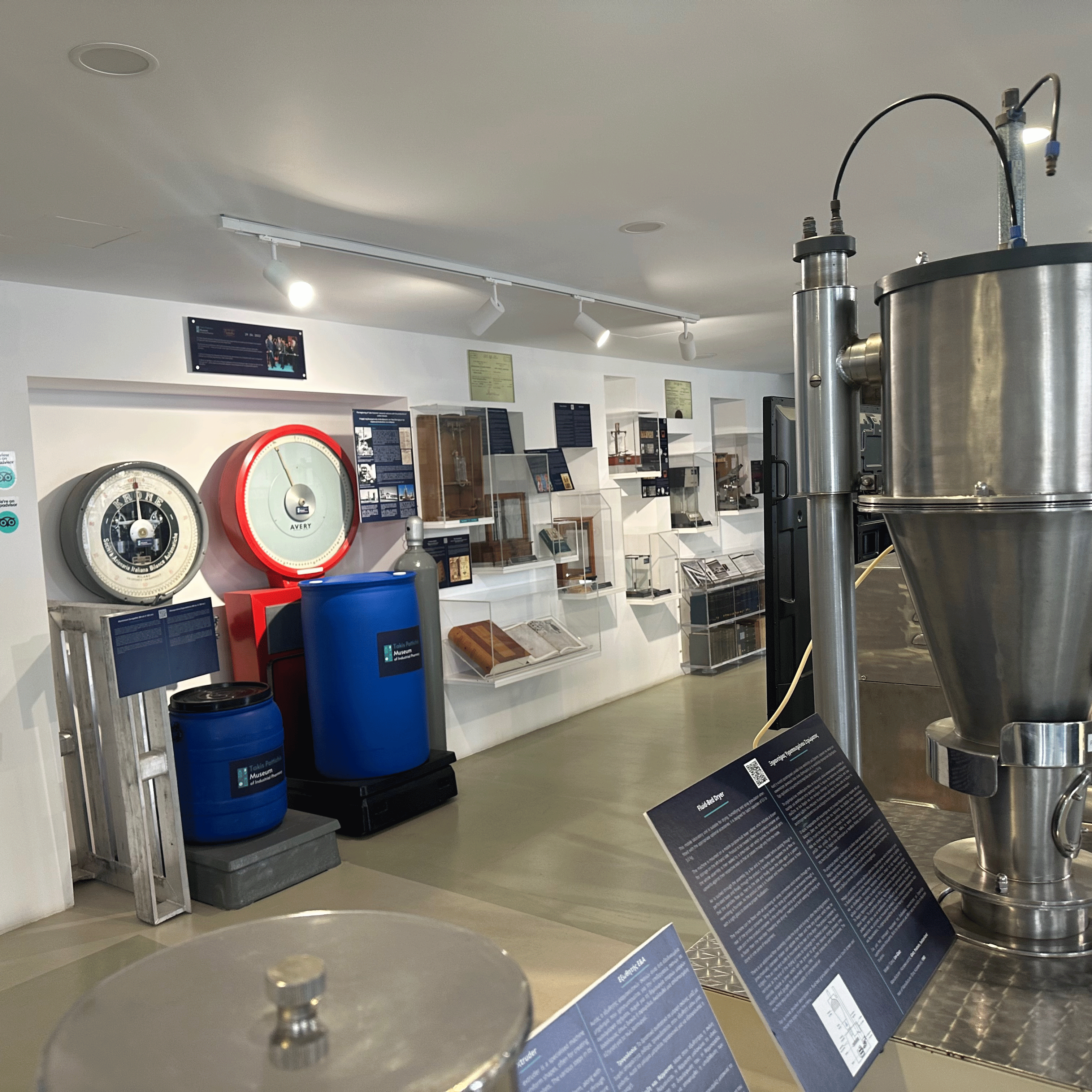
Below: The Cyprus Museum of Industrial Pharmacy

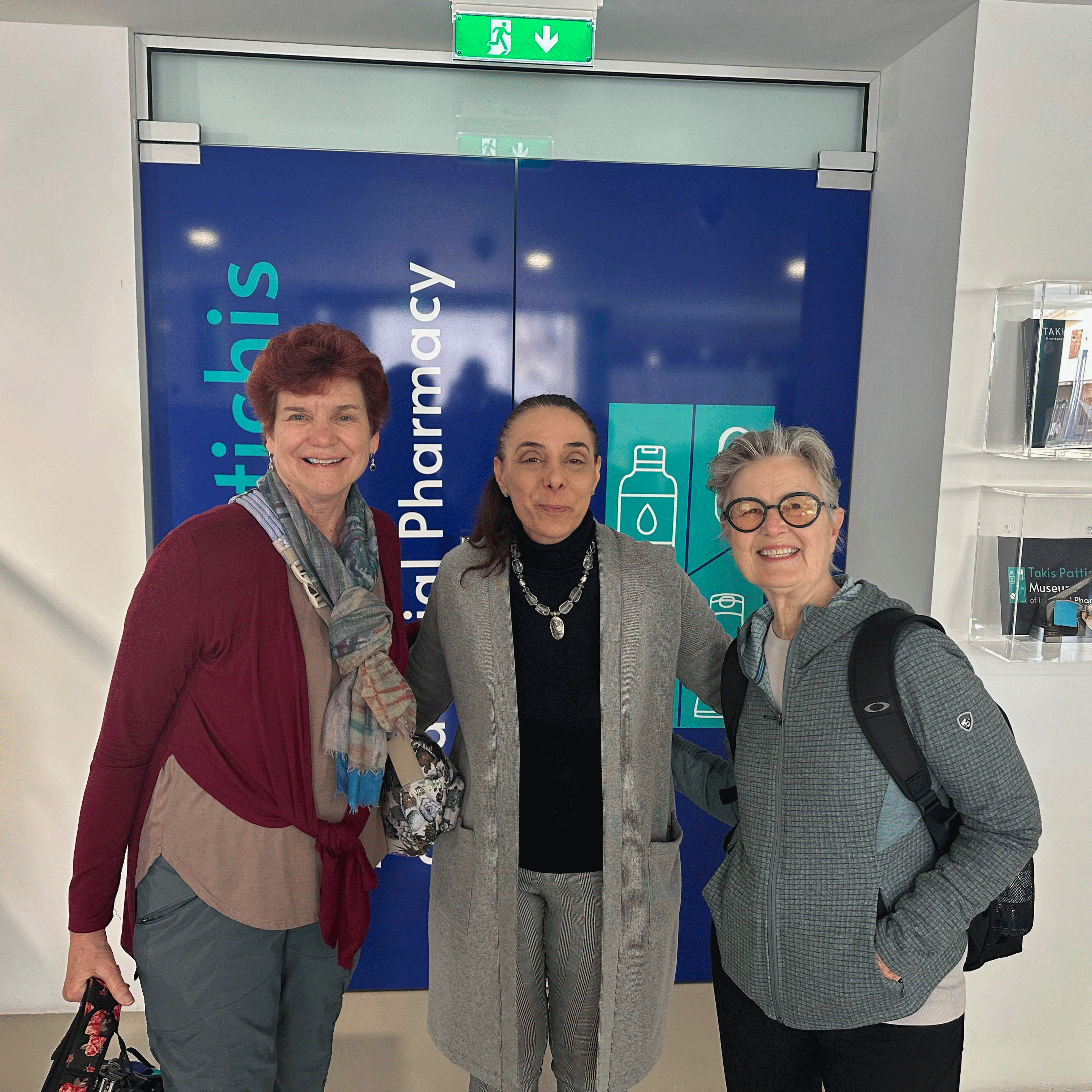
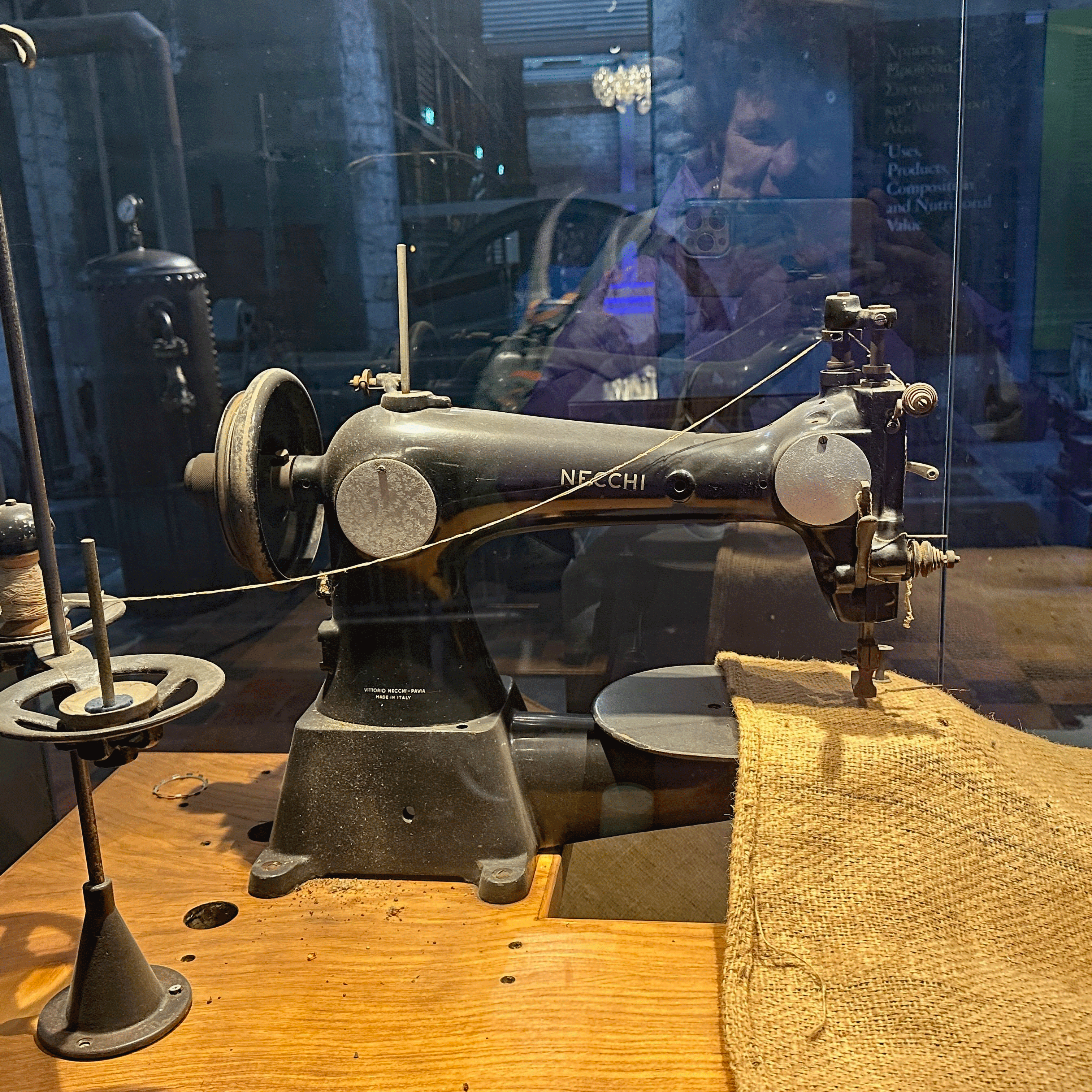
We discovered this unassuming museum near Limassol’s Castle and the curator gave us a private tour of the machinery that was used to formulate and package generic drugs. This equipment is now obsolete due to digitization, but Cyprus is still a leader in the generic drug industry. She proudly told us Cyprus is much more than tourism.
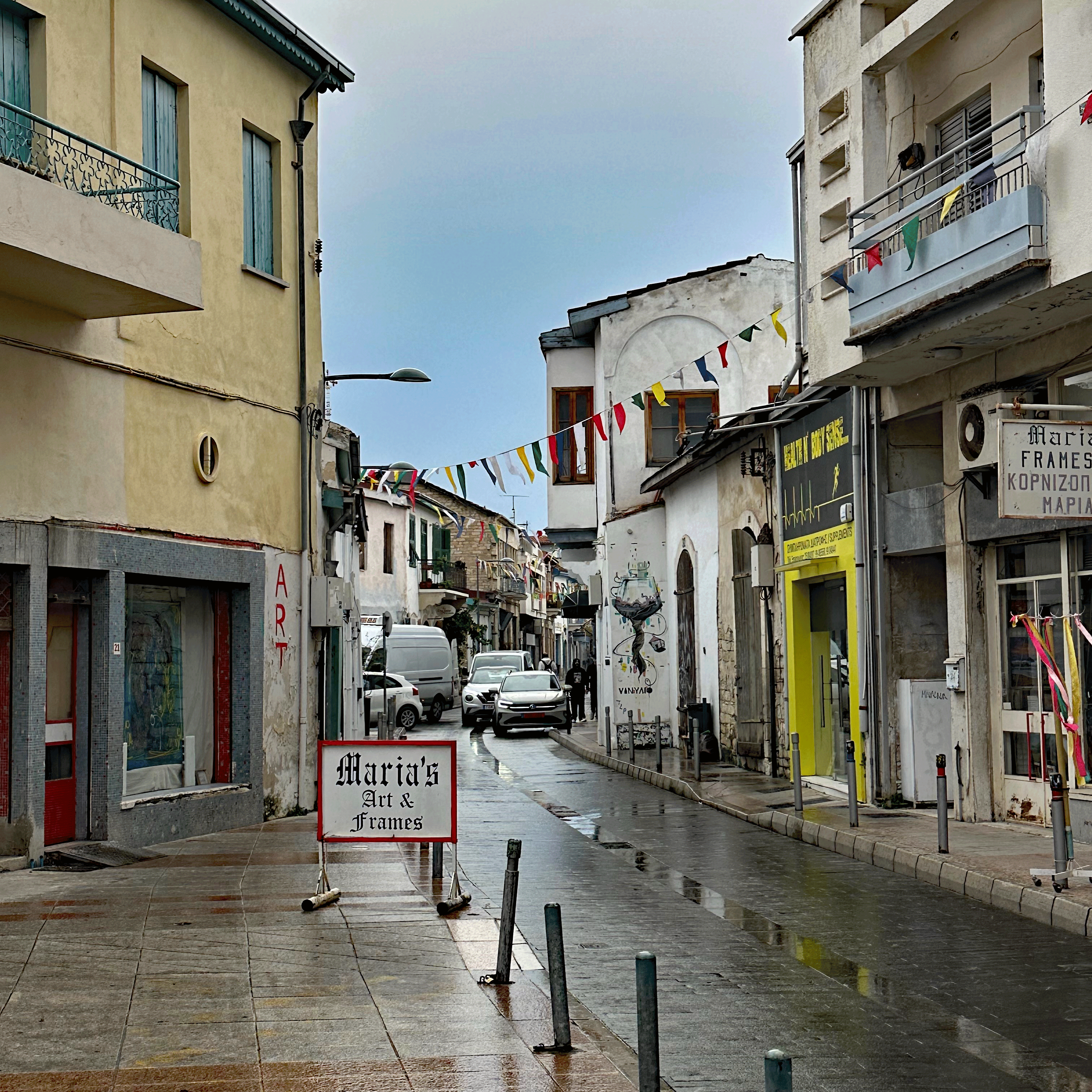
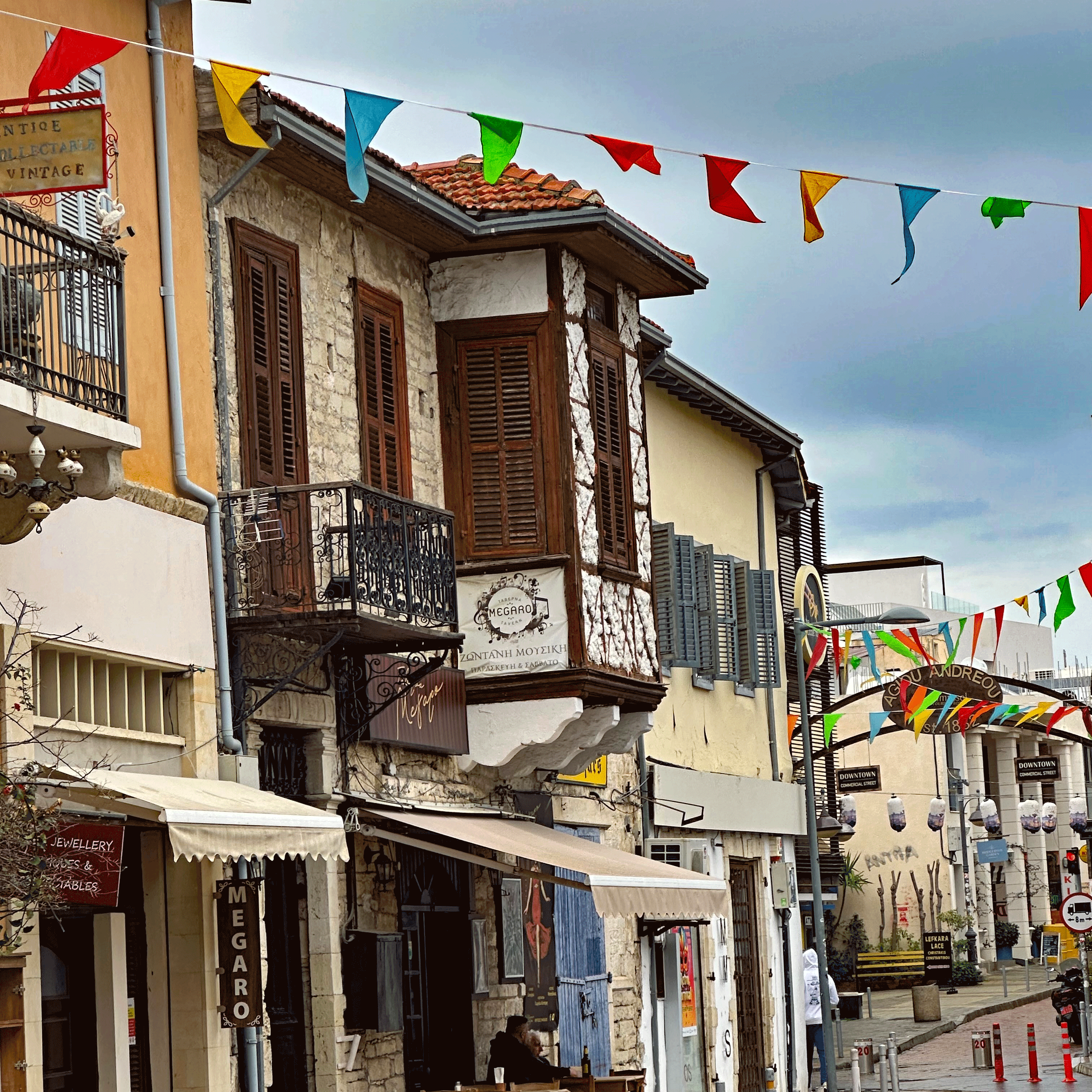
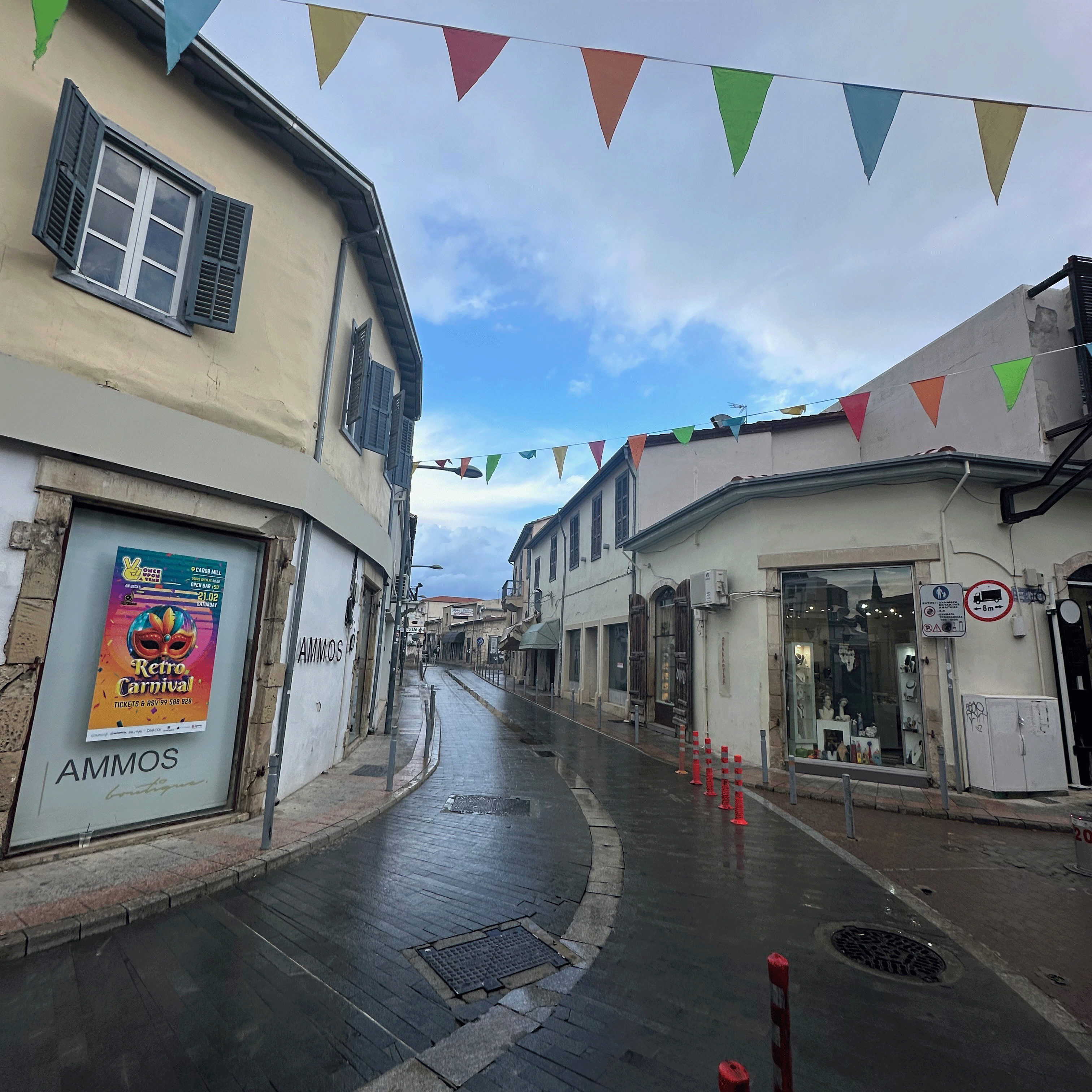
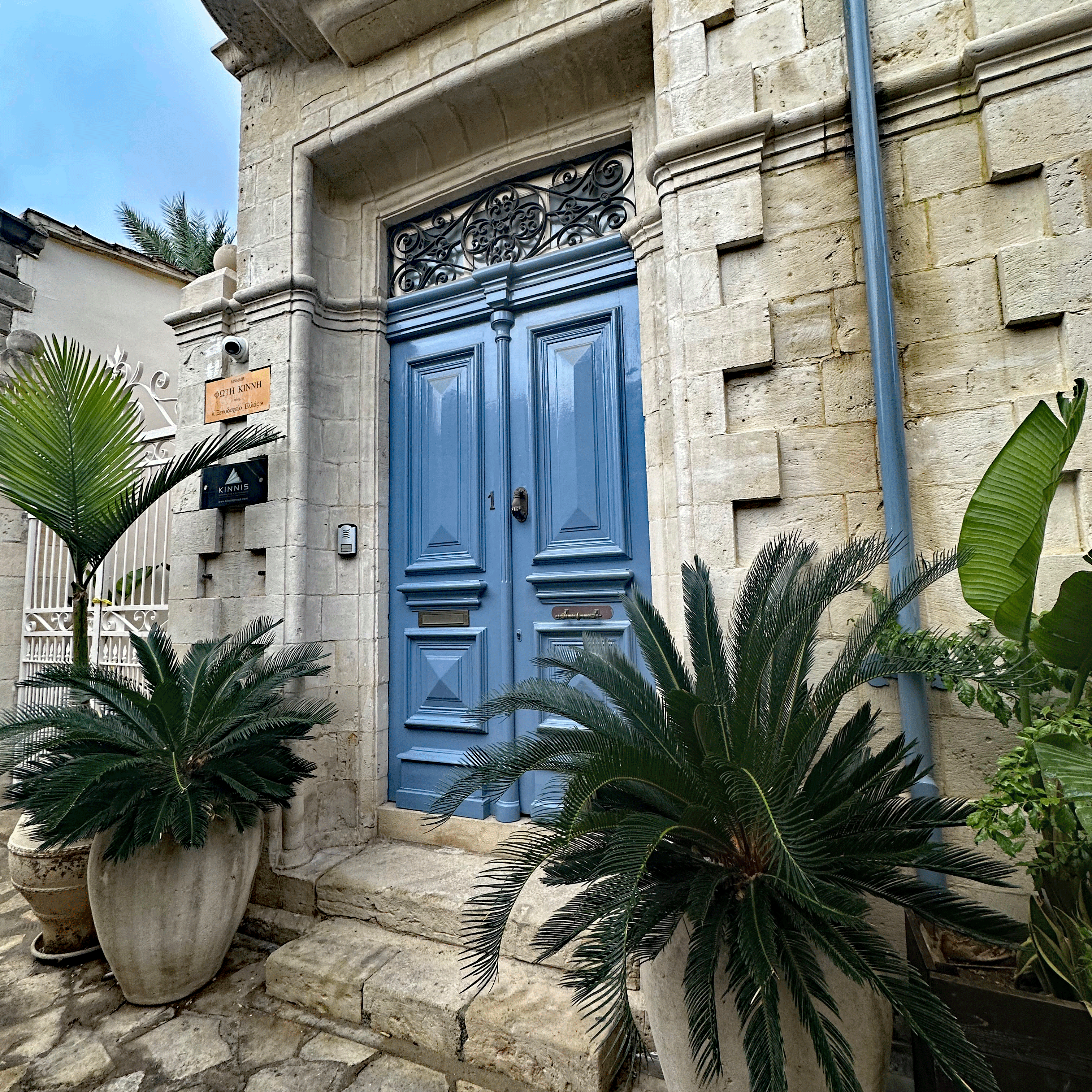
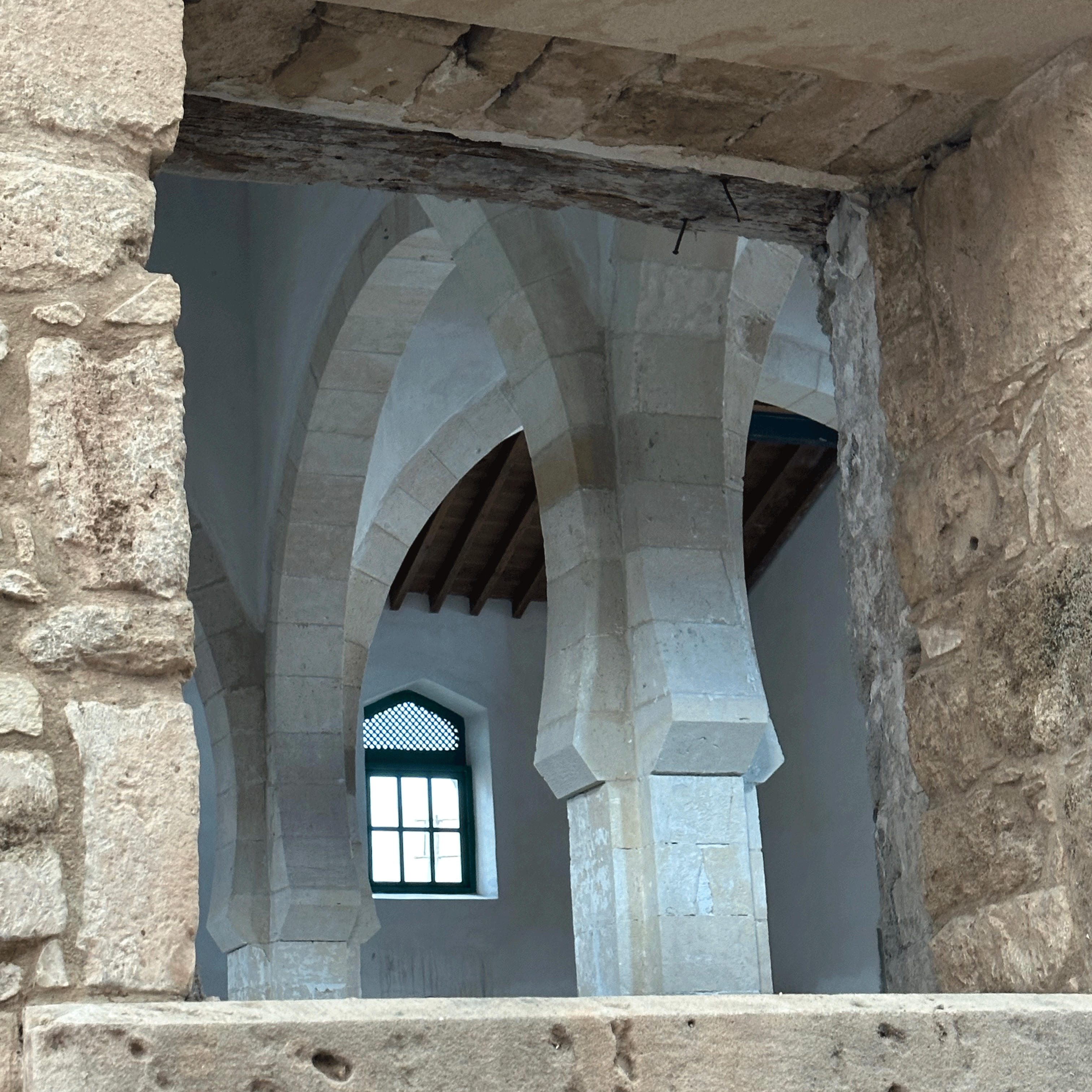
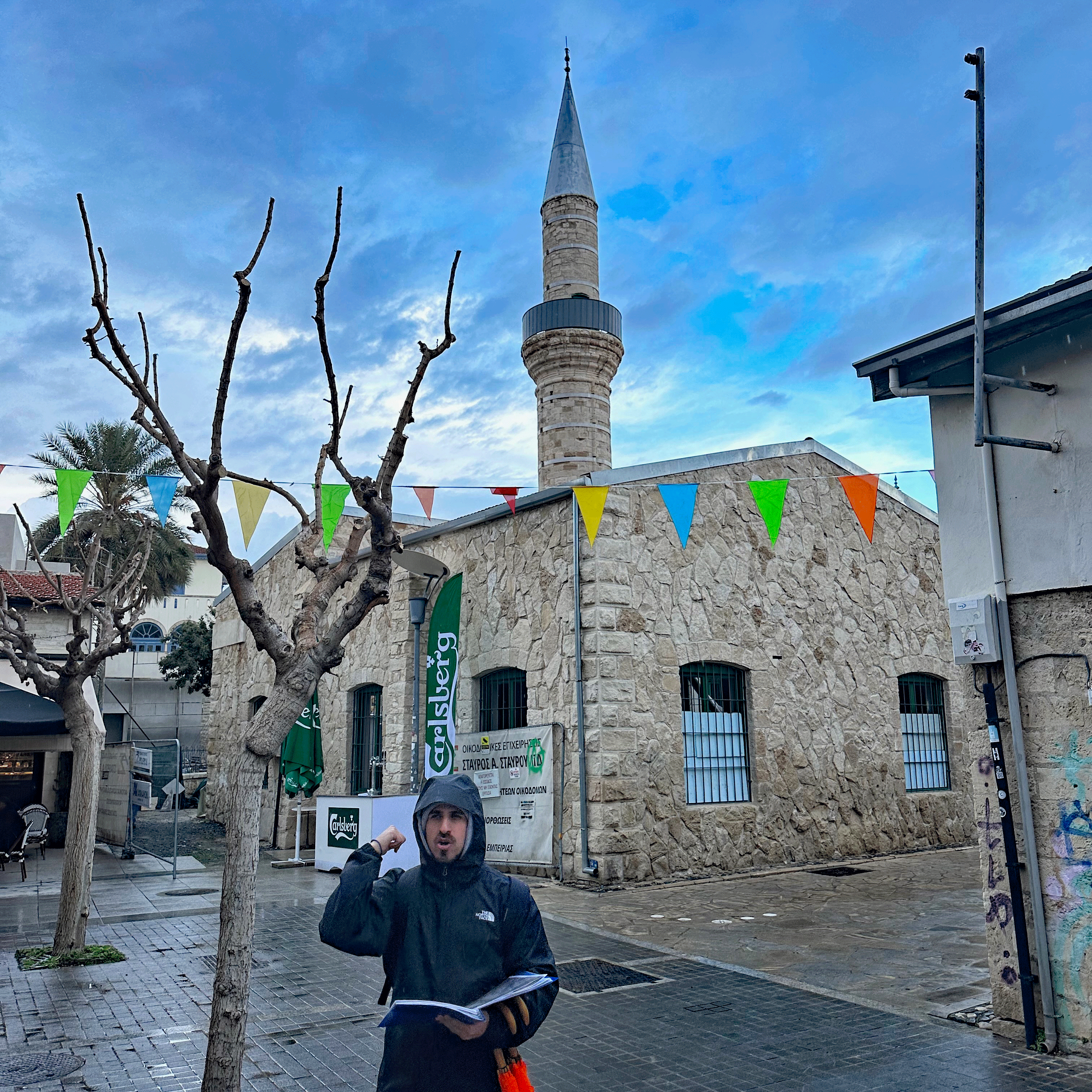
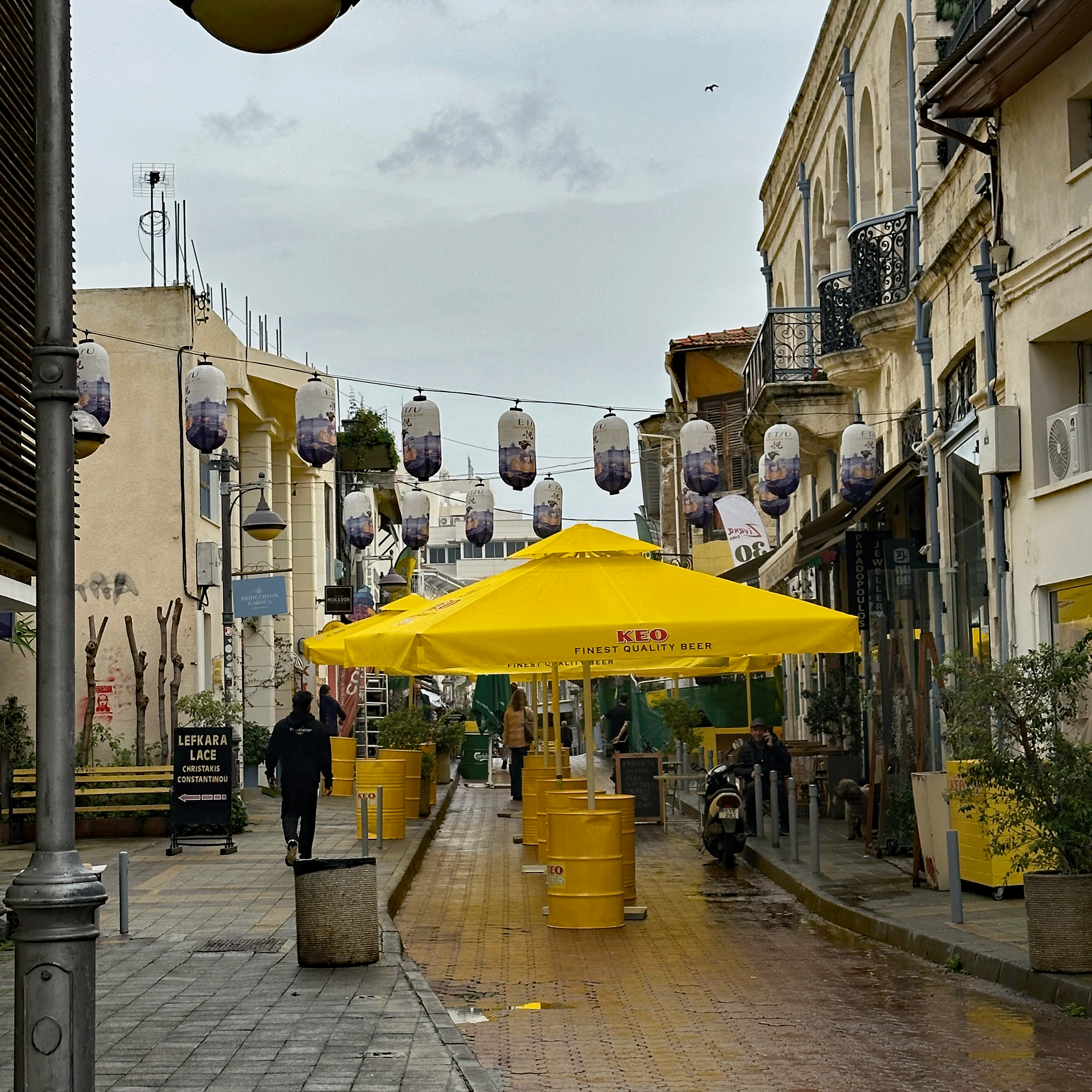
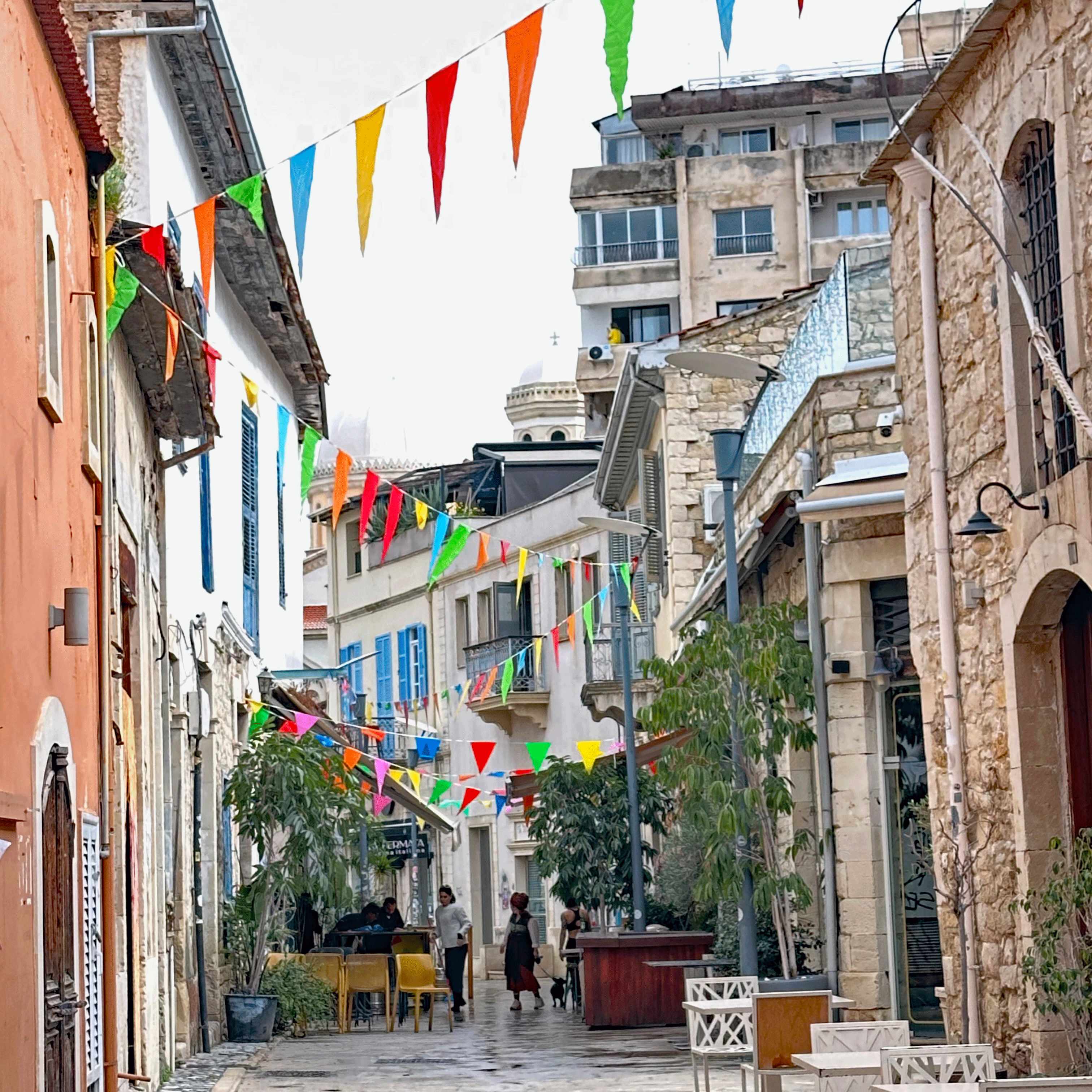
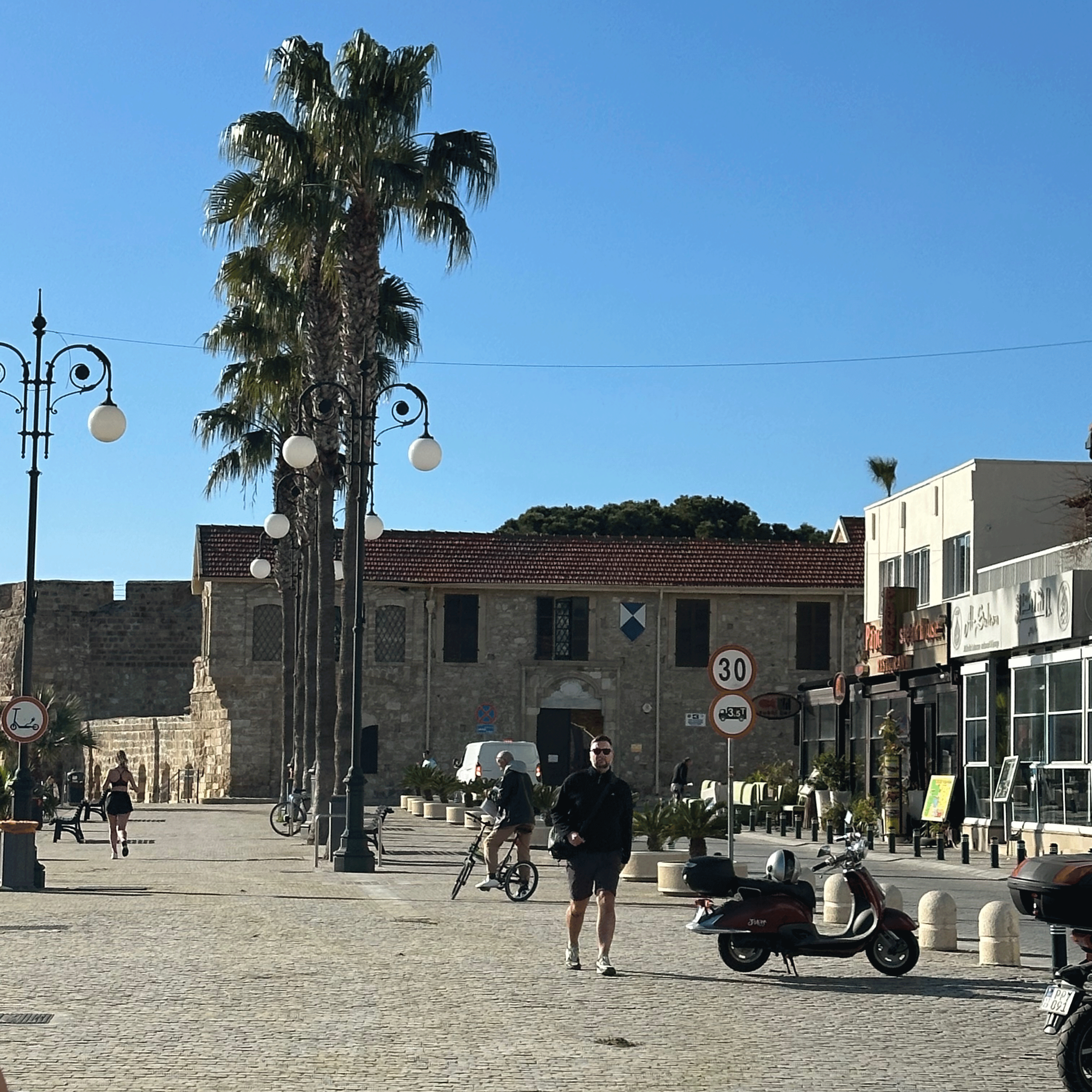
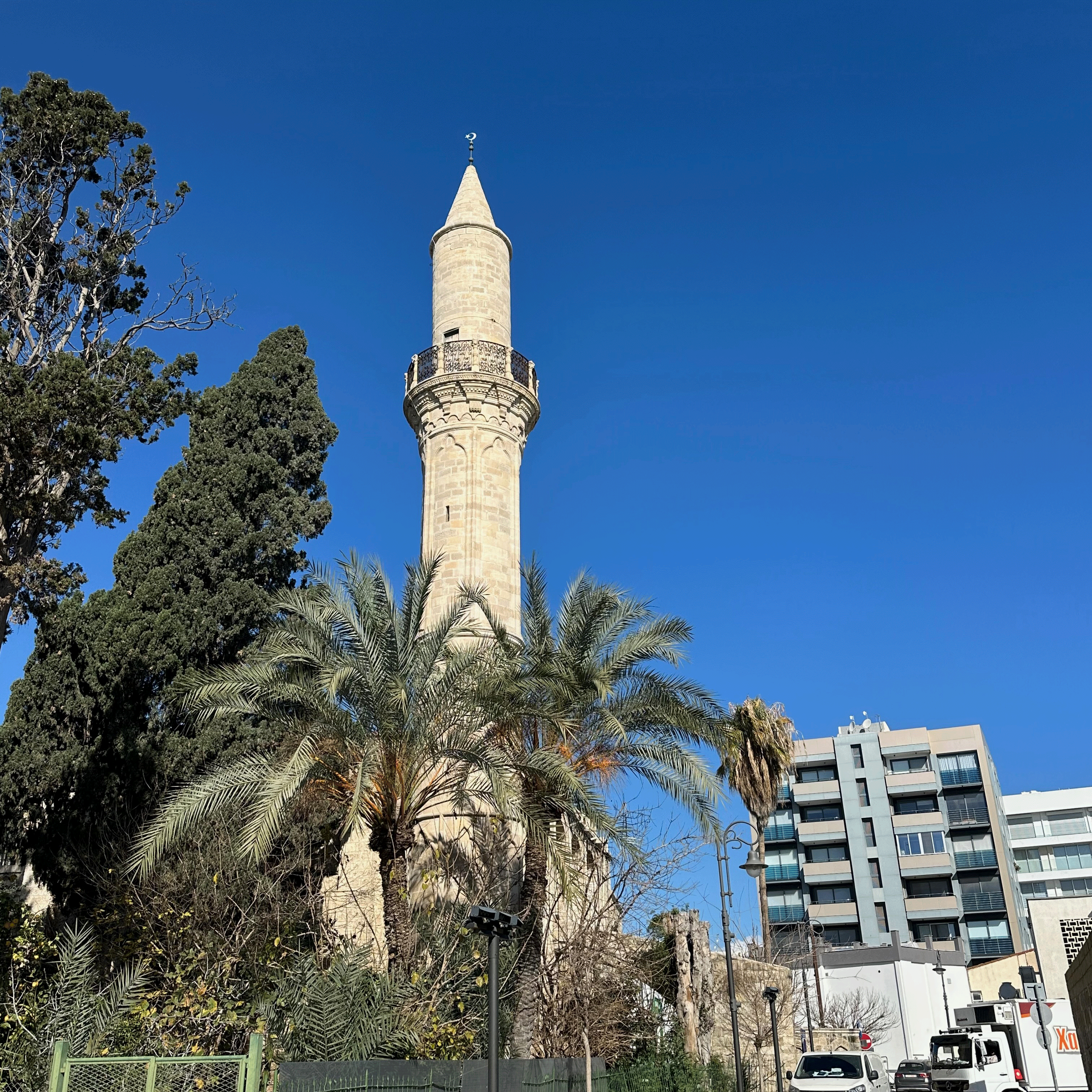
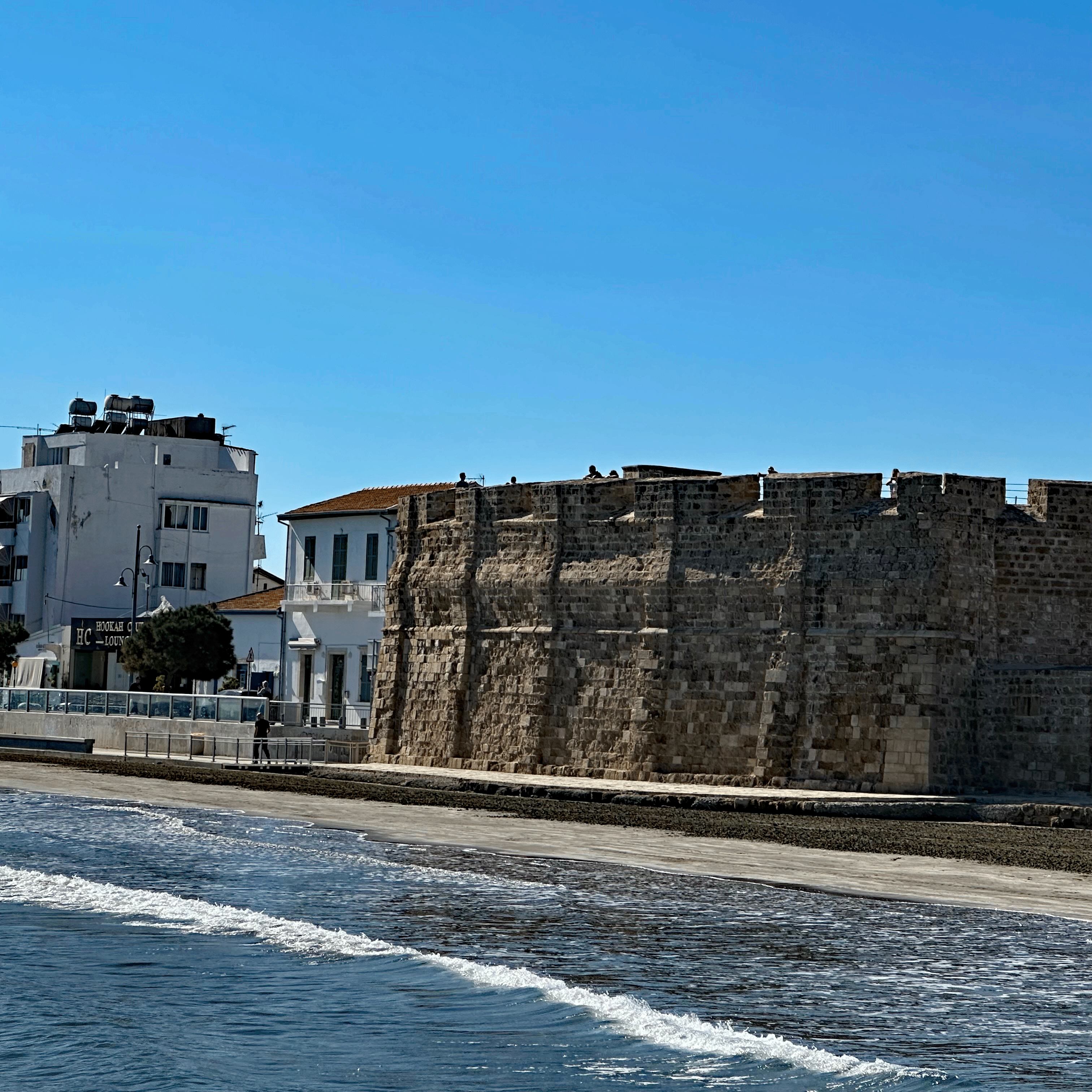
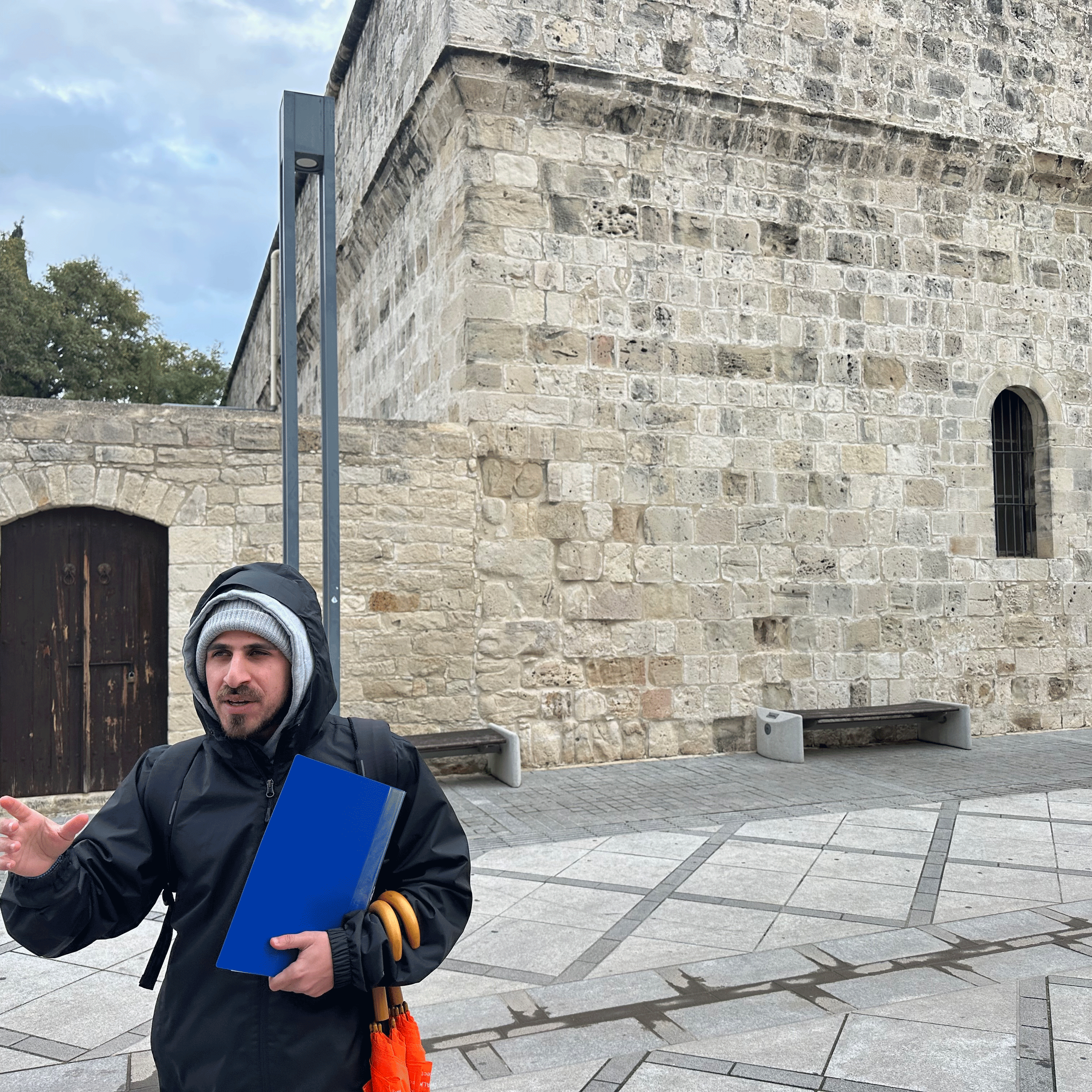
Old town Limassol is best enjoyed on foot. We took a walking tour and enjoyed the guided history of the buildings. We met our guide at the Limassol Castle , which was built during the Crusades (1191 AD), and according to legend, hosted the wedding of Richard the Lionhearted to Princess Berengaria. We passed homes and shops that have been restored from the Venetian Occupation (1489–1570) and the Ottoman Rule (1570–1878). We later returned to the castle to explore and to enjoy the views from the top.

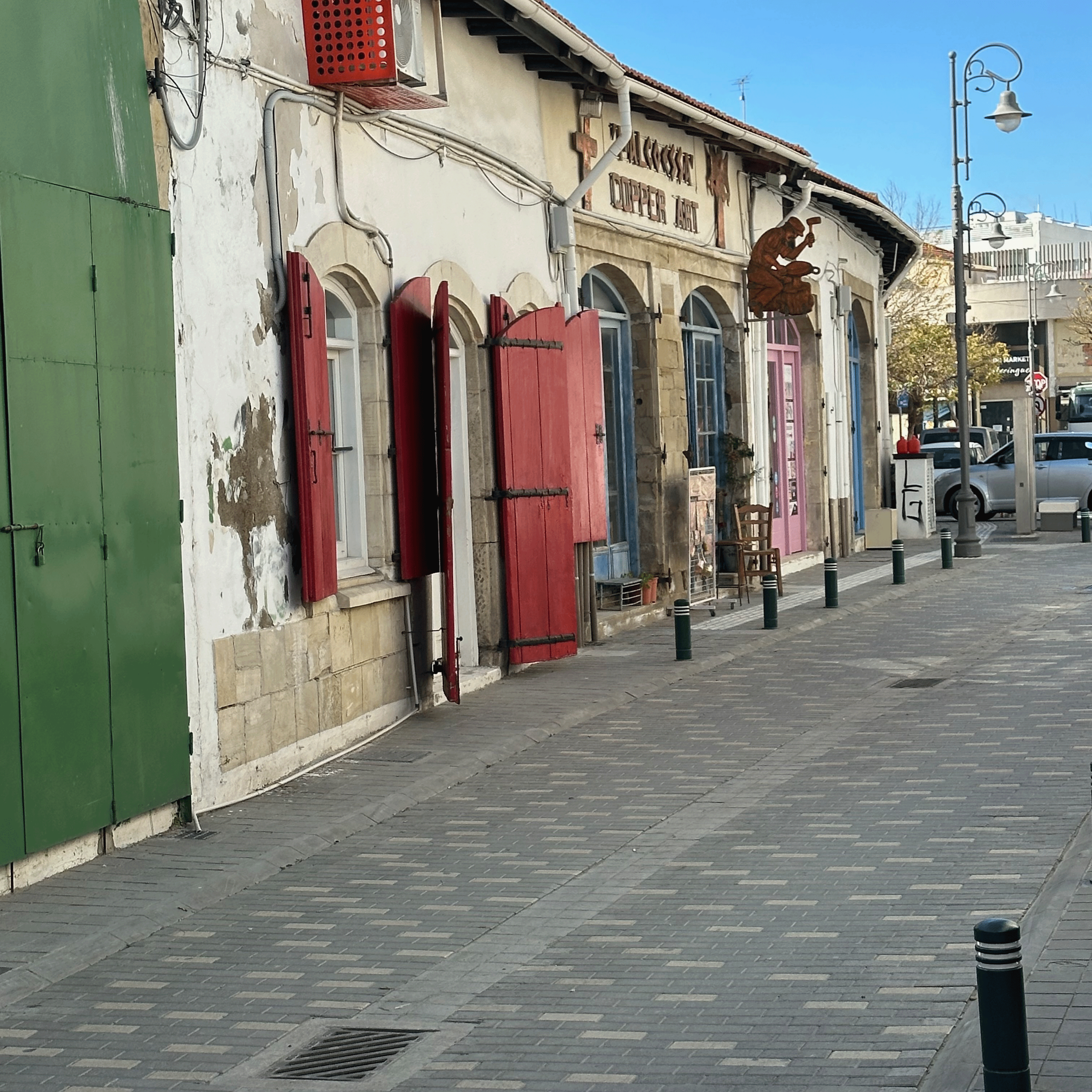
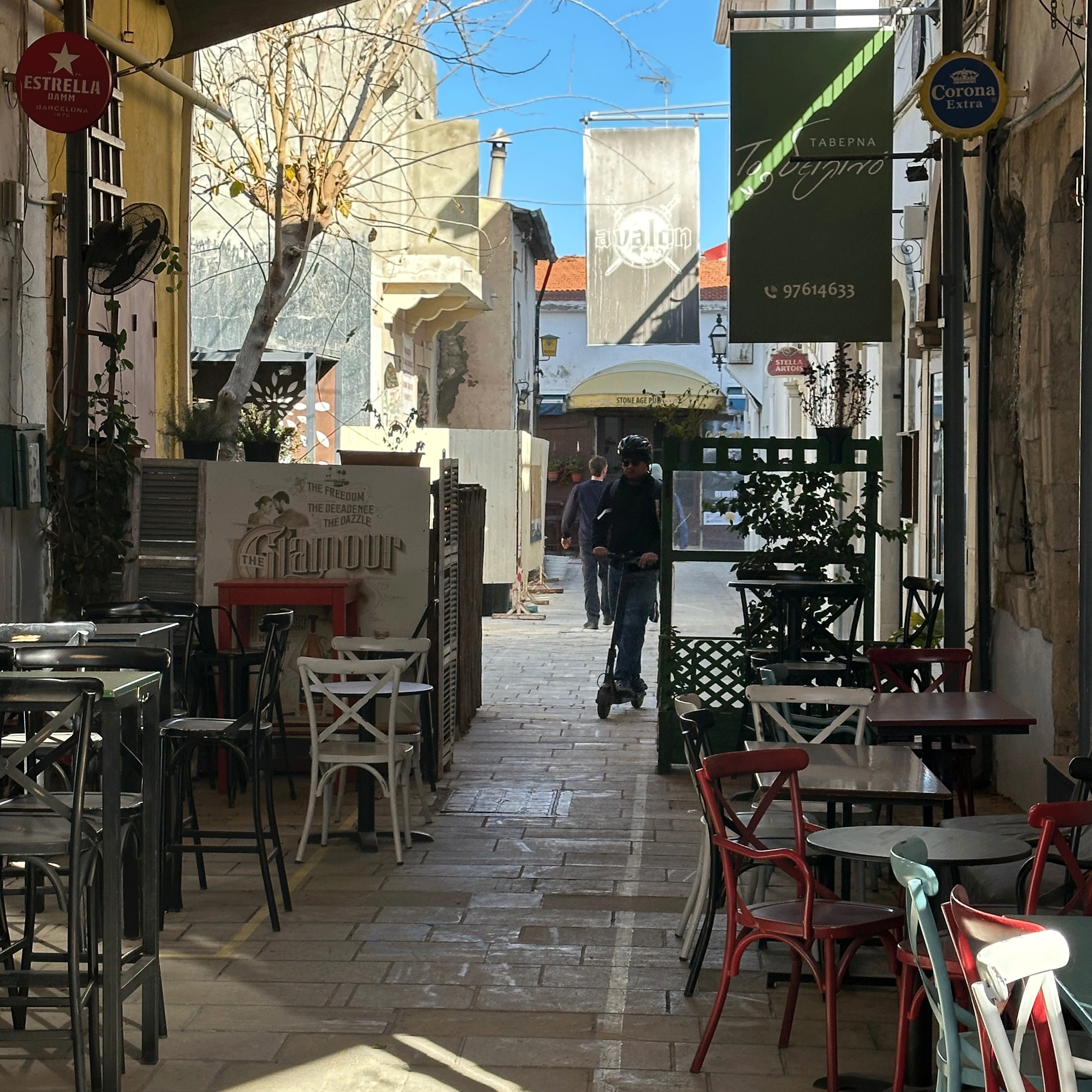
Below: Some Shots from our walking tour of the historic center
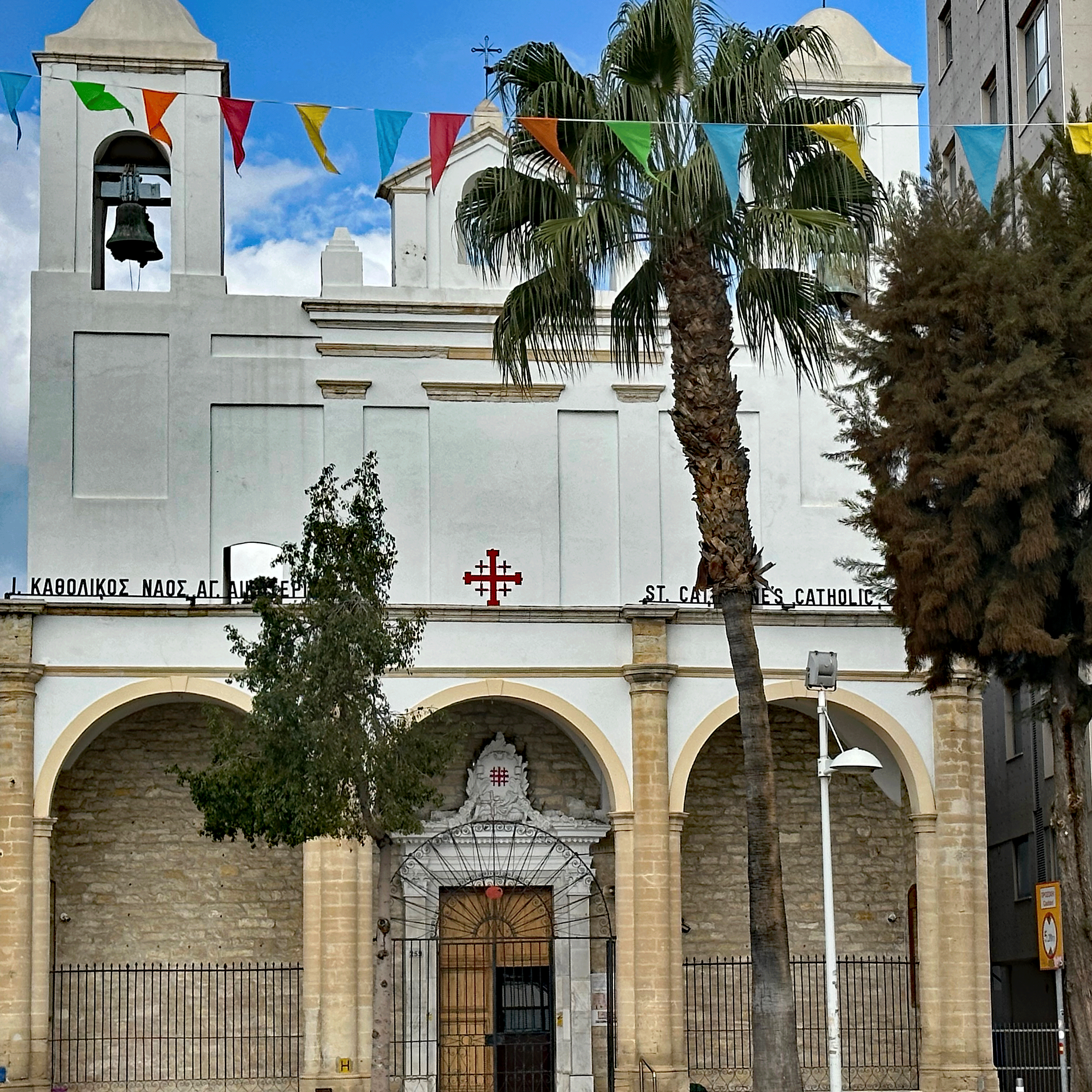
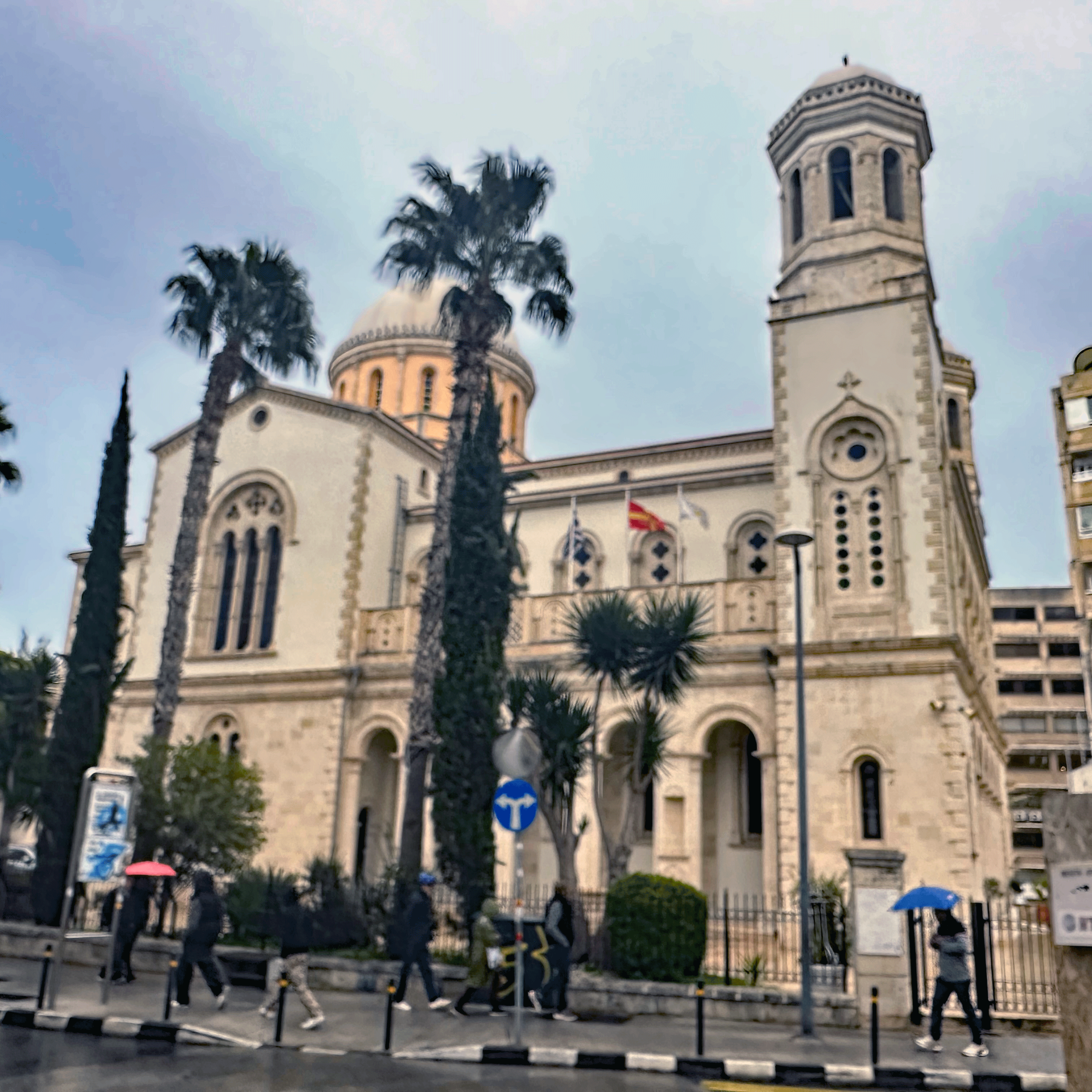
Below: Limassol’s Orthodox Cathedral (Ayia Napa)- Built on the site of an ancient Byzantine church in 1906.
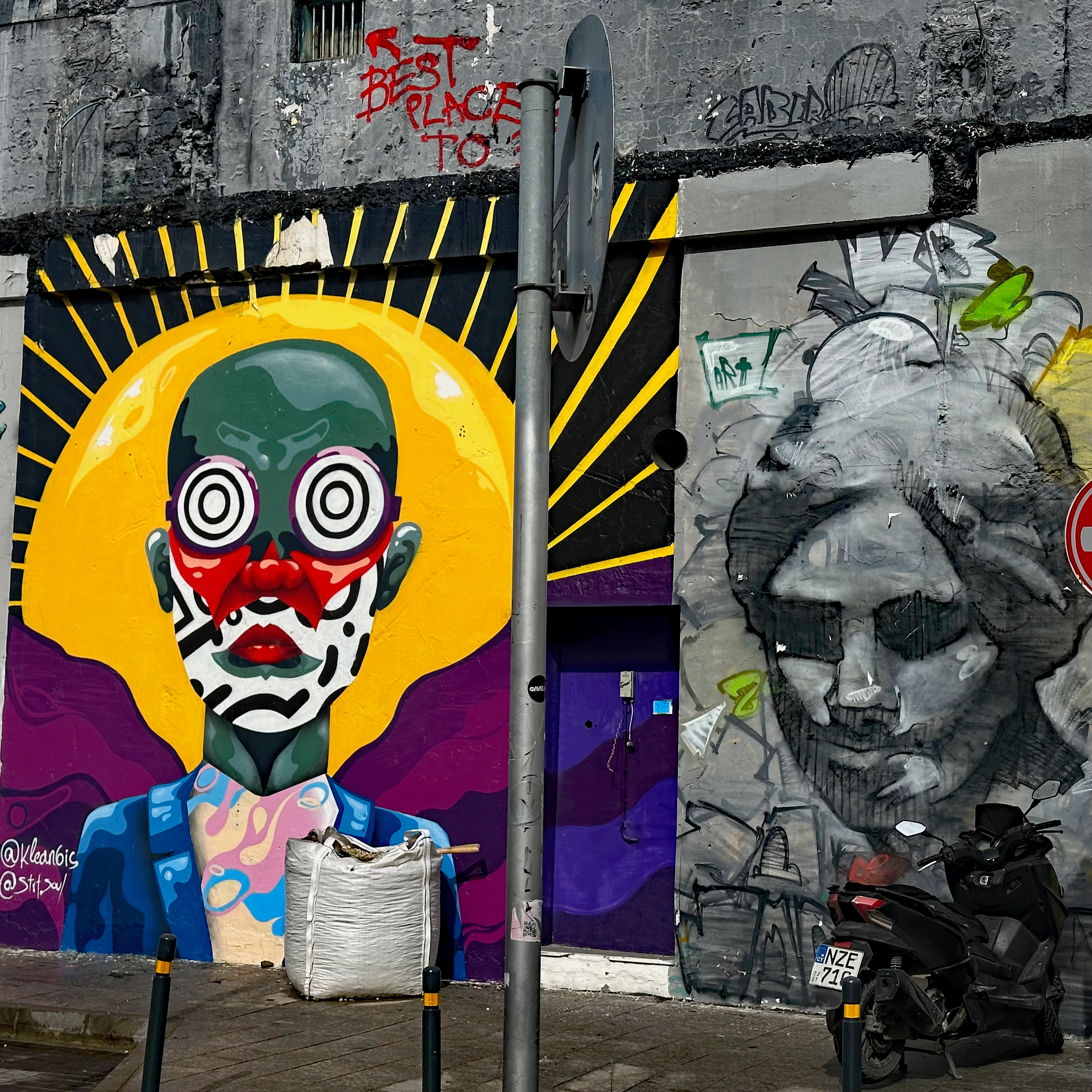
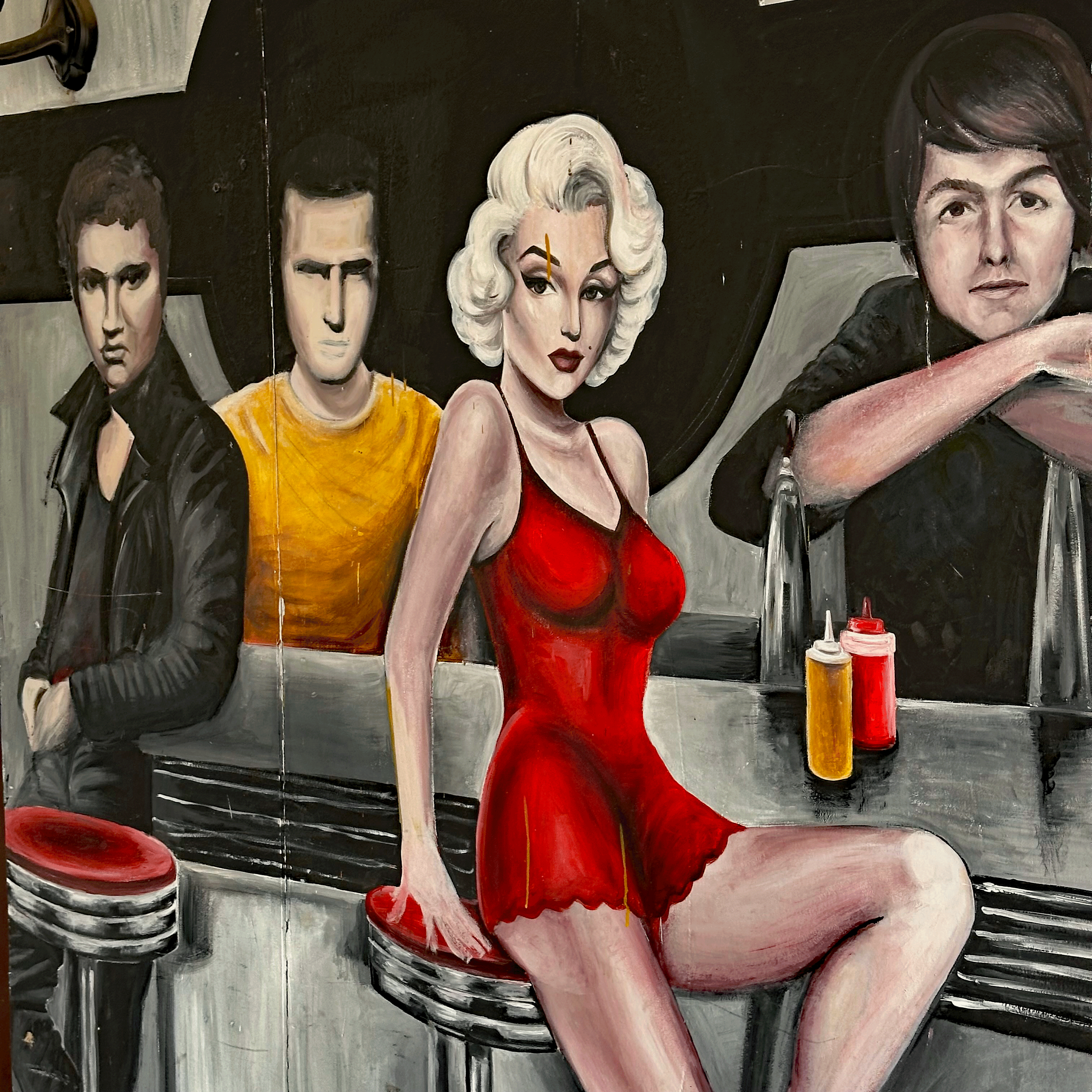
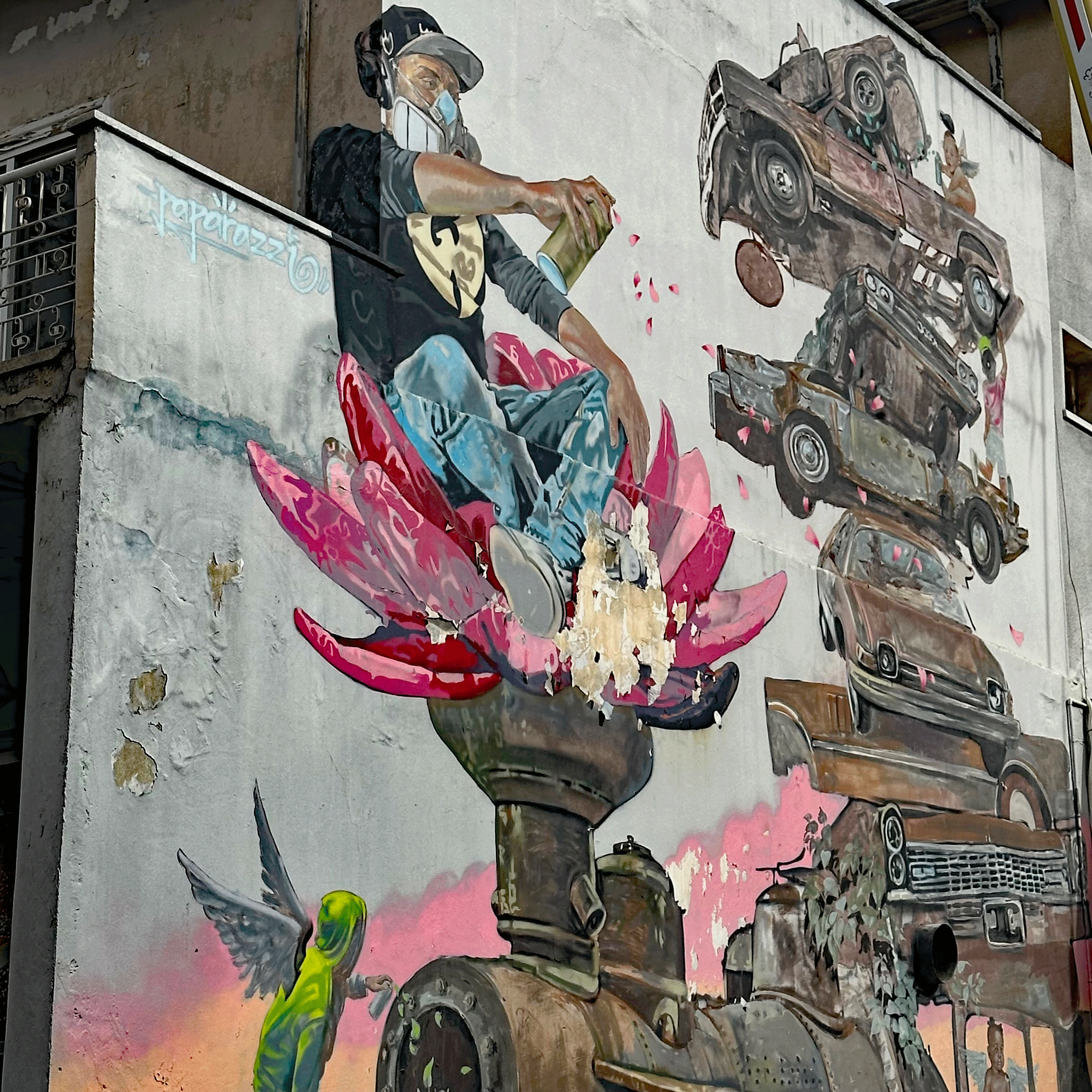
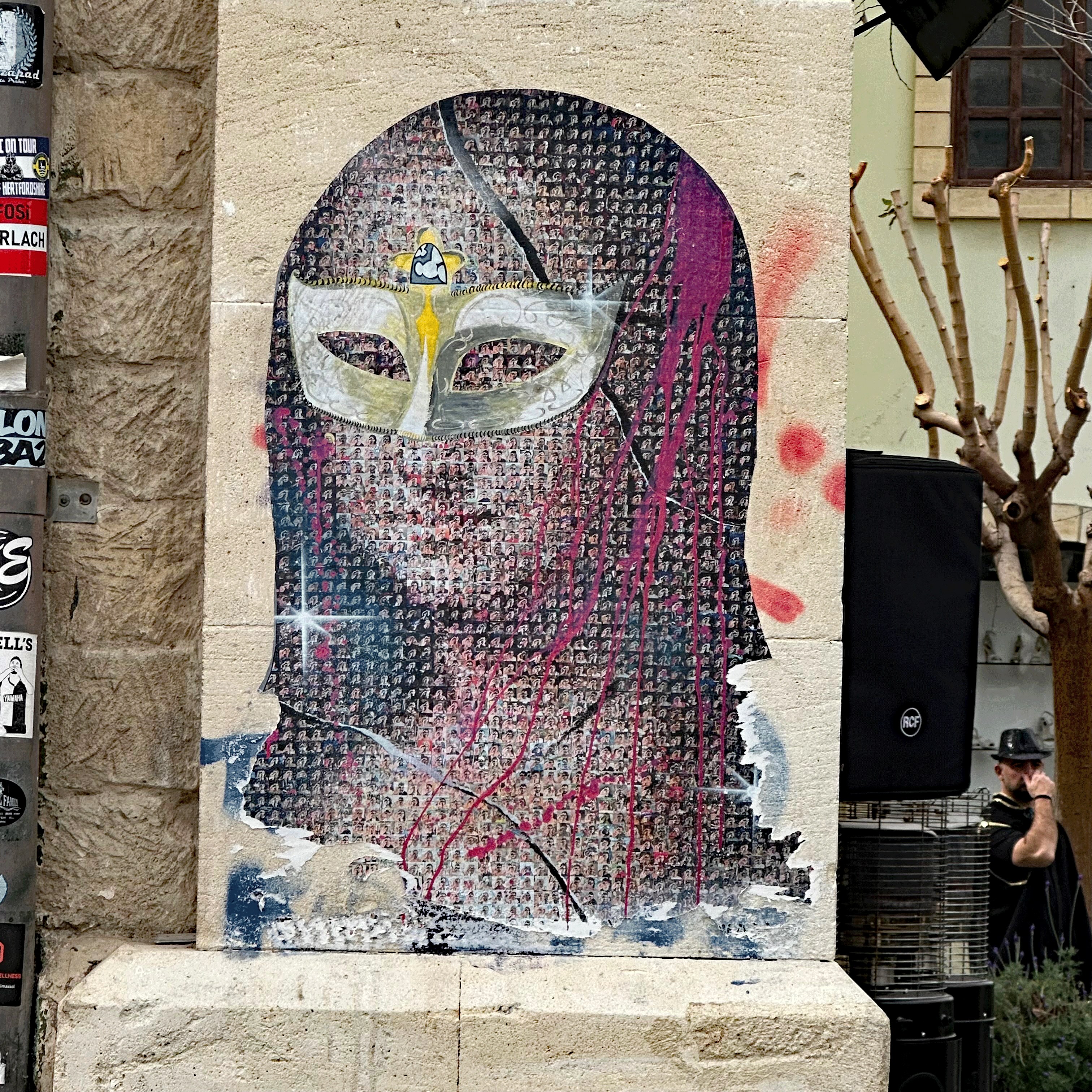
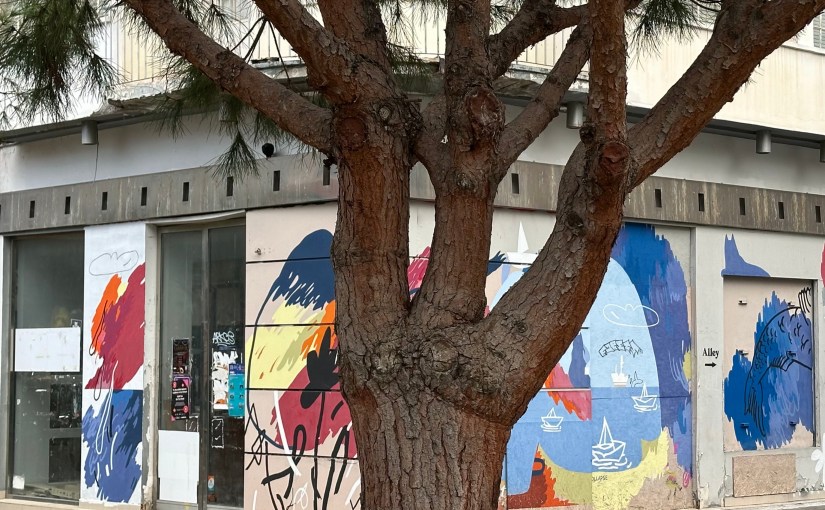
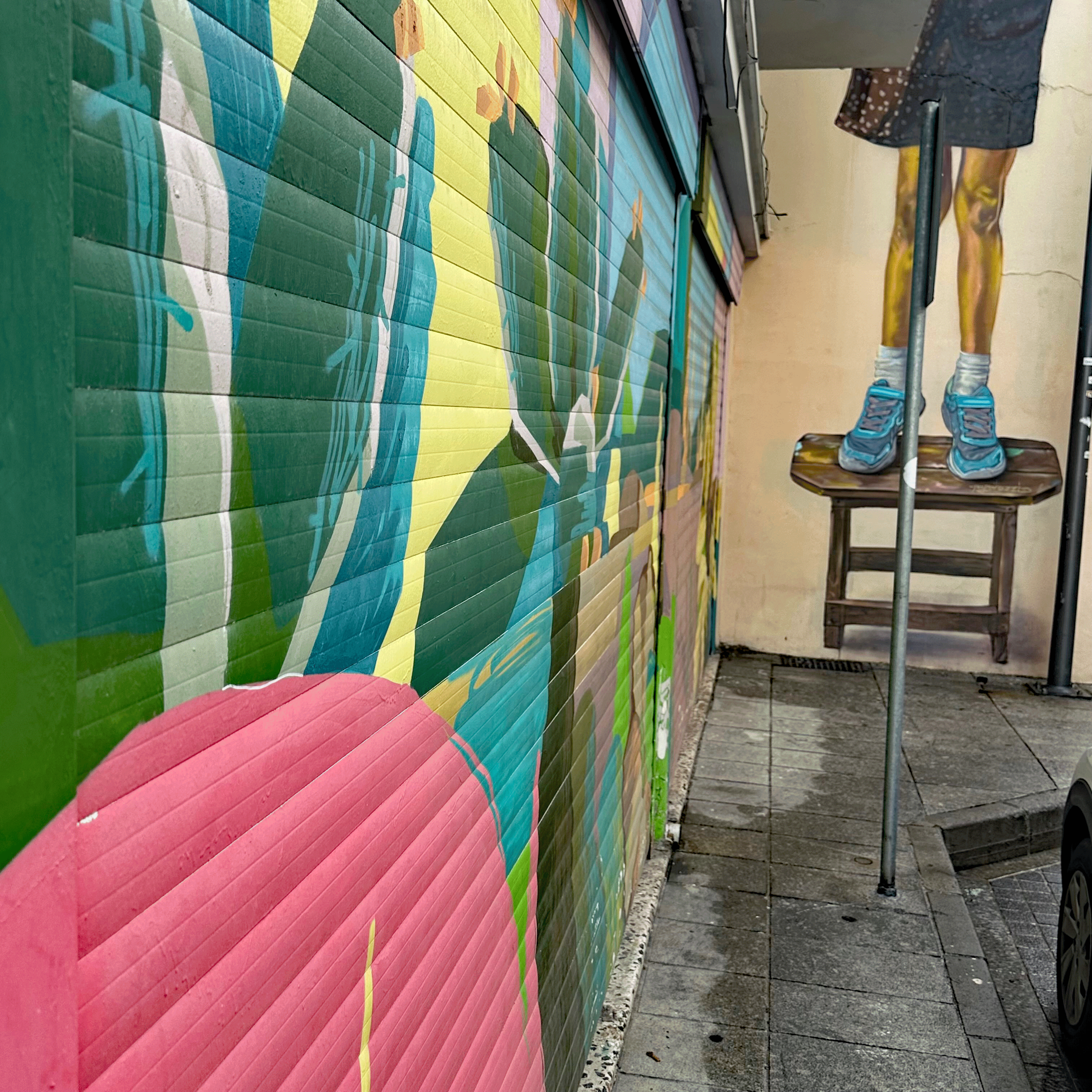
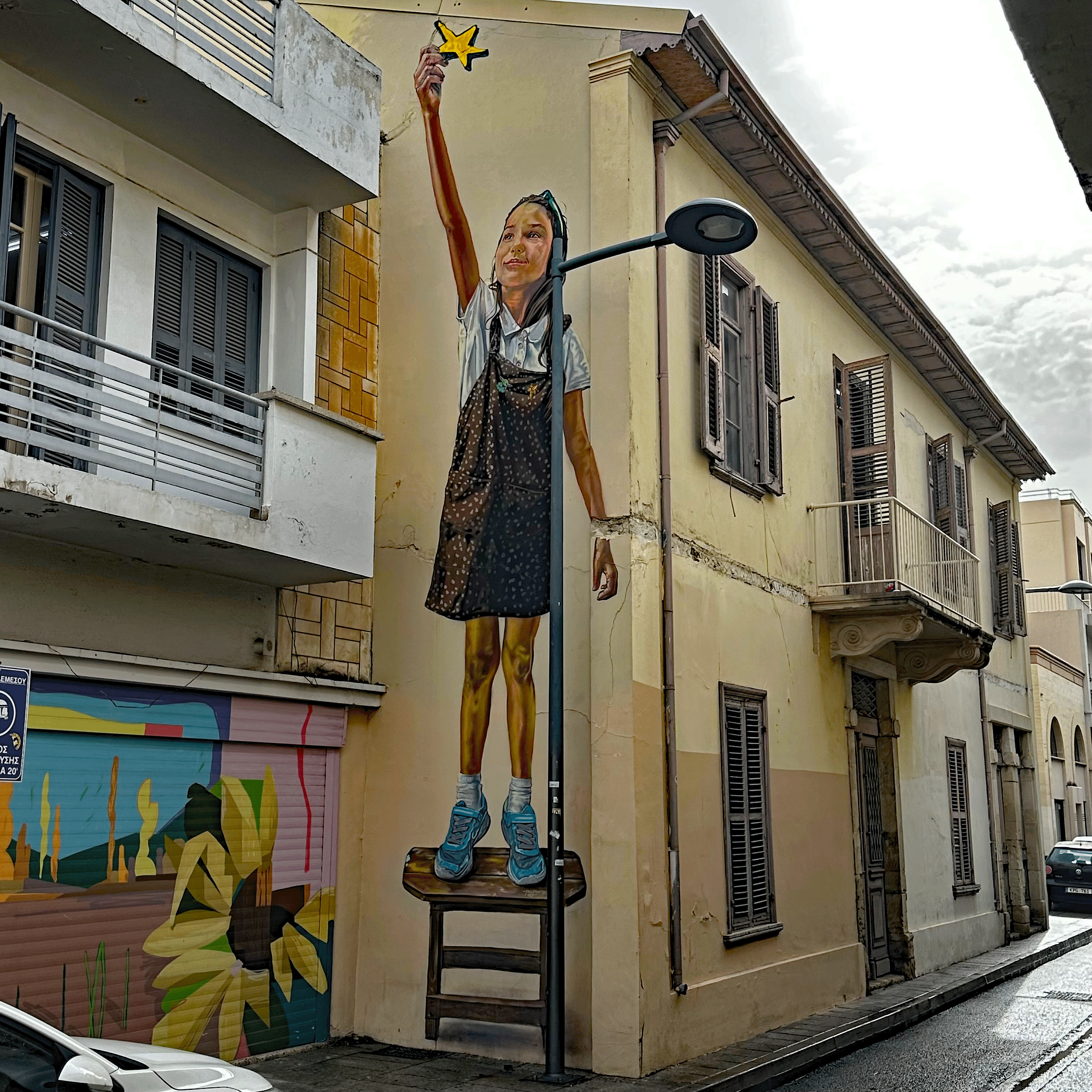
Below: Contemporary Street Art of Limassol

Sometimes, it is difficult to distinguish graffiti from art murals and advertising posters, but one of my favorite things is to walk through town in the early morning and photograph the street art that adorns the buildings.
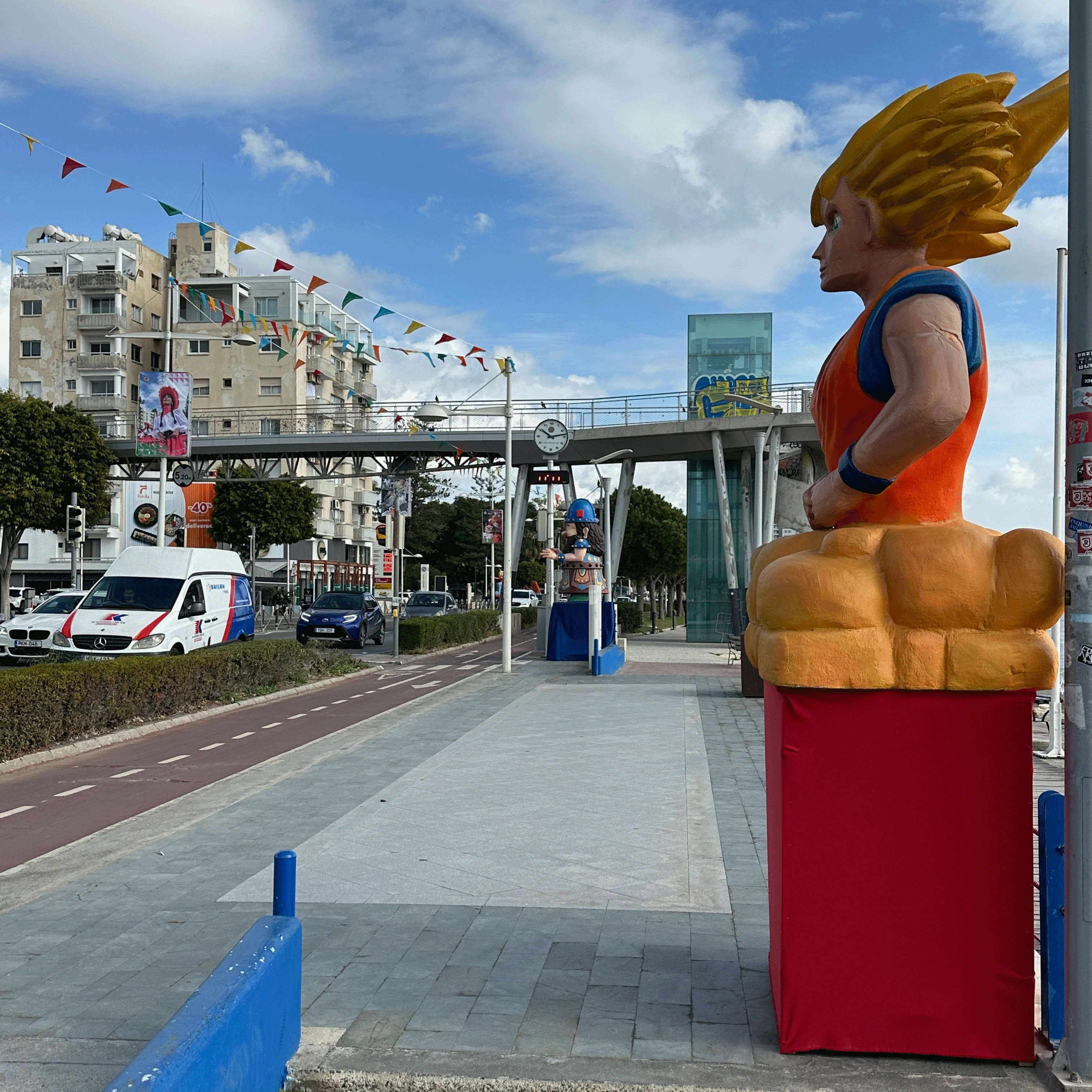
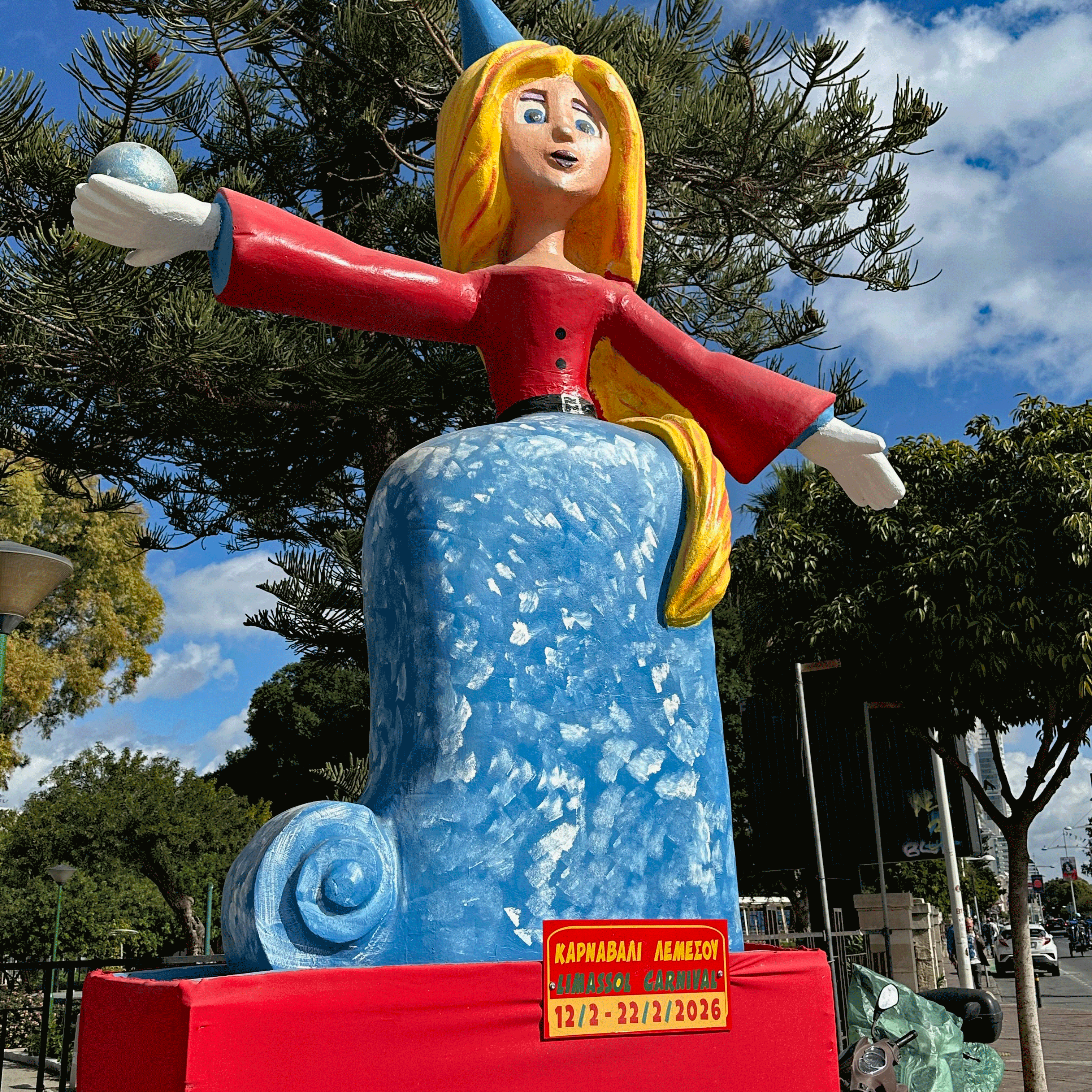
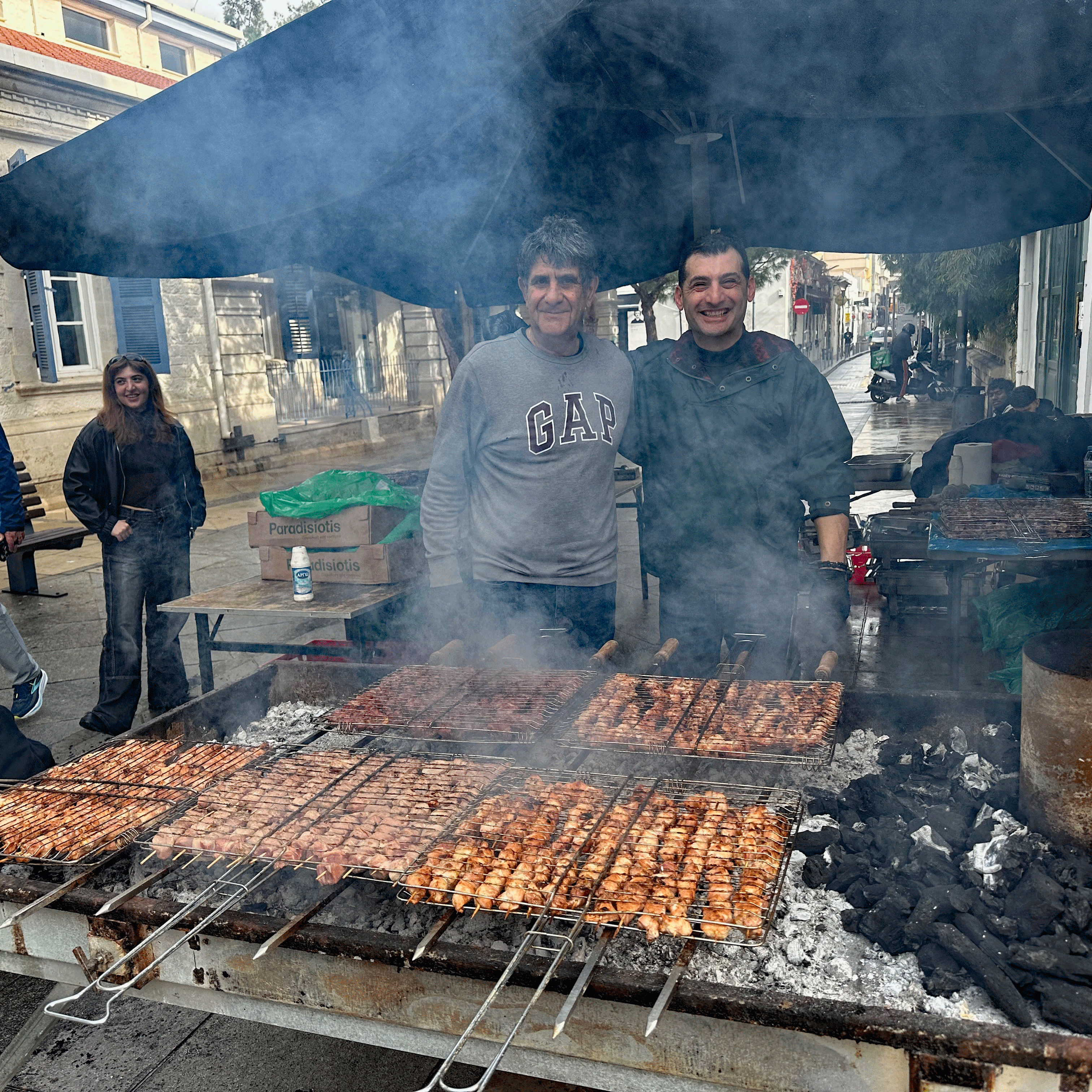
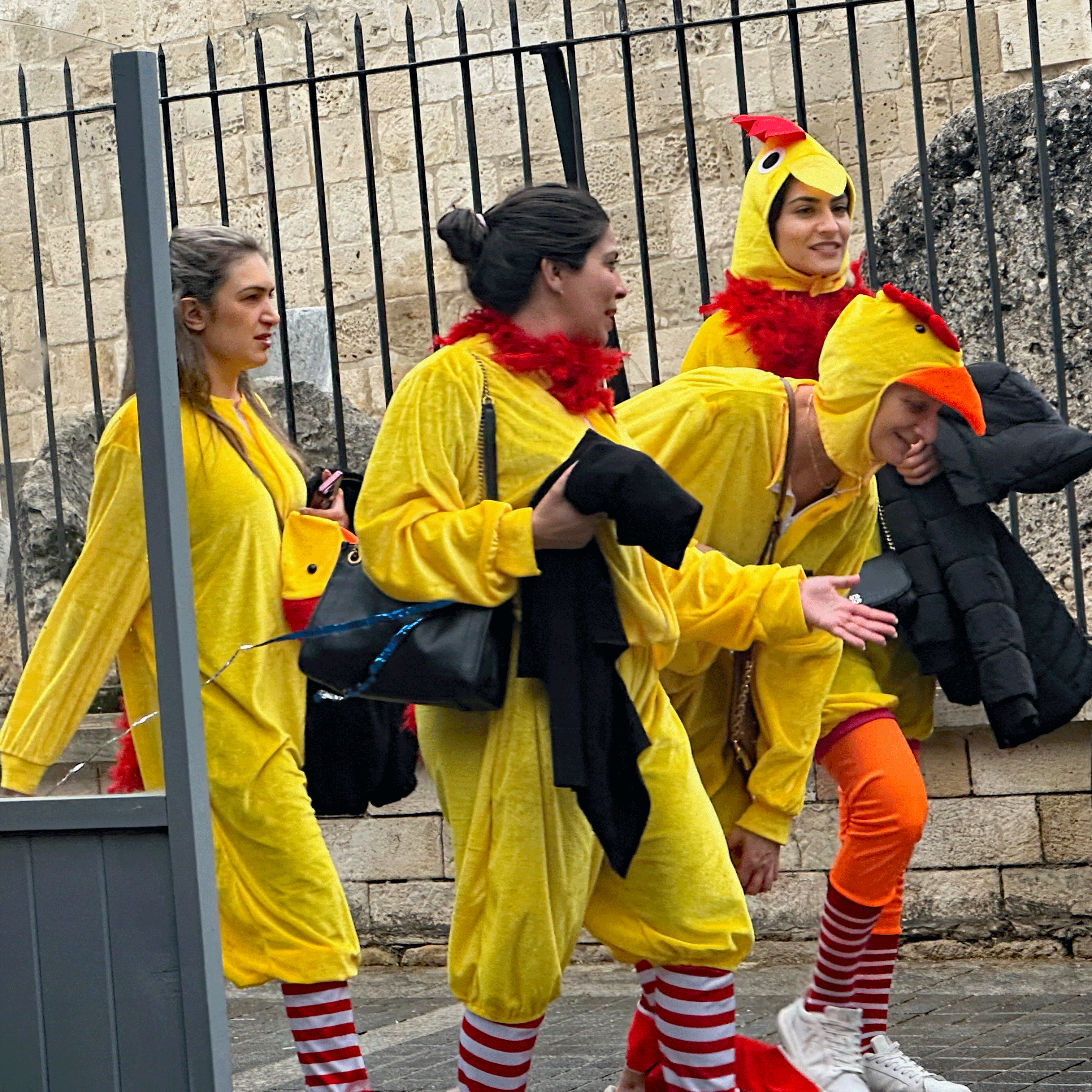
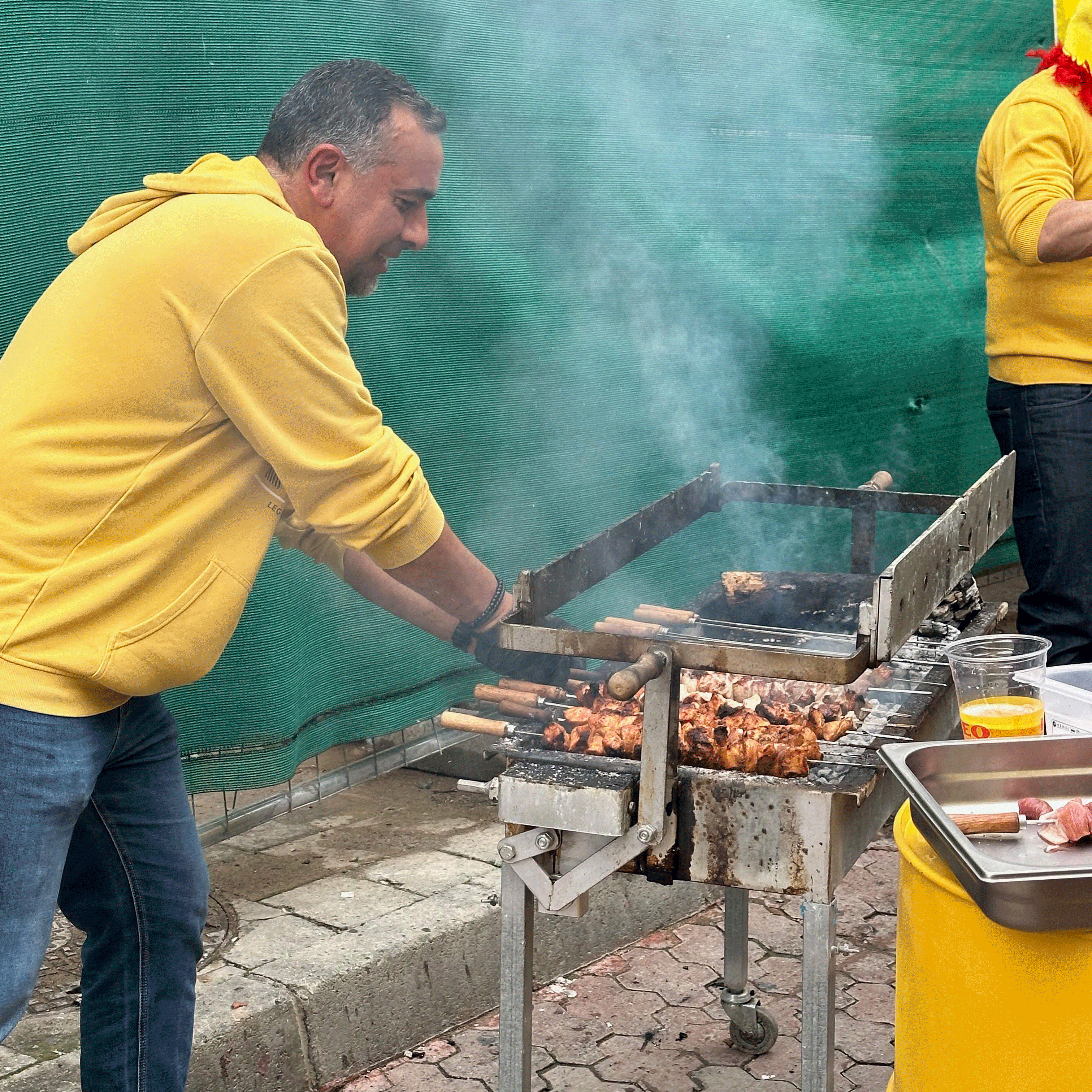
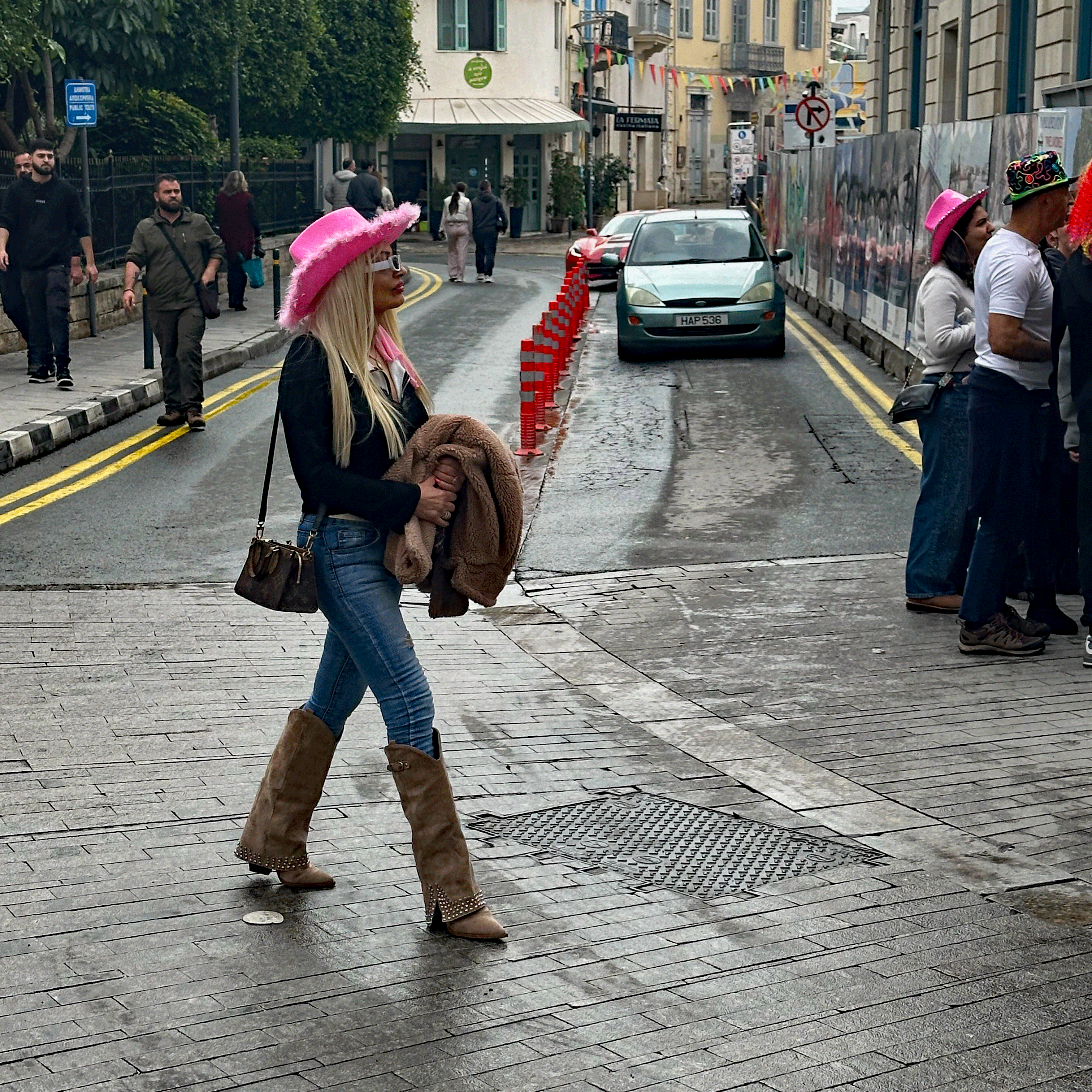
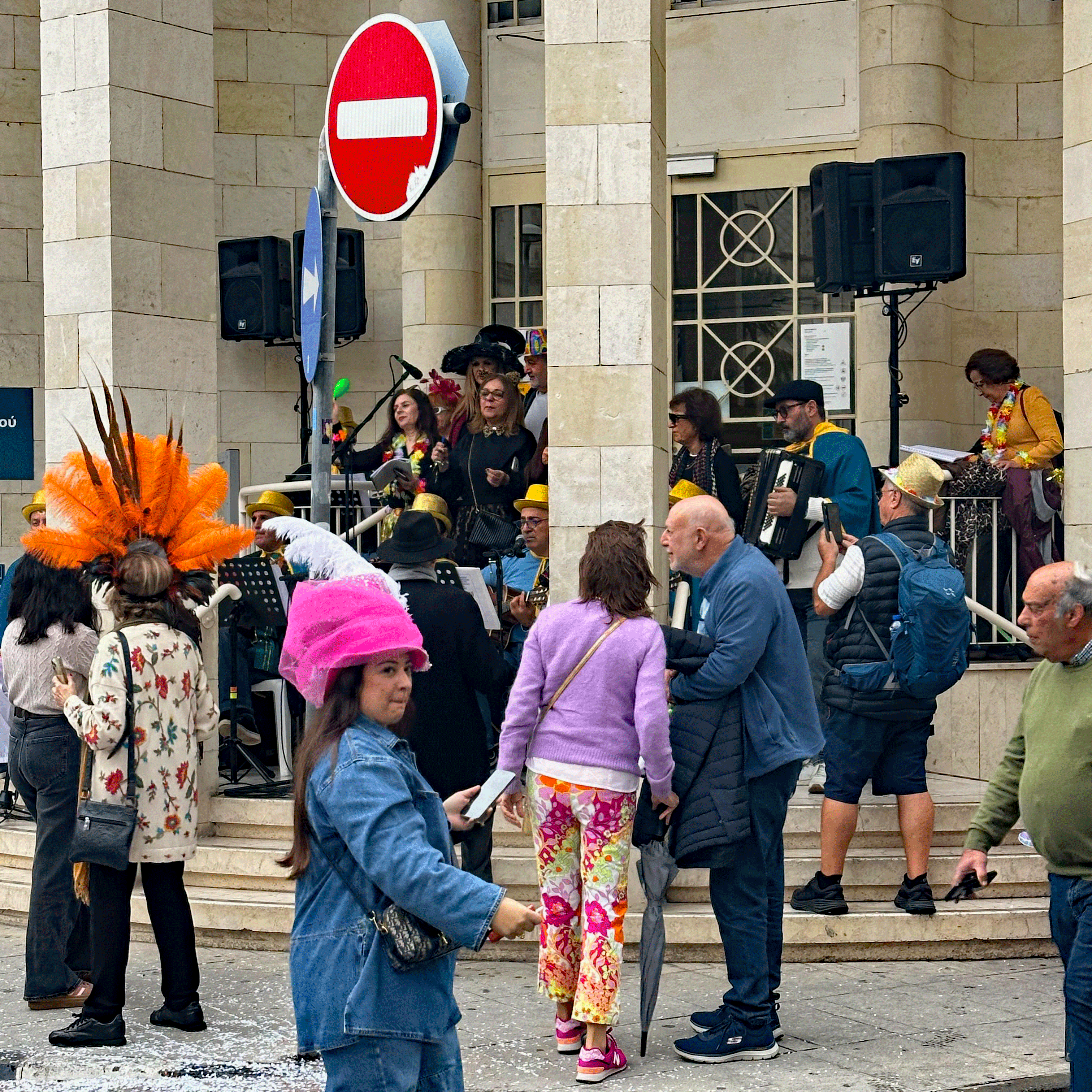
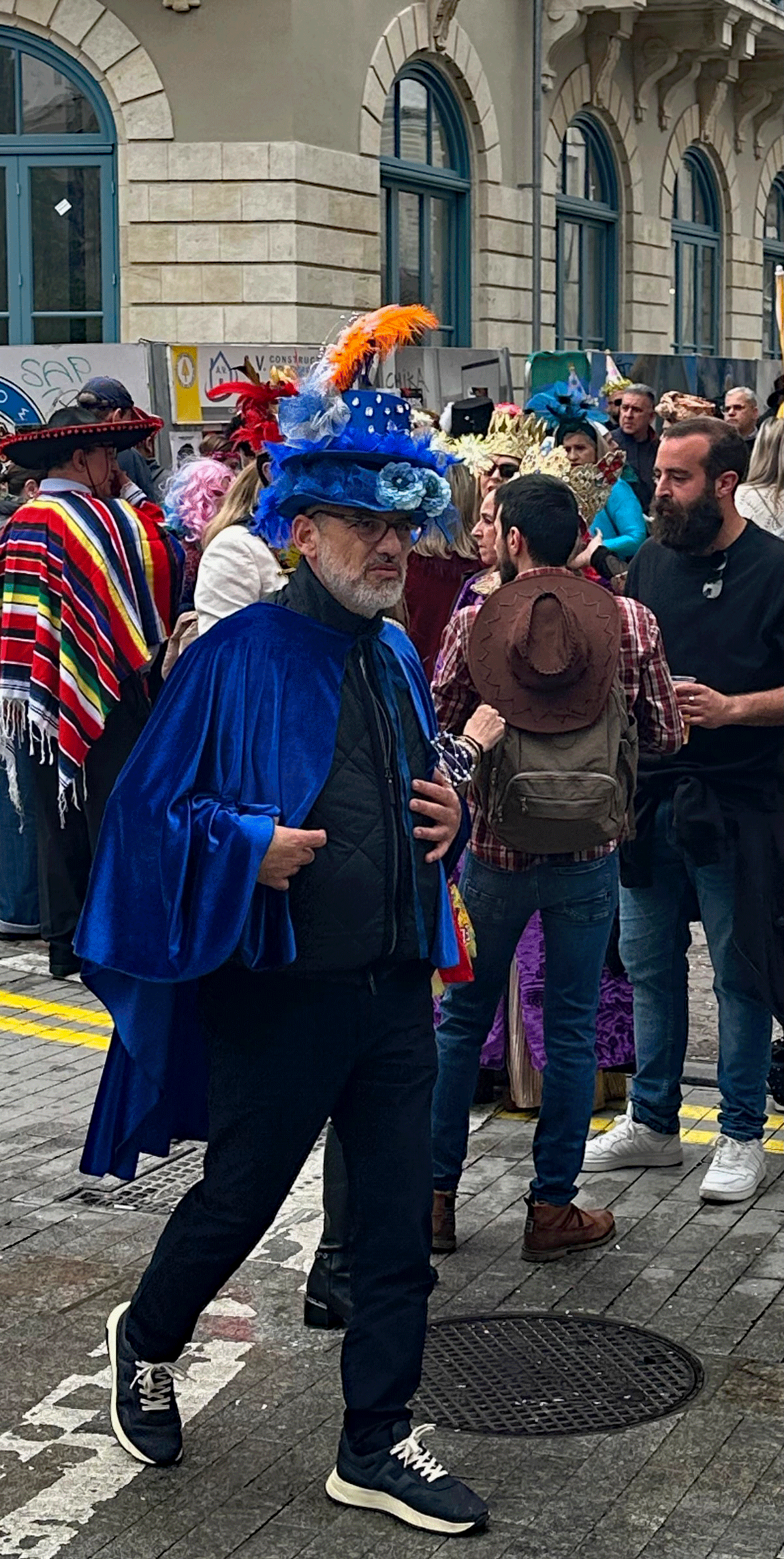
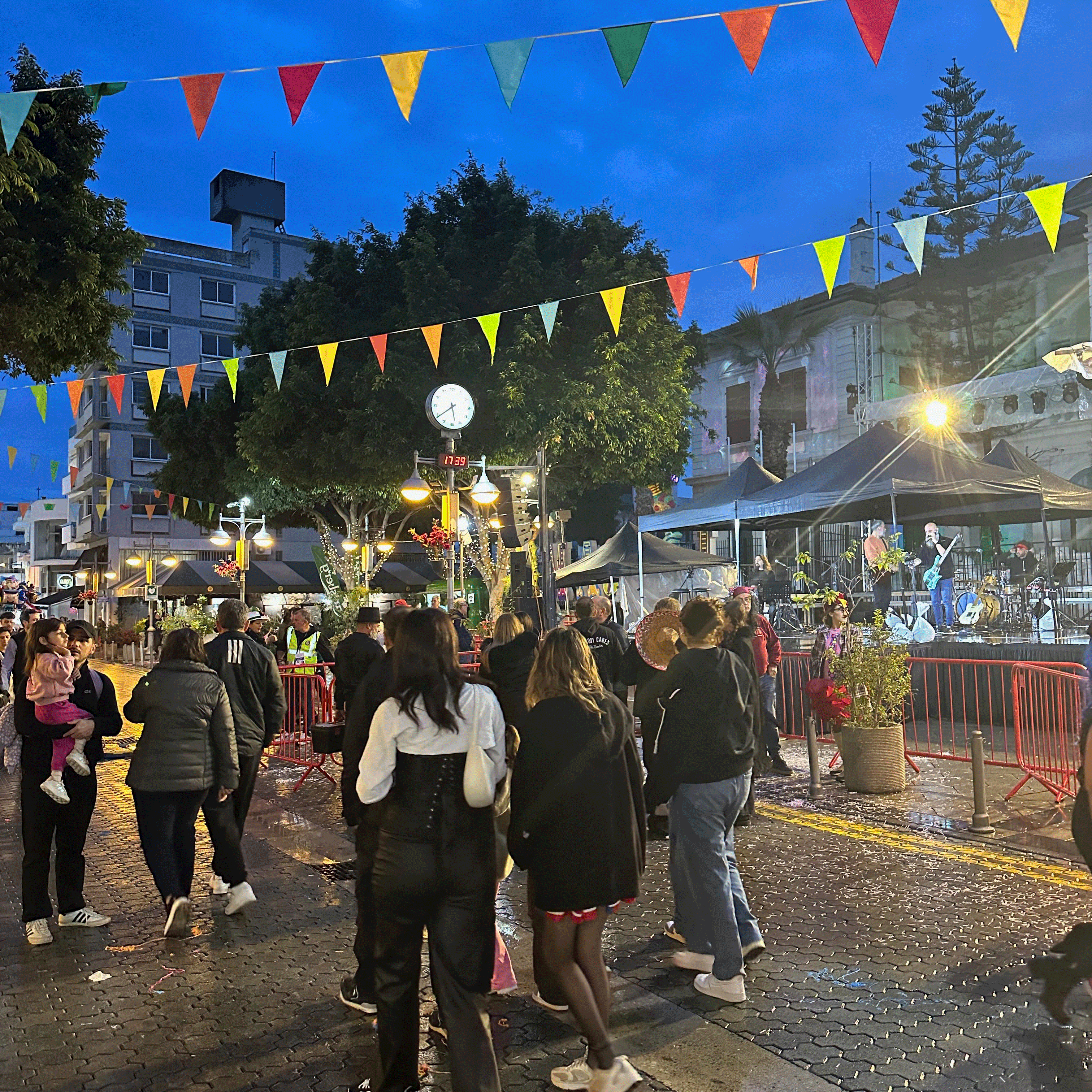
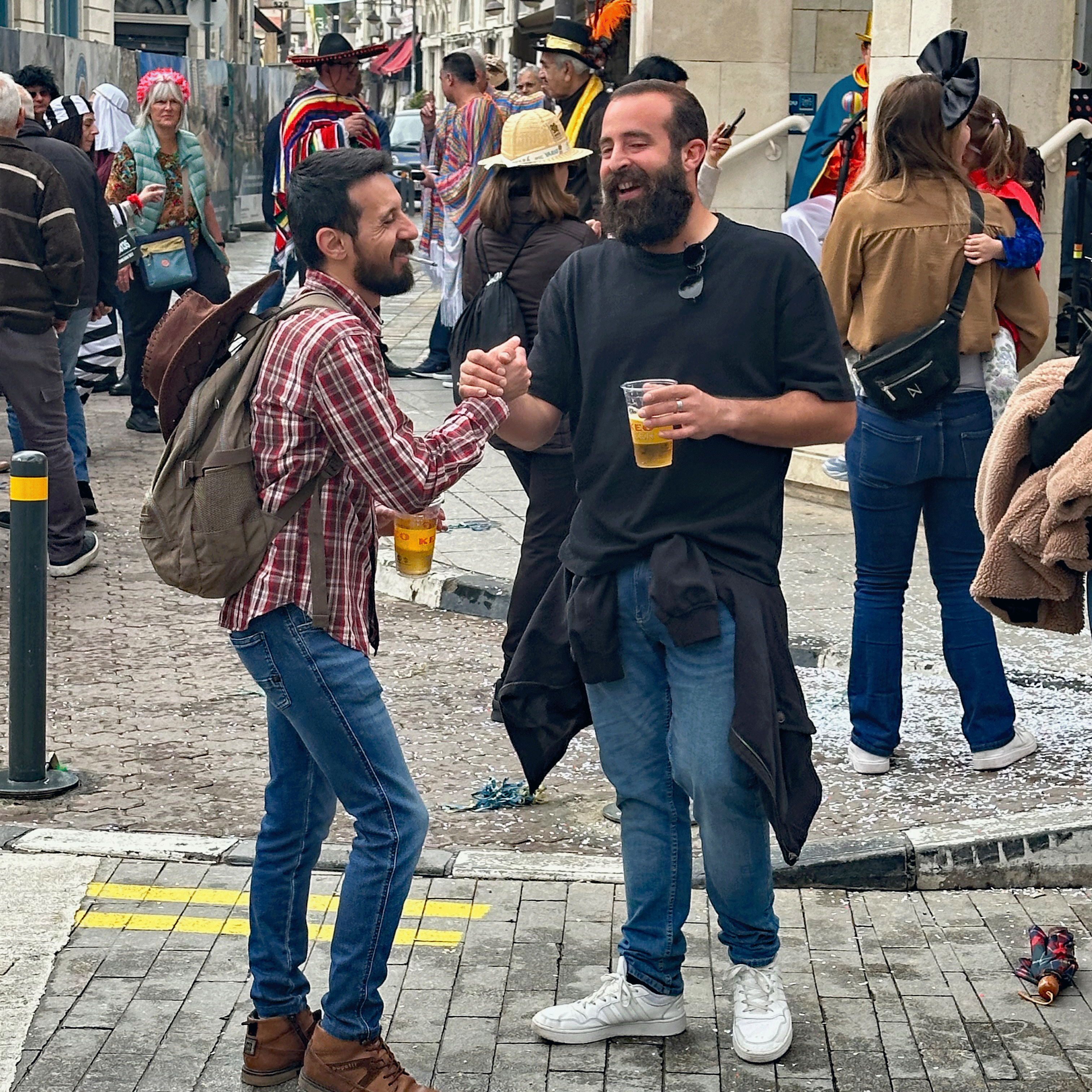
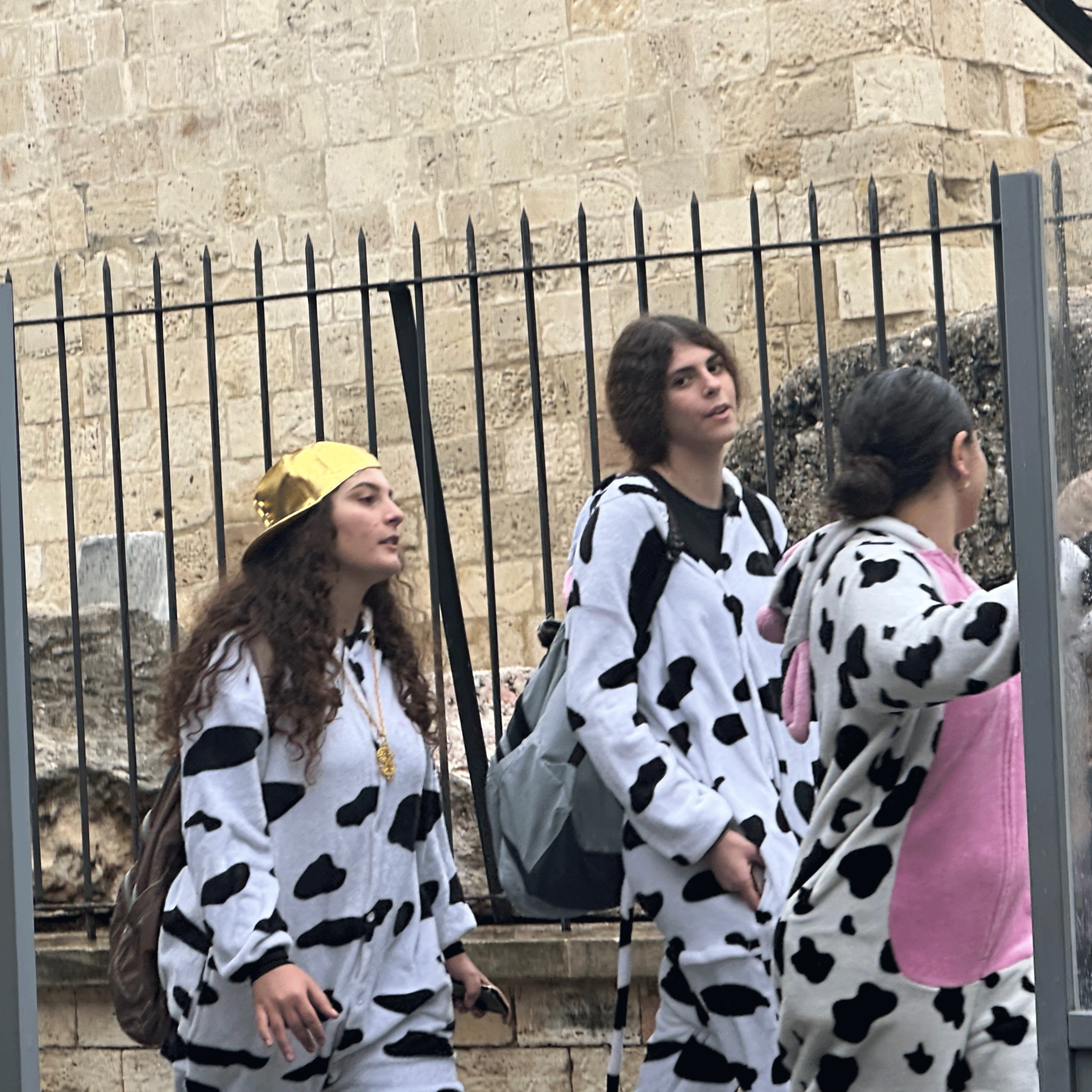
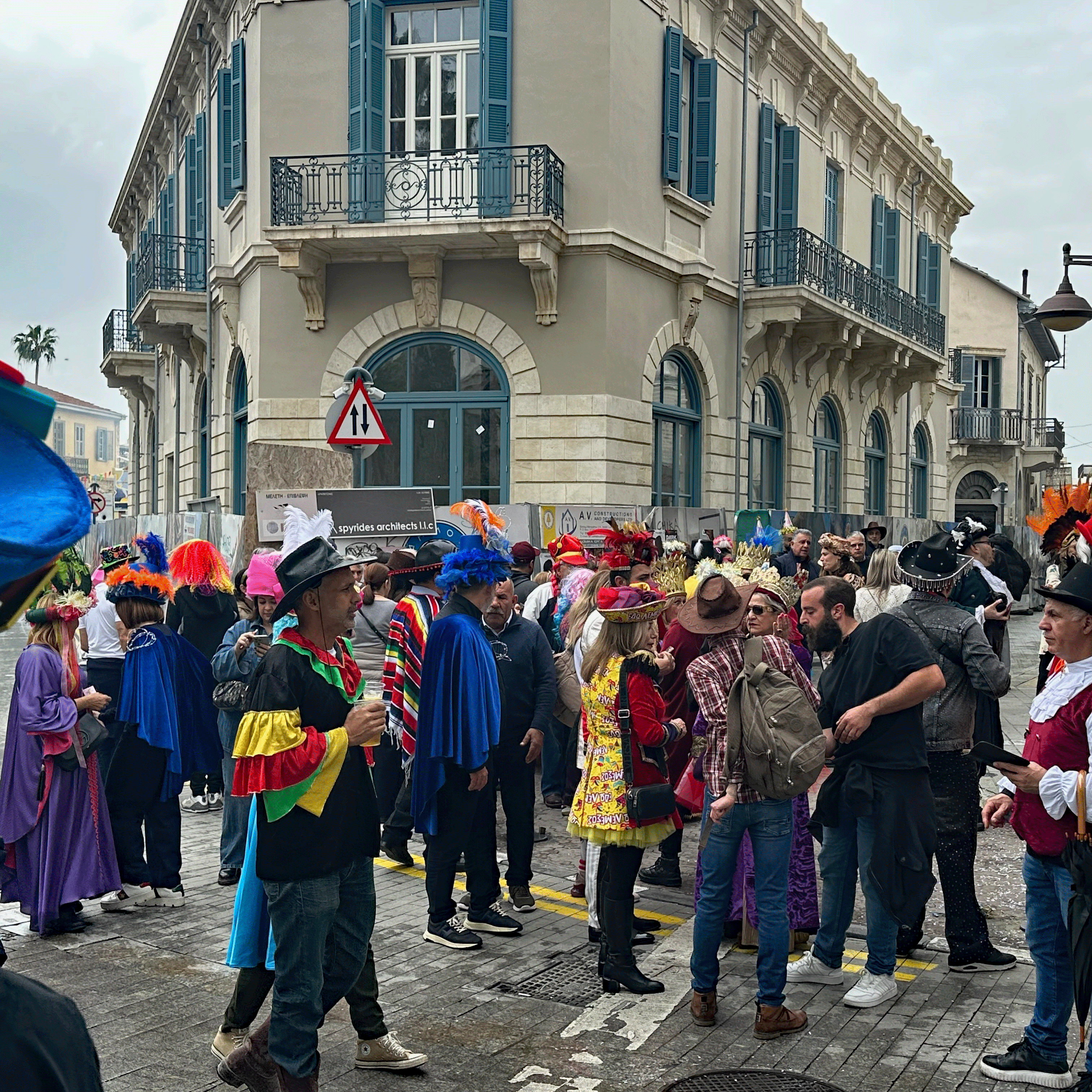
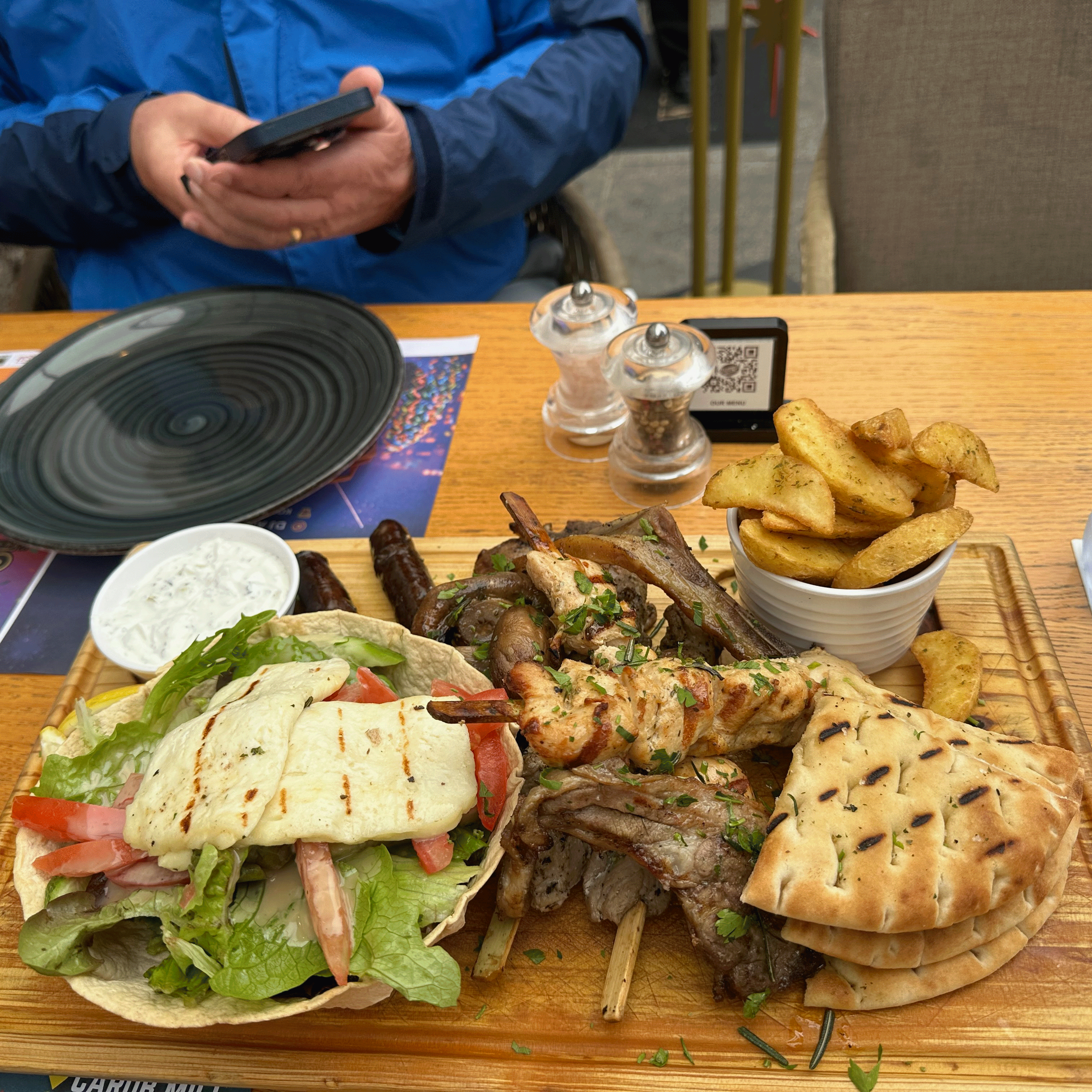
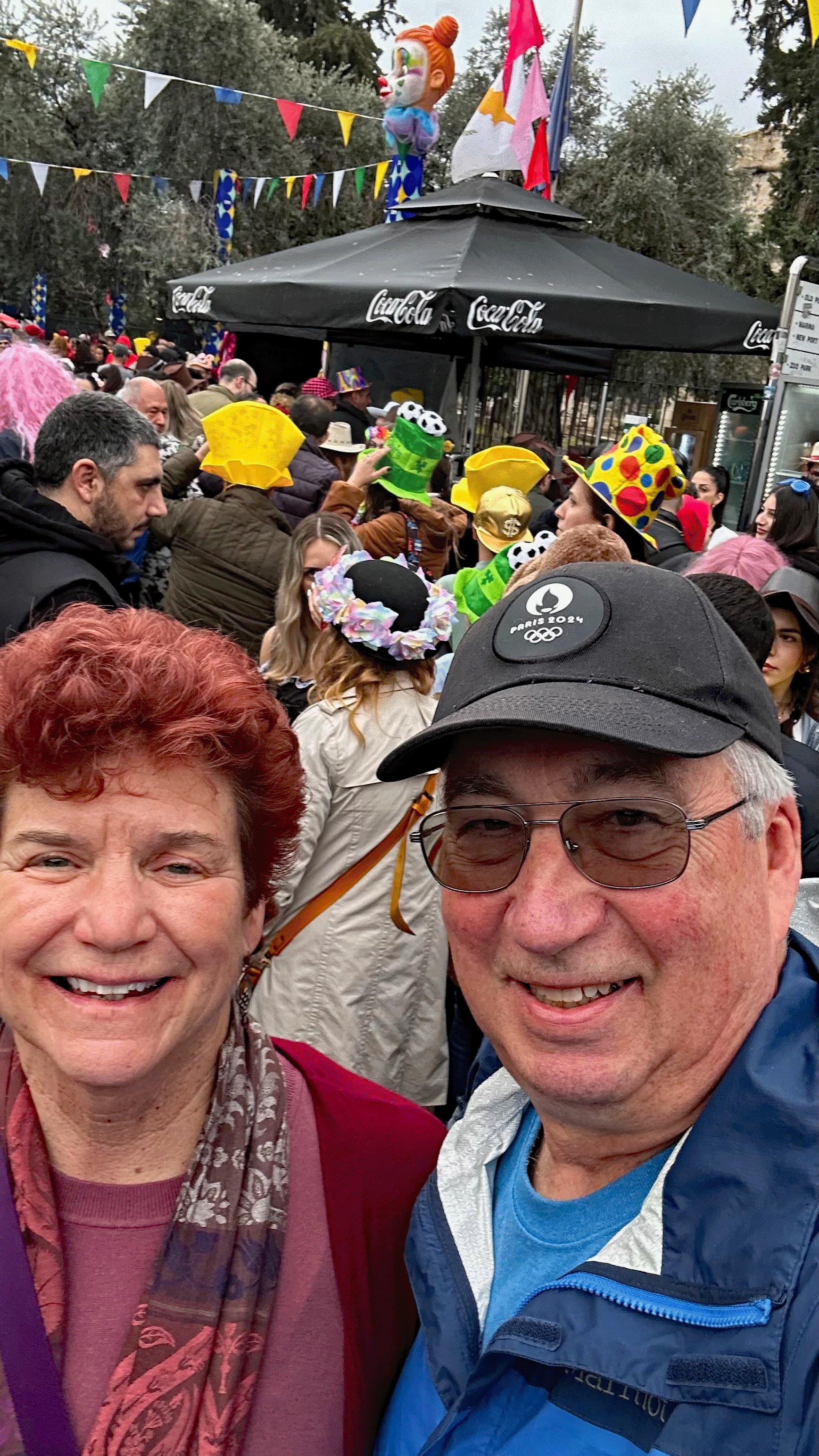
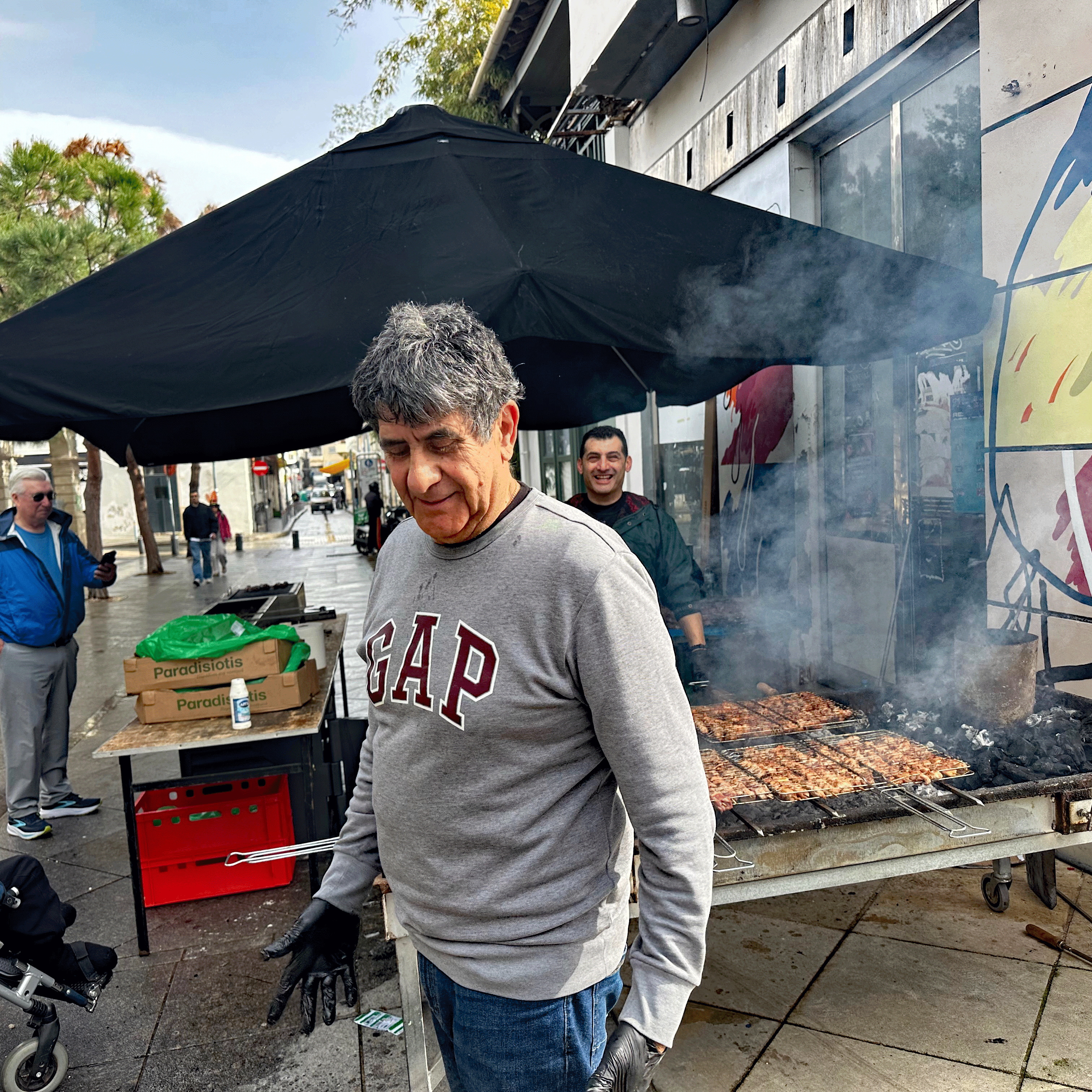
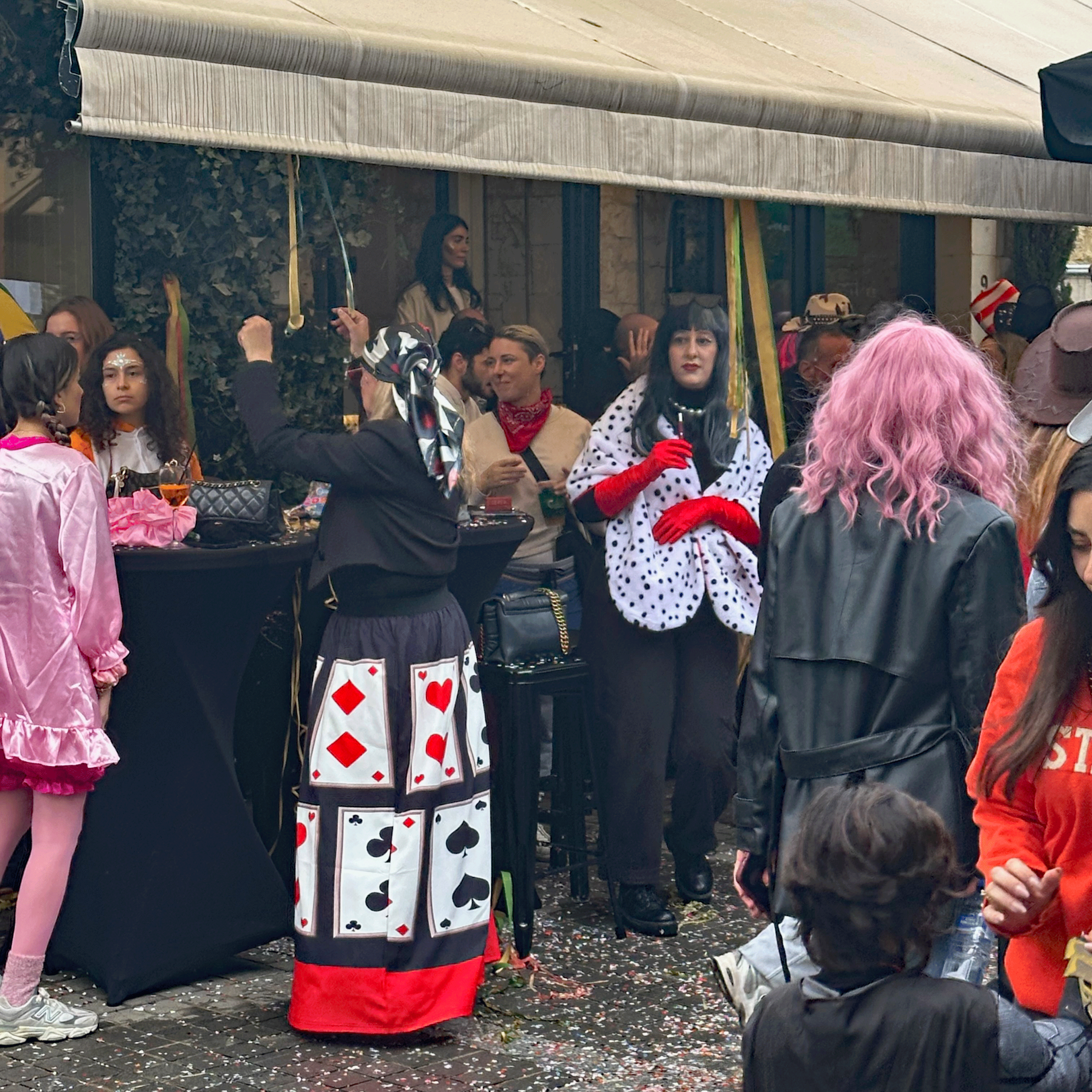
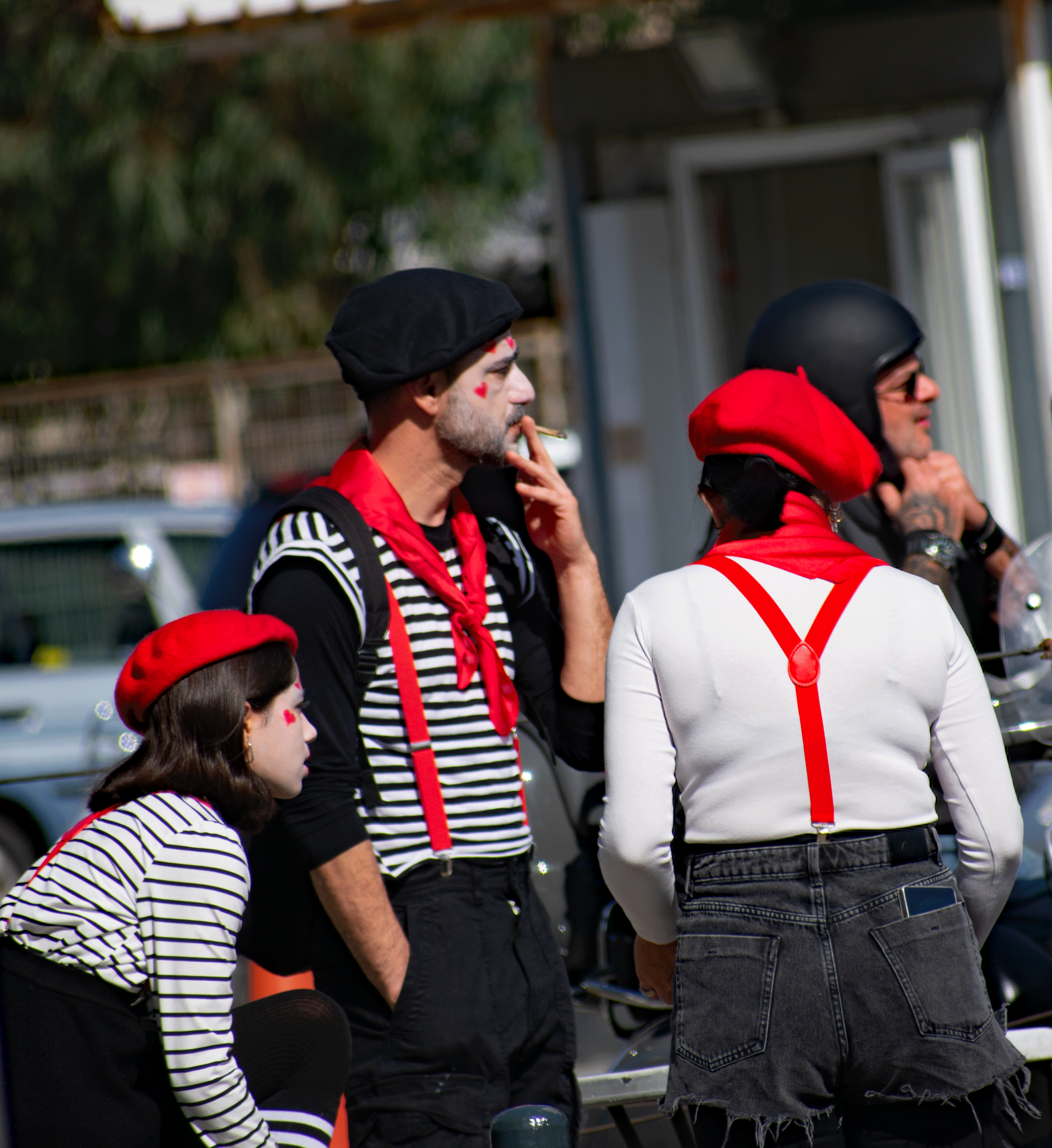
We unknowingly arrived in Limassol a few days before the start of Carnival, the festival that precedes Lent. The Greek Orthodox Church observes Easter on a different calendar date than the Western Church. The citizens of Limassol were happy to share their customs with us. Think of it as Mardi Gras- Cypriot style. On “Smoky Thursday” the grills come out to the street early and they start cooking the kabobs and putting the lamb on the spit. Smoke fills the air and people come out to party. The party lasts late into the night and continues all weekend.

Below: Smoky Thursday kicks off the Carnival festivities
Below: Boats in the harbor
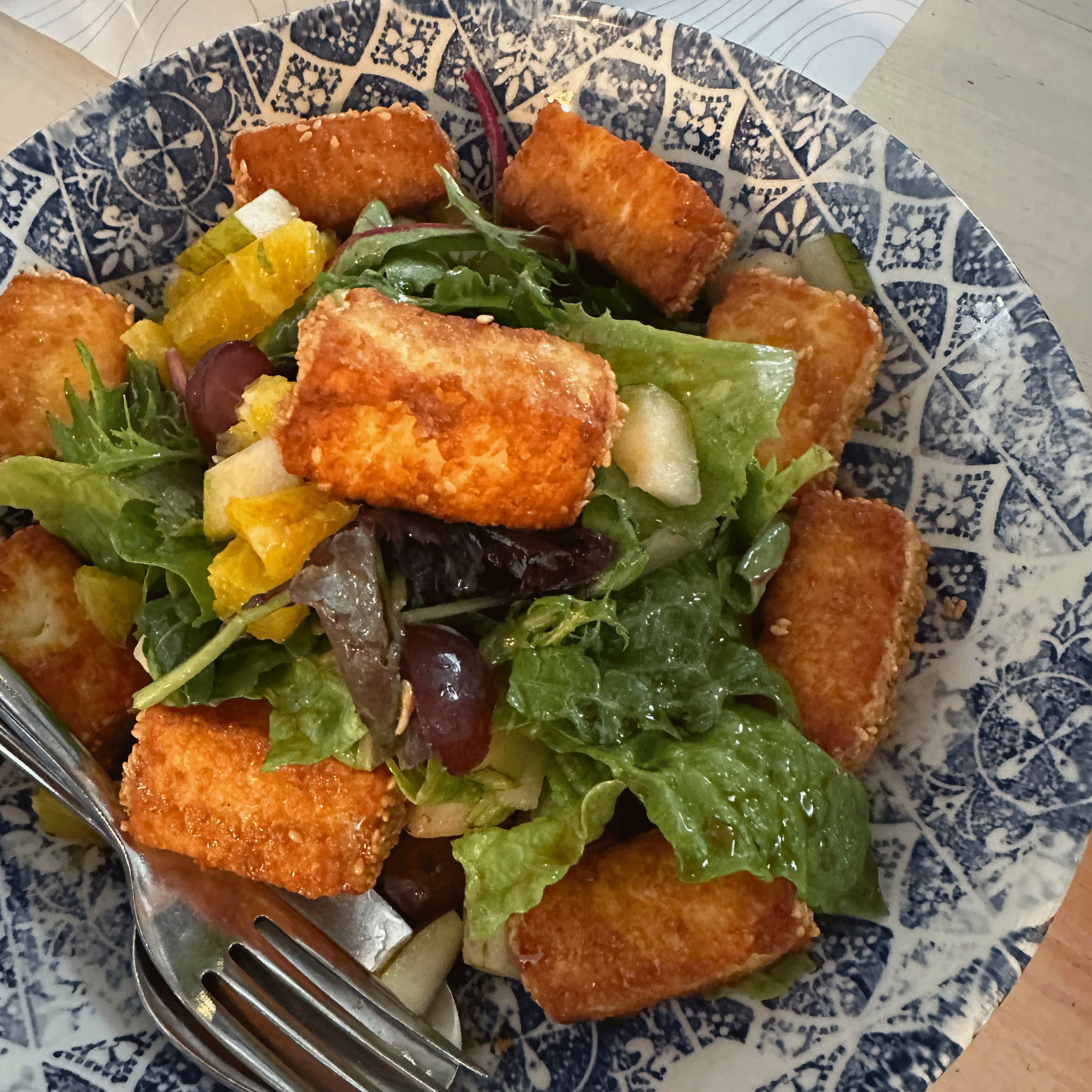
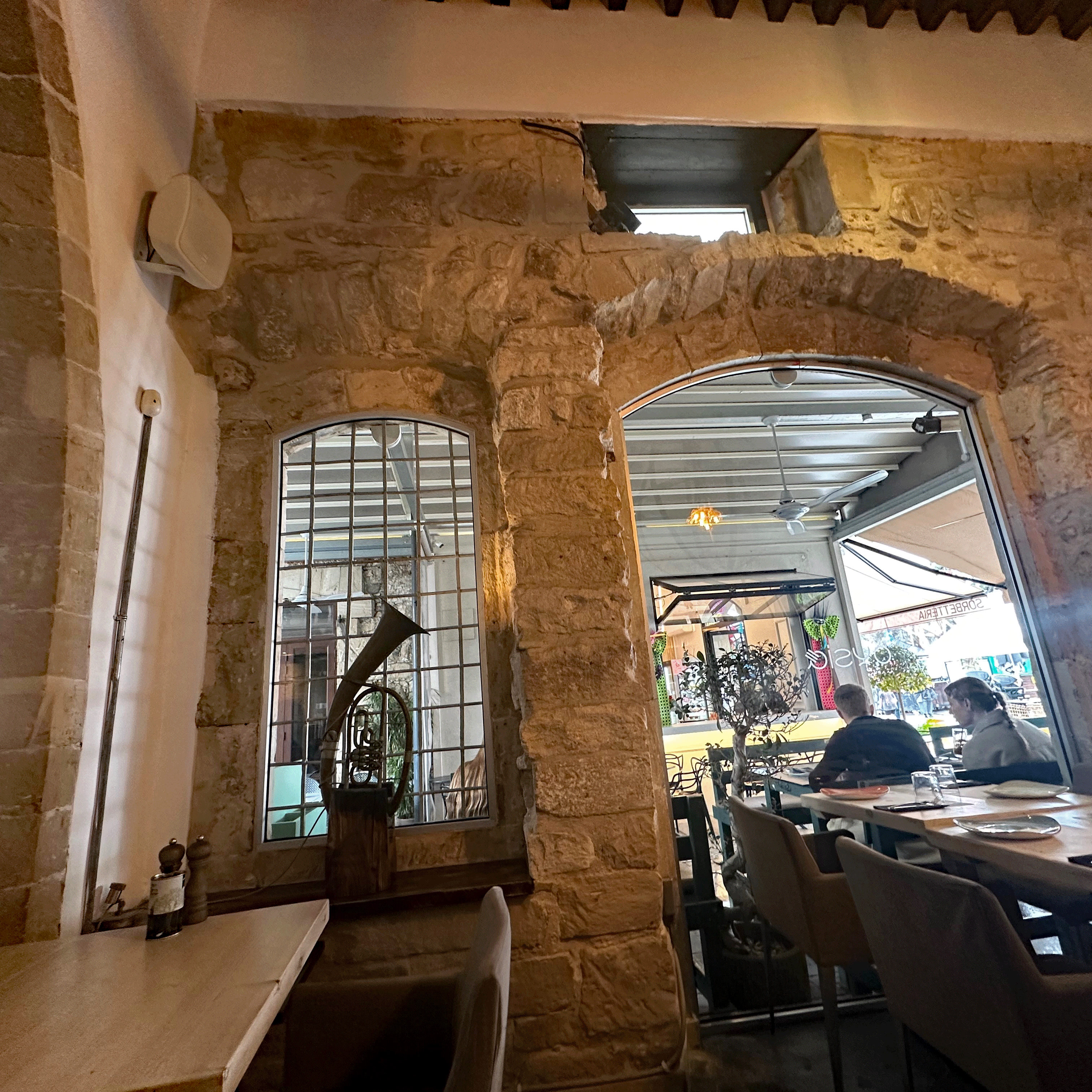
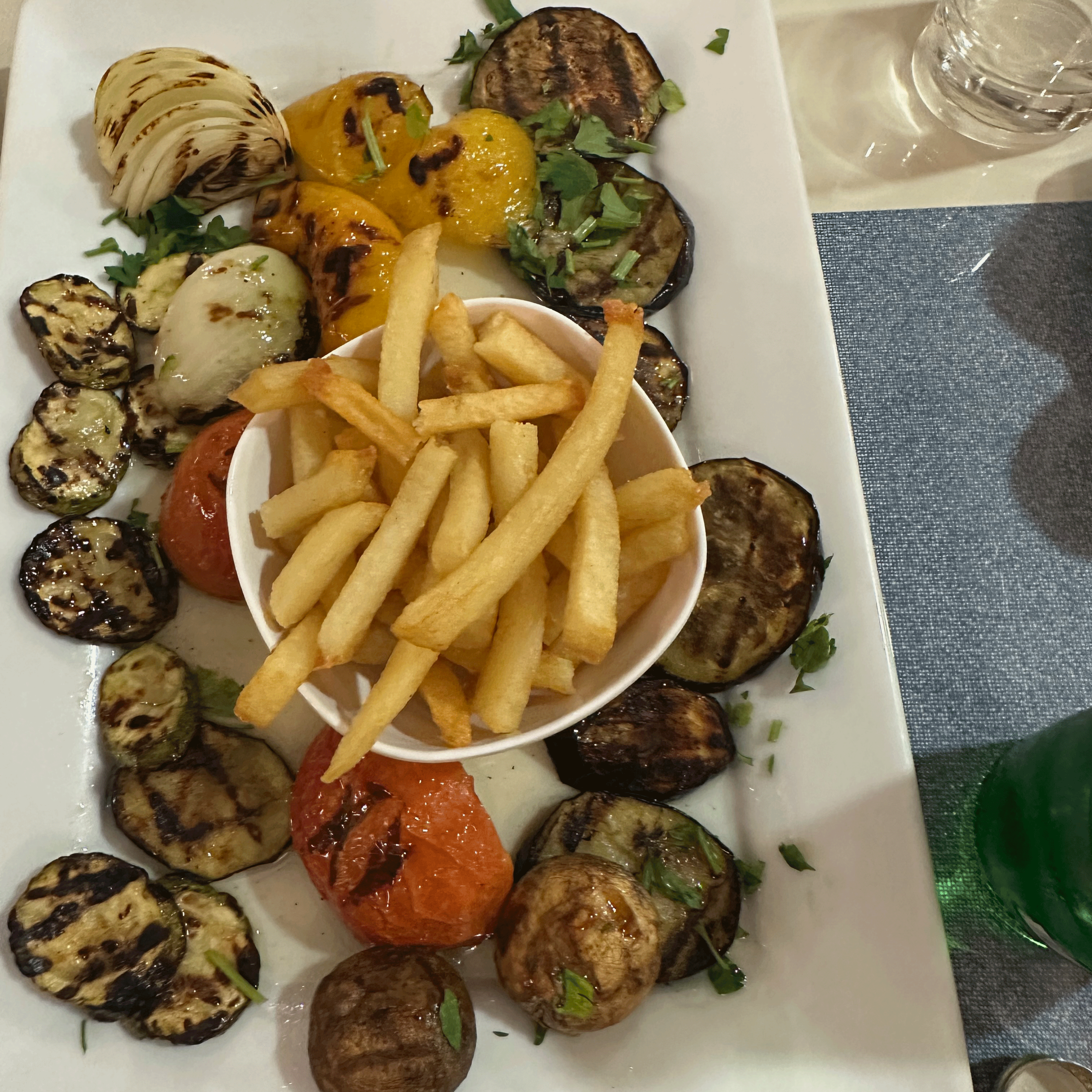
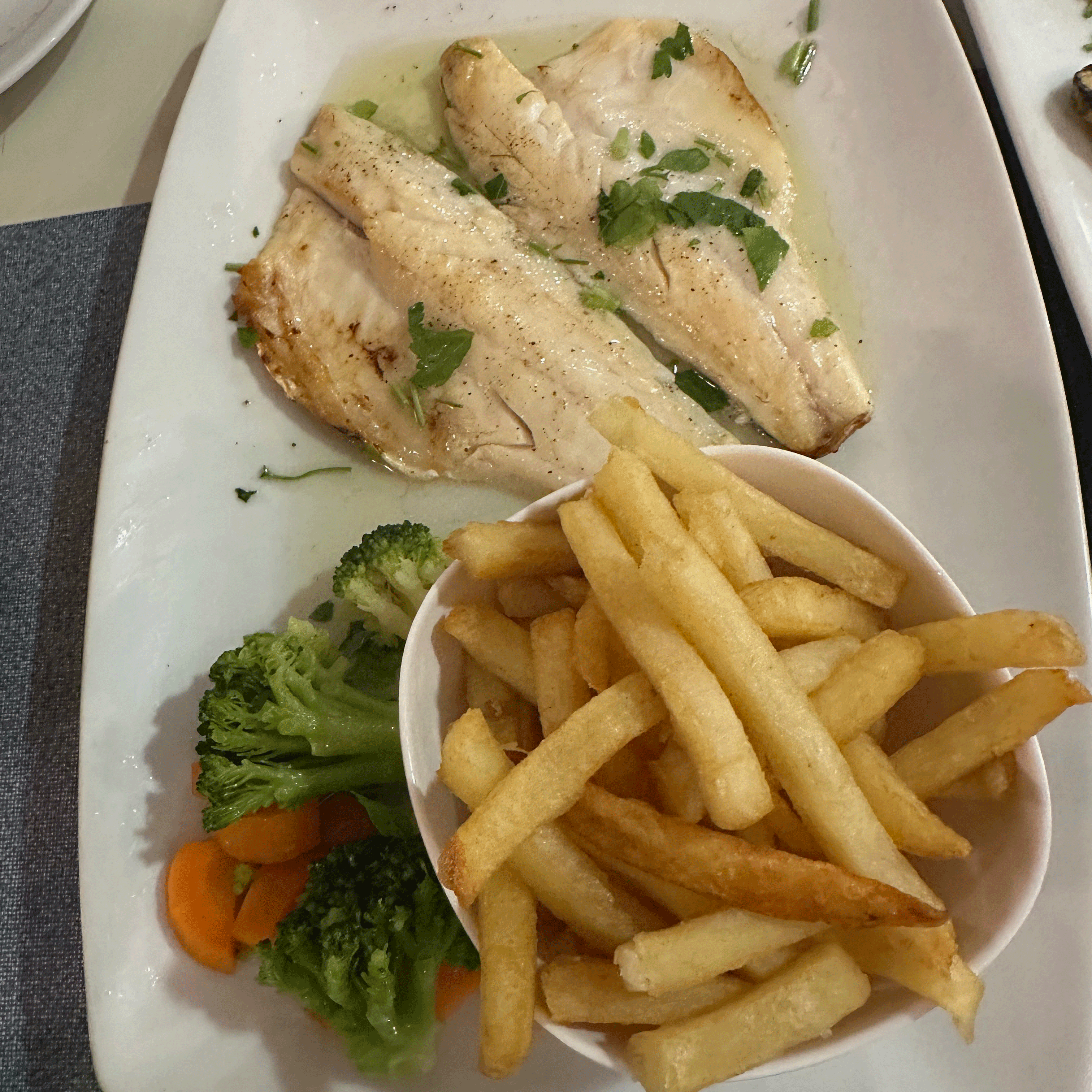
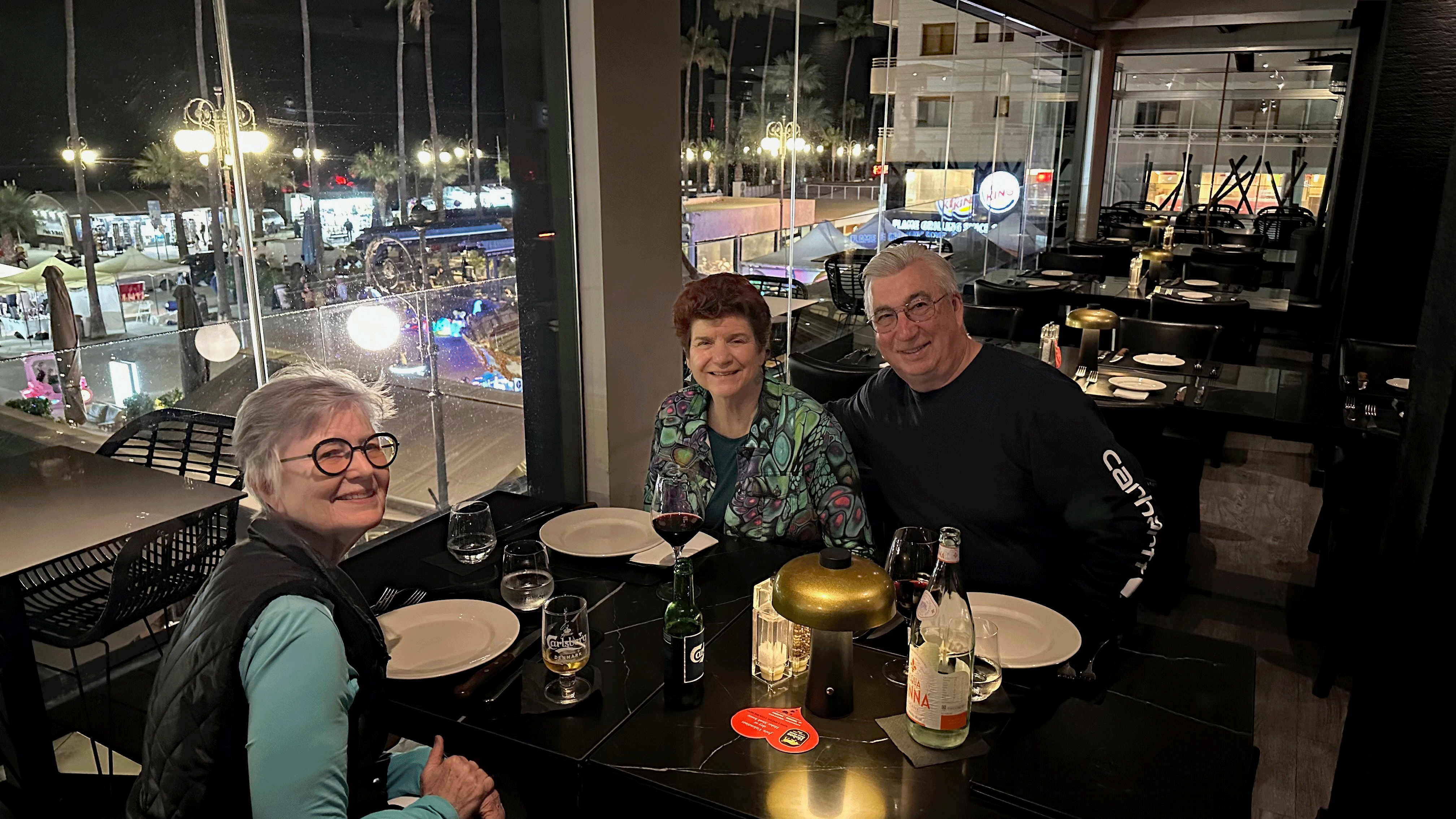
Below: More Great Food at Jamie Oliver and Oysia. We always share!
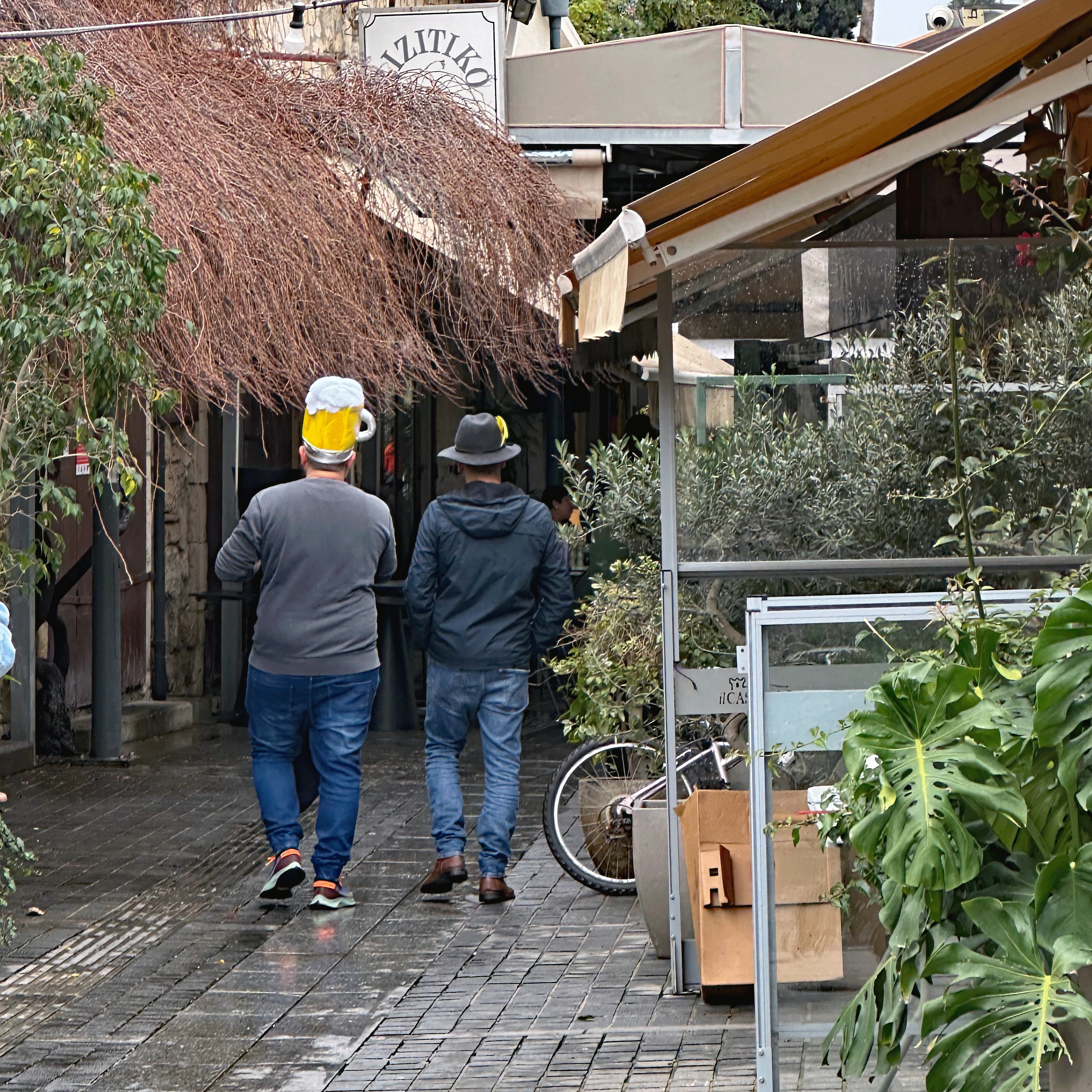
Below: Costumed Cypriots Celebrate Carnival
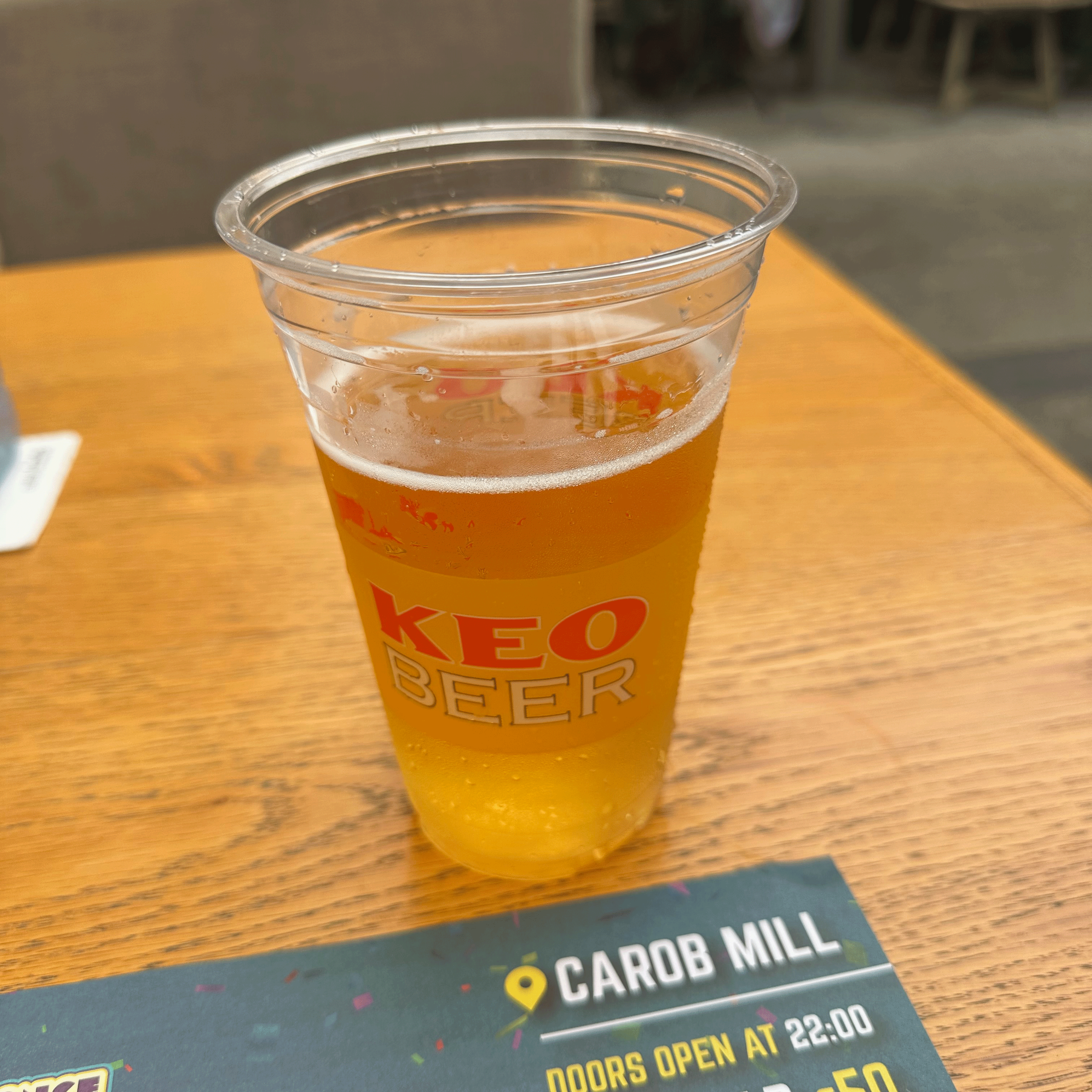
Music, Dancing, and the local brew at the town party.

Below: The Sunday Morning Family Parade

On Sunday, the festivities continued with the family parade. Families march in themed costumes and there is afternoon music, dancing, and food in the square.
We left town on “Green Monday” also known as “Clean Monday.” This is when Greeks and Cypriots begin the “Great Lent.” They observe Monday with picnics, fish, and abstinence from alcohol. Carnival was over and we were headed to Paphos. We loved Limassol.

Thank you for reading. I hope you enjoyed learning a little bit more about Cyprus.

I am an independent traveler and unpaid. My opinions are solely based on personal experience.

Geri
Larnaca, Cyprus: Beautiful Beach, Ancient History, and Great Food

February 2-9, 2026

I must confess to knowing next to nothing about Cyprus prior to our trip there this winter. Its mild February temperatures were the main draw, and I had read some positive travel sites about it. The island is divided into Greek Cyprus in the south and Turkish Cyprus in the north. The Republic of Cyprus (Greek) is part of the EU. Turkish Cyprus is currently only recognized by Turkey.

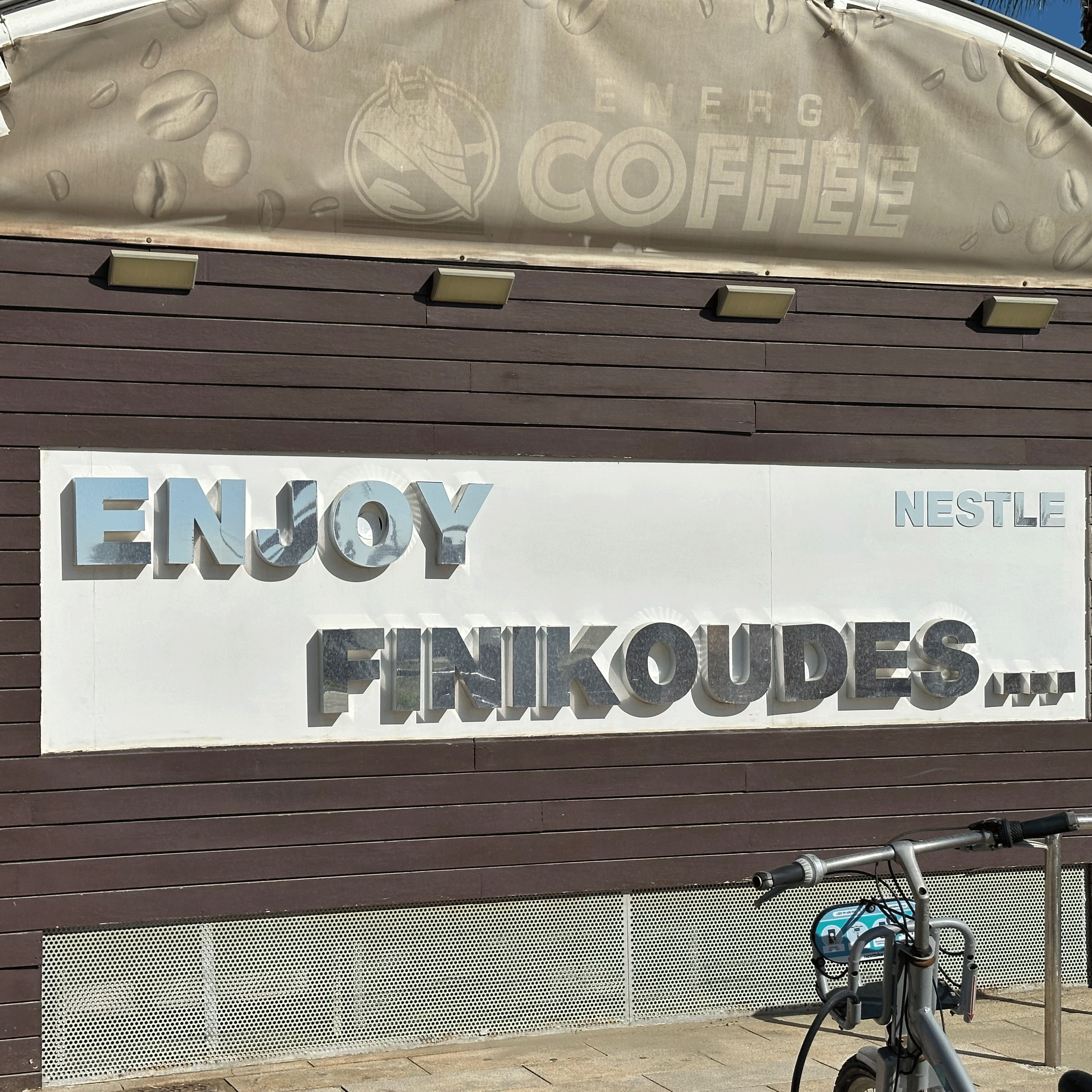
We flew Aegean Air from Athens to Larnaca, about an hour and a half flight. Larnaca Airport is small and easy to navigate. We had arranged a taxi driver through our Air B and B host and after a 30 minute ride, we arrived at Finikoudes Beach. Our rental apartment was perfectly situated along the boardwalk and had beautiful seaside views. We were walking distance to everything we needed. There was a well-stocked mini-mart next door, owned and operated by a delightful Cypriot family. Multiple dining options and coffee shops line the beachfront. I could drink coffee in a different spot every day. And it is always served with a cookie and a smile!

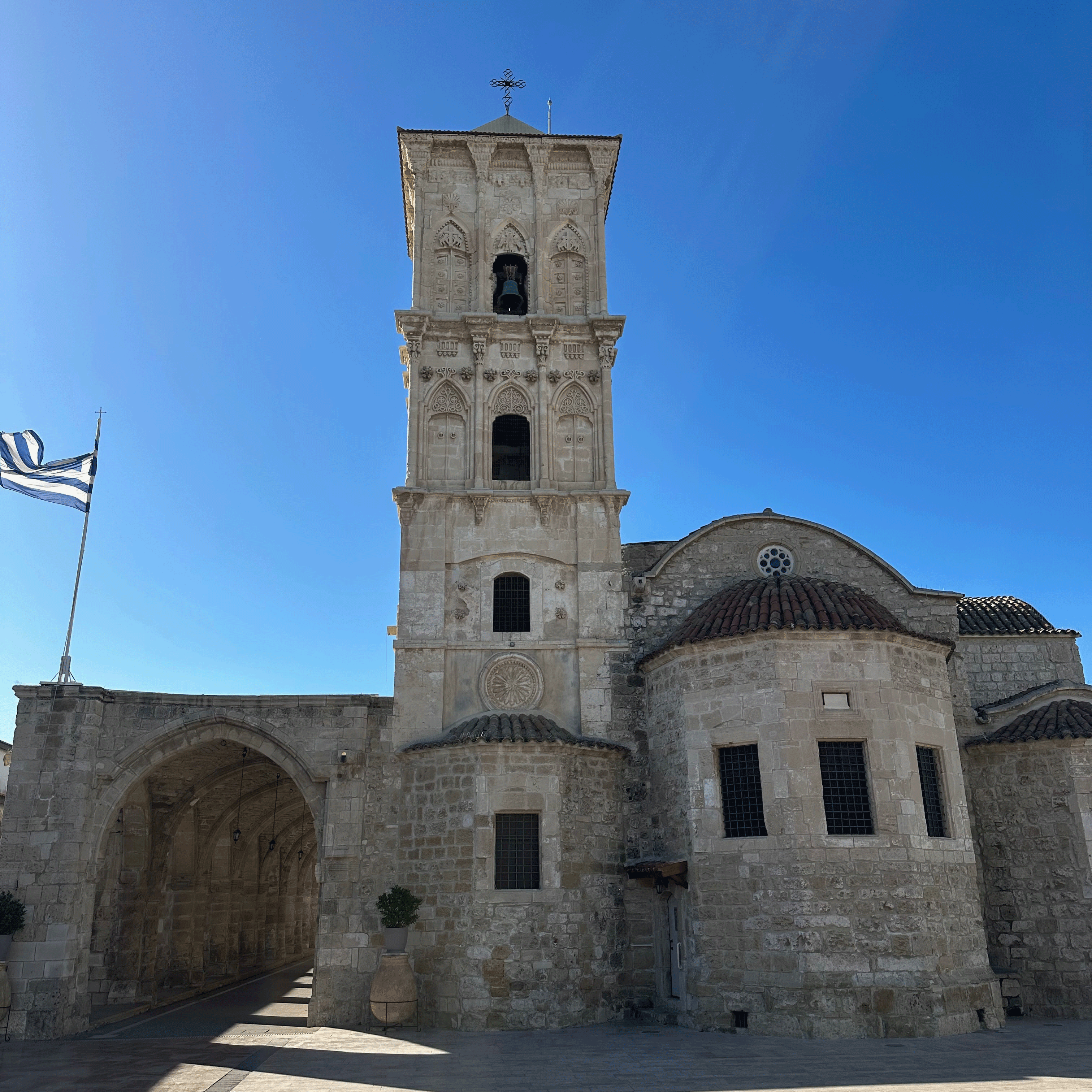
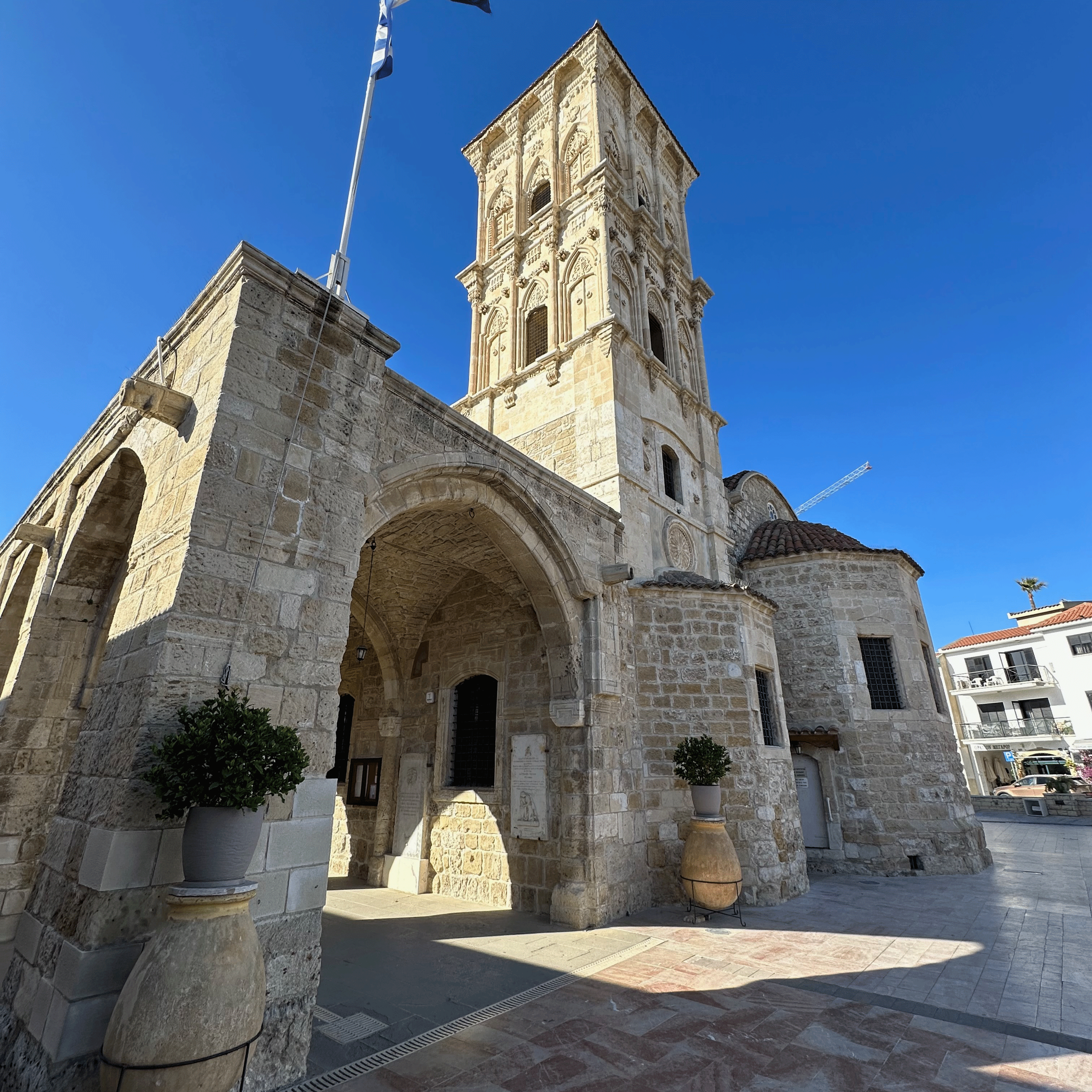
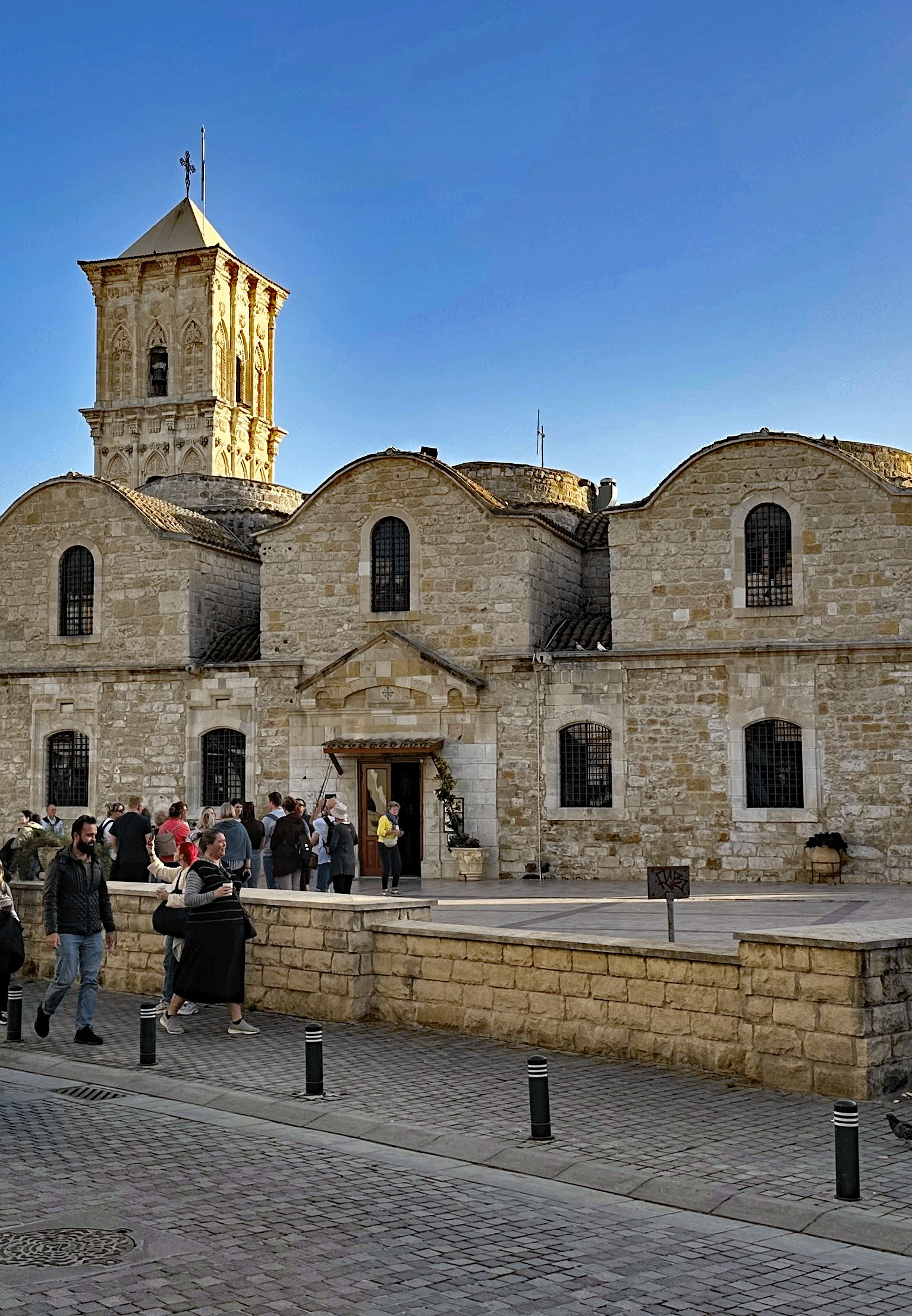
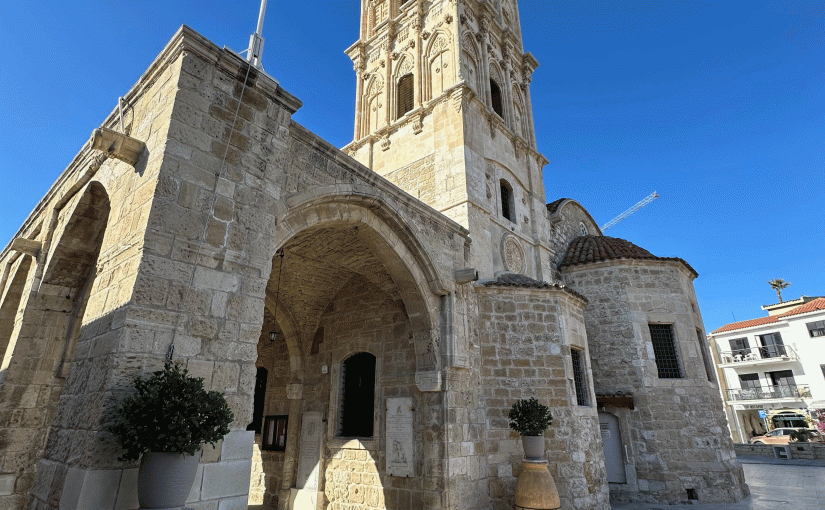
The historic old town is only a few streets from the beach. St. Lazarus Church and Monastery and the surrounding artisan shops give an old world vibe to the neighborhood that contrasts with the holiday atmosphere of the waterfront.

Larnaca is family-oriented. Prices are affordable for middle-class Greek Cypriots to go for a long weekend or a family vacation. It also attracts visitors and retirees from the UK and other European countries. Jobs in the hotel and restaurant industries attract immigrants from Sri Lanka, India, the Philippines, Vietnam, Eastern Europe, and the Middle East. All of which gives Larnaca a vibrant international vibe.
Away from the beach and the old town, the city of Larnaca is expanding outward and upward. Construction of new buildings seems to be everywhere: apartments, offices, and business hotels. With that, of course, comes traffic.

Below: Some scenes of the beach and the promenade.

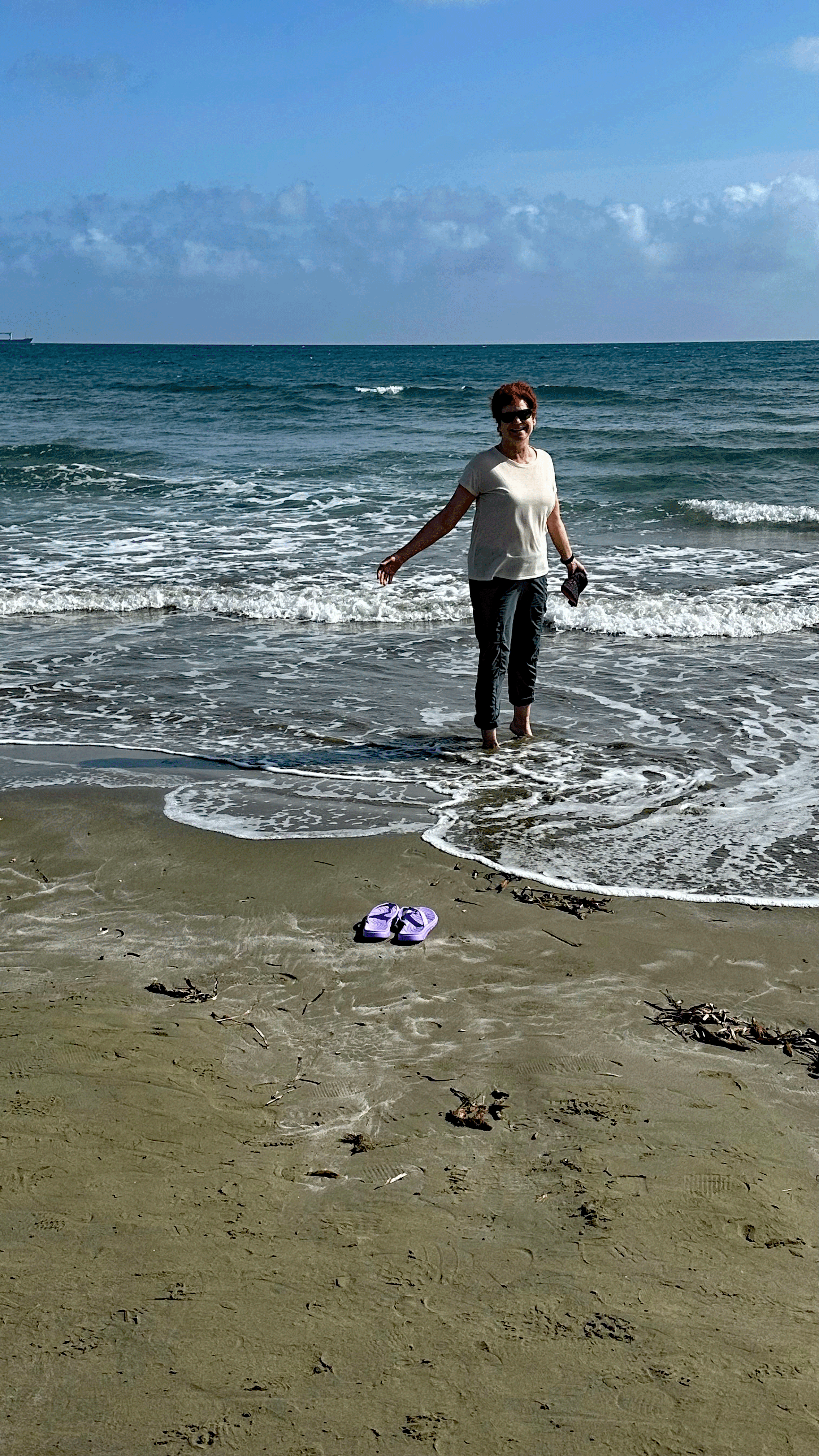
Finikudes Beach has a long stretch of fine golden sand and clean, clear water. I love the feel of the sand under my feet and the water on my toes. The Mediterranean is still pretty chilly in February, but some swimmers and waders brave it. Other popular activities include sailing, beach volleyball, pickleball, and cricket.

If you walk along the boardwalk, you will pass Larnaca Castle, a physical reminder of Larnaca’s long history. This has been a defensive site since Byzantine times, but the current fortress was likely built in the 1300’s AD, and then repurposed by the Ottoman’s in the 1600’s. Despite it’s uncertain provenance, it is worth the small entry fee (2 euros) and 20 minutes of your time to stroll the grounds and climb the ramparts for great views of the Mediterranean. There is a small museum with a few cabinets containing medieval artifacts and some wall displays of old photos of the harbor.

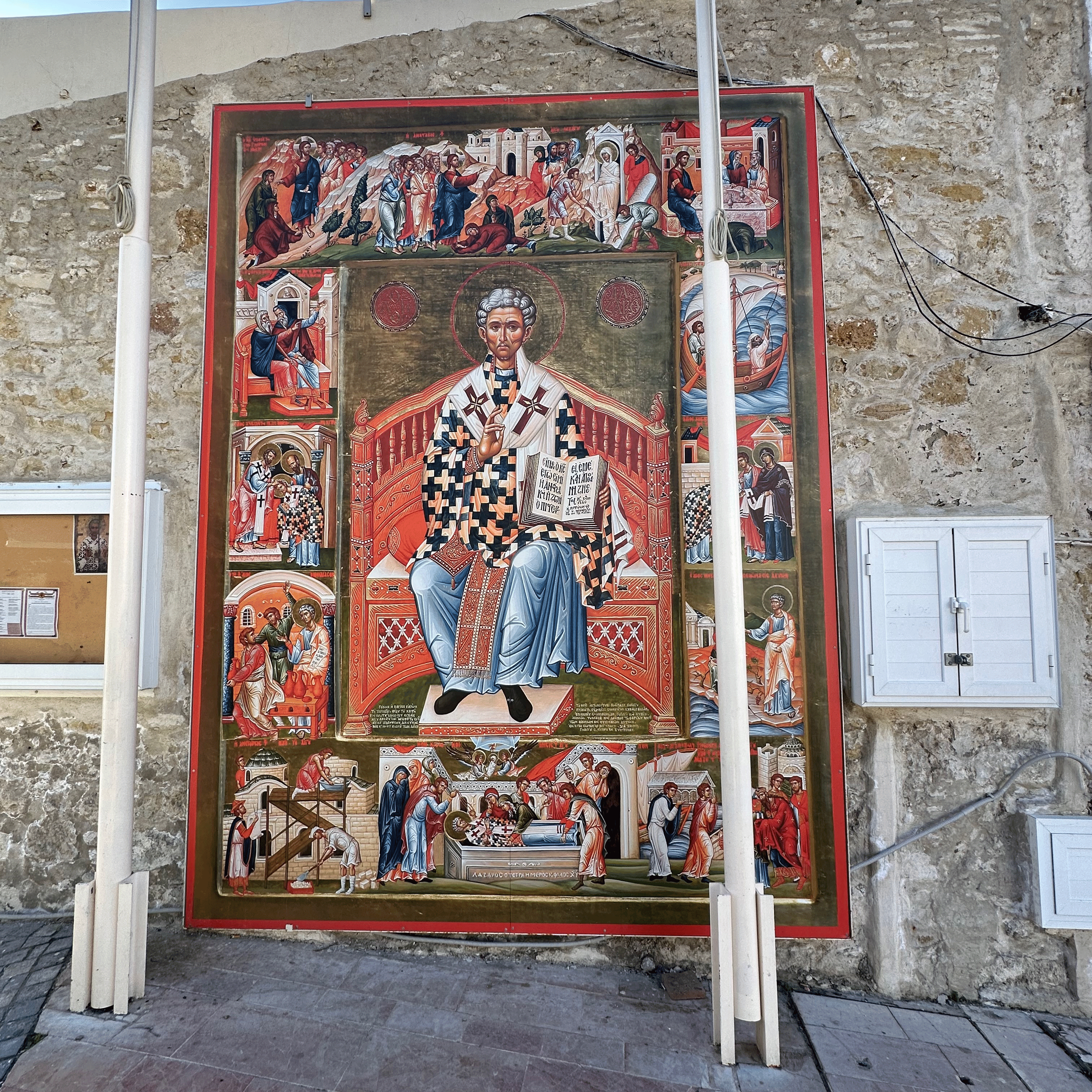
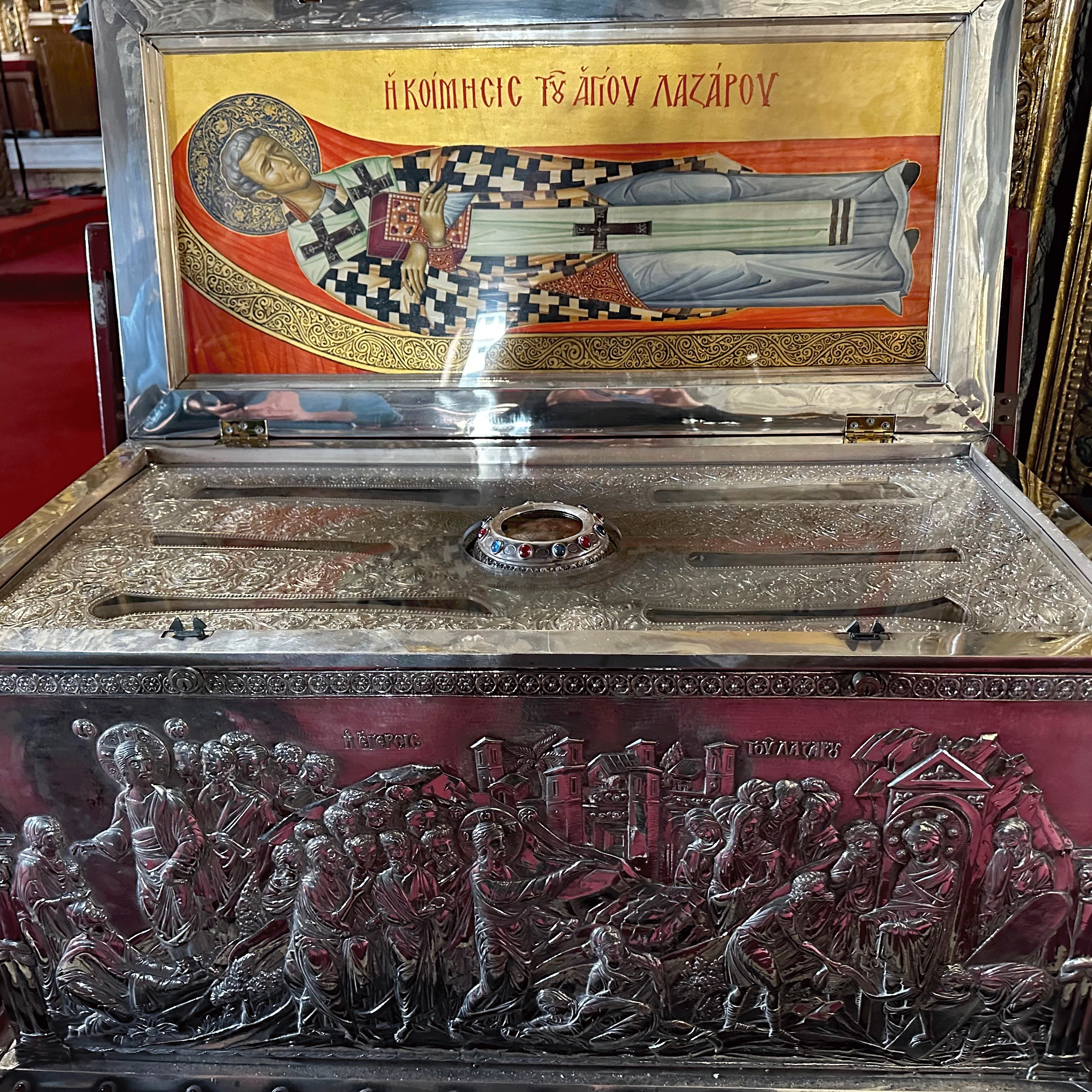
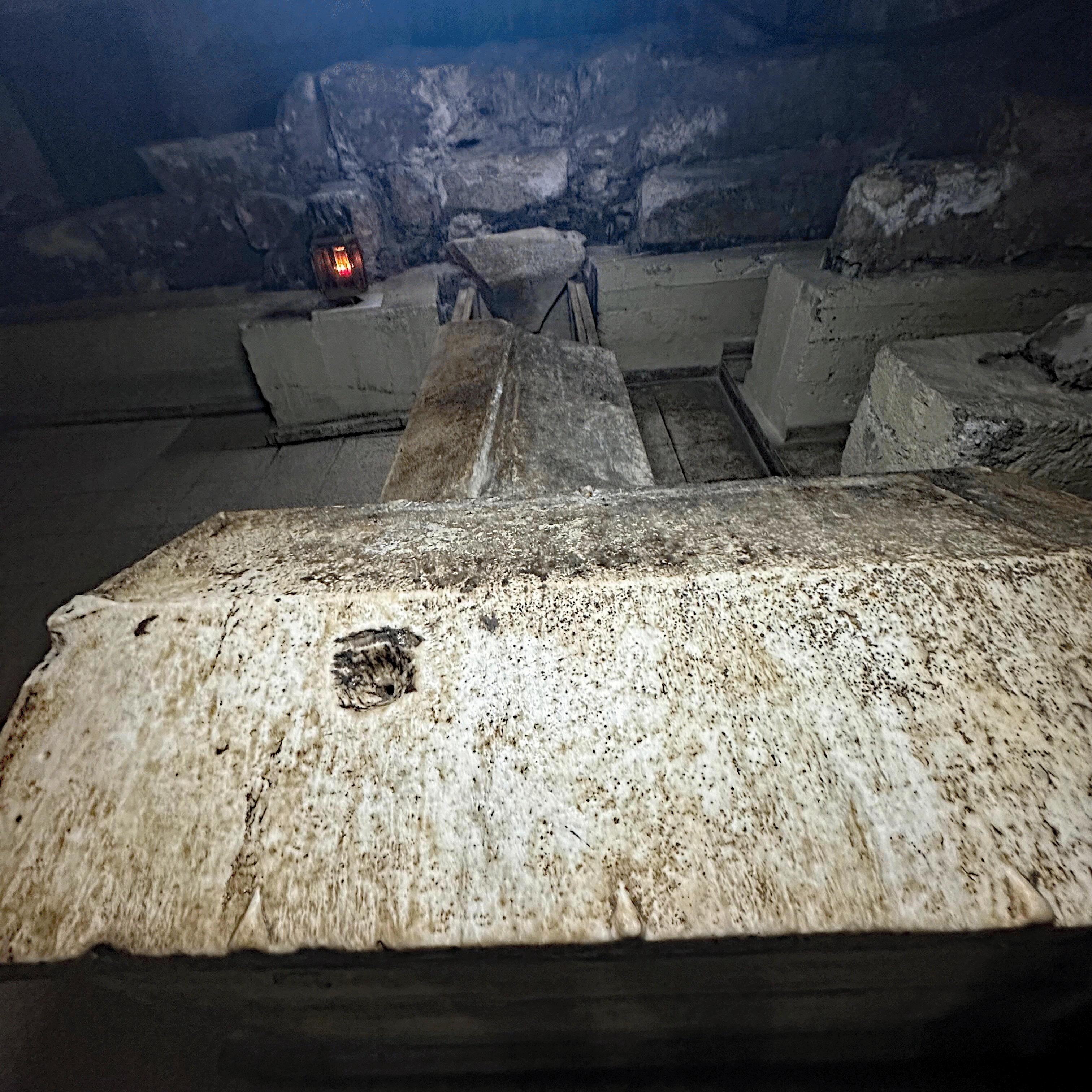
A couple of streets inland from the Castle is the Church and Monastery of St. Lazarus. The current church was built in 900 AD, but the story is much, much older. We visited the Church and the small Byzantine Museum in the former monastery. Inside of the beautiful Eastern Orthodox church is an ornate silver reliquary containing some bones of St. Lazarus. Below the main floor of the church is the tomb of St. Lazarus.

But wait, I wondered, recalling New Testament teachings. “THE Lazarus, brought back from the dead by Jesus?” Or a later in history Lazarus? There was a lack of helpful signage, so I approached the woman at the ticket counter of the museum.

“Good morning. I have a question.”

“Of course.”

“Is this THE Lazarus or were there two?”

“Yes, Lazarus of the Resurrection.”

“Brought back from the dead by Jesus?”

“Yes.”

“But, wait, how did he get here?”

“By boat. After the Crucifixion, he and his family came here. He became the Archbishop of Larnaca.”

Huh. Who knew? I followed up with some online research, and Church records corroborate the story. Here is a brief summary of what I found: (Wikipedia, History Hit, World History Encyclopedia)

-Lazarus, brother to Martha and Mary, and friend to Jesus, died of disease (circa 40 AD).

-After 4 days in a tomb in Bethany (near Jerusalem), Lazarus was resurrected by Jesus (John 11 )

-Fleeing persecution, he landed in KItion (present day Larnaca, Cyprus) He was ordained bishop by the Apostles Paul and Barnabus, and lived another 30 years. He was buried where his tomb lies today.

-In 890 AD, a marble sarcophagus was discovered with the inscription “Lazarus, friend of Christ.”

– Some (not all) of his relics were moved to Constantinople by Byzantine Emperor Leo VI, who ordered the construction of the church on top of the tomb. The church has suffered damage over the centuries, but careful restoration has been true to the original. It was converted to a mosque during the Ottoman Occupation (1571–1878), and then reinstated as an Eastern Orthodox church.

If you visit Larnaca, don’t skip this church. Besides its fascinating story, it is also gives you a chance to witness the local life away from the beach. The post office is across the street for anyone (besides me) who still mails postcards. There are two nice cafes in the church square, where you can choose a spot in the sun or the shade and enjoy a relaxing snack break.

Below: The Silver Reliquary and the Tomb of St. Lazarus in Larnaca

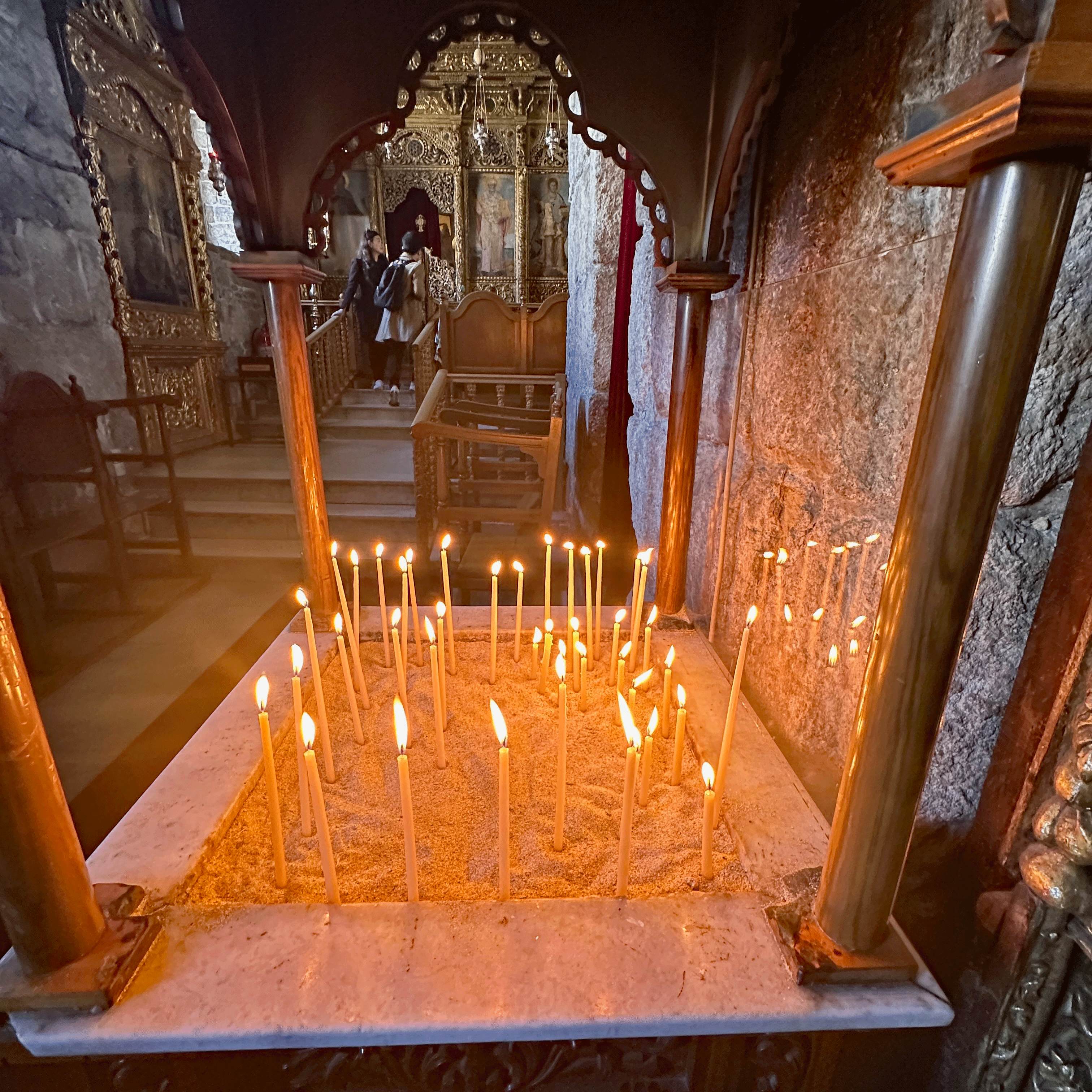
Candles at St. Lazarus Church

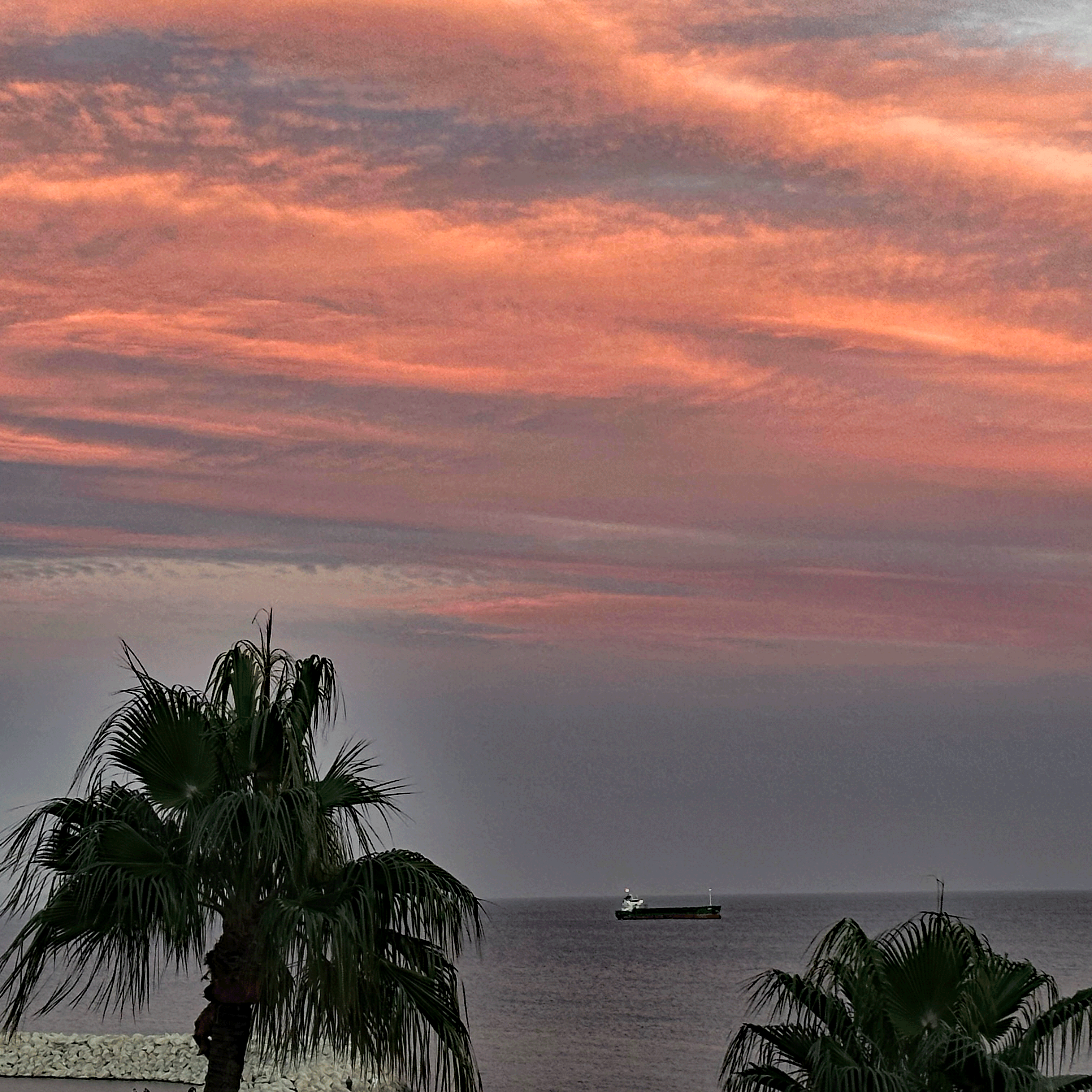
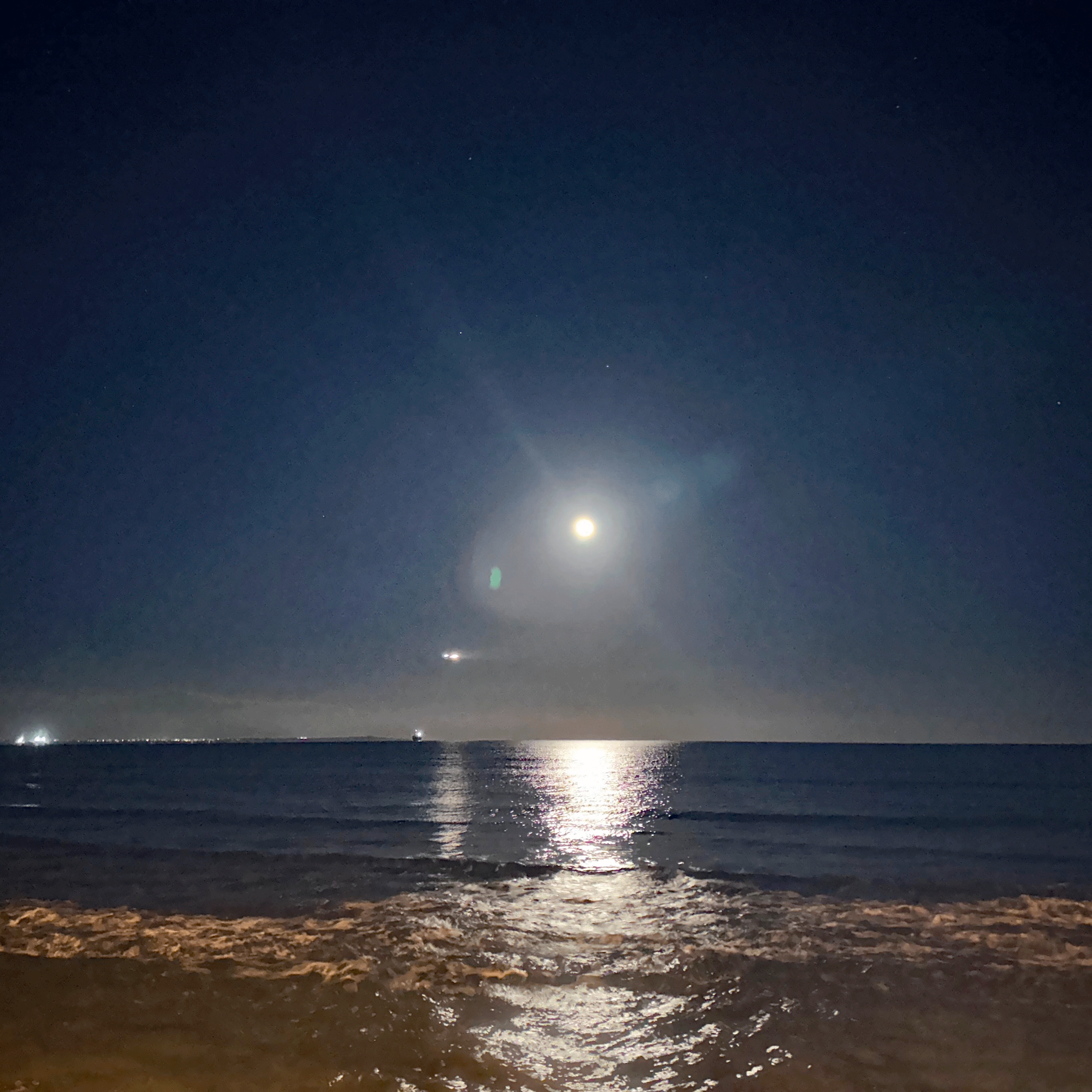
Below: Sunrise and Moonrise on the Mediterranean

Below: Some photos of food and coffee we enjoyed in Larnaca. There were plenty of dining options a short walk from our home base. In the winter season, reservations are not necessary. Portions are generous, I recommend sharing.

Celebrating on our final night at Hobo’s Steakhouse
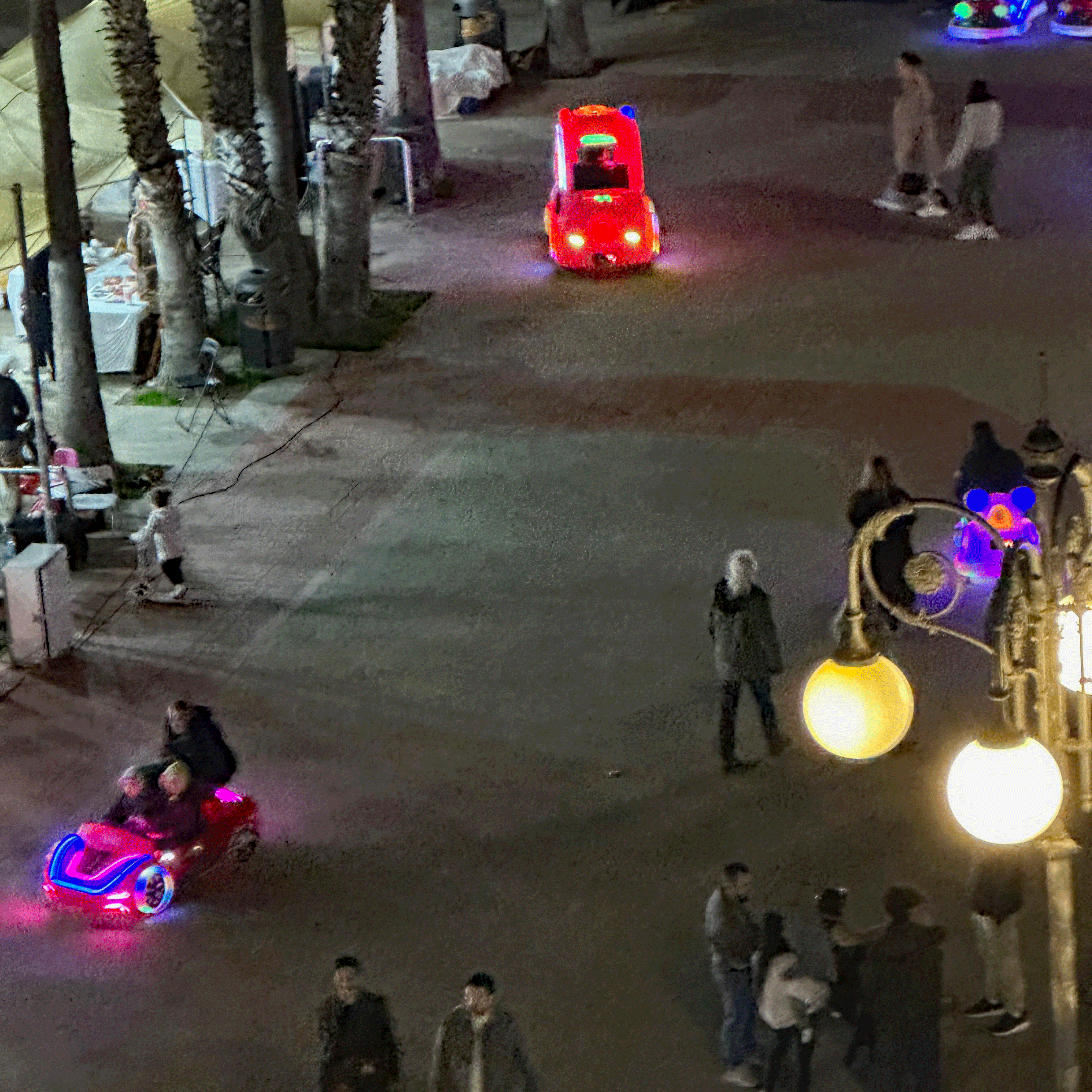
Fun Neon Motorized Cars for Kids

Daytrip to Nicosia

An hour bus ride from Larnaca is the capital city of Nicosia. I had read that it is the last divided city in existence, at least officially. There is a United Nations Demilitarized Zone and a Green Line. This sounded intriguing so we planned a day trip to Nicosia.

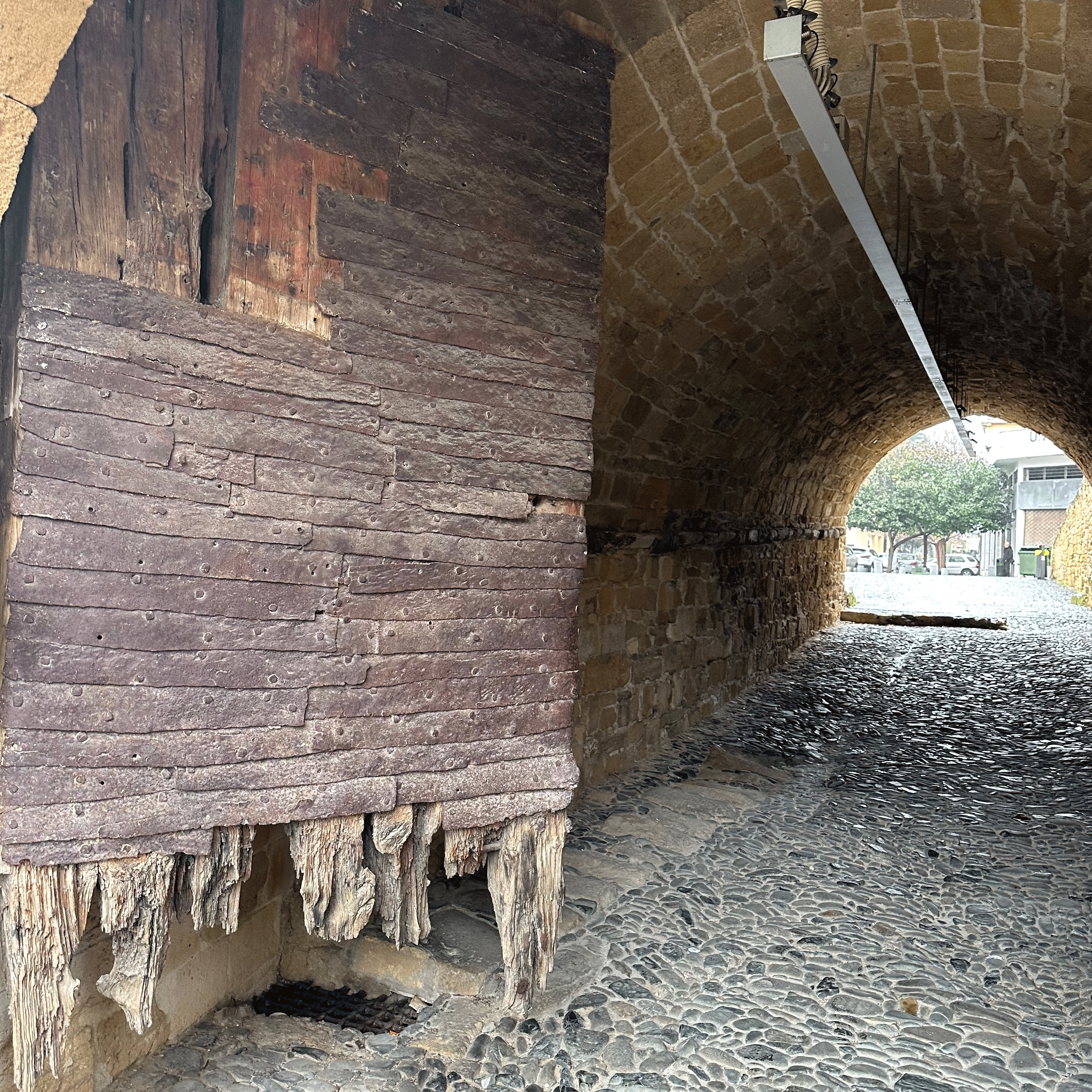
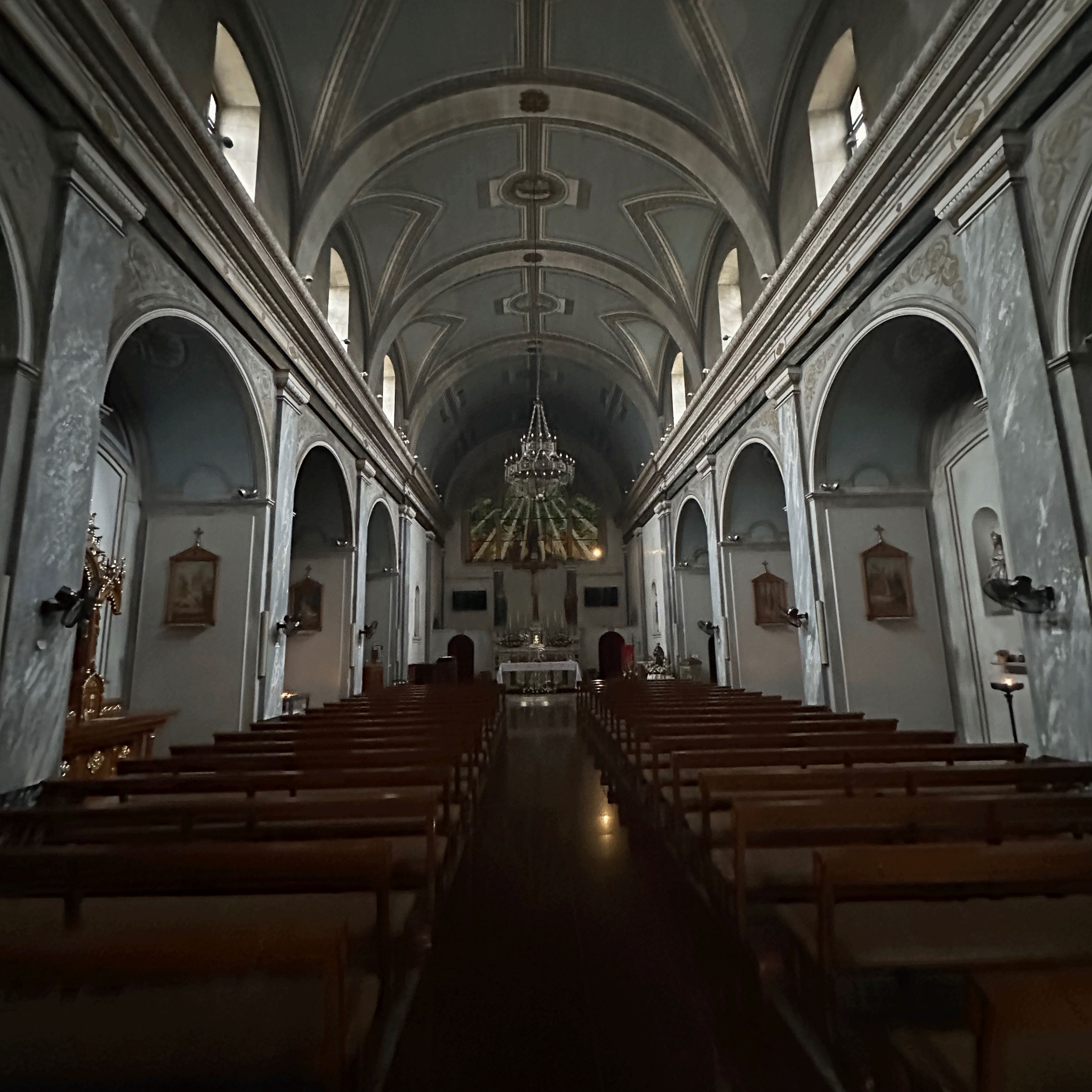
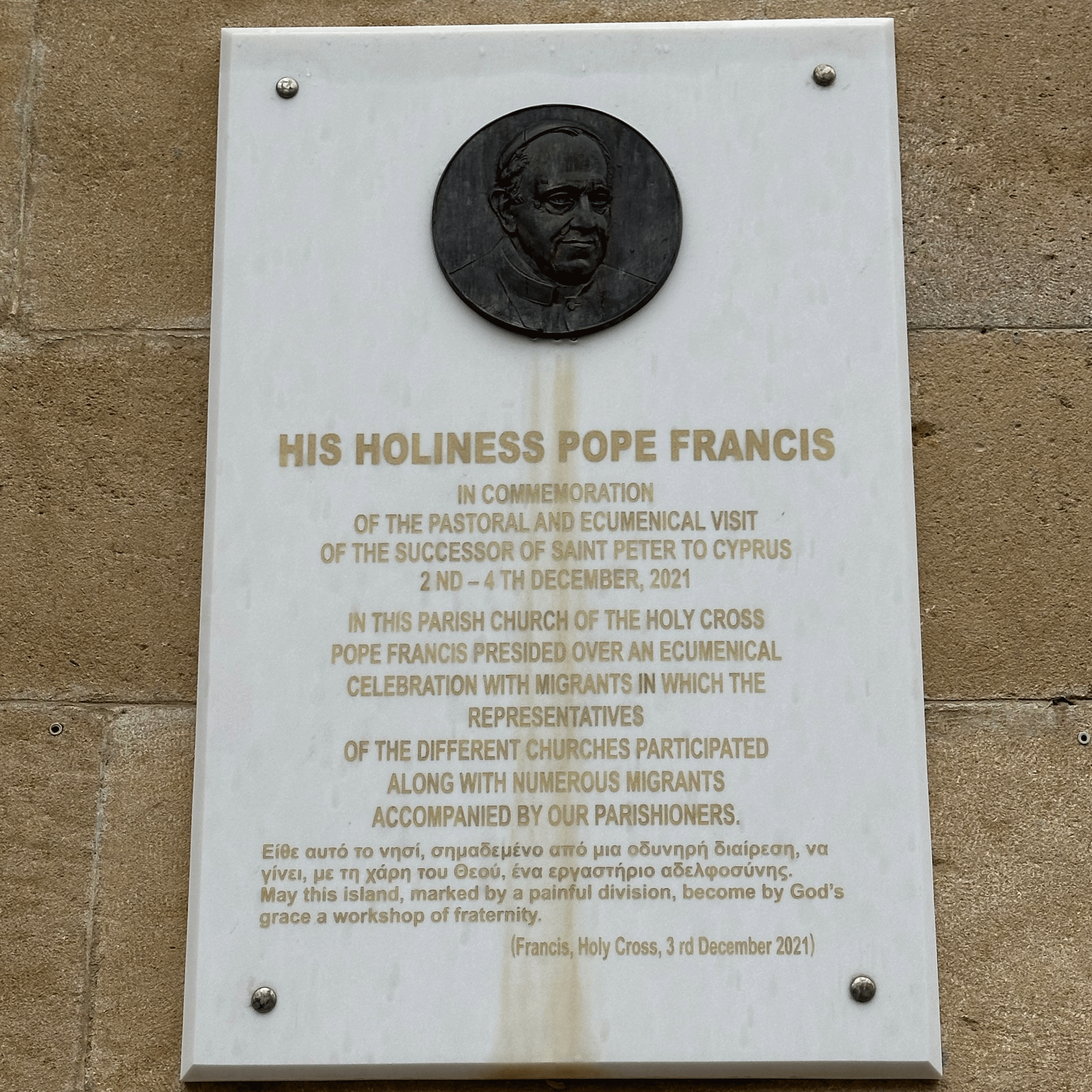
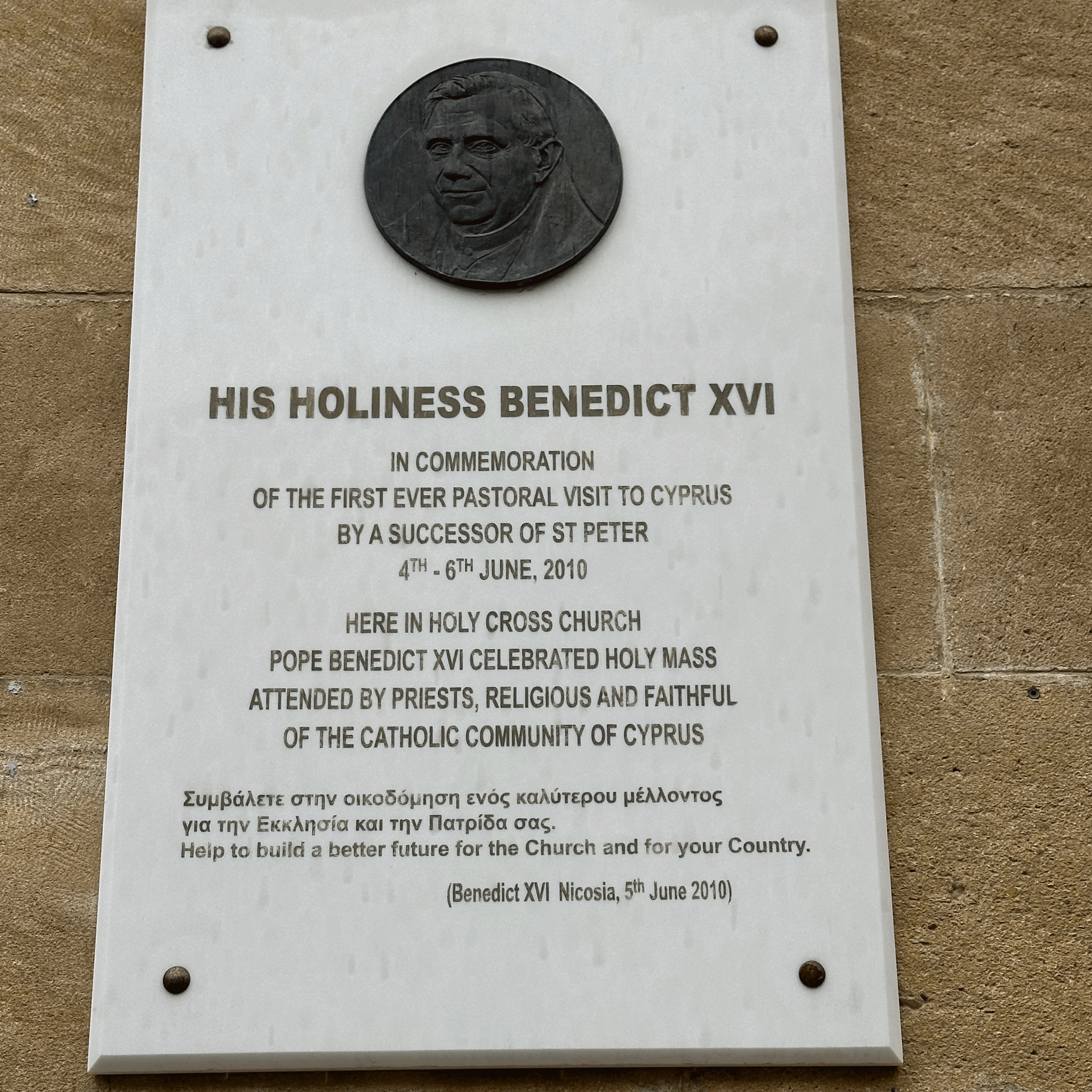
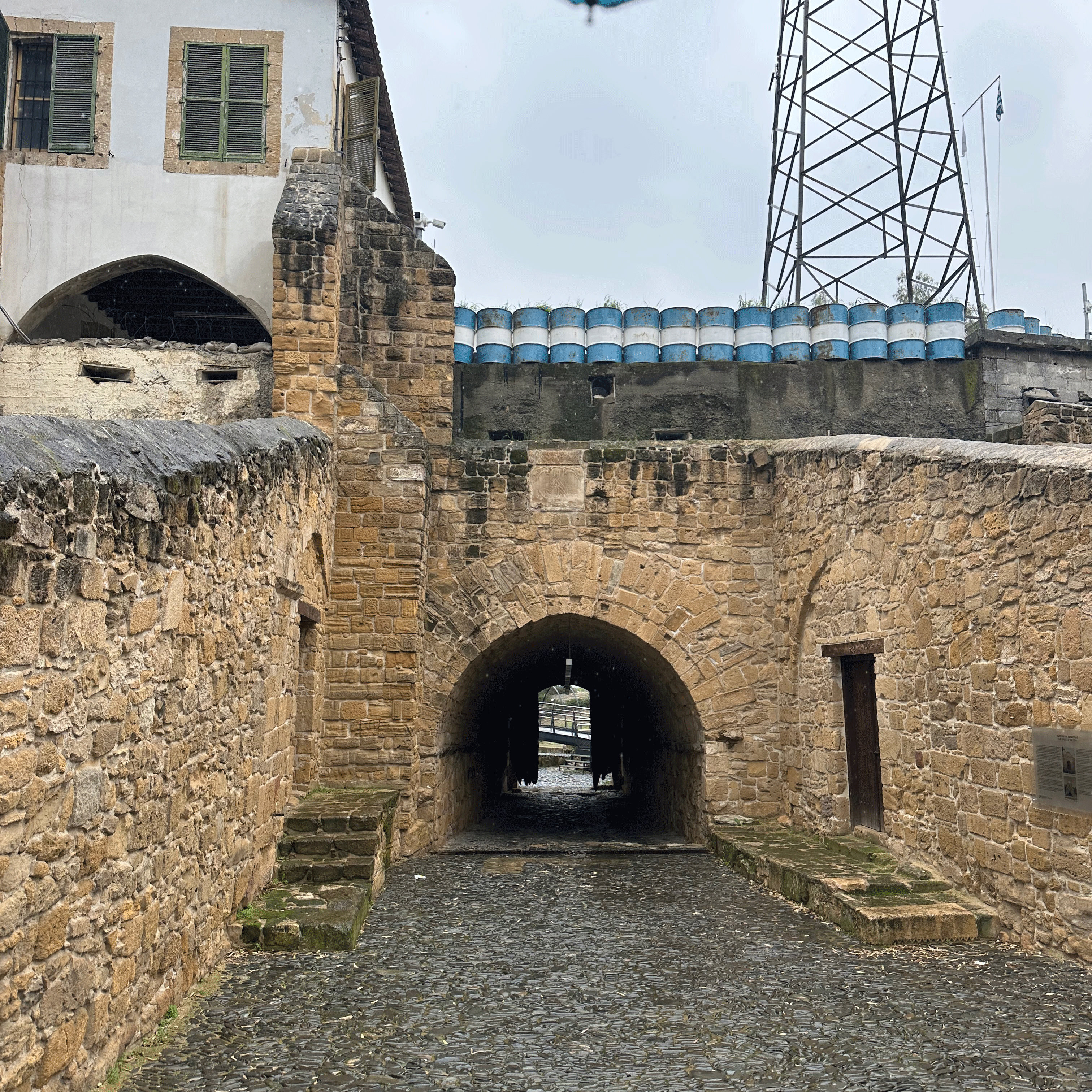
We bought our bus passes at the main terminal, a ten minute walk to the end of the promenade. The bus stop was right across the street from our apartment. It rained on the day we went; one of our few rain days in Cyprus. Unfortunately, nothing ever looks as good in the rain. We hunkered under our umbrella and walked from the bus depot to the Paphos Gate, the last city gate through the city walls built by the Venetians (1489-1571). We walked through the gate for an outside view of what’s left of the wall. There wasn’t much to see, so we headed back in. Near the gate, inside the walls, is The Church of the Holy Cross, a Catholic Church. There are still Roman Catholics in Cyprus, even though most of the country is Eastern Orthodox. The rear exit of the church is sealed as it is on the Turkish side. On a hill beyond the church, a Turkish flag was visible. Other than that, we saw no evidence of the divided city or UN Green Line.

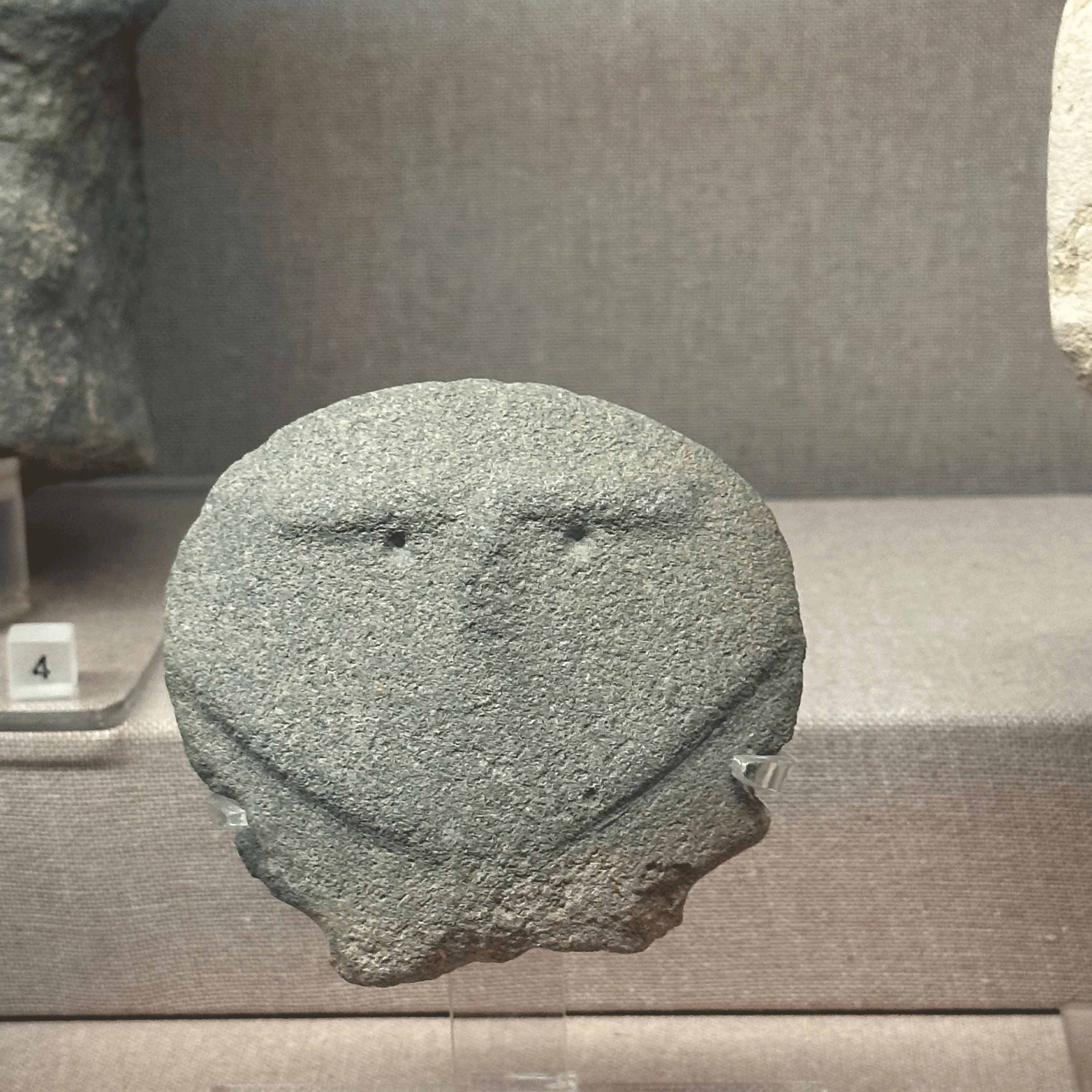
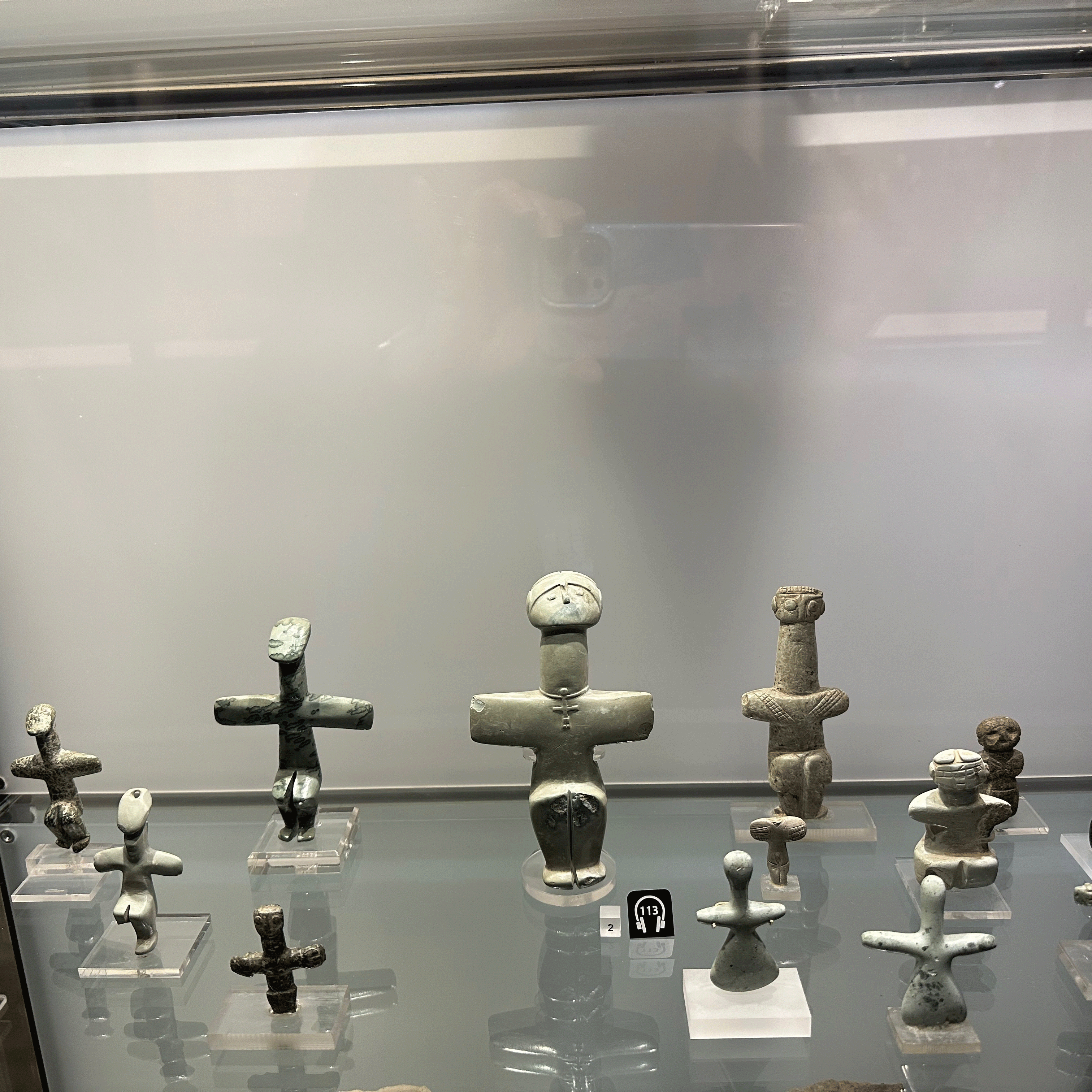
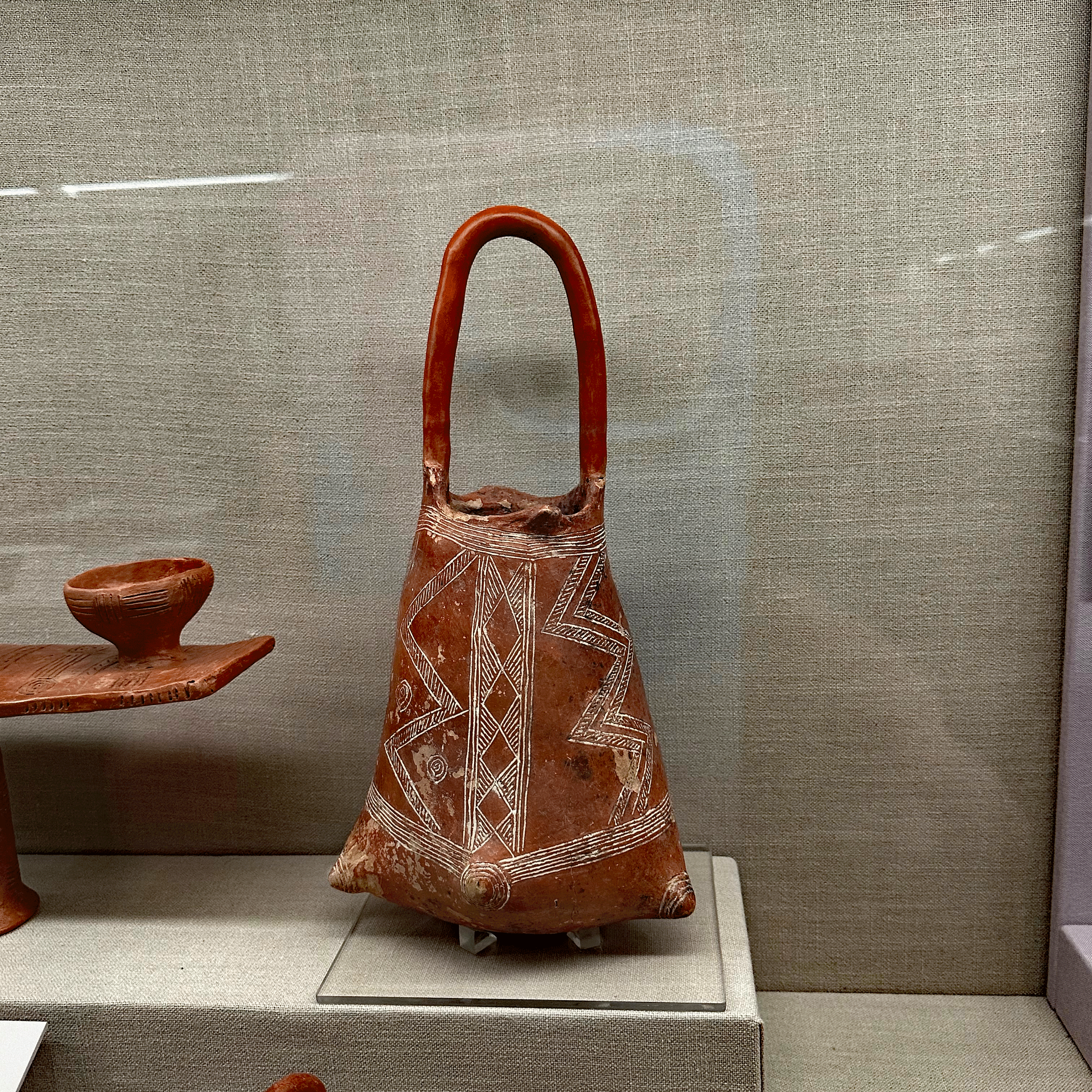
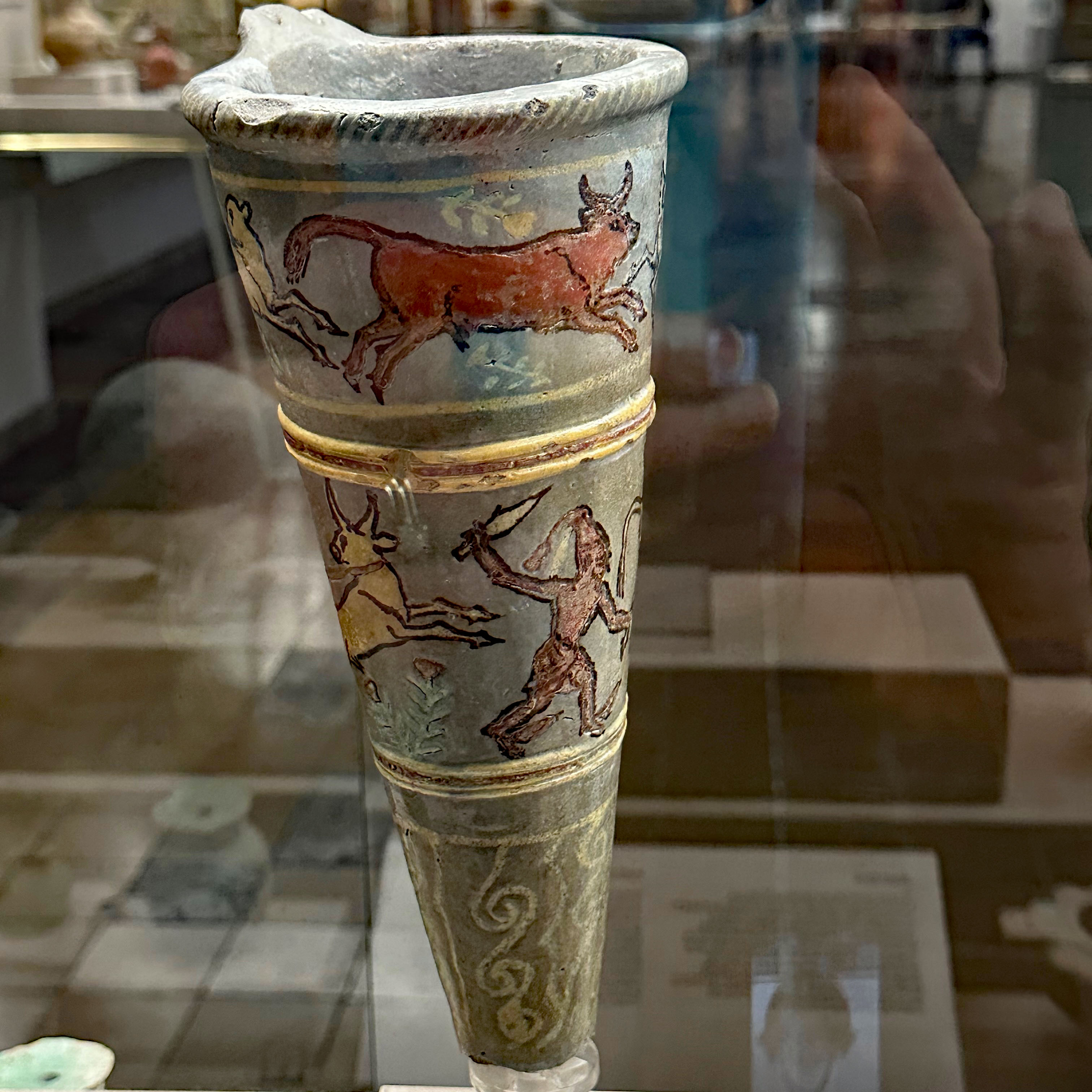
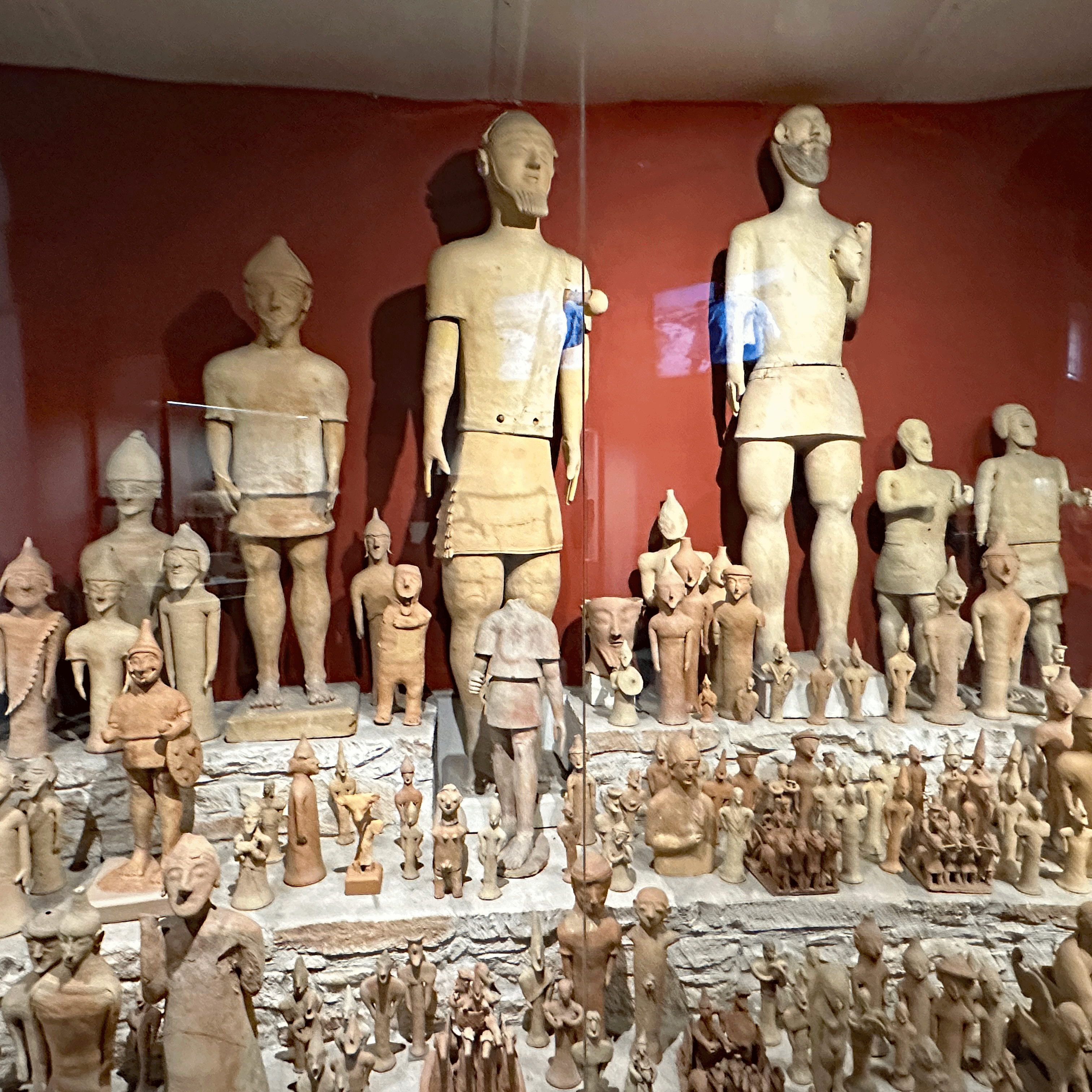
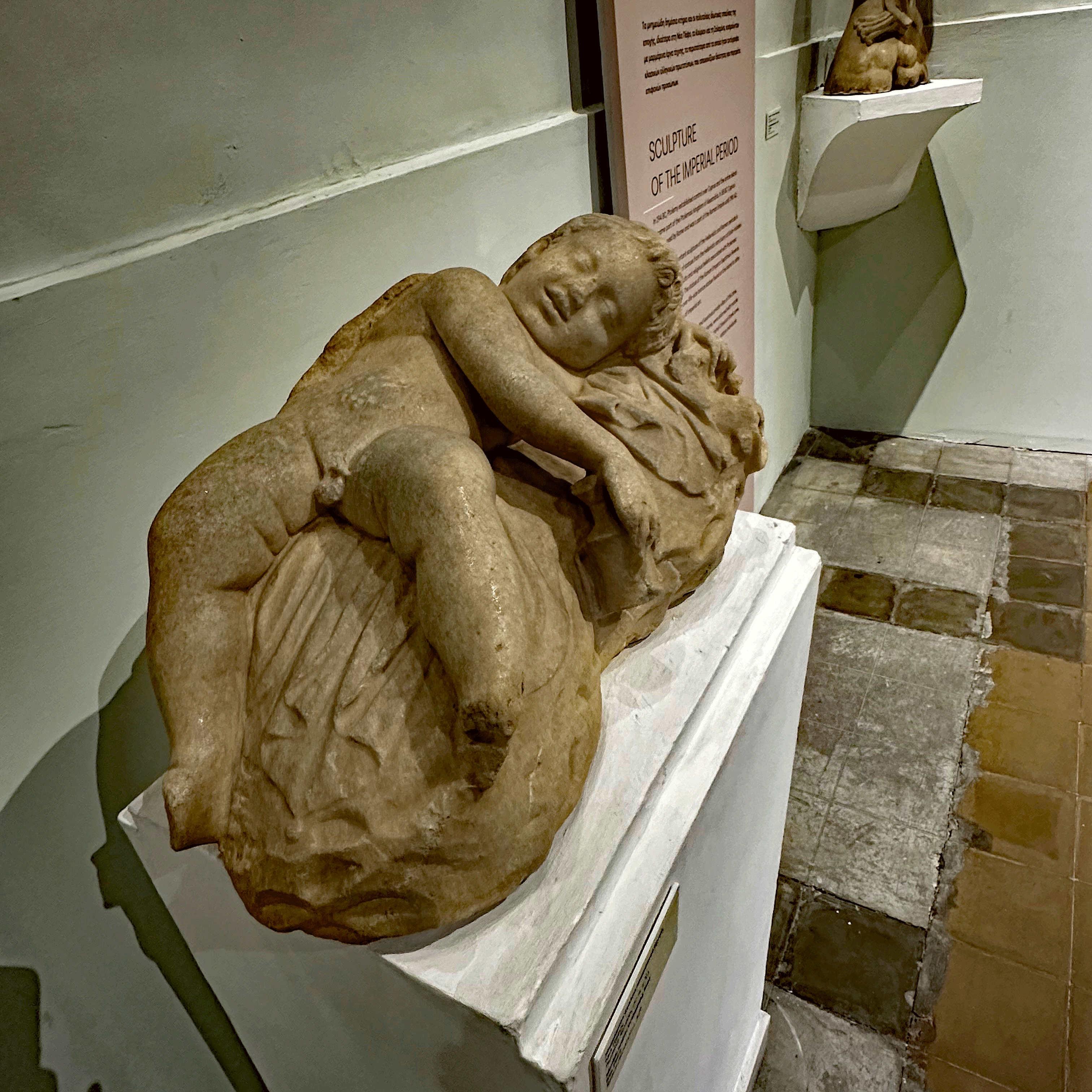
To get out of the rain, we headed to the Archeological Museum of Cyprus. This museum is a treat. Each gallery featured artifacts from a different time period in Cypriot history, so a walk through the museum is a visual walk through the island’s people from the Stone Age (10,00 BC) and Bronze Age (2400-1200 BC) through the Roman Empire (30 BC-600 AD). The audio guides are excellent , although a bit long winded for my taste. There were very few visitors, so we could take our time and get close to all of the displays. I was blown away by the scope of human history displayed here. These ancient people had a complex civilization. Cyprus was an important center for commerce during the Bronze Age, because they mined copper. This led to prosperous trading and a wealthy merchant class.

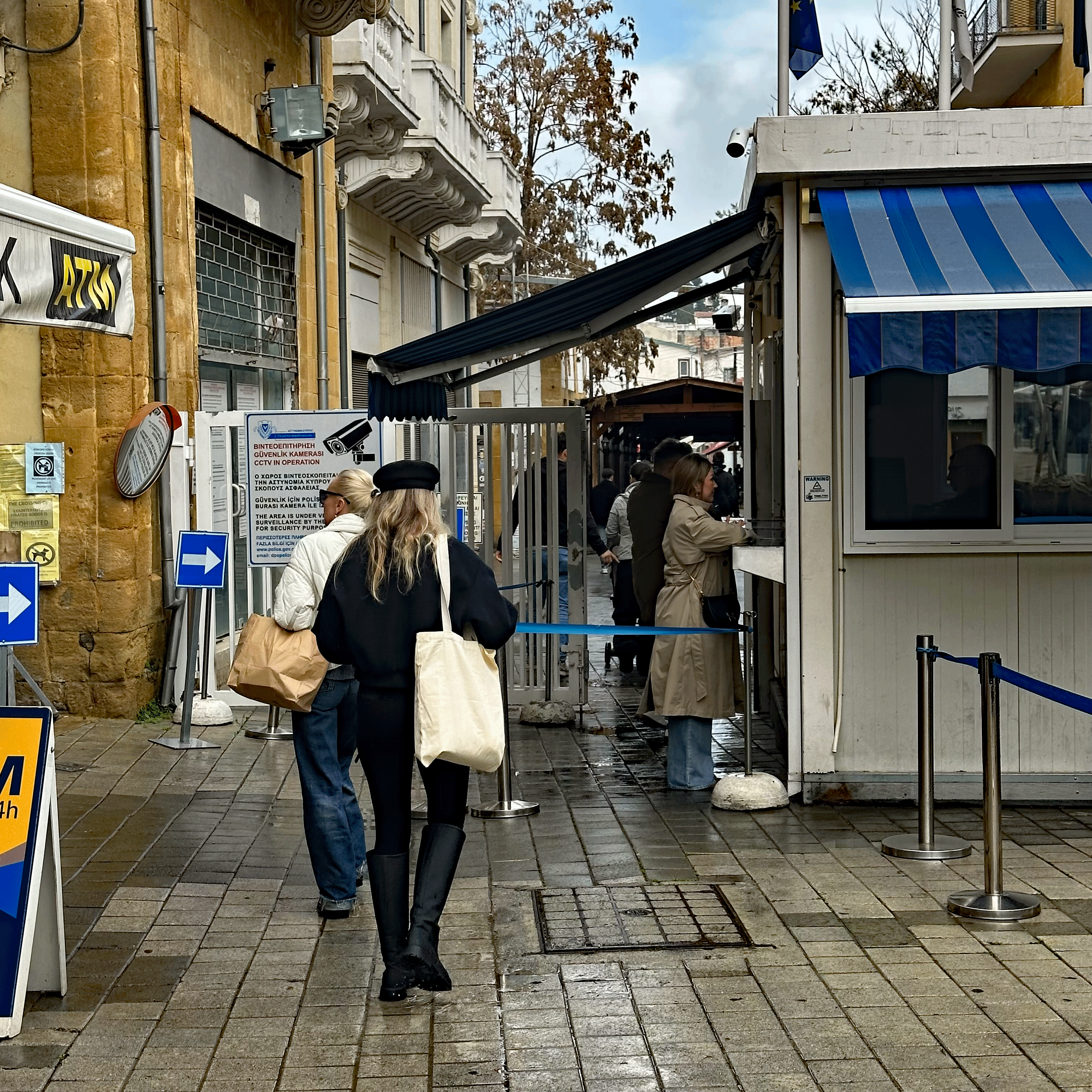
The Checkpoint to the Turkish Side

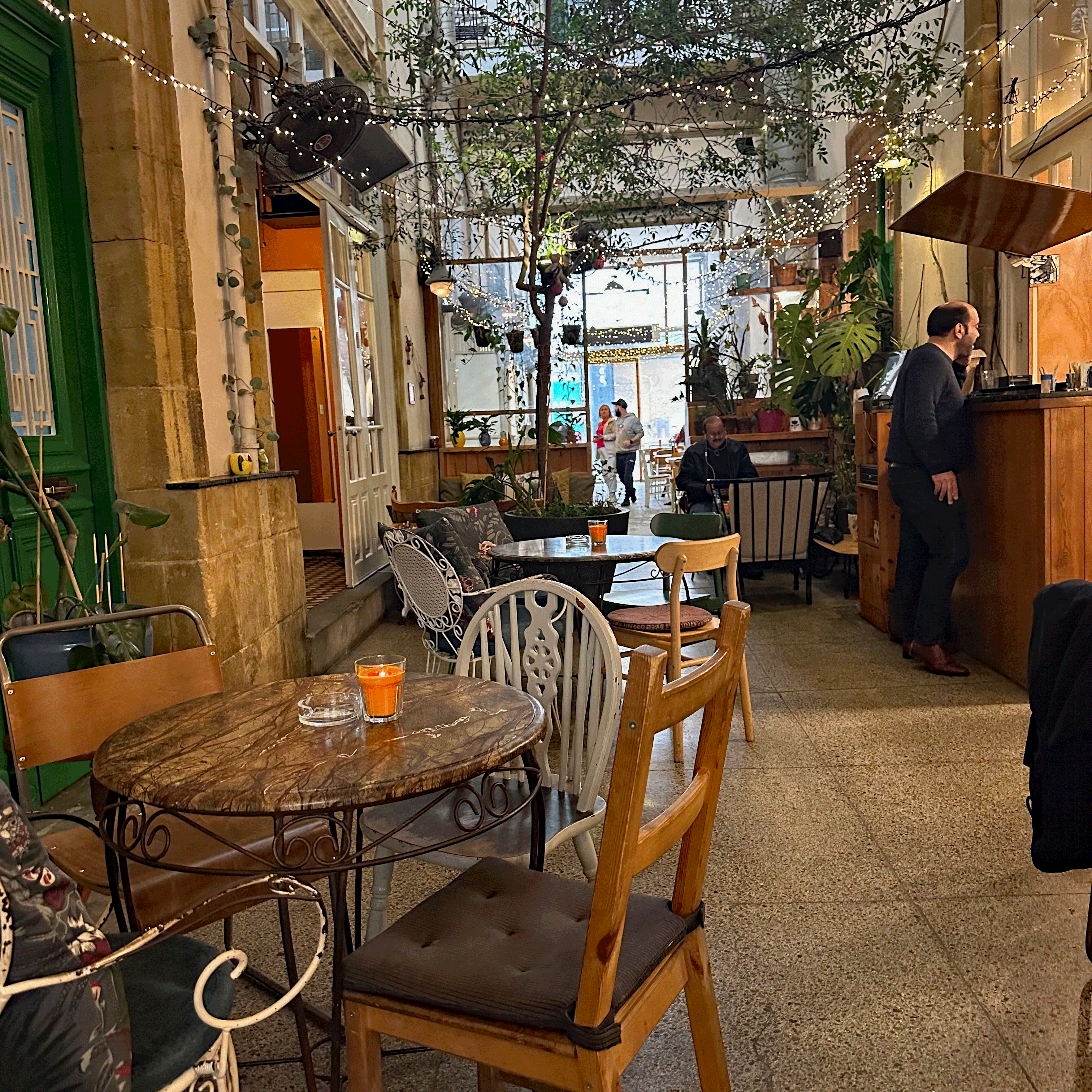
When we came out of the museum, the rain had let up. We walked toward the historic center in search of a coffee and some food. We found a cozy spot for a typical Cypriot brunch. Ledra Street is the pedestrian area lined with shops and restaurants. At one end of Ledra street is an unassuming booth. That is a checkpoint to enter the Turkish side. Although we had fully intended to cross, we realized we had left Larnaca without our passports. Those were safely stowed back at our apartment and we were carrying our passport cards, which might have sufficed, but we weren’t willing to chance it. Since we just toured Turkey last October, we weren’t too devastated. My passport has a Turkish stamp. Still, if you go to Nicosia, remember your passport! (and take some photos for me)

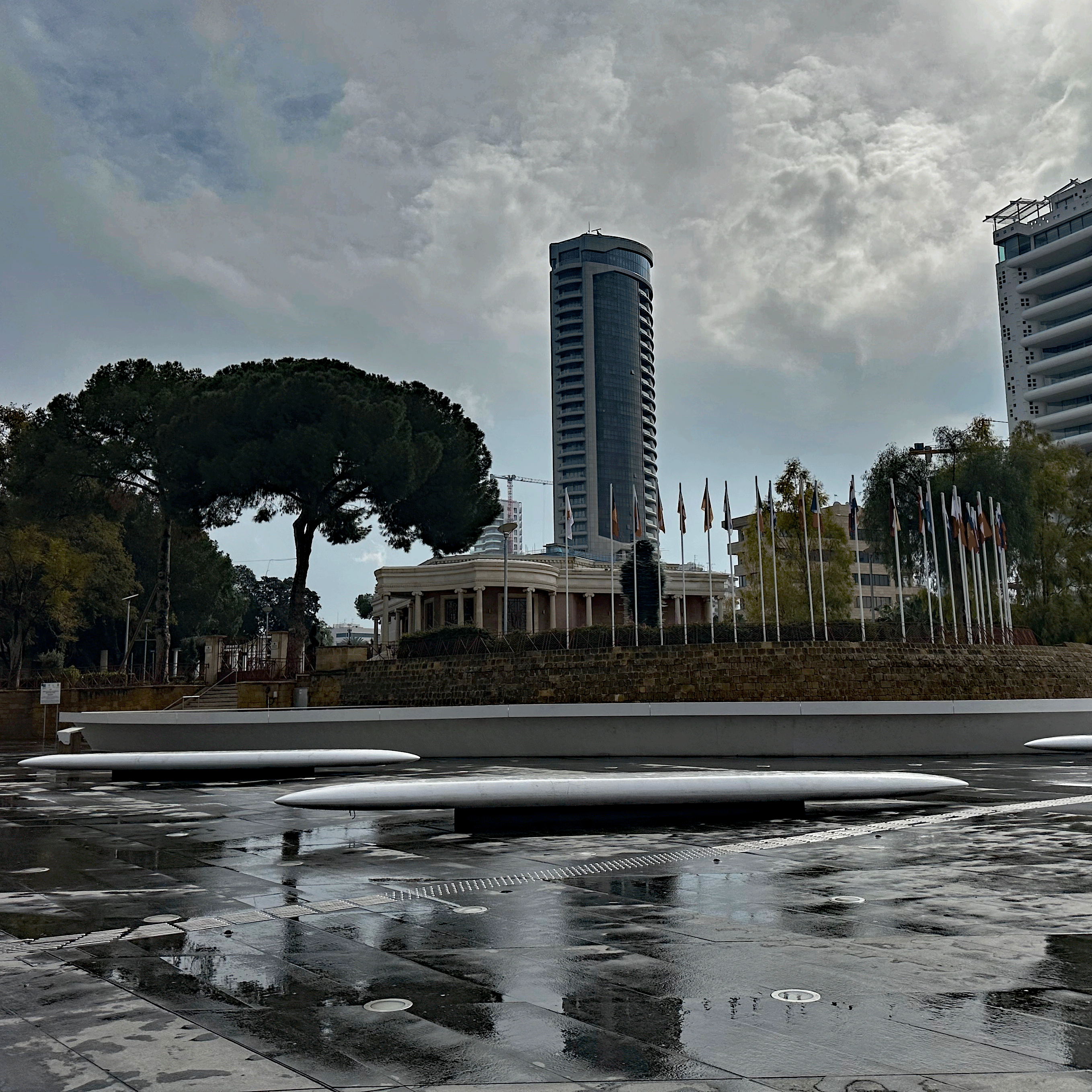
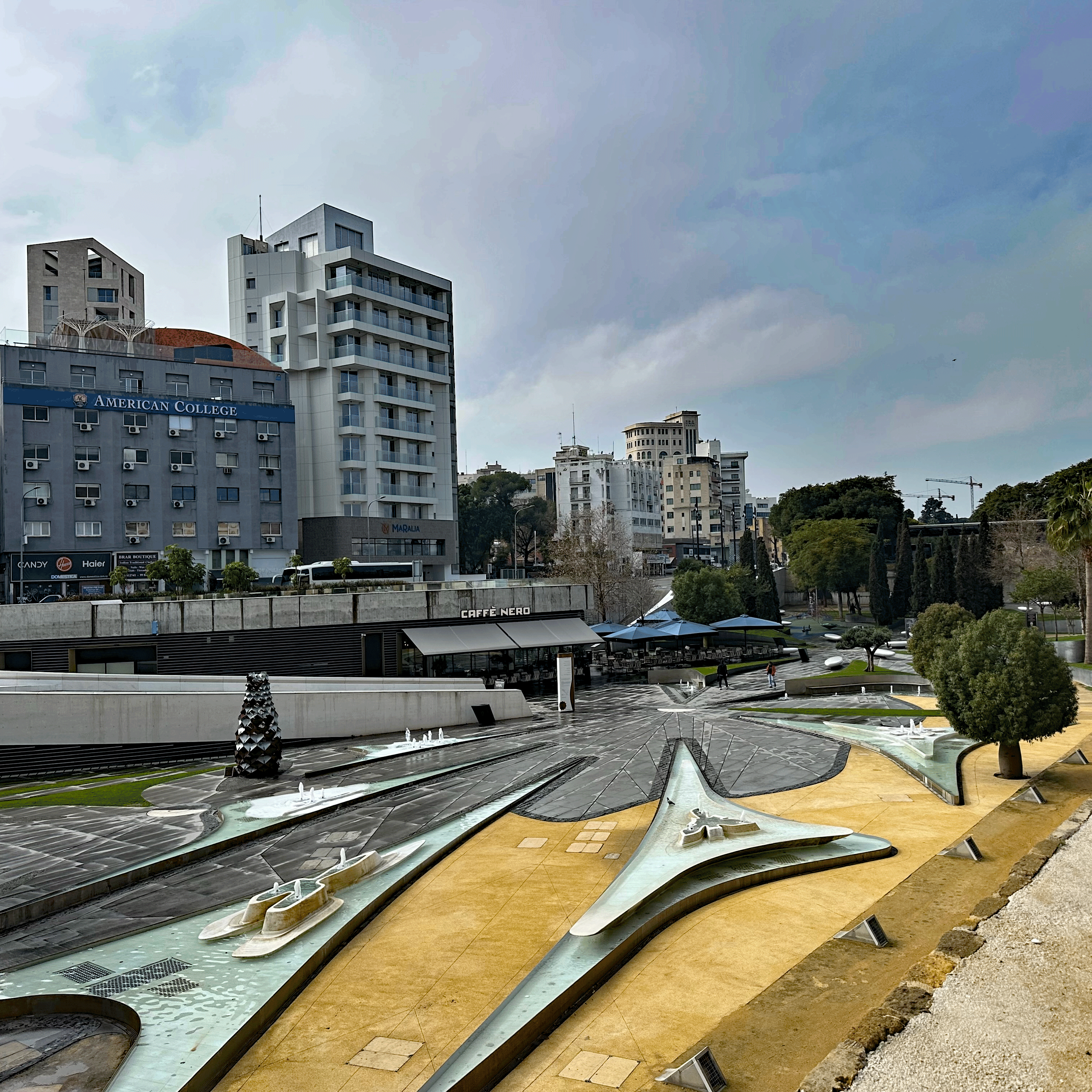
After brunch, we strolled to the nearby modern section of Nicosia.

From Larnaca, we are headed to the city of Limassol, Cyprus. Thank you for reading!

Geri