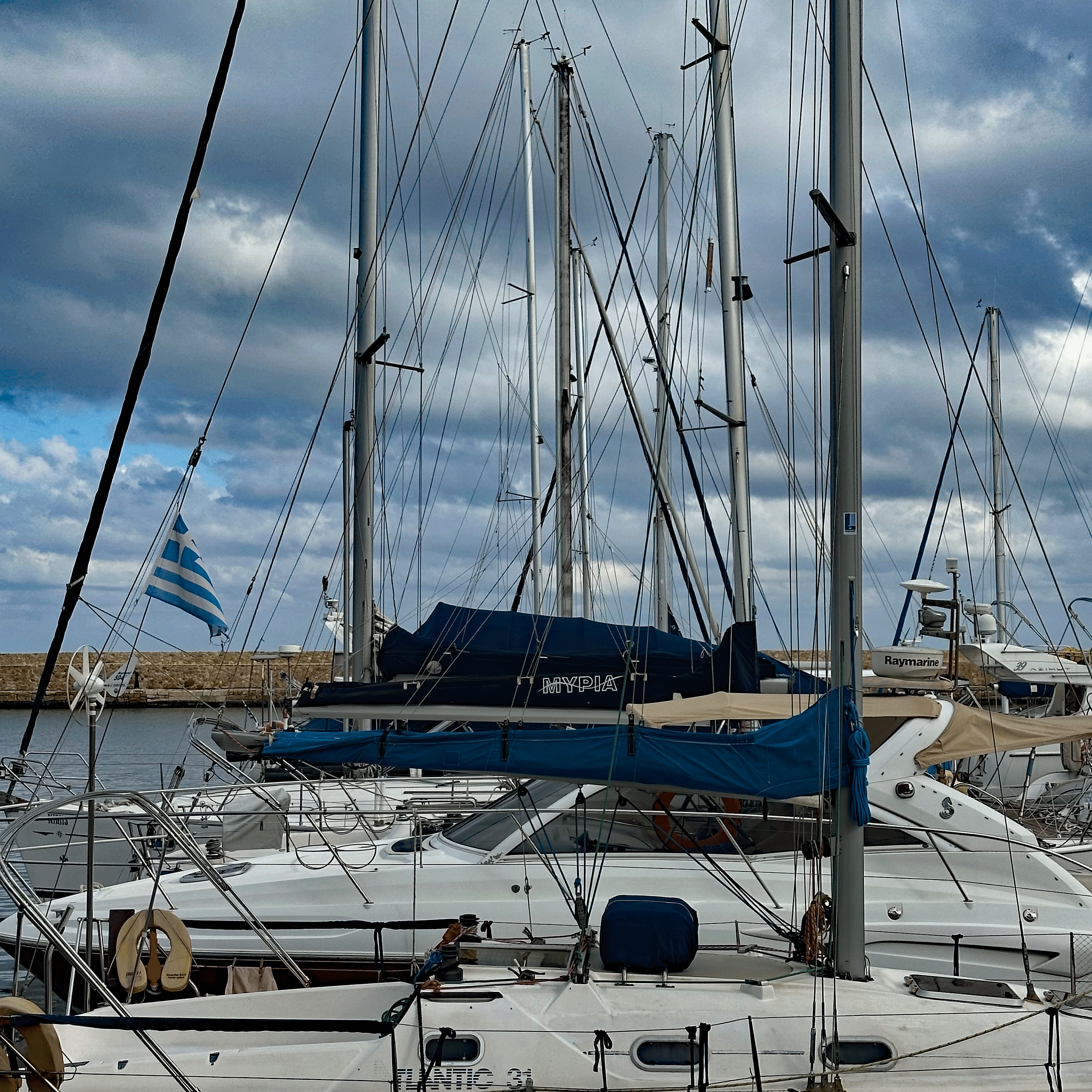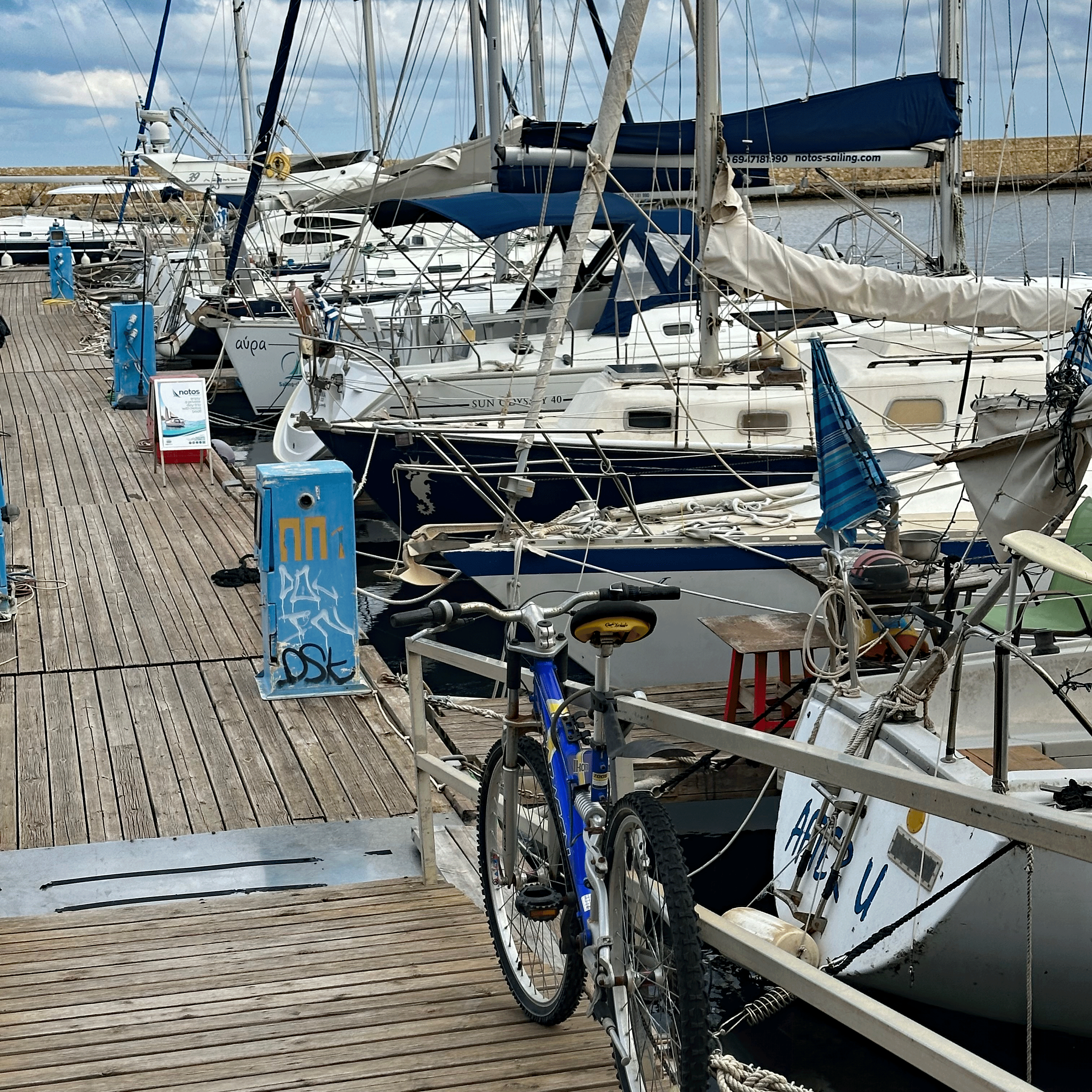
Feel the Local Vibe in Historic Heraklion, Crete

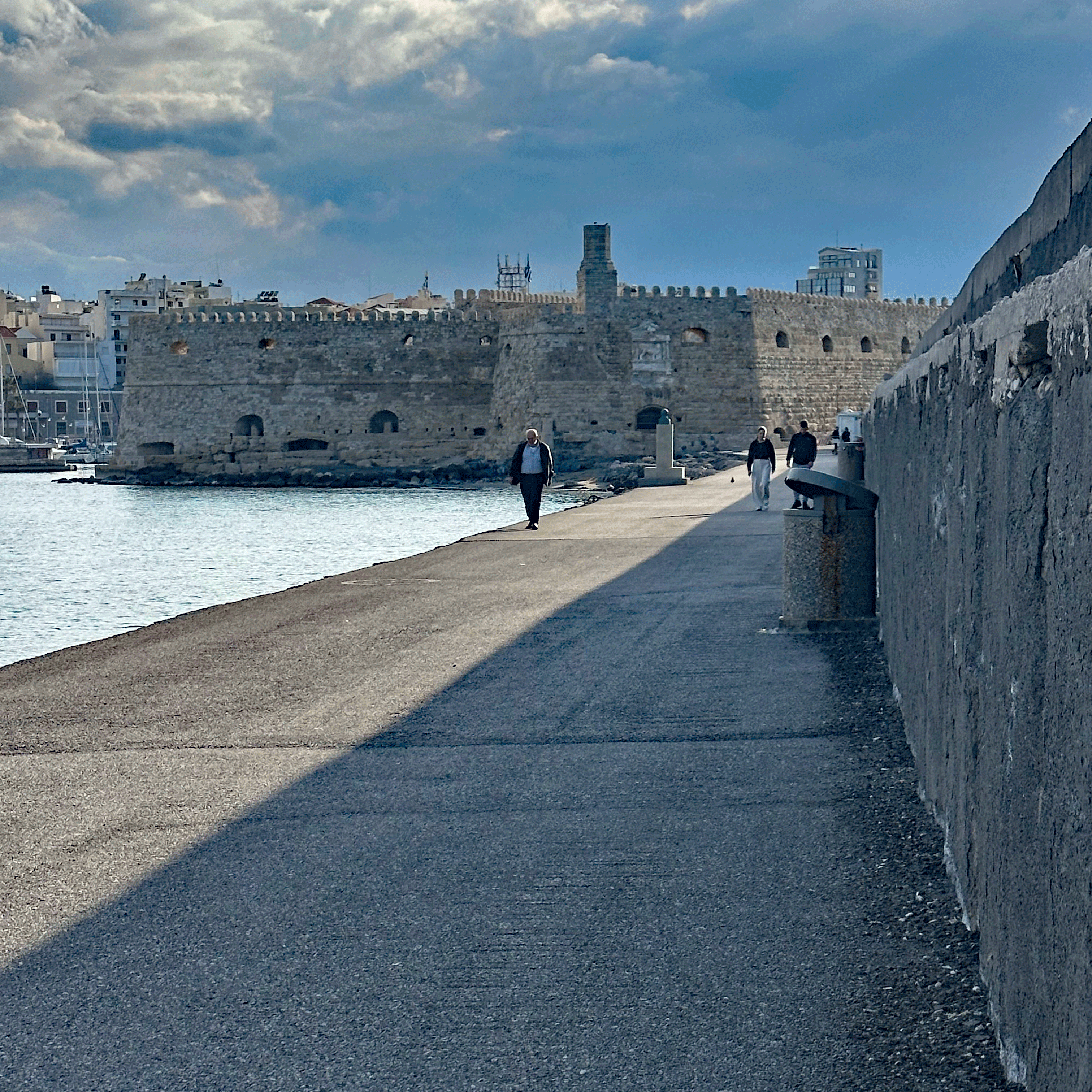
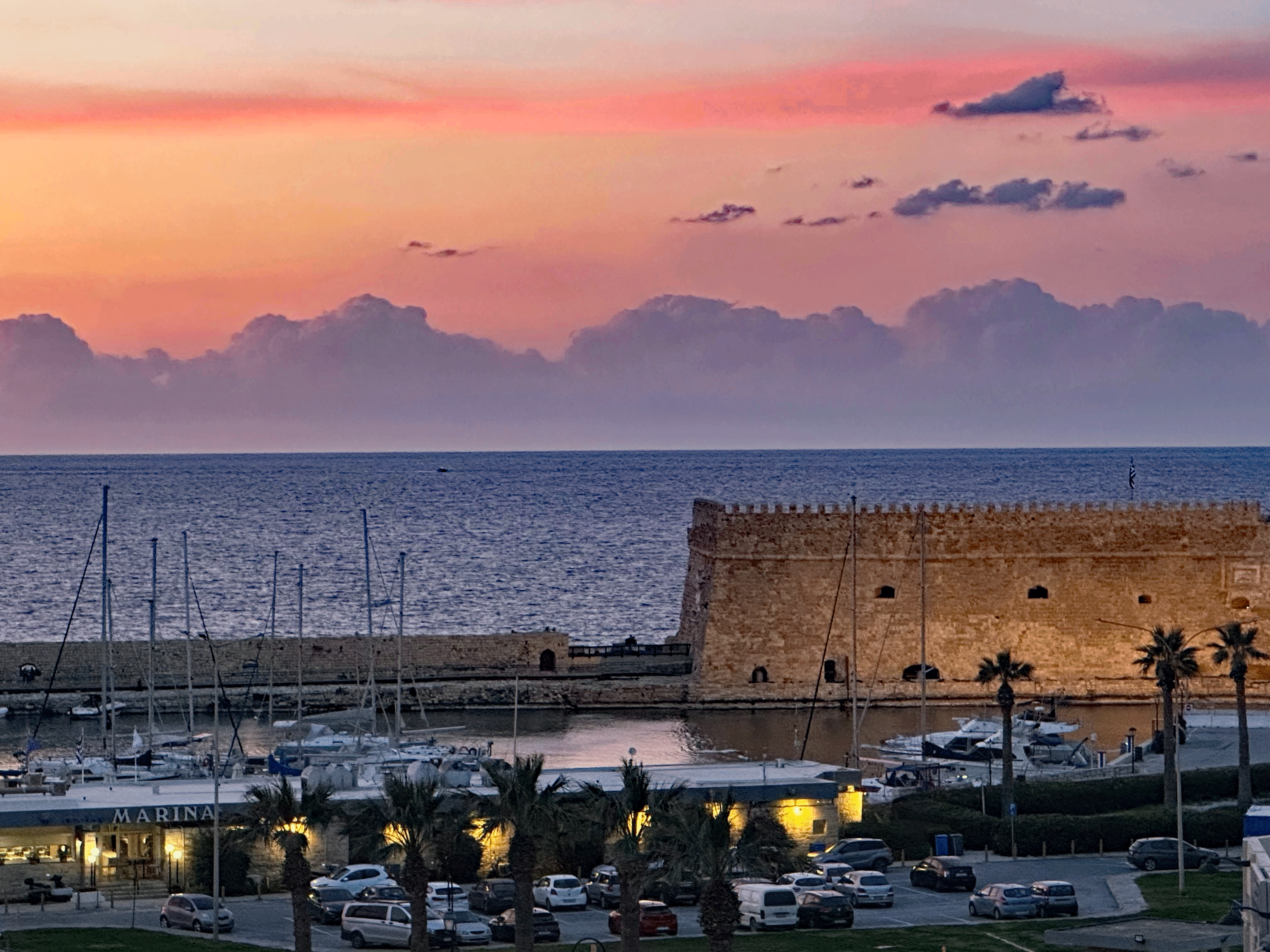
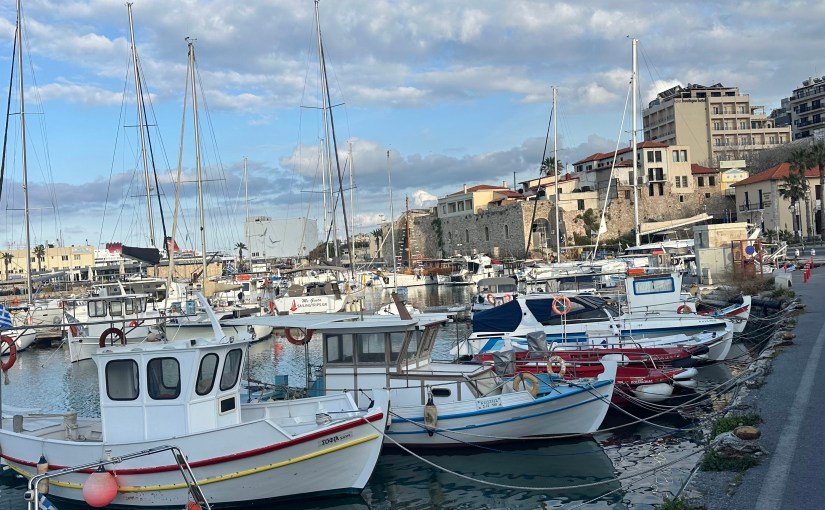
Heraklion is often dismissed as too big, too busy, too gritty, because many visitors come to Crete for the “beachier ” destinations. They may only see the Heraklion airport. Cruise passengers might spend a day. We stayed there for 5 days at the end of our 8 weeks of winter travel to Athens, Cyprus, and Crete in 2026. We stayed at the GDM Megaron Historical Monument, a hotel right across from the harbor, where we enjoyed a lovely room with a small balcony facing the harbor and the Koules Fortress. In summer this would be a very busy place, ( and more expensive), but in early March there are not many ferries running and no large cruise ships. The hotel staff was delighted to have guests, there weren’t many of us, but you couldn’t tell by the size of the breakfast spread. Try as I might, I couldn’t get around to trying everything, even once. There was a rooftop bar with fantastic views of the Sea of Crete and the city. Too chilly for the rooftop pool, but not for enjoying a coffee, a glass of wine, or a light meal.
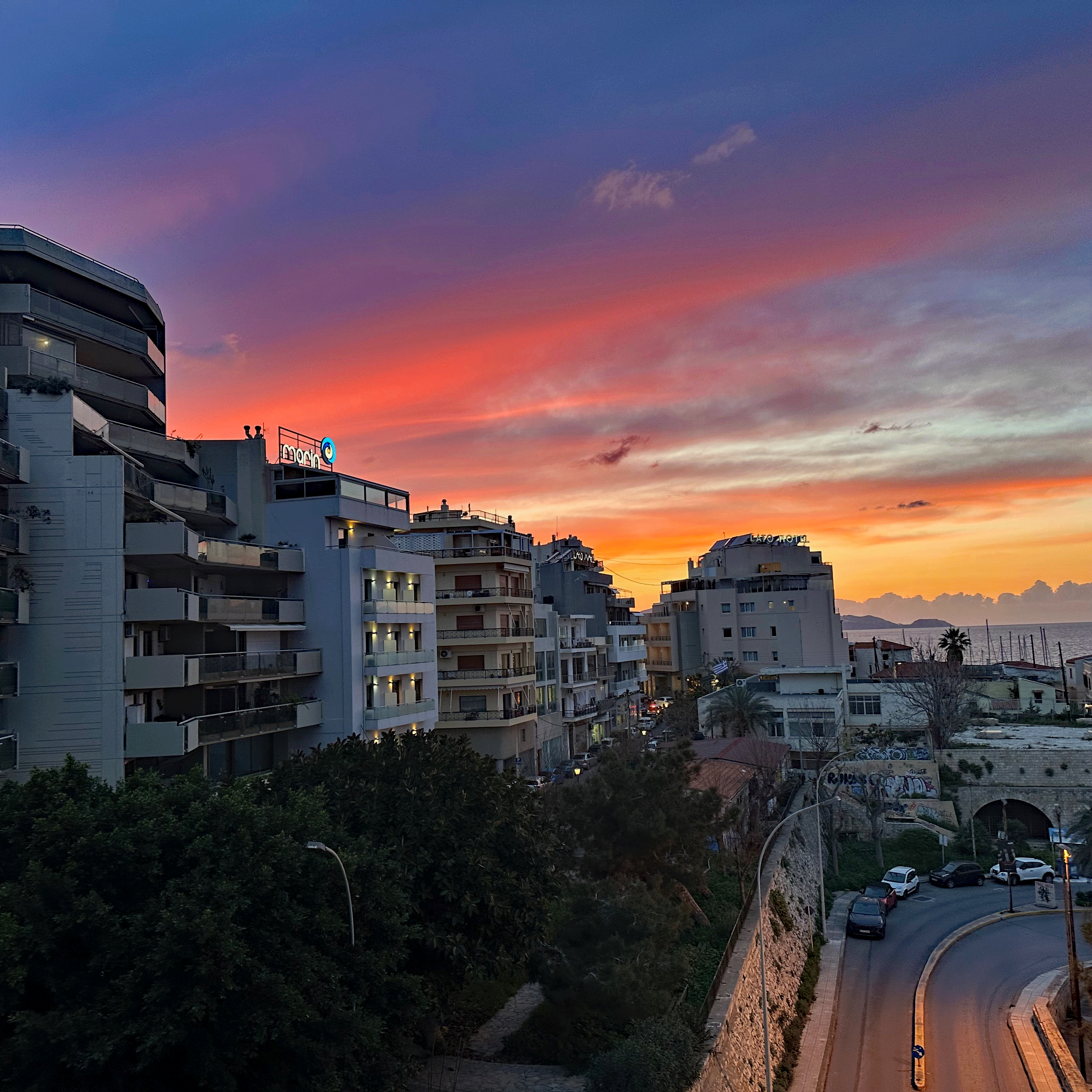
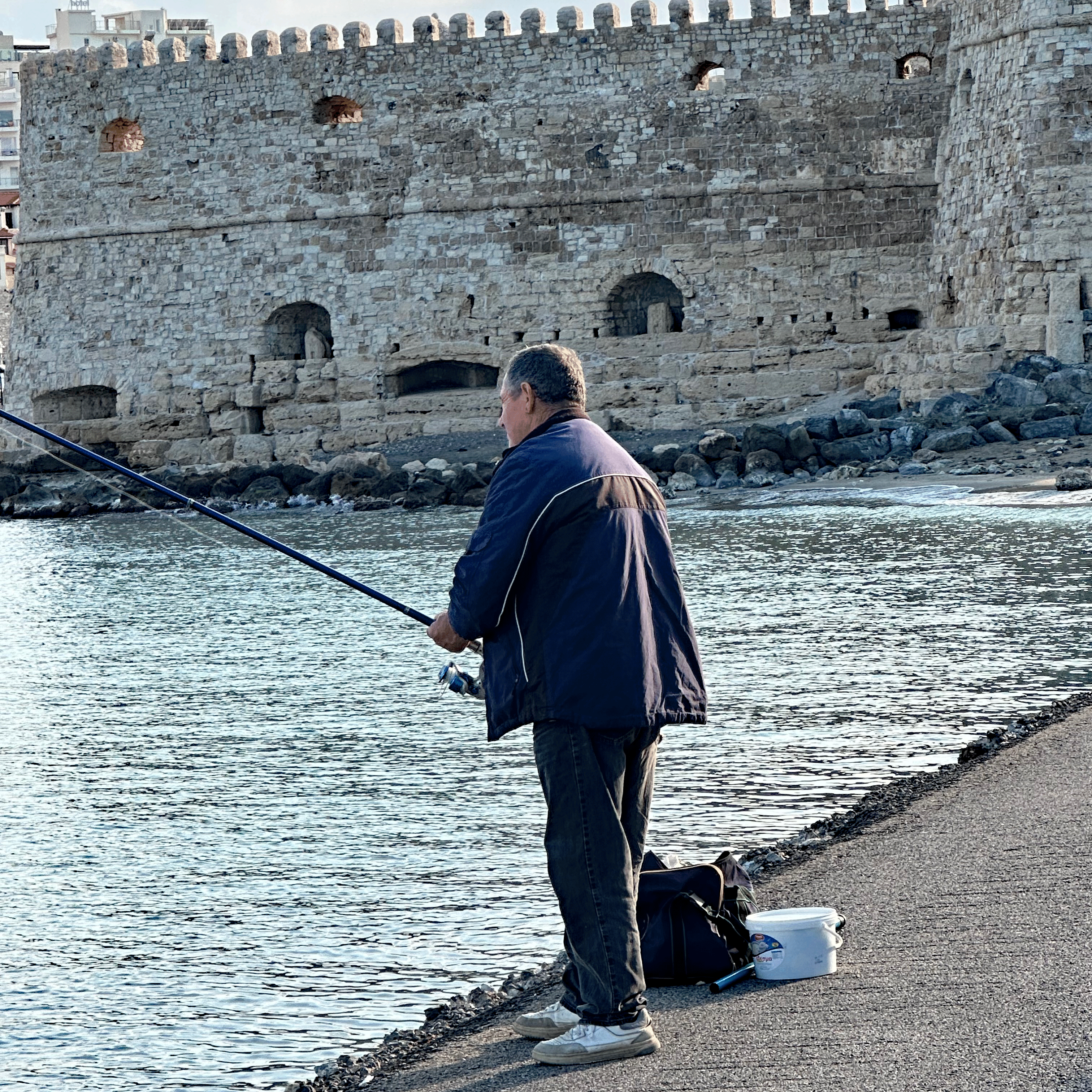
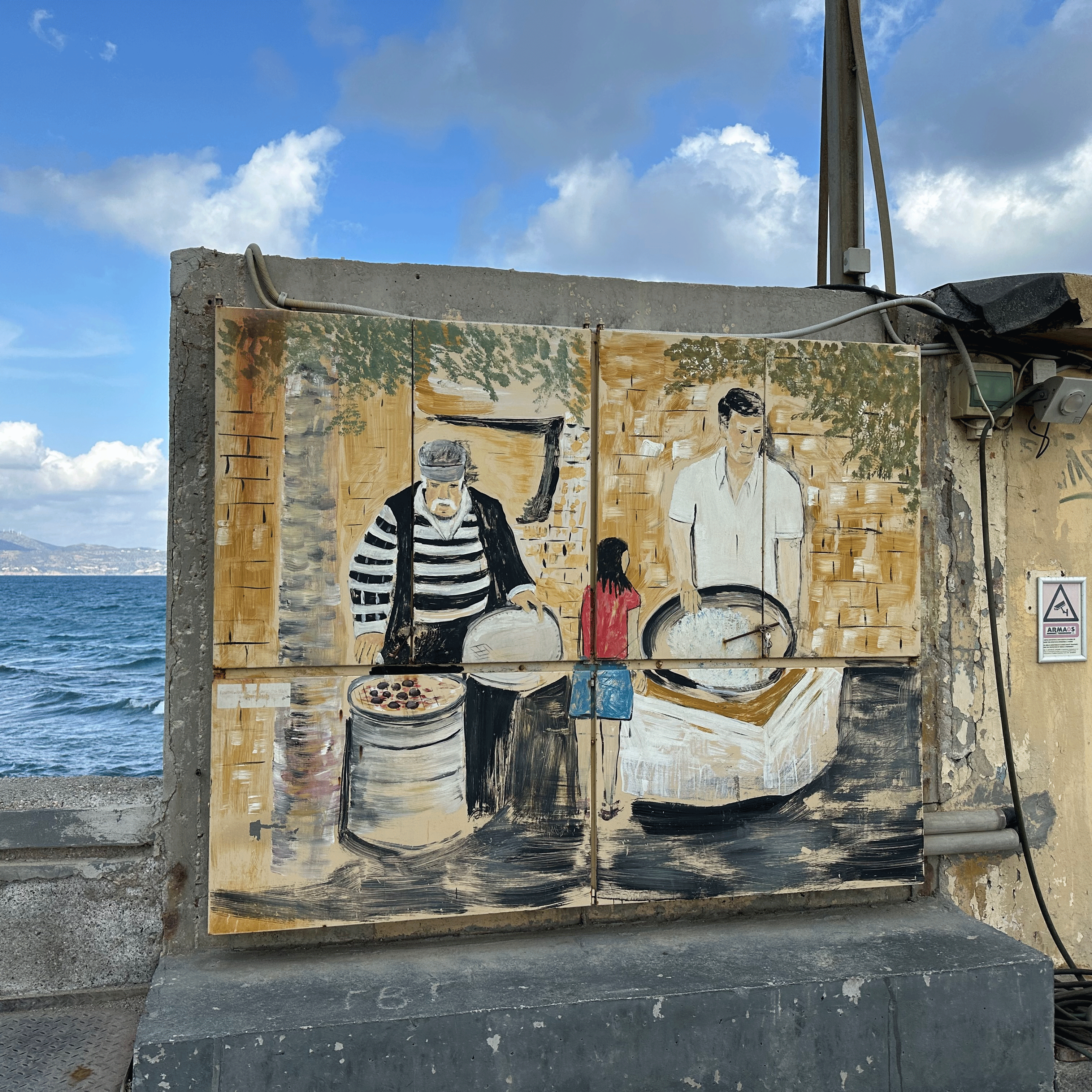
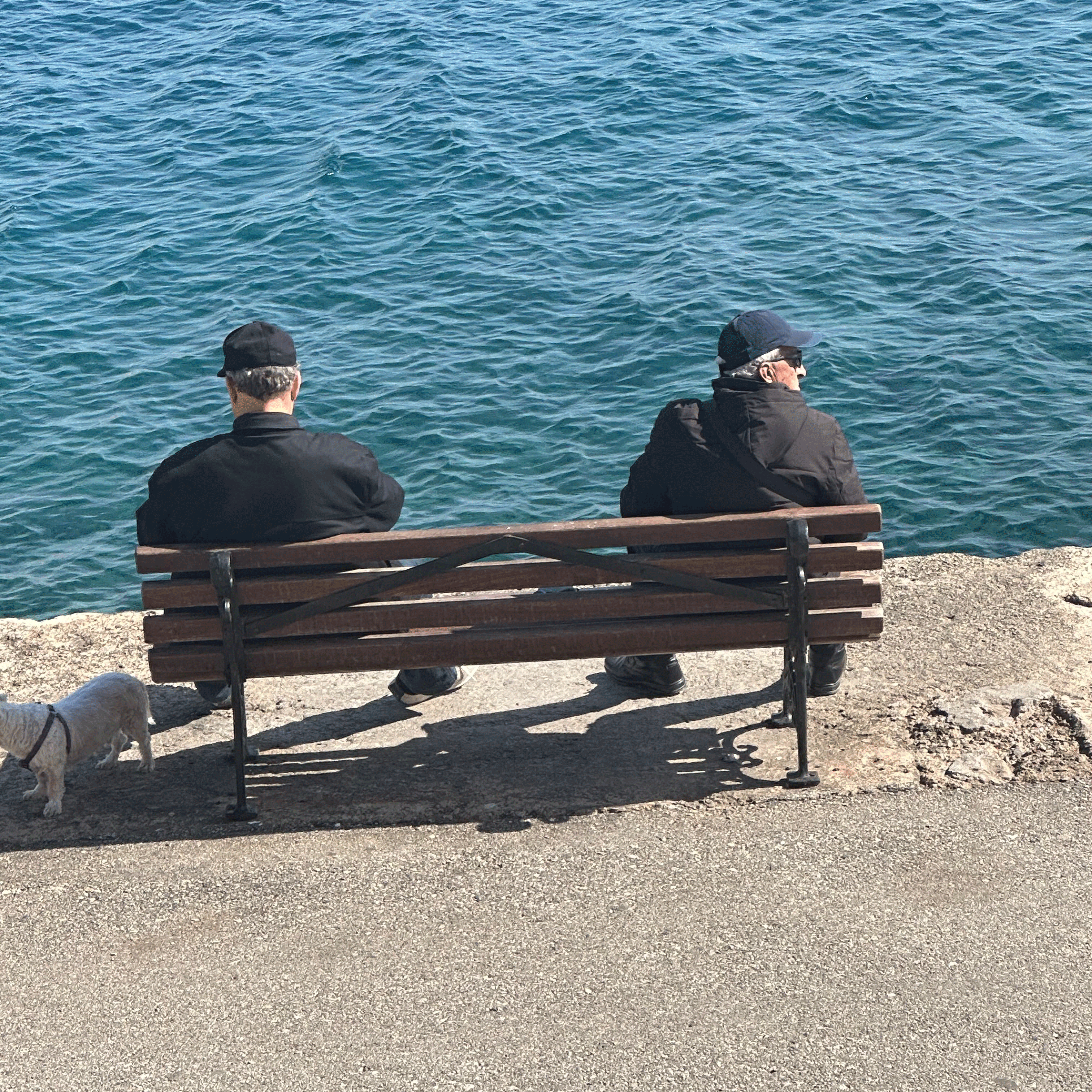
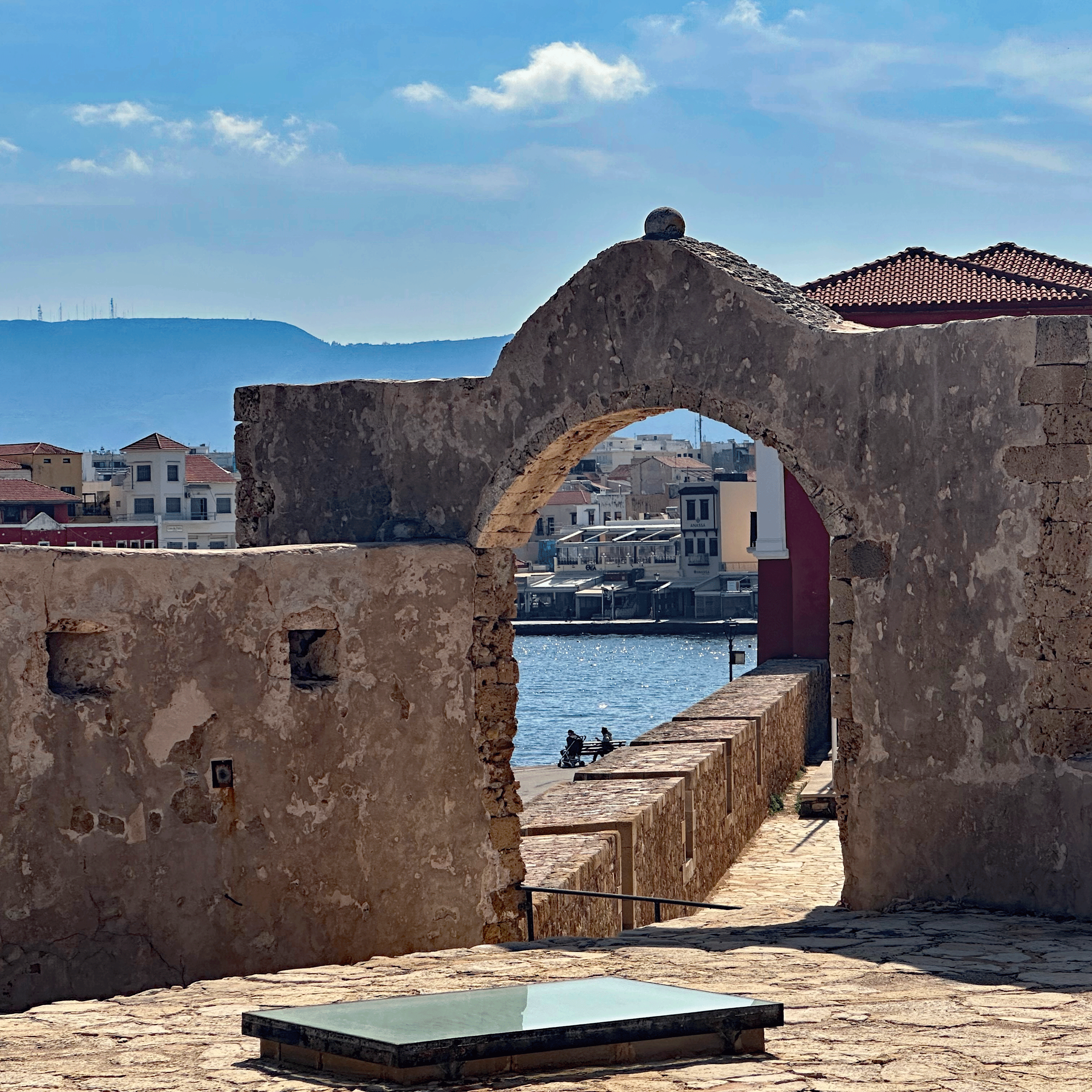
The harbor front is a popular jogging and strolling spot for both the locals and visitors. We took a walk there every day and loved seeing fishermen and local teenagers enjoying a private moment in the alcoves of the castle walls.

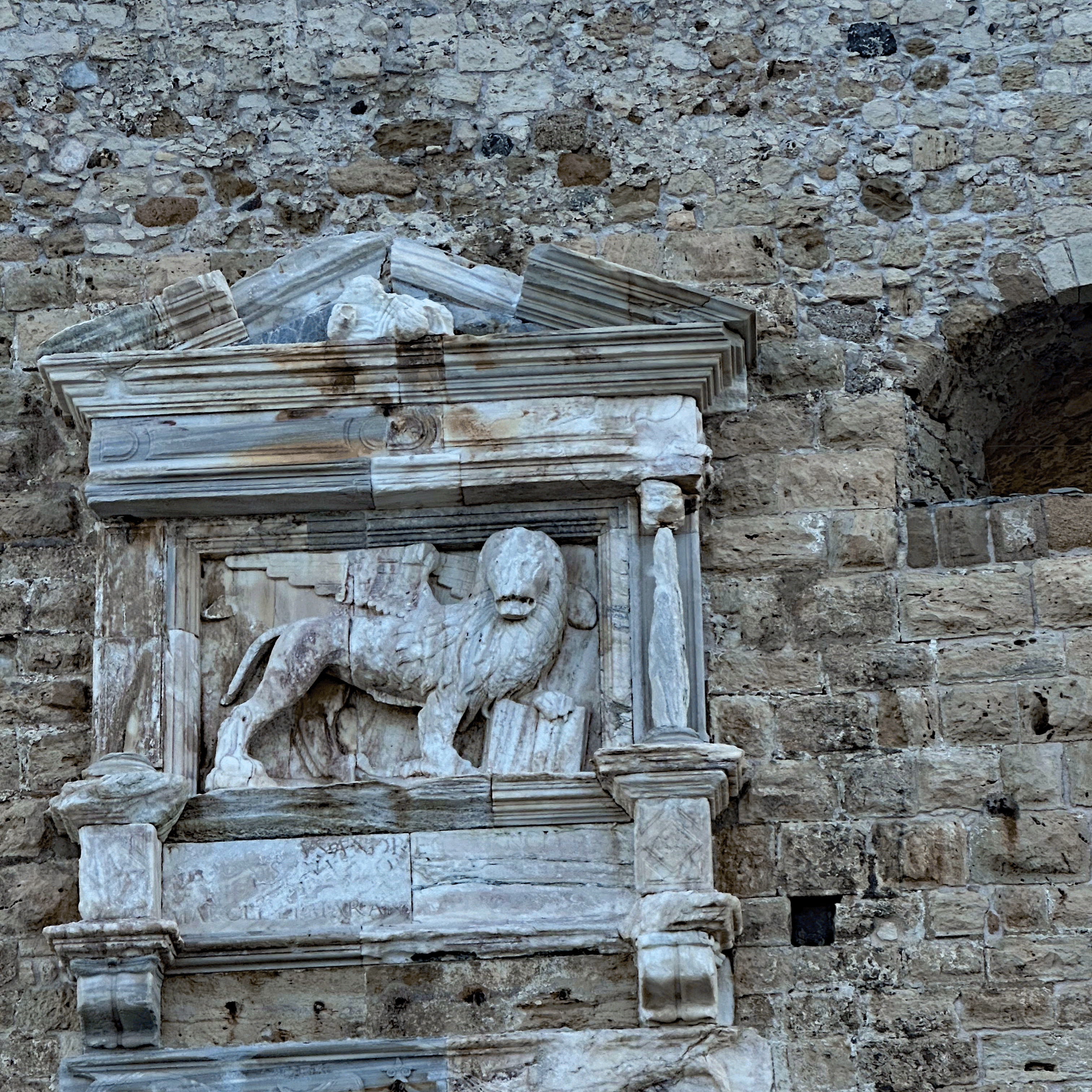
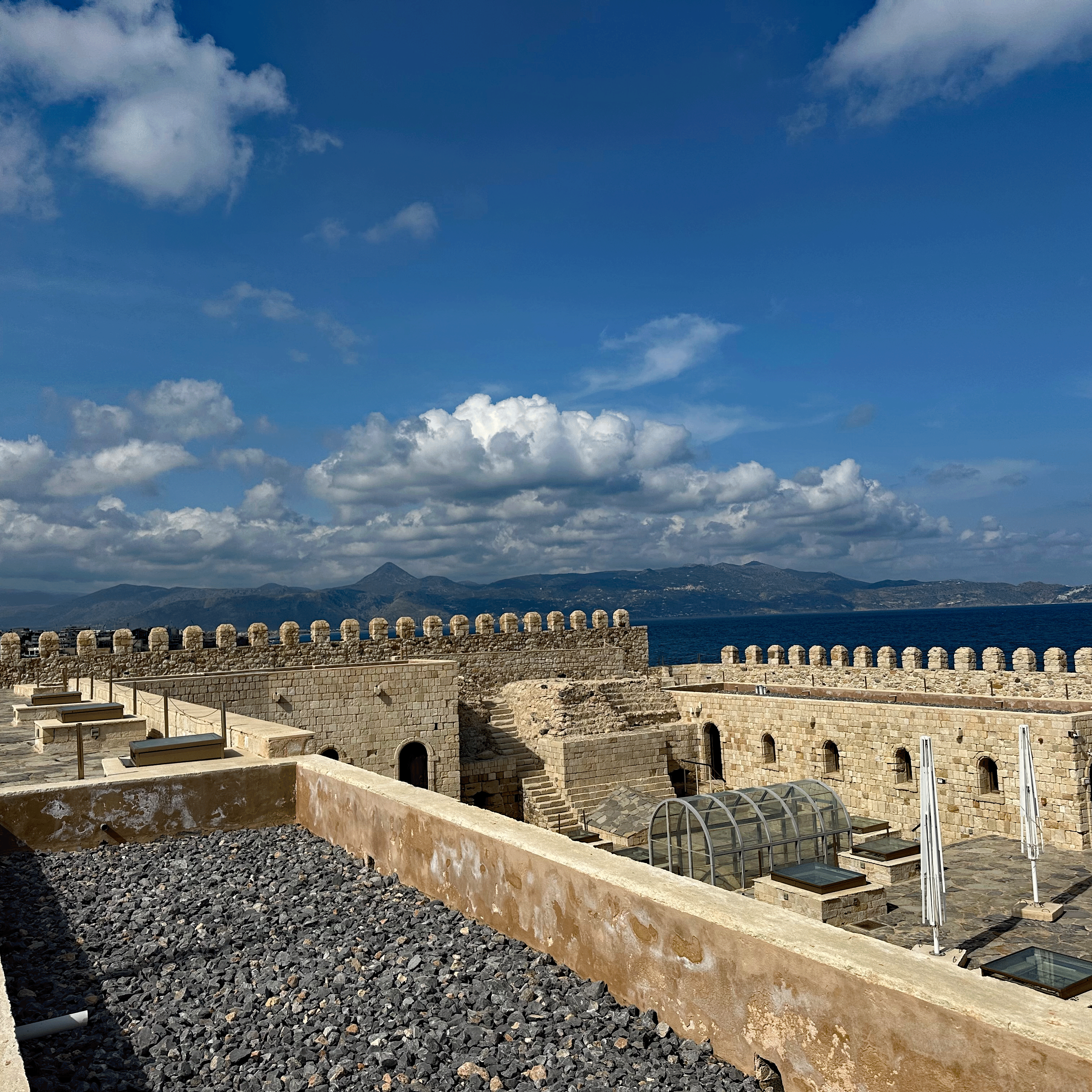
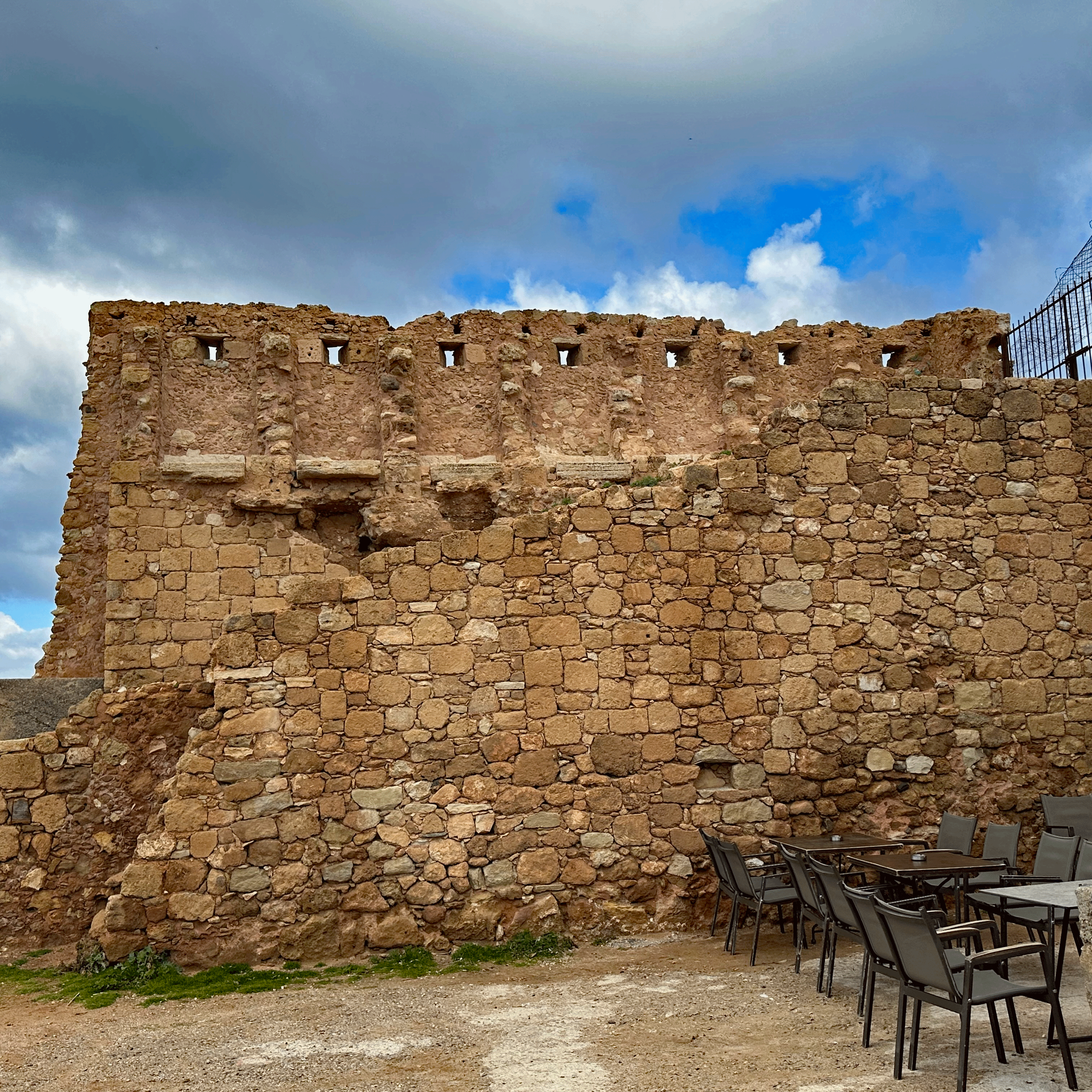
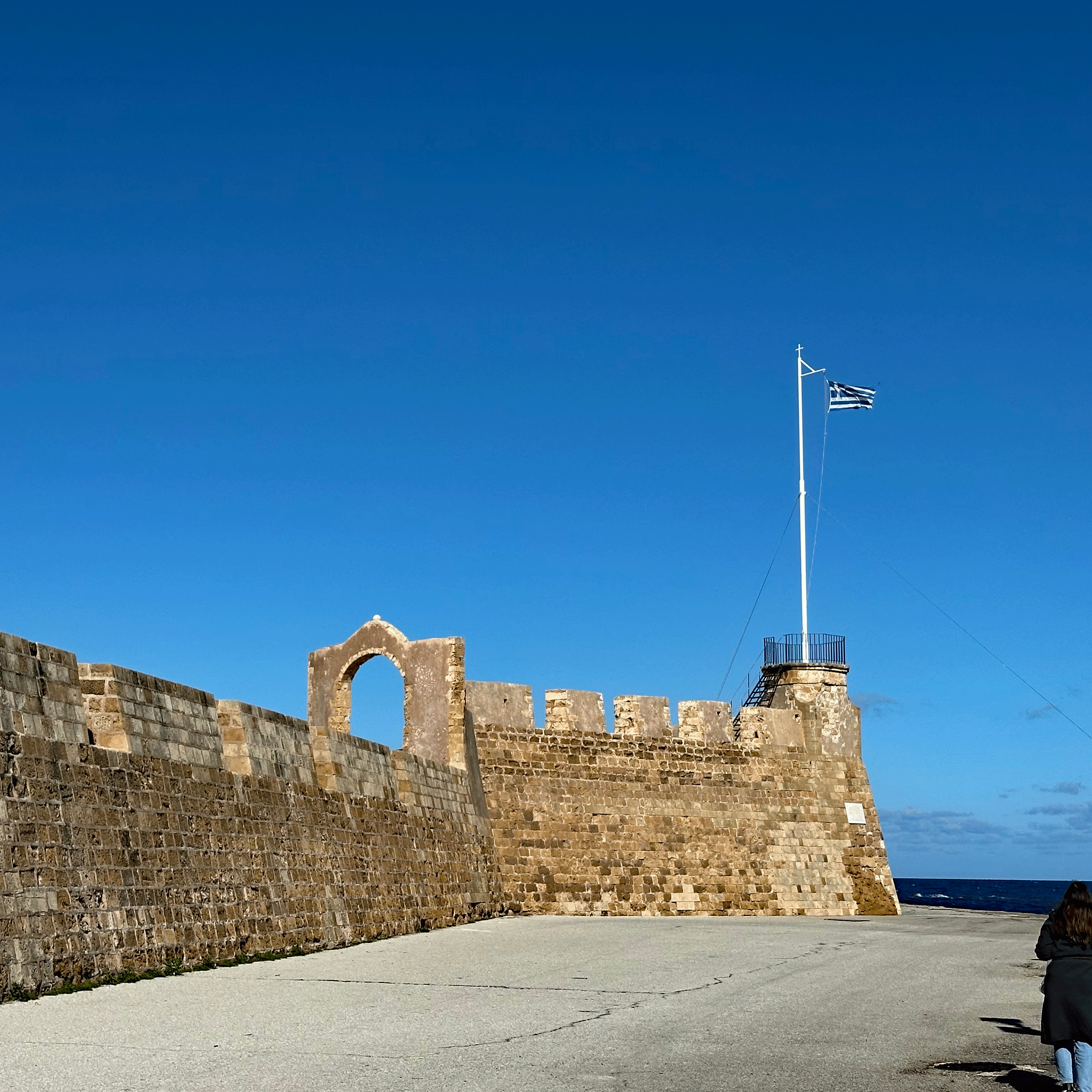
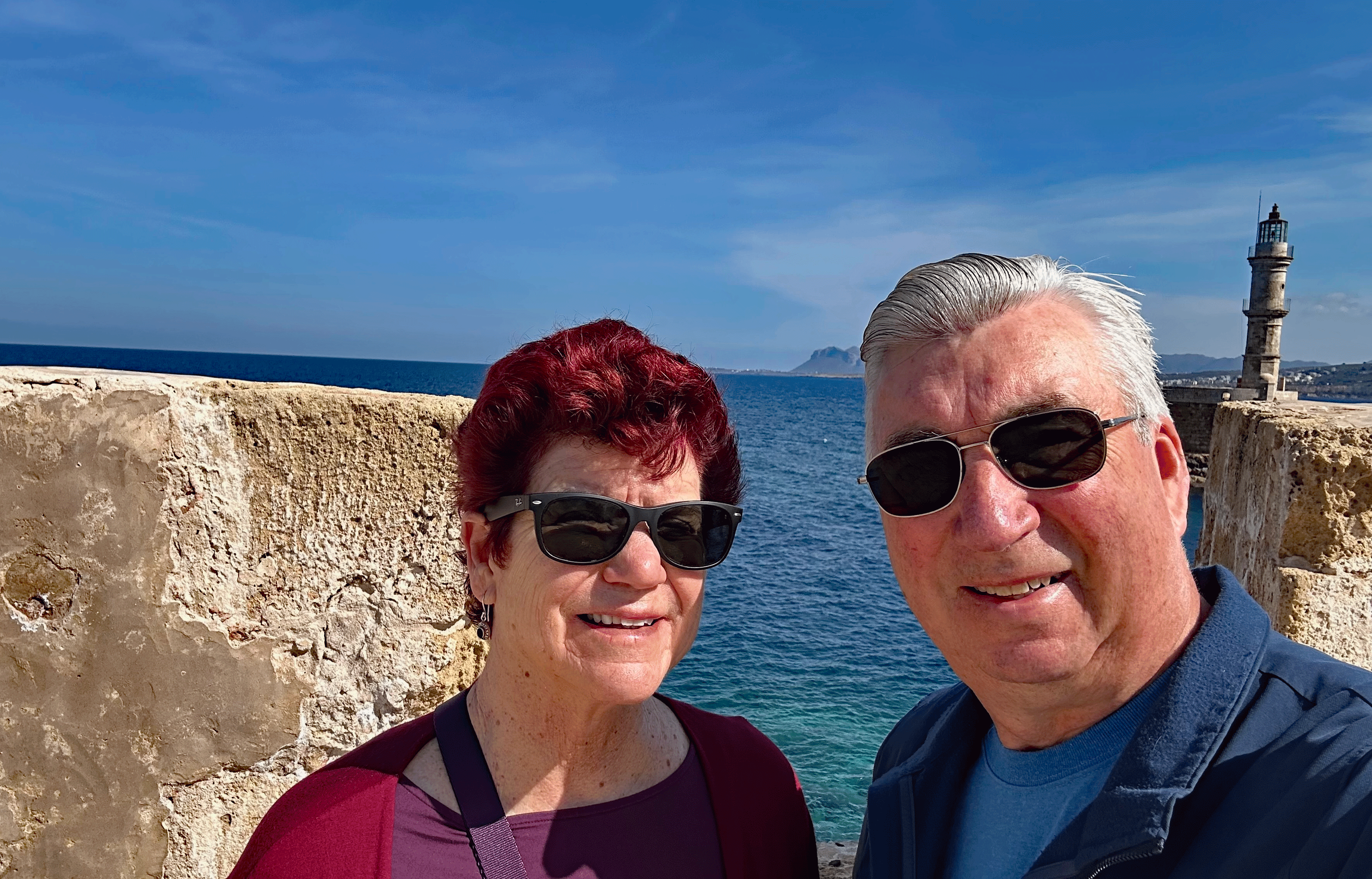
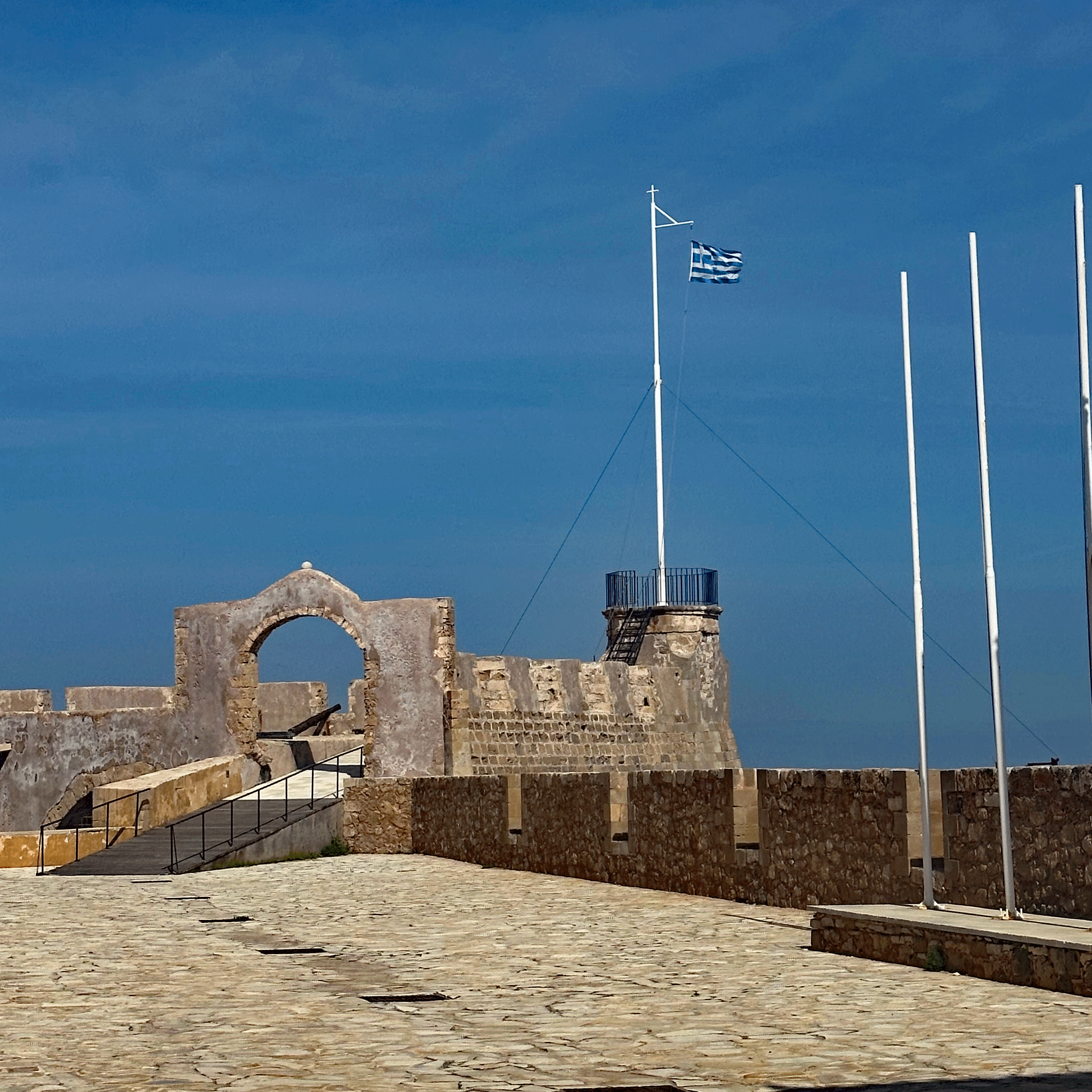
We spent one full morning touring the Koules Fortress, built by the Venetians during their occupation of Crete in the 16th century. Within the walls are some authentic displays to give you a feel for the castle’s heyday. The upper ramparts offer amazing views and photo ops.
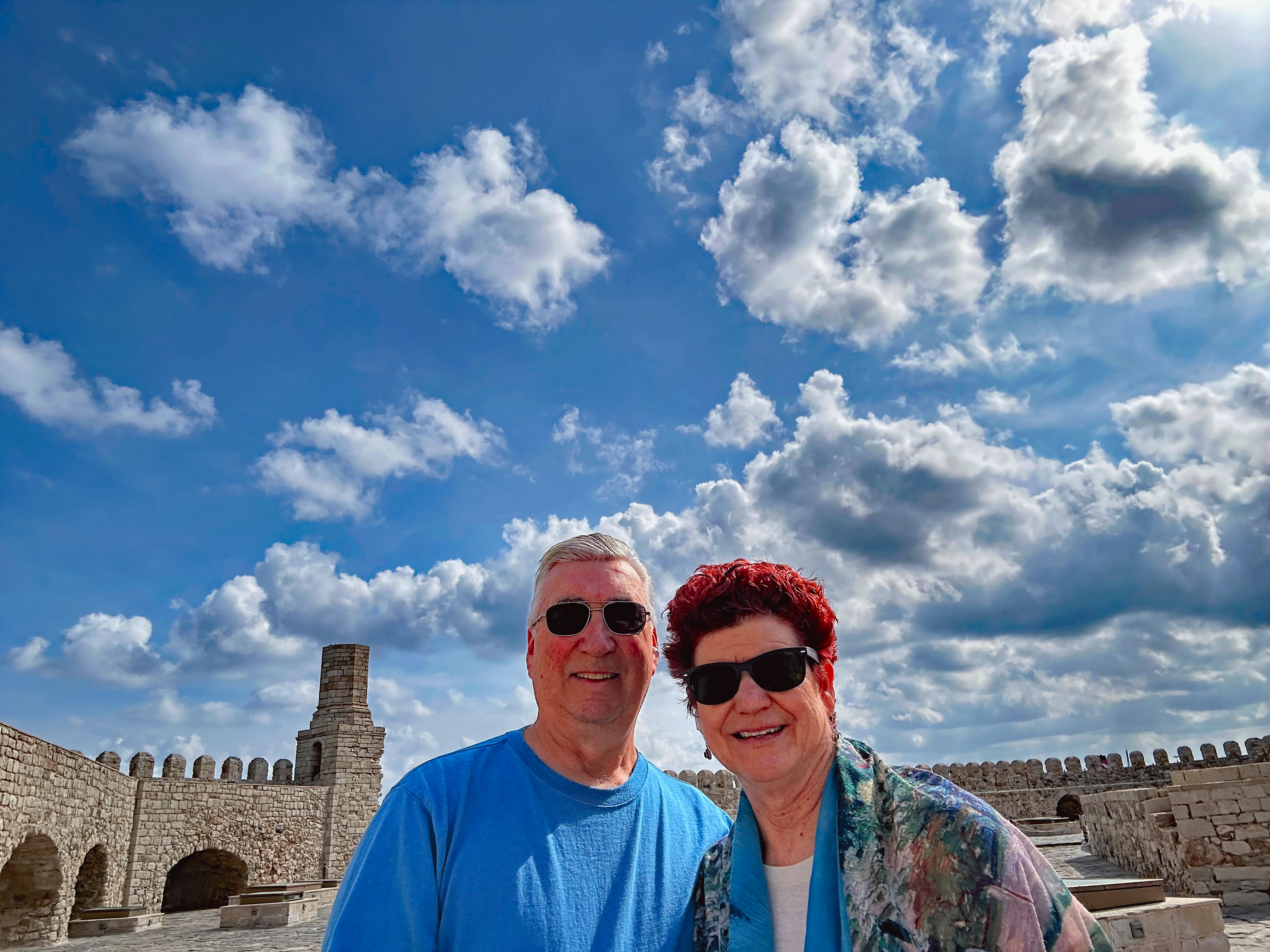
Enjoying the castle grounds almost by ourselves
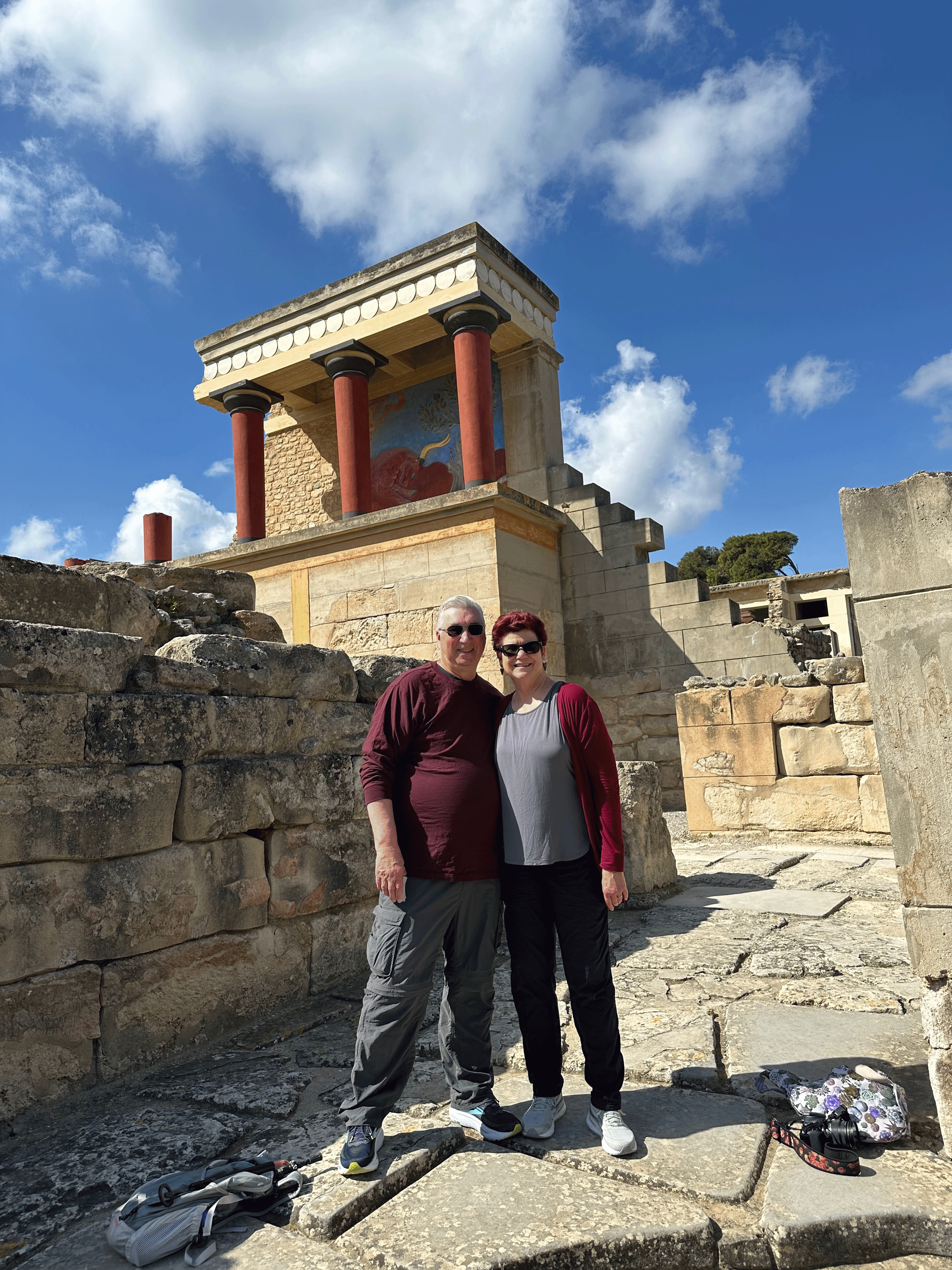
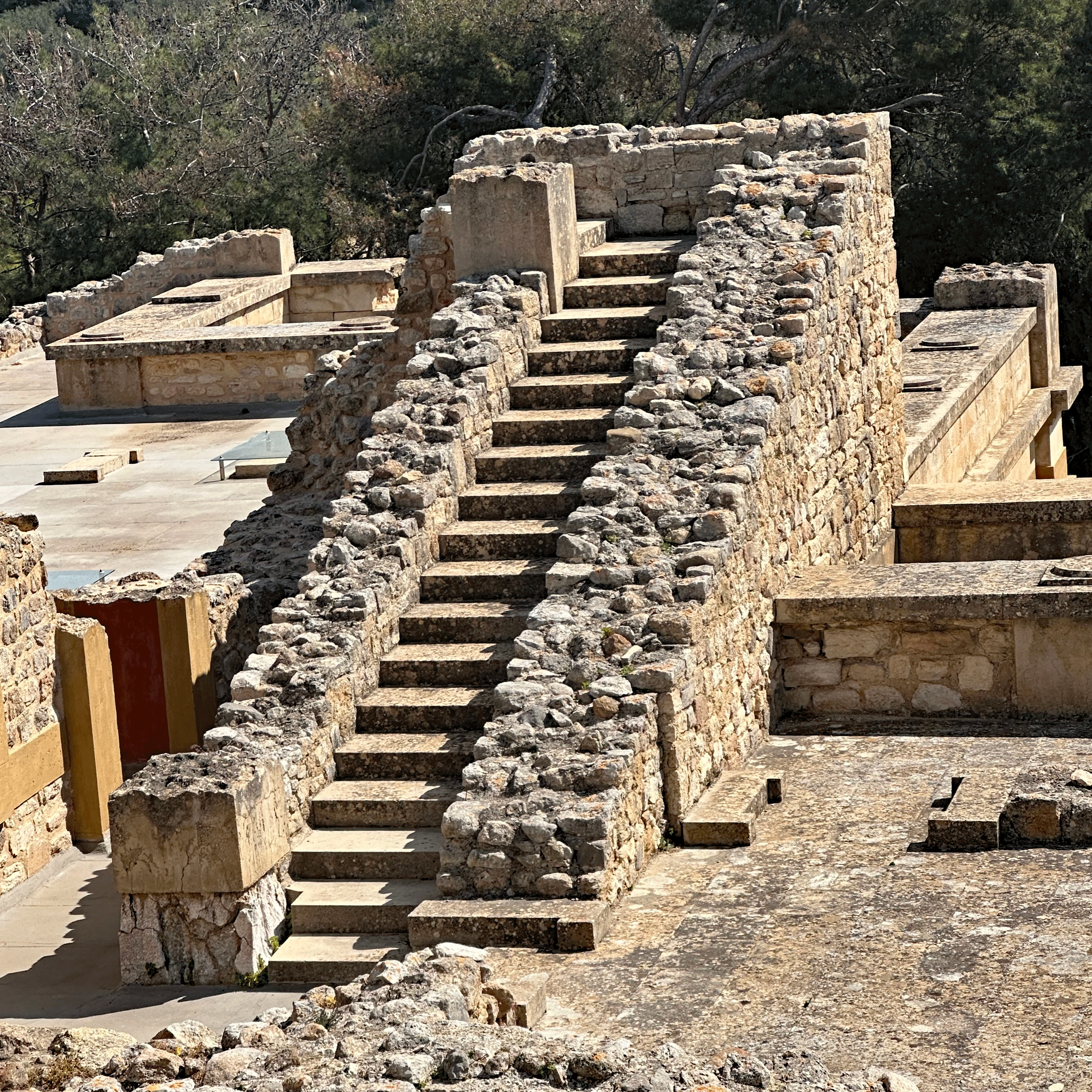
From Heraklion, it is a 25 minute drive to the Knossos Palace, an archeological site not to be missed. There is evidence of human inhabitants there in 7,000 BC (Neolithic Age). The palace remains date from the Bronze Age. Excavations that began in 1900 by Sir Arthur Evans indicate the original palace from the Minoan Civilization (circa1900BC ) was destroyed by an earthquake (circa 1700BC ) and rebuilt to serve as the leading center of Minoan, Crete until the Mycenaean Greeks conquered the Minoans around 1450 BC. The Palace was abandoned after 1350 BC, but the area was settled during the Greek and Roman periods.

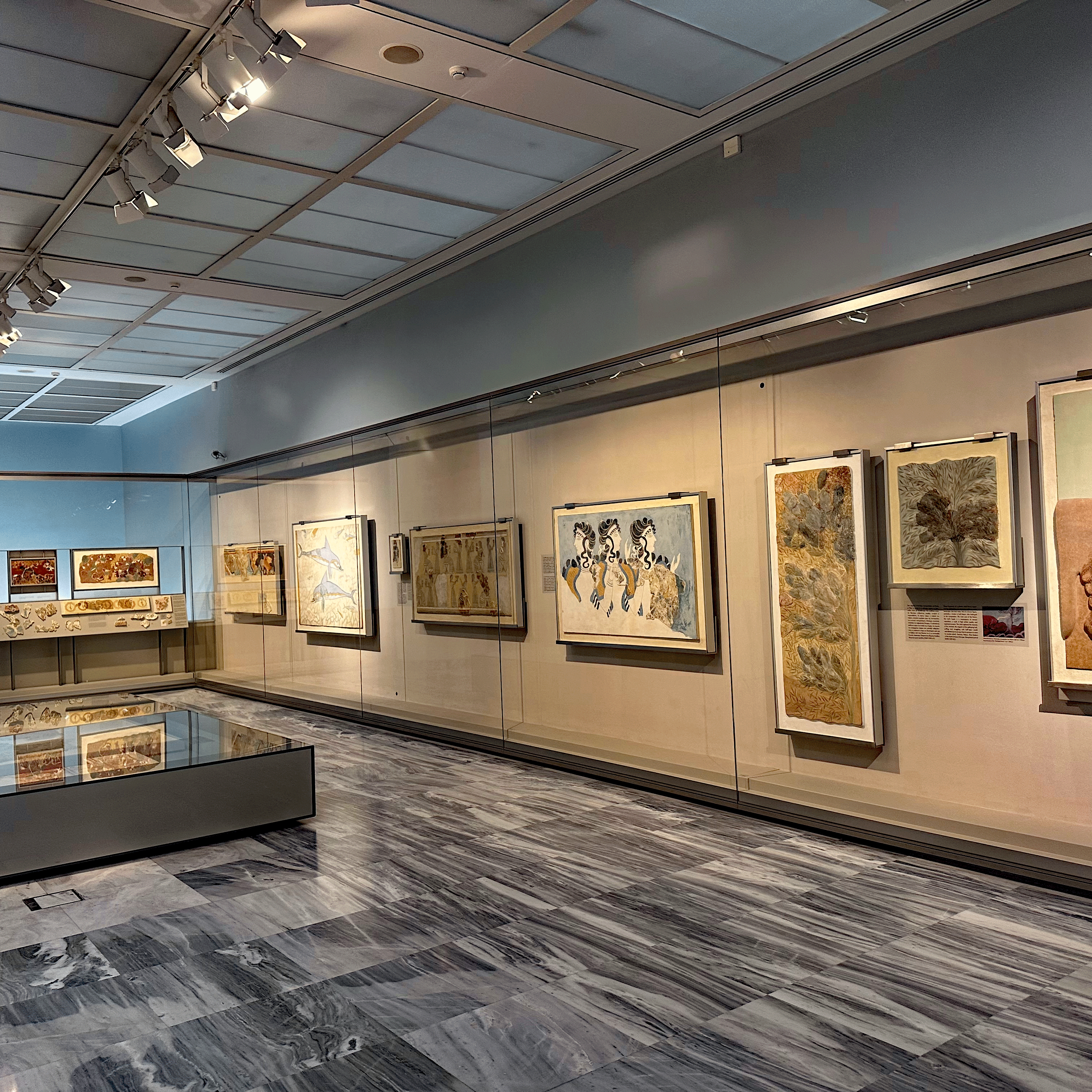
We were able to hire an official guide when we arrived. She is an archeologist and to us, it was well worth the cost to visit the site with her. She explained everything we were seeing, and even told us about some of the interiors that she has been inside, but that are not open to the public. Study and restoration of the palace continues. Many of the frescoes on the site are replicas. The originals are on display at The Heraklion Archeology Museum. I strongly recommend visiting both places.

Excavation has revealed that the palace was 5 stories tall with staircases, corridors, courtyards, and thousands of rooms. The sprawling design is believed to have led to the myth of the Labyrinth and the Minotaur. Everywhere in Greece, documented history is intertwined with mythology.

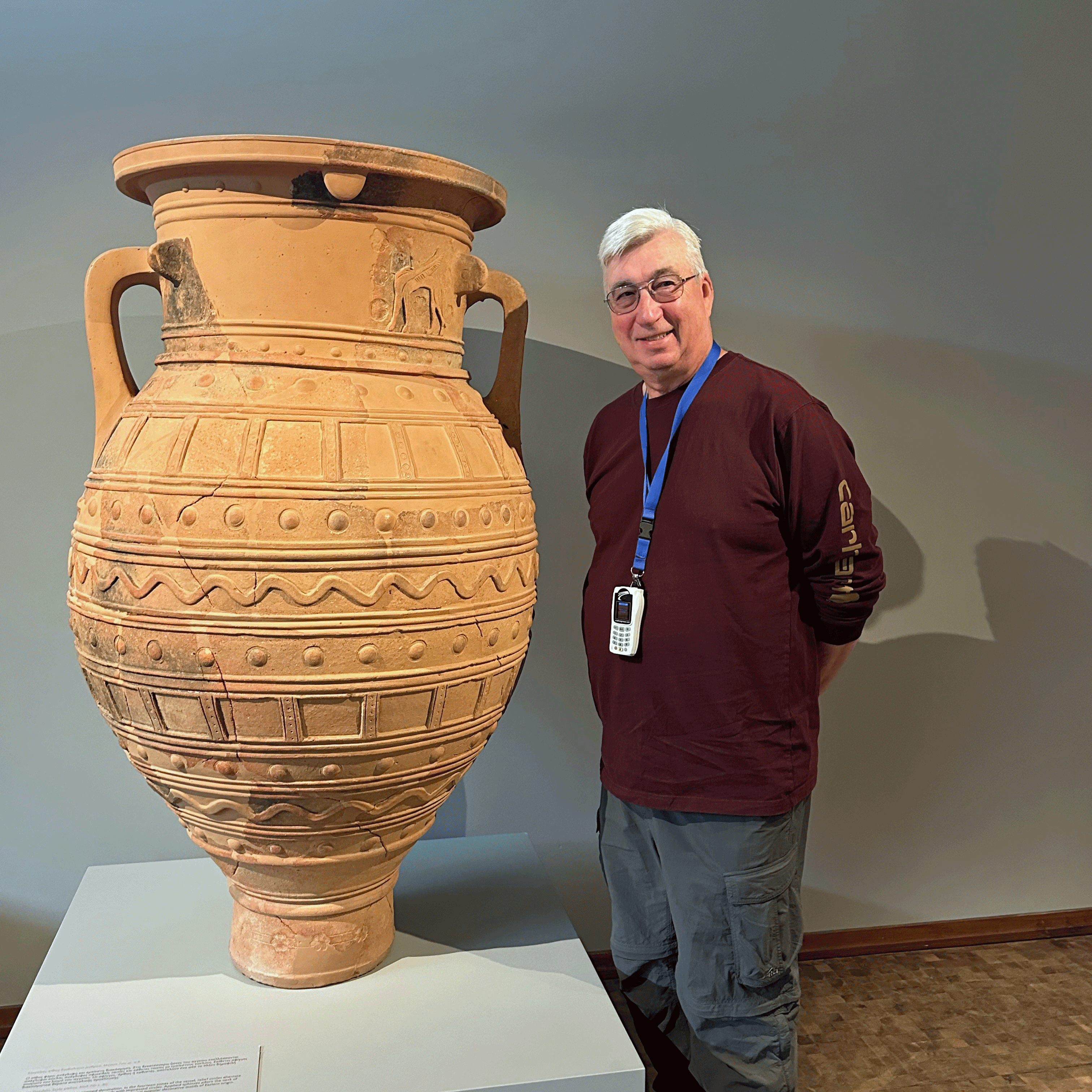
Knossos Palace had a sophisticated system of aqueducts carrying fresh spring water and closed drains removing sewage. Large storage jars were uncovered that held oil, wine, seeds, and dried fish. Like the walls, these jars were decorated with artistic motifs.

Below: Photos of Knossos Palace
Remains of a well dating to the Neolithic Age Age

Below: A bust of Sir Arthur— He has been criticized by some historians for jumping to conclusions and being overly-imaginative in his restoration work, but I for one, LOVE IT!

Palace of Knossos
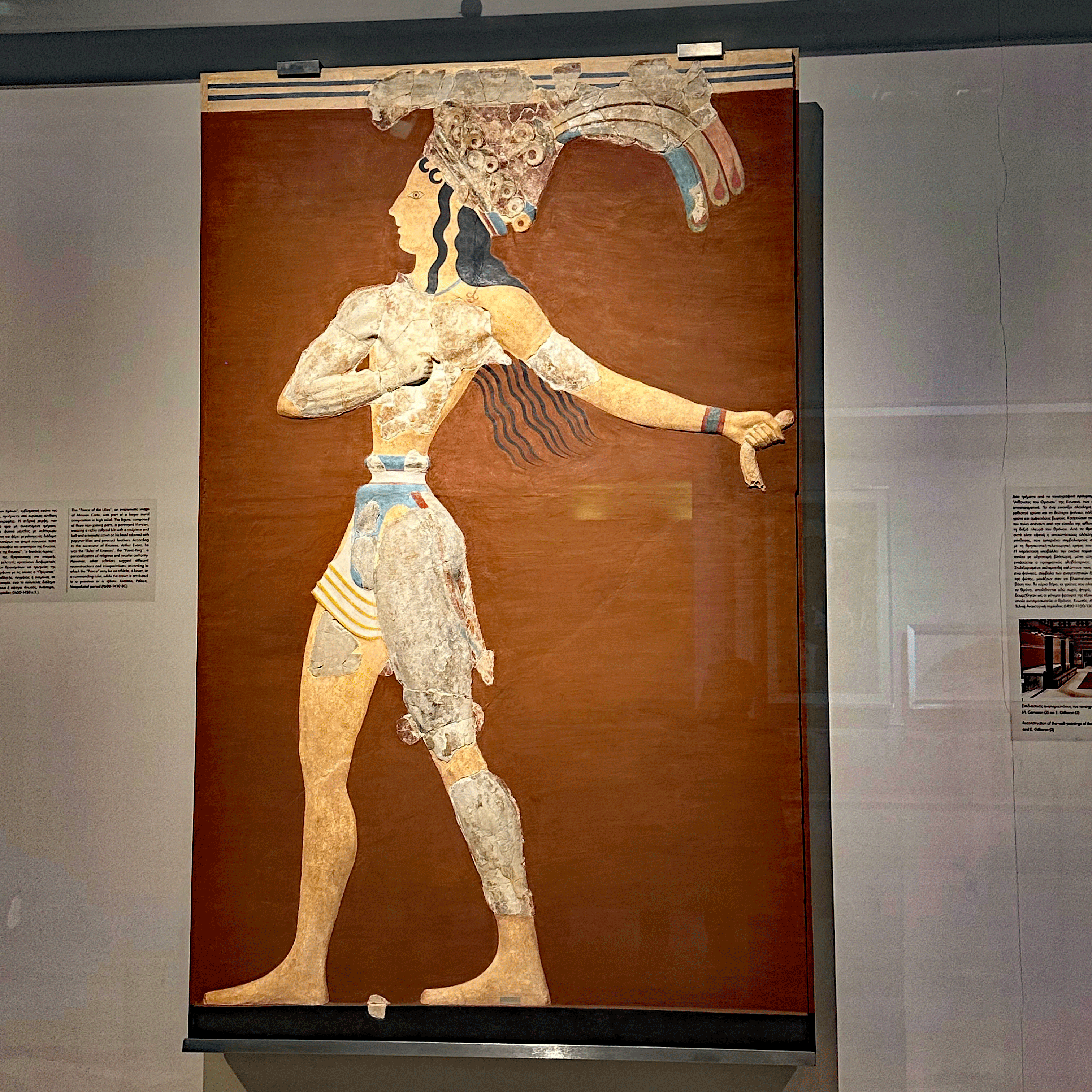
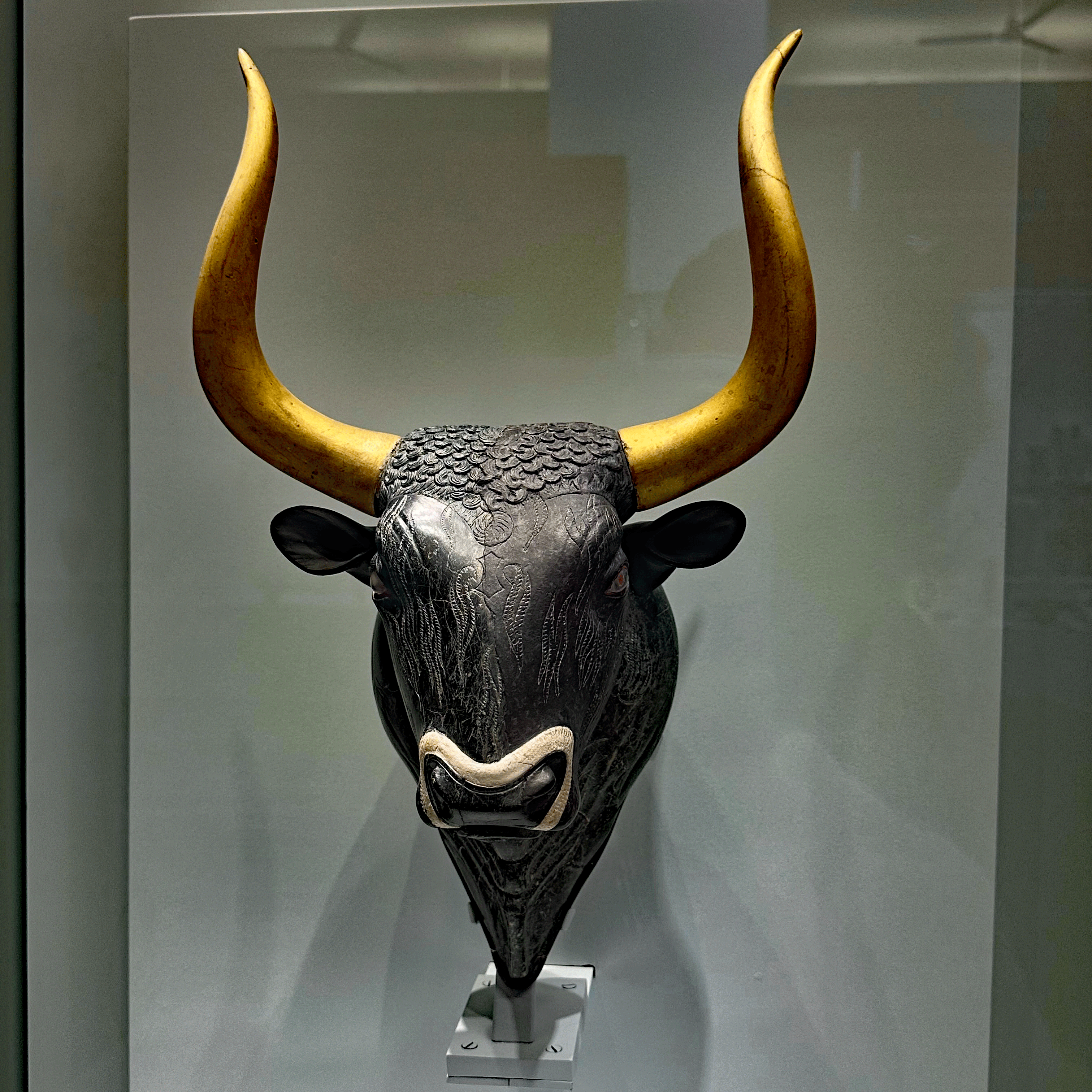
Bulls were a common subject in Minoan Art. Artifacts point to “bull jumping” as a sport or ritualistic practice. Frescoes and statues show athletes grabbing the horns and vaulting over a live bull.
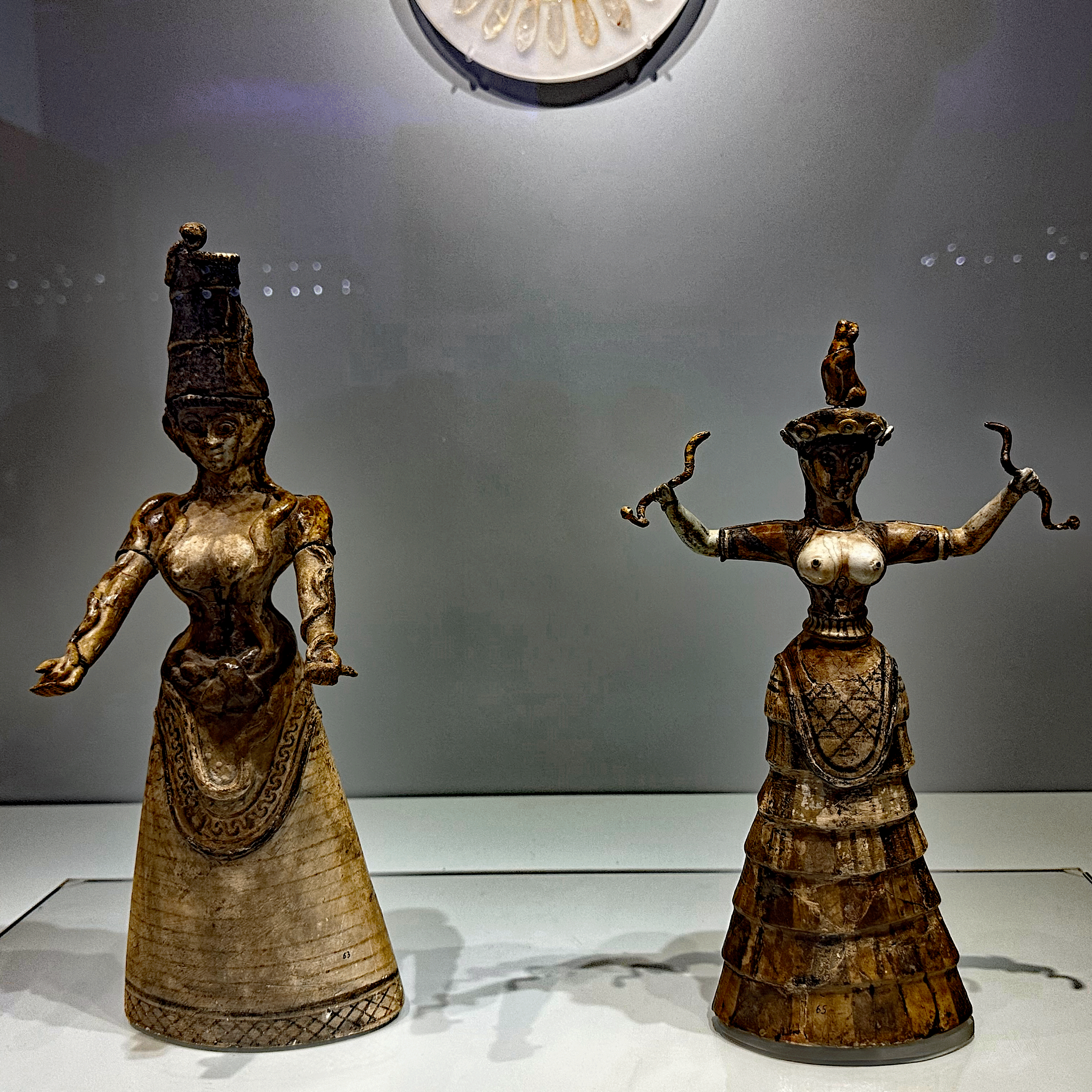
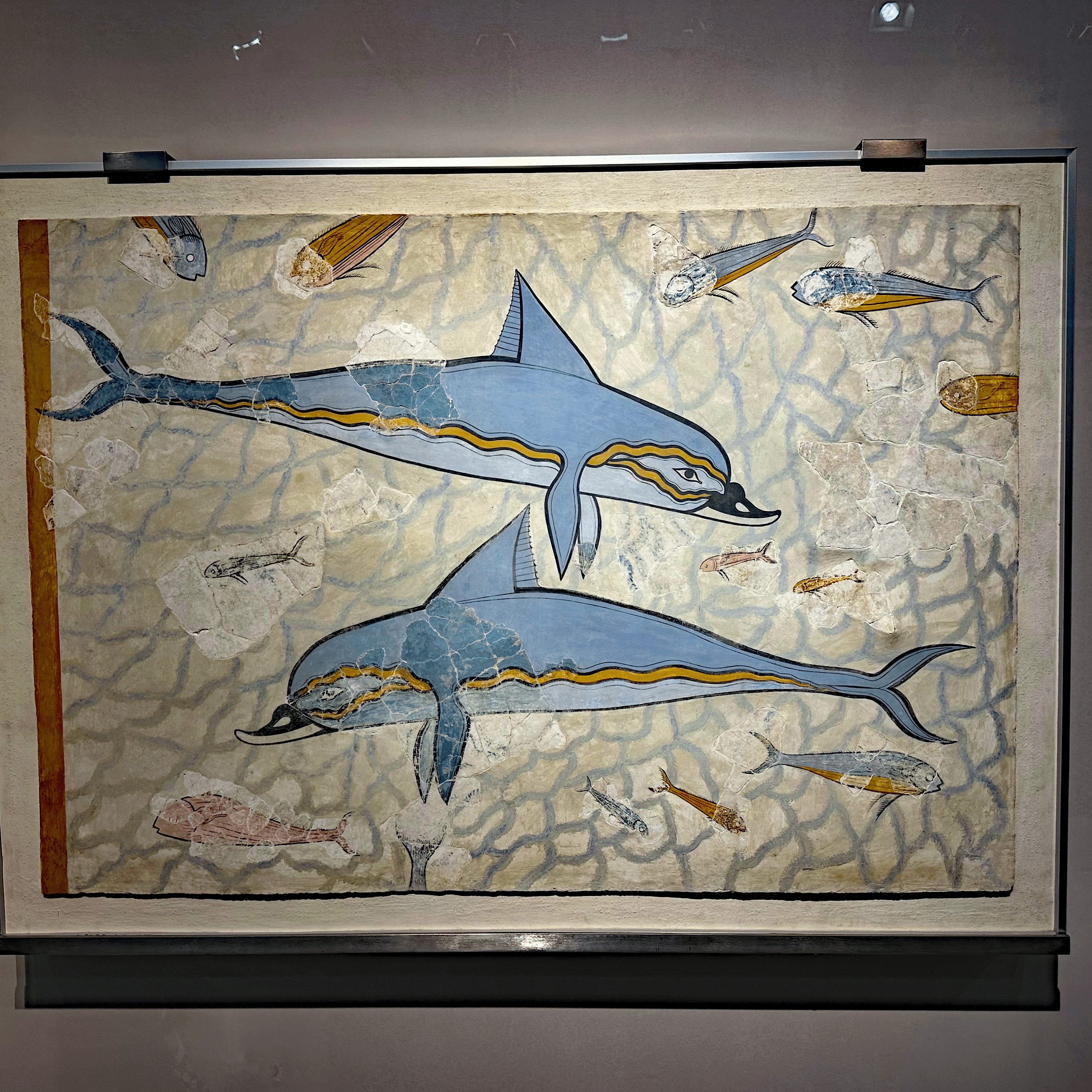
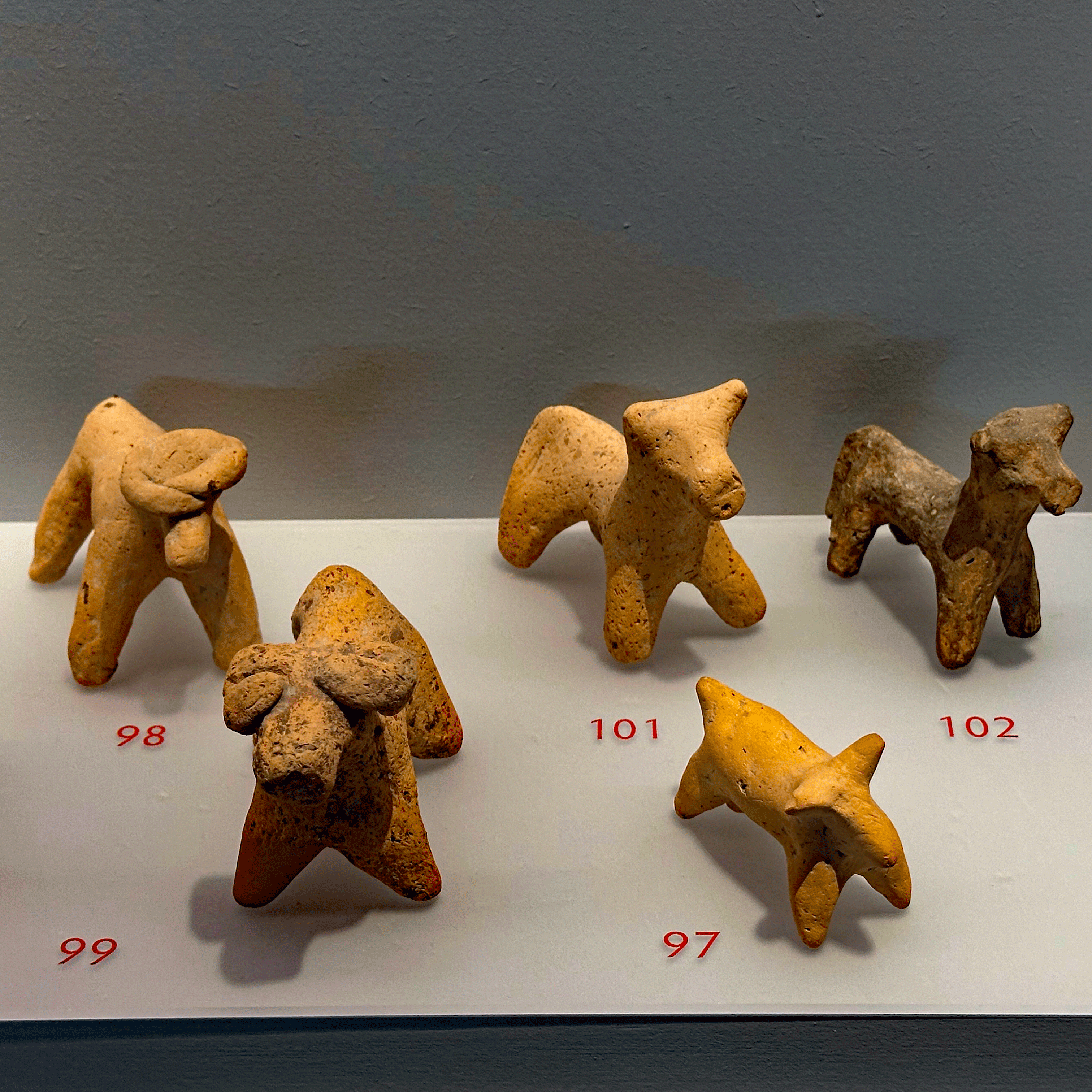
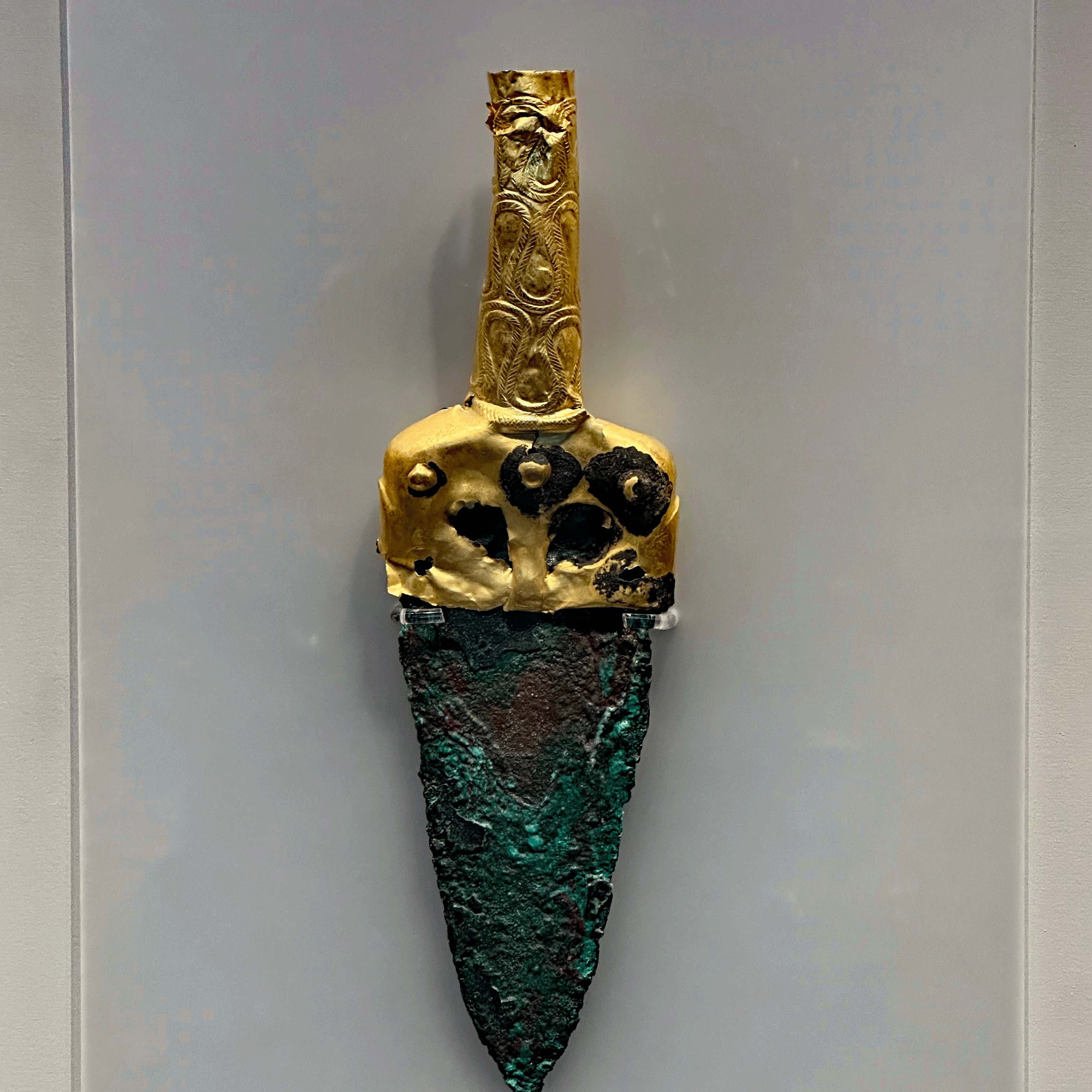
Heraklion Archeology Museum– Visit the museum for an up close look at the treasures found at Knossos.
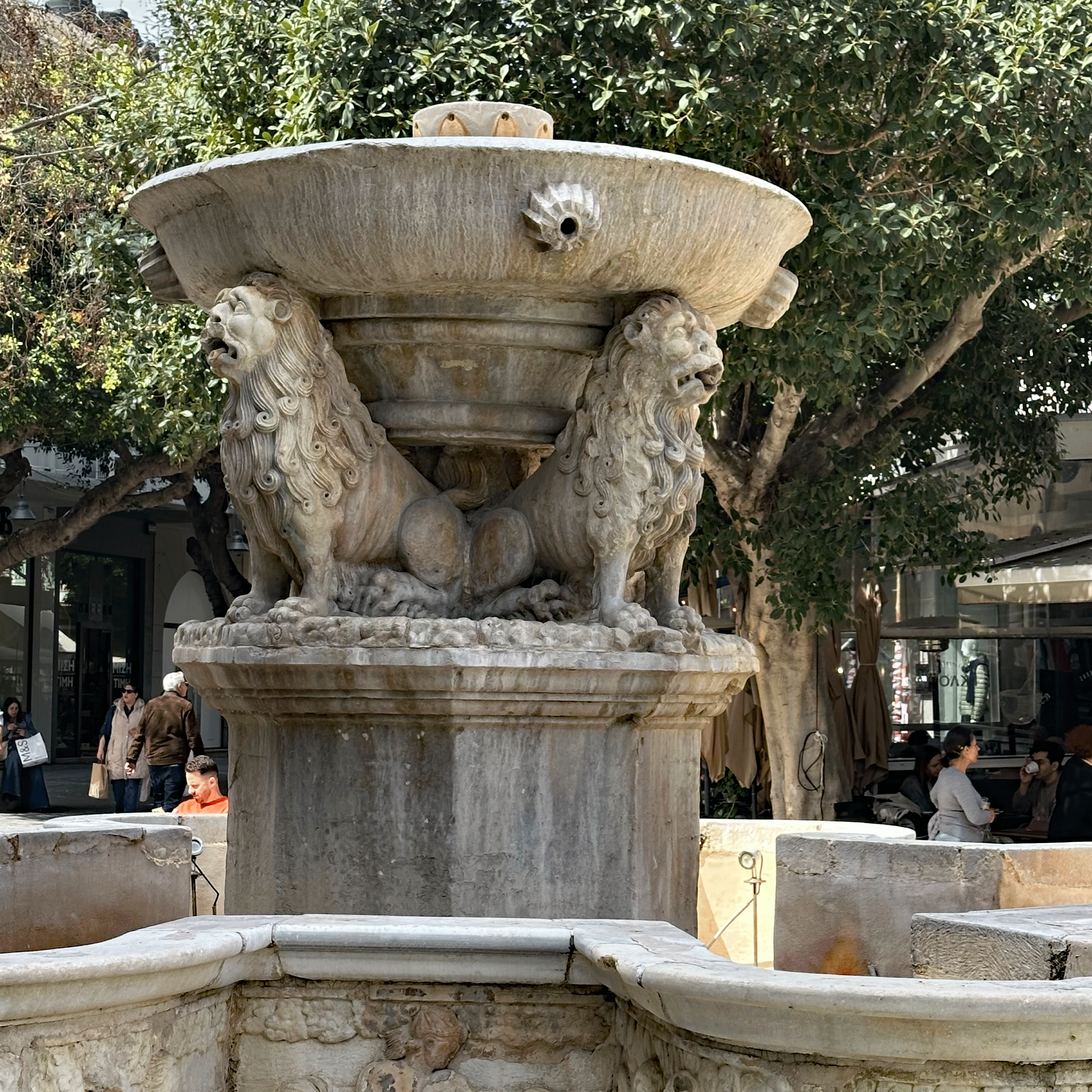
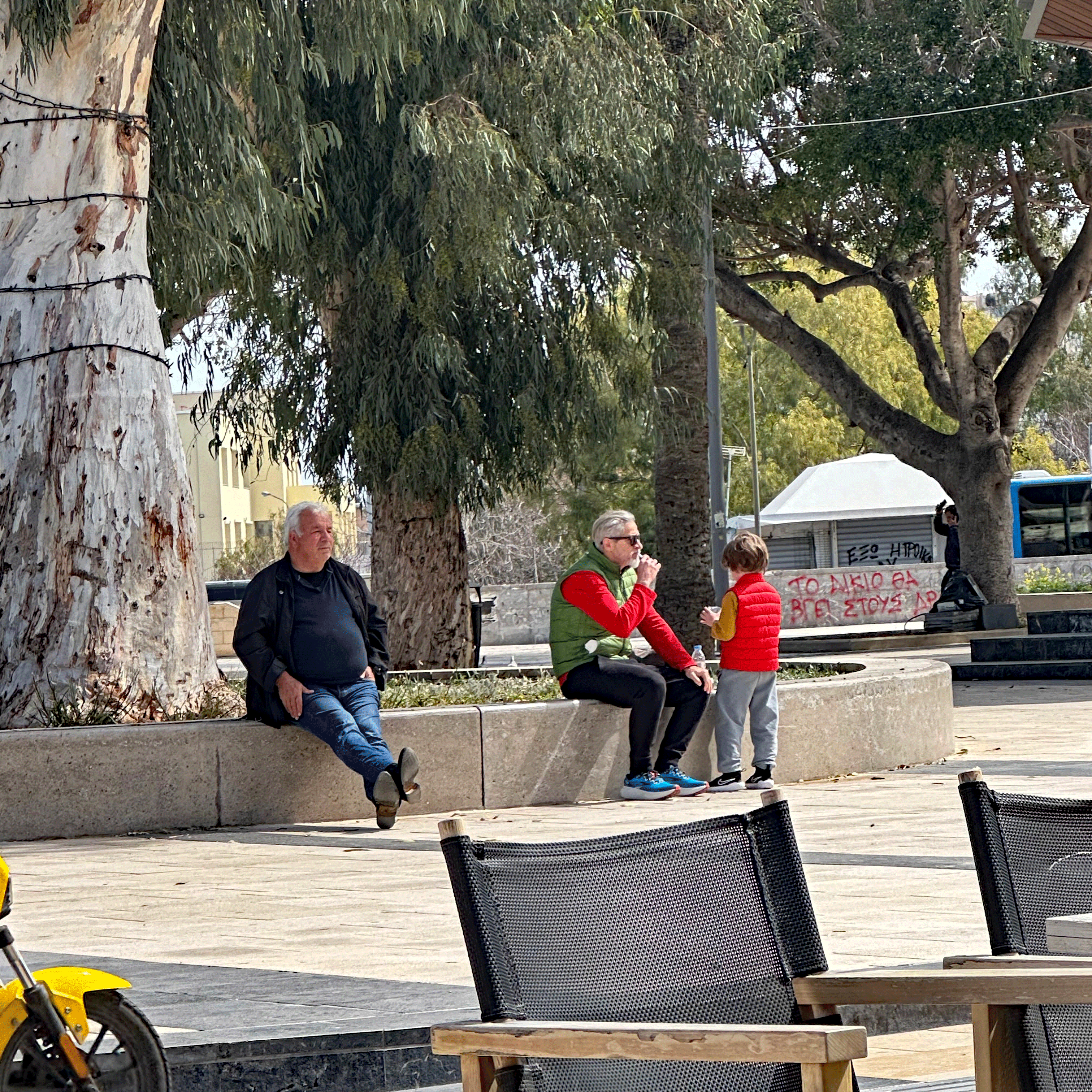
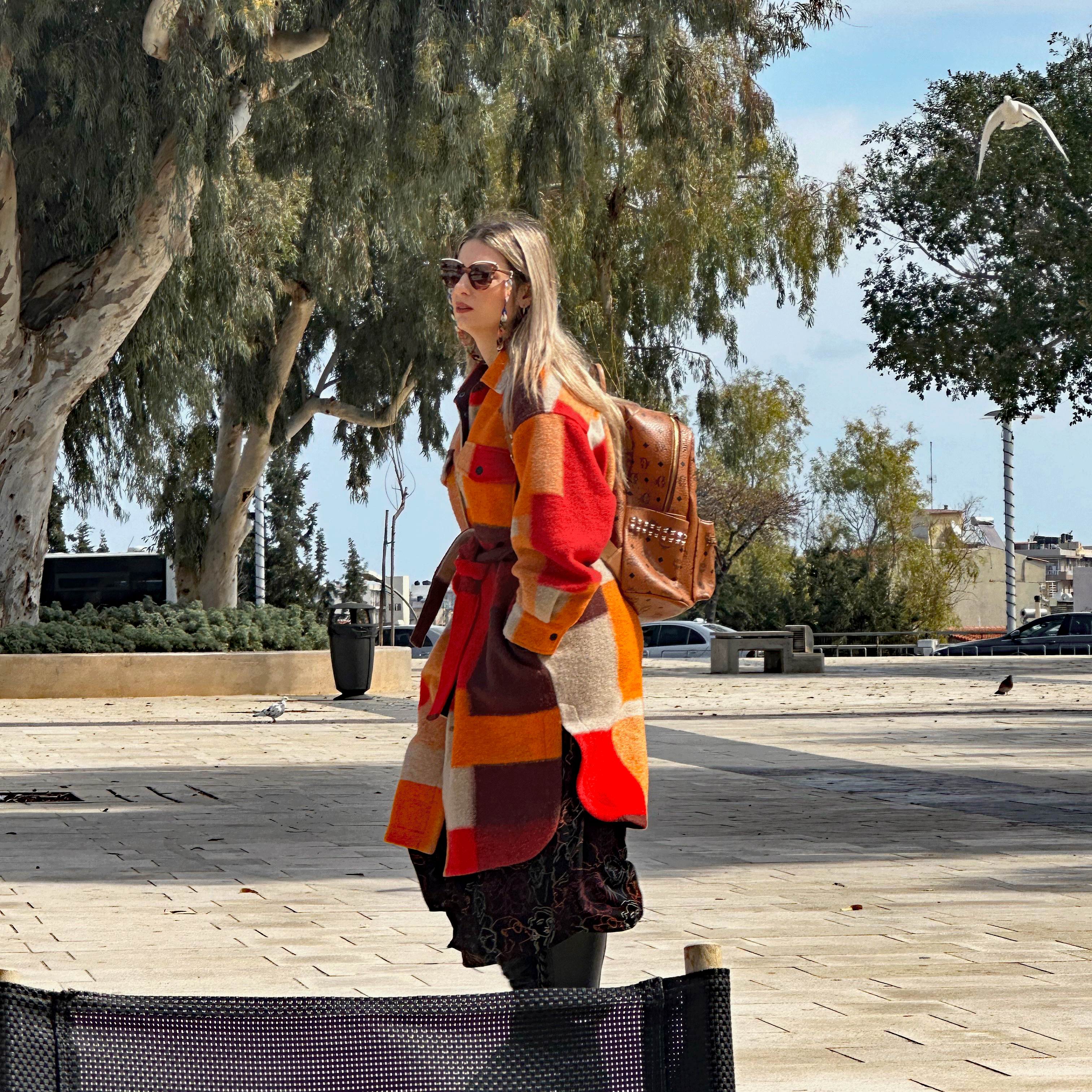
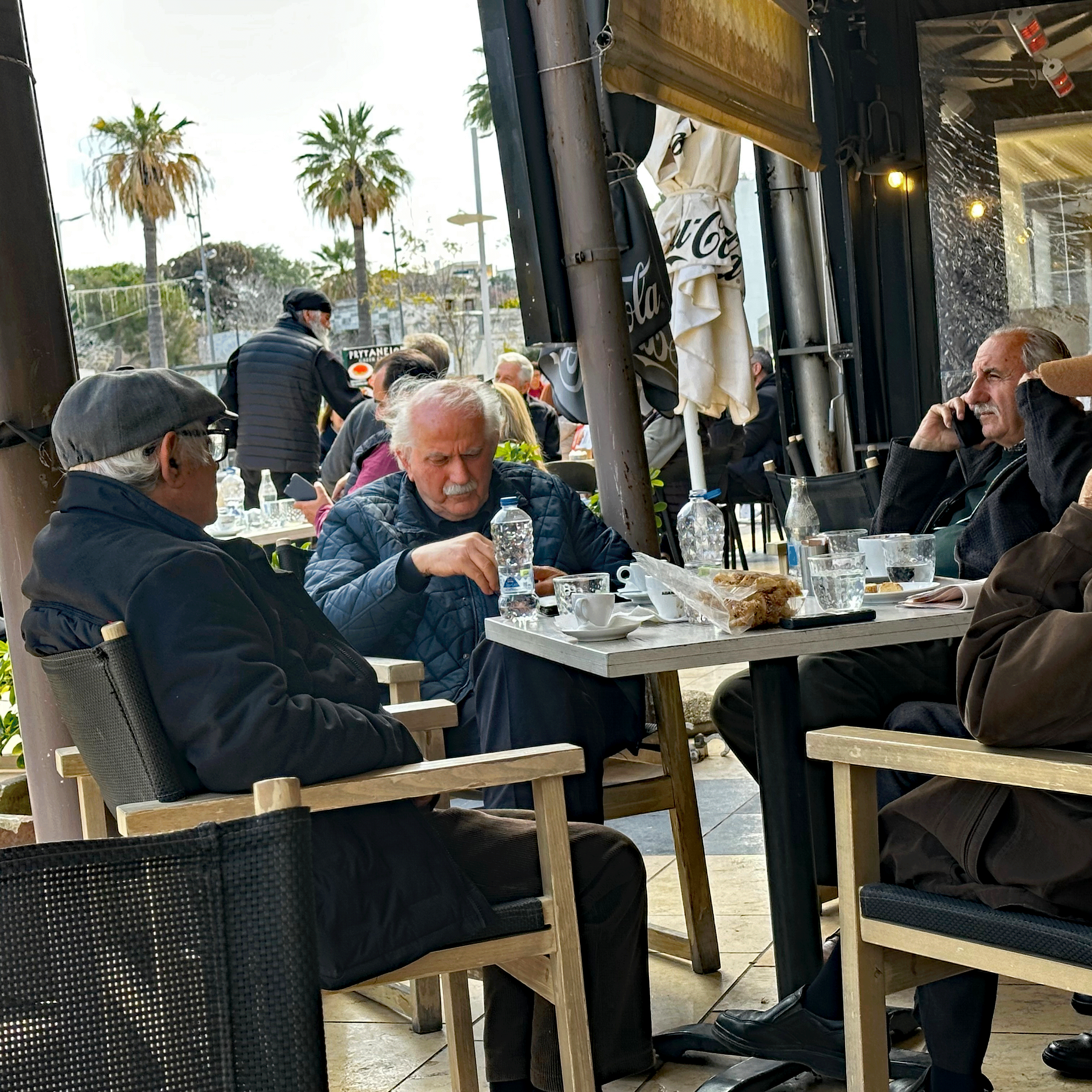
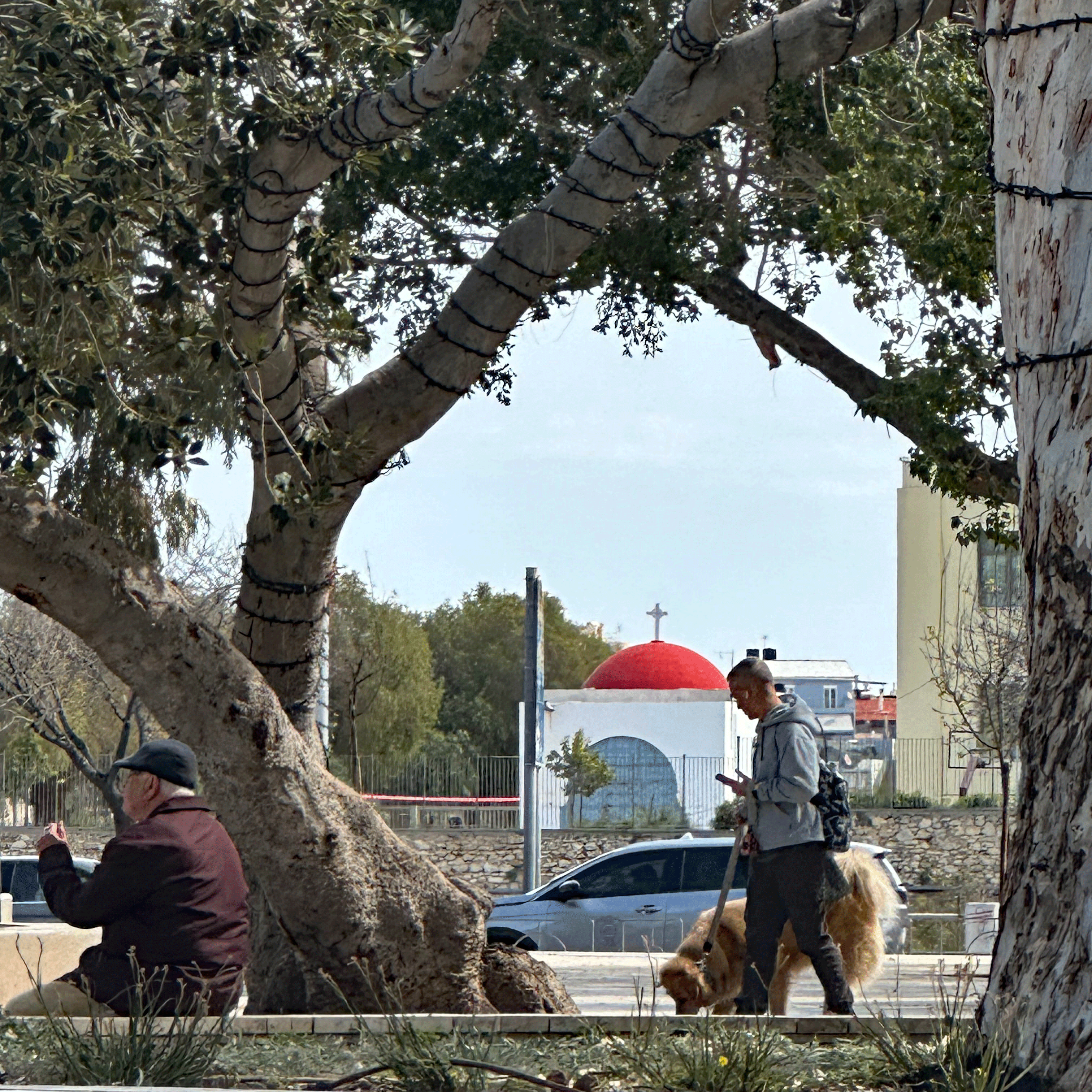
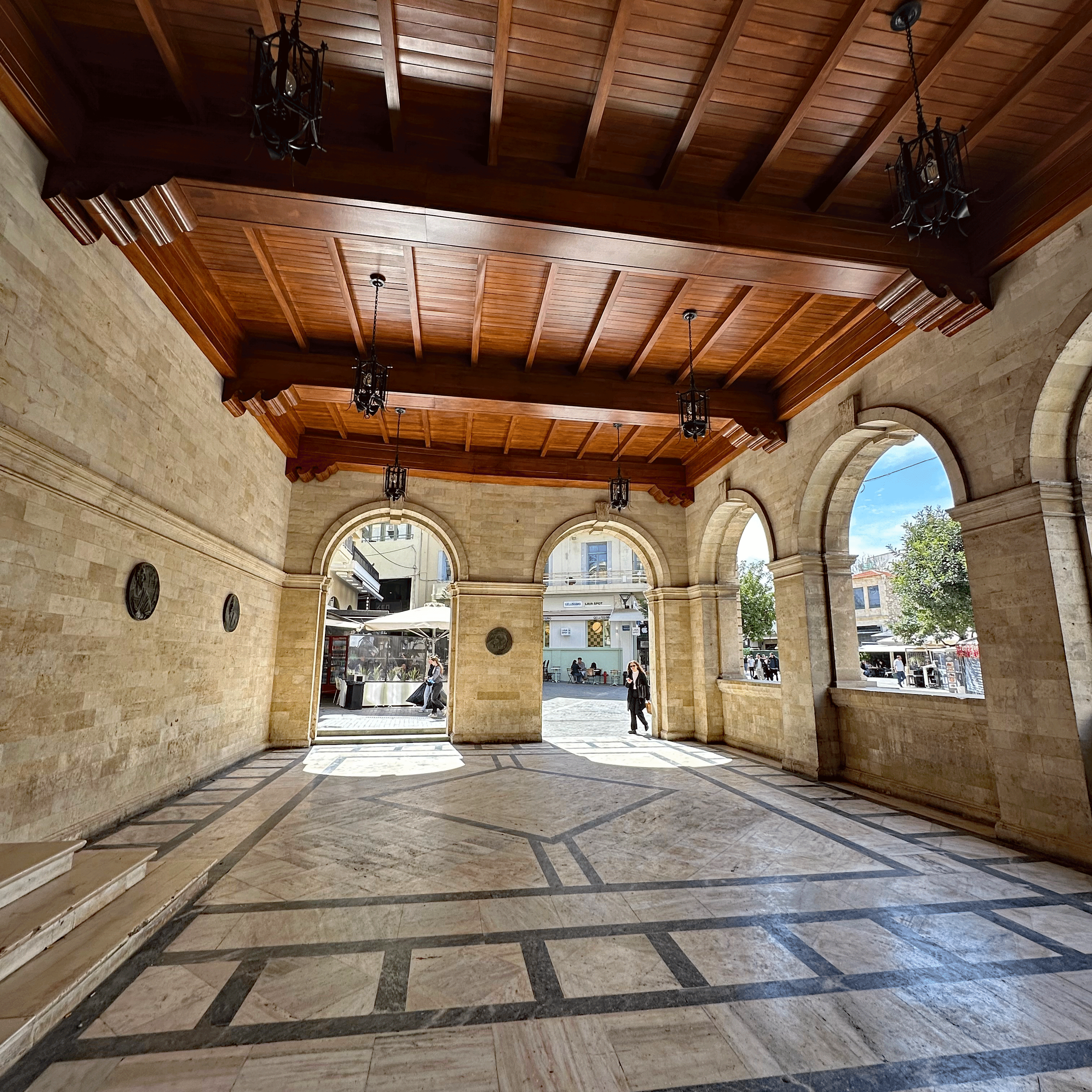
The city center of Heraklion is a pleasant area to stroll and to enjoy one of the many outdoor cafes. The locals all seem to have their favorite place to hang out and watch the parade of people enjoying the parks and plazas of their capital city.
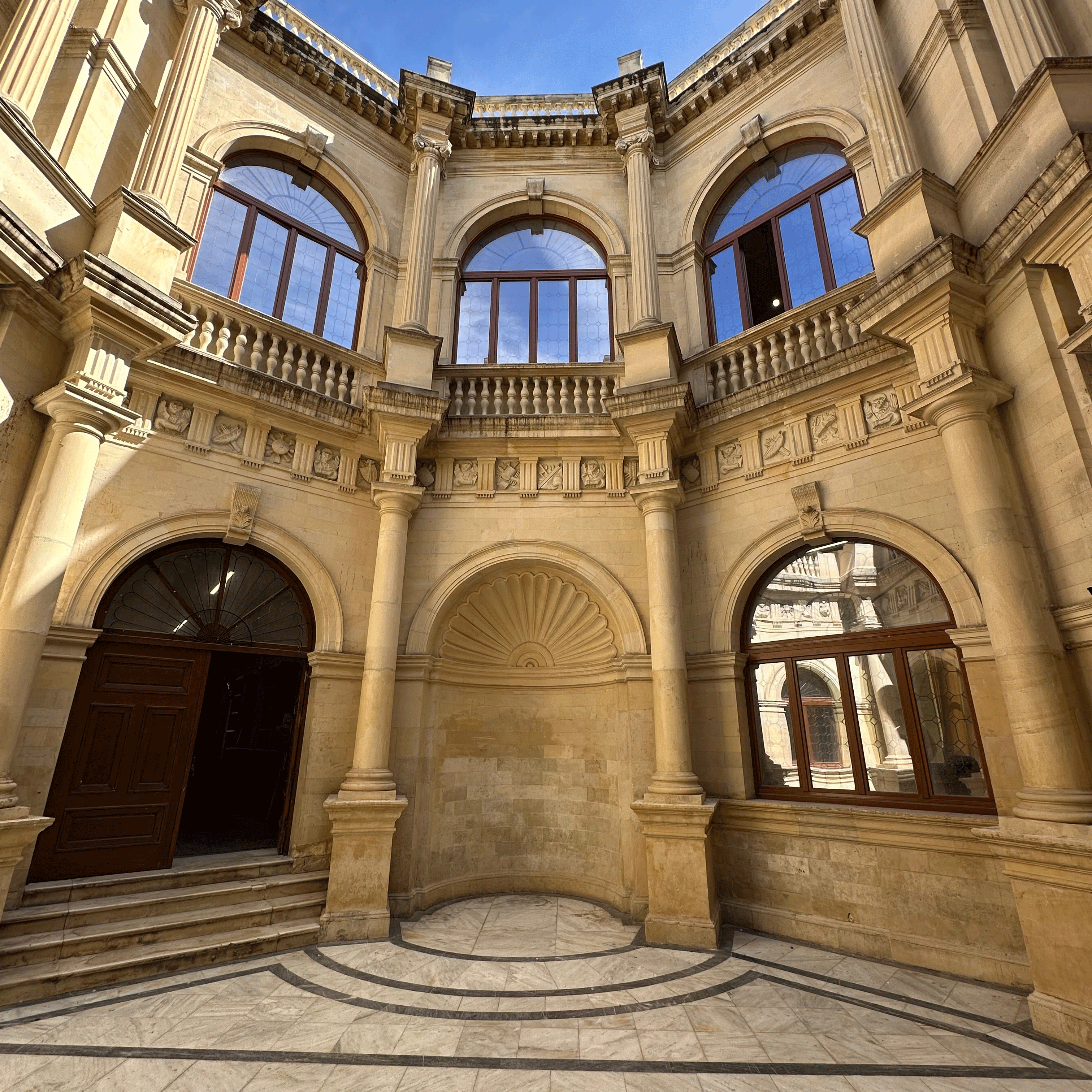
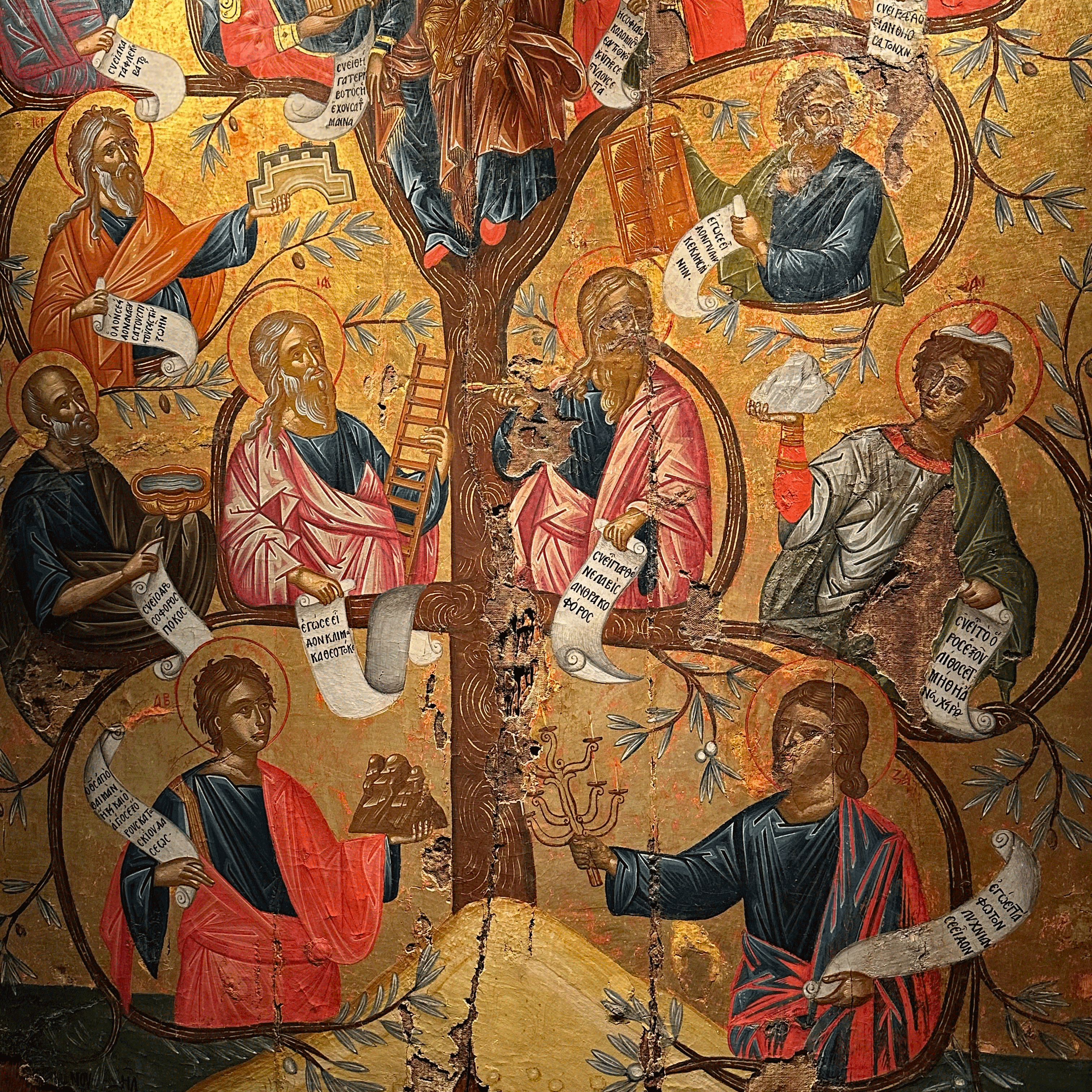
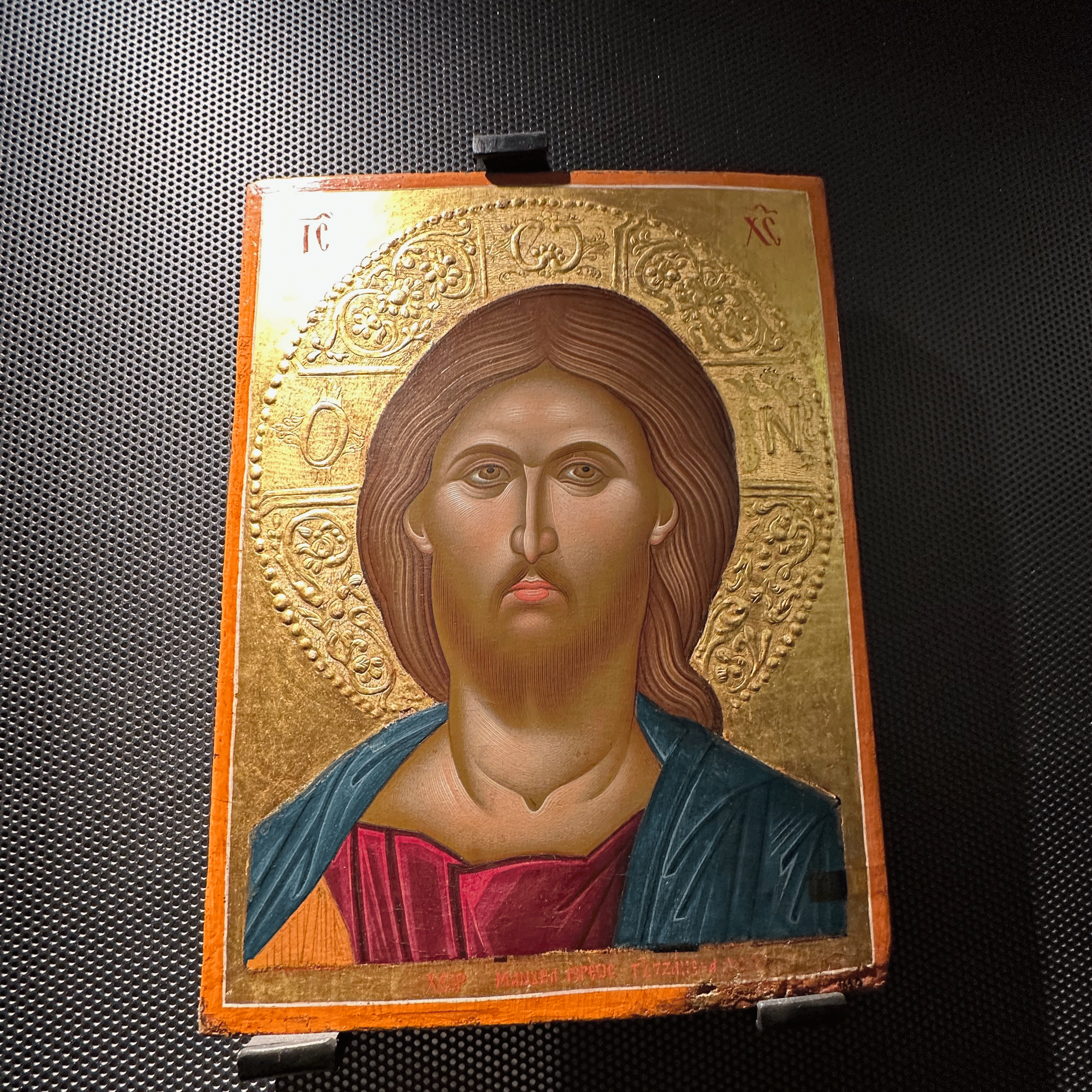
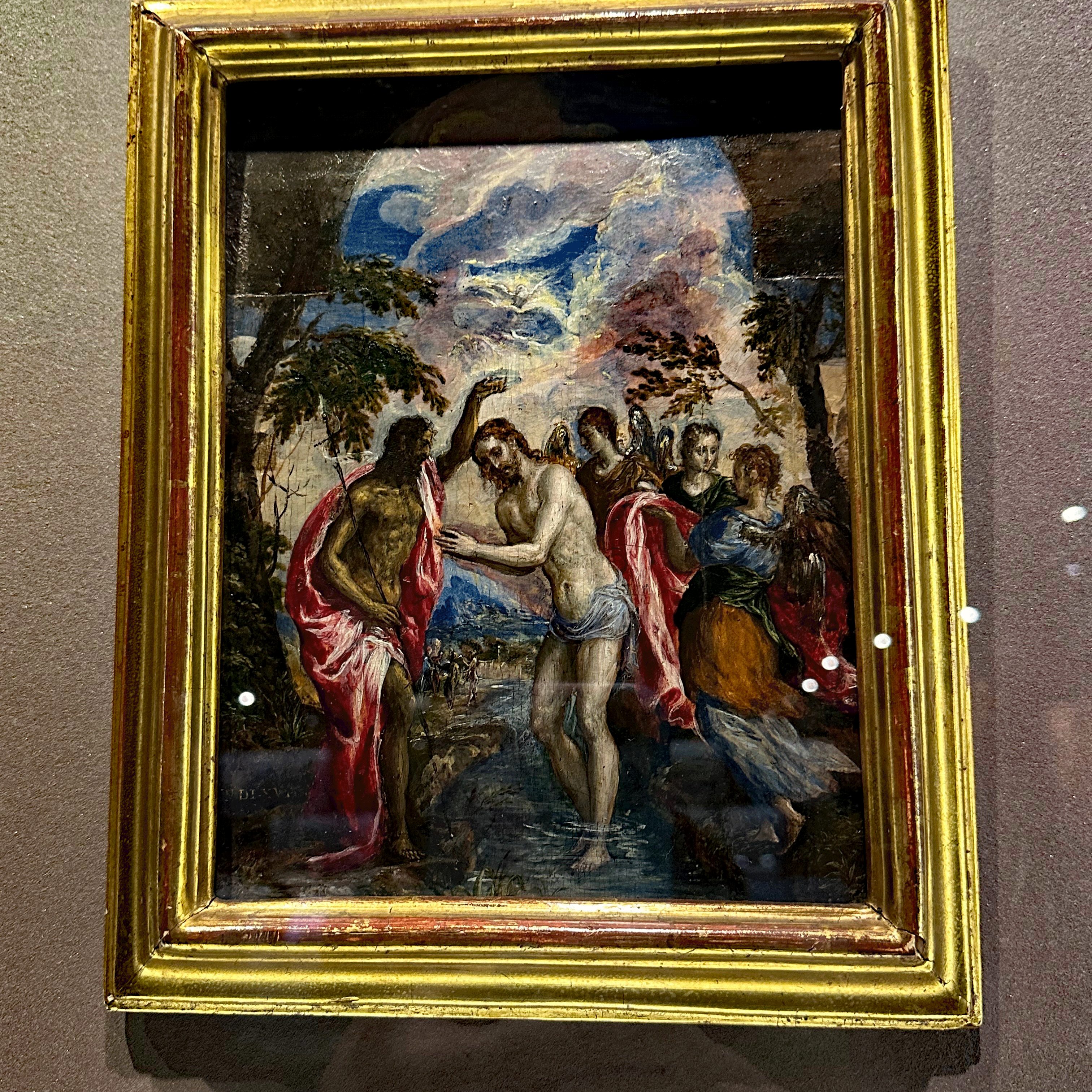
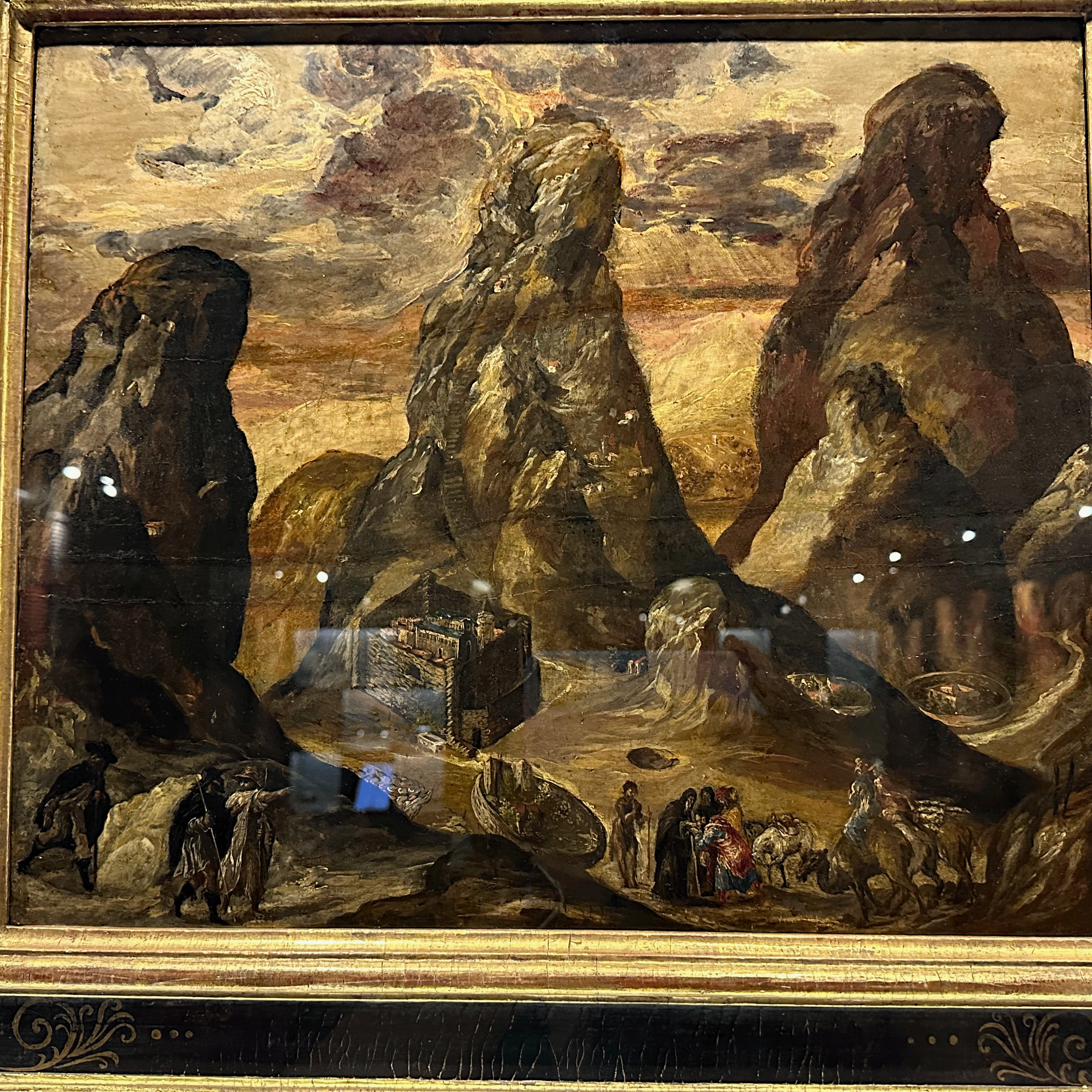
The Historical Museum of Crete in Heraklion is small, but it is THE PLACE to see 2 early works by El Greco (Domenikos Theotokopoulos) who was born in Crete. He later went to Italy and then to Spain, where he painted his well-known body of work.

Below: “The Baptism of Christ” and “View of Mt. Sinai and the Monastery of St. Catherine” by El Greco and other museum icons.
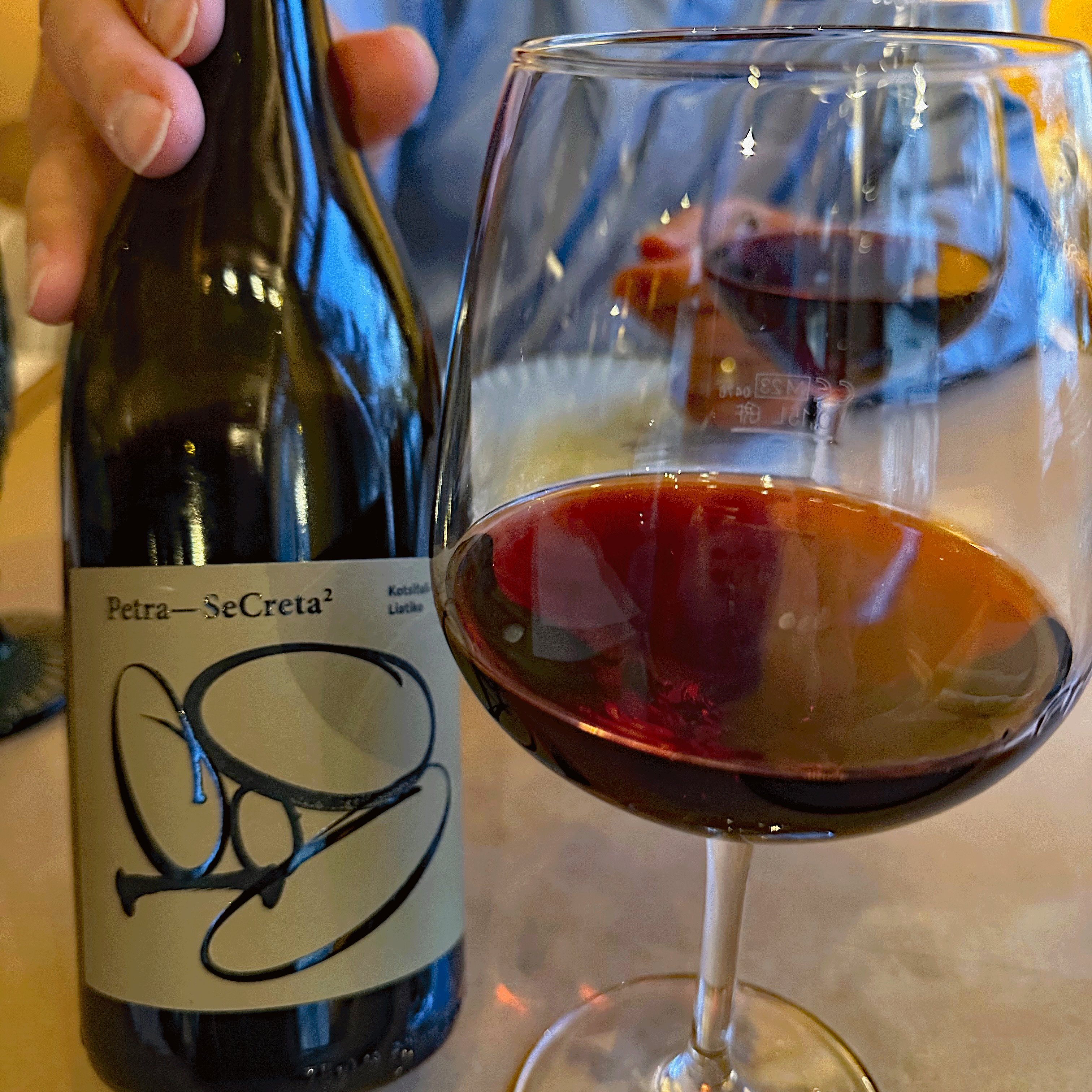
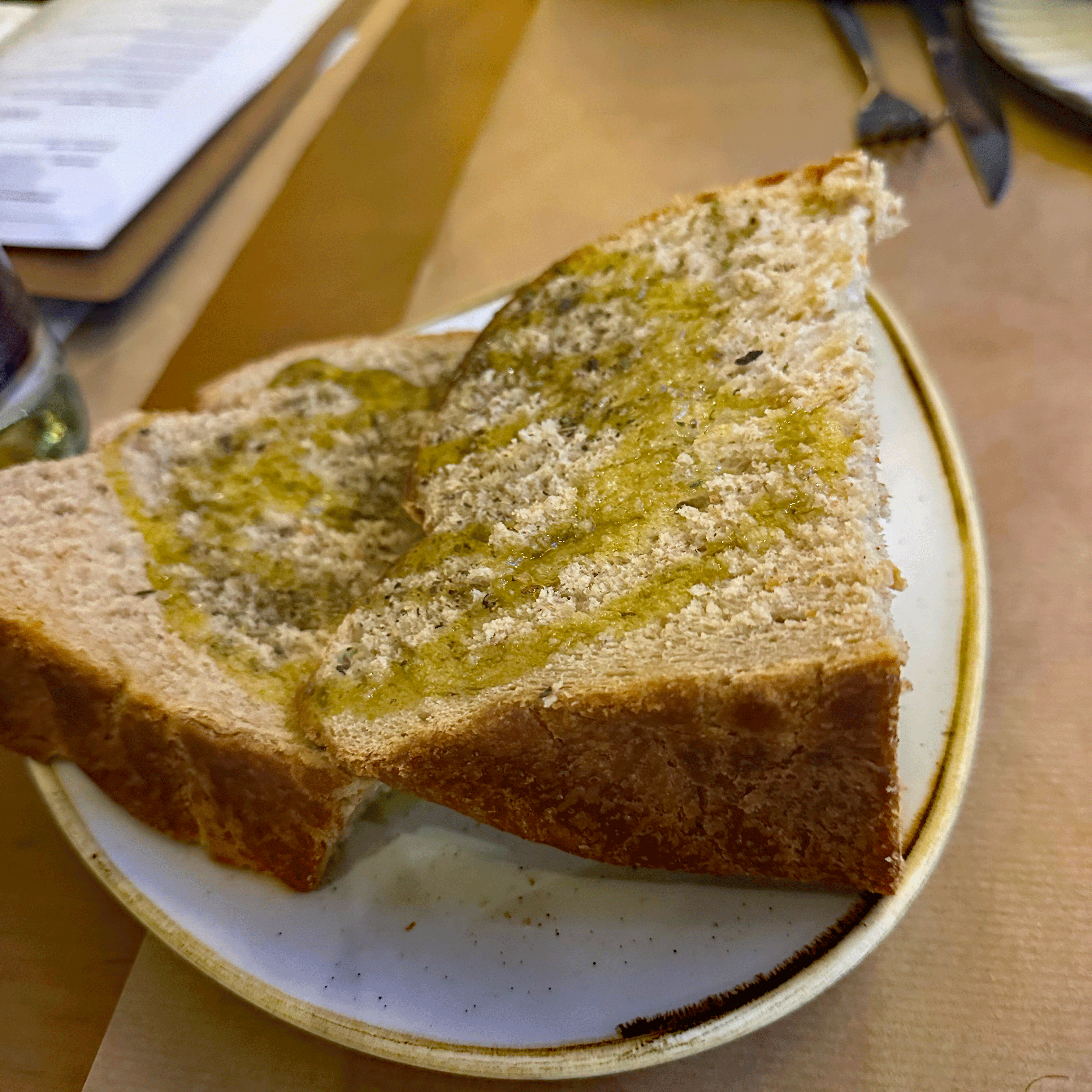
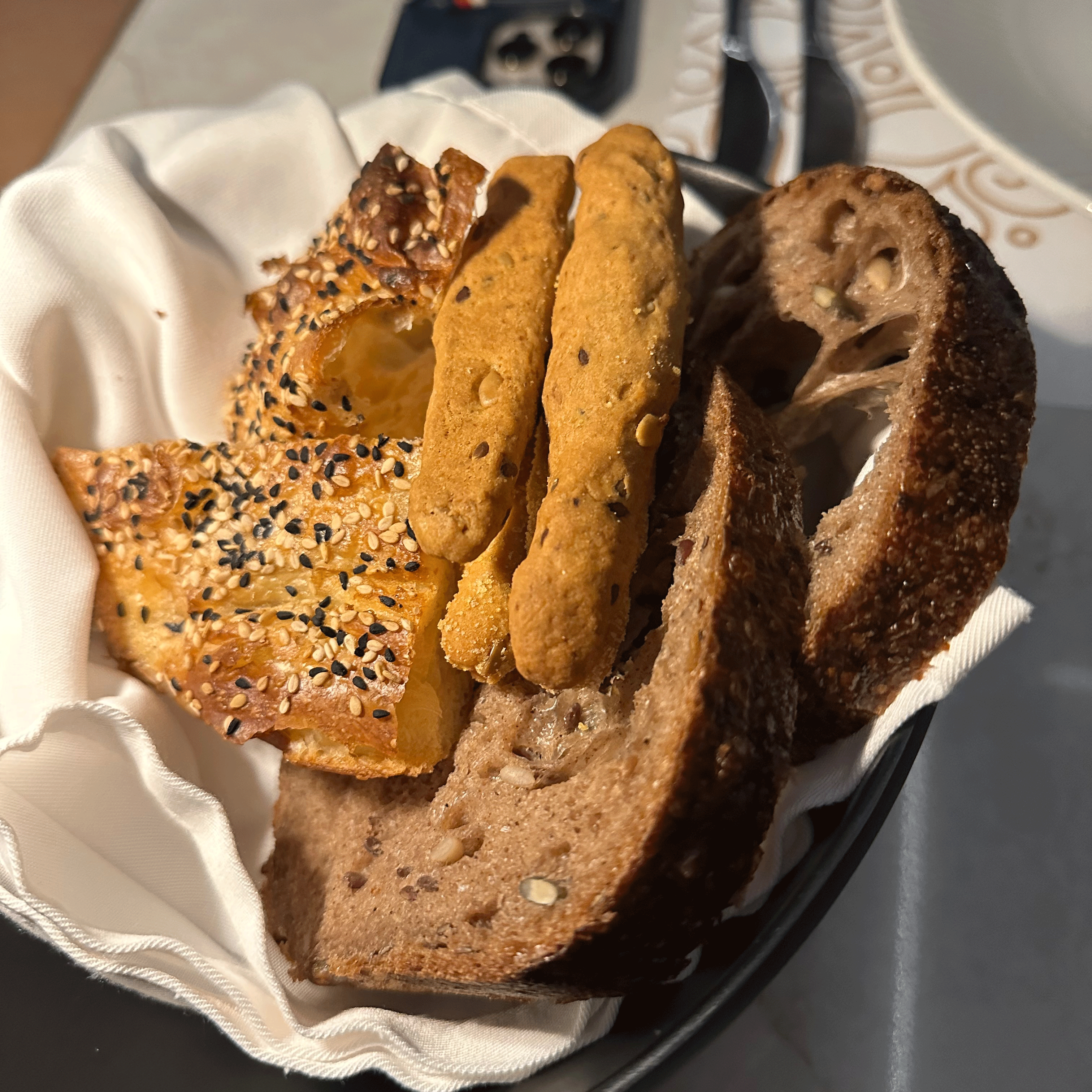
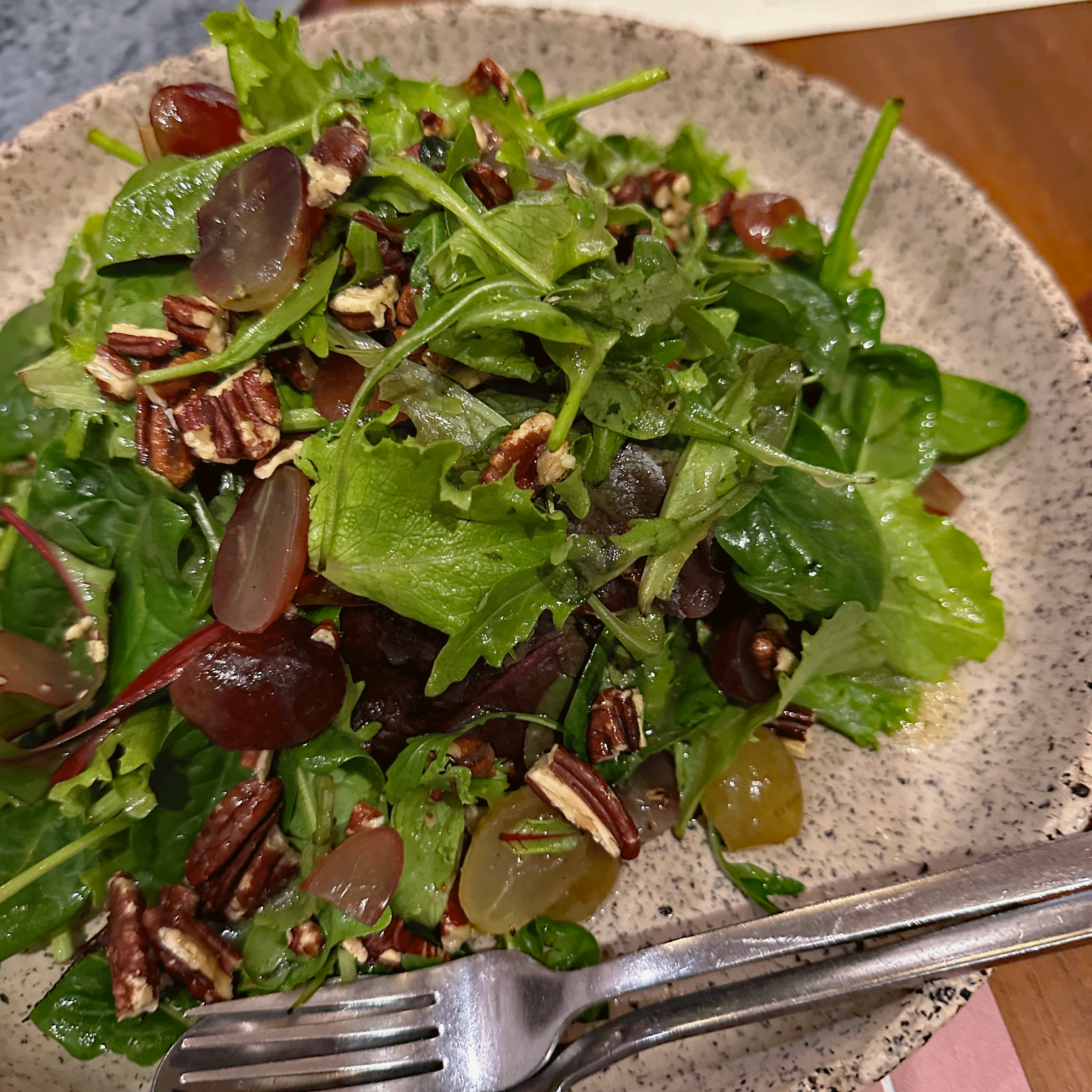
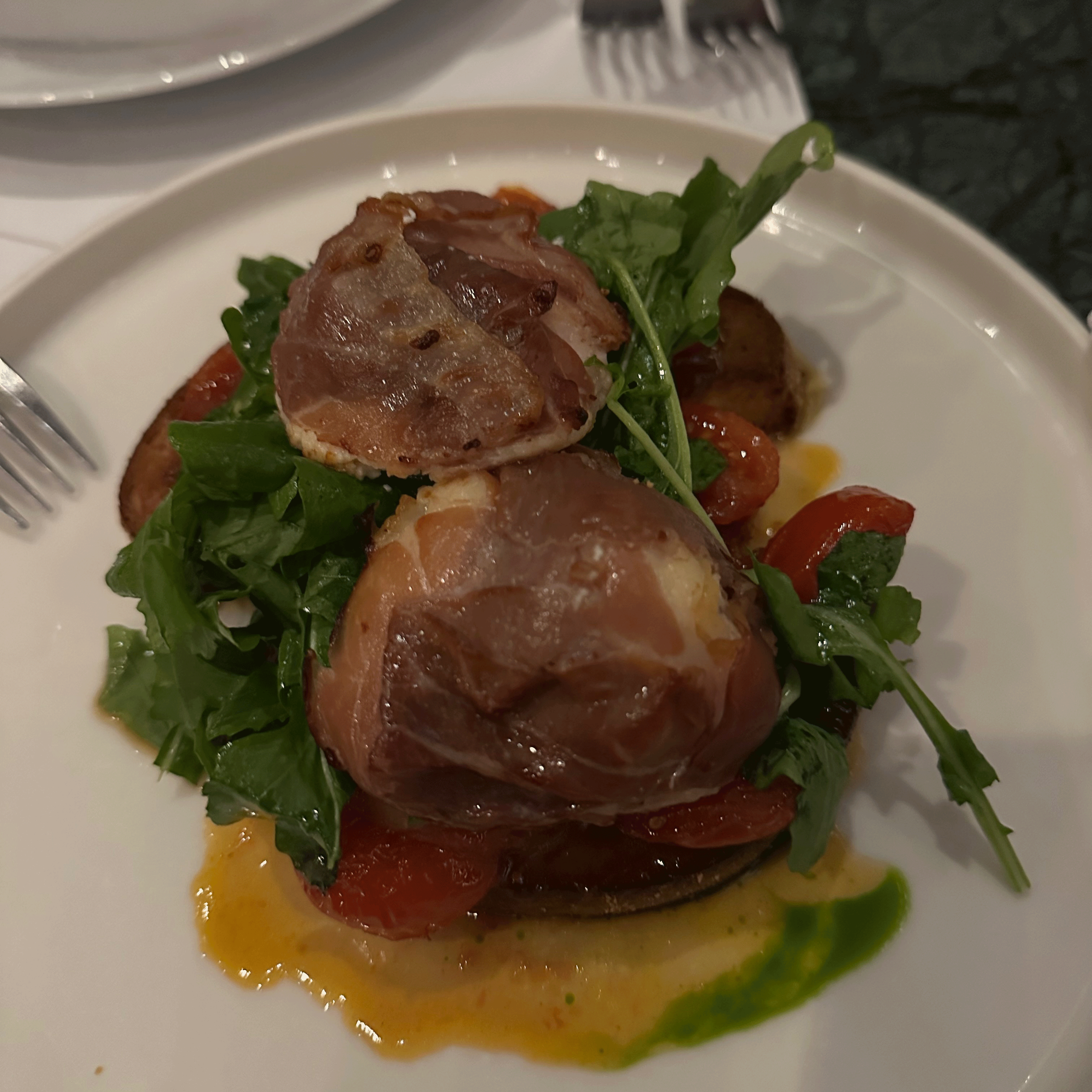
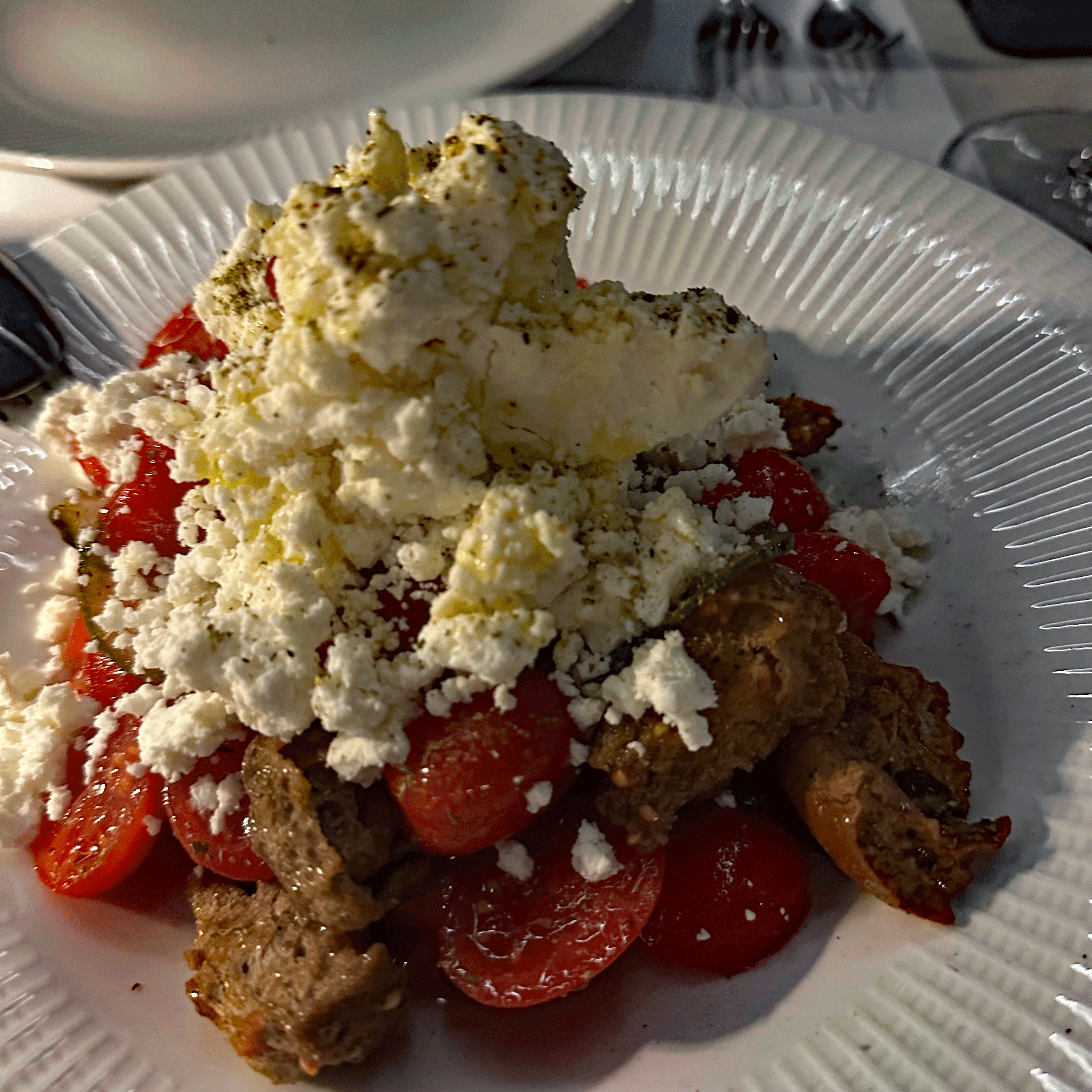
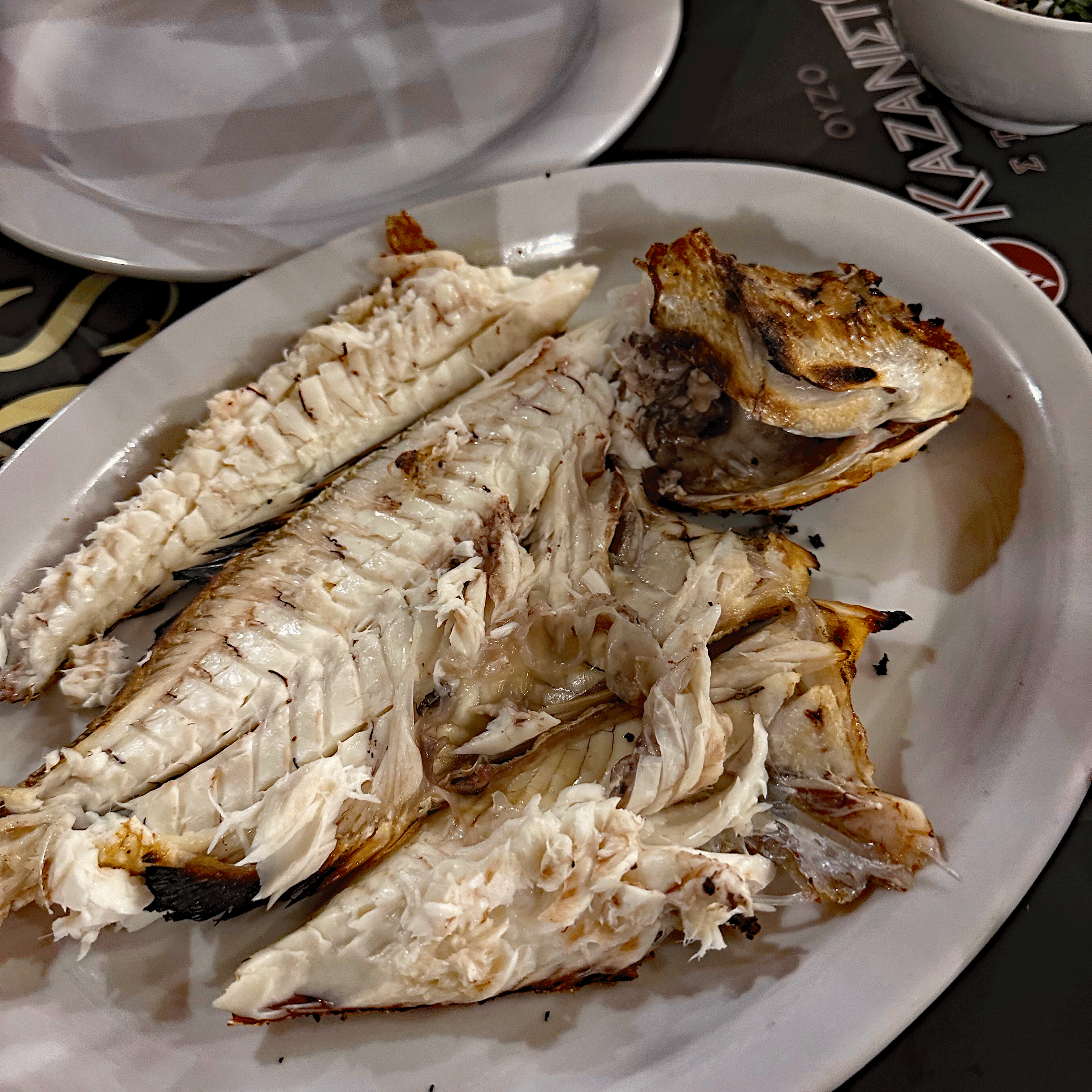
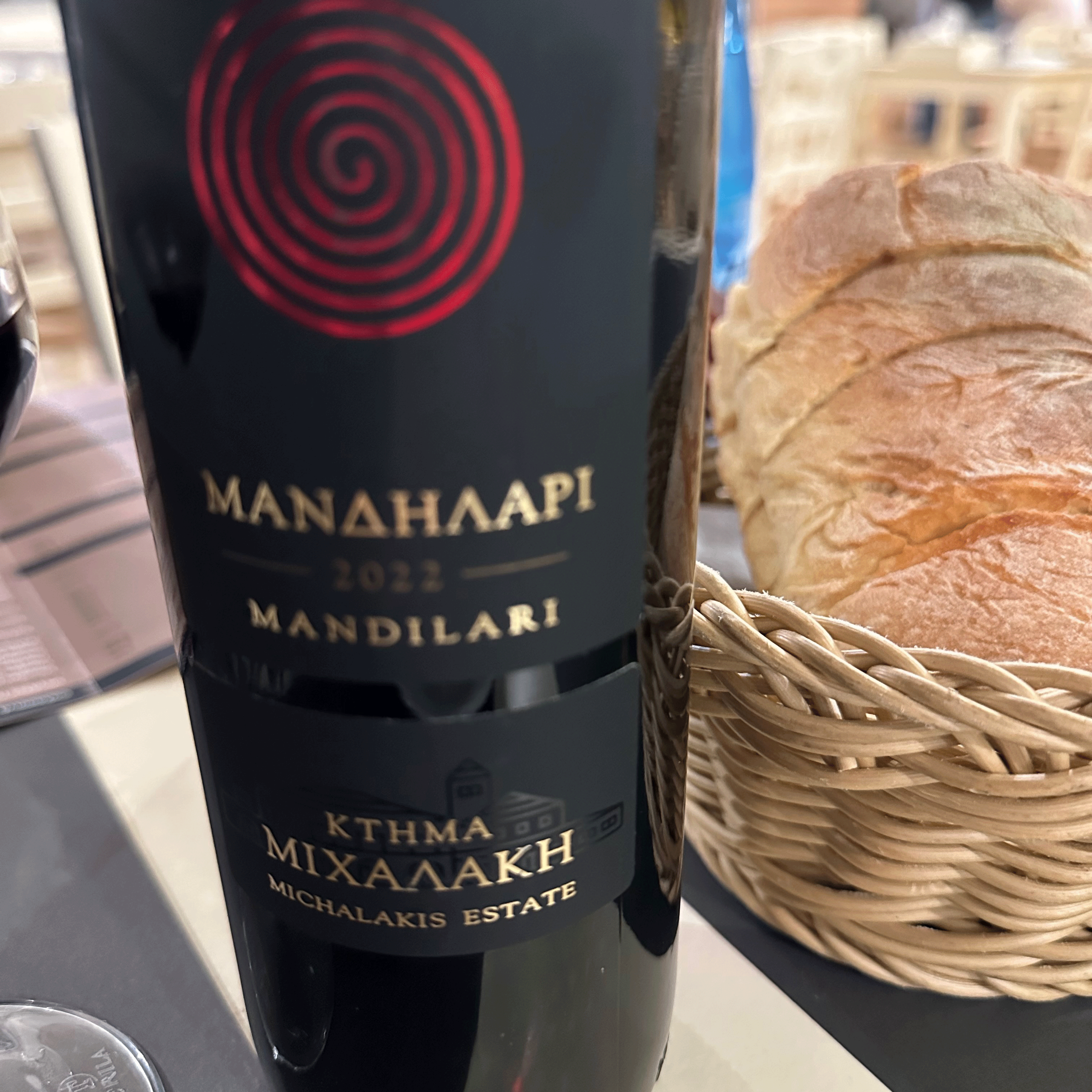
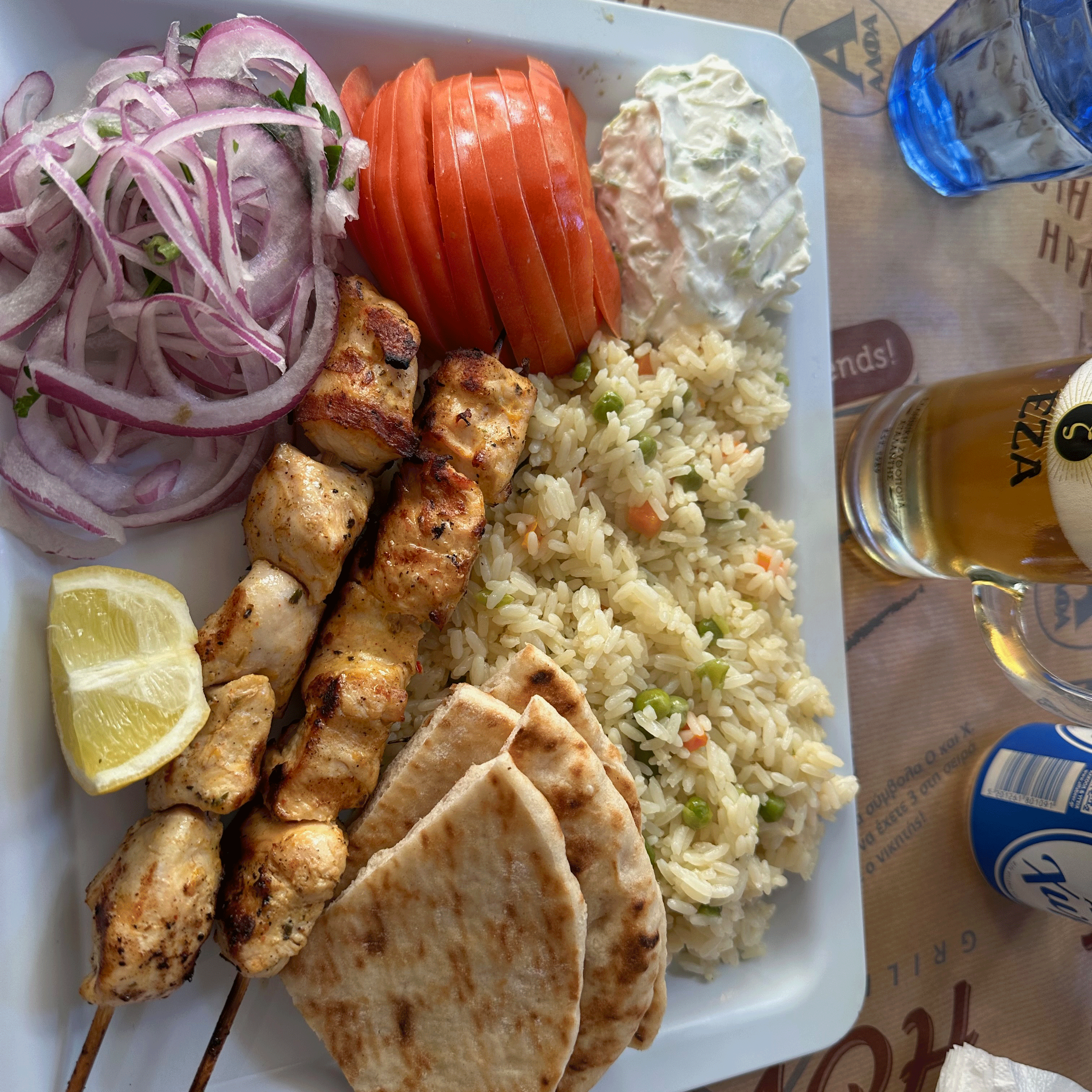
Dining in Heraklion is a treat. The local cuisine is fresh and seasonal from snack shops to fine dining. The bread has a home-baked heartiness and tastes fantastic with the local olive oil. Kabobs and seafood are great choices. The wine is tasty and complements the food.
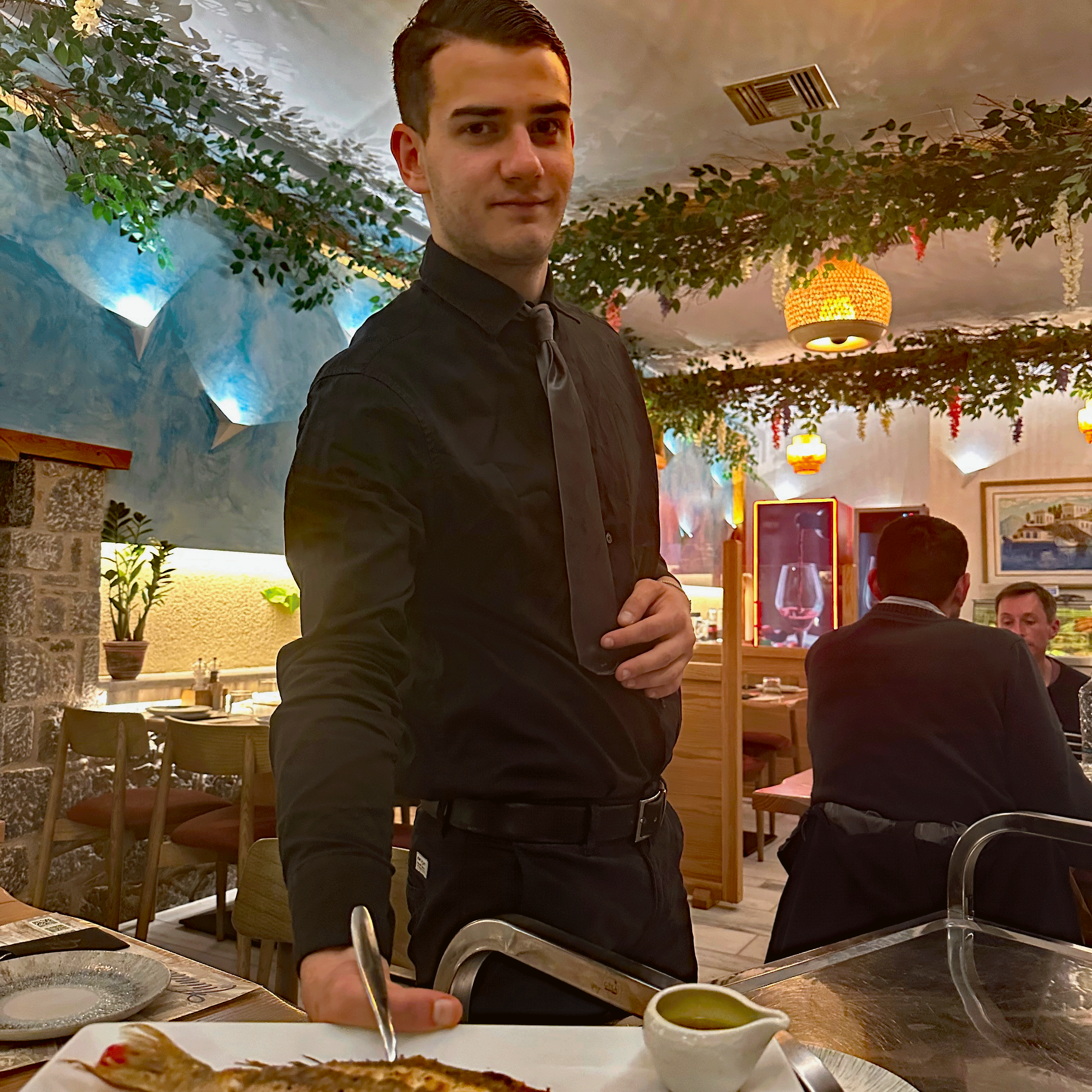
Peskesi is Heraklion’s most popular restaurant and is worth the hype. In a cozy rustic setting you will enjoy friendly service and high-quality cuisine.

Our stay in Heraklion was a great ending to our three weeks on Crete. From there, we flew back to Athens for a night before the journey home to Chicago.

Thank you for reading. Enjoy your travels. Geri
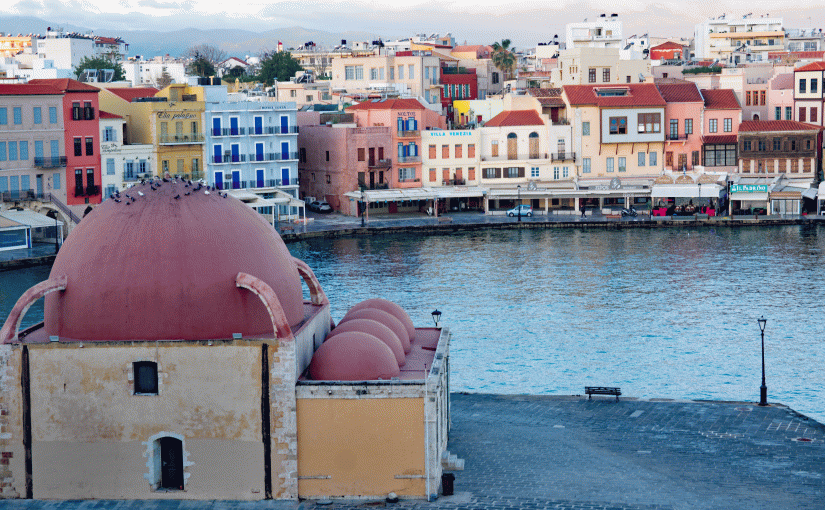
Soak Up The Sun in Scenic Chania

February 23-March 5, 2026

We flew from Paphos, Cyprus to Chania, Crete via Ryan Air. We arrived on time and after a quick baggage claim and passport inspection, we met Manolis, the taxi driver, arranged by our host. The drive from the airport was pleasant; we enjoyed seeing a little of the Cretan countryside with its rolling hills, olive trees, and vineyards.
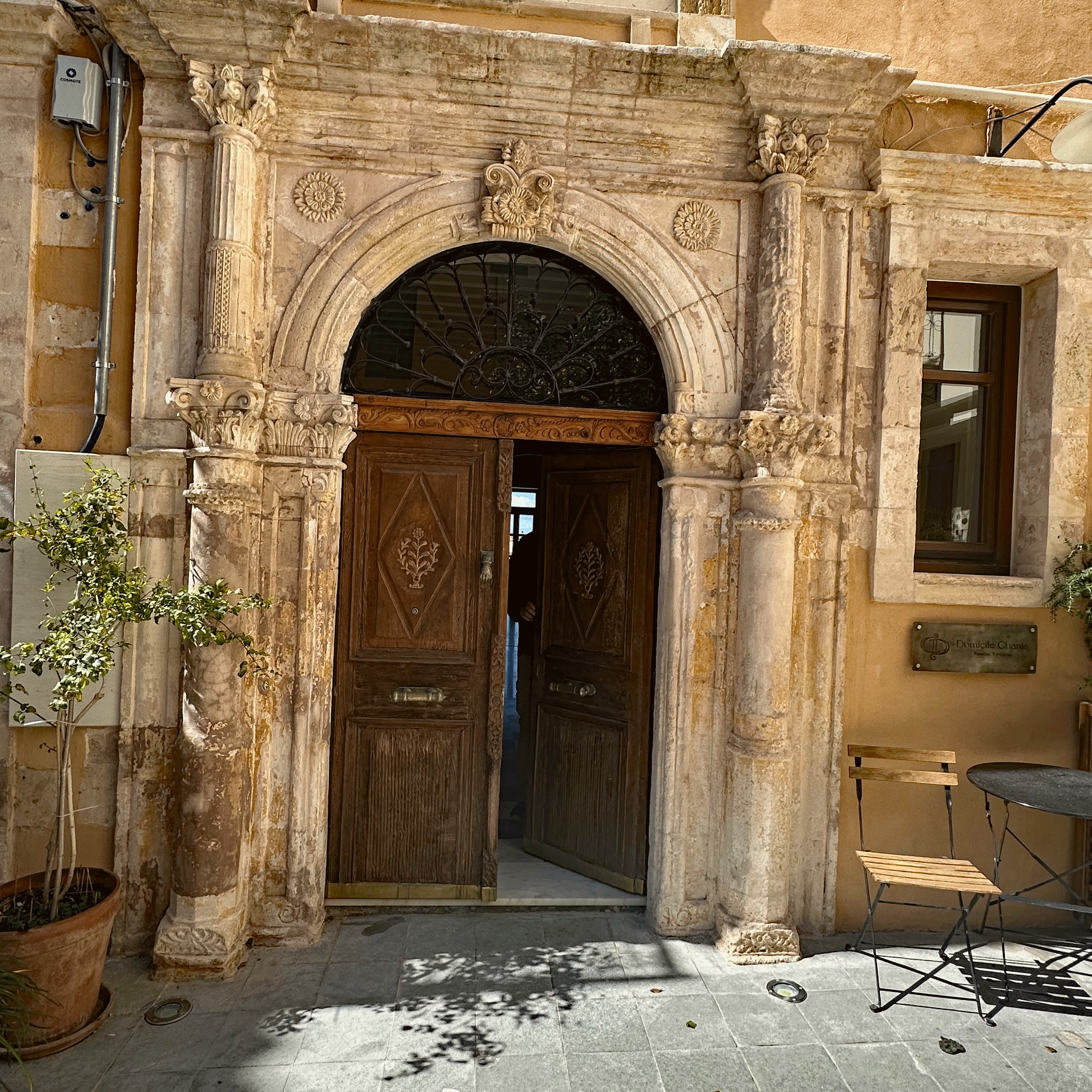
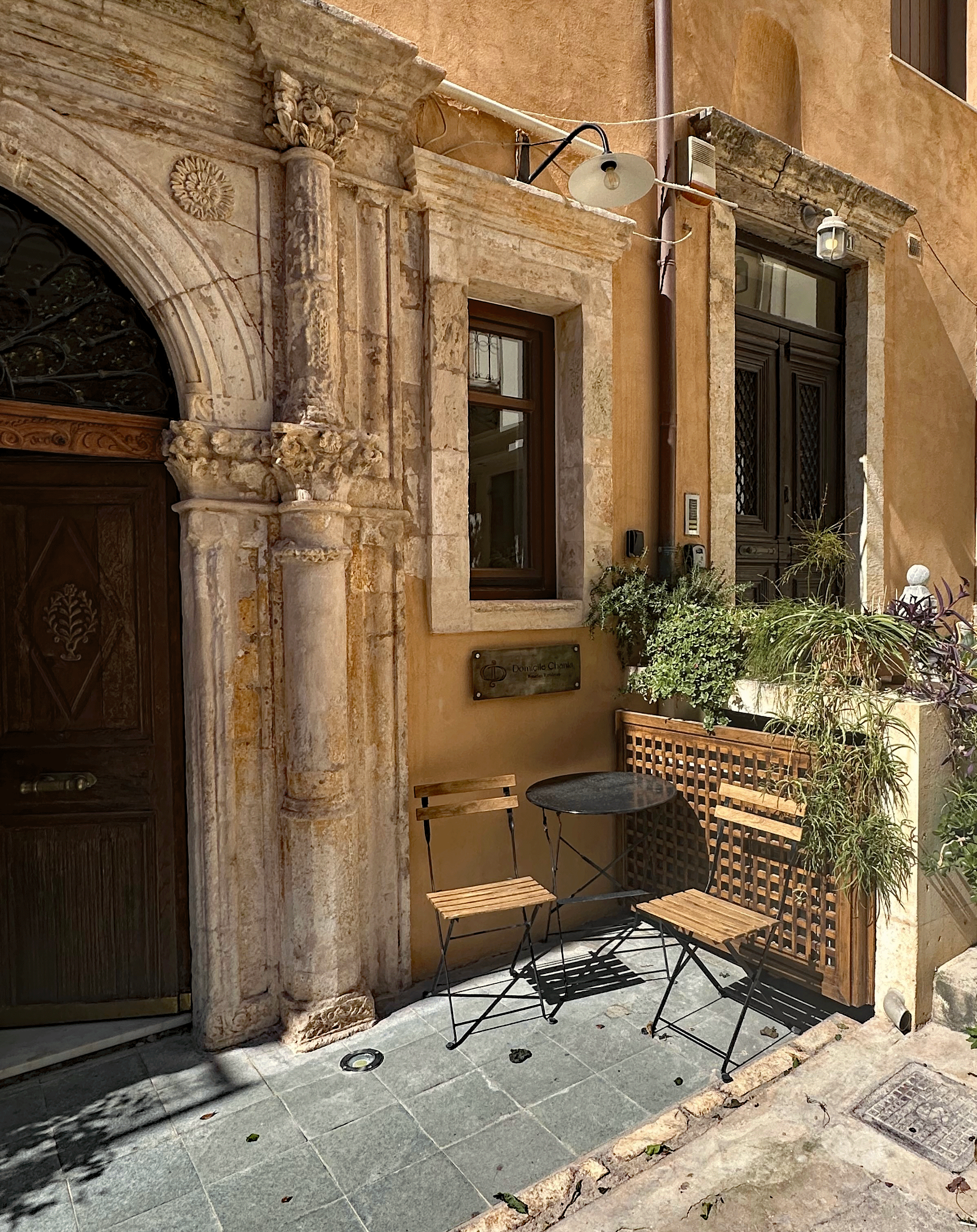
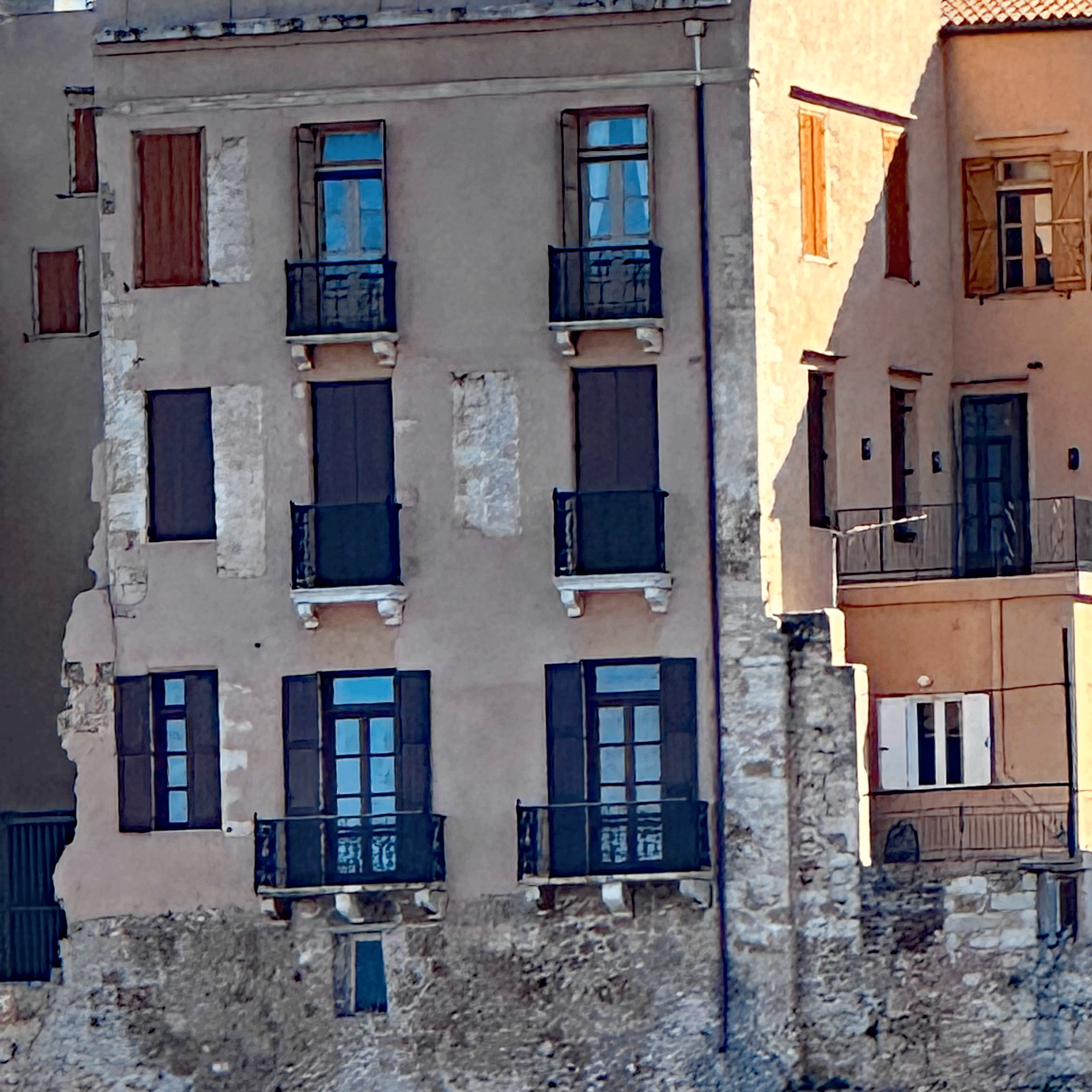
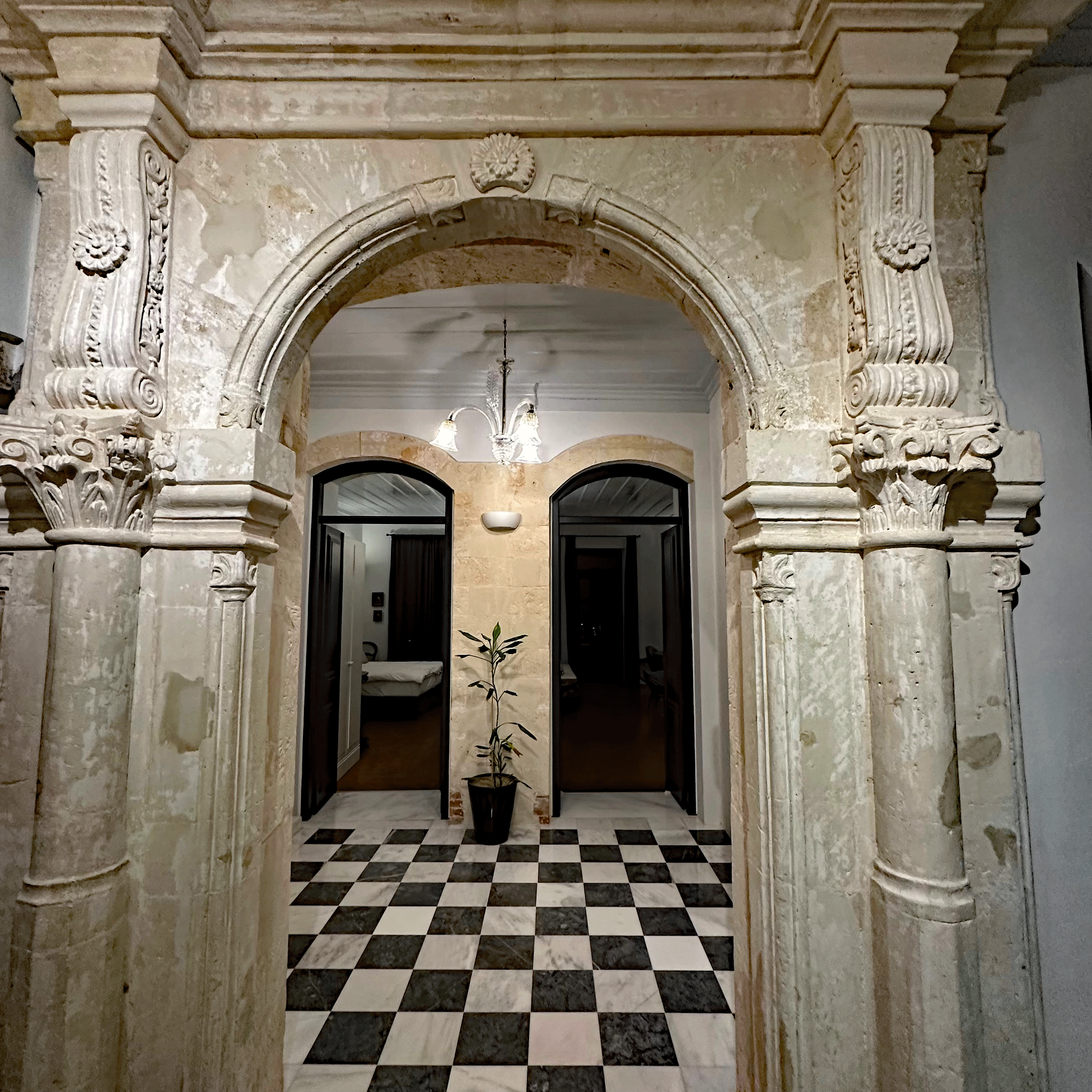
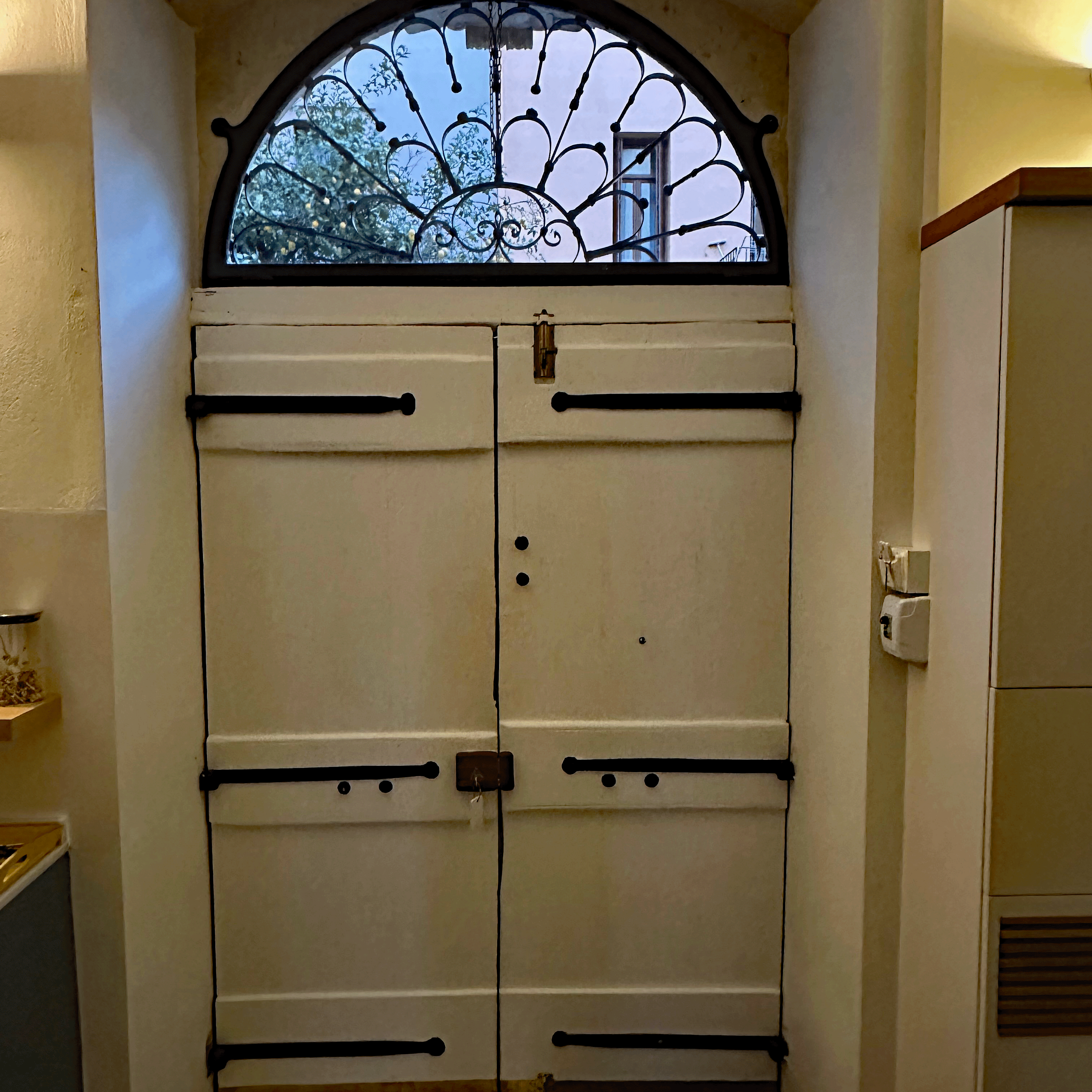
Tosis, our host met us on the street and carried my luggage, while expressing his pleasure to meet us and proudly pointing out the features of our home for the next ten days. The building belonged to a governor during the Venetian Occupation (13th-17th century). The first level was his office and library and living area was above. We are staying in the restored and refurbished archive area. In keeping with strict archeological standards, the stone archways are original, the ceiling heights and window frame measurements are as they were in the 1300’s. The balcony metalwork was reproduced to strict historical requirements. Even wall paint colors must be approved.The stone archways are original , the wooden entry door is 100 years old. The antique furnishings blend seamlessly with the modern amenities. Tosi had equipped the bathroom and kitchen with essential items to get us started, even homemade biscuits and jam and a bottle of his private label wine.

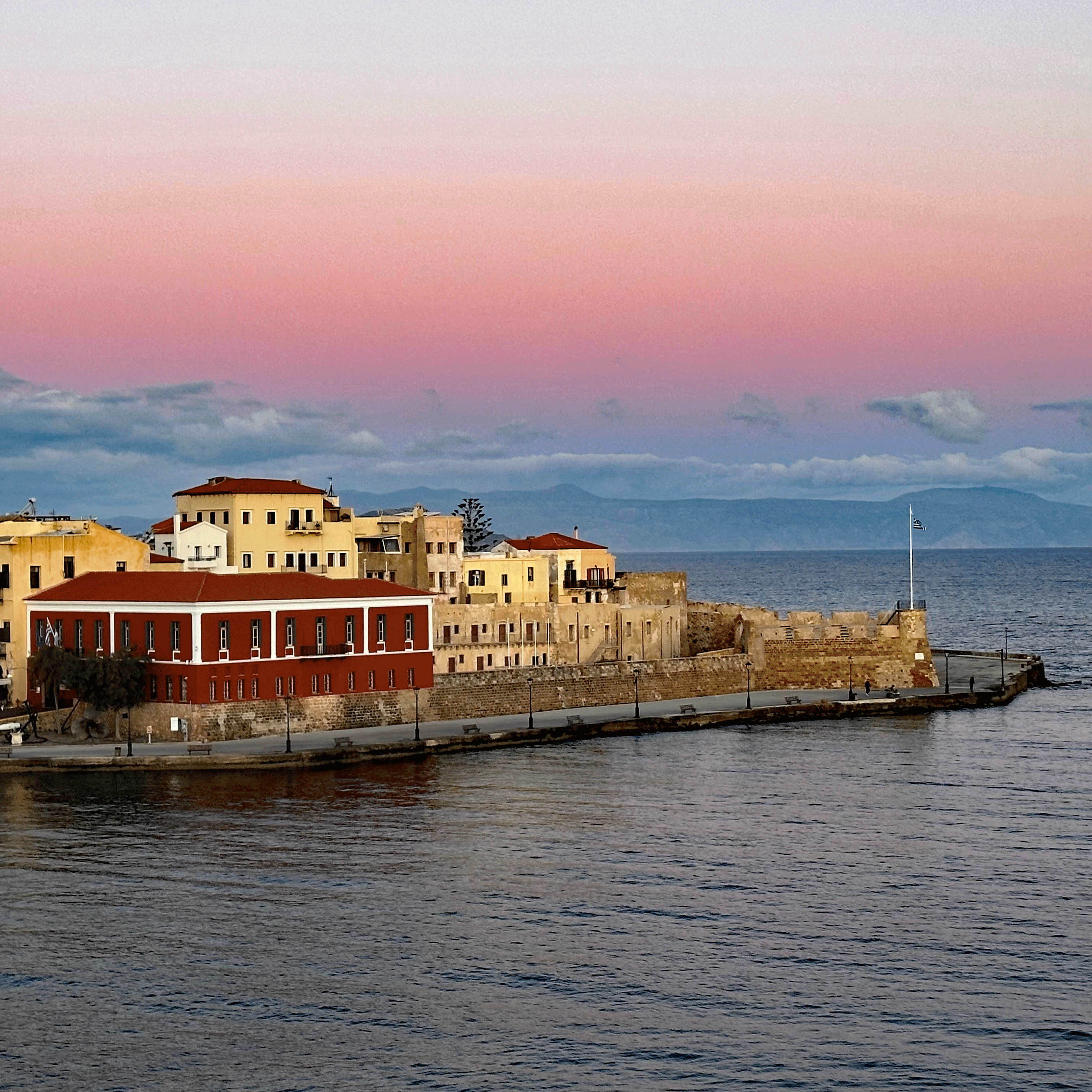
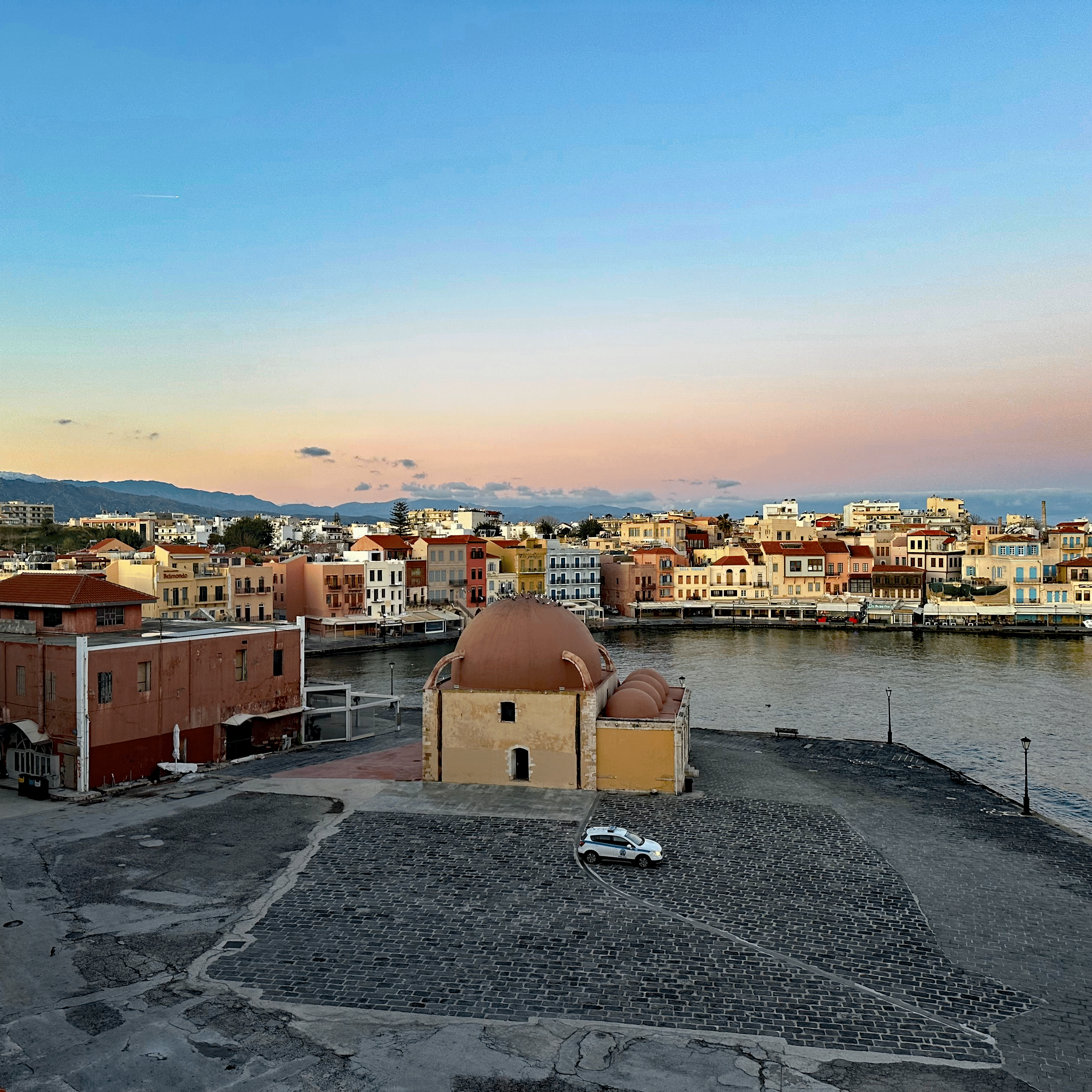
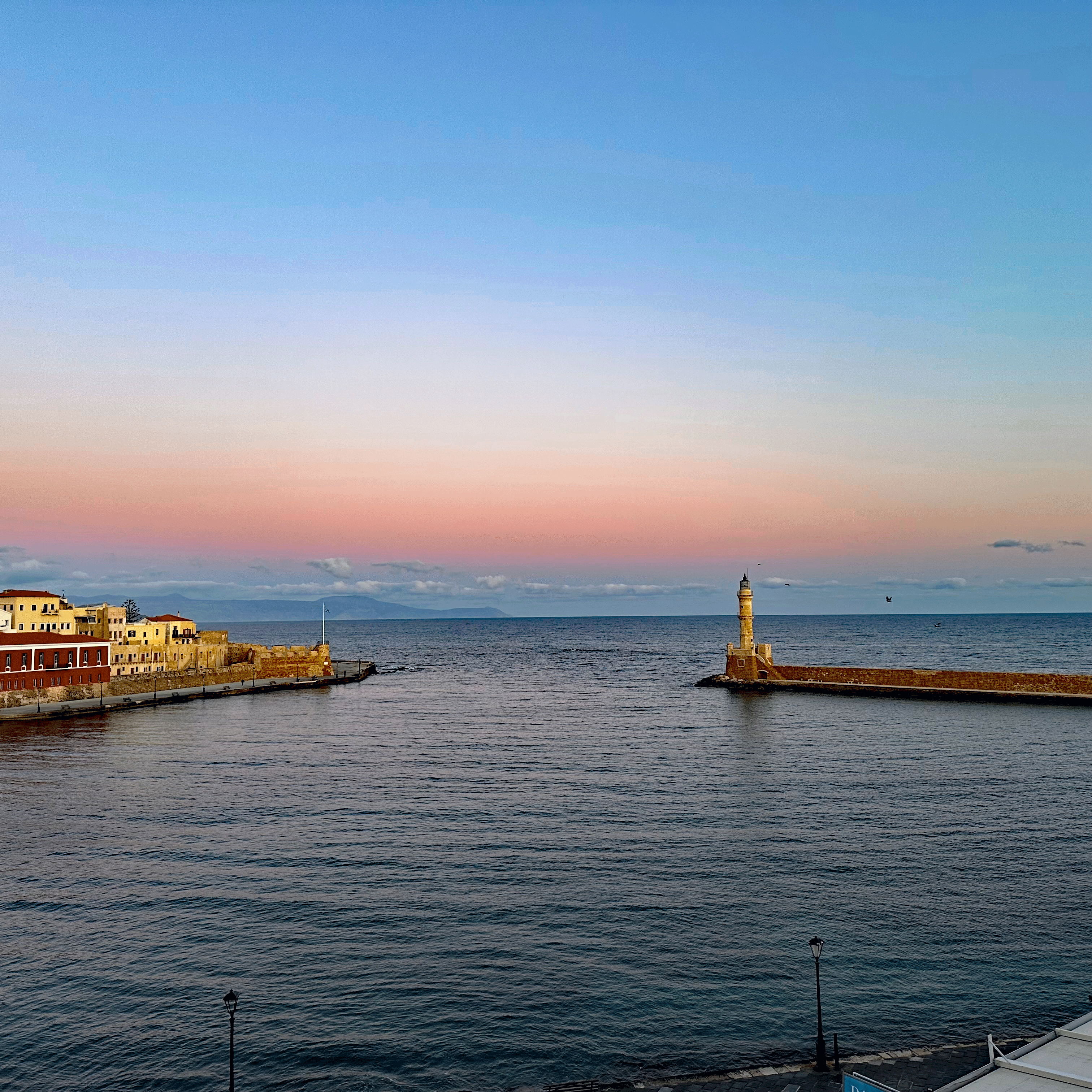
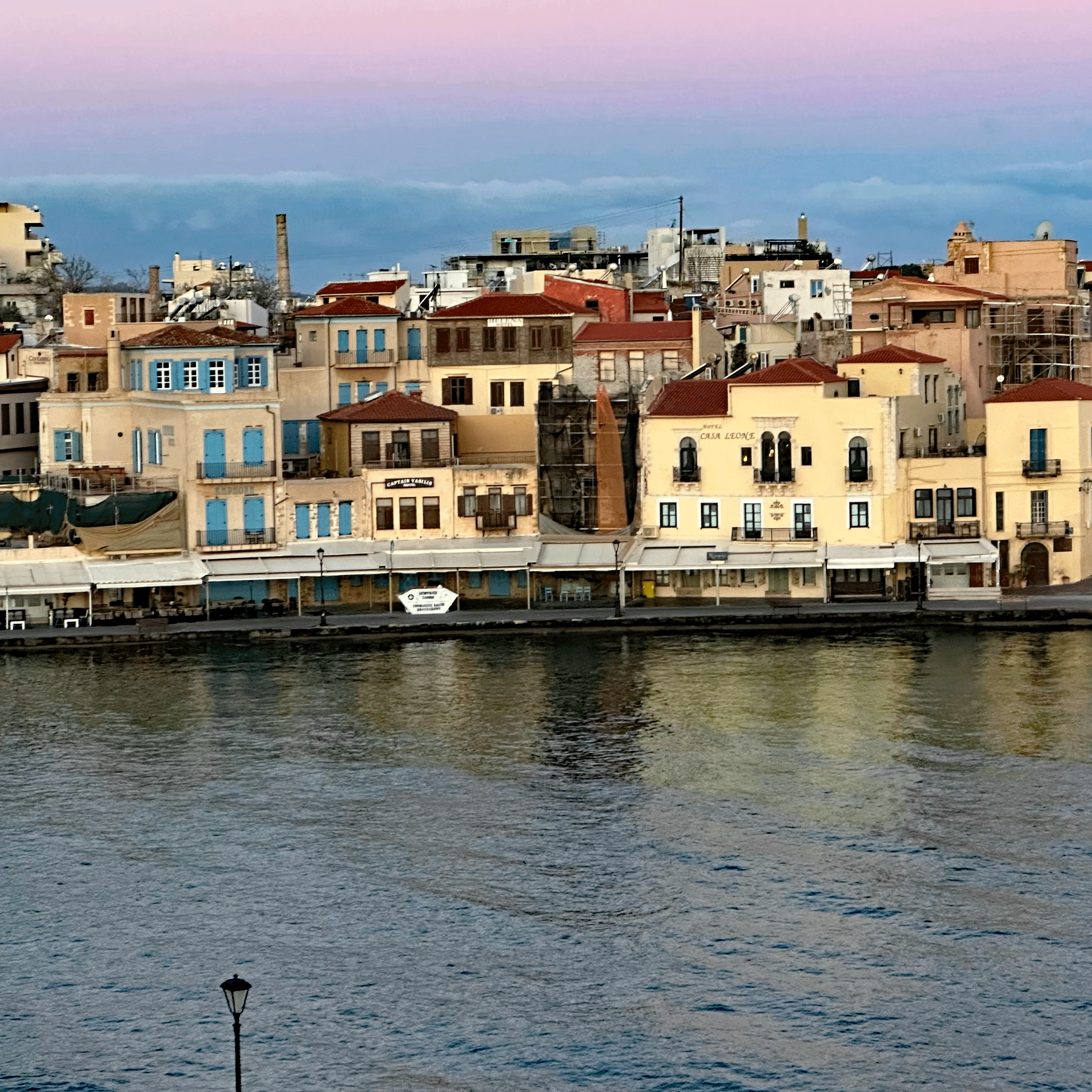
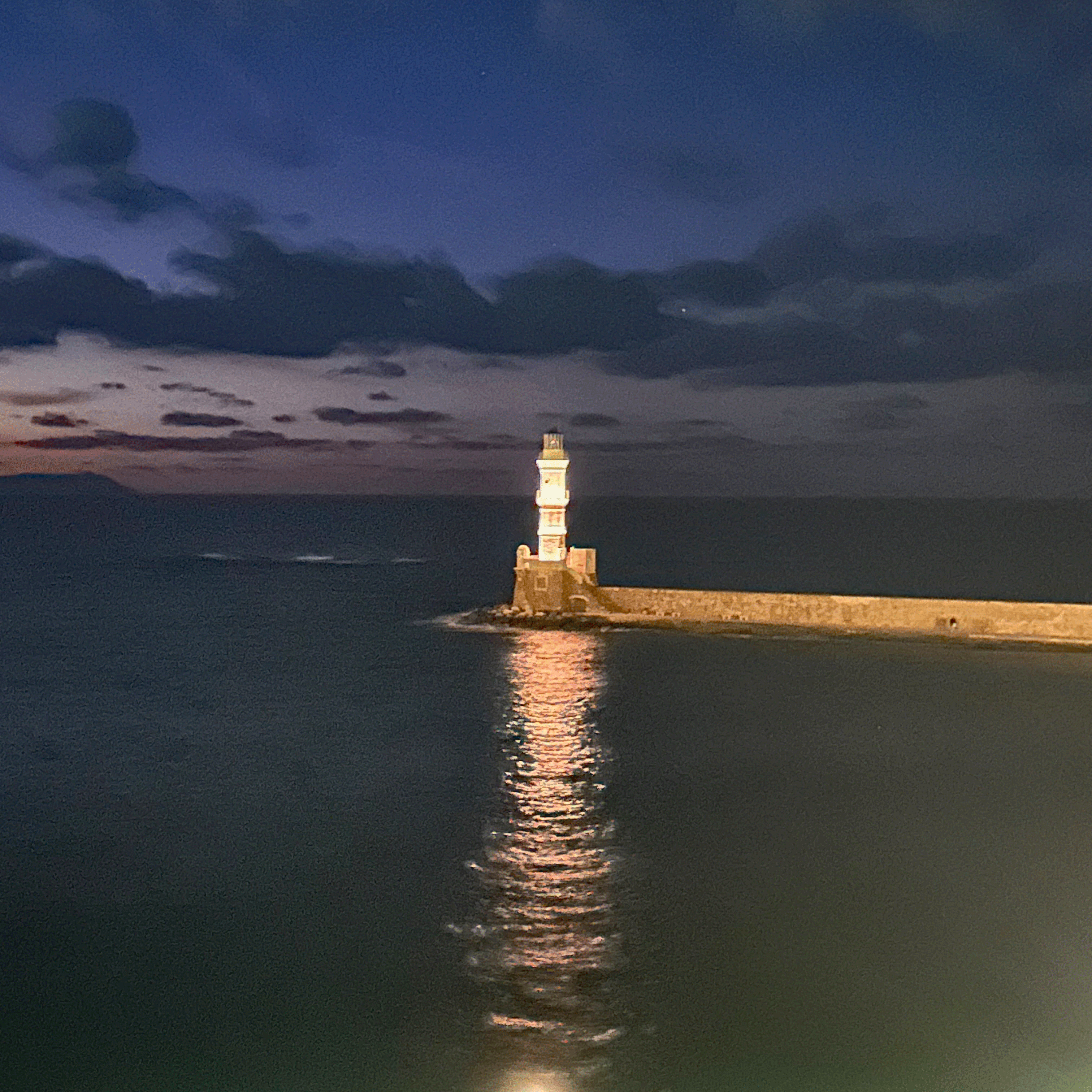
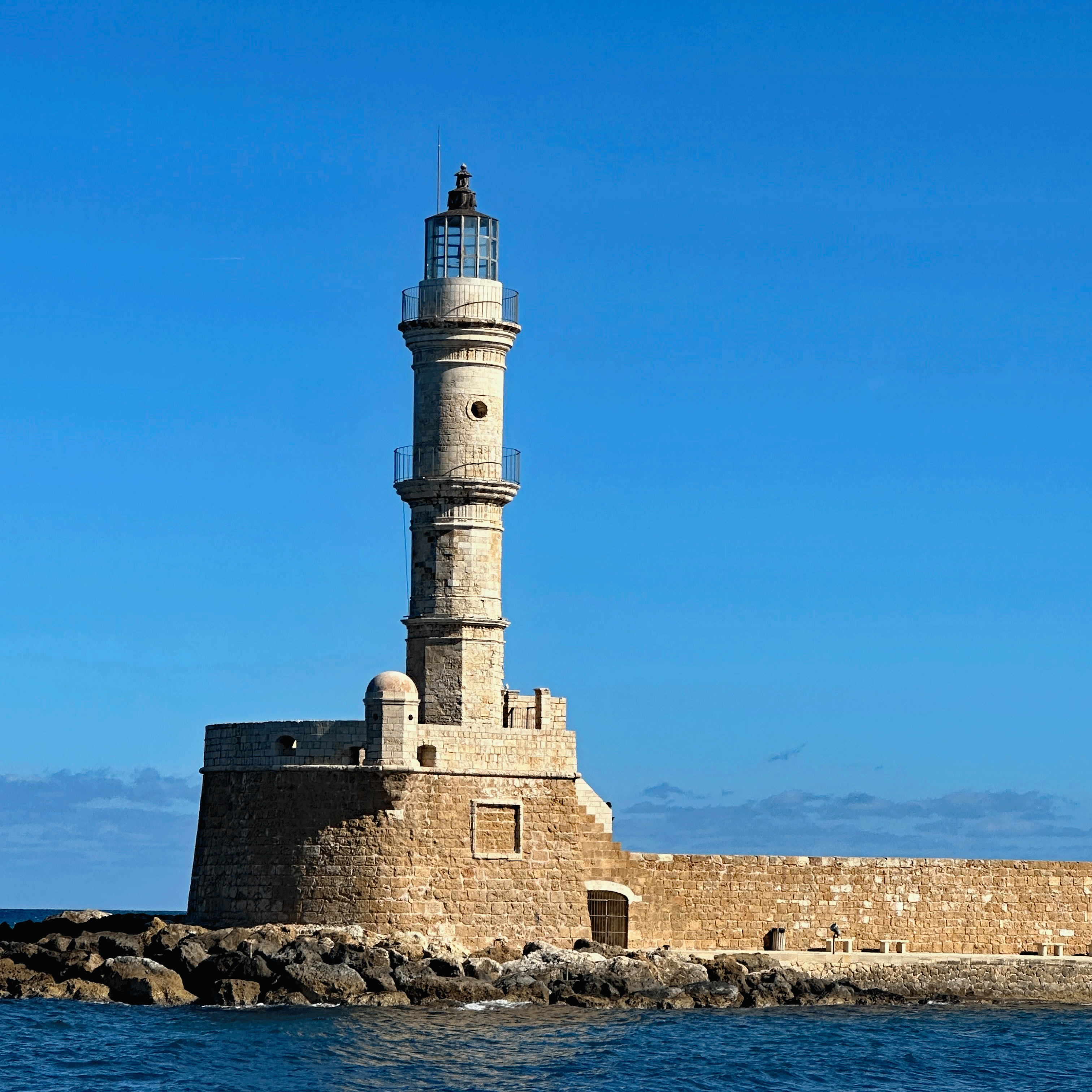
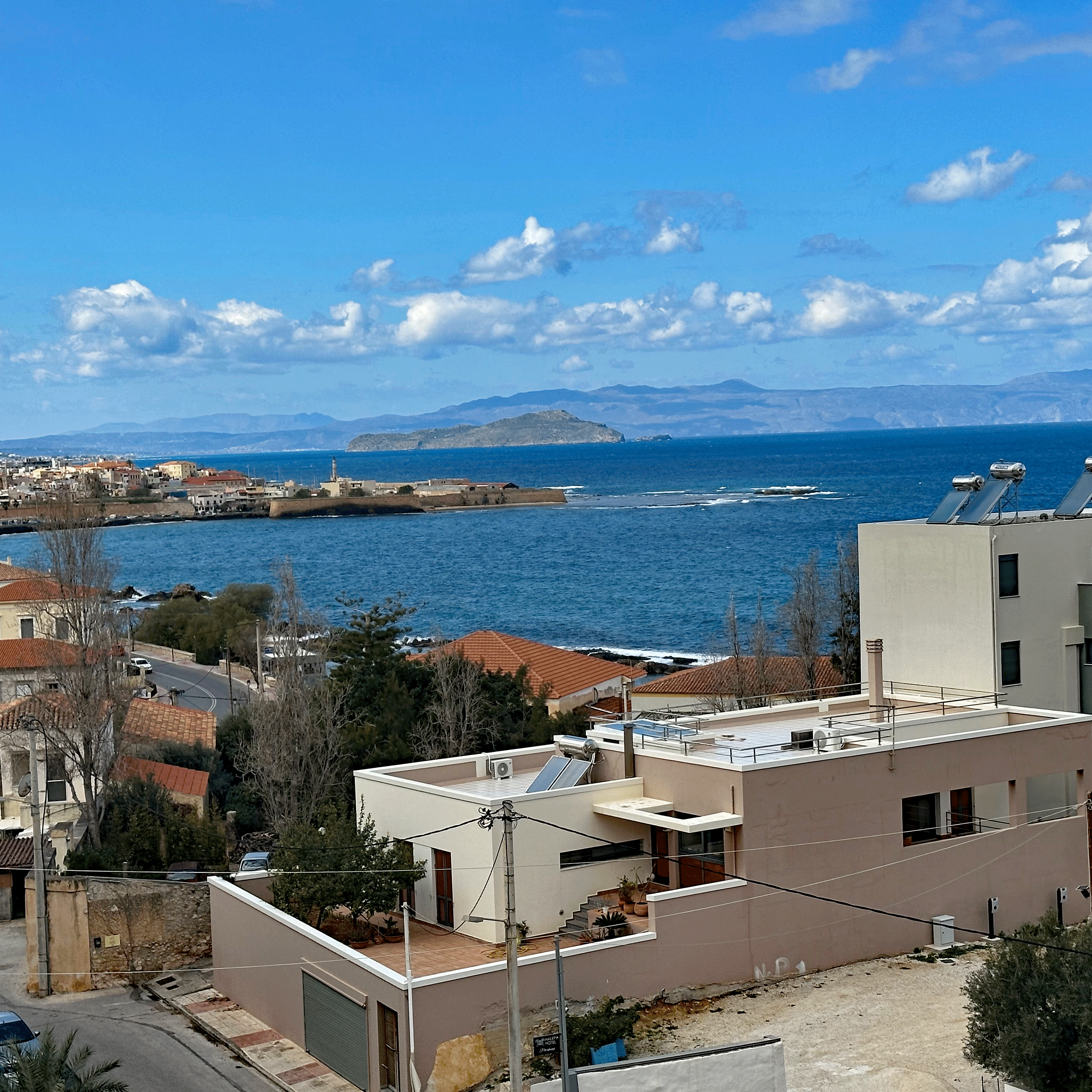
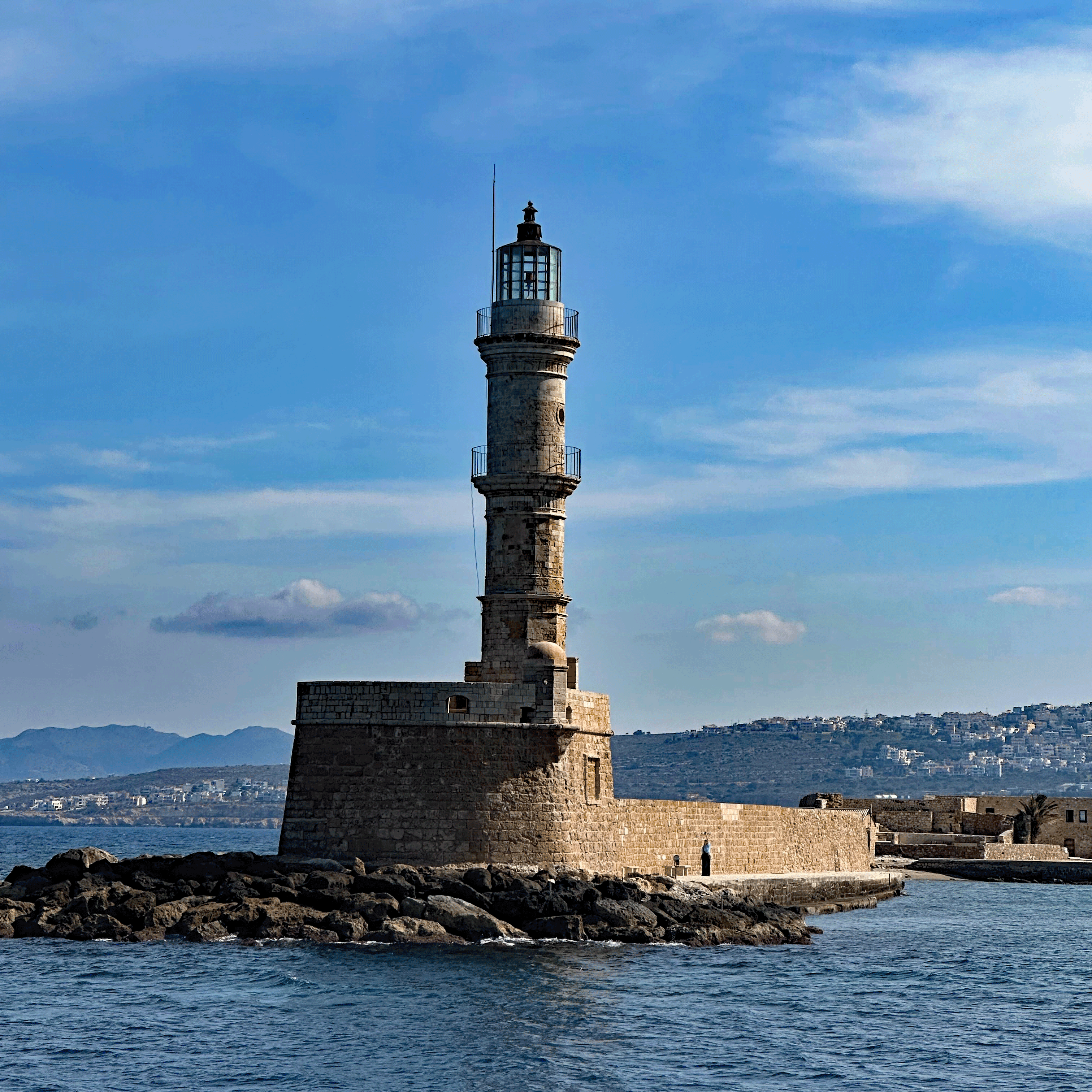
He proudly showed us the bedroom and living room, both with floor to ceiling glass doors that open out to small balconies that overlook the Venetian Harbor, the lighthouse and the Palazzo below. I feel like I’m living on a movie set. Bill looked out the window one morning to see tourists taking pictures of our balcony.

Below: Photos of our “Palazzo” and its Views

The 14th Century Arch between the kitchen and the front rooms

We are in a great location for walking, so we take walks along the water and through town 2-3 times a day. Sometimes we have a destination, but mostly we just enjoy the sunshine and mild temperatures, stopping into a church, or a shop, or a charming local spot to enjoy a coffee.

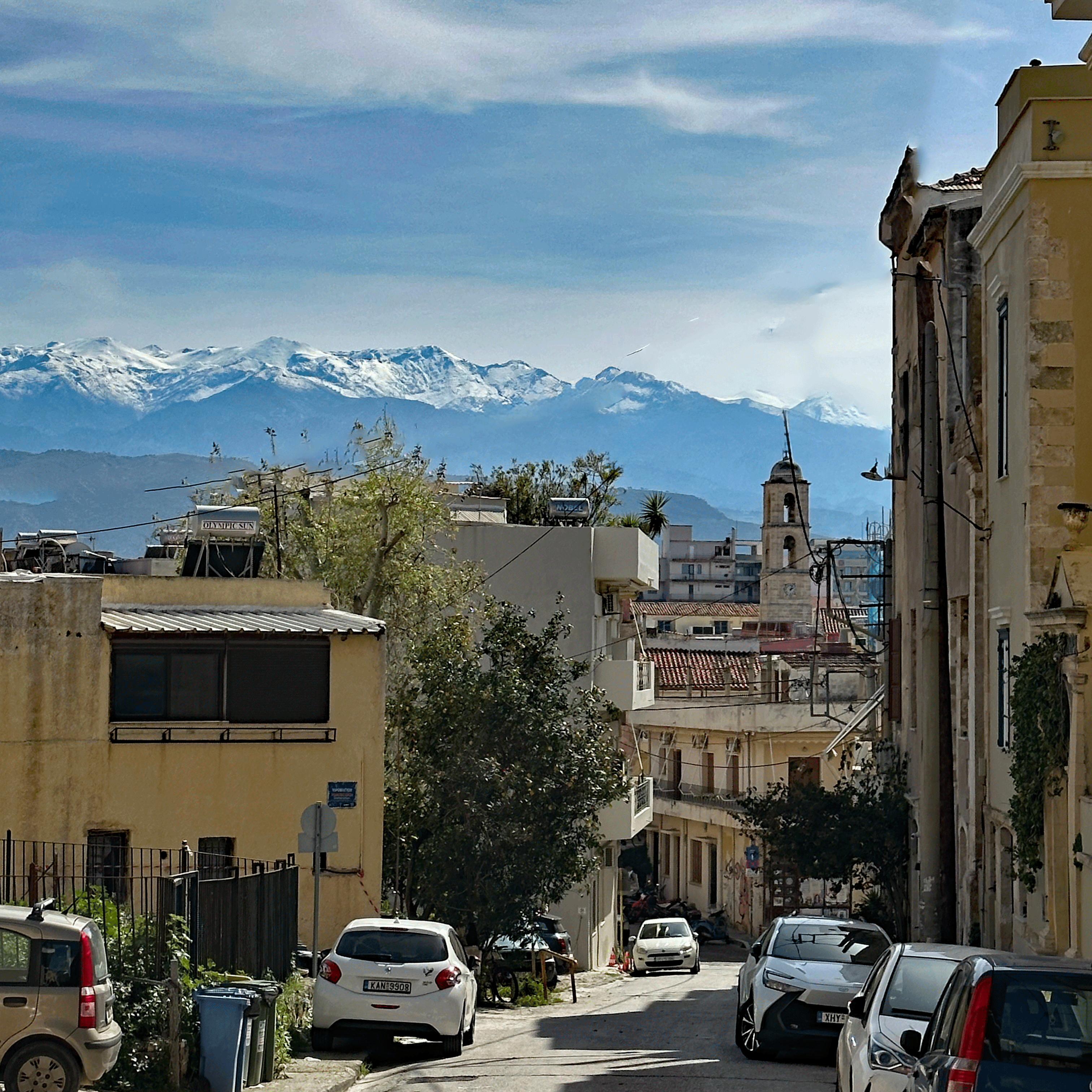
The Hill Down from our Place to Town

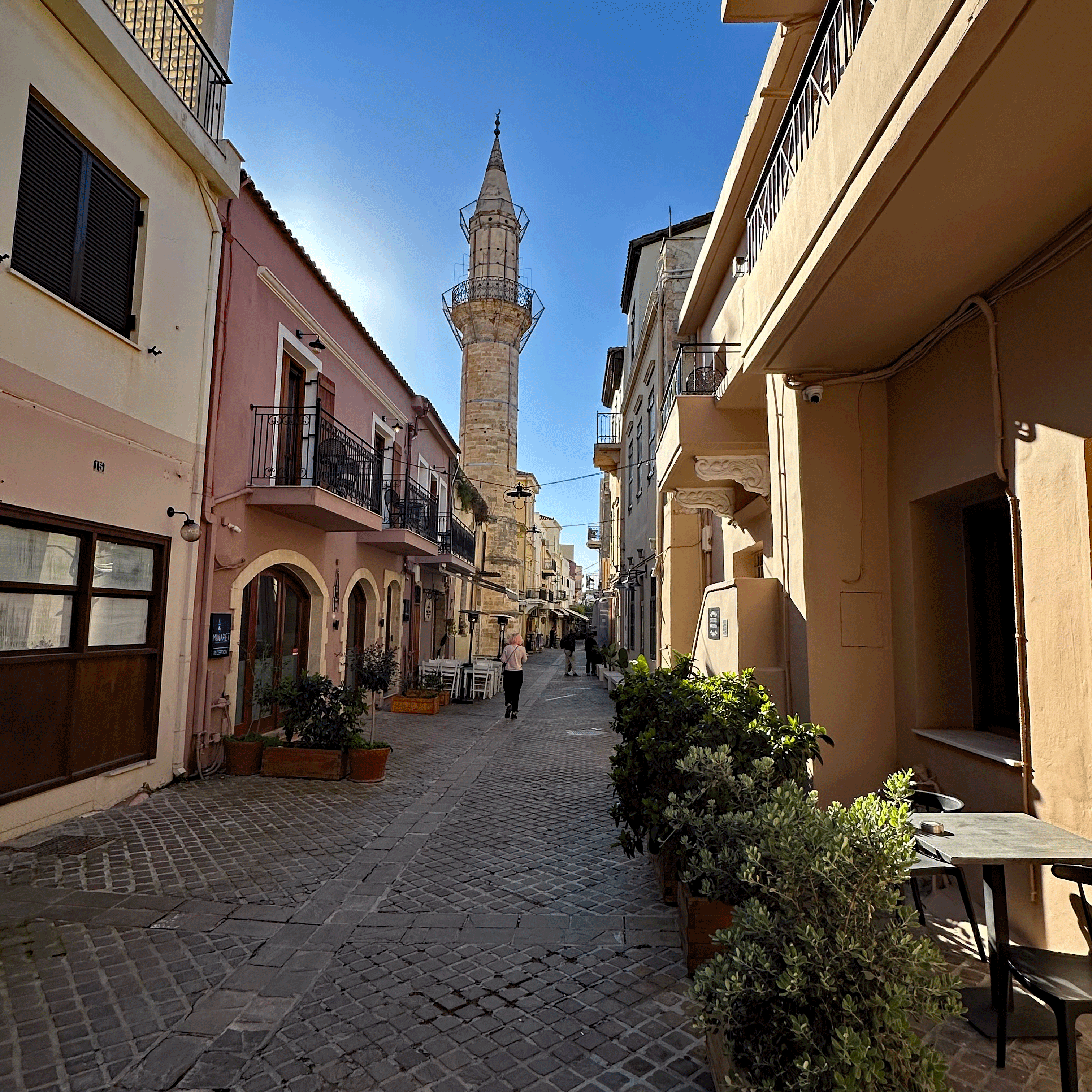
We took a walking tour with Iosif of Air B and B experiences. Being the off-season, the group tour was private. For two hours, he walked us through town, sharing the history of Chania, pointing out the architectural features of the buildings and the stories behind them. I can now distinguish a Venetian home from an Ottoman home. The iron balconies are Venetian homes and the wooden enclosures are Ottoman. The architectural styles mirror the lives of the women: Venetian ladies participated in village street life, while their Muslim neighbors remained cloistered inside of their homes.

We left the “main drag” to stroll back alleys and narrow lanes, knowing we were walking on top of millennia of human history. Humans have lived and died in this part of the world since the Paleolithic Age. (more on that when we visit the Archeology Museum of Chania). Due to natural disasters (earthquakes and tsunamis) and wars, remains of the Byzantine era (330-1200 AD) and the subsequent Arab occupation (824-961 AD) are scarce, but parts of the original Byzantine city wall are still visible. Many more of Chania’s buildings from the Venetian (1204-1645 AD) and Ottoman (1645-1898 AD) occupations can be seen today. The different cultures are most obvious in the places of worship that have served as Orthodox churches or as mosques, at various times. Our tour finished with Greek coffee on the waterfront where old Greek men play backgammon with their friends.

Below: Some sites from our tour of Old Town, Chania

Iosif suggested we visit Chania’s Archeological Museum, so we made that our outing the next day. It was a 40 minute walk (with some uphill) to the opposite shore from the Venetian Port. The museum has a fine collection of local finds from the Stone Age through Roman times. The displays are nicely curated and the audio tour is very helpful. We especially appreciated the story of the Miser’s House in which an entire family fell victim to an earthquake in 365 AD, because instead of evacuating, they went back into the house to retrieve their valuables.

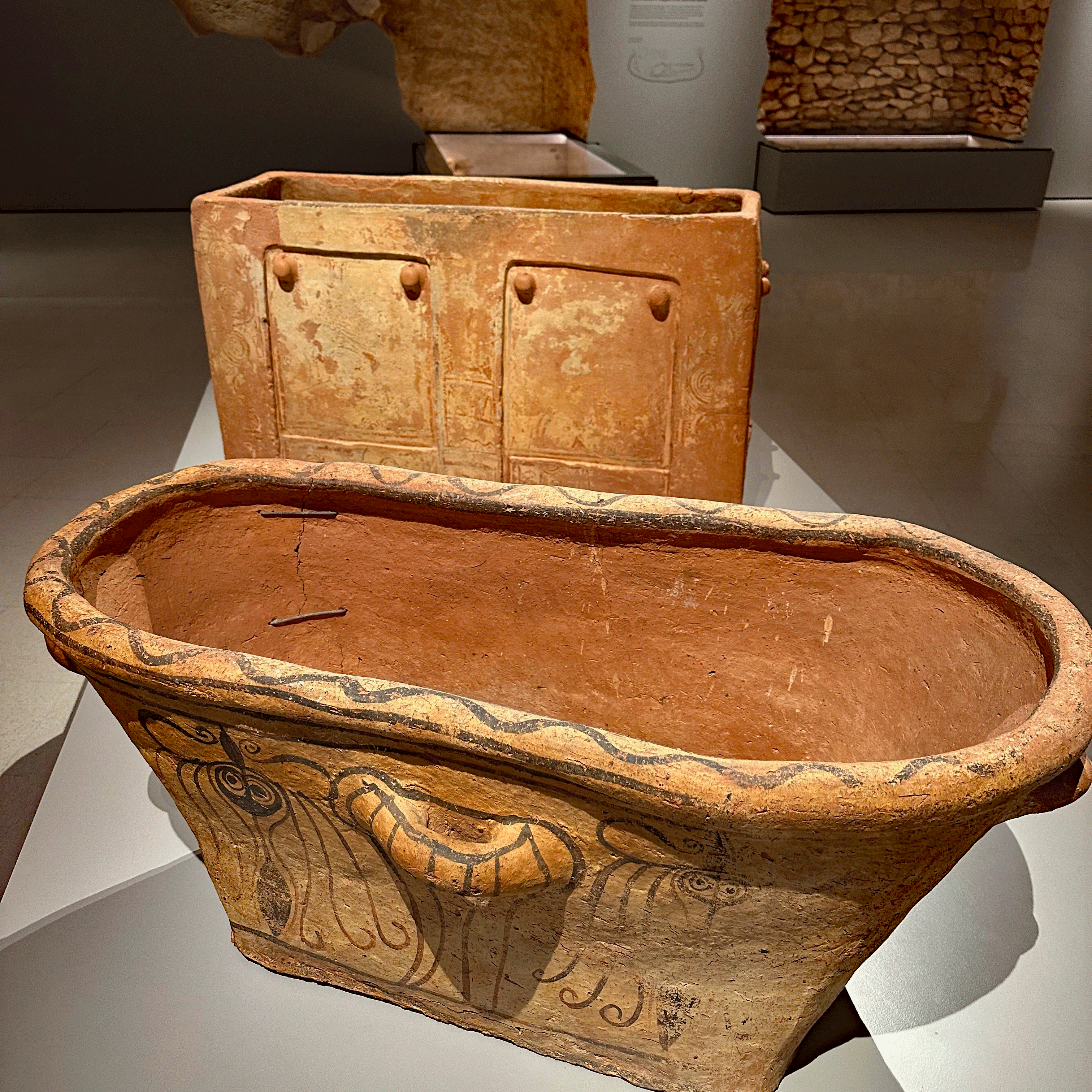
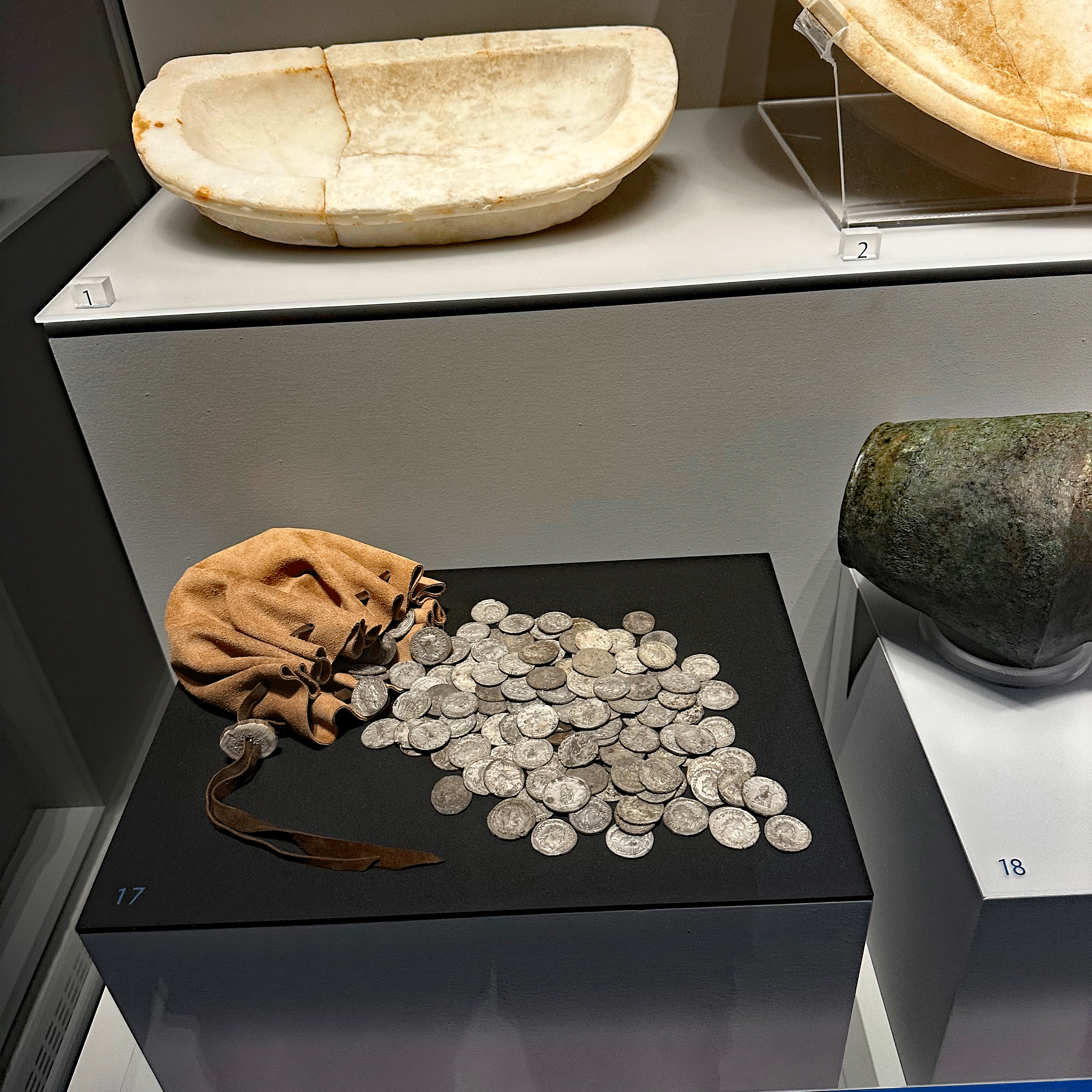
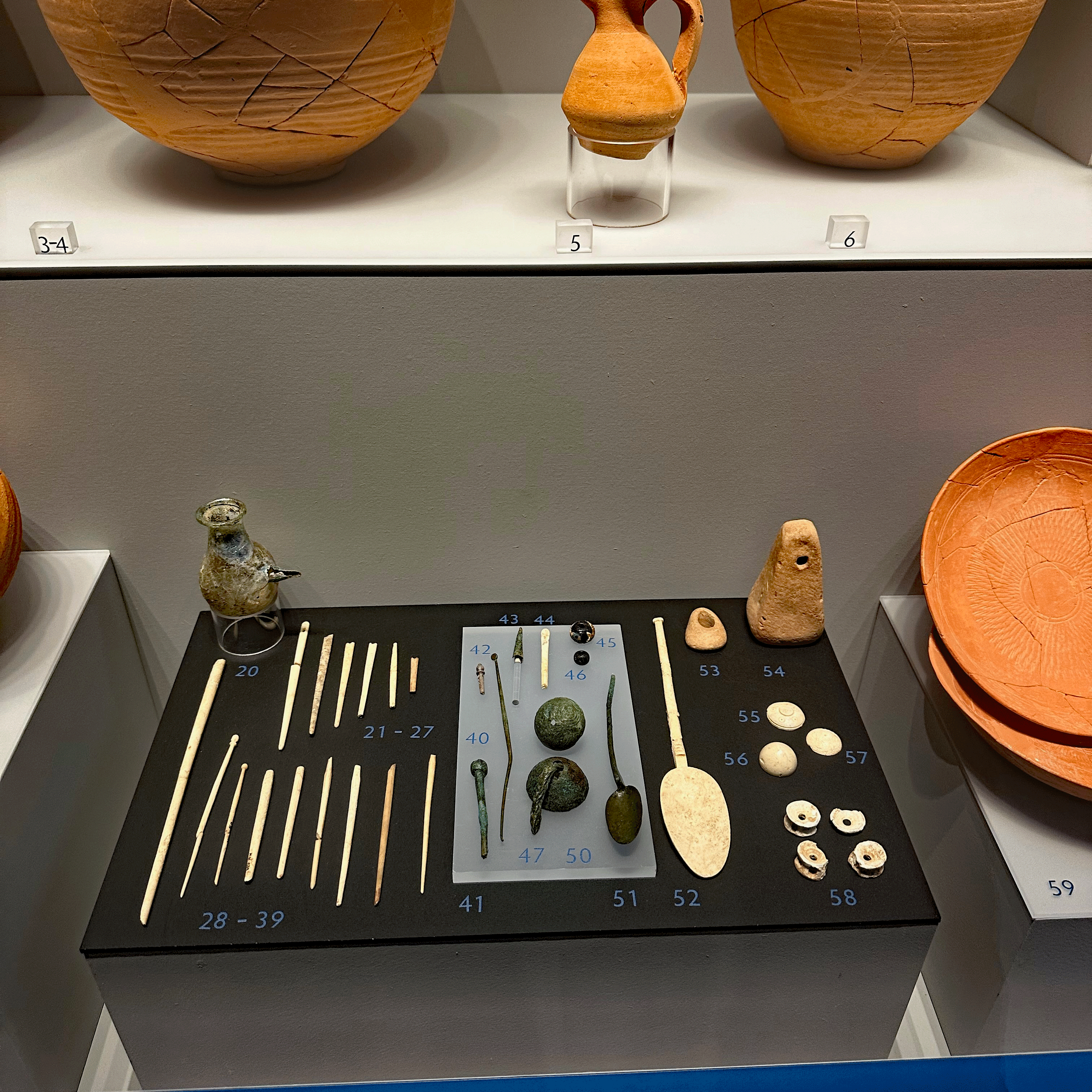
Below: Just a sampling of the items in the Archeology Museum.

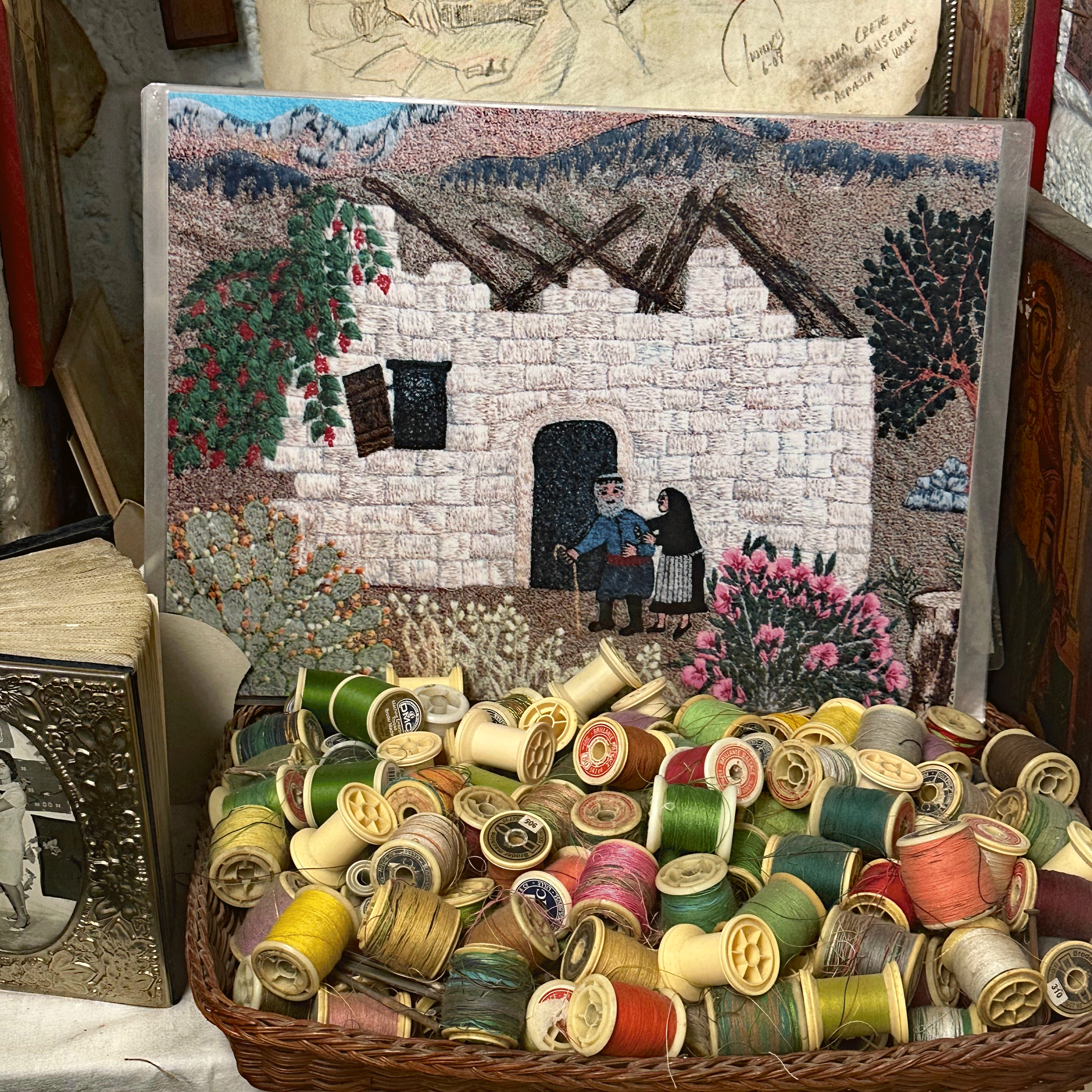
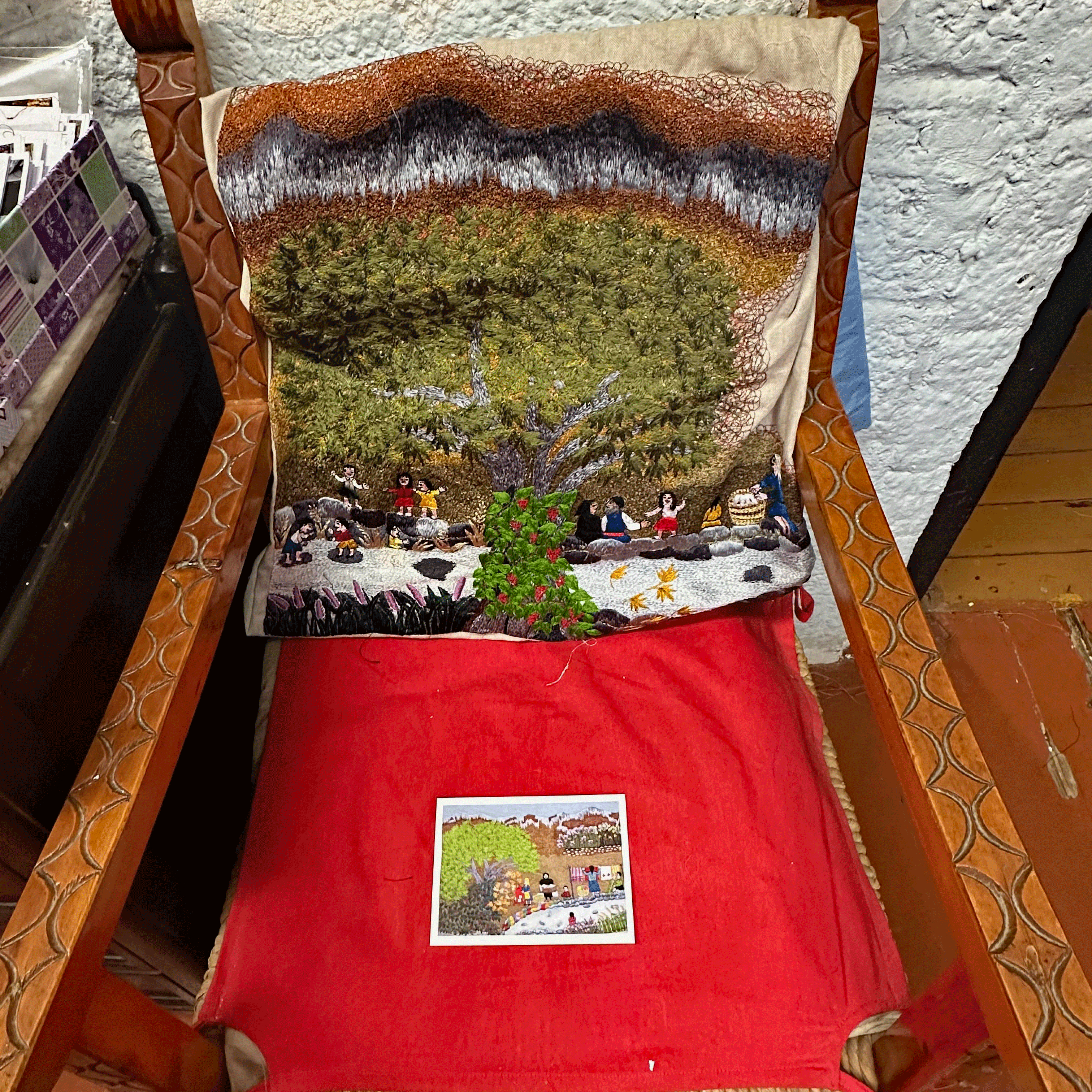
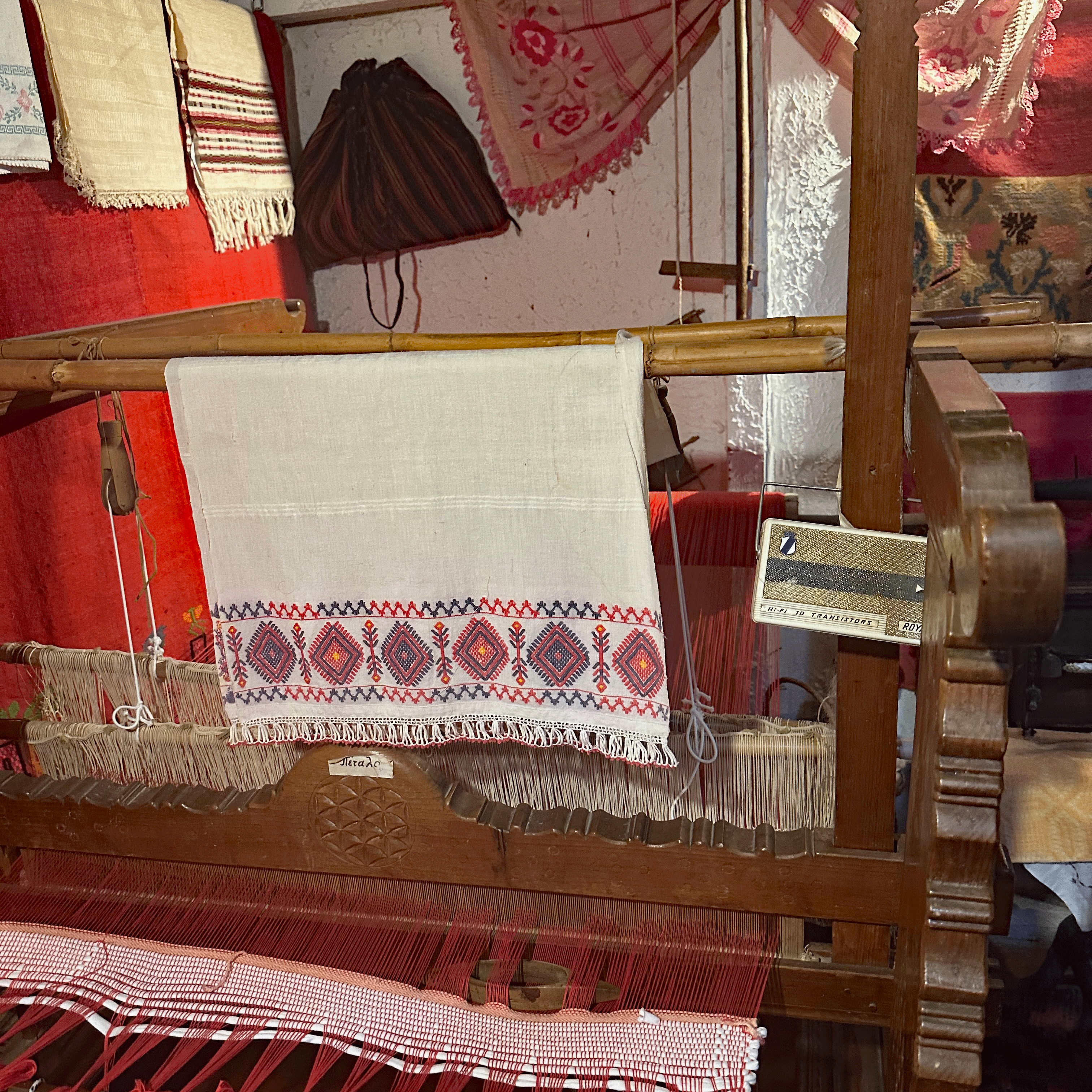
The Chania Folklore Museum is a funky little place next to the Catholic Church. It is filled with farming tools, vintage looms, sewing machines, flatirons, rugs, tapestries, and linens. When we visited, I was able to chat with a local crafter who sewed scenes of her home village from memory.

Below: Handmade Items from The Folklore Museum

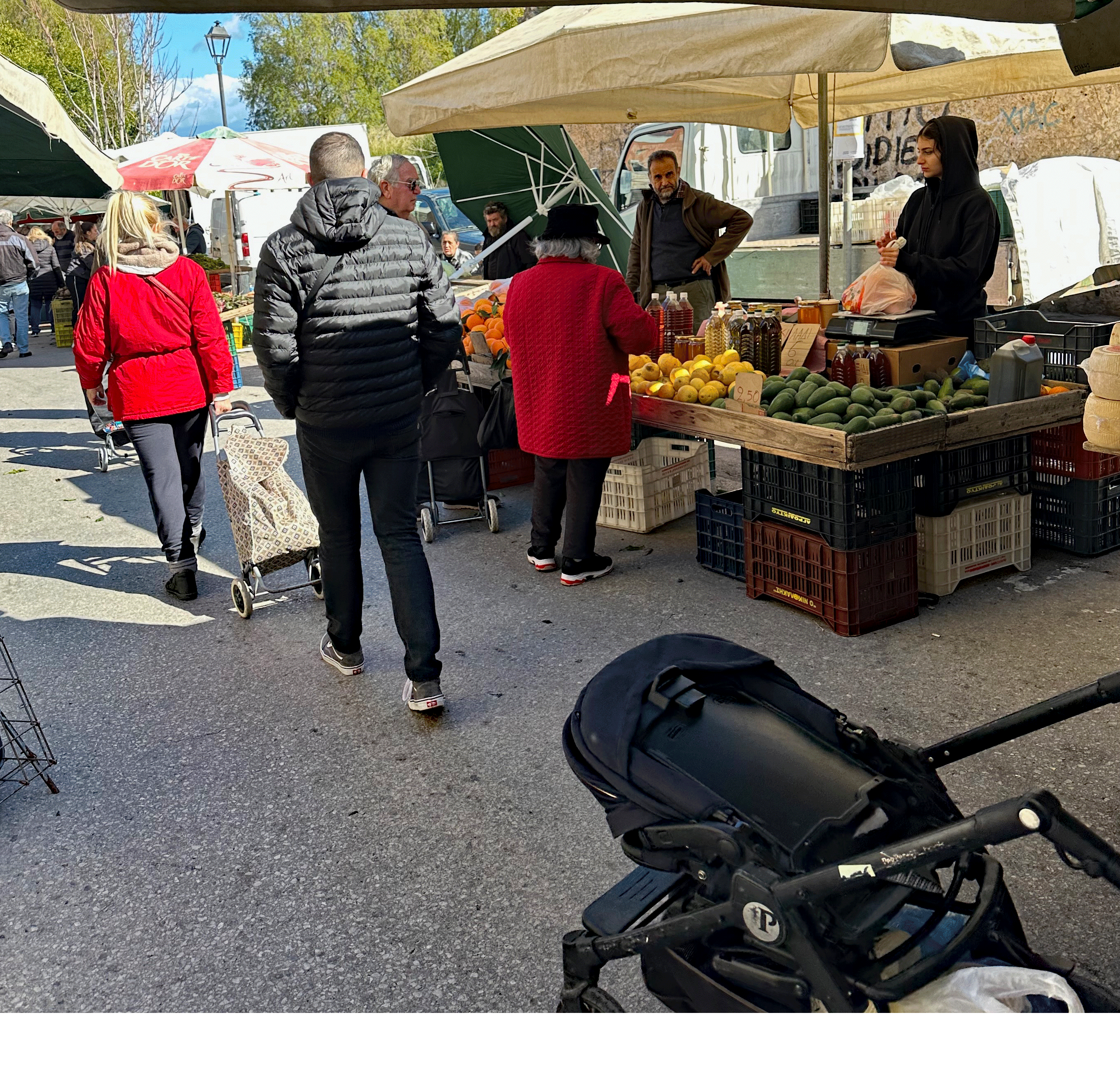
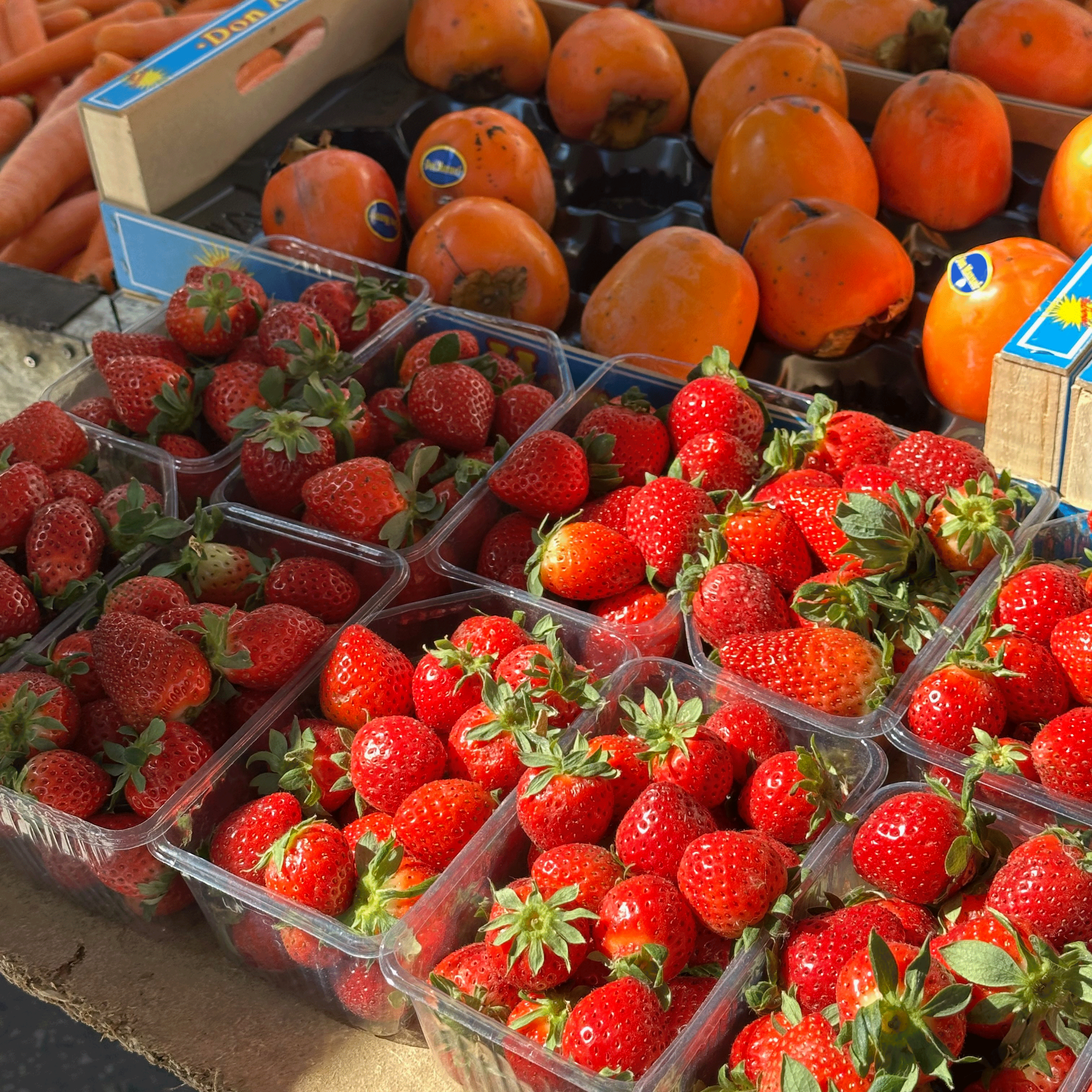
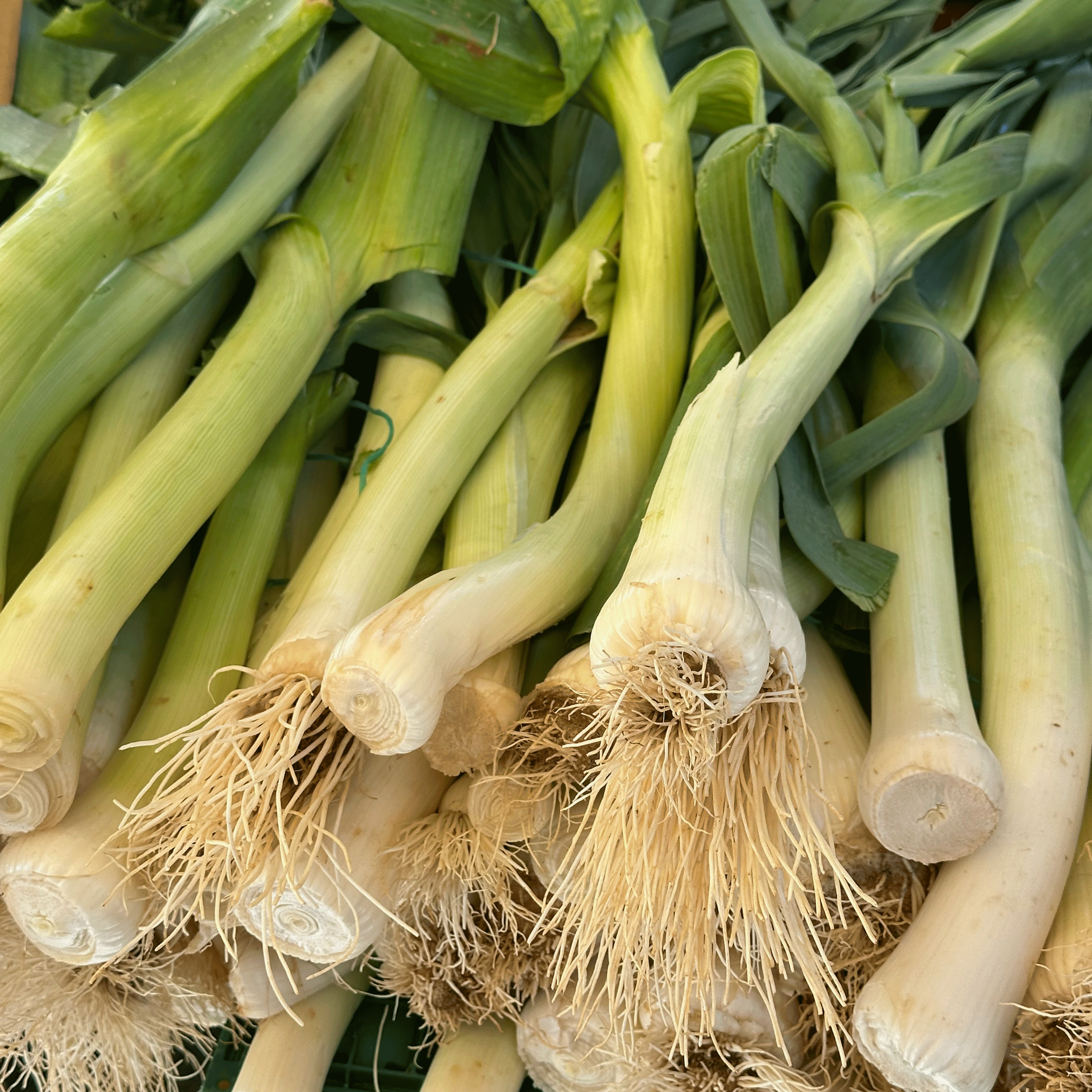
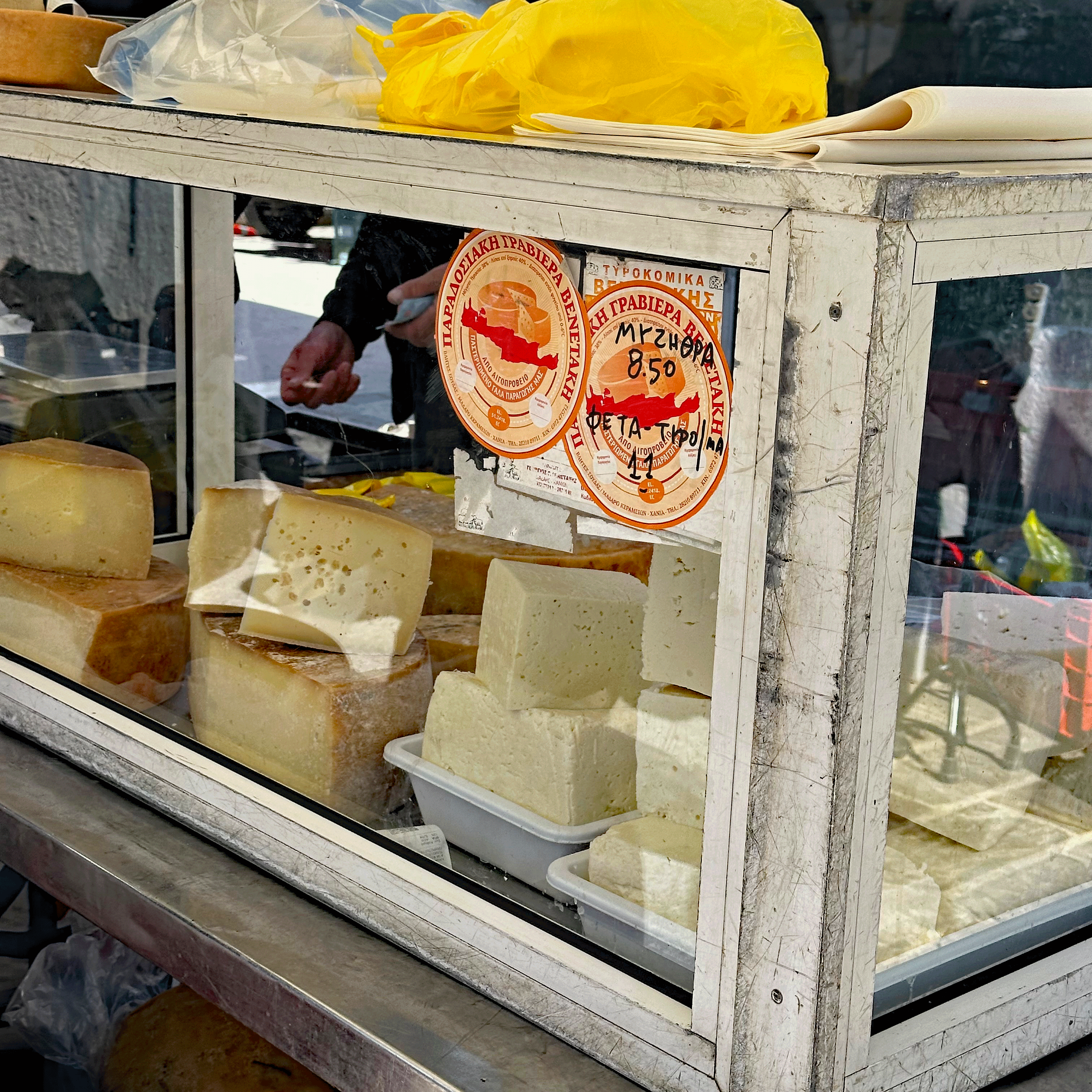
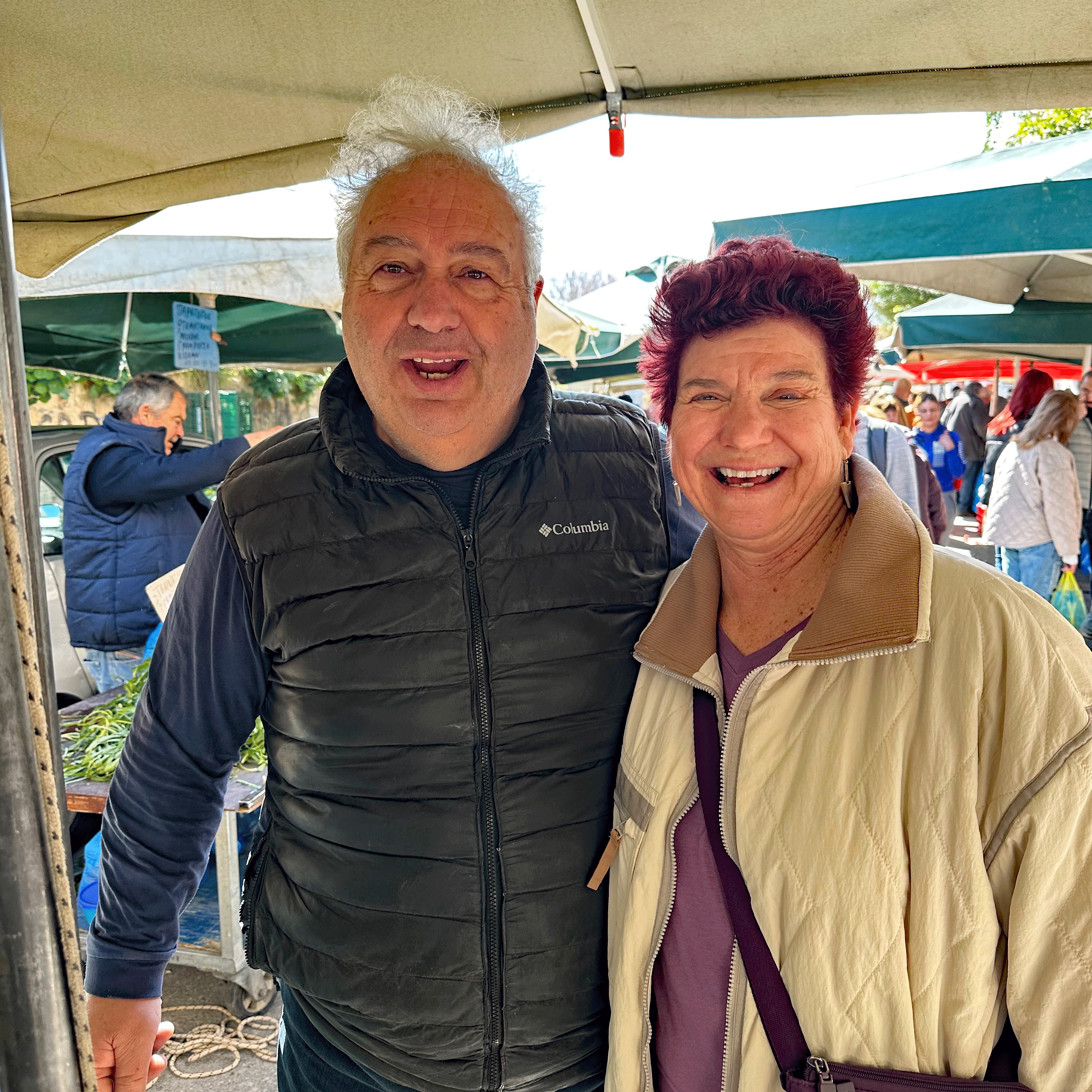
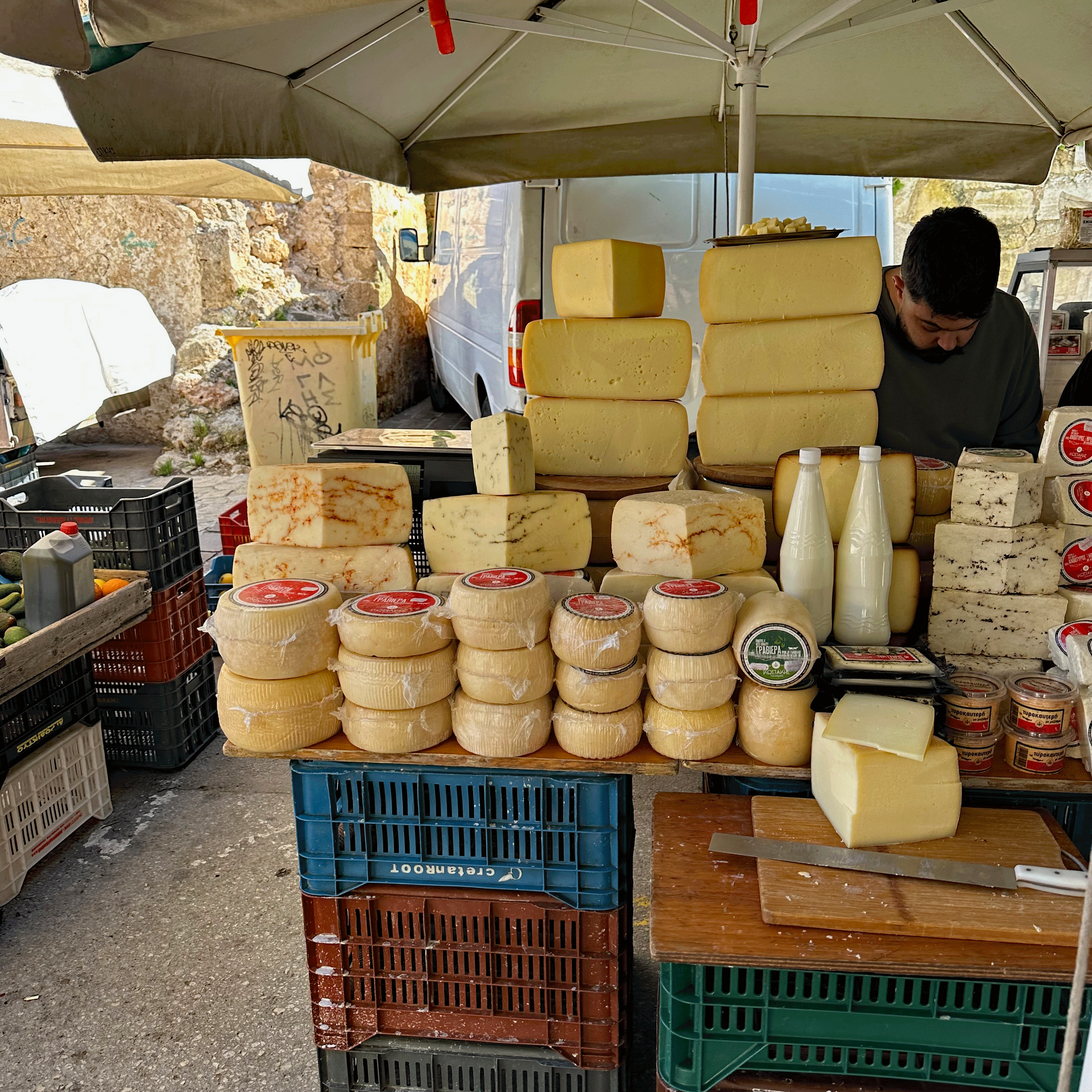
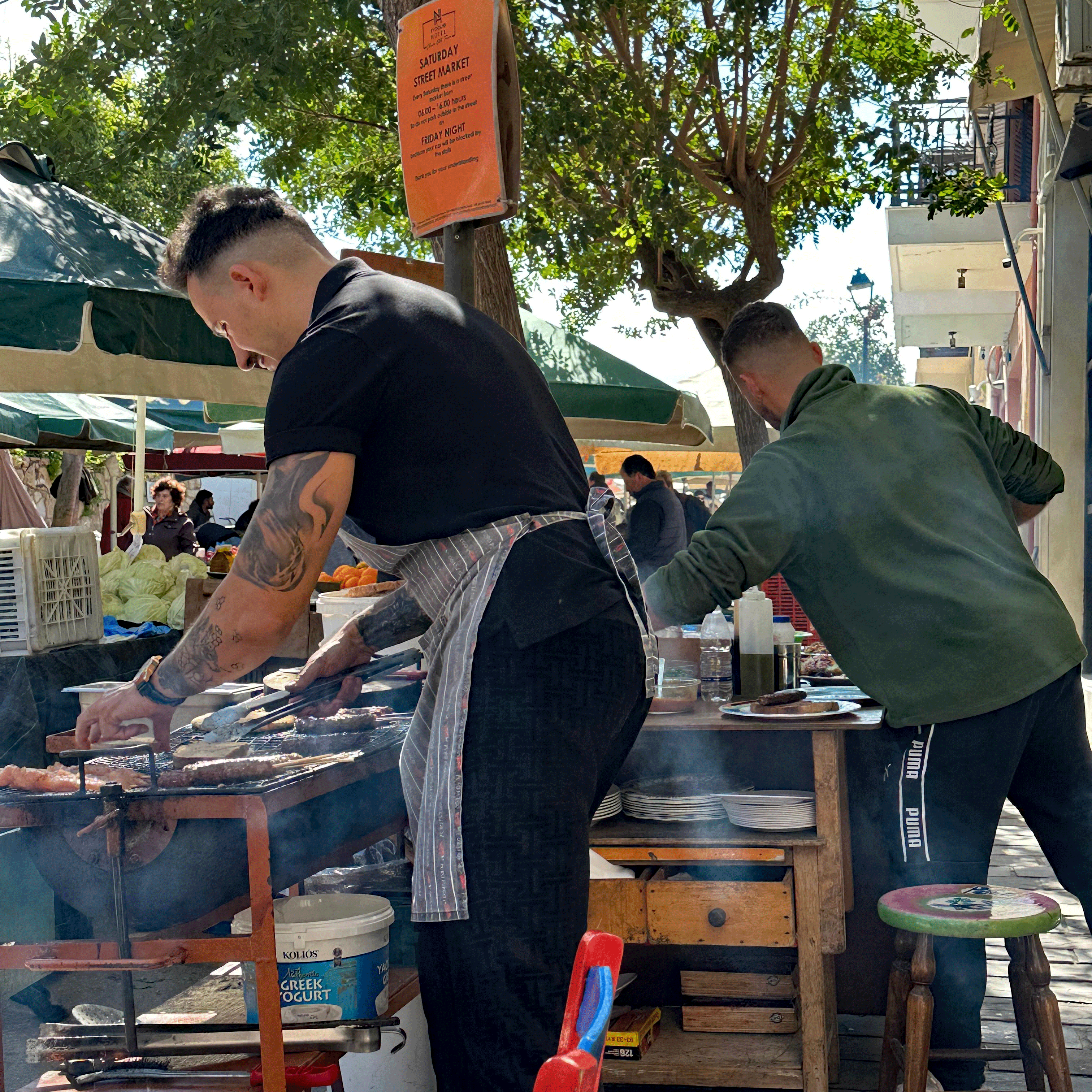
Another local experience in Chania is the Saturday Market. Fresh produce, olive oil, honey, and cheeses cover the tables lined up on two sides of Minoos Street. It is a great place to grab a fresh grilled souvlaki with a slice of bread for 1.5 euro; a little bit more for a “plate” and a beverage that is served at a sidewalk table, perfect for people watching. We met a nice Canadian couple there and have dinner plans with them tomorrow night.

Below: Market Photos

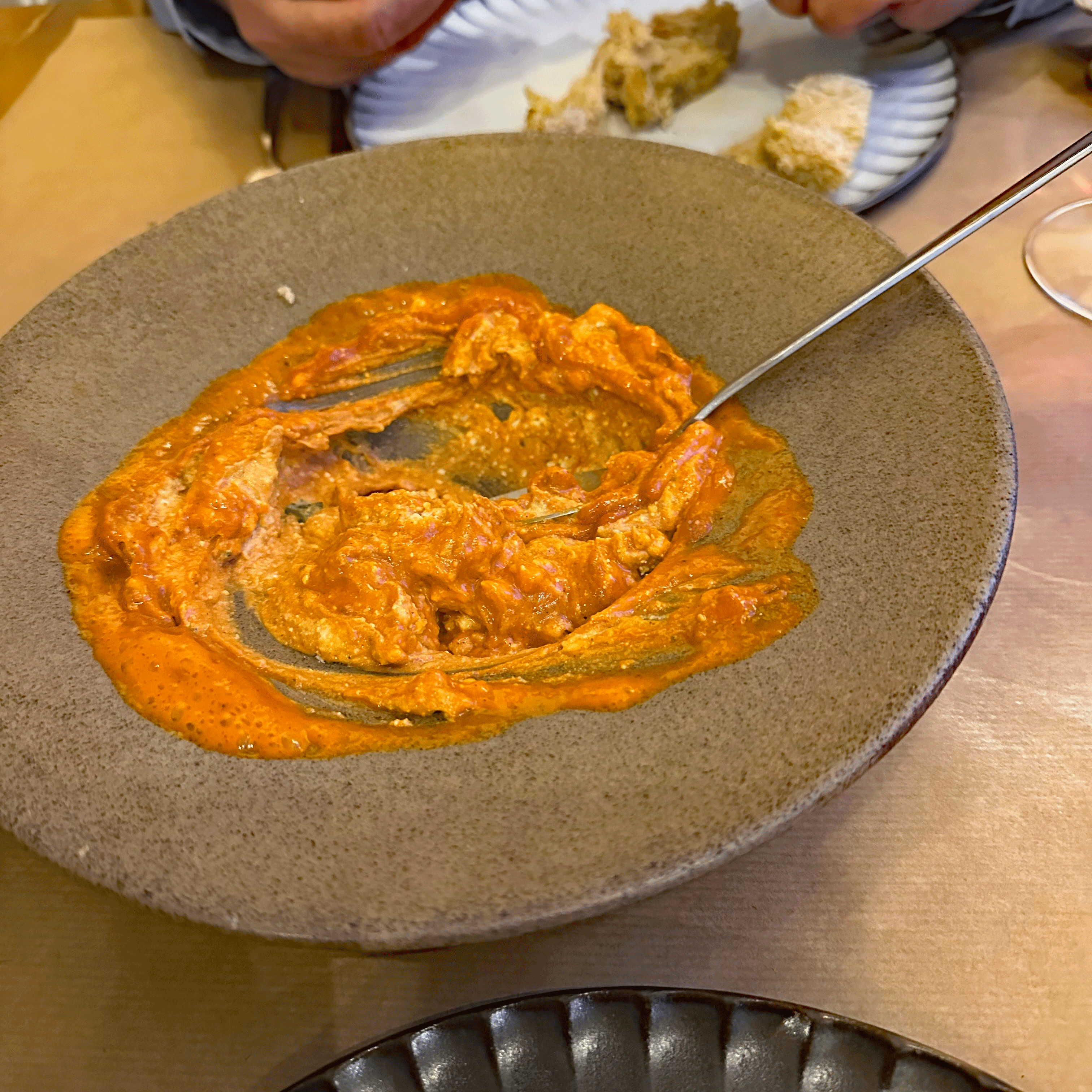
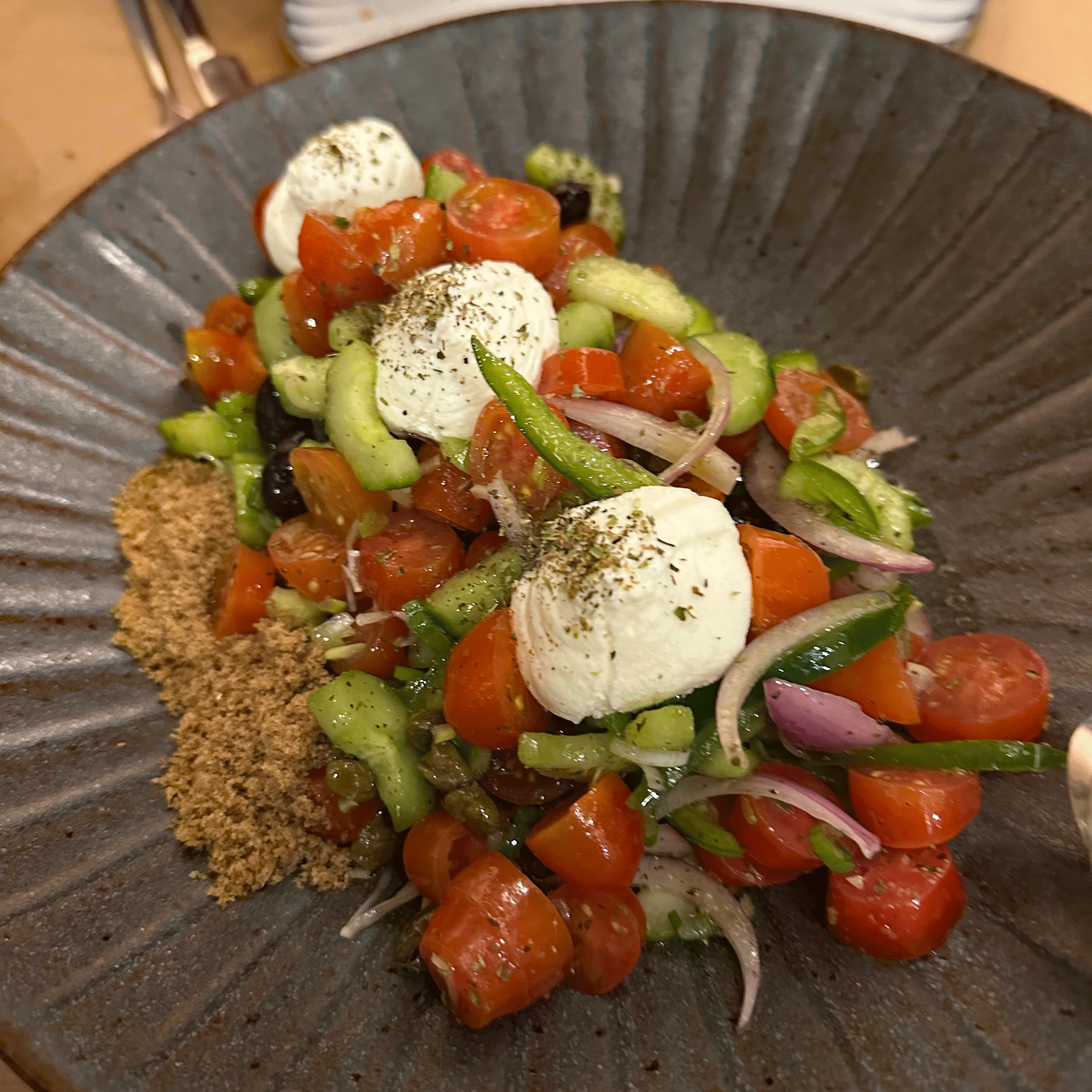
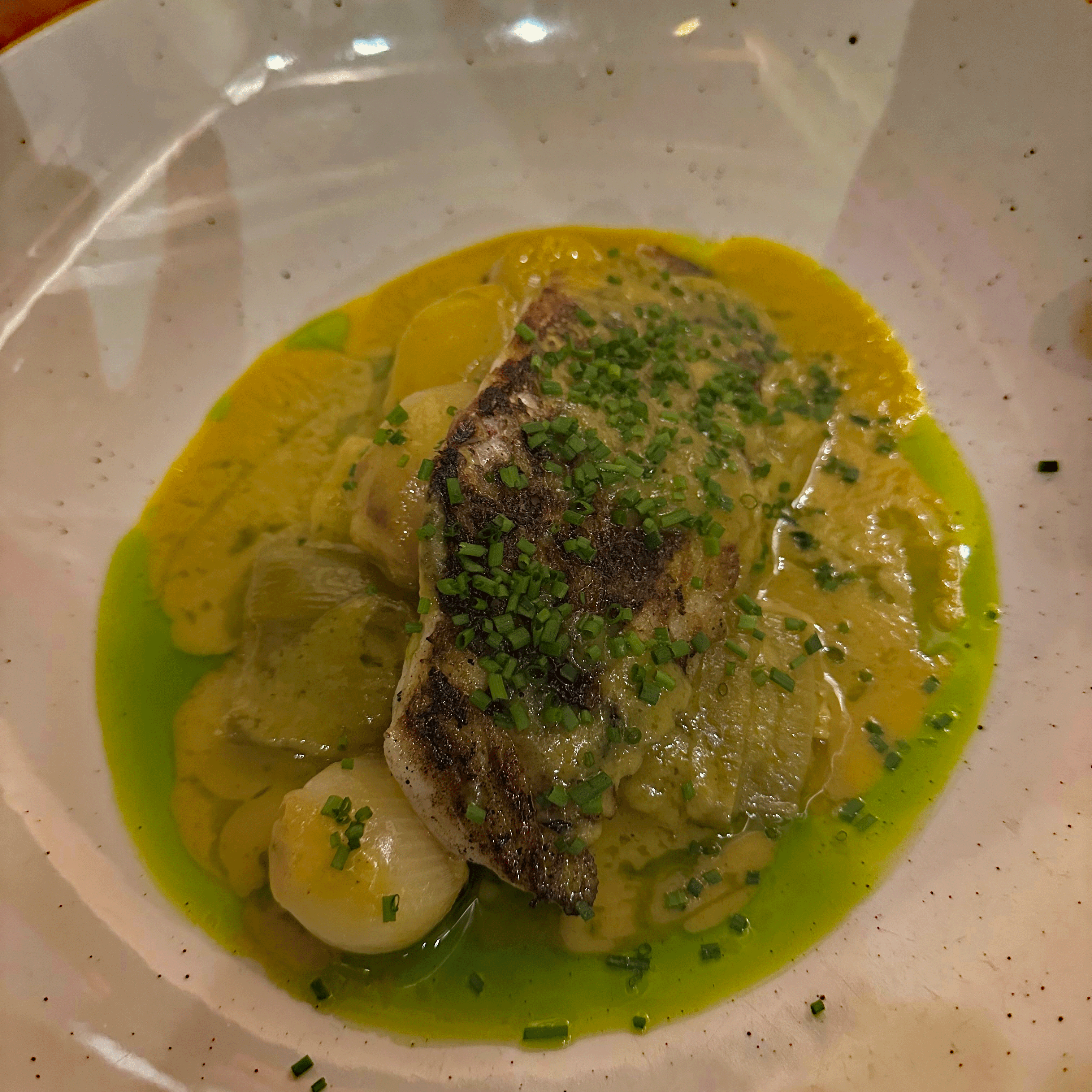
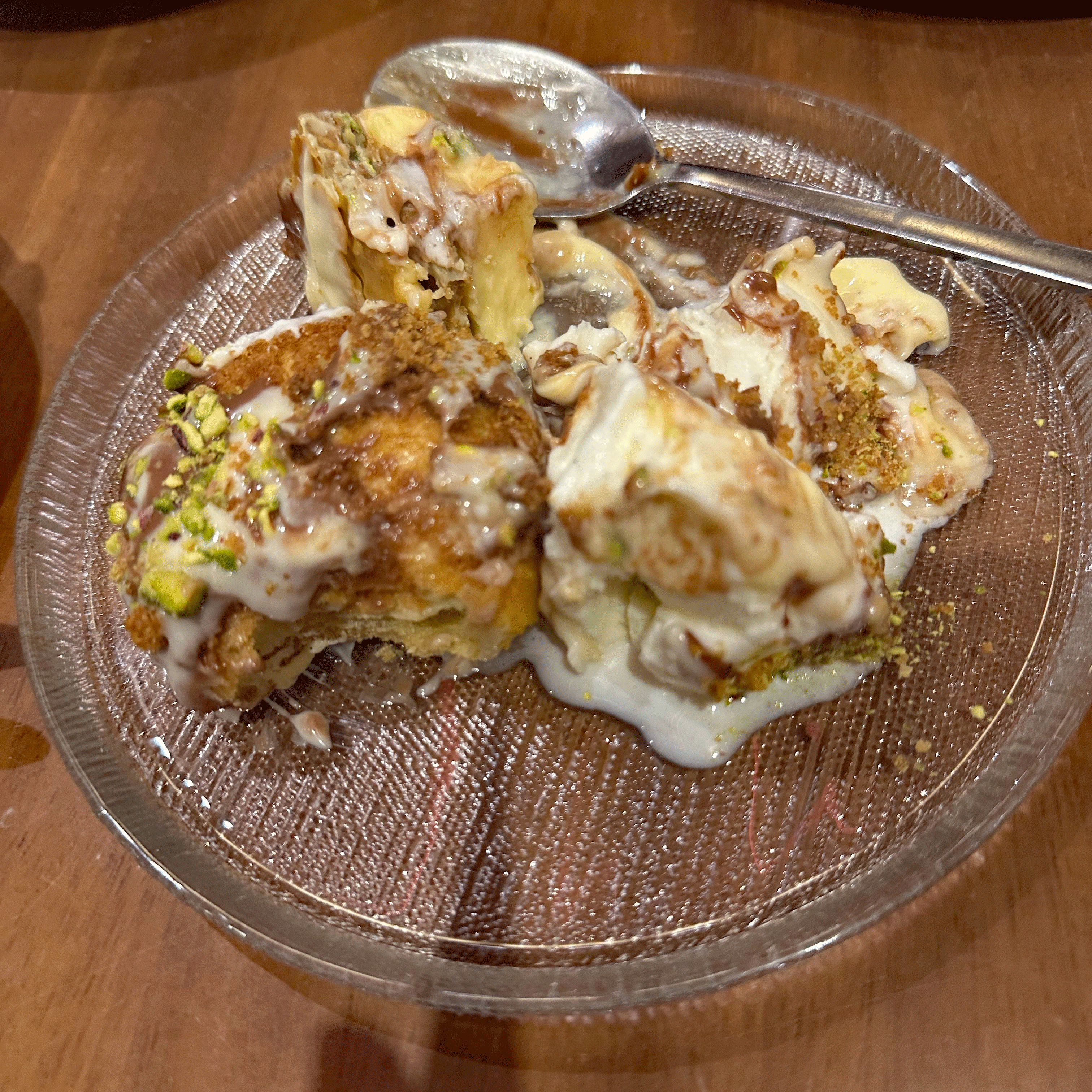
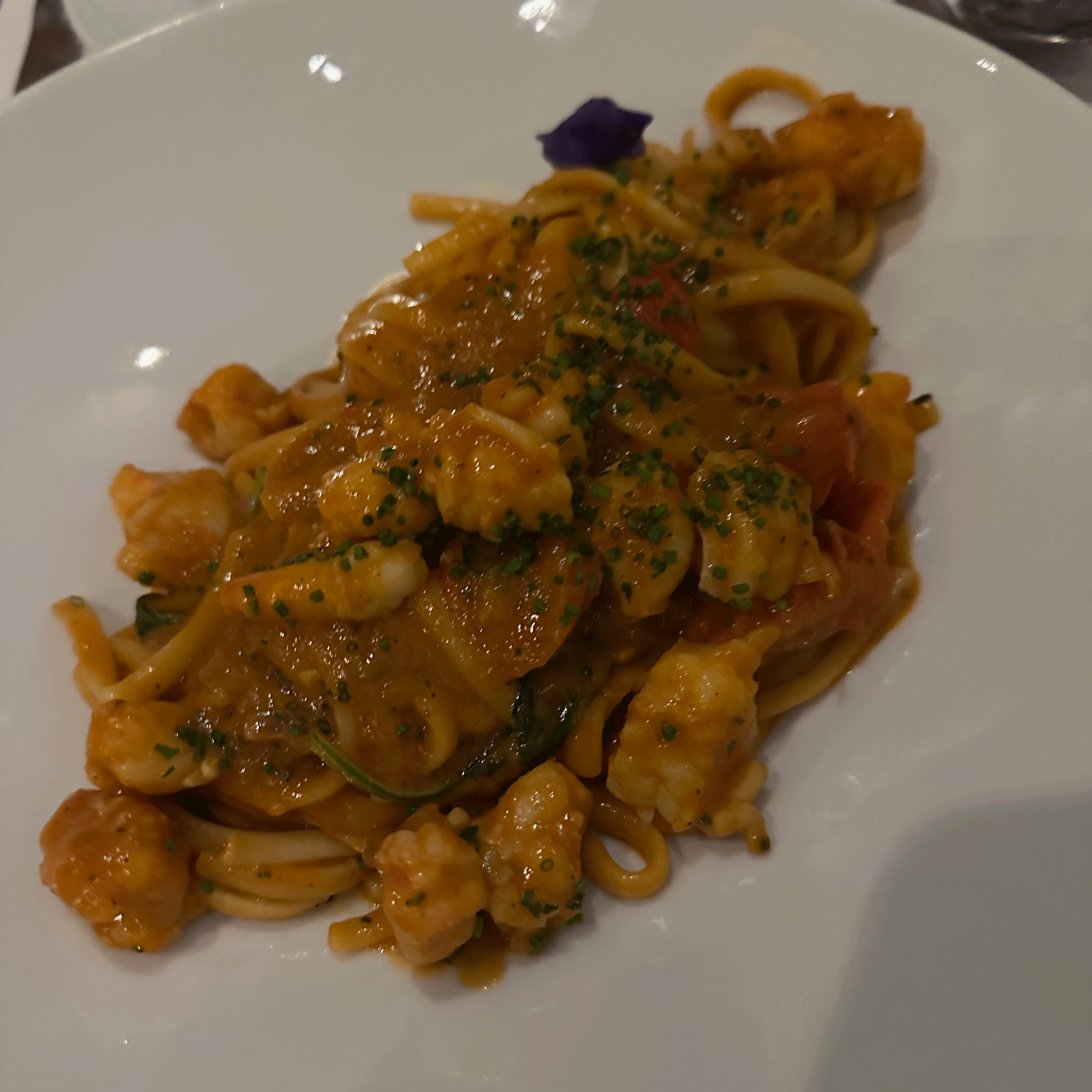
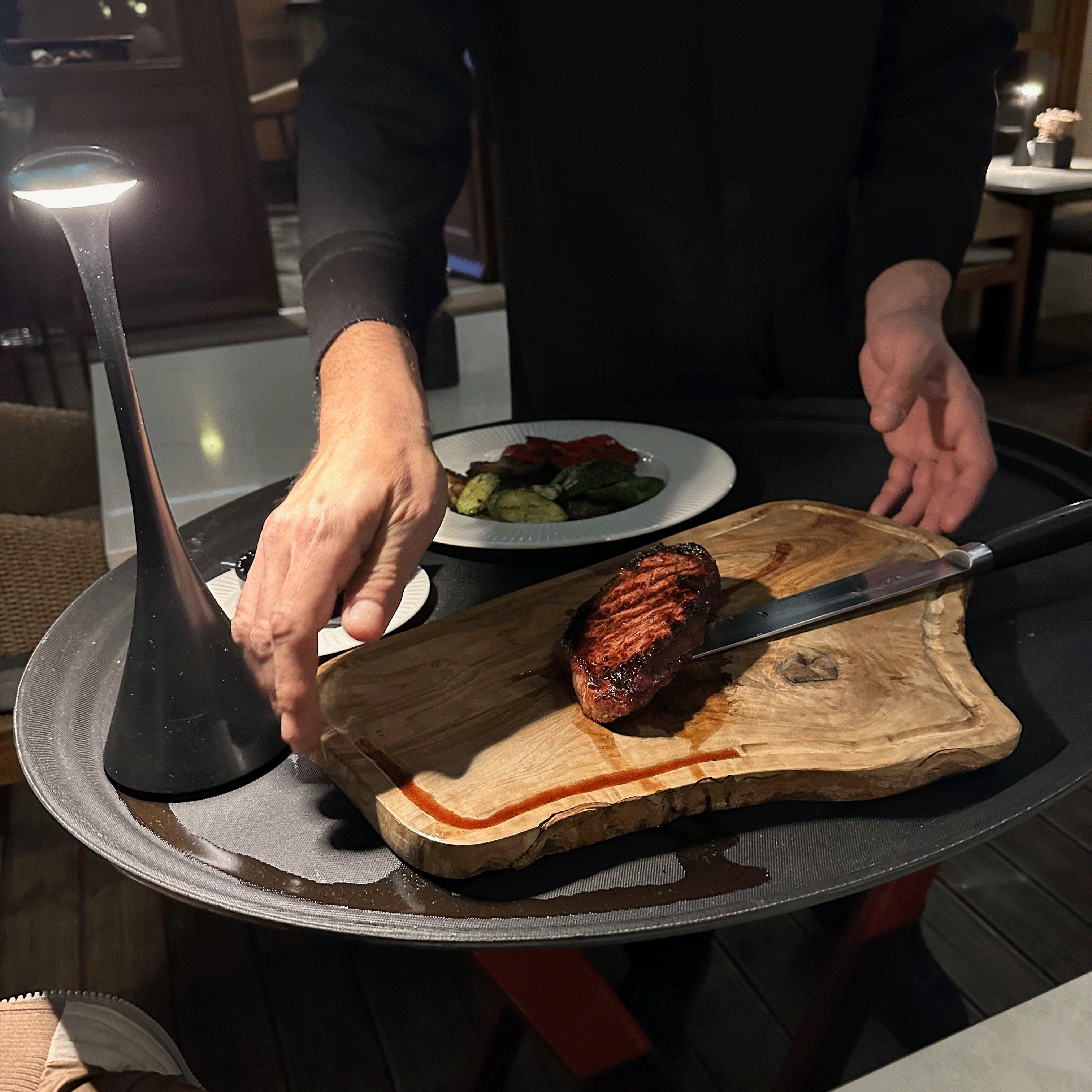
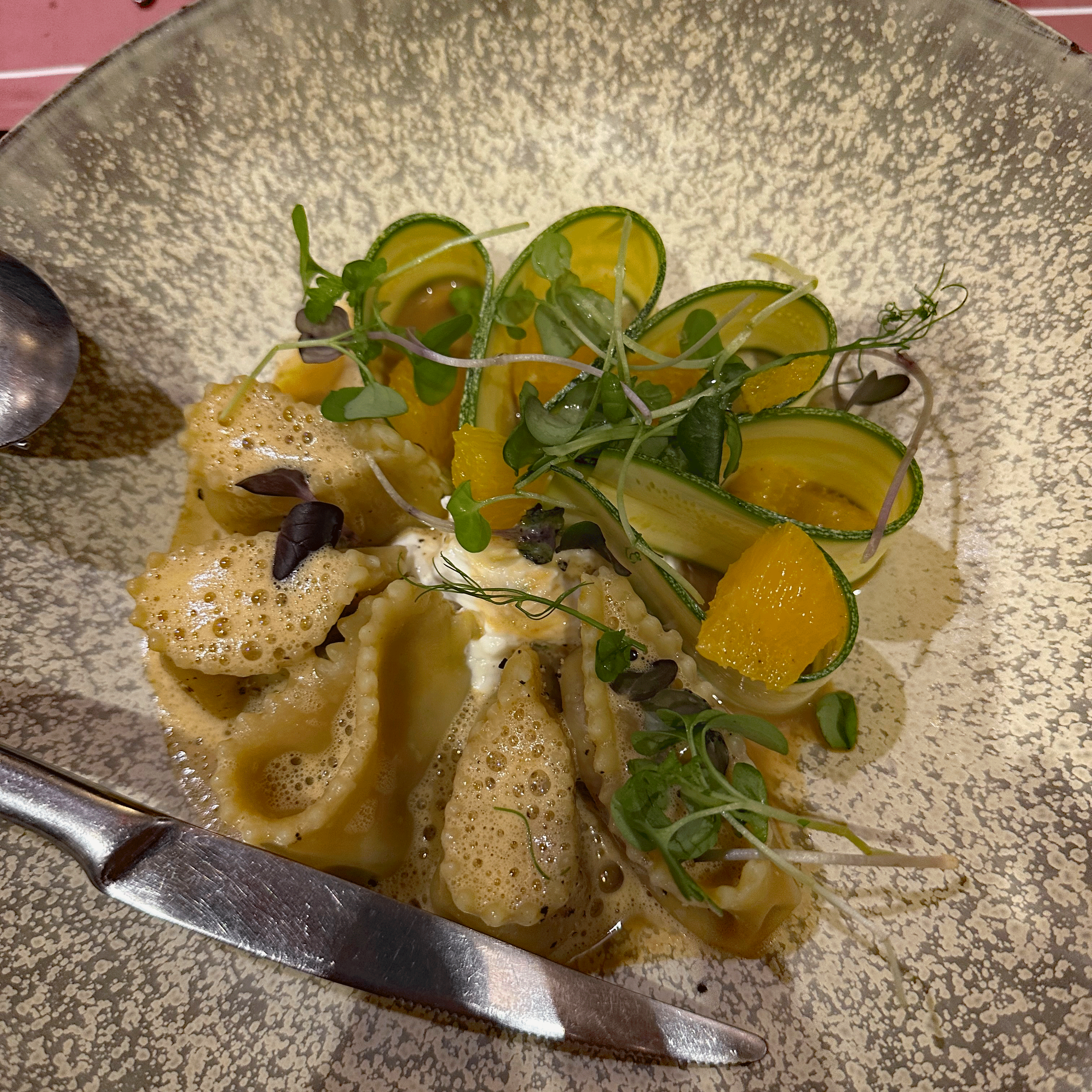
Chania has great dining options. Sadly, one of the downsides of winter travel is that many businesses shut down until the “season.” But not to worry, we have not gone hungry. There is still a variety of restaurants, taverns, and cafes to enjoy local Cretan specialties, fresh seafood, mouthwatering breads, dips, meat, pasta, vegetarian dishes, and sweets. Once the calendar turned to March, more places have opened. Be aware that portions are meant to be shared! Prices range from modest to fairly high end. We have yet to have a bad meal in Chania. I’m not a restaurant critic, but I’ll name a few of our favorites: Canale, AlmyVita, Manos, Pallas,

Below: Cretan Cuisine

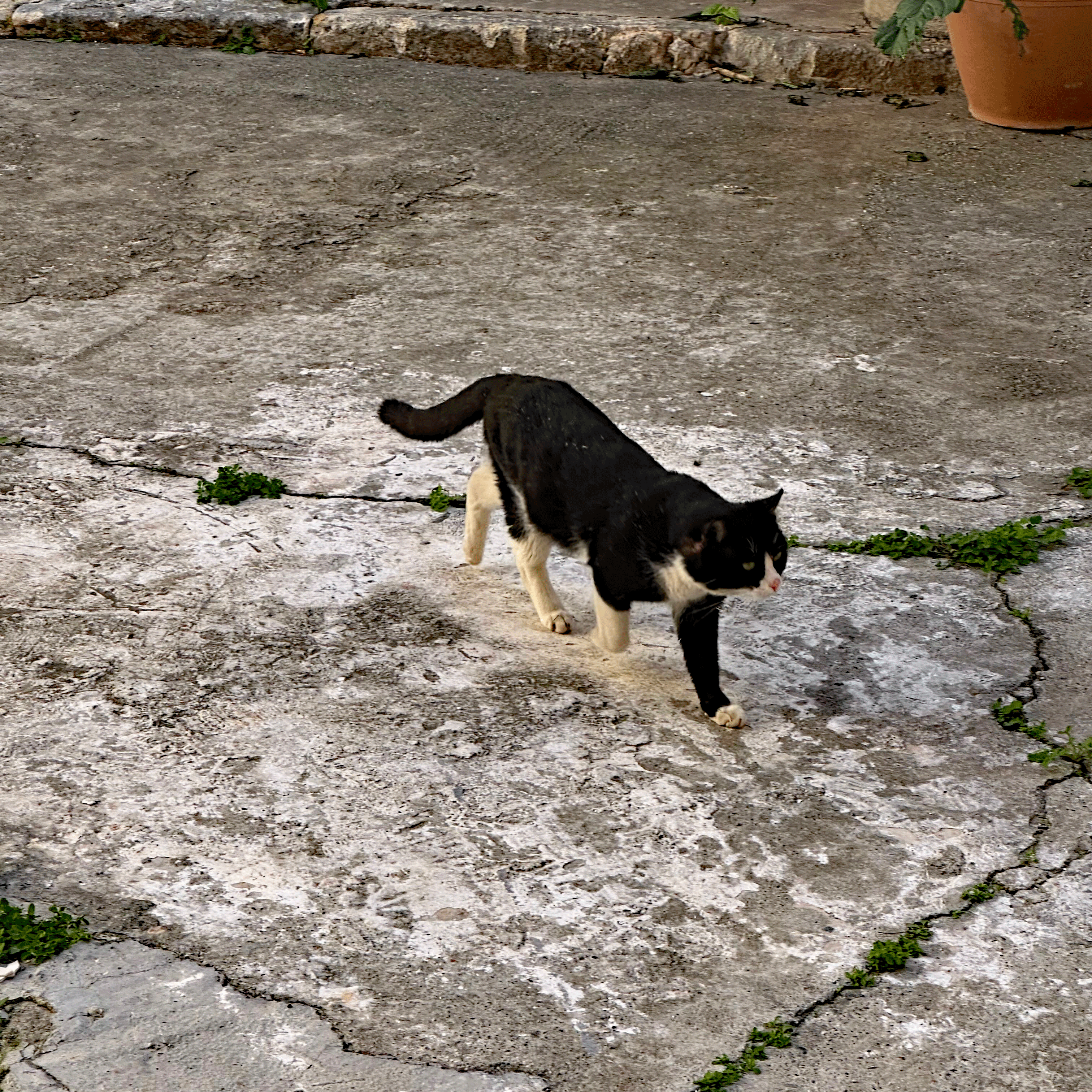
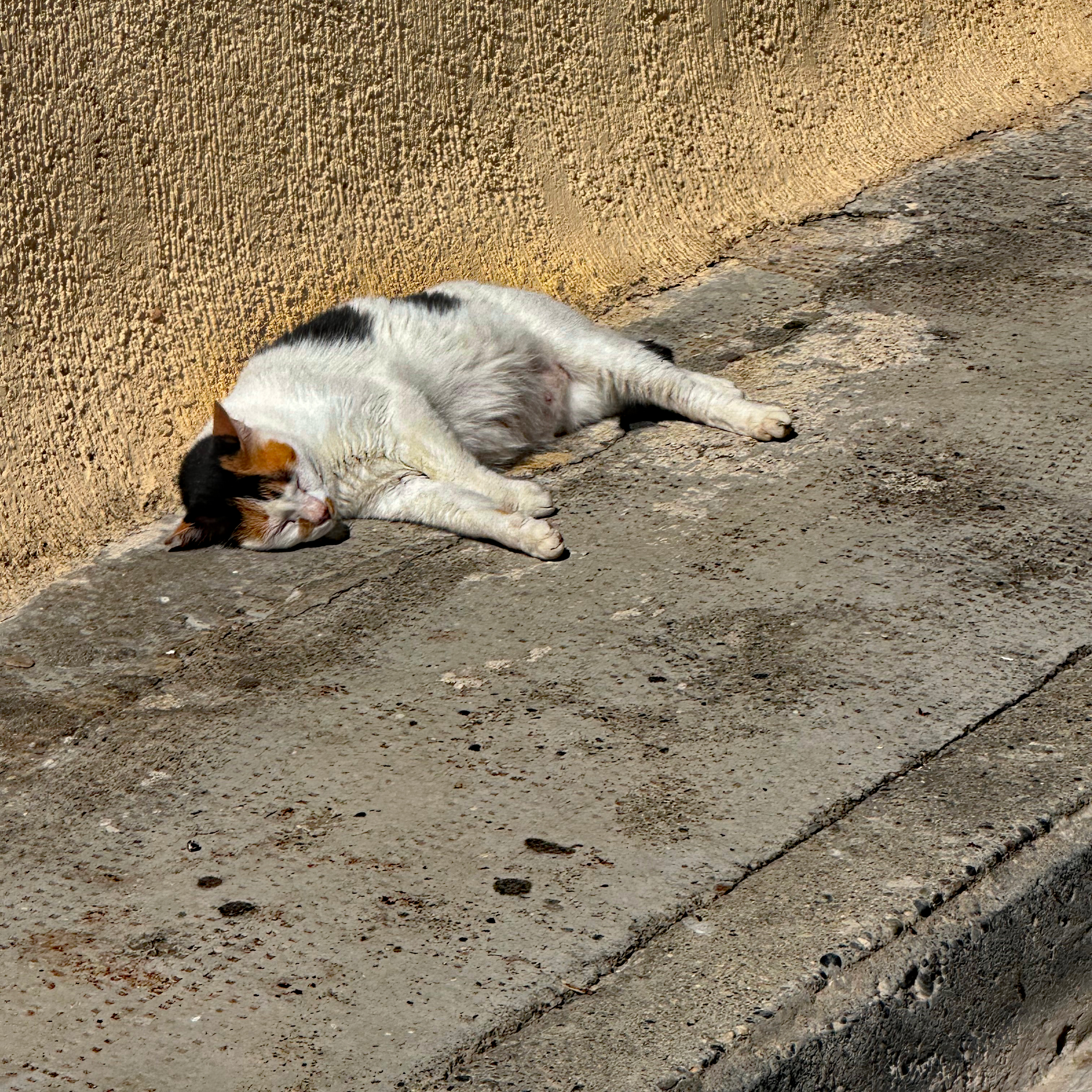
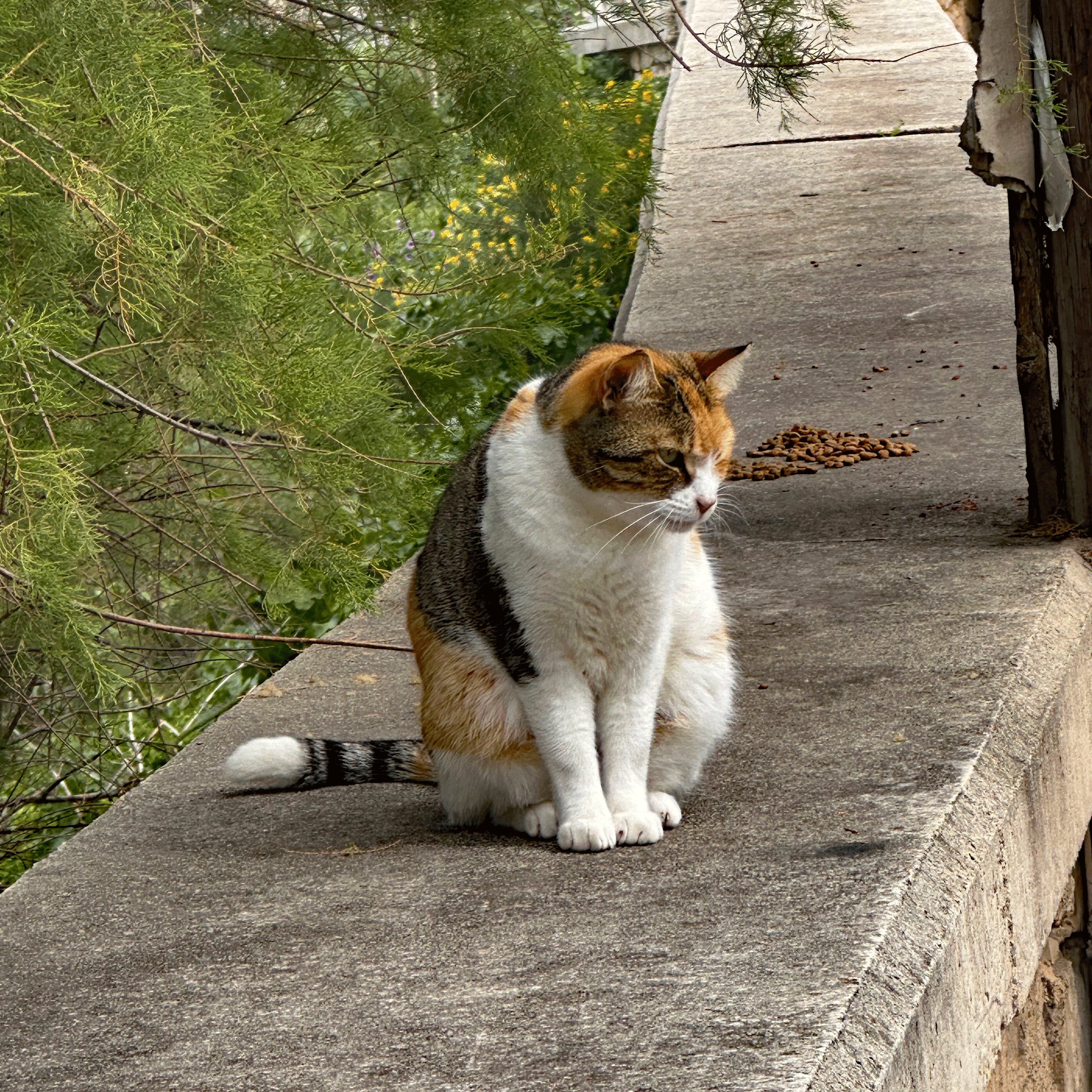
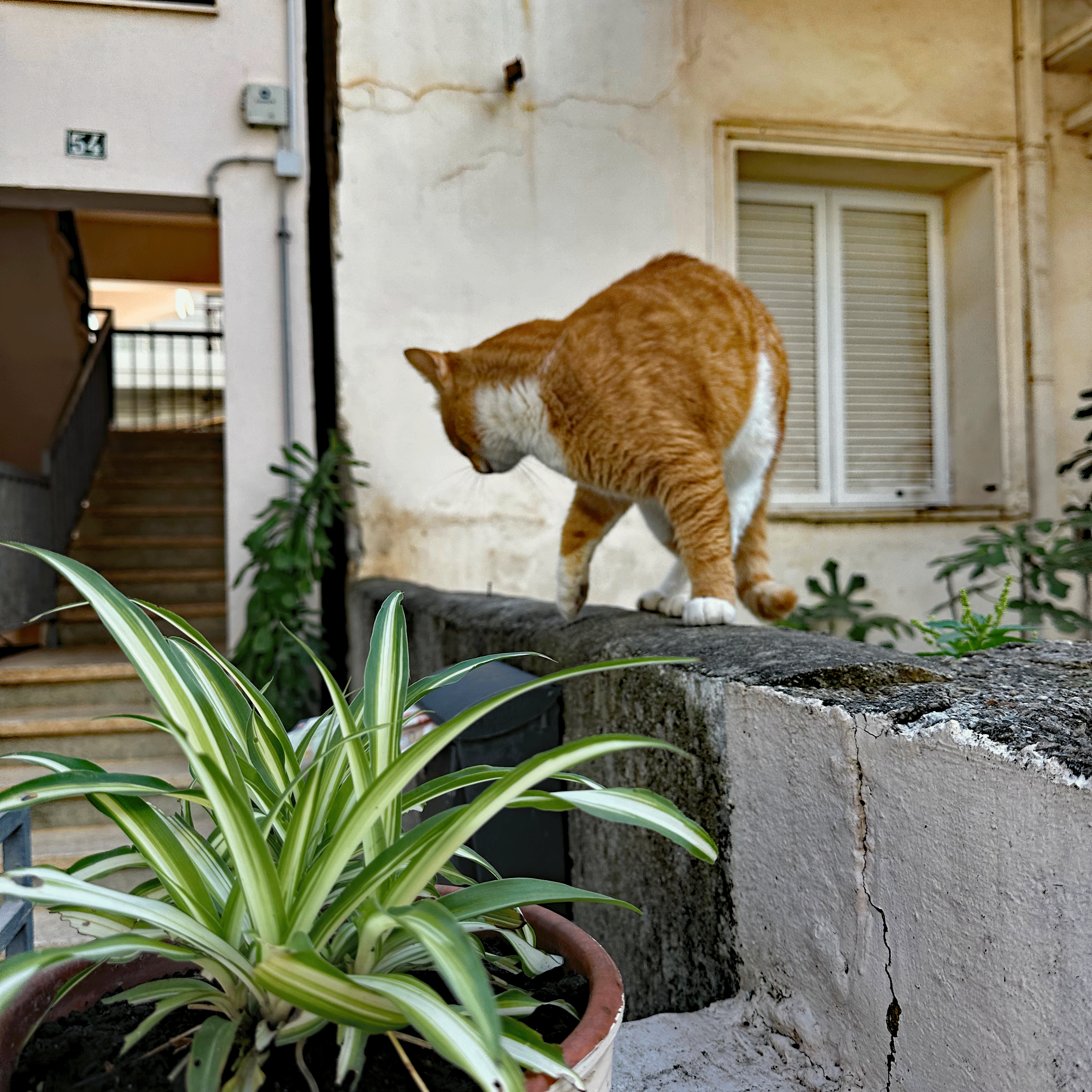
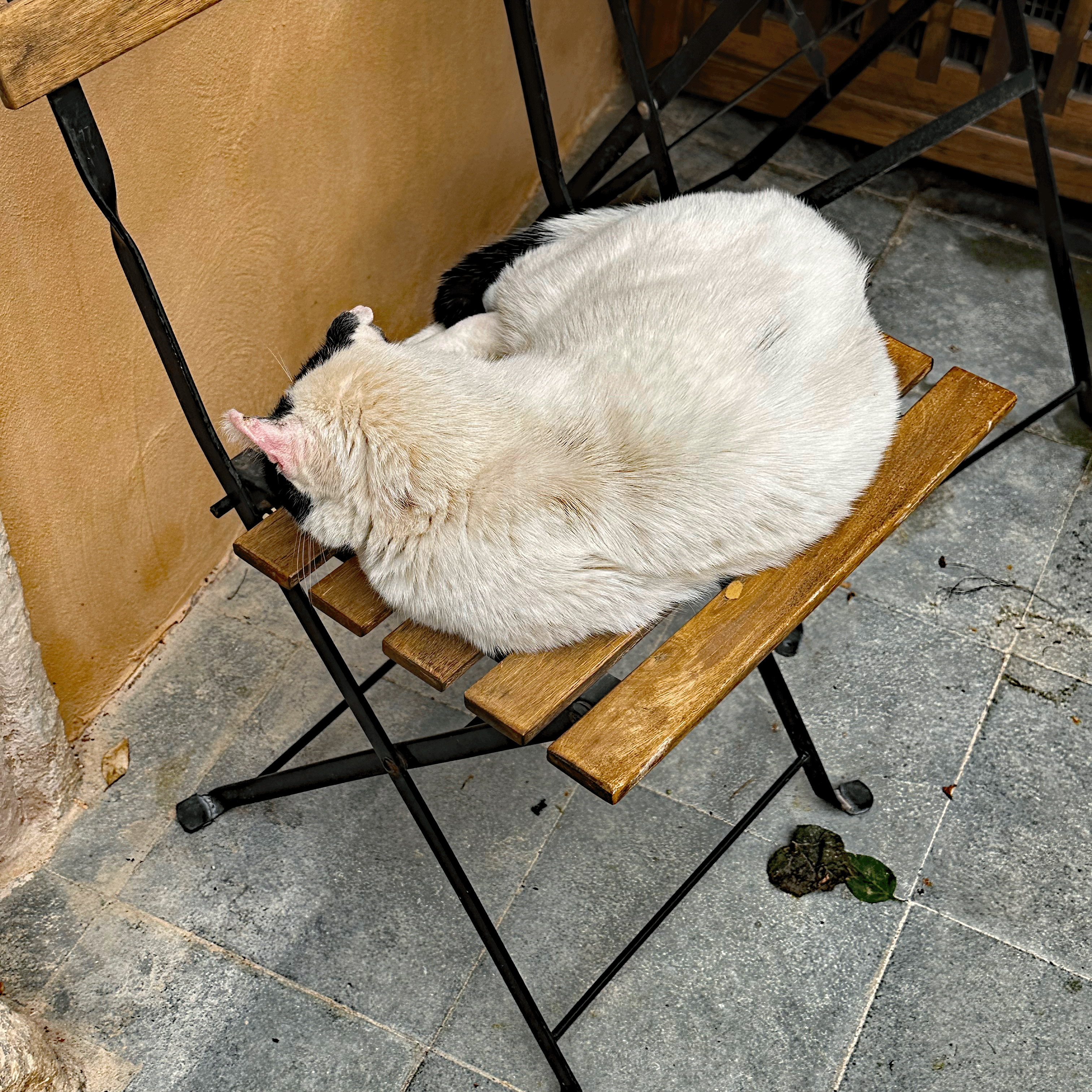
If you come to Crete, I hope you like cats. Just as on Cyprus, cats rule here. They mainly live outside and appear to have their turf. There are two that frequent our courtyard and get quite loud at times. I’m not sure if we are expected to feed them; that was not listed in the house rules. On cold nights, there is one who joins us at the door hoping for an invitation to enter. We have not succumbed, even though we once loved our own two cats.

Below: Cats of Crete

The Maritime Museum is also worth a visit. It has a number of ship models, a model of Chania during the Venetian Occupation, old photographs of the harbor, and rooms full of Crete’s naval history. Your ticket includes access to Firka Fortress with sweeping views of the harbor and lighthouse.

Below: Shots from the Maritime Museum and Firka Fortress:

Below: Black and White Photos of Chania

I hope you have enjoyed reading about Chania, Crete and that you are inspired to travel in whatever style works for you. Thank you for reading. Geri