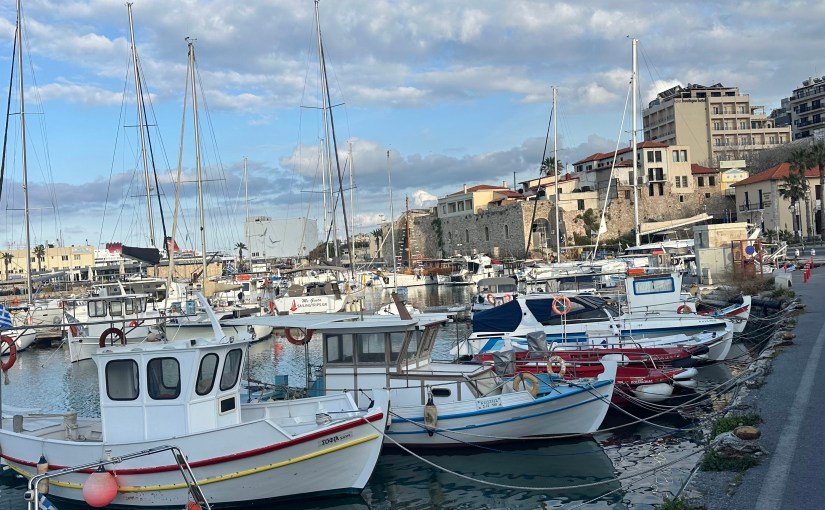
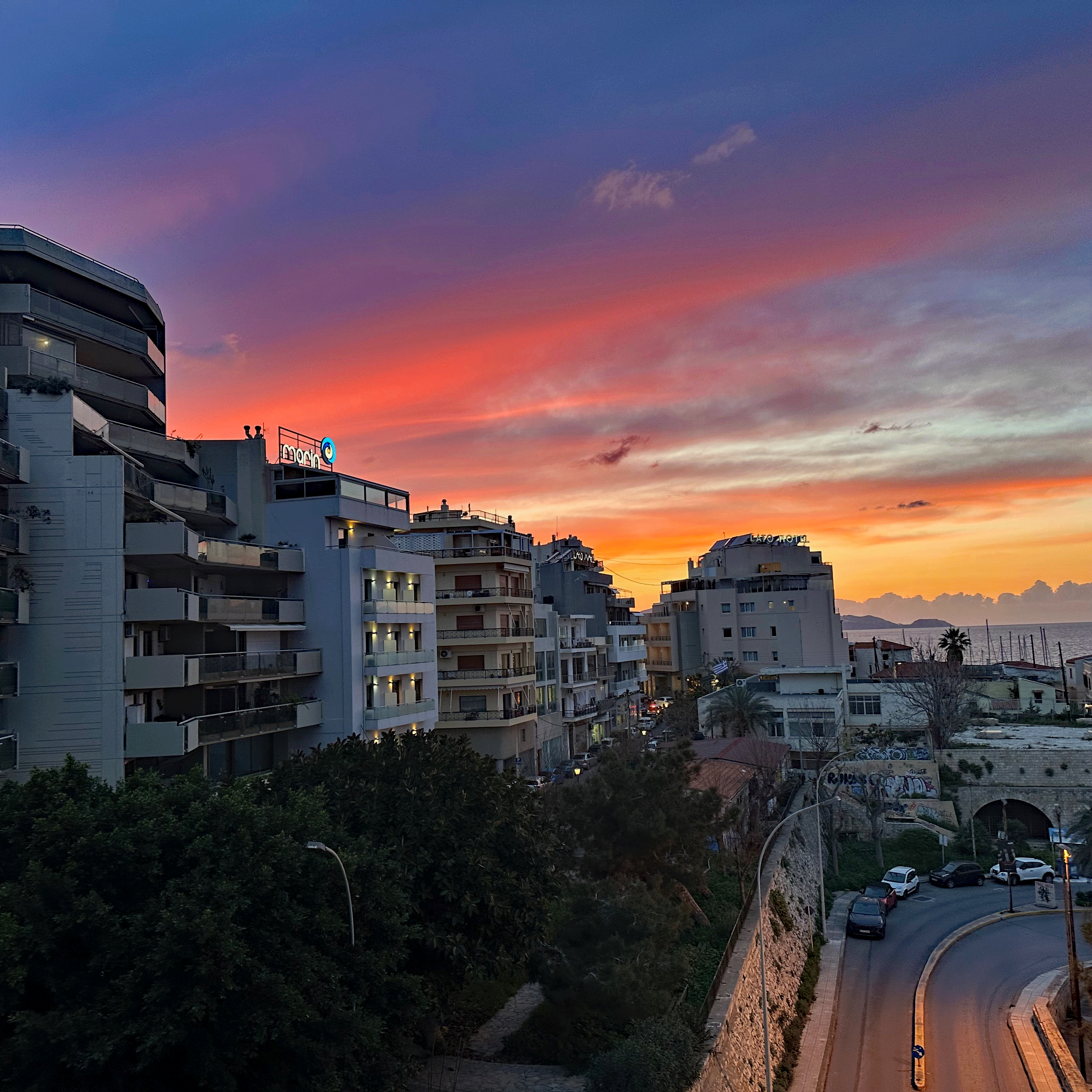
Heraklion is often dismissed as too big, too busy, too gritty, because many visitors come to Crete for the “beachier ” destinations. They may only see the Heraklion airport. Cruise passengers might spend a day. We stayed there for 5 days at the end of our 8 weeks of winter travel to Athens, Cyprus, and Crete in 2026. We stayed at the GDM Megaron Historical Monument, a hotel right across from the harbor, where we enjoyed a lovely room with a small balcony facing the harbor and the Koules Fortress. In summer this would be a very busy place, ( and more expensive), but in early March there are not many ferries running and no large cruise ships. The hotel staff was delighted to have guests, there weren’t many of us, but you couldn’t tell by the size of the breakfast spread. Try as I might, I couldn’t get around to trying everything, even once. There was a rooftop bar with fantastic views of the Sea of Crete and the city. Too chilly for the rooftop pool, but not for enjoying a coffee, a glass of wine, or a light meal.
The harbor front is a popular jogging and strolling spot for both the locals and visitors. We took a walk there every day and loved seeing fishermen and local teenagers enjoying a private moment in the alcoves of the castle walls.
We spent one full morning touring the Koules Fortress, built by the Venetians during their occupation of Crete in the 16th century. Within the walls are some authentic displays to give you a feel for the castle’s heyday. The upper ramparts offer amazing views and photo ops.
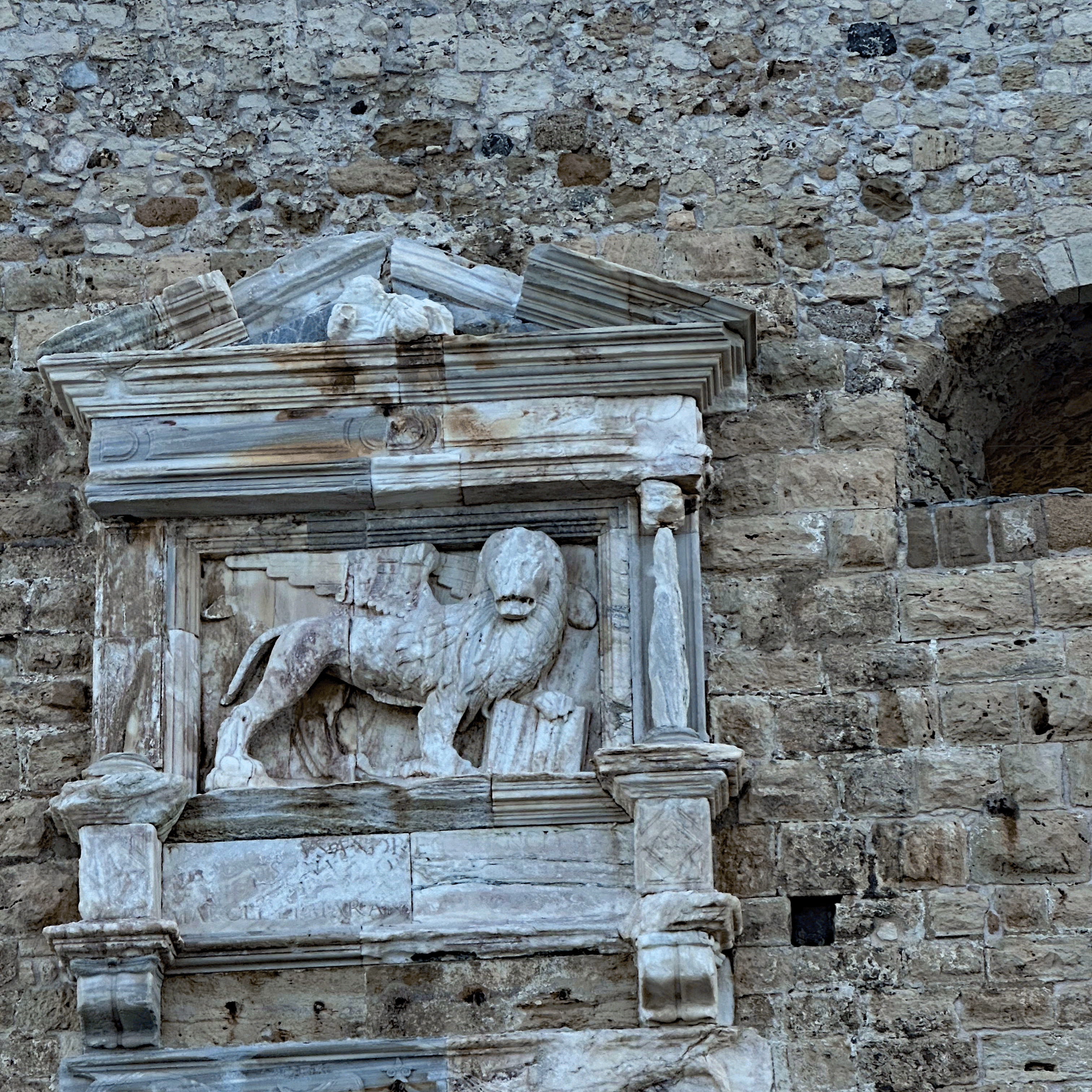
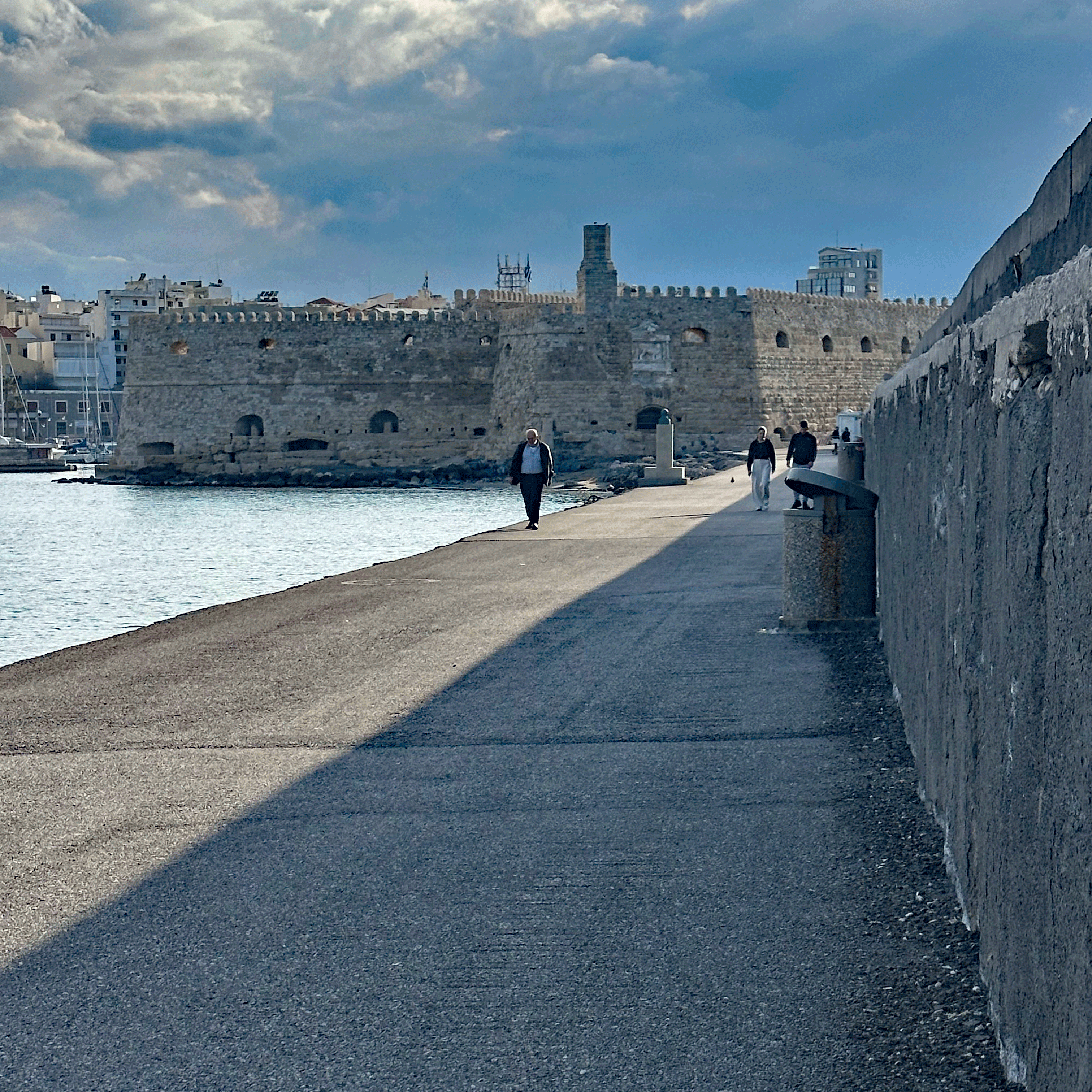
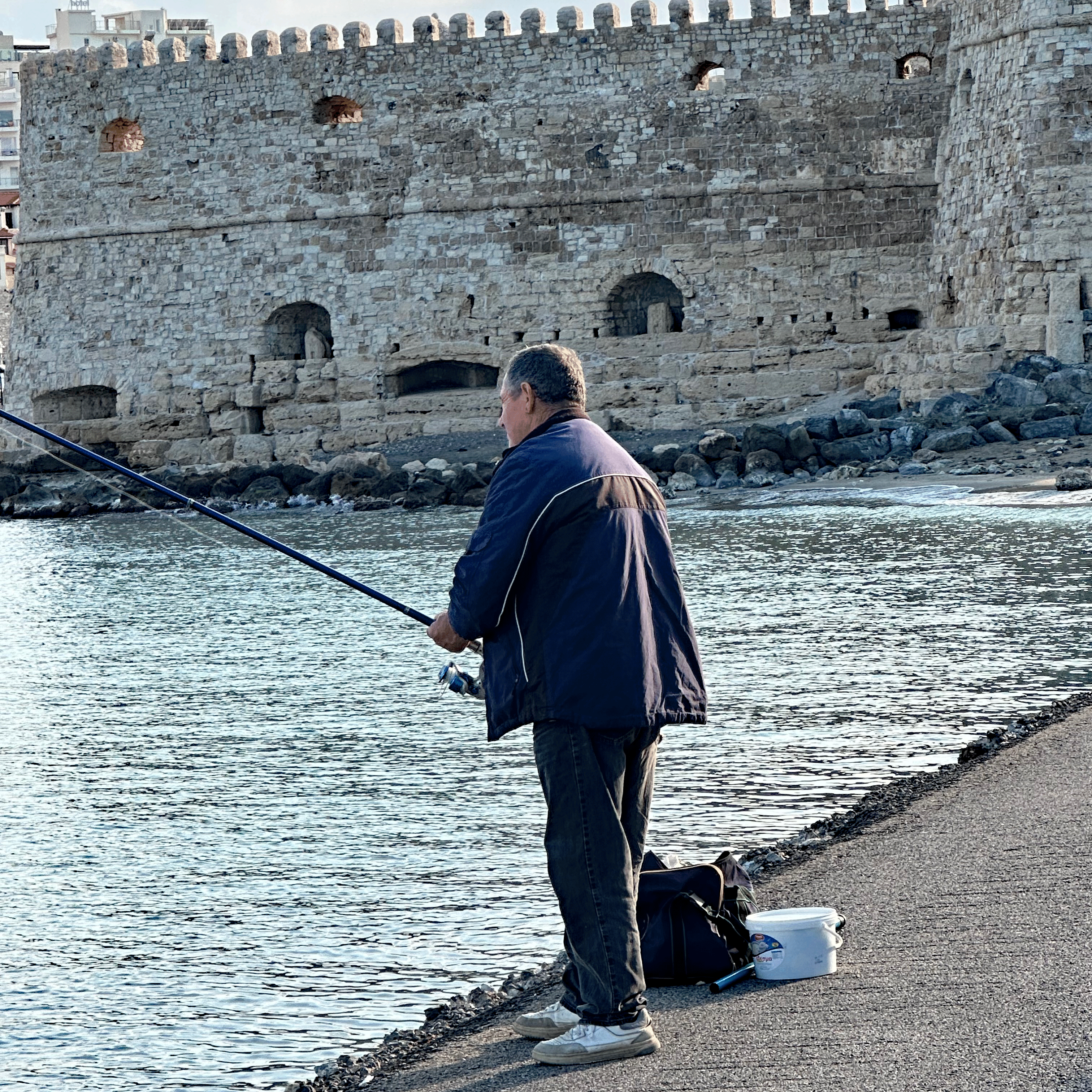
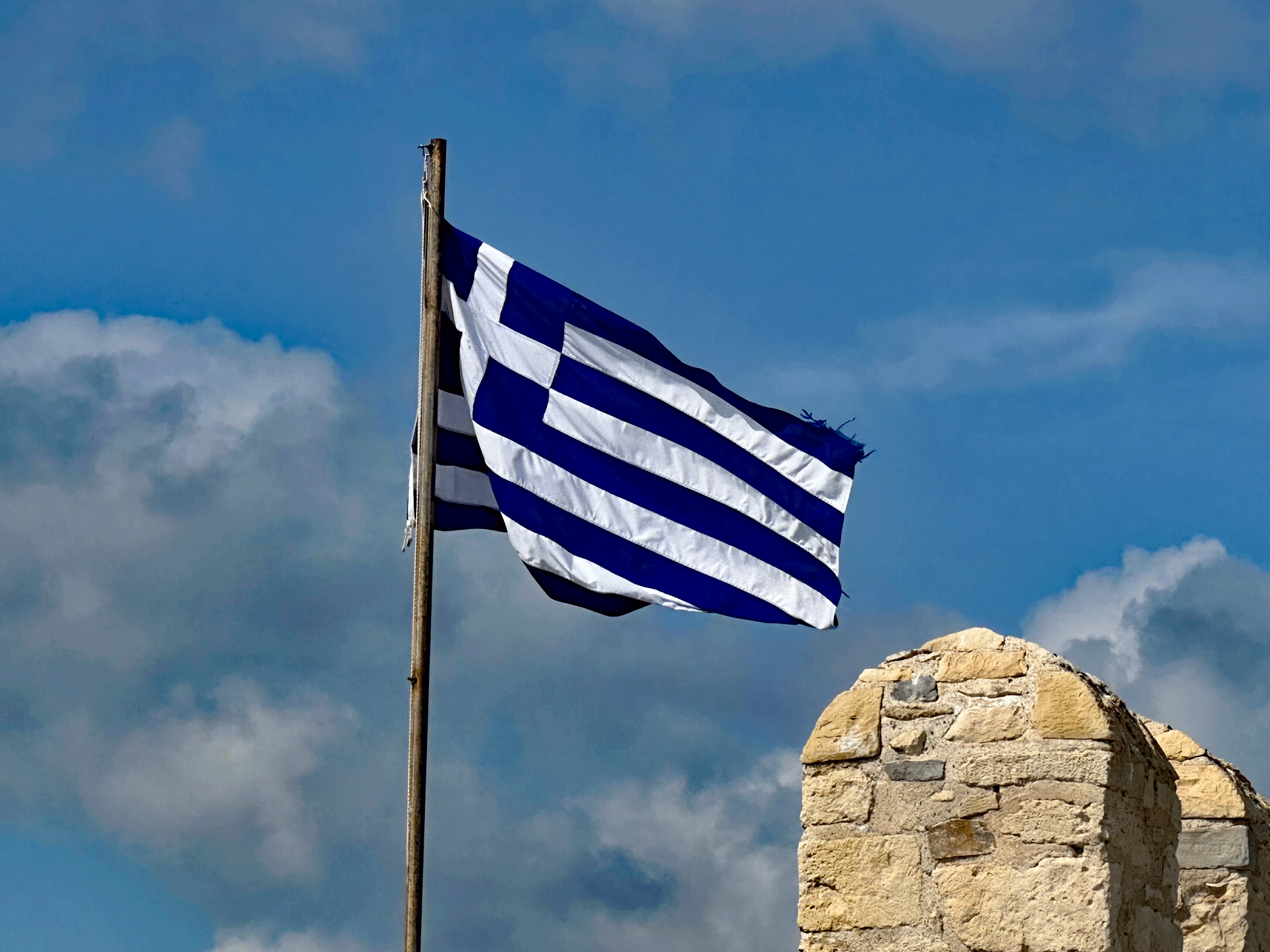
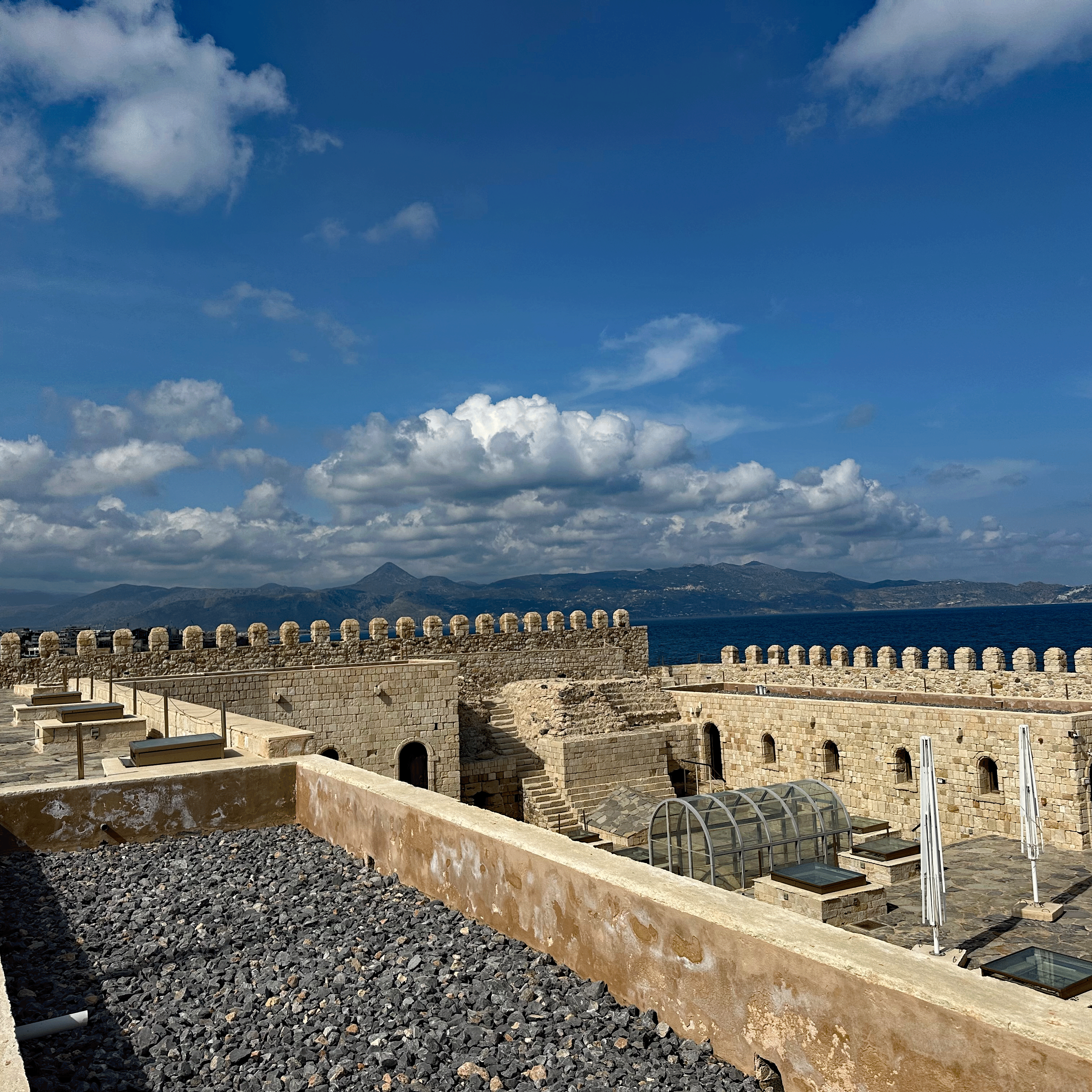
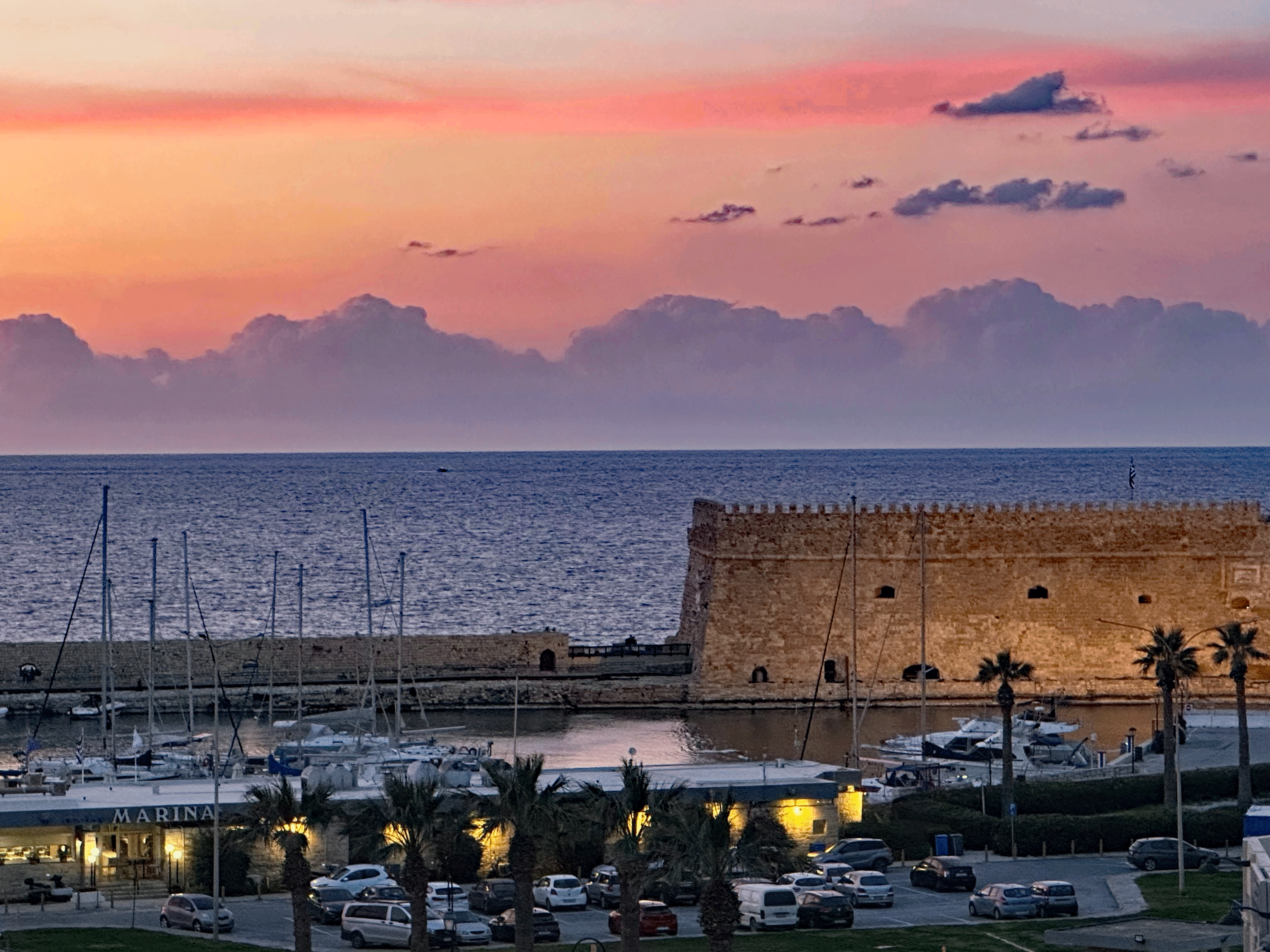
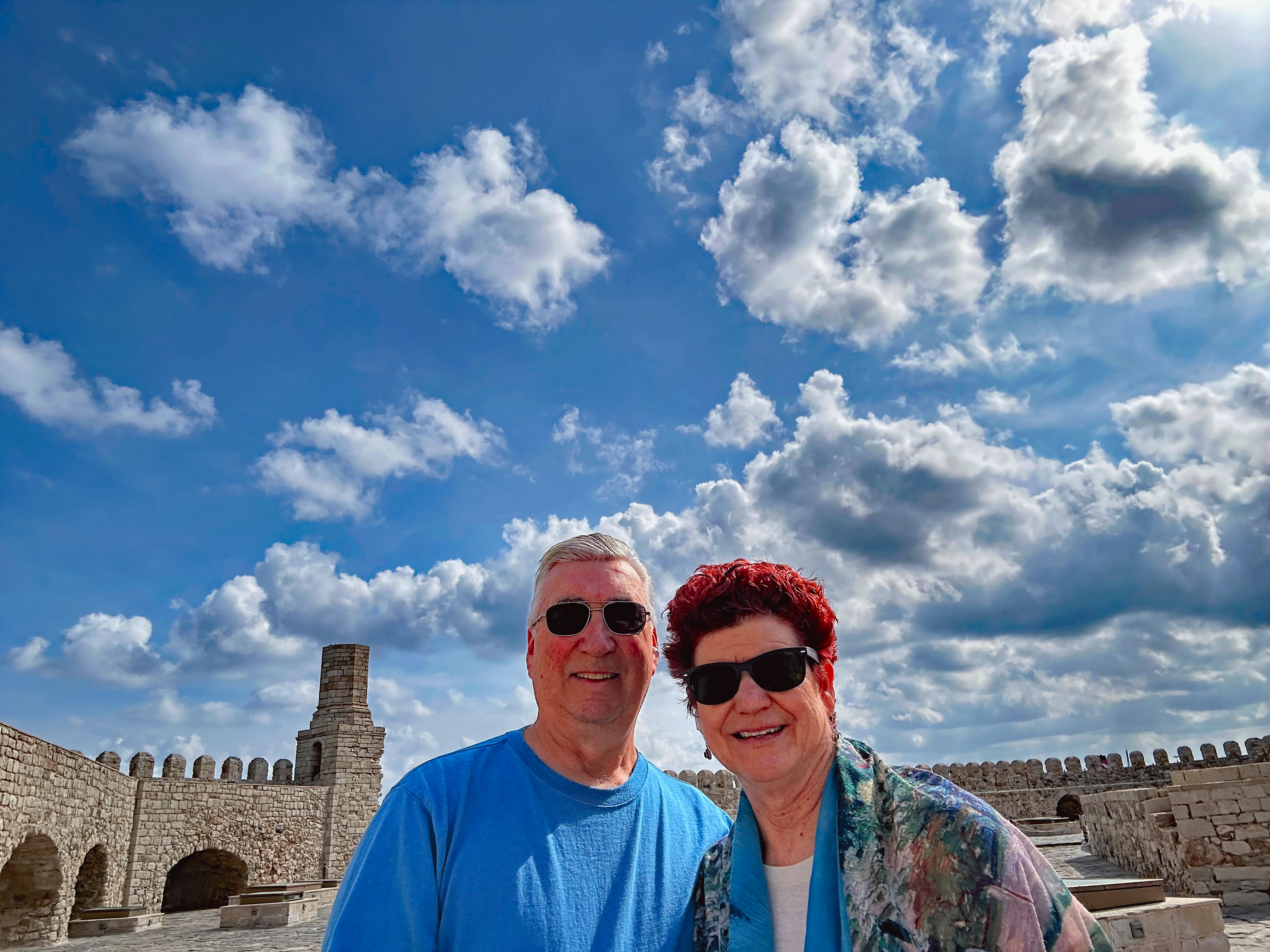
Enjoying the castle grounds almost by ourselves
From Heraklion, it is a 25 minute drive to the Knossos Palace, an archeological site not to be missed. There is evidence of human inhabitants there in 7,000 BC (Neolithic Age). The palace remains date from the Bronze Age. Excavations that began in 1900 by Sir Arthur Evans indicate the original palace from the Minoan Civilization (circa1900BC ) was destroyed by an earthquake (circa 1700BC ) and rebuilt to serve as the leading center of Minoan, Crete until the Mycenaean Greeks conquered the Minoans around 1450 BC. The Palace was abandoned after 1350 BC, but the area was settled during the Greek and Roman periods.
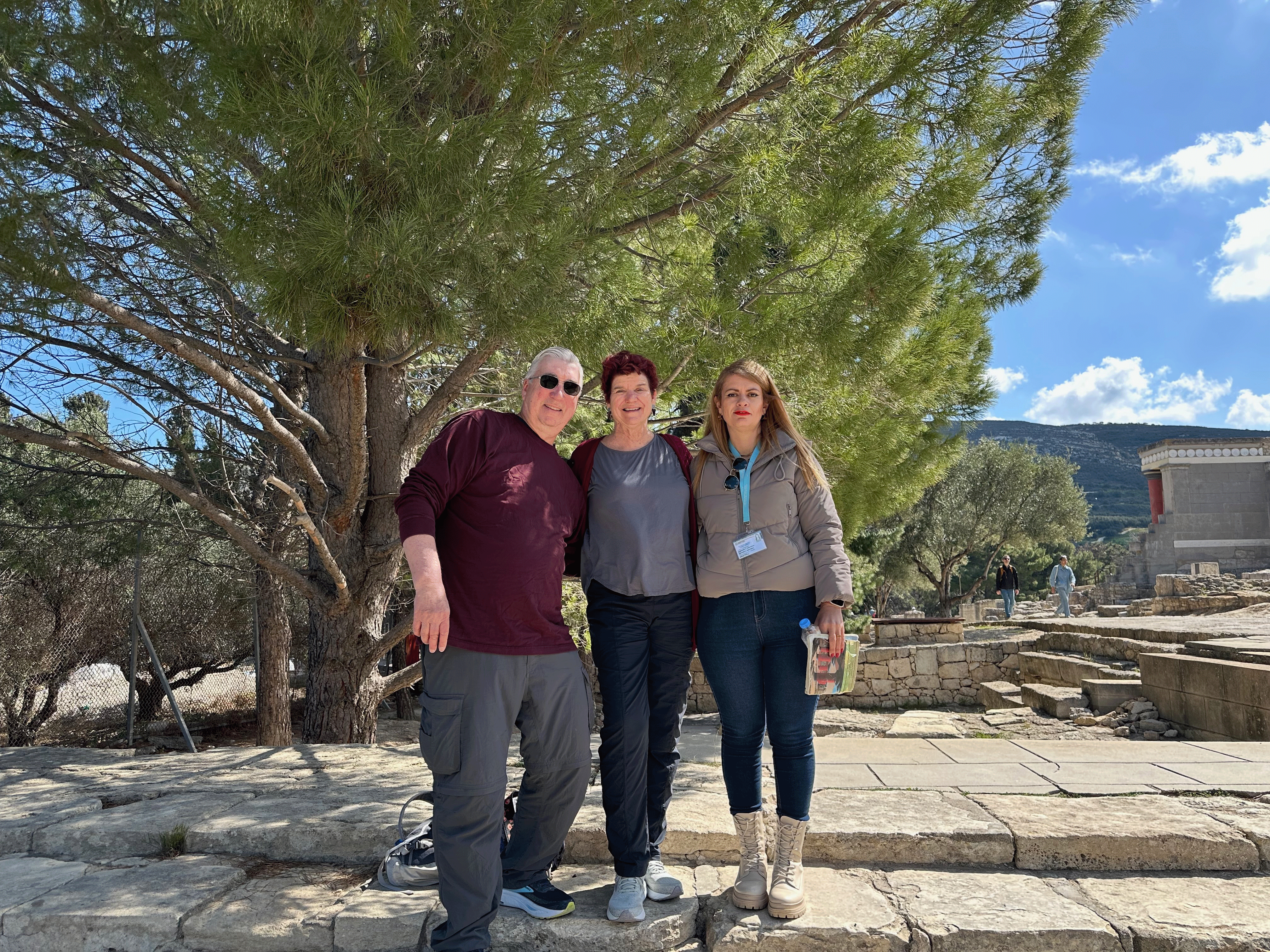
We were able to hire an official guide when we arrived. She is an archeologist and to us, it was well worth the cost to visit the site with her. She explained everything we were seeing, and even told us about some of the interiors that she has been inside, but that are not open to the public. Study and restoration of the palace continues. Many of the frescoes on the site are replicas. The originals are on display at The Heraklion Archeology Museum. I strongly recommend visiting both places.
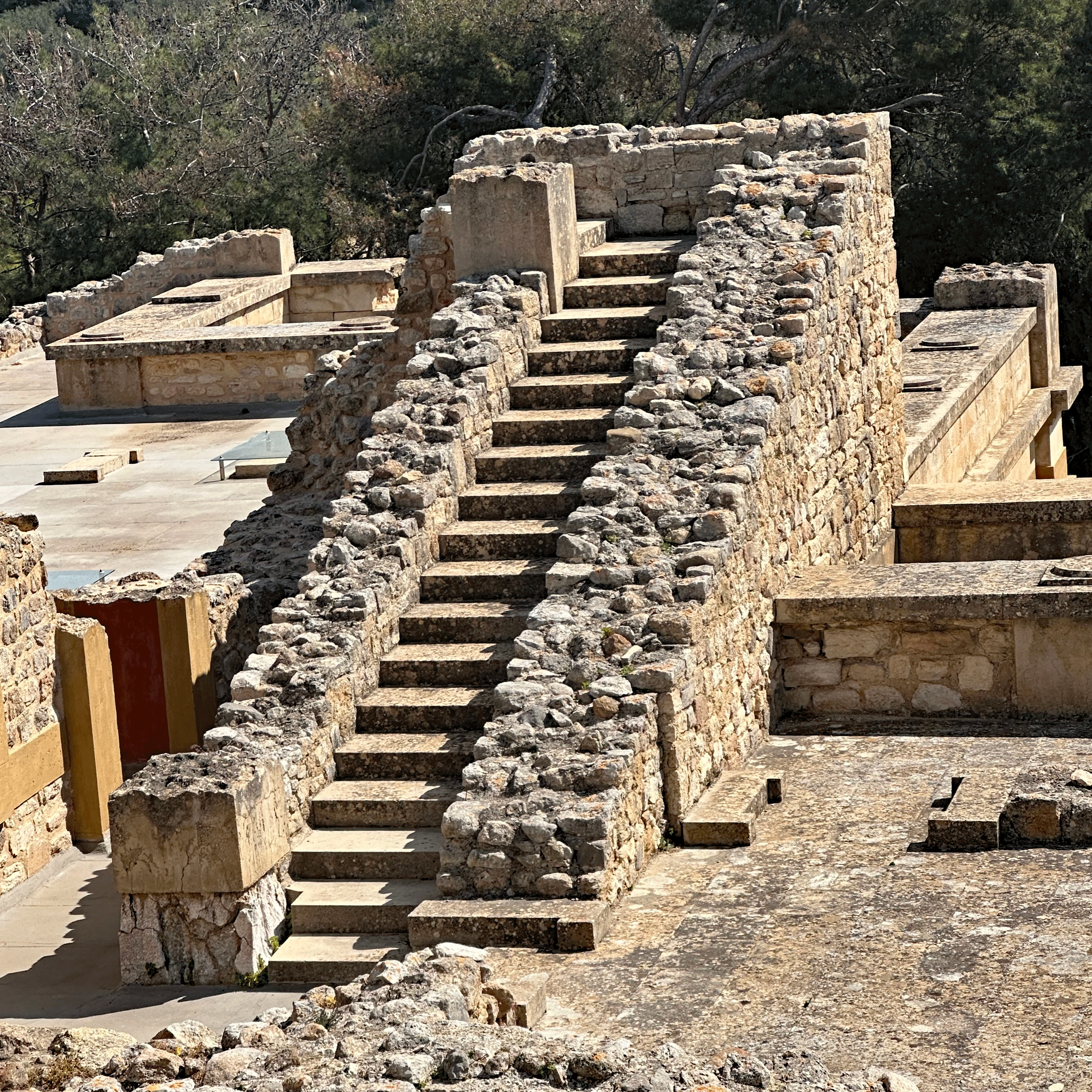
Excavation has revealed that the palace was 5 stories tall with staircases, corridors, courtyards, and thousands of rooms. The sprawling design is believed to have led to the myth of the Labyrinth and the Minotaur. Everywhere in Greece, documented history is intertwined with mythology.
Knossos Palace had a sophisticated system of aqueducts carrying fresh spring water and closed drains removing sewage. Large storage jars were uncovered that held oil, wine, seeds, and dried fish. Like the walls, these jars were decorated with artistic motifs.
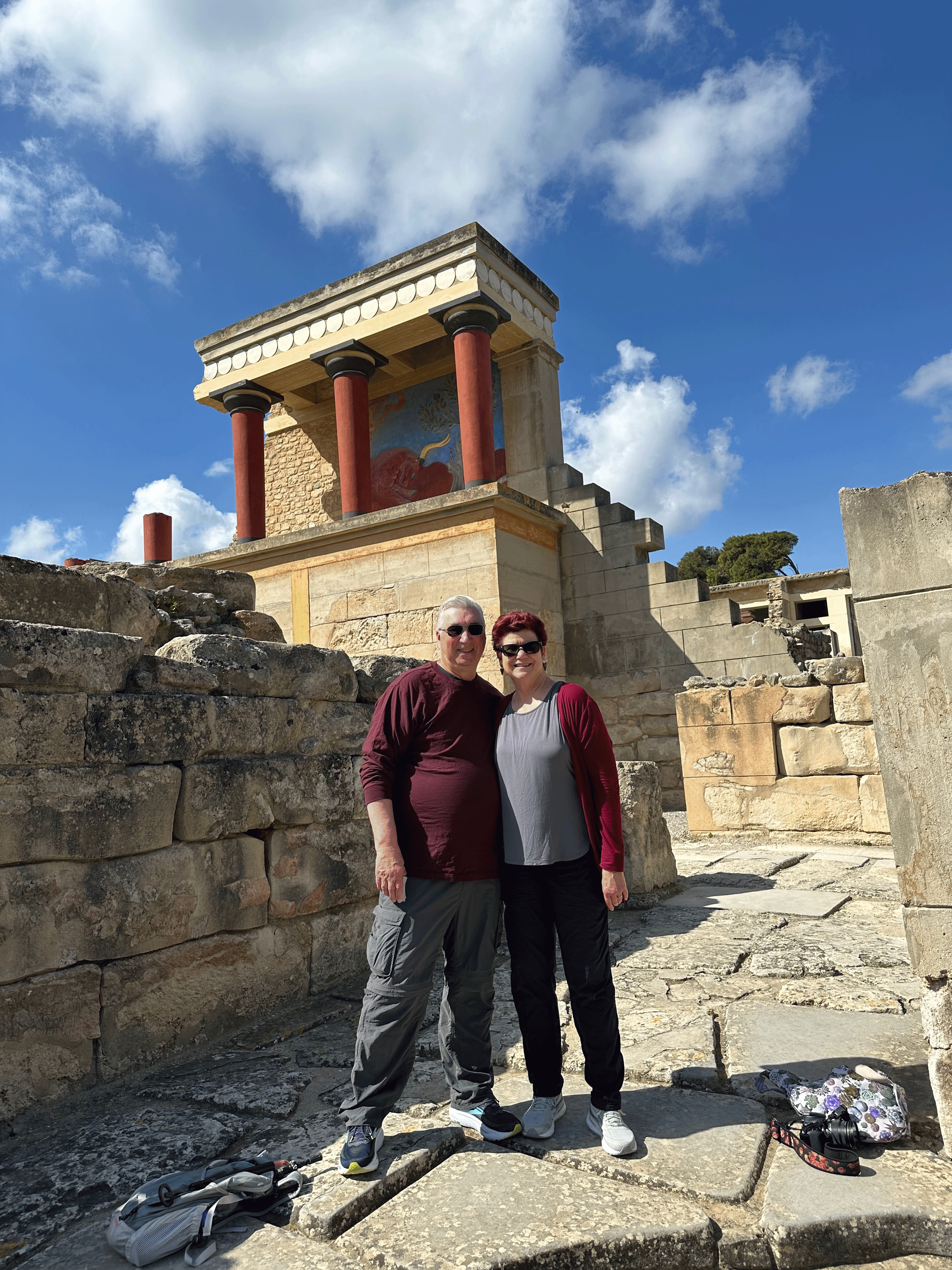
Below: Photos of Knossos Palace
Remains of a well dating to the Neolithic Age Age
Below: A bust of Sir Arthur— He has been criticized by some historians for jumping to conclusions and being overly-imaginative in his restoration work, but I for one, LOVE IT!
Palace of Knossos
Bulls were a common subject in Minoan Art. Artifacts point to “bull jumping” as a sport or ritualistic practice. Frescoes and statues show athletes grabbing the horns and vaulting over a live bull.
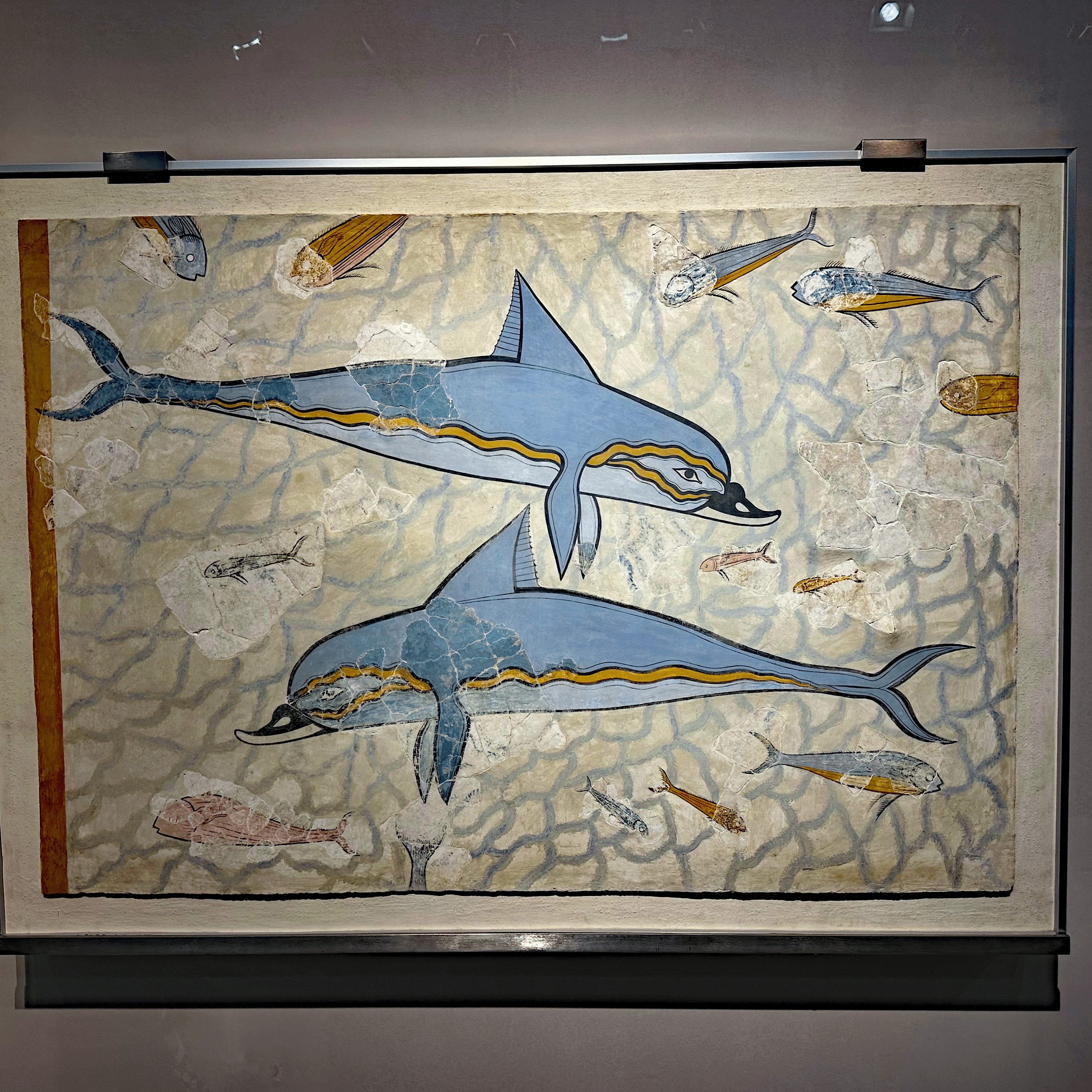
Heraklion Archeology Museum– Visit the museum for an up close look at the treasures found at Knossos.
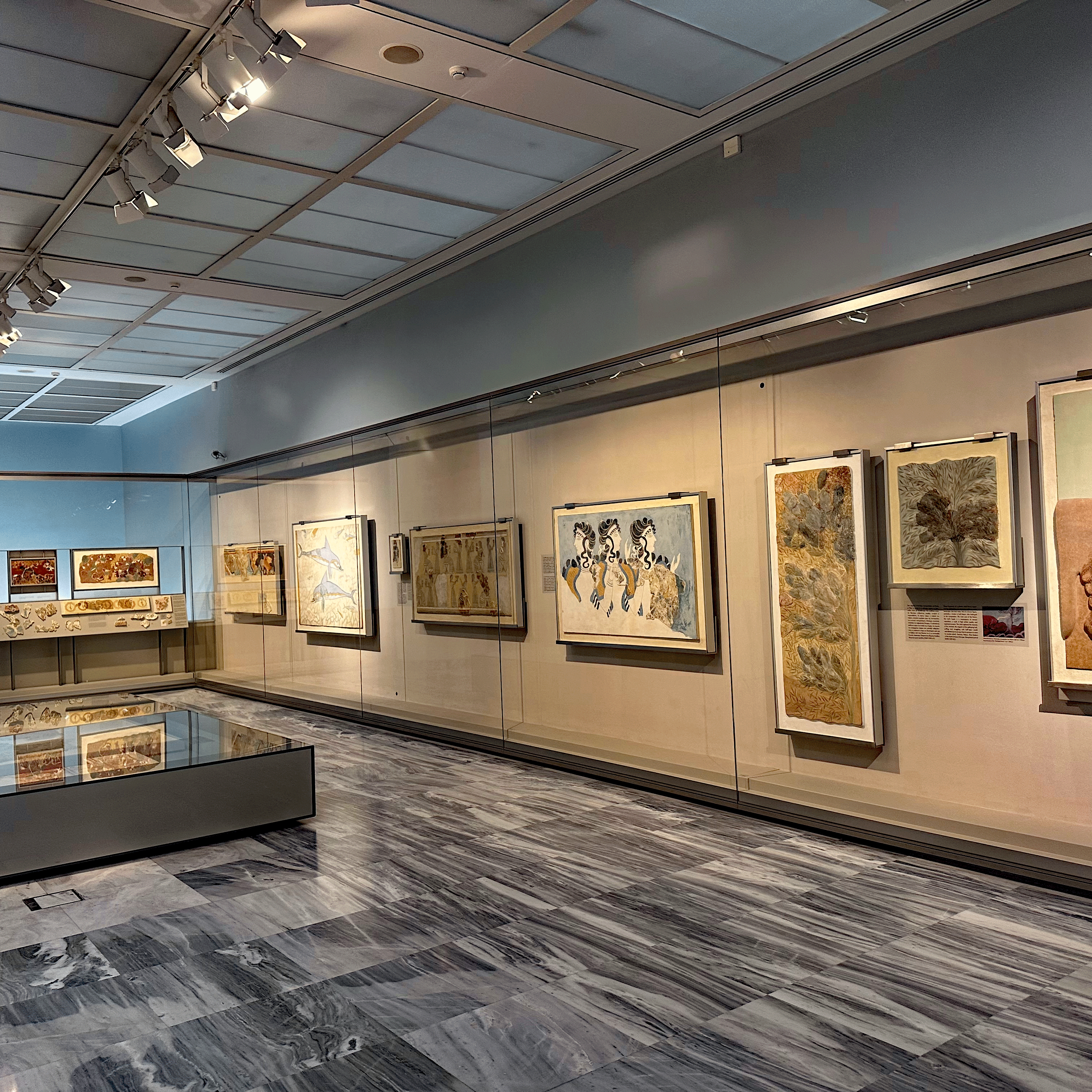
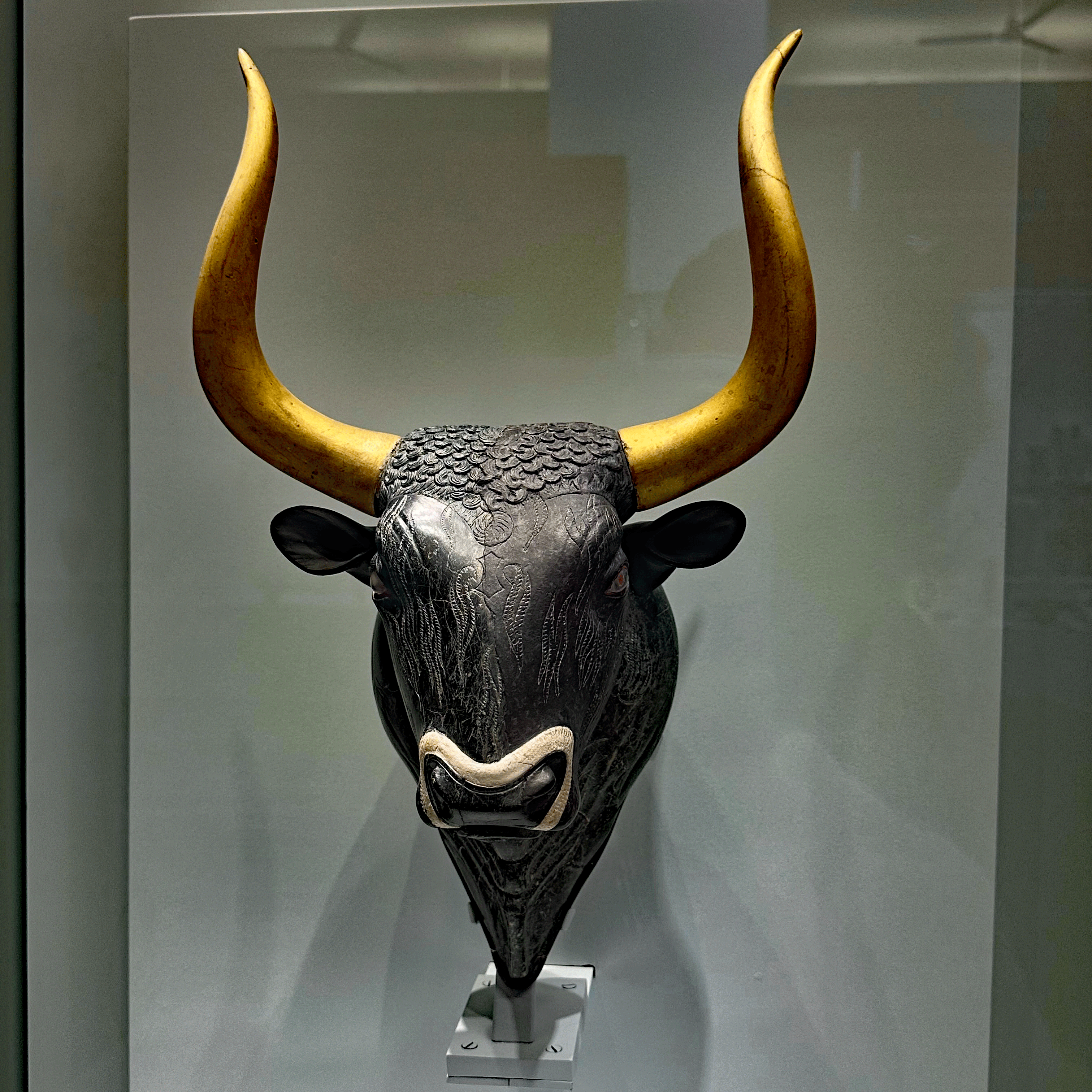
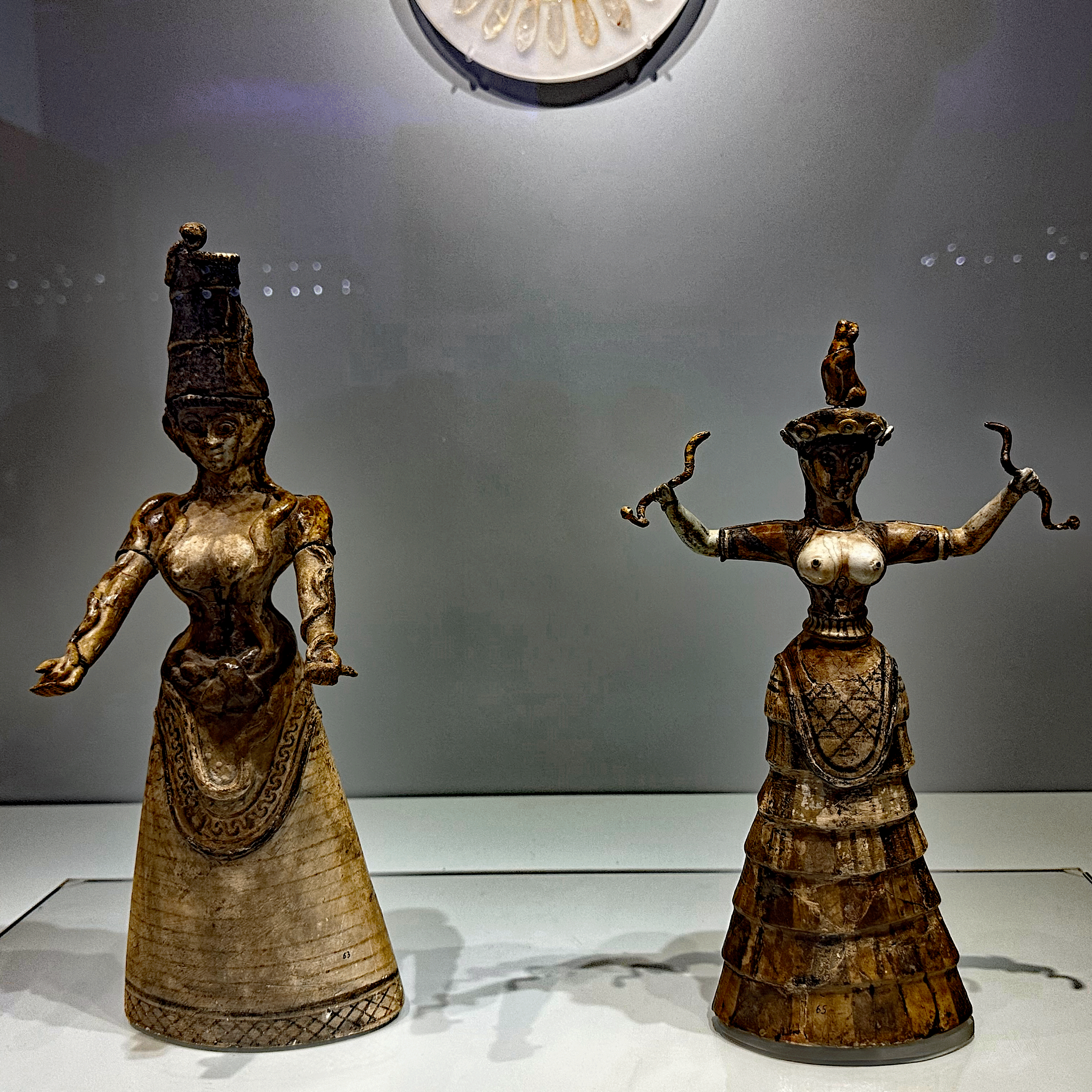
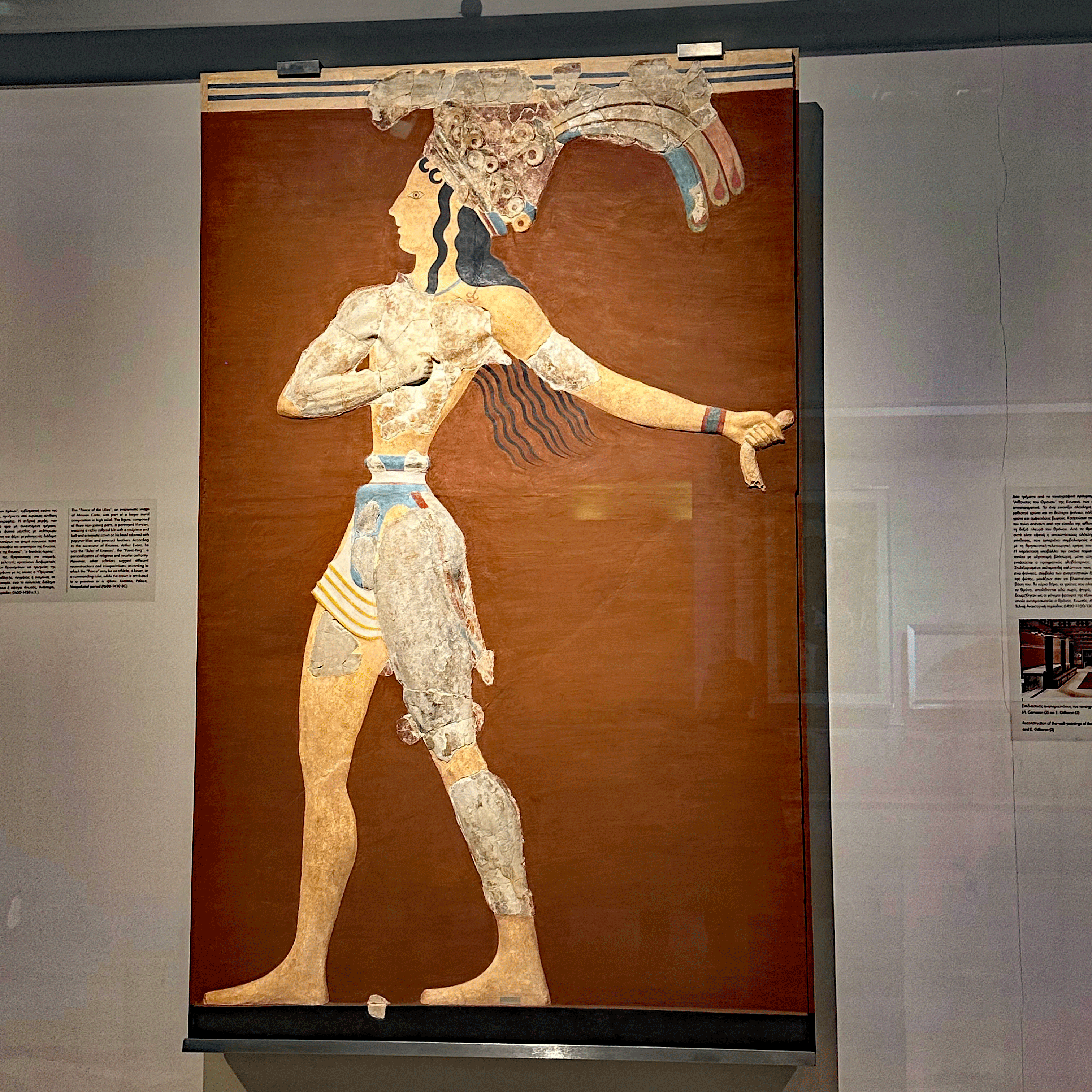
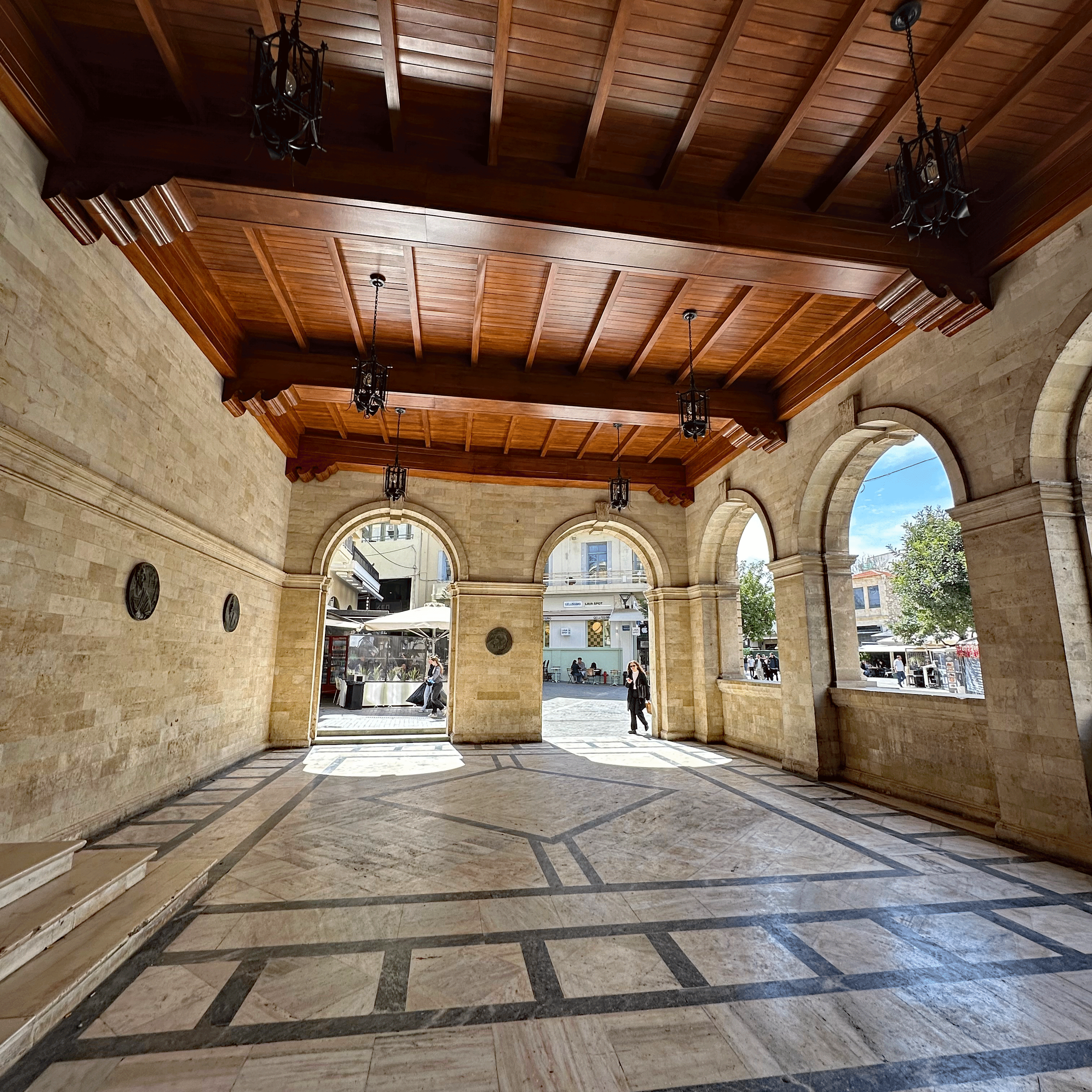
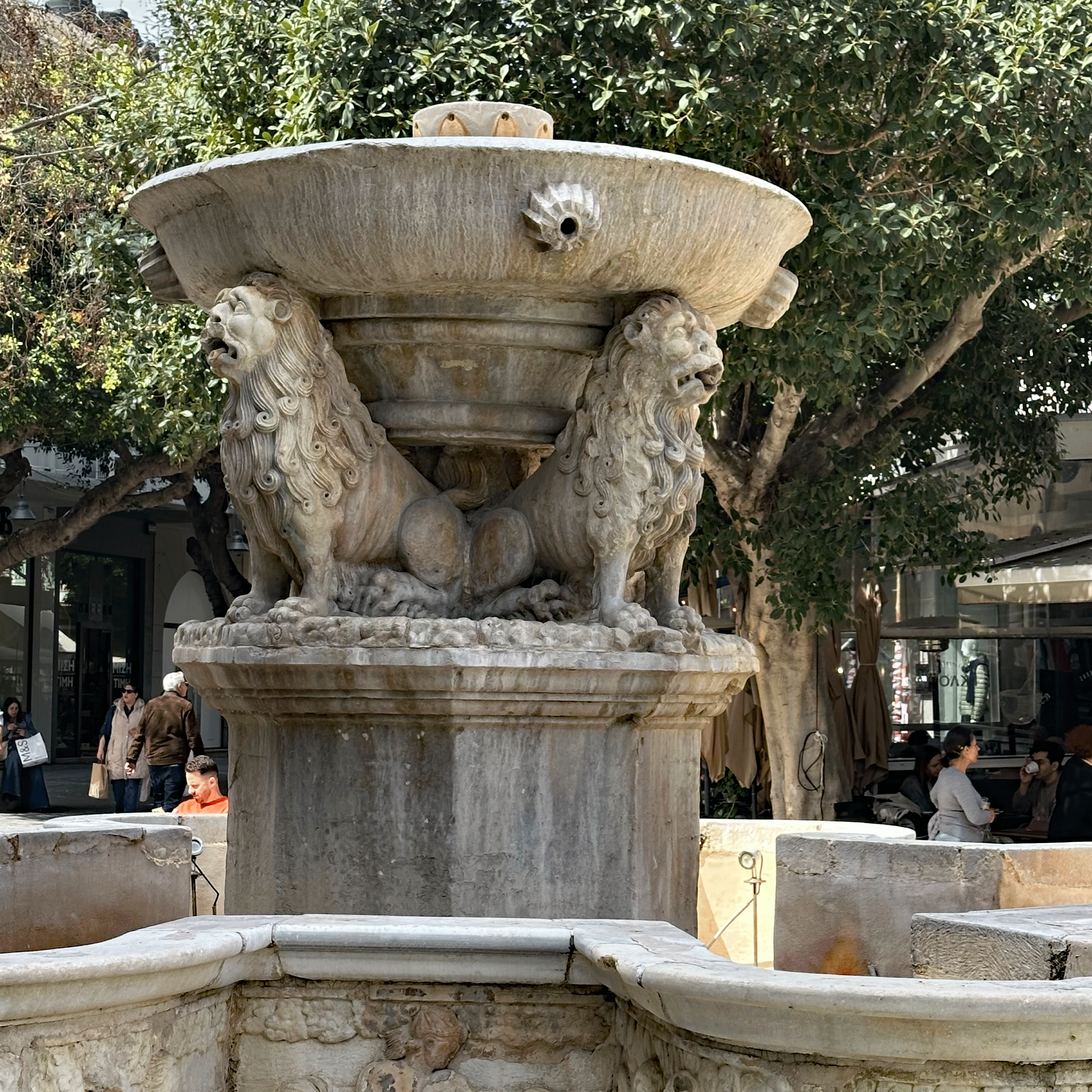
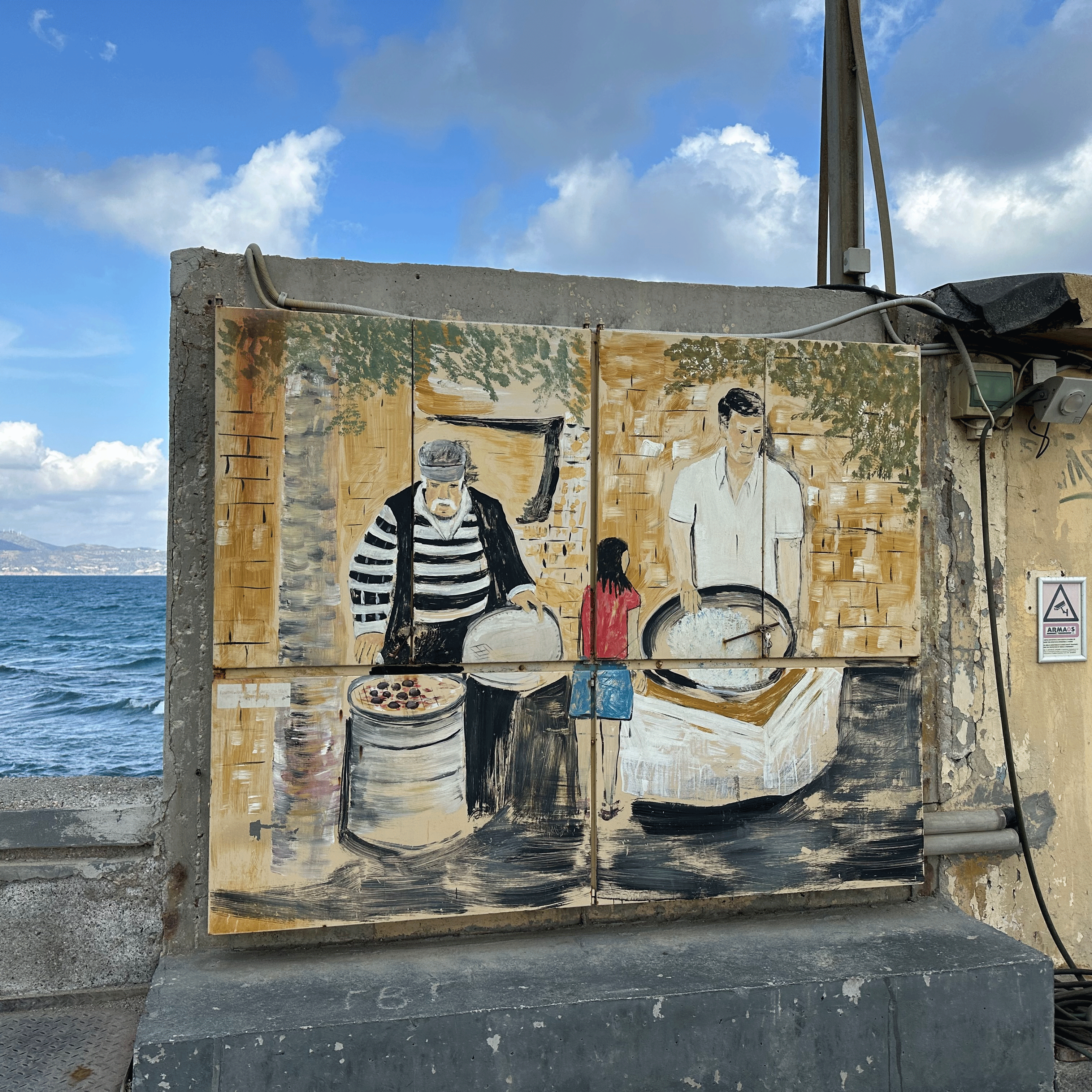
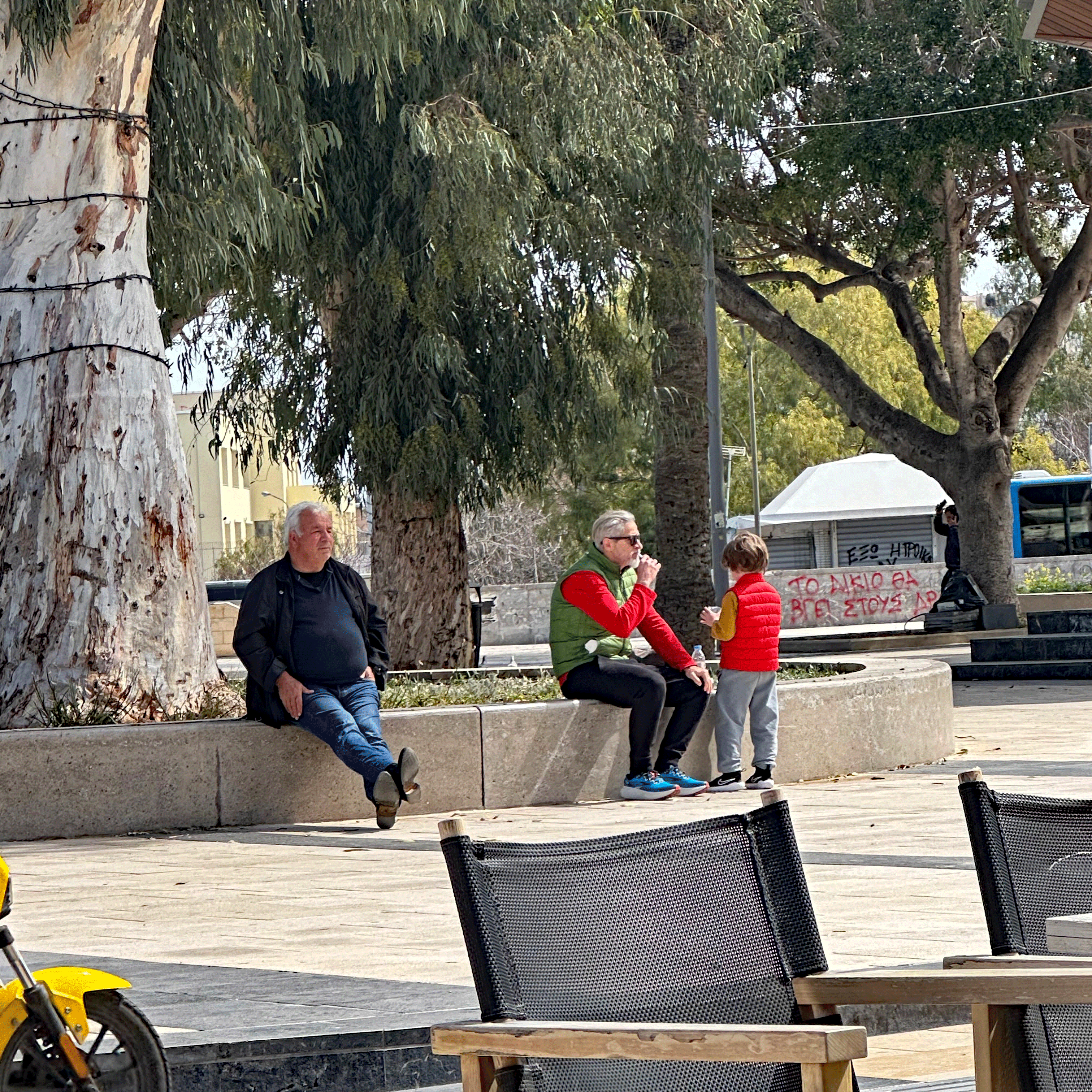
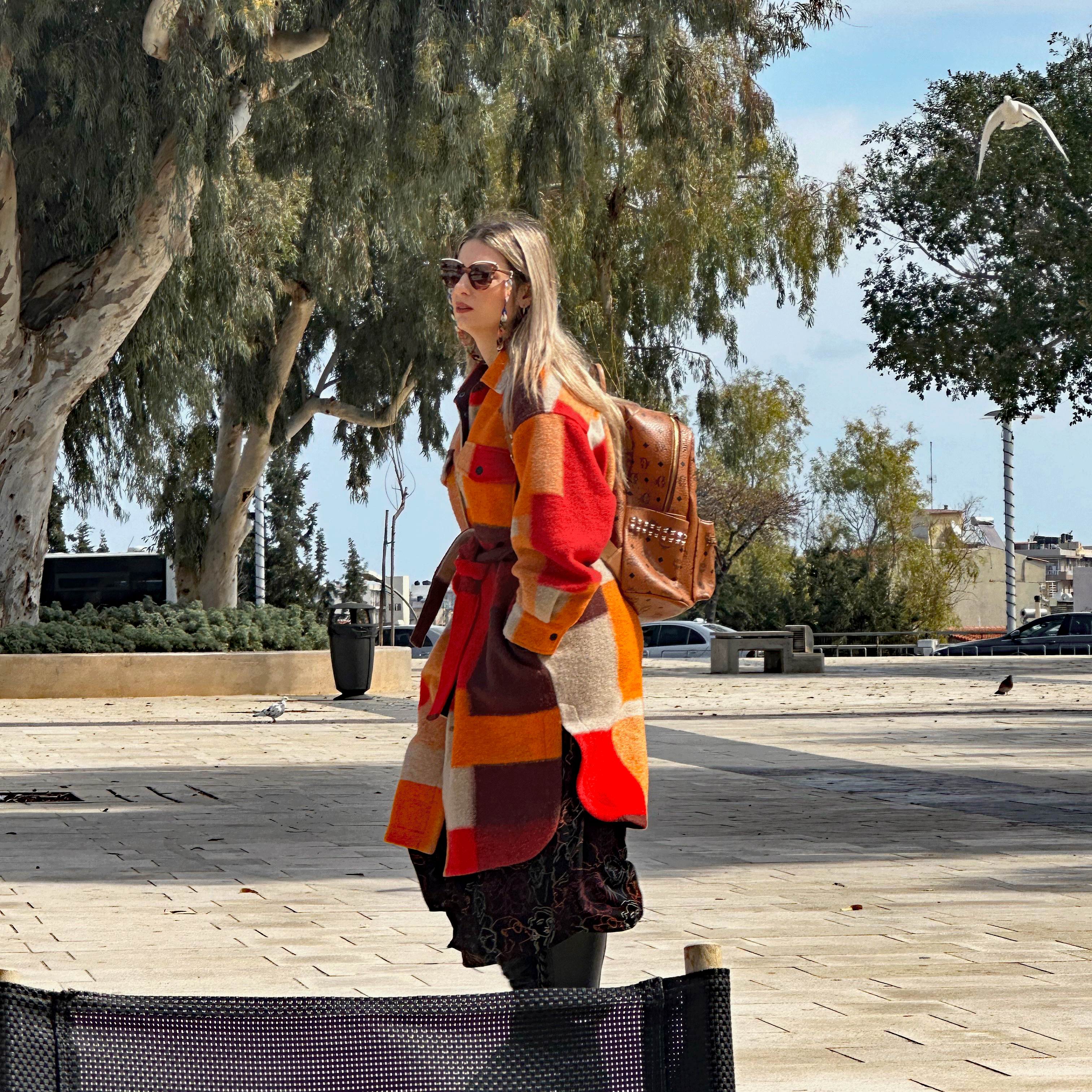
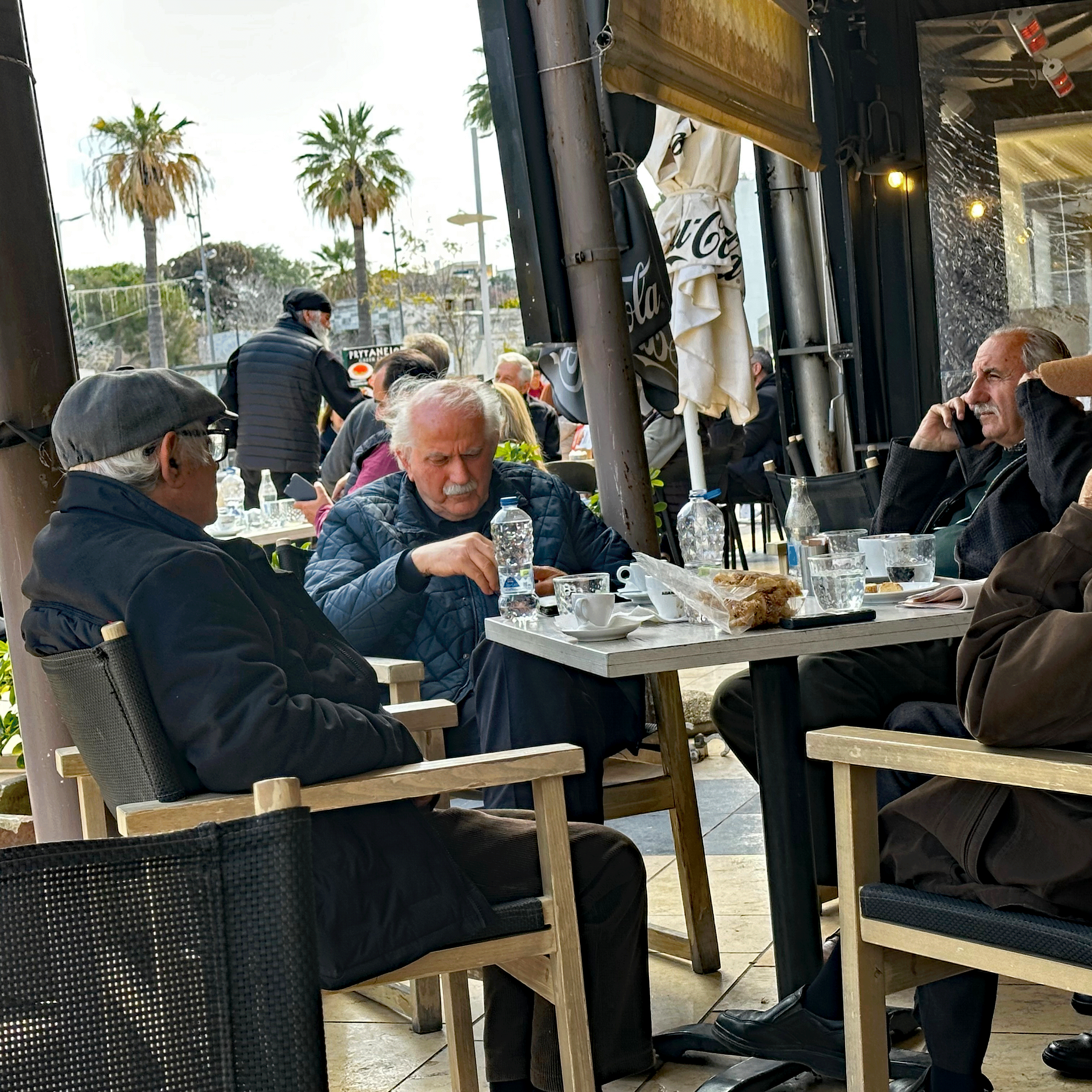
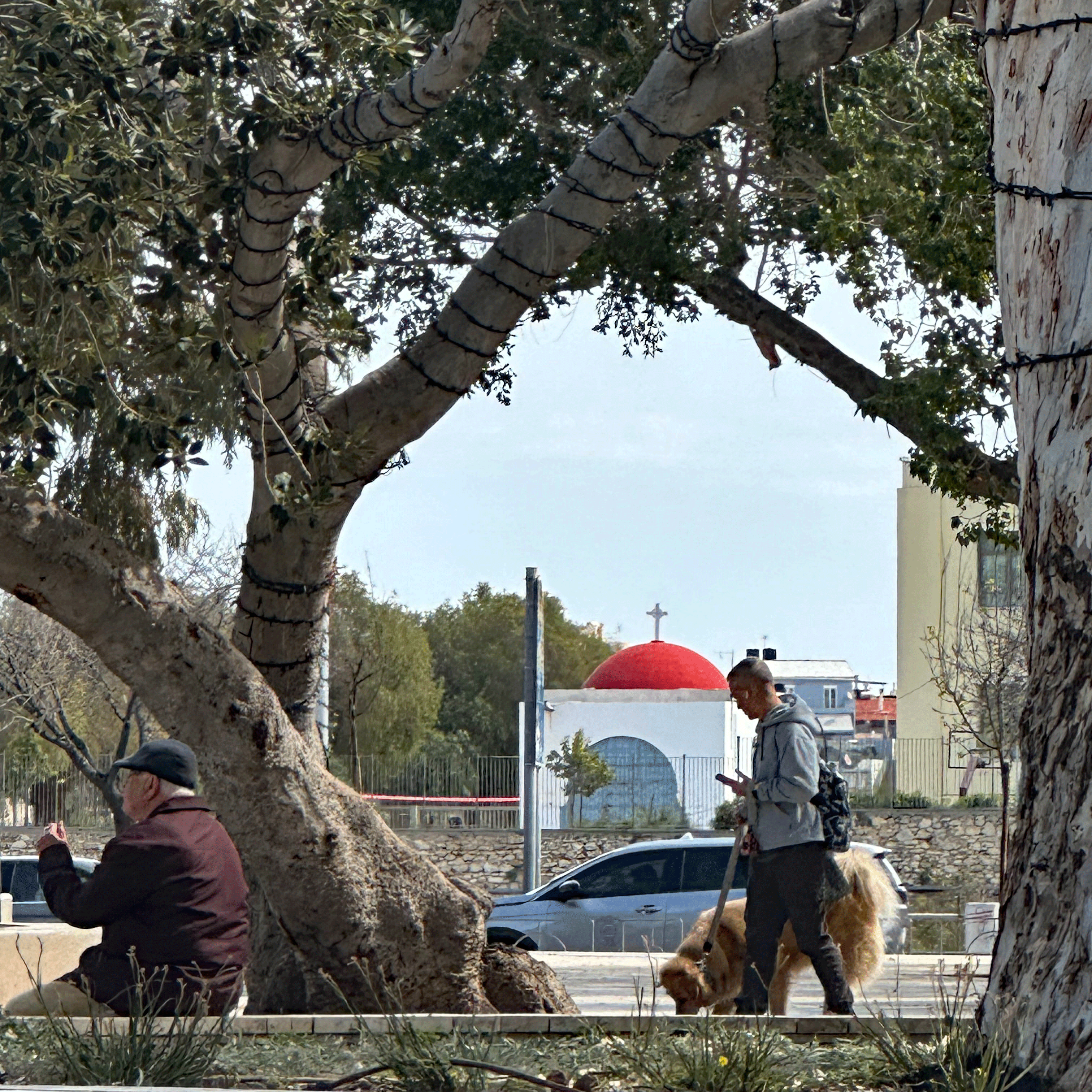
The city center of Heraklion is a pleasant area to stroll and to enjoy one of the many outdoor cafes. The locals all seem to have their favorite place to hang out and watch the parade of people enjoying the parks and plazas of their capital city.
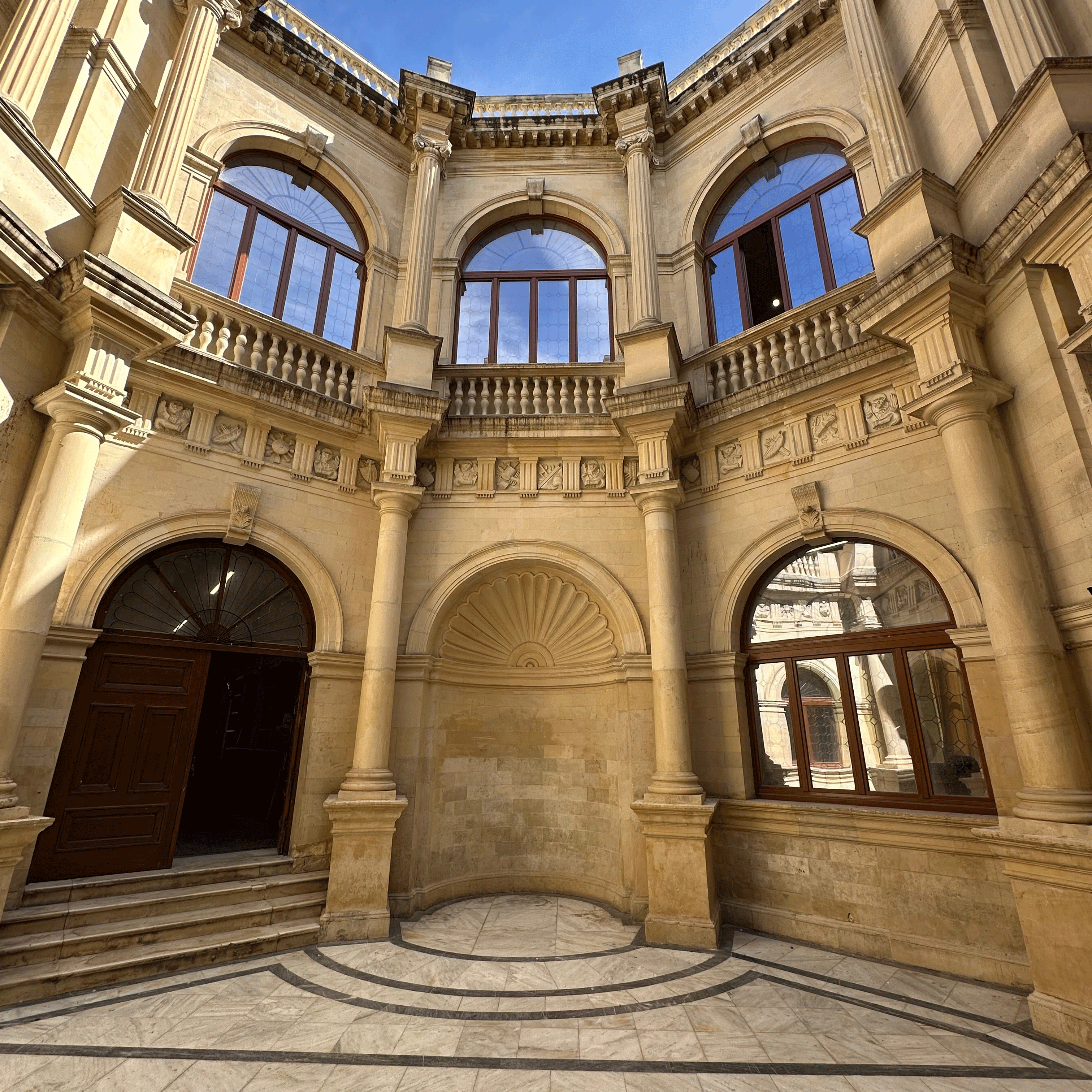
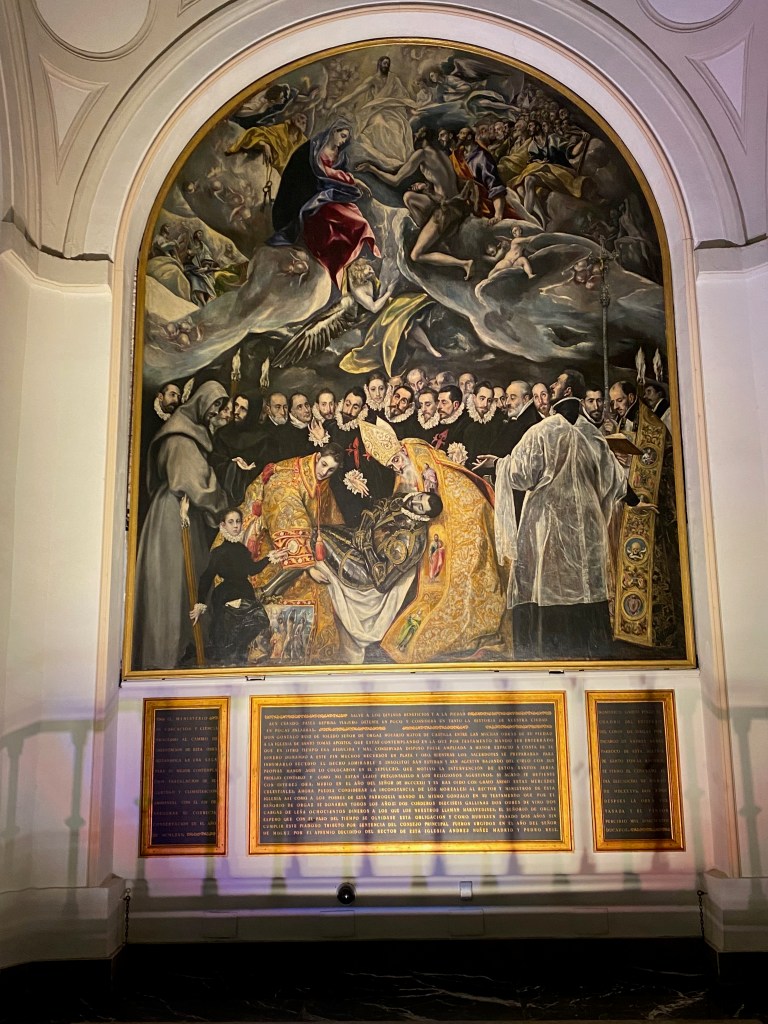
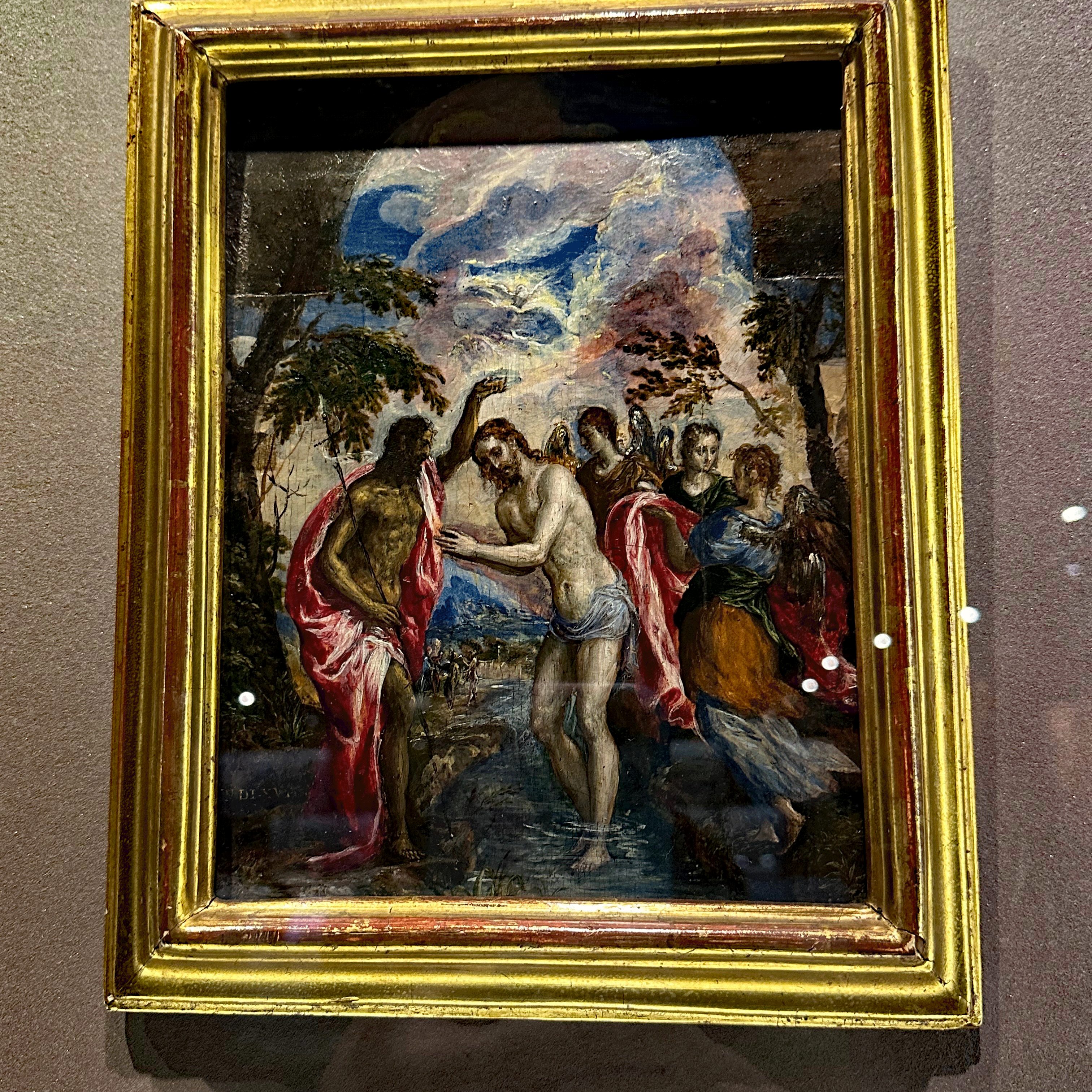
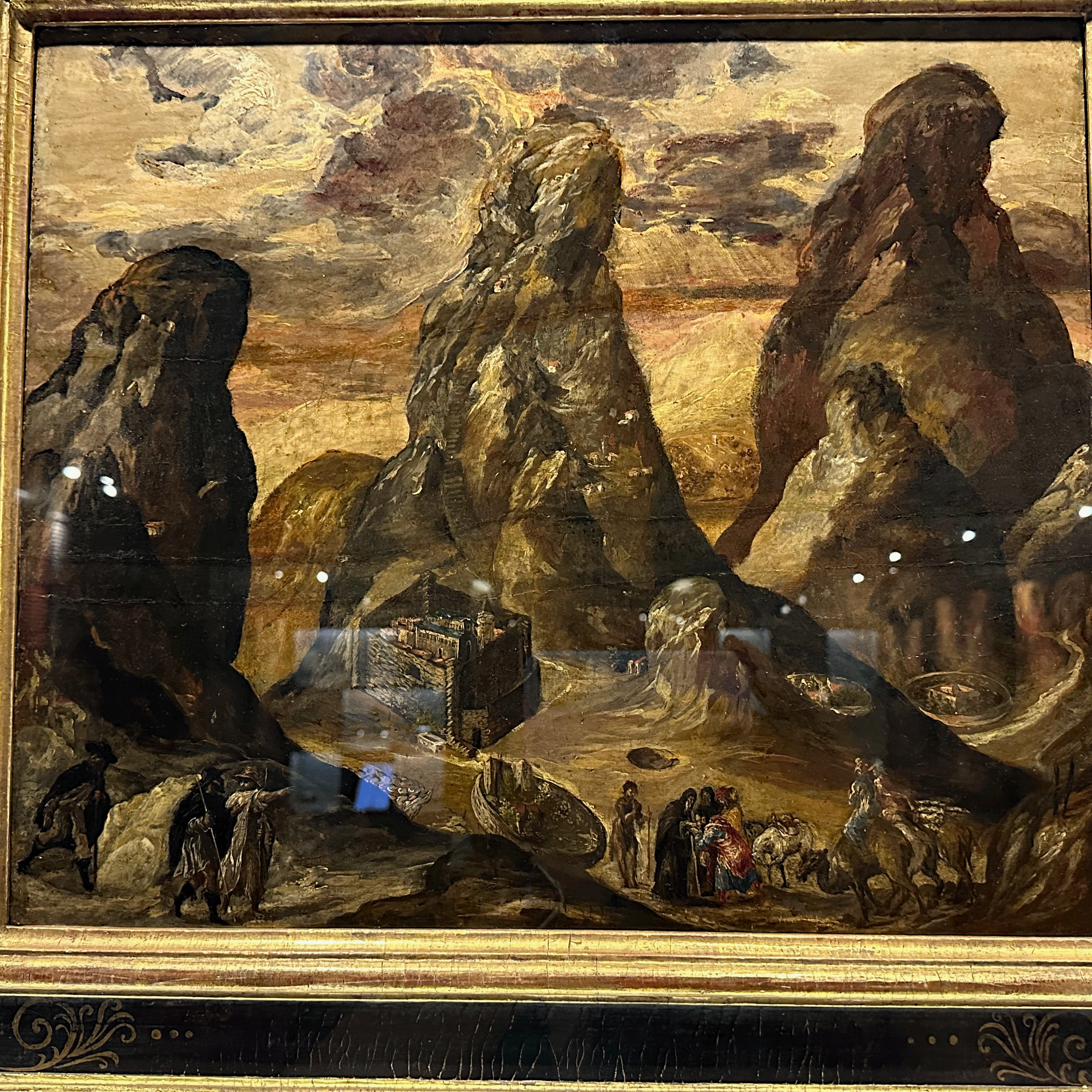
The Historical Museum of Crete in Heraklion is small, but it is THE PLACE to see 2 early works by El Greco (Domenikos Theotokopoulos) who was born in Crete. He later went to Italy and then to Spain, where he painted his well-known body of work.
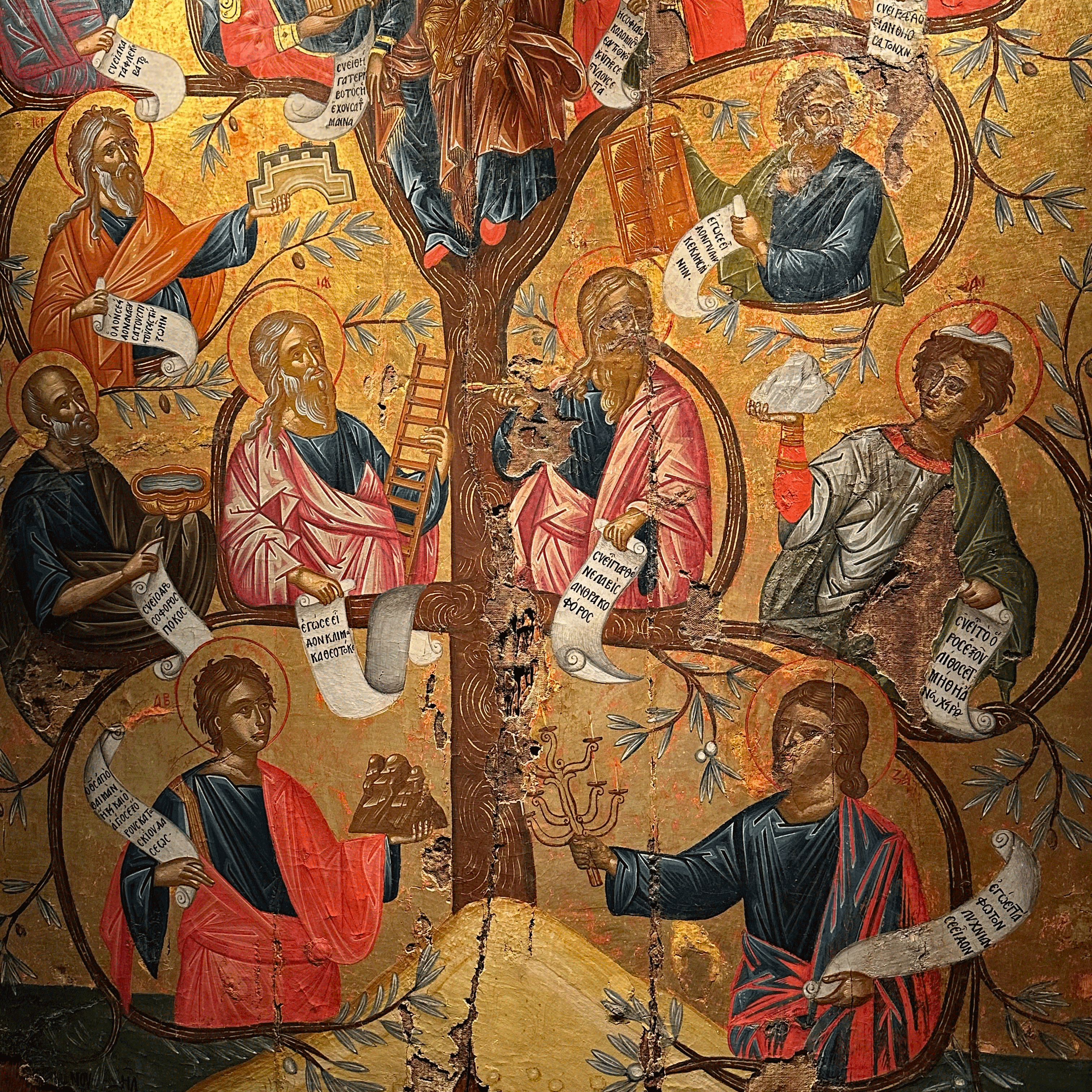
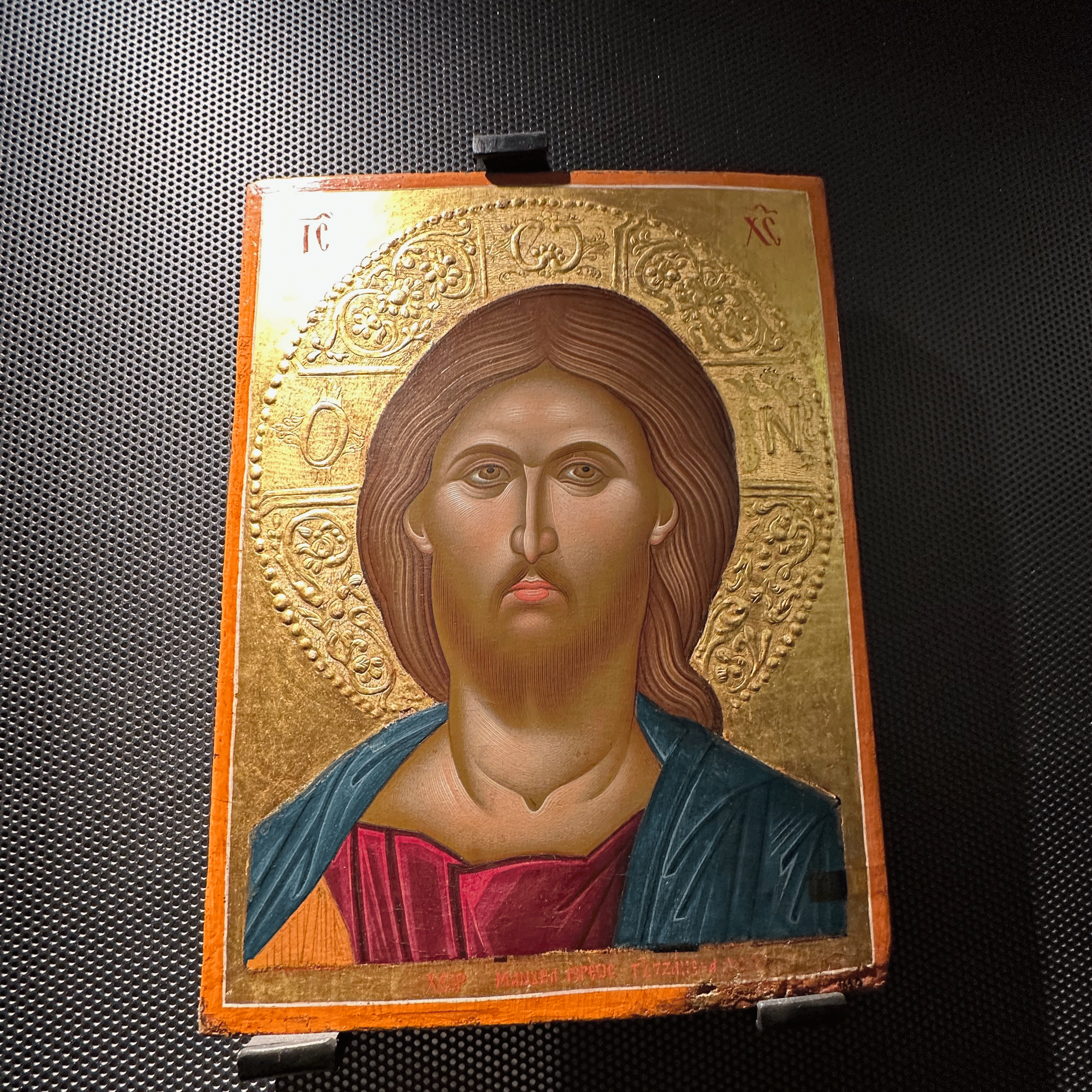
Below: “The Baptism of Christ” and “View of Mt. Sinai and the Monastery of St. Catherine” by El Greco and other museum icons.
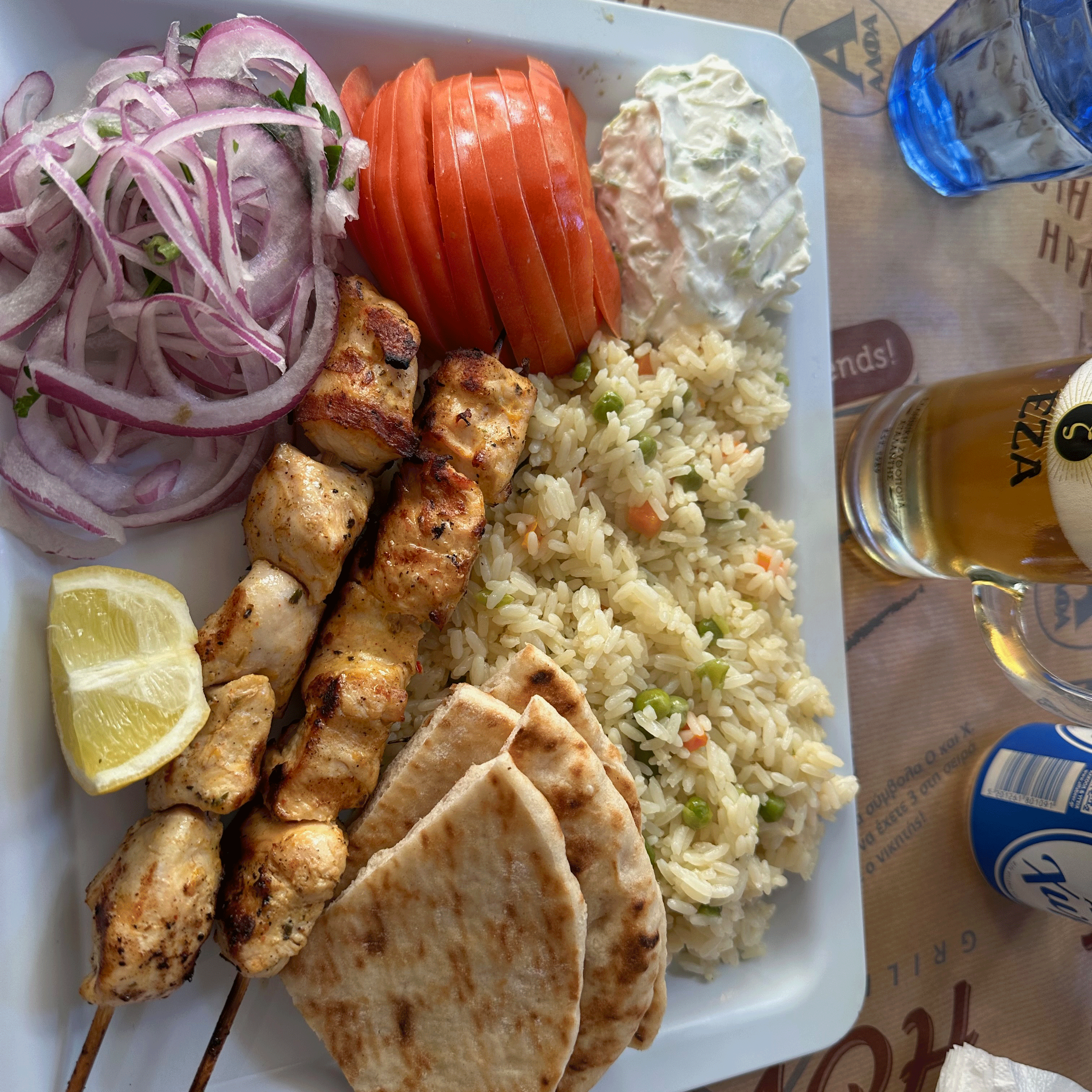
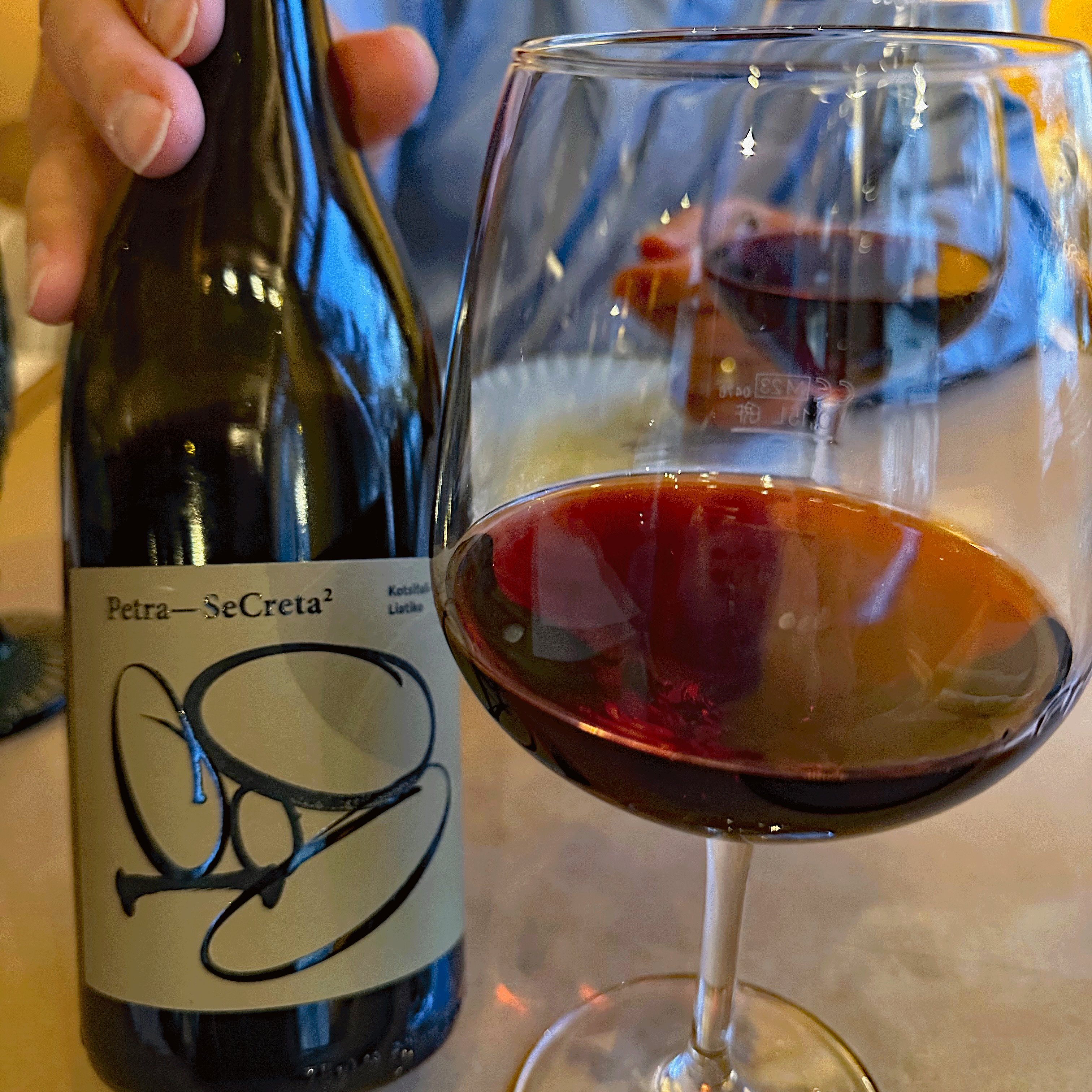
Dining in Heraklion is a treat. The local cuisine is fresh and seasonal from snack shops to fine dining. The bread has a home-baked heartiness and tastes fantastic with the local olive oil. Kabobs and seafood are great choices. The wine is tasty and complements the food.
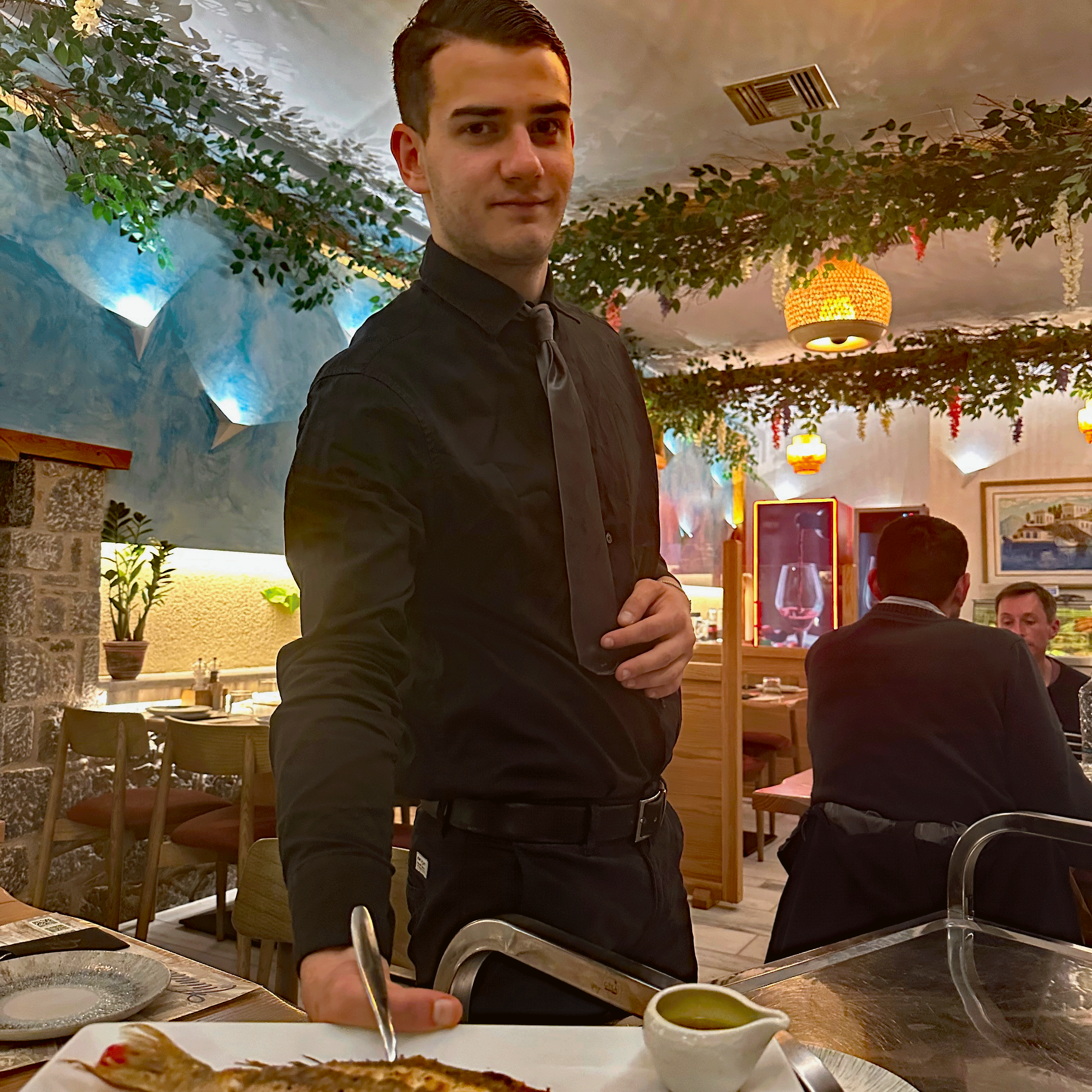
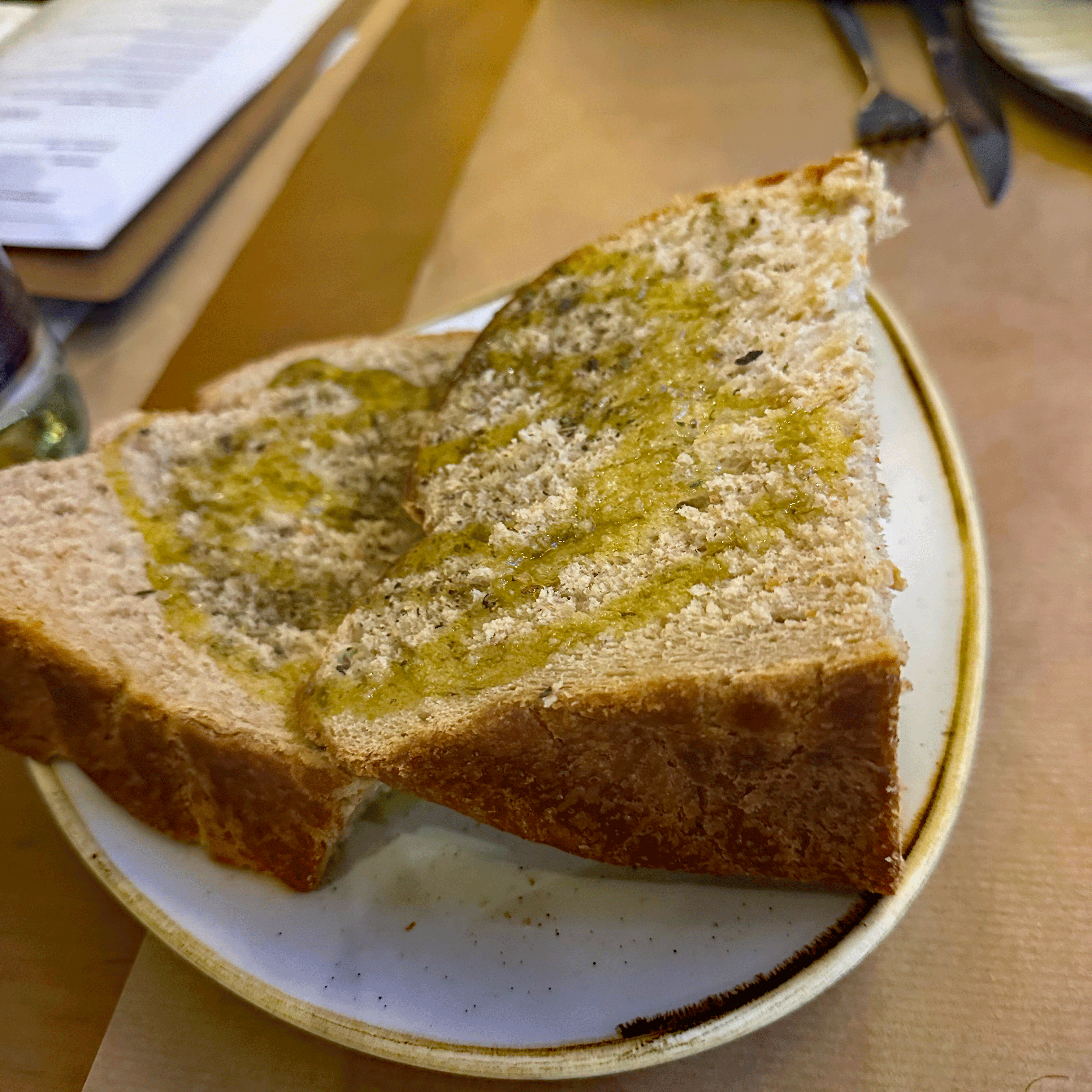
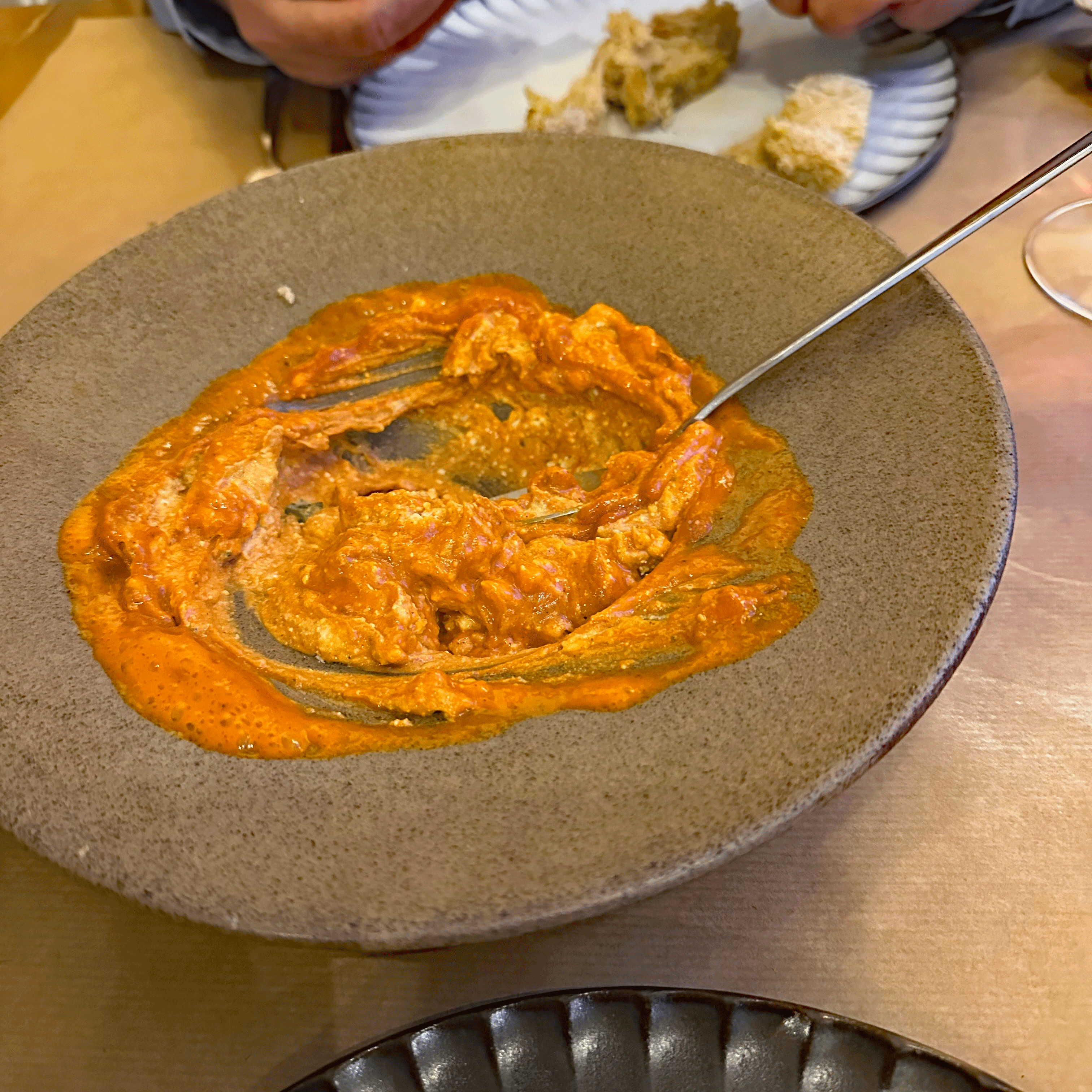
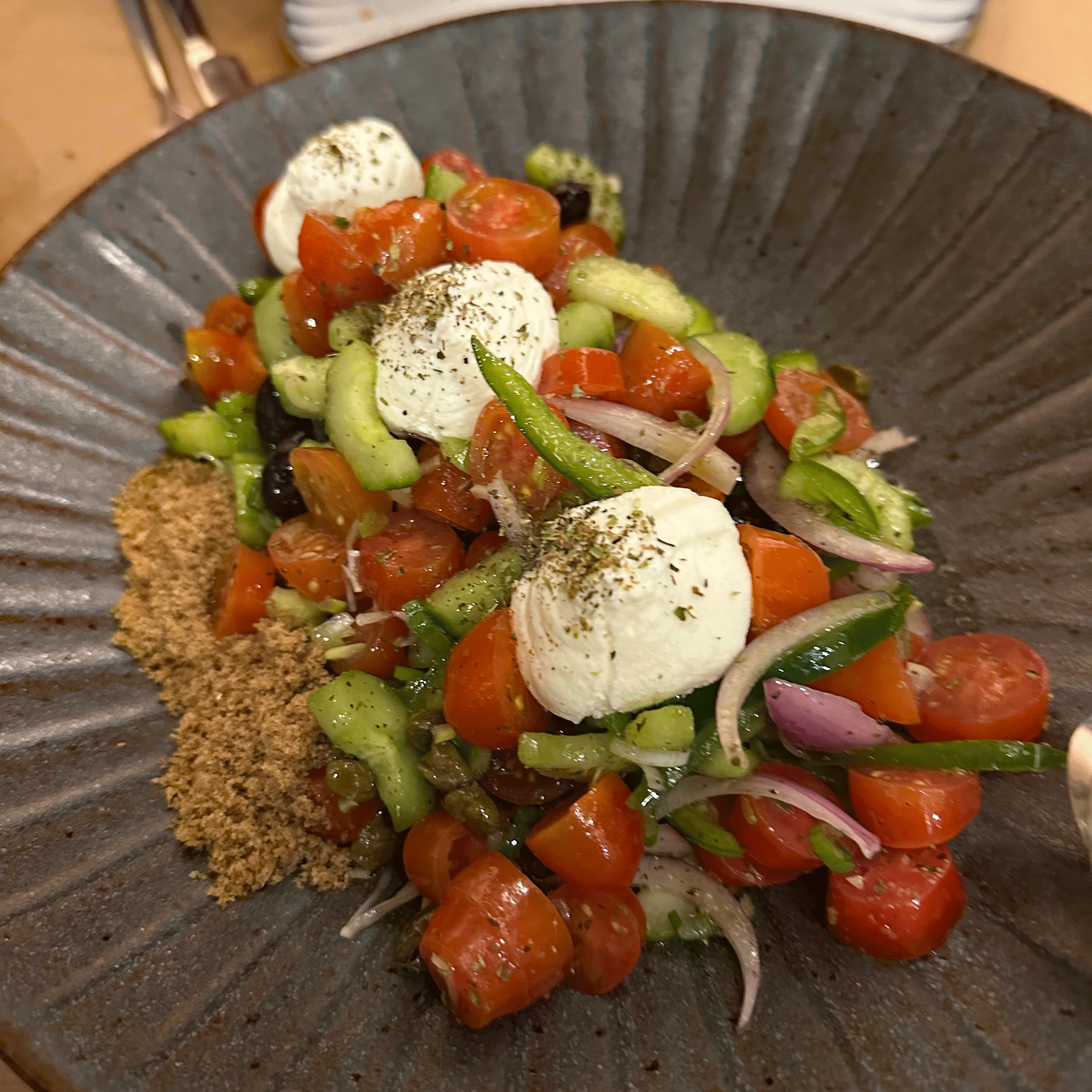
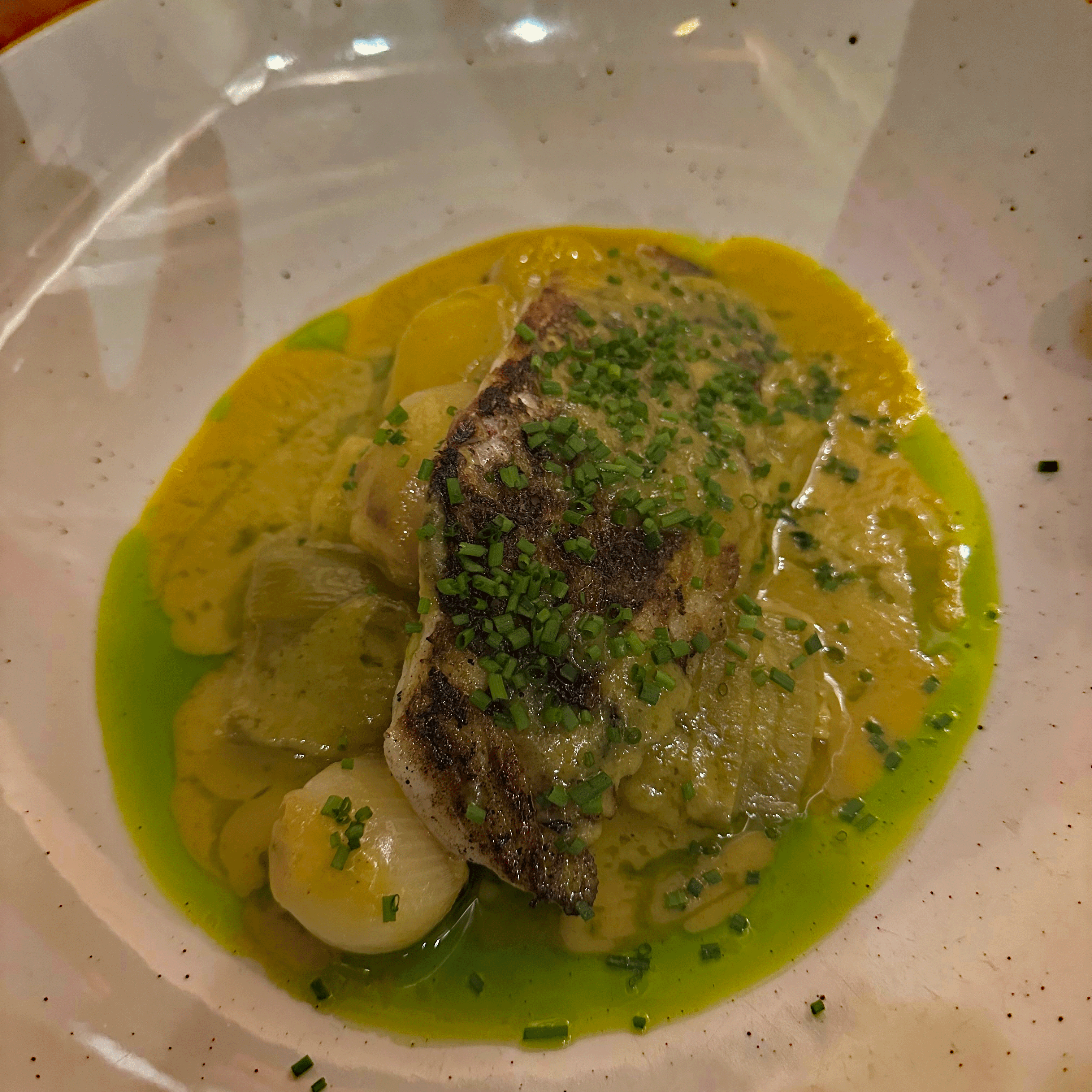
Peskesi is Heraklion’s most popular restaurant and is worth the hype. In a cozy rustic setting you will enjoy friendly service and high-quality cuisine.
Our stay in Heraklion was a great ending to our three weeks on Crete. From there, we flew back to Athens for a night before the journey home to Chicago.
Thank you for reading. Enjoy your travels. Geri