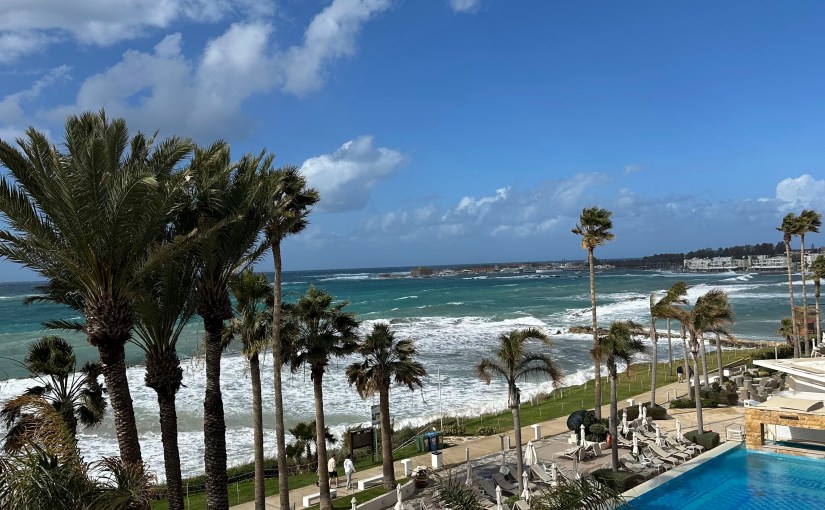
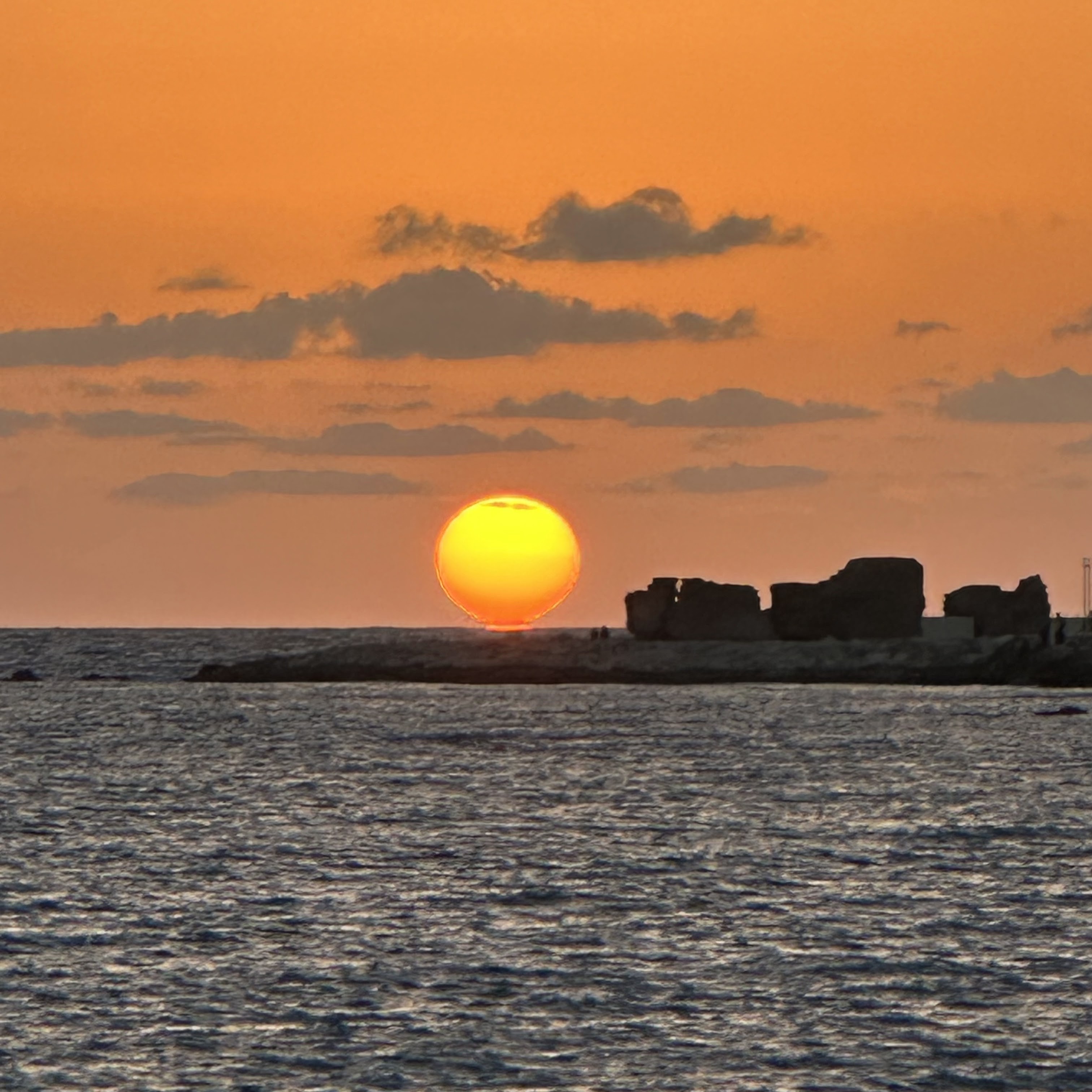
Paphos was our last stop on our three city tour of Cyprus. (See previous posts of Larnaca and Limassol.) Each place has its own unique character and charm. Paphos attracts vacationers to its seaside beauty and small town, laid back vibe. If you enjoy sipping a beverage at an outdoor cafe as the sky gradually turns from blue to orange and a stunning orange sun lands on the horizon like a hot air balloon, then Paphos is the place for you.
The sea is cold and choppy in February, but it is beautiful. I sure wish they would heat the pool water.
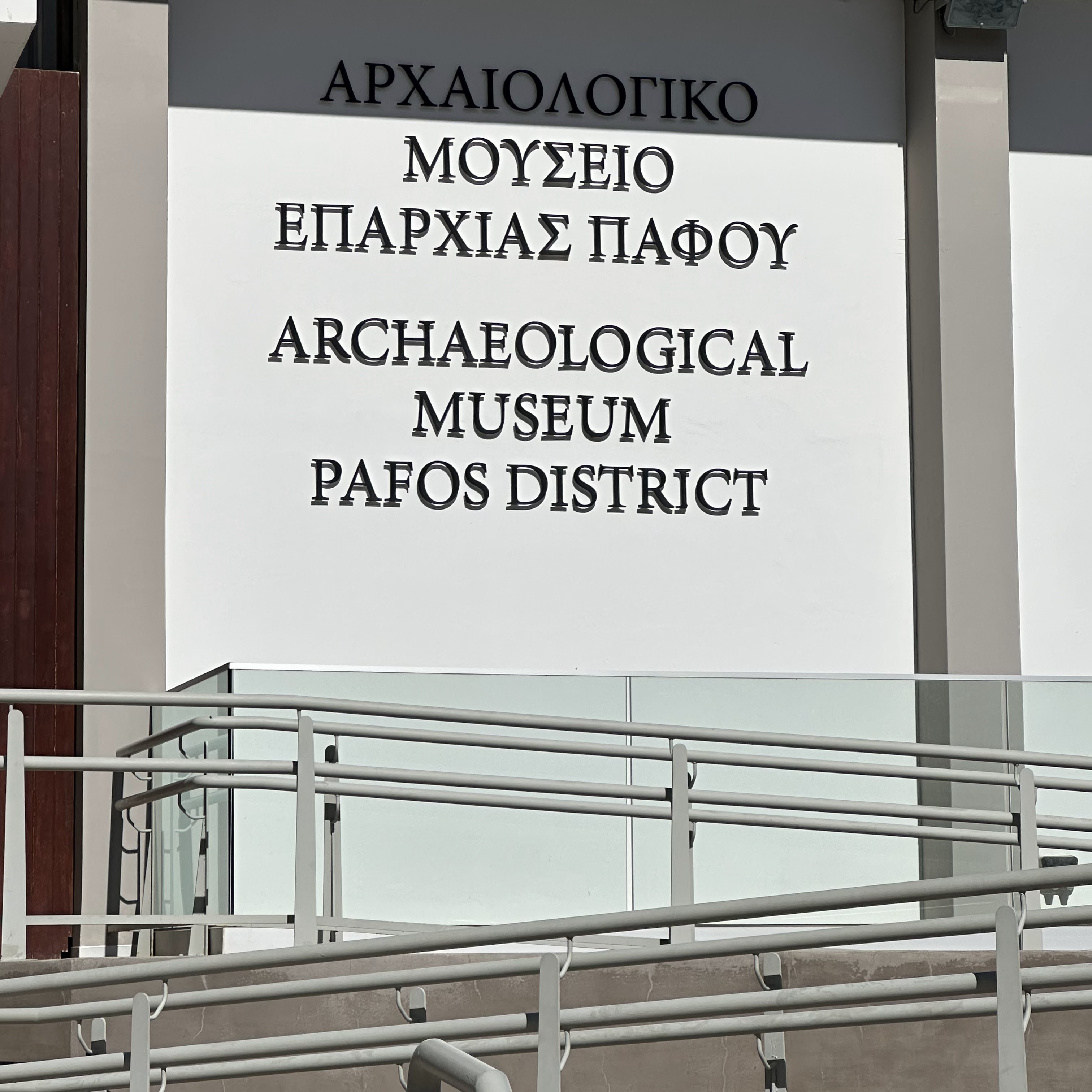
If you go to Paphos for the beach, the shopping, and the party scene, I’m sure you’ll have fun, but you really shouldn’t miss the Kato- Paphos Archeological Park and the Paphos Archeological Museum.
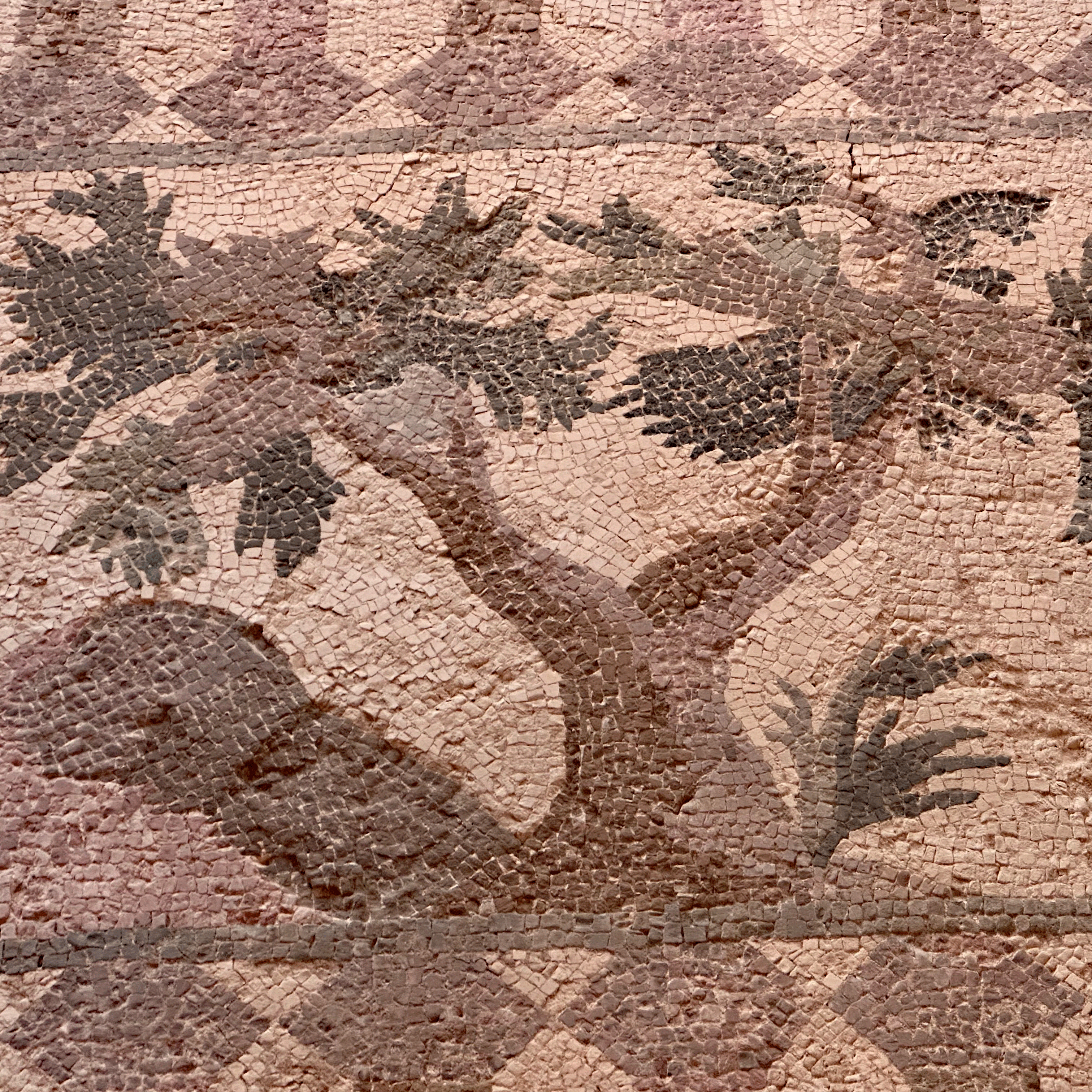
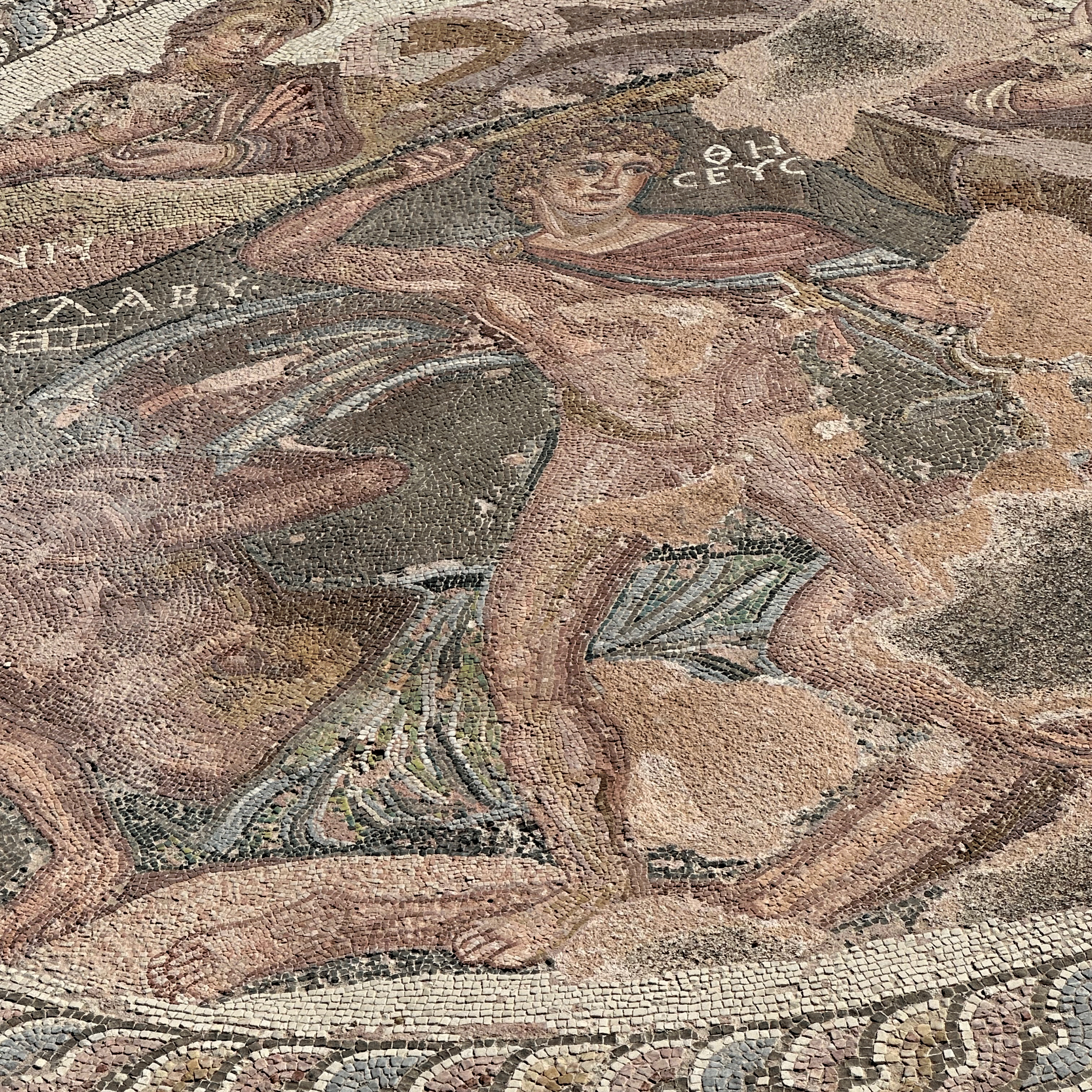
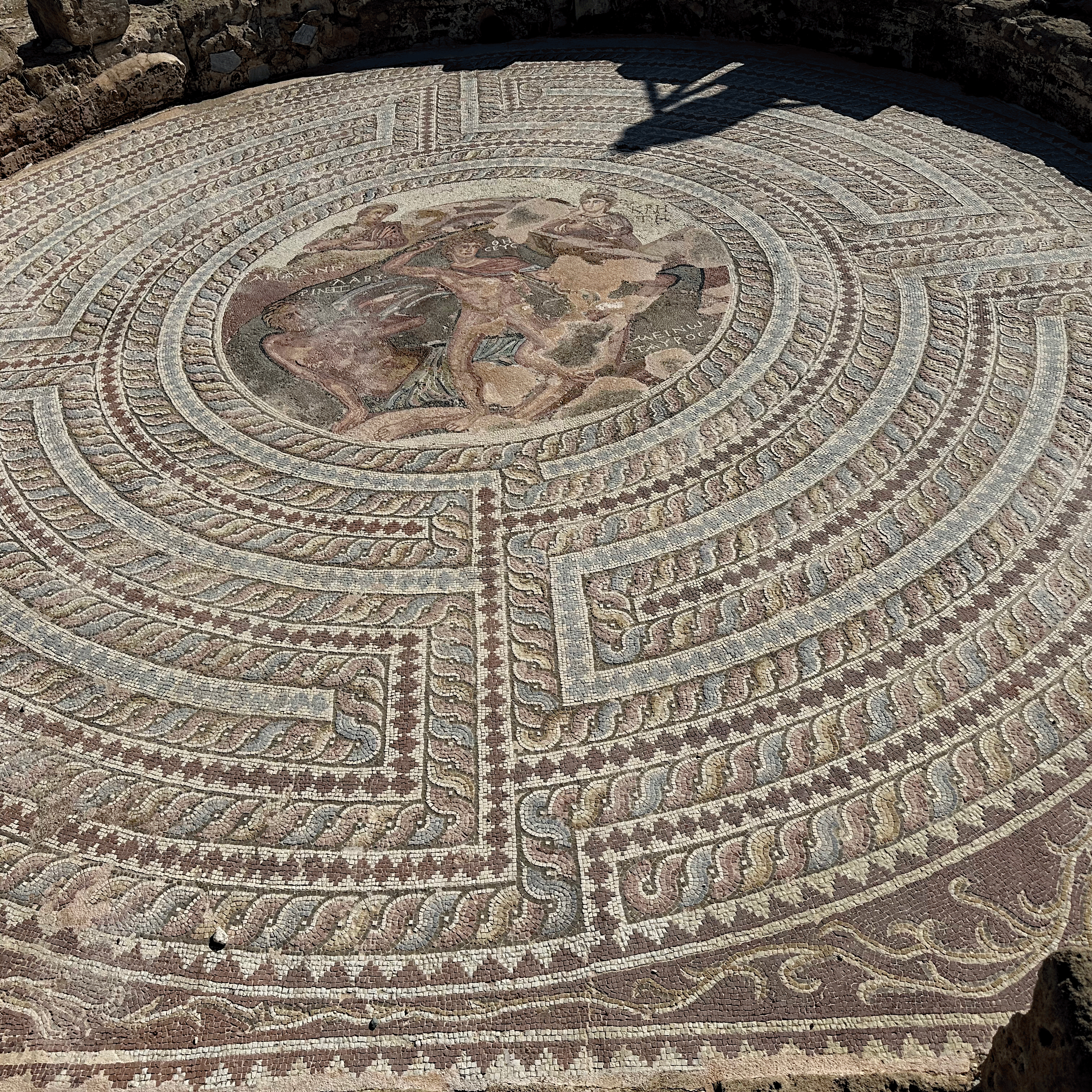
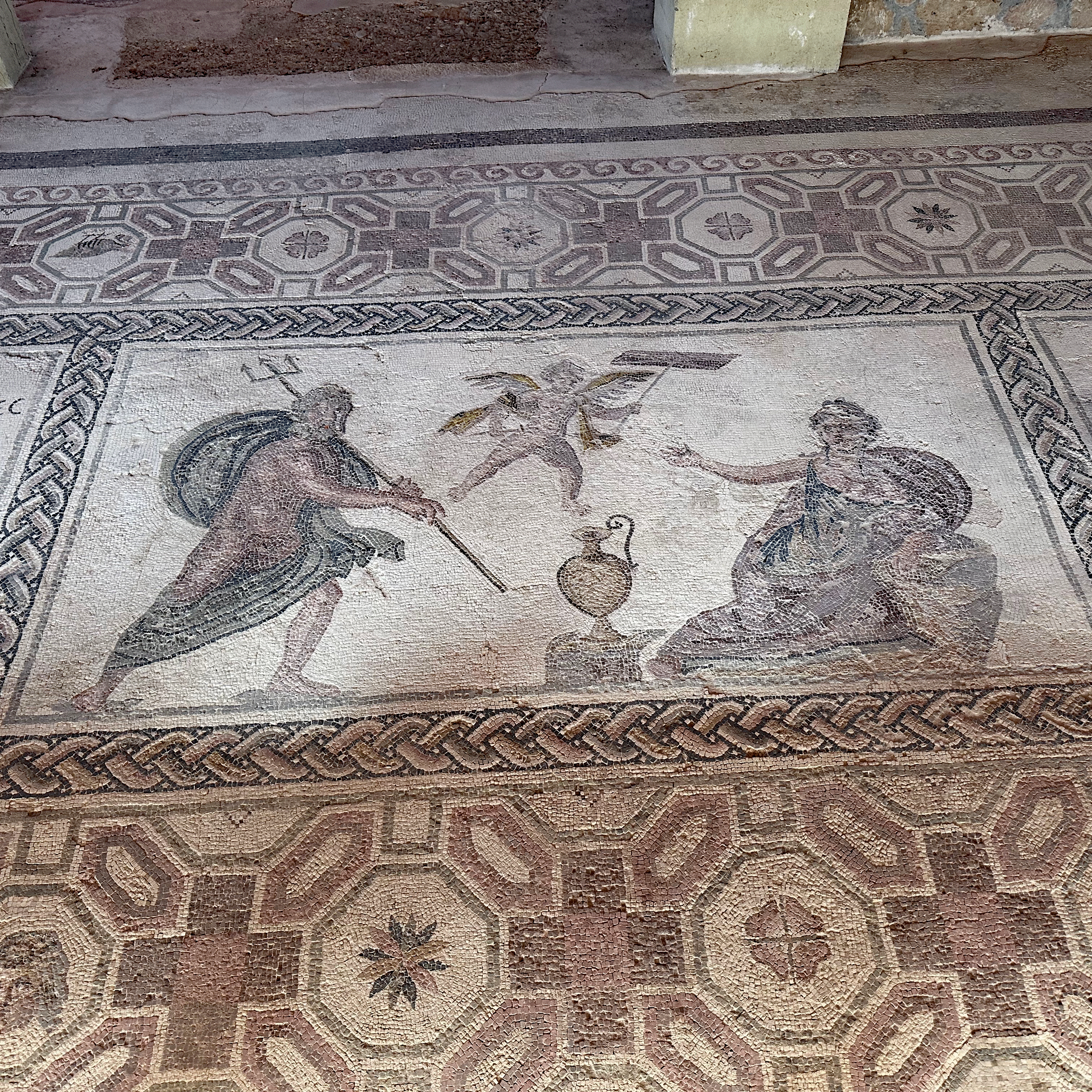
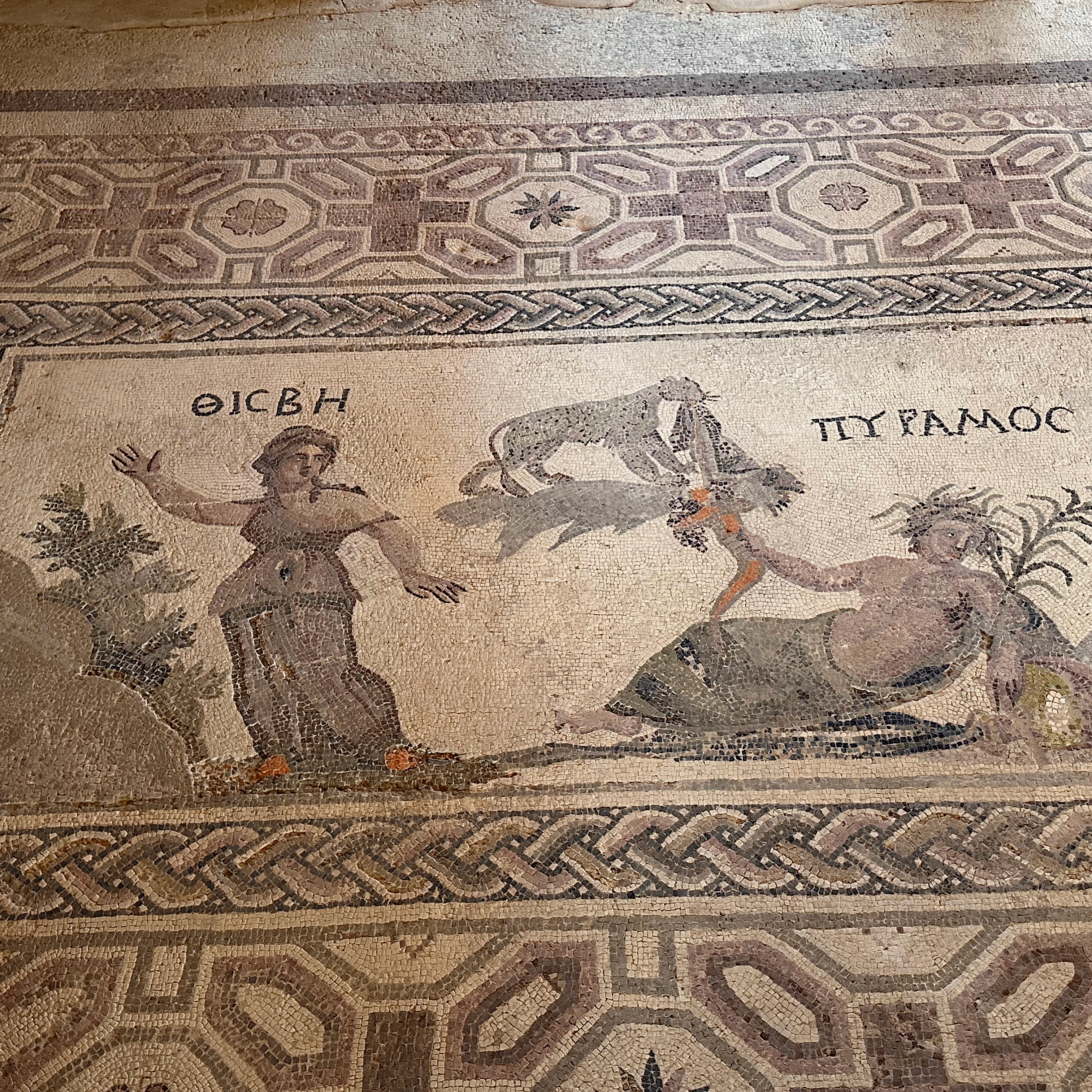
Paphos was founded in 320 BC during the Hellenistic period and was later conquered by the Romans. Excavations begun in the 1960’s uncovered extensive remains of a prosperous Roman settlement. The amazingly well-preserved remains earned Paphos a UNESCO World Heritage designation in the 1980’s. The Kato-Paphos Archeological Park is considered to house the finest collection of Roman mosaics in the Mediterranean.
Below: Photos of the mosaics at Kato-Paphos
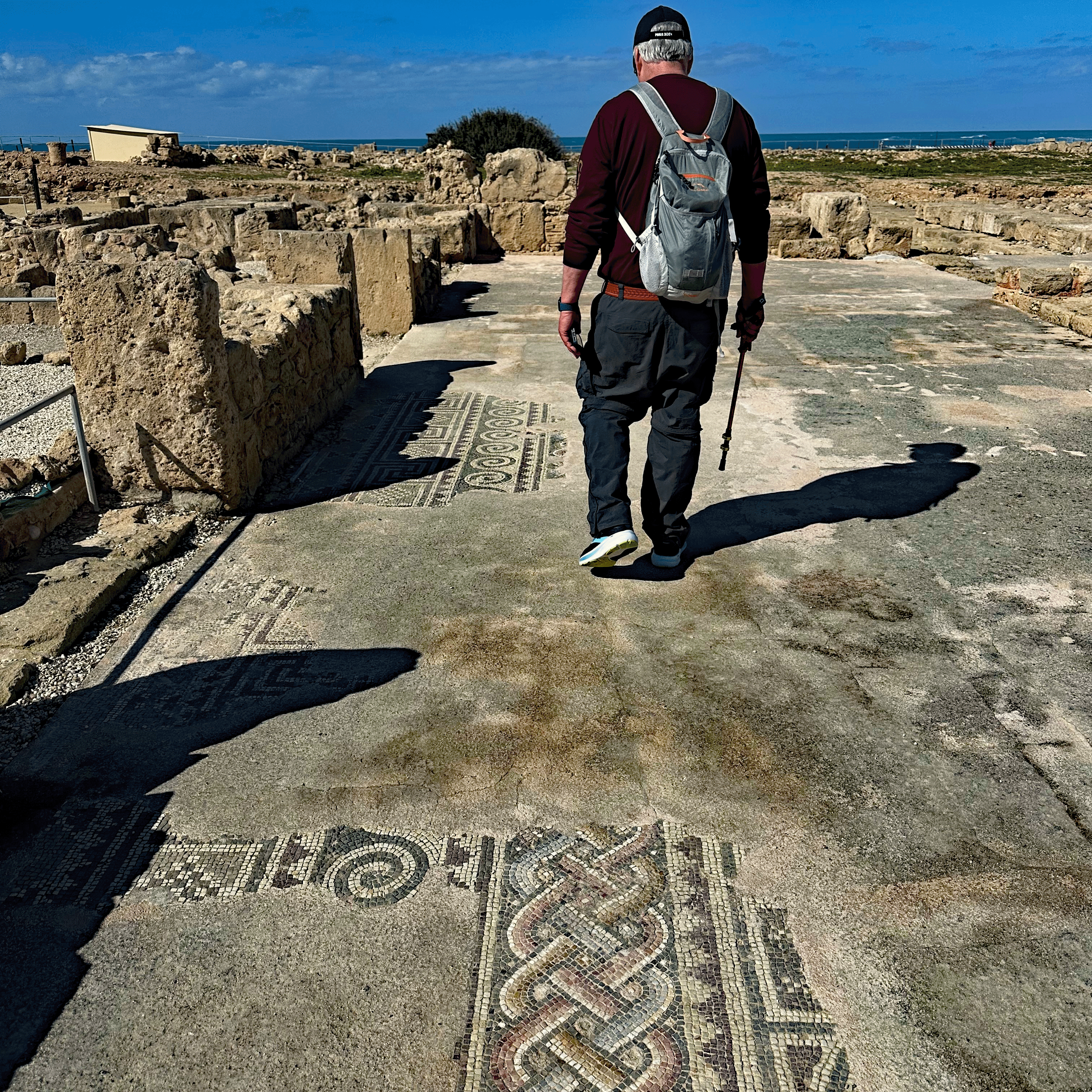
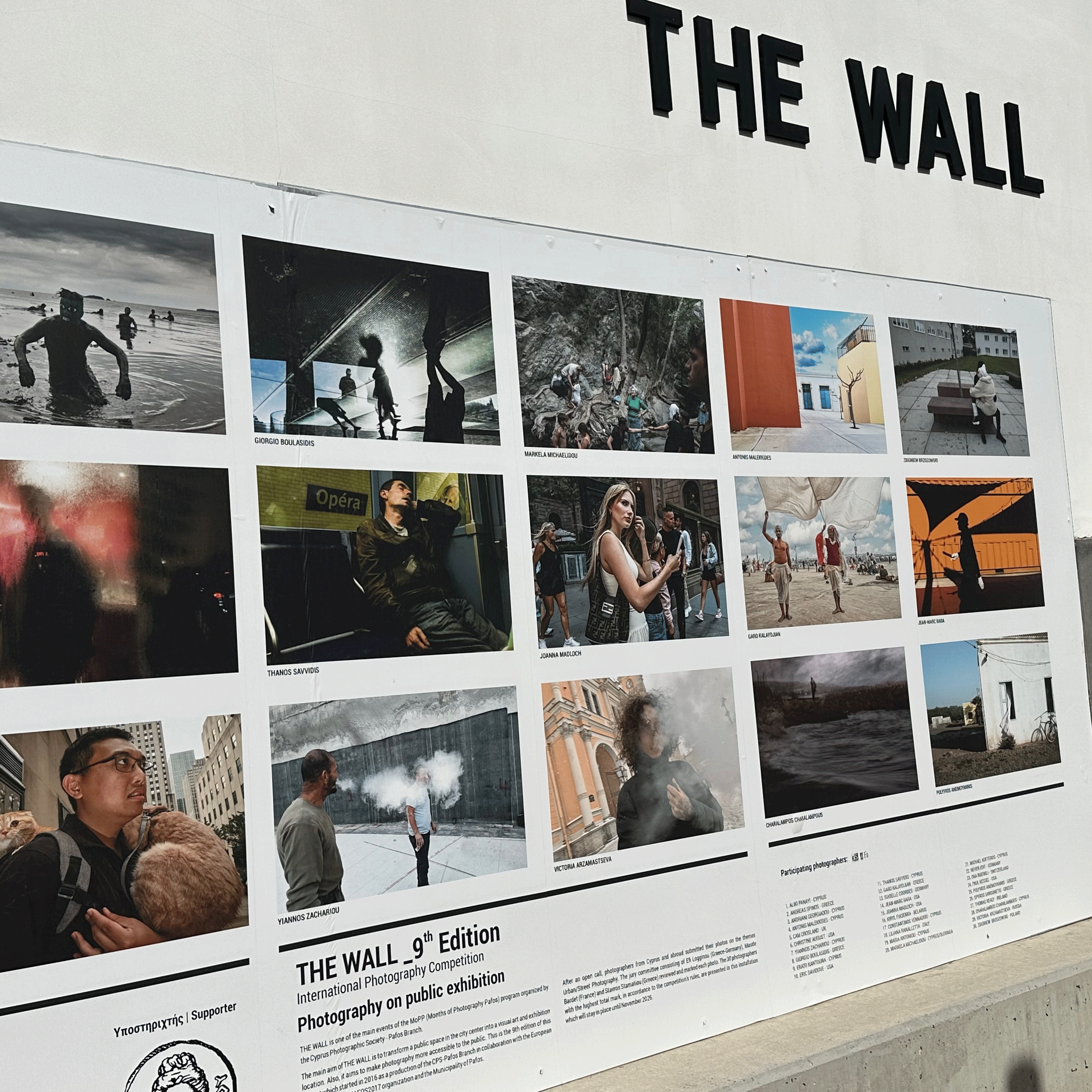
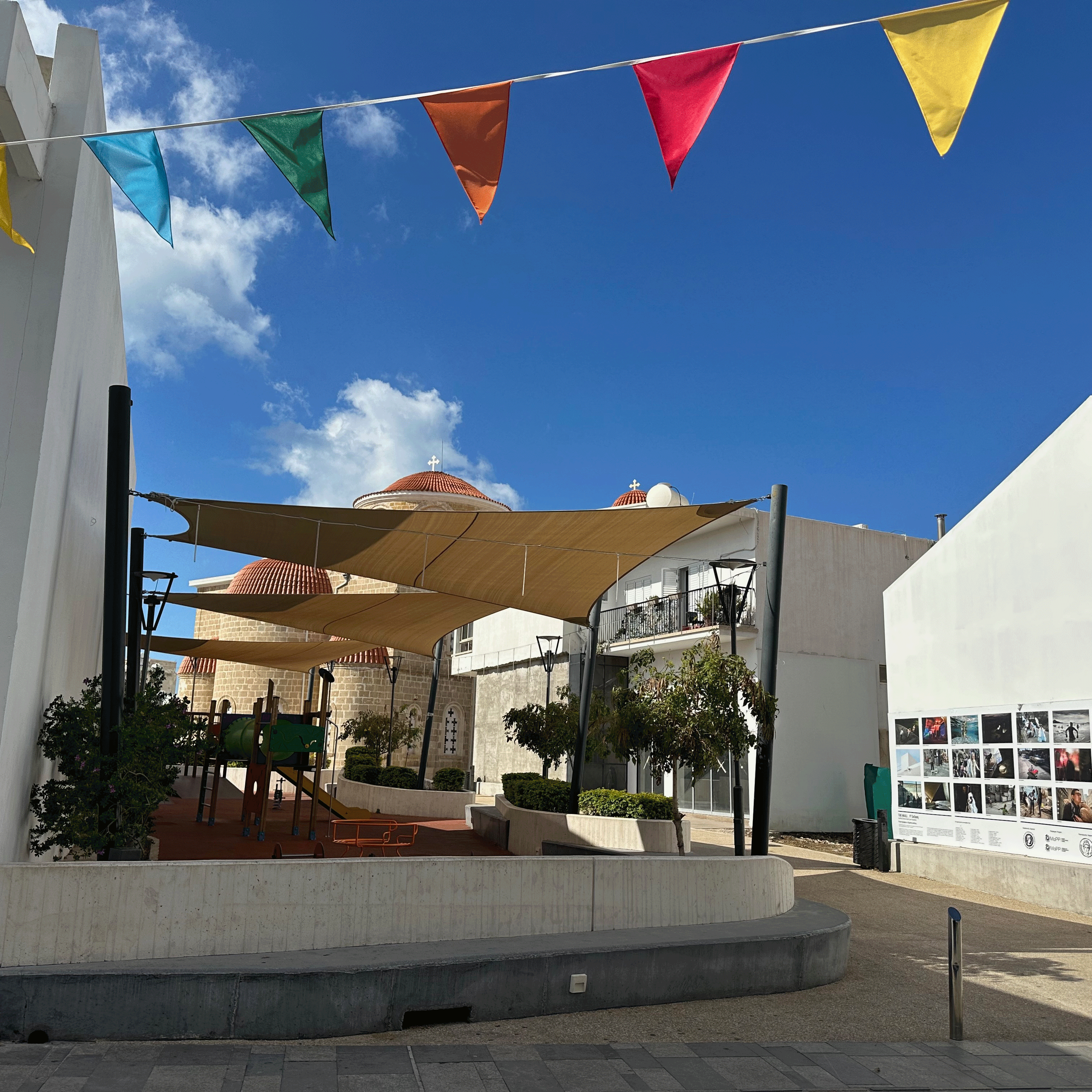
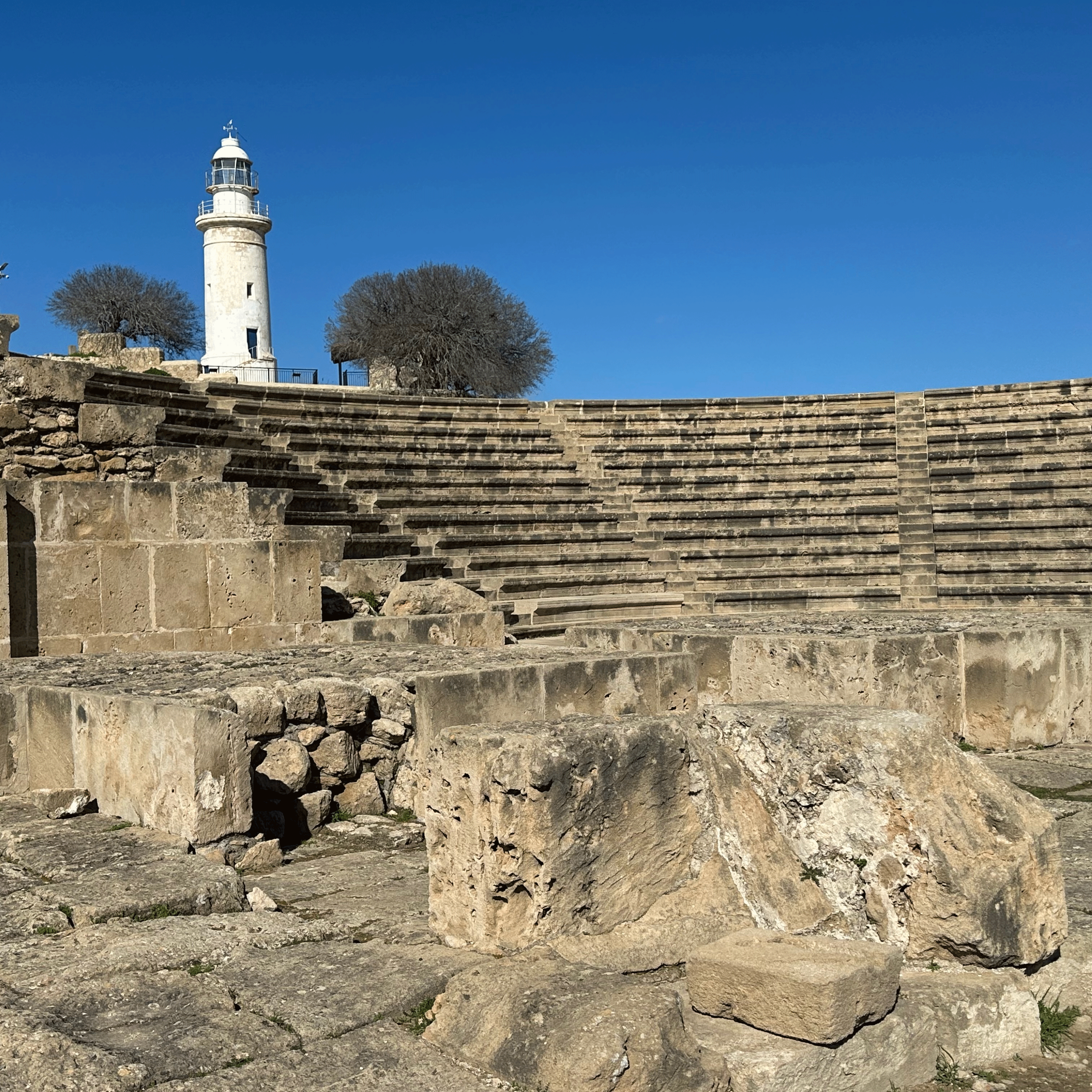
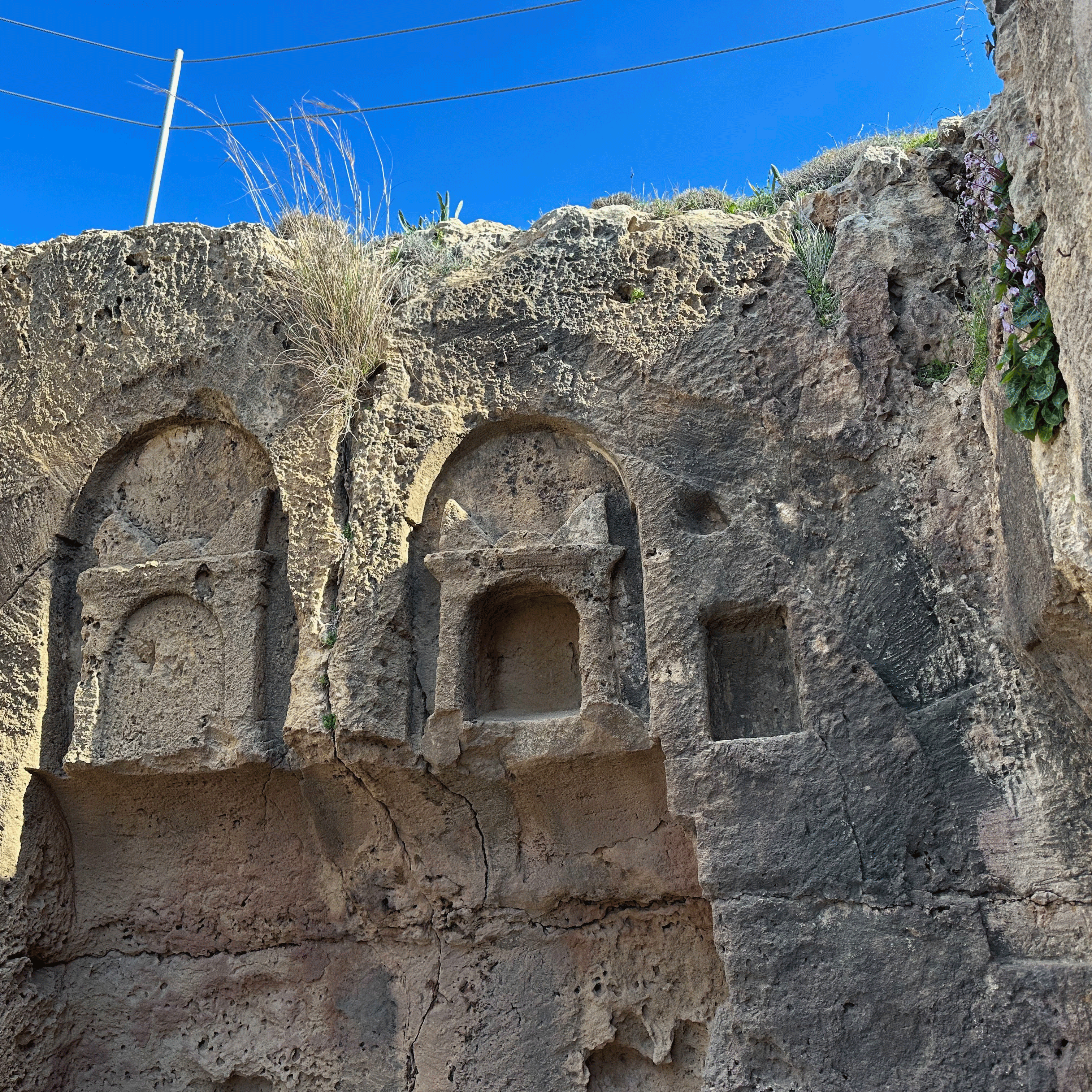
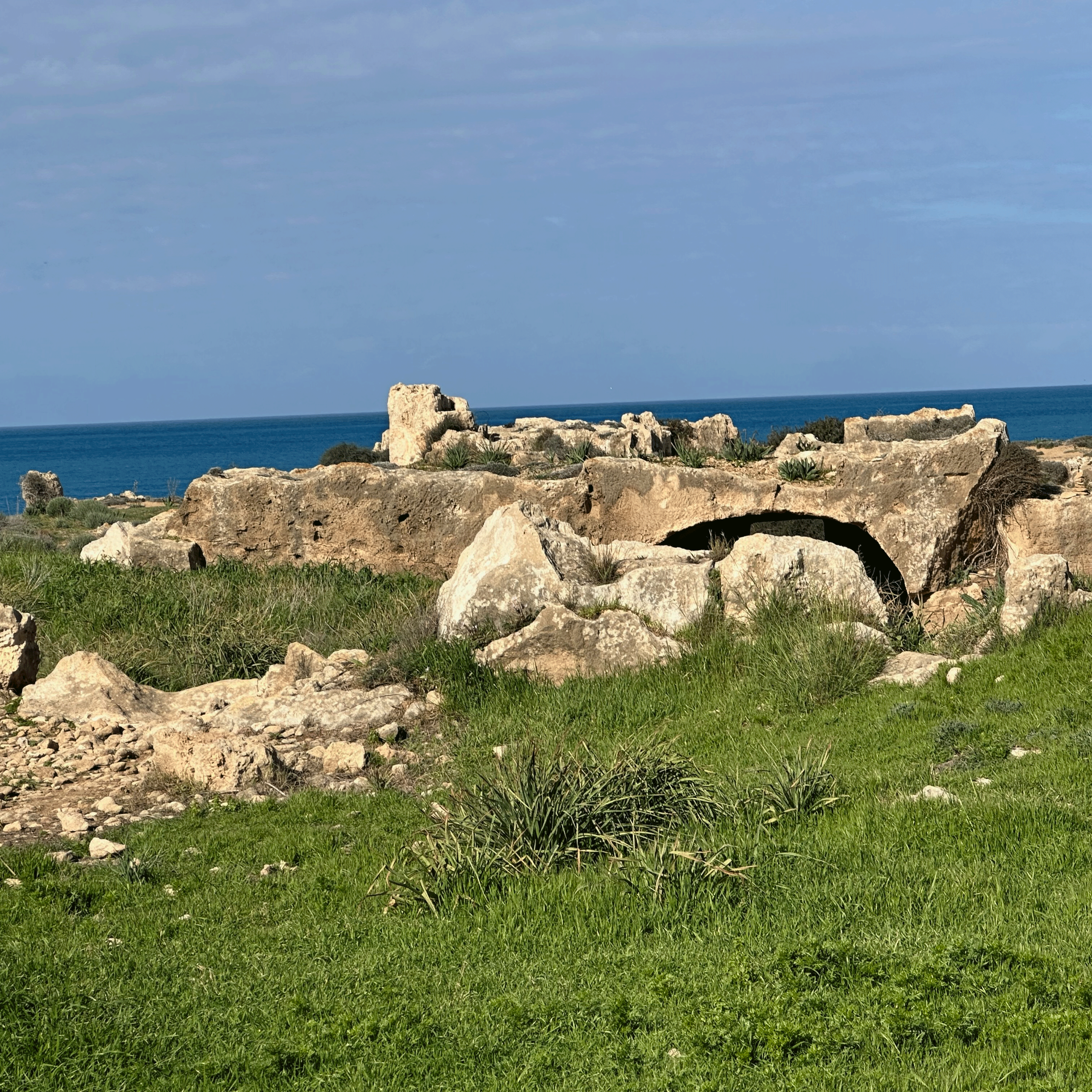
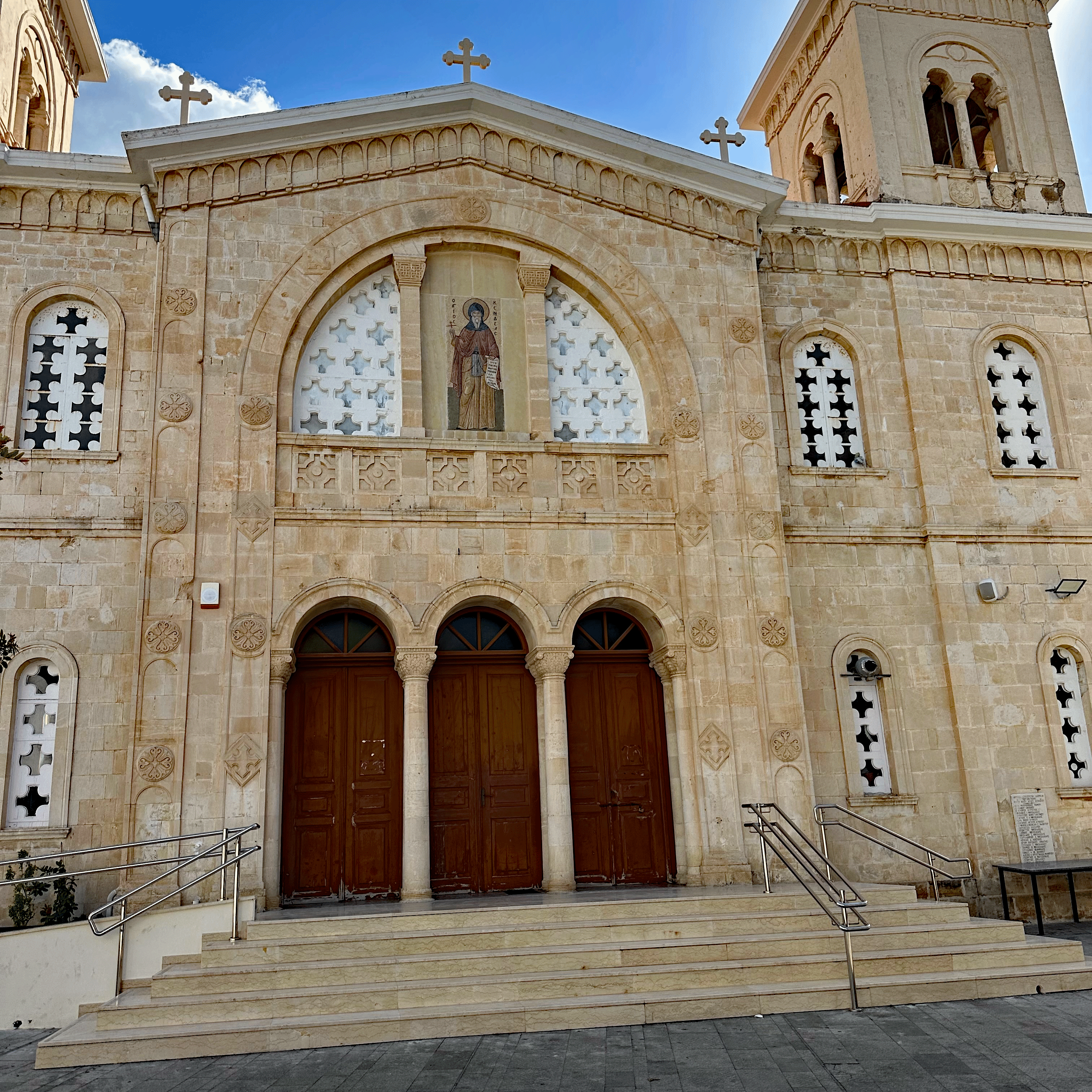
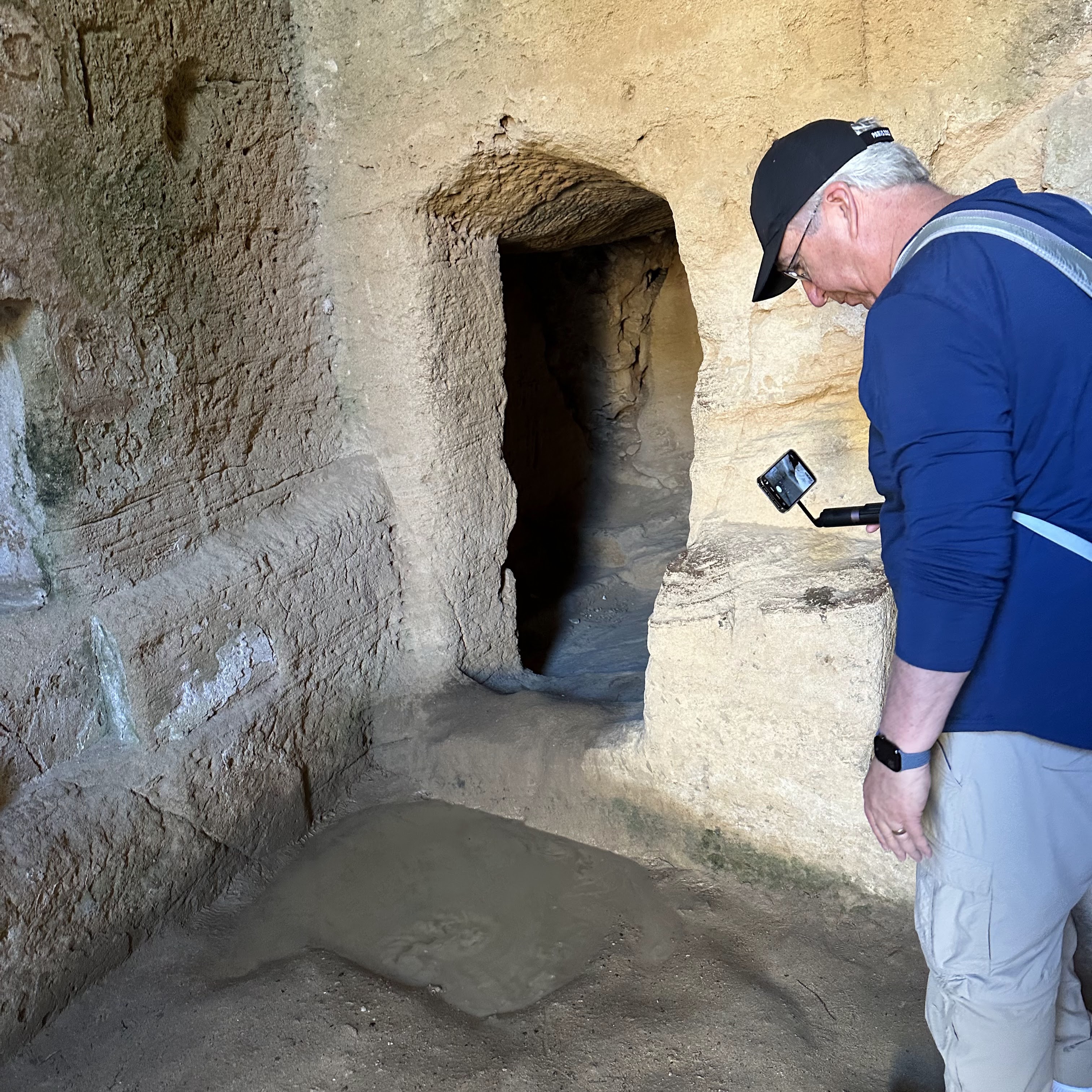
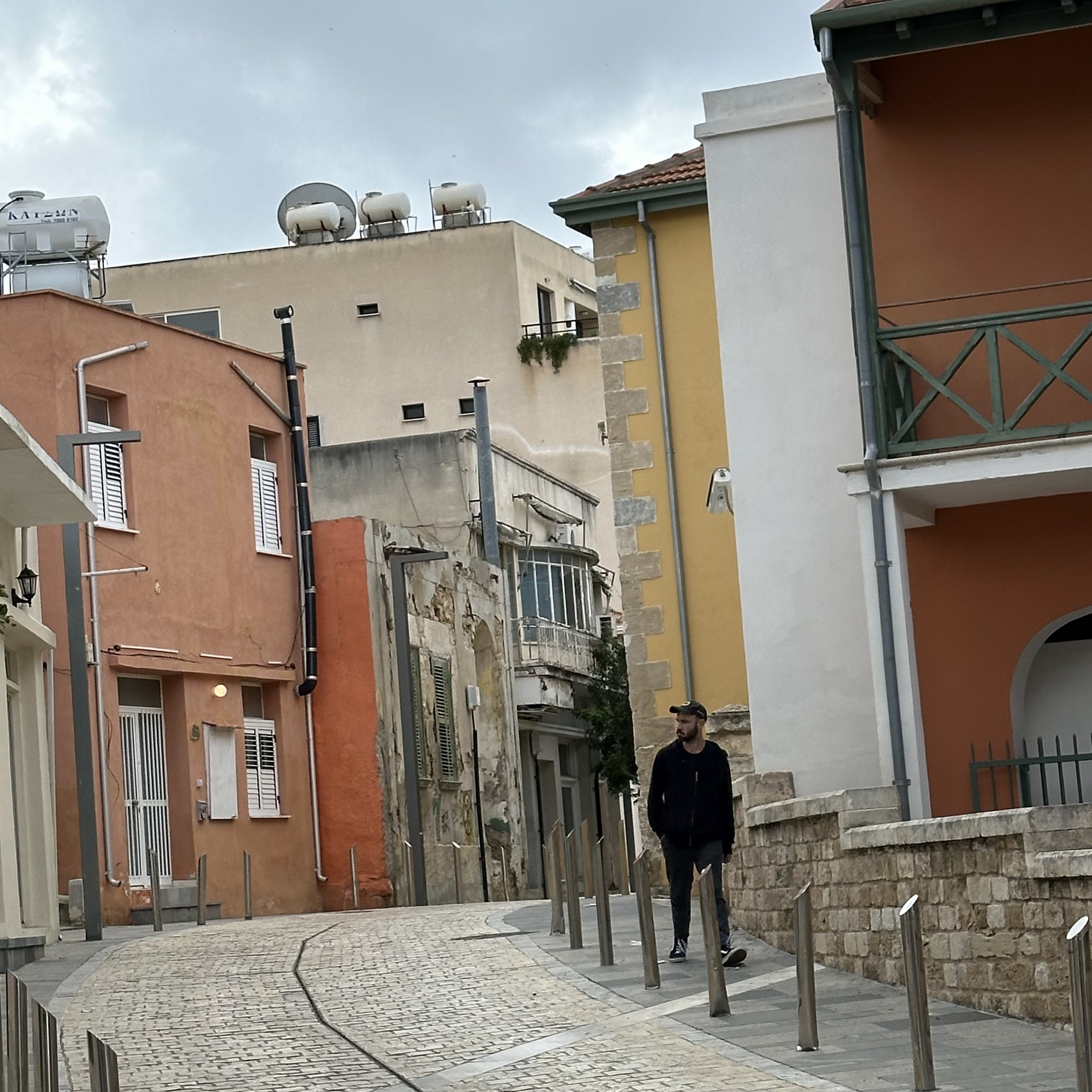
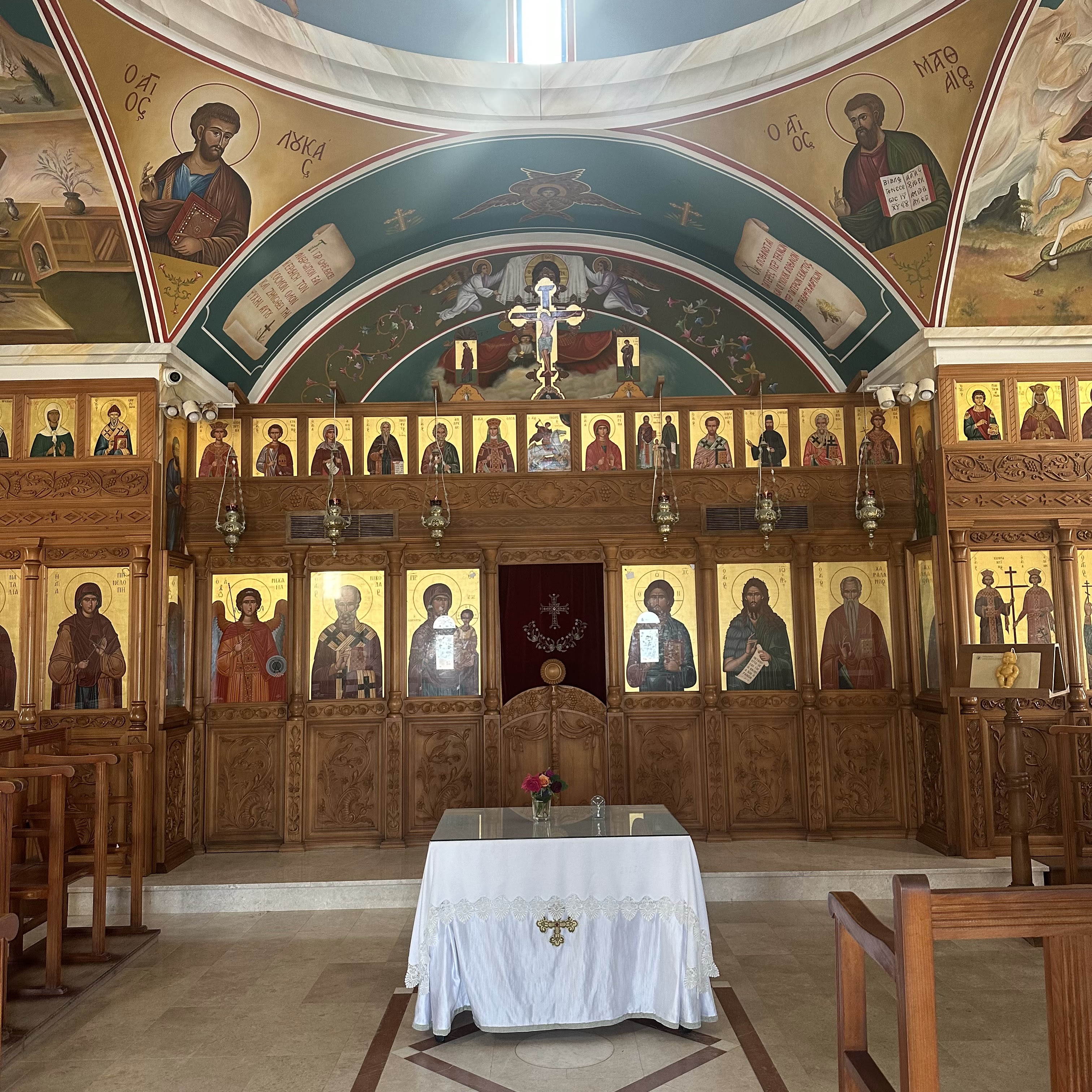
They really allow you to walk on these mosaics.Photography Exhibit in townThe Hellenistic TheatreRoman burial chambersOrthodox Church in old townThe lighthouseBill investigates the ancient tombs.Downtown Paphos-quiet in February
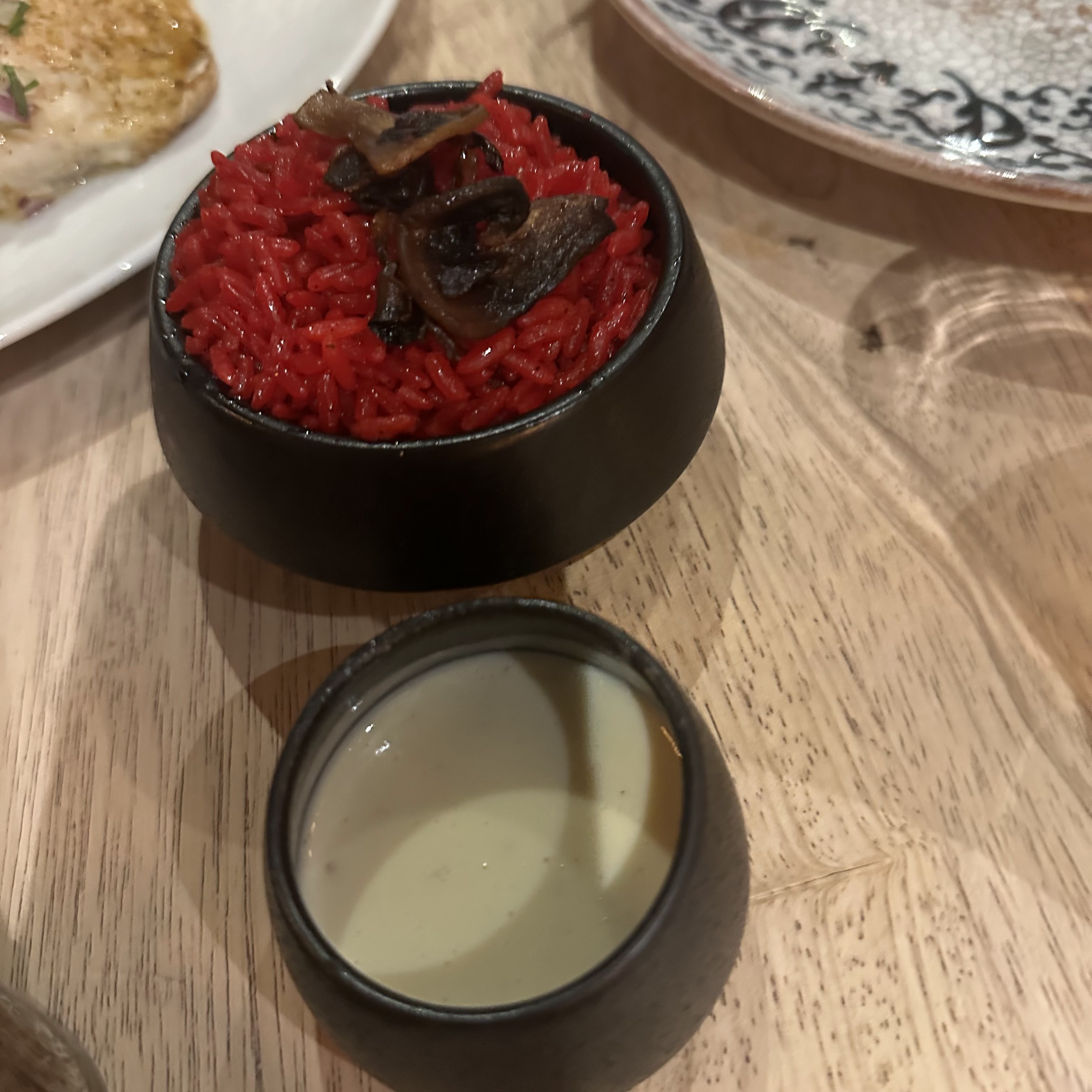
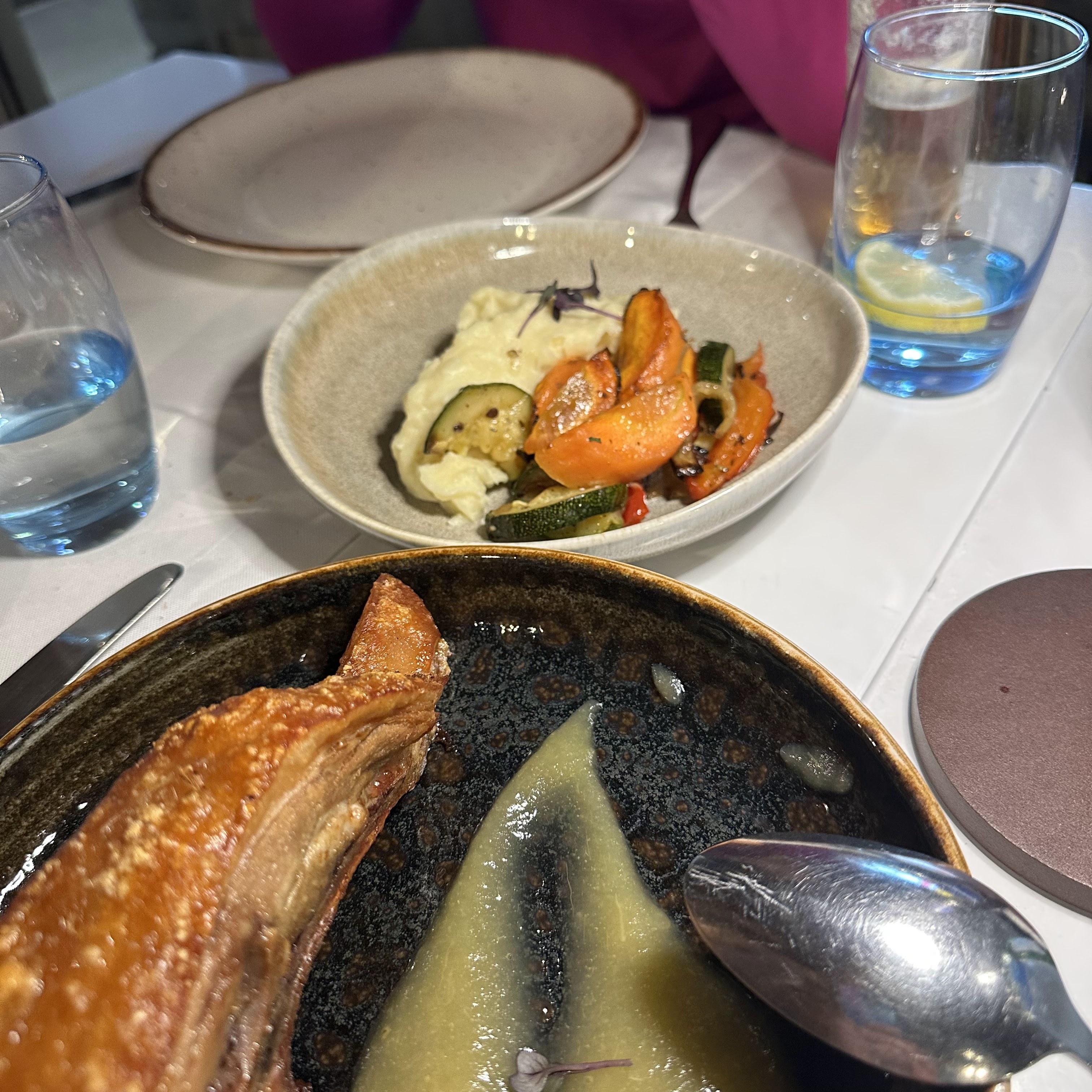
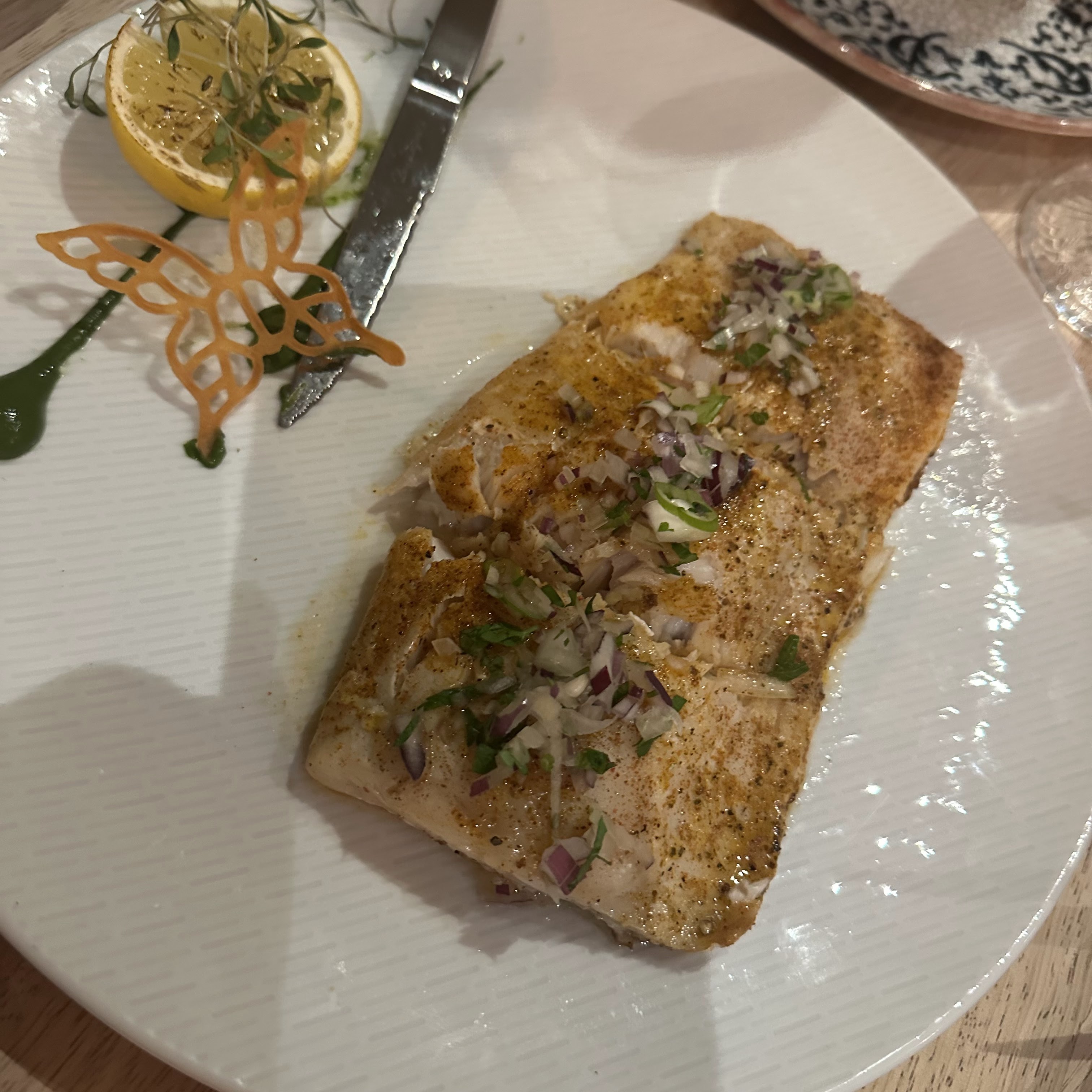
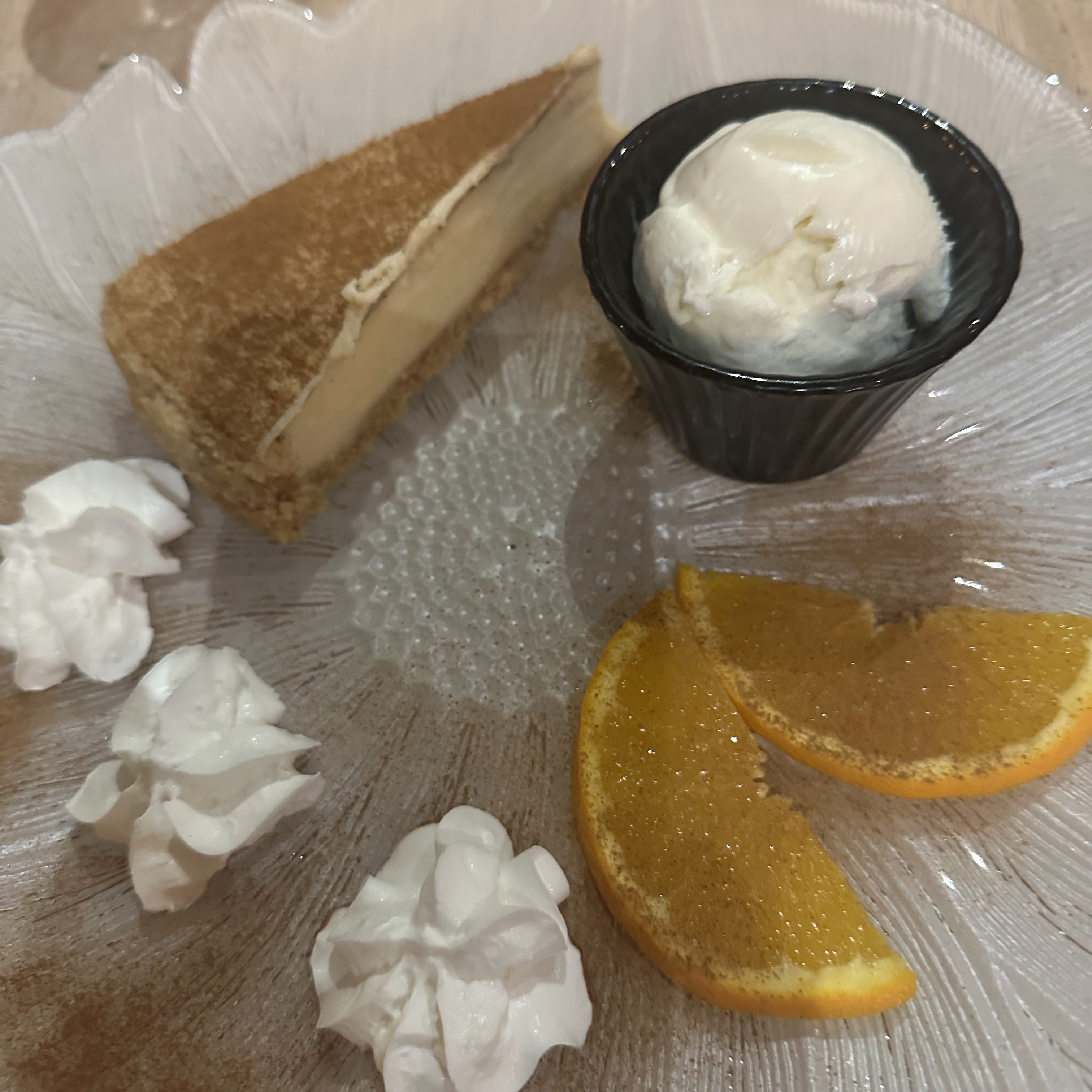
Like everywhere on Cyprus, there are abundant food options. The cuisine is Mediterranean, made with fresh local ingredients. Restaurants range from neighborhood, family owned places to upscale harbor-side dining. Some hotels are resort-style with meals included. We, personally, enjoy an in-house breakfast, but prefer to go out for our other meals. We feasted on the attractive and delicious food in Paphos. Portions are large and meant to share!
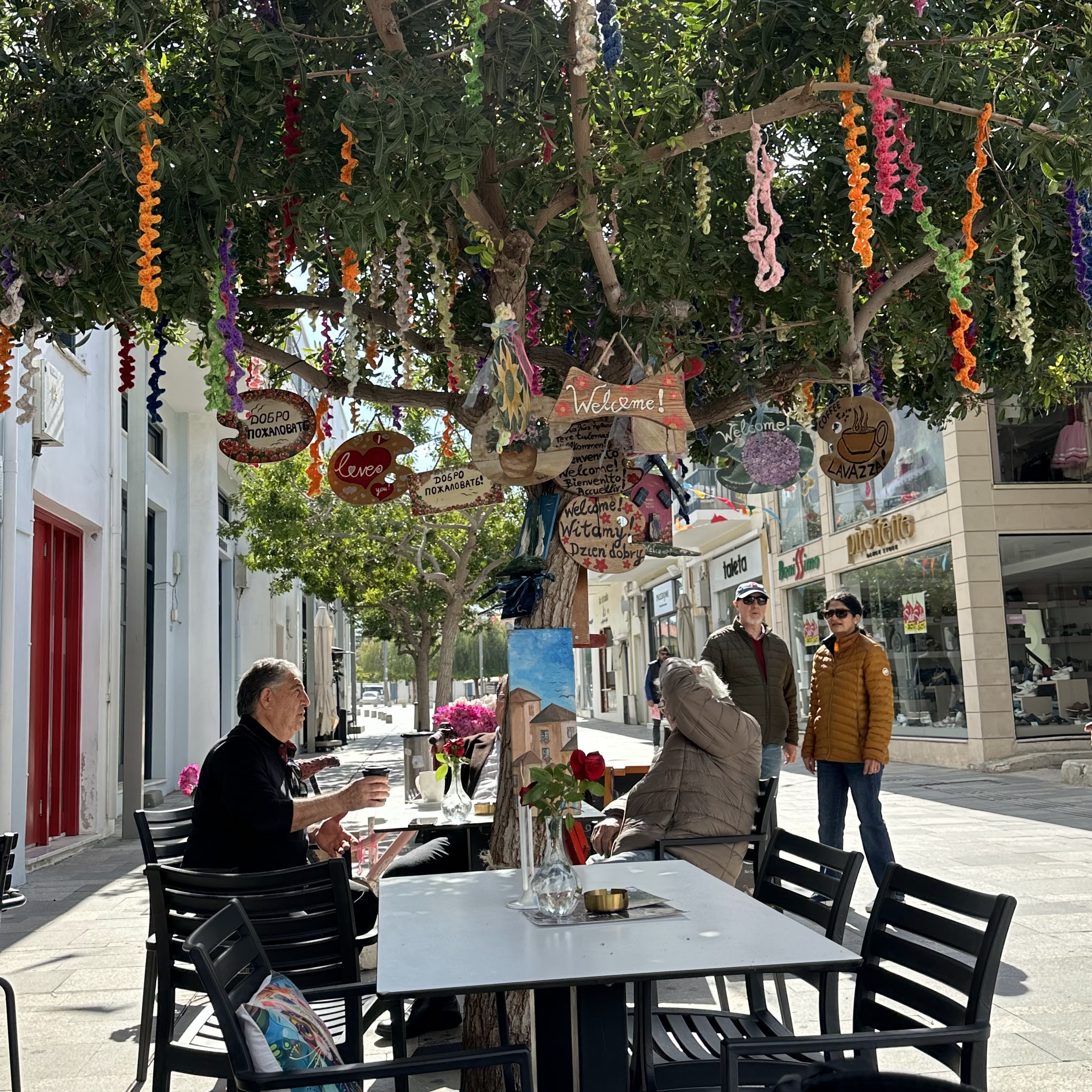
Artsy cafe in old town.
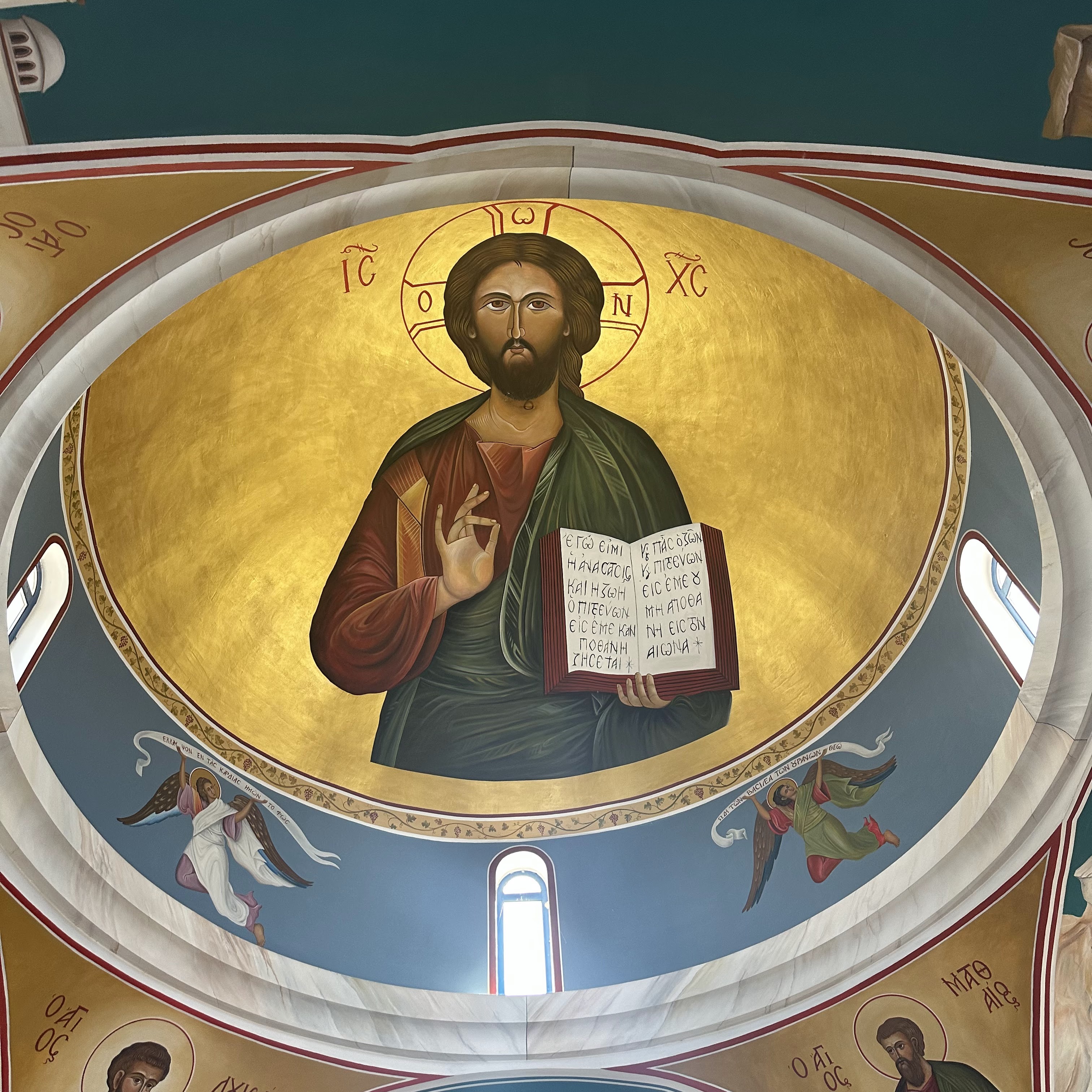
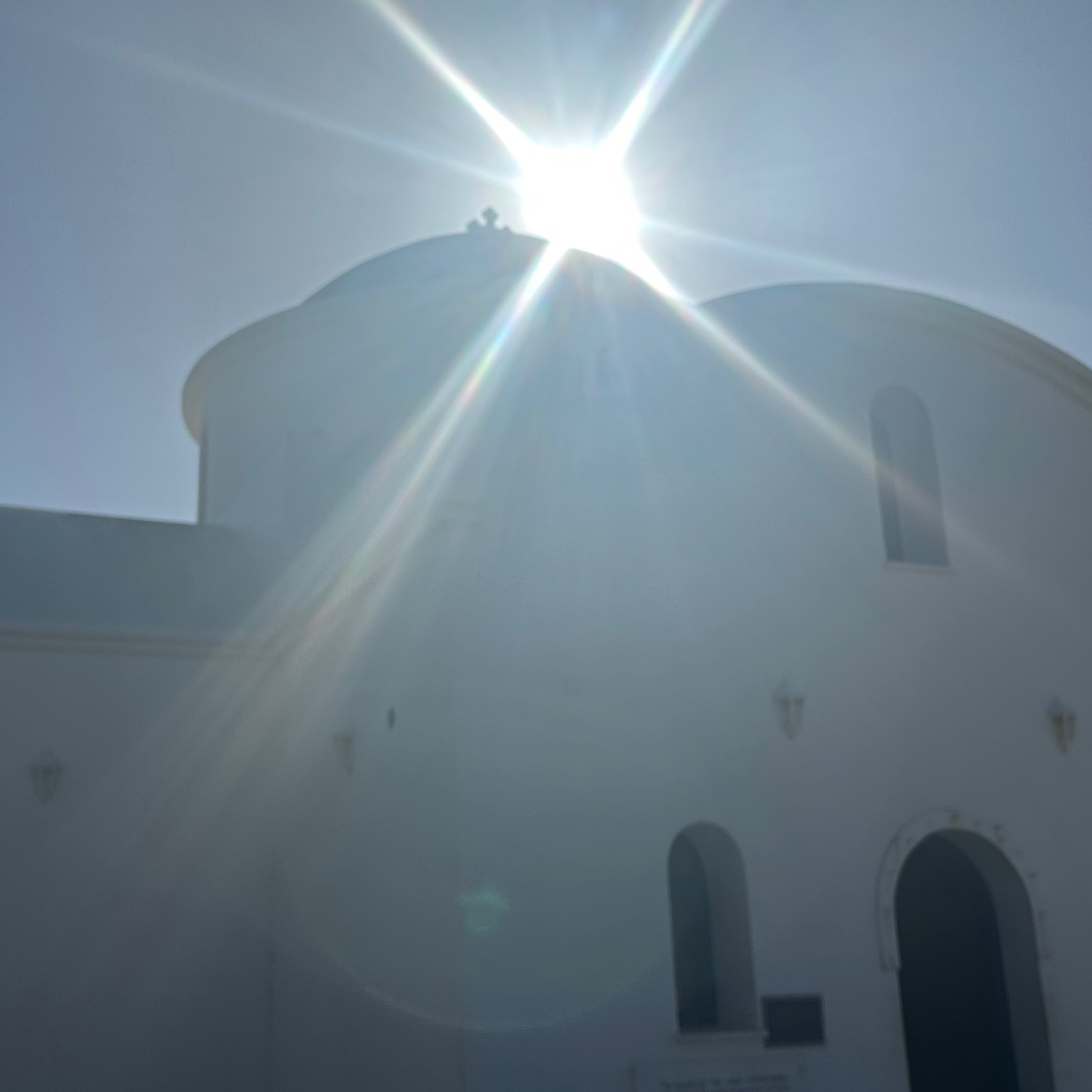
Below: A small seaside chapel and the Demetrius shipwreck.
The Demetrios II (A cargo ship that ran aground in 1998 and was left in place.)
That concludes our Cyprus adventure. Next, we were on to the island of Crete. Cyprus was an unexpected delight in so many ways: ancient history, natural beauty, friendly people, mild winter weather, and great food and wine.
Thank you for reading my post. Enjoy your travels. Geri
We have been to Madrid several times in the past, and it has always been one of our favorite cities. If you would like my suggestions for first time visitors, message me.
On this visit, we stayed on Calle Arenal, near The Puerta del Sol. It was a very convenient location, but there was quite a bit of street noise.
We visited two museums that are a little further away from the center of things. Both are walkable if you don’t mind a couple of miles. The Metro (subway) will get you a lot closer, and a taxi works as well. Due to weather conditions, we walked there and taxied back.
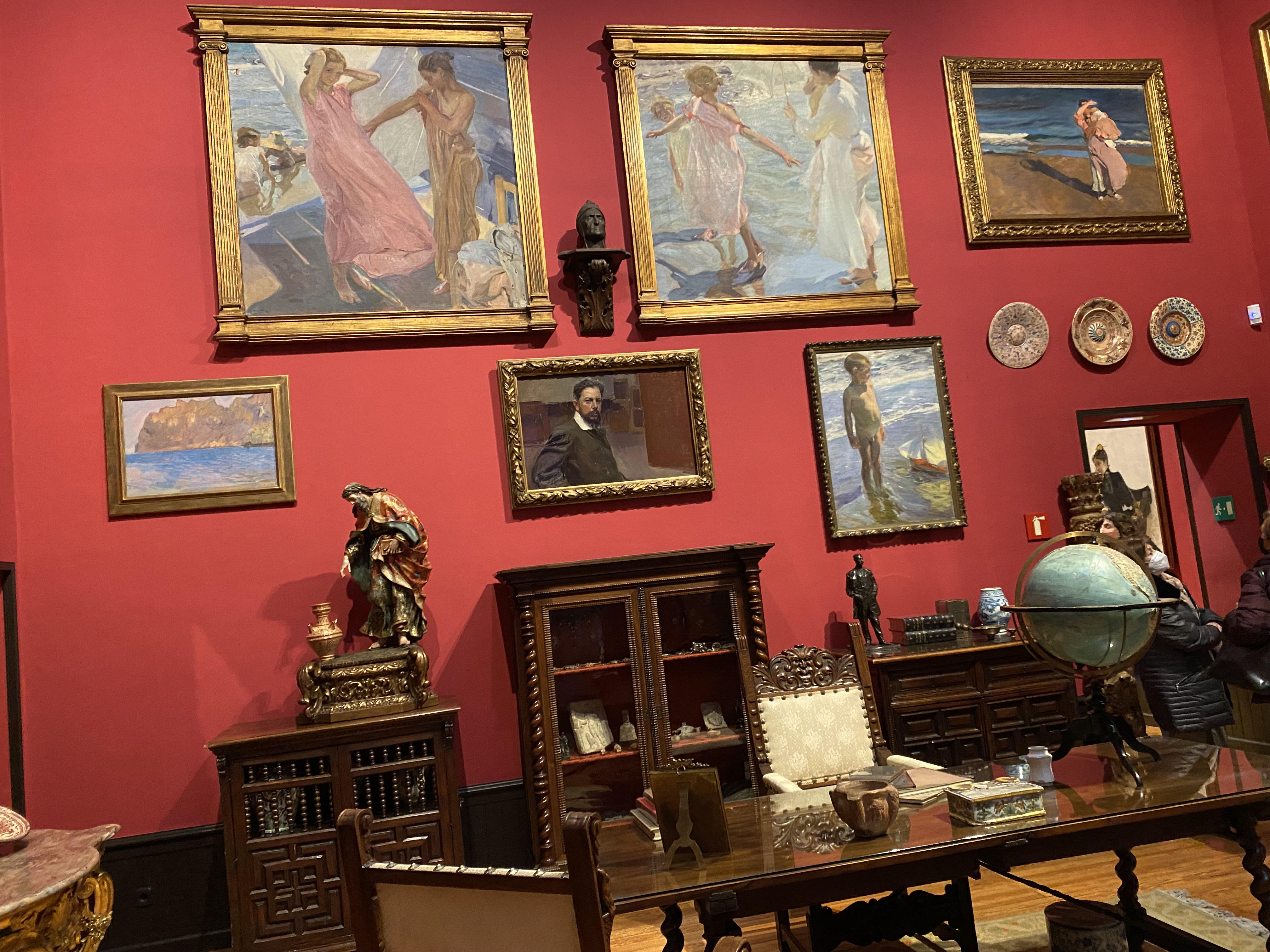
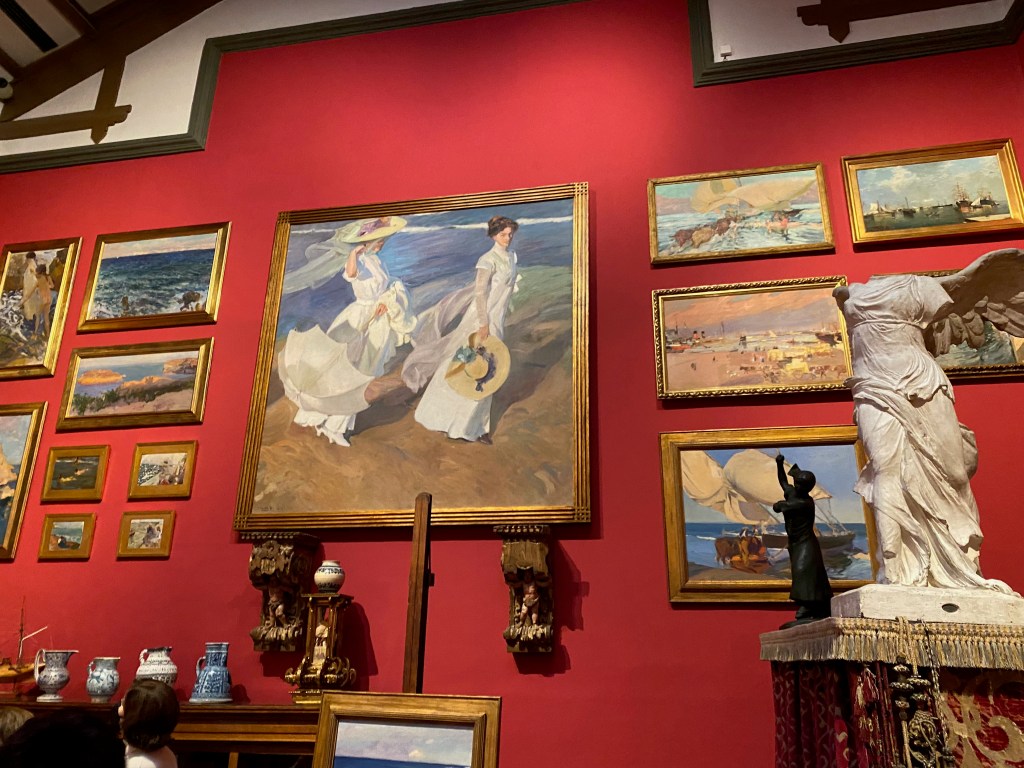
The first of these was The Sorolla. Joaquín Sorolla (1863- 1923) was an Impressionist painter from Valencia who is best known for his beach scenes. I confess to not being previously familiar with his work, but both Bill and I liked it very much. The collection is housed in his family home, built in 1910, which has been left much as it was at the time of his death.
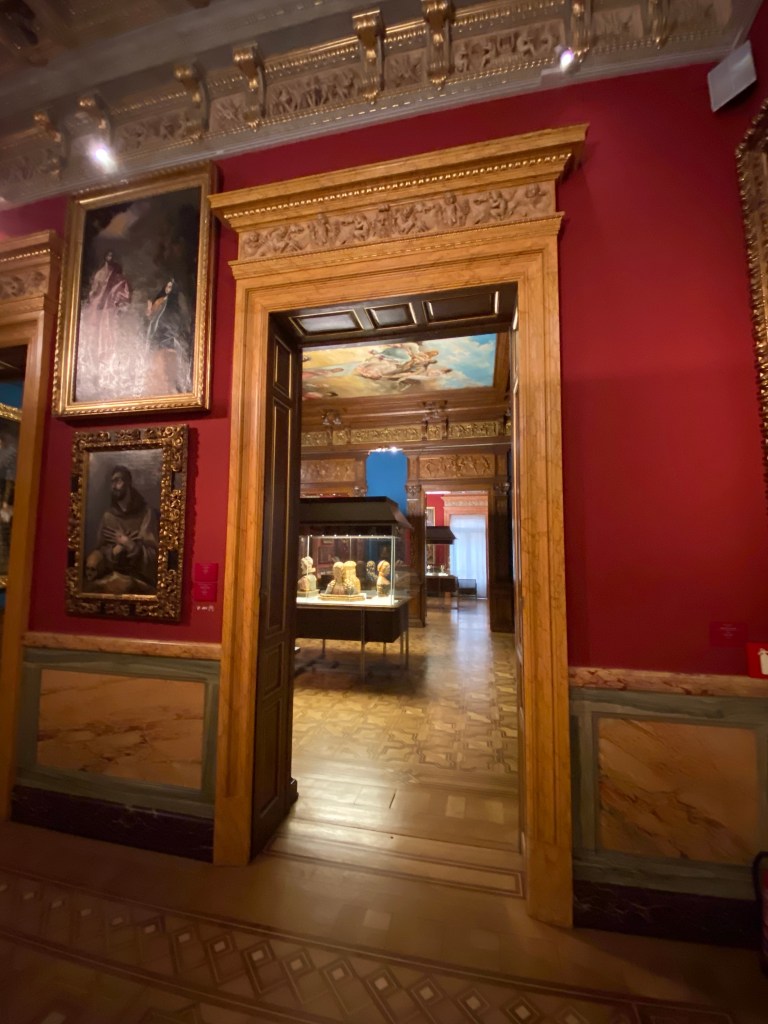
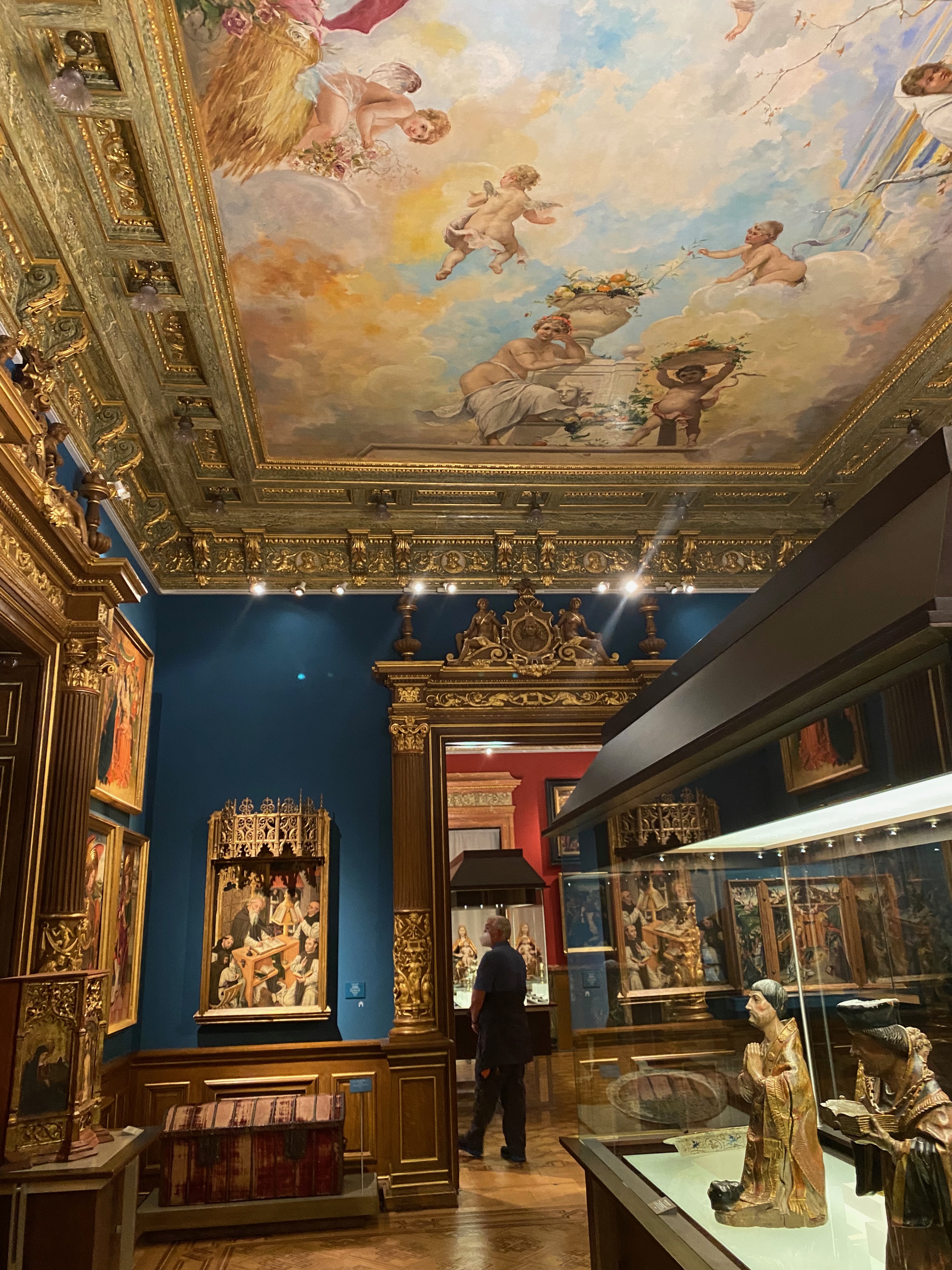
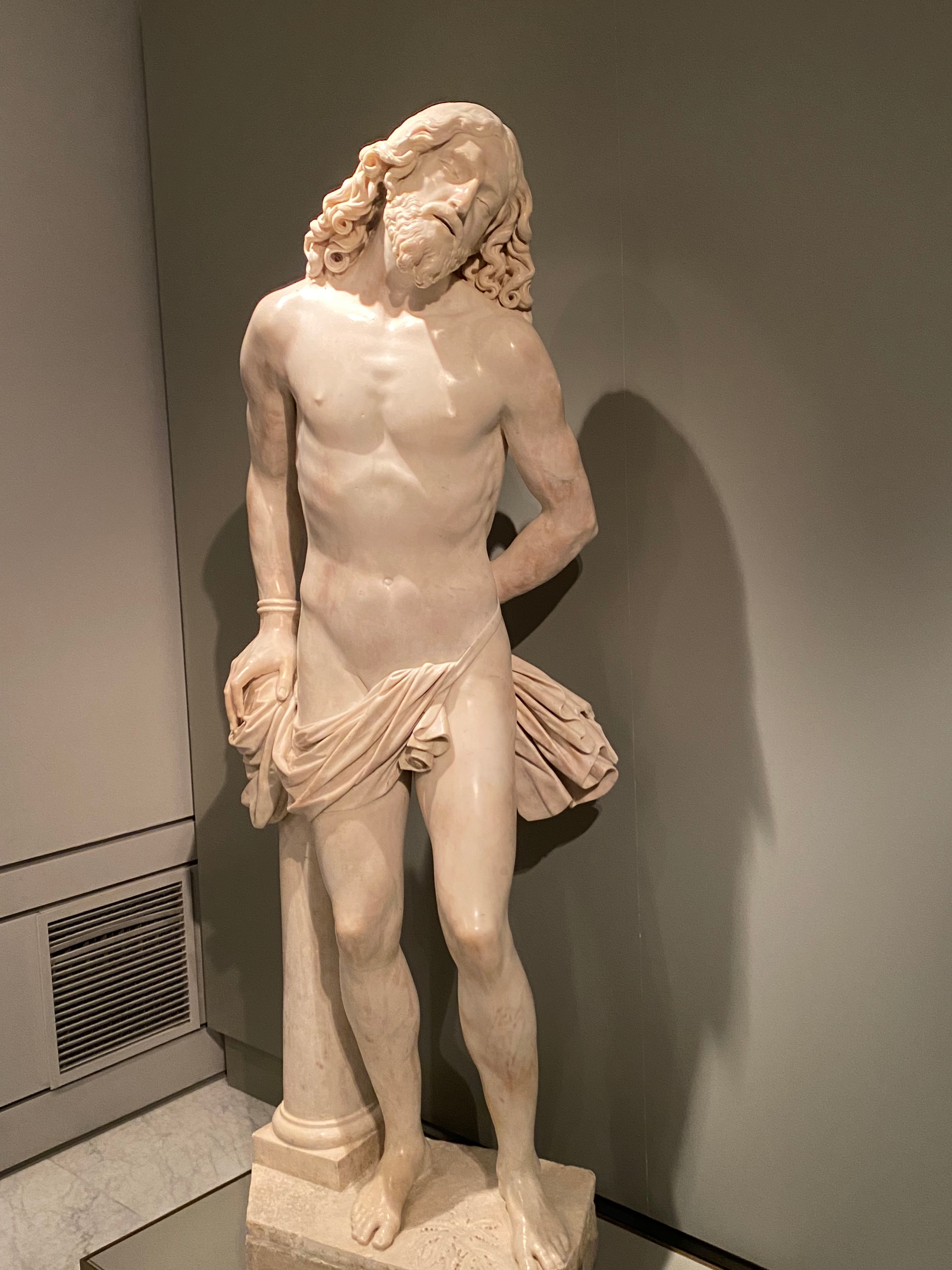
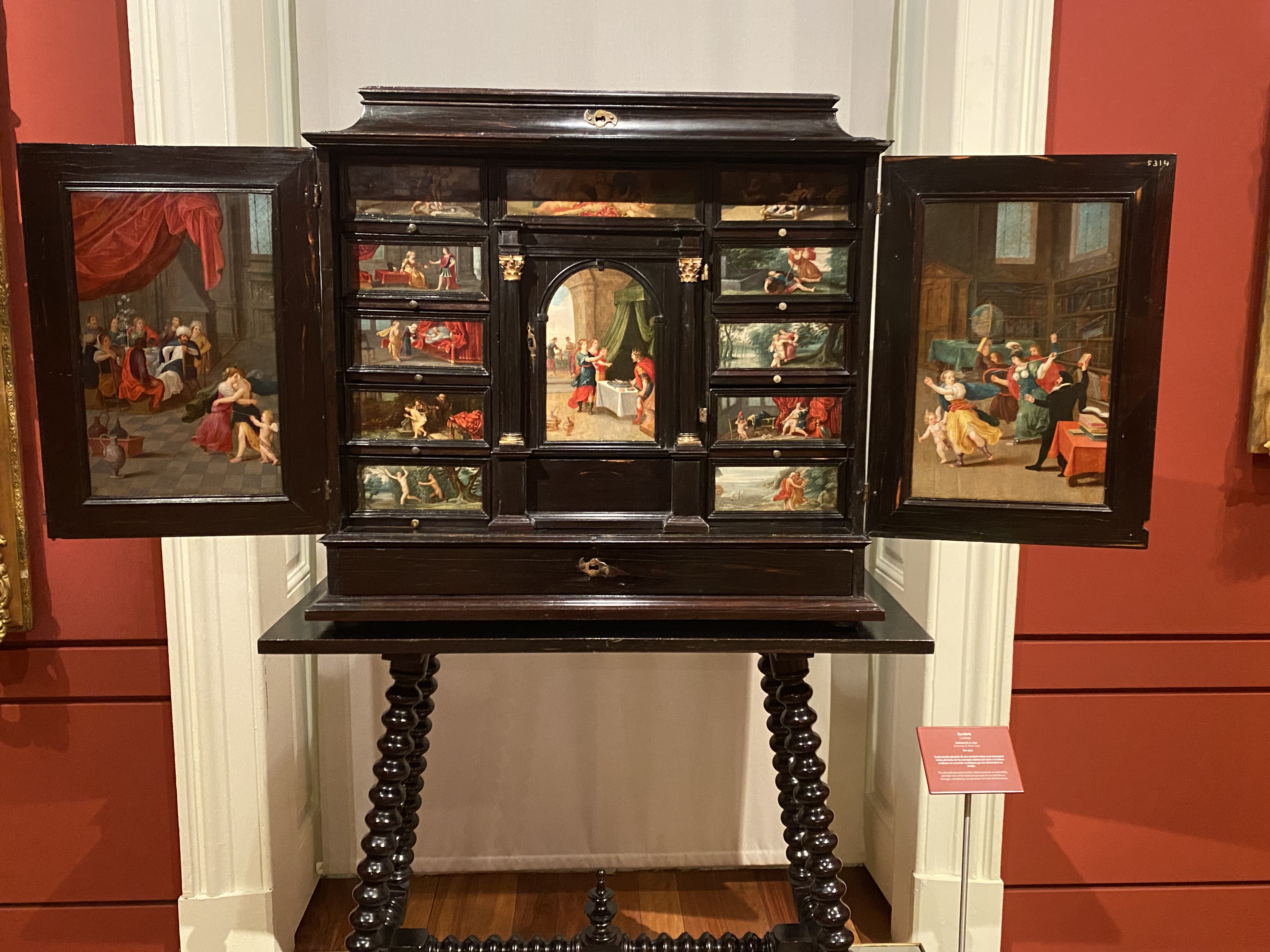
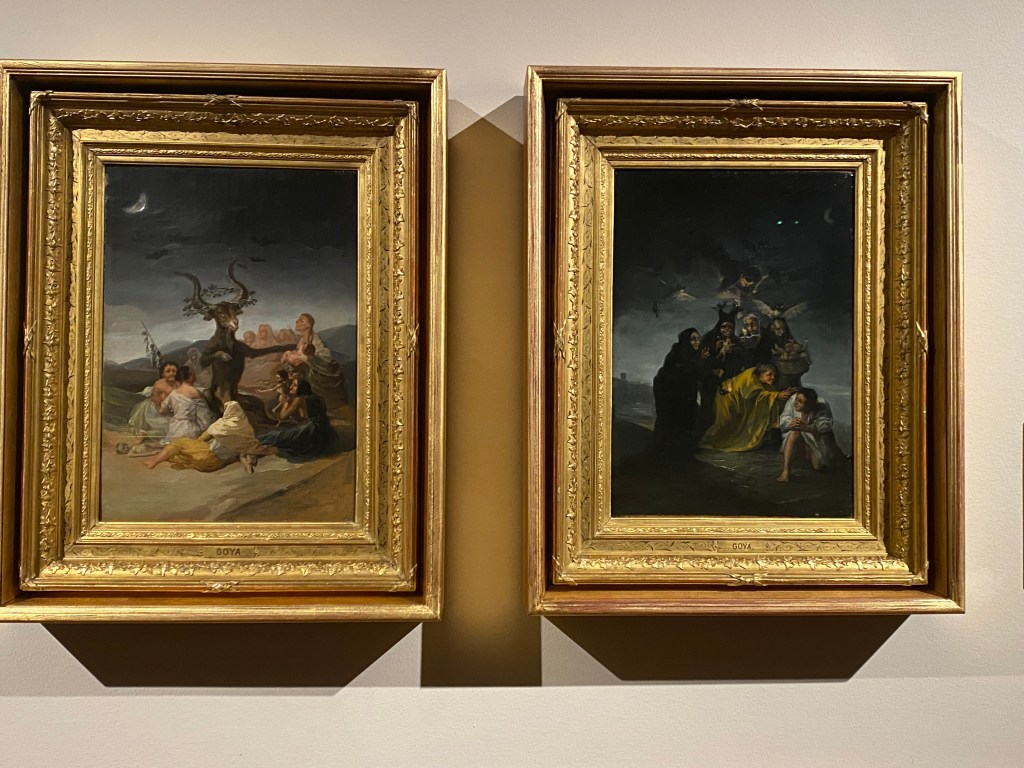
Our second museum was the Lázaro Galdiano Museum, housed in the mansion of José Lázaro Galdiano (1862-1947). He was an editor and financier who married wealthy Argentine widow Paula Florido in 1903; they built the mansion to showcase their private collection of archeological and religious artifacts, paintings, ivories, swords, knives, coins, textiles, and furniture. We visited on a Monday morning and there was only one other visitor. We were able to ask questions of the guards and since they were bored, we practically got a guided tour.
A deskThe ceiling in the music roomJust a couple of Goyas on the wall
Our third museum was The Prado, because we just can’t go to Madrid and skip the Prado. Photos are not allowed. The Prado should be at the top of your Madrid list. The collection is extensive and international, but heavily focused on the Old Masters of Italy and Spain. It houses the “Royal Collection”, so a stroll through The Prado is another way to experience the history of the Monarchy. If your time (and energy) are limited, grab a floor plan and visit the El Greco, Velásquez, and Goya galleries. What about Picasso, you say? The Prado collection stops in 1883. For Impressionism and Contemporary Art, visit the Reina Sofía Museum and The Thyssen- Bornemisza Museum. Both of these are fabulous, but since we visited them on previous trips, I won’t go into detail here. Another side note: Malaga and Barcelona both have Picasso Museums.
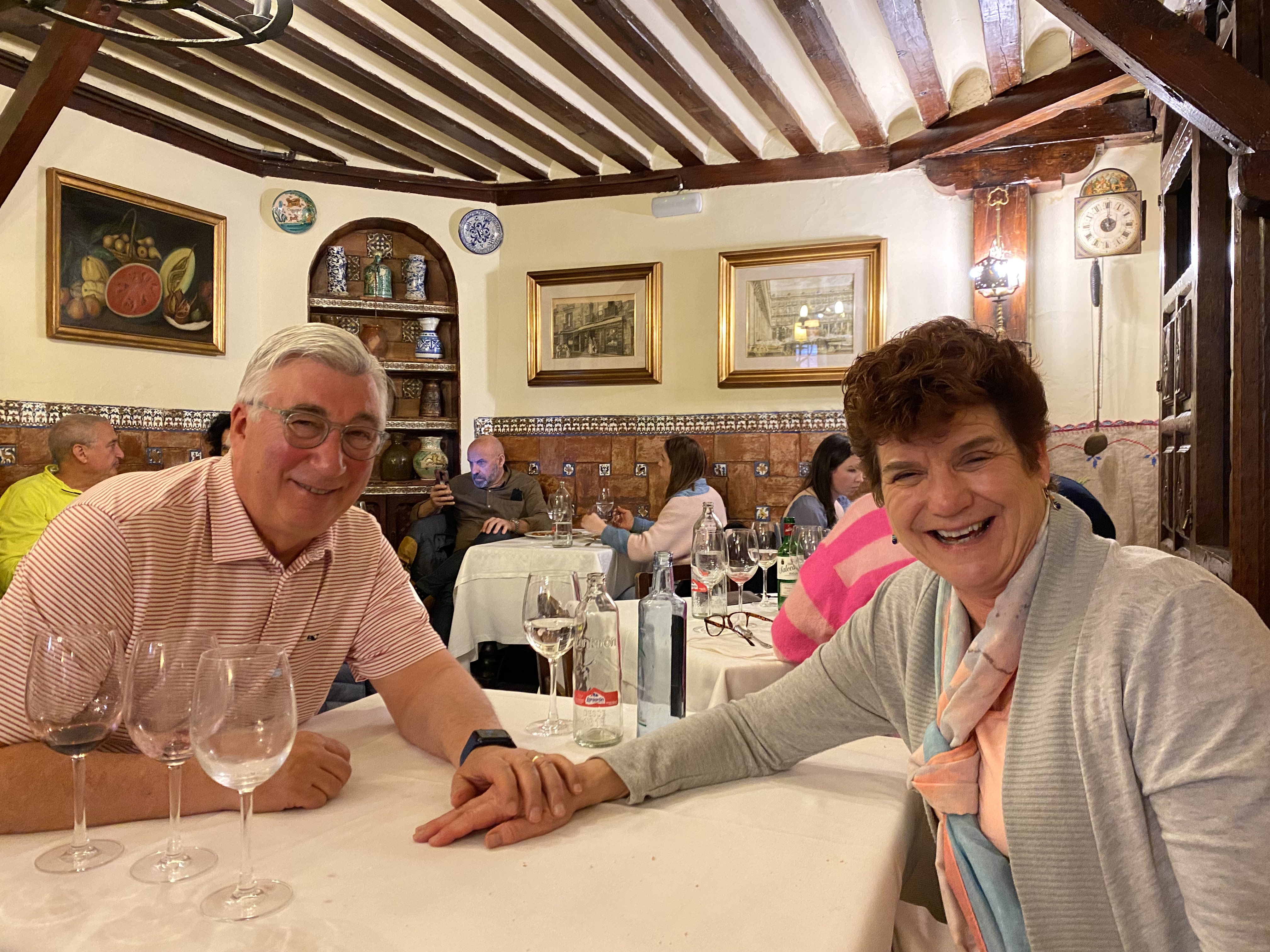
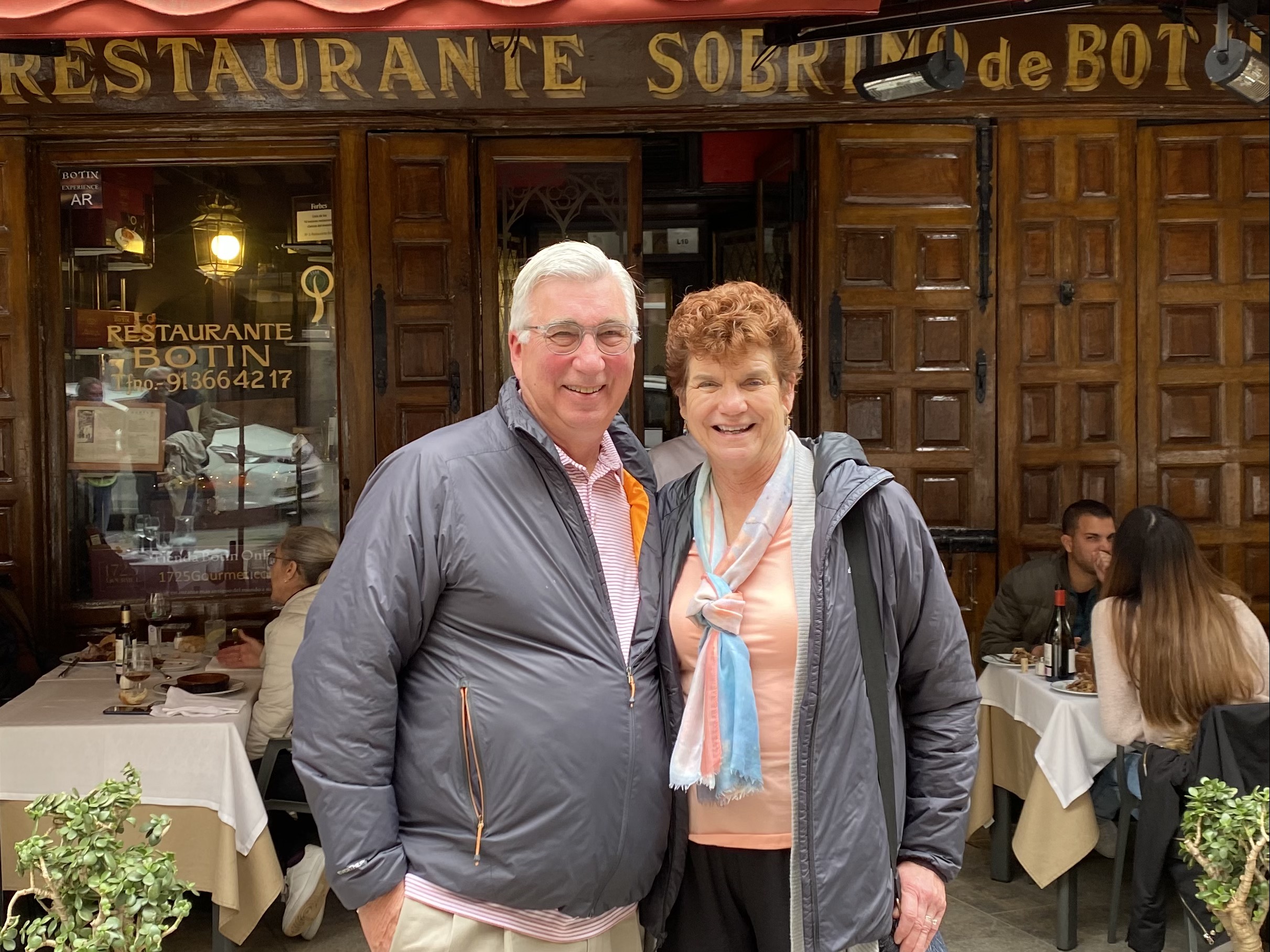
On this trip, we had lunch at Restaurante Botín, founded in 1725 and certified by The Guinness Book of Records as the “World’s Oldest Restaurant.” With all of my times in Madrid, I had never eaten there. Despite it being a tourist destination and despite our rather rude waiter, we enjoyed our lunch there. The food was excellent and the prices surprisingly affordable. It was also a “Hemingway Haunt.”
Lunch at Botín
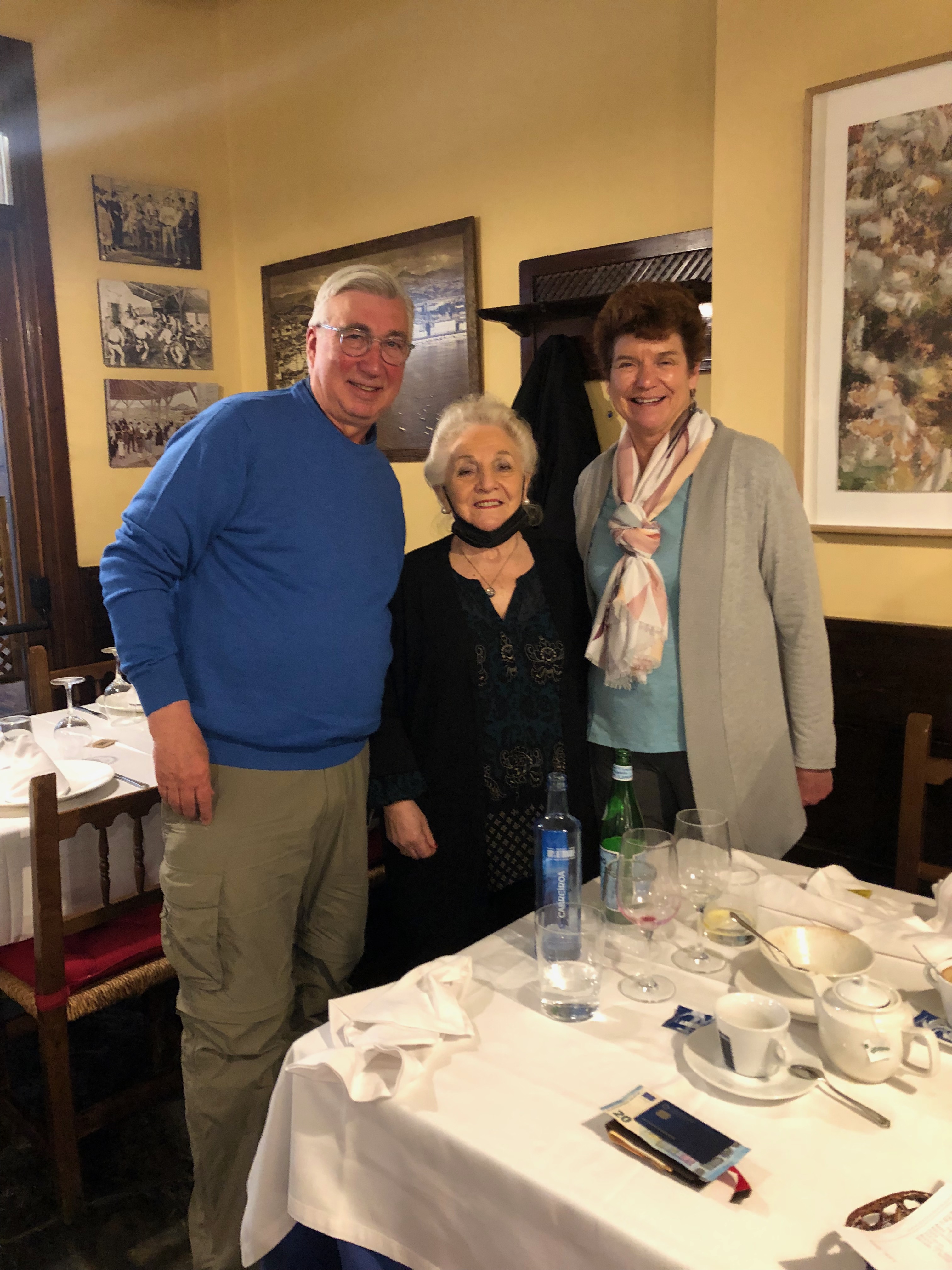
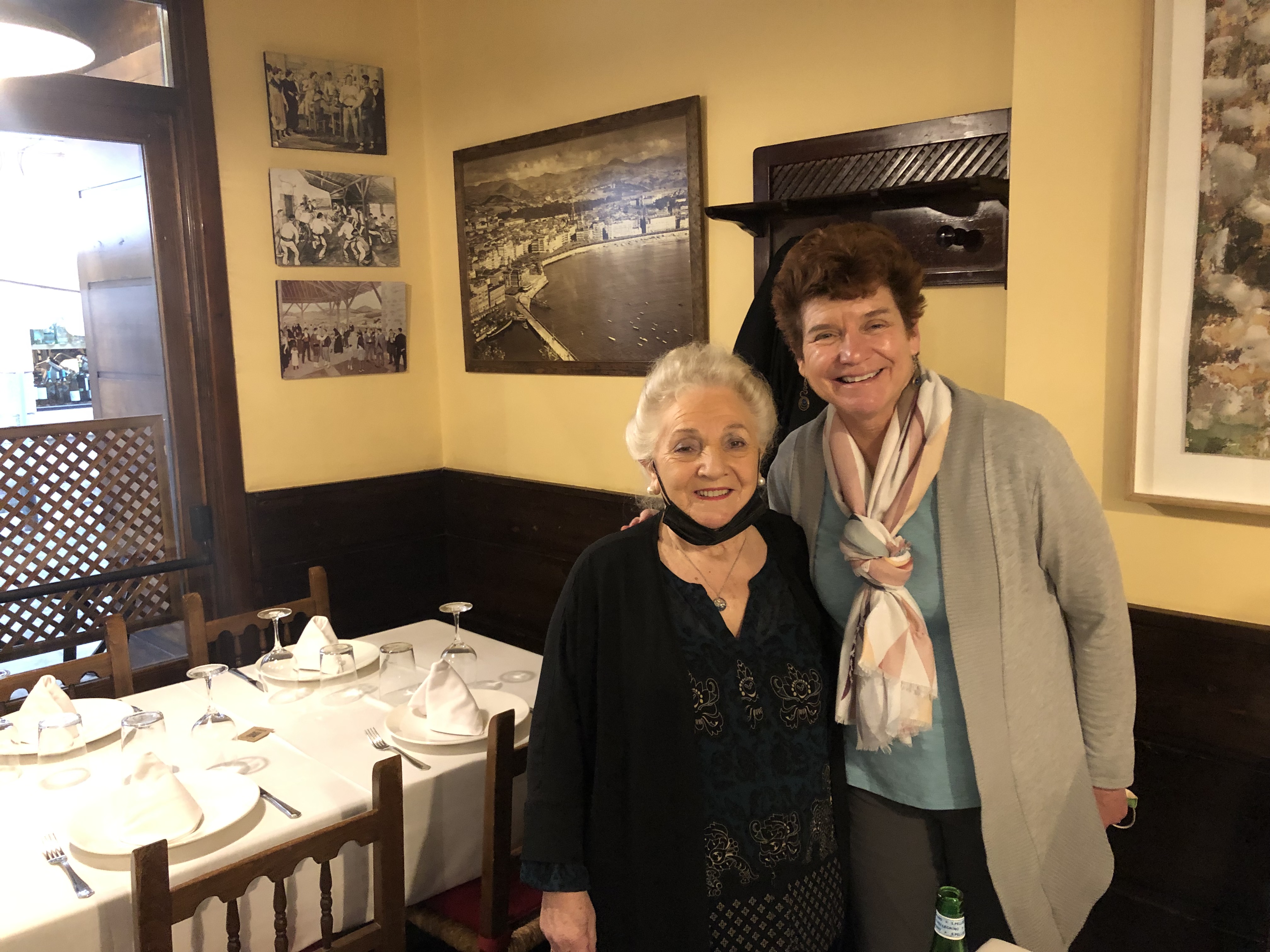
Another day, we enjoyed lunch at Zerain, a traditional Basque restaurant owned by a delightful woman. The walls were decorated with vintage photos of San Sebastián. When we told our waiter we had recently spent time there, he sent the owner over to talk with us. She was adorable and the our meal was excellent.
ZerainPhotos of San Sebastián behind us
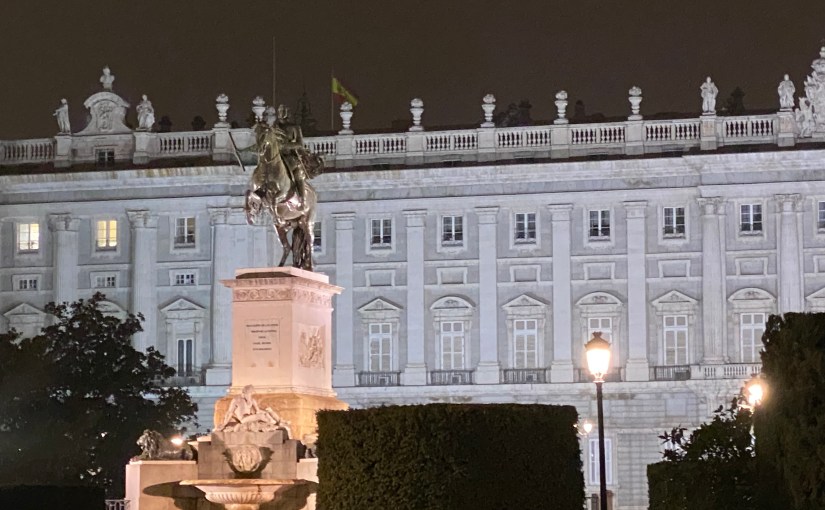
We also enjoyed a couple of tapas crawls. There are several good places in Plaza Santa Ana to enjoy wine and food outdoors or in. Plaza Oriente also has a couple of options and great views of the Royal Palace, which is lit up at night. Plaza de la ´Opera has a lively evening vibe and several cafés and restaurants.
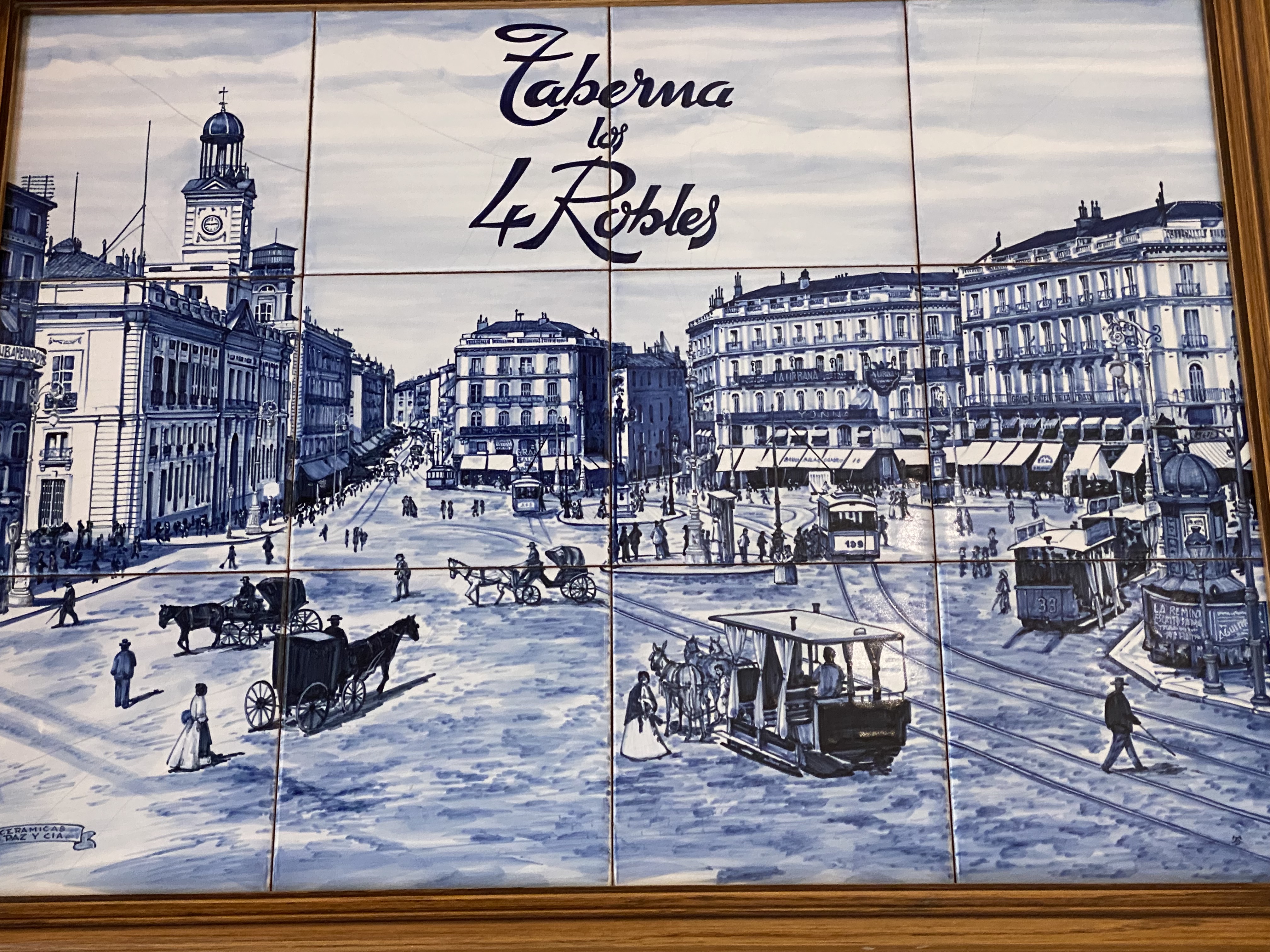
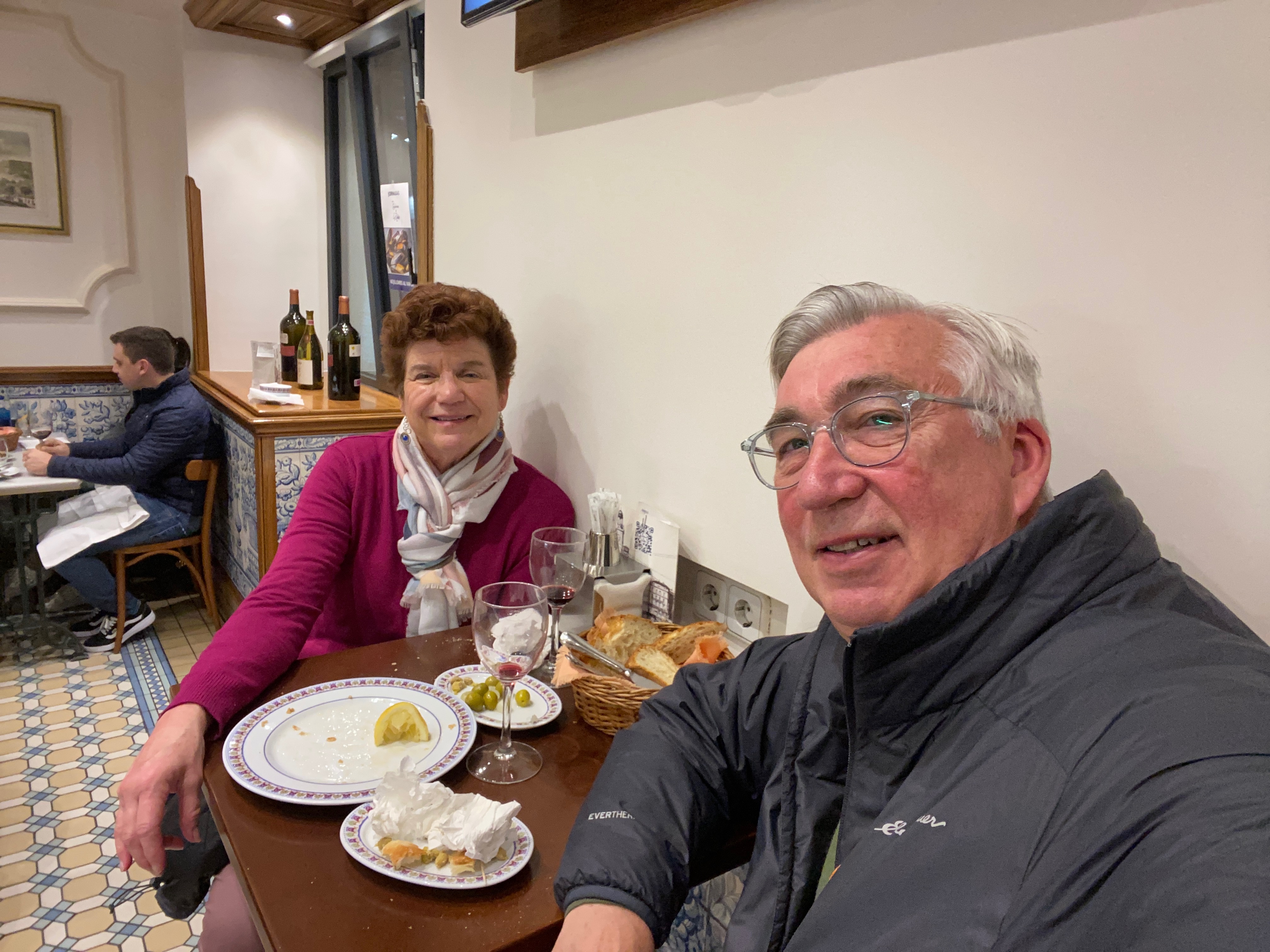
If you recall my first blog post, I told the story of our last Madrid evening in 2020. We were enjoying calamares and wine at Cuatro Robles when the news of the Pandemic came on TV, and citizens were told to prepare for a shutdown. Two years later, we told that story to our waiter and the bartender. They were enjoyed our story. By the way, their calamares are still the best.
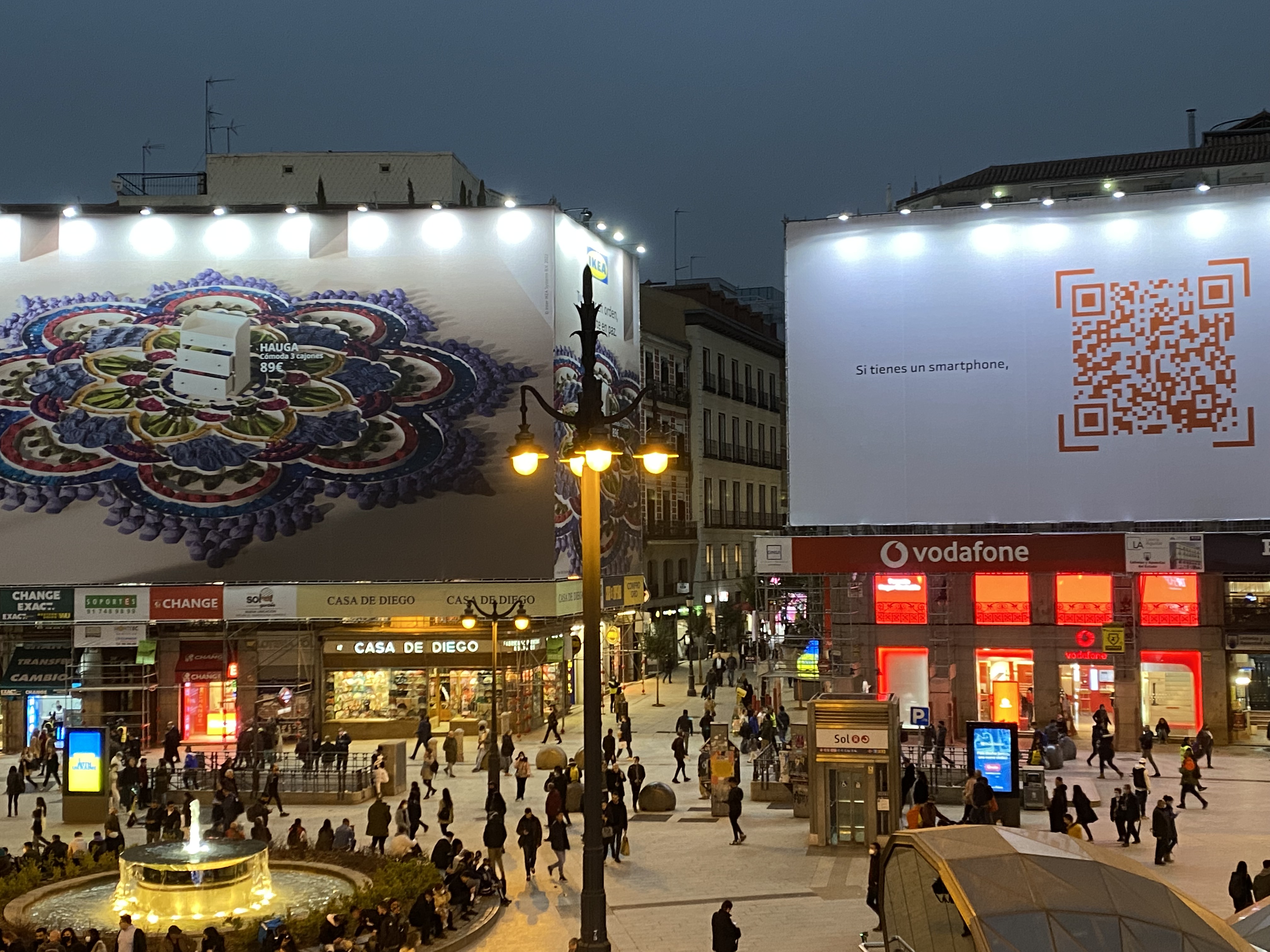
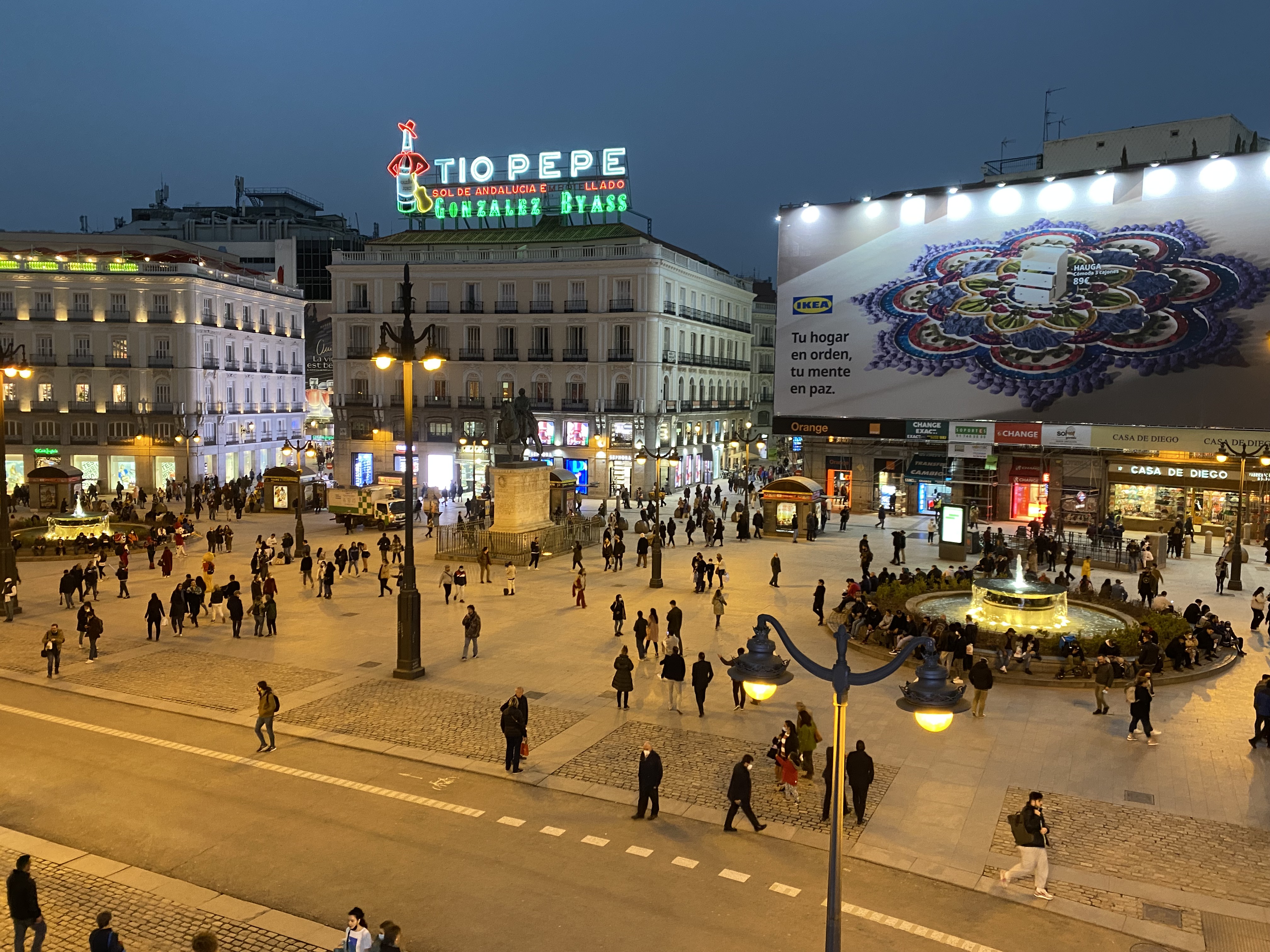
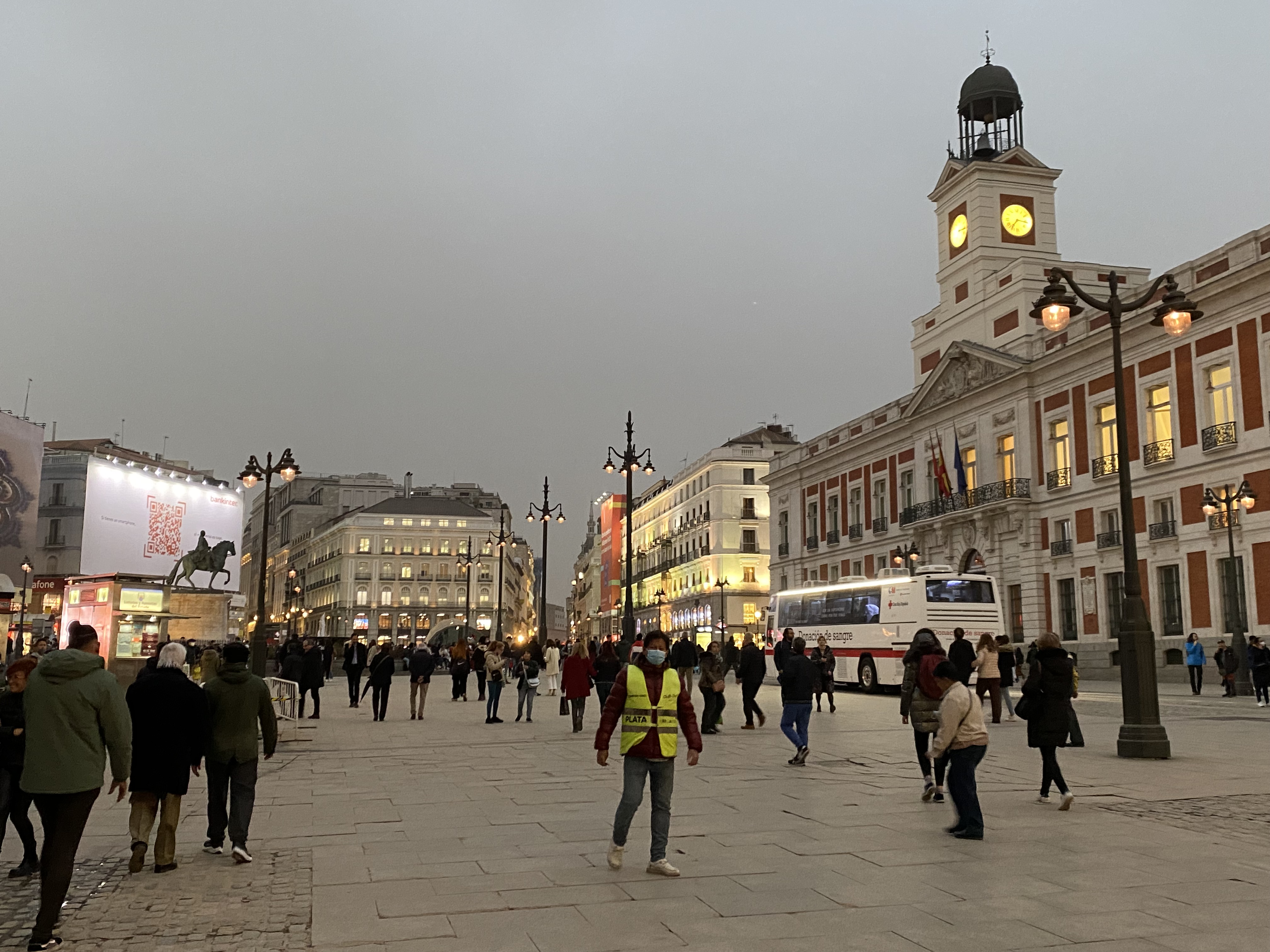
Views of Puerta del Sol from Zapstop Coffee ( a shoe store with a top floor coffee shop)
Do you notice a haze in the above photos? That is due to “la Calima”, the Saharan sands that covered the Iberian Peninsula on March 15th. It created an eerie orange glow and poor air quality. Those COVID masks came in handy! When it rained, muddy sand flowed through the streets and puddled on the walkways.
Calima Sky outside our windowCalima Car
Could this be a sign that it is time to fly home?
The day before our flight back to The States, we needed a negative COVID test. The staff at our hotel (Francisco I) made the appointment for a clinician to come to our room to administer the test. Within 10 minutes, we had our results and within an hour, we had an email certifying our freedom to fly. (Add 90 Euros to the cost of the trip.)
March 17th (Happy St. Patrick’s Day!) was a long day of travel, but we got home without incident. We are happy to be home and reconnecting with family and friends after a great winter in Spain! Thank you for following along.