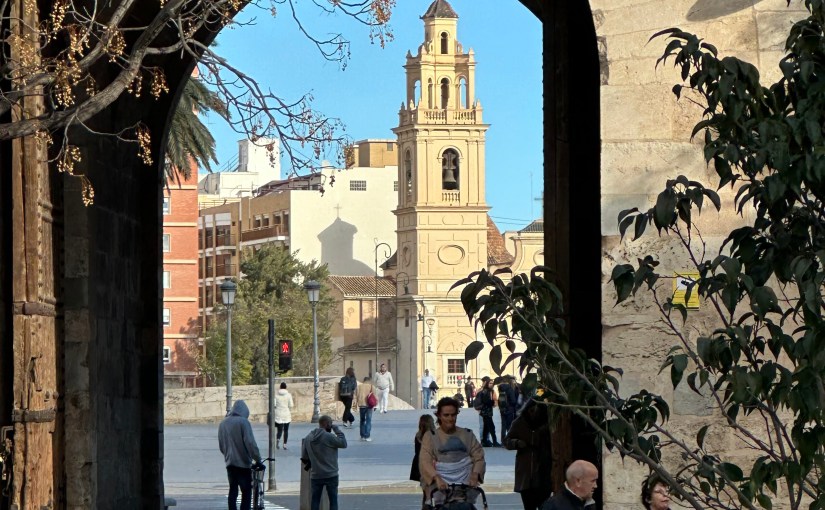
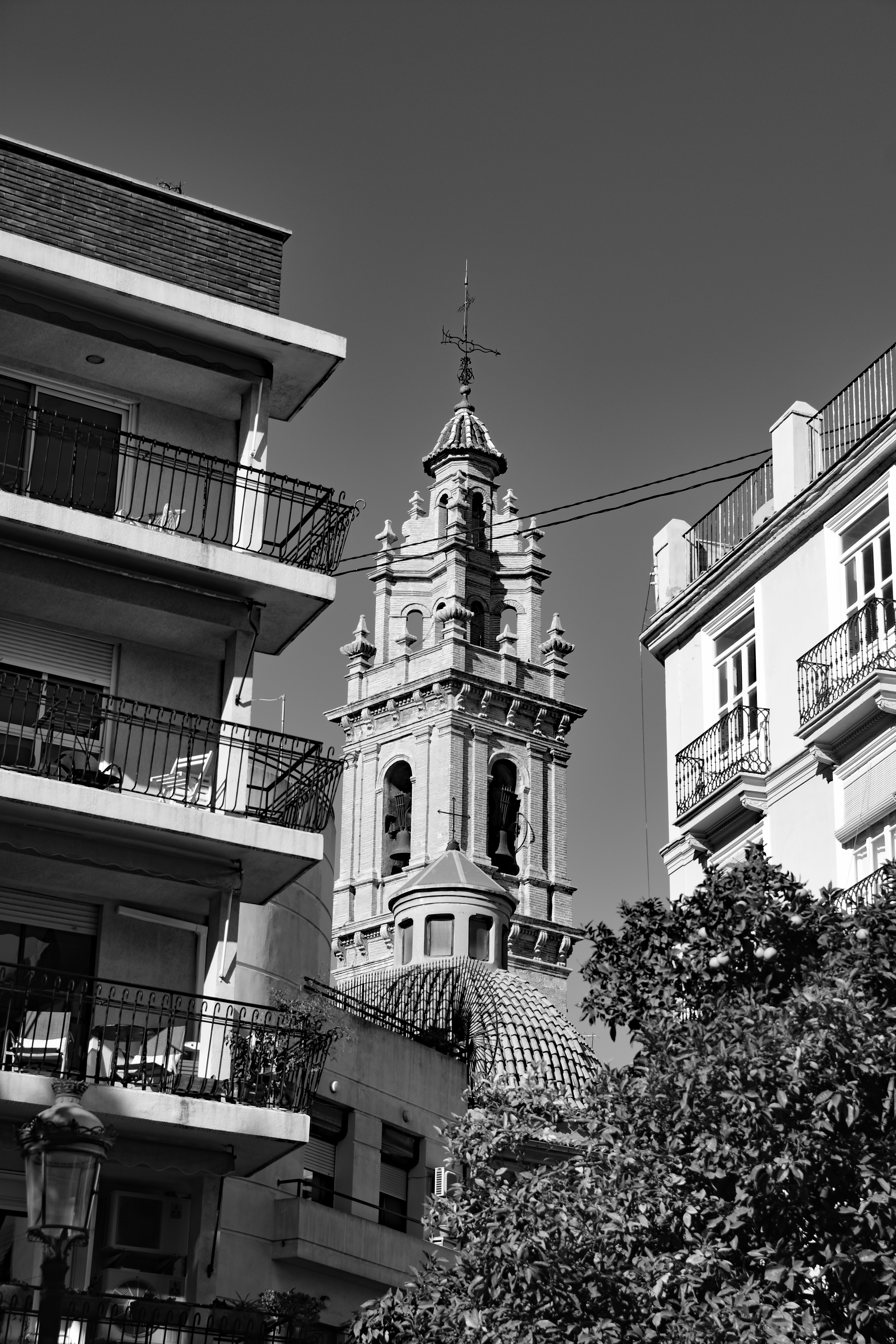
My fascination with Spanish towns has everything to do with the juxtaposition of the ancient and the new. Nowhere is this more on display than in Valencia, Spain’s third largest city.
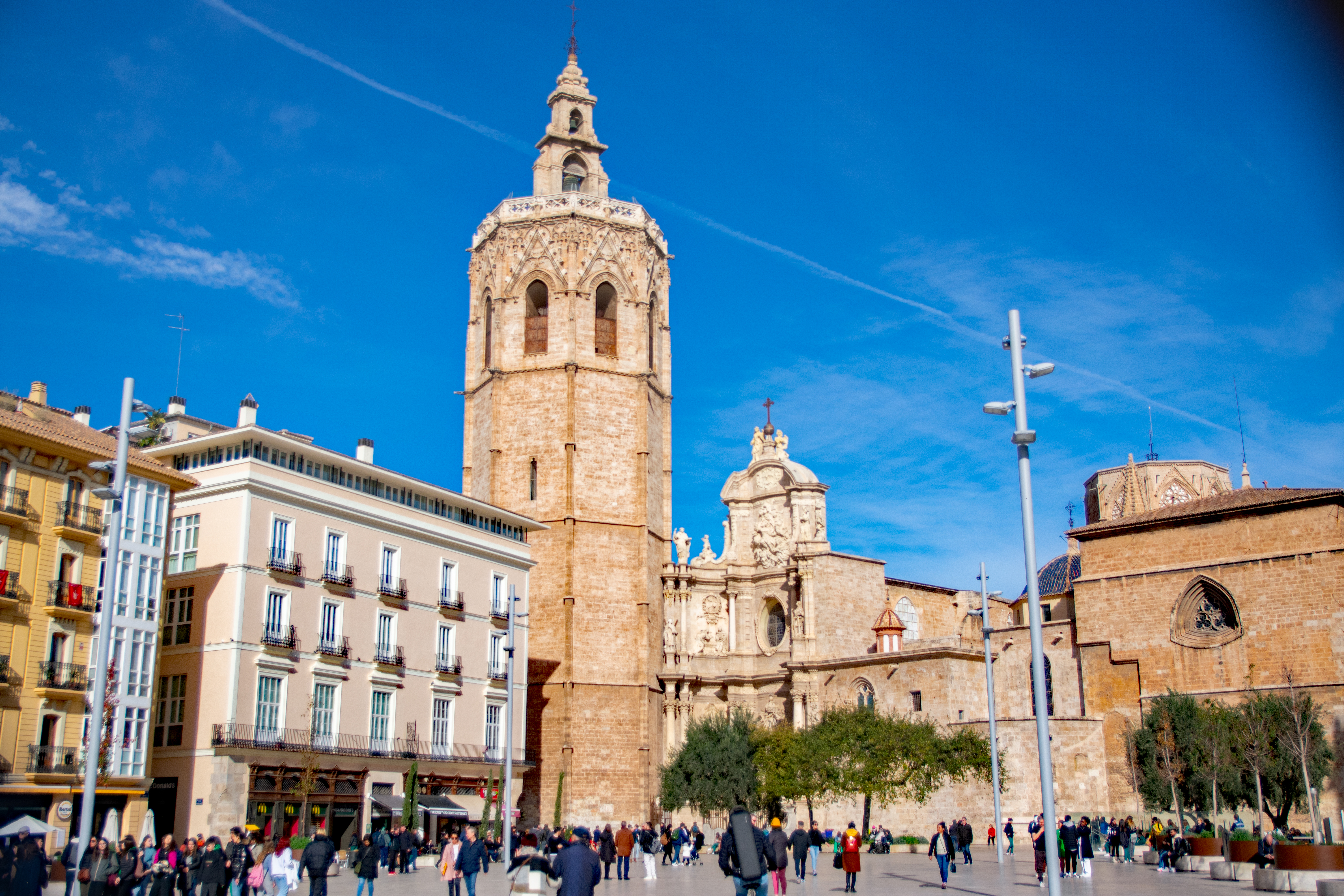
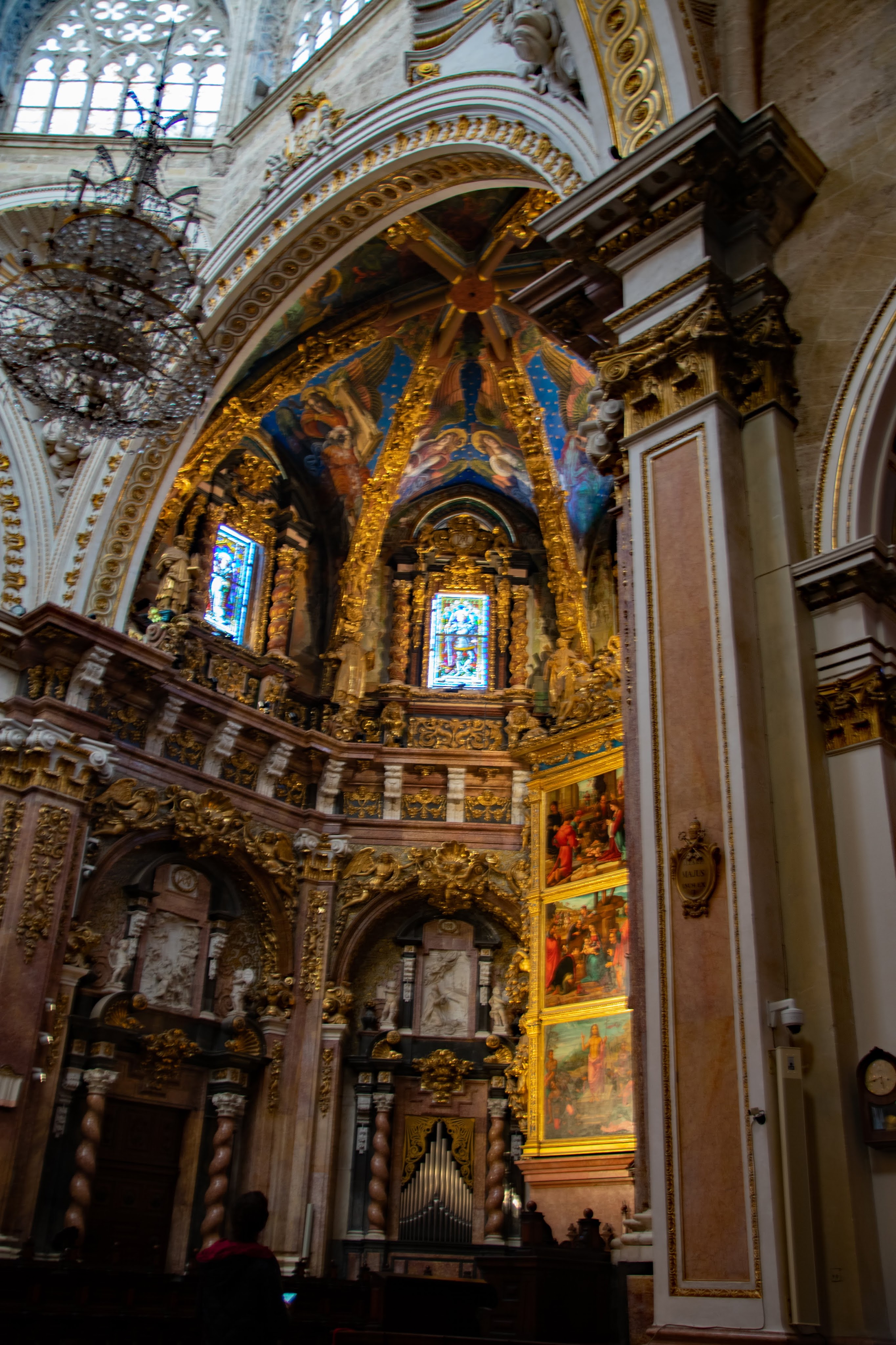
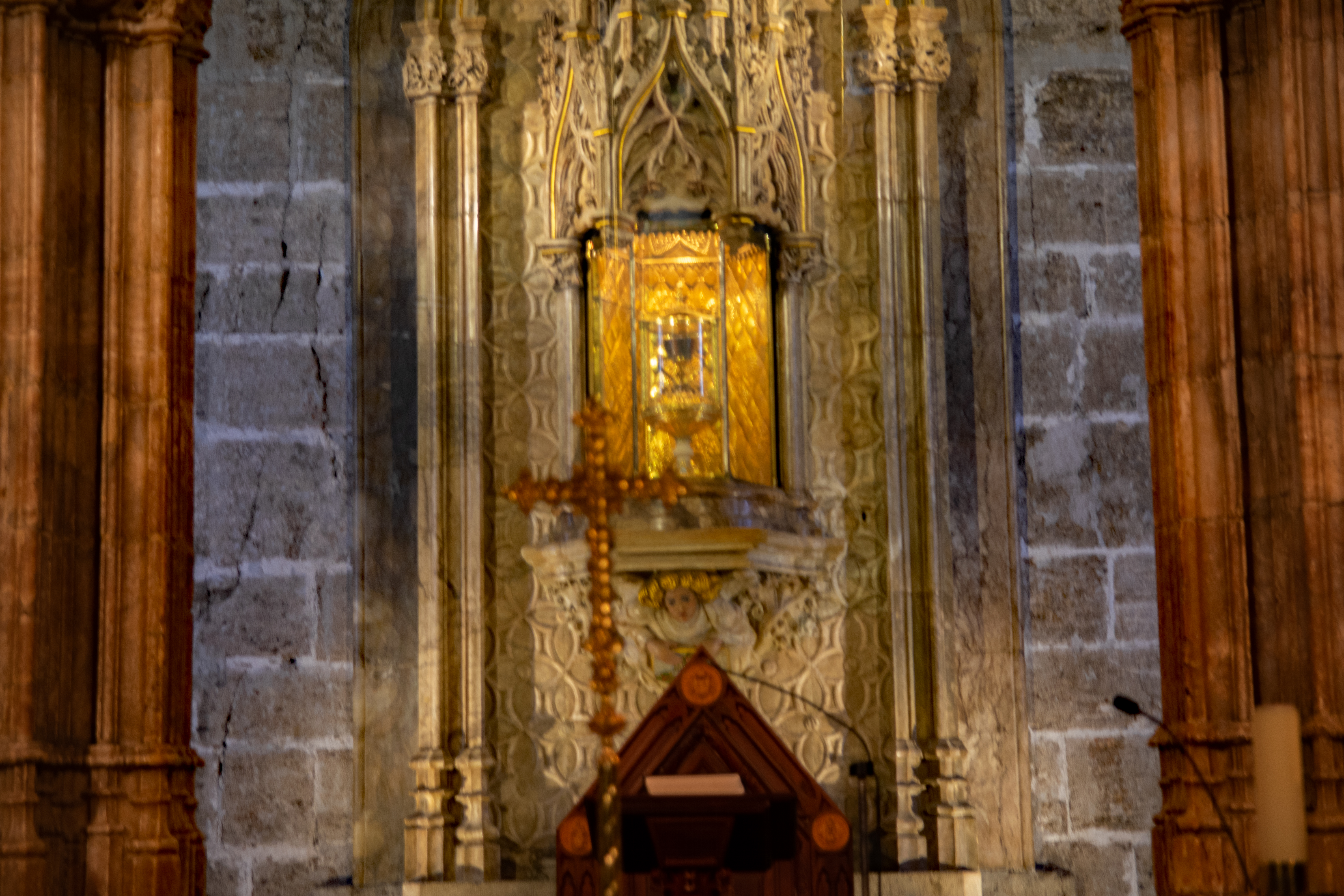
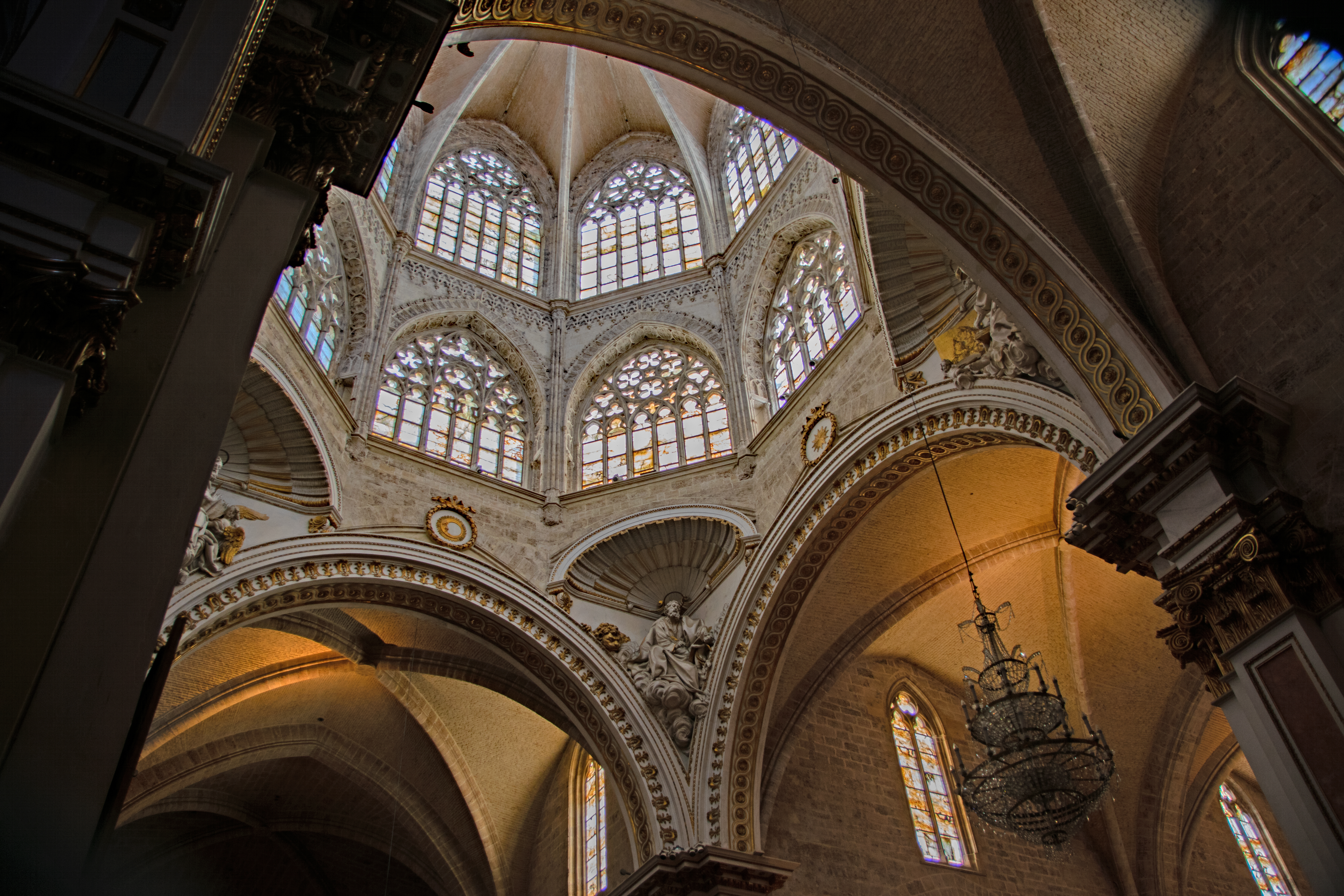
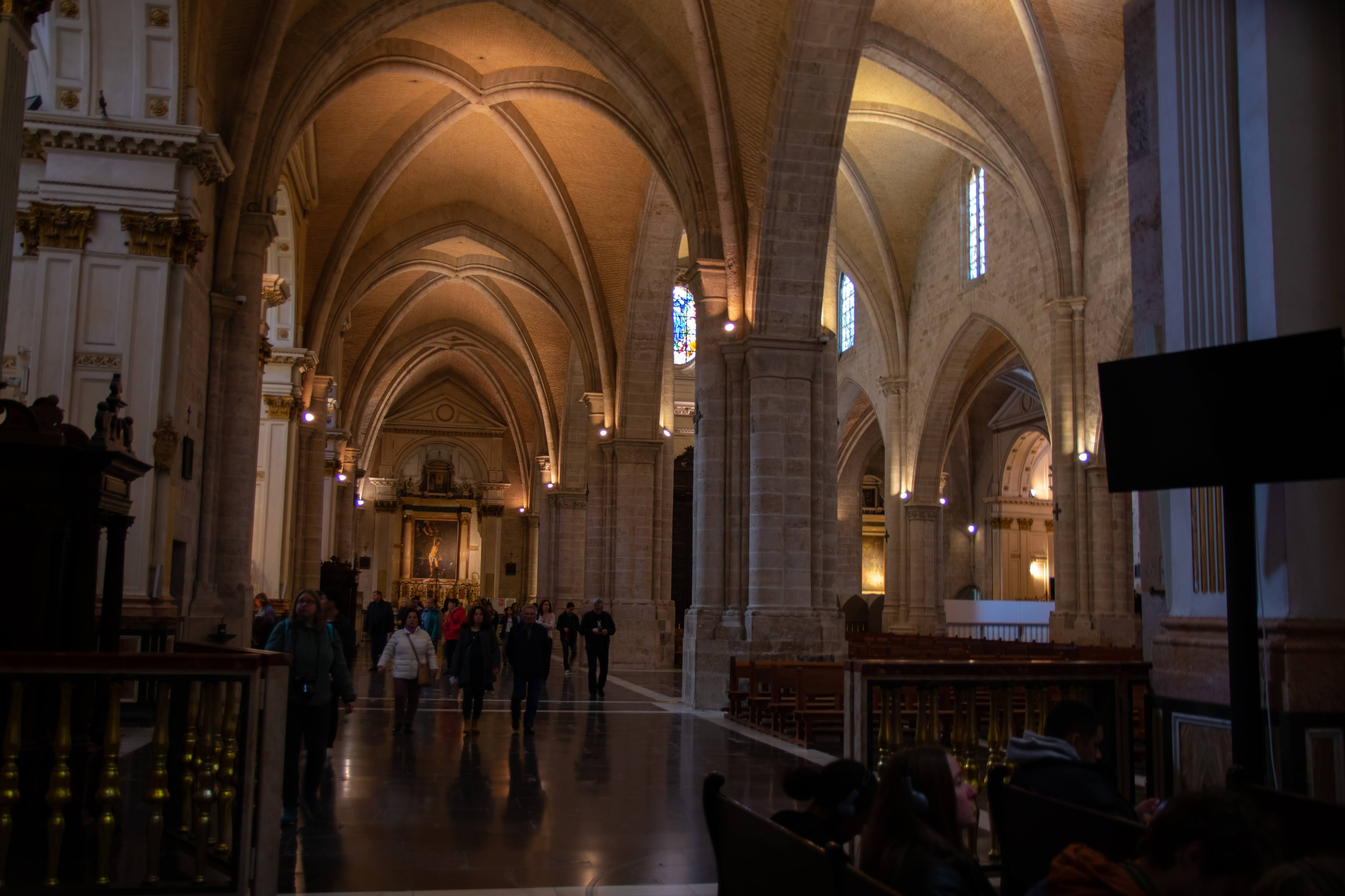
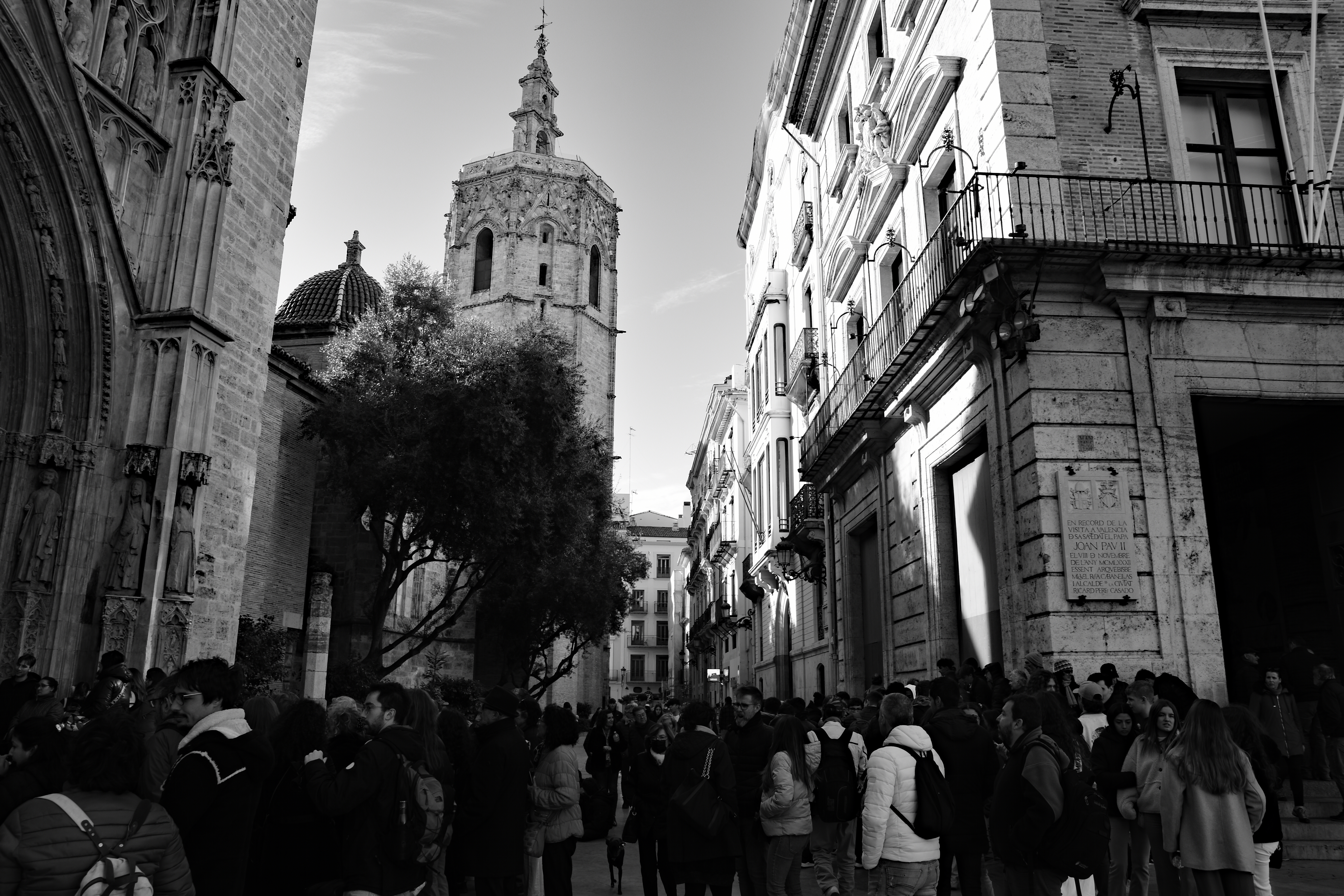
Roman ruins are steps from the Cathedral, which has been a site of worship for 1,000 years. Previously, it was a Roman temple, Visigoth Cathedral, and an Arab Mosque. The Cathedral spans centuries of architectural and artistic styles. The Capilla del Santo Cáliz (Chapel of the Holy Grail) proclaims to display the actual chalice used at the Last Supper.
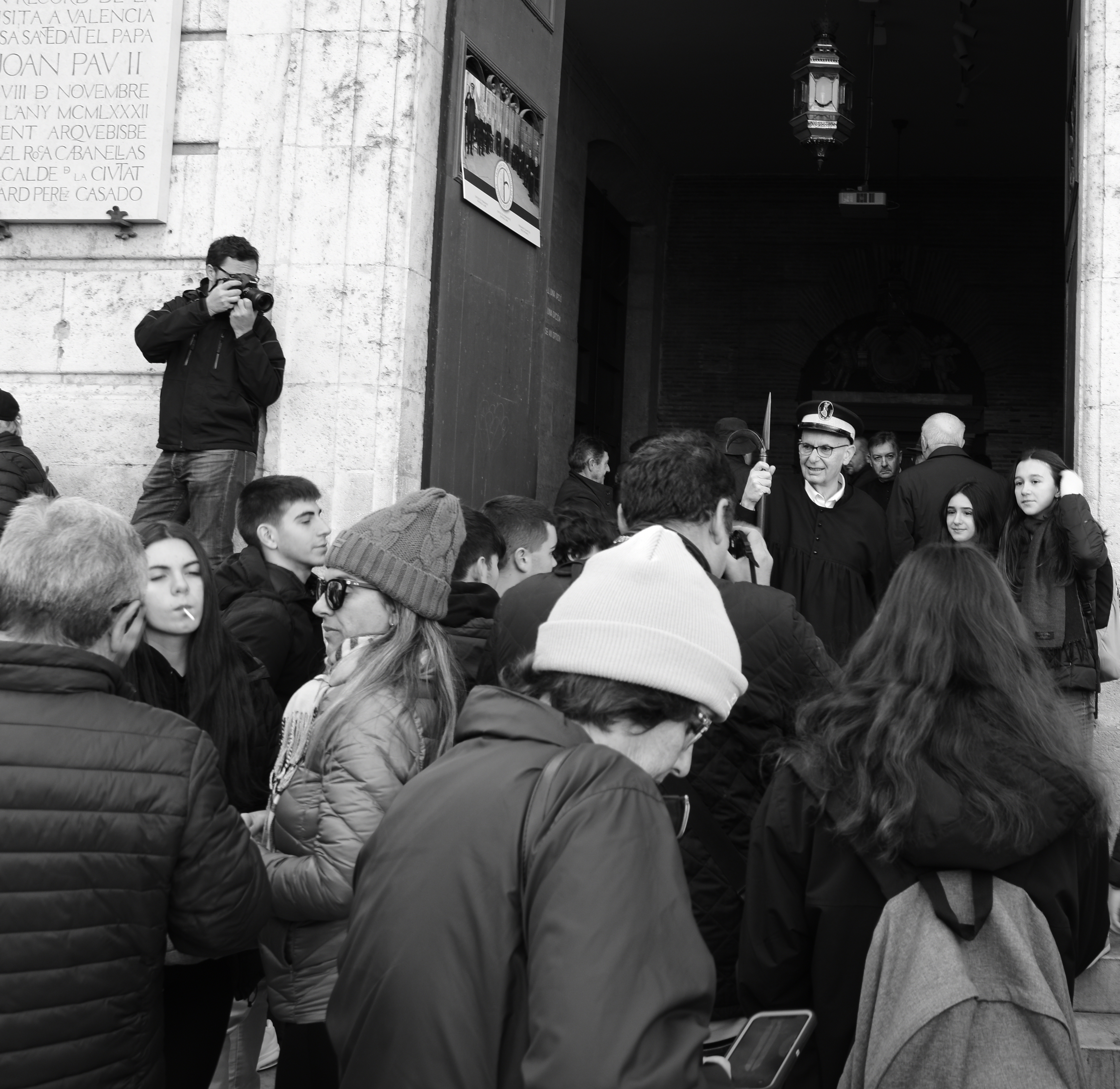
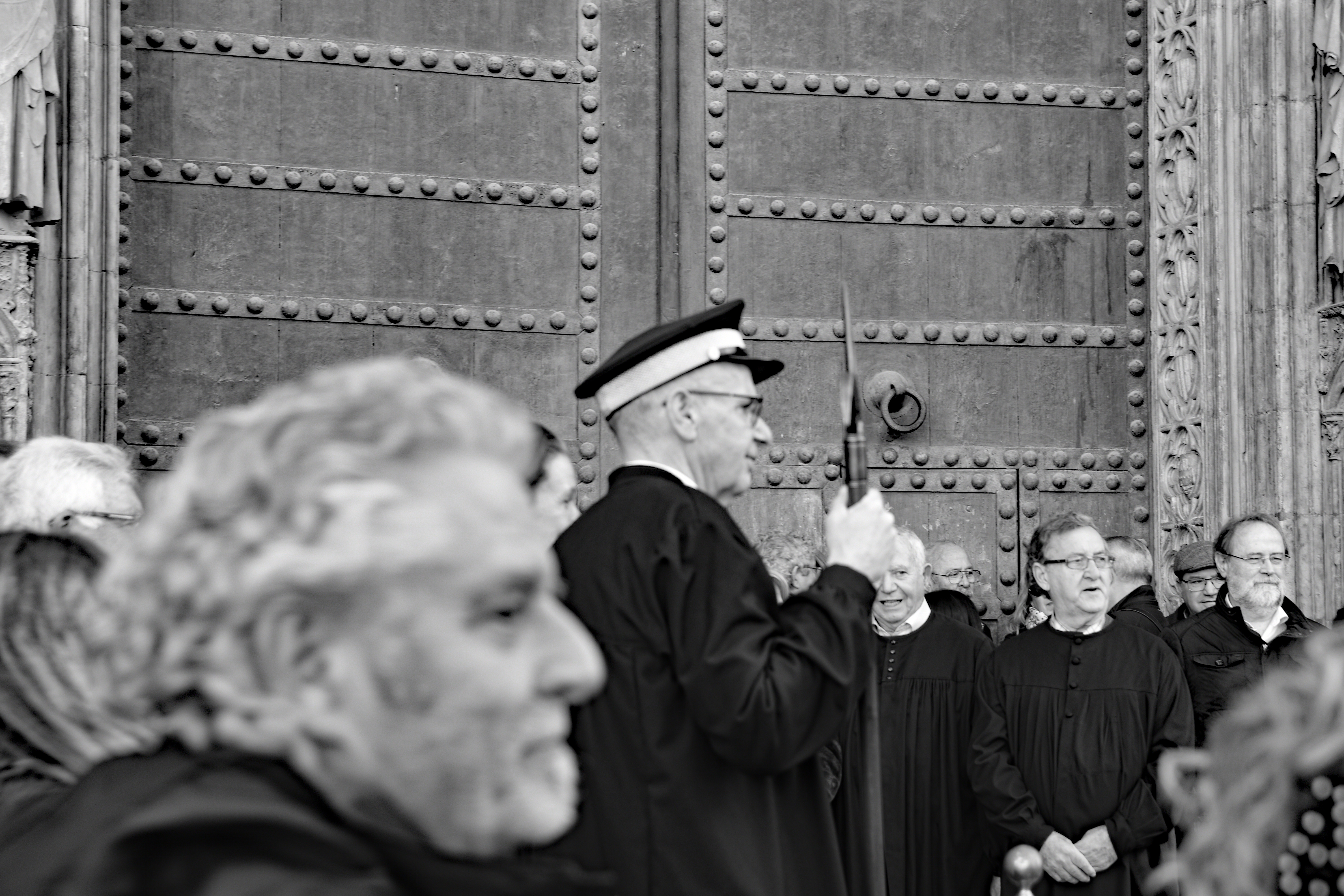
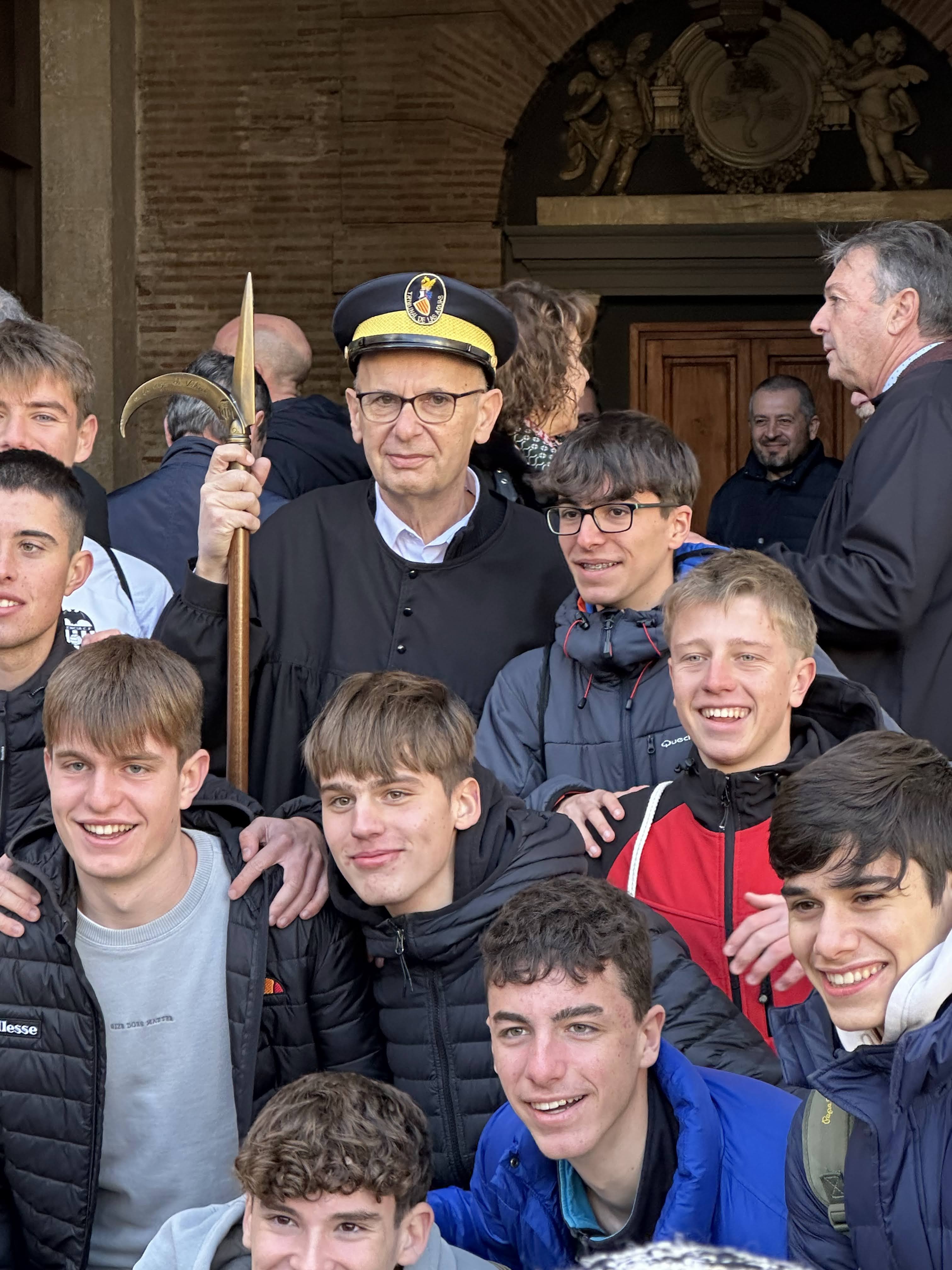
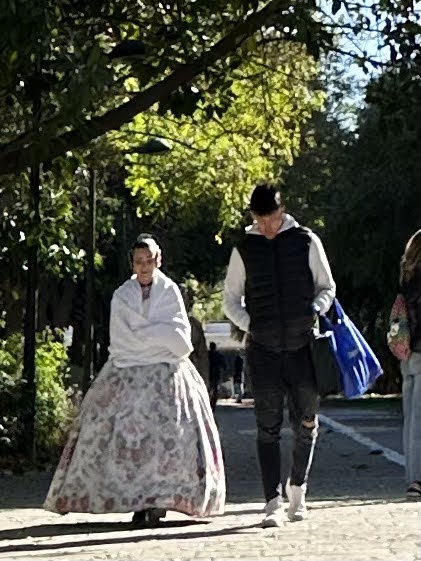
Every Thursday for 500 years, the “Water Council of Valencia” has held a meeting to determine which canal lock will be opened to irrigate the rice fields outside the city. The council is an elected body; agricultural districts each get one representative. The local farmers can plea their case to the council, who then decides, and the verdict is announced by the head councilman (see below- with the staff) at exactly noon. As the church bells are tolling twelve o’clock, the council members walk to the doors of the church, where the decision is chanted in Valencian. The weekly event draws a crowd. In addition to the interested parties, there are school groups, locals, and curious tourists like us. The vibe is festive: selfies with the “judge,” cheers, and jockeying for the best view.. Once the decision is announced, there is applause and the crowd begins to disperse. Just like 500 years ago, but with selfies and videos.
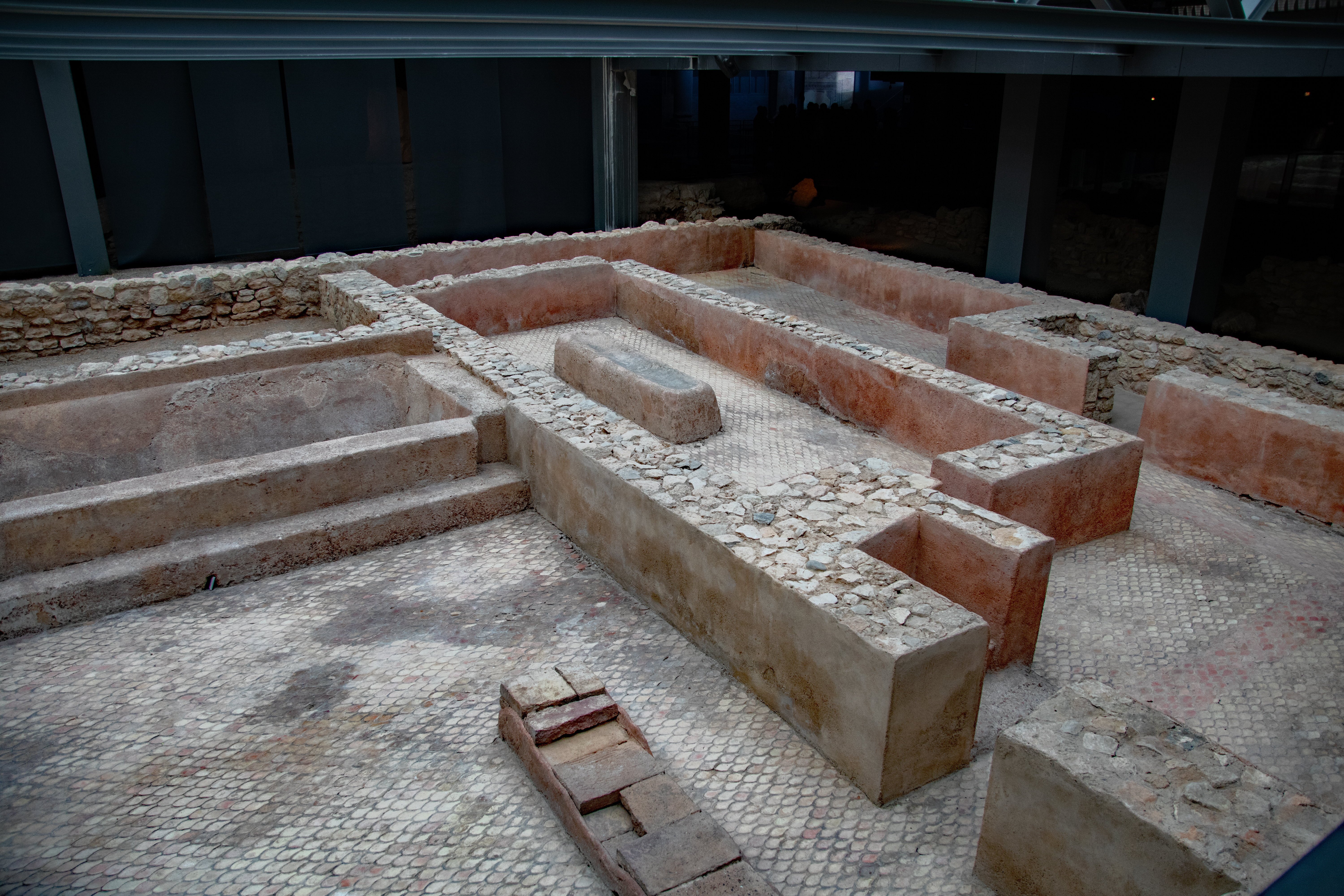
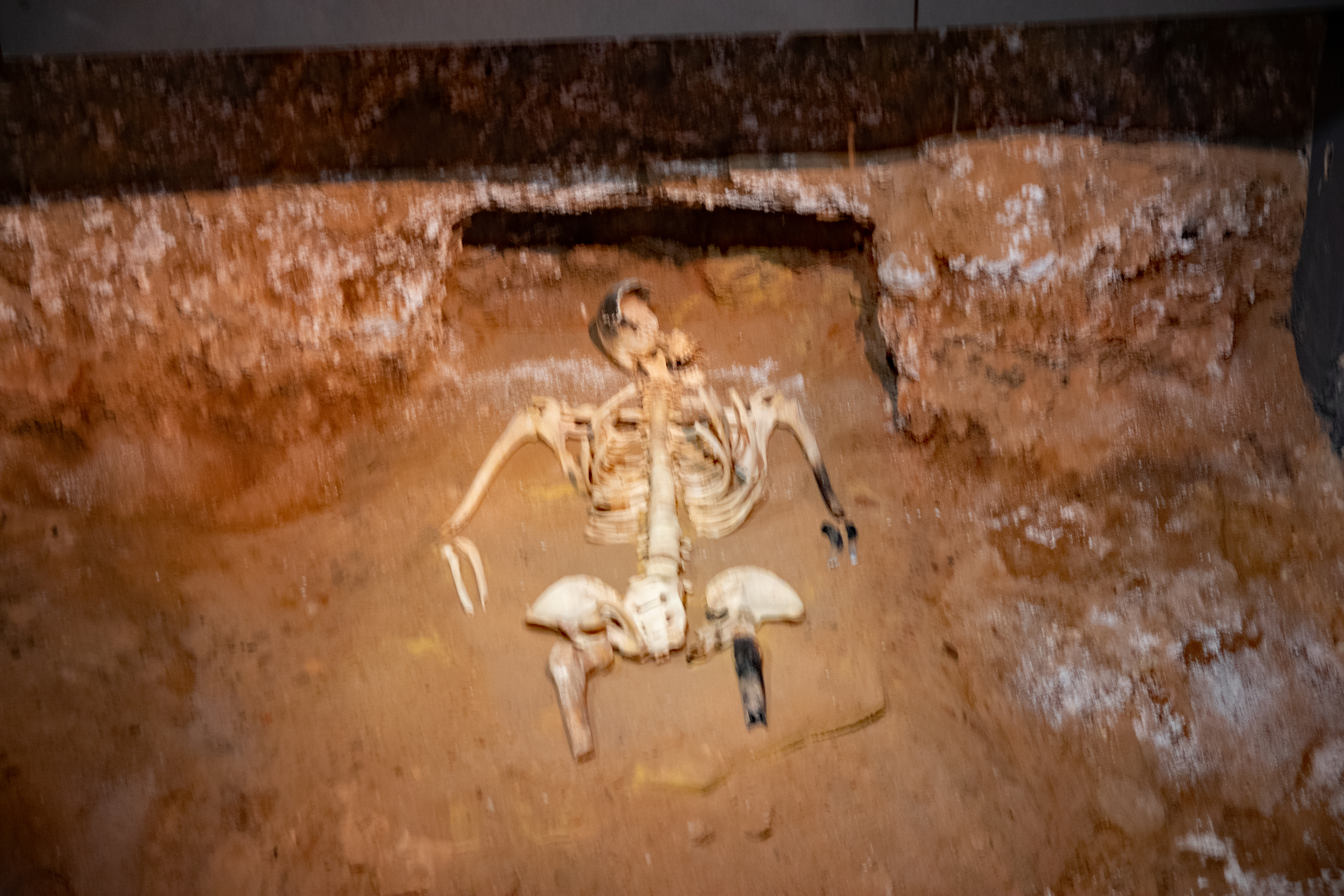



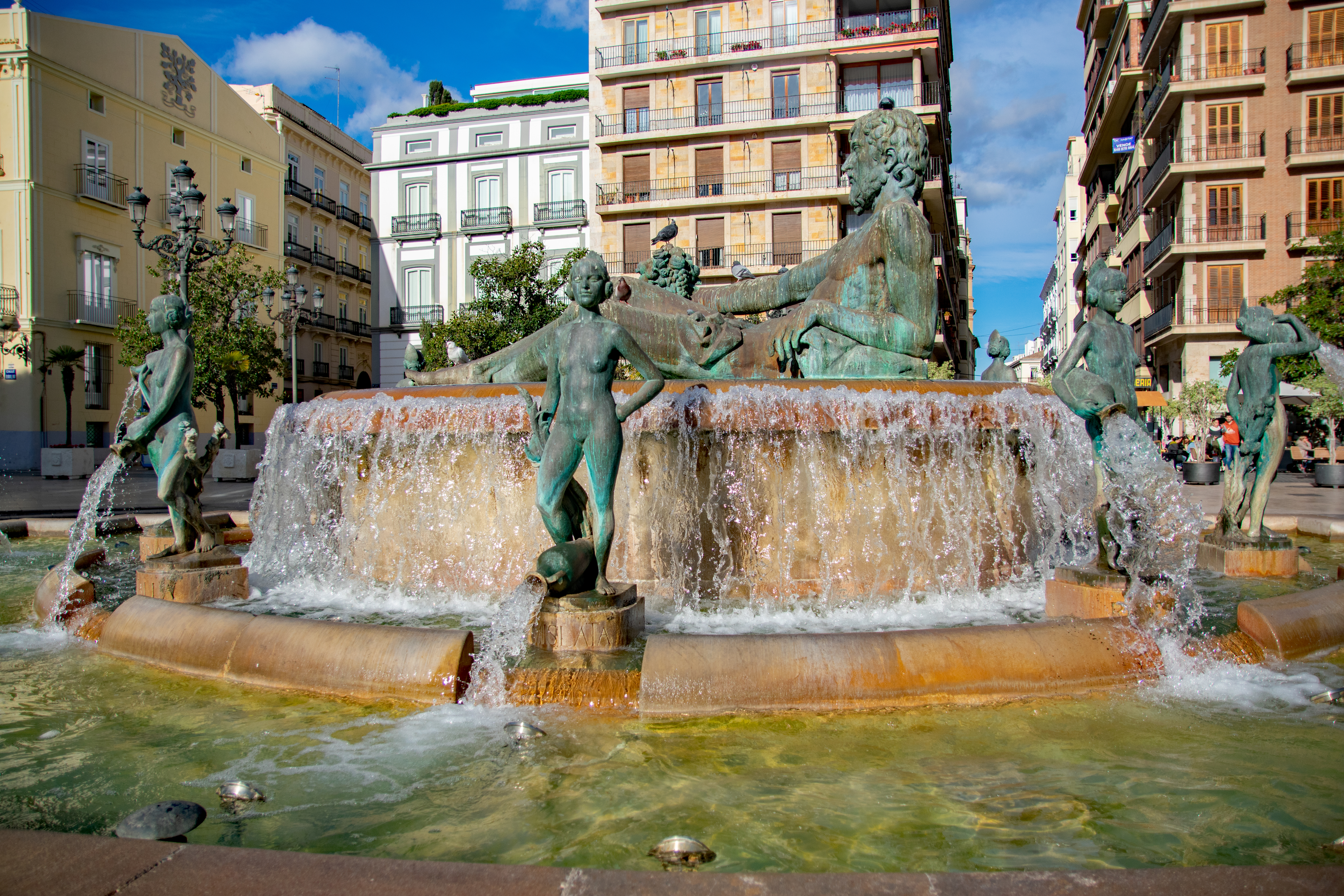
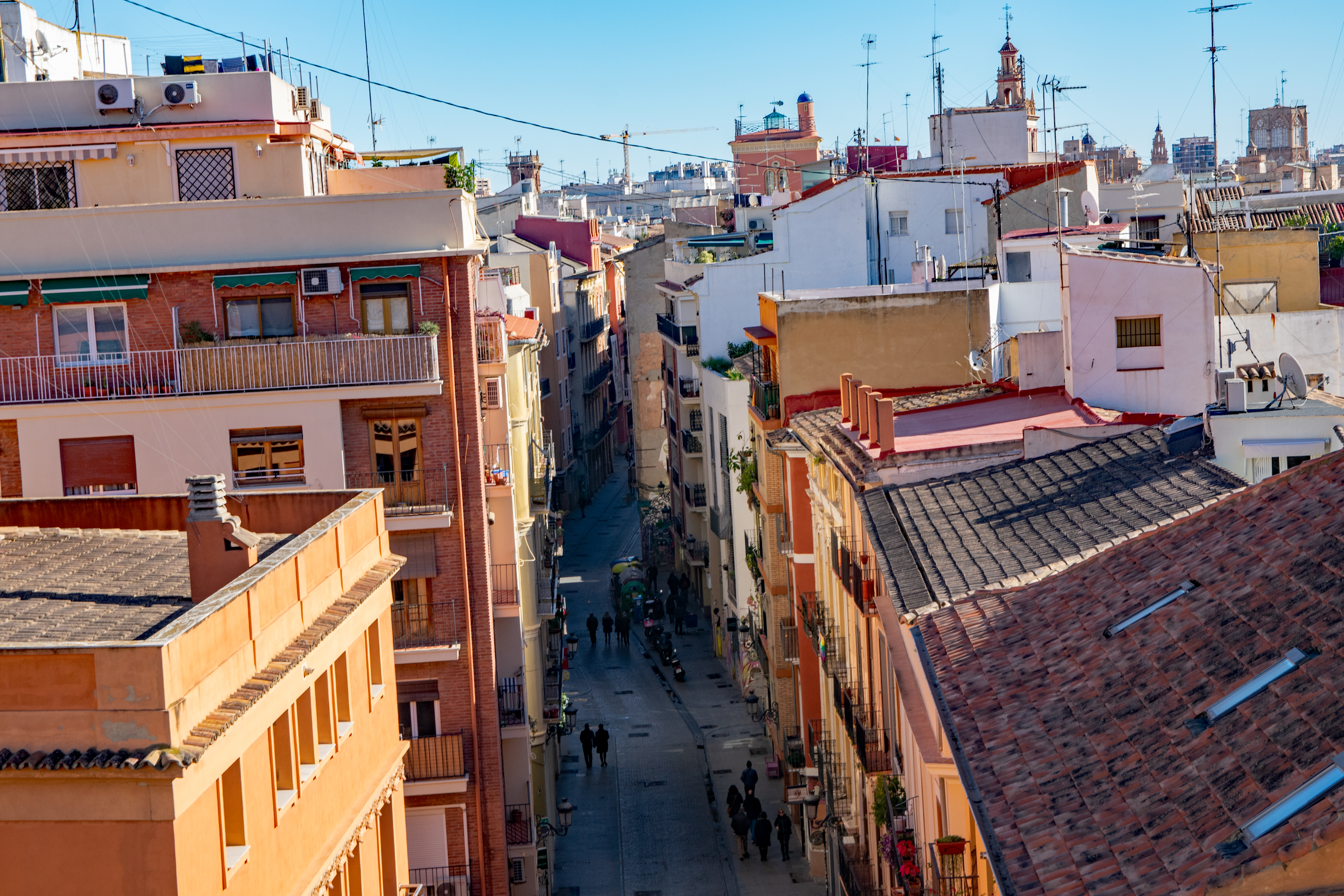
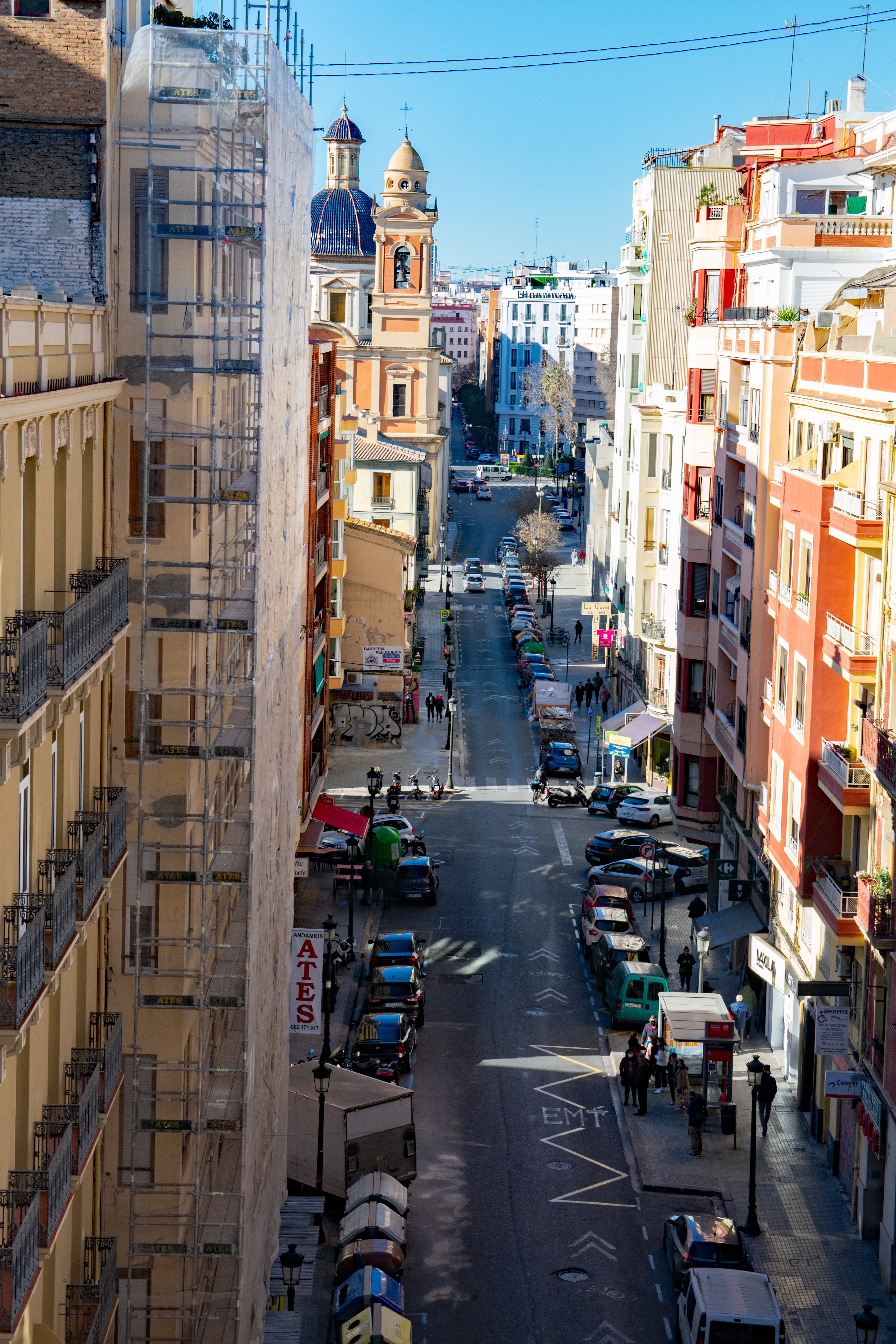
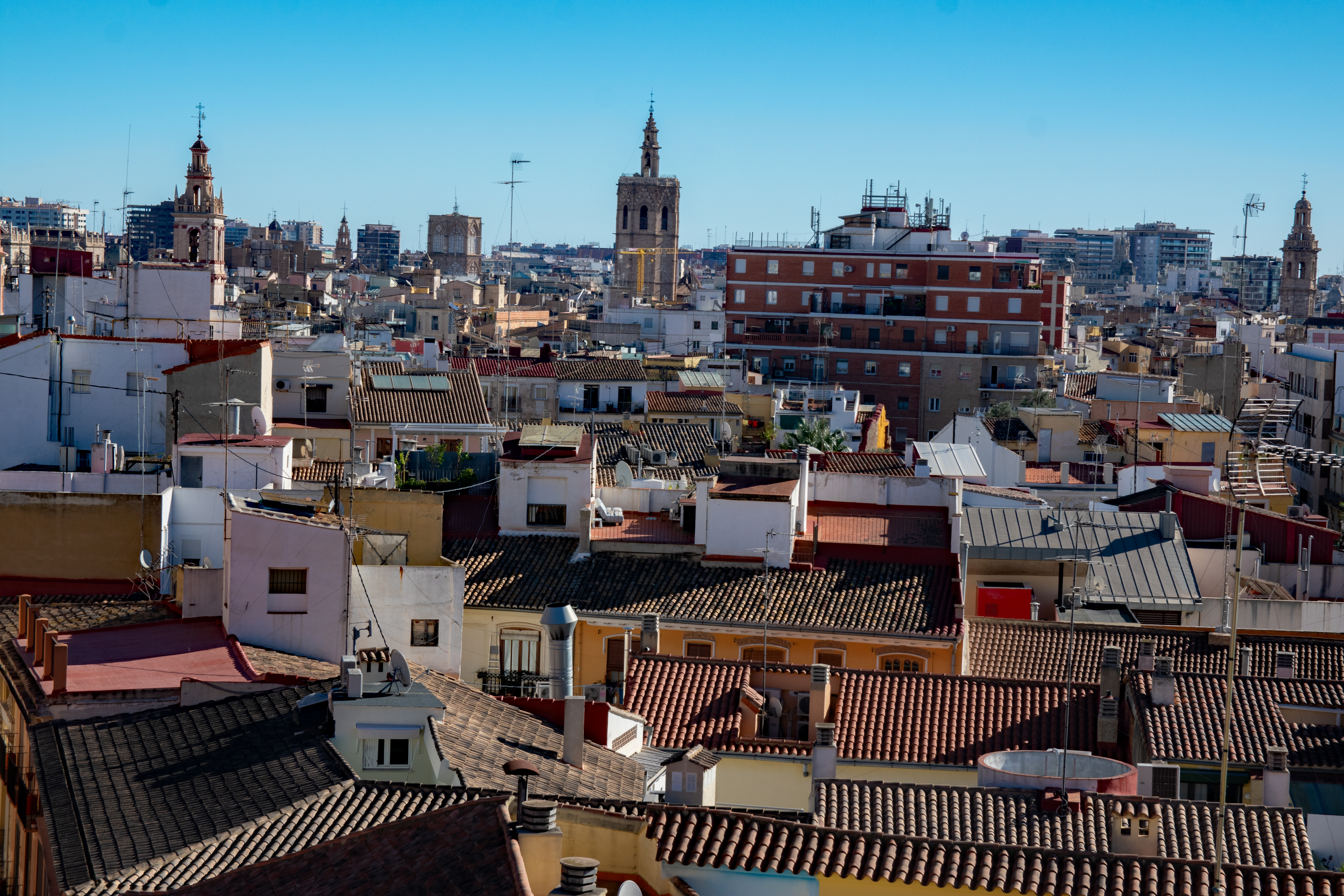
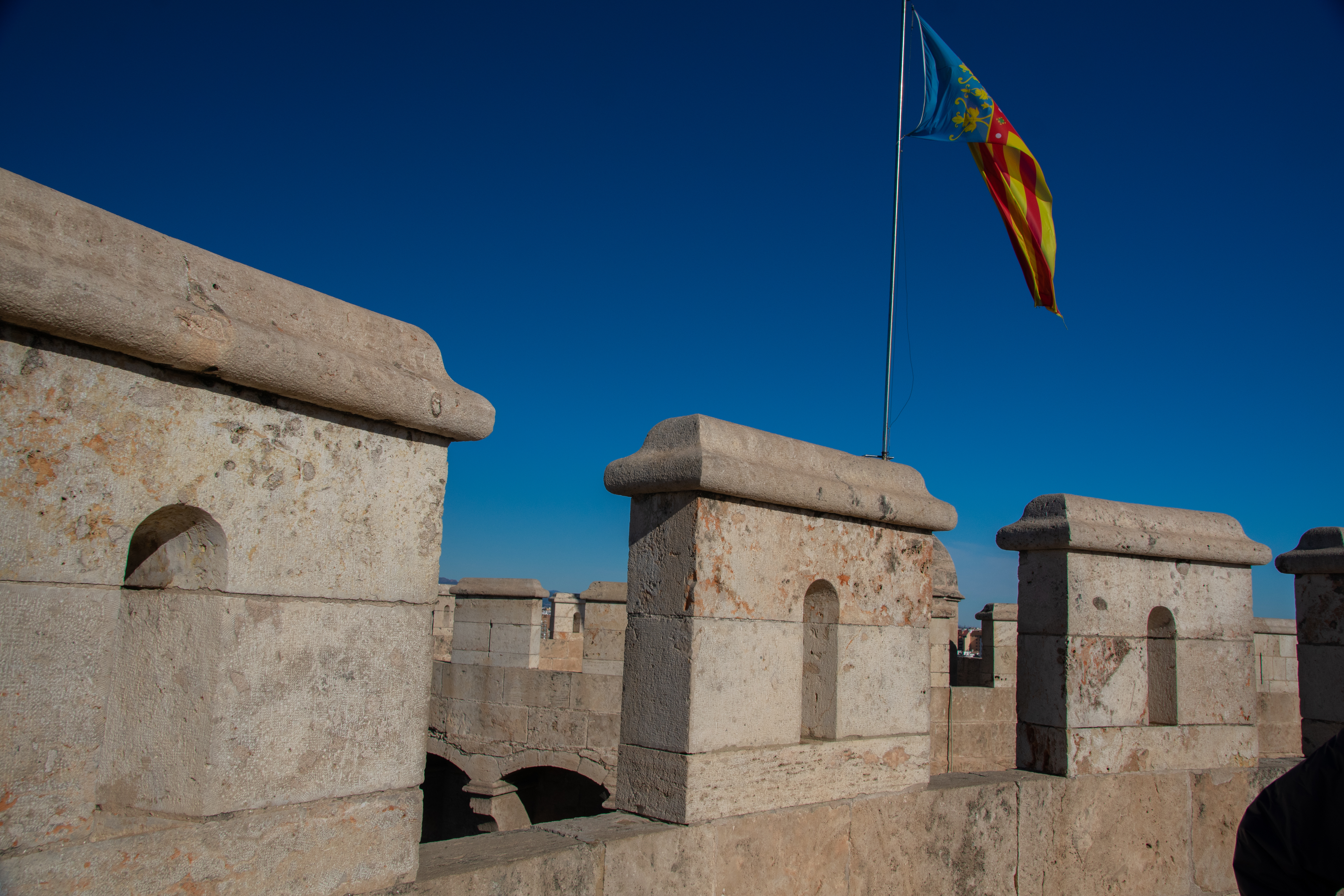
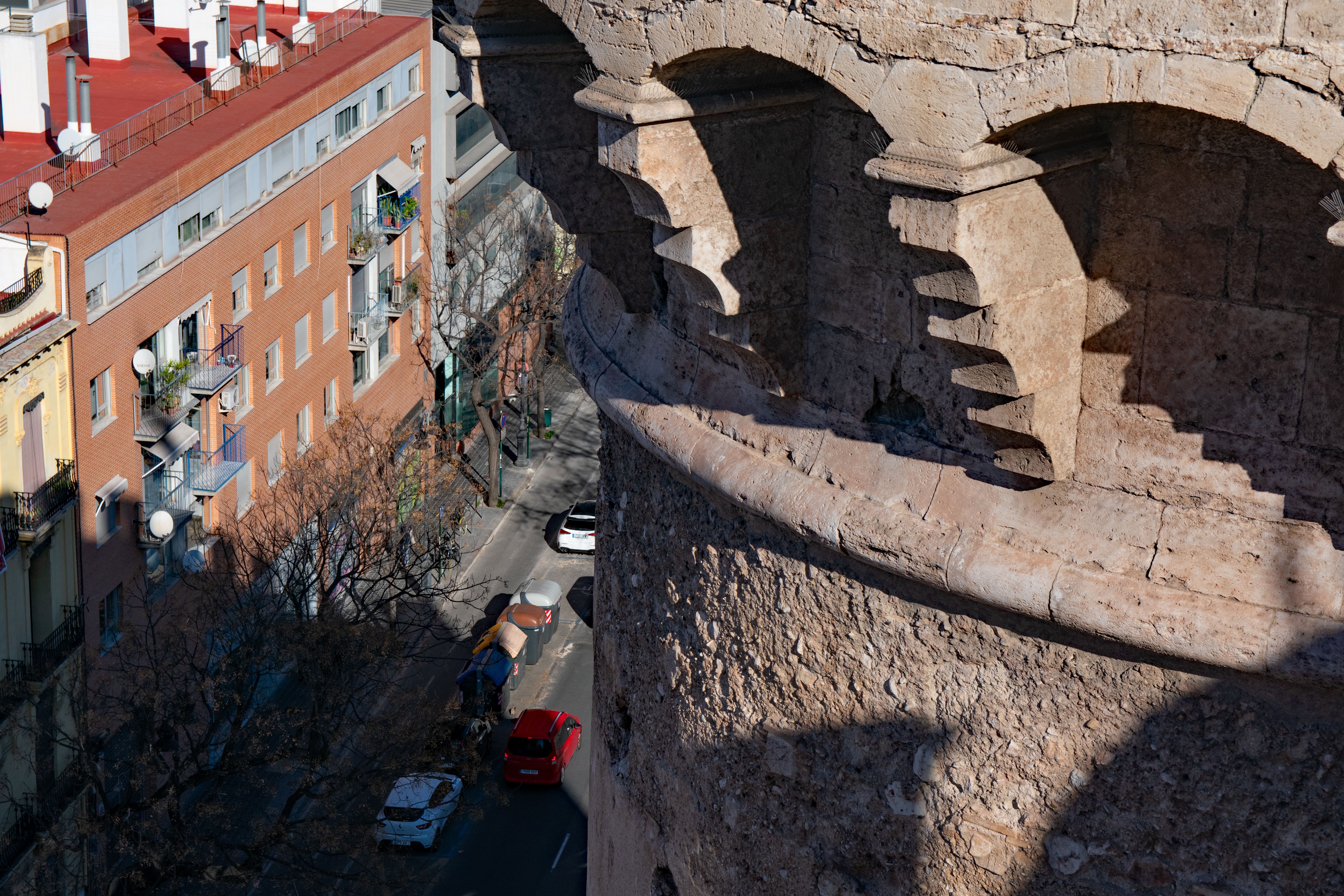

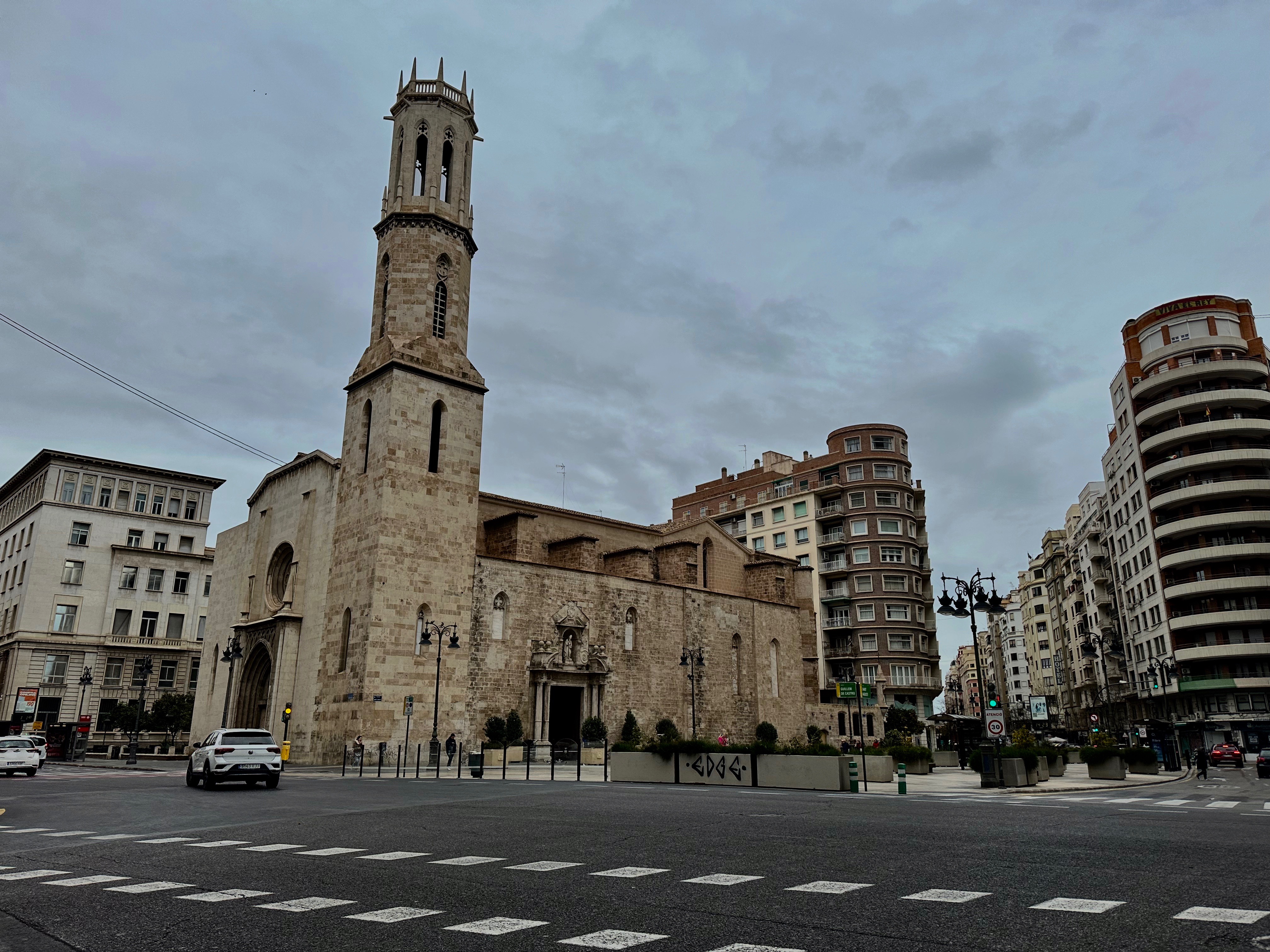
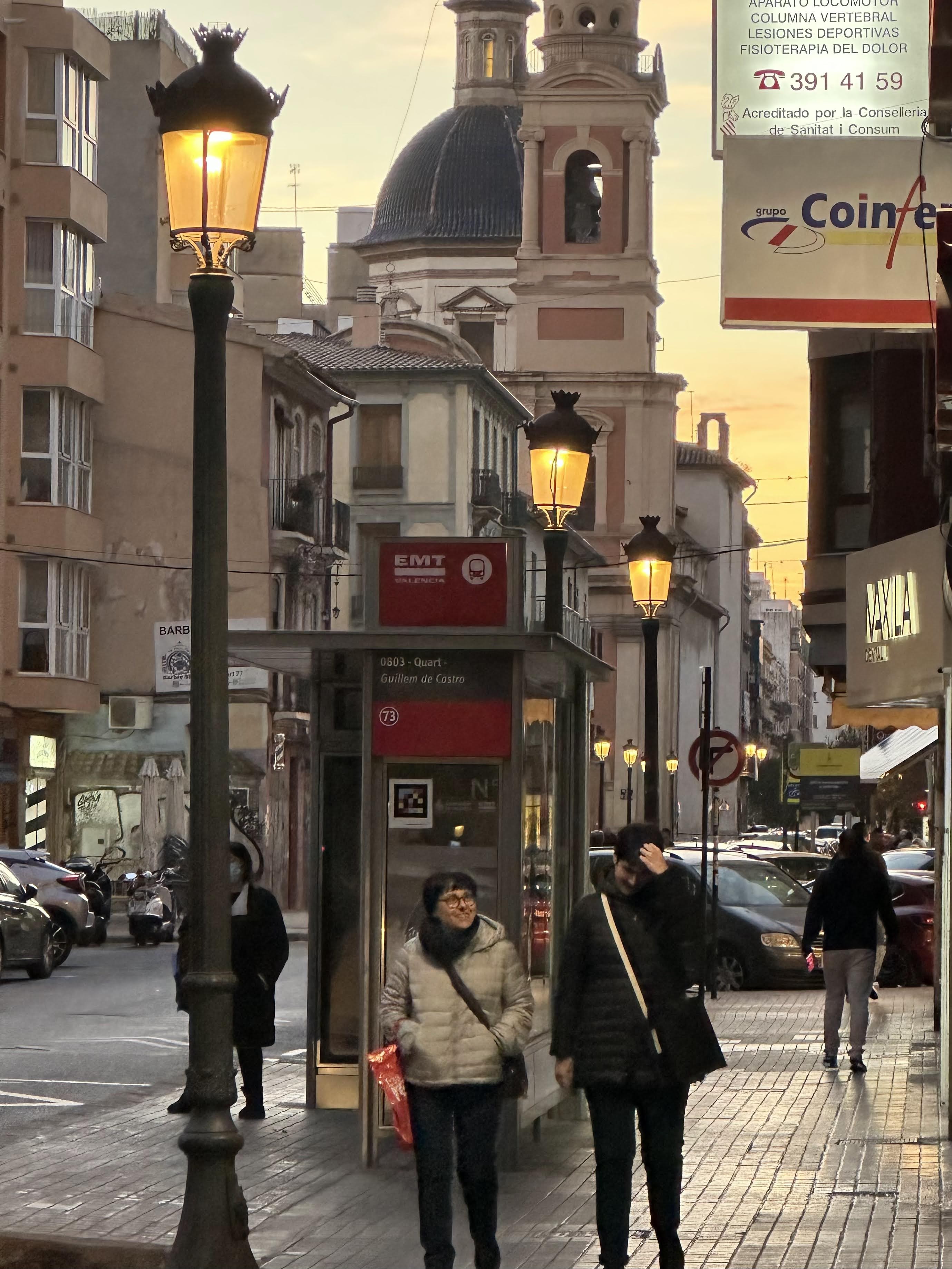


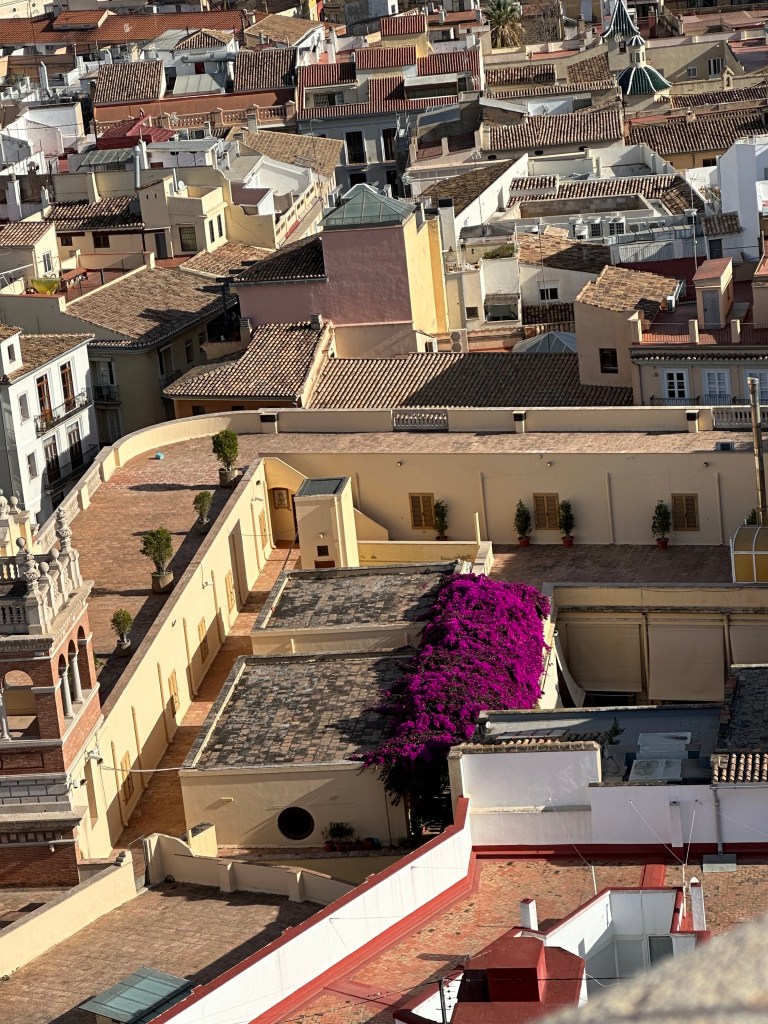
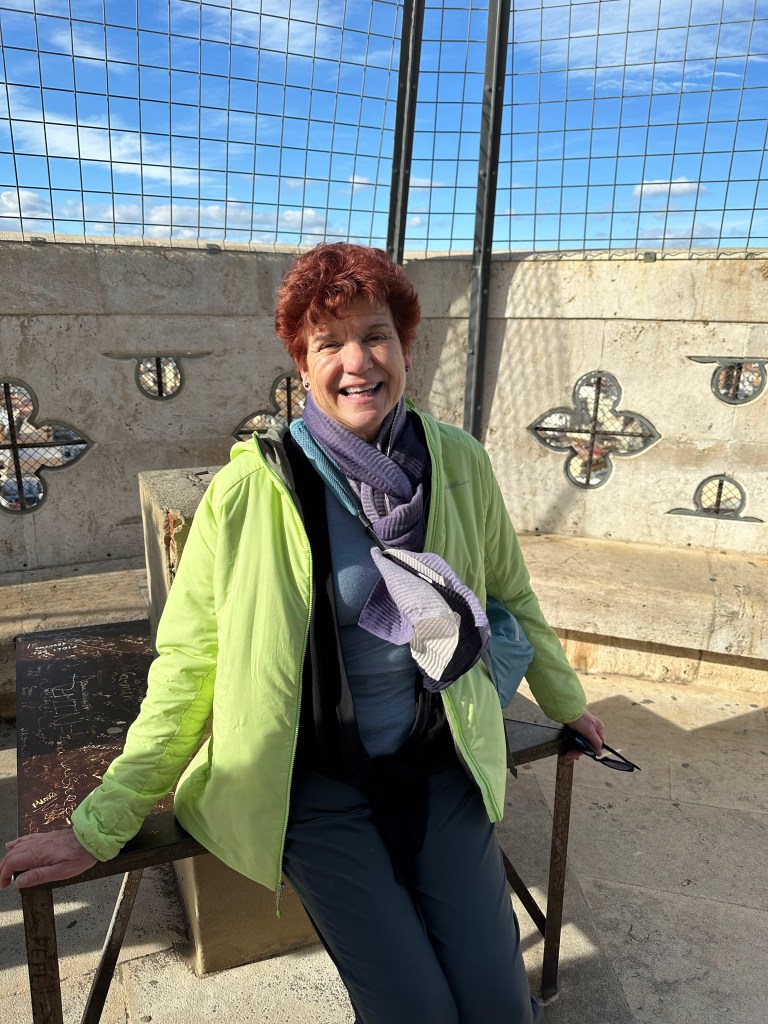
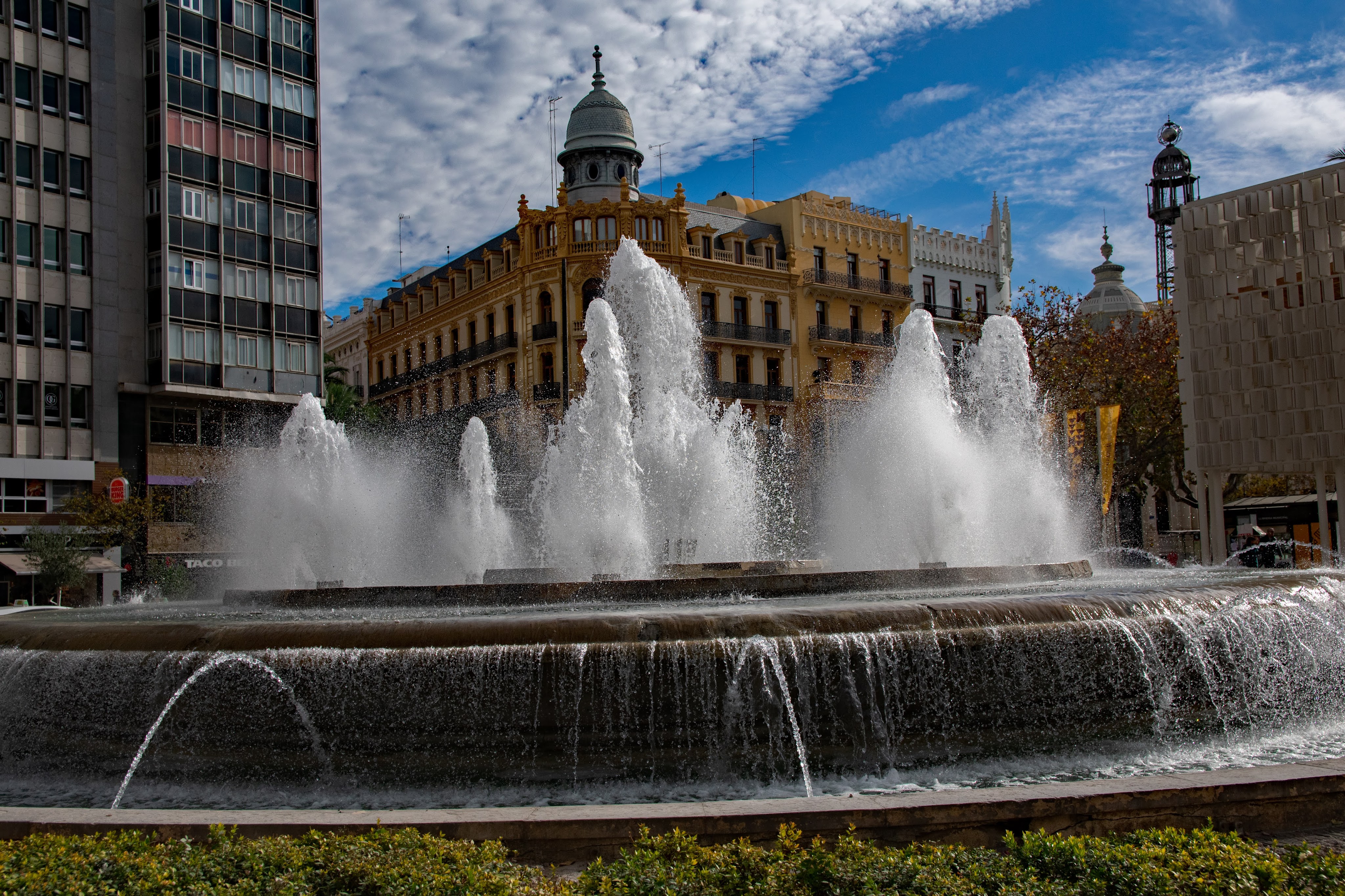
Beyond the remains of the historic city walls, is the ultra-modern, fashion-forward city, where art, architecture, music, and cuisine are celebrated daily. Valencia is home to numerous study abroad programs and supports a large ex-pat community.
The City of Arts and Sciences
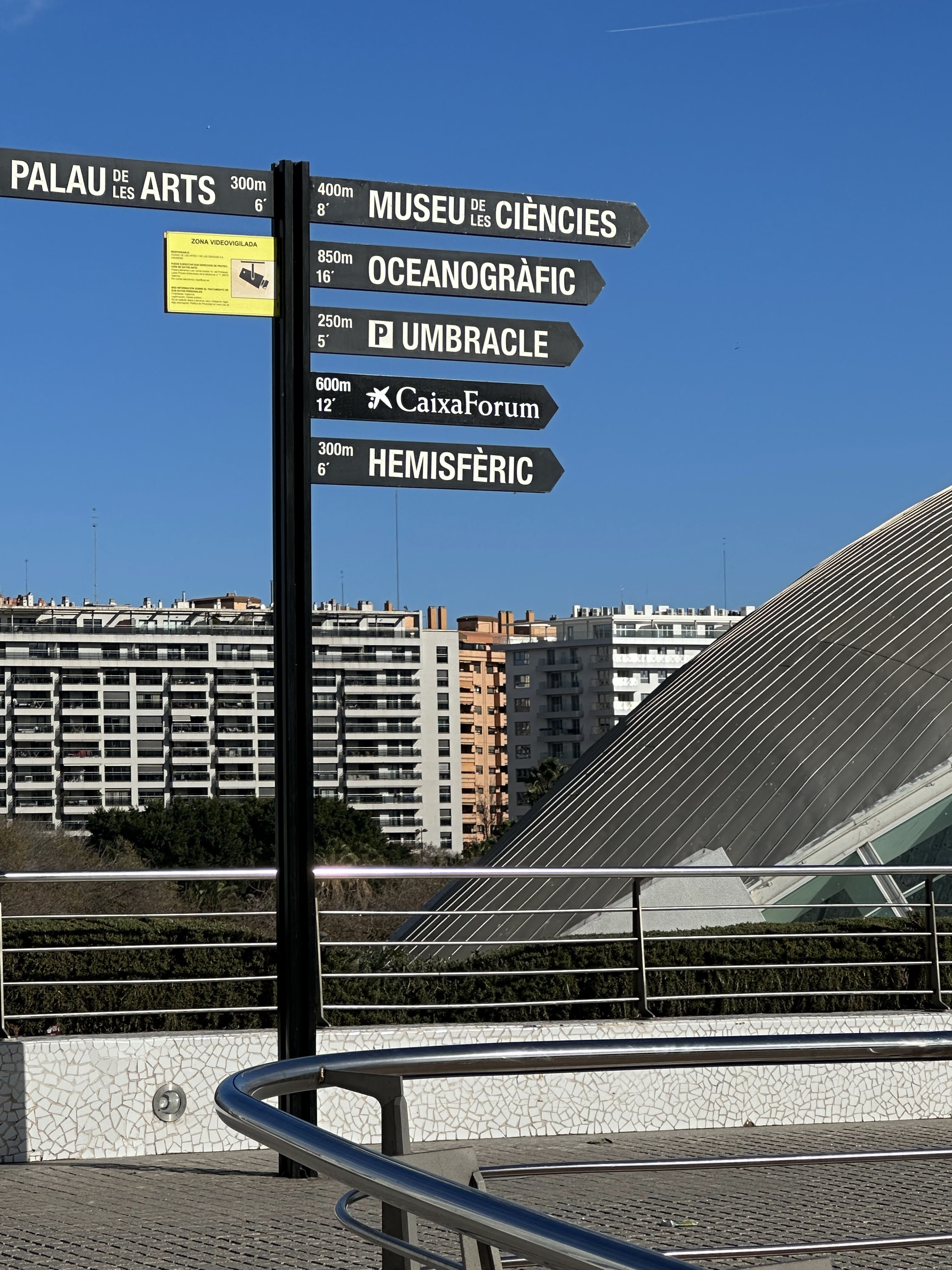
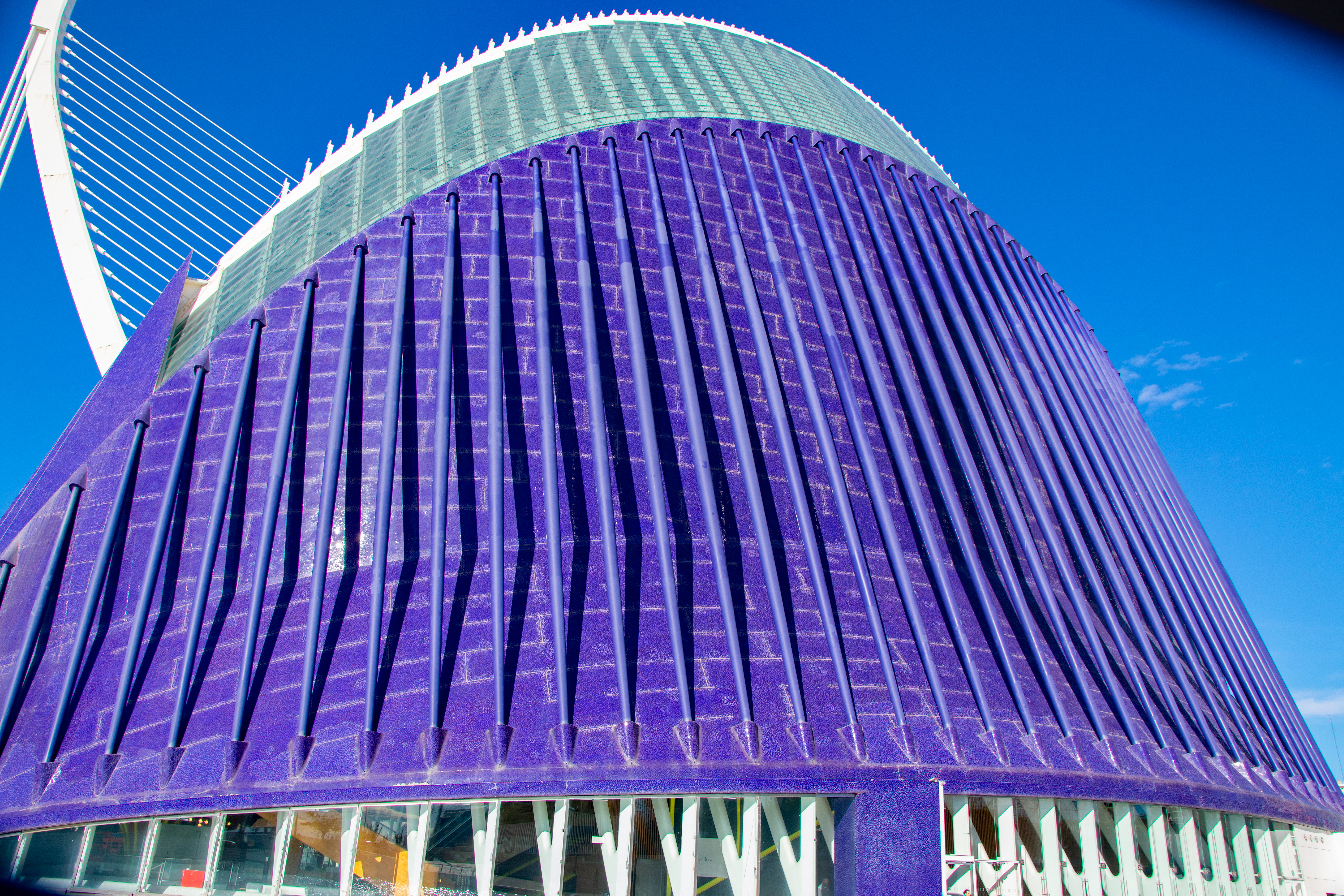
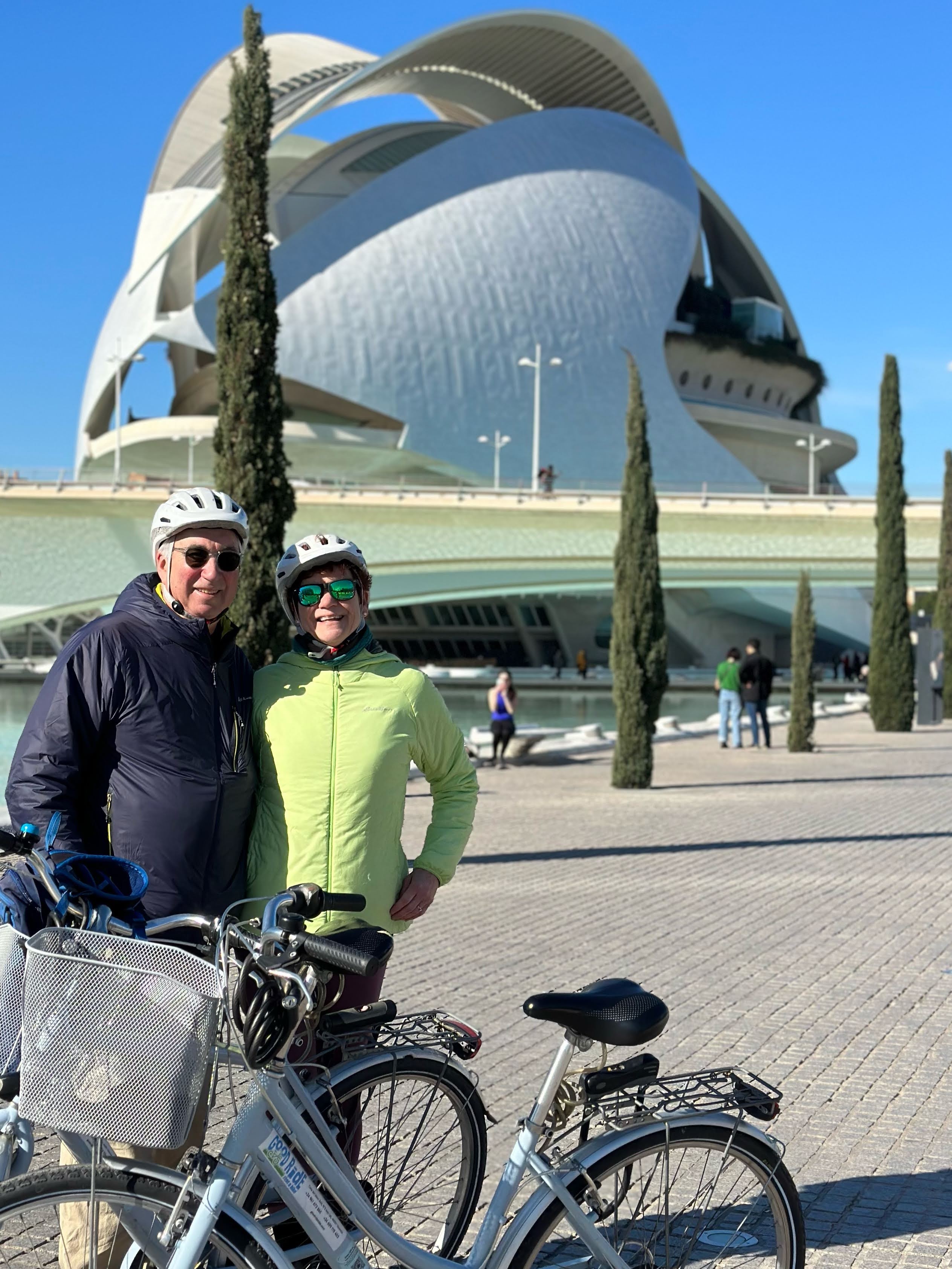
This was previously a neglected area of Valencia. In 1991, Valencian architect Santiago Calatrava was commissioned to design a museum campus. The 7 buildings took 13 years to build. The huge area is stunning! The “city” can be accessed from Turia Gardens (next gallery) or from street level. The museums and performing art center are state of the art. Since it would take days to see every museum, we chose to visit the Oceanarium, which had a great dolphin show and amazing habitats of the 7 Oceans.
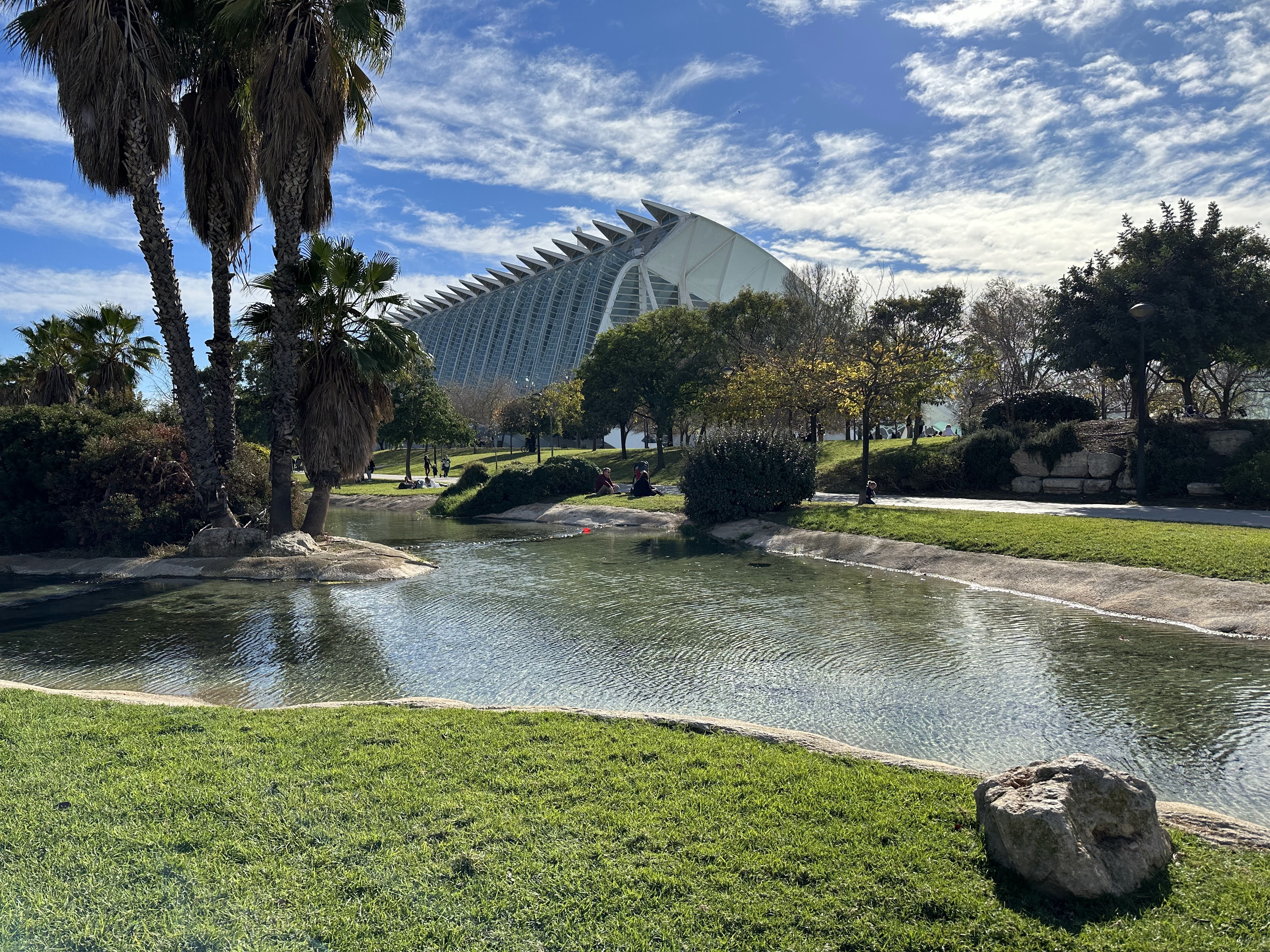
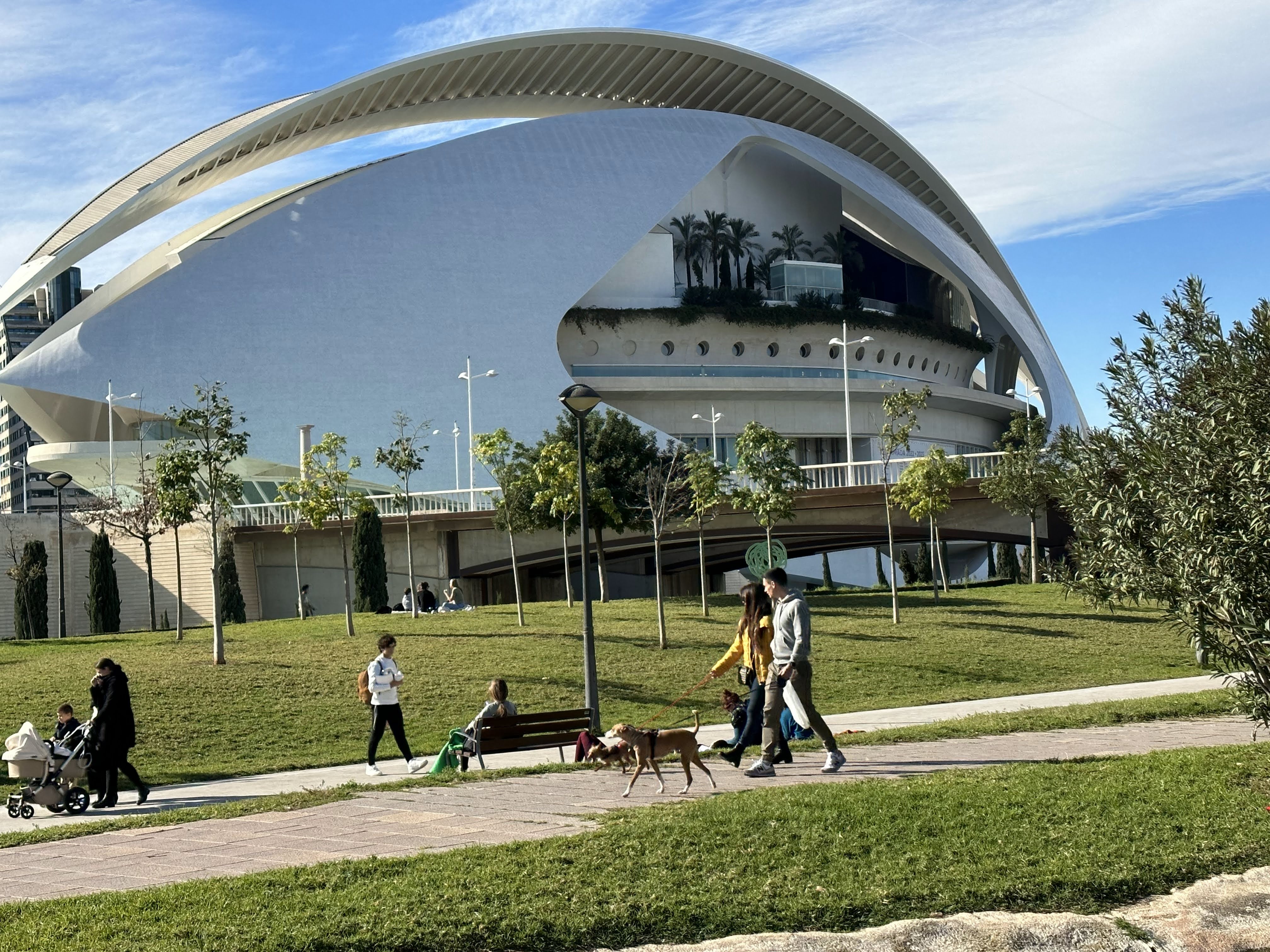

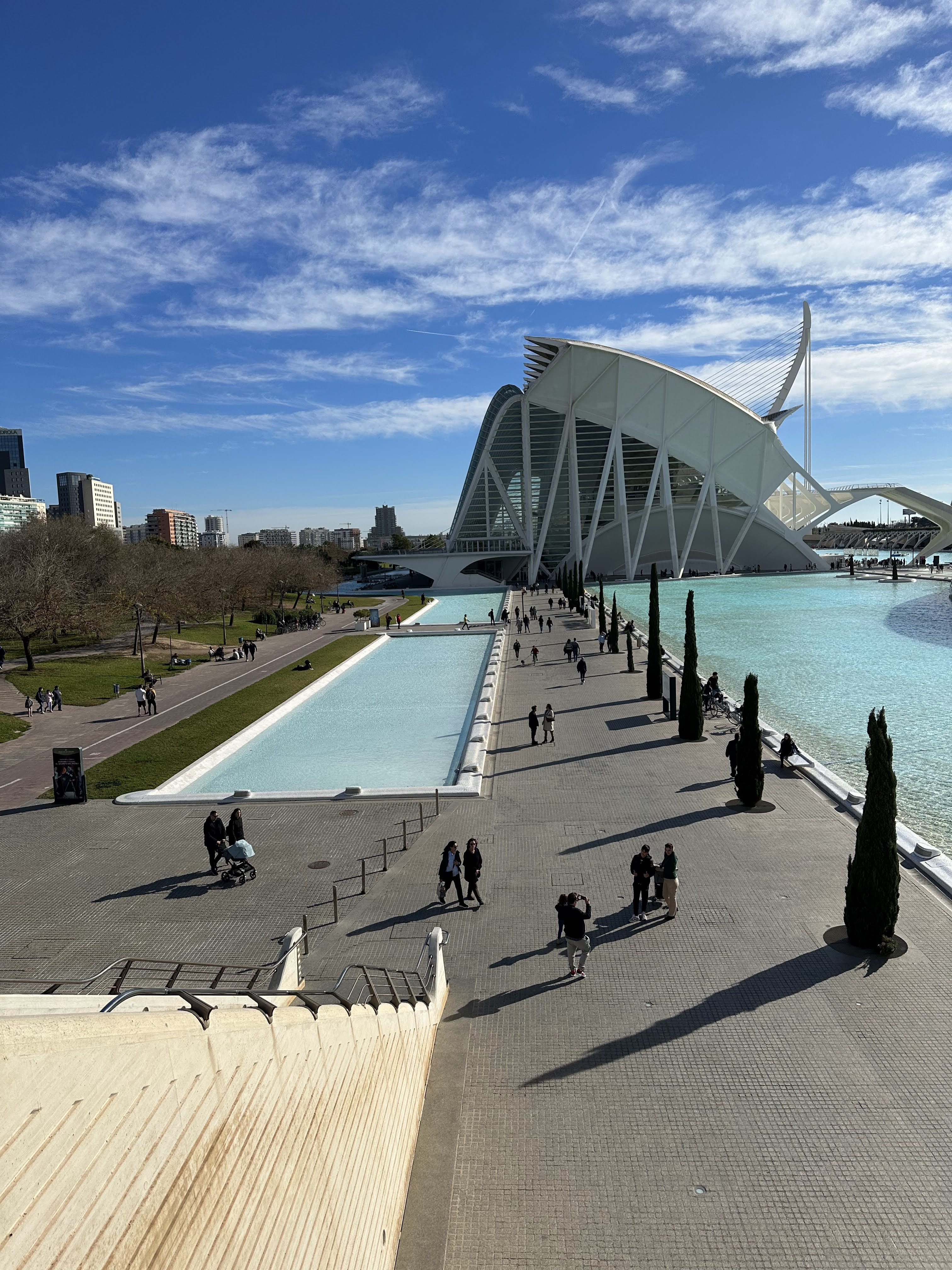
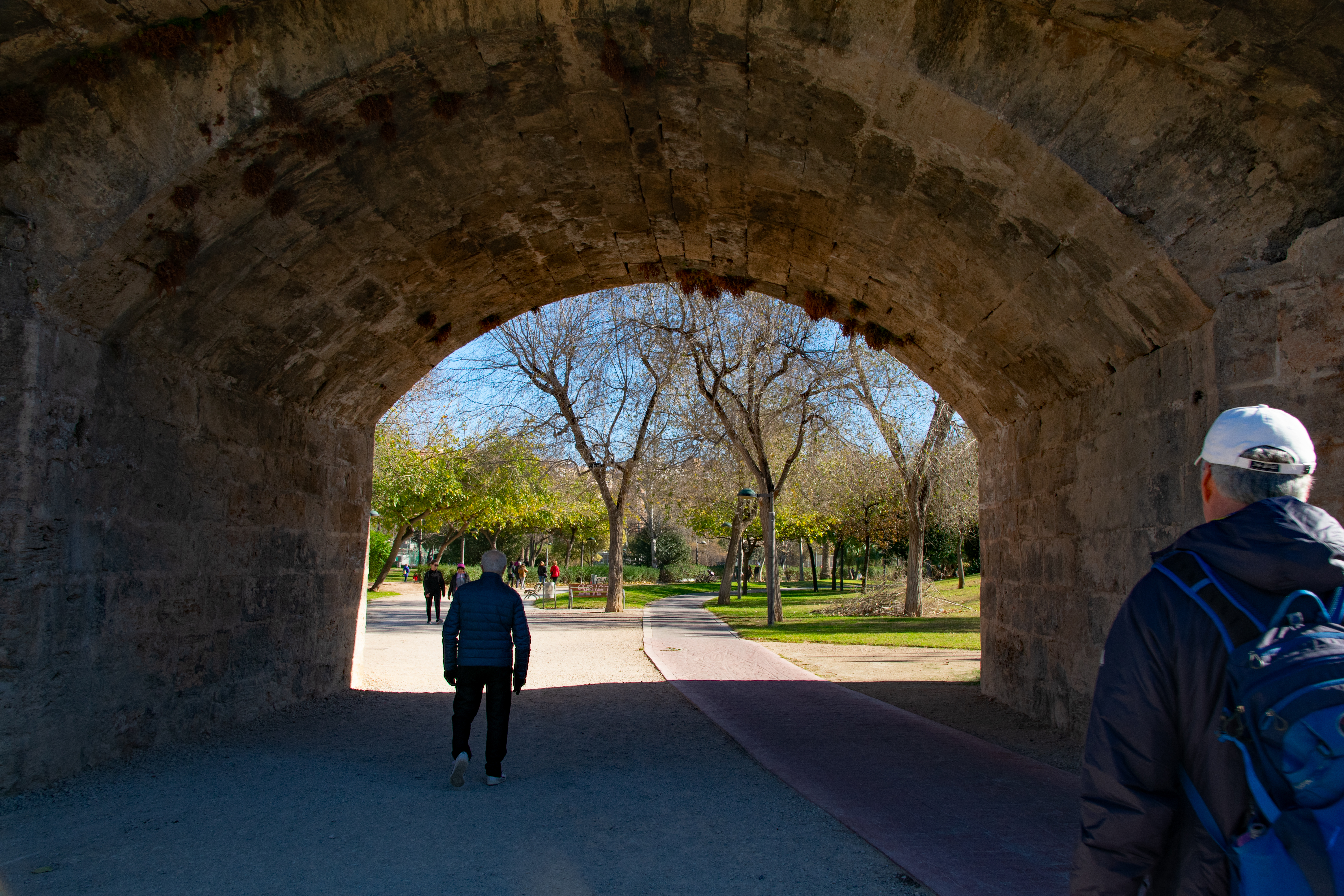
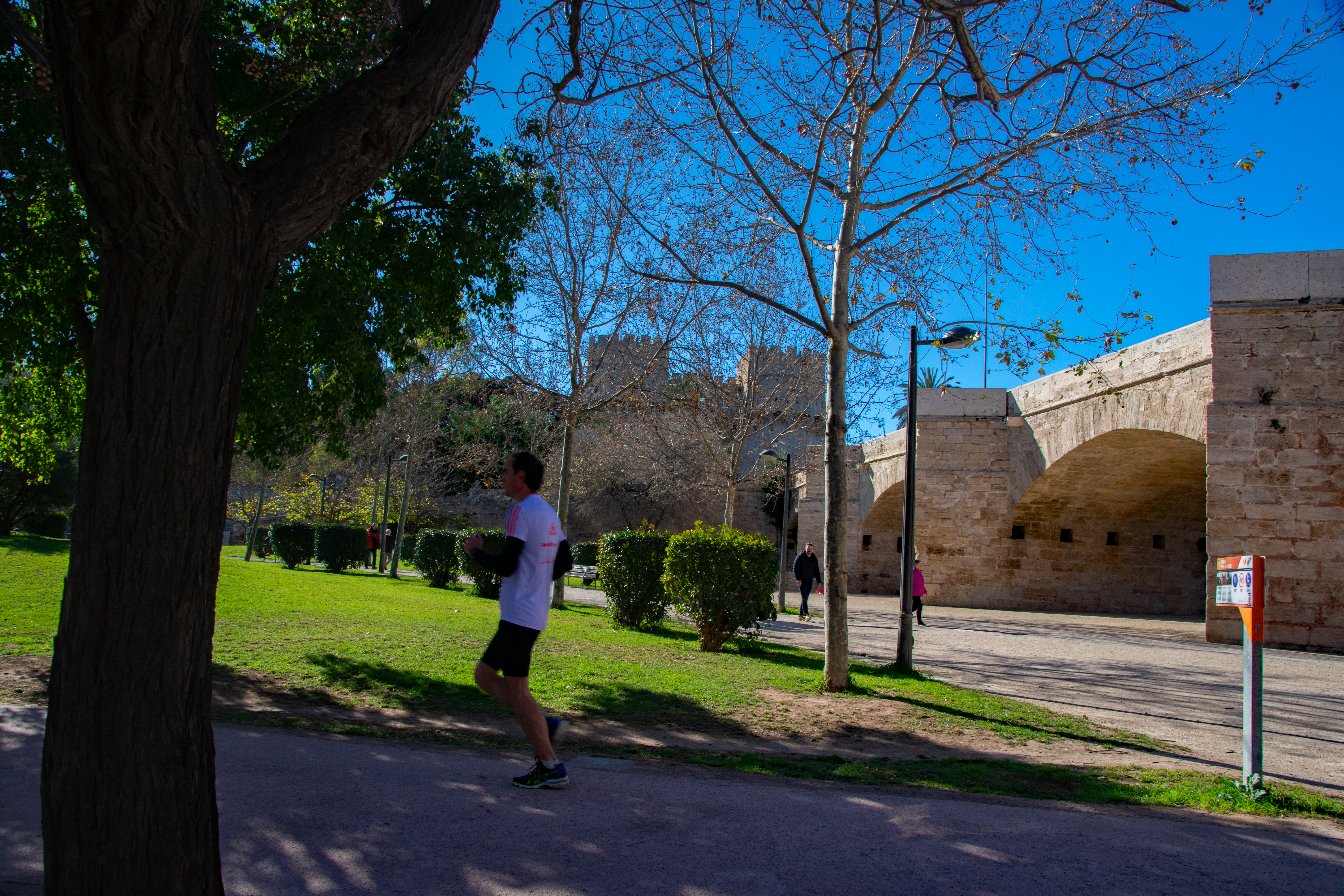

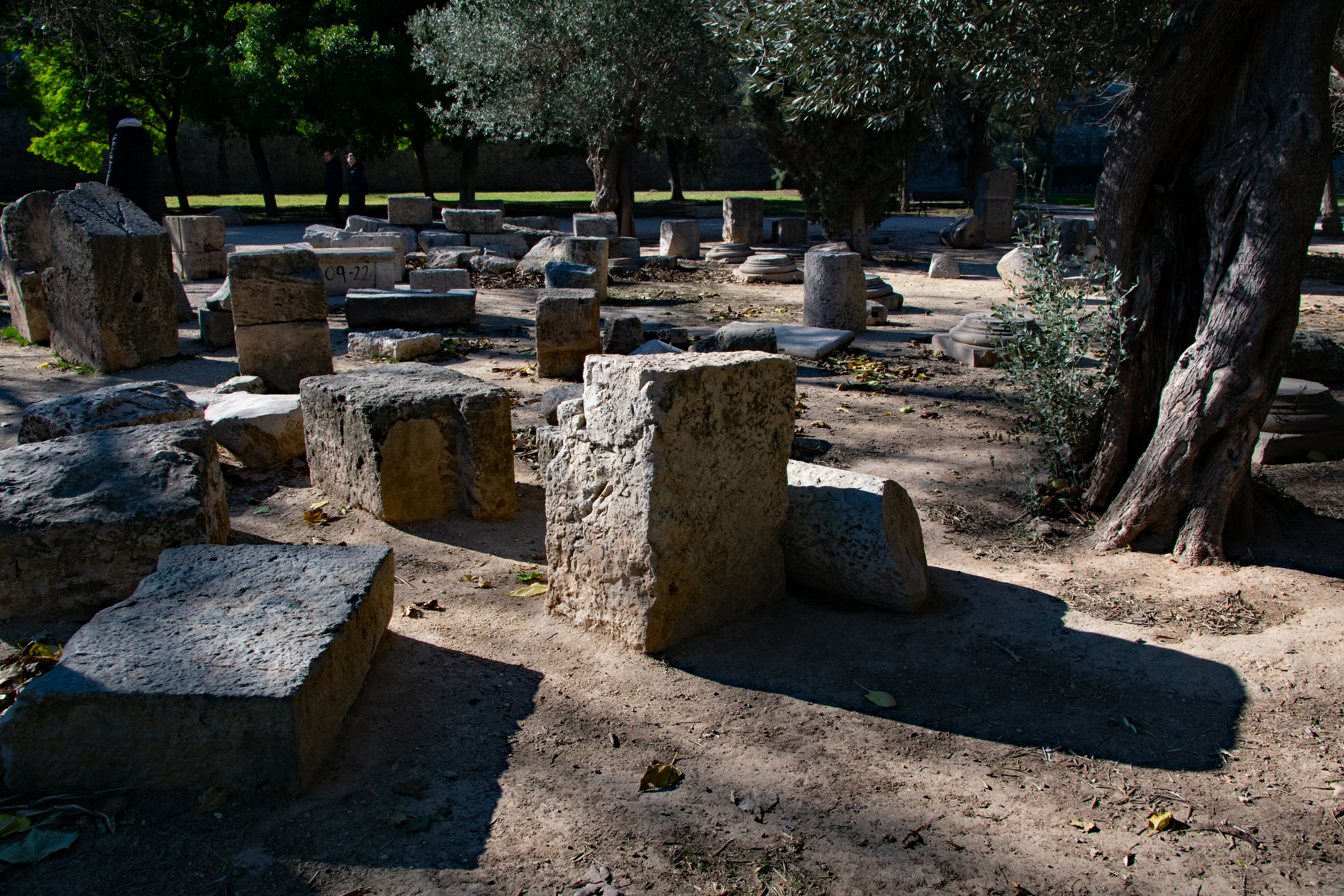
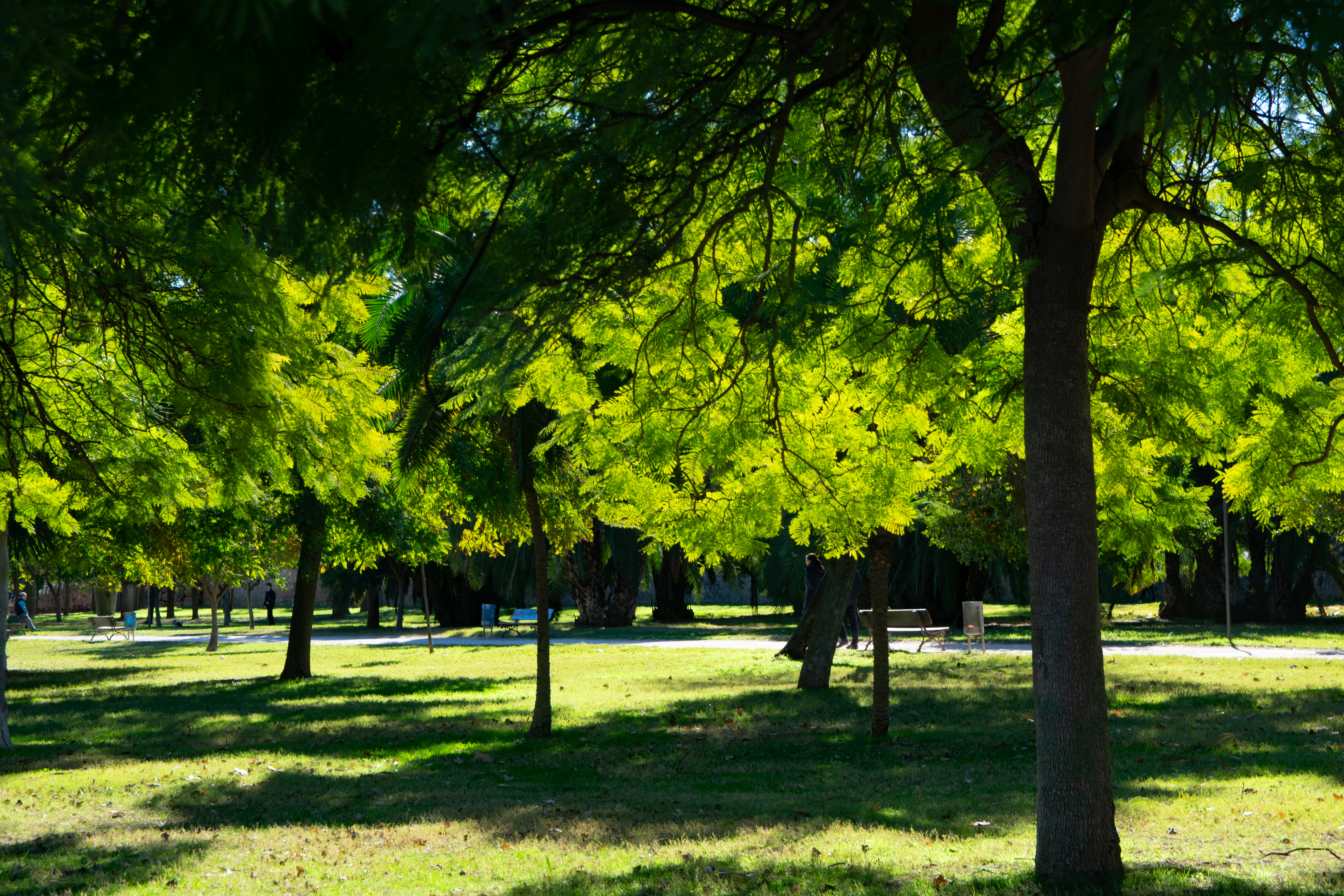


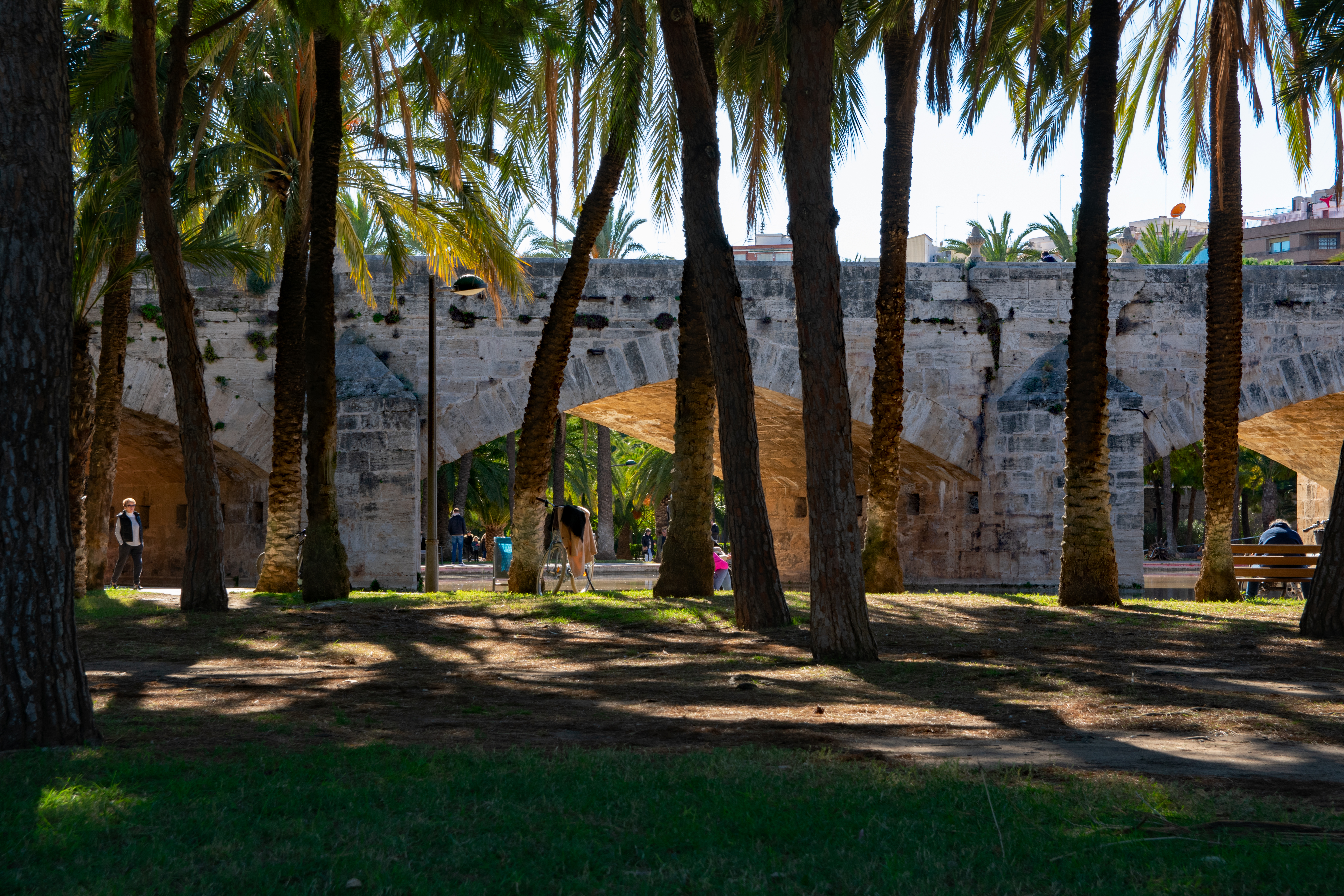
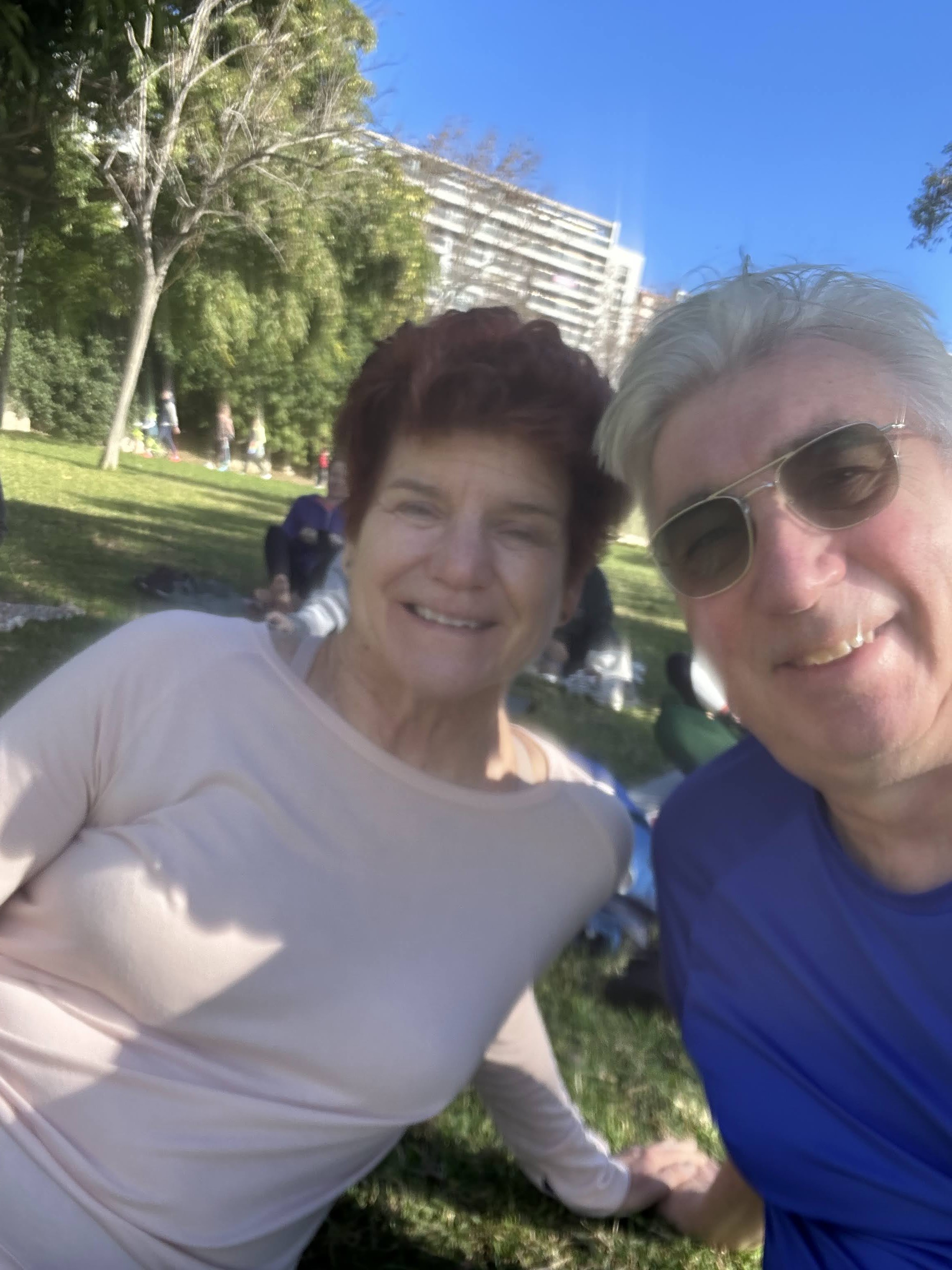
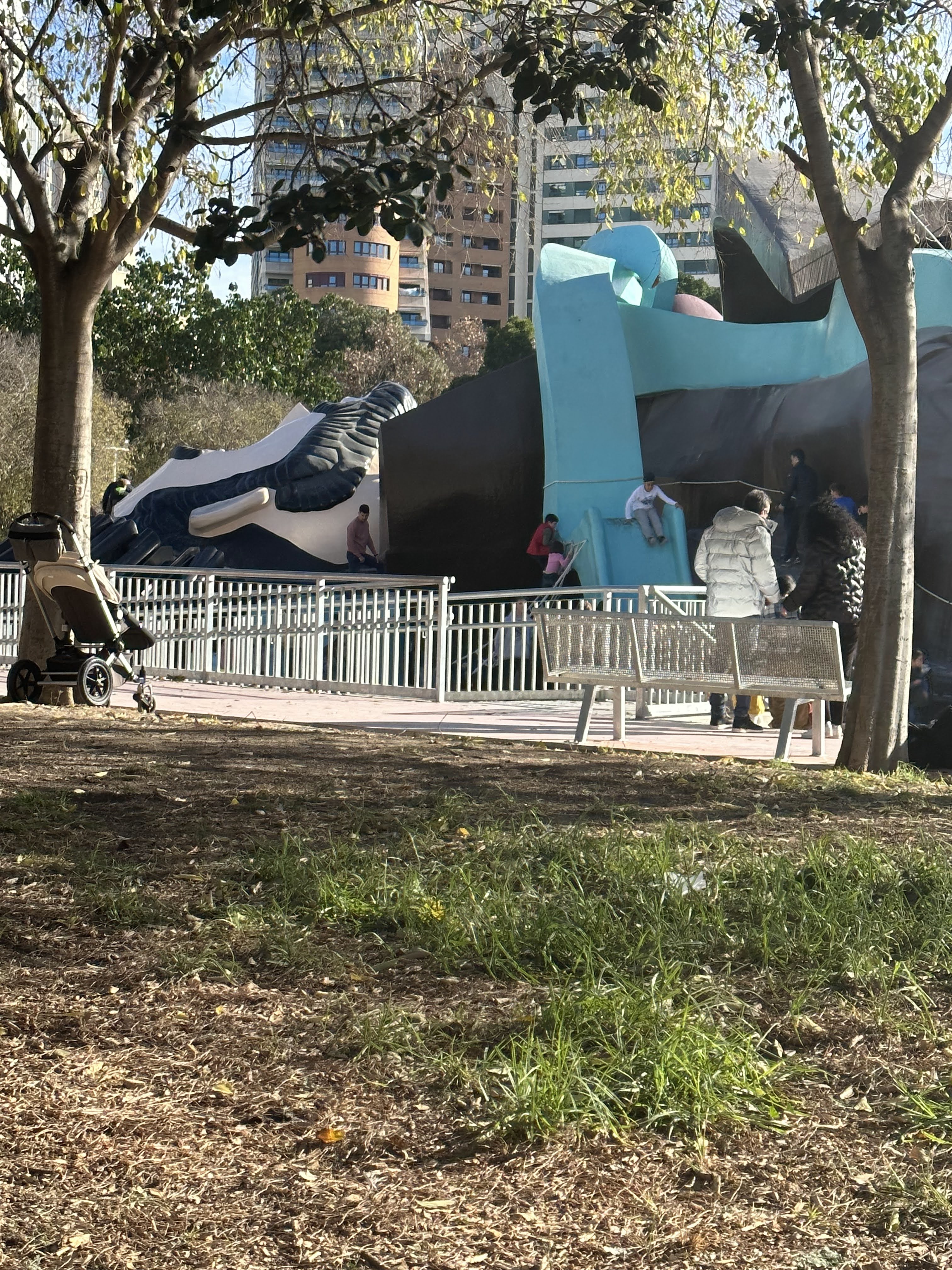
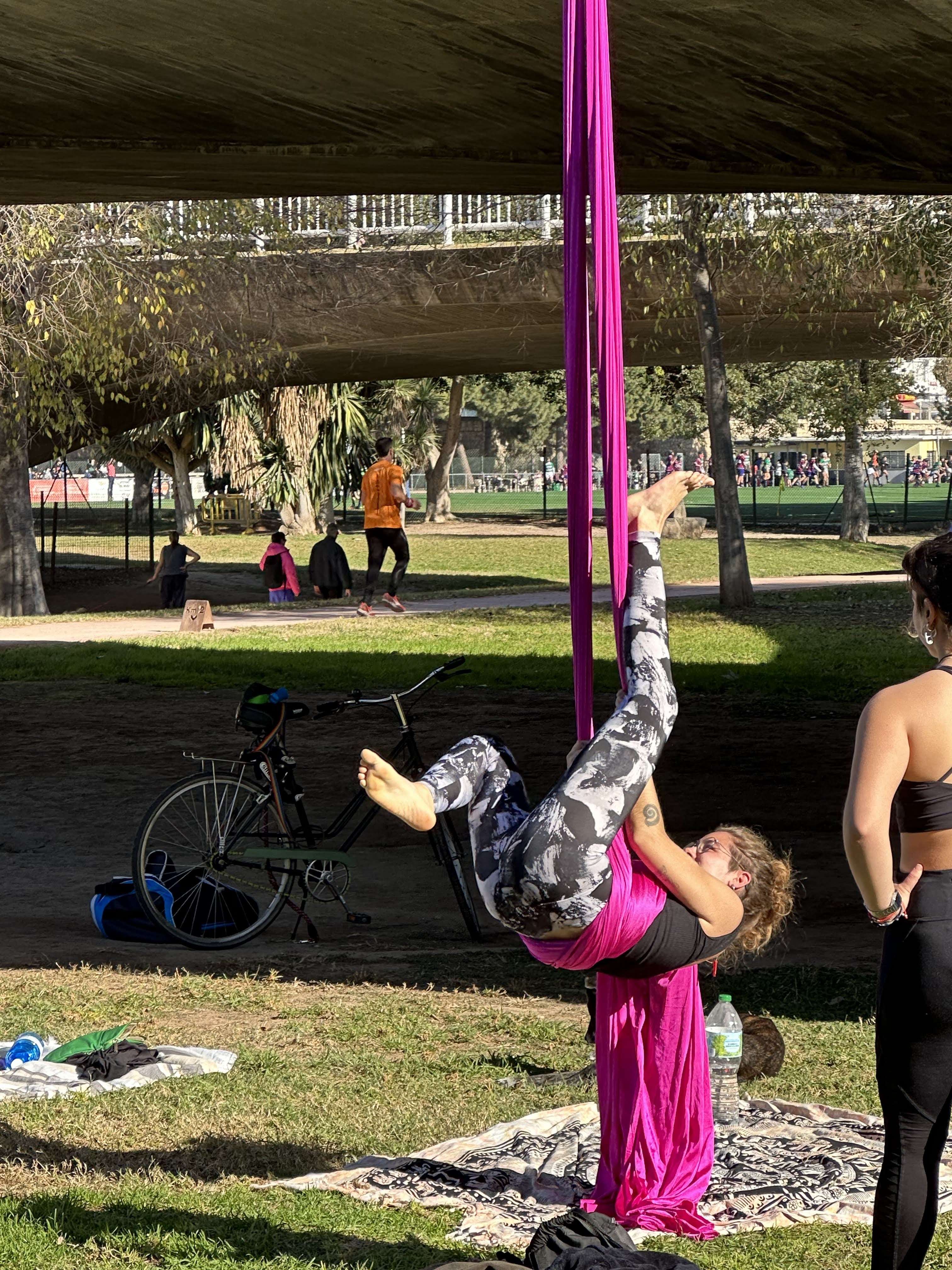
Above are scenes of Jardín de Turia. ( Turia Garden). It is a 5.5 mile long park that follows the former path of the Turia River. In 1957, the river overflowed its banks and flooded much of the city. Authorities had the river diverted to south of the city, and the dry riverbed was repurposed to green space. It is a fabulous place to bike or walk. It is home to multiple sports fields for soccer, rugby, and baseball. As you walk, run, or bike, you will see people practicing yoga, dance, and a form of pole climbing using fabric ropes hanging from the bridges.


Beautiful pictures and a compelling narrative to go along with them. Thank you for sharing, Chris
LikeLike