Mercado Central – Central Market for fresh food!
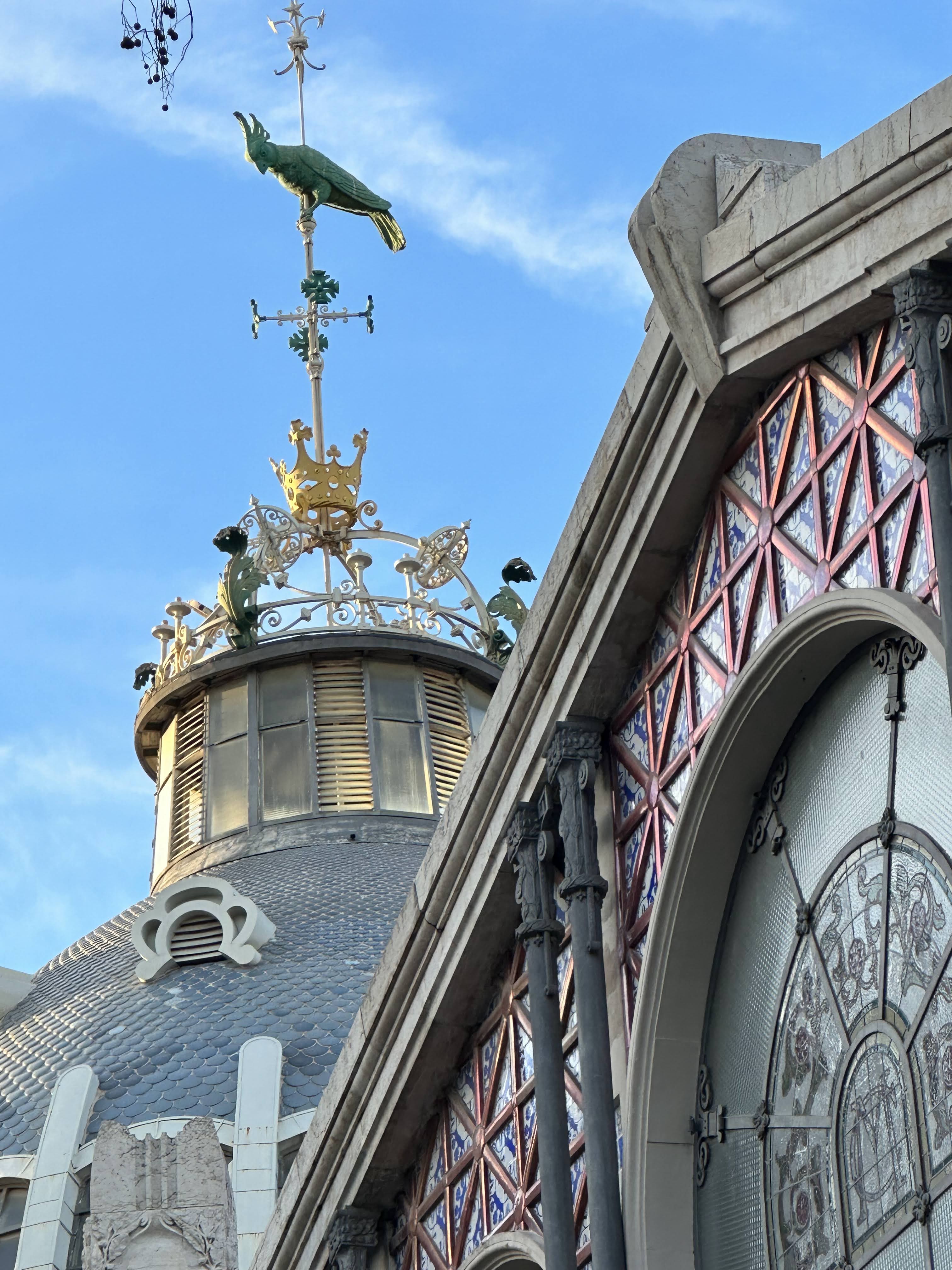
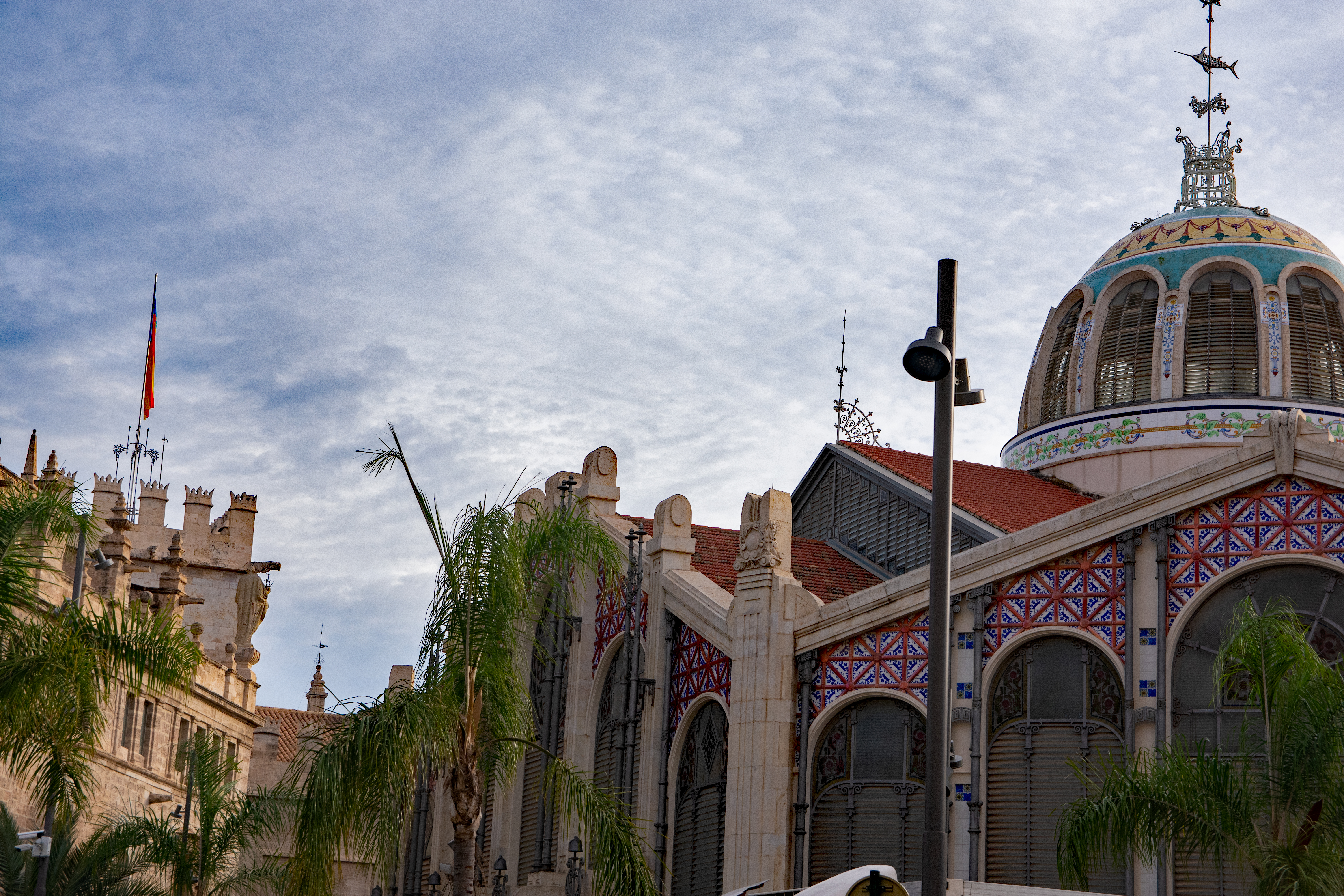
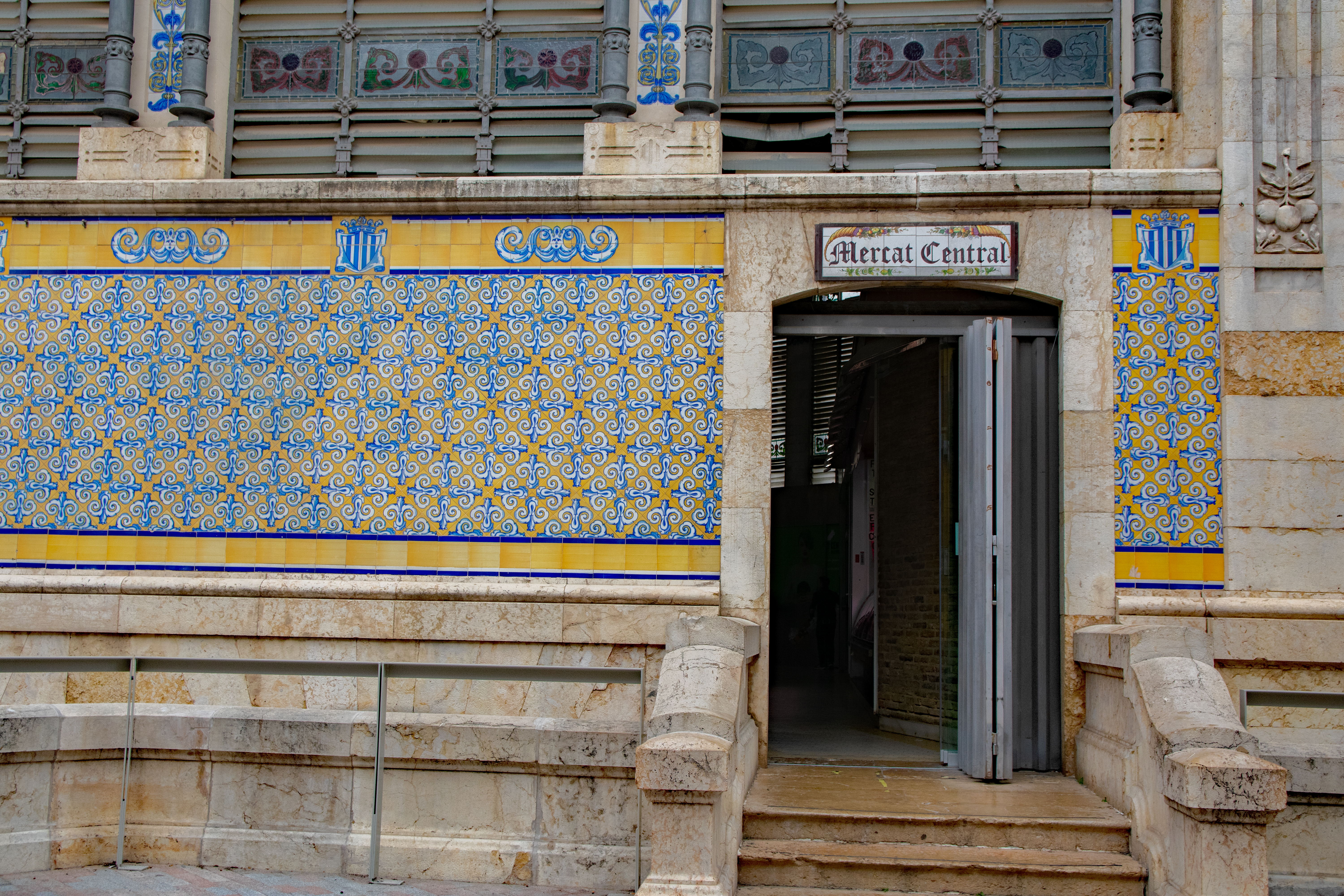
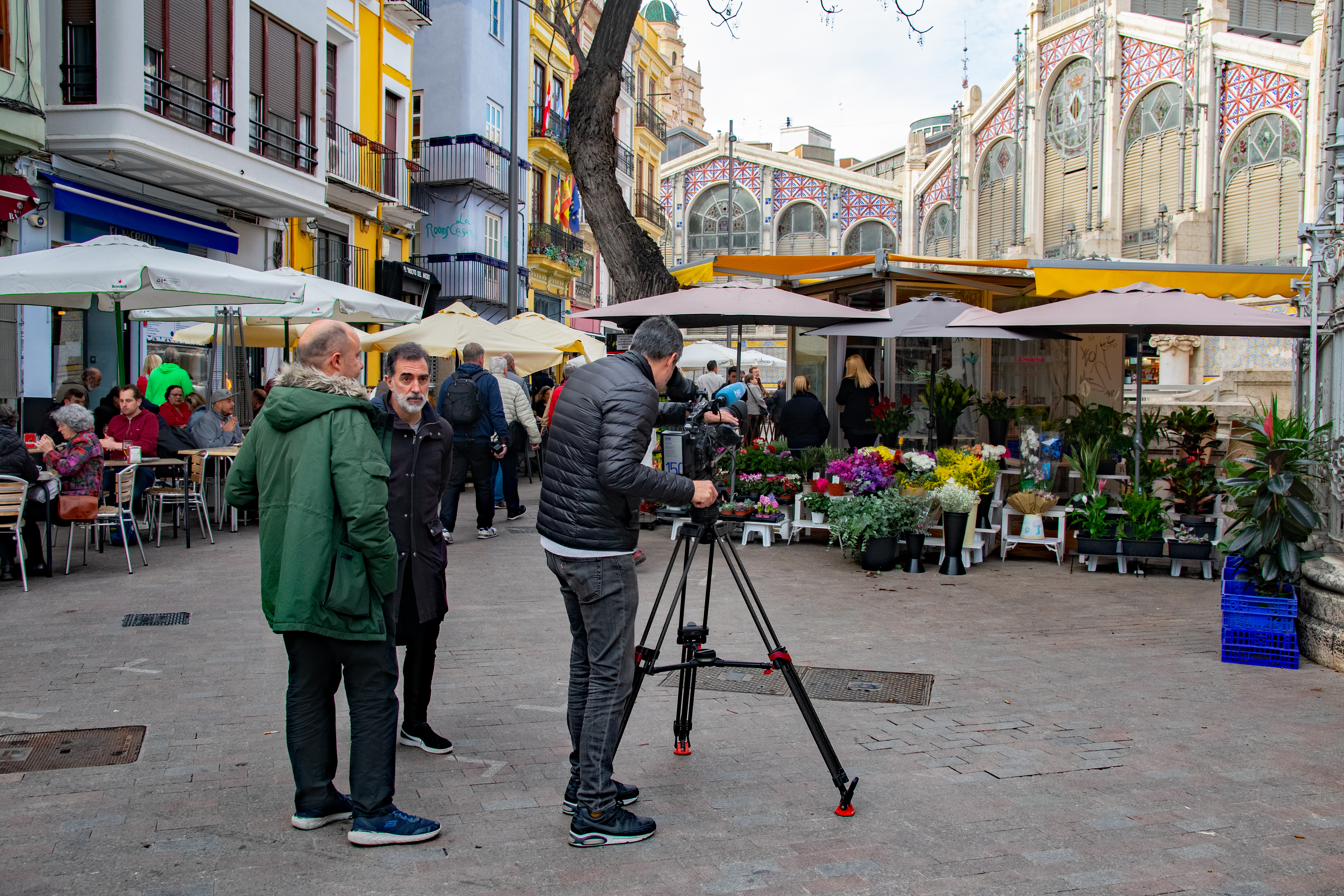
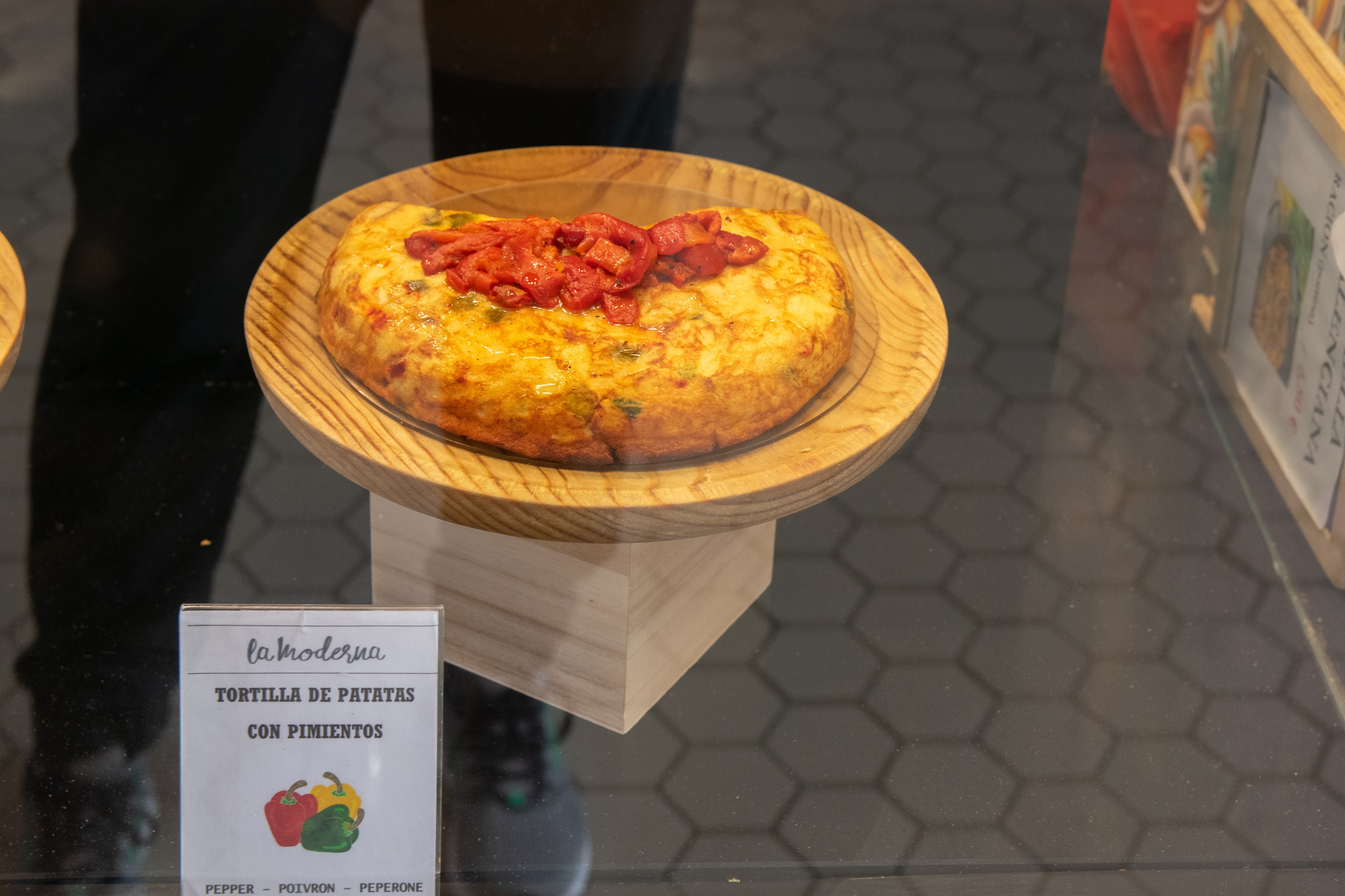
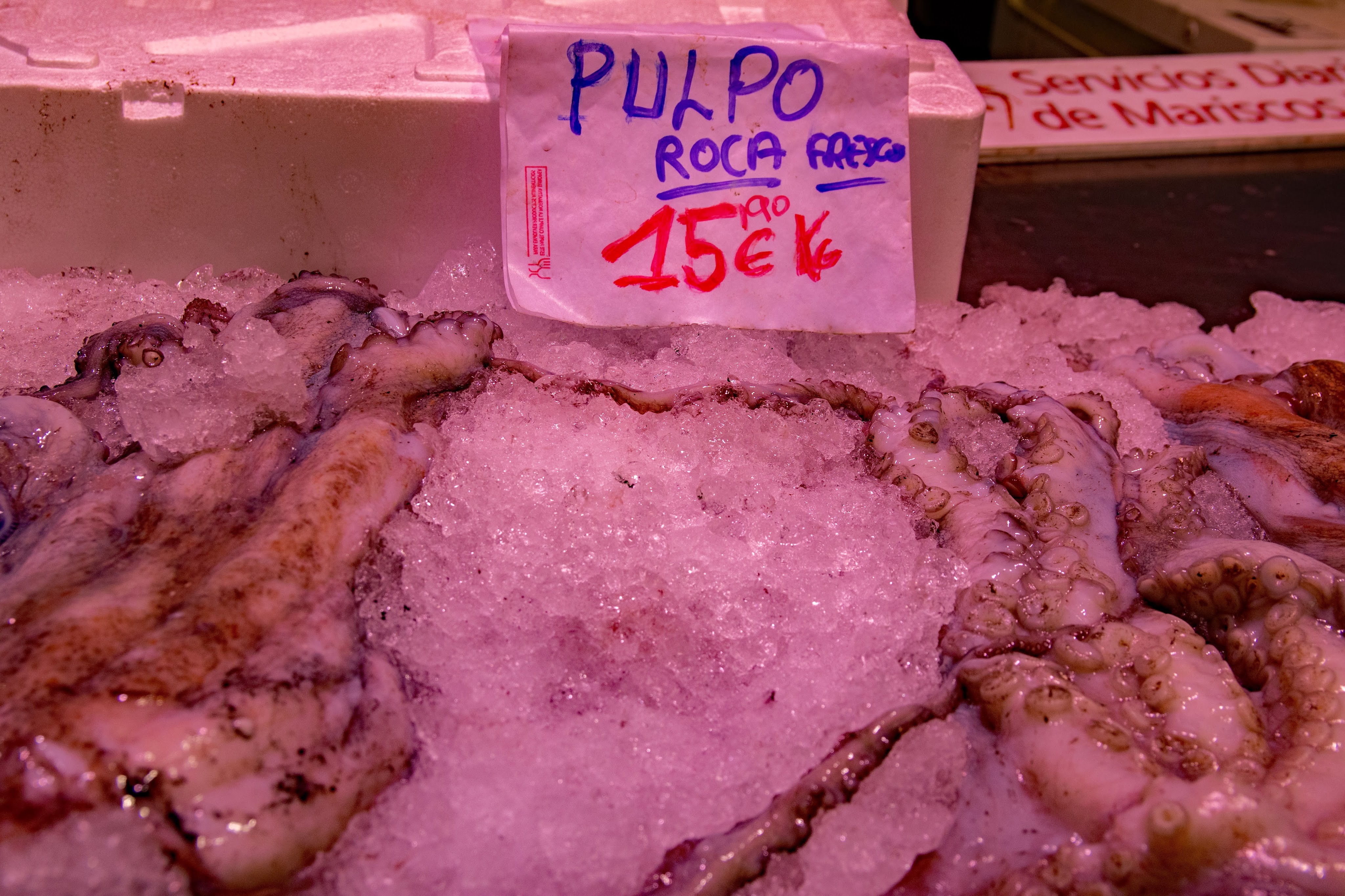
On our first morning in Valencia we headed out to the Central Market; a short walk from our apartment. The Modernist structure was completed in 1928 to bring the street market indoors. On Saturdays, there is still an outdoor flea market between Central Market and La Lonja de Seda (Silk Market) across the street. There you can buy anything from coins and war medals to vintage clothing. There are also orange juice stands and, of course, cafés. The market is a tourist attraction, but it is where the locals go to buy the freshest food at the fairest prices. At this time of year, the locals far outnumber the visitors. We walked through the entire market and on our second lap, we bought olive oil, red peppers, strawberries, oranges, cucumbers, cheese, bread, olives, etc. We stopped at Central Bar for a coffee and a montadito (small sandwich). This is Michelin chef Ricardo Camarena’s humblest location. The daily specials are written on the chalkboard. The food is ultra-fresh, tasty, and cheap!
Mercado Central is not the only place to shop in Valencia. There are several fresh markets in neighborhoods throughout the city. In addition to market stalls, there are small fruit and vegetable shops (fruterías), bakeries (pastelerías), and grocery stores (supermercados). Supermercados are generally much smaller than what we are used to in the States, but you will find the basics and your bill will be much less than what you are used to as well.
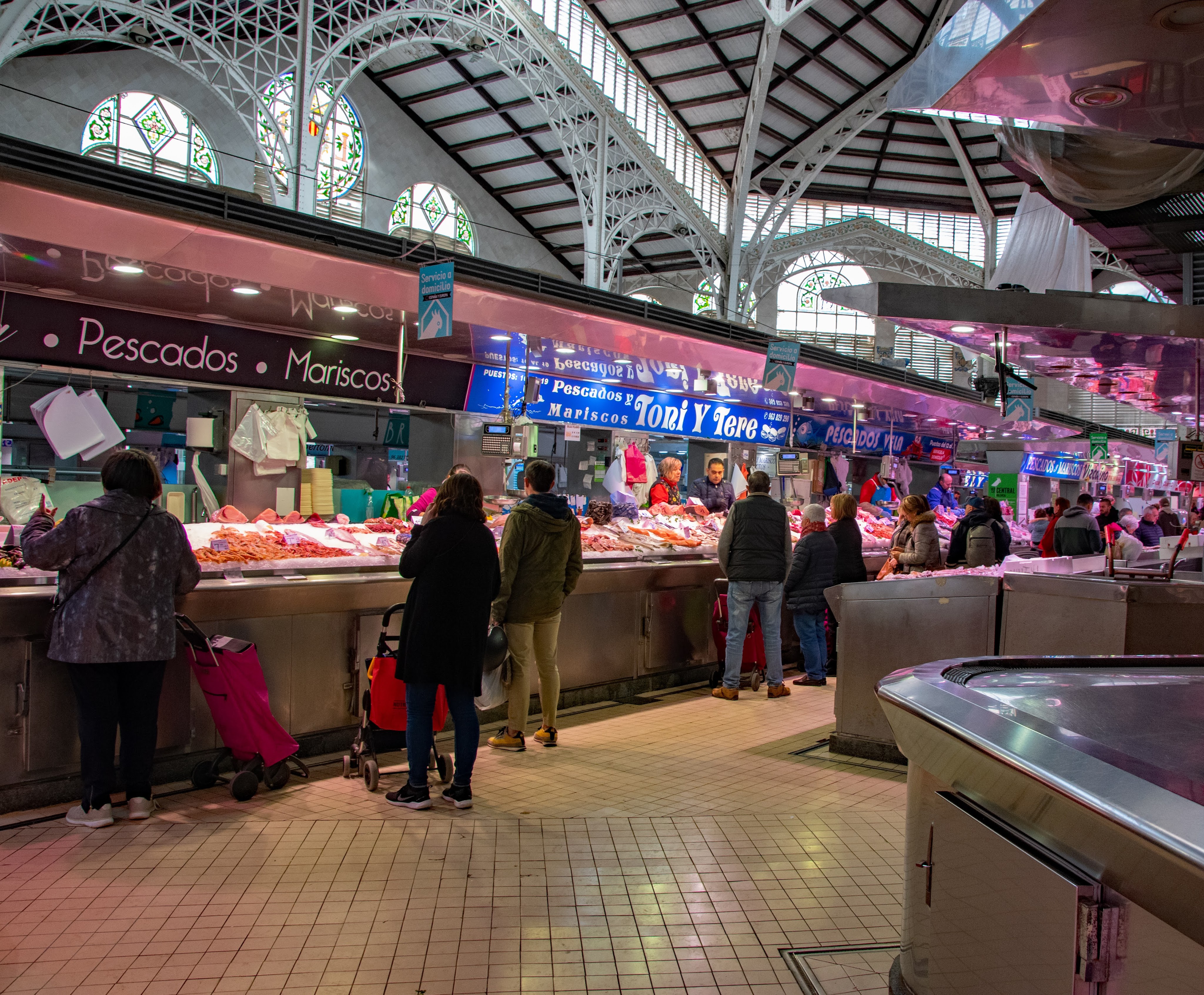
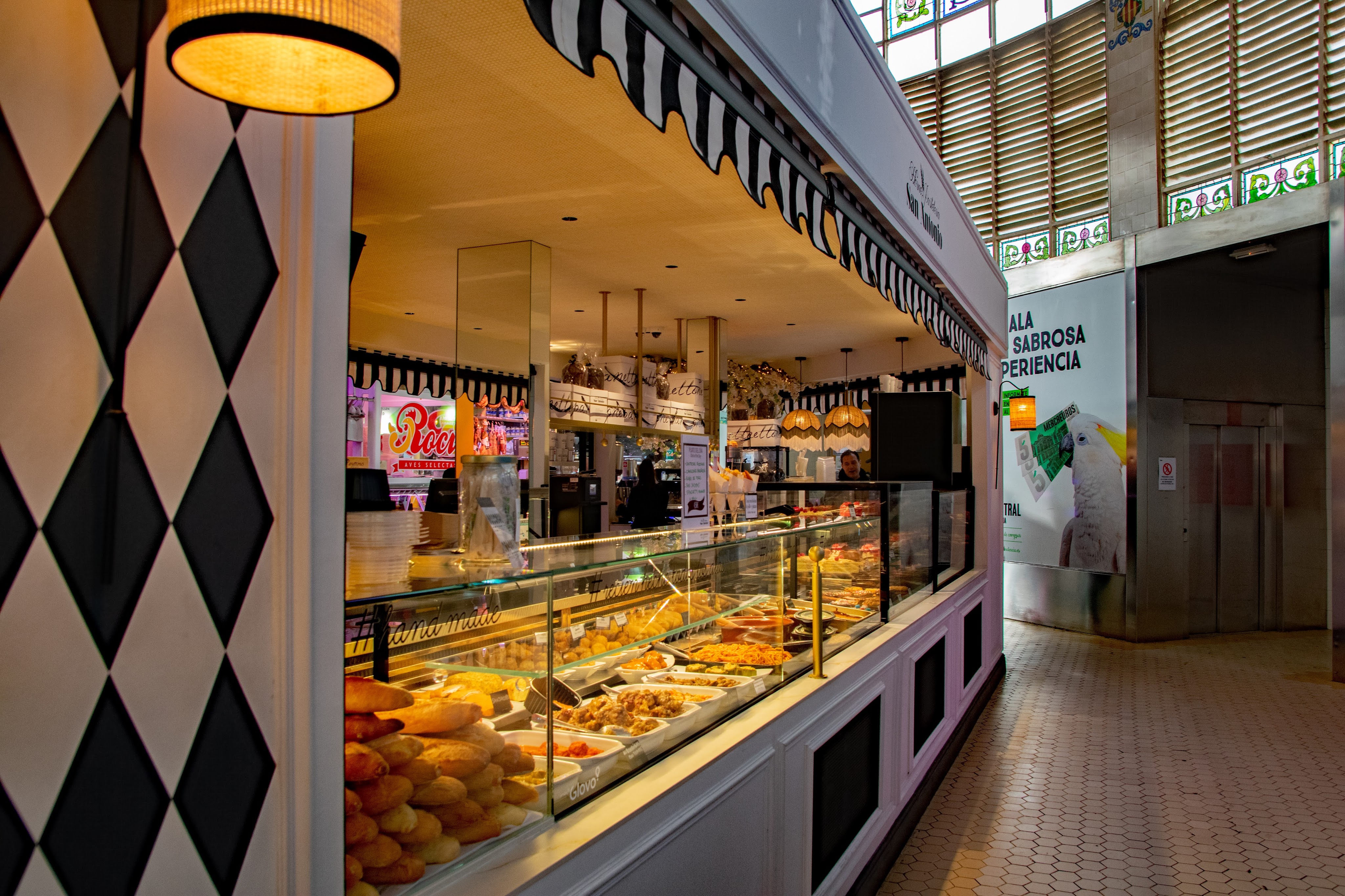
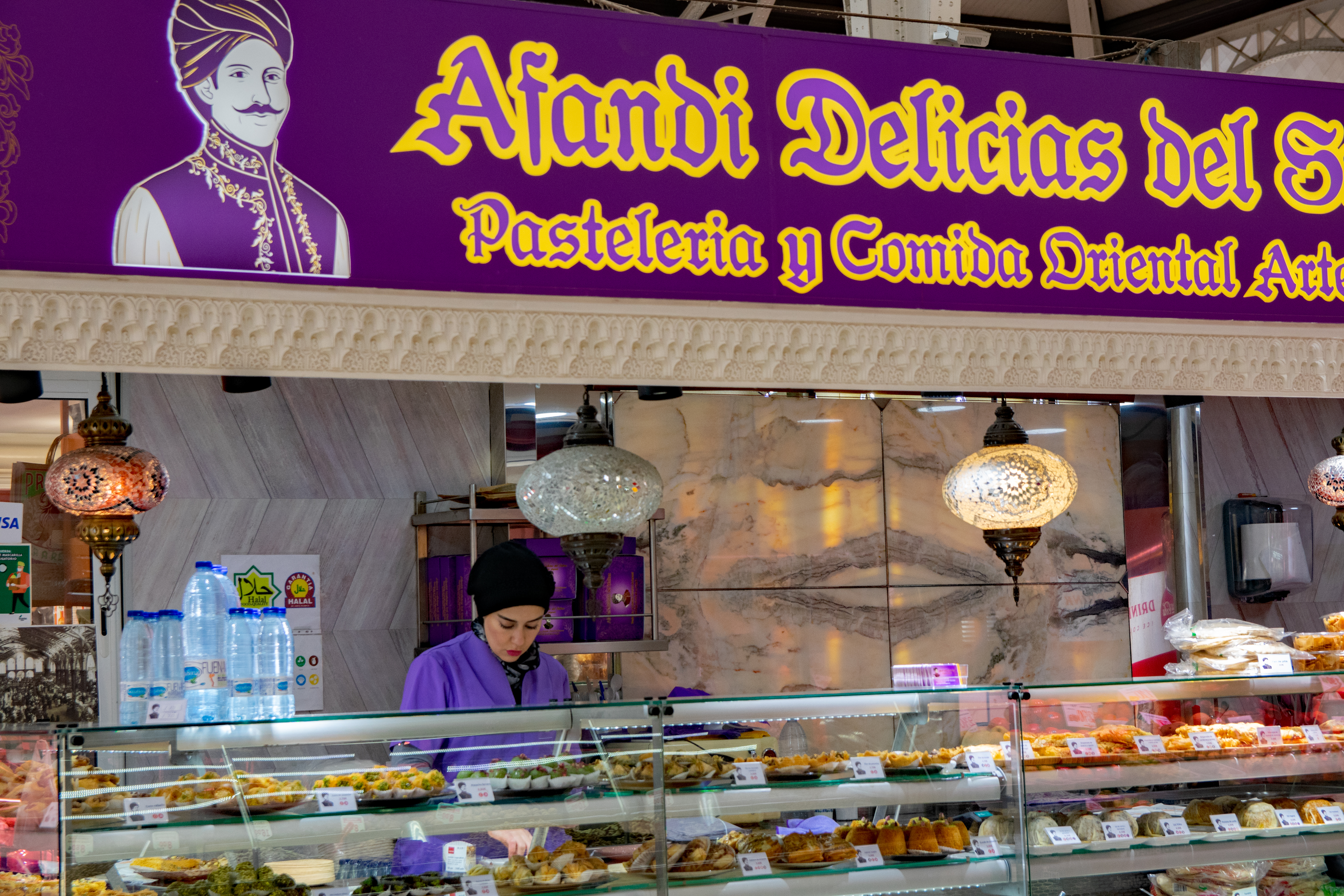
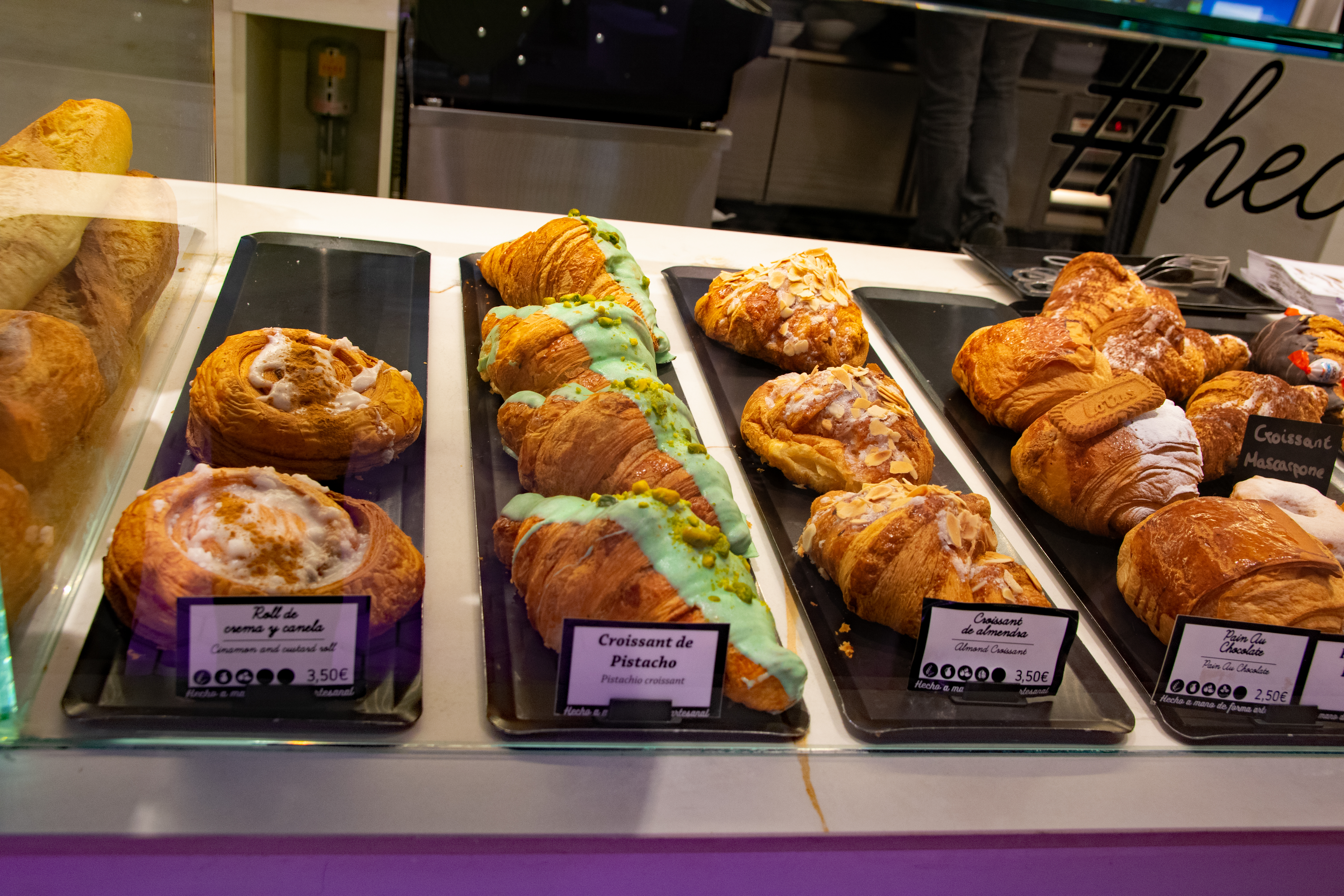
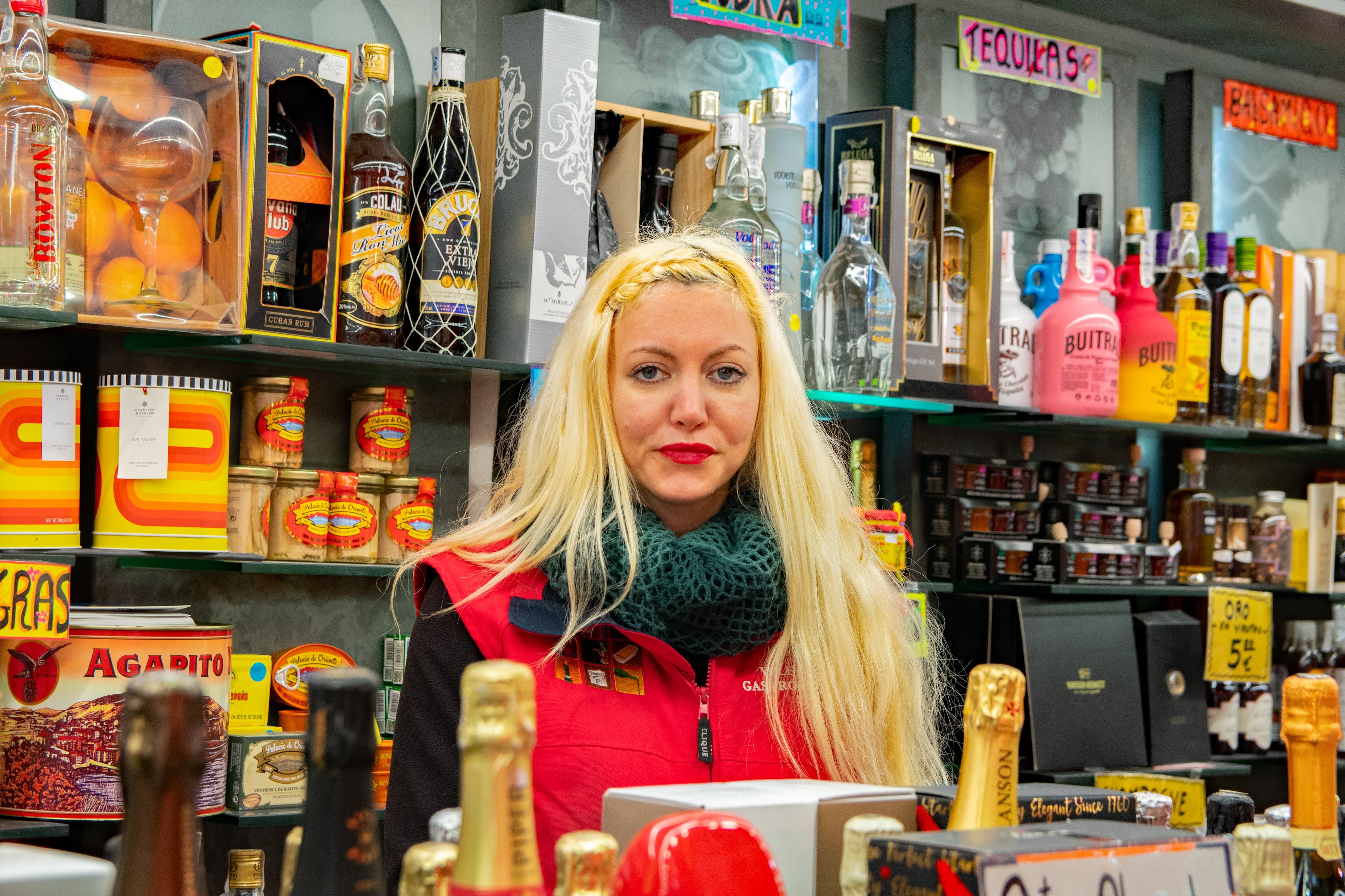

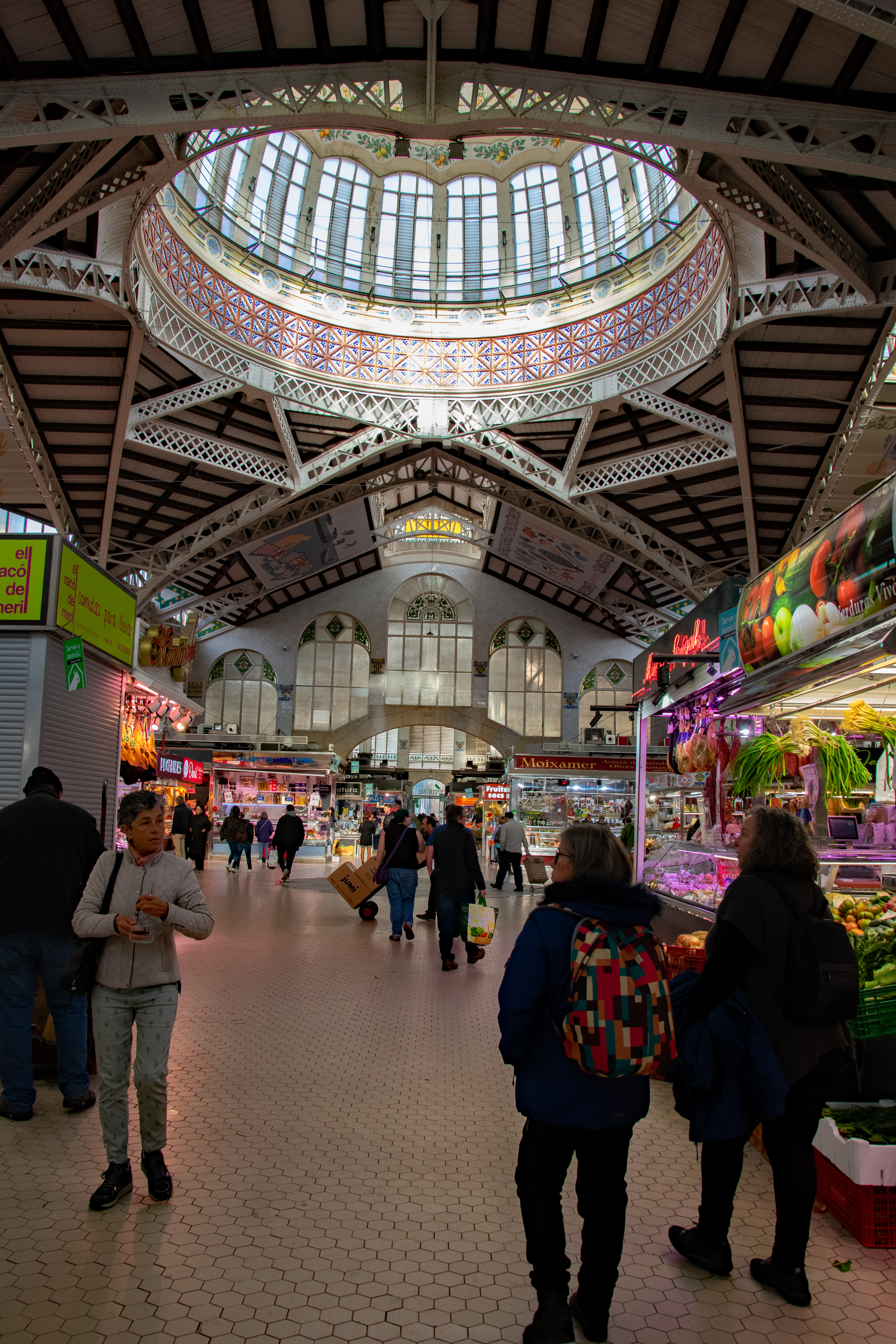
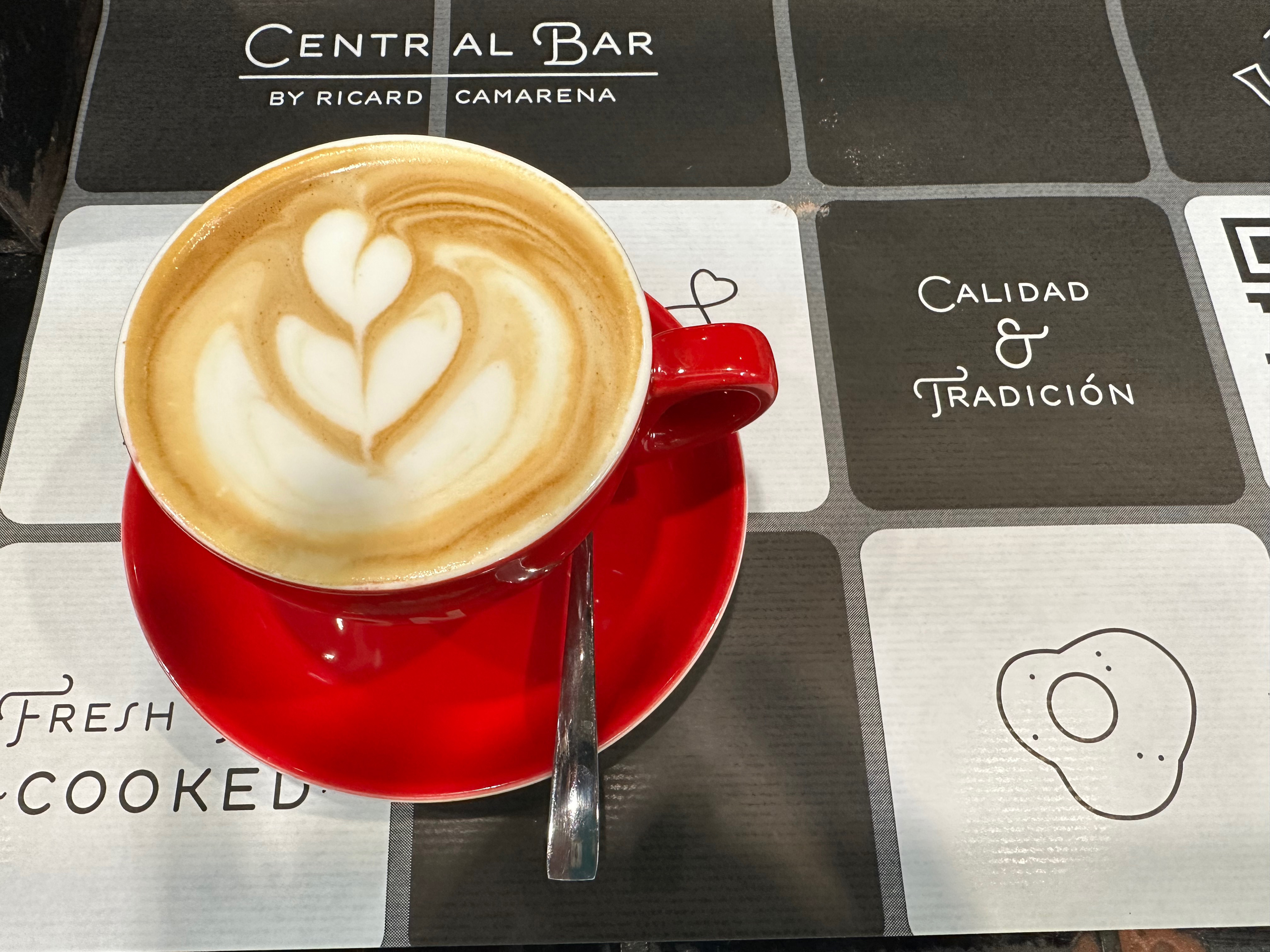
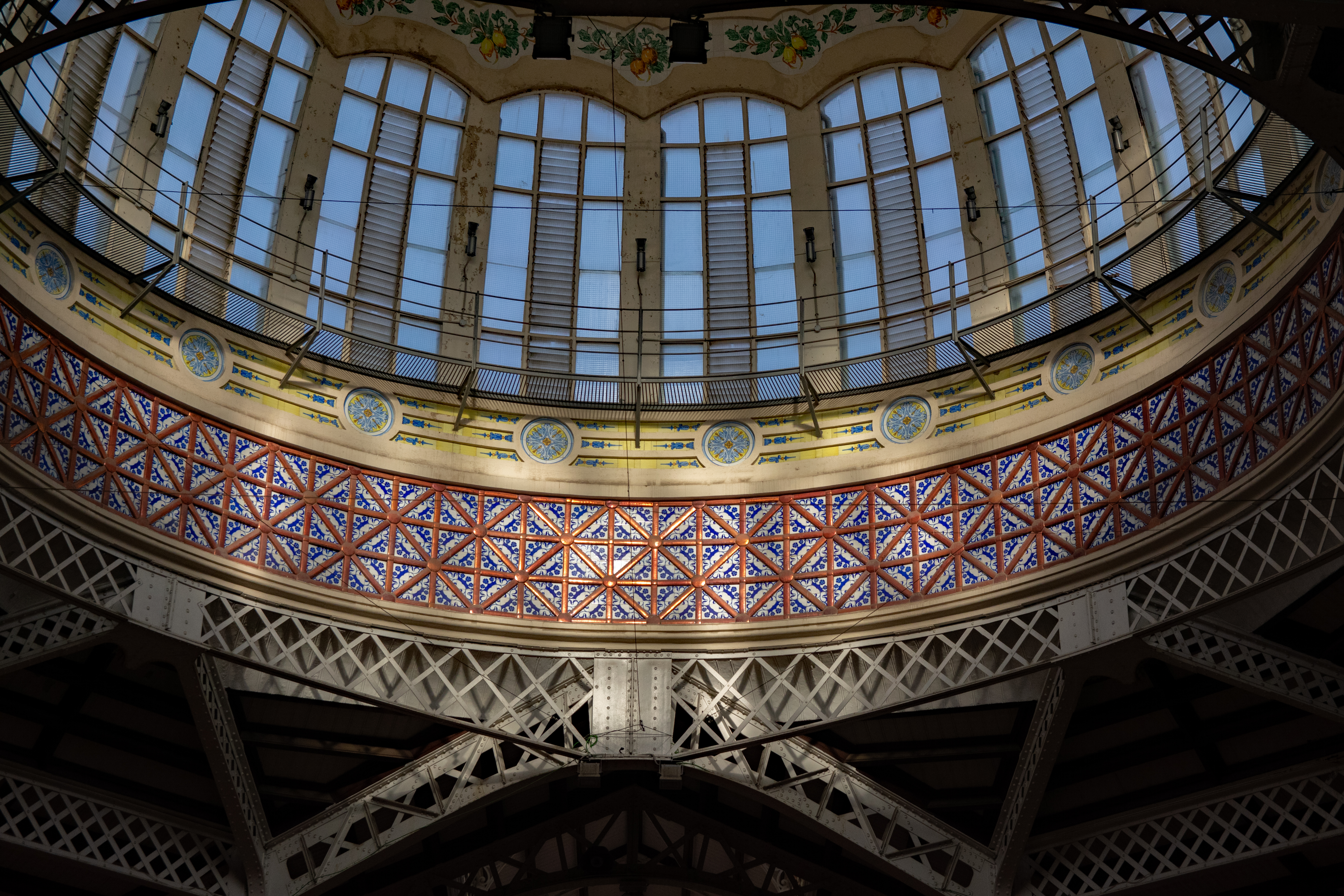
Double click on gallery photos to read captions.
La Lonja de Seda- The Silk Market
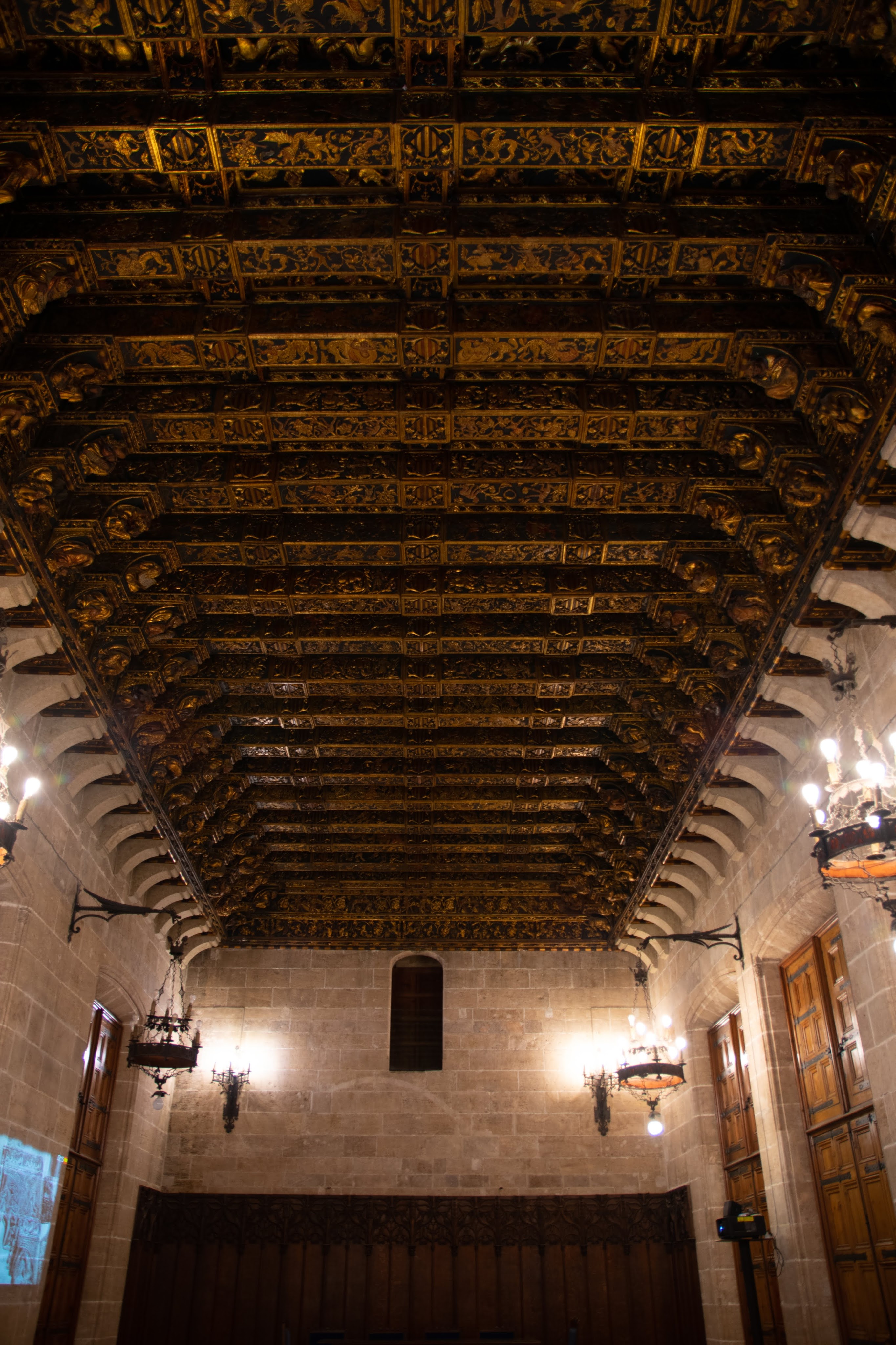


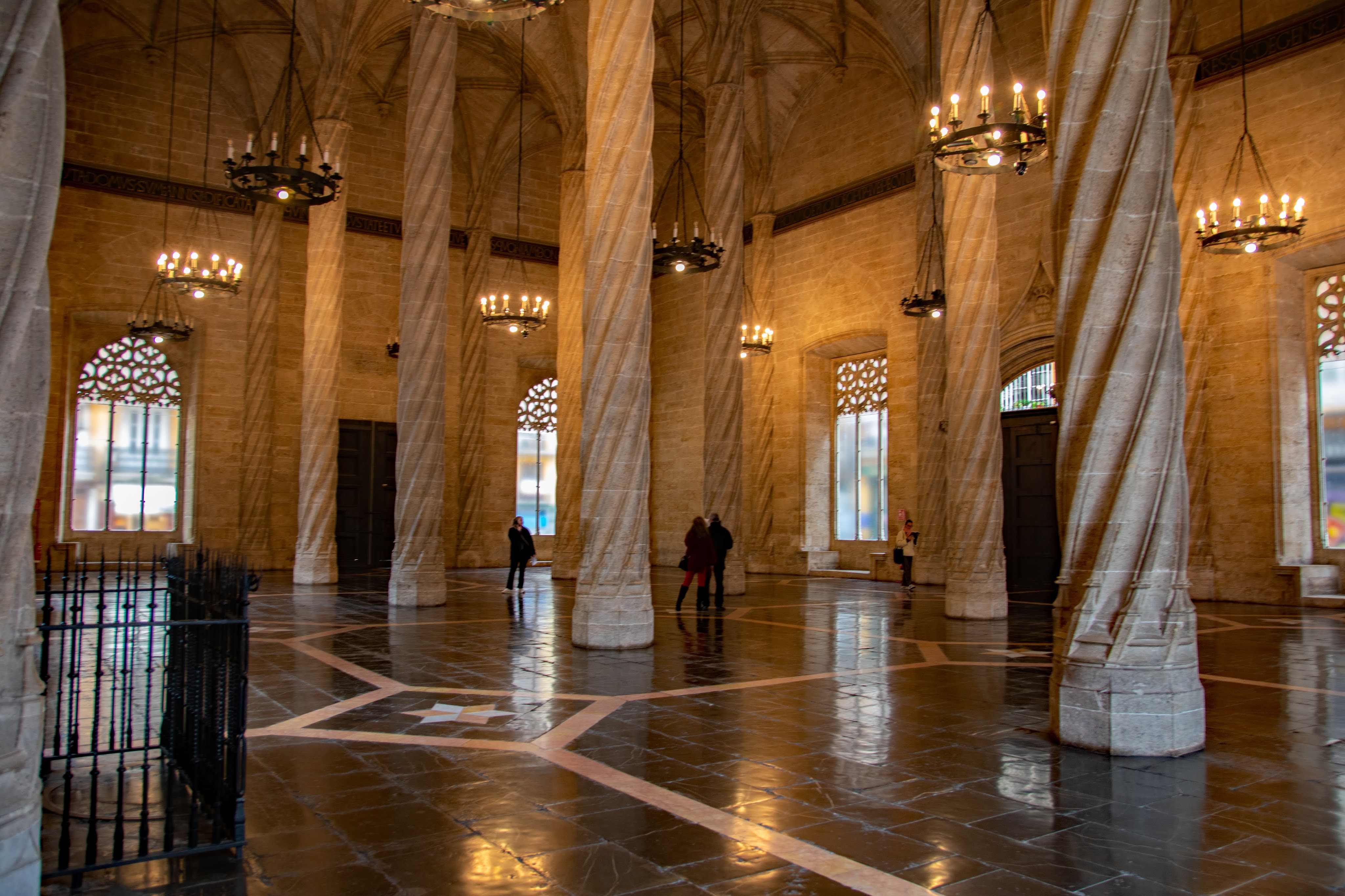
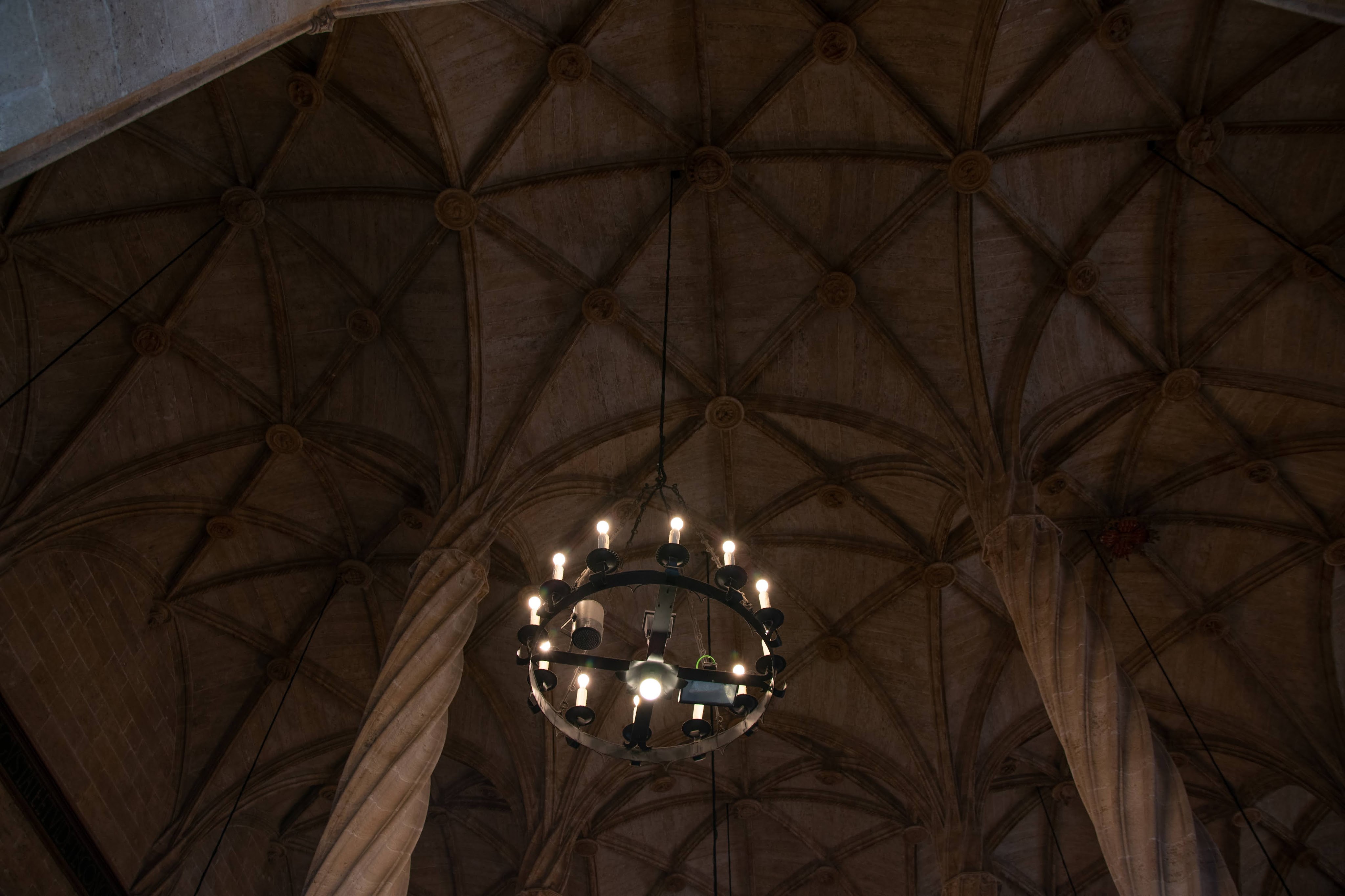


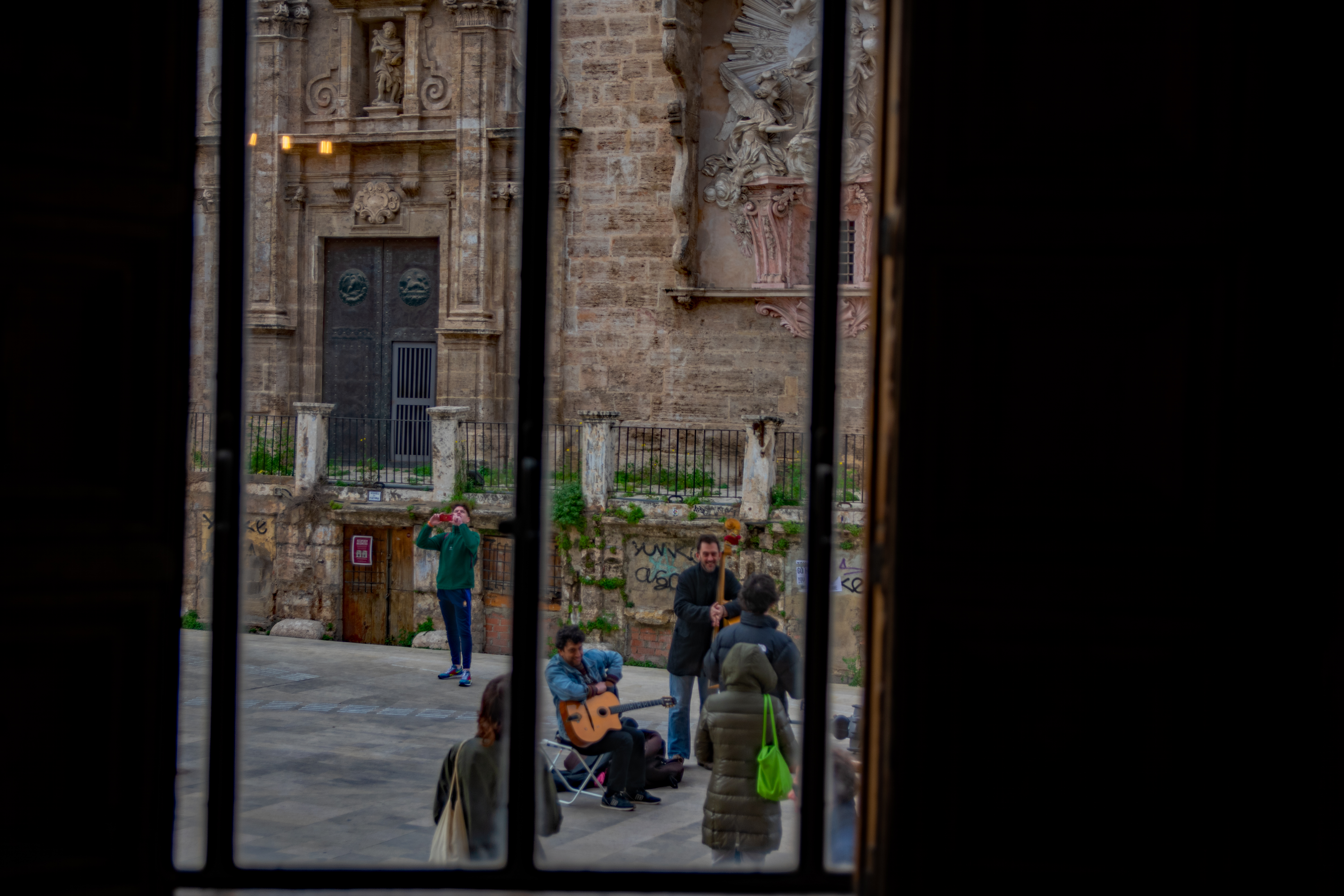

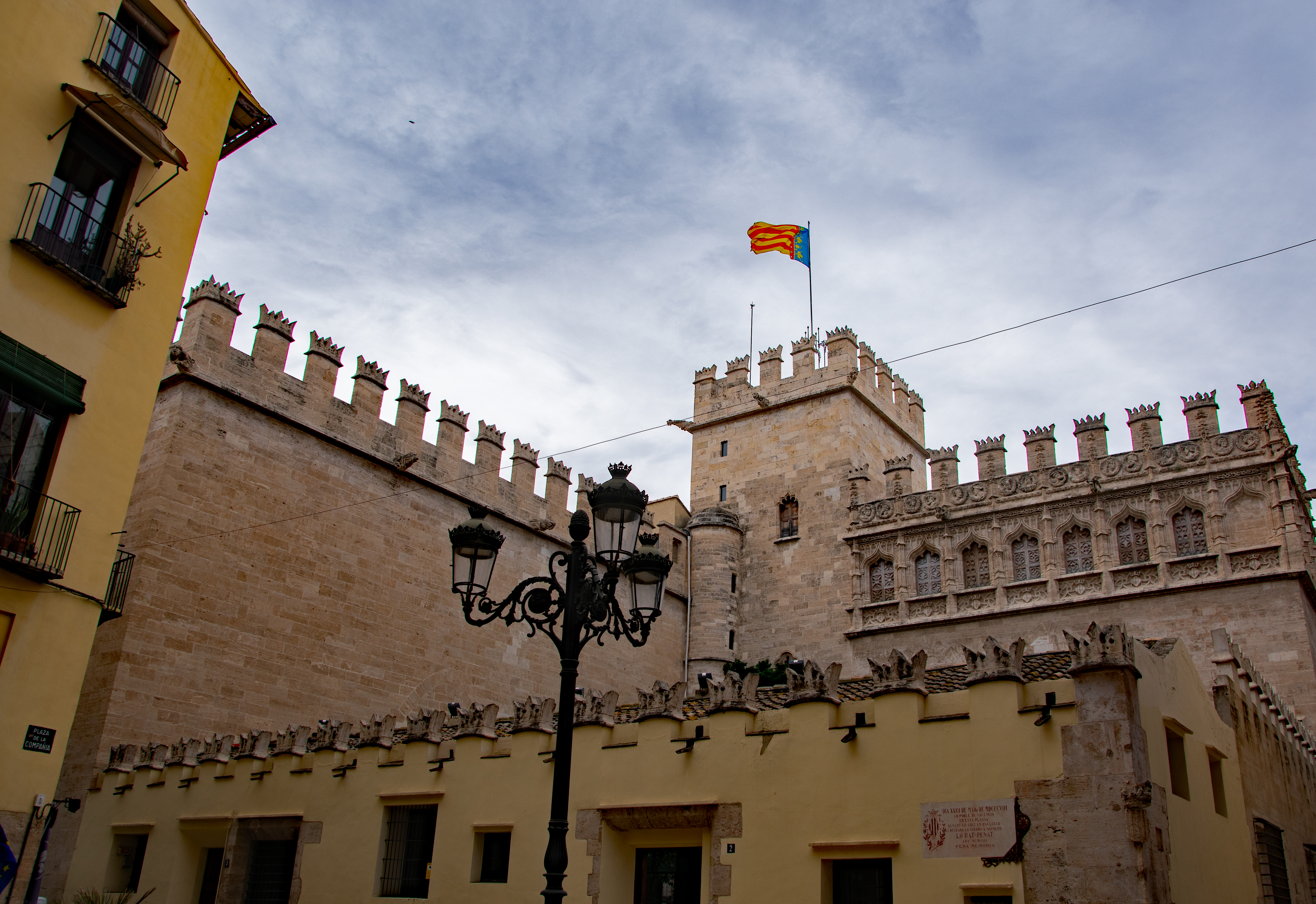
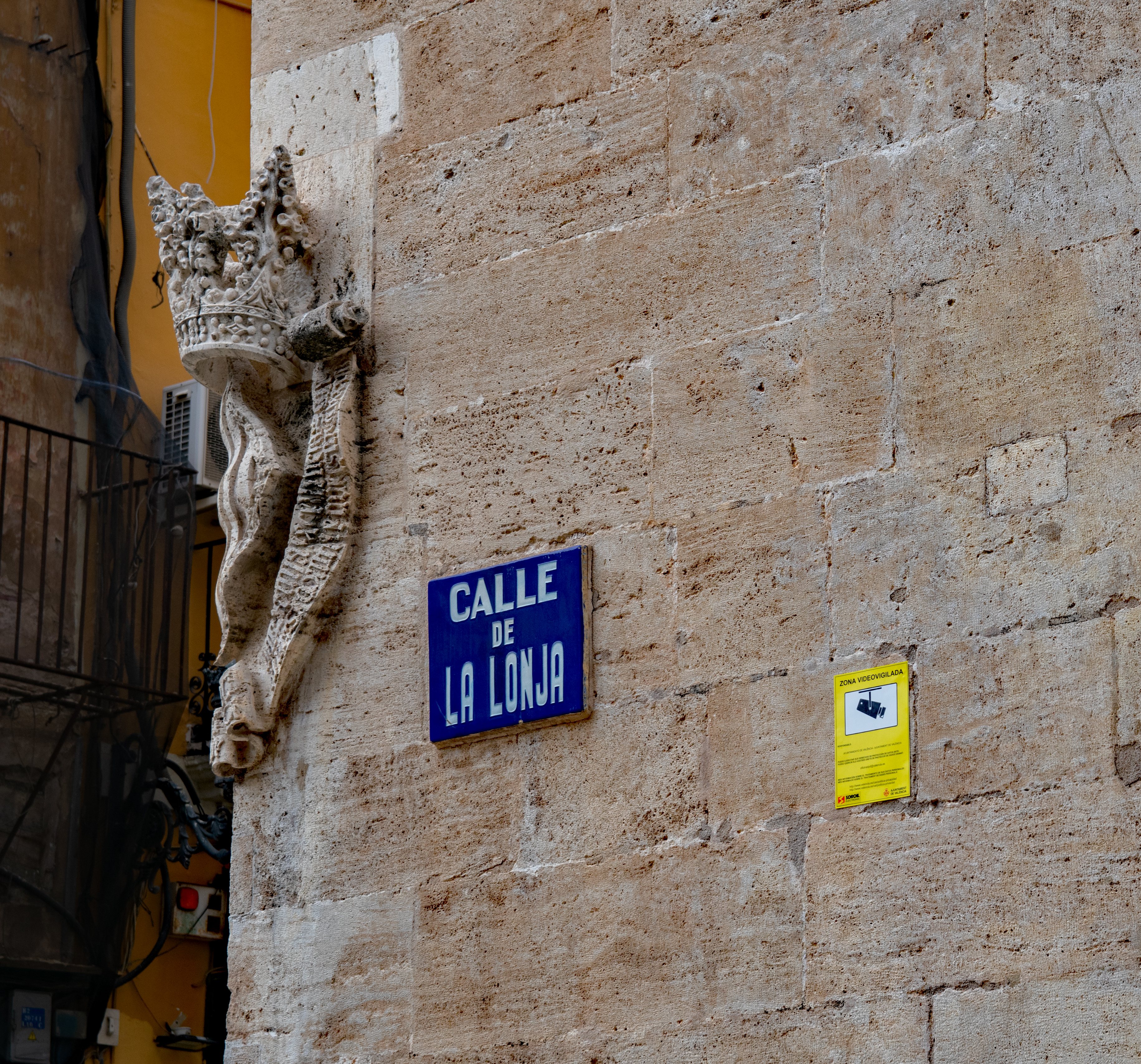
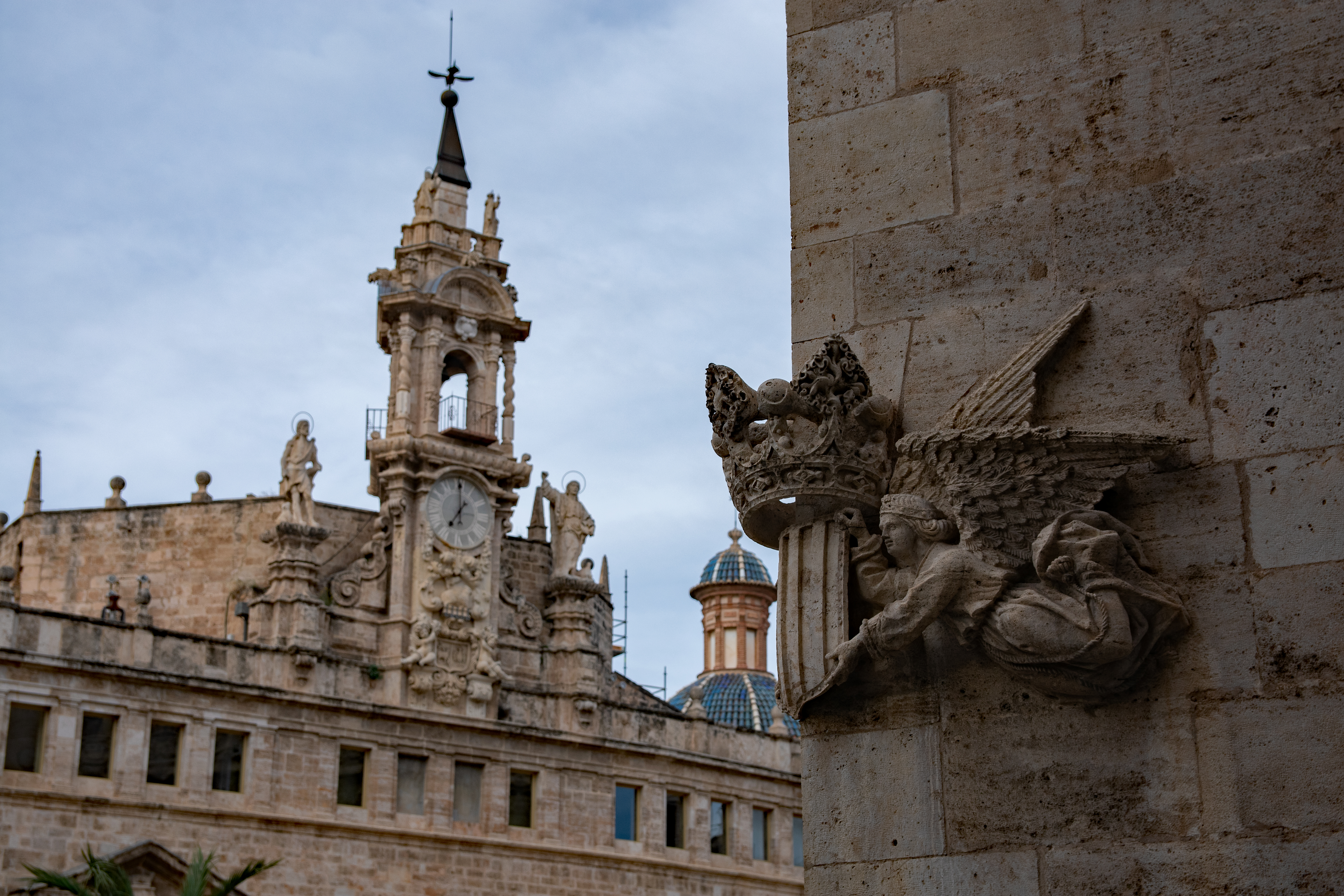
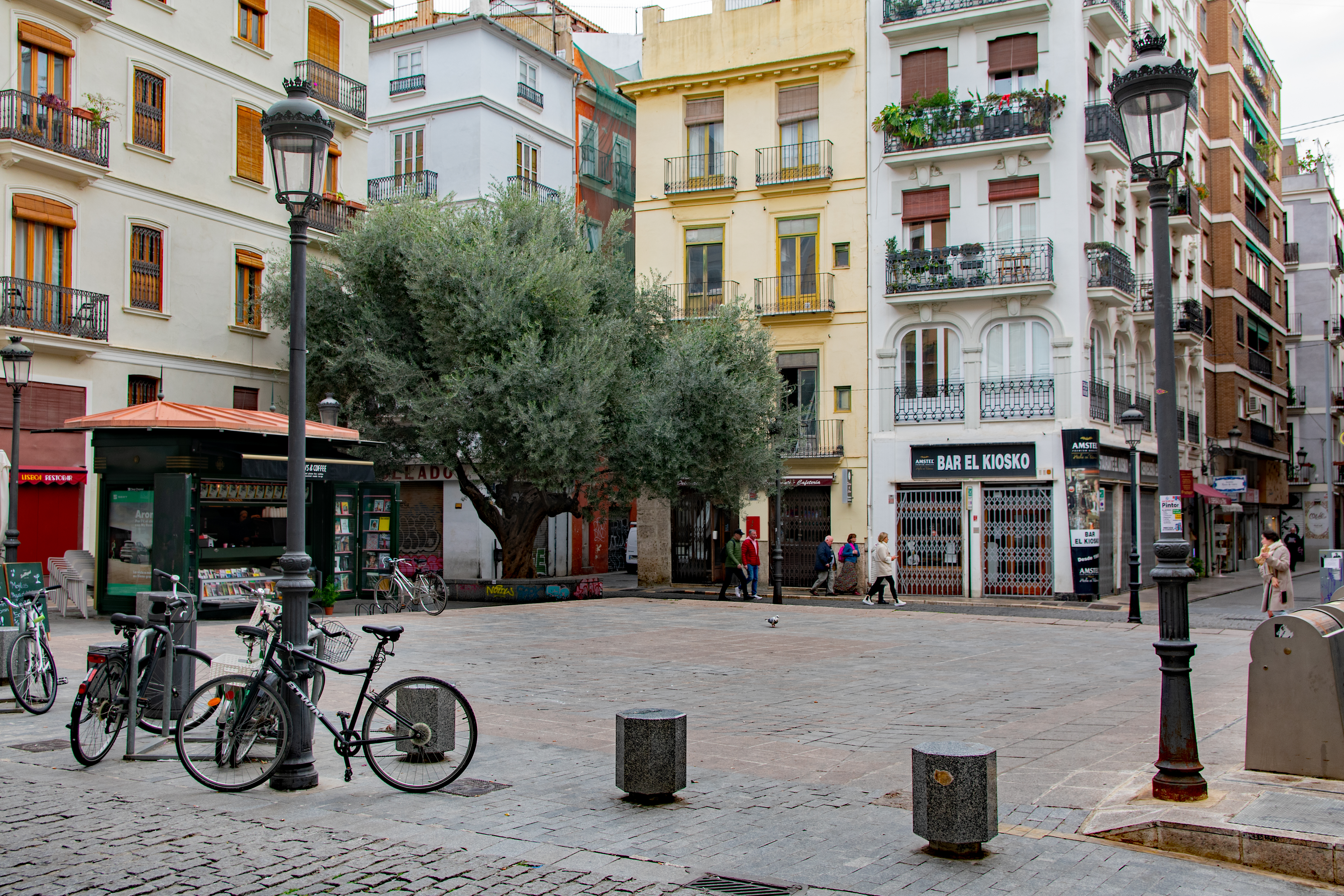

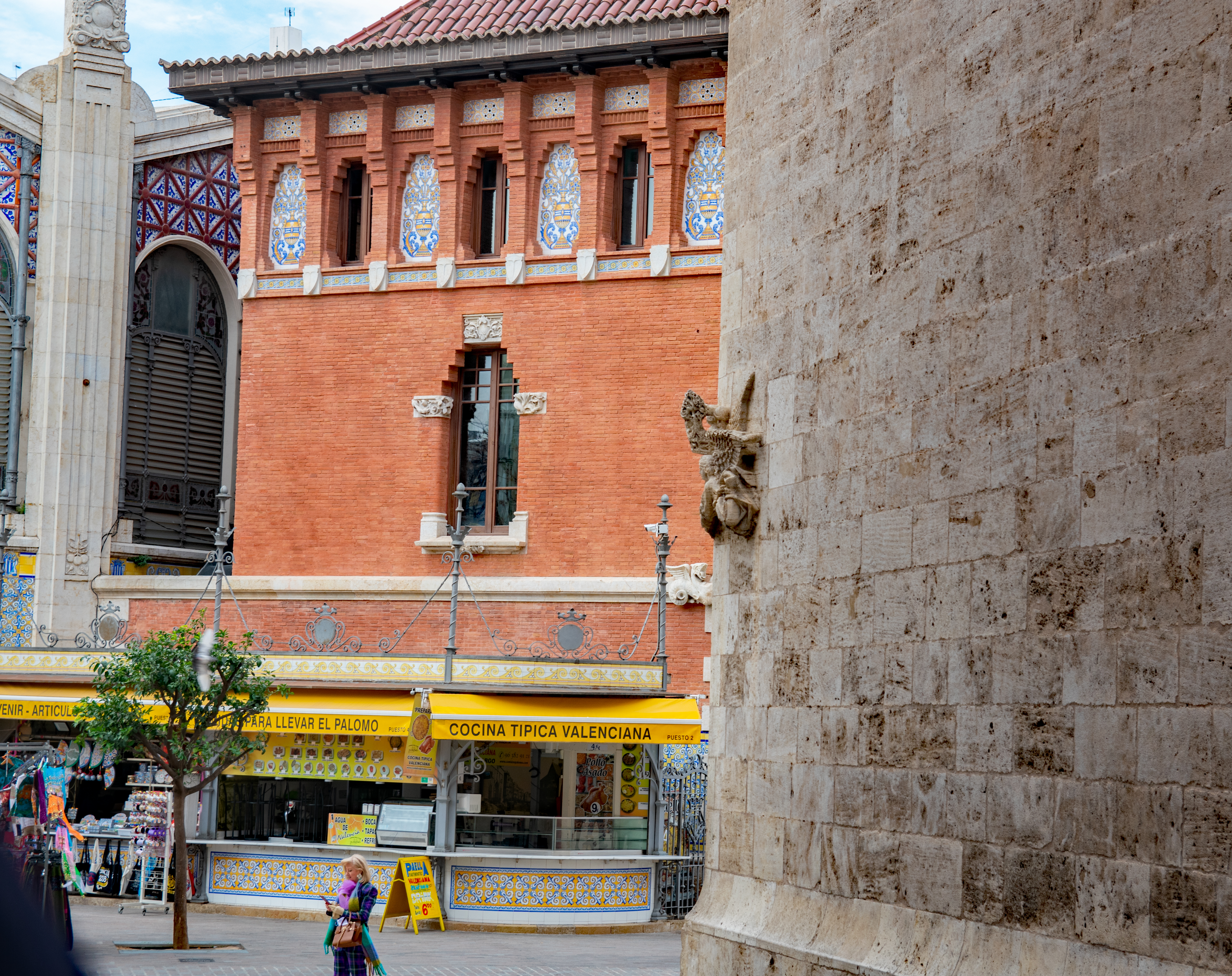
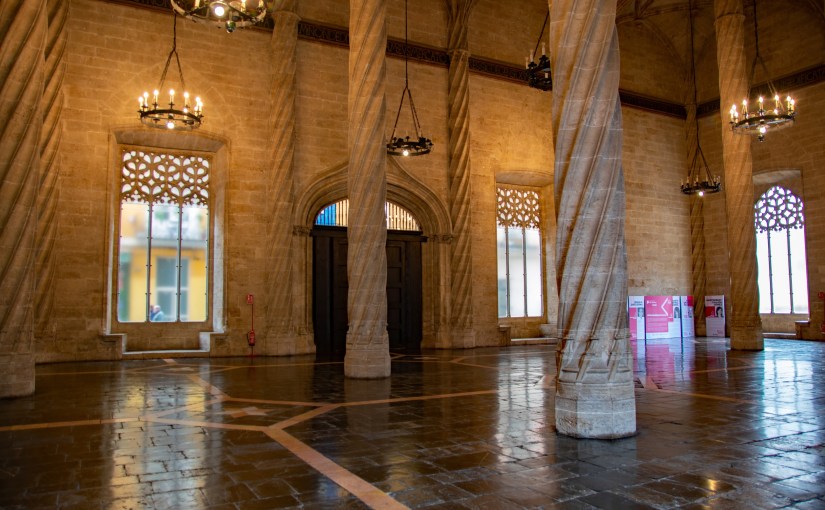
Across the street from Mercado Central is La Lonja de Seda, the Silk Exchange. This huge structure was built between 1482 and 1548. Previously, trade took place in the Plaza de la Lonja. (see above). In the 15th and 16th centuries, Valencia was a prominent economic center, due largely to its large Mediterranean port. The thriving silk industry brought great wealth and power to the city. La Lonja was built to reflect that dominance. In 1996, it was designated a UNESCO World Heritage Site.
We took the audioguide tour of the building. It begins on the exterior with highly detailed explanations of each doorway. Since it was chilly in the shade, I’ll admit we fast forwarded a few of the descriptions. Once inside, we were mesmerized by the architecture, the columns, the ceilings and the floors. The audioguide explained the purpose of each room as we walked. The huge columned trading floor is the main event. We tried to imagine what the scene was like in its heyday. Did the traders have tables; did they stand in circles? How does the size of the room compare to The Chicago Board of Trade floor (now closed)? There is also a large space that housed the Council of the Sea, the decision making body for maritime laws. Between the two large salons was a small chapel; religion was present in all aspects of life. Speaking of religion, we’ll visit the Valencia Cathedral next.


Geri, I just love the photos from Valencia. I especially like the street art and talent and wit these creators create. Thanks so much!
LikeLike