March 12-13, 2022


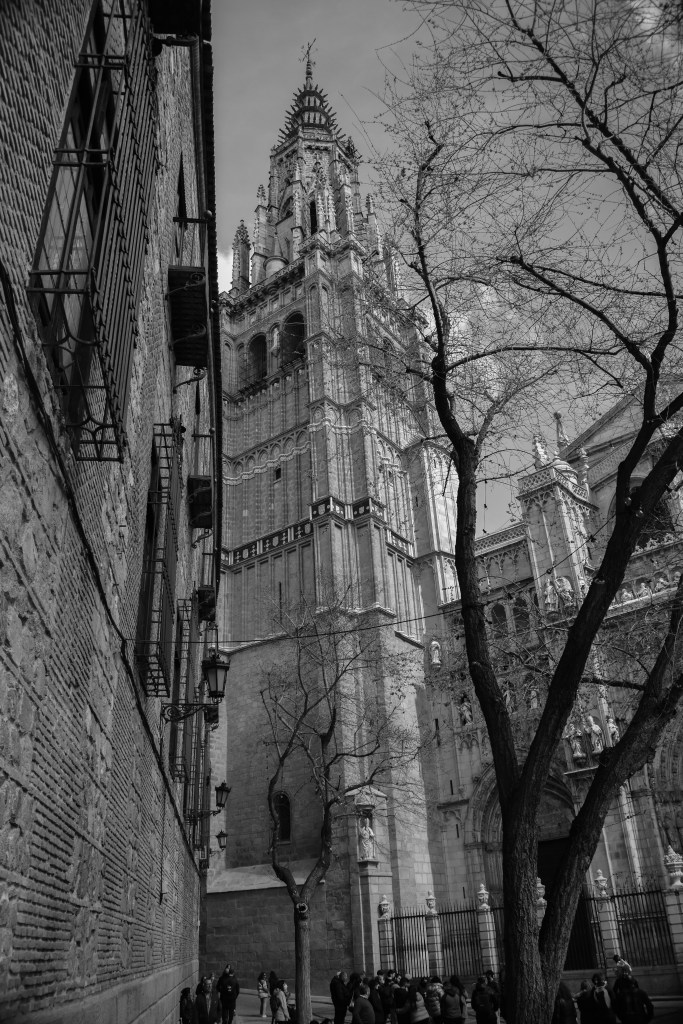
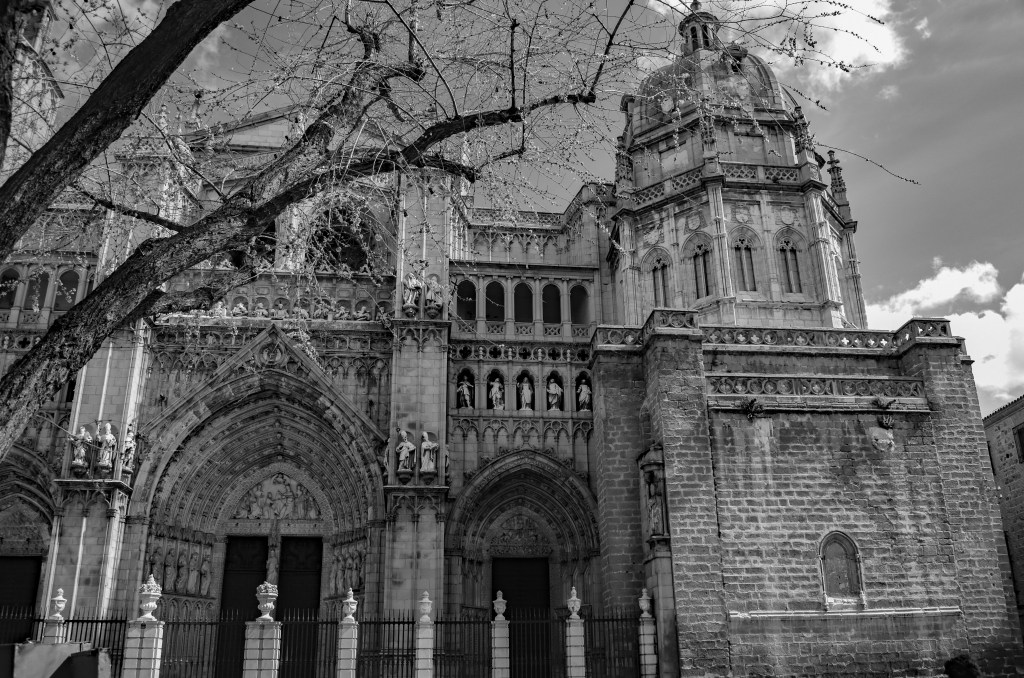
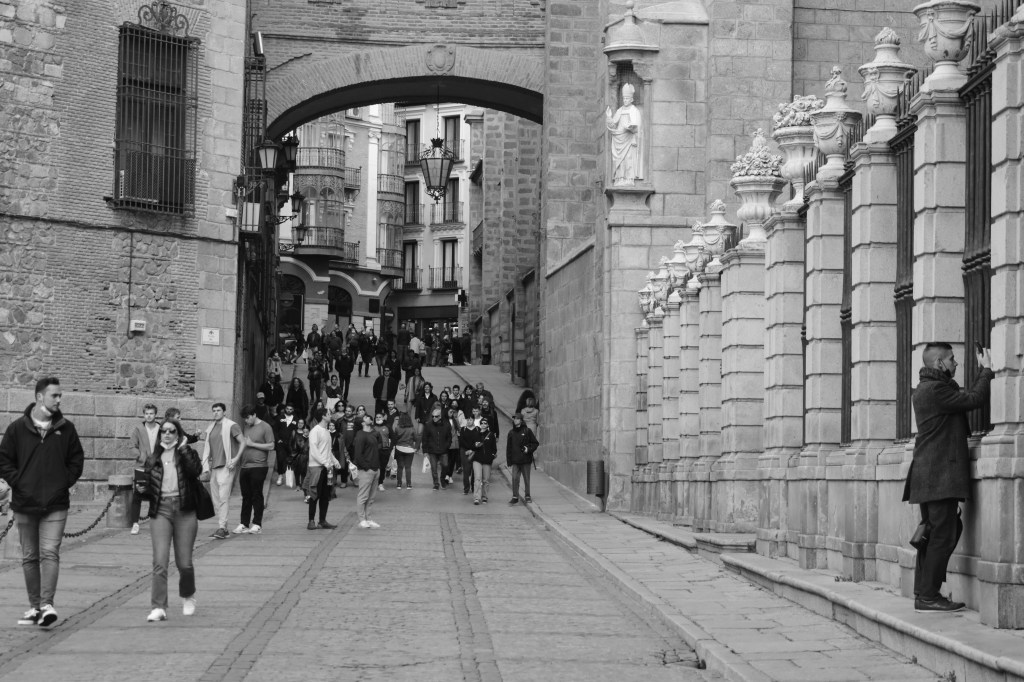
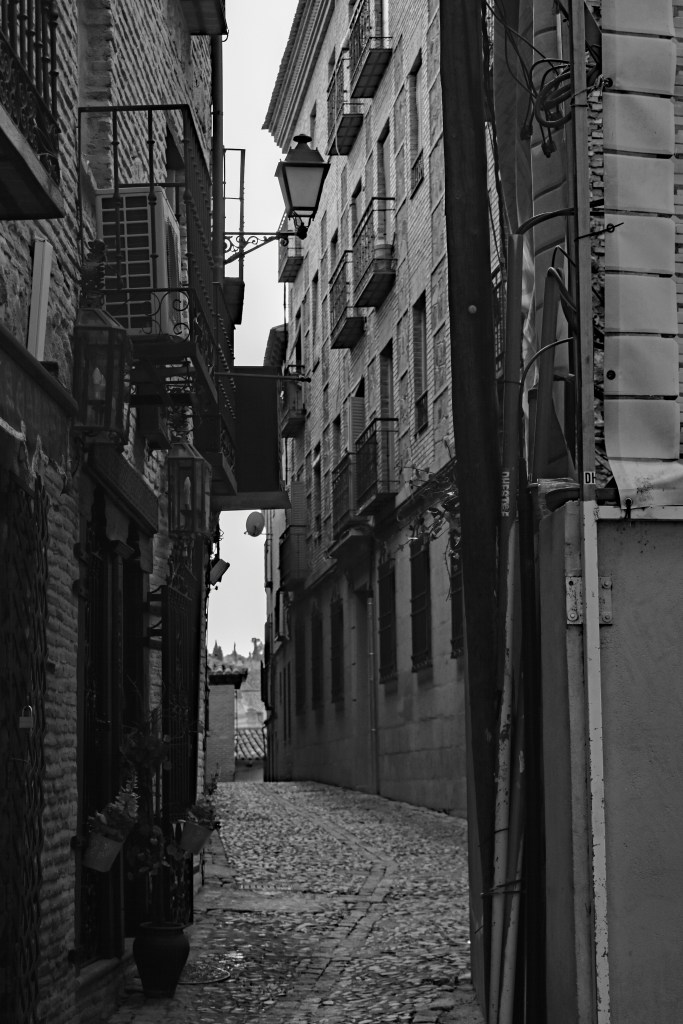
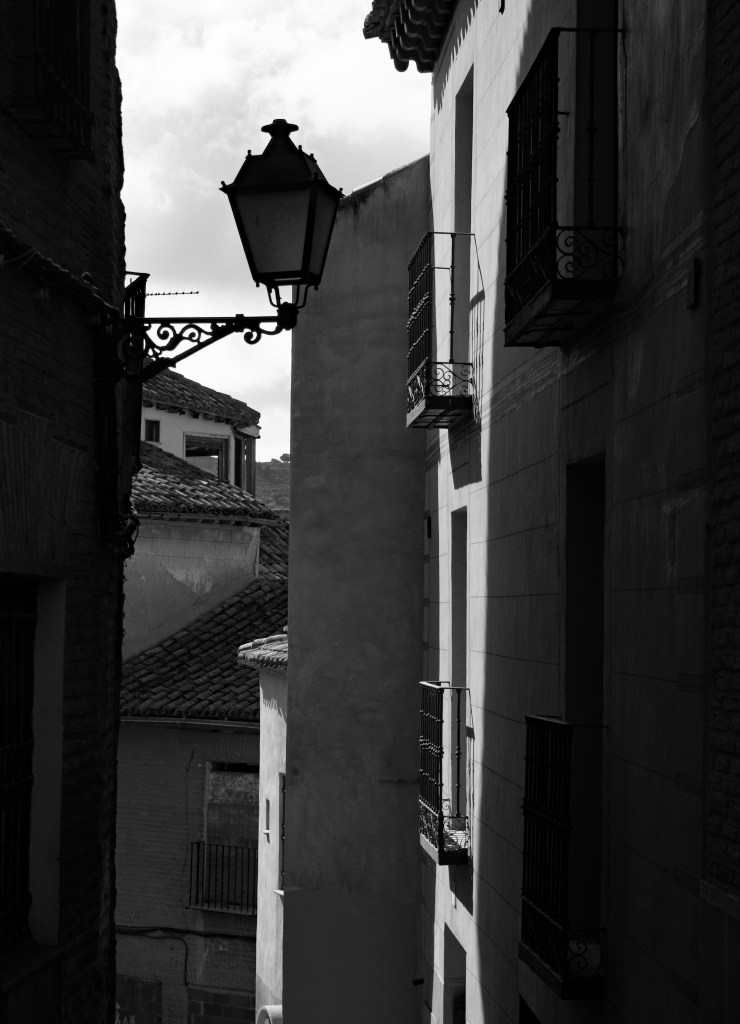
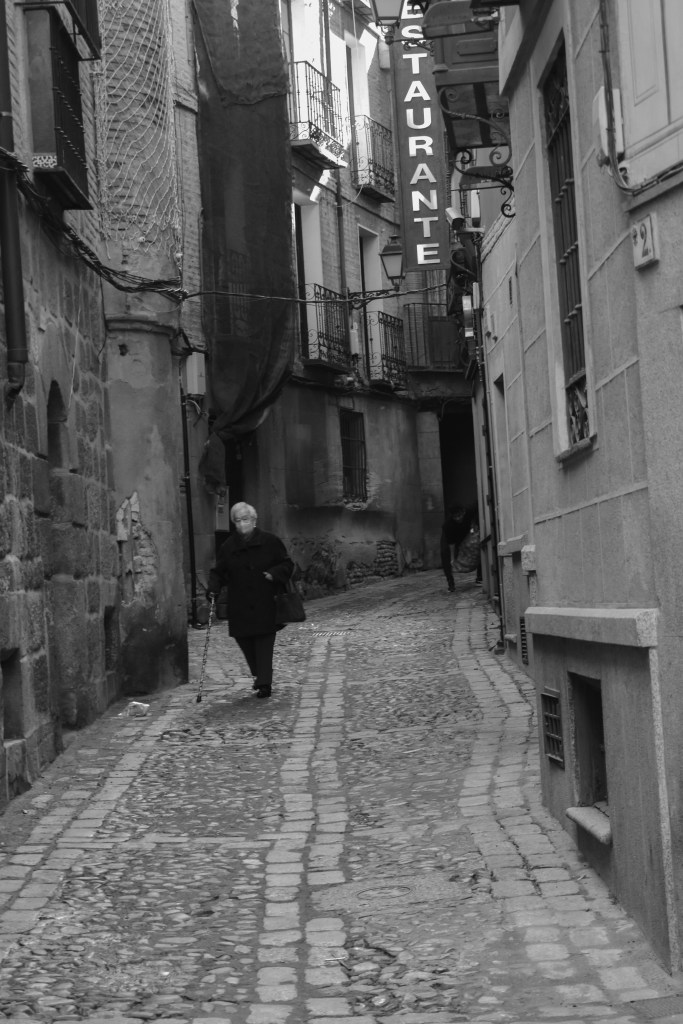
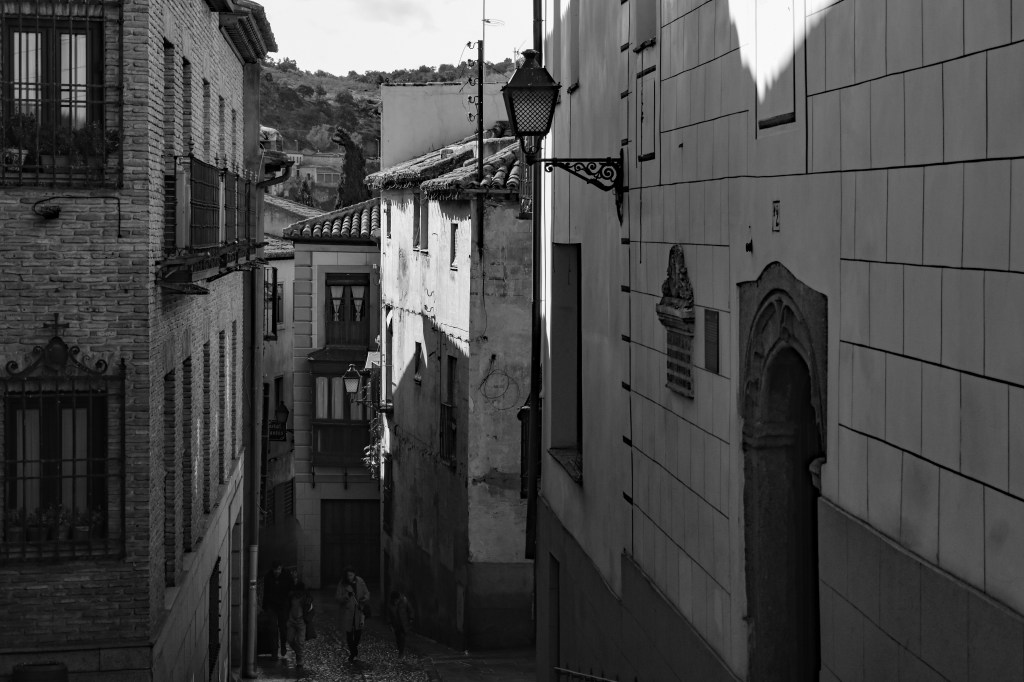
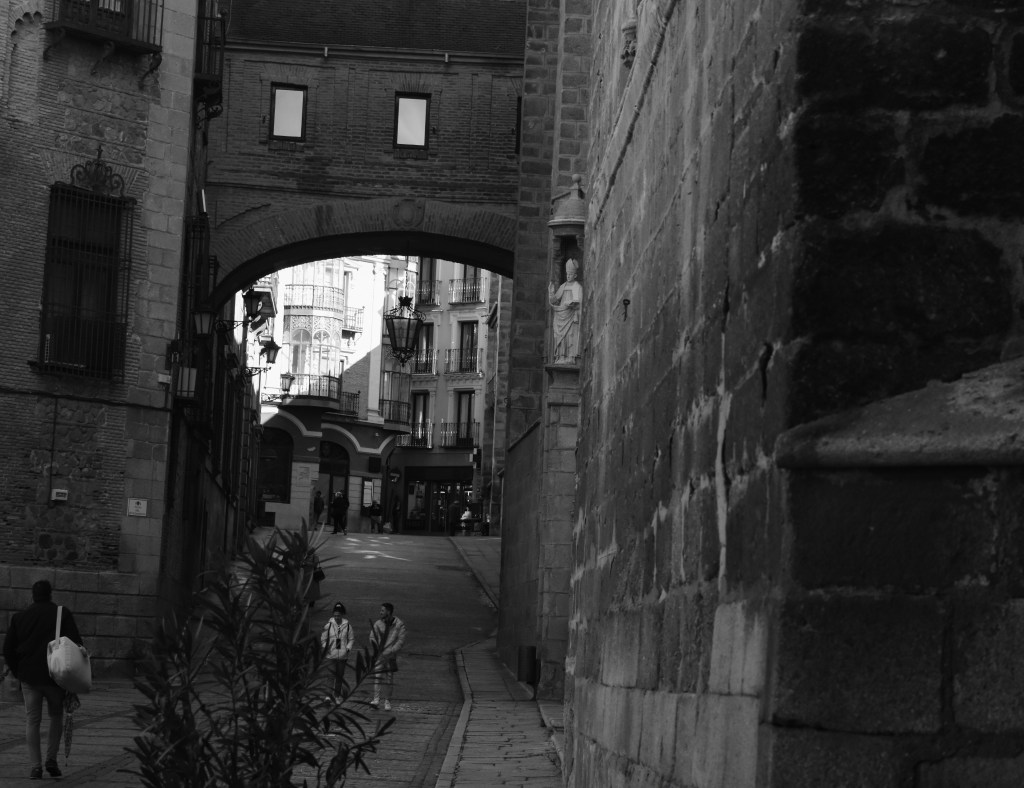
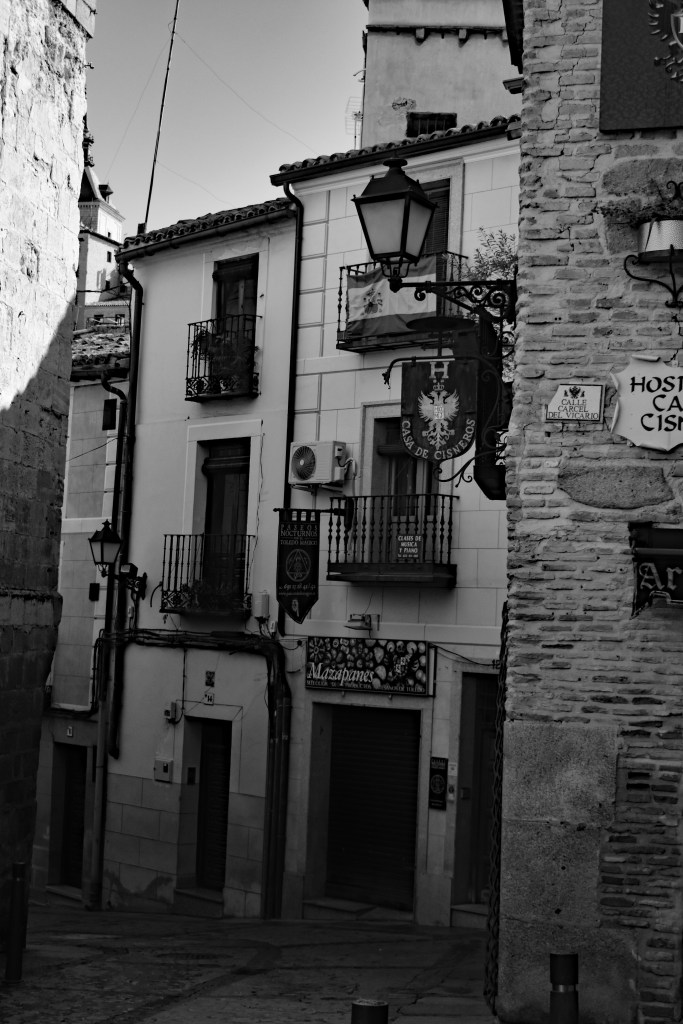

There’s A Lot of History in These Cobblestones
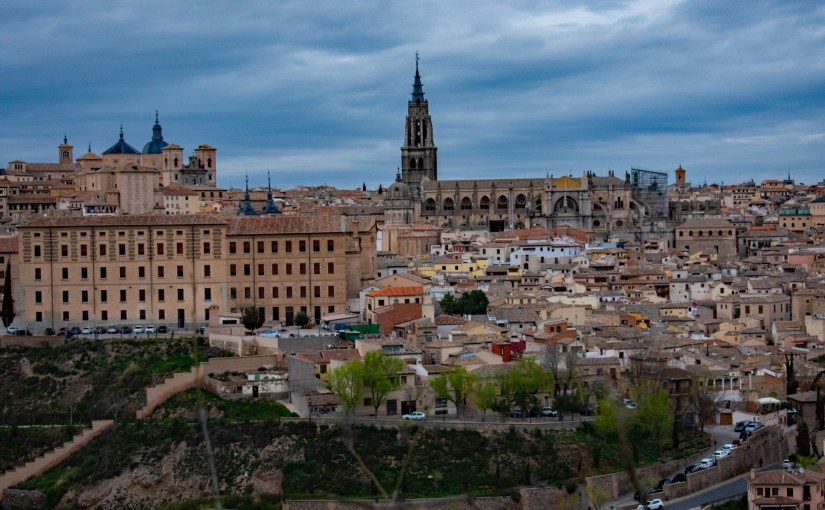
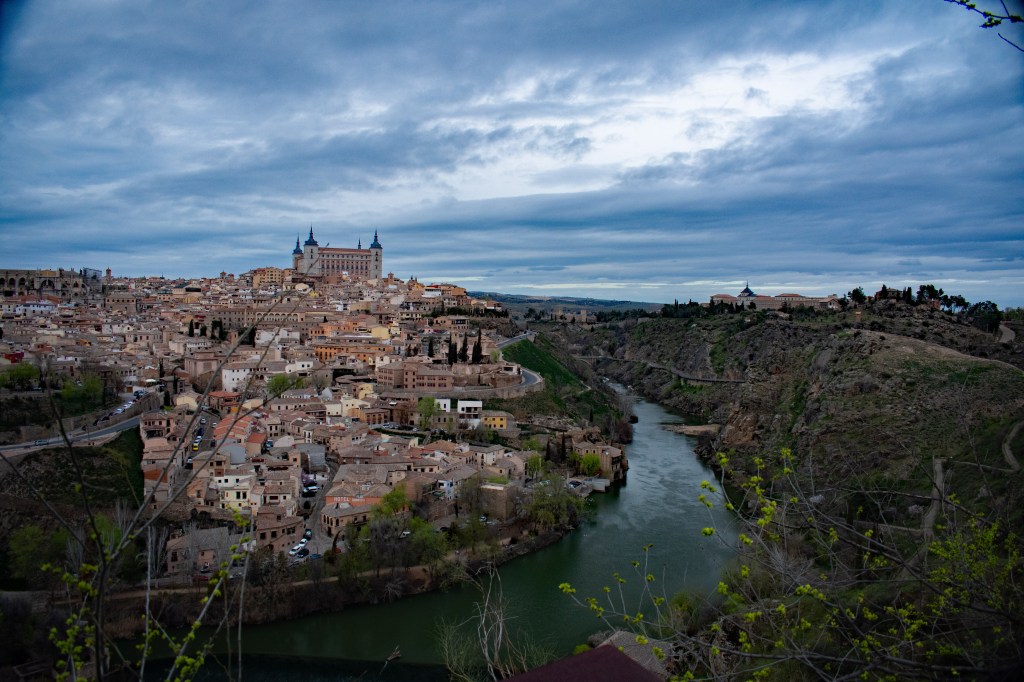
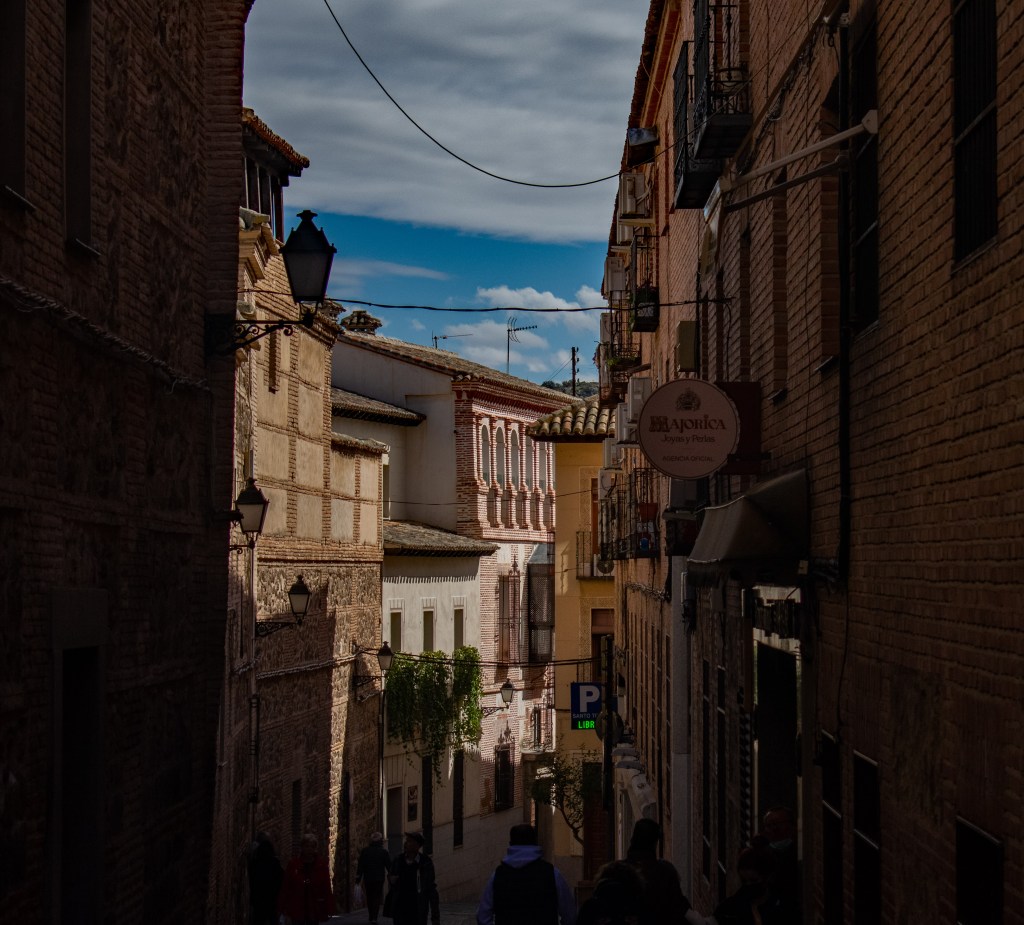
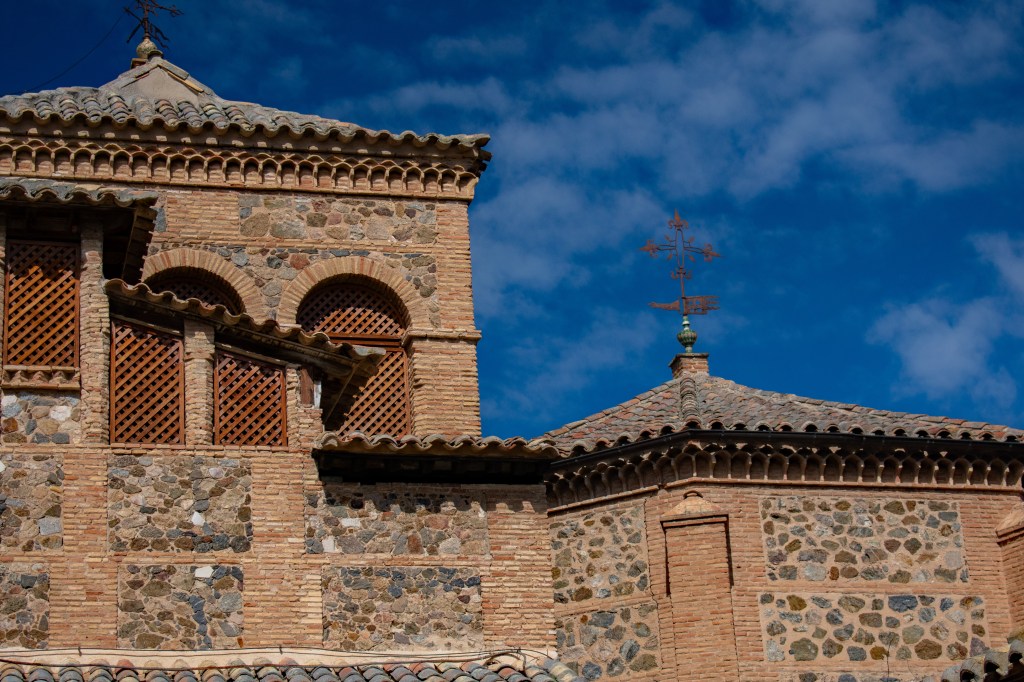
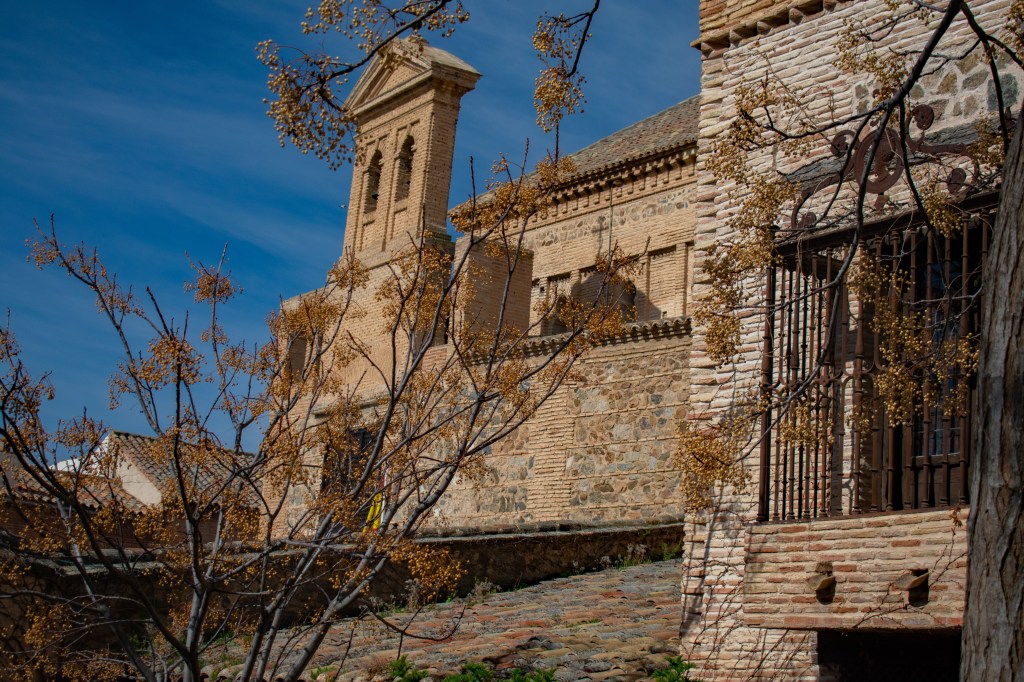
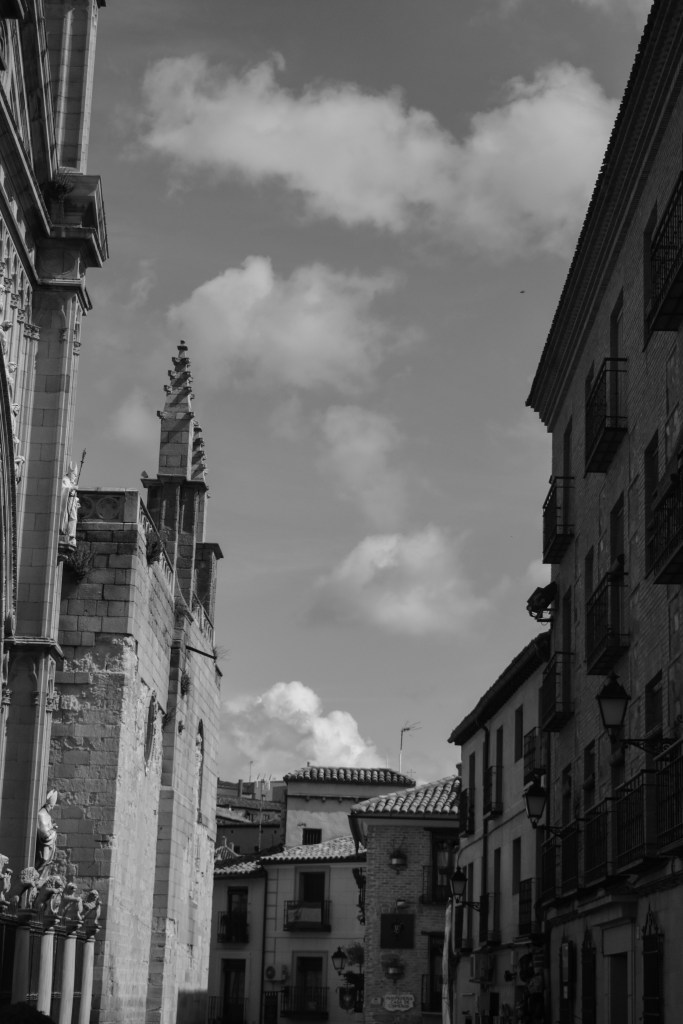
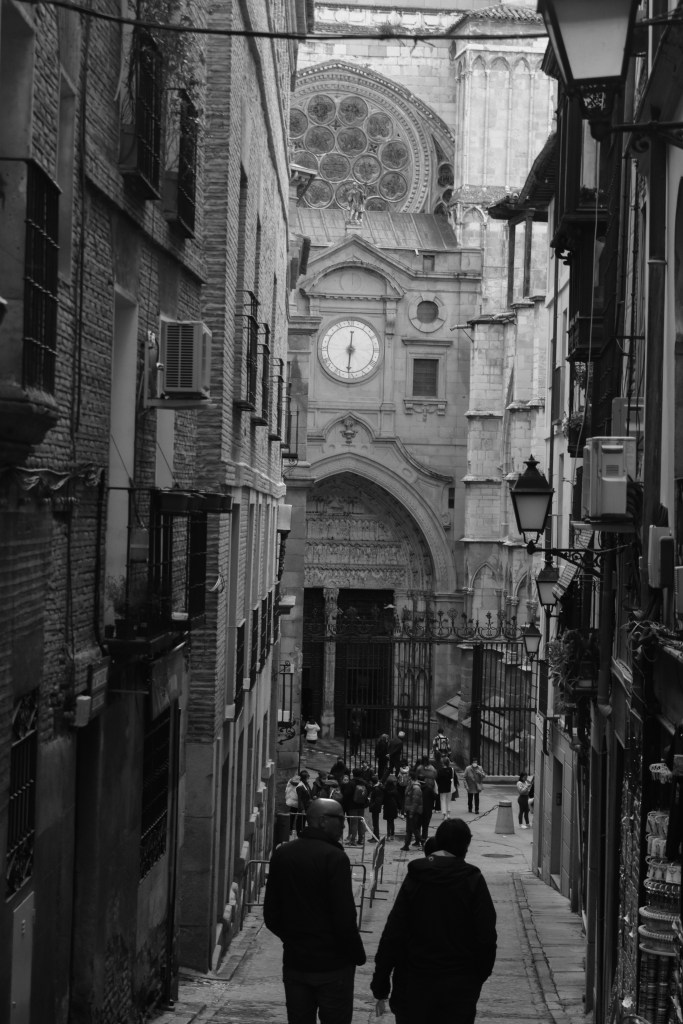
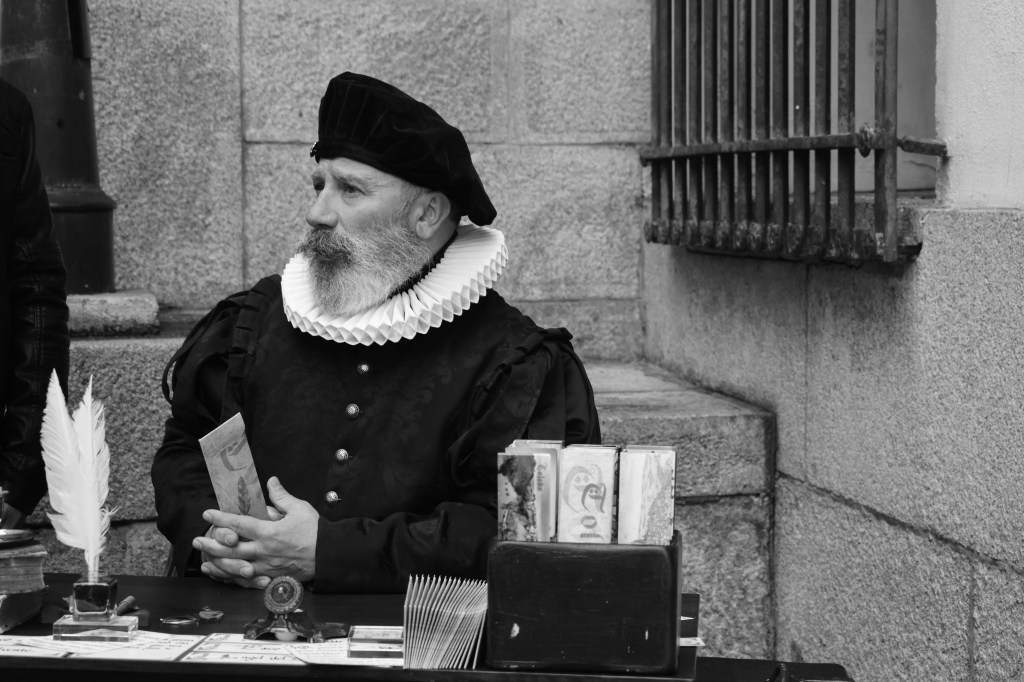
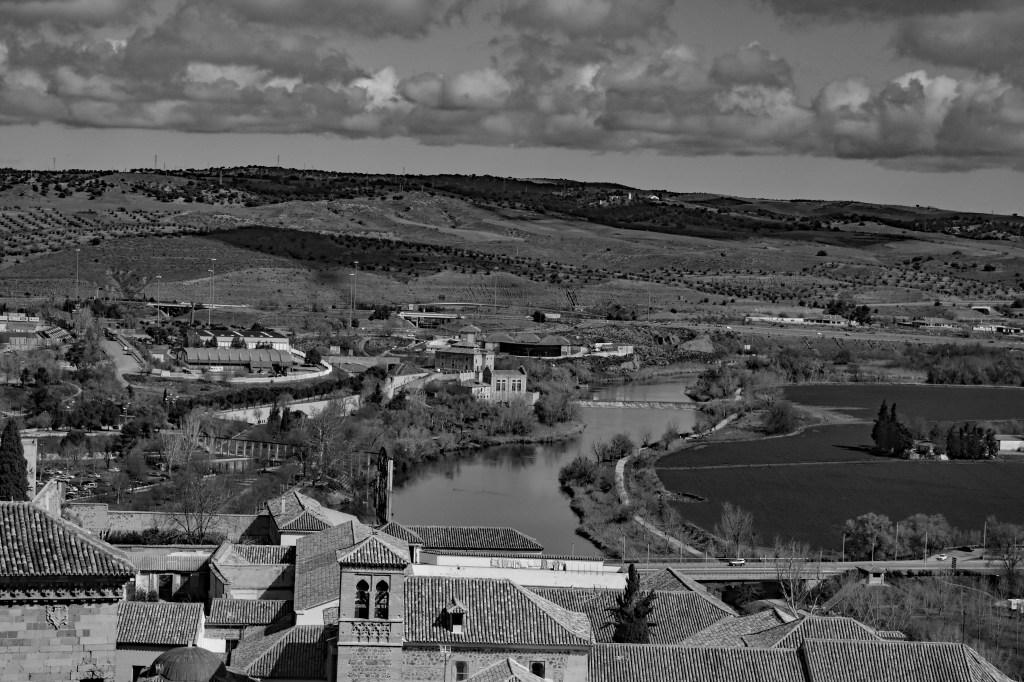
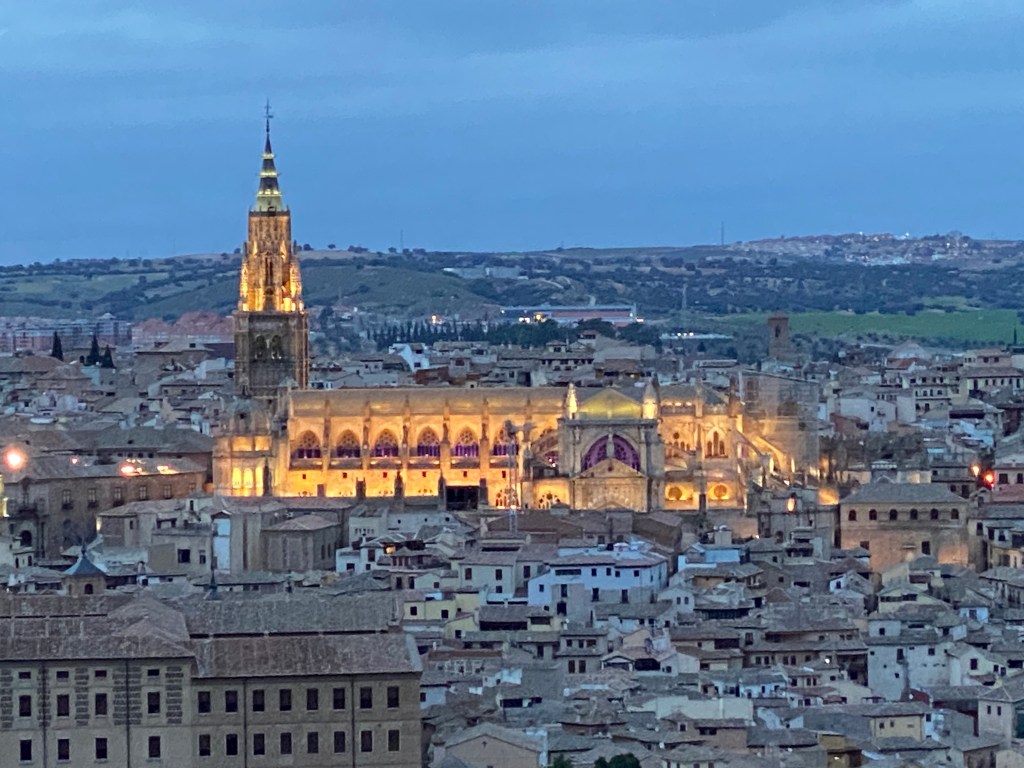
The historic section of Toledo well-preserved and much visited. It was designated a UNESCO World Heritage site in 1986. Toledo is an easy day trip from Madrid by car, train, or on a bus tour. However, it really is deserving of a one or two night stay. The day tours depart in the late afternoon, leaving town a lot less crowded. After dark, it is easier to imagine Toledo as it was in the Middle Ages. The monuments are lit at night, creating dramatic vistas.
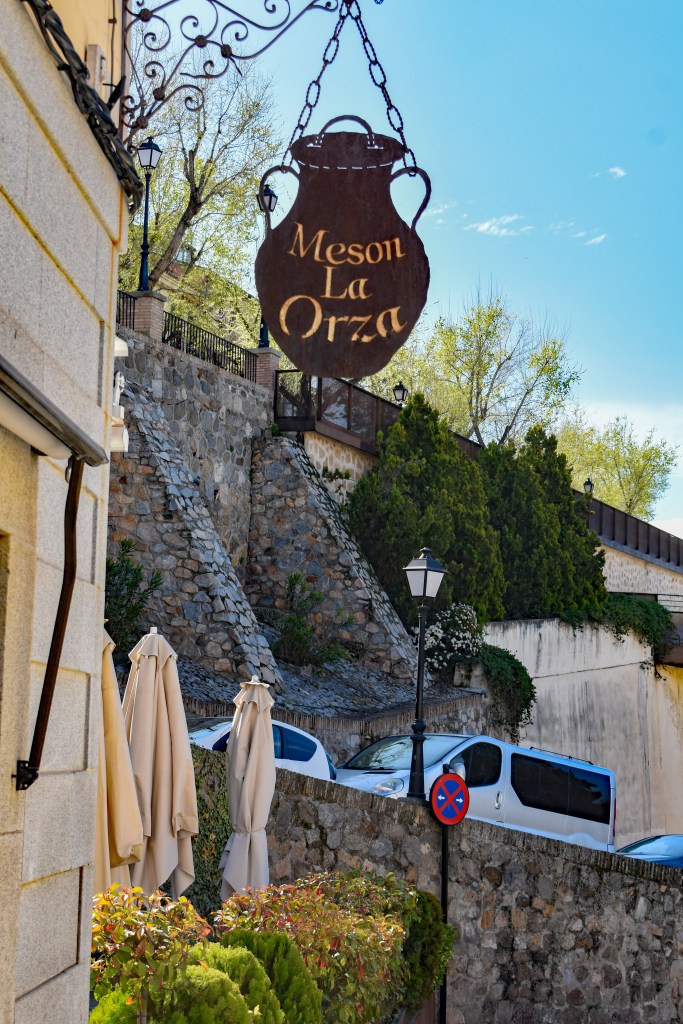
We used some points and splurged for a night at The Eugenia de Montijo, a lovely boutique hotel in the Jewish quarter. We arrived early on our first day and were welcomed by Ana, who stowed our suitcase and called La Orza to make a dinner reservation for us.
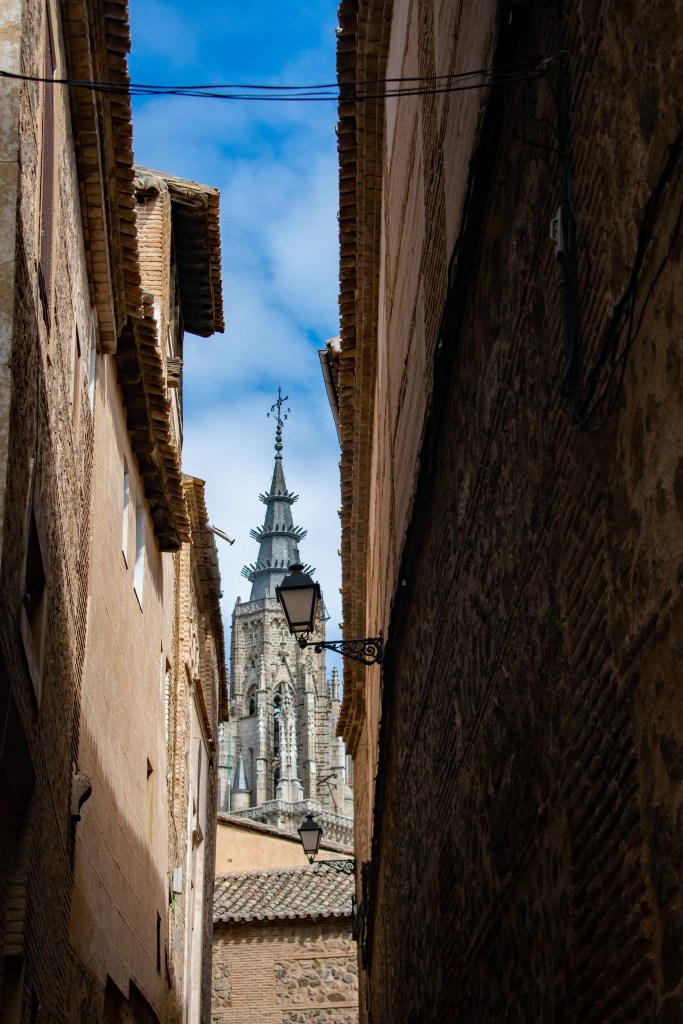
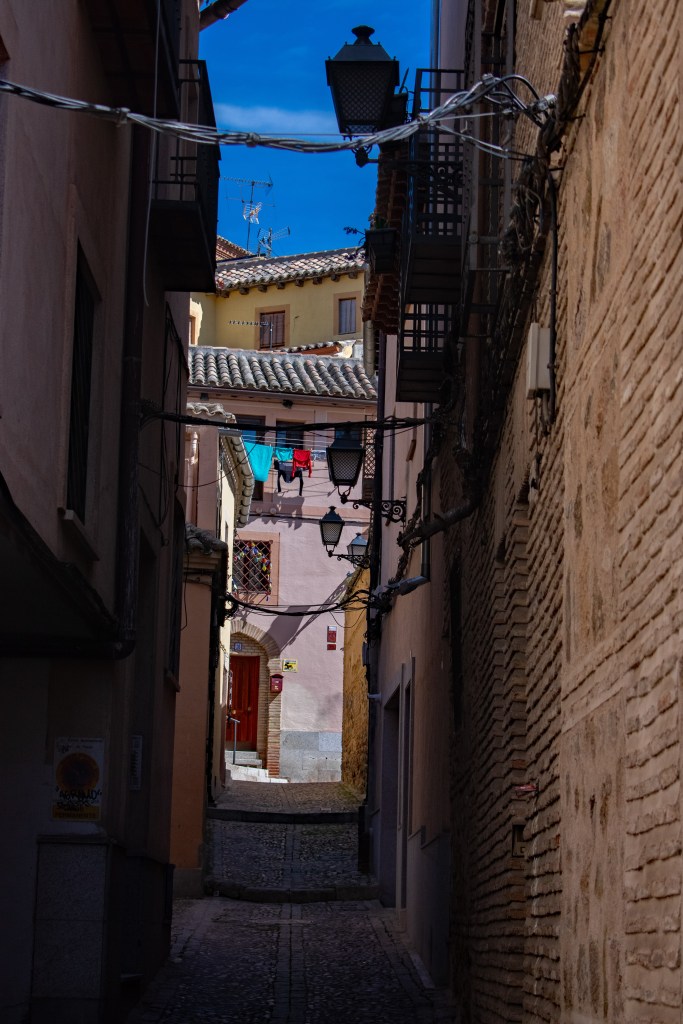
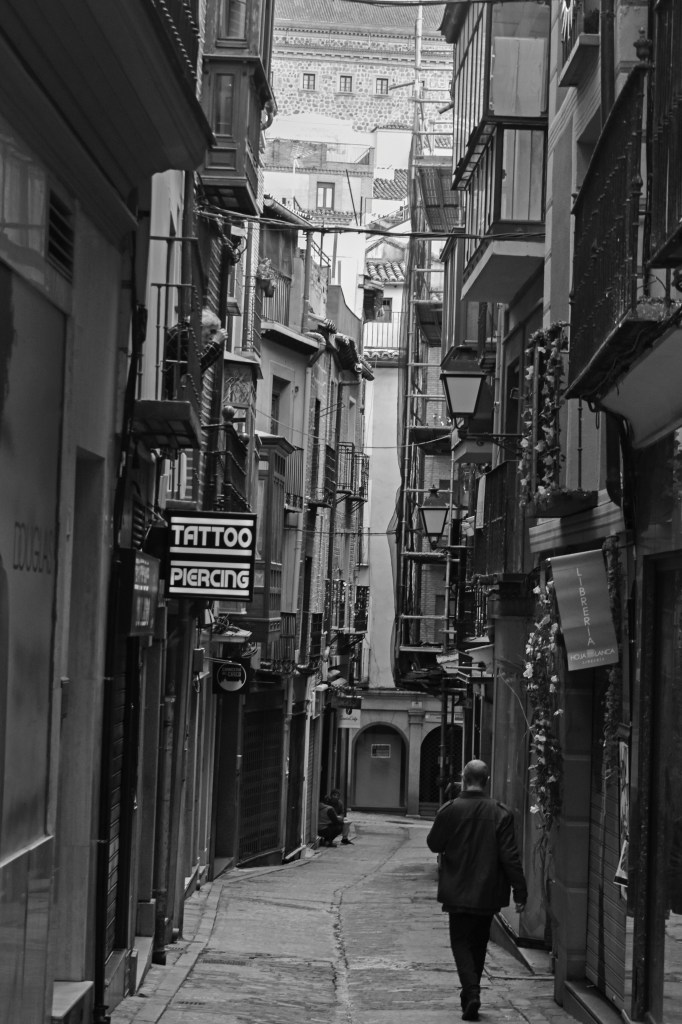
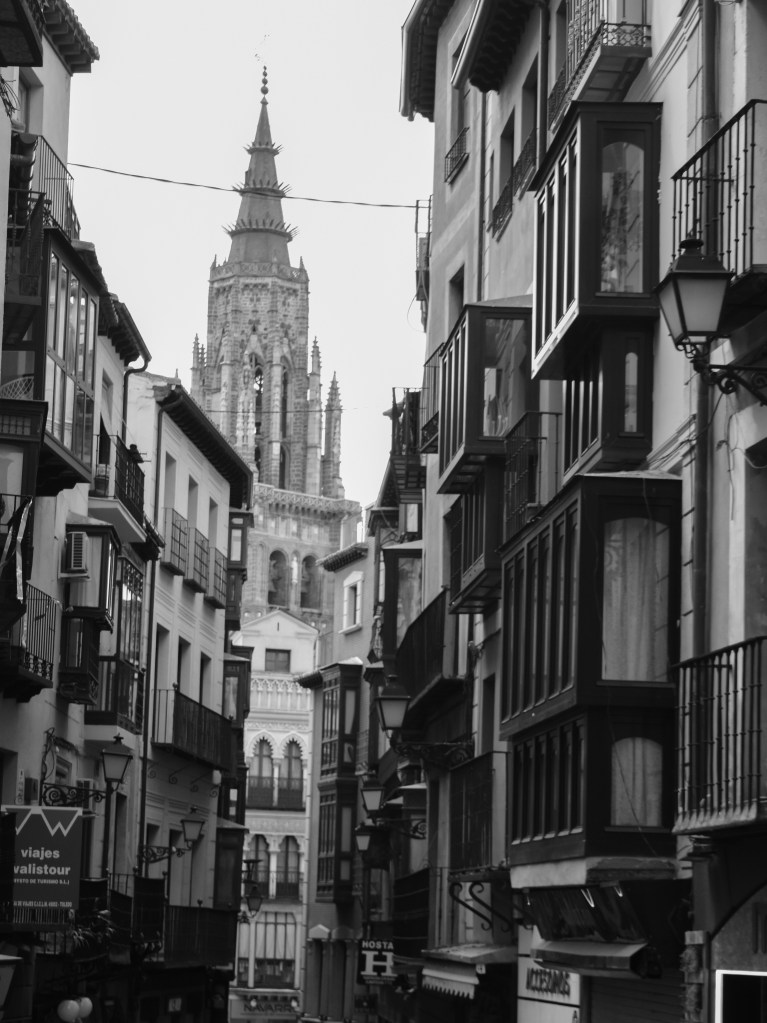
Then, we were off to see the many museums in the neighborhood! The historic center is small with narrow, winding streets, that are sometimes steep and slippery. Proceed slowly! This small quarter is a microcosm of Spanish history from ancient times, to the Romans (192 BC), the Visigoths (6th century), the Moors (712-1085), and the Christians (1095-). Under the Moorish occupation and part of the Christian domination (roughly 1075-1350), there was religious tolerance and a flourishing of learning and culture among the three major religions (Islam, Judaism, Catholicism).
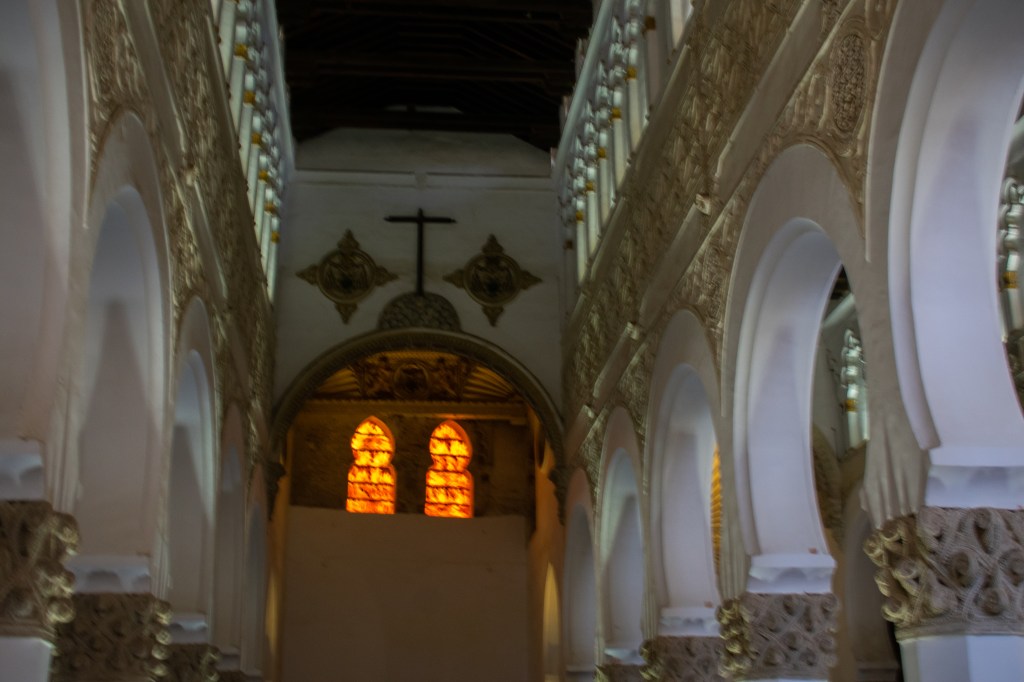
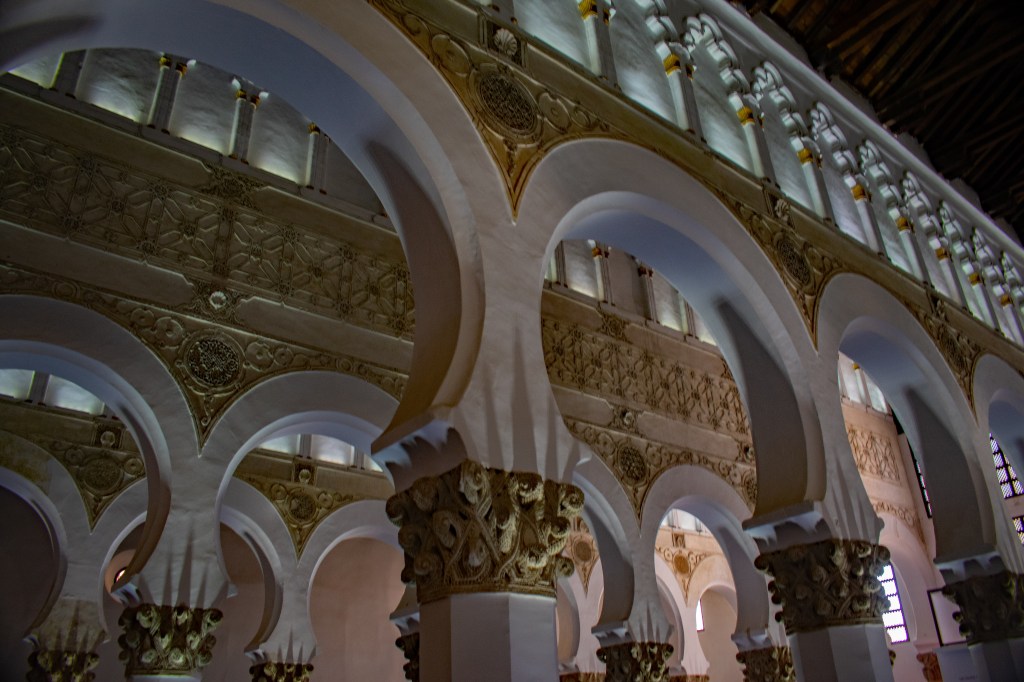
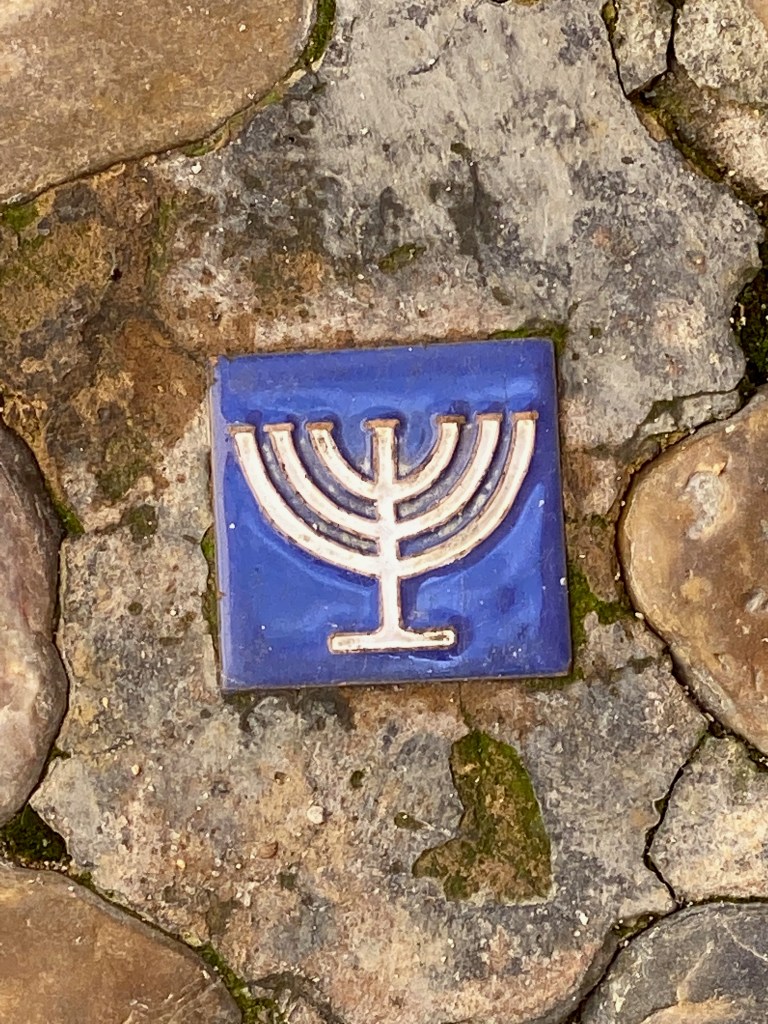
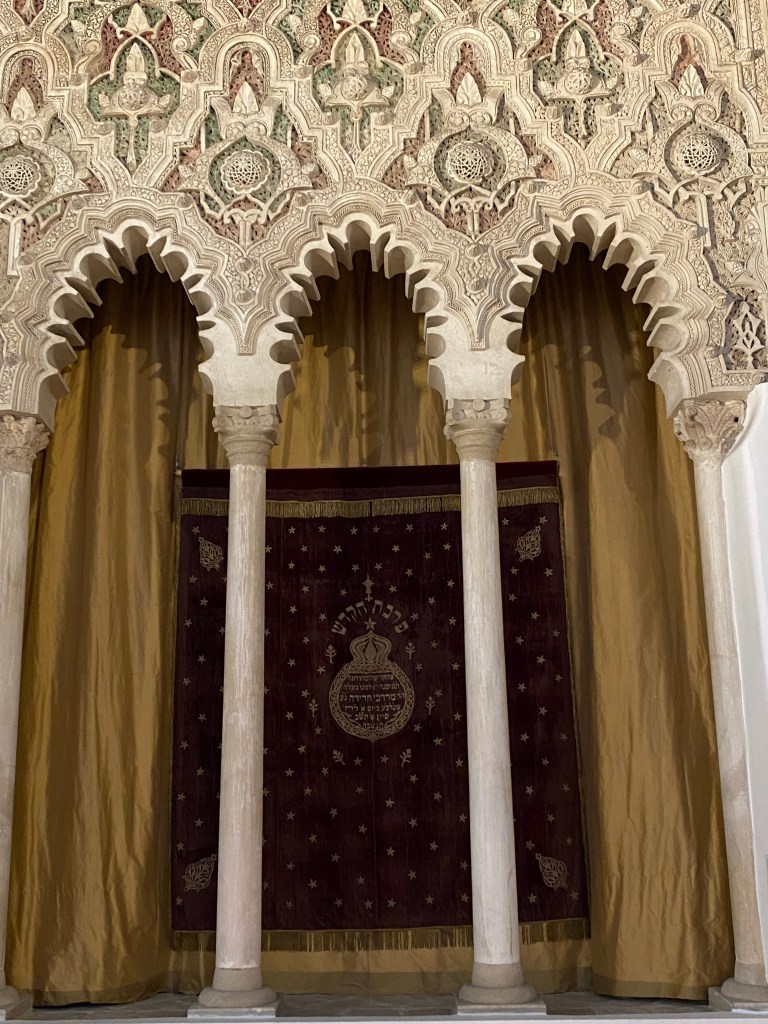
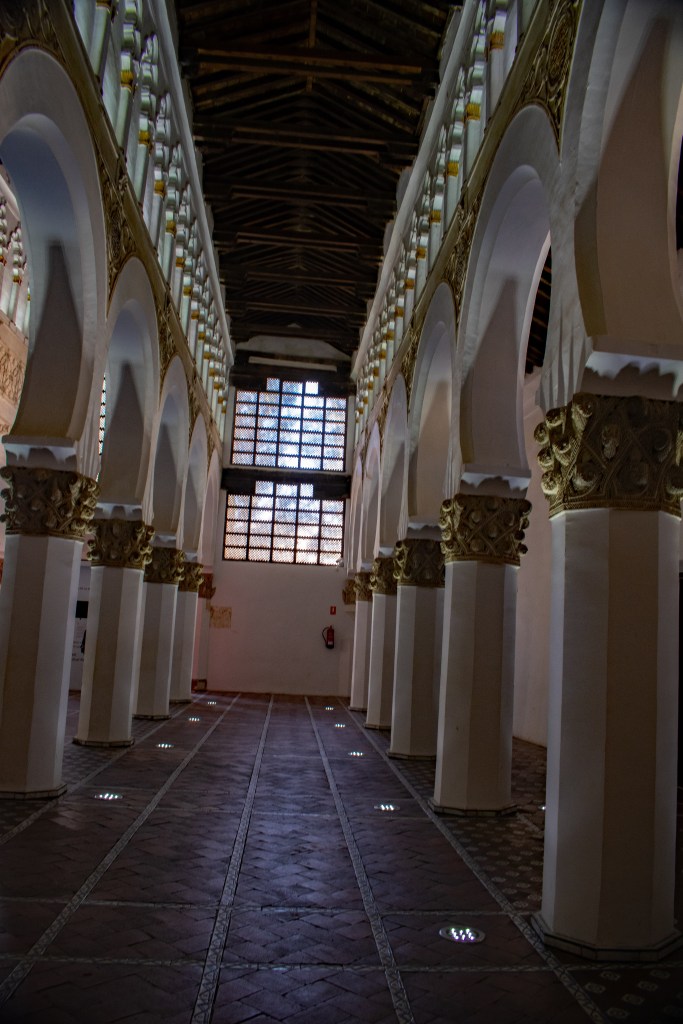
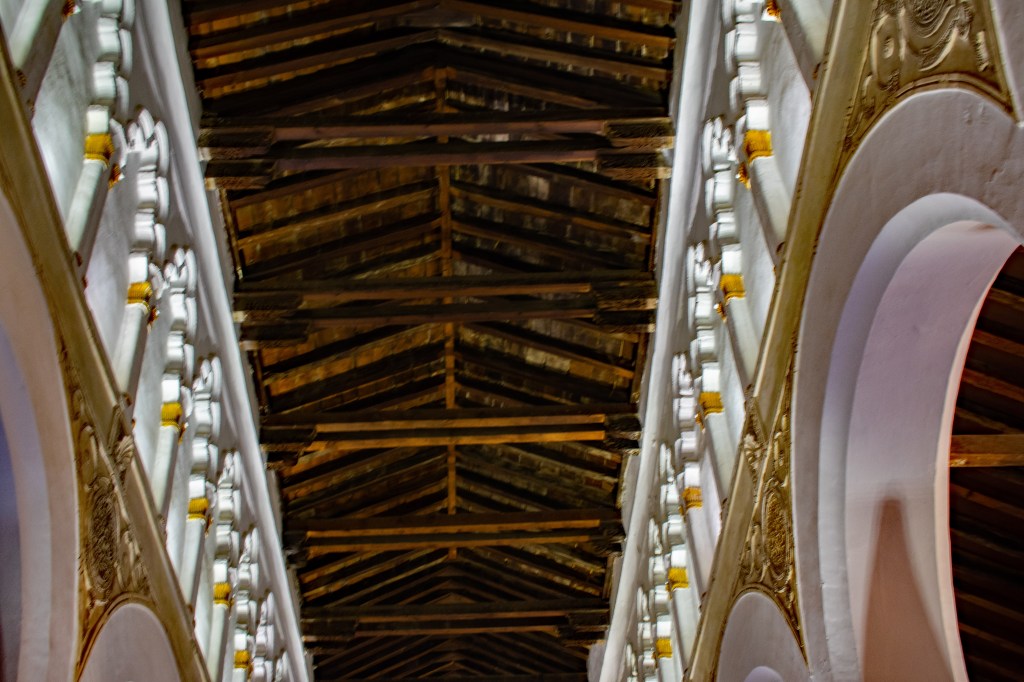
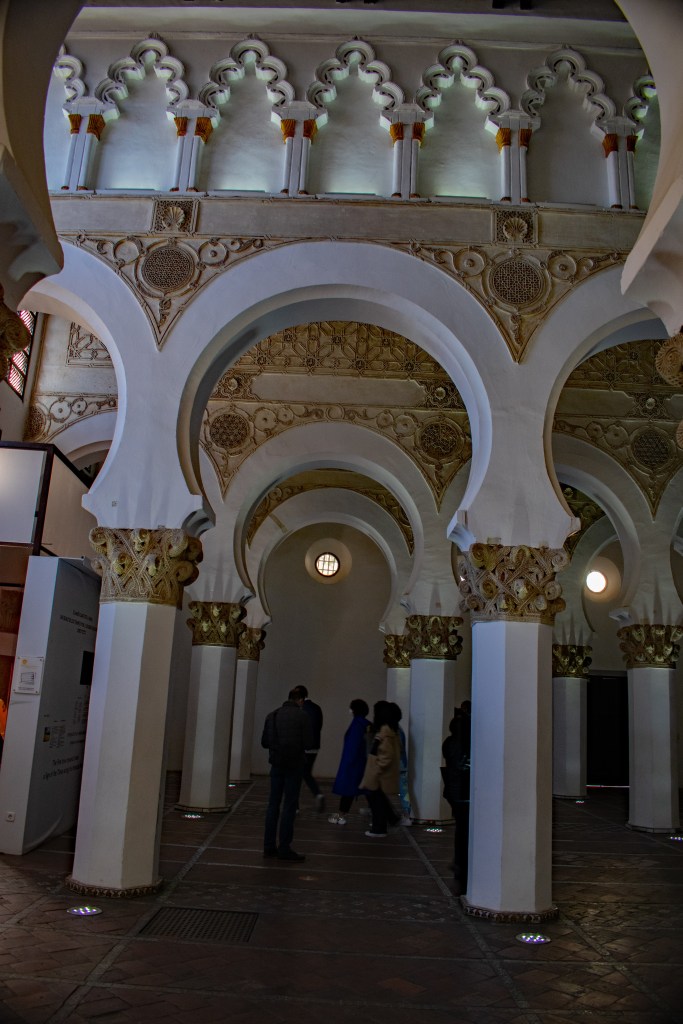
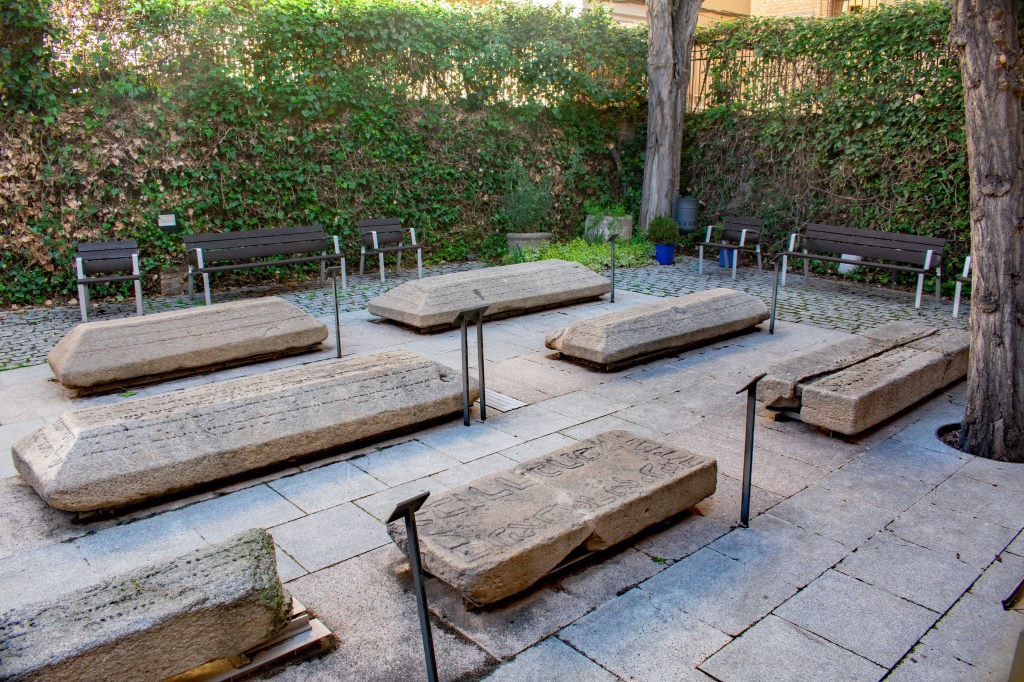
We began our day at the Sephardic (Jewish) Museum in the former synagogue El Tránsito. Besides the beautiful architecture, there is an informative exhibit of Jewish History in Spain. Below the building are reconstructed Roman ruins. Another former synagogue, renamed Santa María La Blanca when it was converted to a Christian church, is now on exhibit to honor it’s Arab architects and builders, and those who once worshipped there.

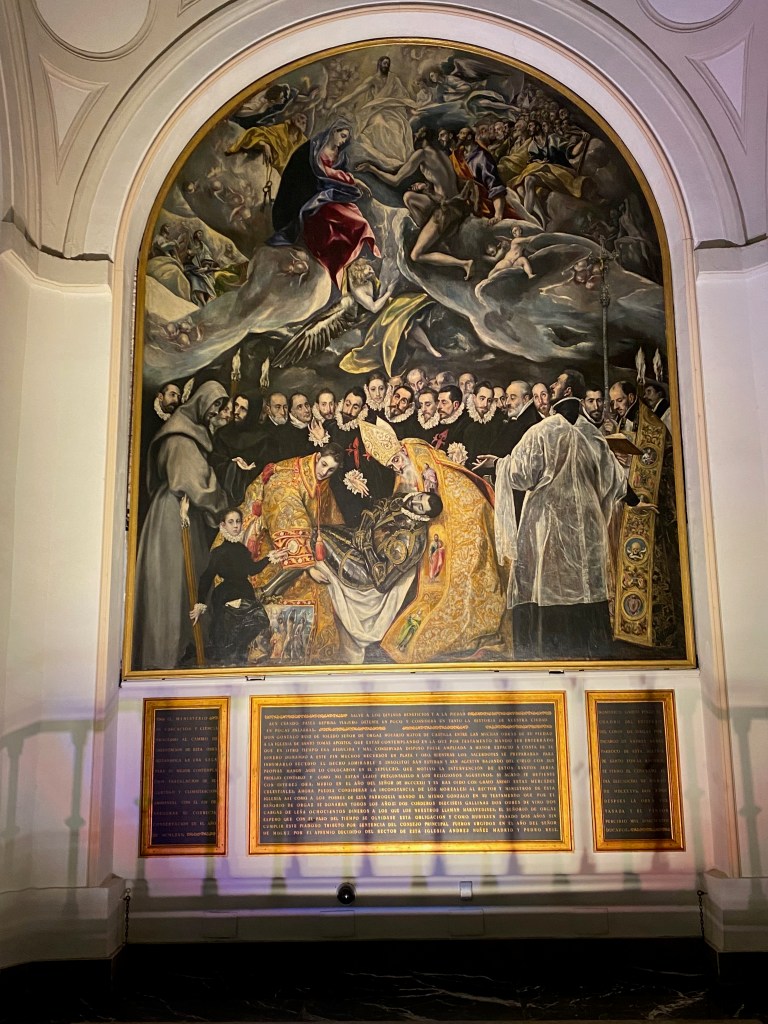
Next, it was on to the “El Greco” sites. El Greco (Domenikos Theotokopoulos), titled The Greek (1541-1614), is considered the icon of the Spanish Renaissance. He came to Spain in 1577 and lived mainly in Toledo until his death. The El Greco museum is housed in a replica of what may have been his home in the Jewish quarter (long after the expulsion of the Jews in 1492.) The museum contains stunning originals of his art, and there is a video slideshow of El Greco works from museums and churches in other places. The El Greco Museum served as a model for displaying art in historical context.

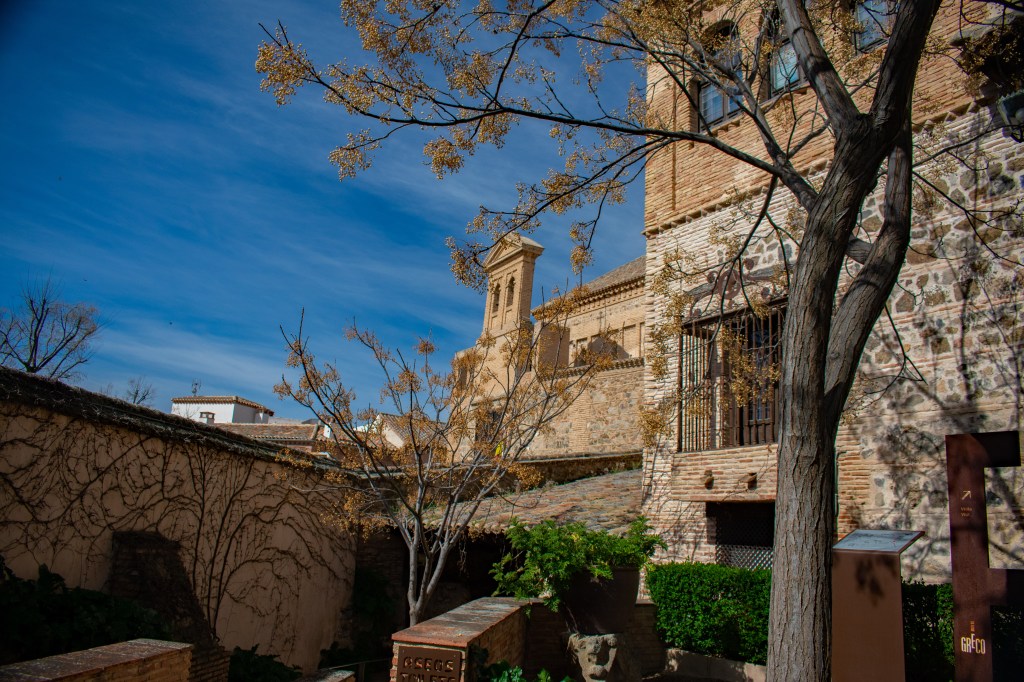
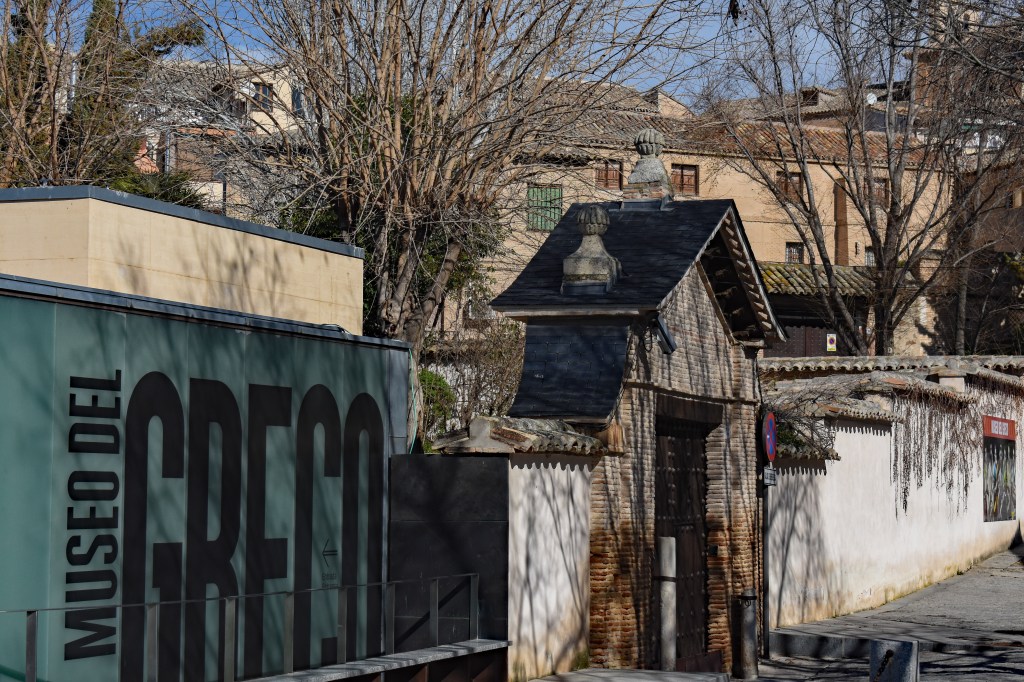
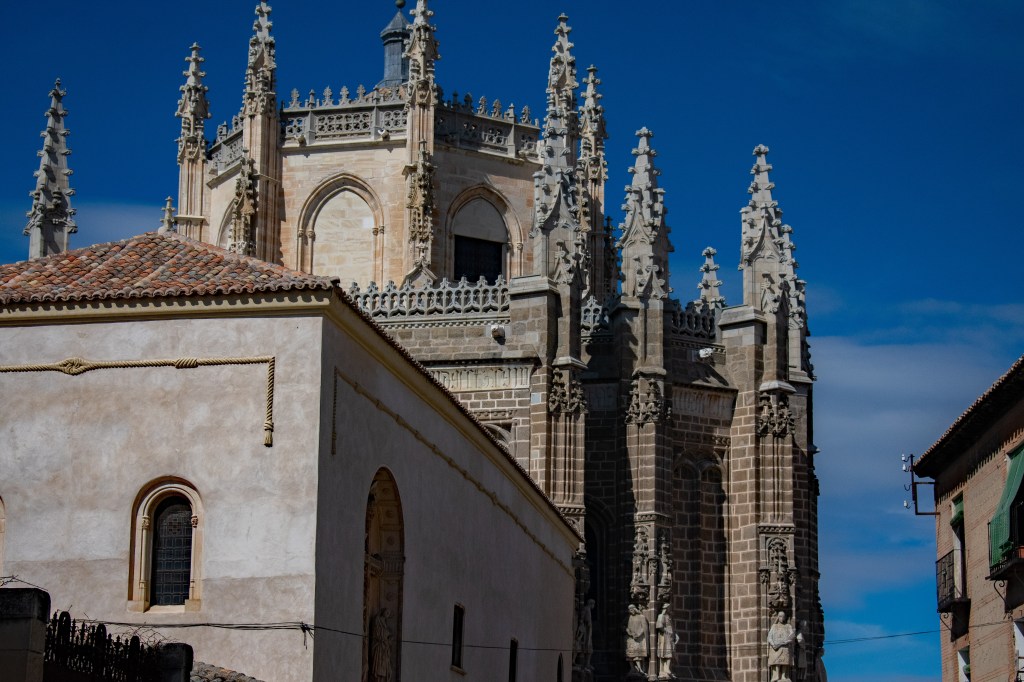
After a lunch stop at an outdoor café, it was on to The Santa Cruz Museum and The Royal Monastery of Saint John. The Santa Cruz Museum showcases Spanish religious art from the 15th and 16th centuries. It also traces the history of the monarchy. I won’t attempt a summary, but it is important to note that the marriage of Isabella of Castilla and Phillip of Aragon in 1469 centralized the government of Spain. In 1492, they expelled the Muslims and Jews who refused to convert to Catholicism, started The Inquisition, financed Columbus, and launched Spain’s Golden Age.
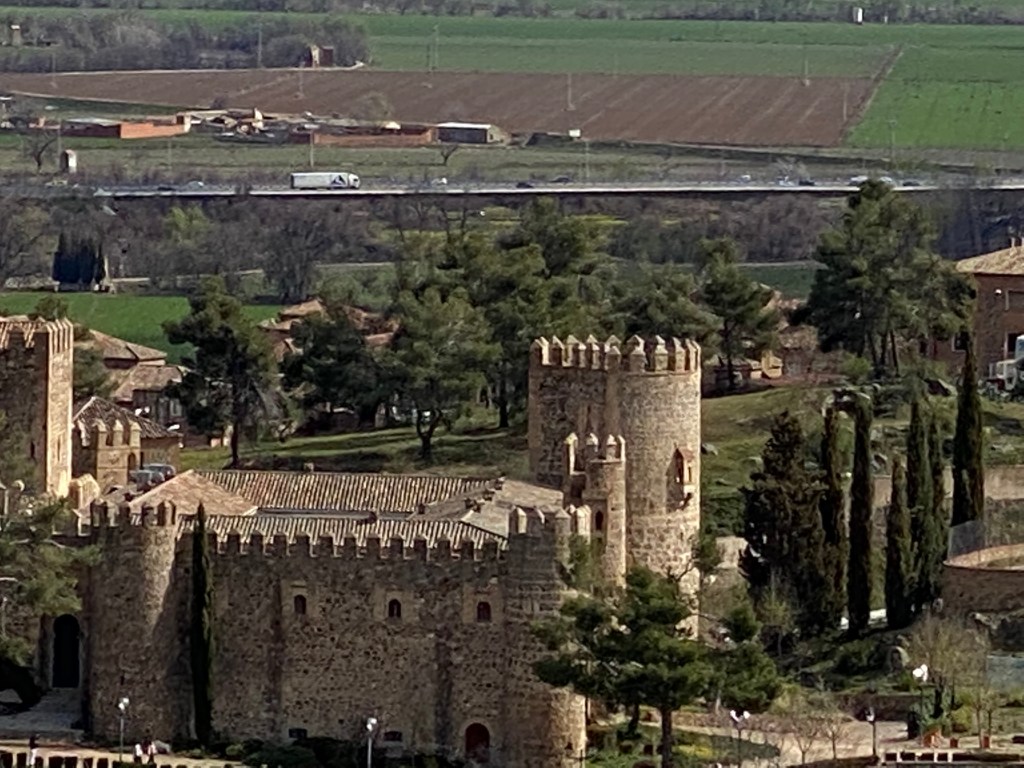
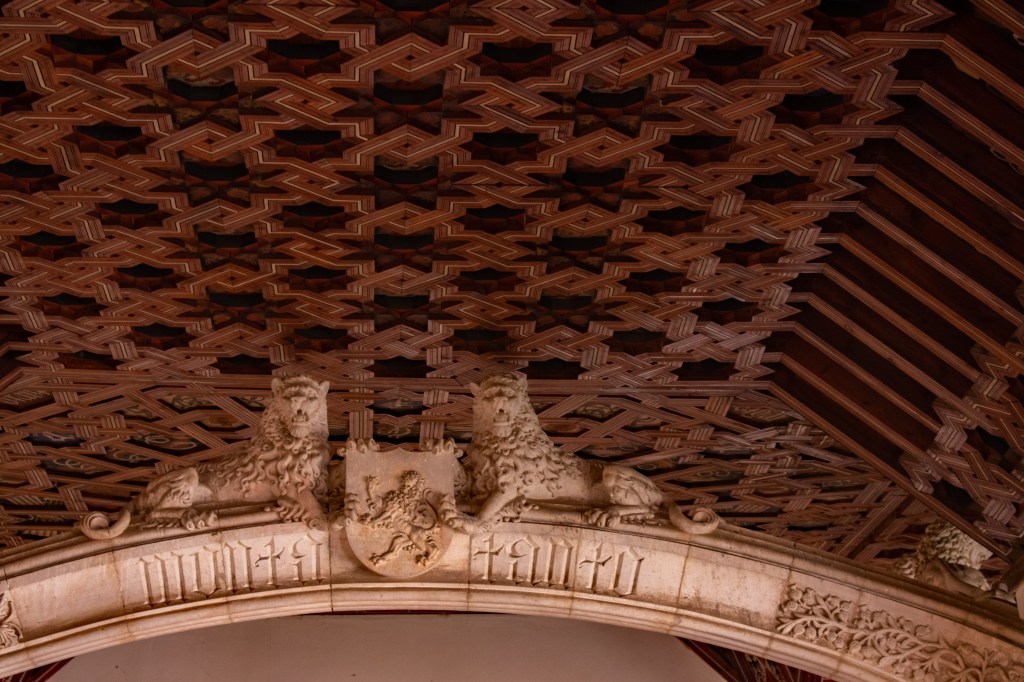

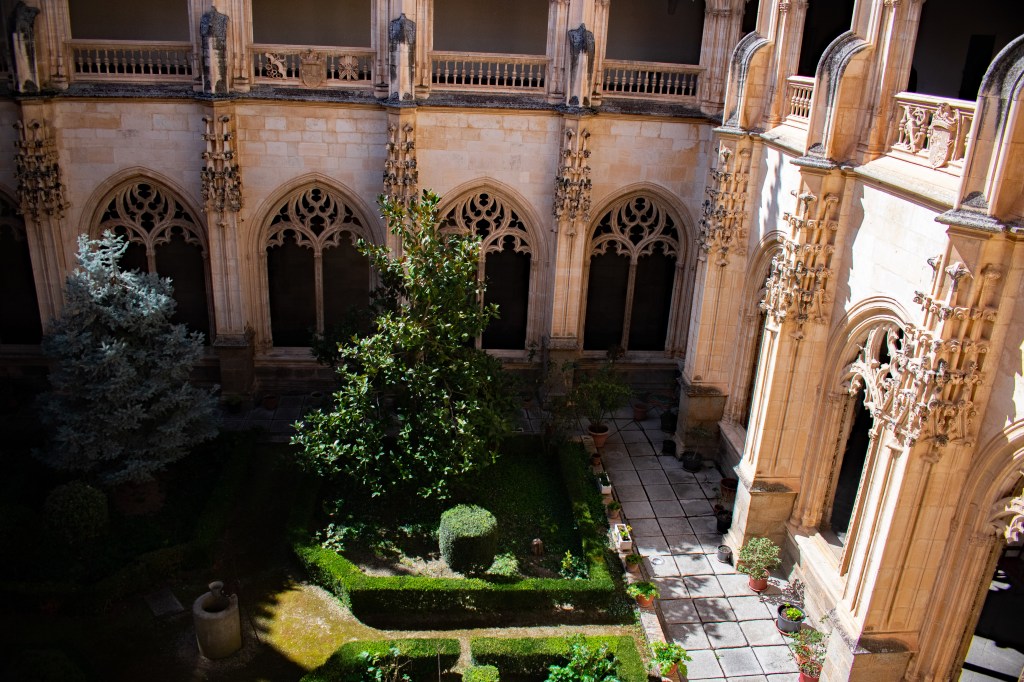
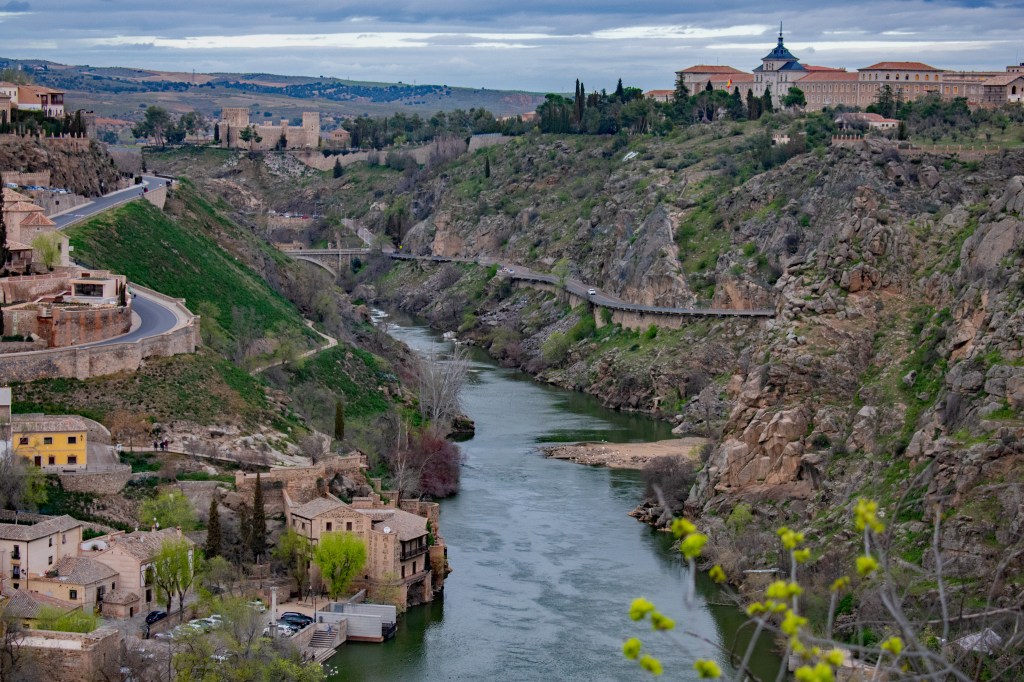
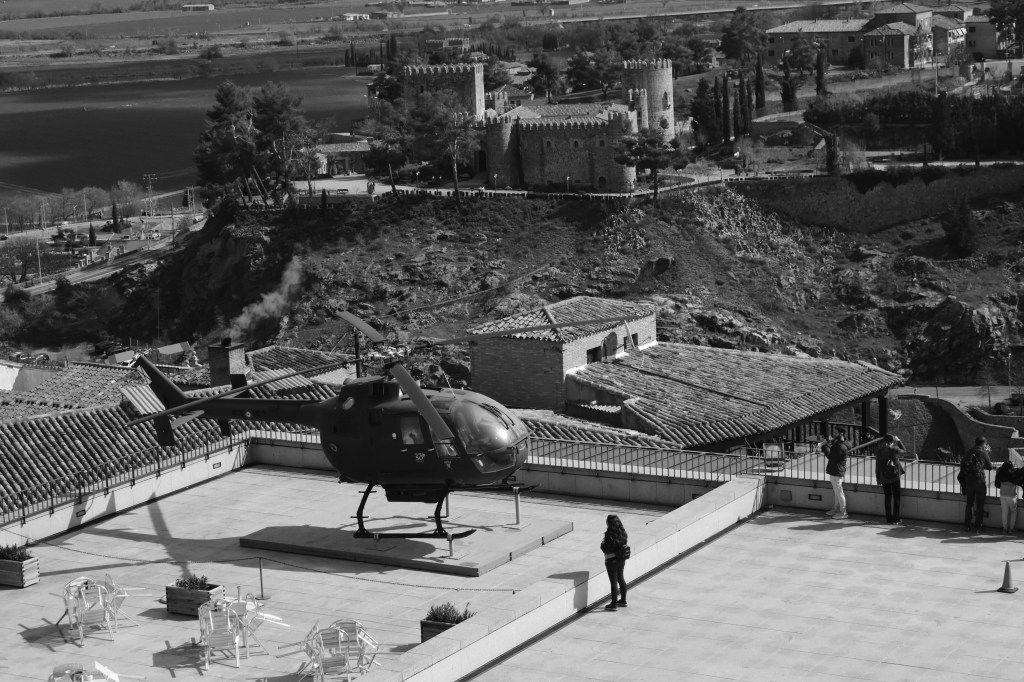
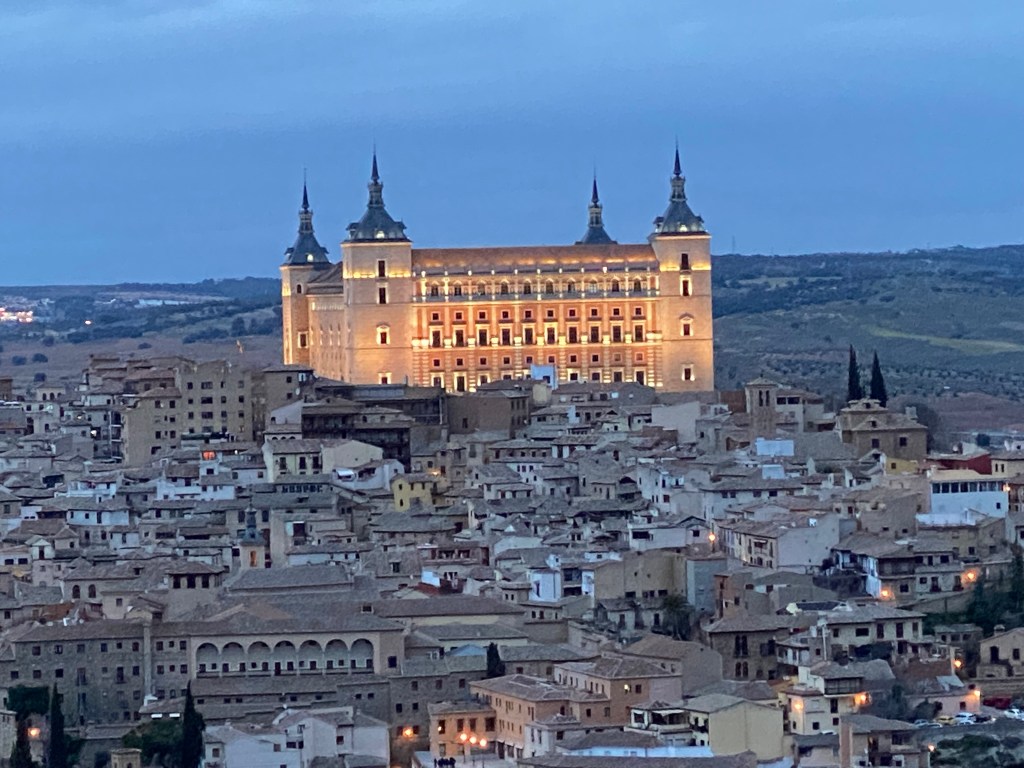
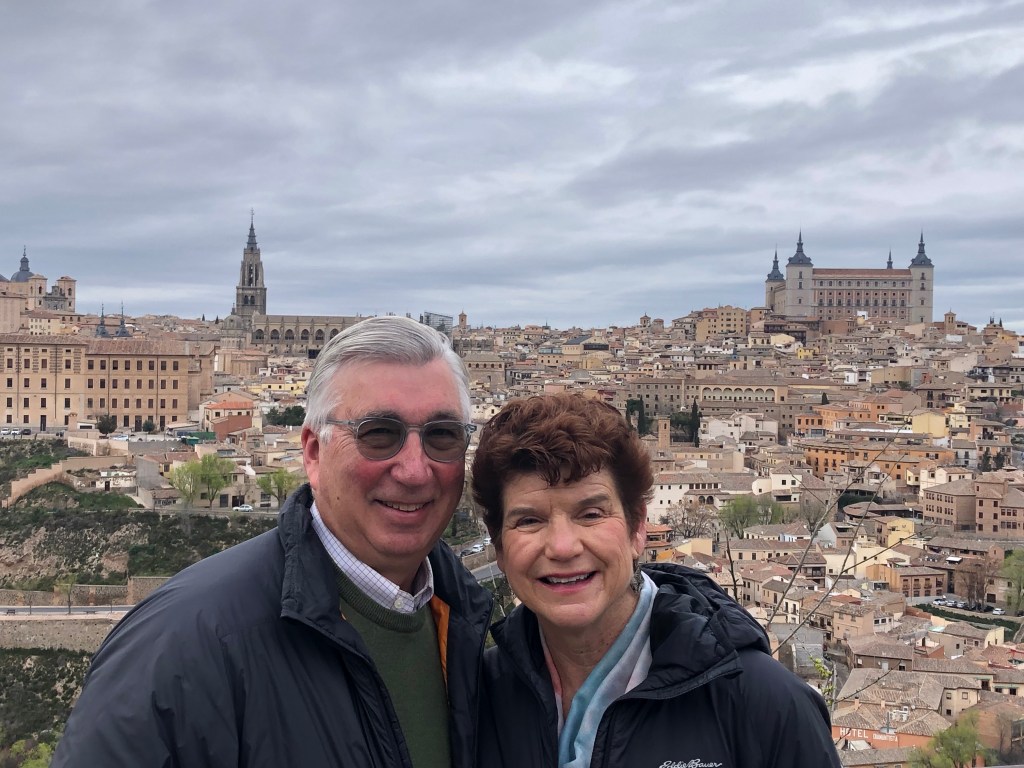
After a full museum day, we went back to our hotel for a siesta before heading out for the evening. We took a taxi to the other side of the river where there is a panoramic lookout. After stopping to take a few photos, we continued on to The Parador of Toledo for a drink. As I have mentioned before, Paradores are national hotels that are either in historic buildings or have great vistas. This one has great views of Toledo, but the decor in the bar area had a Franco area austerity. Presumably, the rooms are nice, but we were glad we stayed in town. After enjoying a glass of wine and some cheese, we caught a taxi back. I asked the driver about the castle (see above photo). He said that it is now used for youth educational camps. How cool is that? It reminds me of Hogwarts.
We enjoyed a delicious dinner at La Orza. The ambience was cozy and the owner and servers were very attentive and friendly. After dinner, we strolled toward the cathedral until it began to rain. Time to call it a day!
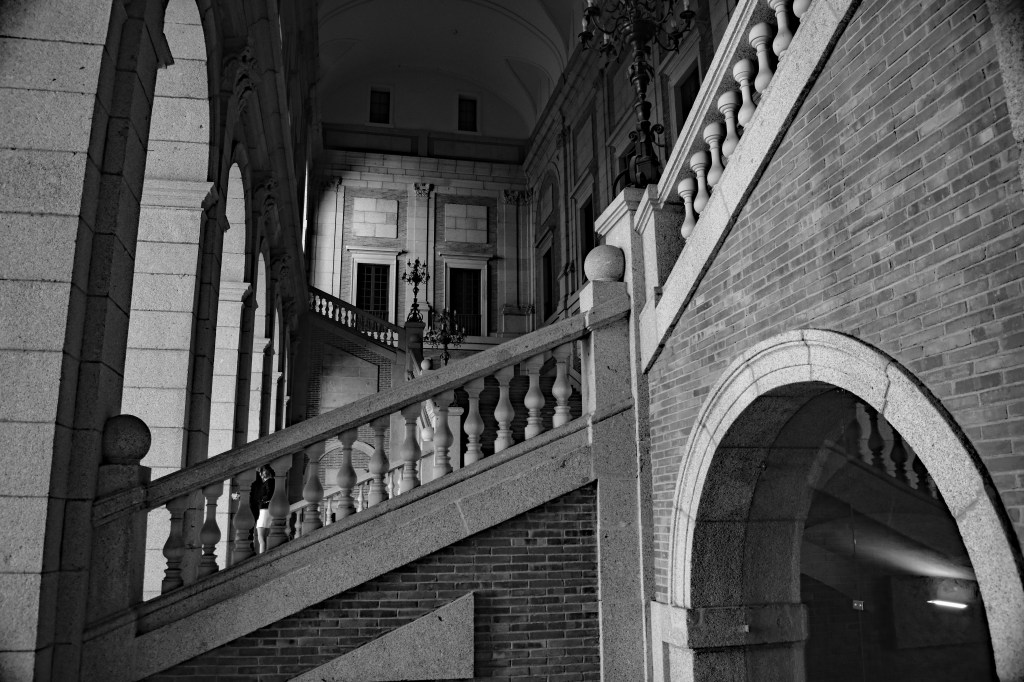
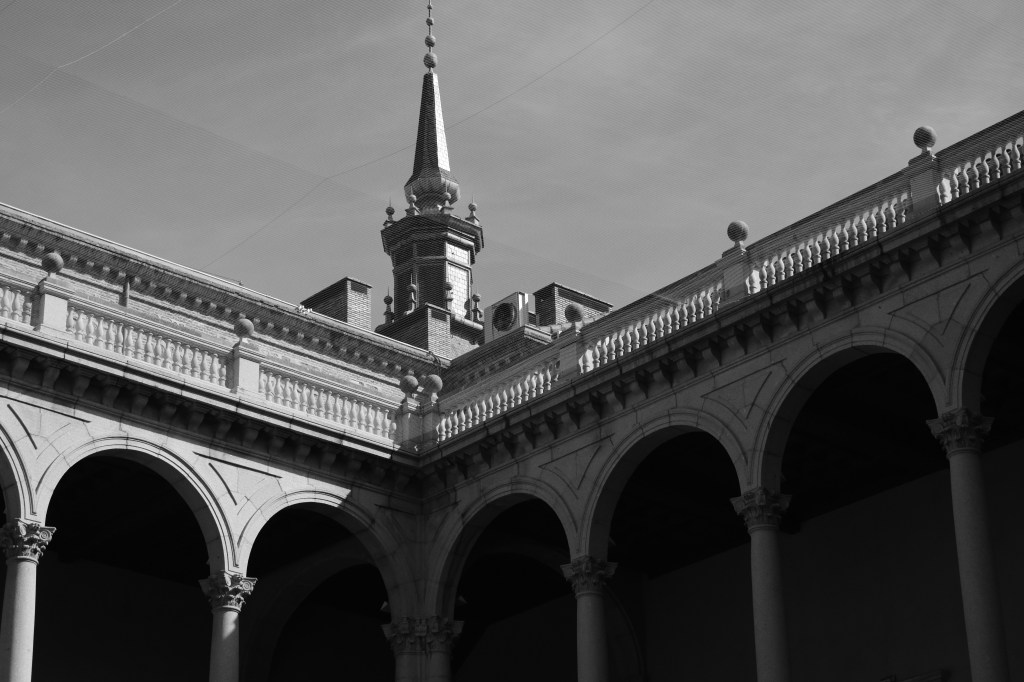
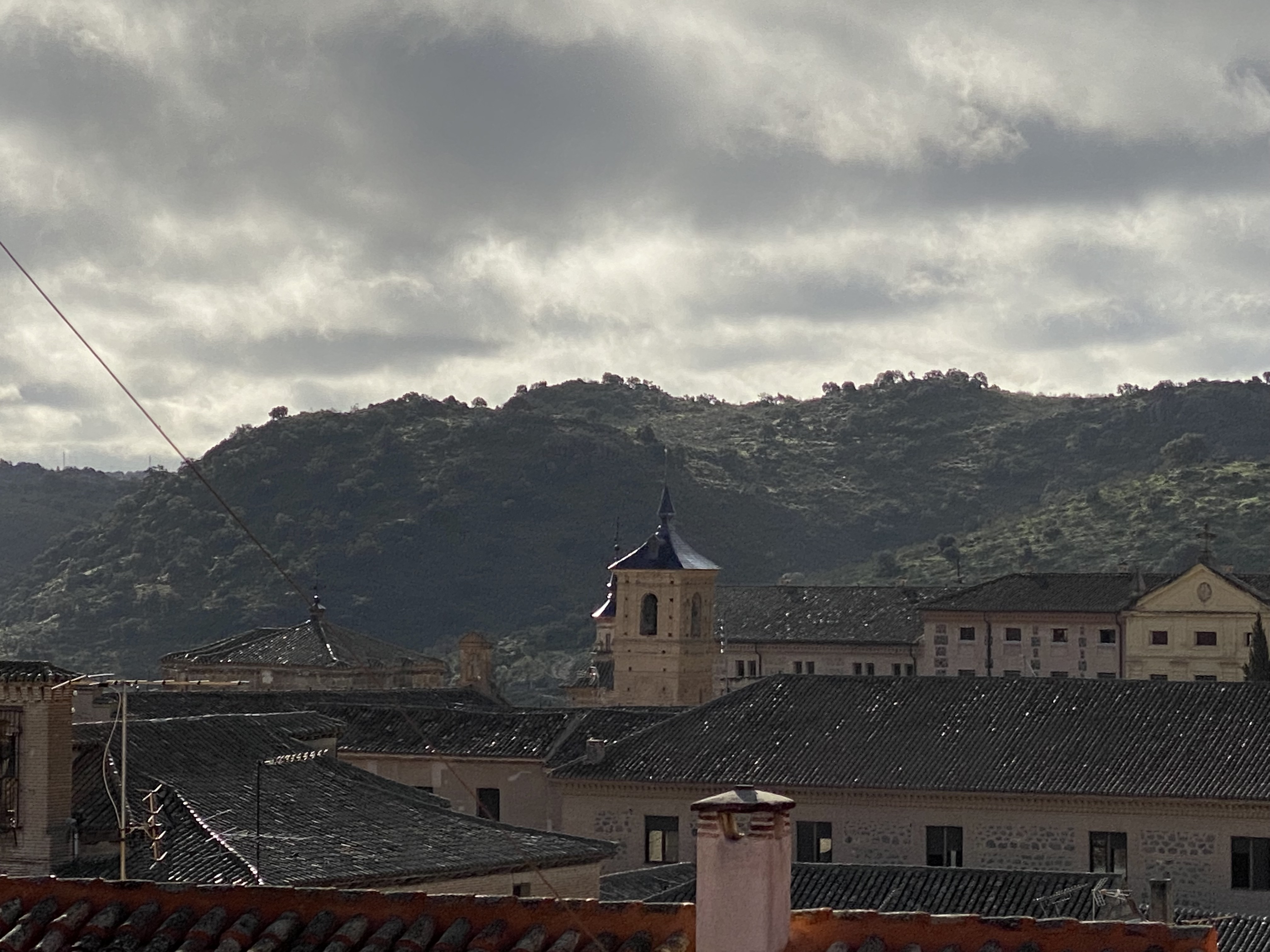
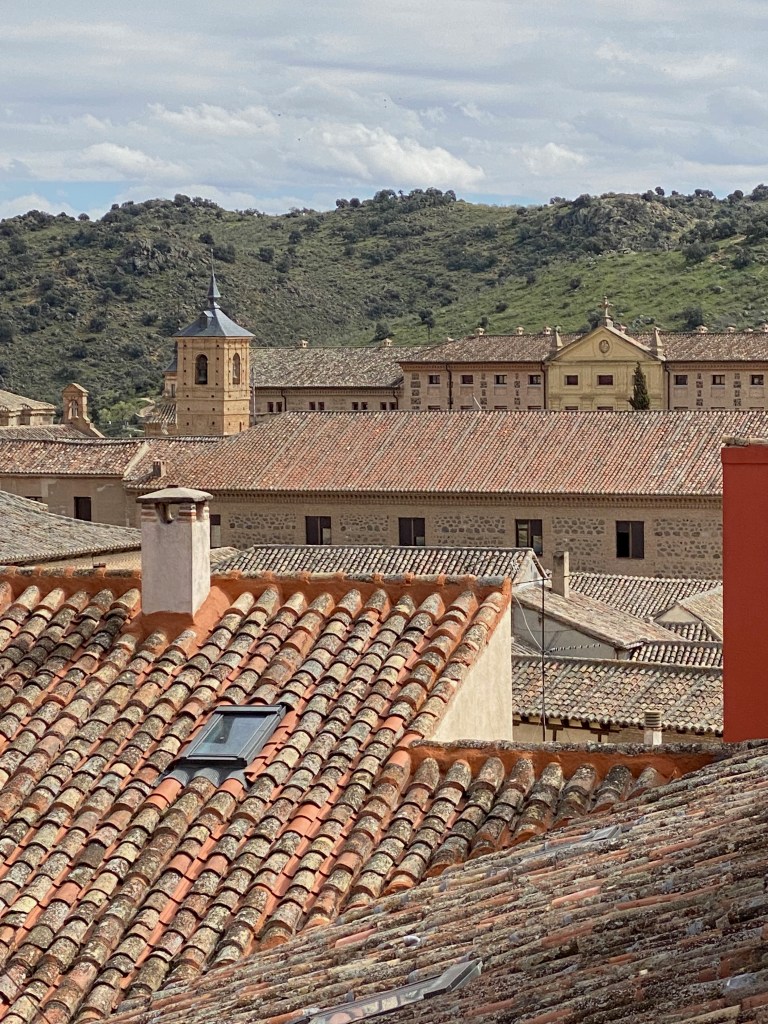
It was great to wake up to church bells and the rooftops of the historic district outside our window. After breakfast in the attractive lobby, we headed out to visit The Alcazar and The Cathedral. The Alcazar is a huge fortress that now houses a military museum. The museum traces the history of Spain’s many wars. After browsing many displays of armor, weaponry, and uniforms, we were ready for a coffee break. Then, it was on to the Cathedral of Toledo! The cathedral is huge and impressive. Tickets must be purchased at the Cathedral Store, a block away from the main entrance. Speaking of tickets, they are required at all of the buildings. We purchased a bracelet our first day for 10 euros each. Some of the museums did not accept the bracelet, but most of the time seniors were free anyway. So the bracelet may not have mattered. In high season, it might save you some time in line.
After visiting the cathedral, we enjoyed a good meal at a small Halal (Islamic) restaurant. This seemed to to mirror the historic diversity of Toledo and was a delightful finale to our visit.
Next Post: Madrid. Then Home!

 Adventures In The South of Spain
beautiful pictures and wonderful commentary. I especially liked the B&W pictures. They had a very cool vibe to them. Great job!
LikeLike
You guys are quite the travelers. I don’t think Judie and I could be as courageous as you guys. I am looking forward to following you on your next vacation in 2023.
LikeLike