After our two week stay in Essuoaira, Morocco, we flew back to Madrid via Ryan Air. Bill’s sister Betty met us in Madrid and after two enjoyable days of art and Spanish cuisine, we were off to Sicily. (Ryan Air).
The first stop on our three-week Sicilian adventure was Catania on the west coast. We chose it as our starting point according to the flight schedule, as flights don’t run every day in the off-season. There is also an airport in Palermo, which we would visit last and depart from there.
By coincidence, we were in Catania for their biggest festival of the year: The Feast of Saint Ágata, virgin and martyr. Ágatha (Agatha) was born in Catania and died for her faith at the hands of the Romans in the third century AD. (February 5, 251) Her relics are housed in the chapel next to the Duomo (Cathedral) of Catania and every year from February 3rd through the 5th, they are paraded through the streets by throngs of participants; close to a million we were told, although that seemed a bit exaggerated.
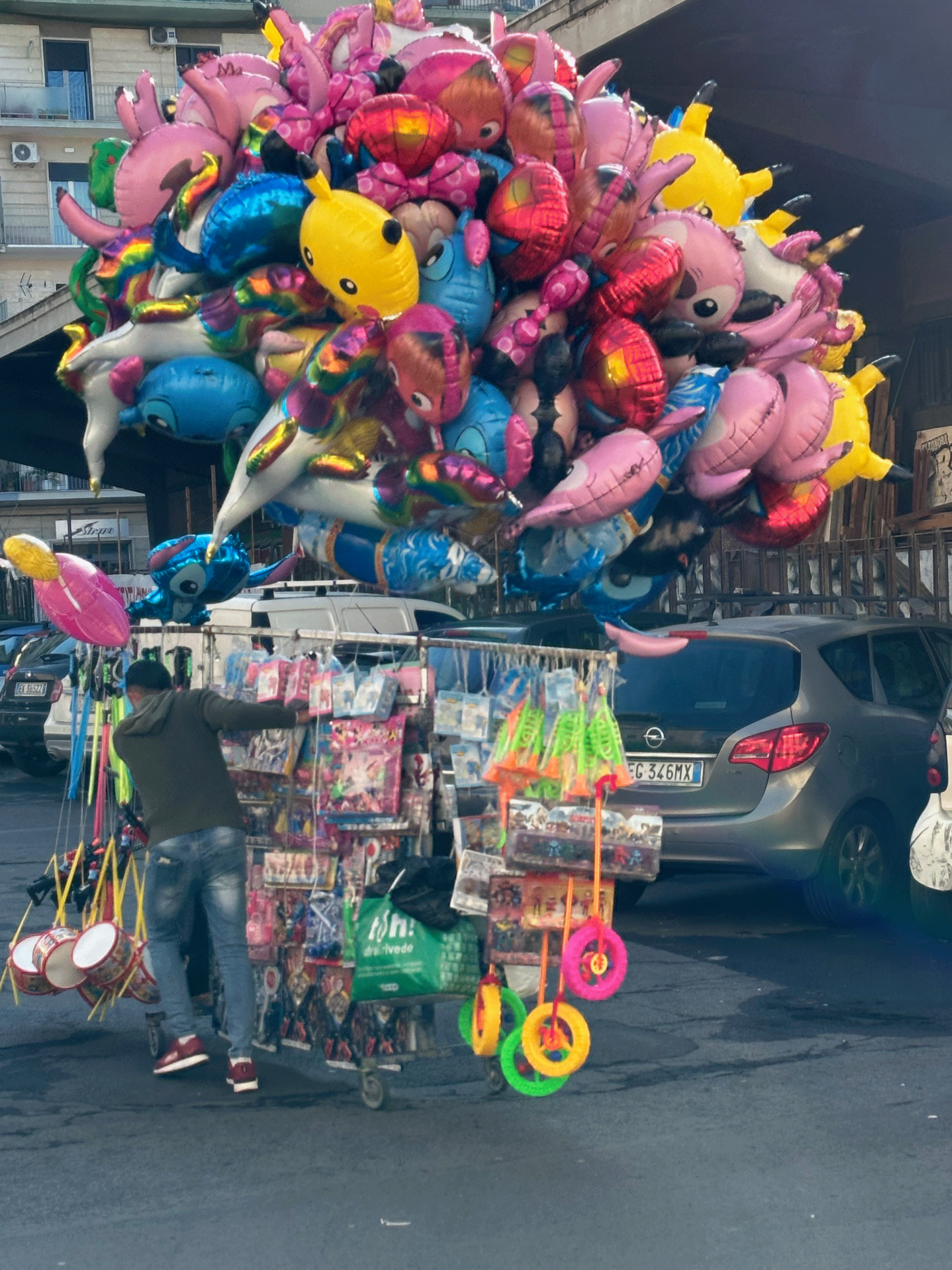
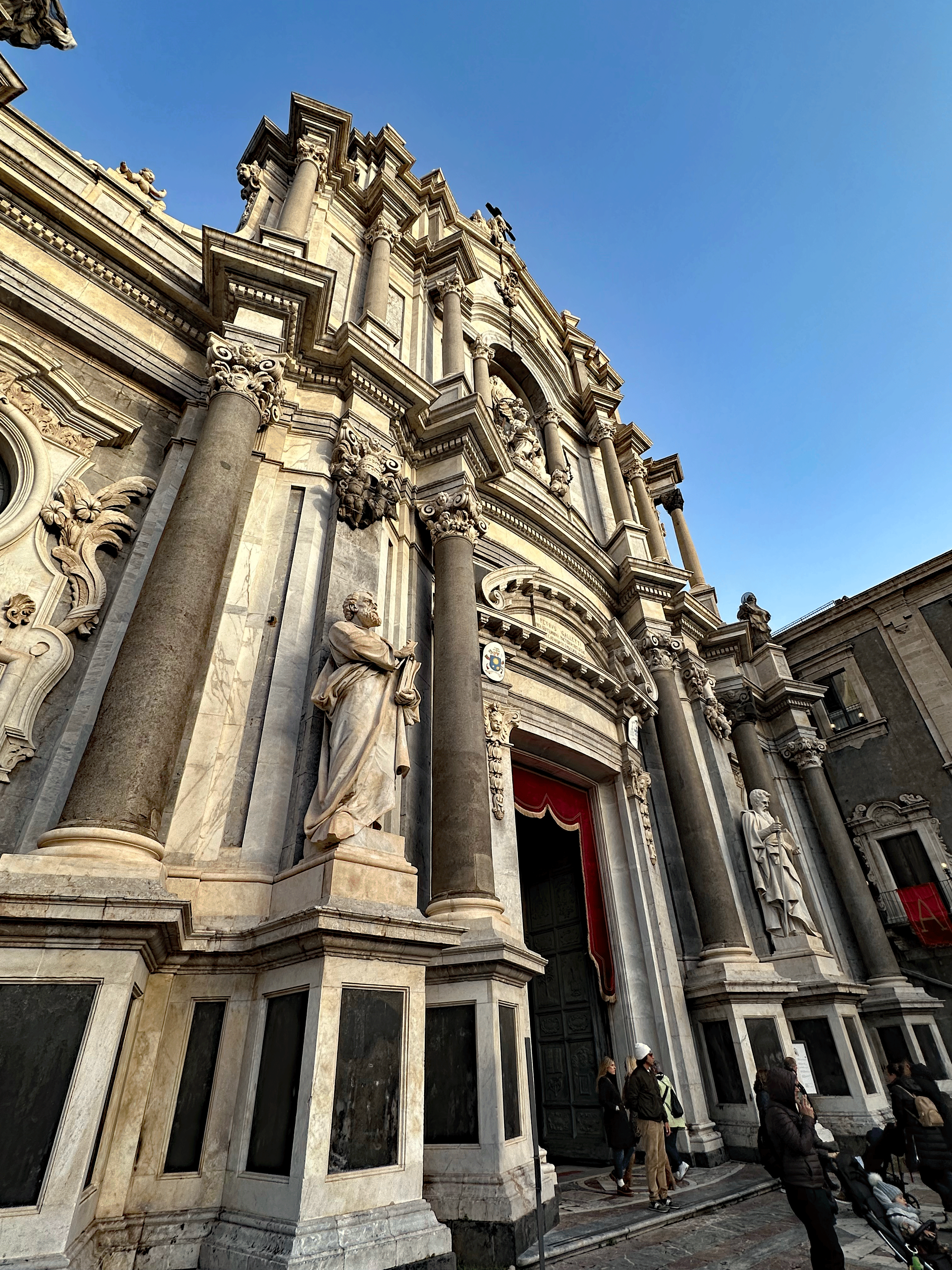
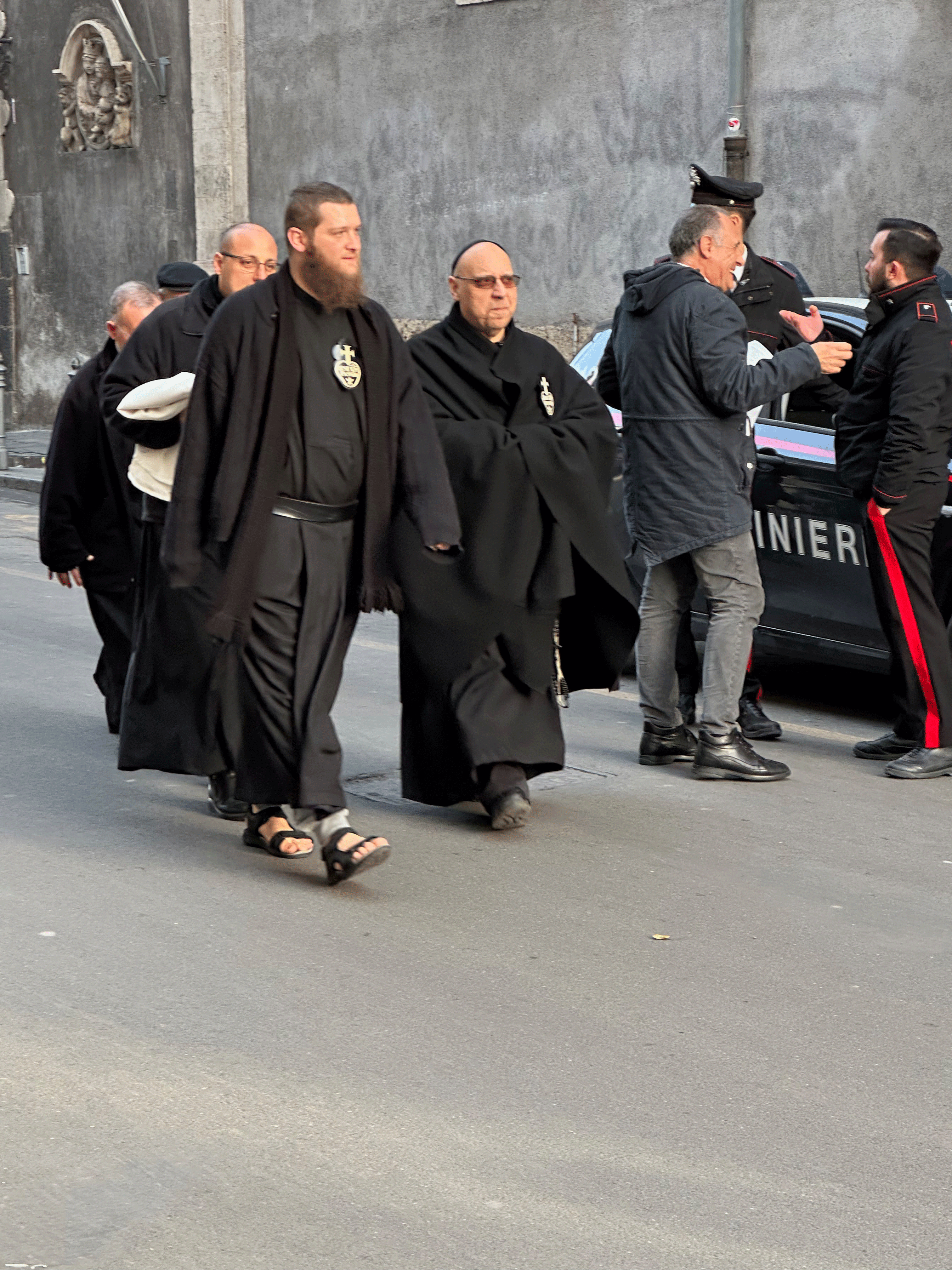
On our first evening in Catania we saw groups of clergy arriving in town. The Piazza del Duomo (Cathedral Square) was alive with musicians, balloon vendors, young ladies dressed in long white gowns and carrying red roses, and representatives of parish churches bearing their standards to pay homage to St. Ágata.
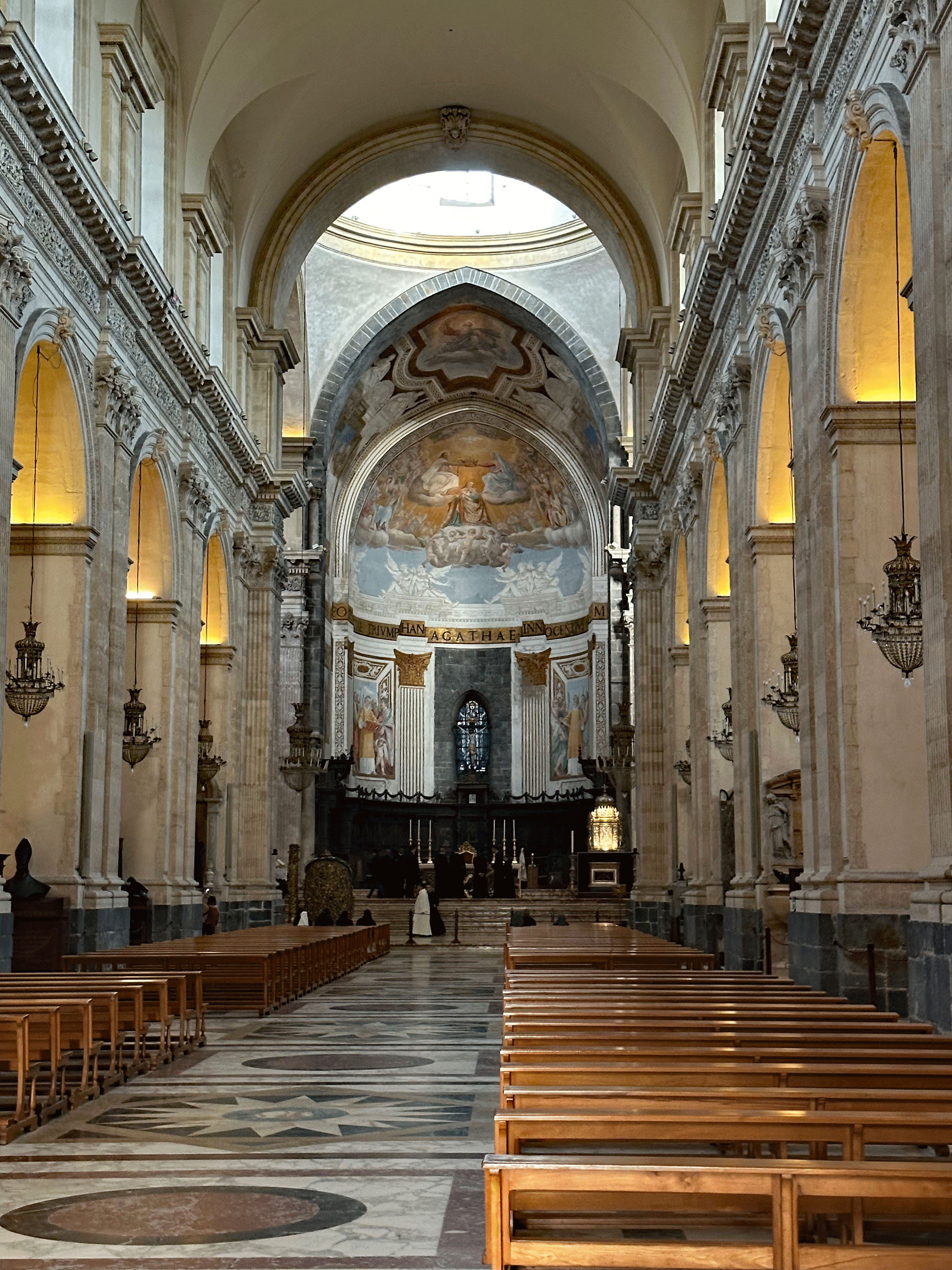
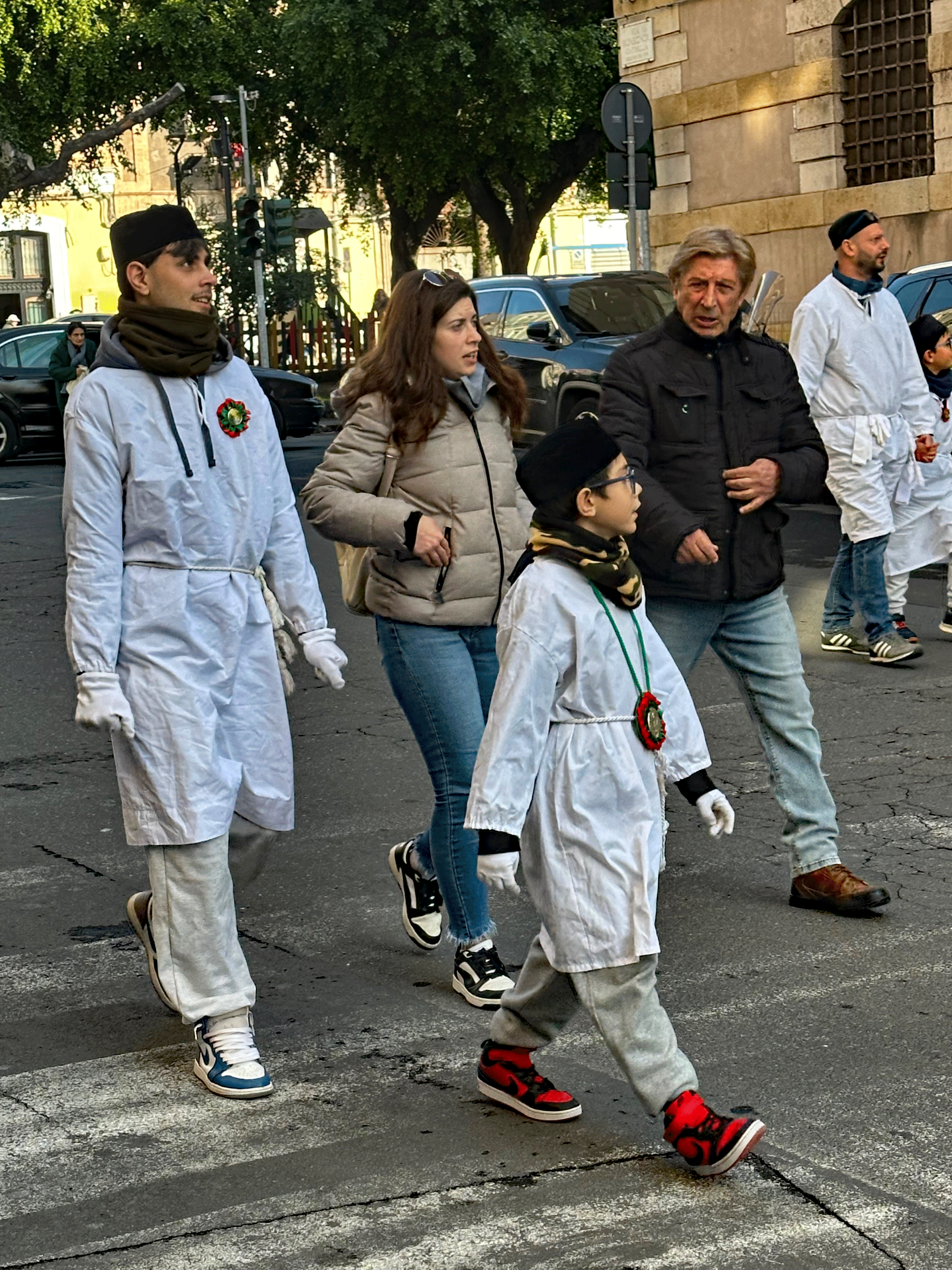
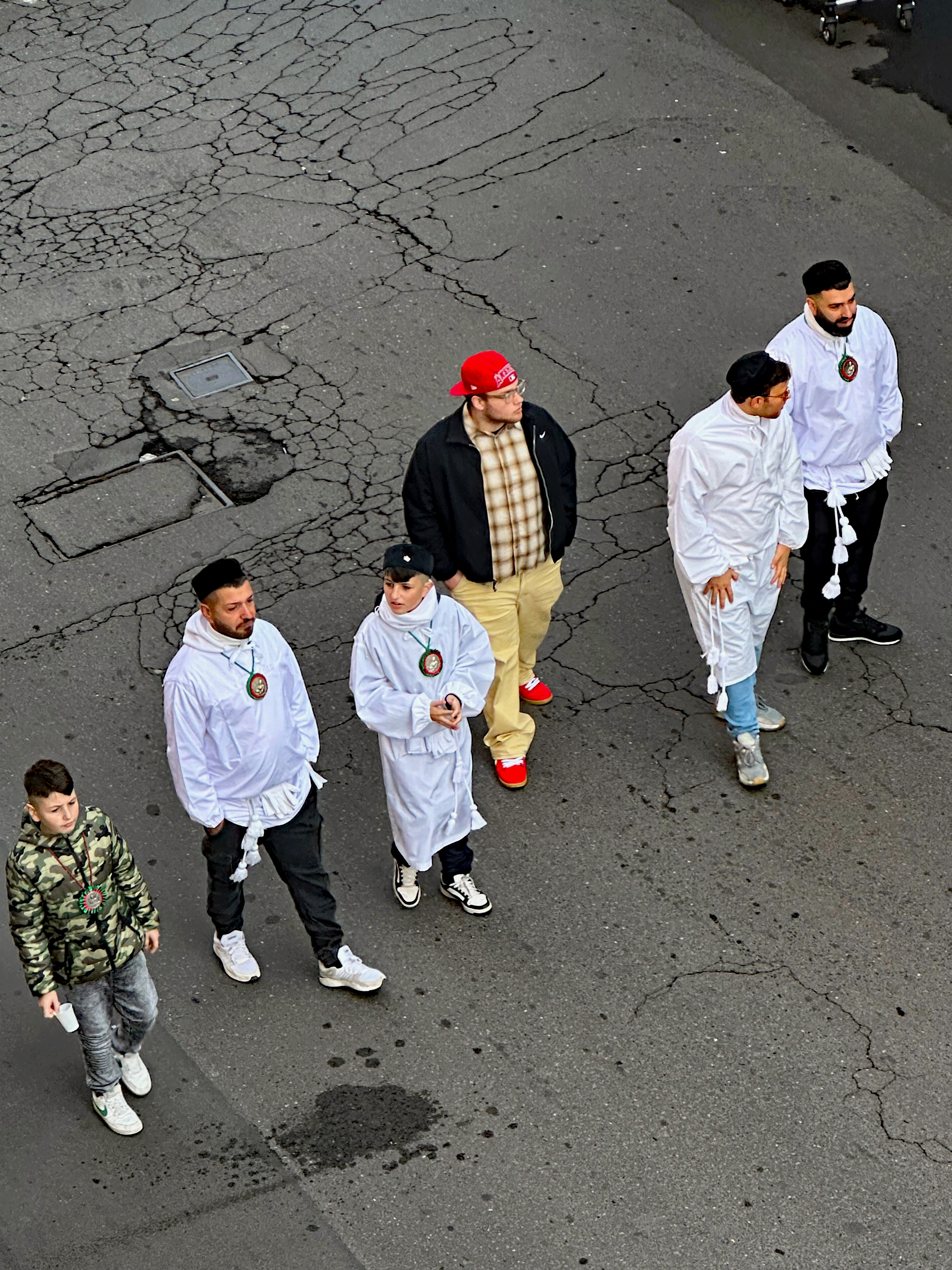
Fortuitously, we visited the inside of the cathedral that evening ;it was closed to visitors for the remaining days of the festival. Each time the relics of St. Ágata were removed from or returned to her chapel, loud fireworks shook the town. There were daily procession routes throughout Catania. A float bearing Ágata’s ornate silver reliquary and a large statue of her surrounded by flowers, candles, and a bishop was pulled through the streets by devotees wearing the traditional white garments and St. Agatha medals. Police officers managed the crowd to allow safe passage of the float and access to the thick ropes for those wishing to pull the heavy float for part of the route.
When we planned our trip, we didn’t realize we would be a part of this centuries old tradition, but we are so glad it worked out that way. It was really a special experience!




In addition to observing the festival activities, we enjoyed Catania’s other attractions. The fish market and fresh fruit and vegetable market are a colorful testament to Sicilian lifestyle and cuisine. The narrow streets of the historic center are lined with vendors of produce, meats, pastries, spices, juice, nuts, and street food. During the festival days, candy stands are everywhere and the smell of almond paste permeates the air. There were marzipan stands everywhere and we kept wondering what they do with it all when the party is over.
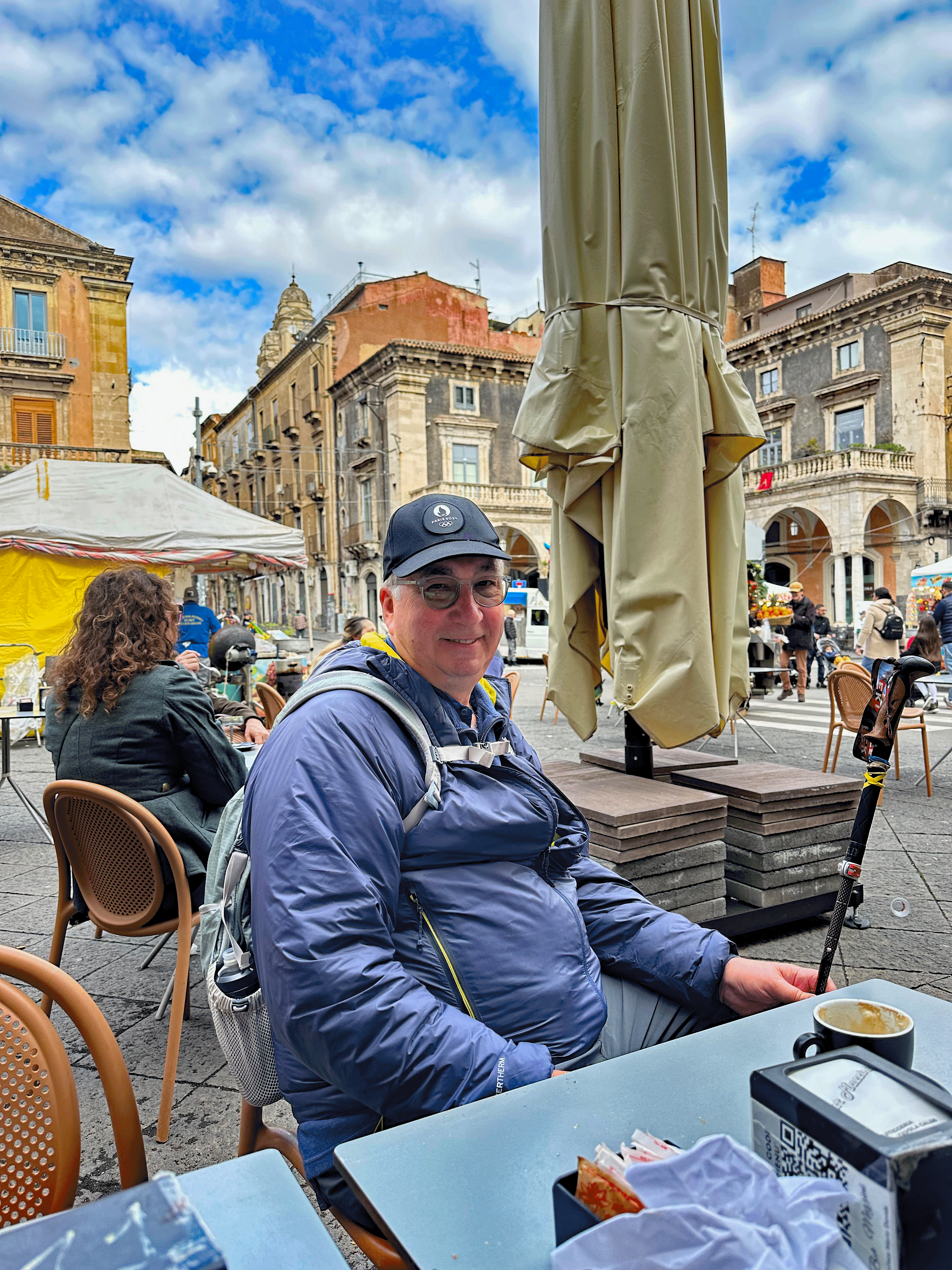
Every day, we took time out to sip cappuccini (cappuccinos) and sample Sicilian pastry at a table in the sun. Sicily is the birthplace of gelato and cannoli. Catania has its own seasonal delicacy: the breasts of St. Ágata, a pastry designed to remind us that as part of her torture her breasts were cut off.
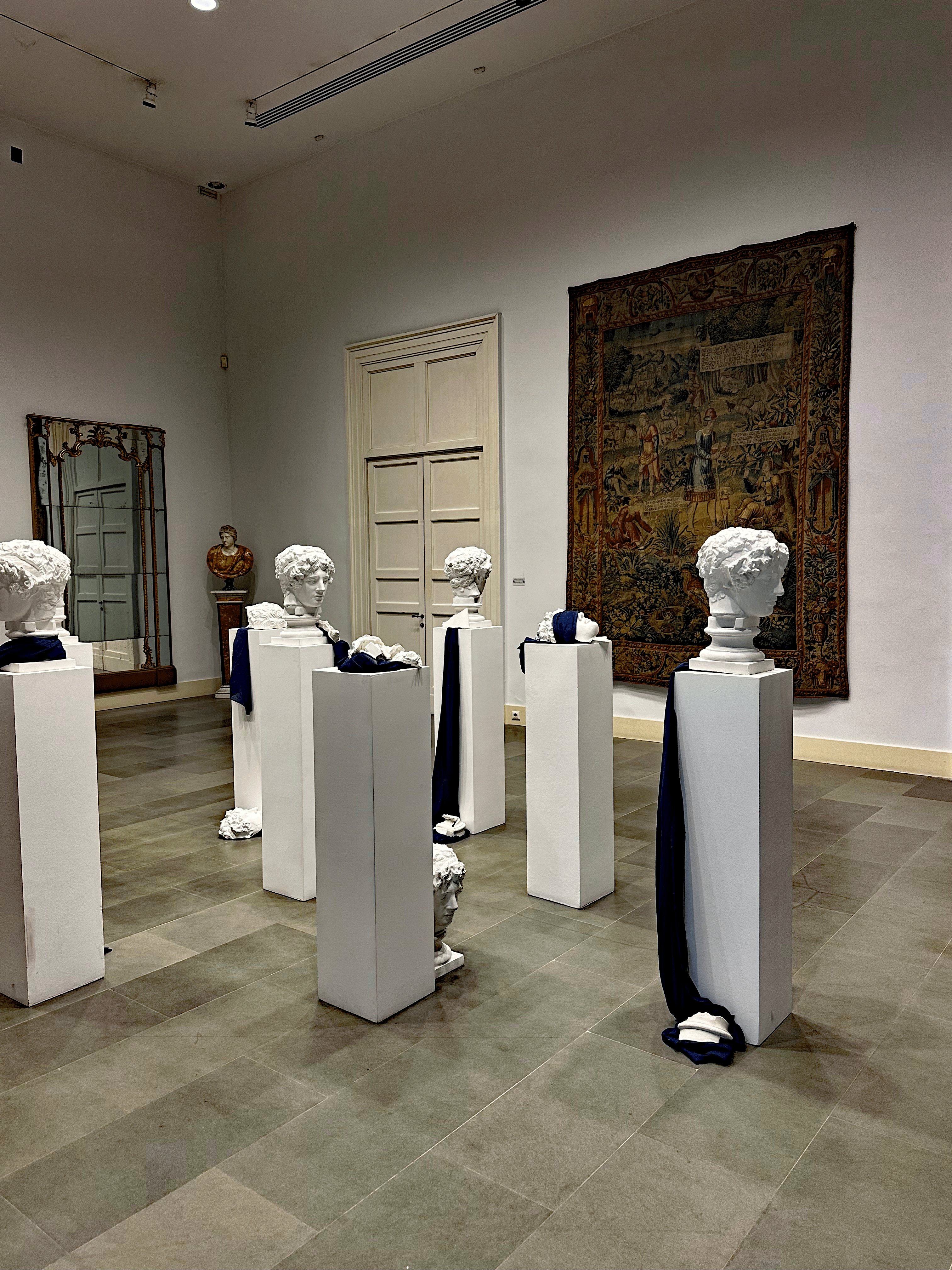
We enjoyed art at Palazzo della Cultura and at Castello Ursino. Palazzo della Cultura is a restored palace with an eclectic collection of contemporary art displayed creatively in rooms decorated with antique furniture and tapestries. They had a temporary Frida Kahlo exhibit which featured a few of her works and a sizable collection of black and white photos from her life.
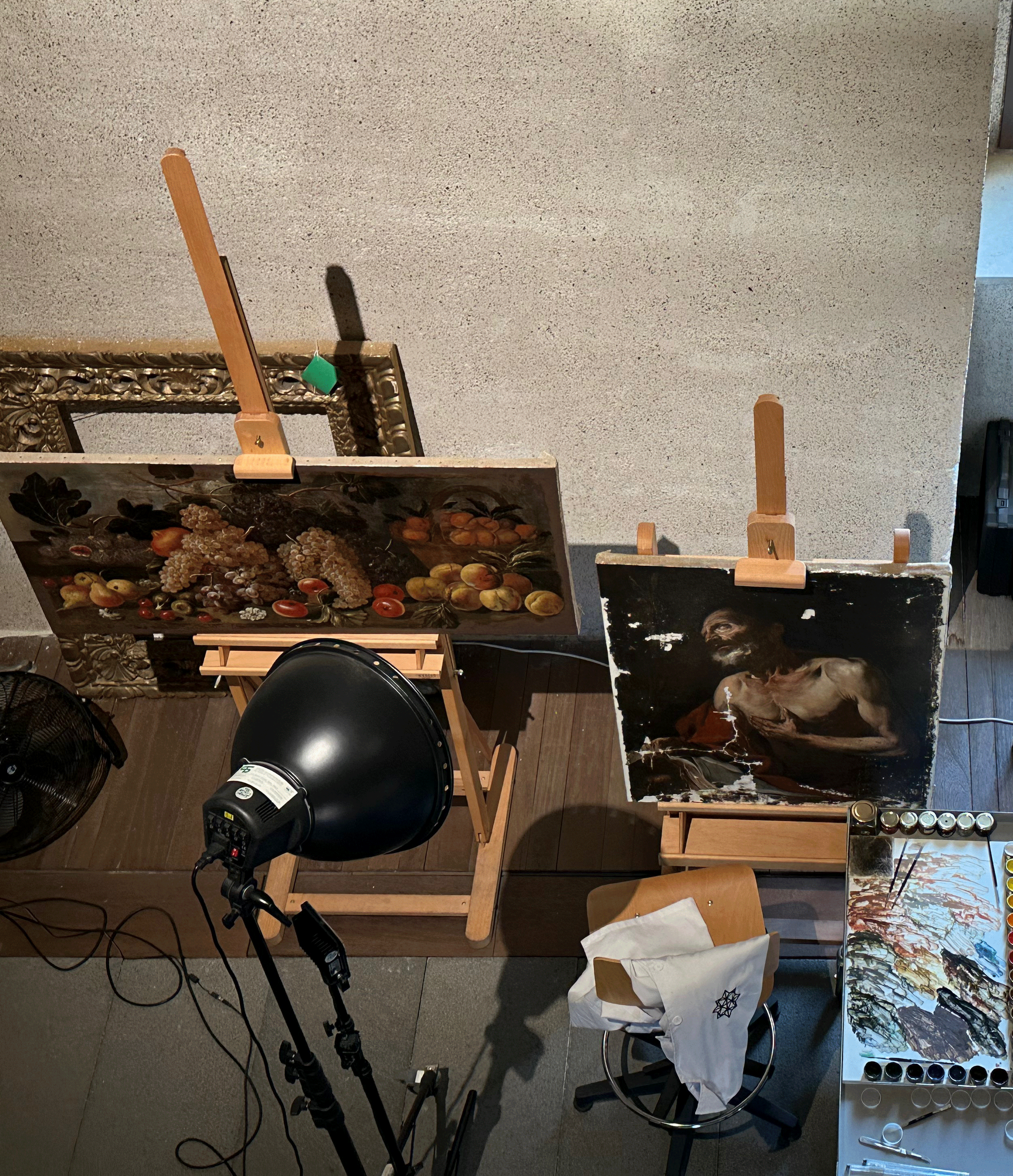
The Castello Ursino was the town’s fortified castle and now serves as the Civic Museum of Catania. It is a huge space for housing art and artifacts from Catania’s long history and is a working museum for archeologists and art restorers. After our visit, we had coffee and the most memorable pistachio arancini (rice balls) of our trip.


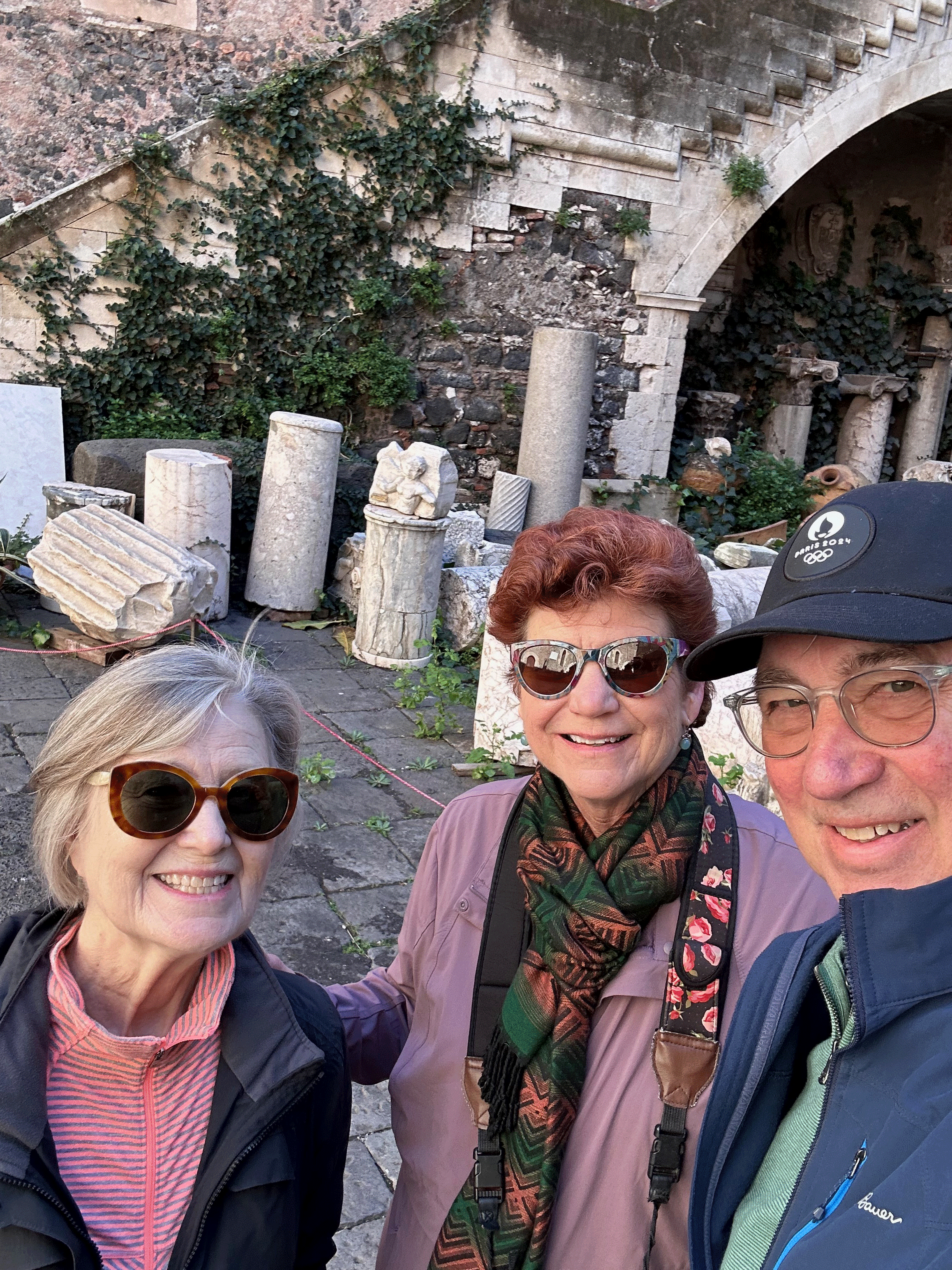
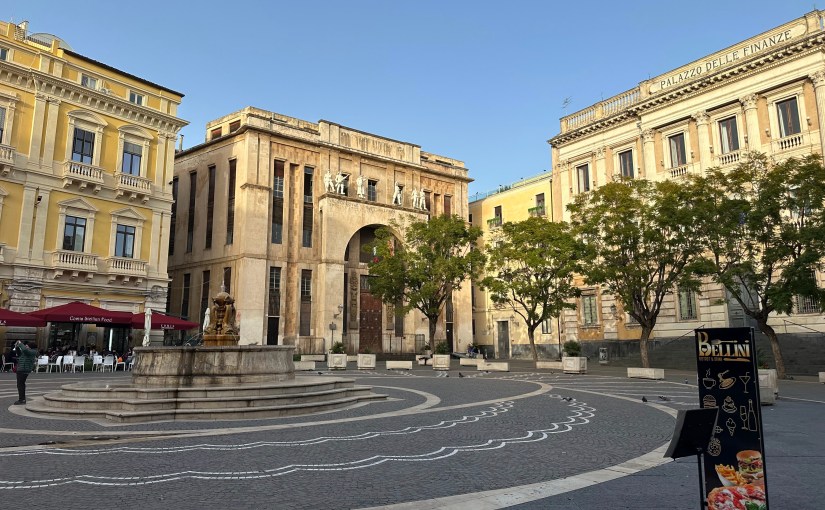
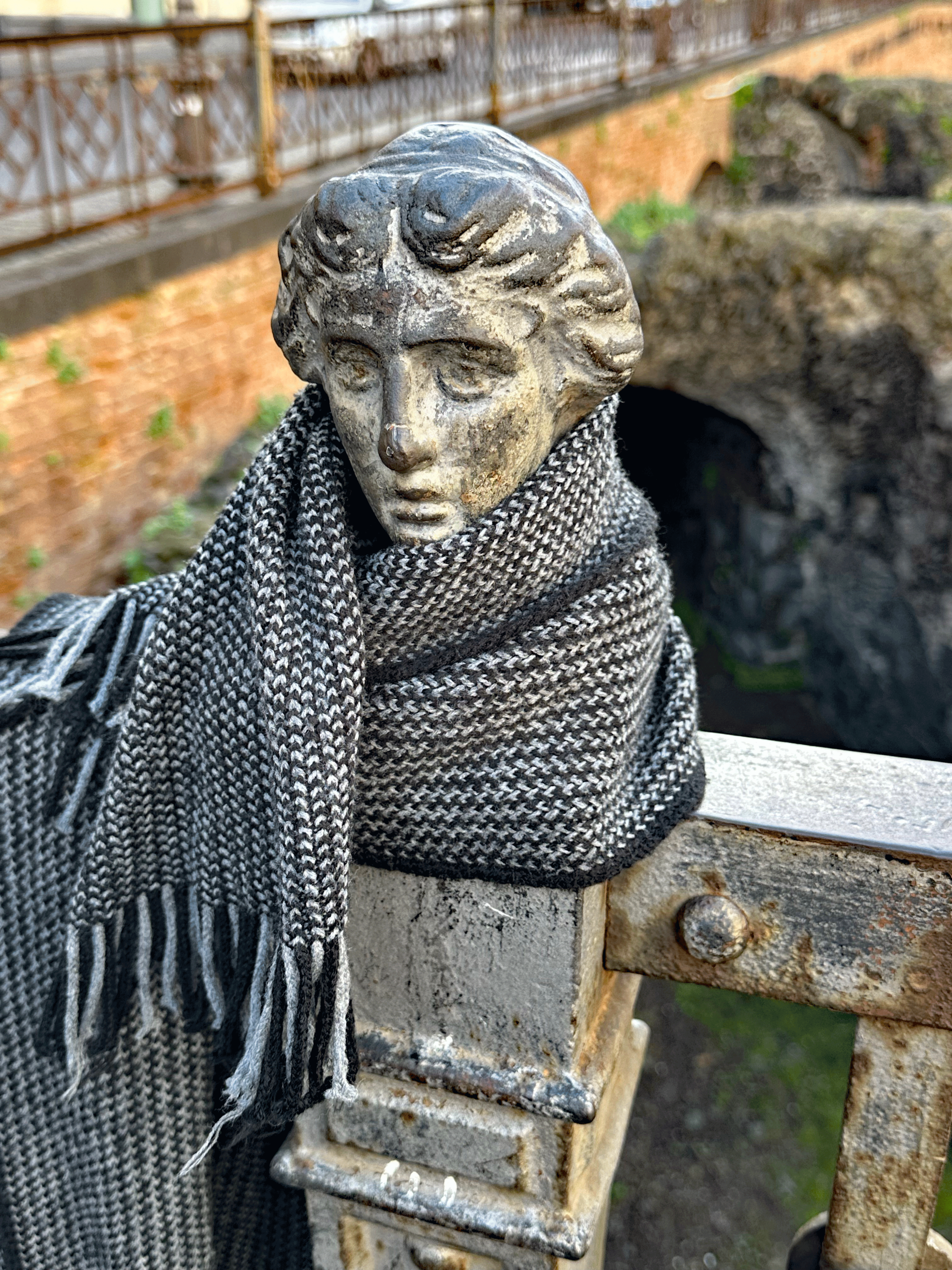
Some travelers dismiss Catania as dirty and lacking charm. True, the street stones are black and the buildings are blackened, but that isn’t exactly dirt; it’s volcanic rock and lava stains from nearby Mt. Etna. I’ll concede that the back streets of the historic center are rather run down with cracked paving stones, graffitied walls and a slightly gritty vibe. My mother would have described it as “having seen better days.” To me, these features add to Catania’s charm. A few streets away is the beautiful Piazza del Duomo (Cathedral Square) and the upscale shopping and dining district. The city has expanded far beyond its original walls and is a modern vibrant city.
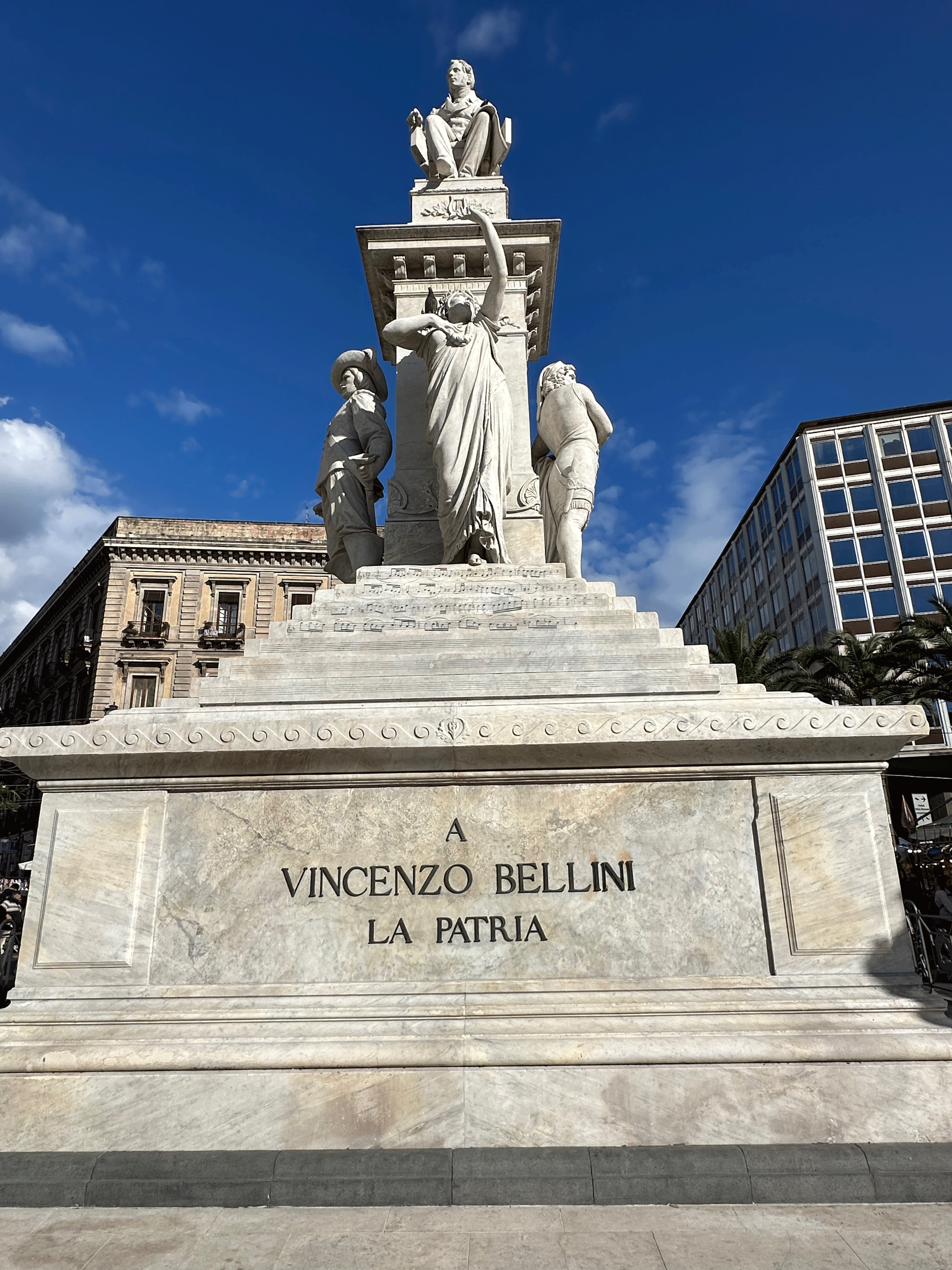
Some More Catania Scenes and Night Views: (Remember to double click for a larger view)
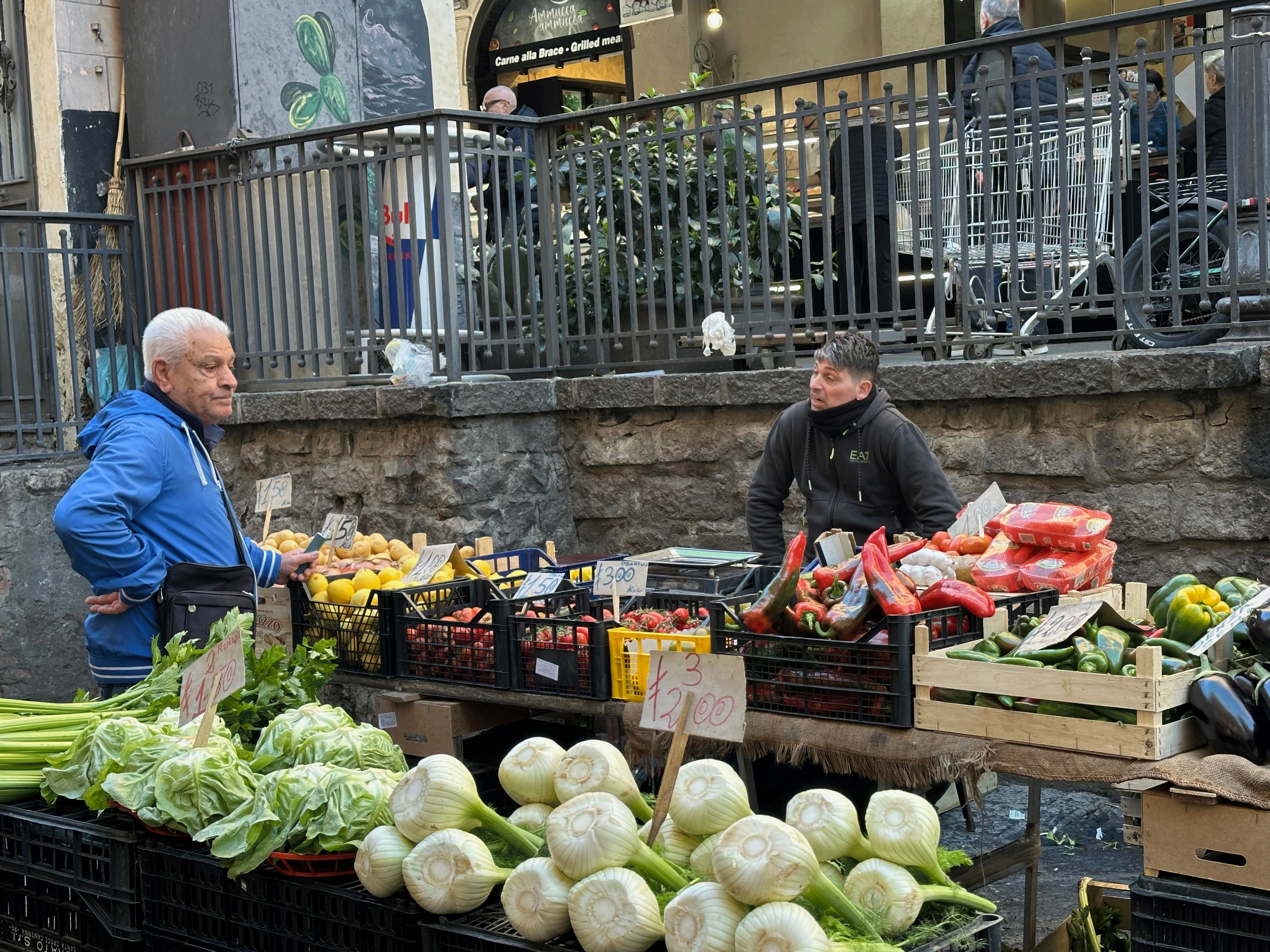


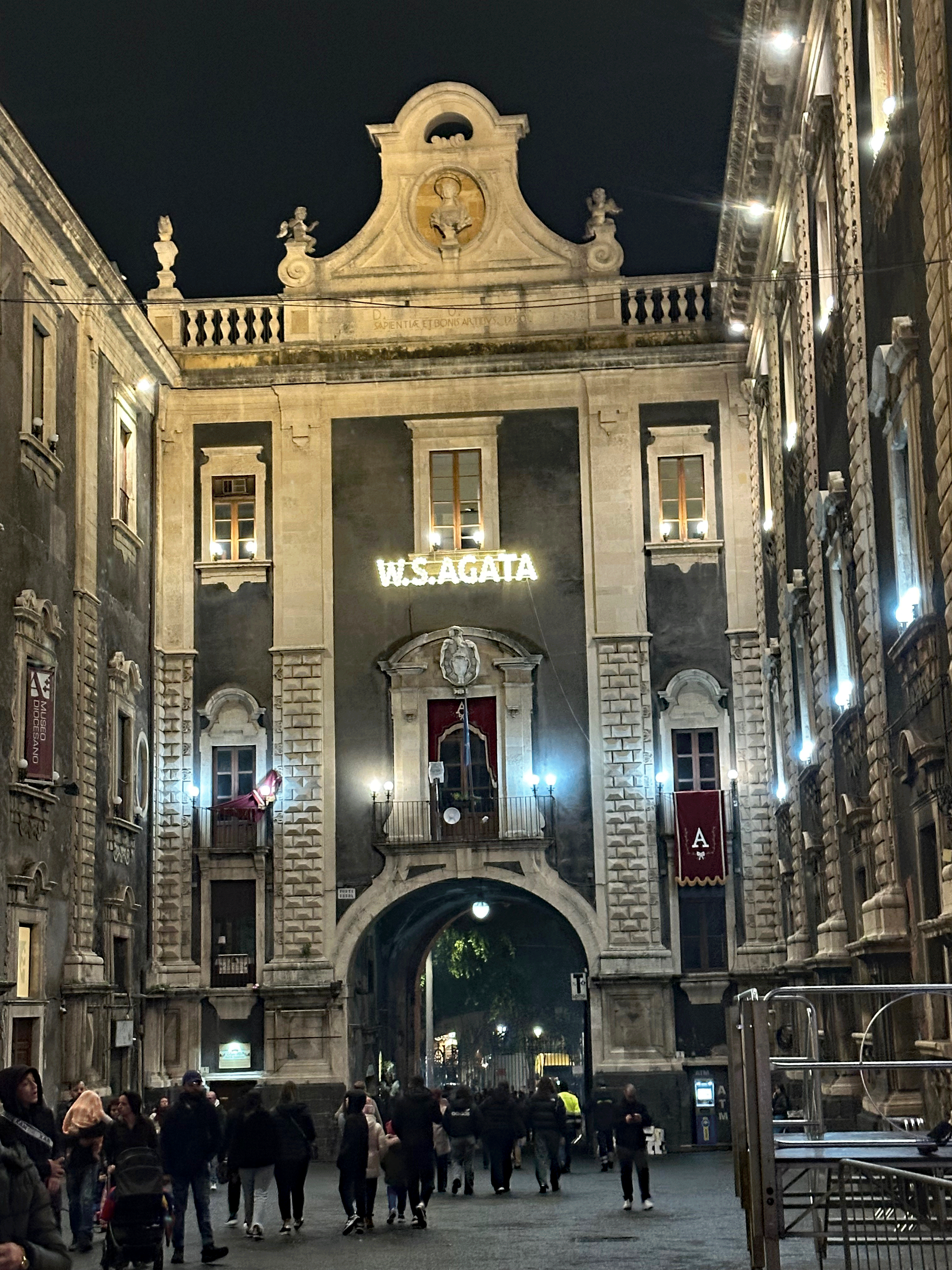

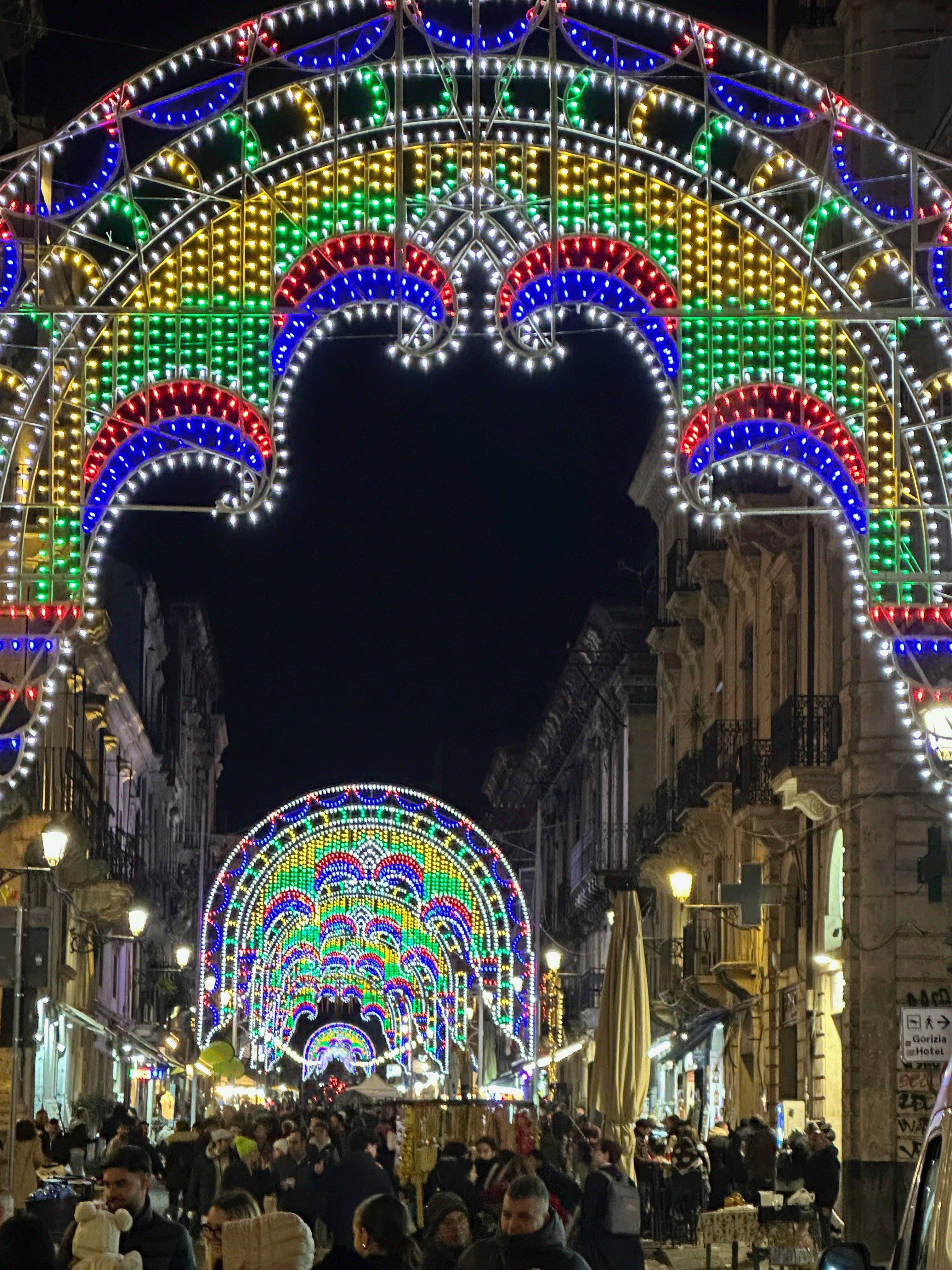






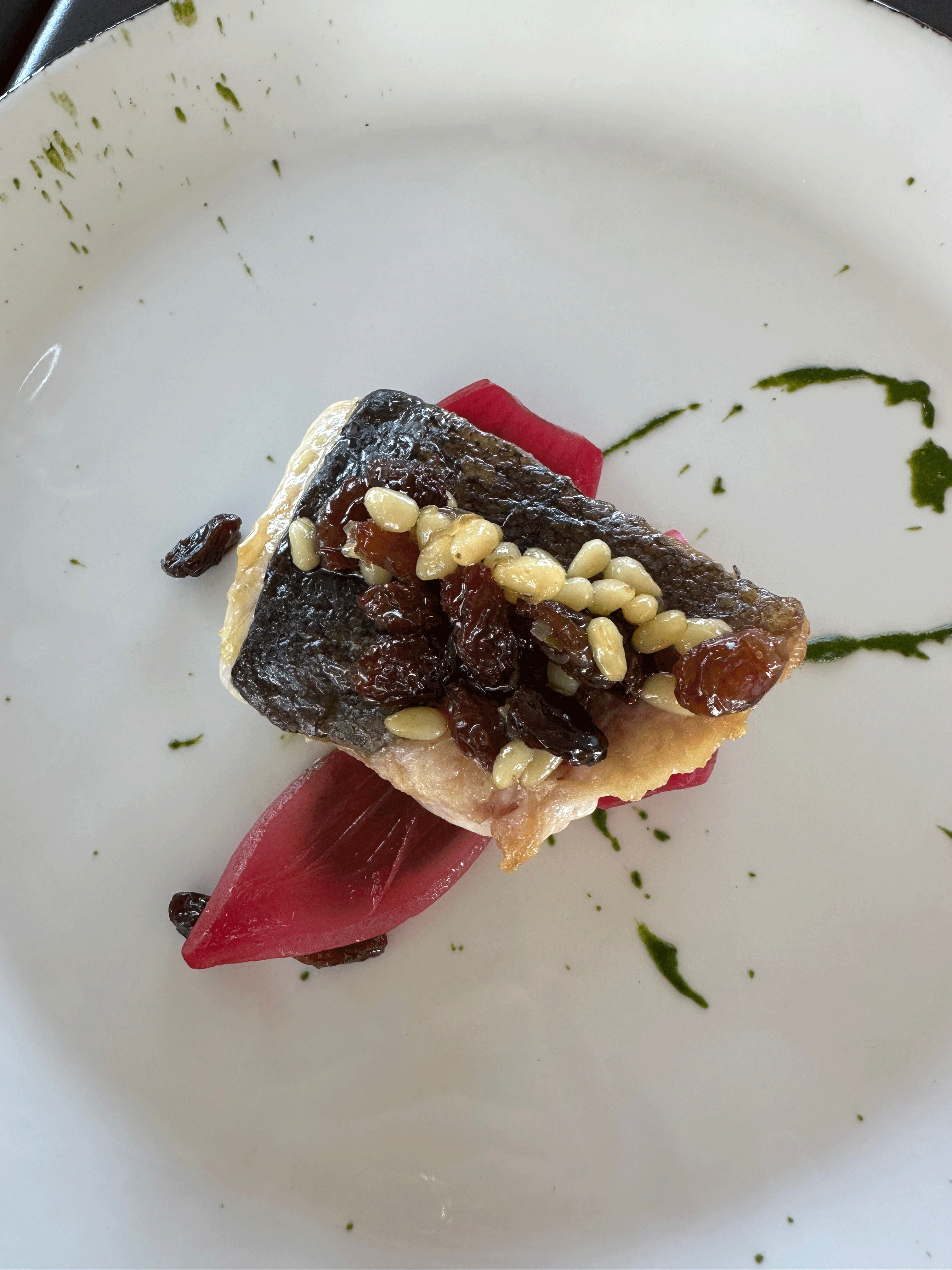
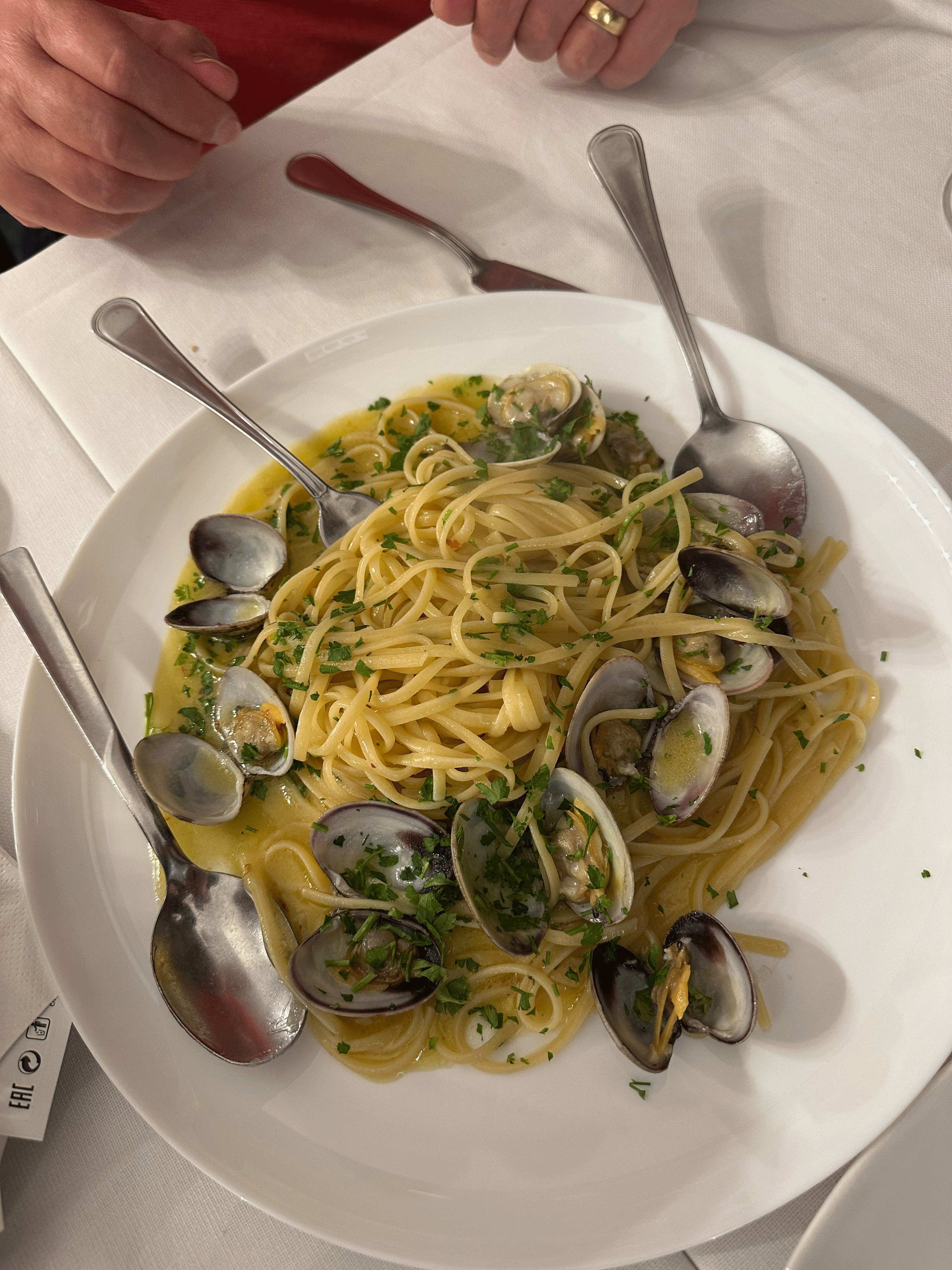
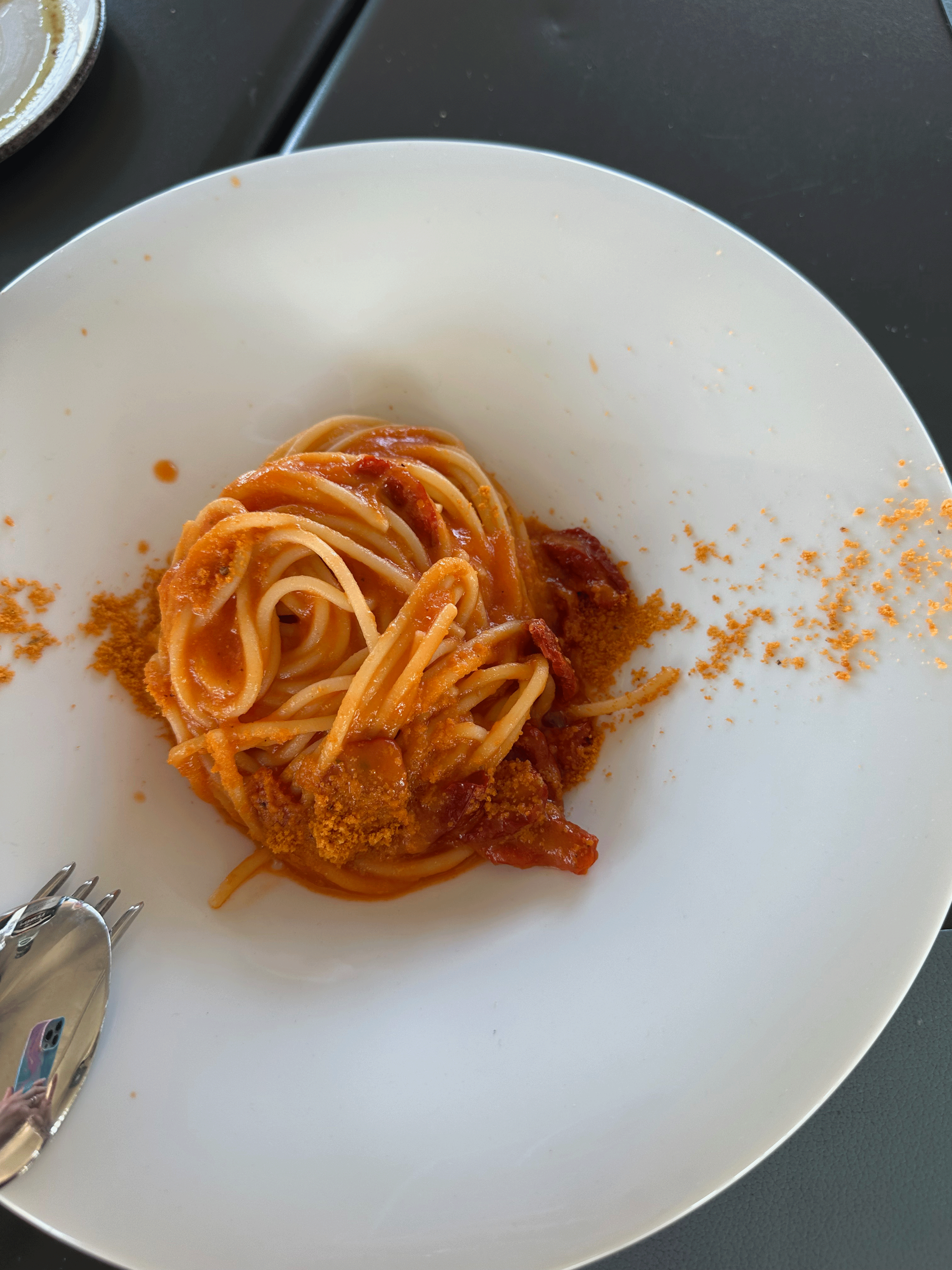
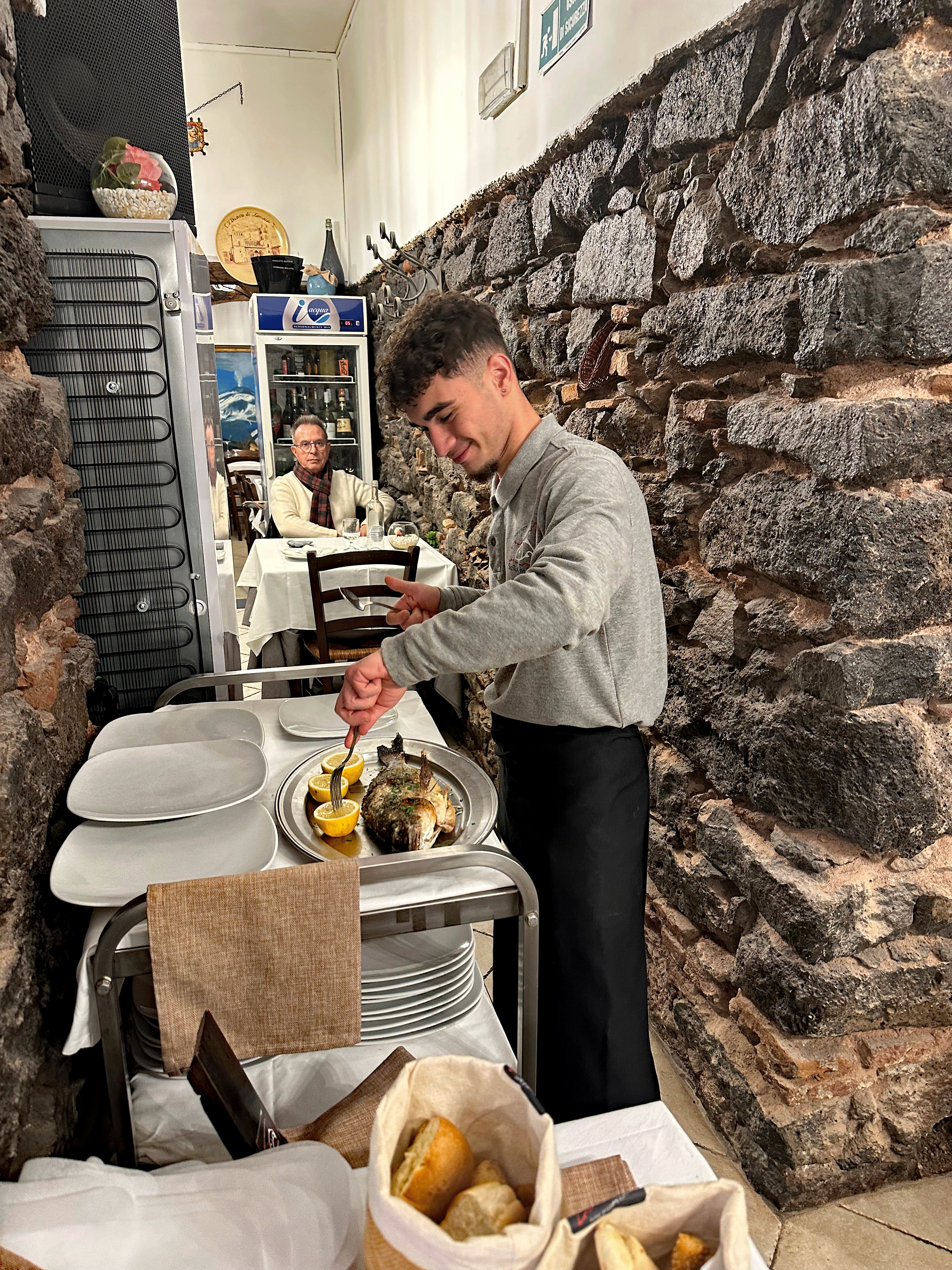
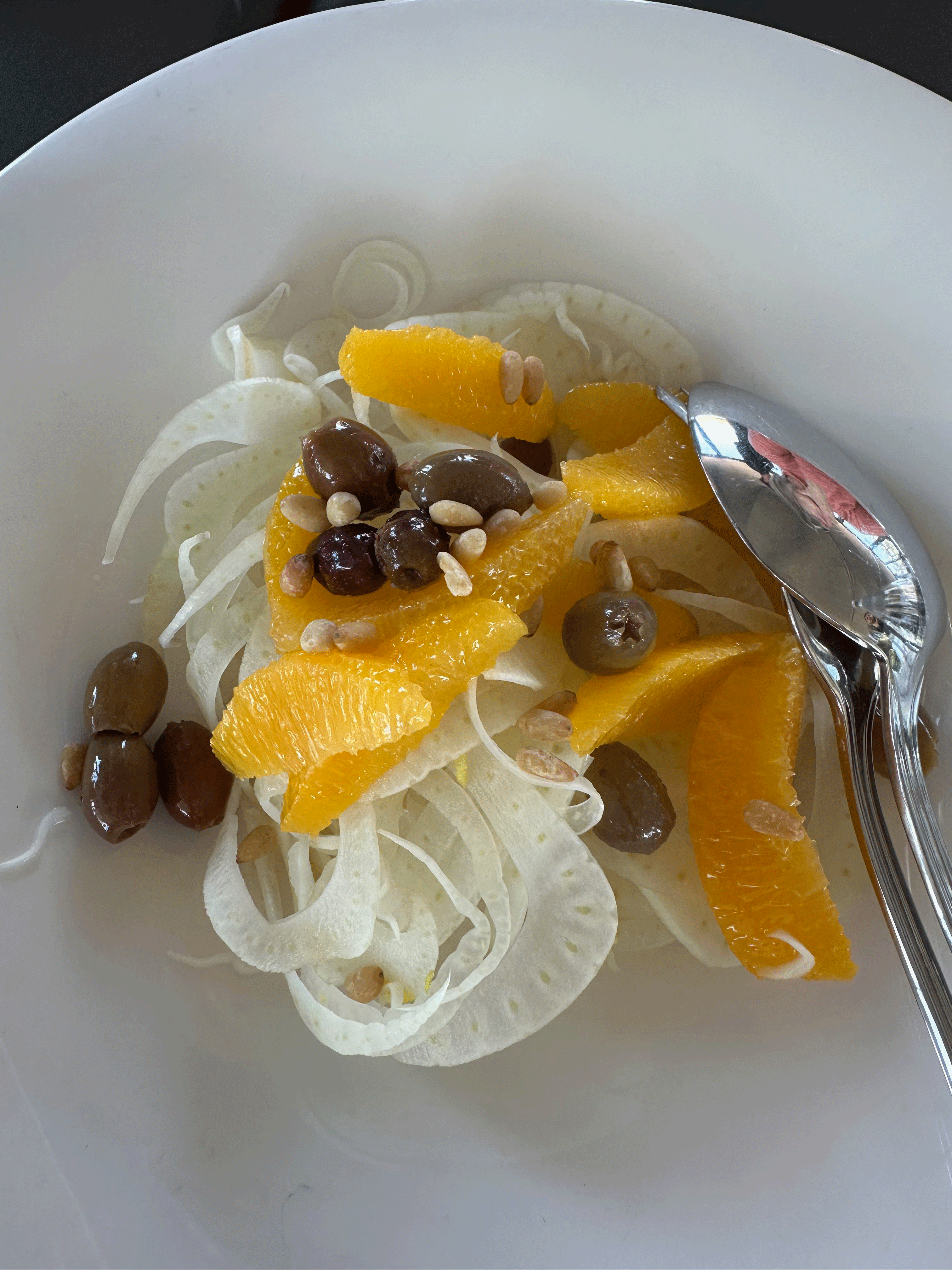
Below are some photos of Catania’s Cuisine. We never had a bad meal. From street food to rooftop dining, food is an art form in Sicily. Fresh locally grown ingredients are used in traditional recipes and creative dishes. We especially enjoyed Sunday afternoon dinner at Sicilia in Bocca, where we were the only tourists in a dining room filled with local families. I recommend sharing dishes as portions are quite generous!

While in Catania, we stayed at Hotel Centrum. It is a comfortable 3 star hotel with an excellent buffet breakfast included. The location was great, a ten-minute walk to Piazza del Duomo. Paola at the front desk was very helpful with maps, directions, and suggestions.
Next Stop: Siracusa/Ortigia.
Note: My suggestions are based solely on my own experiences. I am independent and unpaid.
 Adventures In The South of Spain