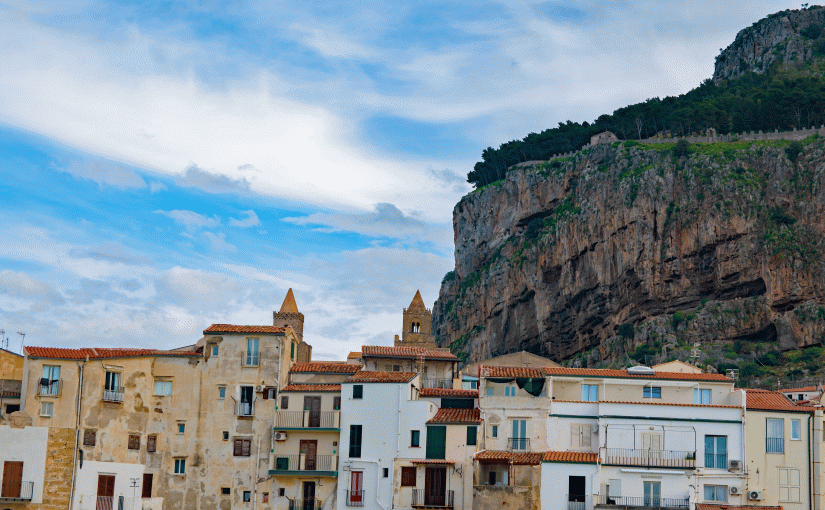
Cefalu: Sicilian Charm in the Off- Season

(February 12-16, 2025)

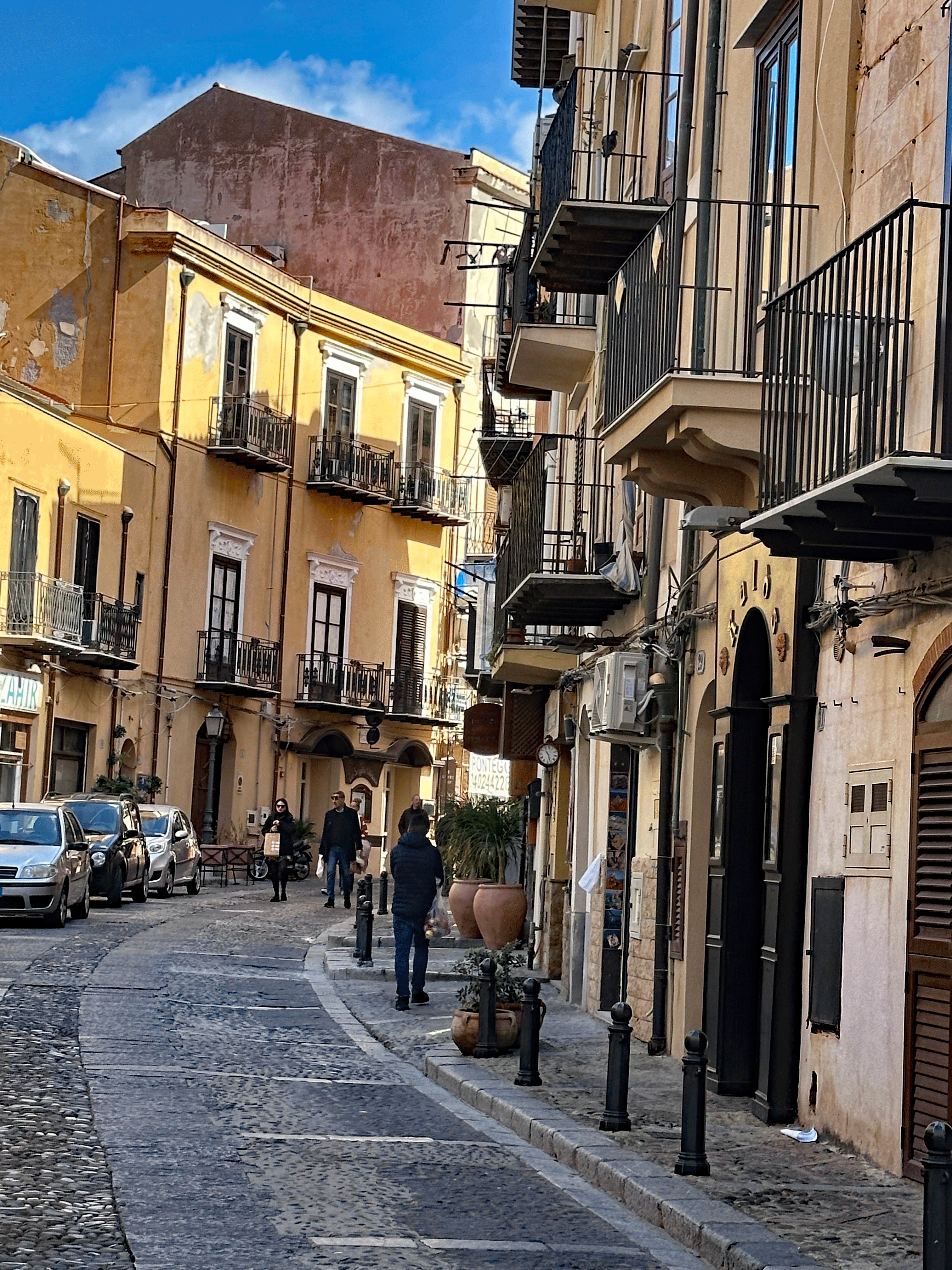
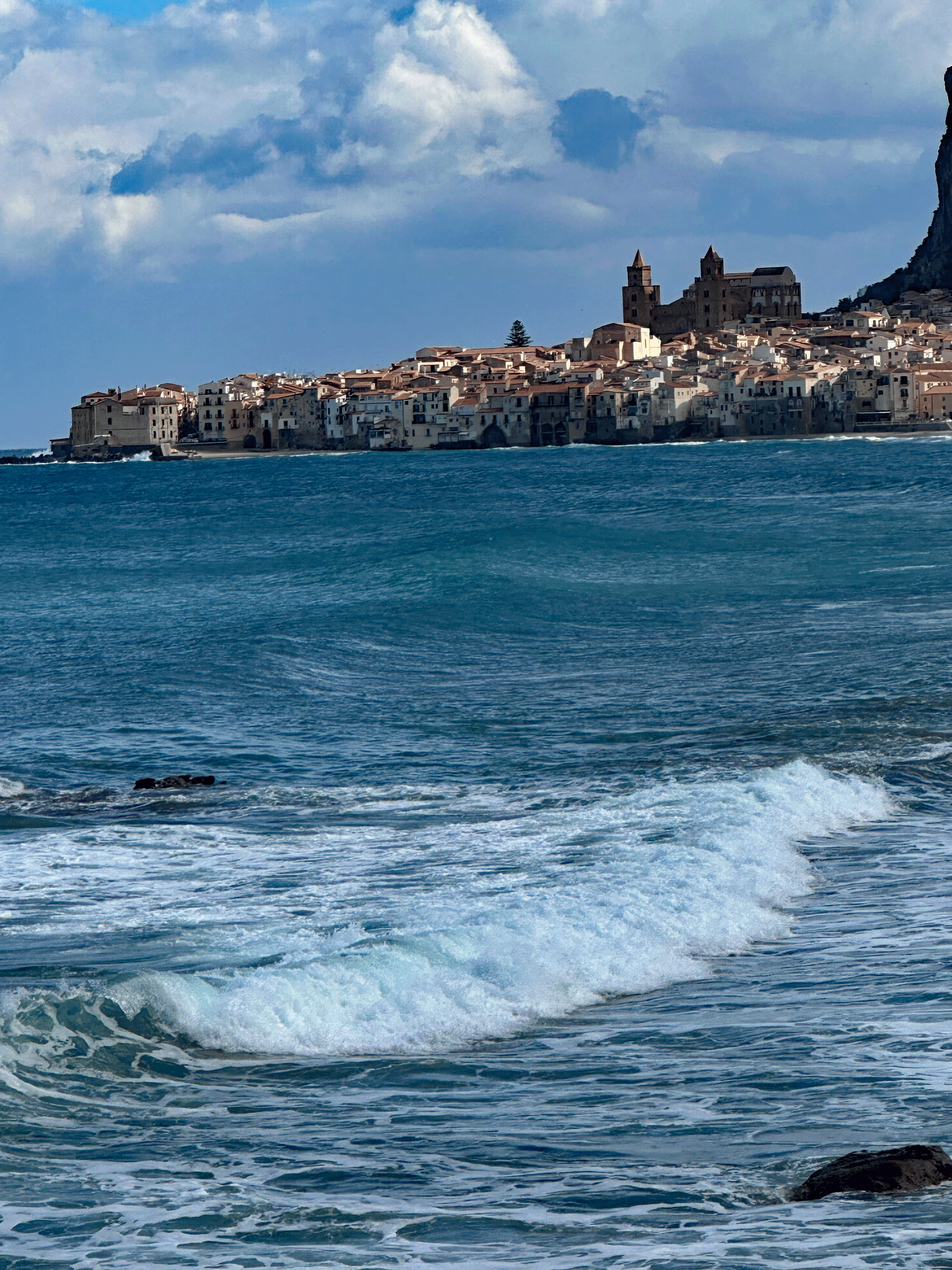
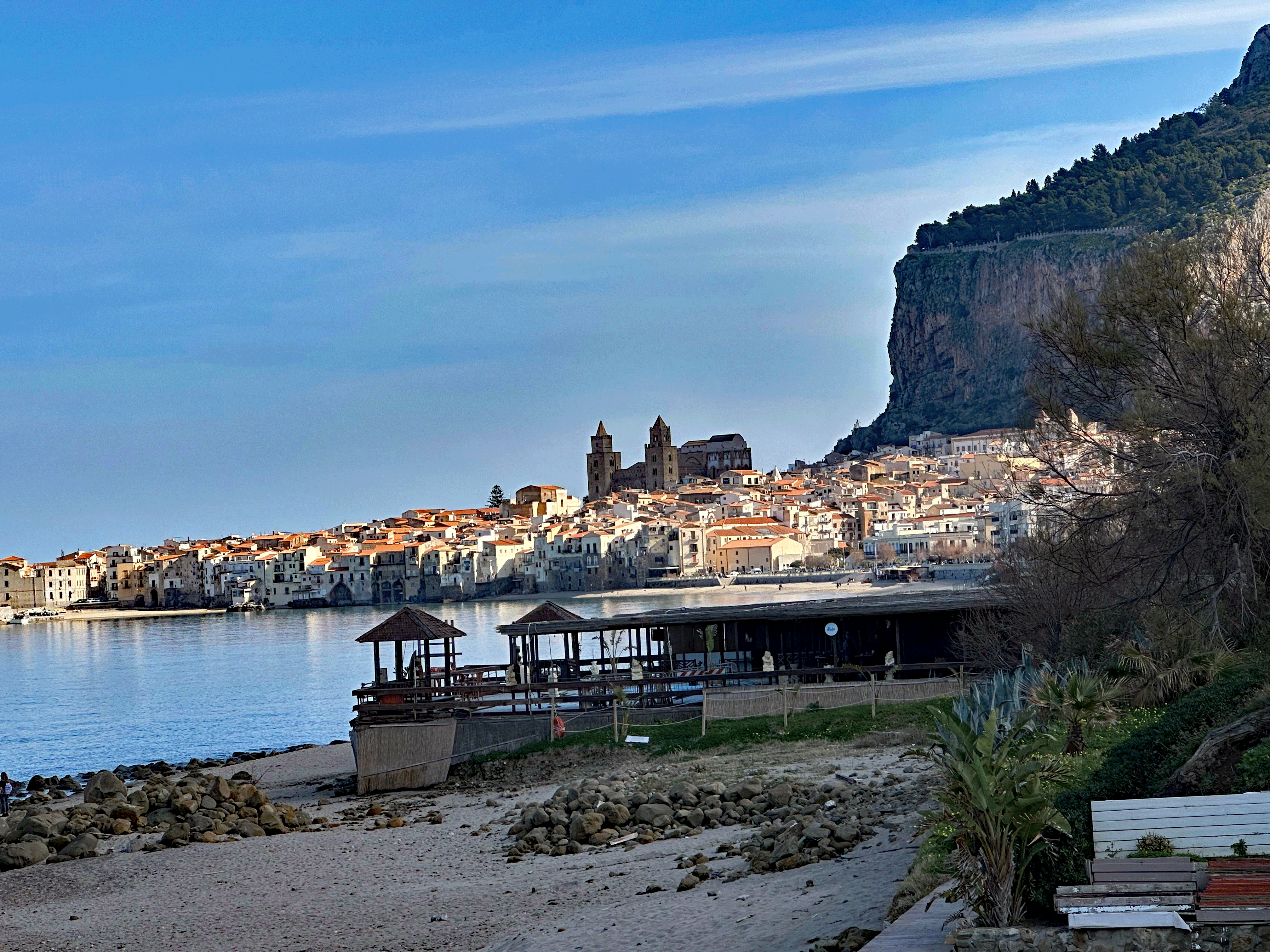
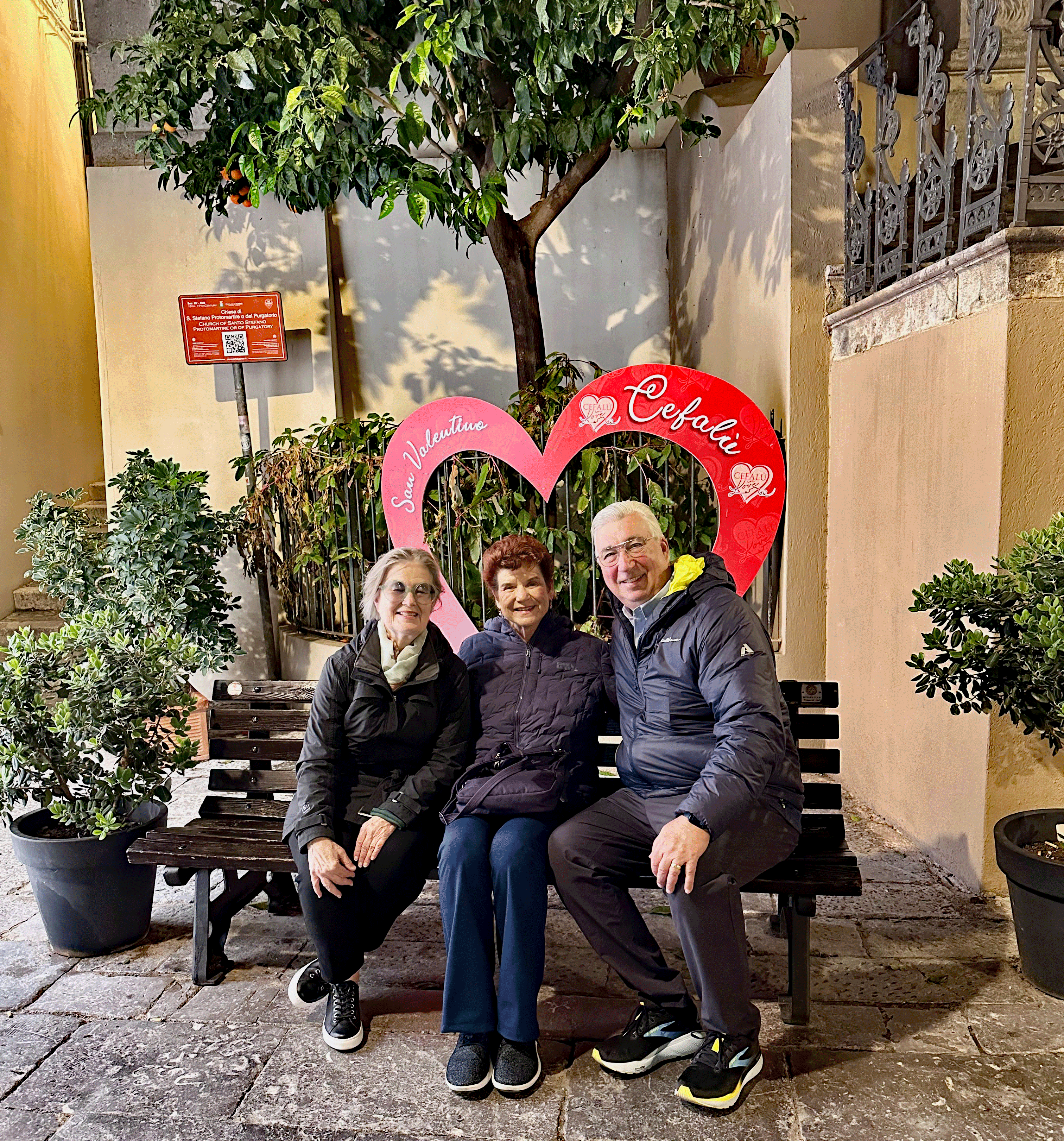
On the northeast coast of Sicily, an hour by car from Palermo, is scenic Cefalu. We traveled there by train from Taormina and stayed for four nights at the Sunset Hotel. The hotel had beautiful views of the sea and was an easy 10 minute walk into town. The waterfront path goes in two directions from there and we enjoyed long peaceful walks along the sea with stunning views in both directions. The weather was pleasant for strolling, while still a bit early for swimming. February is definitely not tourist season; some businesses are closed, but we enjoyed experiencing the local life of this former fishing village. Fishermen still supply the local restaurants, but the working harbor is now located further down the coast (the other side of the Rock.)
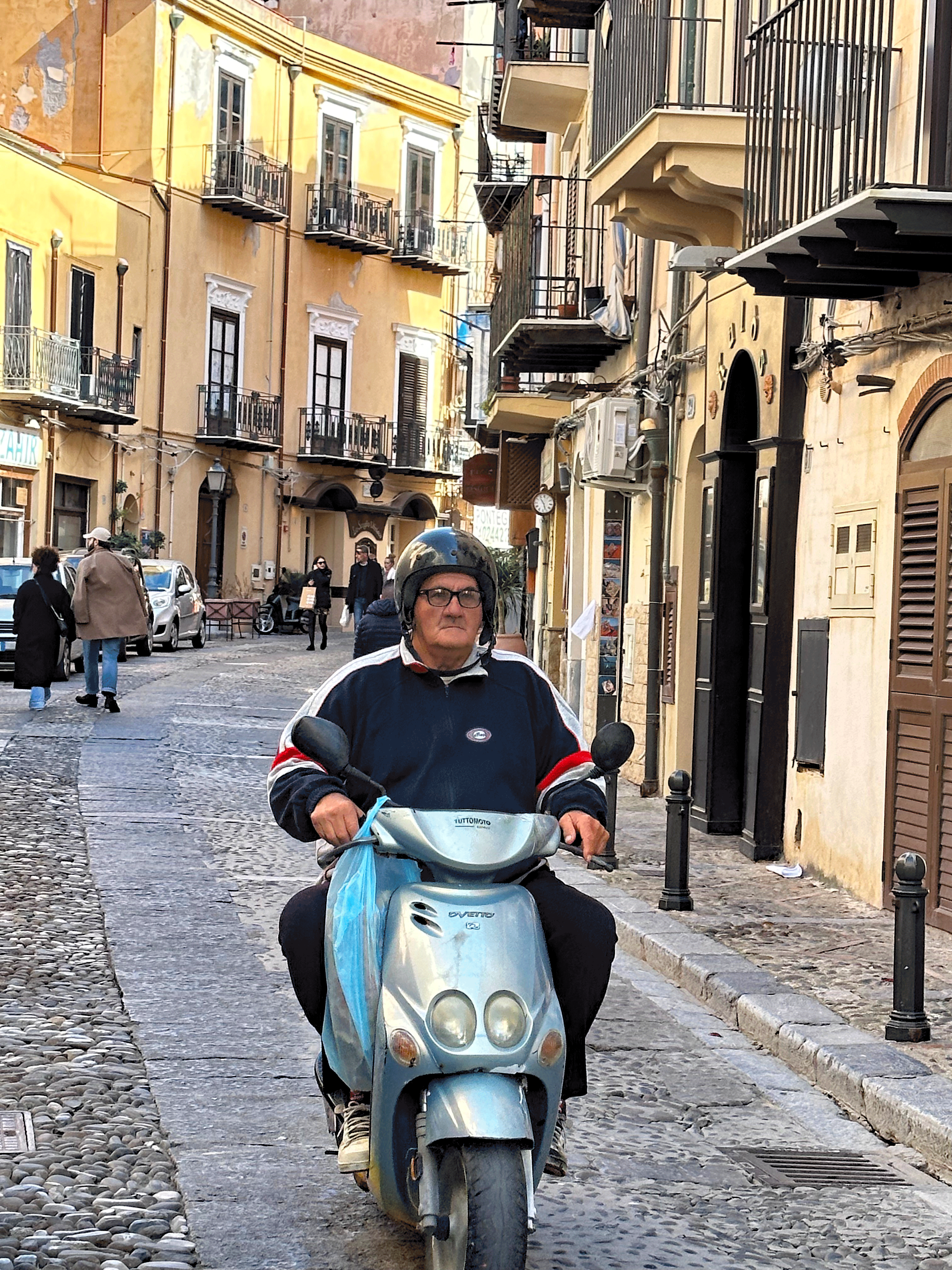
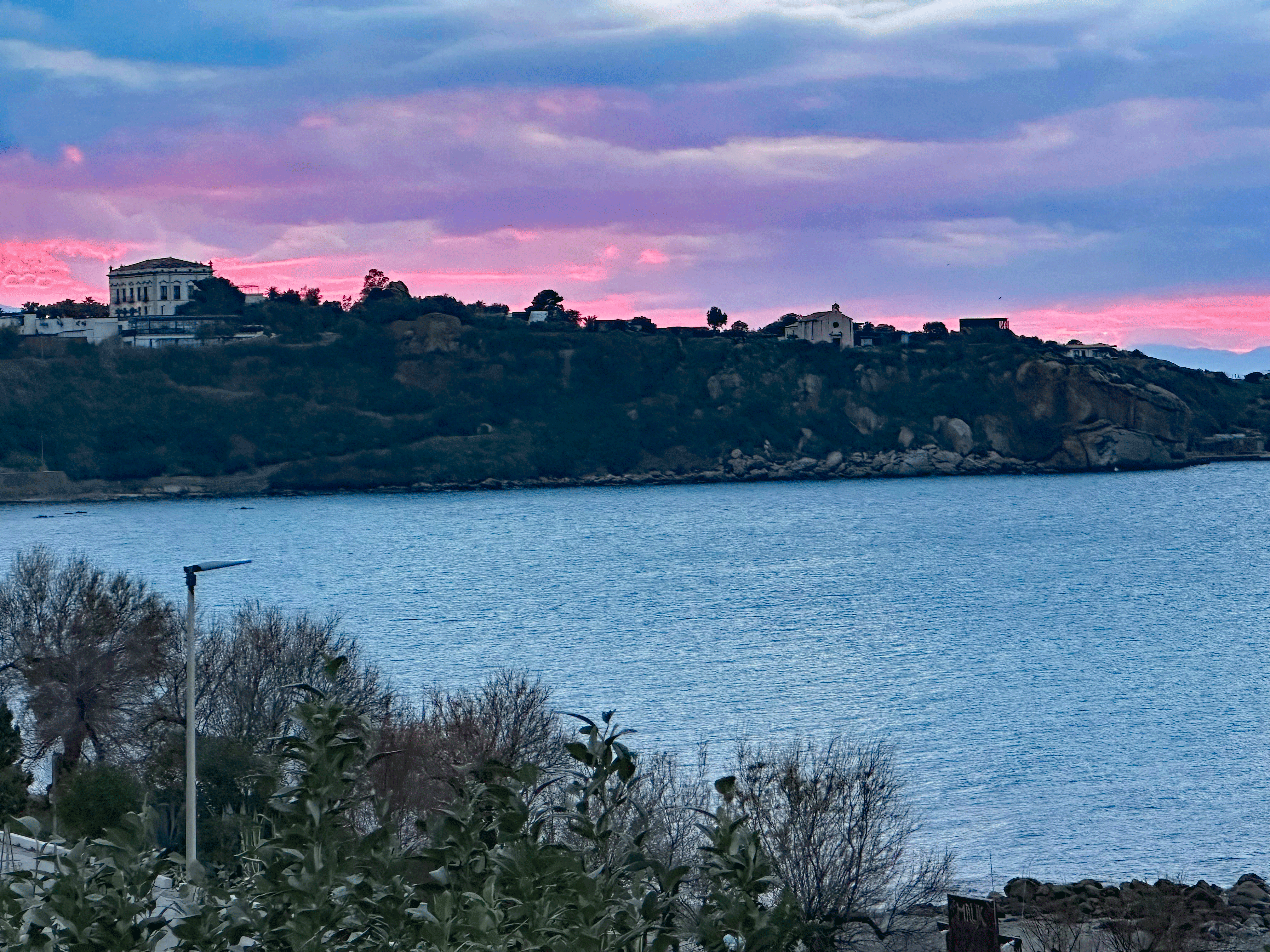
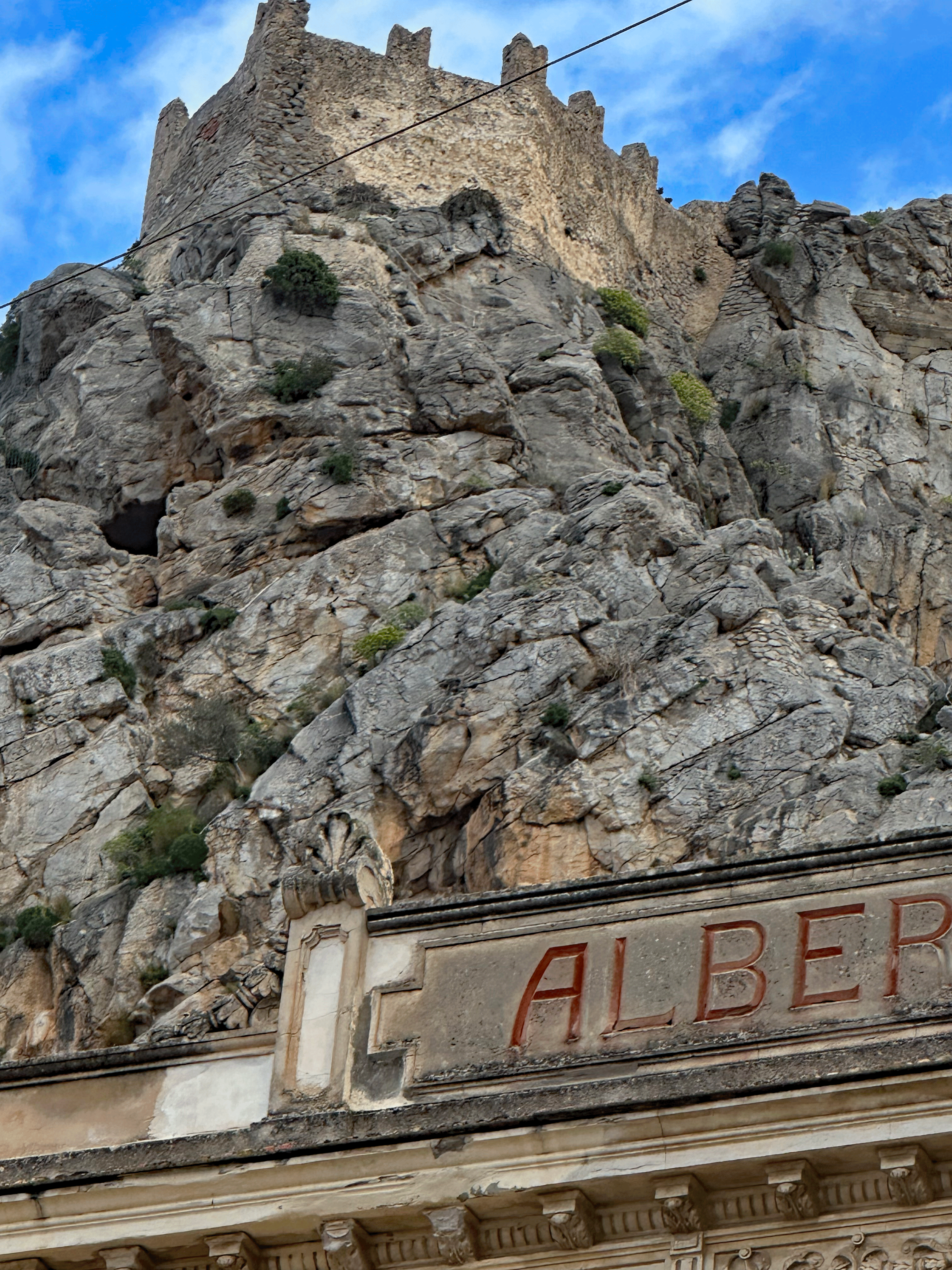
Scenes of Cefalu’s Sea Walk with the village at the foot of “La Rocca”

Sites to See in Cefalu

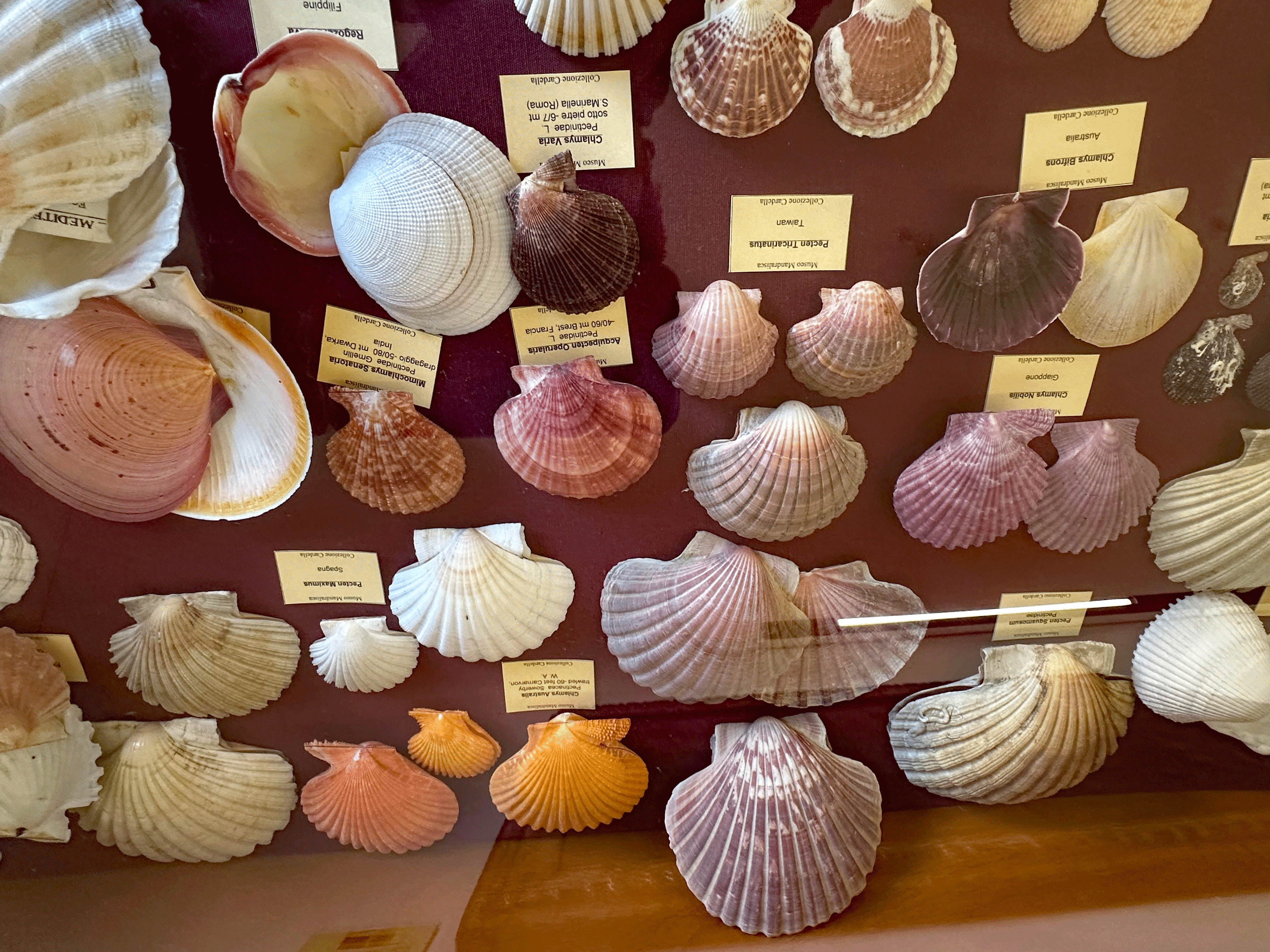
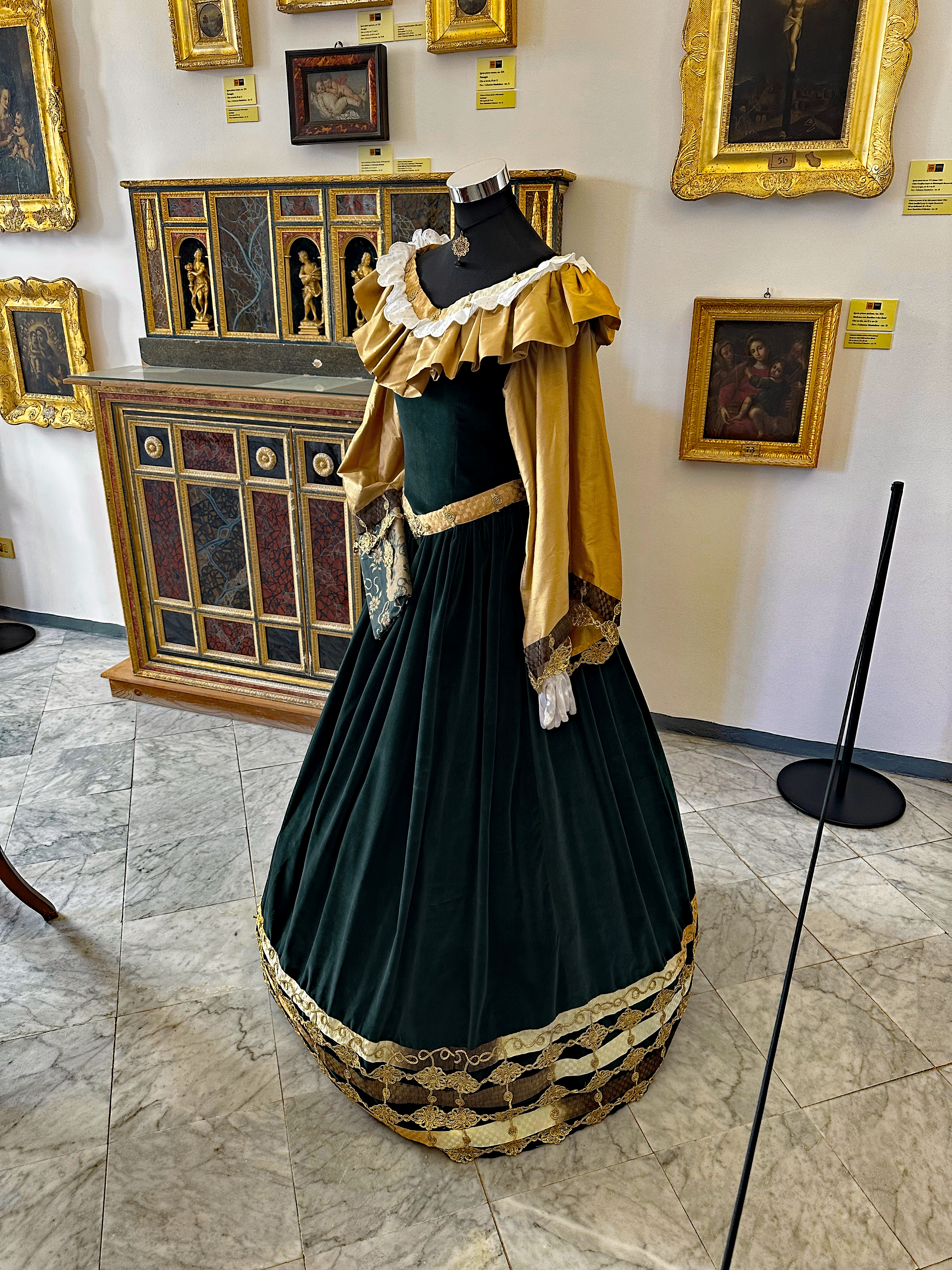
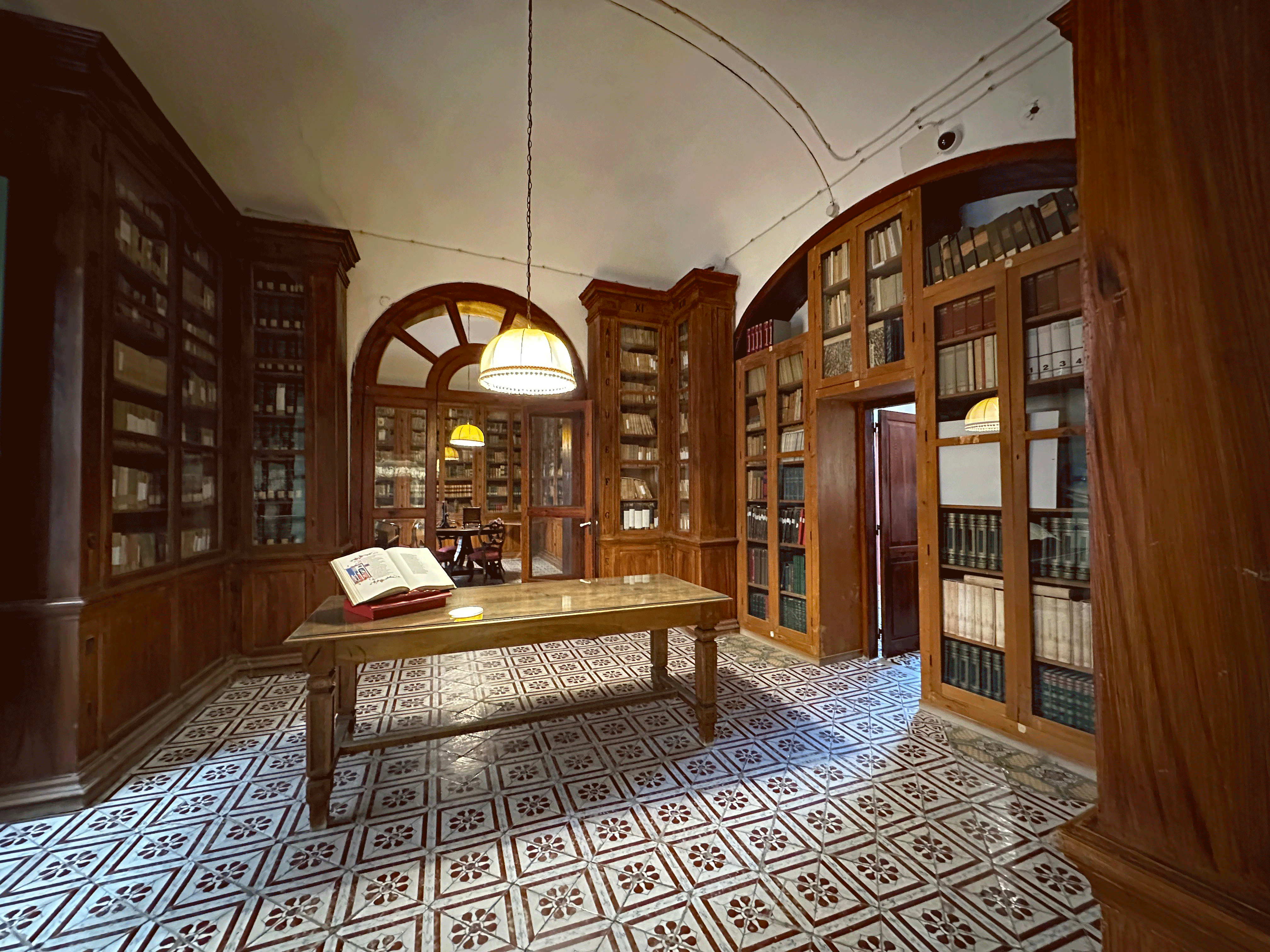
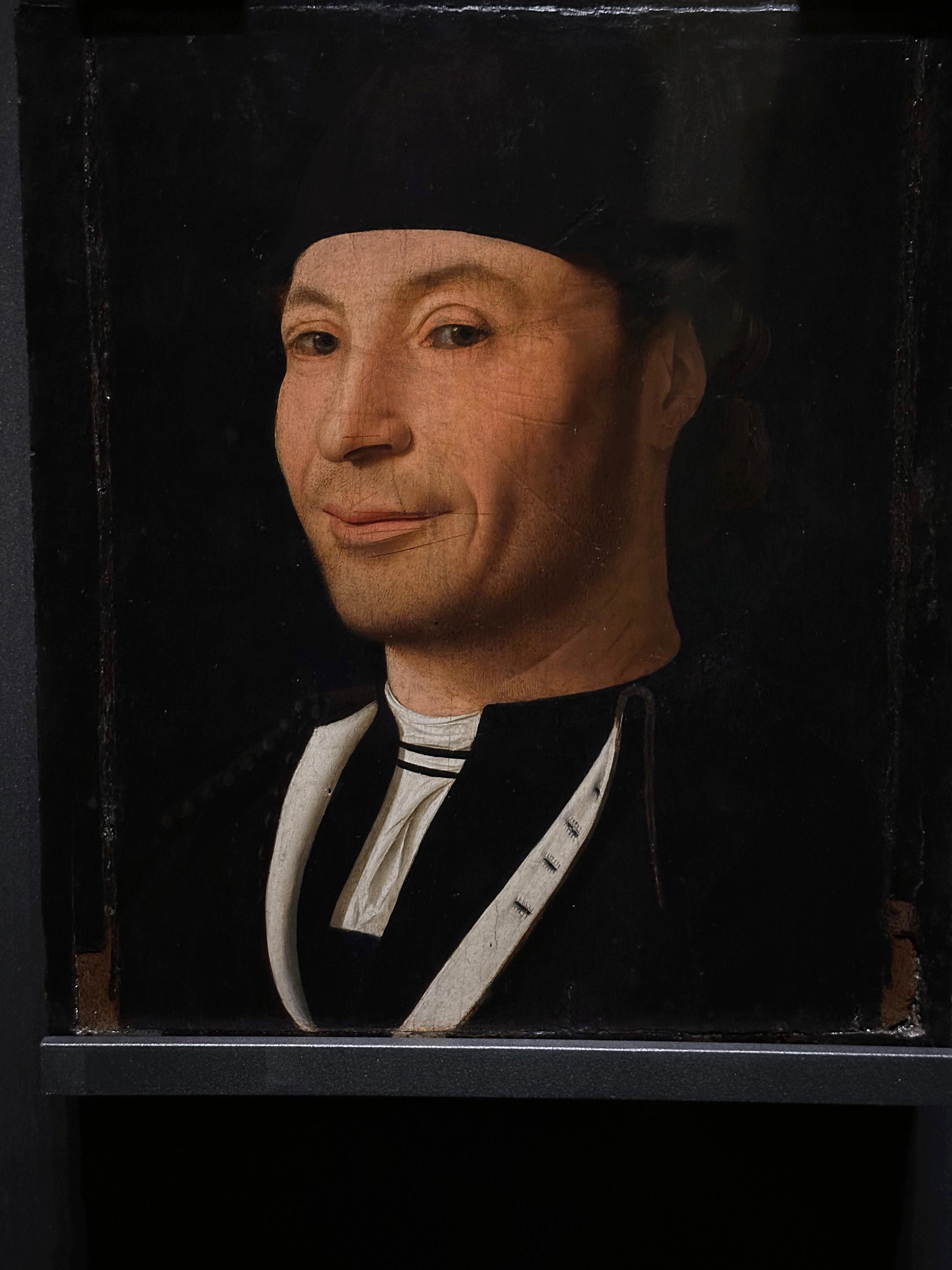
The Museo Madralisca is Cefalu’s only museum. It is housed in a former nobleman’s townhouse and has a funky collection of “stuff.” The house itself is worth a walk-through and the shell and coin collections are pretty amazing. The museum’s biggest claim to fame is the painting “Portrait of a Man ” by Antonello da Messina (1465).

Film buffs should take note that the 1990’s “Cinema Paradiso” was filmed in Cefalu and tells the story of a village boy turned filmmaker. The photos below show the house pictured in the film, now a bed and breakfast, and the fishing pier, where movies were projected on the brick wall in the movie’s final scene.
Potrait of a Man

Below are more scenes of Cefalu’s fishing pier and the town.

The Cathedral

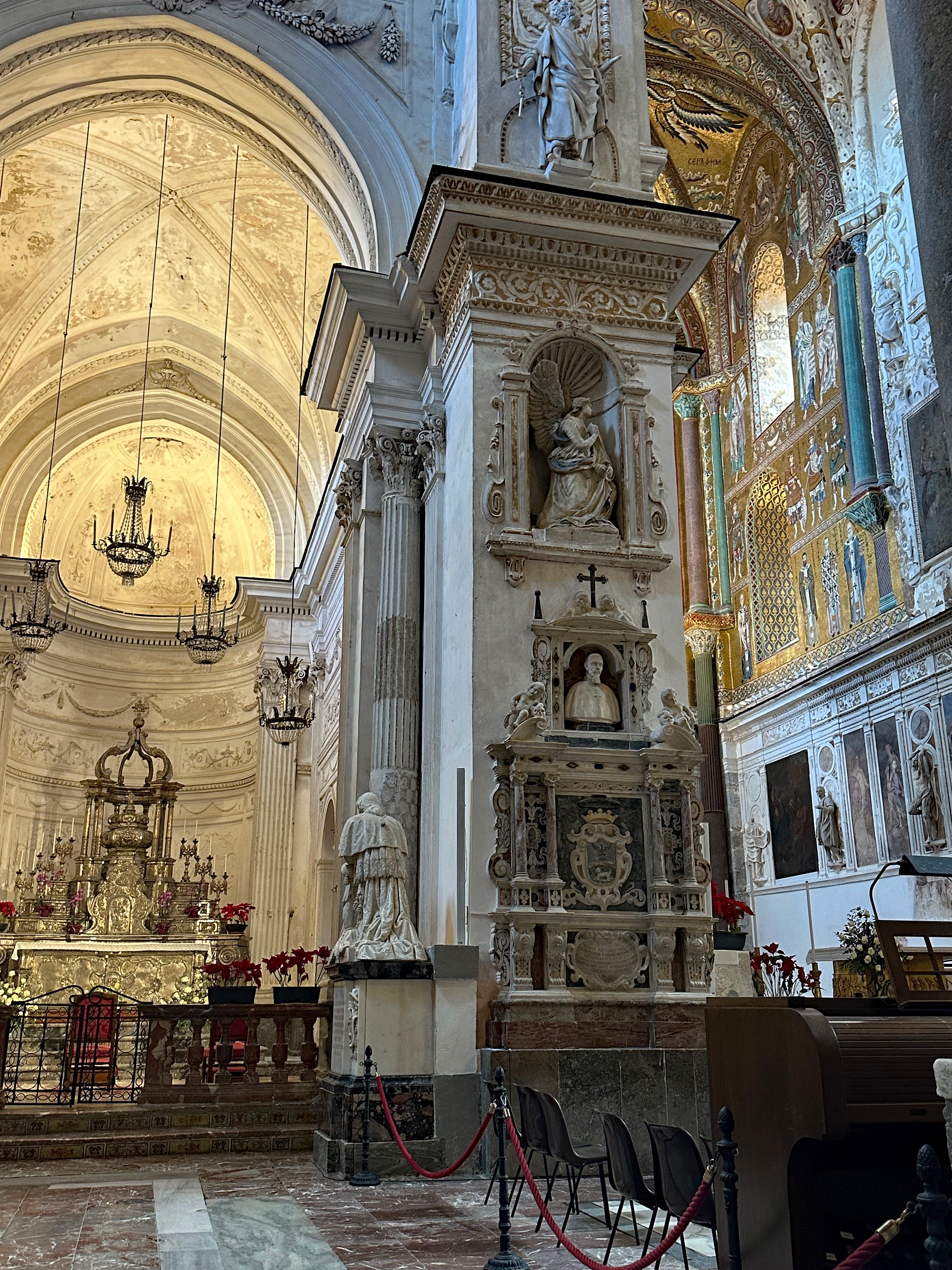
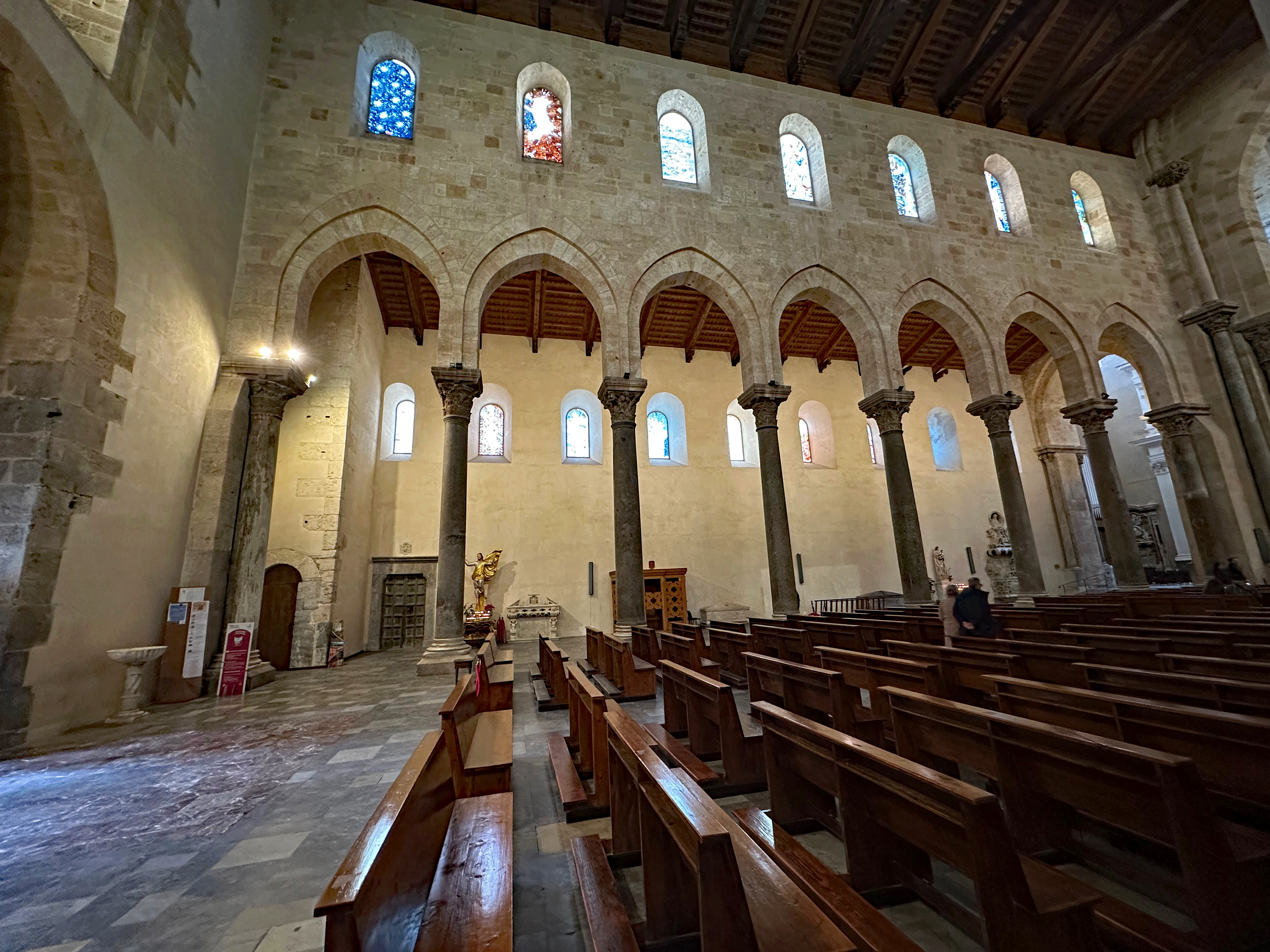
The two towers of Cefalu’s Cathedral (Duomo) are visible from a distance. The cathedral’s story is one of religion and politics. During the Norman occupation in the 12th century, King Roger II’s ship ran aground off Cefalu. He survived the wreck and vowed to have a church built in gratitude. The political part is that he wanted to move the capital of Sicily to Cefalu in order to lessen the power of Palermo. He died before he could accomplish the move or see the completion of the cathedral almost 100 years later. The story explains why a small fishing village can boast such a remarkable structure. Both Byzantine and Arabic influences can be observed, but much of the interior remains simple and unfinished. The stained glass windows were completed in 2013 and they created some controversy due to their contemporary look. I personally enjoyed the history and eclectic nature of the Cathedral. The Piazza del Duomo in front of the cathedral is a delightful place to enjoy coffee and snacks in the sunshine.
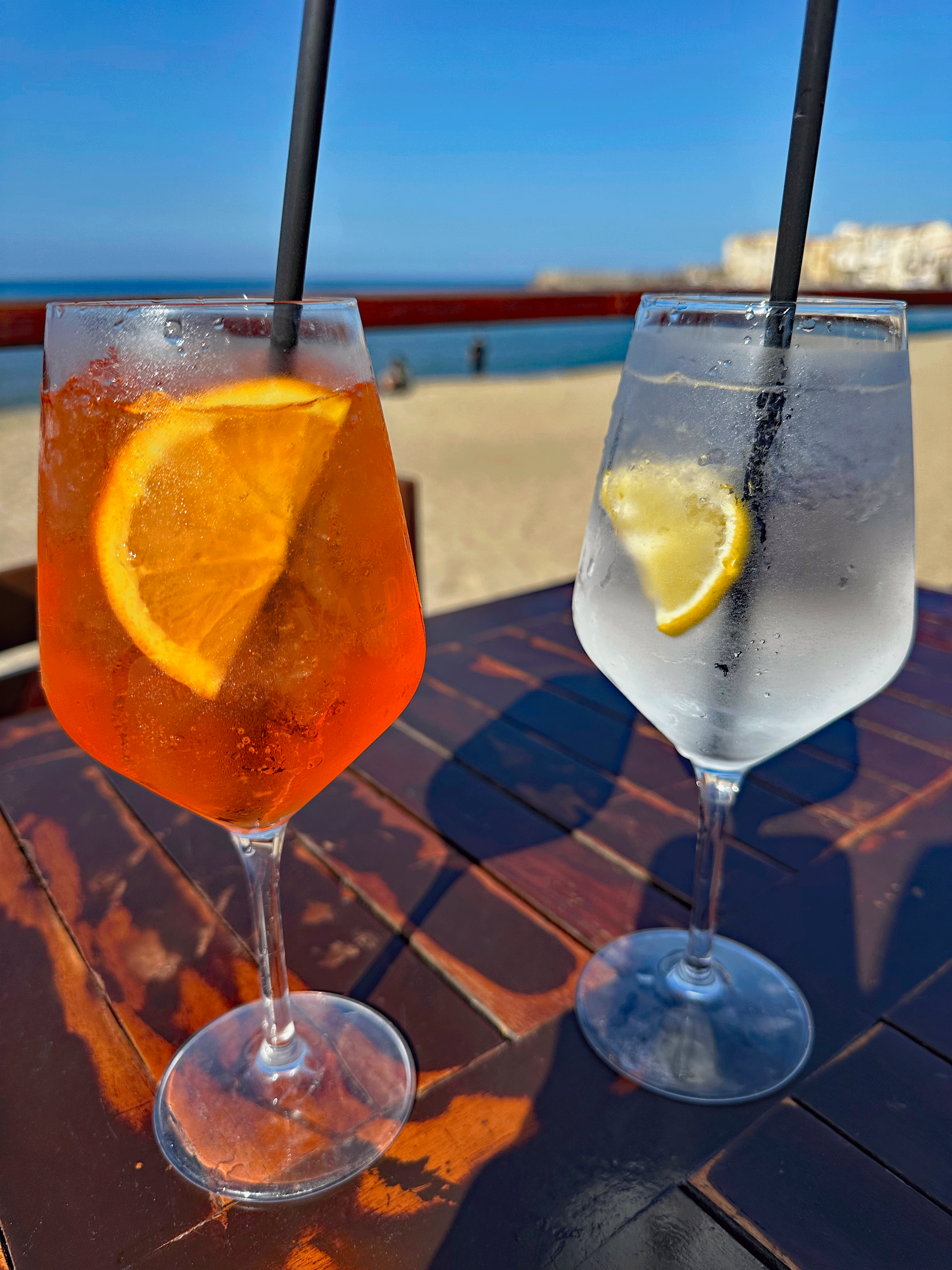
Cefalu’s sites can be seen in a day or two. If it’s good beach weather you may want to stay longer. The beach is long and the sand is clean and golden. The beach scenes in Season 2 of “The White Lotus” were filmed here. We enjoyed a cocktail in the sunshine at one of the seaside bars.

We stayed in Cefalu for four nights and enjoyed long slow walks along the water and through town. Leisurely coffee breaks, long lunches, siestas, and card games in the evenings enhanced our enjoyment of small town Sicily in the off-season. The local people were cheerful and welcoming and the food and wine were beyond good. We had wonderful meals at 22 Cucina Isolana, Trattoria Mandralisca, and Cortile Pepe in the city center.
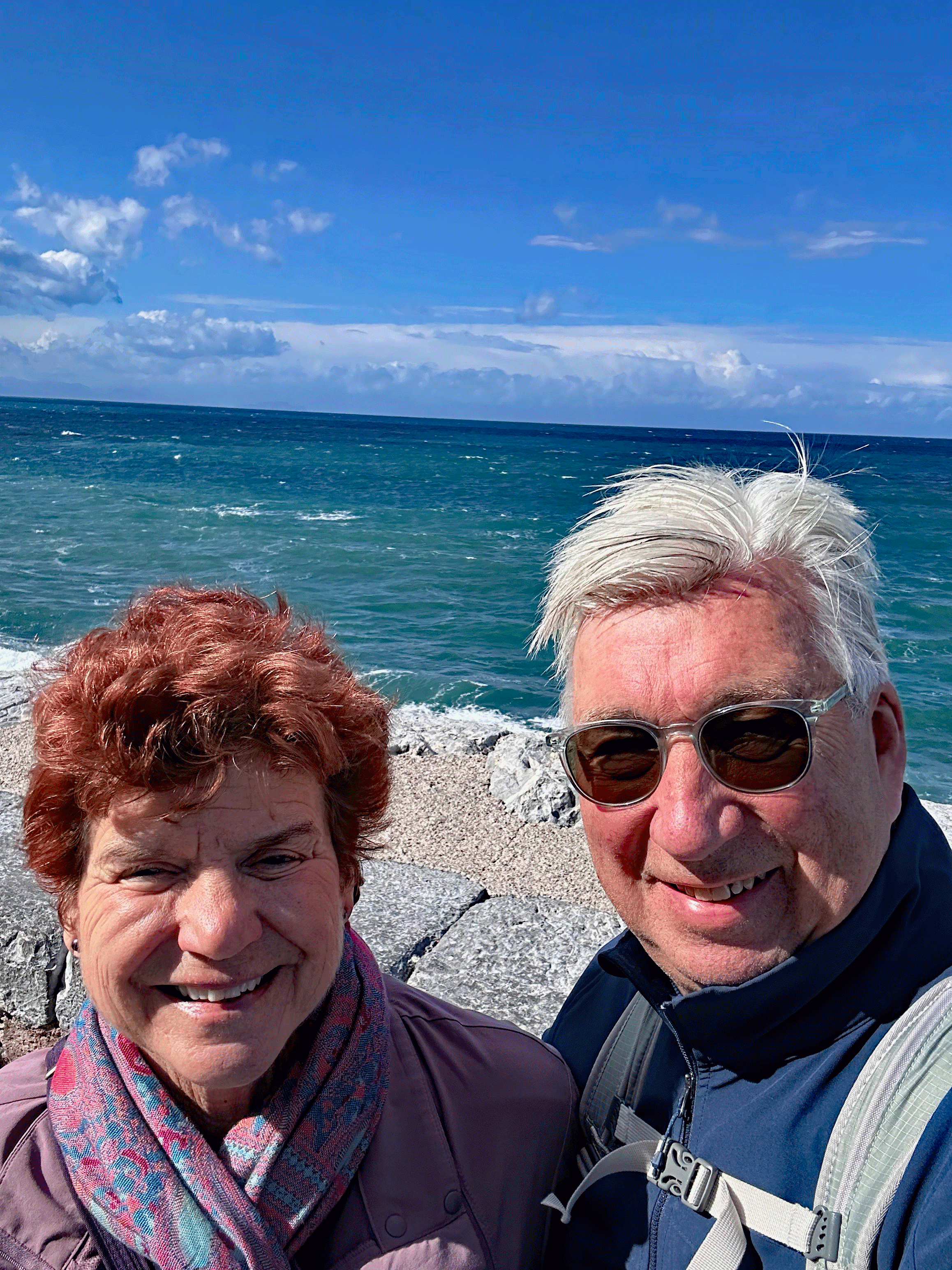
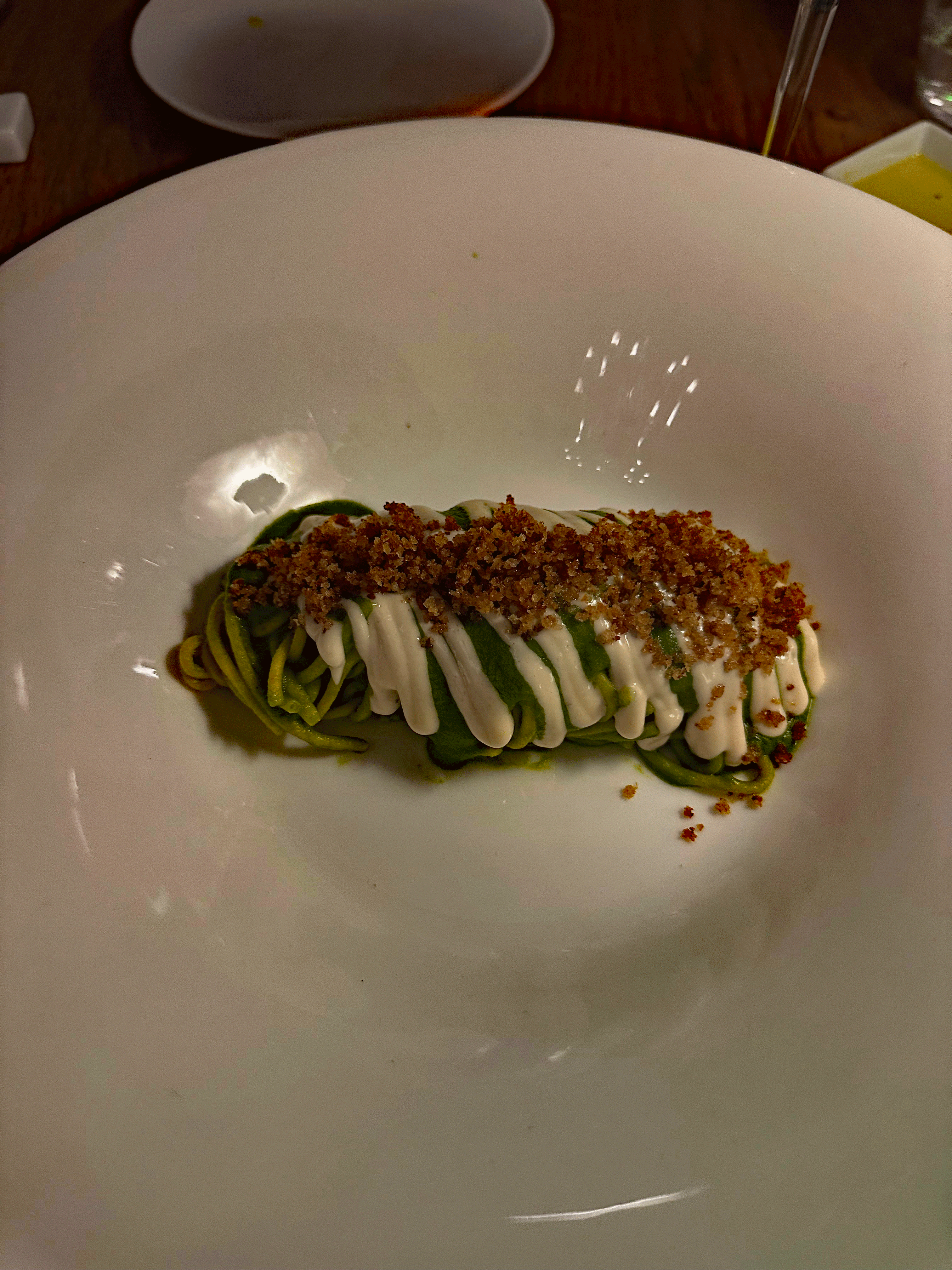
Being in Cefalu in February gave us the opportunity to experience the local life without many other tourists. We exchanged greetings with residents on our walks along the sea. Shopkeepers were happy to chat whether we were buying or not. Getting a table for lunch or dinner was never a problem and the chefs proudly cooked for us. Fresh pasta really does taste better!

I imagine this place a lot livelier in the summer, but if you want a slow paced Sicilian experience, I recommend Cefalu in late February.

After our relaxing stay in Cefalu, we were off to Agrigento on the southern coast to experience the Valley of the Temples. We traveled on a Sunday and the train schedule was limited, so we splurged by hiring a driver to take us there. The ride through the Sicilian countryside was beautiful. We arrived in Agrigento around 11:00 am which gave us time to check into our lodging, get lunch and tour the Greek temples in the afternoon. Watch for my next article about Agrigento.

Thank you for reading and happy travels. Ciao.

Geri
Exploring Taormina: Stunning Views and Culinary Delights

February 8-12, 2025

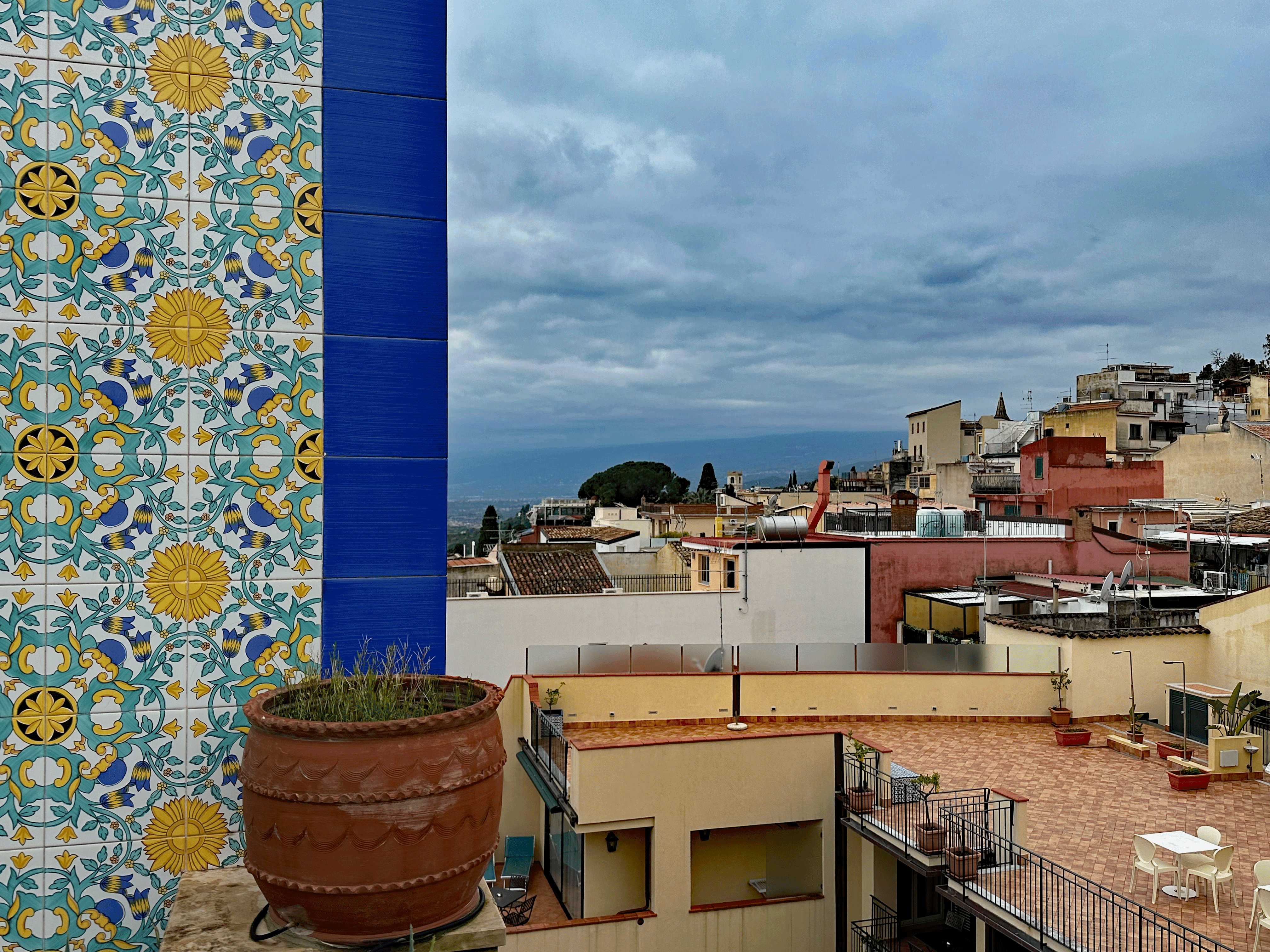
If I had to sum up Taormina in one word it would be “Views.” If I could add a second word it would be “Food.” From the ancient Greeks to the Gilded Age to Season 2 of “The White Lotus,” Taormina has been a destination for those seeking relaxation and inspiration.

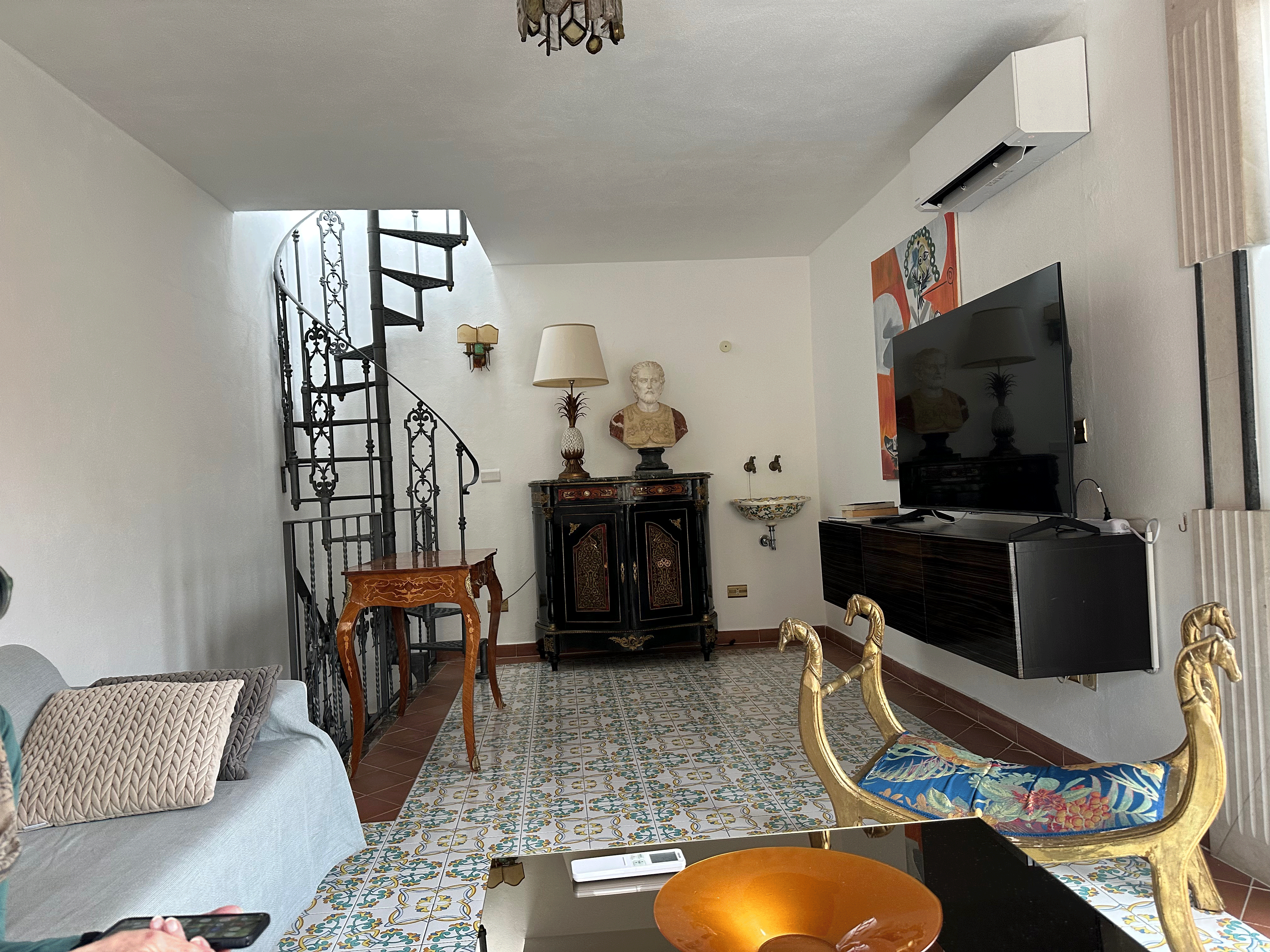
We reserved four nights at an AirB&B apartment in the historic center. We taxied from the train station and Roberto met us at the front door. Check-in was a bit rushed, since he was illegally parked on the pedestrian street. He neglected to show us how to turn on the hot water; fortunately Bill figured it out.

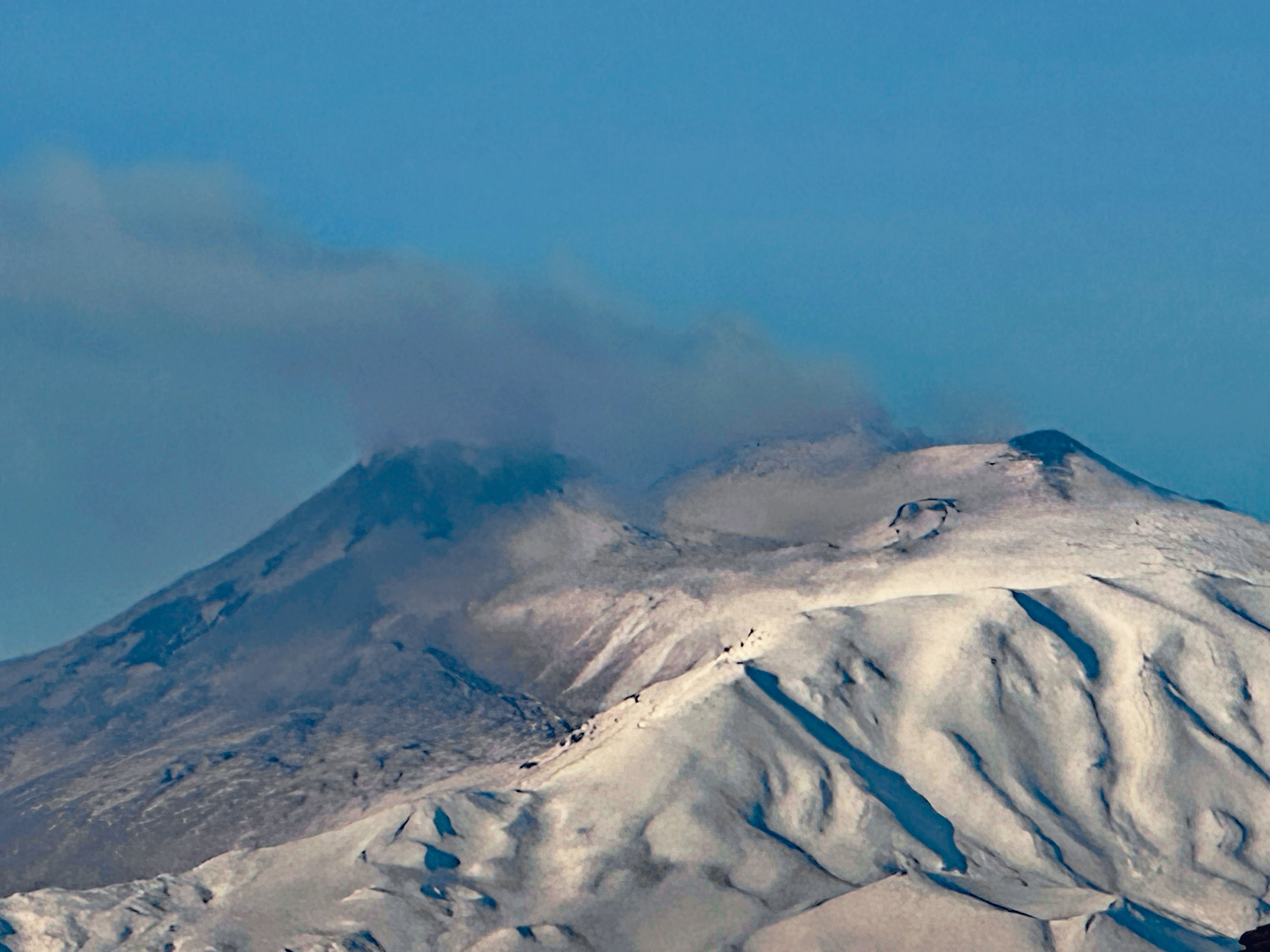
The apartment was in the style of a row house with five vertical levels, so there were a lot of steep stairs. Each bedroom and bath was on a different level. The third floor was the kitchen/dining and laundry rooms. Level five was the living room with a spiral staircase to the rooftop. We had an amazing view of the street below, the rooftops of the city center and Mt. Etna in the distance. For most of our stay, Etna was fogged in, but on our last day it revealed itself. Betty looked out the window and exclaimed, “Look at that snow covered mountain!” The day we left town it began erupting.

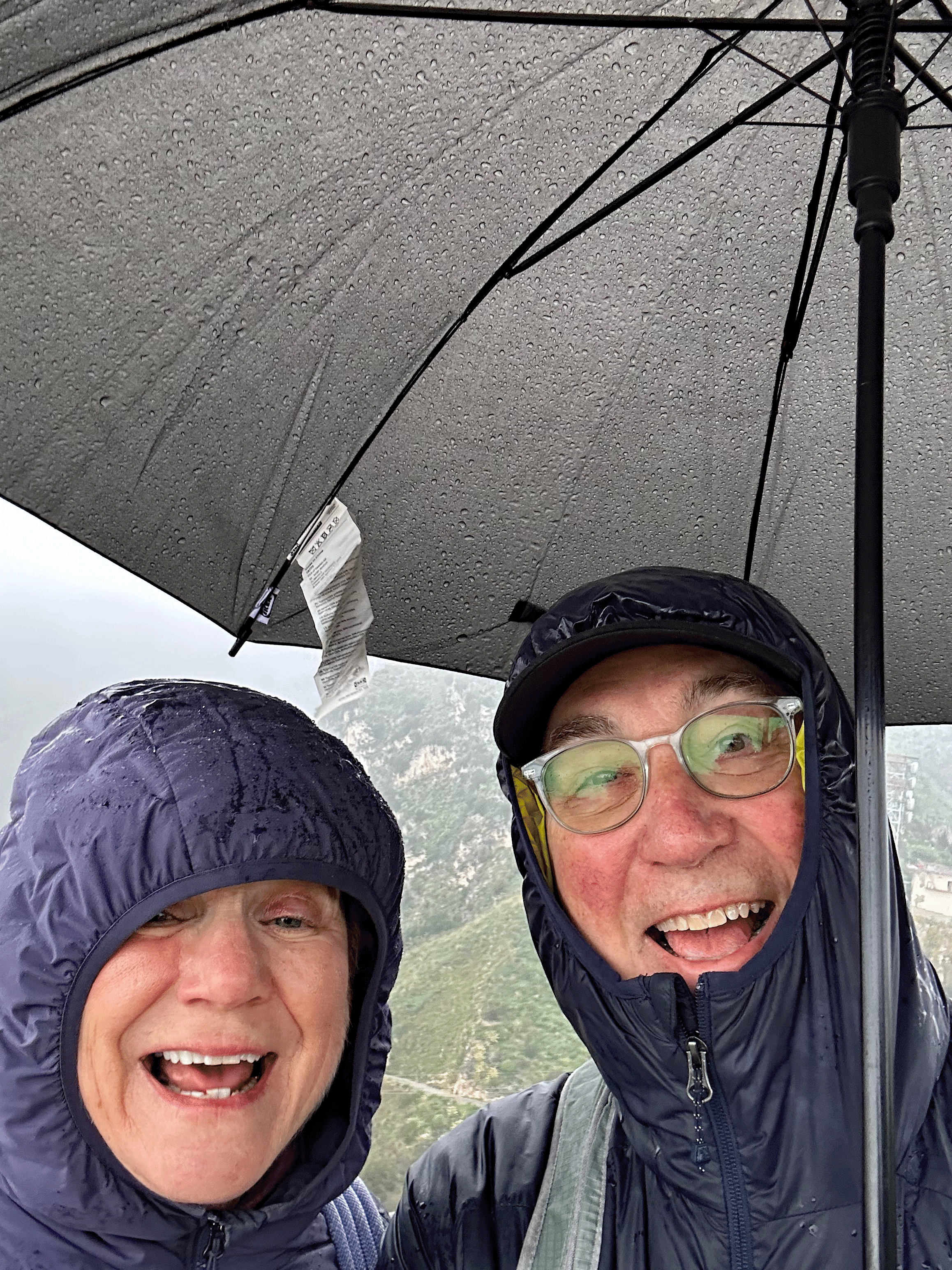
We were in a prime location for walking to the main drag (Corso Humberto I). We were steps from good restaurants and a small general store for breakfast items, snacks, bottled water and wine. The shop owner was a delight as he cheerfully sliced prosciutto and cheeses. When we showed up on a rainy Sunday morning, he met us at the door, told us he was closed, but opened up to sell us three umbrellas at 5 euro apiece.

A Sunday Jaunt to Castlemola

With our new umbrellas in hand we strolled through town to the nearby taxi stand. After a brief negotiation with the driver we were headed up Mt Tauro to the hilltop town of Castlemola. The views were stunning and we were happy not to be driving. Our driver spoke English fairly well and he pointed out sites along the way. He parked near the church square in Castlemola and waited for our return. ” Take your time, it won’t take long.”

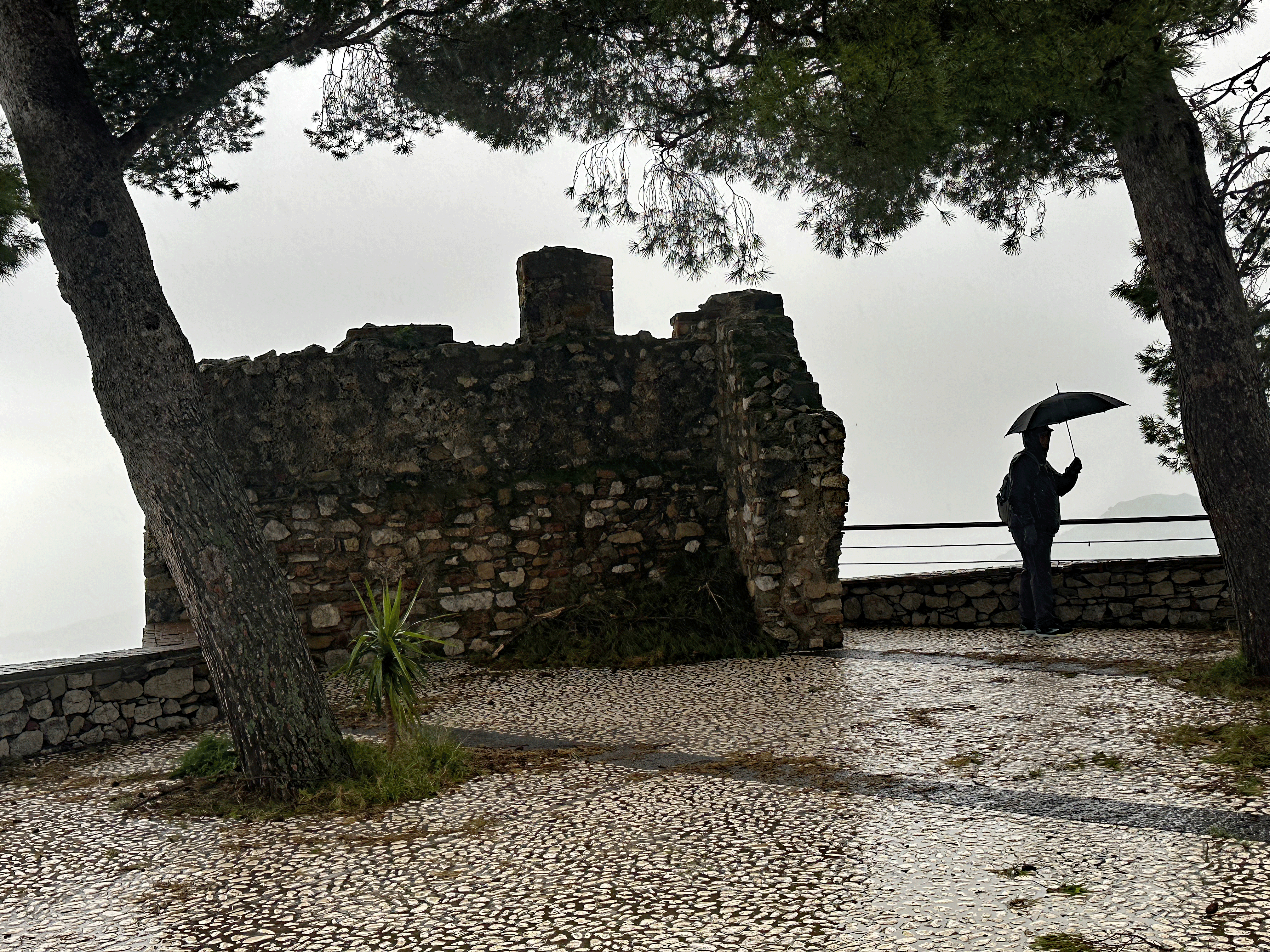
Castlemola is tiny and charming. In summer season it gets overrun by tourists. On a rainy day in February we had it to ourselves. We walked up the path to the ruins of the Norman castle, popped into the church for a few minutes, and looped through town. On a sunny day it would be pleasant to dine outdoors at one of their quaint cafés. It was not a sunny day.

On the way back down the mountain, we stopped at the shrine of Madonna de la Rocca, but it too was closed up for the season. Driving through Taormina on our return, our driver pointed out certain landmarks and explained their background stories. More than one grand hotel was once a private residence; none appeared to be open in the winter. Even the Four Seasons, of “White Lotus” fame is only open during Three Seasons. We learned that the beach scenes were actually shot in Céfalu.(Next on our itinerary)

The Pride of Taormina:The Ancient Theatre

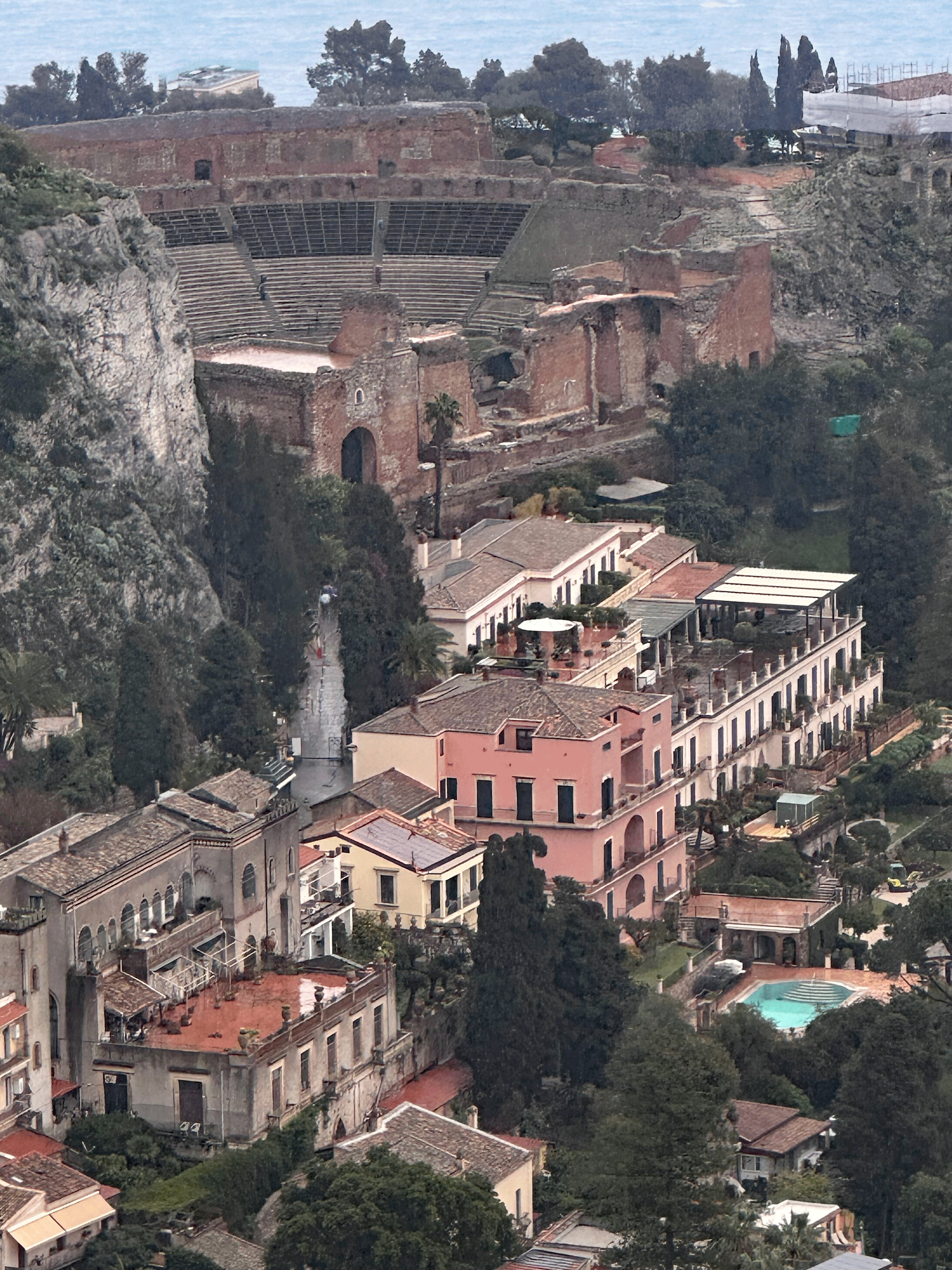
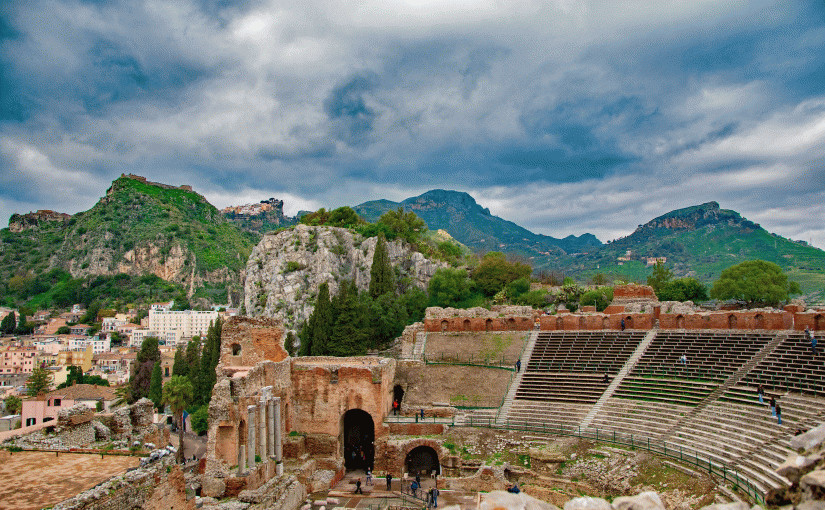
The sun emerged the next day and we headed out to Taormina’s main attraction: Teatro Antico (The Ancient Theatre.) Flowers bloomed outside the ticket booth. Inside the Entrance Hall there is an exhibit with archeological finds and explanations of building stones, columns, etc. The audioguide tour was very informative and gave us a much better understanding of the structures and history of the theatre.

Then we stepped outside into the open-air theatre. The views of mountains and sea were breathtaking! Now I understood the enduring popularity of Taormina.

The ancient Greeks built the theatre on this spot in the 3rd century BC. The Romans renovated it for their entertainments in the 1st century AD. The theatre has been amazingly well-maintained throughout the centuries and continues to host performances during the summer.

We were able to experience the Ancient Theatre with very few other visitors, one of the unique privileges of off-season travel.

View Outside the Ancient Theatre
View From the Stage to Backstage
View from the “Upper Echelon”

Other Notable Spots

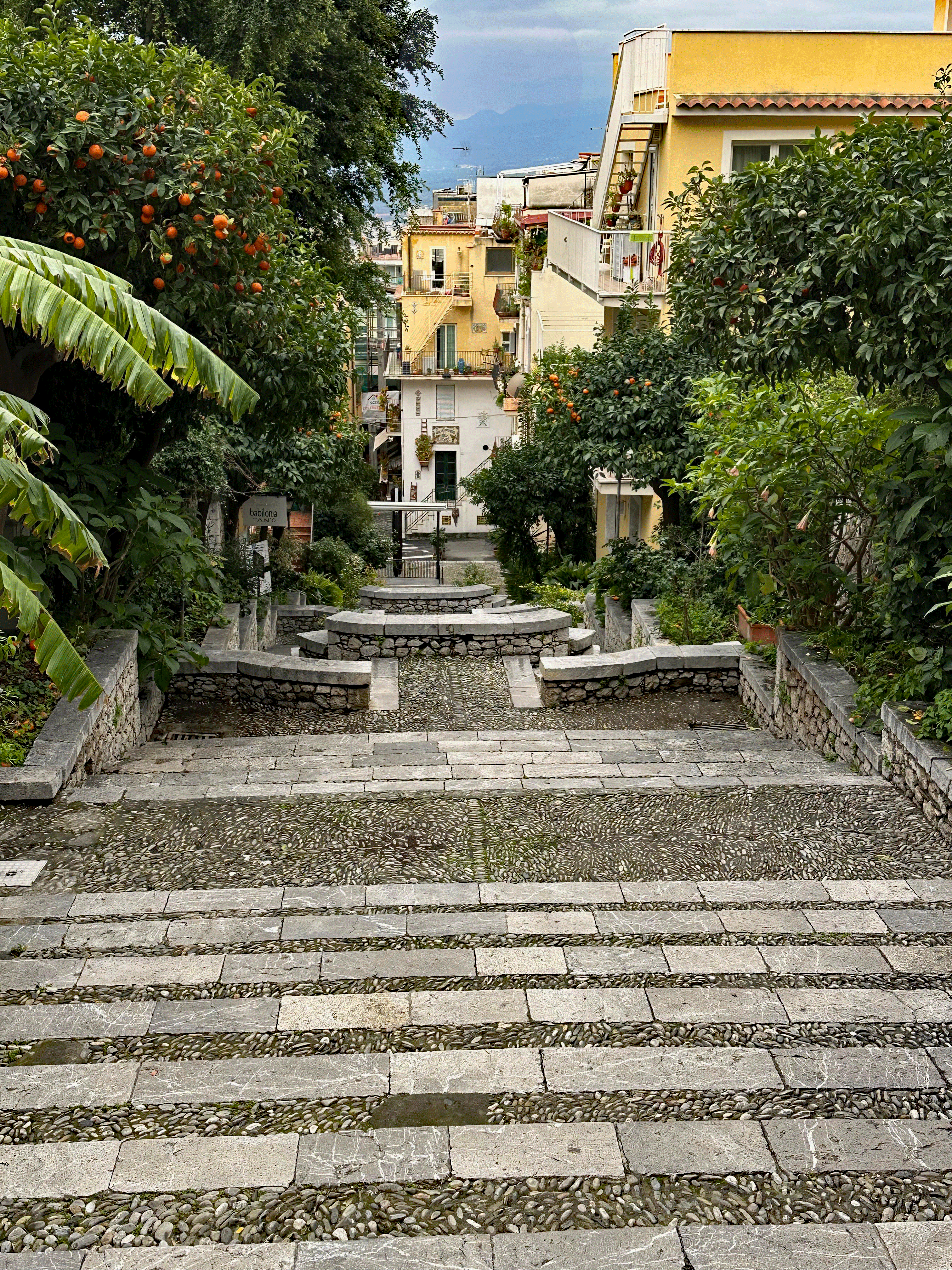
Apart from the Ancient Theatre, there are not many sites in Taormina, but strolling through town is very enjoyable. An easy stroll from Porta Catania to Porta Messina follows the medieval road, which today is Taormina’s commercial center. You will pass the Piazza IX de Aprile, the Clock Tower and the Cathedral.

The Public Gardens are definitely worth a visit. Once owned by Lady Florence Trevalyn, a Scottish noblewoman who donated the gardens to the city in 1922. Beautifully maintained paths meander through botanical gardens, a playground, and several storybook buildings called “The Follies.”

On another morning, we took a bus down to Mazzaro Beach. The beach is small and scenic, and rocky. There is not much action at the beach in the off-season. We didn’t even find an open coffee shop, so we caught the next bus back up the mountain to Taormina. In-season there there is a cable car that runs from town to the beach.

Memorable Meals in Taormina

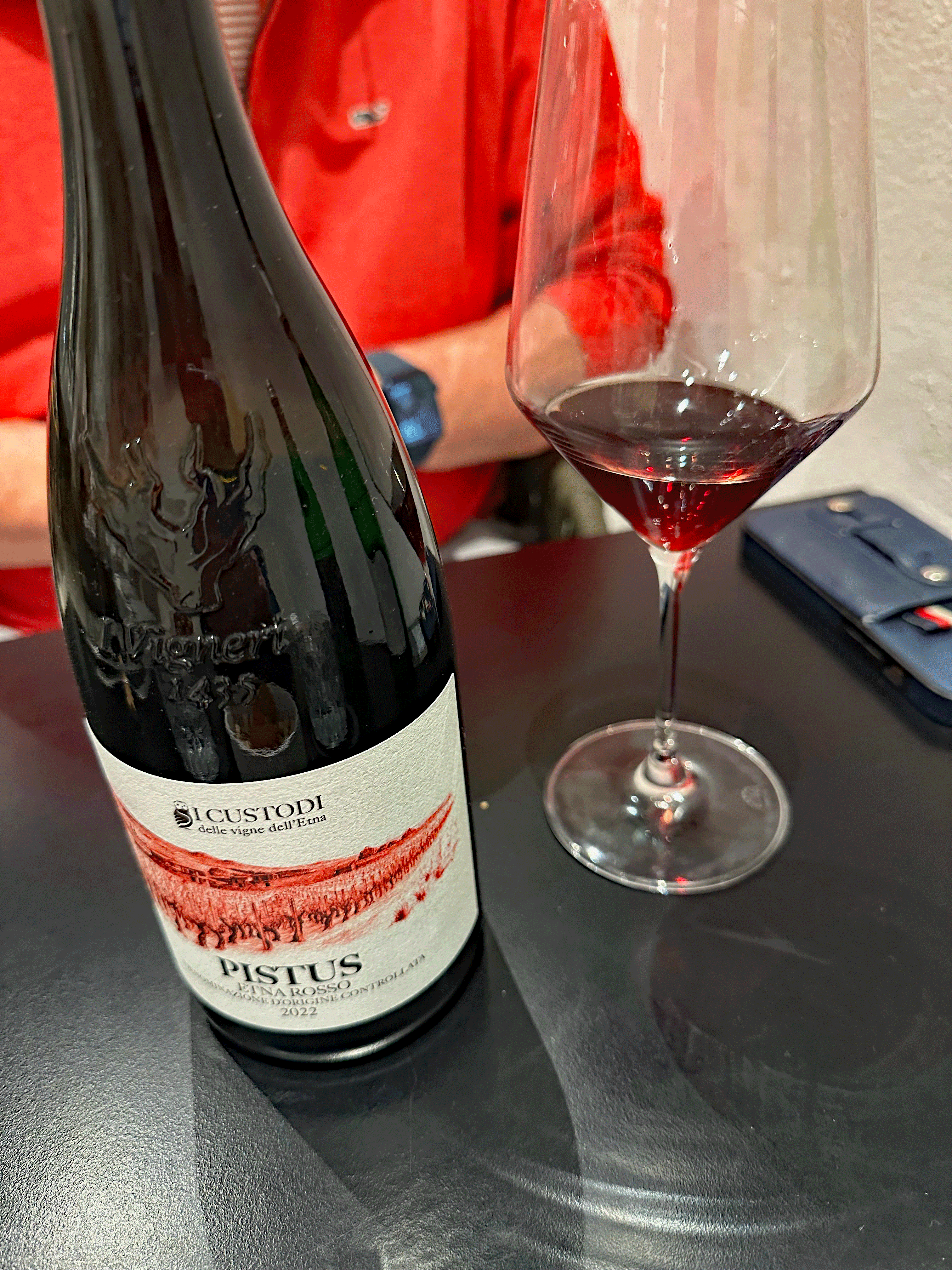
There are plenty of good dining options in Taormina. While some popular destinations were closed for the winter, there were enough choices to keep us happy. Some favorites during our four-day stay were Liola Ostería and Bar, Adduma, Bistro du Monde, and Ostería da Rita. All were chef-owned and operated and staffed with friendly servers. My personal favorite was Adduma, where the chefs came out to meet us after our meal.

Time to board the train to Cefalu

Thank you for reading. Look for my next post from Cefalu.

Ciao for now.

Geri

We Experience Catania’s Traditions During The Feast of Saint Ágata (Catania, Sicily;February 2-5, 2025)

After our two week stay in Essuoaira, Morocco, we flew back to Madrid via Ryan Air. Bill’s sister Betty met us in Madrid and after two enjoyable days of art and Spanish cuisine, we were off to Sicily. (Ryan Air).

The first stop on our three-week Sicilian adventure was Catania on the west coast. We chose it as our starting point according to the flight schedule, as flights don’t run every day in the off-season. There is also an airport in Palermo, which we would visit last and depart from there.

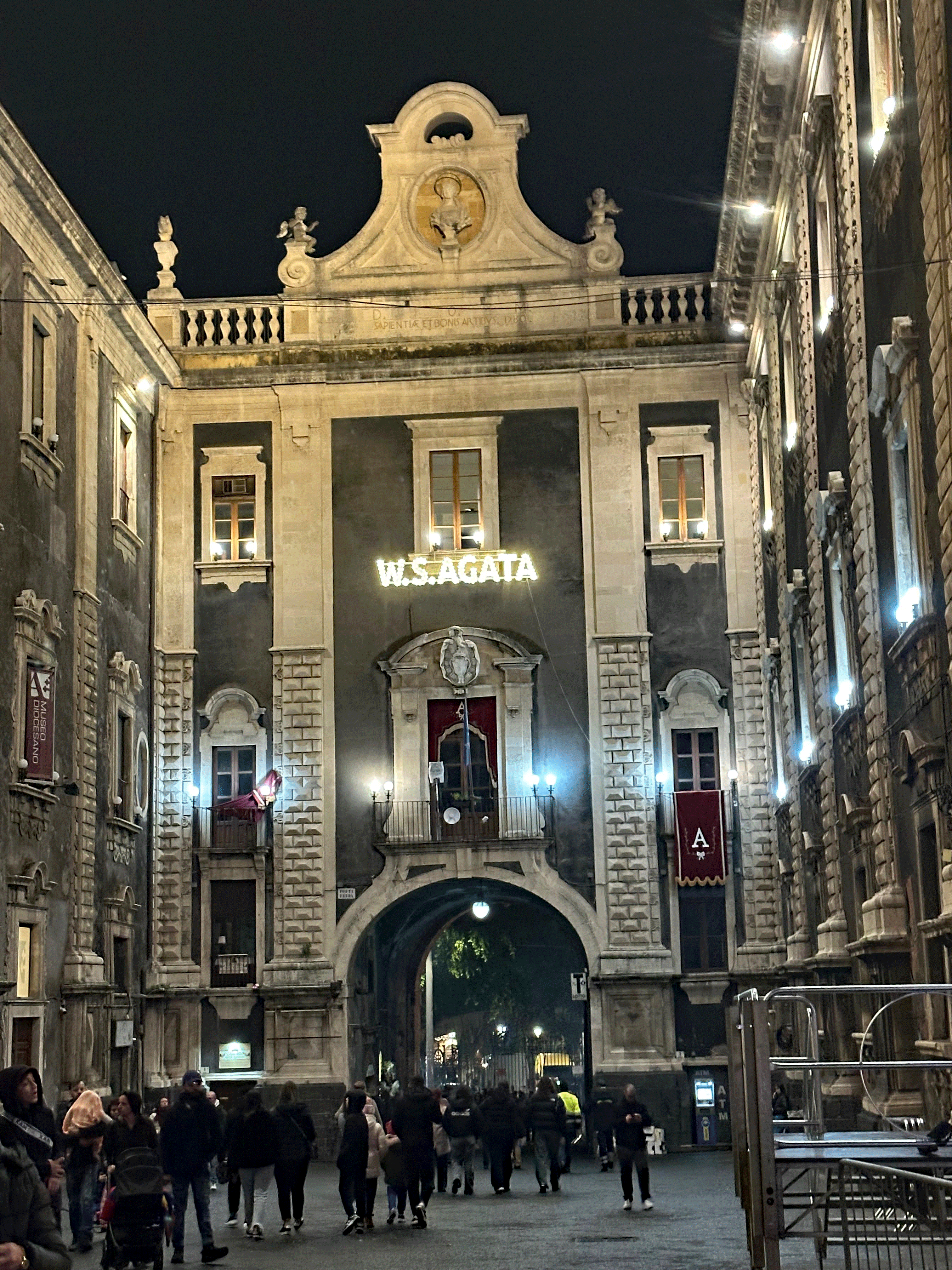
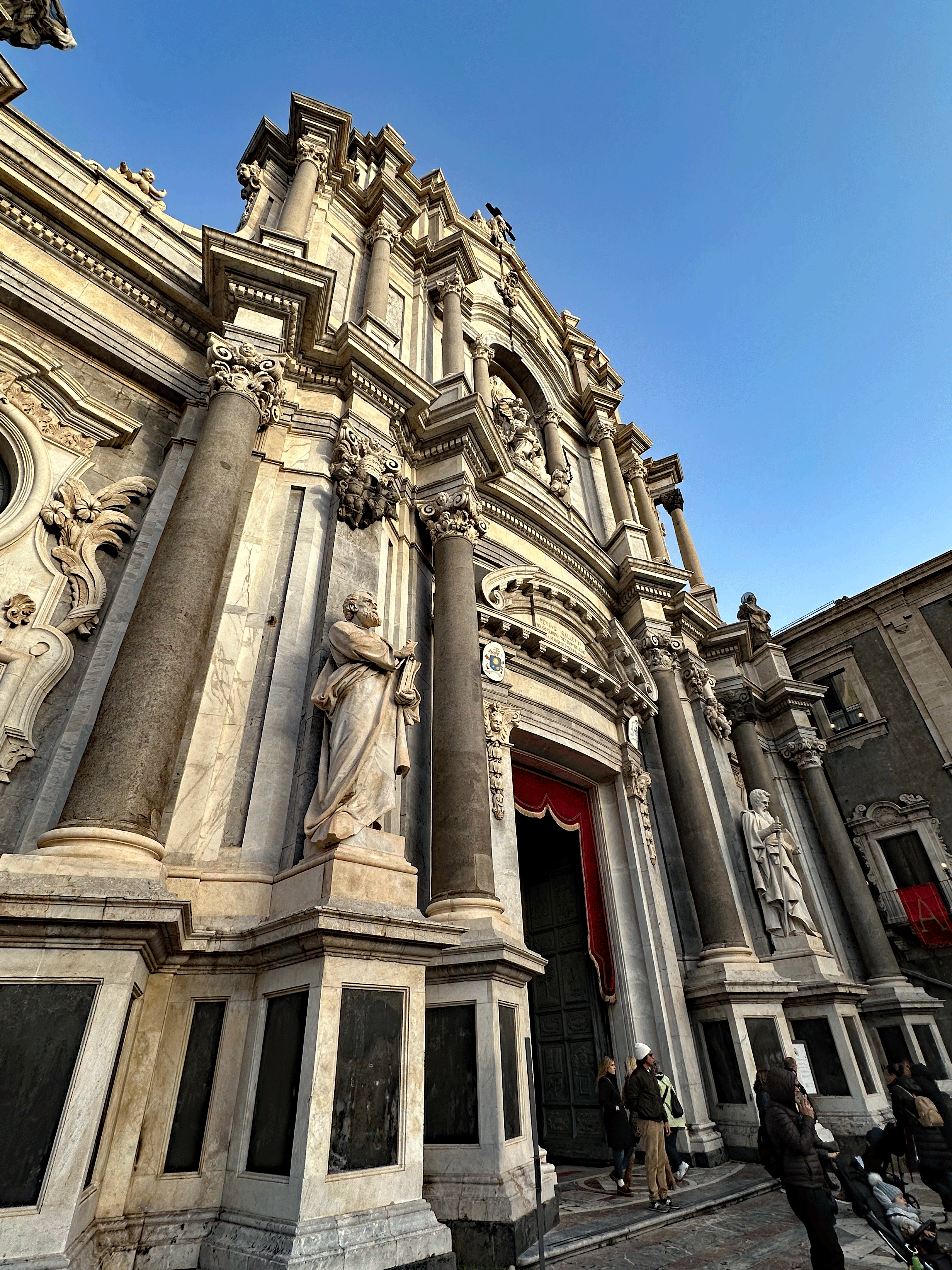
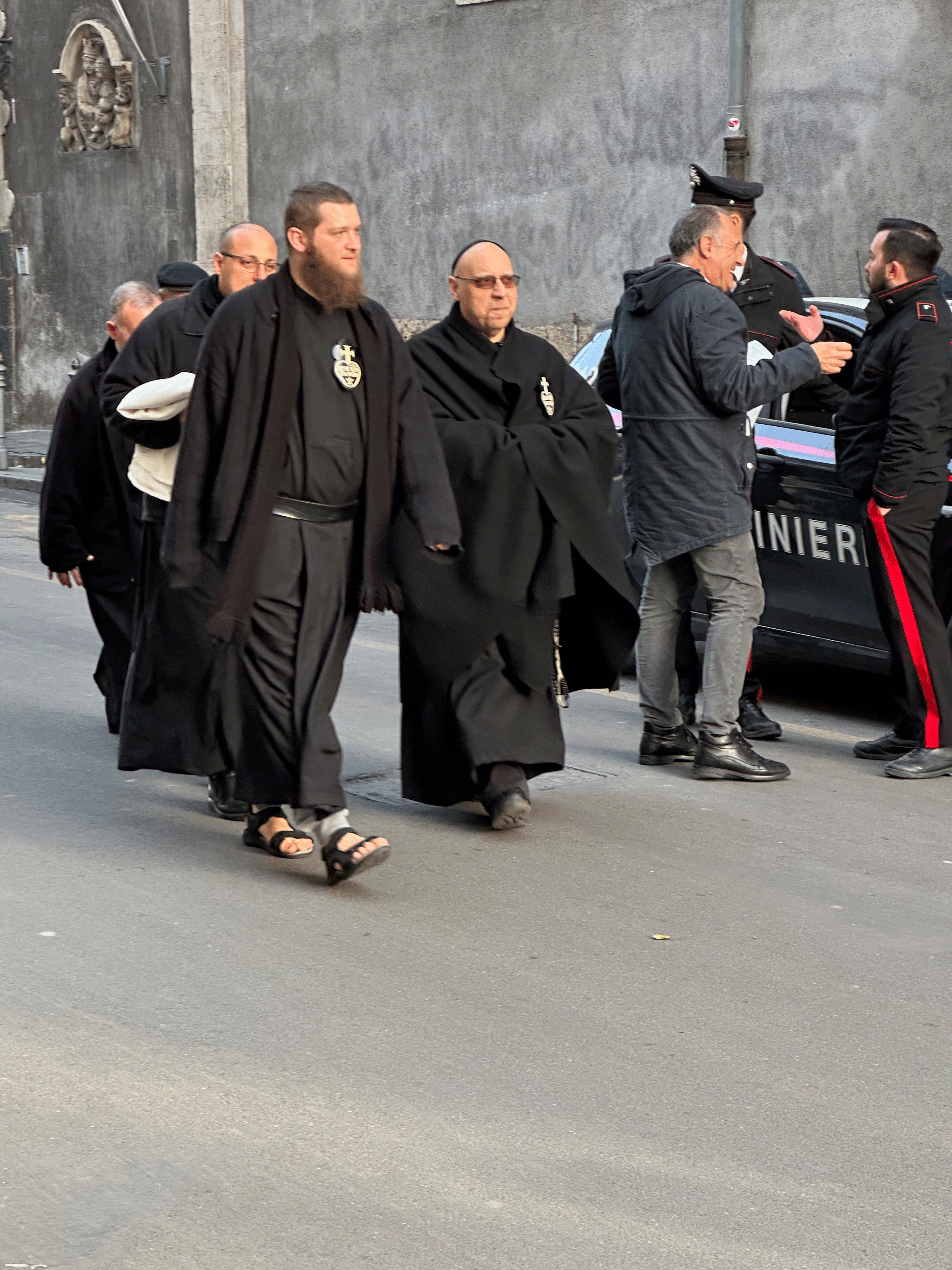
By coincidence, we were in Catania for their biggest festival of the year: The Feast of Saint Ágata, virgin and martyr. Ágatha (Agatha) was born in Catania and died for her faith at the hands of the Romans in the third century AD. (February 5, 251) Her relics are housed in the chapel next to the Duomo (Cathedral) of Catania and every year from February 3rd through the 5th, they are paraded through the streets by throngs of participants; close to a million we were told, although that seemed a bit exaggerated.

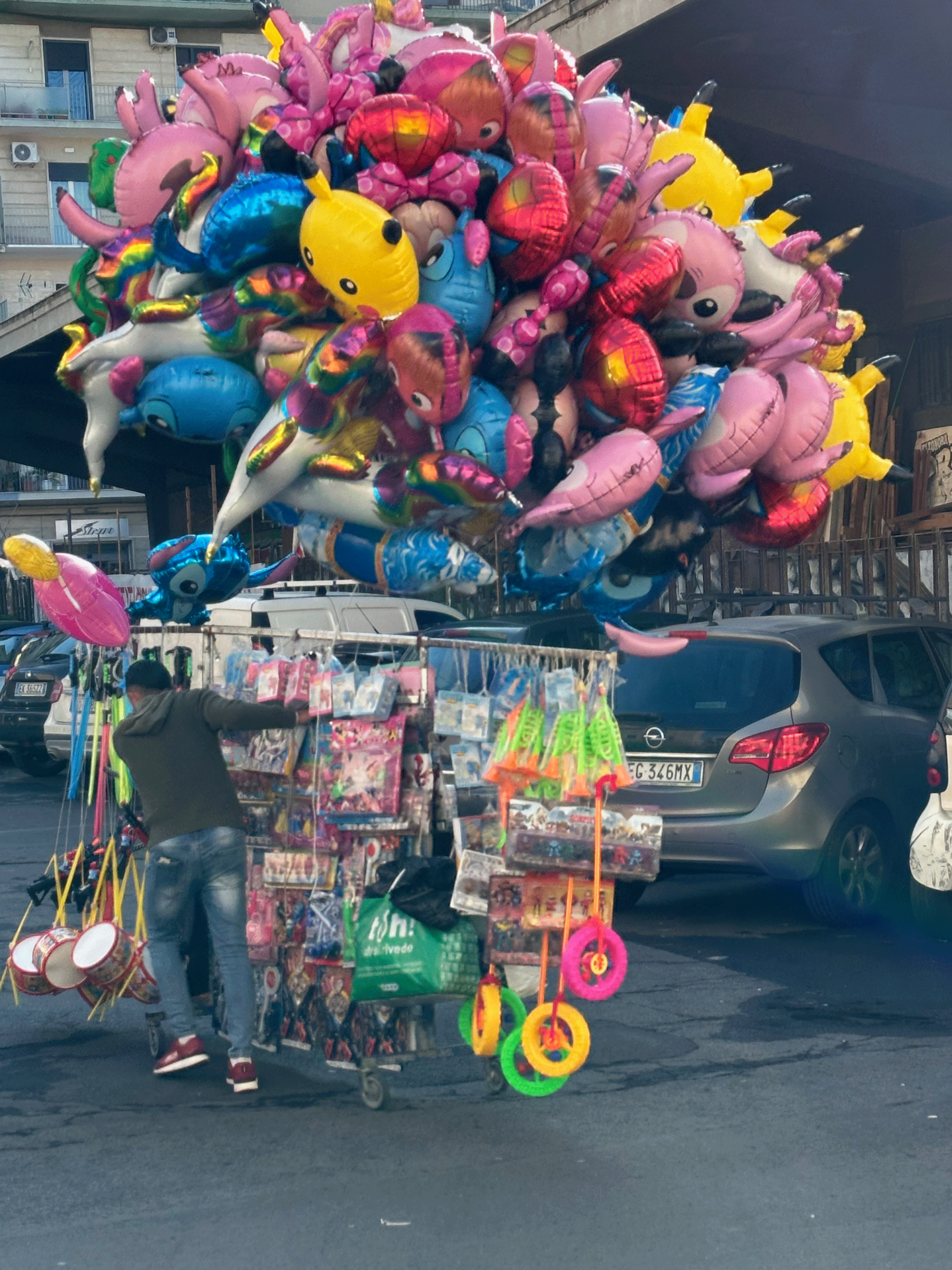
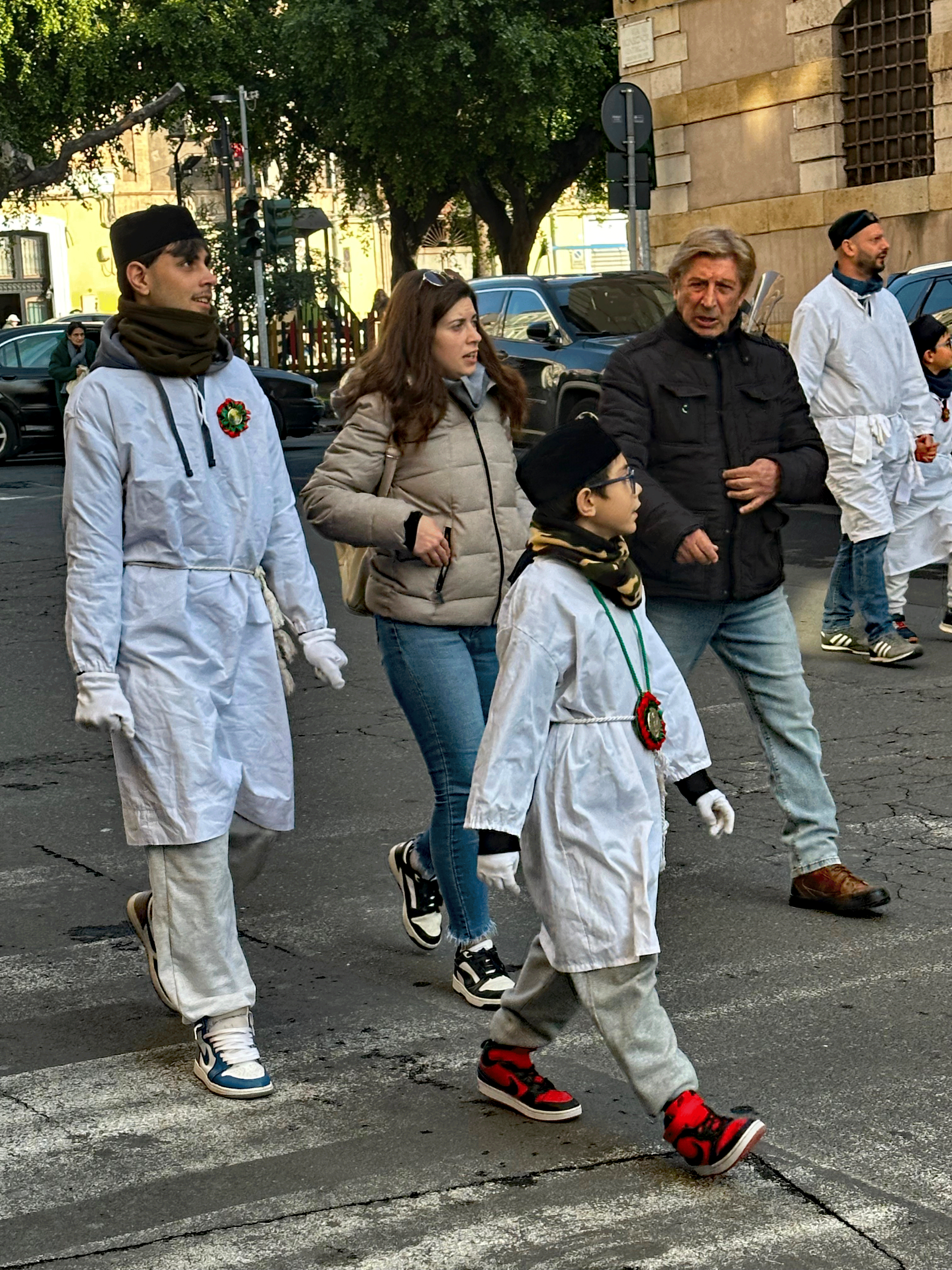
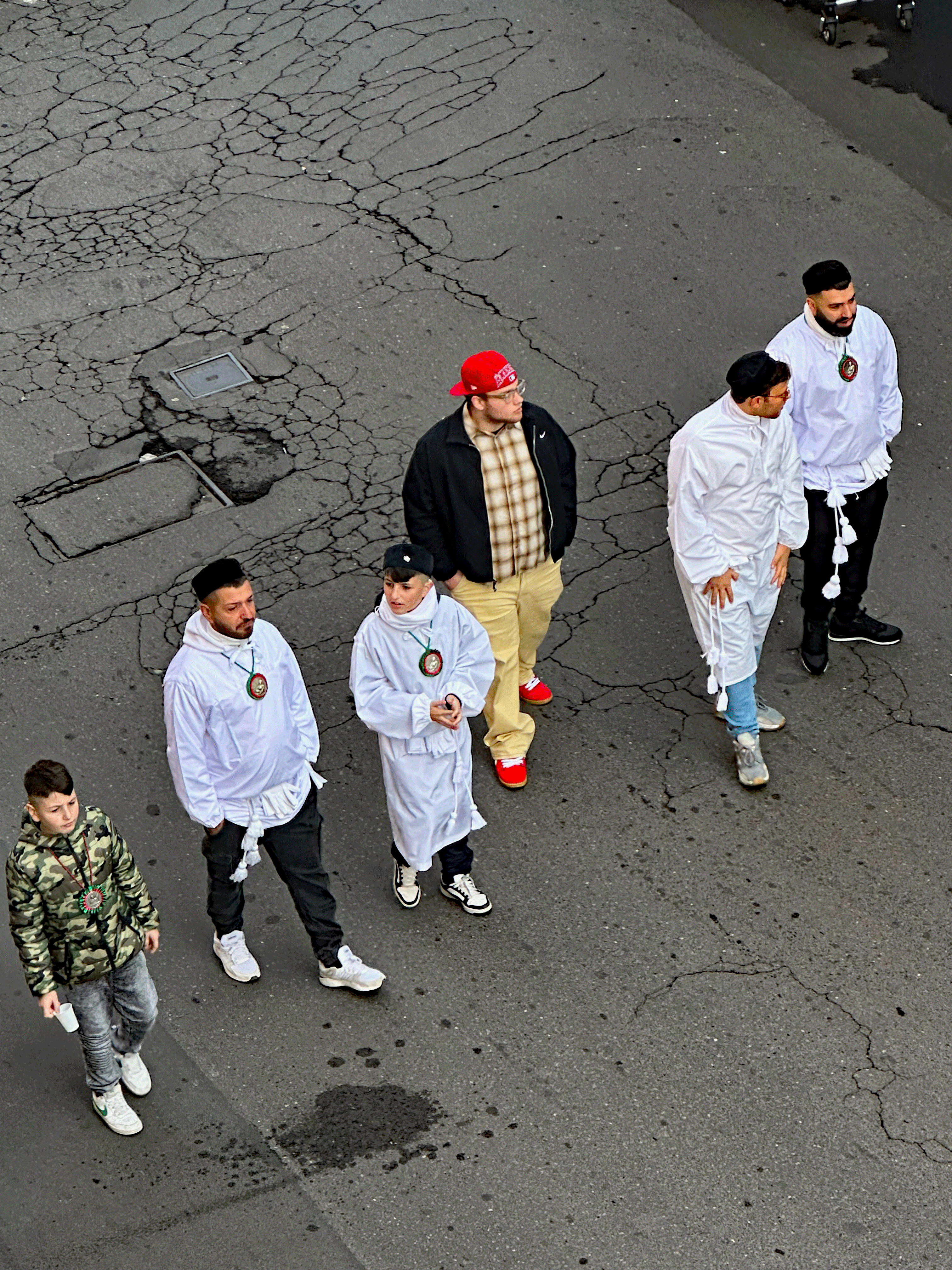
On our first evening in Catania we saw groups of clergy arriving in town. The Piazza del Duomo (Cathedral Square) was alive with musicians, balloon vendors, young ladies dressed in long white gowns and carrying red roses, and representatives of parish churches bearing their standards to pay homage to St. Ágata.

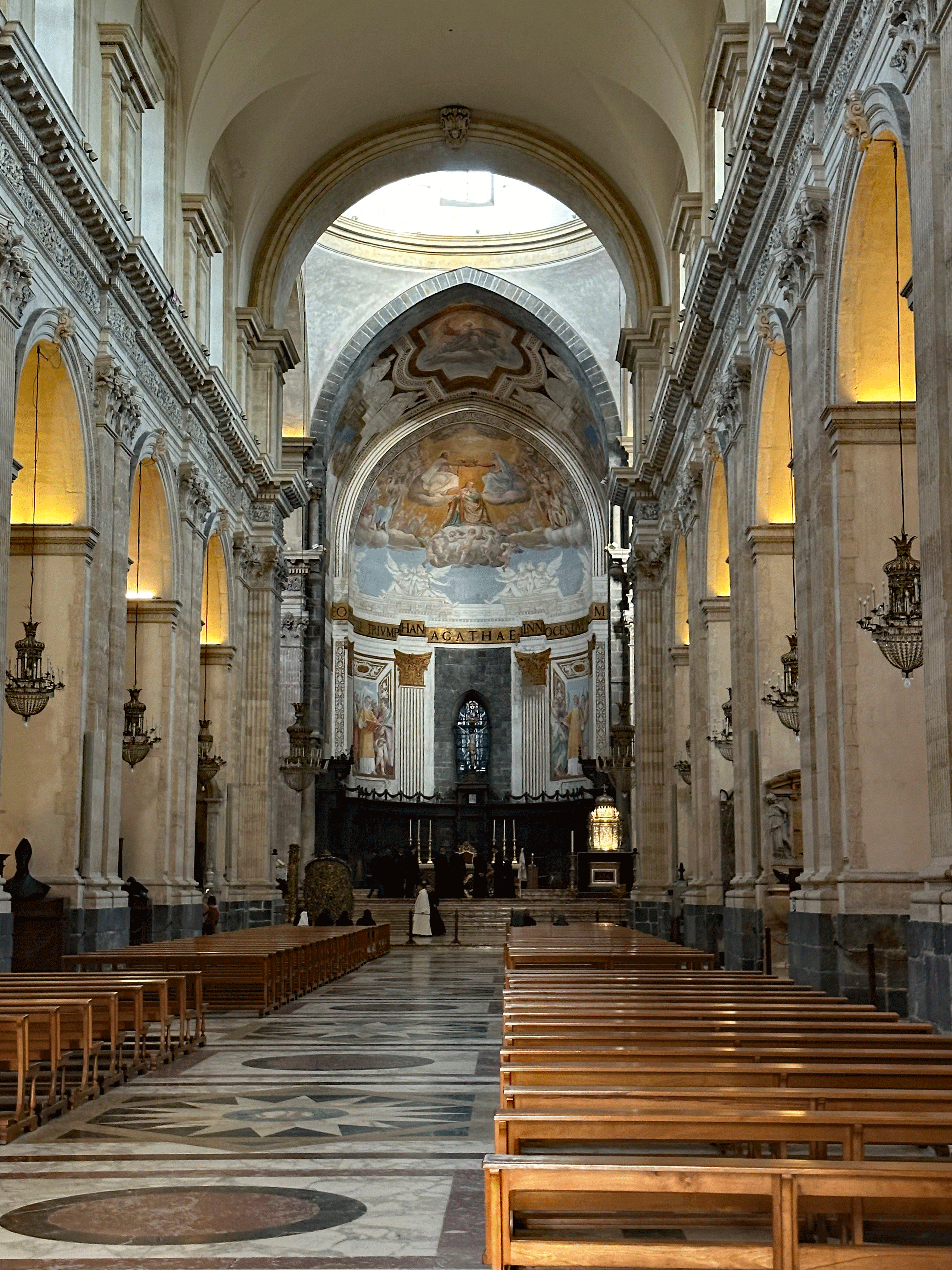
Fortuitously, we visited the inside of the cathedral that evening ;it was closed to visitors for the remaining days of the festival. Each time the relics of St. Ágata were removed from or returned to her chapel, loud fireworks shook the town. There were daily procession routes throughout Catania. A float bearing Ágata’s ornate silver reliquary and a large statue of her surrounded by flowers, candles, and a bishop was pulled through the streets by devotees wearing the traditional white garments and St. Agatha medals. Police officers managed the crowd to allow safe passage of the float and access to the thick ropes for those wishing to pull the heavy float for part of the route.

When we planned our trip, we didn’t realize we would be a part of this centuries old tradition, but we are so glad it worked out that way. It was really a special experience!

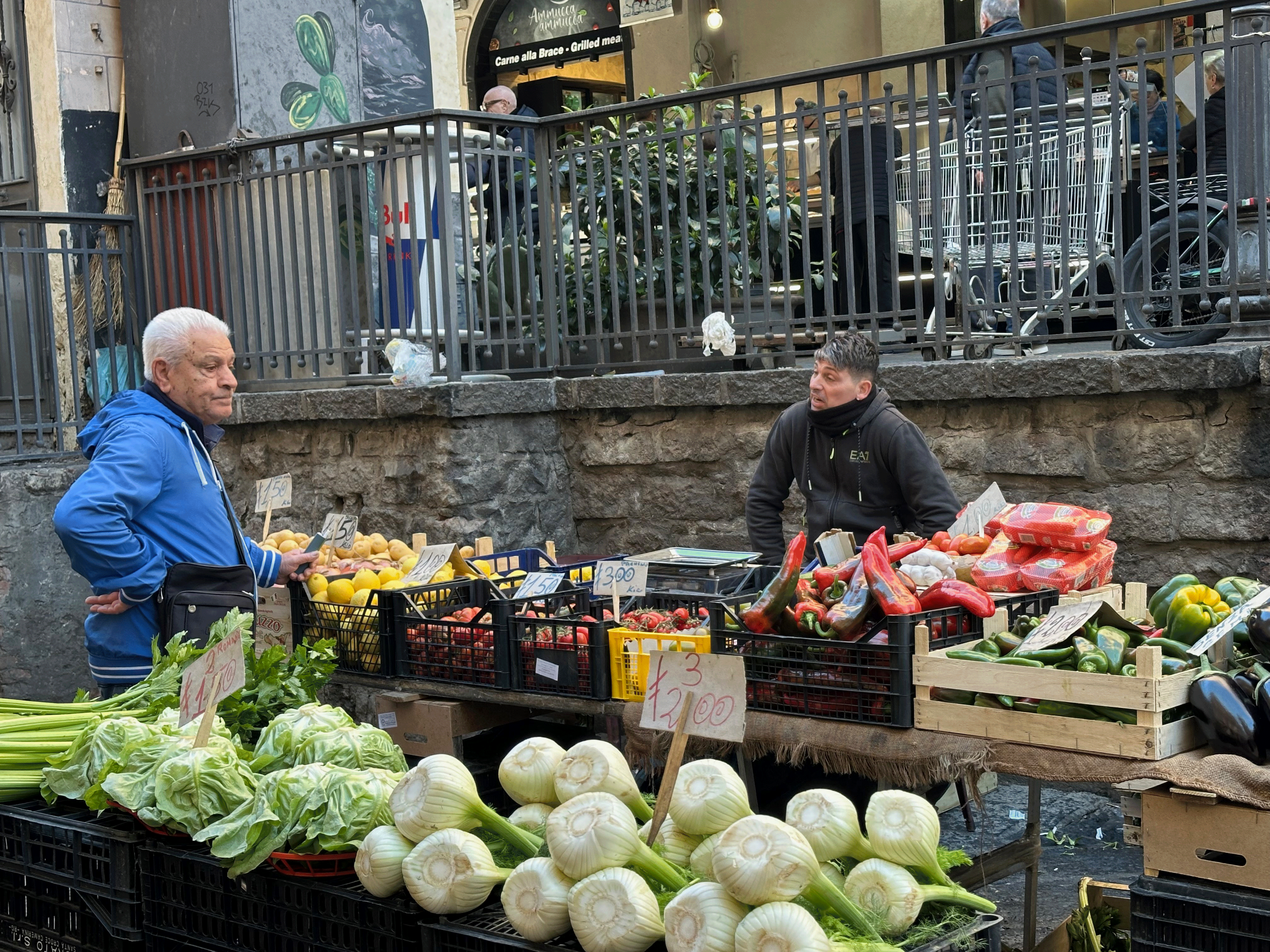
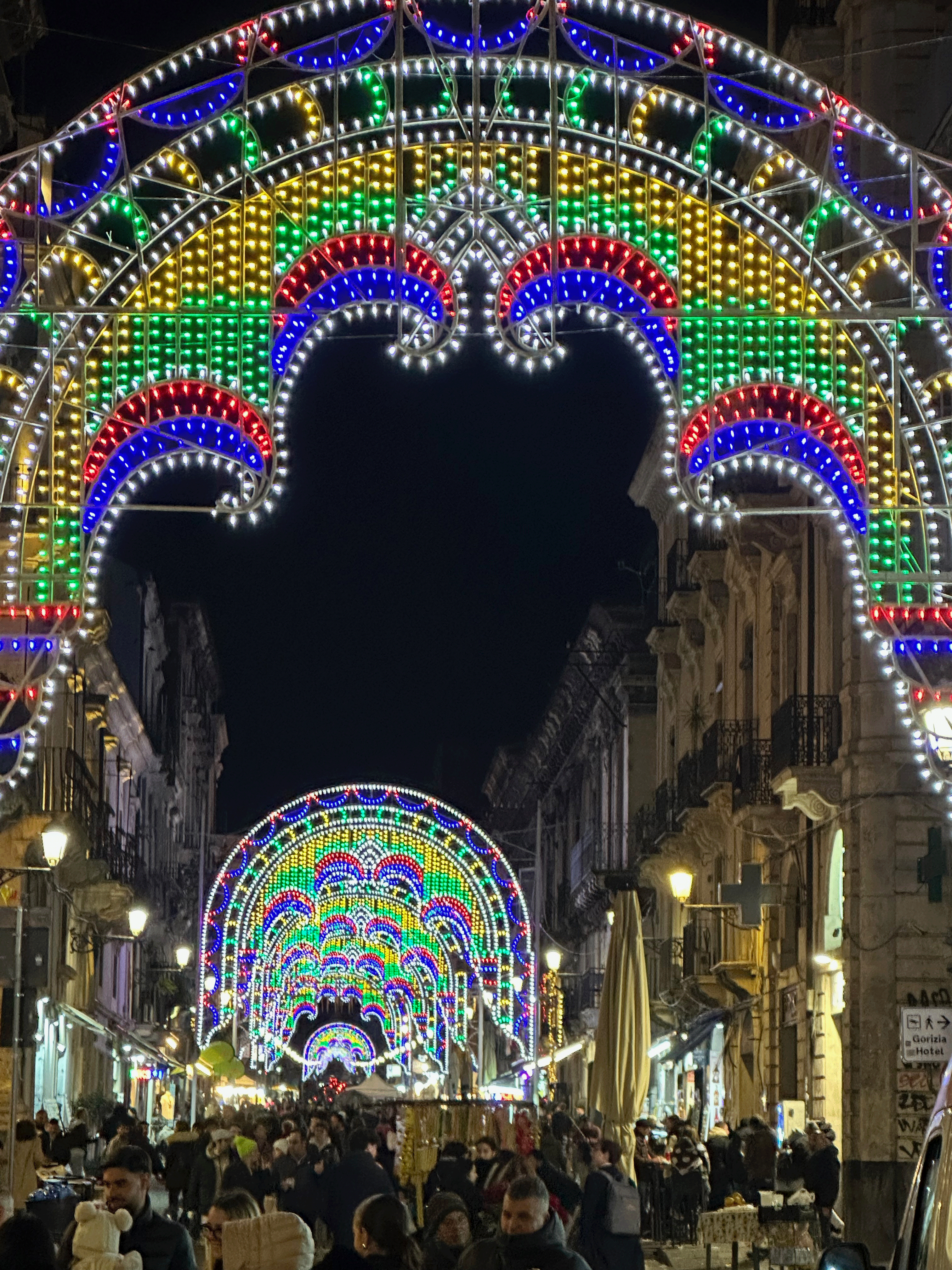
In addition to observing the festival activities, we enjoyed Catania’s other attractions. The fish market and fresh fruit and vegetable market are a colorful testament to Sicilian lifestyle and cuisine. The narrow streets of the historic center are lined with vendors of produce, meats, pastries, spices, juice, nuts, and street food. During the festival days, candy stands are everywhere and the smell of almond paste permeates the air. There were marzipan stands everywhere and we kept wondering what they do with it all when the party is over.

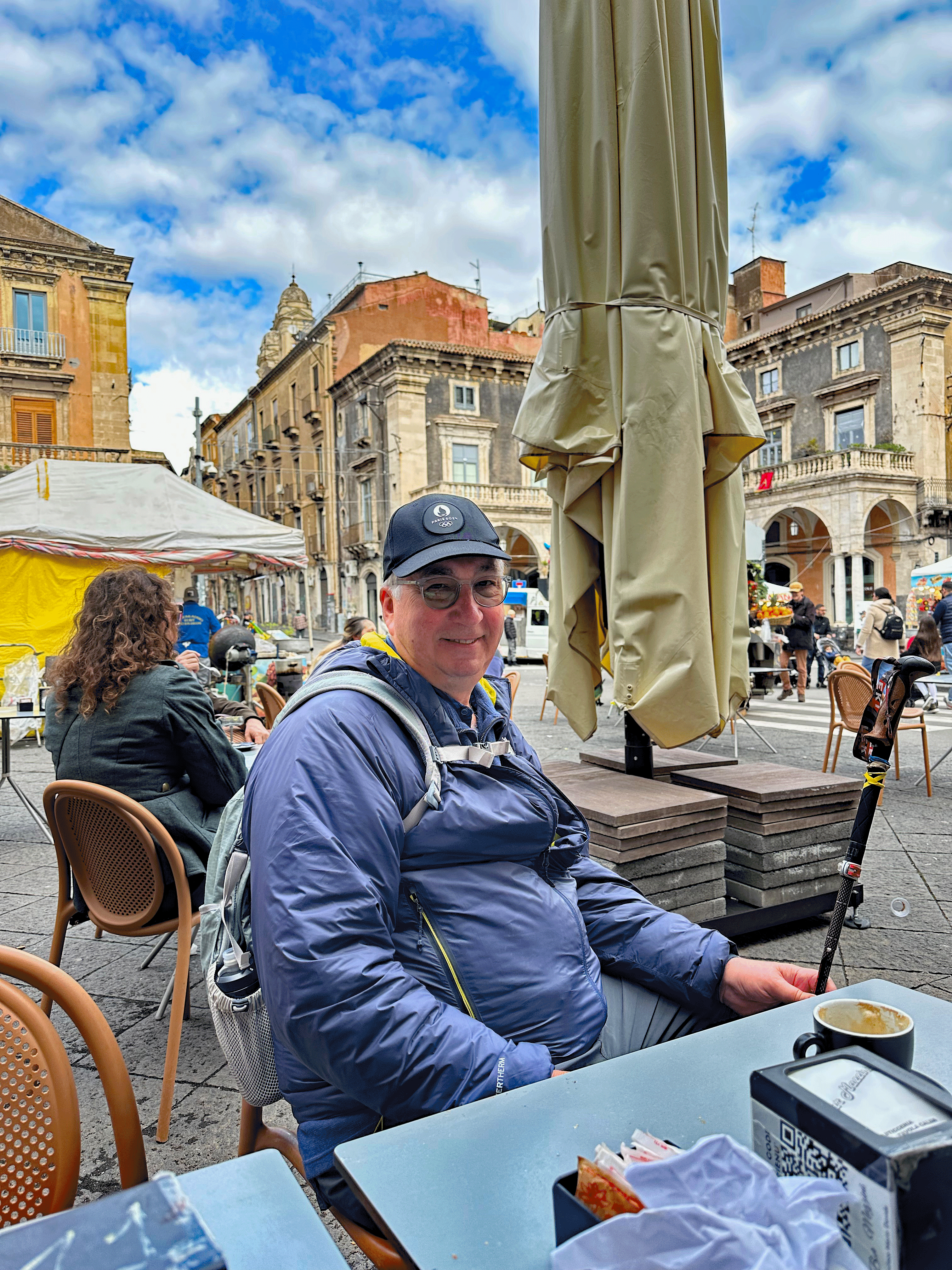
Every day, we took time out to sip cappuccini (cappuccinos) and sample Sicilian pastry at a table in the sun. Sicily is the birthplace of gelato and cannoli. Catania has its own seasonal delicacy: the breasts of St. Ágata, a pastry designed to remind us that as part of her torture her breasts were cut off.
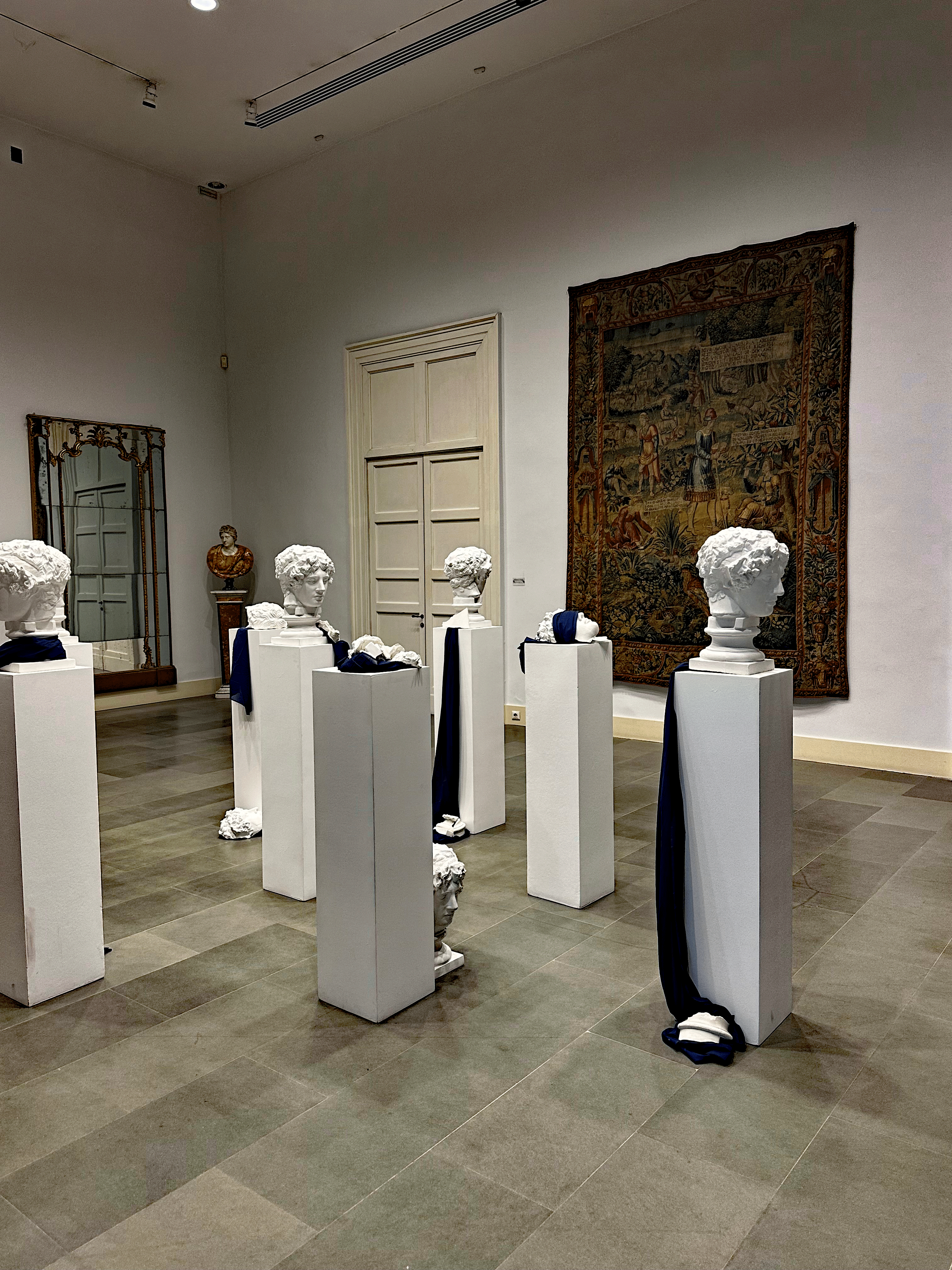
We enjoyed art at Palazzo della Cultura and at Castello Ursino. Palazzo della Cultura is a restored palace with an eclectic collection of contemporary art displayed creatively in rooms decorated with antique furniture and tapestries. They had a temporary Frida Kahlo exhibit which featured a few of her works and a sizable collection of black and white photos from her life.

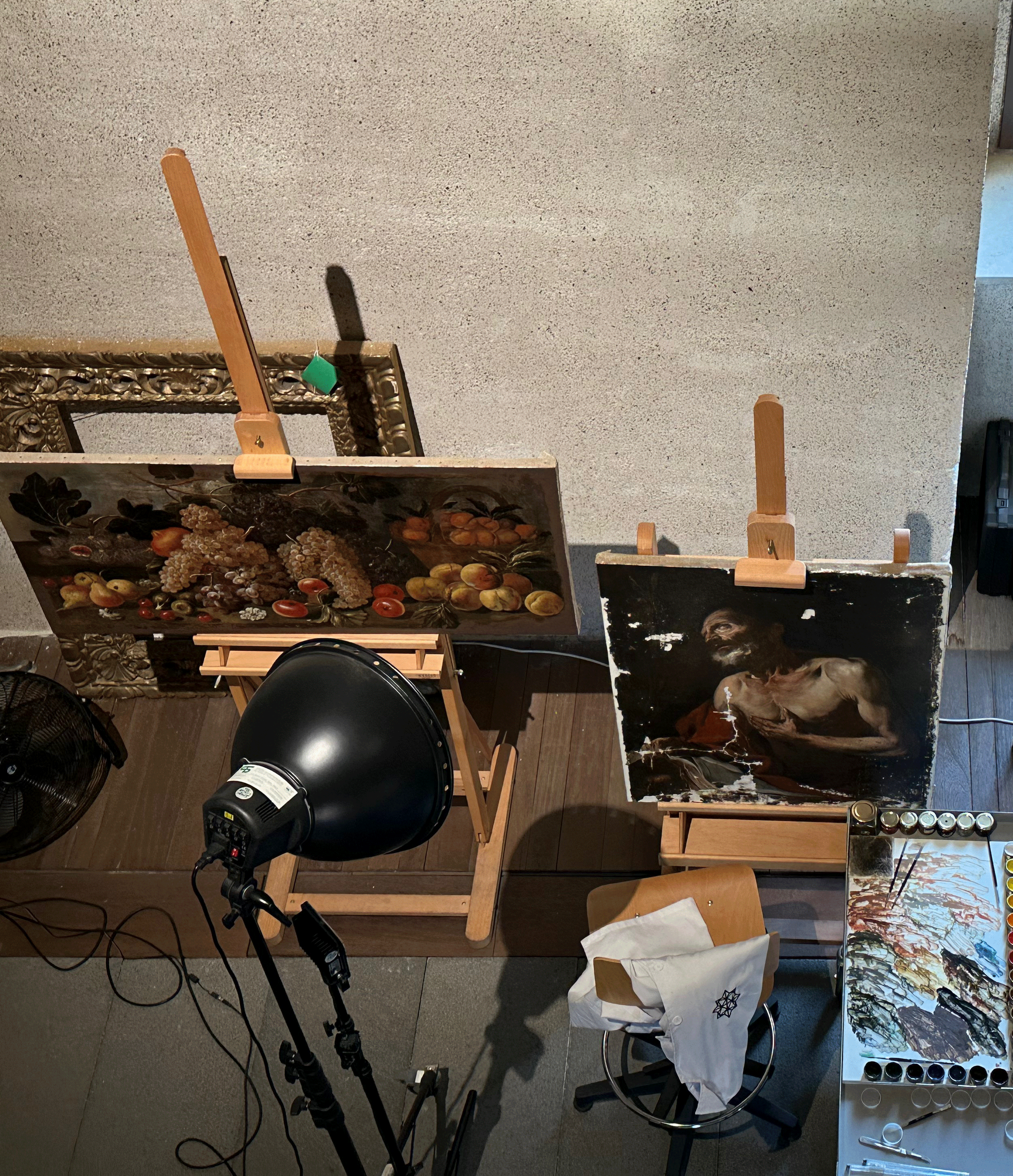
The Castello Ursino was the town’s fortified castle and now serves as the Civic Museum of Catania. It is a huge space for housing art and artifacts from Catania’s long history and is a working museum for archeologists and art restorers. After our visit, we had coffee and the most memorable pistachio arancini (rice balls) of our trip.
Some travelers dismiss Catania as dirty and lacking charm. True, the street stones are black and the buildings are blackened, but that isn’t exactly dirt; it’s volcanic rock and lava stains from nearby Mt. Etna. I’ll concede that the back streets of the historic center are rather run down with cracked paving stones, graffitied walls and a slightly gritty vibe. My mother would have described it as “having seen better days.” To me, these features add to Catania’s charm. A few streets away is the beautiful Piazza del Duomo (Cathedral Square) and the upscale shopping and dining district. The city has expanded far beyond its original walls and is a modern vibrant city.

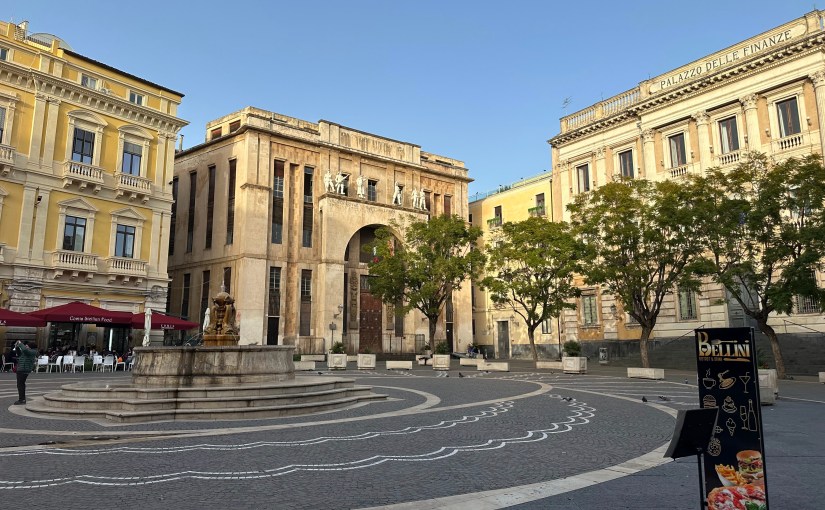
Some More Catania Scenes and Night Views: (Remember to double click for a larger view)

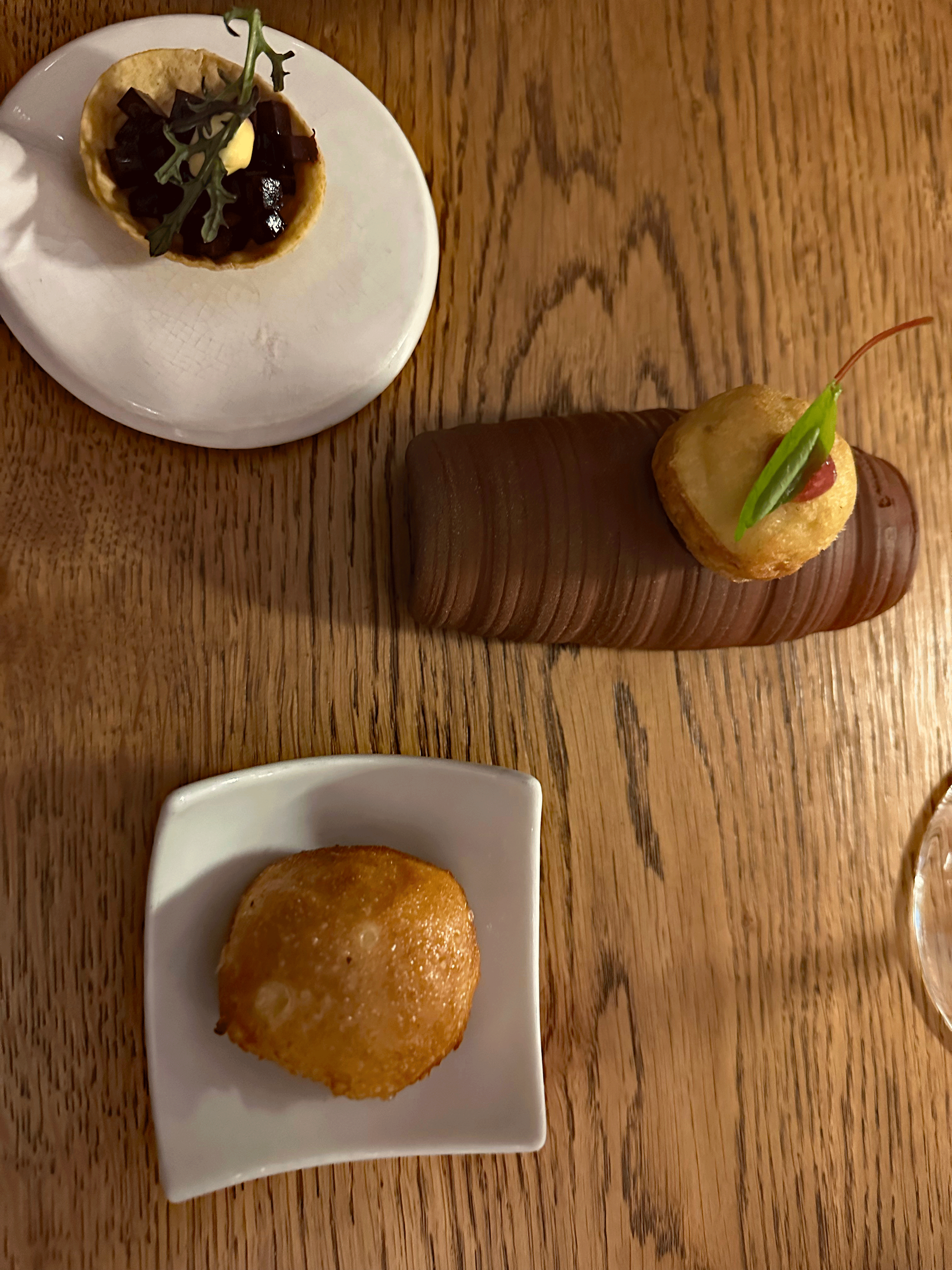
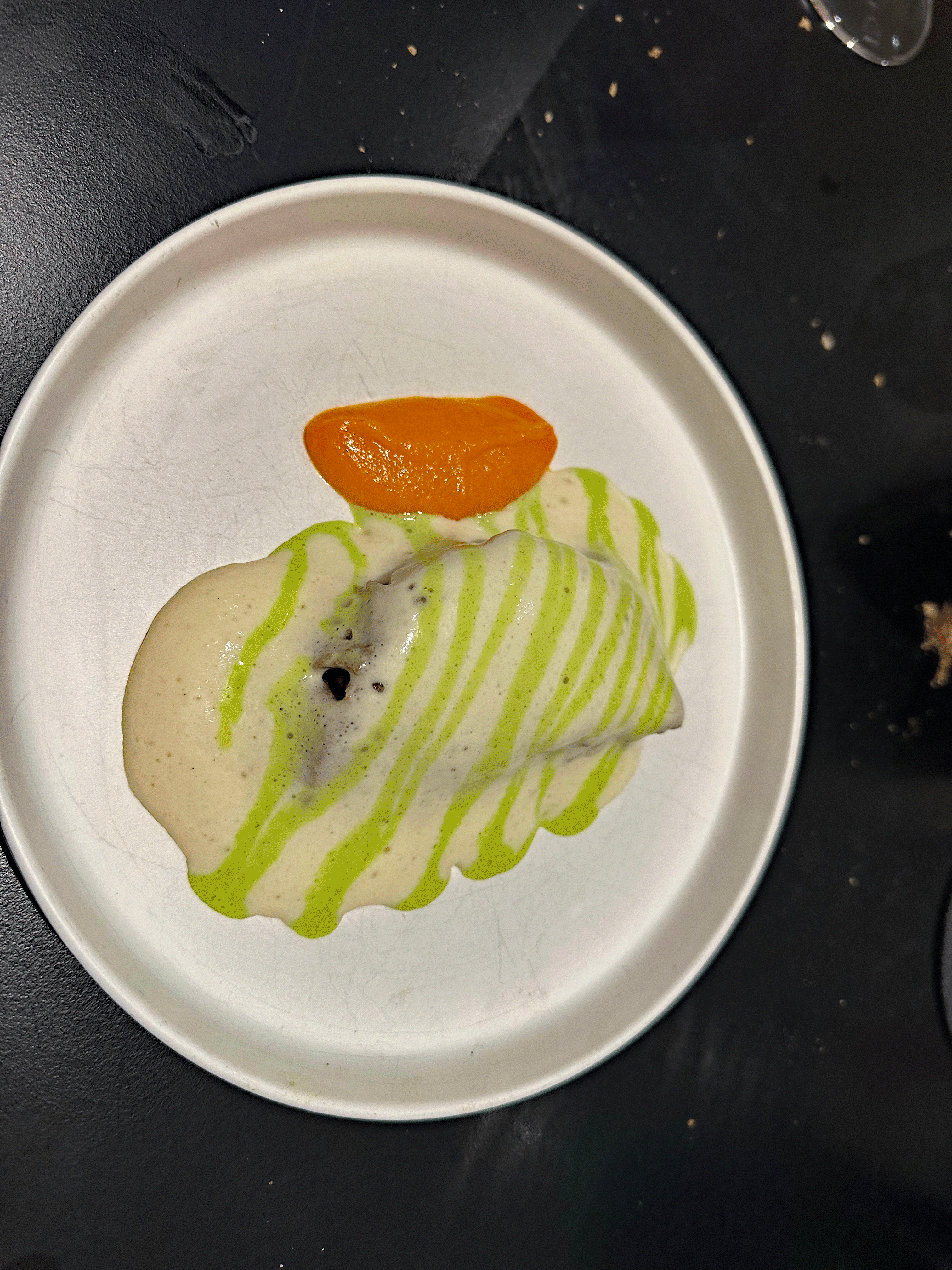
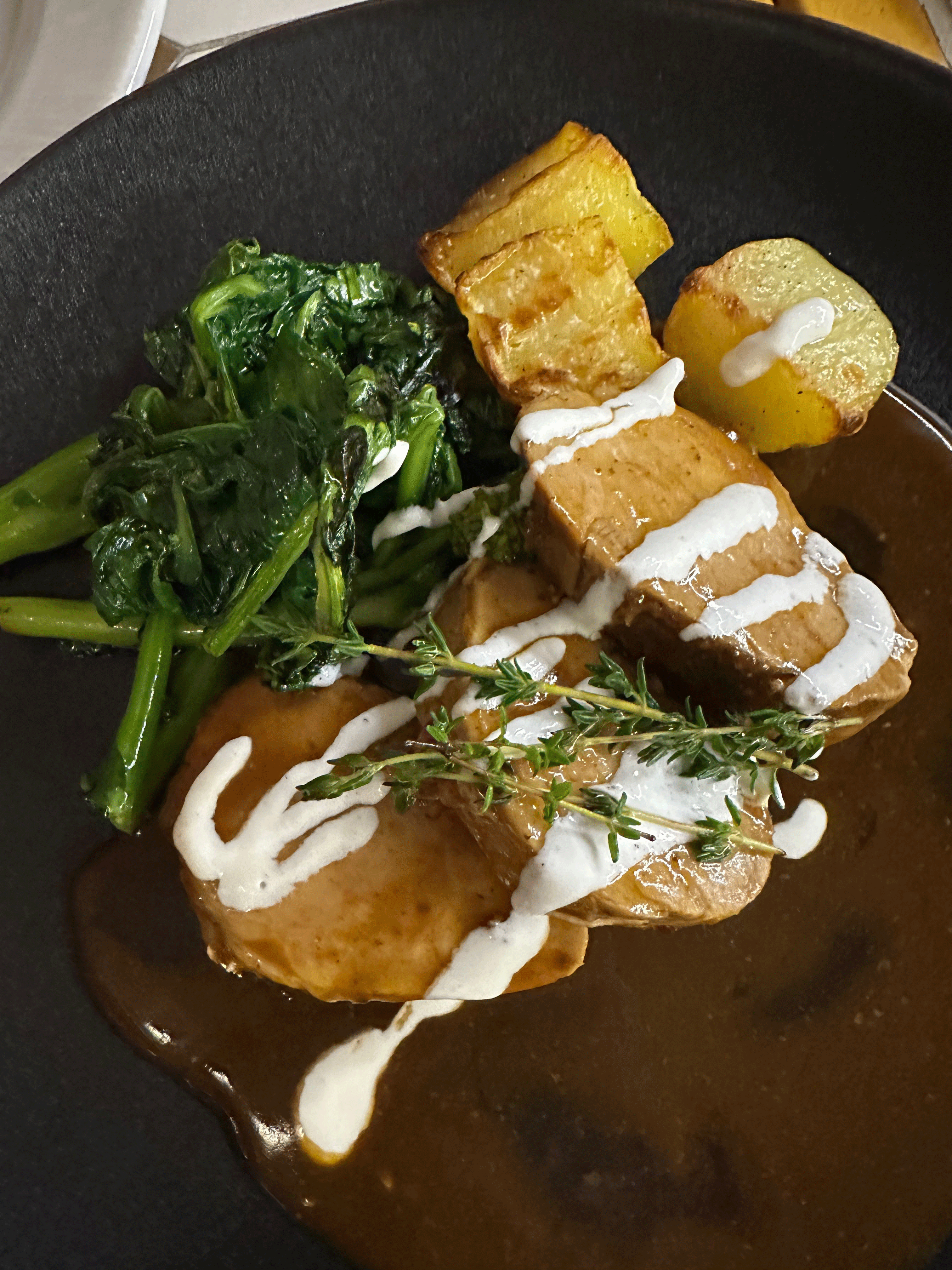
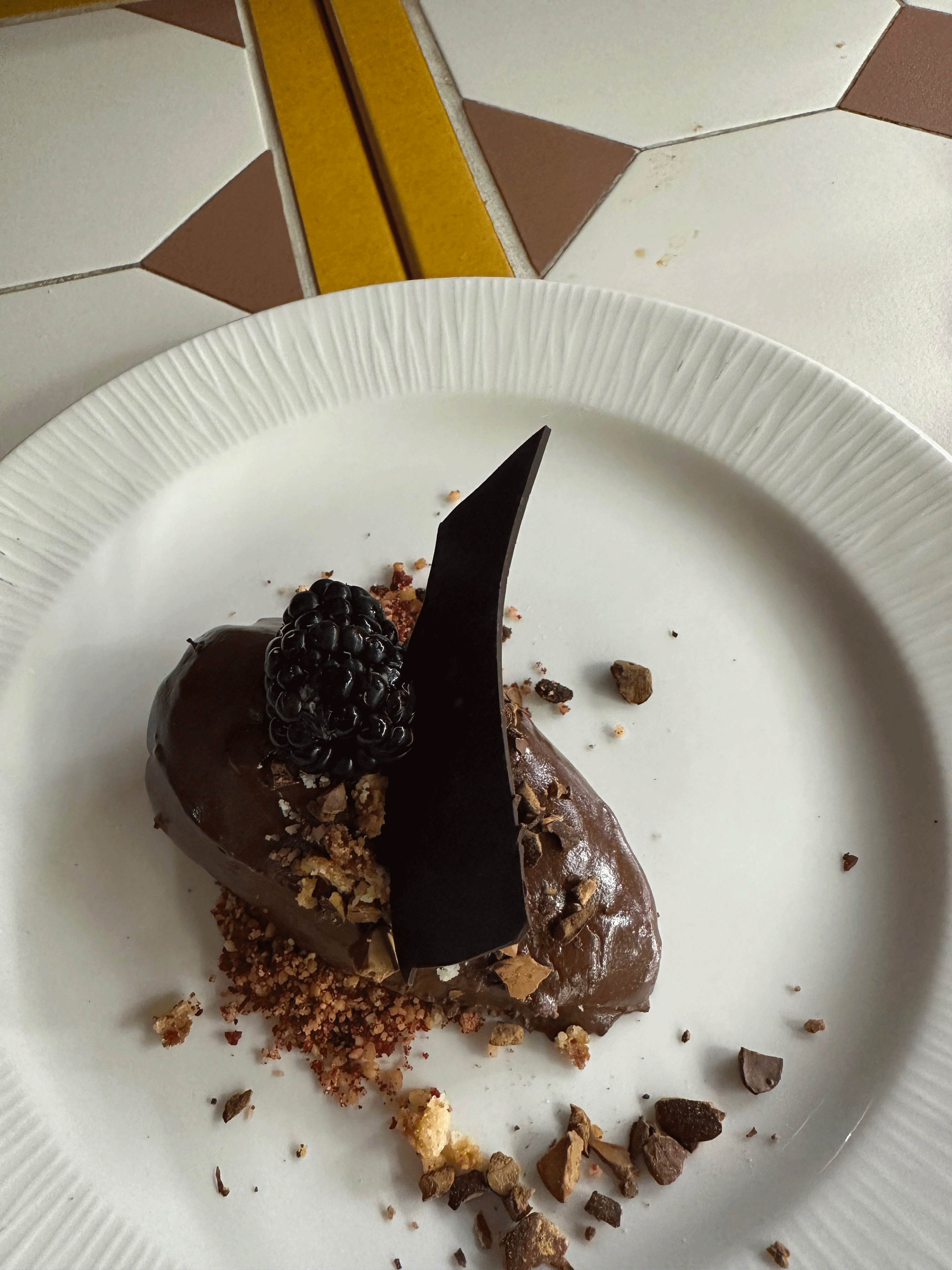
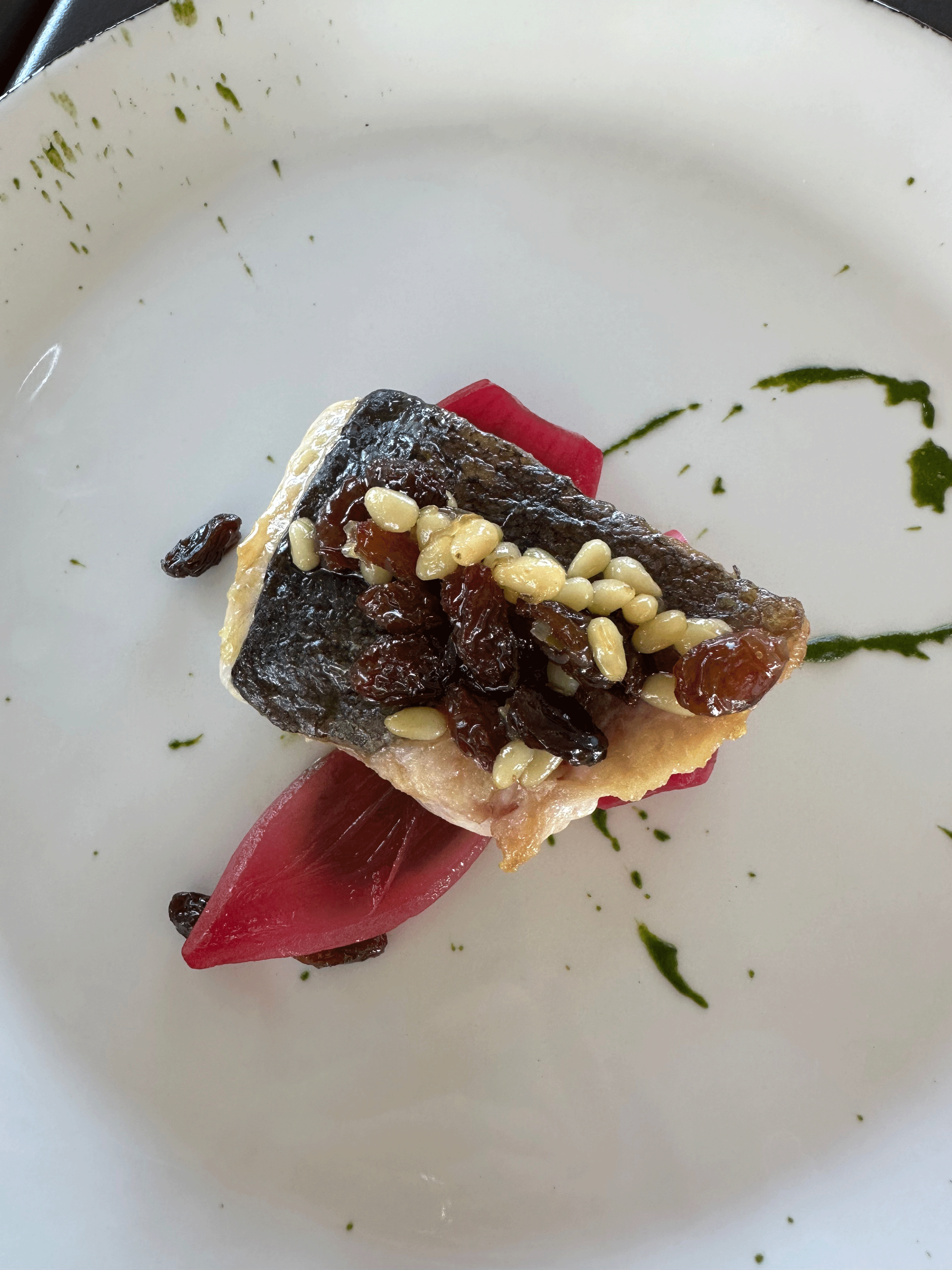
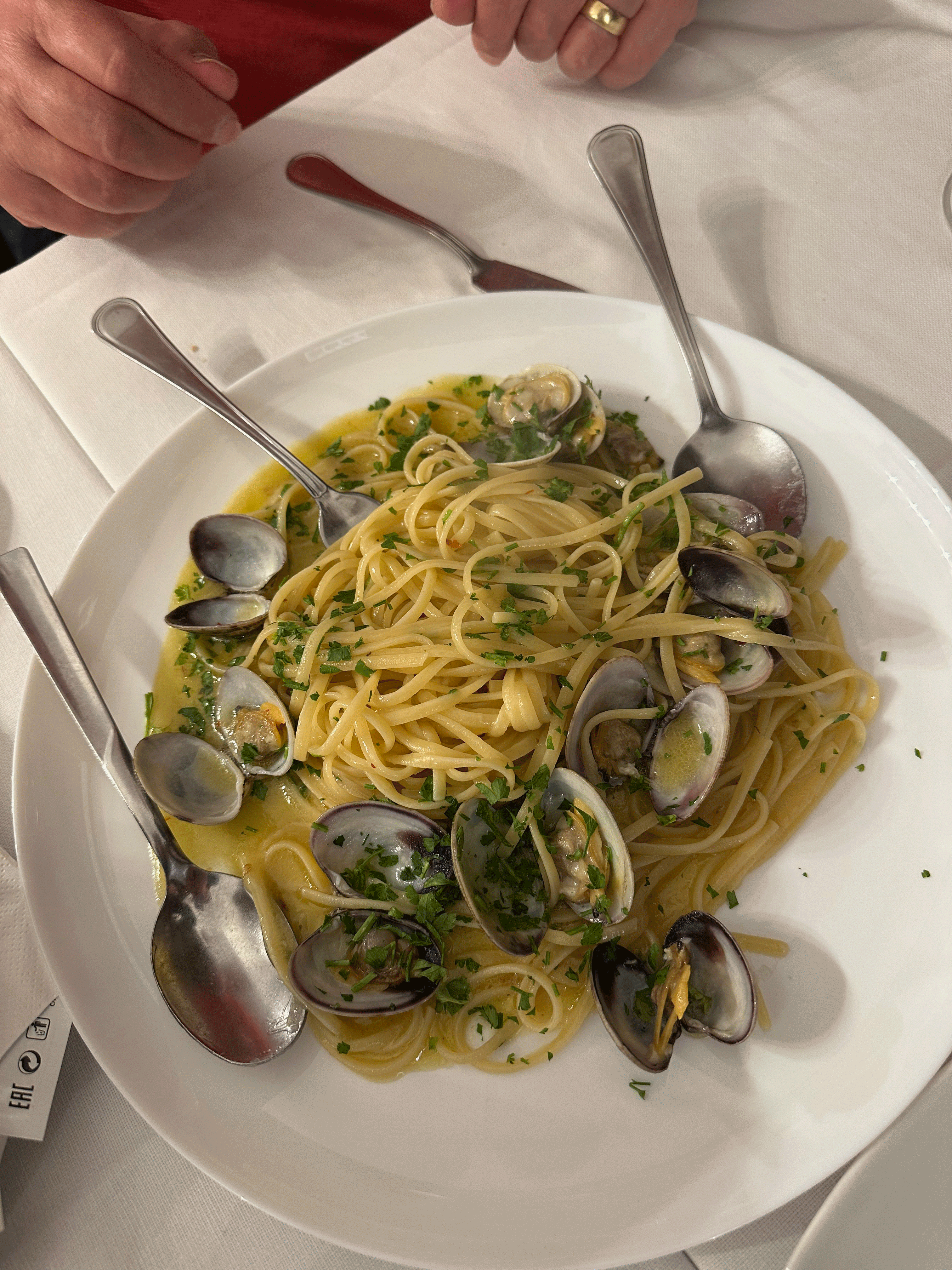
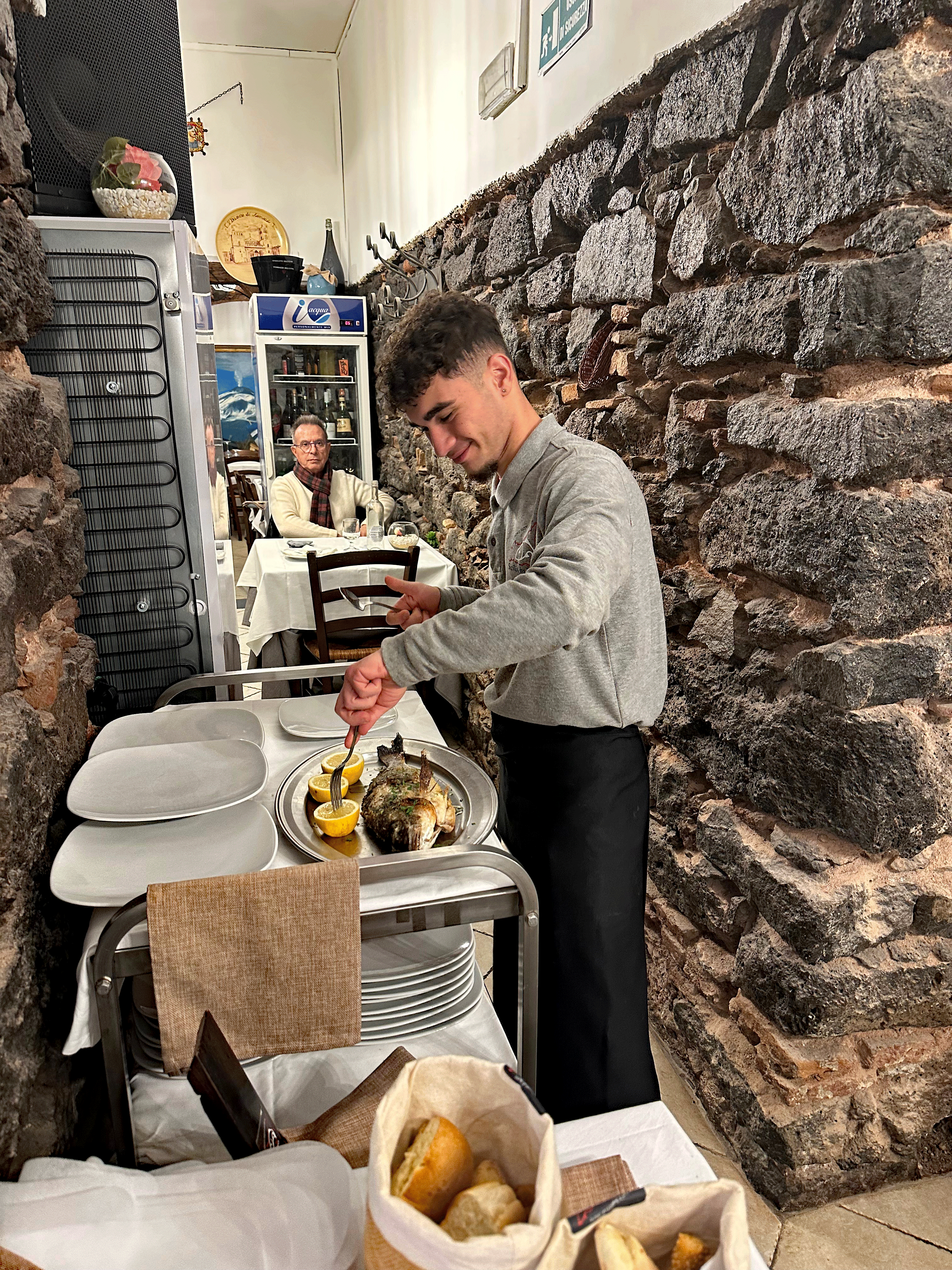
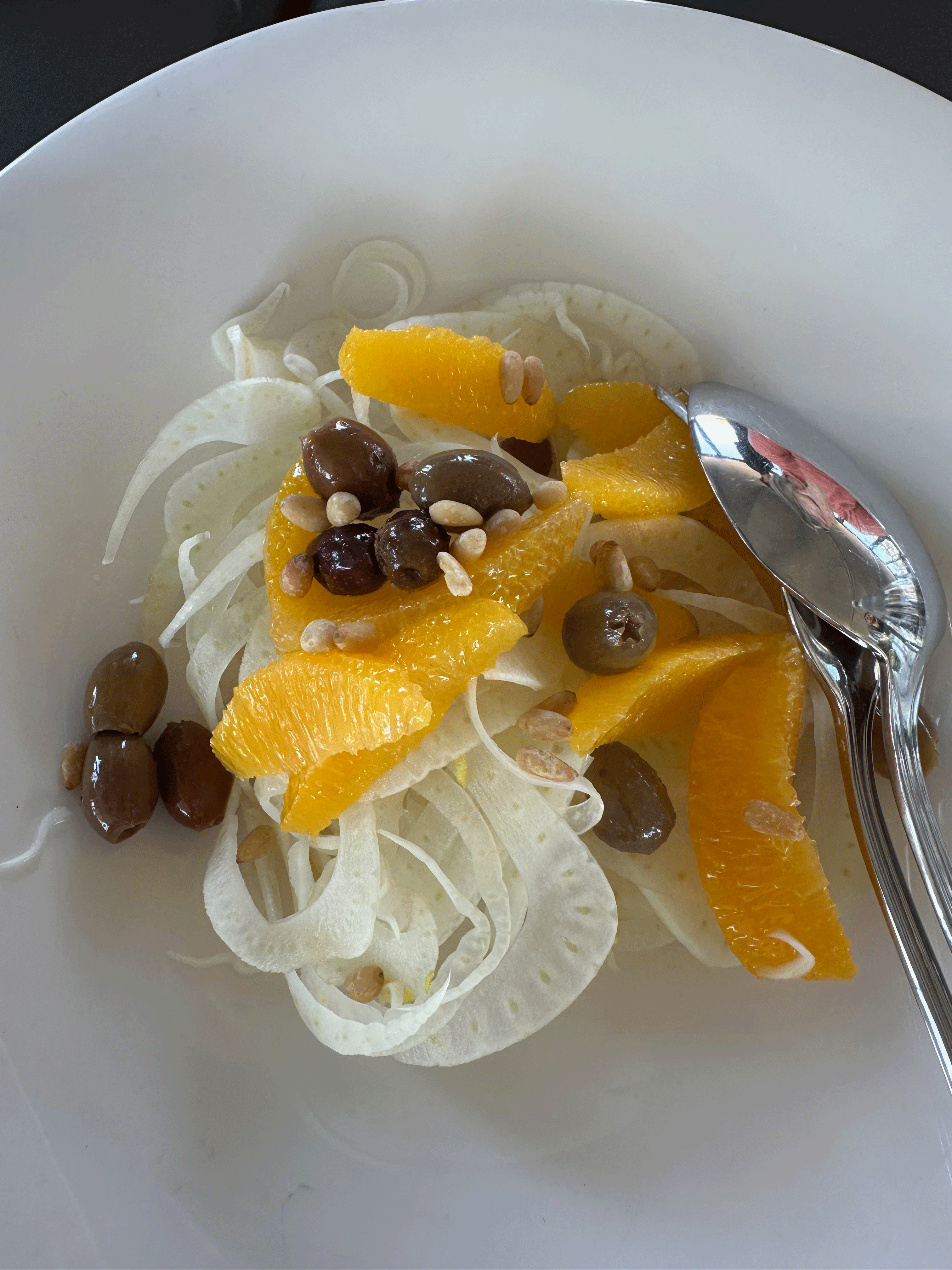
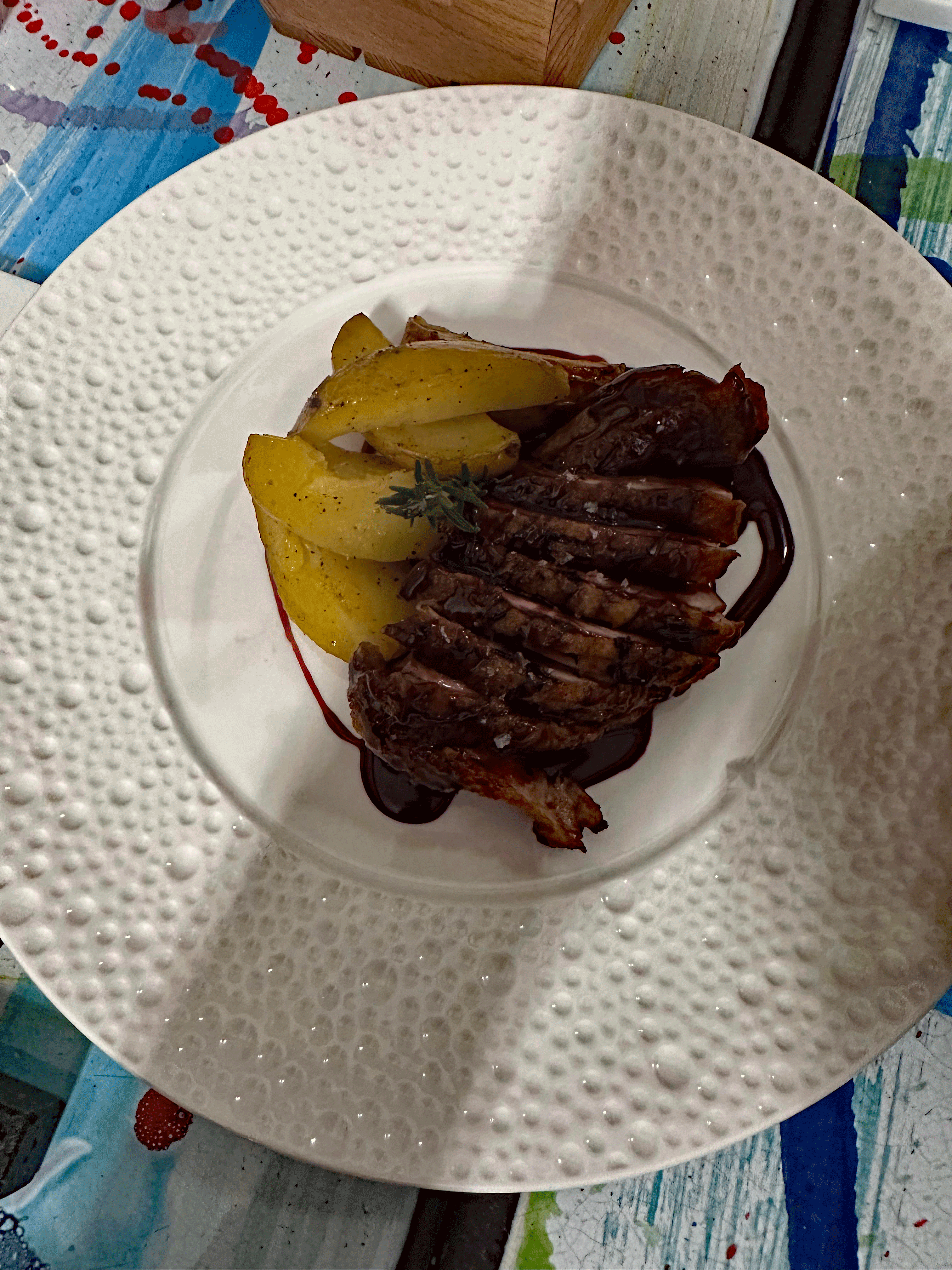
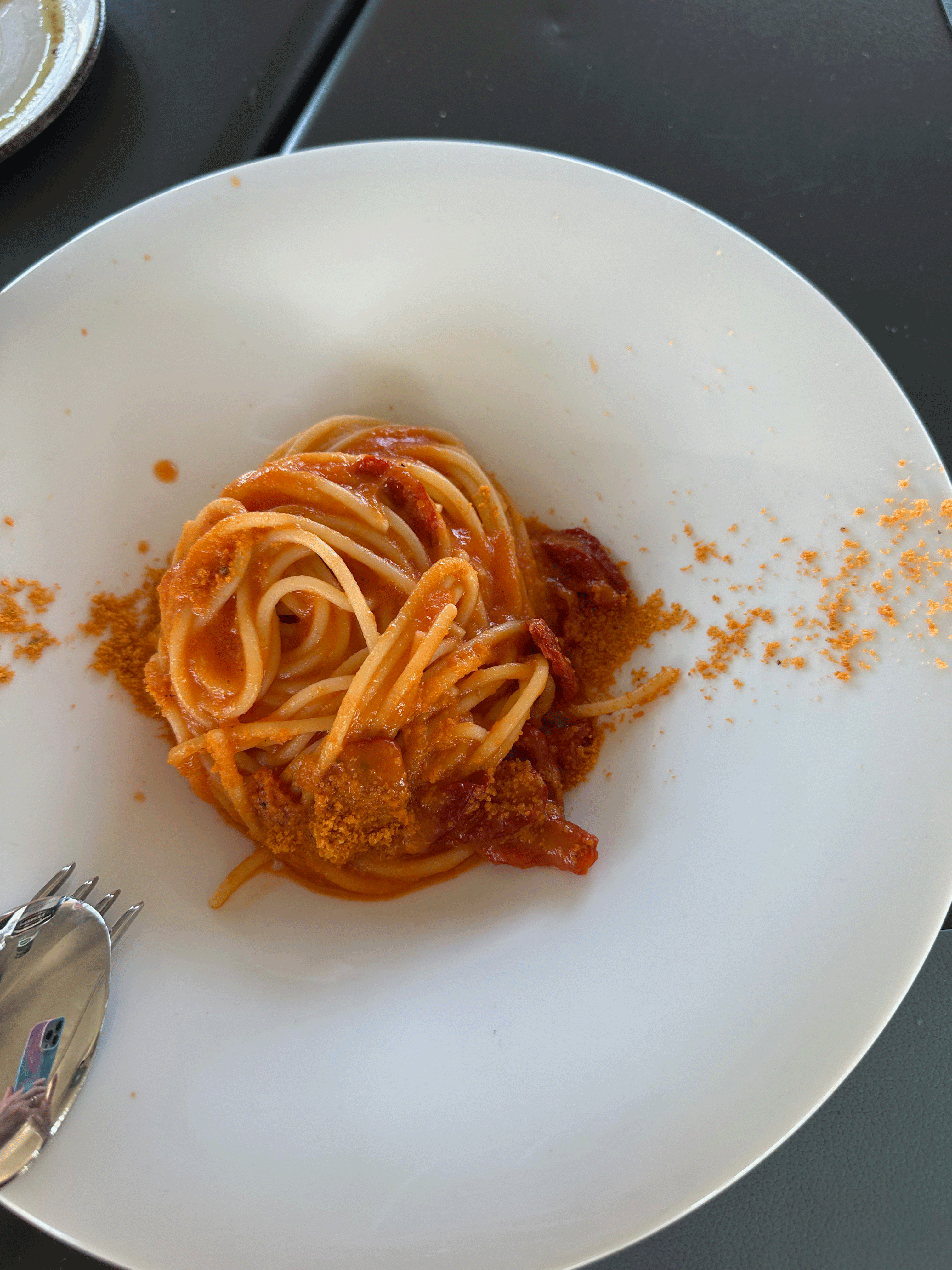
Below are some photos of Catania’s Cuisine. We never had a bad meal. From street food to rooftop dining, food is an art form in Sicily. Fresh locally grown ingredients are used in traditional recipes and creative dishes. We especially enjoyed Sunday afternoon dinner at Sicilia in Bocca, where we were the only tourists in a dining room filled with local families. I recommend sharing dishes as portions are quite generous!

While in Catania, we stayed at Hotel Centrum. It is a comfortable 3 star hotel with an excellent buffet breakfast included. The location was great, a ten-minute walk to Piazza del Duomo. Paola at the front desk was very helpful with maps, directions, and suggestions.

Next Stop: Siracusa/Ortigia.

Note: My suggestions are based solely on my own experiences. I am independent and unpaid.