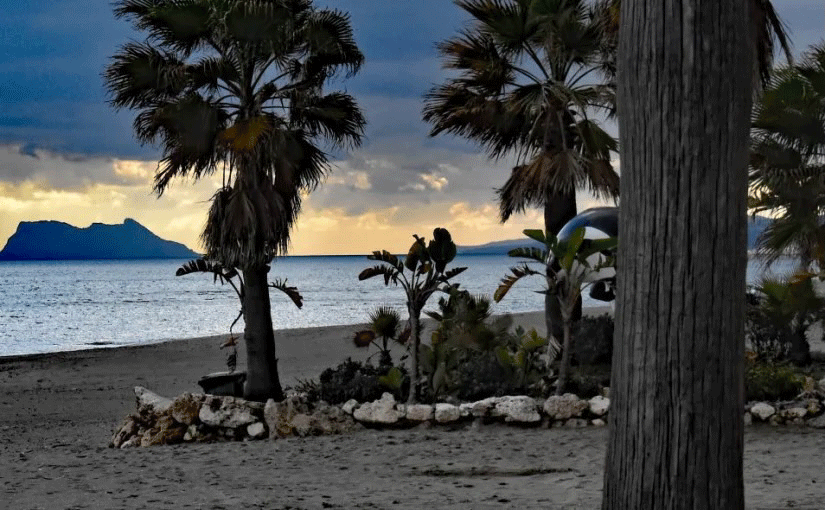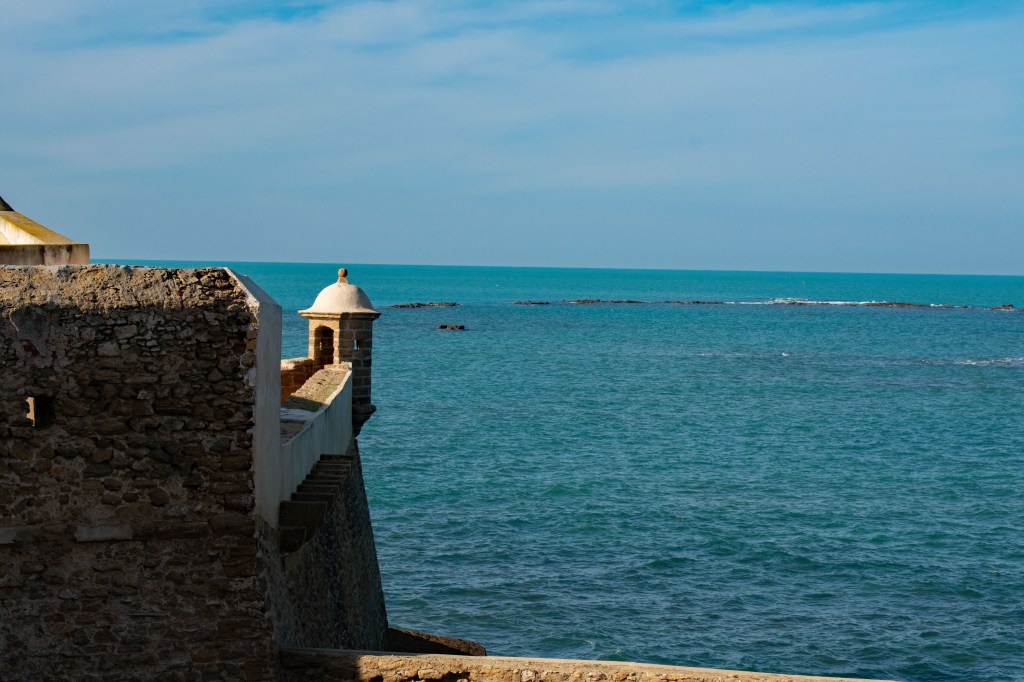
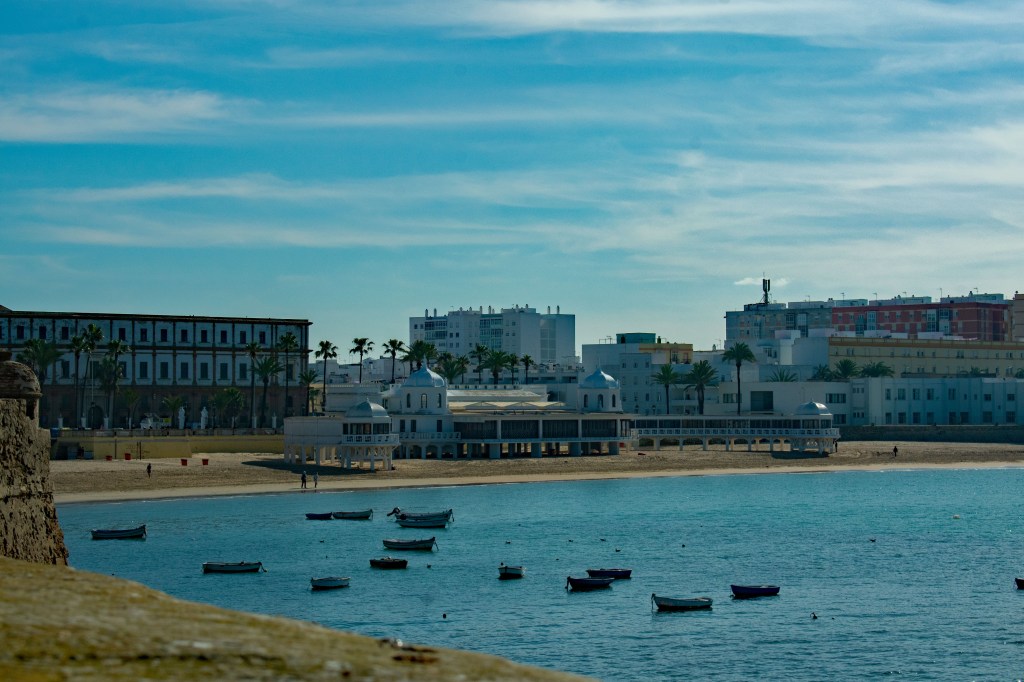
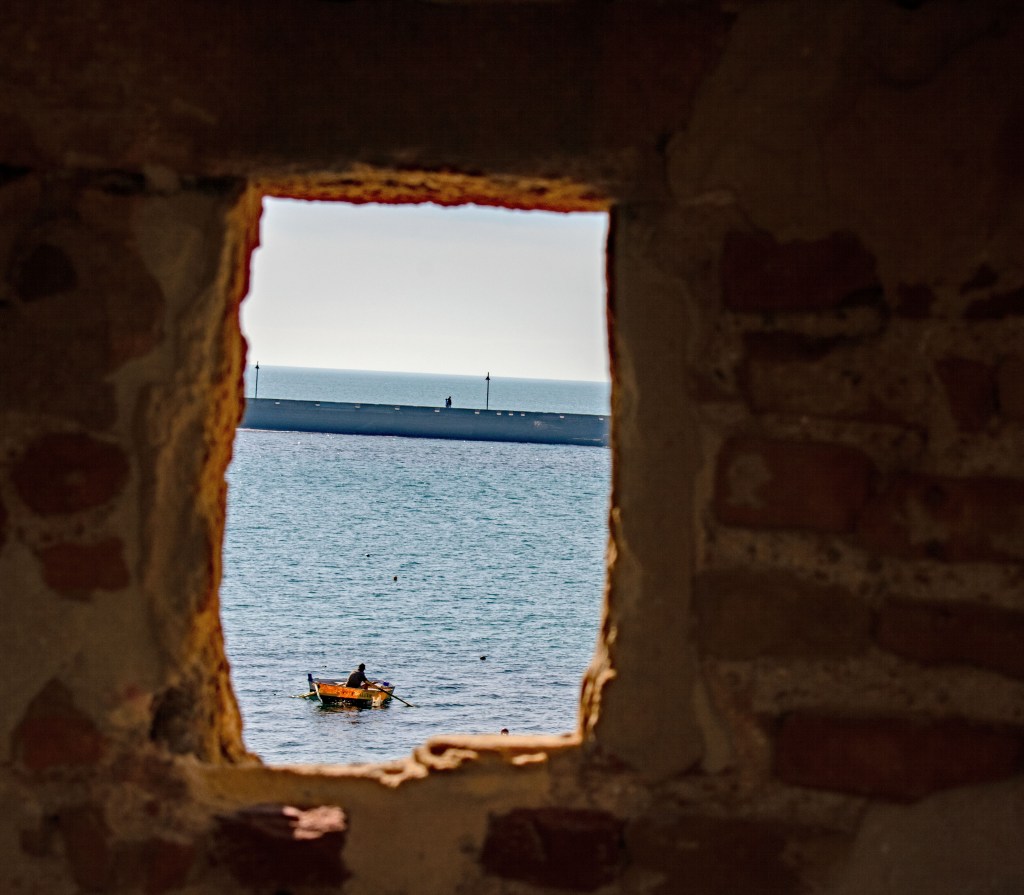
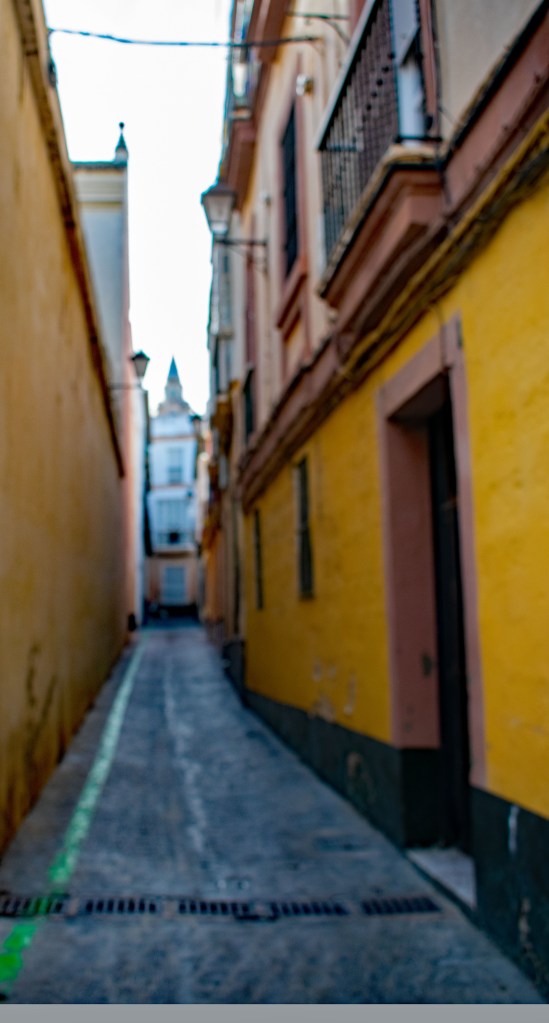
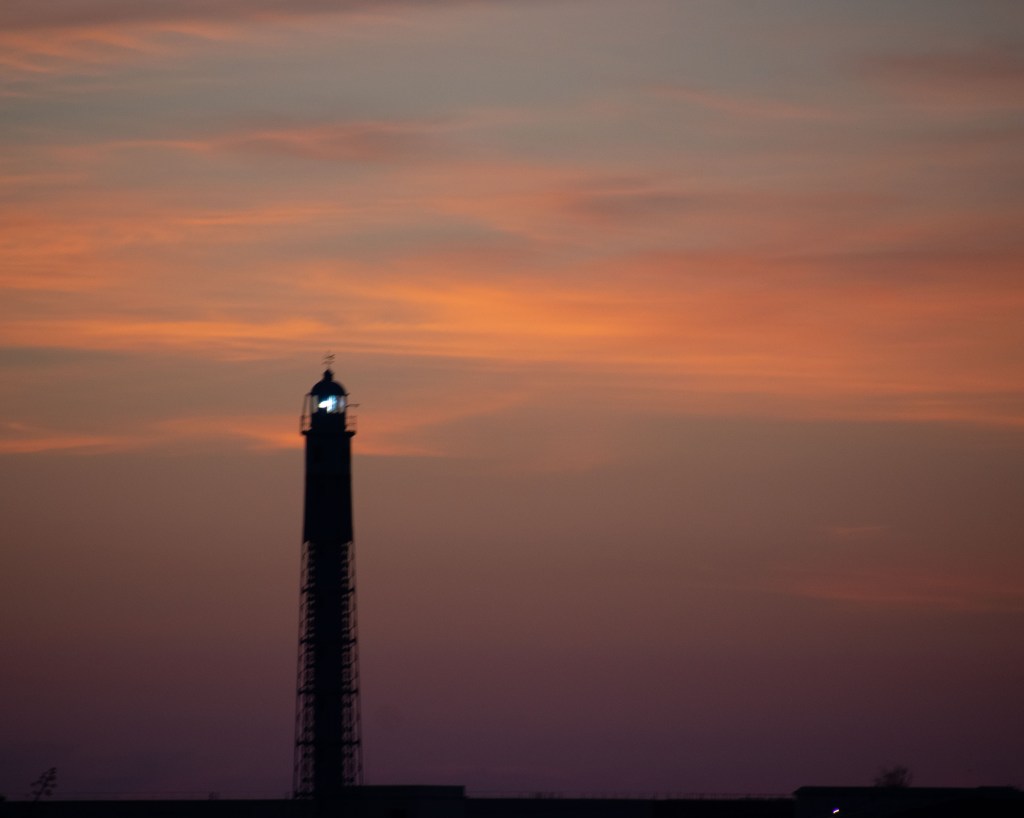
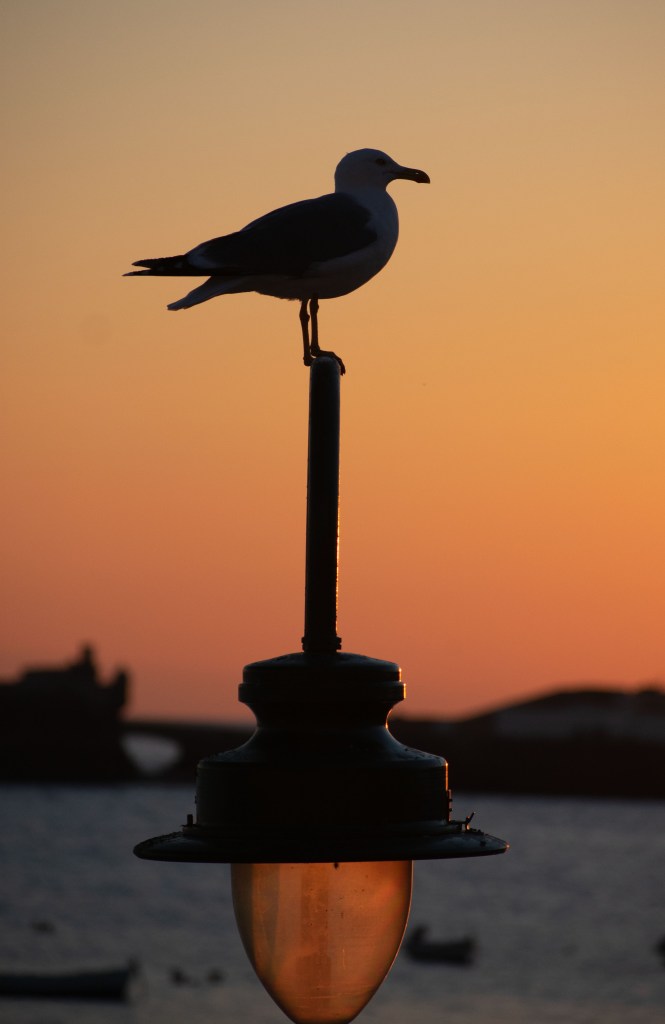
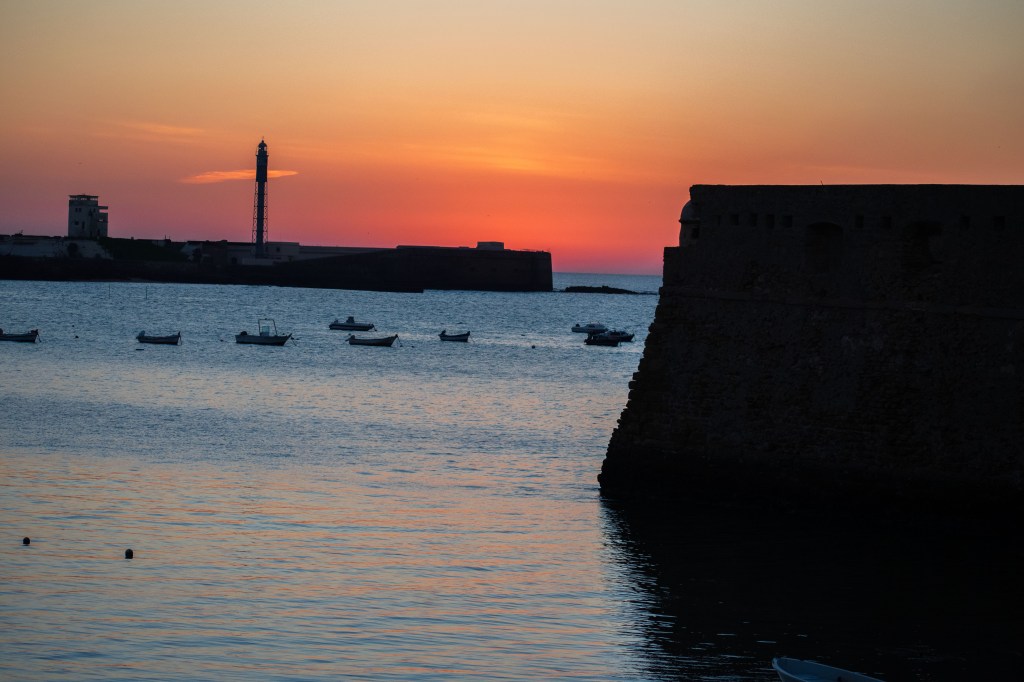
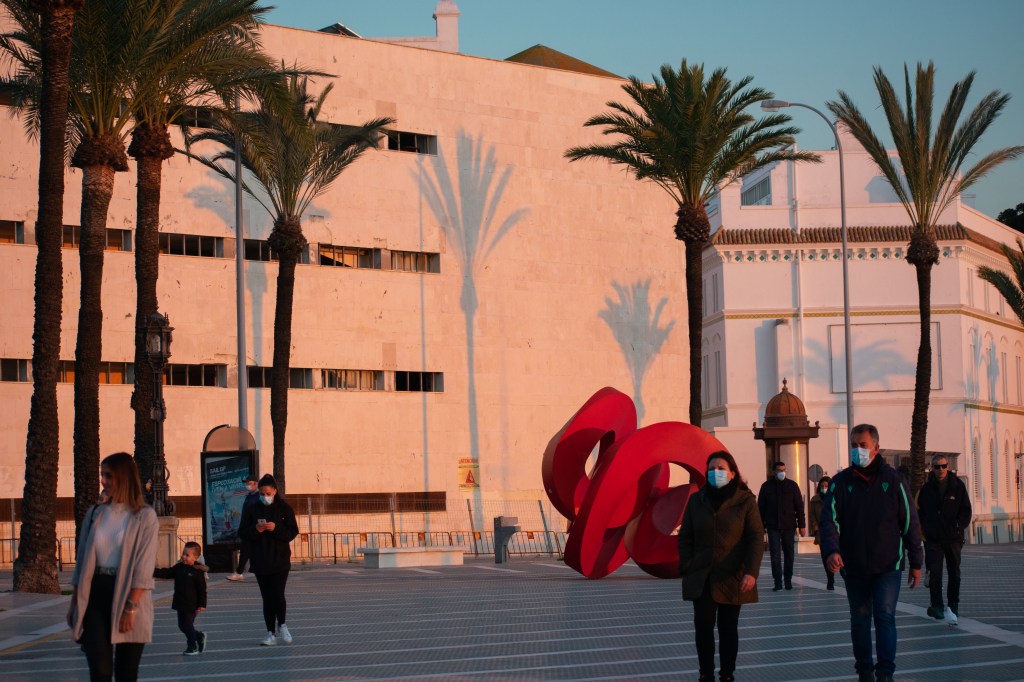
“Livin’ La Vida” Local in Cádiz (January 10- February 1, 2022)

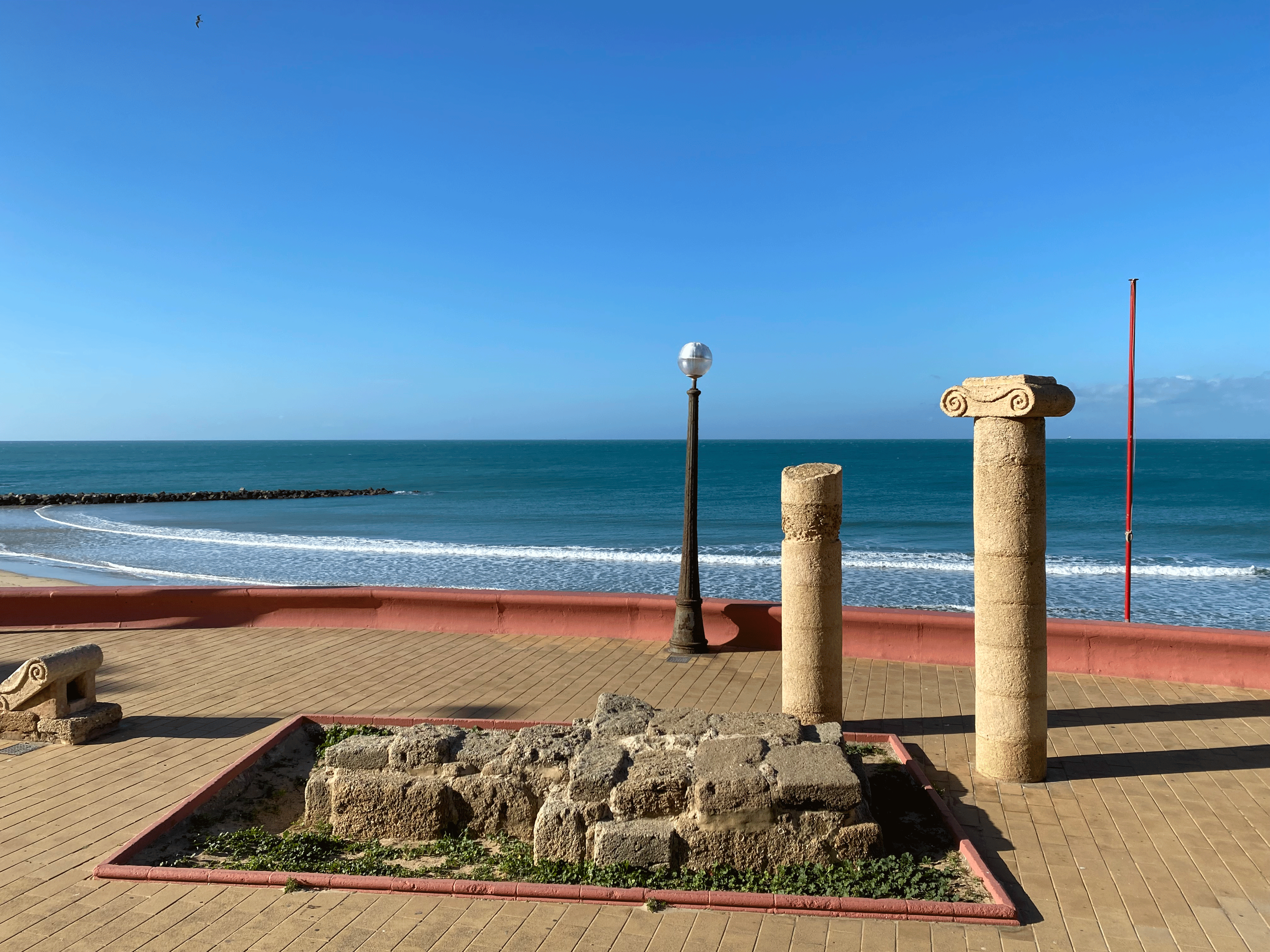
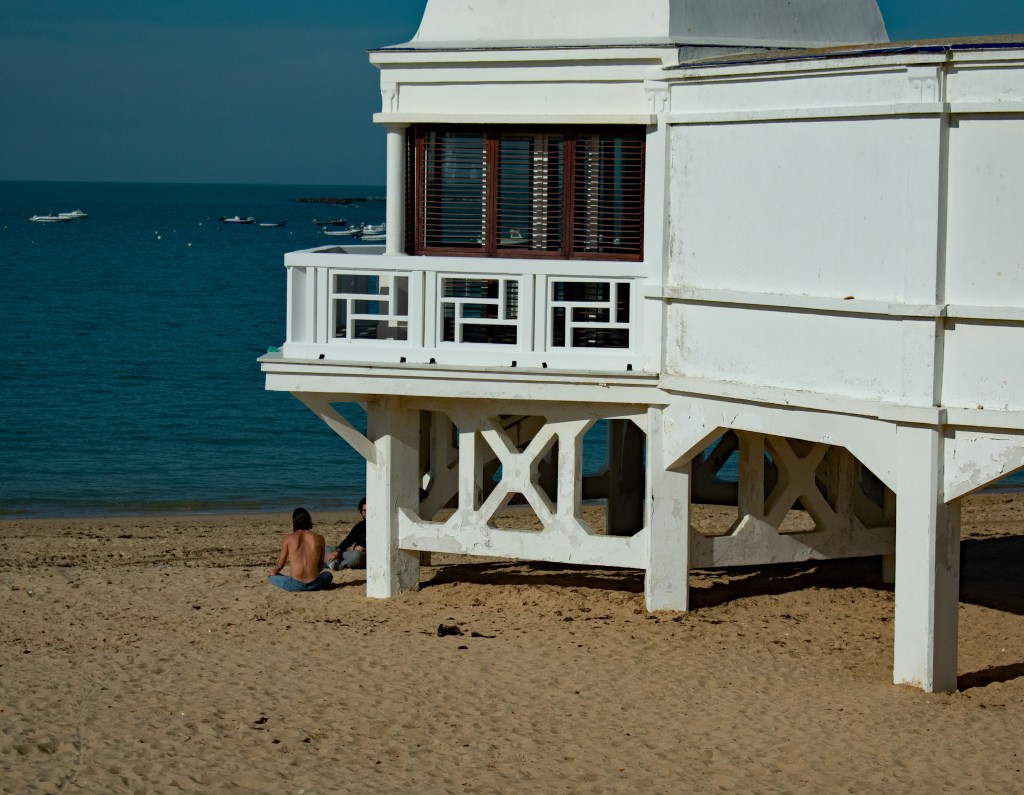
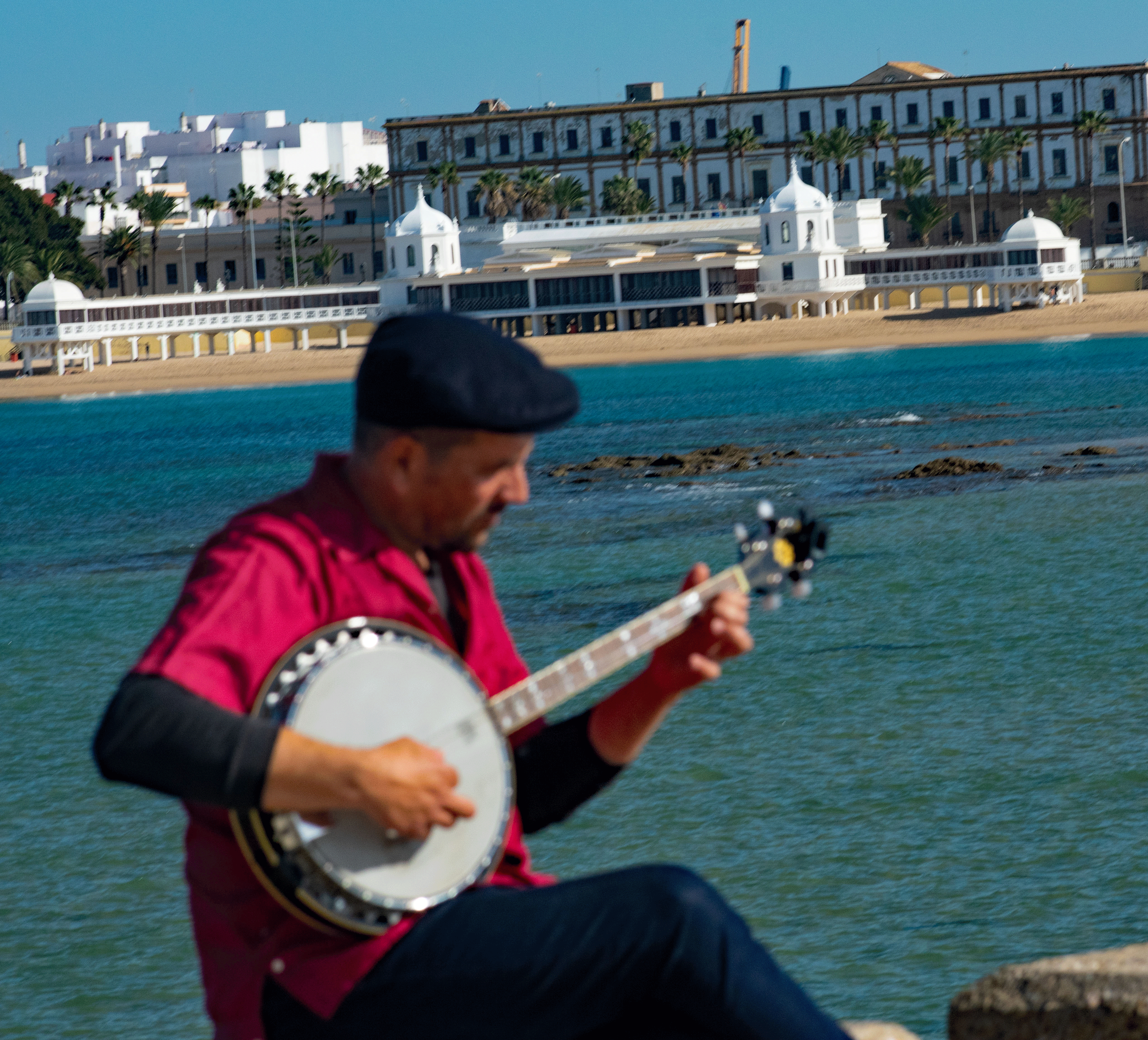
We discovered Cádiz two years ago (Pre- Pandemic). We were here for five days and we knew it was somewhere we could stay longer, perhaps a lot longer. The weather is mild in winter, the walkability is fantastic, the food and wine are exquisite and relatively reasonable, and the beaches are beautiful. There is a vibrant street life. The locals love their city!

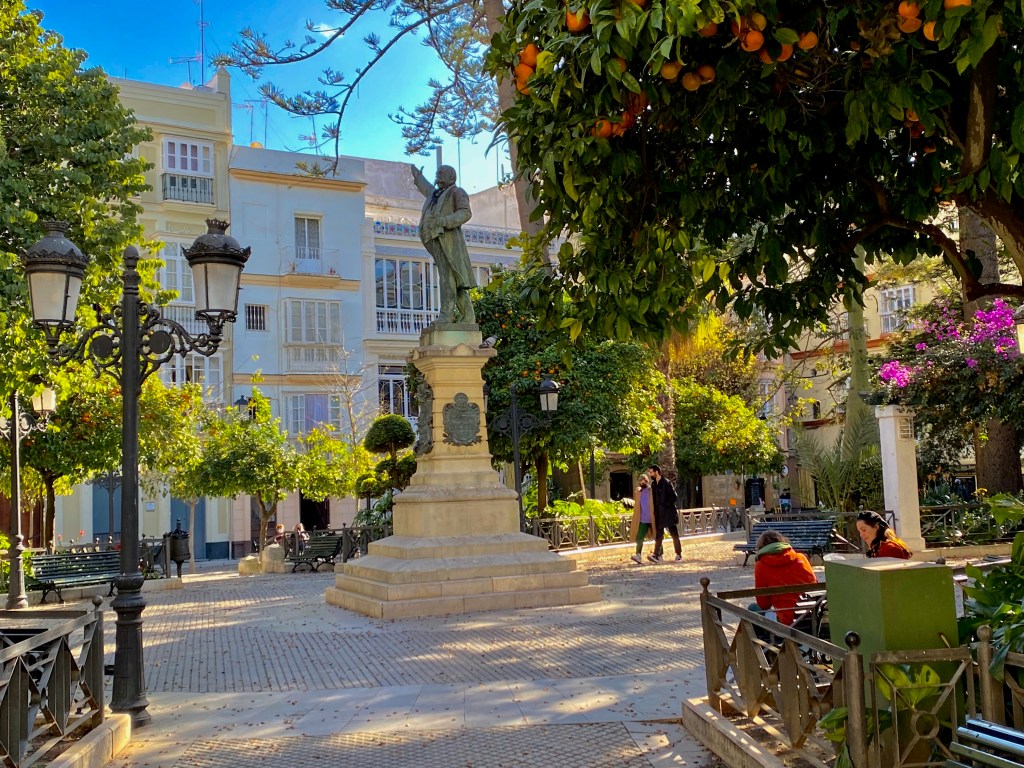
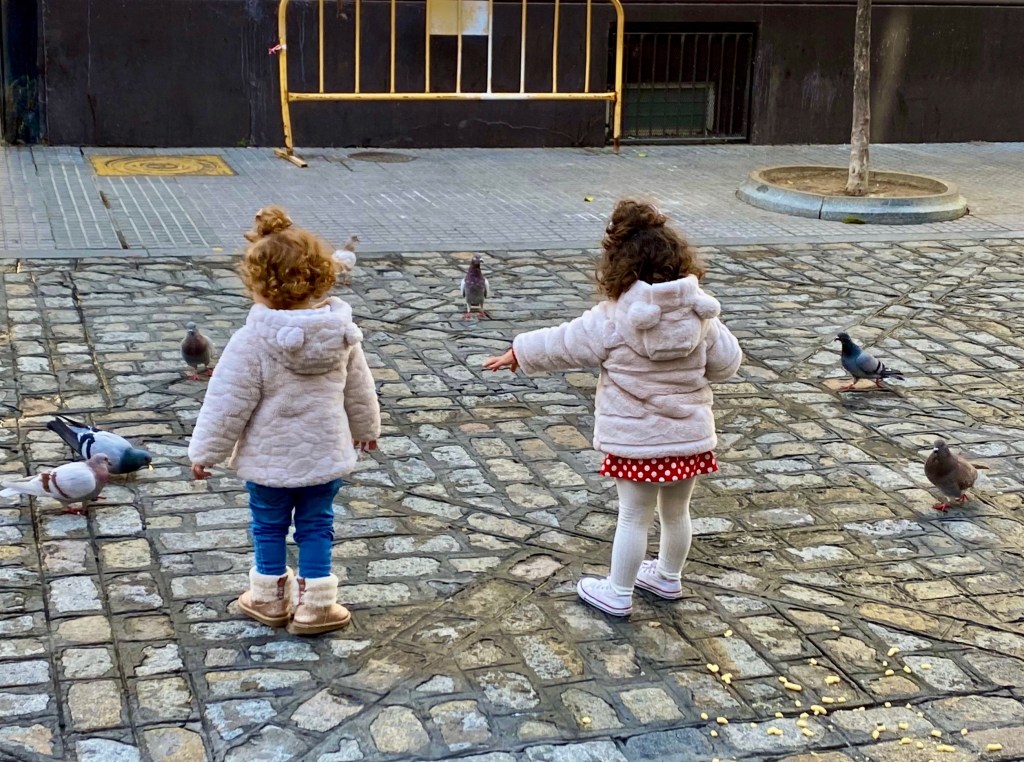
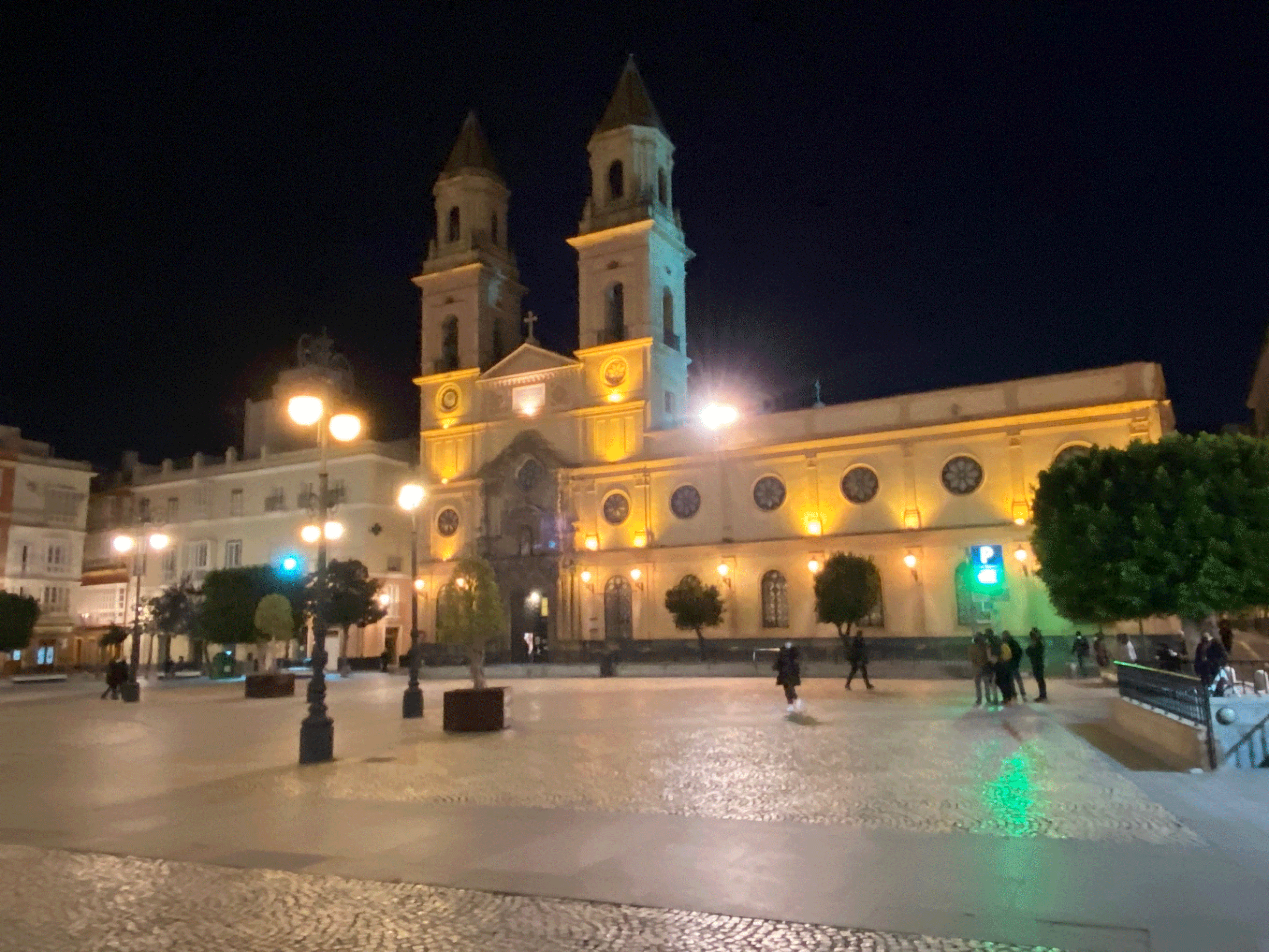
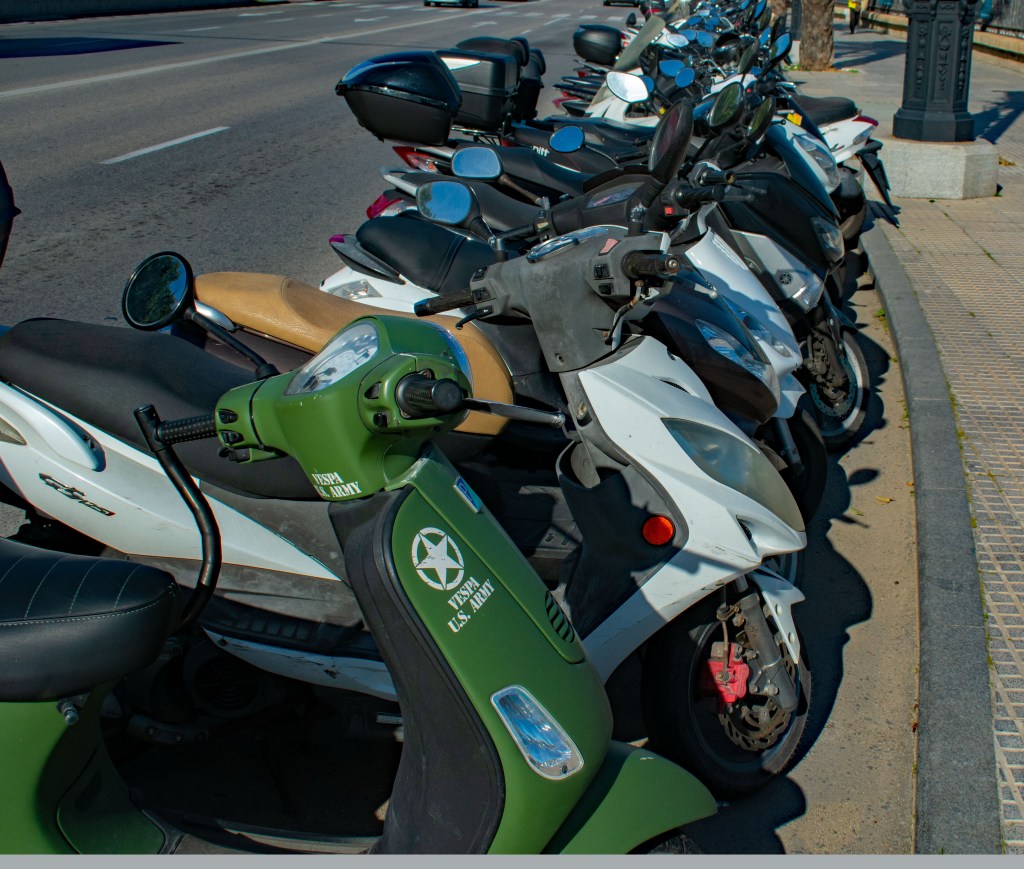
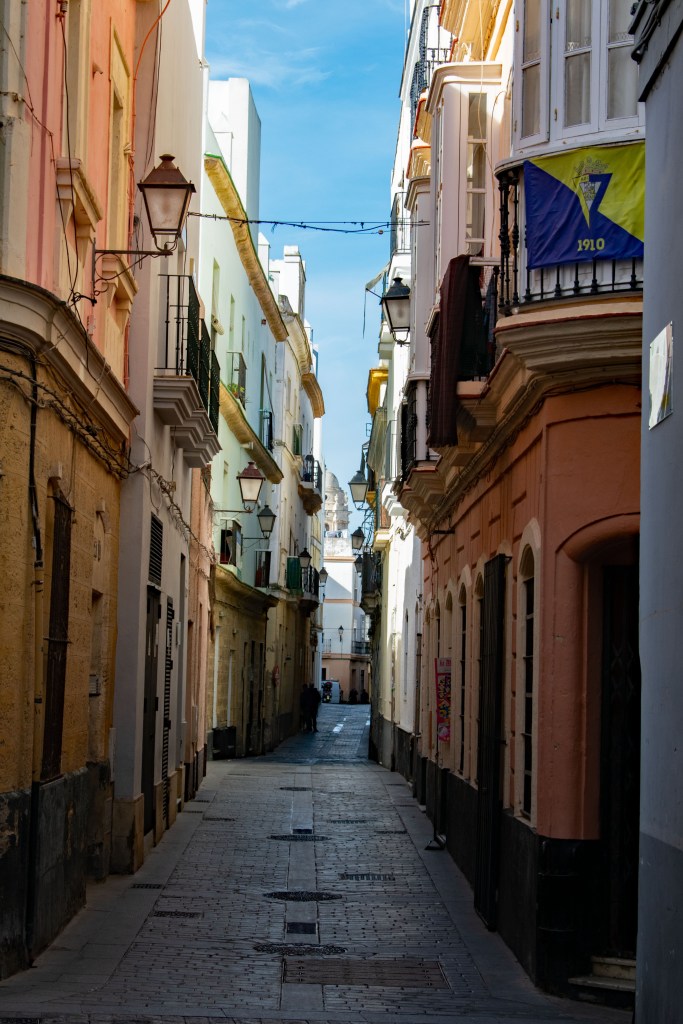
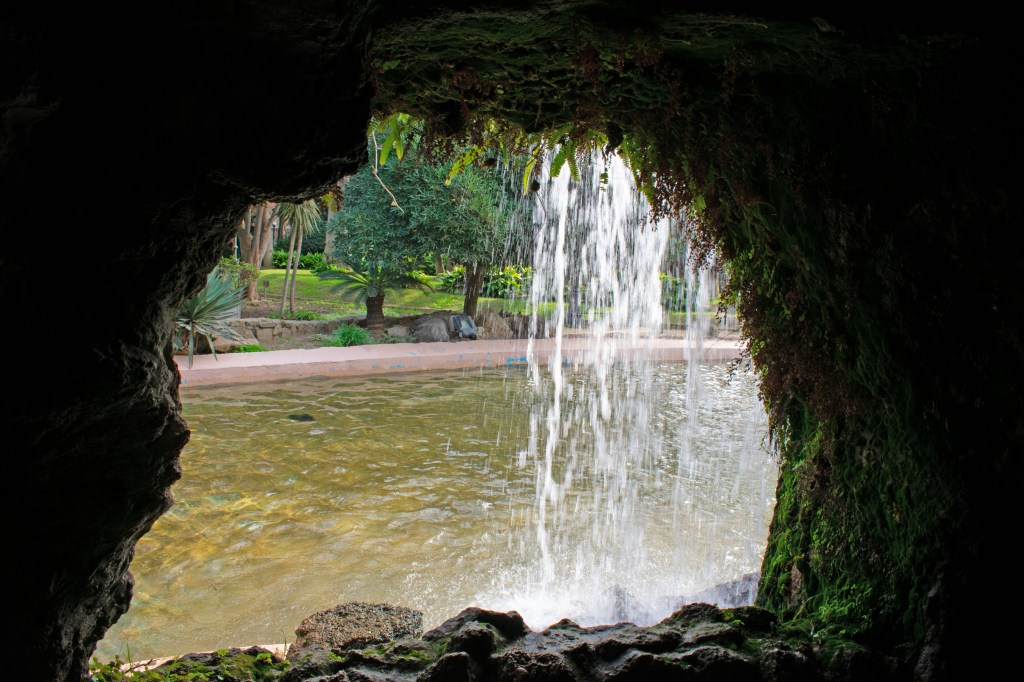
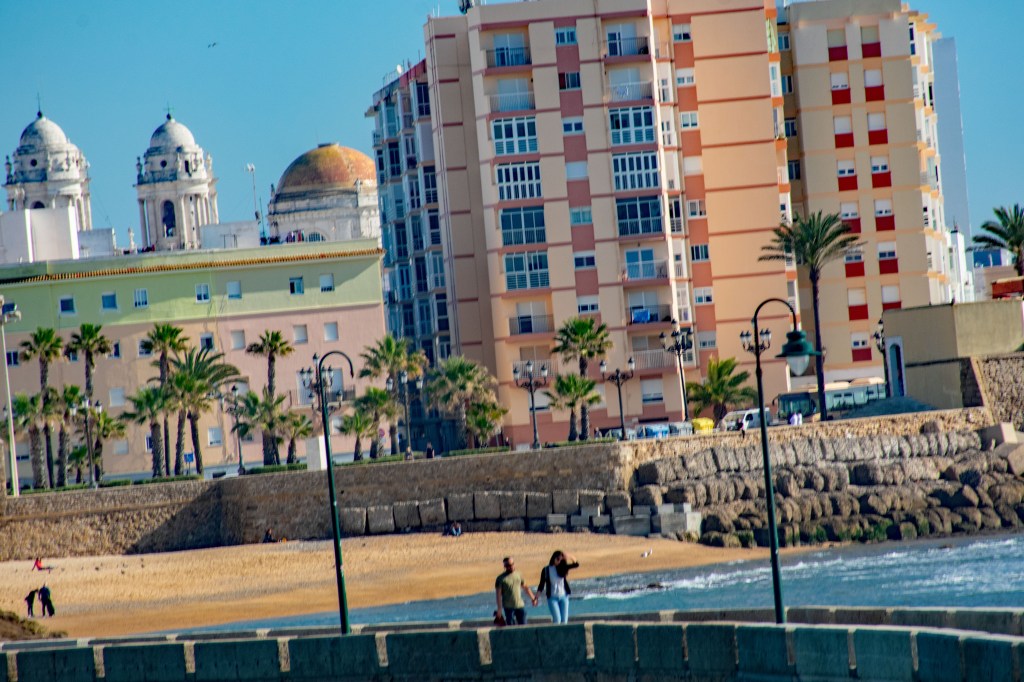
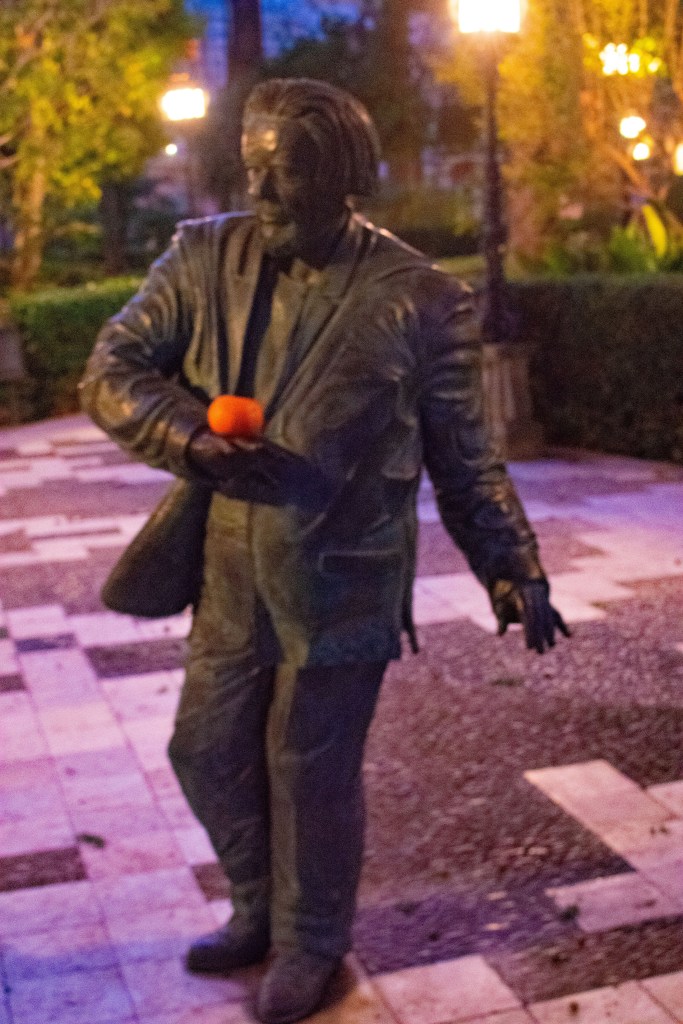
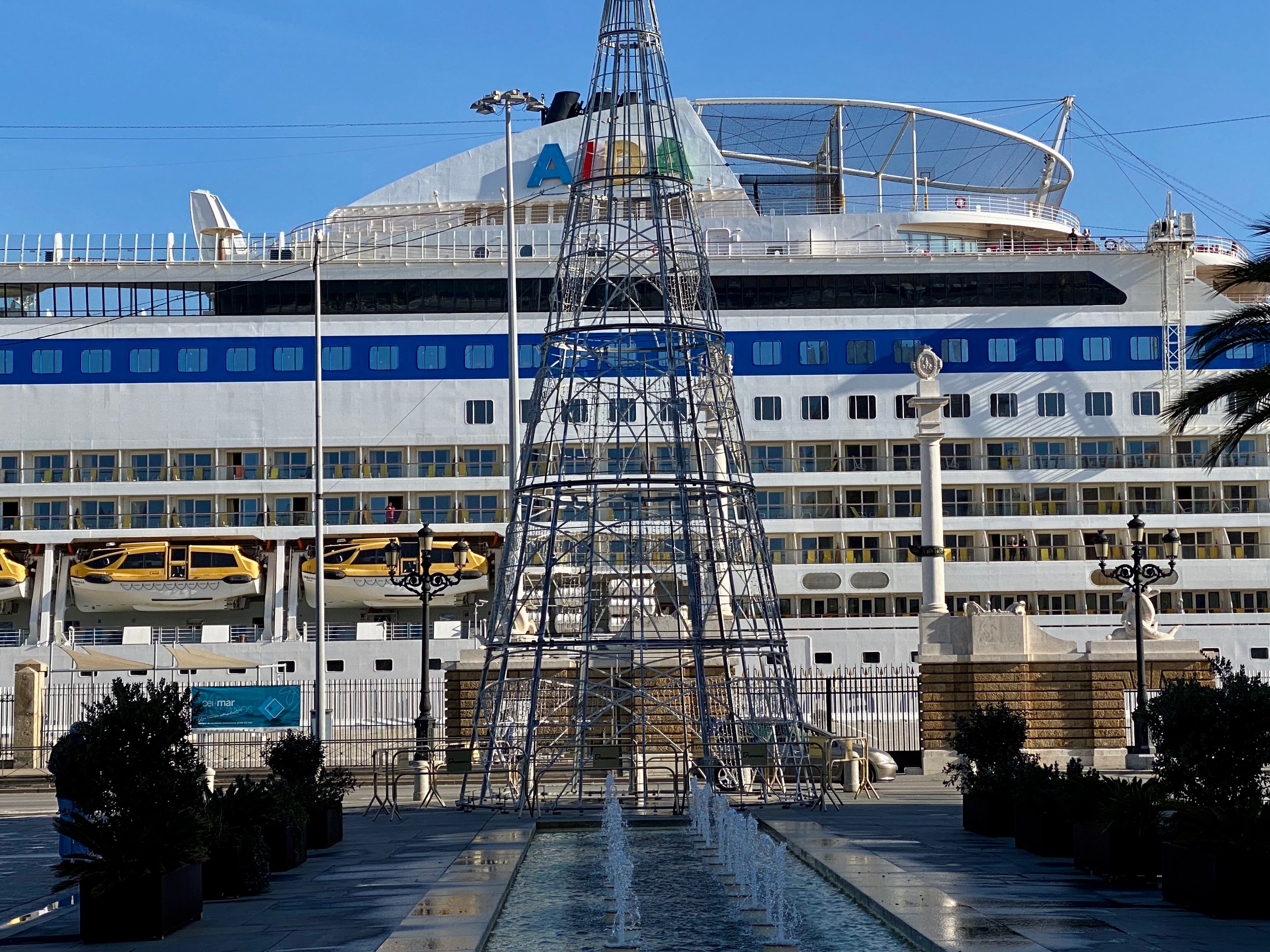
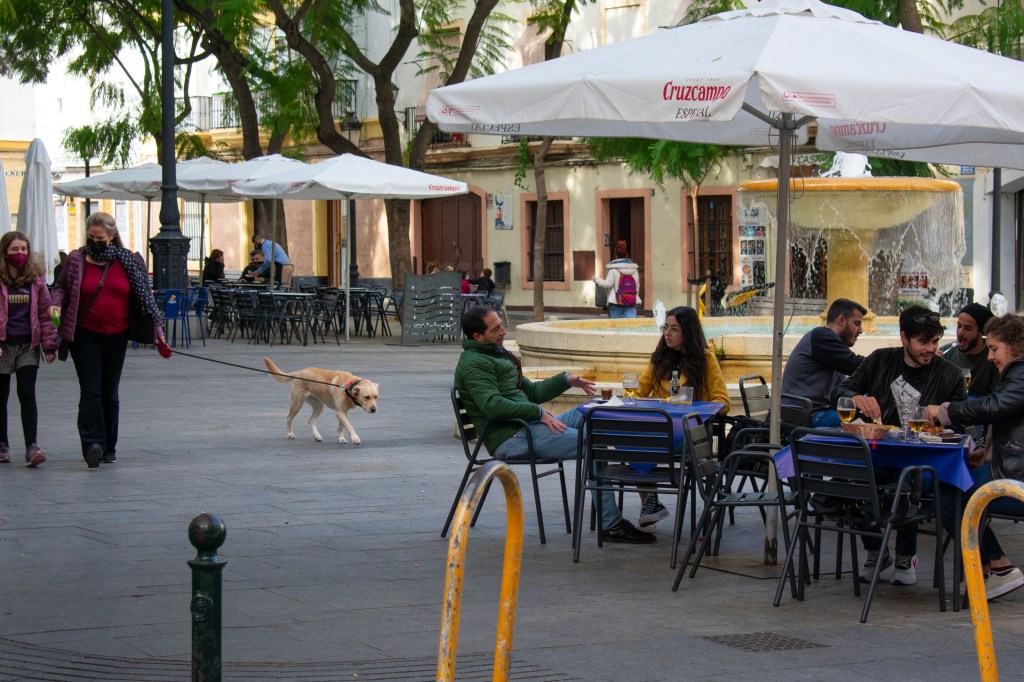
Photos of the Streets and Plazas of Cádiz
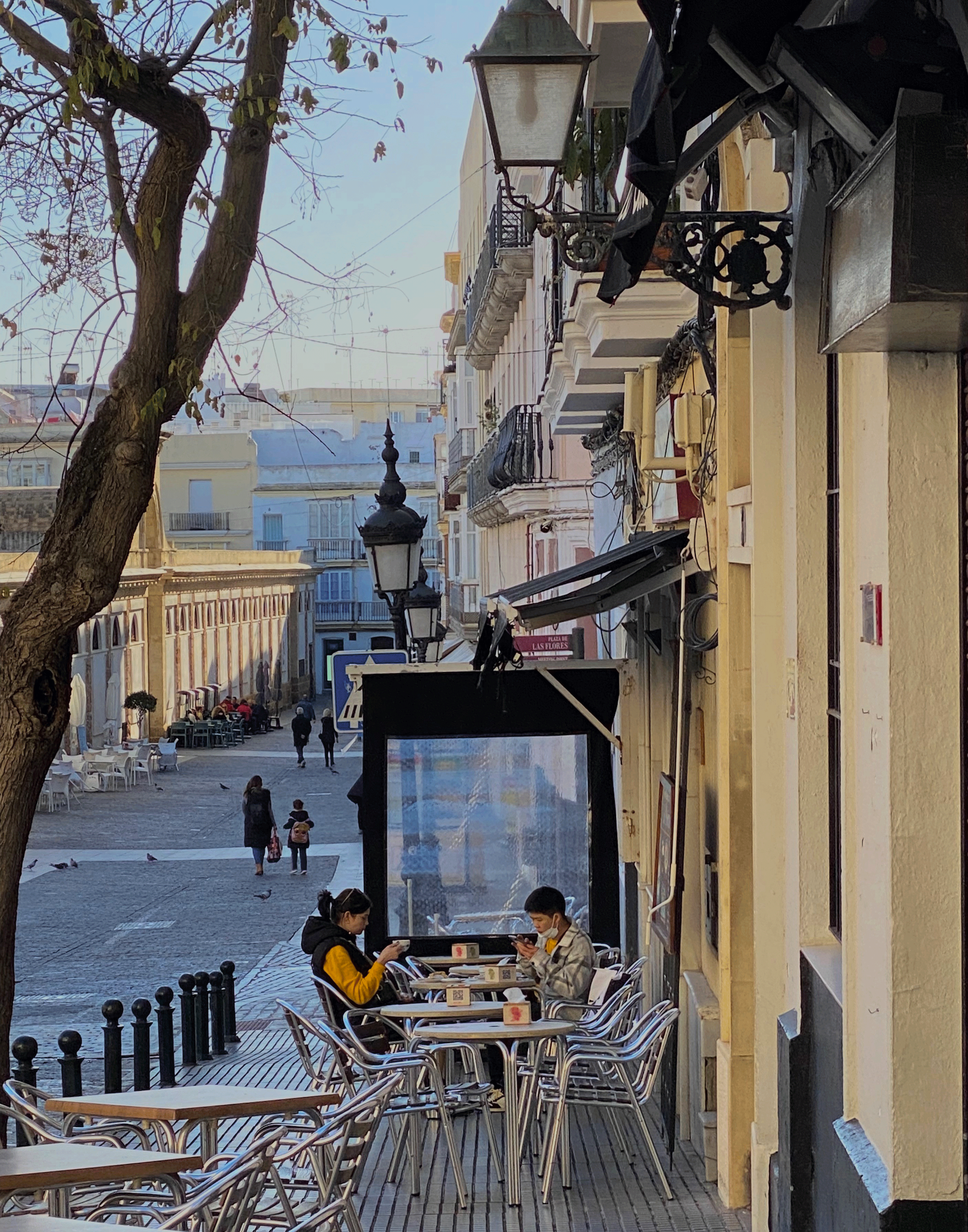
Cadiz is under-visited by tourists. Cruise ships dock here, but it appears that one ship at a time can fit. COVID has changed the cruise world. We have only seen three ships in our time here (almost three weeks) and I doubt they are very full. The visitors this year are Spanish from other regions, and some other Europeans, mainly Dutch and German. We also met an Irish couple, but very few British, and so far, no other Americans. It is pretty much a necessity to speak Spanish, or to travel with someone who does. If you stay in a tourist hotel and don’t venture far from the main square (San Juan de Dios), you can find English menus and servers who speak some English, but then you are missing out on the local experience. The food and wine (and prices) get better the farther you roam. Some fine dining restaurants have bilingual menus; others do not. Thanks to COVID, most places have their menu on QR code and then you can Google translate on your phone. I am in no way trying to discourage you from coming, but I would suggest brushing up on your high school Spanish by getting The Mango app. (available free with a library card). Be able to order your beverage of choice, because you will be asked what you want to drink as soon as the server greets you.
We are staying in an Air B&B apartment in the historic area. It is a short walk to the Baluarte (sea wall). The apartment is on first floor, which in Spain means second floor. There is no elevator. The apartment is comfortably furnished with a well-equipped kitchen ( not that we are cooking a whole lot). We have a small washing machine and a drying rack. The grocery store is a short walk and there is a fresh fruit stand down the street. The nearby bakery has fresh bread and pastries, and the owner is as delightful as her baked goods. Plaza Mentidero is right around the corner and we have our favorite place for tapas on the square. (Bar Samir)
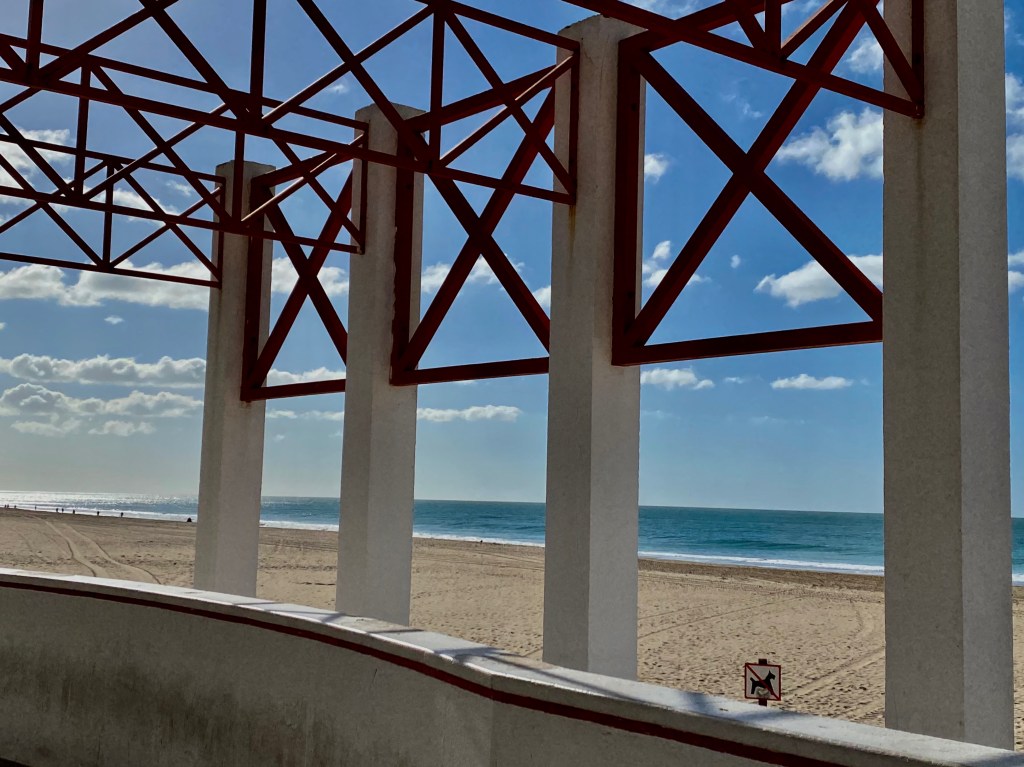
We located the sports complex early in our stay and we have been swimming three to four times a week. The pool is four and a half miles from our apartment. We walk the paved path along the sea, swim 1600 meters in the Olympic-sized pool, have lunch on the beach, and take the bus home. Not a bad days work!

Photos of Our Route to the 50 Meter Pool
A big part of living la vida local is adjusting to Spanish hours. The sun doesn’t rise until 8:30 and the streets are pretty quiet until 9:00 or 10:00. Room darkening shutters have made sleeping-in surprisingly easy. Coffee can be had almost all day. We eat breakfast in our apartment and head out for the day’s activity around 10:30. The traditional siesta closings are still observed in Andalucía. Shops, museums, and churches are closed from 2:00- 5:30. Lunch is served between 2:00 and 4:00. Restaurants reopen for dinner at 8:00, but only a tourist would dine that early. We often have lunch at a restaurant and a light snack with a glass of wine in the evening. We brought along our cribbage board and a deck of cards, so we’re feeling right at home.

The sun sets at 6:45 these days. Between 6:15 and 7:15 is a popular time to stroll and is perfect for Photography. The locals enjoy coffee and sweets during this time and cafés are filled with families and friends socializing. As I write this, it is getting close to that time (the evening Paseo).

I have a lot more to say about Cádiz: its history, people, and restaurants, but I’ll save that for another time. Future posts will describe day trips to Puerto Santa María and Rota, and our two night getaway to Arcos de la Frontera. Stay tuned!
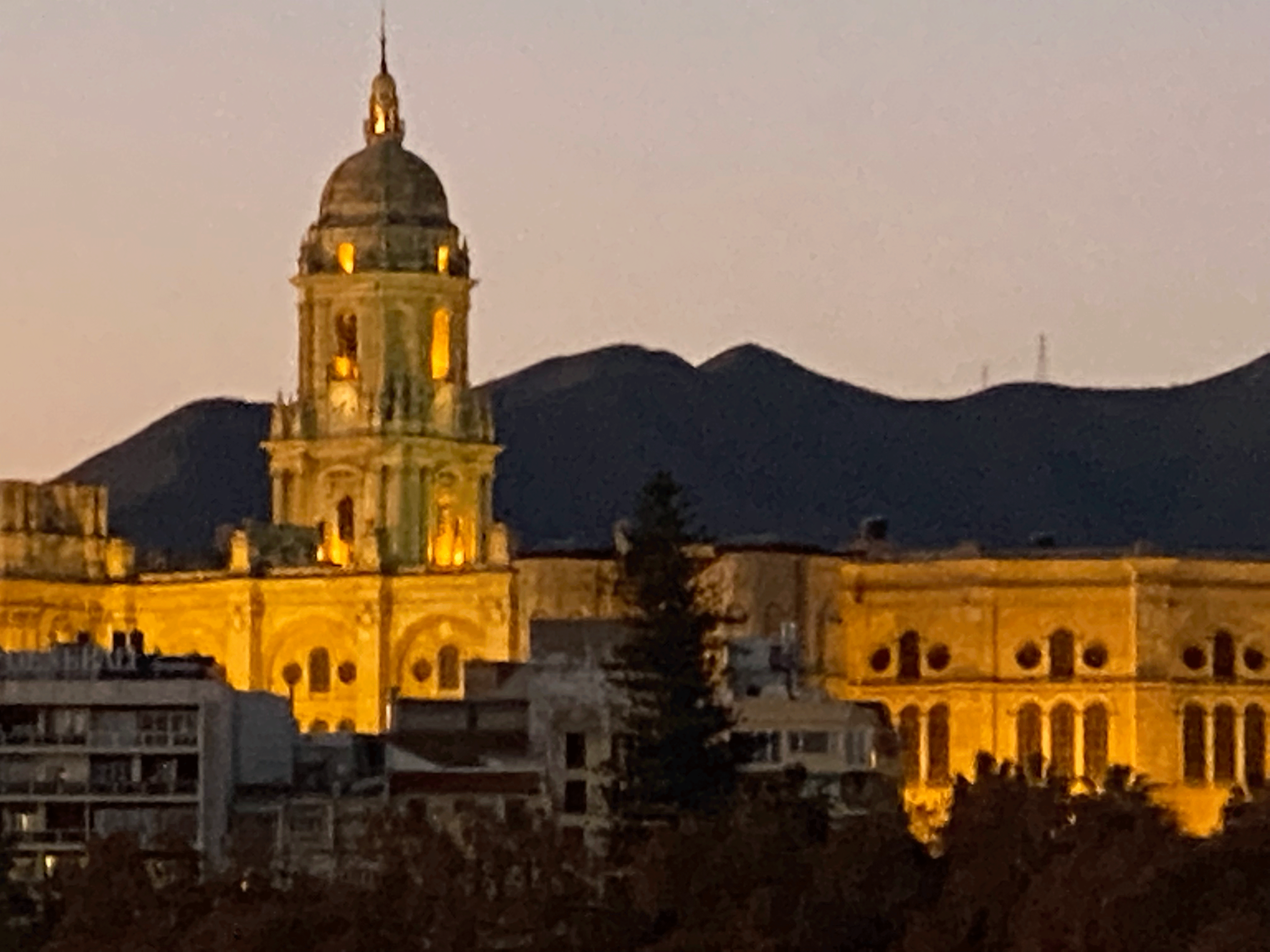
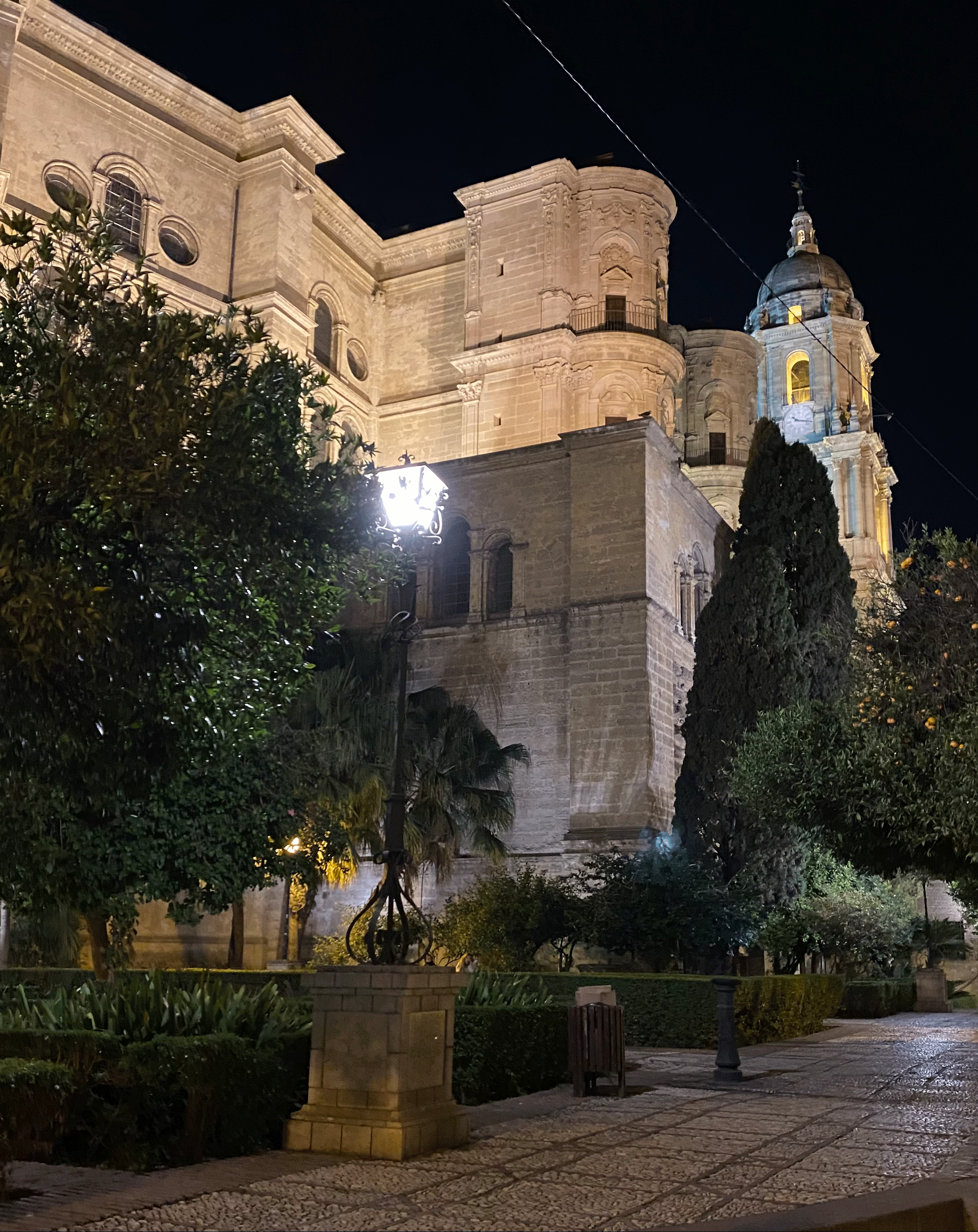
Malaga Sights And Malaga Nights

Chicago to Malaga

We departed Chicago on a frigid January afternoon, and after a long, but uneventful flight, we arrived in Madrid the next morning. From Barajas airport, we took a train to Atocha Station for the train to Malaga. We’ll enjoy some days in Madrid in March, but for now, it’s time to head south. The three and a half hour train ride to Malaga was pleasant, thanks to an upgrade to business class. We can’t afford that on an airline ticket, but at 30 euros each, the leg room and hot lunch are well worth it. By Friday evening, we were checked in to our hotel in the city center (Hotel Molina Lario).

After a shower and a brief rest, we were off to the rooftop bar of our hotel. There, the hostess asked for our digital vaccine card. We have three, including the one which was required to enter the country, but her scanner didn’t work on any of them. In the midst of that confusion, our friends María and Cipriano from Oletrips called. We had two days of experiences planned with them. Unfortunately, Cipriano had just tested positive for COVID. Omicron is spiking here, disrupting plans, just like it is at home. An outdoor mask mandate has been reinstated and voluntary compliance is high. The locals are dining outdoors more than in past winters here. We are avoiding crowded indoor bars, but otherwise the COVID impact on our trip has been minimal. As of this posting, I am happy to report that both Cipriano and María had a mild case and are recovered. We hope to reconnect with them later in our trip.

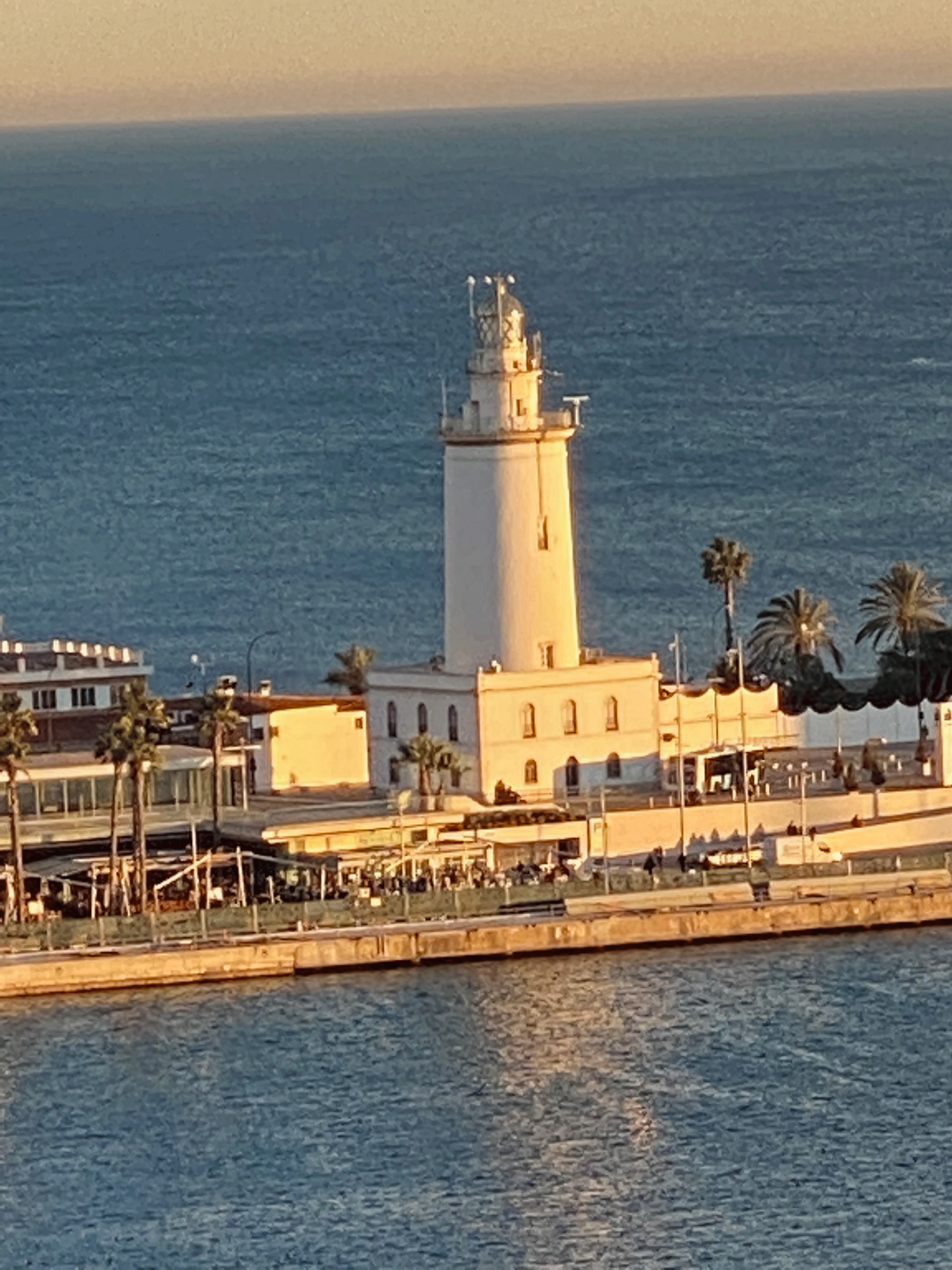
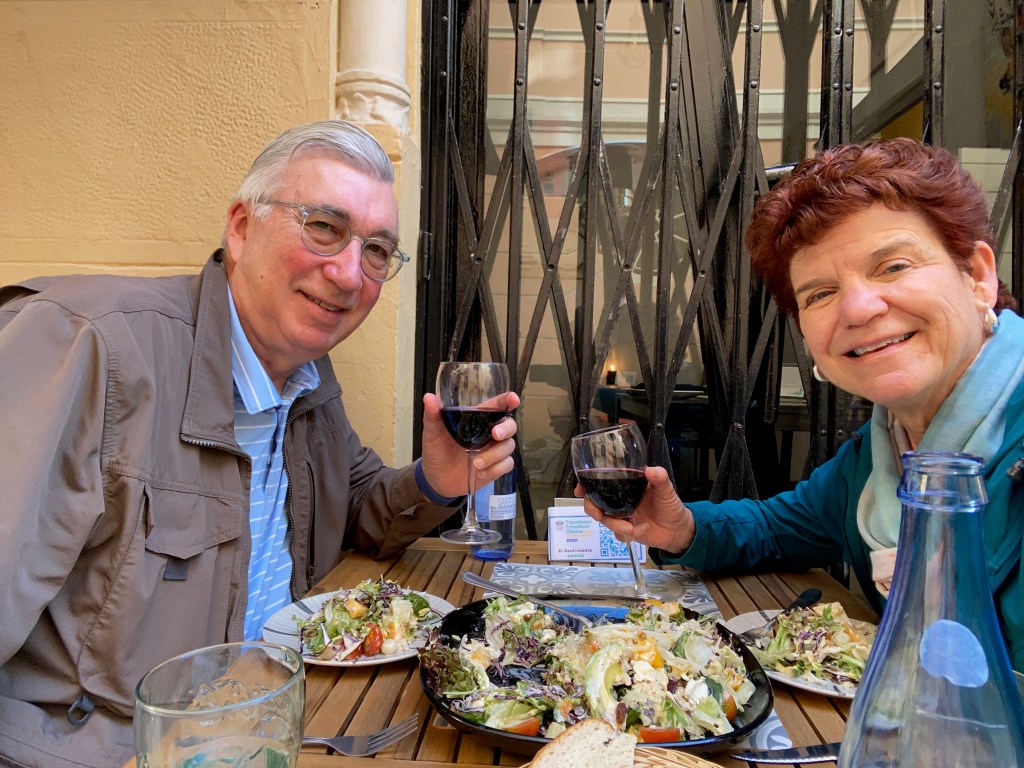
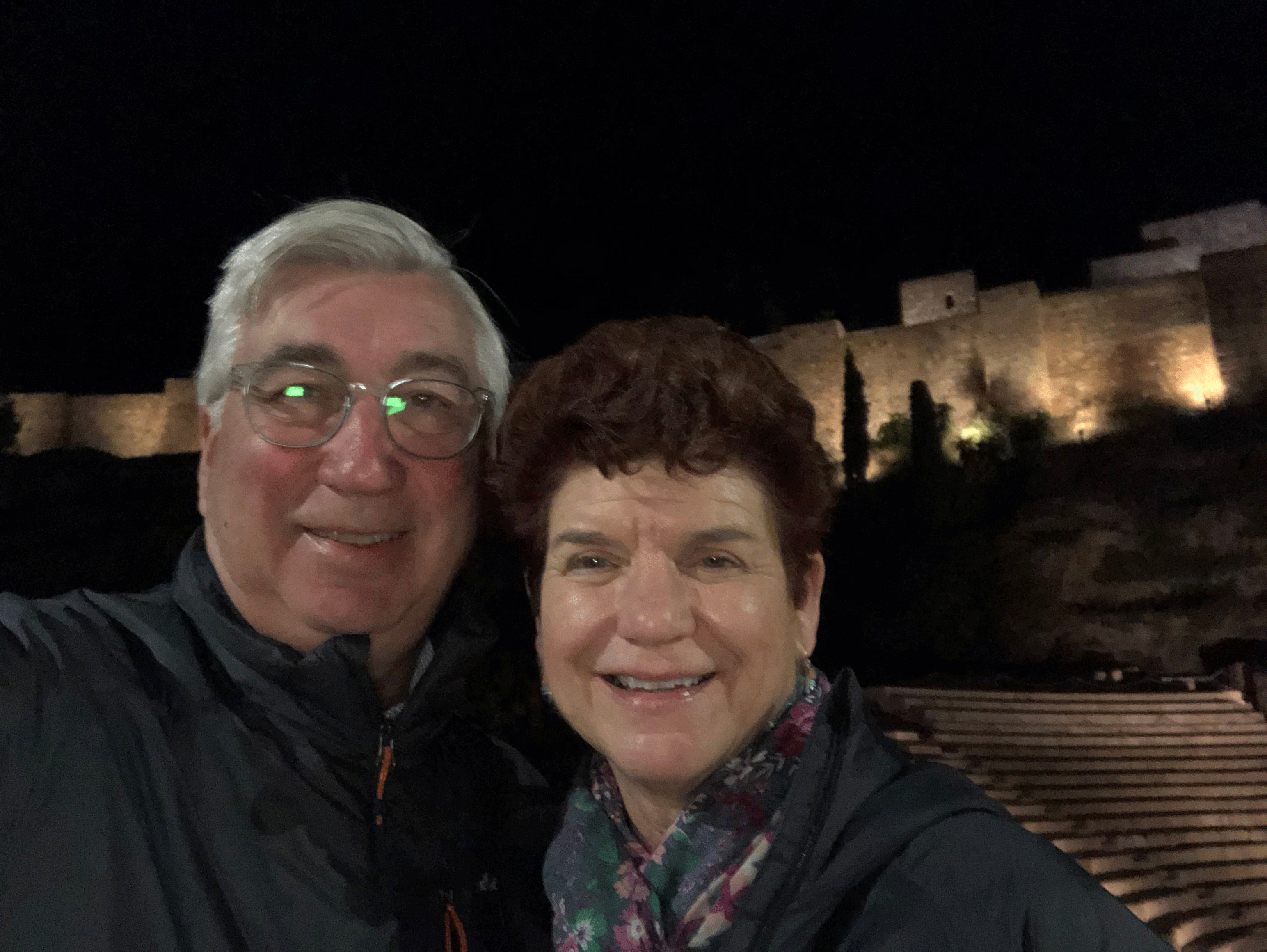
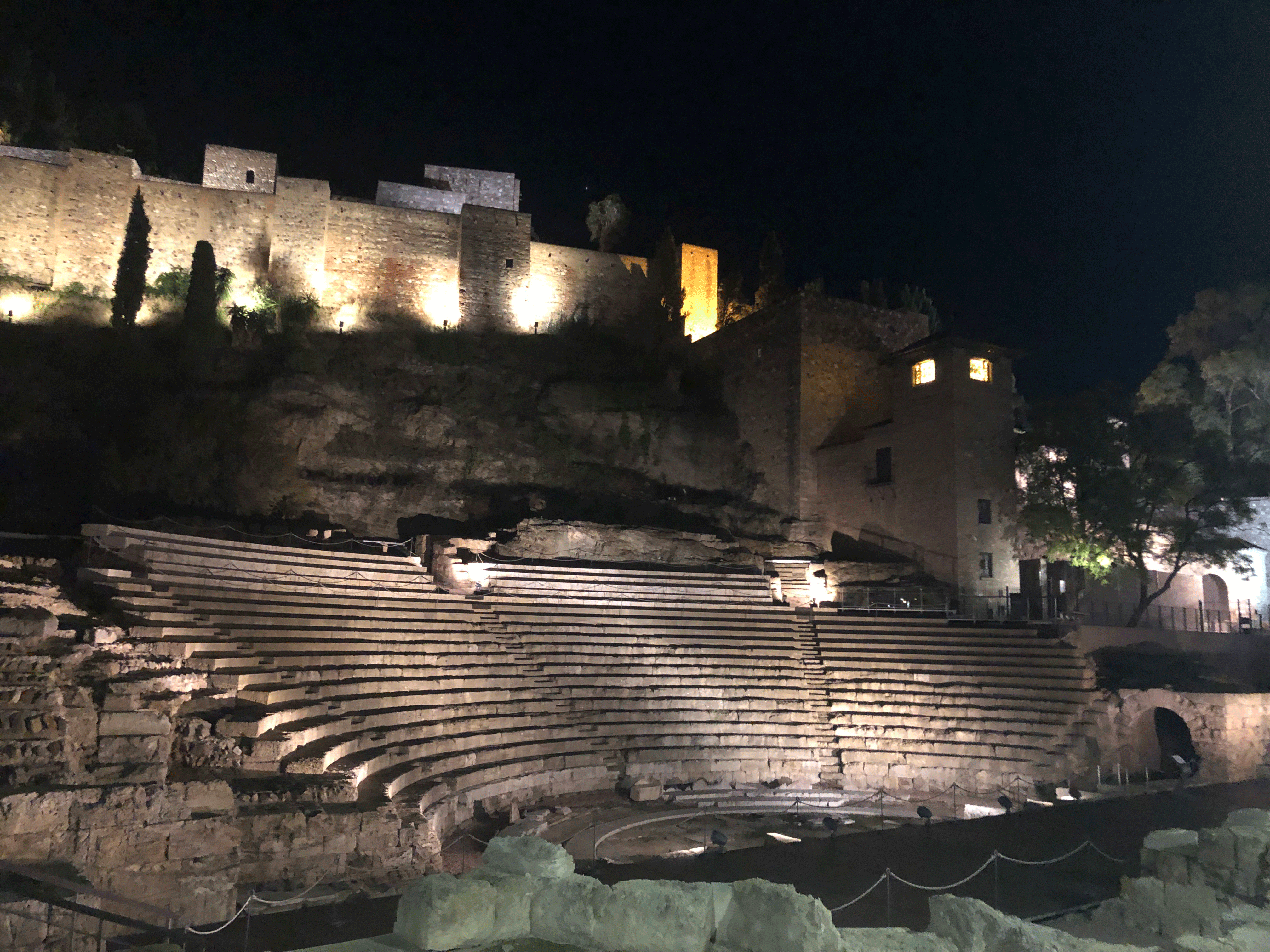
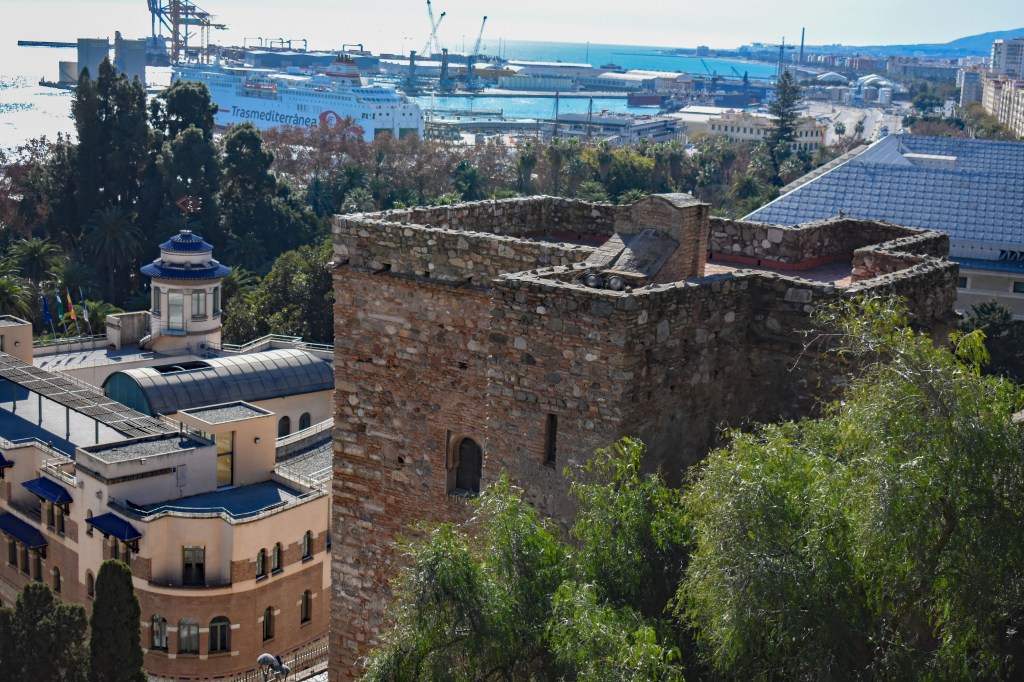
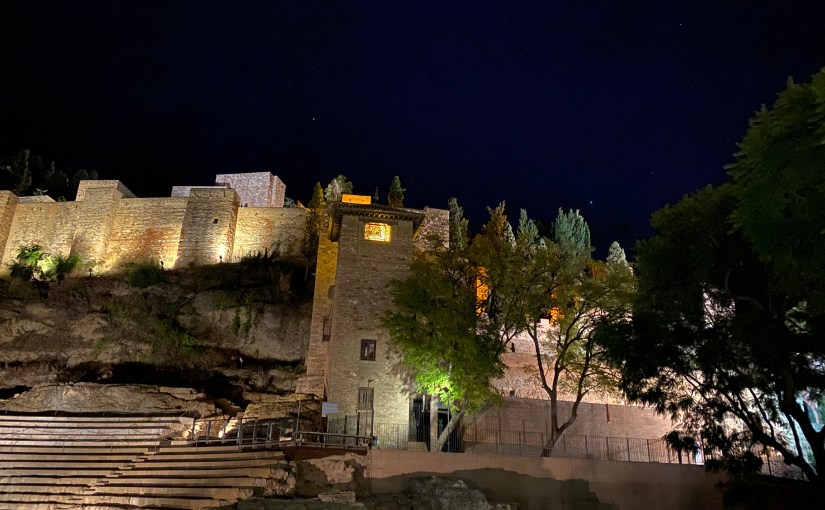
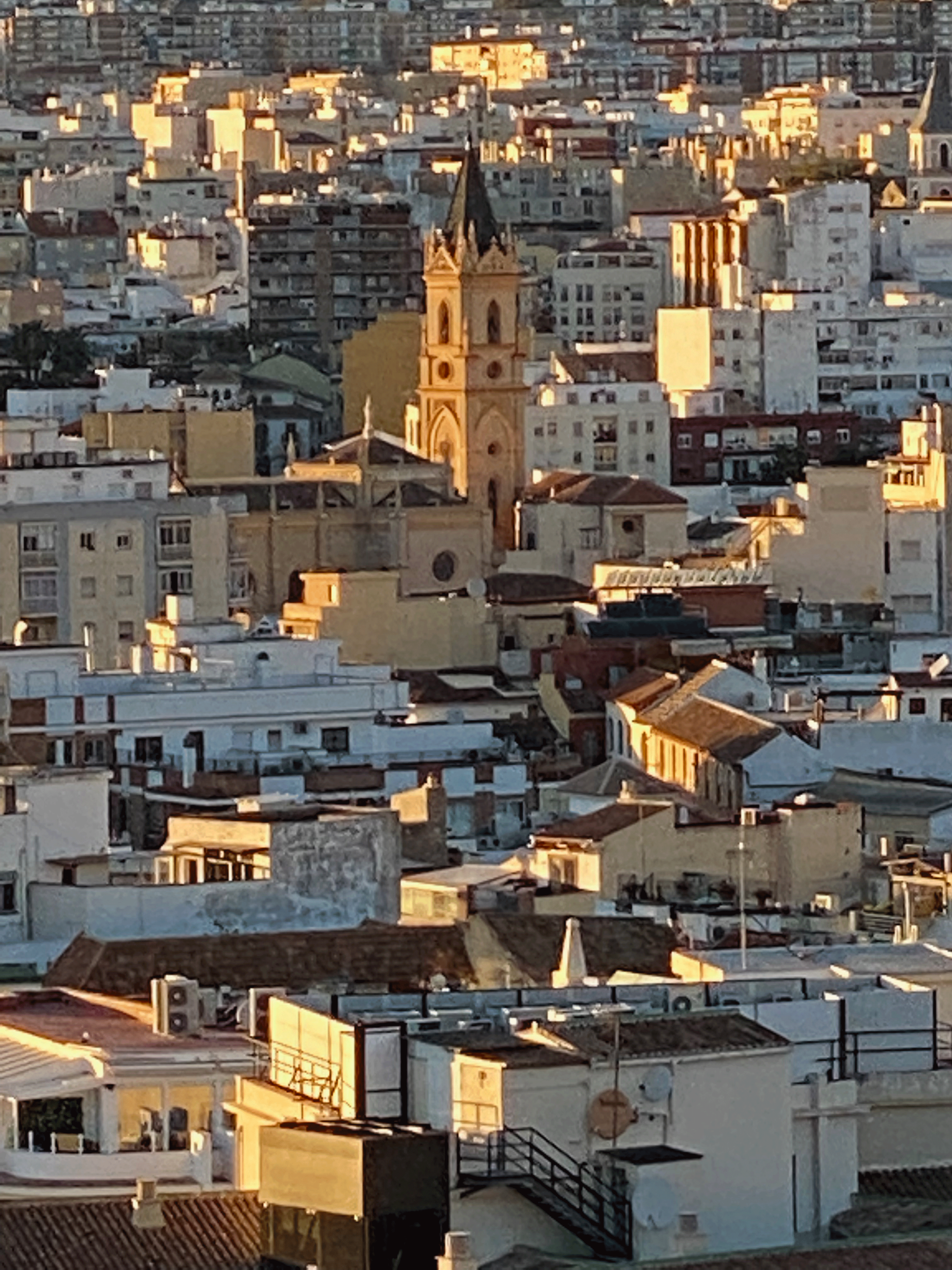
Cipriano had texted us a list of things to do and see in Malaga, and I am proud to say we checked off a number of them. Malaga is a beautiful city; clean, safe, and very walkable. The central historic district and port area are well-marked and easy to navigate. Malaga’s history is represented in its beautifully preserved monuments. Food and drink are widely available and of high quality for a fair price. Cipriano included great restaurant suggestions. We had a lunch Los Mellizos in the central market, where we enjoyed fresh tapas, sunshine, and some interaction with a fun group of Polish tourists. One evening, we dined under the stars and the lights of the medieval walls at El Pimpi, near the Roman Theatre.

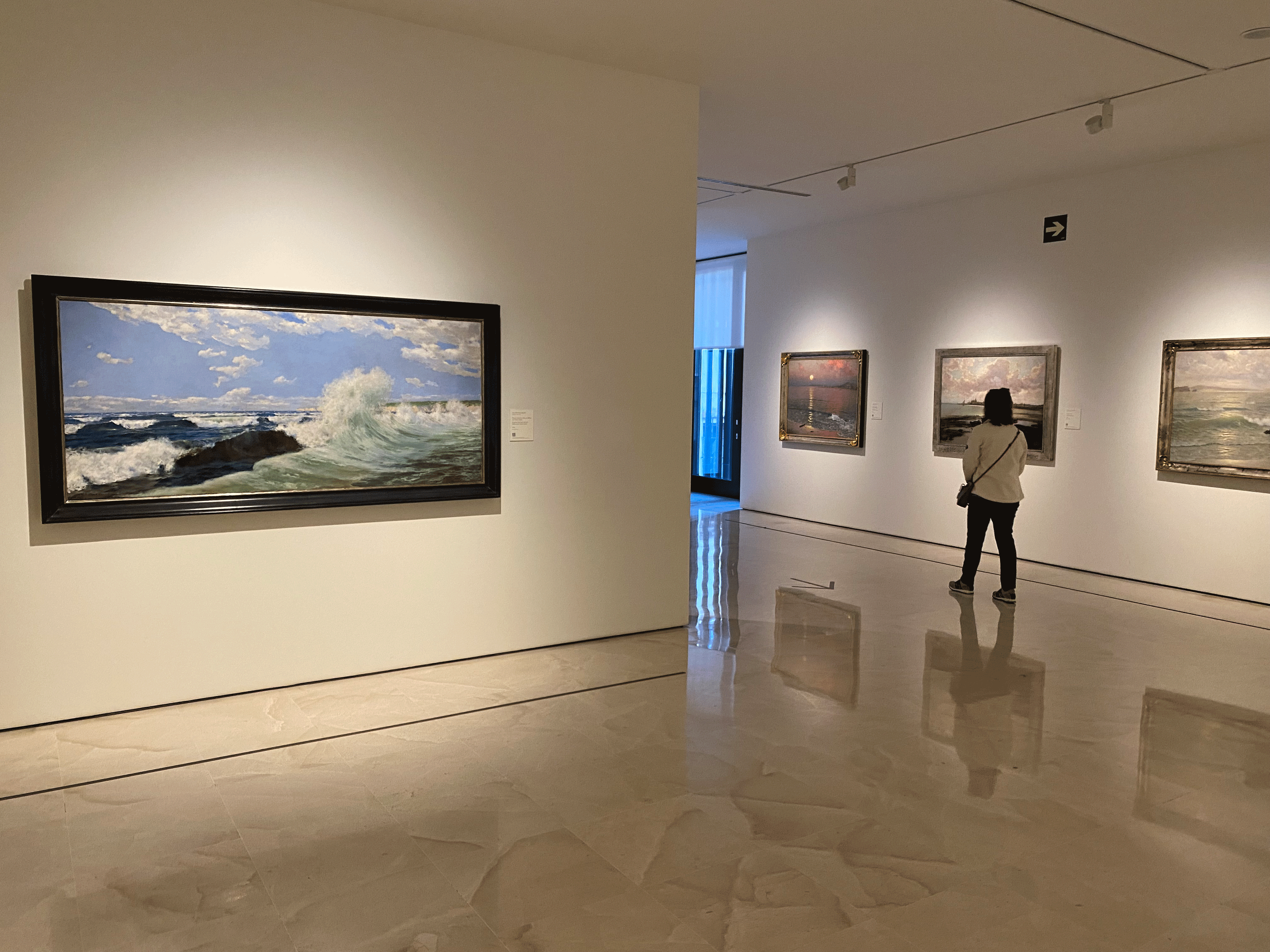
Malaga is the birthplace of Pablo Picasso, and therefore a city which celebrates art. The Picasso Museum and The Carmen Thyssen Museum are world-class galleries housed in beautiful historic buildings. During a Sunday walk in the historic center, we happened upon the Felix Revello de Toro Museum. Admission is free on Sunday. The building was originally the home and studio of Spanish sculptor Pedro de Mena. There is a memorial dedicated to him. The rest of the rooms showcase the paintings of Revello de Toro; born in 1926 and still working. His works are mainly portraits of women. We enjoyed our visit very much! (Gloria Judge, you would love it!)

Many tourists bypass Malaga, spend a day when their cruise ship is in port, or merely pass through it en route to the beach towns on Costa del Sol. We have been guilty of that on our previous visits to the region. One year, we came to Malaga by bus from nearby Nerja to see the holiday lights and the Three Kings’ Day parade. We made a day of it and visited the Picasso Museum and the Cathedral. The next year, we came to Malaga from Torremolinos to catch a tour to Caminito del Rey, and we had lunch before leaving town. This trip, we stayed three nights in Malaga and were able to experience much more of this charming city.

Preparing To Return

In 2020, we were enjoying our second winter in the south of Spain, when COVID 19 changed the world. We followed the situation in Italy, and debated coming home sooner than planned. Calls to the State Department were not helpful. American Airlines could only tell us that our flight on March 11th had not been cancelled, and changing flights would cost $500 per ticket. So, we stayed. Life on the Costa del Sol seemed unchanged, except that all of the shops were sold out of hand sanitizer.

A few days prior to our flight, we went to Madrid. Life in the capital appeared unaffected by talk of “the virus”. The previous weekend, there had been a huge soccer tournament and a women’s march. Seville, on the other hand, announced the cancellation of Semana Santa (Holy Week) processions.

On our final night, we stopped into our favorite tapas bar. A man entered and began telling the bartender that he had just come from the grocery, where people were grabbing goods from the shelves in a panic. The bartender turned on the television, and we saw footage of empty shelves and heard warnings of quarantine. All we could do now was hope that our flight would take off in the morning.

We departed Madrid on time and arrived in Chicago in the afternoon. At O’Hare, we breezed through Customs. Some airport employees were gloved and masked; others were not. Nobody questioned us. When we called our daughters to say we were home, they expressed relief. A few hours later, President Trump announced a ban on flights from Europe. We had arrived home just in time for “Stay at Home” orders,

Fast forward to December 2021. The Pandemic is nearing the end of its second year and we have adjusted to life in the “new normal”. Vaccinated and boosted, we have taken a few domestic trips, and are booked for Spain on January 6, 2022. We plan to stay until mid-March.

I plan to post photos to this site and write about our experiences. I hope you’ll check in from time to time.