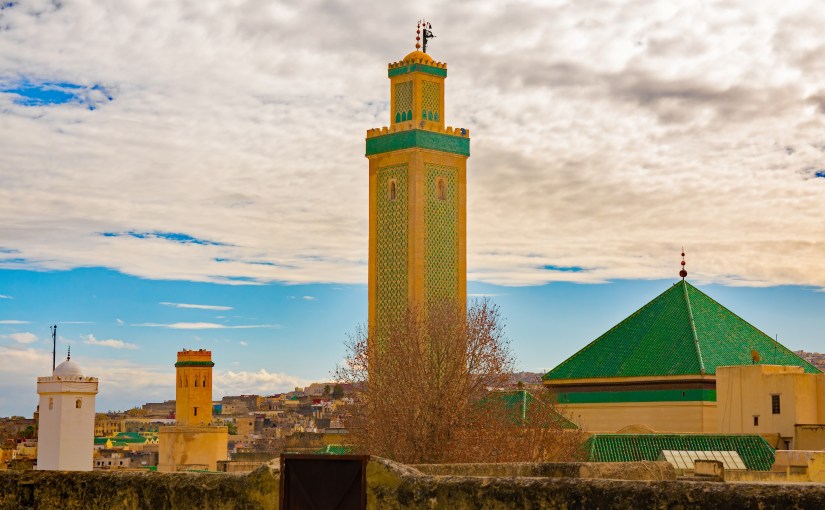
Marrakech to Fez (February 14, 2023)

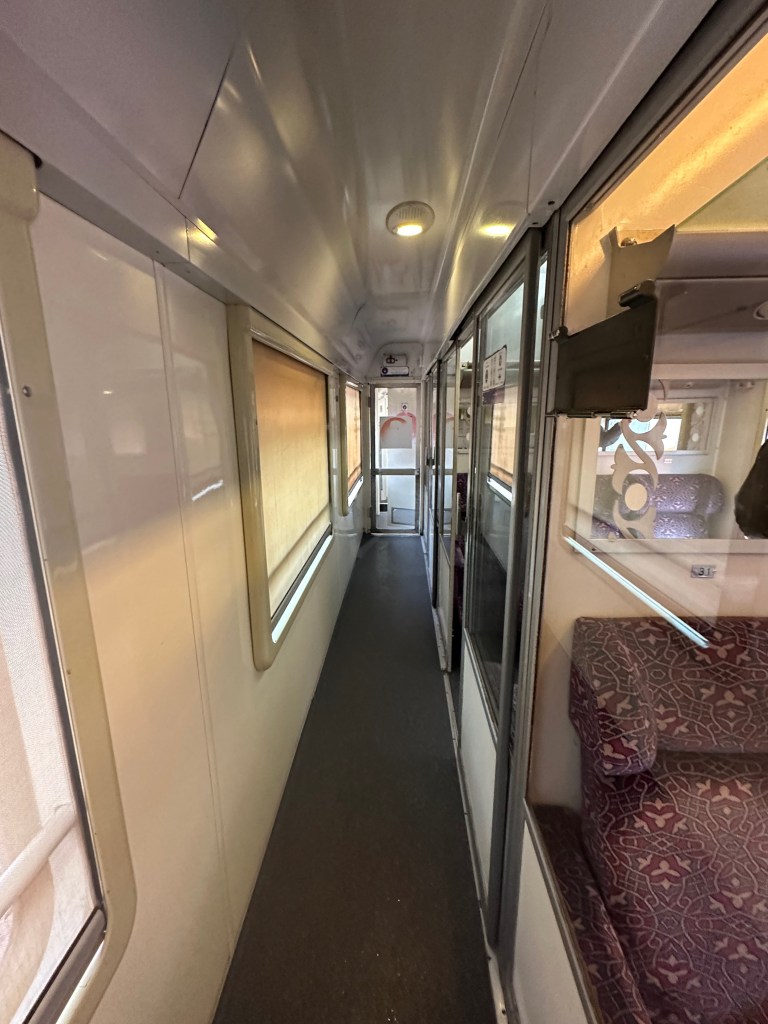
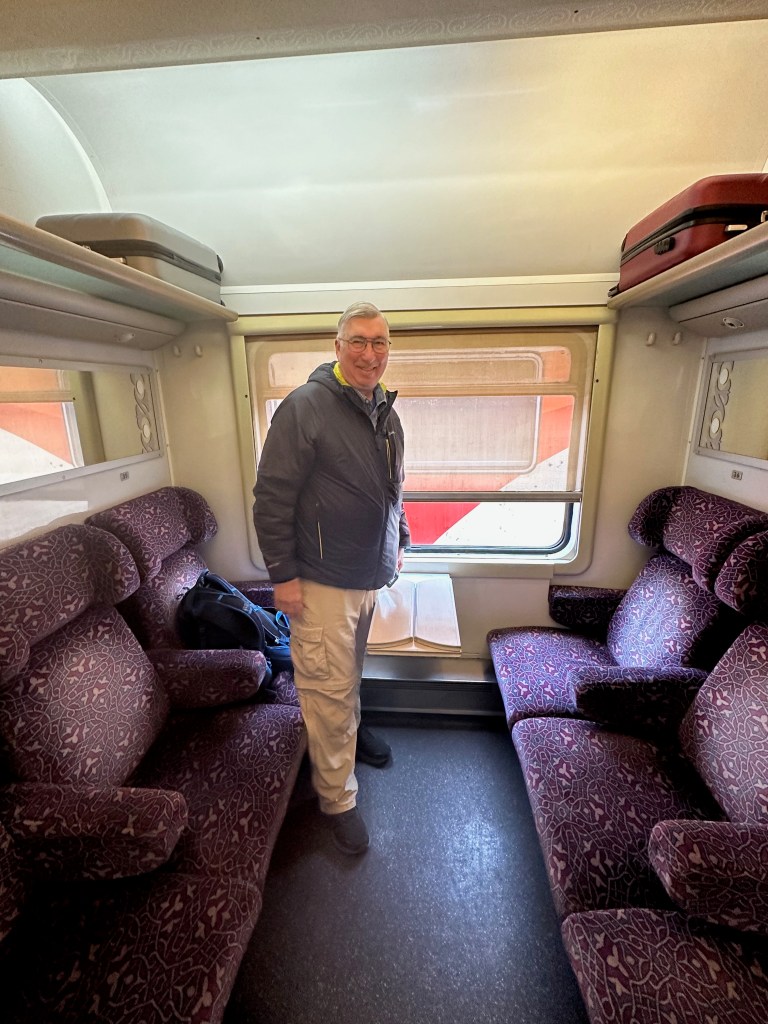
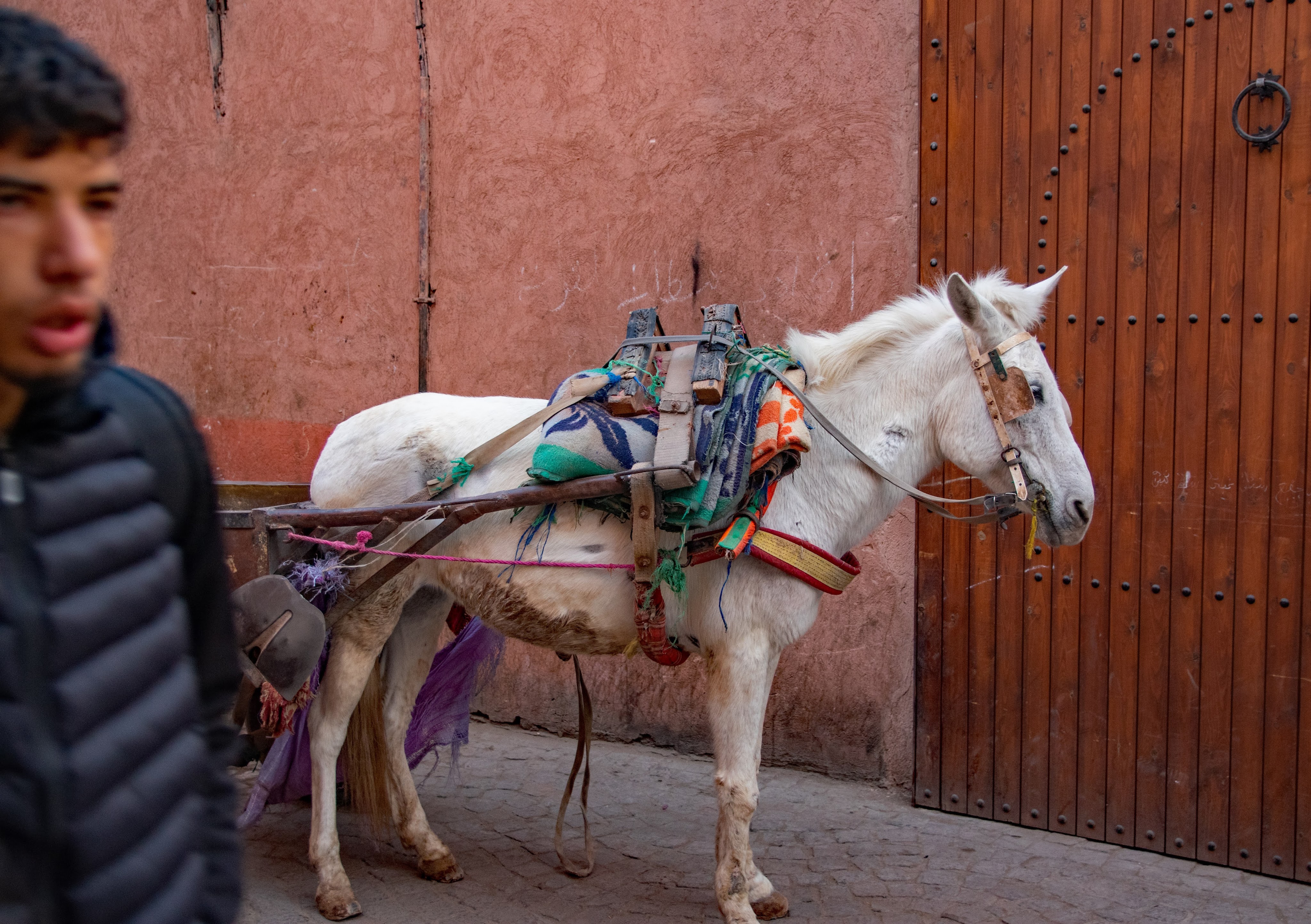
The Marrakech Express made famous in the song by Crosby, Stills, and Nash is an overnight train from Tangier to Marrakech and is still in operation to this day. We took a six-hour day train from Marrakech to Fez. The compartment accommodated six passengers facing each other with luggage racks above. We paid extra for first class, so the seats were pretty comfy, but there was not much else in the way of amenities. A kid with a snack cart came by a couple of times. The scenery was very pleasant; much of it agricultural. As we got closer to Fez, there were rolling green hills that reminded us of Wisconsin. In fact, there were dairy cows, along with sheep, horses, and donkeys.
Our compartment mates were a young Egyptian couple and a young Moroccan man. All of them spoke English, were highly educated and well-traveled. The Egyptian couple had a lot of luggage. The woman was planning on doing a lot of shopping; specifically, in leather goods.
Mohammed, the Moroccan, told us he works for the Cultural Bureau and had been in Casablanca for work. He was an amiable conversationalist, and at one point asked us if we had a tour guide arranged for our stay in Fez. We said we were reviewing our options.
He suggested that we meet his colleague Adam, born in Fez and later adopted by an Australian couple. Adam was in town from Australia for another day. If we were interested in meeting him, Mohammed would call him. No charge for Adam’s tour; we could make a voluntary donation to his Widows’ Charity.
At this point in the story, I should probably pause to explain my reaction to helpful strangers versus the reaction of my husband Bill. I tend to see the positive side of human nature and Bill tends to think that everyone is out to get him. For those of you who know us well, you can pretty much figure out our reaction to this situation. I’m ready to go all in for Adam’s tour and Bill is saying, ” Wait a minute, what’s happening?”
Next thing you know, Mohammed calls Adam, and Adam is available for the next day. Mohammed tells us where the culture office is in relation to the train station. The train arrives in Fez, we all say our goodbyes and get off. At this point, I am thinking we might just disappear into the crowd and book a tour on Viator later.
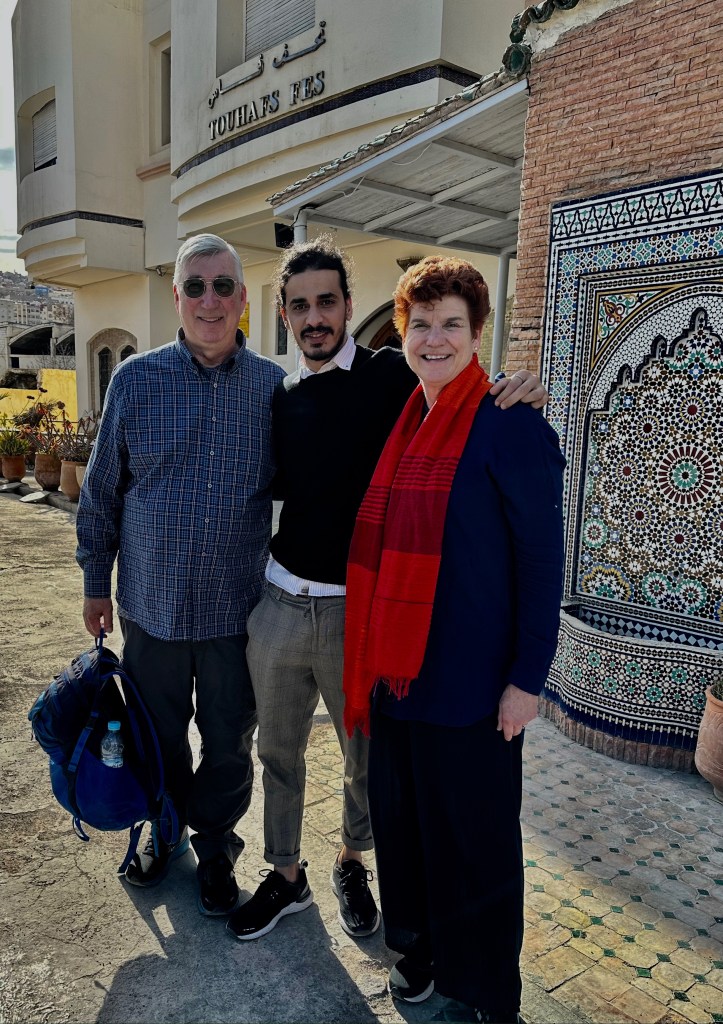
Just as I was thinking we had dodged a bullet, a smiling young man approached us on the platform. Yes, it was Adam. Let’s face it, we don’t exactly blend into the crowd. Adam seemed trustworthy enough and we arranged our tour for the next day. He would come by taxi to our hotel at 9:30 am.
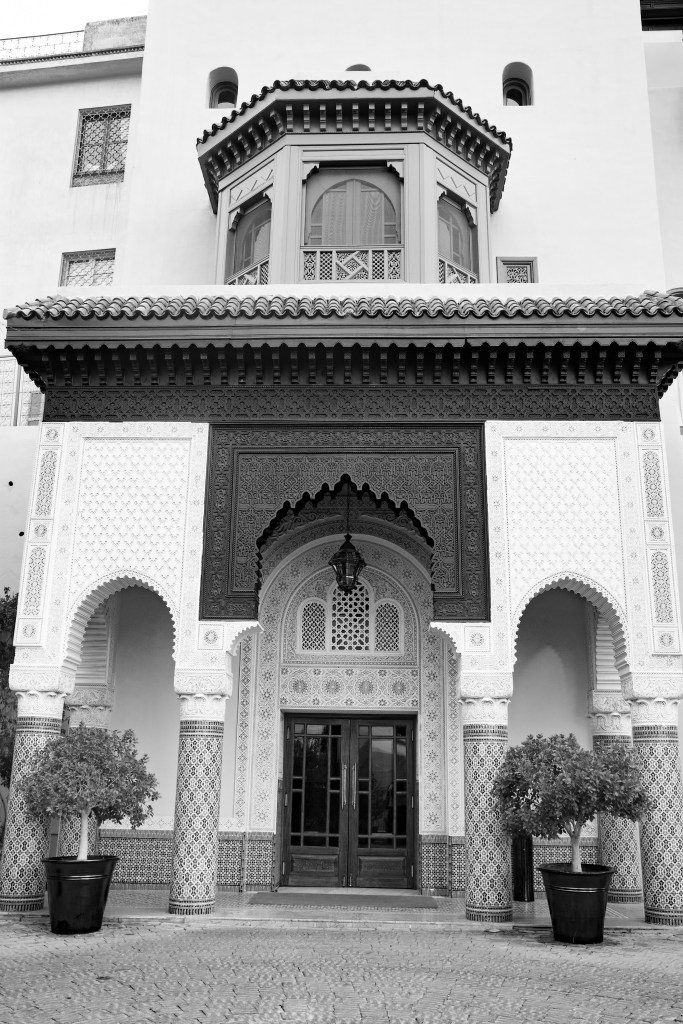
We took a taxi to Palaj Faraj for our stay in Fez. The hotel is just outside the Medina and is lovely. We enjoyed dinner in their dining room and a “mocktail” in the bar. Apparently, the hotel has recently changed ownership and the liquor license is in limbo. Disappointing, but not tragic. Our room was luxurious, and breakfast the next morning was fantastic.
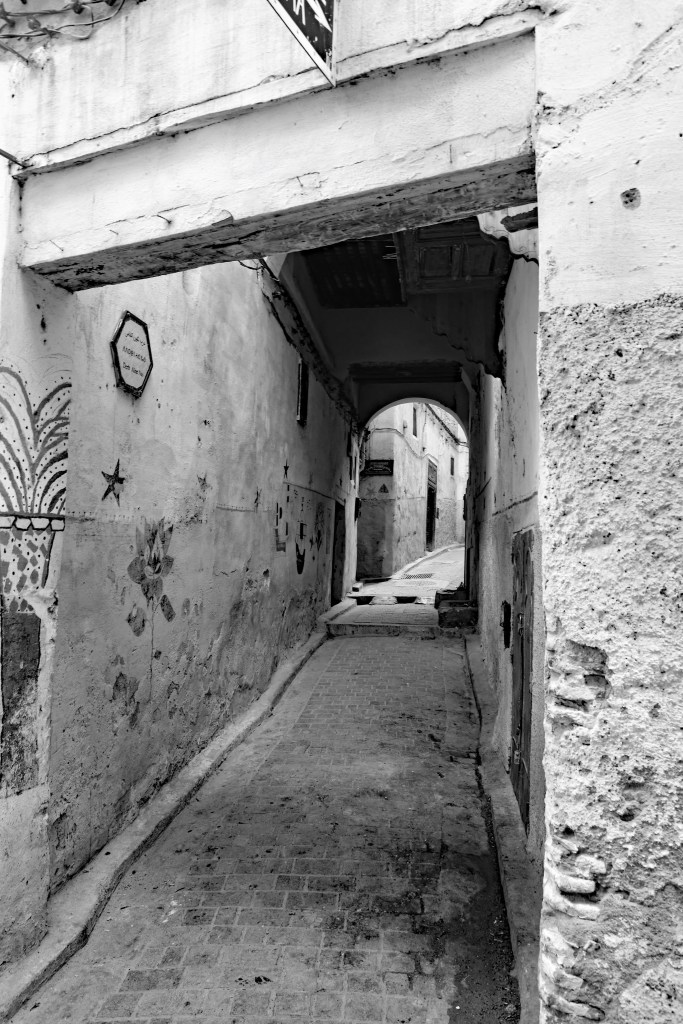
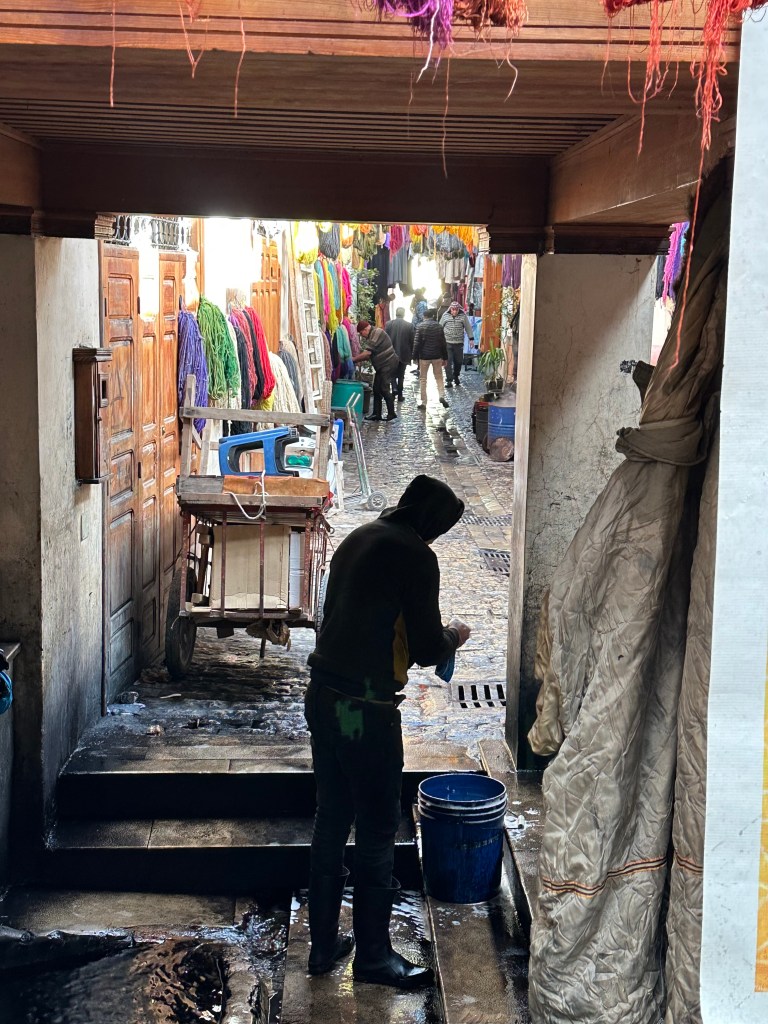
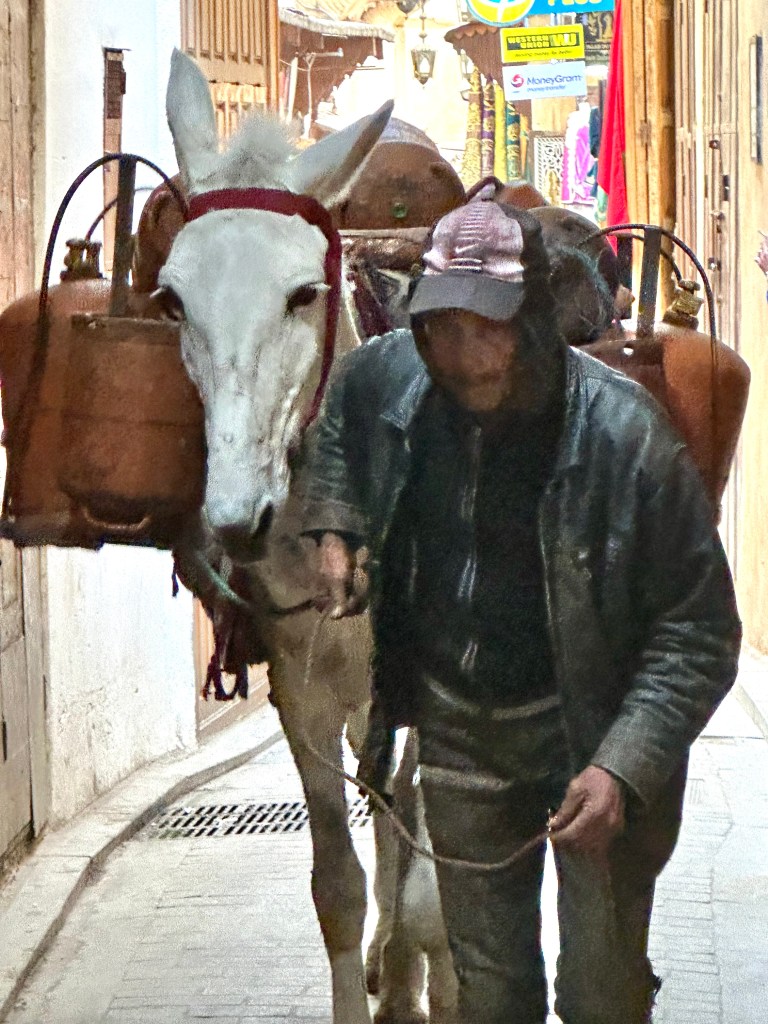
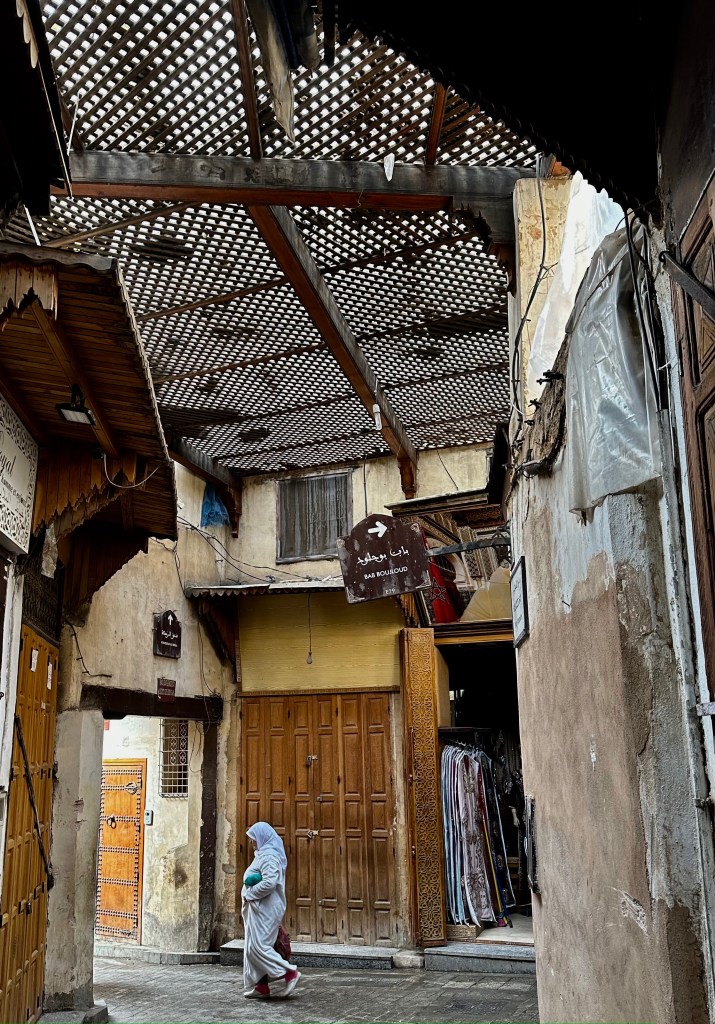
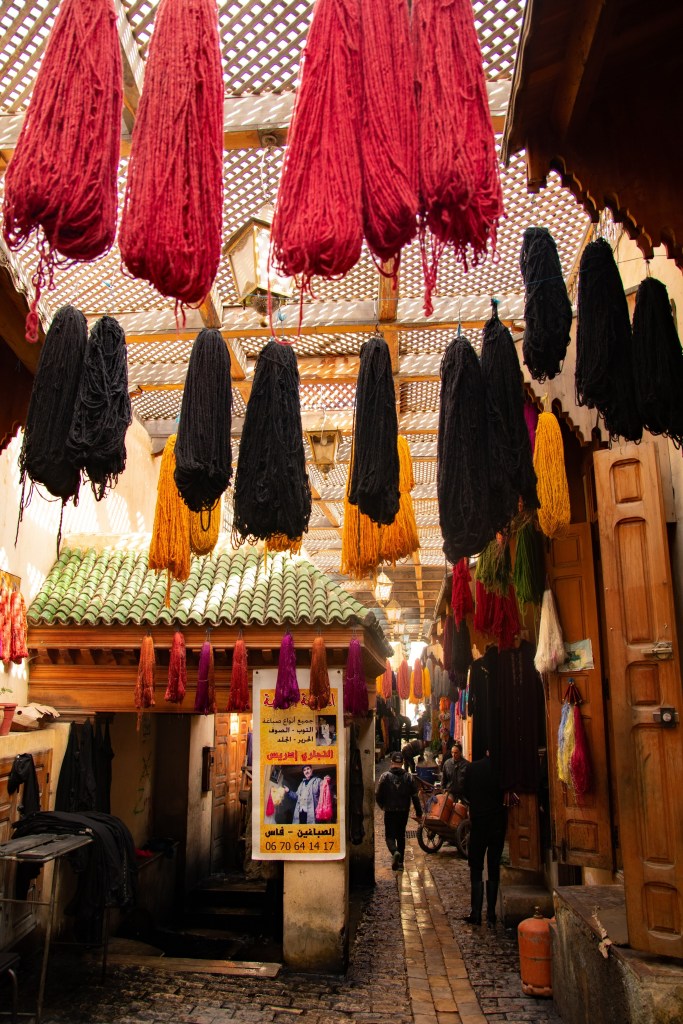
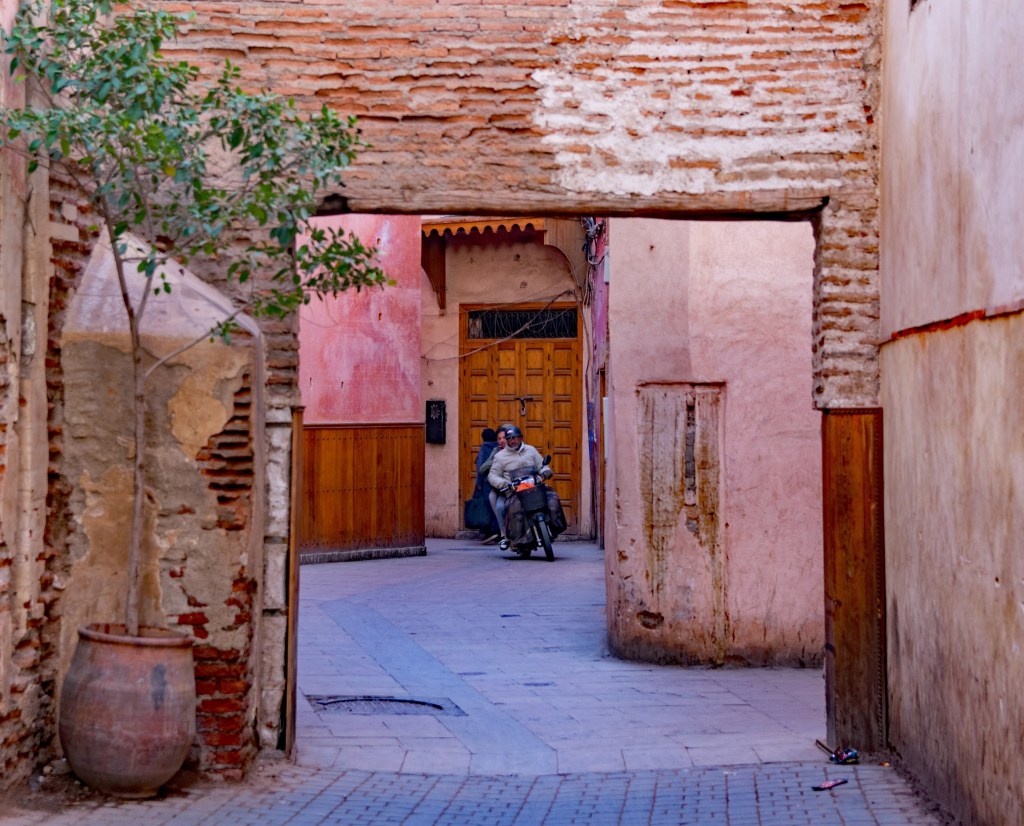
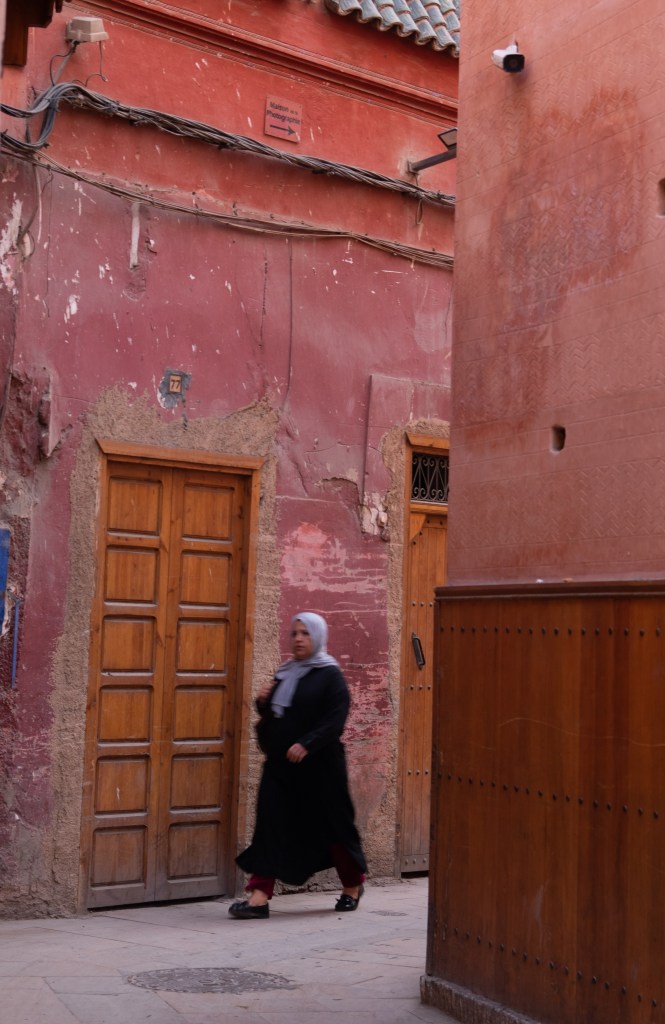
Adam arrived promptly at 9:30, and we were off to the Medina. The Fez Medina (old city) is the largest in Morocco and, reportedly, the one in which you are most likely to get hopelessly lost. There are over 1,000 unmarked streets. Adam was an excellent guide. He knows the Medina and seemingly everyone in it. He showed us where he lived as a child: a one room space in one of the many narrow alleyways. He is from a family of seven children. His parents divorced; leaving his mother in abject poverty. As a teenager, he went to work in a tourist hotel. It was there that he met the Australian couple, who offered to sponsor him. He moved to Australia to live with his adoptive parents and get his education. He is now a successful businessman who exports Moroccan goods to Australia and the USA. He bought his mother a nice home in the new city and his sisters are both doctors. He feels compelled to give back to his people by volunteering his time and support to a widows’ charity.
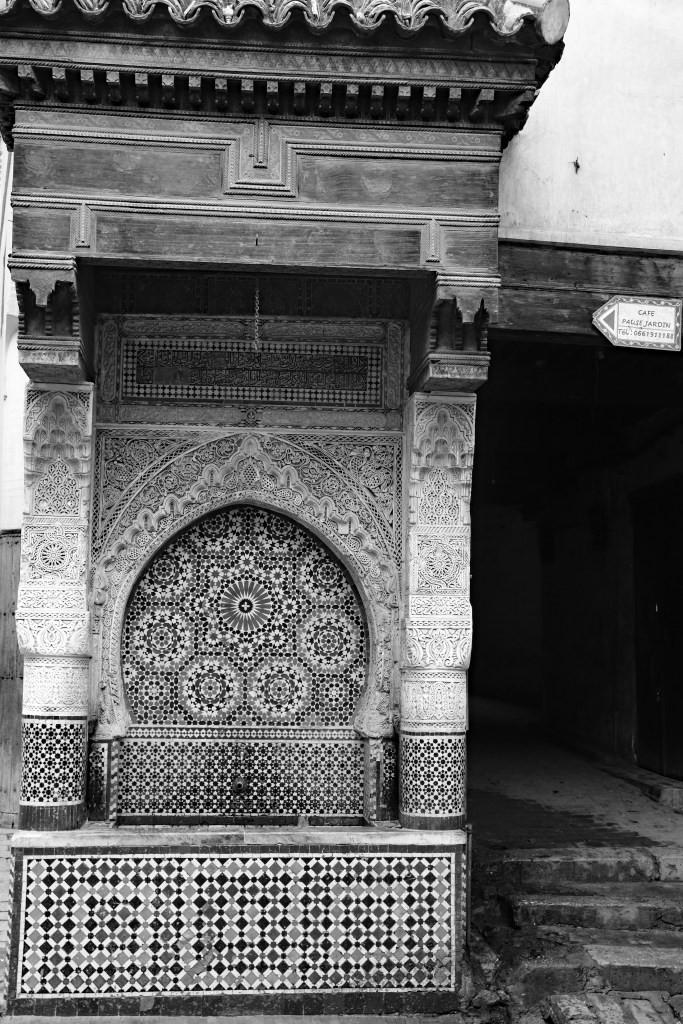
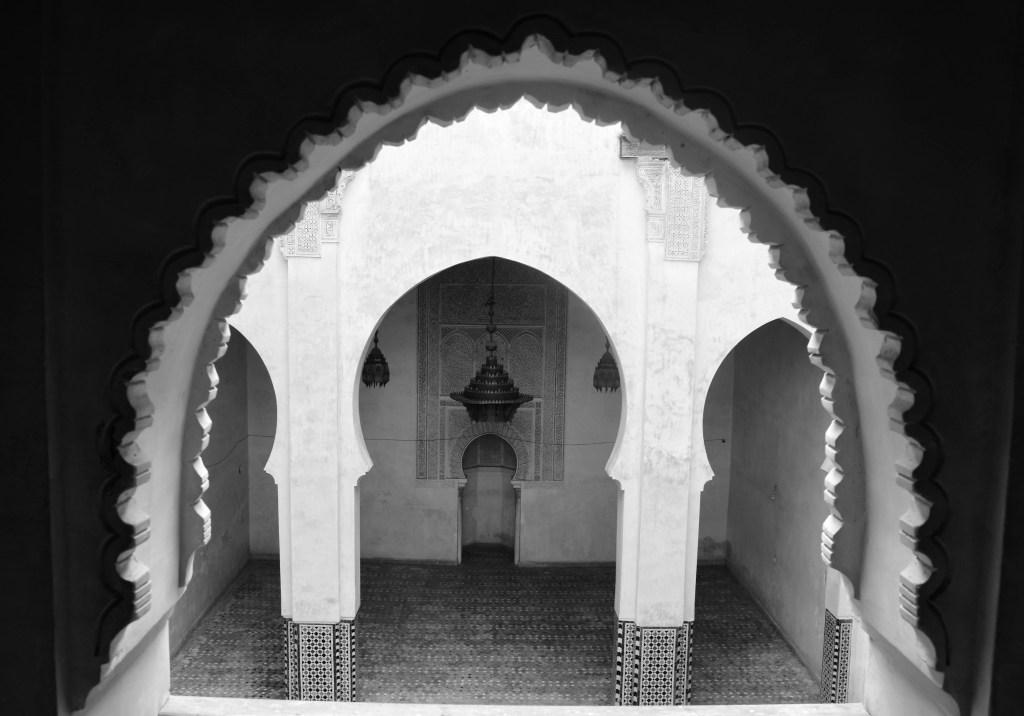
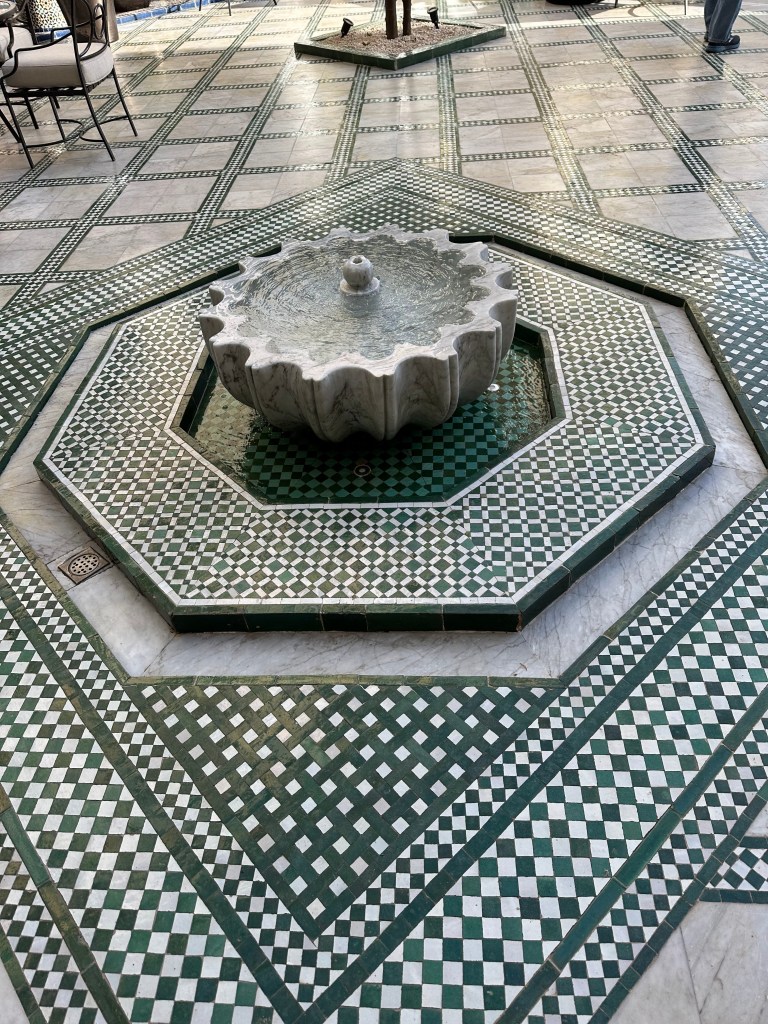
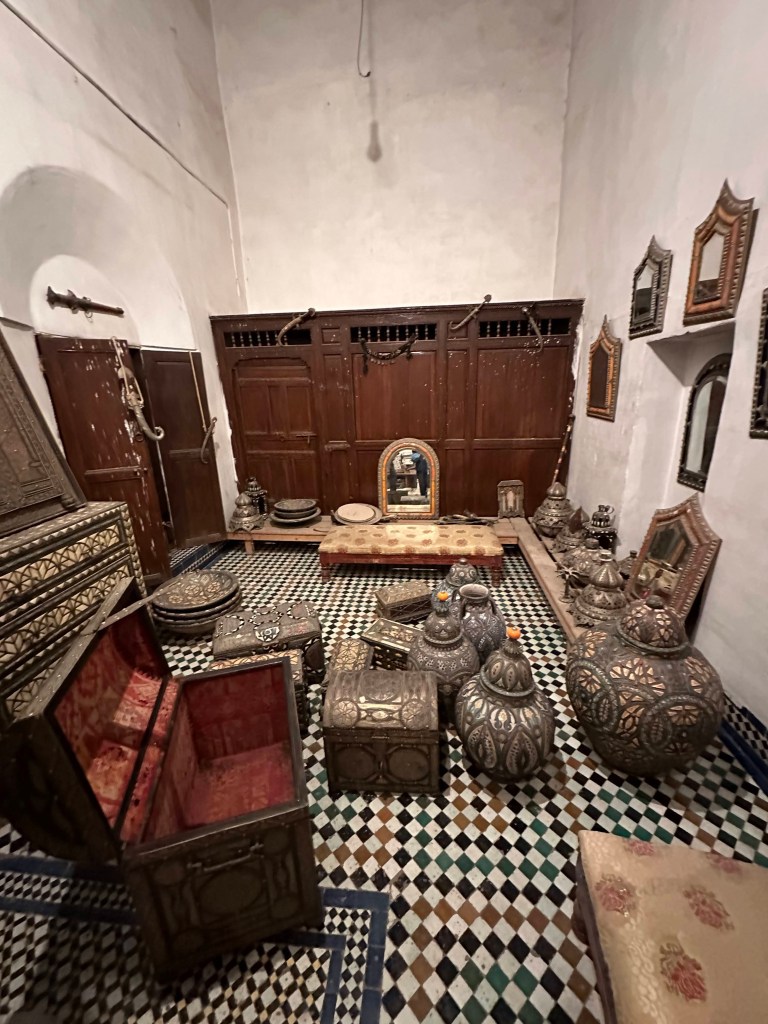
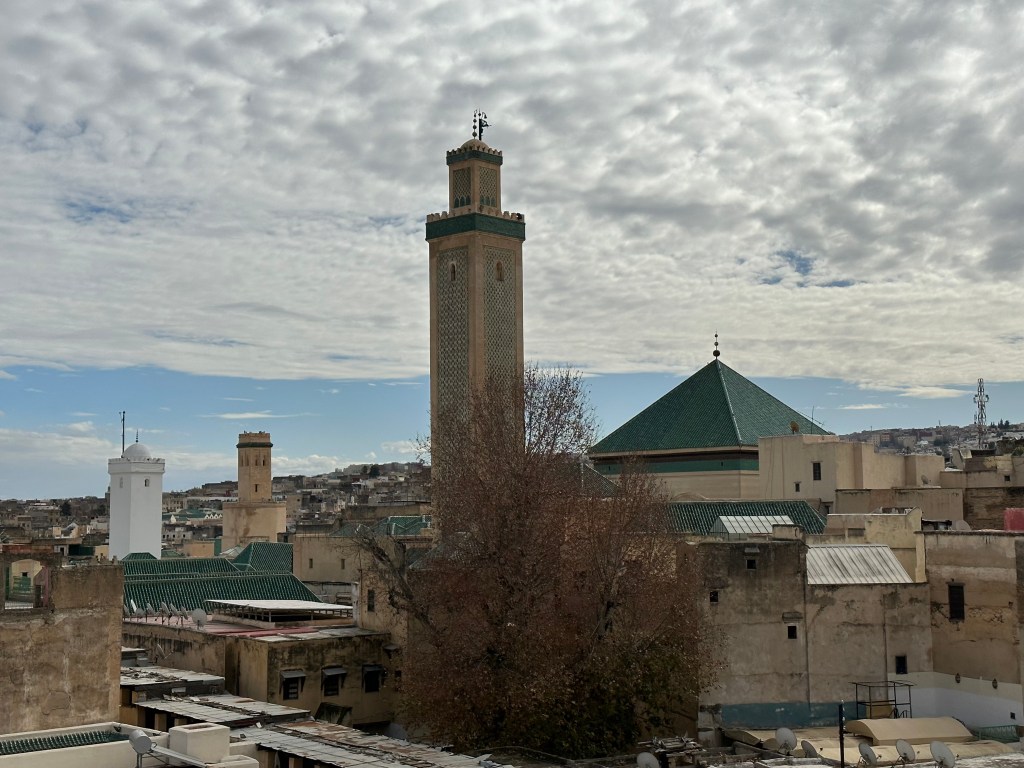
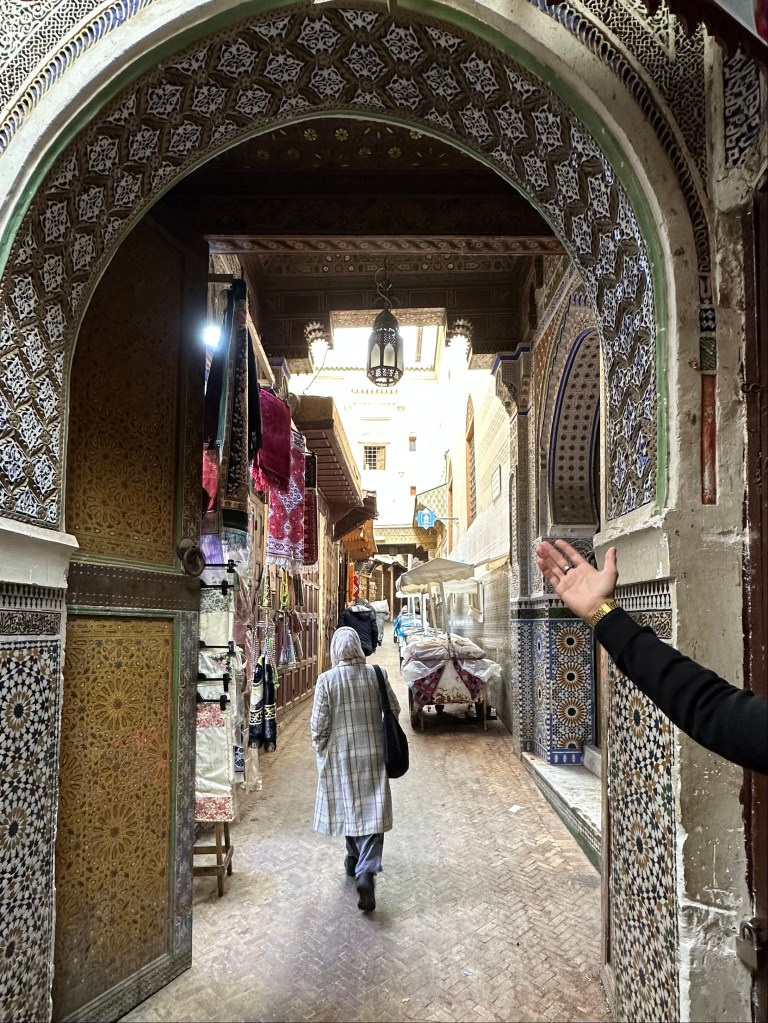
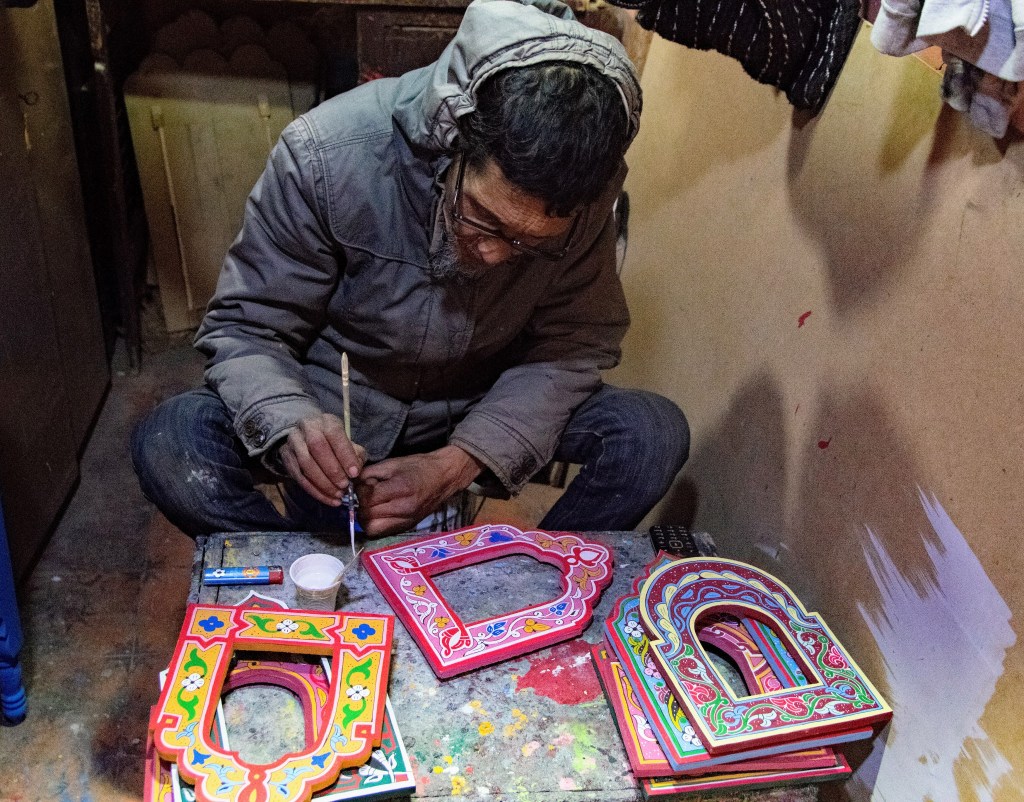
We strolled through a section of the Medina that is being restored by UNESCO. The Fez Medina is over 1,000 years old. The restoration work is painstaking and expensive, but the result is breathtaking. The tile and woodwork honor the history of the artisans who continue the ancient handicrafts today.
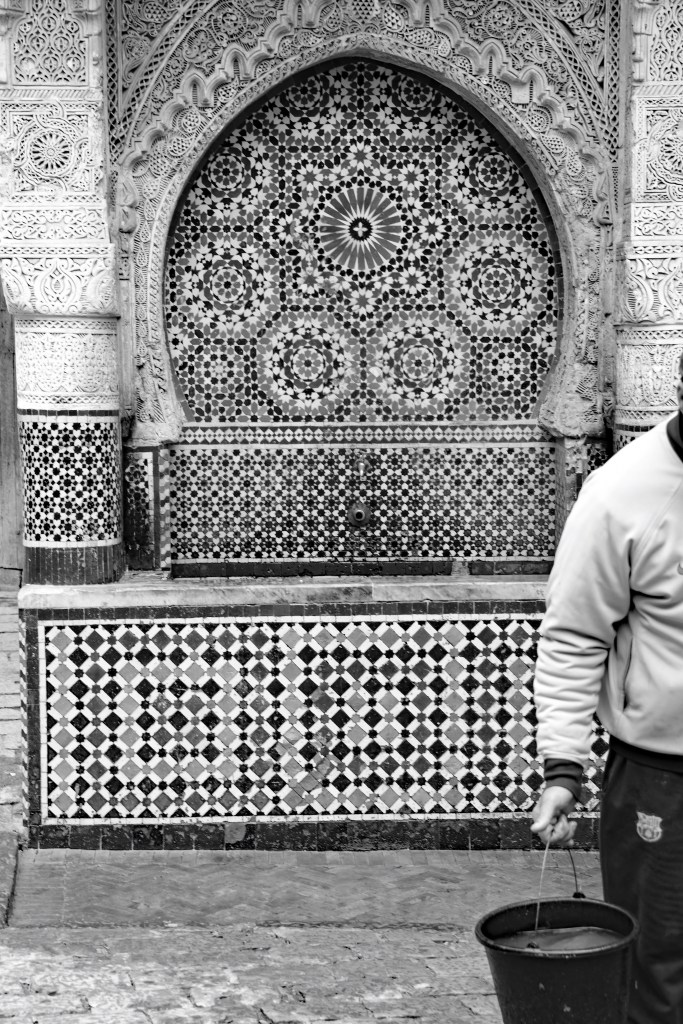
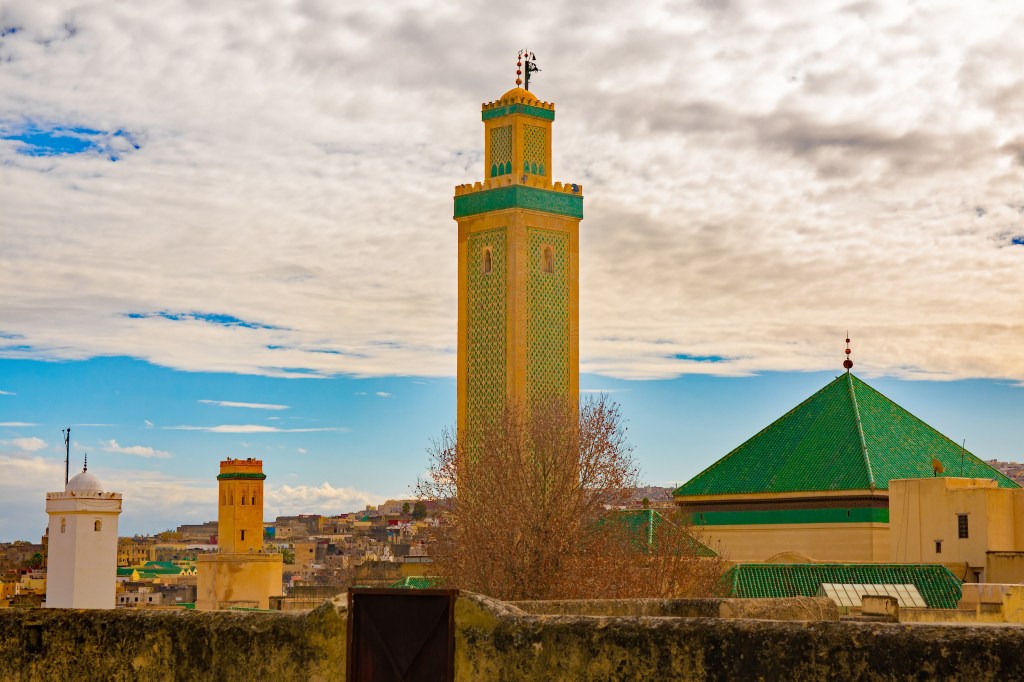
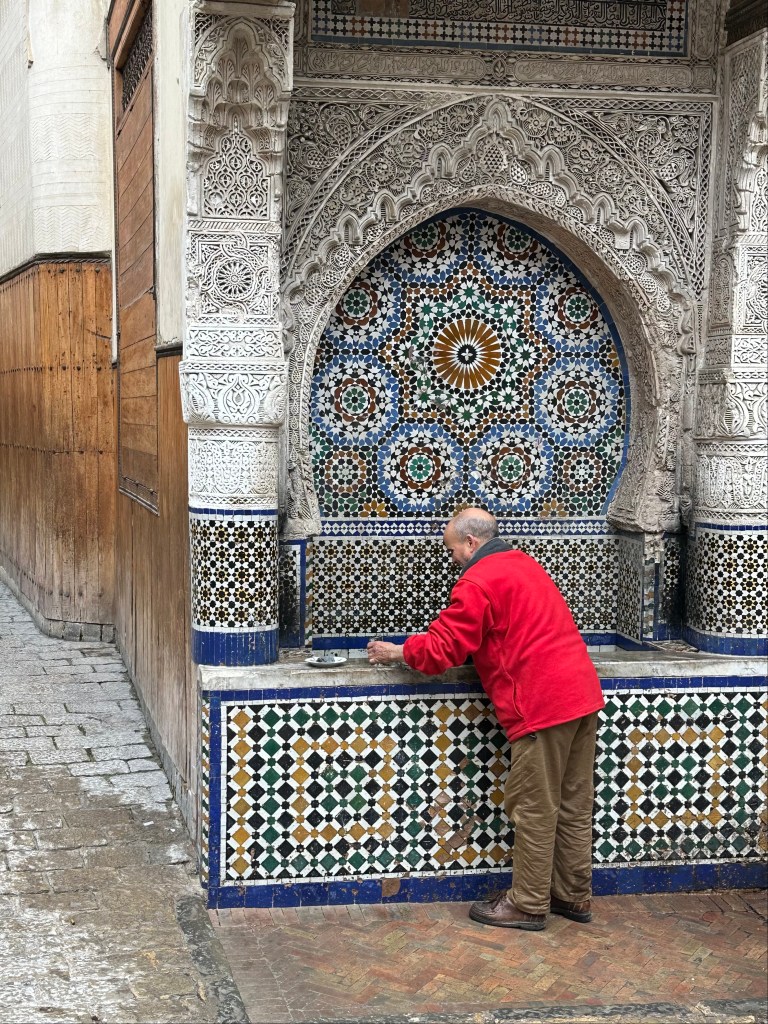
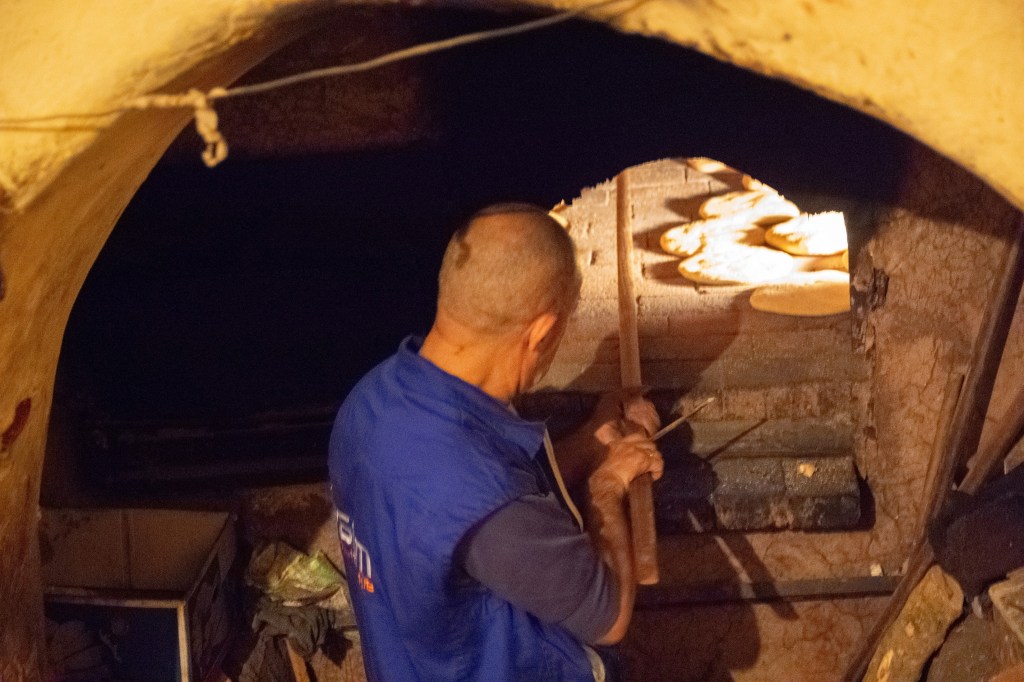
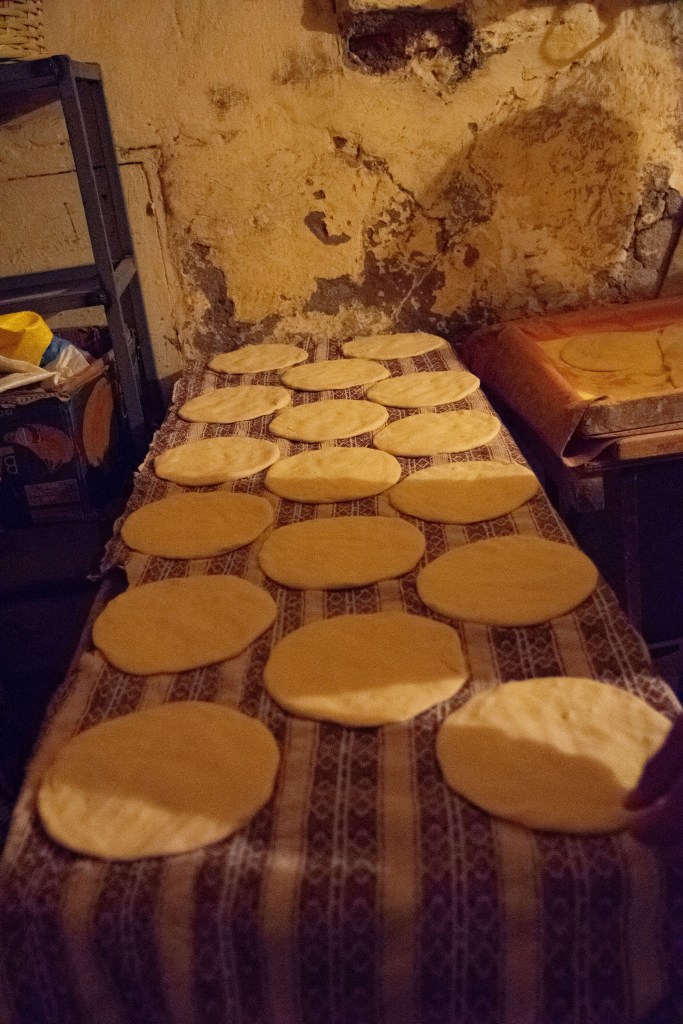
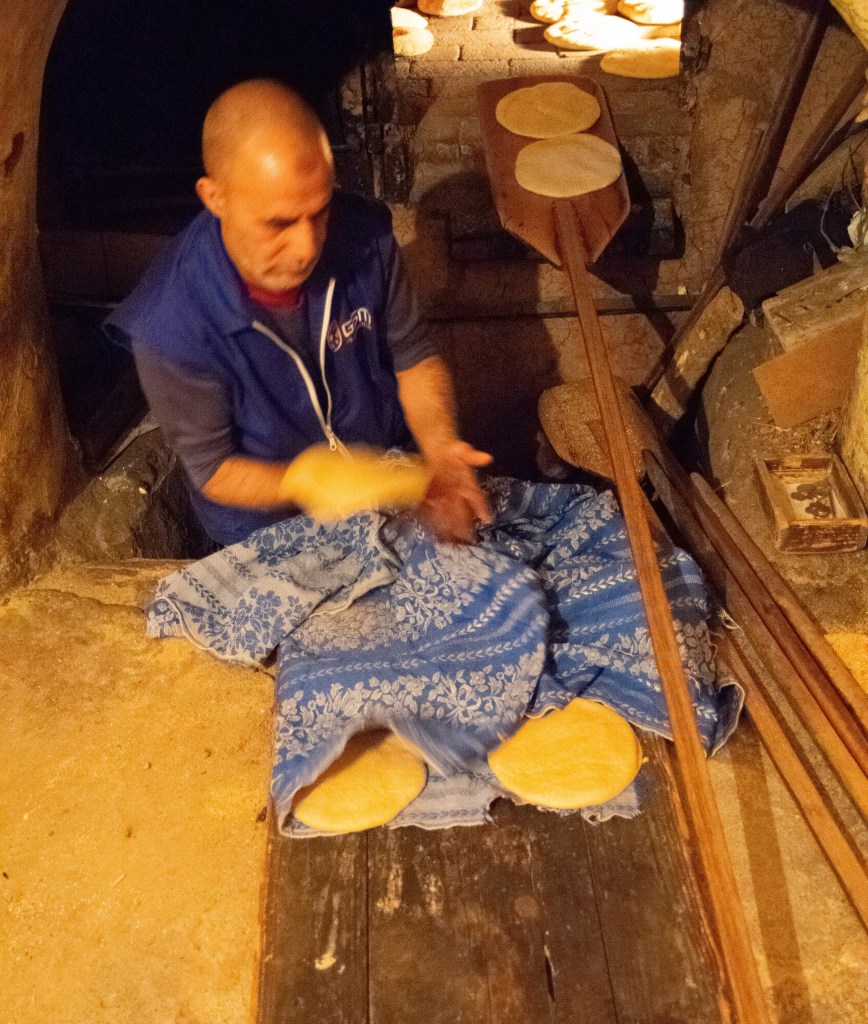
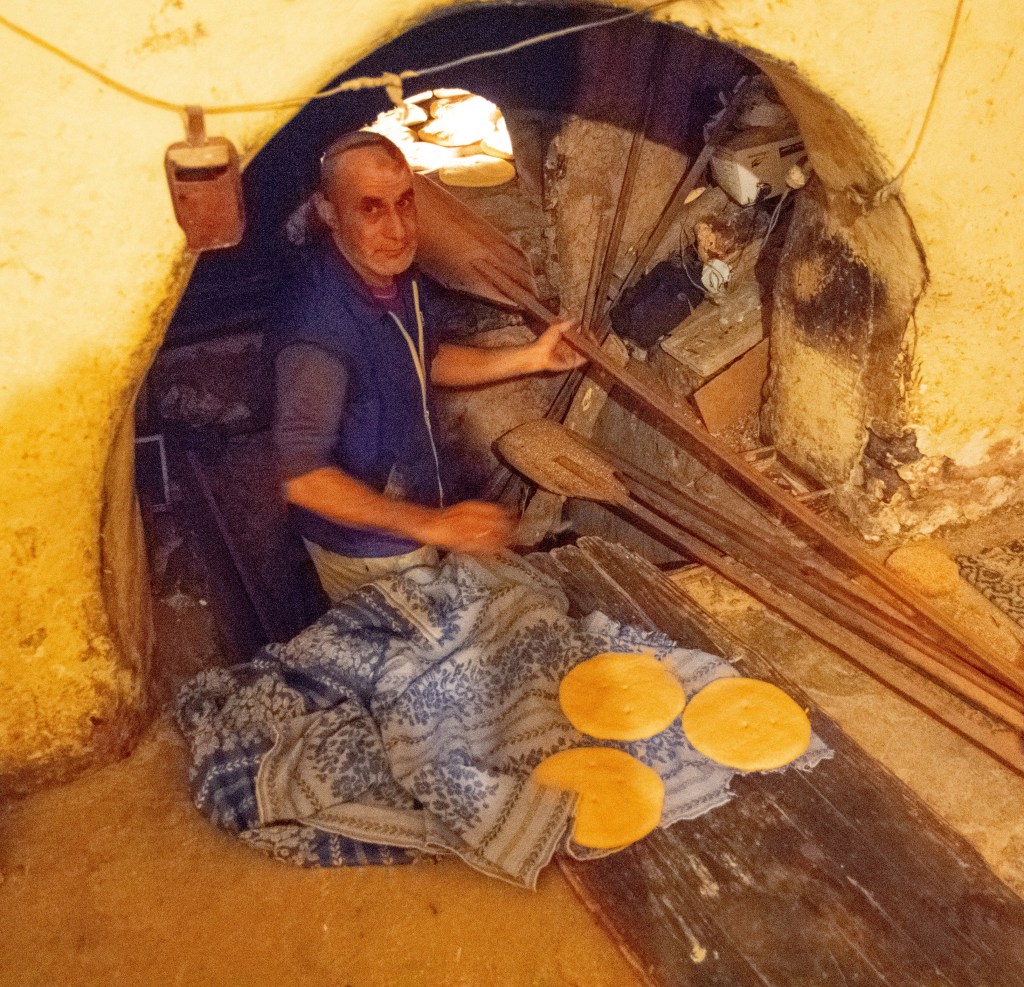
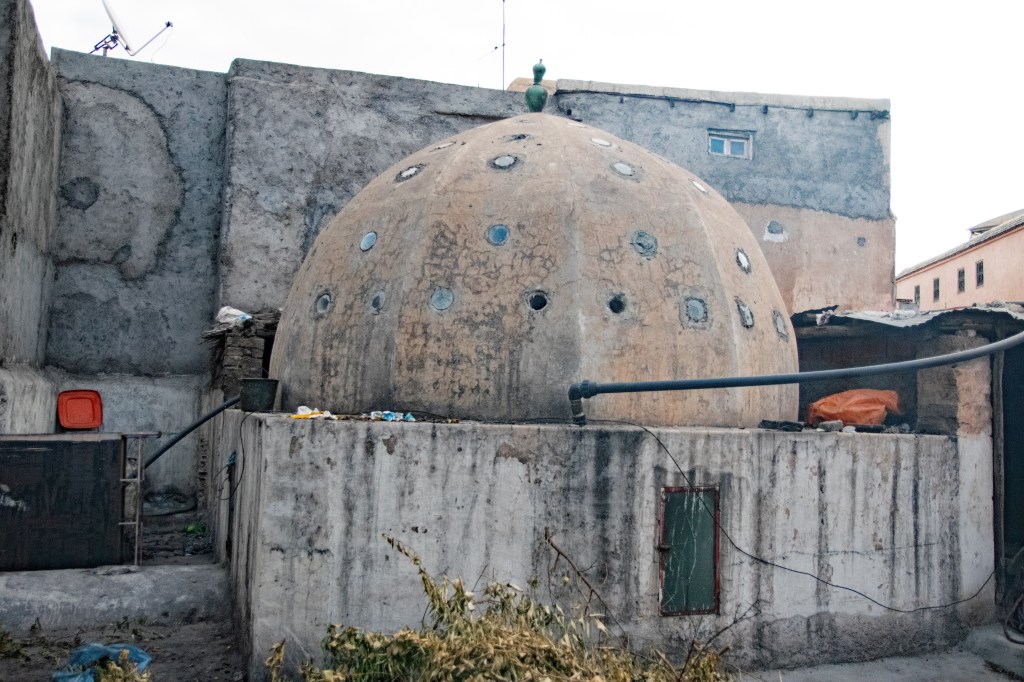
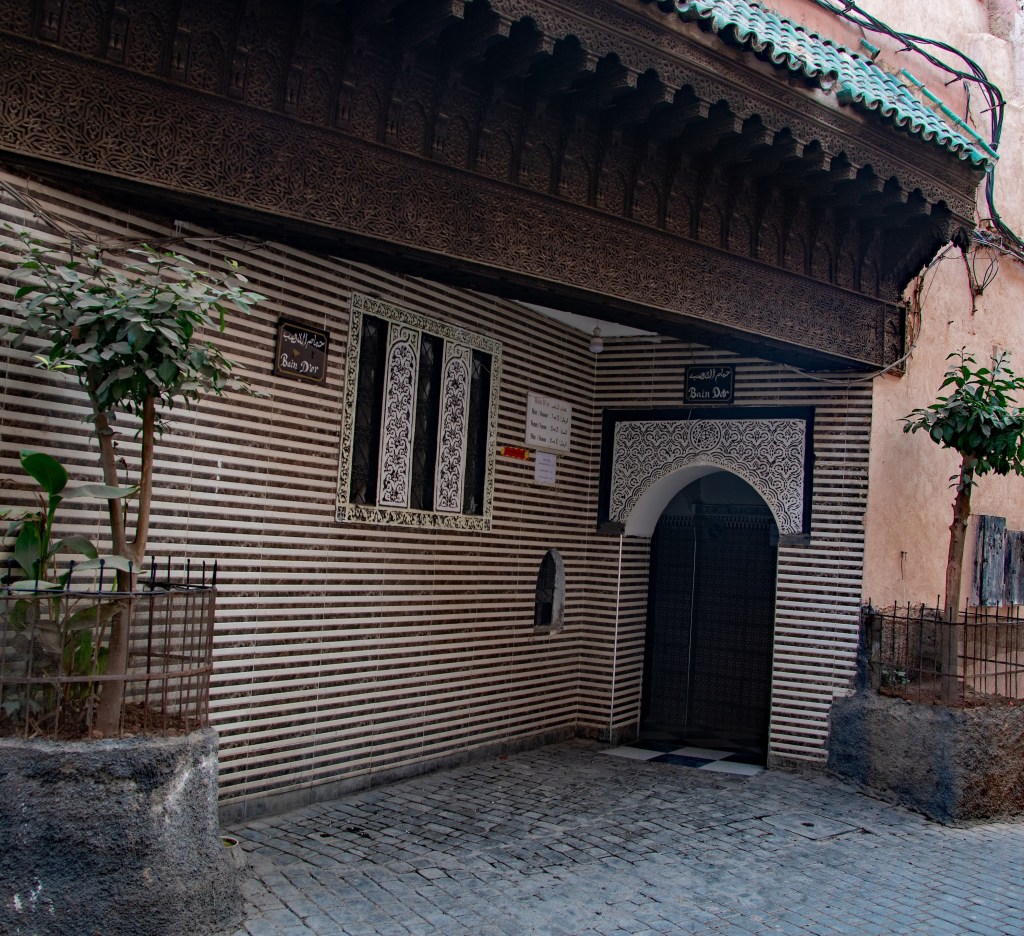
Within any Moroccan Medina are numerous small neighborhoods, each with five important features: a mosque, a school, a hammam (public bath), a bakery, and a fountain.
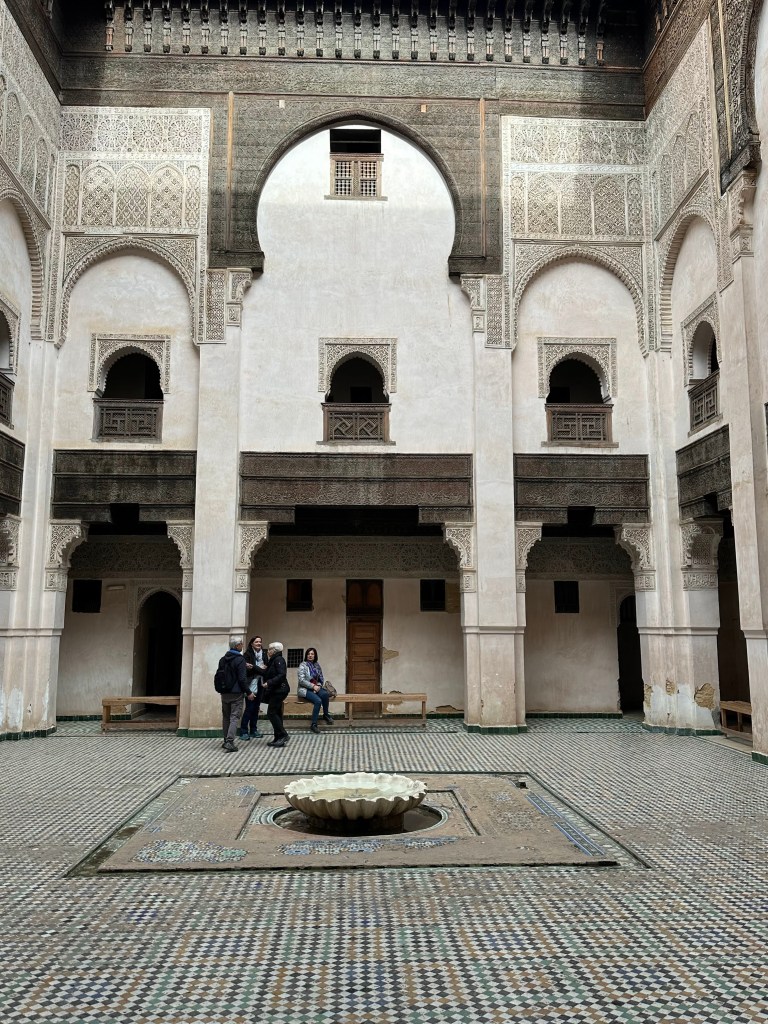
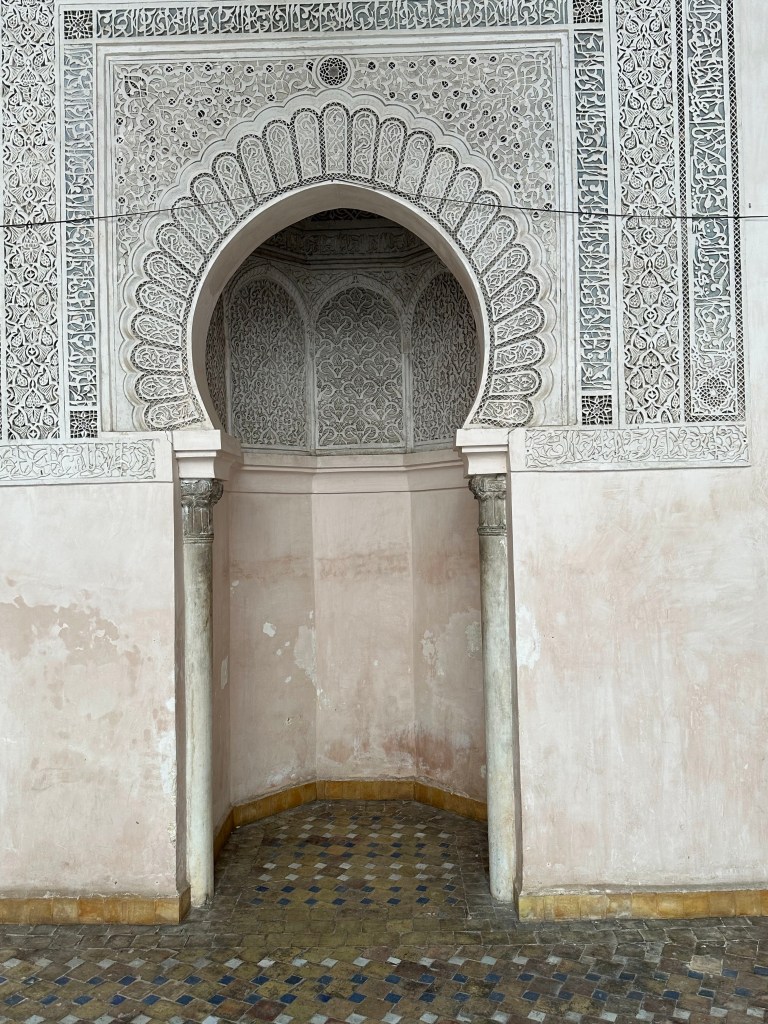
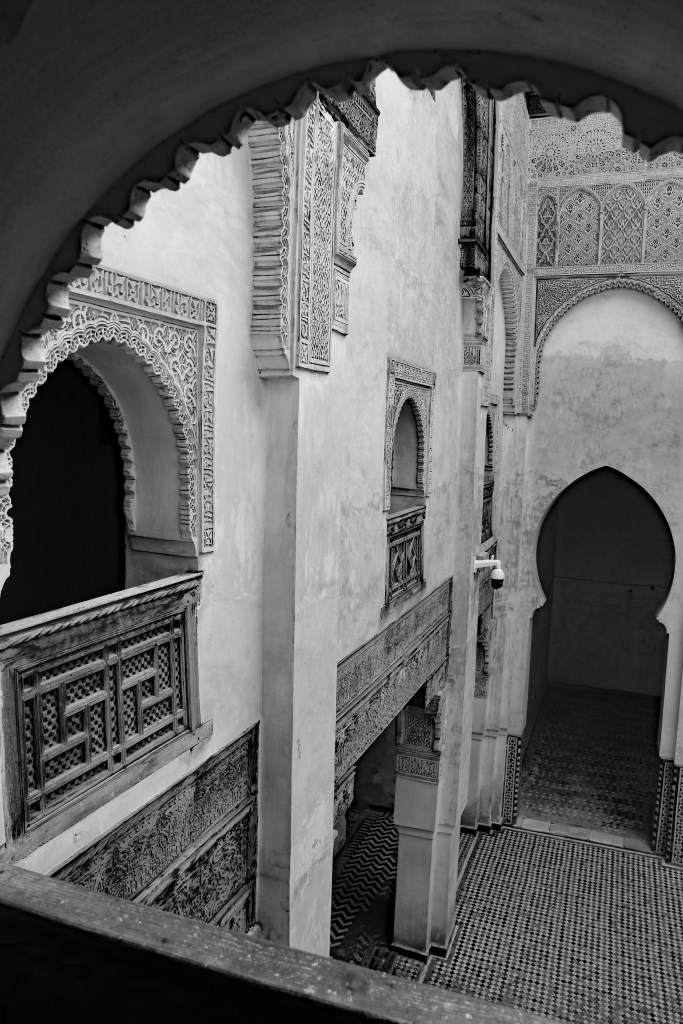
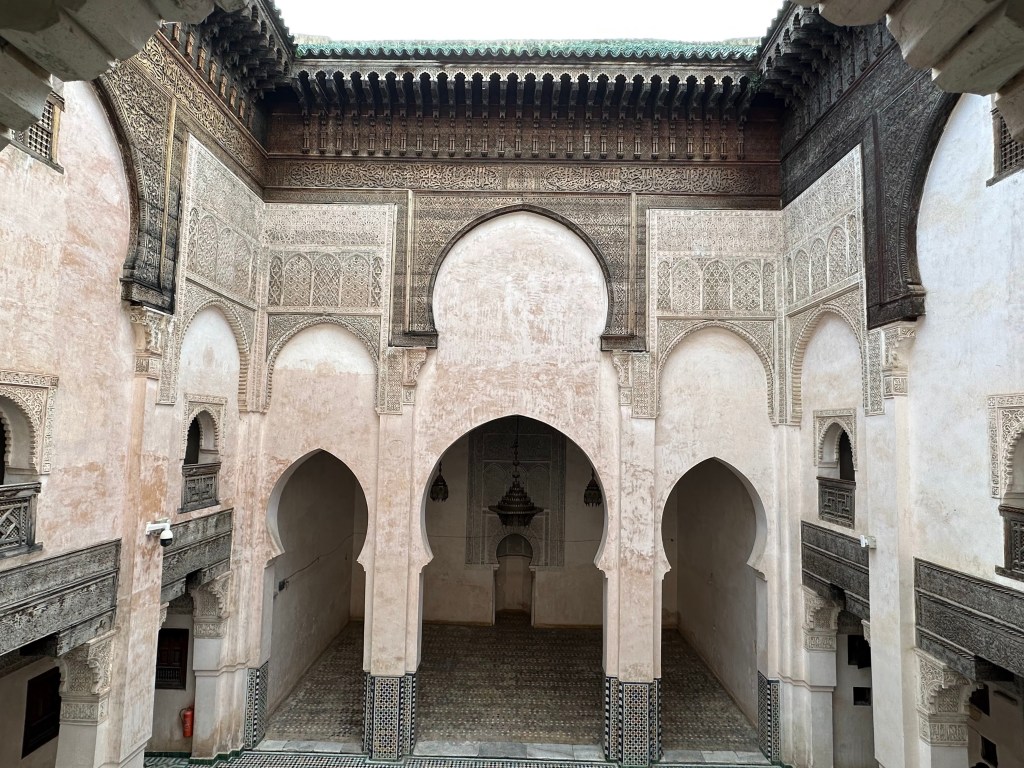
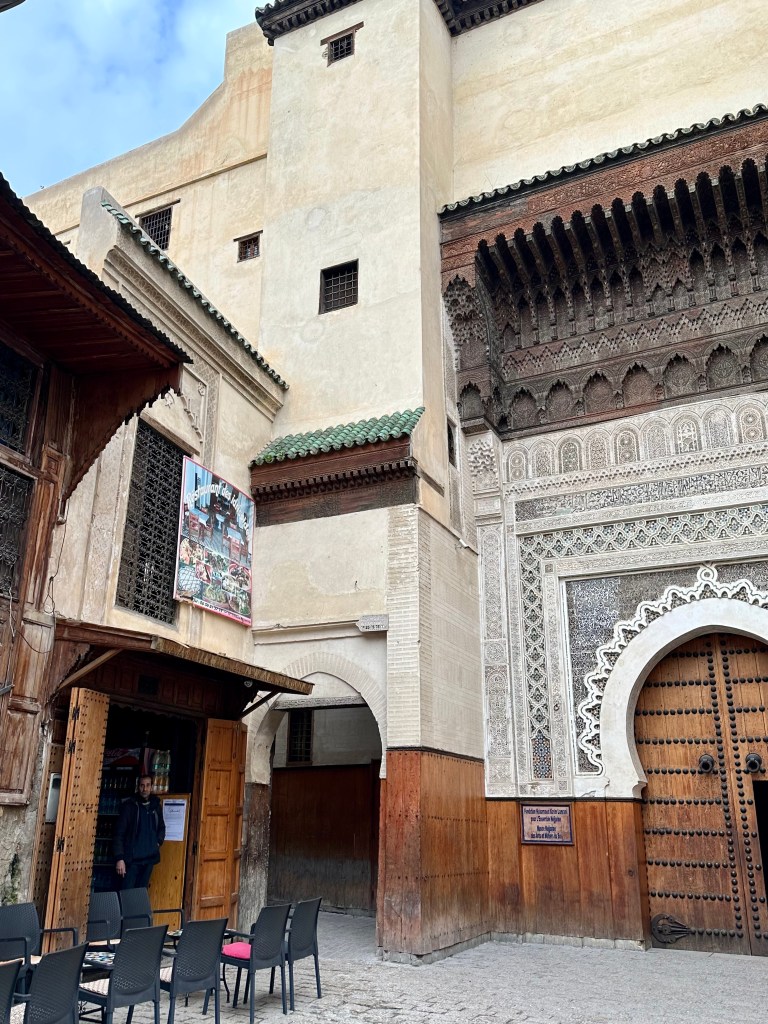
We visited the former School of the Koran, which is now a museum. The architecture is stunning. The student rooms are small; three or four students shared each of them. The better rooms, those with a view of the courtyard and more light, were given to the higher achieving students. This museum and others give non-Muslims an opportunity to see the interiors of historic sites that would otherwise be off-limits. Non-Muslims are not permitted to enter active places of worship.
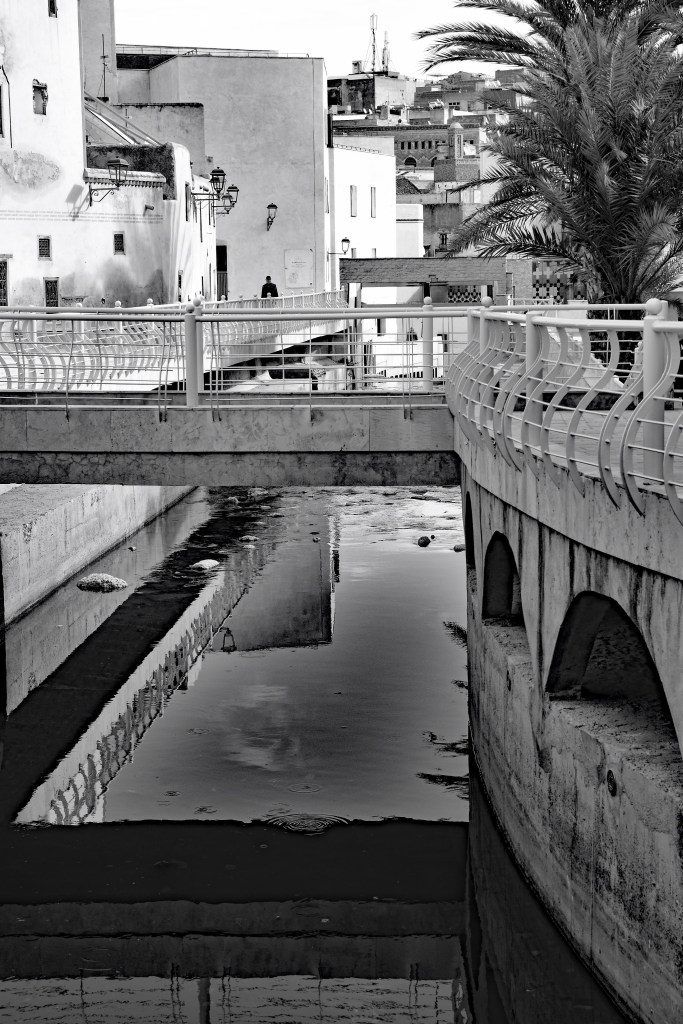
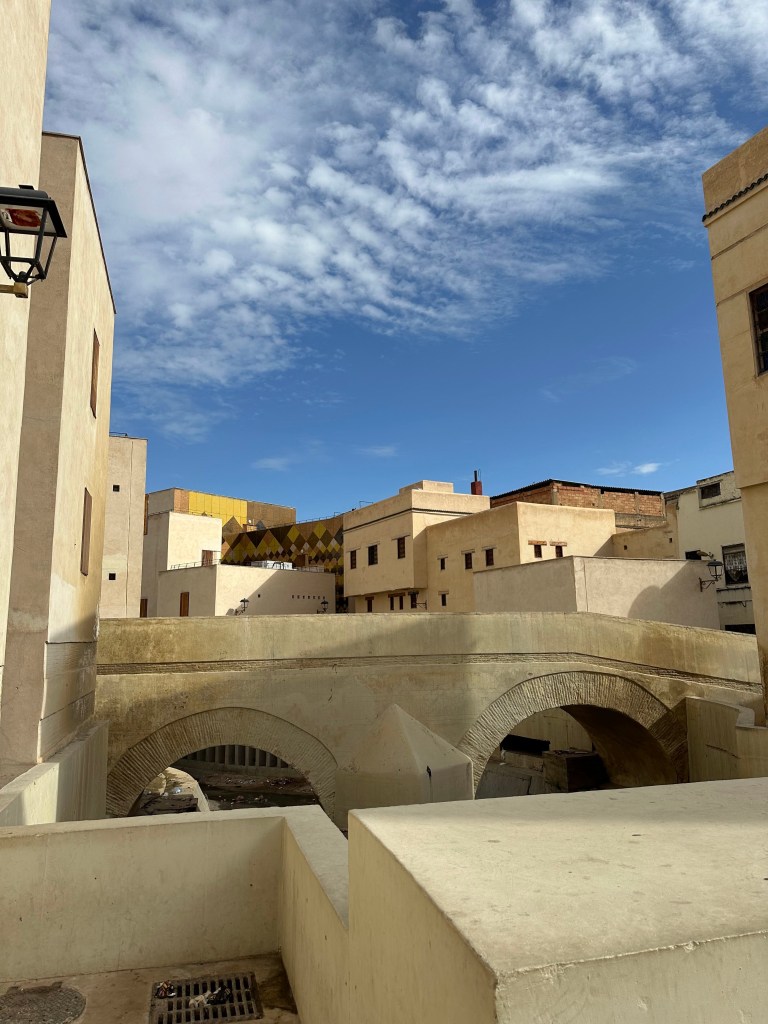
We walked along the river, which ironically, separates the Spanish section of town from the Muslim. Andalusian culture existed for centuries in both Morocco and Spain, due to the Moorish occupation of Spain (711-1492). Having studied and experienced the Moorish influence in the south of Spain, it has been really interesting to come to the source. During and after The Reconquest, there was a huge wave of immigration from Spain to northern Morocco by Jews and Muslims, fleeing persecution by the Catholic Kings.
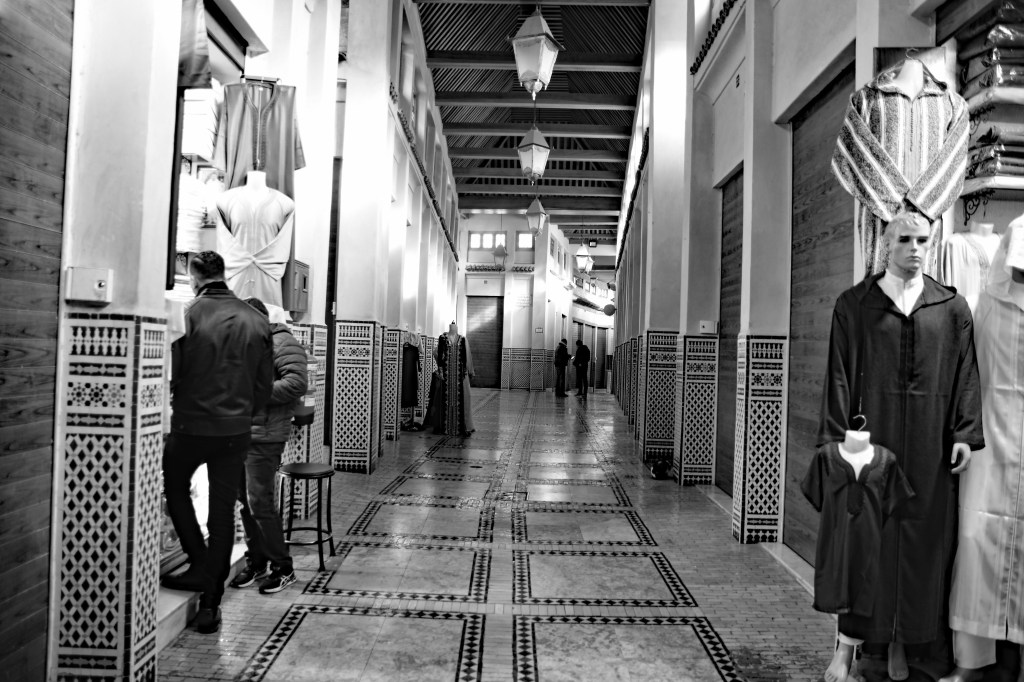
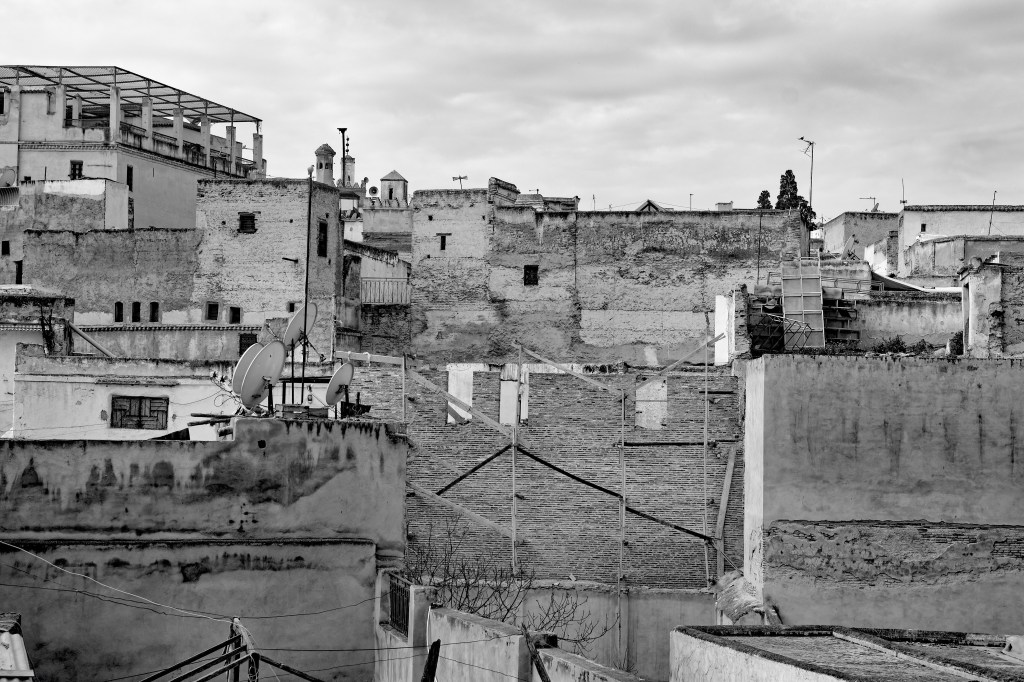
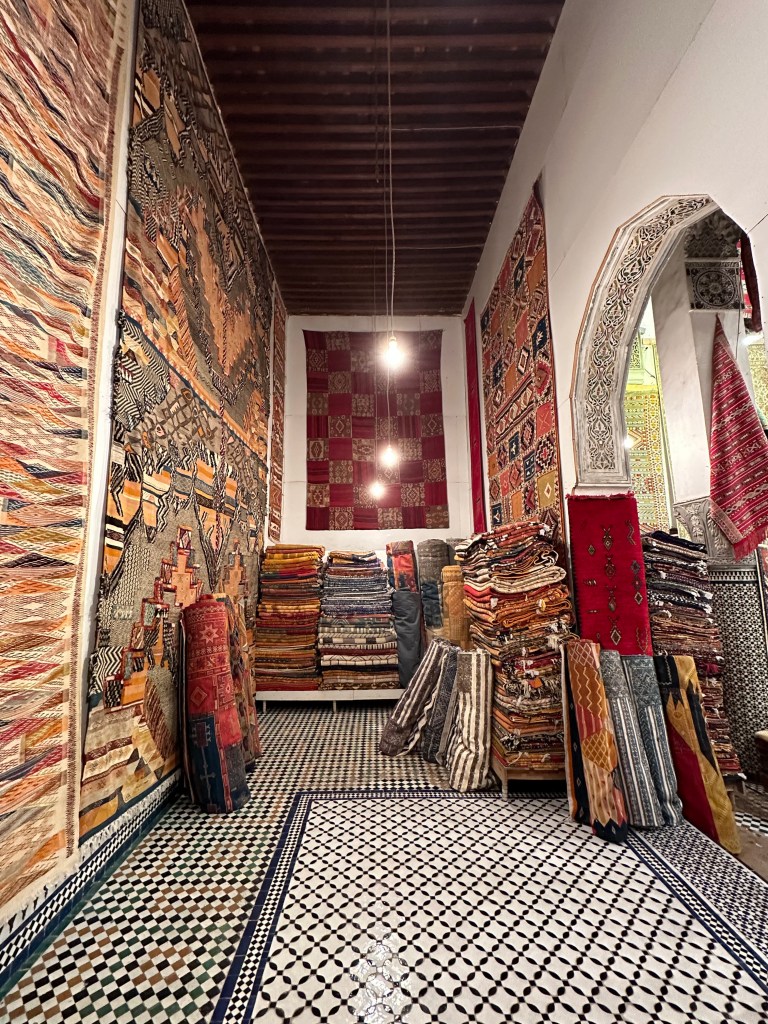
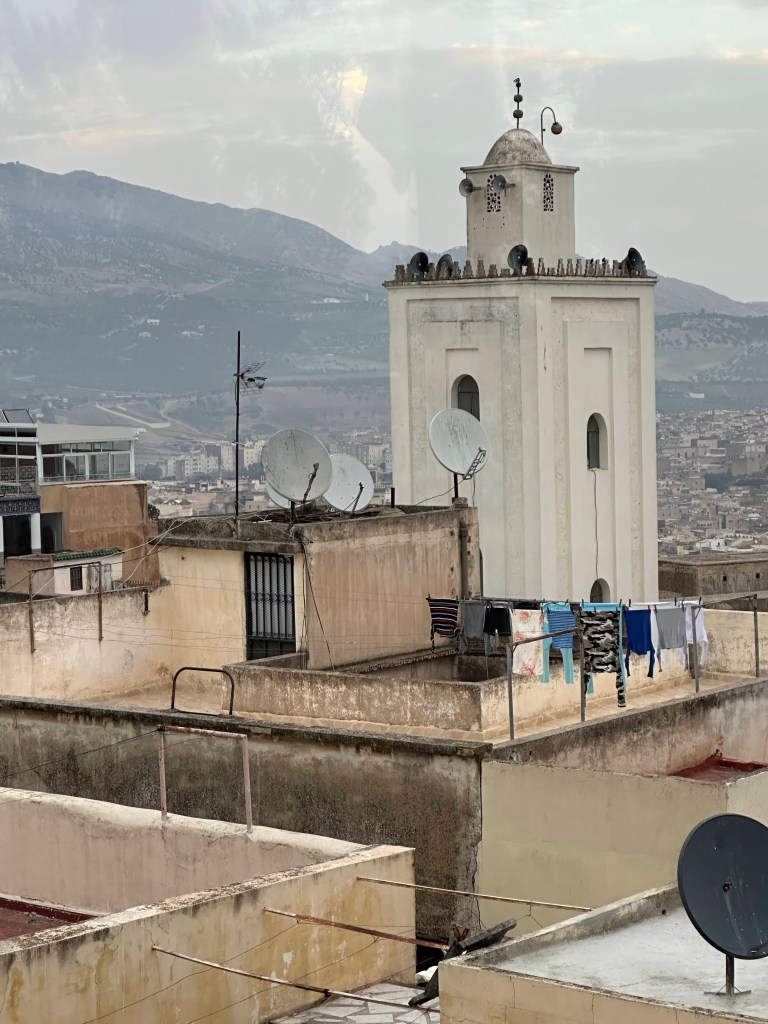
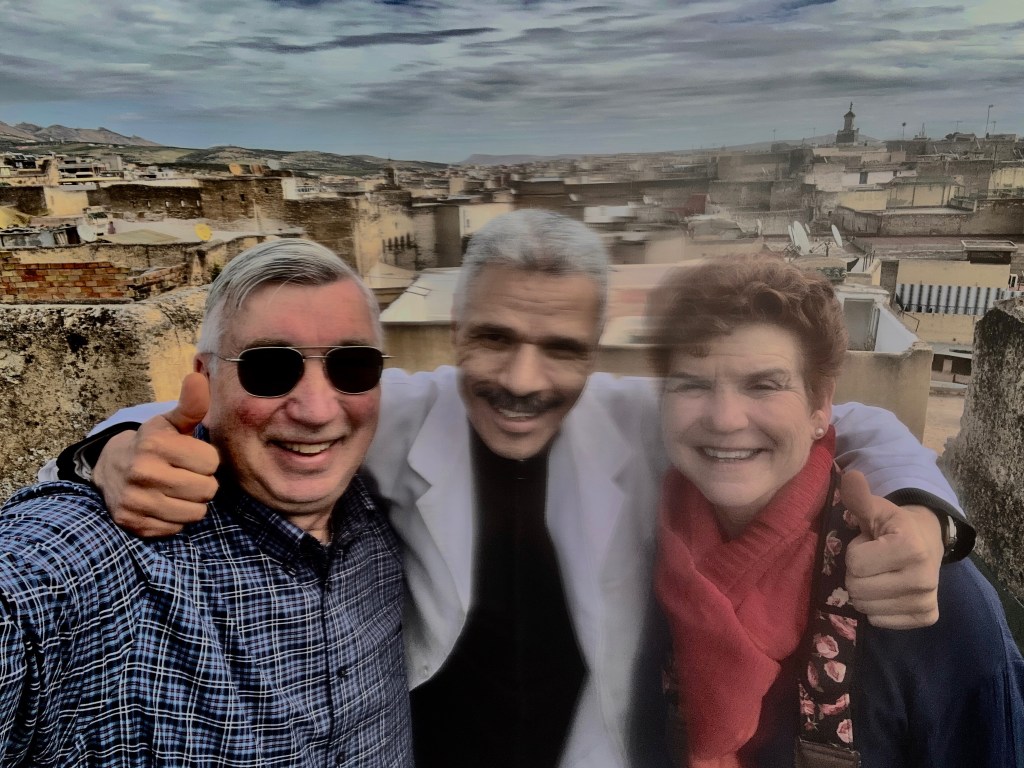
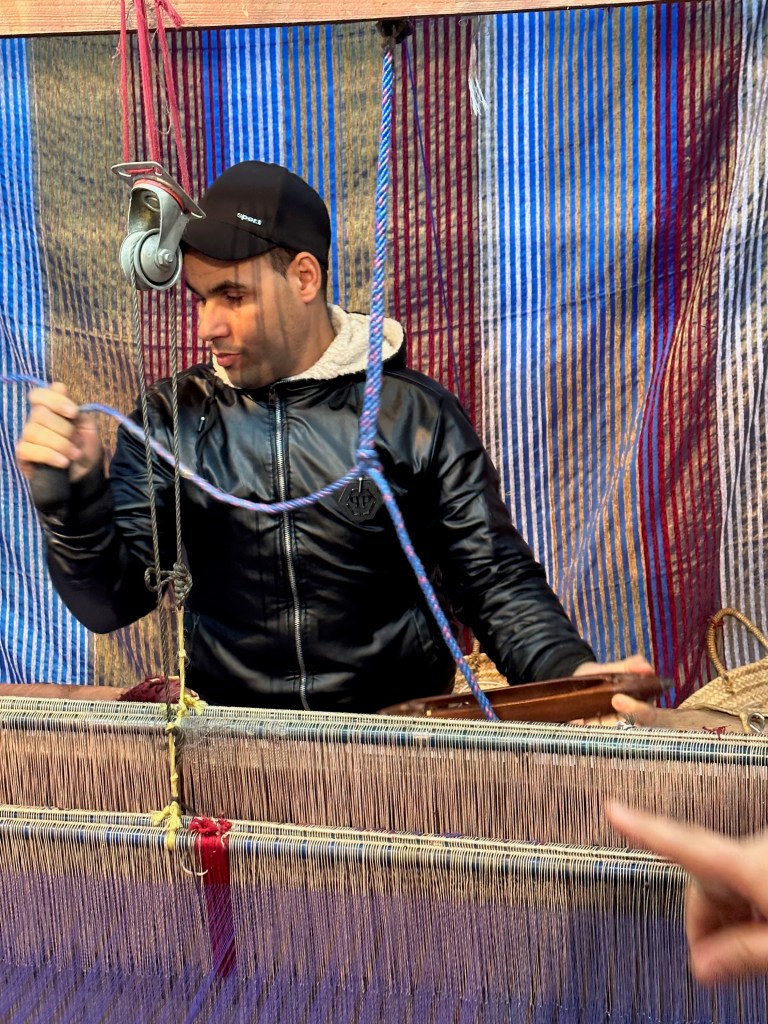
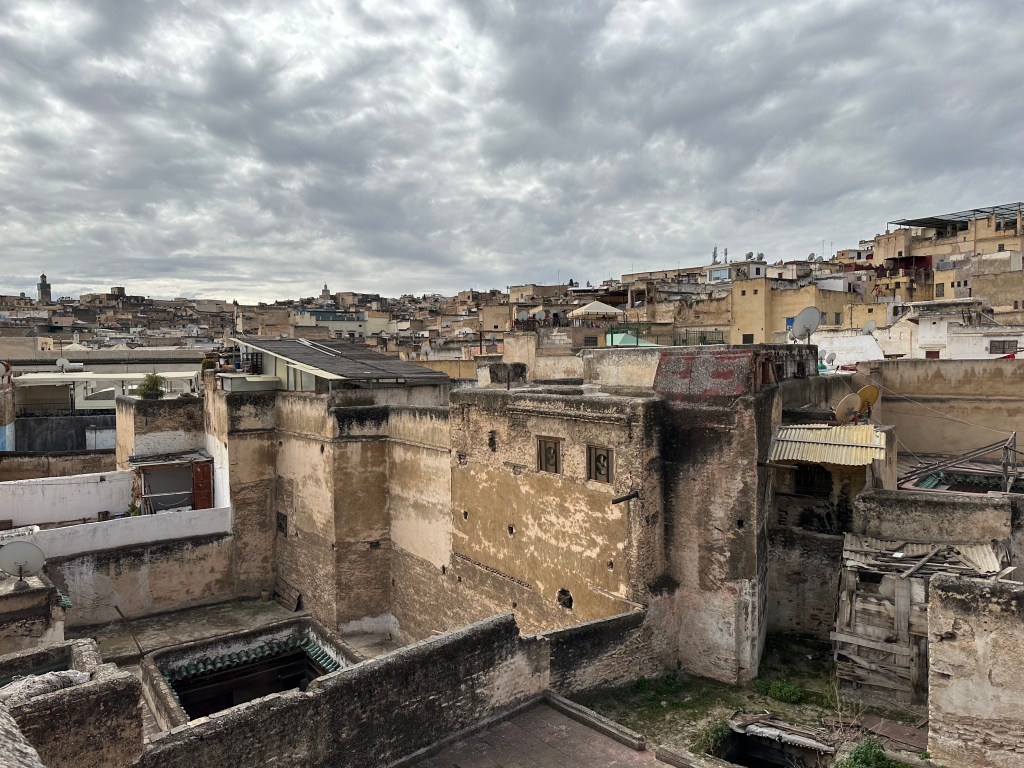
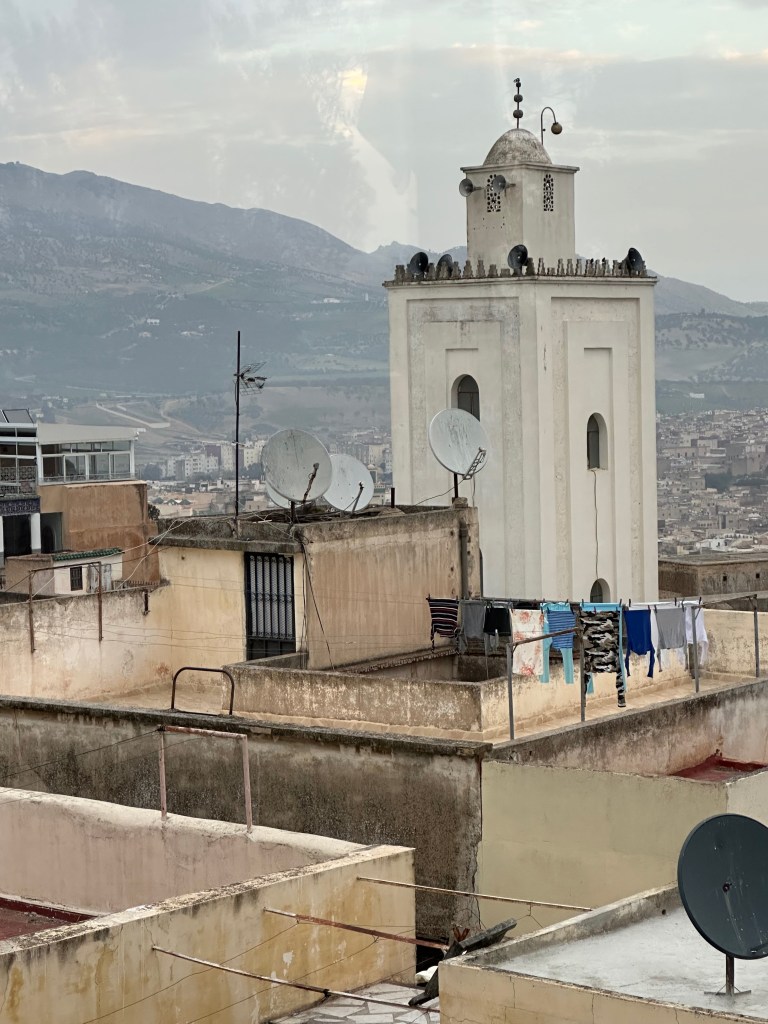
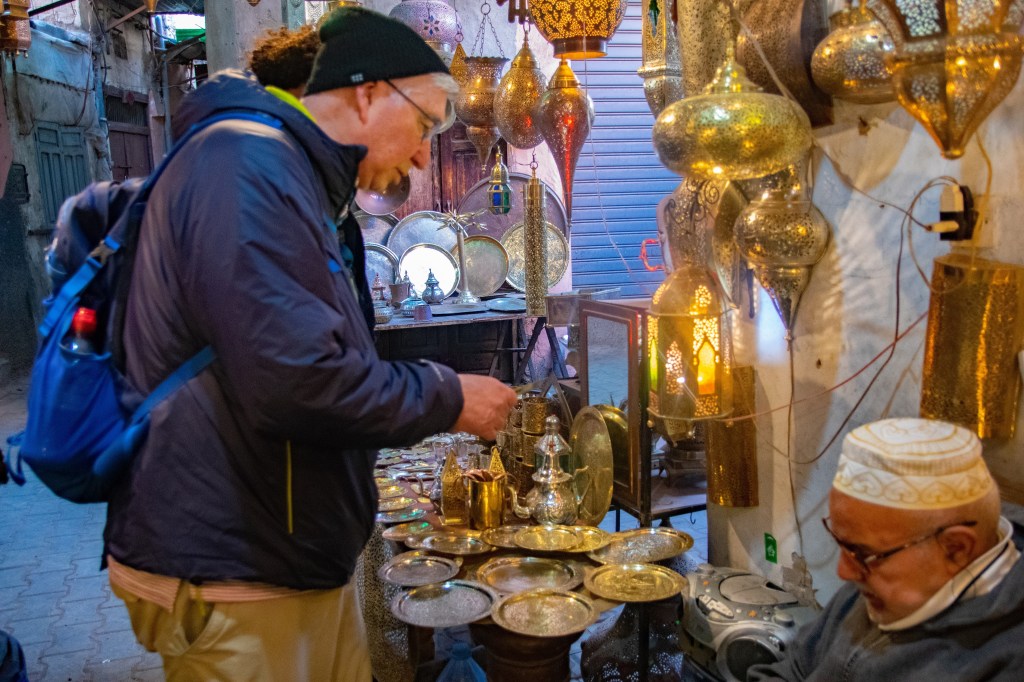
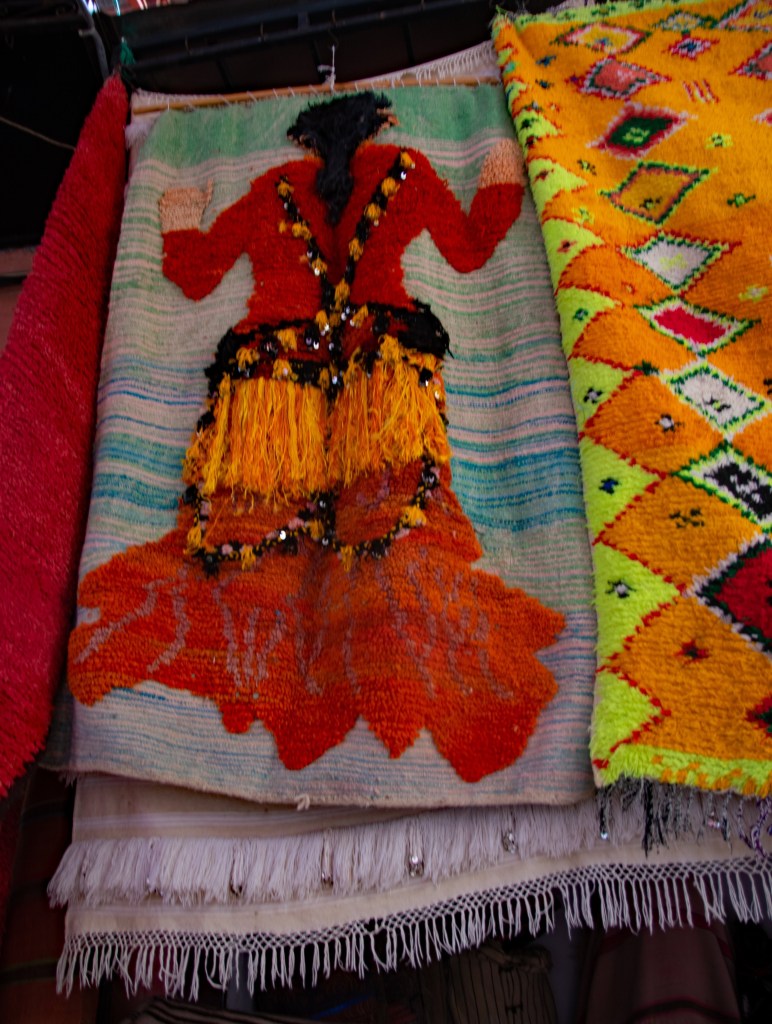
Next, we were off to visit some of the Cooperatives. Adam explained that Fez differs from Marrakech in that, rather than souks, it has Co-ops. I am not sure this distinction would be obvious to us. While there may have been less density of shops in Fez, there were definitely shops. The Co-ops are overseen by the government of Morocco. I was hoping this would mean set prices and no haggling or hard-sell, but no such luck. Our first stop was a Widows’ Carpet Cooperative, First we met Aziz, who took us to the rooftop for sweeping views of Fez. He is a teacher who volunteers at the Co-op. He was delighted to meet American teachers, and we enjoyed asking him questions and taking selfies. Aziz took me to meet the women, and see their home and work space. Bill was taken to the showroom for tea. The woman and their children are given shelter from the streets, although the living space is quite modest. While the children are in school, their mothers learn to make carpets by hand. I was told that a single carpet takes up to two years for completion.
Meanwhile, back in the showroom, Adam and Bill were sipping tea, while a team of men unrolled carpets for us to view. The show was orchestrated by one gentleman, whom I will refer to as the “used car salesman”. Each carpet was unique. I made the requisite comments about their beauty, while Bill sat with his arms folded, and repeated continuously, “We aren’t here to buy a carpet, but I’ll be happy to make a donation to the widows.” “No, we don’t accept donations here, only purchases. Now, what size carpet can you use?” The prices started at $4,000 Euros for a very large rug, which wouldn’t likely do much for our minimalist decor even if we could afford it. The used car salesman told us these carpets were an investment. We could purchase it and resell it in the States, making enough profit to pay for our trip. Bill told them he was not buying a rug and he certainly wasn’t going into the rug selling business. Each time we protested, smaller rugs appeared and the prices got lower. By the time we were exiting (without a rug), the used car salesman was trying to hand me a very small rug and shouting, “Please take it, it’s a gift!”
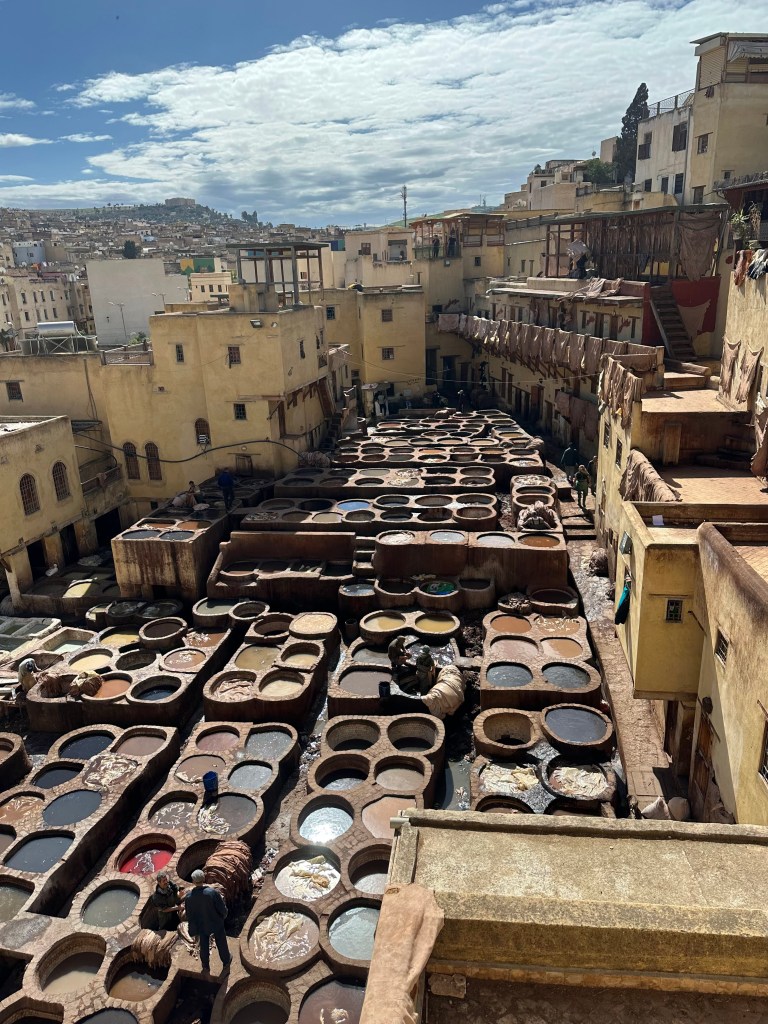
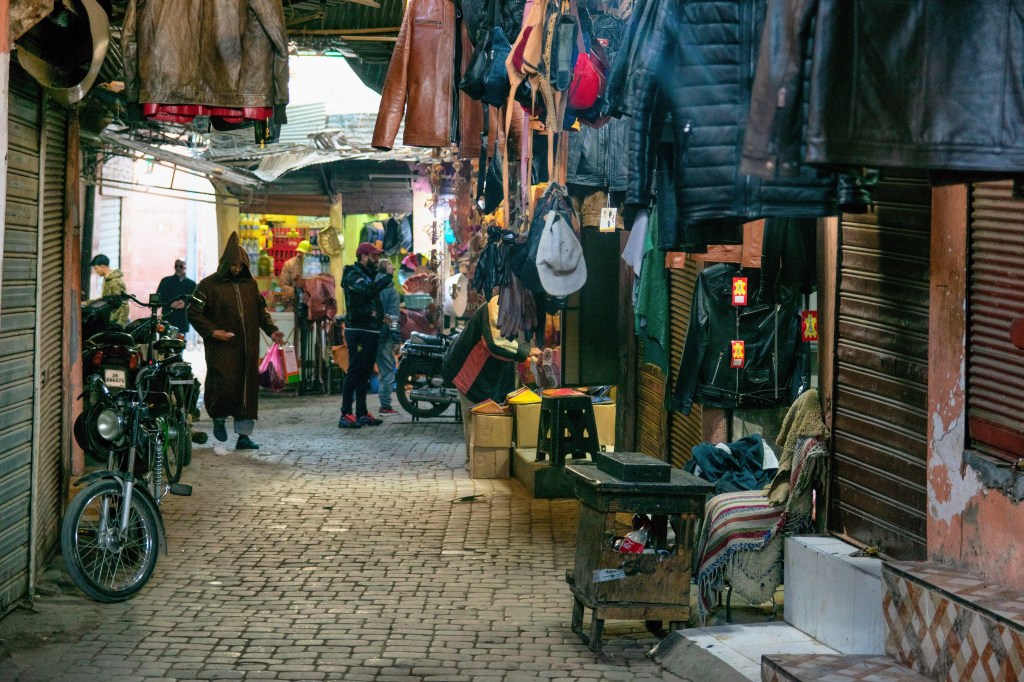
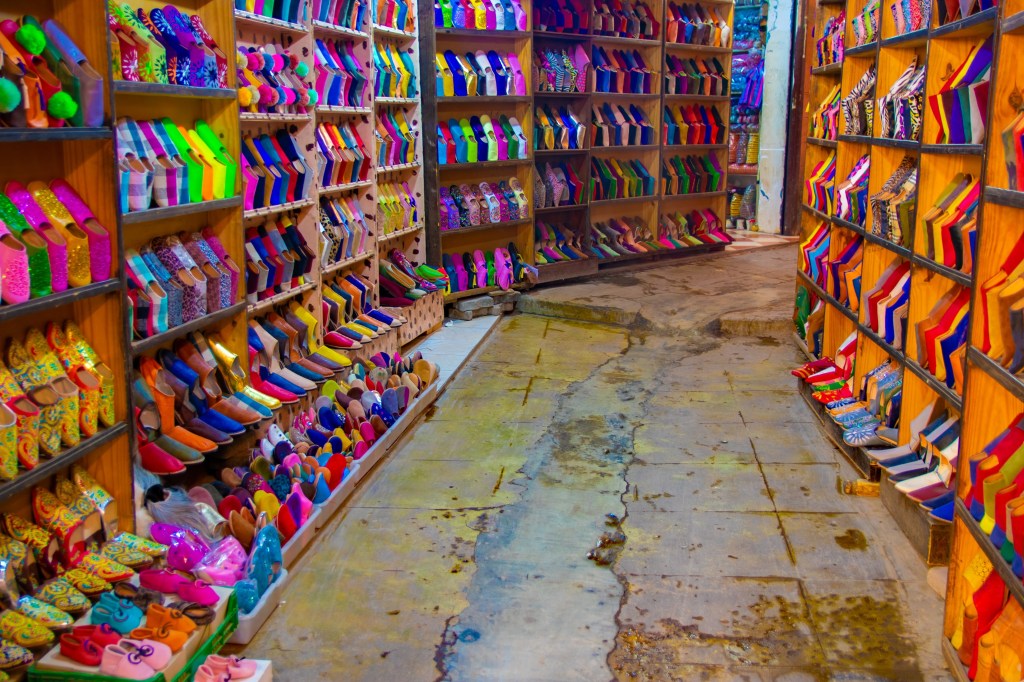
After our escape from the Carpet Co-op, it was on to the tanneries and leather goods shops. Leather was a product in which I had a bit more interest. The sales approach was gentler than the carpets. Again, the asking price is outrageous, negotiations occur, and a settlement is reached. Even Adam bought a jacket, although I’m pretty sure his price was lower than ours. He did help us to negotiate, and in the end, I had two leather handbags, and each of us had a new camel leather coat. We’re pretty sure we overpaid, but not enough to break the bank.
Time for a lunch break! We went to a small family run restaurant, where we were invited into the kitchen to taste the day’s specials before ordering. As soon as we were settled, who walked in and sat next to us, but the used car salesman. Coincidence? You decide. He made one more pitch for us to stop by and get his card for our friends back home.
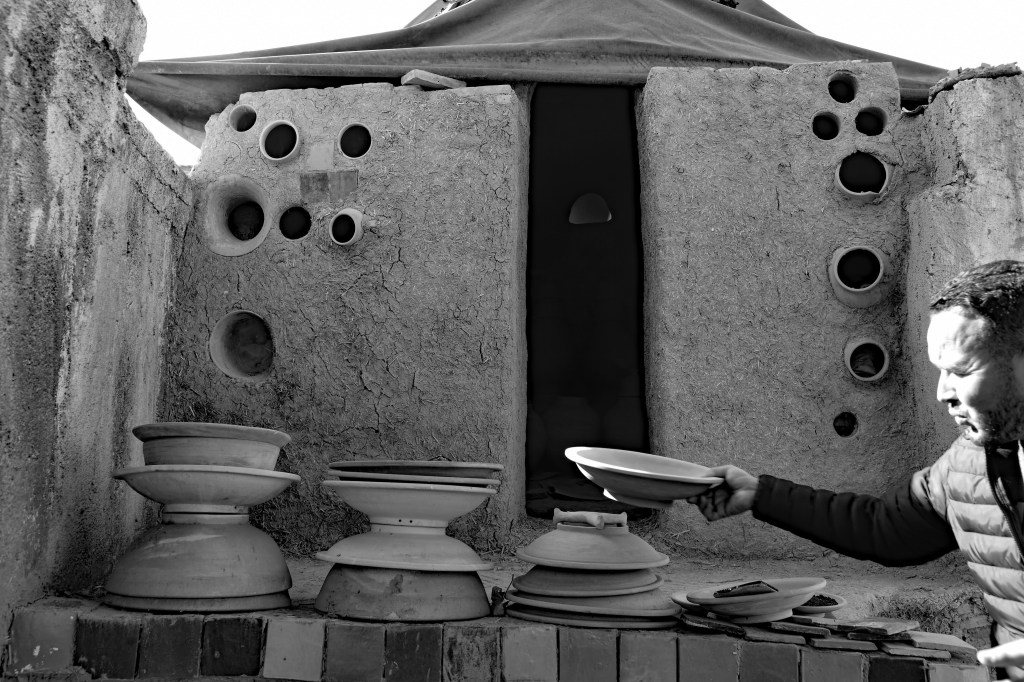
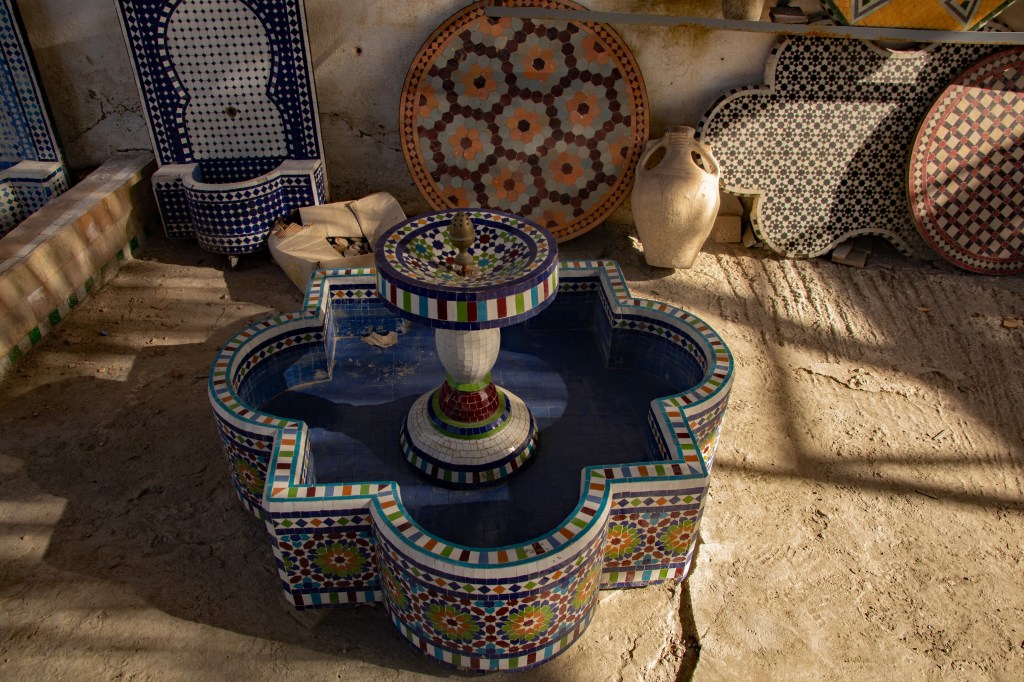
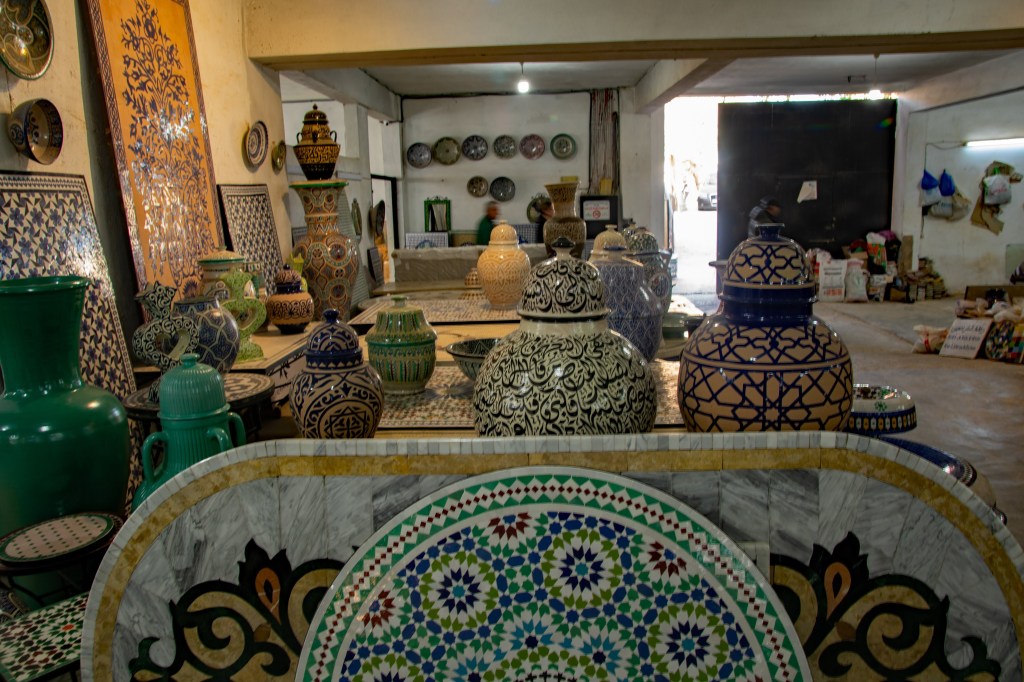
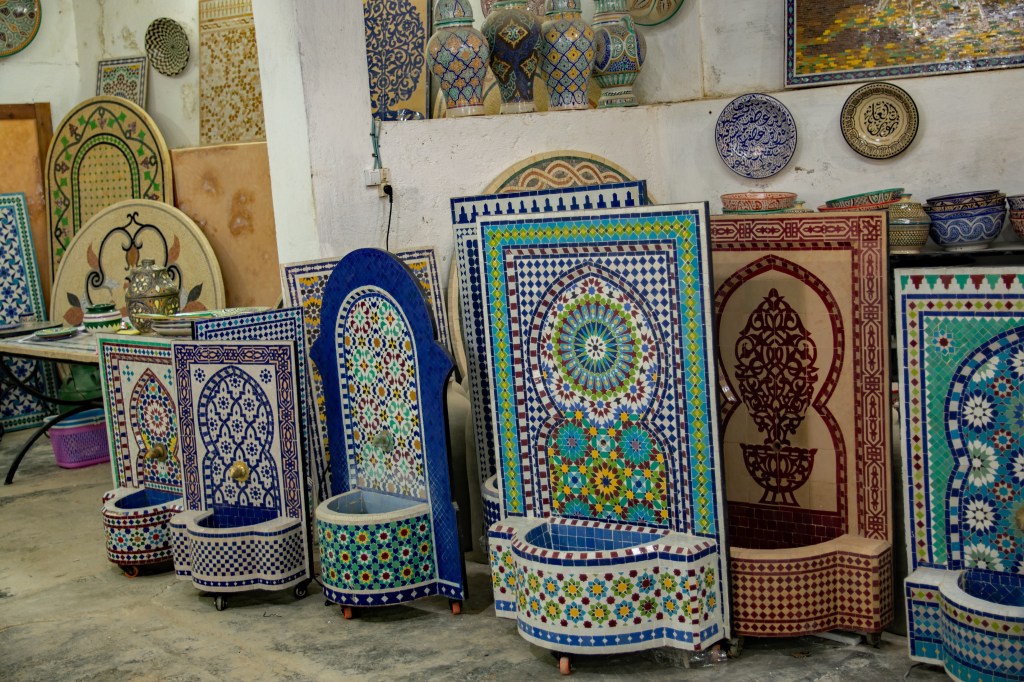
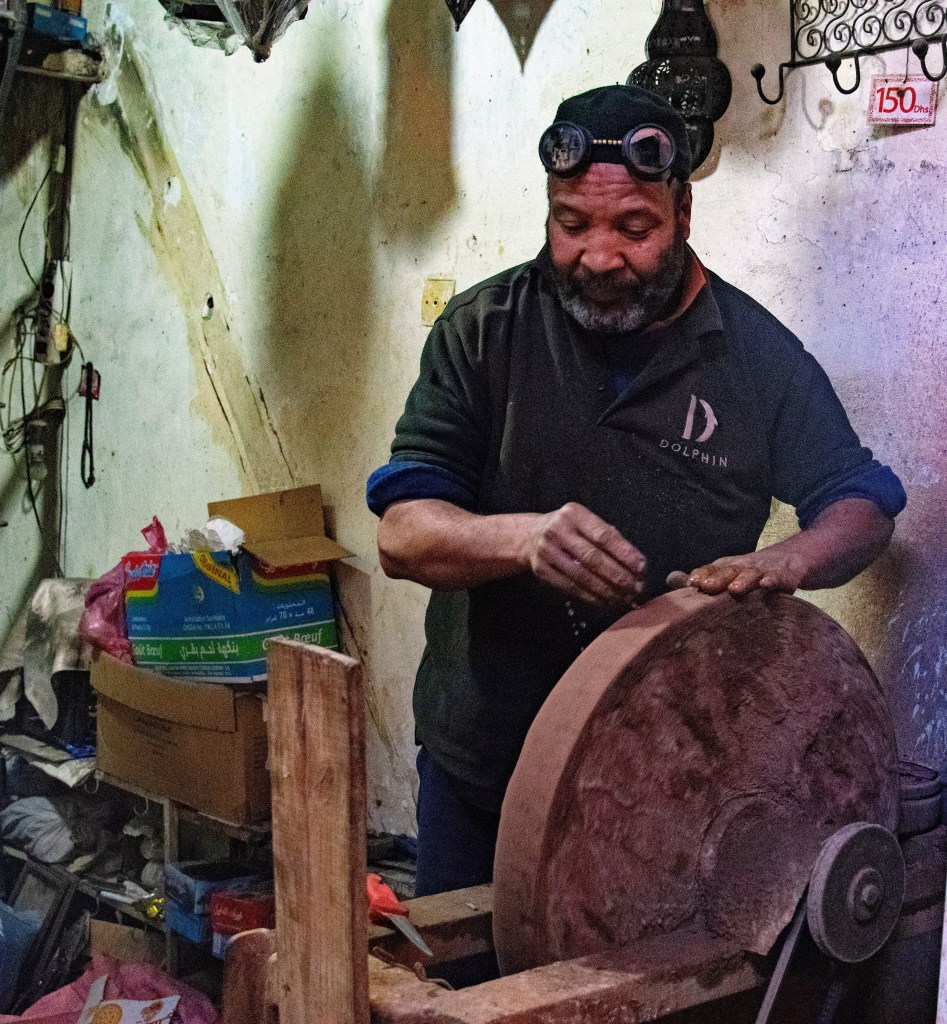
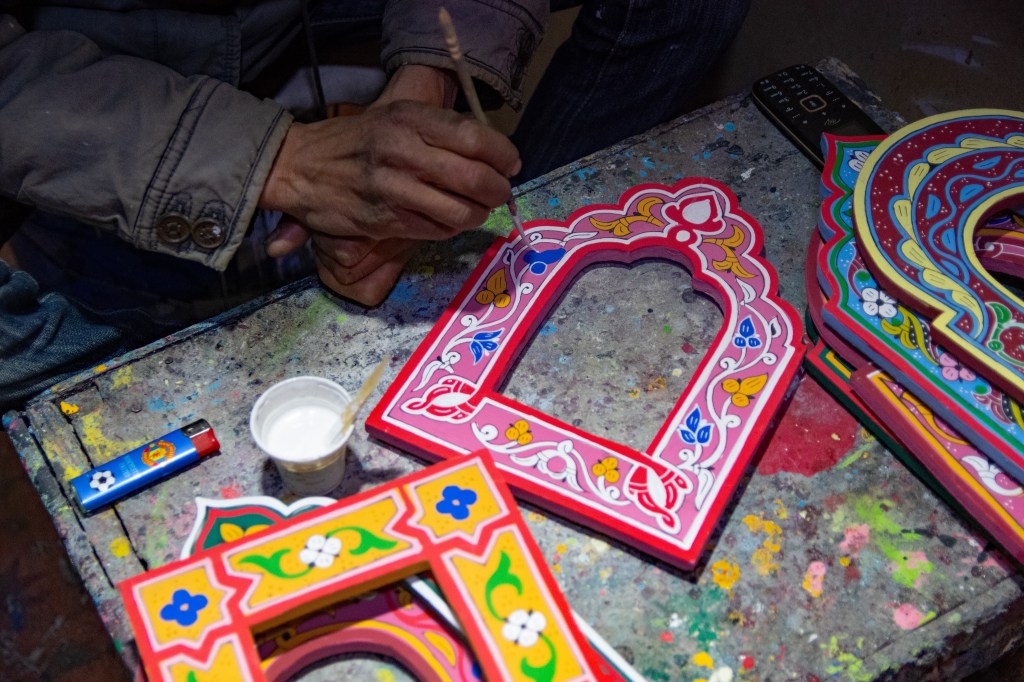
After lunch, we had one more Co-op on our agenda: the pottery artisans. While I was at the point of skipping this one; I’m glad we didn’t. These artisans were amazing! I thought of my ceramic artist friends at home and how much they would enjoy seeing this. The painstaking tile work is done with hand tools. The products are beautiful! Bill was picturing one of those fountains on his deck back home, but it will probably come from Amazon and be made in China.
And so ended our tour! Bill handed Adam a cash donation for his Widows’ charity. Some of you are shaking your heads now at our stupidity. I would like to believe it got to those in need and Bill says it’s in karma’s hands now.
At the end of the day, it felt a bit like we were in a Hollywood movie complete with exotic stage settings, a cast of characters, (with us as the naive tourists), a few twists of fate, and an ambiguous ending. Kind of like “Now You See Me” Was the whole thing a set-up from start to finish? Maybe. Maybe not. But even if it was, no real harm was done. We saw beautiful places, met interesting people, and took memorable photos. I have enough material to write a screenplay. And I’m rockin’ that leather coat!
There is an Epilogue to the leather coats, but that’s a tale to tell over a glass of wine.

















NEXT: Chefchaouen: the Blue City











































































 Adventures In The South of Spain