Adventures In the South of Spain Goes North to France!
First Stop : Nantes(July 29-August 1)
Kicking It Off With a Soccer Match in Nantes
When Paris announced they would host the 2024 Summer Olympics, our daughter Jackie proclaimed “We should all go!” To be honest, we didn’t take her too seriously until about a year ago when she insisted it was time to start planning in earnest. To put things in context: in 2008, our daughter Christine competed in the Beijing Games and earned two silver medals in swimming. Jackie, Bill, and I traveled to China to cheer her on.
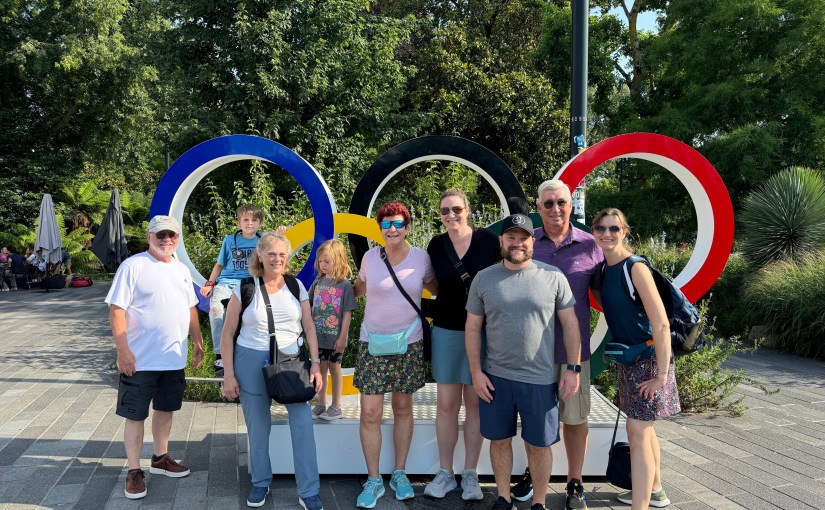
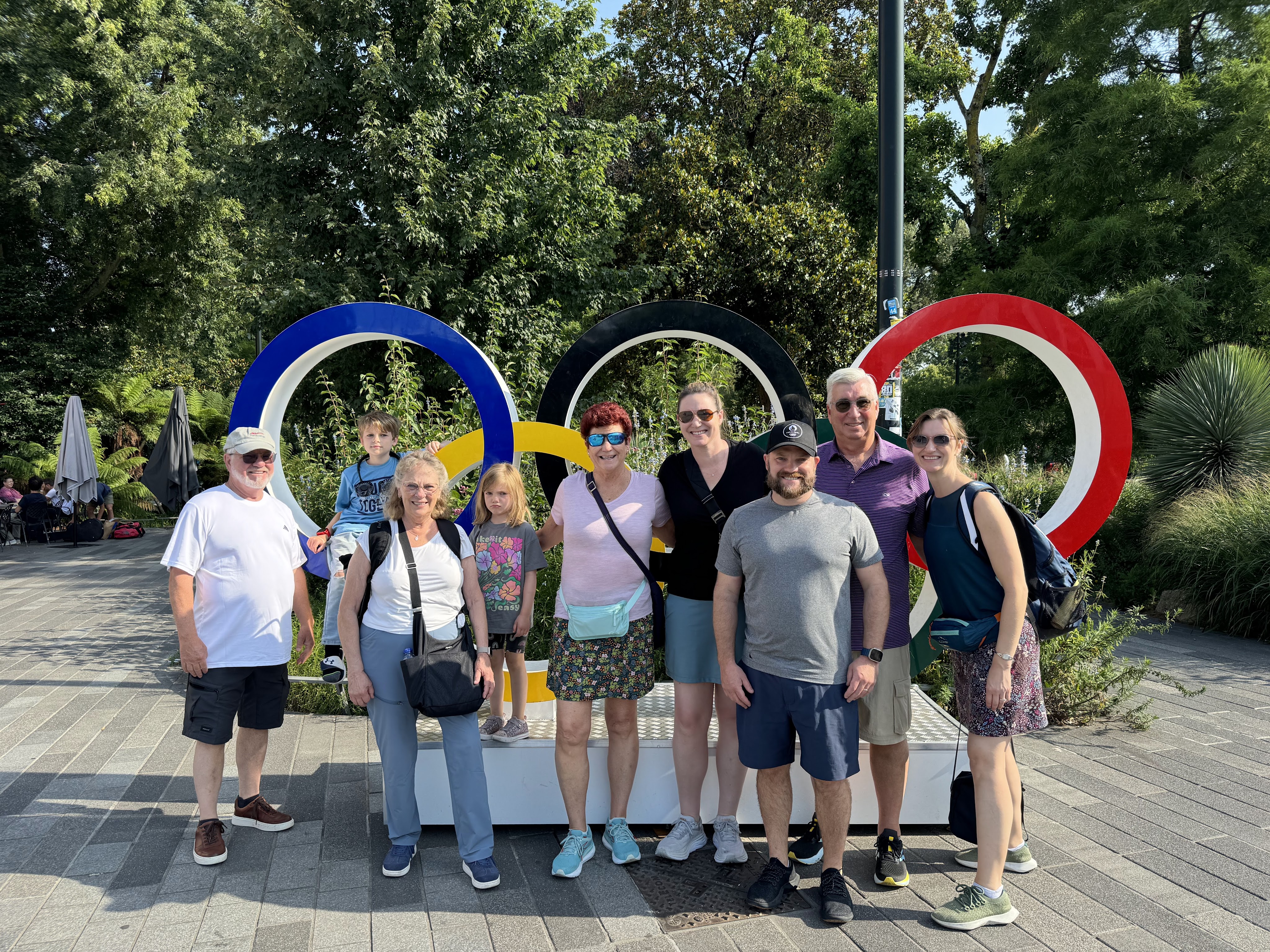
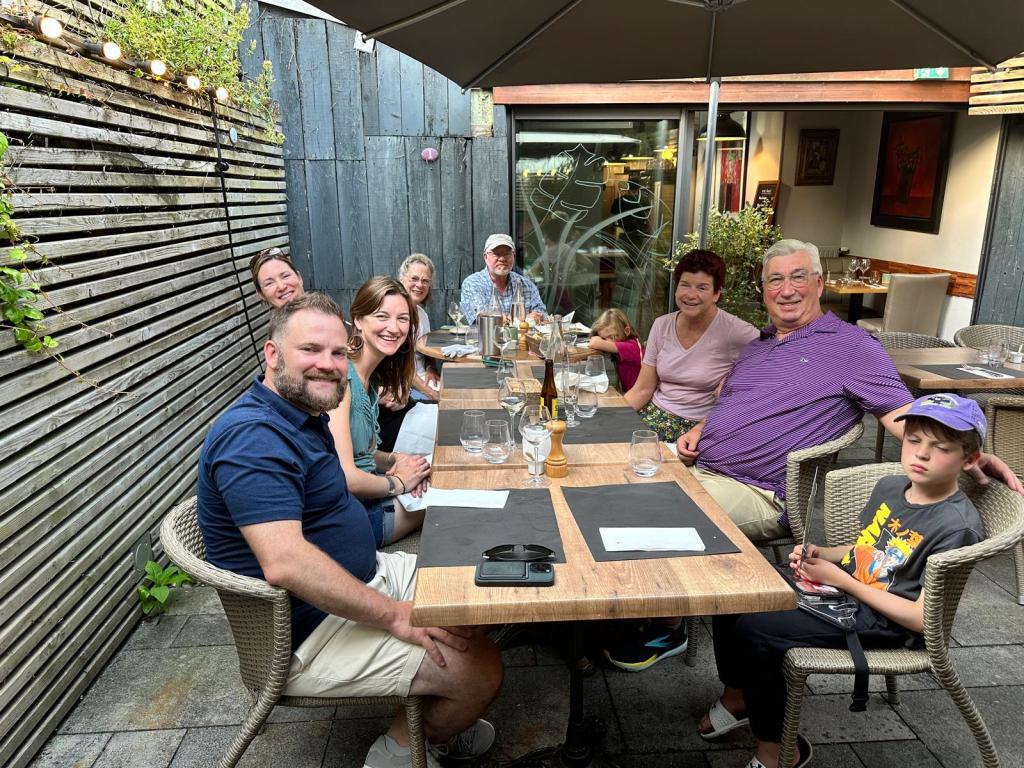
This trip was our first return to the Olympics; this time with Christine as a spectator. We were joined by Jackie’s husband Greg and their two children, and Greg’s parents. Some members of our group were visiting Paris for the first time and others were returning. It was my third time to the “City of Lights.” To combine the beauty of Paris with the Olympic Games was too tempting to pass up.
In the fall of 2023, the Paris 2024 Family Calendar was born. Nine of us committed to the August 2024 trip. We got busy booking lodging, buying train tickets, buying tickets to events, making dinner reservations, booking day tours, reserving museum entries, and reading guide books. We planned to meet in Paris on July 29th and board a train for Nantes on the Loire River for a three-night stay and a soccer game.
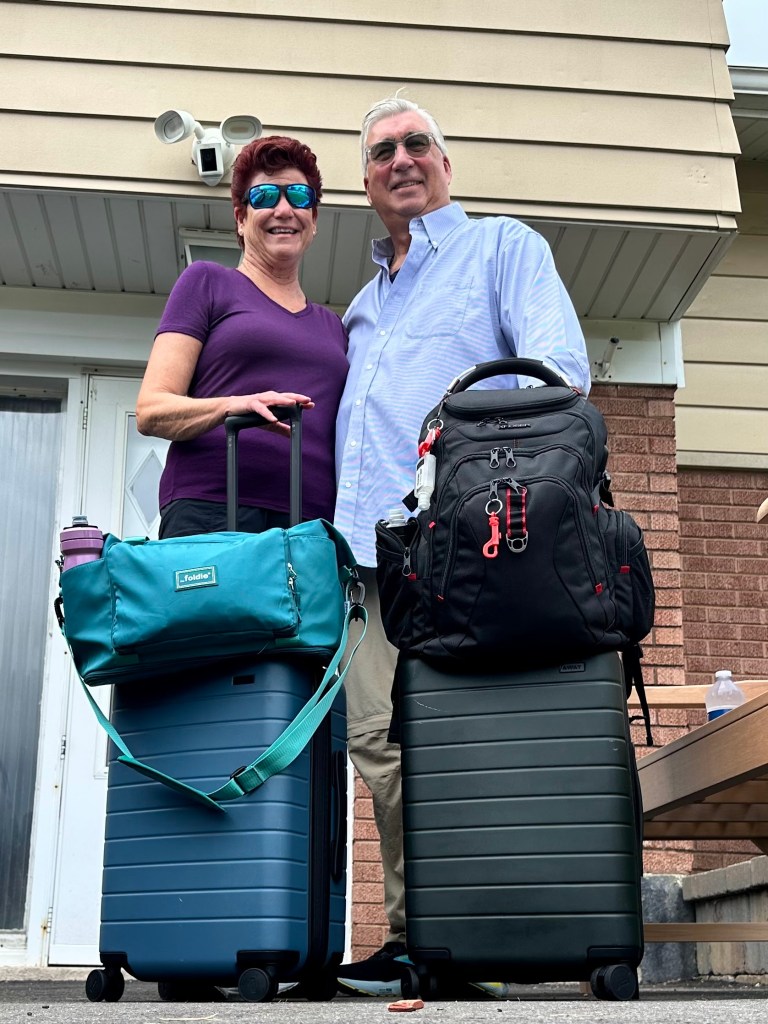
We strategically packed our carry-on bags for a month of travel, as Bill and I were heading to the UK from our Paris adventure. After overnight flights from Chicago, Austin, and Milwaukee, the nine of us met in the regional train terminal at Charles de Gaulle Airport. Lattes and croissants all around!
The high-speed train trip to Nantes was comfortable and and we passed the time reading, snacking, and dozing. The highlight was when our granddaughter lost a tooth! The low point was when John and Jan’s duffle bag was stolen from the luggage rack. They were determined not to let that dampen our fun, so they approached their loss as an opportunity to purchase some French fashion and to utilize the French health care system. John learned that American bodies don’t fit well in skinny French pants and that he could save a lot of money on his medications in the French pharmacy. Jan looked fabulous in her new clothes!
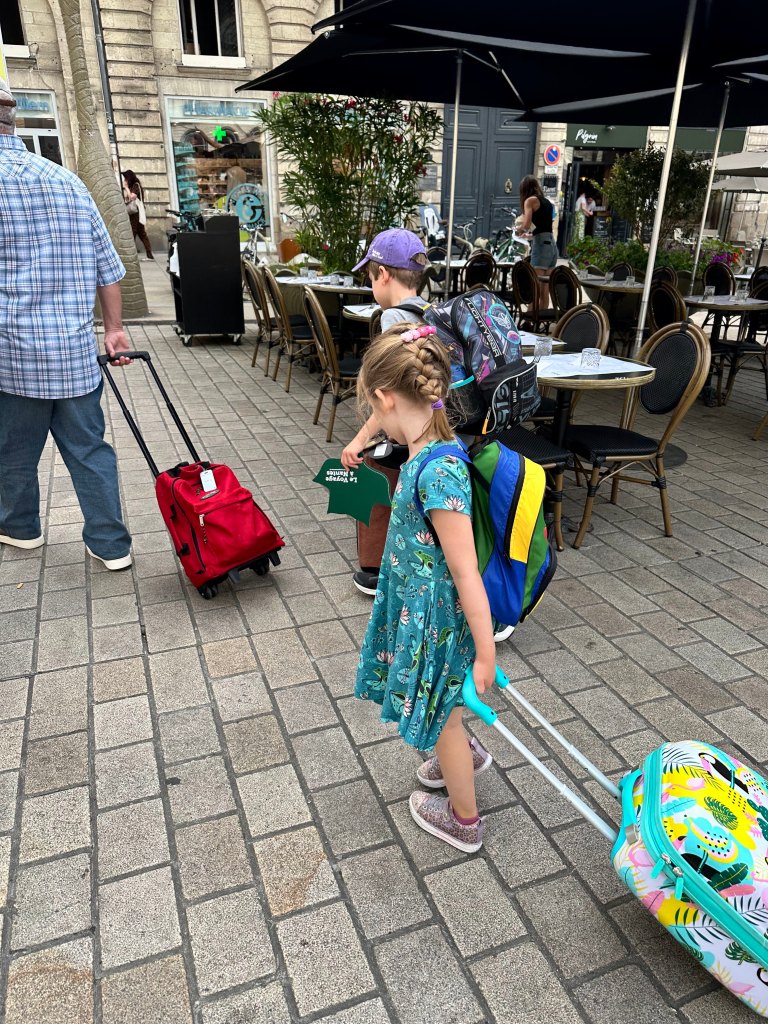
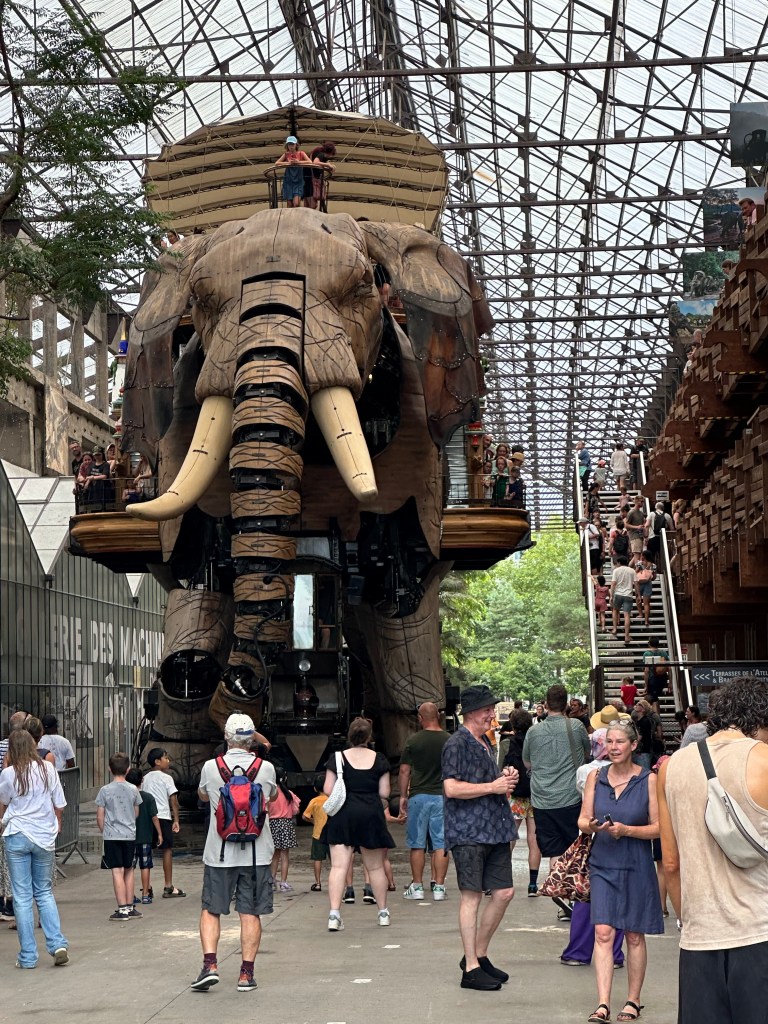
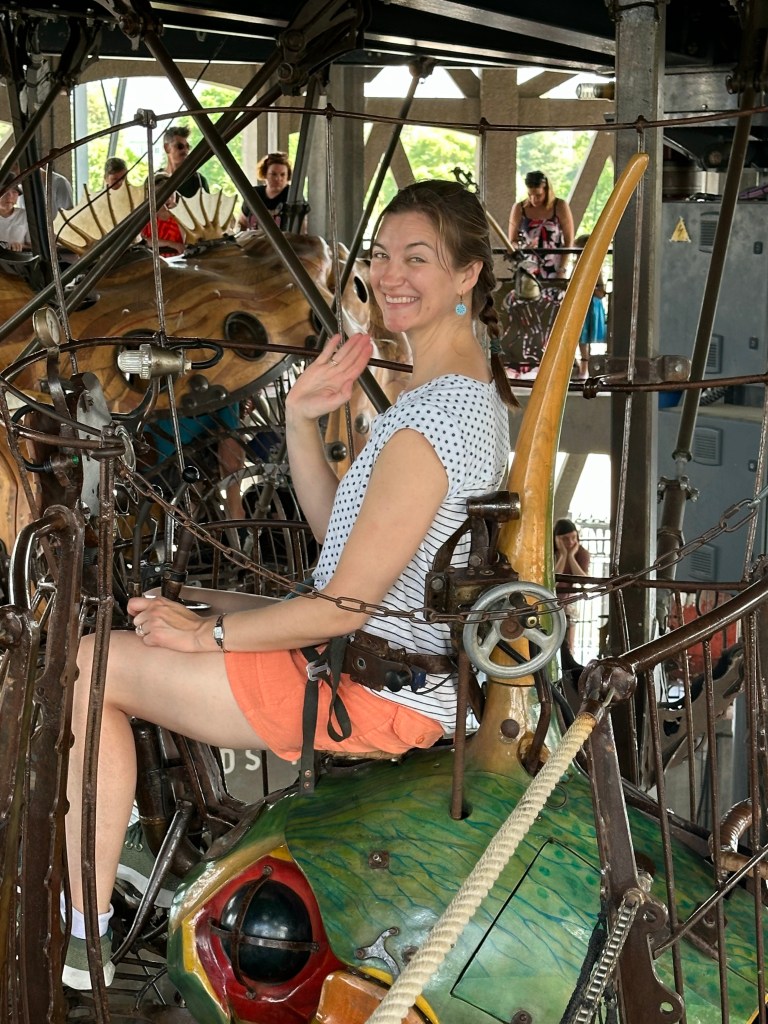
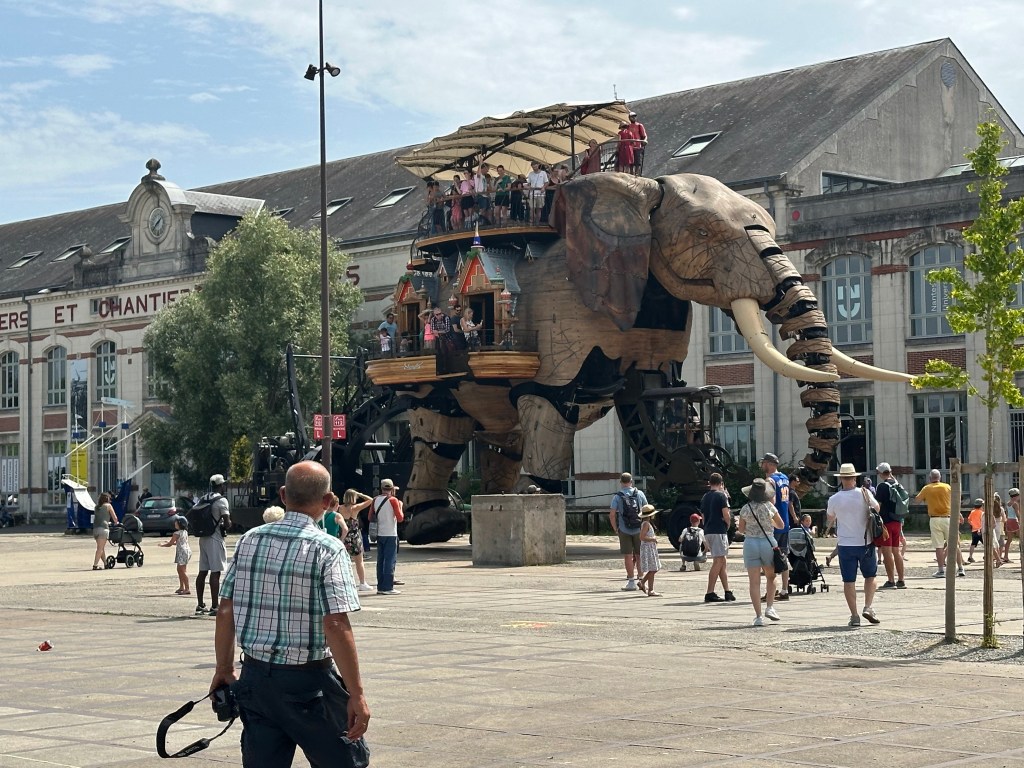
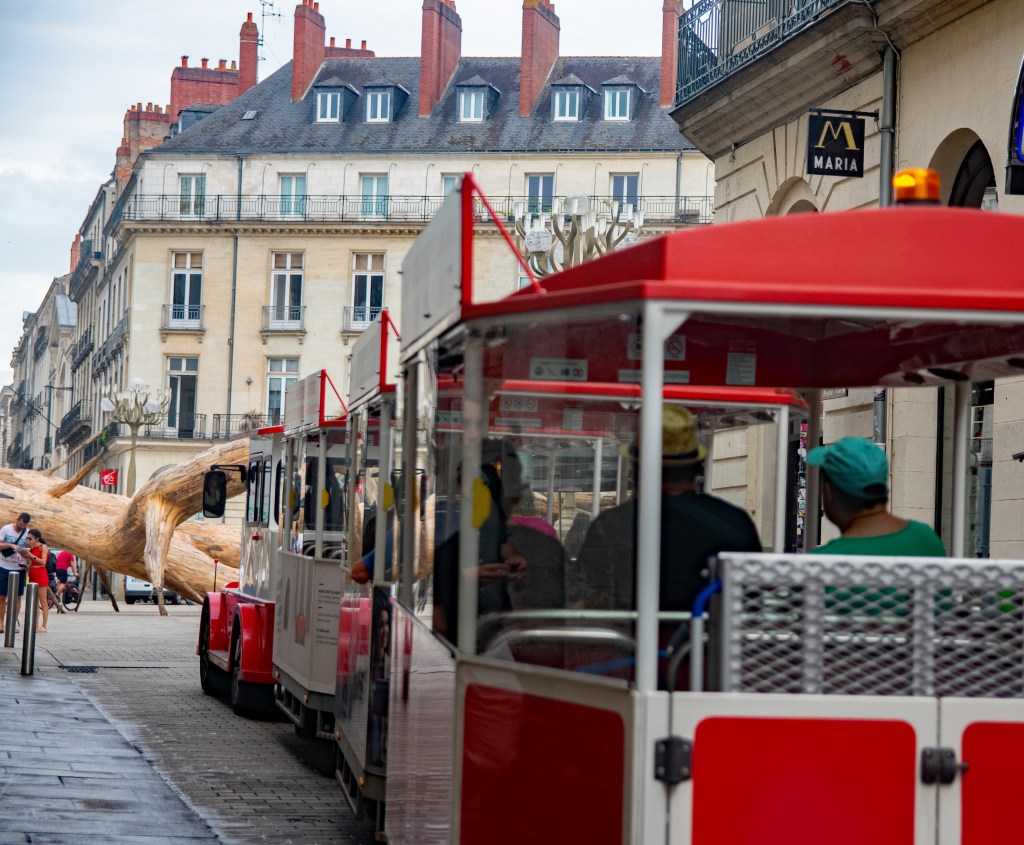
Nantes is France’s third largest city, but it has a small town feel. The city center is charming and walkable. You can follow the 7.5 mile Green Line through town, past architectural highlights and public art installations, or you can ride the free trolley. Taxis and Ubers are plentiful and there is a tram, which we rode to the soccer stadium. Adults can enjoy nearby vineyard tours, but we chose to spend our free day visiting the kid-friendly Les Machinesde I’lle. We rode the three-story carousel made of steel creatures a la Jules Vernes’ Twenty Thousand leagues Under the Sea. After that, we observed “the mechanical elephant” but declined to spend the waiting time to ride it. The kids preferred a stop in the gift shop and then it was on to lunch at a riverside restaurant.
On Wednesday, July 31, the nine of us took the tram to the Nantes soccer stadium to see the Nigerian Women battle the Japanese Women for our first Paris 2024 event. Even at 5pm, the sun was intense and the temperature about 37 degrees Celsius (close to 100 F) . When we spotted empty seats in the shaded section, we moved! We drank plenty of water and ate some salty snacks to keep us from dehydration. The game was exciting, the Japanese prevailed 4-1. After the game, we boarded the tram for the ride back to town and some refreshing gelato at Amorino.
Our stay in Nantes gave us a chance to recover from overseas travel and adjust to the time zone before our stay in Paris. We were unprepared for the extreme August heat and many hotels in France do not have air-conditioning. We ended up changing hotels after our first night in Nantes; not the hotel’s fault. Nantes is a great destination to enjoy leisure activities, good food, and friendly people.
(Double-click on photos for better viewing)
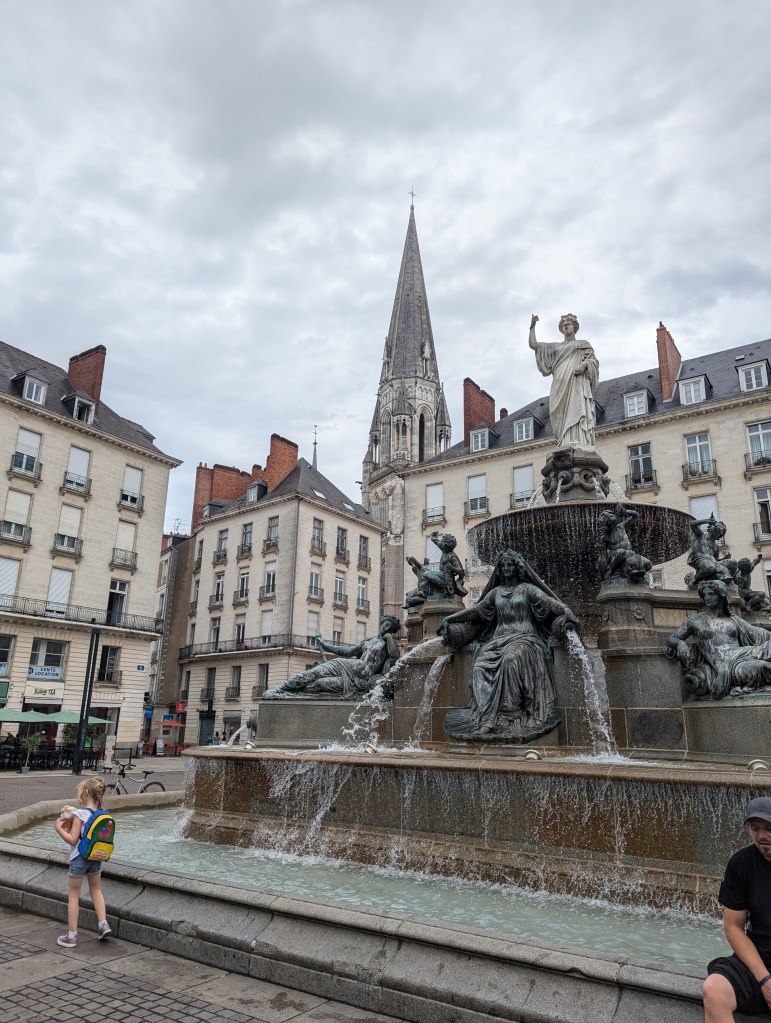
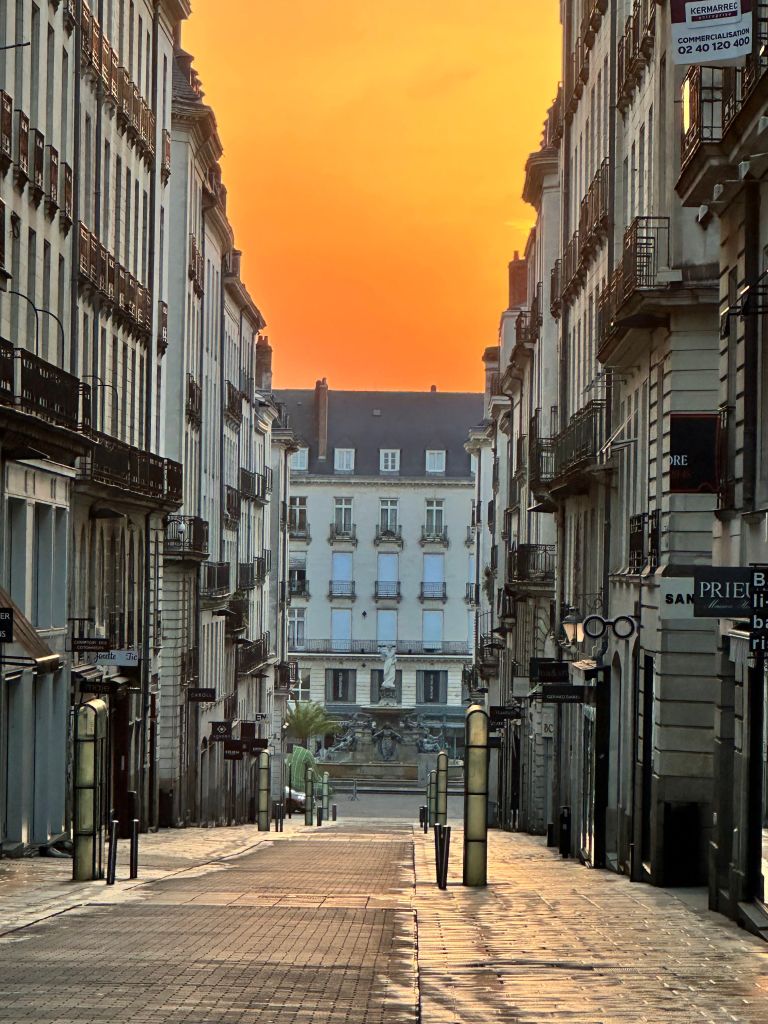
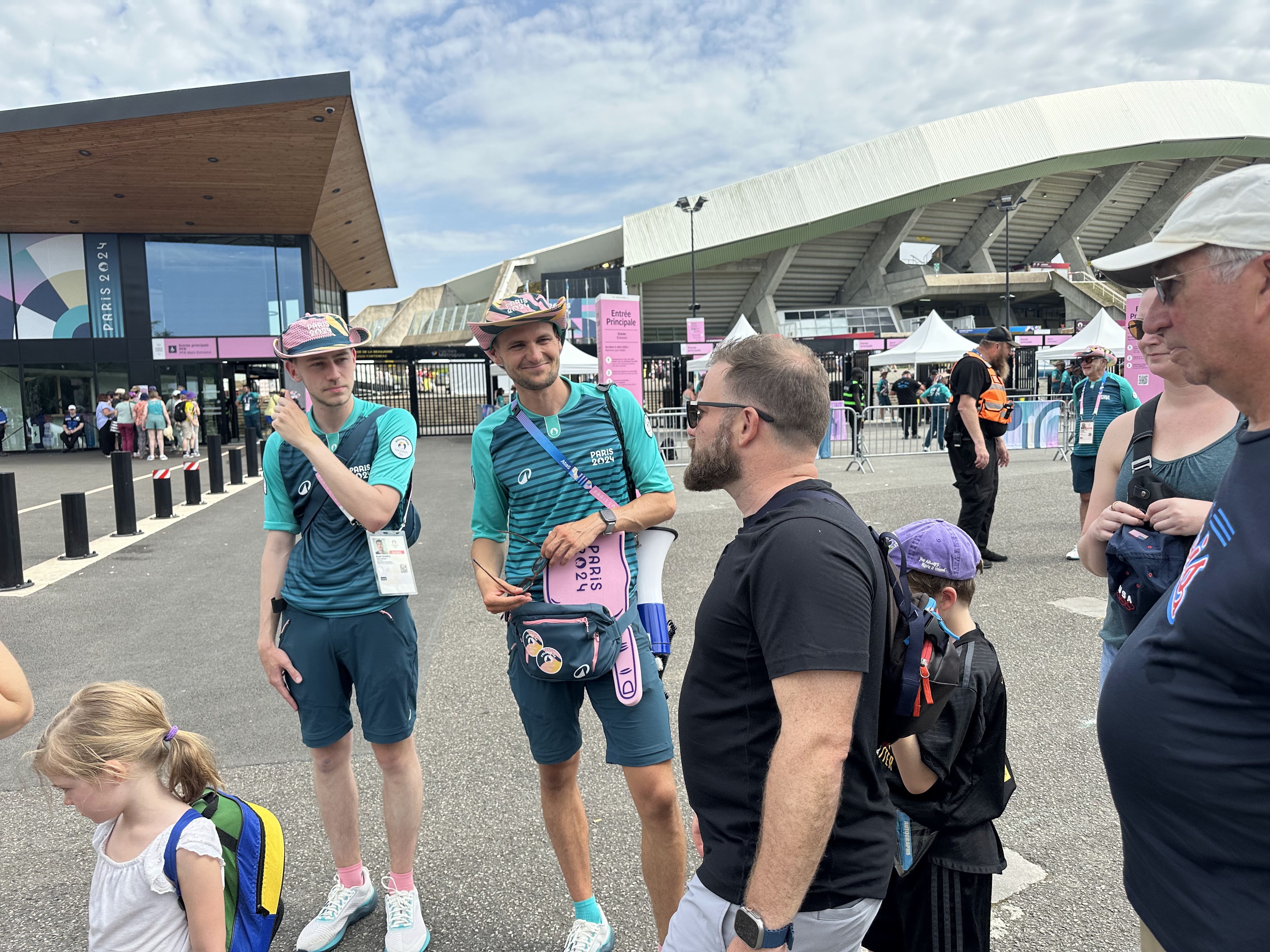
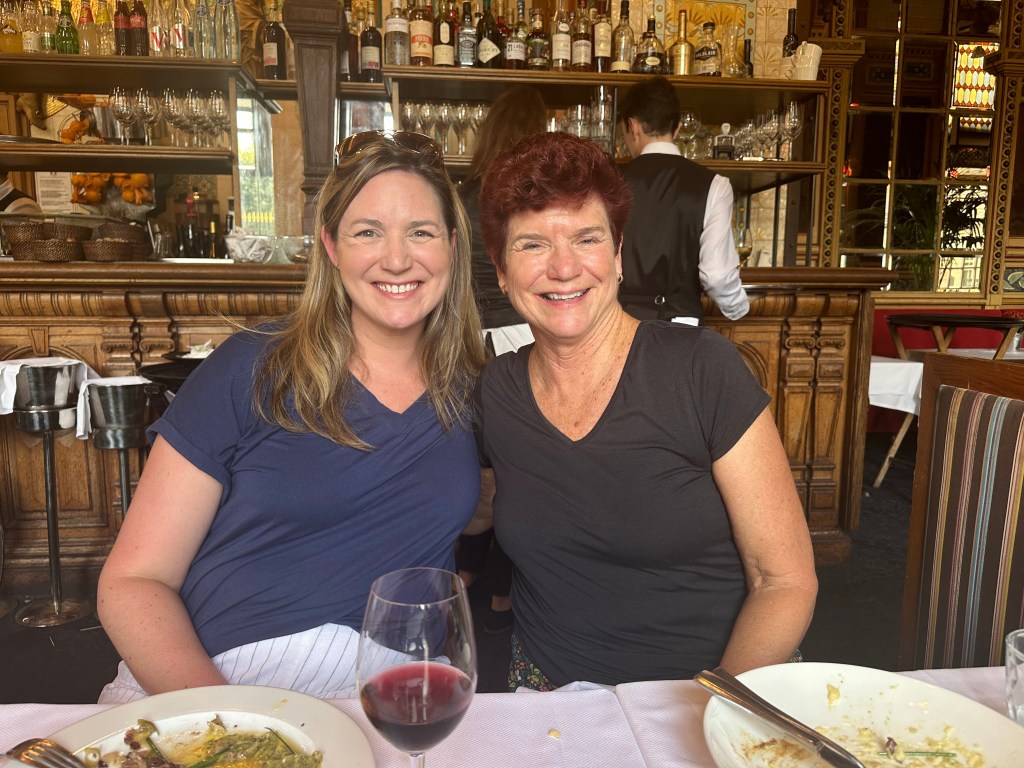
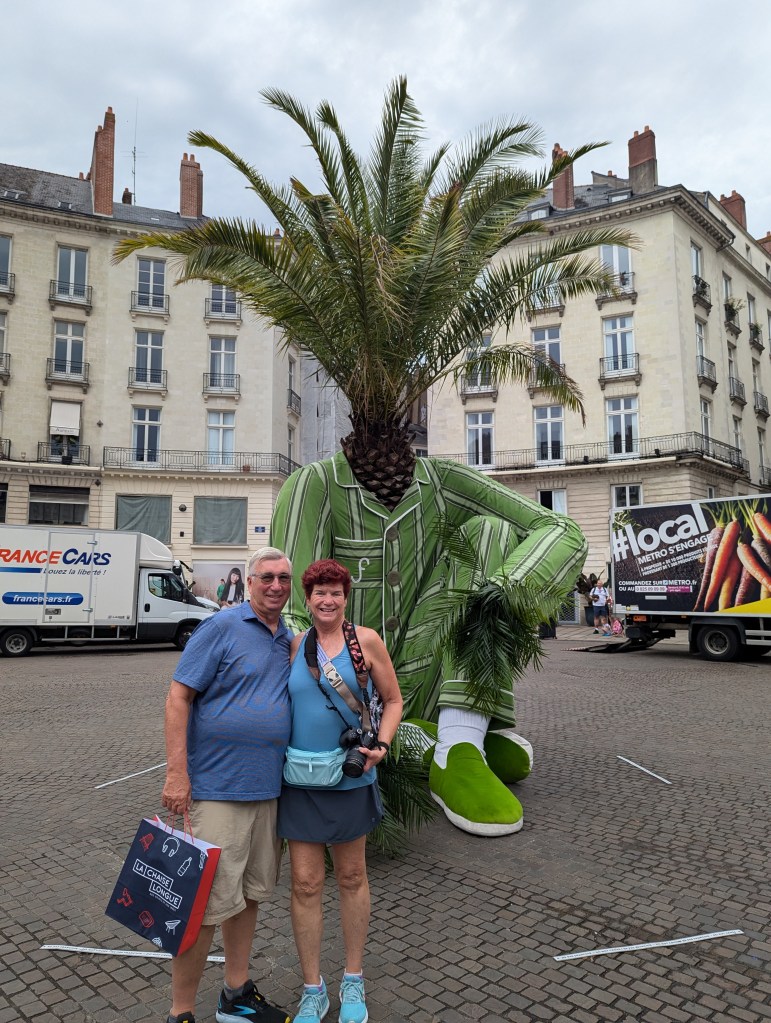
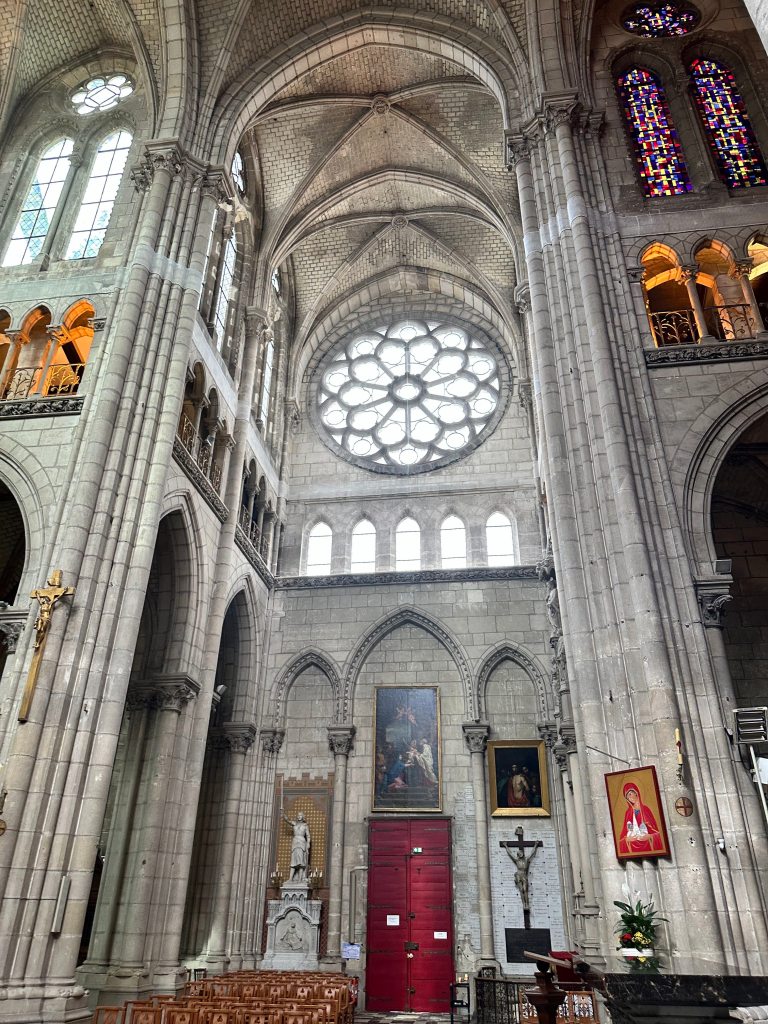
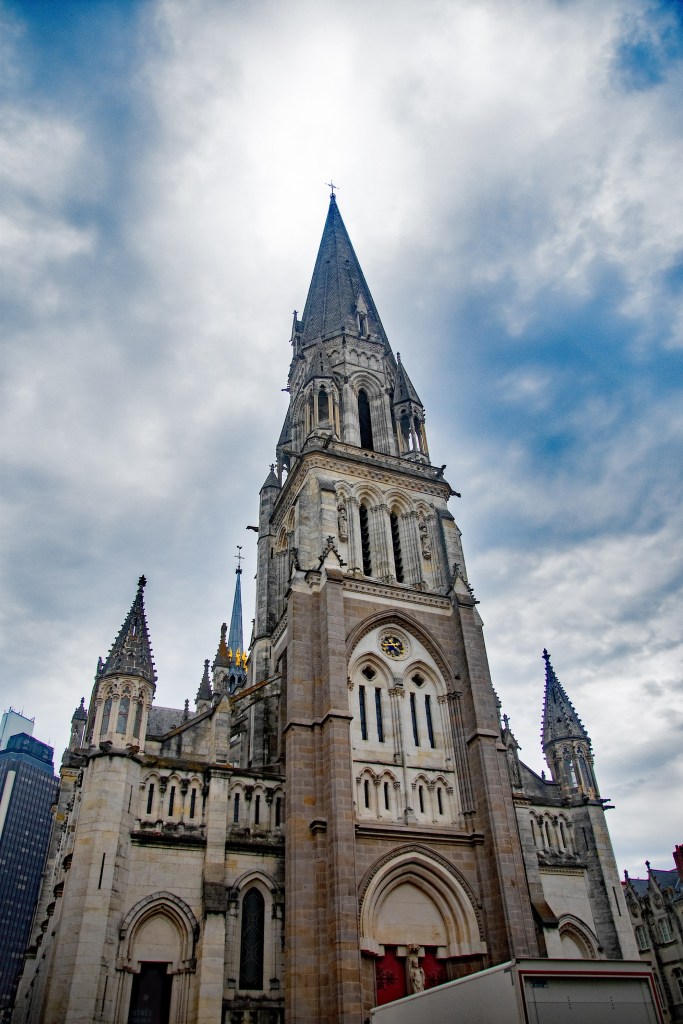
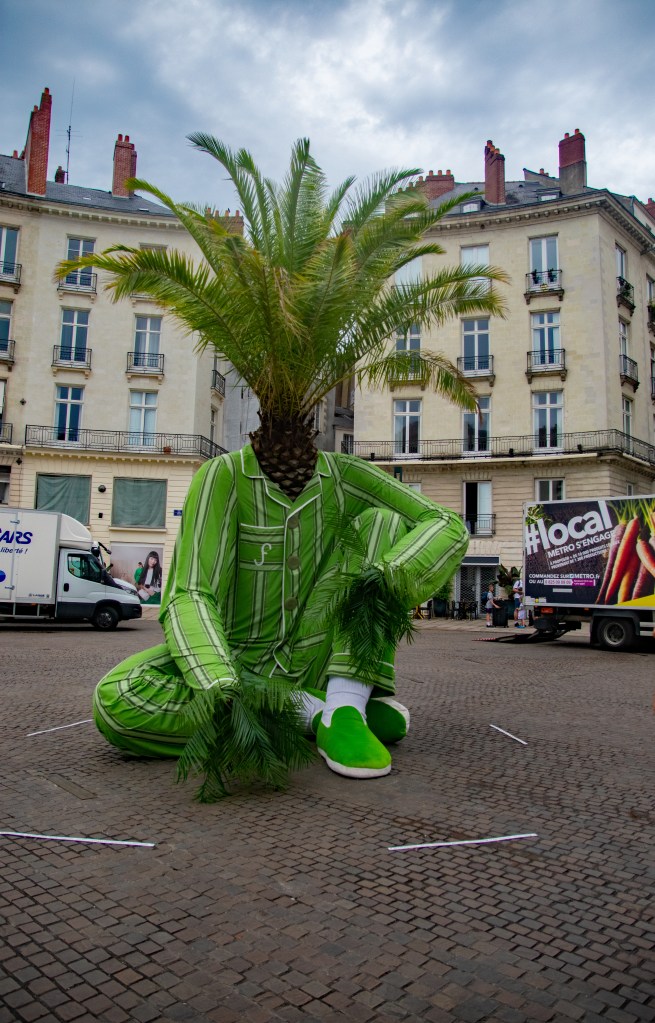
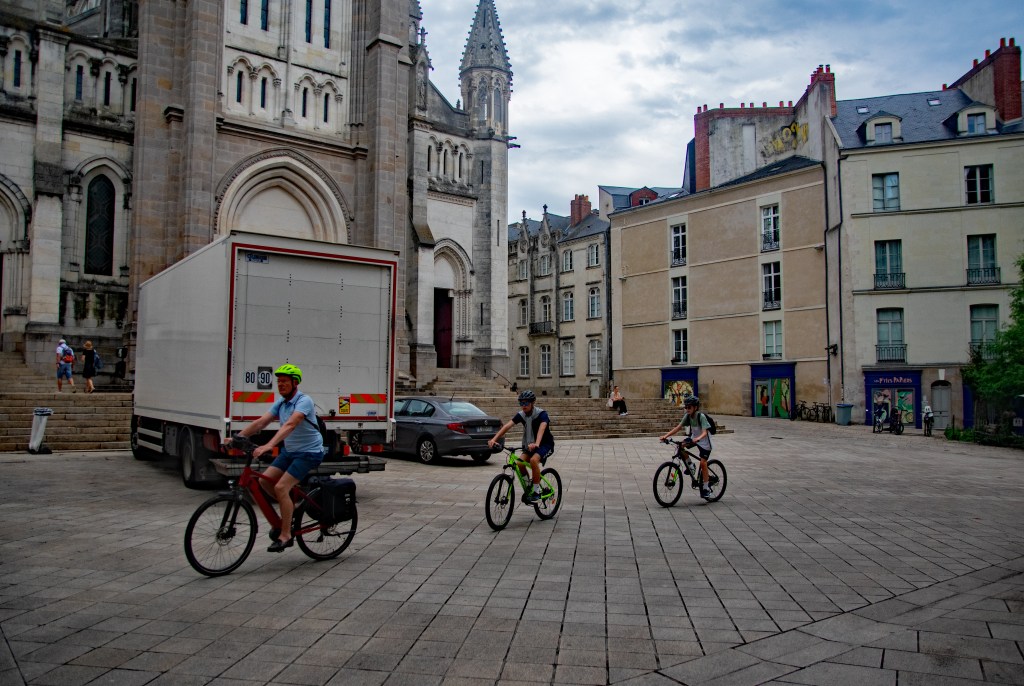
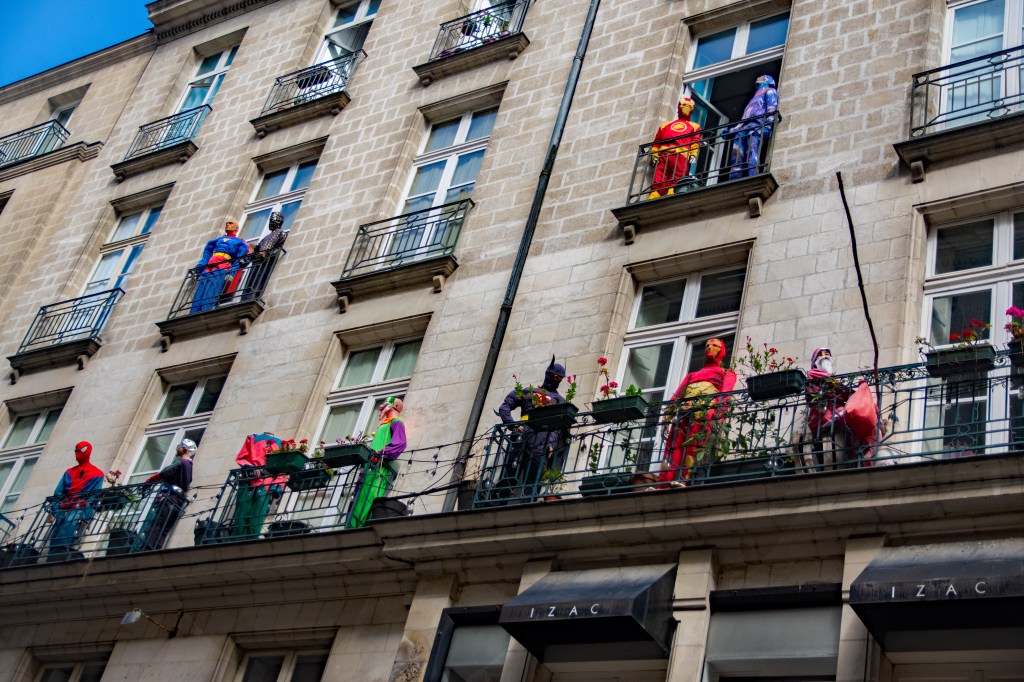
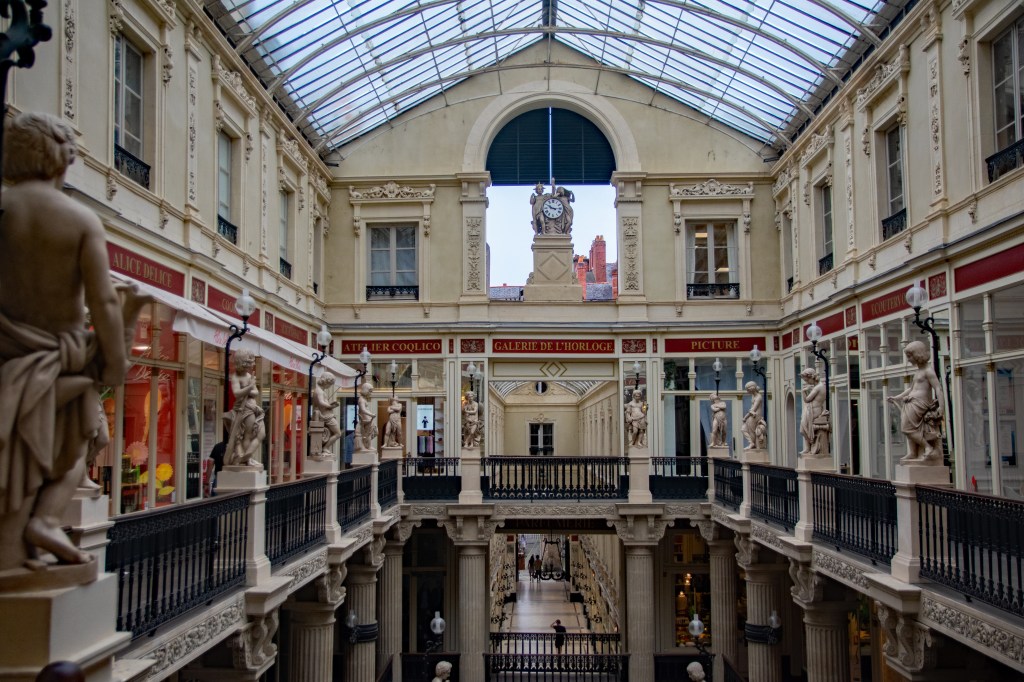
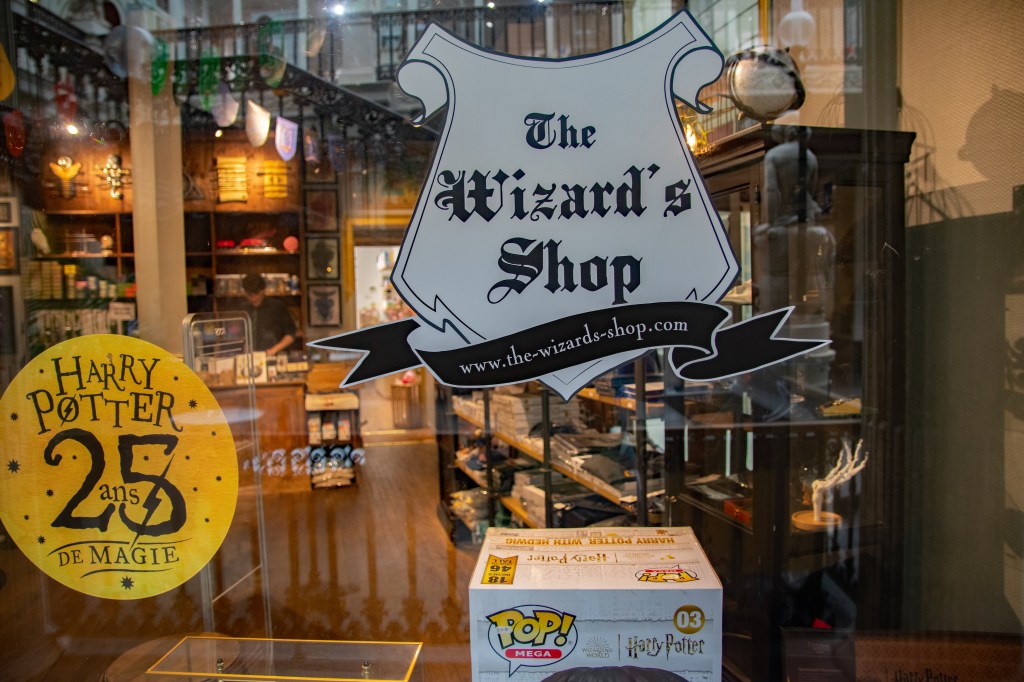
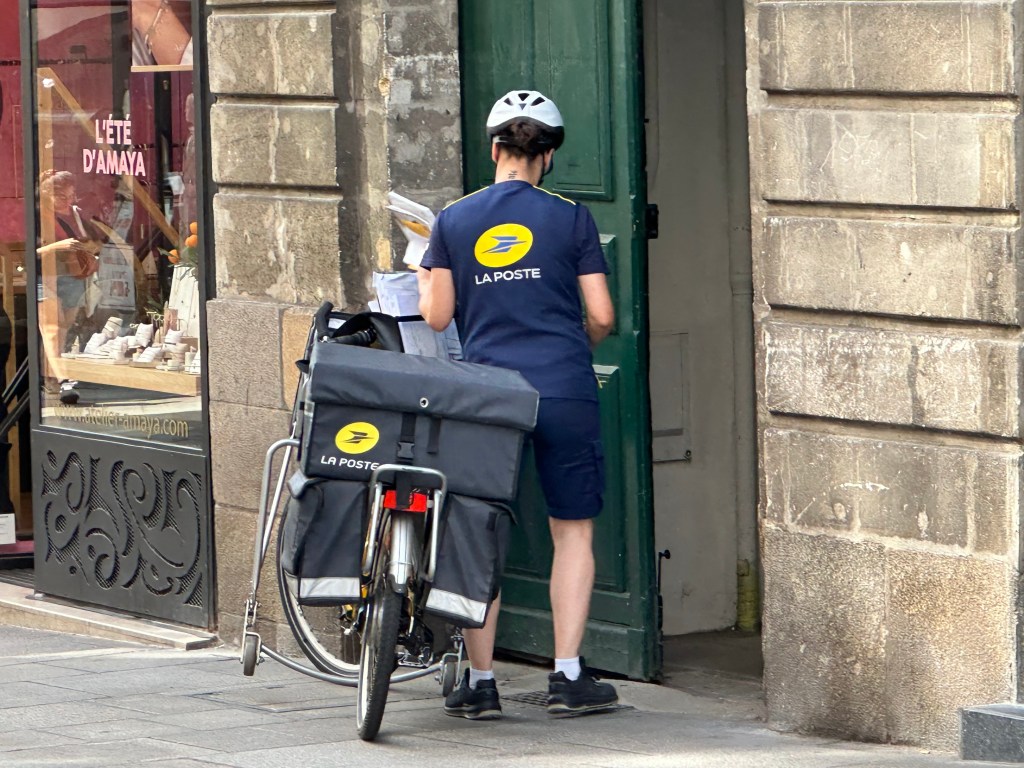
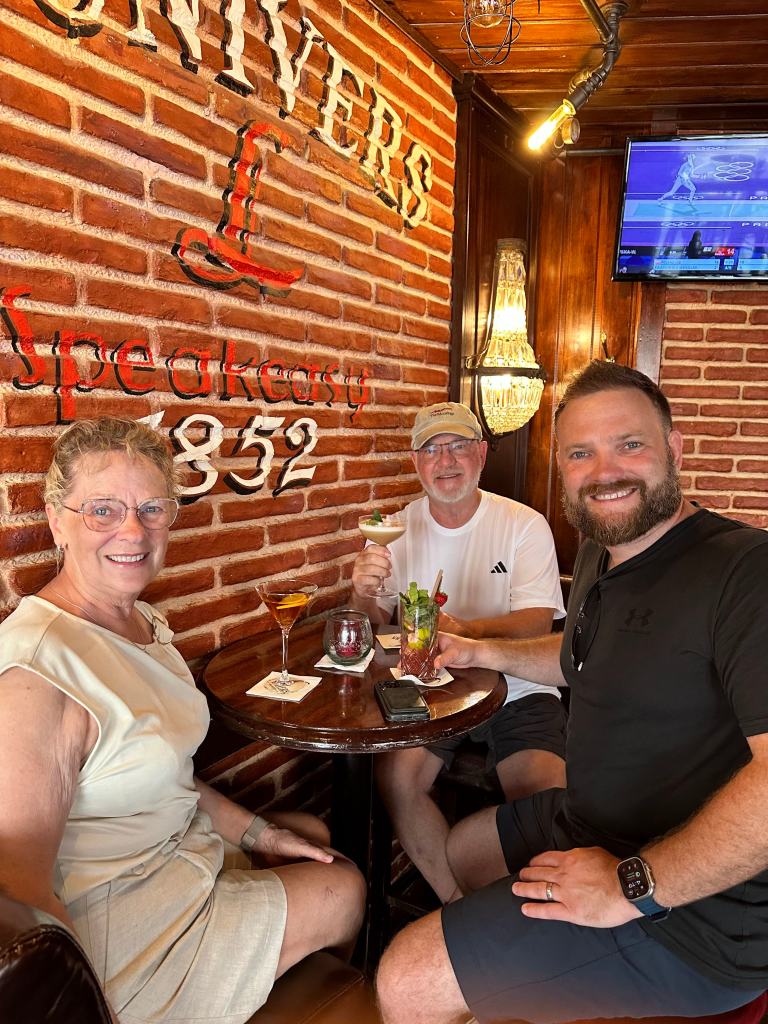
Au RevoirArriving in Nantes after a night and day of travelNantes CenterNantes CenterEarly Morning in NantesFriendly French VolunteersLes Machines Park (Nantes)Jet Lag Is RealThis Carousel Is Not Just for Kids (Jackie)The ElephantDinner at La CigaleChristine and GeriGeri and BillNantes CathedralTown TrolleySuperheroes on the BalconyShopping MallPostal DeliveryCocktail HourFrench Style GelatoPhoto Bombed!
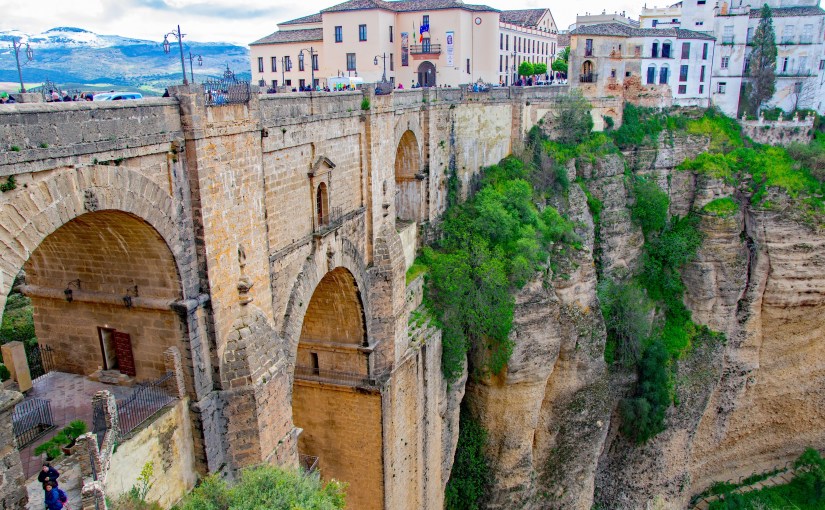
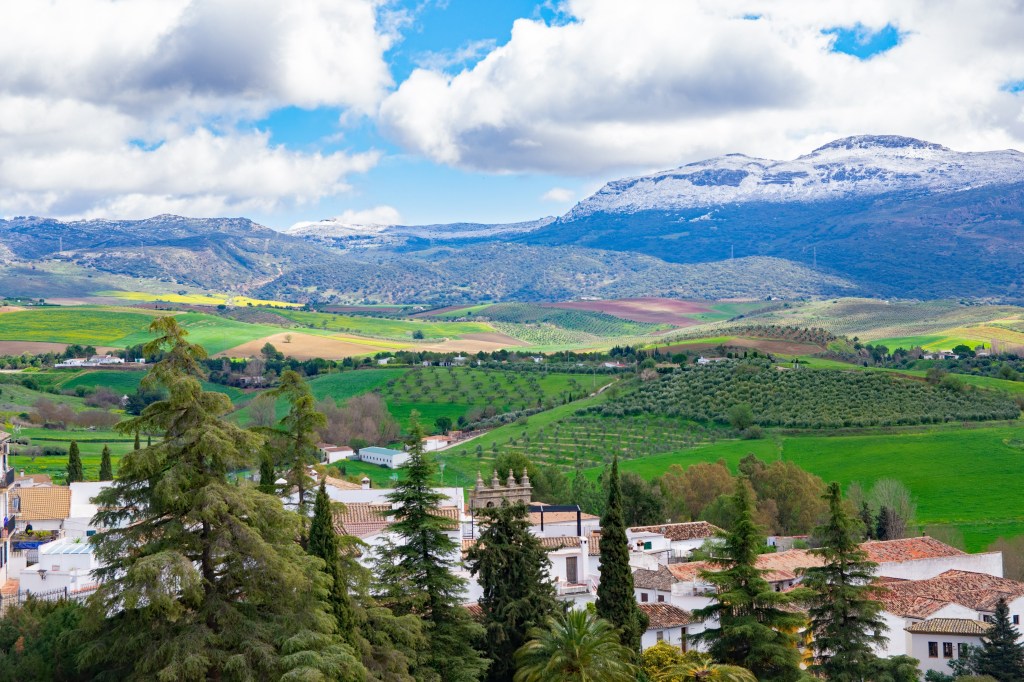
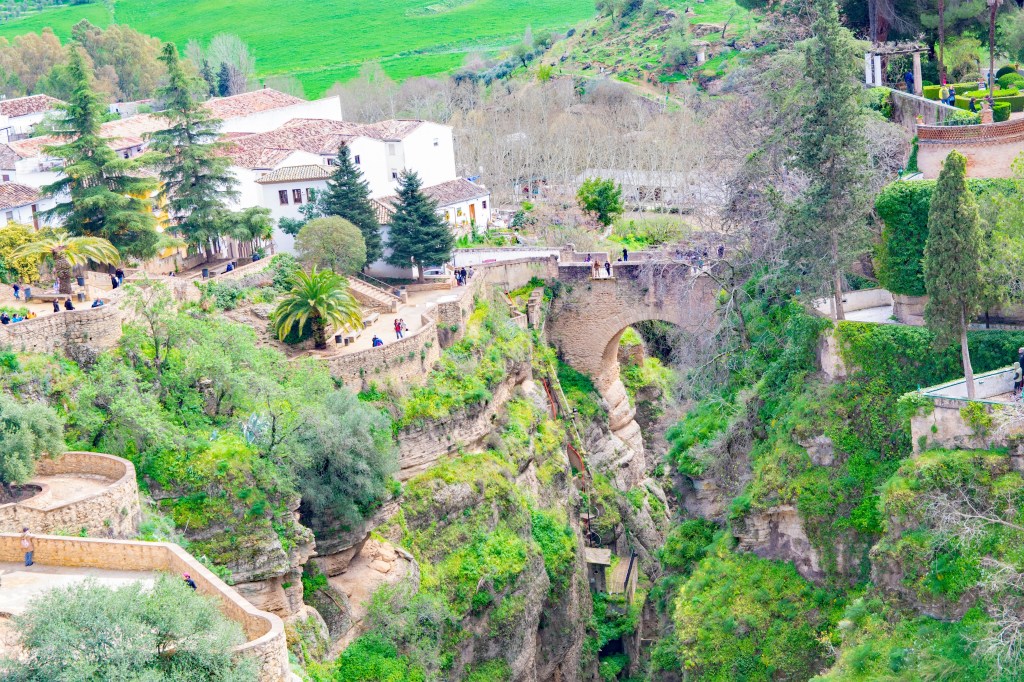
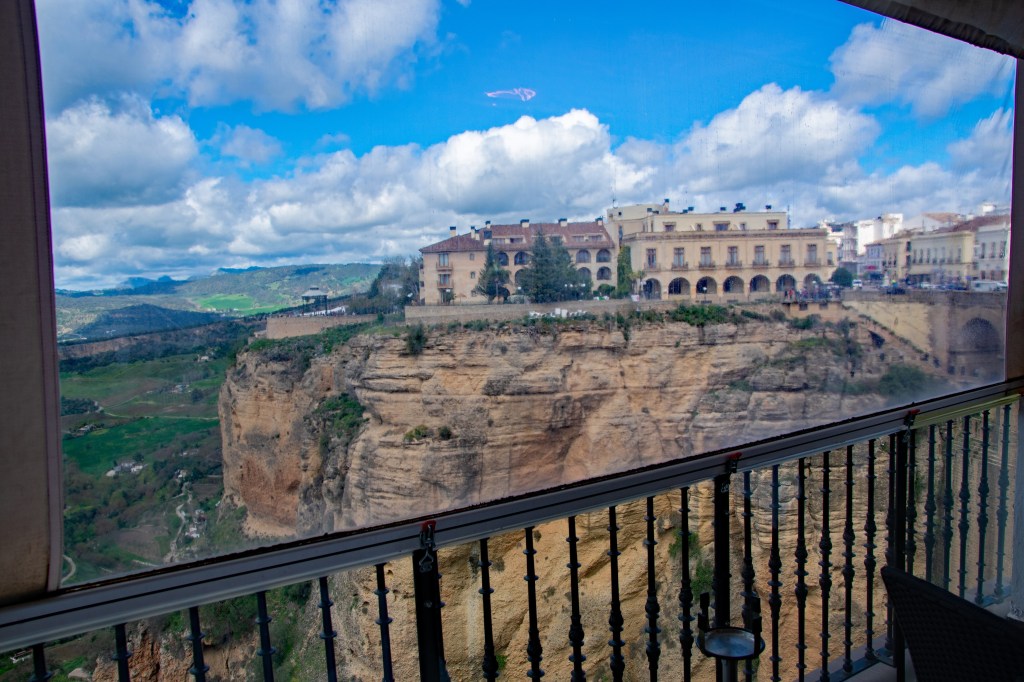
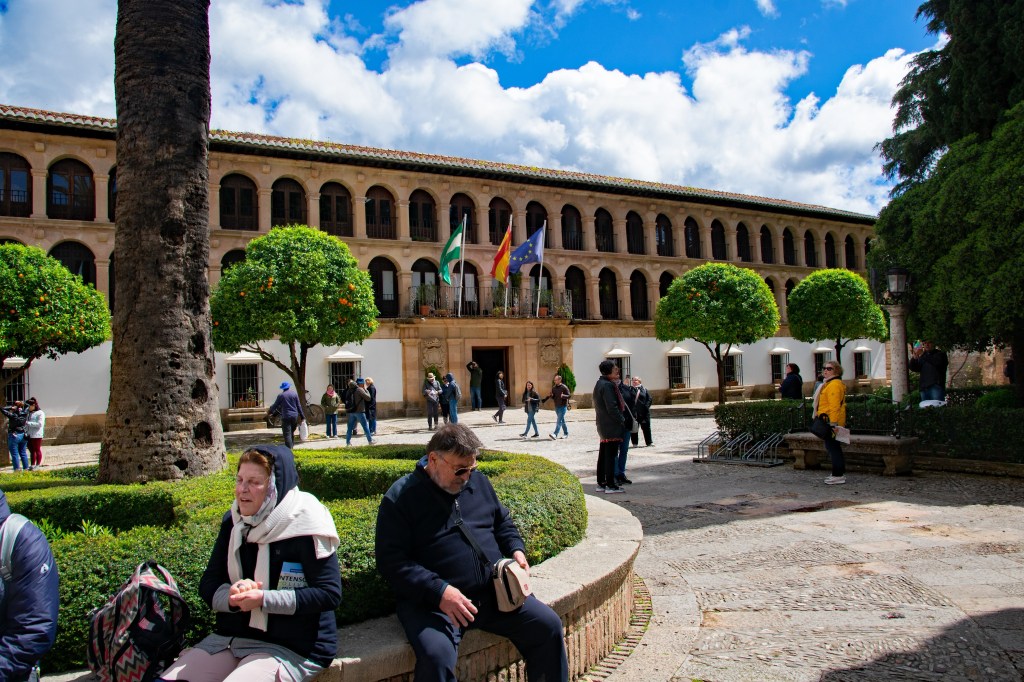
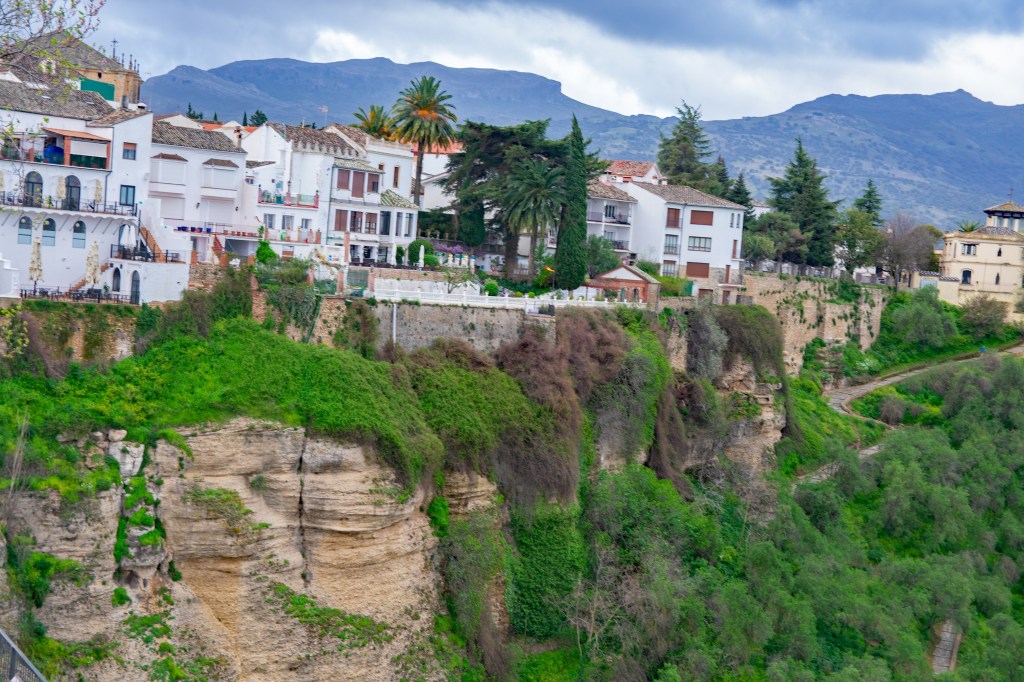
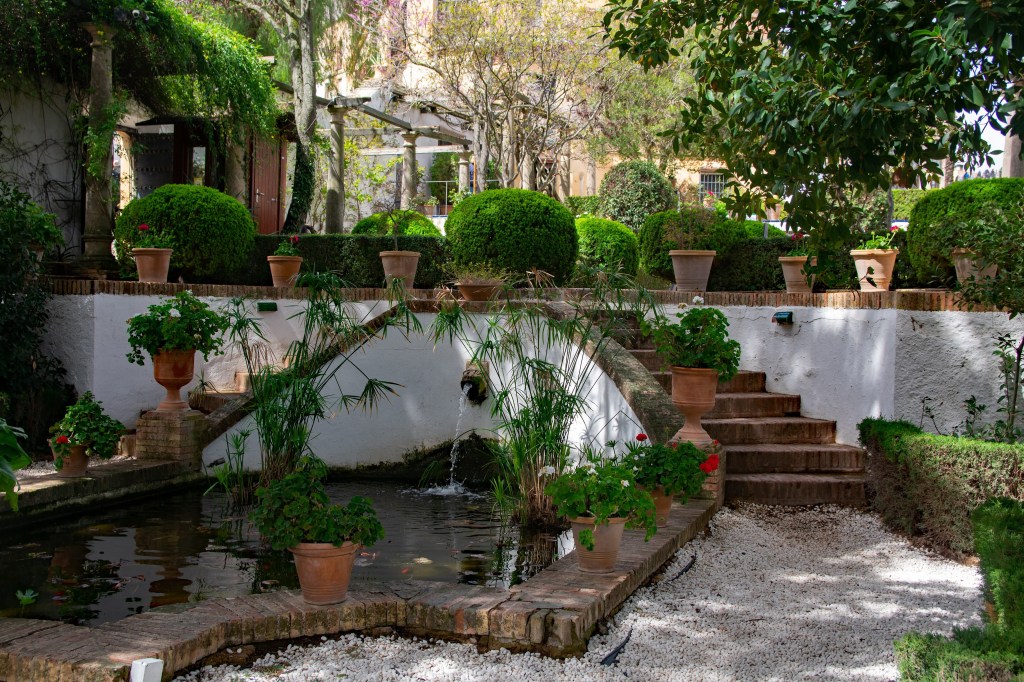
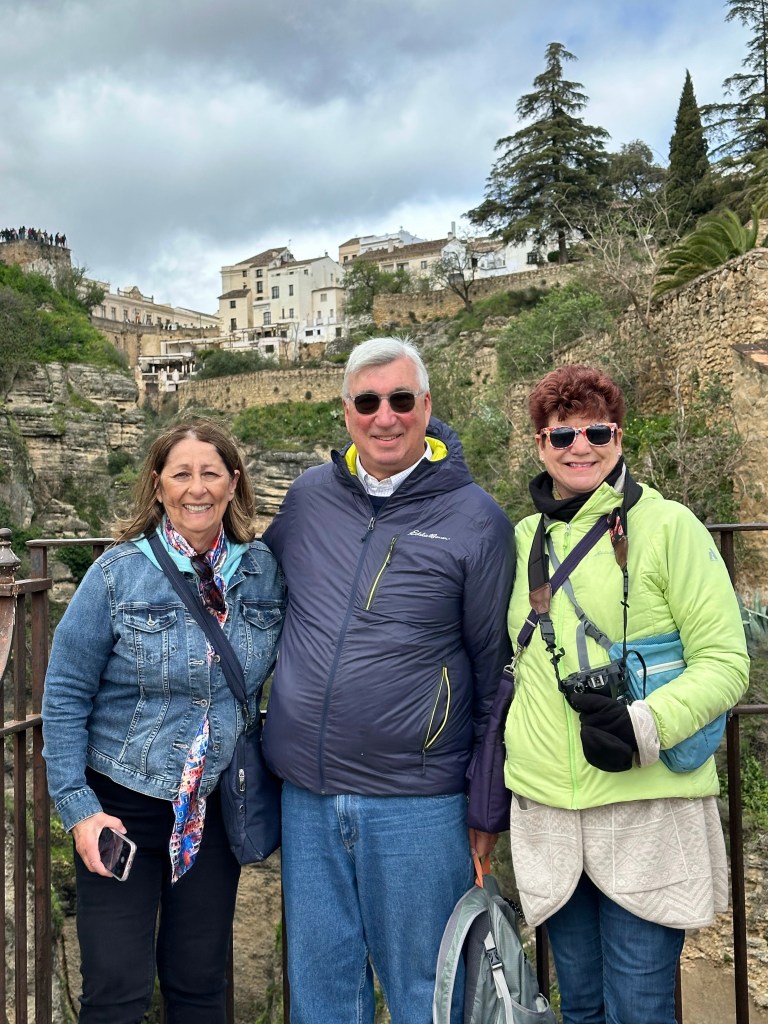
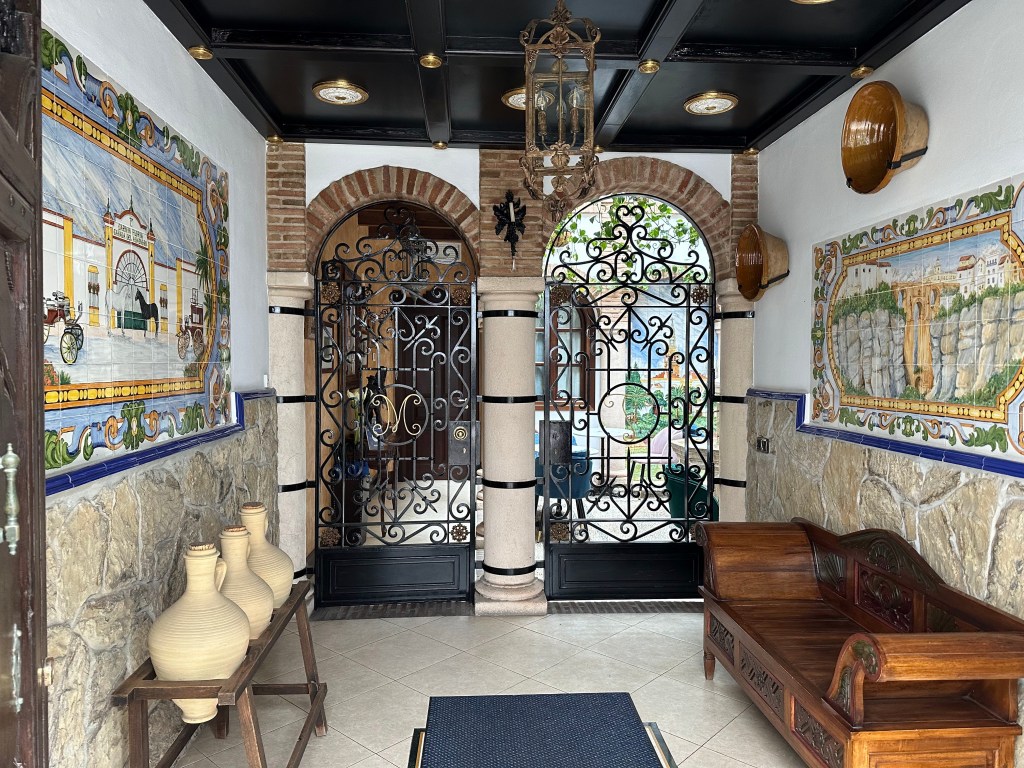
We have visited Ronda on a previous trip to Andalucía. It is well worth a visit or a revisit. The best way to access Ronda is by car. Since we don’t rent a car abroad, we took a taxi all the way. The ride itself goes through some stunning mountain scenery and takes about two hours. We stayed at the Parador of Ronda. Paradores are government sponsored hotels in buildings of historical significance or in locations of incomparable beauty. Ronda’s parador is of the latter type, as it is right next to the Puente Nuevo (New Bridge) with fantastic views of the El Tajo (gorge) and the valley. Ronda also has a number of charming boutique hotels on its historic back streets.
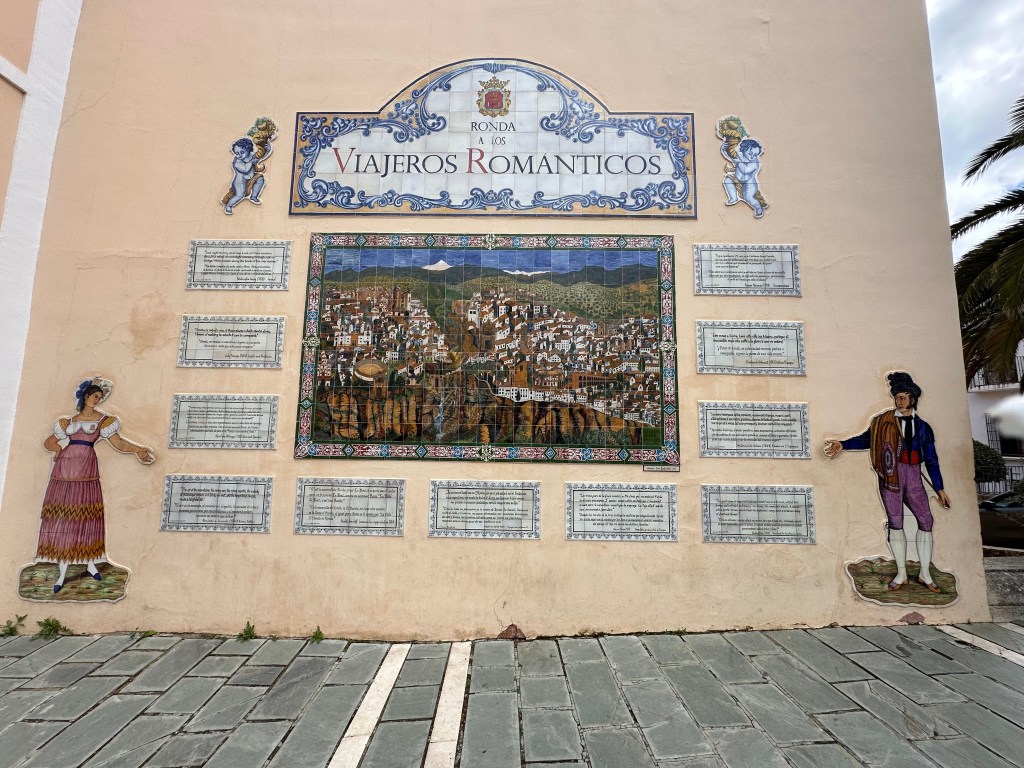
Ronda is an historic town with well-preserved sites from its Islamic history, Christian Spain of the 1500’s, and the bullfighting legacy of the 1800’s. It was a stop on the “Grand Tour,” the so-named trip through Europe taken by the wealthy in the 18th and 19th centuries. A wall in Ronda memorializes the most famous of these “Viajeros Románticos” (Romantic Travelers)
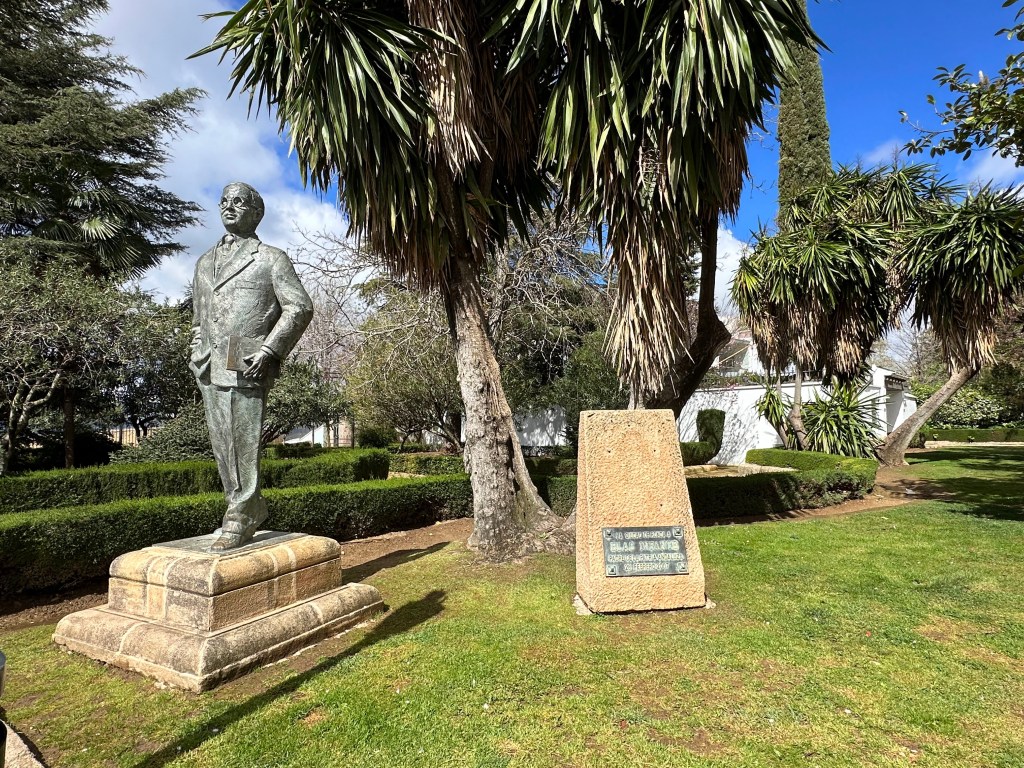
Ernest Hemingway spent time in Ronda and wrote about Spanish bullfighting as an art form. (The Sun Also Rises, Death in the Afternoon, For Whom the Bell Tolls). There is a sculpture of him outside of Ronda’s bullring. Our travels these past years have been something of an unintended Hemingway pilgrimage; we have come across him in Paris, Madrid, Barcelona, Pamplona, San Sebastian, Ronda, Havana, and of course, his birthplace in Oak Park, Illinois. Perhaps, surprisingly, I have not been to Key West, yet.
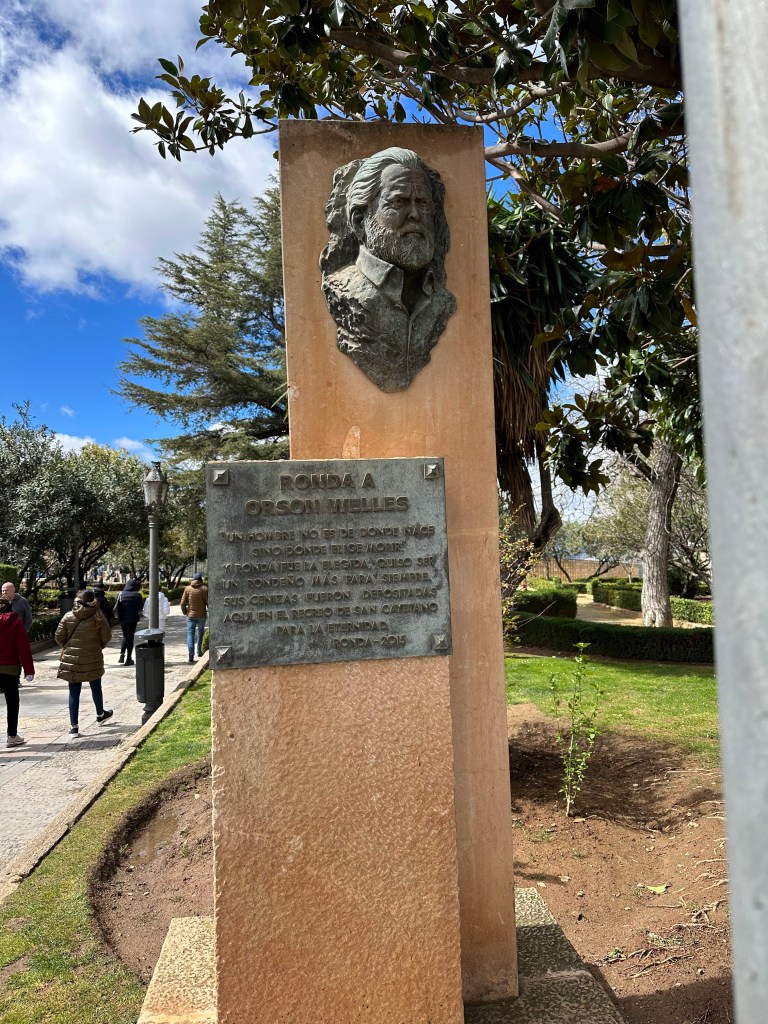
Filmmaker Orson Wells was also an aficionado (devoted fan) of Spain and of bullfighting. His ashes are buried in a well on the property of his friend Antonio Ordoñez of the famed Ordoñez family of bullfighters from Ronda.
Among other famous visitors to Ronda was first lady Michelle Obama. She and Sasha toured Ronda in 2019. The gardens at Casa del Rey Moro were renamed the Michelle Obama Gardens.
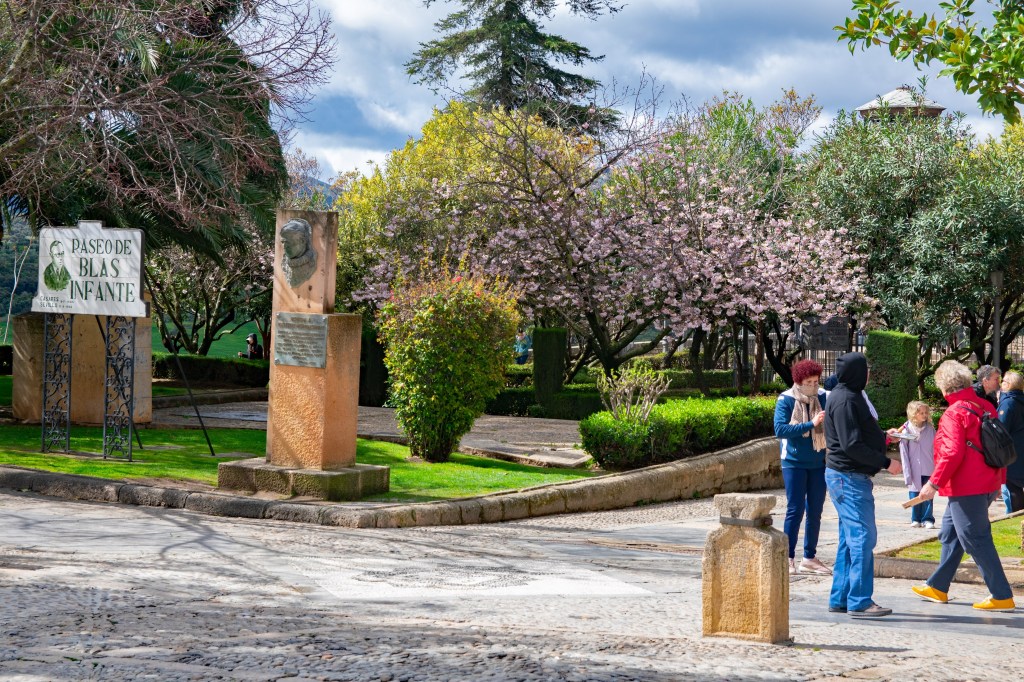
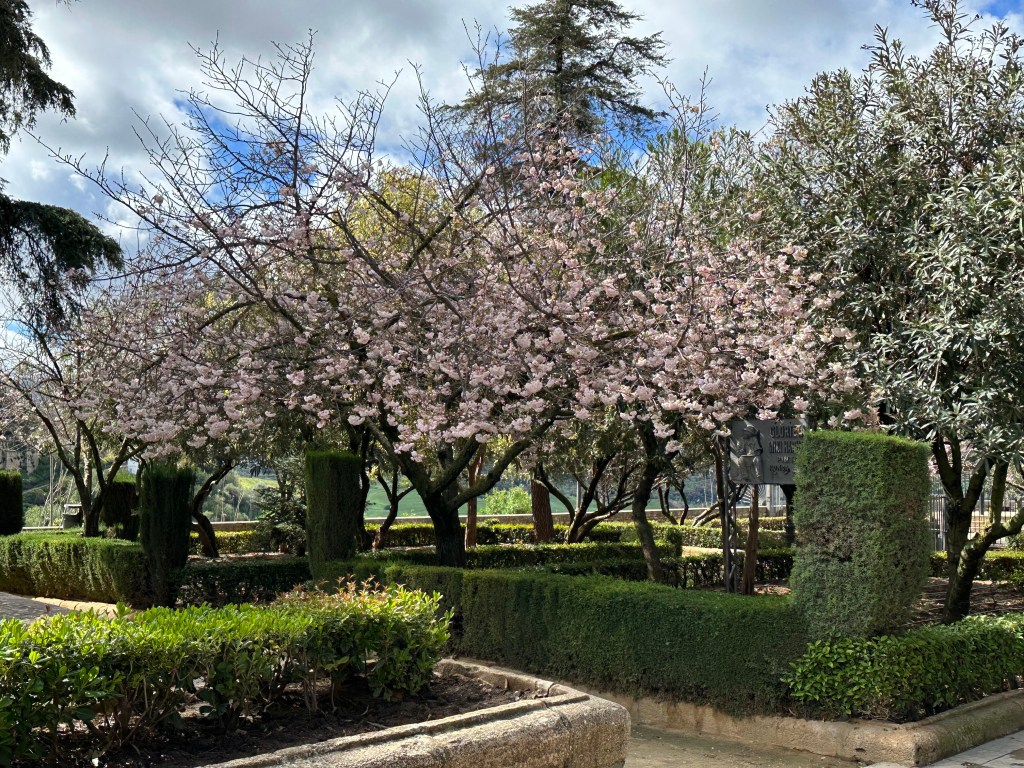
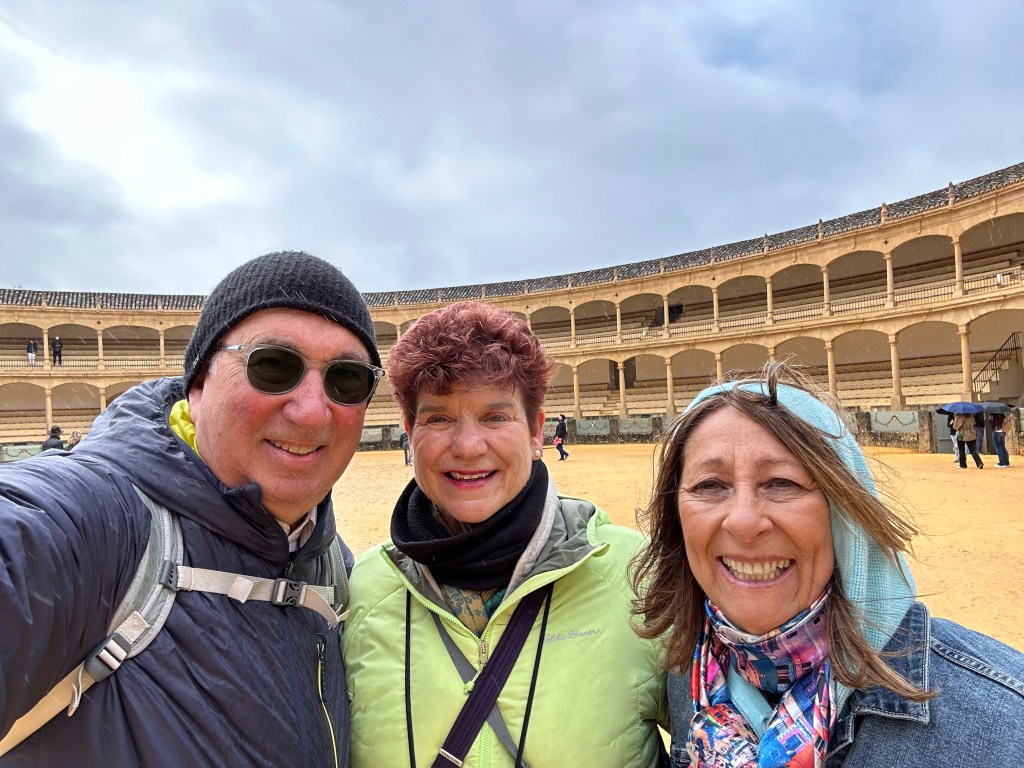
Paseo de Blas InfantePuente Nuevo (New Bridge) over the Gorge- The building is the ParadorViewpointThe Gorge (El Tajo)Plaza NuevaHomage to HemingwayAuthor and StatesmanOrson Wells was here too.Spring Blossoms on a Blustery March Day
We took a walking tour through Ronda. Guided tours are available at the Tourist Office near the bullring. A walking tour is always helpful for getting one’s bearings and learning a bit of history. Our tour guide pointed out several buildings and suggested we return later to visit the interiors. I realized that Ronda, while small and walkable (if you don’t mind hills) could take days to fully appreciate.
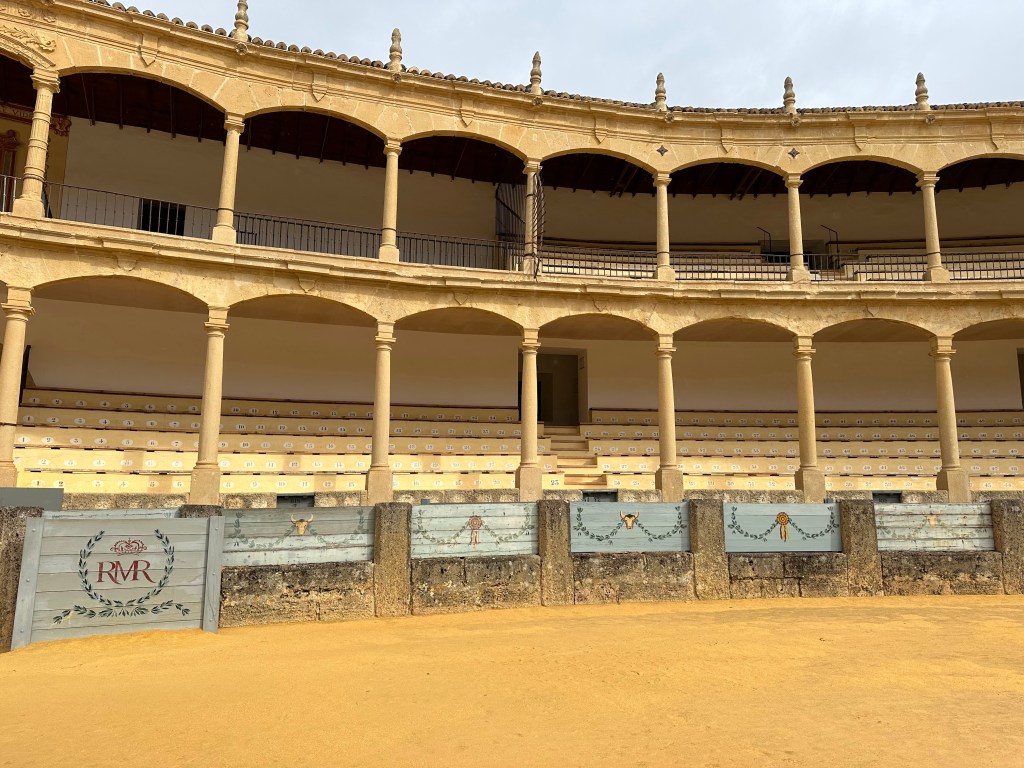
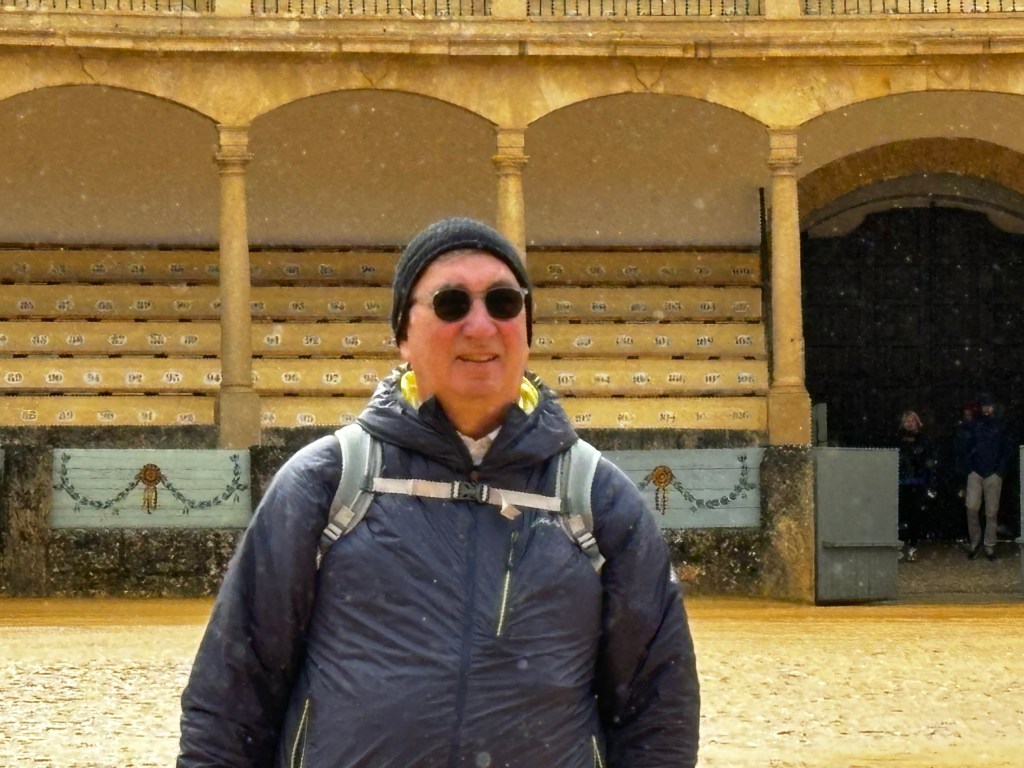
The Plaza de Toros (Bull Ring) has an entire museum devoted to the history and culture of bullfighting. We spent a couple of hours touring the ring and the museum. Ronda is Spain’s oldest bullring. Ronda sponsors one bullfight each year: the corrida goyesca during the Feria de Pedro Romero in early September. Most of Spain’s remaining bullrings are in Andalucía in the south. Bullfighting has declined in popularity and is very expensive to maintain. Therefore, many towns with a ring host one “corrida” per year during a spring or summer festival .
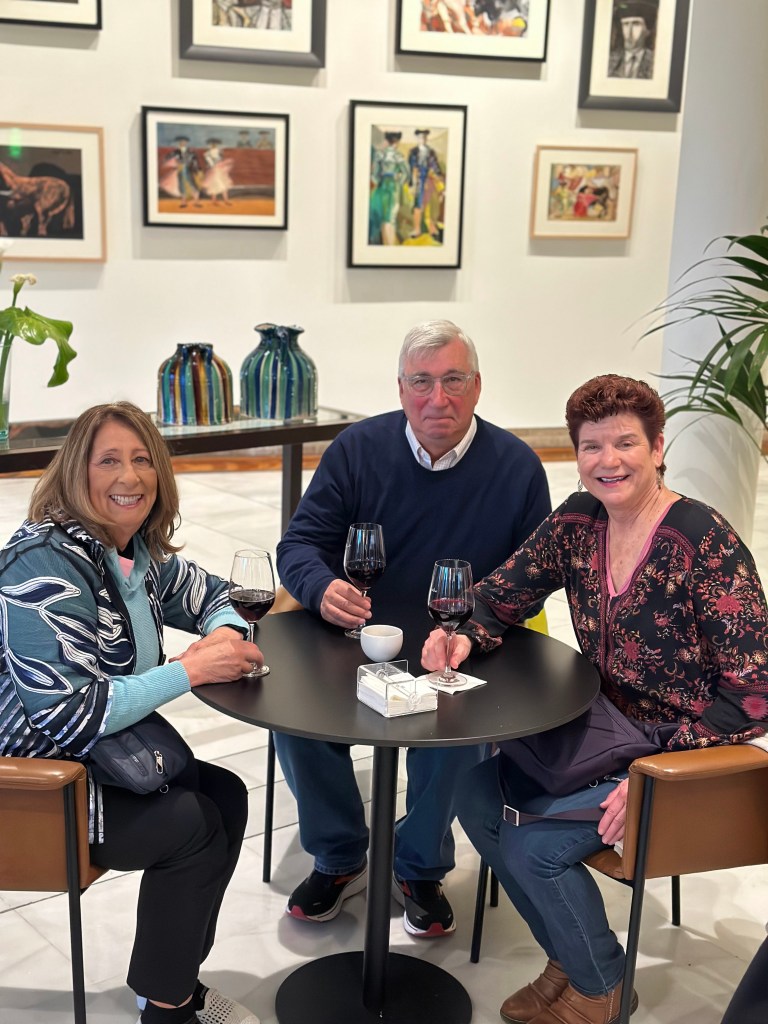
We only stayed in Ronda one night, but we maximized our time despite some rain and some chilly temps. In two visits to Ronda we have not had a bad meal. In 2019, Bill and I enjoyed dinner at Pedro Romero’s . On this trip, we had a light snack in the lounge at Hotel Catalonia, which has a bird’s eye view of the bullring. We enjoyed a pre-dinner glass of wine at the Parador with its stunning views of the gorge and New Bridge. We had a wonderful dinner at Albacara in the small and charming Hotel Montelirio. Ronda boasts a number of quality restaurants with great views and renowned chefs. But you can also eat well by popping into one of the small local bar/ restaurants and ordering the menu of the day.
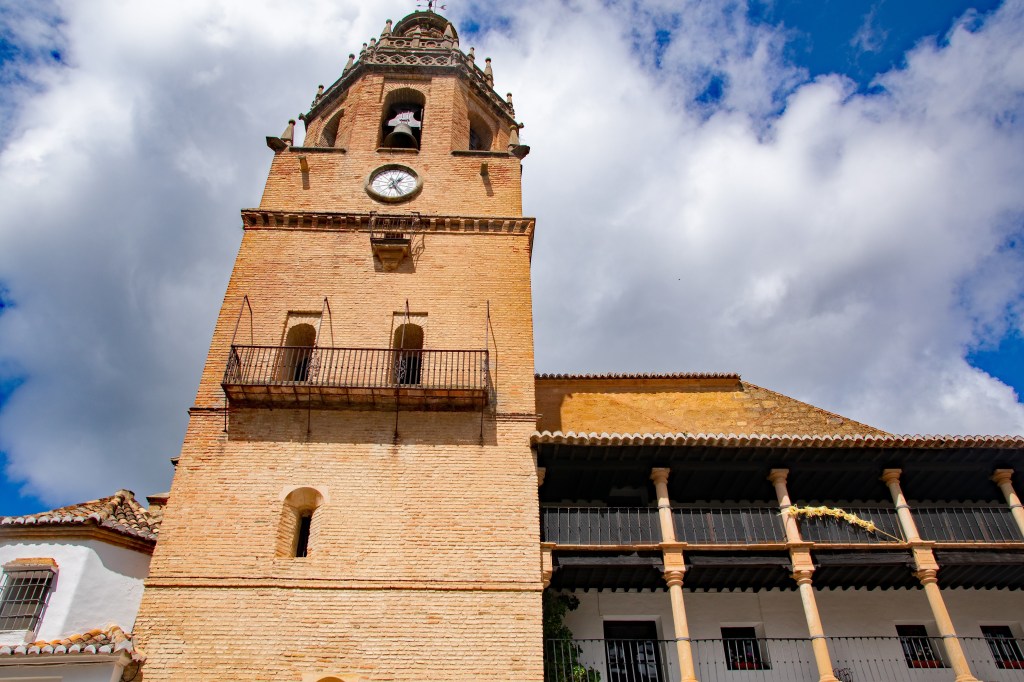
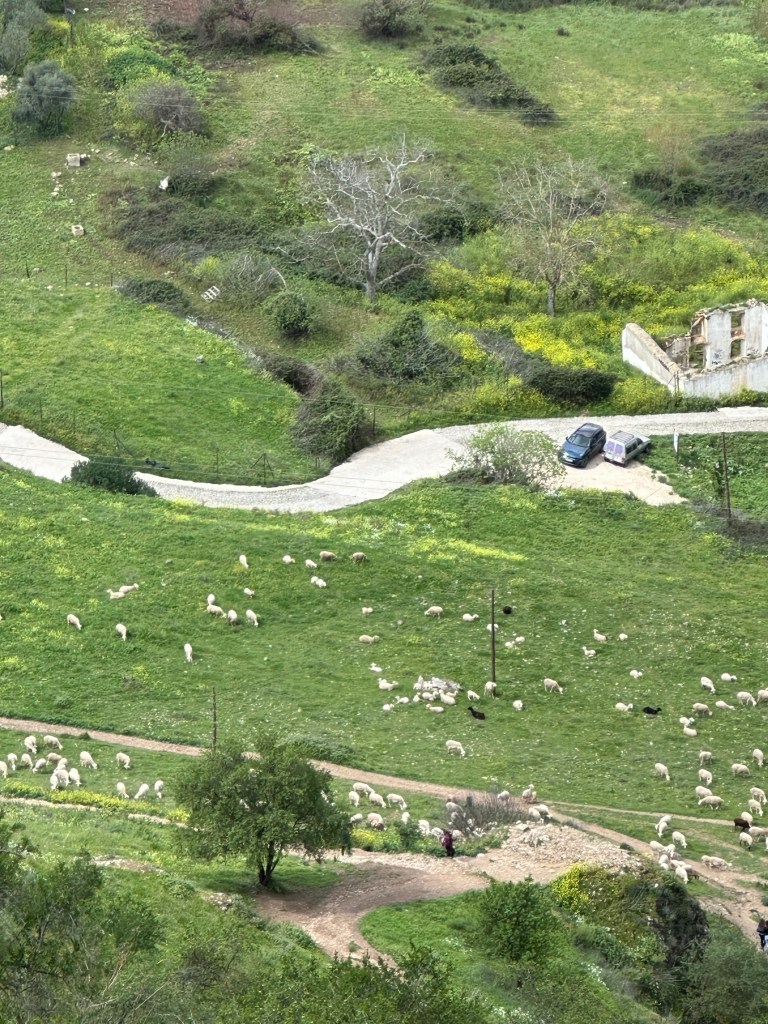
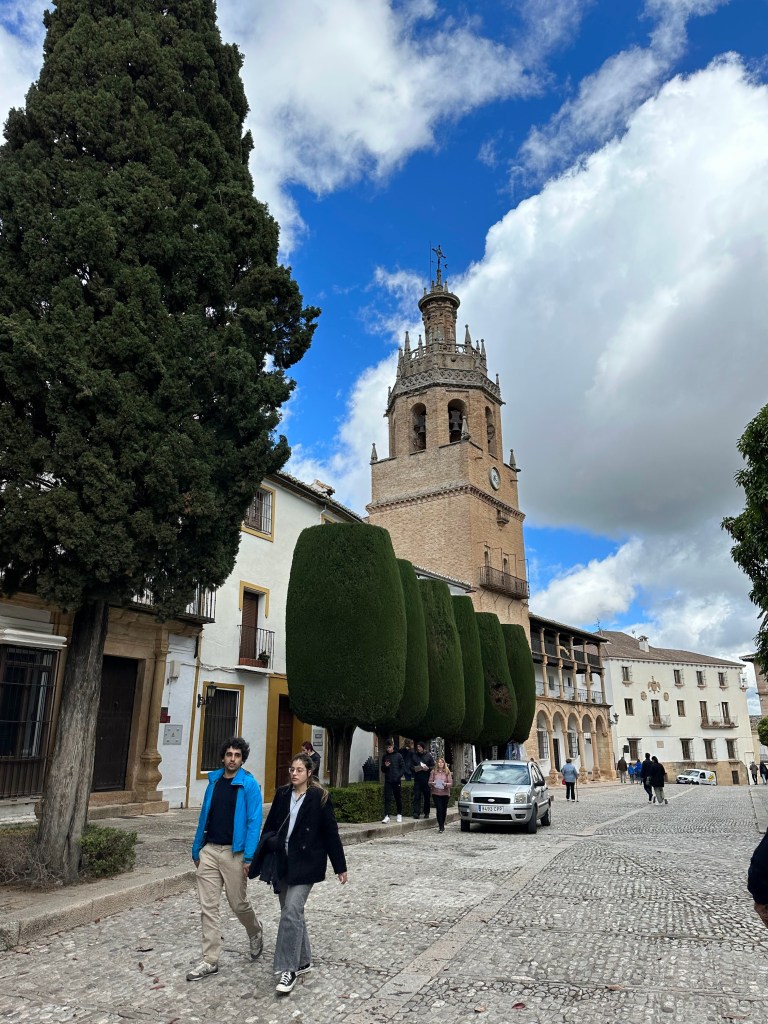
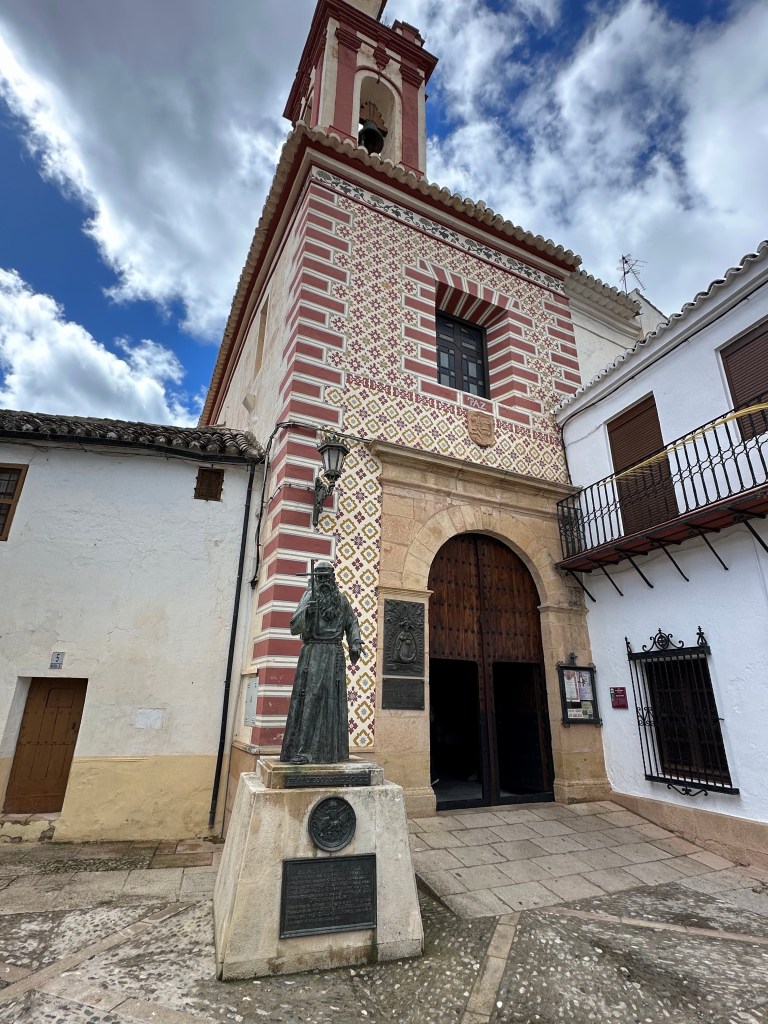
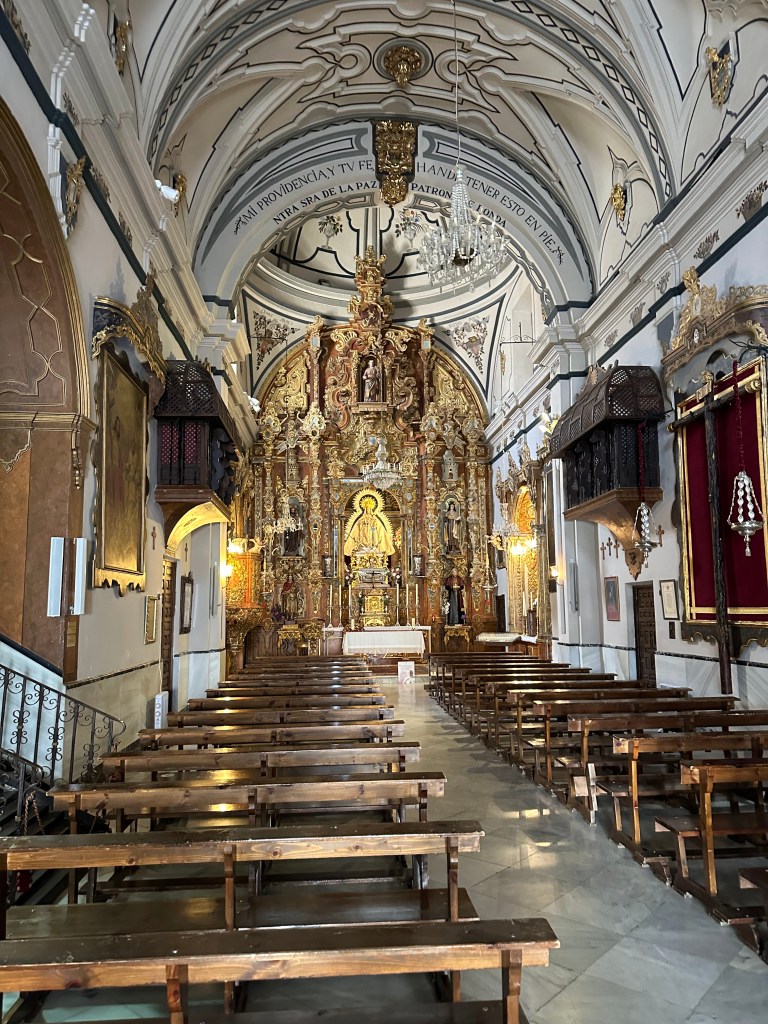
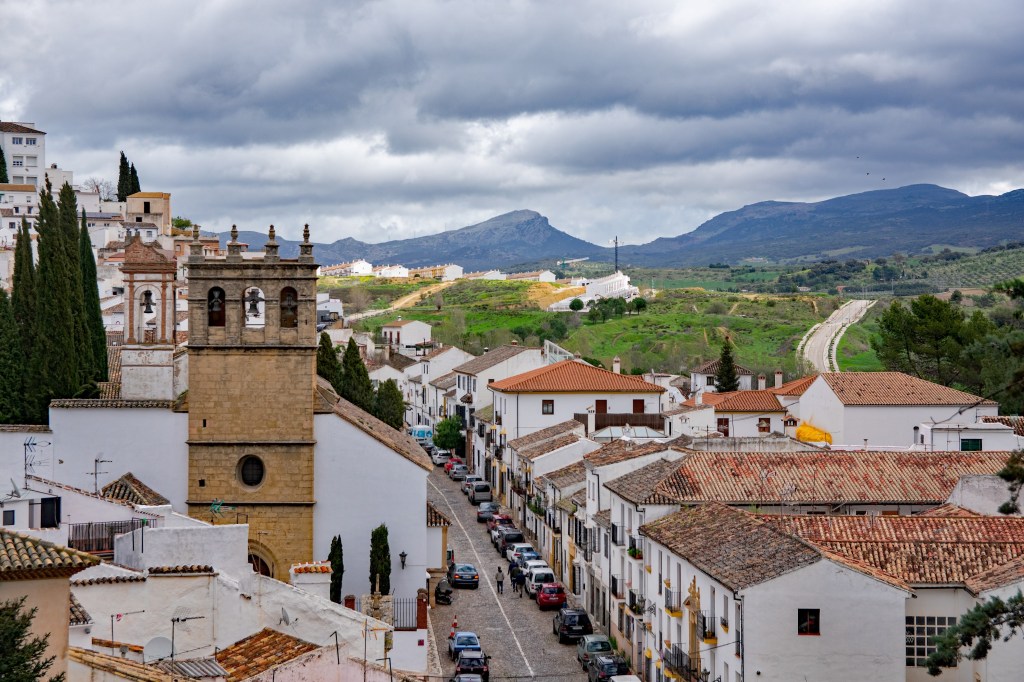
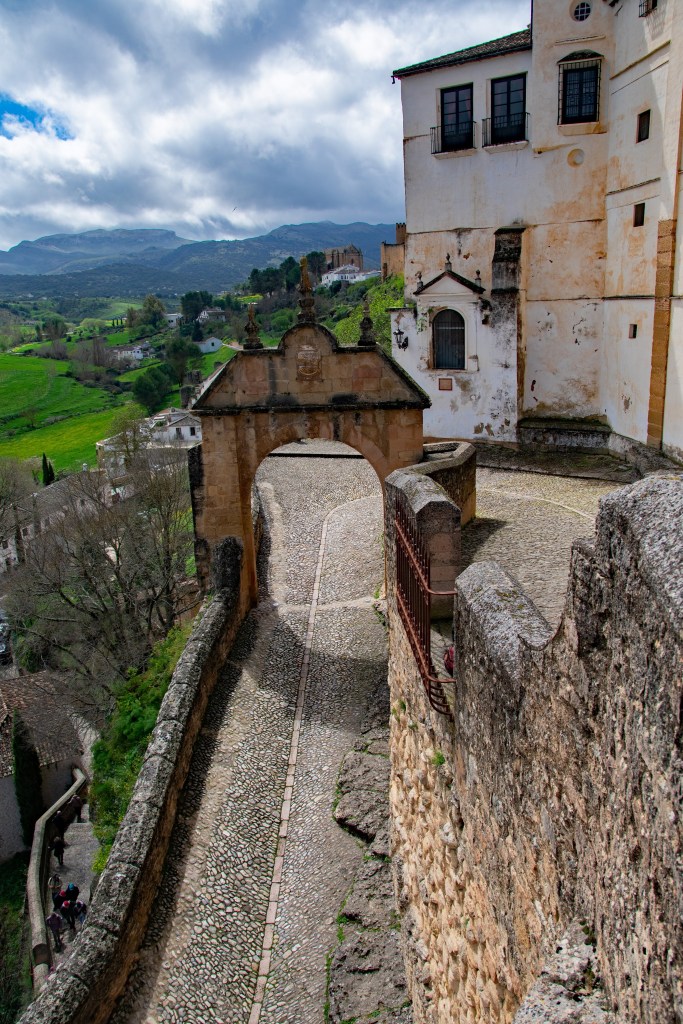
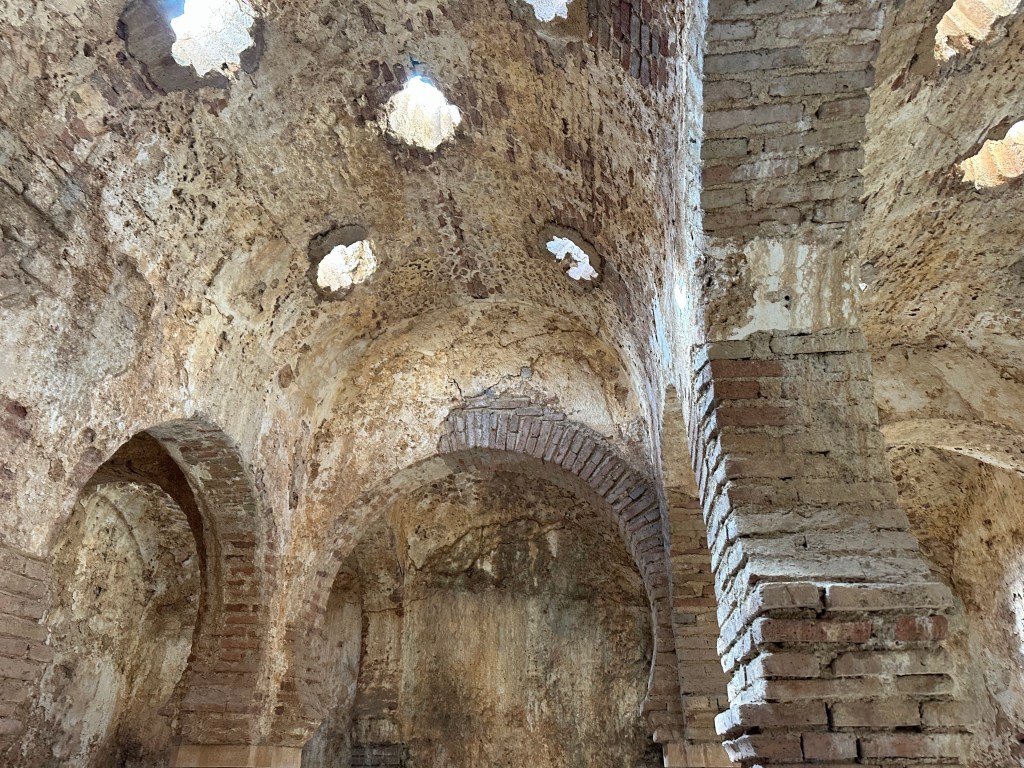
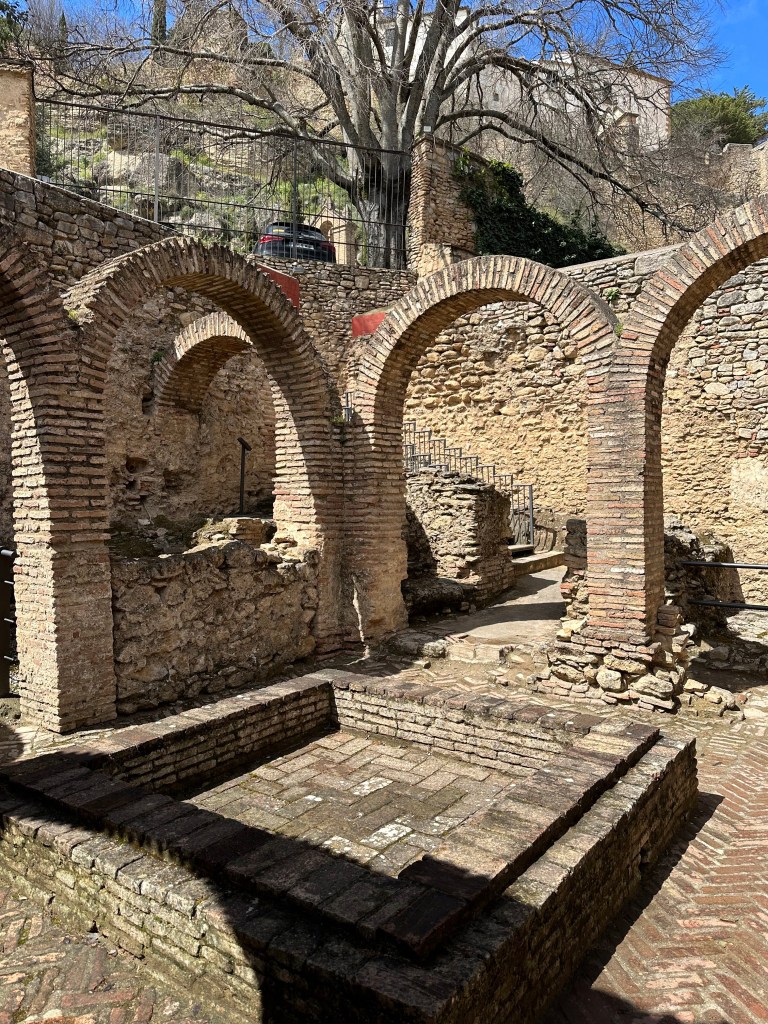
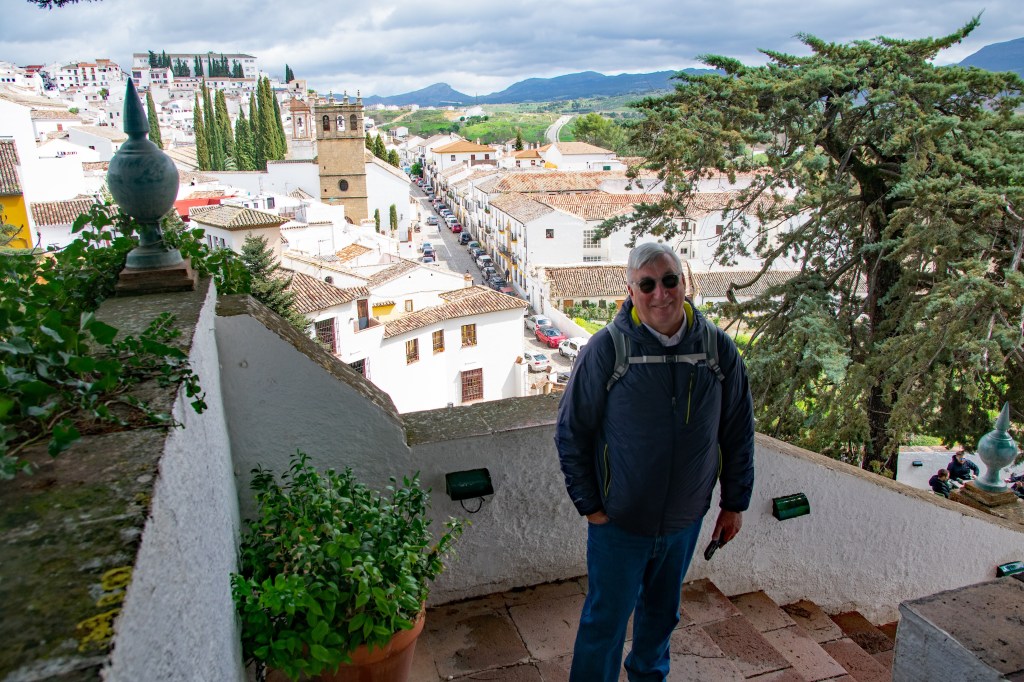
Ronda VistaView From Our Parador RoomChurch of Santa MaríaRonda was a stop on “The Grand Tour”Sheep Grazing BelowPlaza Santa MaríaIglesia de Nuestra Señora de la Paz (Our Lady of Peace)Interior of La PazStables at the Bull RingMaking Friends EverywherePlaza de TorosGardens at Casa del Rey Moro (Michele Obama gardens)Main street of the Old TownOld Entrance to the CityArab Baths BelowCasa del Rey MoroThe Arab BathsHappy Hour at the ParadorBill at Plaza de TorosBill, Geri, LizEntrance to the Arab CityOn the Old Bridge
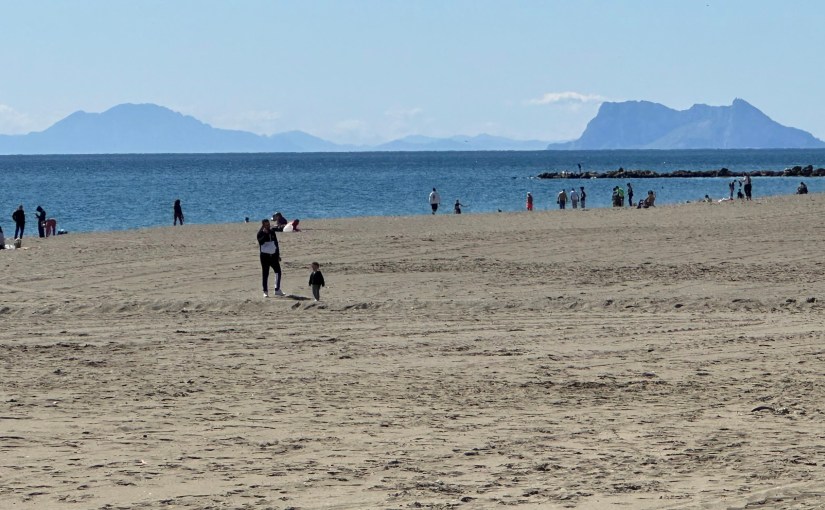
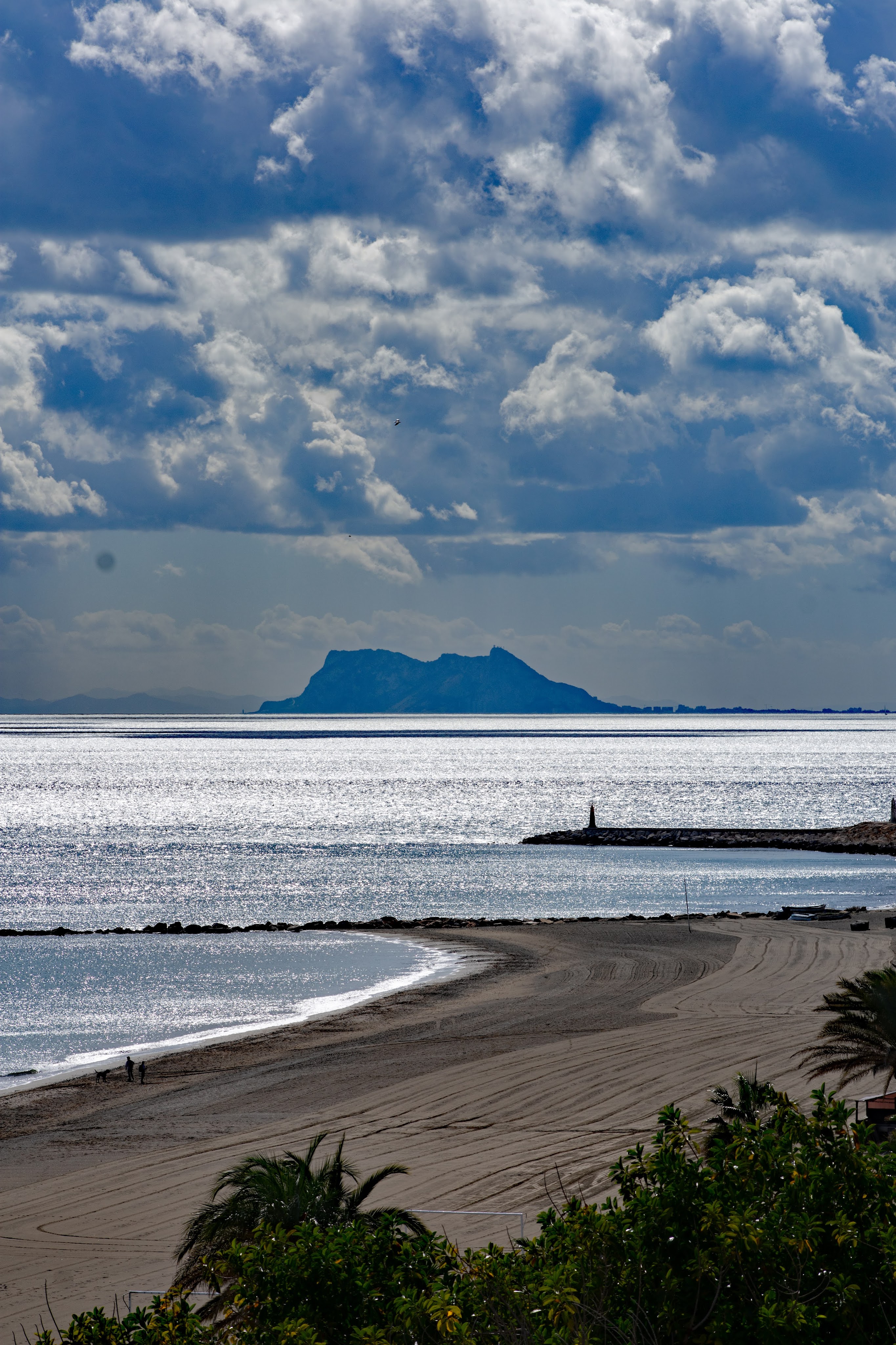
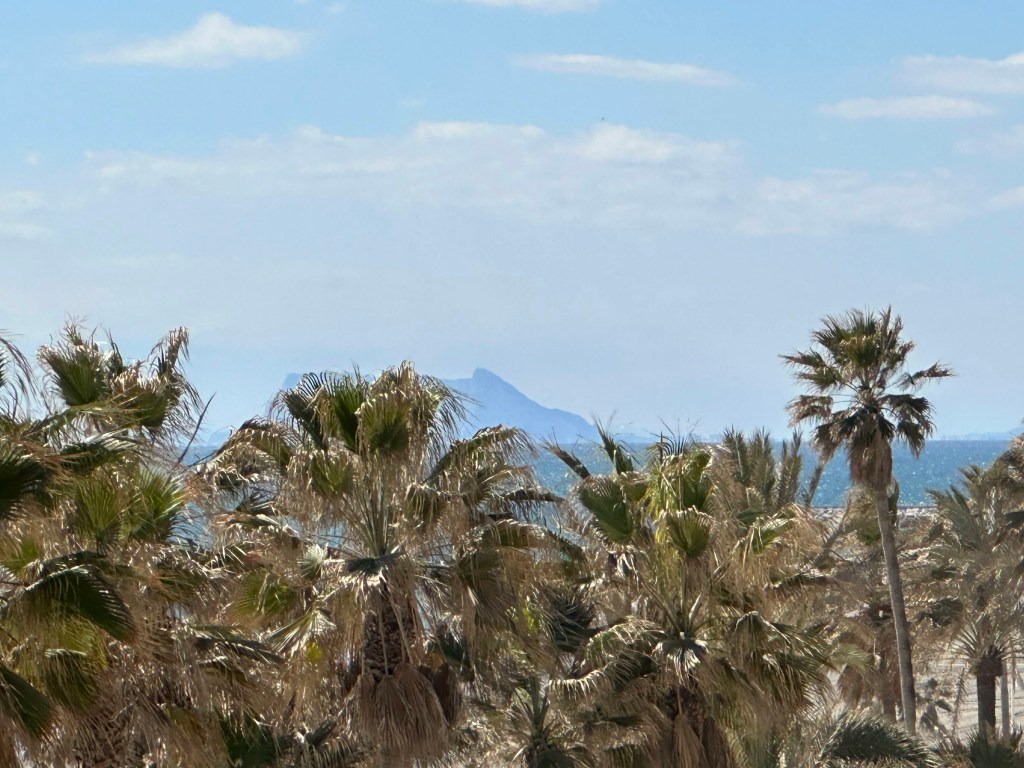
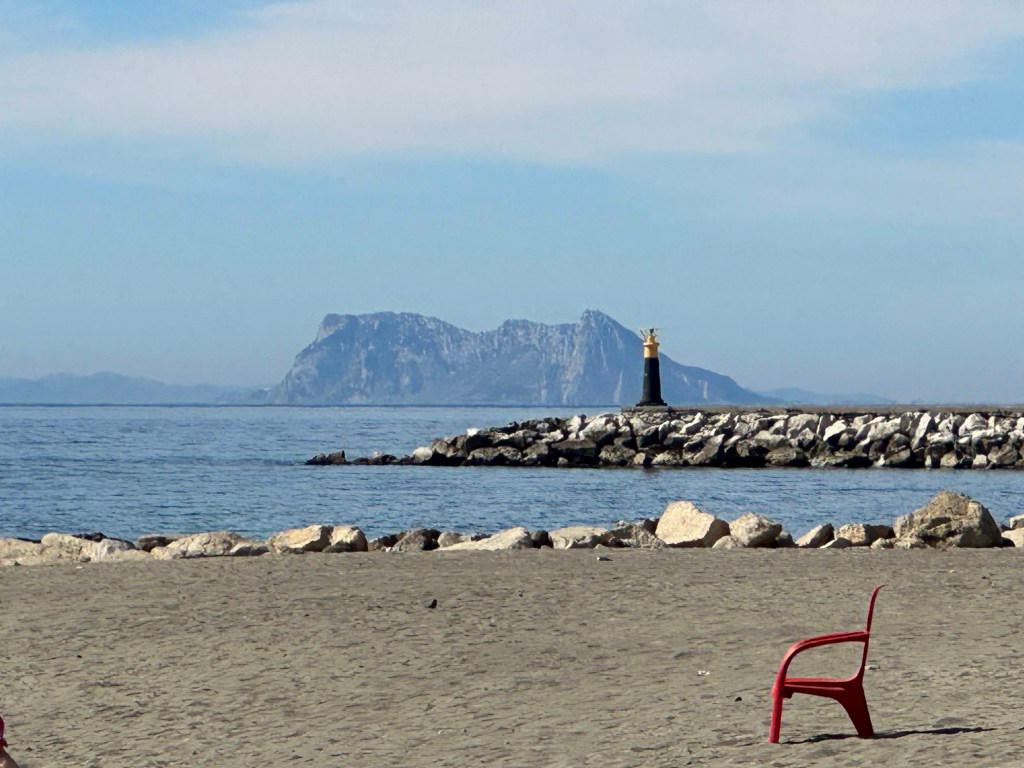
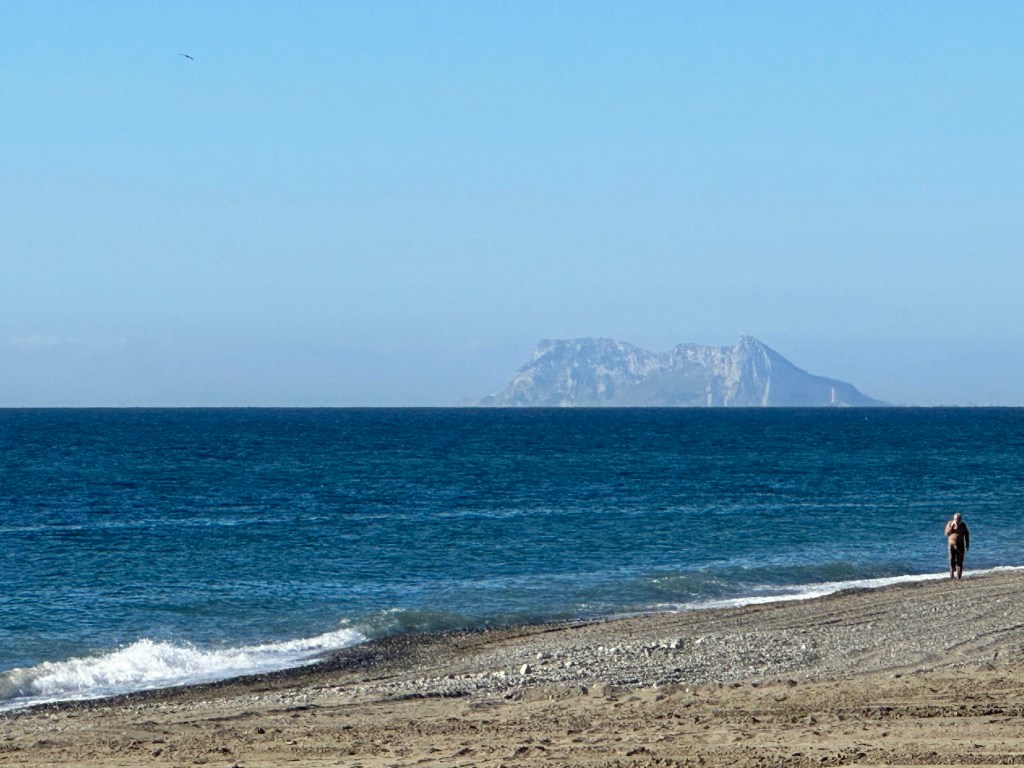
On a clear day in Estepona the rocky outline of Gibraltar is visible from the beach. On a very clear day, one can see the shores of Africa and the line of ships waiting to pass through the Straits of Gibraltar. It is a sight I never tire of!
There is an Avanza bus everyday at 10:00 am from Estepona to La Línea (the line) for a price of about 6 euros. The trip is non-stop and takes 45 minutes. Of course if you have a car, you can drive there on good highways. I don’t know what the parking situation is like.
Bill and I and our friend Liz went on a Saturday. It was our second time there and Liz’ first. If you are in the Costa del Sol, you should go. It is an experience! After arrival at the bus station in La Línea, you walk toward ” the rock” to the Passport control building at the border. Don’t expect any signs pointing you there. Spain does its best to ignore that chunk of Britain sitting on their shores.
You will go through Spanish Border Control first and then British; the reverse on your way back. Upon exiting the building, follow the crowd to St. Christopher’s Gate where you wait for the green light to cross the runway. Yes, runway. The entrance to Gibraltar is on the other side of the airport. If a flight is taking off or landing, you will wait until it has finished, and then walk across the runway. You are expected to keep moving, but most people can’t resist taking a selfie of this unique experience.
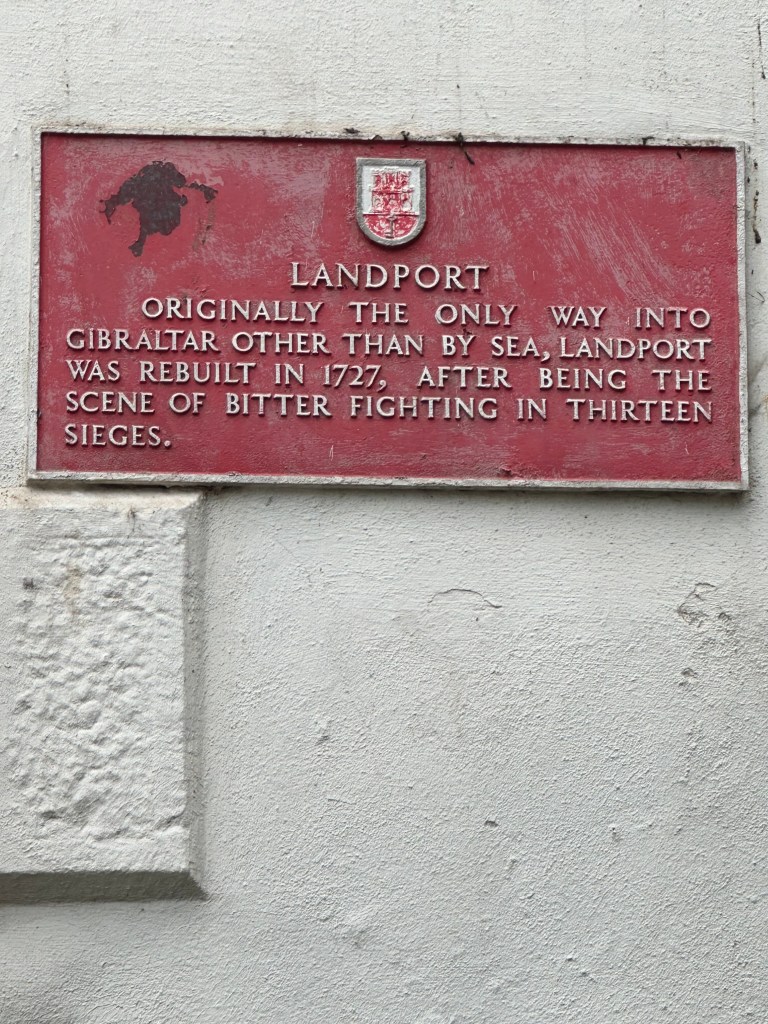
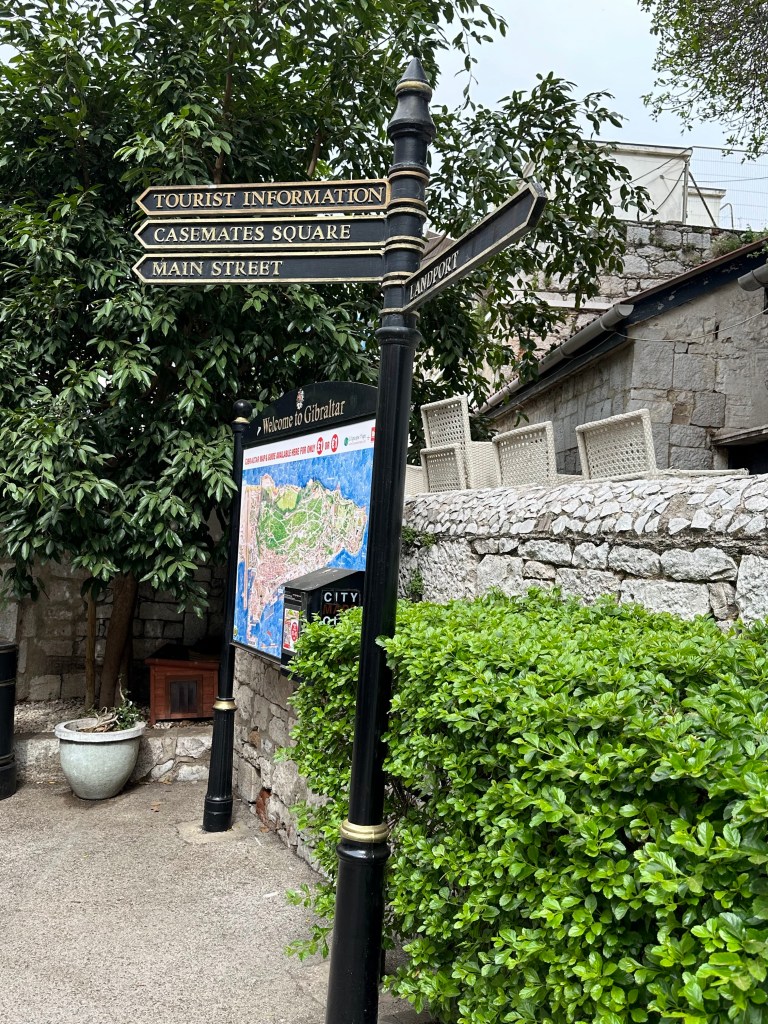
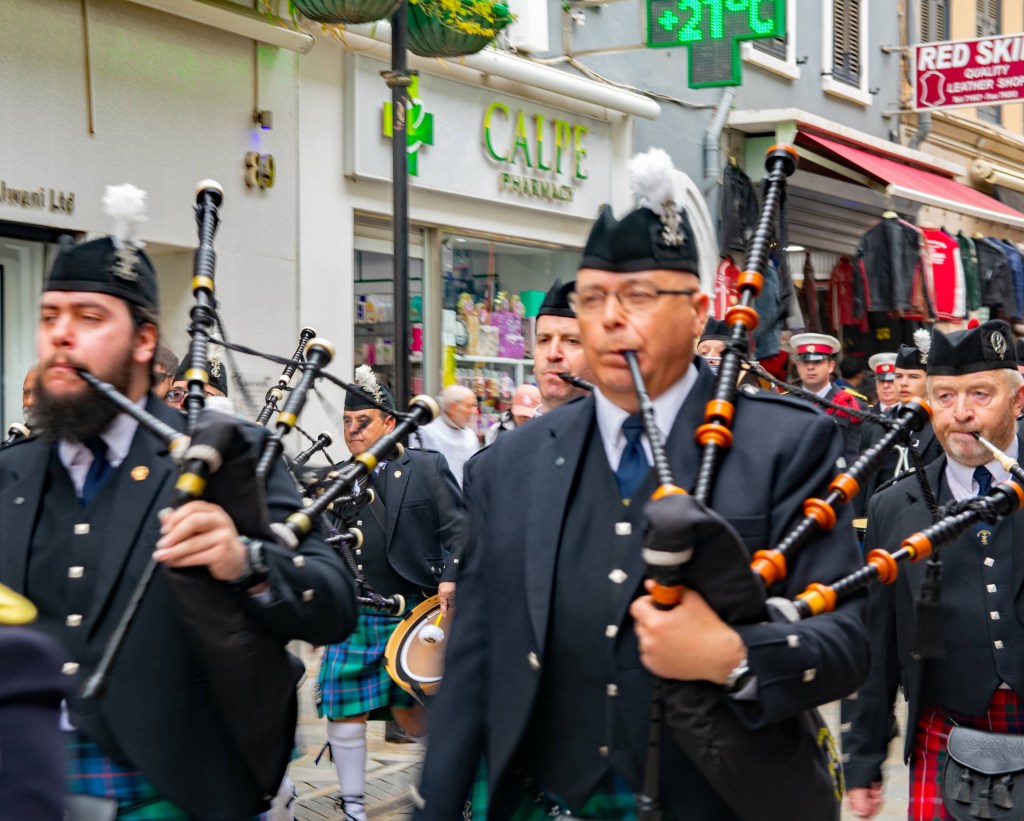
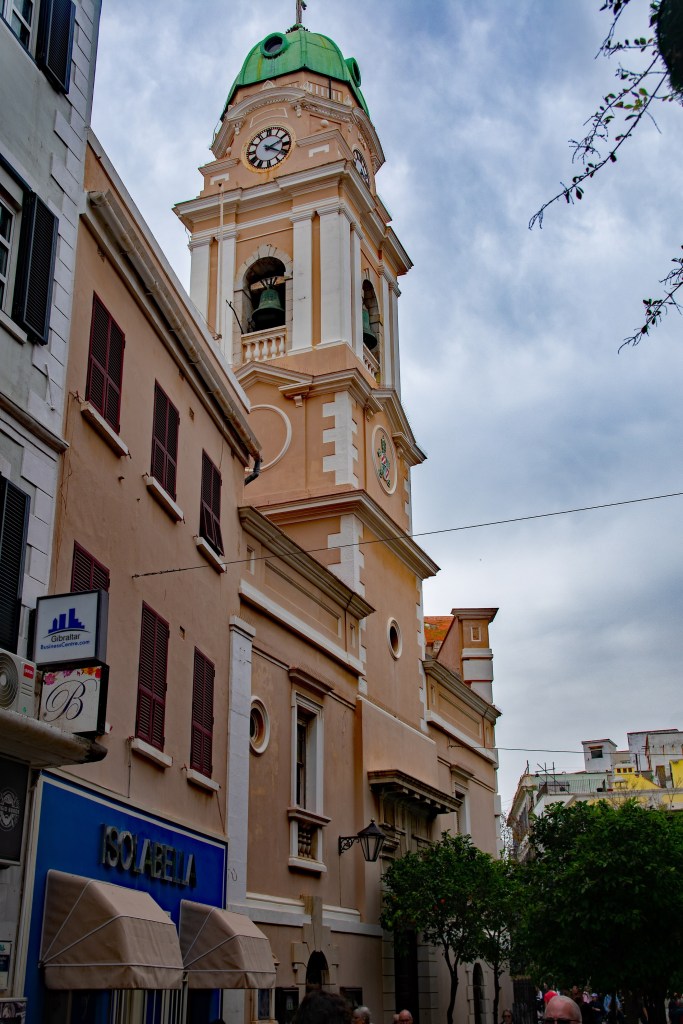
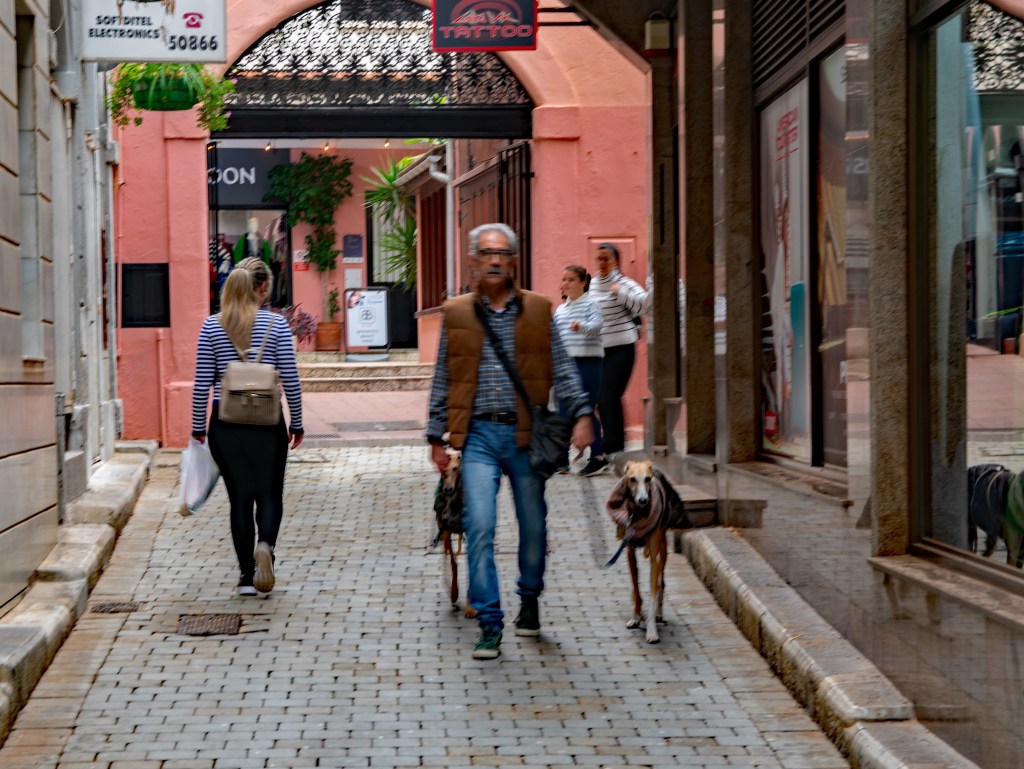
Once you have crossed, there will be taxis and tour buses hoping for your business. We chose to walk into the village first. It is a bit of a walk and not really marked, so just follow the other walkers. Eventually you will arrive at the landport and once you walk through that, you emerge into the village square of Gibraltar. You are in Britain now with English pubs touting pints and fish and chips, English menus and English speakers. However, the restaurants in the square also serve good Spanish coffee and breakfast choices to please both sides of the border. We took a nice coffee break at an outdoor table and then strolled through town. Shops line both sides of the street selling jewelry, liquor, Cuban cigars, tobacco products, candy, perfumes, souvenirs, t-shirts, etc. It reminds me of the duty free shops at Heathrow Airport, only outside. There was even a parade through town, complete with bagpipers.
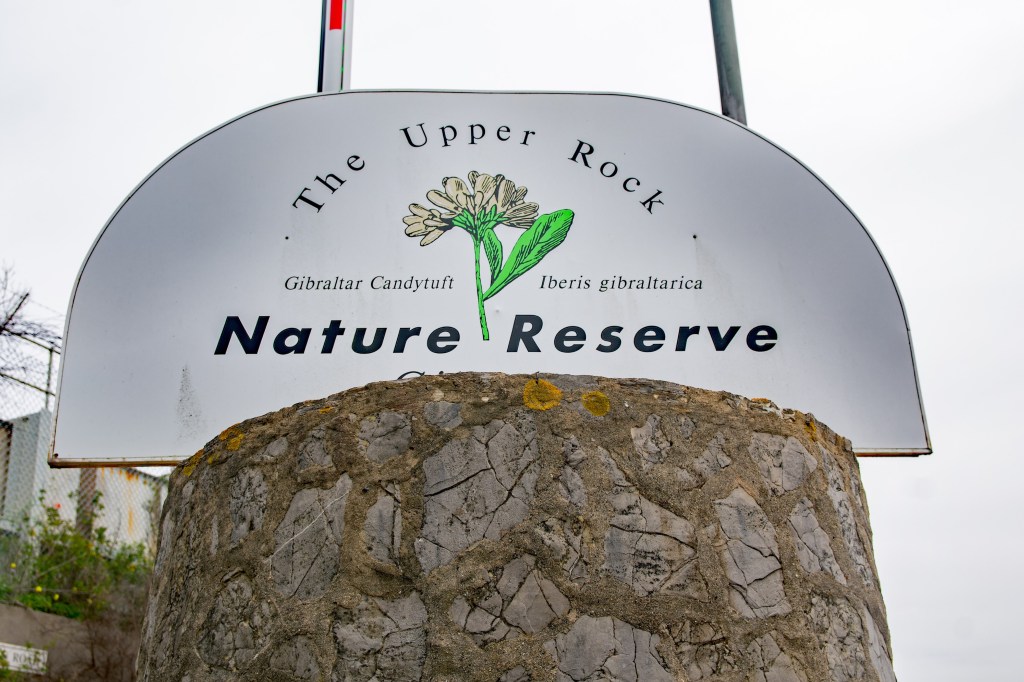
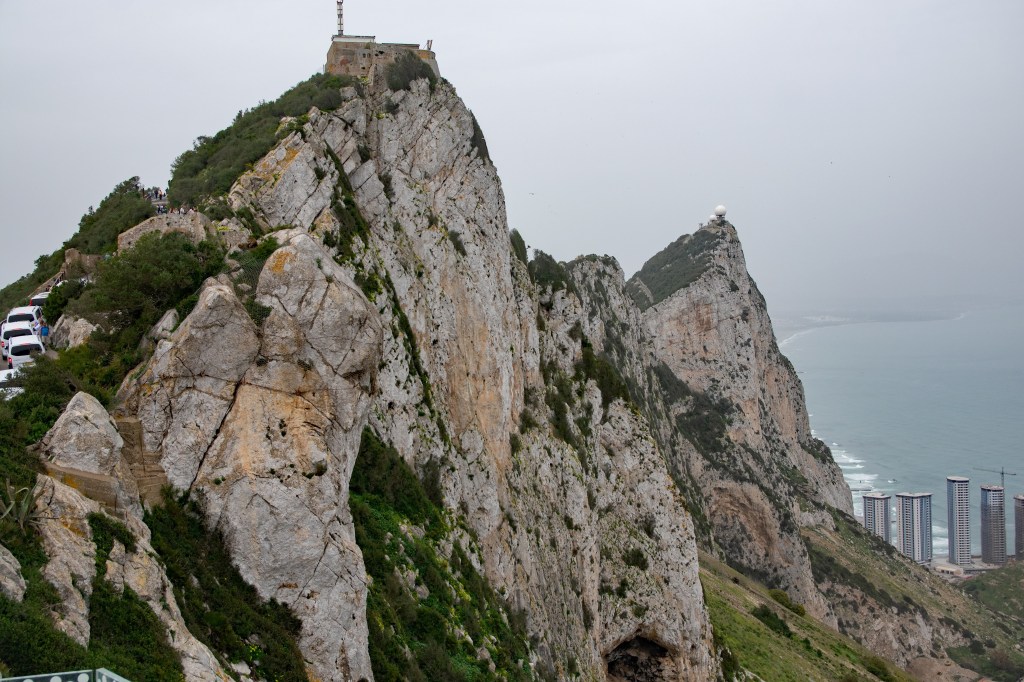
After enjoying the lively Saturday street life for a while, we signed up for a small group van tour. Our guide was Mohammed (Mo), a delightful young man of Moroccan heritage, born and raised in Gibraltar. He plays professional basketball for a local club and gives tours in his free time. We went to five locations that would have been very difficult to do on our own. While driving from place to place, he entertained us with stories and historical information, and patiently answered our constant questions. We shared the tour with a very nice couple from Wales who were there on a cruise. Our highlights included The Pillars of Hercules, Saint Michael’s Cave, The Tunnels in the Rock, The Skywalk, and the Nature Reserve.
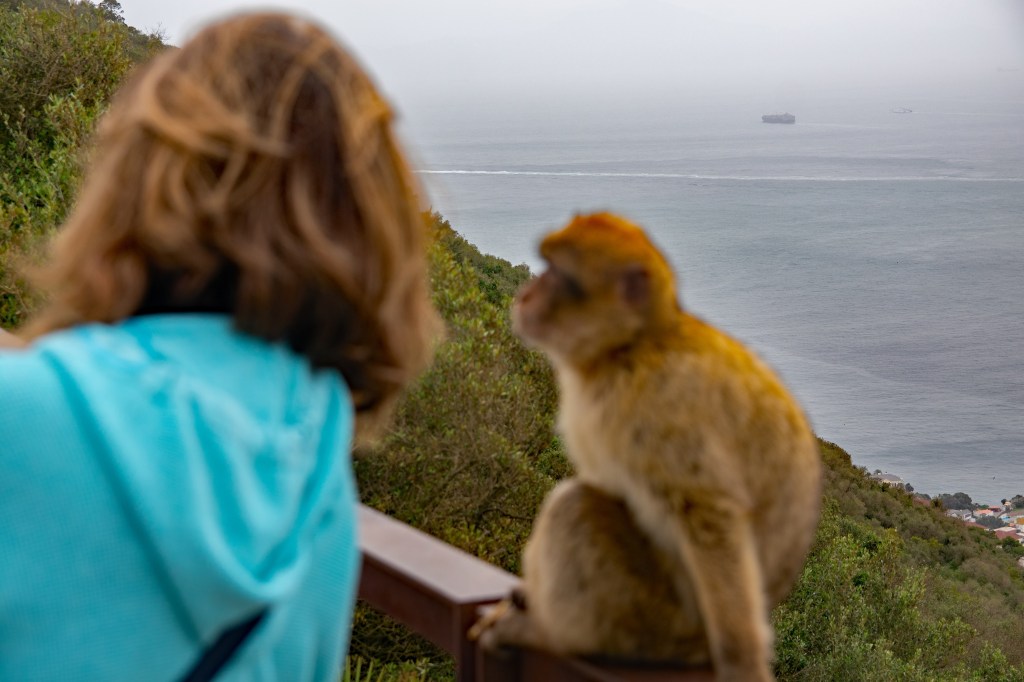
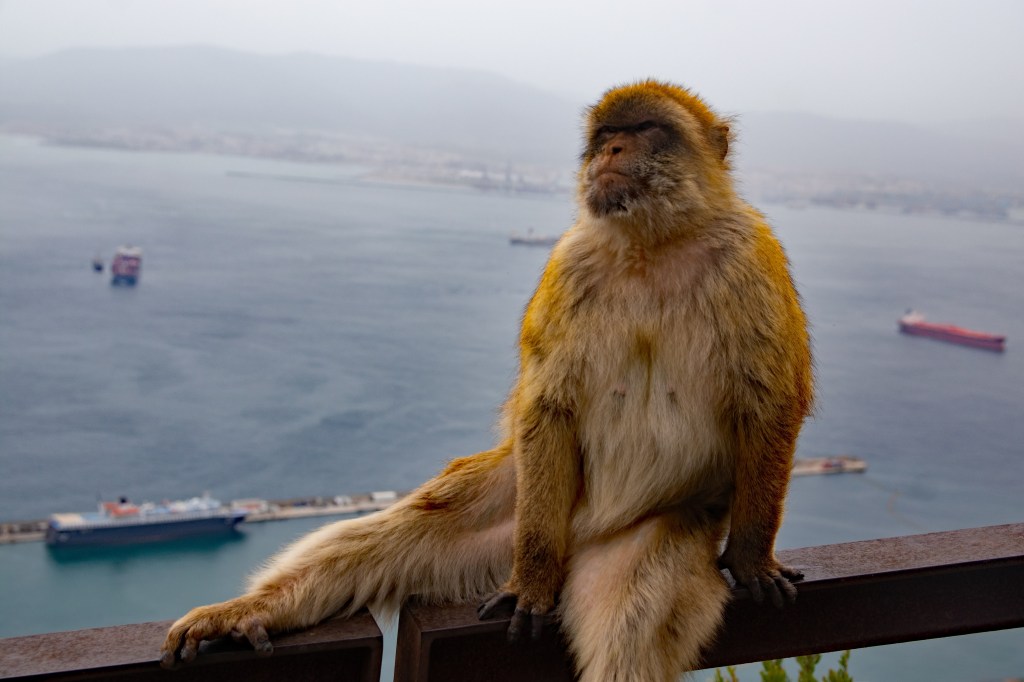
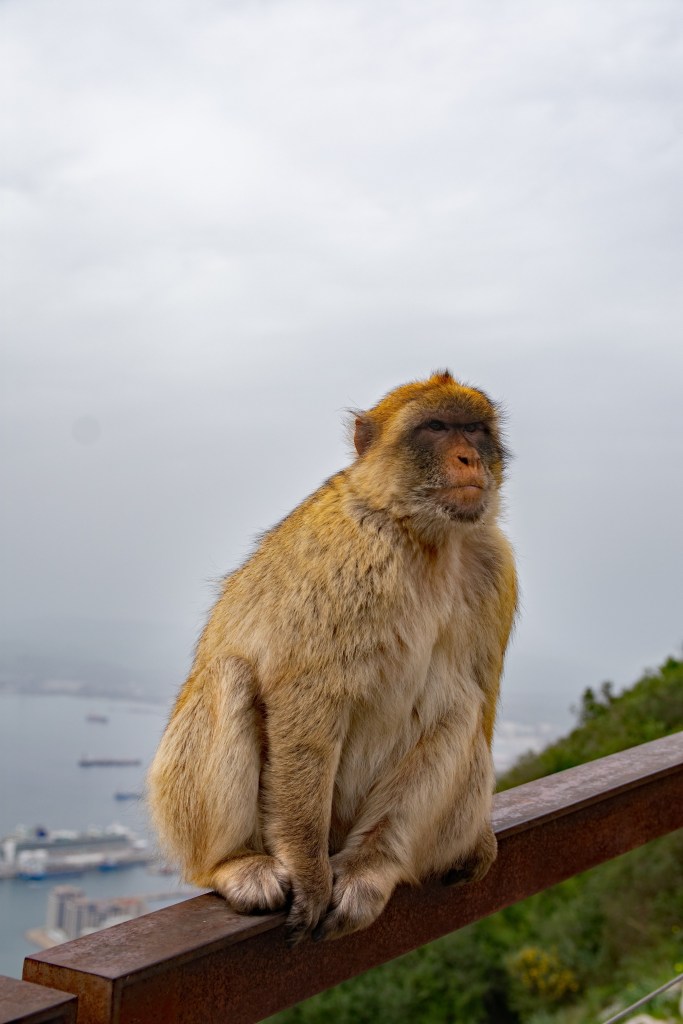
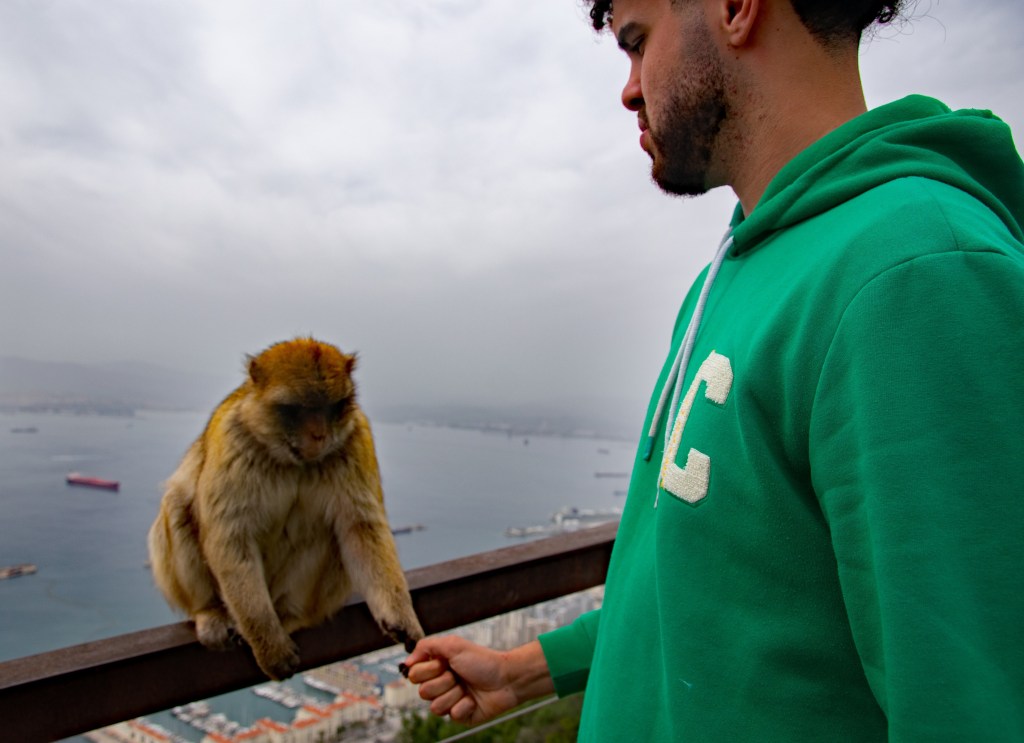
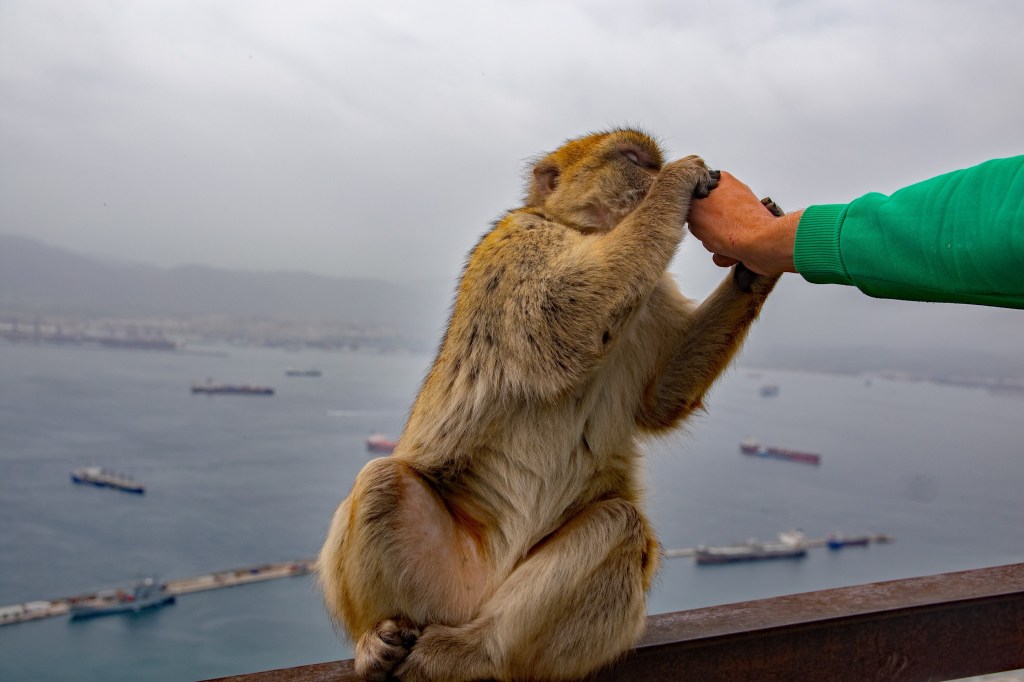
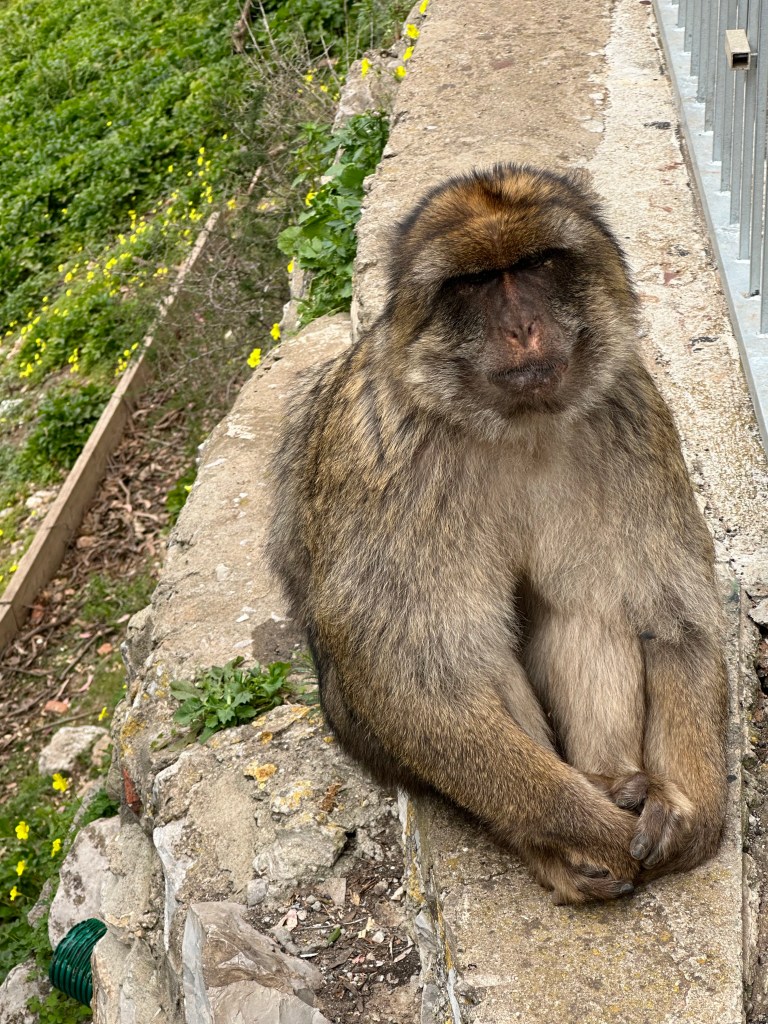
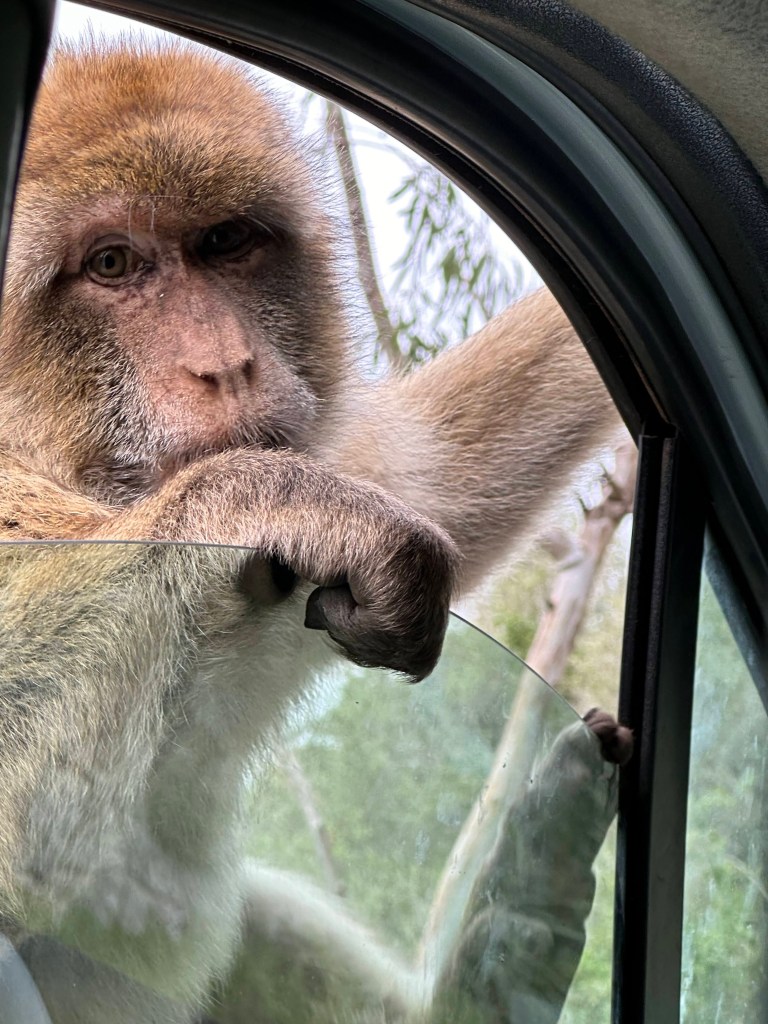
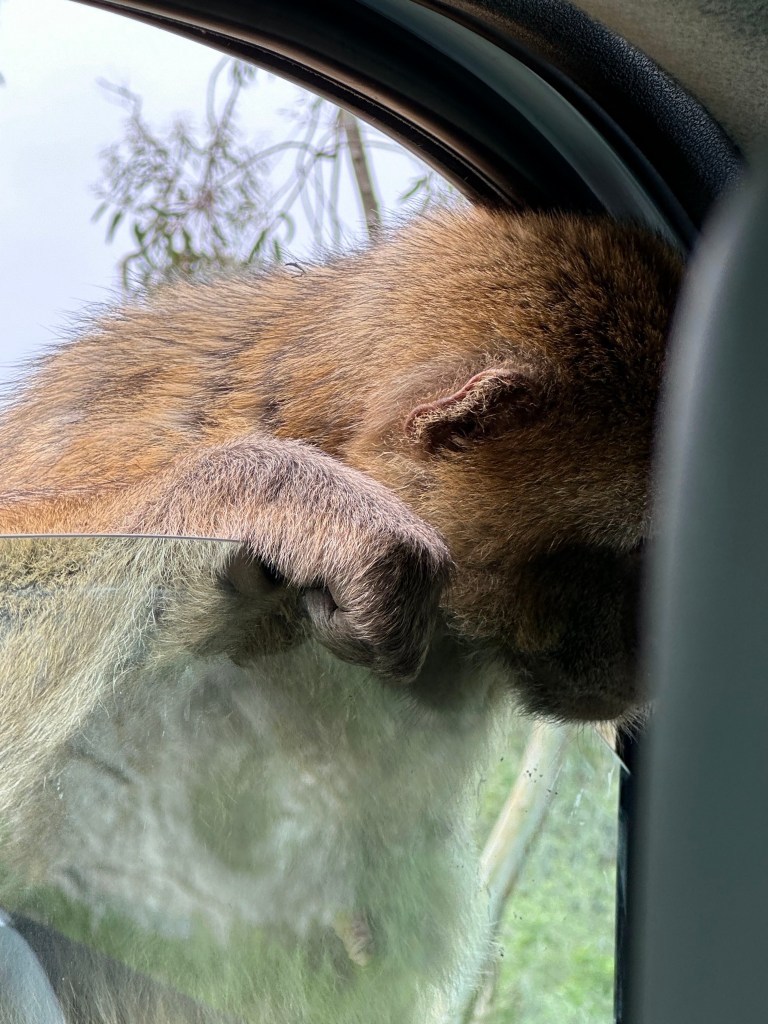
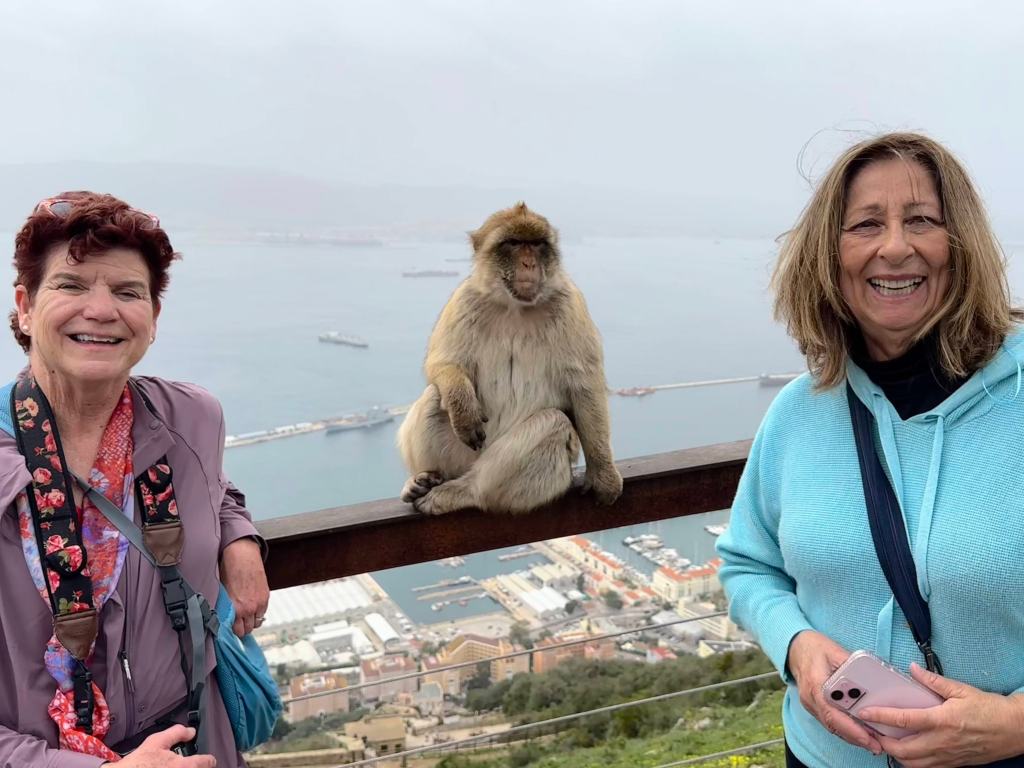
The Nature Reserve is home to the Barbary Macaques, sometimes referred to as the Barbary Apes, but they are not monkeys. The macaques are protected and fed by the reserve rangers. Tourists should not touch them or feed them, but they are very comfortable with people and will pose for pictures. They will also attempt to enter vehicles, steal food and water bottles, phones, eyeglasses, etc.
The Pillars of Hercules and the Skywalk offer panoramic views of the Straits and the Port of Gibraltar far below. Unfortunately, we were there on a cloudy day, so the vista was foggy, but still awe-inspiring. Large container ships are lined up to pass through the strait.
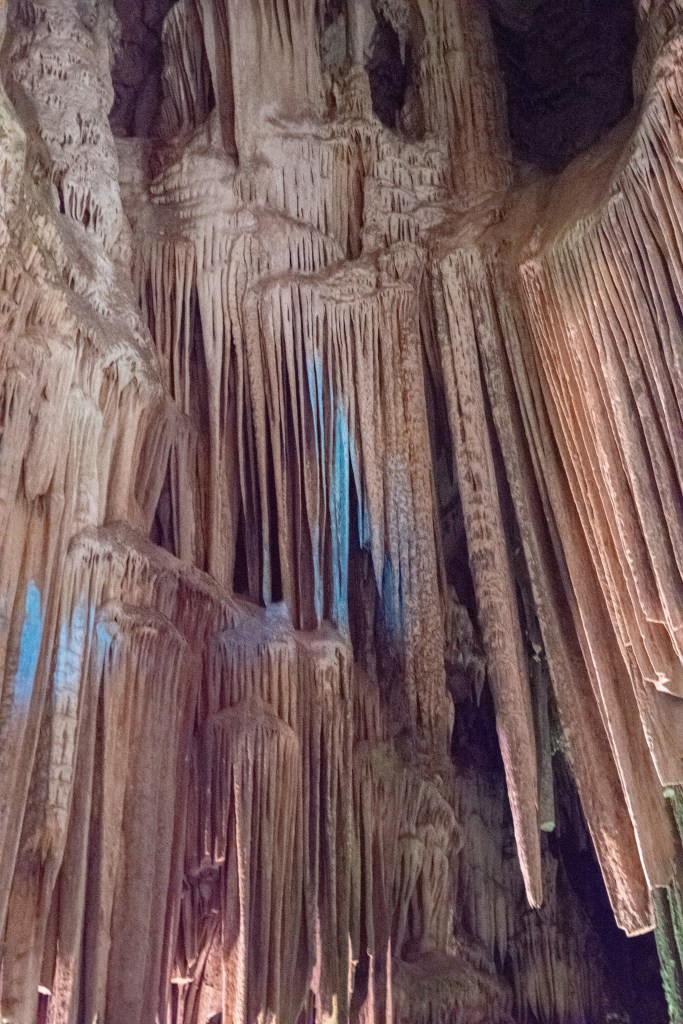
St Michael’s Cave is a natural cave within the Rock of Gibraltar. It was once believed to be the entrance to hell at the edge of the known world. Today it welcomes tourists with light shows on the rocks and occasional concerts in the natural amphitheatre.
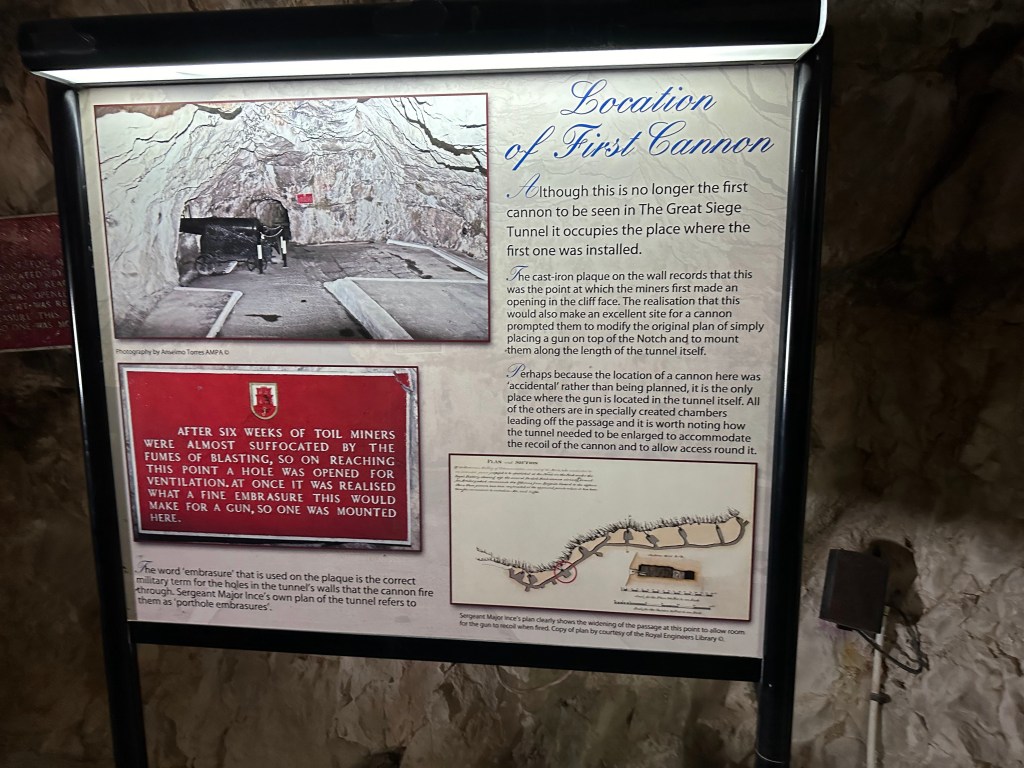
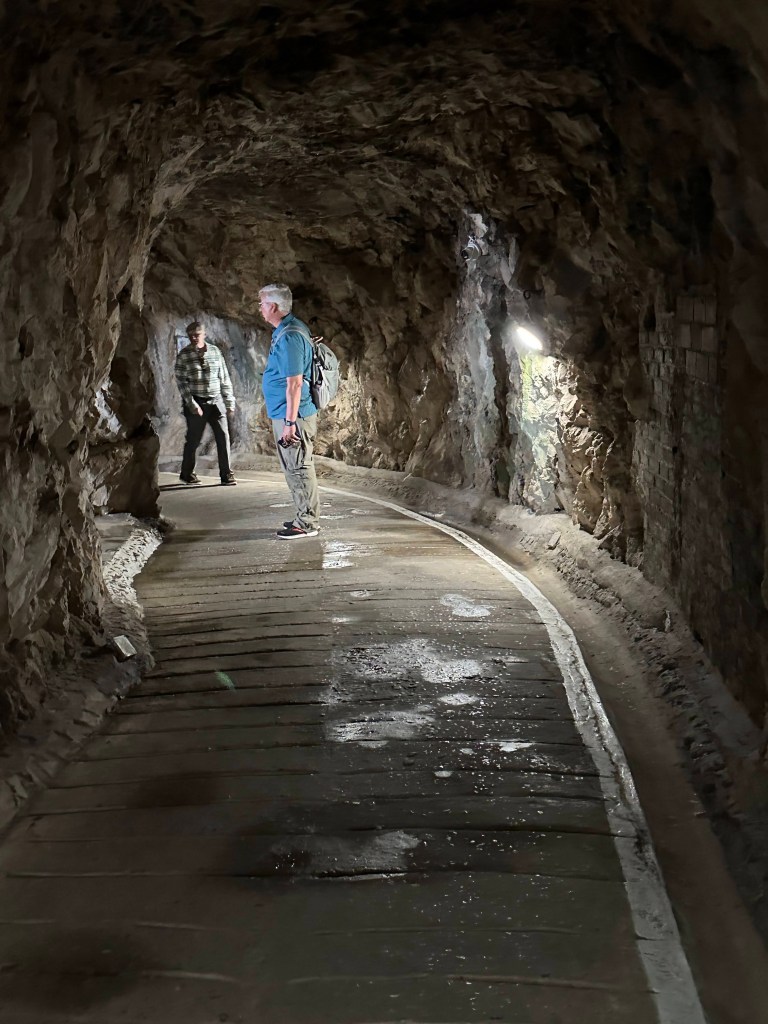
The tunnels were built during World War II to house supplies and soldiers, and to shoot canons from narrow openings blasted from the rock.
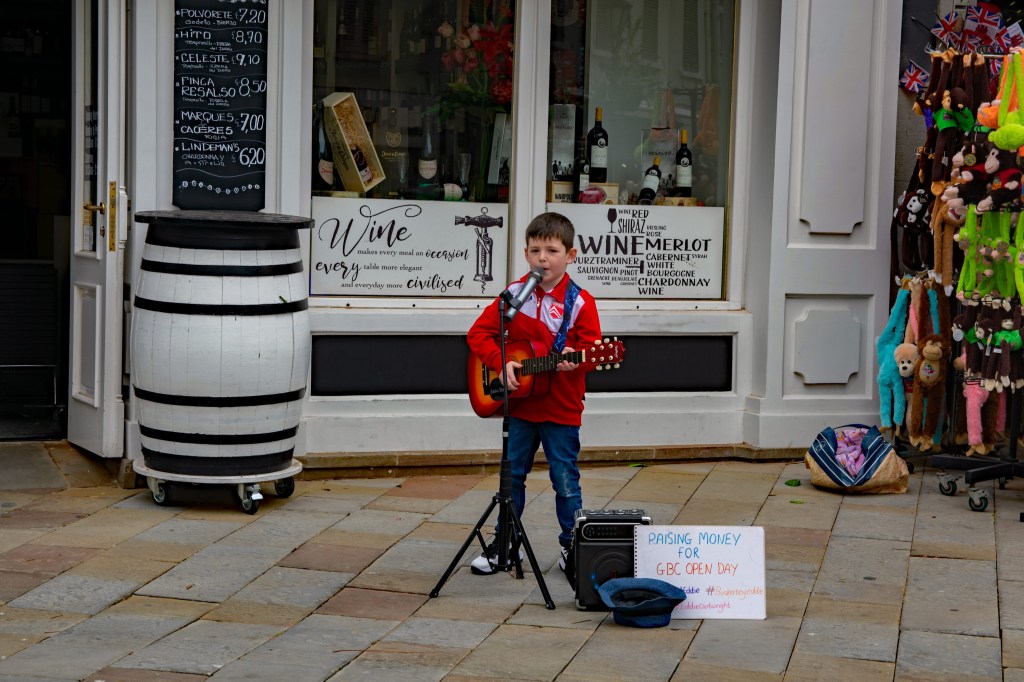
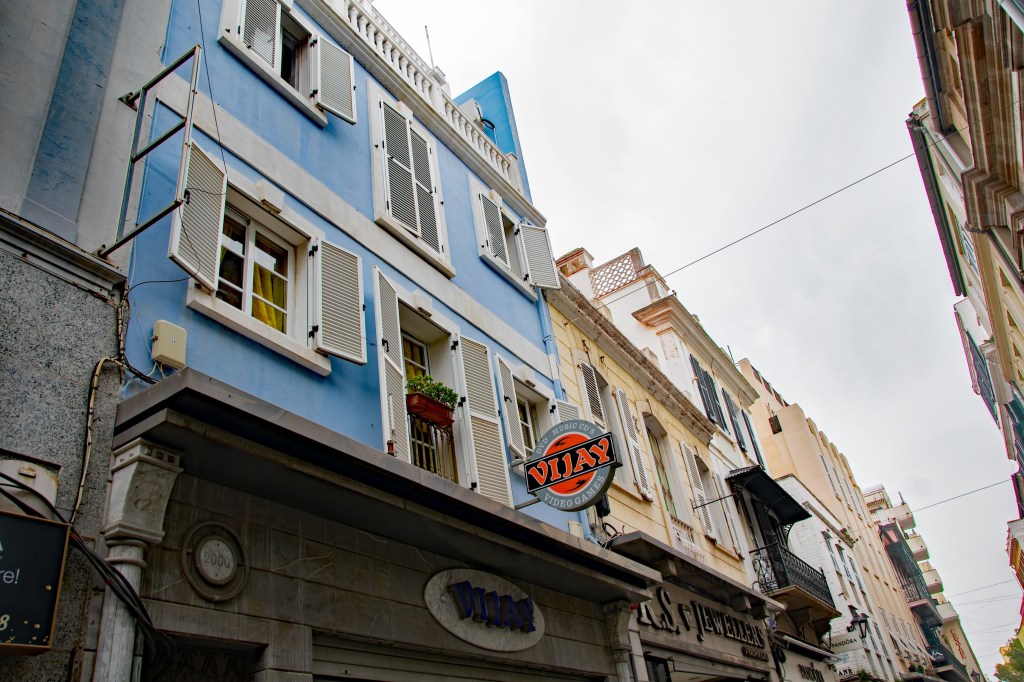
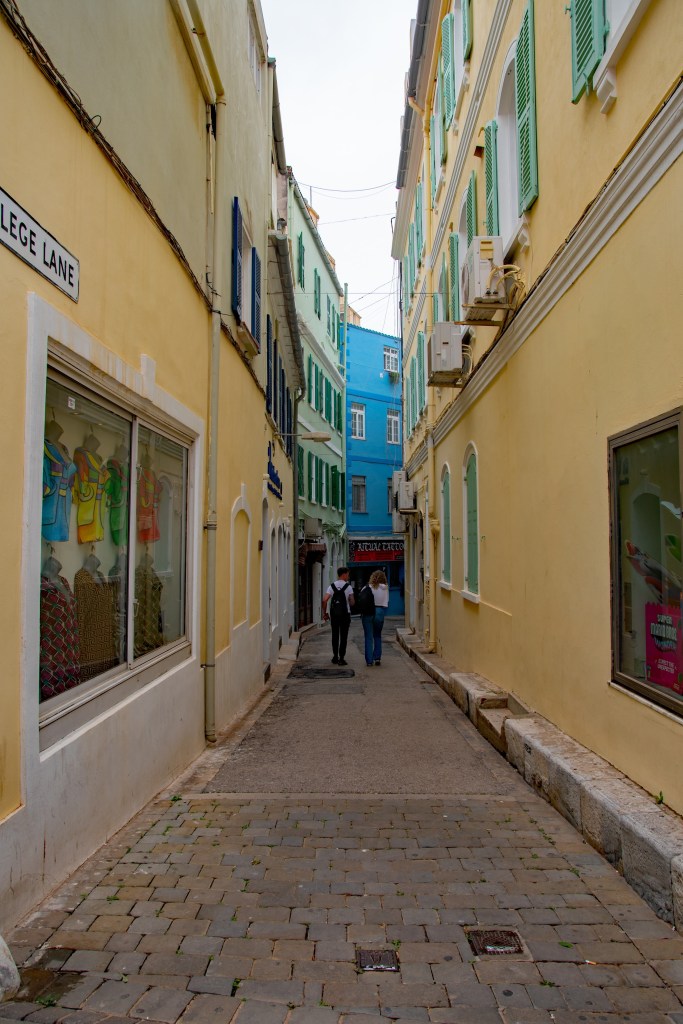
The Landport Entrance ( footbridge)Gibraltar VillageThe Town SquareA Young Entertainer
Gibraltar Village on a Saturday
Mindful MacaqueThe RockMo and friendMe, Macaque, Liz
Caves and Tunnels
Image of the ArchangelCave AmpitheatreThe Tunnels
A day trip to Gibraltar is a unique and worthwhile experience. It is unique! Thank you for reading.
This place is so great I hesitate to promote it! But now that “The Bachelor” has filmed here, I guess the secret is out.
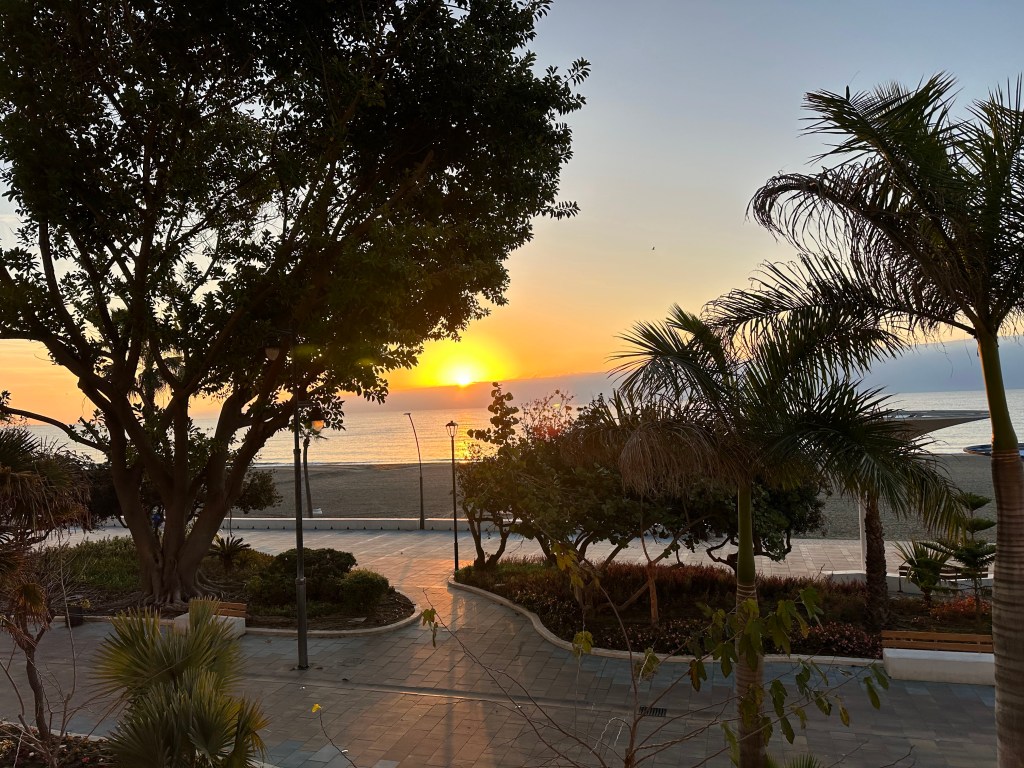
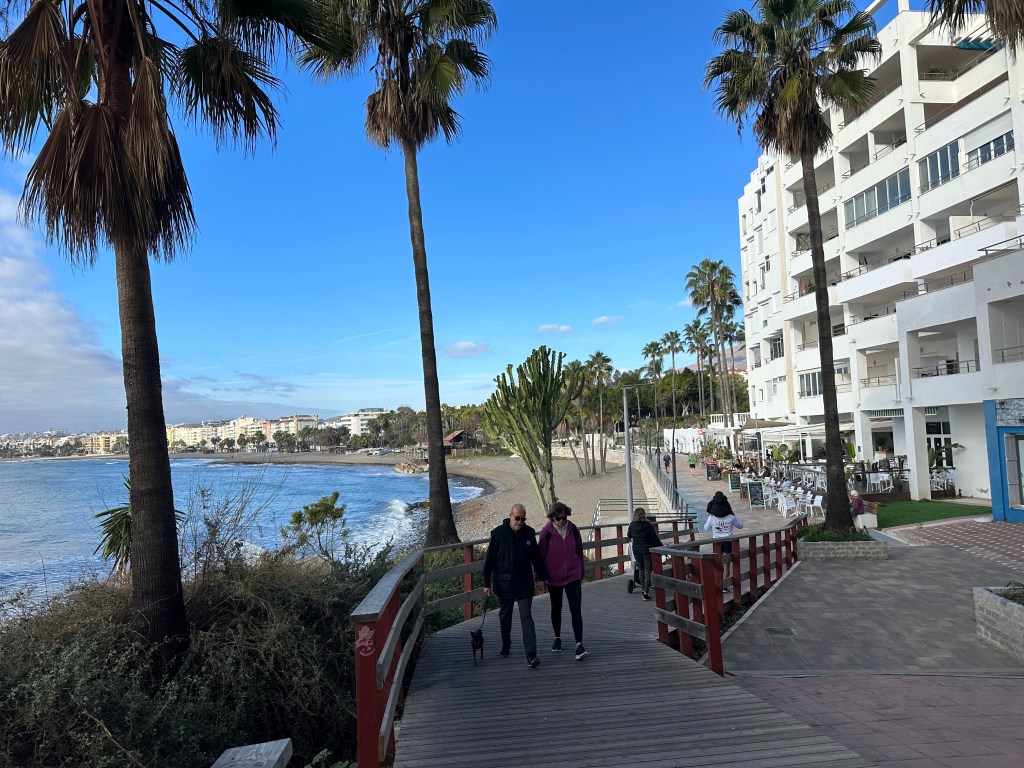
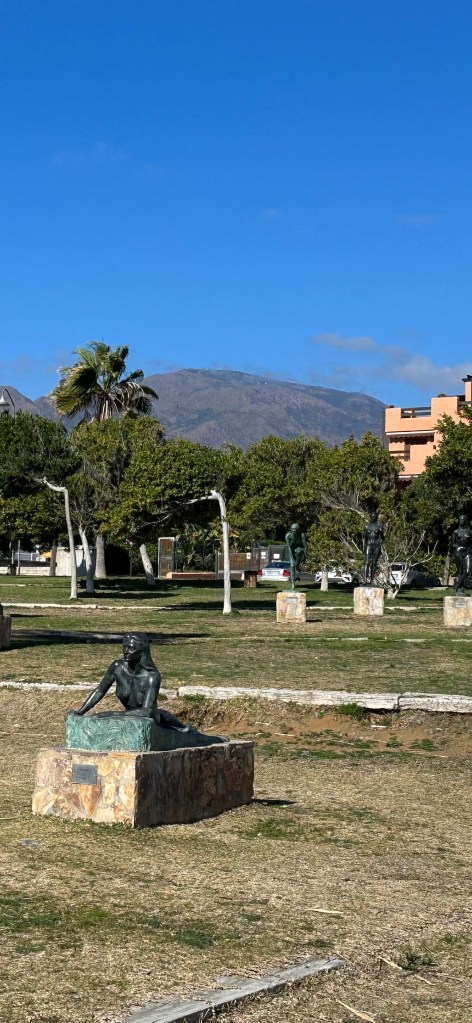
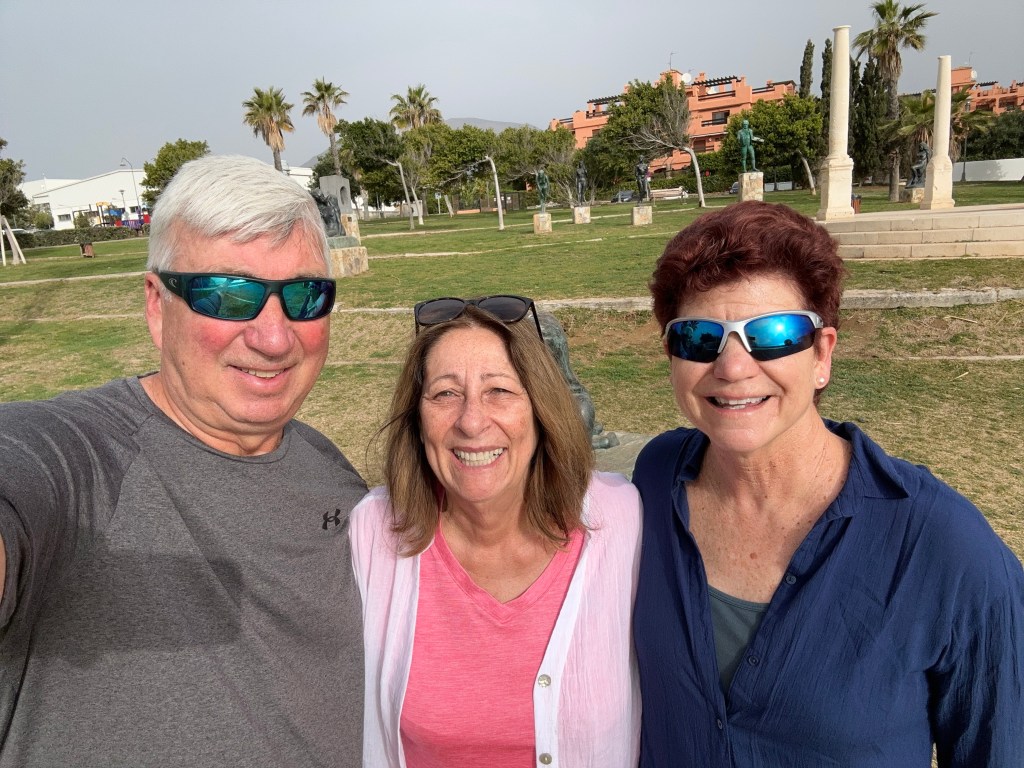
Sunrise from our TerraceWalk on the Senda LitoralClouds Over GibraltarA Roman Bridge Along Our WalkThe Sculpture ParkSunday on the PaseoGreat Day for a WalkThe PaseoView from our Front Door
This is our fifth winter stay in Estepona. We were here for two weeks back in 2018 and we have returned each year, except for the Pandemic year in 2021. Each time, we have stayed longer than the year before. Last year, we spent the month of March, the year before that, the month of February. This time, February and March. Two months has allowed us to really settle in and establish some routines and a relaxed pace to life. In other words, enjoying retirement while living like a local.
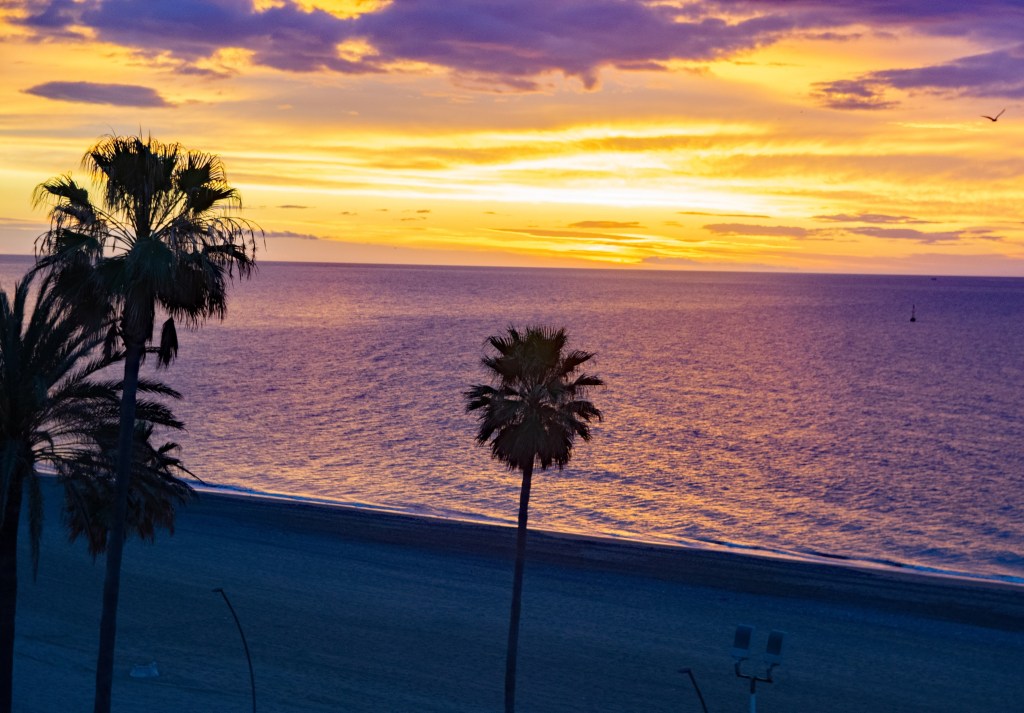
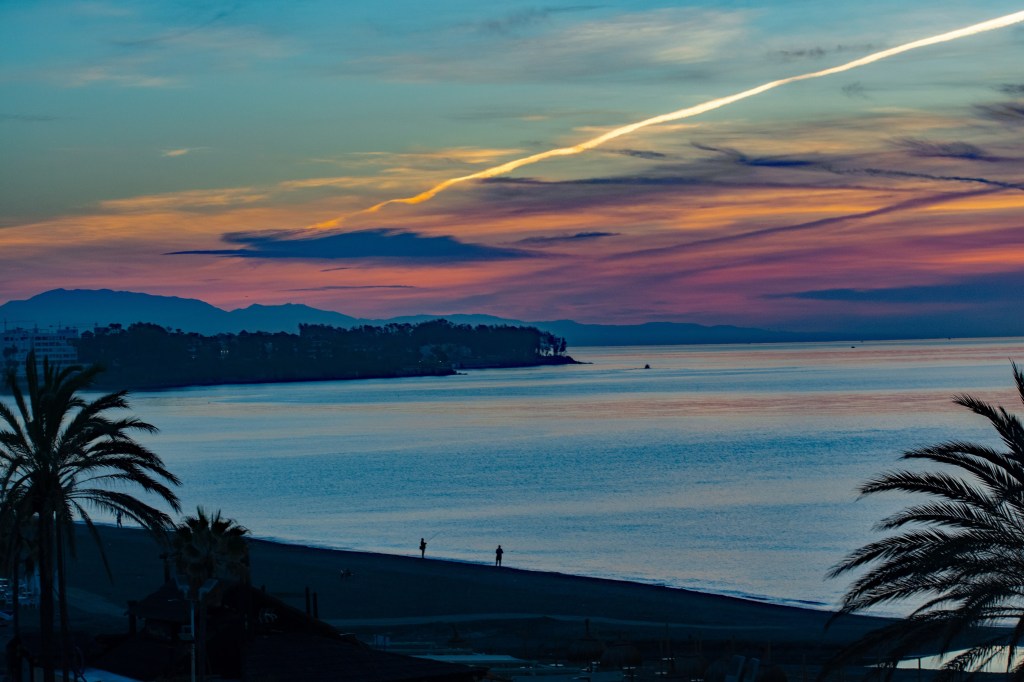
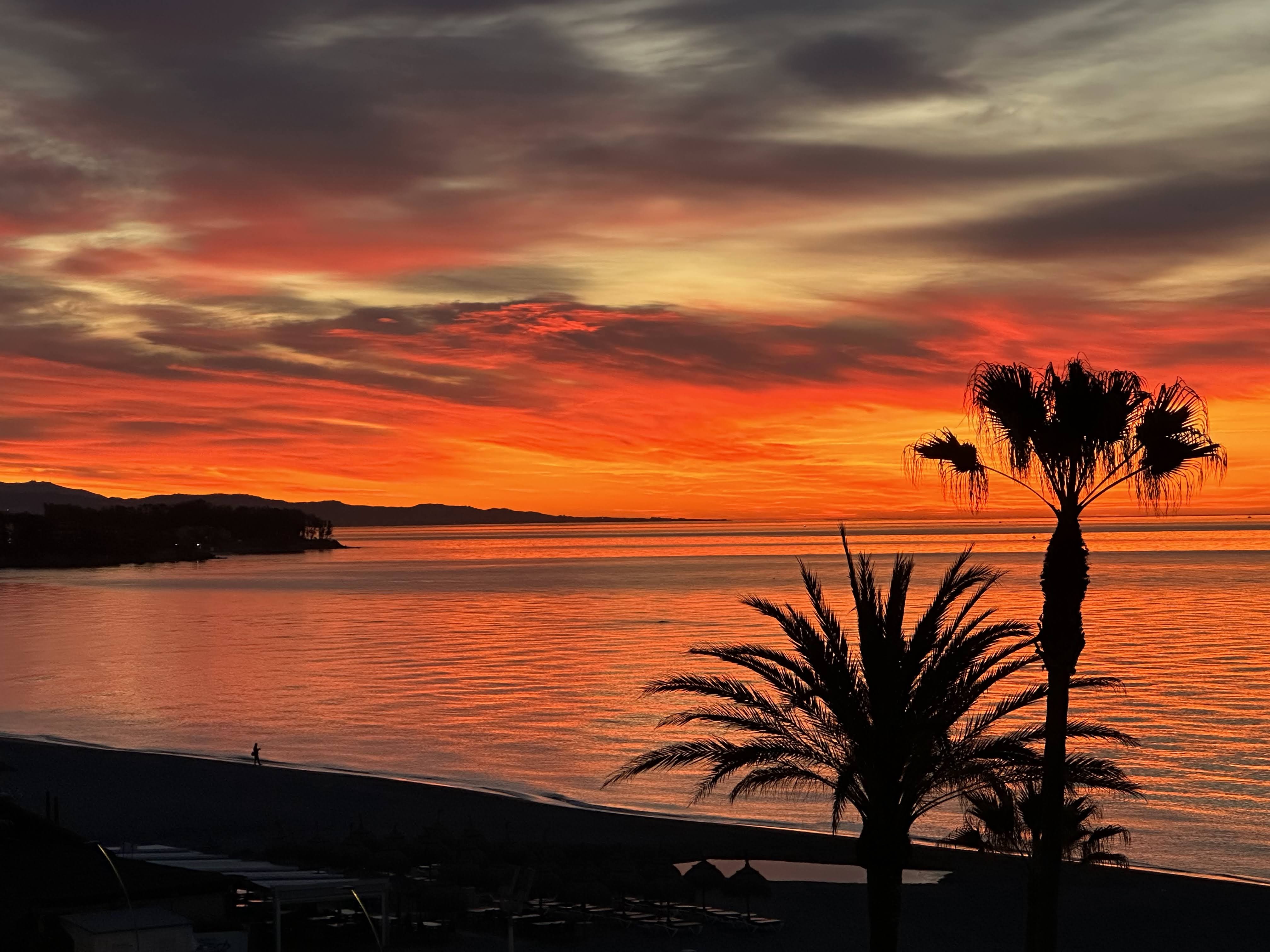
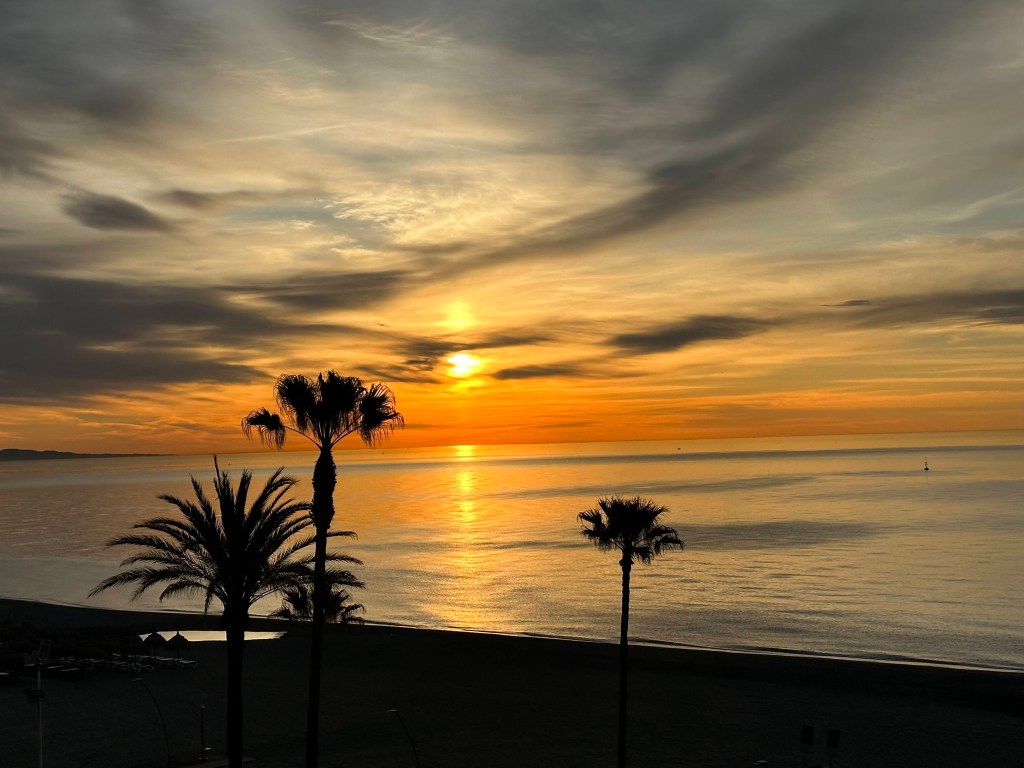
Because we know this town, when I found this year’s apartment listing, I knew it was a great spot at a good price and I booked it for two months. We don’t rent a car, so we need a location that is walkable to the beach, restaurants, groceries, etc. This has been perfect! I never tire of seeing the sunrise on the Mediterranean from our front balcony.
We joined the local health club (Supera) and we swim laps there three mornings a week. It is a mile walk to get there with a steep hill at the end, so overall it’s a good workout. Because we are now regulars at the pool, the local swimmers greet us and we feel accepted.
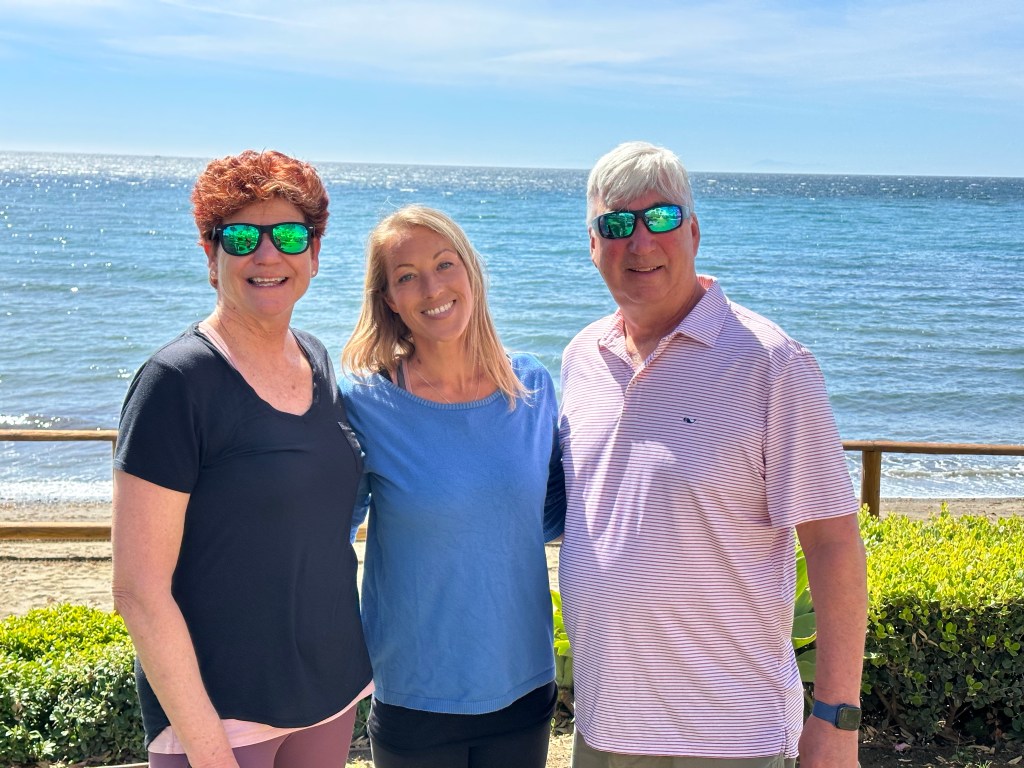
We go to yoga class with Nettie (http://www.nirmalayogaspain.com) two mornings a week. The class is outdoors on a beautiful stretch of grass along the shore. The palm trees sway above us, the water sparkles in the sunlight, and on clear days we have a fabulous view of Gibraltar and the shores of Morocco. One day, a couple of dolphins swam past. Nettie is a wonderful instructor and a beautiful person. After class, we have coffee with our yoga friends.
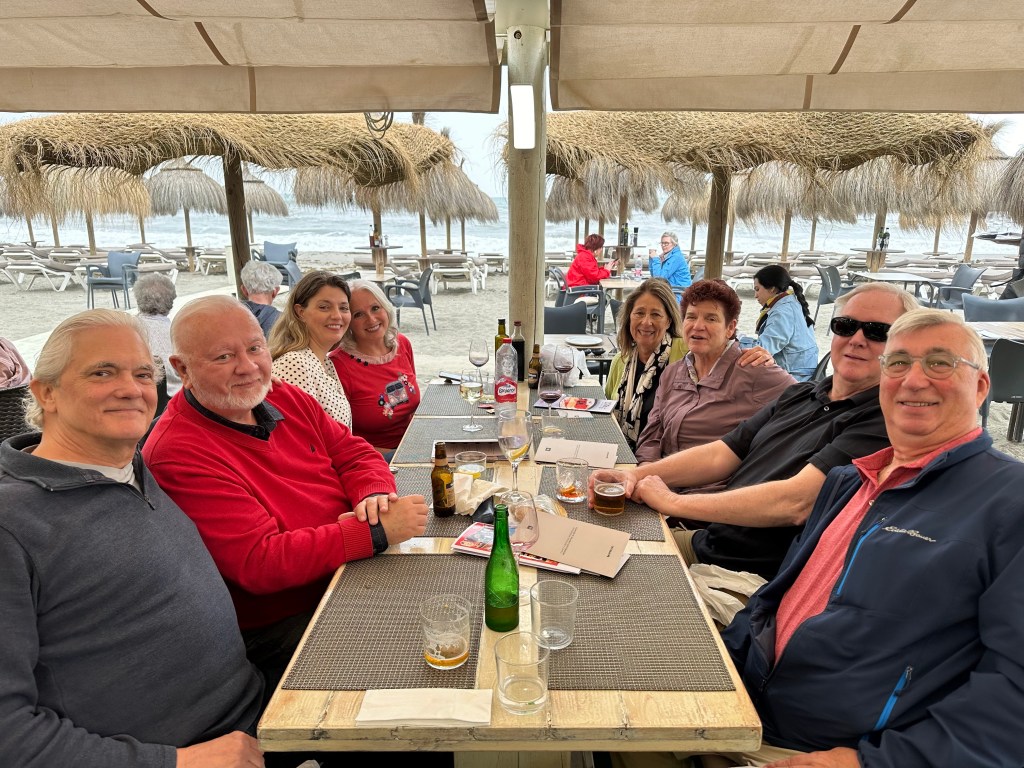
We have met a friendly group of expats who reside here in Estepona full time. They have welcomed us into their group and we get together to play games and share meals, drinks and a lot of laughs. It is a true blessing to make new friends at this stage of life and to enjoy this wonderful place with them.
Our friend Liz came over from Chicago this month and we have been enjoying showing her around Spain. We have toured Madrid, Estepona, Ronda, Gibraltar, and La Línea. This post focuses on Estepona, so I’ll cover the other spots separately. Liz’s enthusiasm for everything is contagious, and Bill and I have loved having her company on our adventures,
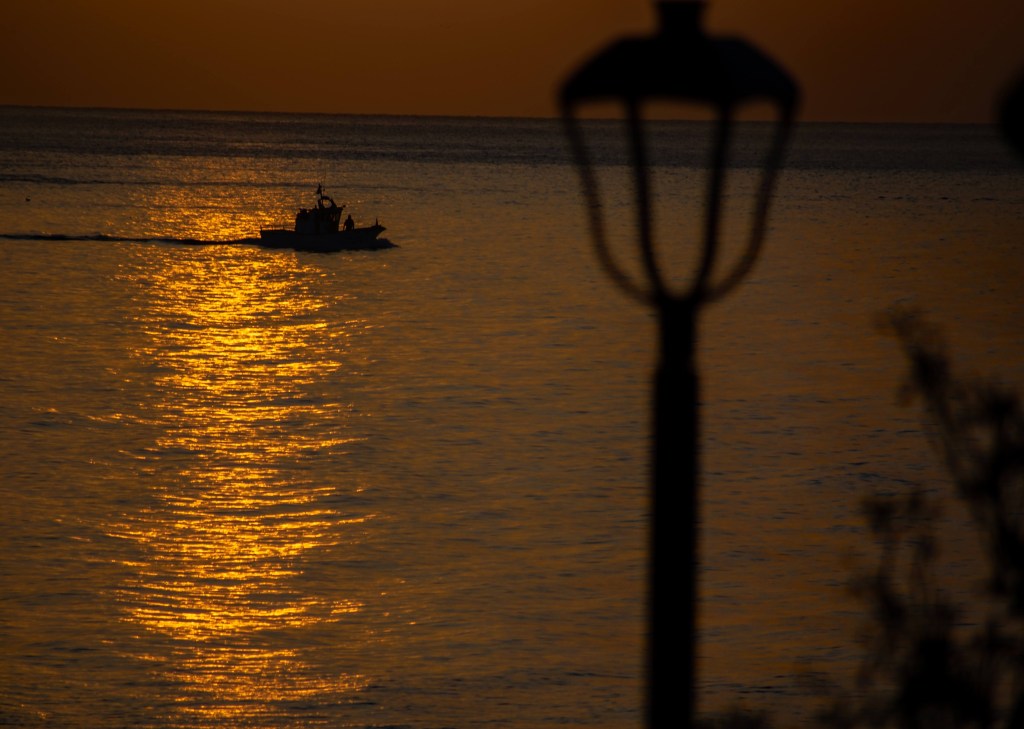
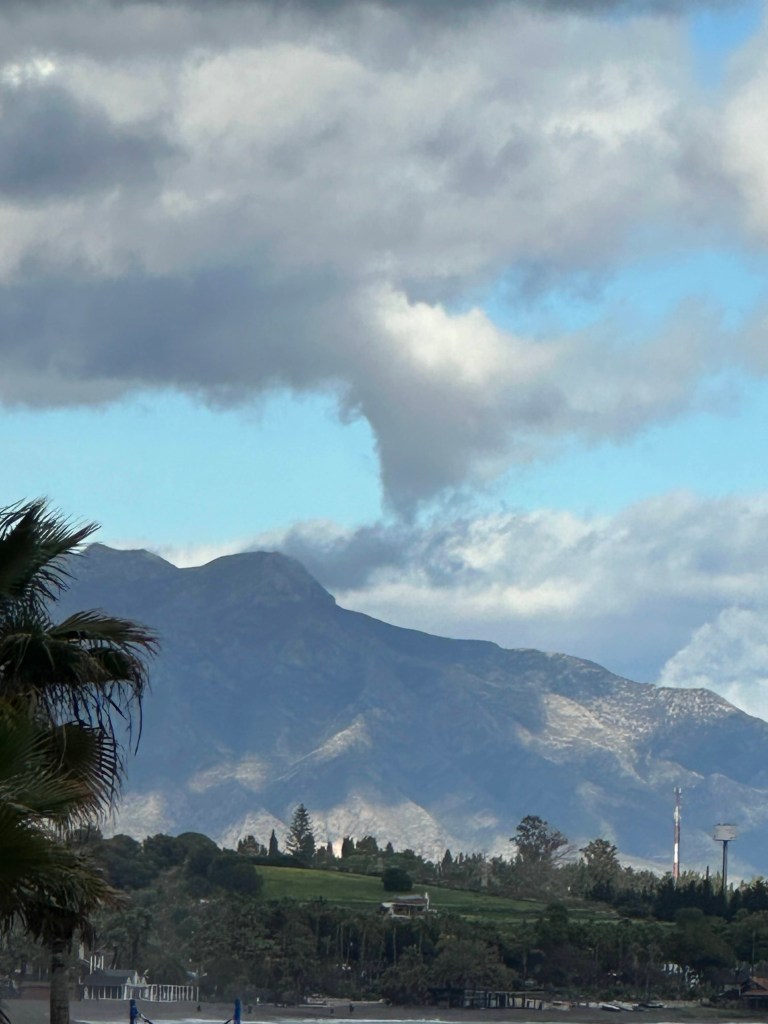
Below: Some views of the water and the Sierra Bermeja.
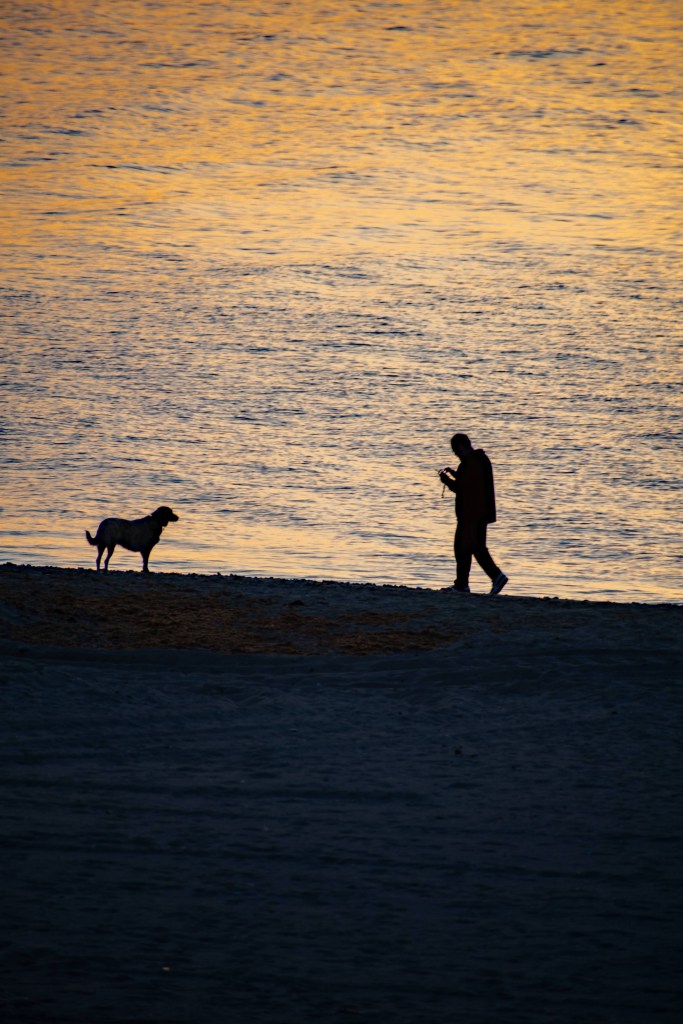
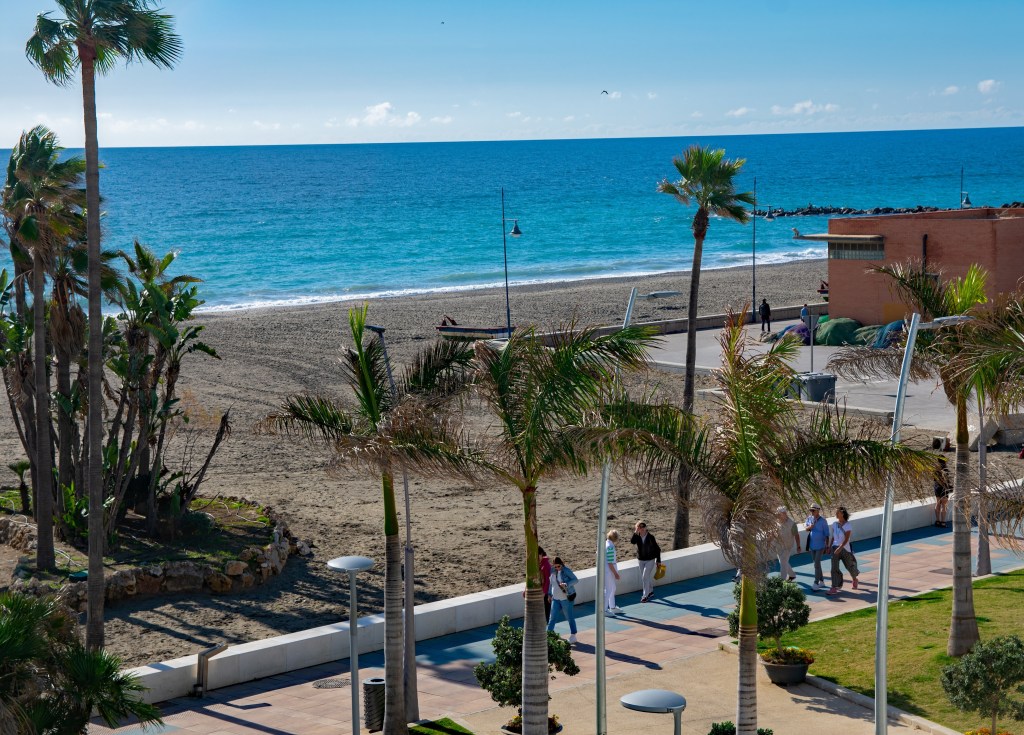
Just Fishin’Dawn on The PaseoGood MorningFishing Boat at SunriseEstepona’s Mountain
Views From El Mirador (The Lookout)
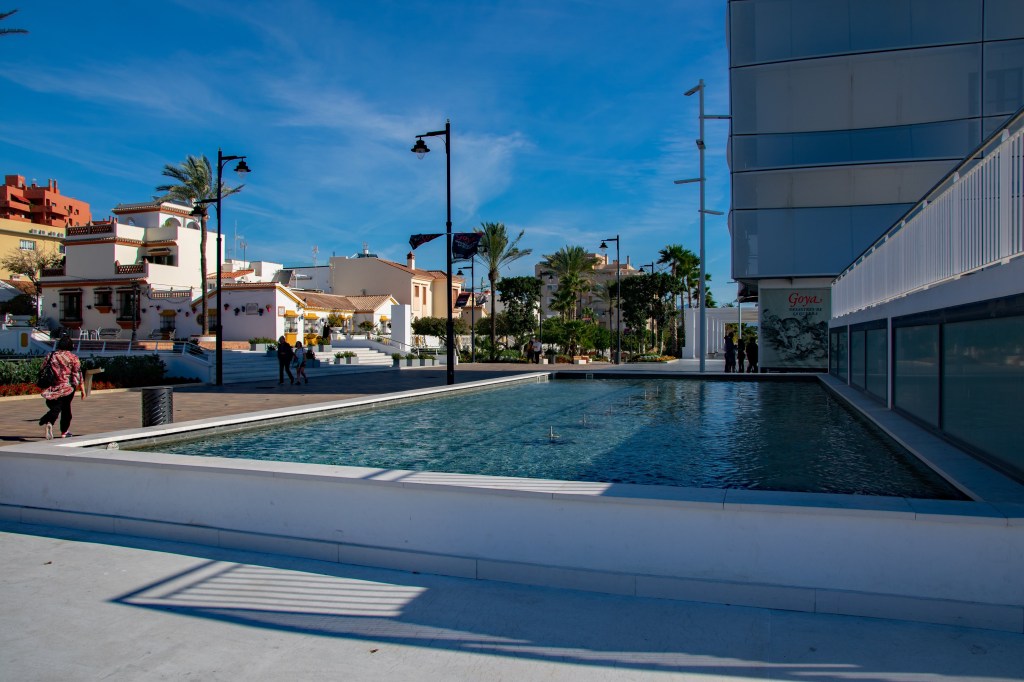
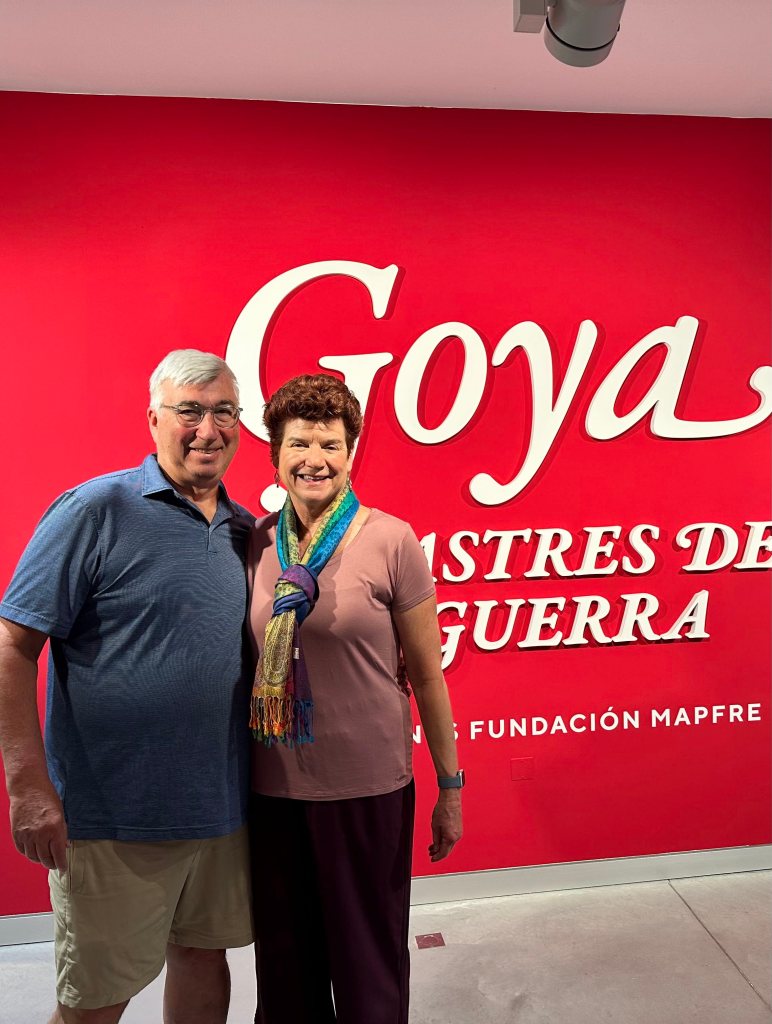
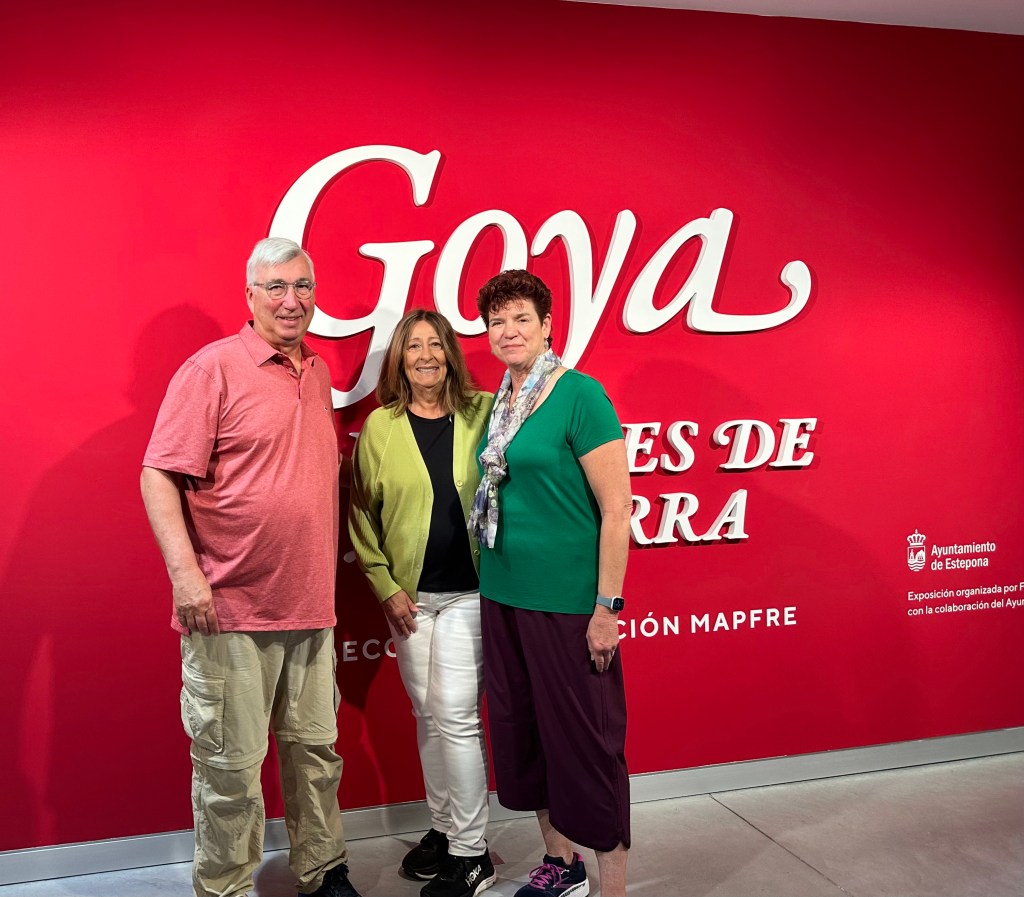
The Mirador had its Grand Opening the night before we left town last year. It is a beautiful addition to Estepona. An elevator ride to the 360 degree view on 10th floor costs one euro. The Art Gallery on first level is a beautiful space. Currently, they have a Goya exhibit featuring 85 of his etchings themed “The Disasters of War.” While not a happy subject, it is quite timely and important. We visited twice for an entrance fee of three euros and we had the gallery to ourselves both times.
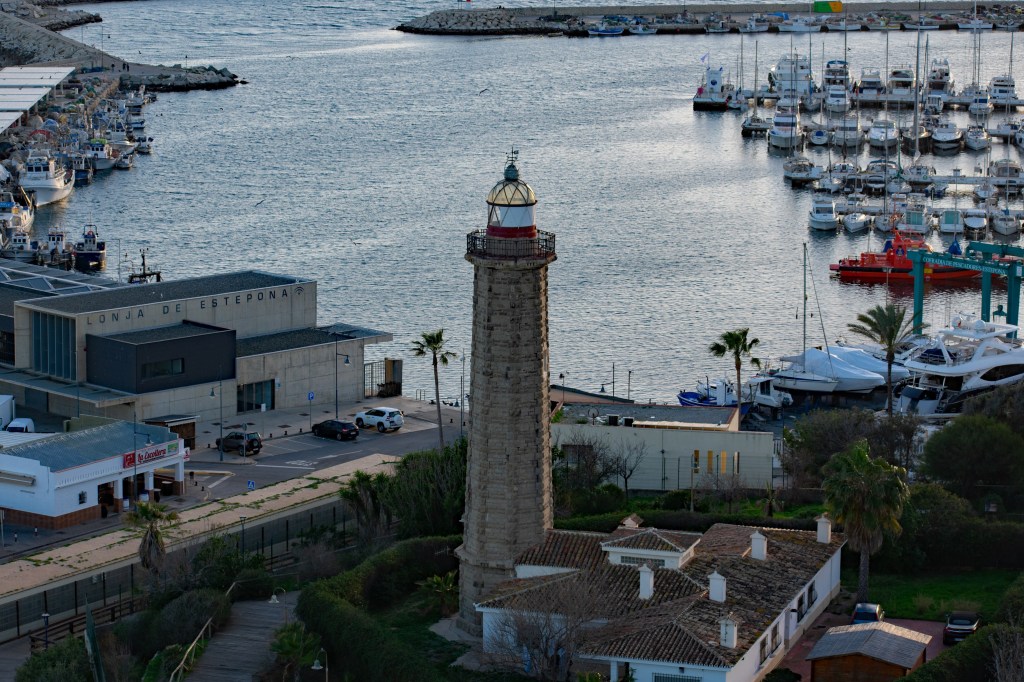
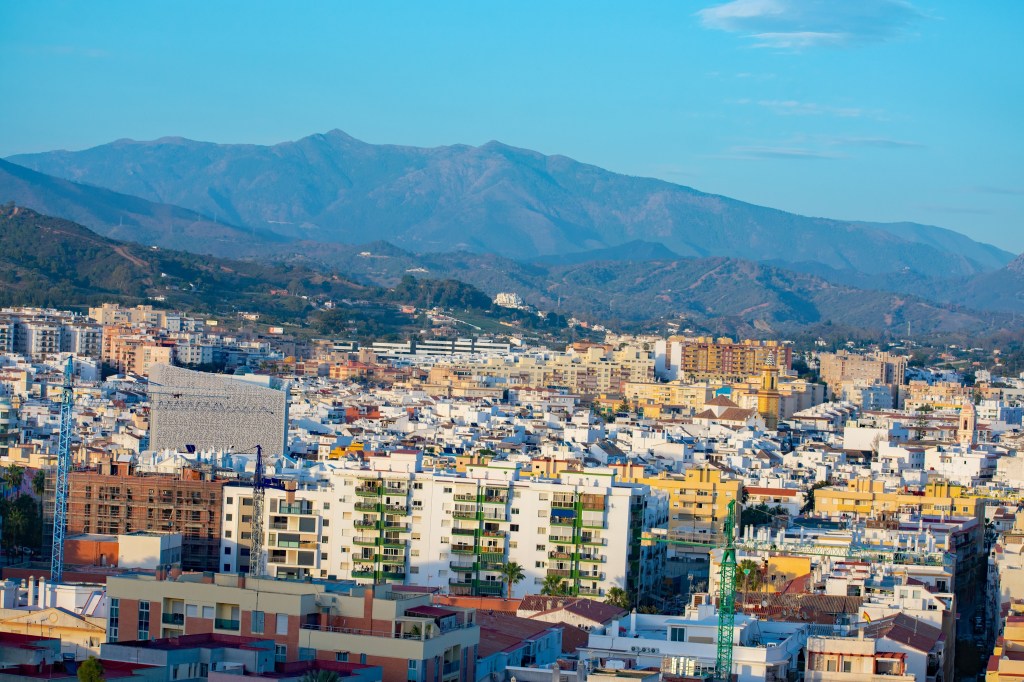
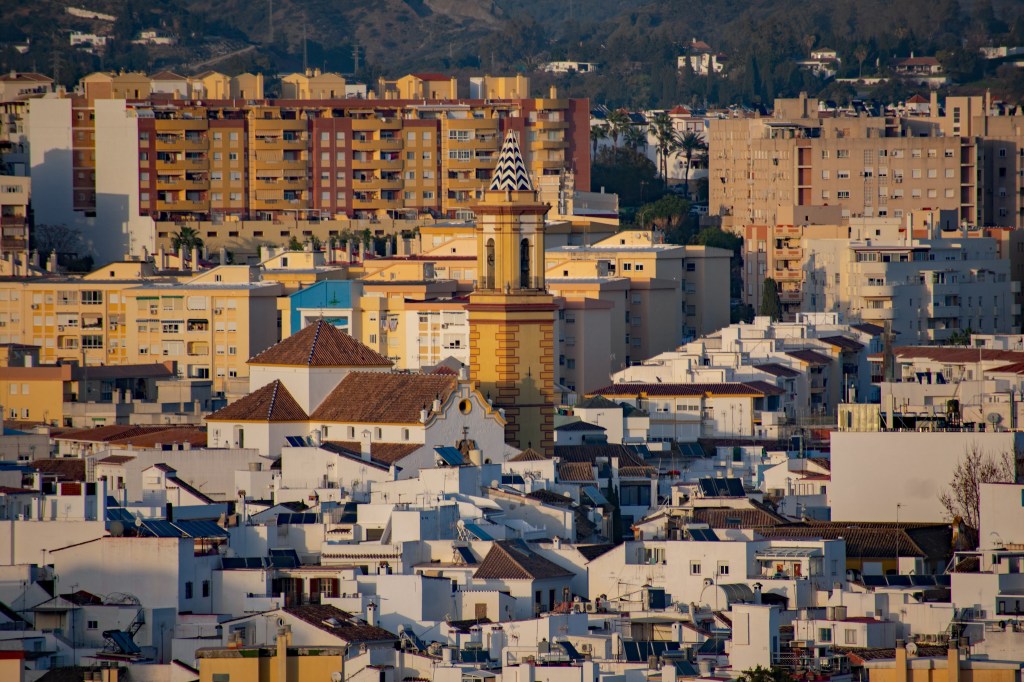
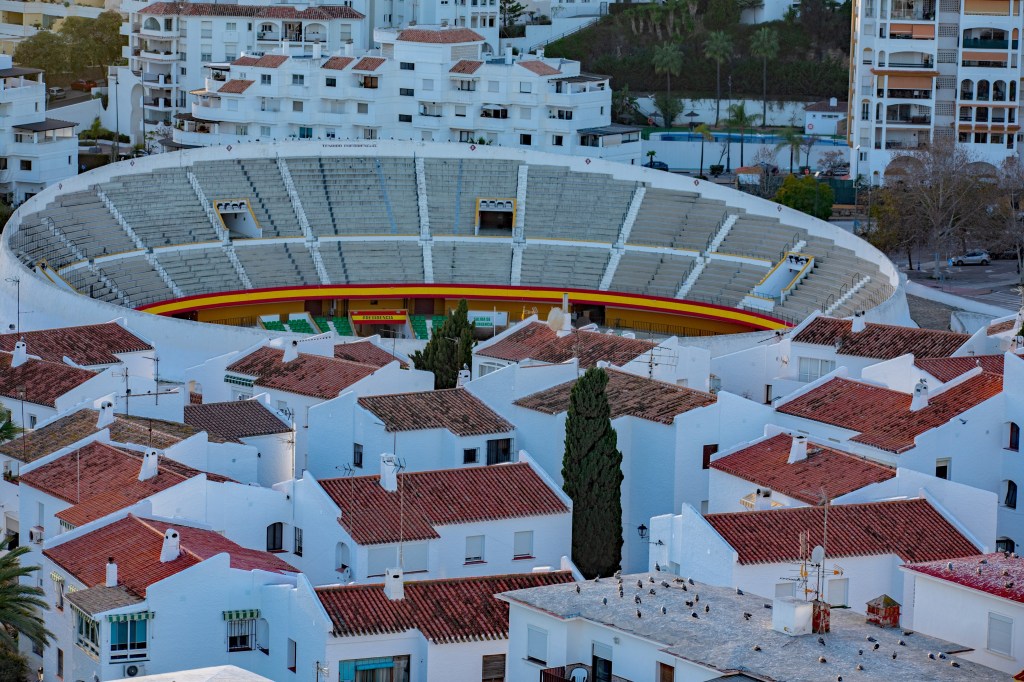
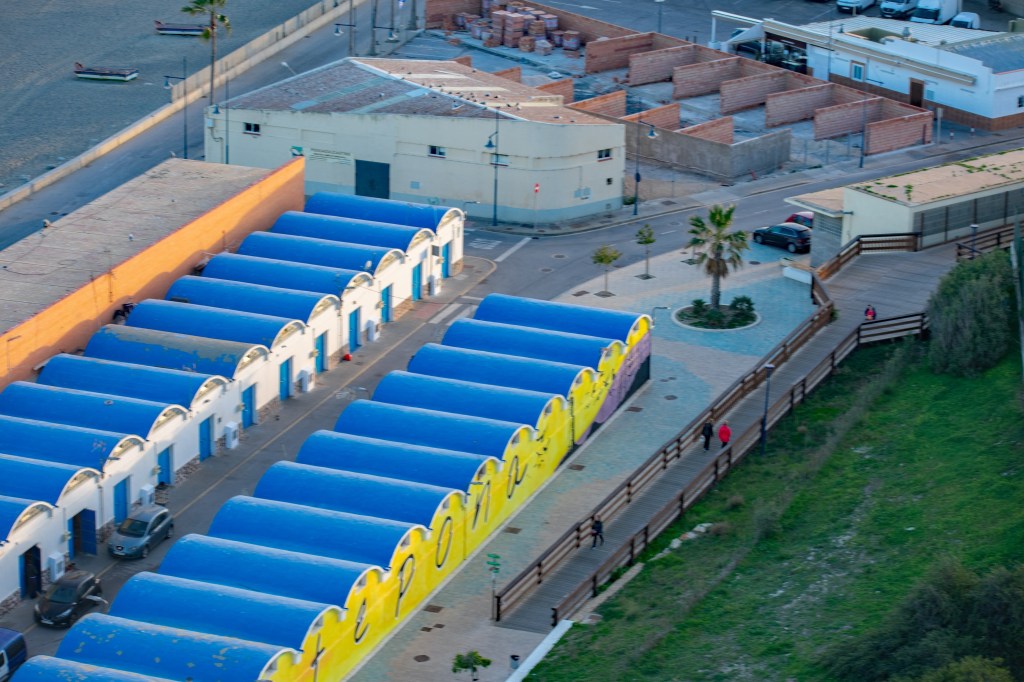
Estepona LighthouseView from MiradorPlaza de TorosFishermen ShedsFishing PortChapel of Our Lady of CarmenThe MiradorGoya Exhibit at the Mirador
Shots Taken on a Sunday Stroll
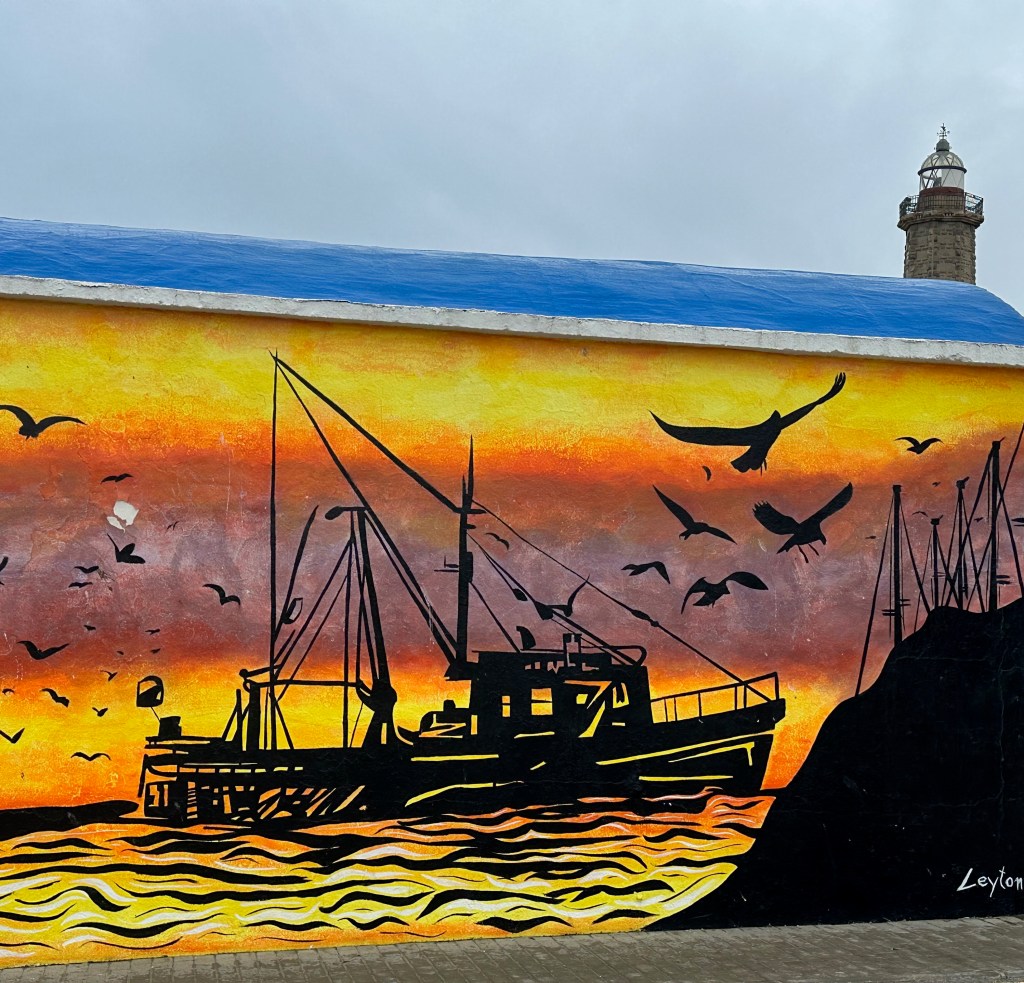
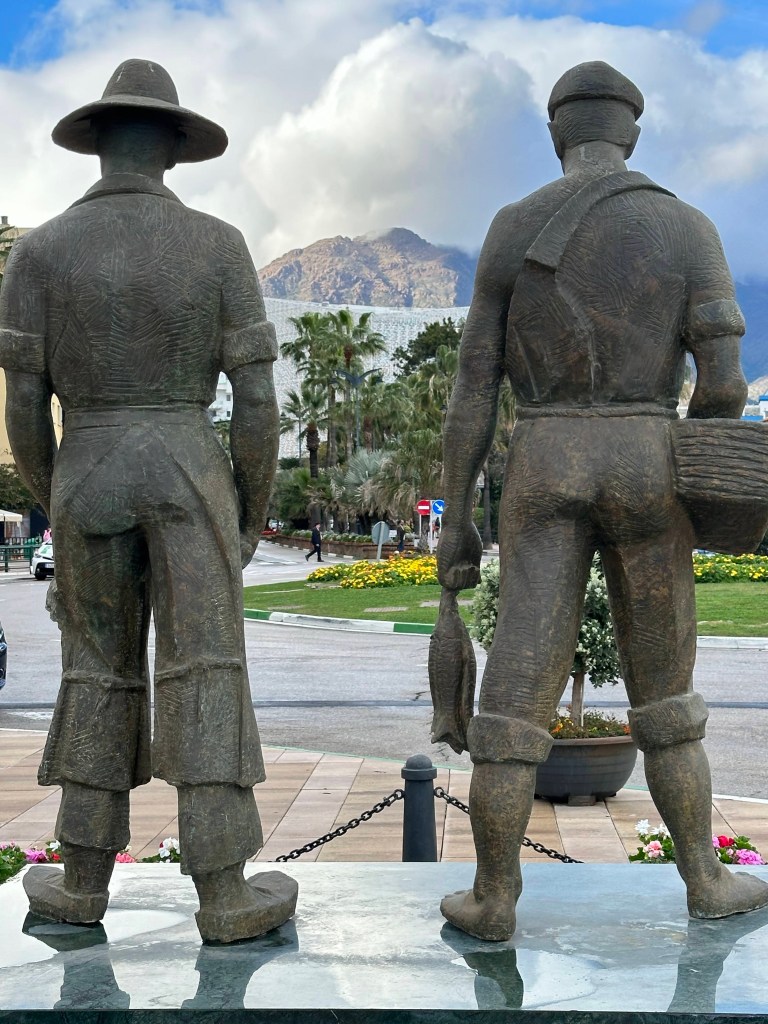
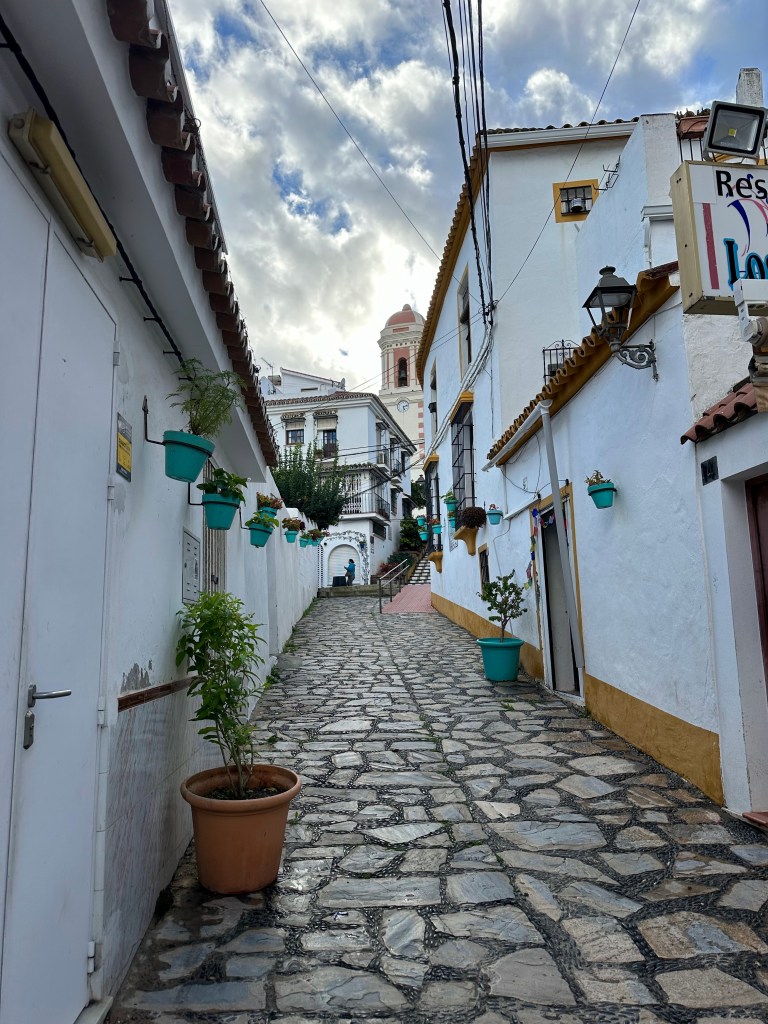
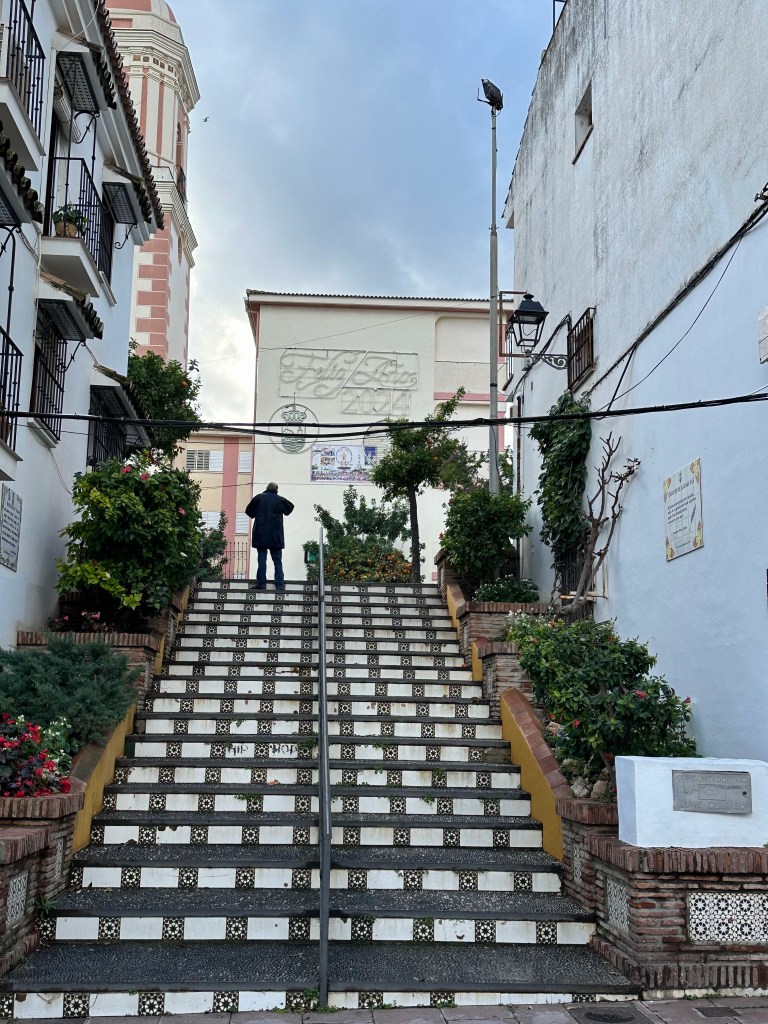
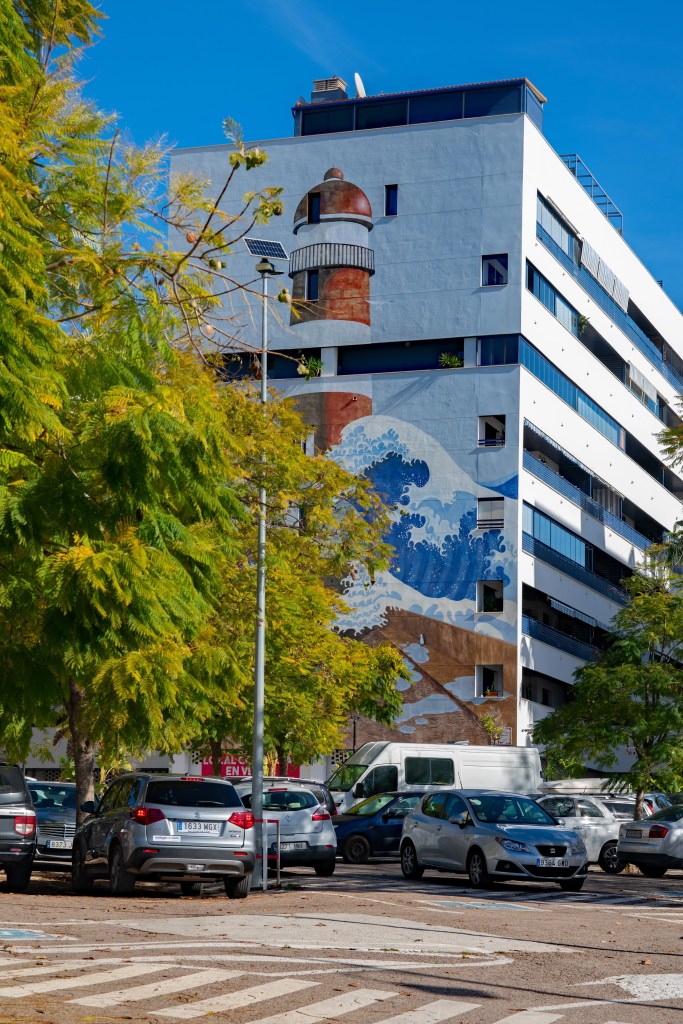
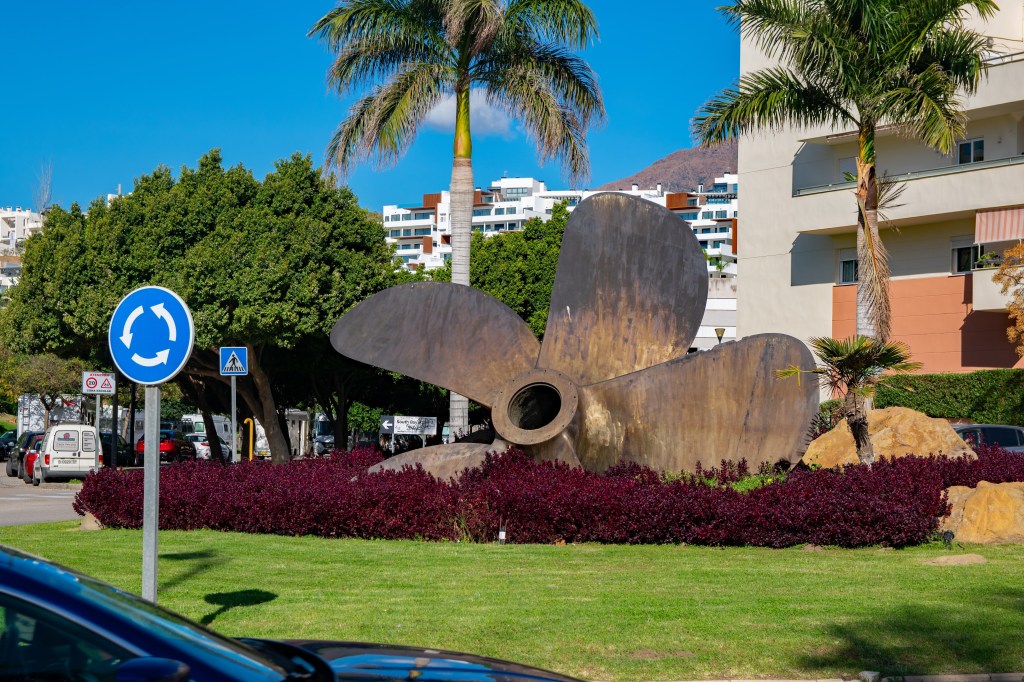
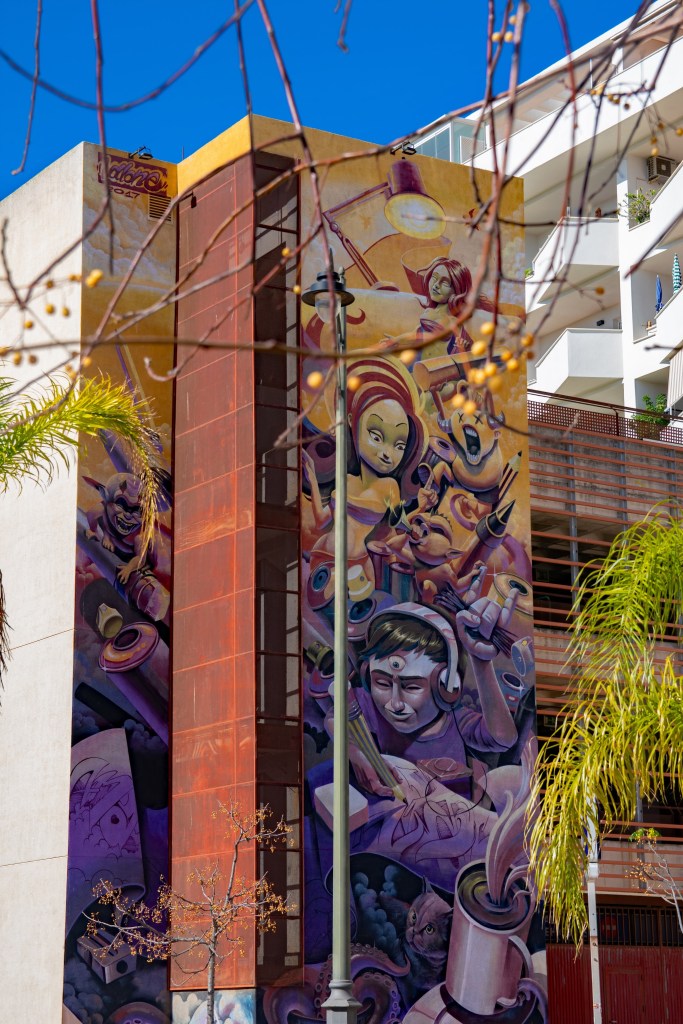
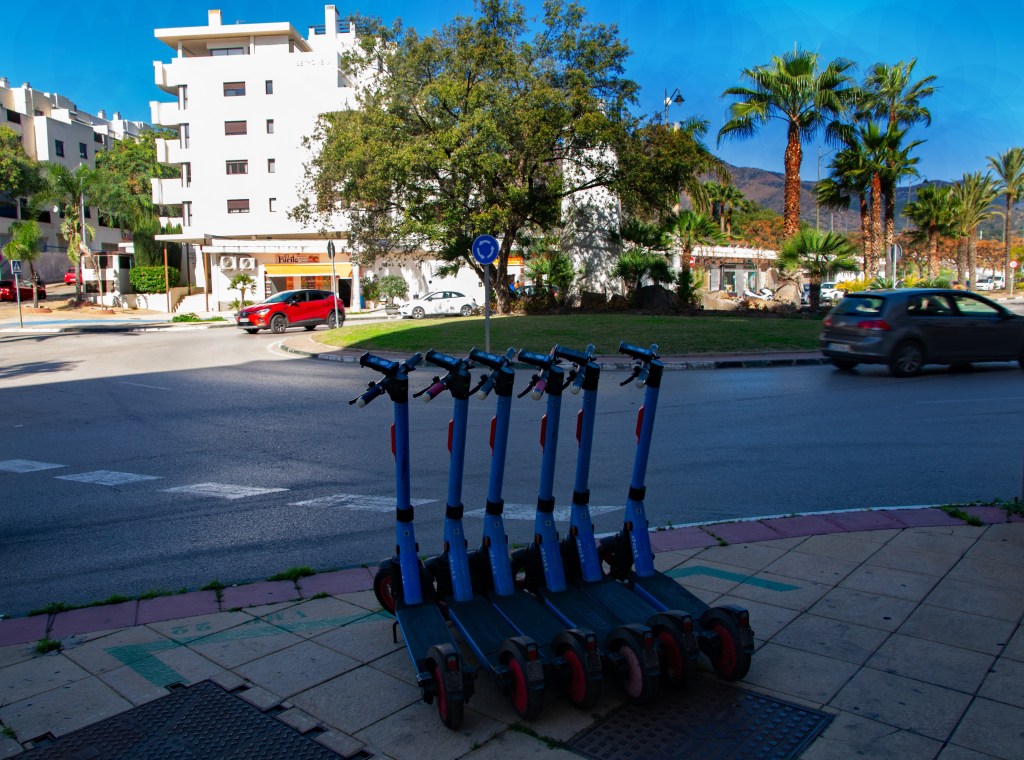
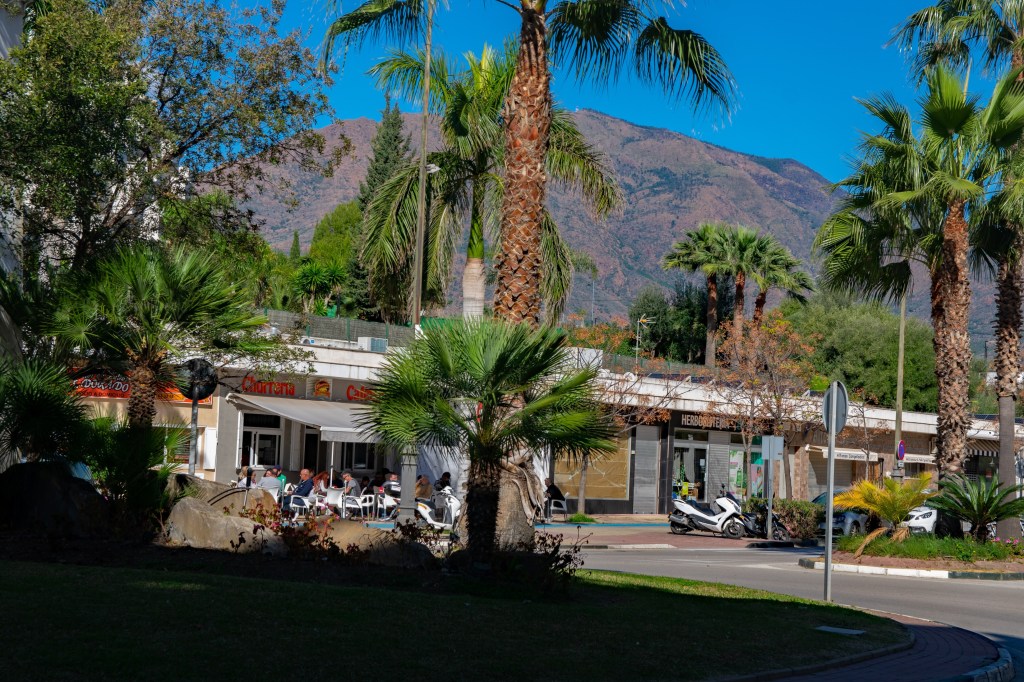
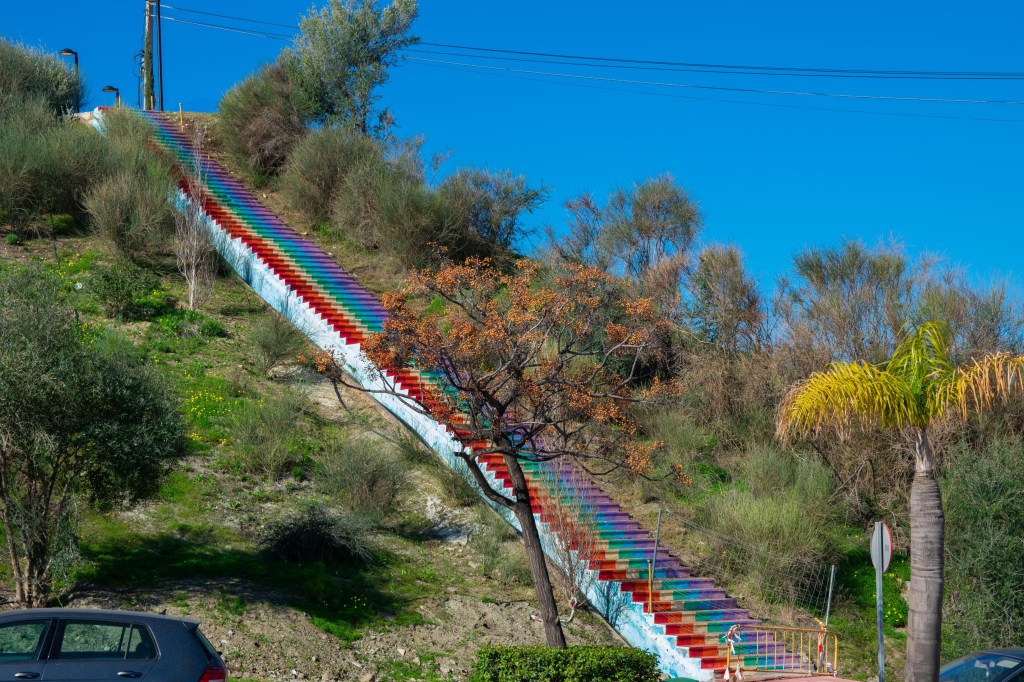
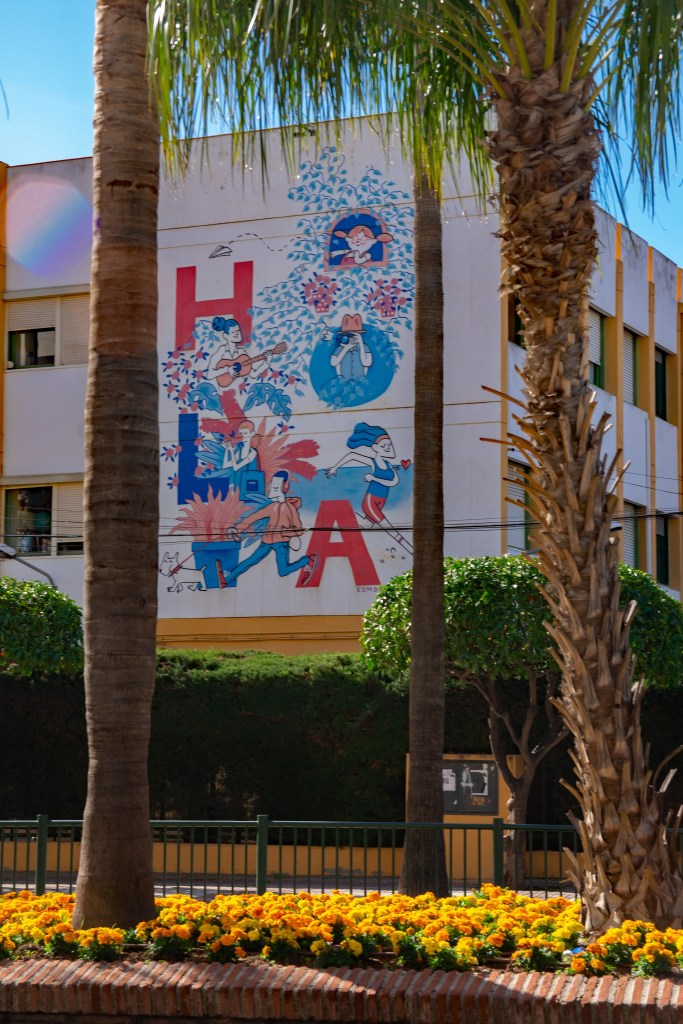
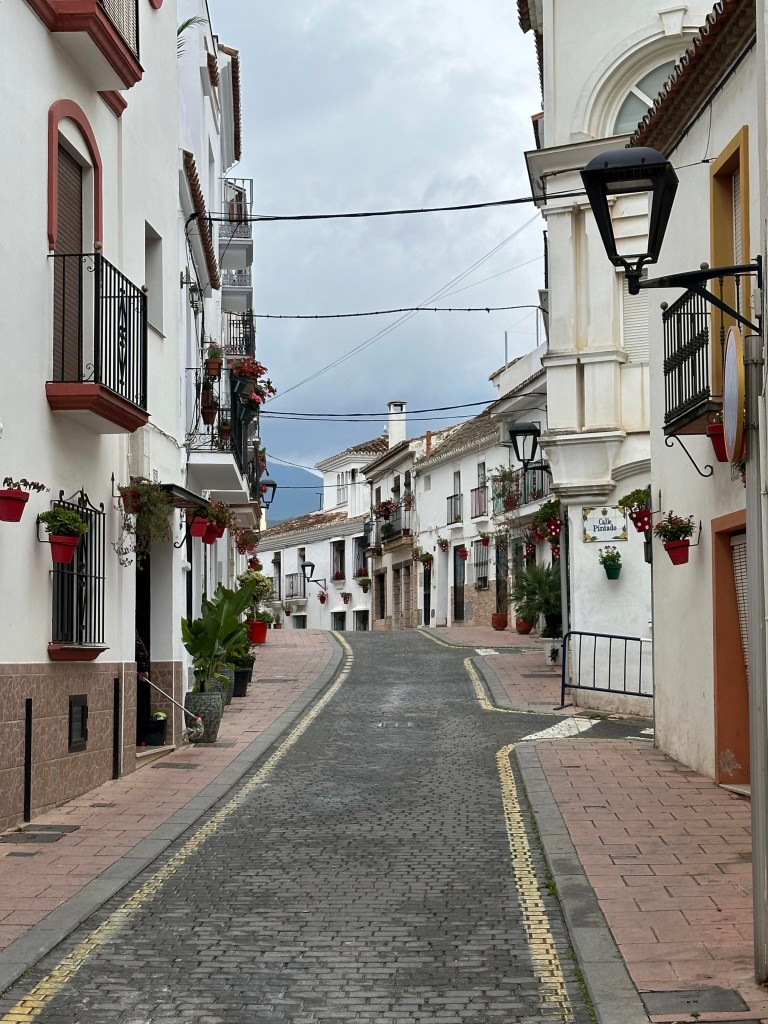
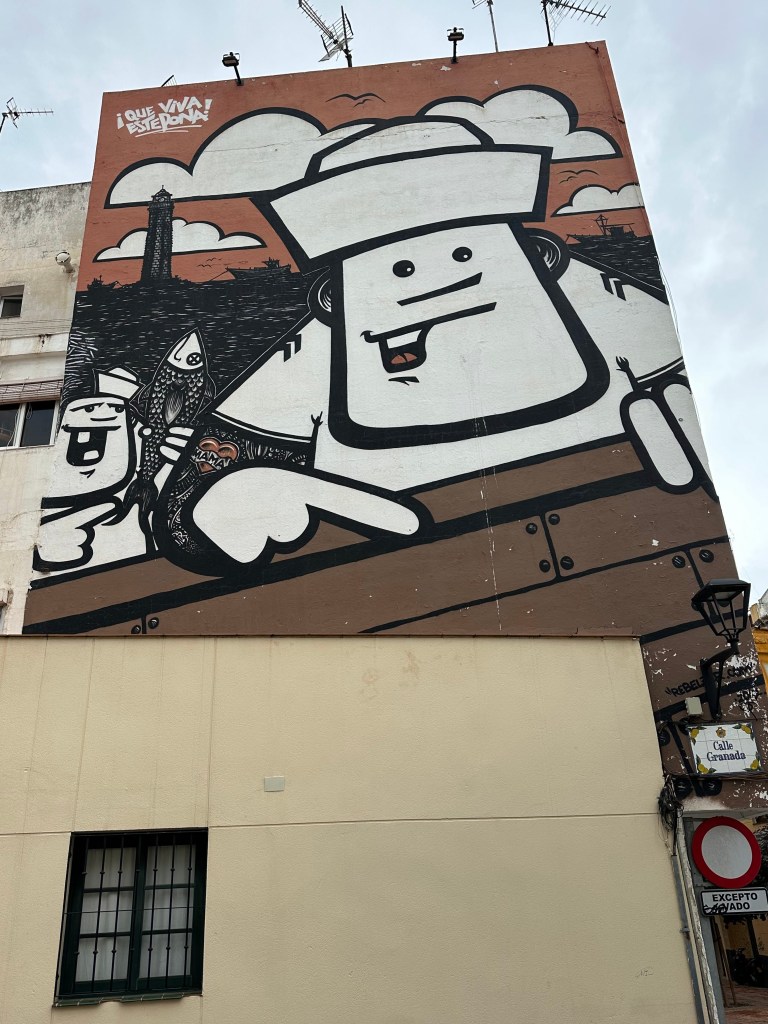
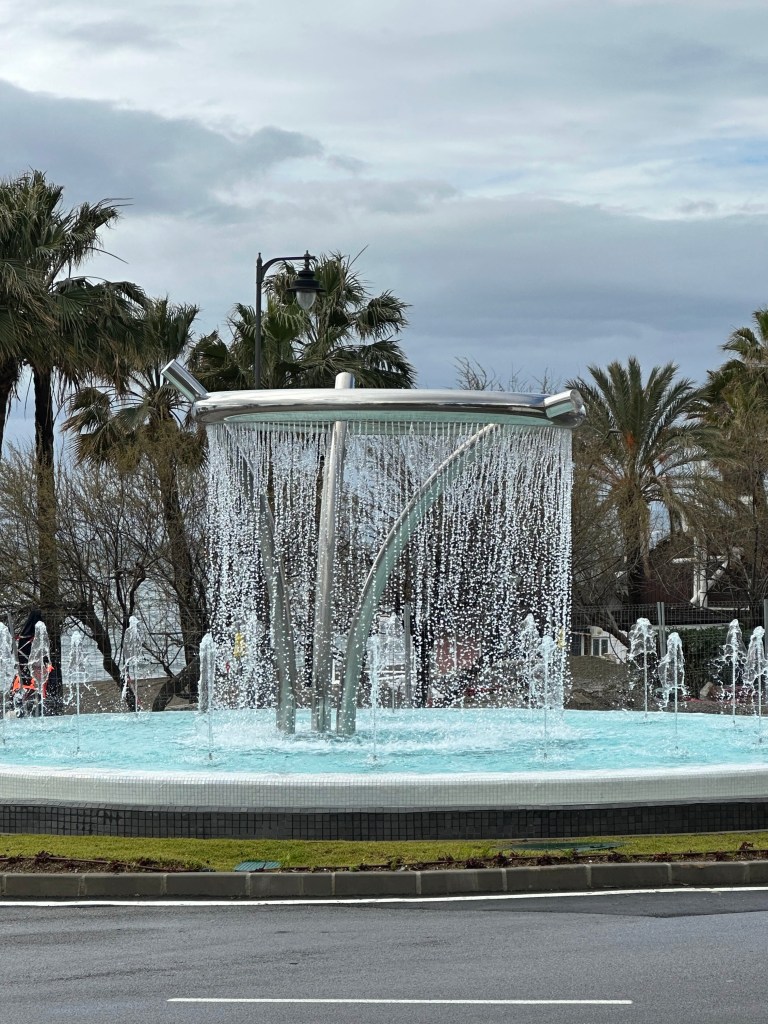
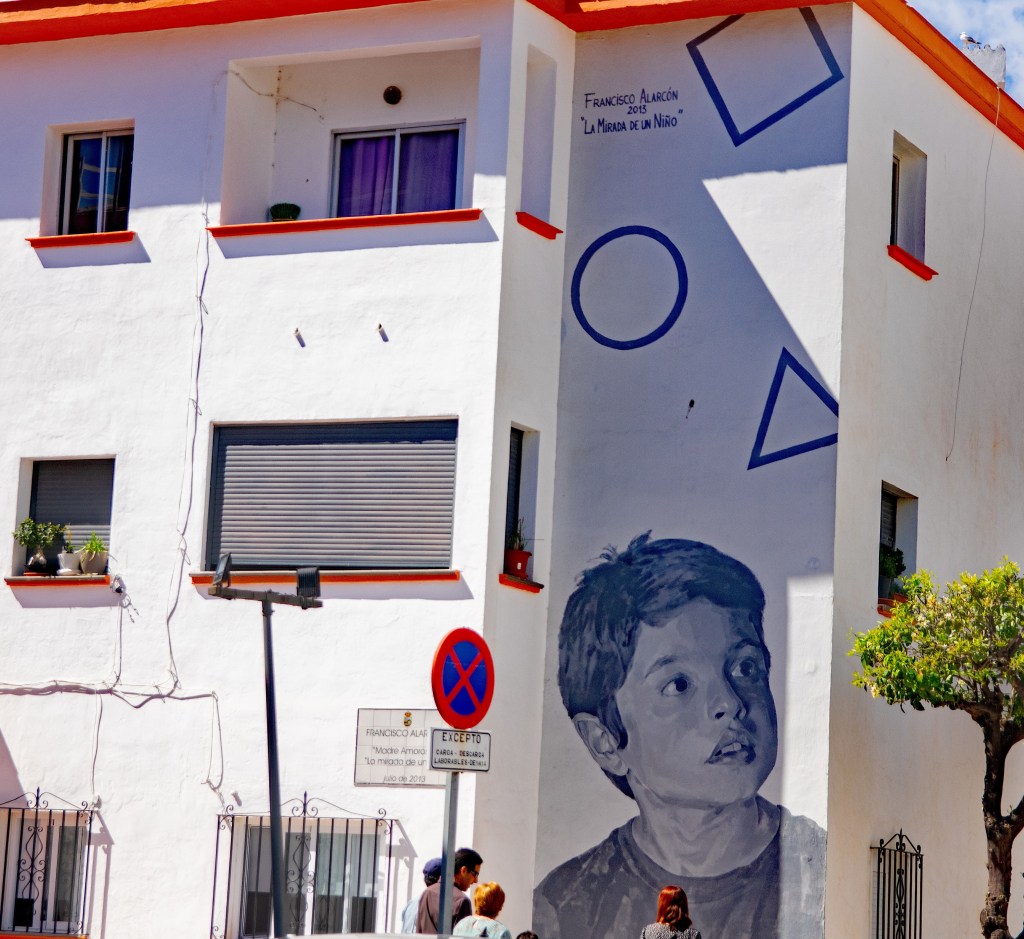
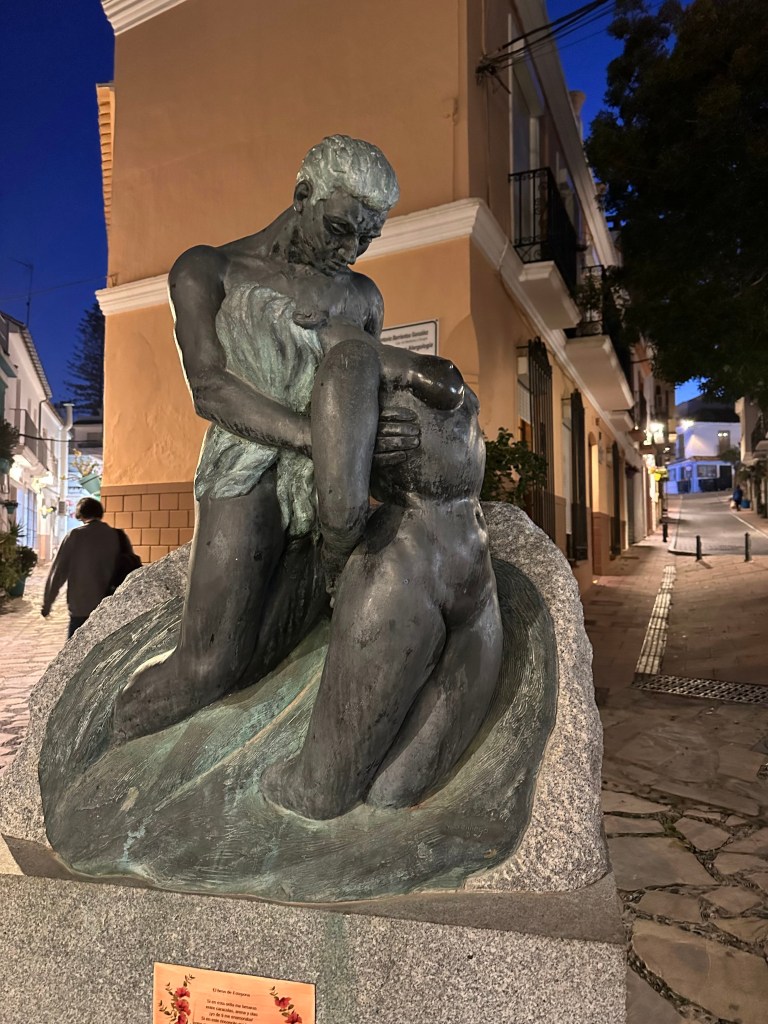
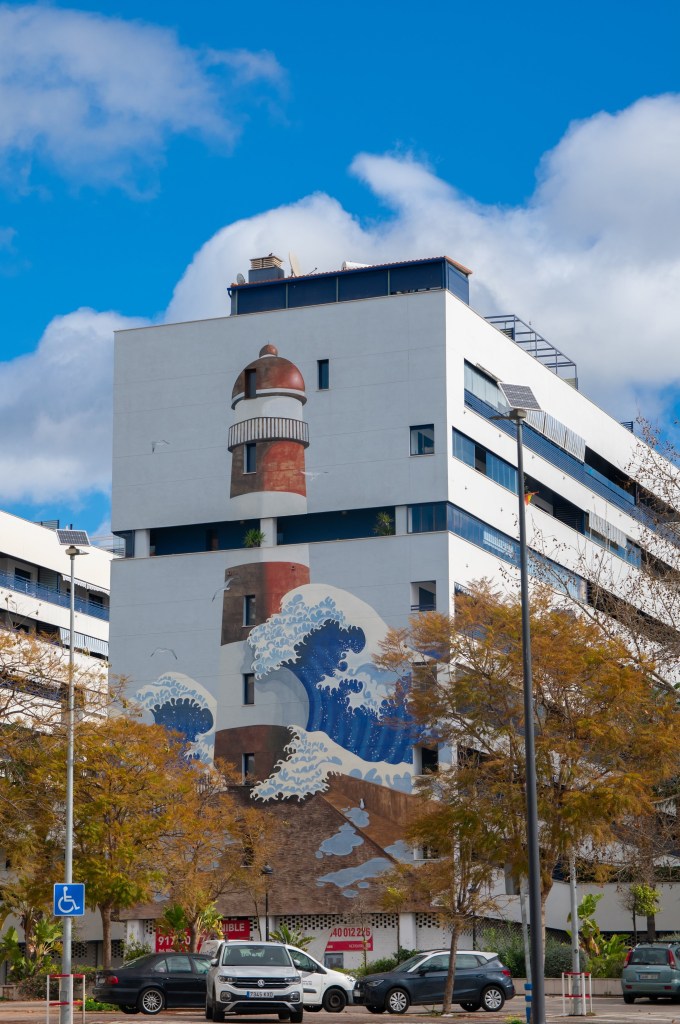
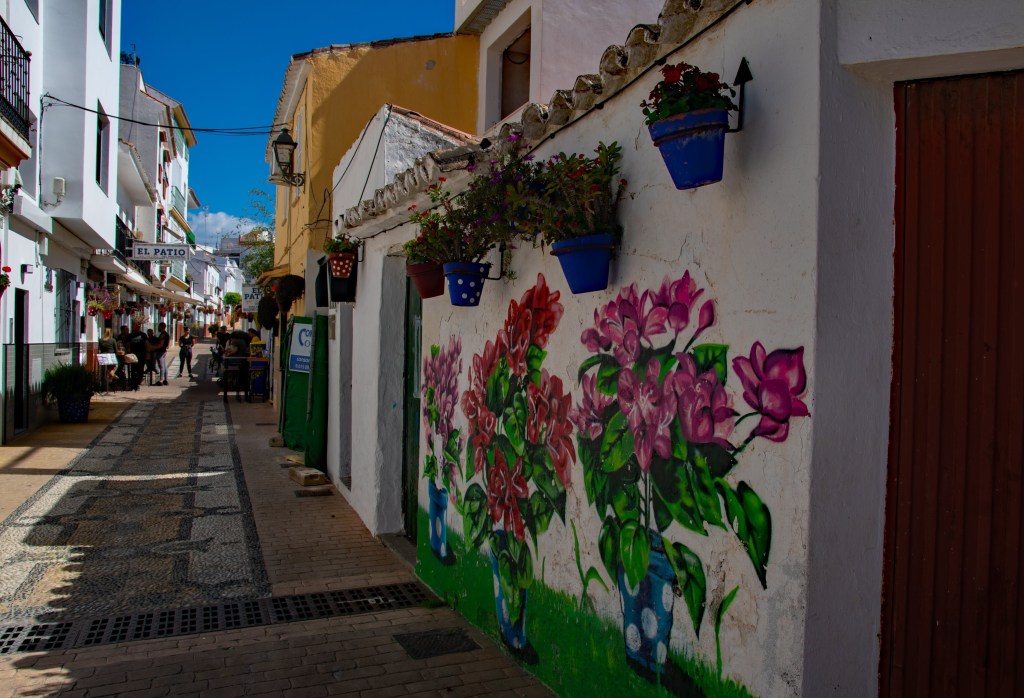
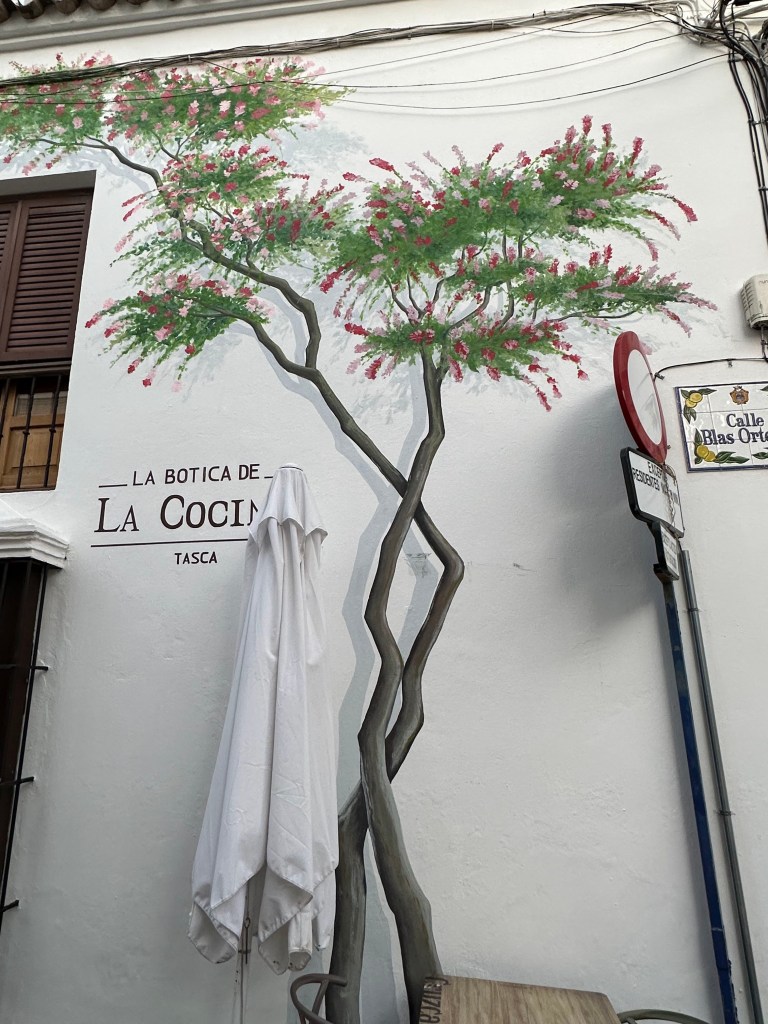
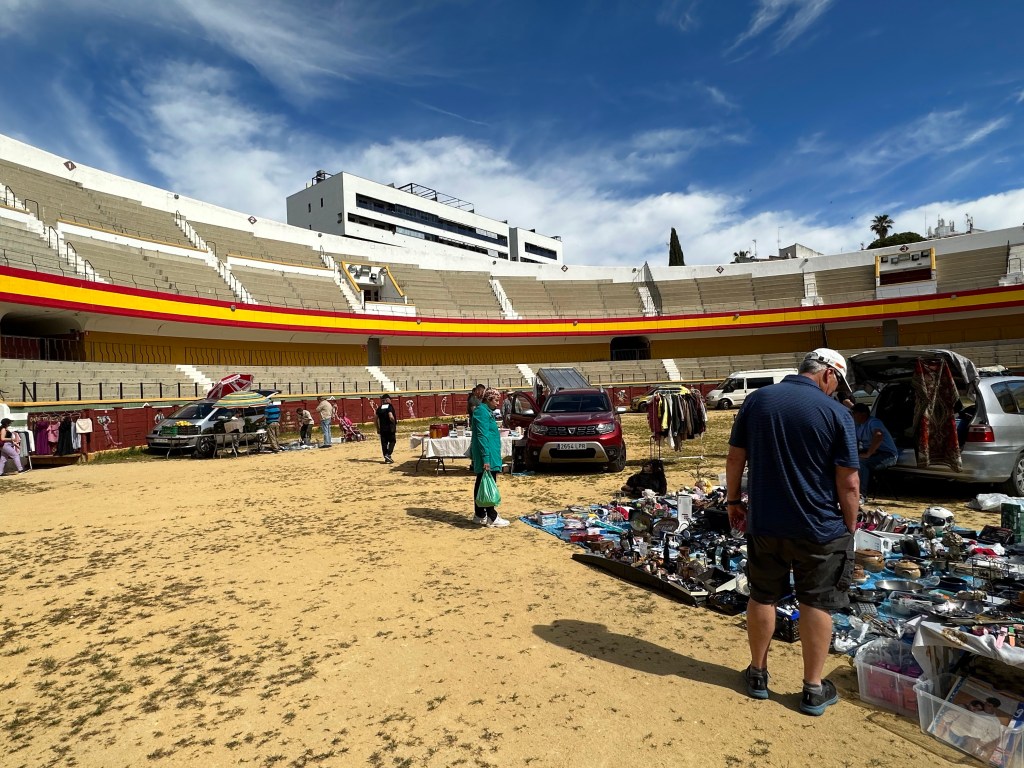
The MiradorOld Town, EsteponaThe Roundabout at Central BeachStatue to Honor the Fisherman and the LaborerOld TownOld TownAt The MiradorSunday Flea Market at the BullringPlaza de TorosOld TownOld TownJust Hangin’ OutBuilding MuralAnchor on the RoundaboutBuilding MuralScooters for HireStairway to Where?Building MuralChurch of Nuestra Señora de los RemediosOld TownOld TownThe Fountains Are Dry (drought)“La Peseta” SculptureThe Mirador at NightFull Moon RisingEveryone is FriendlyThis guy harpooned that SquidDinner at Duquesa Port with our friend JimDinner with our Irish friends Breeda and Jerry at Casa del ReyThe Salt Tower ( A Five Mile Walk Down the Beach) Great lunch at Chirringuito BahiaTesting Out Some e-bikesOur Game Group
A Day Trip to Casares
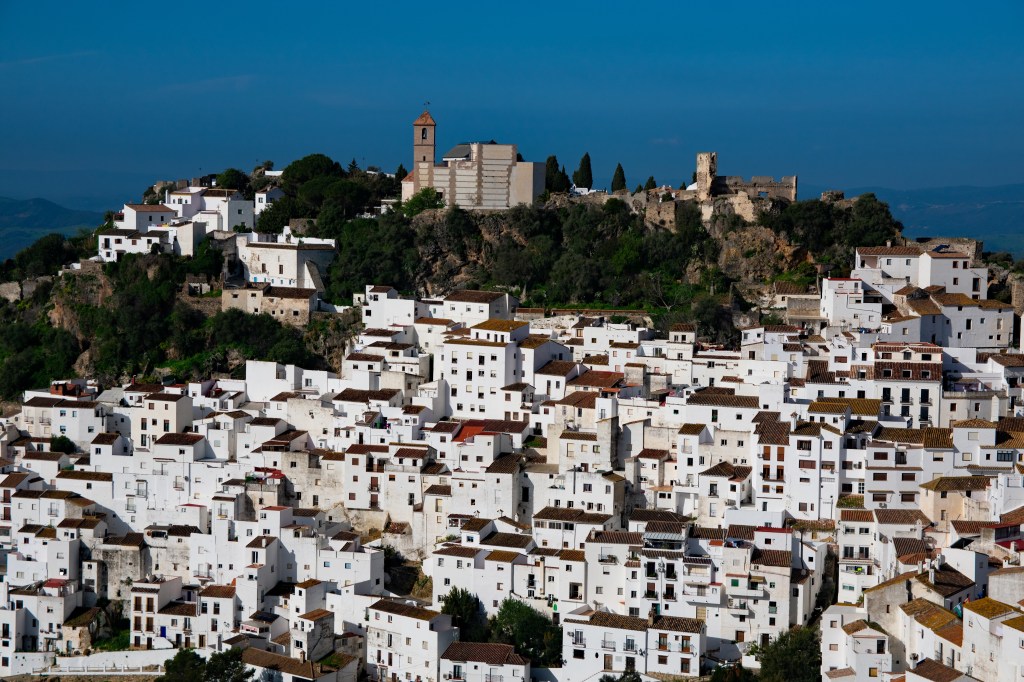
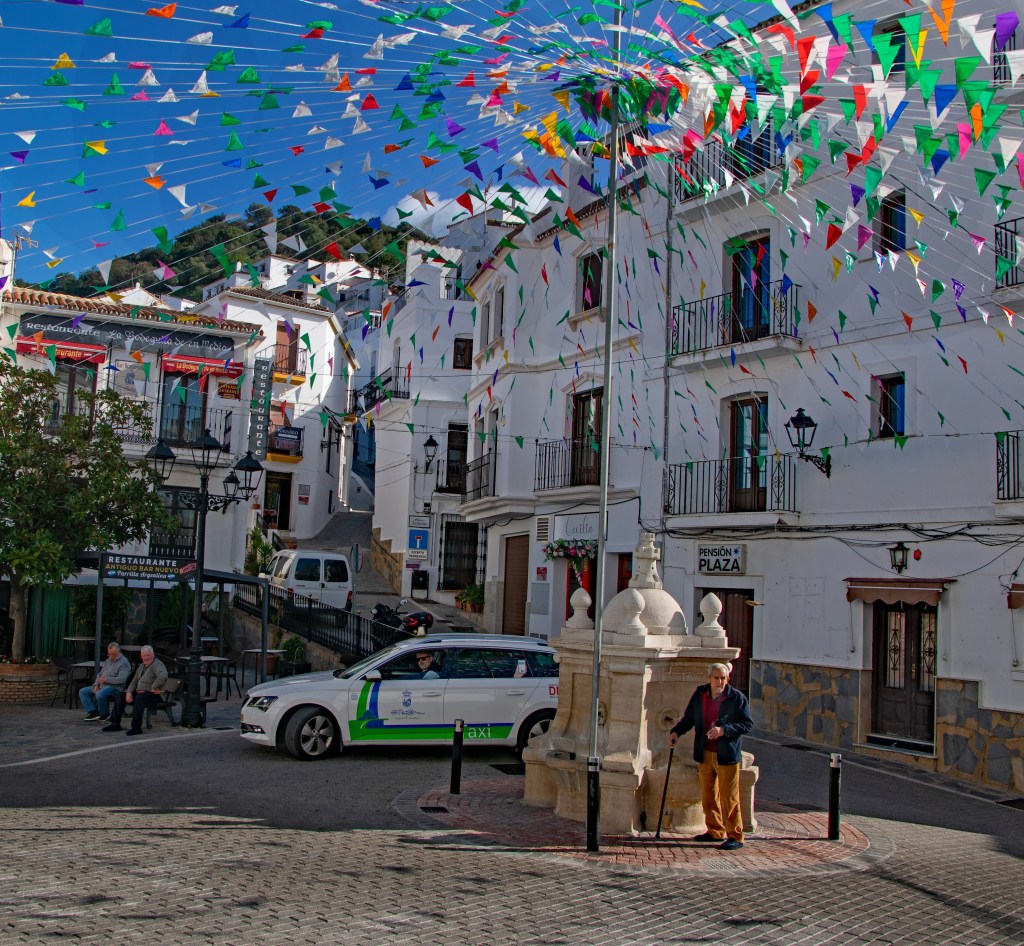
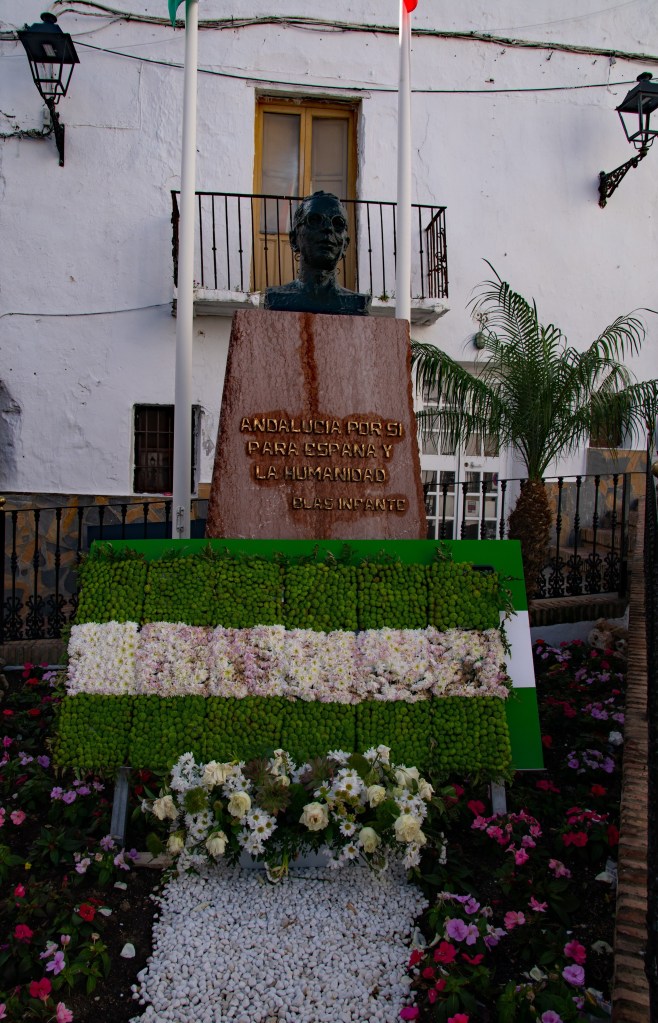
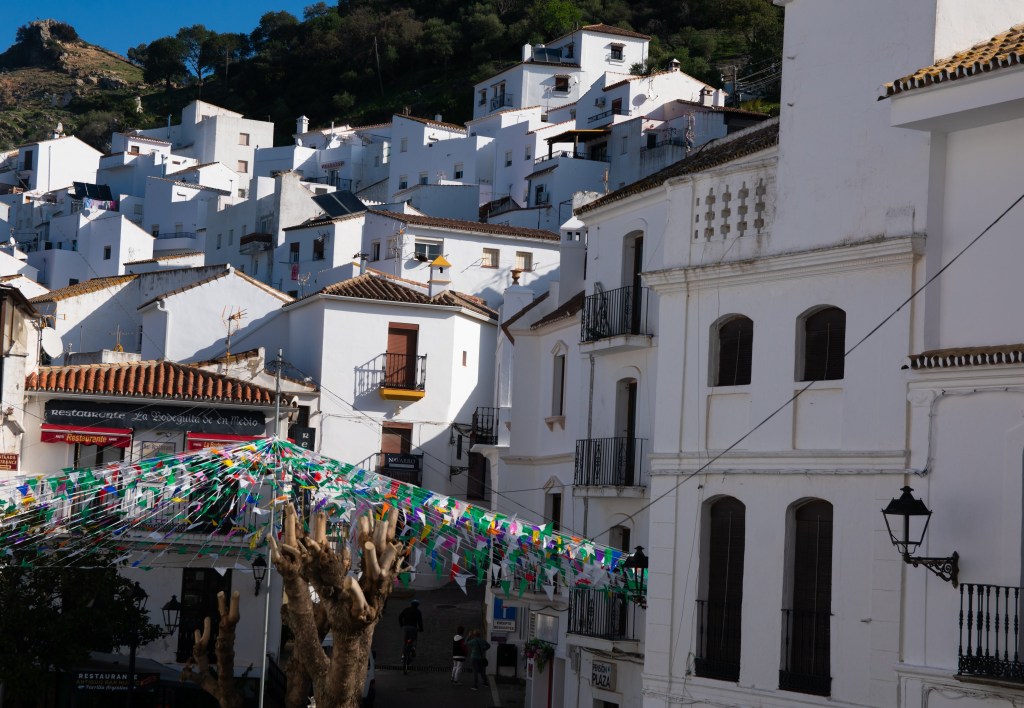
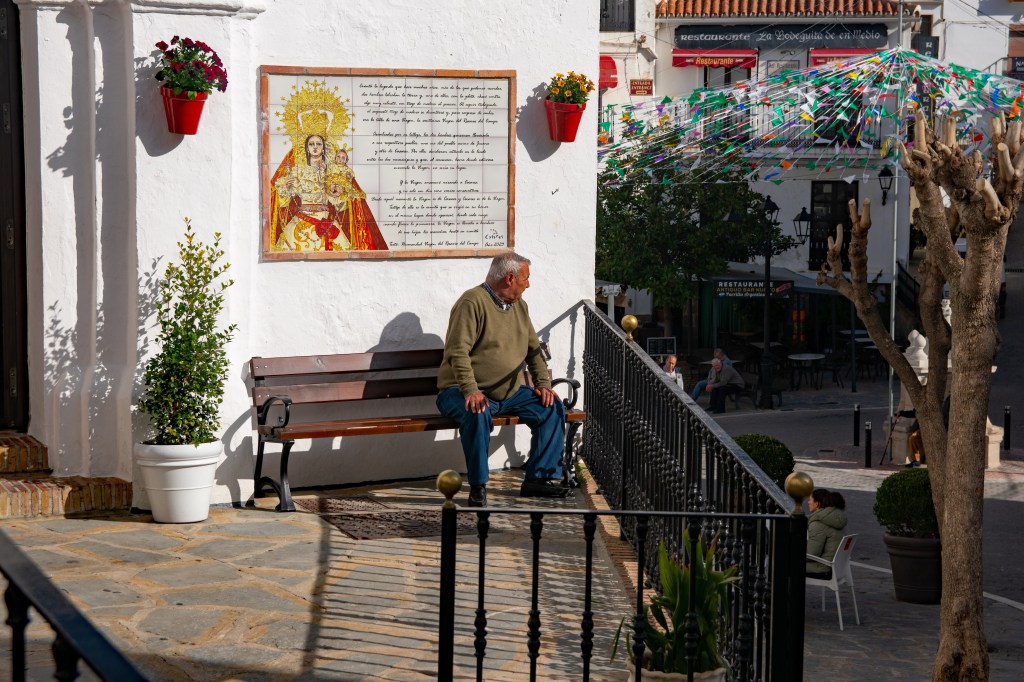
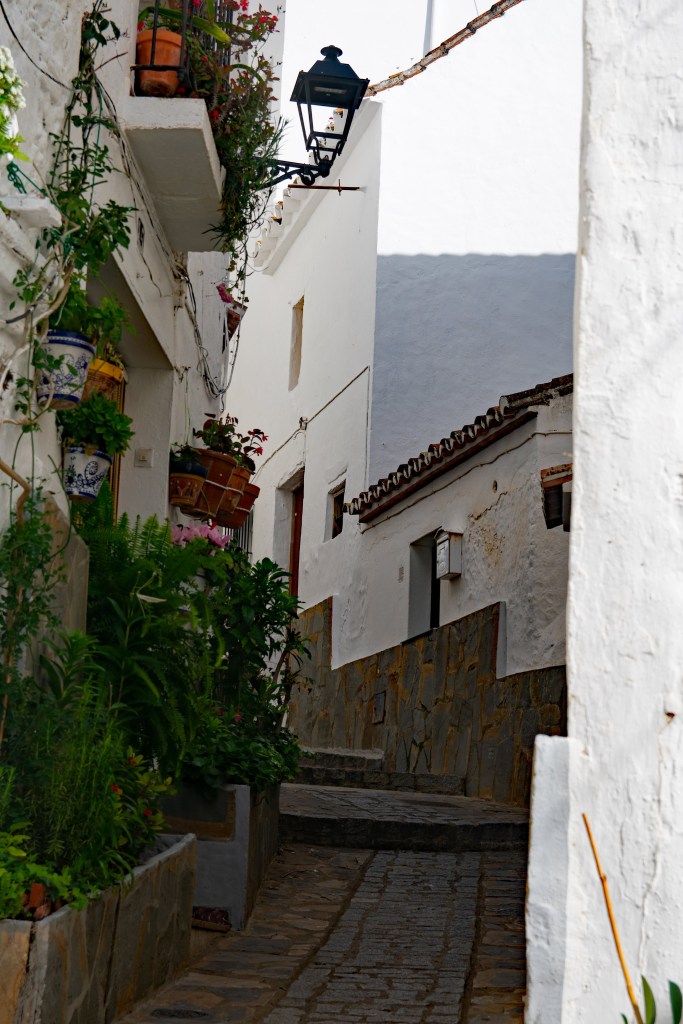
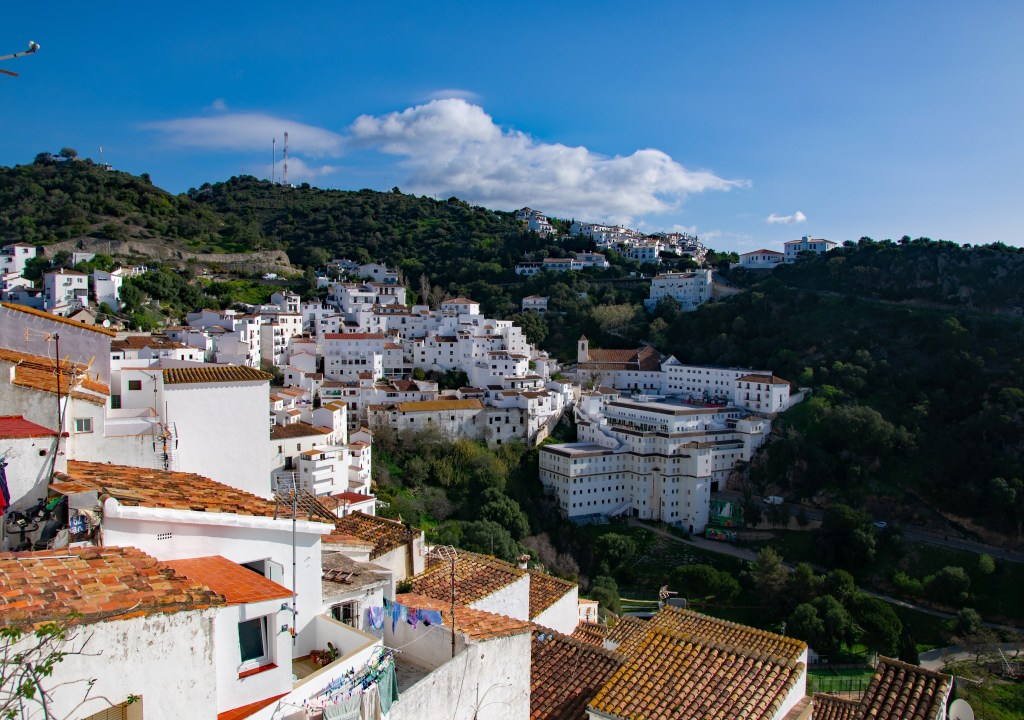
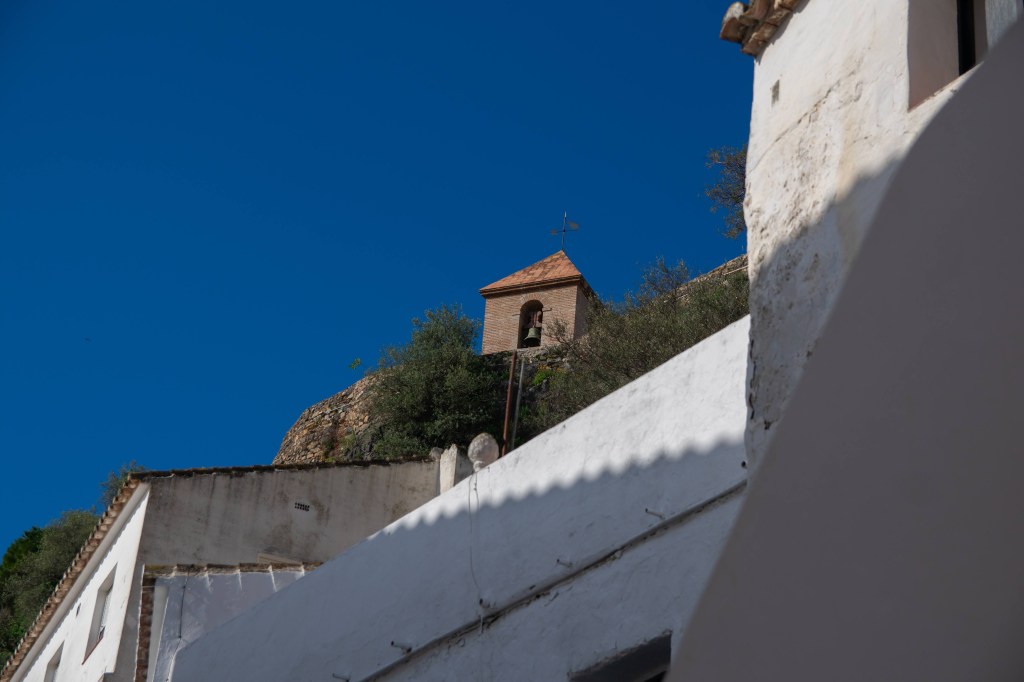
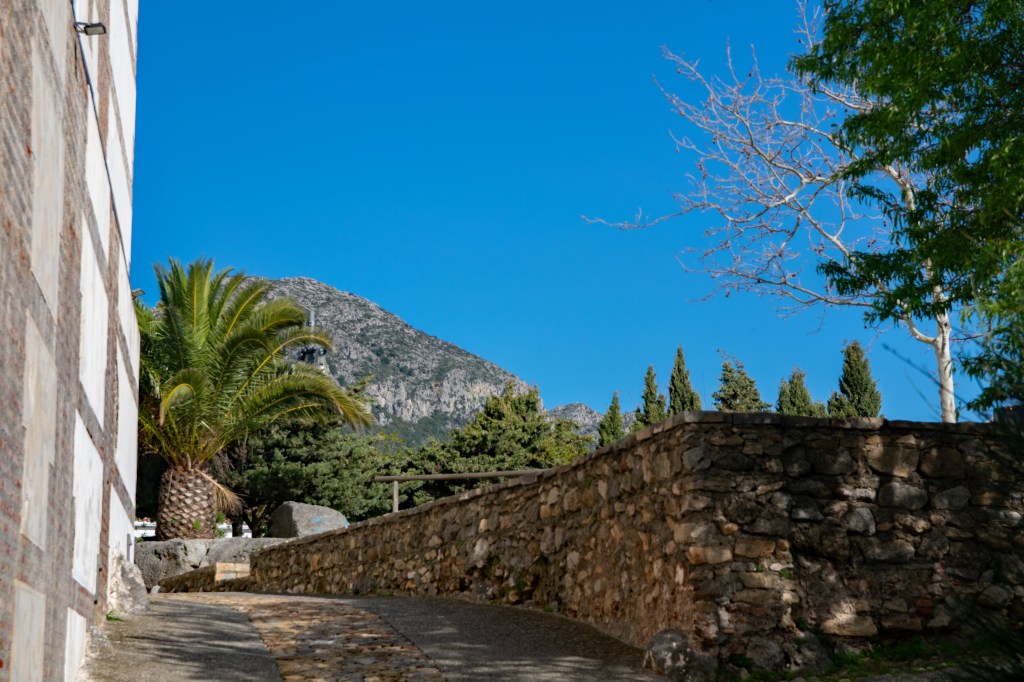
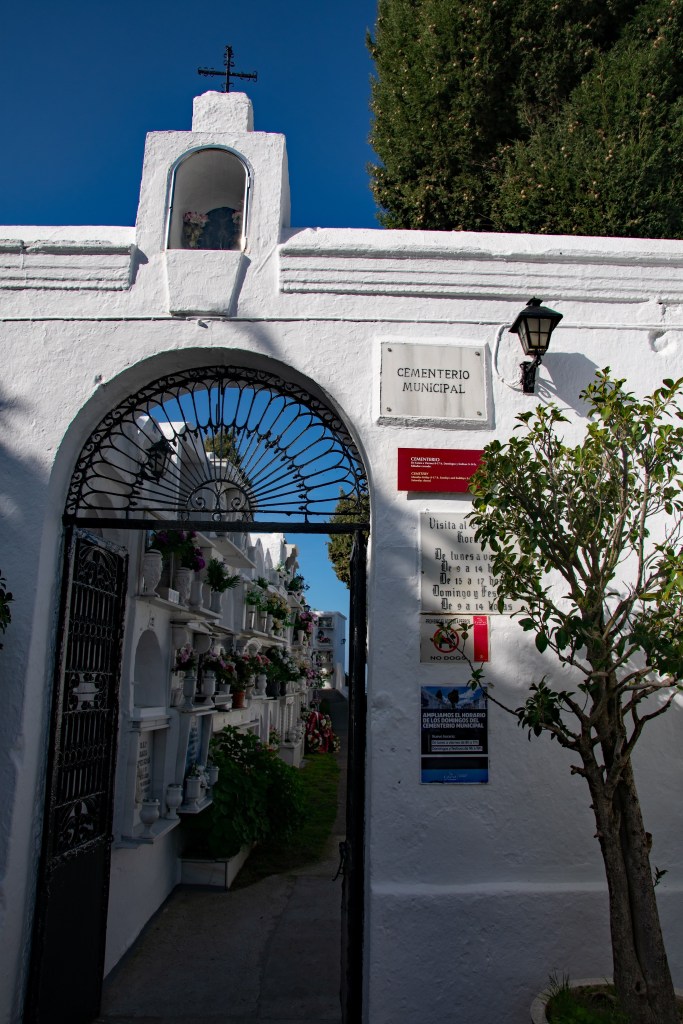
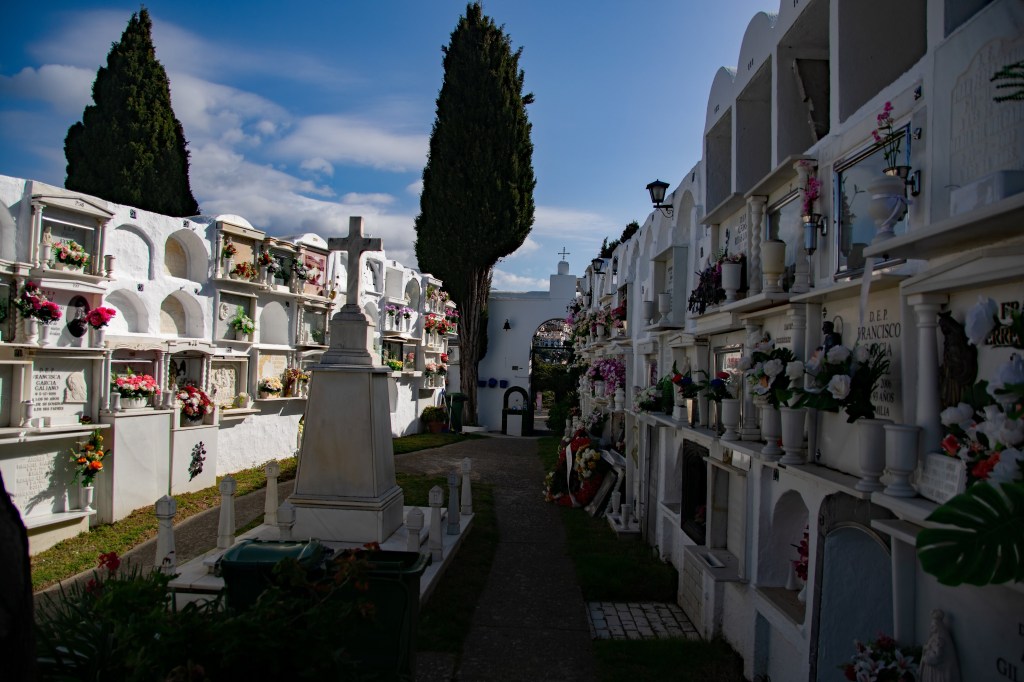
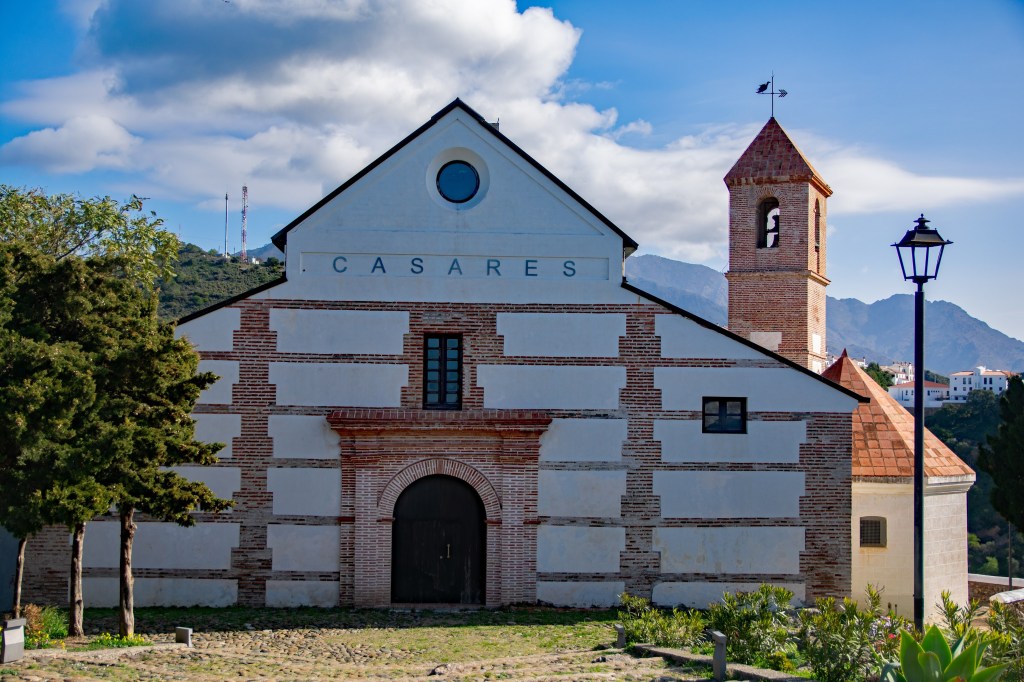
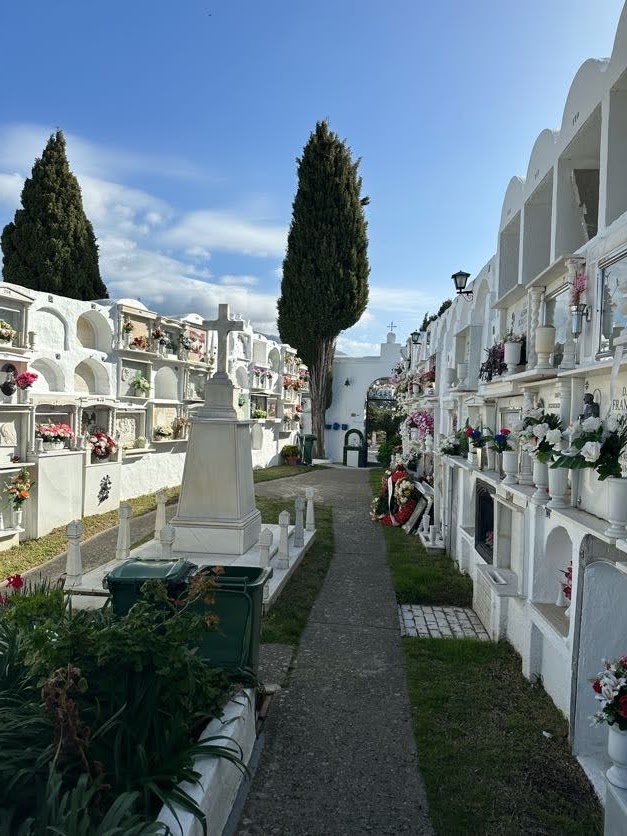
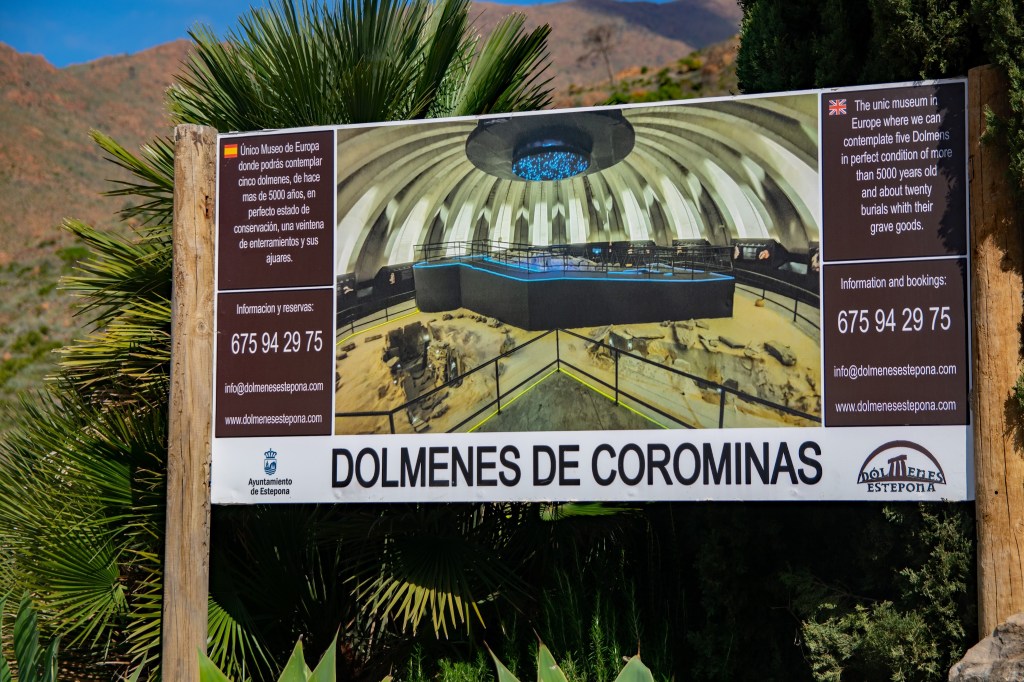
Casares is a small village in the mountains about a 45 minute drive from Estepona. We don’t drive abroad, so we took a taxi to visit Casares and the Dolmenes de Corominas (see below). Casares is one of the Pueblos Blancos (White Villages) of Andalucía. Like much of southern Spain it was inhabited by Phoenicians thousands of years ago, was later settled by the Romans, and later captured by Muslims. Remains of the 12th century Muslim castle can be visited today. In the 15th century, it was recaptured by the Christians. Casares is the birthplace of Blas Infante, an important 19th century writer and politician. There were very few visitors on the day we were there.We enjoyed walking through the scenic narrow streets on the steep uphill climb to the cemetery and castle ruins at the top of the hill. Huge birds of prey soar above the trees amid the spectacular views. We enjoyed a coffee with the town residents down in the square before meeting our taxi to the Dolmenes de Corominas for the 12:00 pm tour.
View of CasaresVllage ChurchRemaining Wall of the Arab FortressVillage CemeteryVultures Soar Above the Castle Walls
Dolmenes de Corominas
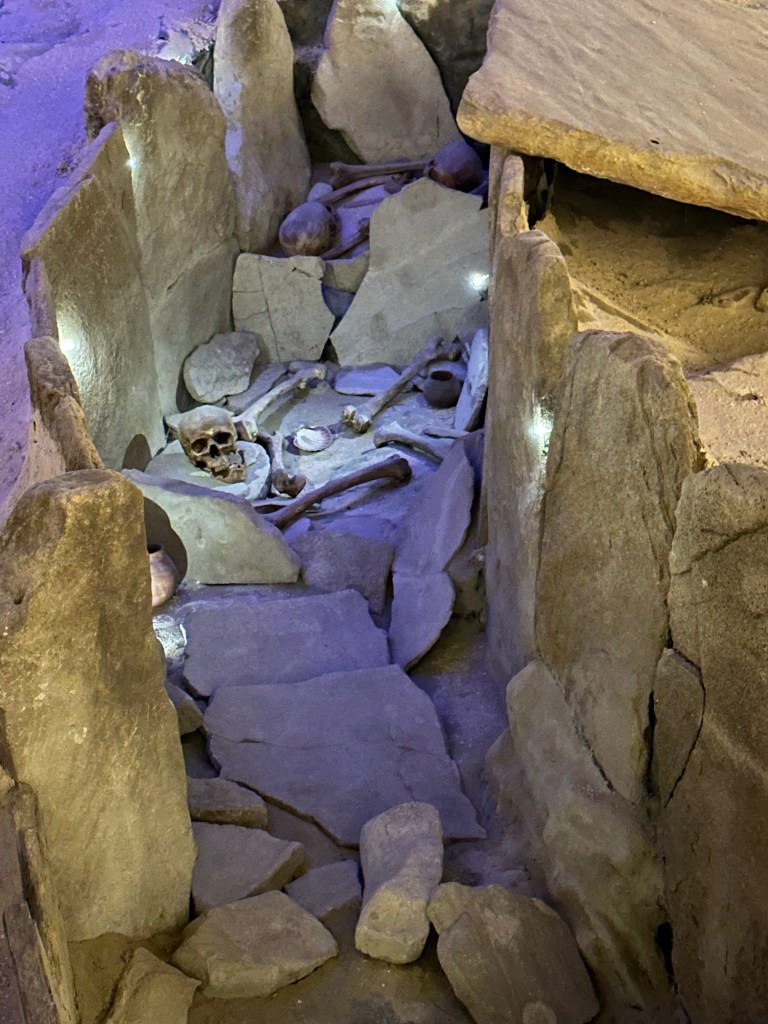
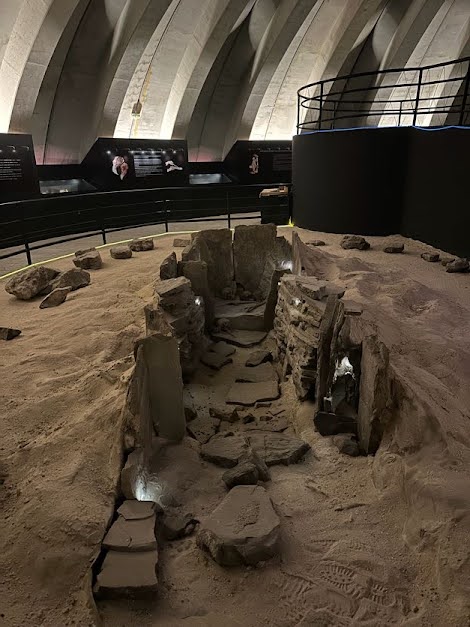
This archeological site and museum is less than a half hour outside Estepona. Call ahead to book your visit, otherwise you may find yourself outside of a locked museum. The information on the website is not reliable. However it is worth a visit to experience a 5,000 year old burial site. The tombs were discovered in 2001 during the construction of a highway. The Dolmenes (tombs) were moved and recreated at the current location. Archeologists continue to study this prehistoric find. Our guide was very knowledgeable and gave us a thorough tour, sharing his immense knowledge and enthusiasm.
Our Enthusiastic GuidePlaza de FloresCasa del ReySculpture parkLunch on the beach (Estepona)Geri and Liz at YogaPlata BeachGeri and Bill at YogaAt Yoga with NettieRooftop of Hotel PilarDinner at el Pescador
Above: Photos of Many Happy Outings and Scrumptious Meals with Liz in Estepona
Below: Thank you Paul for taking us on a drive to La Línea for lunch at Tip Top. (Michelin quality cuisine at reasonable prices)
La Línea Lunch at Tip Top in La LíneaLa LíneaTip TopArt GalleryPaella at Chirringuito Pacowith the Estepona GangA Morning Stroll through Old Town with LizMuralThe Orchidarium
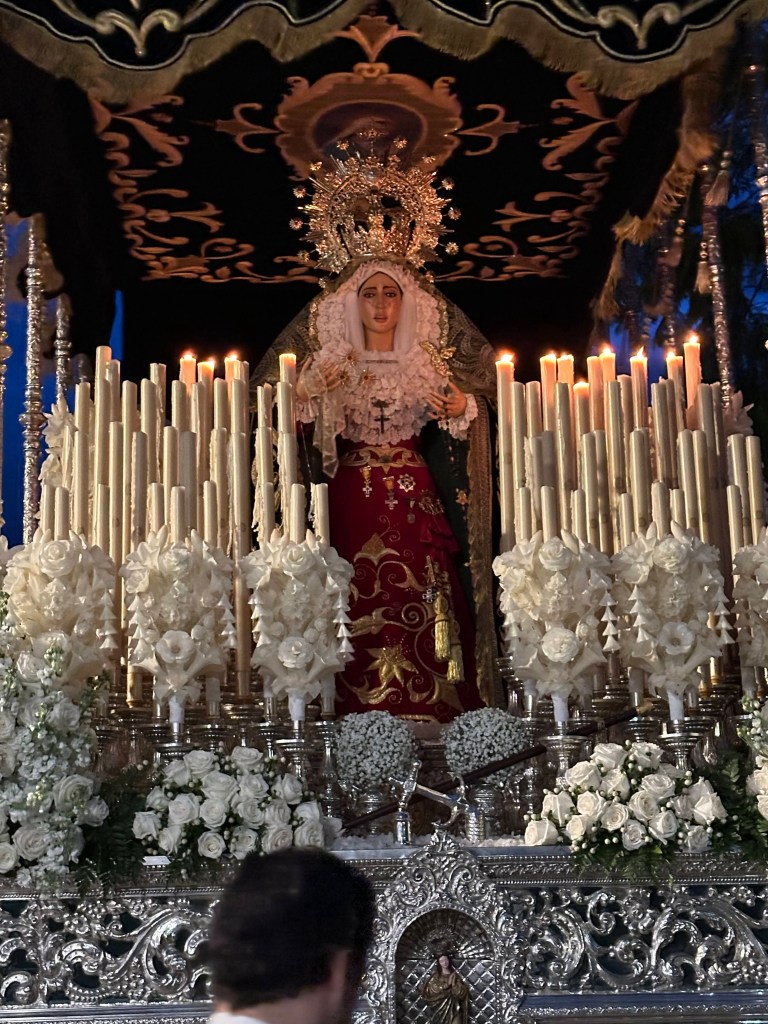
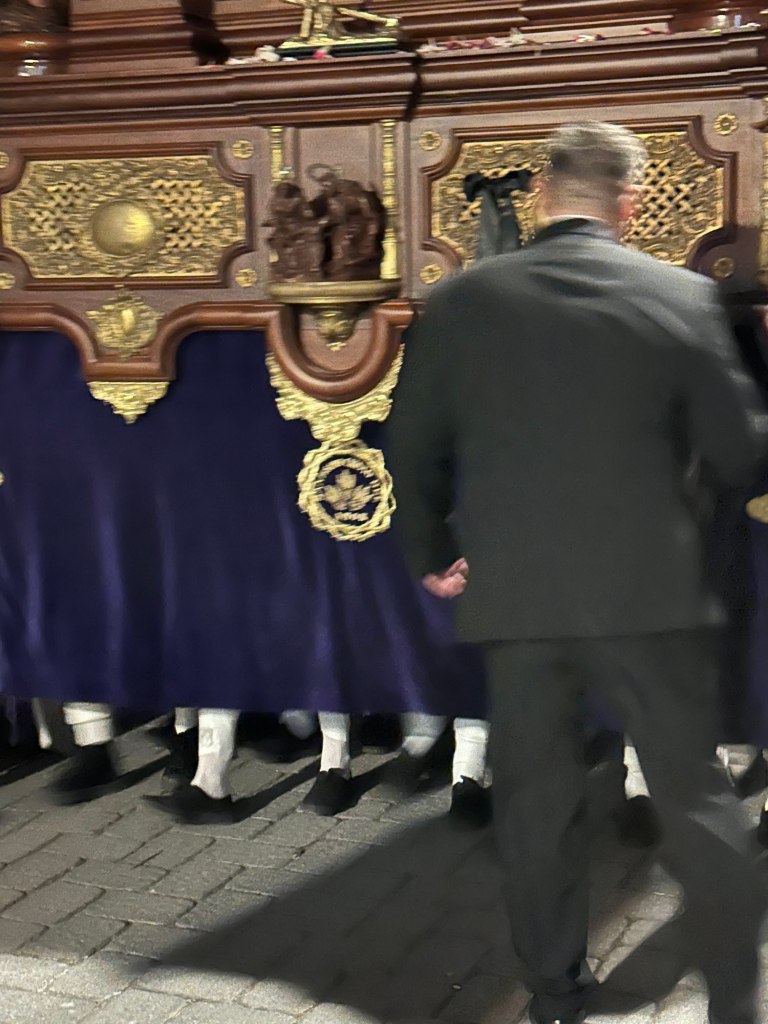
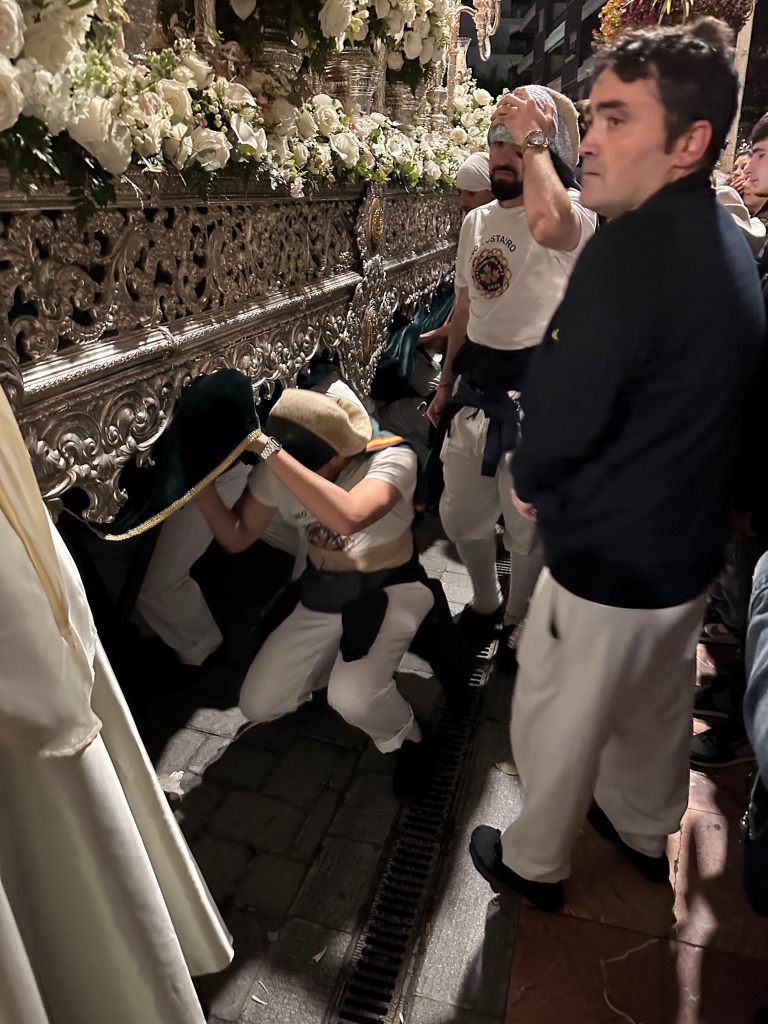
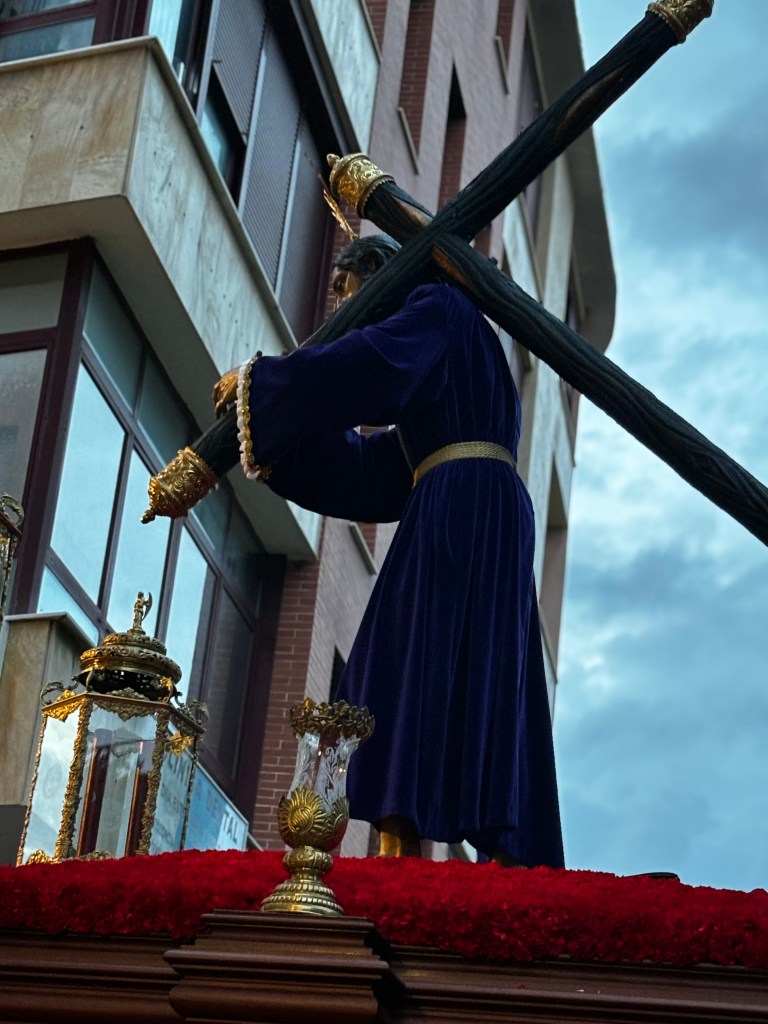
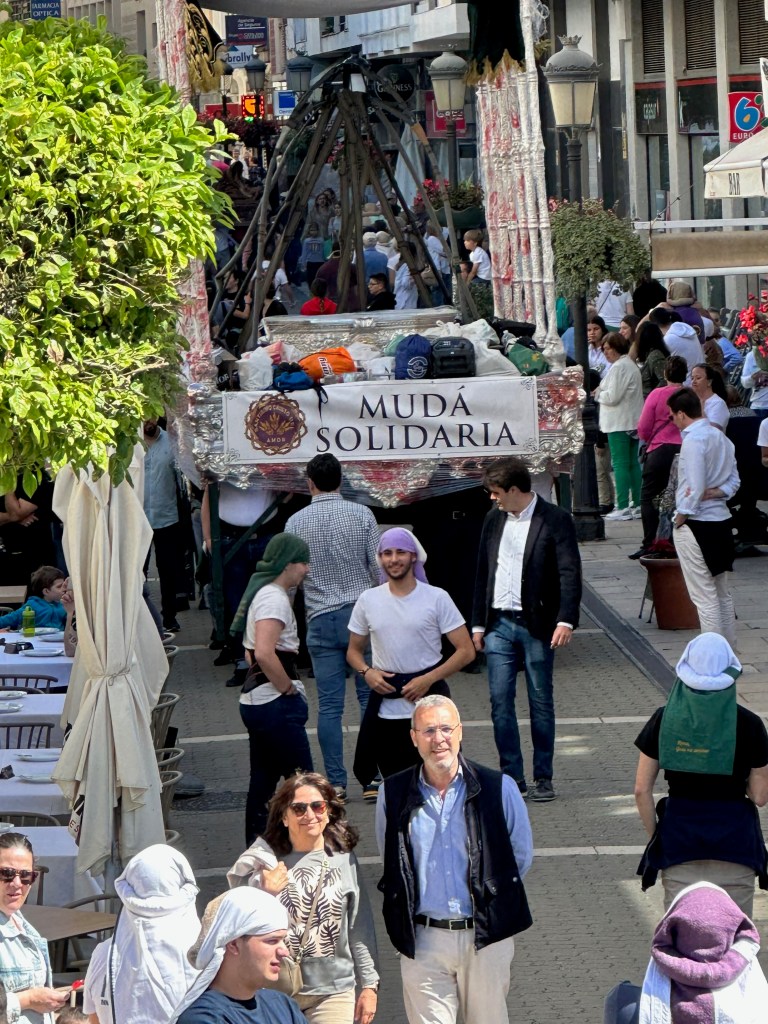
Easter is early this year, so we were in Estepona for Holy Week (Semana Santa). We were able to witness the Holy Thursday procession from the Chapel of the Virgen del Carmen through the streets of Estepona. Semana Santa processions have taken place all over Spain since the middle ages, especially in traditional Andalucía. The hooded figures have a creepiness to them due to their similarity to Ku Klux Klan. However, their historical significance was to allow anonymity to those taking a pilgrimage of atonement. Religious traditions are part of the culture of Spain.
Watching from the balconyThe float is carried on footThe Reviewing StandRead explanation of hoods above!Carrier Substitution
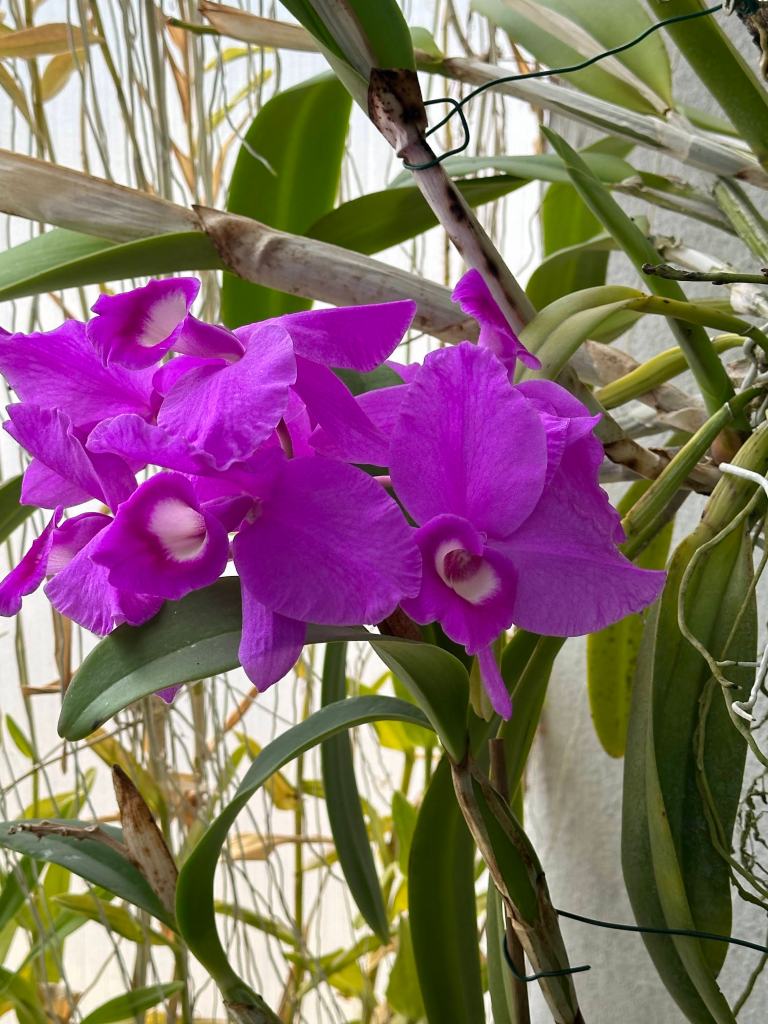
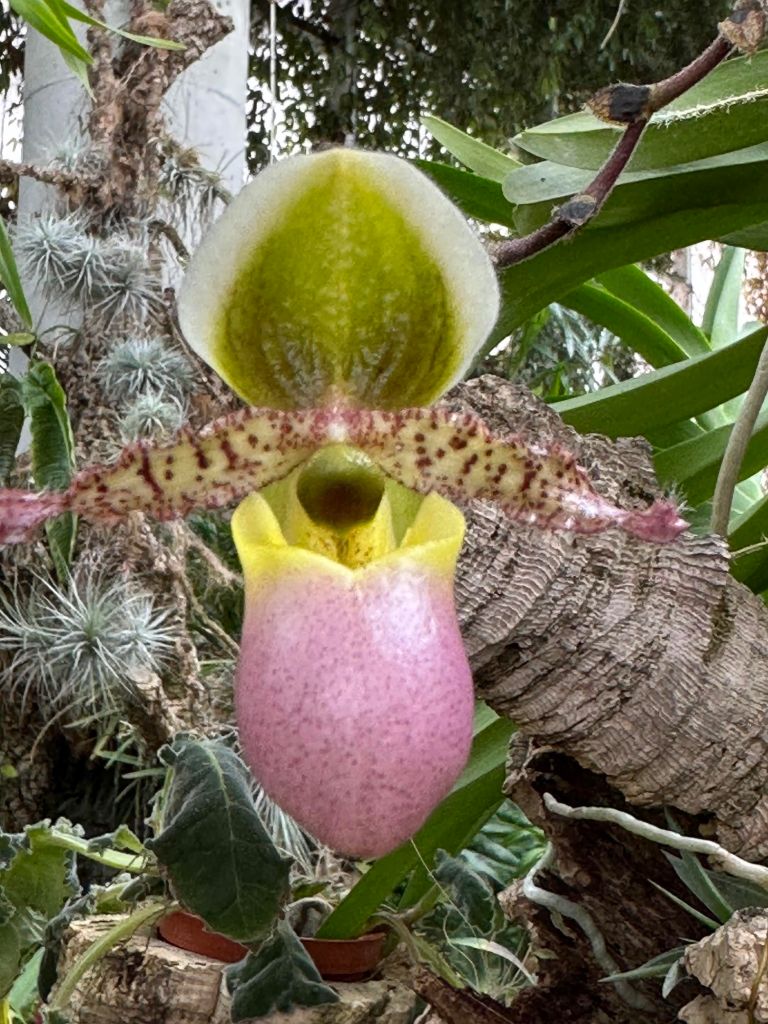
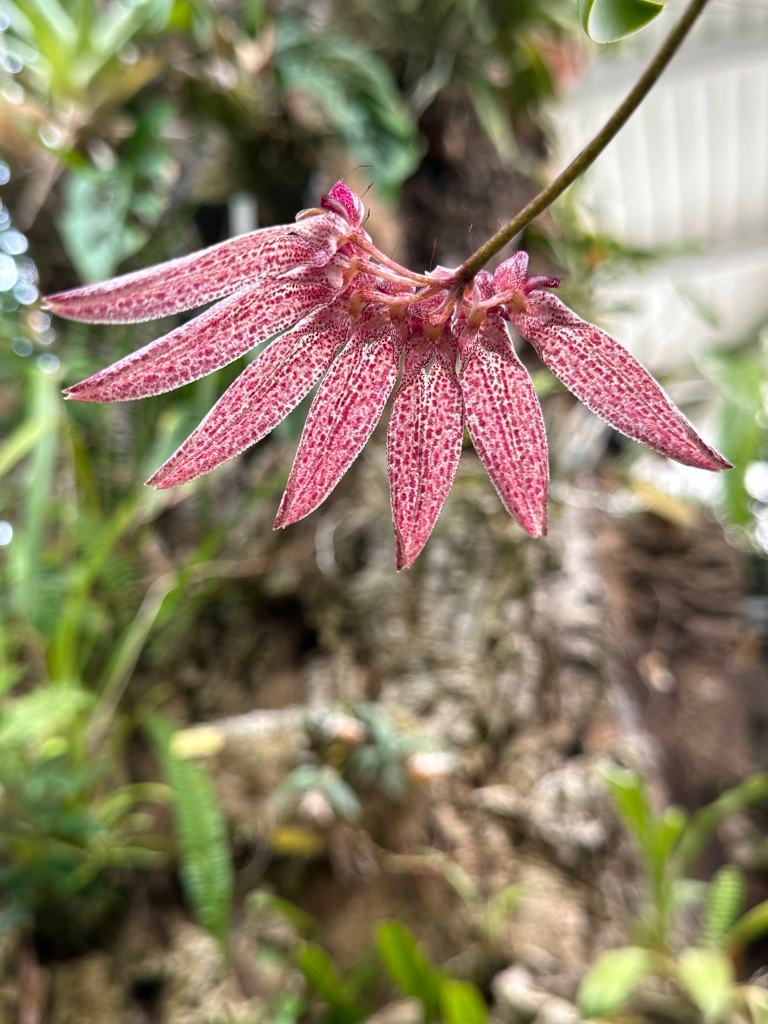
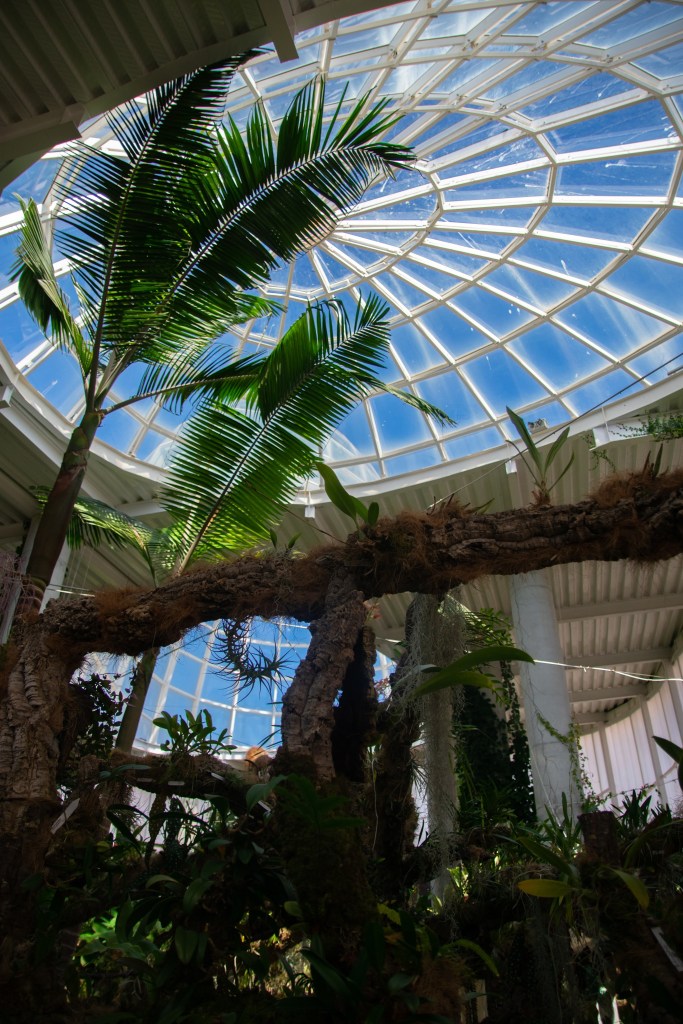
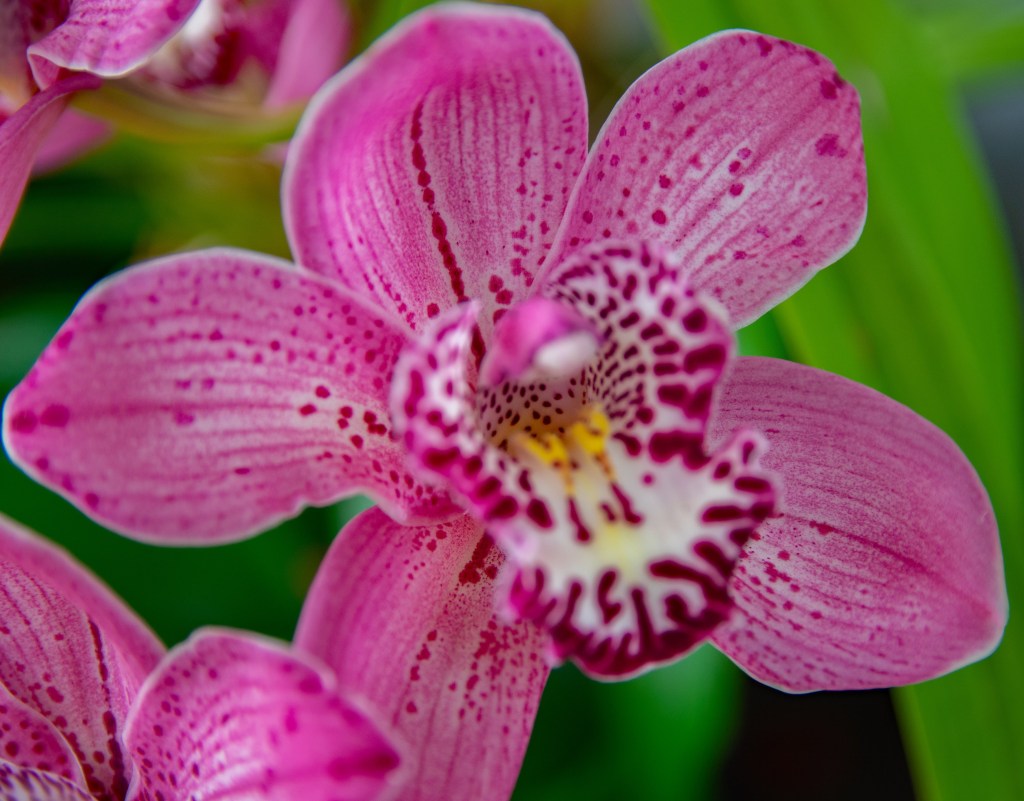
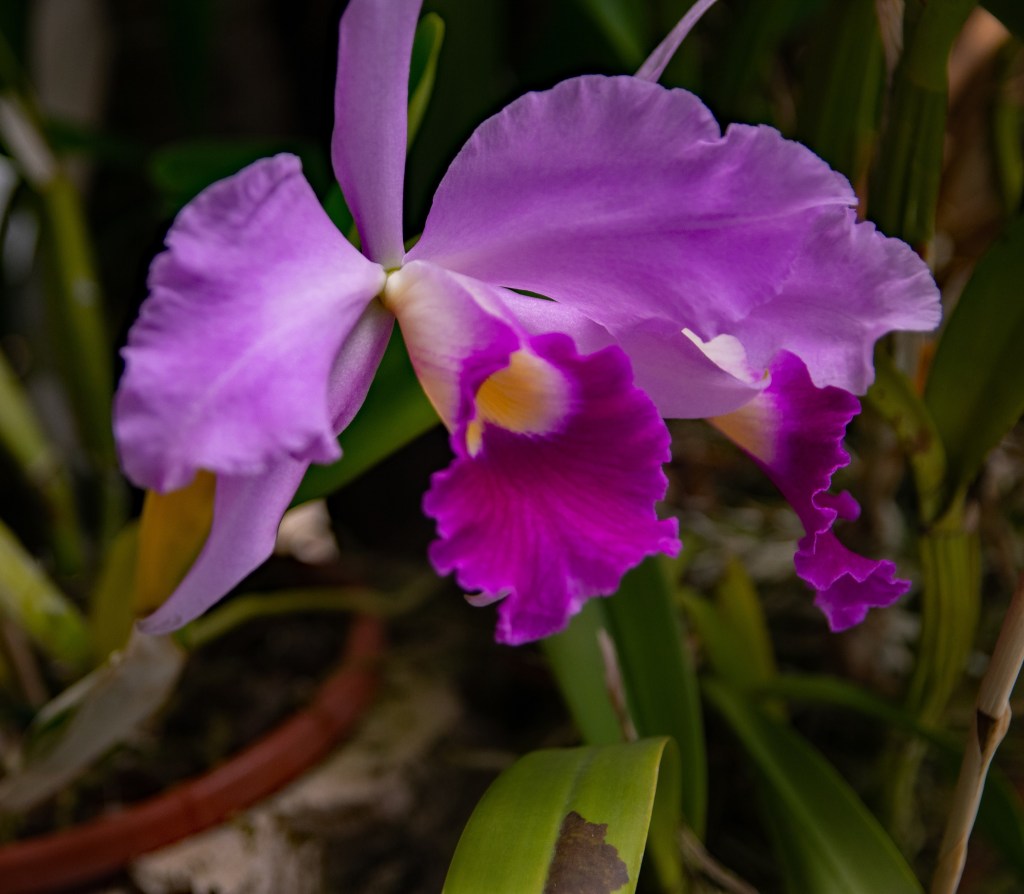
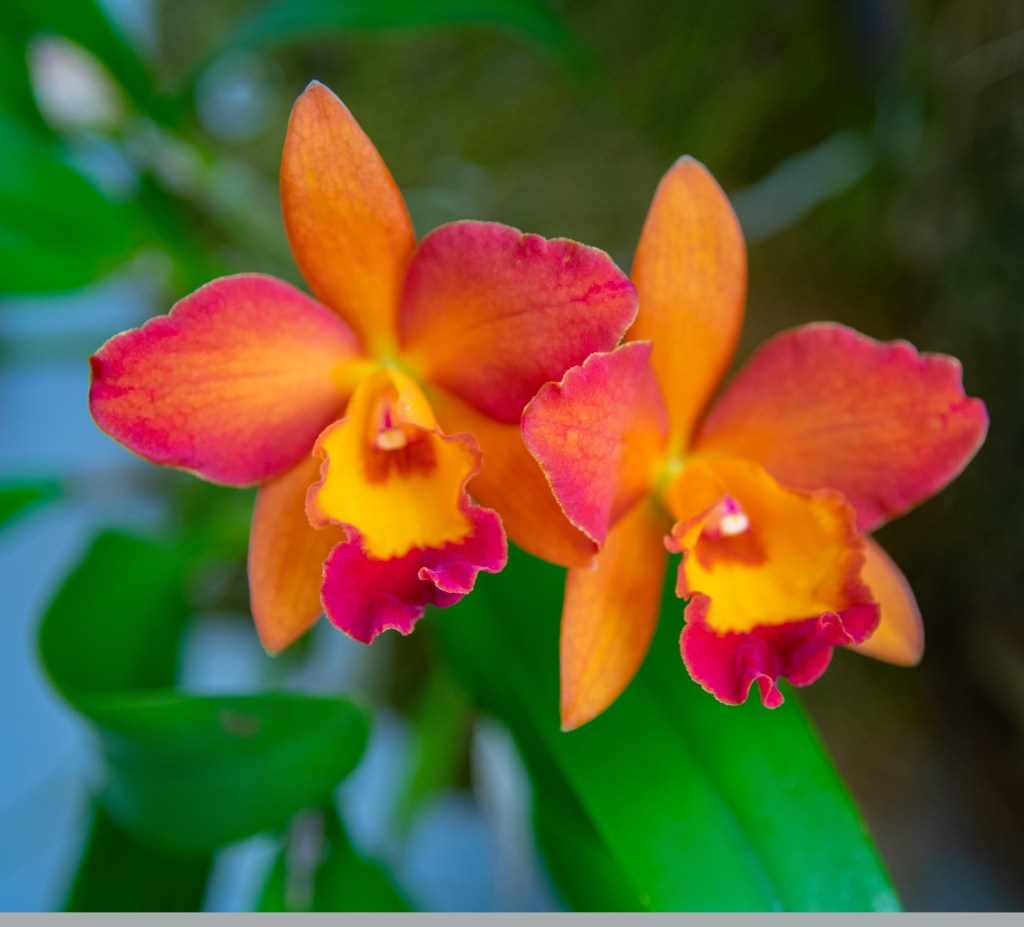
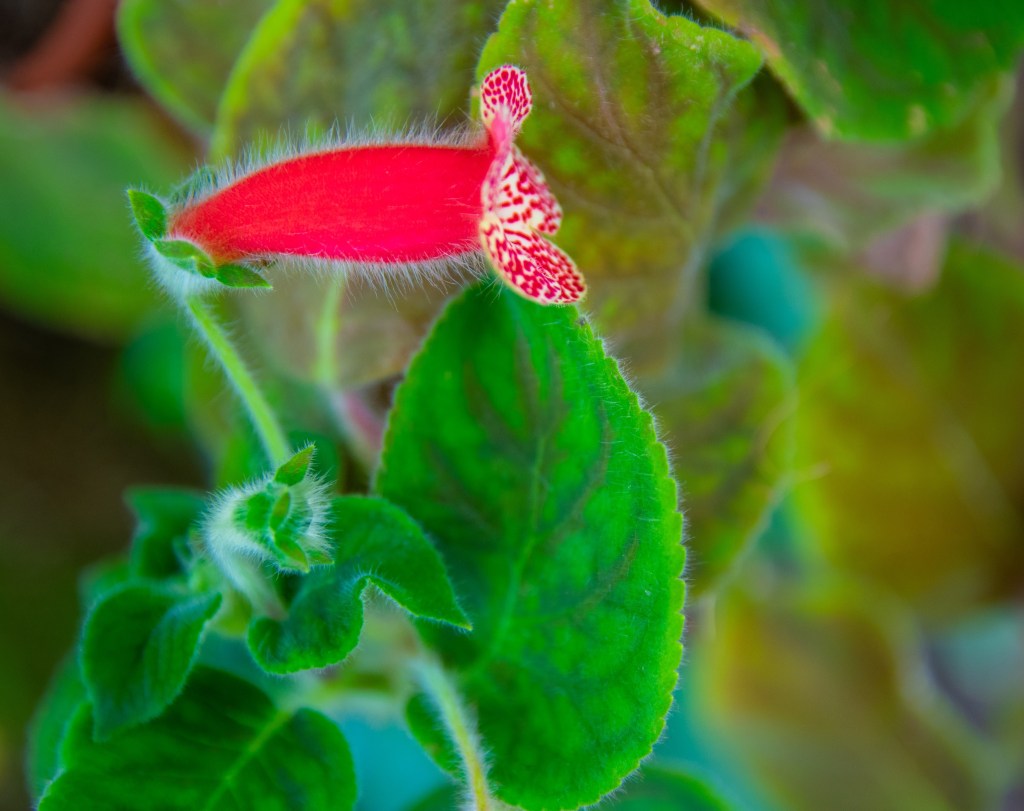
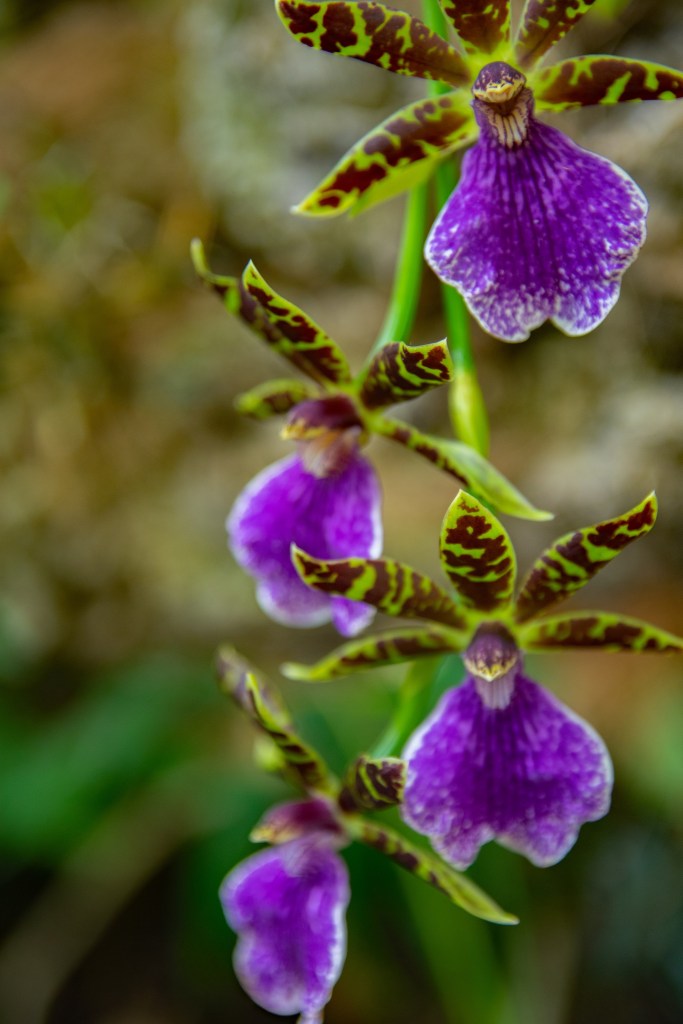
The Orchidarium is a conservatory of orchids and research center in Estepona. For a few euros and an hour of your time, you can enjoy seeing amazing blooms in a beautiful setting.
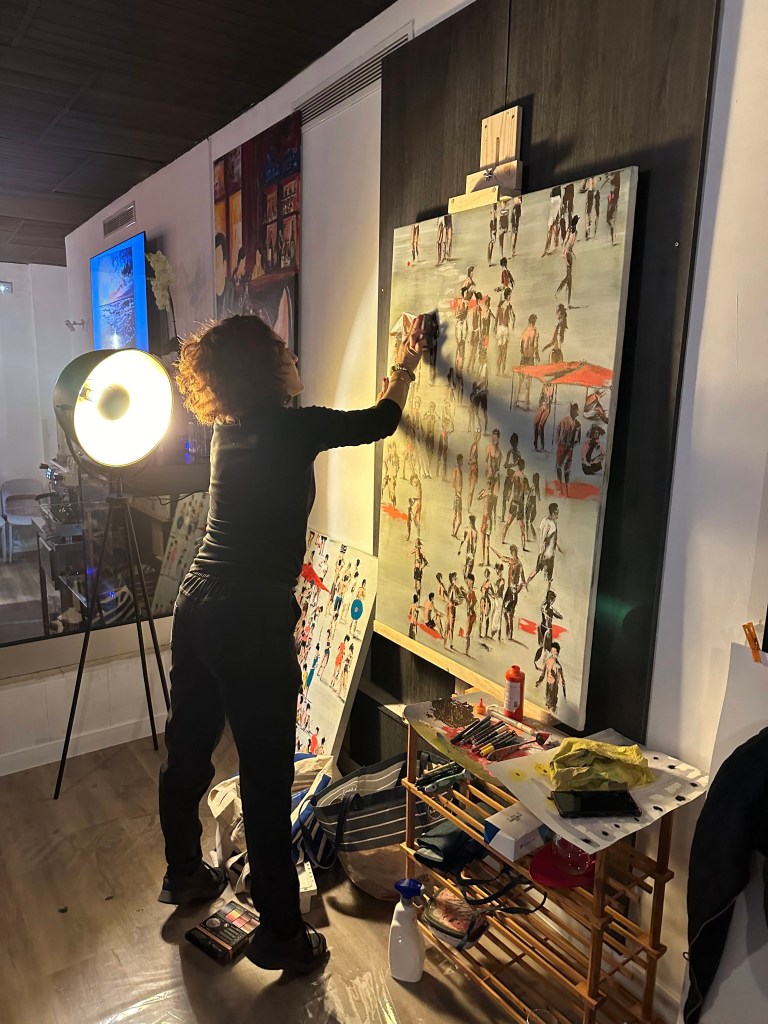
Outside the OrchidariumSunrise from our terraceFrom Jim’s terraceResturant and Artist Studio
Our winter in Spain is winding down. We have one last celebratory dinner tonight at The Boab Tree. It is raining today, which makes this a good day to catch up on blogging and to begin the process of packing up from a three month journey. A few of my clothing items won’t make the return trip; I will donate them here. It has been a great adventure, but it will be good to get home.
Thank you for following my blog! I would love to hear from you. Happy travels.
My recommendations are based solely on my own experience. I am independent and unpaid. Geri
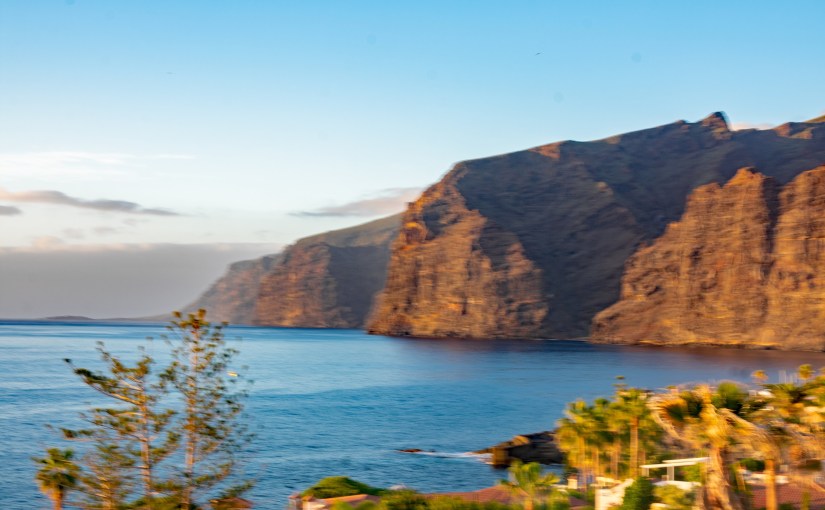
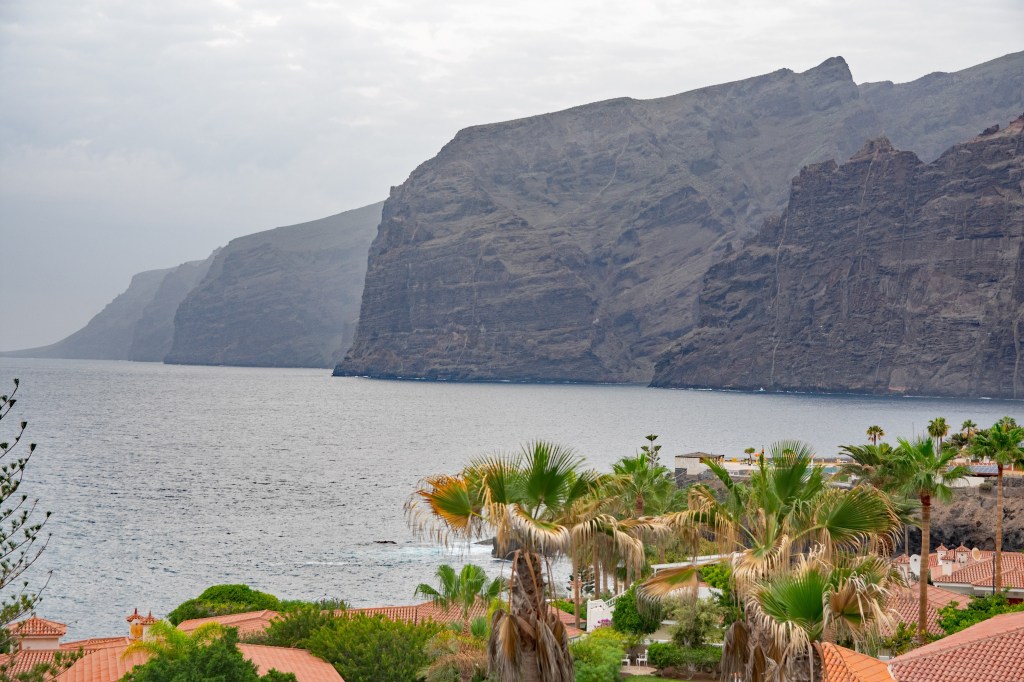
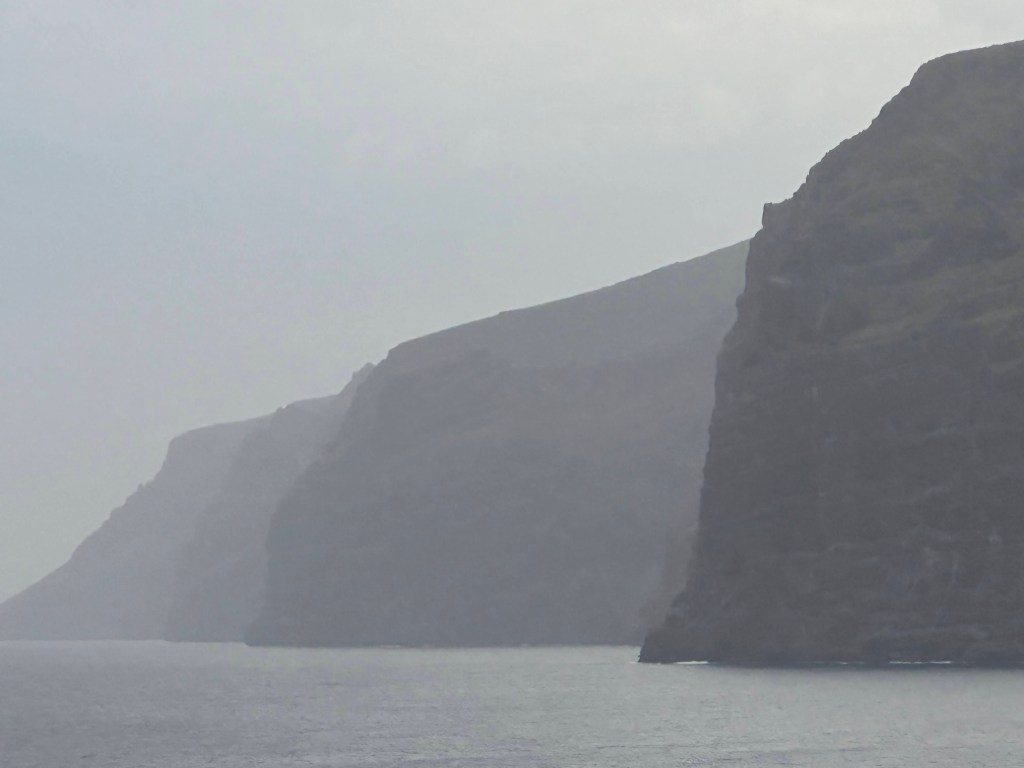
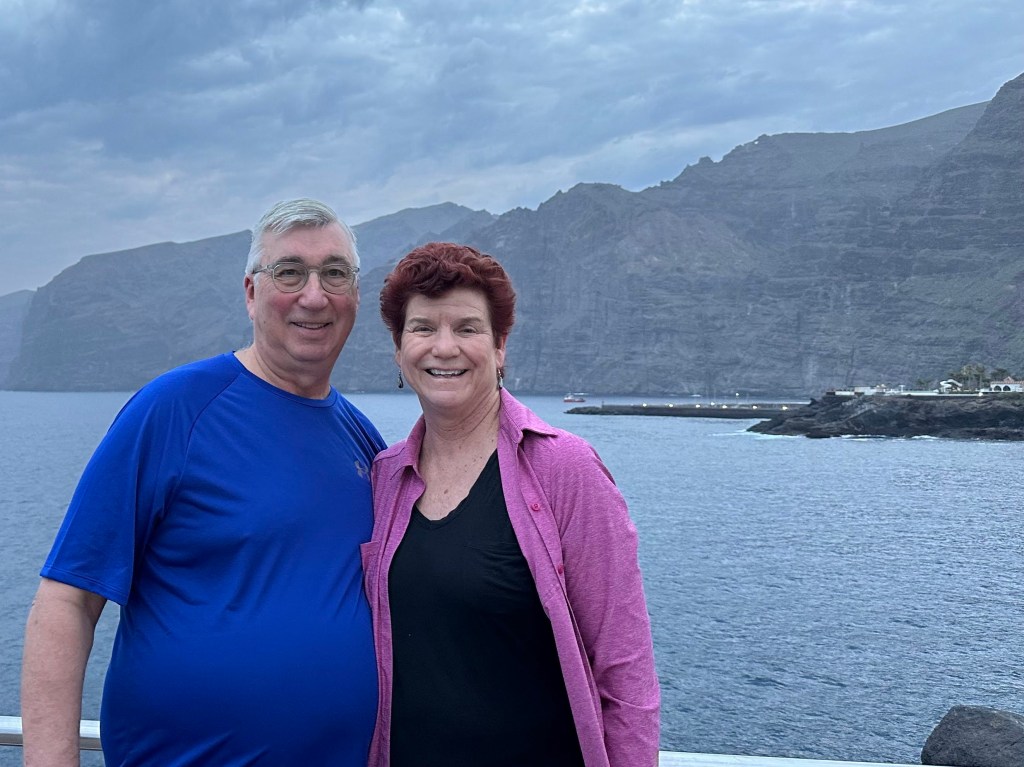
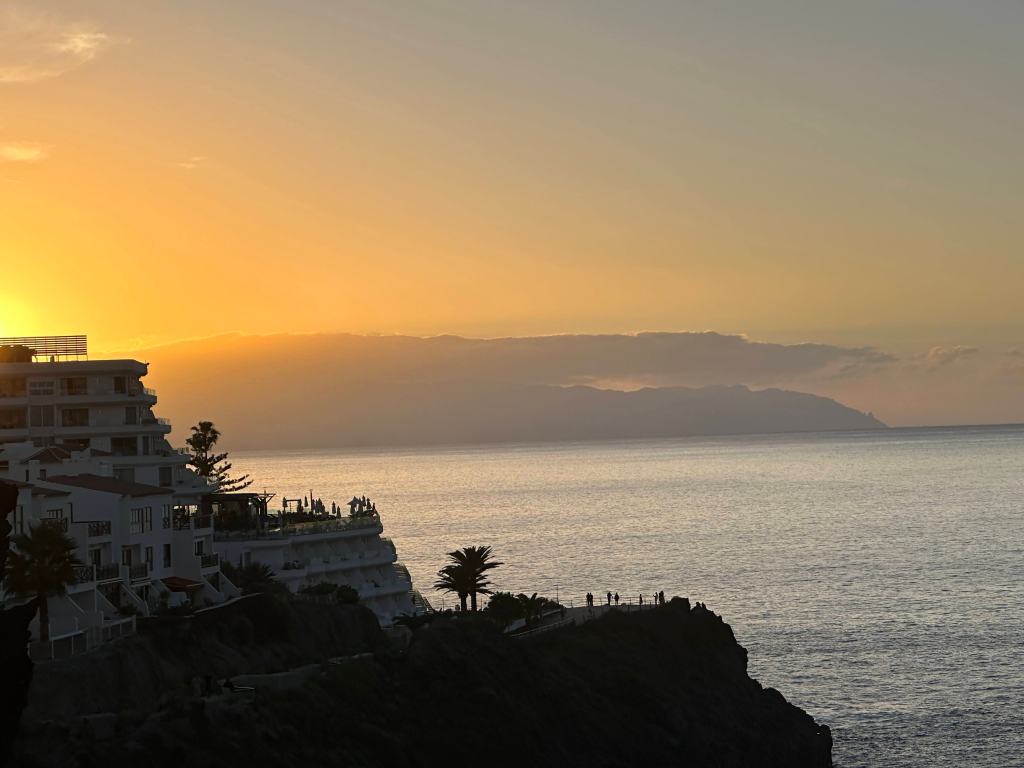
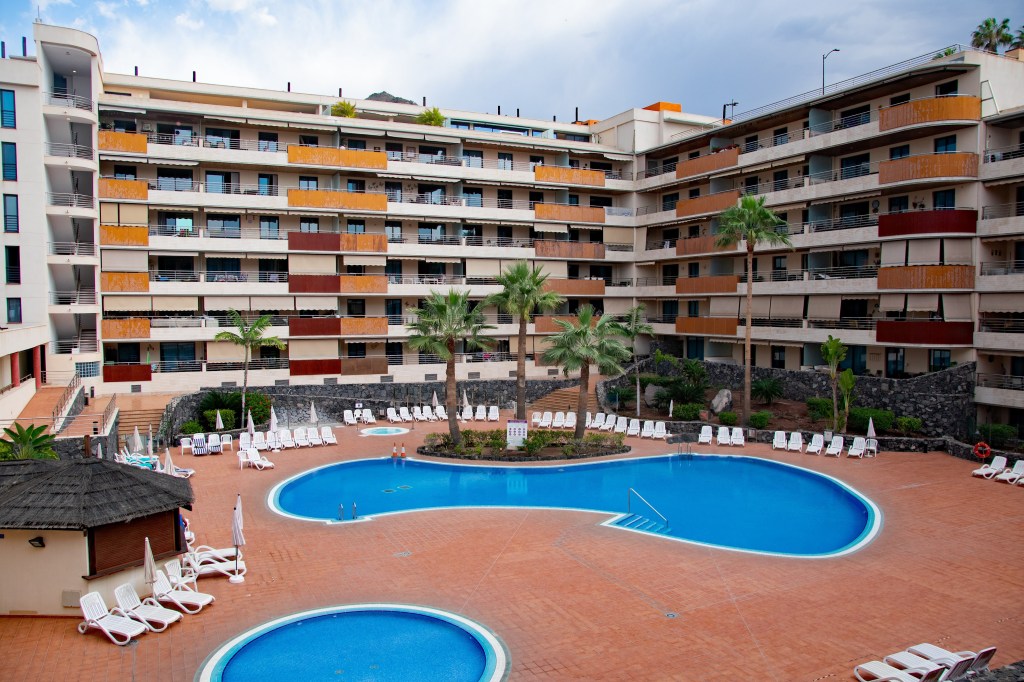
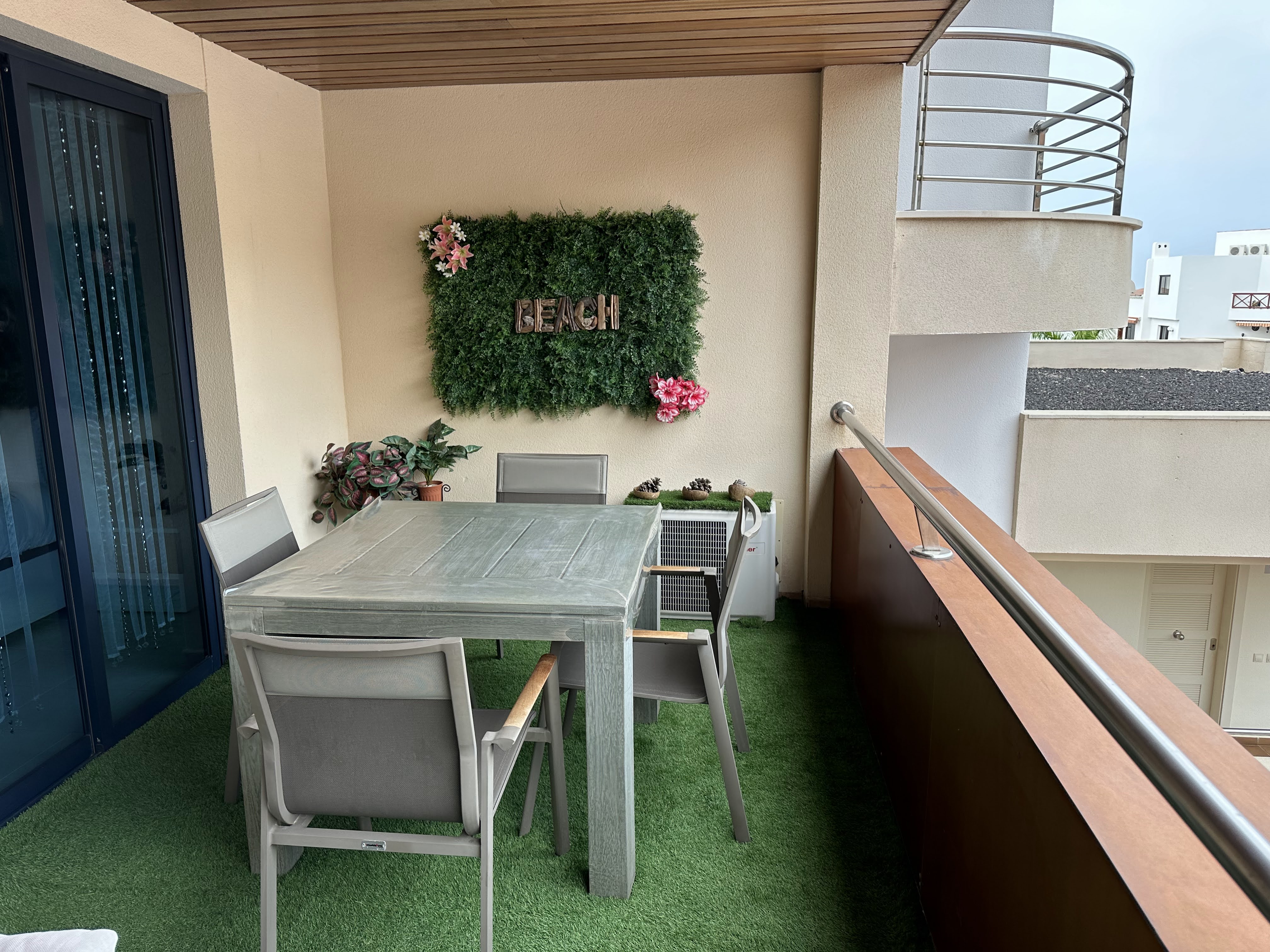
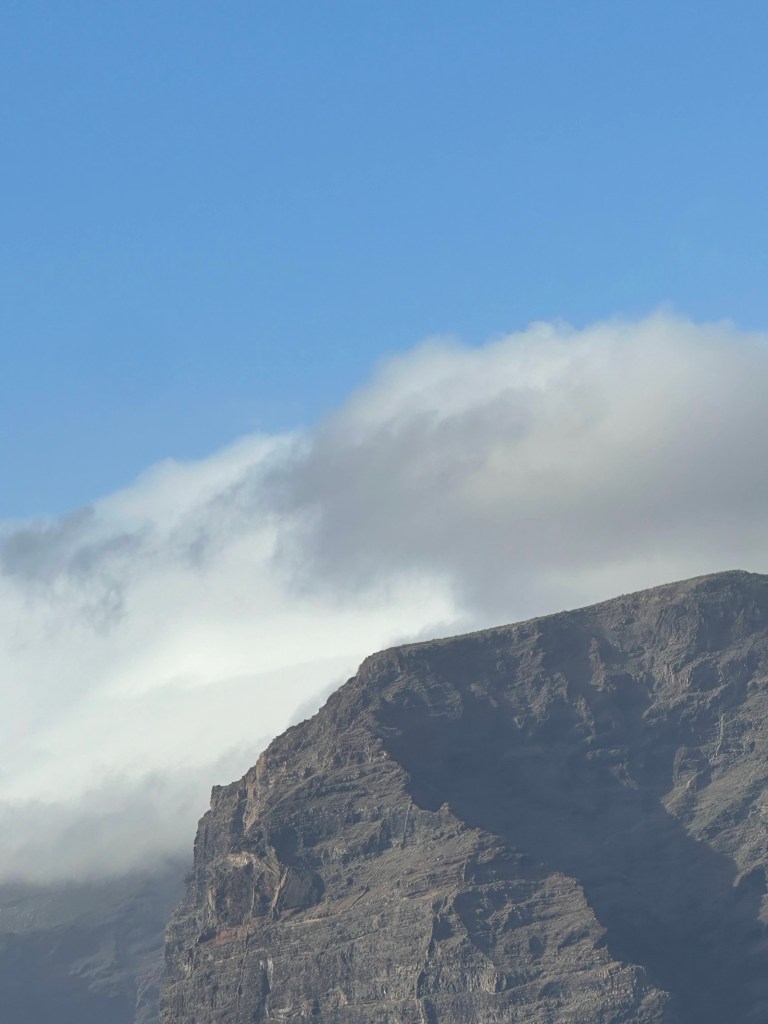
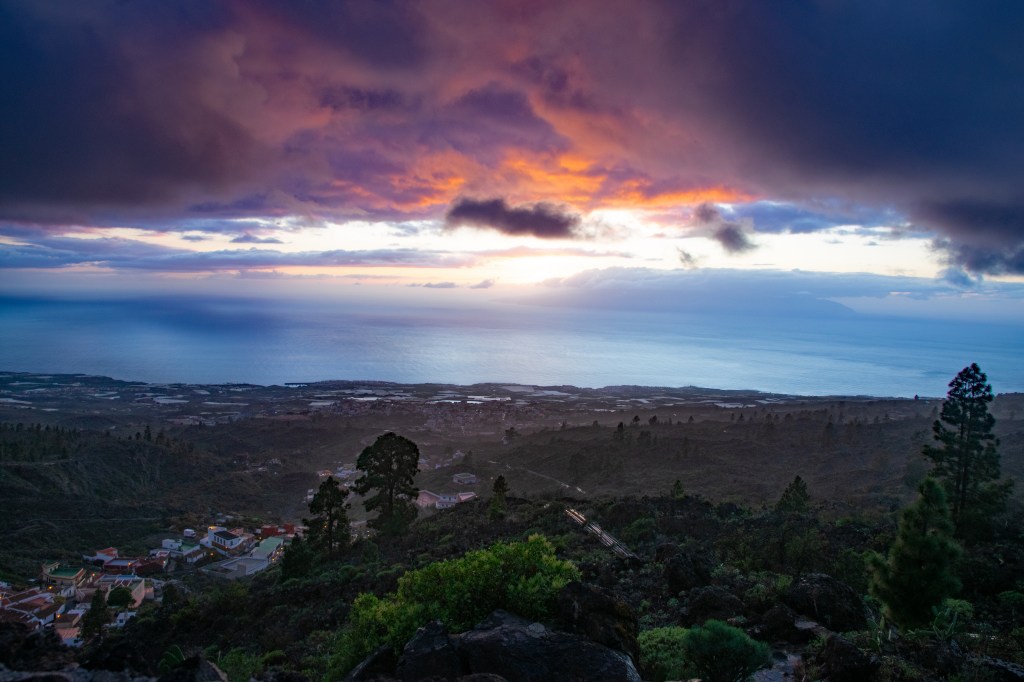
After four pleasant nights in Santa Cruz, we had our hotel arrange a taxi to drive us to our next destination on the other side of the island. A bus will get you there, but we treated ourselves to the comfort of a car. It cost $140 Euros and took about an hour and a half. Our driver was friendly and answered my questions about Tenerife as we traveled. He delivered us to our address, a huge apartment complex on a steep hill. After a few minutes of confusion, we found the front entrance to our building and contacted our Air B@B host. Shortly after, she arrived to get us settled in. The apartment was an attractive one bedroom unit with the biggest and most comfortable terrace we have ever had. I loved sitting out there in the morning watching the sun slowly burn the mist off of the cliffs.
Our neighborhood was located between the towns of Los Gigantes and Puerto de Santiago. There was a small grocery and a few restaurants nearby and a number of other options a short walk UPHILL from us. The hills were steep like San Francisco, so it was a bit challenging for us flatlanders.
These are some views from our neighborhood strolls!
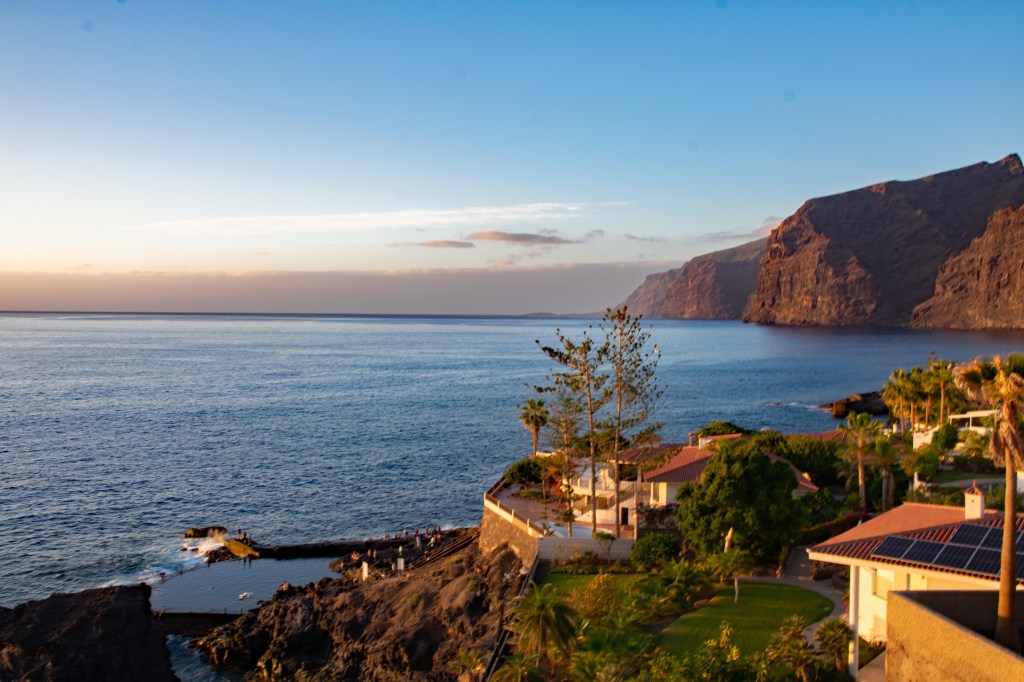
Los GigantesGiants in the MistNatural PoolPlaya de las Arenas (black sand)Dinner at SunsetView of La GomeraSunset on the GiantsEvening StrollSunset (La Gomera in the clouds)View from our terraceView from our terraceBest terrace ever!Puerto de SantiagoPlaya Chica- Small Beach (Puerto de Santiago)Black Sand with a view of La GomeraSunrise on a Memorial
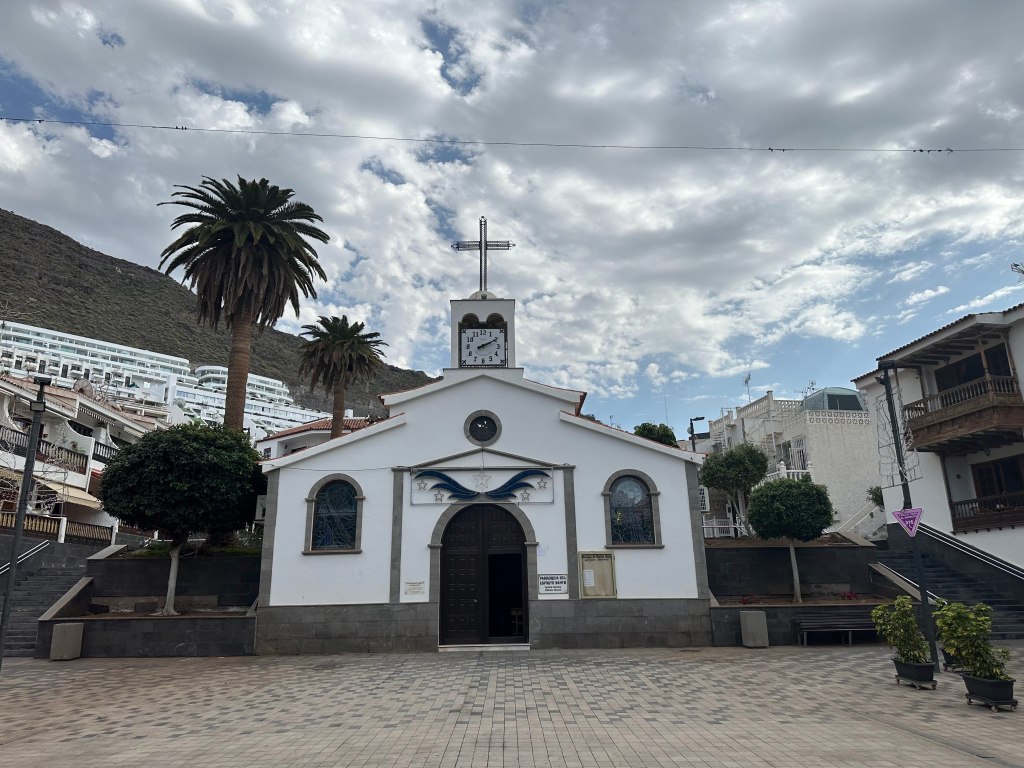
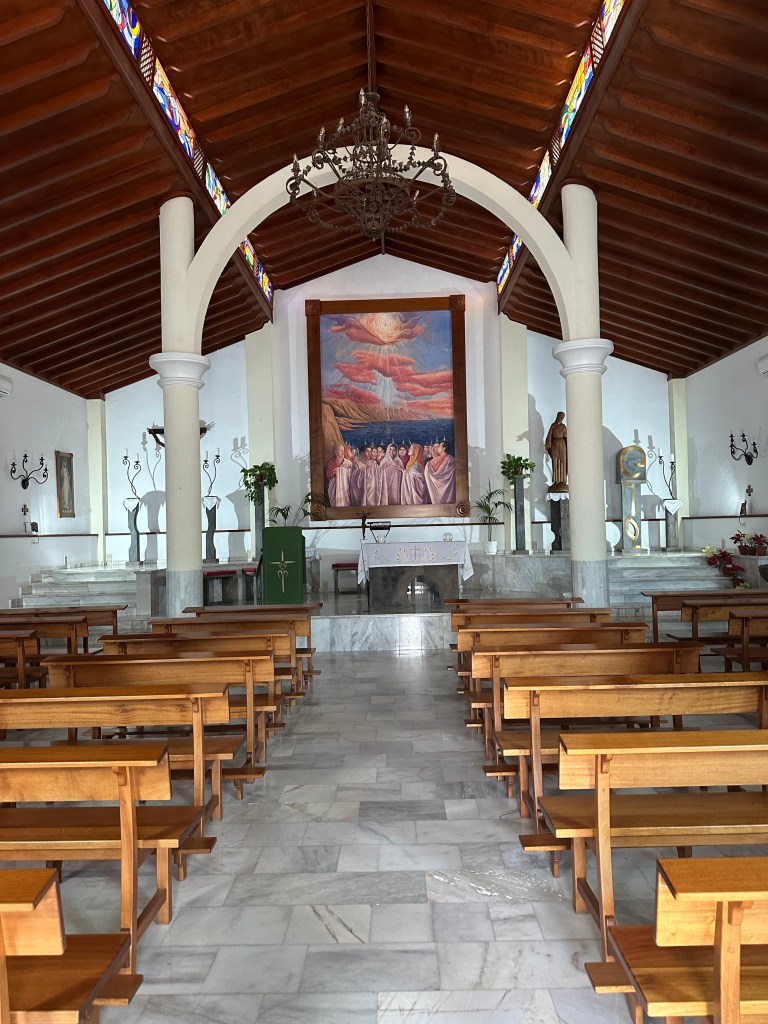
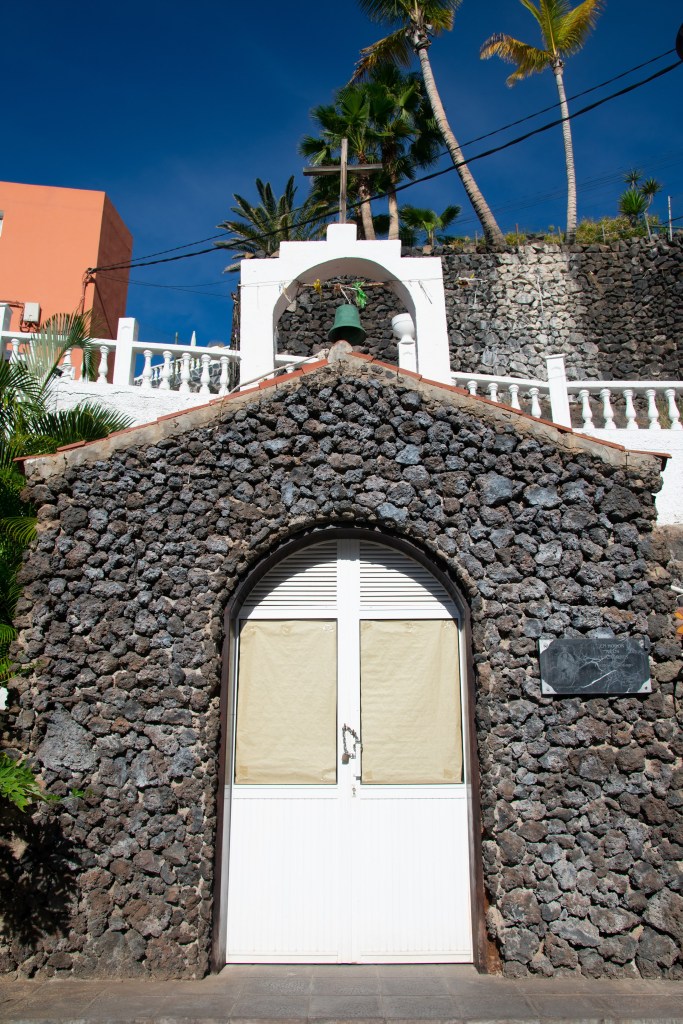
I am fascinated by small churches in small villages. On the shore at the bottom of a steep cliff in Puerto de Santiago is a tiny chapel dedicated to the local fishermen and their patron saint, La Virgen del Carmen. It stands in contrast to the tourist apartments above.
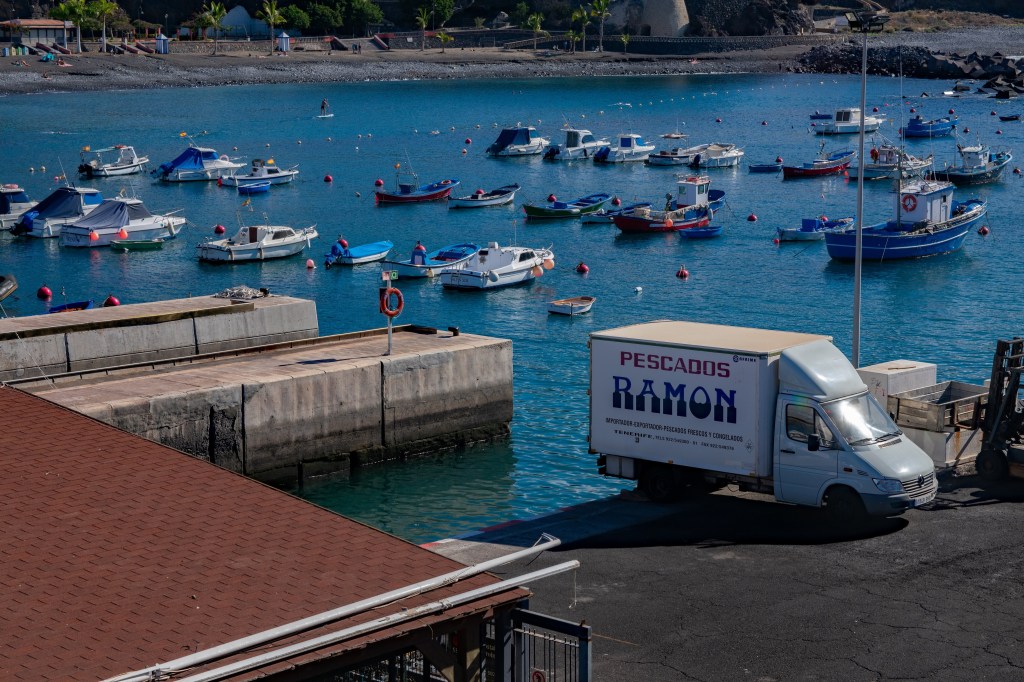
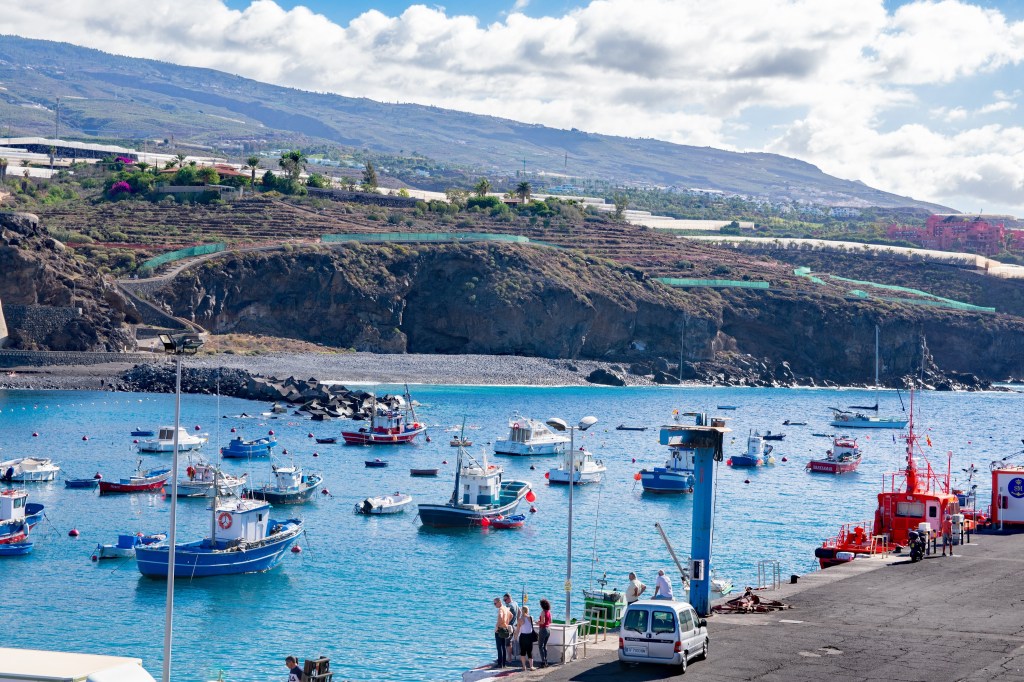
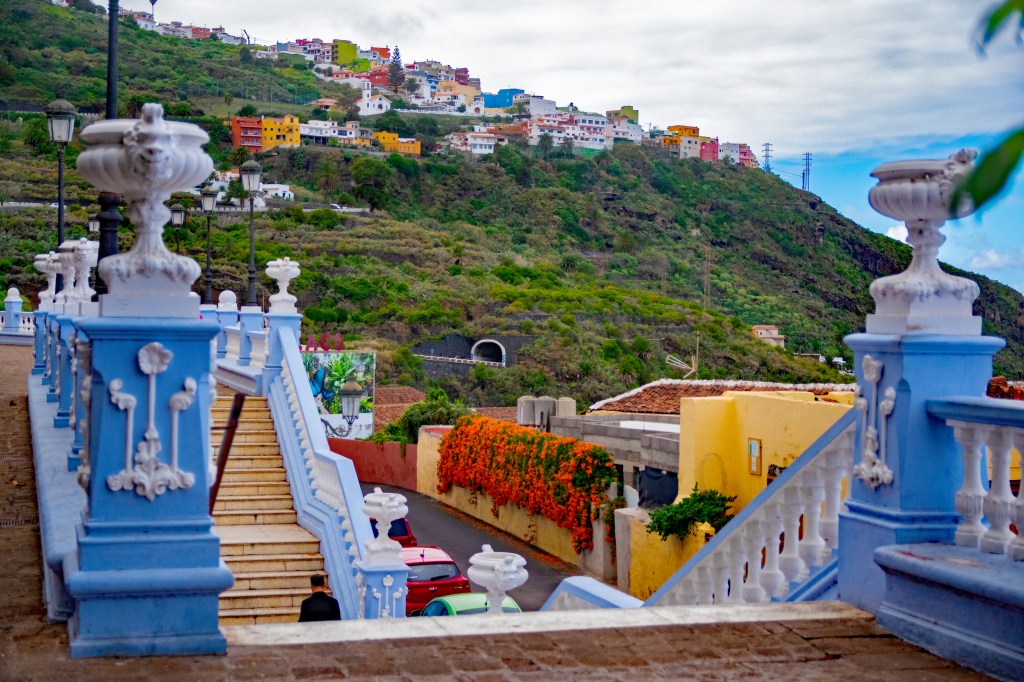
The fishing industry has been severely impacted by climate change, pollution, overfishing, and tourism. Tourism fuels the economy, but too often at the cost of the local ecosystem and lifestyle. I love to travel, yet hate to leave a negative impact and I don’t know where the solution lies. Some tranquil fishing villages remain on Tenerife despite the encroachment of large hotels and attractions. In these towns you can appreciate natural beauty and eat really fresh seafood.
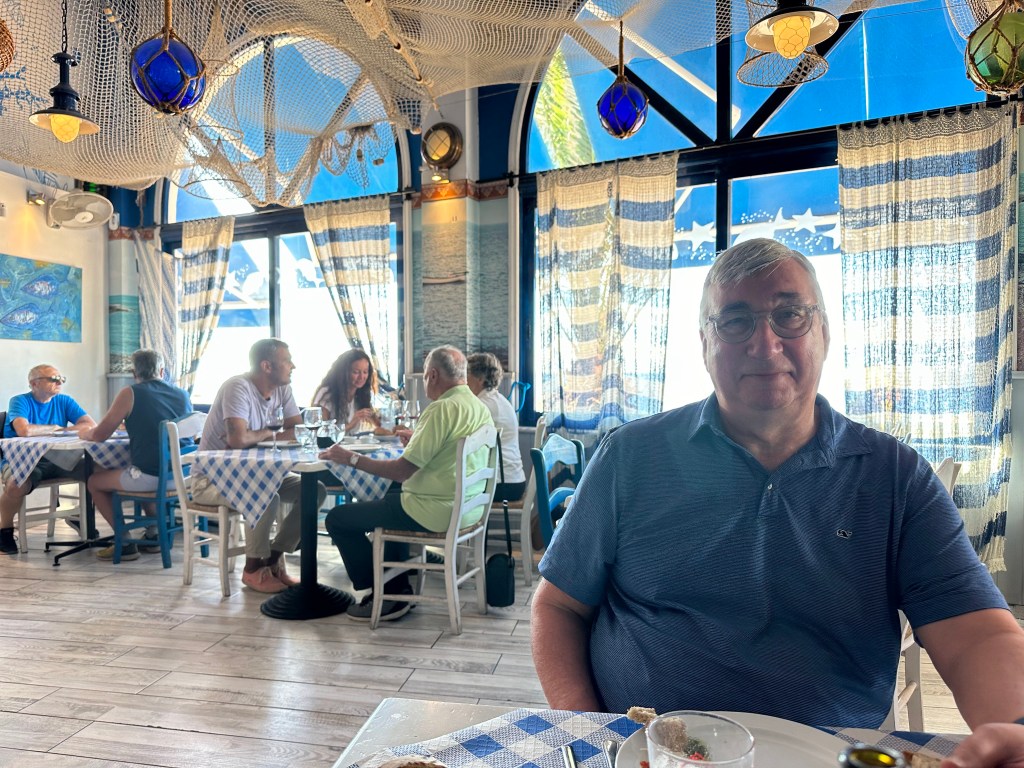
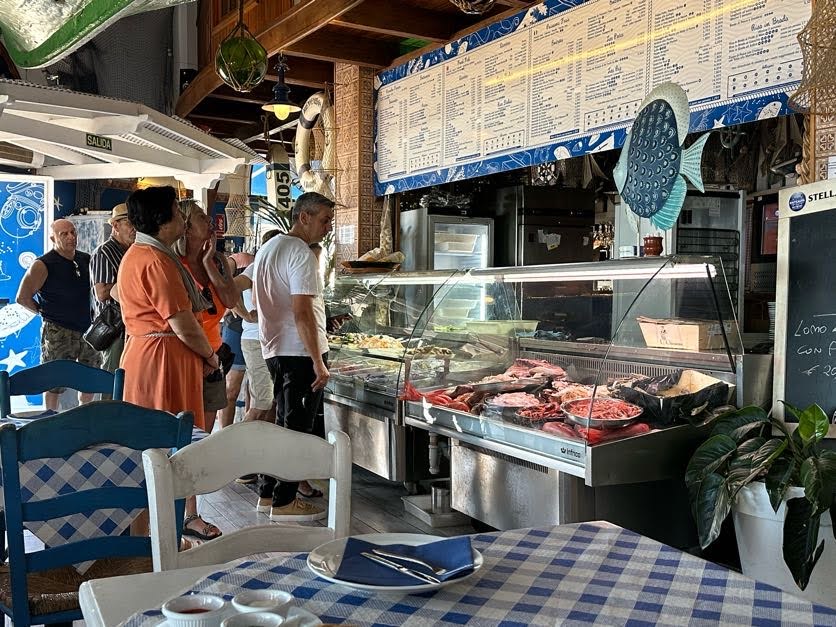
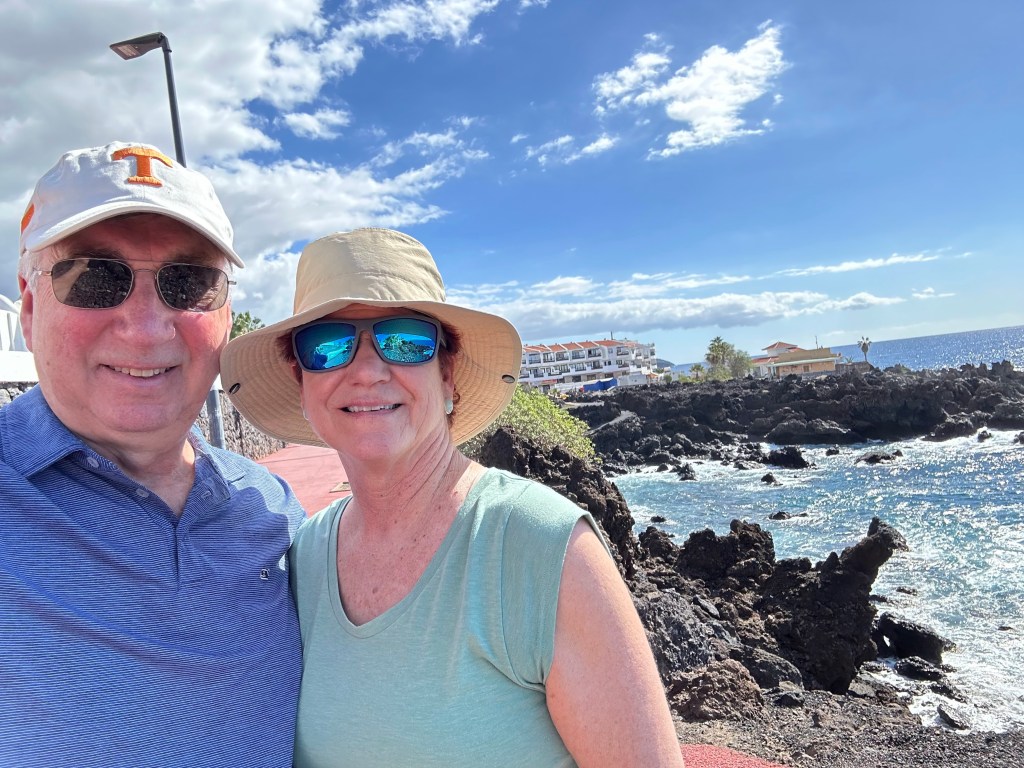
One morning, we took a bus to the village of Playa San Juan (Saint John Beach), about thirty minutes south of Los Gigantes. En route we passed many hotels and apartment complexes, beach coves, restaurants, and shopping. From the highway, we viewed fenced banana groves that extend from mountain to sea. When we got to San Juan, we walked through town to the sea walk, port, and beach. We enjoyed coffee at one café, ice cream at another, and lunch at the popular Agua y Sal. Agua y Sal opens at 12:30 for lunch and customers gather outside around 12:10. Once the doors open, you request your table and get in line at the fish counter. The menu is on the board, whatever has been caught that morning. You point or tell the counter worker what you want and he plops it into a plastic tray, notes your table number and sends it to the kitchen. The table server takes your drink order and delivers your food, and later your bill. The system is quite efficient, the ambience is friendly and the seafood is fabulous. We shared grilled vegetables, mussels, and sea scallops.
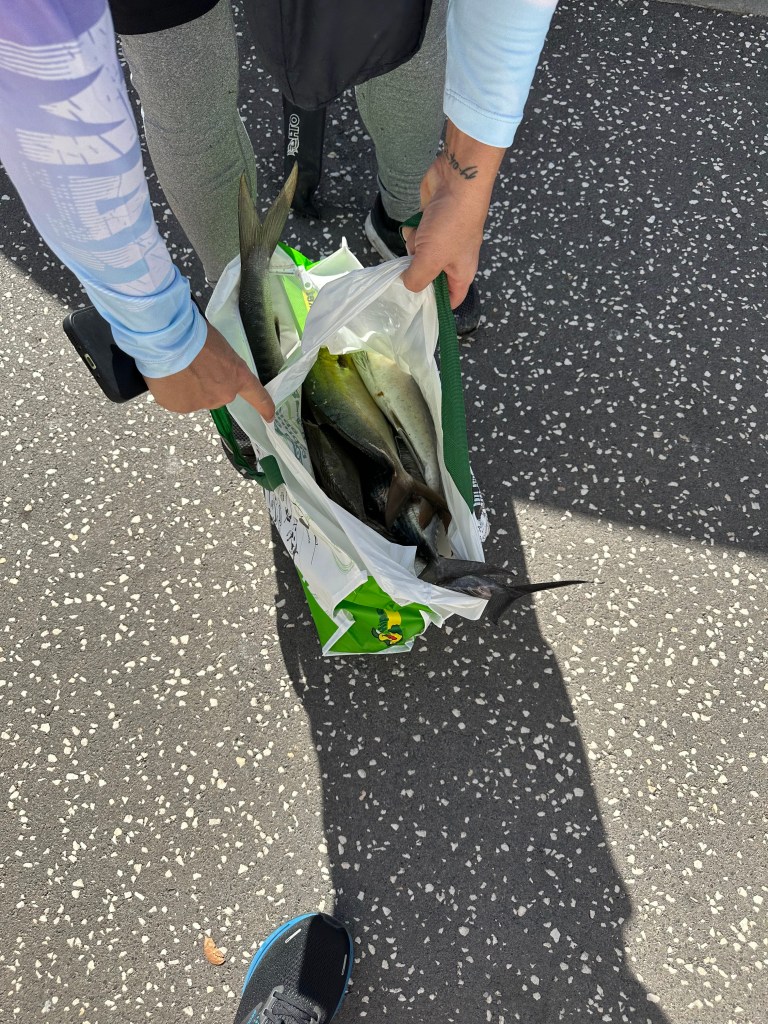
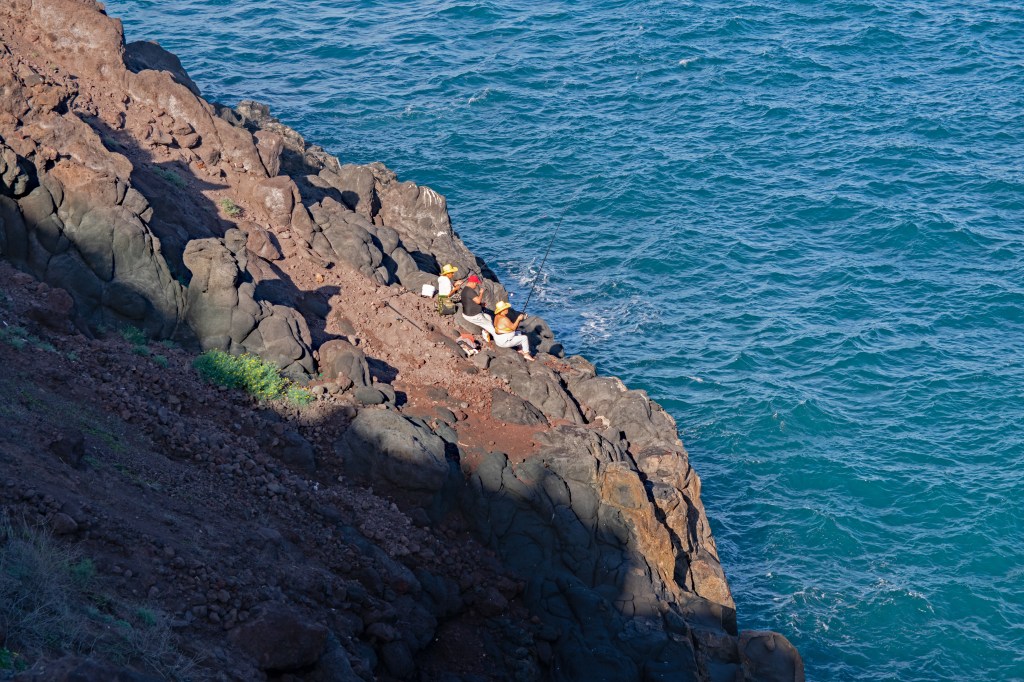
Playa Chica in Puerto Santiago. (See the church?)Los Gigantes ChurchPuerto de Santiago ChurchGreat Lunch Spot on our hillPlaya San Juan – Fishermen VillagePlaya San JuanLunch at Agua y SalAgua Y SalHappy with today’s catchFishing off the cliff
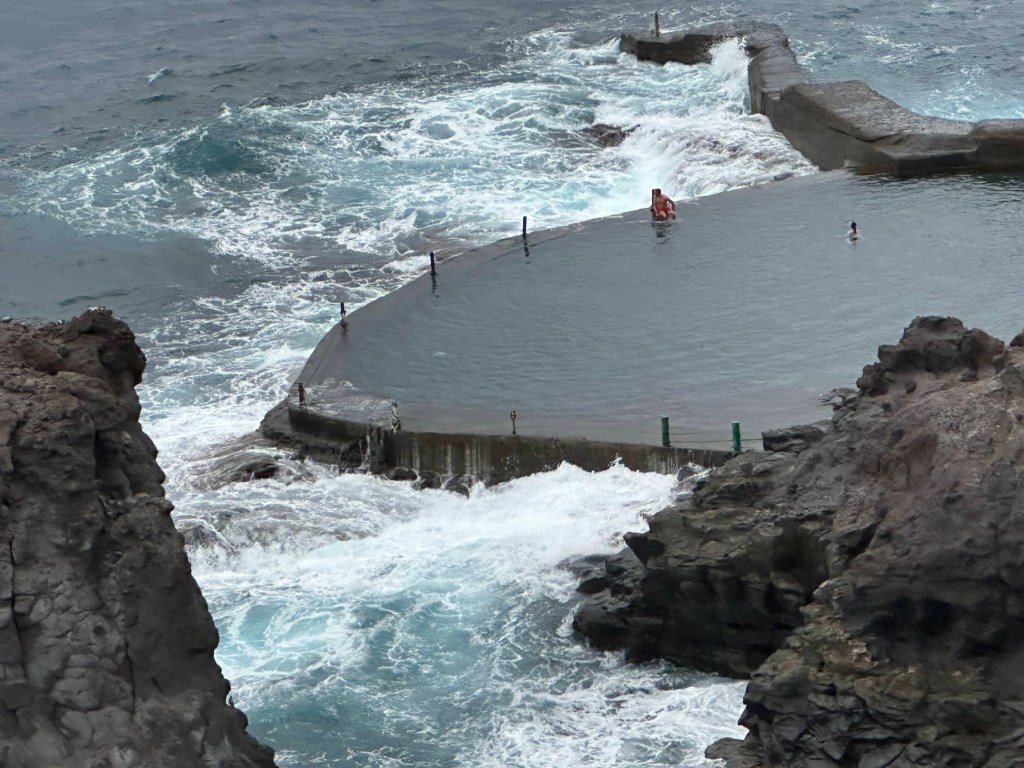
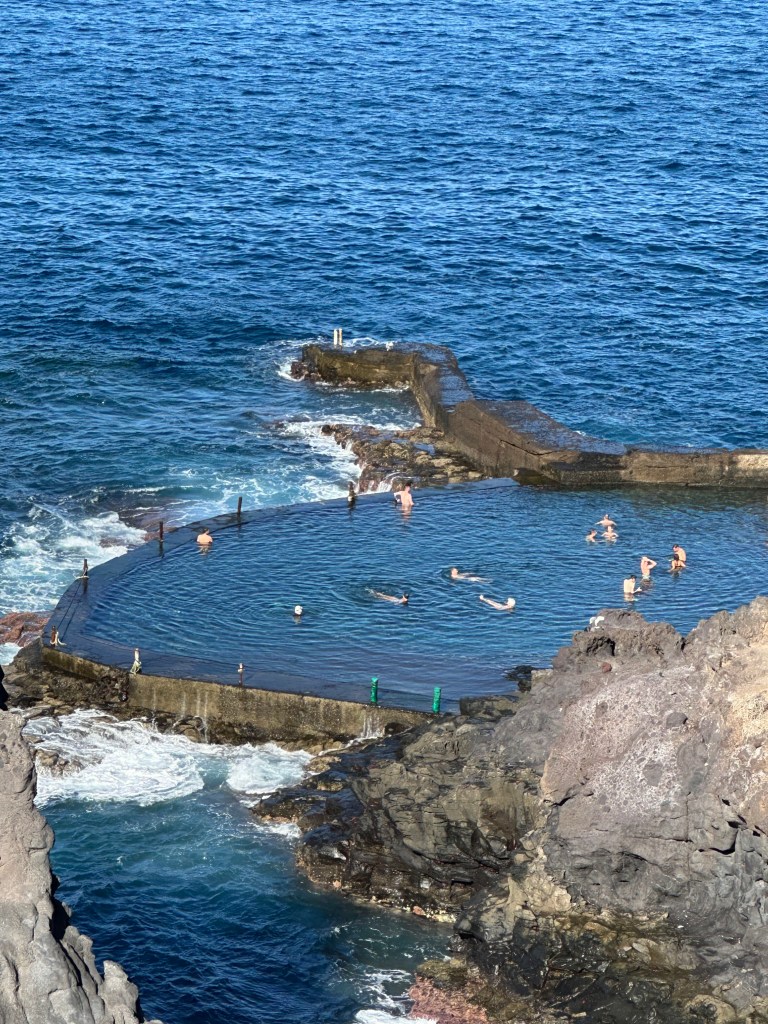
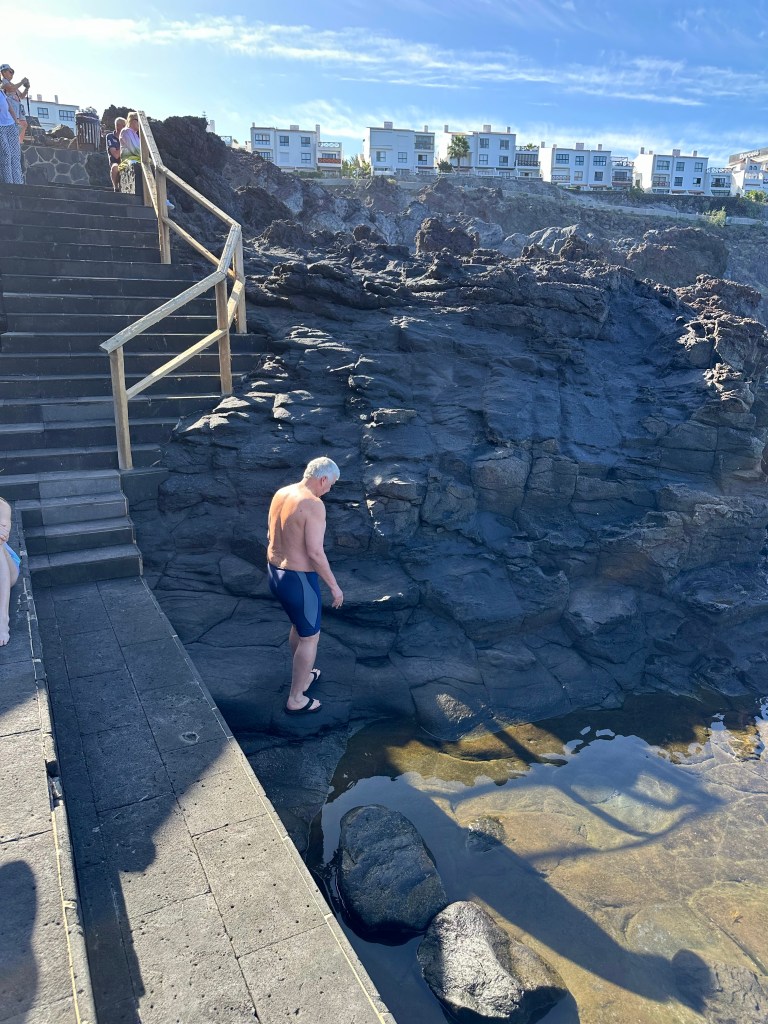
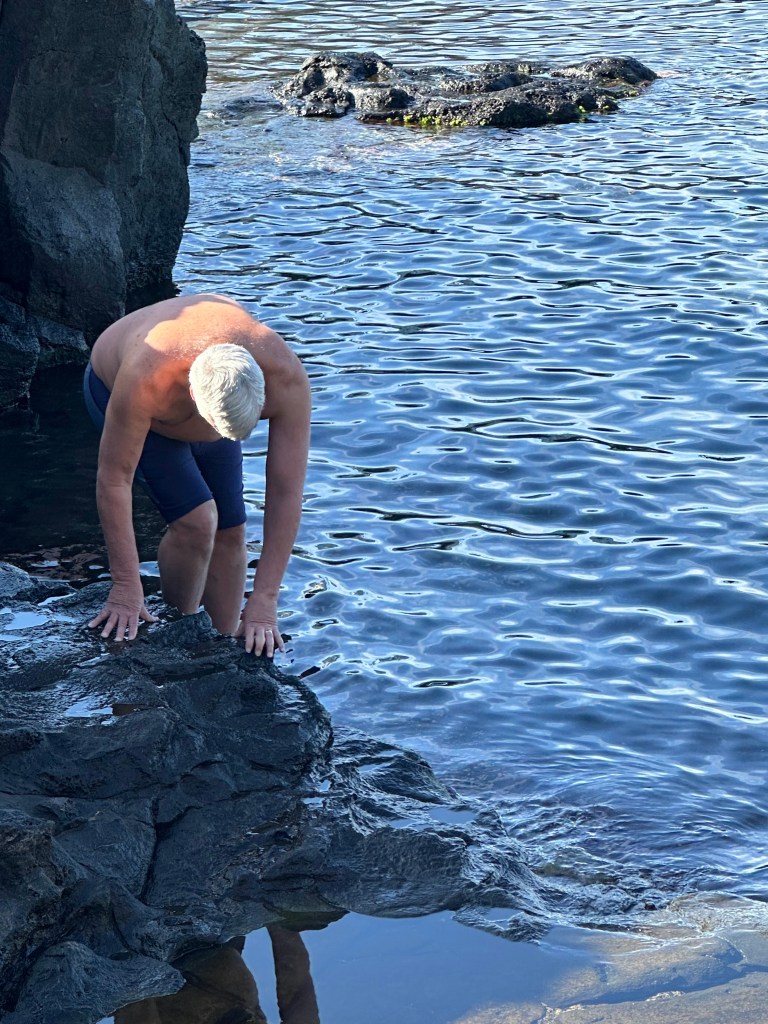
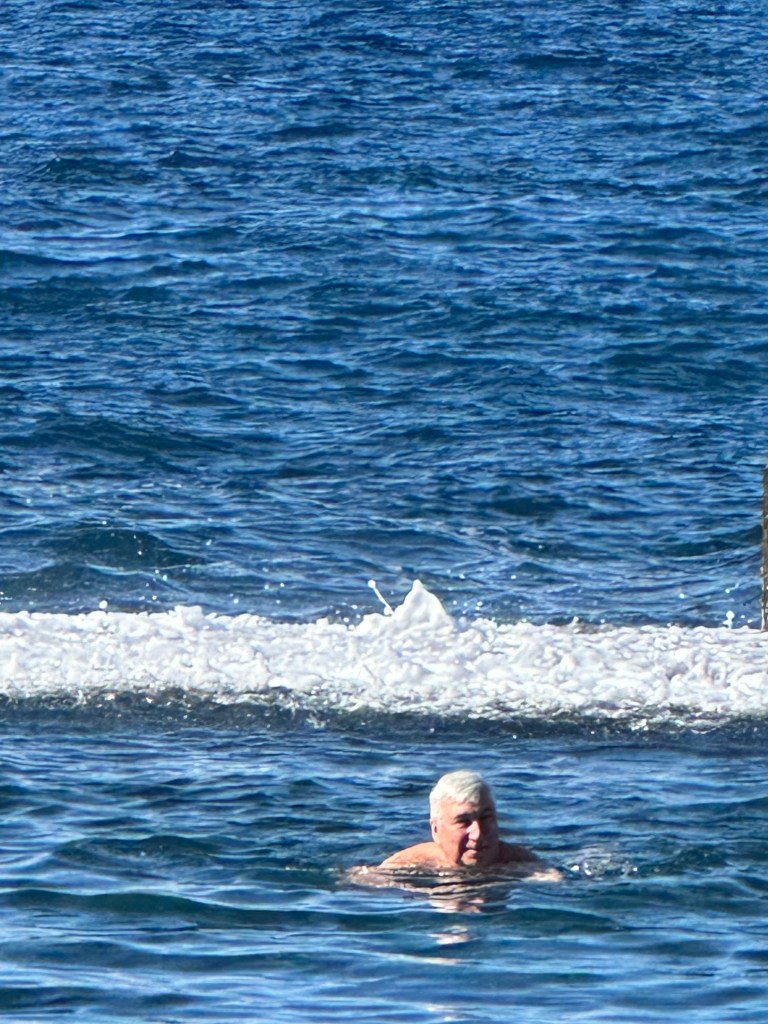
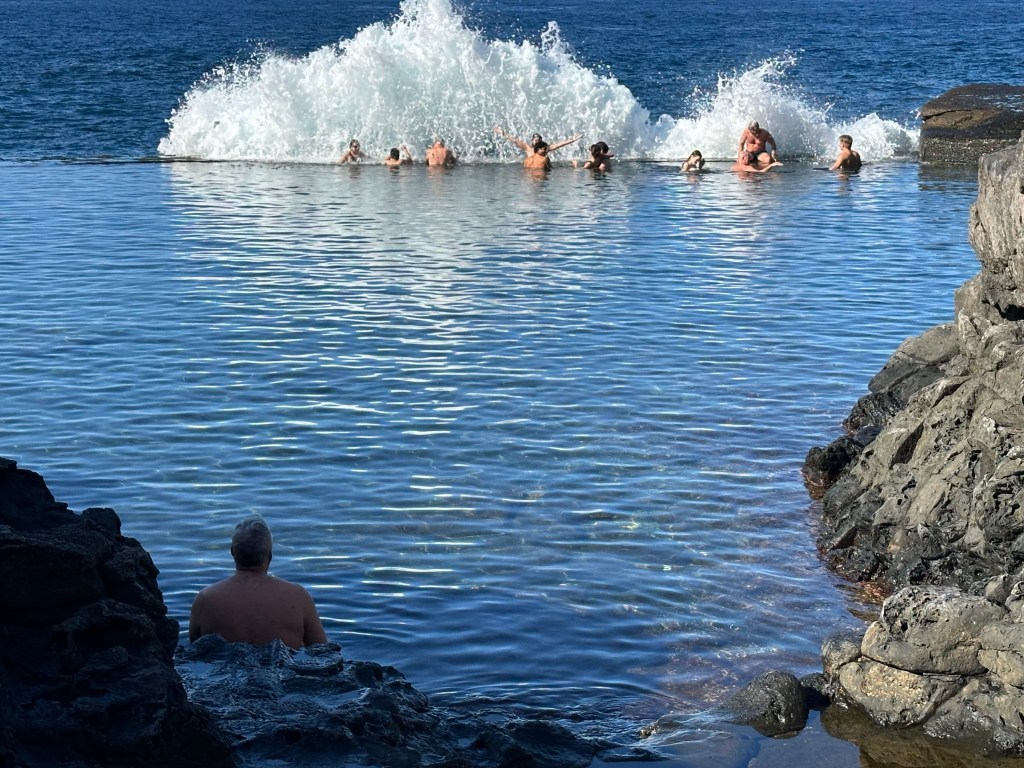
Bill was determined to take a dip in the natural pool near us in Los Gigantes. We waited for a day when the sea was calm. I was tempted join him, but was intimidated by the slippery rocks. When we got there, I decided I would stay out and take the photos. Bill reported that the water was warmer than the pool at our apartment, but that the rocks were slick with moss. He enjoyed his dip in the Atlantic.
Photos of Bill’s Plunge in the Natural Pool!
Natural PoolGo Bill!
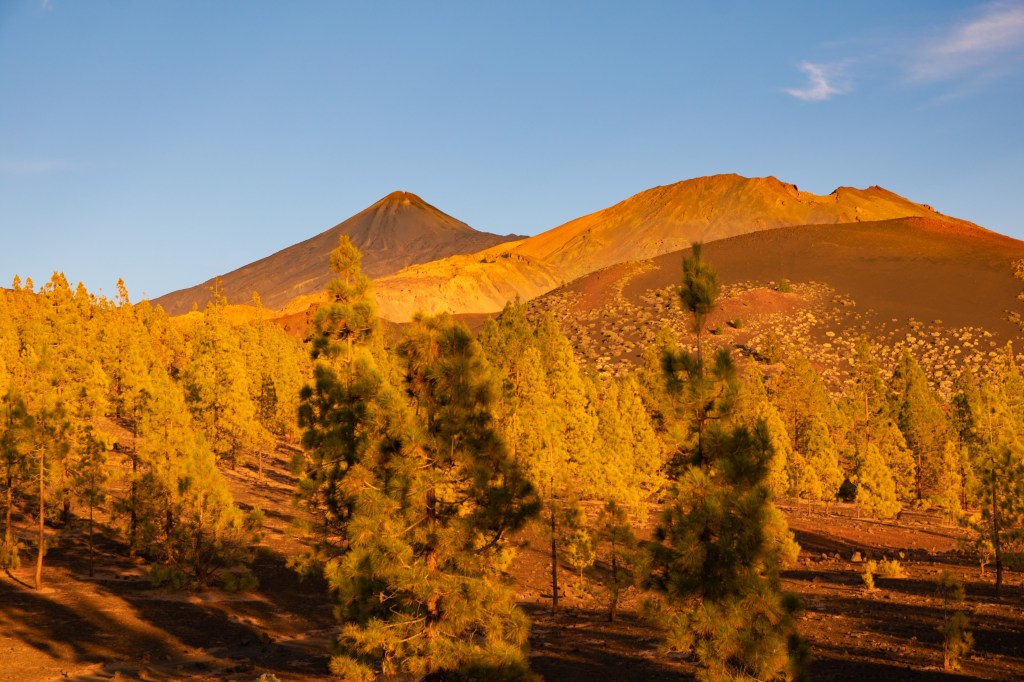
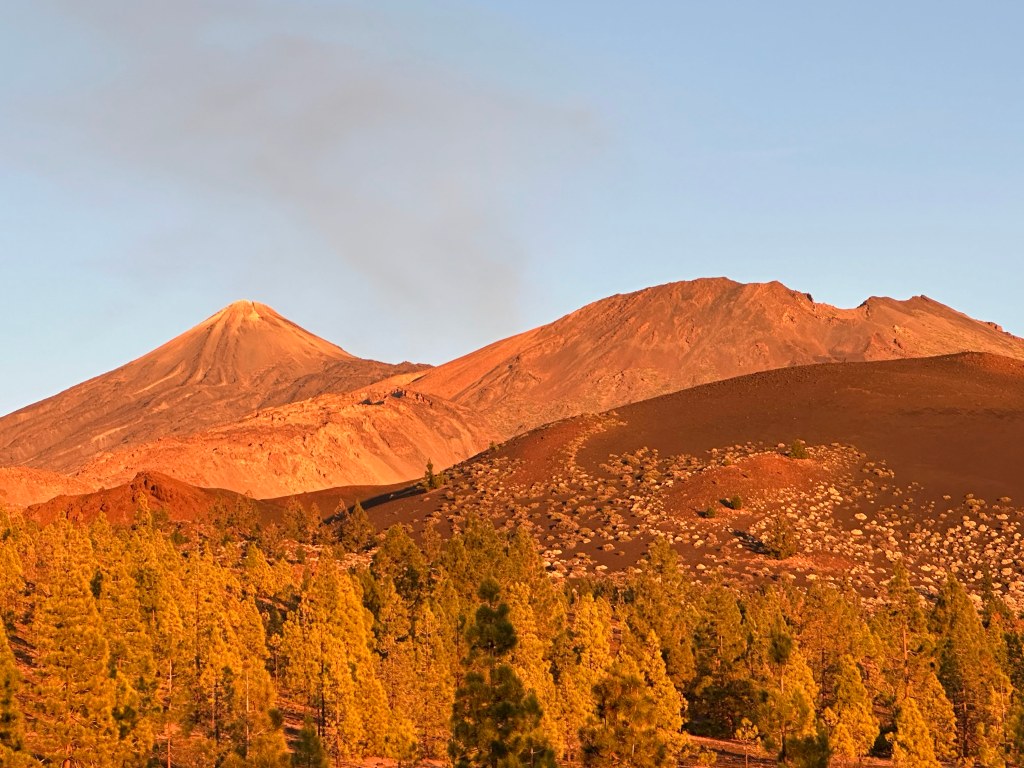
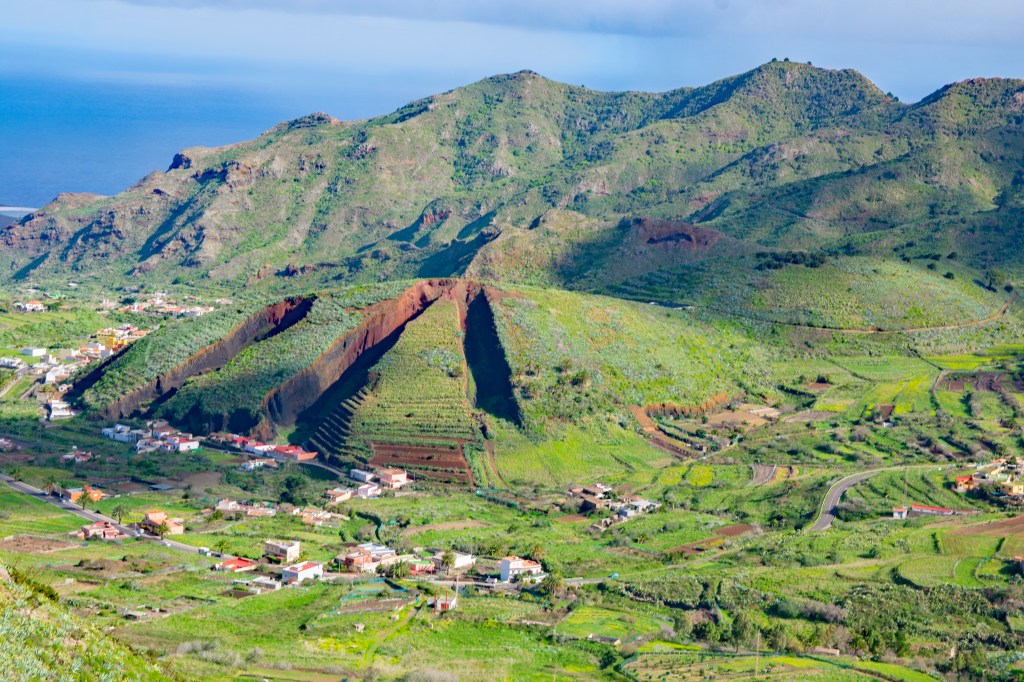
During our stay in Los Gigantes, we booked two excursions with Steve at Top Ten Excursions. He works with the local tour companies and helps the customer to pick the ones that best meet their needs. He took the time to explain each excursion and help us narrow it down to two that appealed to us: a small group sunset and stargazing experience with Stargazing Tenerife and a small group all day island tour with Francois and his chihuahua Chica. Both tours were fun and informative. We enjoyed the company of our fellow adventurers, learned more about the island, and covered much more territory than we could have on our own. A trip to Tenerife should include Mount Teide National Park. Mt. Teide is an active volcano that last erupted in 1909 and the highest peak in Spain at an elevation of 3,715 meters. The road that goes up the mountain is well-maintained, but includes some dramatic edges and narrow curves. I recommend being a passenger with an experienced local guide, allowing you to enjoy the breathtaking scenery. Bring the warmest gear you have; it’s cold up there.
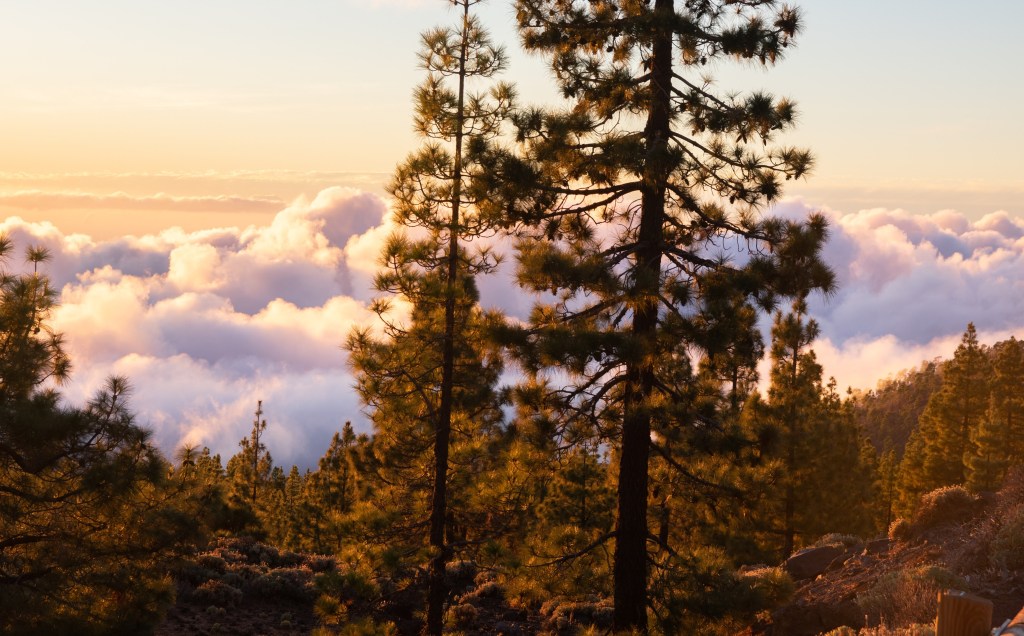
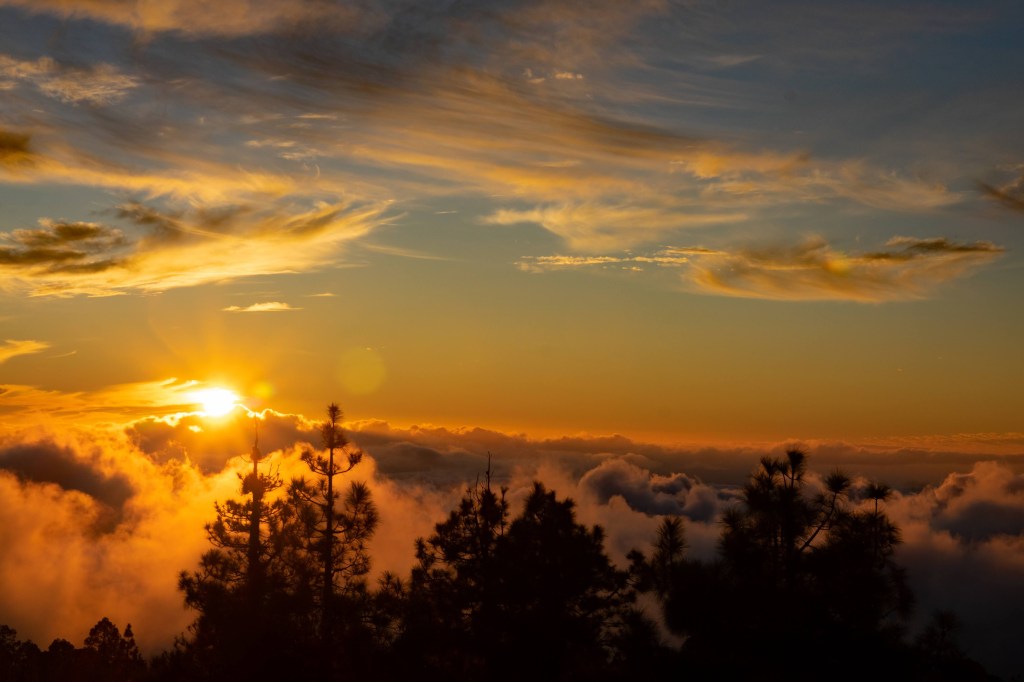
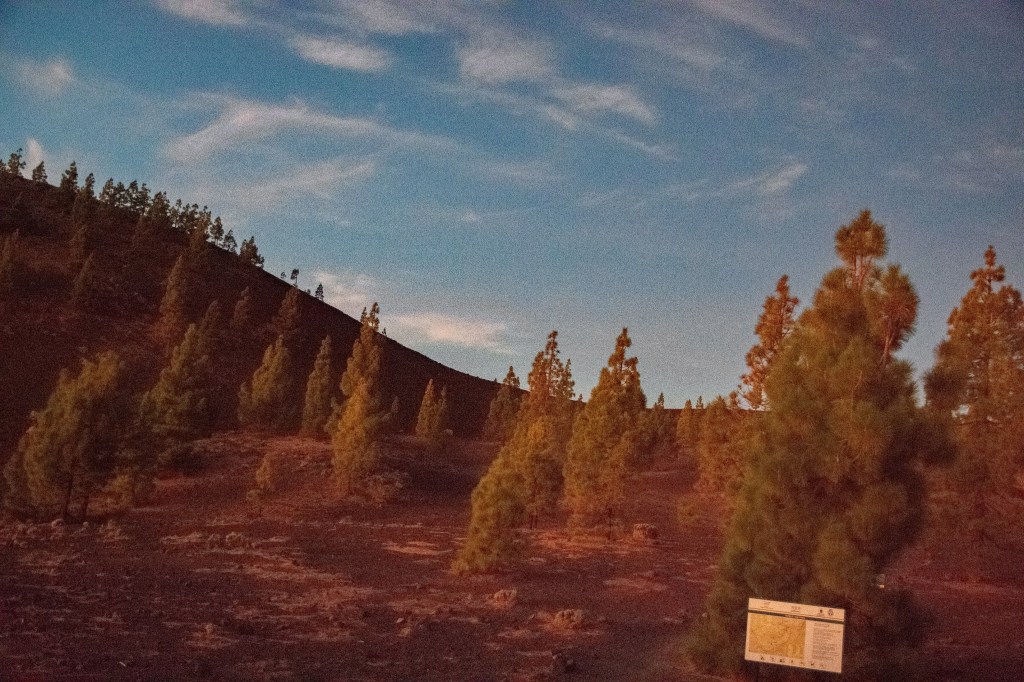
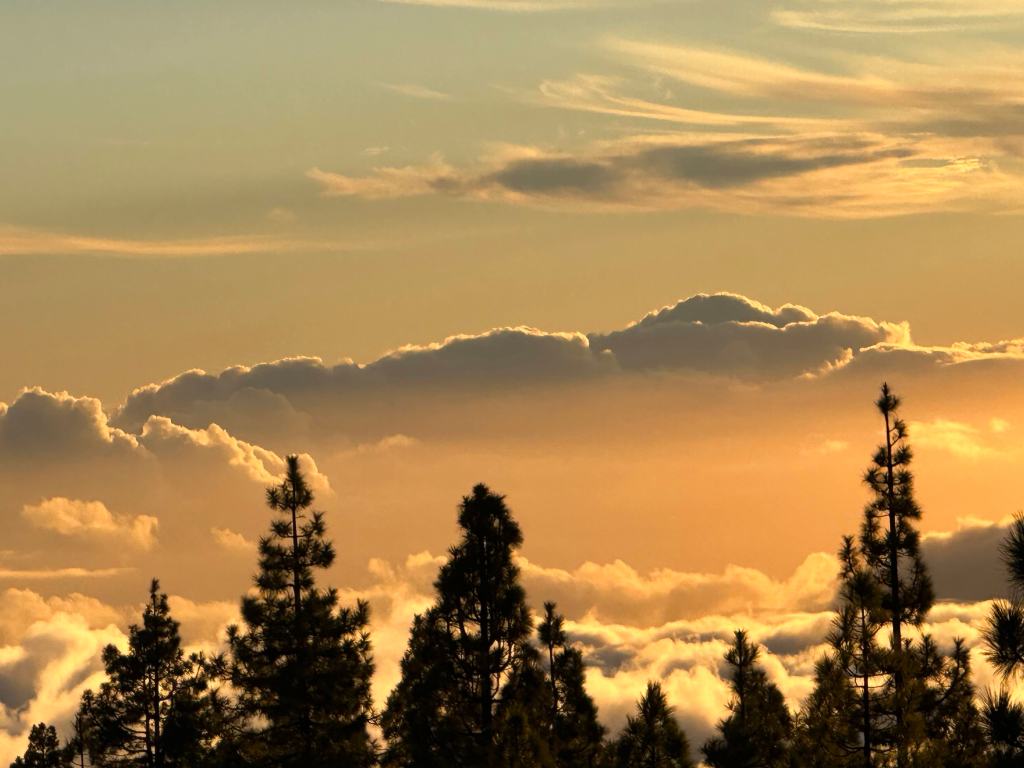
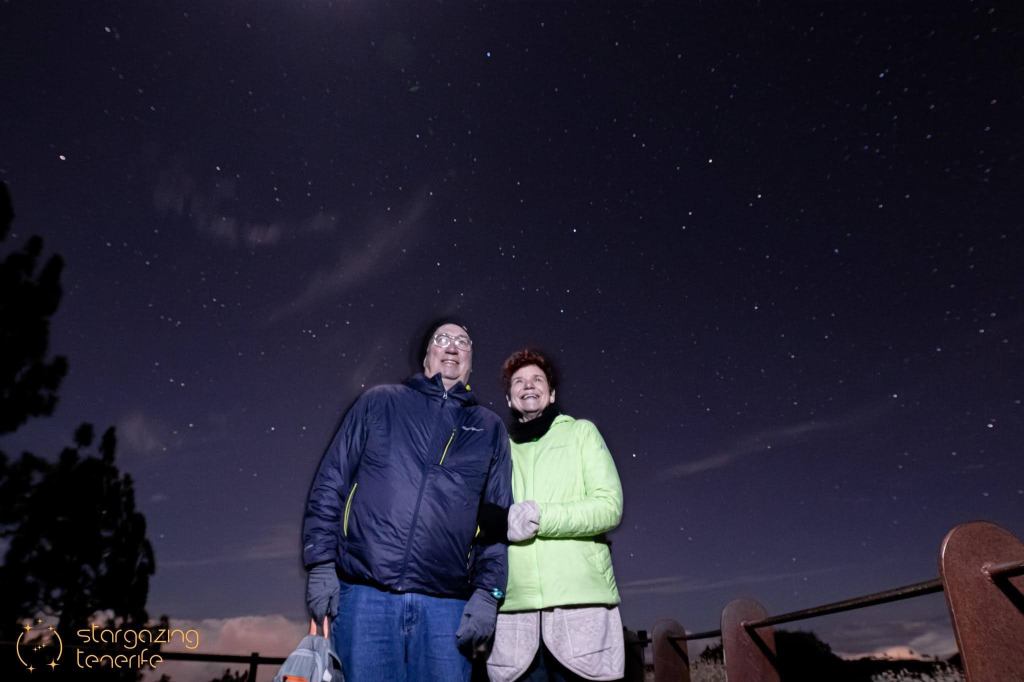
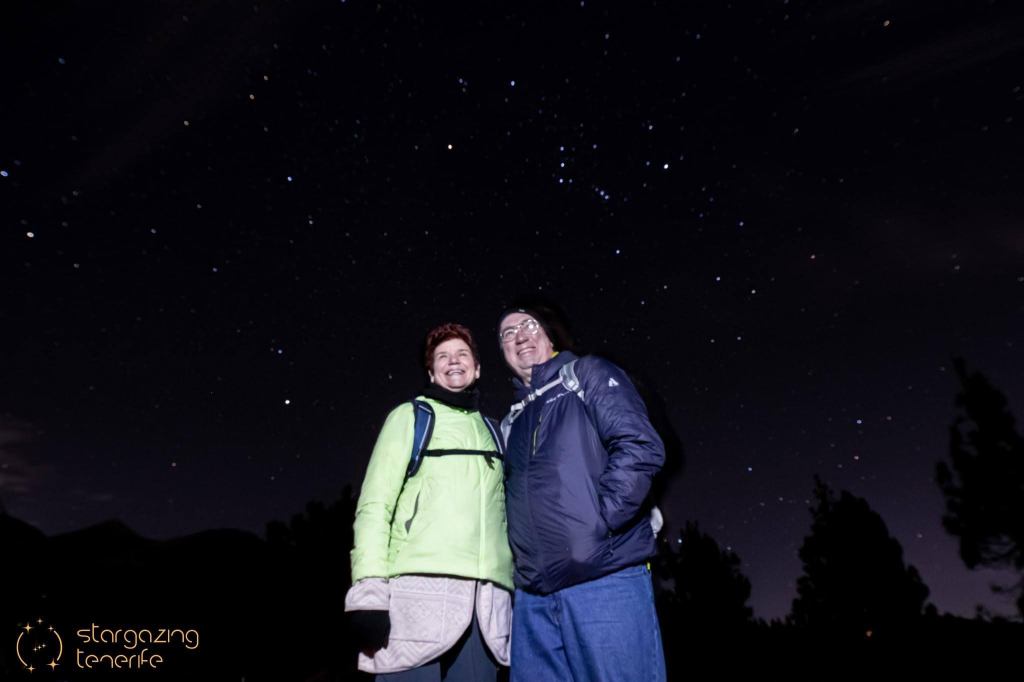
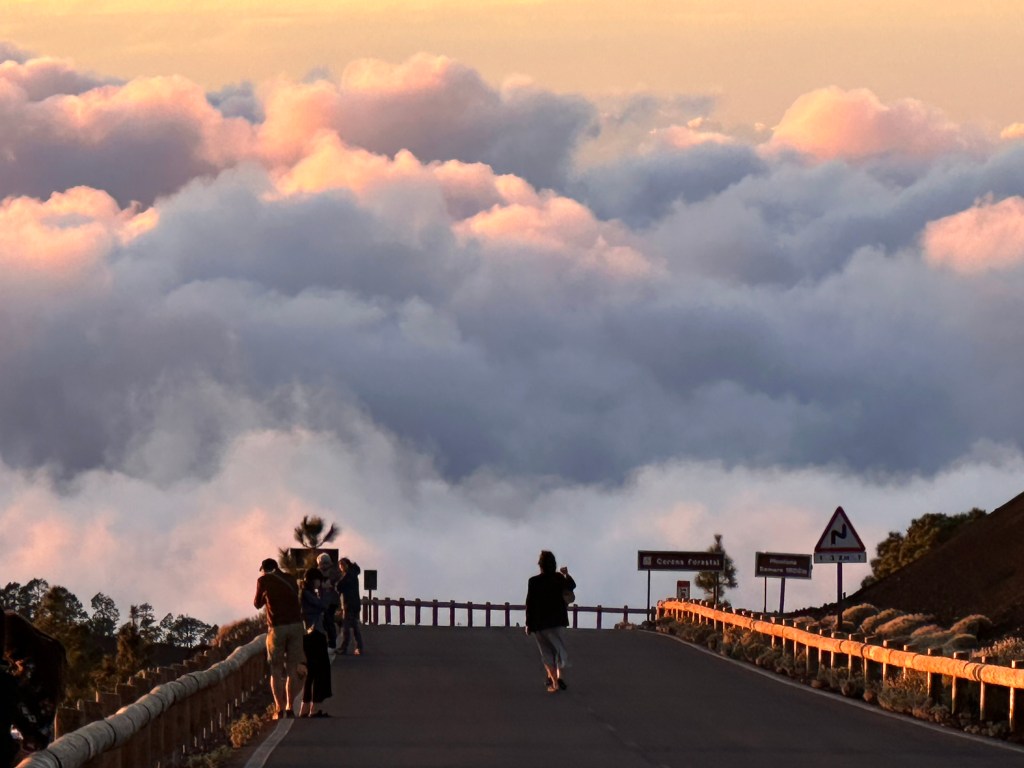
On our sunset and stars tour, we stopped at the sunset location and our guide Miguel determined that it was too cloudy to see much, so we moved to a spot above the clouds. The changing light through the trees and on Teide was amazing! While we took photos, Miguel and Phil set up the huge telescopes. Then we just had to wait until it was dark enough; it was a lot like waiting for the fireworks on the 4th of July. Because the moon was close to full, we couldn’t see everything, but for us, it was remarkable. We are accustomed to so much light pollution that we never see a sky like that. Our guides used laser pointers to show us the constellations that we could see with the naked eye and had us look through the lens at certain planets, like Saturn. The viewing lasted about an hour, we took a hot chocolate break (Yay!), posed for our photo under the stars, and then we were all ready to get in the warm van and head back down the mountain to call it a night.
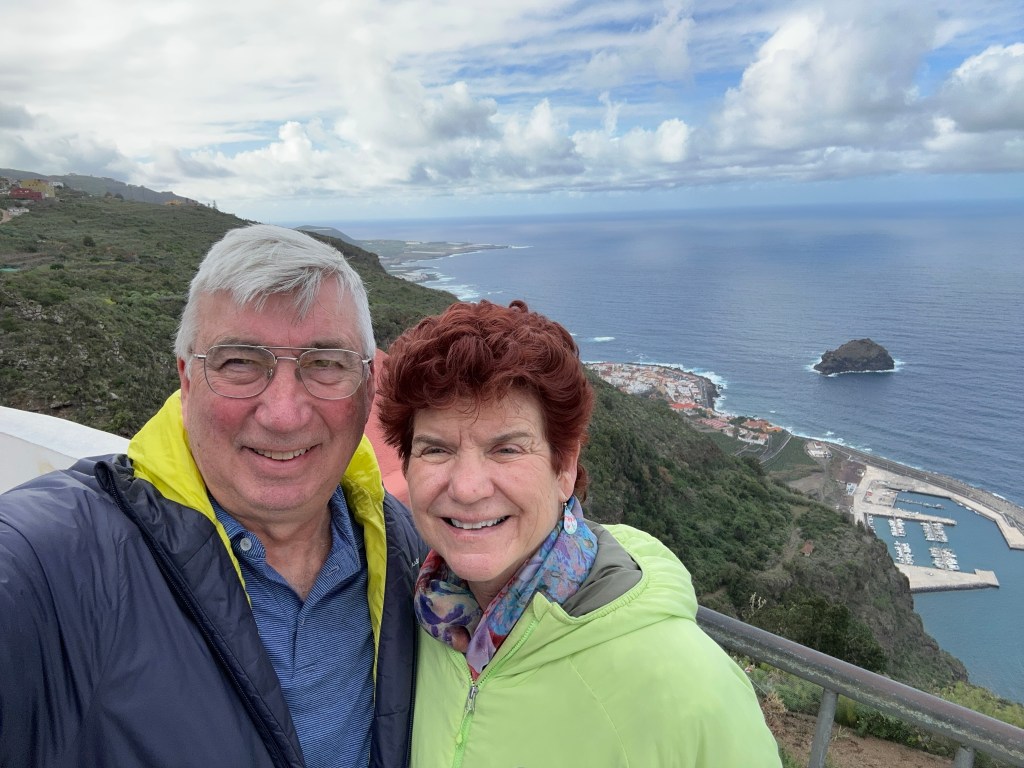
Mount TeideAbove the CloudsSunset on the Volcano (Mt. Teide National Park)Stargazing It’s chilly up here!Moon Shot Through The TelescopeBuenavista del Norte (viewpoint)MascaBarraquitos and Apple TartAt MascaGarachicoGarachicoIglesia de Santa Ana(Garachico)Icod de los VinosMt. Teide El Drago” (The Millenium Tree)Teide National ParkVolcanic LandscapeRoques de GarciaLavascapeRaining on our sunsetMasca
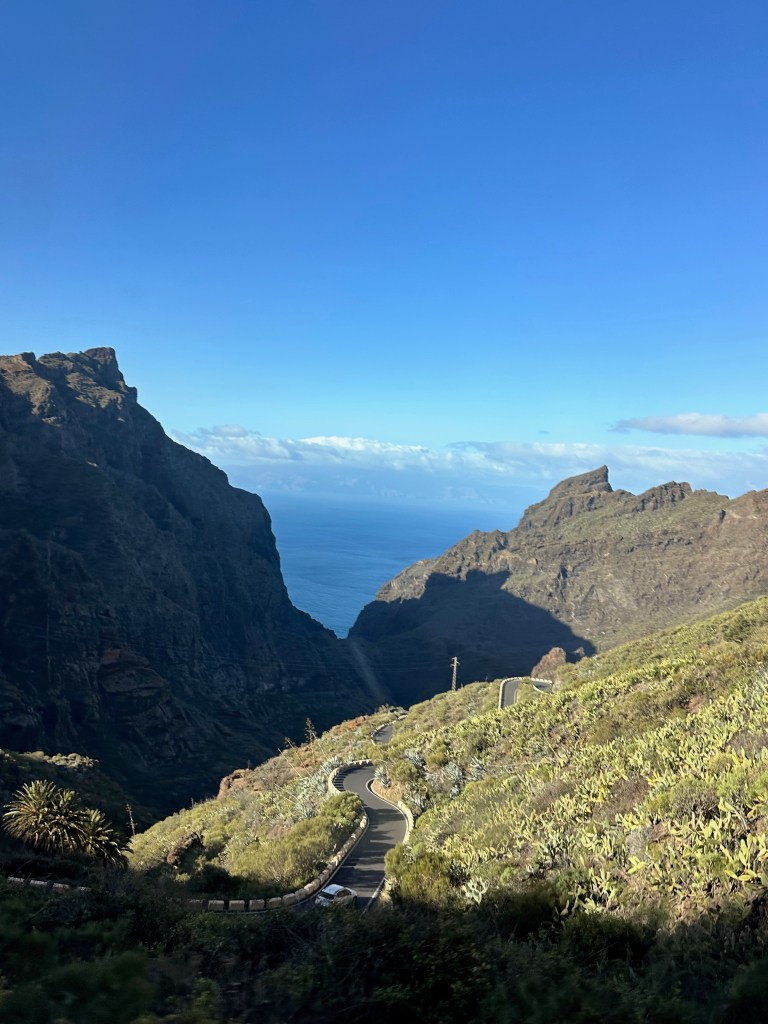
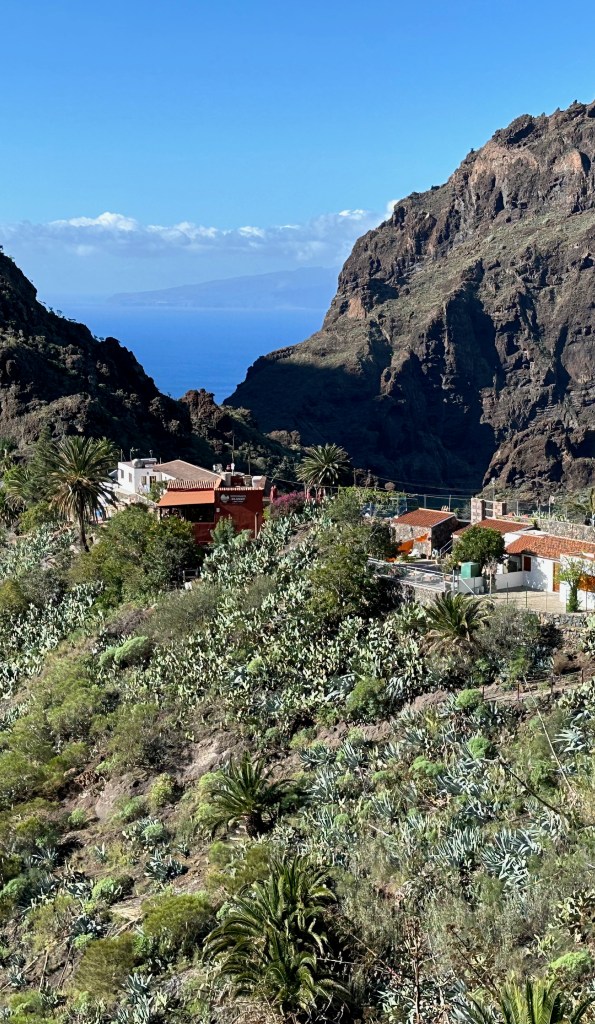
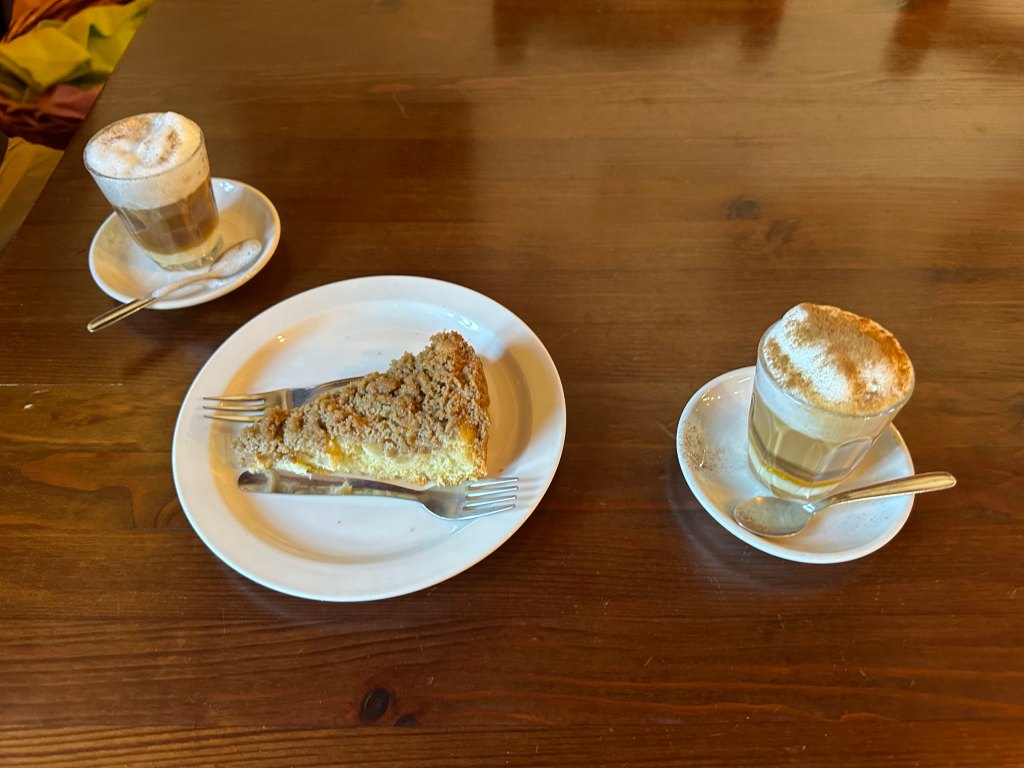
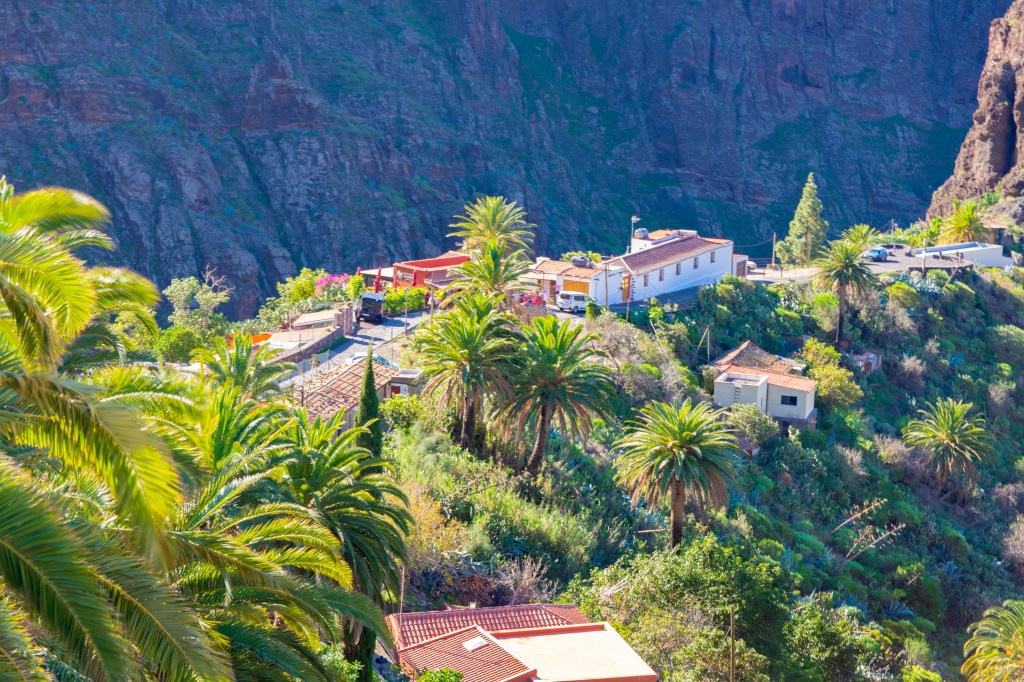
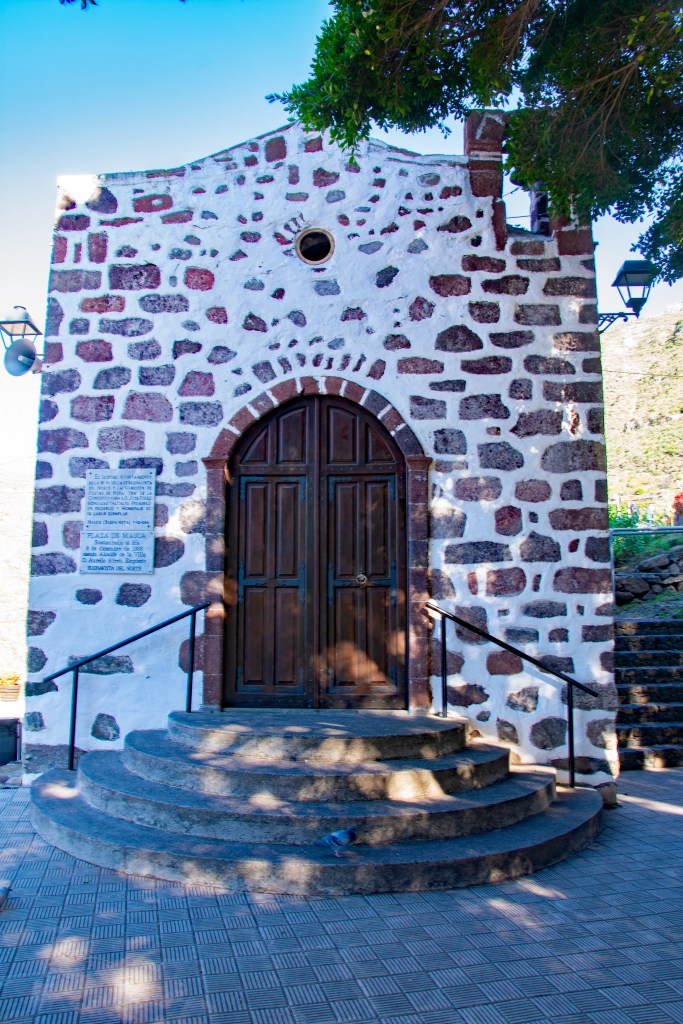
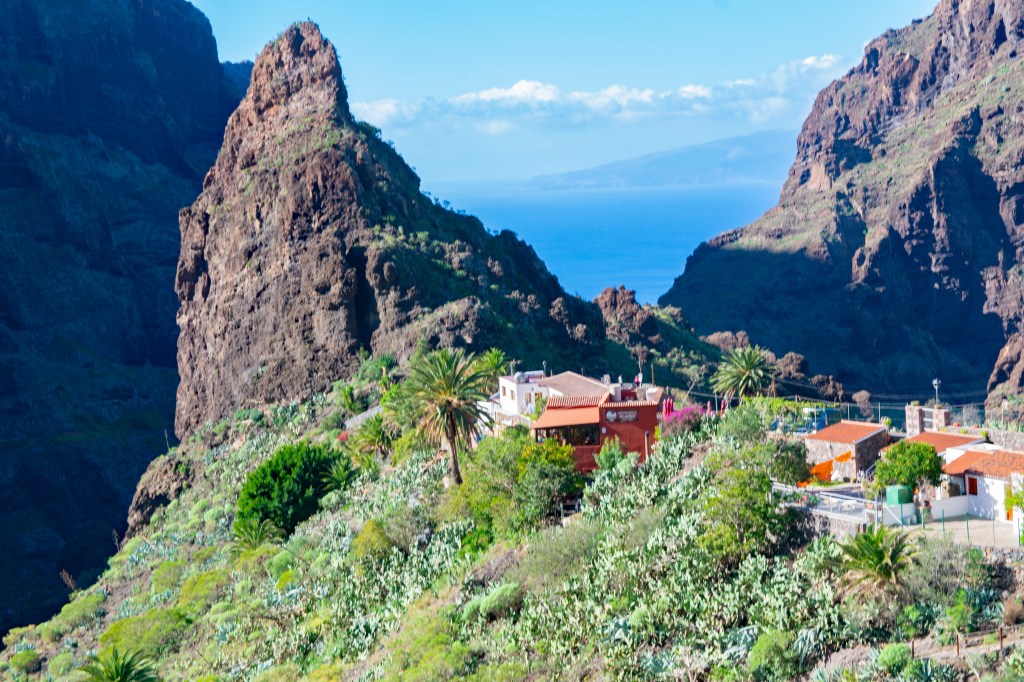
Our second excursion was an all day tour with Francois which included several stops around the island. Our first stop was Masca, a hamlet in the mountains. We indulged in barraquitos, a Canarian coffee drink with a little Licor 43 layered in with espresso, condensed milk and foam. Then we strolled through Masca and photographed the stunning scenery. Besides agave plants (not the tequila variety, apparently), Masca doesn’t appear to have much life sustaining agriculture. Most of the young people have moved down to the coast and tourism remains the only industry. There are a few restaurants and gift shops, but overall it was quiet when we visited.
We made a brief stop at Buenavista del Norte, where we looked in one direction at the dry desert landscape of the southwest side of Tenerife and in the opposite direction at the green, lush, rainier side of the island. Tenerife has twenty or more microclimates.
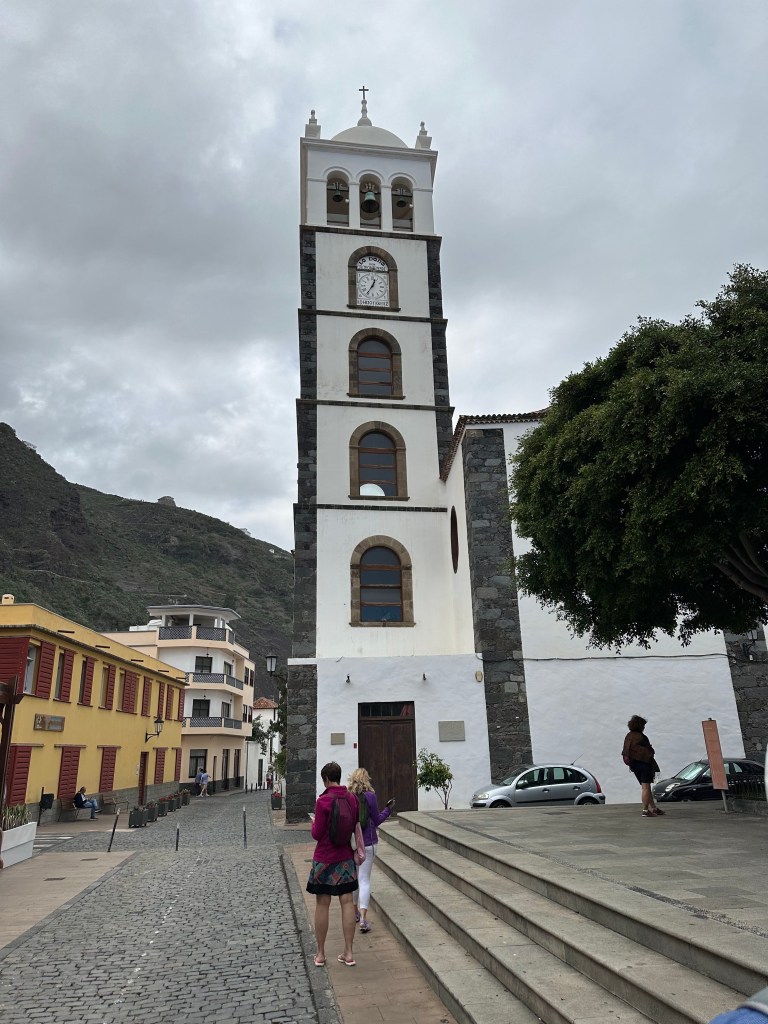
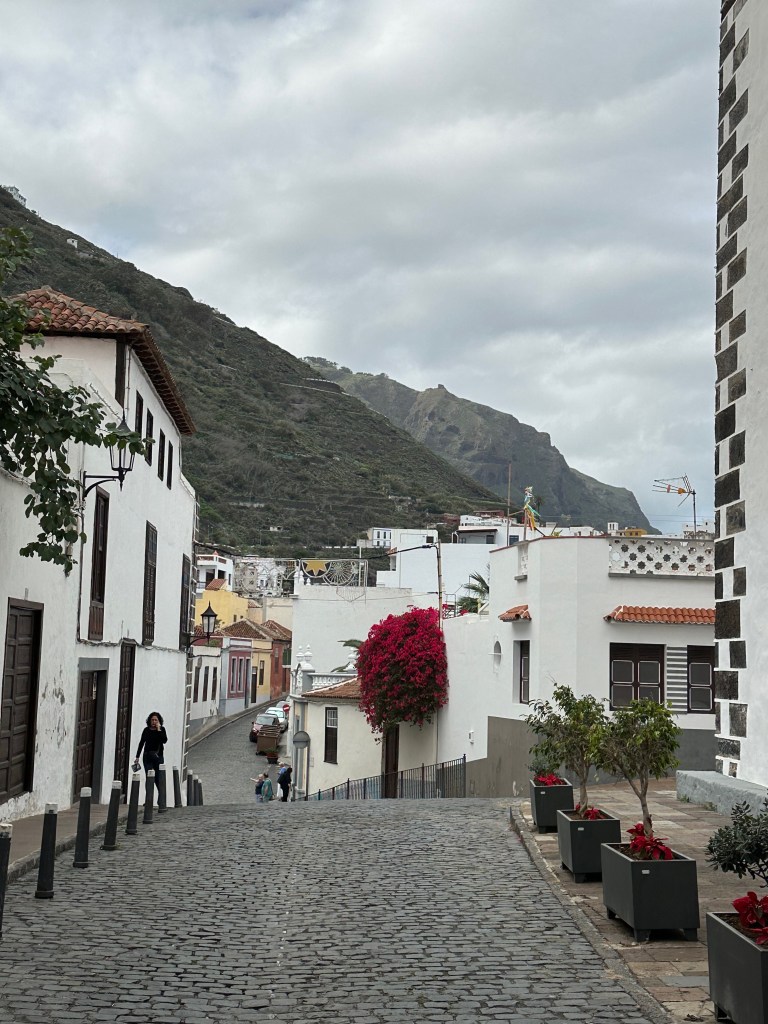
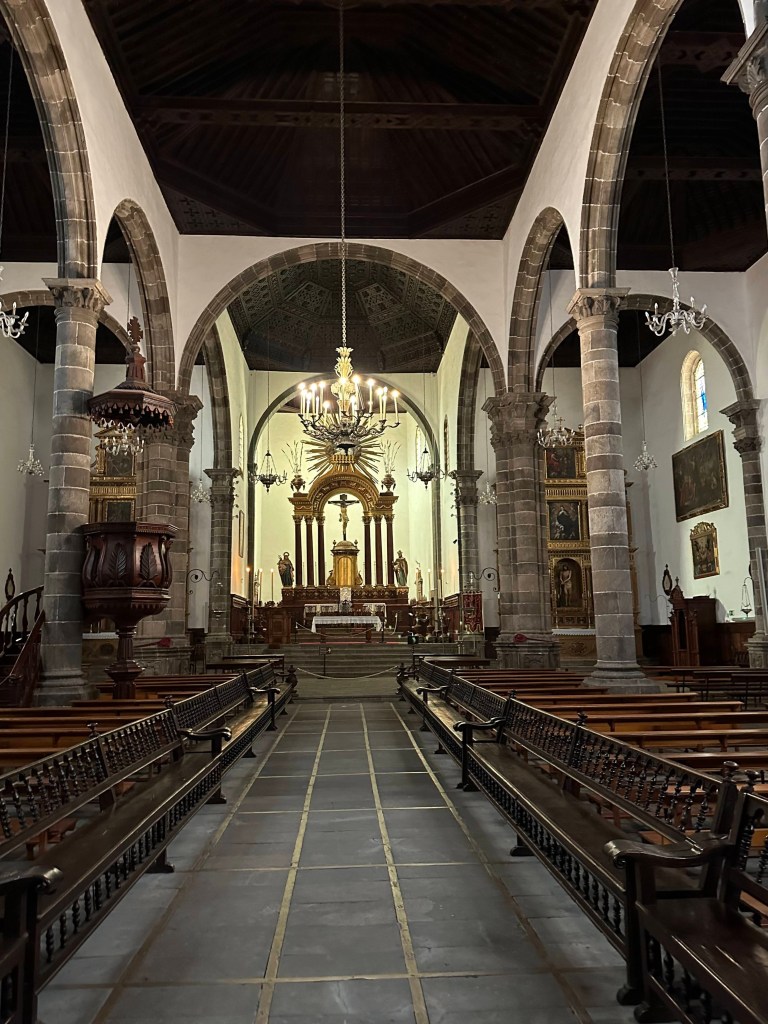
Our next stop was Garachico, one of the oldest settlements in the Canaries. During the fifteenth and sixteenth centuries it was a thriving seaport. A volcanic eruption in 1706 destroyed most of the town. It was rebuilt, and today it is a charming fishing village known for its natural setting and historic architecture. We enjoyed a delicious lunch of fresh fish next to the rocky beach in the shadow of the castle.
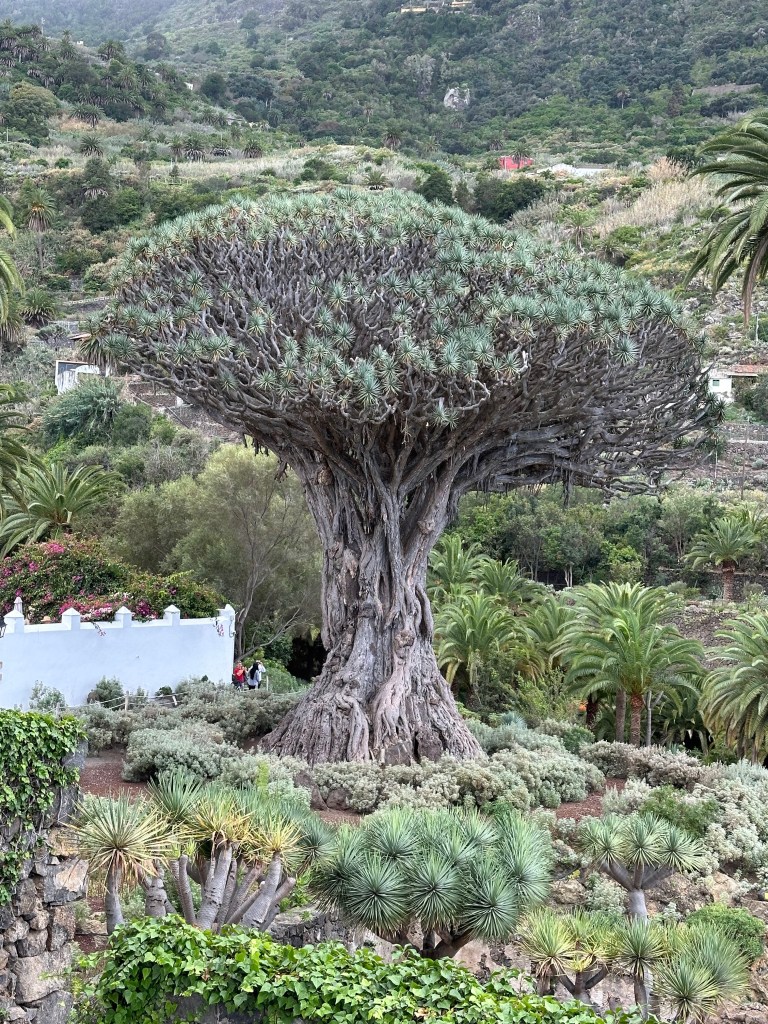
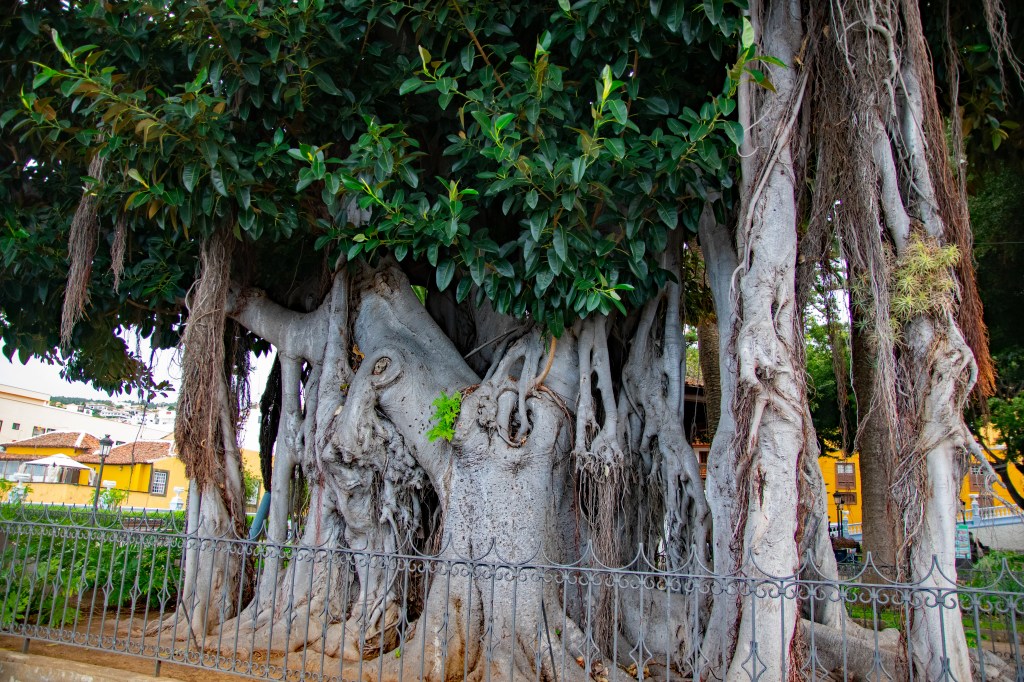
Then, we went on to Icod de los Vinos, yet another lovely town on the northwest coast. The town has some beautiful homes in the traditional Canarian style and an attractive tree lined main square, but its main attraction is the El Drago Milenio (The Millennium Dragon). The Dragon, a plant native to the Canaries, is estimated to be close to 1,000 years old.
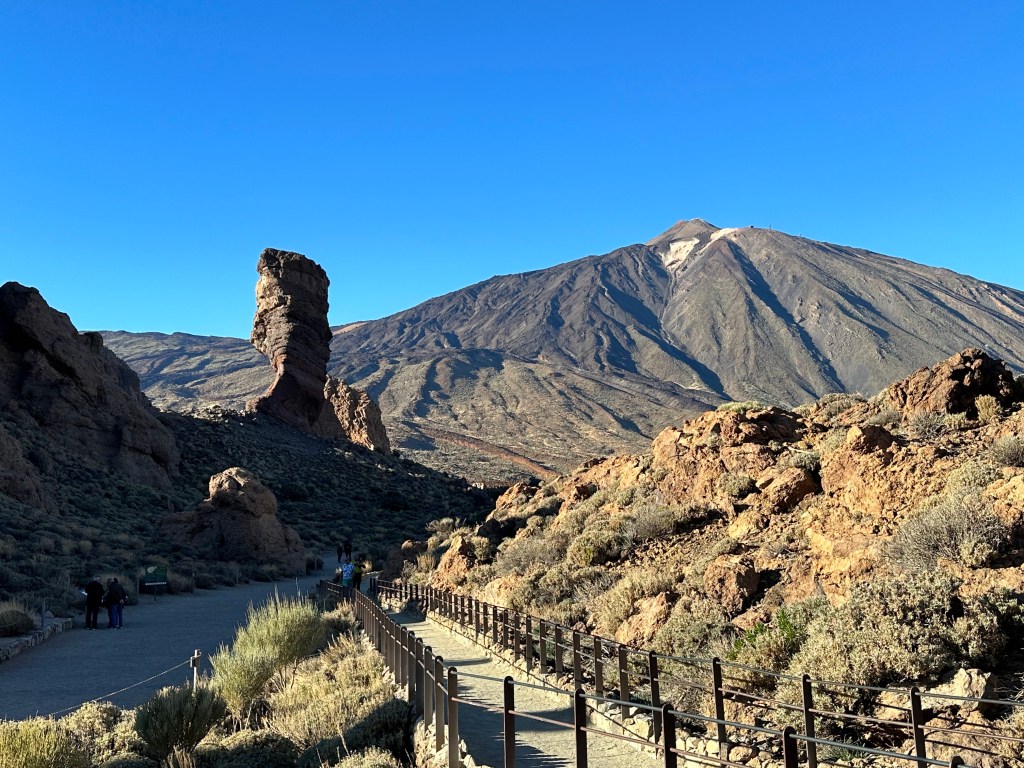
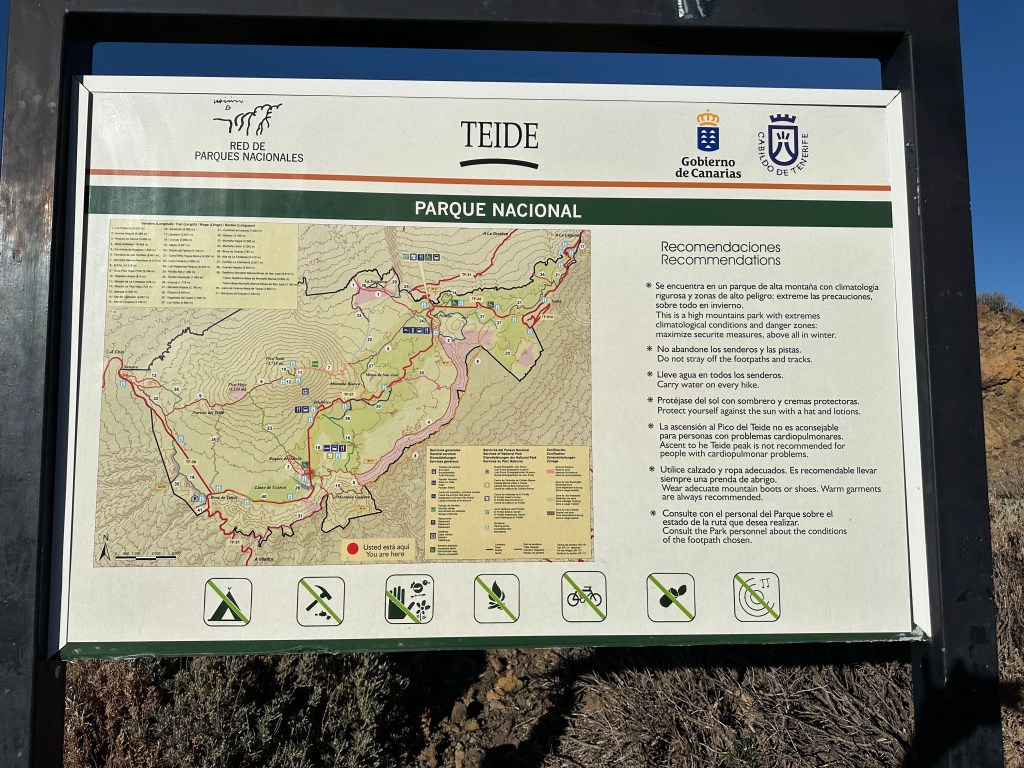
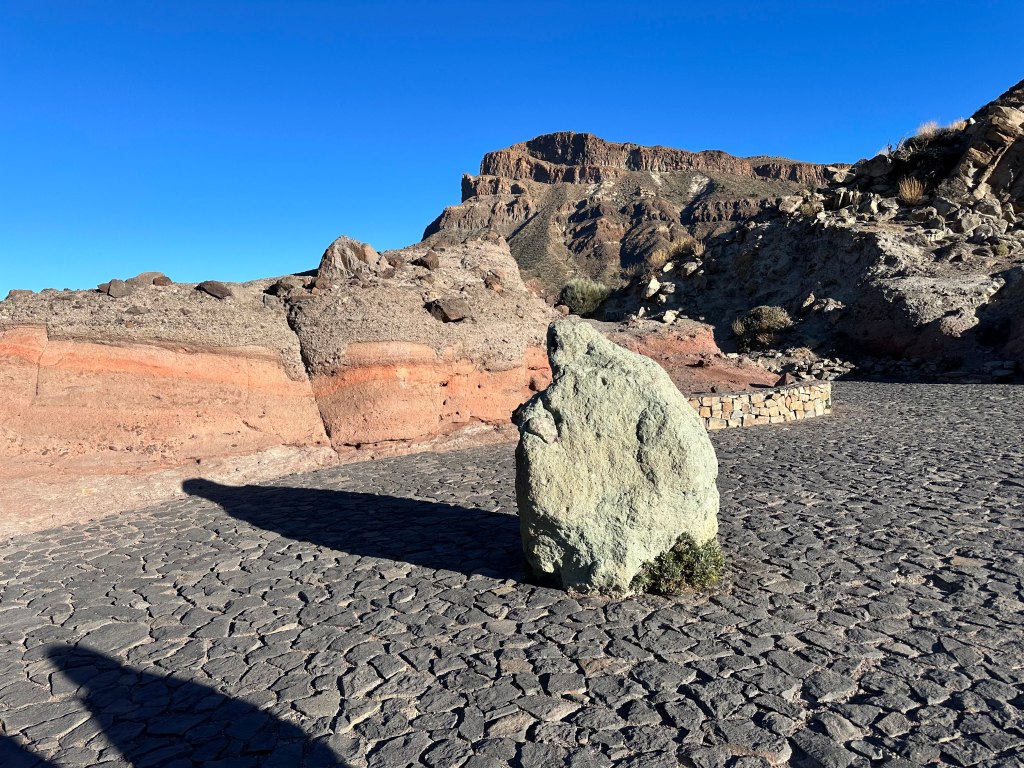
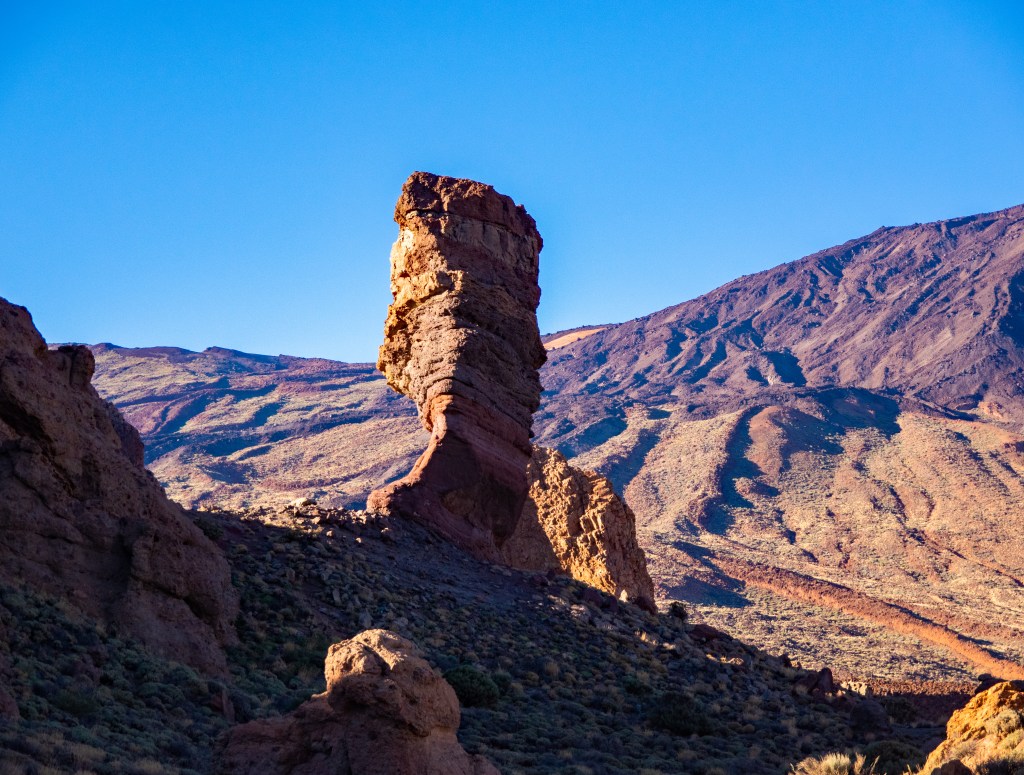
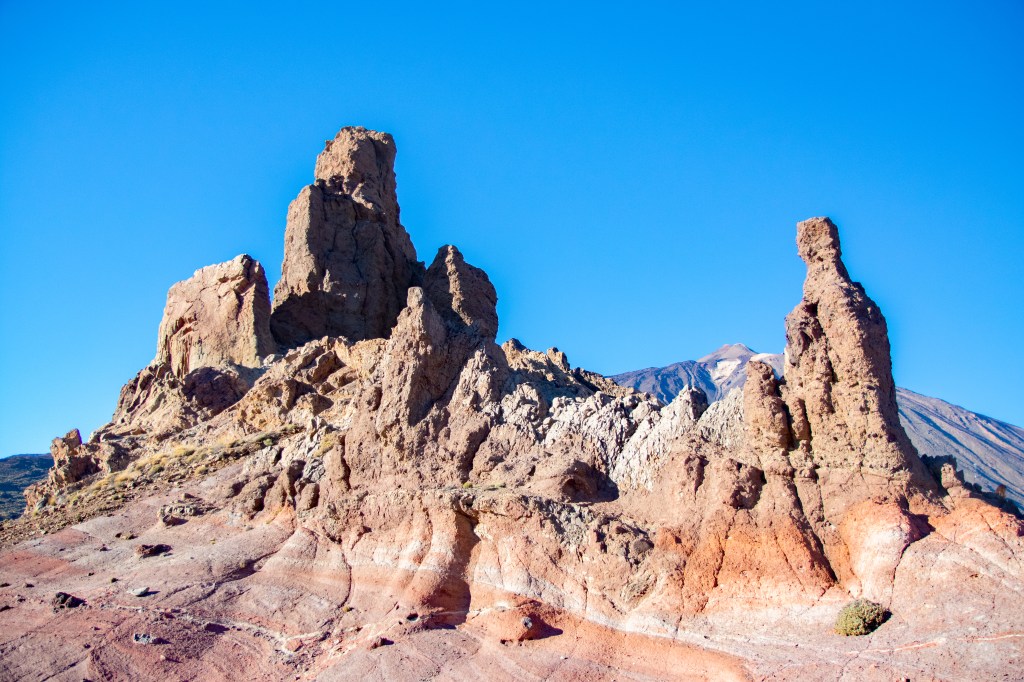
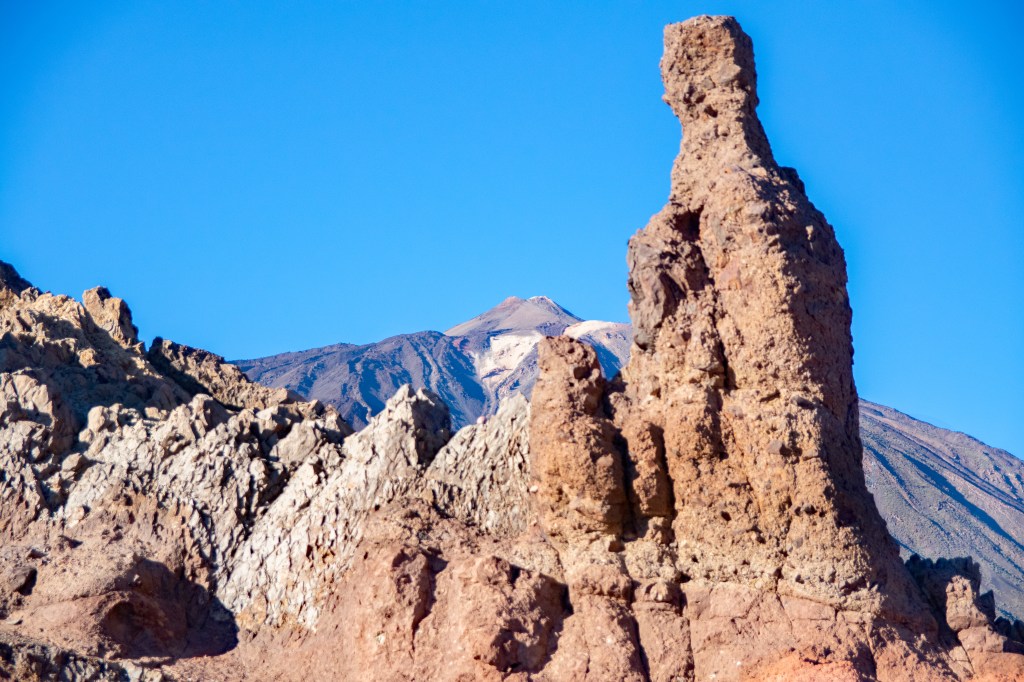
Next, we went to Mt. Teide National Park, this time to a spot much closer to Teide itself. We enjoyed strolling through the volcanic landscape and admiring the otherworldly shapes created by lava rock. We enjoyed coffee on the patio of The Parador, which has a great view of the volcano. Paradores are Spanish national hotels that are either converted historic buildings or built in amazing geographical locations. This one is literally at the foot of Mount Teide within the national park. It provides good access to the many hiking trails and to the cable car that goes up the mountain. In order to ride the cable car, you must be there before 9:00 am and have an advance ticket. I don’t think it was running when we were in the area due to wind conditions. Anyone wishing to hike to the summit needs to apply for a permit well in advance. That type of hiking is not for us, but a night at the parador and a cable car ride could be.
We made one last stop to view the coast from above and to watch the sunset, but it was cloudy and started raining. We did get a rainbow, though! After a ten hour tour we were happy to get home to rest. The tour was well worth it.
Here Are Some More Photos From The Island Tour.
MascaMasca ChapelMascaNon-Active VolcanoFrancois and ChicaIcod de los VinosFicus TreesIcodRoques de GarciaTeide ChapelTeideSunset Through the Clouds
Thank you for reading. I hope you are inspired to experience Tenerife for yourself. Please know that my articles only reflect my own opinions and experiences. I am not paid to promote any businesses I might mention. Geri
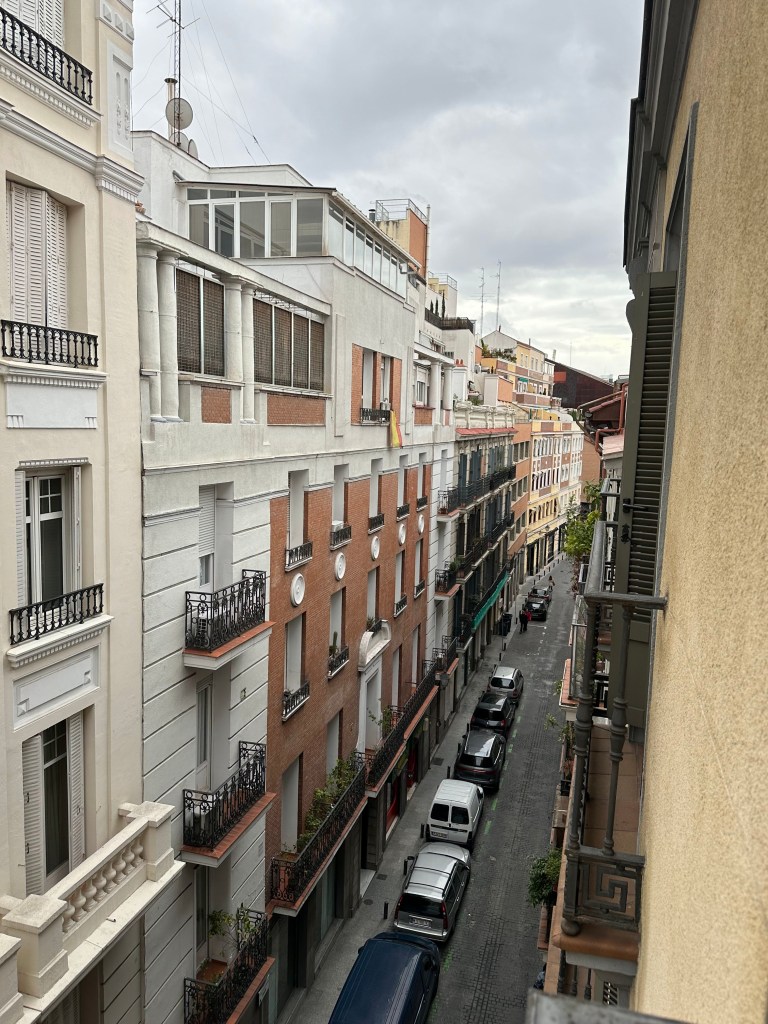
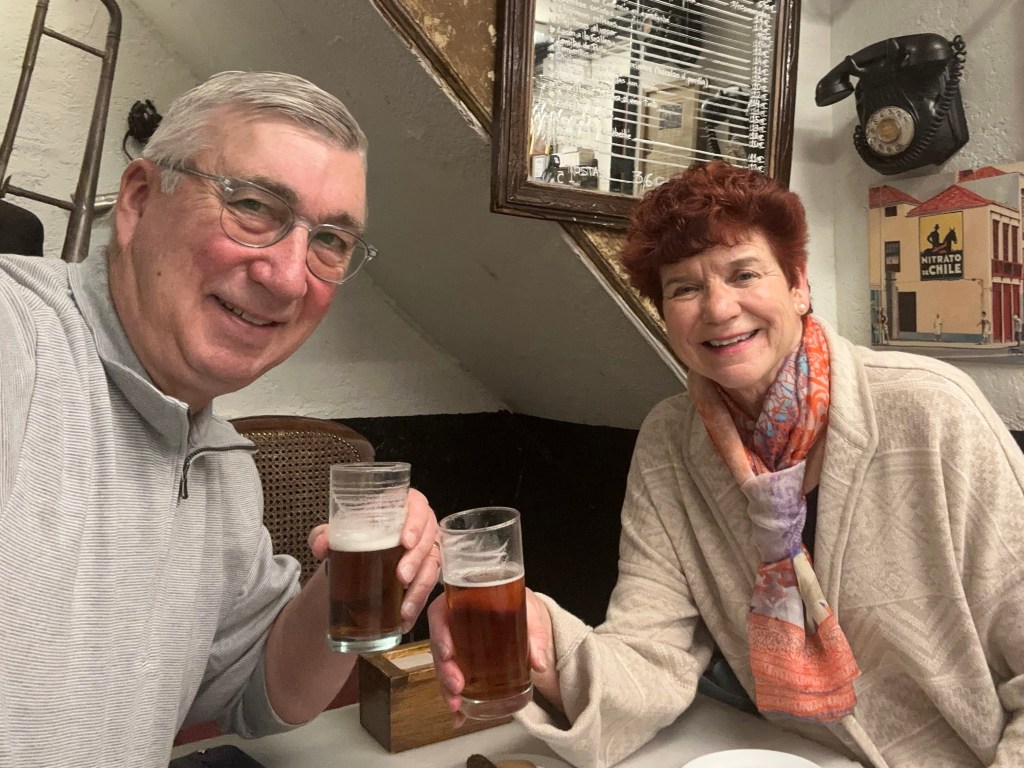
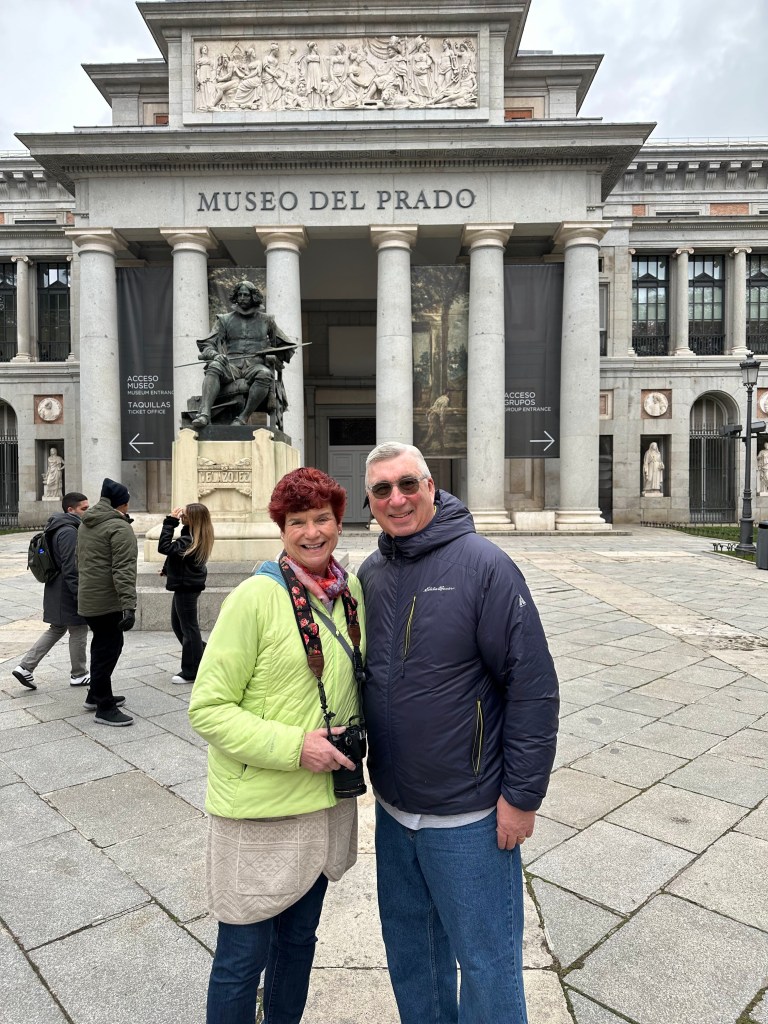
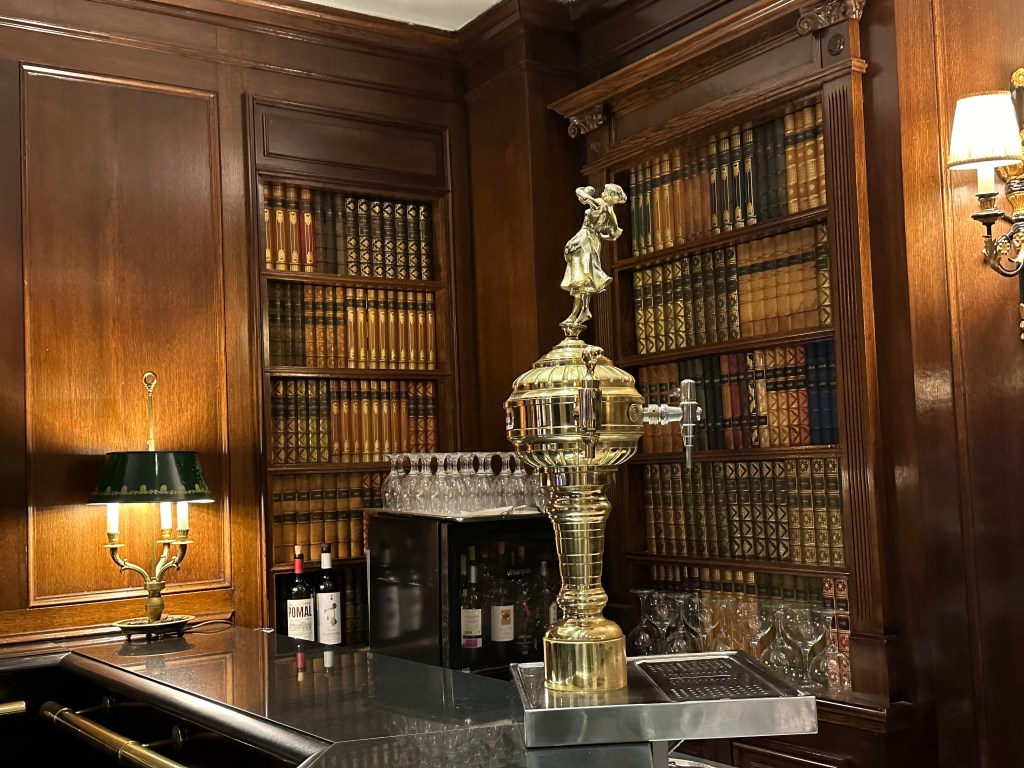
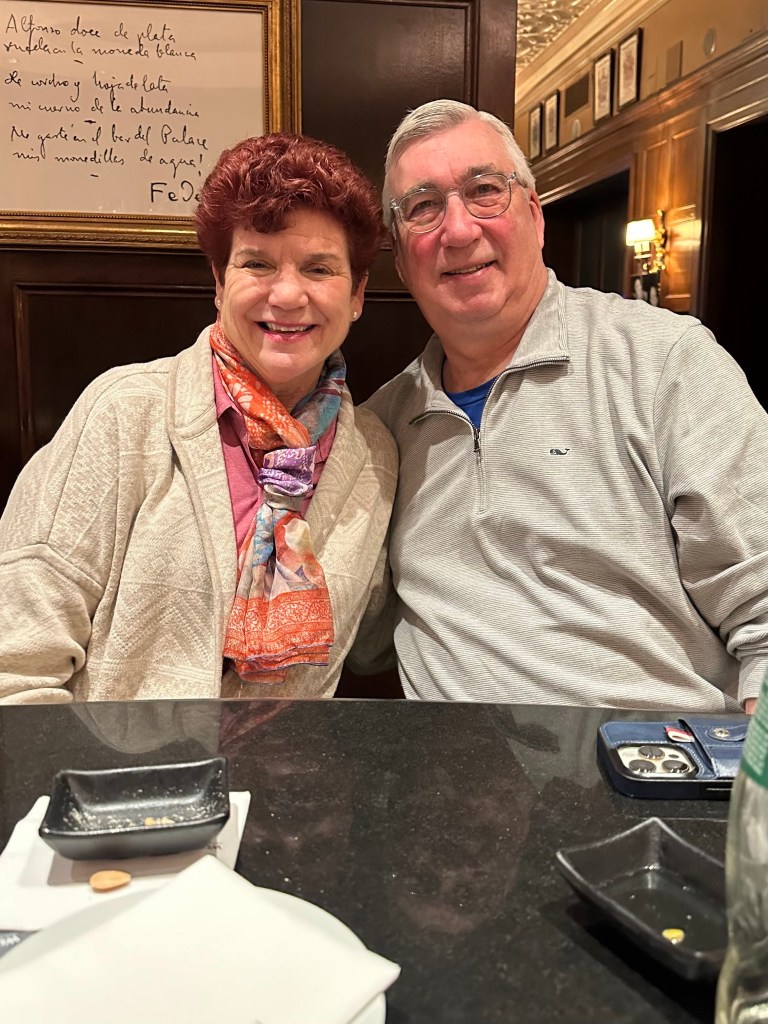
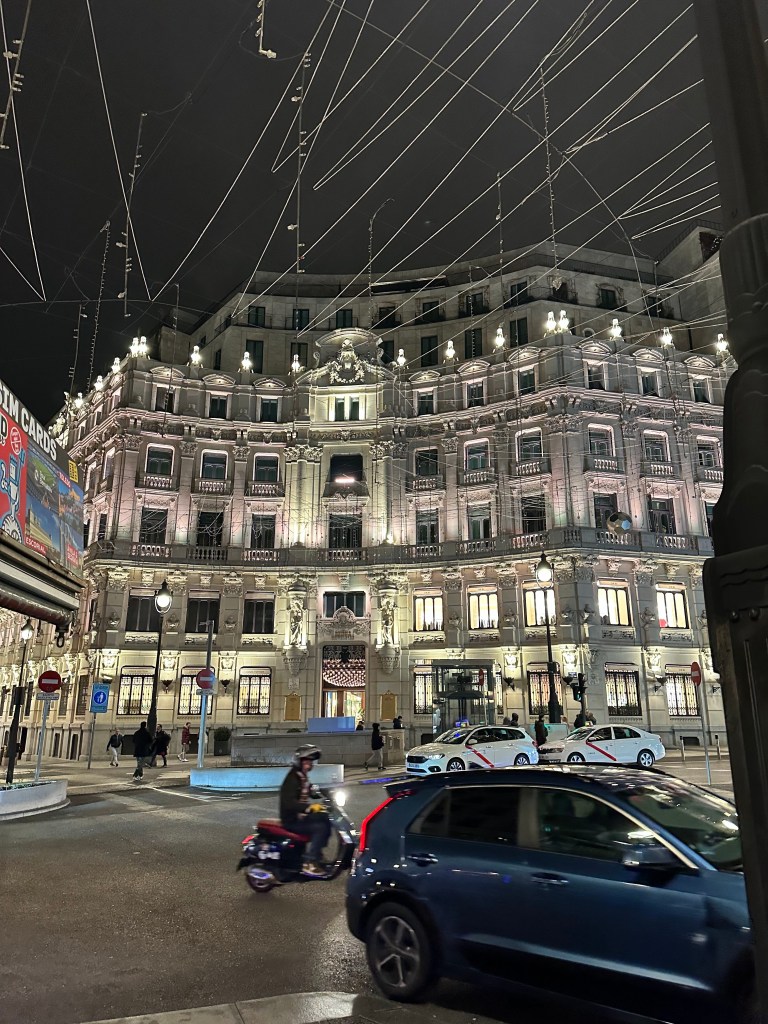
On January 9th, we escaped (barely) the Chicago winter. It was snowing at O’Hare Airport and I wondered if our flight would be canceled. It was not, but many were in the days to follow. After a somewhat turbulent flight, we arrived safely in Madrid the next morning. We checked into The Radisson Blu Hotel near The Prado. Manuel at the front desk served us coffee while we waited for our room, recommended Los Gatos for a light lunch, made us a dinner reservation at El Barril de las Letras, and arranged a taxi back to the airport for our flight to Tenerife the next morning. The weather in Madrid was cool, but pleasant and we spent an enjoyable afternoon strolling the area. After a shower and a rest, we were on Spanish time and headed out for an 8:30 dinner; late for us, early by Madrid standards. We stopped for a drink in the cocktail lounge at The Westin Palace Hotel. It is an iconic landmark, built for the wedding reception of King Alfonso XII in 1912. Since then it has been frequented by a number of celebrities, including Ernest Hemingway. The bartenders were professional and friendly and the manager was happy to answer our questions and let us take a look around. Then we enjoyed a delicious dinner at El Barril. We have been to Madrid multiple times and it always feels like an old friend while offering opportunities for new experiences.
A Snowy DepartureOur Room Had A Balcony (Thanks for the upgrade Manuel)Cerveza at Los GatosThe Prado Westin Place Dining RoomWestin Palace LoungeA Cocktail at yet another Hemingway BarDome of The PalaceMadrid by NightPlaza Santa AnaHome of CervantesEl Barril de las LetrasOn to Tenerife
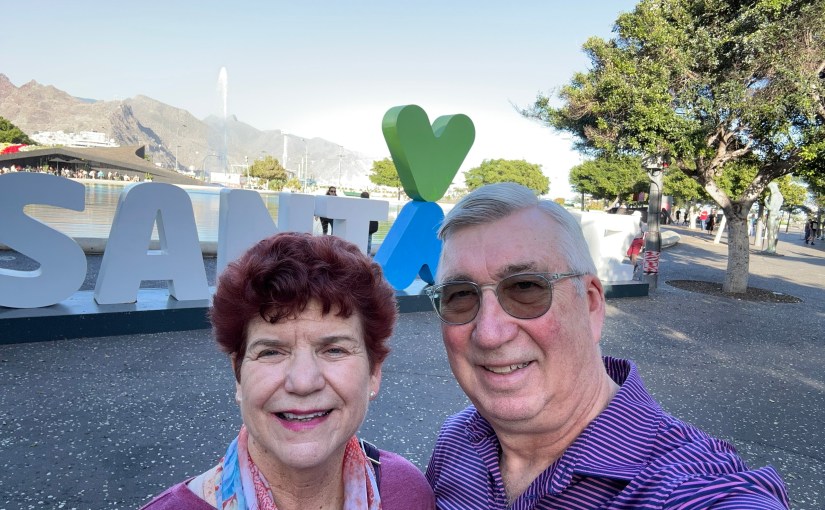
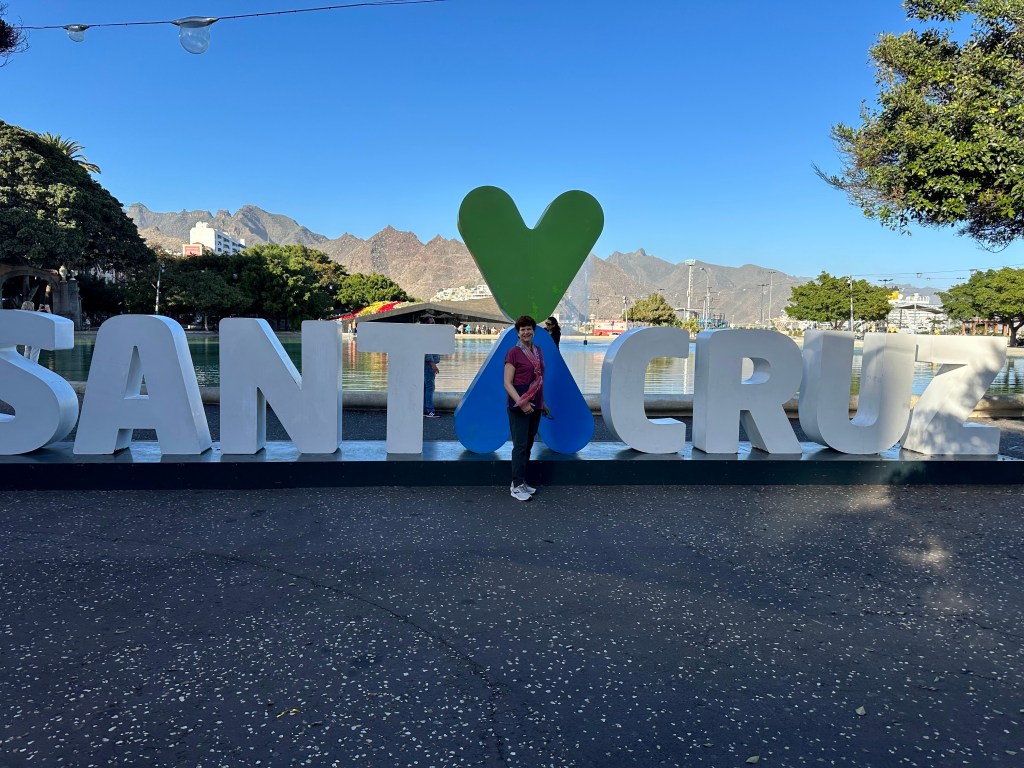
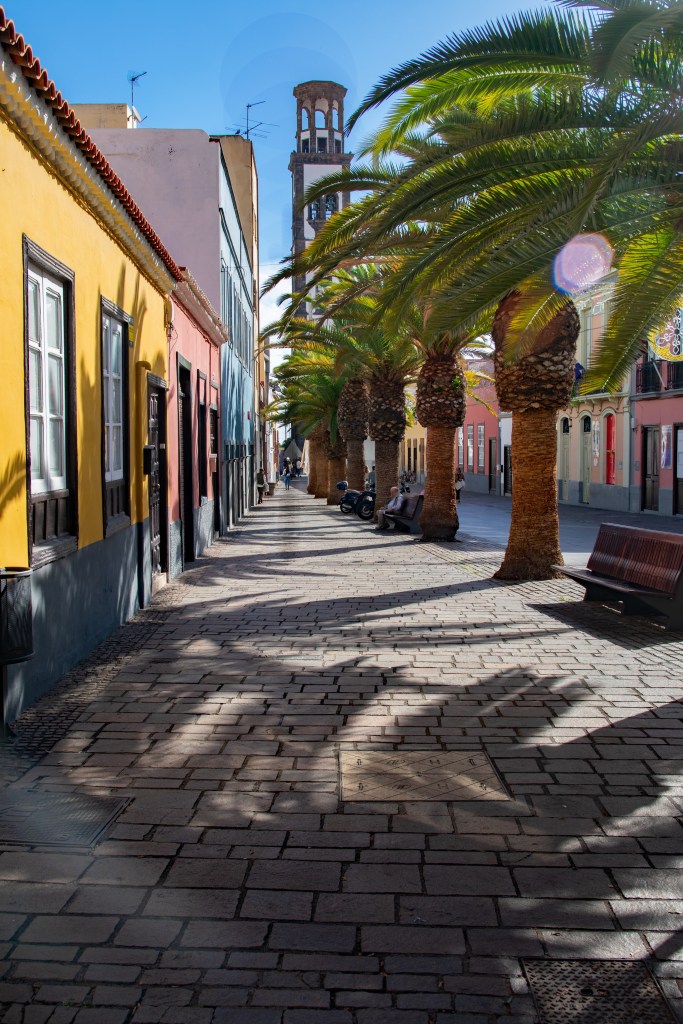
The next morning, we flew to Santa Cruz, Tenerife for a four night stay in the island’s capital. Many tourists skip Santa Cruz in their rush to get to the resorts on the other side of the island; for others it is a port of call on their cruise itinerary. We are retired, and therefore have the luxury of time. We enjoyed leisurely strolls in the very walkable historic section, great meals at reasonable prices, and excursions to nearby towns. We stayed at The AC Santa Cruz. The location was perfect and the room was small, but comfortable. The rooftop bar and pool area offers a great view of the city, good drinks and tapas. The party on the roof goes until 1:00 am, so some nights our room was noisy.
The Weather is Perfect!!!Dinner at La Hierbista (first Santa Cruz Bar and Brothel)Tasting the Local WineOur French FriendsPlaza de EspañaBill enjoying a drink on the rooftopBill at our favorite coffee shopLa Escala- great coffee and healthy breakfast sandwiches
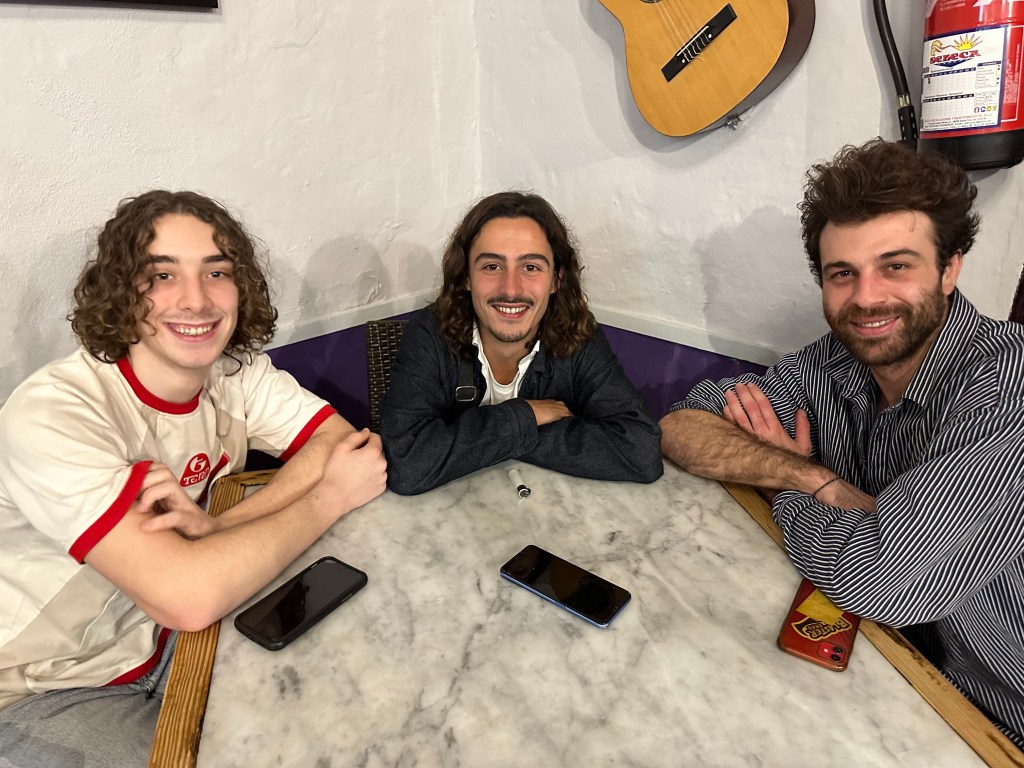
On our first night in Santa Cruz, we were fortunate enough to walk in and get a table at La Hierbita. Built in 1893, it was the first restaurant in the city. The front room is a bar with a few tables and the back area, once the brothel, is now an additional dining room. The menu features fresh seafood and other local options. Canarian cuisine is a fusion of traditional Spanish, Moroccan, tropical island produce and international influences. We shared a salad, roasted octopus ( the specialty of the house), and a bottle of Canarian red wine. We enjoyed chatting with the three young French gentlemen pictured above. The one in the center reminded me of a young Johnny Depp.
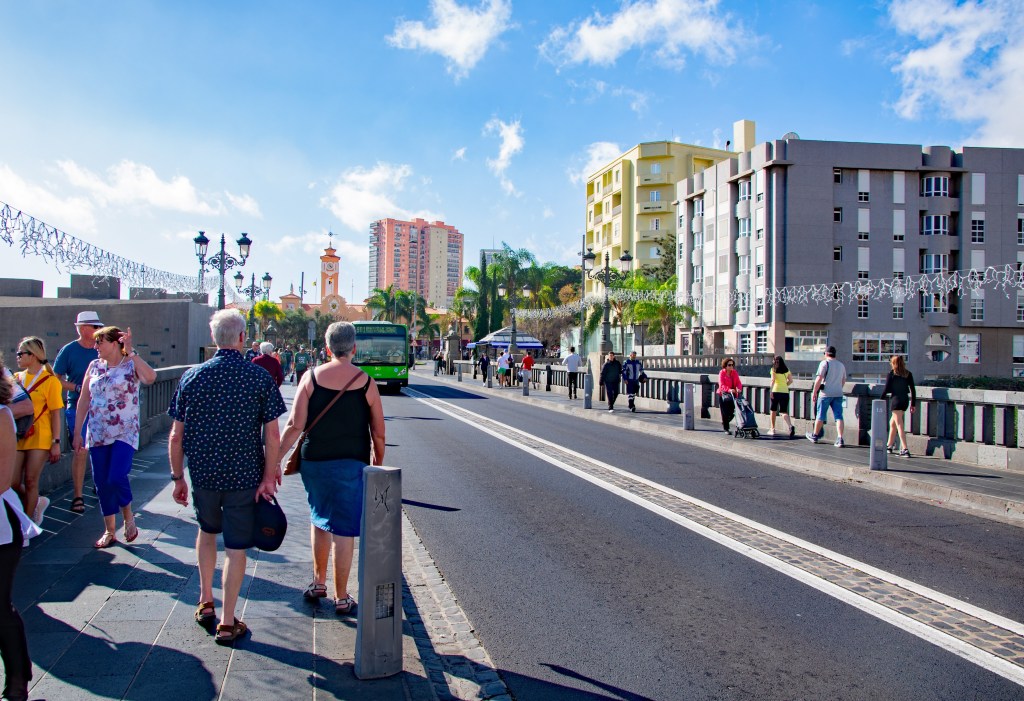
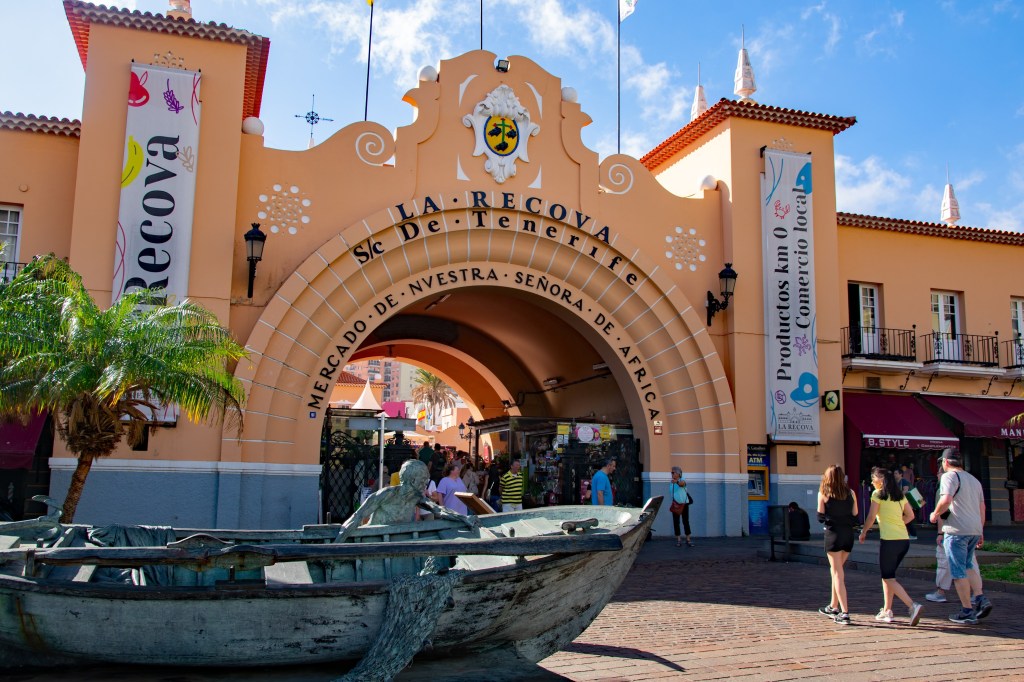
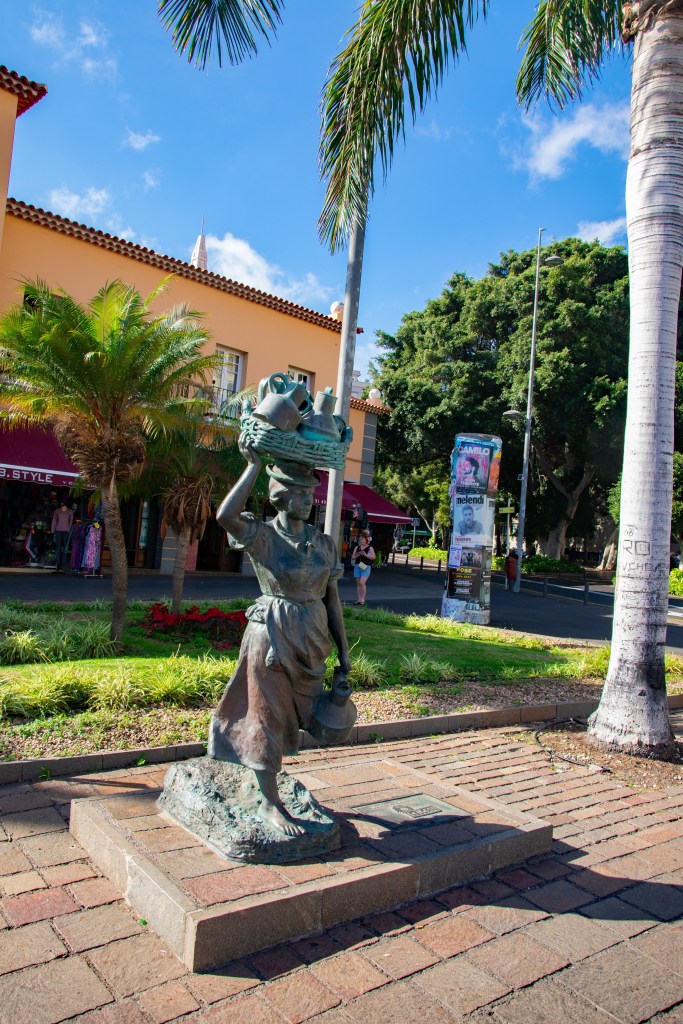
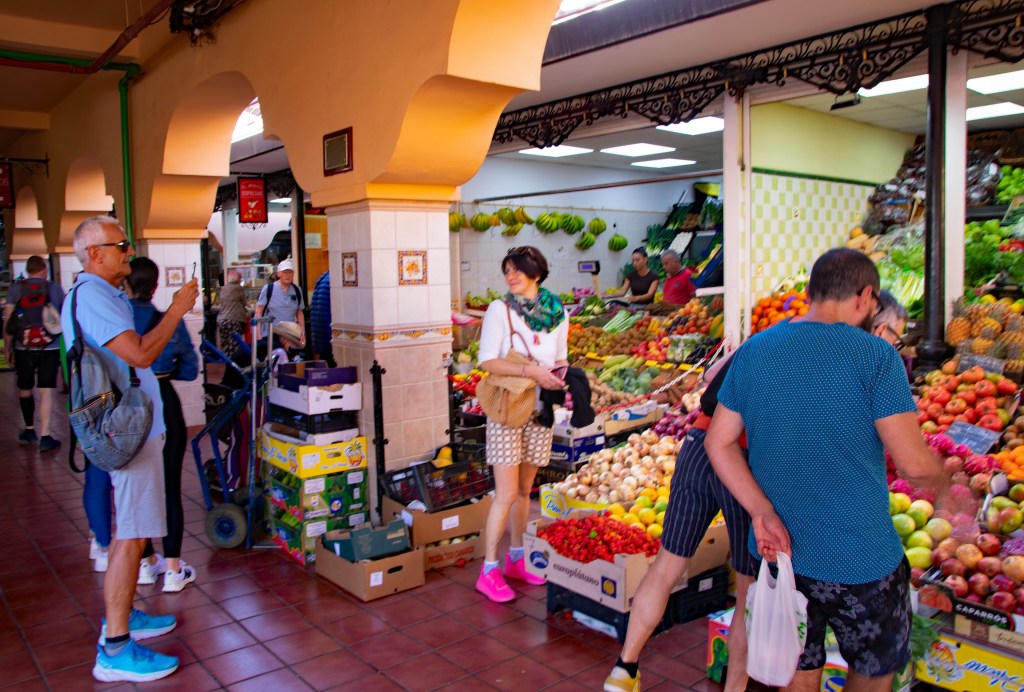
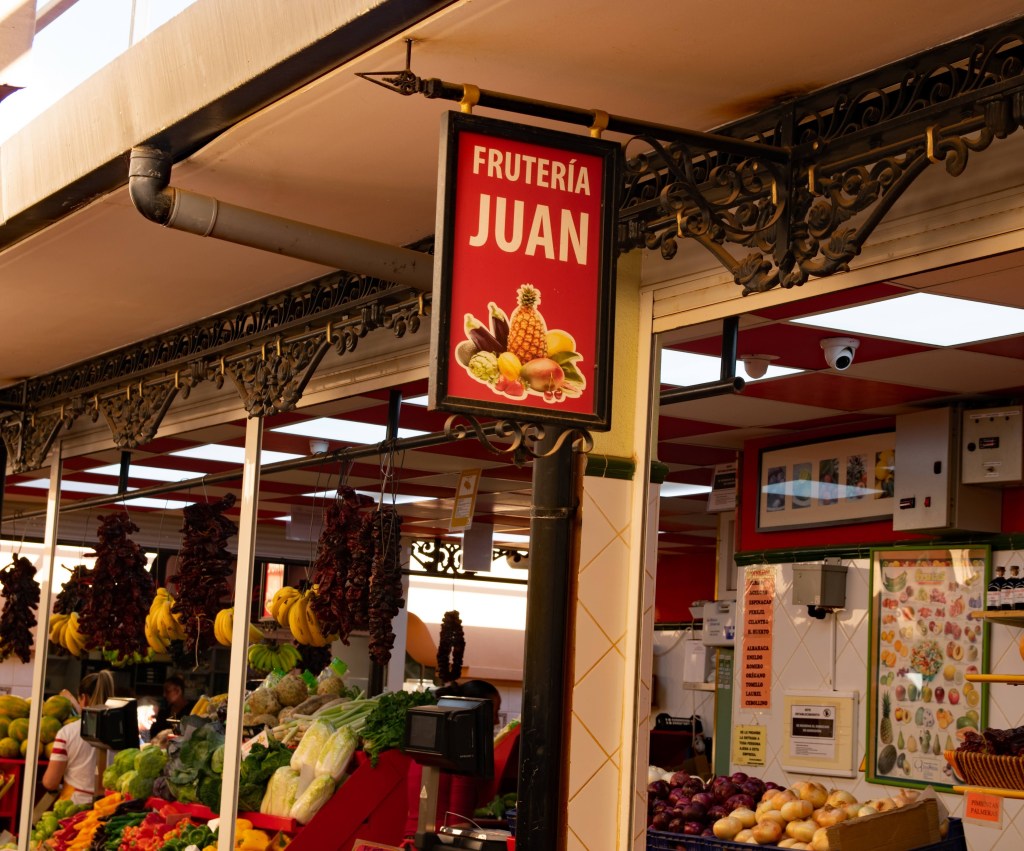
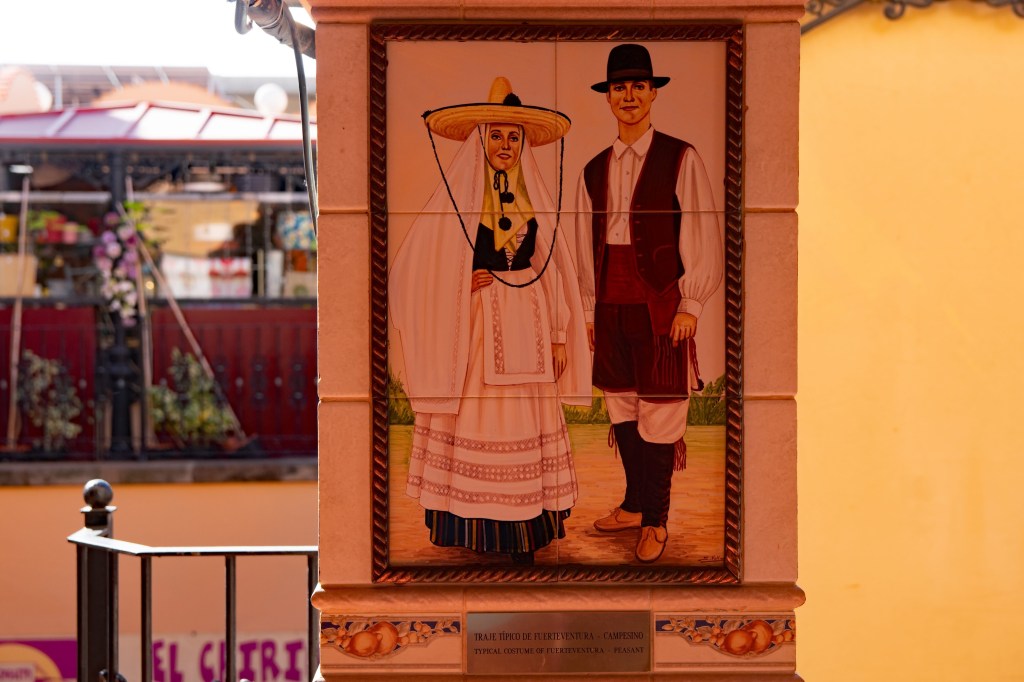
Colorful buildings in the Historic centerUnder the BridgeAlong the BridgeBridging the Old Town and the NewOur Lady of Africa MarketSculpture of an African WomanHerbs and SpicesIce Cream and CandyFruits, Vegetables, and PhotosMarket SquareTile ArtStalls Outside the Square
The next morning, we discovered La Escala, a corner coffee shop in the back streets of the historic district. The setting retains its old world charm, while offering an array of tempting coffee drinks and healthy, delicious breakfast options. Next, we headed to the market to have a look around. The bridge which leads to that side of the city was crowded with people walking in both directions. The market itself was bustling. I love the atmosphere of foreign markets! Too bad we just had breakfast, because there are always good eating options.
After strolling the market, we headed across the street to sit in the shady square and observe the locals and the tourists. Everyone seemed to be enjoying the great weather and the slower pace of life. We chatted with a friendly German couple who were there on a cruise of the islands.
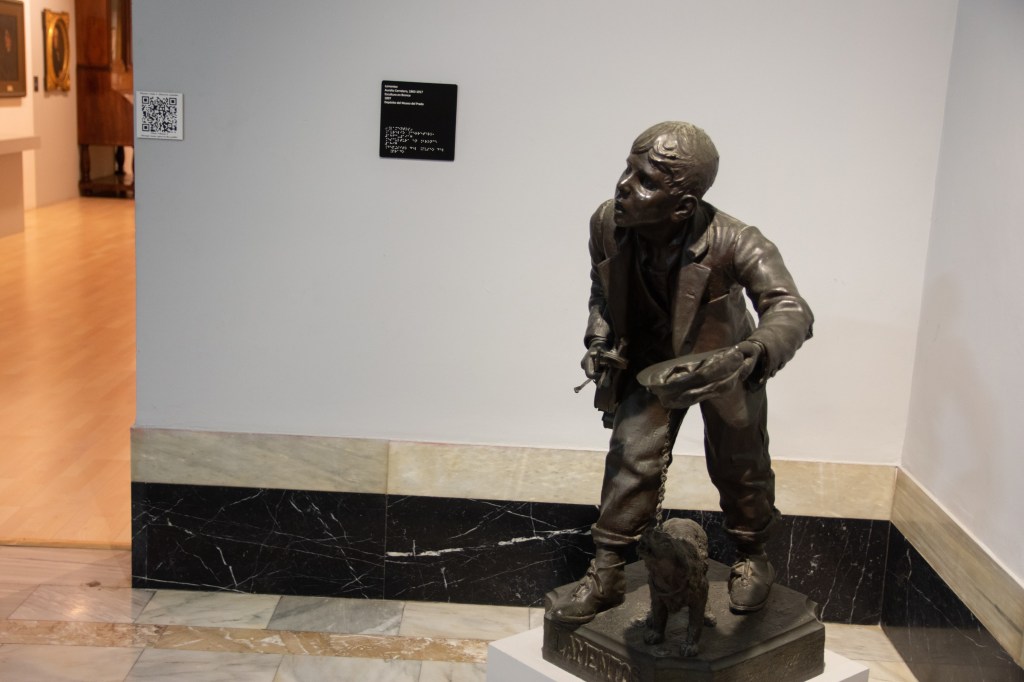
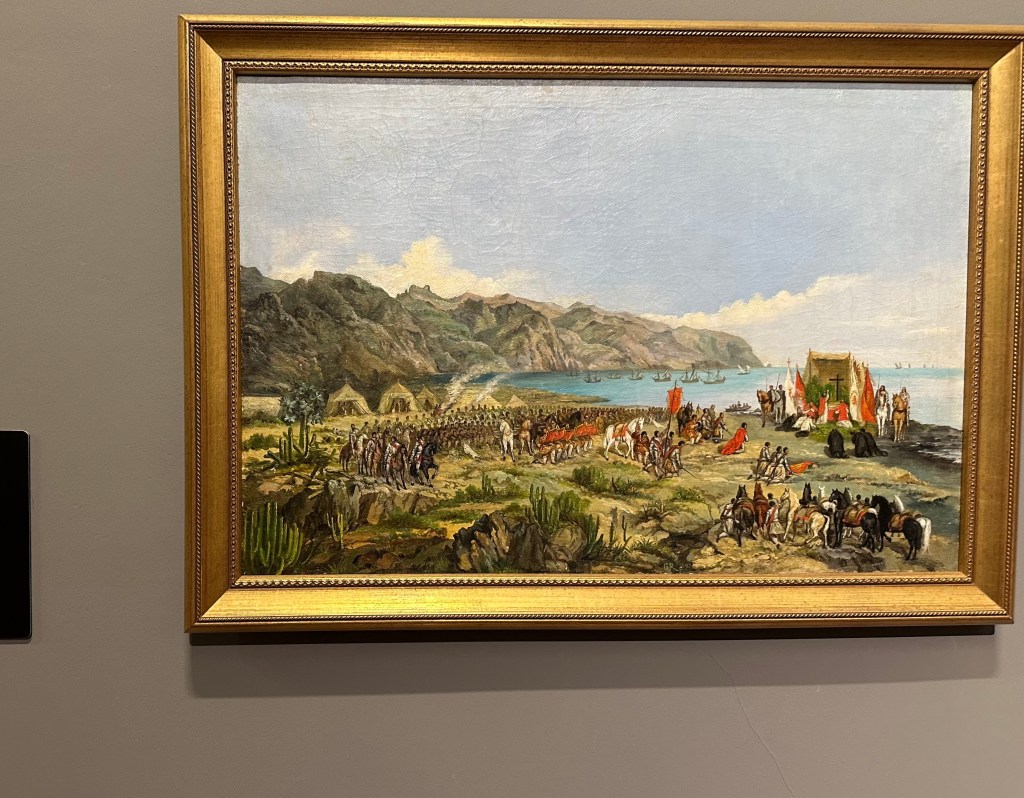
On our walk back from the market, we stopped at the Museum of Fine Arts. The building was once part of the adjoining church and later was the public library until the new one was built. Admission was free and there were only a few visitors. We enjoyed their collection of paintings and sculpture.
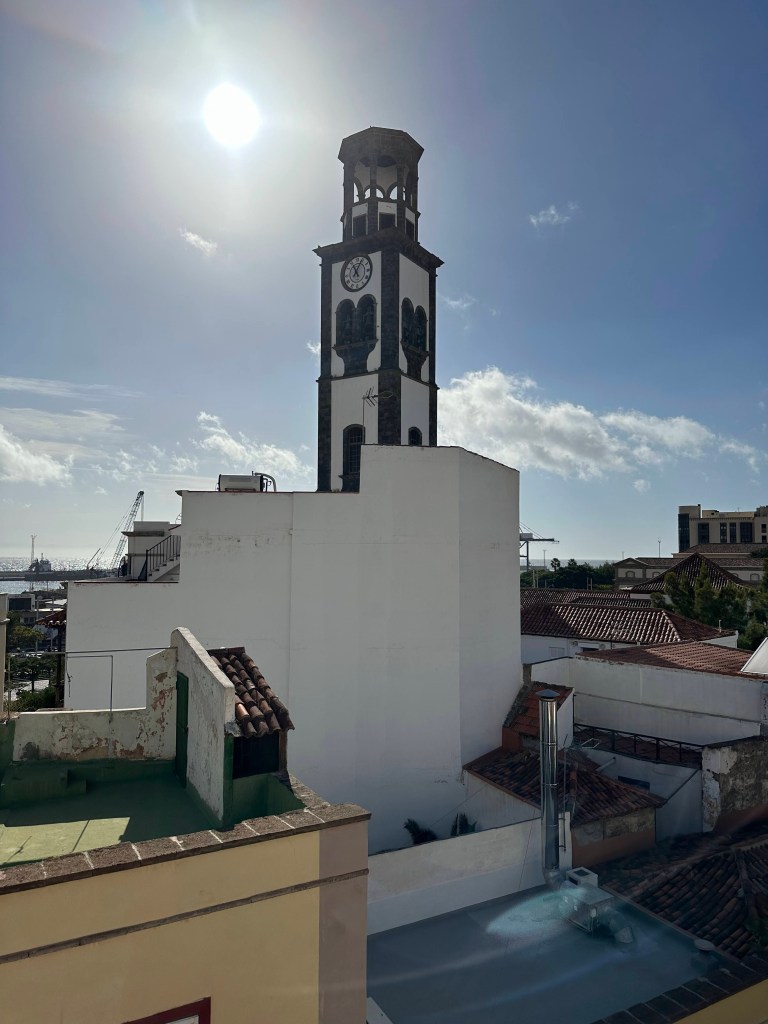
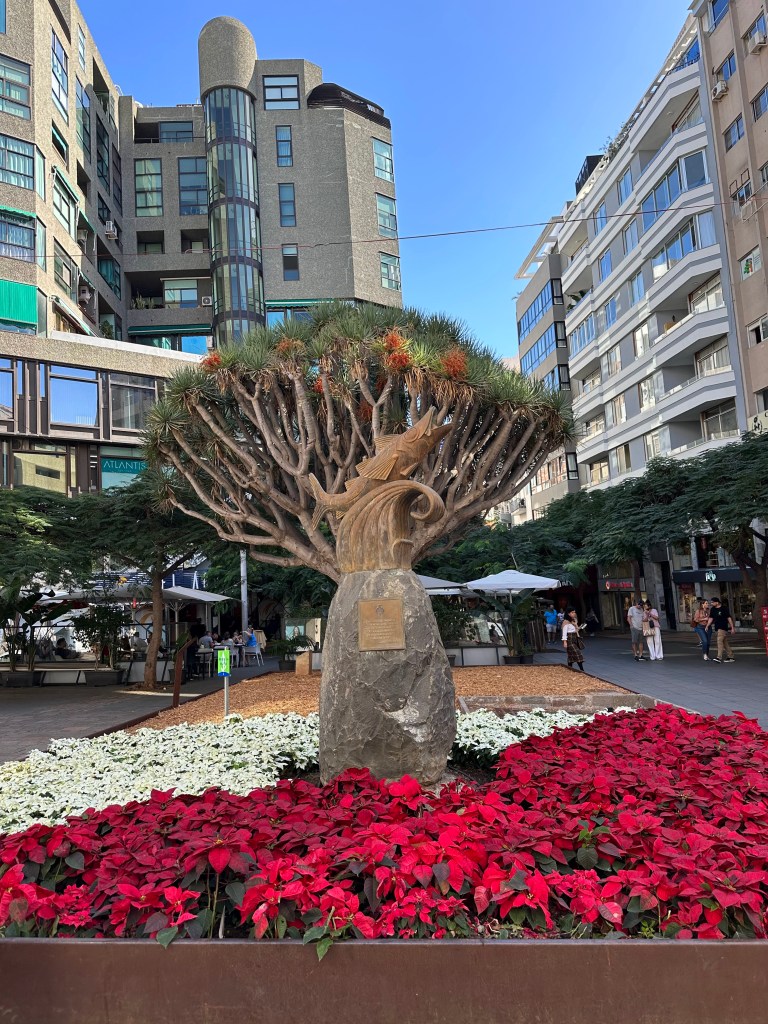
City parkMuseum of Fine ArtMuseum of Fine ArtMuseum of Fine ArtView of the Church TowerHanging in the PlazaWall ArtThe Dragon TreeMuseum of Fine ArtScene of the First Mass on Tenerife in 1497
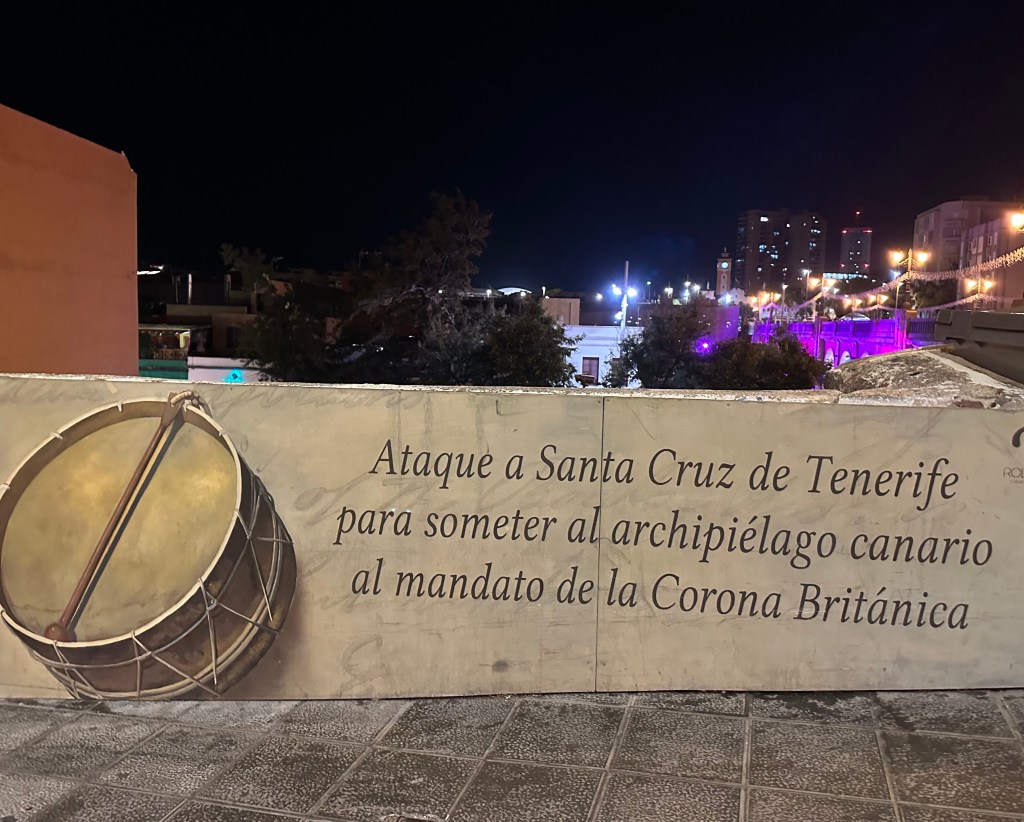
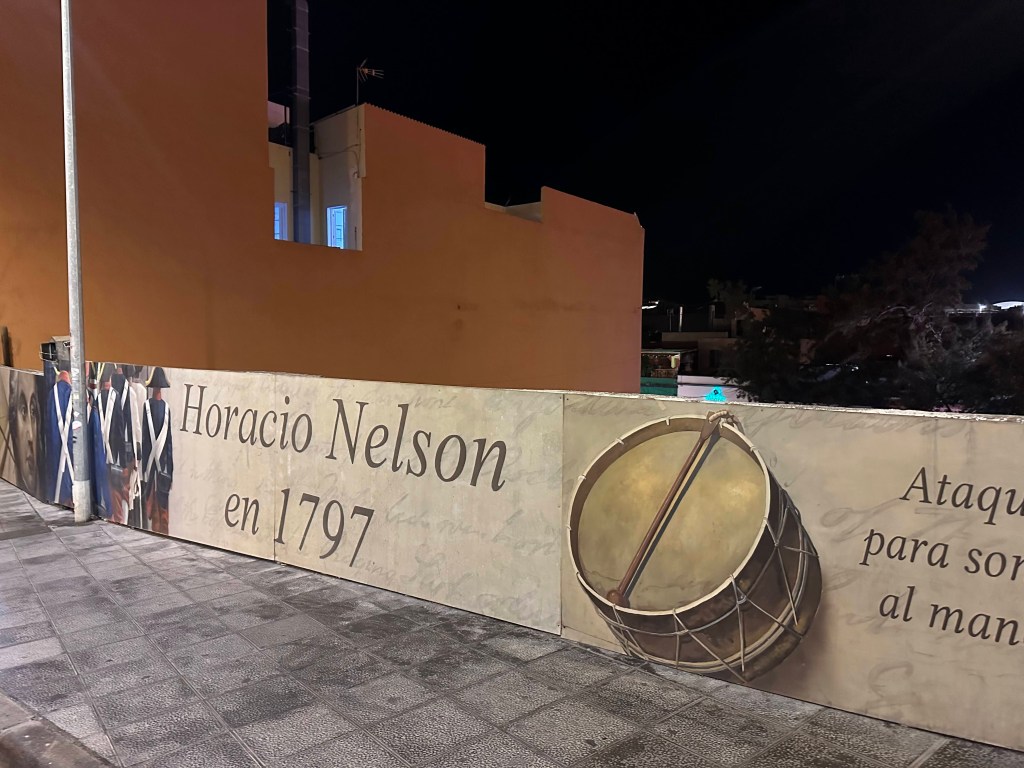
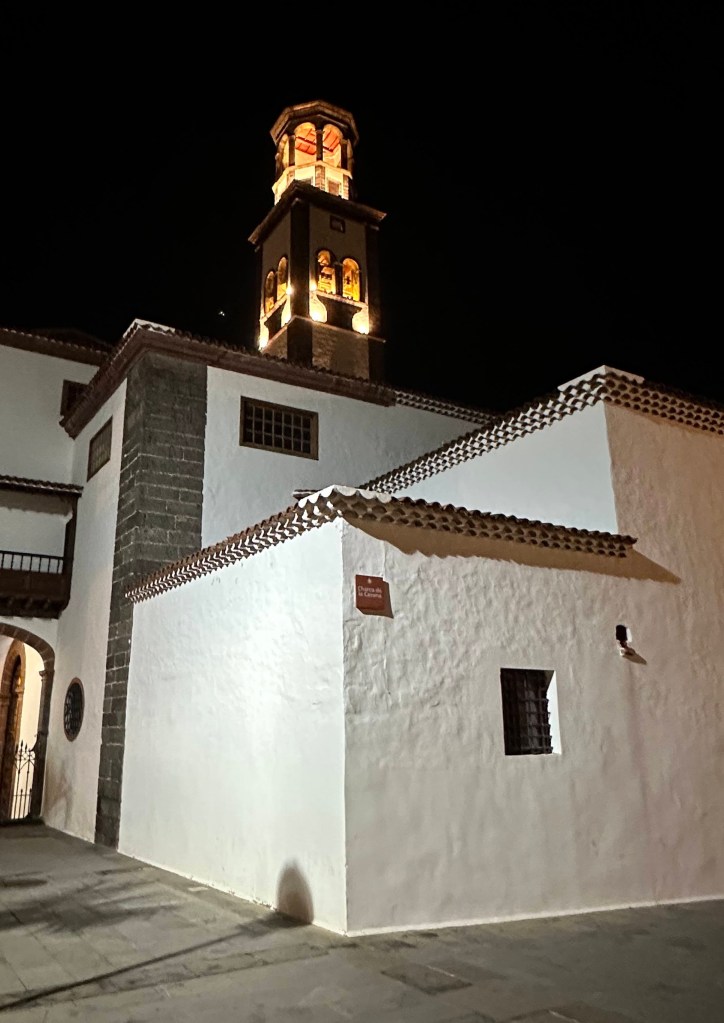
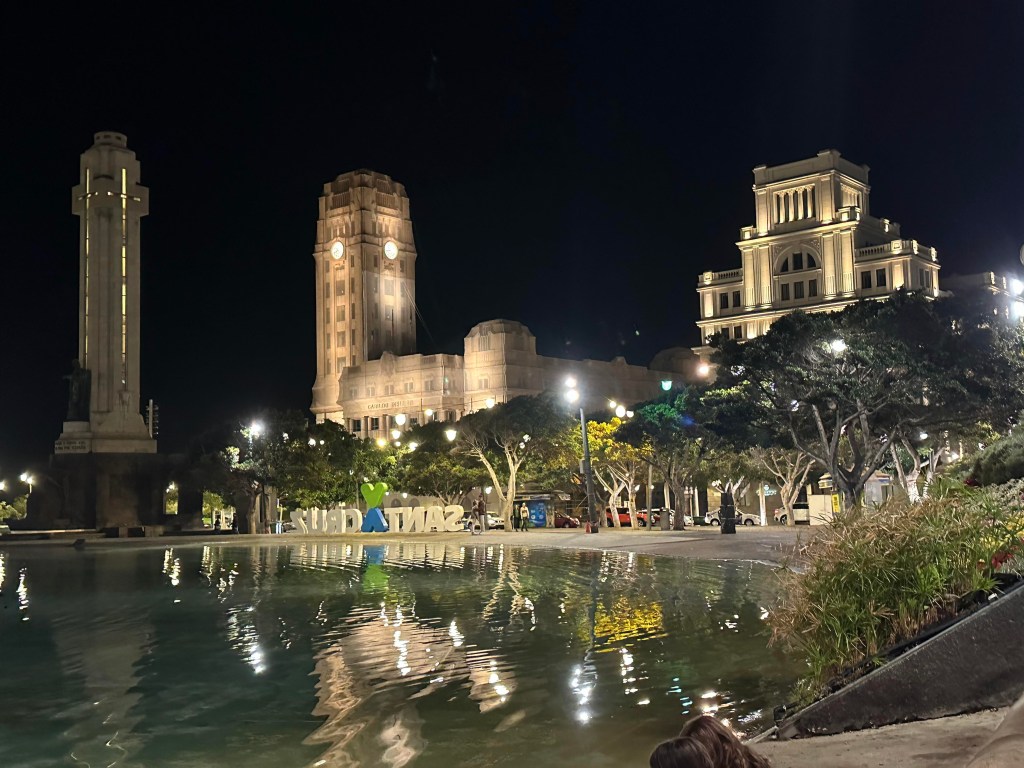
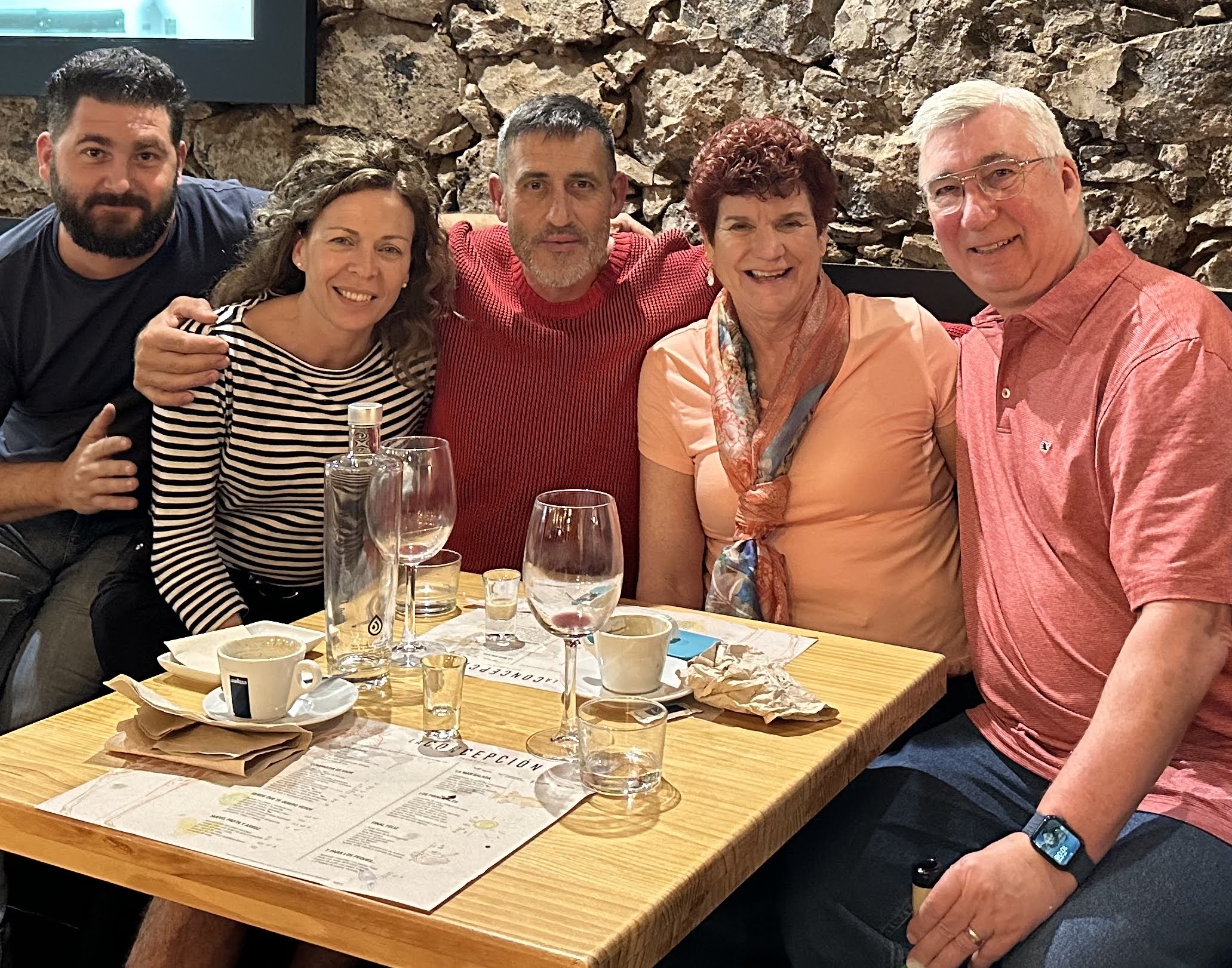
After a full day and of strolling through Santa Cruz, we took an evening walk to see the lights of the city. We passed the site where British Admiral Horatio Nelson led an attack on the city in 1797. Nelson lost his right arm and Tenerife remained under Spanish control. We had dinner at La Concepción, the restaurant nearest the church. In Spanish towns, we have always found a good local restaurant next to the church. At La Concepción, we enjoyed Canarian food and wine and the company of the friendly locals at the next table.
Historical Banner Commemorating the battle with the BritishThe Bridge By NightThe Church PlazaPlaza de EspañaNew Friends at La Concepción
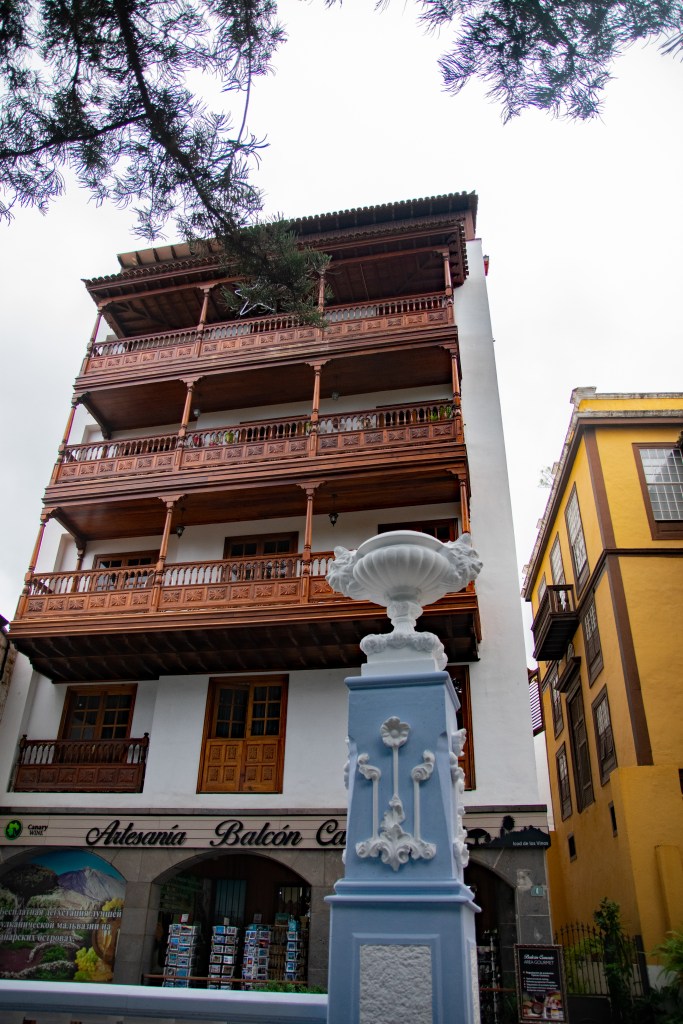
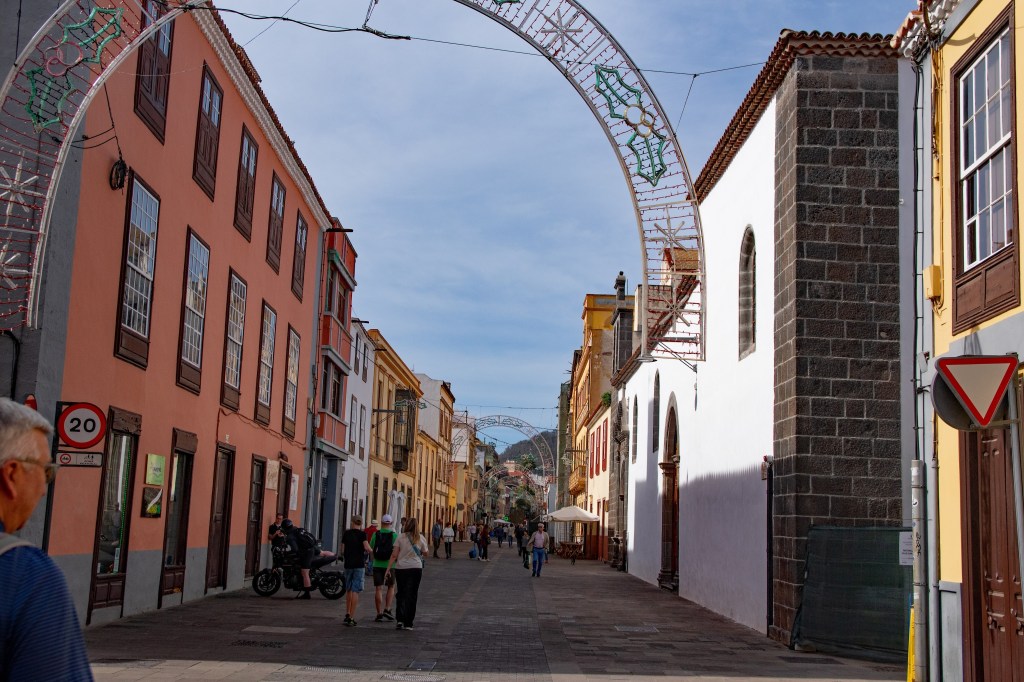
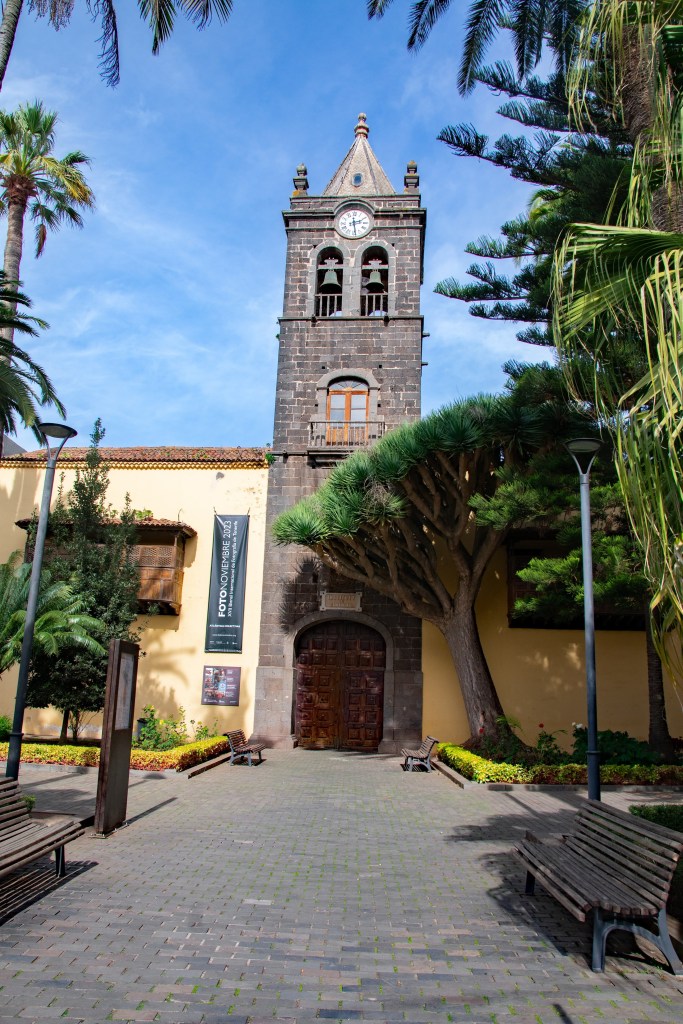
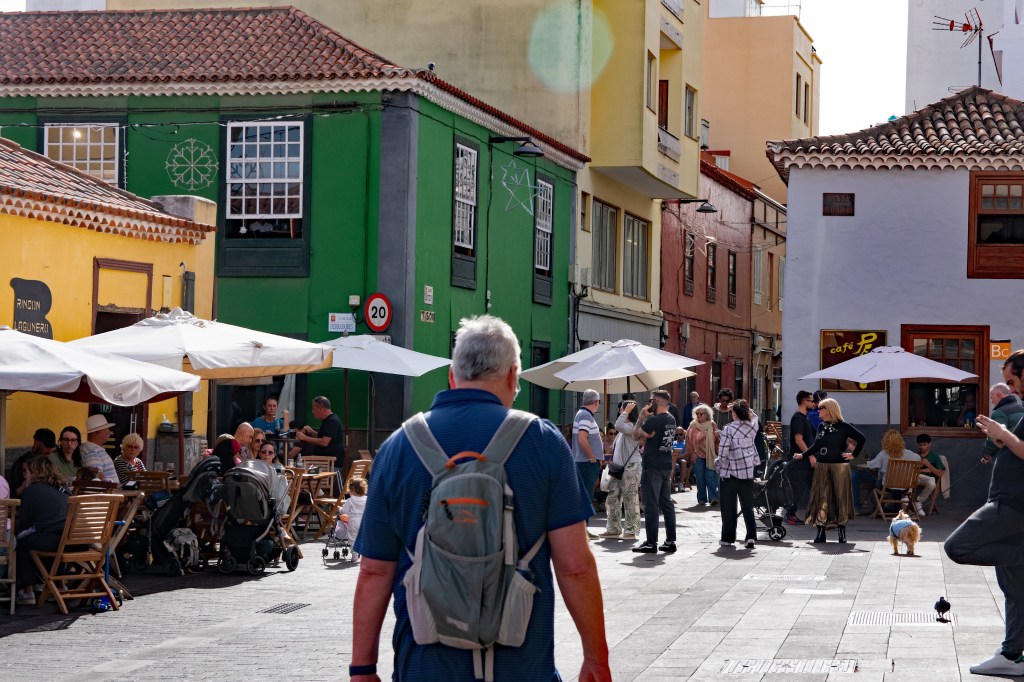
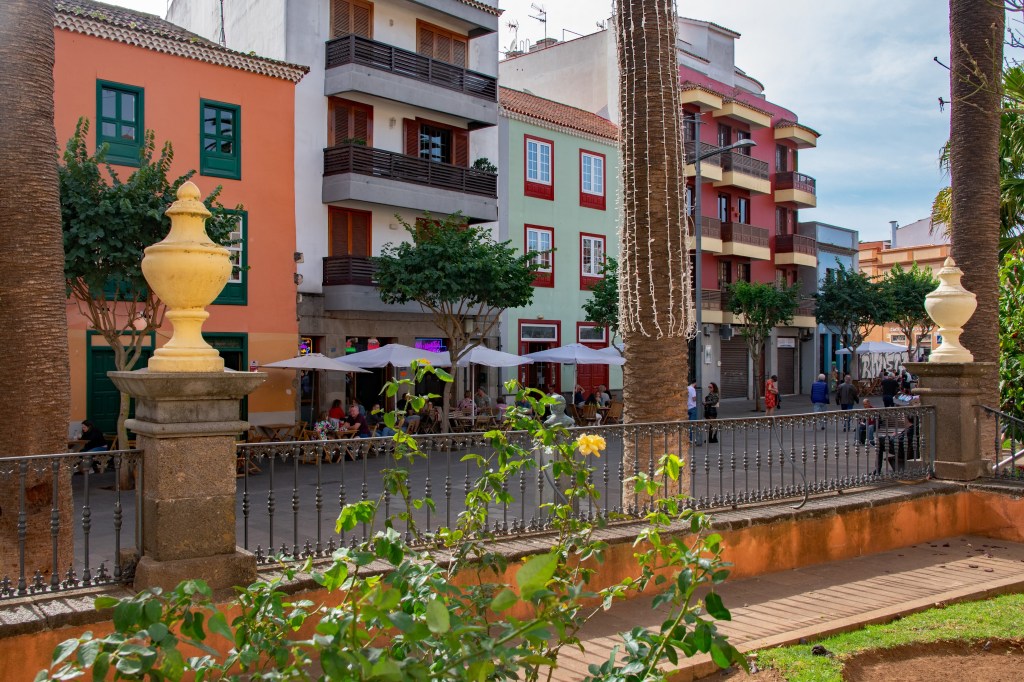
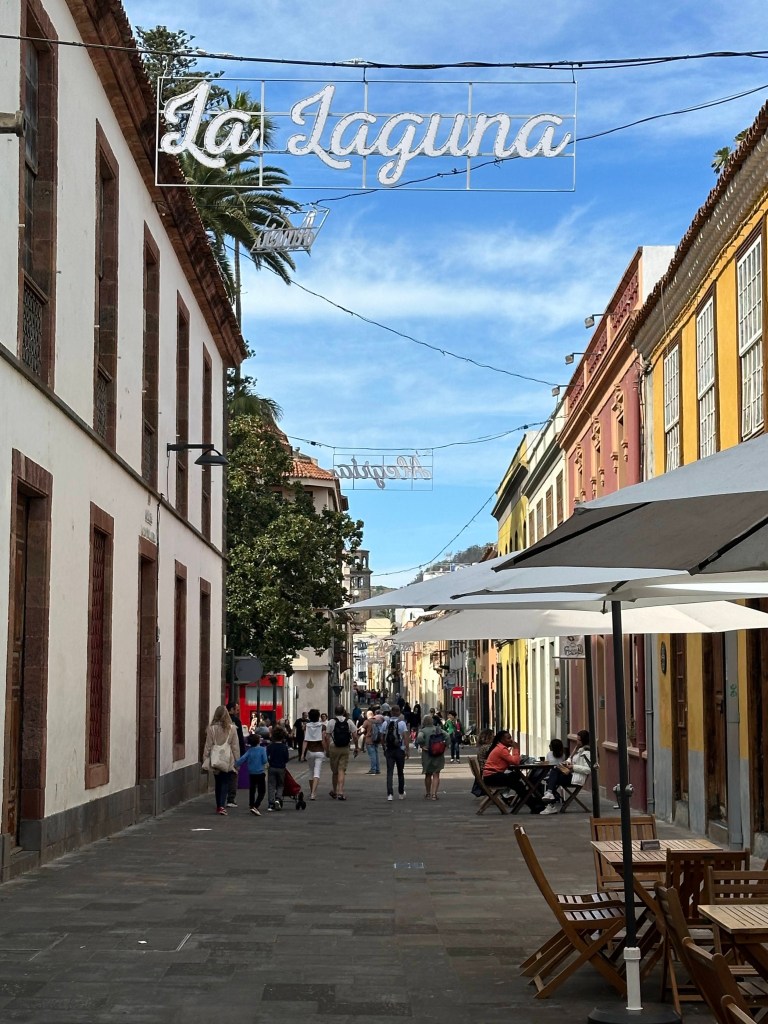
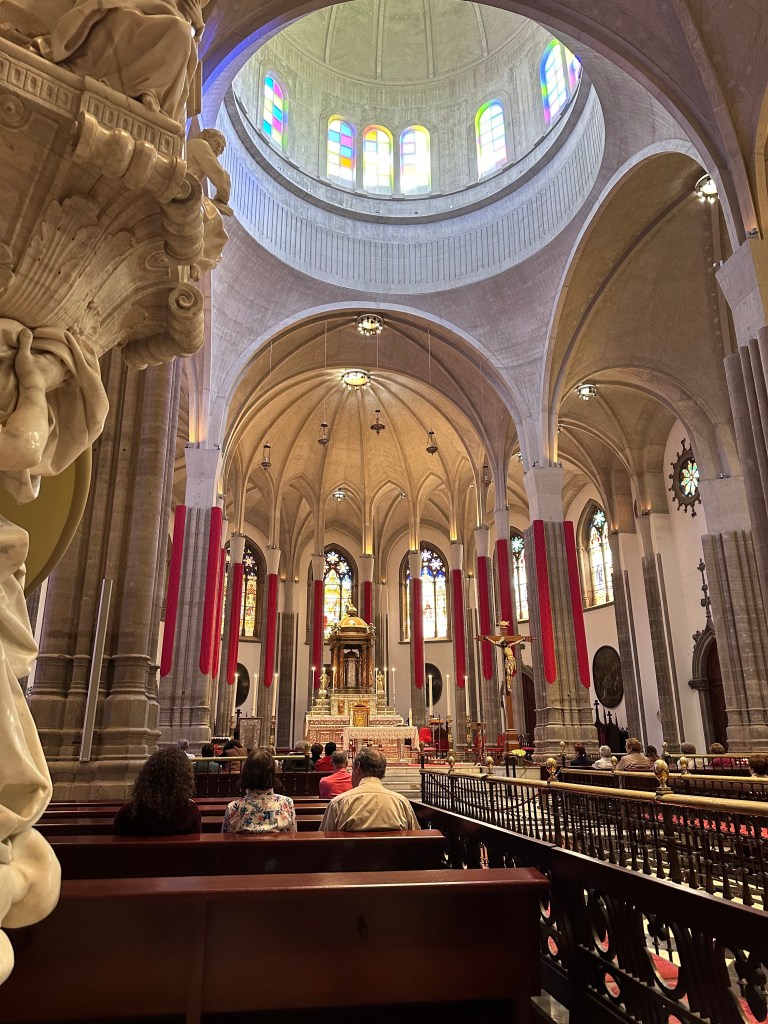
On Saturday, our third day in town, we took the tram to La Laguna, a historic town 40 minutes away. It was originally the capital of Tenerife and was the home of many wealthy merchants. It’s grid of streets was the model for Spanish colonial cities in the Americas. The town is a UNESCO World Heritage site. The colorful buildings and beautiful balconies create a charming backdrop to the many sidewalk cafés. We had a delightful lunch at a small Lebanese café.
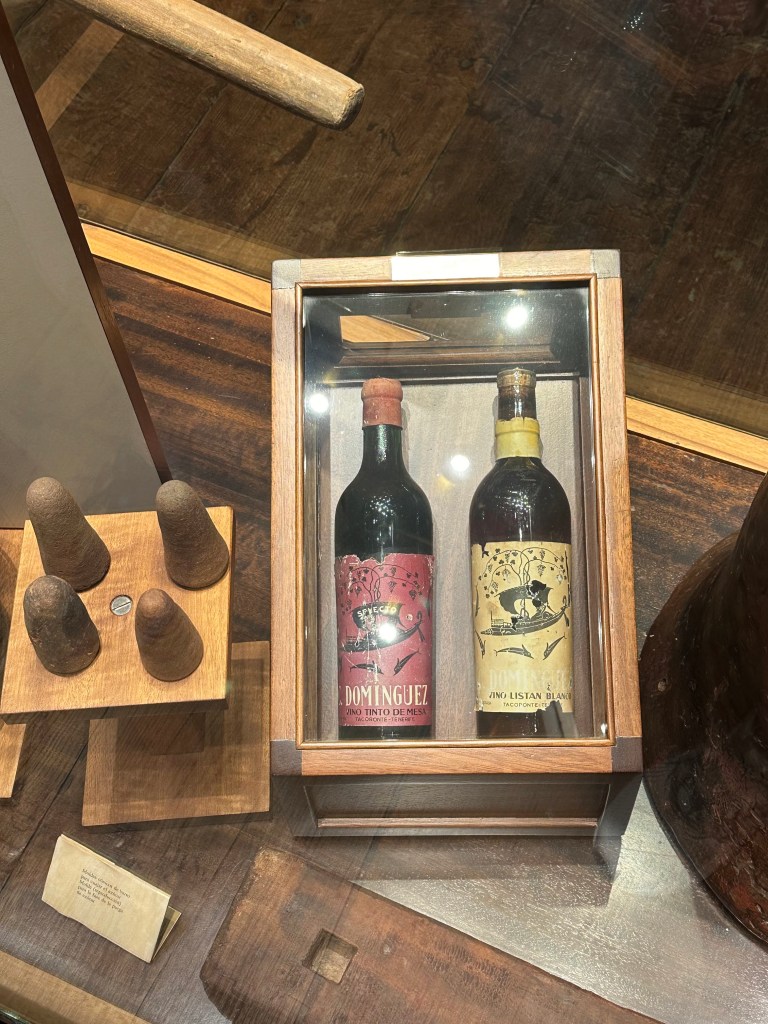
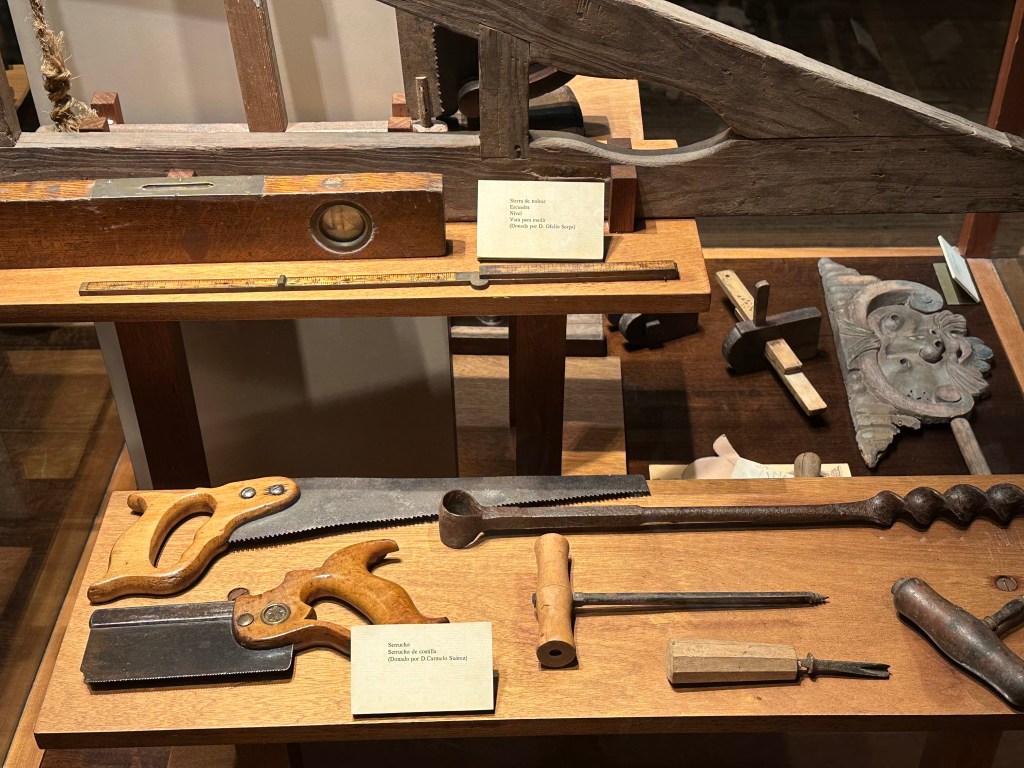
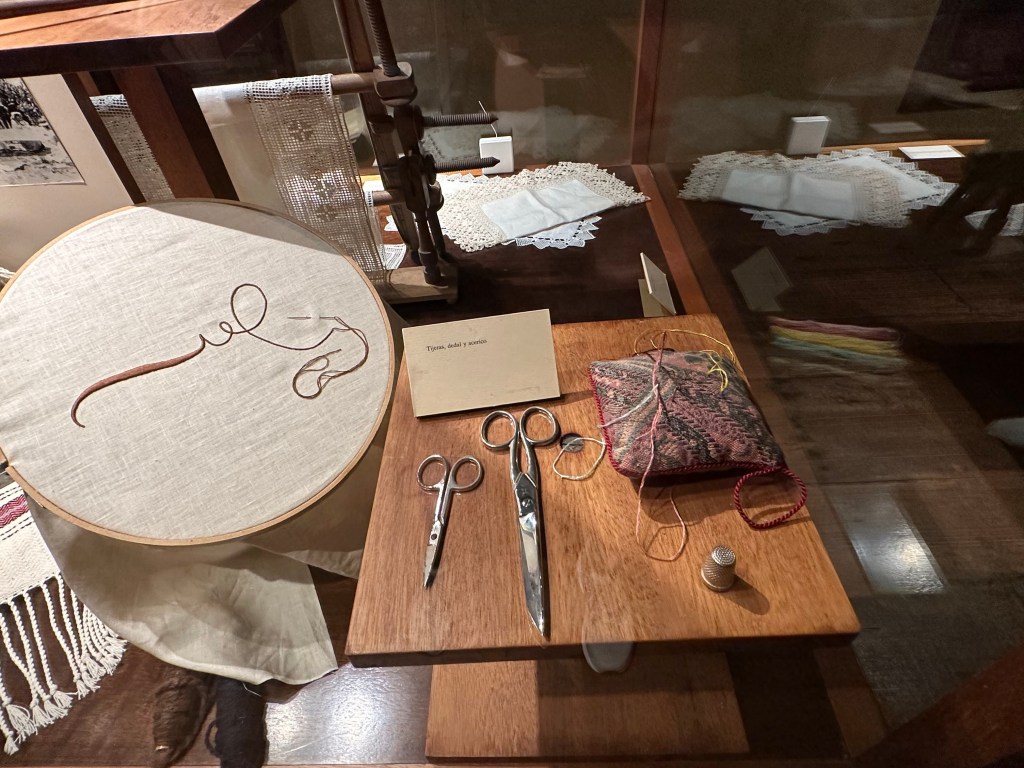
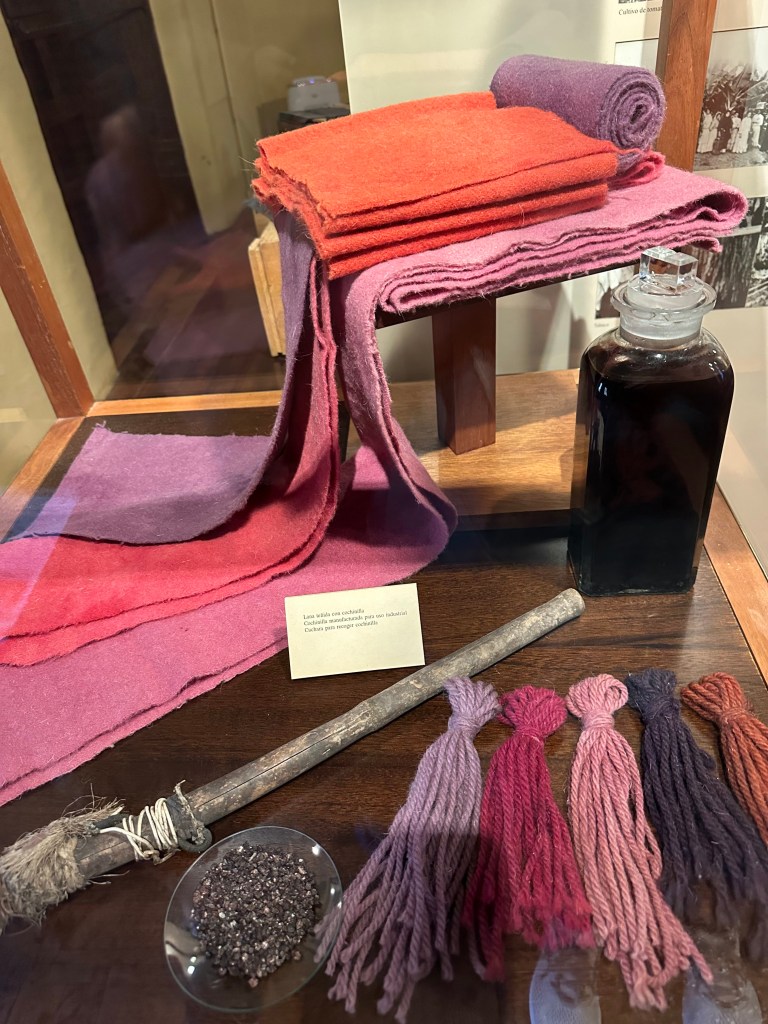
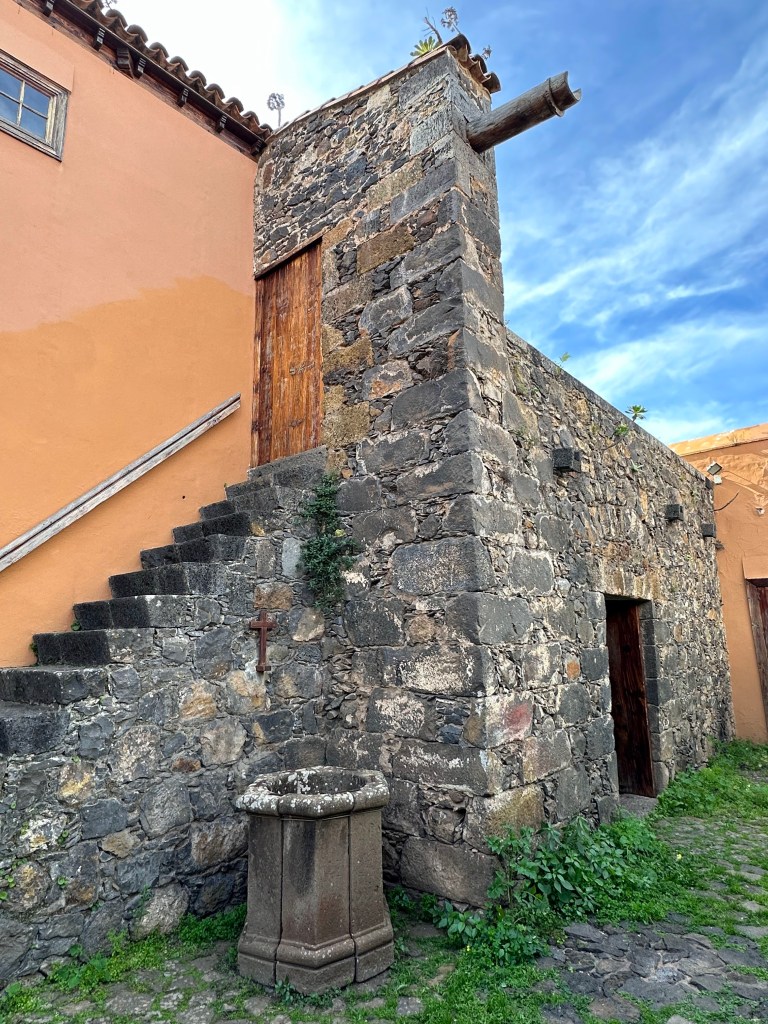
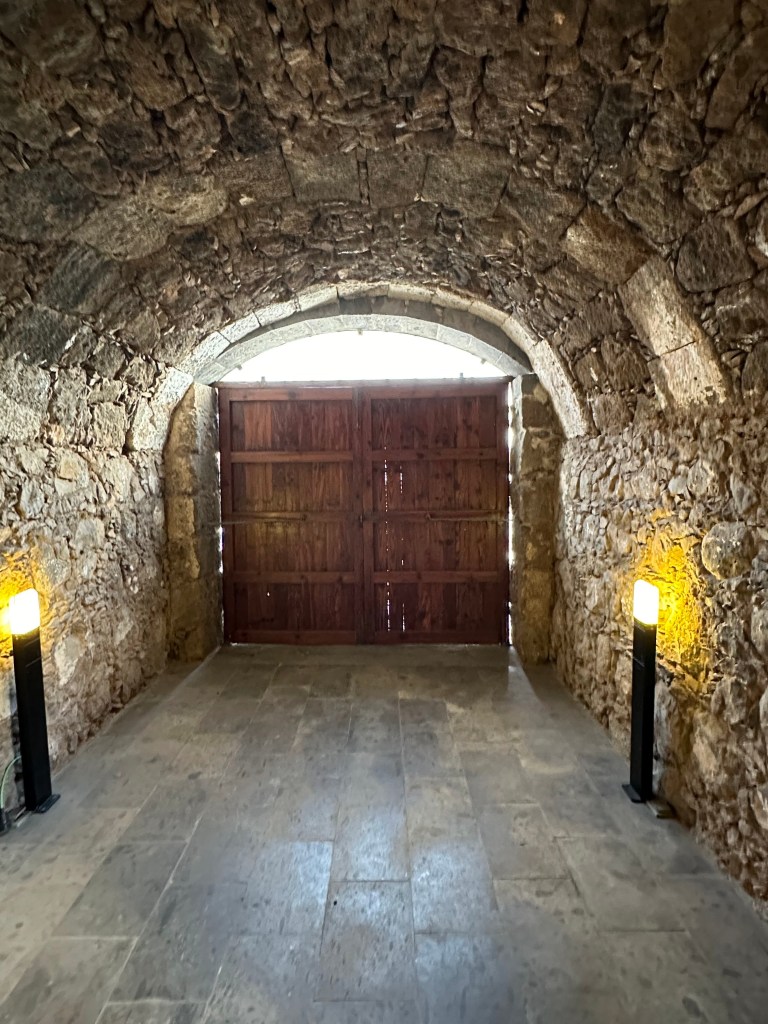
Colorful HomesLa Laguna Historic SectionSanta Clara ConventChurch of Our Lady of Concepción Bell TowerThe Cathedral of La LagunaWinemakingCarpentrySewingCloth Dyeing and WeavingCarriage House
We visited the Museum of Tenerife History, housed in a 16th century mansion. There we were able to gain some historical context for our trip. The Canary Islands were vital to Spain’s conquest of the New World, because they were the last port before the Atlantic crossing to Cuba. They were vital to the trade in goods and later in slaves. Slaves from mainland Africa were brought to Tenerife to be loaded onto ships bound for the colonies. The museum also explained the various industries in Tenerife: sugar cane, tobacco, winemaking, blacksmithing, carpentry, textiles, and agriculture. Today the island’s economy is mainly banana production and tourism.
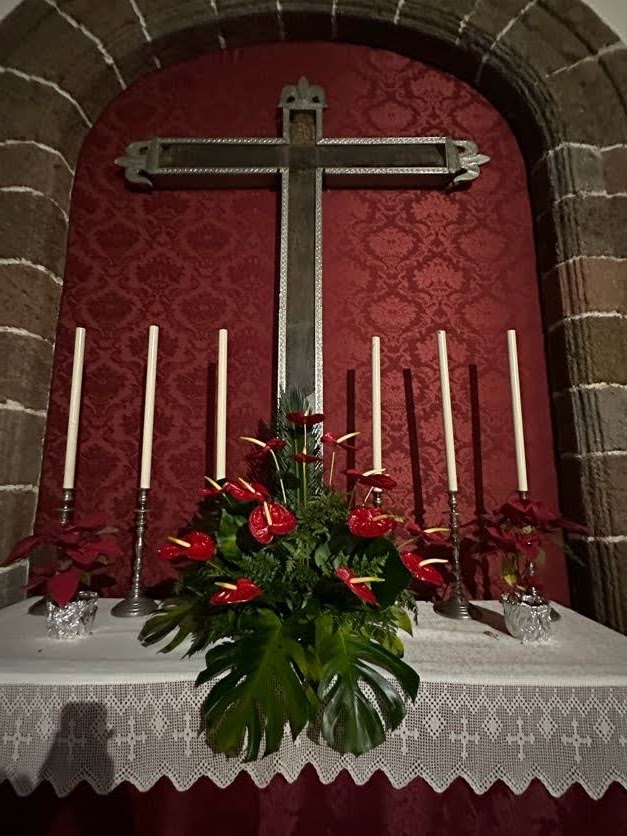
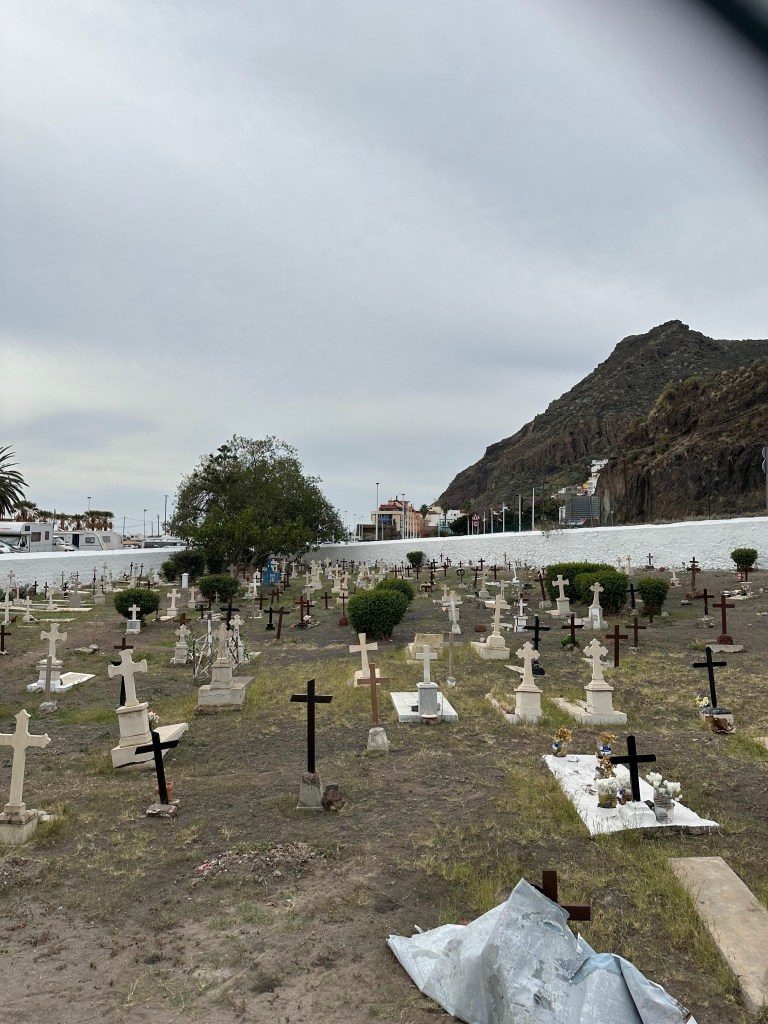
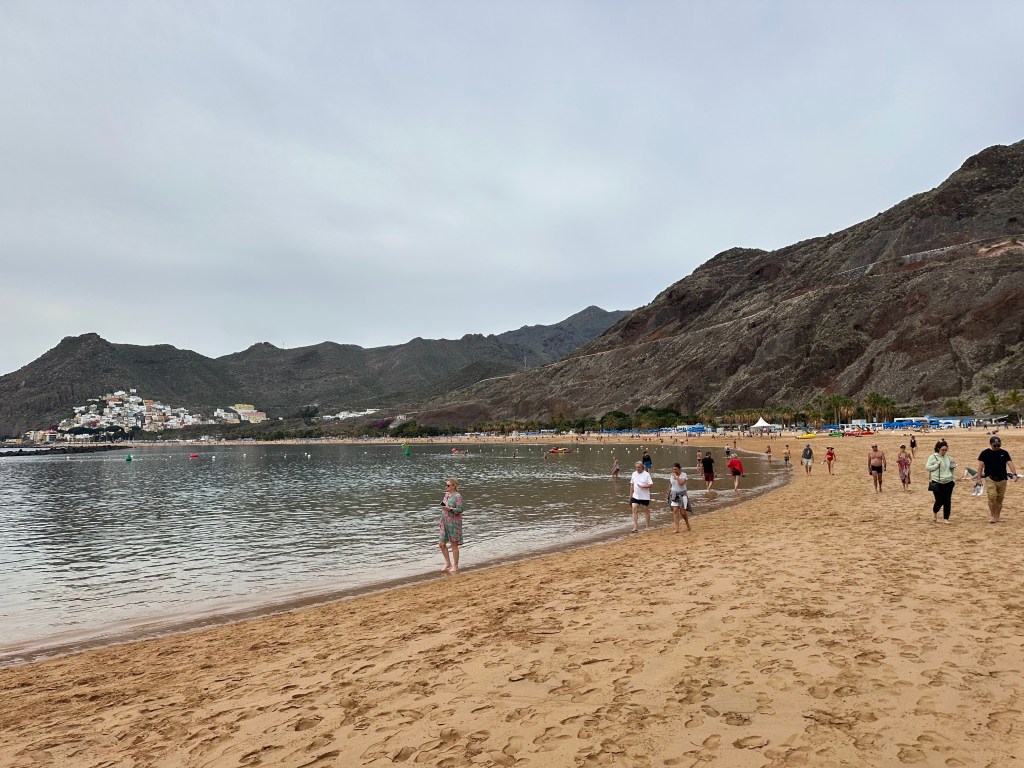
The Holy Cross used in the first mass that gave the city its nameGraveyard by the BeachPlaya de las TeresitasPlaya de las Teresitas
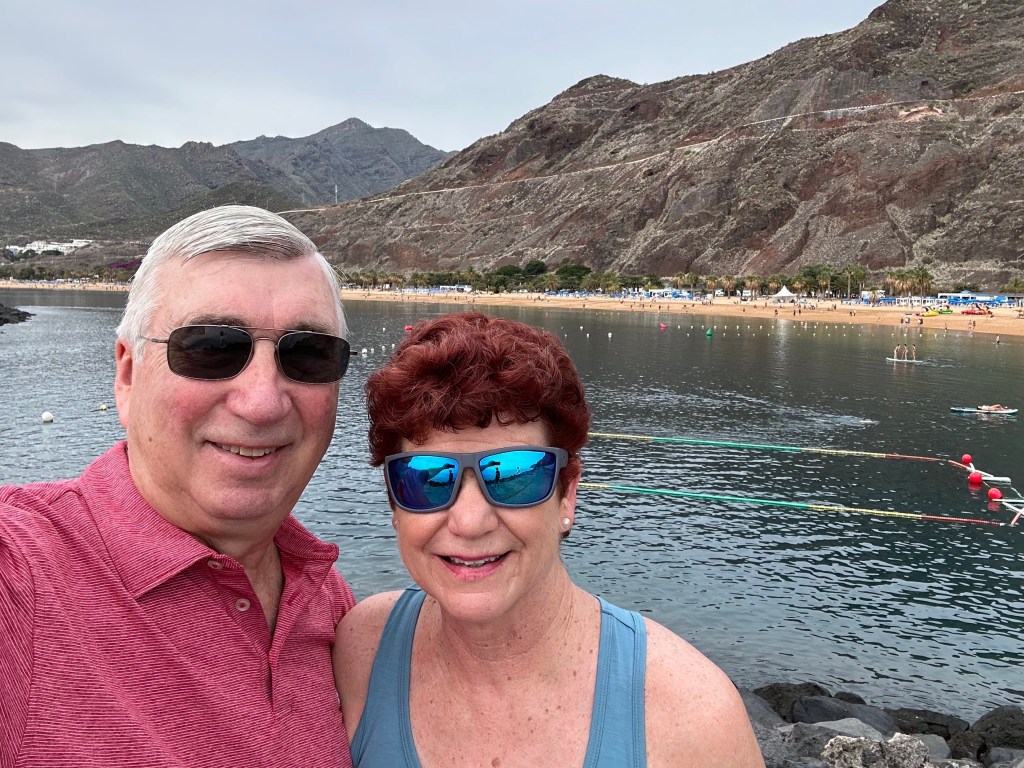
On Sunday morning we attended mass at La Iglesia de la Concepción in Santa Cruz. It was sparsely attended. Then we took the bus to Playa de las Teresitas, about 30 minutes outside the city. The route is not very scenic; we passed a number of oil storage tanks. The beach itself is manmade with golden sand brought in from the Sahara. It is a beautiful setting with the mountains protecting the cove from strong winds. The water was calm and we saw open water swimmers, paddleboarders, and a sport that looked to be beach pickleball. After a couple of delightful hours on the beach, we walked to the nearby fishing village and enjoyed some delicious grilled fish at a local restaurant. Then we got back on the bus for the trip back to the city.
The next morning we packed up to taxi to our next destination on the other side of the island. I’ll leave you with some final shots of Santa Cruz.
Cuba has always been on our list of “would like to go there sometime” destinations. Images of turquoise waters, Spanish colonial buildings and classic cars floated through my imagination on a cloud of cigar smoke to a salsa beat Havana has the lure of the forbidden: mafiosos, casinos, celebrities, the decadence of pre-revolutionary Havana, home to Hemingway and the inspiration for The Old Man and the Sea. Since 1959 it has been off-limits to Americans, a presumed enemy to capitalism and democracy and a subject of controversy and mixed messages. The relationship between the United States and Cuba has always been “complicado.”
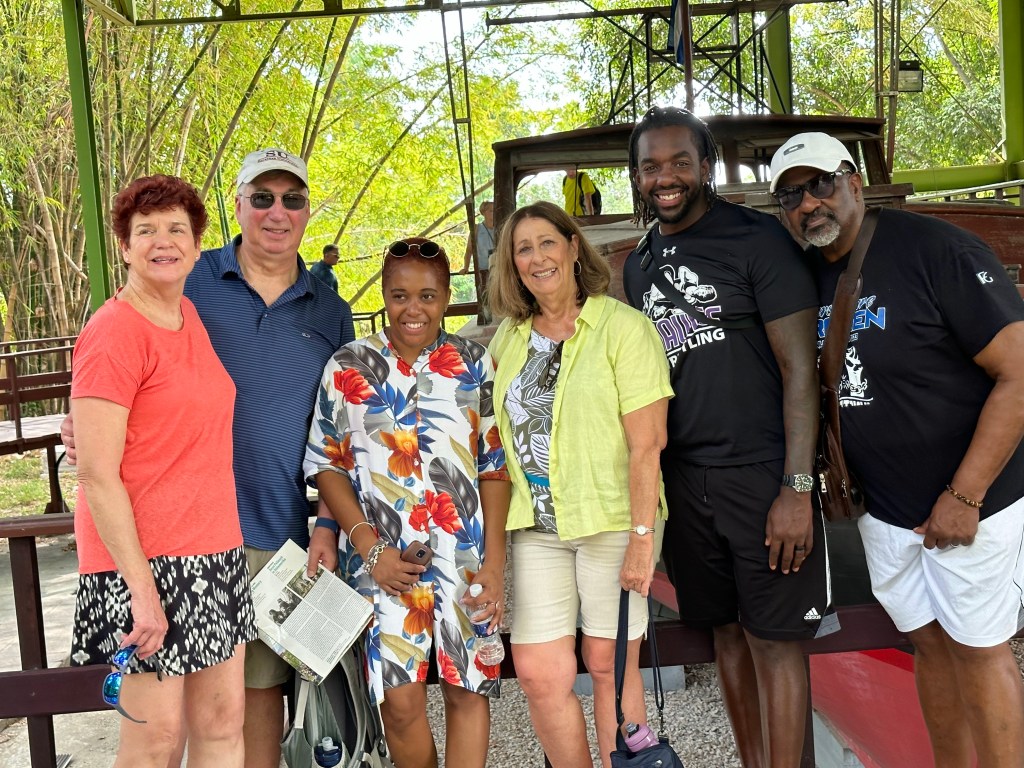
When our friend Ron mentioned that he was organizing a tour to Cuba on behalf of his congregation: The Full Gospel Apostolic Church of Hazel Crest, we jumped at the chance to go along. I recruited our friend Liz to join the party. We traveled with Classic Havana Tours led by Felix and Juliet, and our van driver Daimel. We ended up forming a group of six, which included Ron’s son Chris and his friend Kyle. We had a delightful five days together! Getting to know our fellow travelers was truly a bonus. Everyone was enthusiastic, curious, respectful and open-minded. Felix and Juliet taught us a lot of Cuban history and culture. Felix gave his honest appraisal of the political situation, and I believe we all left with a better understanding of the complexities involved. I know it has given me a lot to ponder.
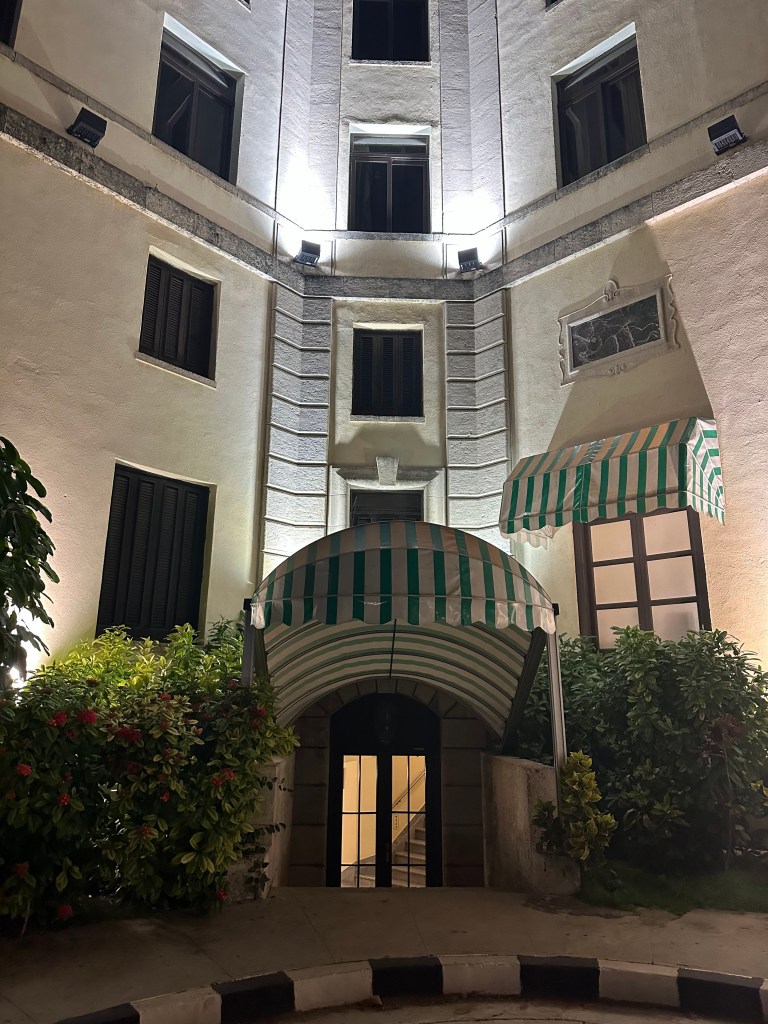
For months prior to departure, Felix was busy organizing the details and preparing us via several online meetings. He shared vital practical information, like bringing enough cash for the trip, as our cards won’t work there, packing bug spray, medications, toilet paper, a water bottle, etc. Cuba has shortages of practically everything. Felix also told us to put our phones on airplane mode before landing to avoid large roaming charges. The hotel would have wi-fi, but other places would not. The original plan was to rent out a private home, but we didn’t end up with a large enough group, so we went to the Grand Ashton Hotel. It is the only hotel approved for Americans by the US government. The hotel was new and luxurious and in a good location along the Malecón (sea wall).
We booked our flights on American Airlines. There are no direct flights to Havana, so we had a short layover in Miami. We purchased a Cuban visa from American when we booked our flights. We had to give a reason for visiting Cuba. Ours was “support for the Cuban people.” Felix made sure that we had a full itinerary and opportunities to experience history, art, music, and great food.
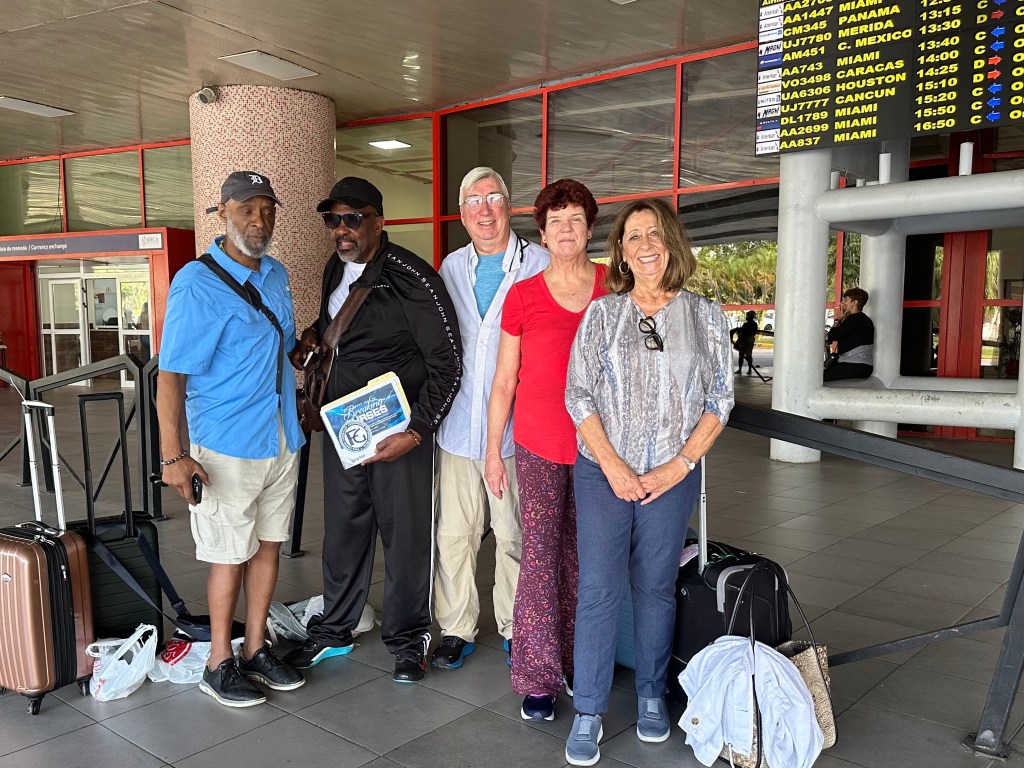
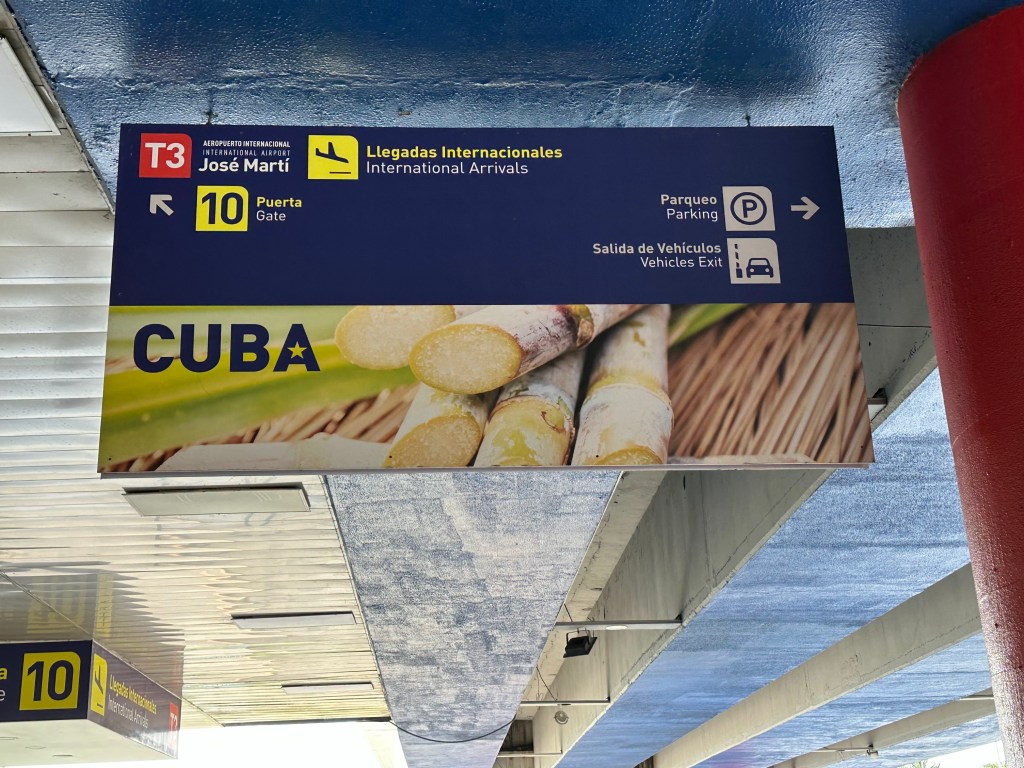
Felix and Juliet met us in the Havana airport and took us to the van where we met Daimel, who would drive us everywhere during the week. At the hotel, Juliet and the hotel staff took care of checking us in and handling our luggage, while we enjoyed a welcome drink in the lobby. Then we went down the street to Casa Mía for a delicious seafood lunch. The restaurant took US dollars for payment and would exchange extra money at a good rate. We only changed about $50 to pesos, as dollars are accepted pretty much everywhere. Credit and debit cards are not accepted; it is a cash economy.
Arrival
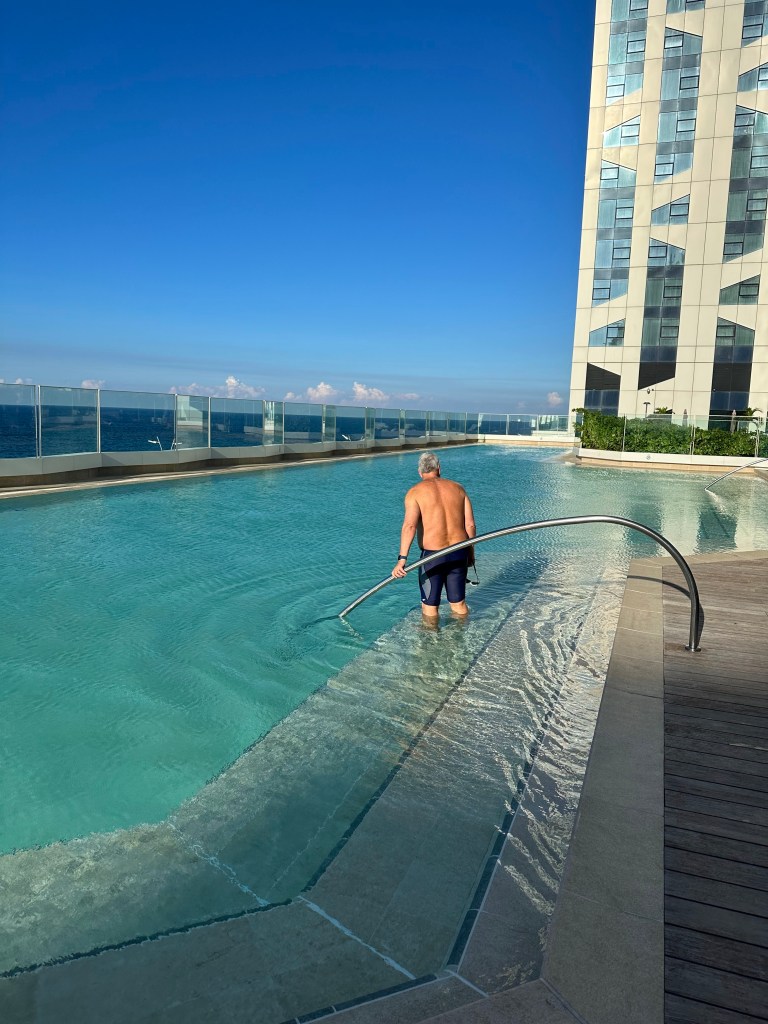
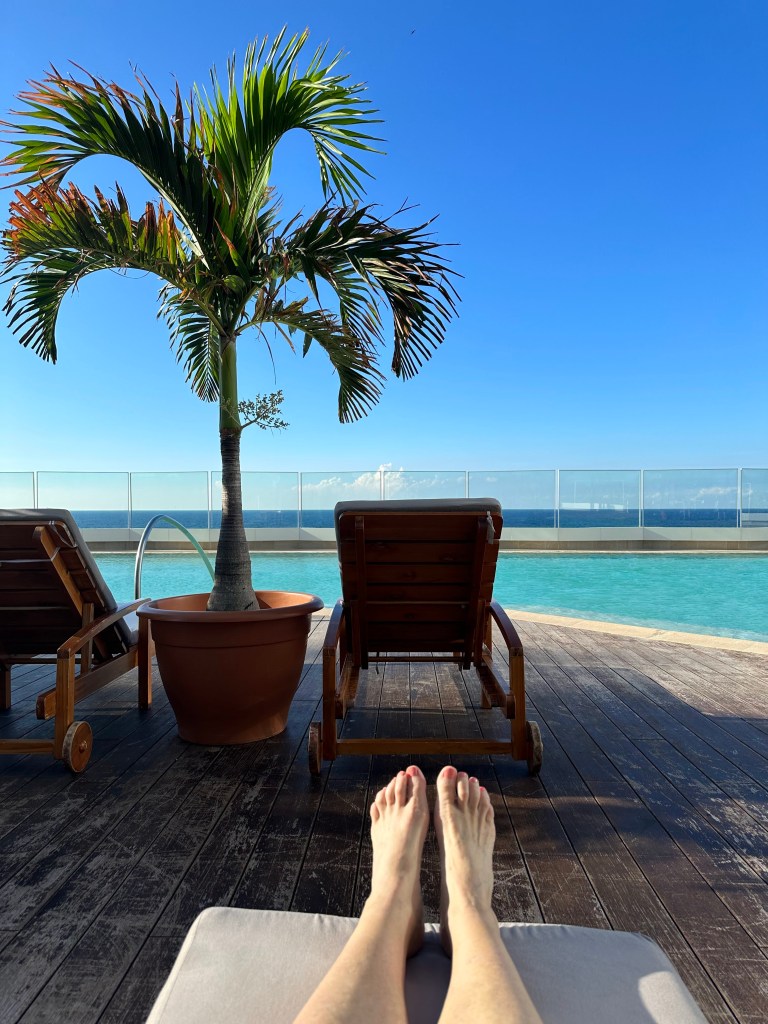
After lunch, we went back to our rooms to rest and get ready for the evening. Bill and I went to the pool for a refreshing swim. The pool was about sixty meters long with a view of the Caribbean; it was the best hotel pool we have ever experienced!
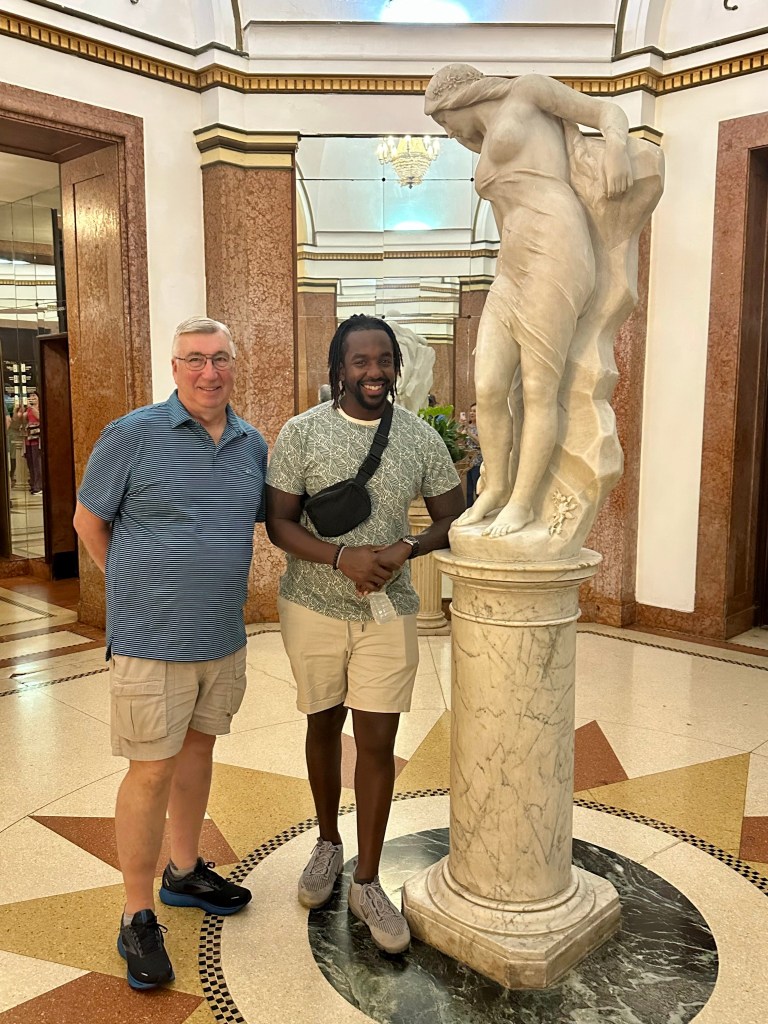
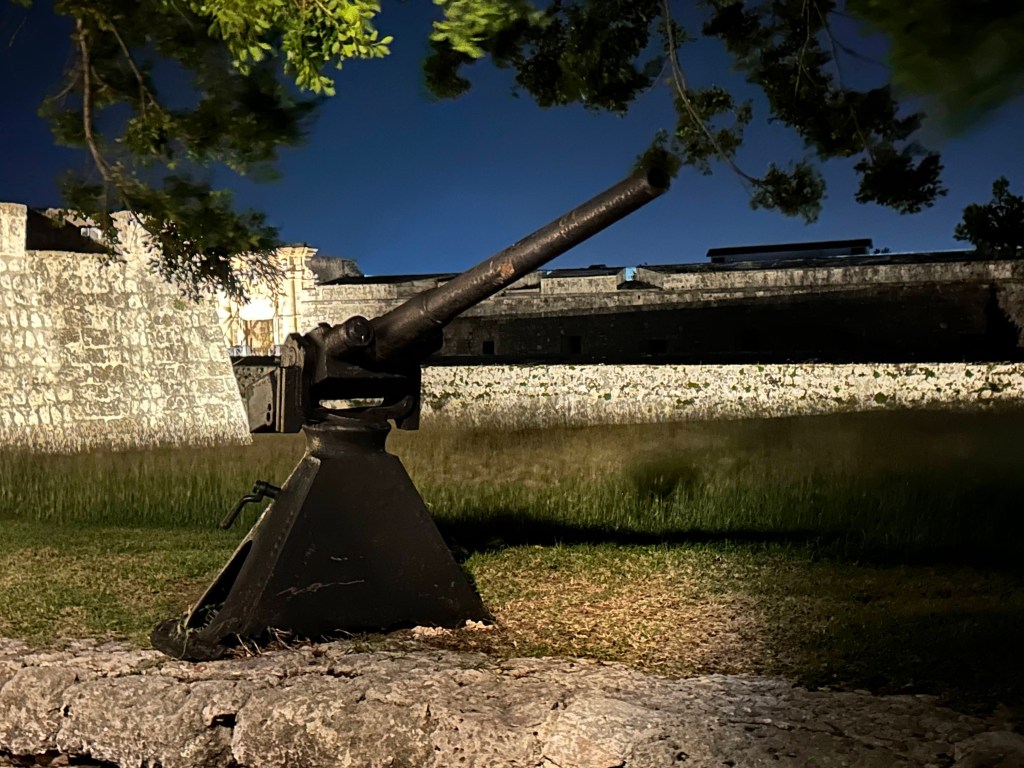
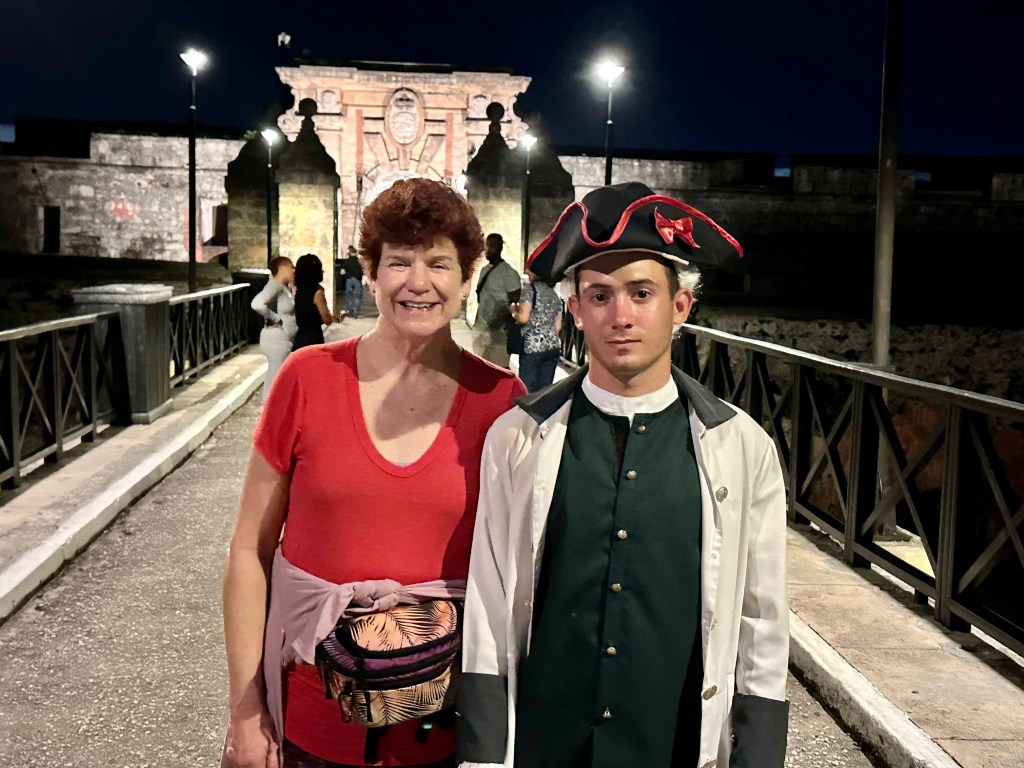
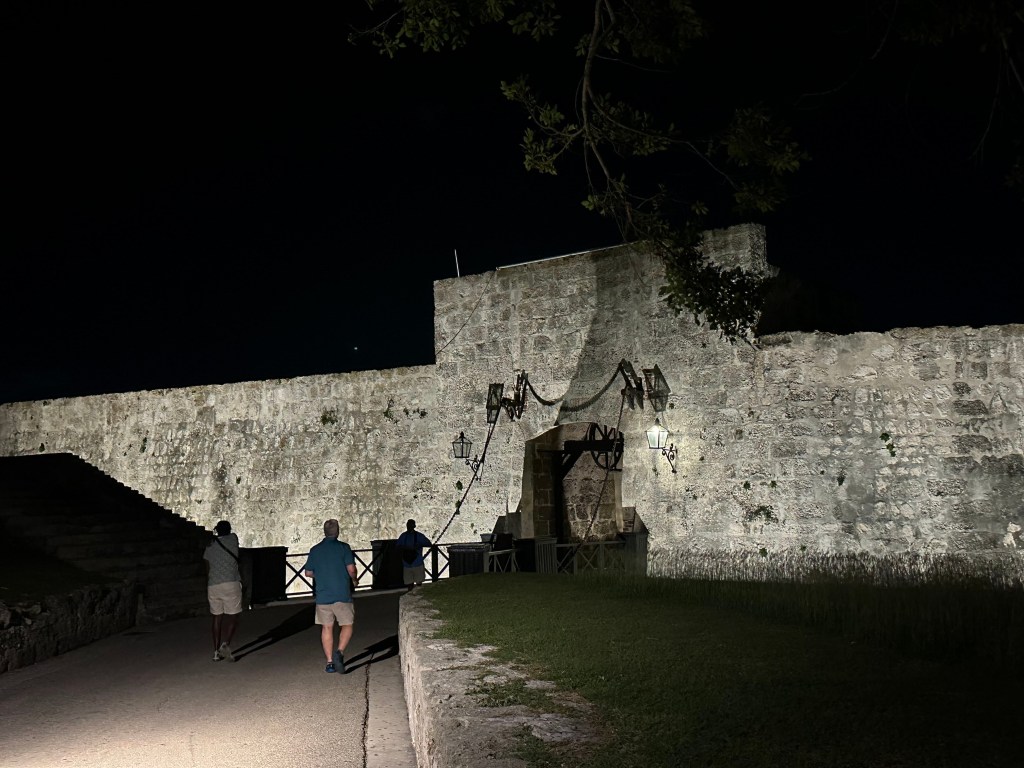
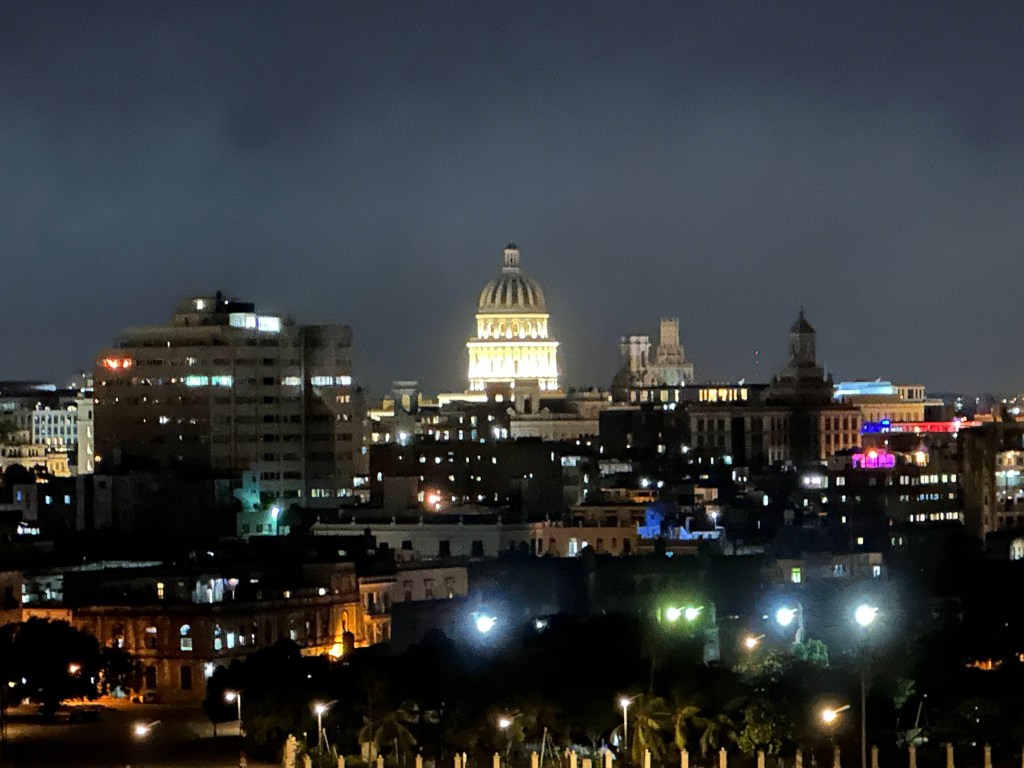
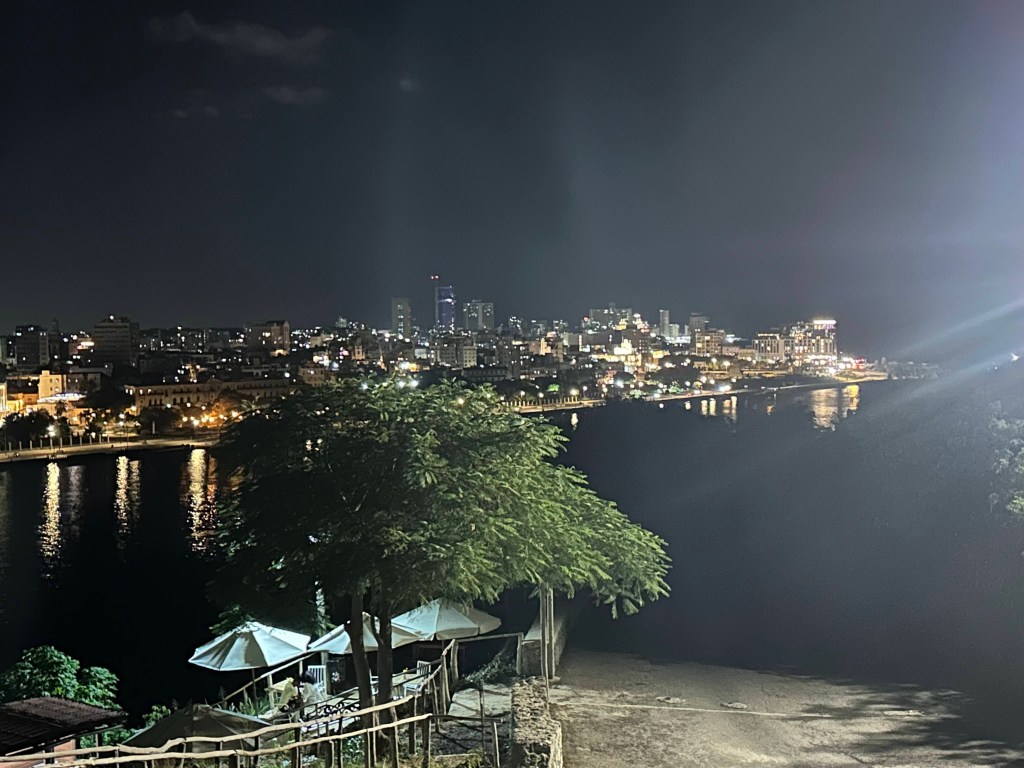
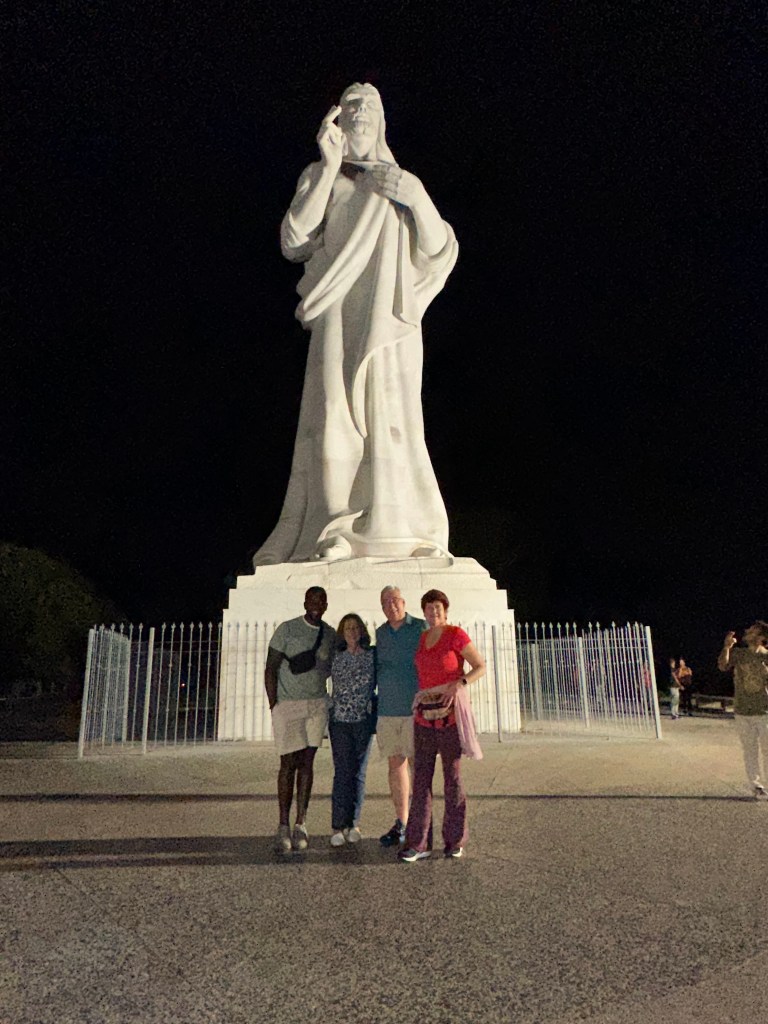
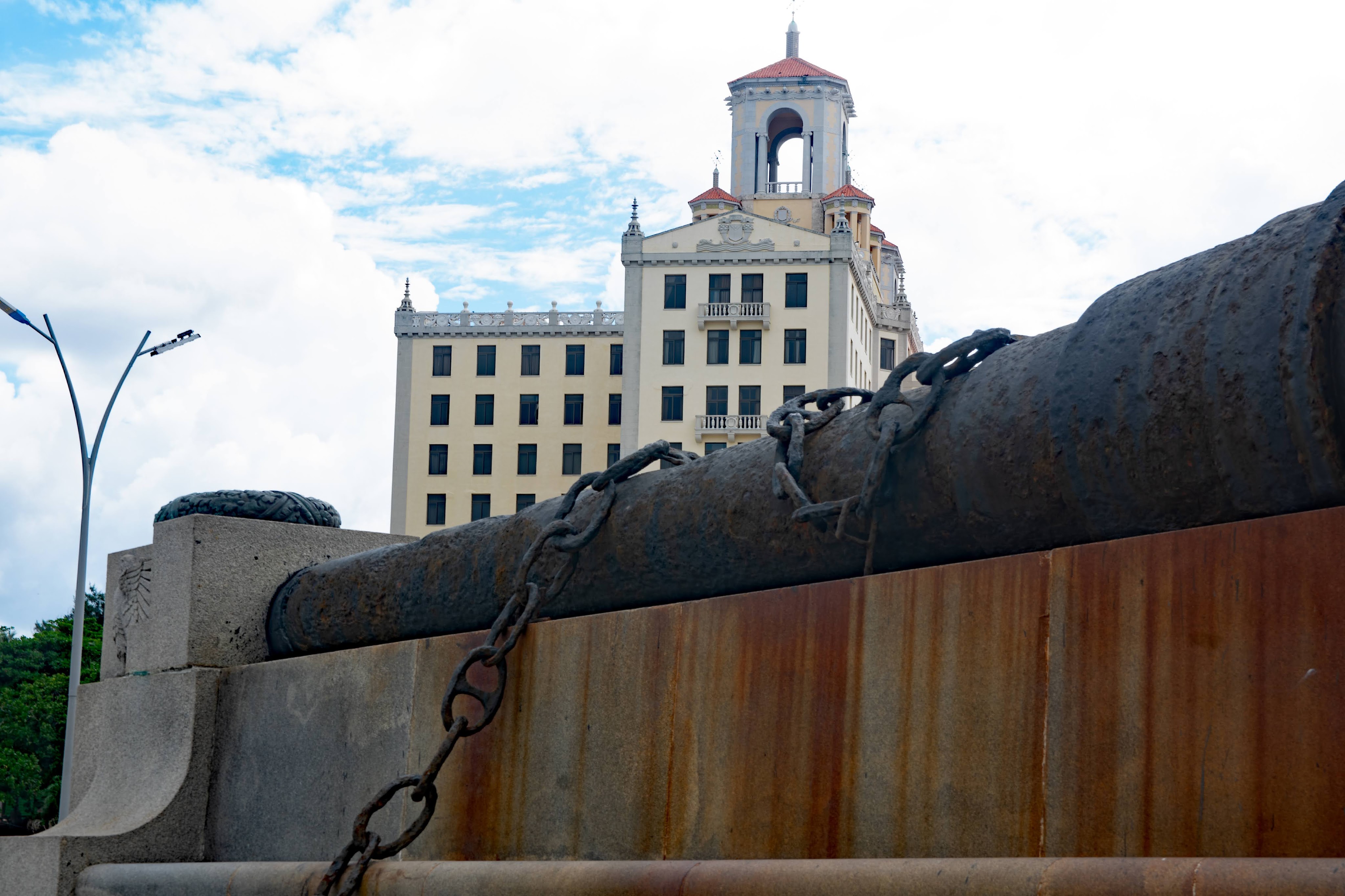
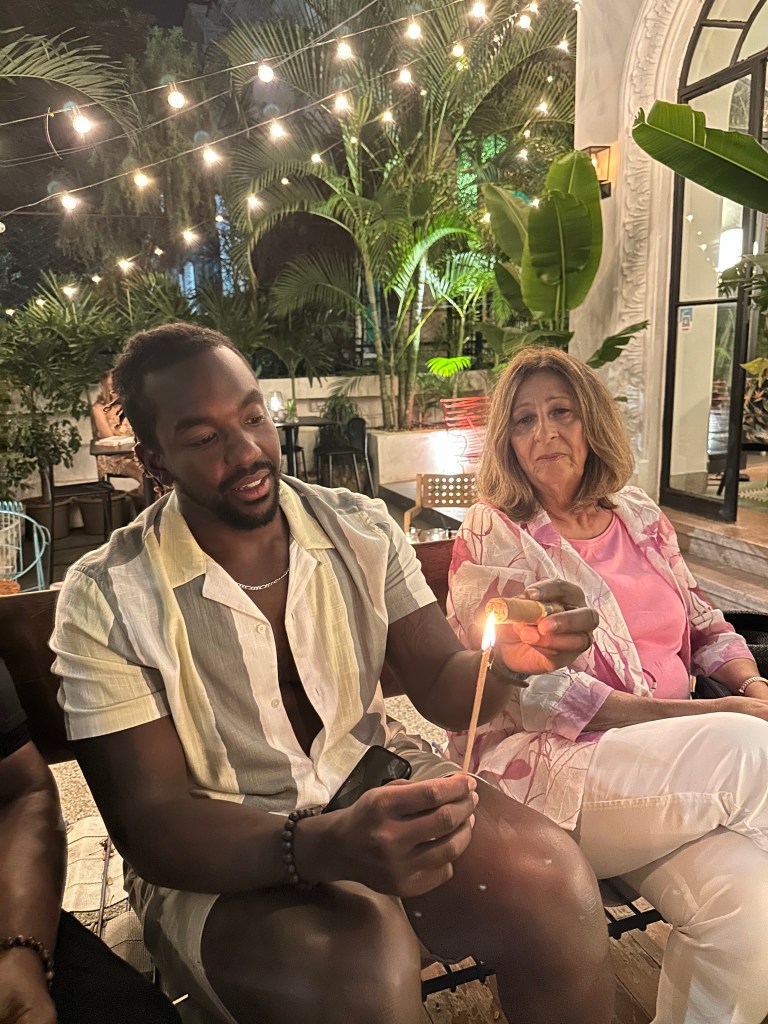
Then it was time for our first night out in Havana. Our first stop was The Hotel Nacional. Built in the 1930’s by an American hotel group, it has hosted Hollywood icons and legendary entertainers. In the 1950’s, it was the headquarters for the American mob, who basically ruled Havana from its hilltop location. The cocktail lounge pays tribute to the past with photos of celebrities who visited there. We had a mojito at the outdoor bar. Live music was playing and it was a beautiful evening. You may already know that one of my favorite things to do when I travel is to have a drink in the bar of the most expensive hotel in town. I could have stayed all evening, but soon it was time to move on to our next stop: the Castillo del Morro, a harbor fortress built by the Spanish in 1589 to protect Havana from invaders and pirates. Every evening they re-enact the closing of the harbor by the Spanish authorities and a canon is shot at exactly 9:00 pm. The fortress is huge and is the site of colonial history as well as revolutionary history. After the fortress ceremony, we went to see the harbor statue of Christ. The nighttime views of Havana were beautiful! Then it was back to the hotel. The kitchen was closed, but the bar was open. Liz, and Bill and I had a glass of wine to celebrate our first day in Havana.
From the lobbyFrom our roomHotel NacionalHotel NacionalHotel NacionalBill and ChrisEl MorroEl MorroEl MorroEl MorroHavana lightsHarbor by nightPeople of HavanaHome of CheStatue of ChristChris, Liz, Bill, Geri
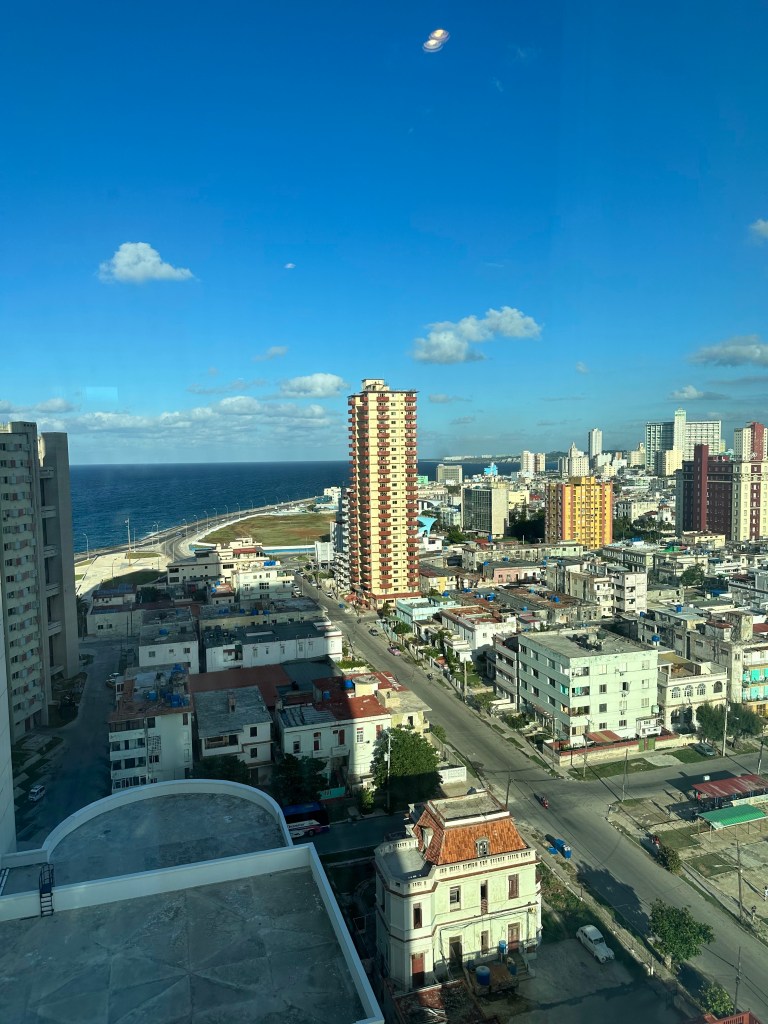
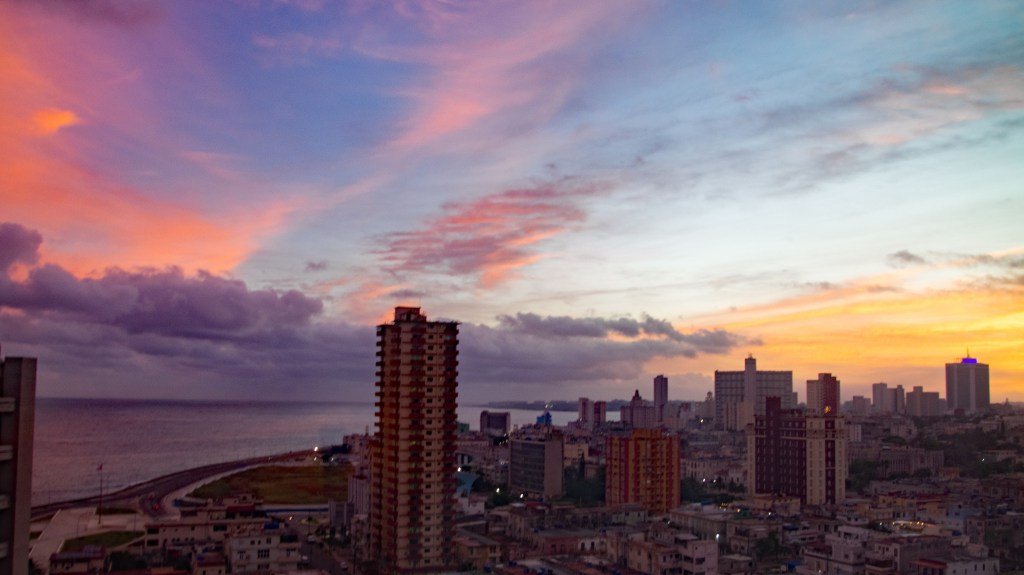
On day two of our Havana adventure, I awoke to a stunning sunrise over the city skyline. I could see the Malecón and the Gulf waters several stories below. We dressed for a day of sightseeing and went downstairs to have breakfast. The hotel has a large dining room with windows overlooking the bay. The breakfast buffet was extensive, but even in such a luxurious space there are shortages: fruit options were sparse and there were no eggs or yogurt. However, the coffee was strong and hot and there were plenty of sweets.
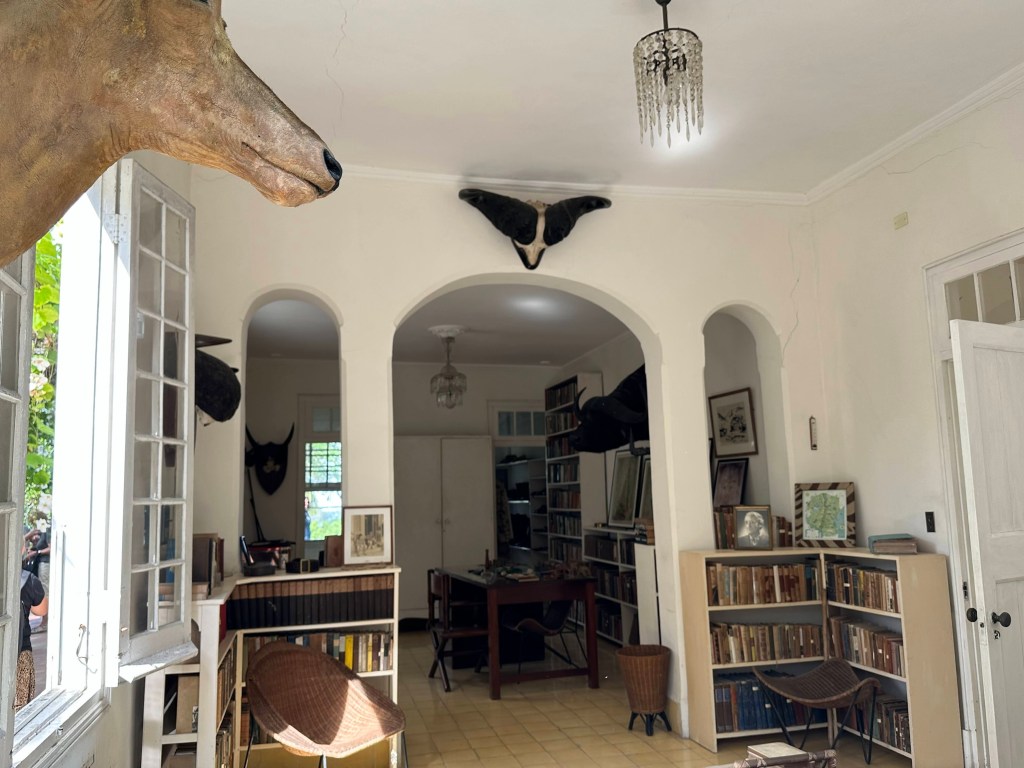
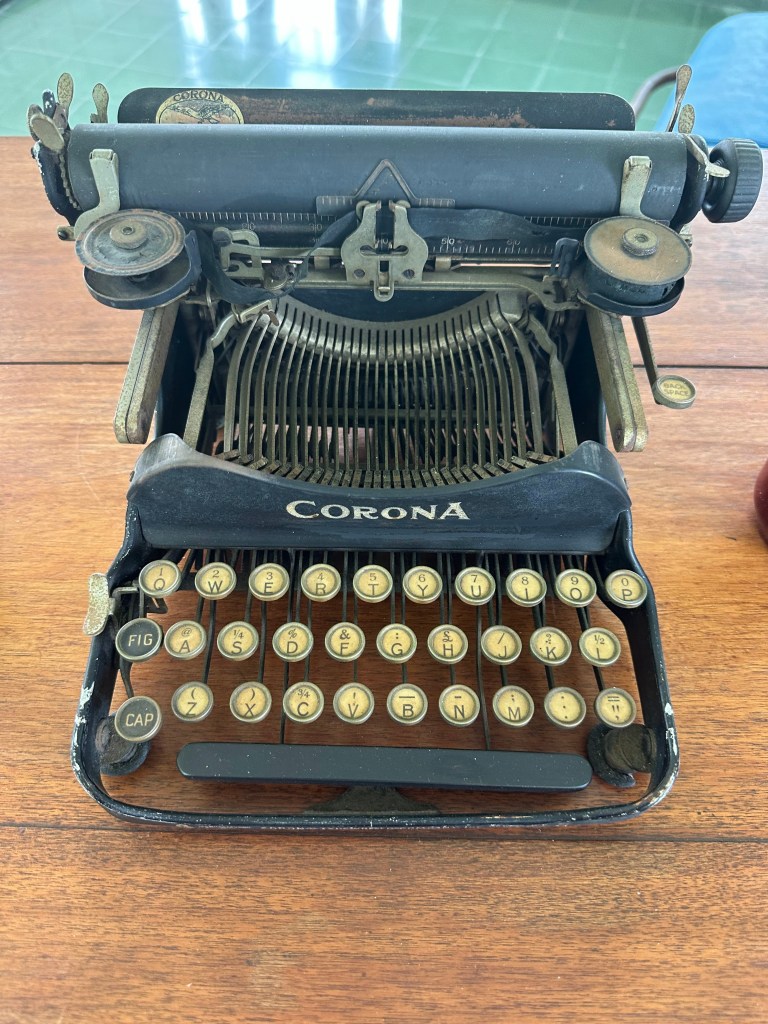
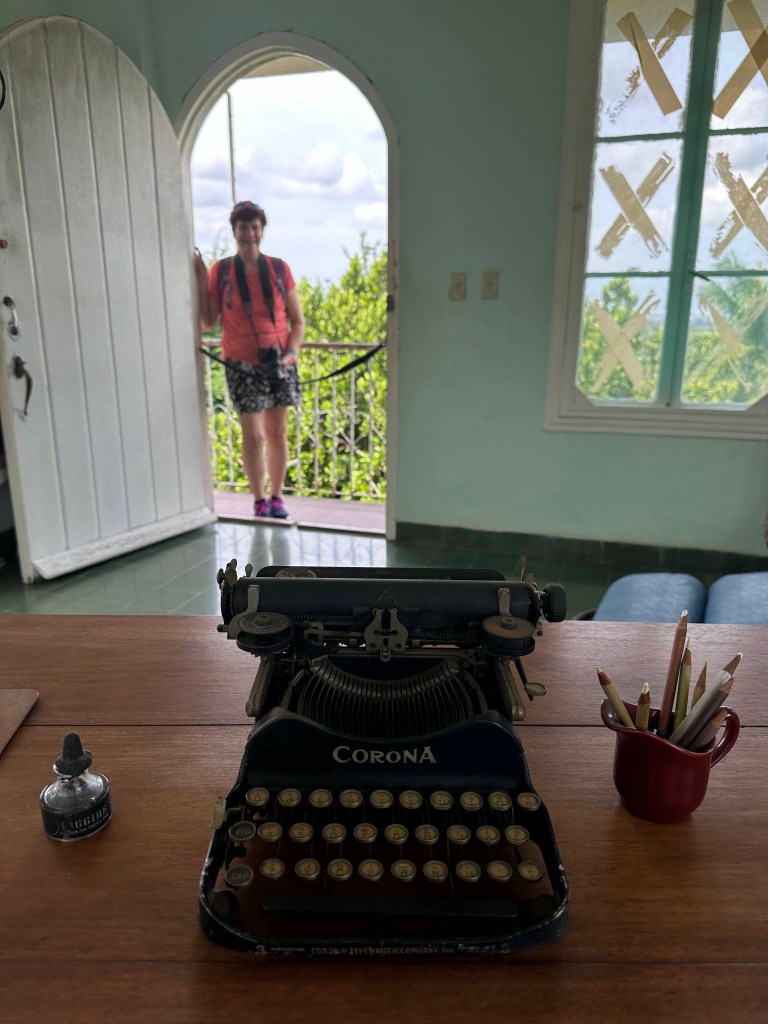
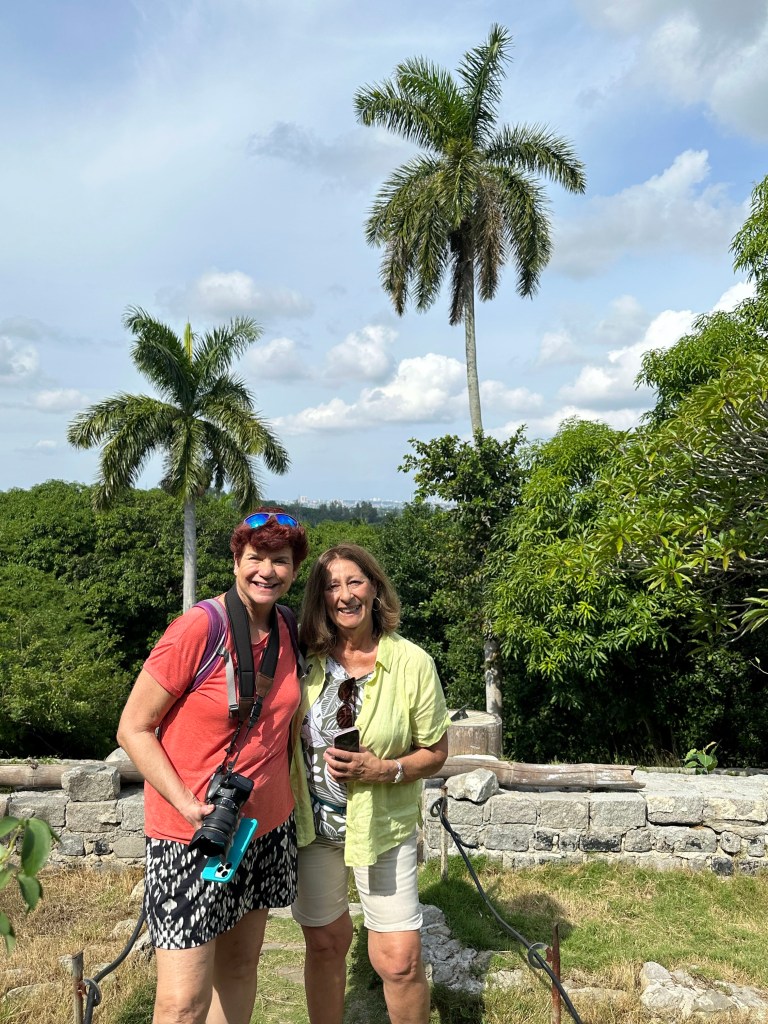
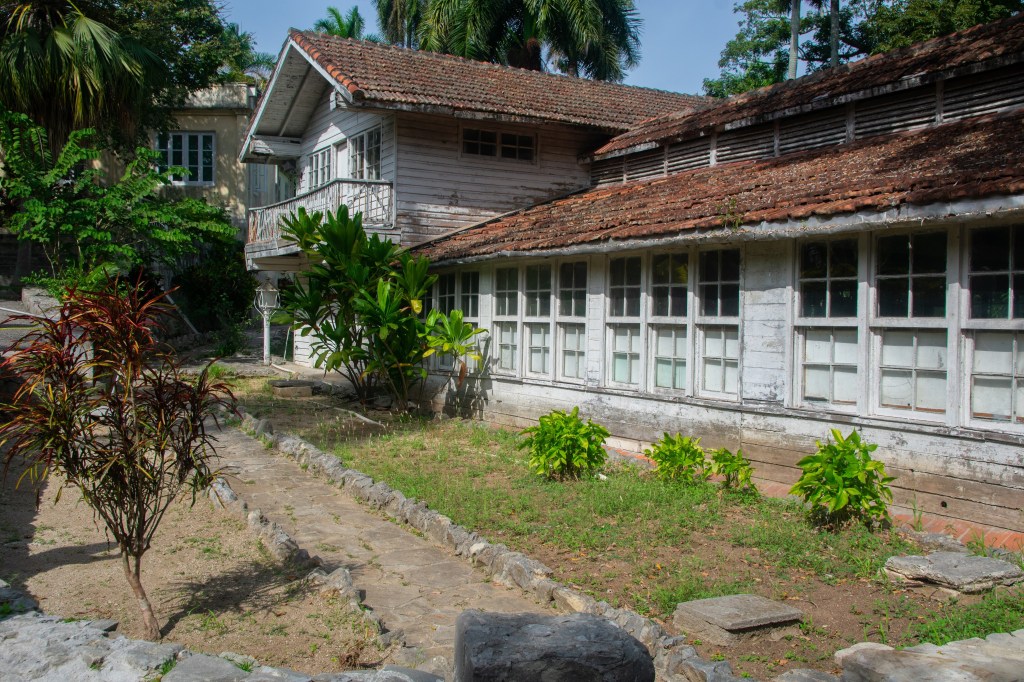
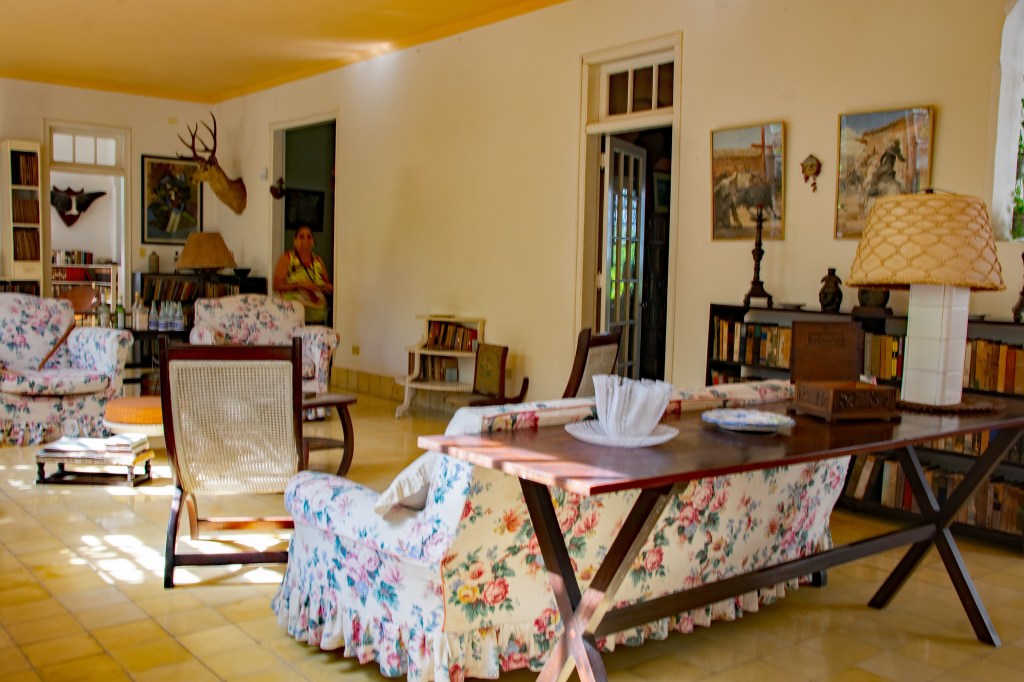
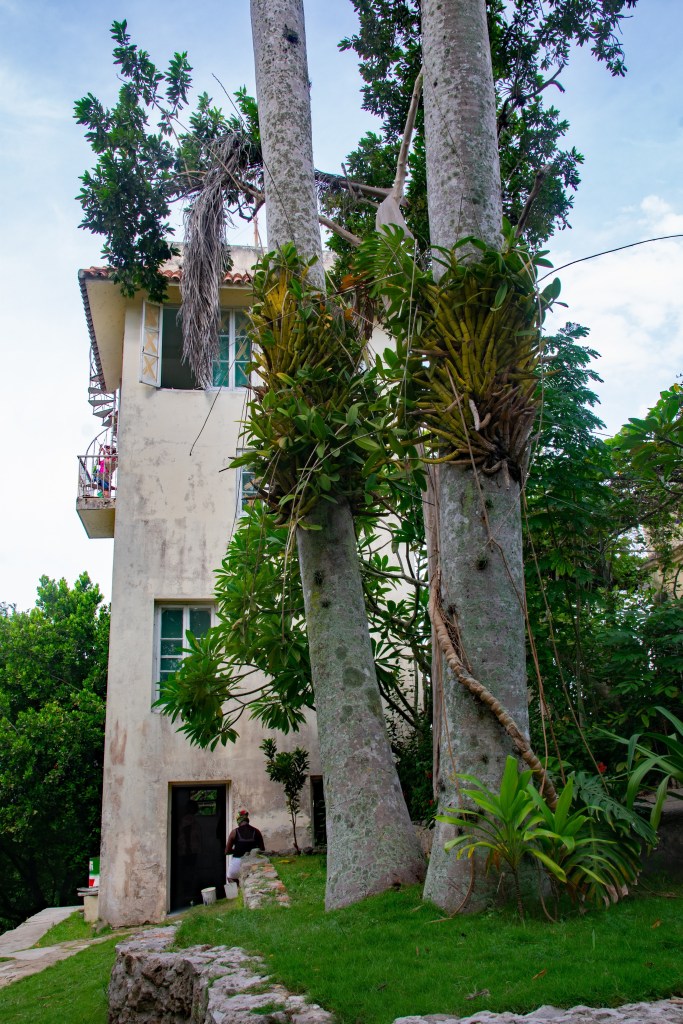
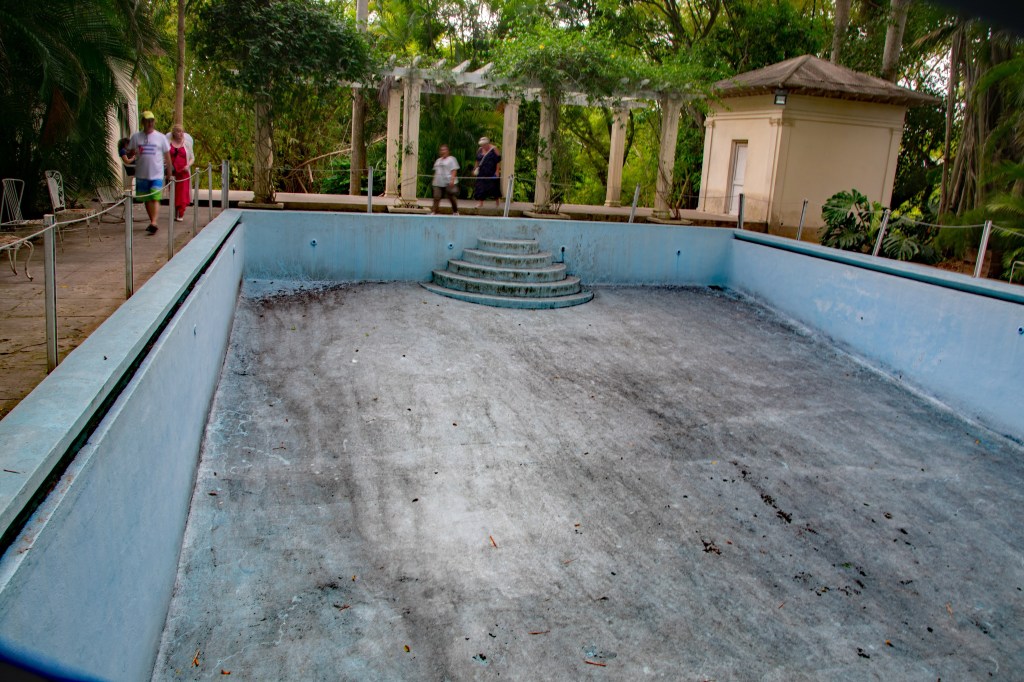
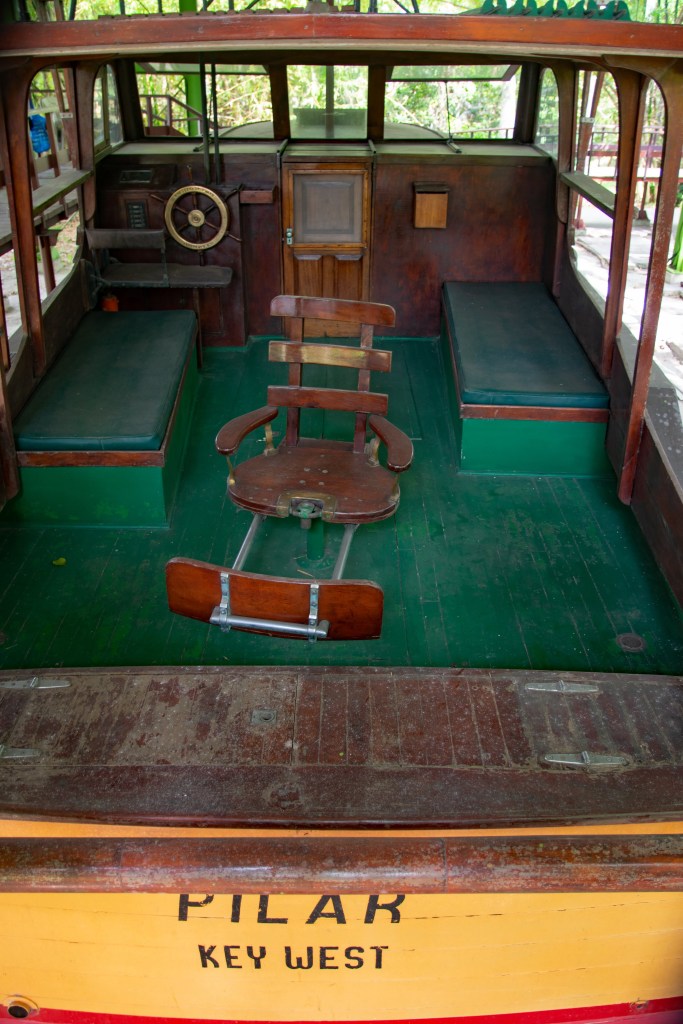
We met in the lobby and then piled into the van to head out to Finca Vigia, the former home of Ernest Hemingway and his third wife Martha Gelhorn. It is a popular spot, especially with American tour groups. The grounds are lush with tropical plants and trees, the house is preserved as it was in 1960 when Hemingway was forced to leave. Visitors are not allowed to traipse through the home, but the doorways are wide and allow for gaping inside. For a modest tip, a member of the staff will take photos inside with your phone. Staff members are friendly, and happy to talk about the site, the photos, and the history of the place. The guest quarters are still standing, but the interior needs renovation, so it is currently closed to the public. The swimming pool where Eva Gardner reportedly swam nude is empty of water, but full of Havana history. We ended our visit at the Hemingway bar, a charming outdoor space, where we enjoyed a beverage and some live music.
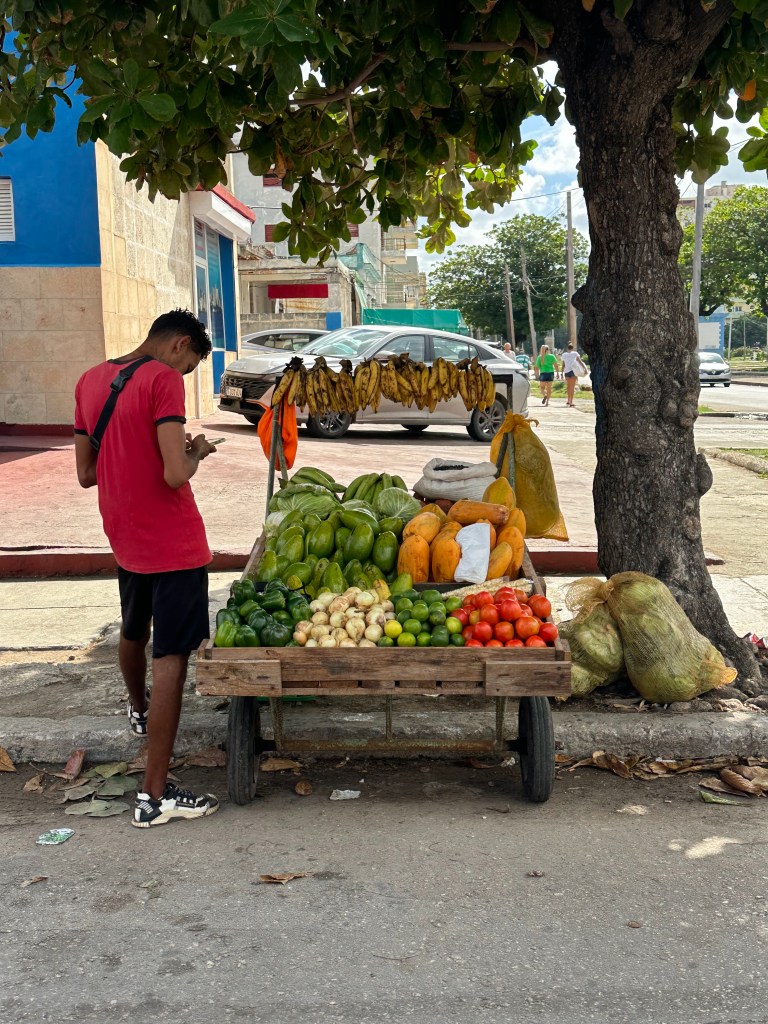
Then it was back to the van for the ride back into the city. The streets were full of people walking or waiting for buses. Liz asked Felix where everyone was going. He explained that they were constantly in search of goods. Cubans still get government vouchers for food and necessities, but the trade embargo and the pandemic have contributed to severe shortages. Residents spend a good part of their day waiting in line for the basics.
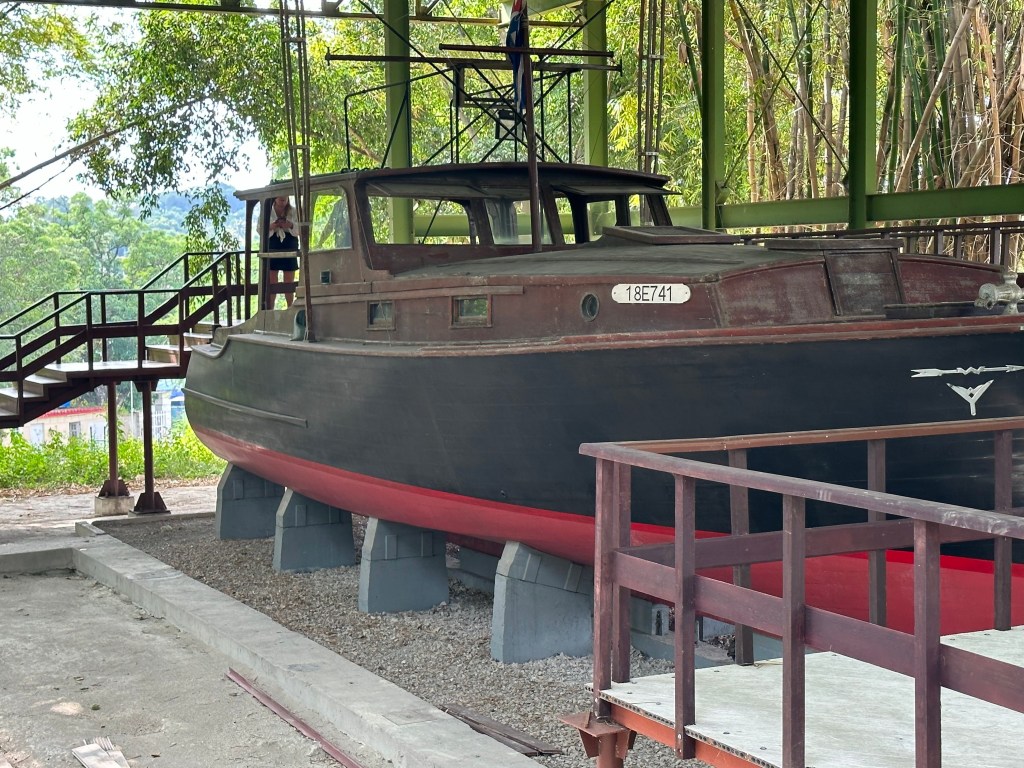
Havana SunriseChris and Ron (a father and son trip) Old Enough to be a ClassicGeri and Bill at Finca VigiaFinca VigiaHemingway’s typewriterGeri and lLzThe PilarGeri, Bill, Juliet, Liz, Chris, RonFelix and ChrisGuest HouseBust of ErnestInteriorThe StudioThe Swimming Pool
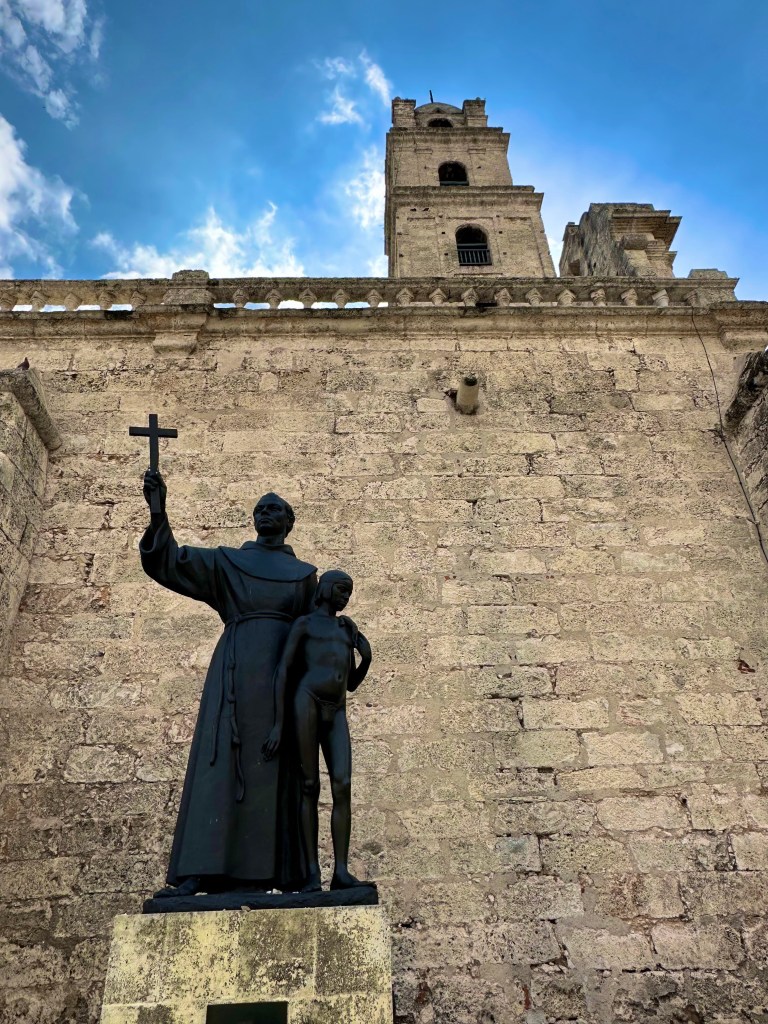
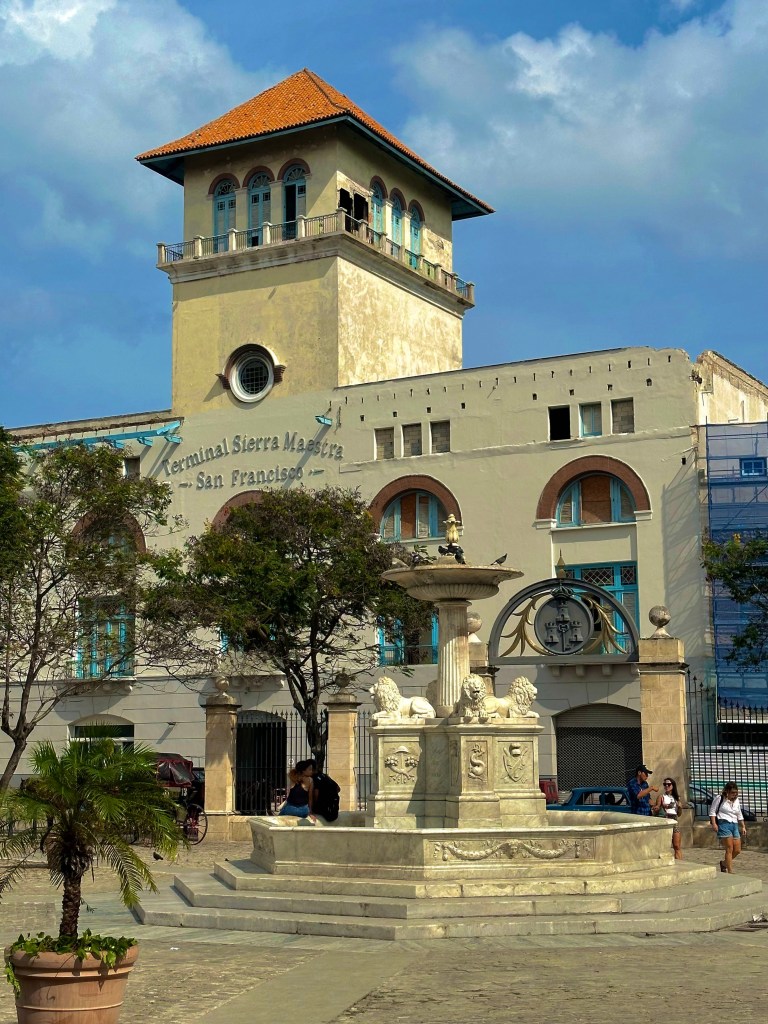
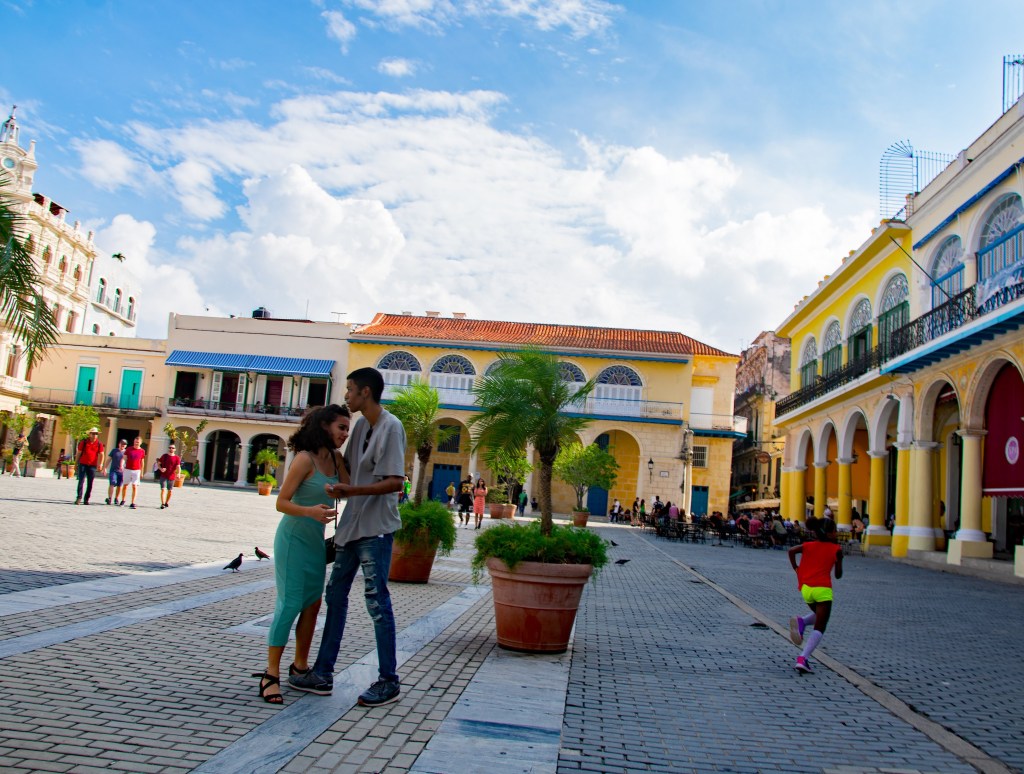
Our next stop was Old Havana. We strolled through Cathedral Square, Plaza San Francisco, and Plaza Vieja (old plaza). Old Havana dates from the Spanish colonial era which spanned three centuries. Plaza Vieja has been restored by UNESCO and named a World Heritage Site. Tourists come for the history and local children use the open space to play. Our lunch spot that day was La Vitrola. It was loud and bustling, definitely a tourist spot, the food was basic, but the atmosphere was totally fun. A live band was playing a few feet from us, making conversation impossible, but singing and dancing irresistible.
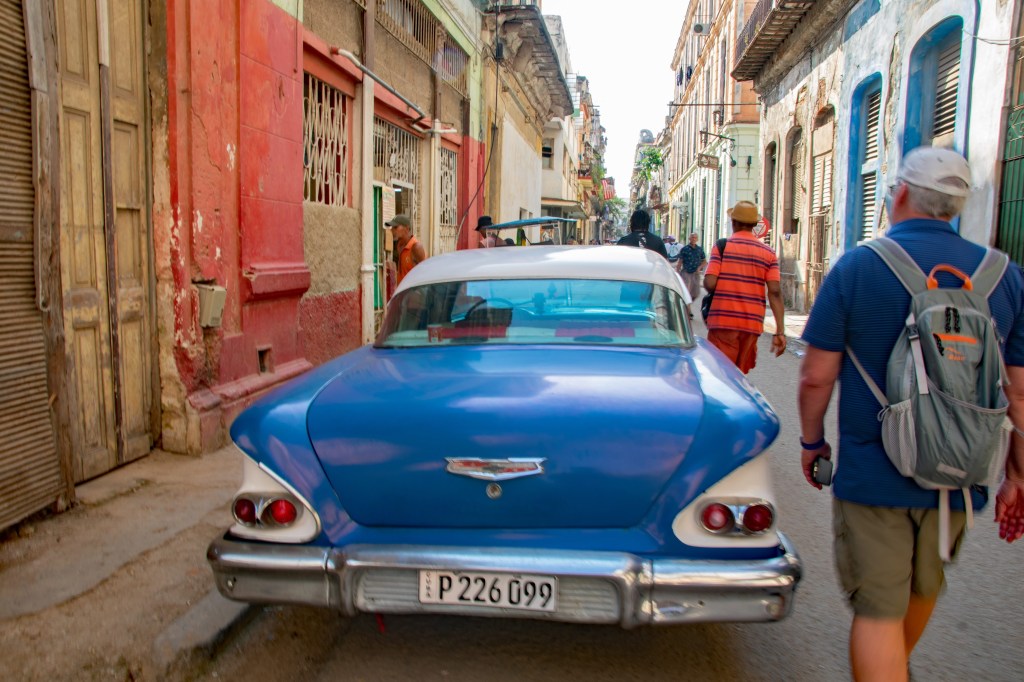
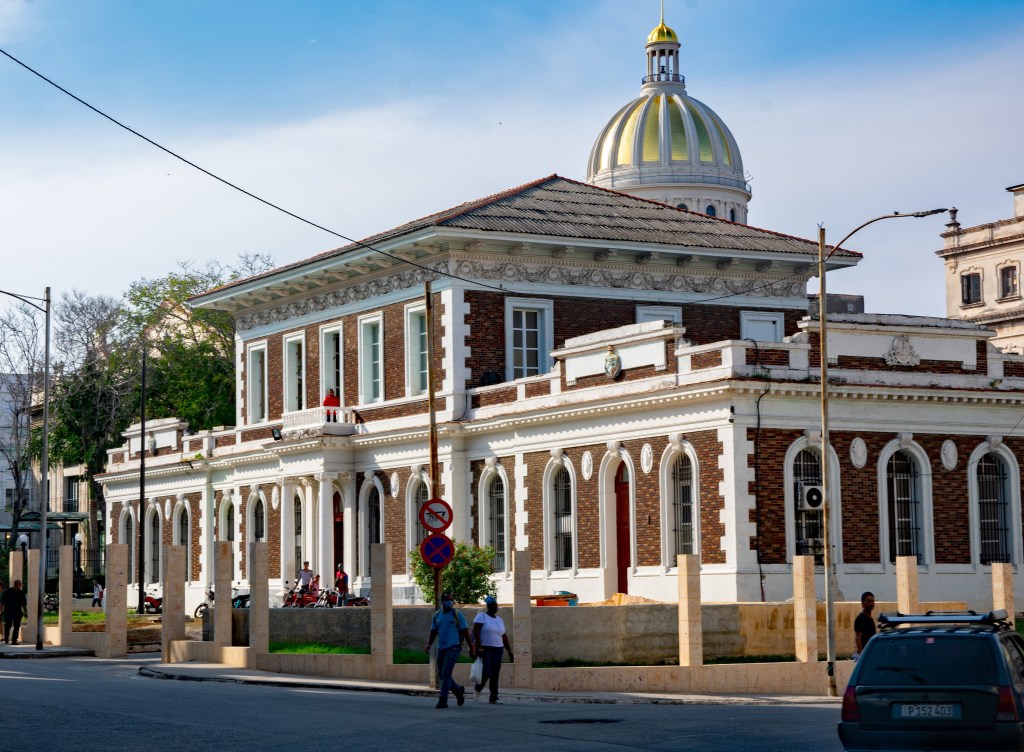
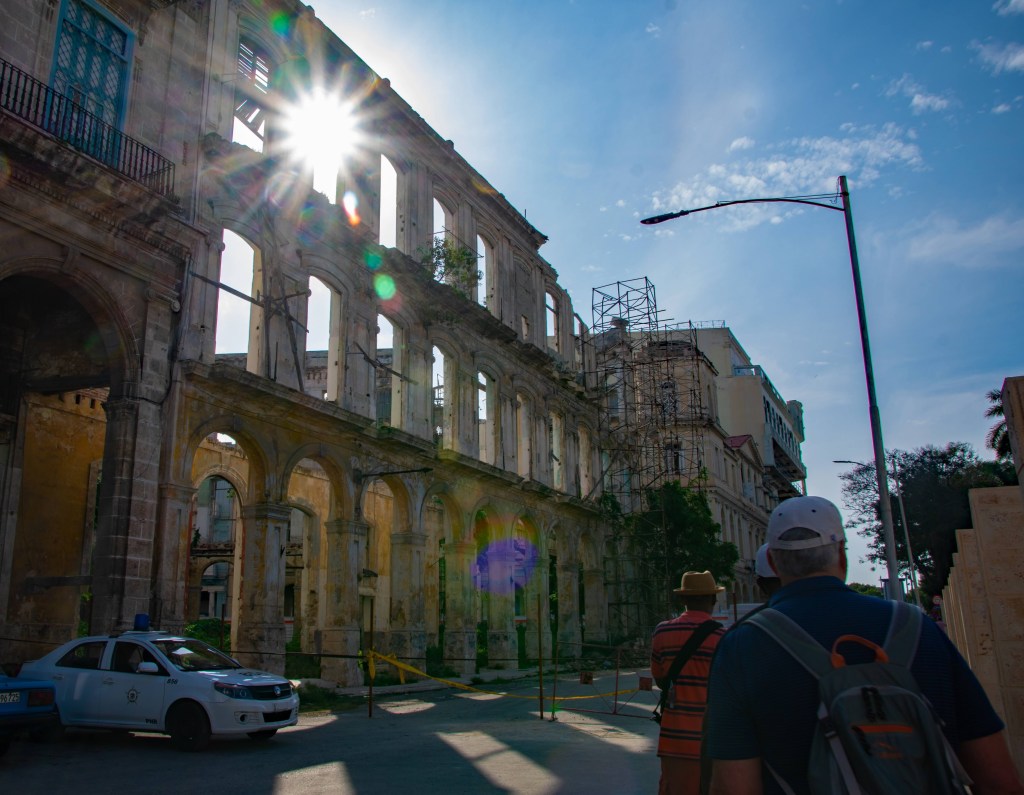
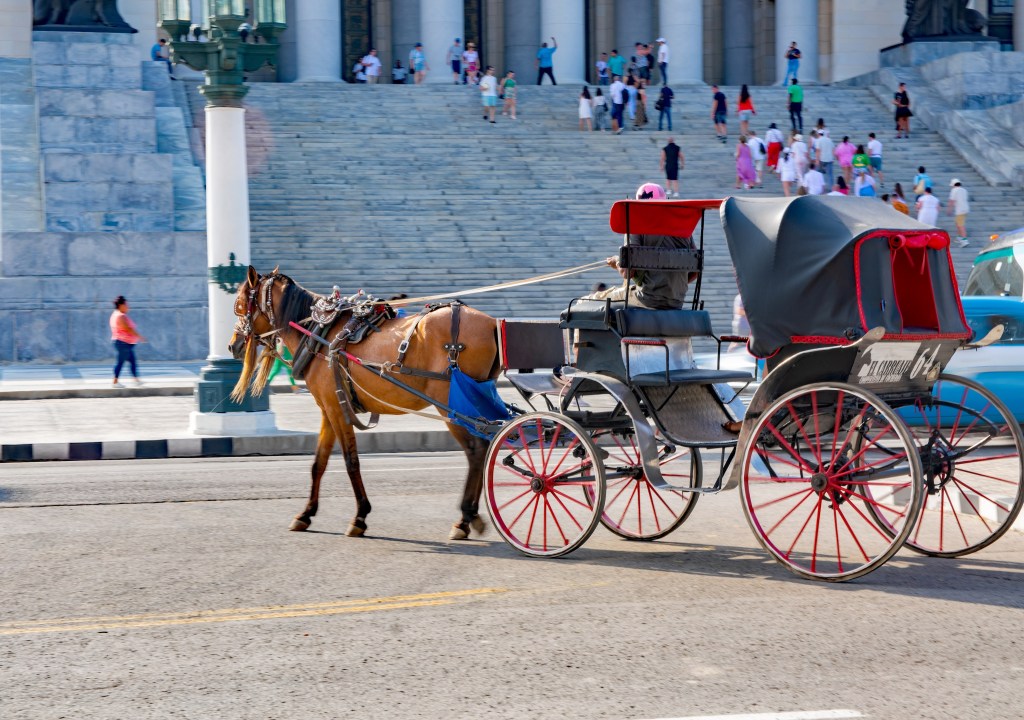
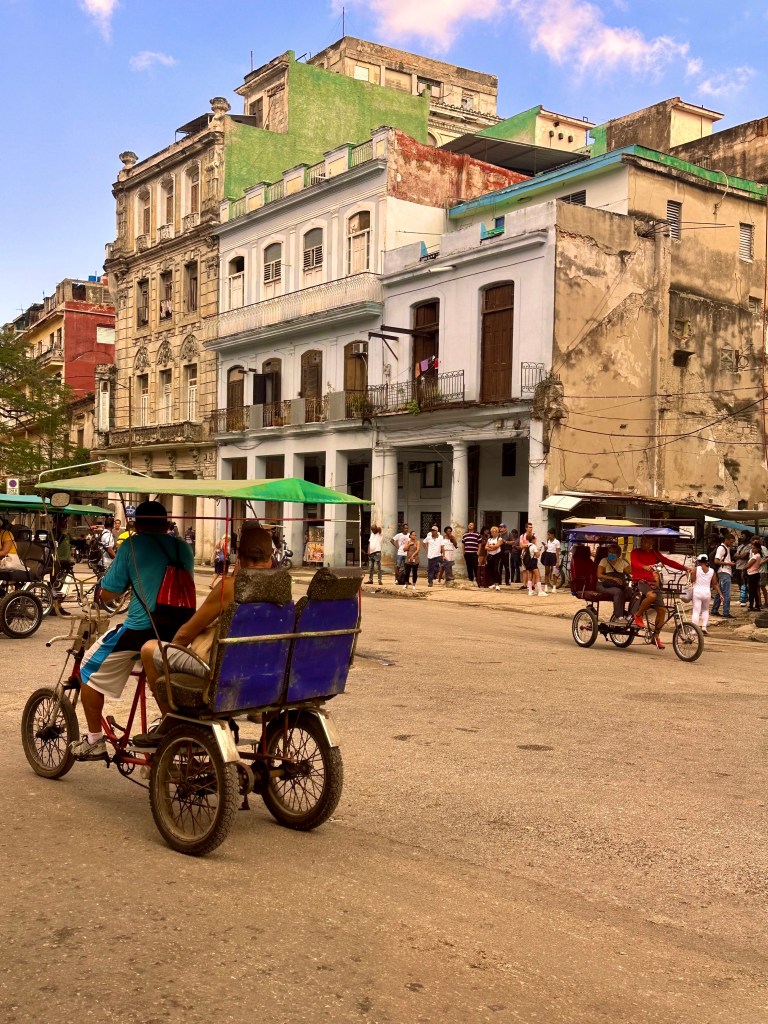
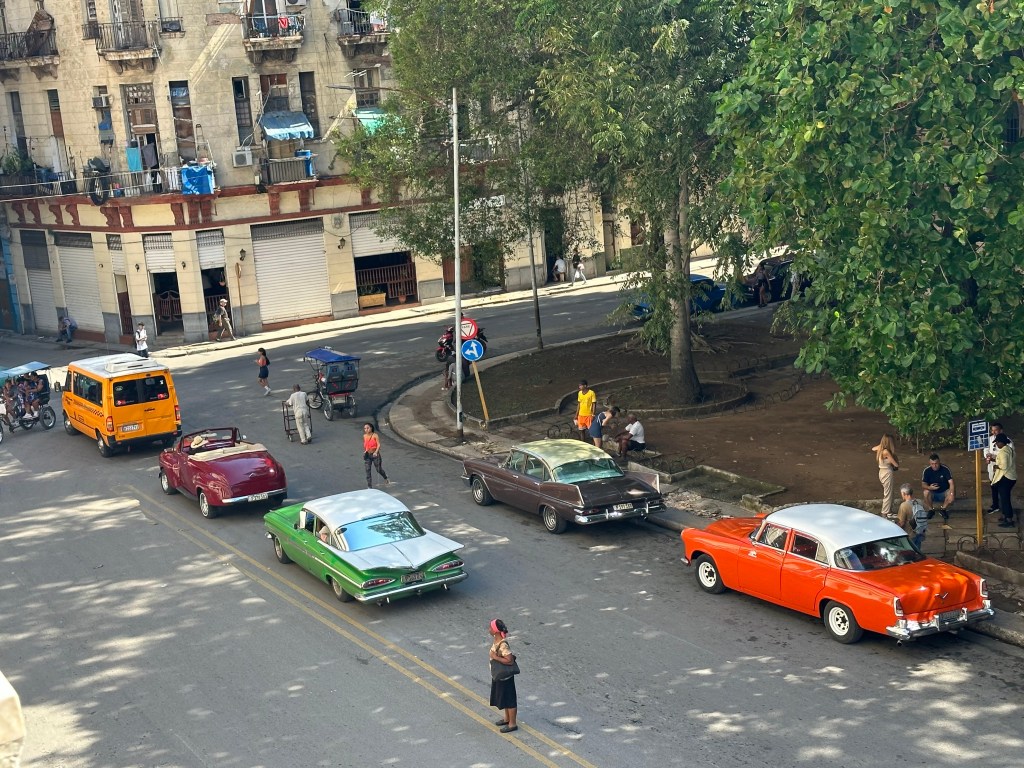
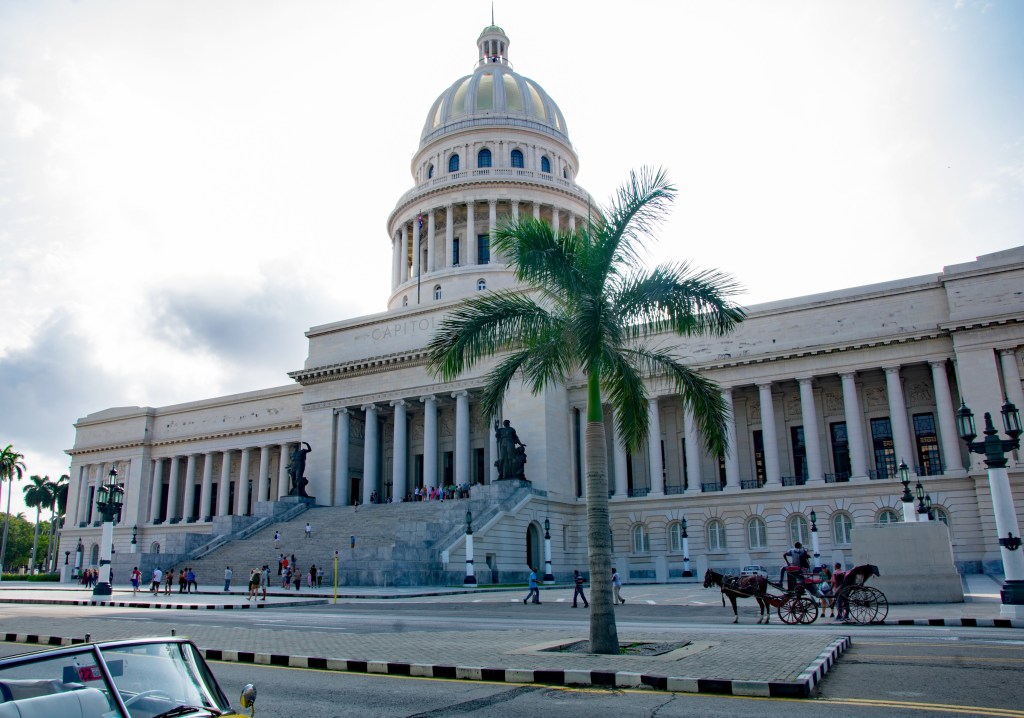
After lunch, we took a sobering stroll down a back street in the old town, having chosen that over the touristy Calle Obispo. Our guides told us to walk down the middle of the street to avoid falling building materials. Residents share spaces in crumbling buildings, many without utilities and running water. Old cars share the narrow streets with pedestrians and the lucky few with a bicycle. Despite the apparent poverty, there is a social vibe, as everyone seems to be outside interacting with their neighbors. I did not see any obvious homeless people or any panhandlers. I asked Juliet about that, and she said there isn’t a lot of it; most people have some form of shelter. She was very surprised to hear that we have a lot of homelessness in the US. Our walk ended at the Capitol building, built in 1926-1929 with the help of US dollars. It bears a striking resemblance to the US Capitol. It currently houses The Cuban Academy of Science and the Science and Technology National Library.
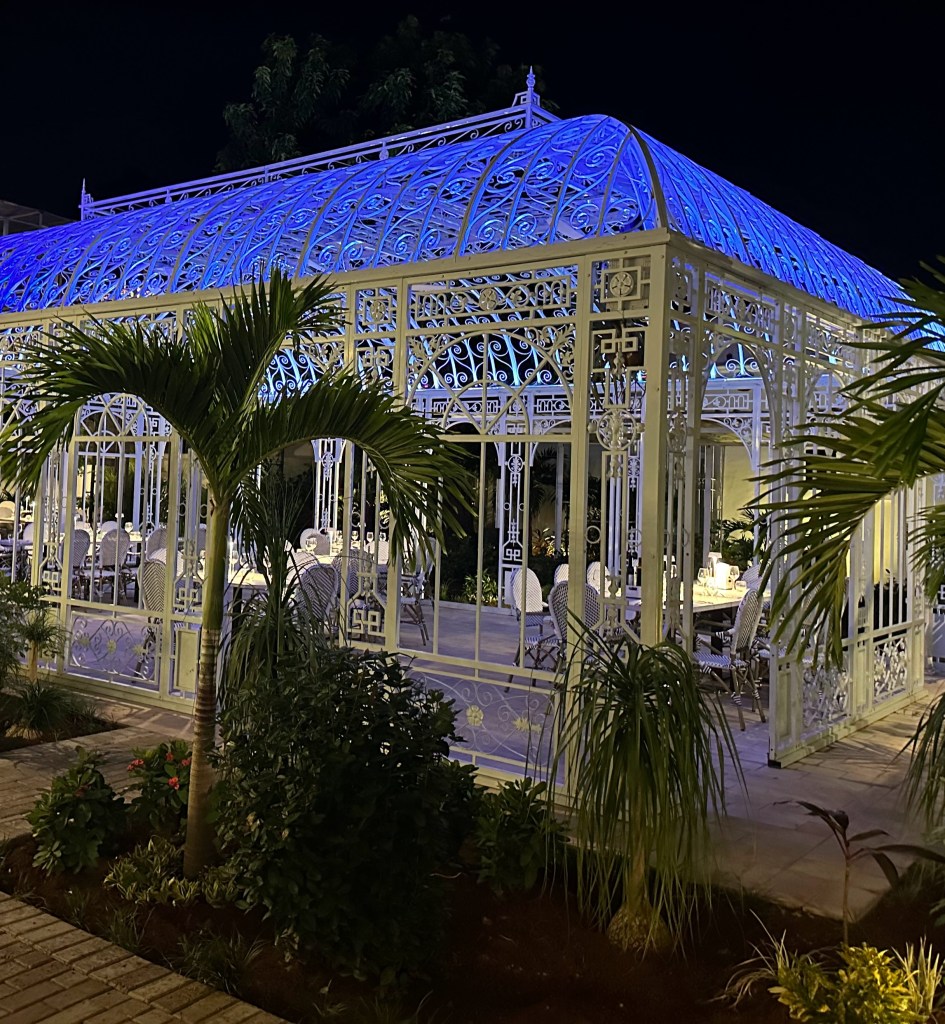
It was time to go back to the hotel for a swim and a rest before an evening dinner at Casa Italia. Casa Italia is a boutique hotel and restaurant in a restored Havana mansion. We dined in their beautiful outside gazebo. The food and wine were fantastic and the company could not have been better!
Plaza de San FranciscoLa VitrolaPlaza ViejaSchool kidsA Stroll through the back streets of Old HavanaThe CapitolCasa ItaliaCasa ItaliaOur Dining Room at Casa ItaliaOur Group (Day 2 Was One for the Books)
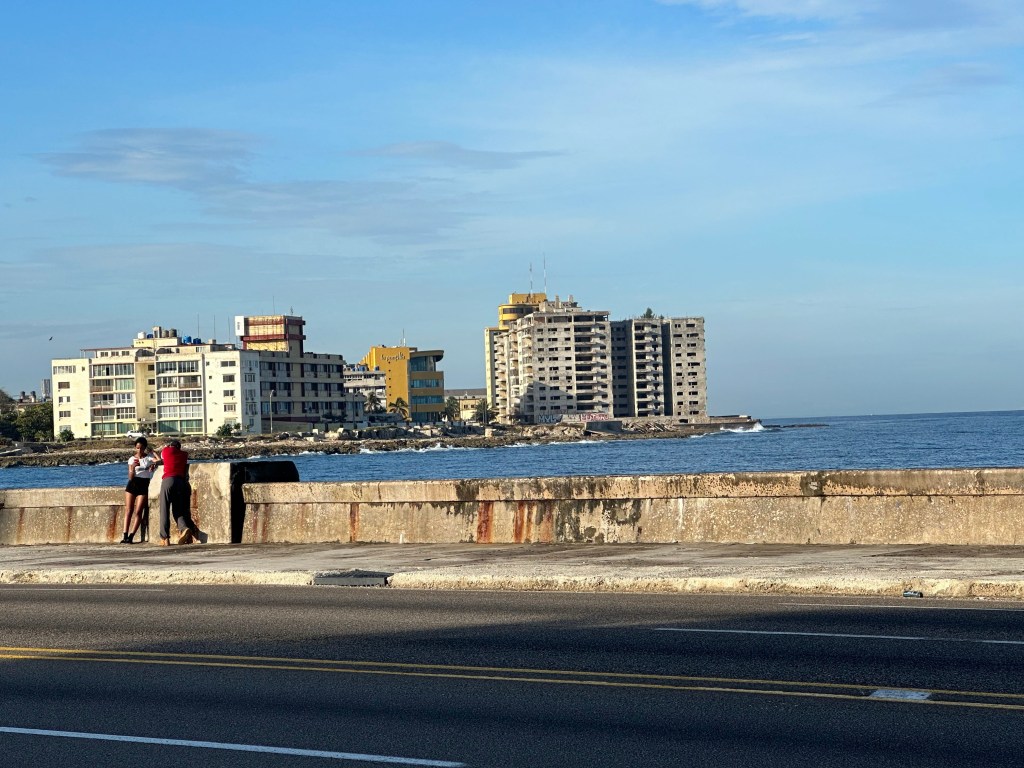
On day three (Wednesday) of our Cuba adventure, departure time was later, so Bill and I took an early walk on the Malecón. Traffic made it impossible to cross to the sea side of the highway. We passed the Riviera, a once famous hotel and casino. The small domed part of the building is the former casino. The hotel looks dated and worn from the outside. We were approached by a man asking us for money. We gave him some and he pushed for more, but walked away when we refused. We never felt unsafe in Havana, but like anywhere, you need to be aware of your surroundings. We stopped for breakfast near the hotel, where we sat outside and enjoyed the view.
The RivieraThe MalecónFishing on the Malecón
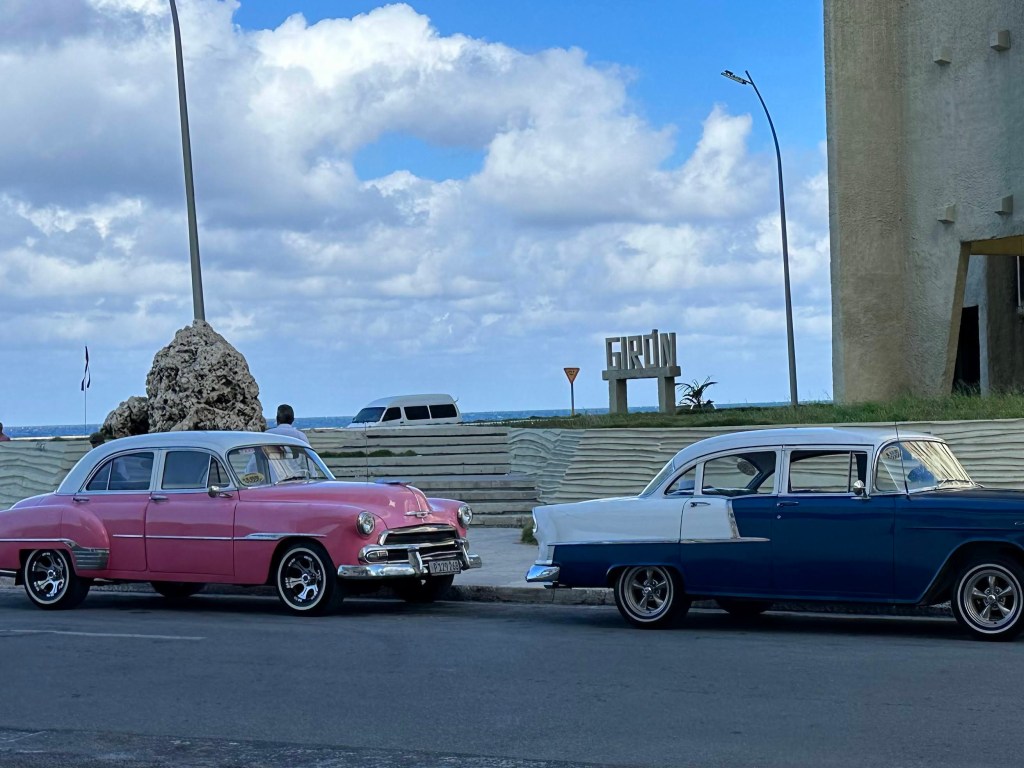
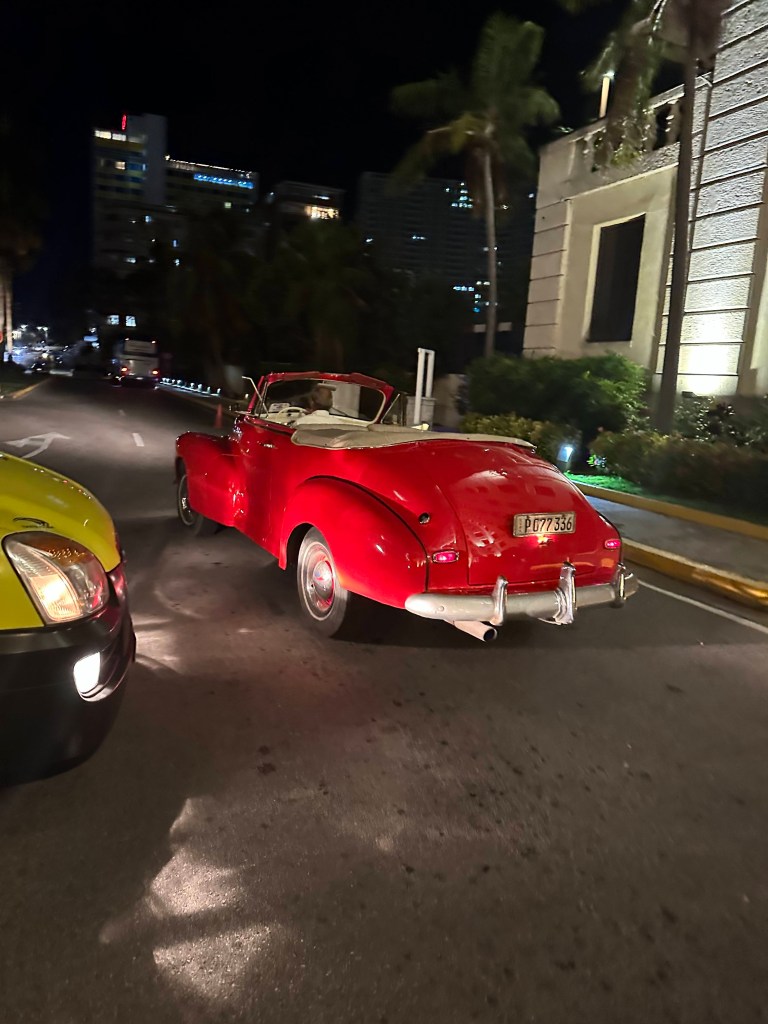
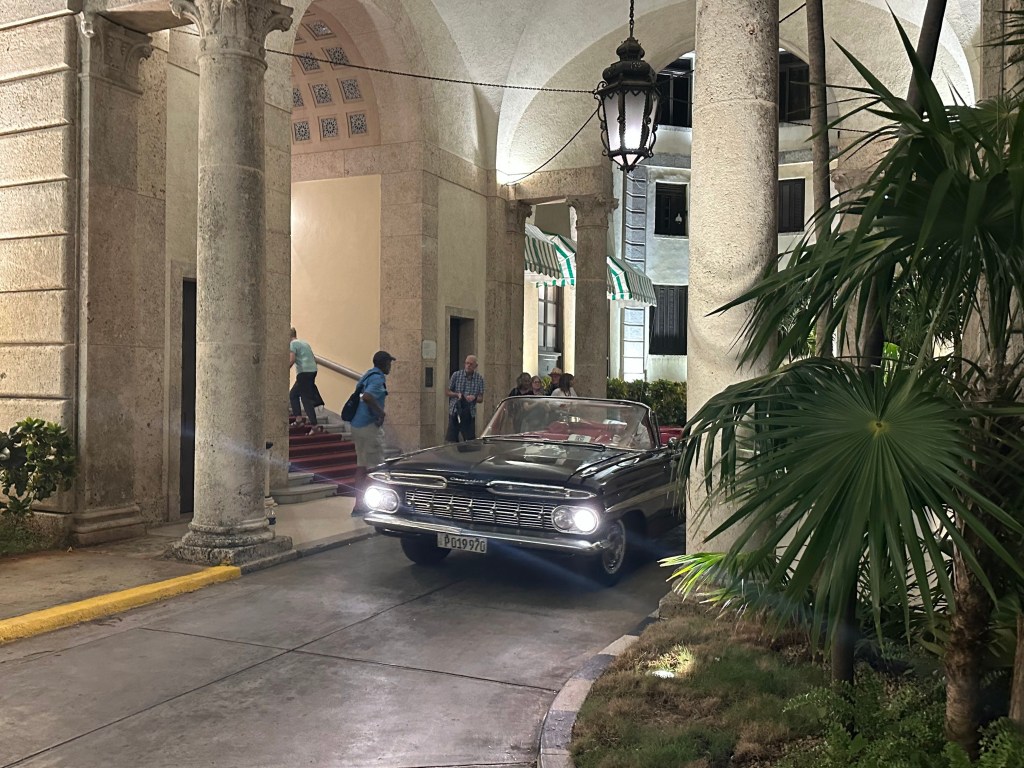
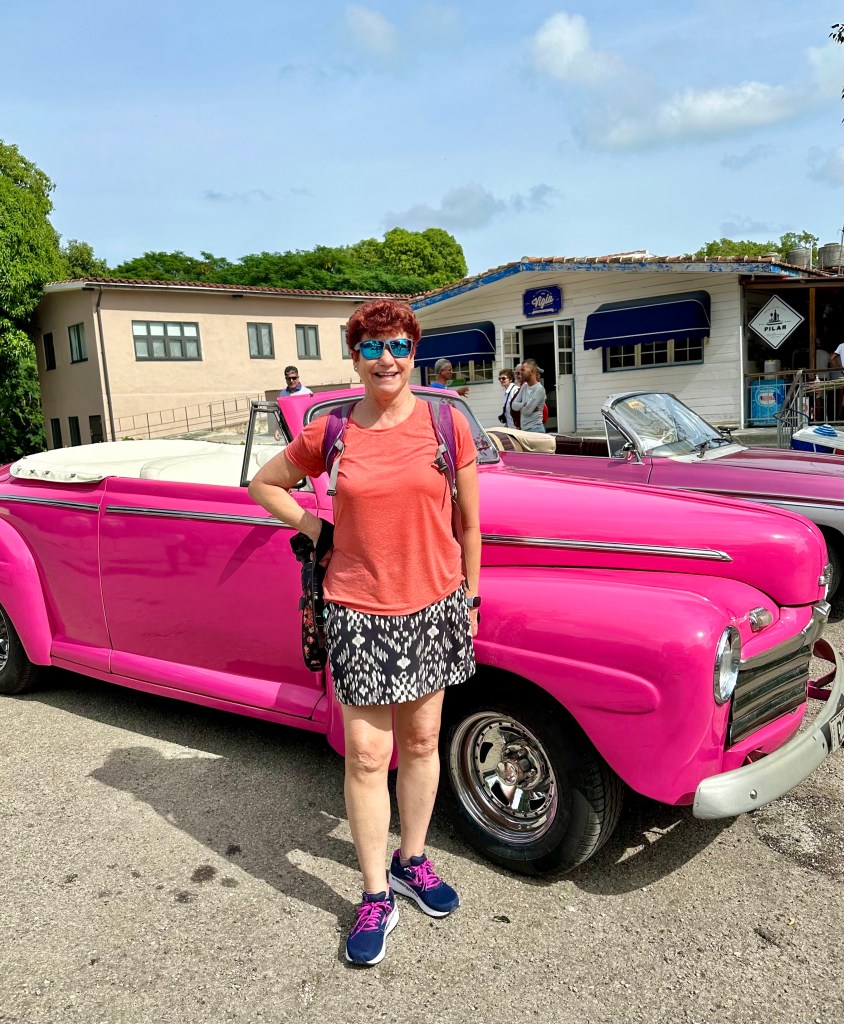
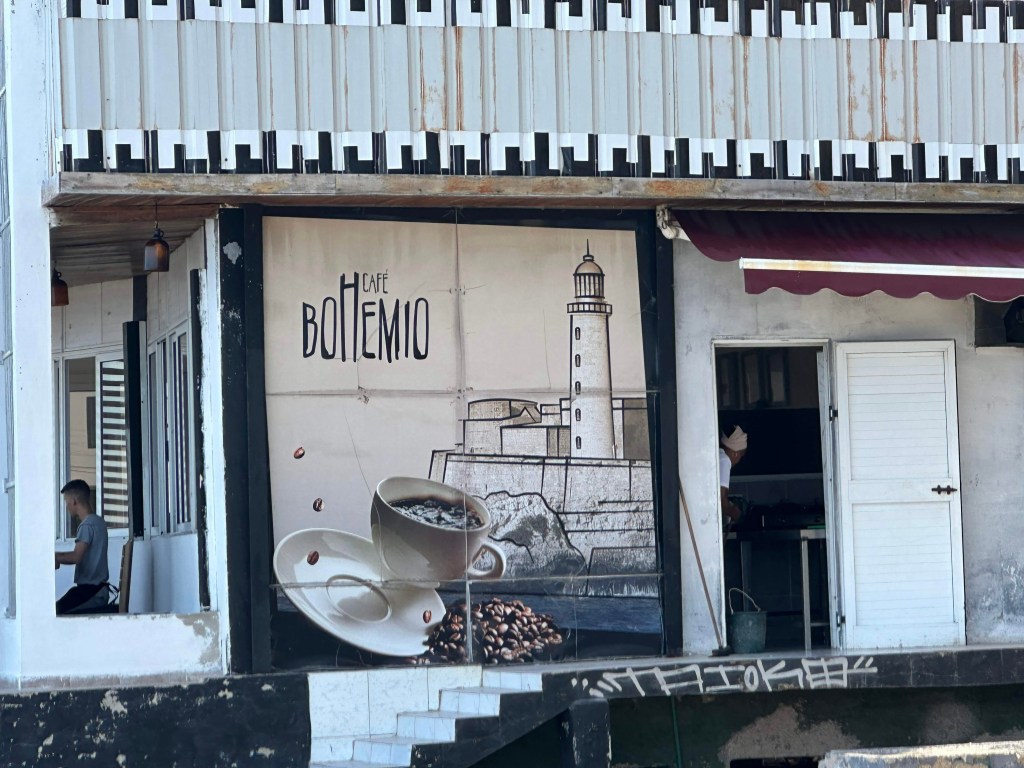
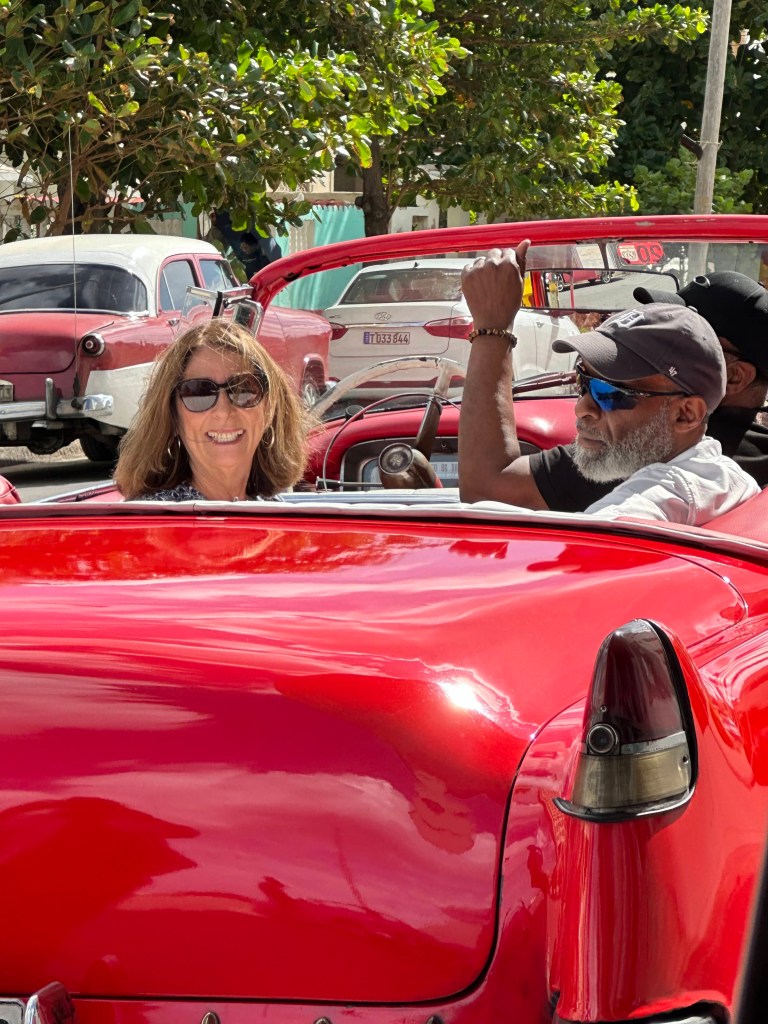
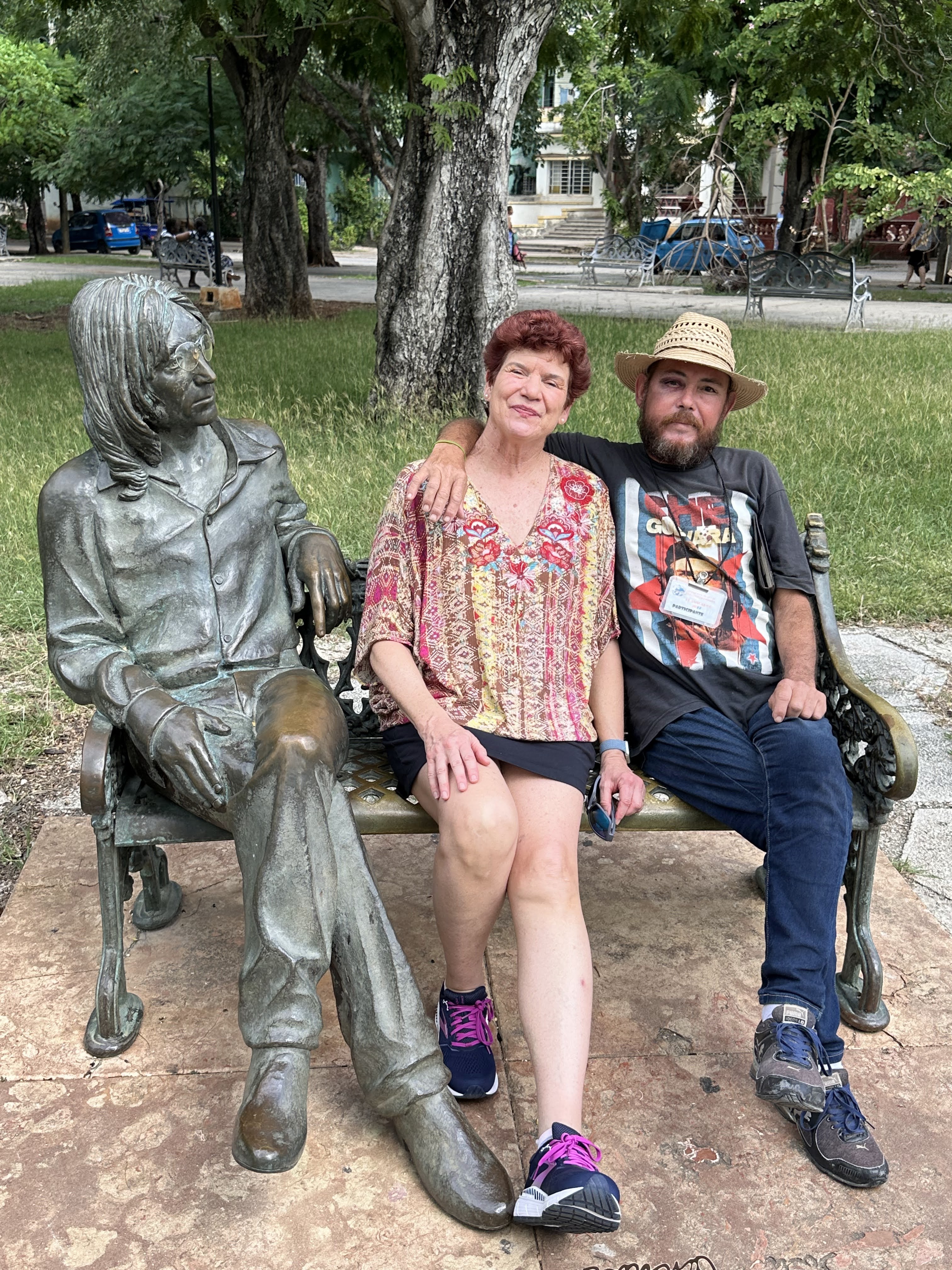
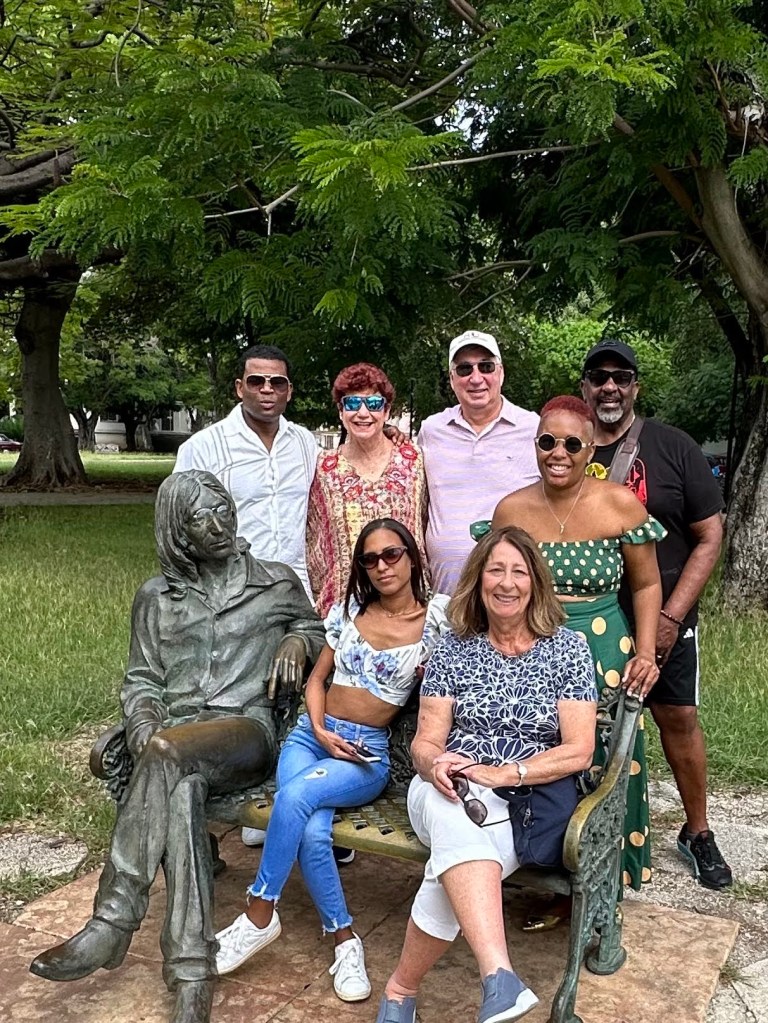
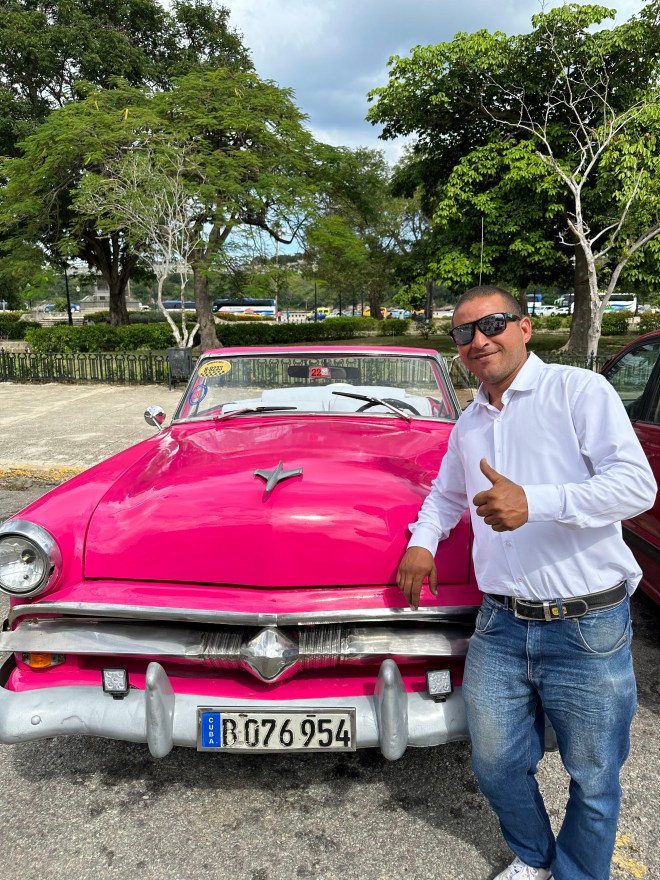
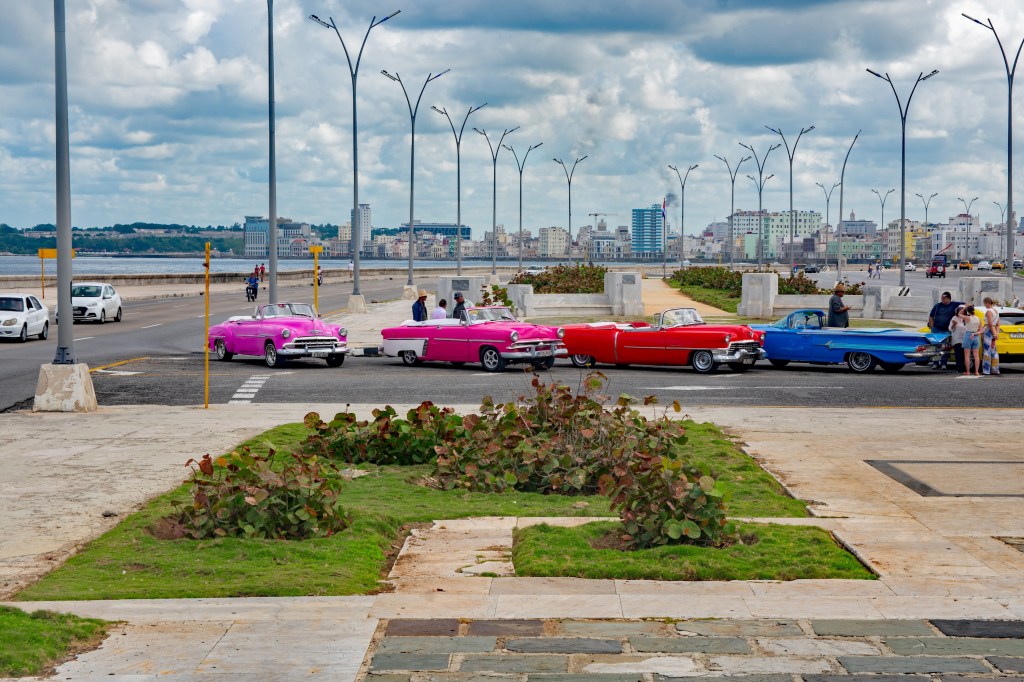
Our guides arrived for the day’s events and three drivers in classic cars pulled up to chauffer us through Havana. We were giddy with excitement as we piled into colorful 1950’s convertibles. Our first stop was John Lennon Park. Felix was surprised that I knew about it, but I had read the guide book. It was a small park in a tree-lined neighborhood. The bench with John’s statue is monitored by a local gentleman, who for a modest tip, will take your photo. I have no idea why there is a park dedicated to John Lennon, but I can Imagine.
Bill, GeriLiz, FelixJohn Lennon ParkKyle,Geri,Bill, Juliet, Ron, Lynette, LizLuis
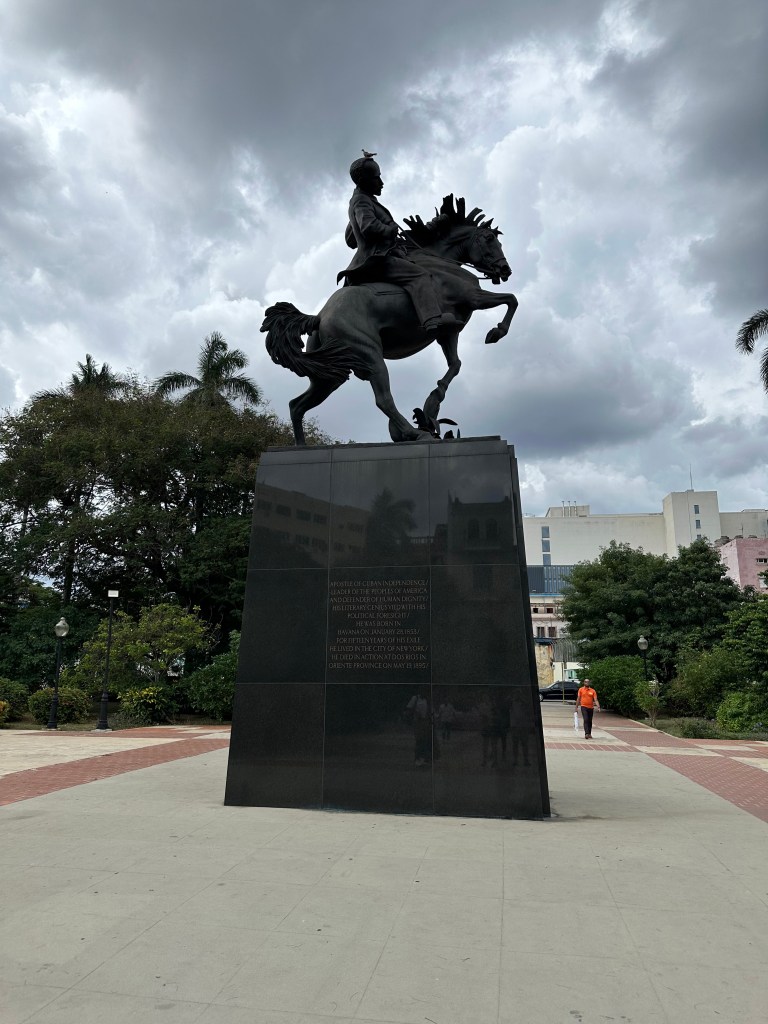
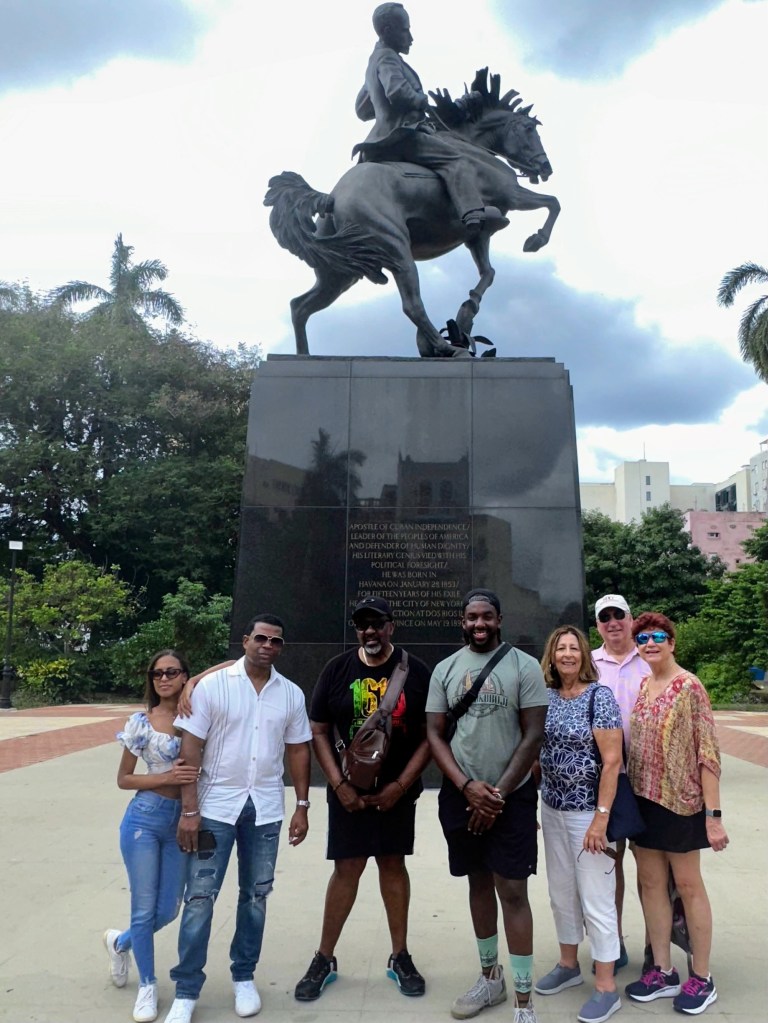
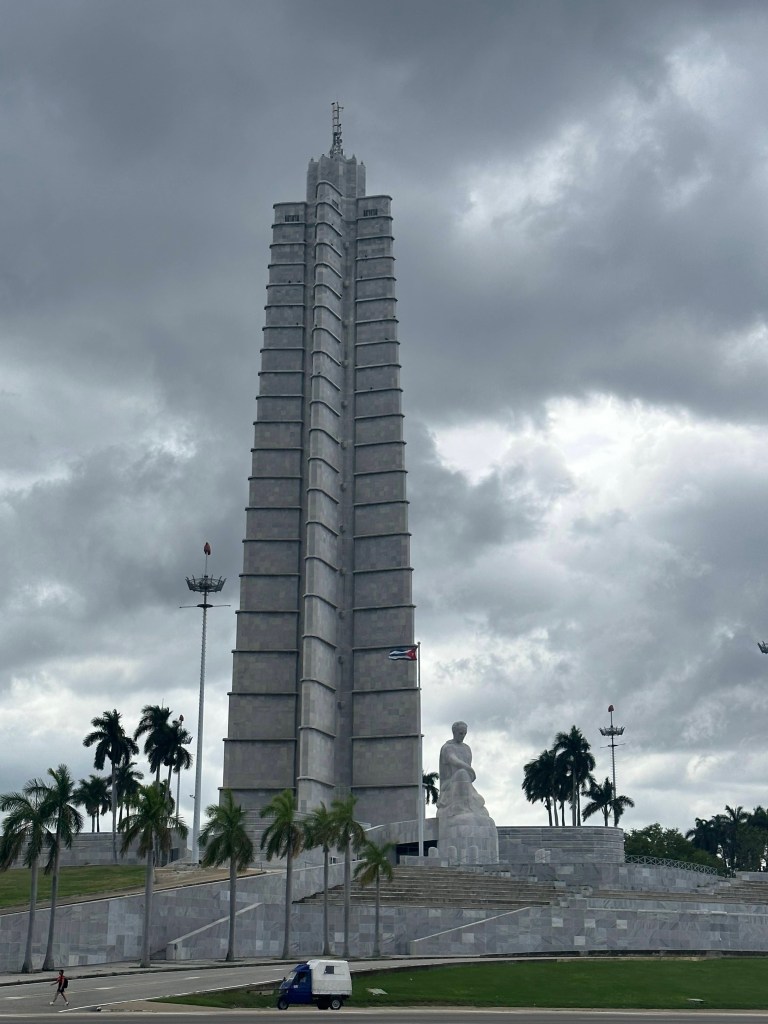
Our next few stops were to historical monuments, so this might be a good time for a short history lesson. Christopher Columbus arrived in Cuba (1492) and claimed it for Spain. Under Spanish rule, the indigenous people of the island suffered from enslavement and disease, and didn’t survive long. Spanish colonial life in Cuba changed little until the 1800’s. The mid-1800’s saw conflict between the island born and the ruling class from Spain. An independence movement grew, and during The Ten-Year War (1868-1878), Cubans battled for freedom from Spanish rule. They were unsuccessful, so they waged a second war for independence from 1895–1898. It was during this fight that José Martí became a national hero. He was a writer, poet, and journalist whose eloquent speeches stirred up the national fervor for independence. He was killed in one of the first battles of the war. His Versos Sencillos provided the lyrics for Guantanamera, Cuba’s unofficial national anthem. We made a stop at the statue of José Martí.
The United States has always had a strong interest in Cuban affairs.The US entered the war against Spain after the sinking of the Maine in Havana harbor in 1898. As part of the settlement of the Spanish-American War, the US gained political power in Cuba. There is a memorial to the Maine in Havana, etched with the name of every victim of the explosion; almost all were Afro-Cubans. The US officers were at dinner on shore when the sinking occurred.
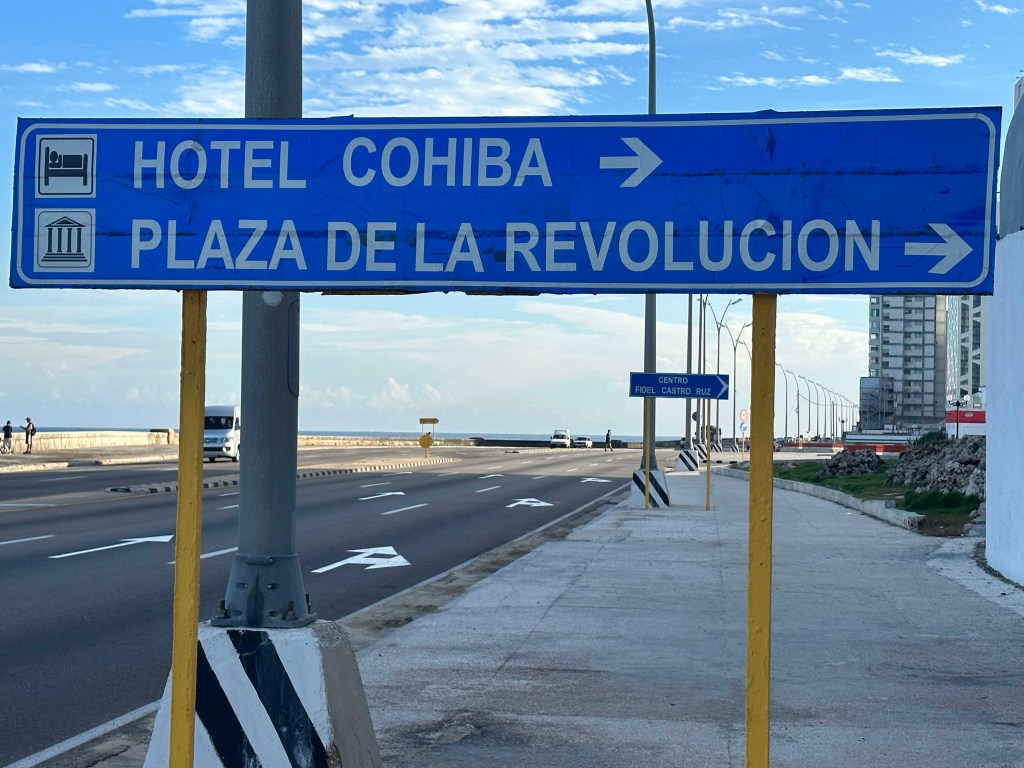
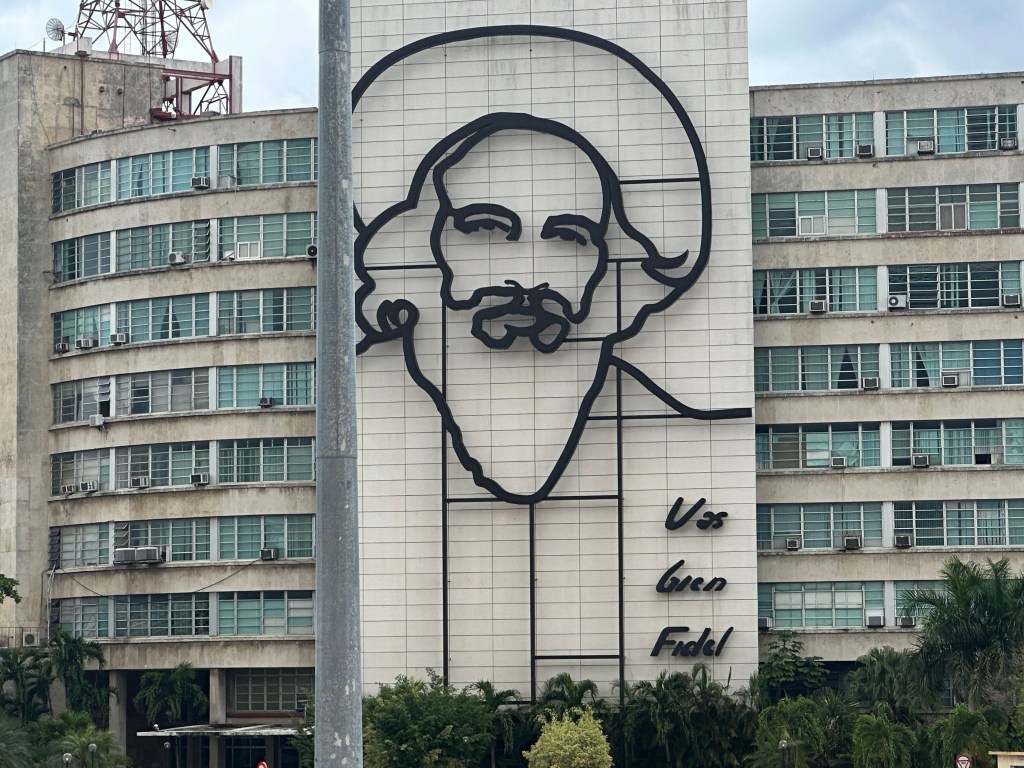
Our next stop was La Plaza de la Revolución (Revolution Square). It is a huge open outdoor space where Fidel Castro once spoke for fourteen hours straight. The government buildings surrounding the square have black metal silhouettes to the heroes of the Cuban Revolution (1953-1959) which ended the rule of Fulgencio Batista. There are no memorials to Fidel Castro in Cuba, because he did not want any. We saw a few of his quotes on a wall plaque at the Hotel Nacional. They were messages of peace.
José Martí StatueJosé Martí TowerMonument to Ché GueveraMonument to CienfuegosMonument to the MaineAnother Hemingway Haunt
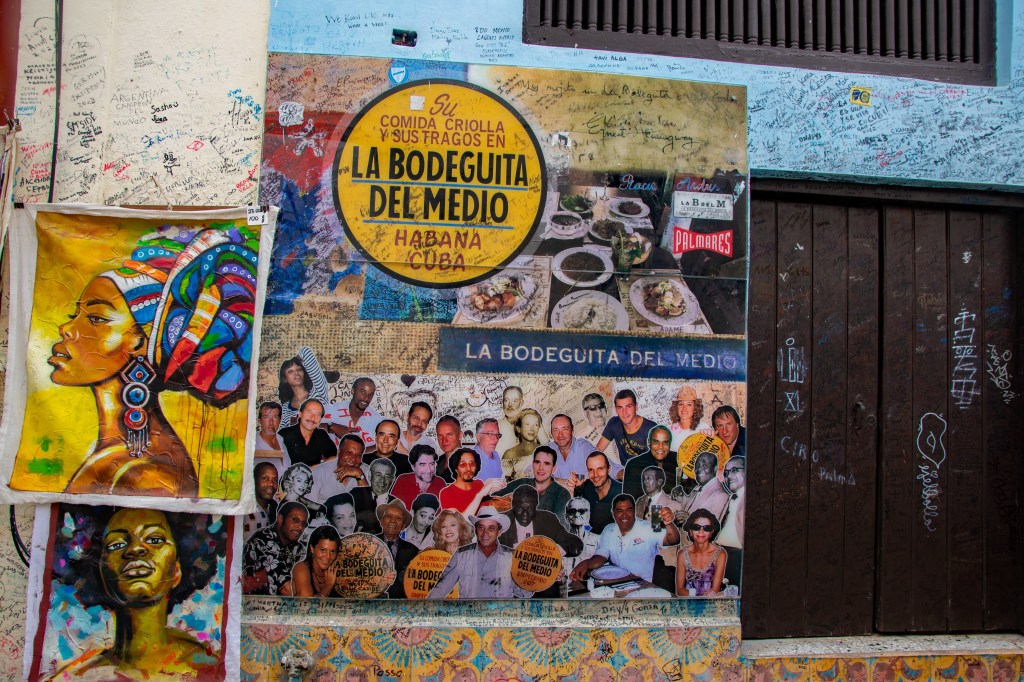
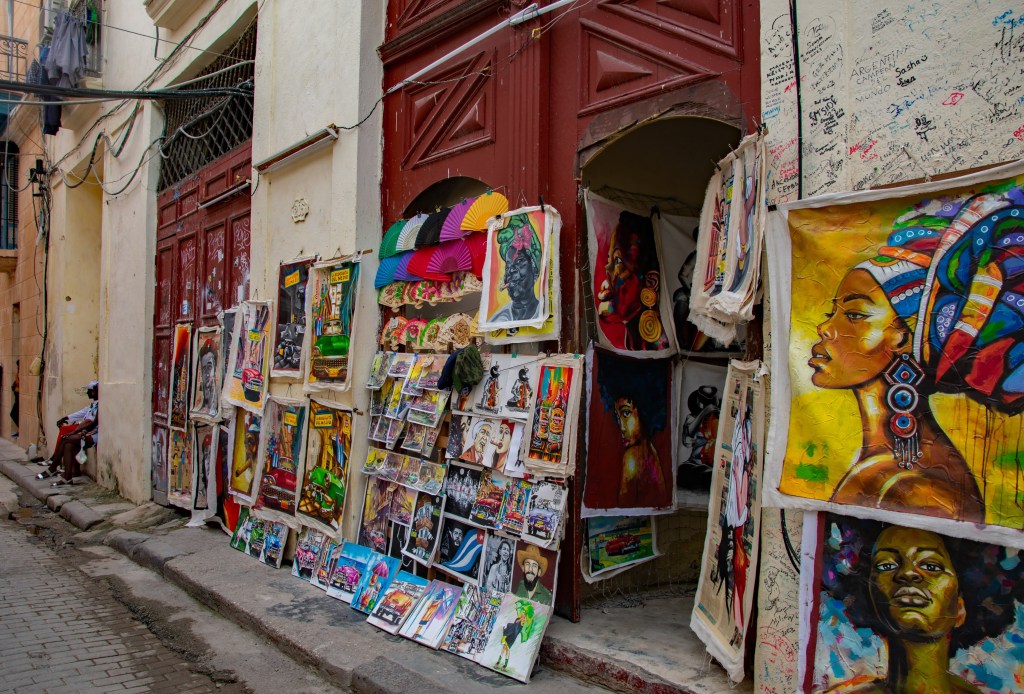
Next, was a stop in Old Havana to walk past La Bodeguita del Medio, another famous Hemingway bar, where he reportedly drank his daily mojito. We stopped in Cathedral Square, where a few members of our group bartered for cigars. I gave a little cash to a young boy and within moments I was surrounded by a group of children asking for money.
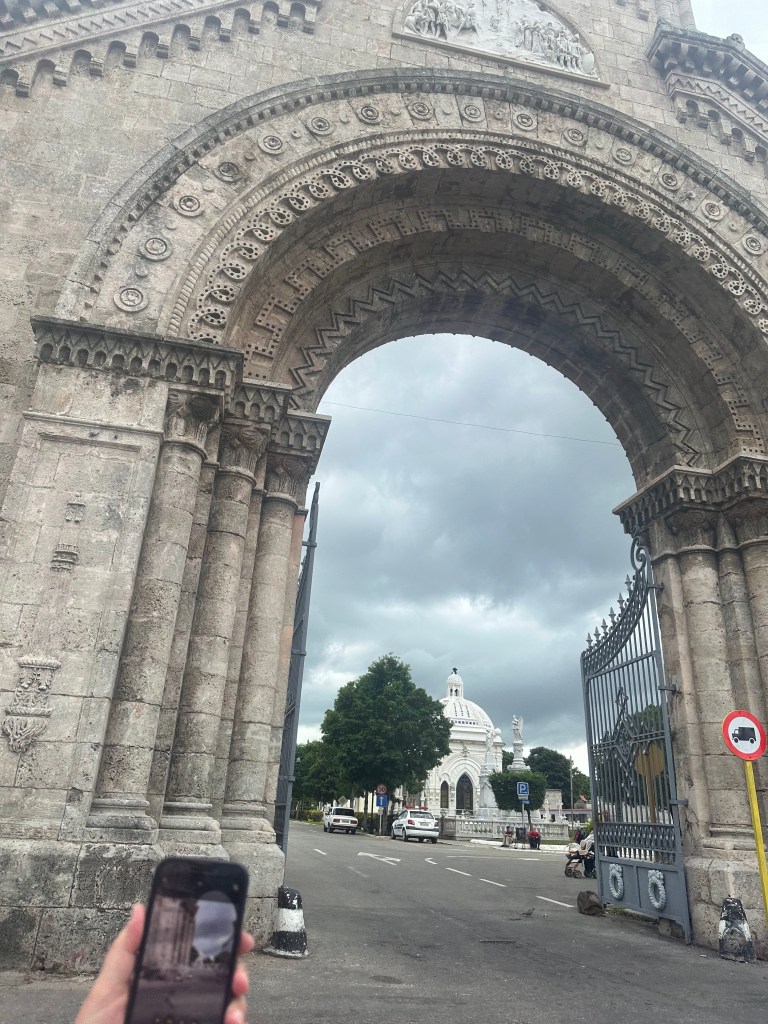
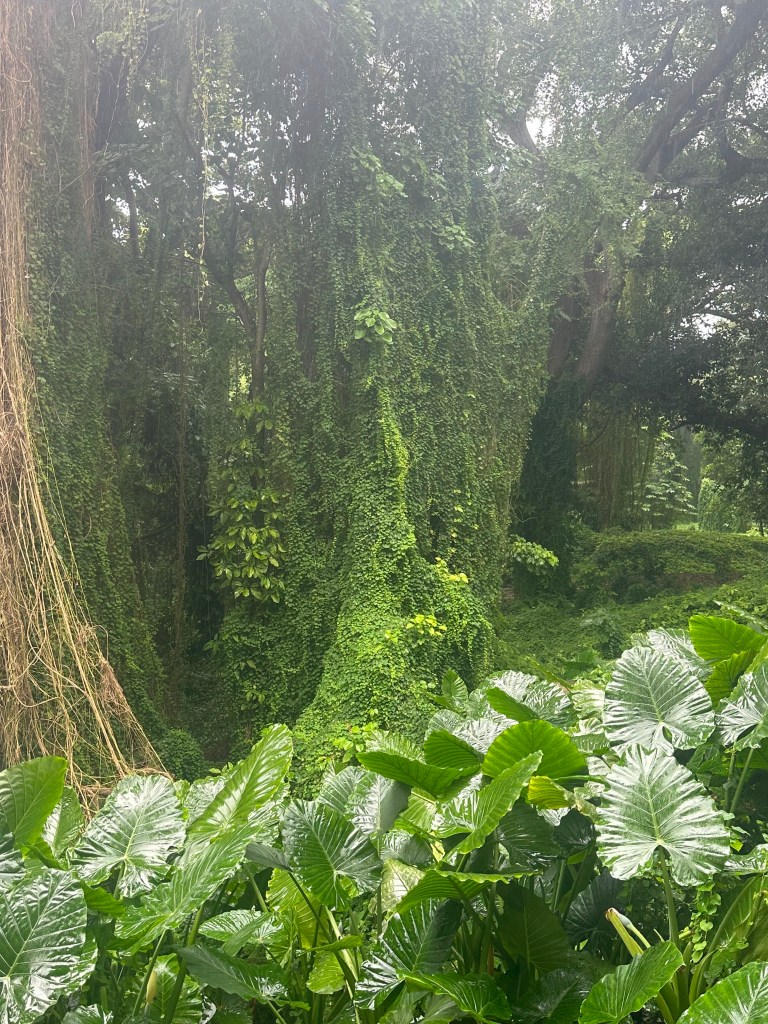
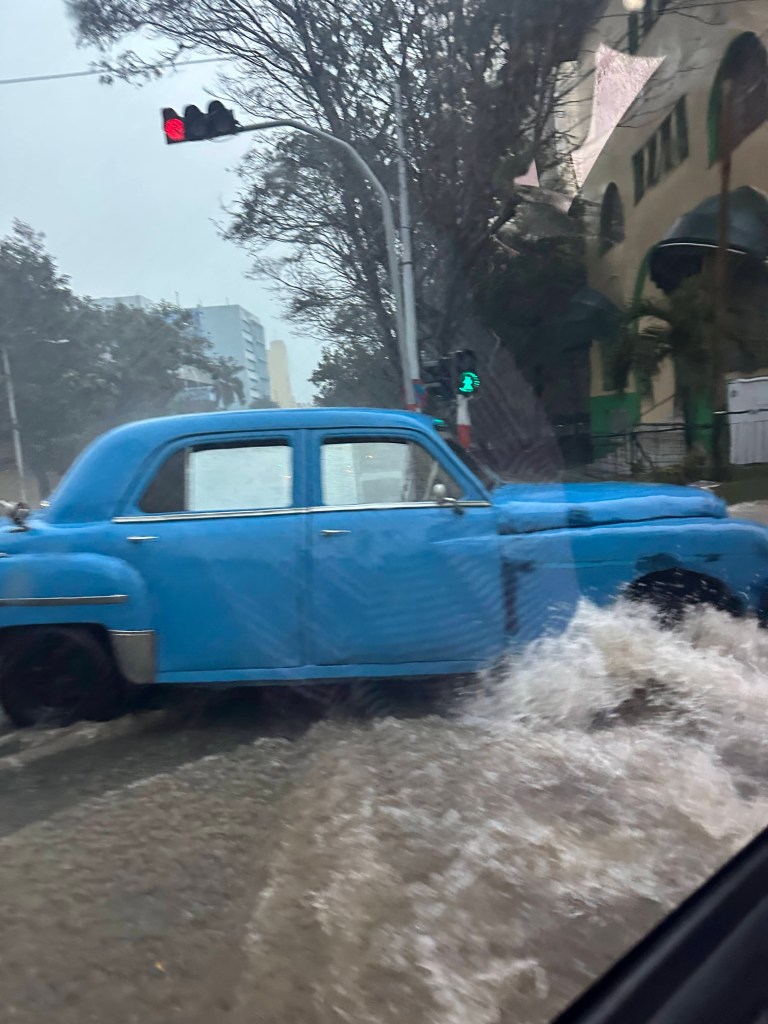
We climbed back into the cars for the ride to the Bosque de Havana, an in-city rain forest, Just as we approached the park, it began to rain. What timing! We ran for cover in the bar and ordered a beverage to wait out the rain. When it became a deluge, Felix decided it was time to give up the convertibles, tip our drivers and call Daimel with the van. Riding through the flooded streets was an adventure; I felt like we were on a boat. When we arrived for our lunch reservation, the restaurant was closed due to a flooded kitchen. Next we tried Ecléctica, where they were able to accommodate us after we waded through a foot of water to get inside. They provided us with towels, a private dining room, and excellent food and drink. By the time we finished our late lunch, we were all ready to call it a day.
Art for SaleCathedral SquareCristóbal Colón Cemetery Rain ForestFlooded Streets
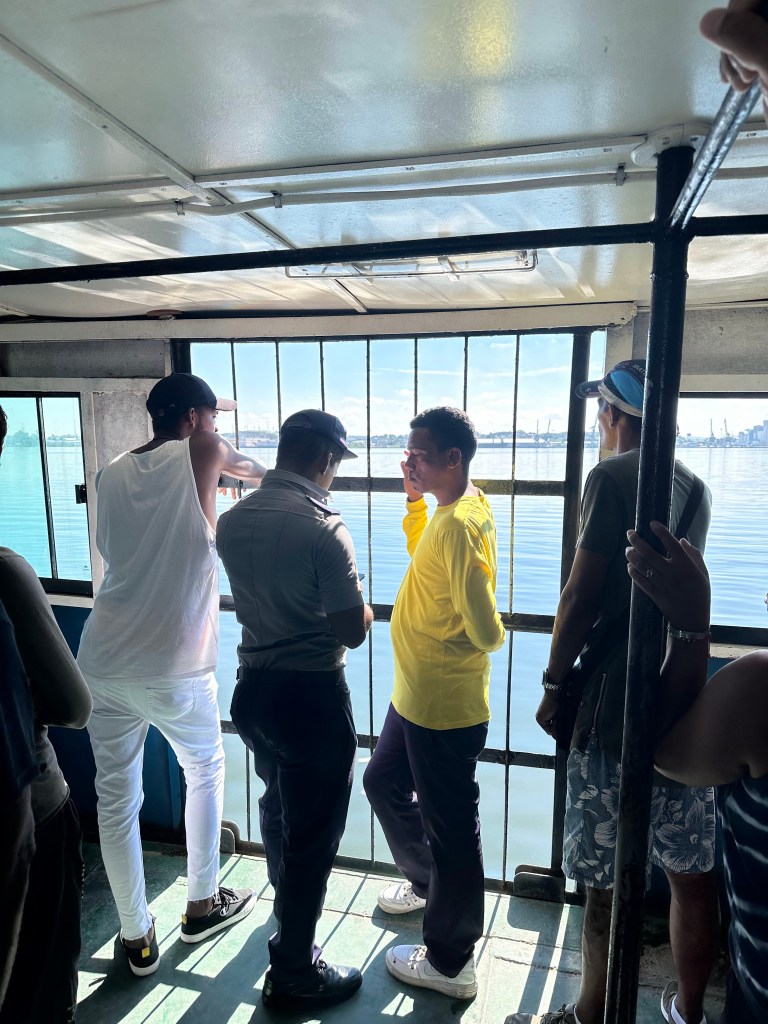
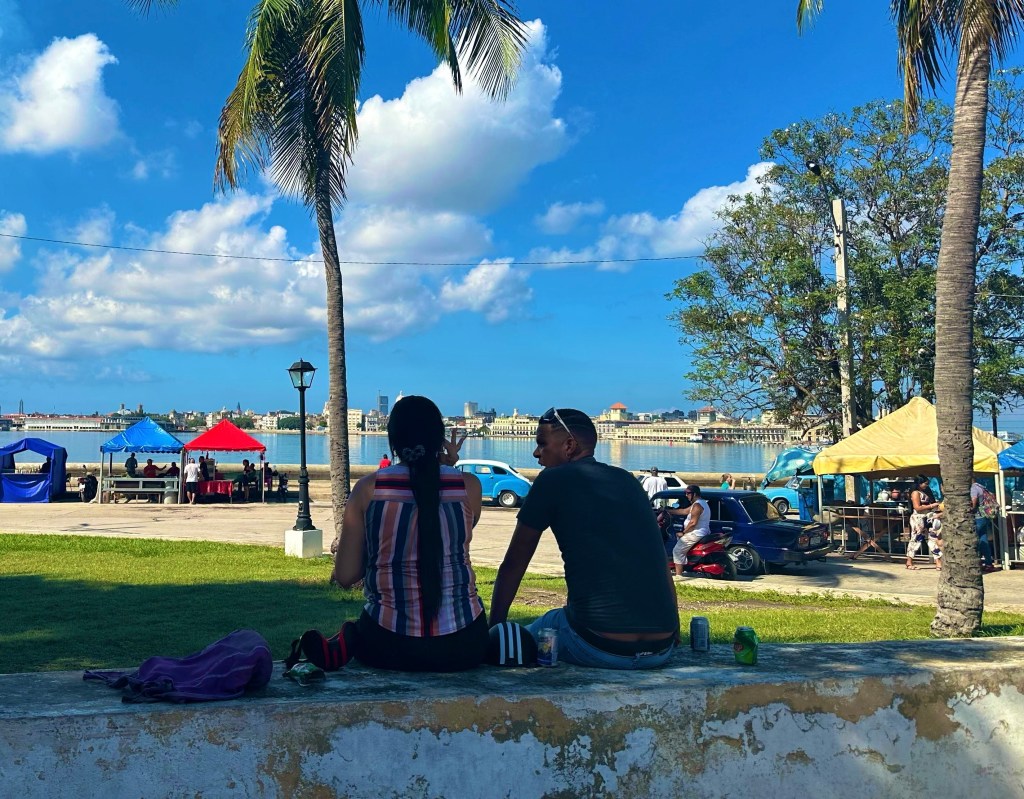
Day four (Thursday) was warm and sunny once again. We took the ferry to Regla, a village across the bay. As we exited the ferry, we witnessed a young man sacrificing a chicken in the water. This is a ritual of the Santería religion, still practiced by some in Cuba today.
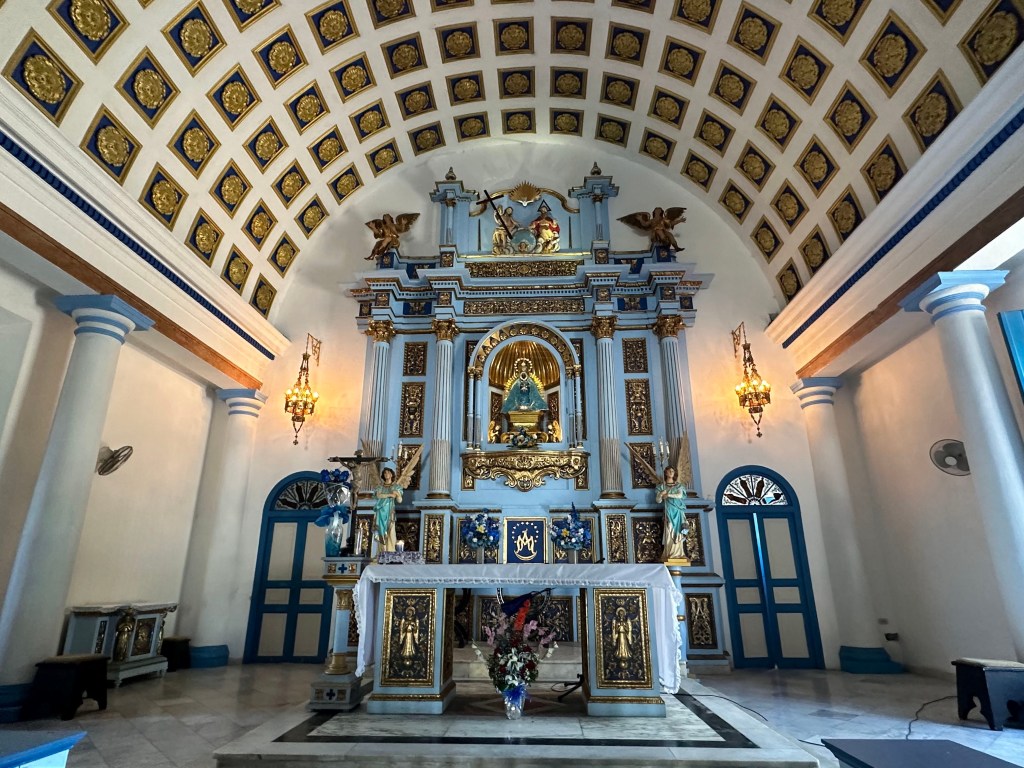
La Iglesia de Regla (the church of Regla) is a small Catholic church which houses a statue of the Black Madonna. The chapel is beautiful, and the faithful honor the madonna by lighting candles and leaving bouquets.
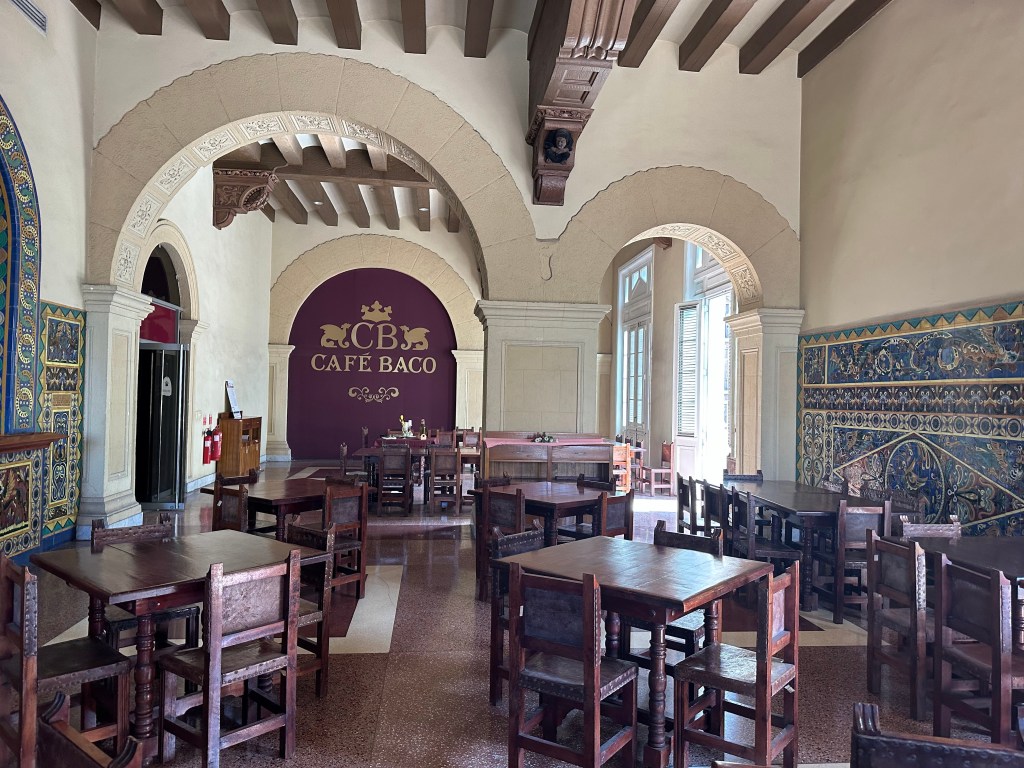
After our visit to Regla, we went to El Museo Nacional Palacio de Bellas Artes (Fine Arts Museum). The museum is in two different buildings. The palatial older building houses an extensive and impressive collection of European Masters, Spanish artists, and Latin American antiquities. The newer building has an amazing collection of Cuban contemporary art. We ate lunch at Café Baco in the old building. We were the only customers, and they cooked a fabulous lunch and treated us like family.
Ferry to ReglaIglesia de ReglaThe Black MadonnaRegla HavanaFine Arts Museum Café BacoCentral ParkOur group with our hosts at Café Baco
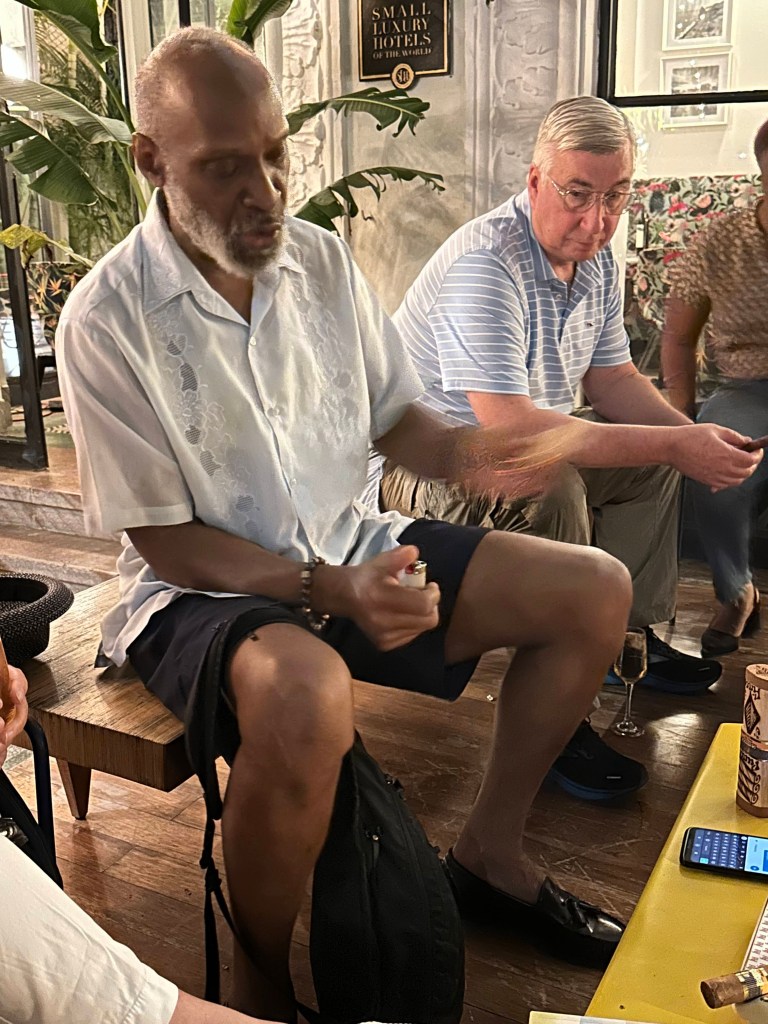
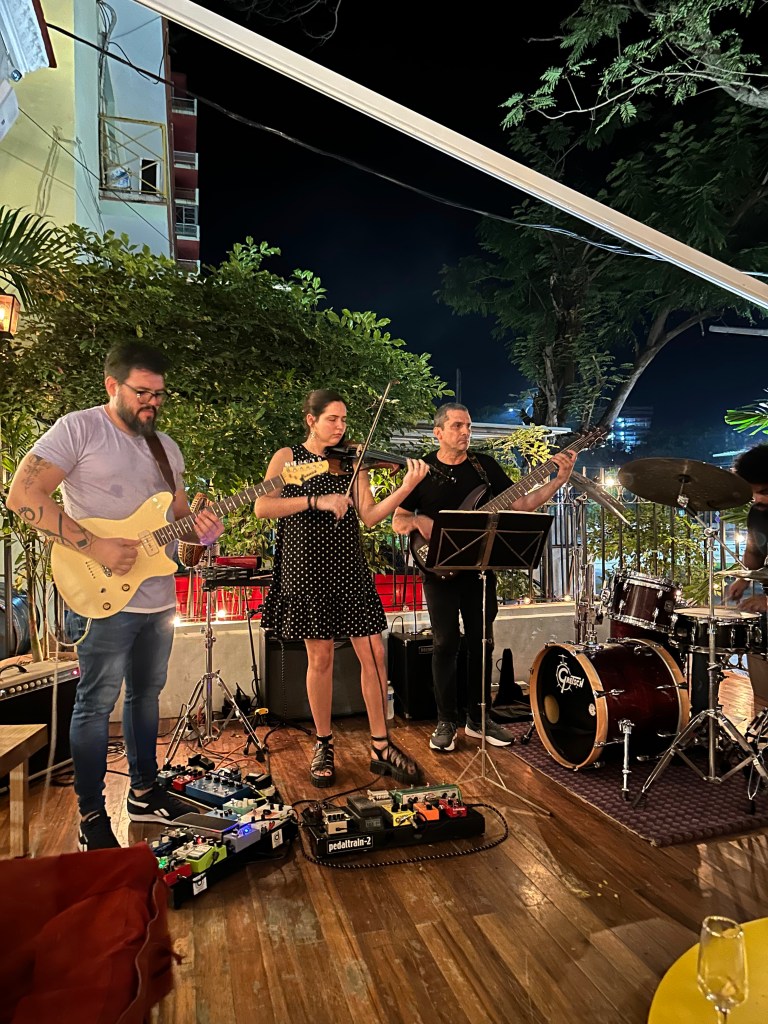
After a full afternoon of art, we made a stop at Havana Club for a lesson in Cuban cigars, in case anyone wished to purchase one to enjoy with live jazz that evening. Then it was back to the hotel to swim and relax before cocktails and music at Ecléctica and dinner at Vista Mar. The jazz ensemble was high energy and very talented. We loved our front row seat on the patio! Cuban cigars don’t stink. We had a great seafood dinner at Vista Mar with a view of huge waves breaking just beyond our table.
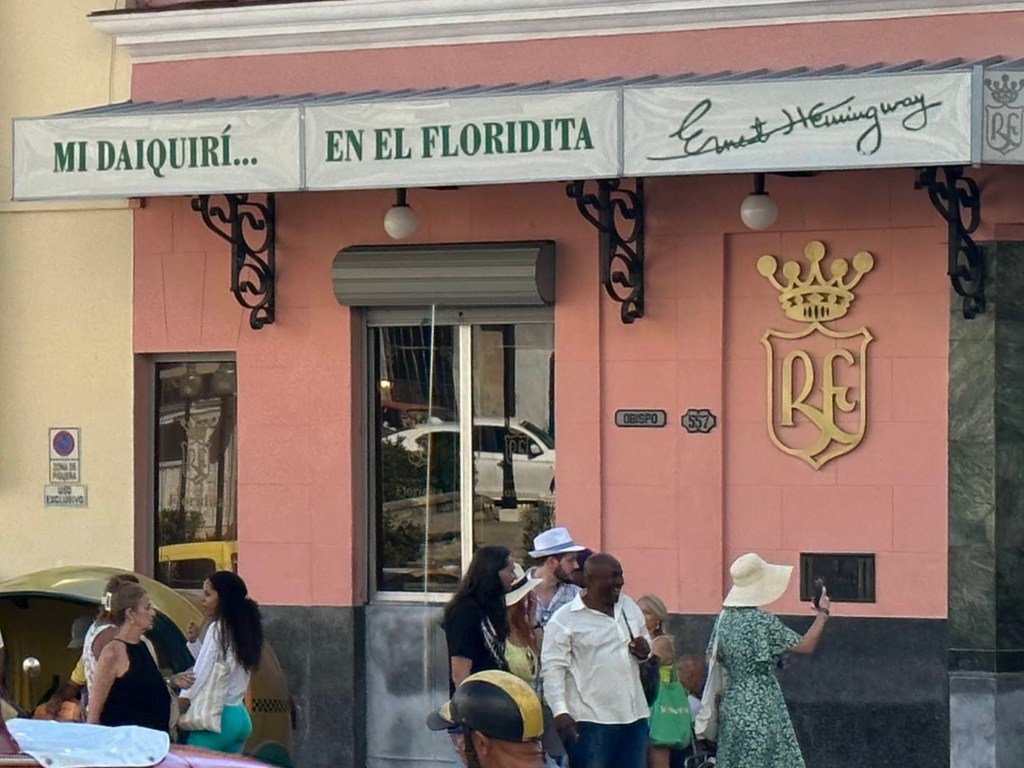
La Floridita- Hemingway’s Daquiri bar Bill, RonFelix, BillChris, LizGreat jazz!Felix at Vista Mar
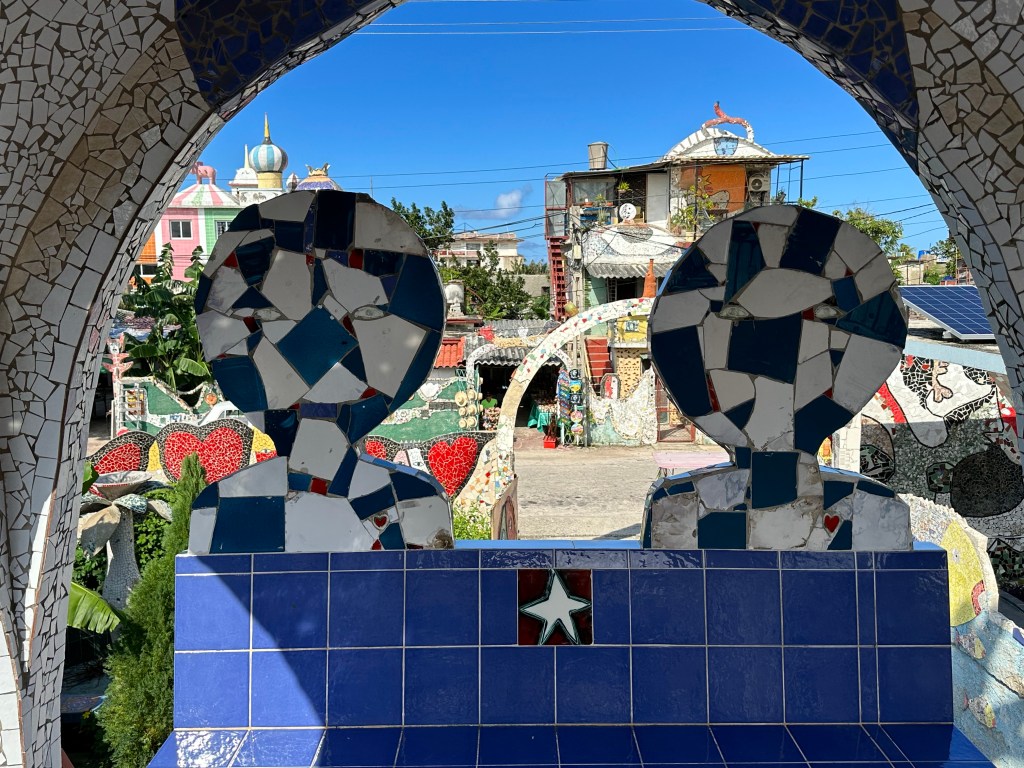
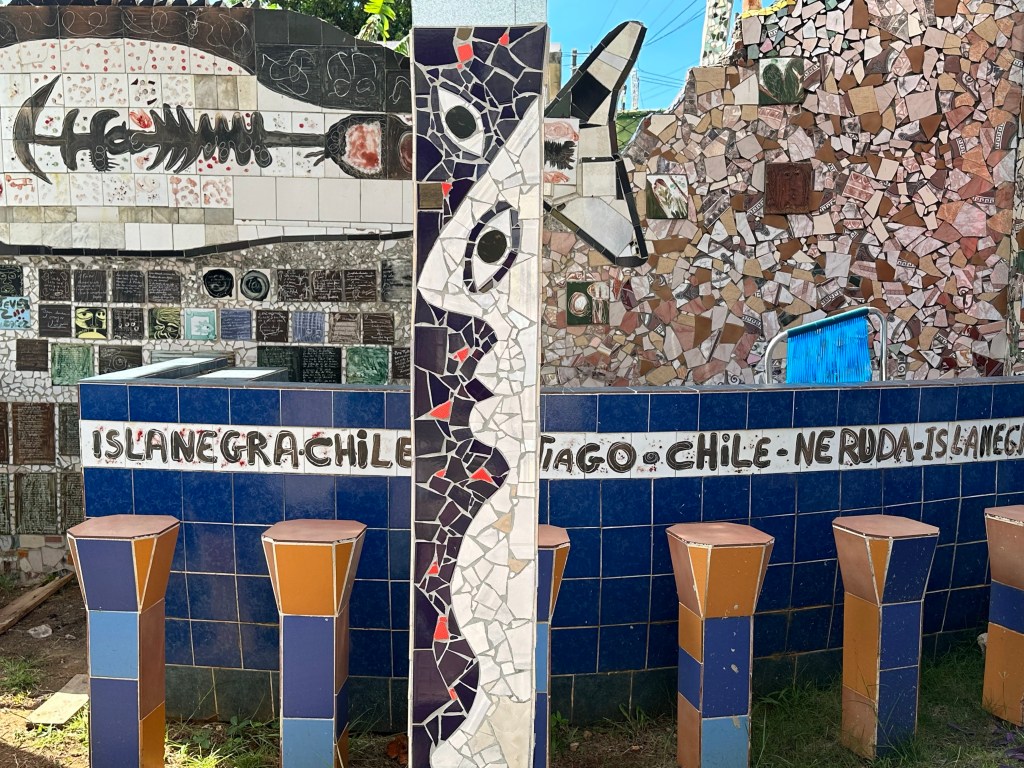
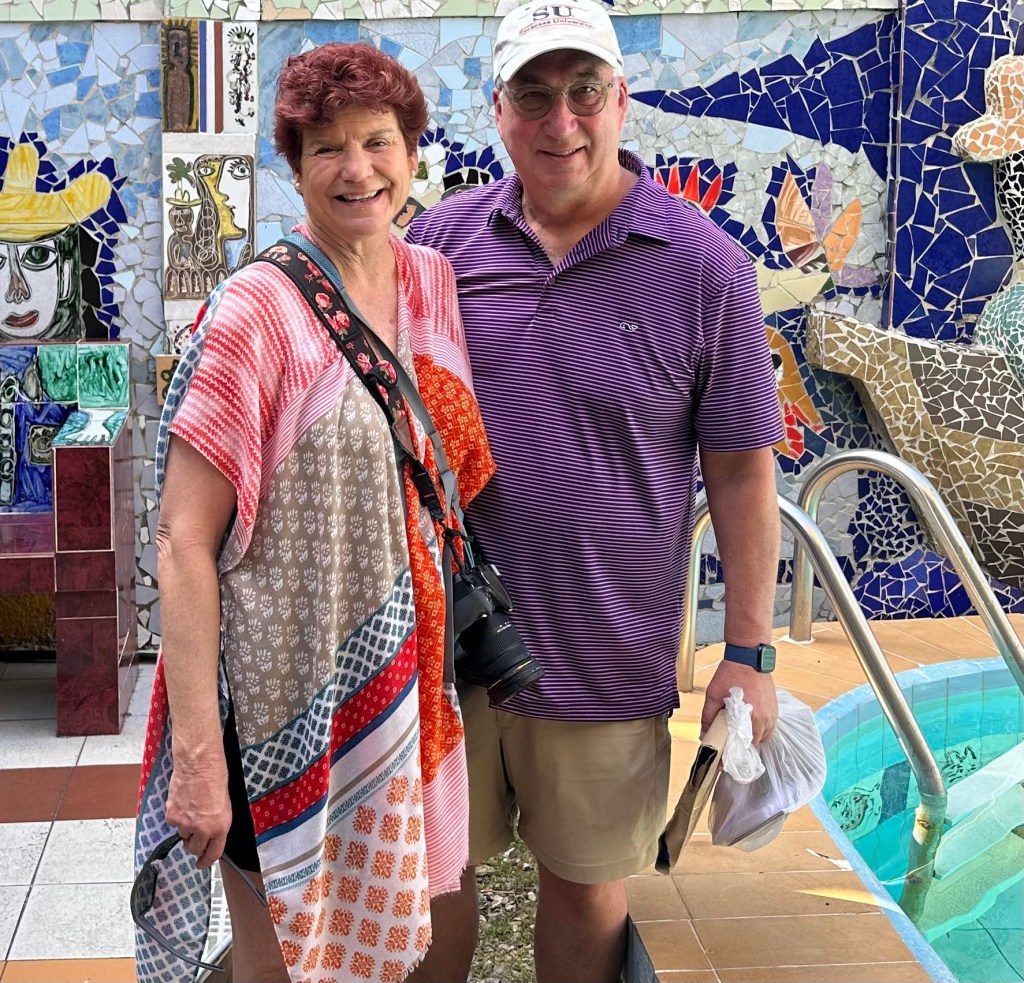
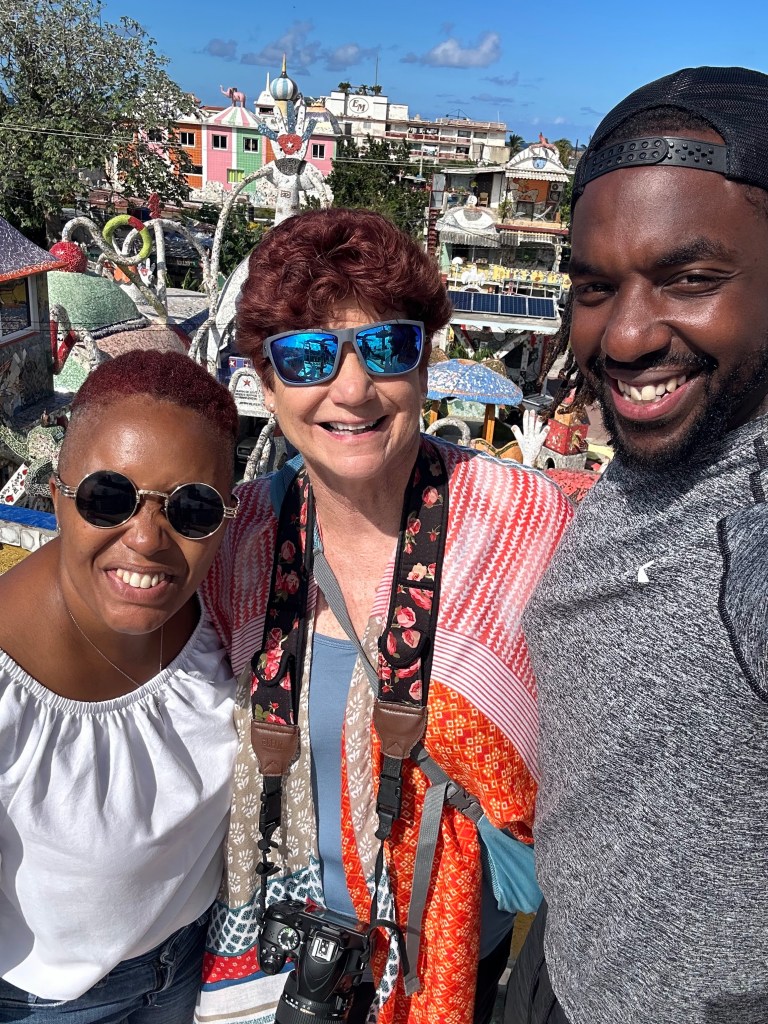
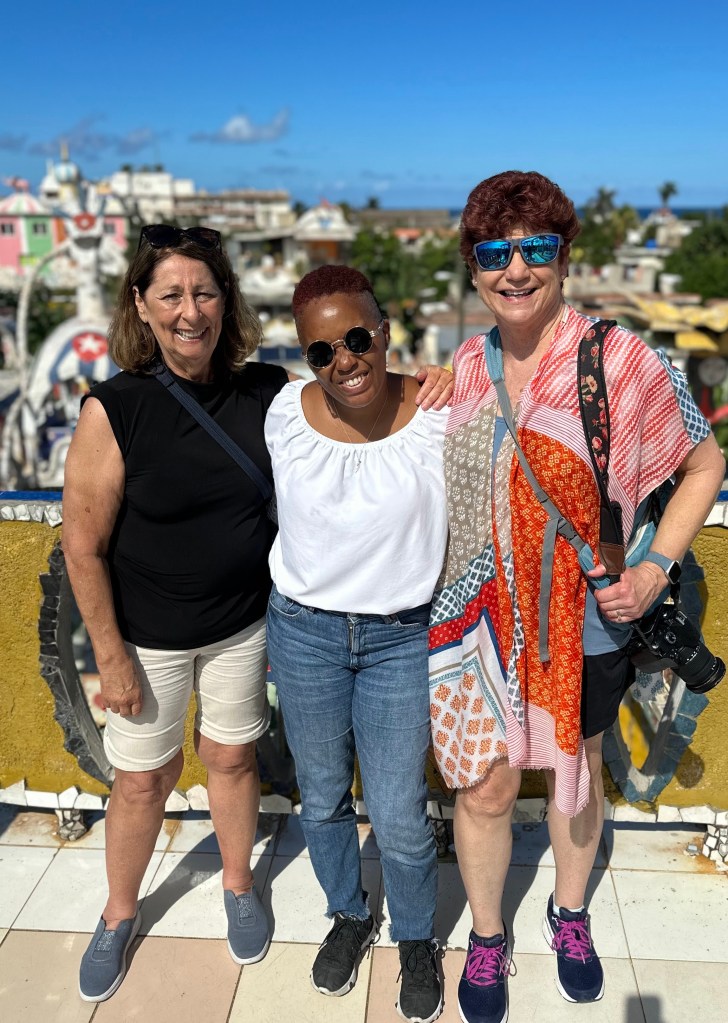
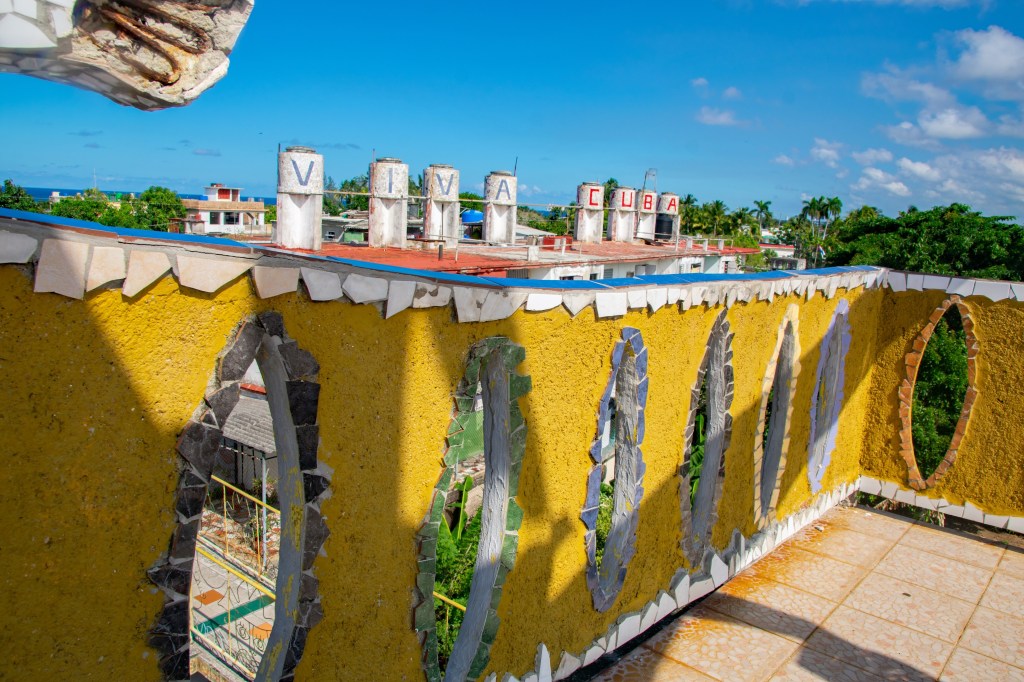
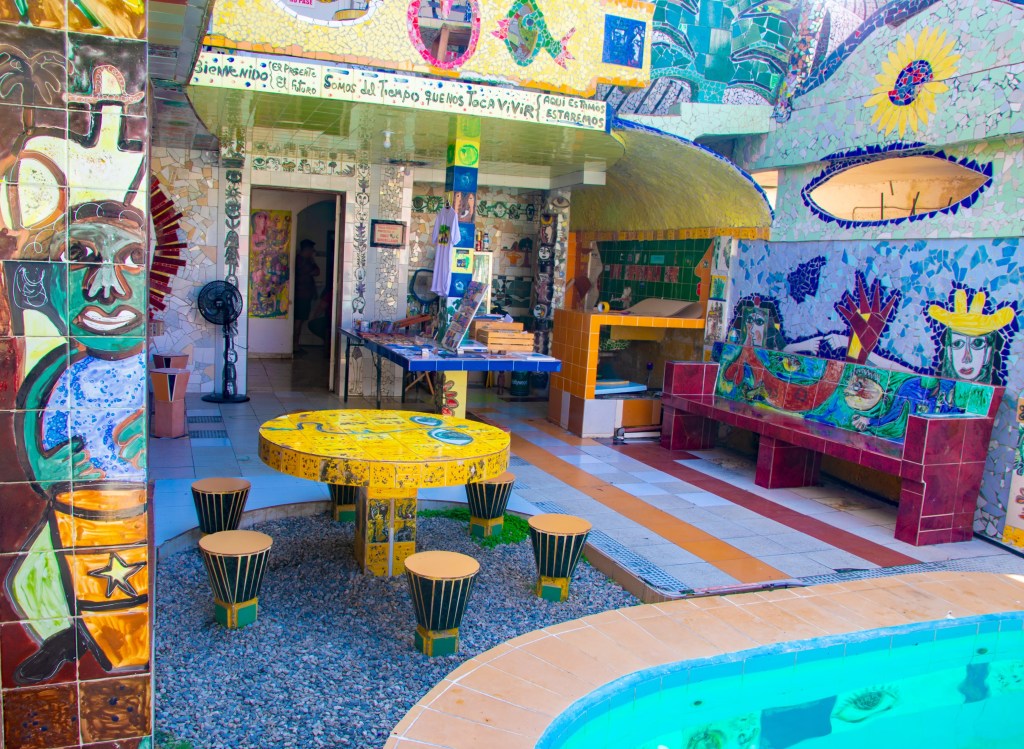
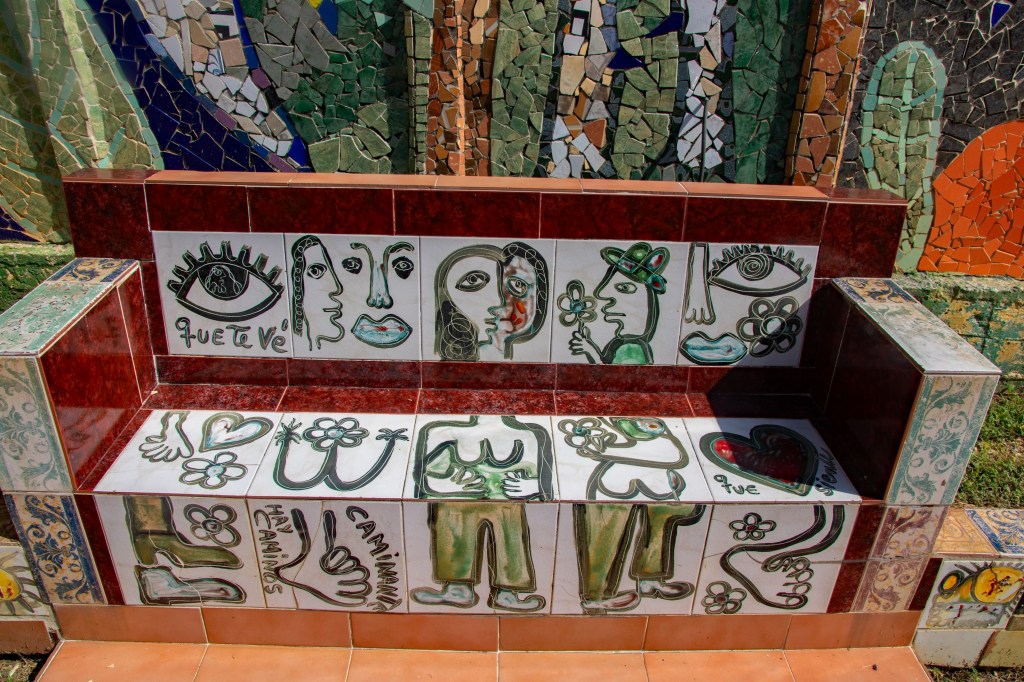
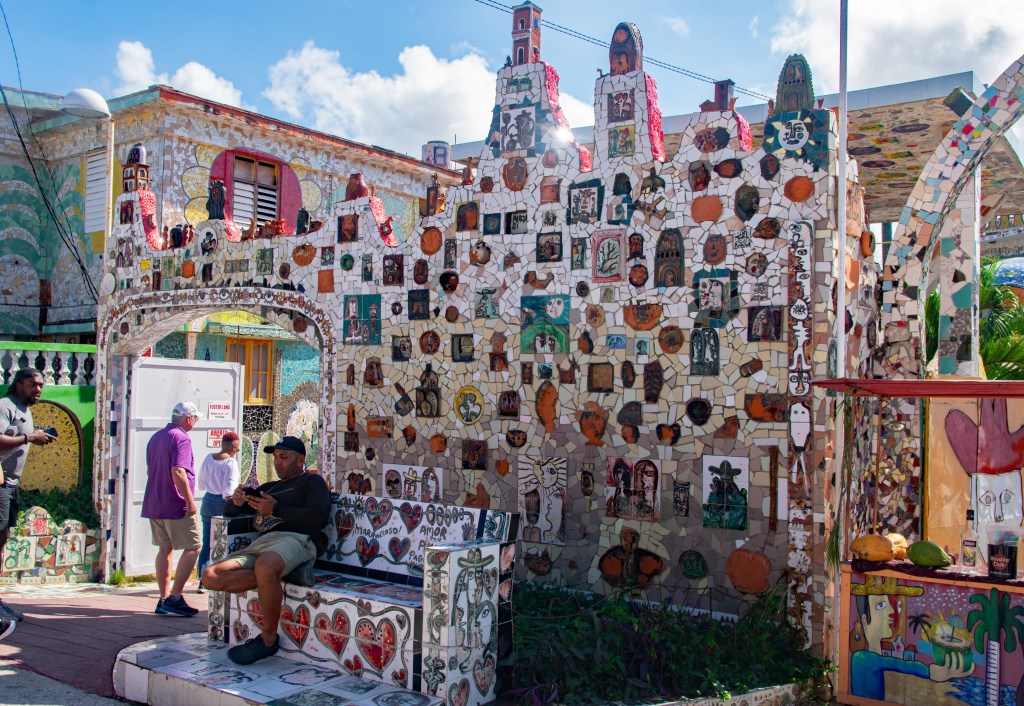
All too soon it was Friday, our final full day in Havana. Apostle Ron and Felix had a morning meeting with The Cuban Council of Churches. The rest of us pampered ourselves with sleep, swimming, and massages, and packing for our departure the next day. At 12:30, Daimel picked us up for a visit to Fusterlandia, the home and studio of contemporary artist José Rodriguez Fuster. His bright paintings, drawings and ceramic creations pay homage to both Gaudi and Picasso, but with a distinctively Cuban style. Fuster has inspired his neighbor’s to decorate their homes, and the neighborhood is now an outdoor art museum.
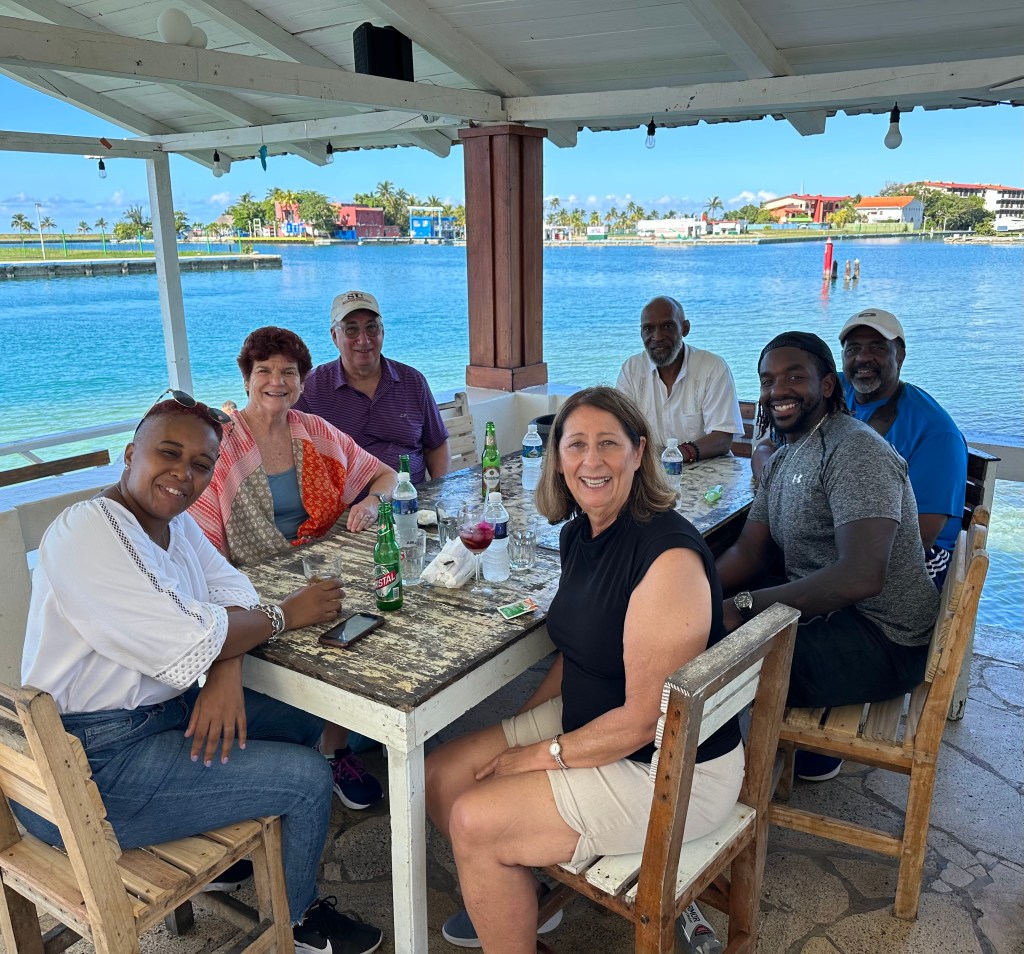
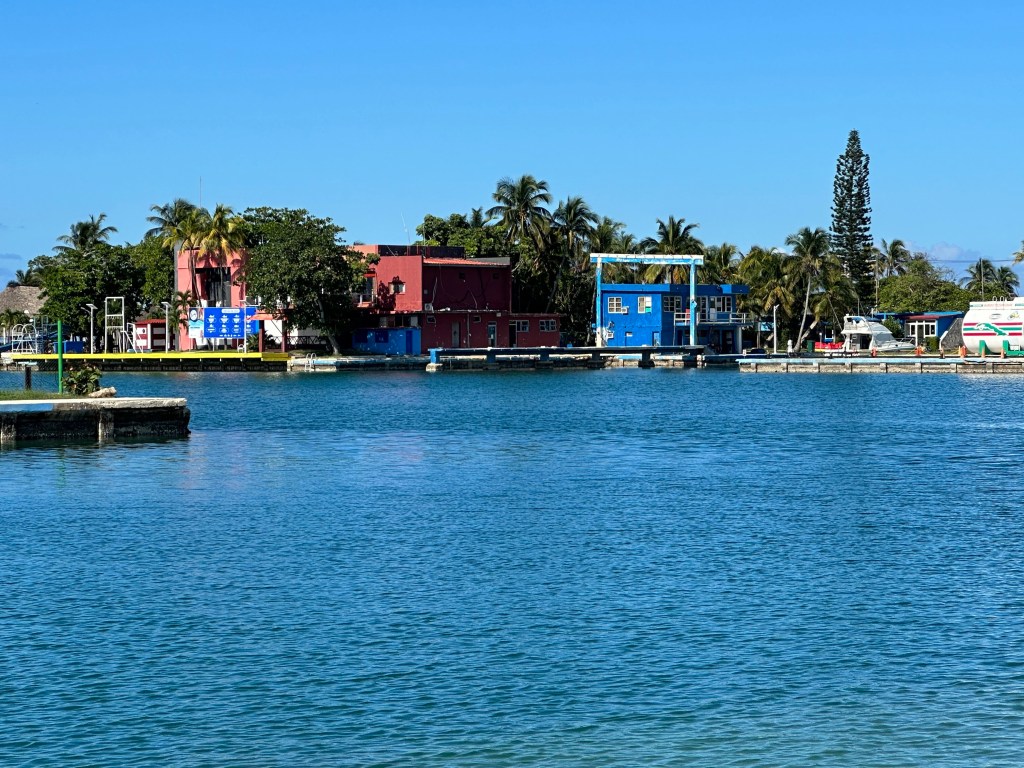
After Fusterlandia, we went to lunch at Laurel in the Santa Fe ward. We had a table on the lagoon, where families were enjoying a day of swimming and boating. It was a beautiful and relaxing spot to enjoy lunch on our last day in Cuba. The waitress was quite a character, and she literally laughed in Bill’s face when he asked for non-alcoholic beer and decaf coffee. We’re not sure if her reaction was because Cubans don’t understand the point of beer without the buzz or coffee without the kick, or if it was because such luxuries just aren’t available there. There was a bit of a misunderstanding about the bill, because they were using a very unfavorable exchange rate. Whether it was intentional, I couldn’t say, but we were very appreciative of Juliet, who straightened it out for us.
Above: Apostle Ron meets with the Cuban Council of Churches
FusterlandiaFuster’s private barAt Fuster’s poolJuliet, Geri, ChrisLiz, Juliet, GeriFusterlandiaLunch at LaurelLunch on the Lagoon
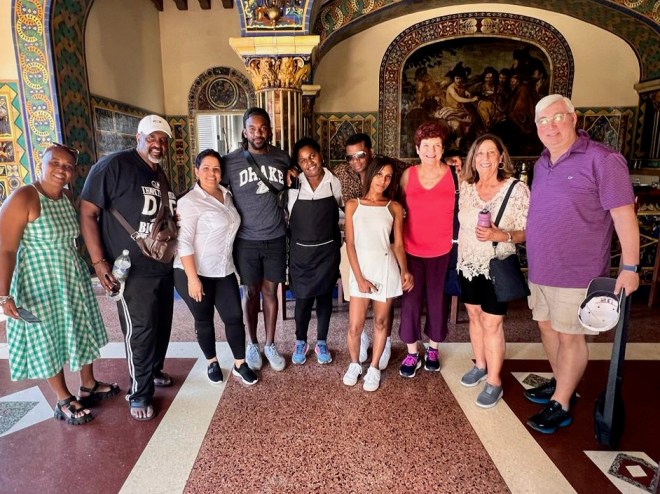
When we got back to the hotel on Friday, we said goodbye to our younger companions, who had different evening plans and different flights than us on Saturday. Ron, Liz, Bill, and I went to Casa Mía for a light dinner and gelato. The next morning, our wonderful hosts took us to the airport for the uneventful trip home. Cuba was an unforgettable experience, the Cuban people were a joy to meet and we loved every minute of our tour! I recommend you put Cuba on your travel list.
I’ll leave you with a few more photos.
I hope you enjoyed “Dancing In Havana.” Next stop: Tenerife, Canary Islands.
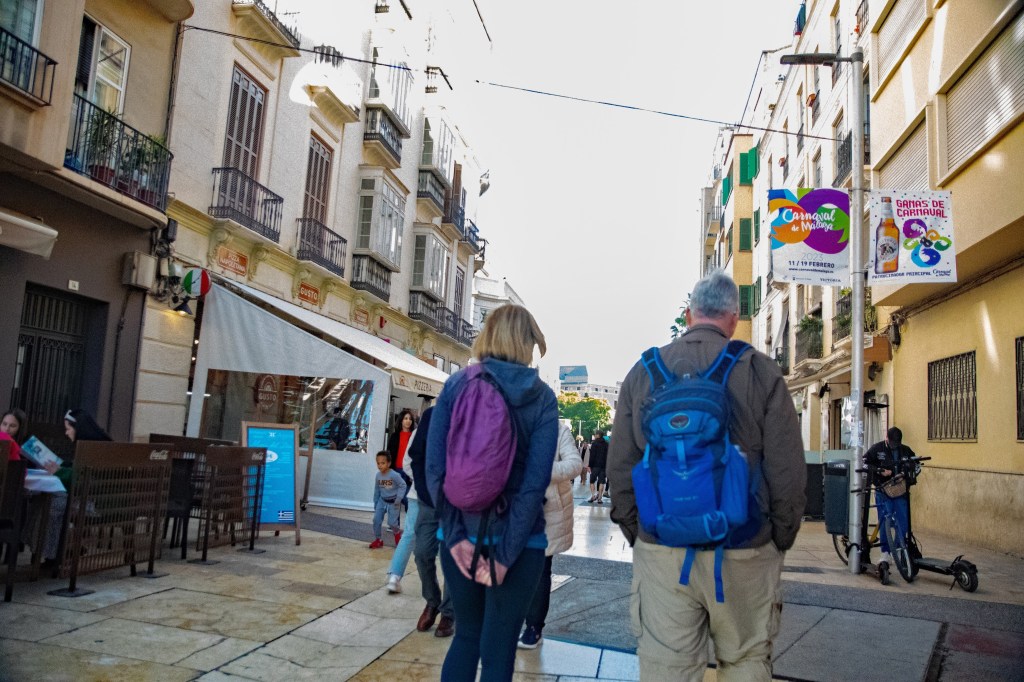
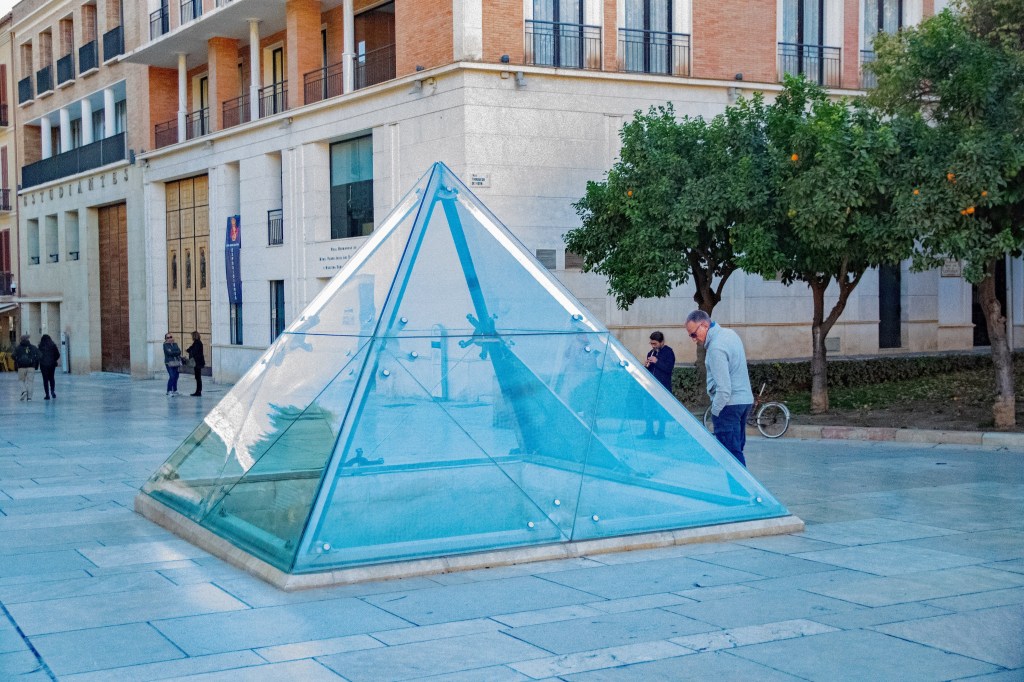
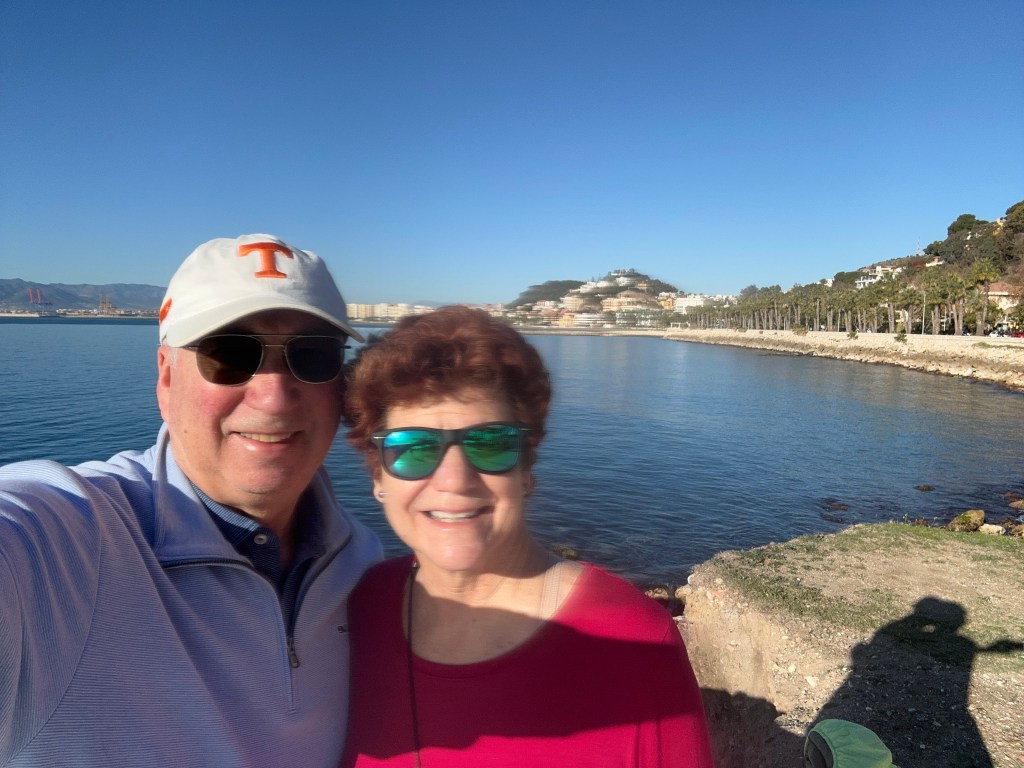
Málaga City is the capital of Málaga province in the region of Andalucía. It has a population of around 600,000. Many Málaga residents are from nations outside of Spain. Like other ports in Andalucía, Málaga was settled by the Phoenicians, later by the Romans, the Moors, and the Christians. The remains of these civilizations can be explored in Malaga’s museums and monuments.
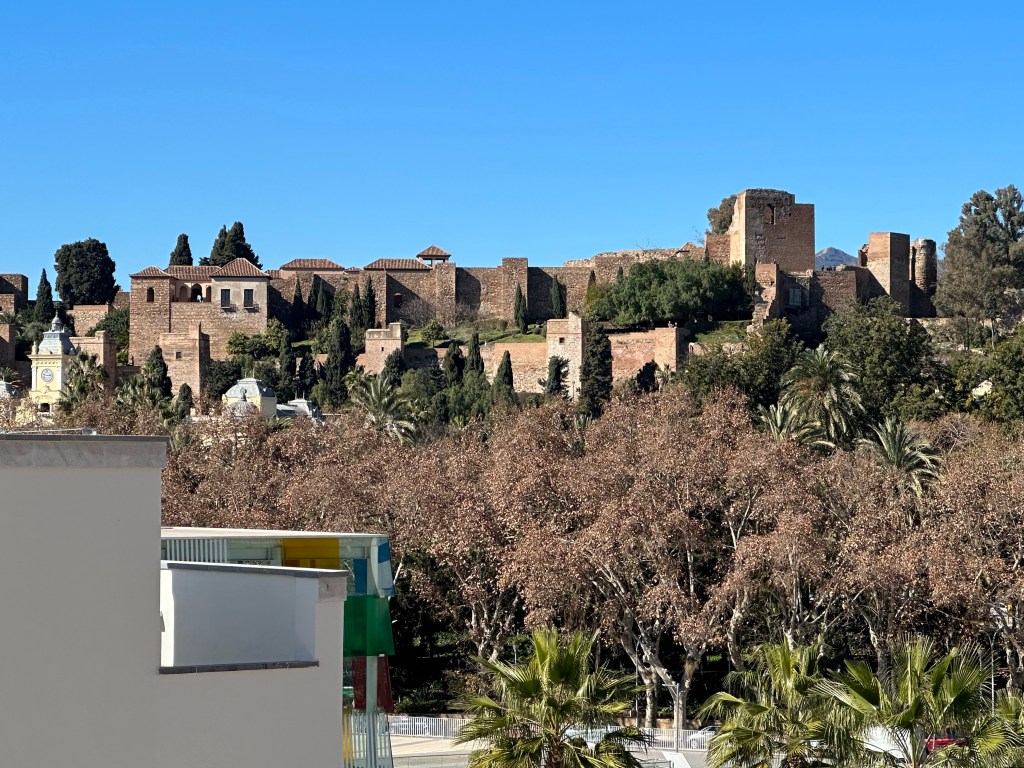
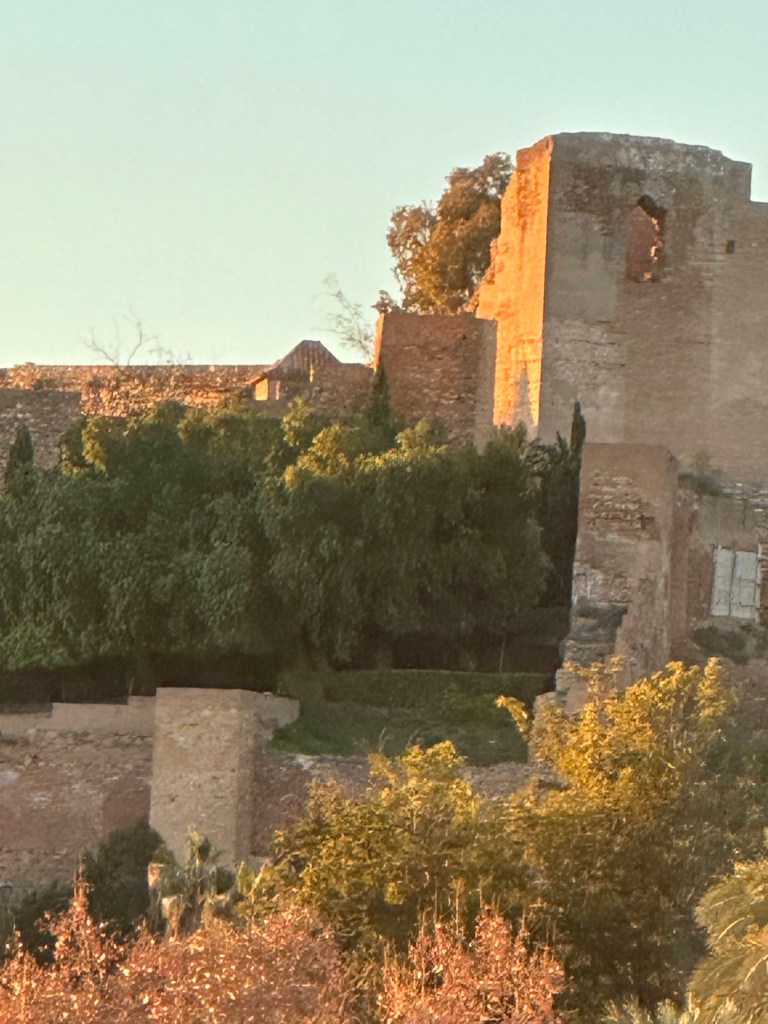
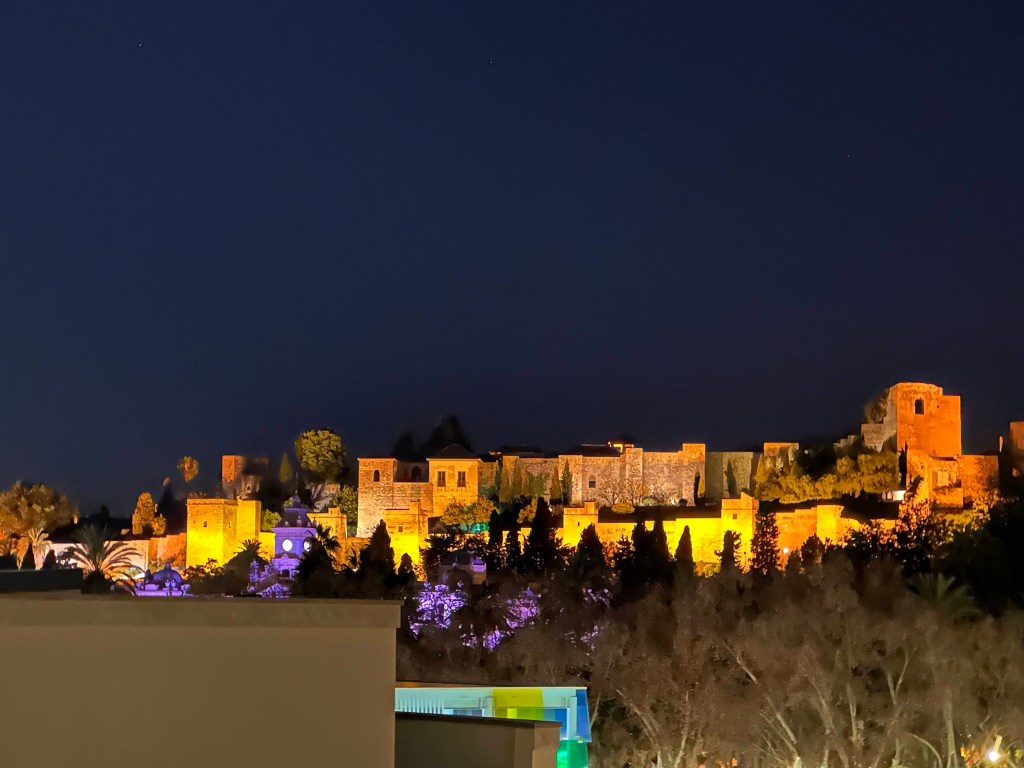
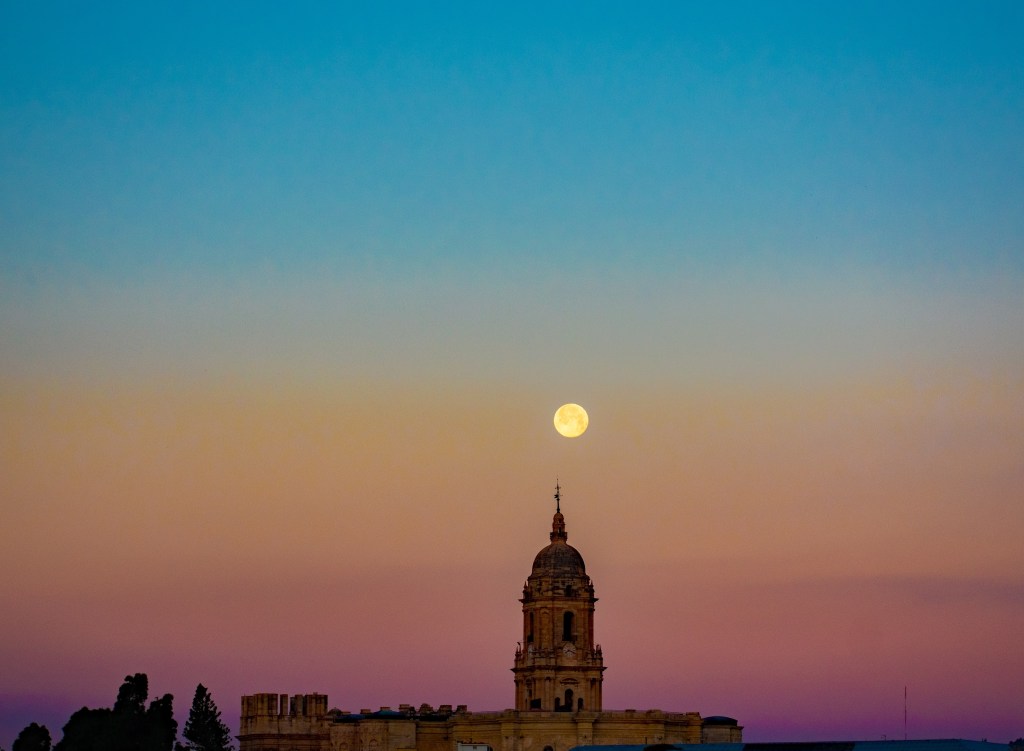
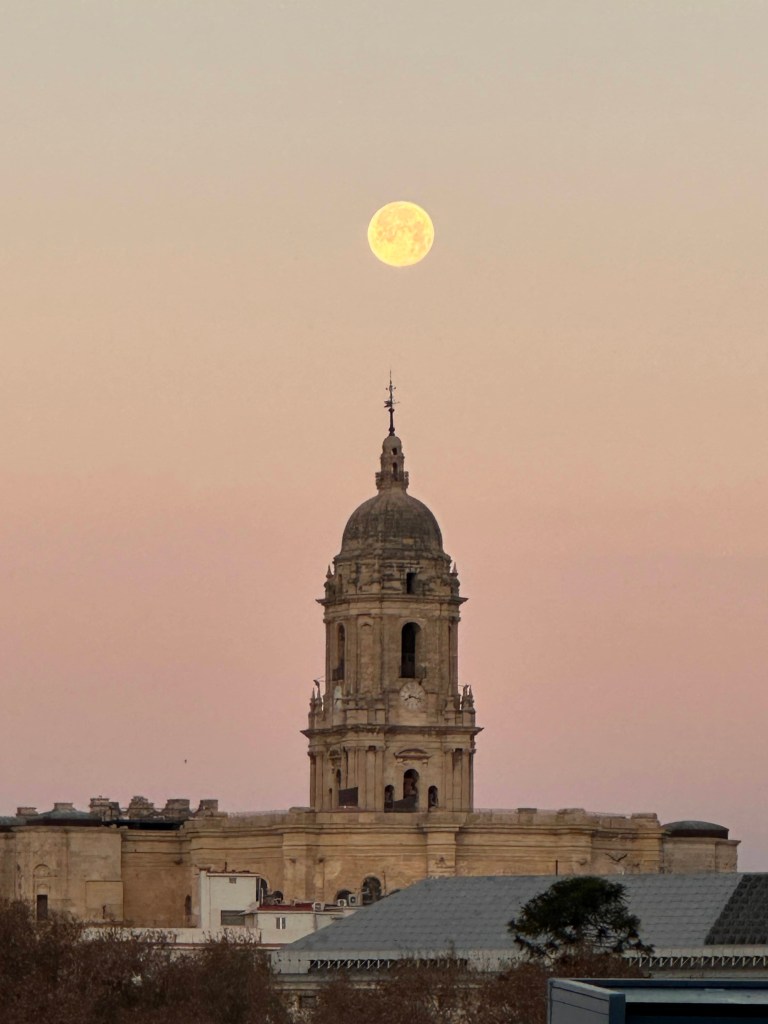
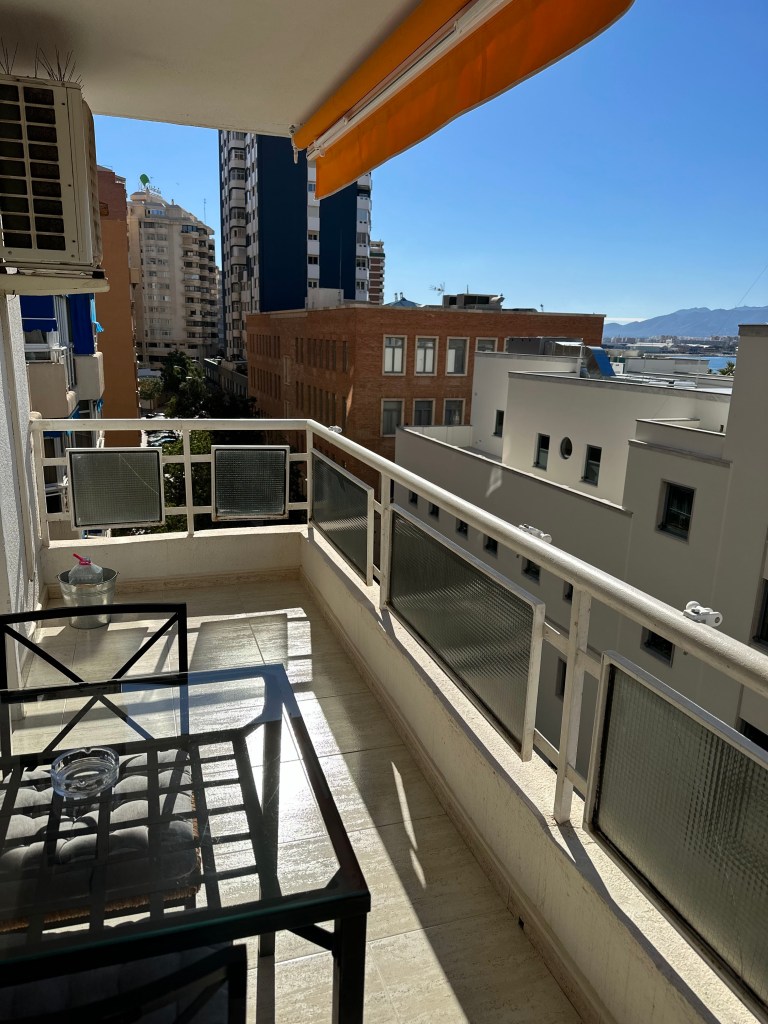
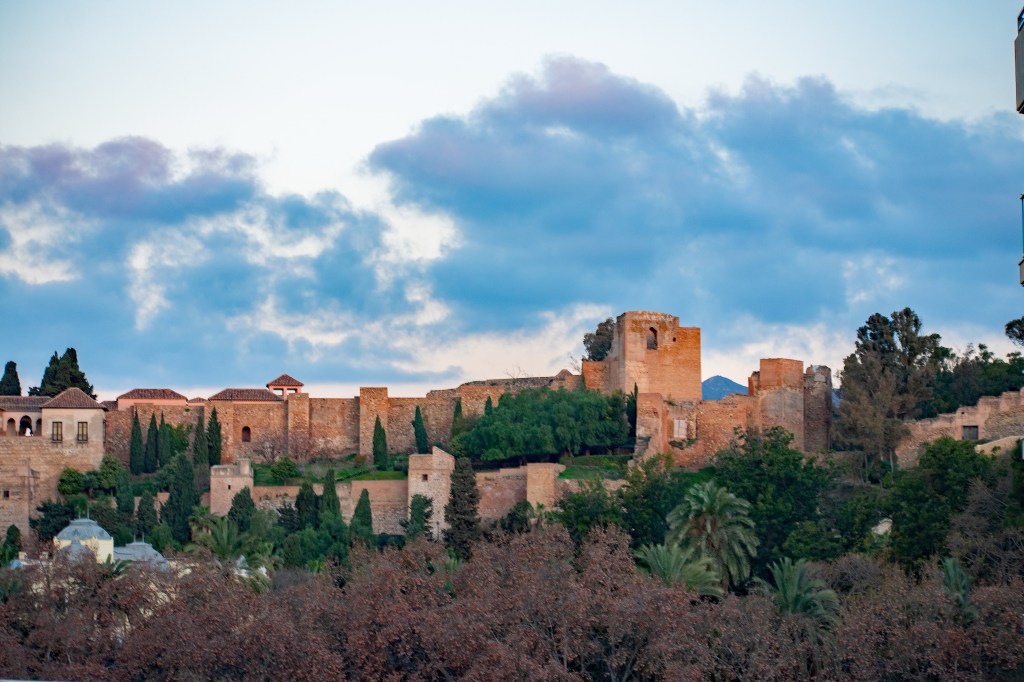
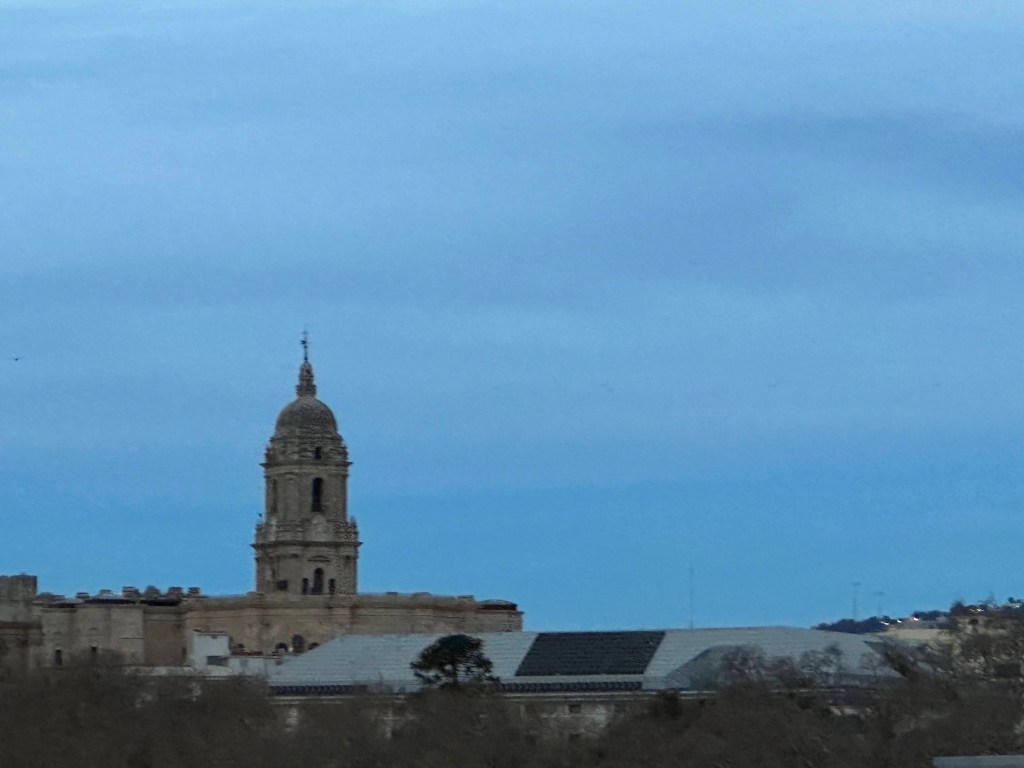
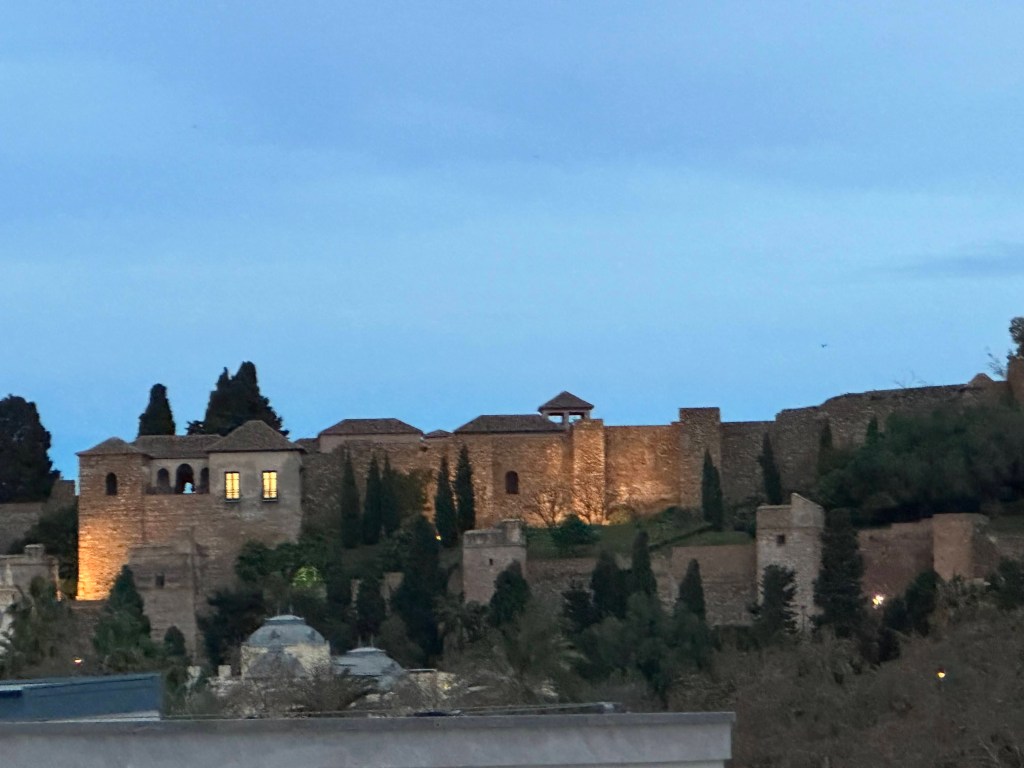
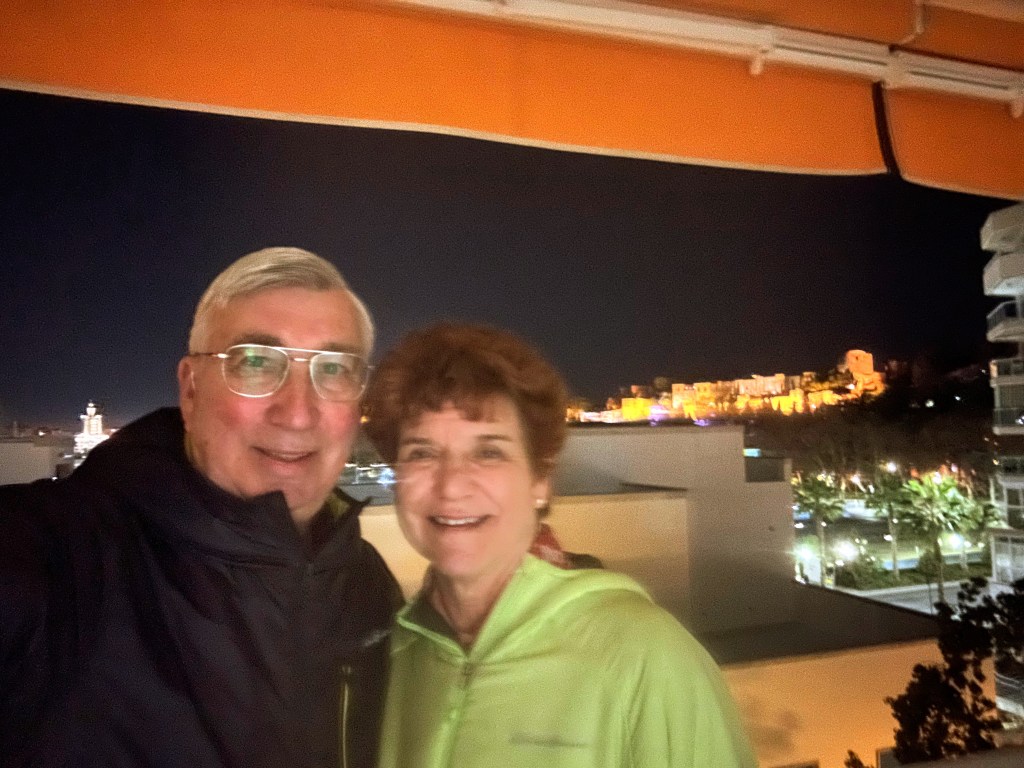
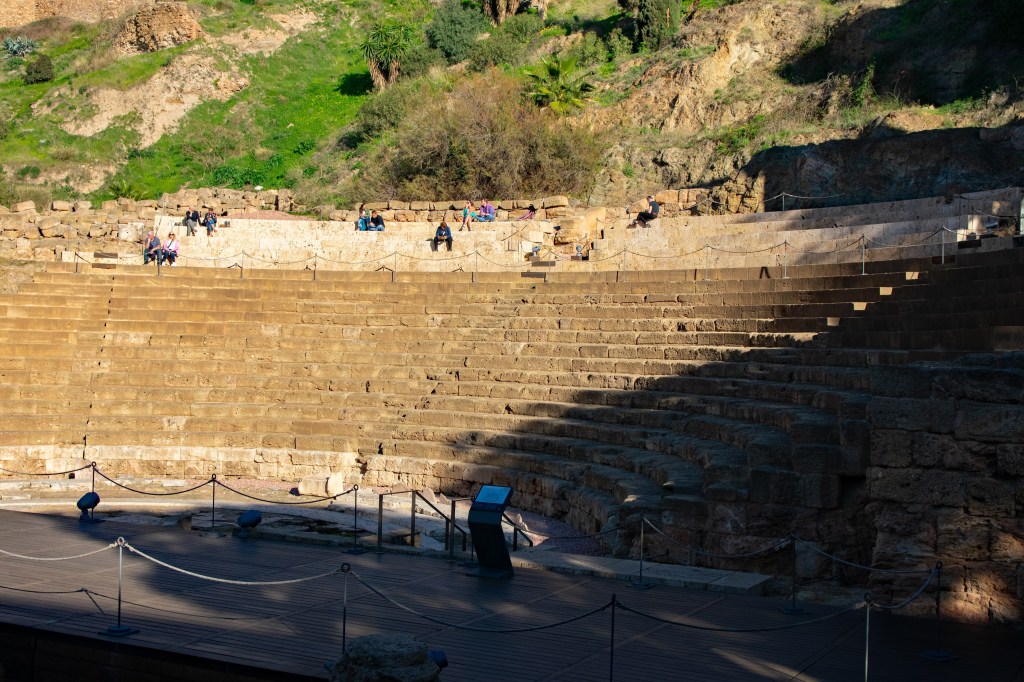
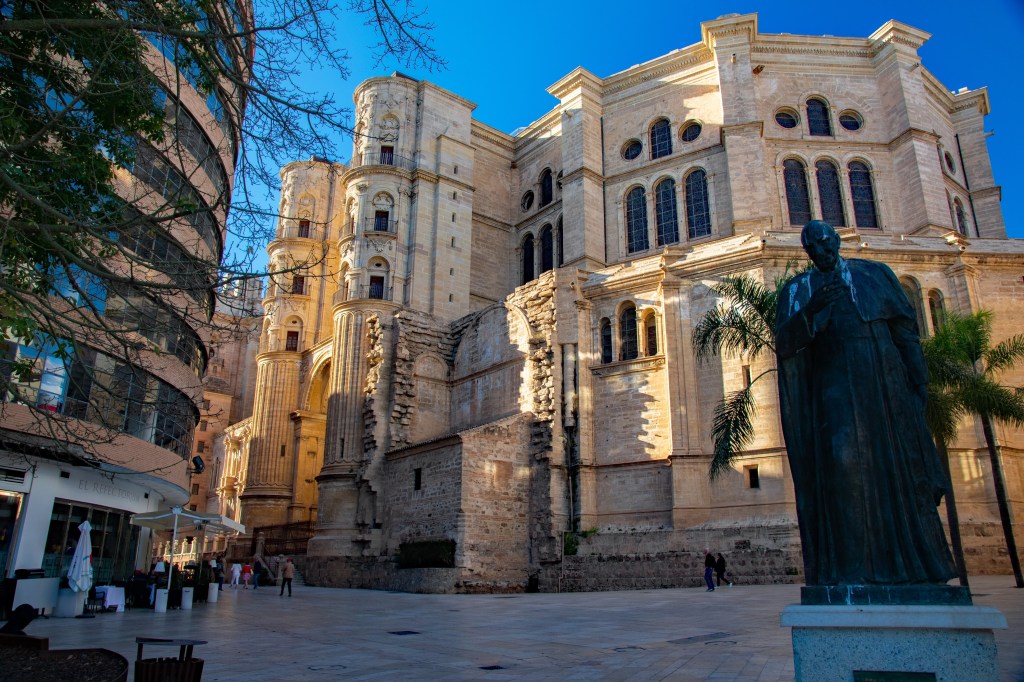
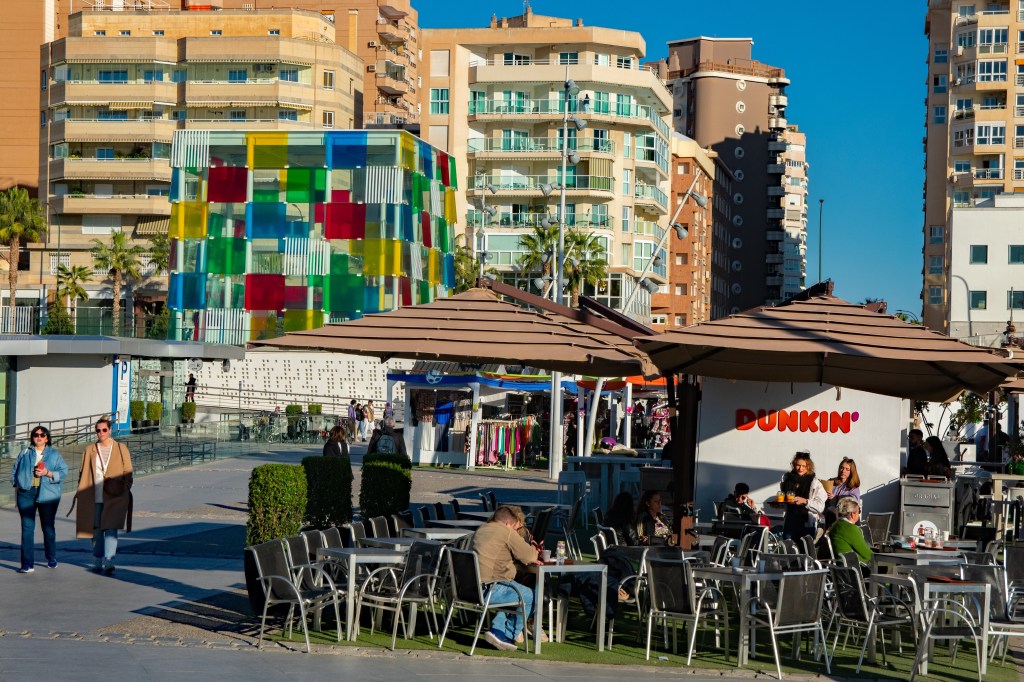
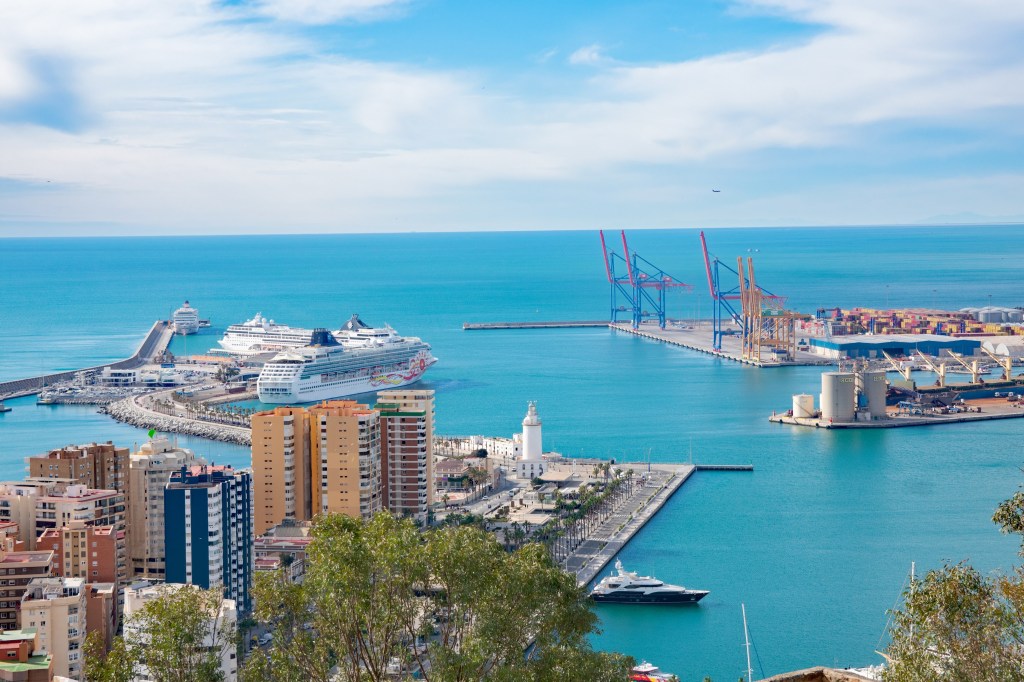
Modern day Málaga lives alongside of its history. The Moorish Alcazaba and the Castle of Gibralfaro look down upon the city from the mountaintop. A visit to these sites provides fantastic views of the city and the port below. At night, they are lit up and provide a stunning backdrop to Málaga’s nightlife. Steps from the Alcazaba is the Roman Theatre and the Cathedral. Trendy shopping and great cuisine, along with a selection of fine museums and art galleries share space with archeological finds. An easy stroll from the old town will take you to Muelle Uno, Málaga’s waterfront boardwalk, where you will find restaurants, cafés, bars, and plenty of street entertainers. Beyond the boardwalk are Málaga’s beaches, a beautiful paseo for walking, and more great restaurants and beach bars (chirringuitos). Nestled between the port and the beaches is the neighborhood where we rented an apartment for the month of February. In February, the days are sunny and pleasant (64 degrees F) and nights are chilly (47 degrees F). Considered the off-season, rentals tend to be reasonable this time of year.
Above:Views from our balcony
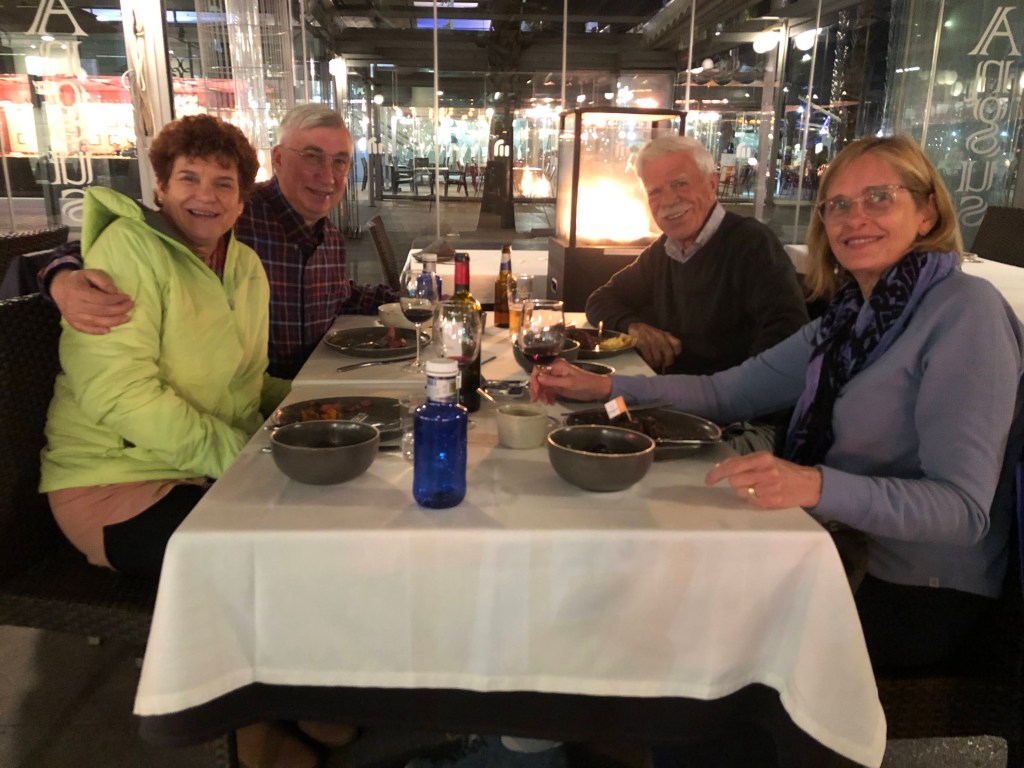
During our stay in Málaga, we reconnected with Ken and Cally, Canadian friends that we met while on vacation in Portugal a few years ago.
Above : Enjoying the beautiful Jardín Botánico (Botanical Garden) and a shellfish spread at the Ataranzas Market.
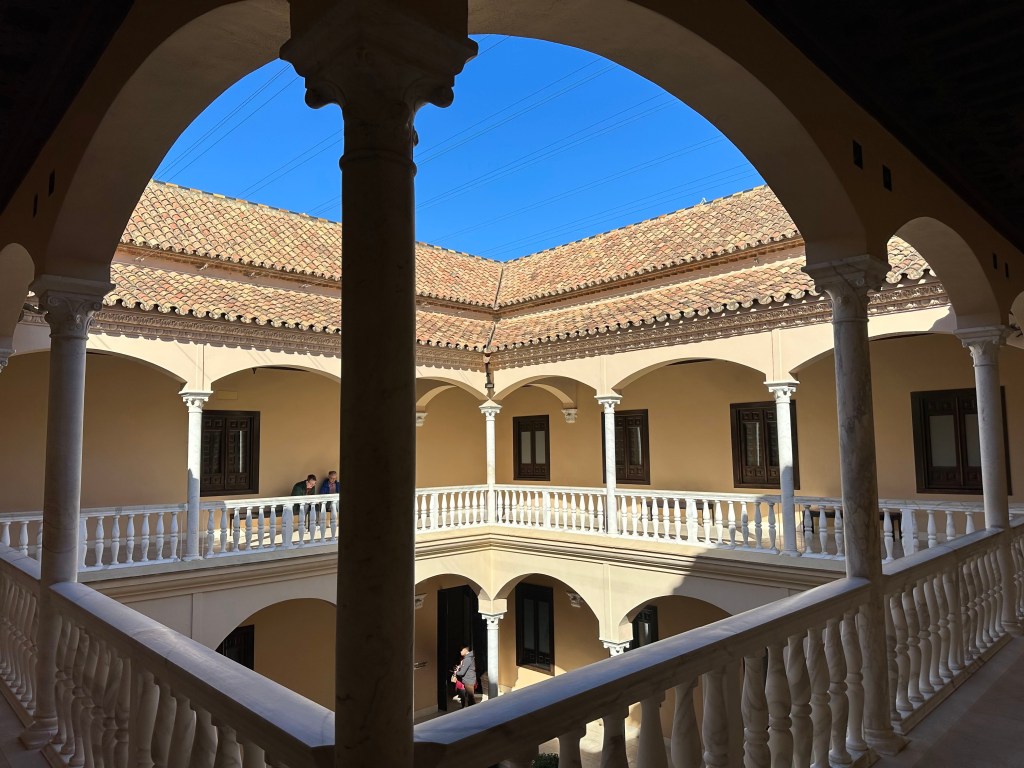
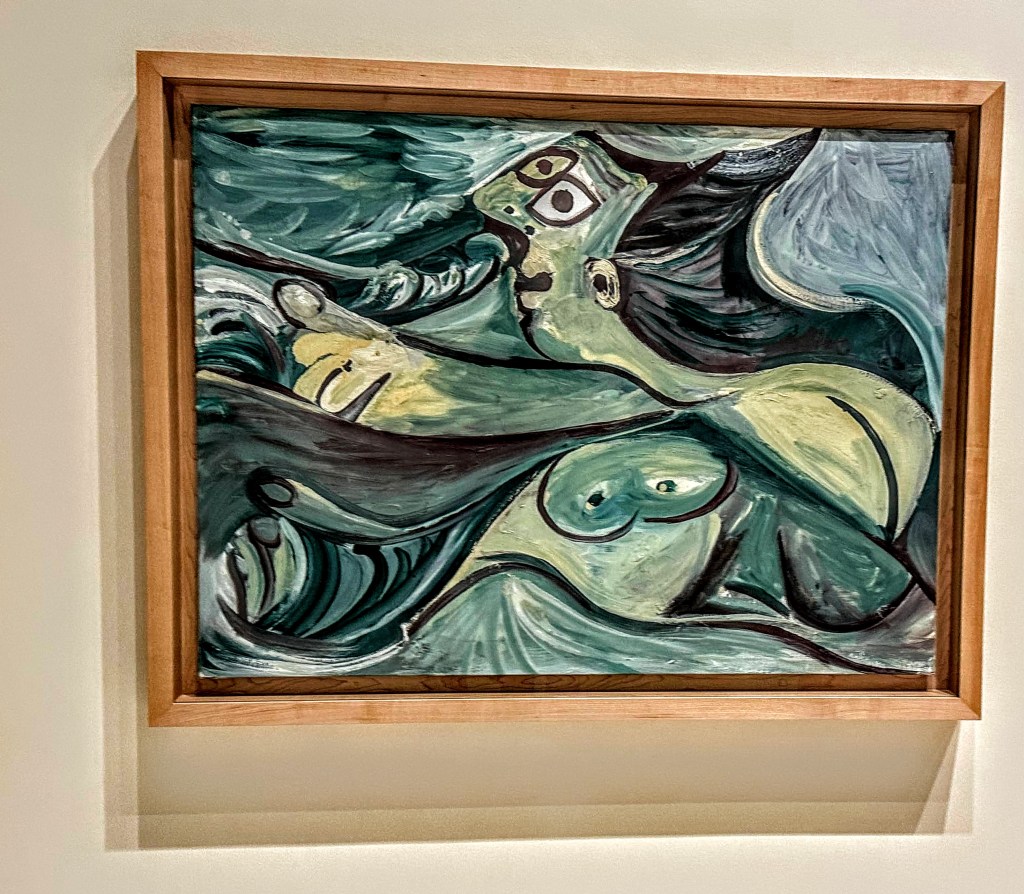
Málaga was the birthplace of Pablo Picasso. There are two sites were visitors can enjoy his art: The Picasso Birth Home (and gallery) and The Picasso Museum.
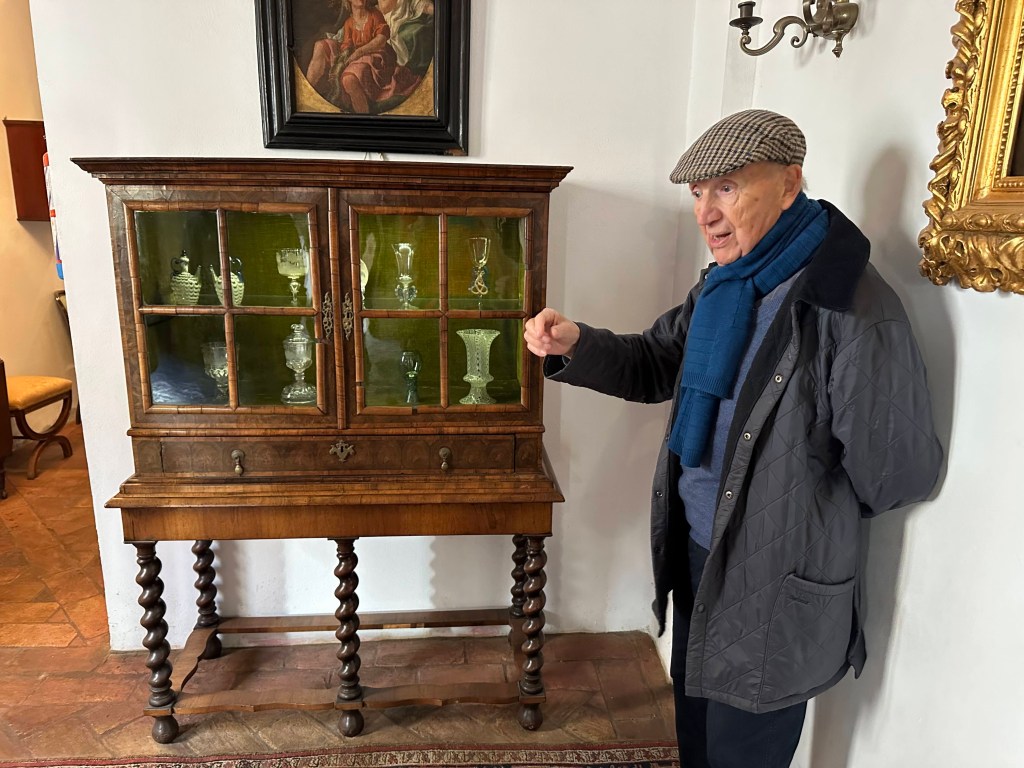
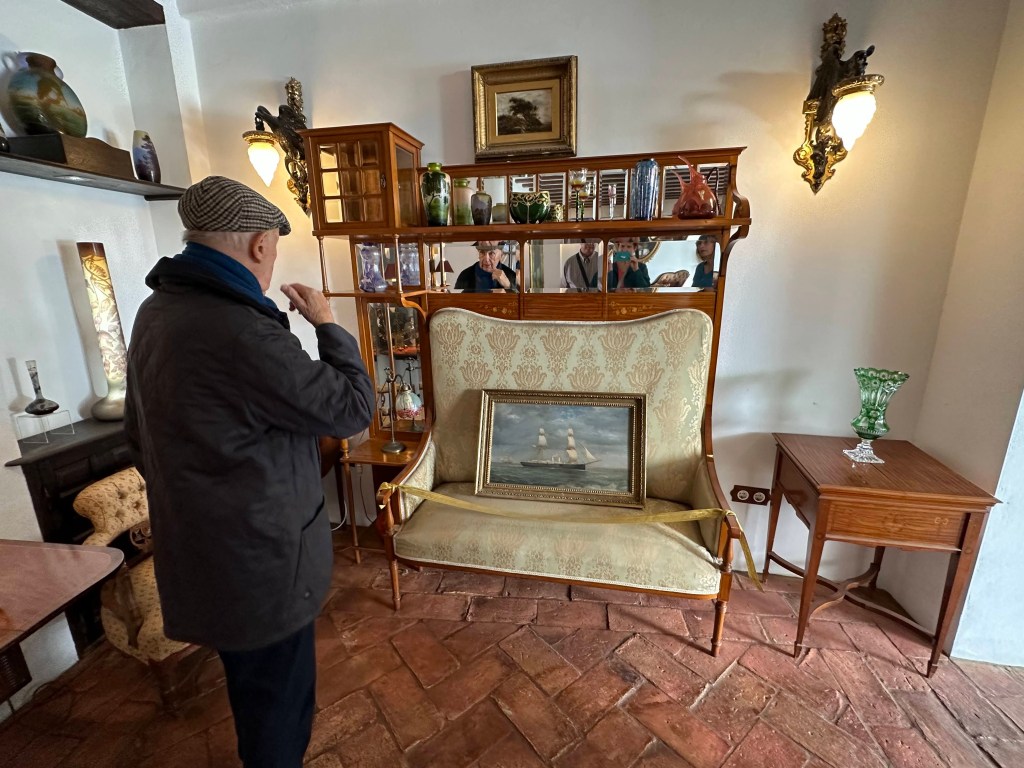
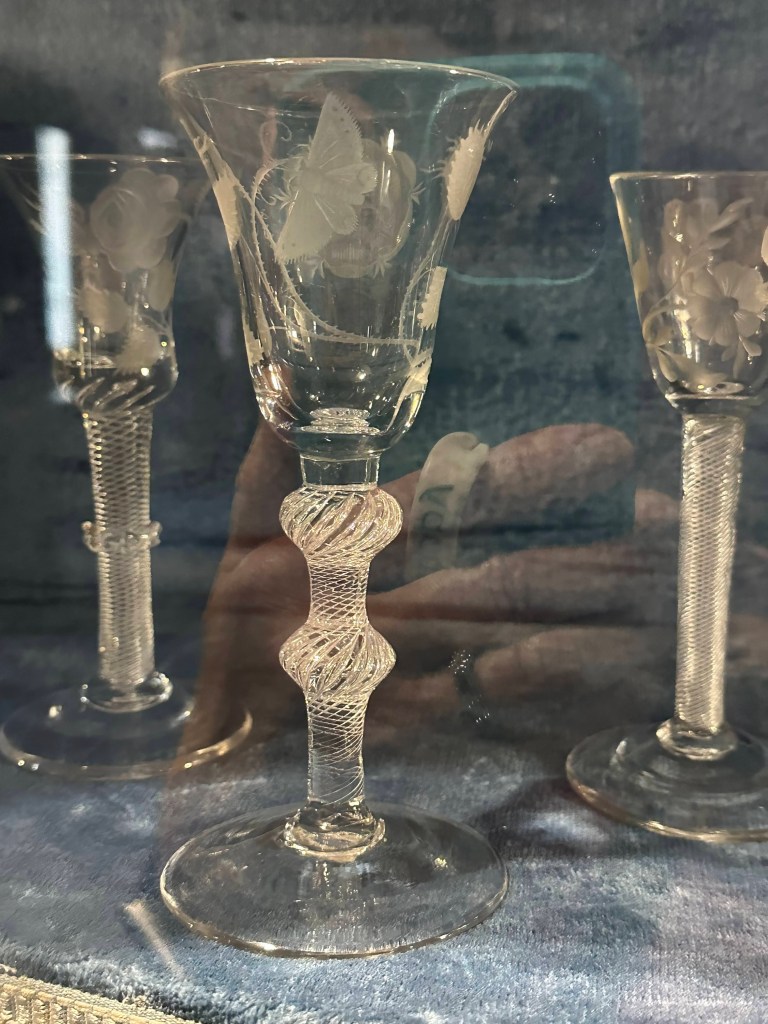
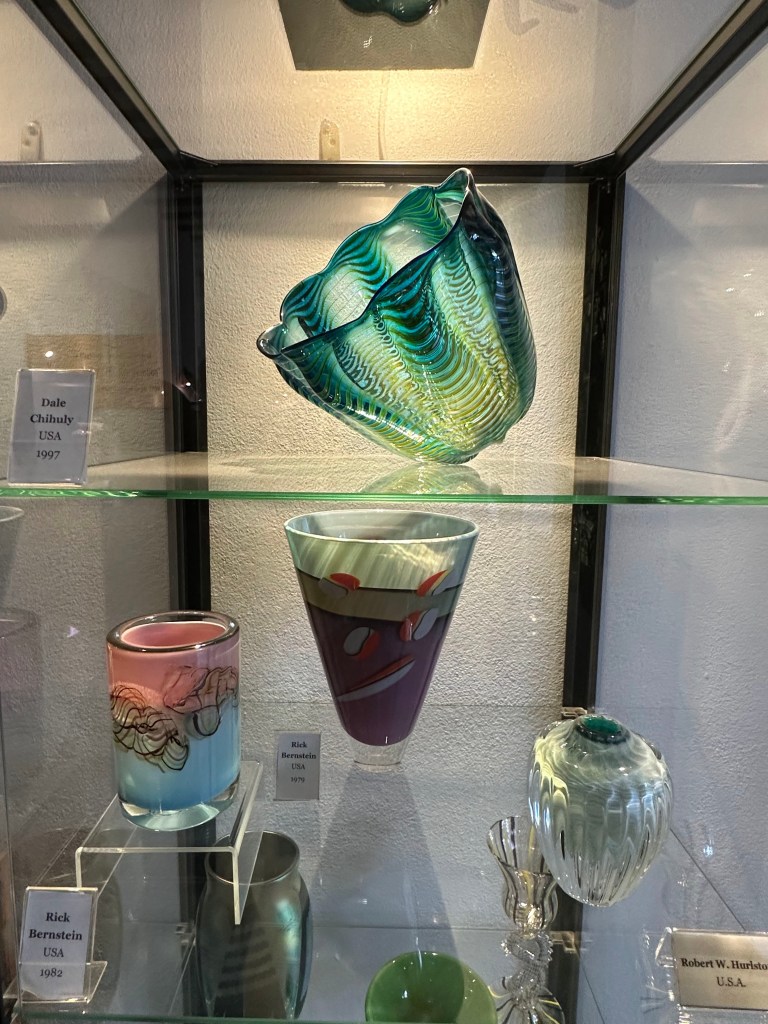
The Museo de Vidrio y Cristal (Glass and Crystal Museum) is a private collection housed in a restored 1700’s mansion. It is only accessible by guided tour with ticket purchase. We had the pleasure of touring with Ian, one of the owners. The collection is impressive and beautifully displayed in various rooms of the home.
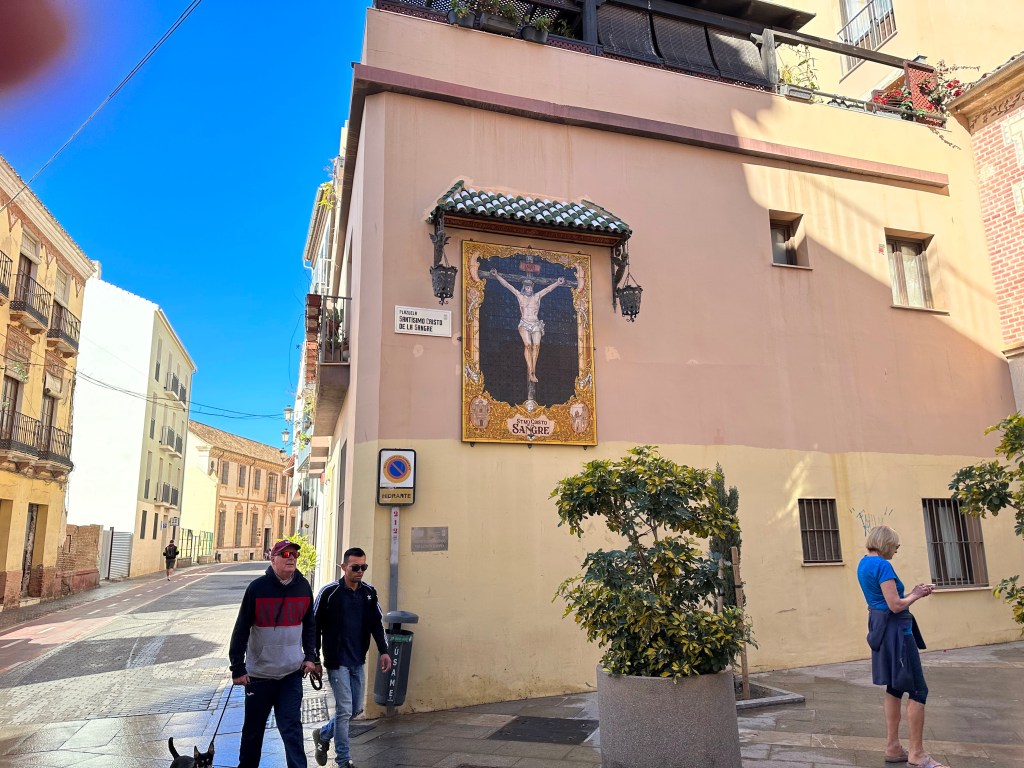
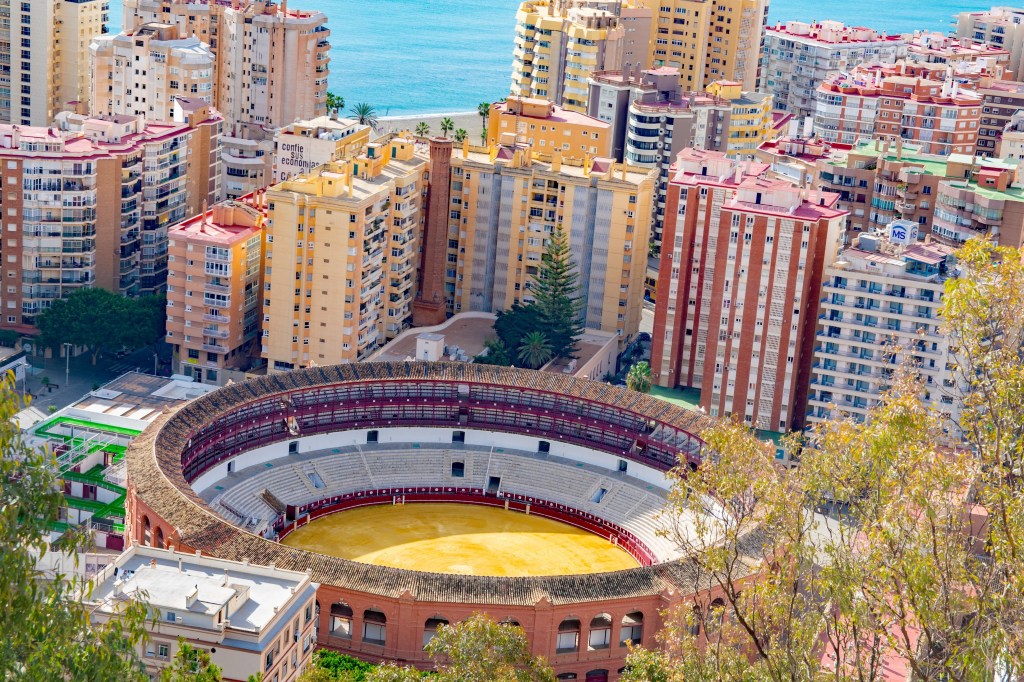
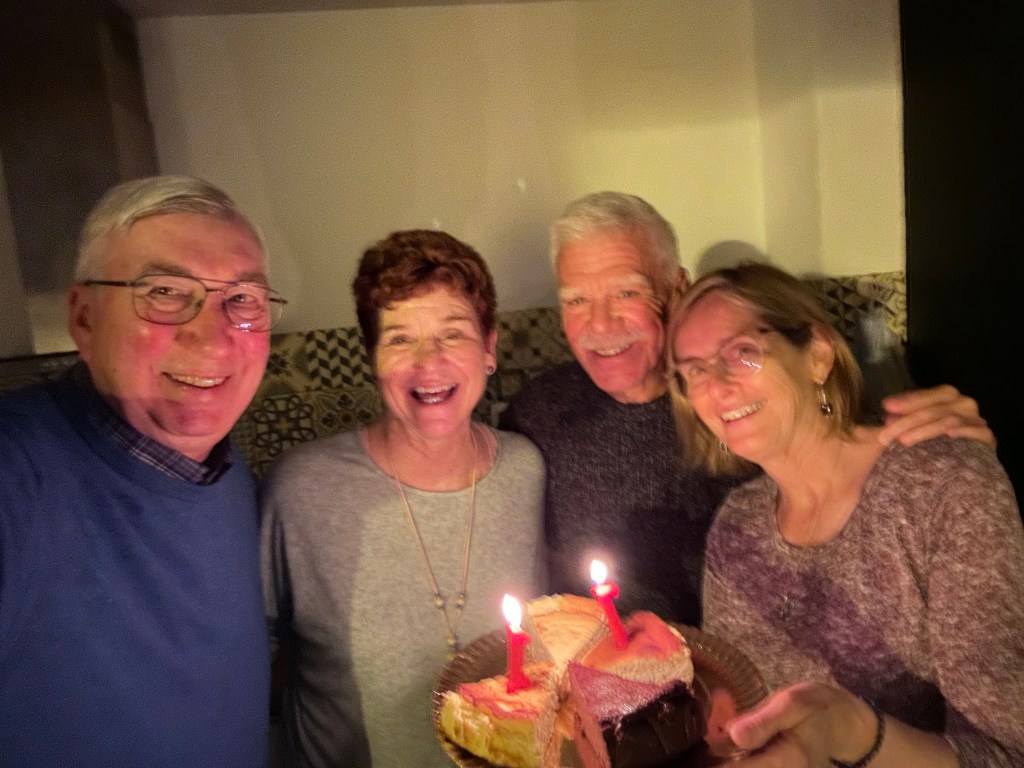
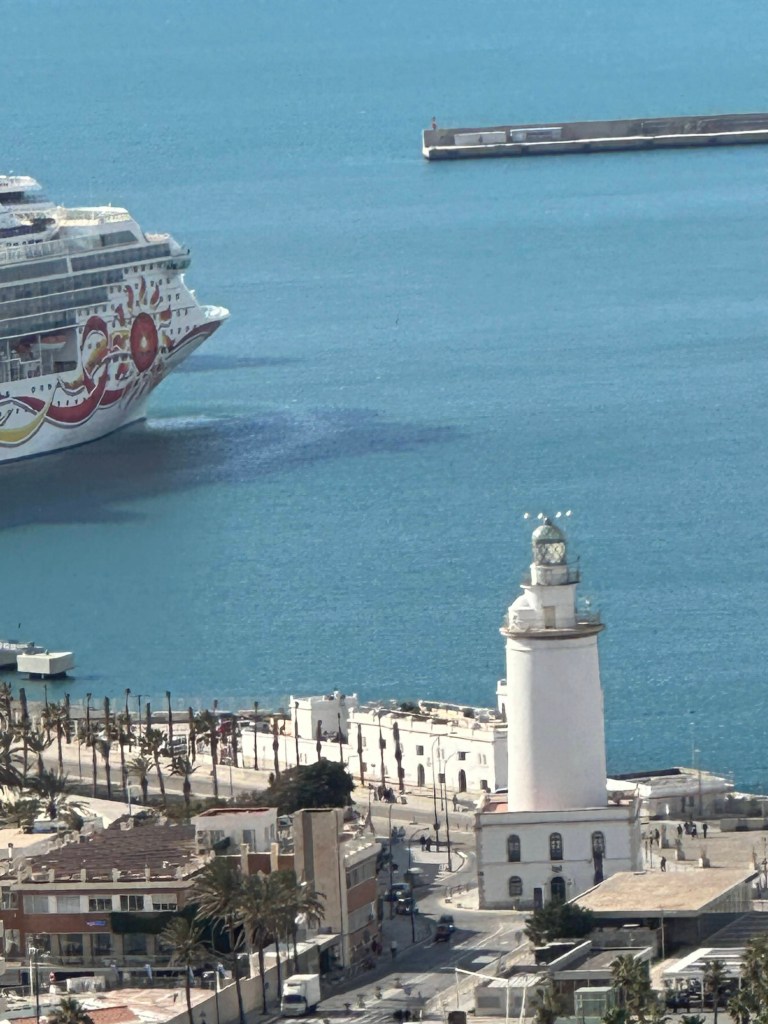
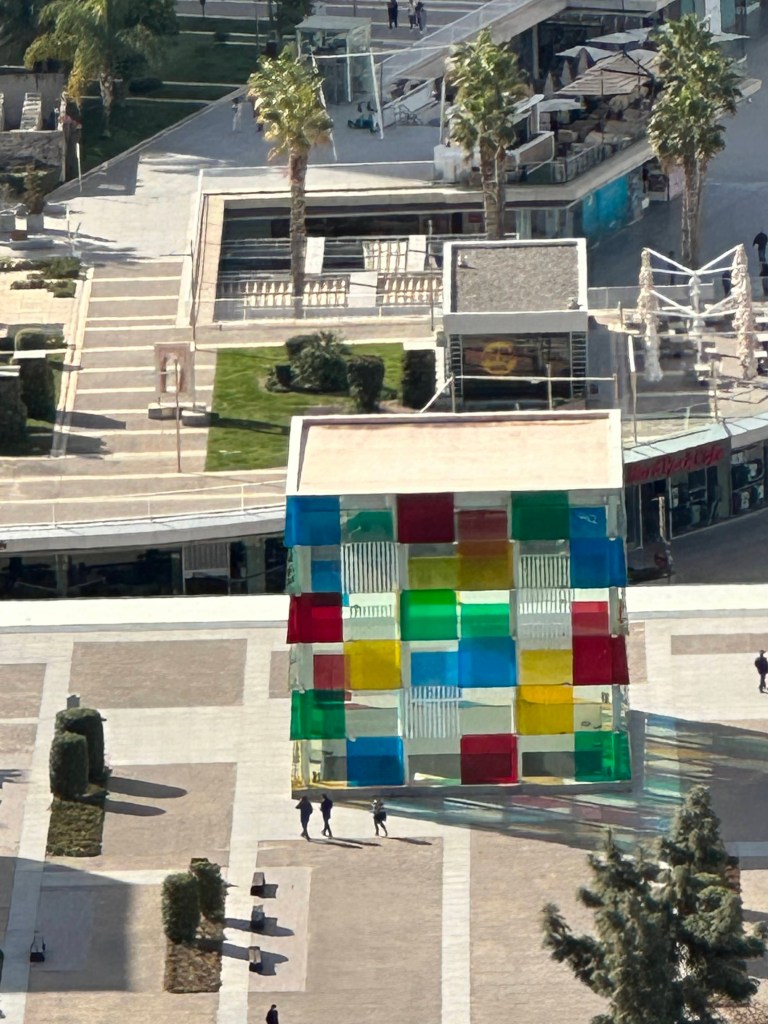
Picasso HomeOld MálagaRestaurante El PimpiIn front of Roman TheaterRoman TheaterOldest BodegaCathedralCathedral SquarePortPicasso MuseumPicasso workMuseo de VidrioIan, our guideChihuly GlassOld MálagaBalconies of MálagaMálaga BeachCalle Larios (lit for Carnaval)CathedralStreet ArtPaseo del ParquePompidou CenterView of Bullring from Castle GibralfaroHappy Birthday KenView of PortUp at the Castle
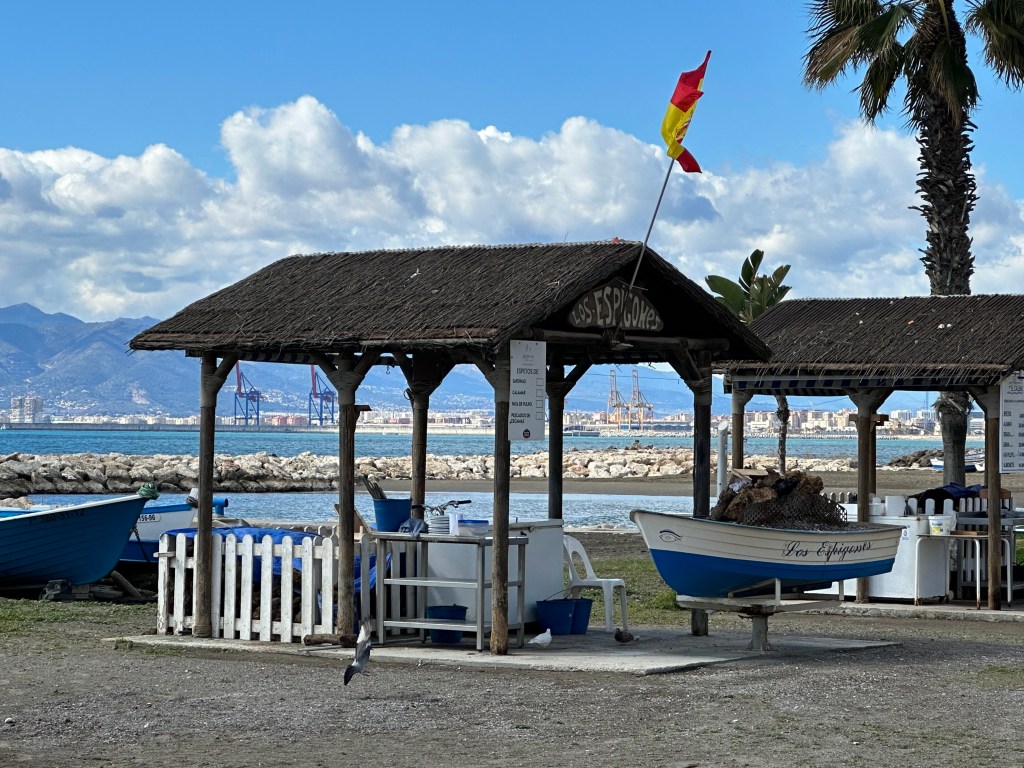
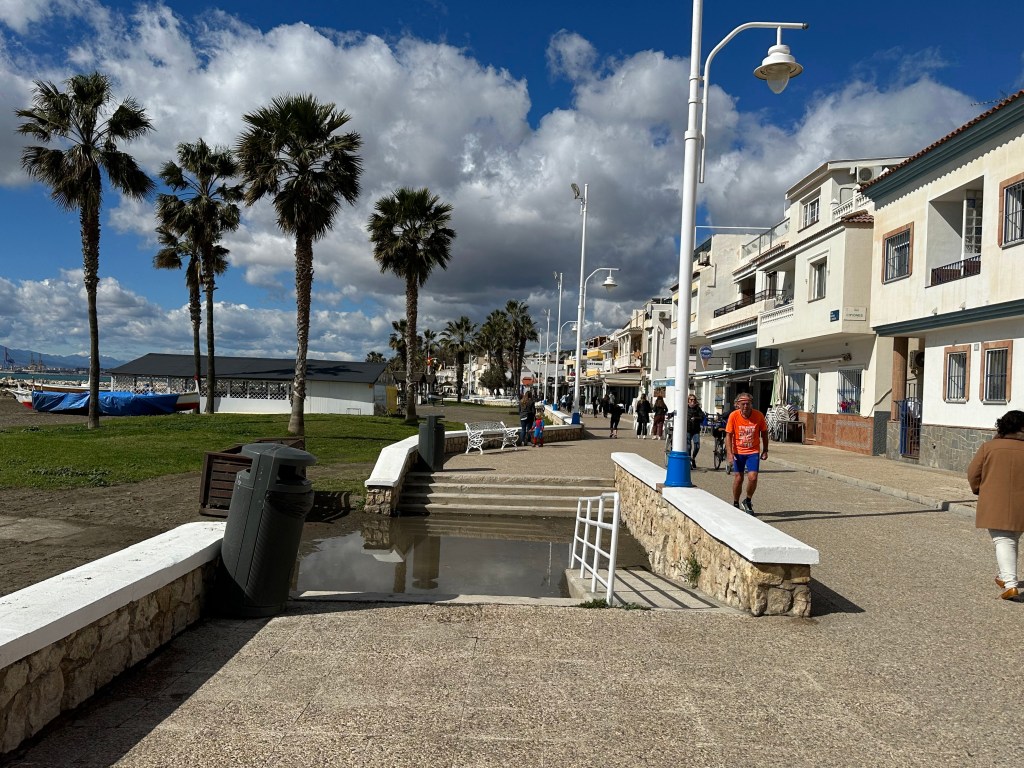
Pedregalejo is the old fishing village east of Málaga City. We discovered it by accident while walking the beach walk. We passed Baños de Carmen, the ruins of a 1918 spa resort for the wealthy. There is currently a restaurant on site. A bit further on, we turned toward the water and discovered the charming coves and boardwalk of Pedregalejo. We stopped for coffee at one of the charming places along the walkway. Lunch was fully booked, so we made a reservation for a front line table for lunch the next day. We had the smoked fish of the day and it was delicious! The ambiance was perfect.
In my opinion, Málaga is a highly underrated city. Because it is a stop for cruise ships, many people spend part of a day there. Hopefully, they walk a little further than the port area or take a guided walking tour. Other visitors fly into Málaga and immediately take a bus or a taxi to one of the resort towns along the coast. From Málaga one can take a train to many destinations in Spain. We flew from Málaga to Marrakech for our ten day adventure in Morocco (see my Morocco posts). I encourage you to explore beyond Málaga, but also to take the time to explore Málaga City itself. It is truly a gem hiding in plain site.
For more about Málaga City, see my post: “Málaga Sites and Málaga Nights.”
We’re Back In Our Happy Place! We are here in Estepona for the month of March. It is our fourth time here and it has become our favorite.
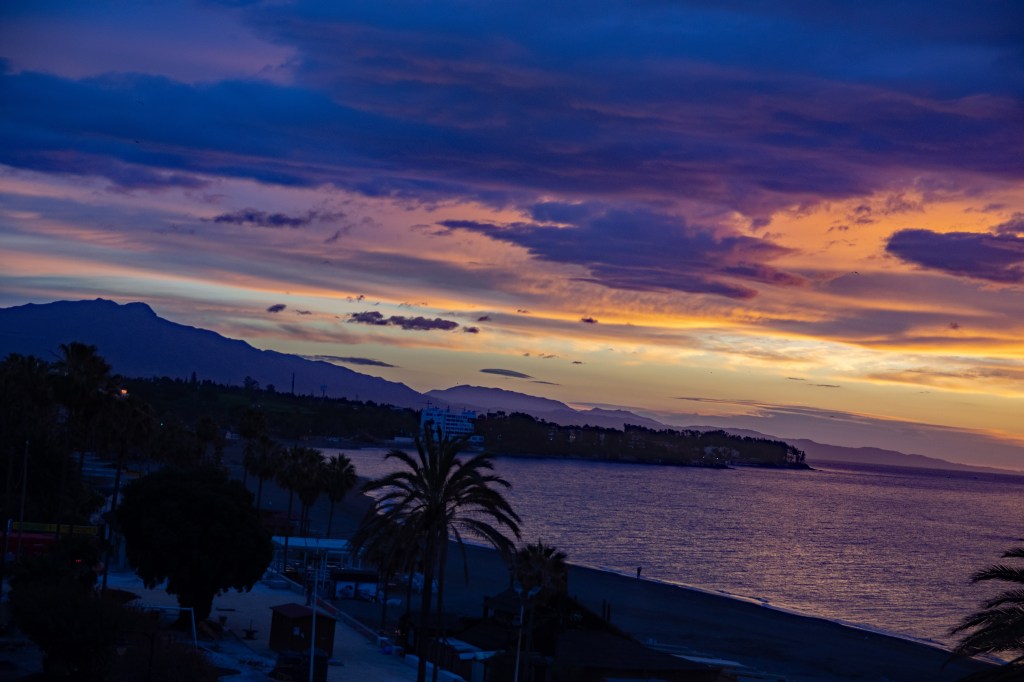
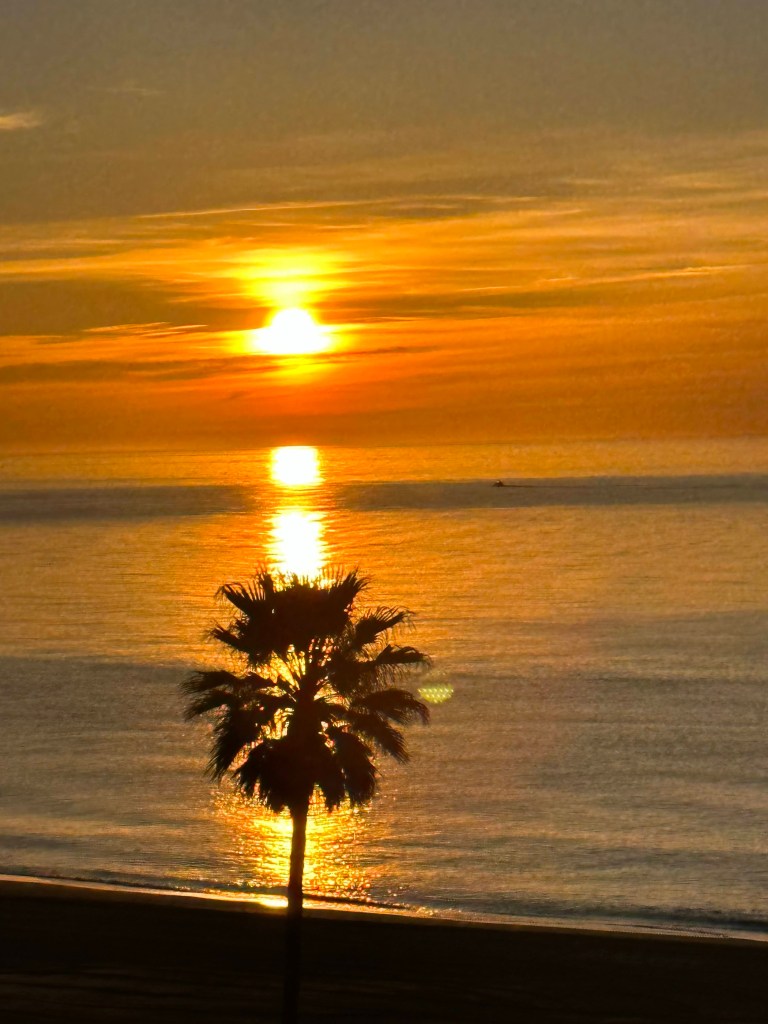
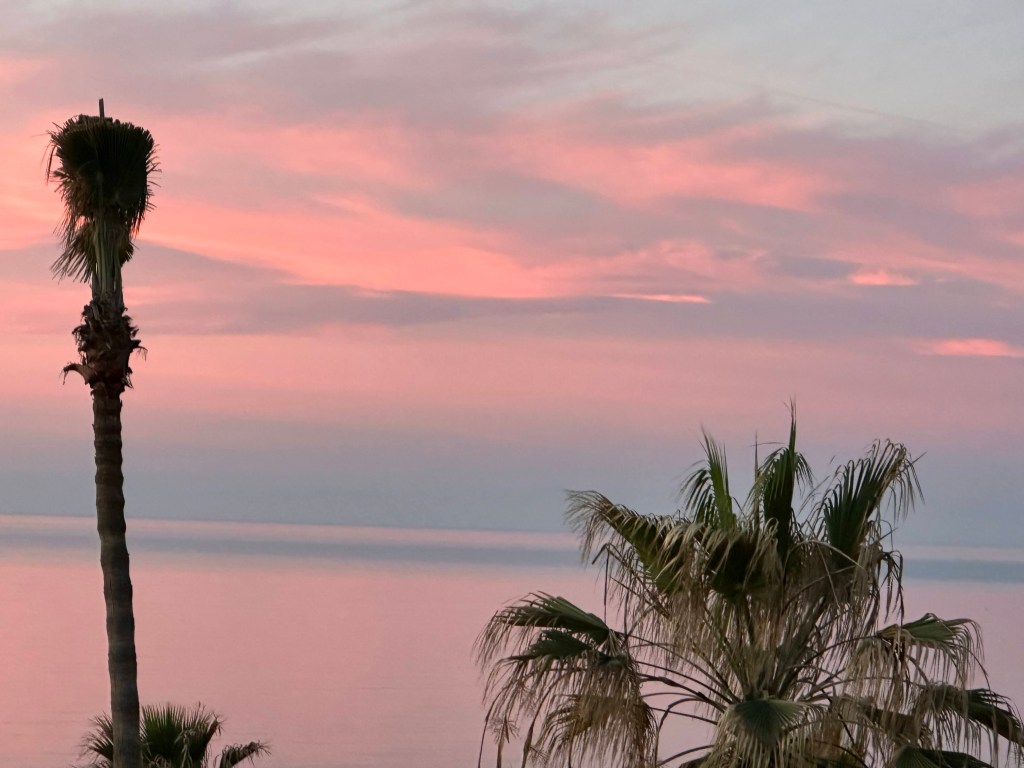
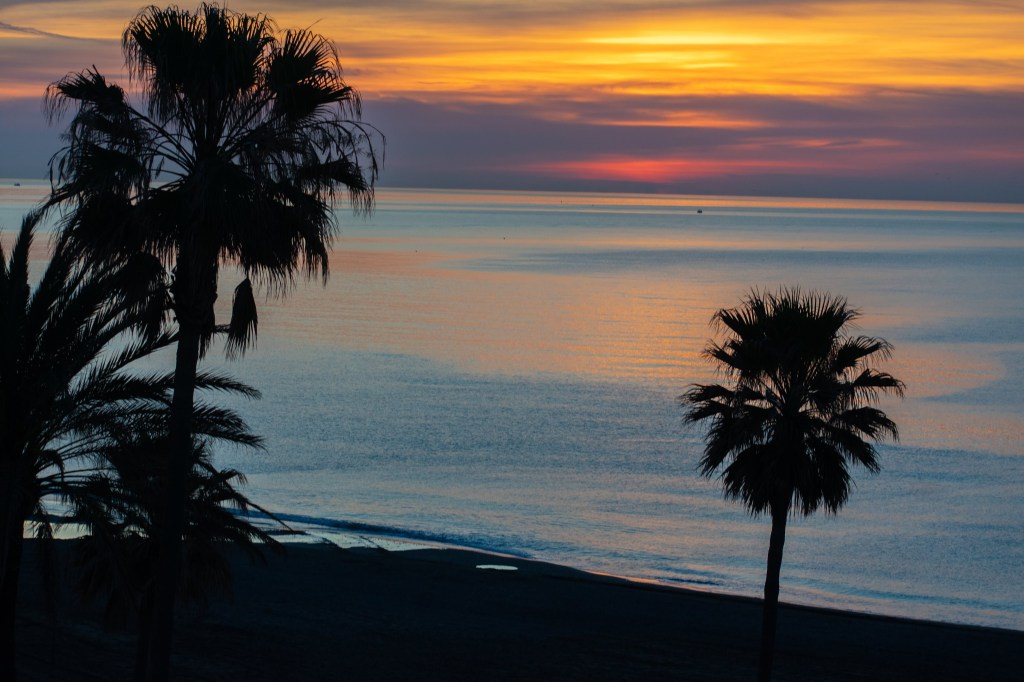
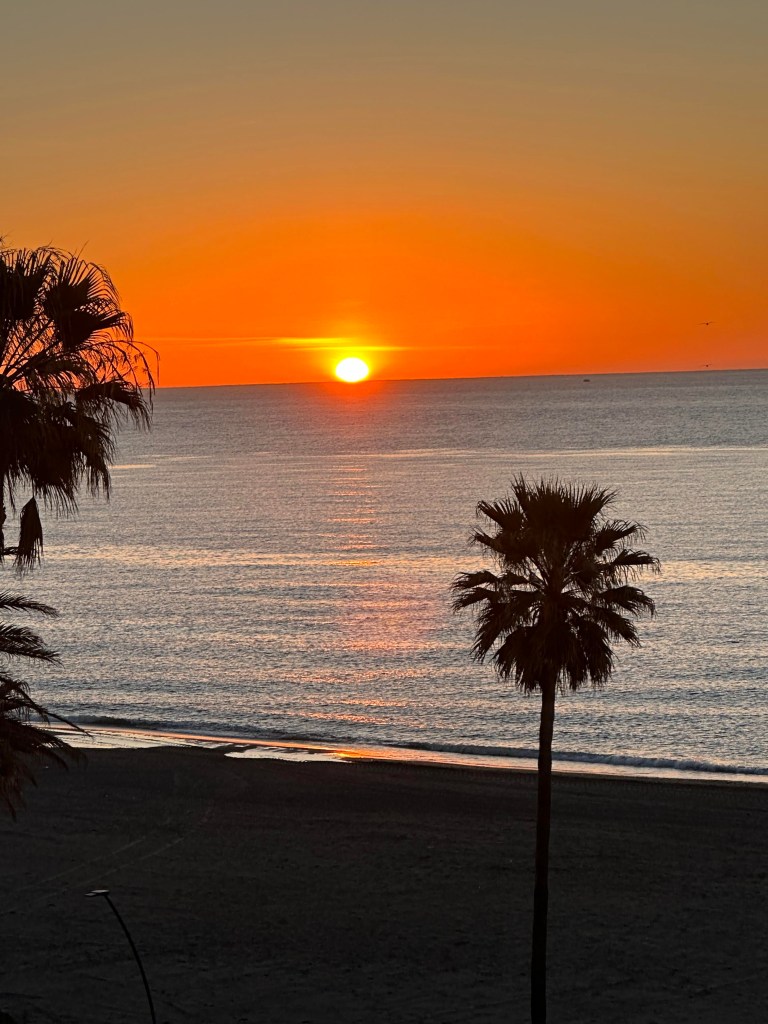
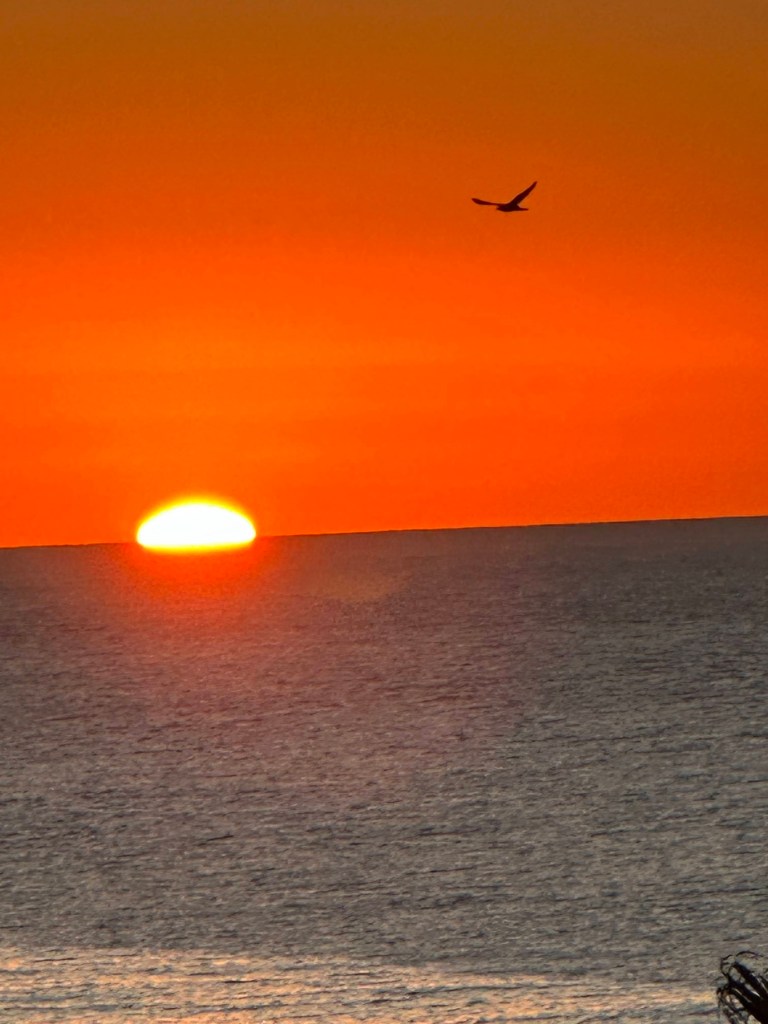
Sunrises From the Balcony
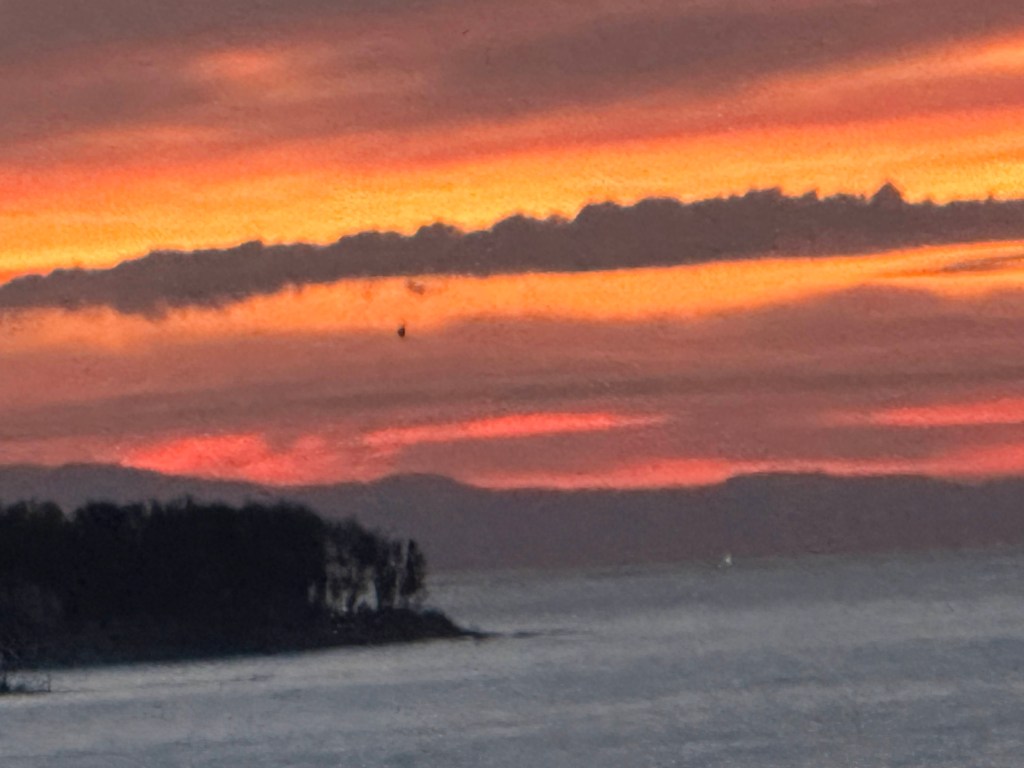
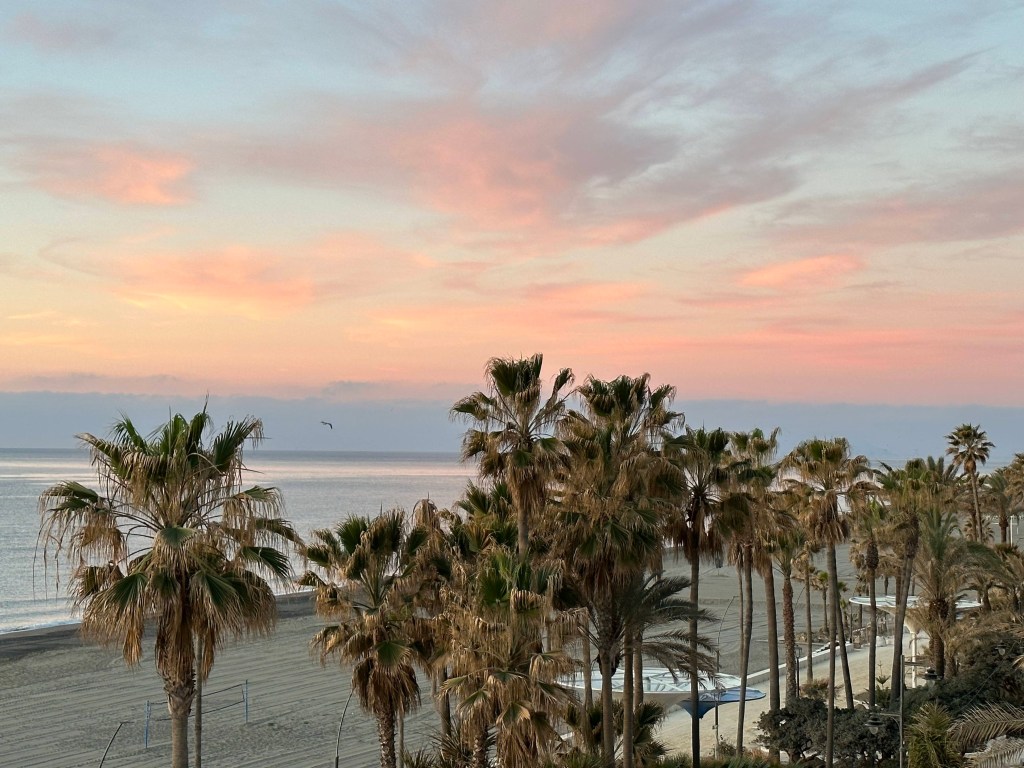
Our balcony looks out over The Mediterranean. I am usually up early enough to see the sunrise. No two mornings have been the same!
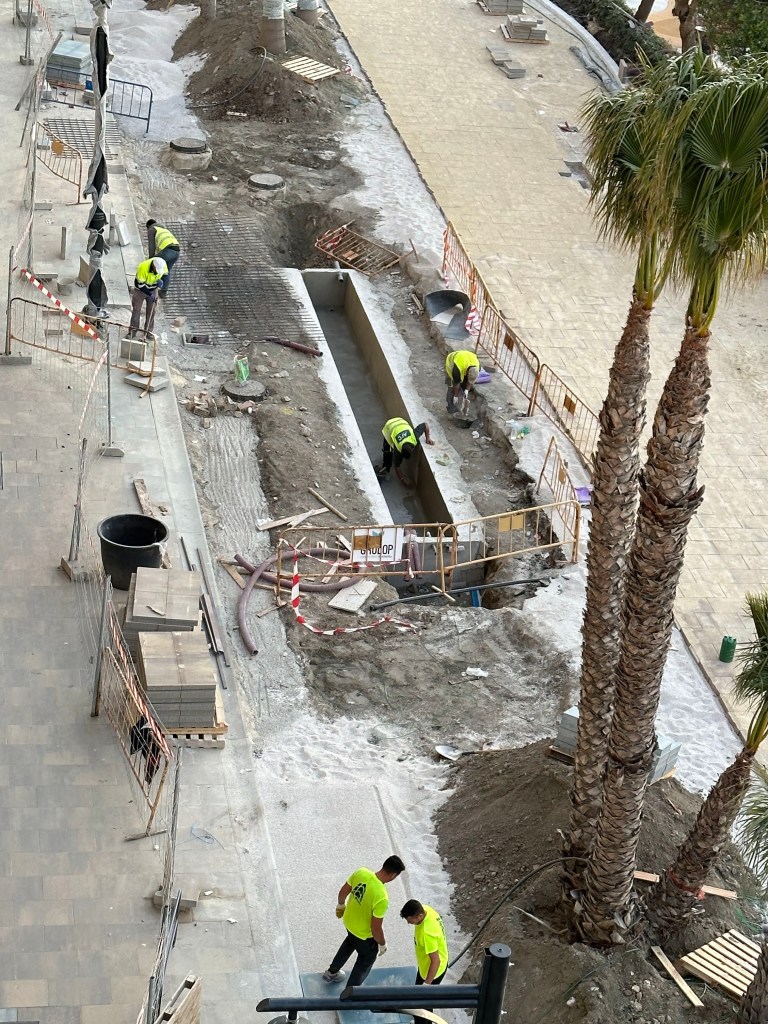
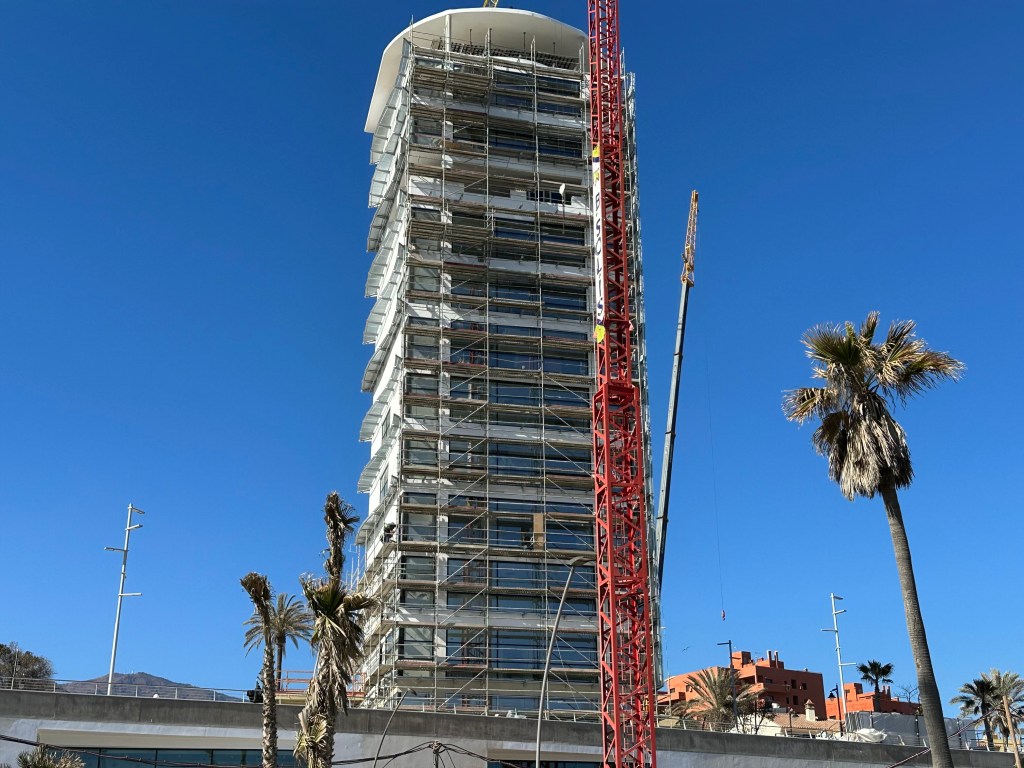
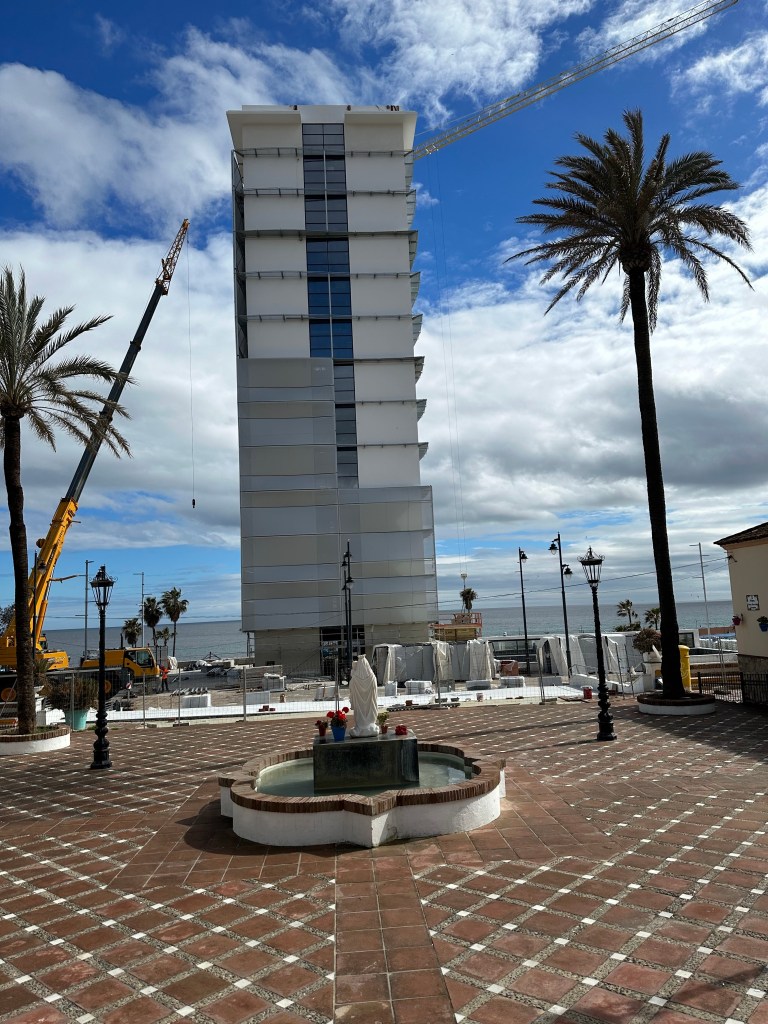
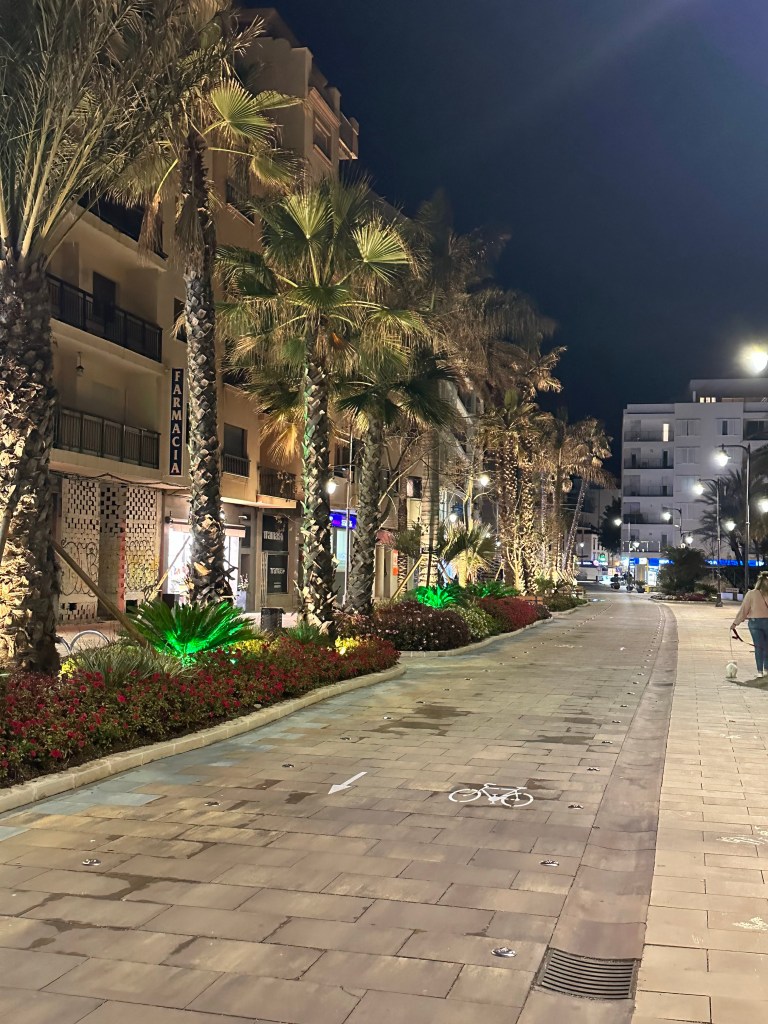
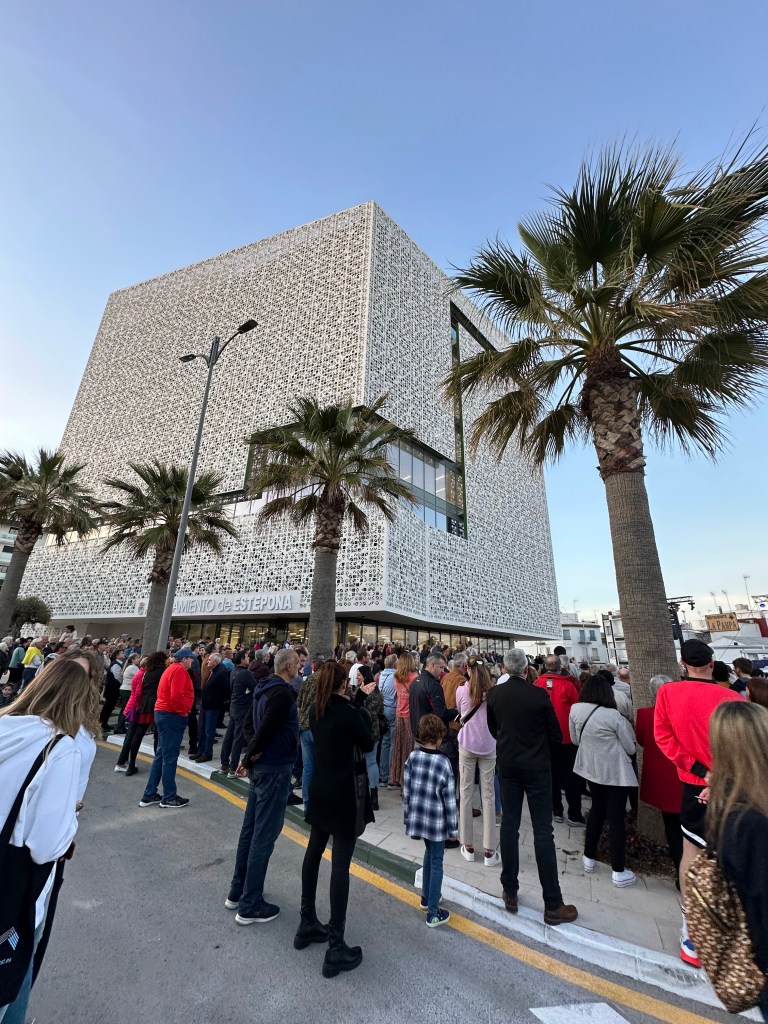
The construction workers arrive at first light. The widening of the paseo (pedestrian walkway) is almost complete. Almost the entire length of Estepona’s long beachfront (Playa de la Rada) is now free of traffic. By this weekend, most of the work should be finished just in time for the grand opening of the Mirador; a new building between here and the port. Previously, that site was unimproved and unattractive with weeds and graffiti. It will now be a public access area. The building will house an art gallery, a multi-story library, an auditorium, a restaurant, and a rooftop lookout.
The grand opening is March 31st, unfortunately, the day we travel home. Hopefully, next year we can enjoy the new additions.
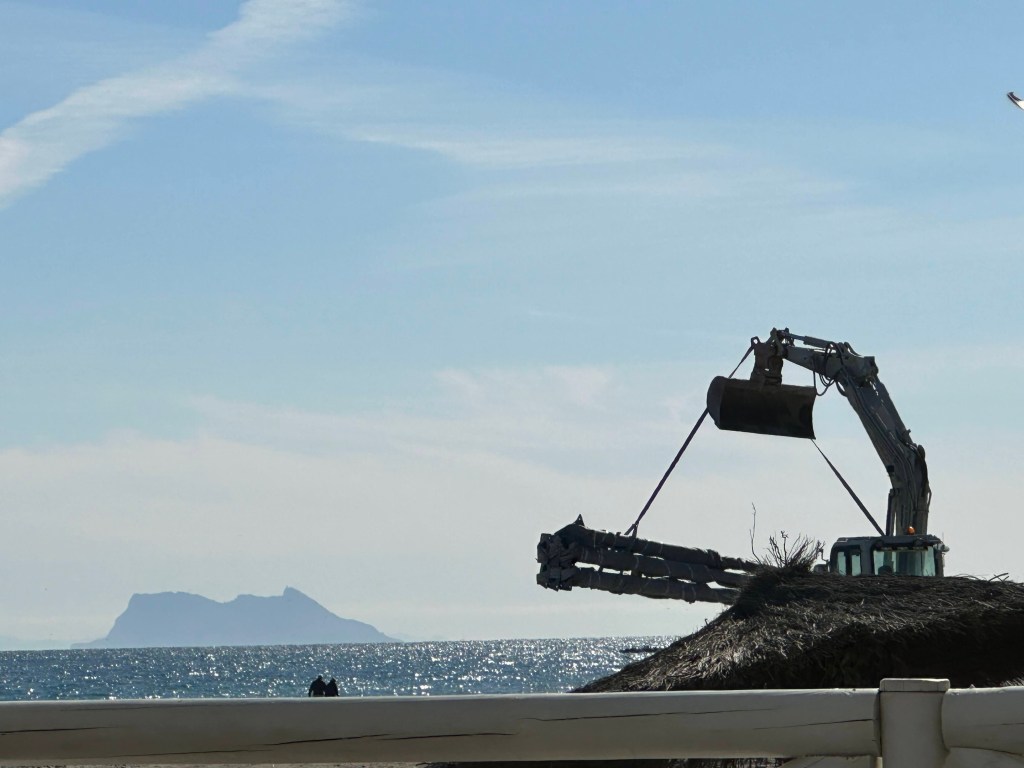
Workers BelowGibraltar Behind the Palms
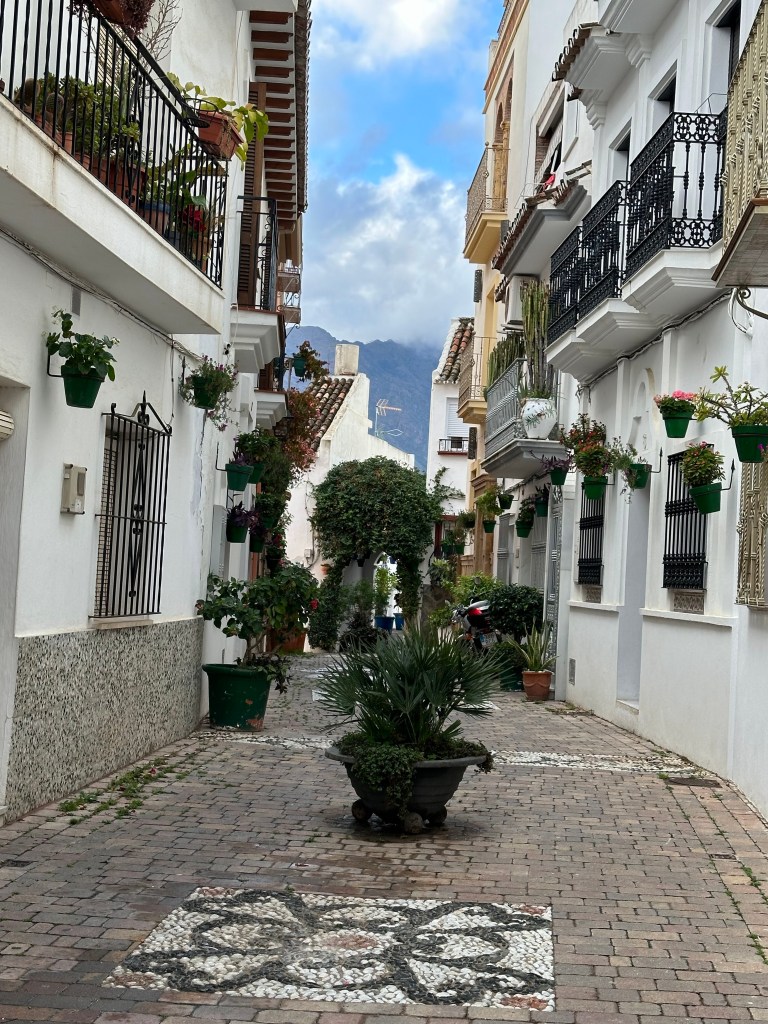
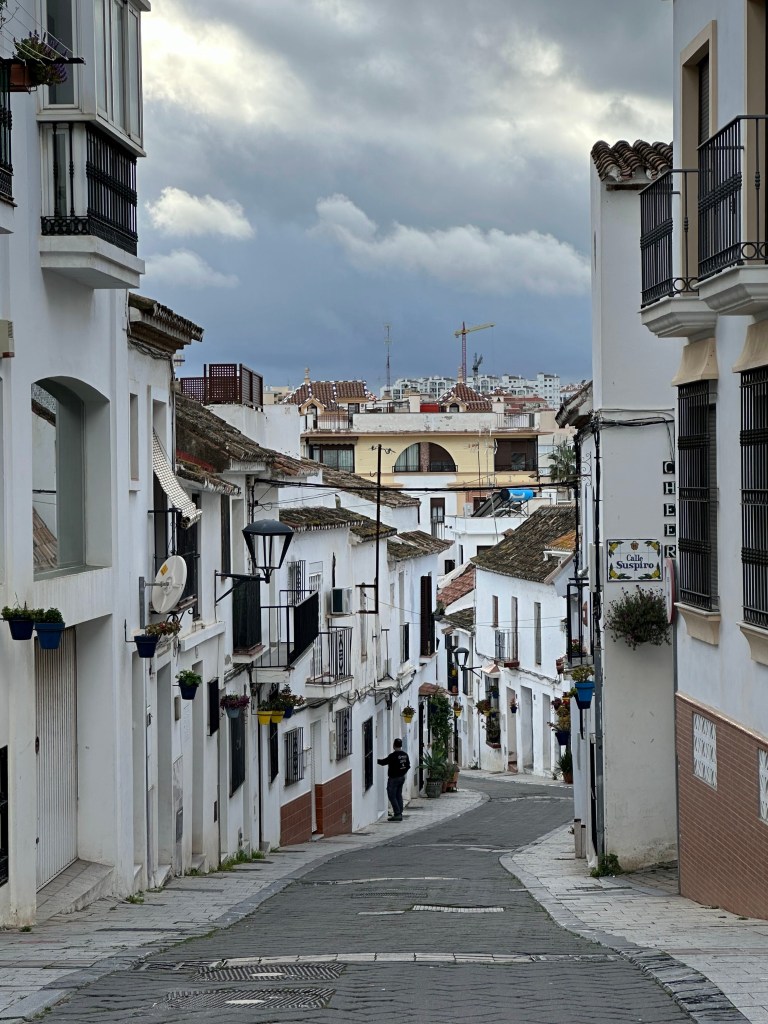
All Around Town: The Old and The New
The MiradorGibraltar and a CraneFisherman’s CottageBeyond Cristo BeachNew FountainFrom Plaza Virgen del CarmenOde to Estepona (Village of Fishermen)Cottages
Virgen Del Carmen Church (Patroness of Fishermen)
Nuestra Señora de RemediosOld TownPart of the New PaseoPlaza de FloresOrchidarium at Night
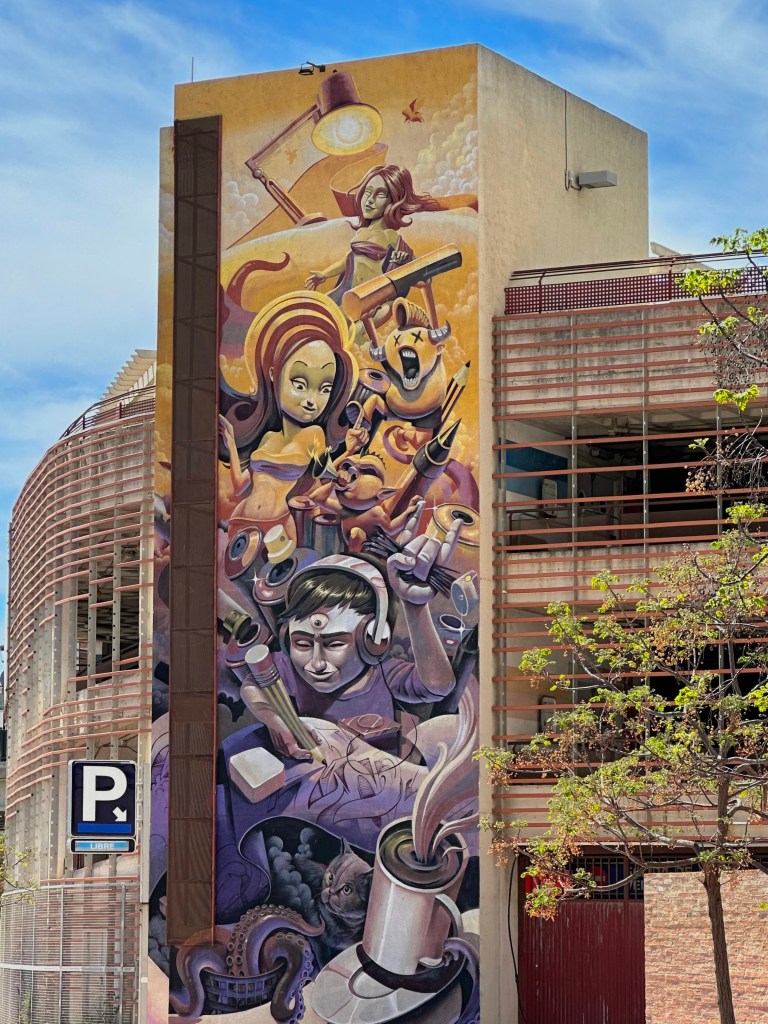
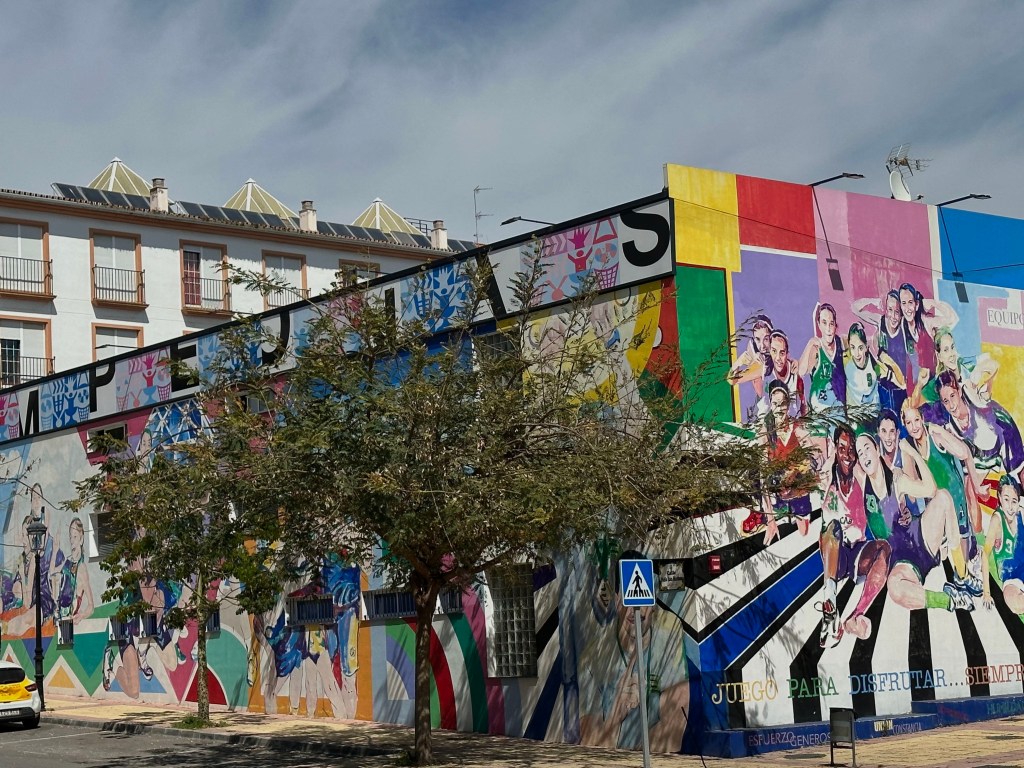
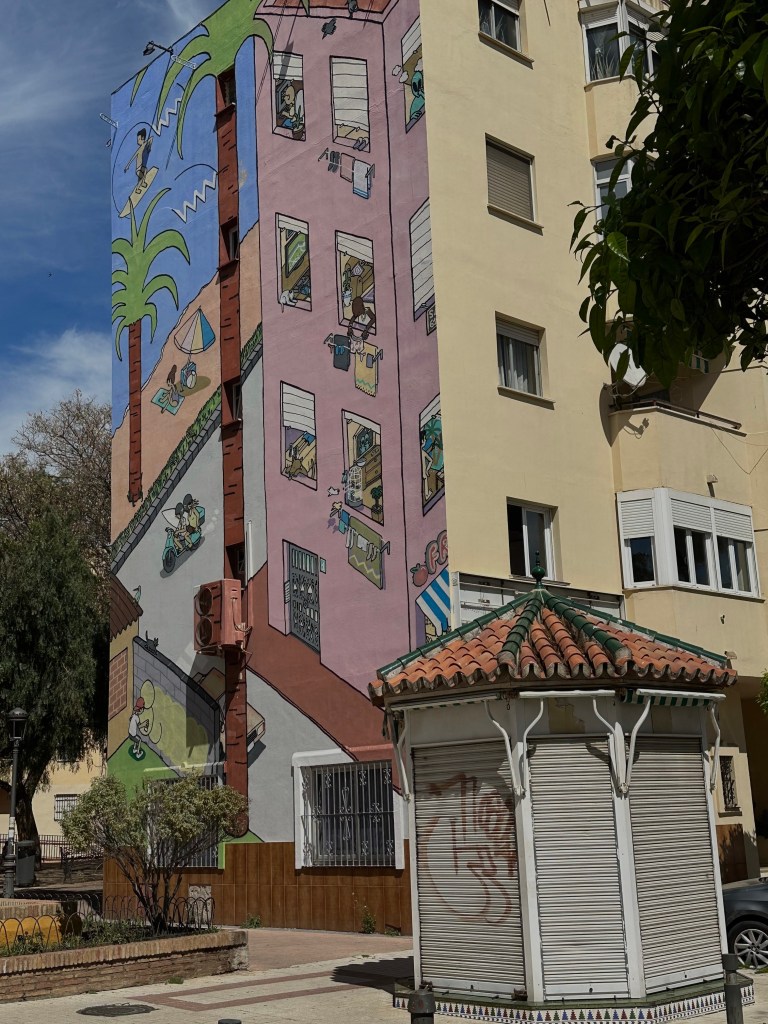
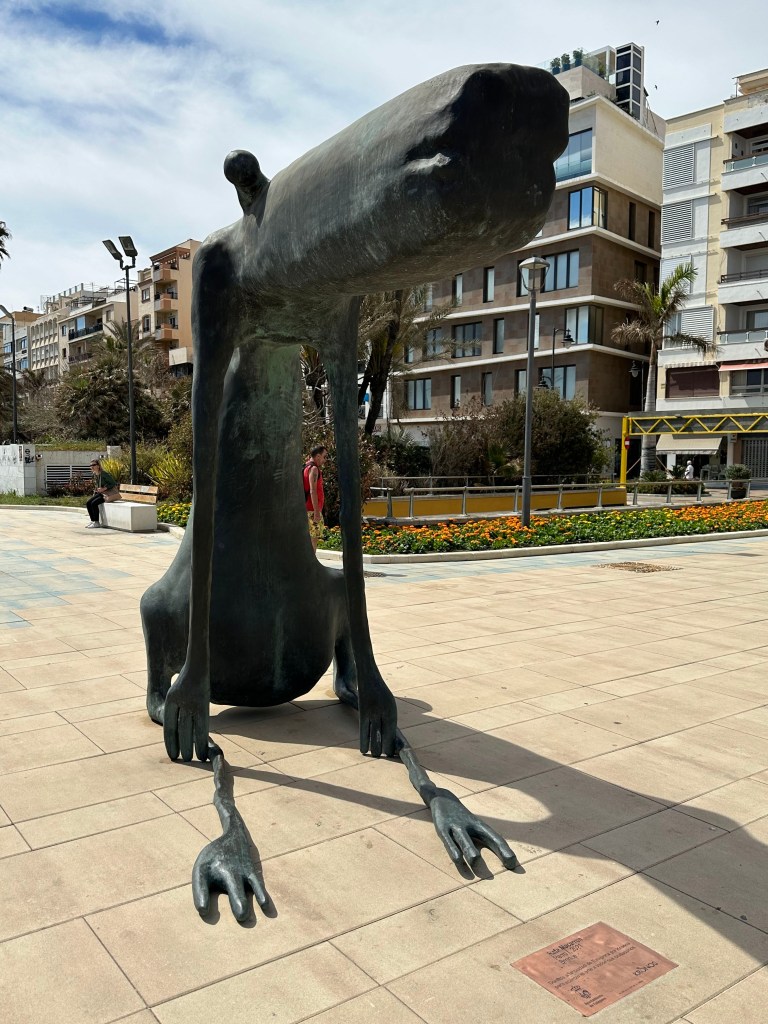
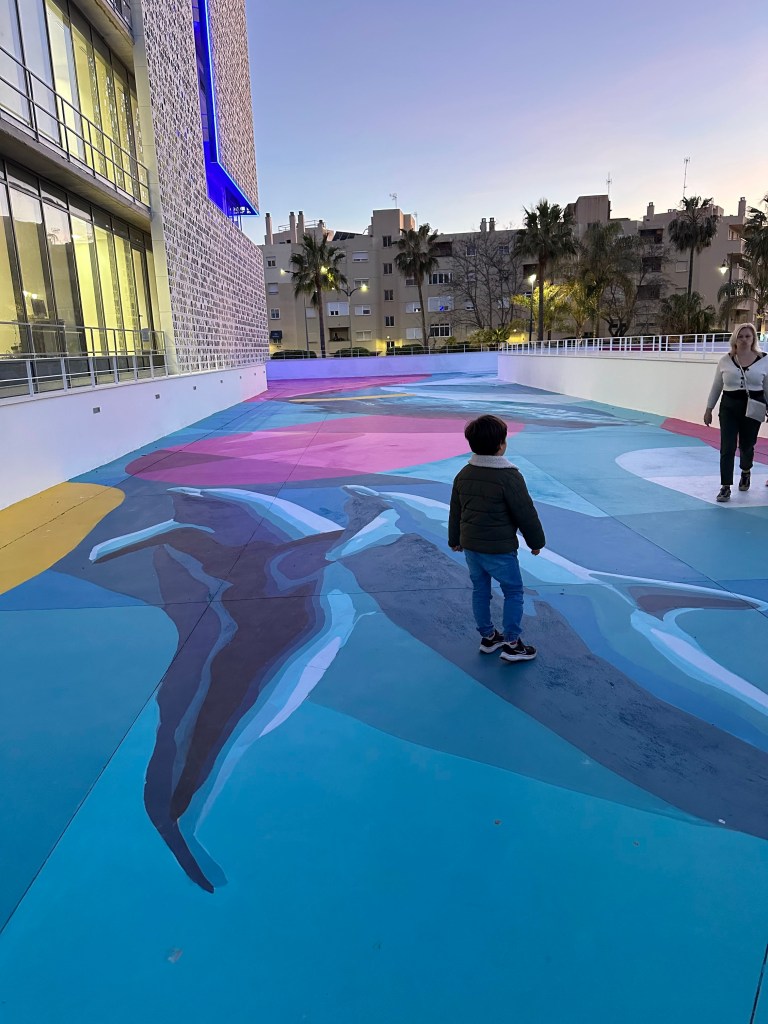
Just a Sampling of the Public Art in Estepona
They Say It’s A Dog
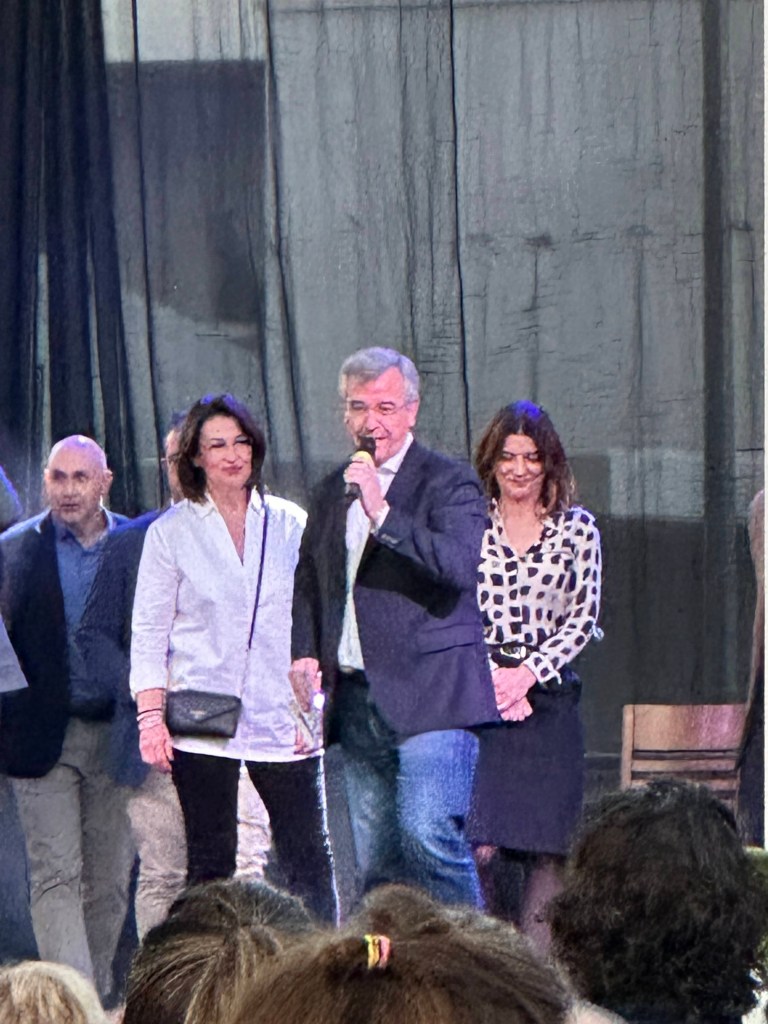
Grand Opening Party for City HallMayor Urbano
City Hall (El Ayuntamiento) Behind Us
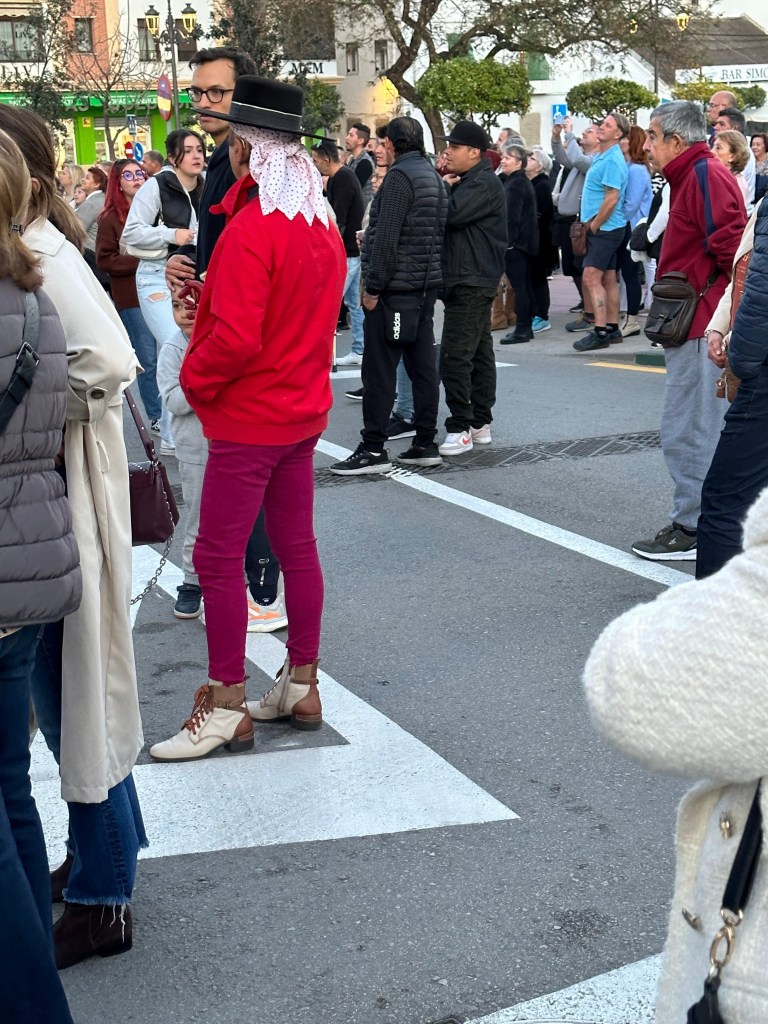
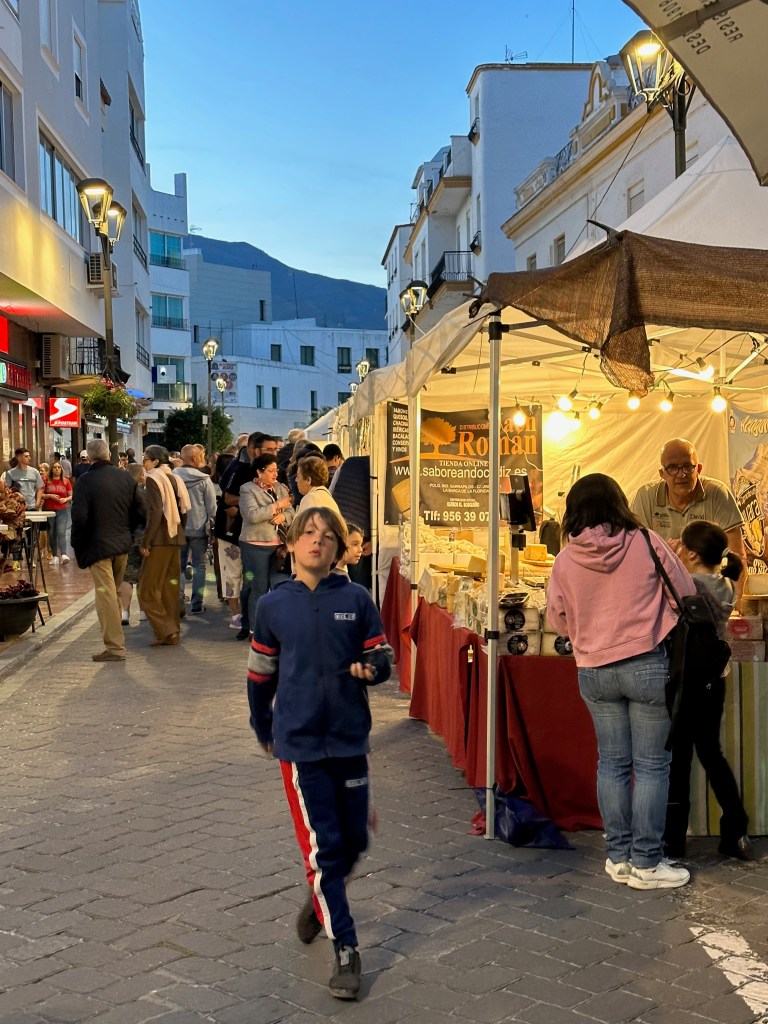
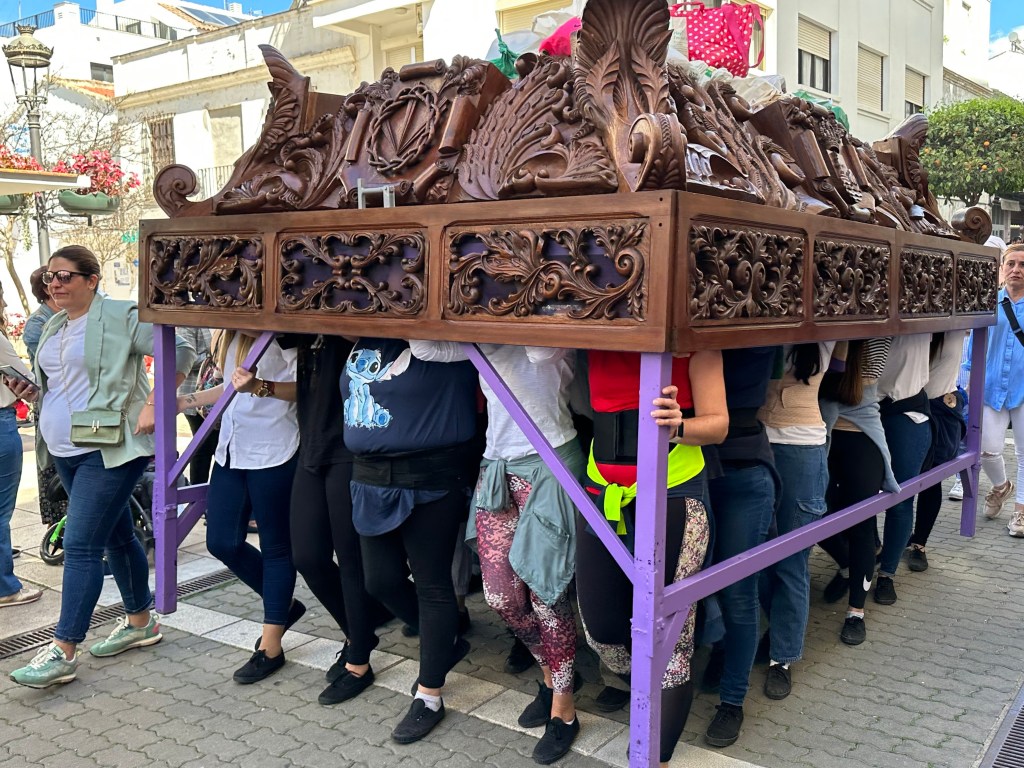
There is always something happening here. Last weekend there was a street fest to celebrate Estepona’s Old Town. It was complete with cheese vendors, tapas crawls, free concerts, and contests. There was also a rehearsal for the Semana Santa (Holy Week) processions. Since they were out there they collected food donations along the route.
Cheese FestivalPractice ParadeGetting in Shape to Carry the FloatOutdoor Chess at Plaza de Ajedrez Sunday Morning Flea Market at Bull RingFree Concert
A Day on the Mountain
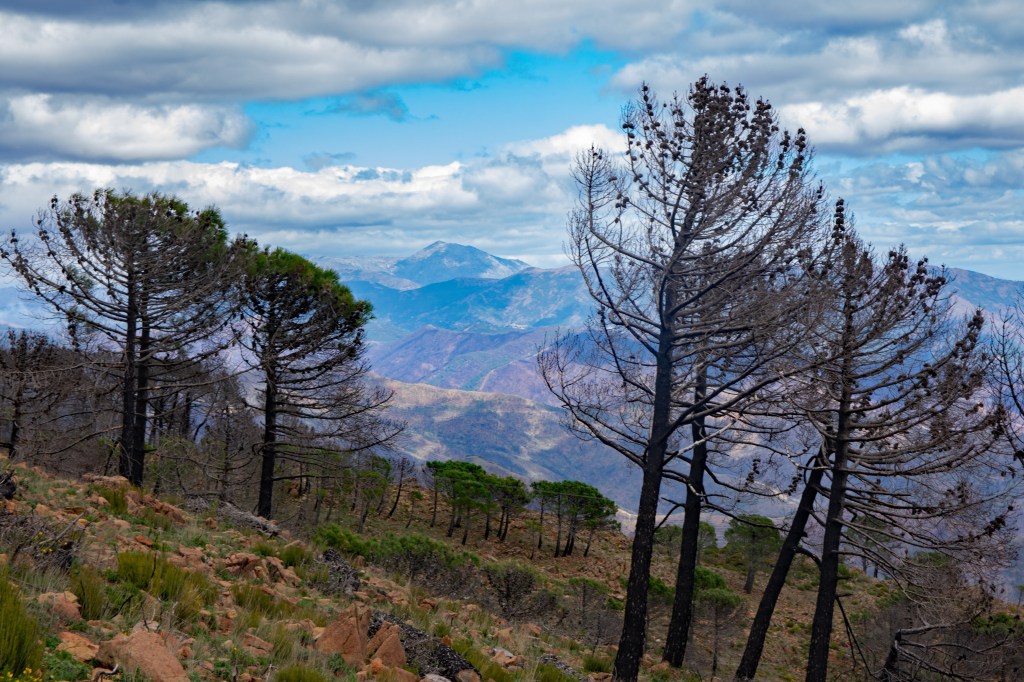
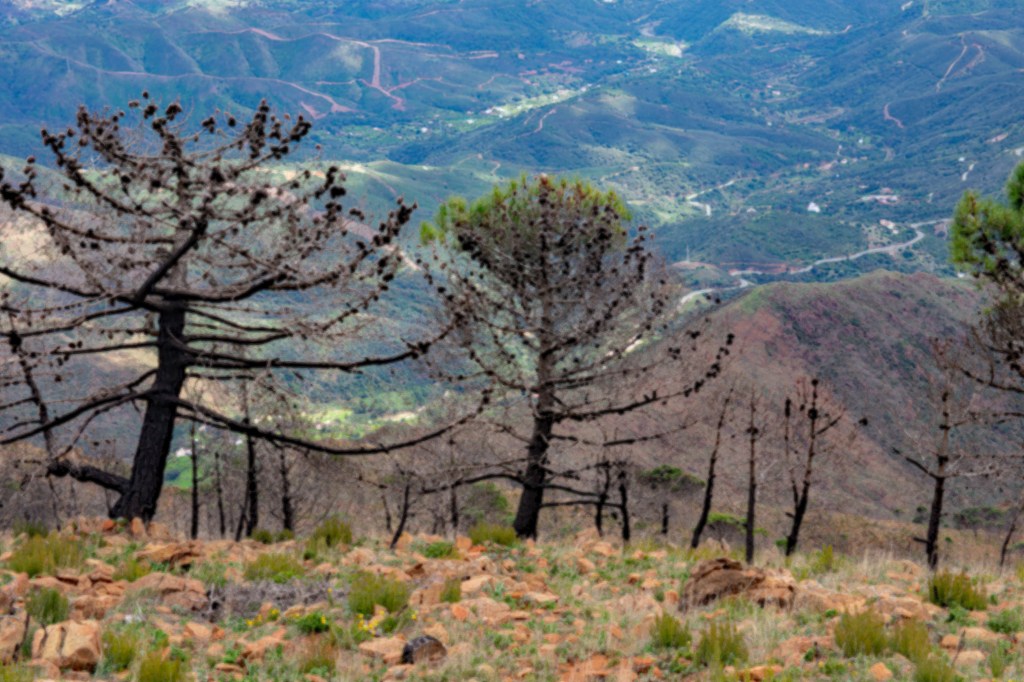
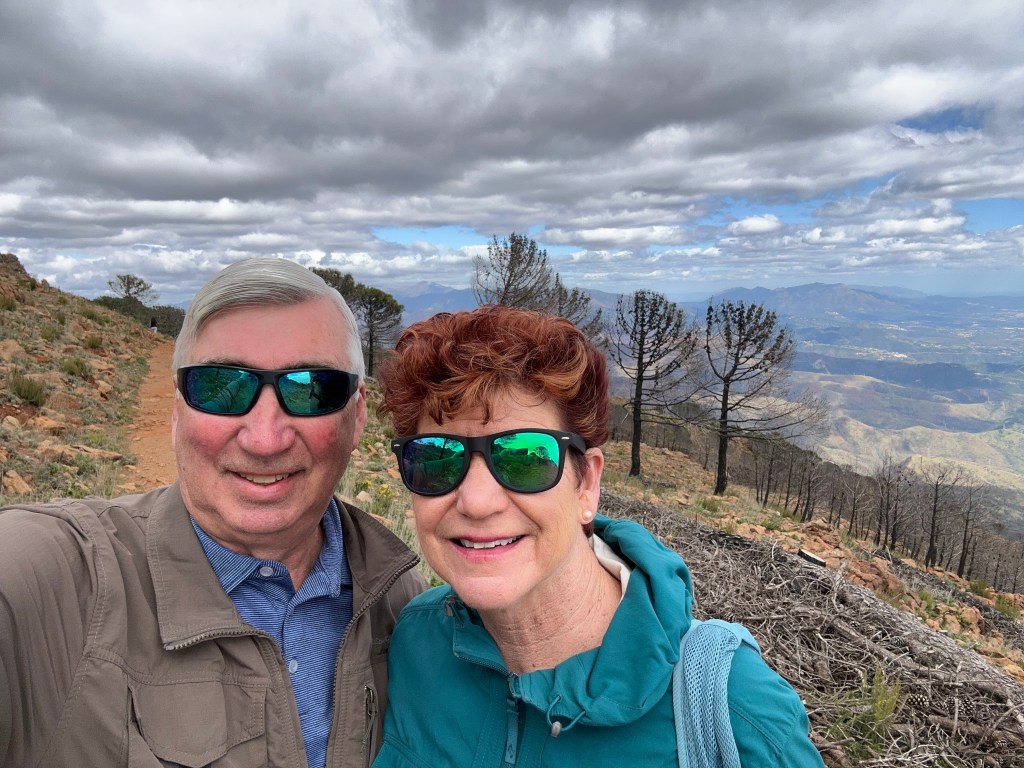
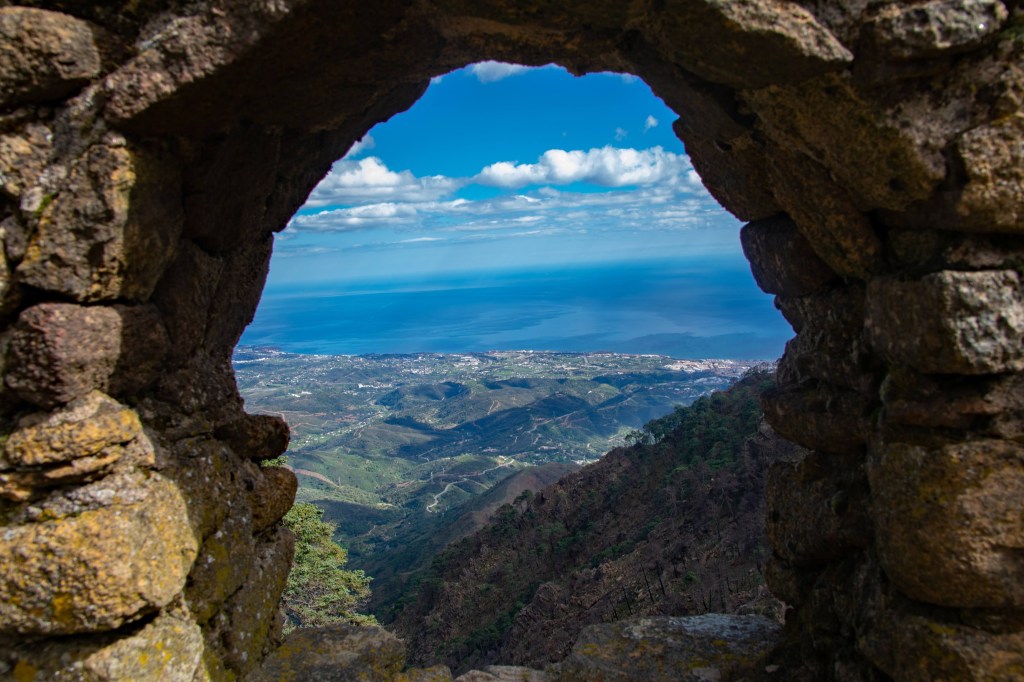
One Saturday, we took a taxi up into the Sierra Bermeja Natural Park. It was about a 40 minute ride straight up. Sure glad I wasn’t driving! Our driver decided to wait for us. We told him we had a lunch reservation, but he said that was no problem. He would turn off the meter and wait. We walked around a bit up at the overlook. The views were spectacular of mountains, woods, and the town and sea below. Lunch at Venta El Refugio in a charming old inn was delicious. We chatted with a nice couple from Denmark. As promised, our taxi driver was there when we were ready to descend.
We saw the devastation from the wildfire two years ago. It came really close to the place we had lunch.
Our Estepona activities included swimming at the indoor pool three days a week and yoga class outside twice a week.
With Nettie, our yoga teacher
Favorite After Yoga Brunch Spot
The Orchidarium
Estepona’s Orchidarium is in a beautiful setting. Inside the building, is the largest orchid collection in Europe.
The Beach
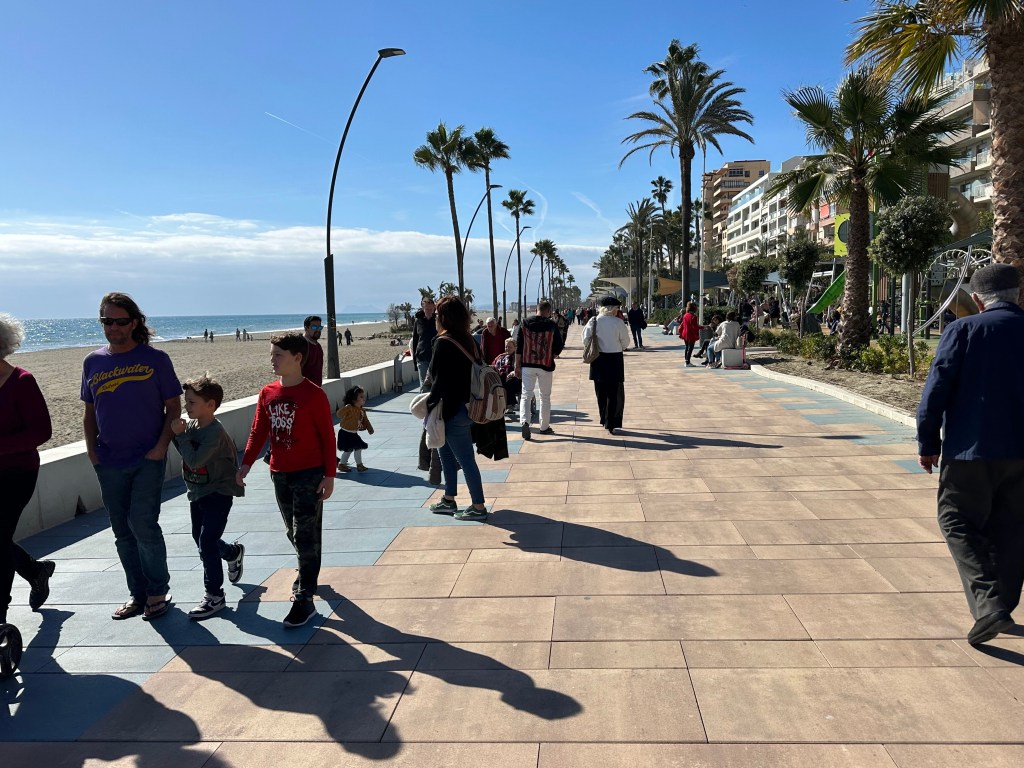
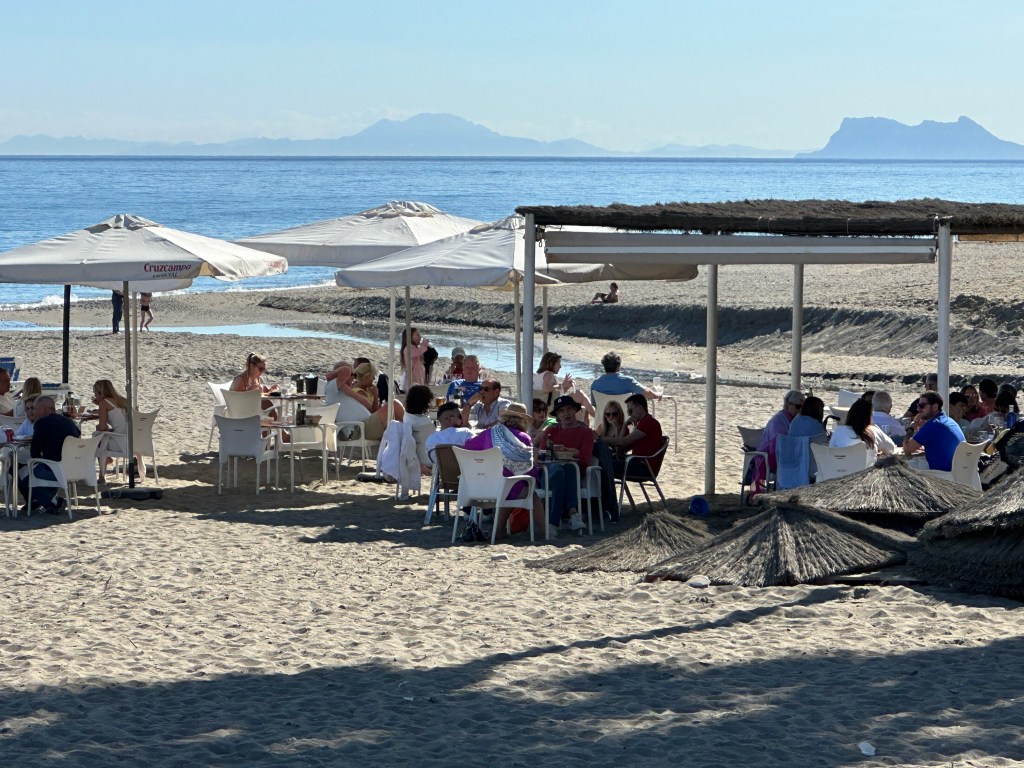
The Beaches and Beach Bar/Restaurants are open for the season. Playa La Rada is a super-long beach that is Estepona’s front porch. Whether you walk the paseo or the sand, the views are spectacular. Chiringuitos (Beach Bars) serve great food and drink. Playa La Rada ends at the fishermen’s port. A walk through the recreational port area of town will get you to Playa del Cristo, a lovely cove with a sandbar. This is a favored spot for young families and paddleboarders.
Cristo Beach
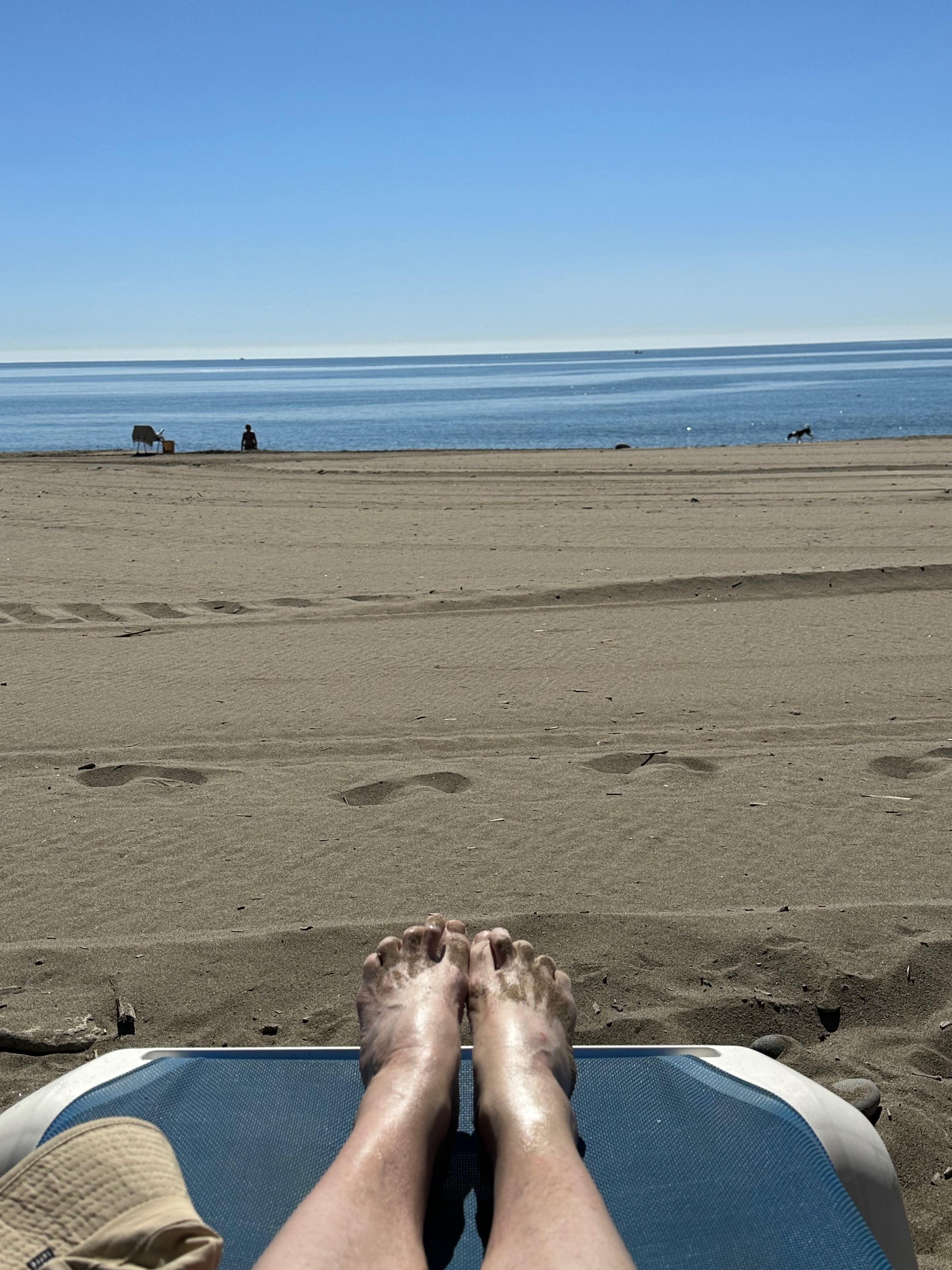
Rent a lounge chair and umbrella for 7 euros for the day. A member of the waitstaff will serve food and beverage to your spot or you can claim a beachside table for lunch.
The best part of choosing a spot and staying awhile is the opportunity to make friends. The “Estepona Gang” is a group of expats who adopted us for the month. We enjoyed hanging out with them very much and hope to be back next year!
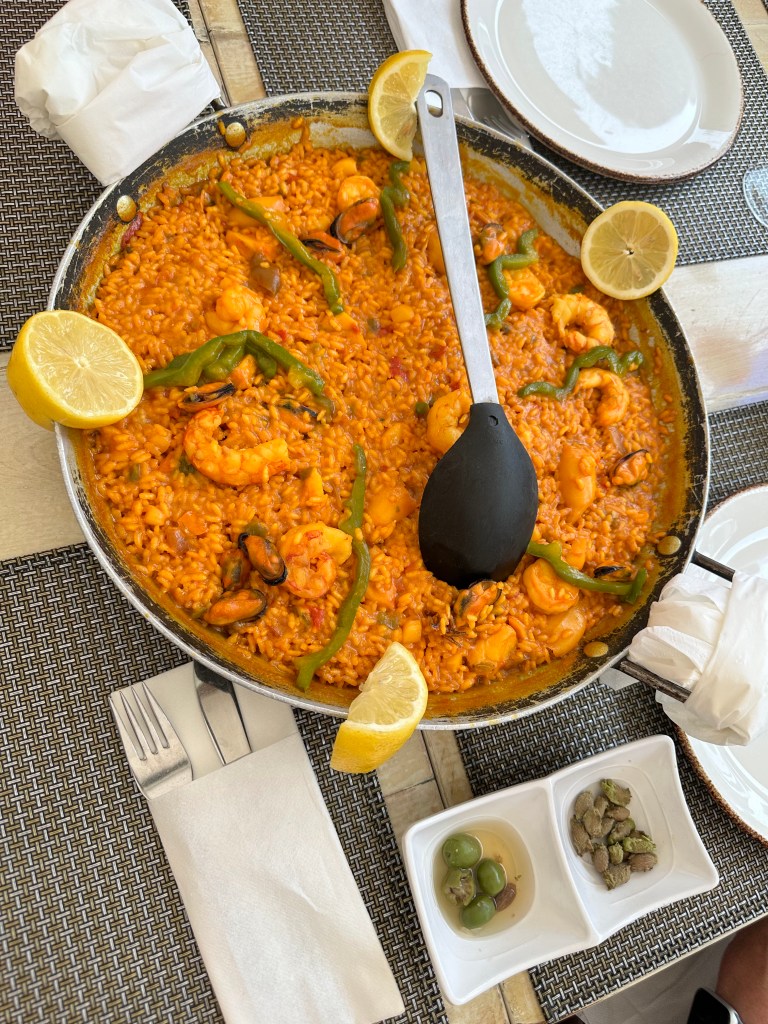
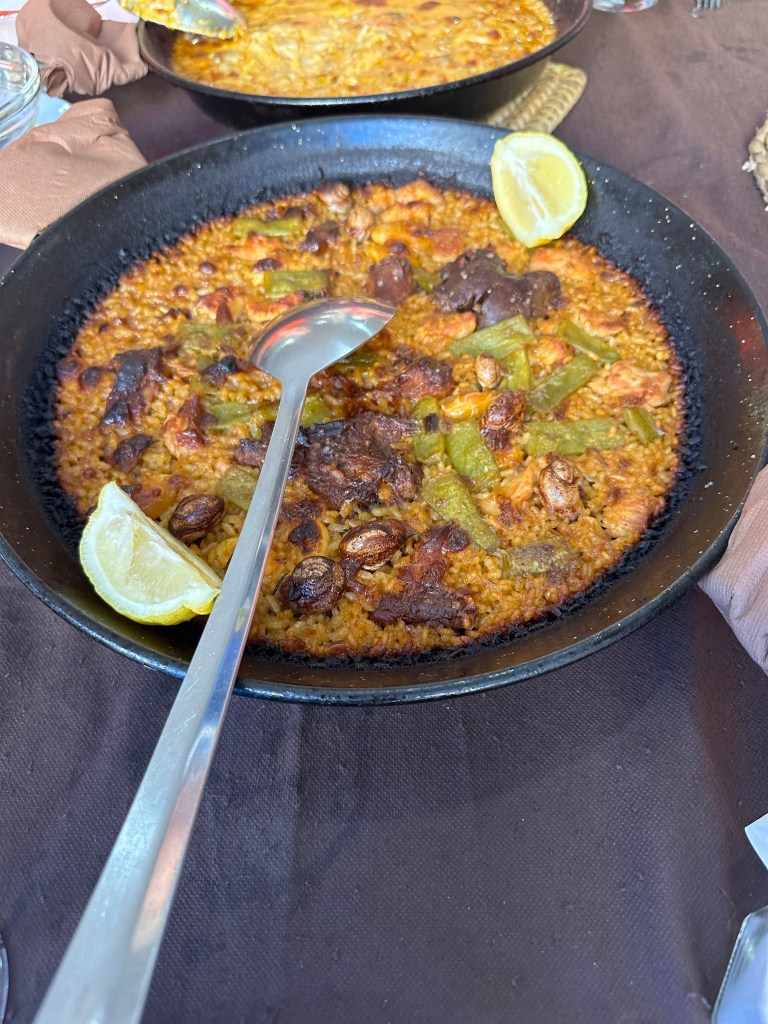
Paella ValencianaAt Arrocería HatilloFarewell Dinner at Chiringuito Paco.
By now we were feeling pretty comfortable in Marrakech. We wanted to go out for a nice Saturday night dinner, perhaps with entertainment.
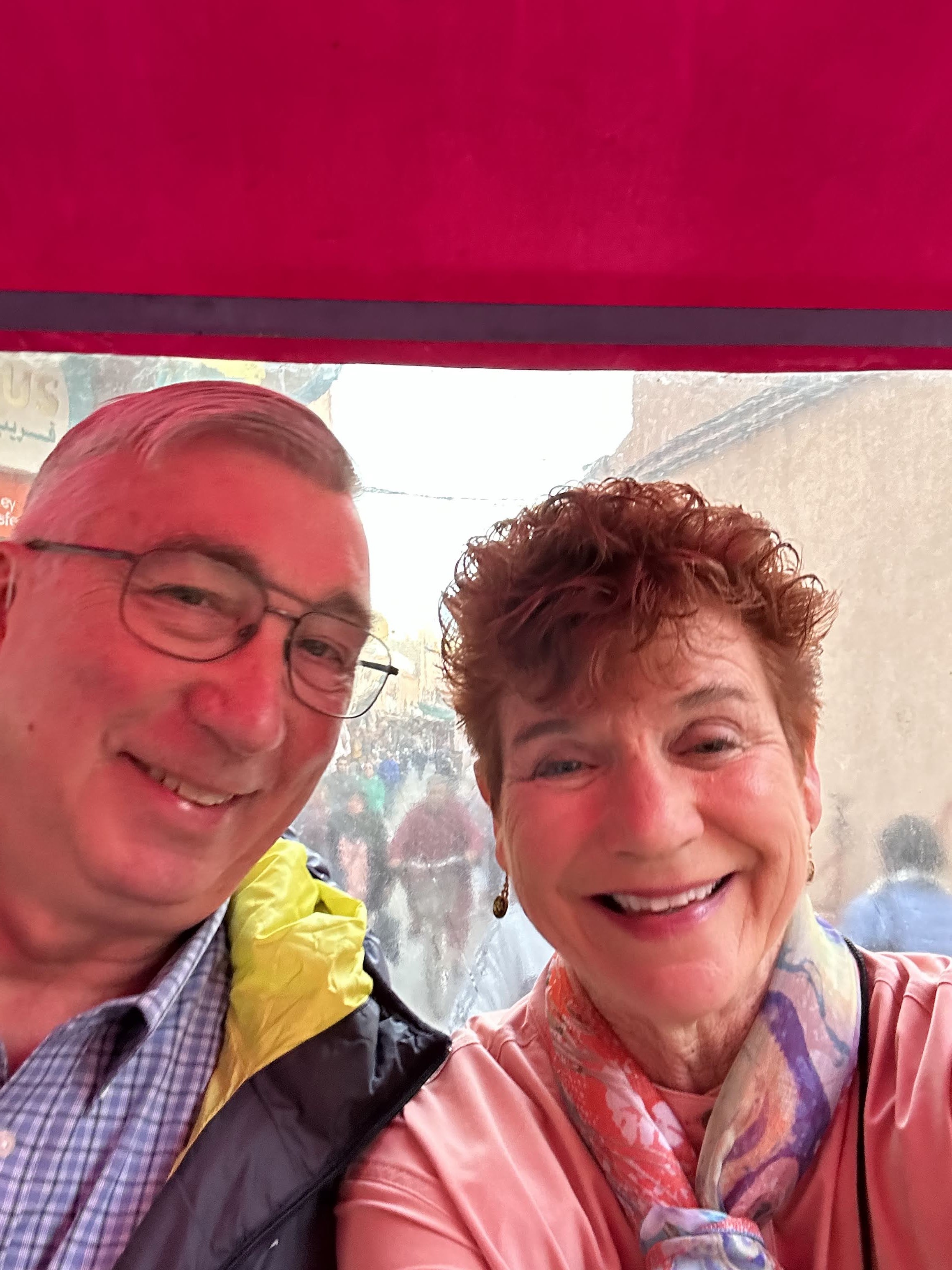
Sana suggested La Tanjia in Place des Ferblantiers, the main square in the Jewish quarter. She also suggested we go by Tuk-Tuk, since it was over a half an hour walk each way. That seemed like a good idea. Aman from the Riad walked us down to meet the driver and explain where we were going and that he should return to pick us up after dinner. The restaurant hostess would call him when we were ready. We climbed into the back of the Tuk-Tuk and greeted our driver. A moment later, we were careening through the Medina, tires bouncing, horn beeping, narrowly missing people and banging into the door of a souk. Dirty looks were directed our way. Our driver was shouting in Arabic the whole time, as we held on for dear life. It was like a carnival ride; frightening and fun at the same time. We arrived at La Tangia and my heart rate returned to normal.
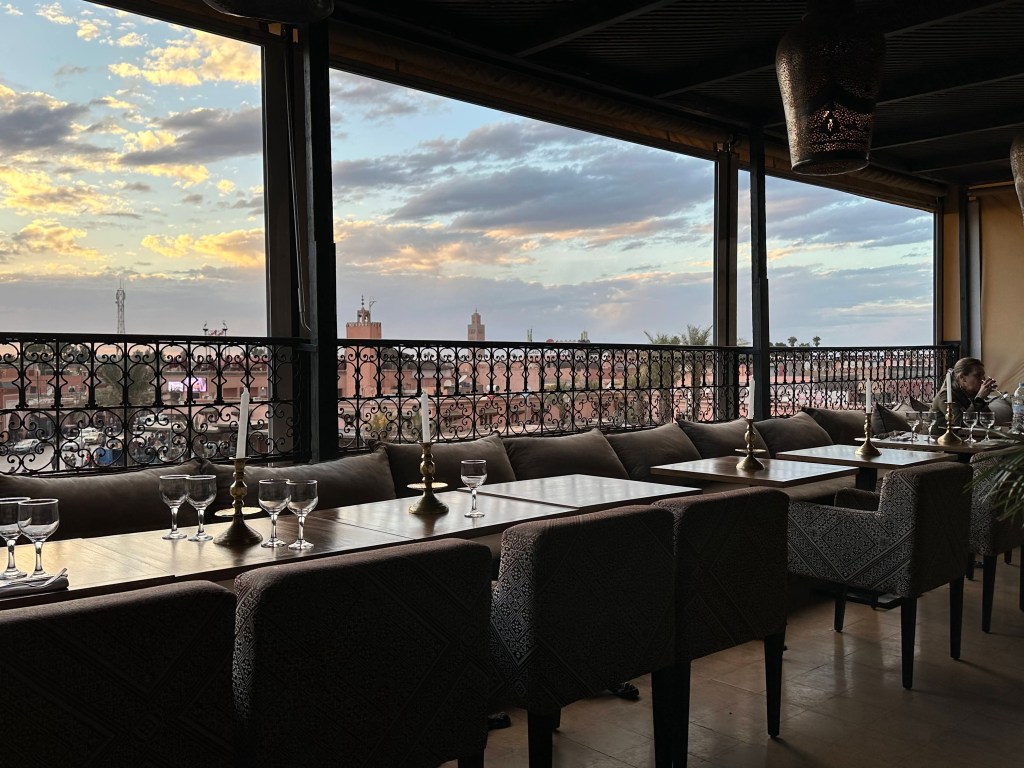
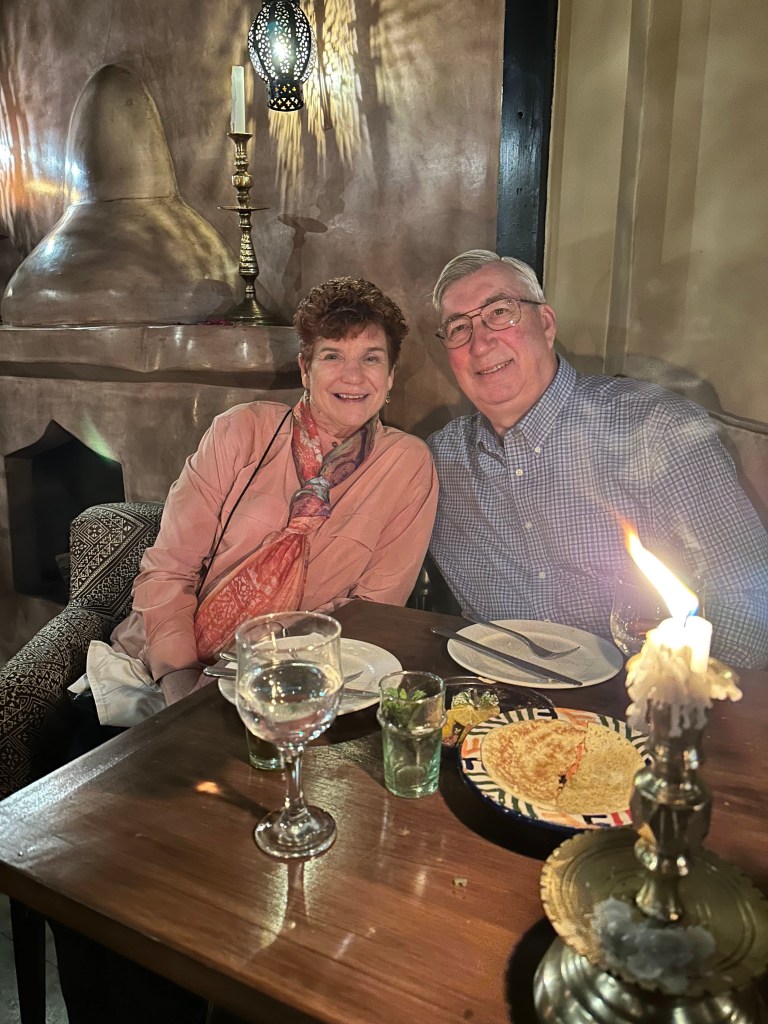
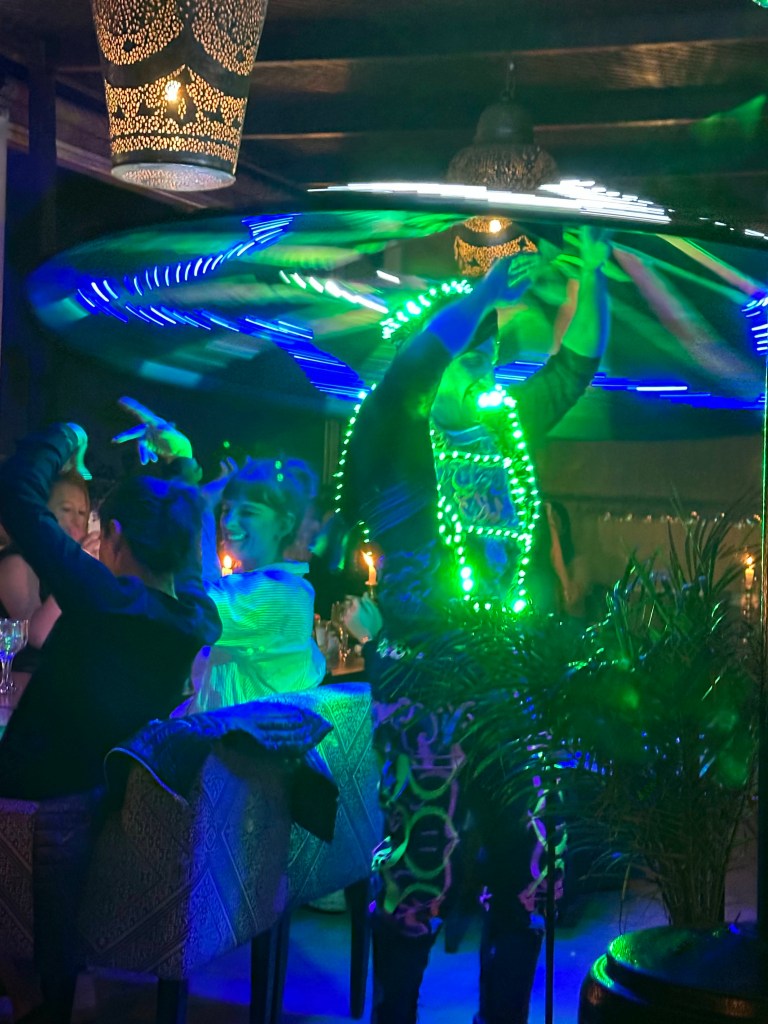
Dinner was delicious and the view was spectacular. Toward the end of our meal, the entertainment began. Joyful Moroccan music, belly dancers with candles on their head, a wildly illuminated dancer who swung a large neon umbrella over the tables. Patron participation was encouraged. After dessert, it was time for our return ride in the Tuk-Tuk. Our driver asked if we could pick up another couple nearby. Sure, why not? We went out of the Medina onto a modern boulevard, and then parked in front of a hotel. The driver was talking to us in some mixture of Arabic and French with a little English in the mix. He raved about what a grand hotel this was, a really grand hotel. “The president stays here when he comes to Marrakech.” he bragged, so I asked, ” Is the president going to ride in the Tuk-Tuk with us?” He understood me enough to think that was uproariously funny. He must have been referring to the French president, because Morocco has a king.
A fashionable French couple approached the vehicle and we welcomed them to the back seat. The woman was upbeat, but we sensed that her husband was pretty horrified to be riding in the back of a Tuk-Tuk with AMERICANS. We learned that they were from Marseilles. The wife had been in town for three days for an art exhibition and her husband was joining her for the weekend. He probably had visions of a luxury evening at the grand hotel, but she was dragging him out to visit friends who were renting a place in the Medina.
We drove into the Medina and turned down a narrow street. Another vehicle had parked to unload crates, and was blocking our progress. I’m not sure of the protocol here. There are no one-way streets, stop signs, or no parking signs. If two vehicles come face to face, someone has to back up. Our driver had no intention of being that someone. He aggressively drove toward the other vehicle, yelling the whole time. A couple of guys came to his window to discuss the situation. In moments, we were surrounded by angry men. I began to imagine an international incident. The French couple seemed quite amused by it all, and actually applauded when the other vehicle backed up for our Tuk-Tuk. And just like that, the crisis was averted and we were home a few minutes later. I can’t help but wonder if some of the posturing is theatrics to entertain the tourists.
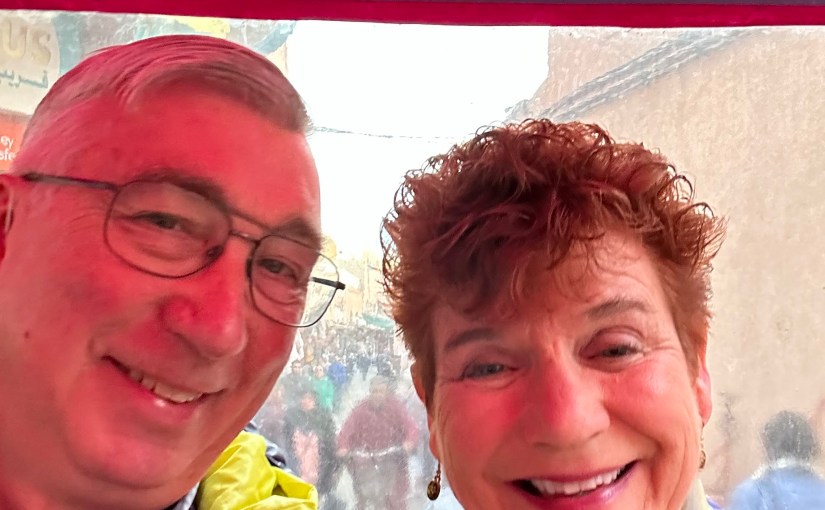
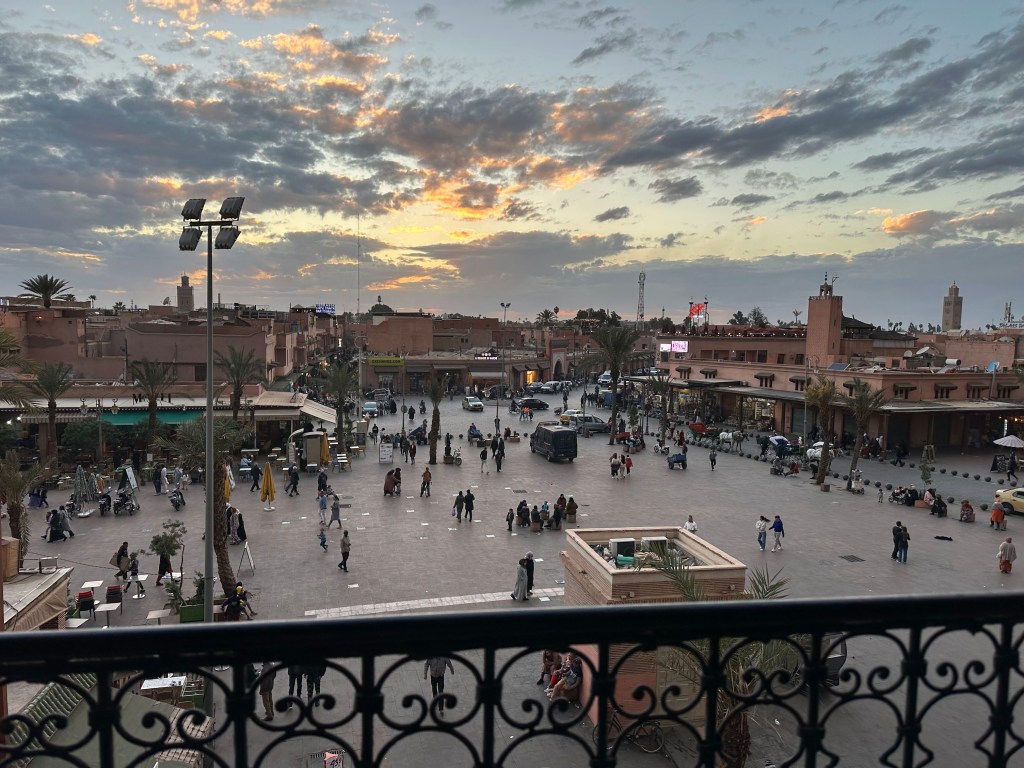
Place des FerblantiersLa TangiaView of the SquareLa TangiaDancerTuk- Tuk Selfie
Tuk-Tuk Video
We survived the Tuk-Tuk! Next: The Hot Air Balloon.











































































































































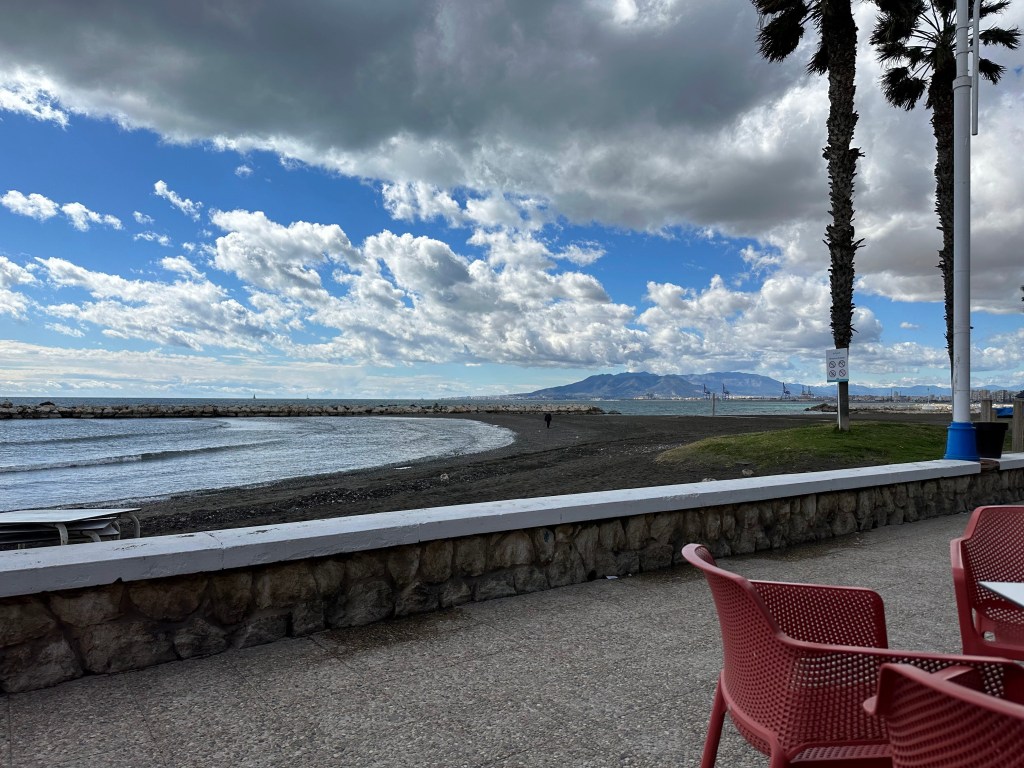
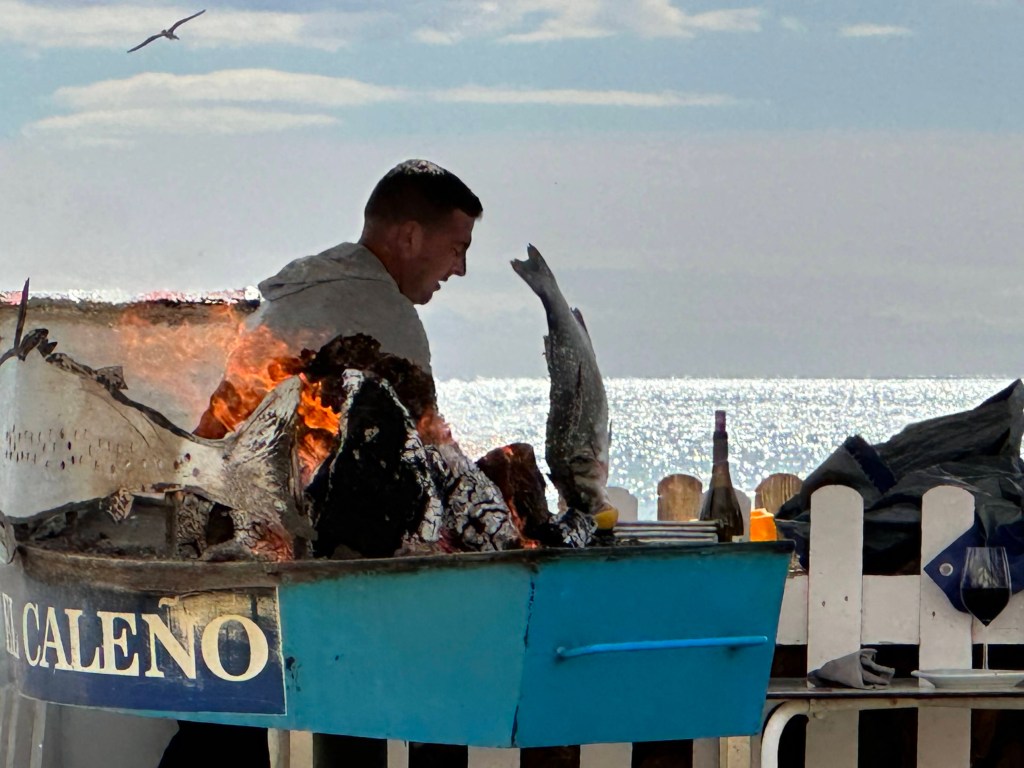

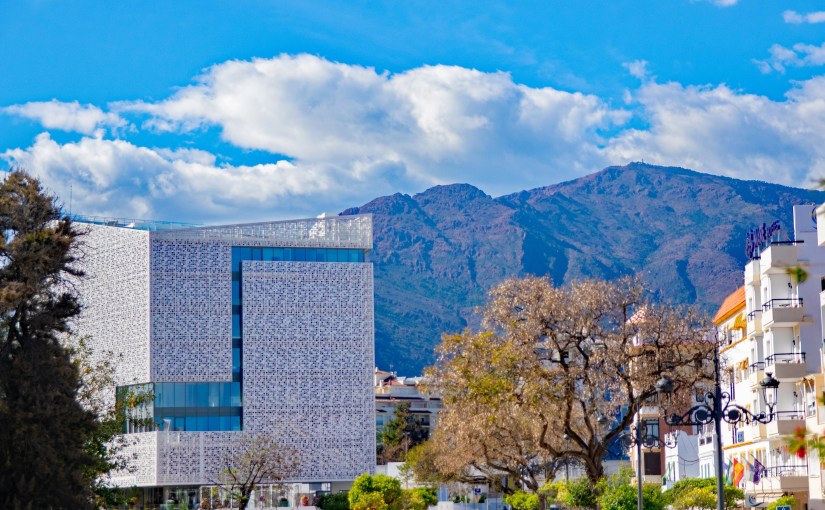


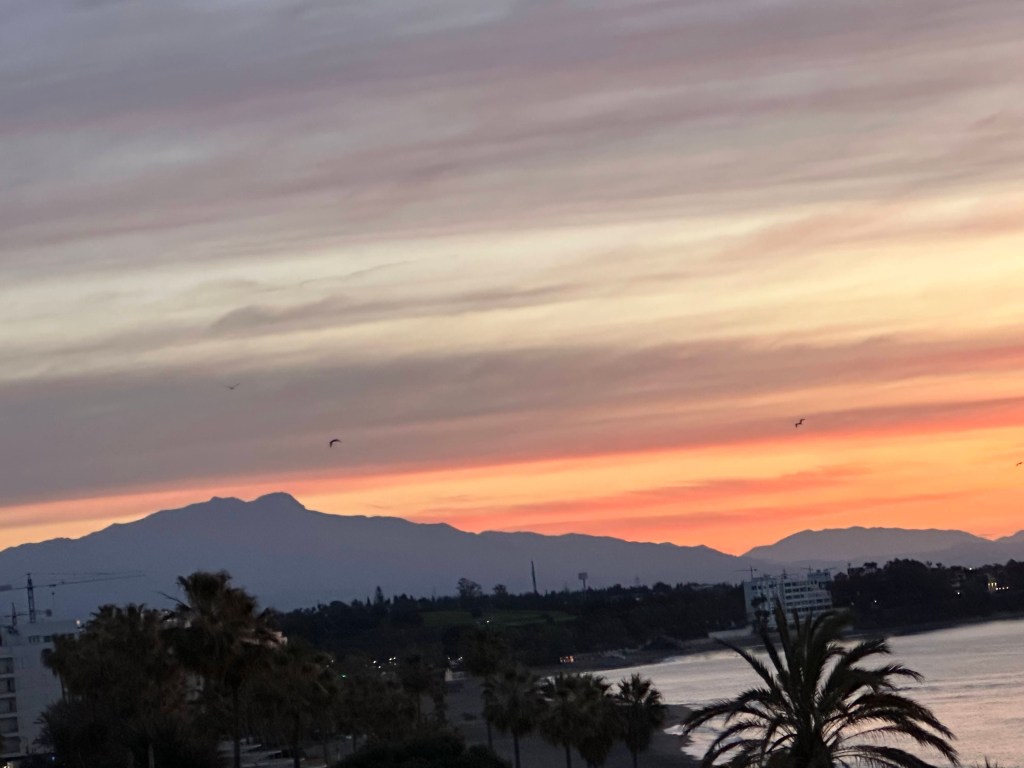






























 Adventures In The South of Spain