
After a pleasant hour-long train trip from Cataia to Siracusa, we taxied to our hotel in Ortigia. My pre-trip research had suggested staying in Ortigia, which is the small island connected to the large city of Siracusa by bridges. Ortigia was the original settlement of the ancient Greek city-state of Siracusa.
We stayed at Hotel Posta, a small and comfortable hotel in a charming neighborhood. Our room had a small balcony that looked out on the port. The hotel breakfast was good and the staff was friendly. There was a cozy sitting room in the lobby where we could order a glass of wine and play cards in the evening.

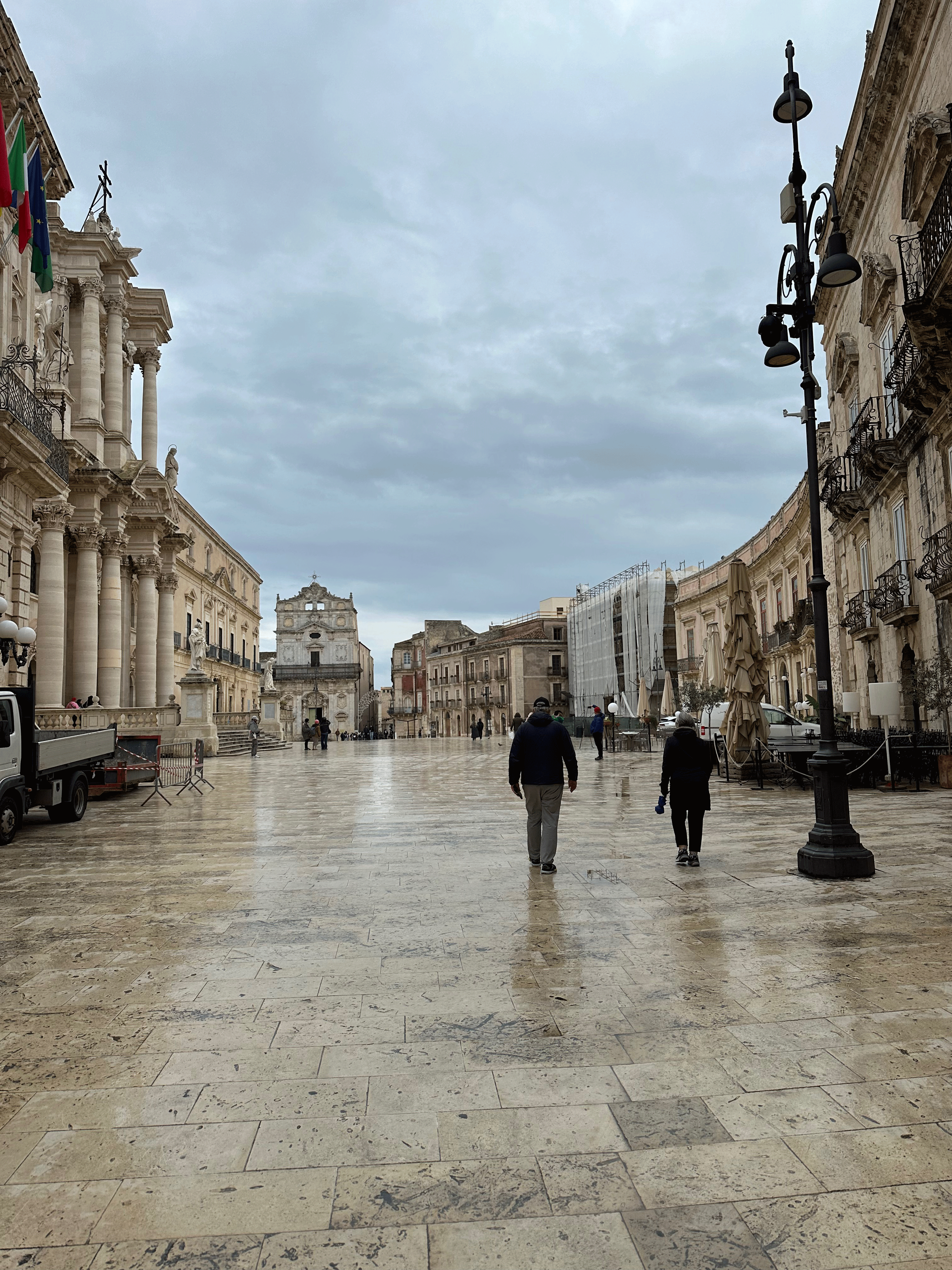
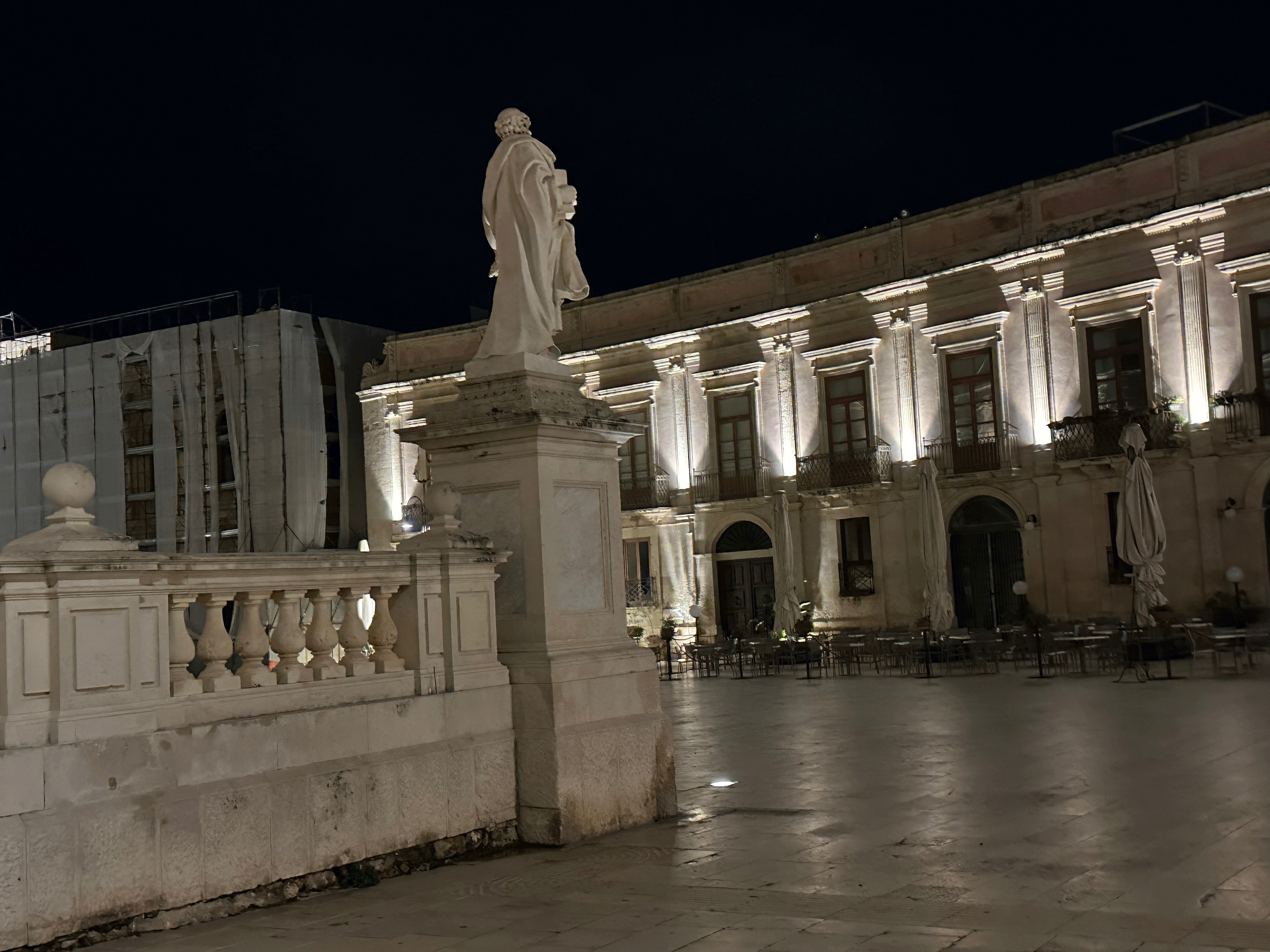
It was raining our first afternoon in town. We borrowed umbrellas from the hotel and walked around the corner to L’Ancora, a small local restaurant with fantastic seafood, risotto, and pasta. The vibe was lively and welcoming and we were the only tourists. After a leisurely lunch, we went back to the hotel for siestas and by early evening the rain had stopped and we walked into the historic city center. It was only a 10 minute walk to the Piazza del Duomo. (Cathedral Square)
On our way we passed the remains of the Temple of Apollo, a remarkably well-preserved Greek Doric temple (circa 580B.C.) Today, it is part of a contemporary neighborhood, where you can sit on a bench in the sun and listen to a street musician while observing the daily life of Ortigia’s residents. We experienced this juxtaposition of ancient history and modern times throughout our Sicilian travels.
Photos of the Ancient Greek Temple of Apollo:

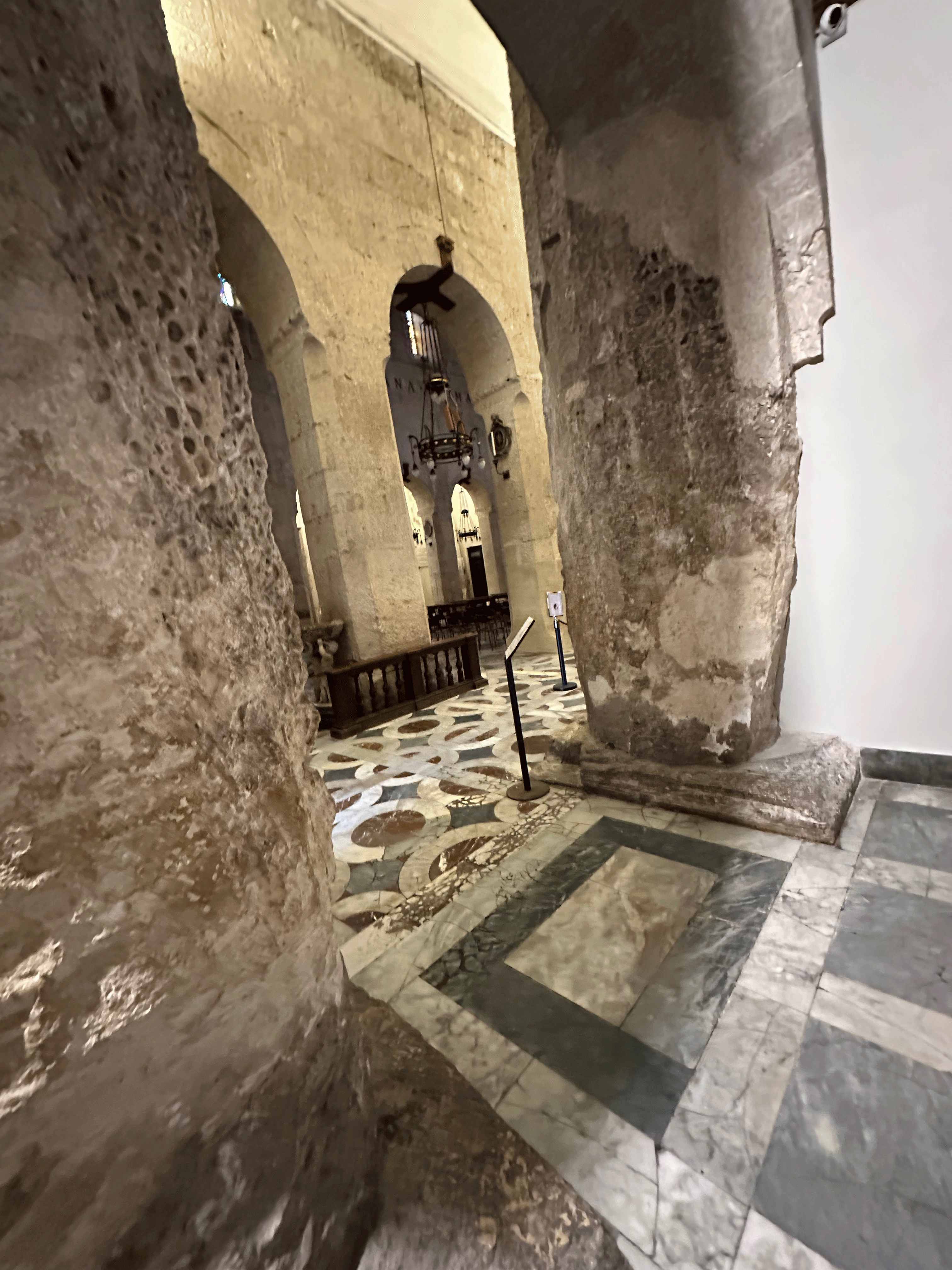
The Cathedral of Siracusa (Duomo) embodies thousands of years of Sicilian history. In 480 B.C., the Greeks built a temple on this site to honor the goddess Athena. The remains of the original six columns can still be seen. In 535 A.D., the Byzantines converted the temple into a Christian Church. In 827 A.D., Muslims from North Africa invaded Sicily and the church was rebuilt into a mosque. The Normans conquered Sicily between 1060 and 1090 A.D. and the mosque was rebuilt into a fortified Christian church. In 1693, a large earthquake damaged the cathedral and it was restored in the Baroque style. Today, this eclectic building proudly displays artifacts from its long history.


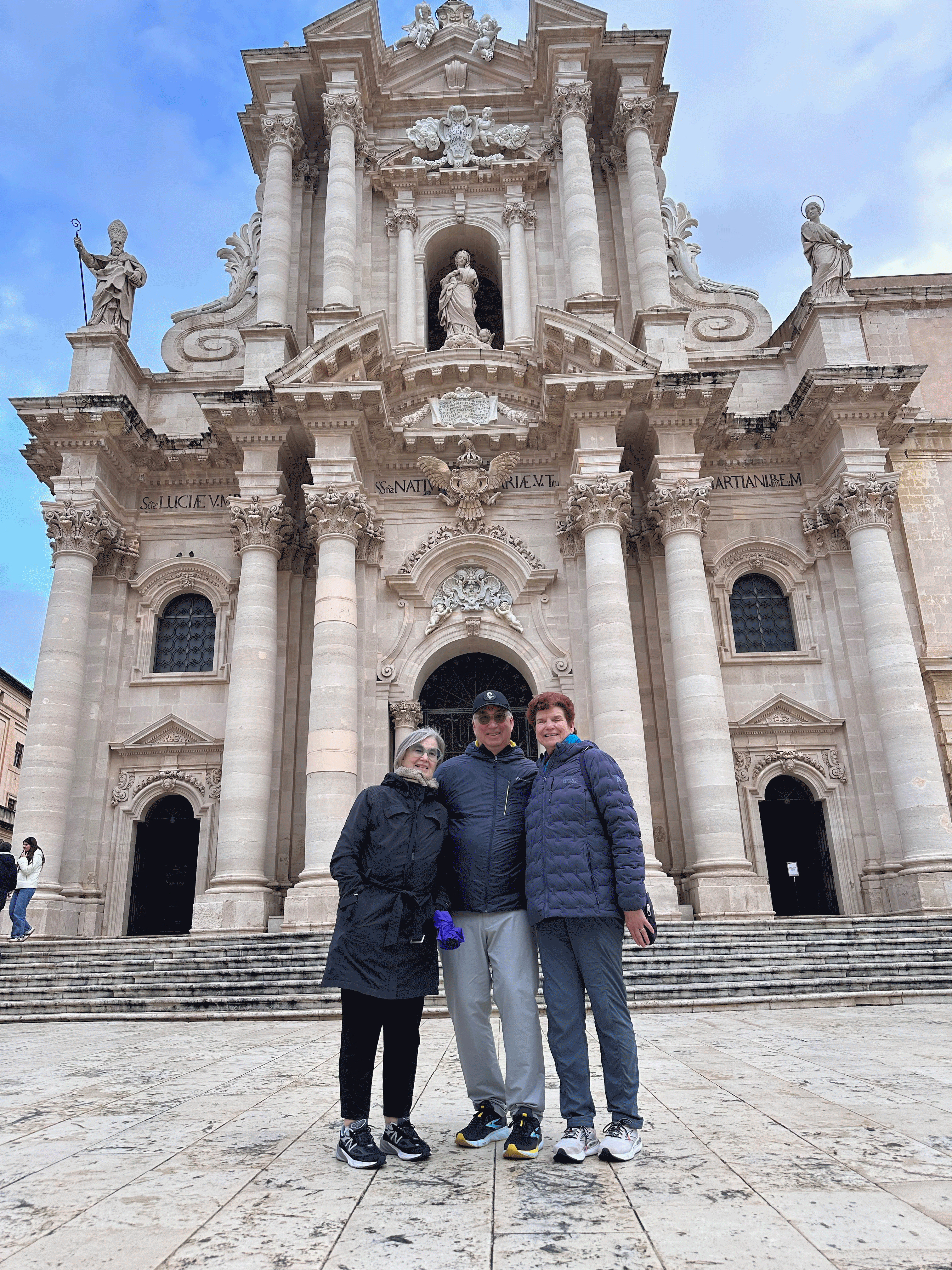

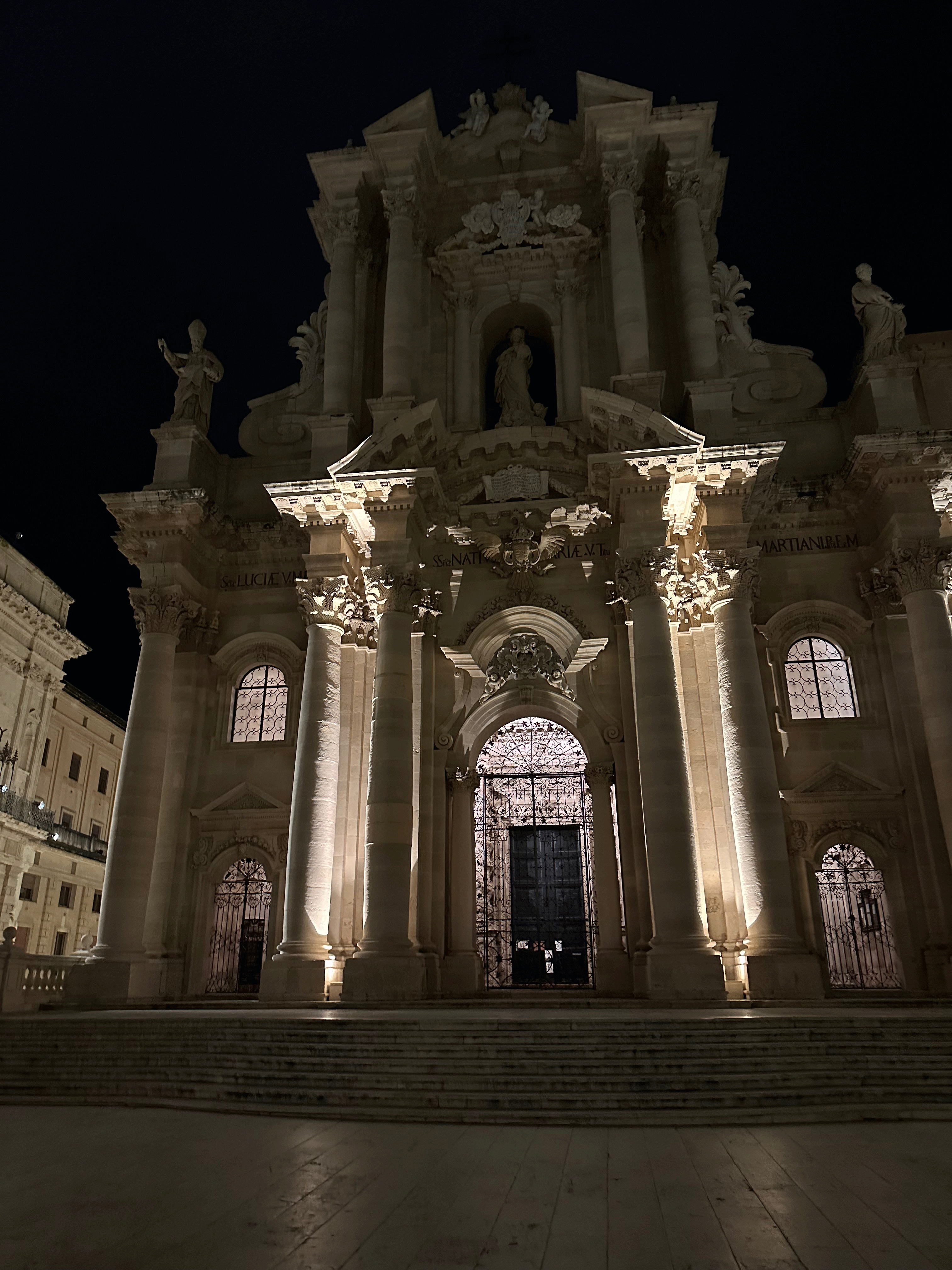
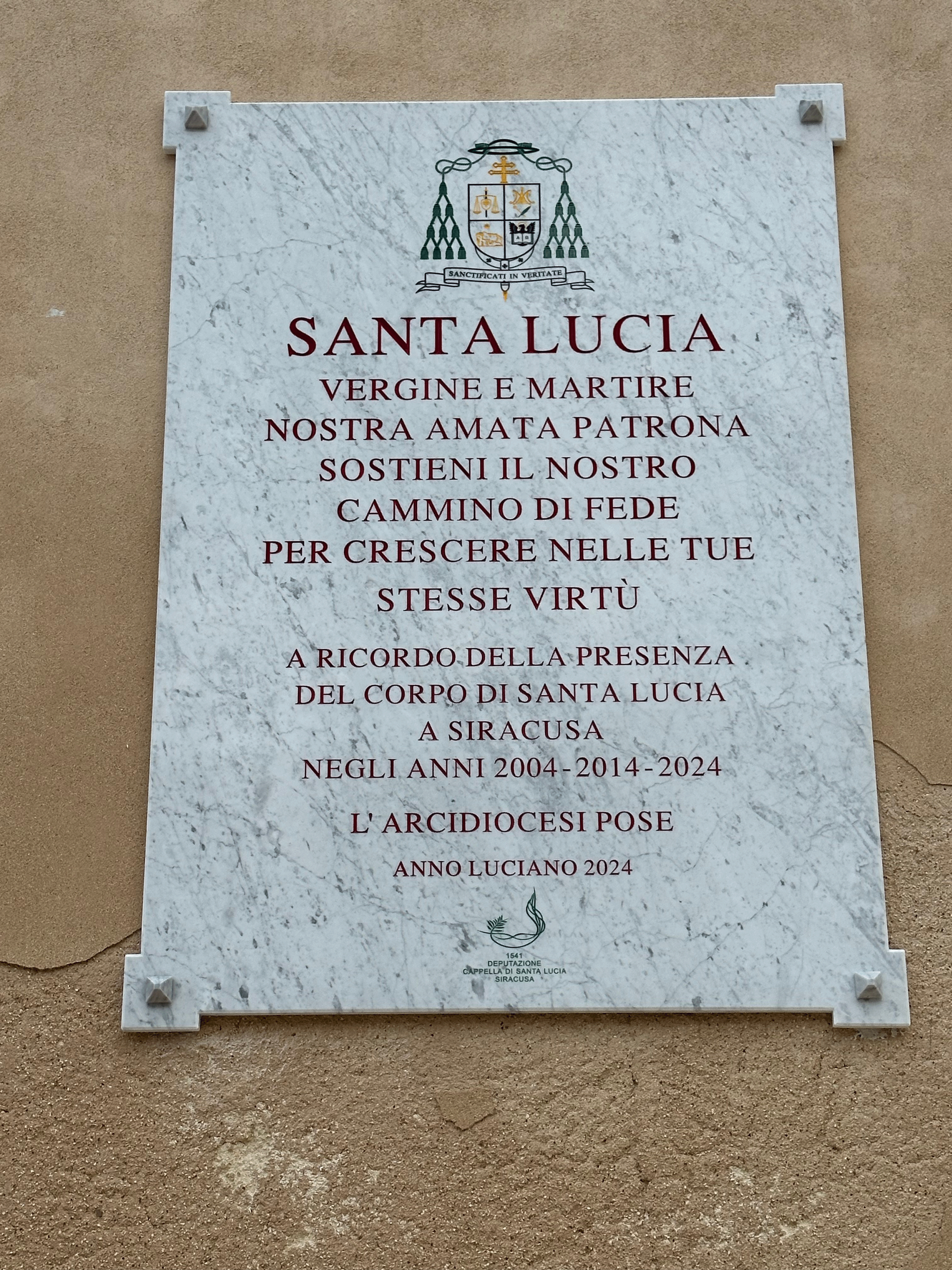
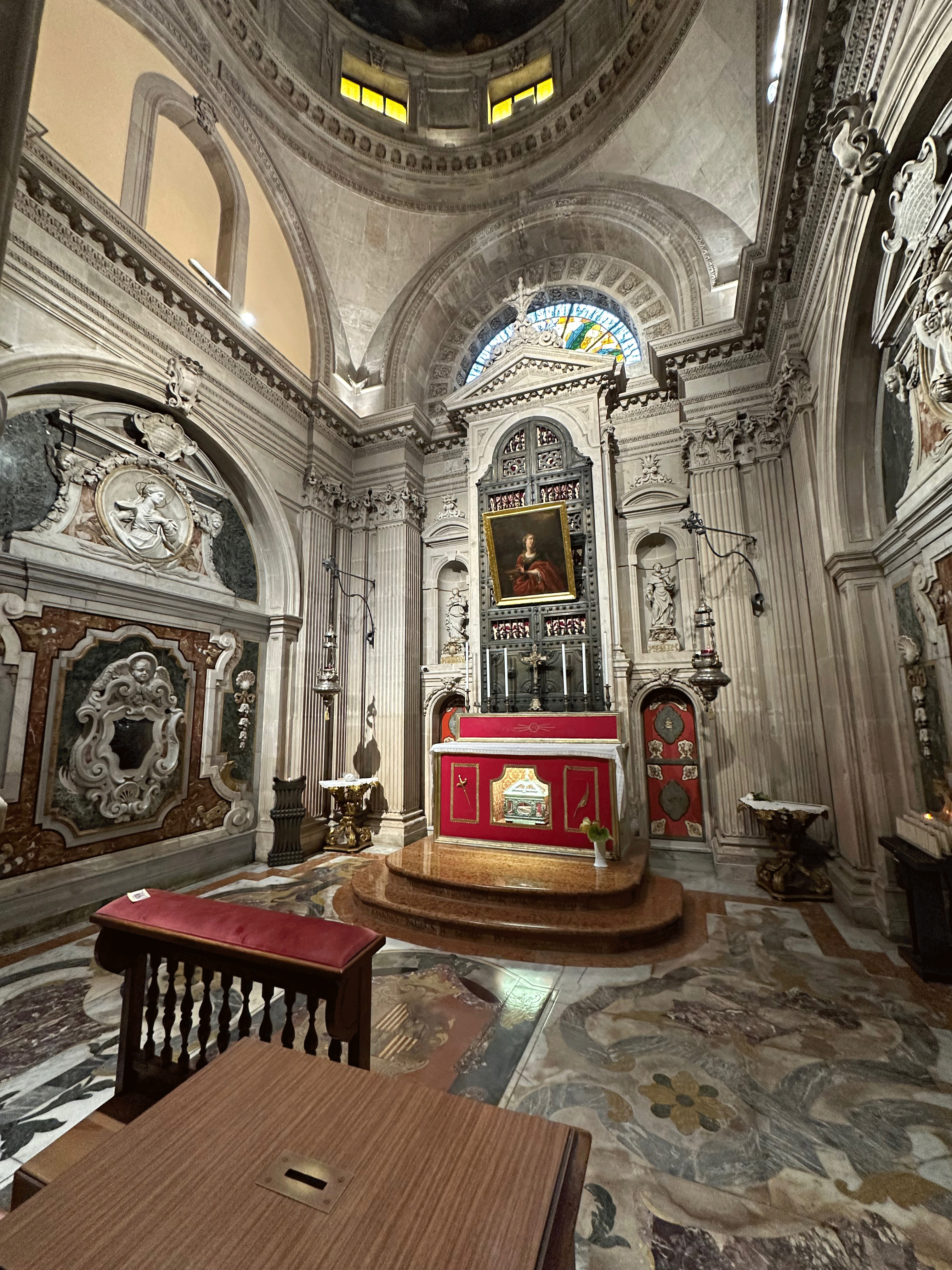



Santa Lucia (283-303 AD) is the patron saint of Siracusa. Her story bears a resemblance to Santa Ágata of Catania. Like Ágata, Lucia dedicated her virginity to God and spurned the attentions of a prominent Roman. She was arrested, blinded and put to death for her refusal to comply. She is known as the patron saint of sight and is celebrated on her feast day December 13th.
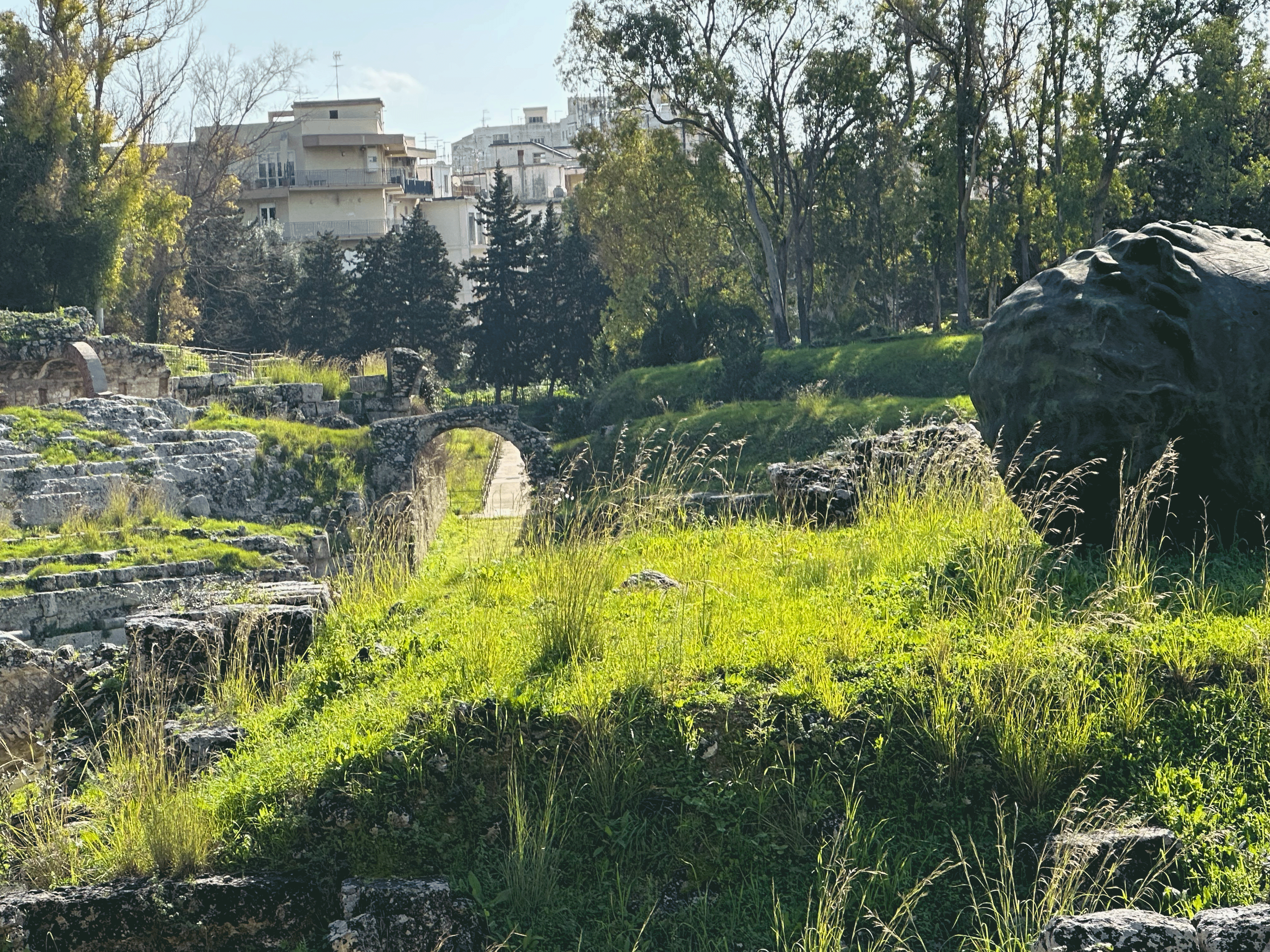
On our second day in Siracusa/Ortigia (February 6), we taxied to the Archeological Park on mainland Siracusa. The park is huge and is divided into 2 sections: Greek and Roman. At the ticket office we inquired about guided tours, audioguides, maps, or information pamphlets. The ticket vendor shrugged apologetically and said, “No, we need to do better about that.”
So we set off to wander the Greek sites (5th Century BC) and then the Roman sites. (1st Century AD). There were very few visitors to the park with this being the off-season. It was a great day to be there with comfortable weather for walking and the opportunity to experience these wonders without crowds.
Throughout the park, there were huge sculptures integrated with the ancient ruins. Signage explained the sculptures, but nothing about the ancient ruins.
After a full morning at the Archeological Park, we caught a taxi to the Paolo Orsi Archeological Museum. The museum’s collection spans from the Neolithic Era through the Roman occupation. While impressive, the museum was a bit overwhelming after a morning at the ruins. We left before completing the exhibit. It was time to head back to Ortigia for food and relaxation.
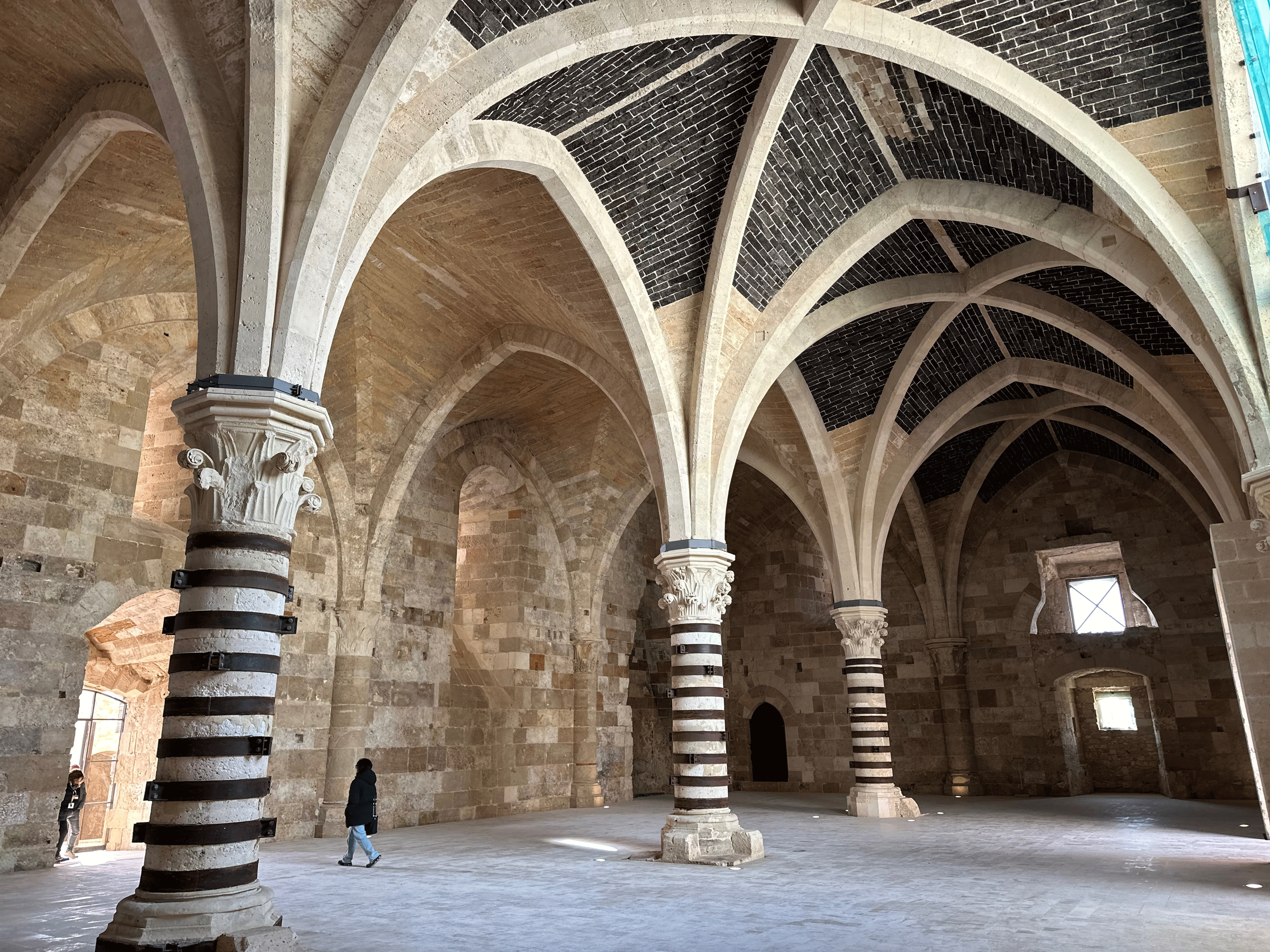
The next day we walked the perimeter of Ortigia and enjoyed the beautiful views of sea and city. We visited the Castello Maniace, a beautifully intact fortification built by the Emperor Frederick II in the 13th century. After visiting the castle, we continued our stroll along the bay and stopped for cappuccini at one of the lovely waterfront cafés. When the waiters can’t stop smiling about the sunshine, you know you’re in the right place.
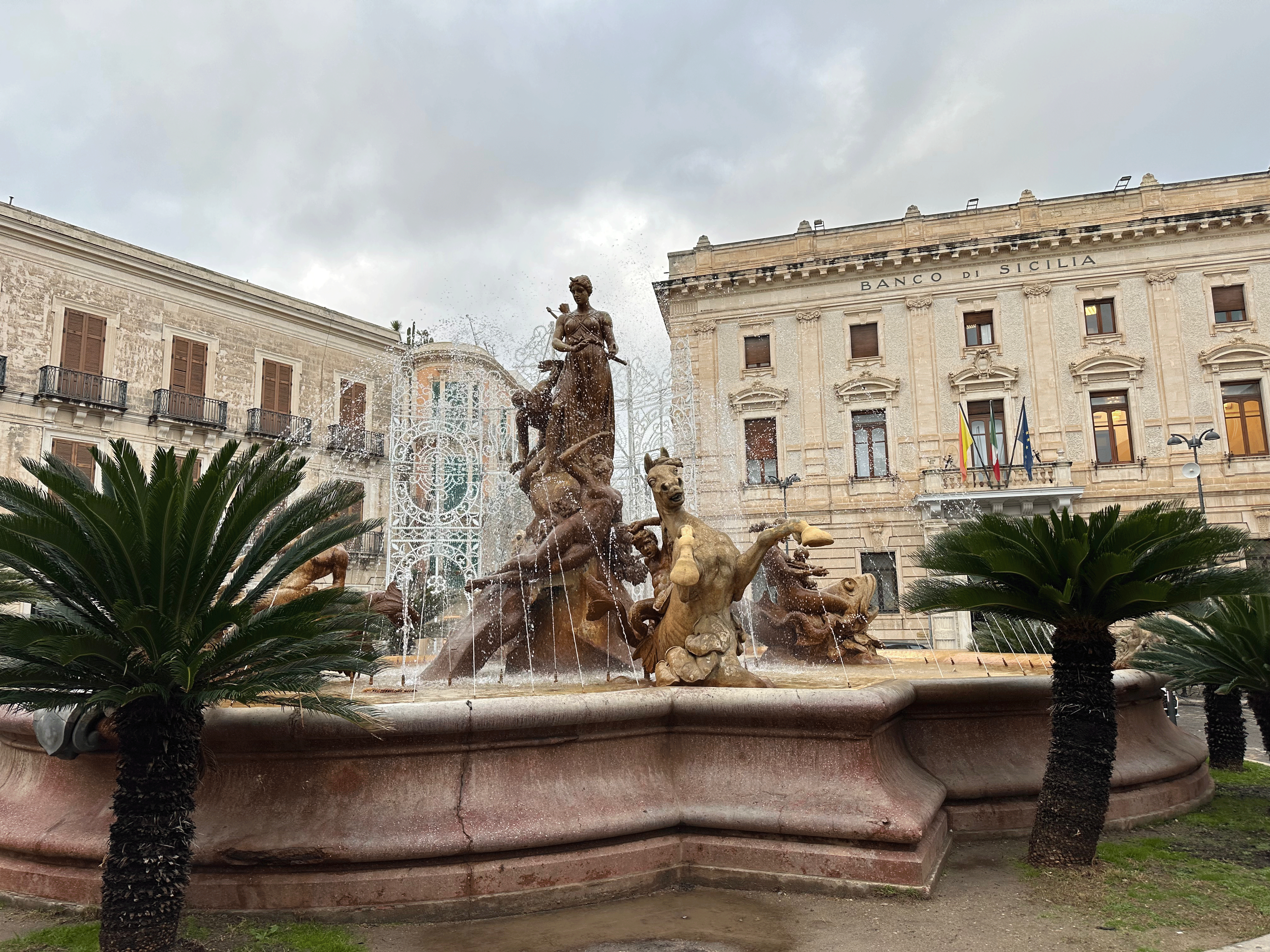
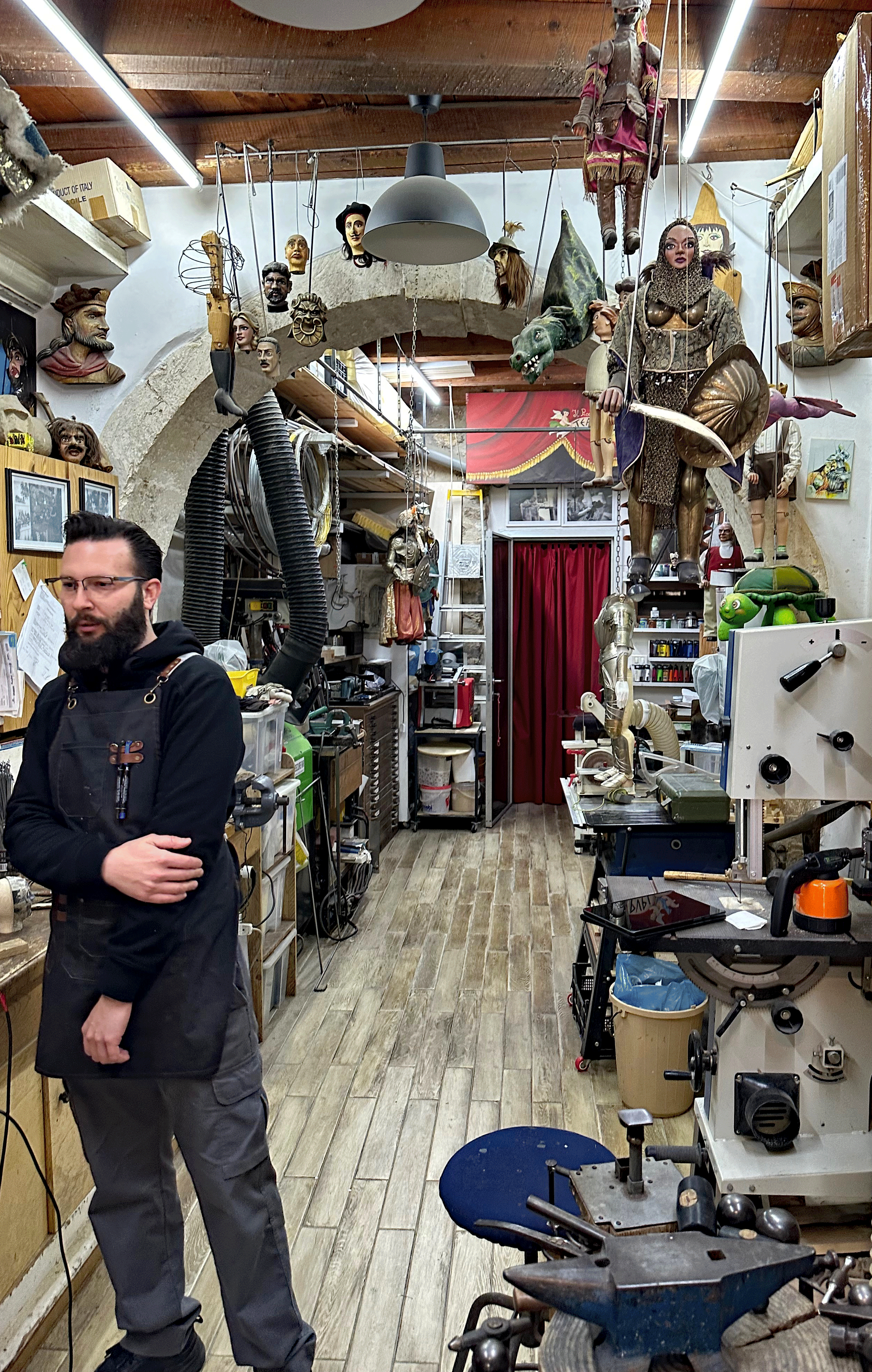
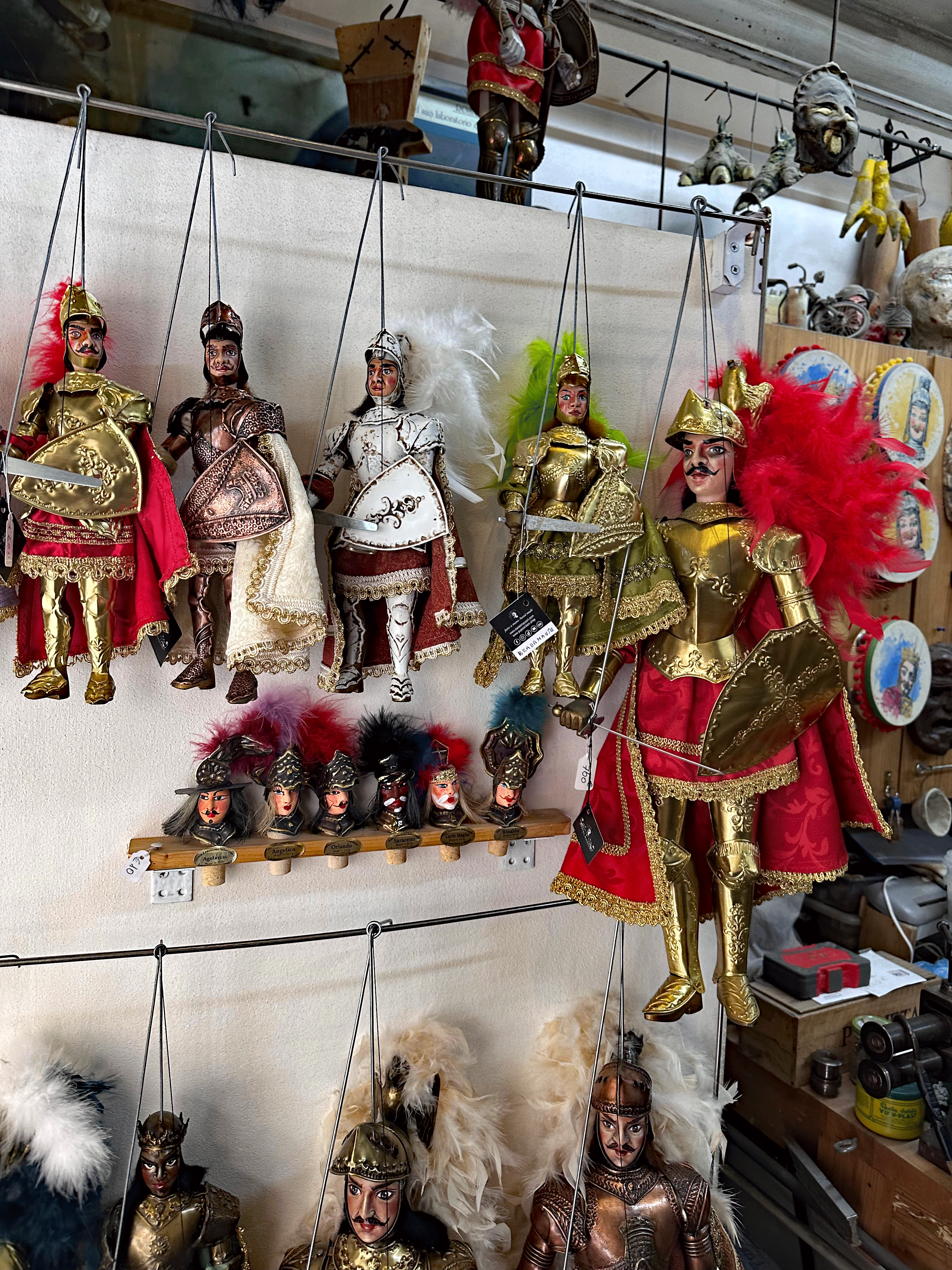
We finished our seaside stroll at Piazza Arethusa and cut back into the historic section. Our plan was to visit the Puppet Museum (Museo del Pupi). Puppet shows have been popular in Sicily for centuries (think Pinocchio). Sadly, there is no puppet theatre in the winter and the museum was also closed. We were able to pop into the store where the puppeteer still makes and sells the Sicilian puppets.
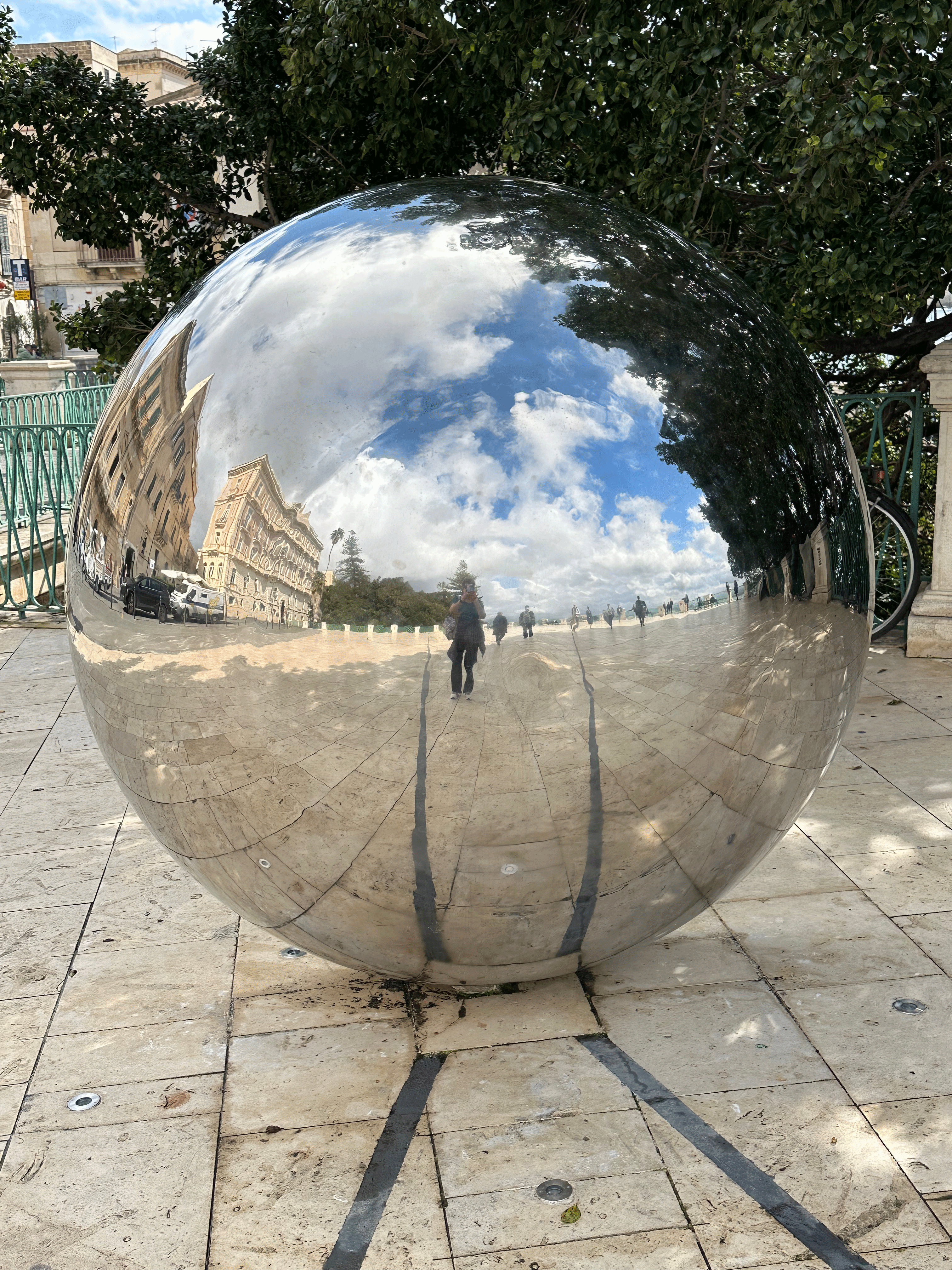
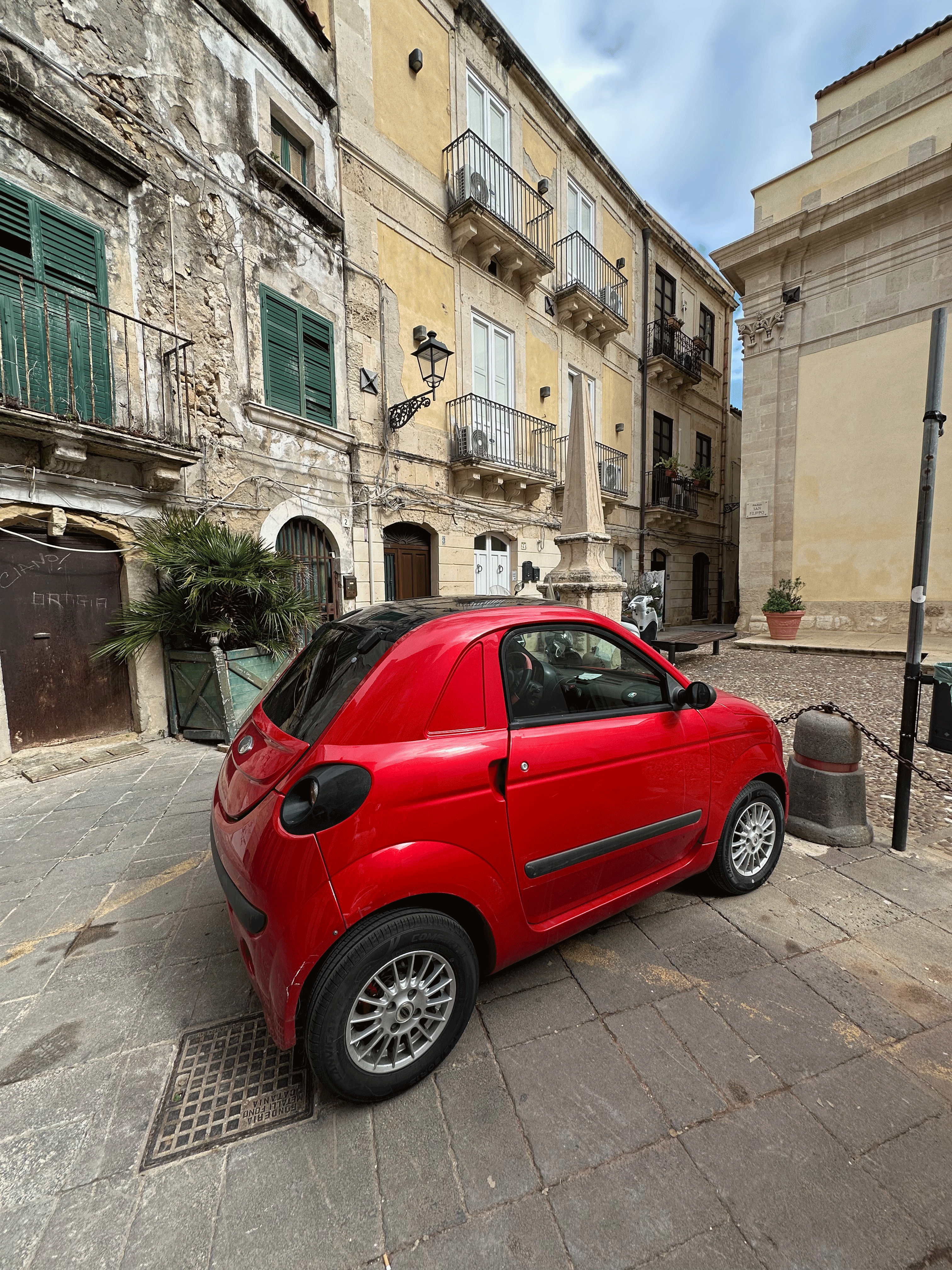
Mini- Bean
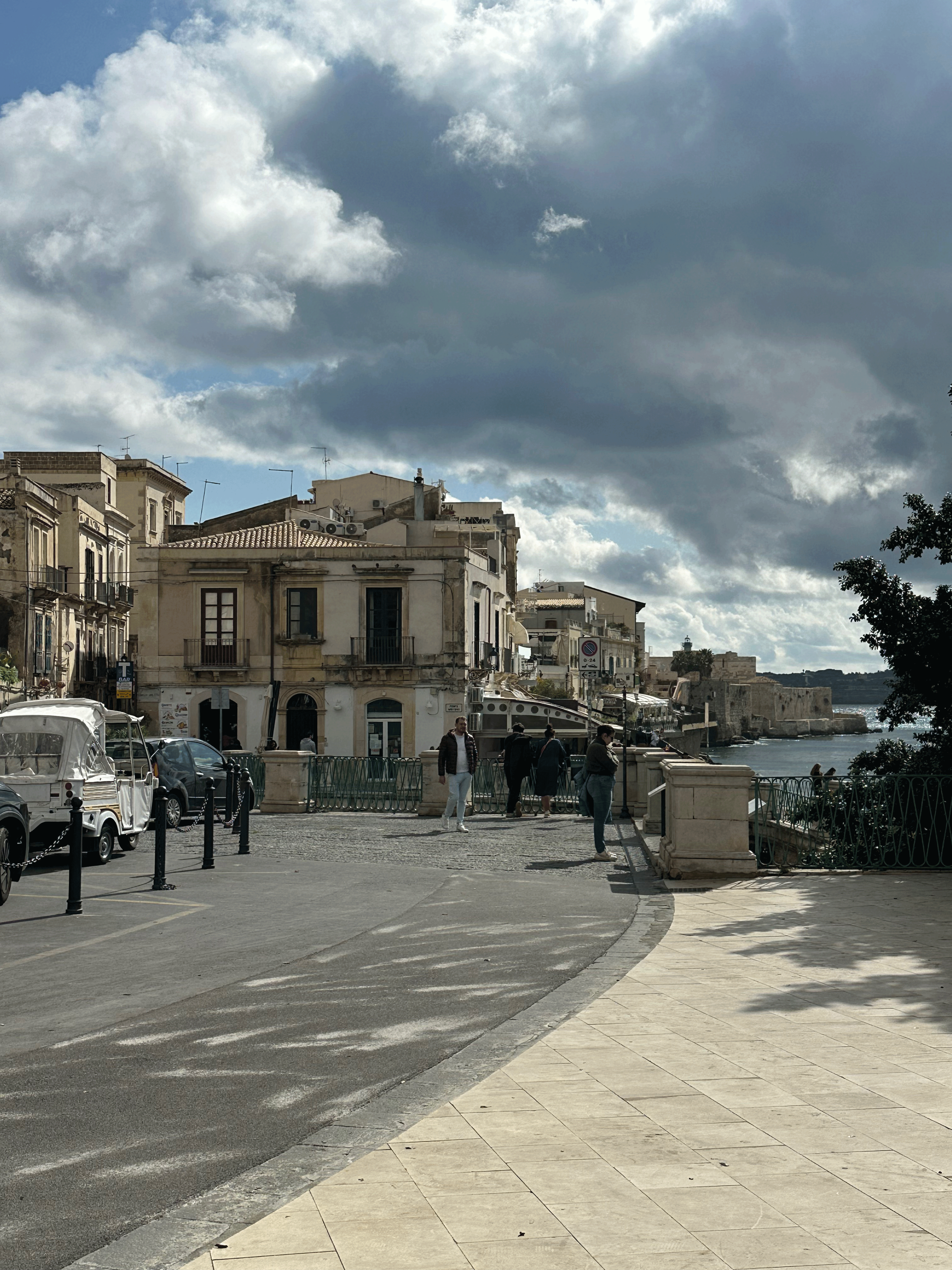


Ortigia Restaurants
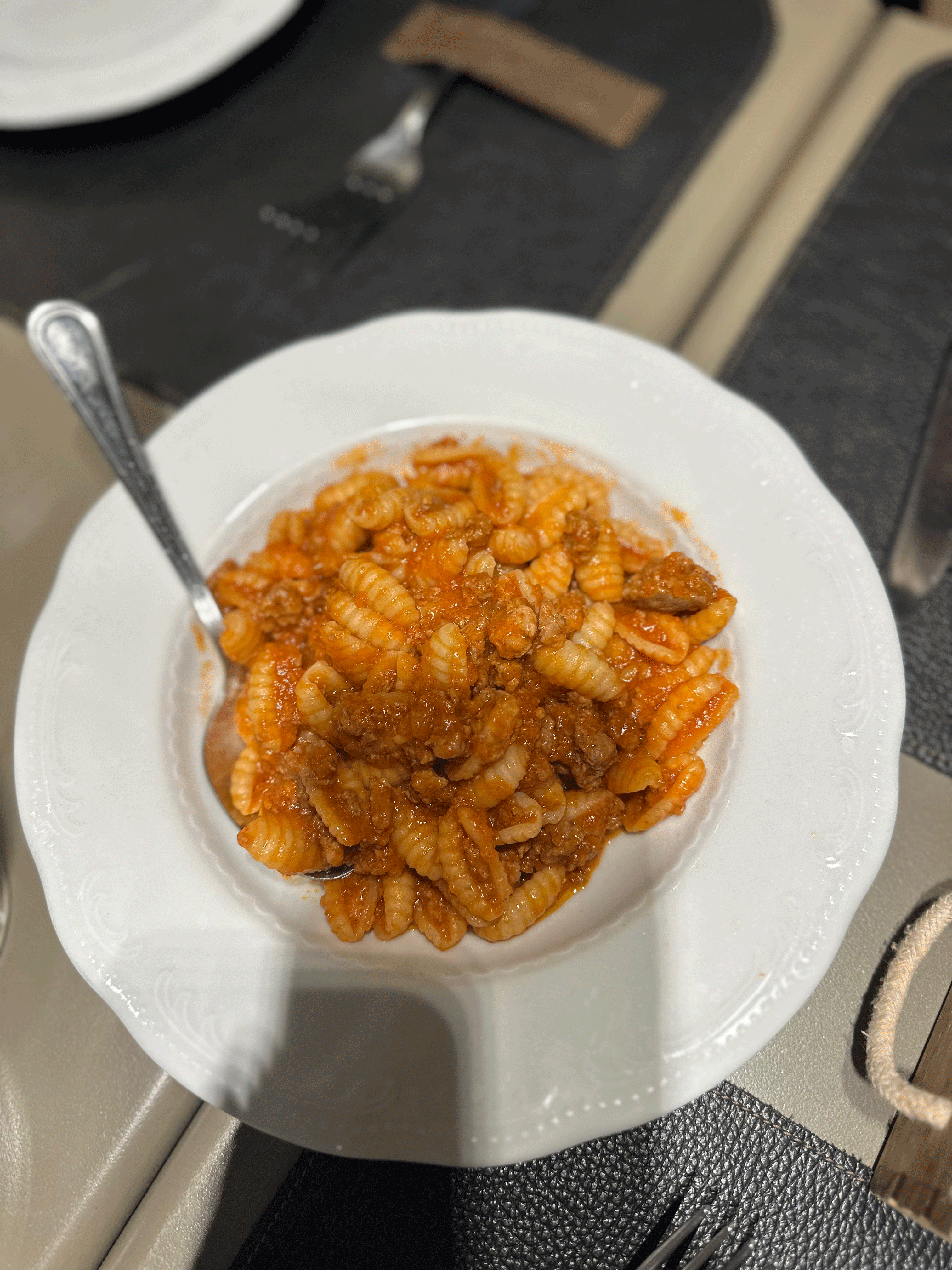
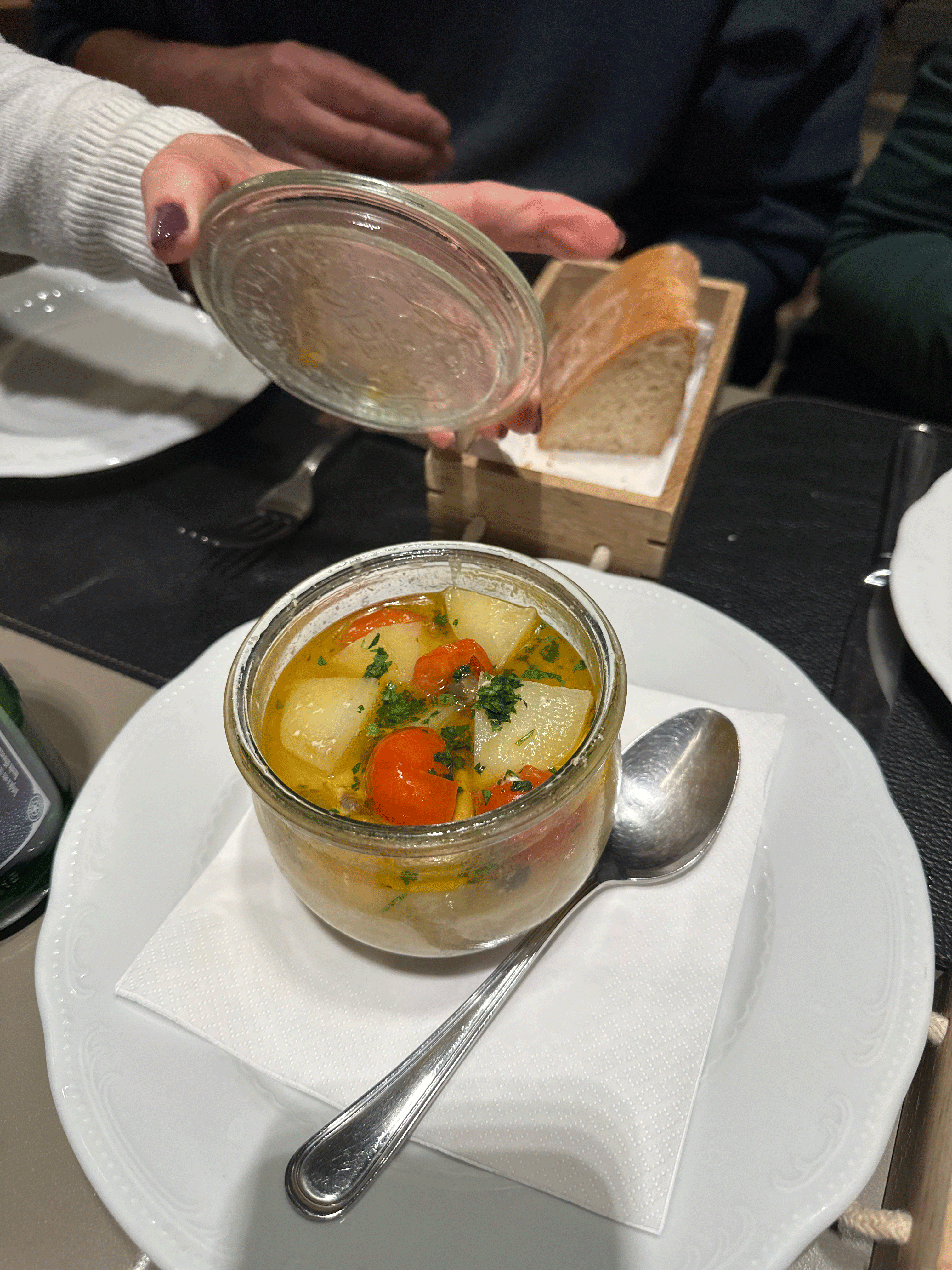
We enjoyed wonderful meals throughout Sicily. In Ortigia, our most memorable meals were at L’Ancora, Sicily Pizzeria and Lounge Bar, Tavernetta Uno da Simone, and Casa Trimarche. We controlled our intake by always sharing dishes family style, which was plenty of food and usually allowed for a shared dessert to top it off. Meals in Sicily generally cost less than a comparable meal back in the States. Sicily only serves Sicilian wines and we found them to be good.


We loved our stay in Siracusa/Ortigia! Three nights was just right for us. Younger, more ambitious travelers would probably be fine with two nights.
Next Stop: Taormina.
My recommendations are solely based on my personal experiences. I am independent and unpaid. Thank you for reading!

 Adventures In The South of Spain
Wonderful!!! So happy that you have been having such a great time!!
>
LikeLike
Another enjoyable tour. Greece is a place I’d like to visit.
Stay well!
LikeLike