This is our third stay in Estepona. We learned about it from a British couple we chatted with in San Francisco back in 2016. In 2019, we stayed here for two weeks. In 2020, for three weeks. In 2021, we didn’t travel (COVID). Now, in 2022, we are here for the entire month of February.
Views From Our Balcony on Avenida España
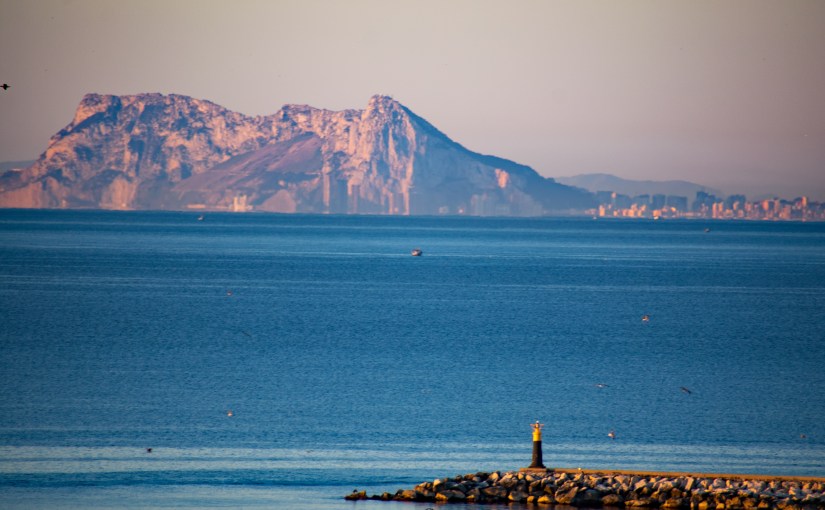
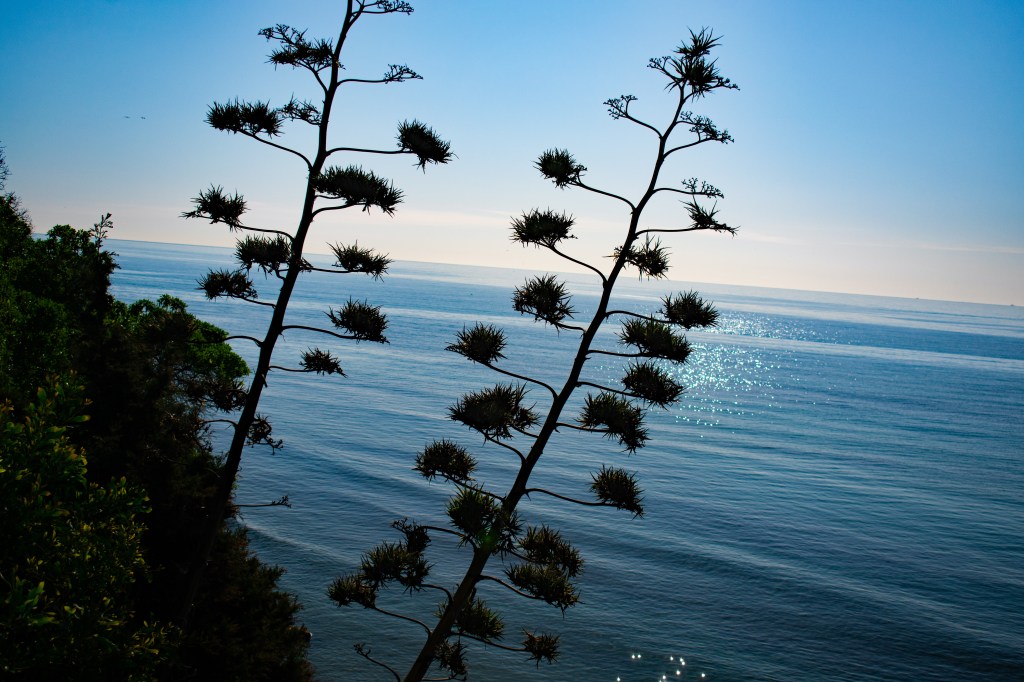
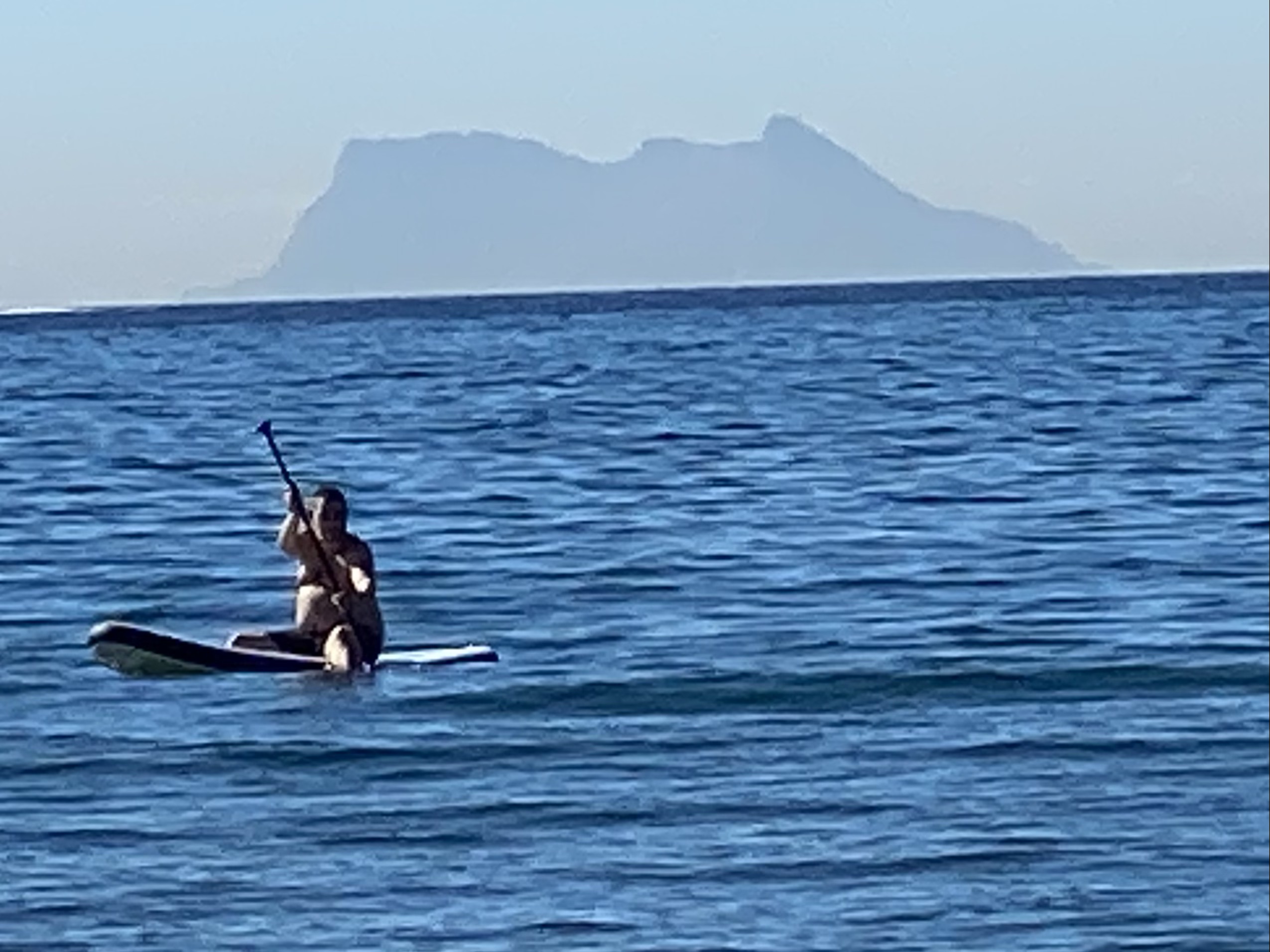
The sun rises over the Mediterranean and on a clear day you can see Gibraltar.
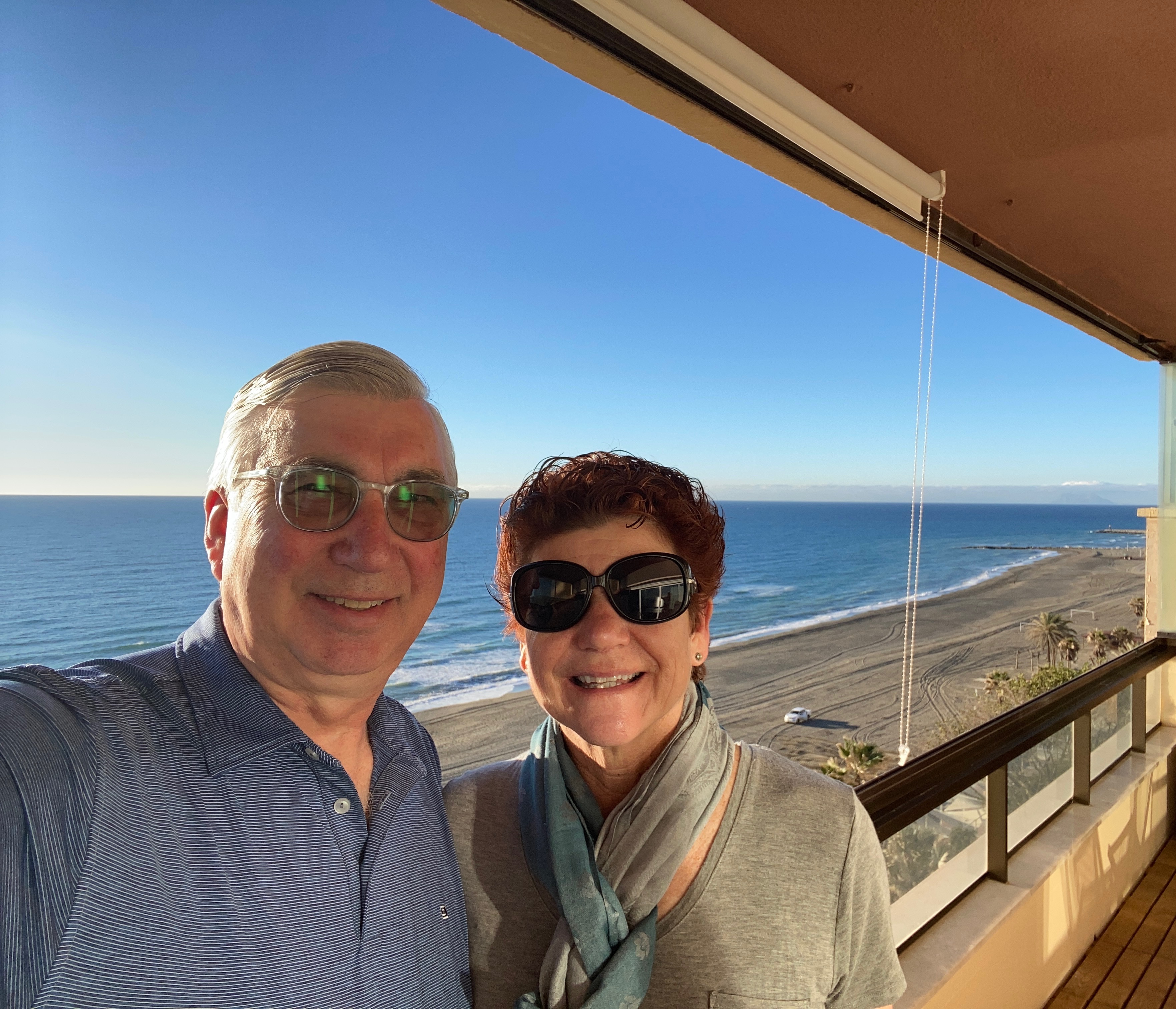

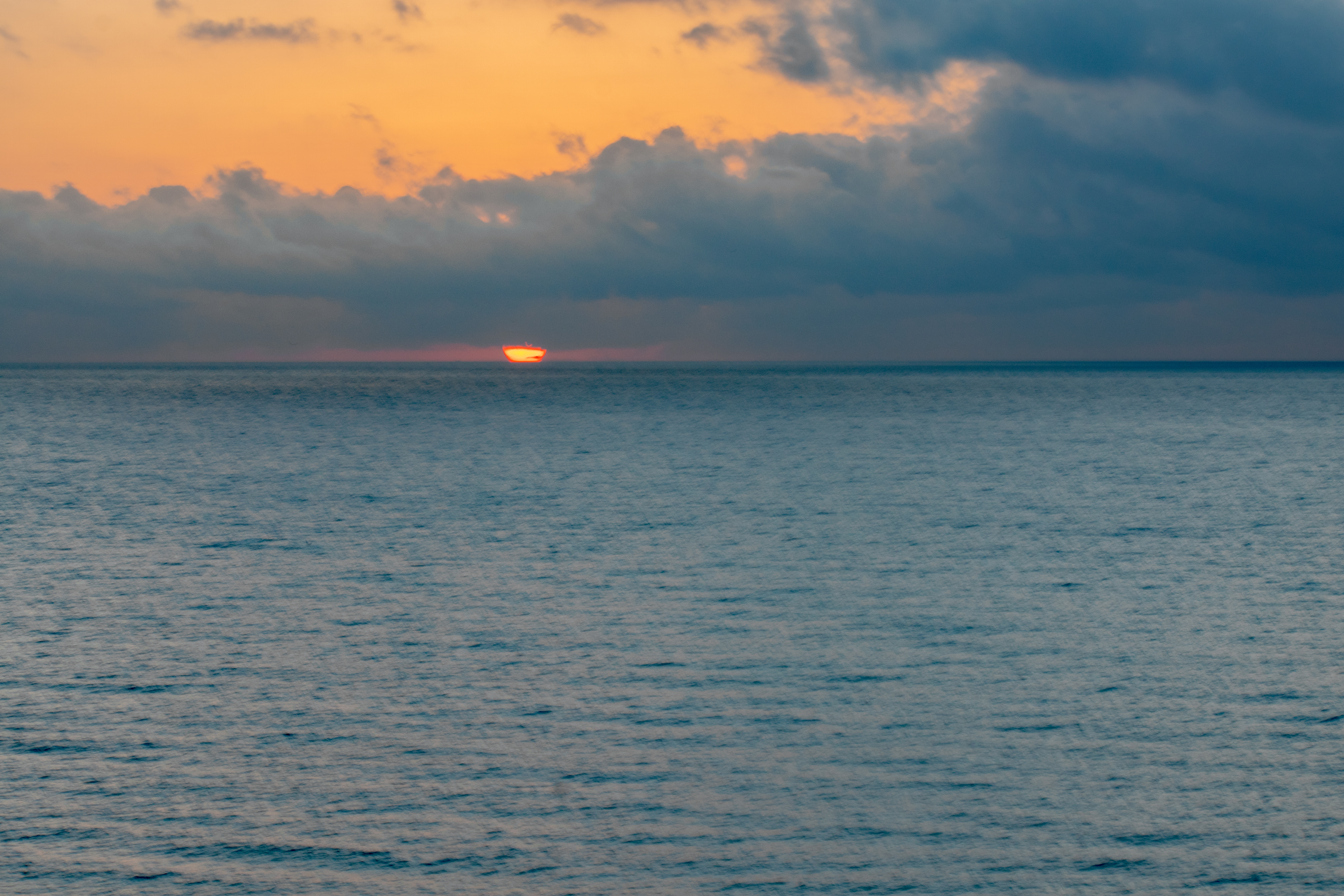
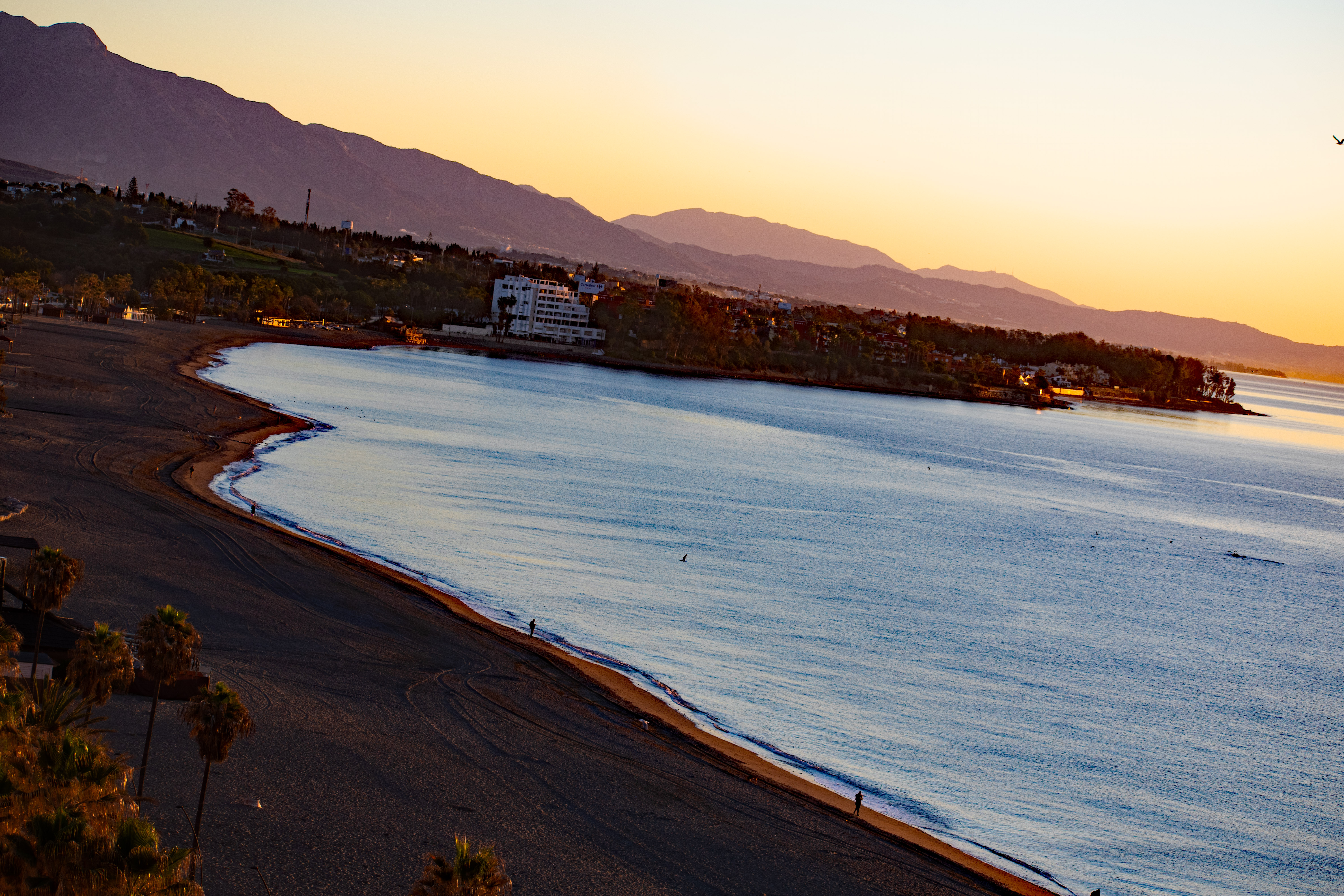
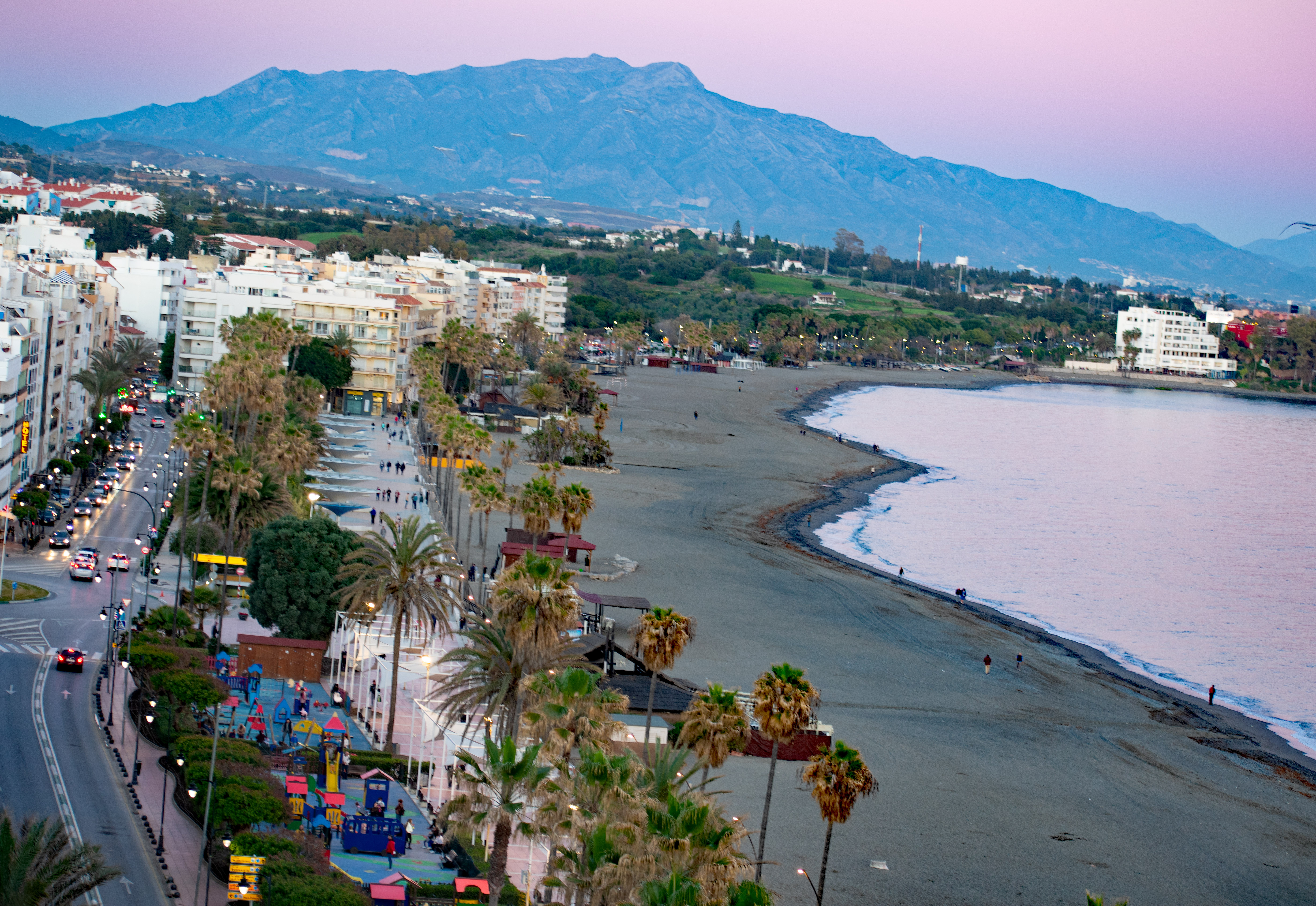
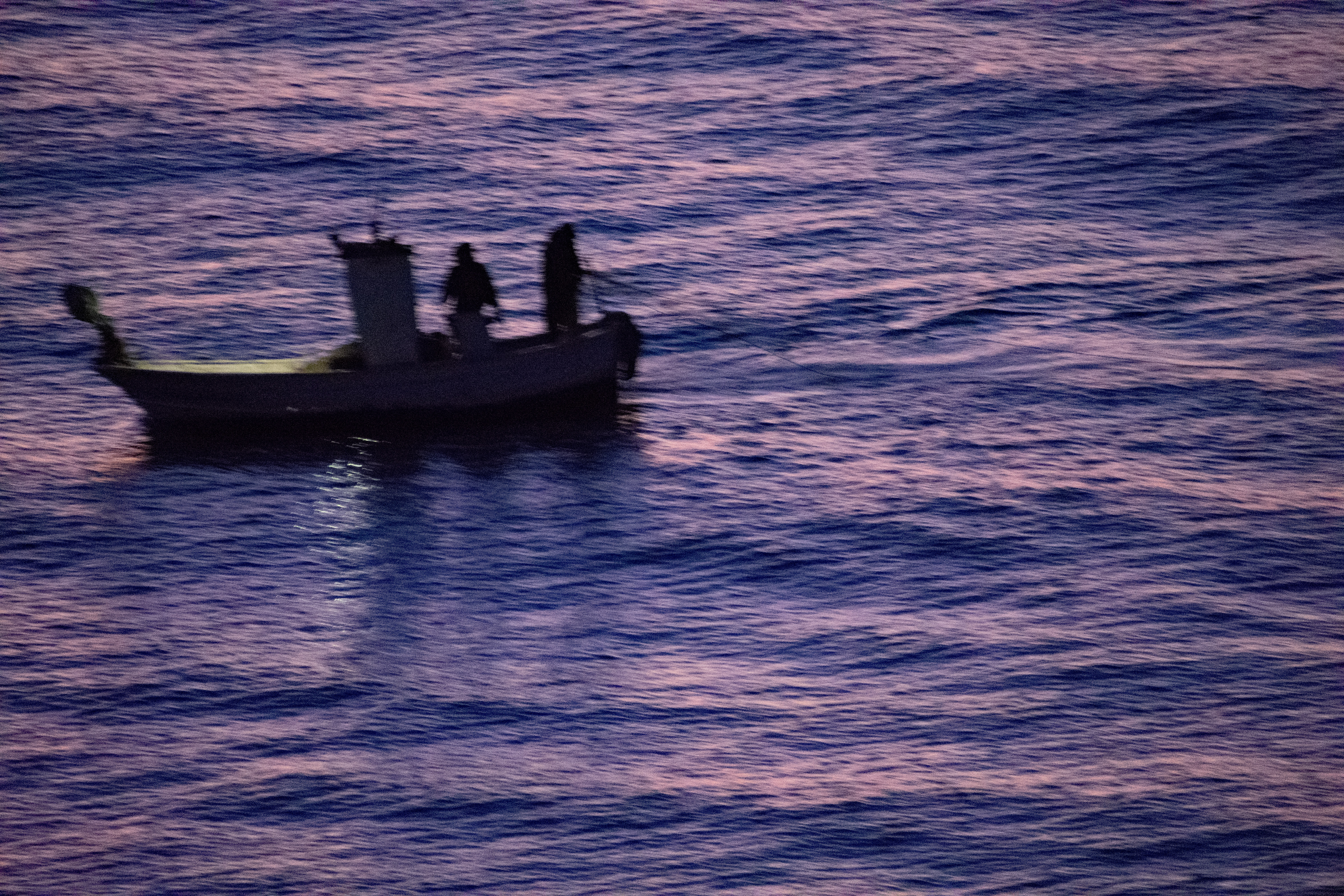
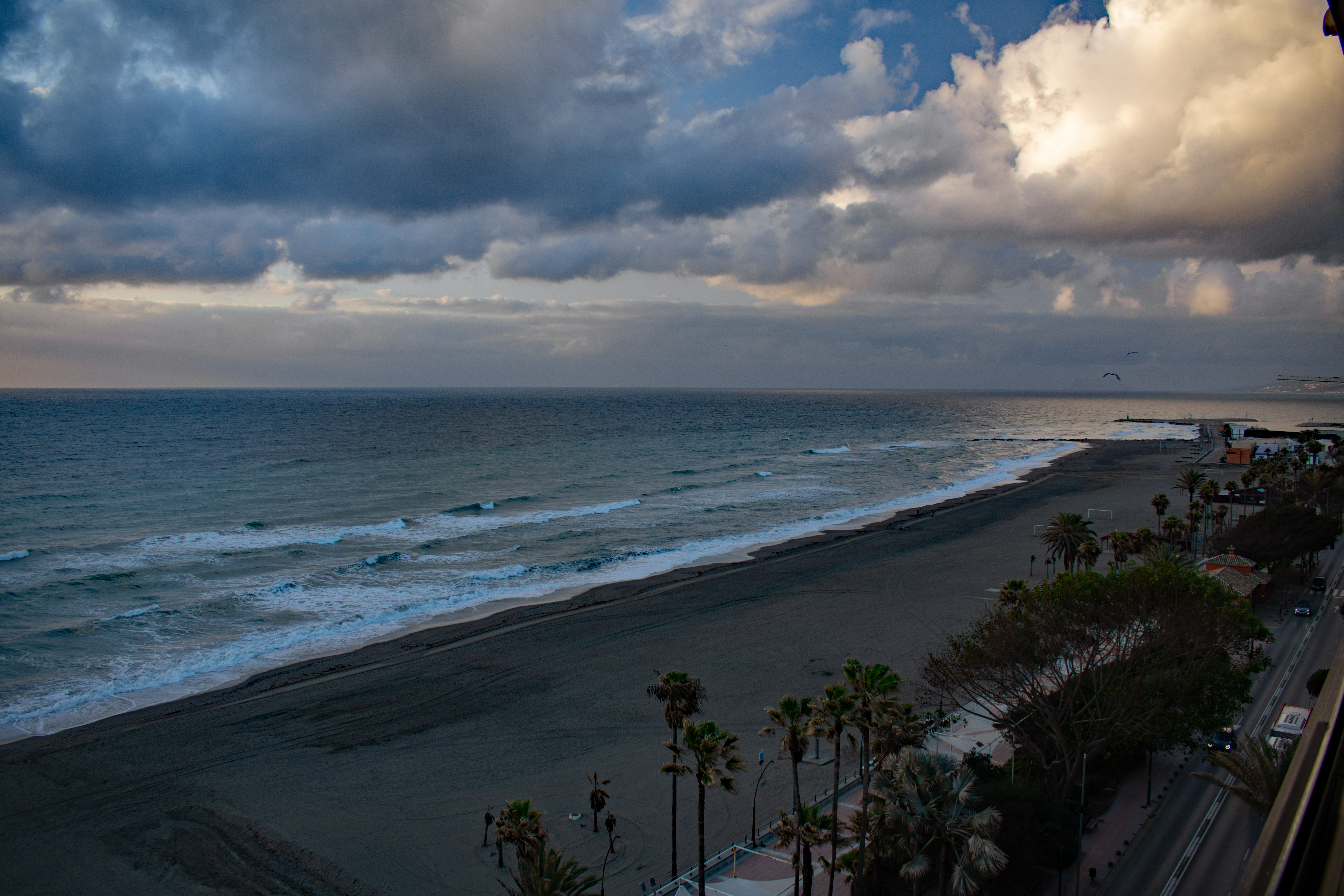
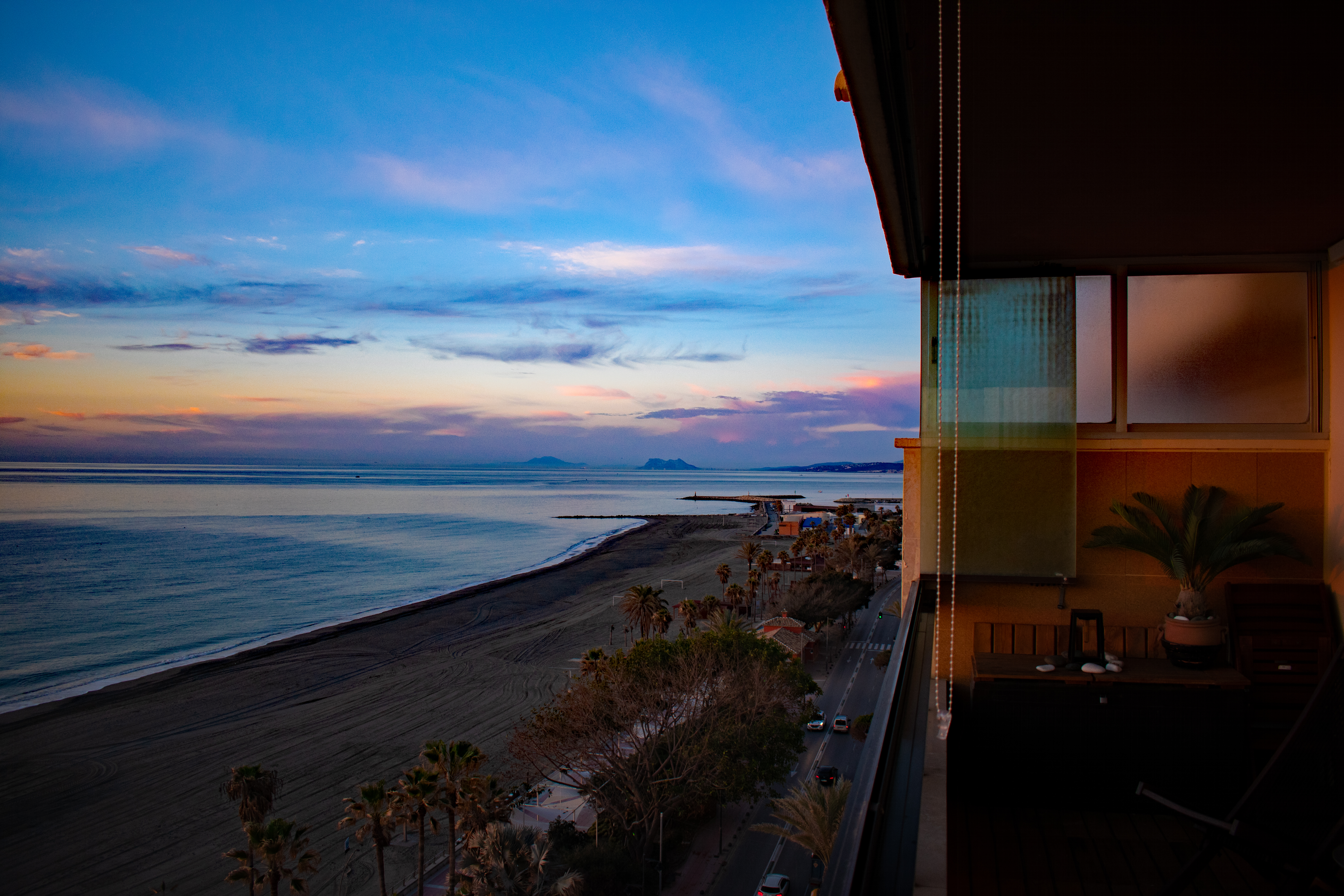

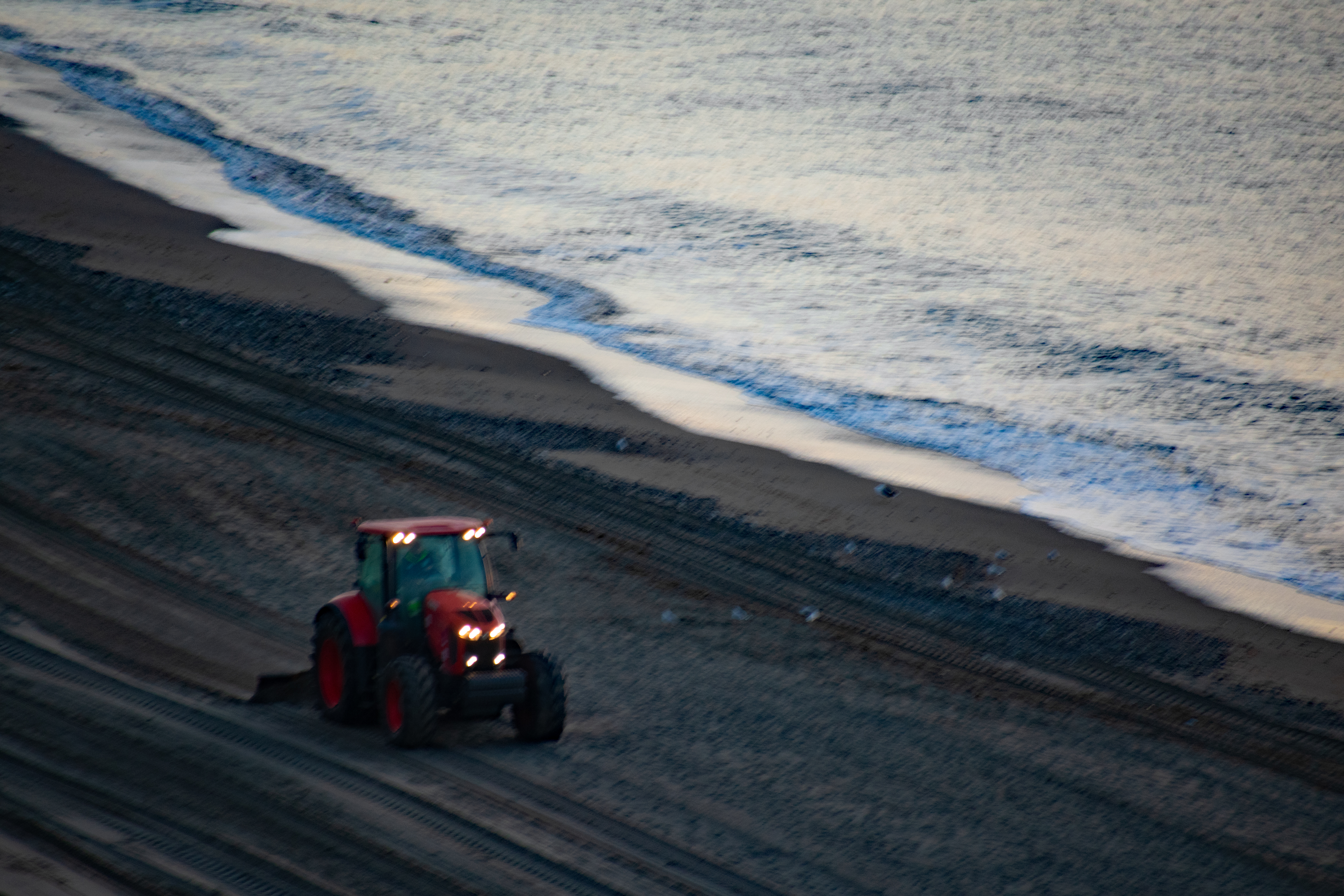

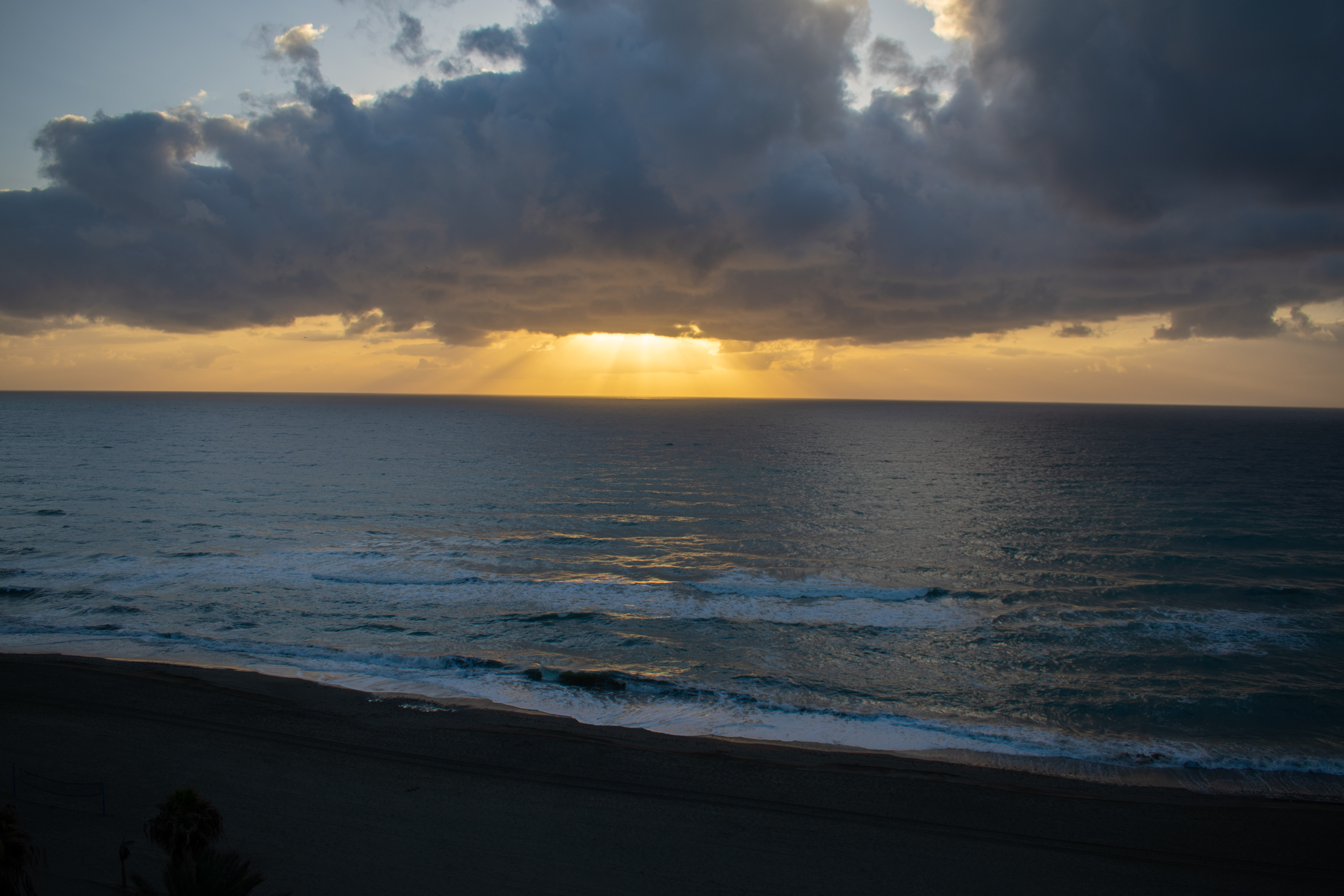


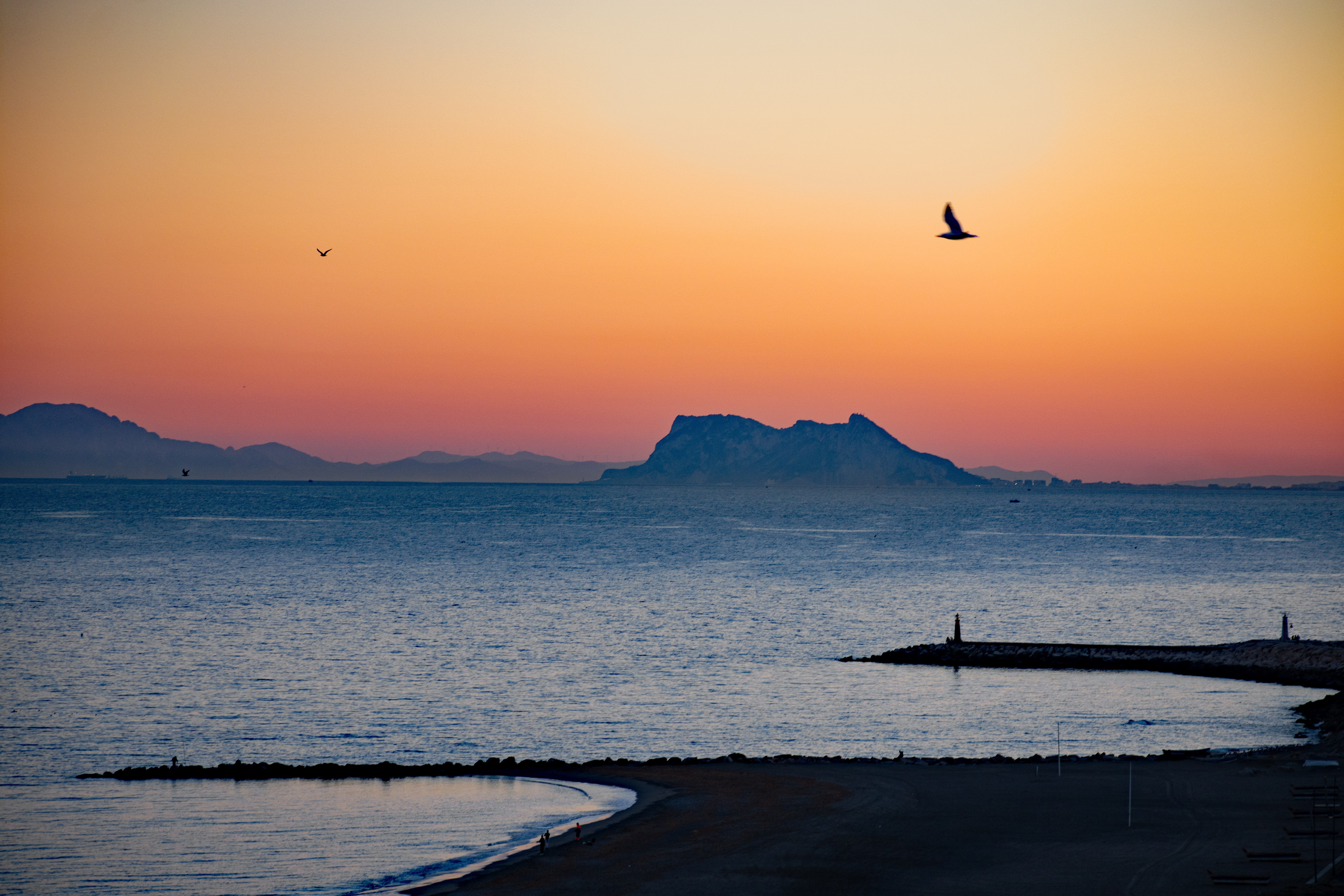
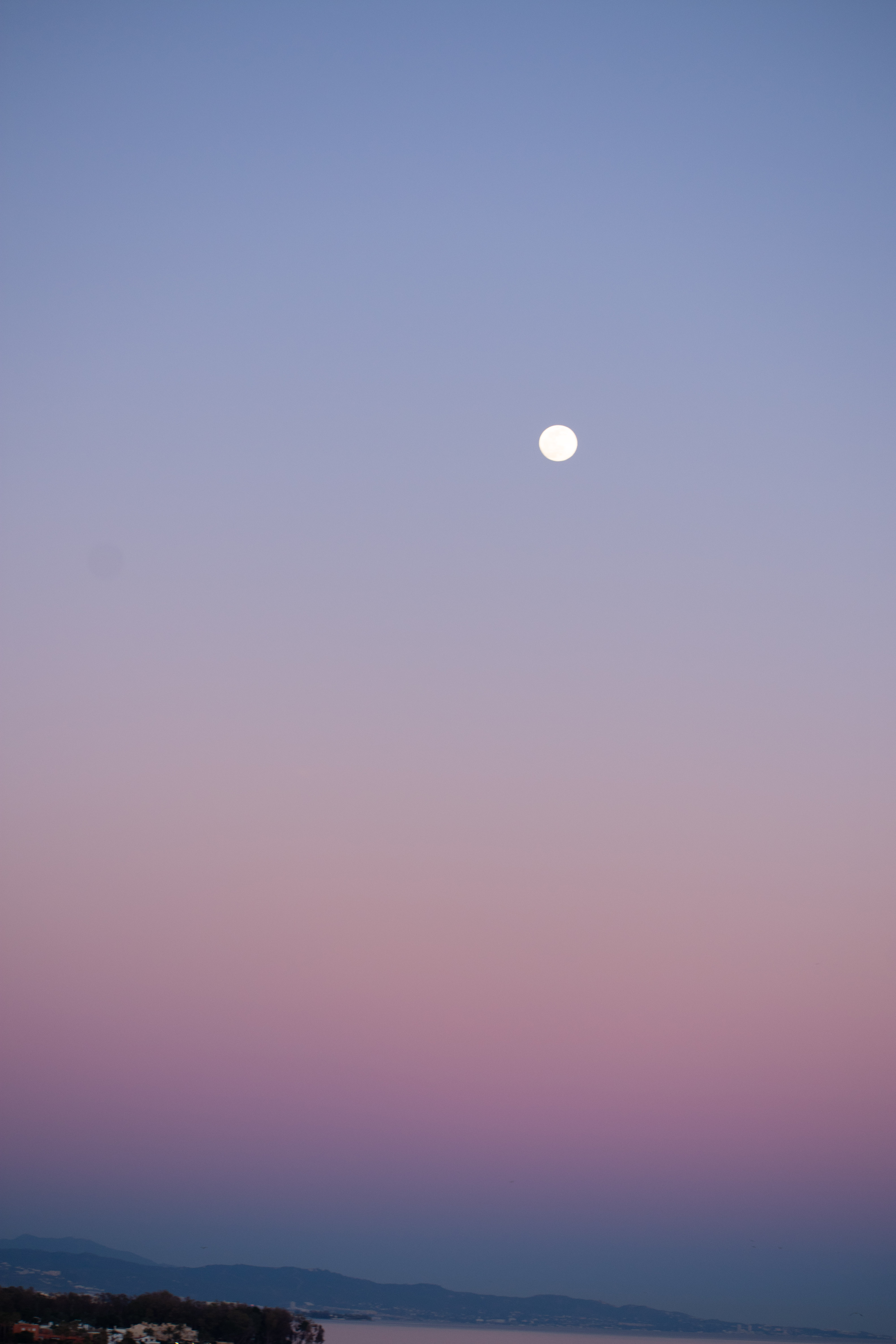
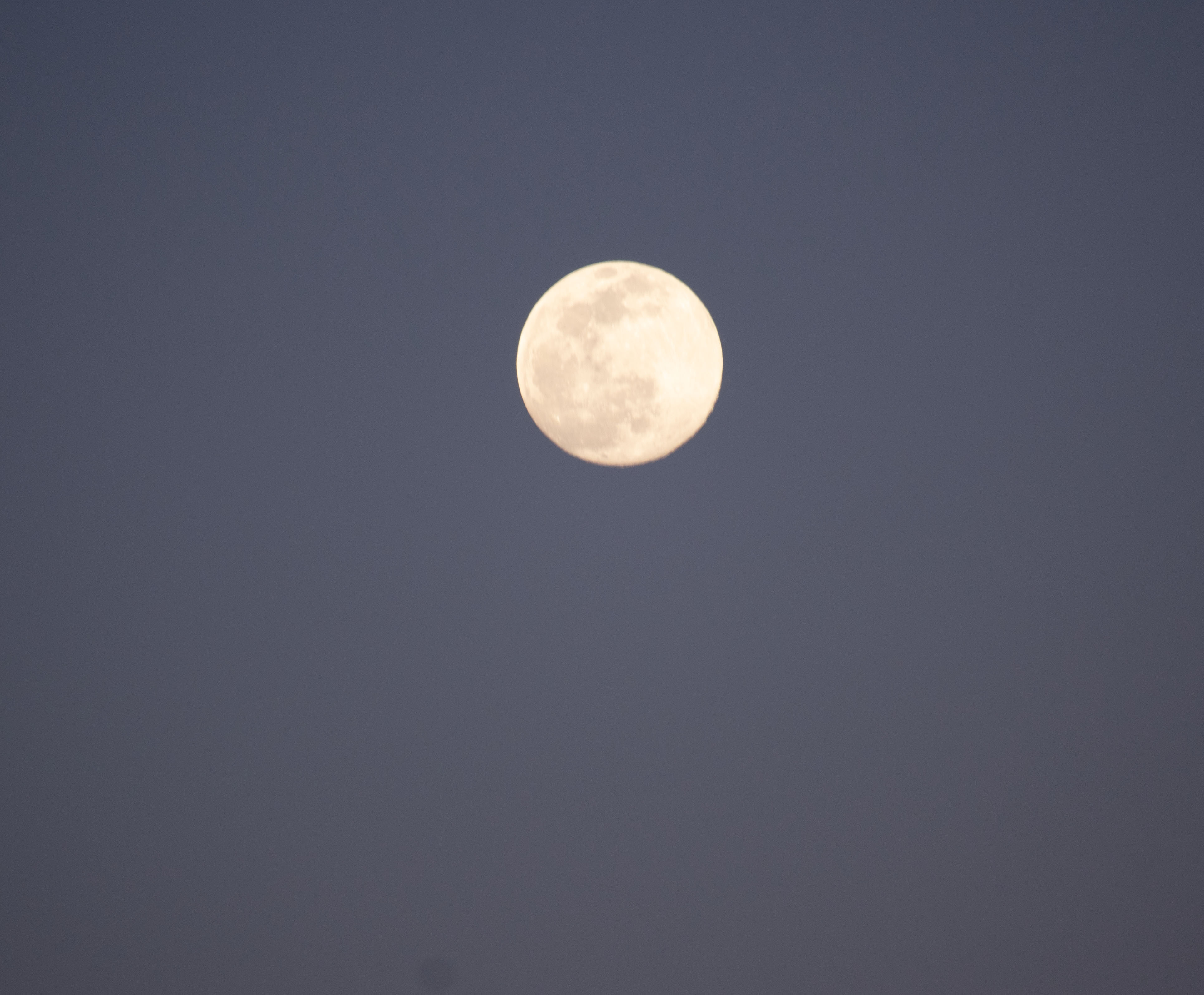
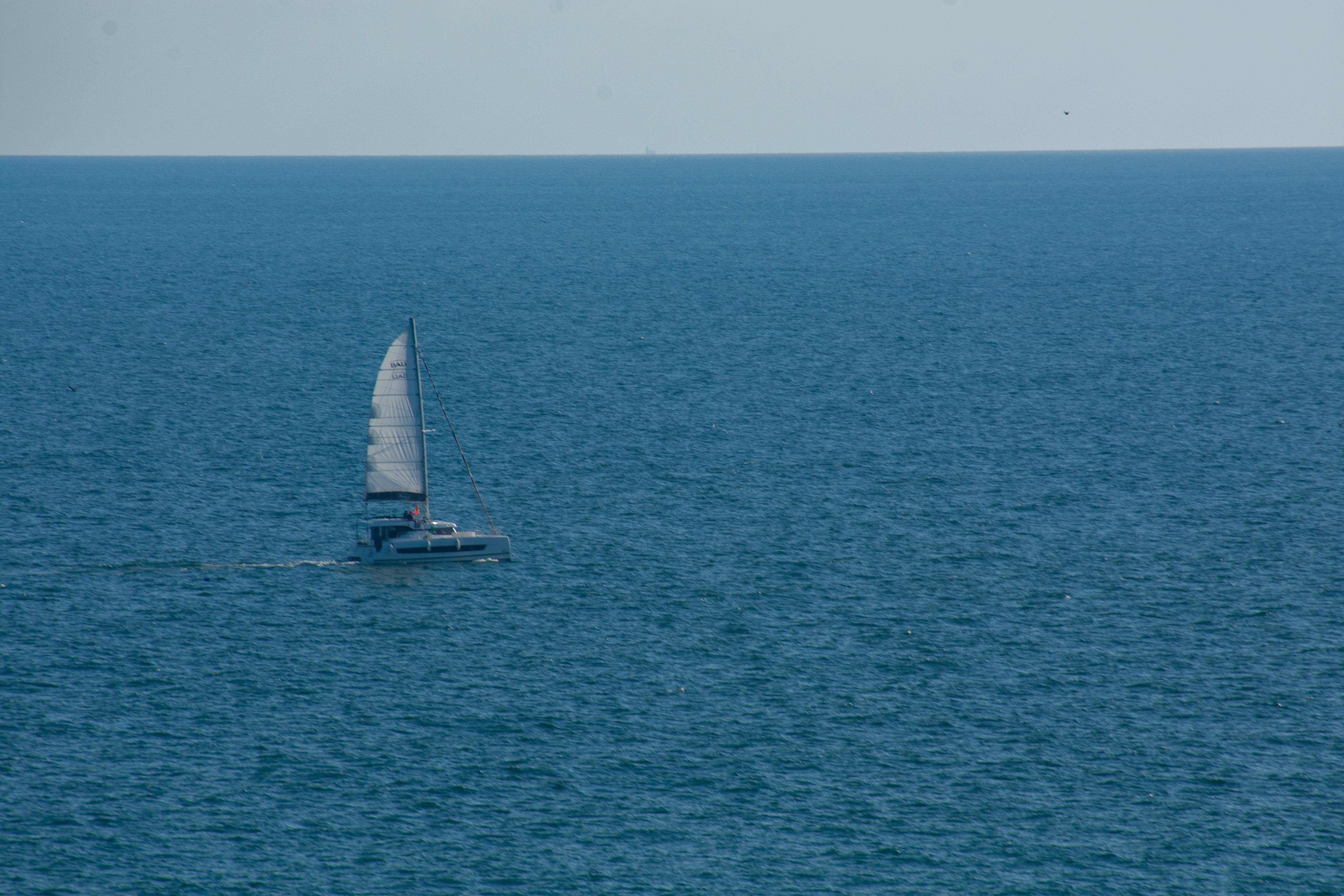
We have been fortunate each time to find an apartment in our budget with the above views. I’m not sure how much longer that will be the case, as this town is undergoing a “great renovation”. We have observed big changes in the time we have been coming here.
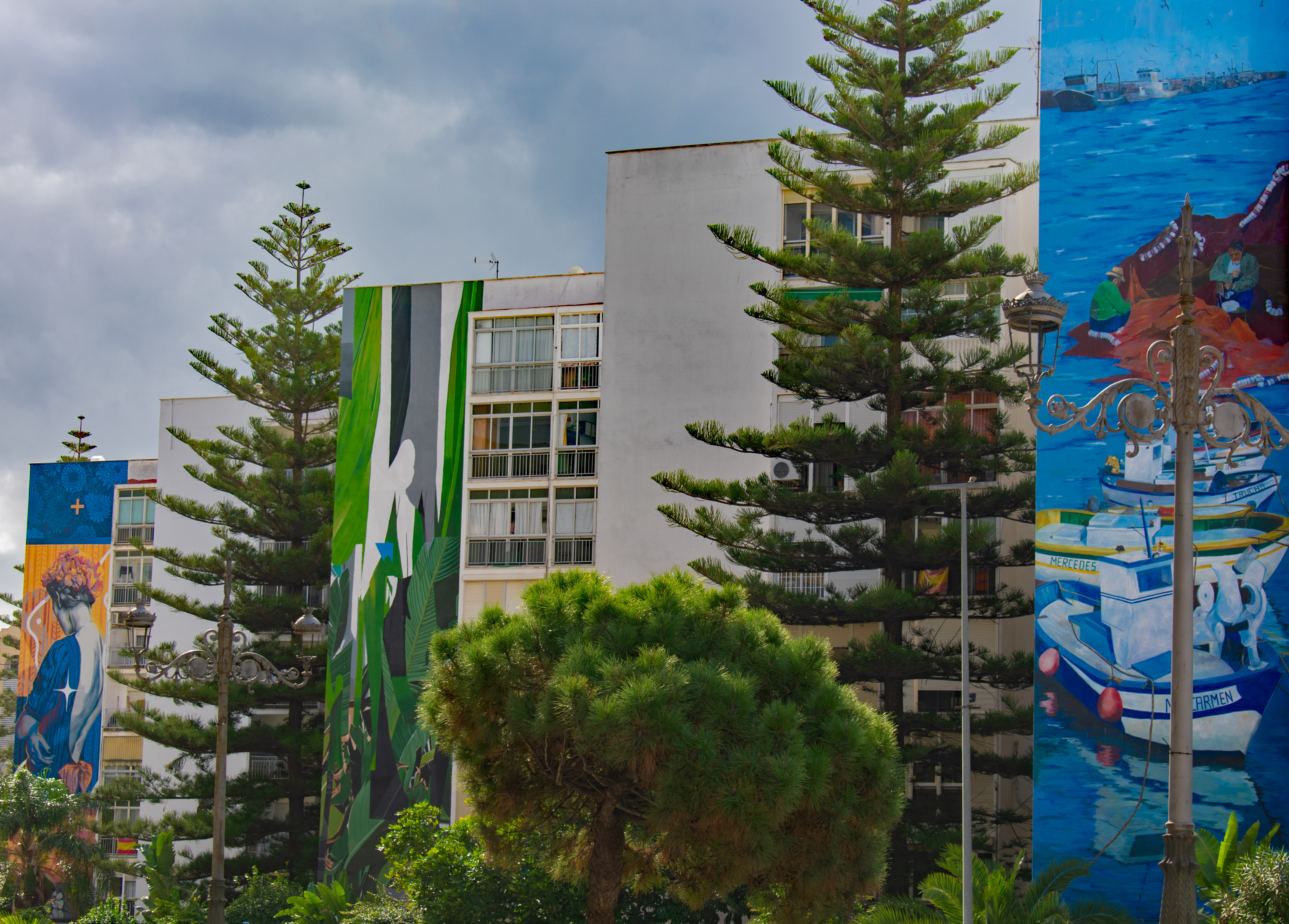
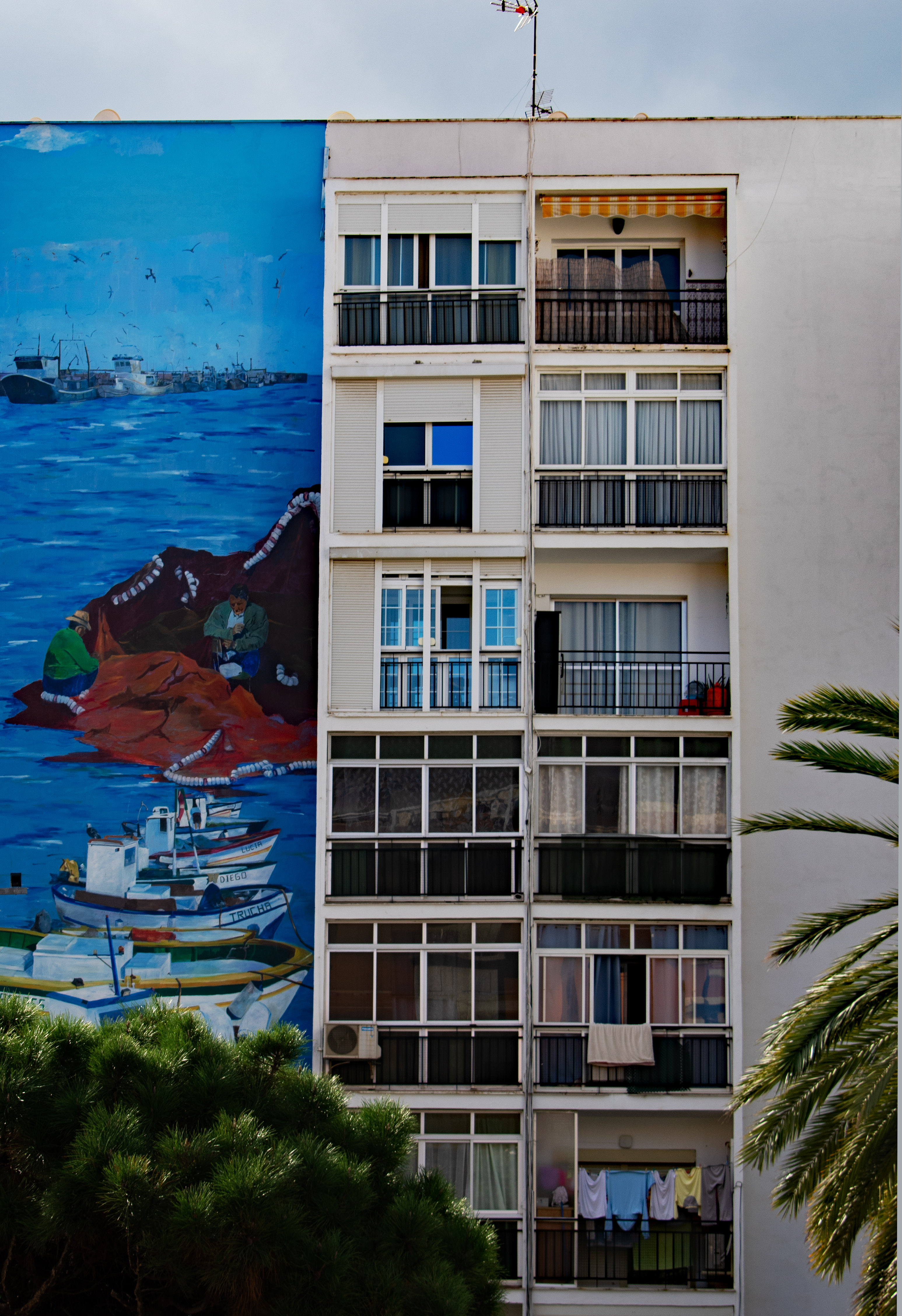
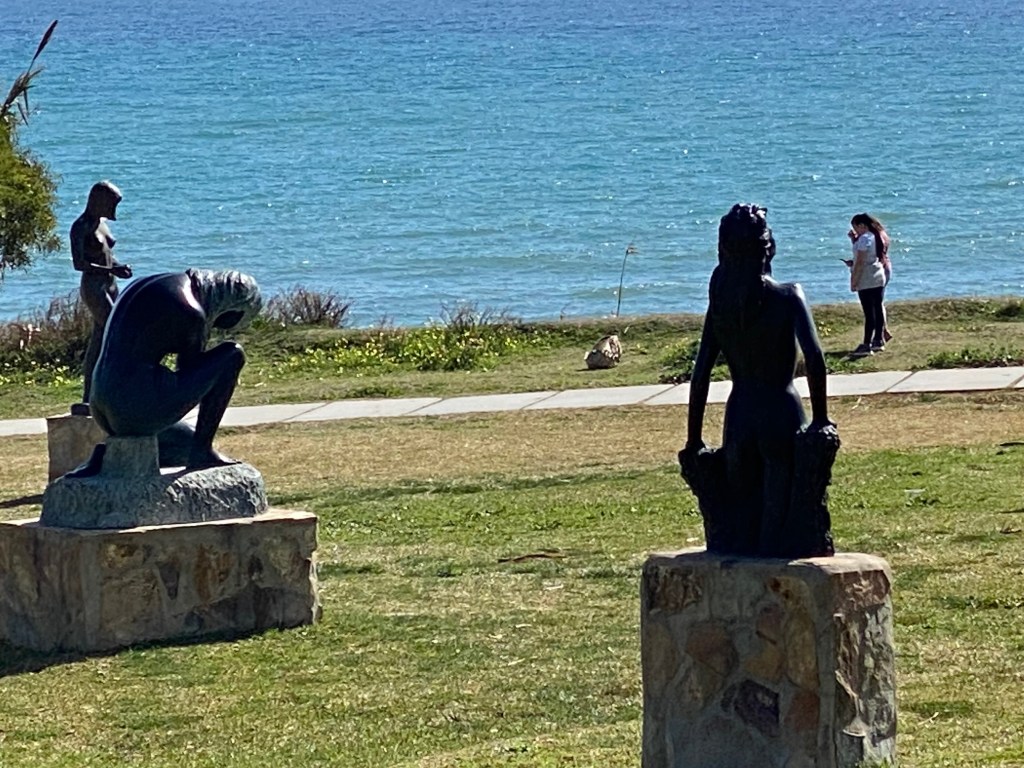
The mayor, José María García Urbano, is ” a man with a plan”. He began with a 10 year proposal in 2011 and the work continues. His goals included: ending corruption, reducing municipal debt, renovating the crumbling historical center, building a sports complex and auditorium, attracting businesses willing to invest in the community, creating large pedestrian areas, promoting public art, public parks, and public gardens; all with the goal of attracting tourism to increase quality employment and improve public health. In short, to turn this small fishing village into the “Garden of the Costa del Sol,” while maintaining its small town charm and ensuring a good life for the local residents.
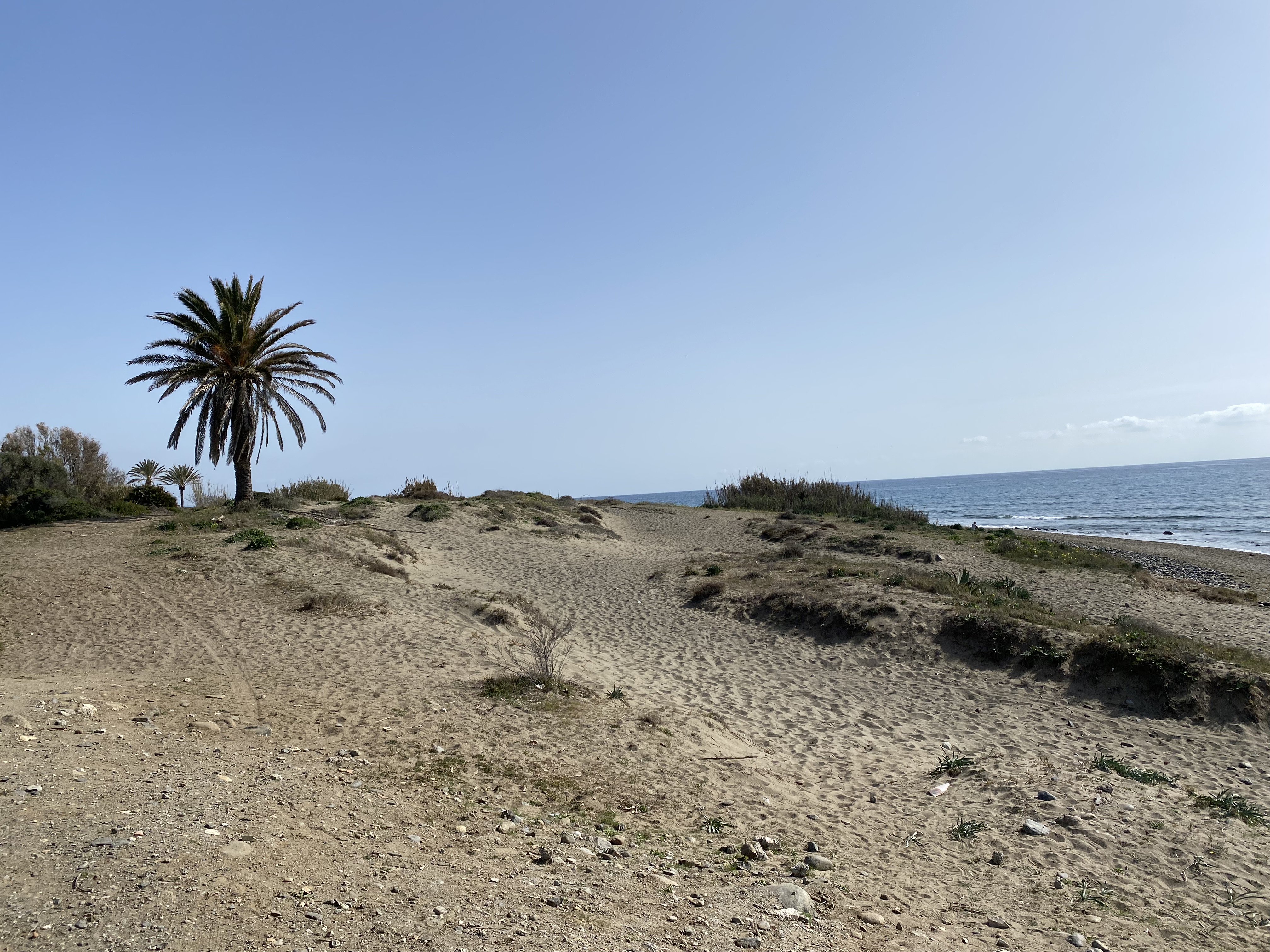
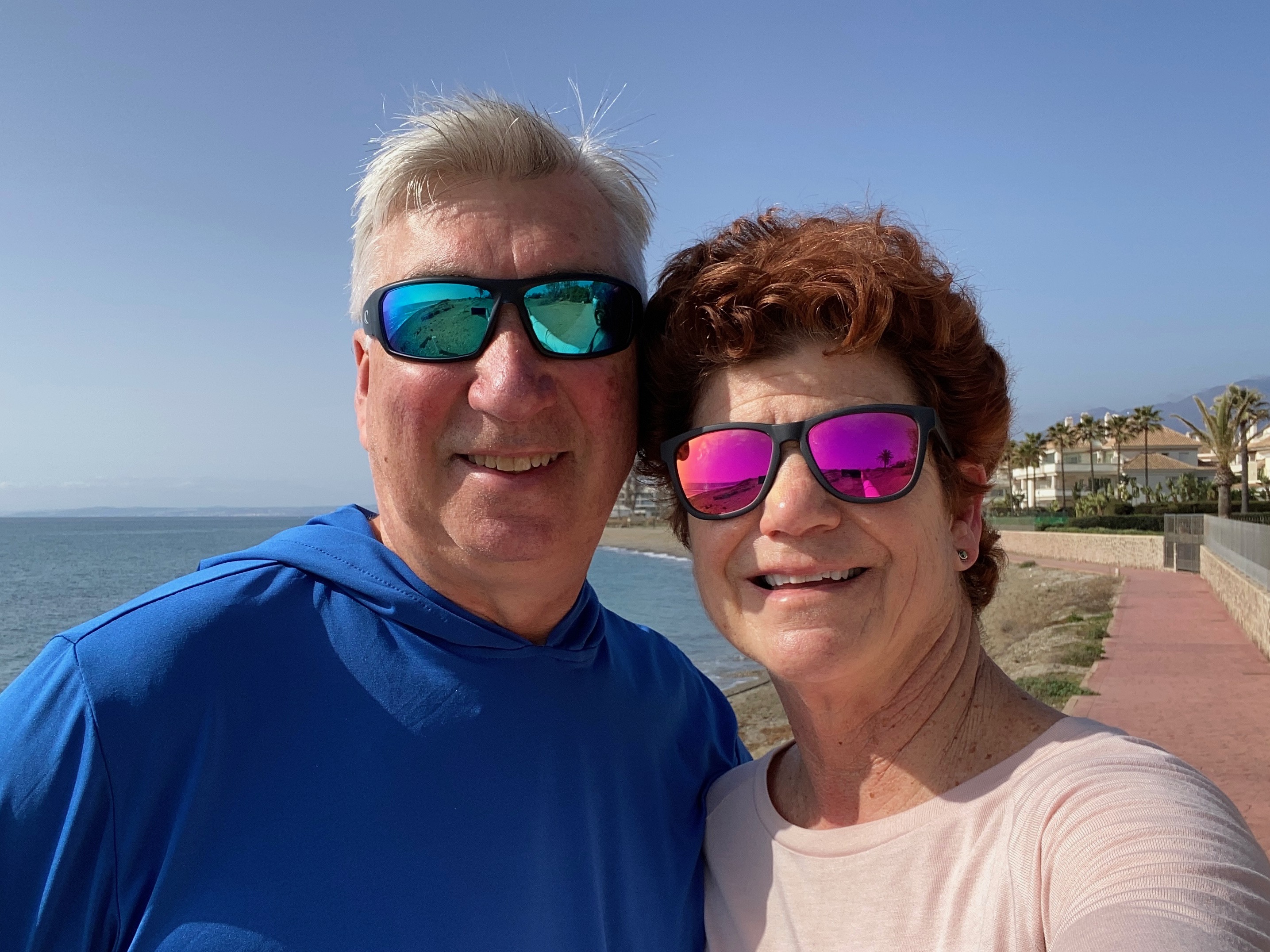
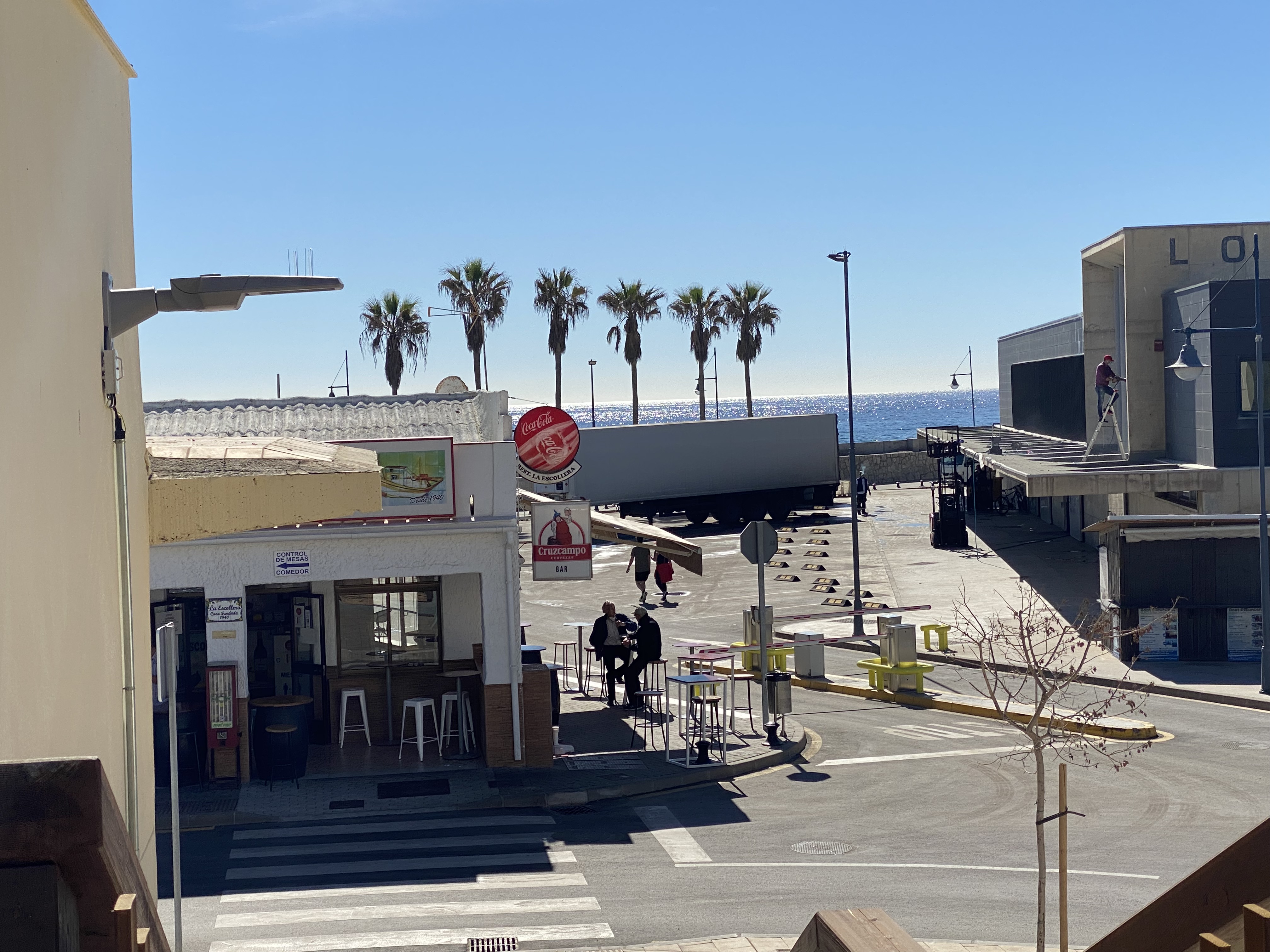
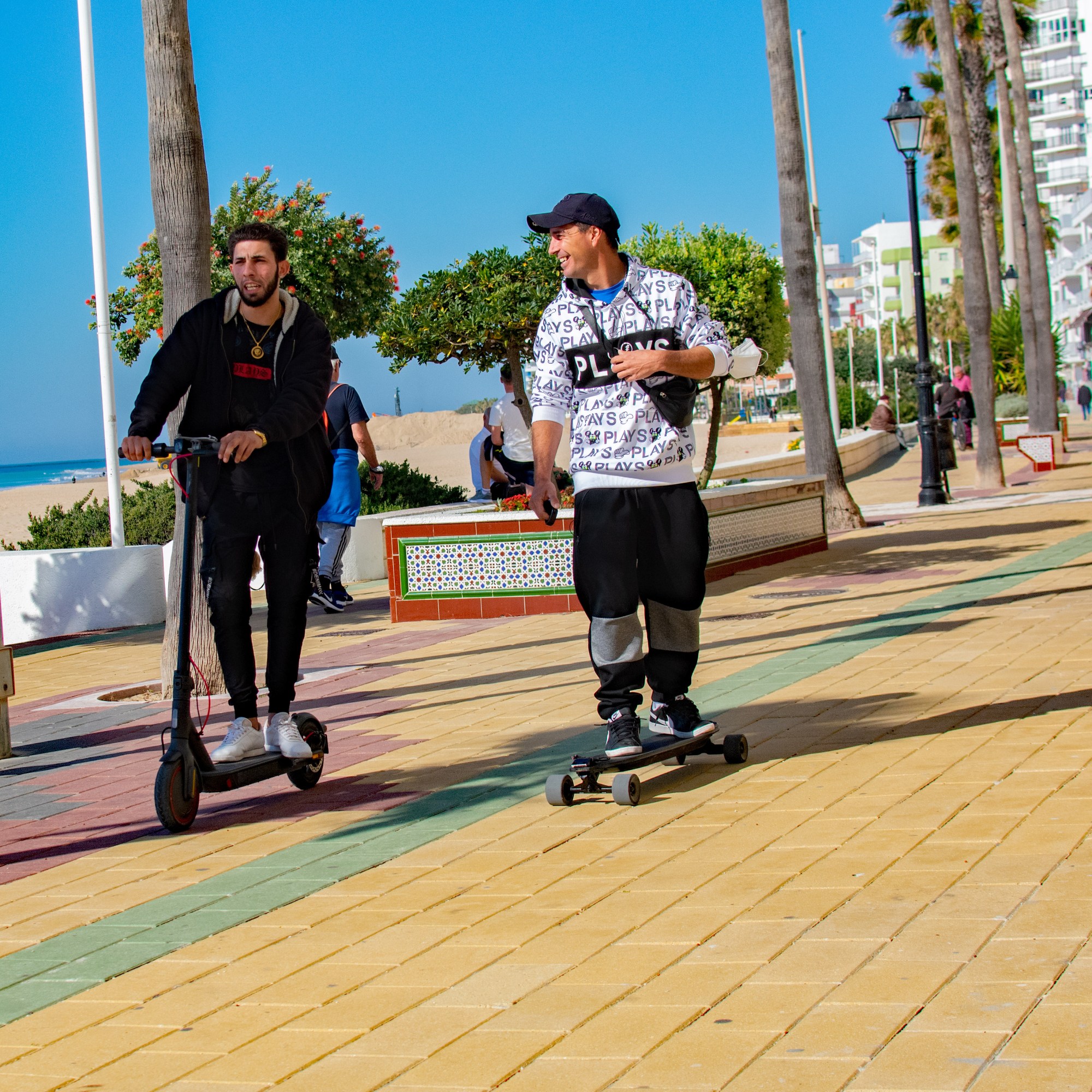
Public works are in evidence everywhere. Underground garages are being added to get more cars off the streets. The historic district is almost completely pedestrian with shops, bars, and restaurants. Flowers are planted and groomed by village employees, the sand on all the beaches is groomed daily, the boardwalk is washed every morning, the “senda litoral” (sea path) has been extended in both directions for hiking and biking. Eventually it will go all the way to Marbella. We have biked 7 miles in one direction before running out of path.
Public Parks and Public Works

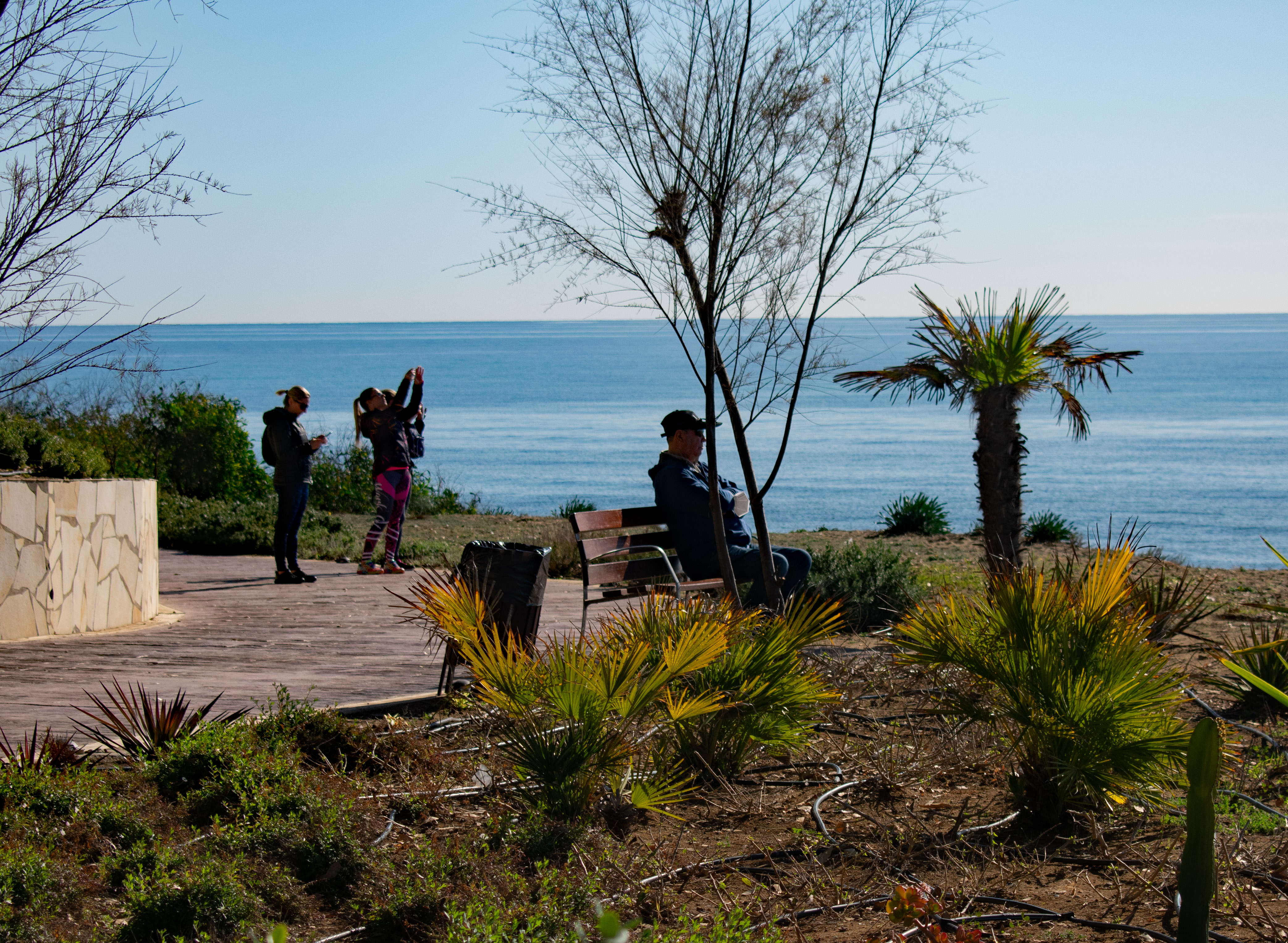
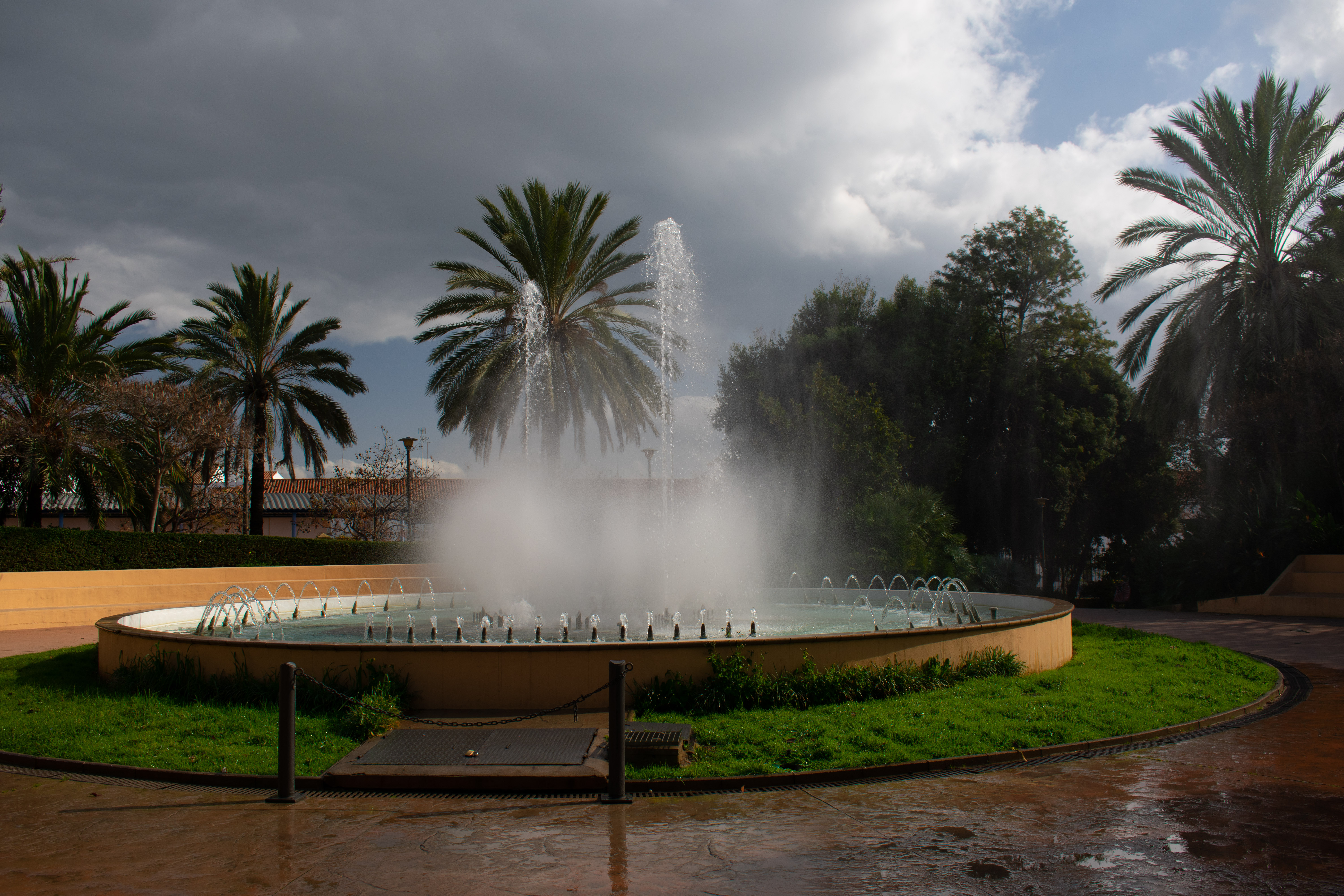
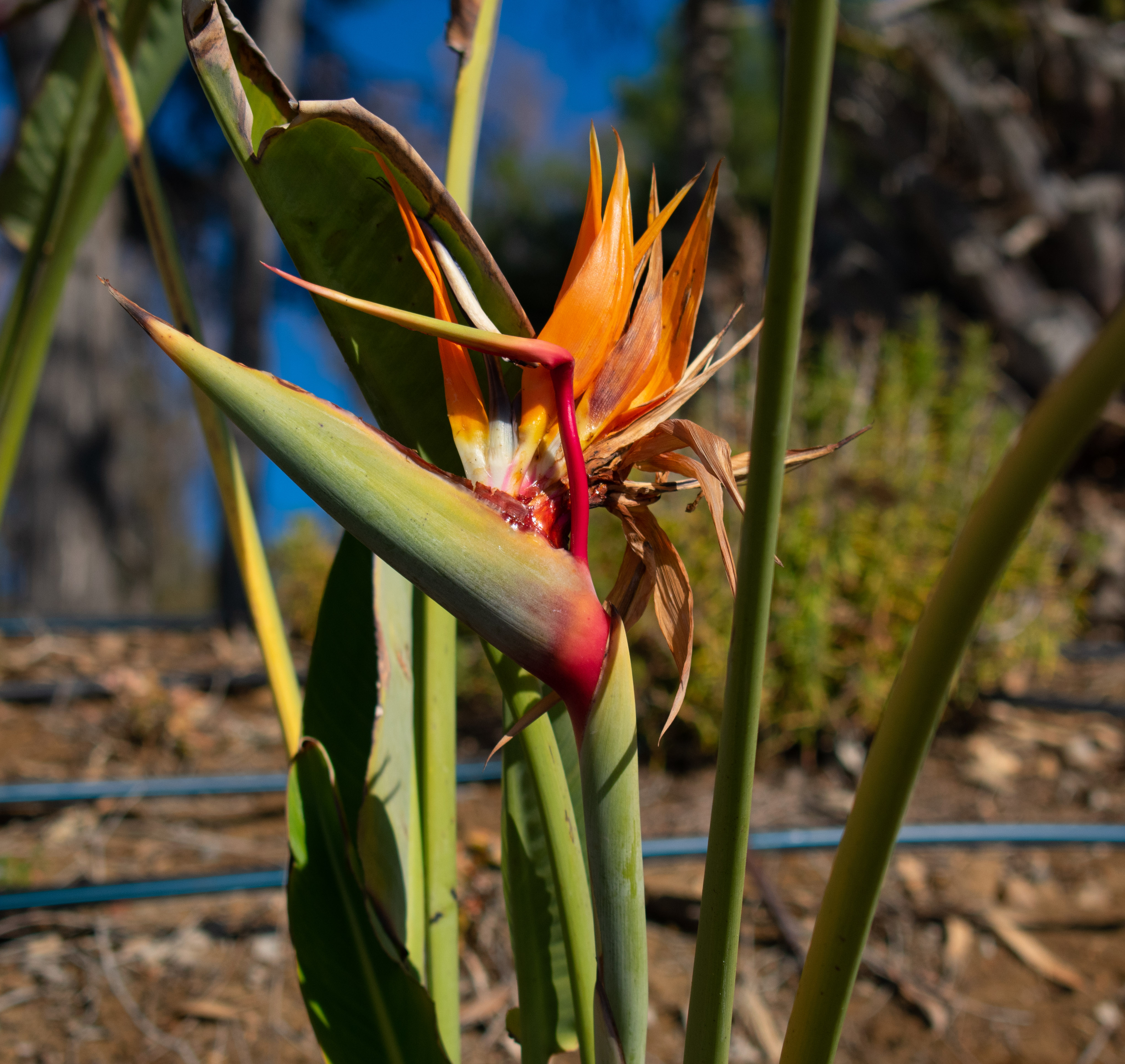
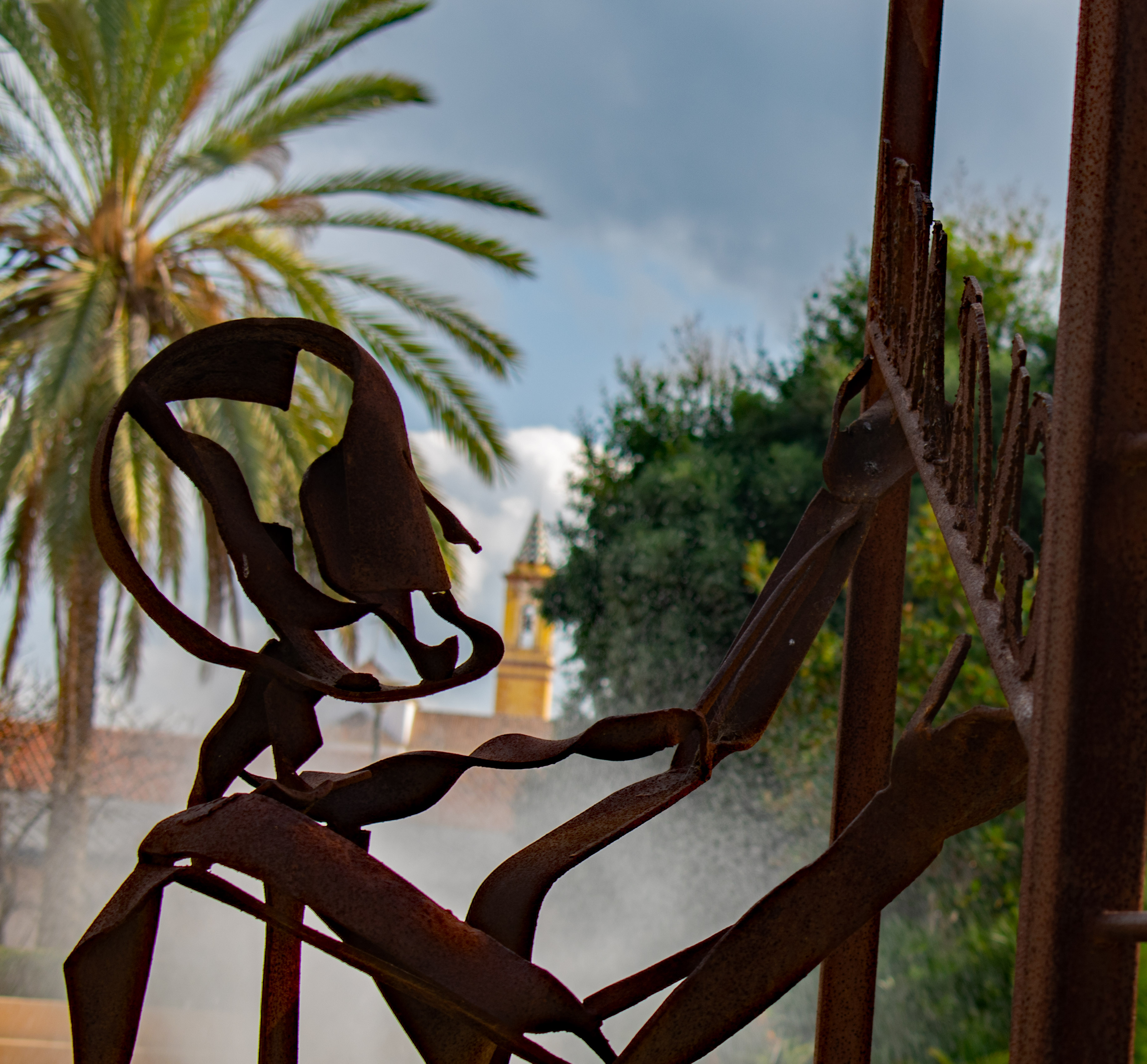
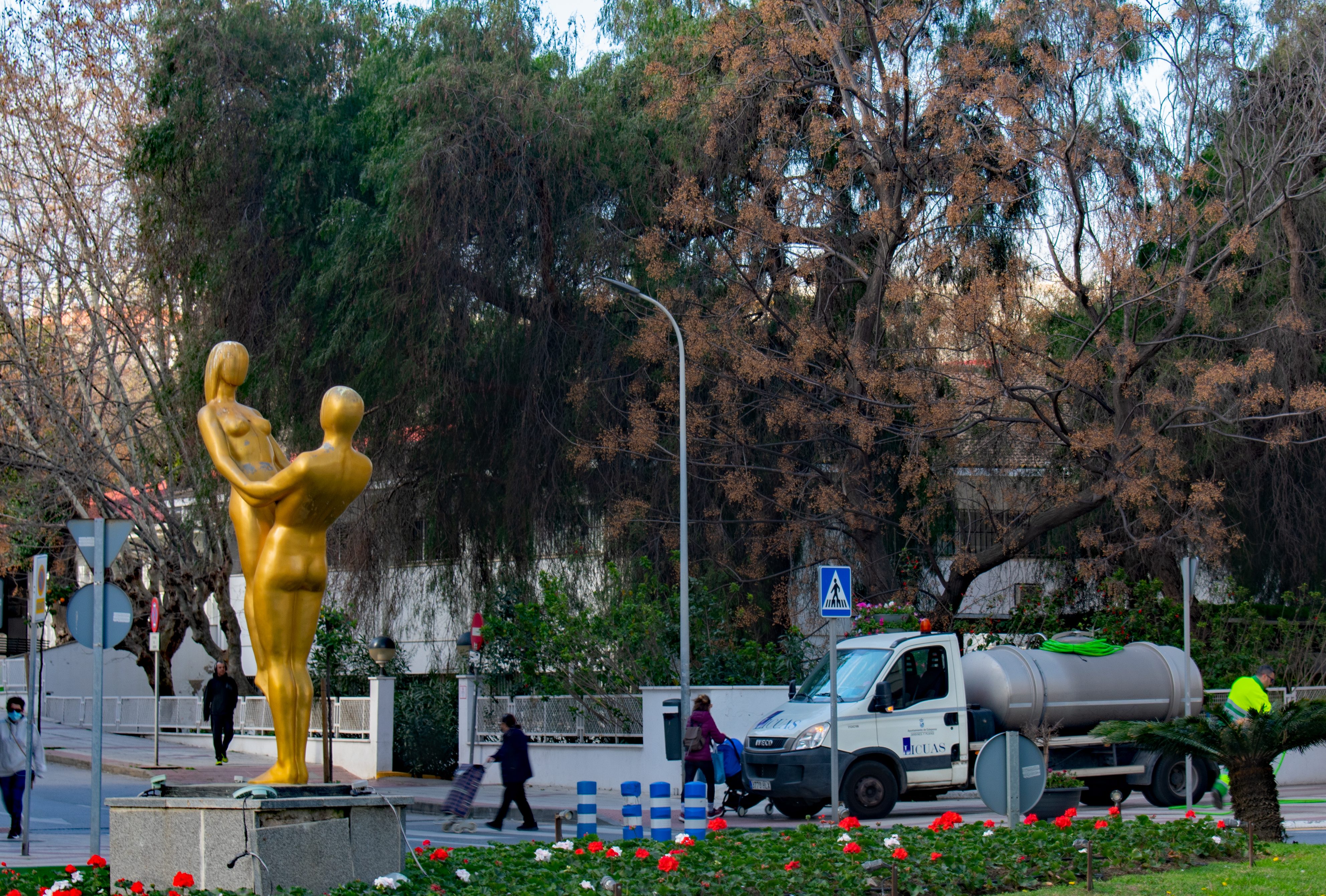

So, life is good for the tourists, but is this all too good to be true? Will people get priced out of their neighborhoods with all of the luxury buildings going up? We have seen an occasional homeless person sleeping in the park, although far fewer than in other places. There is a planned complex of 100 affordable housing units. Contractors that wish to build here are required to contribute to the public fund for green spaces and community centers. Taxes have been significantly reduced and the inherited debt from previous administrations is almost gone. There is a screen in the rotunda with the “debt graph.” Sustainability is also a goal, so if solar panels are feasible for your dwelling, city hall pays for them. Oh, by the way, the mayor doesn’t accept a salary for the job.
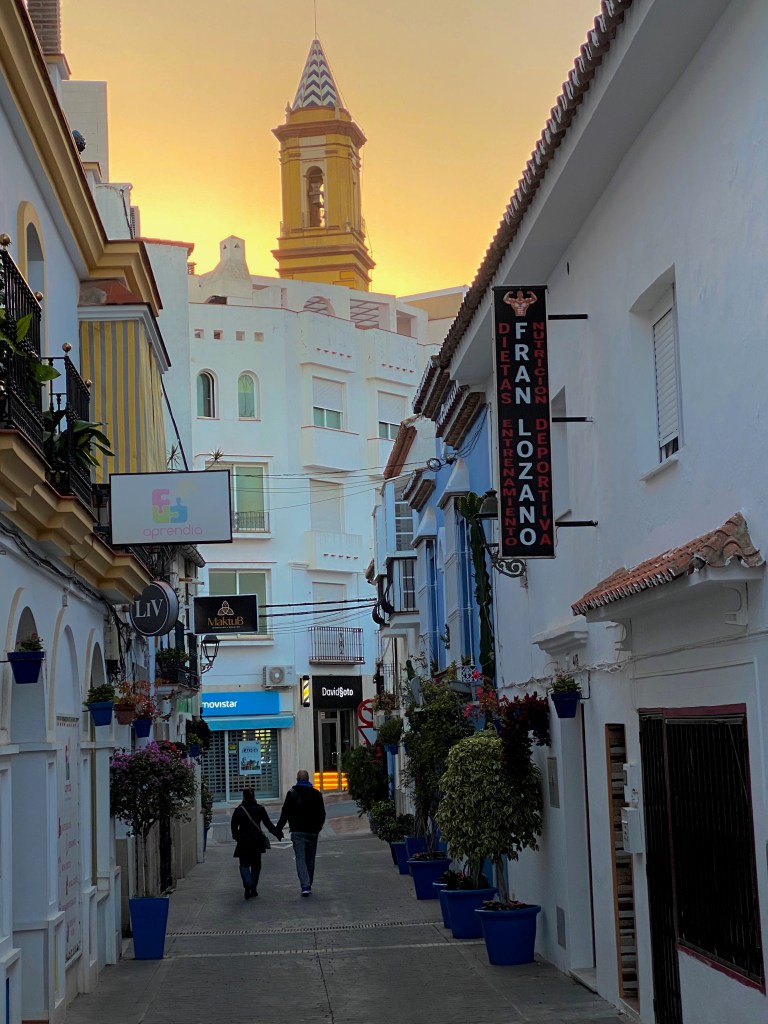
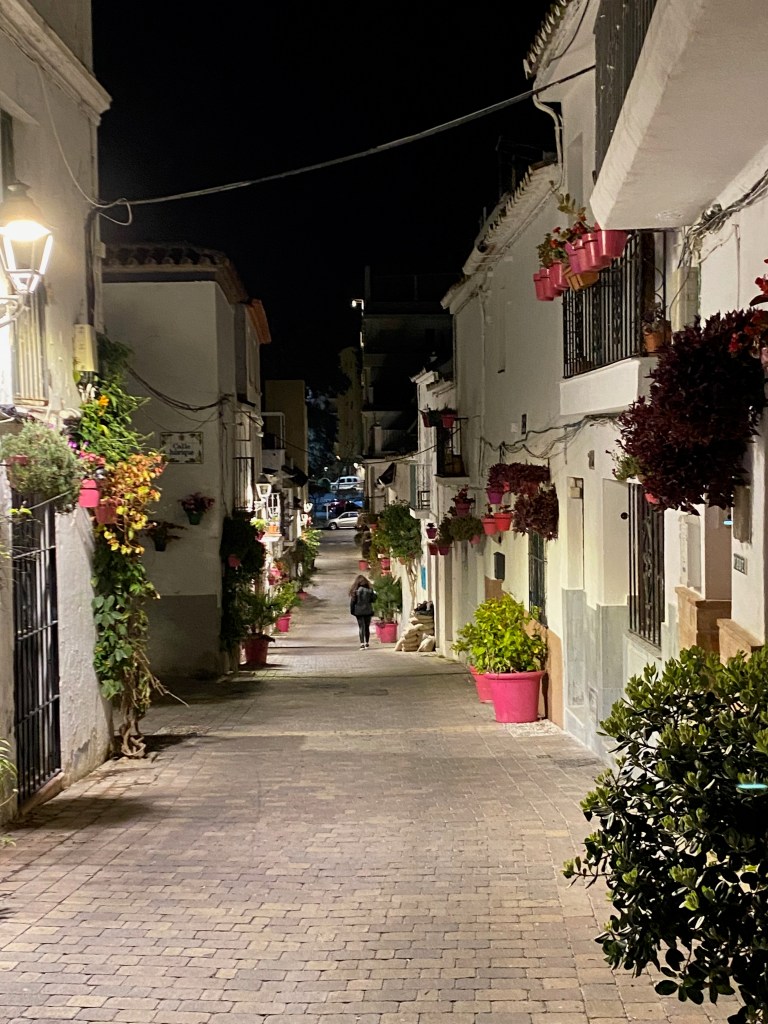
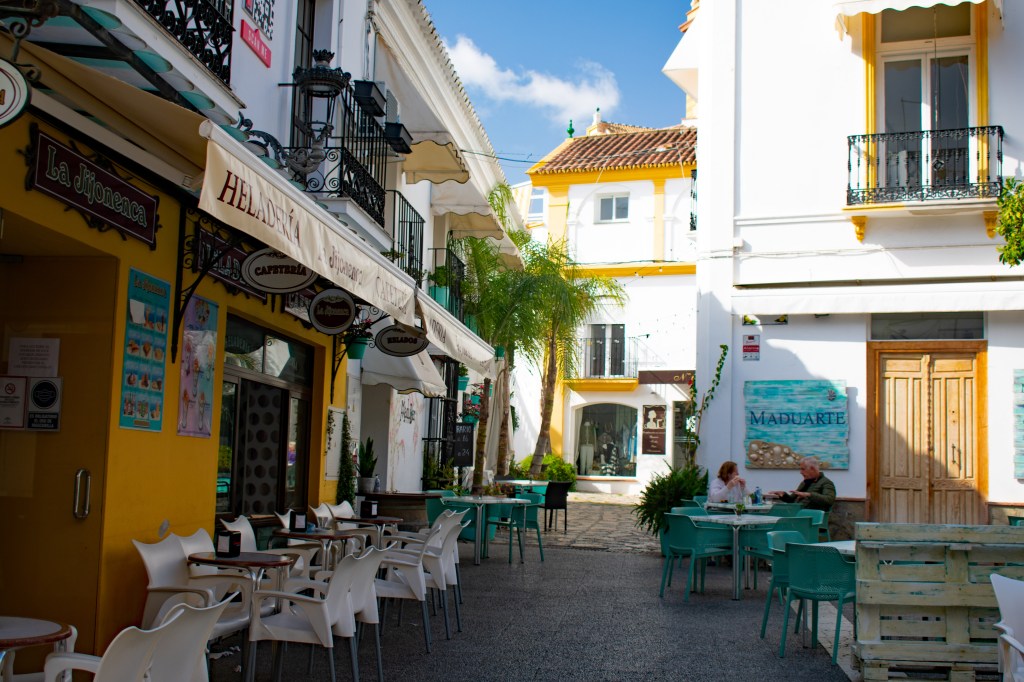
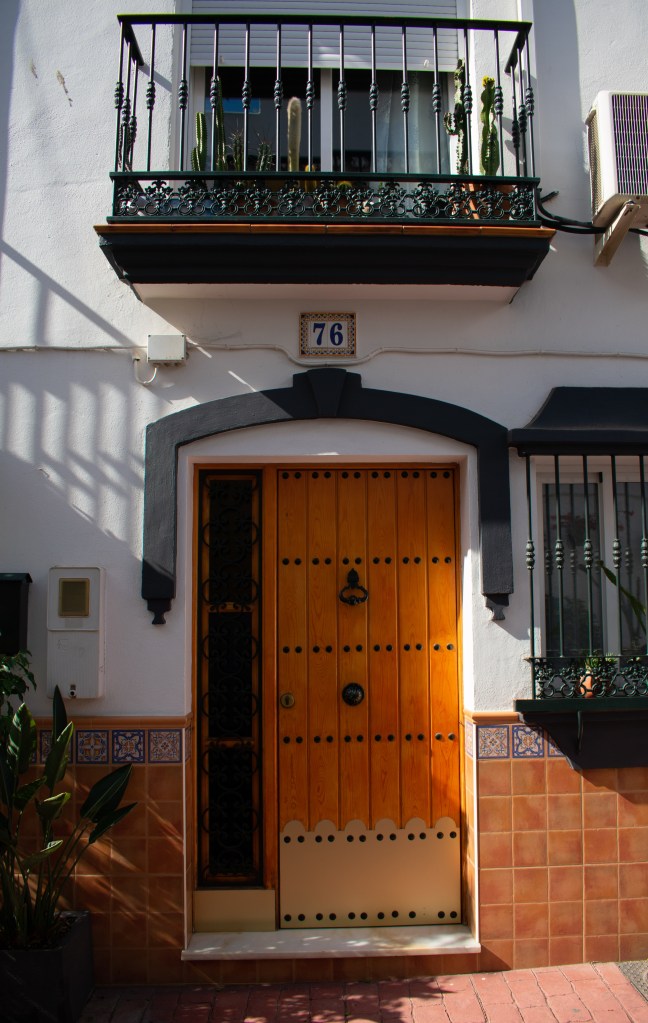
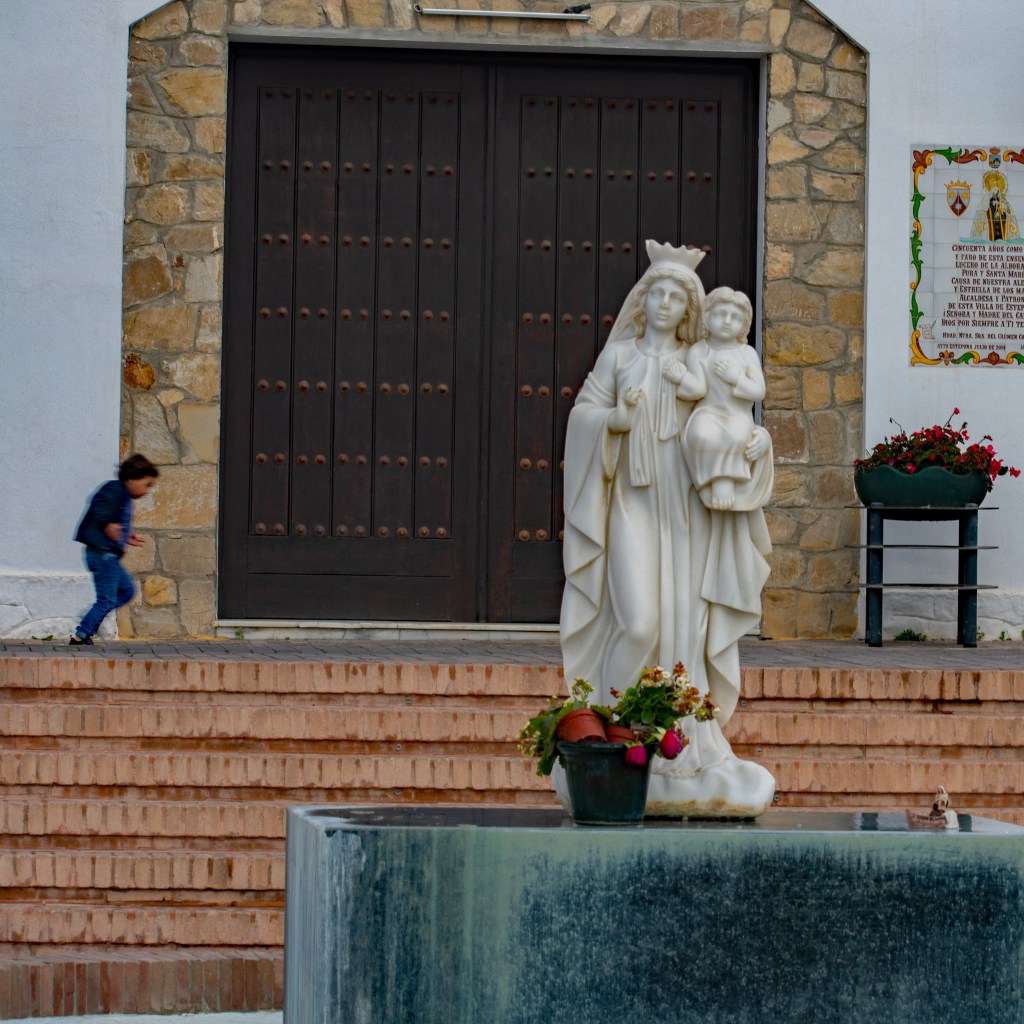
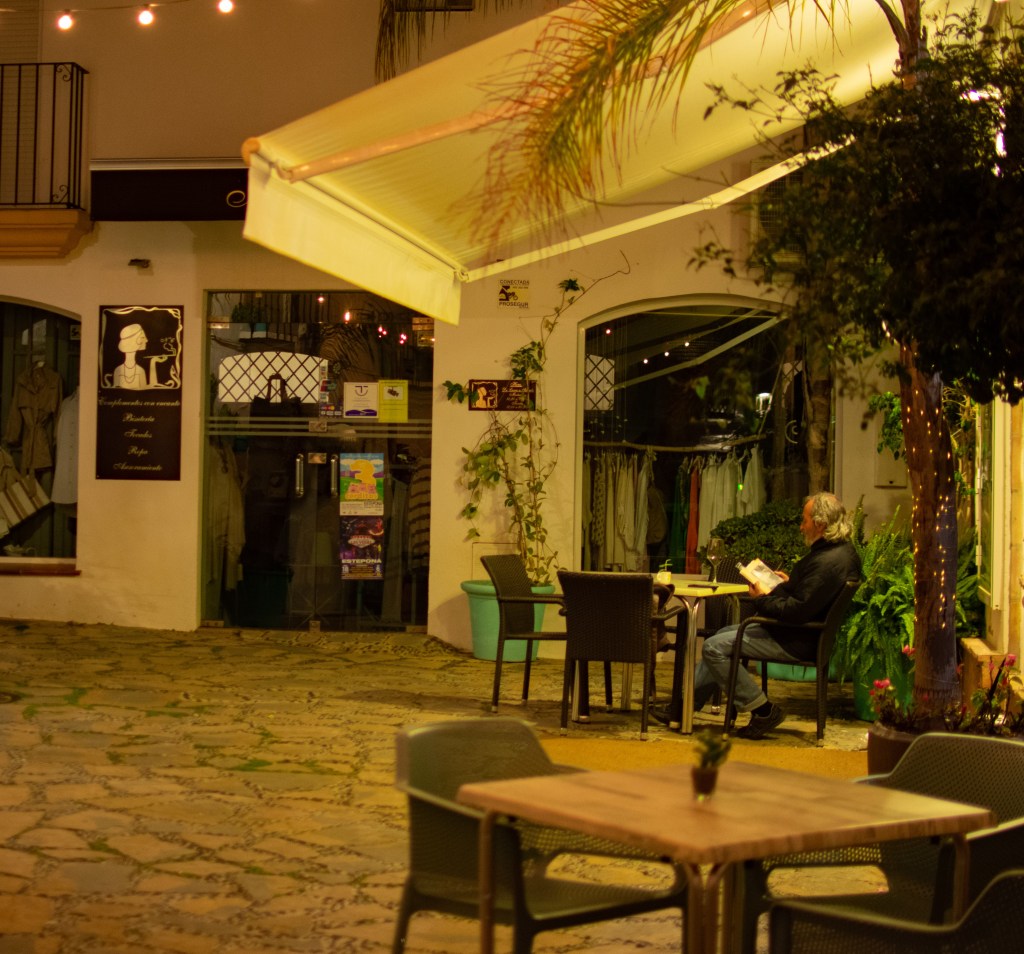
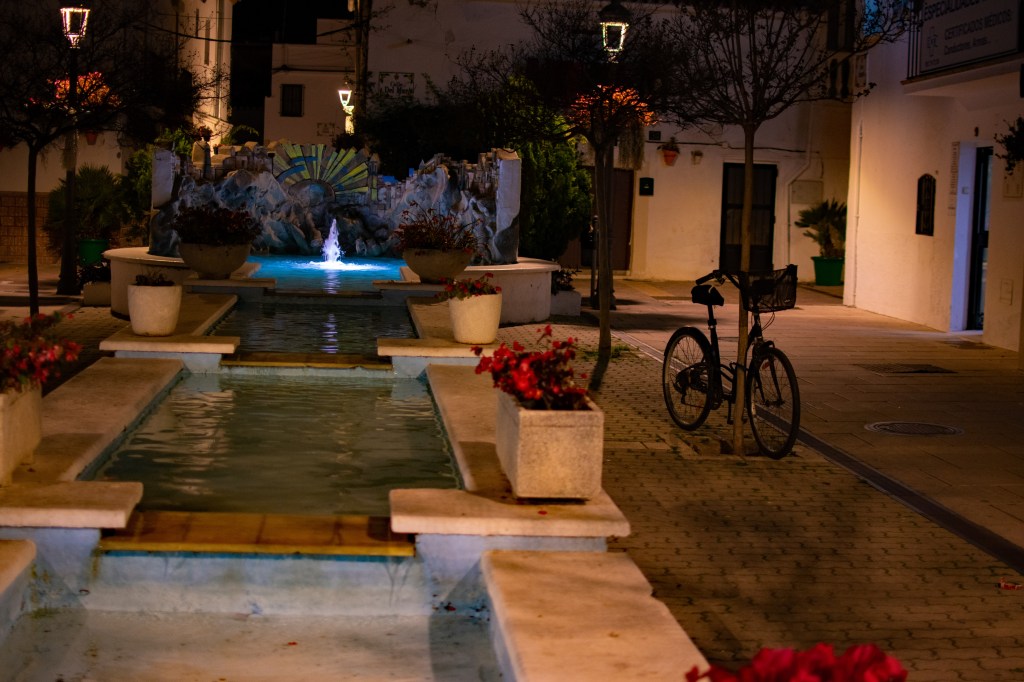
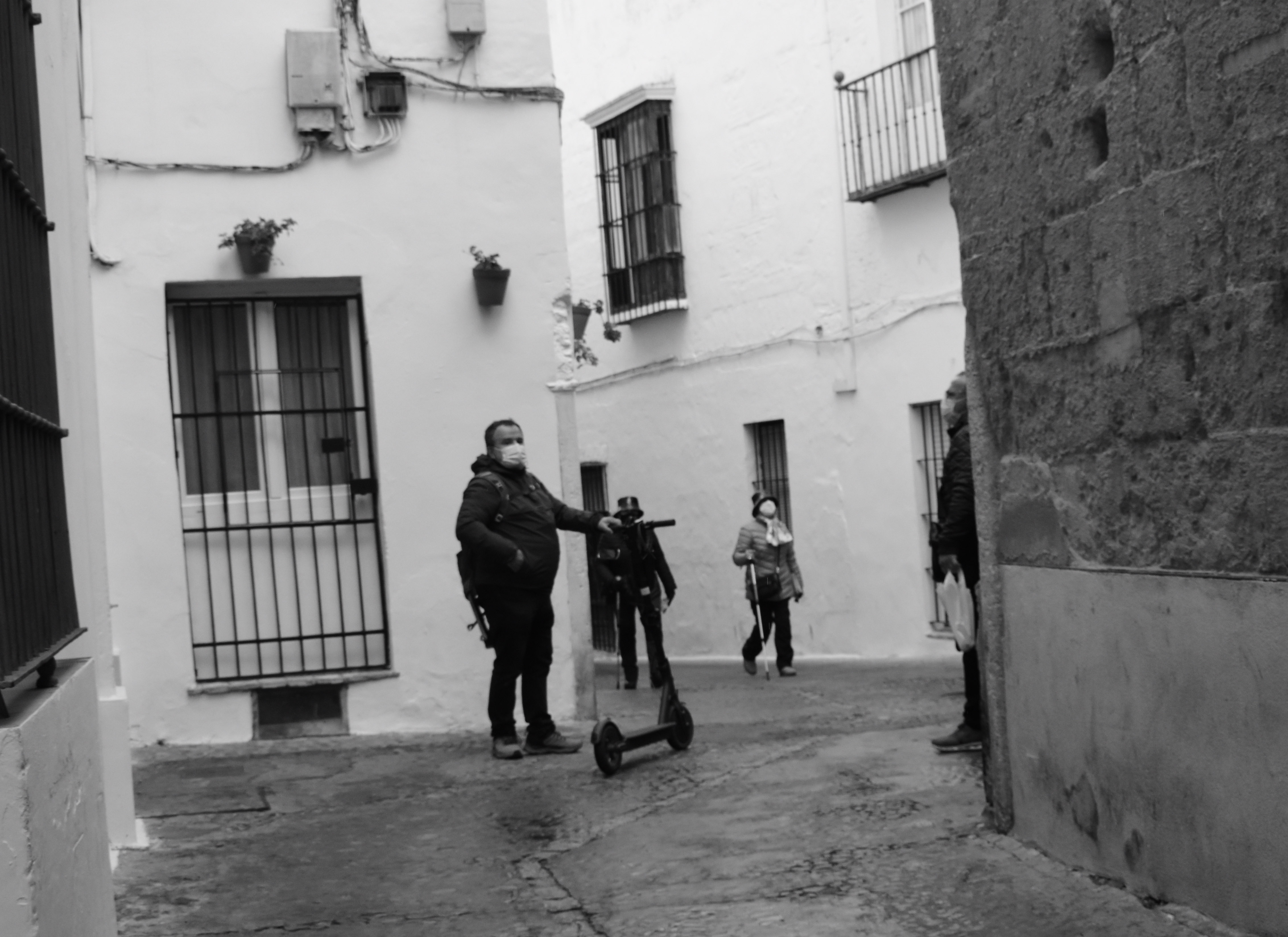
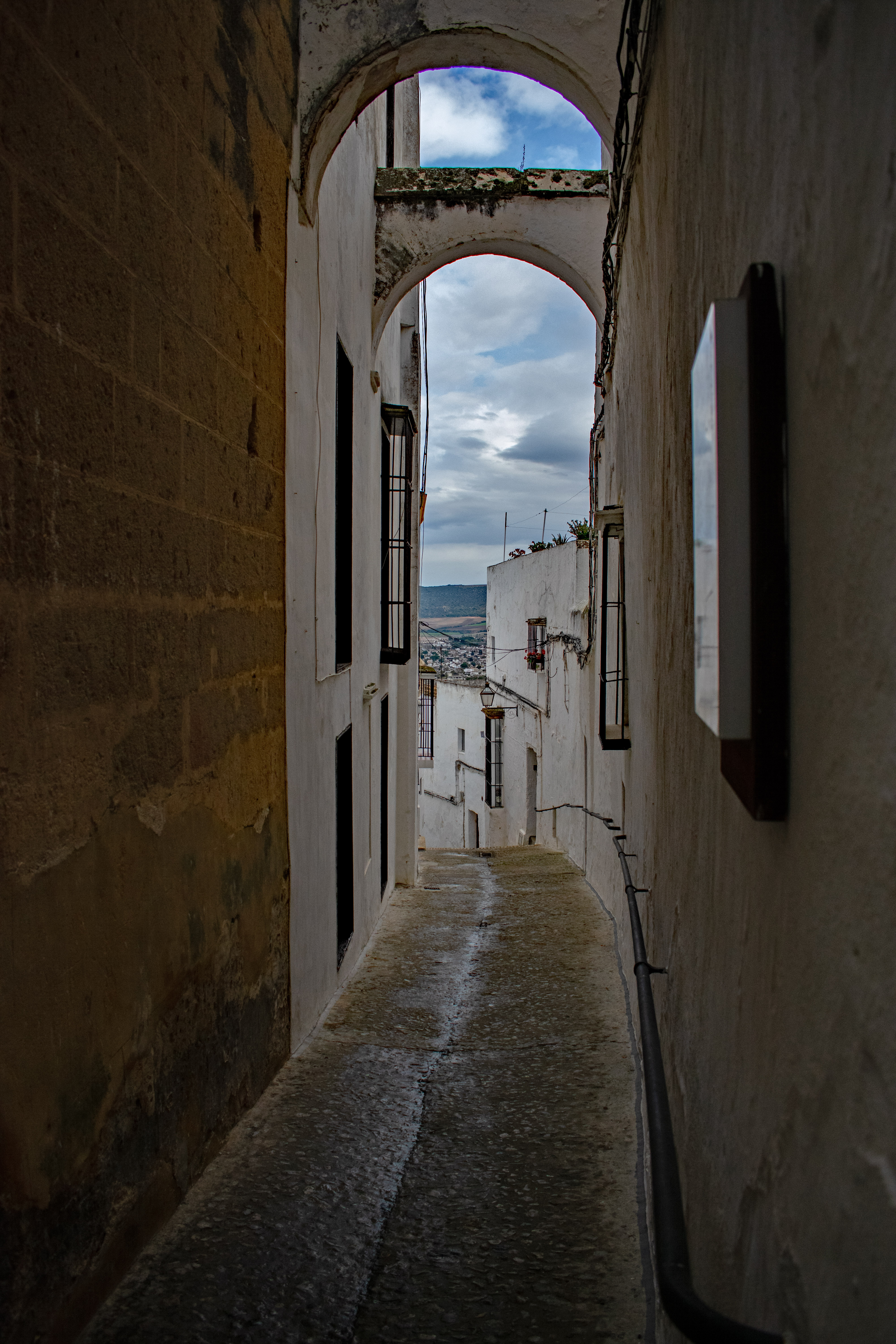
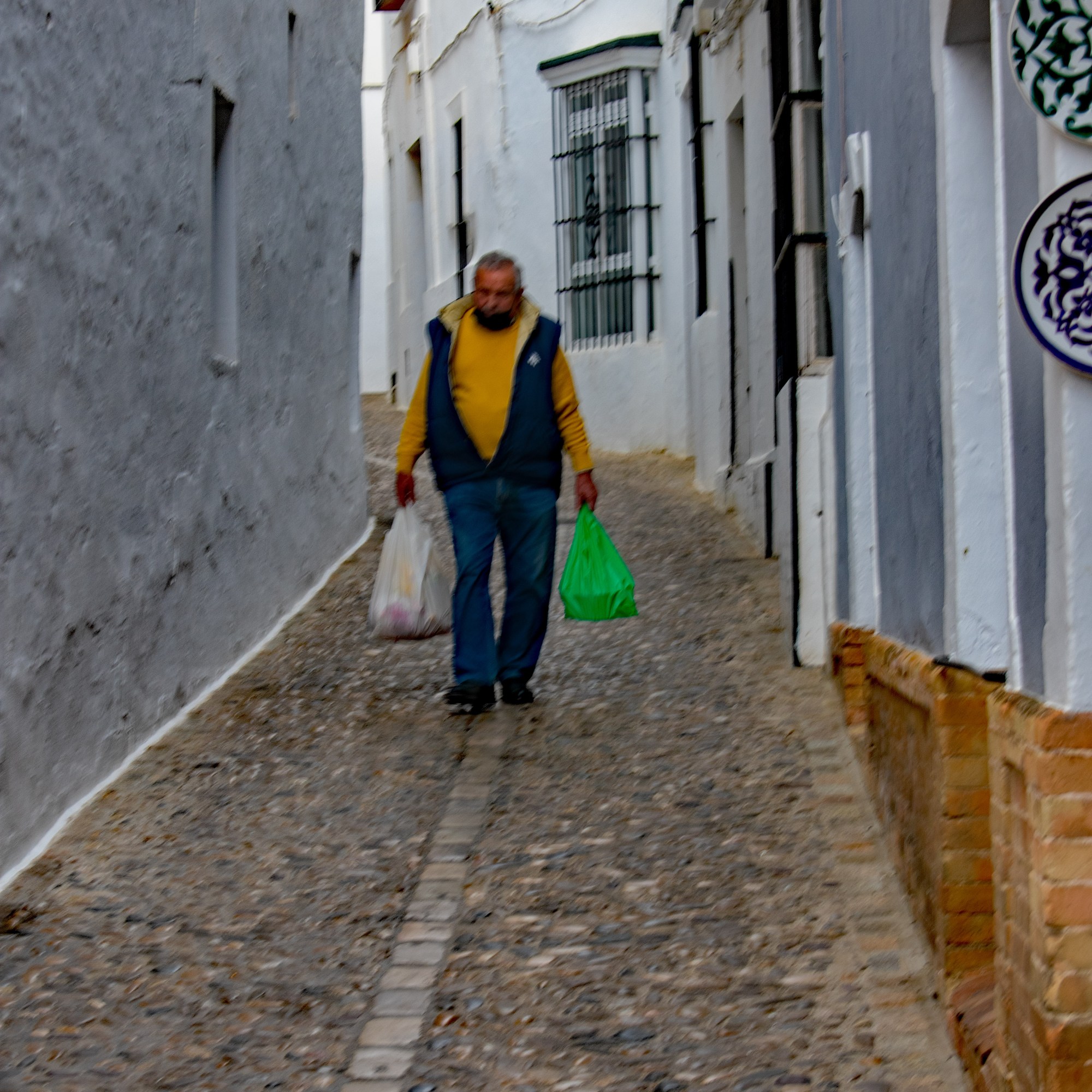
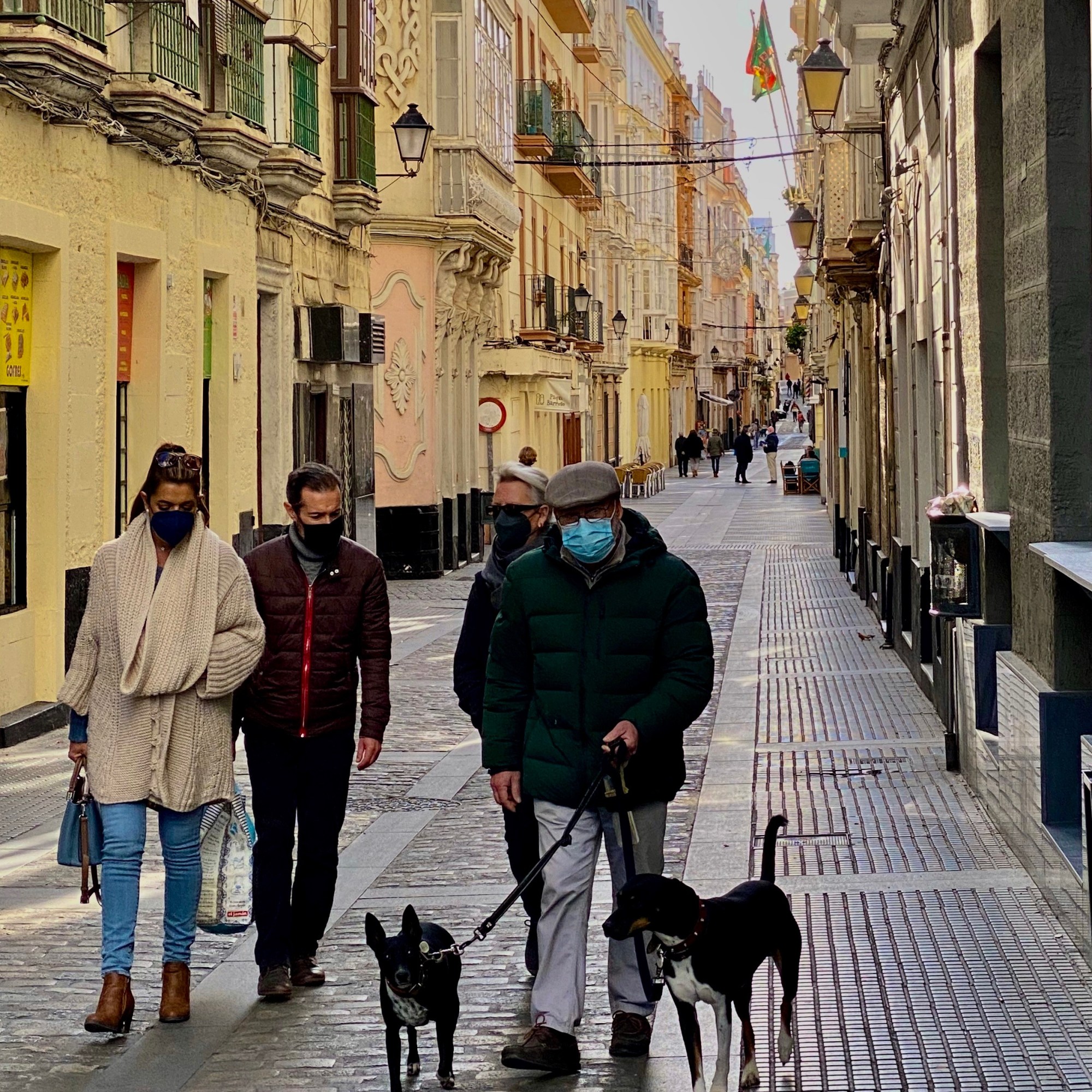
The Charming Streets of Old Town Estepona



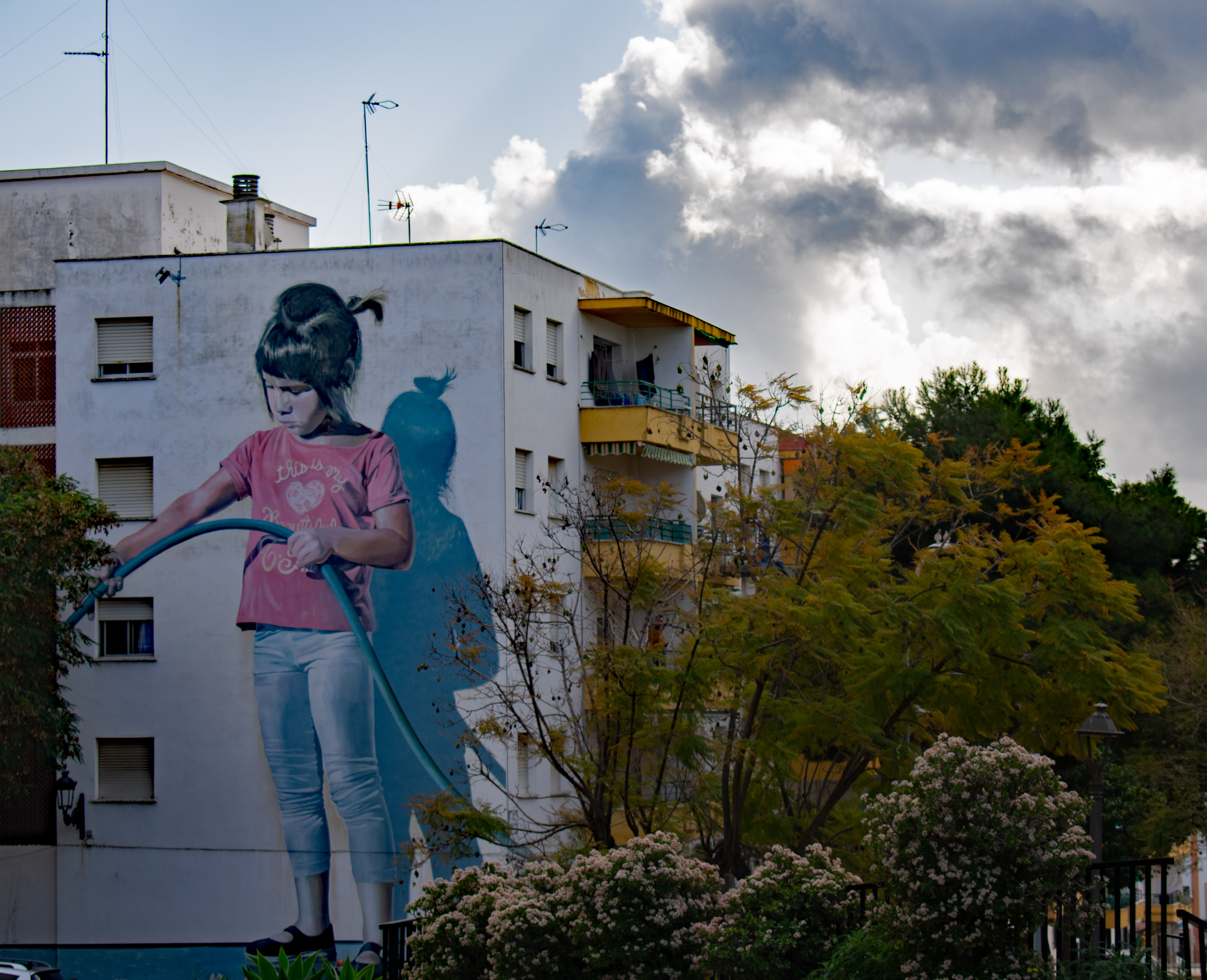
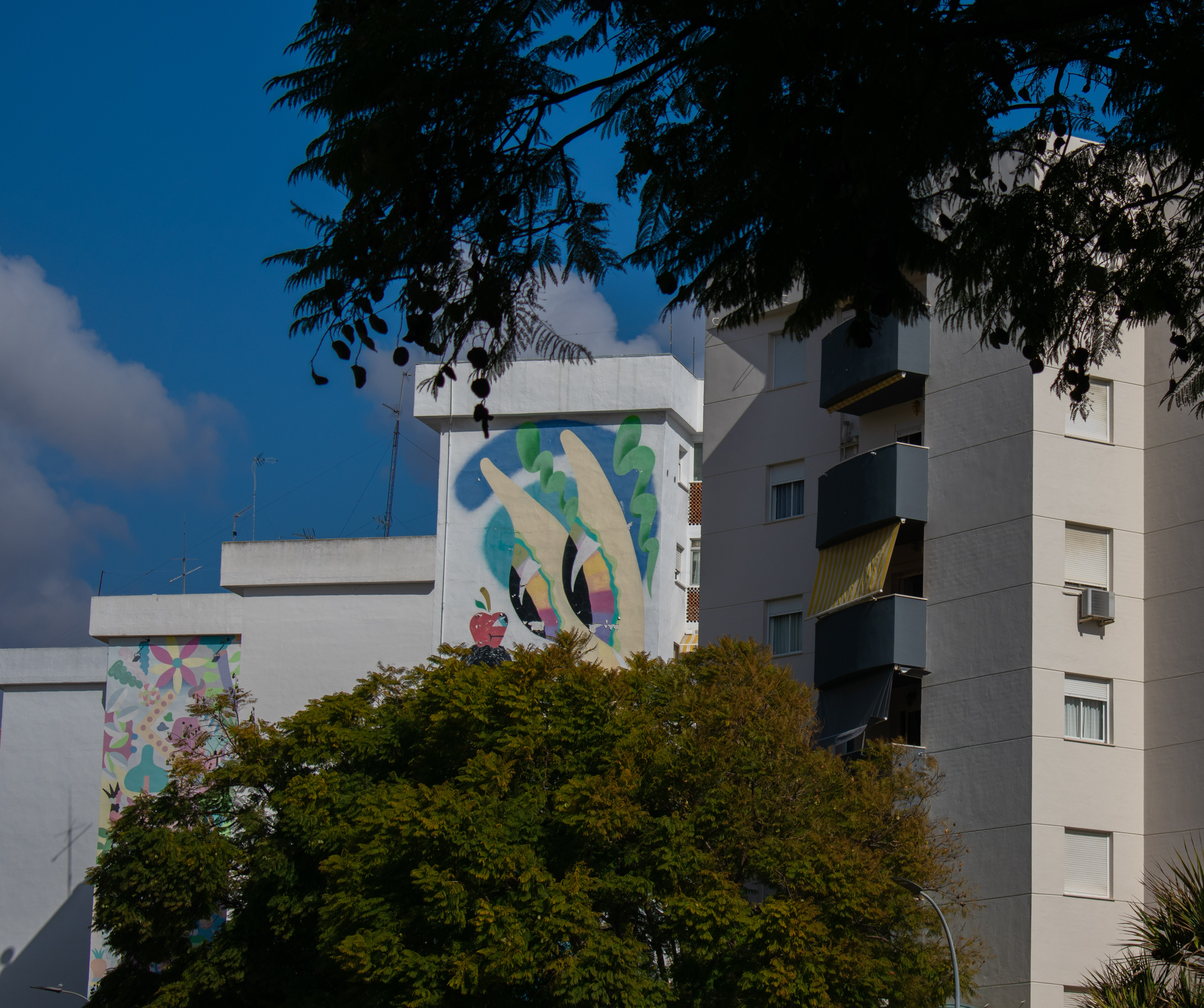
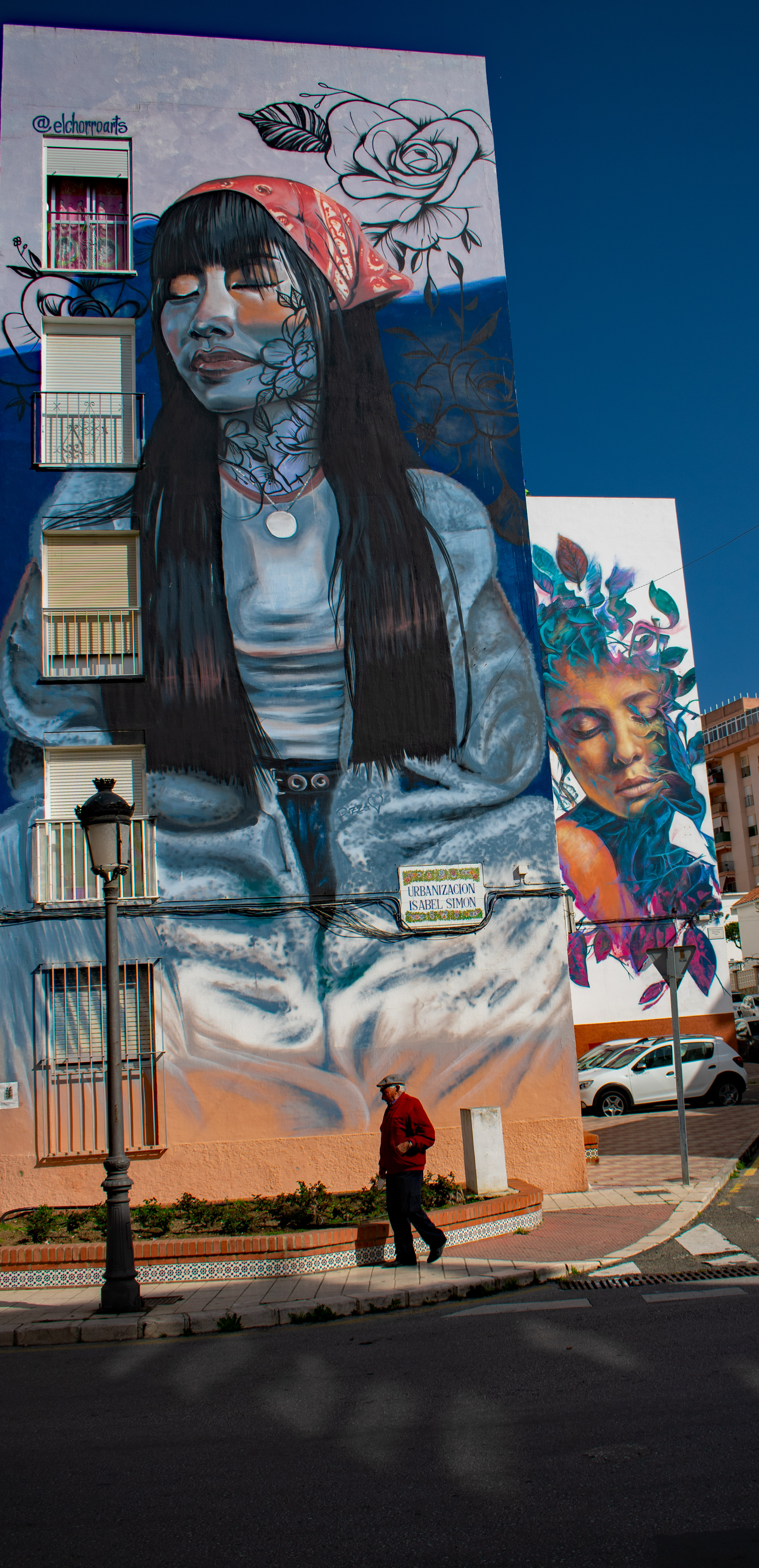
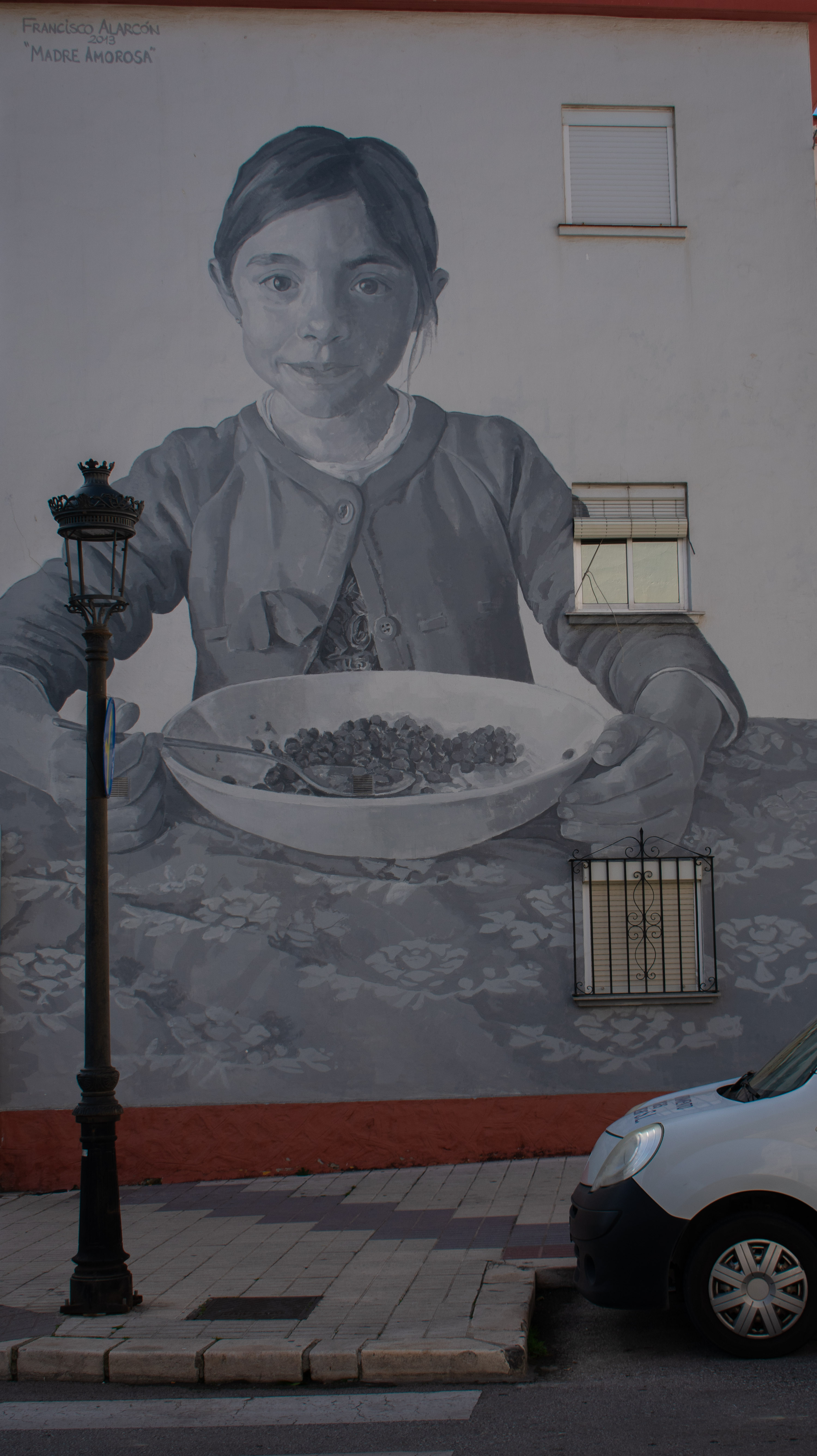
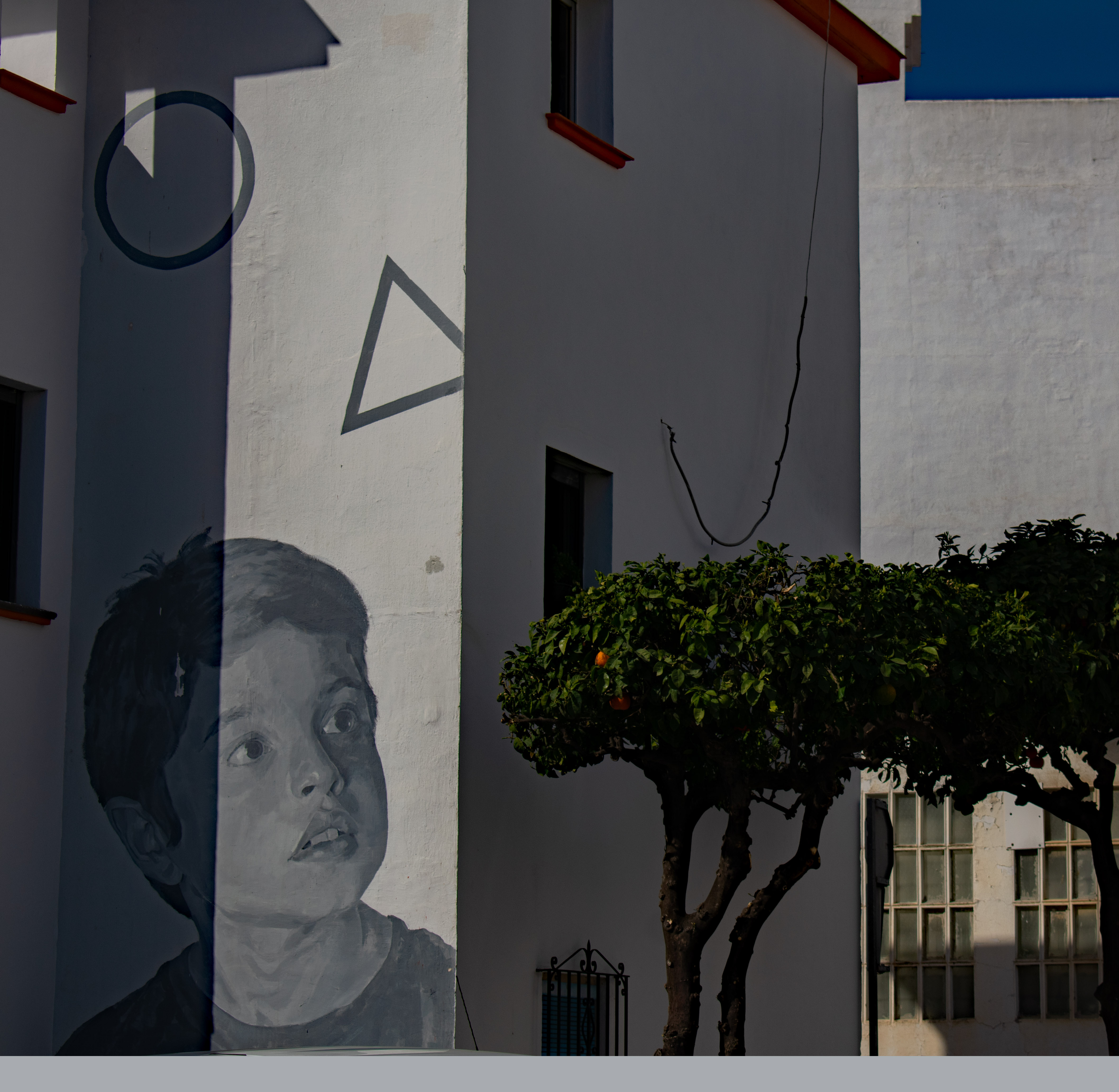
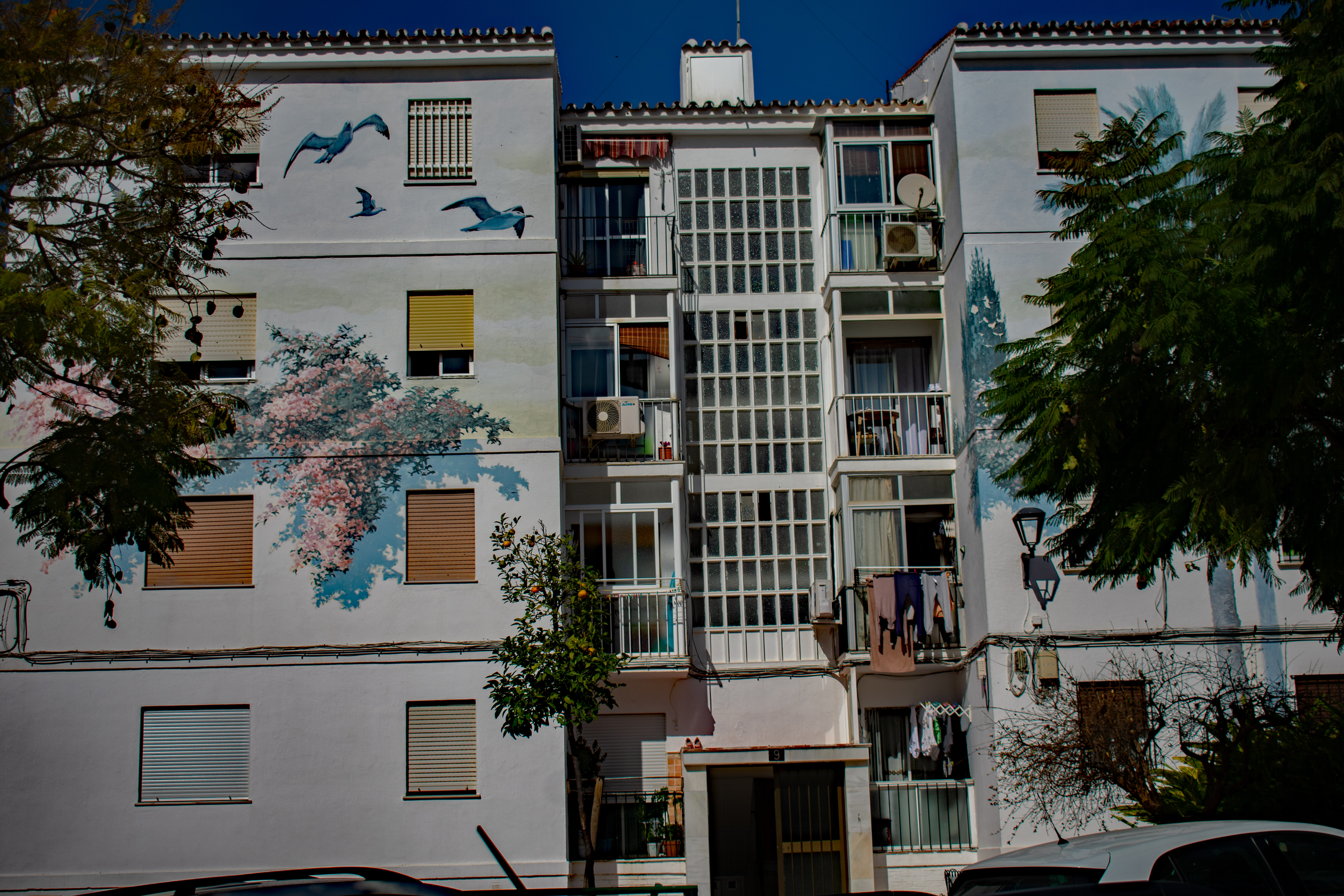
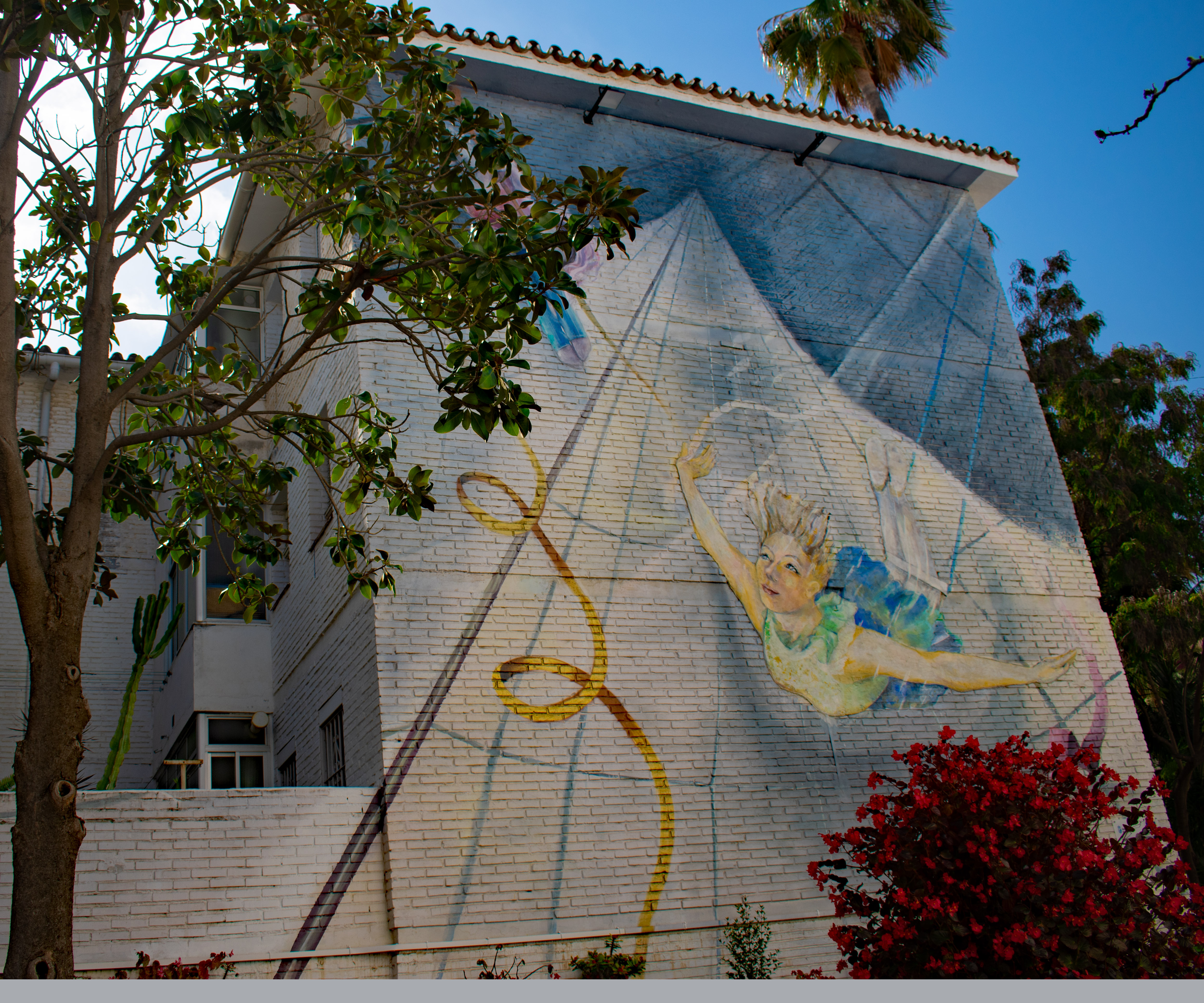
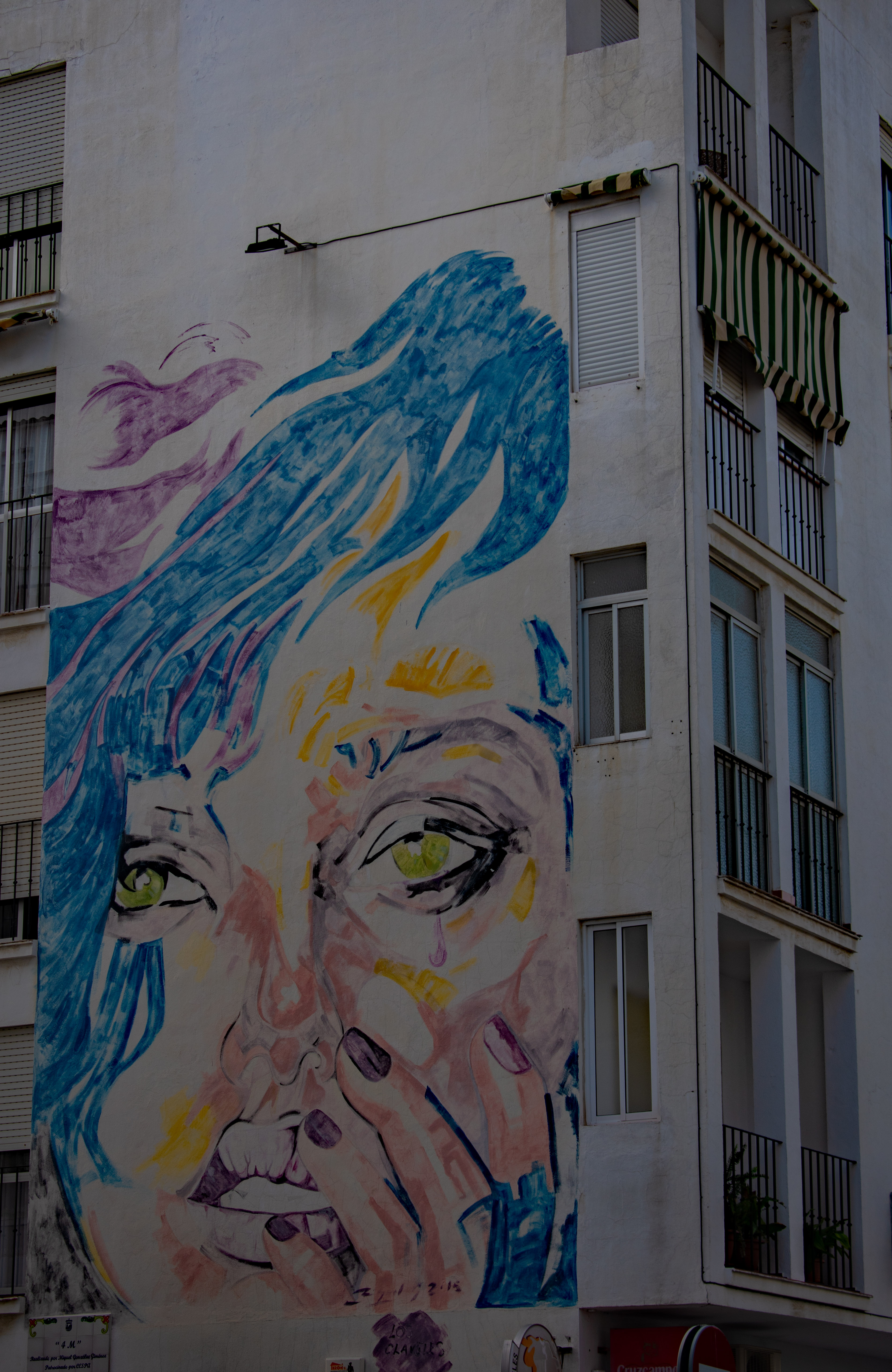
Murals on Buildings



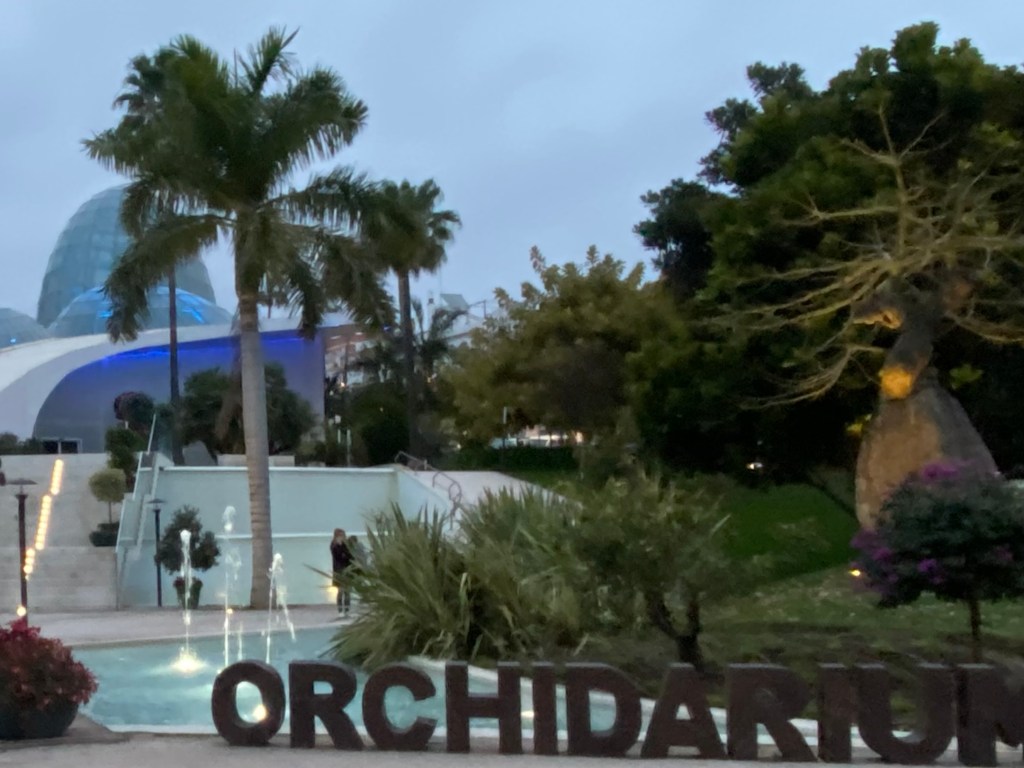
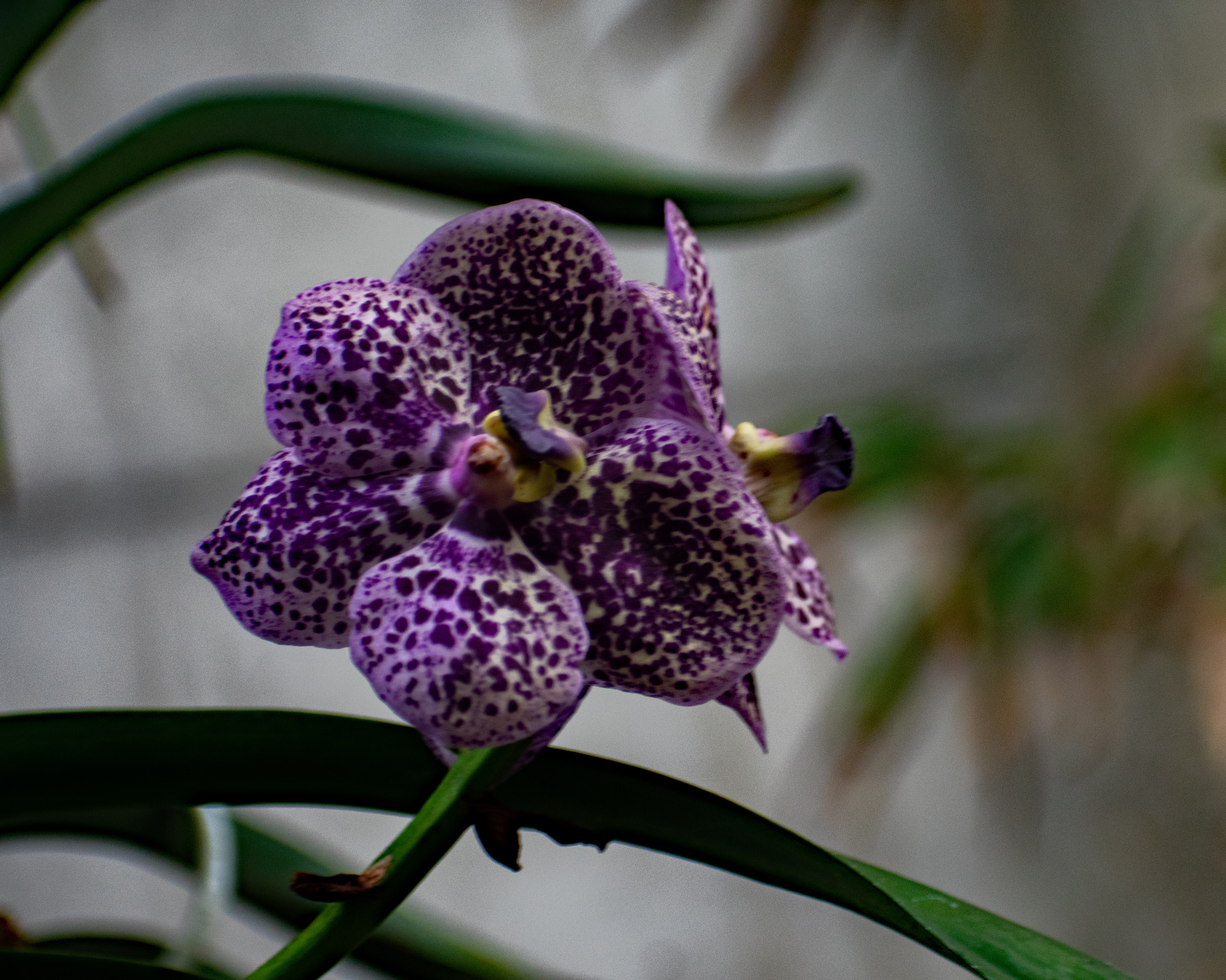
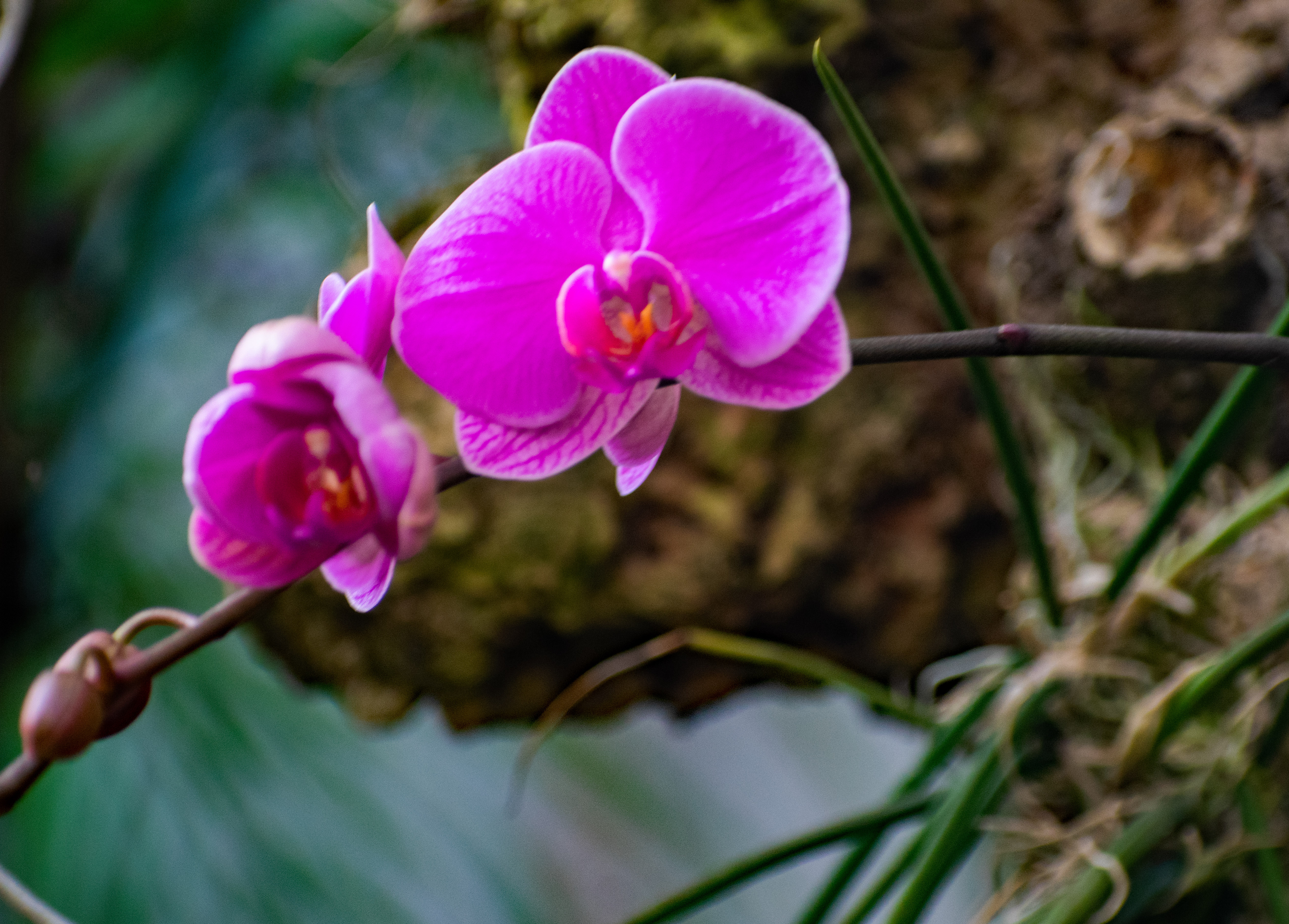
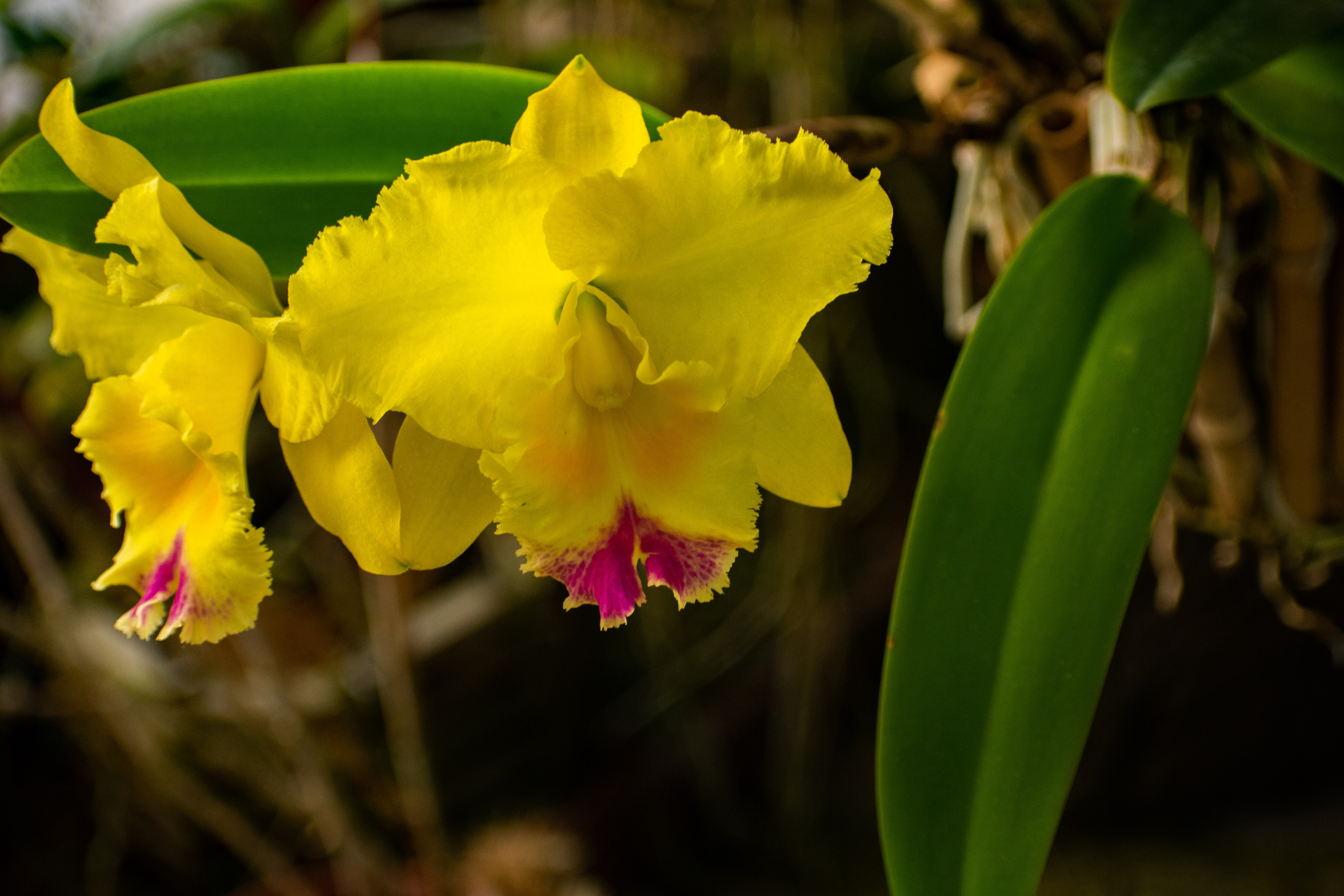
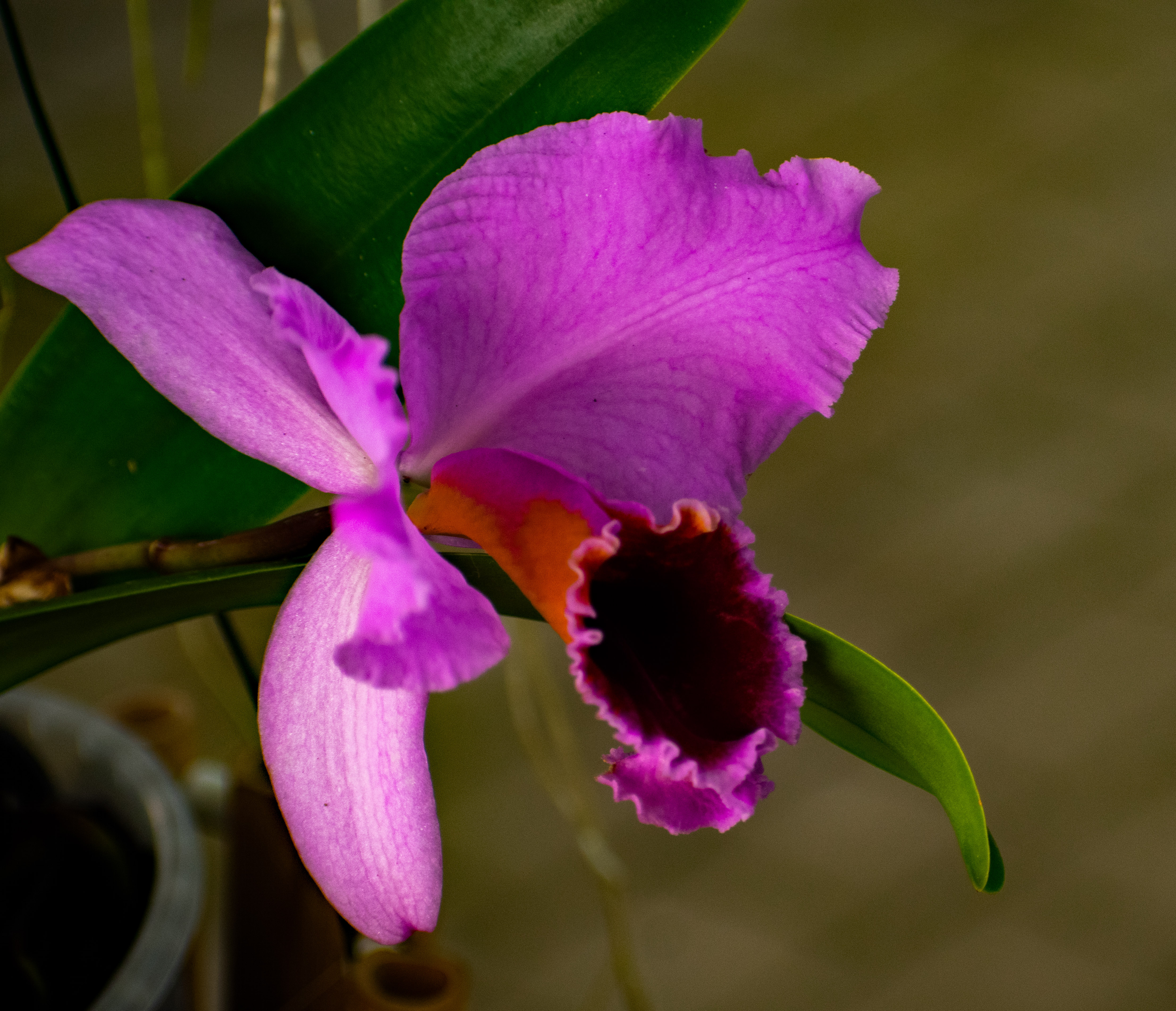
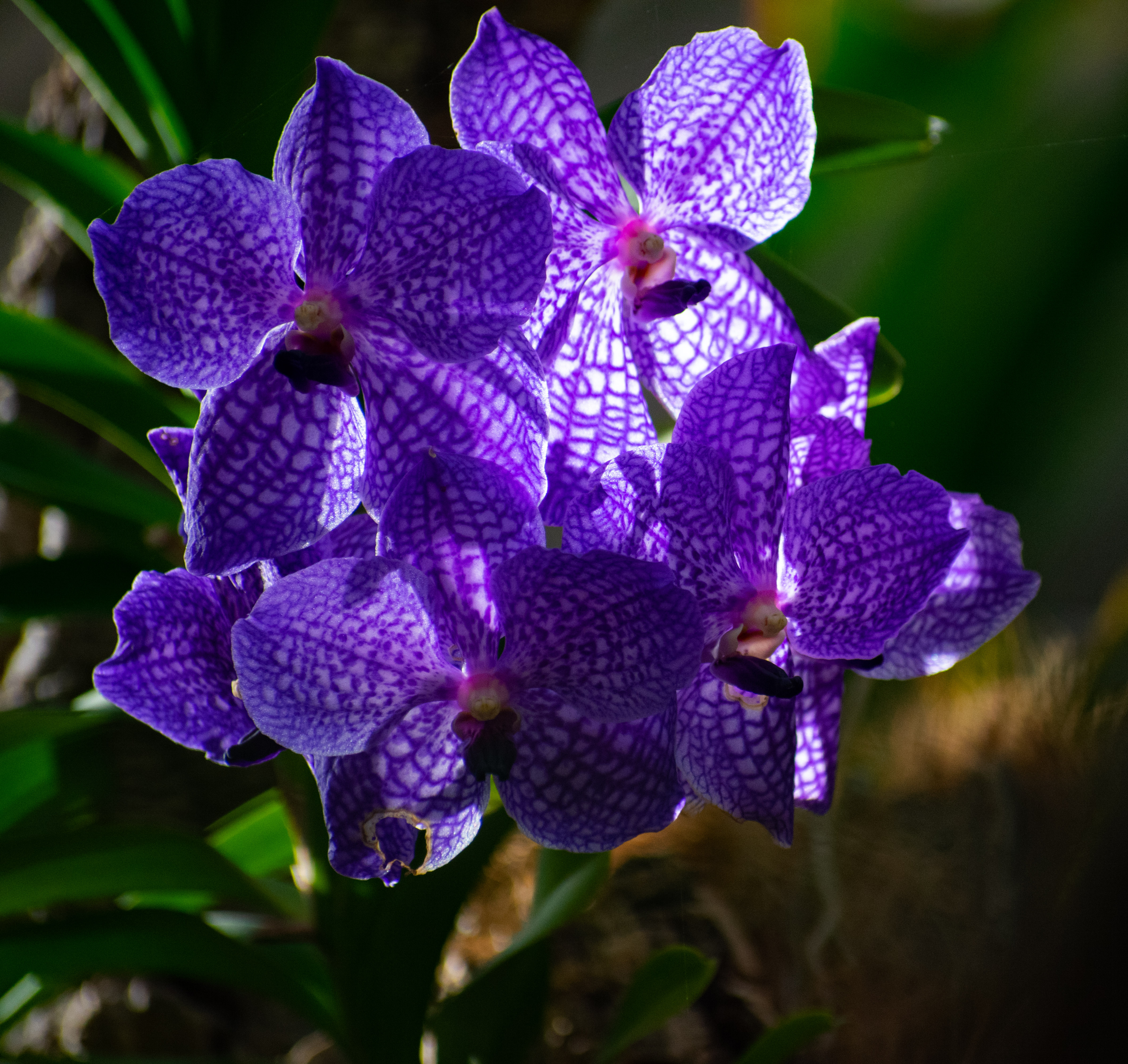
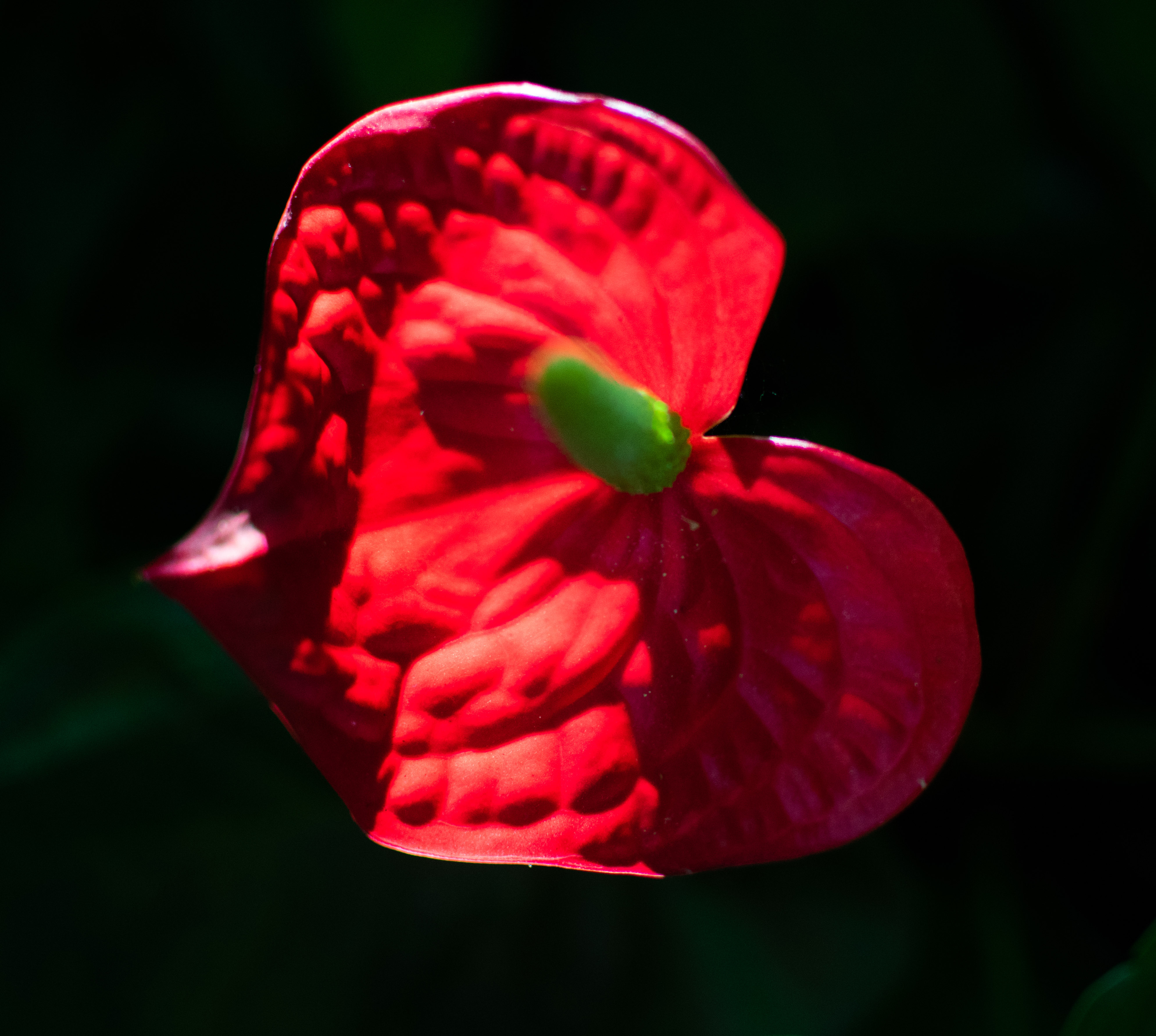
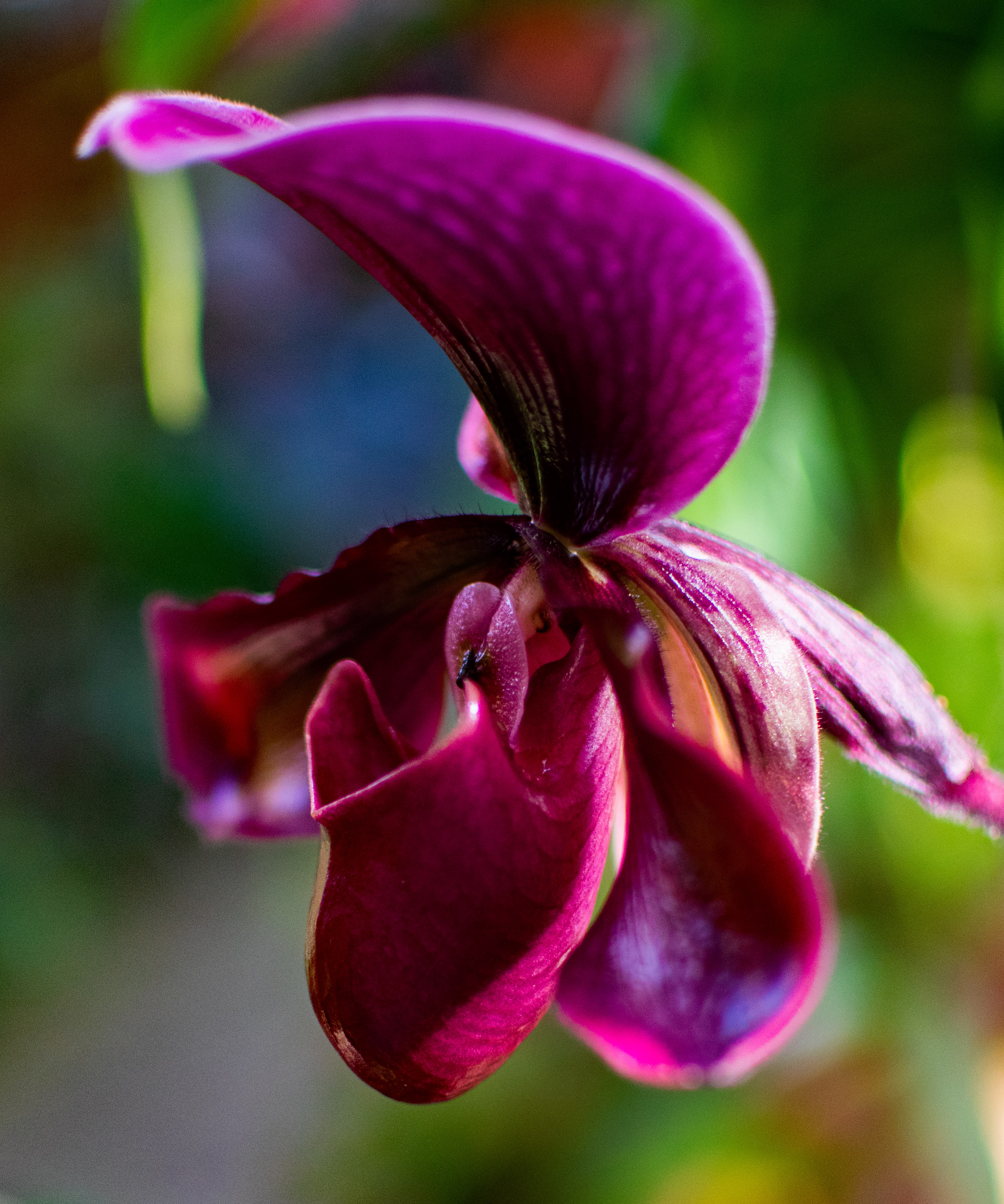
The Orchidarium
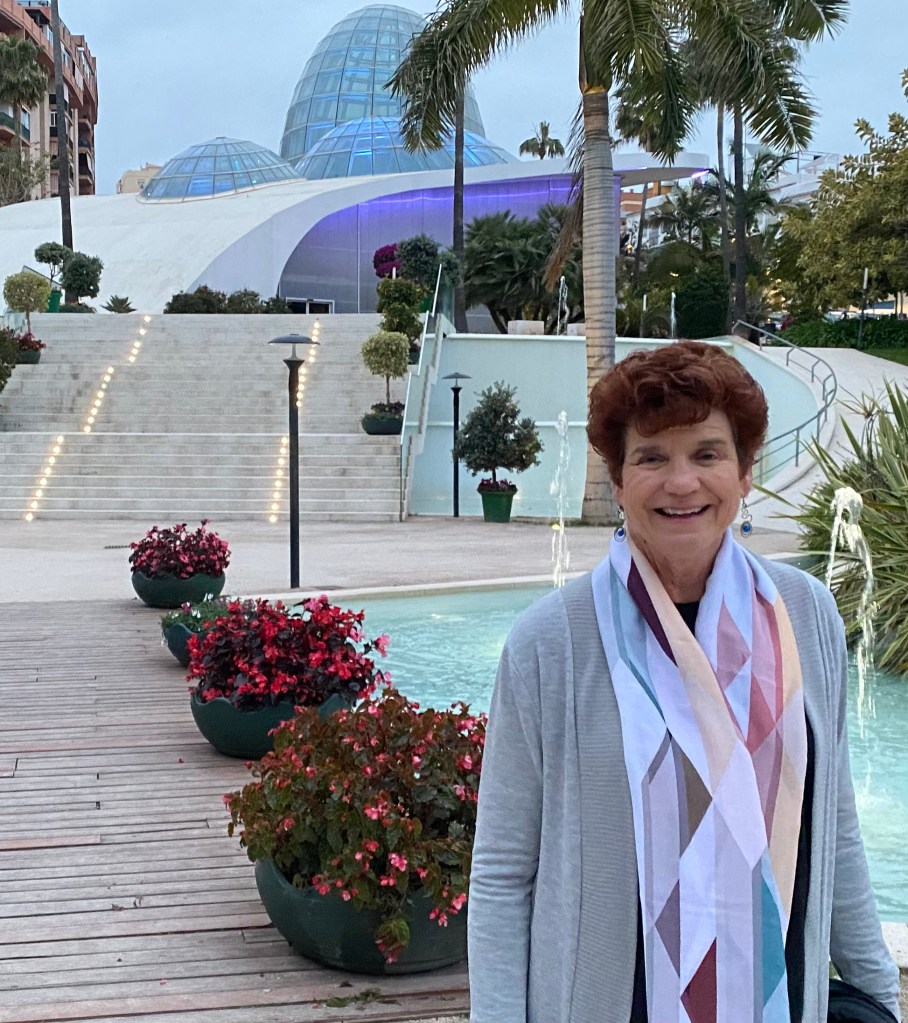
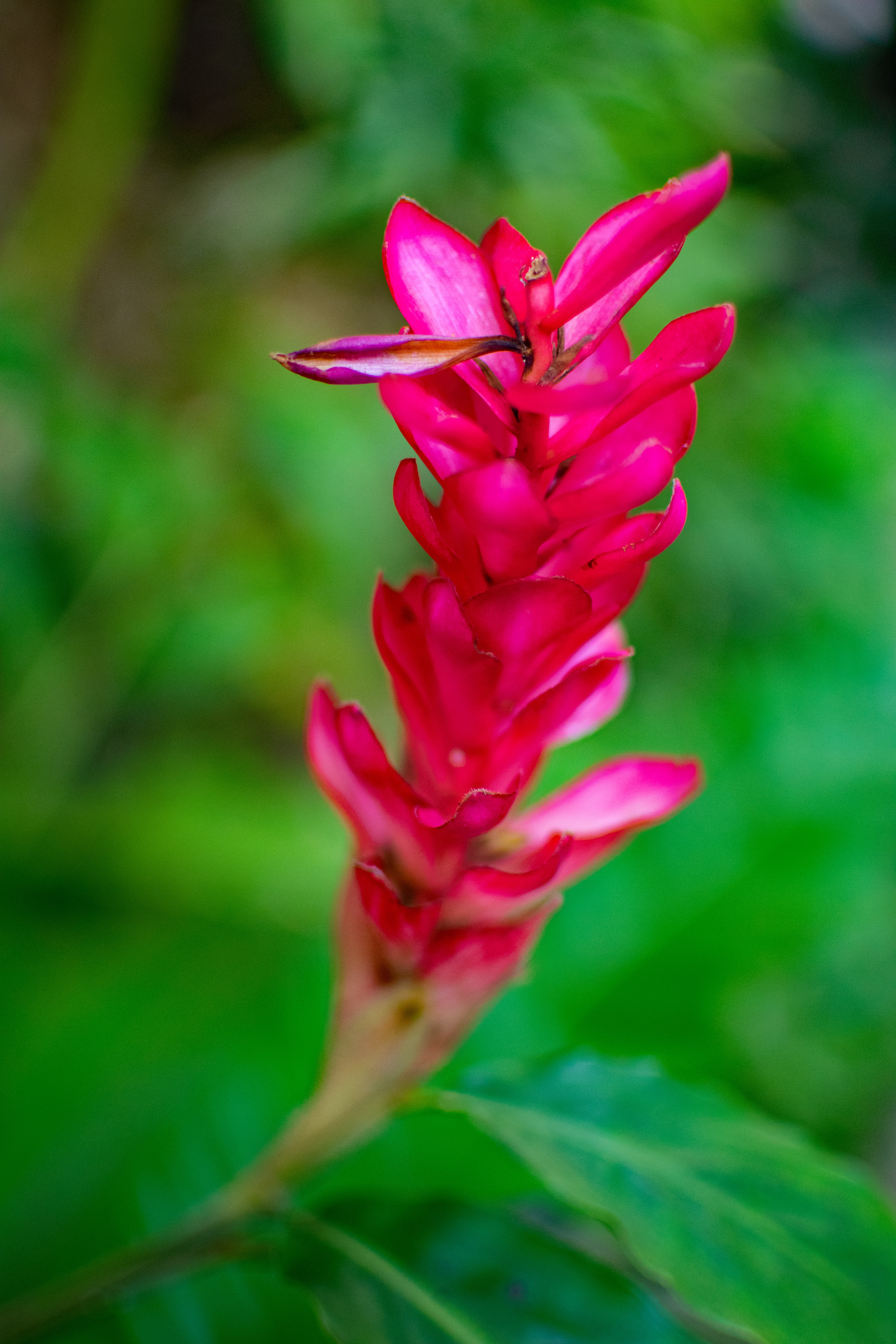
A Few of Our Favorite Places
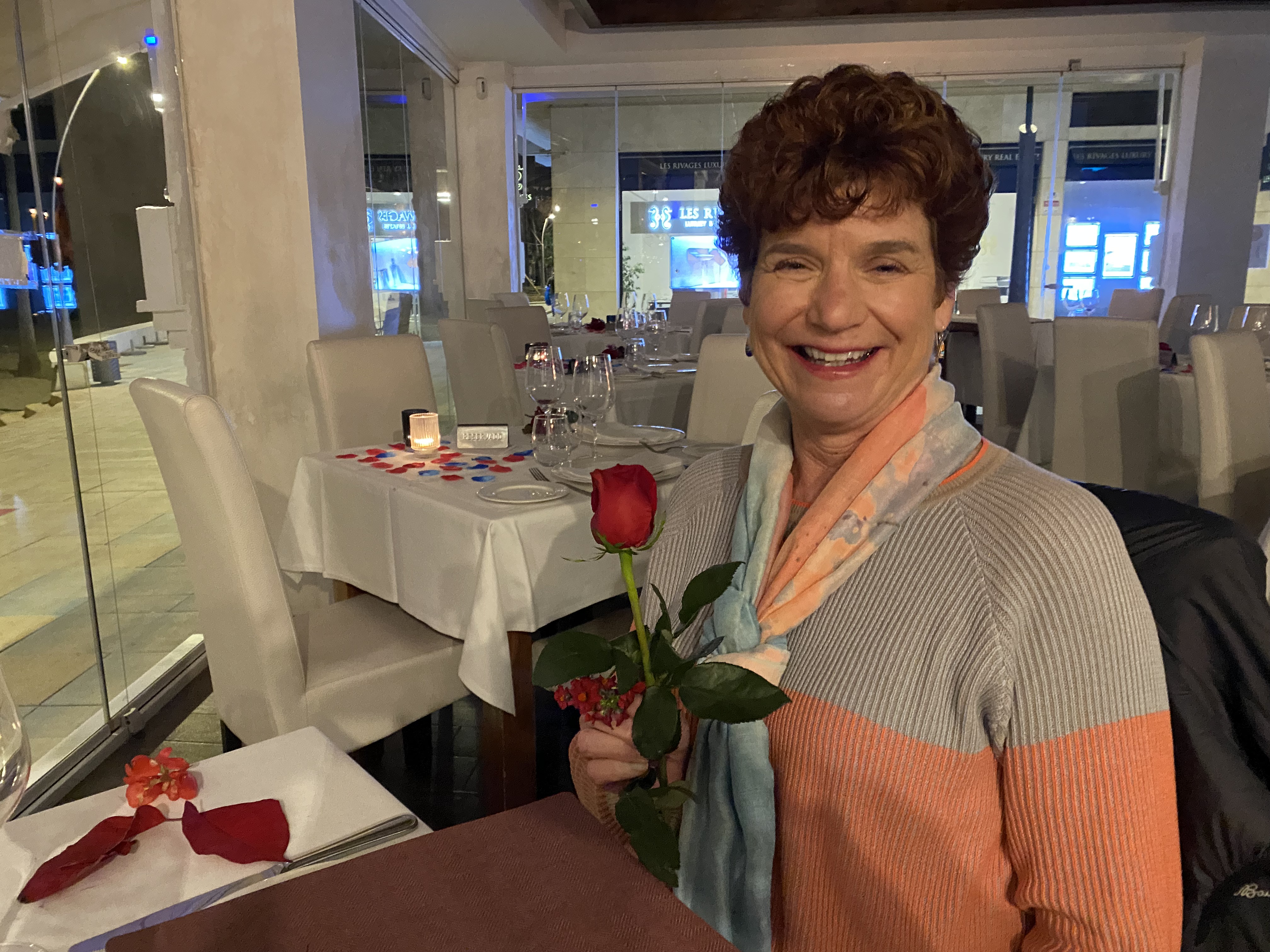
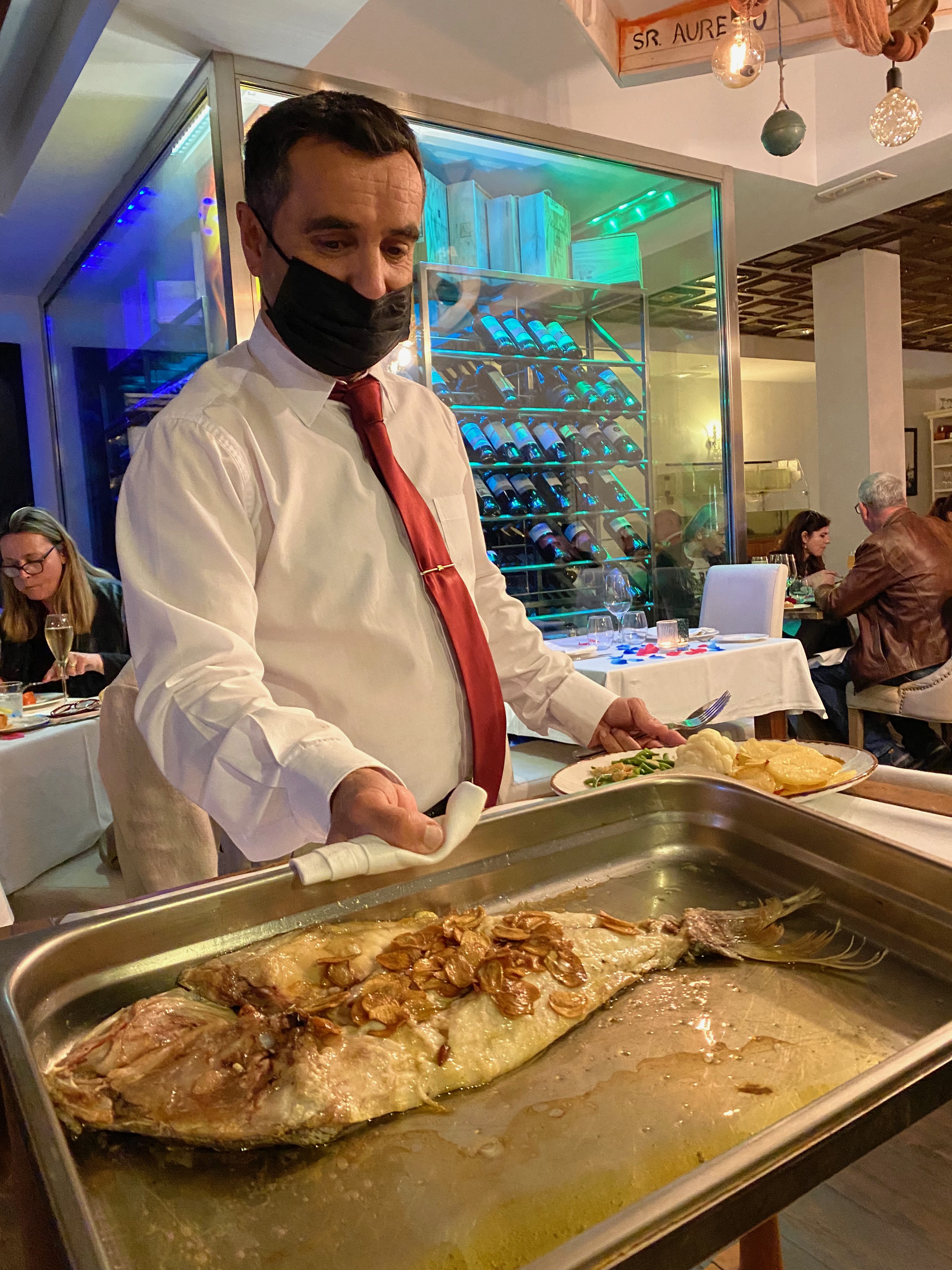
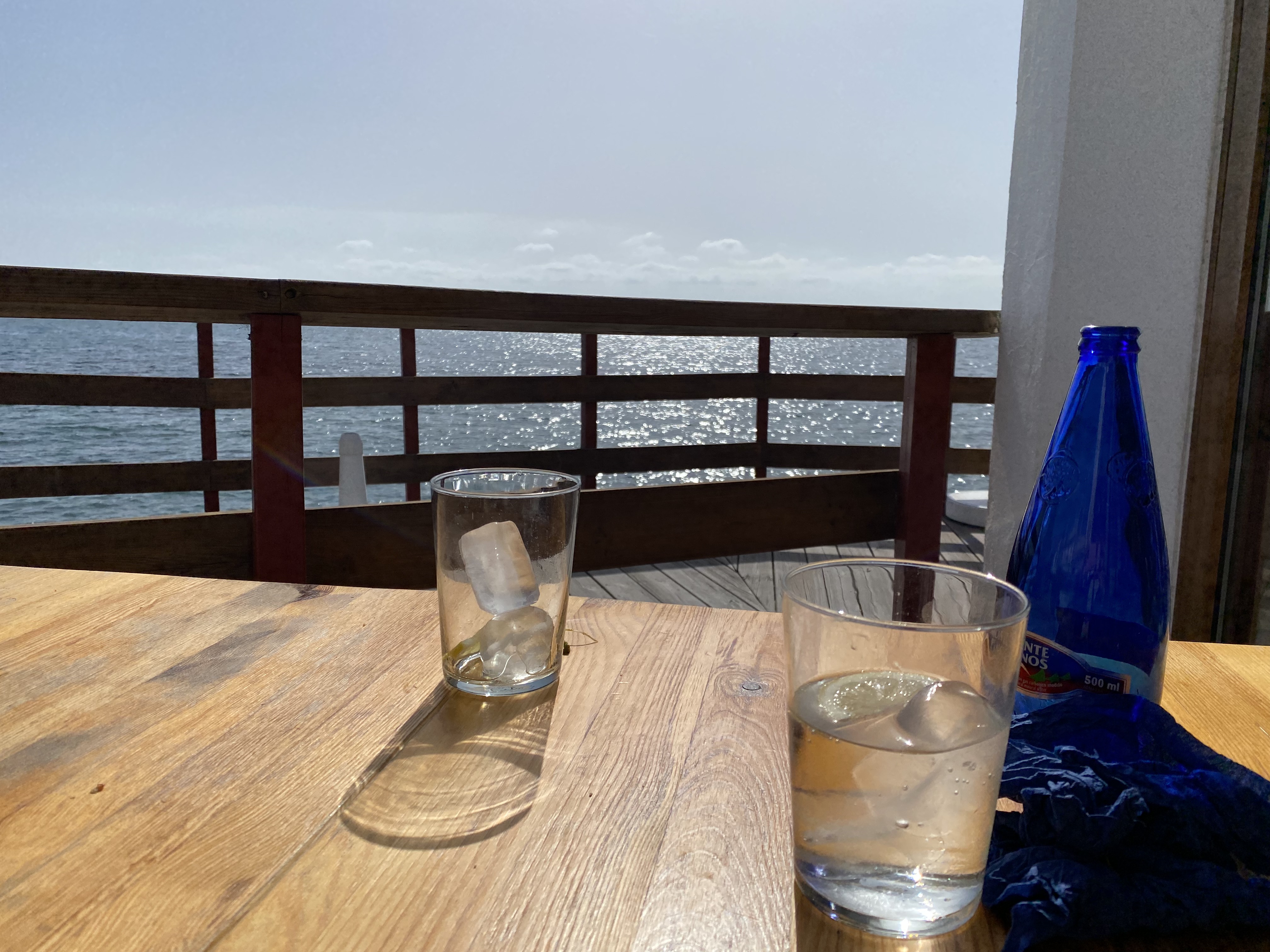

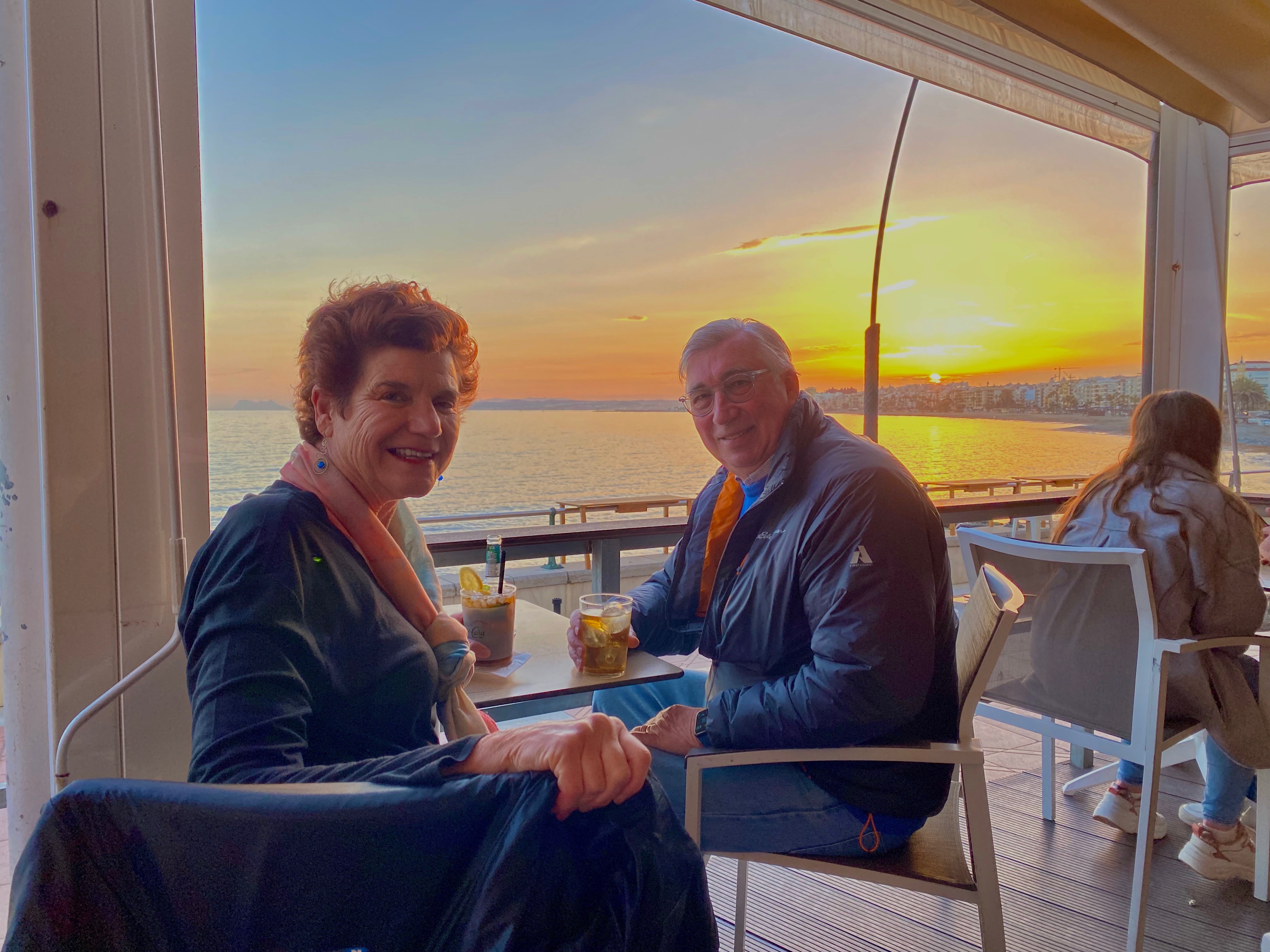
(Mojitos at Sunset)
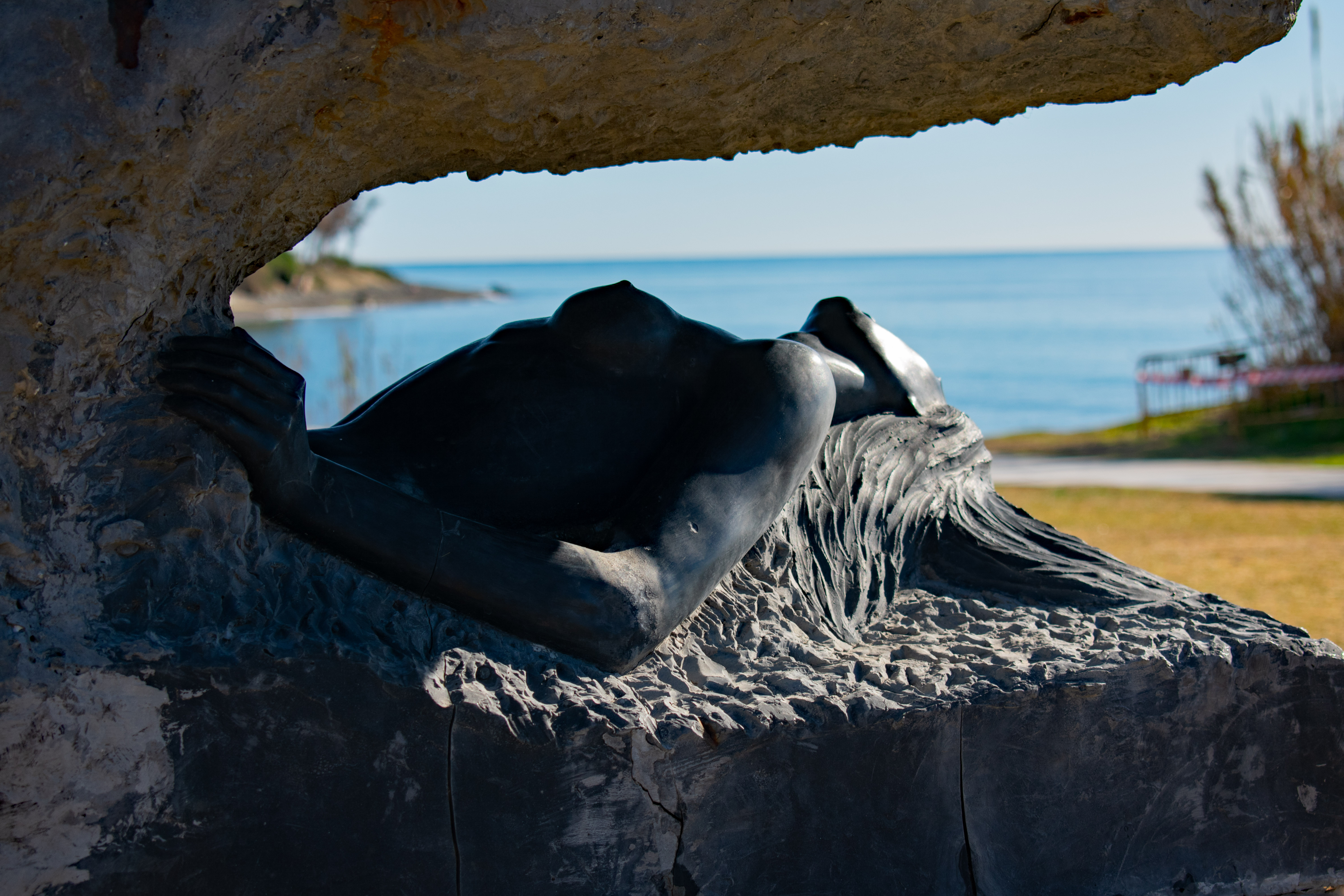
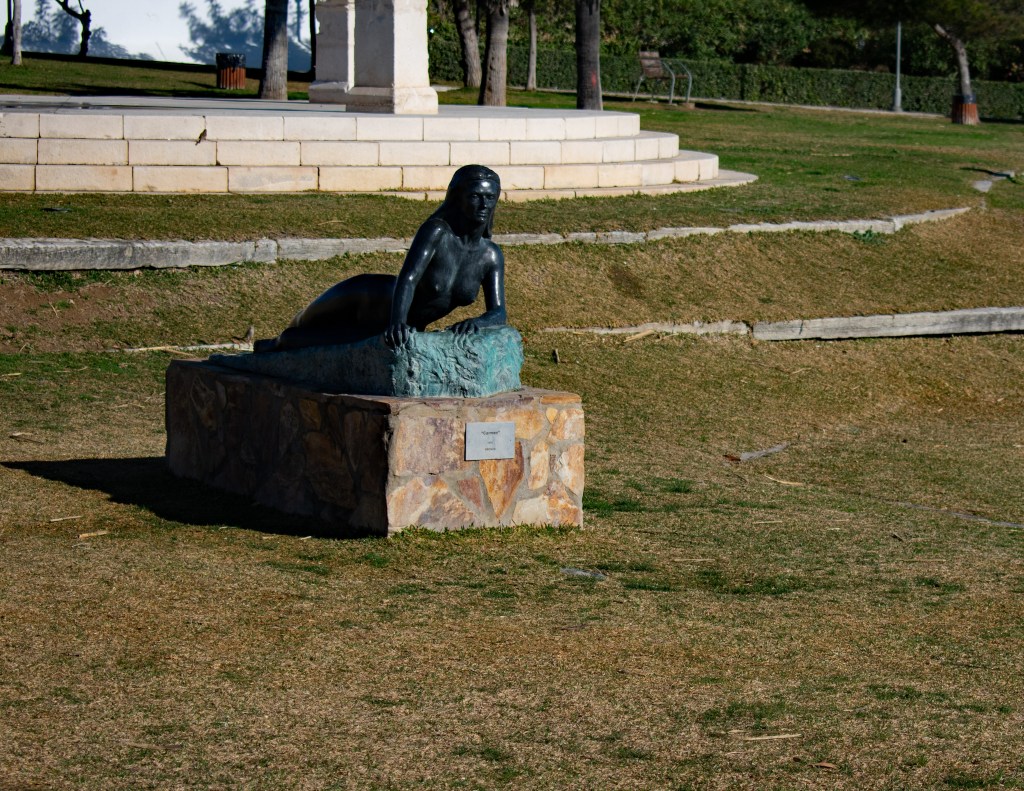
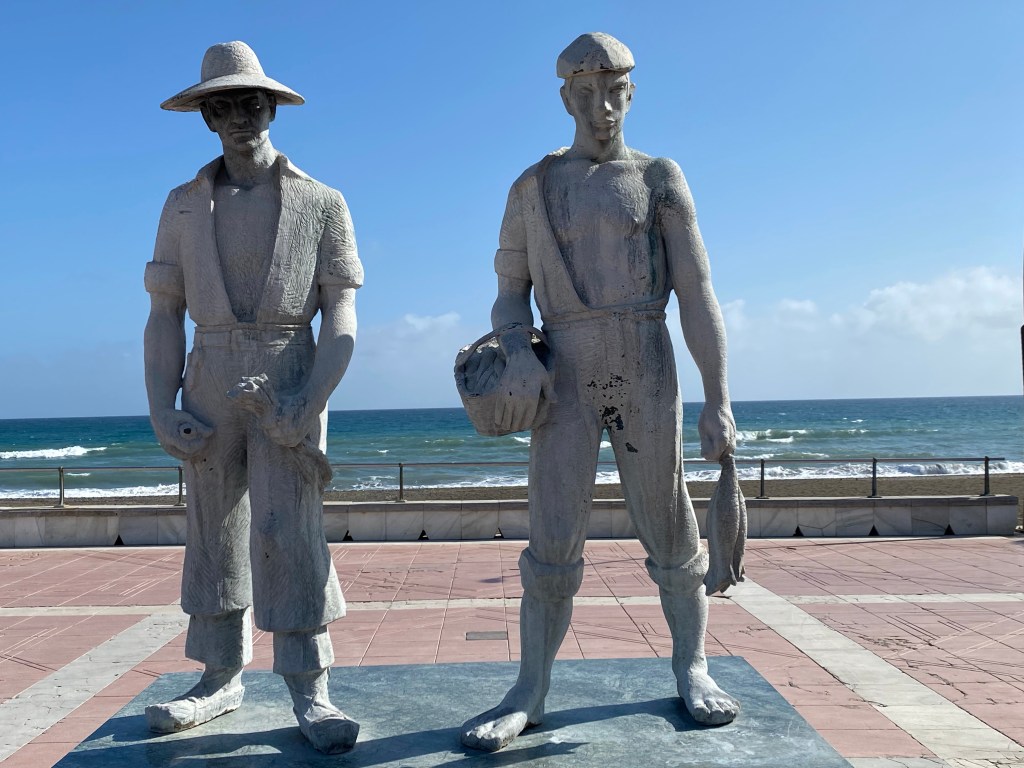
Public Sculpture


More Ways to Enjoy Estepona

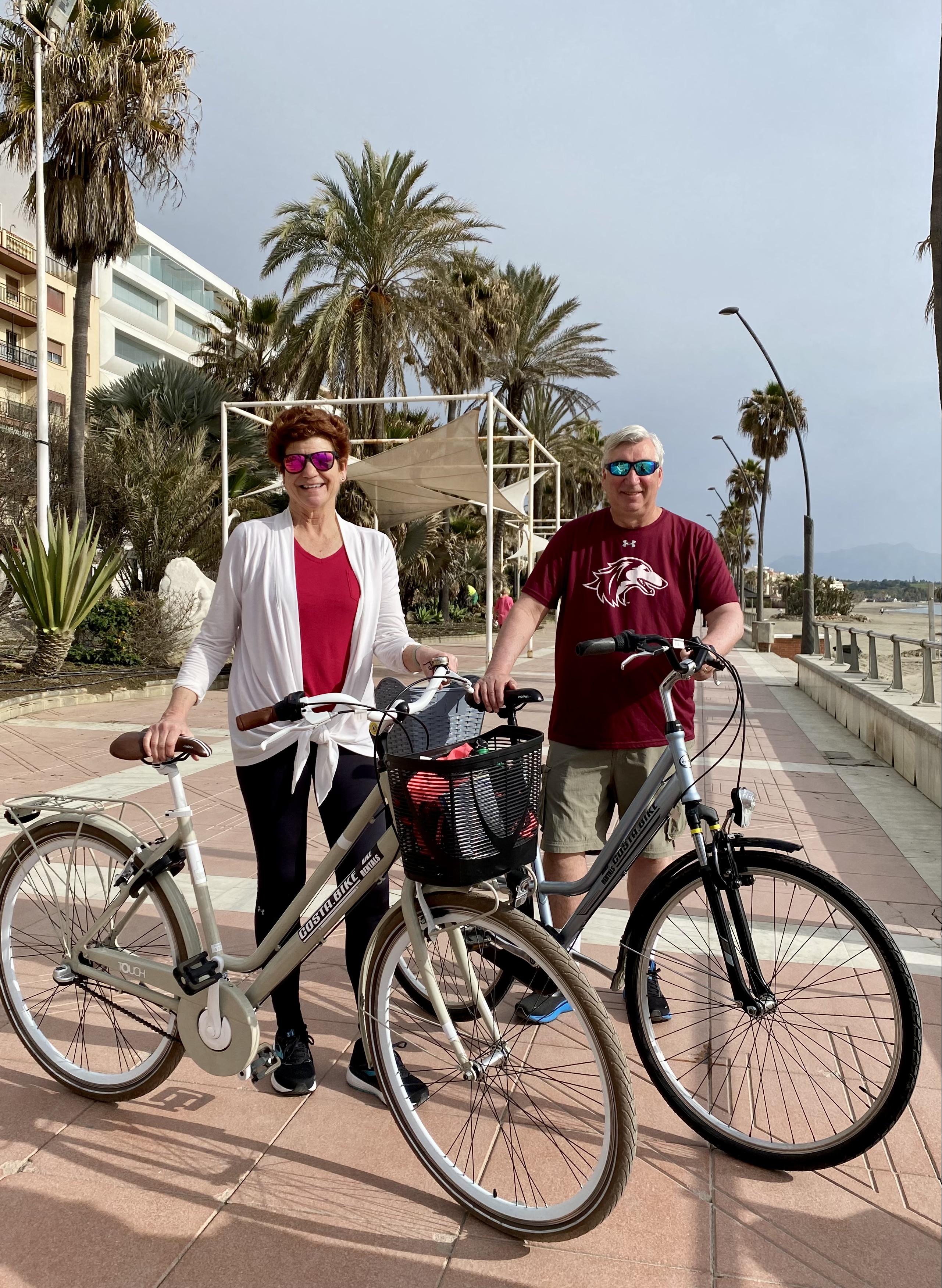
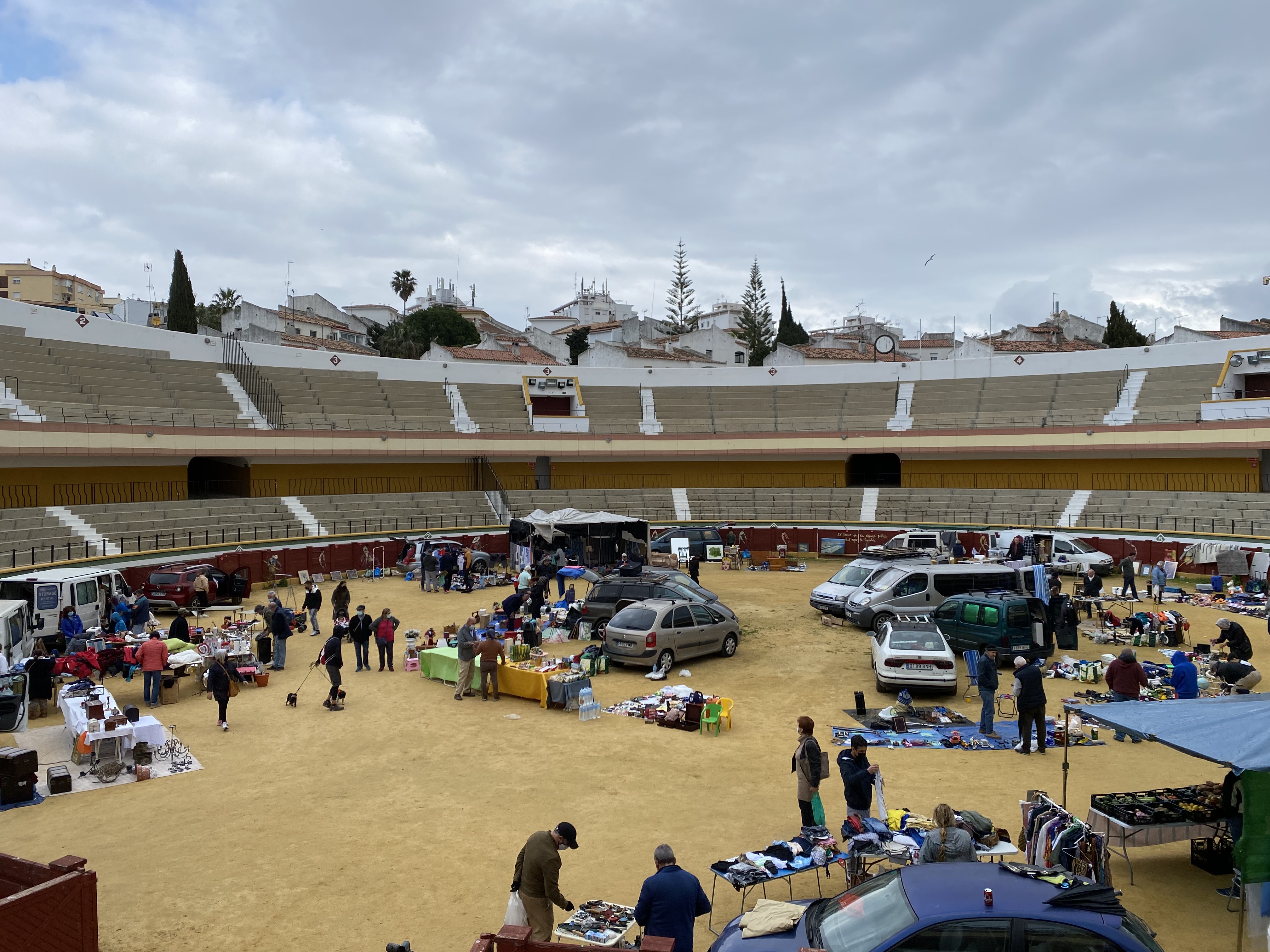

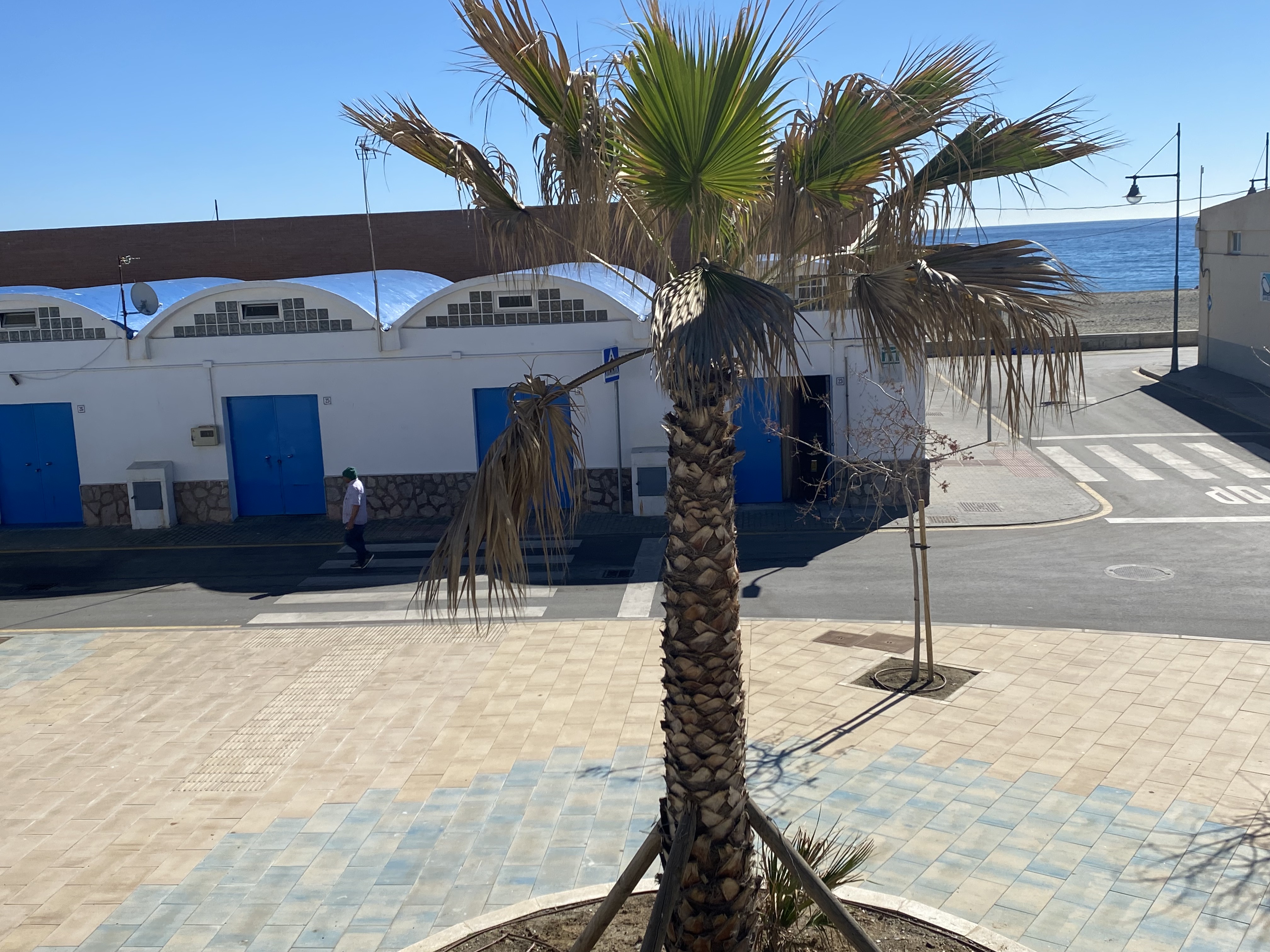
Can you tell, I’m a big fan of this town? We love the weather! There has been sunshine almost every day, but even a cloudy day here is pretty nice. Daytime temperatures are in the 60’s and cooler at night, perfect for walking and biking. There are also great golf courses here if you like golf.
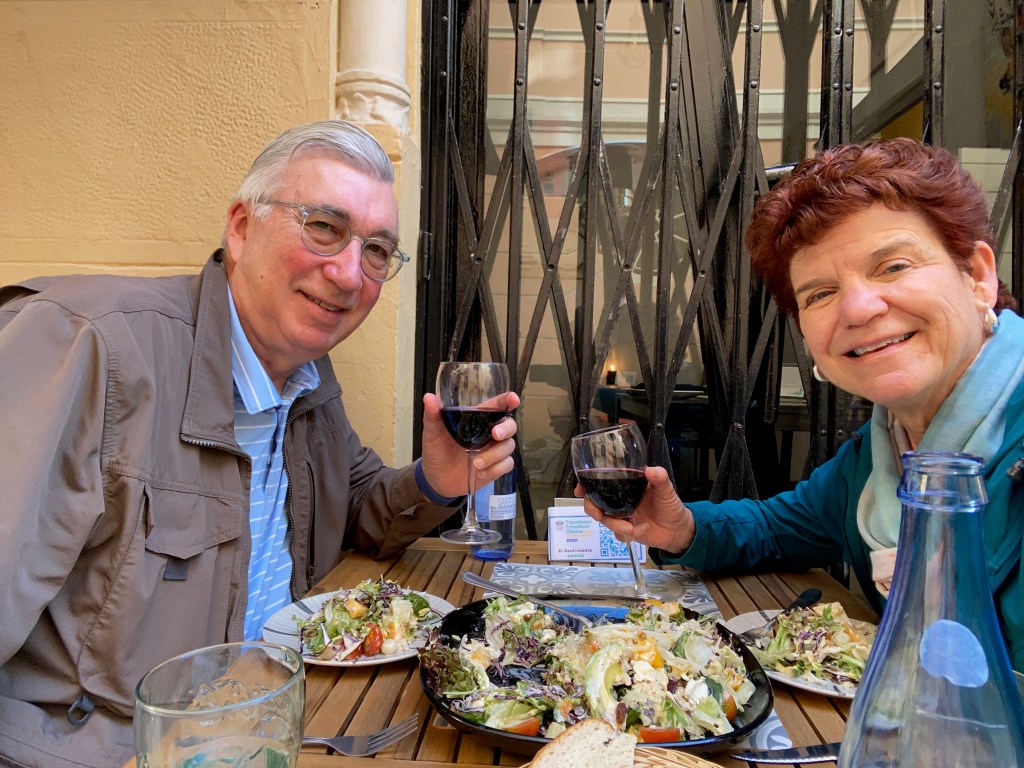
We have been swimming regularly at the indoor 25 meter pool and taking long walks along the sea path. On the beach, I look for sea glass and we have dipped our toes in The Mediterranean, but it’s still a bit chilly to plunge in. We have been making the rounds of our favorite bars and restaurants, and discovering new ones. We made friends with an Irish couple and have enjoyed a couple social dates with them. Our stay here ends March 1st. Then “adventures in the south of Spain” is heading north to San Sebastián. Stay tuned!
Thank you for reading. My reviews are purely based on our personal experience. I am unpaid for my opinions. I take my own photos and write my own content.
Geri










 Adventures In The South of Spain