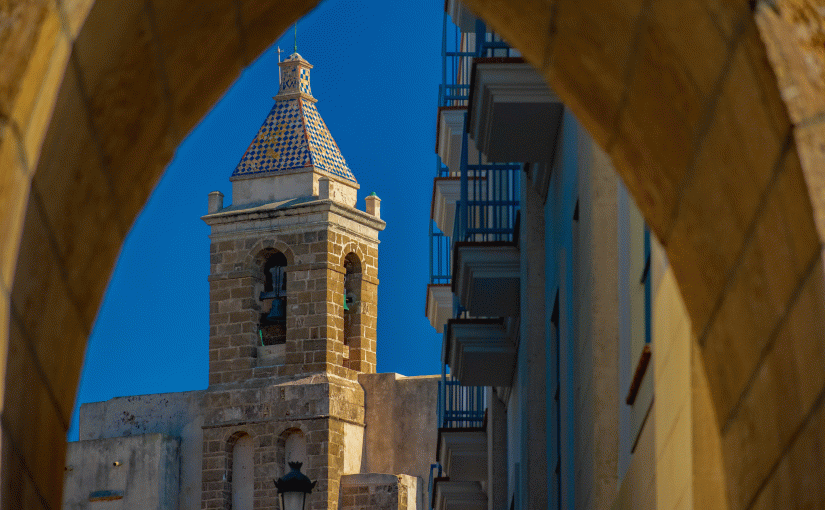
Like Puerto de Santa María, Rota is another charming village in the province of Cádiz. We visited Rota as a day excursion during our extended stay in Cádiz, Andalucía, Spain.

Once a convent school


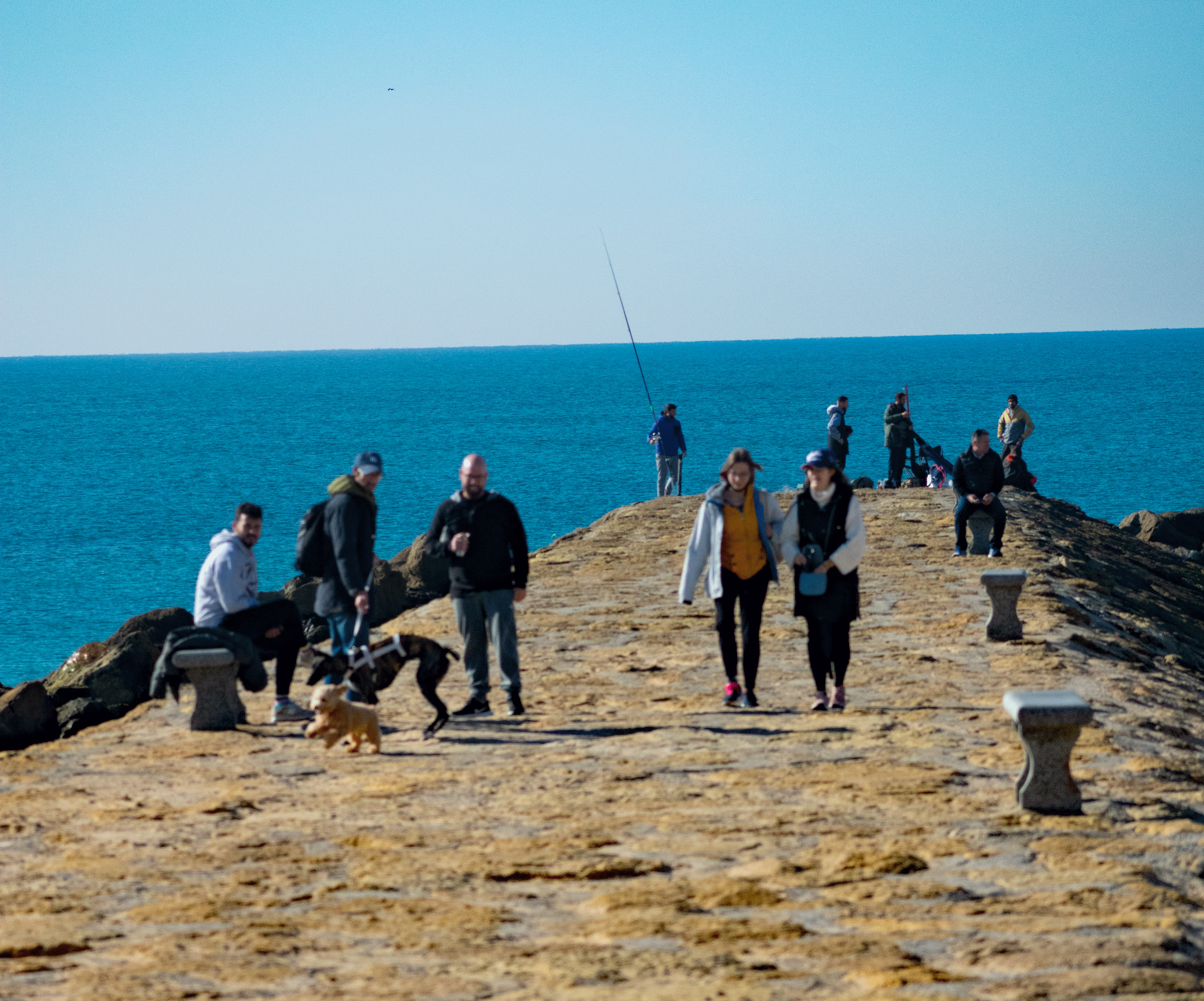

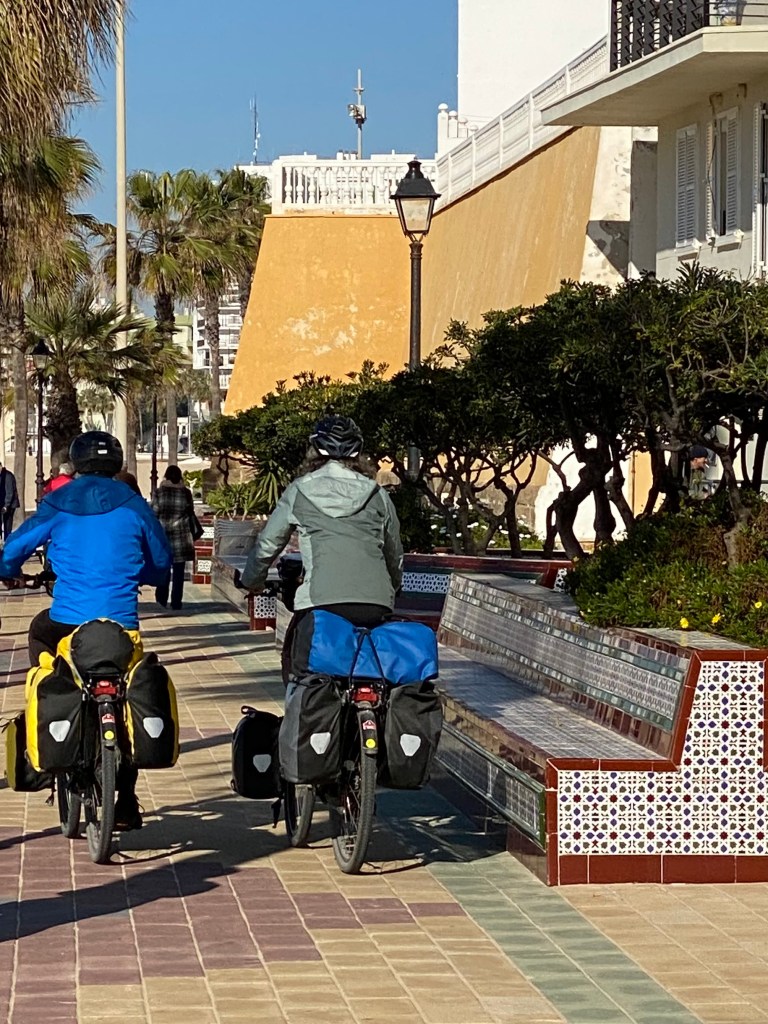
We planned to take the ferry to Rota, as we had to Puerto de Santa María, but when we showed up at the station, we were told it was a bus instead. One needs to be very flexible about these things. The bus ride was short and comfortable. The best part was meeting a Dutch couple who were biking through Europe for a year. Their luggage consisted of two saddlebags each. They removed their front tires and stowed their bikes under the bus. They started their journey last June, rode to the northernmost point of the Scandinavian countries, then to the southernmost part of Spain, and are now headed north again through Spain and Portugal. Talk about an adventure! They are at least our age.
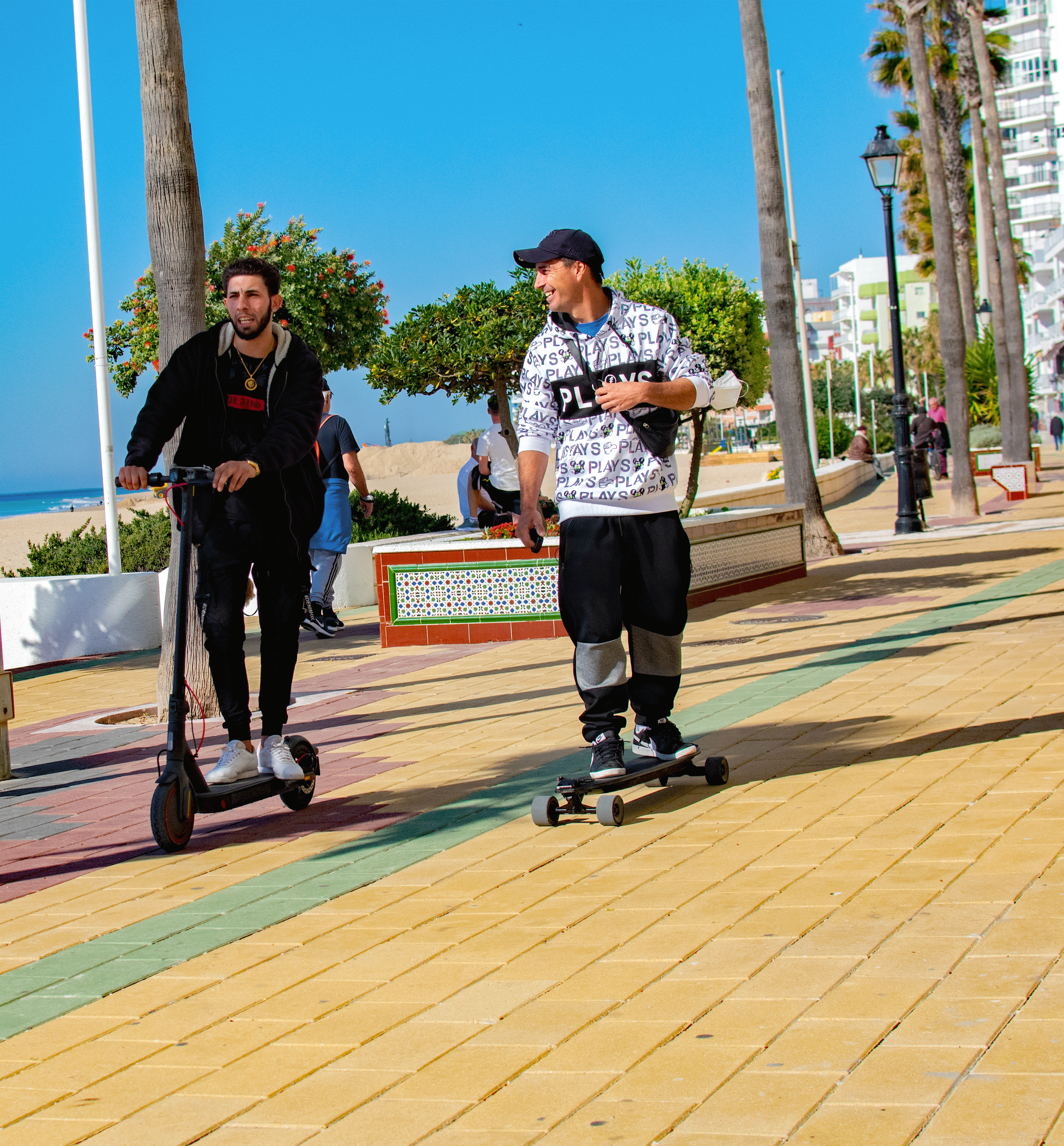
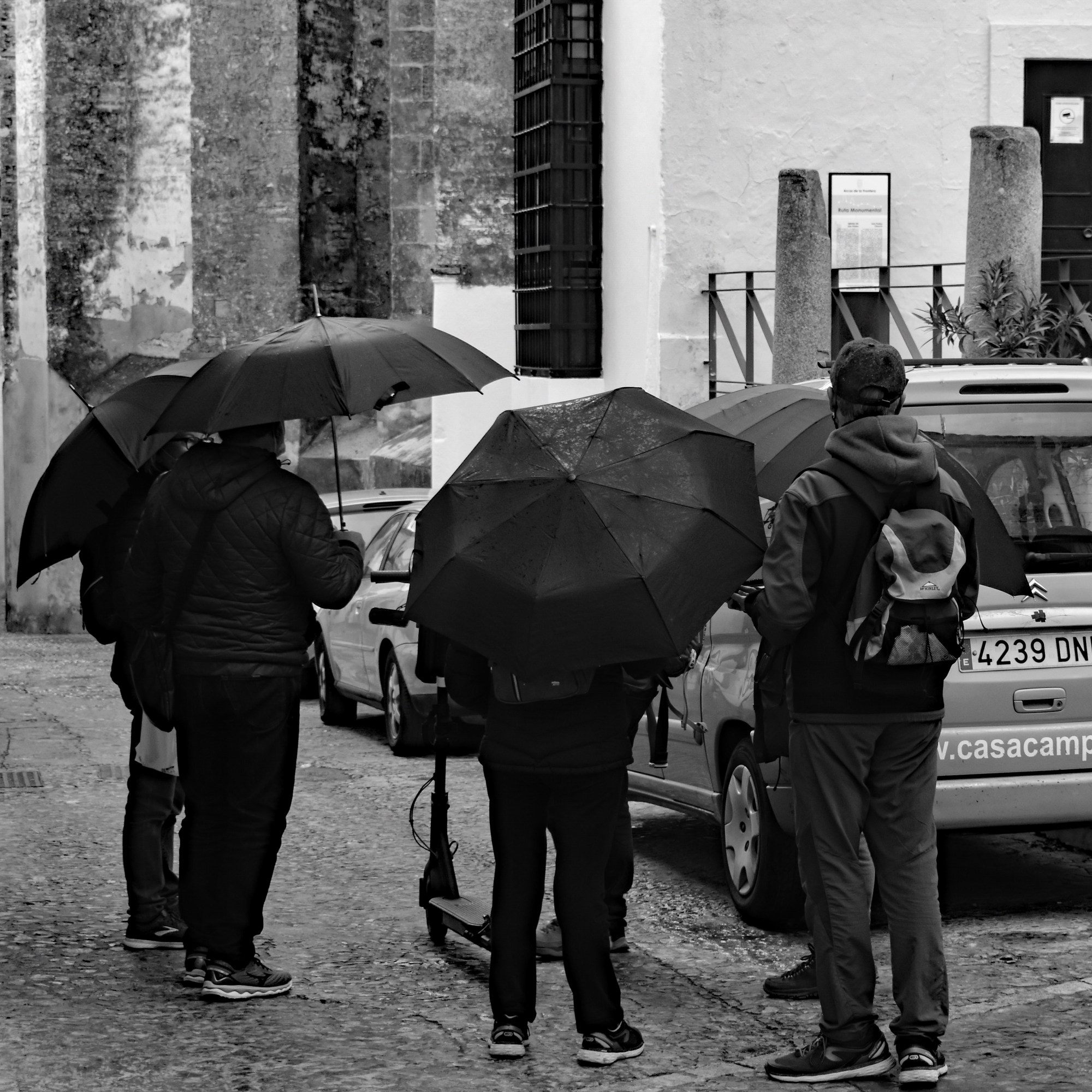
Rota is pretty quiet this time of year. In the summer it is a vibrant beach town, but in the off-season, there are very few tourists. There is a naval base nearby, a joint USA/ Spain facility.
Rota has a similar history to other towns in the area. Pre-historic remains have been found there. It was a Phoenician settlement, later Roman, Viking, Muslim, and Christian. Bartolomé Perez, a local fellow, sailed with Columbus on his second voyage. Ferdinand and Isabella were reported to have stayed in the castle at Rota.
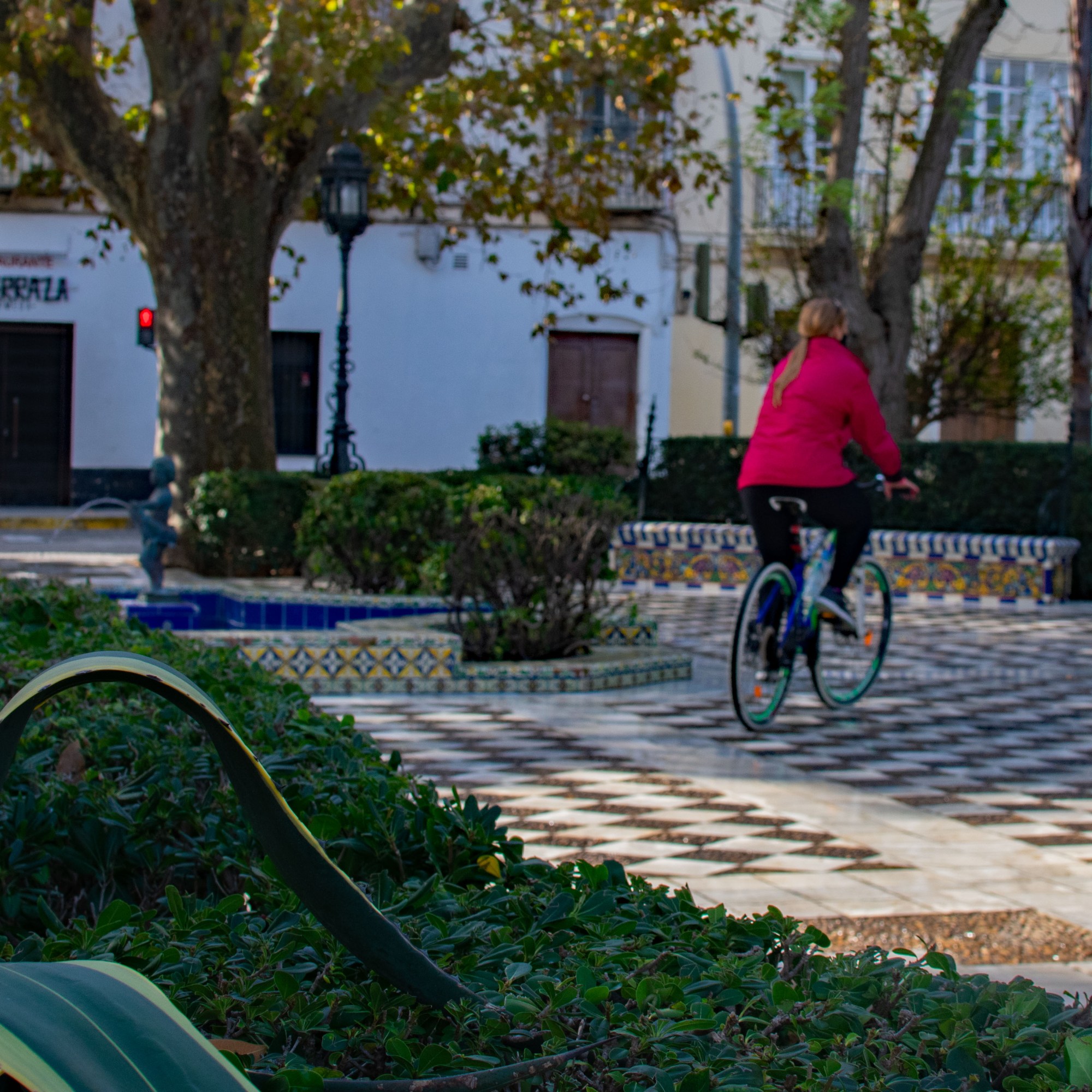
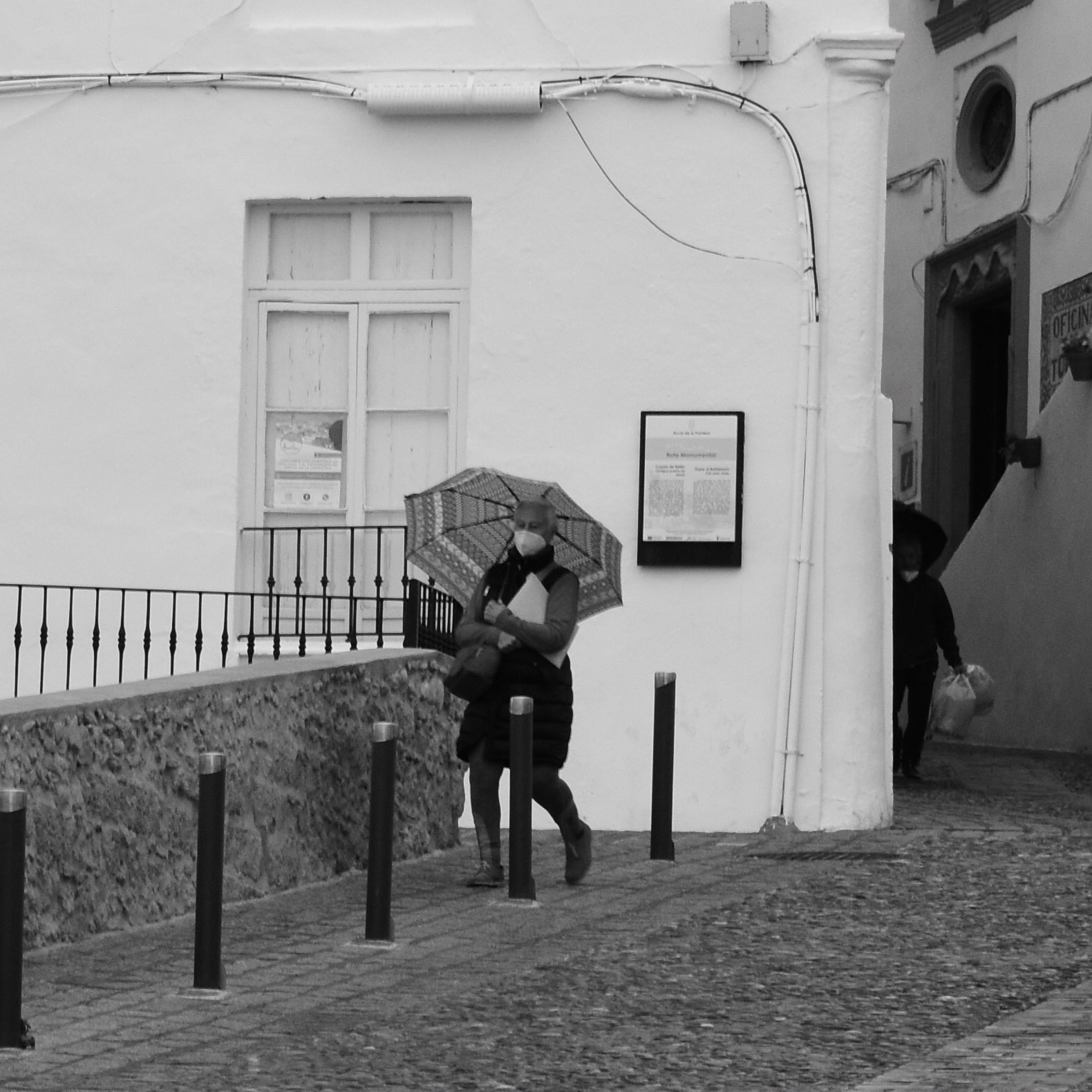
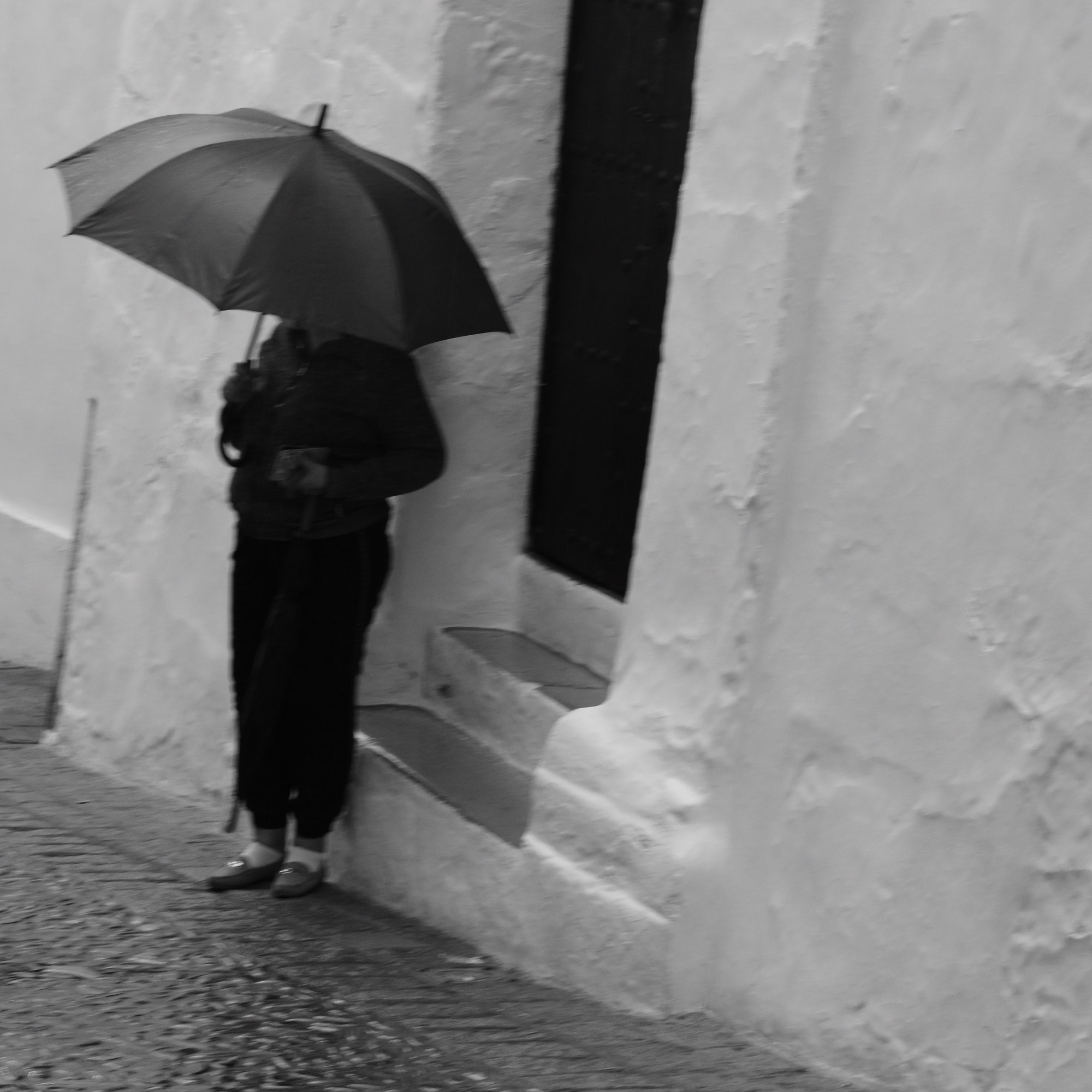
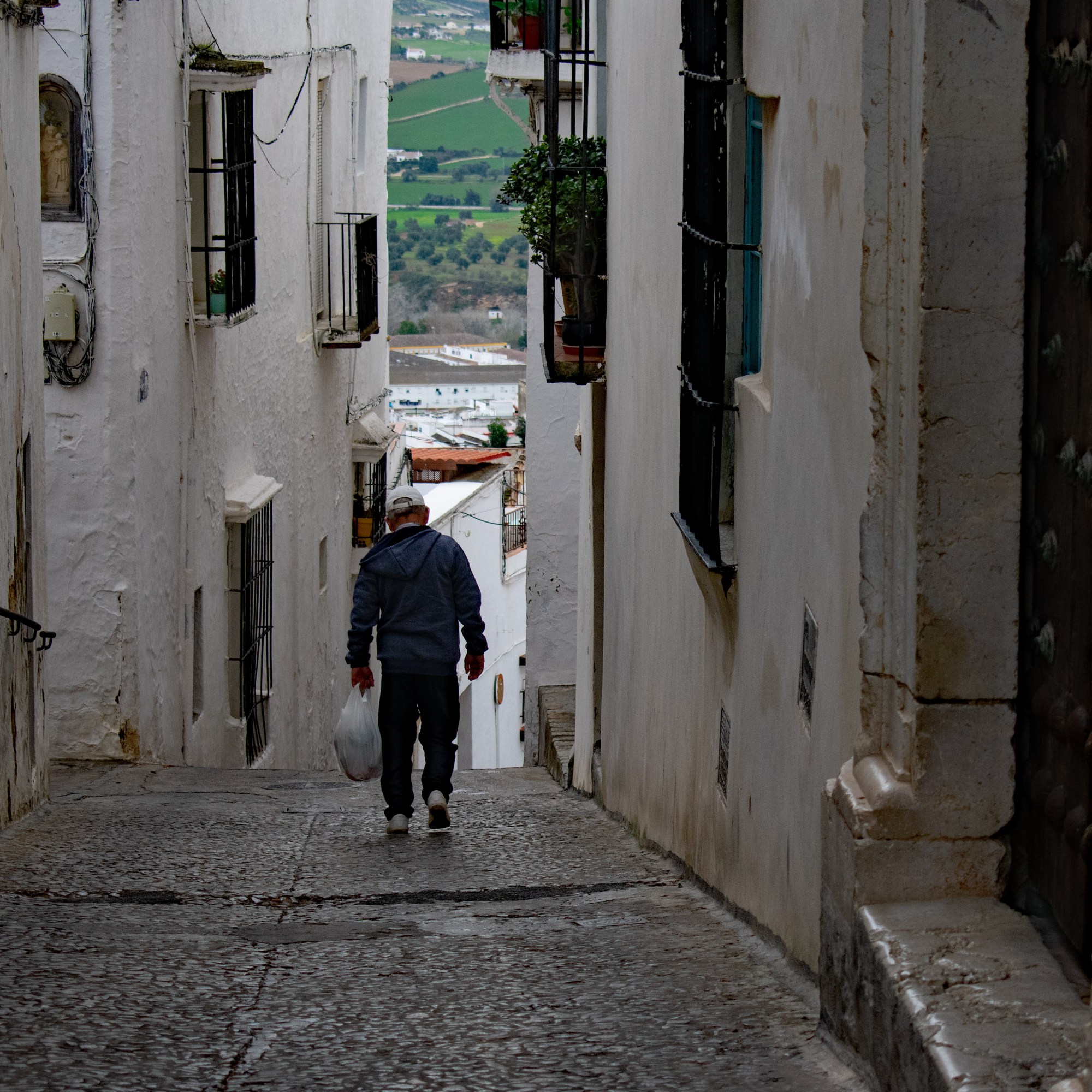
The historic center of Rota is immaculate with its whitewashed buildings, archways, and flowers. There is poetry on many of the walls, a custom we have seen in many Andalusian towns.
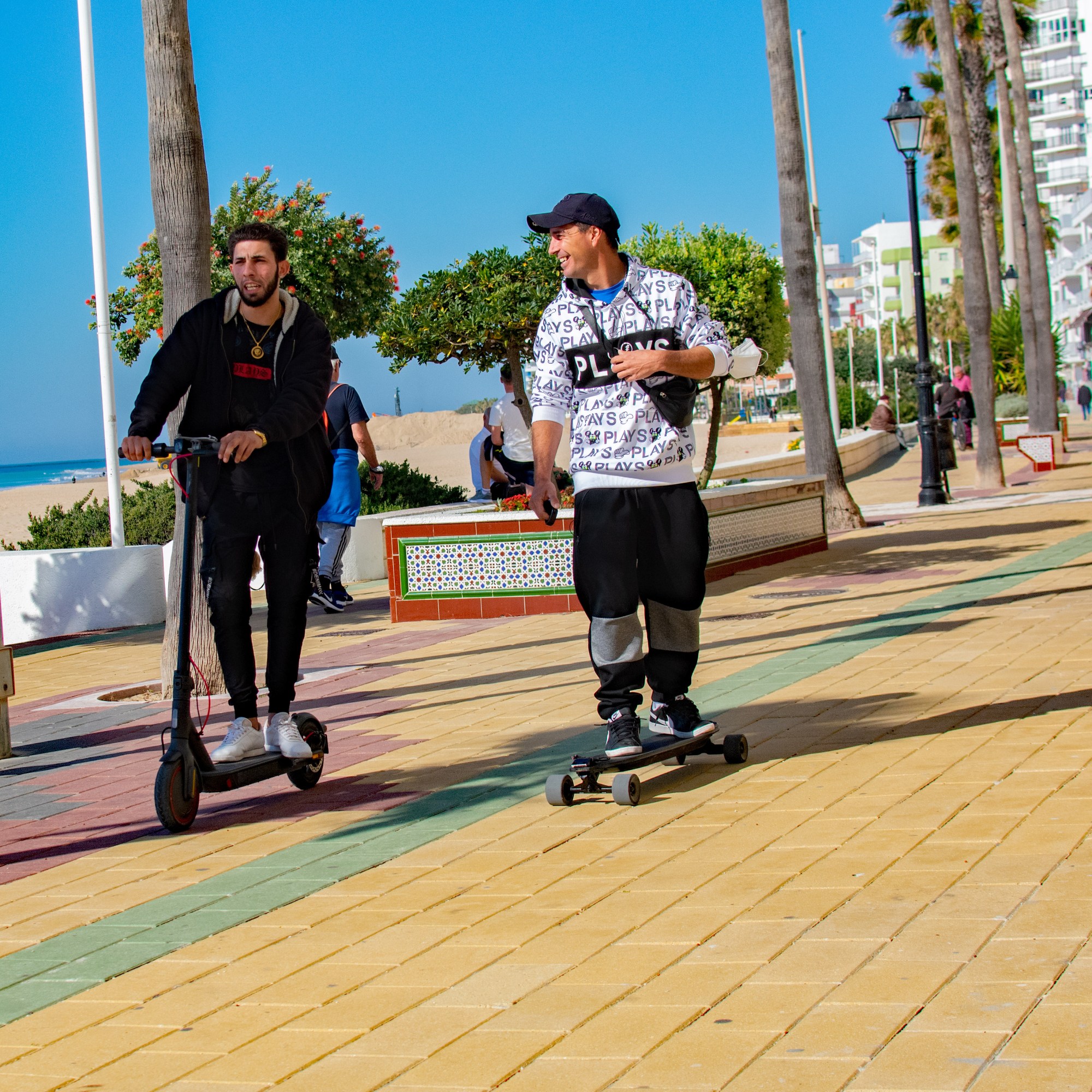
The beach is beautiful and near the beach is a large section of restaurants and bars, that I’m sure are much livelier on summer nights and when sailors are on leave.
We had lunch on the town plaza. The owners cooked just for us; they were so nice. The food was simple, good, and reasonable. We enjoyed our tranquil day strolling though Rota.
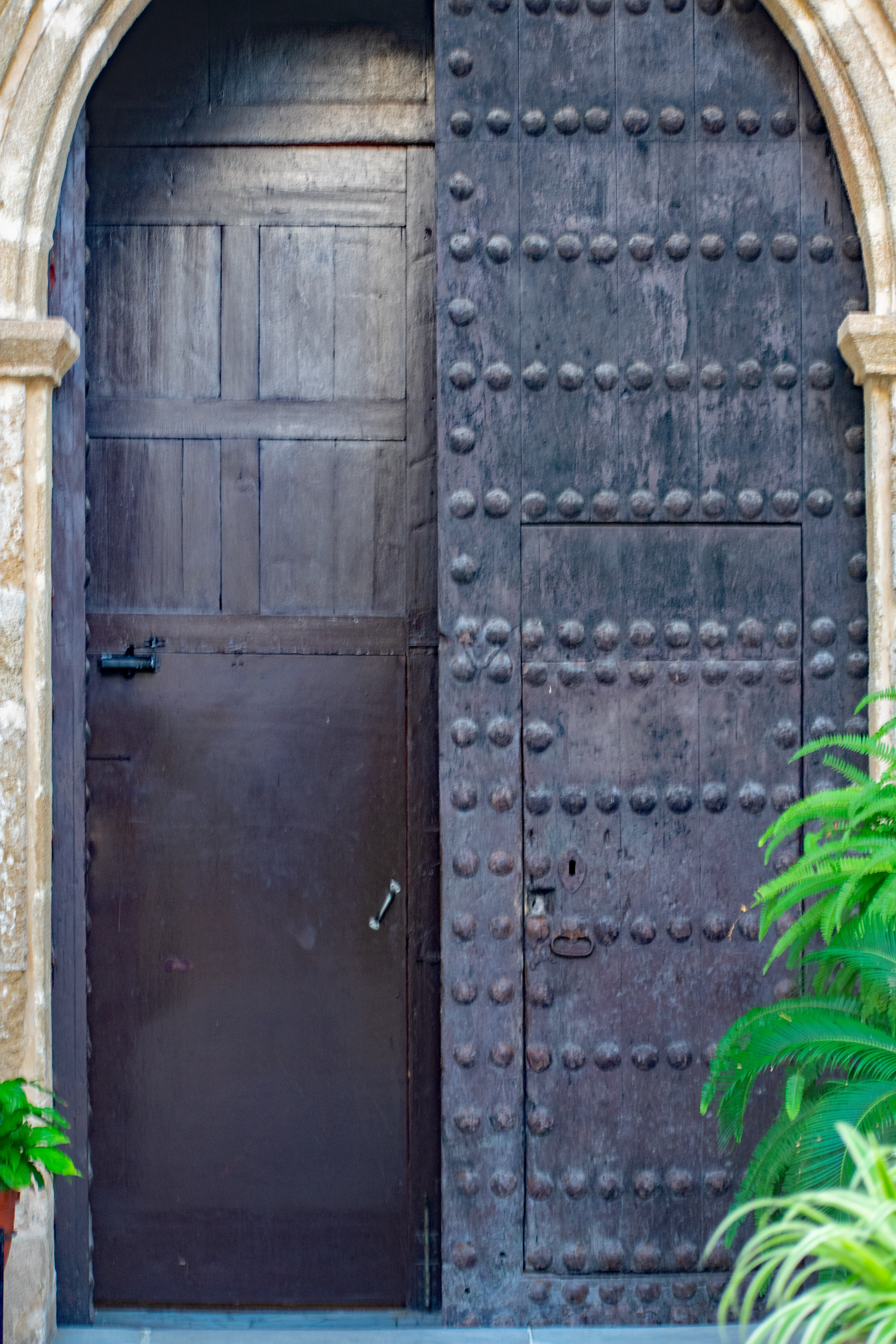
Below is the inner courtyard of the castle and the entrance:
I hope you have enjoyed this post on Rota. Spain is a country to be savored slowly!
Thank you for reading. Geri




 Adventures In The South of Spain