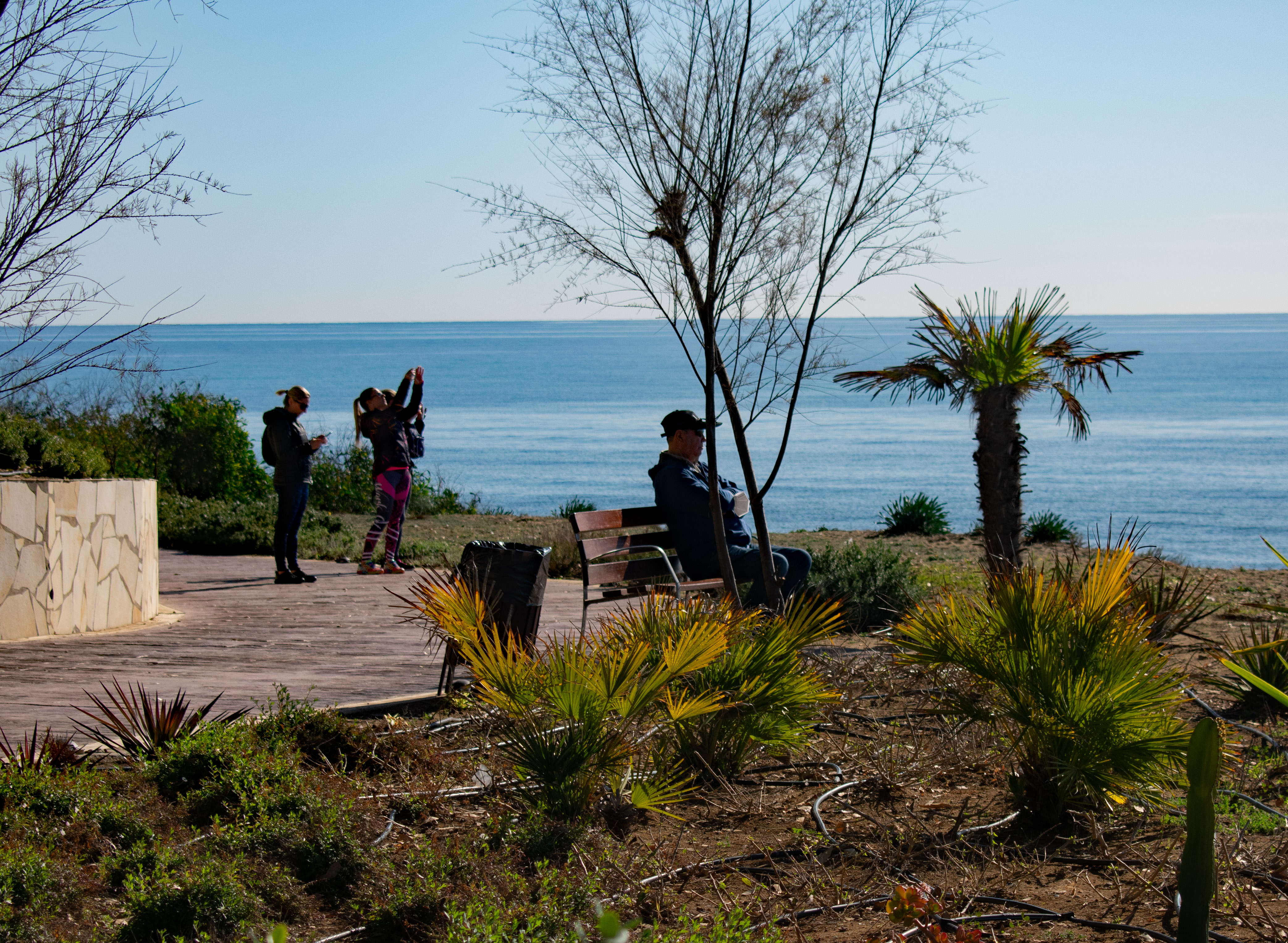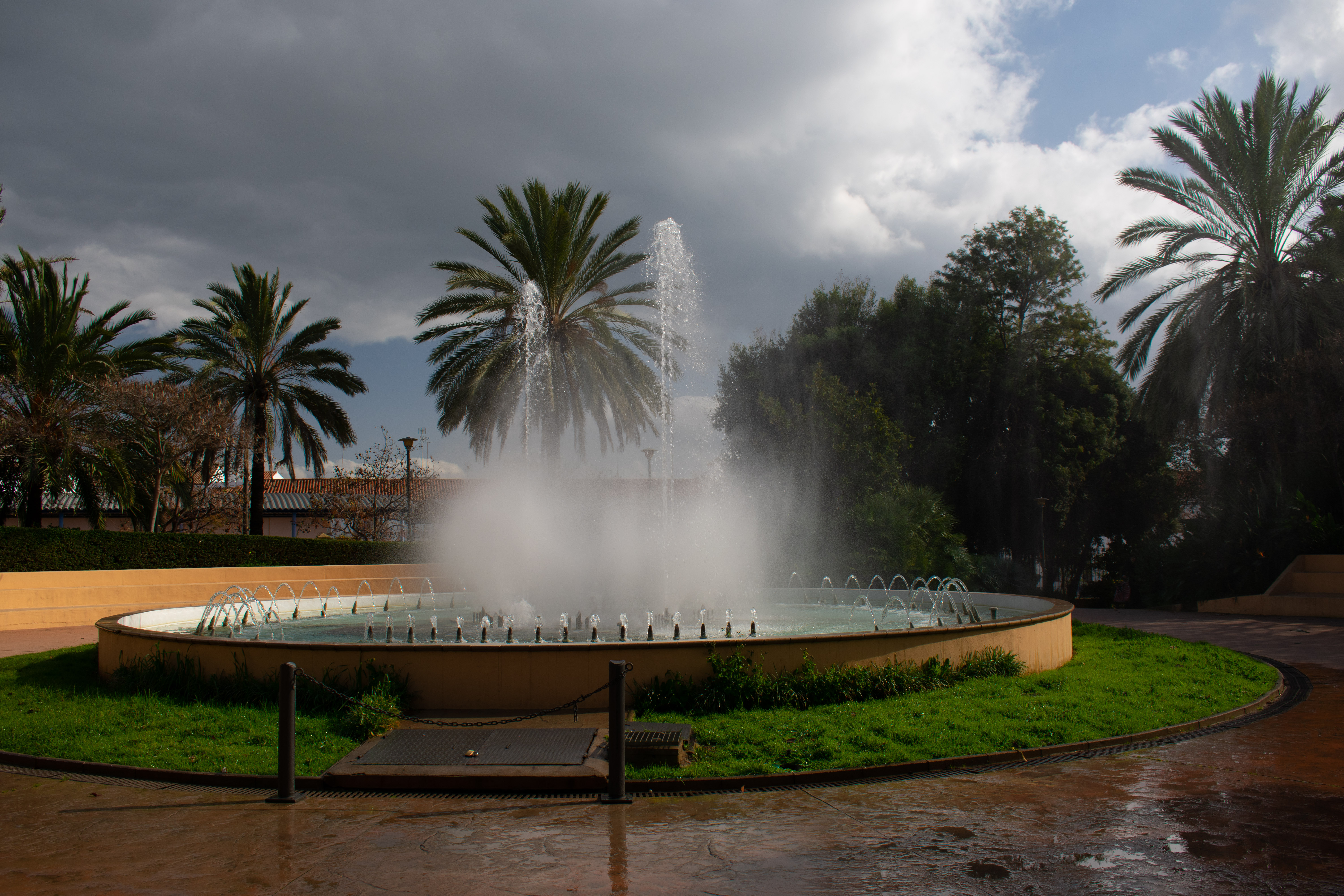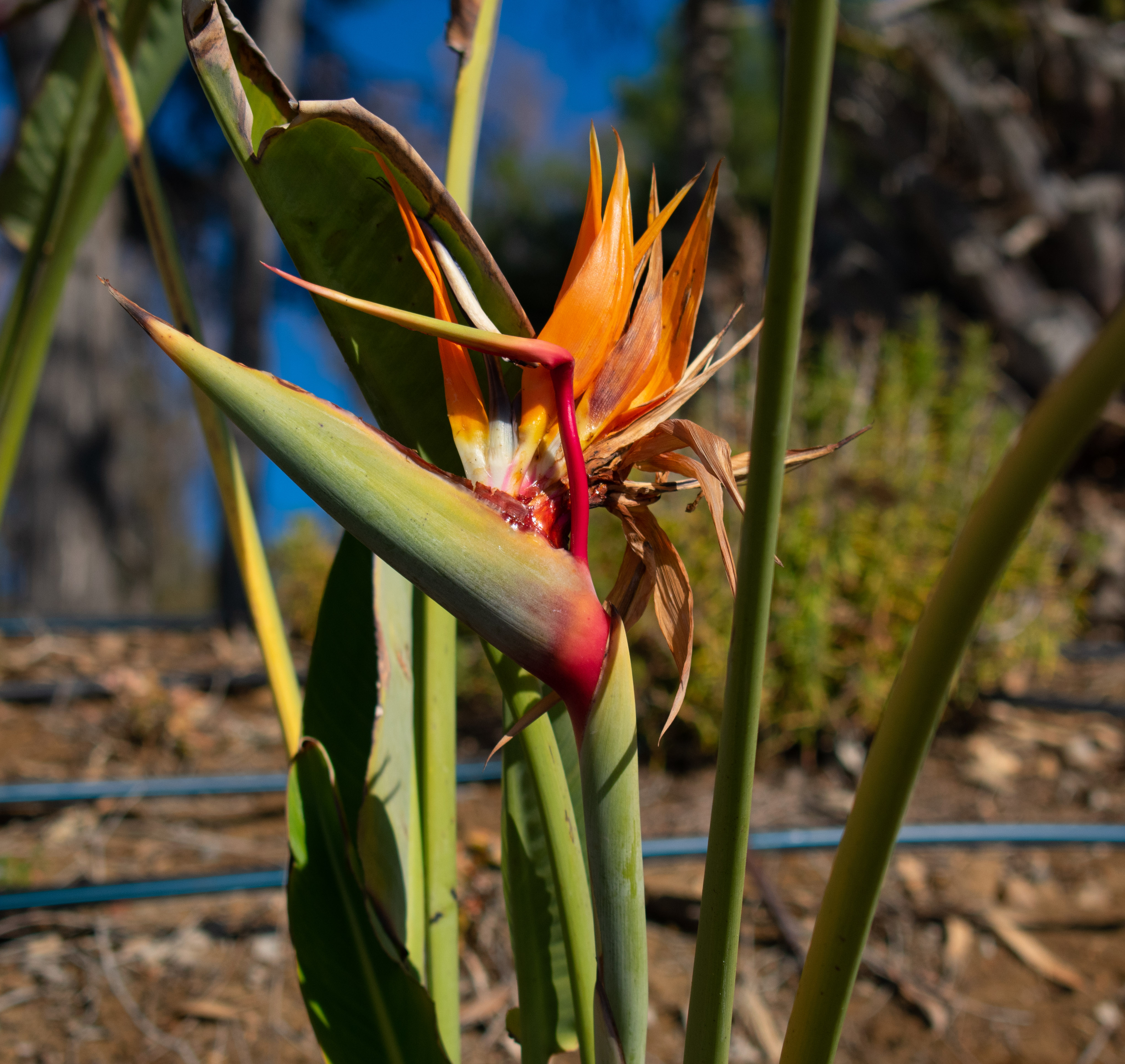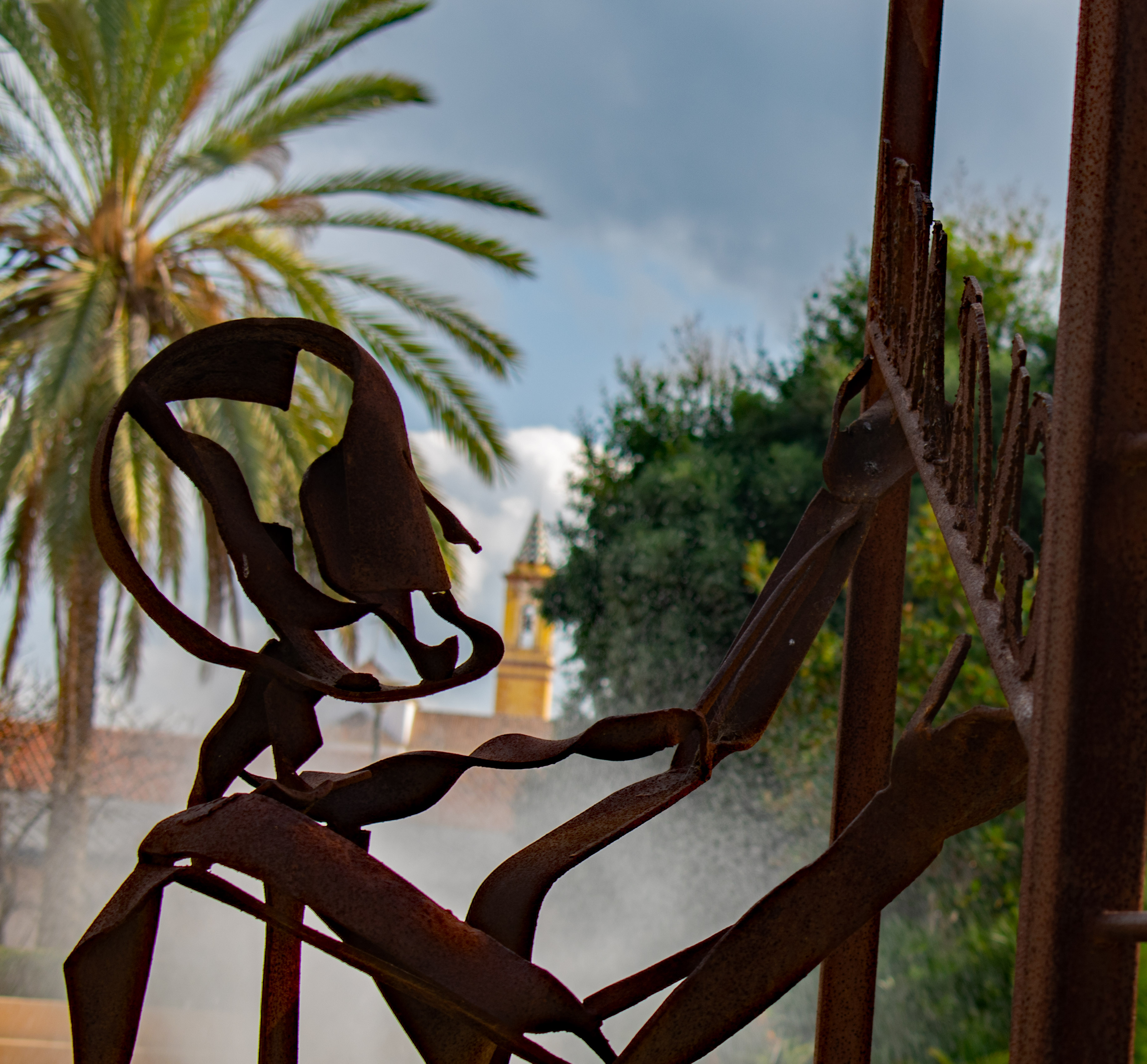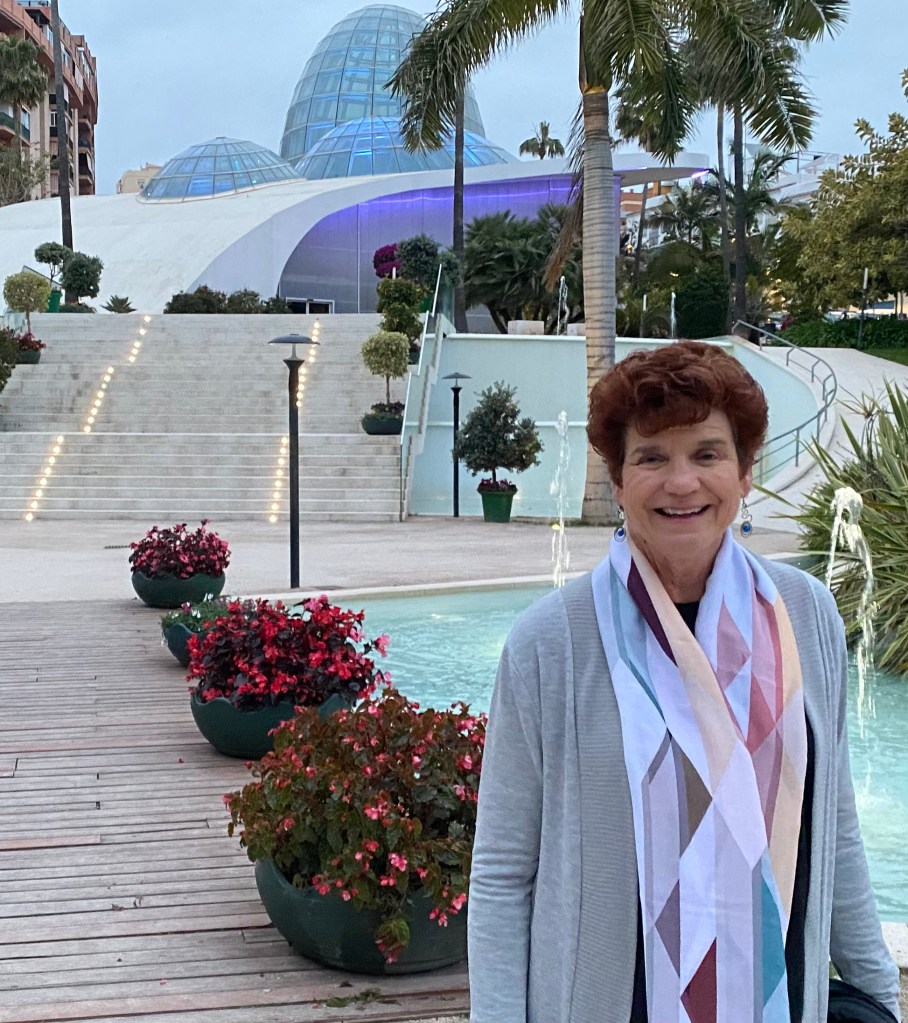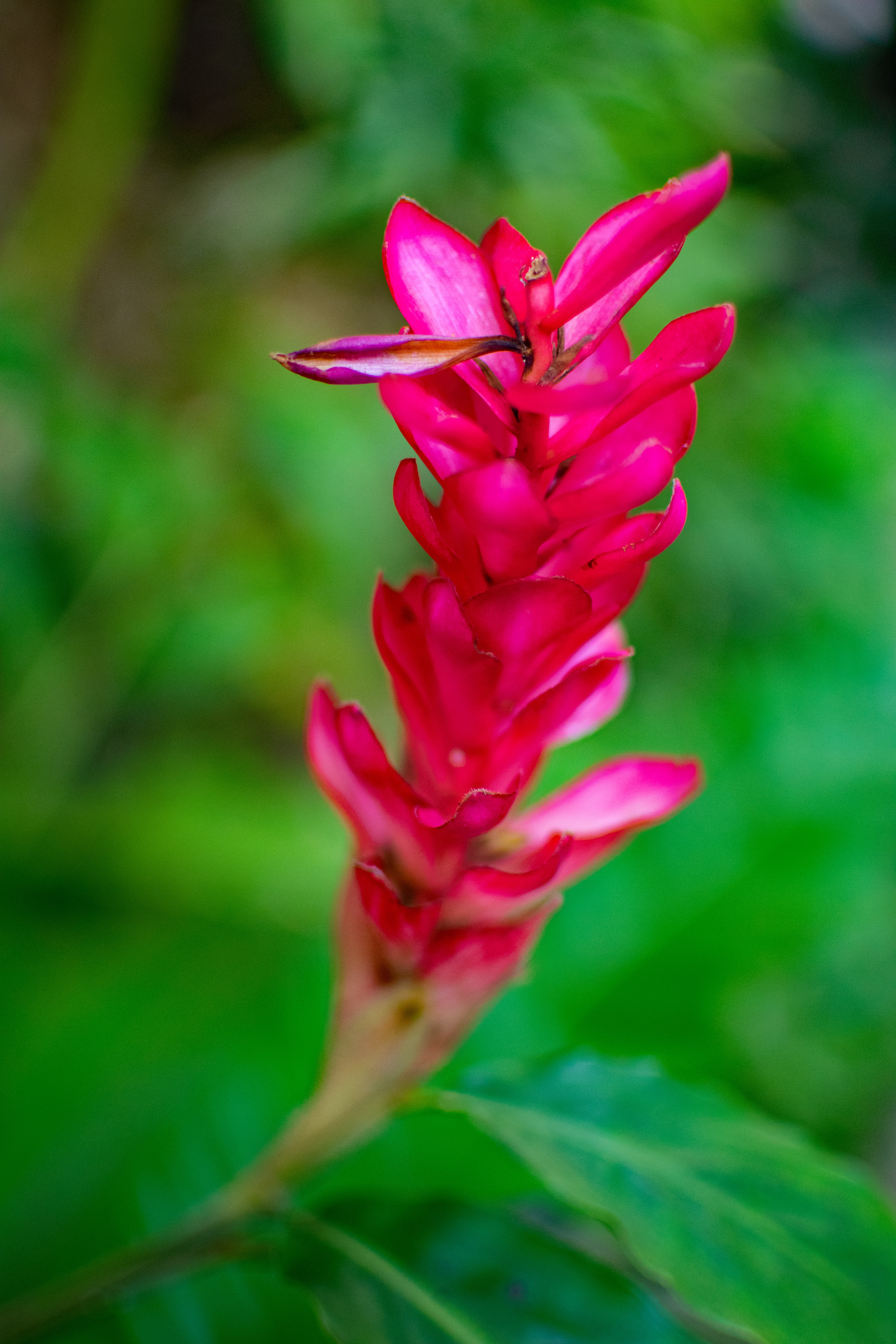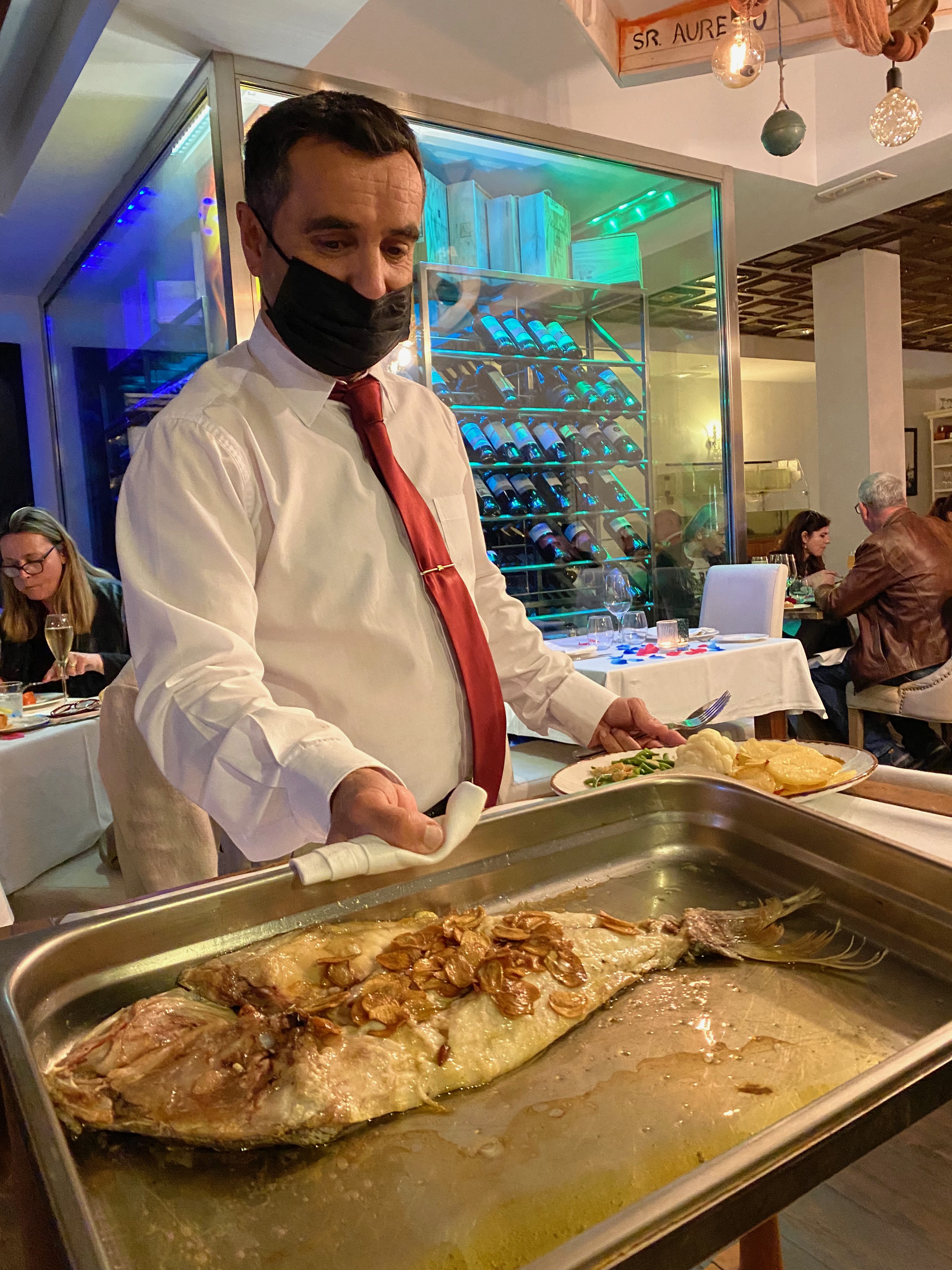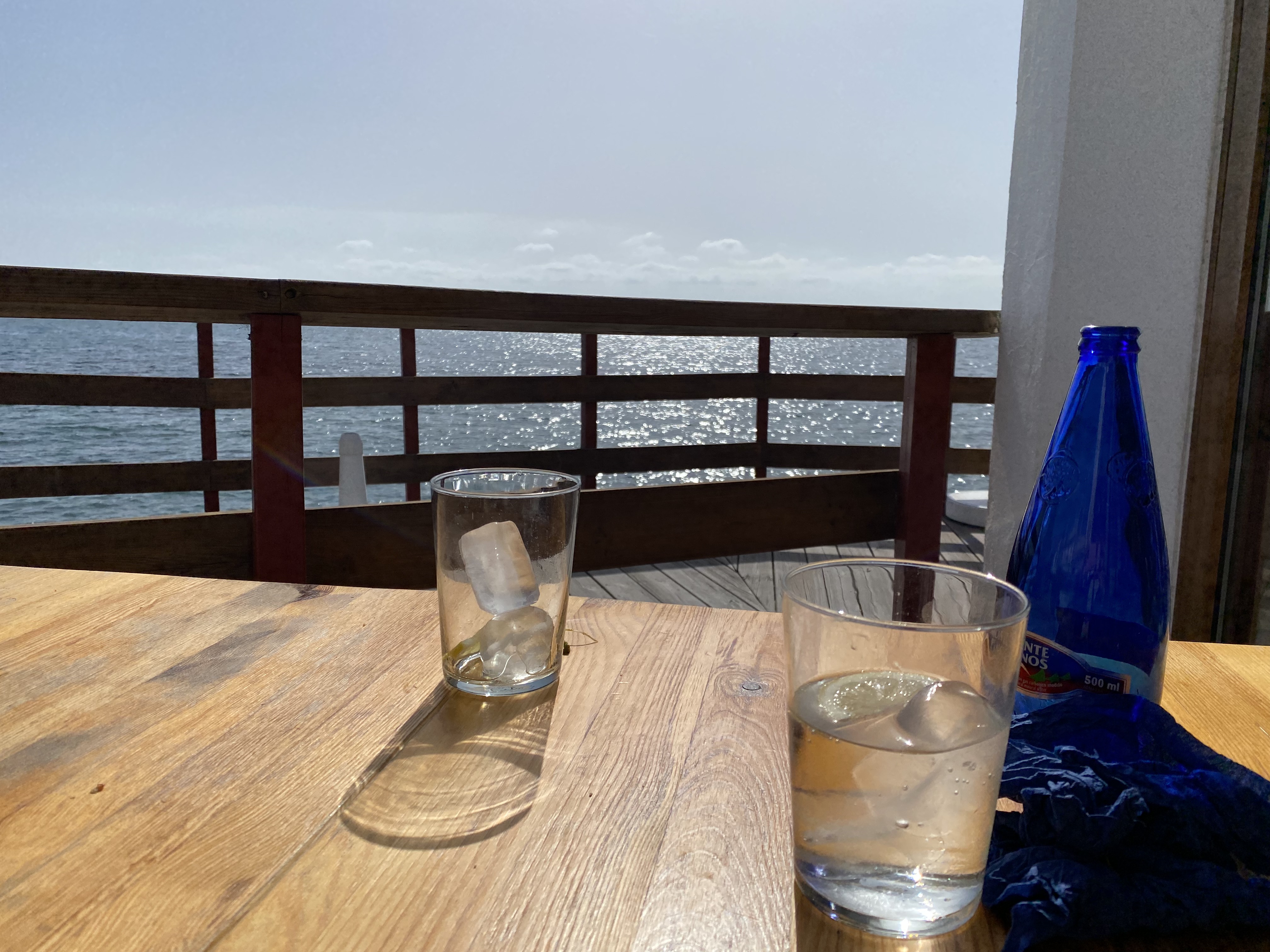
Estepona: Charming Streets, Beaches, and Public Art (February 2022)

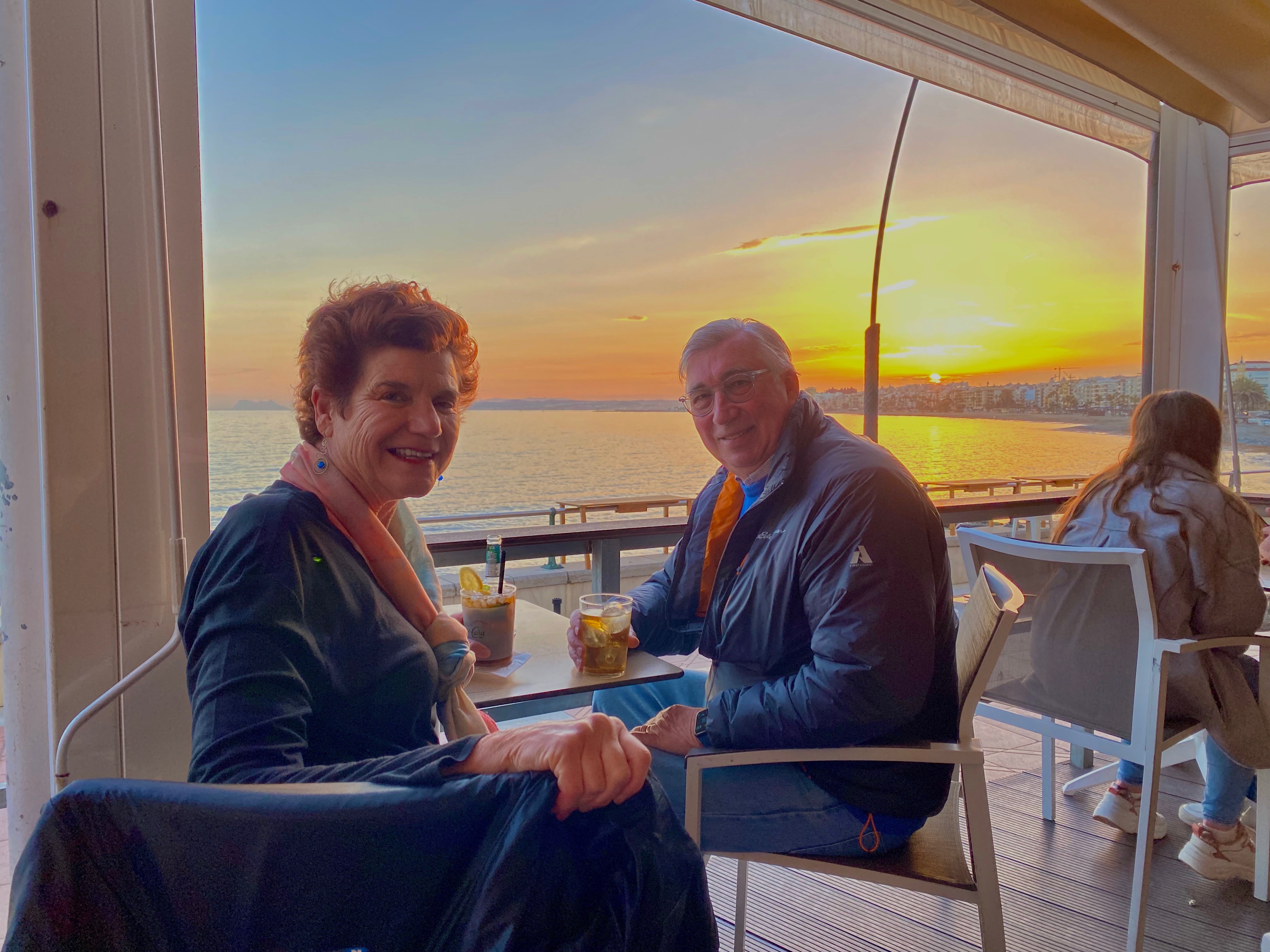
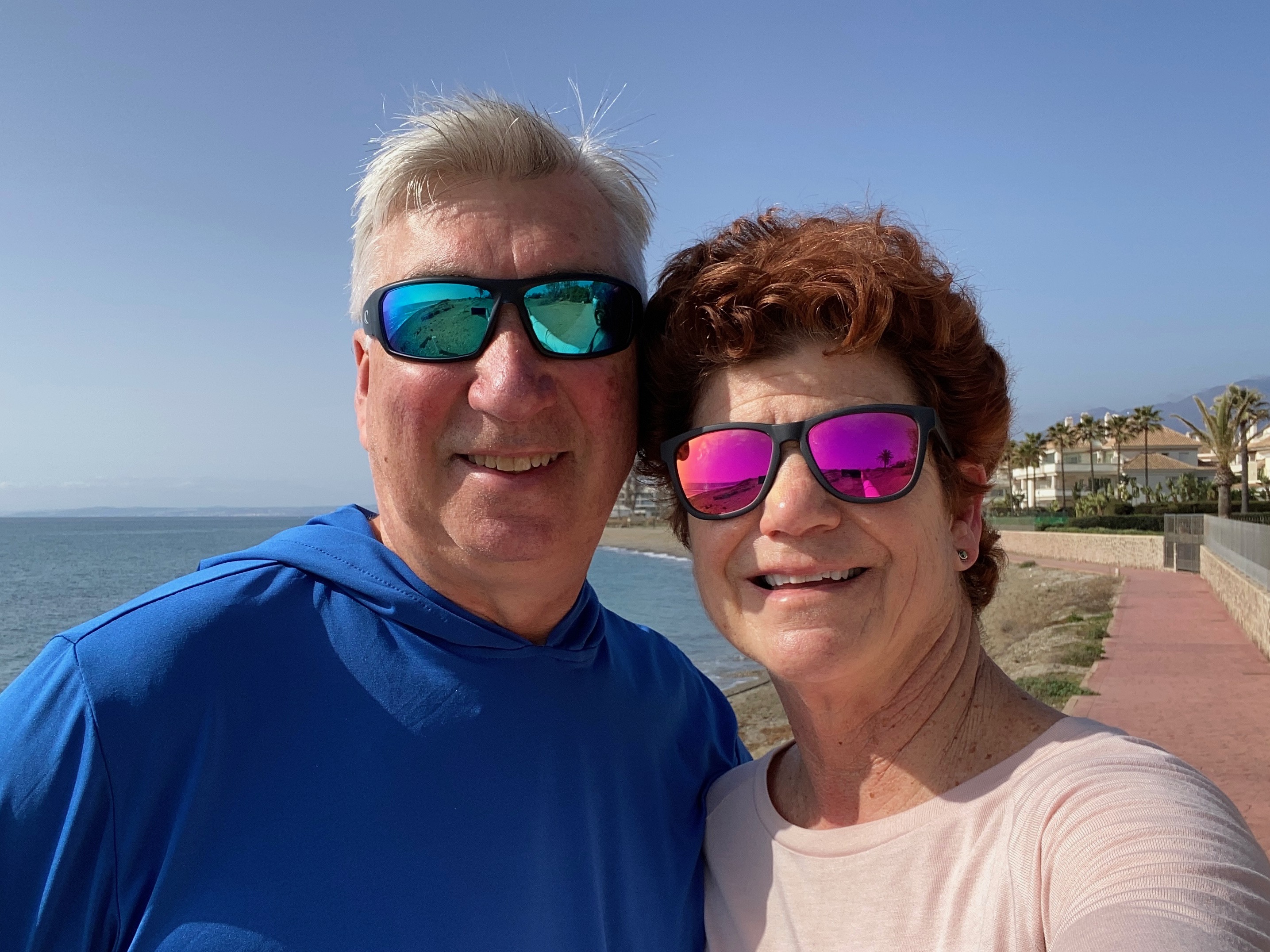
This is our third stay in Estepona. We learned about it from a British couple we chatted with in San Francisco back in 2016. In 2019, we stayed here for two weeks. In 2020, for three weeks. In 2021, we didn’t travel (COVID). Now, in 2022, we are here for the entire month of February.

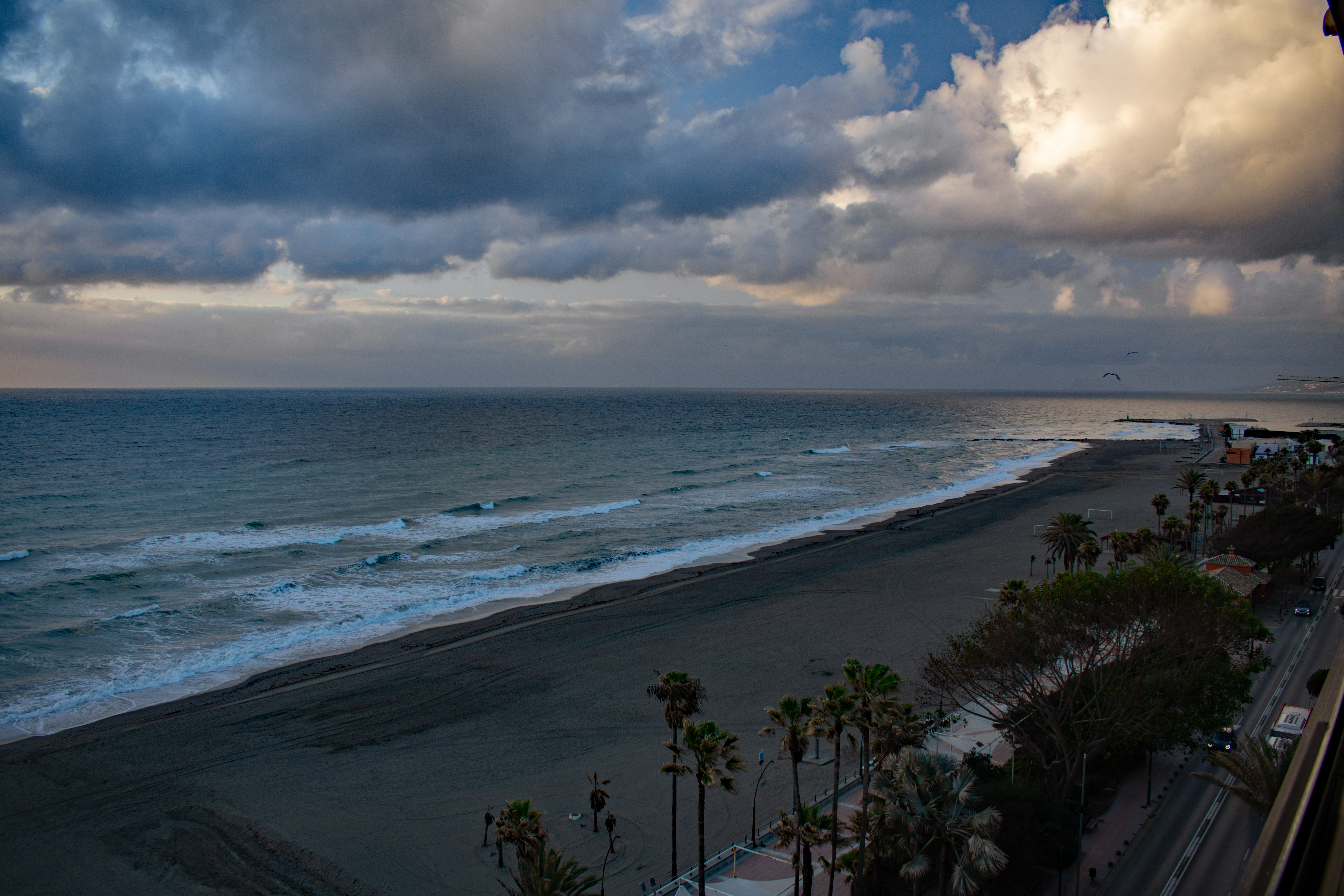
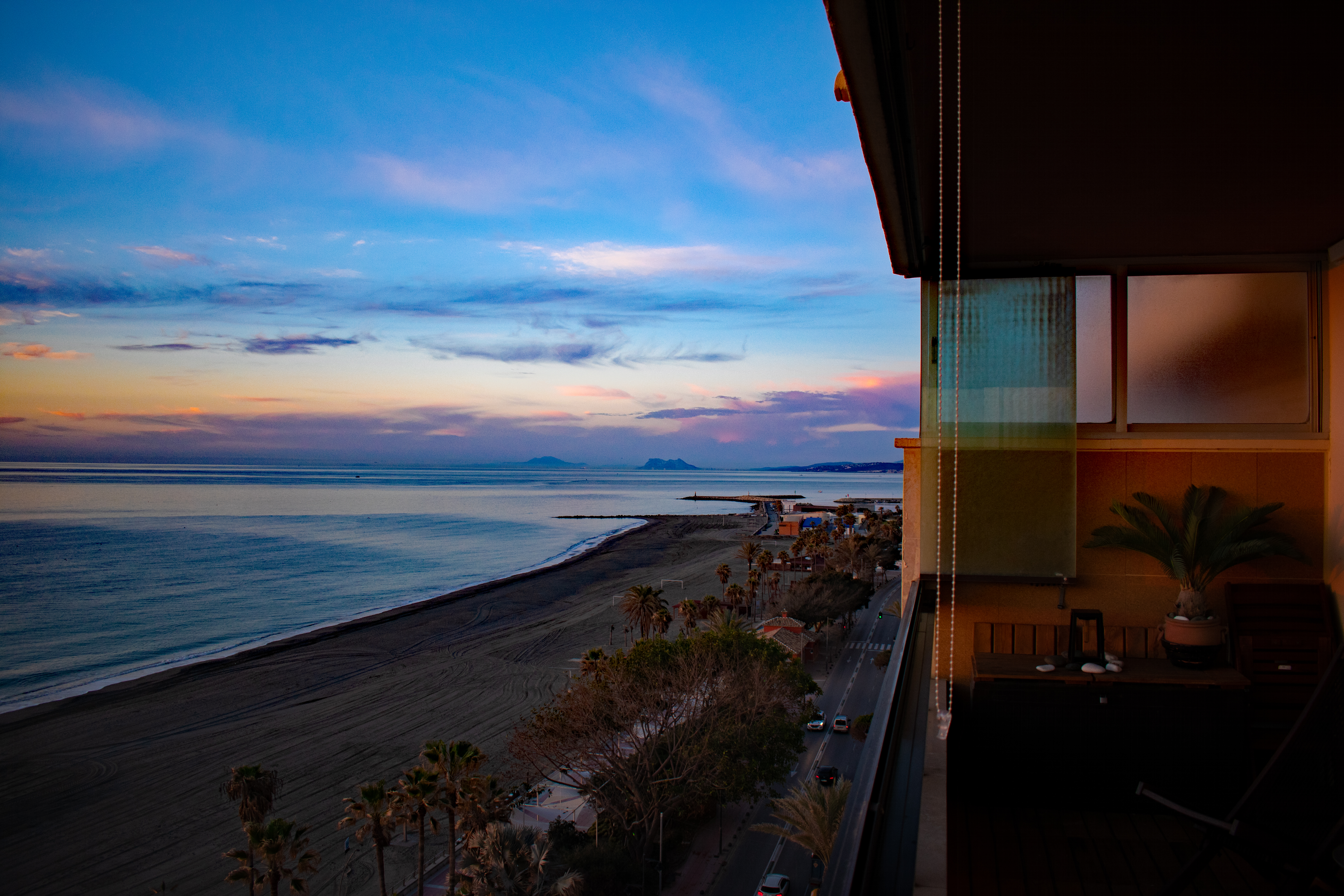
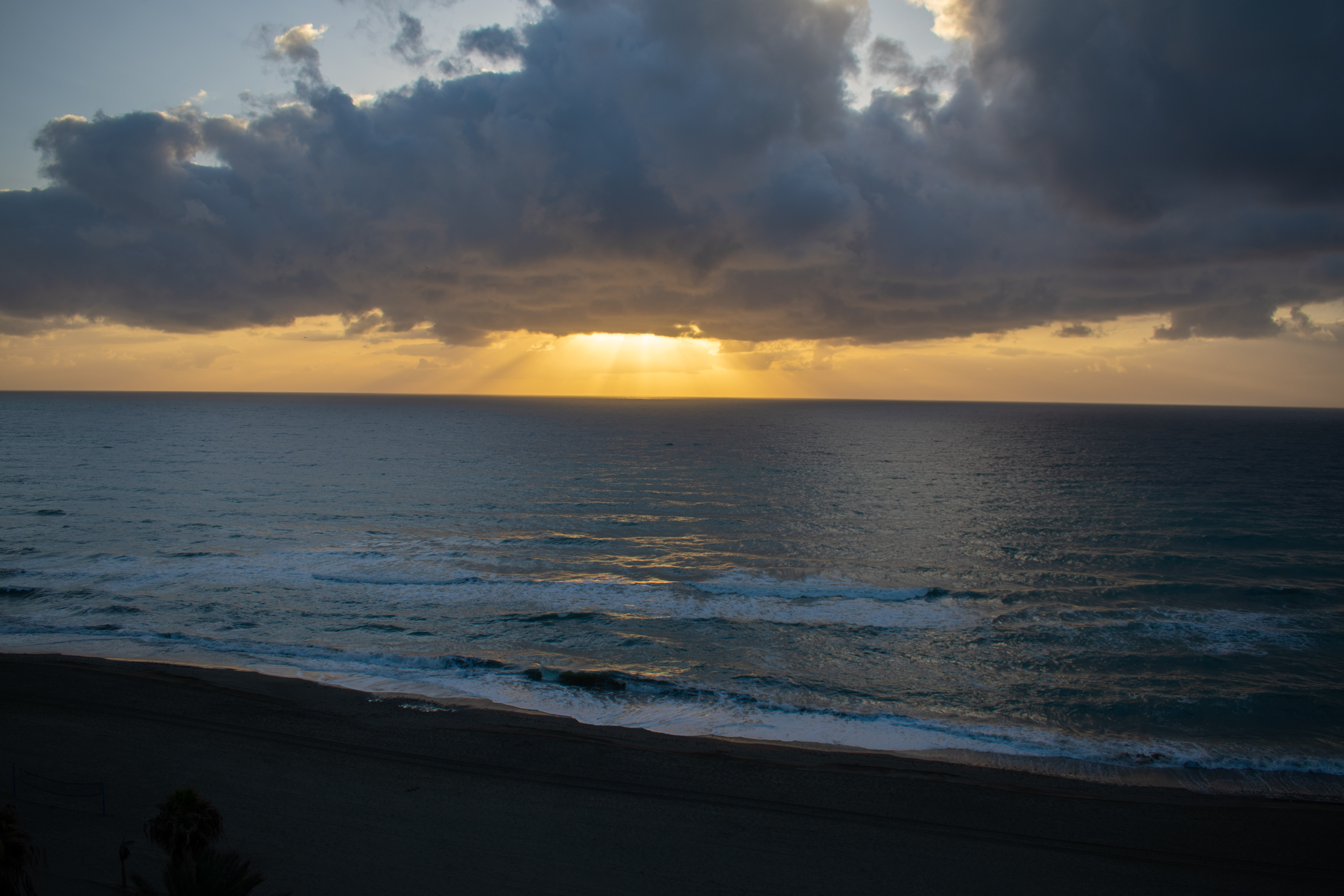
Views From Our Balcony on Avenida España

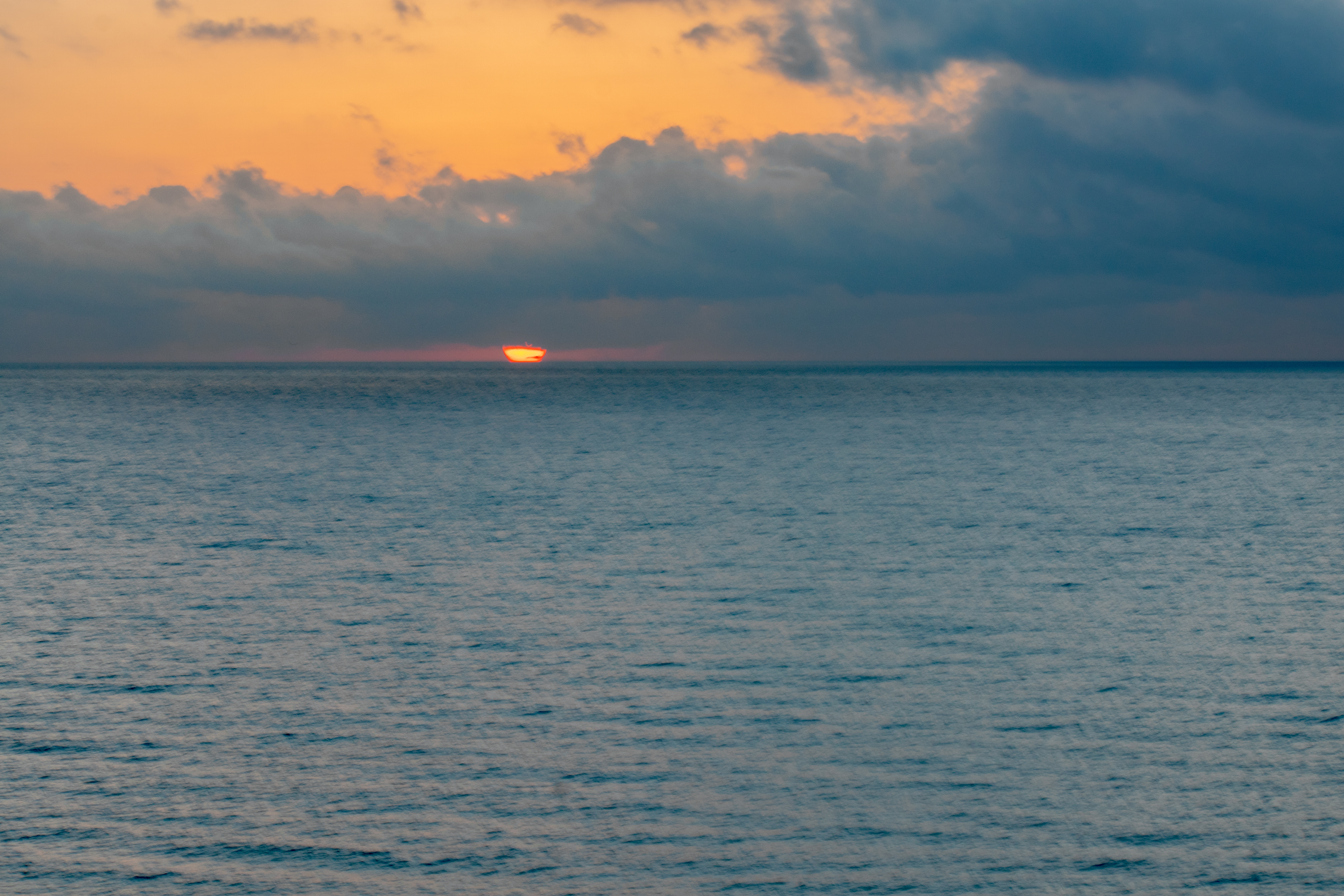
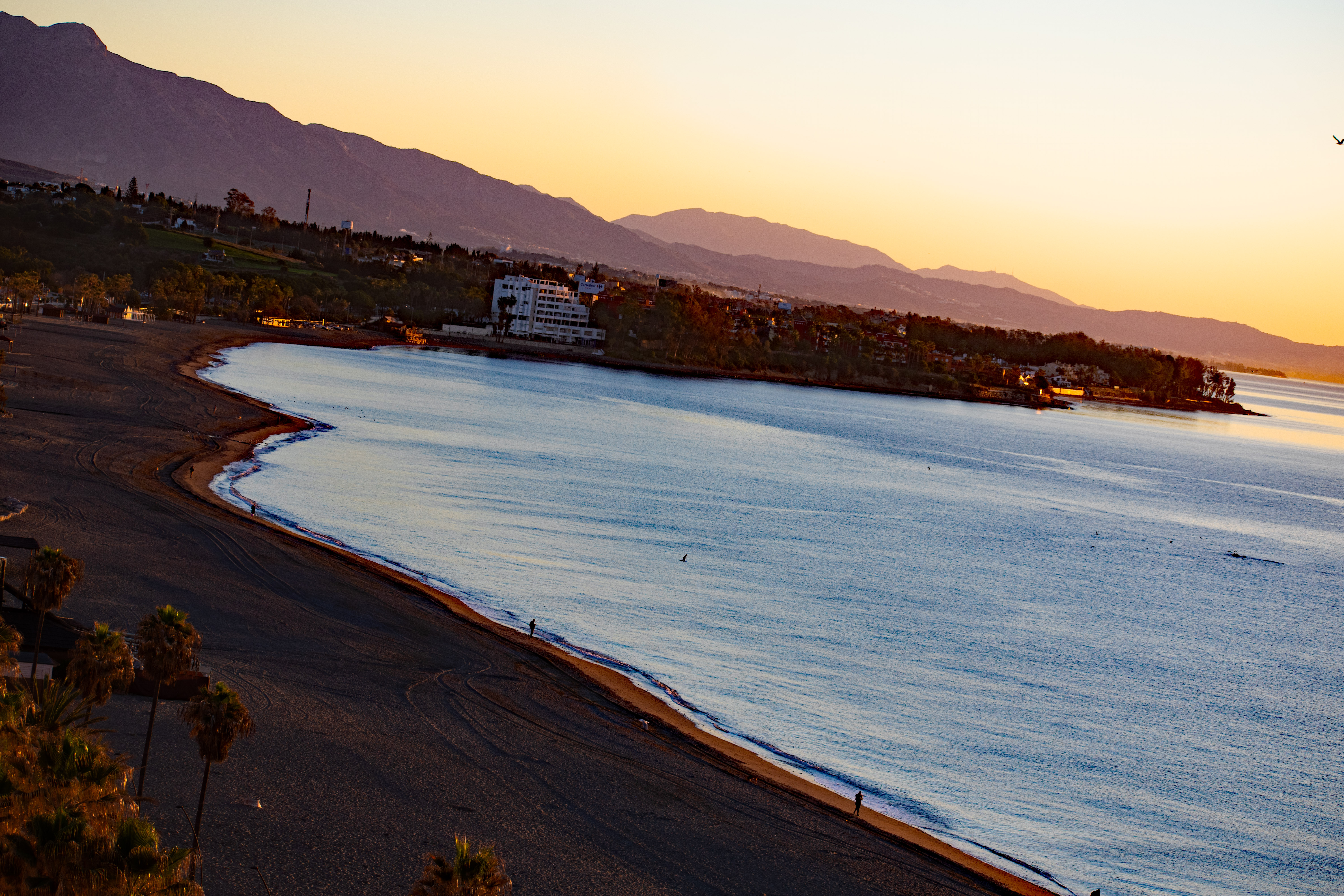
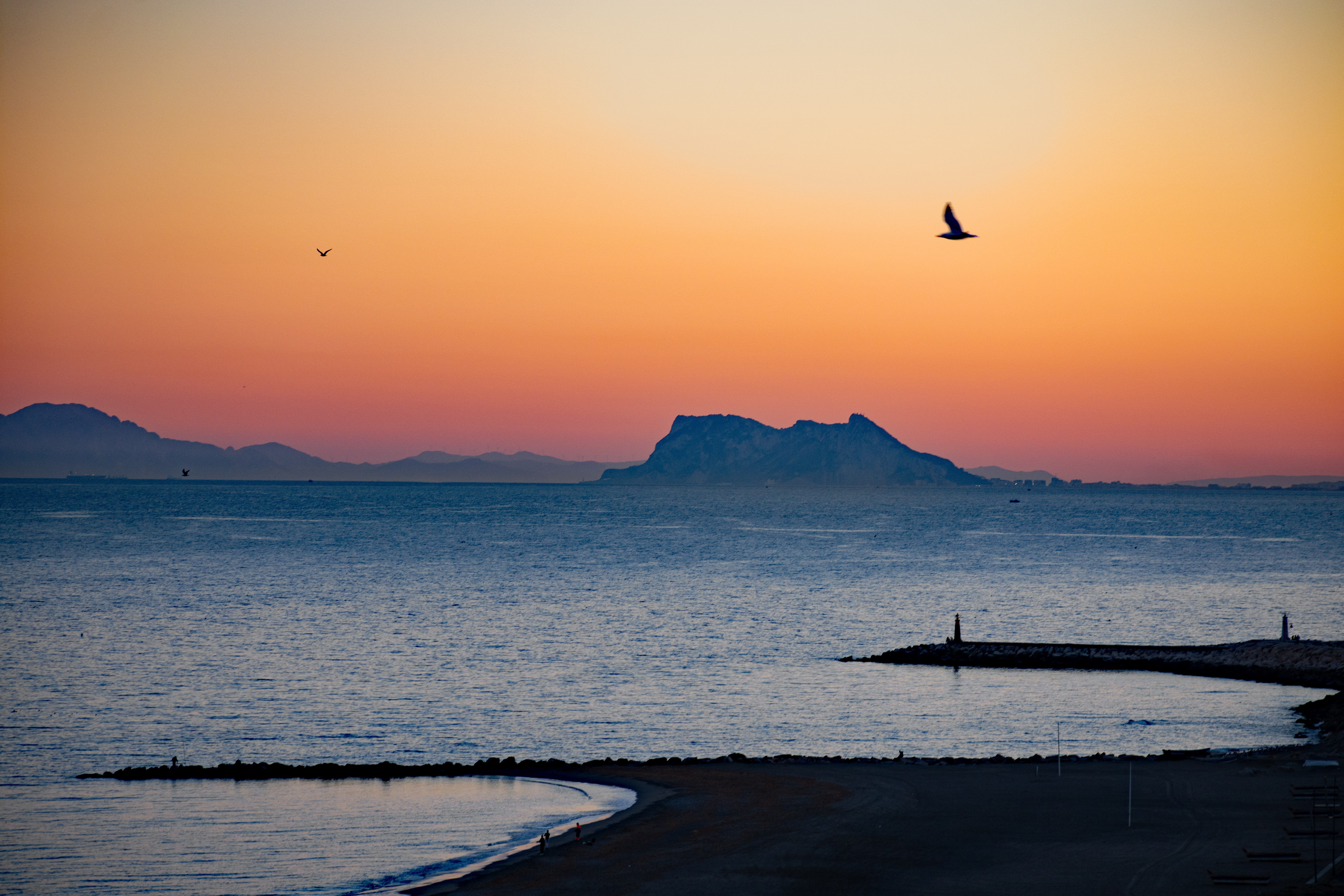
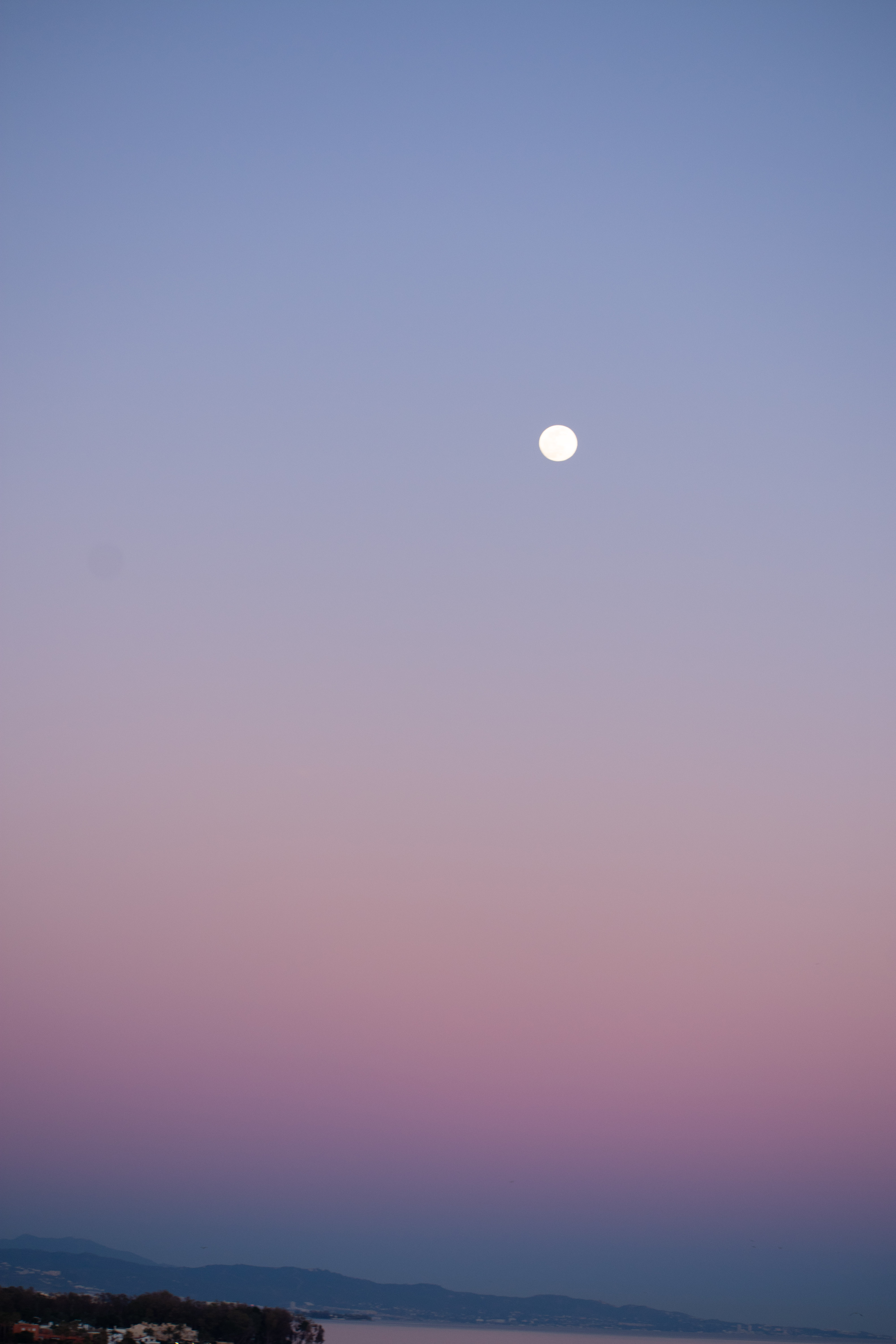
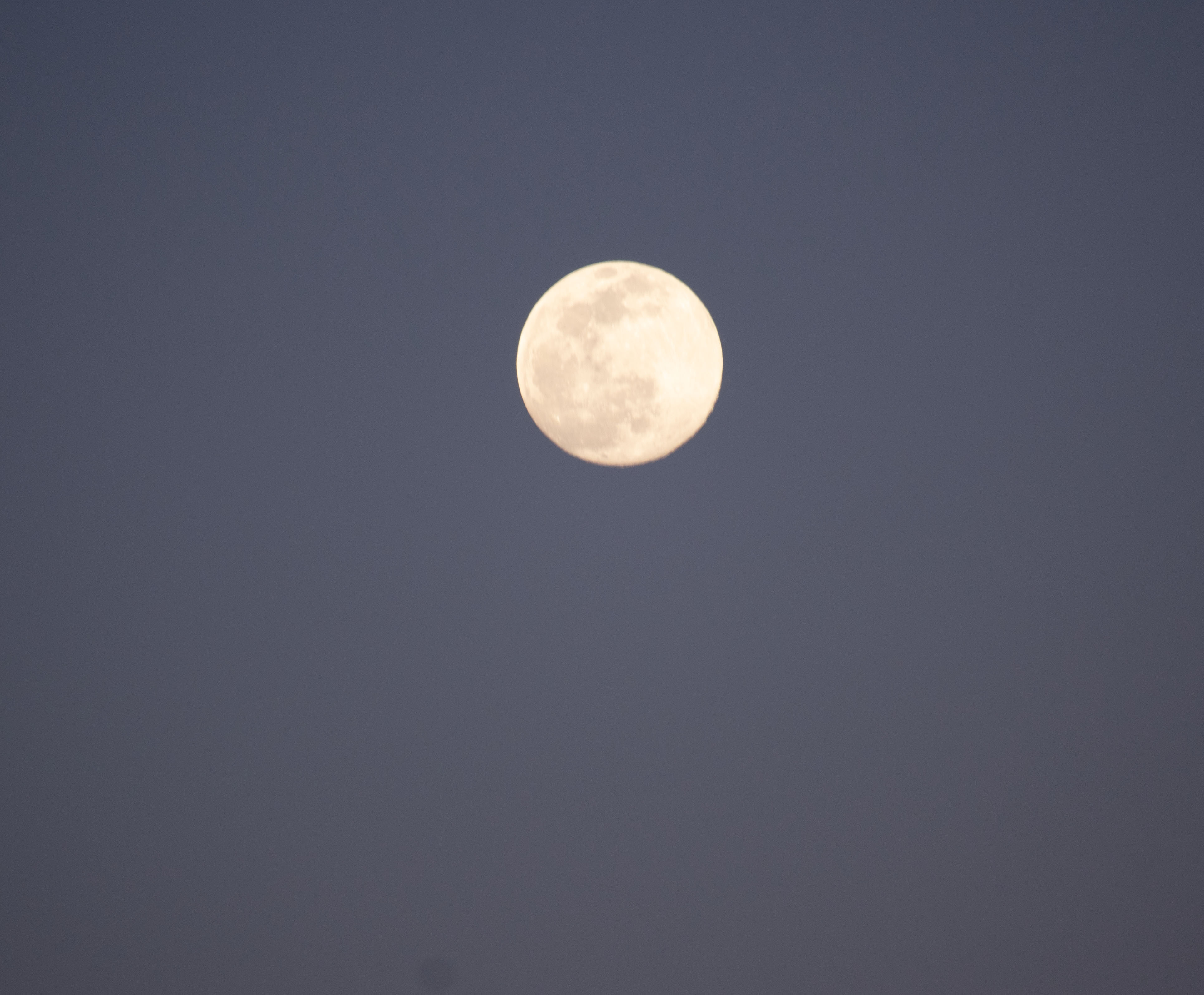
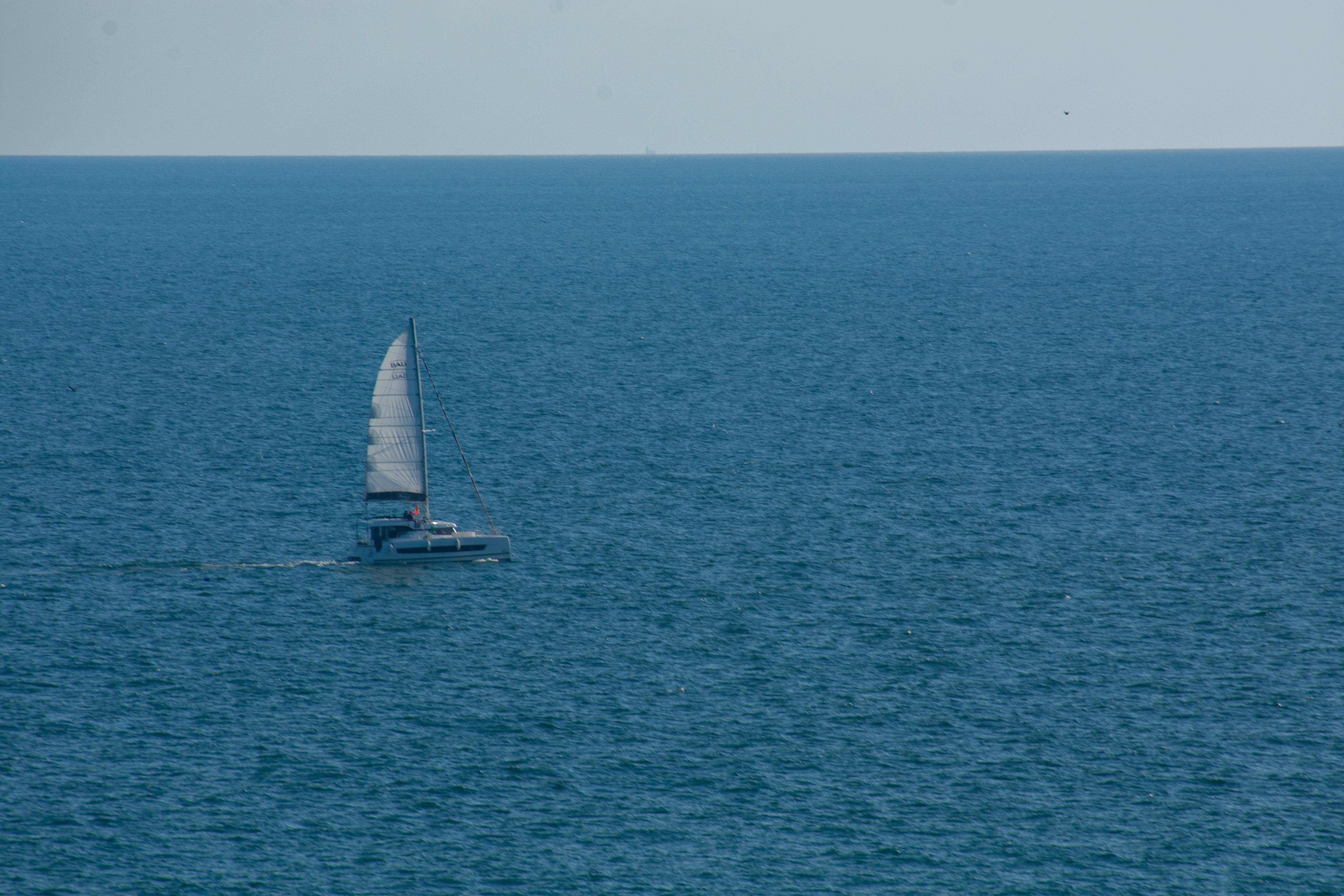
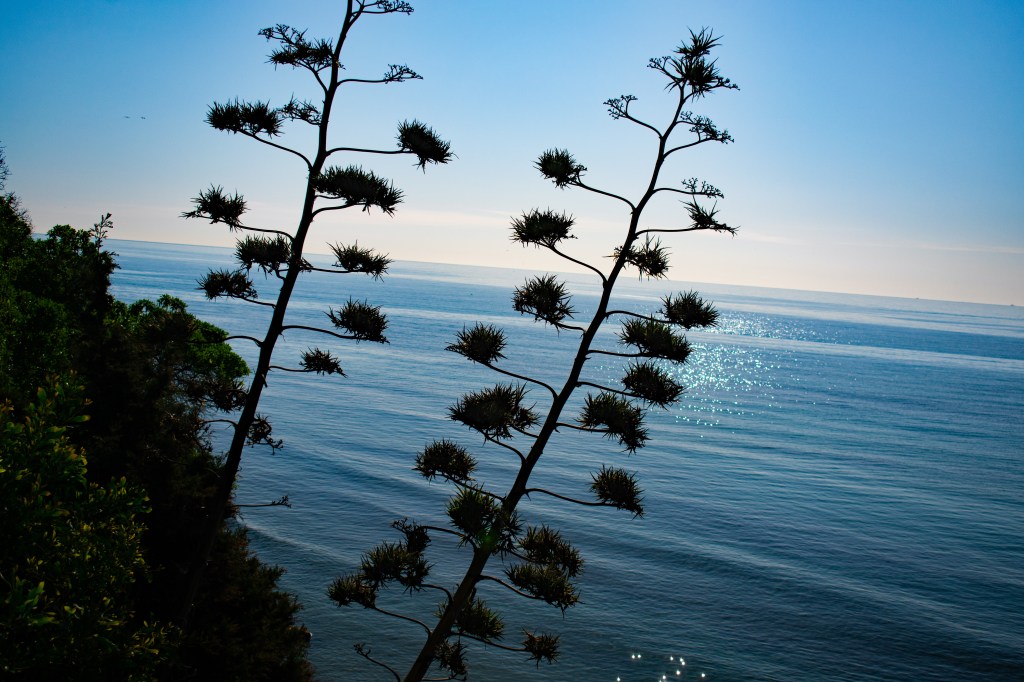
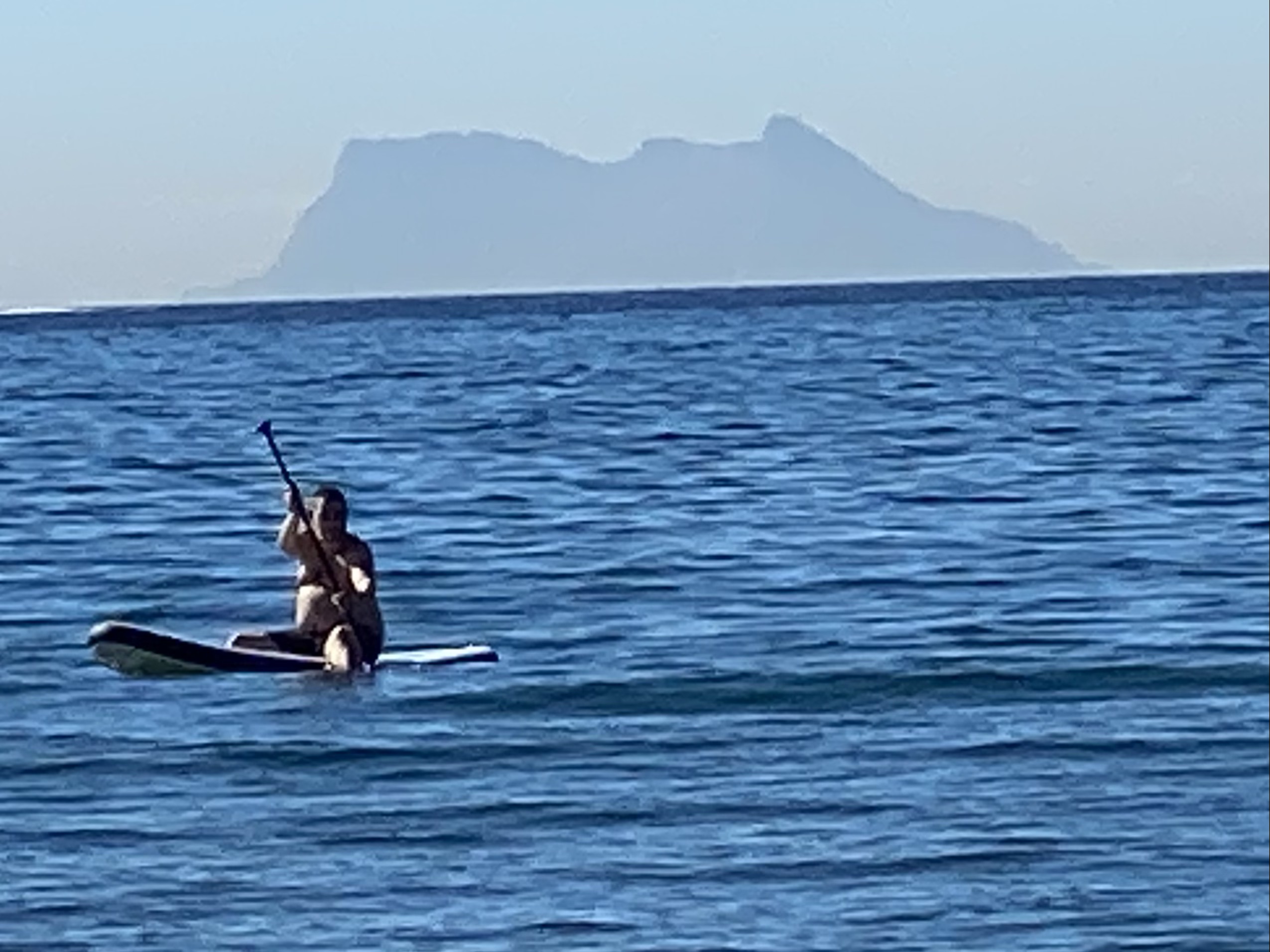
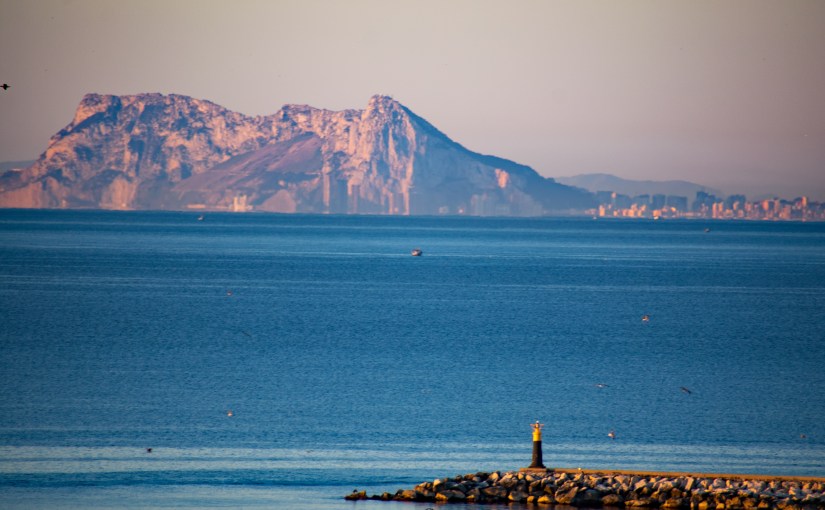
The sun rises over the Mediterranean and on a clear day you can see Gibraltar.
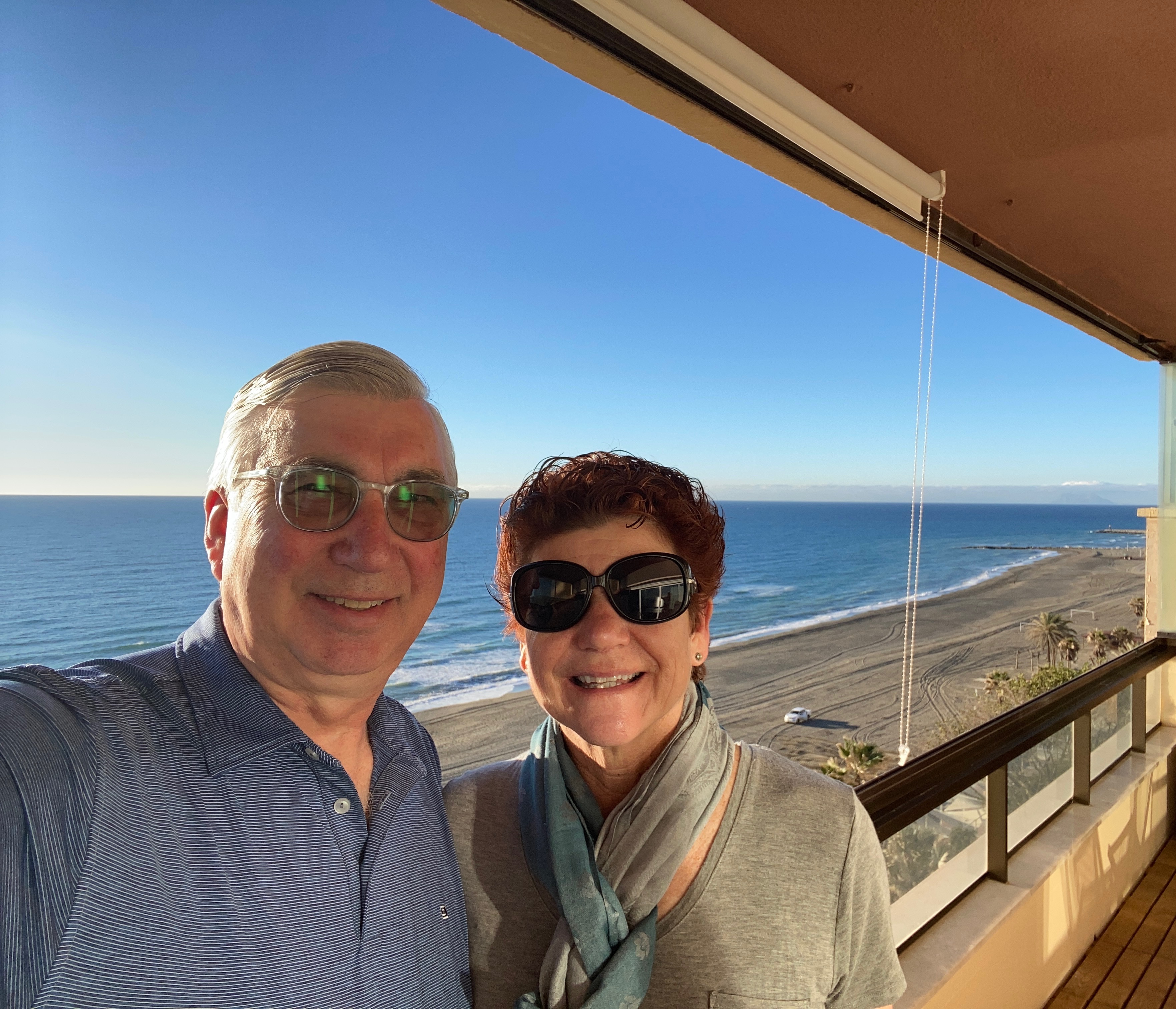
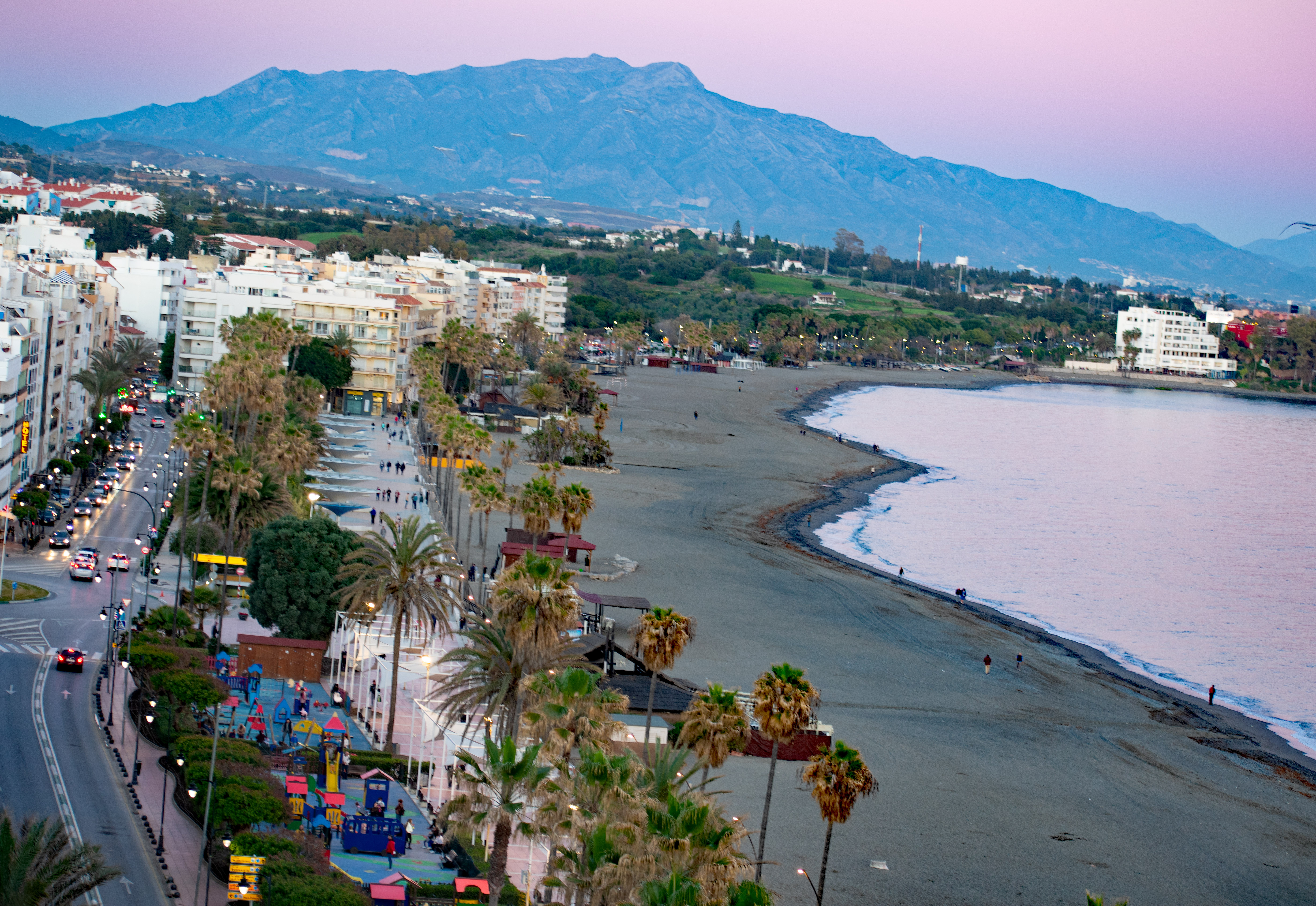
We have been fortunate each time to find an apartment in our budget with the above views. I’m not sure how much longer that will be the case, as this town is undergoing a “great renovation”. We have observed big changes in the time we have been coming here.

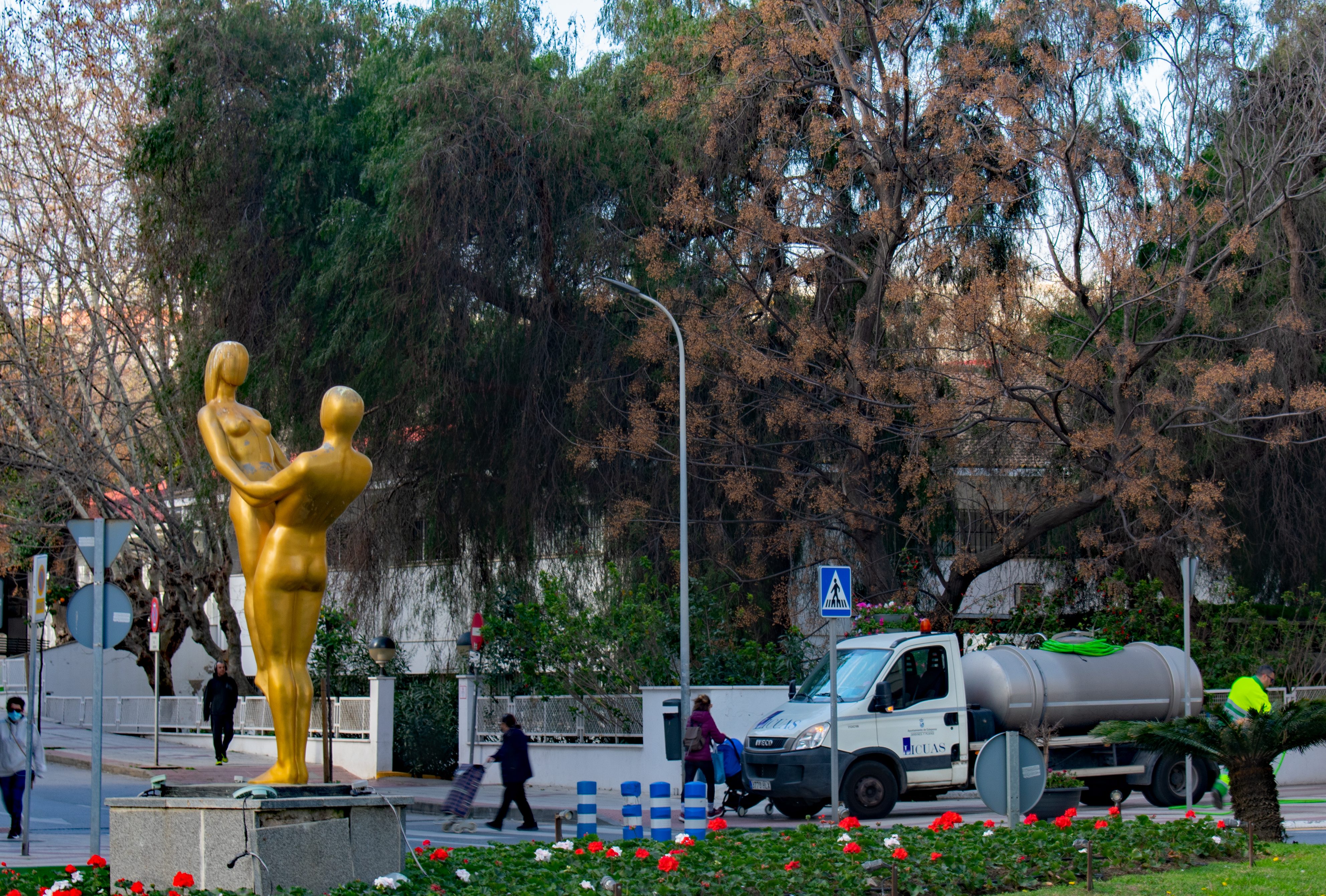
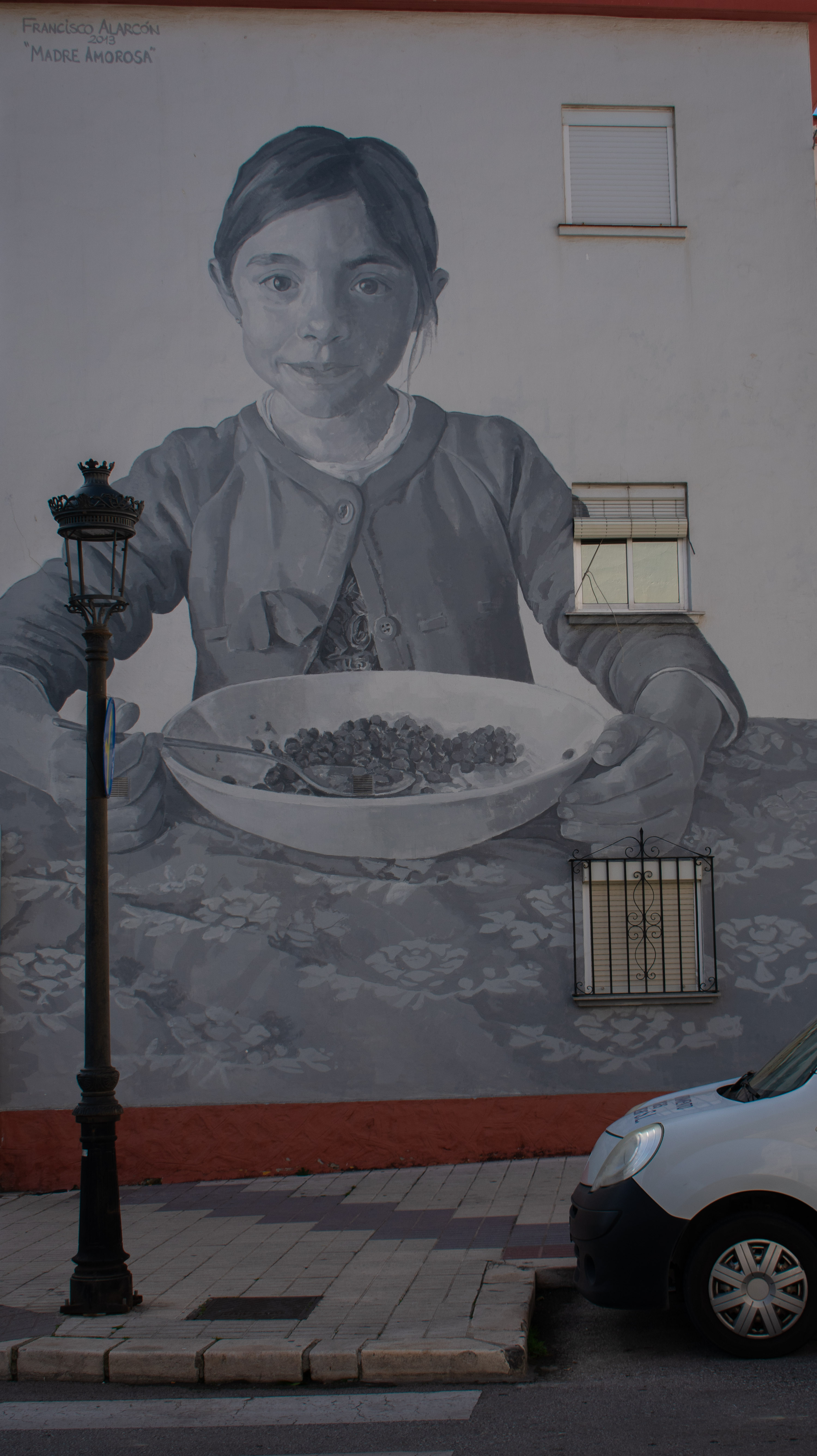
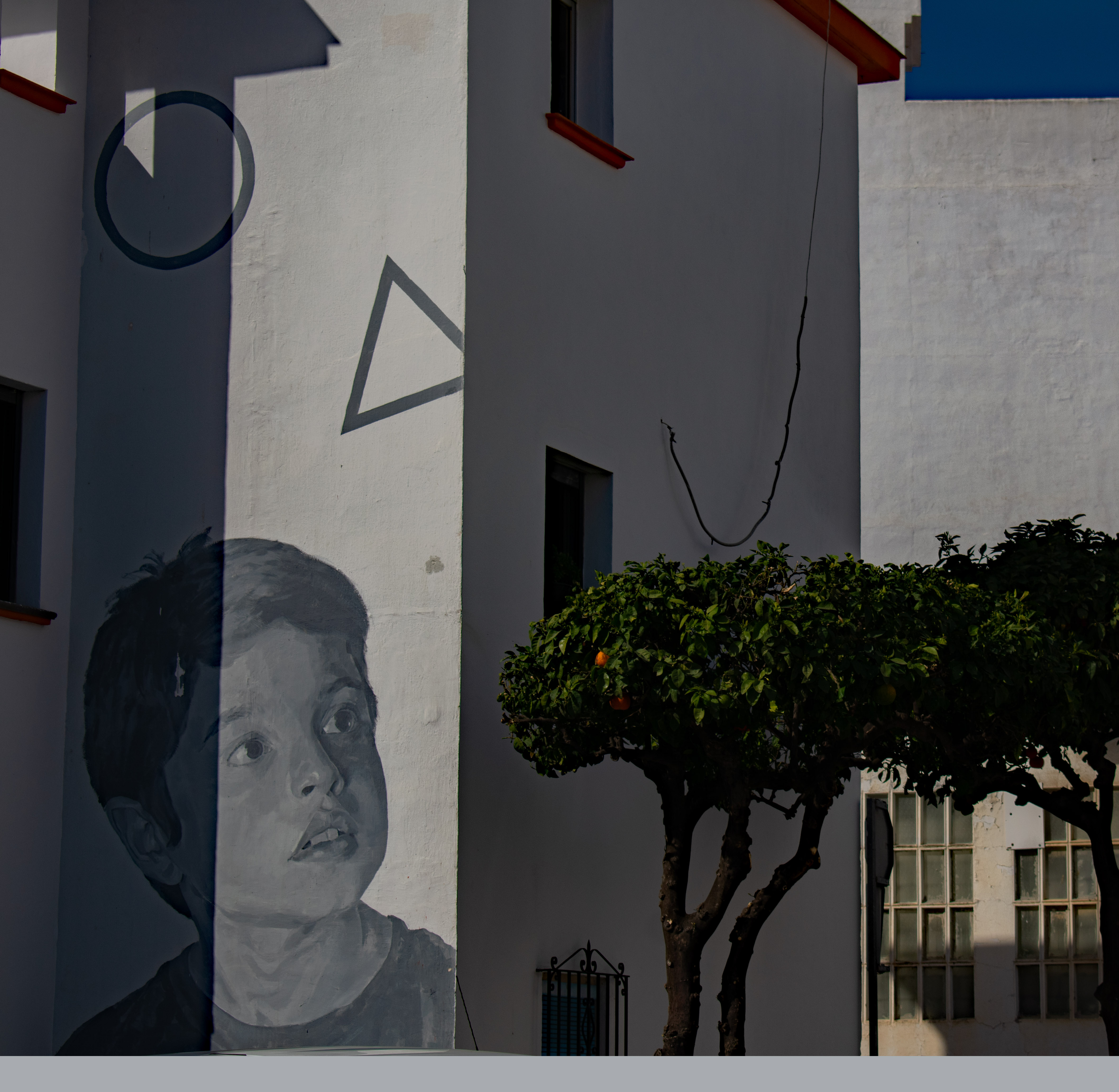
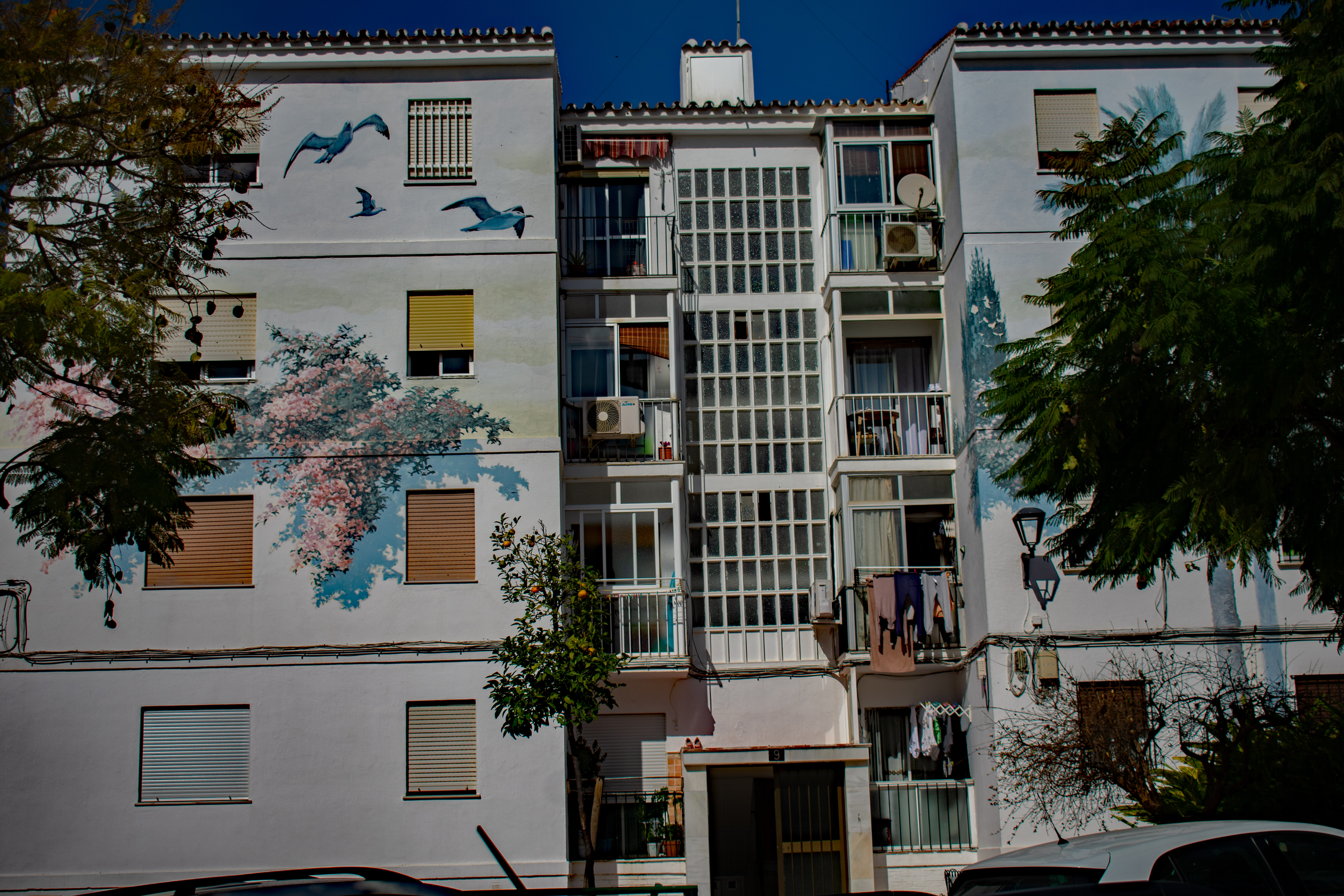
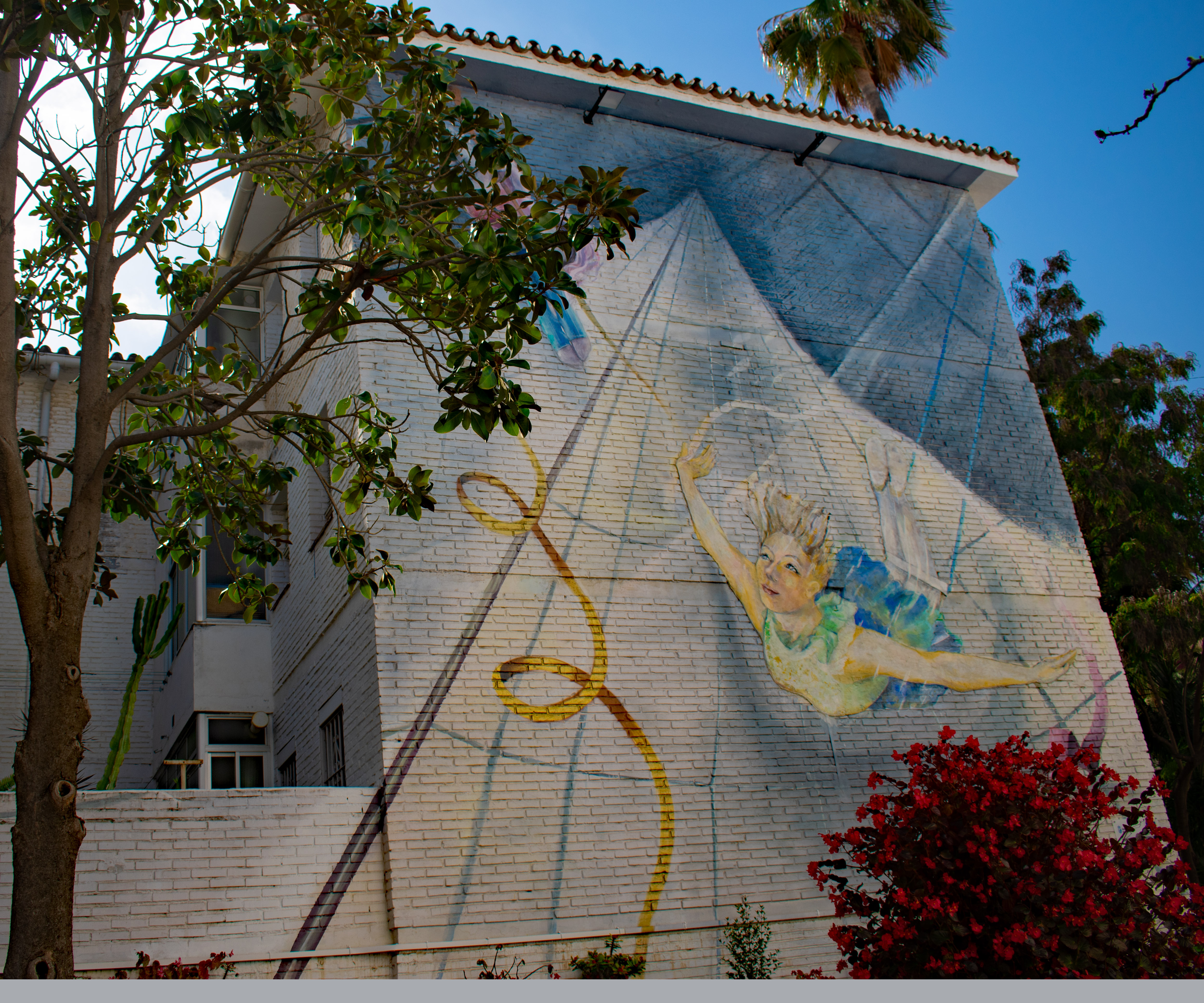
The mayor, José María García Urbano, is ” a man with a plan”. He began with a 10 year proposal in 2011 and the work continues. His goals included: ending corruption, reducing municipal debt, renovating the crumbling historical center, building a sports complex and auditorium, attracting businesses willing to invest in the community, creating large pedestrian areas, promoting public art, public parks, and public gardens; all with the goal of attracting tourism to increase quality employment and improve public health. In short, to turn this small fishing village into the “Garden of the Costa del Sol,” while maintaining its small town charm and ensuring a good life for the local residents.

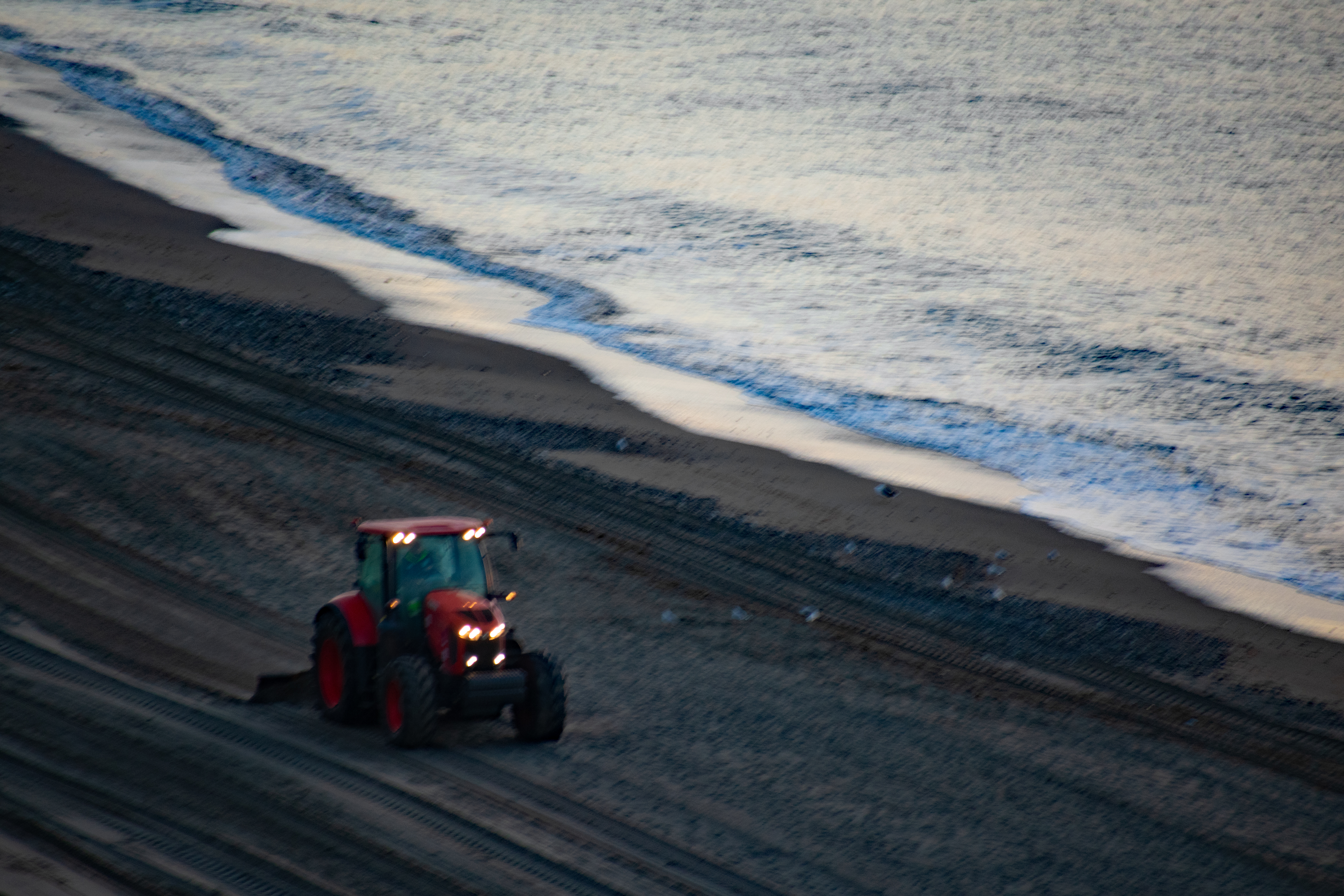
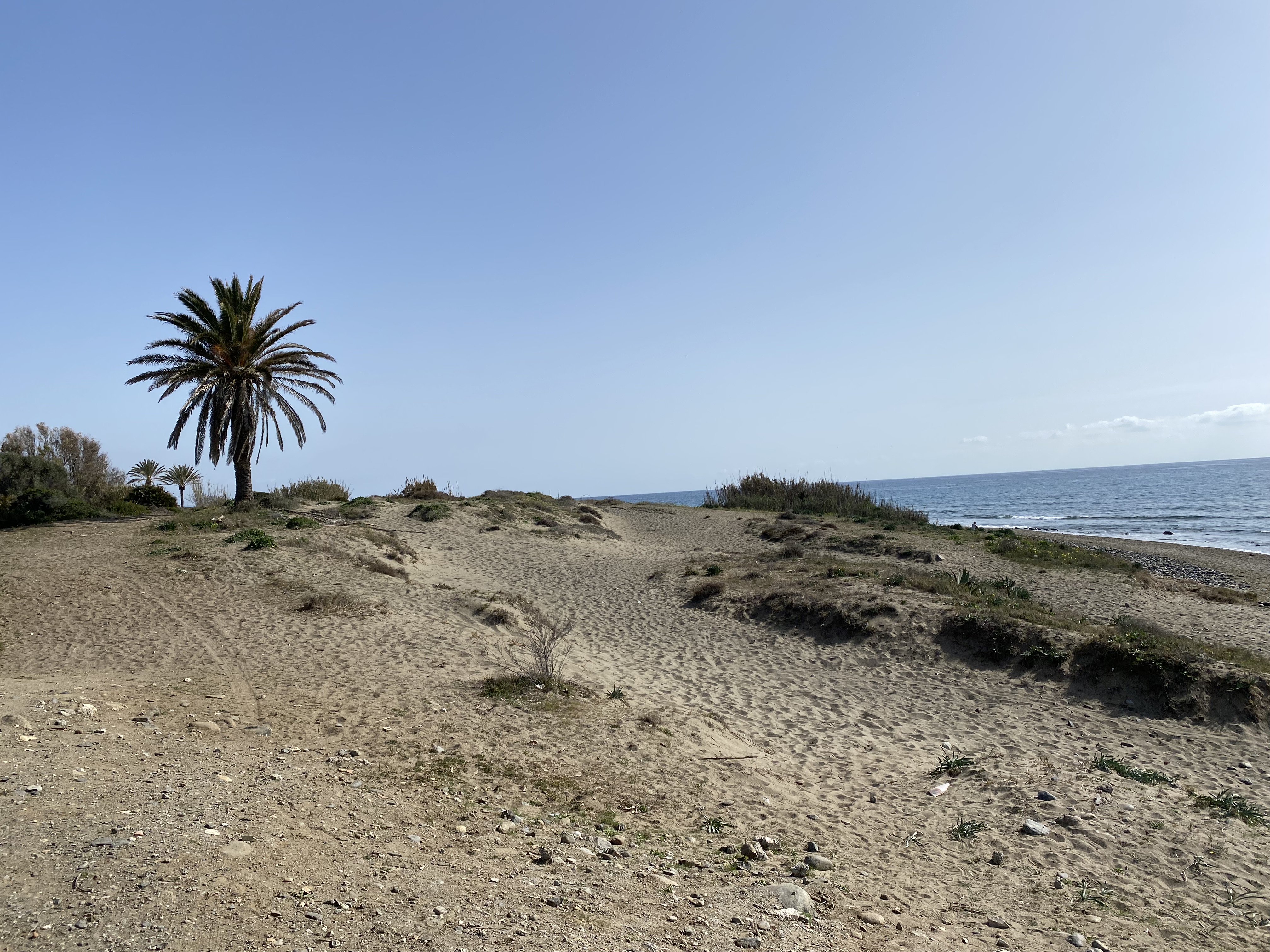
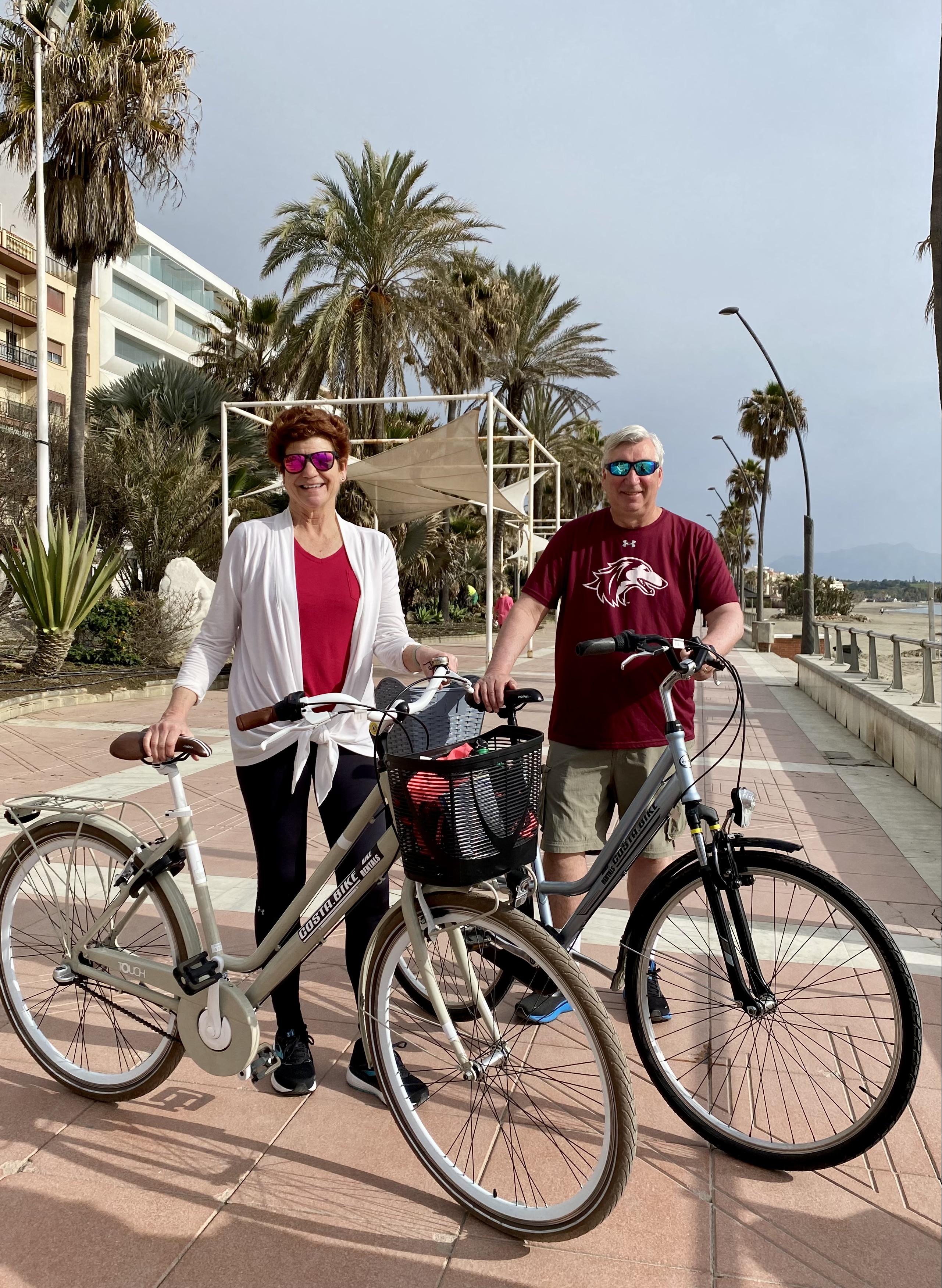
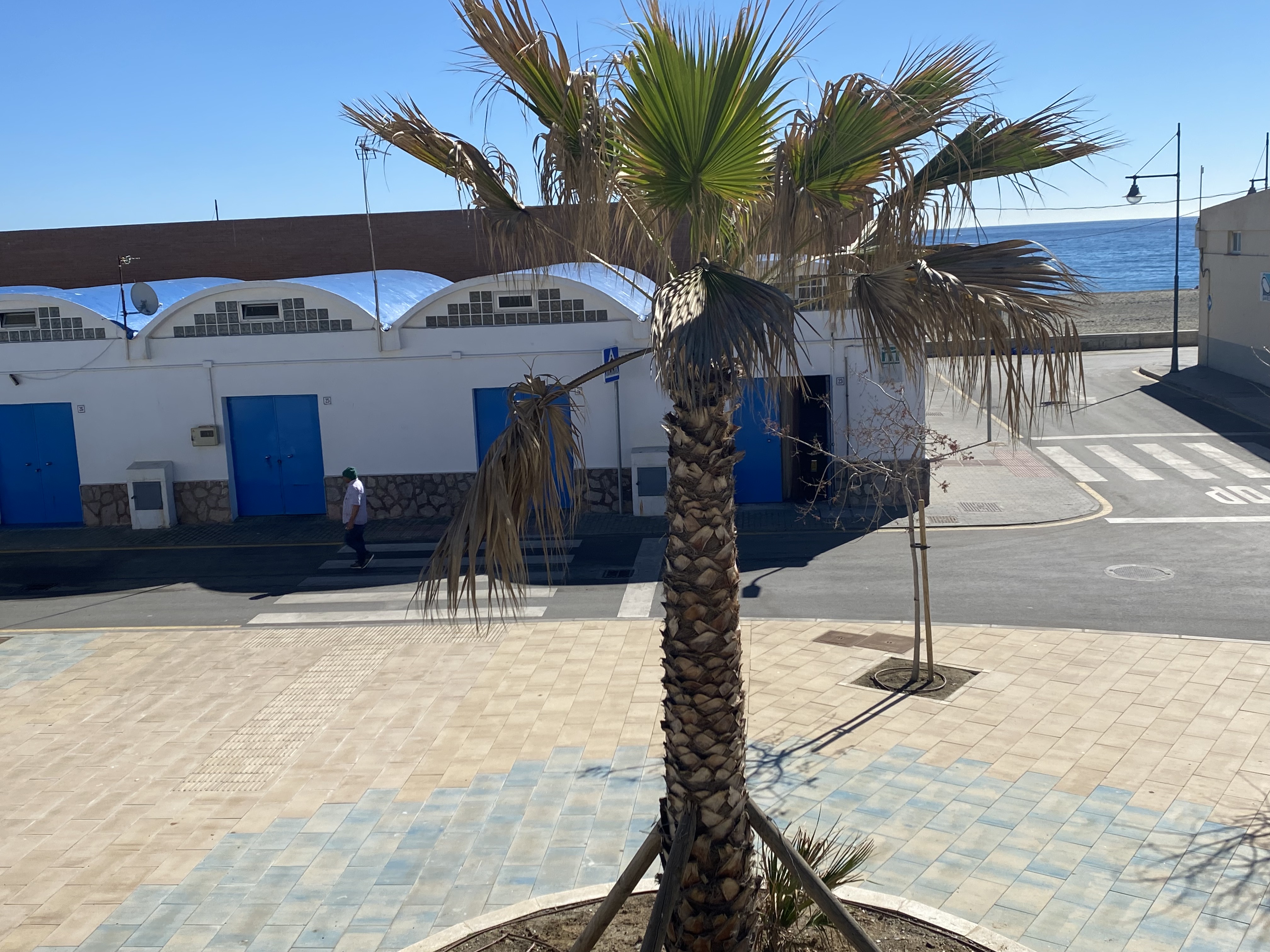
Public works are in evidence everywhere. Underground garages are being added to get more cars off the streets. The historic district is almost completely pedestrian with shops, bars, and restaurants. Flowers are planted and groomed by village employees, the sand on all the beaches is groomed daily, the boardwalk is washed every morning, the “senda litoral” (sea path) has been extended in both directions for hiking and biking. Eventually it will go all the way to Marbella. We have biked 7 miles in one direction before running out of path.

Public Parks and Public Works

Gardeners on the Paseo

So, life is good for the tourists, but is this all too good to be true? Will people get priced out of their neighborhoods with all of the luxury buildings going up? We have seen an occasional homeless person sleeping in the park, although far fewer than in other places. There is a planned complex of 100 affordable housing units. Contractors that wish to build here are required to contribute to the public fund for green spaces and community centers. Taxes have been significantly reduced and the inherited debt from previous administrations is almost gone. There is a screen in the rotunda with the “debt graph.” Sustainability is also a goal, so if solar panels are feasible for your dwelling, city hall pays for them. Oh, by the way, the mayor doesn’t accept a salary for the job.

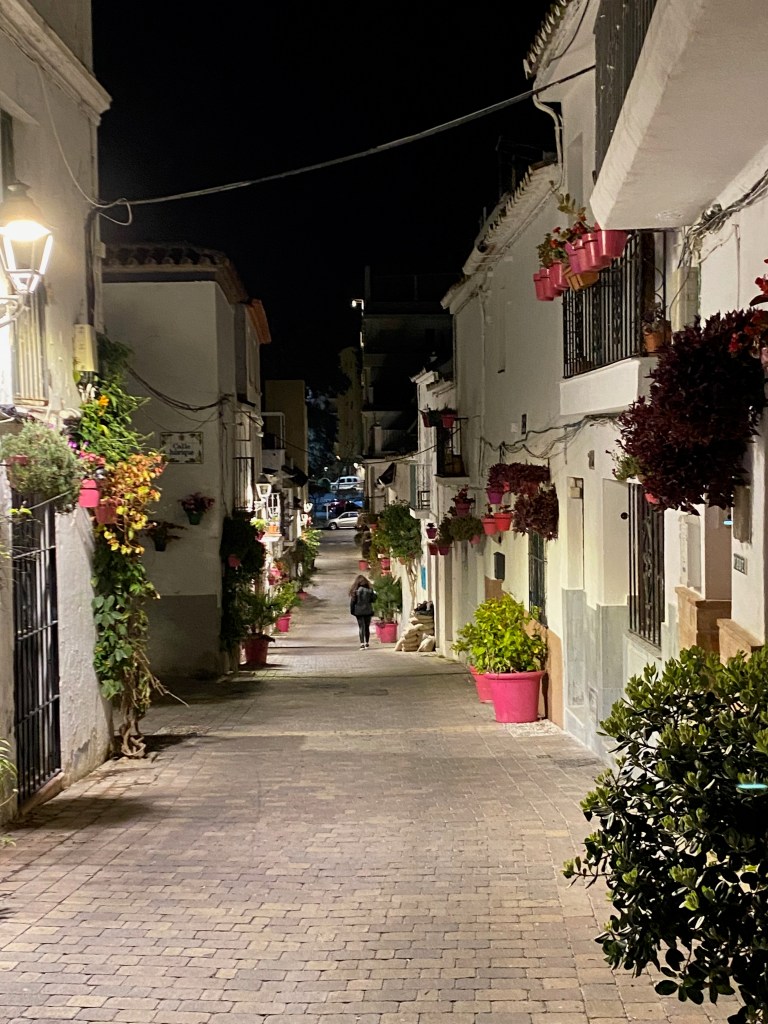
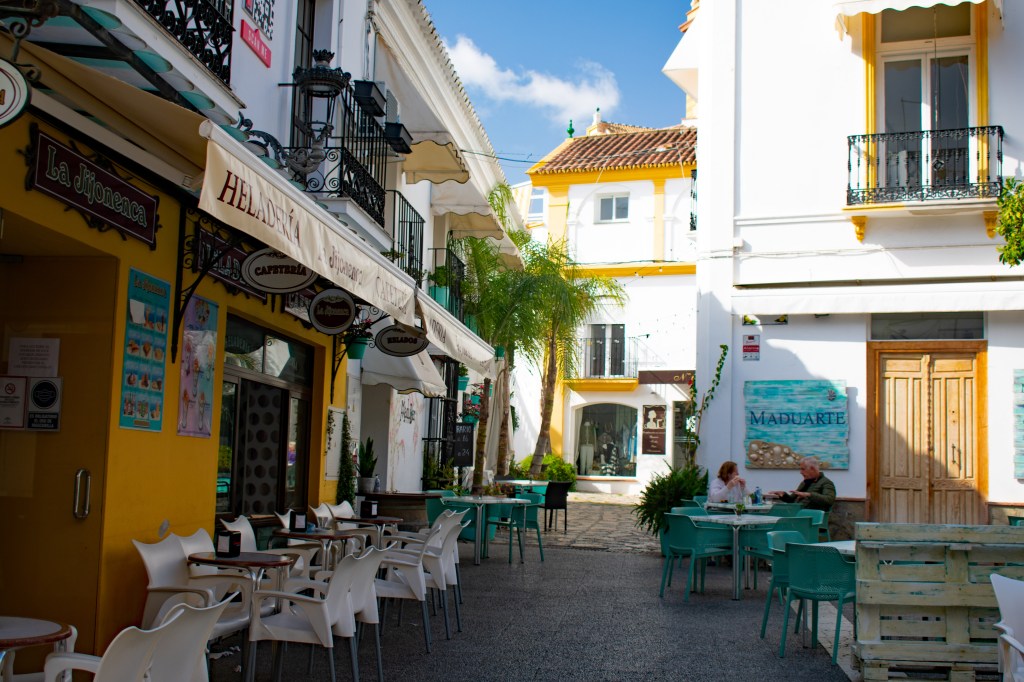
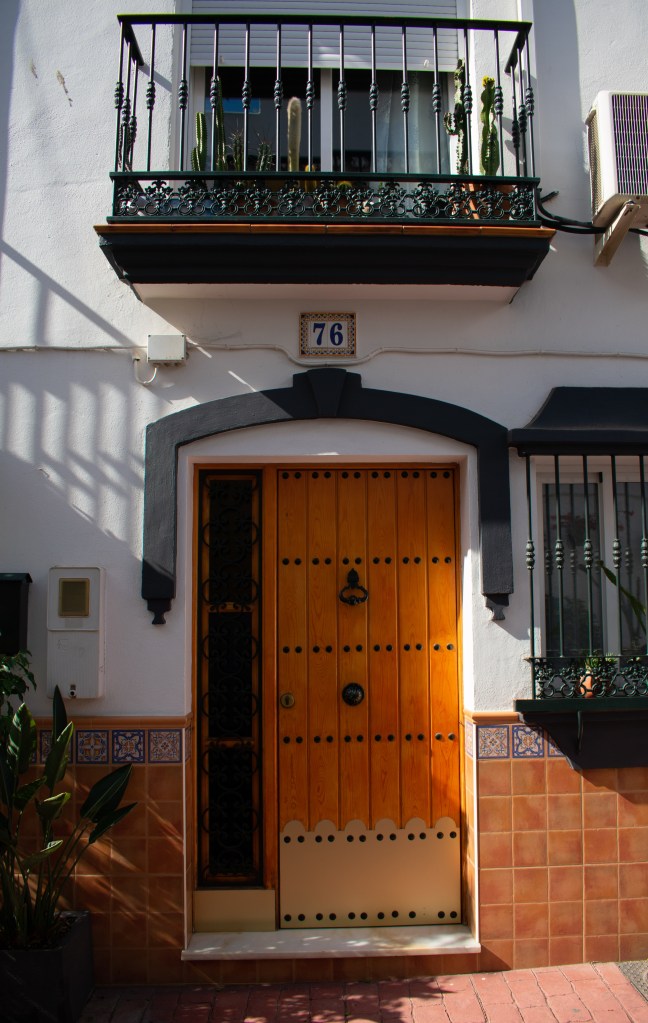
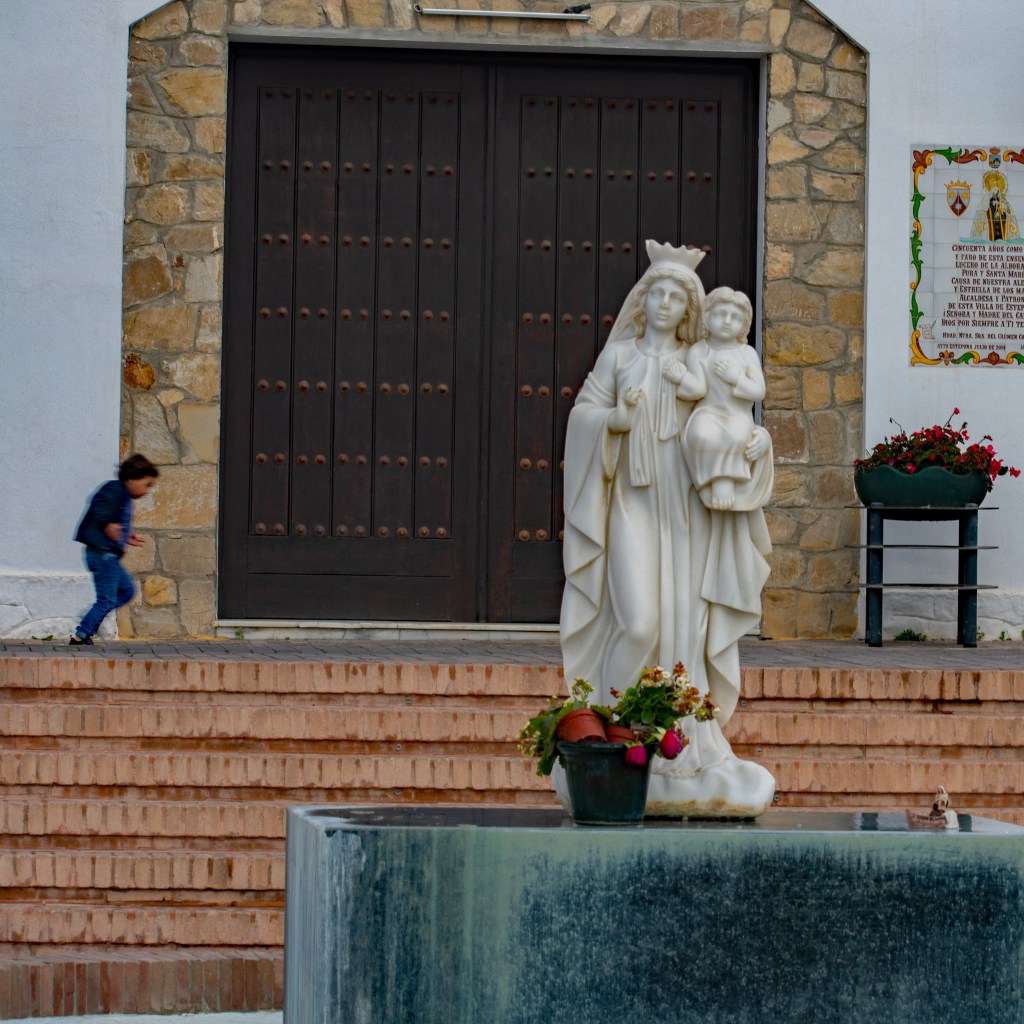
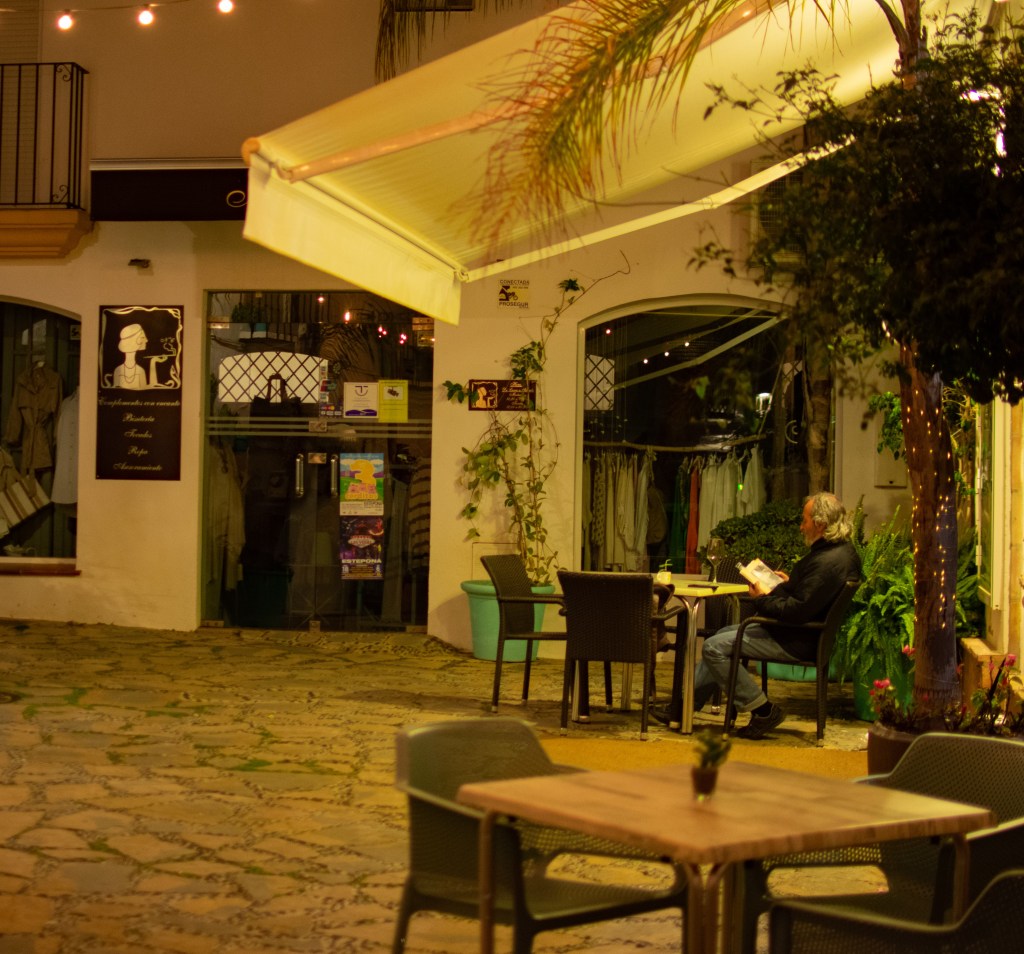
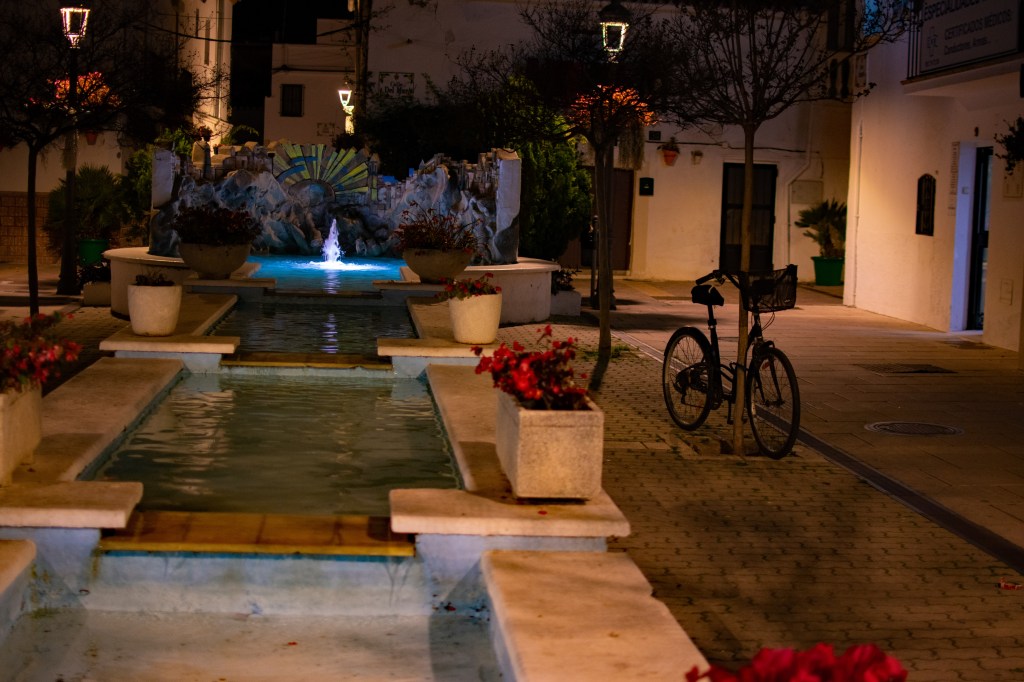
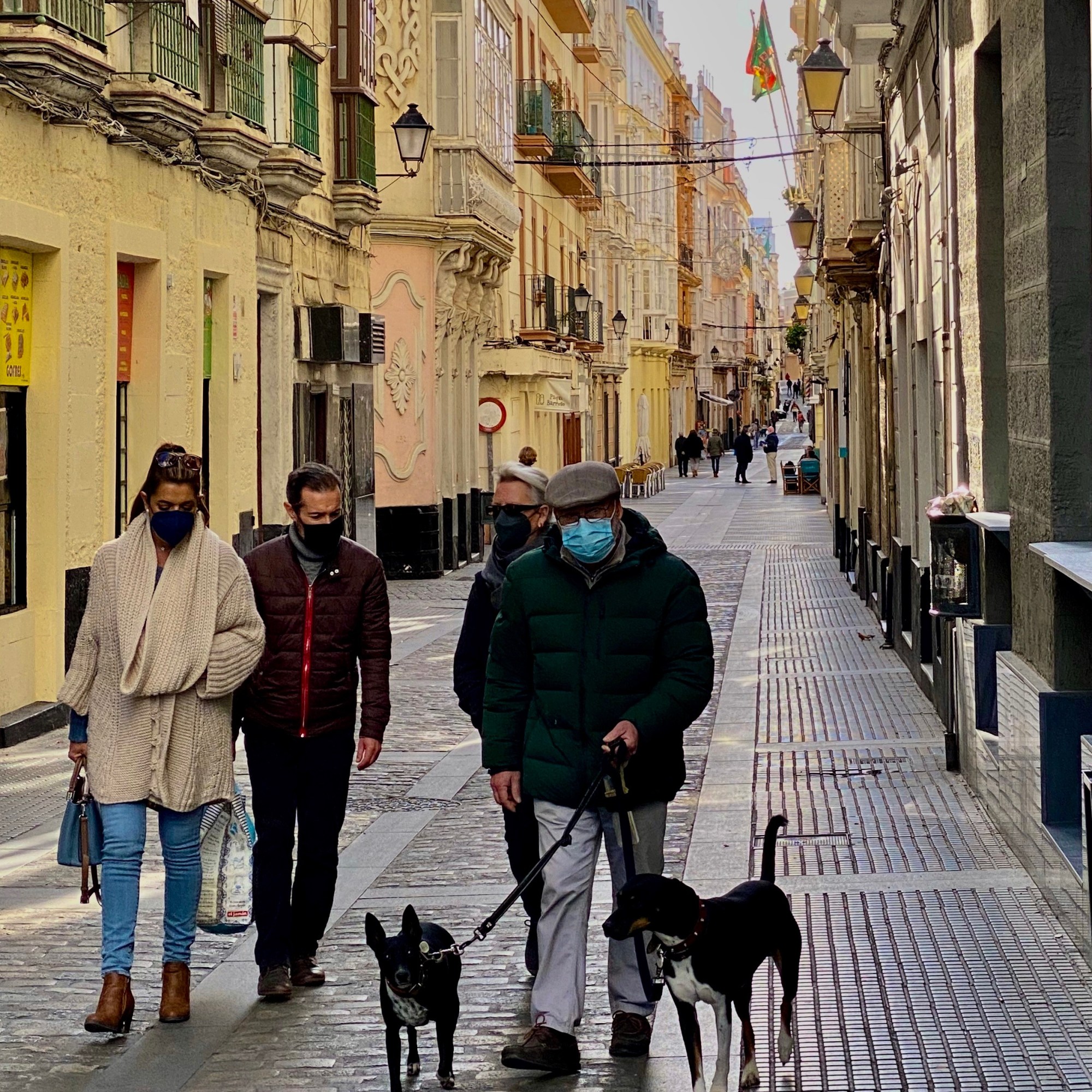
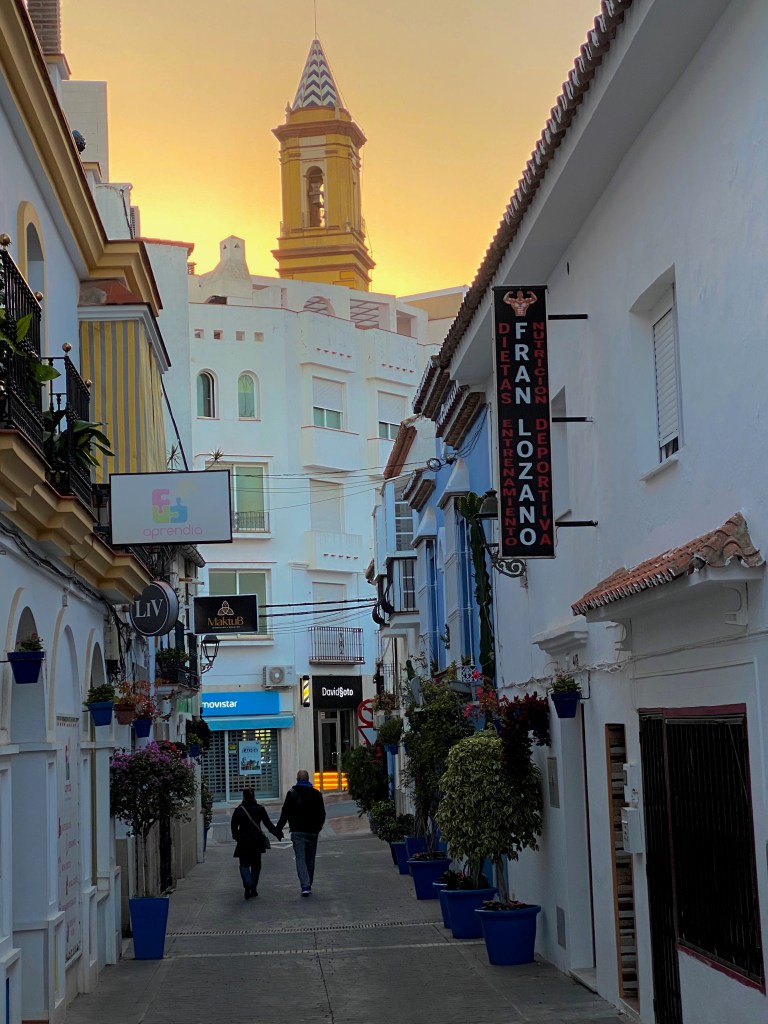
The Charming Streets of Old Town Estepona
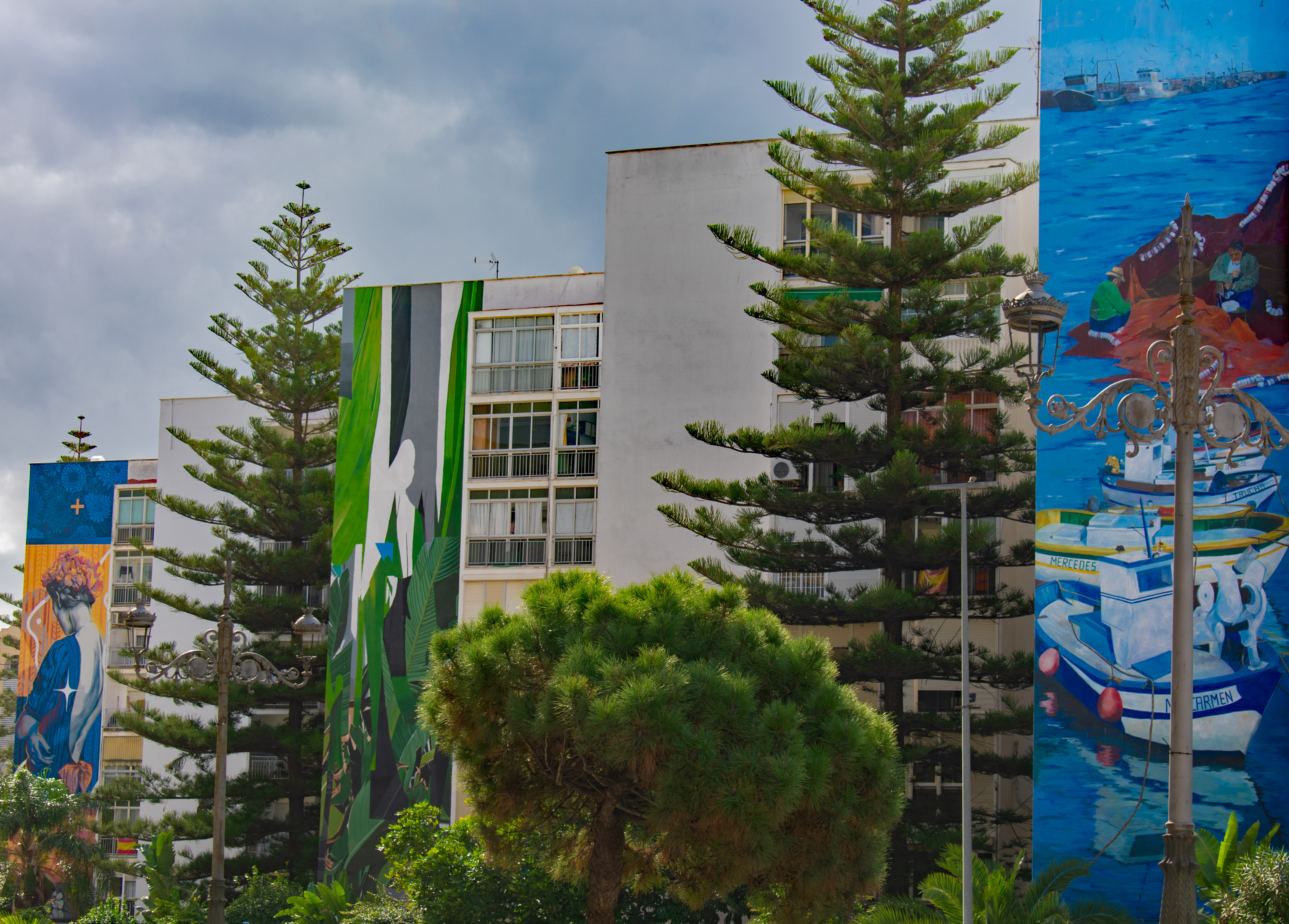
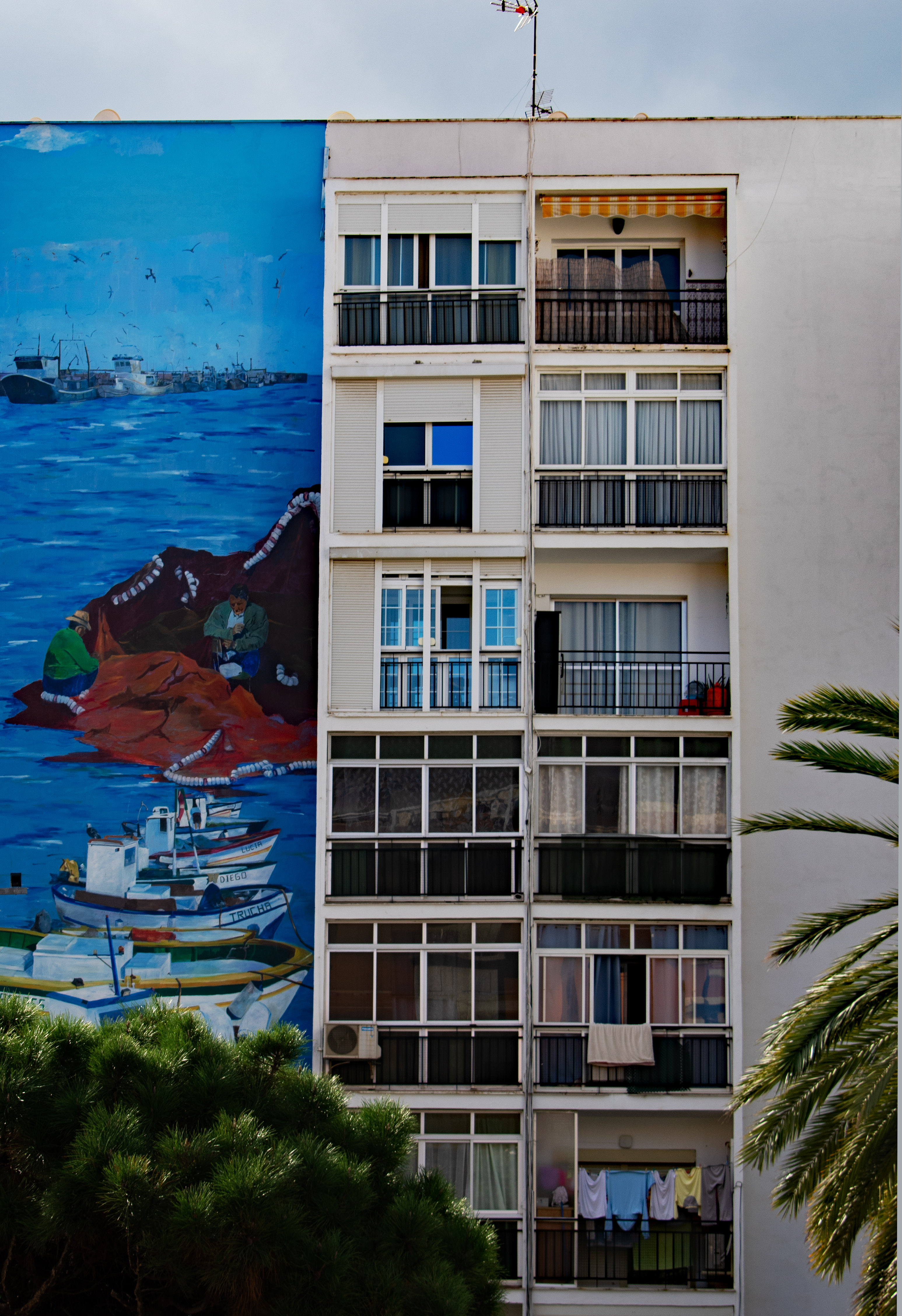
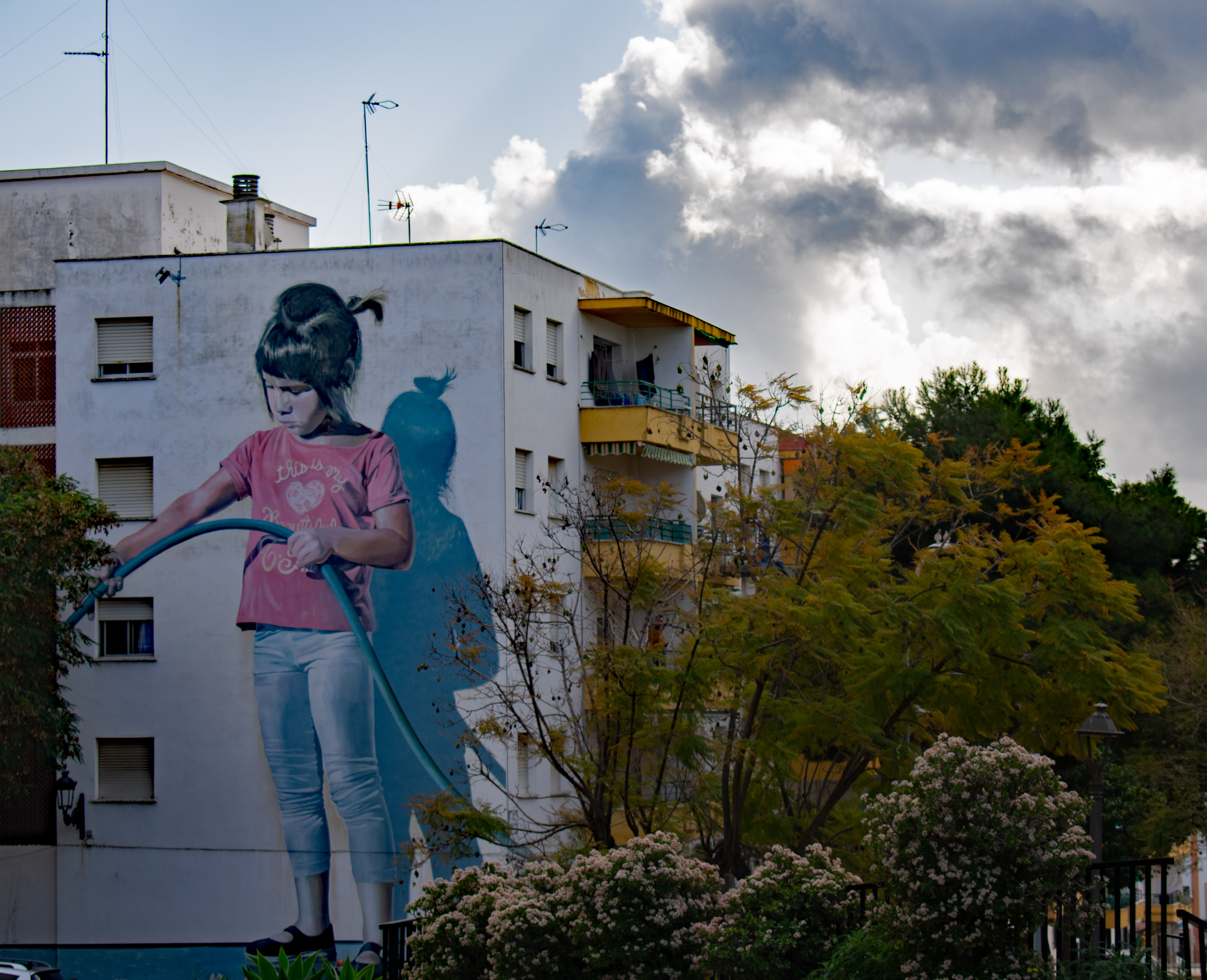
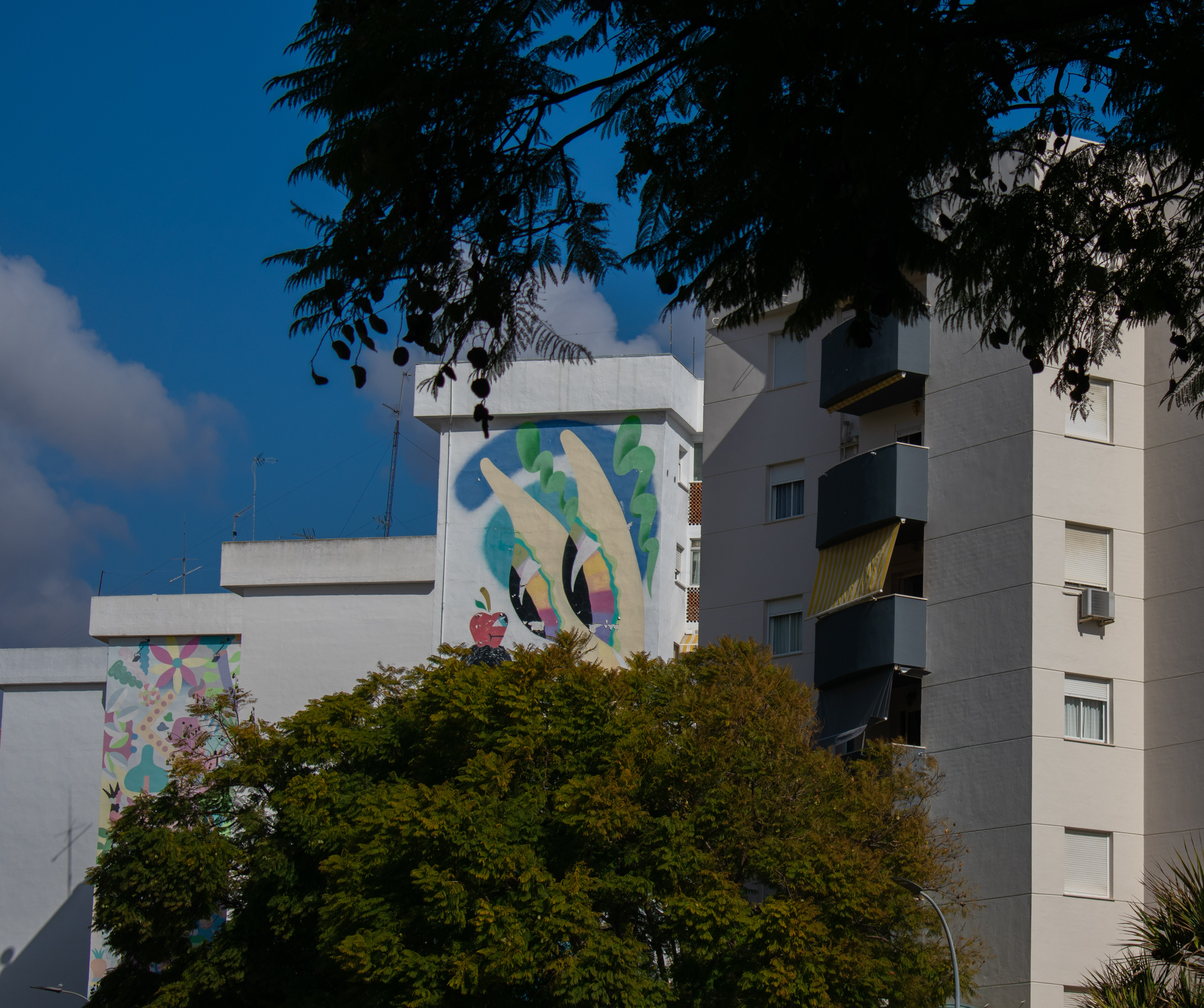
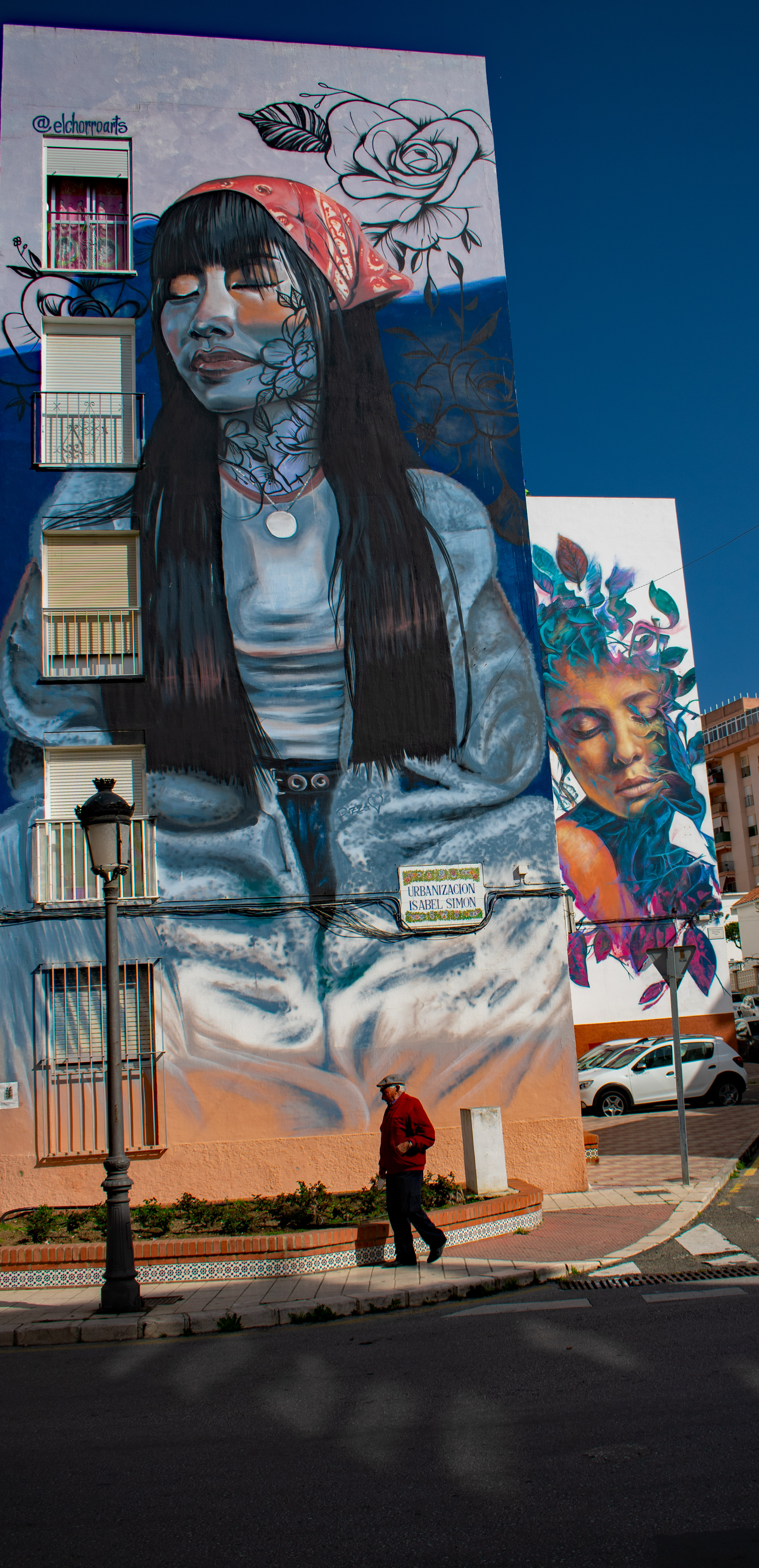
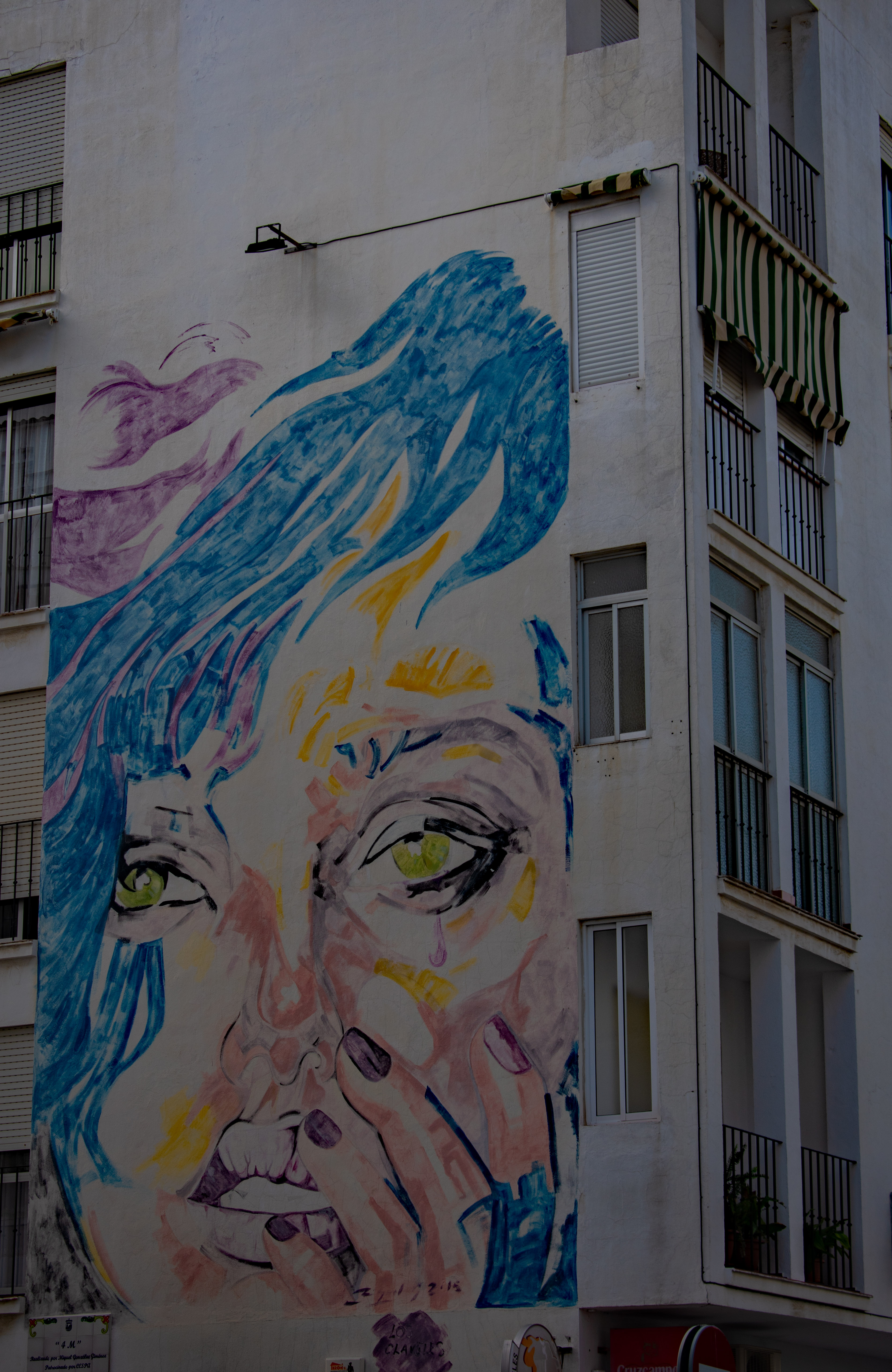
Murals on Buildings

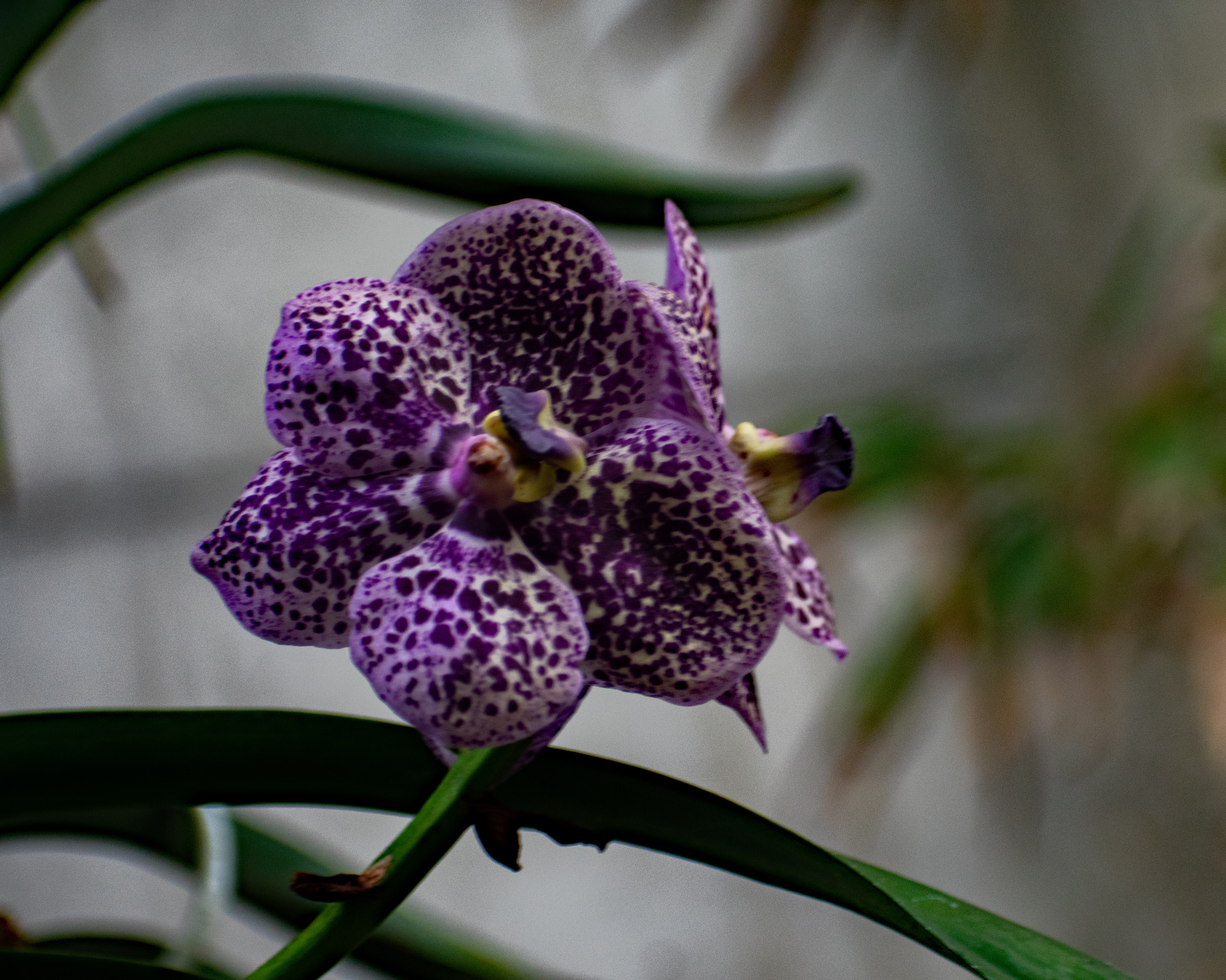
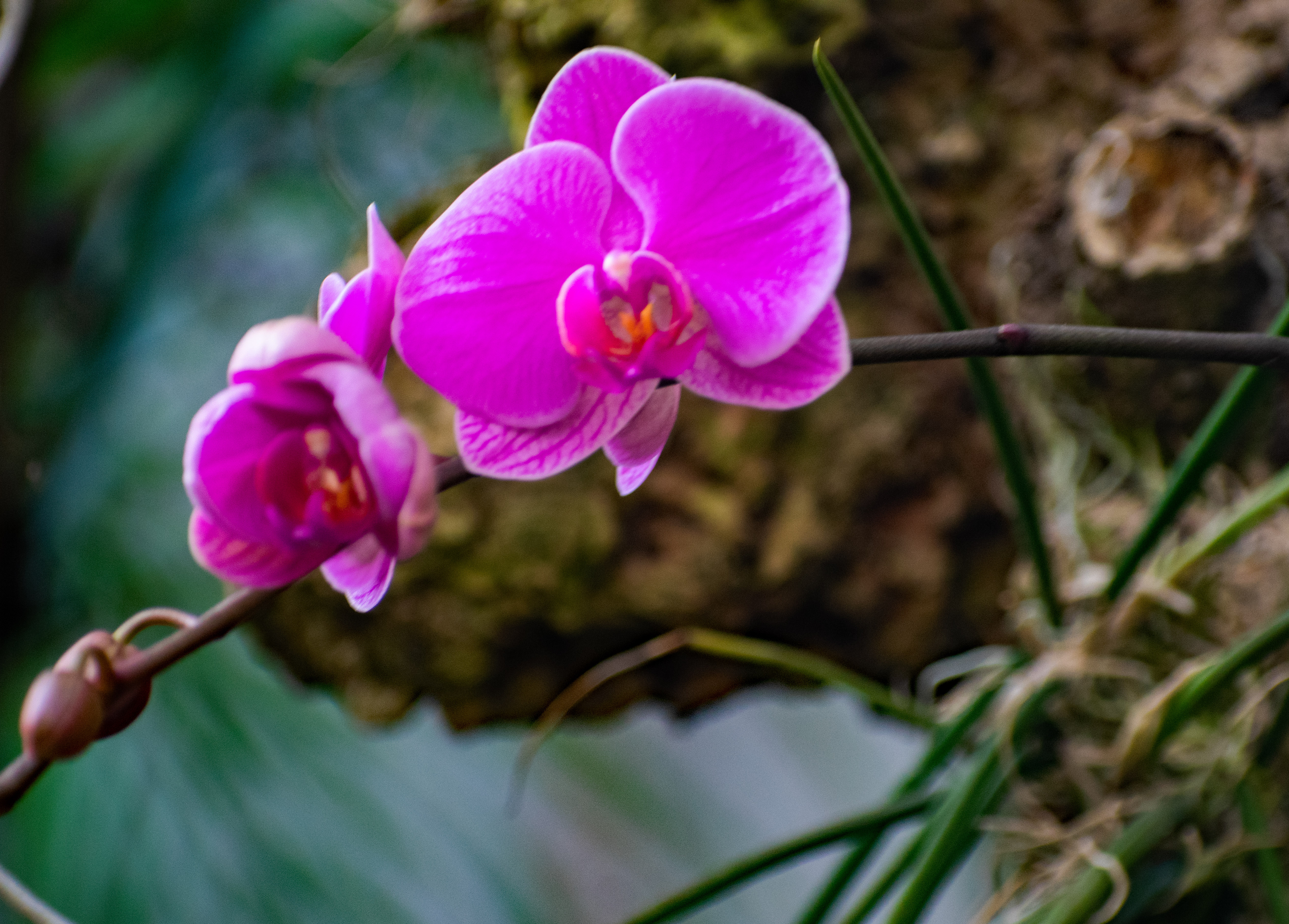
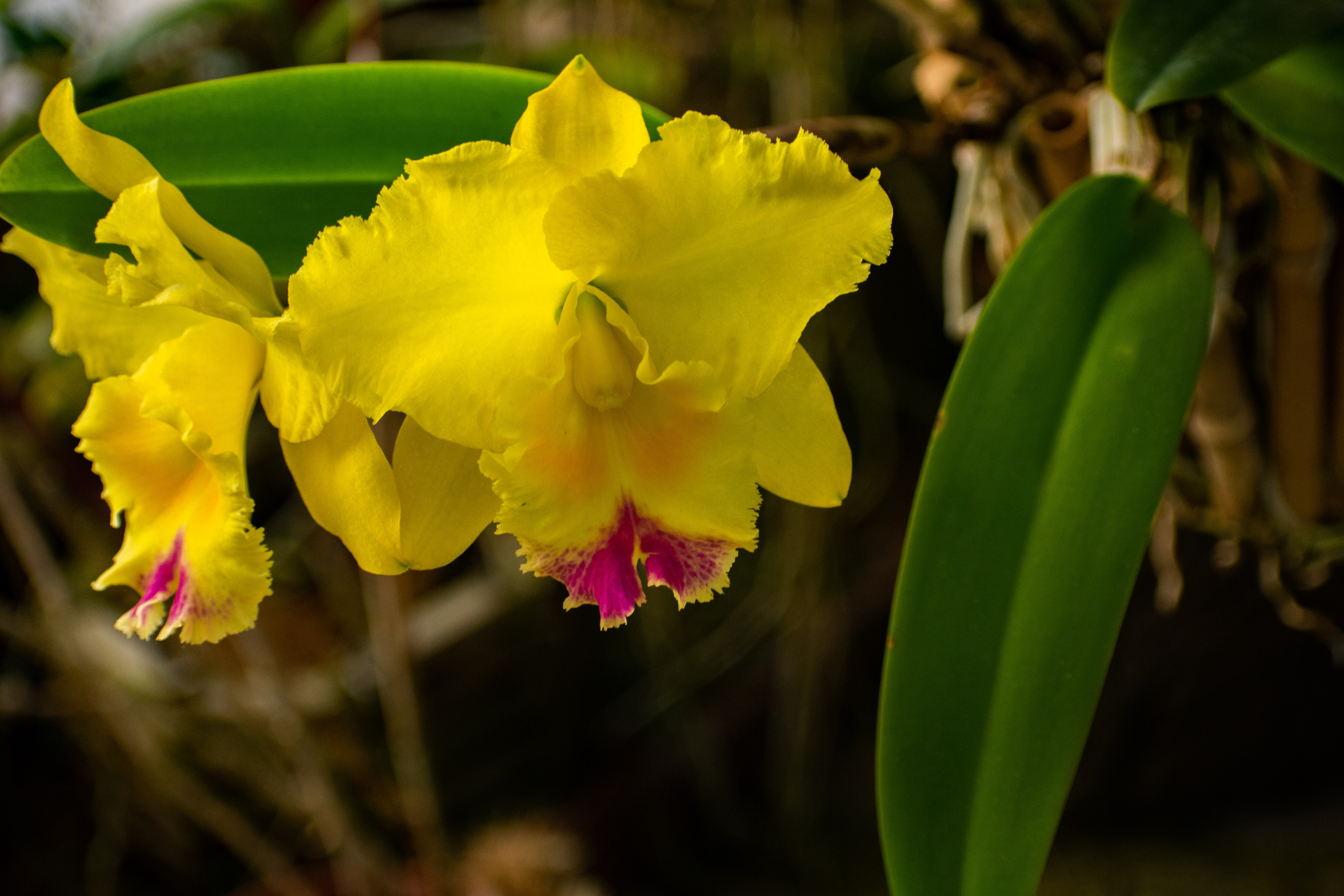
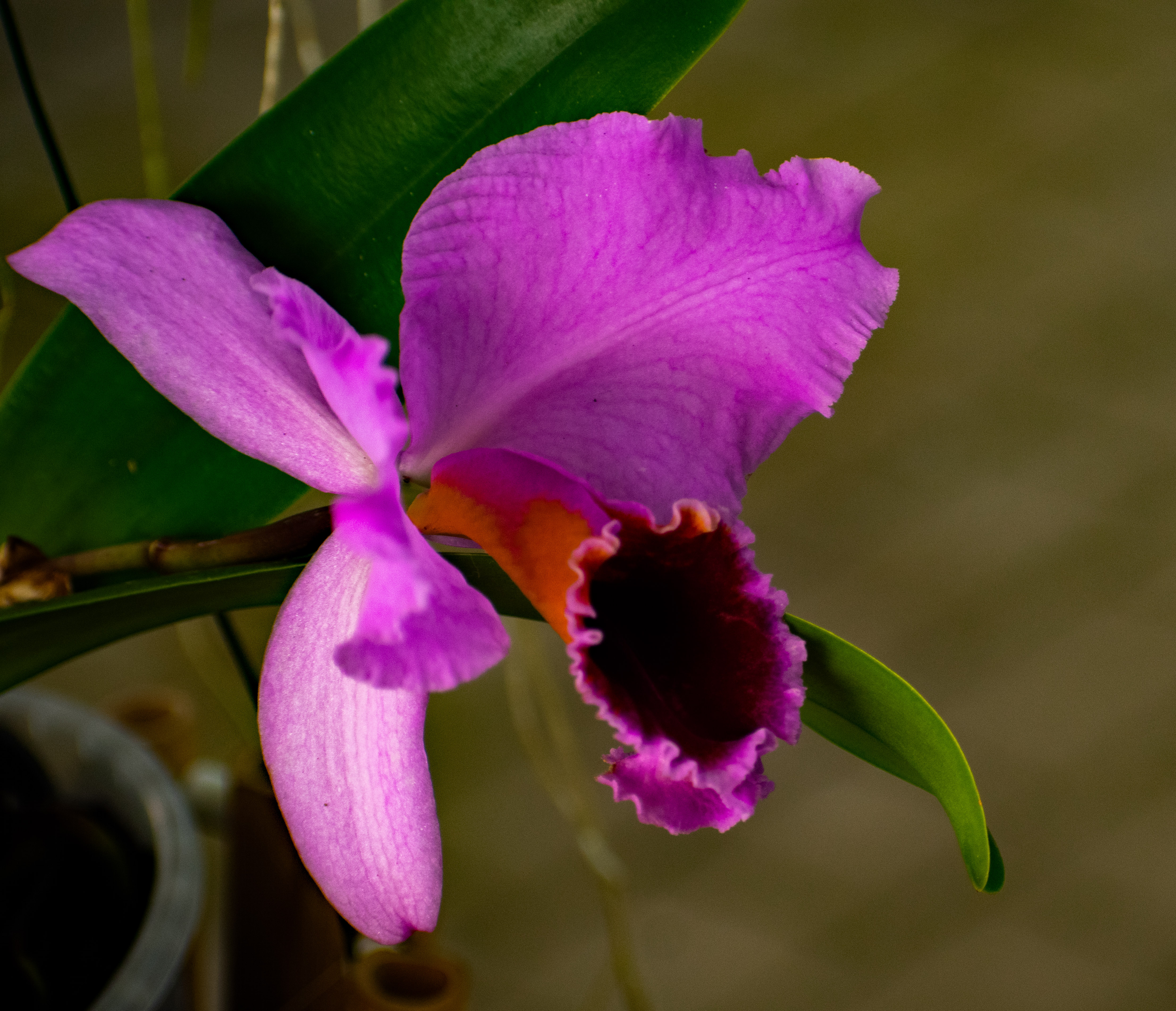
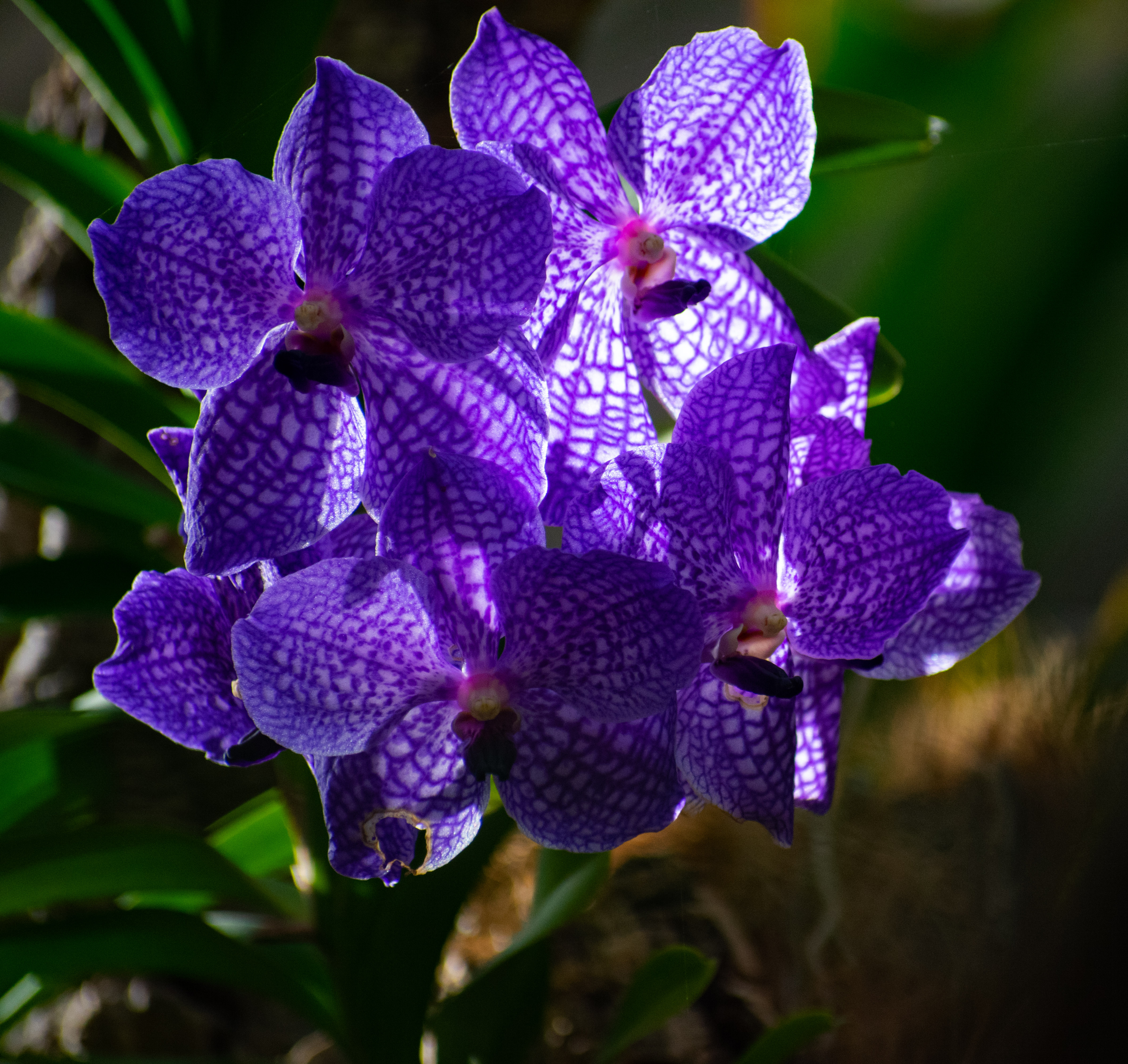
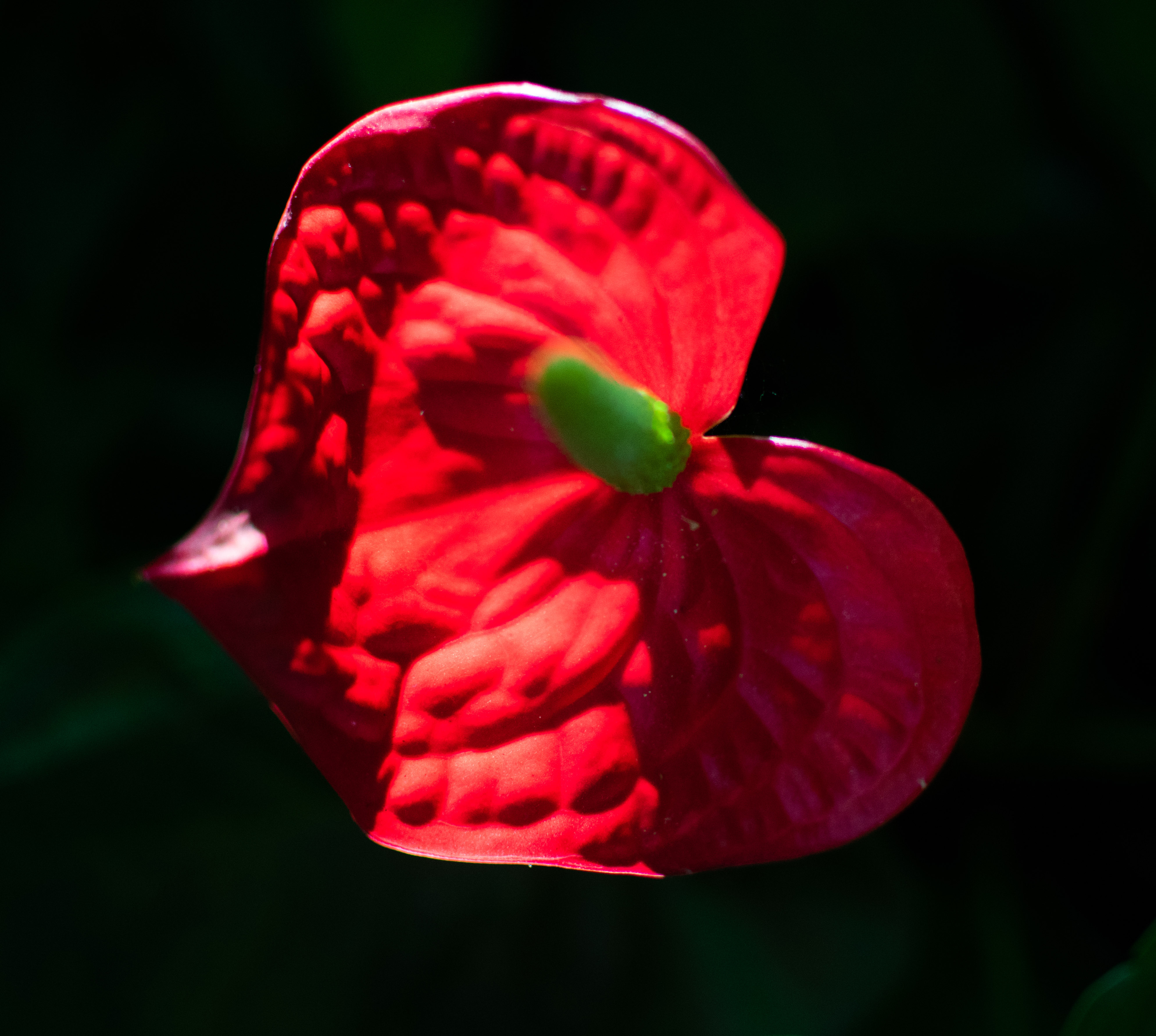
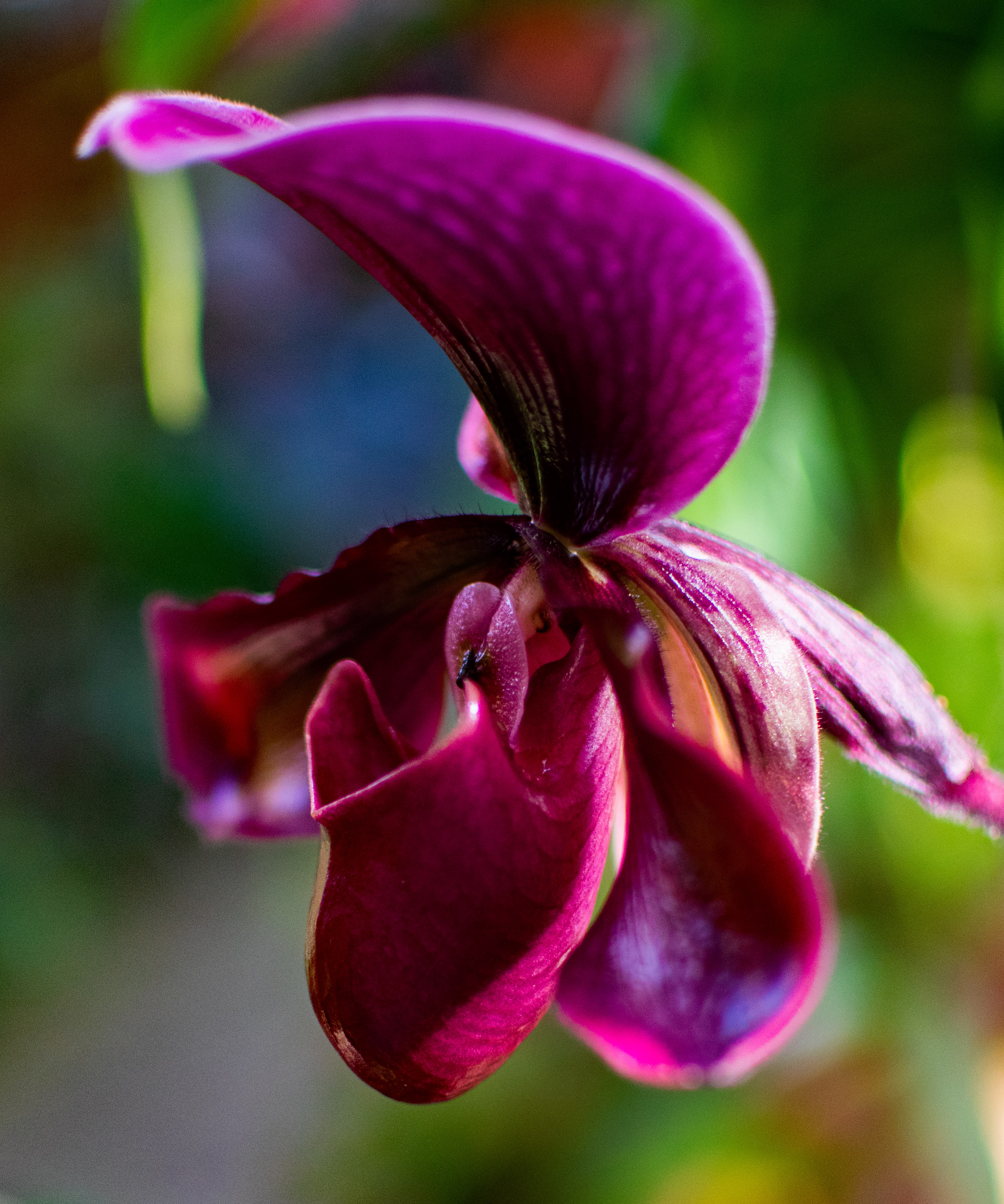
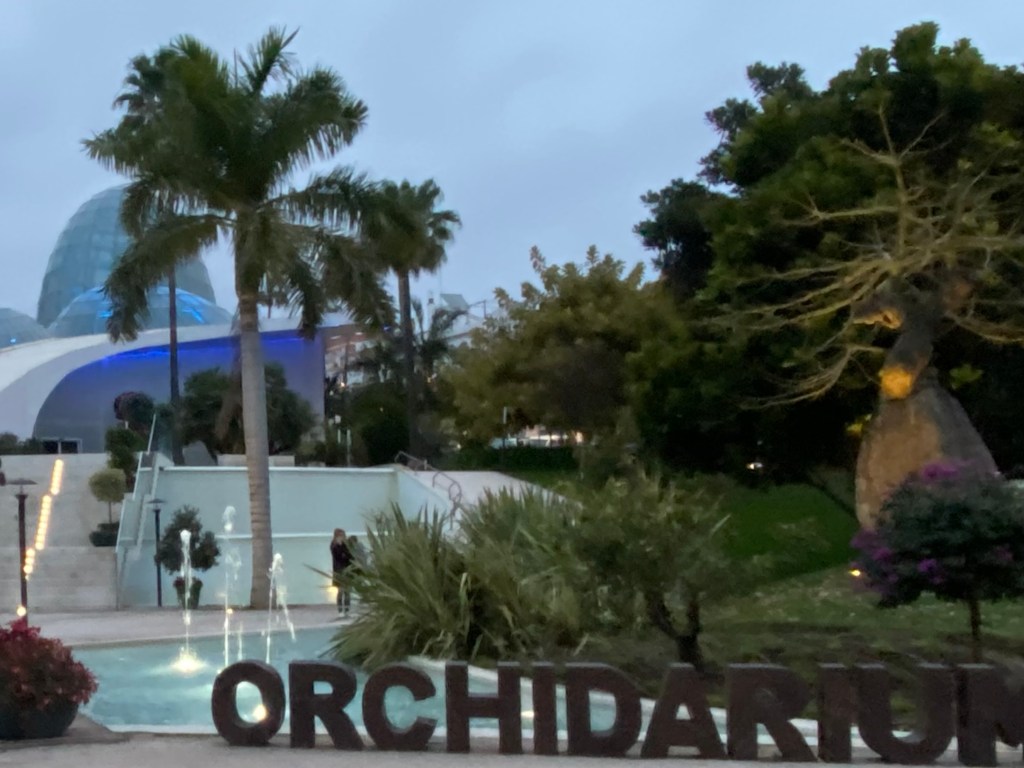
The Orchidarium
A Few of Our Favorite Places
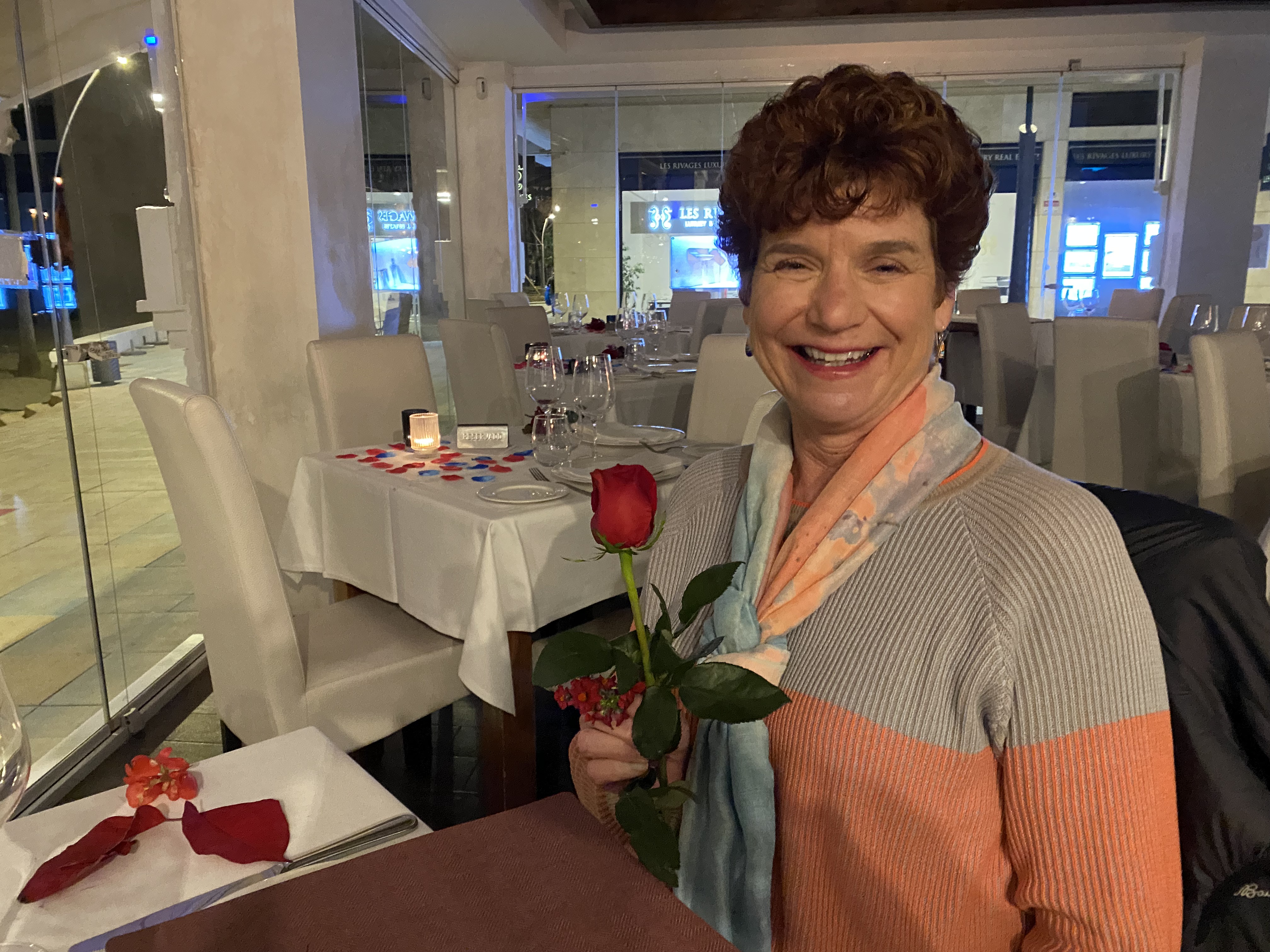
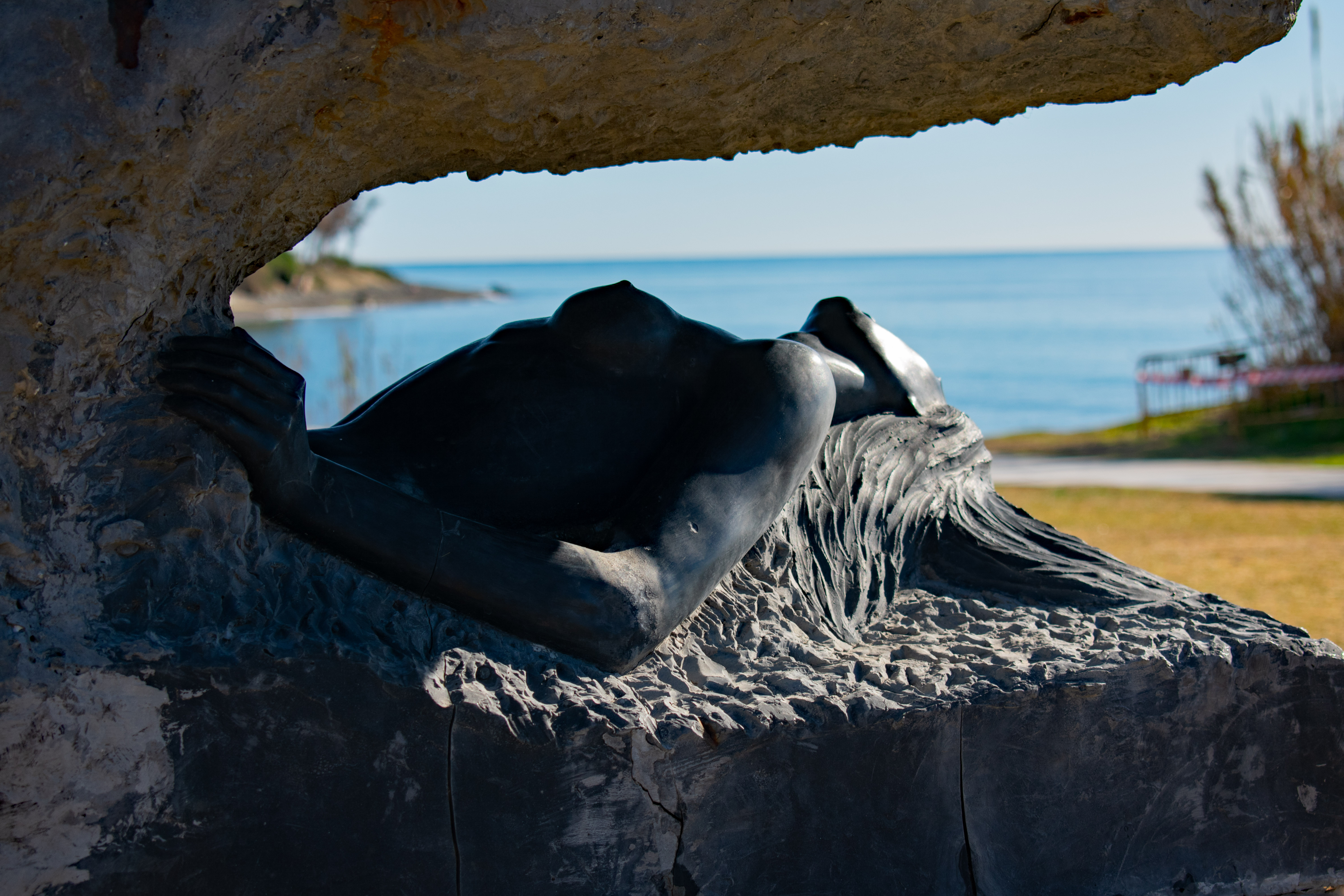
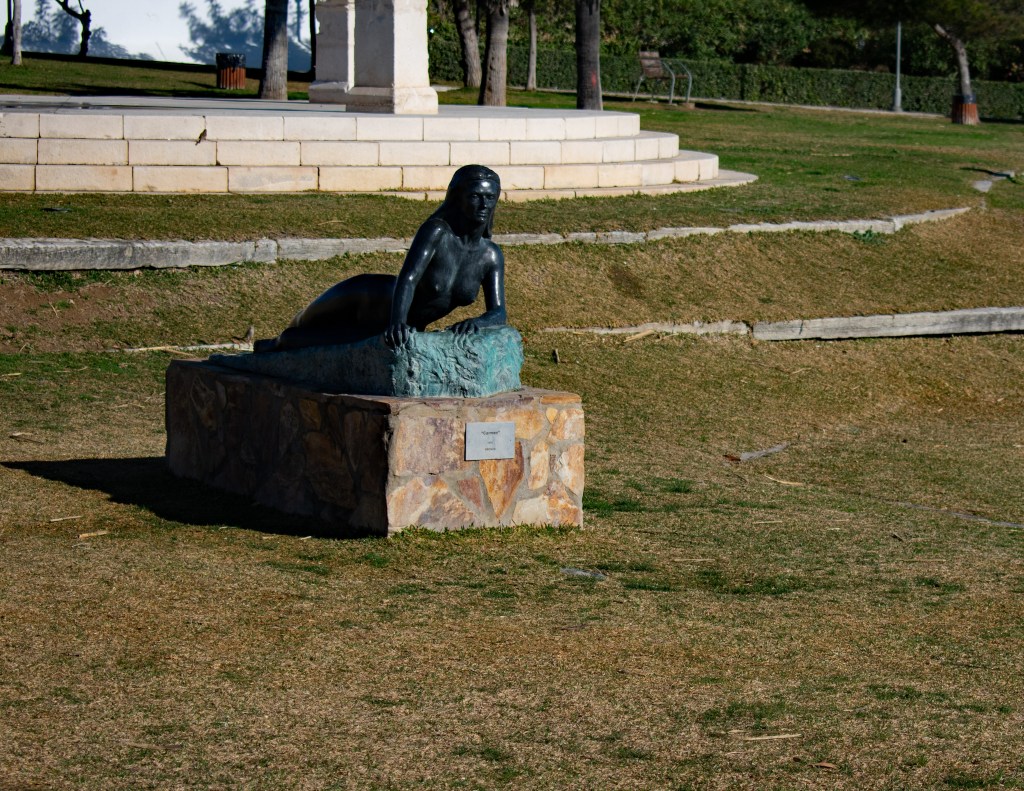
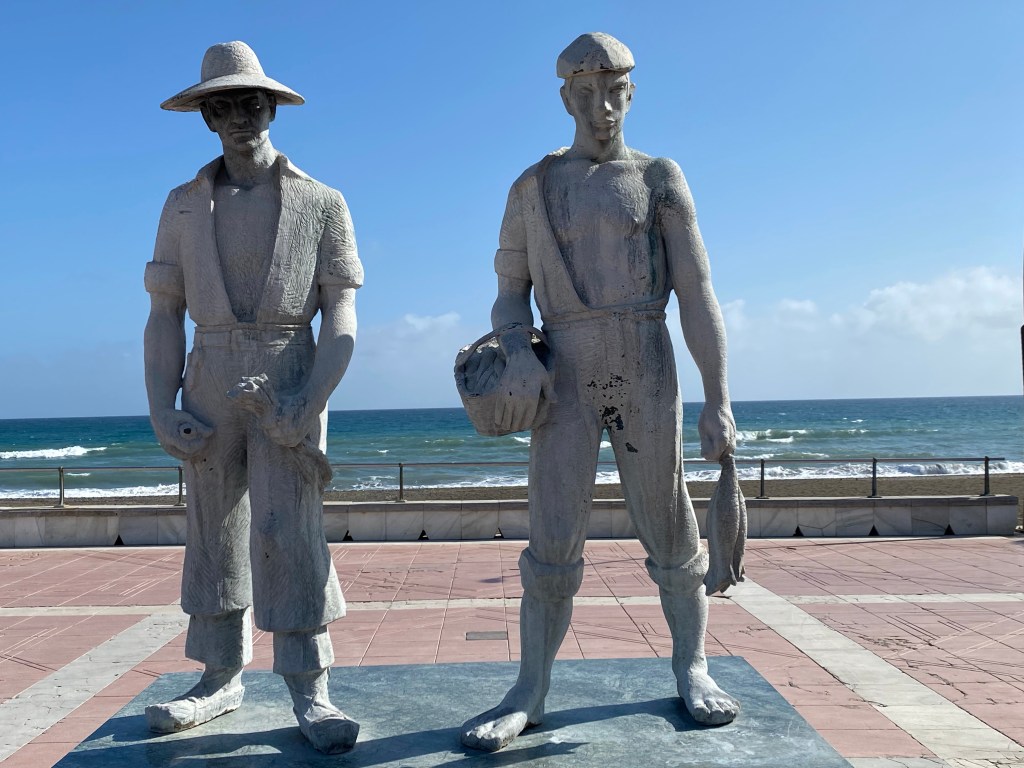
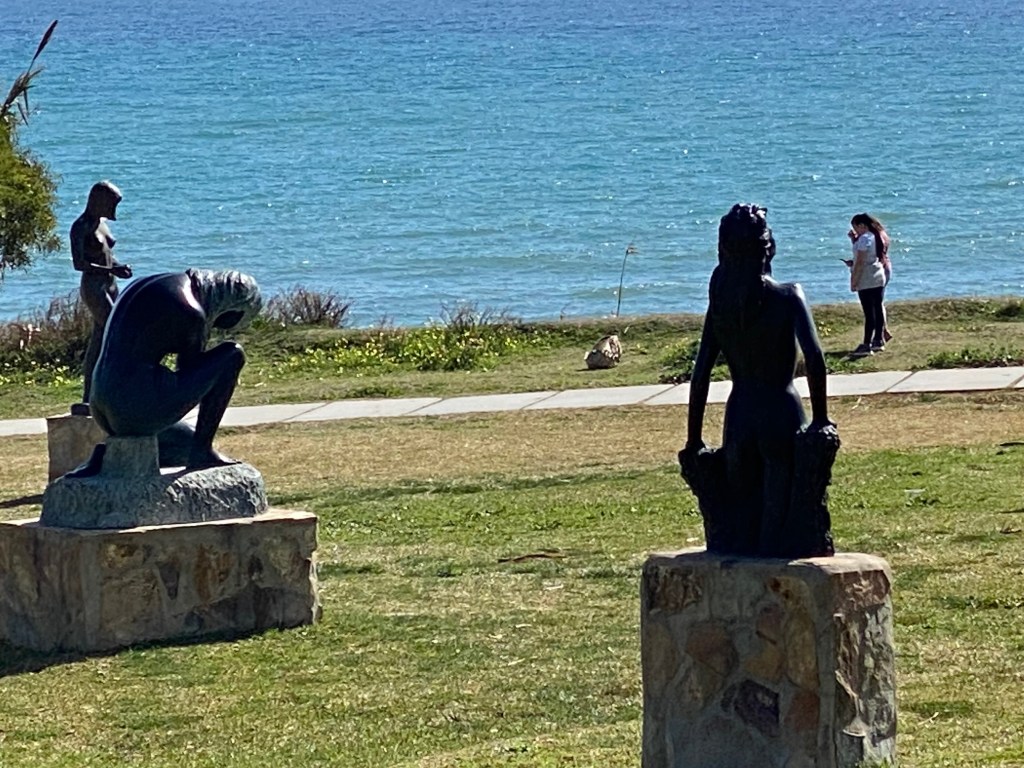
Public Sculpture

More Ways to Enjoy Estepona

Can you tell, I’m a big fan of this town? We love the weather! There has been sunshine almost every day, but even a cloudy day here is pretty nice. Daytime temperatures are in the 60’s and cooler at night, perfect for walking and biking. There are also great golf courses here if you like golf.

We have been swimming regularly at the indoor 25 meter pool and taking long walks along the sea path. On the beach, I look for sea glass and we have dipped our toes in The Mediterranean, but it’s still a bit chilly to plunge in. We have been making the rounds of our favorite bars and restaurants, and discovering new ones. We made friends with an Irish couple and have enjoyed a couple social dates with them. Our stay here ends March 1st. Then “adventures in the south of Spain” is heading north to San Sebastián. Stay tuned!

Thank you for reading. My reviews are purely based on our personal experience. I am unpaid for my opinions. I take my own photos and write my own content.

Geri
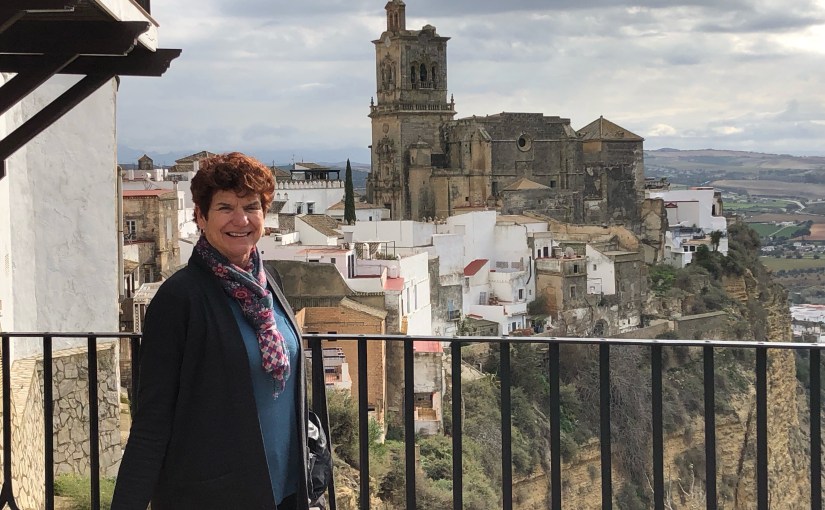
Discovering Arcos de la Frontera: A Magical White Village of the Cádiz Region

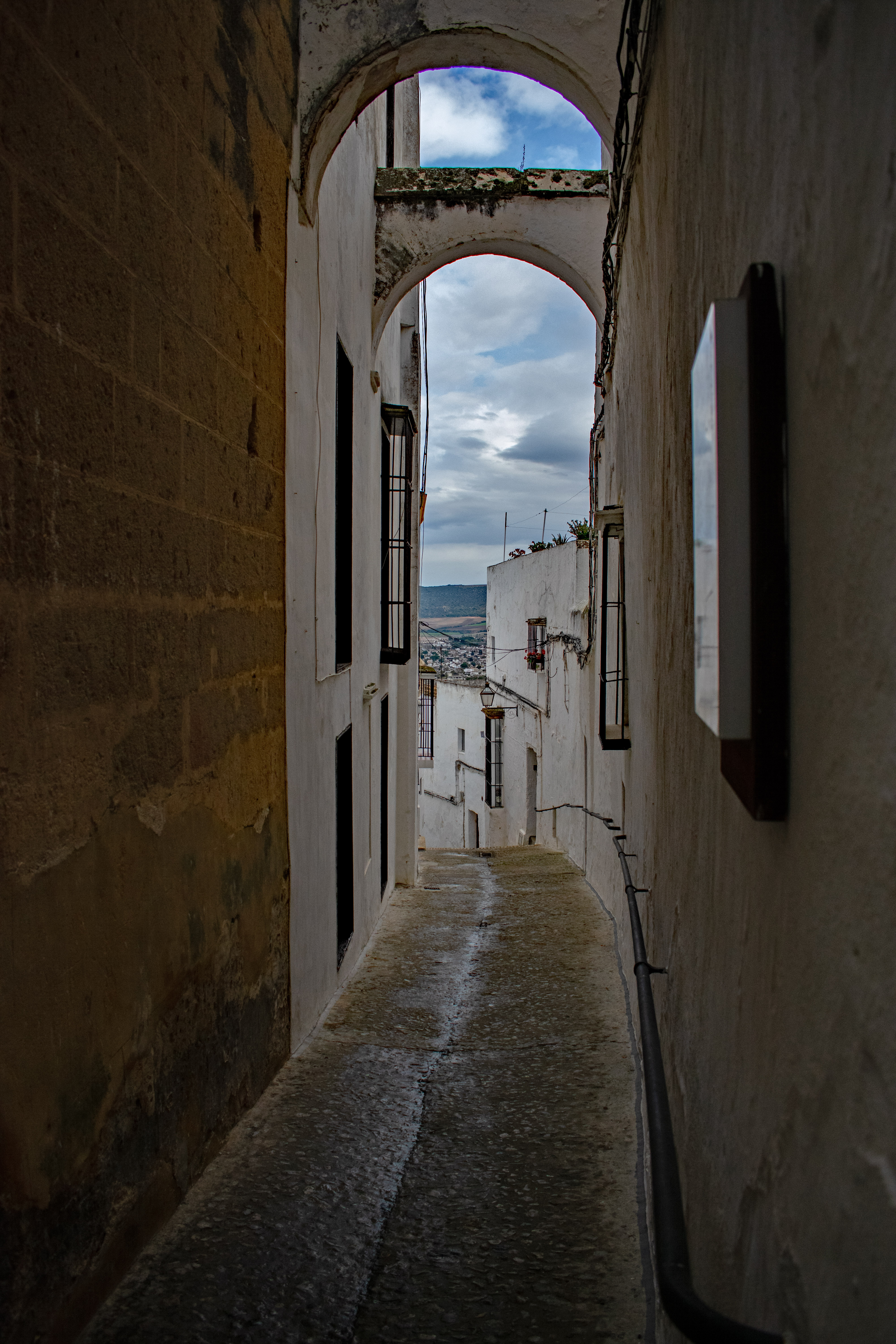
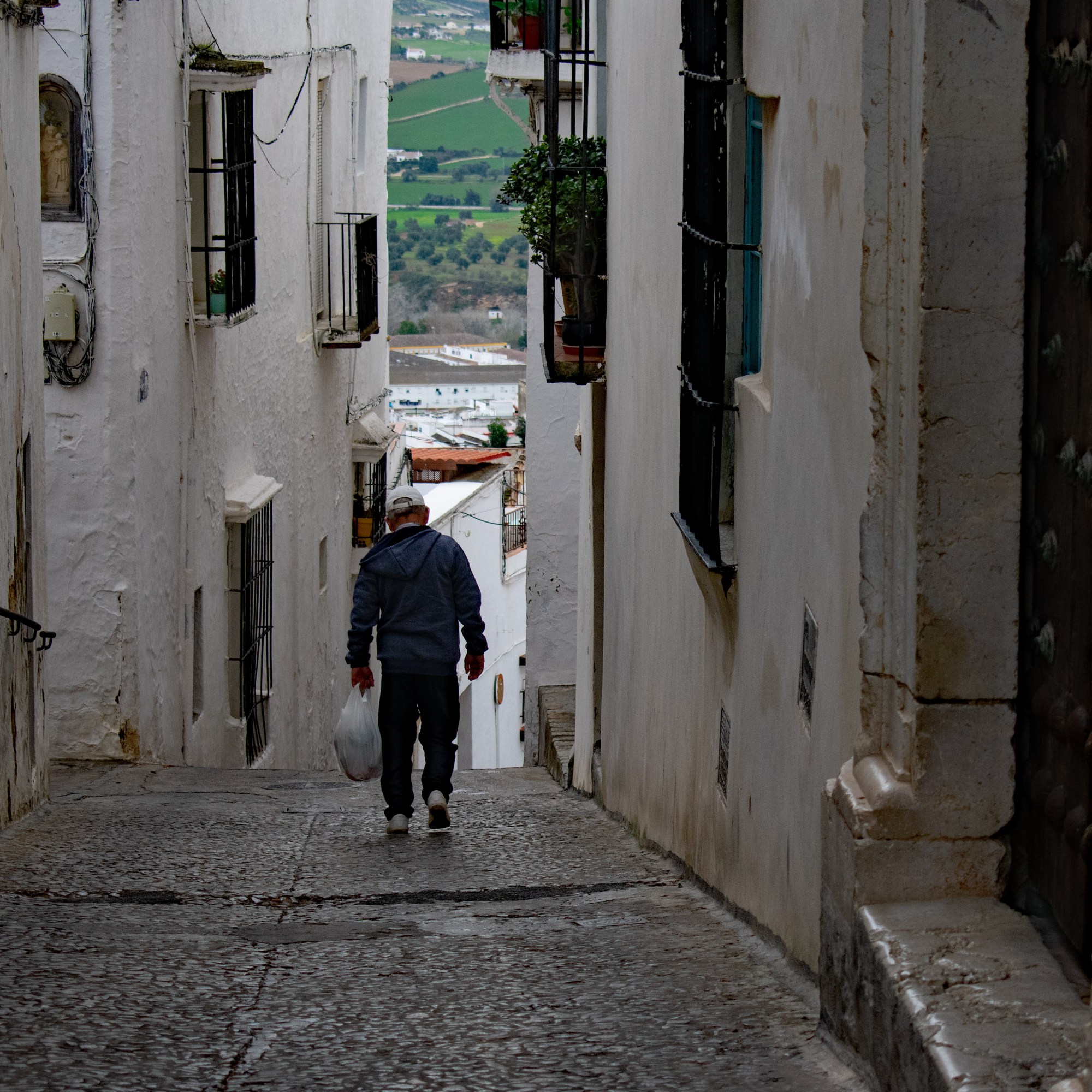
Arcos de la Frontera is one of Andalucías “white villages” : towns settled by the Moors (Muslim invaders from North Africa.) The term “la frontera” refers to the border between Muslim and Christian territories. The battles for Reconquest were often small local skirmishes for control of a single town. The white villages are usually up in the hills, so that invaders could be spotted from afar. The white buildings were coated in limestone to fight disease, and they have the added advantage of protection from the strong southern sun. The village streets are narrow and short. The resulting confusion put invaders at a disadvantage. Today’s invaders, the tourists, will wander about getting lost and thinking they have walked a long way, when really they have been going in circles. I speak from experience.

We went to Arcos by bus from Cádiz. The trip was comfortable and took about an hour and a half (far less if you rent a car). The bus station is in the lower city and our hotel was in the upper. We took a taxi up the mountain.

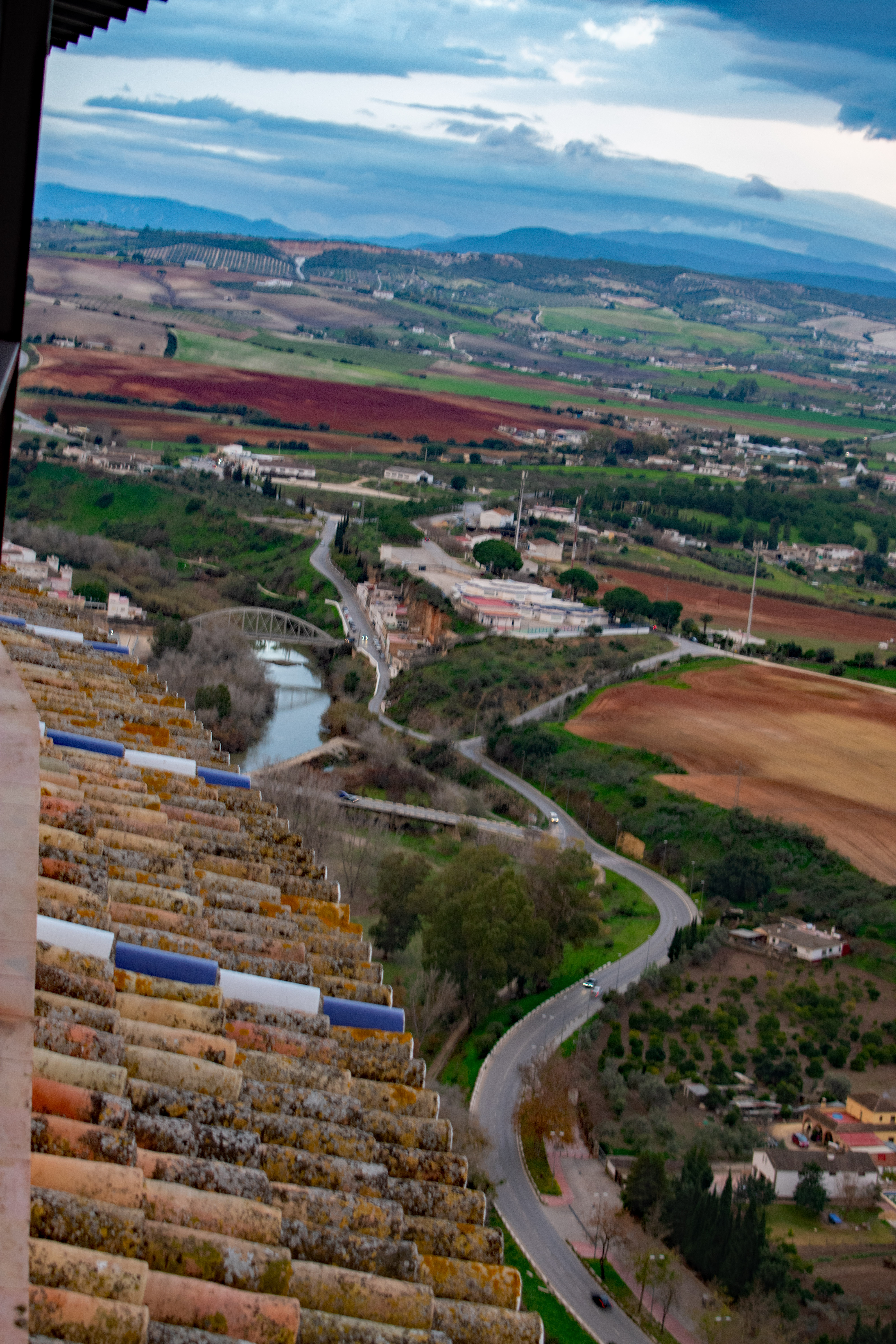
We were staying two nights at The Parador de Arcos de la Frontera. The Paradores in Spain are government hotels. To be designated a Parador, they are either in historic buildings, breathlessly situated geographically, or some combination of the two. This one has amazing vistas of the entire valley below. It was built in modern times, but is right next to the castle and blends perfectly with the historic streets of the upper town. This parador has 23 rooms, only 4 of which were full when we were there. Our room was lovely with an outside balcony and an amazing view of the valley. The common areas were charming and cozy, and the hotel restaurant was very good. Twice we chatted with local businessmen who meet daily in the lounge area for coffee or a “copa” (wine). Always a good sign when the locals come there.

The sites of Arcos could be covered in a day. There are two main churches (San Pedro and Santa María). I recommend going up the tower at Santa María; the views in the bell tower are spectacular. We went in the late afternoon and the light was beautiful. Again, we had the space to ourselves.

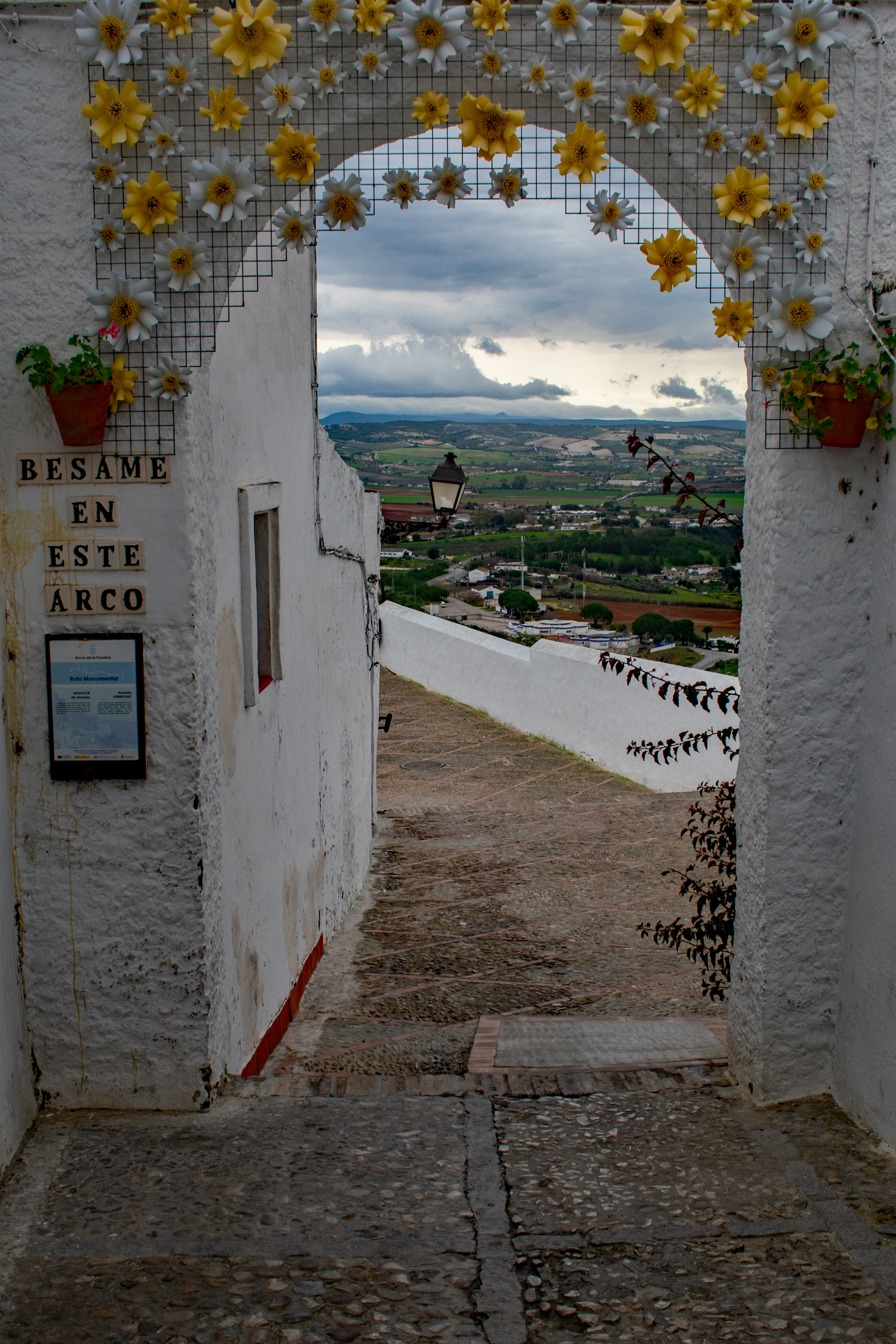
Besides the churches, there is a small art gallery, various lookout points, and some bars and restaurants in the historic section. The castle, it seems, is privately owned and only opens for tours four times a year. We spent a lot of time walking around the old streets and of course, taking pictures. Although we didn’t need two nights, we really enjoyed them.

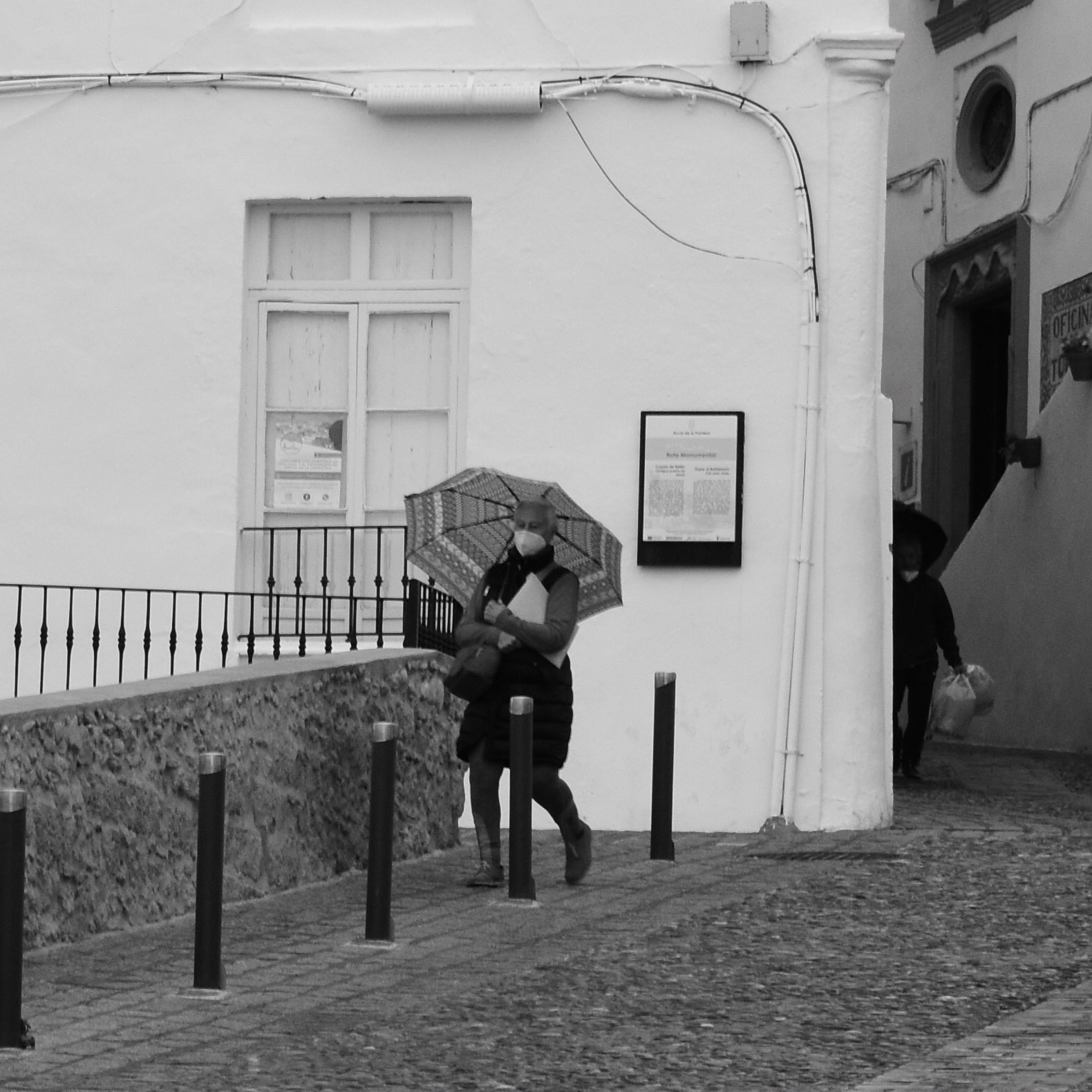
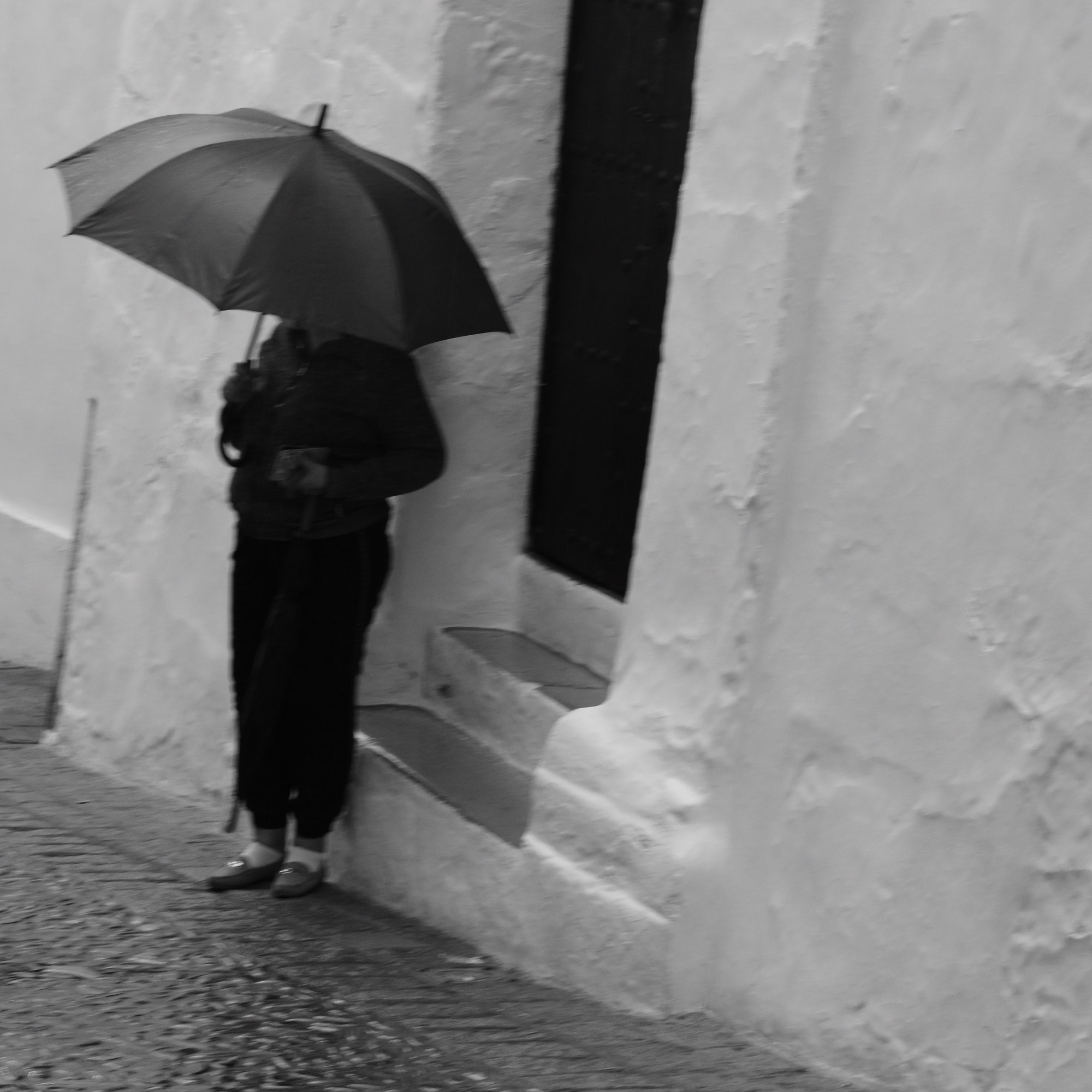
I hope you enjoy these color and black and white photos of Arcos.

Castle on the Hill

Below are some more scenes from around town.

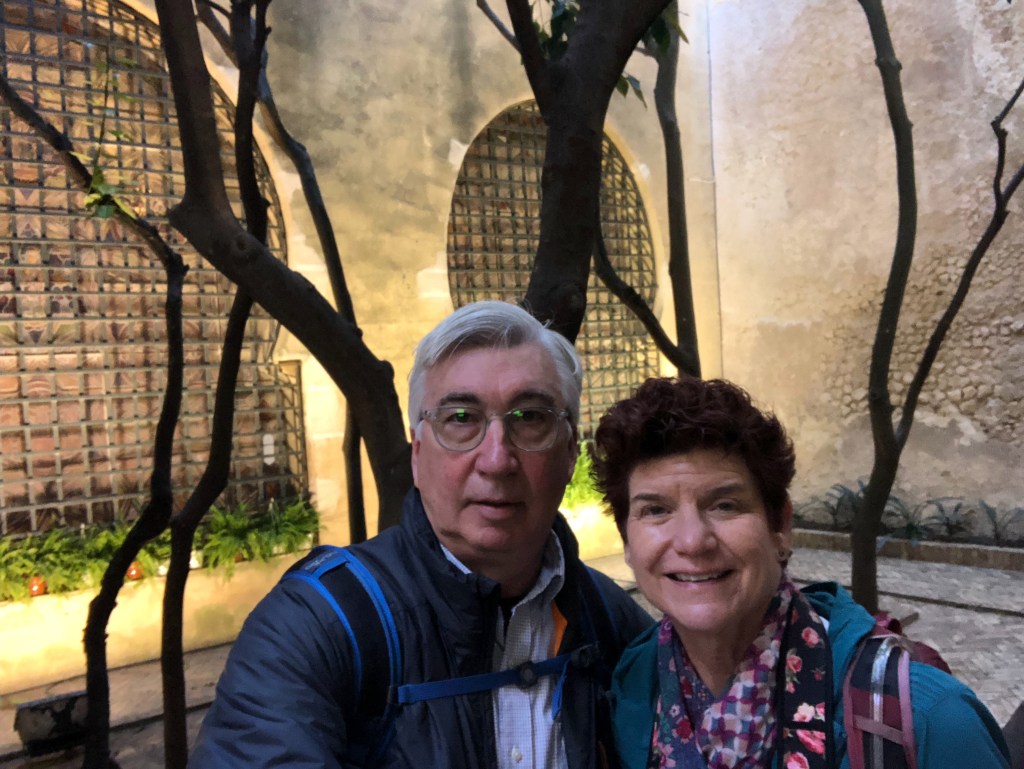
Selfie in the Bell Tower

Thank you for joining me in Arcos de la Frontera! Geri

Sunday Street Photography In Spain

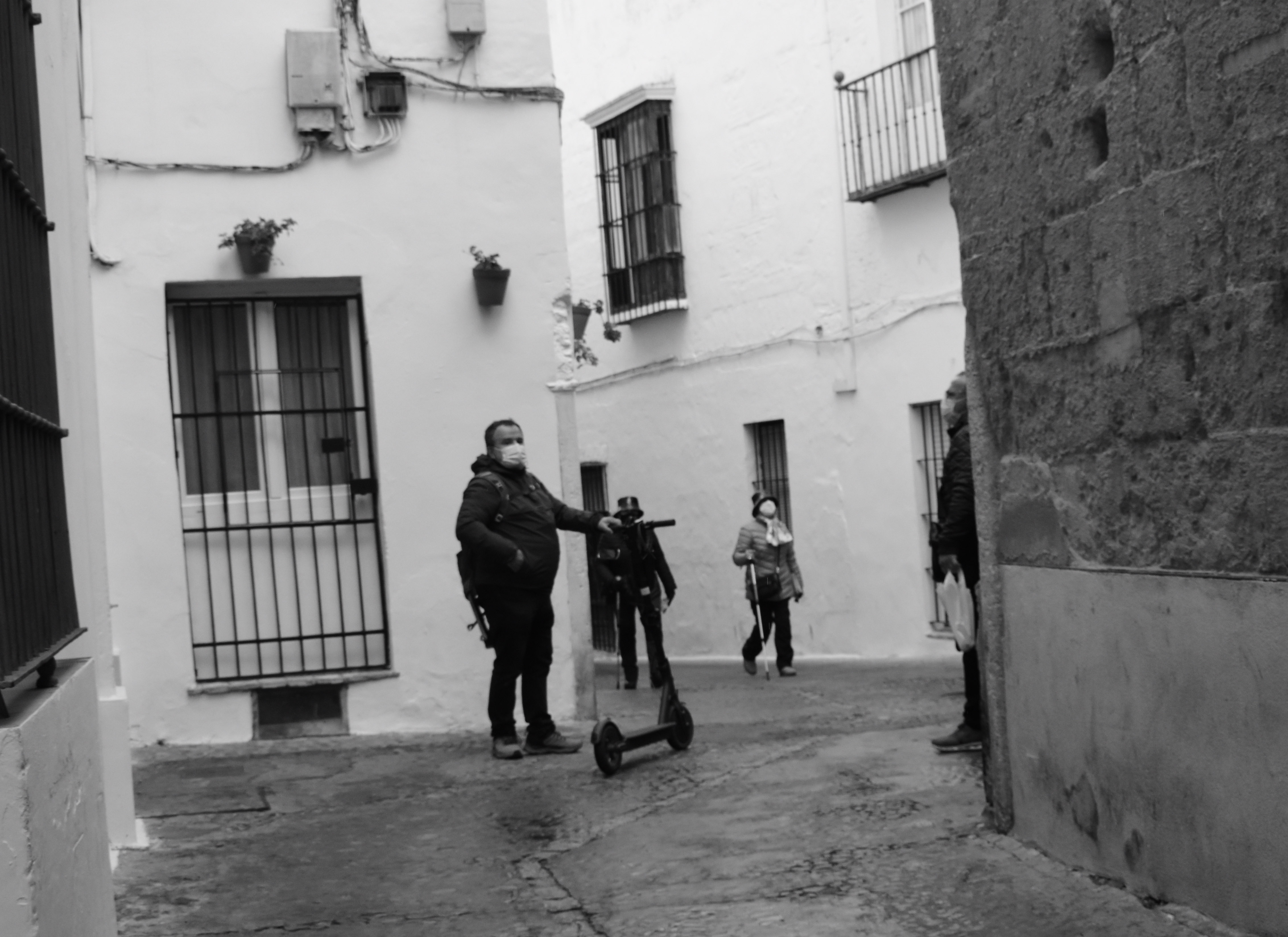
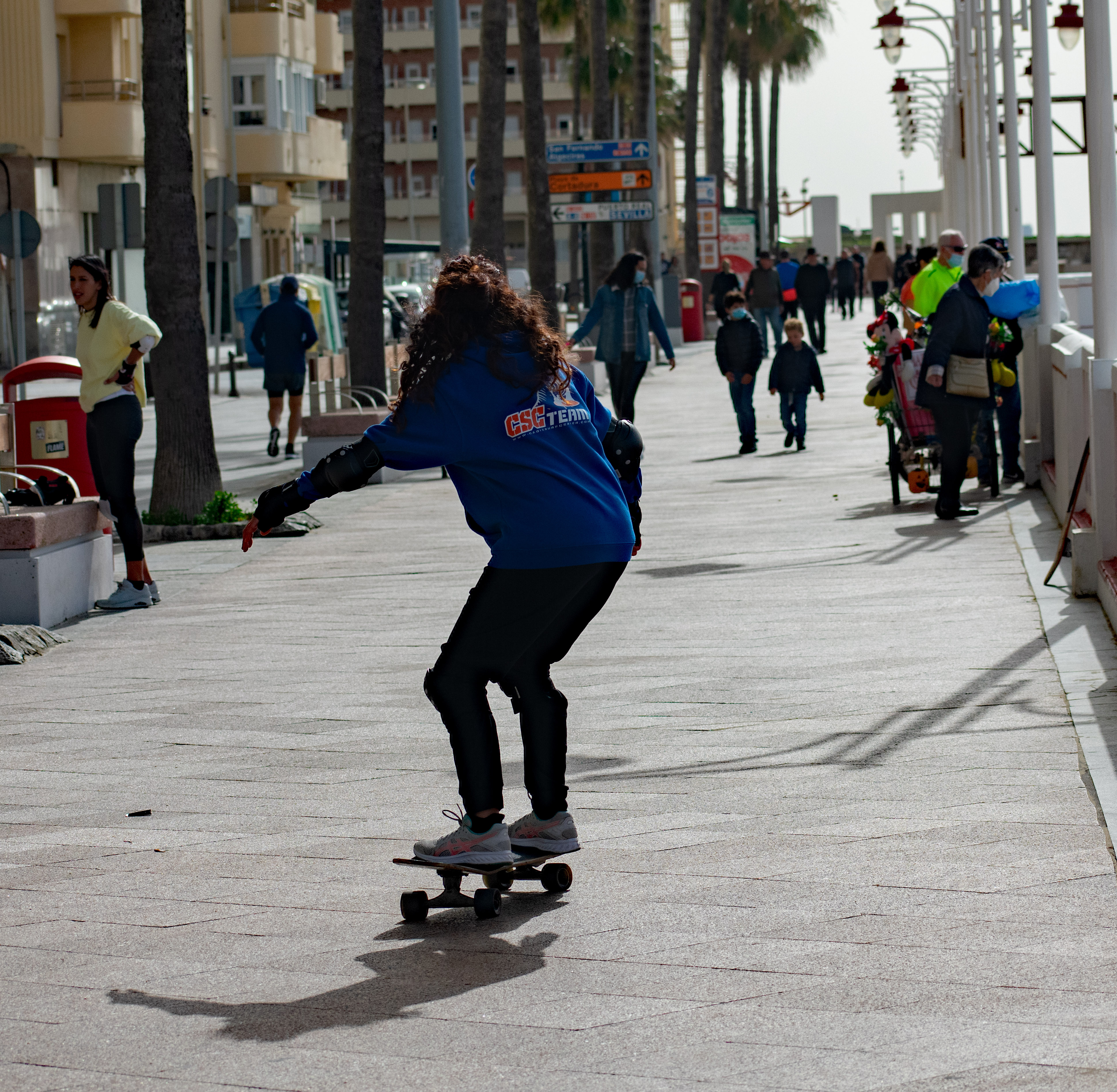
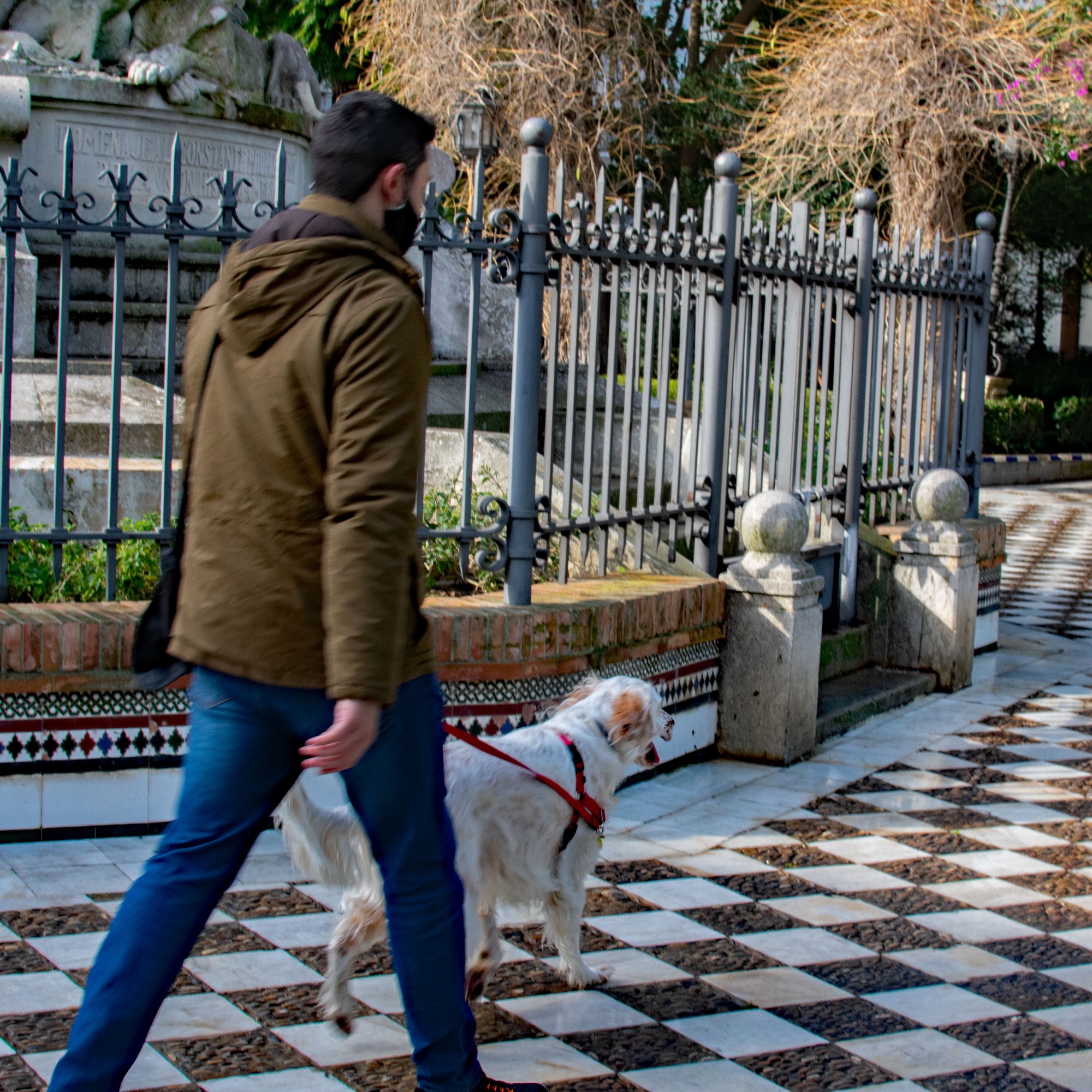
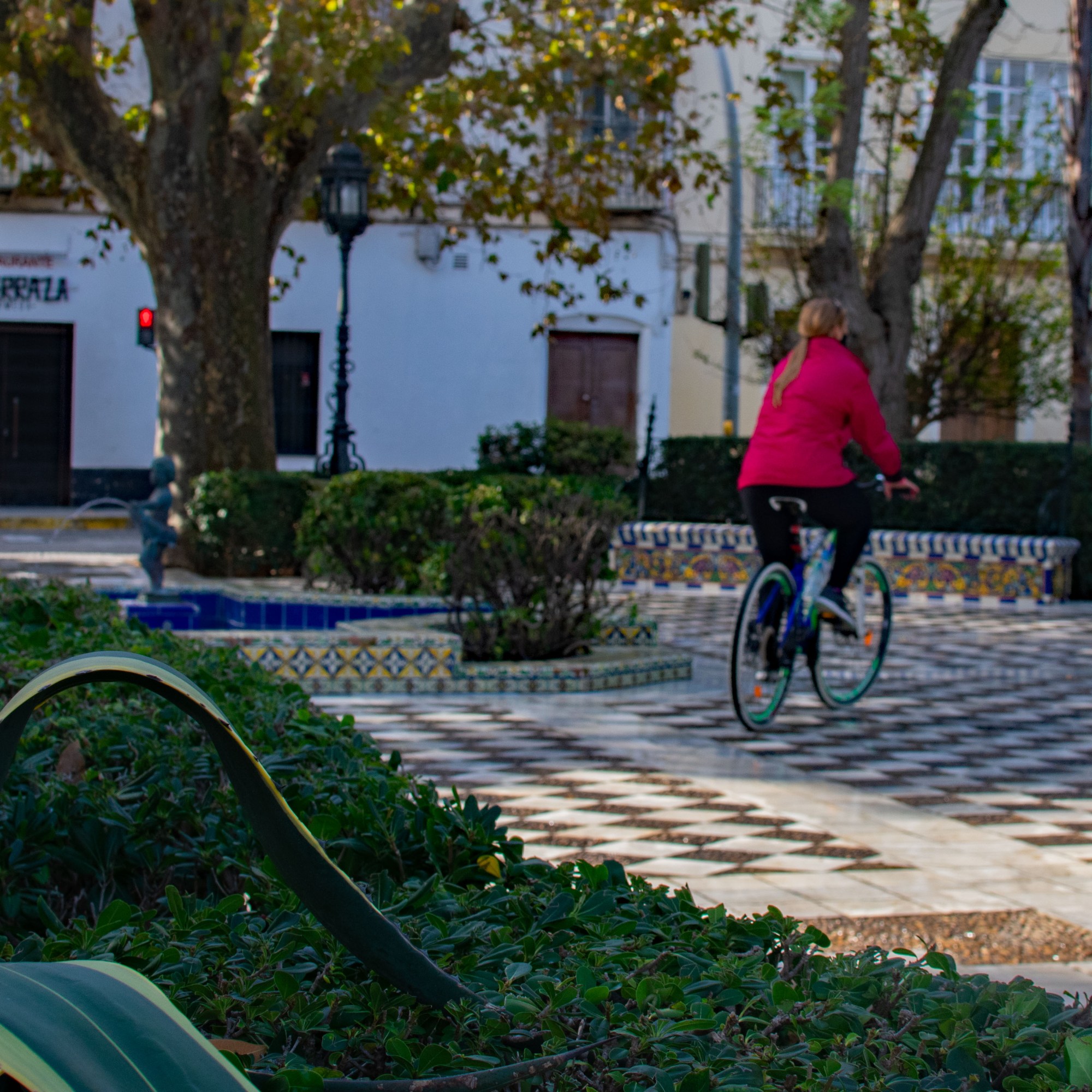
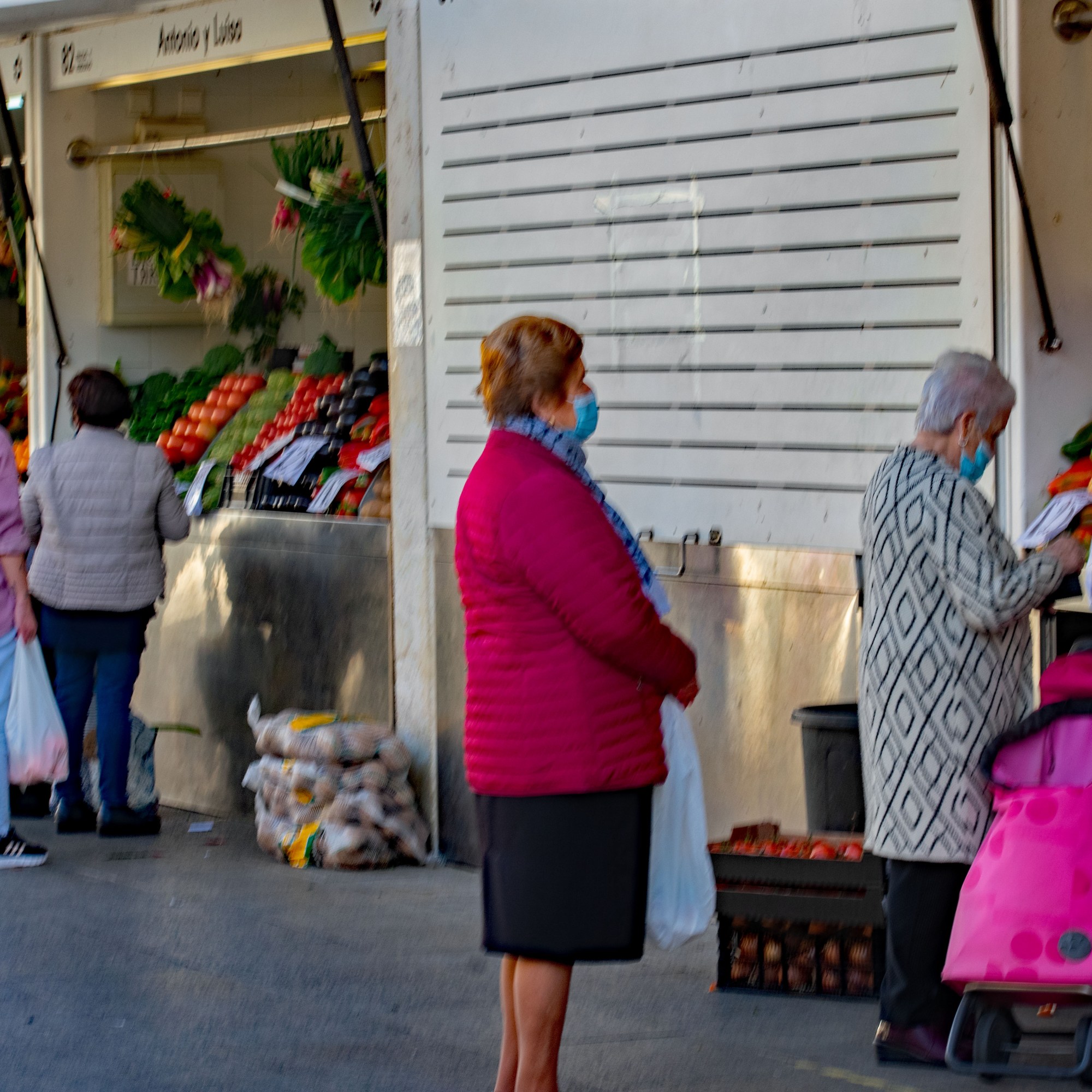
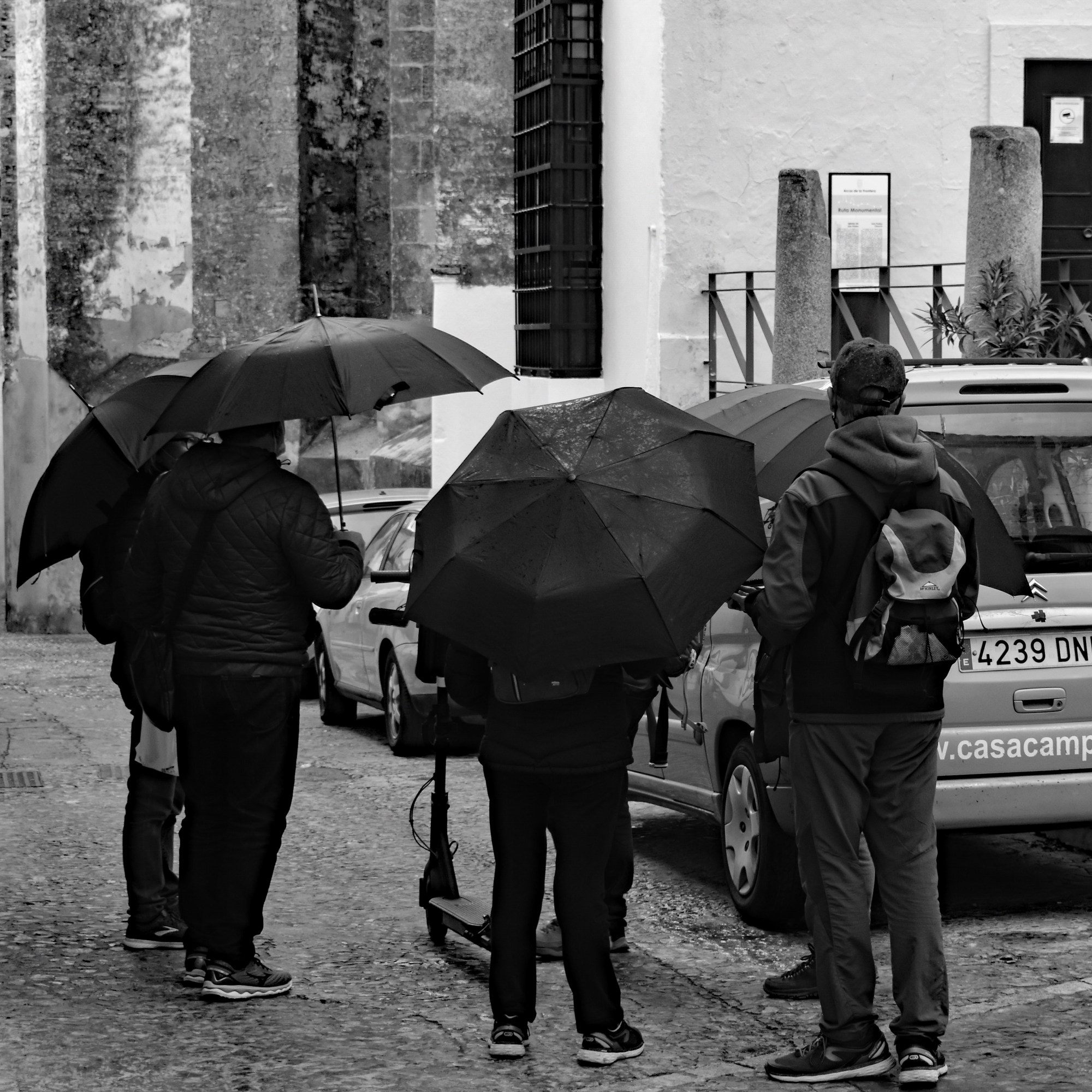
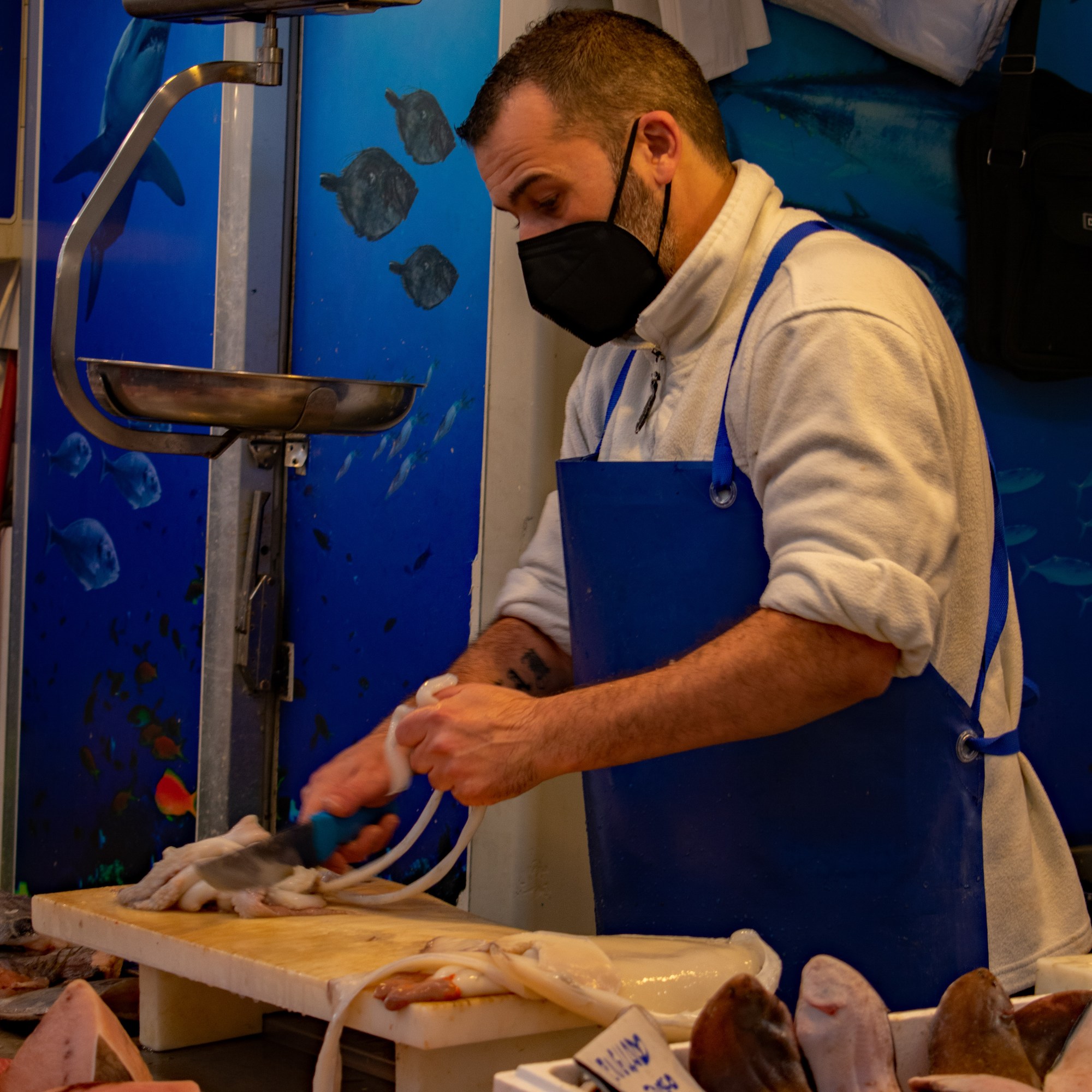
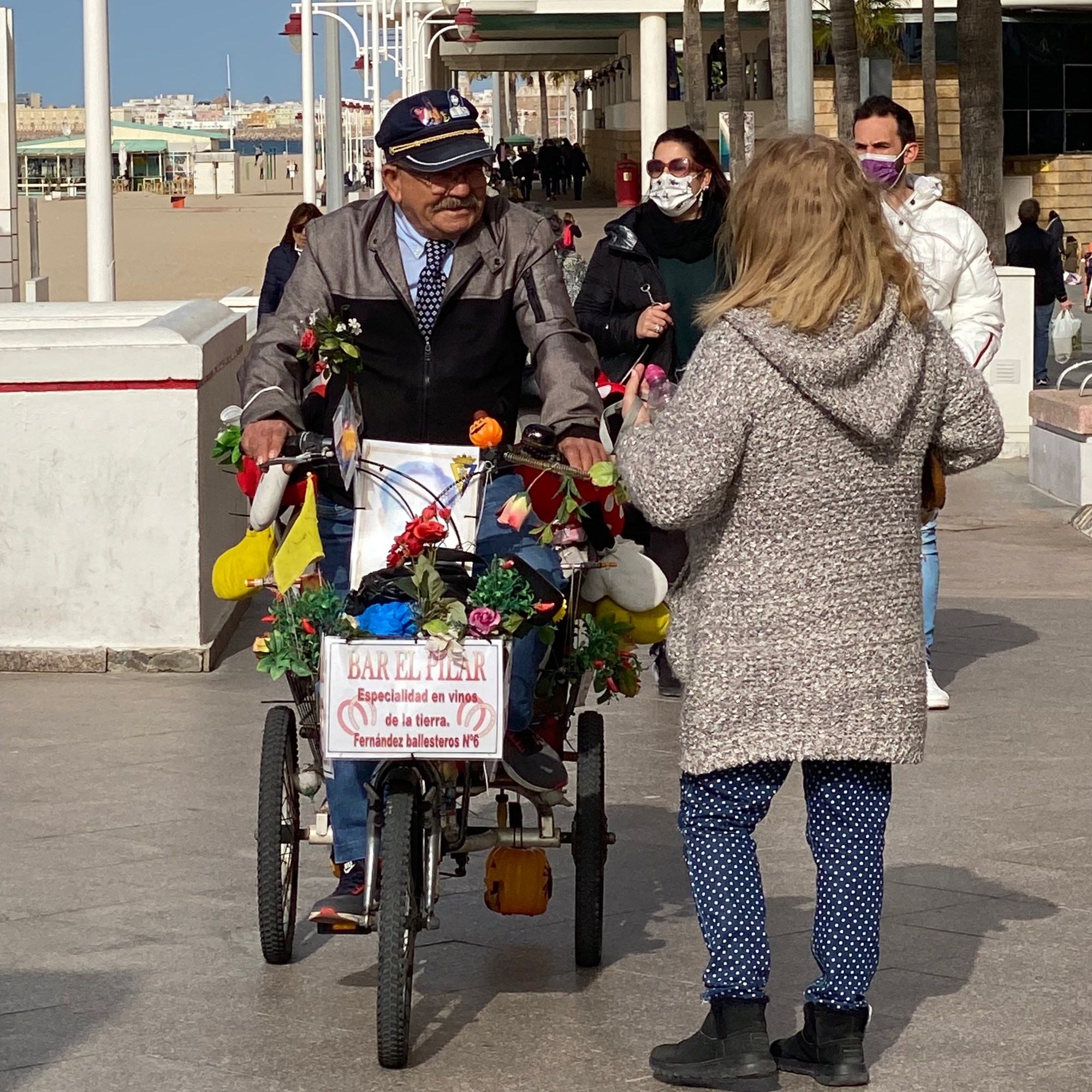
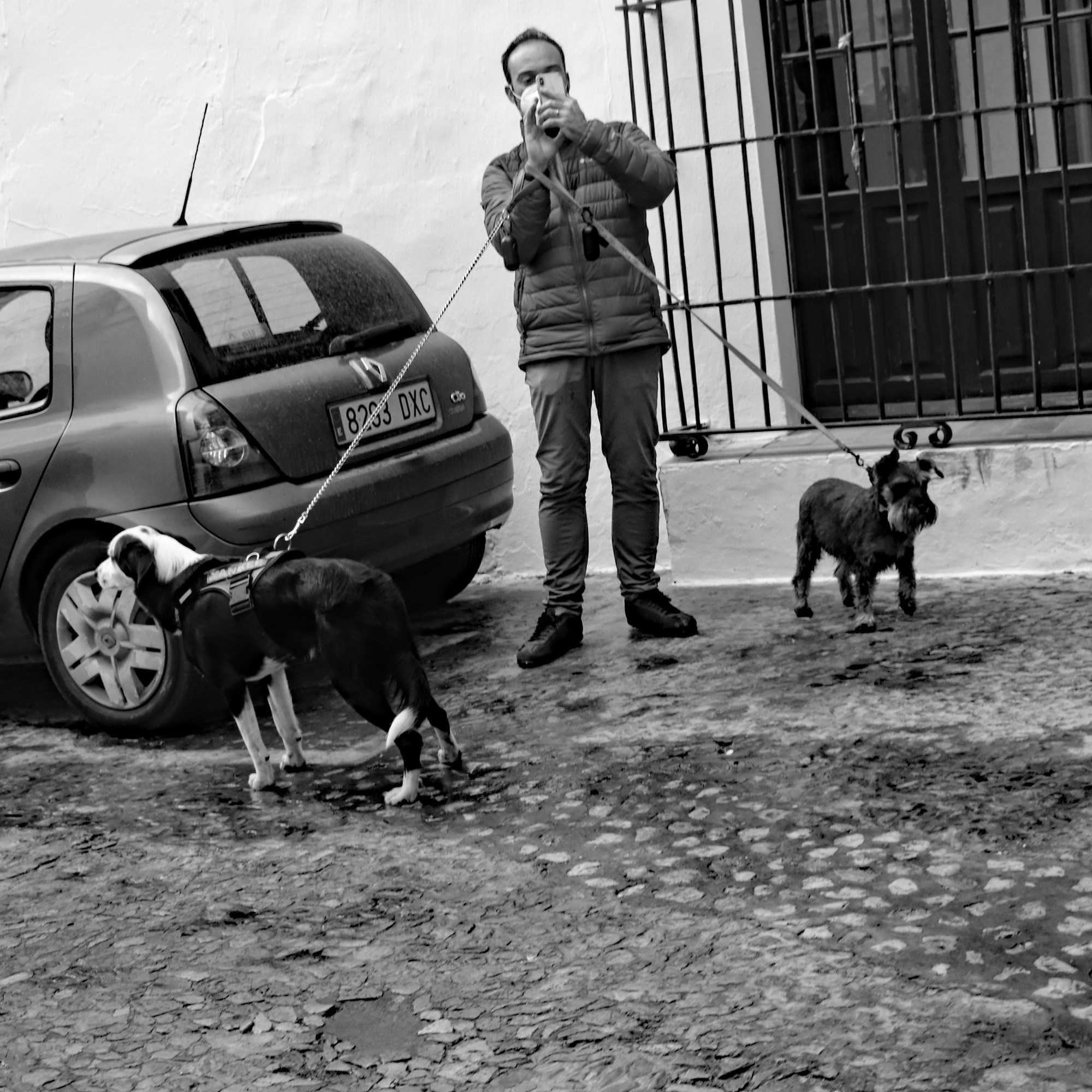
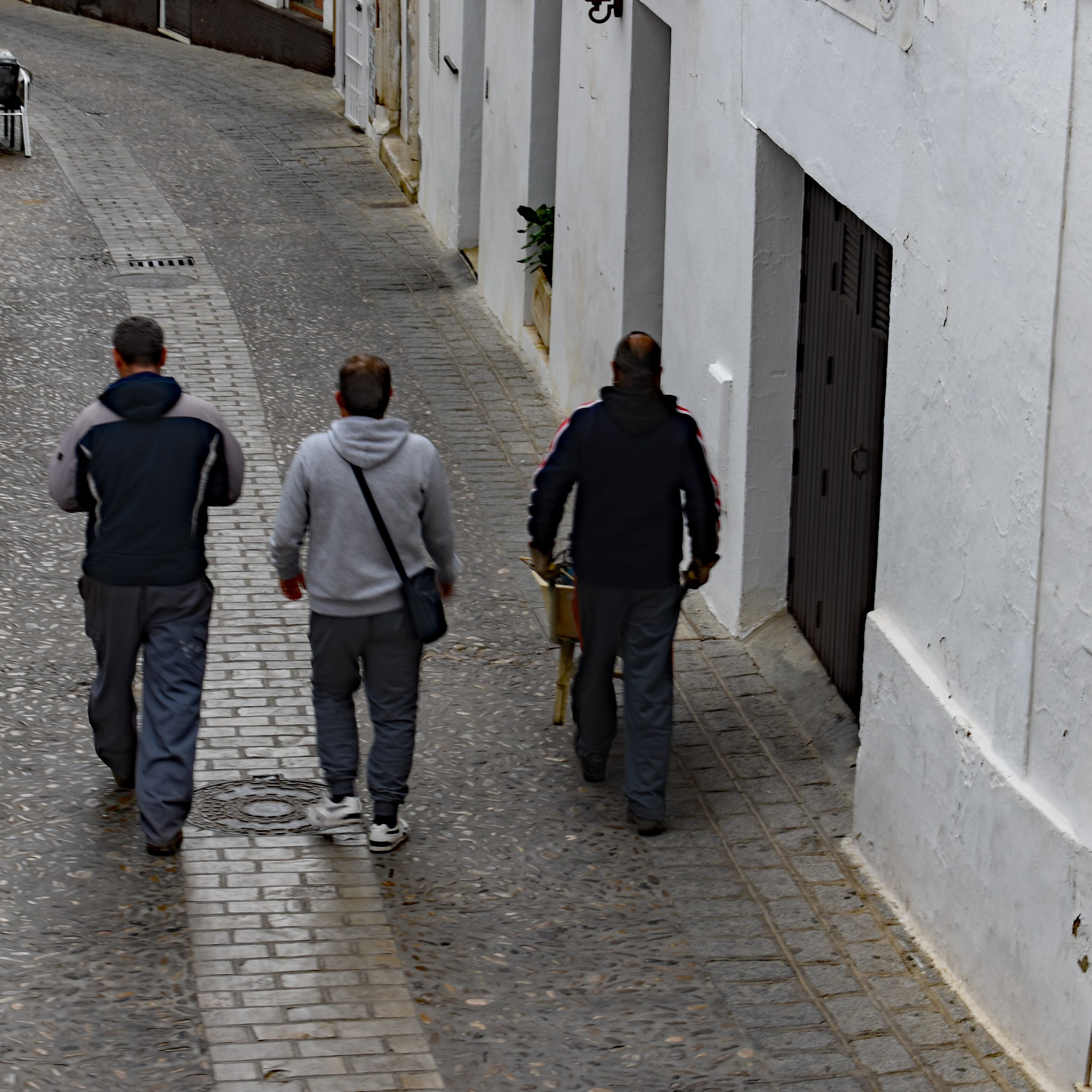
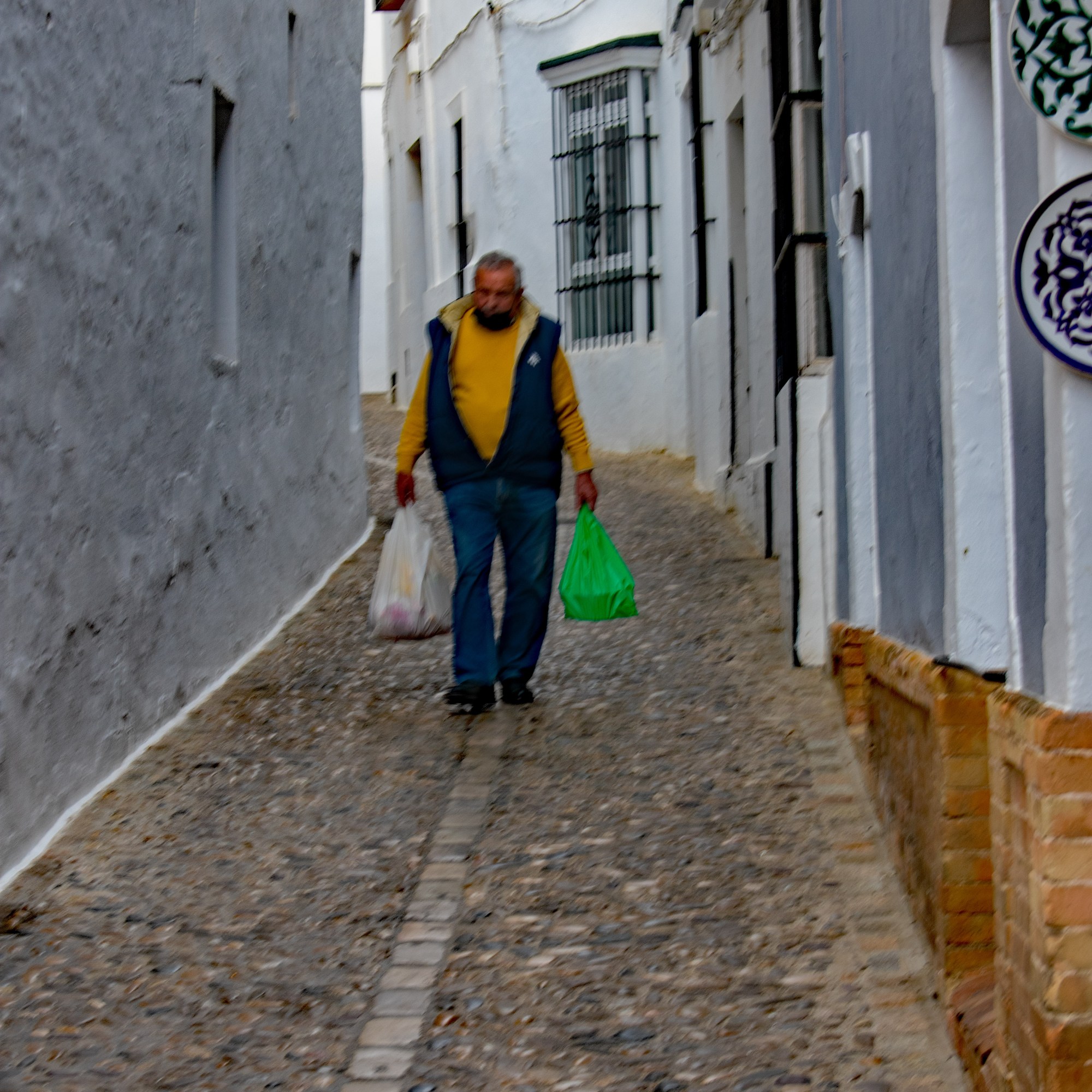
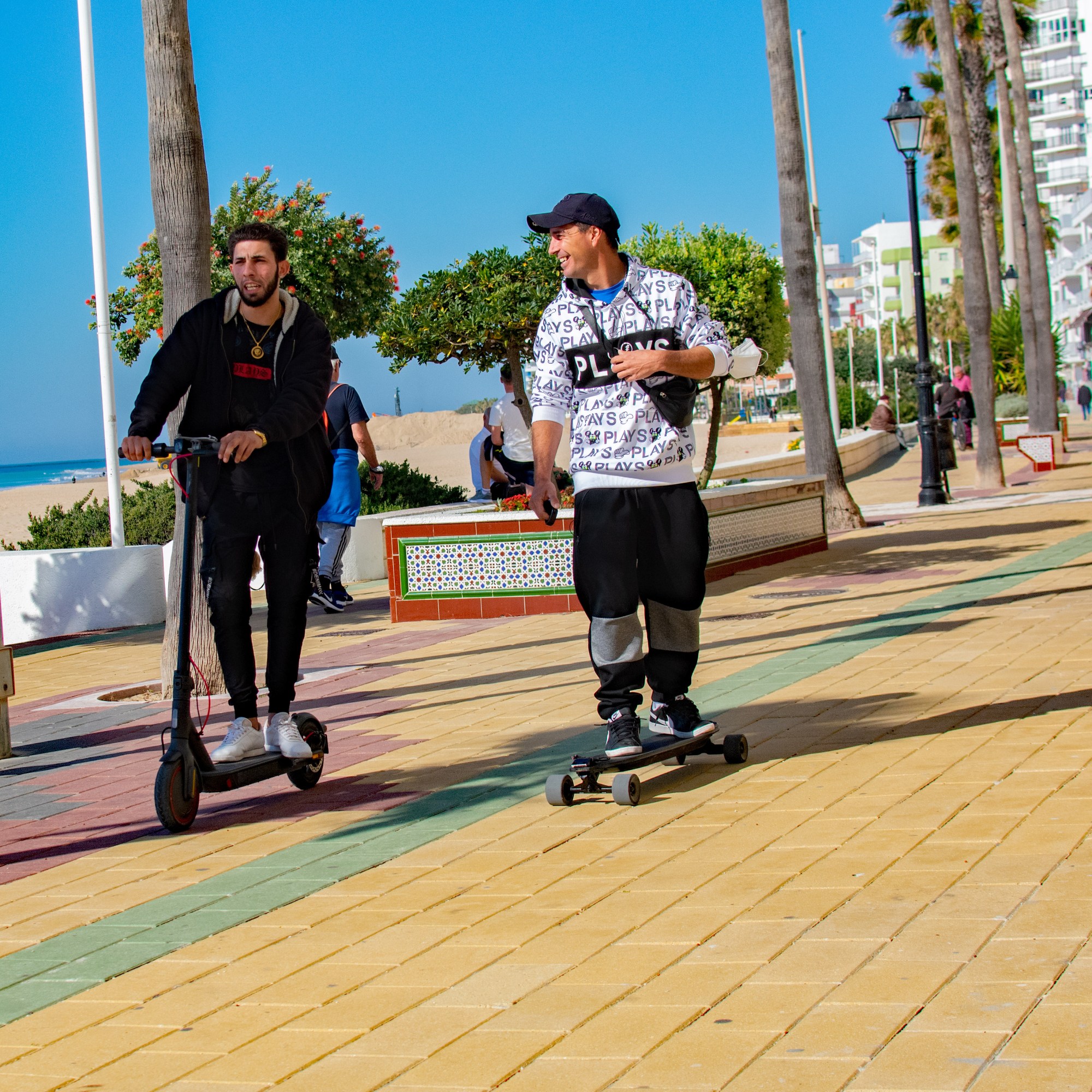
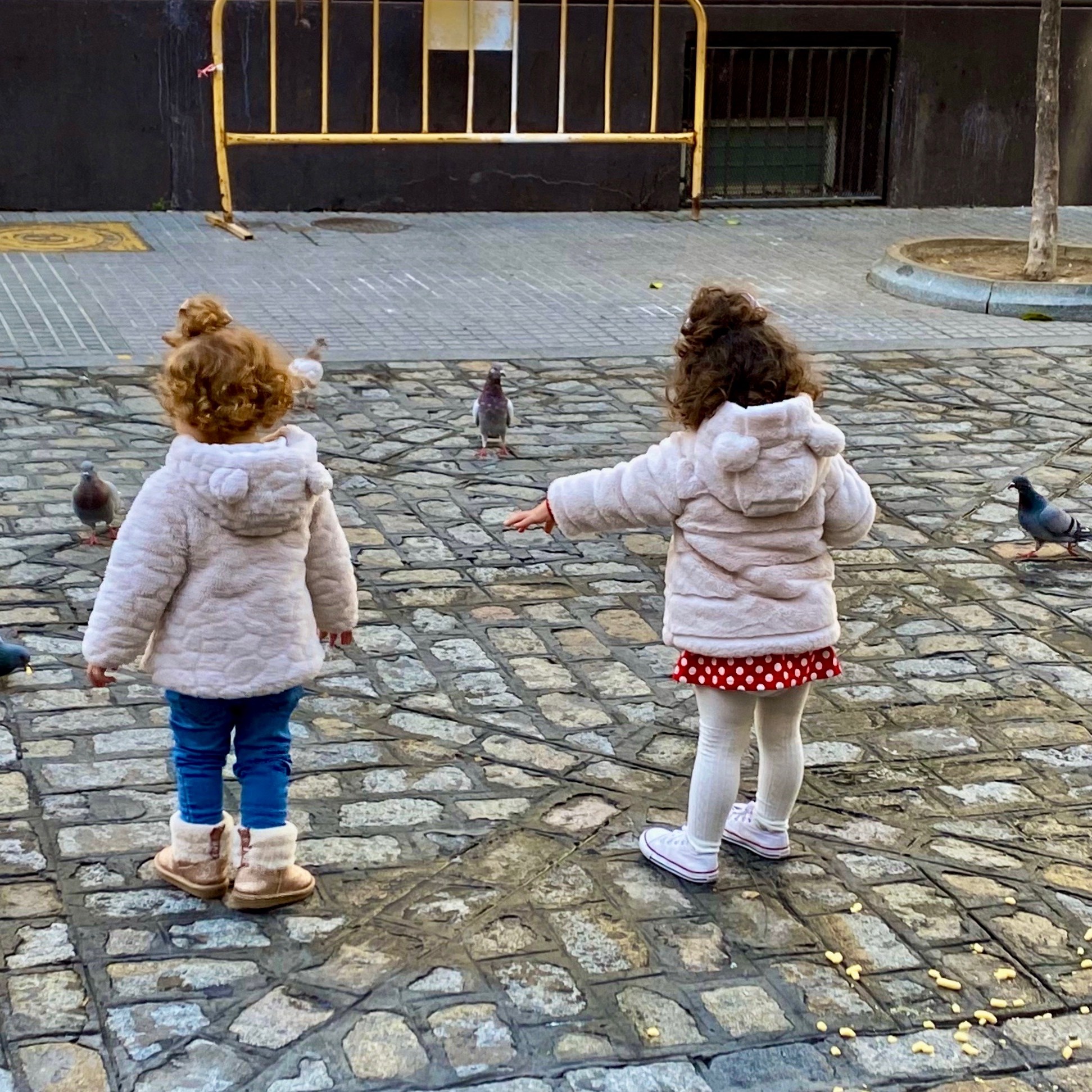
My friends from Photography class call it “Creepin”. My cousin MJ says it’s “Photojournalism” and the official term is “Street Photography.” The rules for Street Photography are fairly vague. Since privacy laws don’t apply to public spaces, street performers are fair game for photographers. Can I help it if someone walks, bikes, or skateboards into my photo? I often reques consent verbally or with a nod toward my camera, and other times I just sneak the photo. It’s the old dilemma of ask for permission now or beg for forgiveness later.

People do add something to the scenery. For me, one of the joys of travel is observing people at work and play. The Spanish work day is long, so people embrace their time off.

Sundays in Spain are especially good people watching days. The streets are quiet in the morning; it seems that everyone sleeps late, except for joggers and churchgoers. Stores, markets, and banks are closed, as are public buildings and some museums. By early afternoon, the paseo (stroll) begins! Spanish couples and families take to the plazas, parks, beaches, and cafés to enjoy the sunshine. Most are fashionably dressed, even the children; especially the children.

Leisure is an art form, and the Spanish have perfected it. They can linger for hours over a cup of coffee or a single glass of beer or wine. Bill has termed it “the Spanish sip”. Lift the glass, bring the liquid to your lips, but keep your lips gently closed. There is no stigma to day drinking, but public intoxication is rare. Although, I have occasionally been awakened by loud singing in the street after closing time. Conversation never seems to wane, but most of the time seems to be about pretty much nothing. (at least to my ear). Restaurants do a big Sunday business for the afternoon meal. It is best to have a reservation. By Sunday night, many places have closed their kitchen. Street life gets quiet as people head home to rest up for a new week.

Exploring Historic Castillo San Marcos In Puerto Santa María

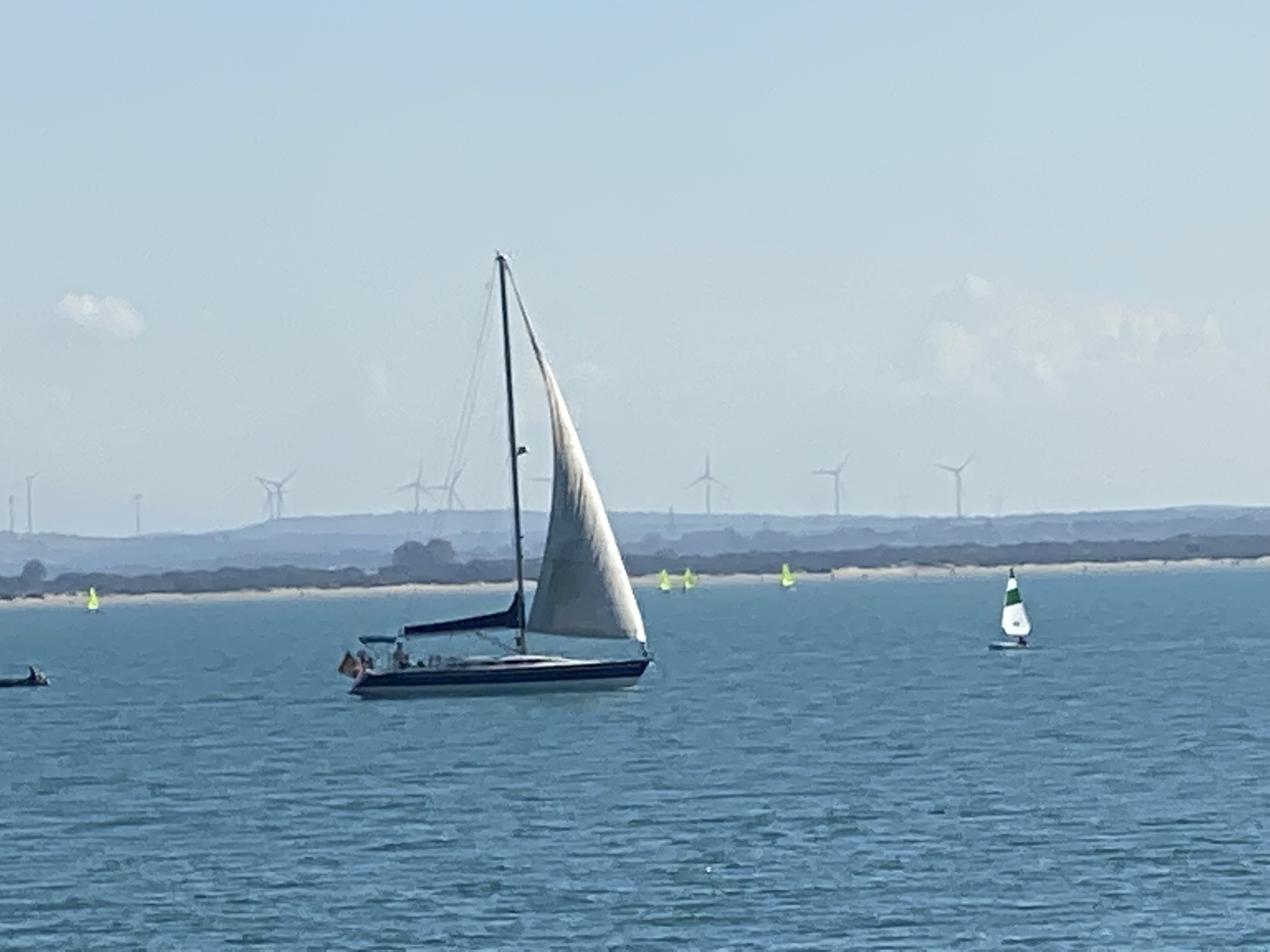
El Puerto de Santa María is across The Bay of Cádiz from the city of Cádiz. We took the ferry over on a Sunday. It reminded us of our ferry trip from San Francisco to Sausalito when we visited Christine. We enjoyed the 30 minute ride to Santa María, admiring sailboats on the blue water. After docking, we headed for the historic center, which is typically where the action is in small Spanish towns.

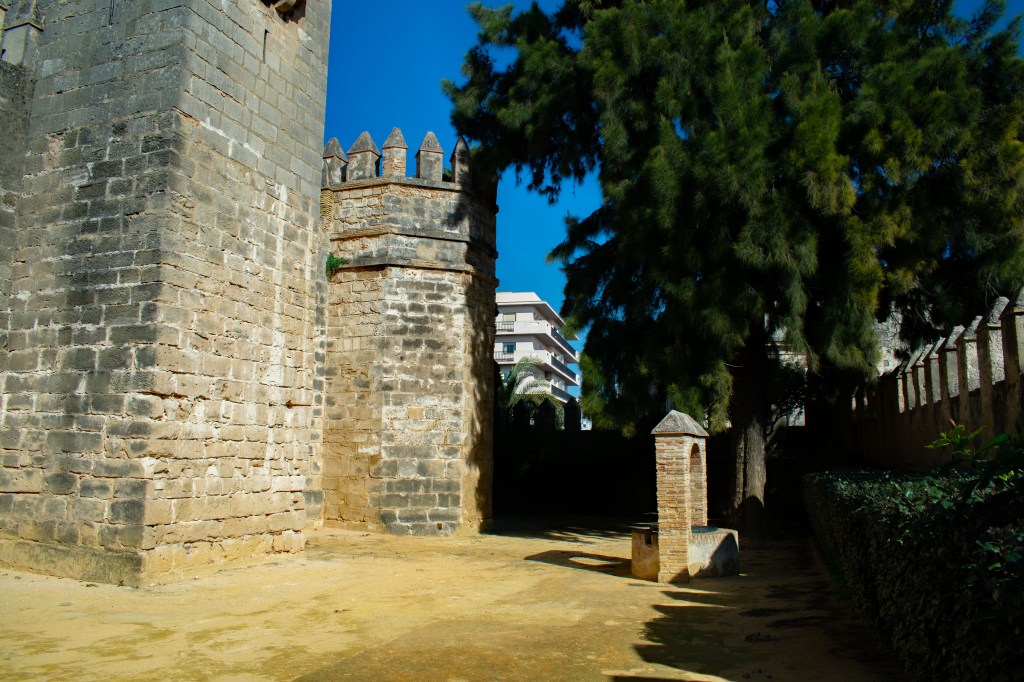
It wasn’t hard to spot the castle; high ground, thick walls, towers… and just outside of the walls; a café. Time for a coffee and croissant! I love to drink coffee in the sunshine surrounded by centuries of history.

The city of Cádiz is the oldest continuously inhabited city in Europe. Phoenicians, Romans, Visigoths, Moors (North African Muslims), and Christians are all part of the story. The Arab occupation from the 700’s AD until the final Reconquest in 1492 is responsible for much of the architecture and beauty of this region.

Cádiz province claims a number of “Columbus ” connections, some true, some legends. Columbus himself spent two years at The Castle San Marcos, while arranging funding for his second voyage. The voyage did not leave from Santa María, and apparently it’s just coincidence that it shares a name with one of his ships.

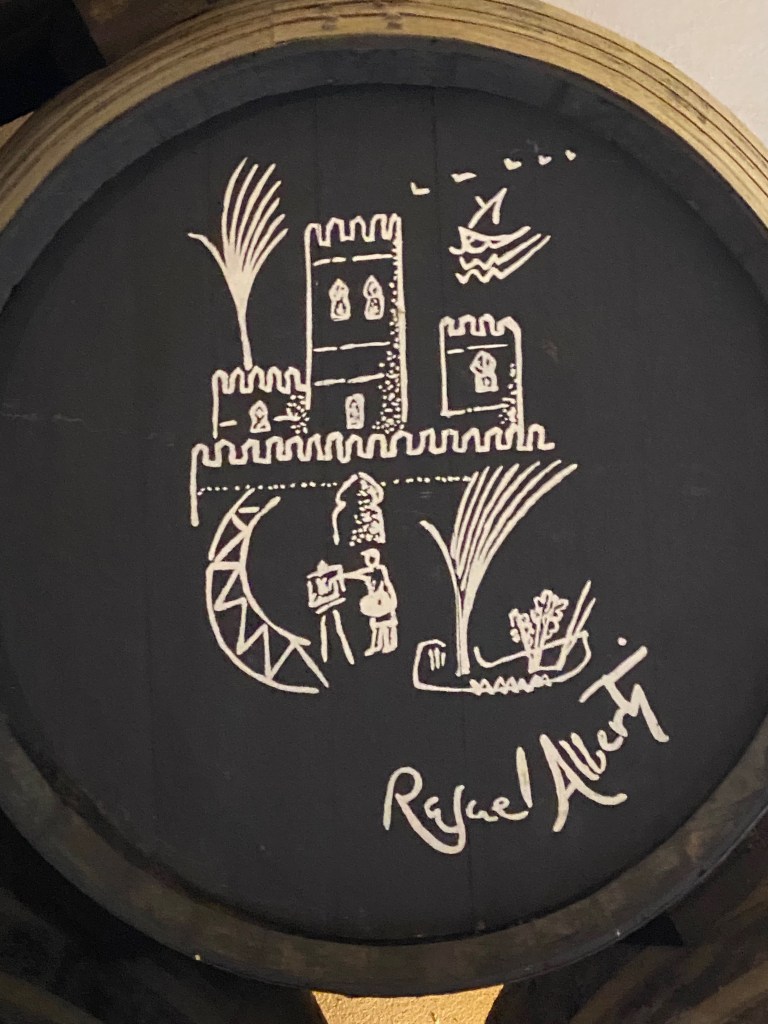
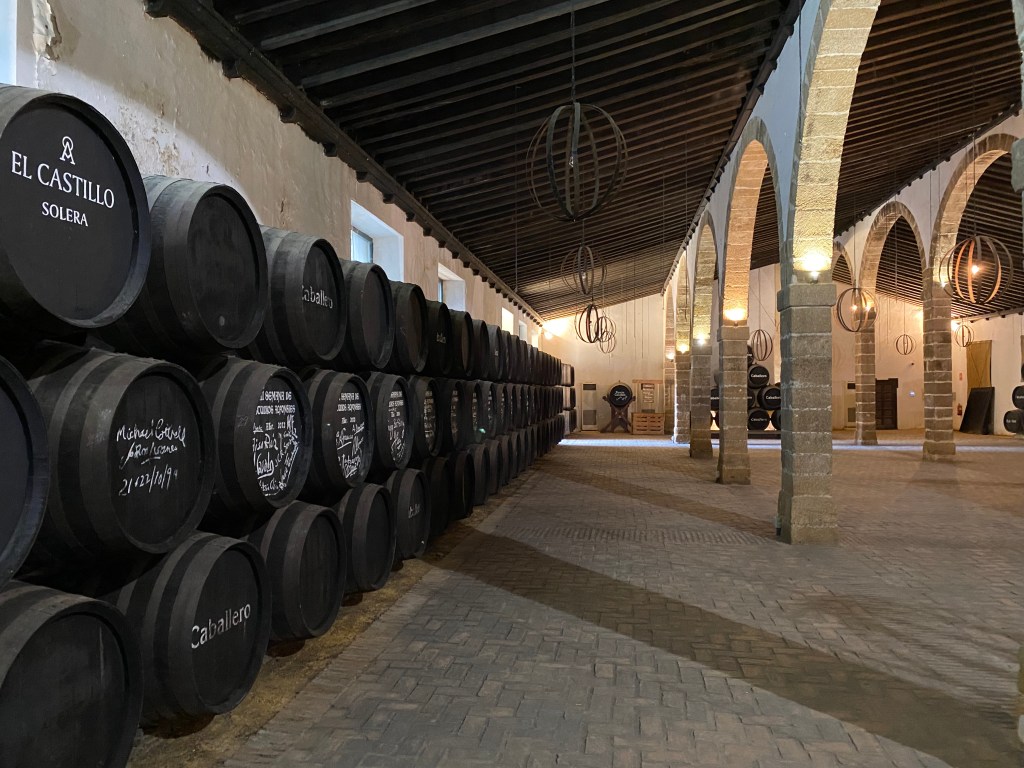
After finishing our coffee, we walked around to the front of the castle, where we paid a small entrance fee to tour the grounds. We had the castle pretty much to ourselves and only encountered a few other guests. The castle rooms and grounds are immaculately kept, and we enjoyed our visit. It was especially fun to discover the sherry bodega and its barrels of “Castillo” sherry.

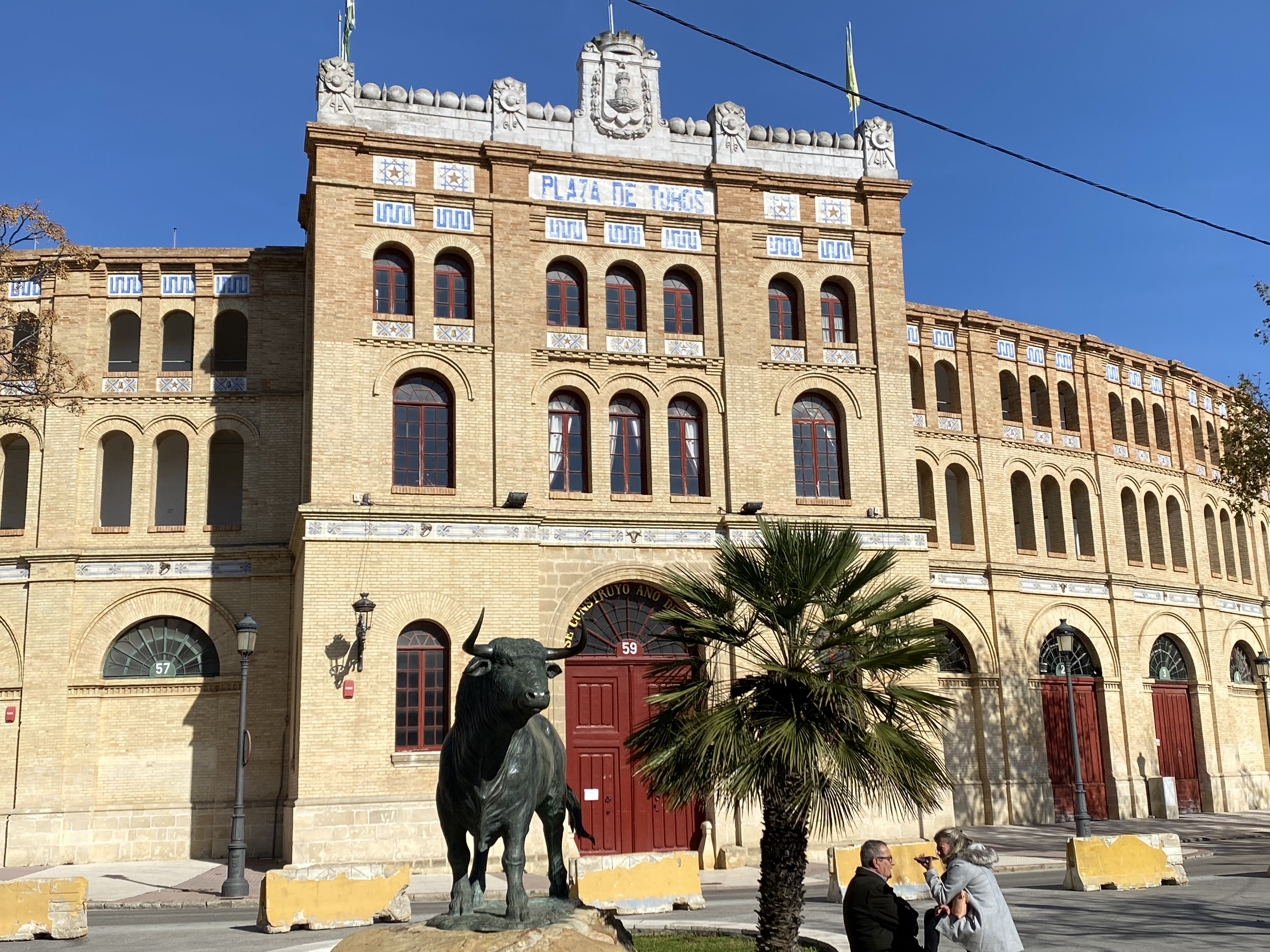
From the castle we walked through town in search of lunch. Santa María is fairly spread out. We seemed to be in the Osborne Sherry warehouse section and everything was closed up on Sunday. We found the bullring, an impressive structure, but there was nothing happening there. Lunch options were quite limited, a situation we have seldom encountered in Spain. Not to worry, we haven’t gone hungry yet.

Having exhausted the highlights of town, we headed back to the port to wait for our return ferry. Here we found a nice waterfront place to enjoy a beverage, along with most of the town’s residents. The rest of them may have gone to Cádiz for the day, as there was a large crowd getting off the ferry when it pulled into port.

Geri and Bill Stroll Through History
Malaga Sights And Malaga Nights

Chicago to Malaga

We departed Chicago on a frigid January afternoon, and after a long, but uneventful flight, we arrived in Madrid the next morning. From Barajas airport, we took a train to Atocha Station for the train to Malaga. We’ll enjoy some days in Madrid in March, but for now, it’s time to head south. The three and a half hour train ride to Malaga was pleasant, thanks to an upgrade to business class. We can’t afford that on an airline ticket, but at 30 euros each, the leg room and hot lunch are well worth it. By Friday evening, we were checked in to our hotel in the city center (Hotel Molina Lario).

After a shower and a brief rest, we were off to the rooftop bar of our hotel. There, the hostess asked for our digital vaccine card. We have three, including the one which was required to enter the country, but her scanner didn’t work on any of them. In the midst of that confusion, our friends María and Cipriano from Oletrips called. We had two days of experiences planned with them. Unfortunately, Cipriano had just tested positive for COVID. Omicron is spiking here, disrupting plans, just like it is at home. An outdoor mask mandate has been reinstated and voluntary compliance is high. The locals are dining outdoors more than in past winters here. We are avoiding crowded indoor bars, but otherwise the COVID impact on our trip has been minimal. As of this posting, I am happy to report that both Cipriano and María had a mild case and are recovered. We hope to reconnect with them later in our trip.

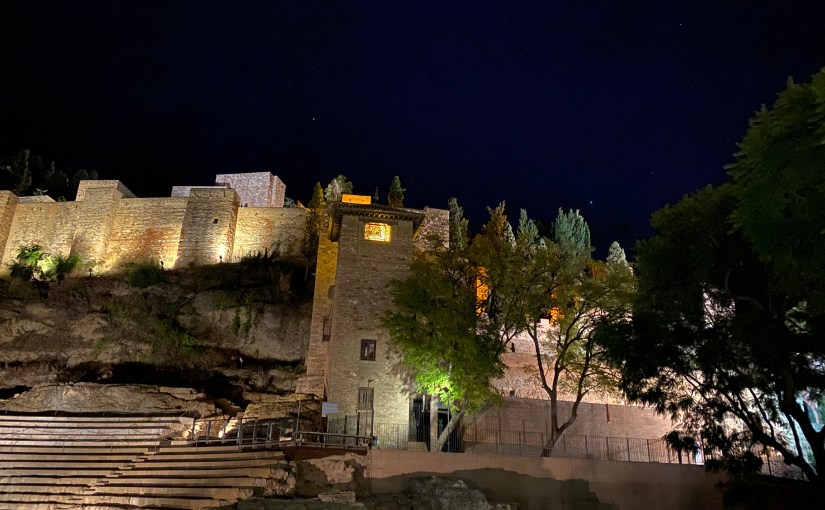
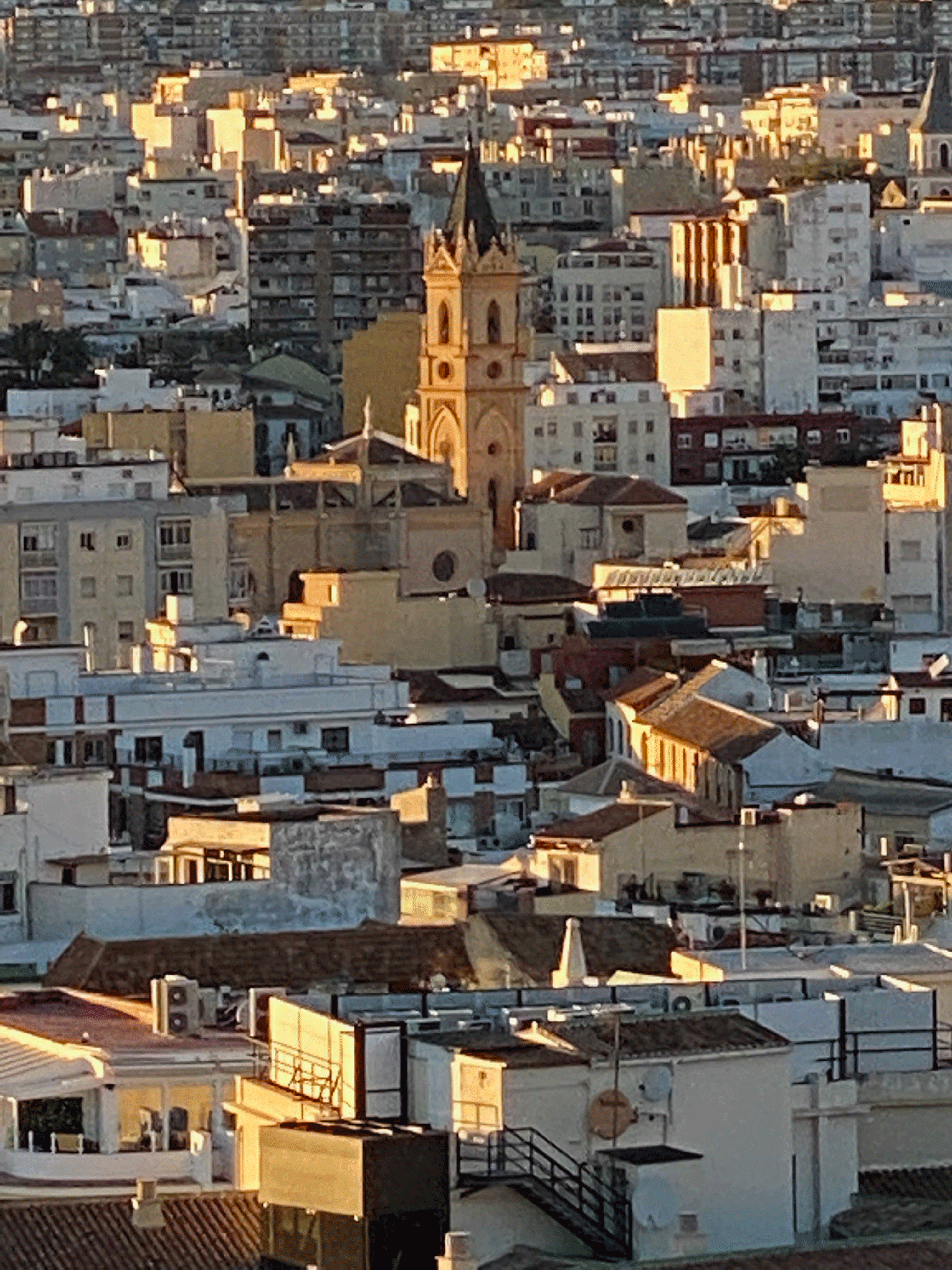
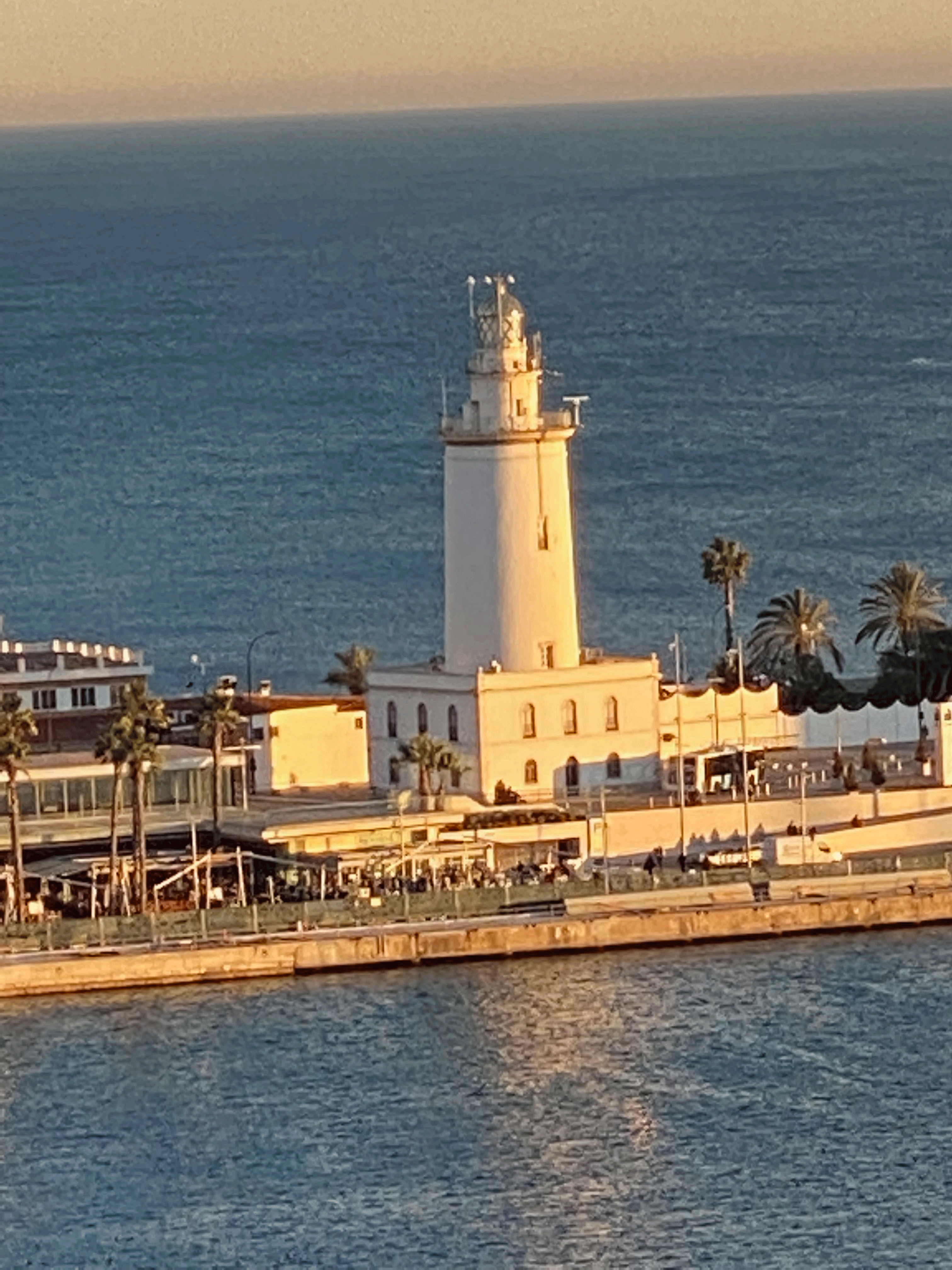
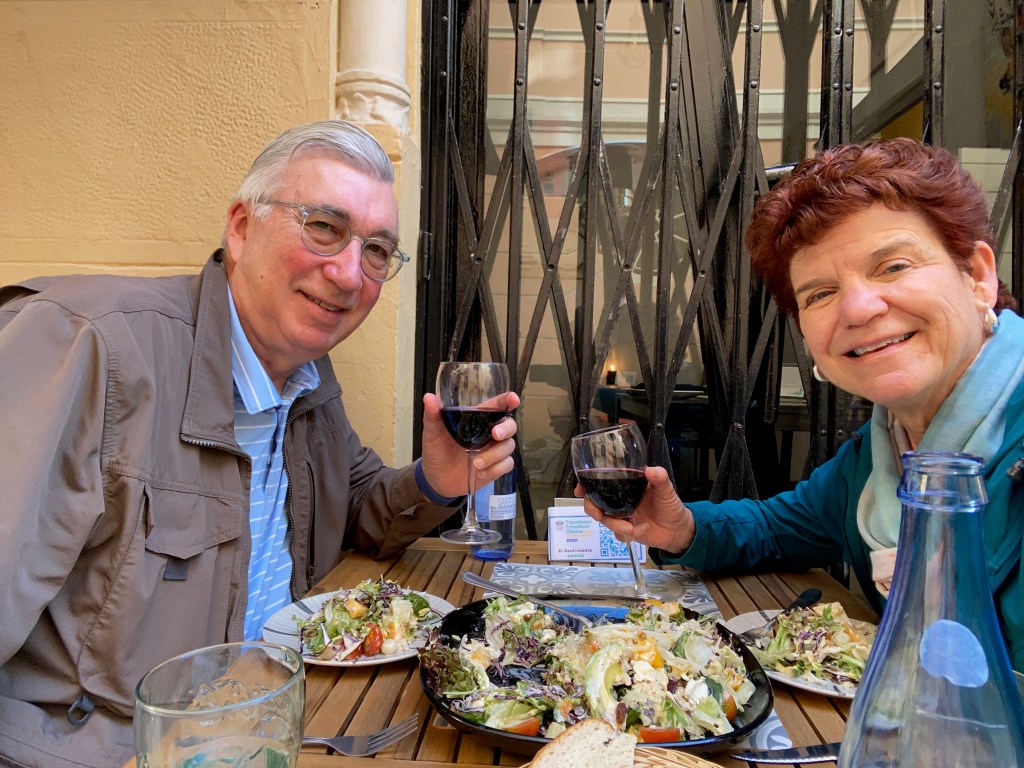
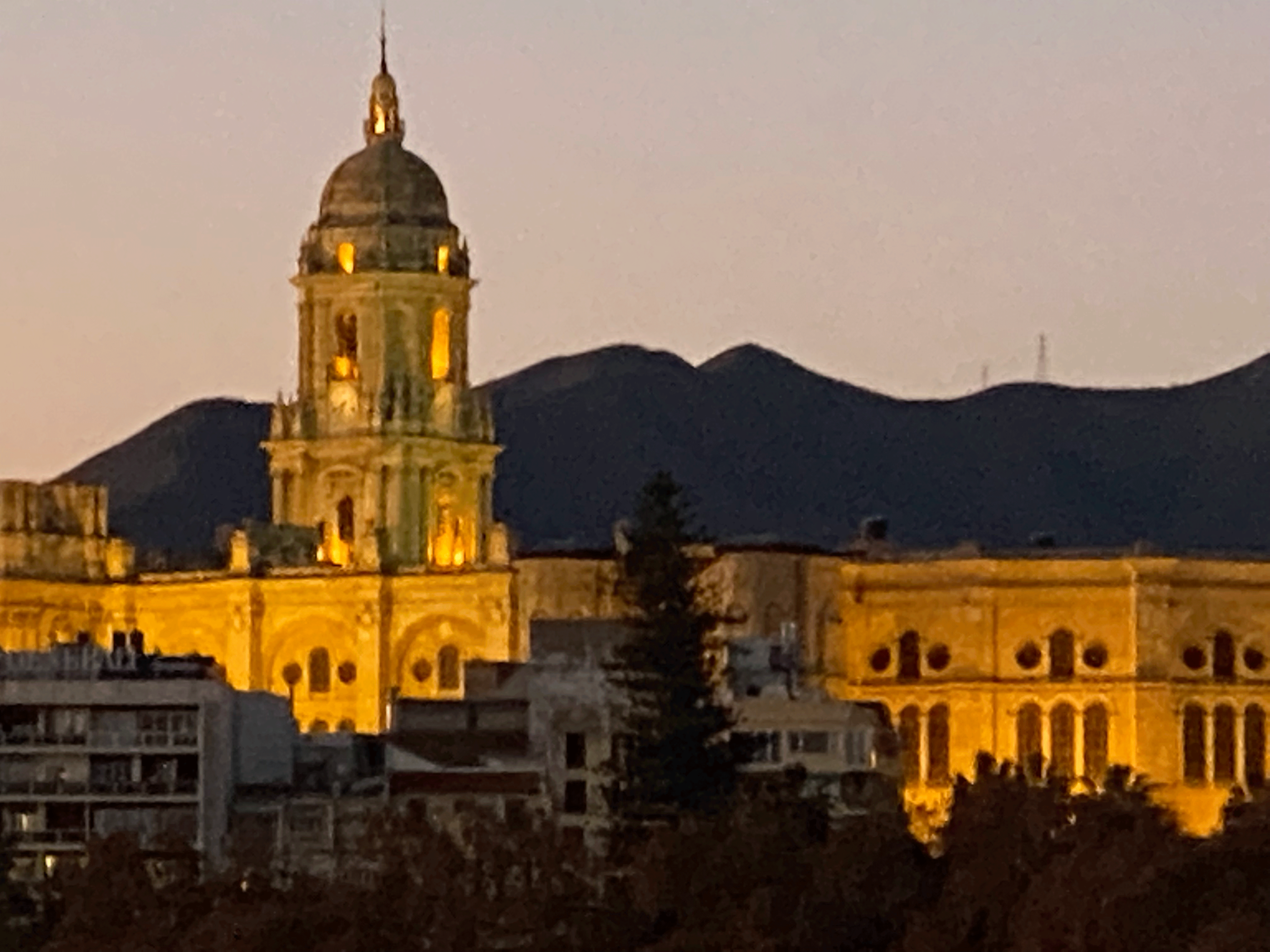
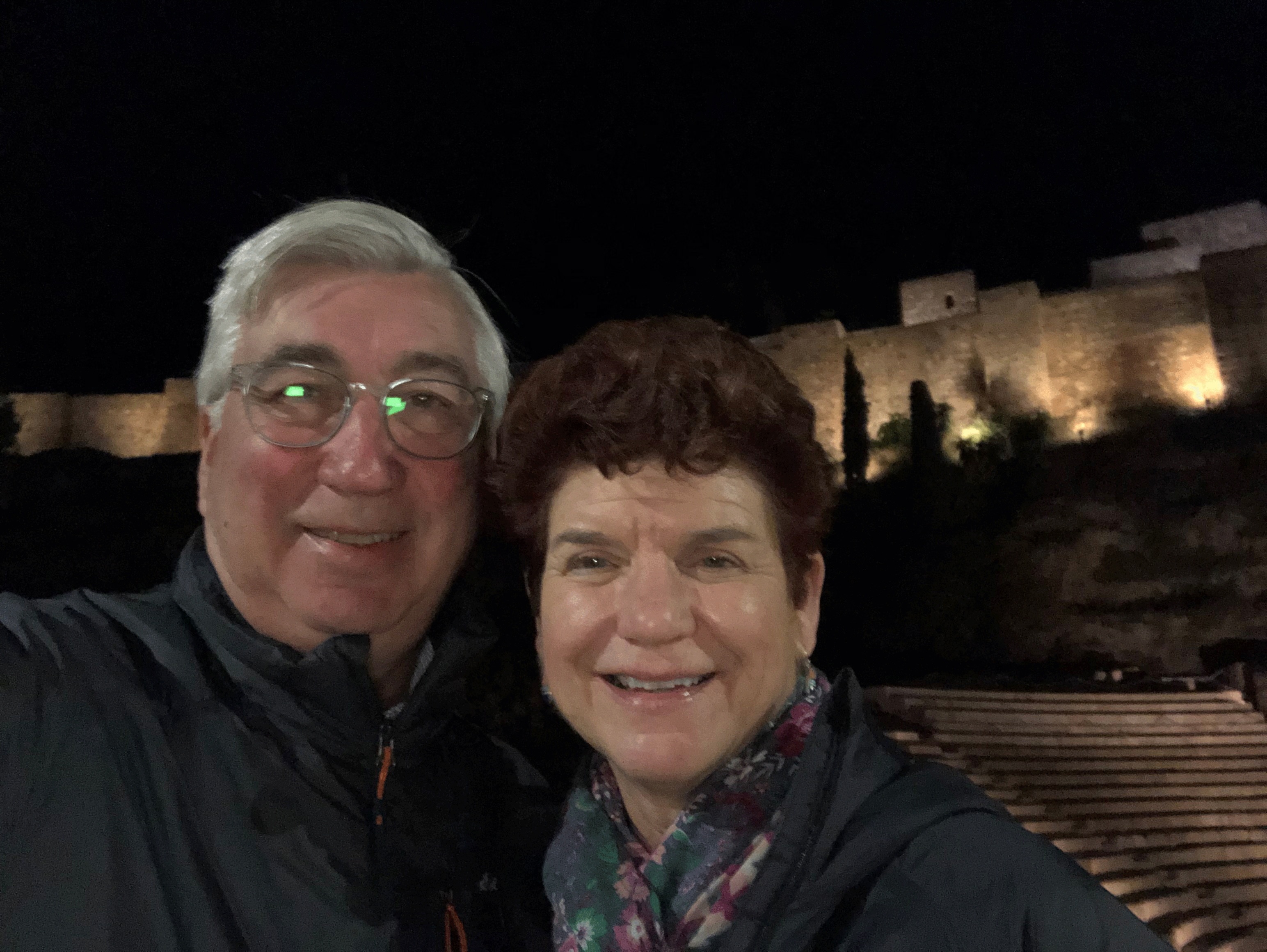
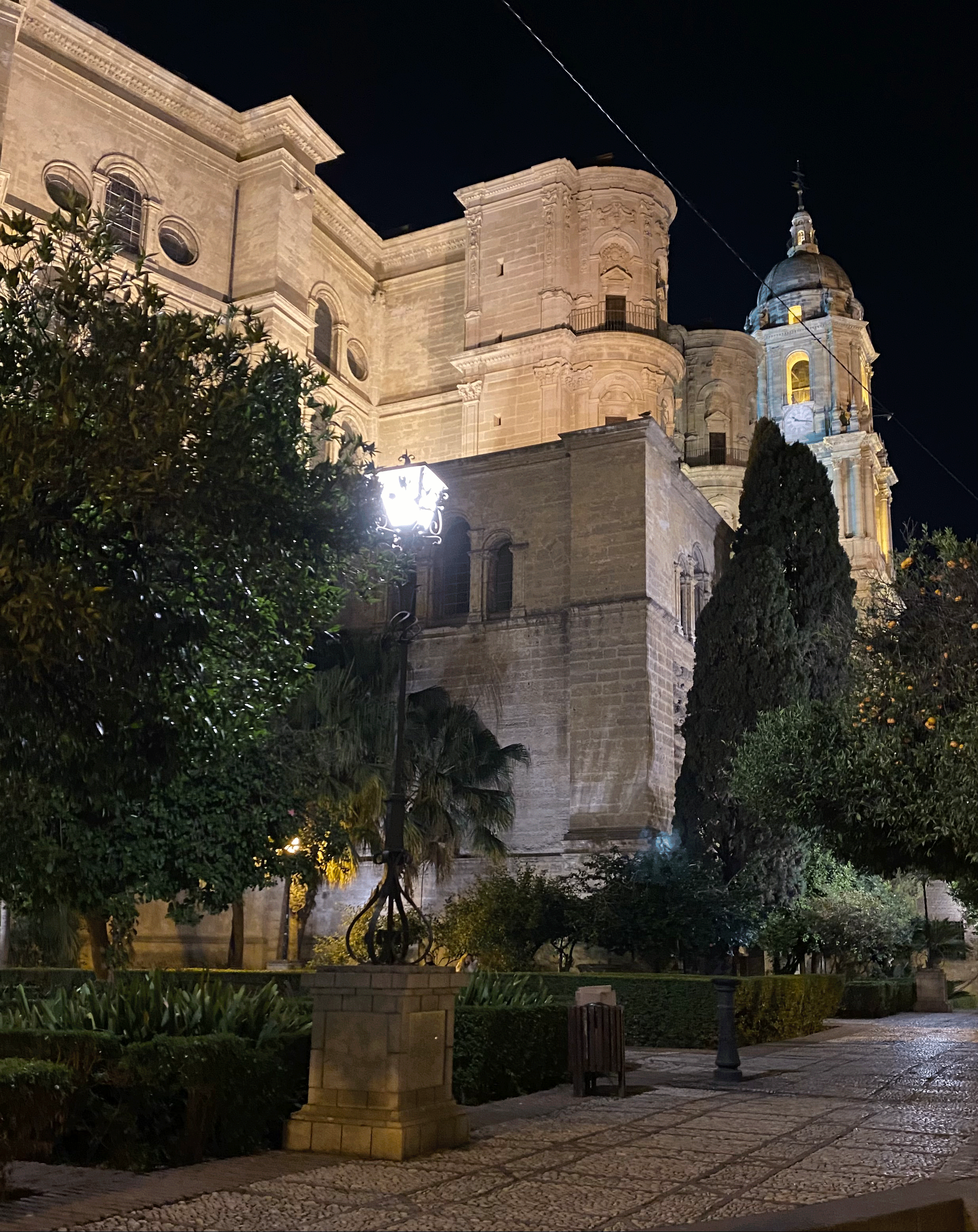
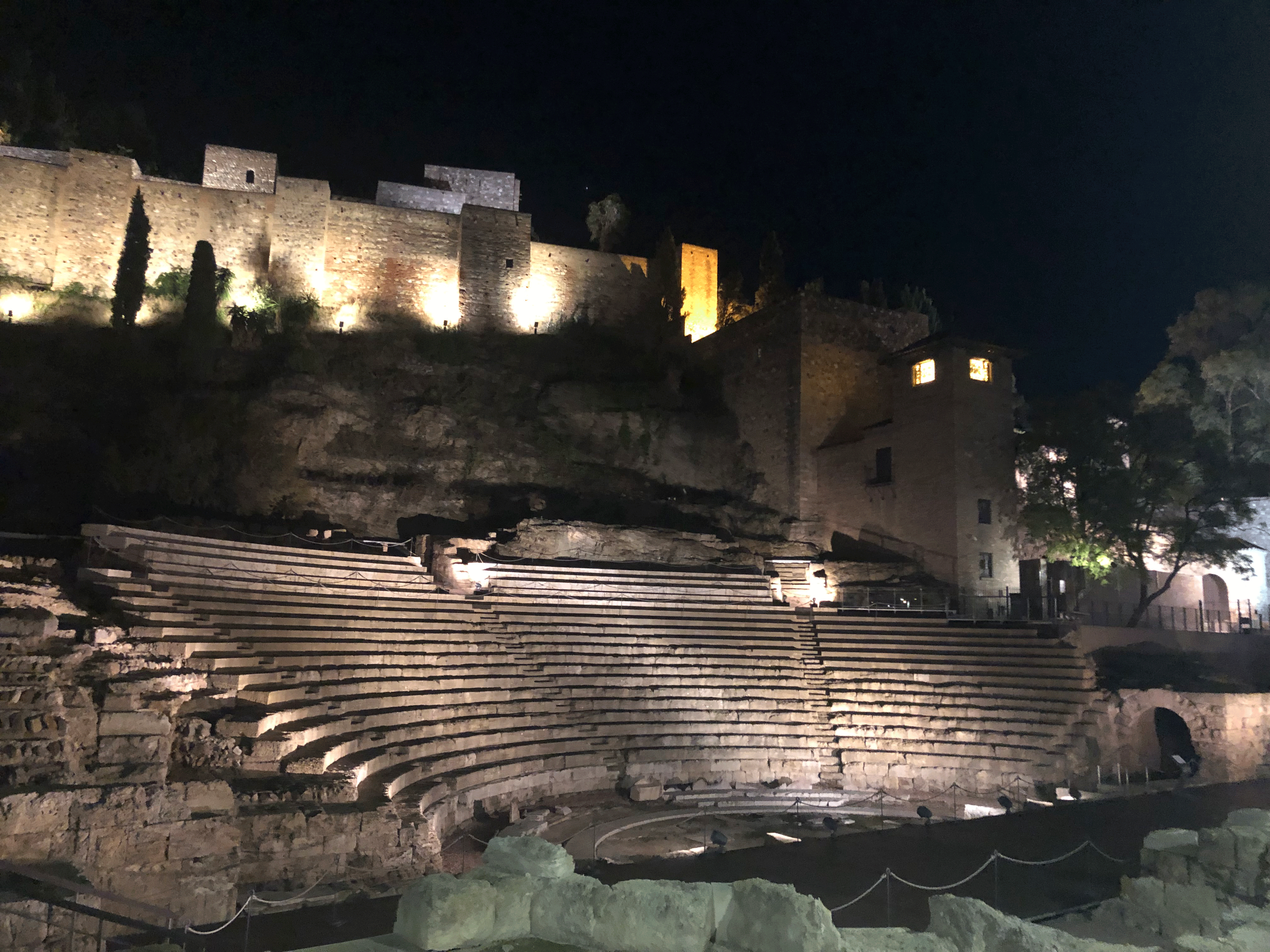
Cipriano had texted us a list of things to do and see in Malaga, and I am proud to say we checked off a number of them. Malaga is a beautiful city; clean, safe, and very walkable. The central historic district and port area are well-marked and easy to navigate. Malaga’s history is represented in its beautifully preserved monuments. Food and drink are widely available and of high quality for a fair price. Cipriano included great restaurant suggestions. We had a lunch Los Mellizos in the central market, where we enjoyed fresh tapas, sunshine, and some interaction with a fun group of Polish tourists. One evening, we dined under the stars and the lights of the medieval walls at El Pimpi, near the Roman Theatre.

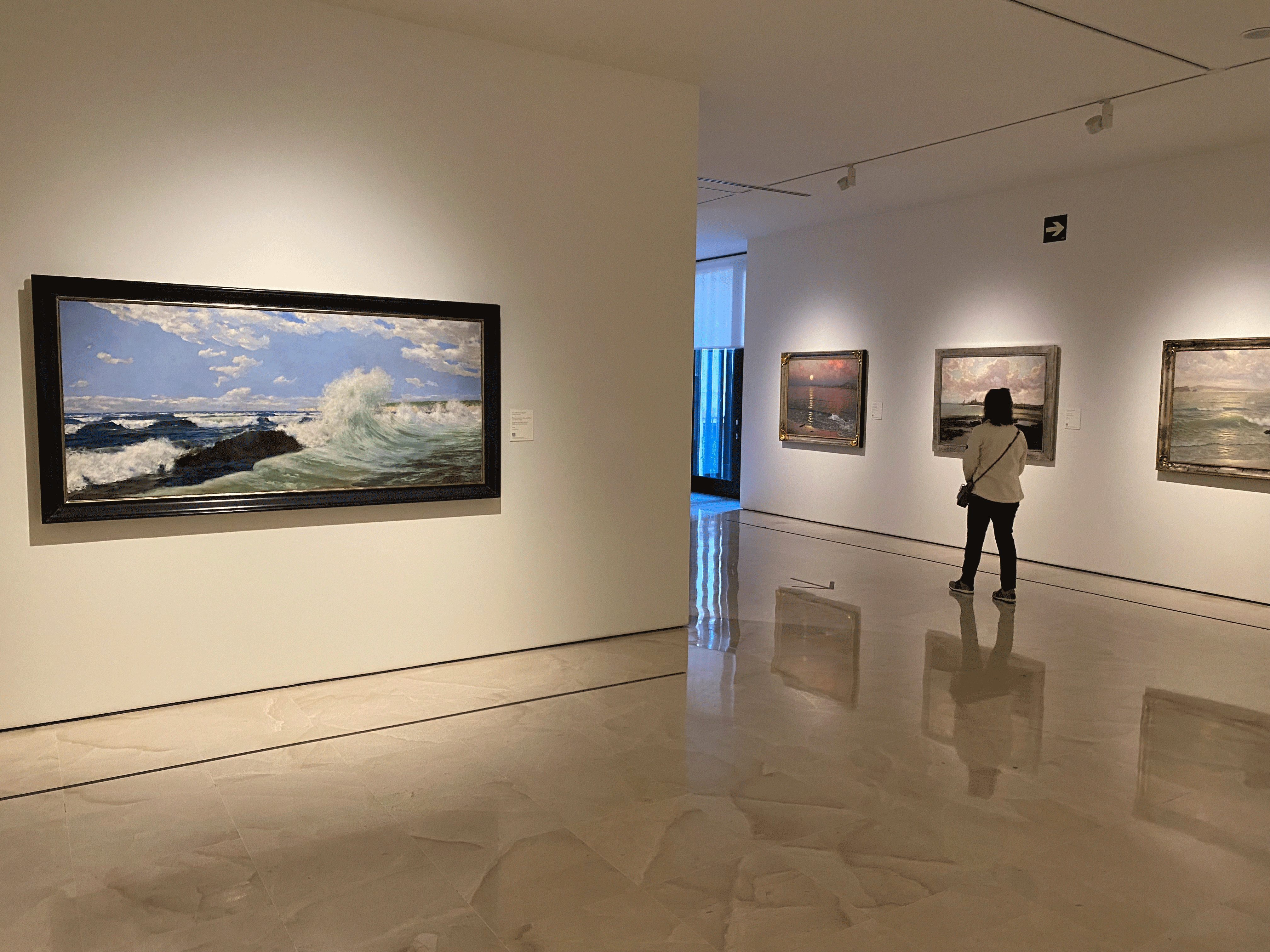
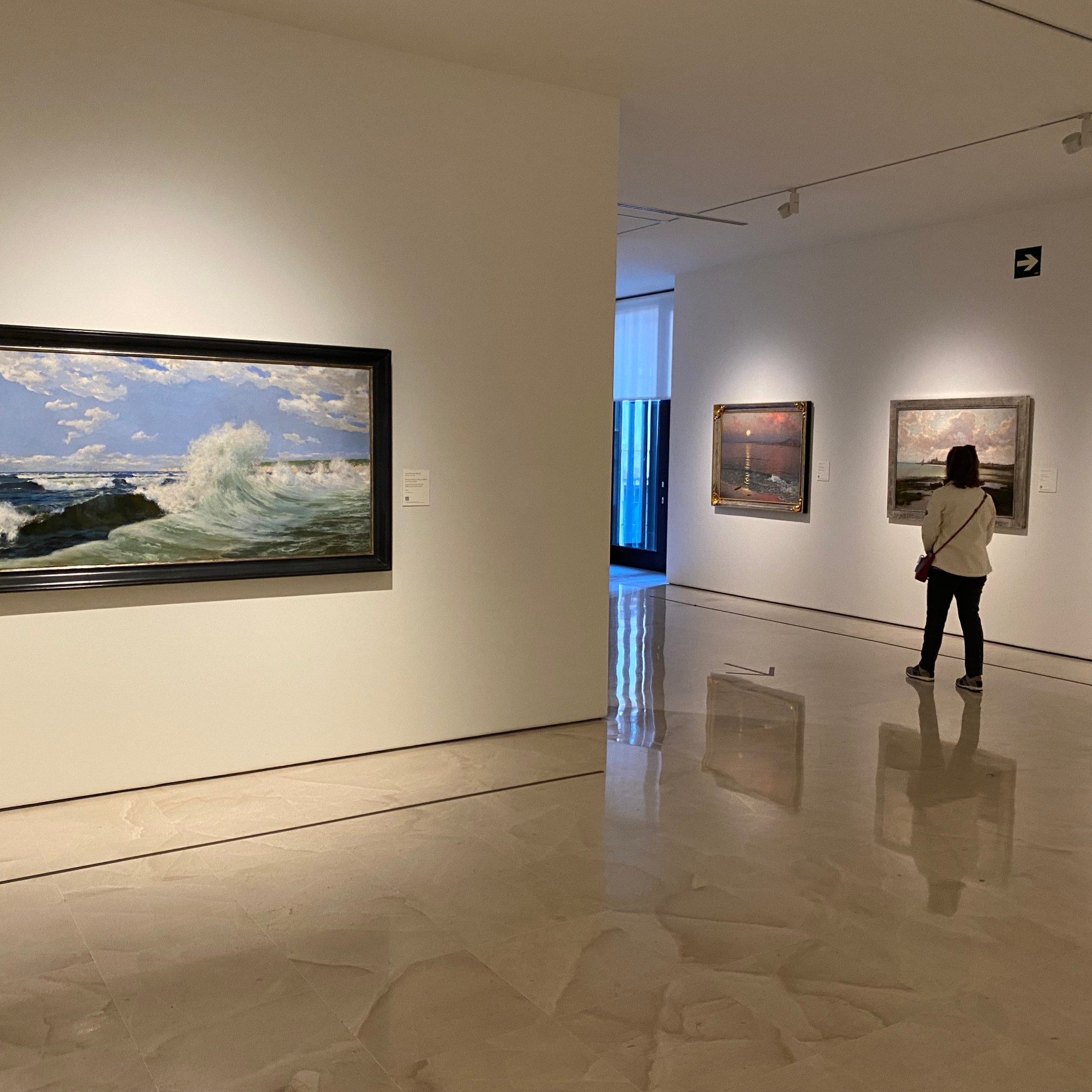
Malaga is the birthplace of Pablo Picasso, and therefore a city which celebrates art. The Picasso Museum and The Carmen Thyssen Museum are world-class galleries housed in beautiful historic buildings. During a Sunday walk in the historic center, we happened upon the Felix Revello de Toro Museum. Admission is free on Sunday. The building was originally the home and studio of Spanish sculptor Pedro de Mena. There is a memorial dedicated to him. The rest of the rooms showcase the paintings of Revello de Toro; born in 1926 and still working. His works are mainly portraits of women. We enjoyed our visit very much! (Gloria Judge, you would love it!)

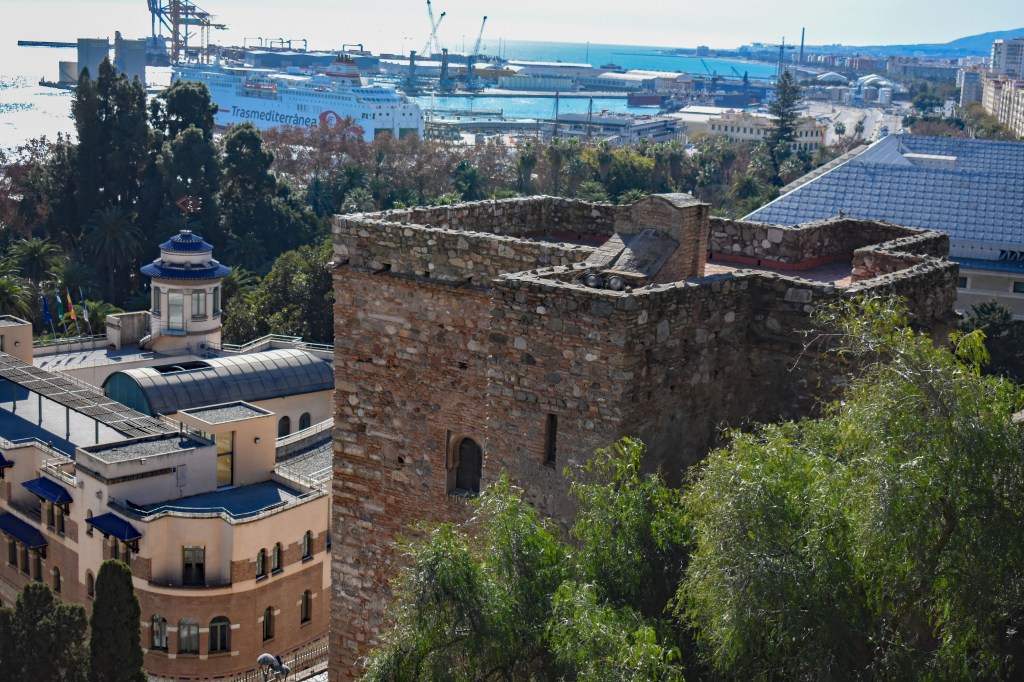
Many tourists bypass Malaga, spend a day when their cruise ship is in port, or merely pass through it en route to the beach towns on Costa del Sol. We have been guilty of that on our previous visits to the region. One year, we came to Malaga by bus from nearby Nerja to see the holiday lights and the Three Kings’ Day parade. We made a day of it and visited the Picasso Museum and the Cathedral. The next year, we came to Malaga from Torremolinos to catch a tour to Caminito del Rey, and we had lunch before leaving town. This trip, we stayed three nights in Malaga and were able to experience much more of this charming city.